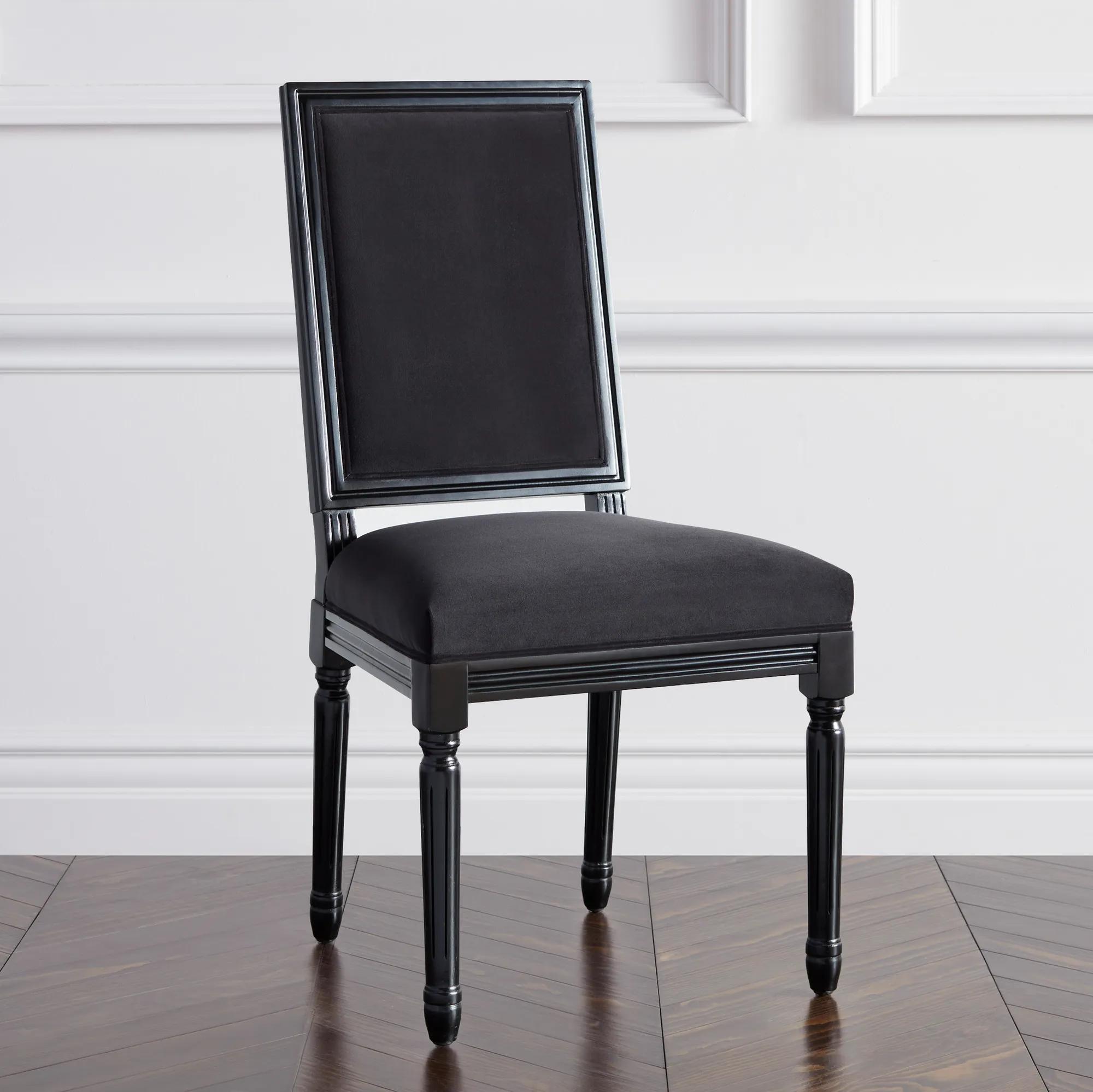
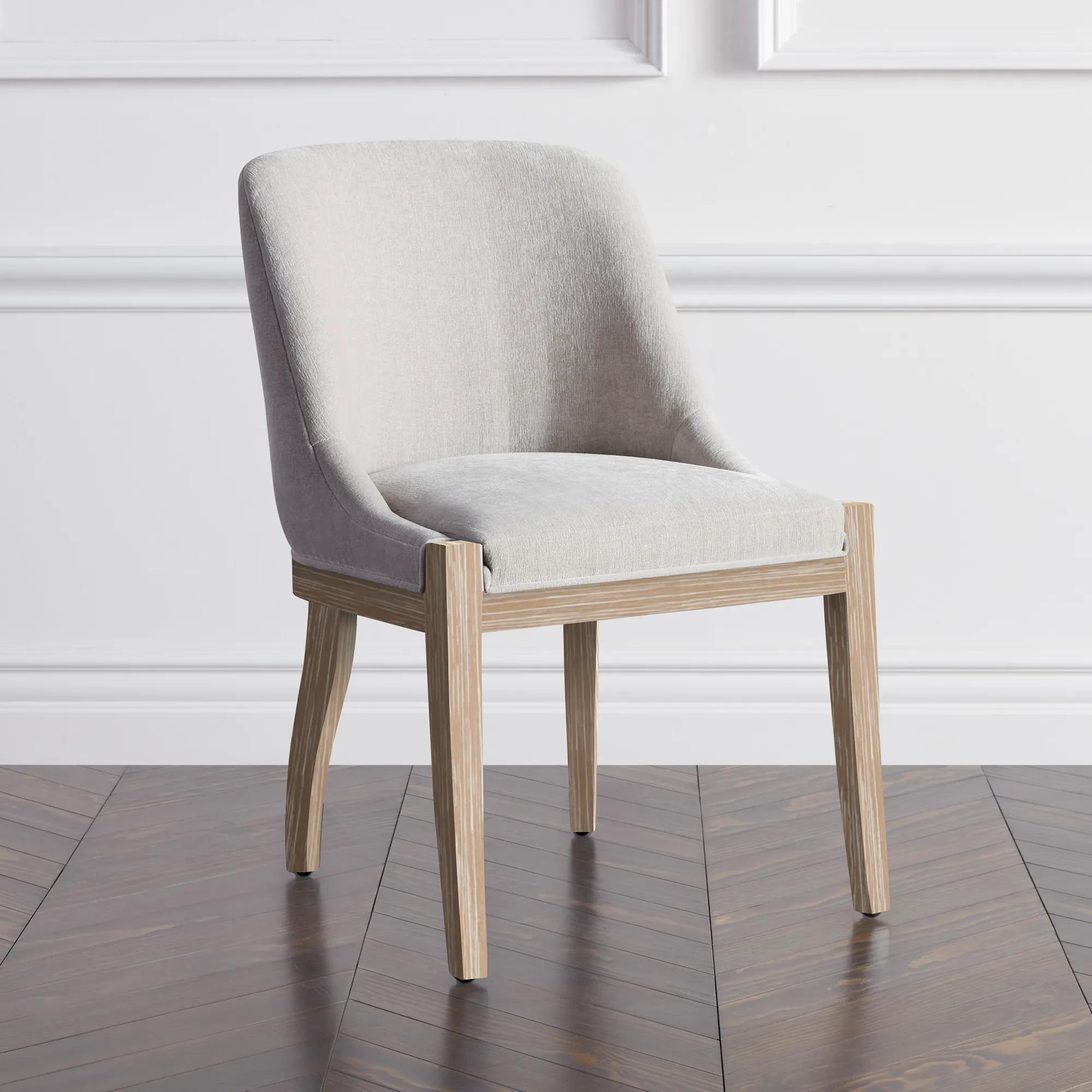
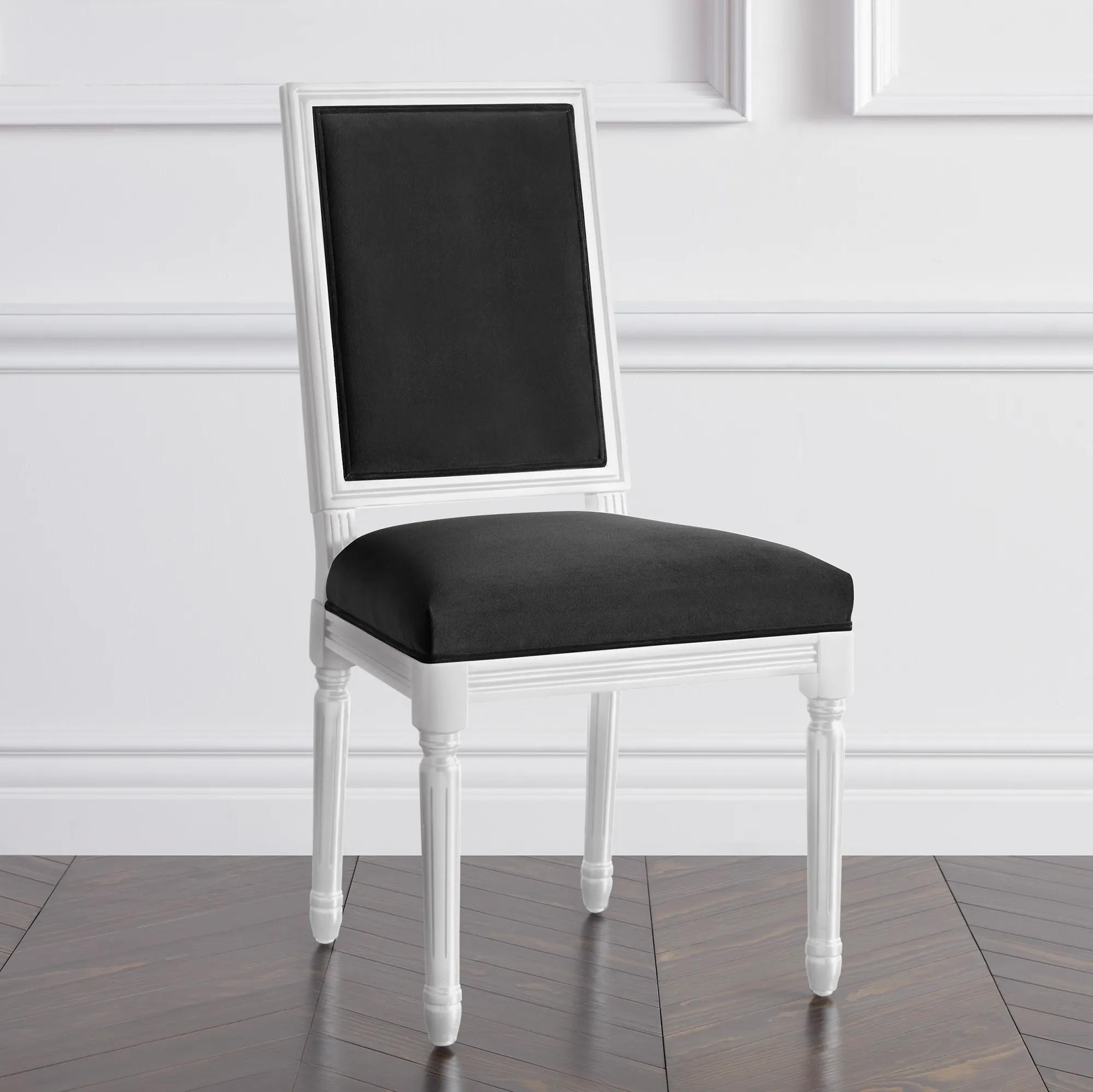
Contemporary Dining Chairs With Cutout
Contemporary Dining Chairs With Cutout
-
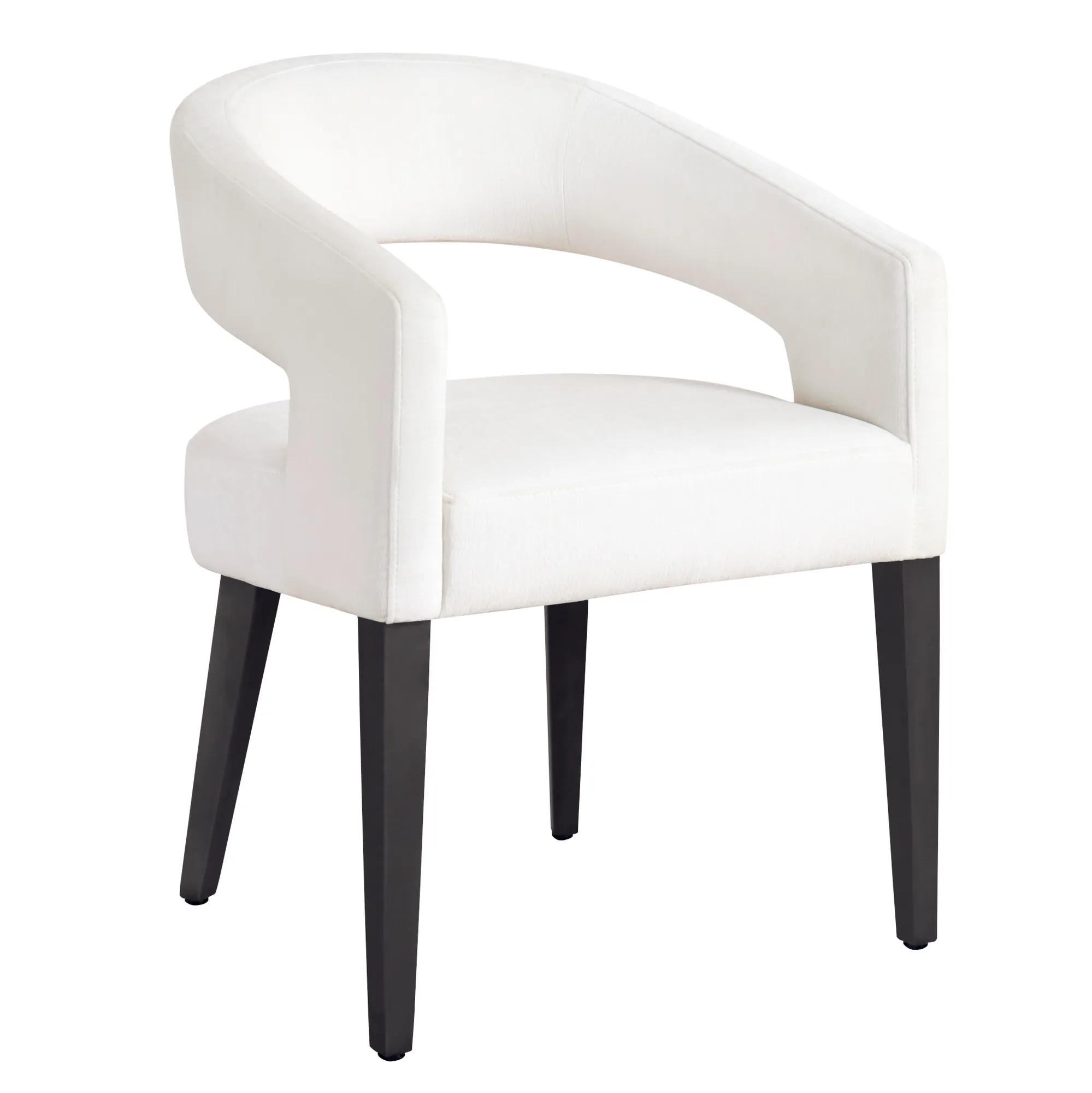
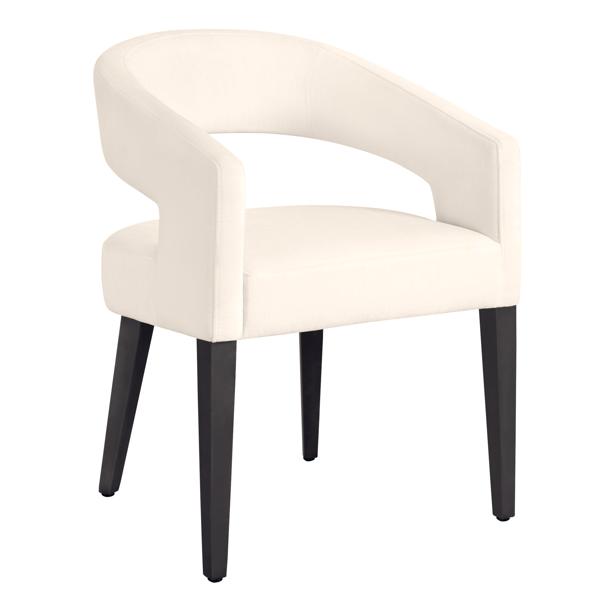 Philippa Dining Chair - Espresso$599
A modern dining chair featuring a curved silhouette, espresso legs, and neatly tailored chenille upholstery.
Add To Cart -
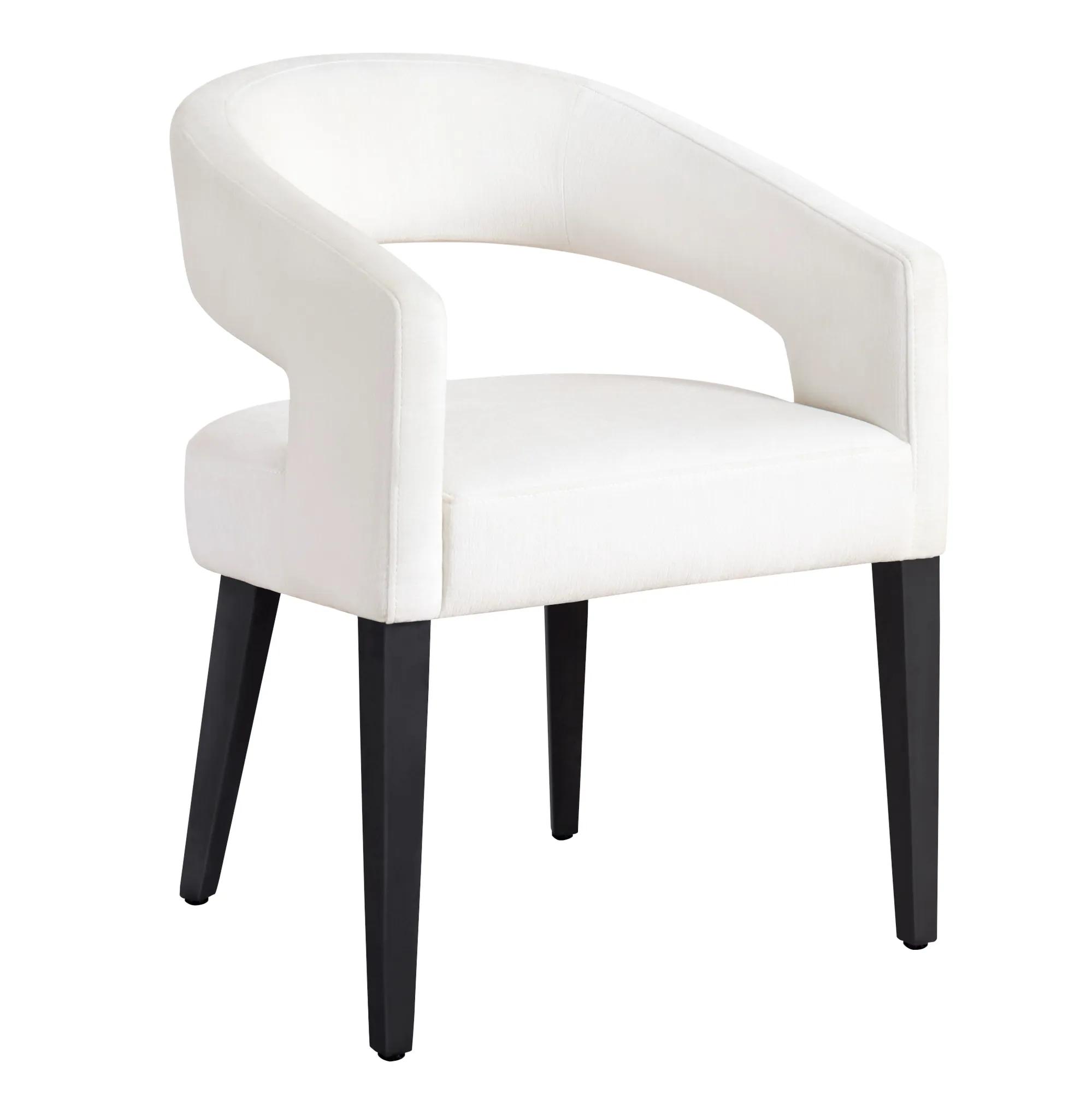
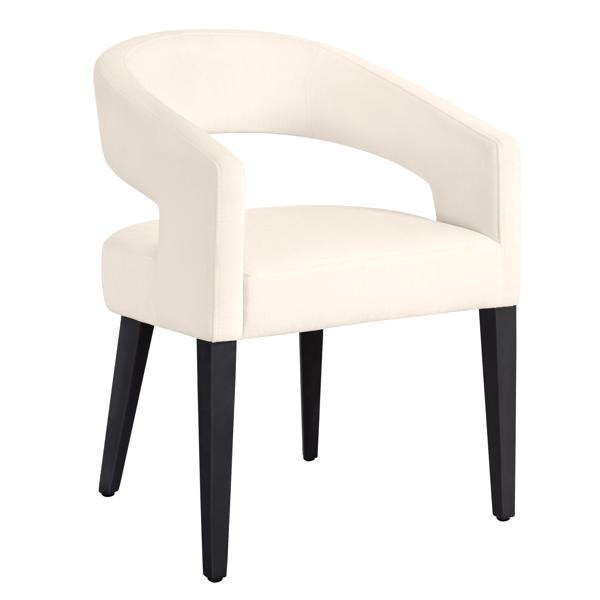 Philippa Dining Chair - Matte Black$599
A modern dining chair featuring a curved silhouette, matte black legs, and neatly tailored upholstery.
Add To Cart -
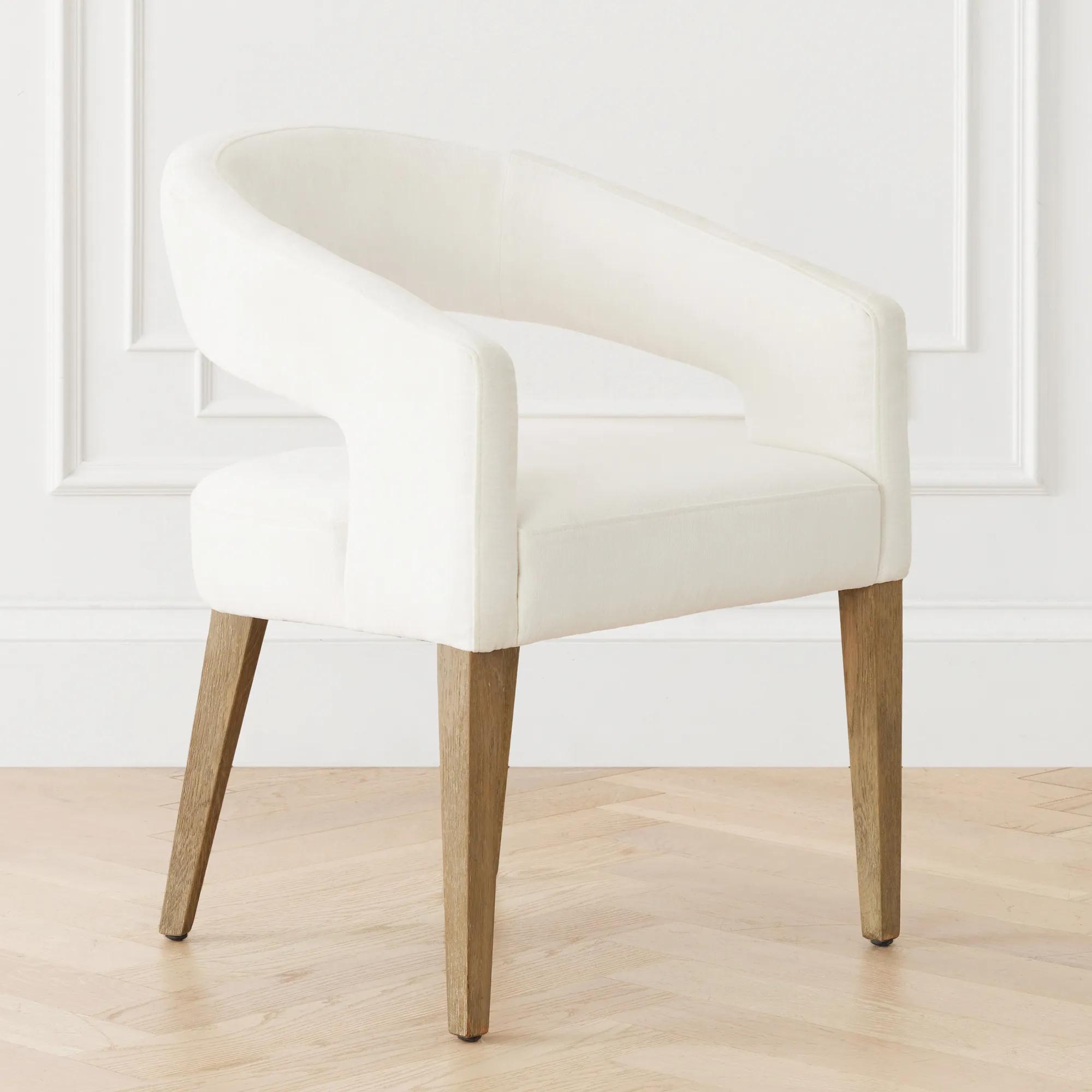 Philippa Dining Chair - Natural Grey$845
A modern dining chair featuring a curved silhouette, grey upholstery, and a kiln-dried hardwood frame.
Add To Cart -
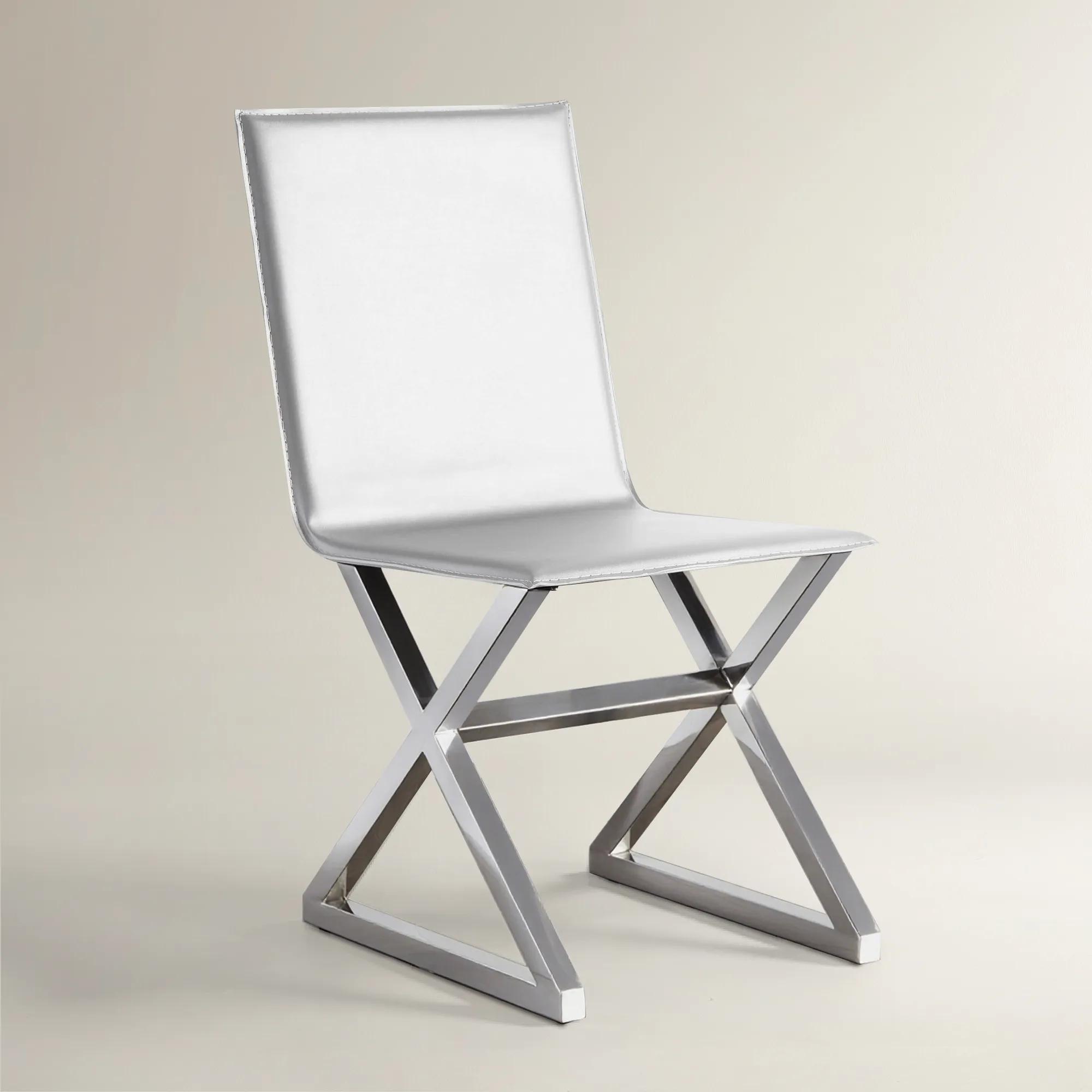
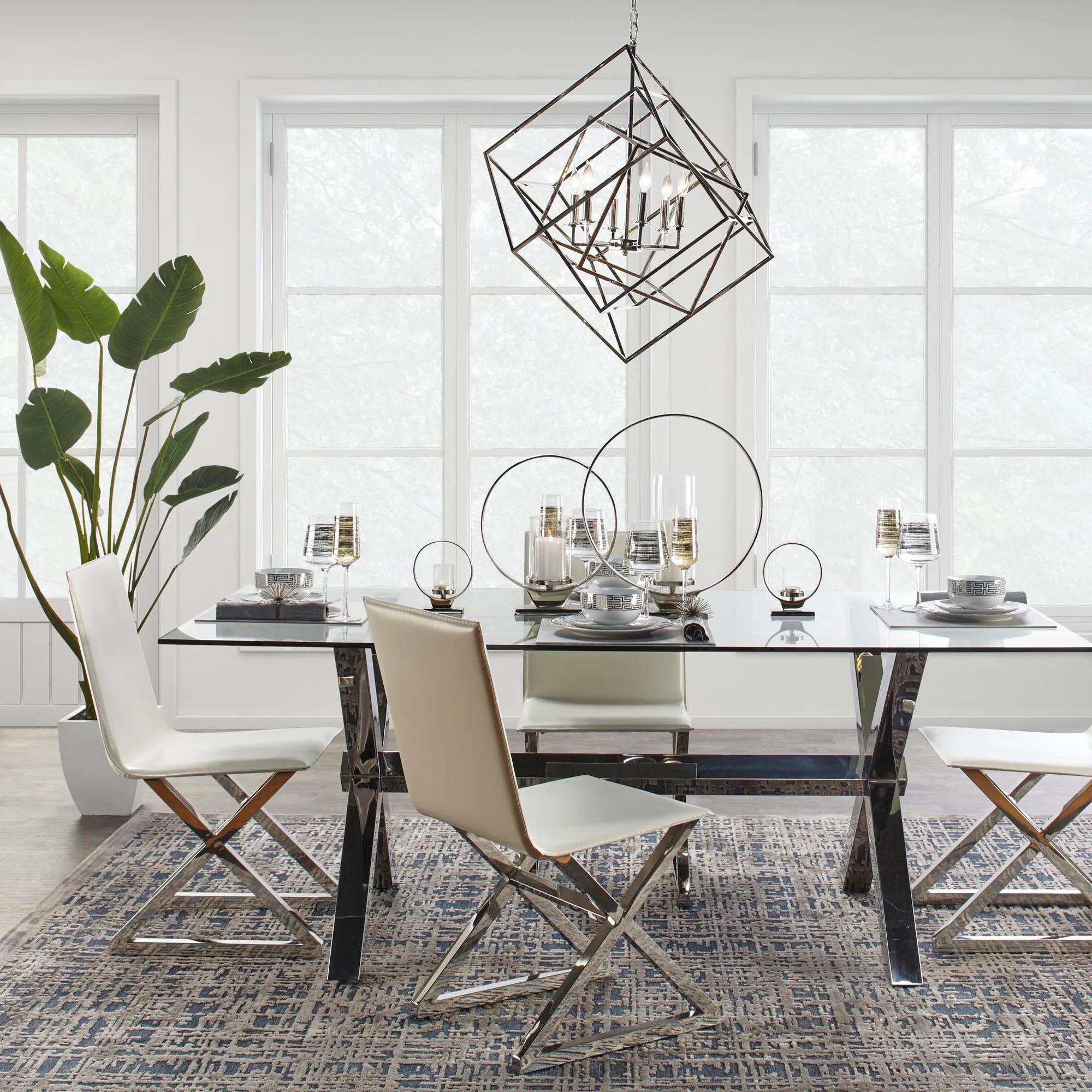 Axis Dining Chair - Set of 2$399
A contemporary chair set featuring white bonded leather upholstery and a polished stainless steel base.
Add To Cart -
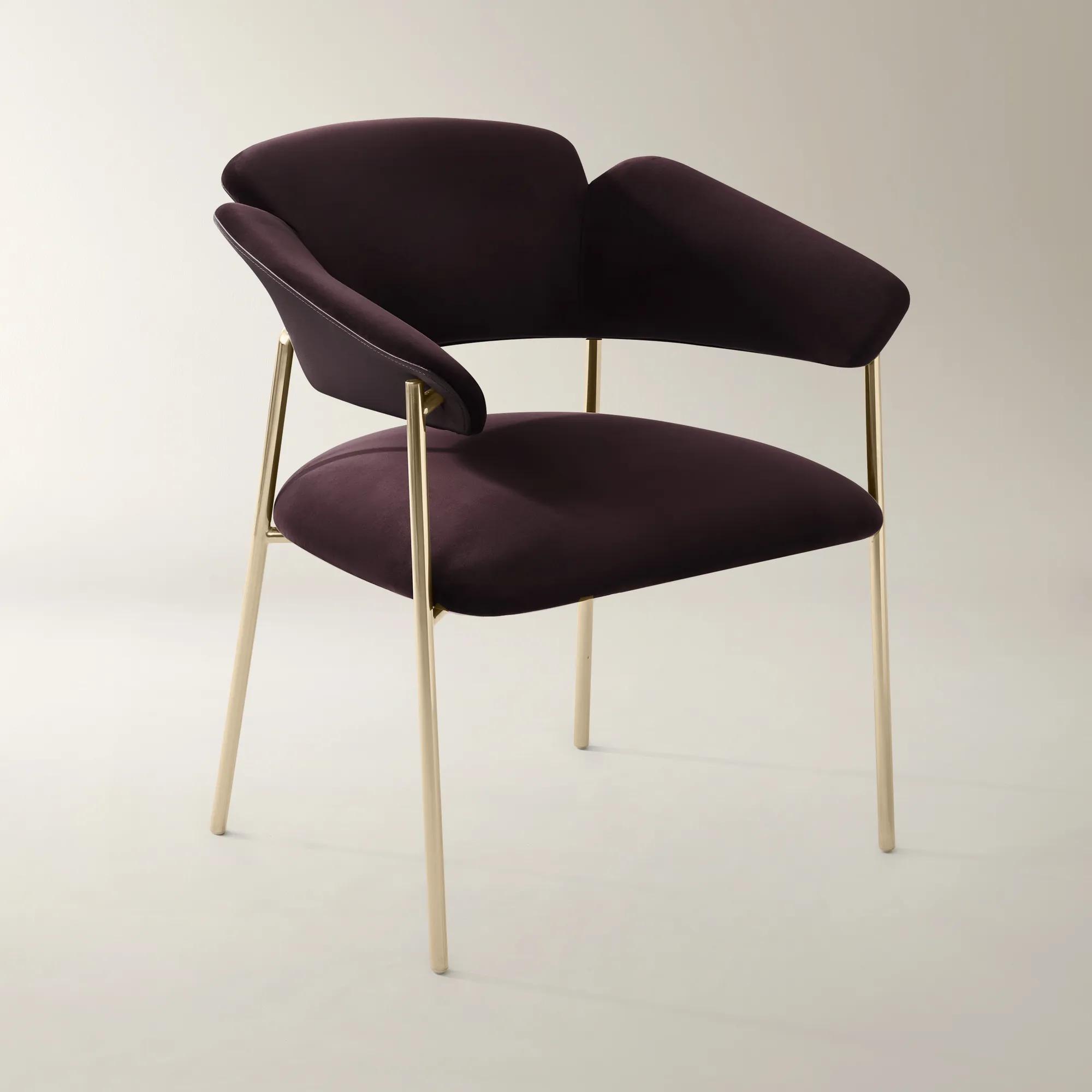 Odette Fig Velvet Dining Chair$499
A sculptural dining chair featuring fig velvet, tonal faux leather accents, and slender gold-finished metal legs.
Add To Cart -
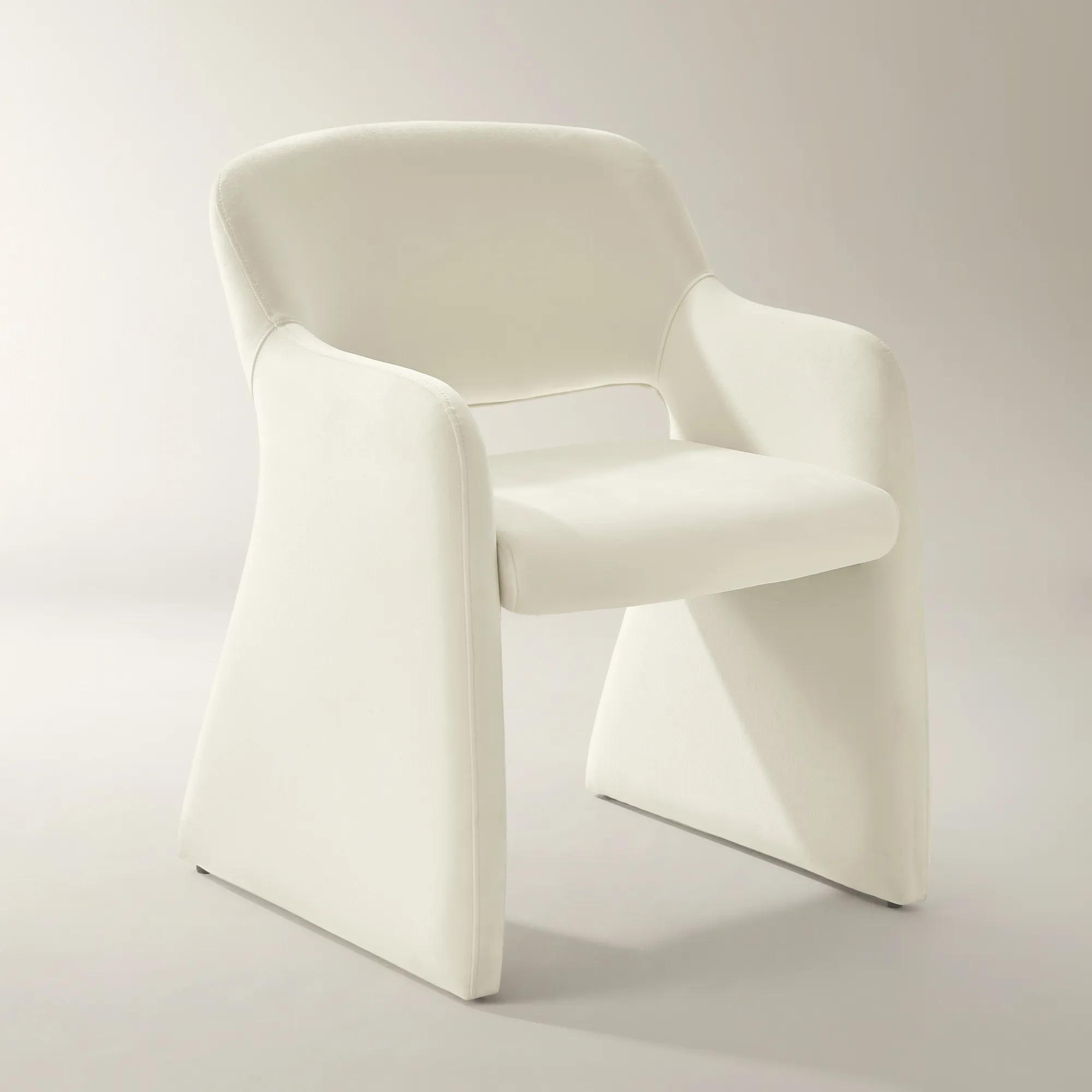 Elara Cloud Velvet Dining Chair$449
A plush velvet dining chair featuring a seamless wraparound silhouette and supportive carbon steel frame.
Add To Cart -
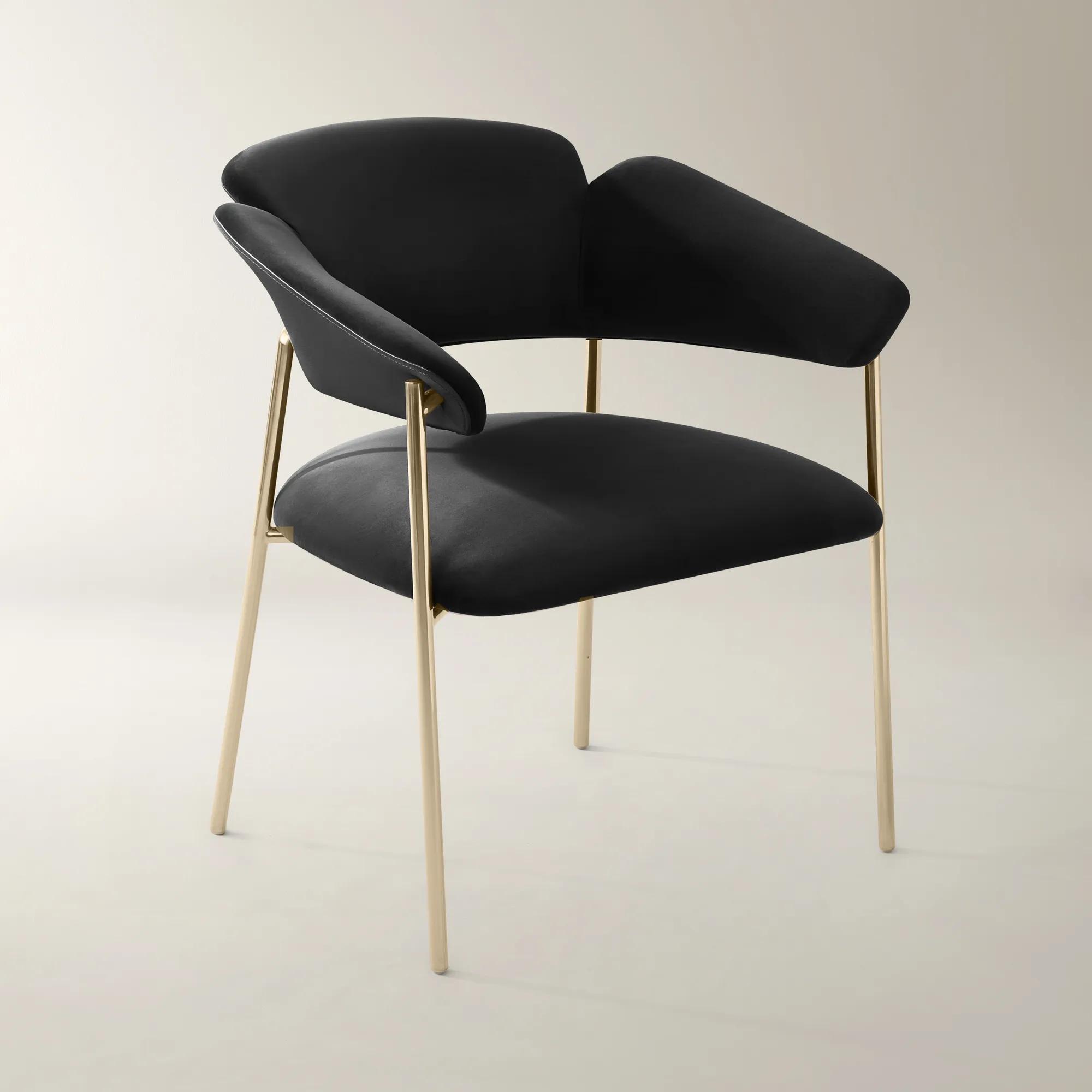 Odette Charcoal Velvet Dining Chair$499
A charcoal velvet chair featuring a wraparound open-back design, tonal faux leather accents, and gold metal legs.
Add To Cart -
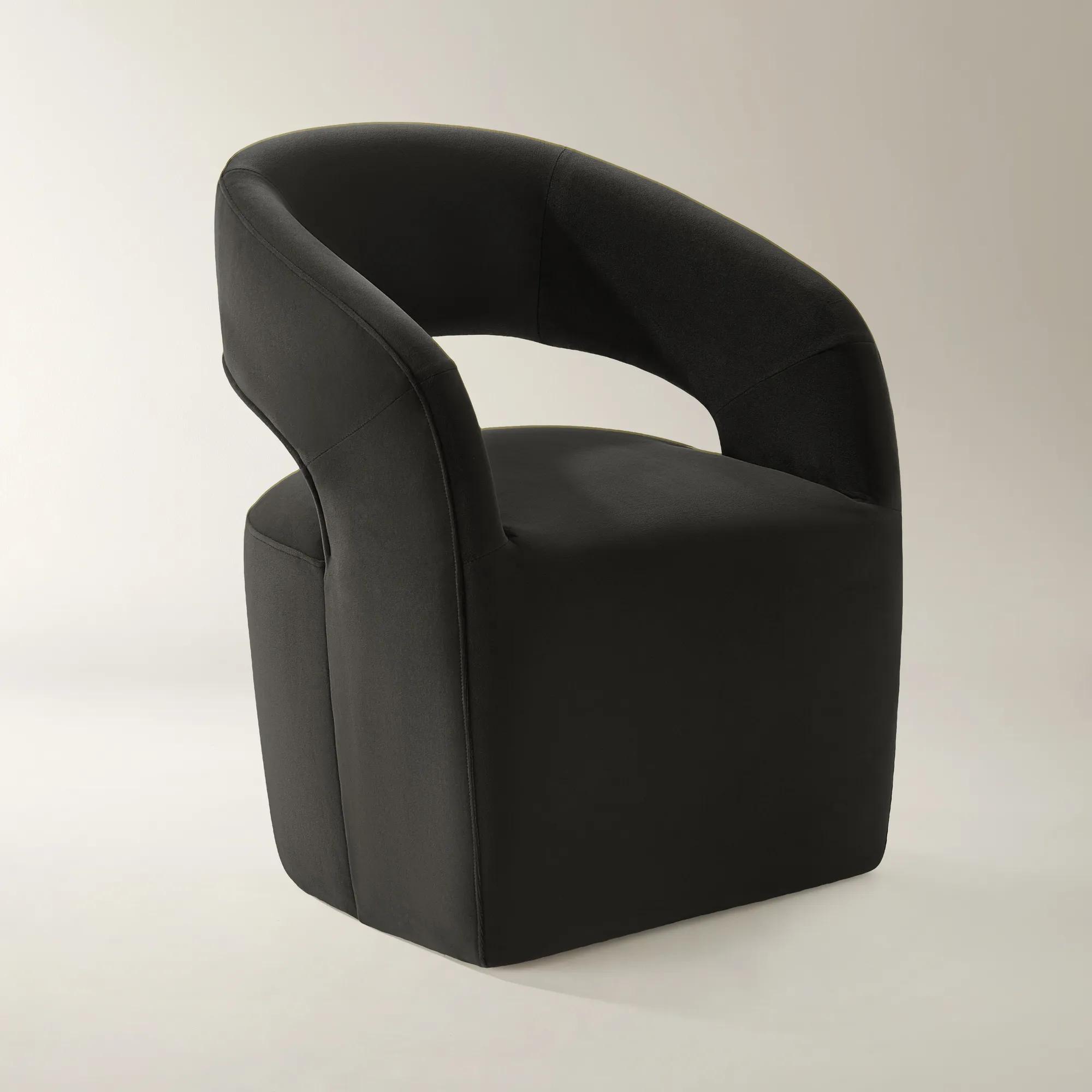 Harrison Charcoal Velvet Dining Chair$499
A sculptural dining chair upholstered in charcoal velvet with a continuous curved back and feather-blend comfort.
Add To Cart -
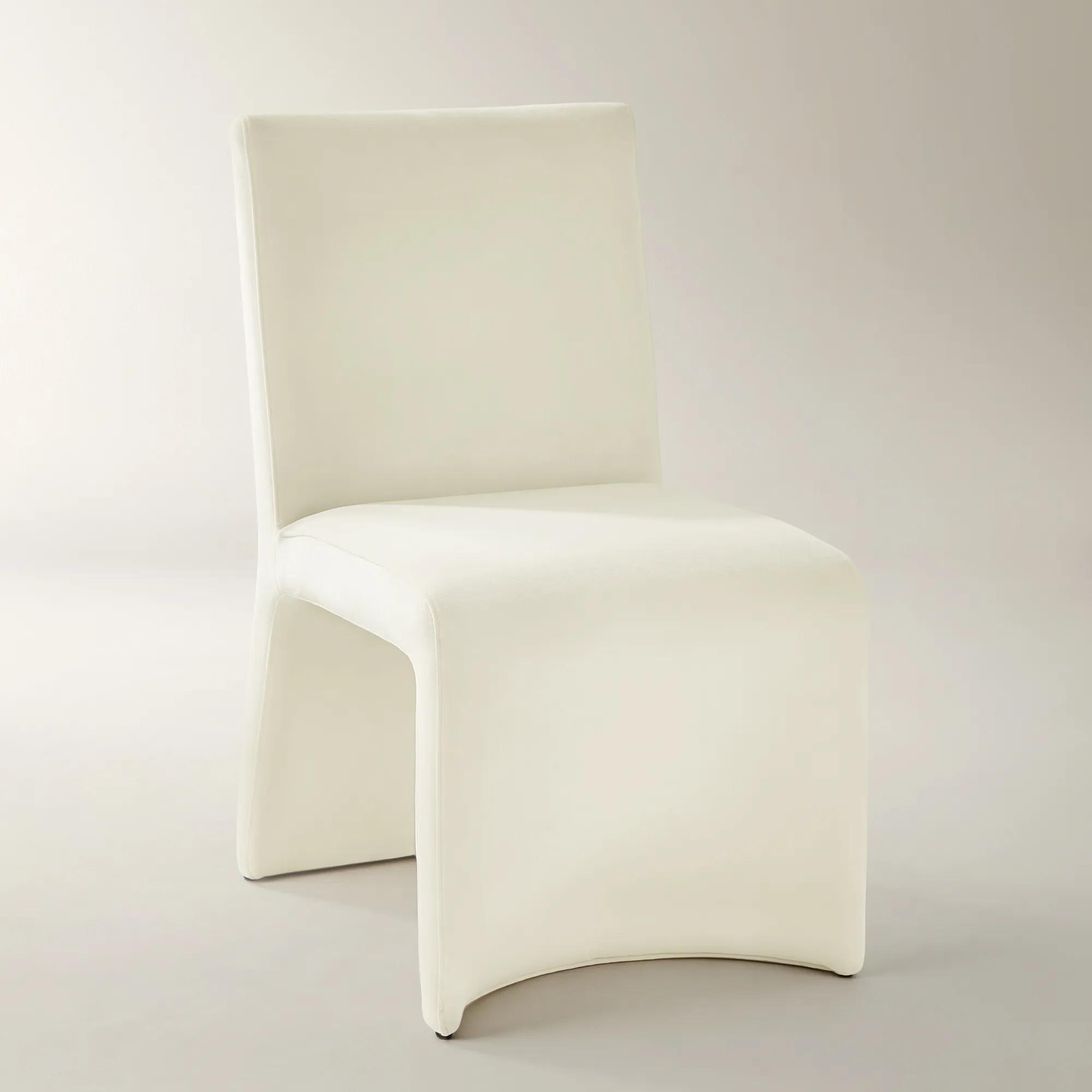 Elara Cloud Velvet Dining Chair Set Of 2$799
A set of two dining chairs featuring plush velvet upholstery, a seamless curved silhouette, and a sturdy steel frame.
Add To Cart -
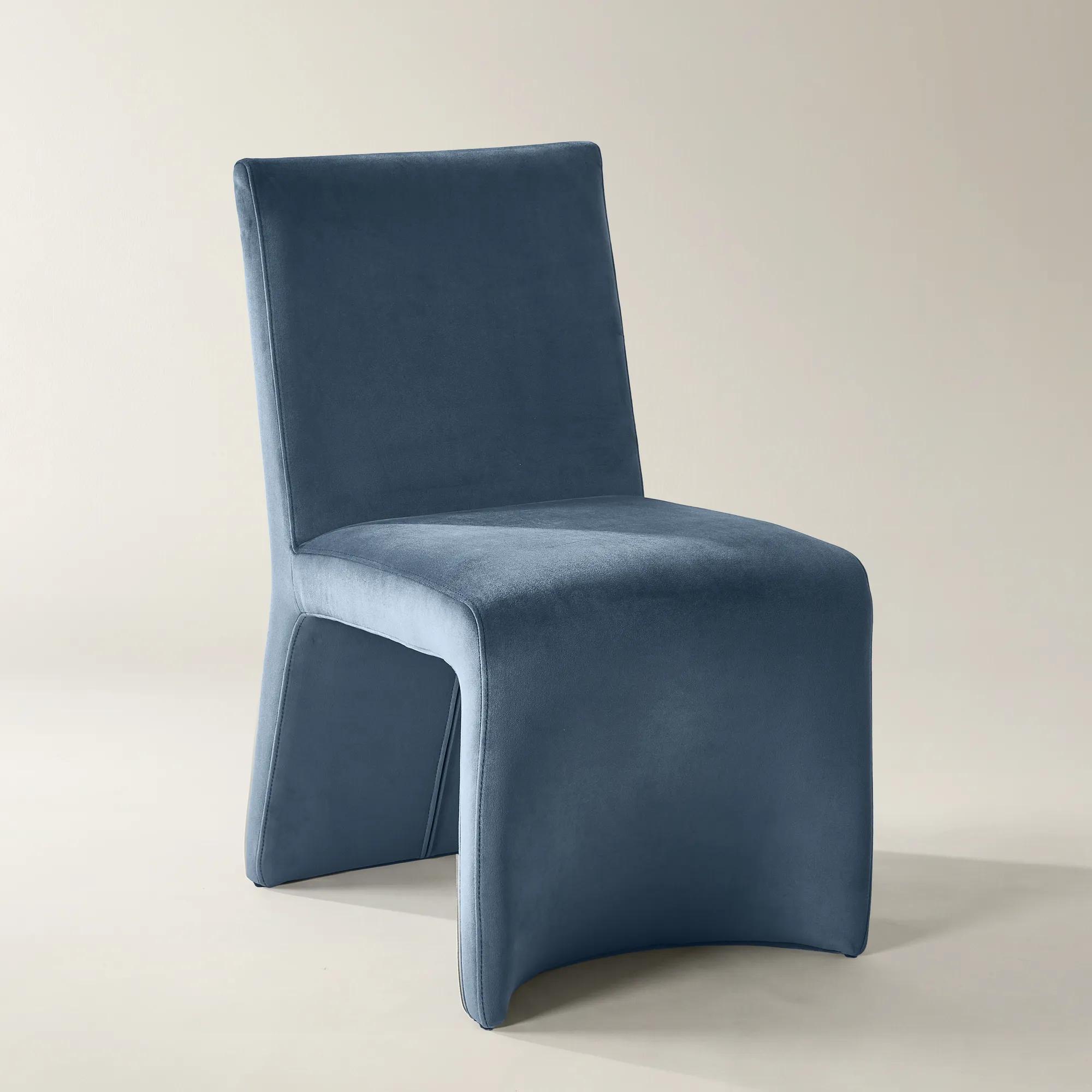 Elara Dusty Blue Velvet Dining Chair Set Of 2$799
A set of two dining chairs featuring plush dusty blue velvet upholstery and a seamless, artful silhouette.
Add To Cart -
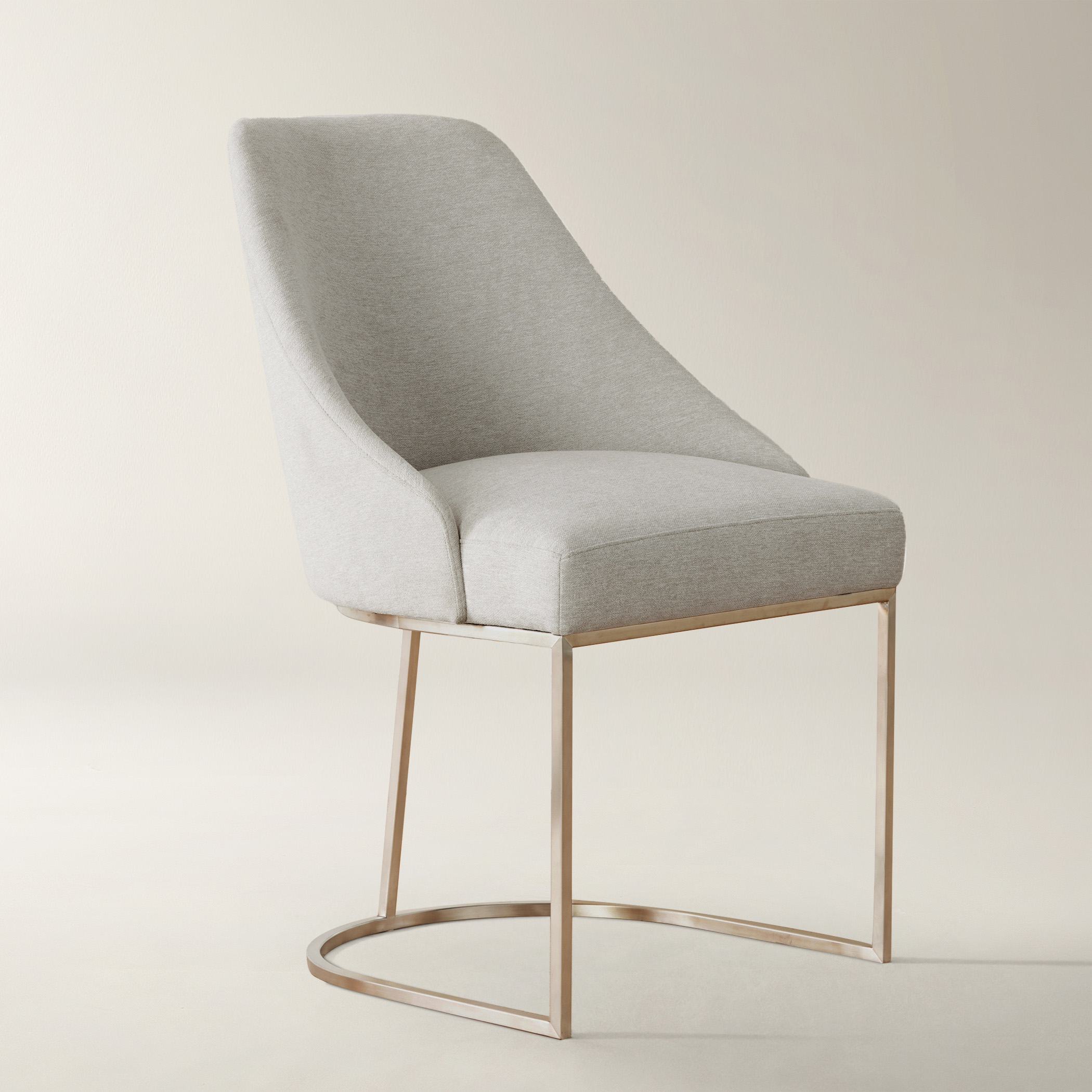
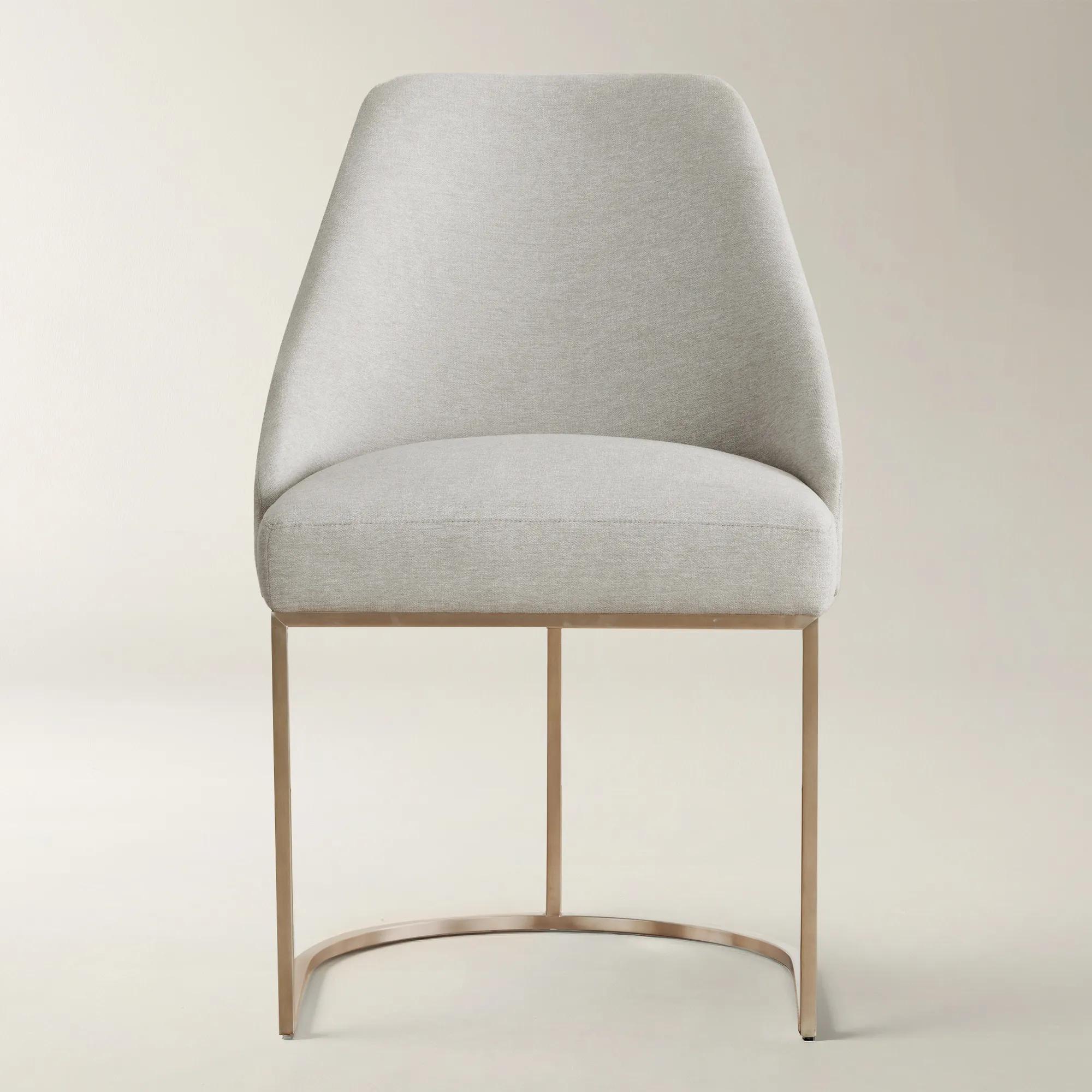 Rowan Ivory Fabric Dining Chair$599
A modern chair featuring brushed stainless steel legs and stain-resistant, water-repellent Roxboro Frost fabric.
Add To Cart -
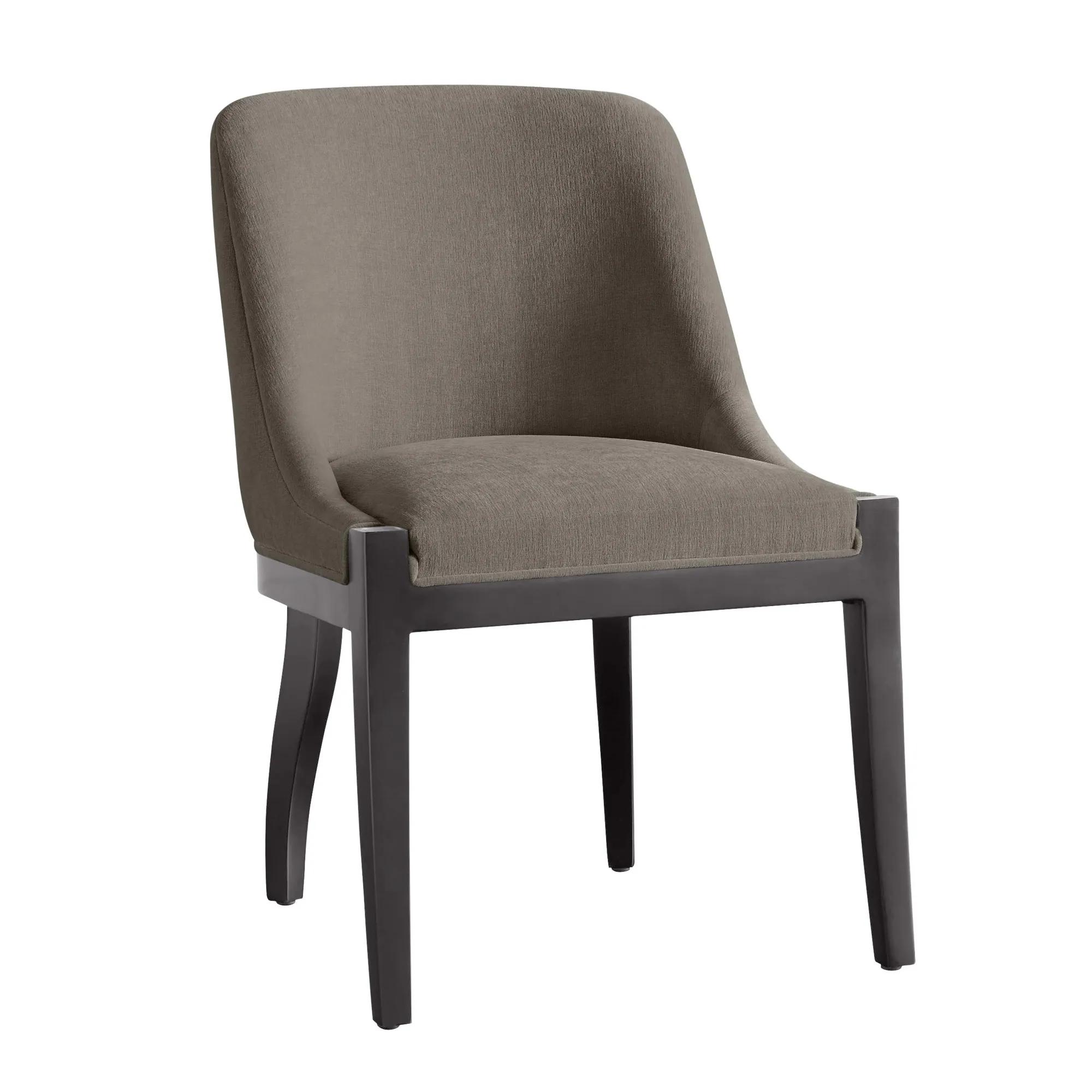
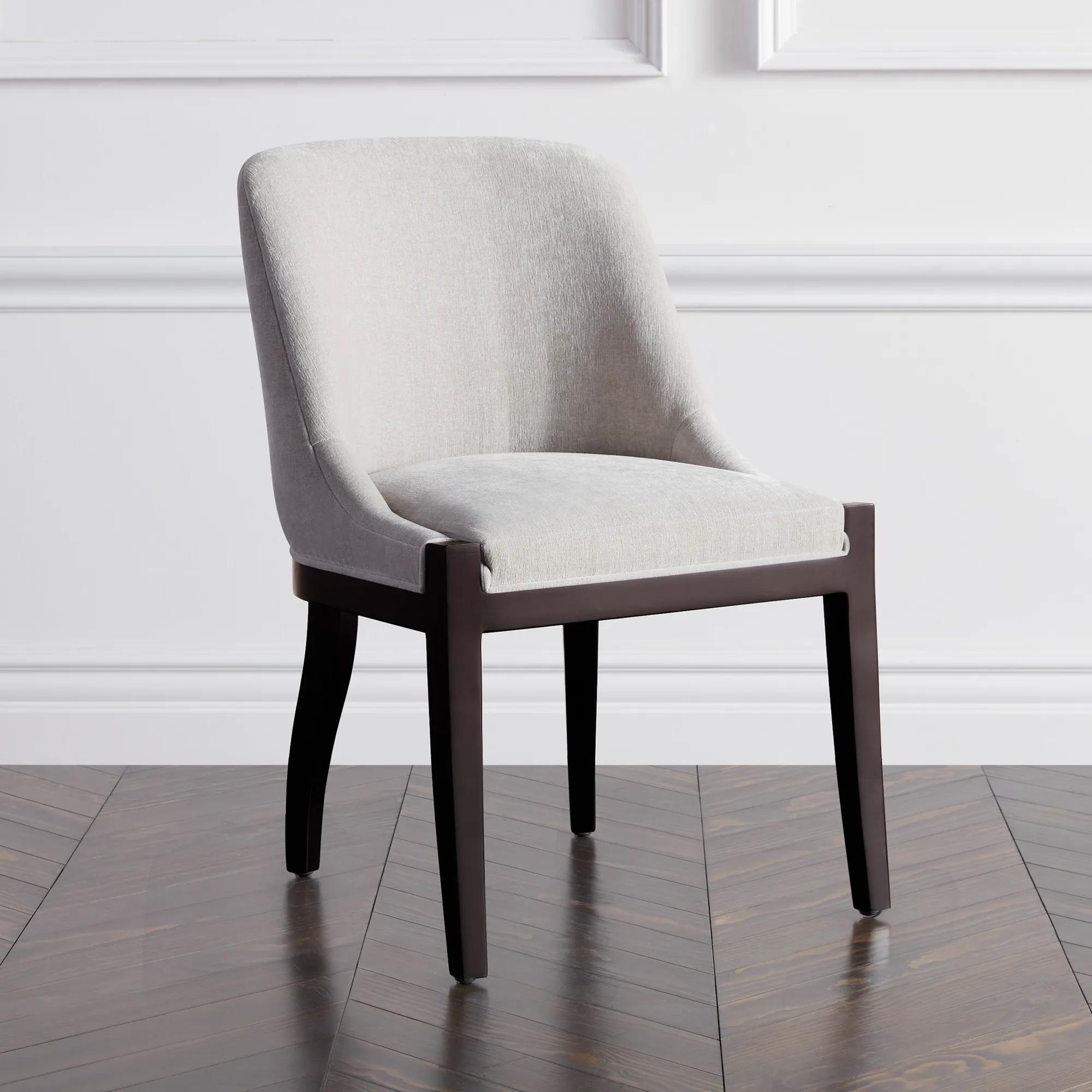 Lily Dining Chair - Espresso$649
A modern dining chair featuring espresso-finished hardwood, curvaceous silhouette, and plush tailored upholstery.
Add To Cart -
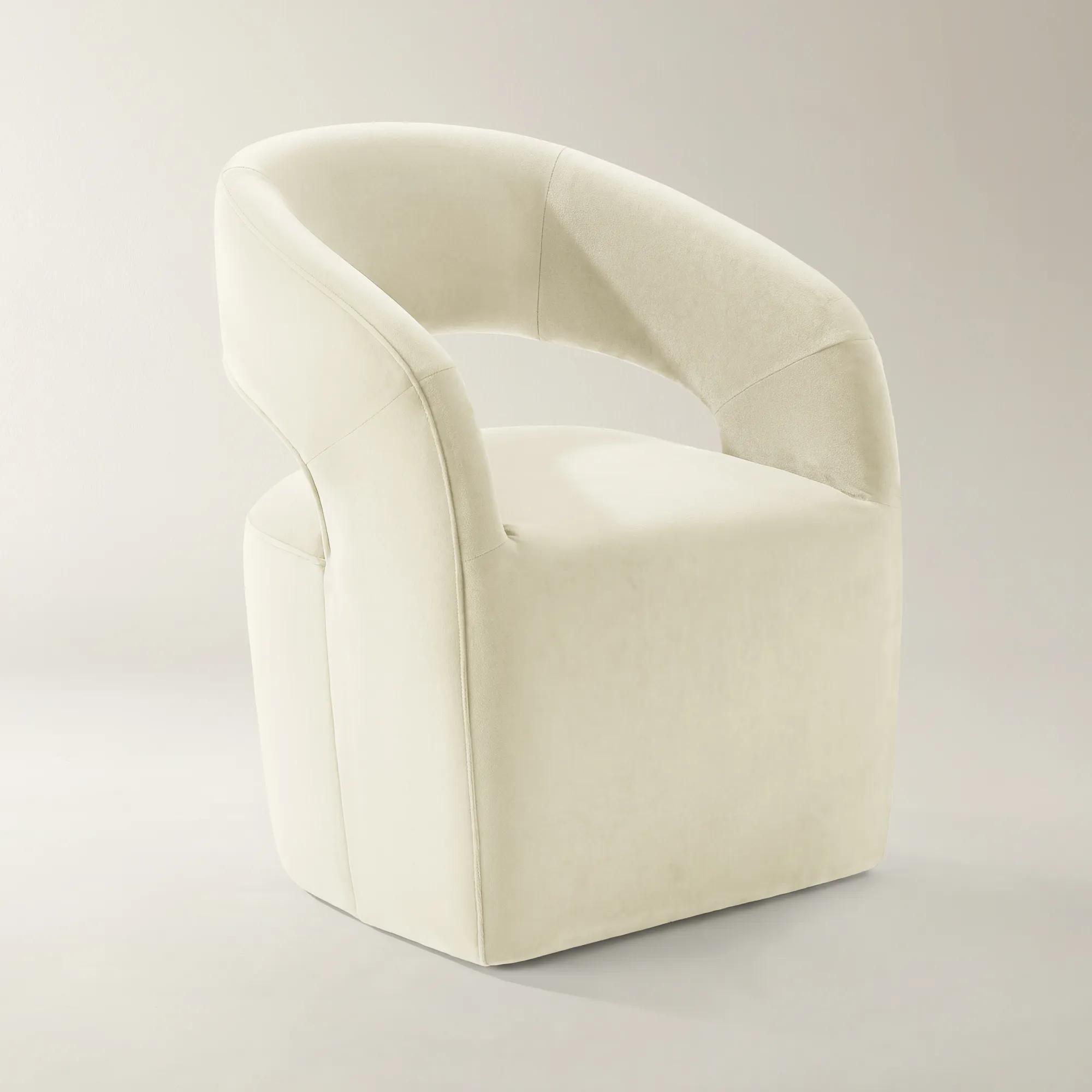 Harrison Cloud Velvet Dining Chair$499
A sculptural dining chair featuring cloud velvet upholstery, feather-blend cushioning, and a continuous curved back.
Add To Cart -
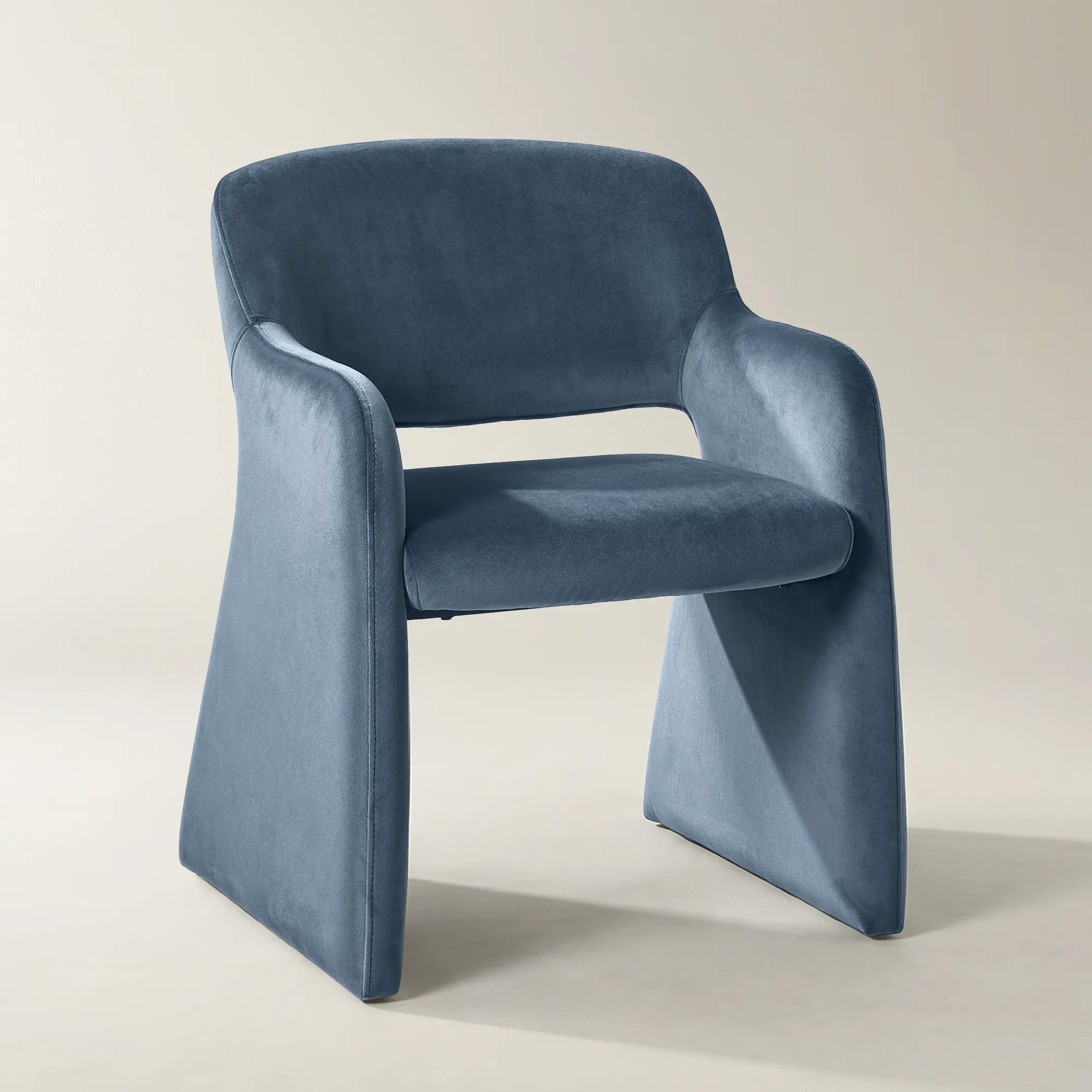 Elara Dusty Blue Velvet Dining Chair$449
A graceful dining chair featuring dusty blue velvet upholstery, integrated arms, and a seamless cantilevered silhouette.
Add To Cart -
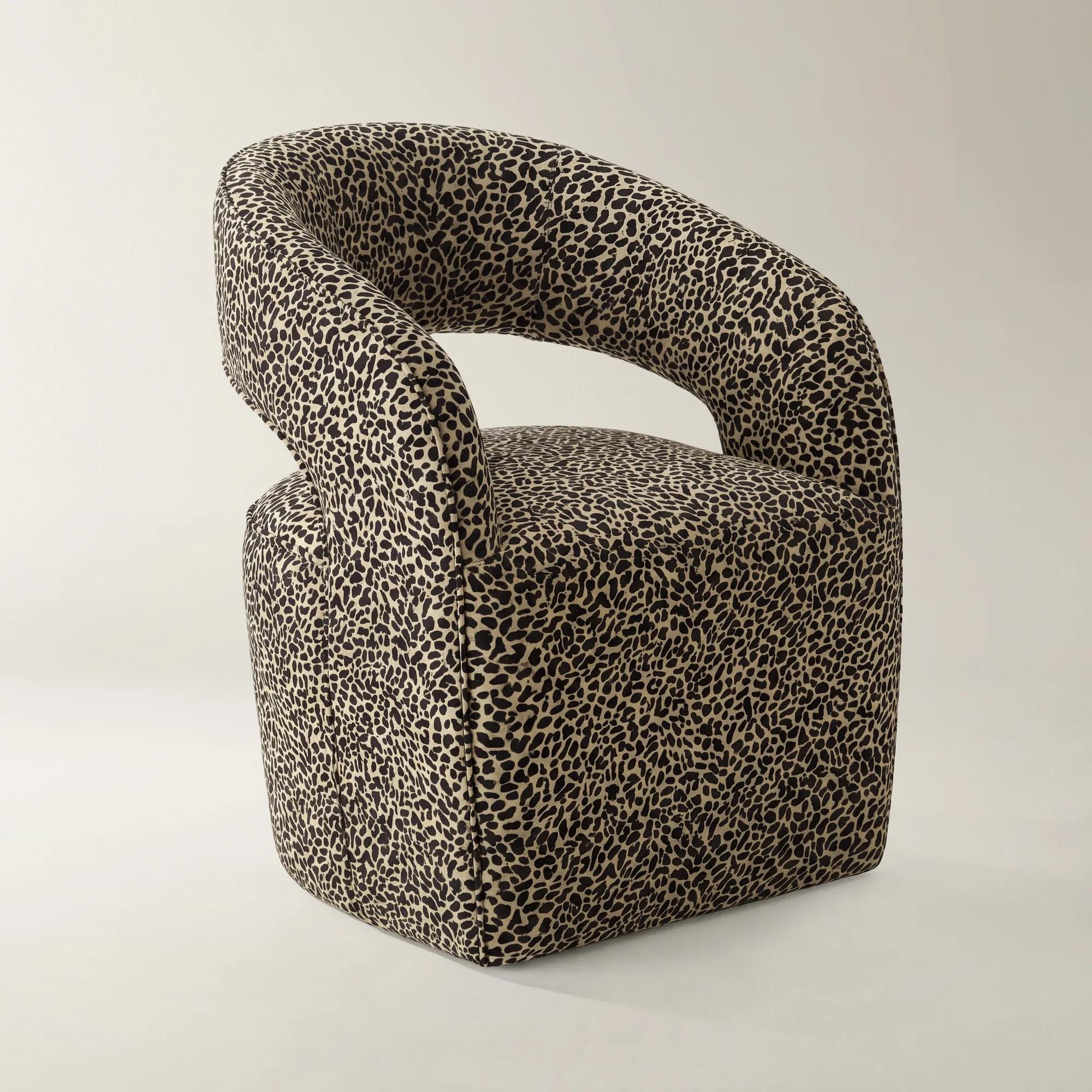
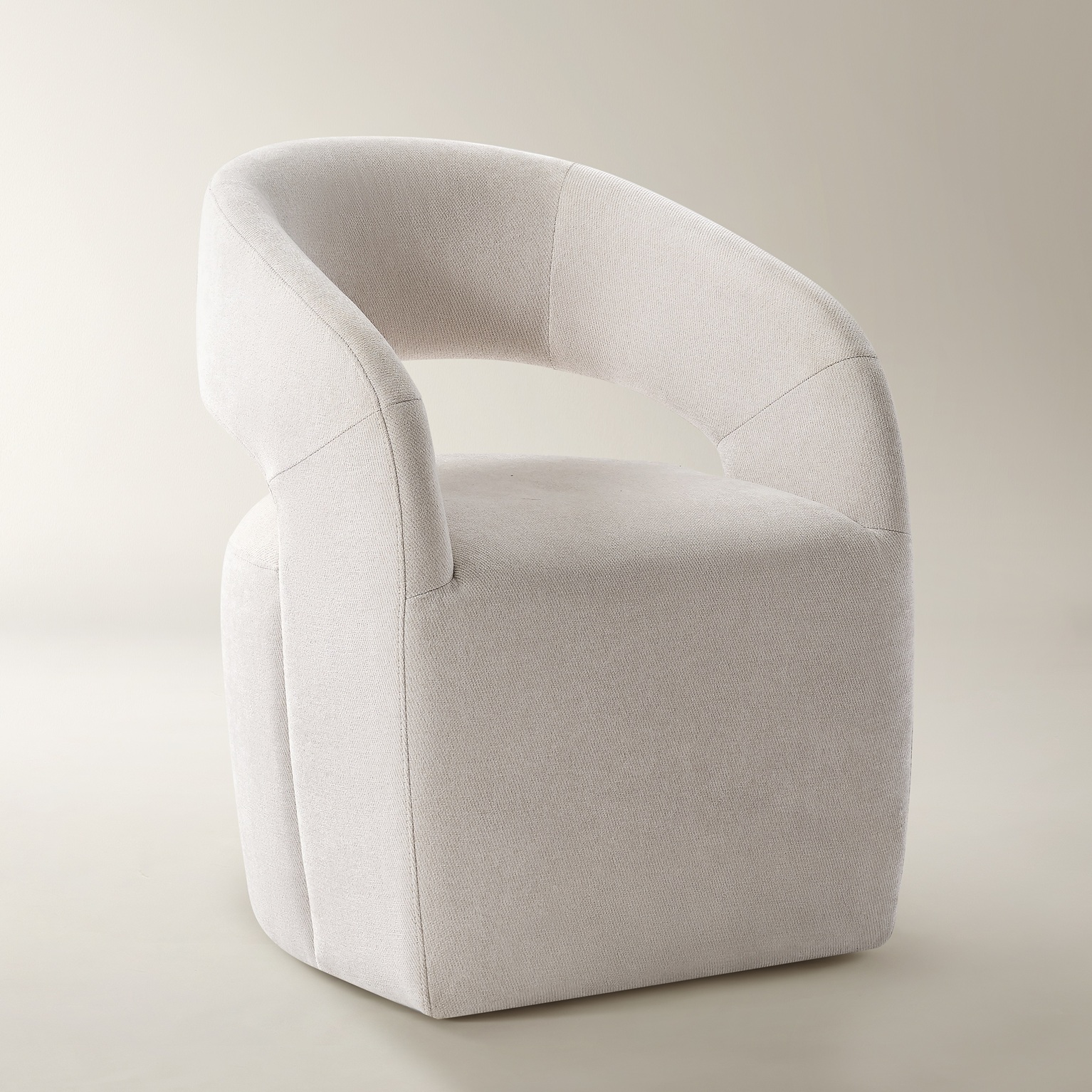 Harrison Leopard Performance Chenille Dining Chair$499
A sculptural dining chair featuring leopard performance chenille upholstery, feather-blend cushioning, and a curved silhouette.
Add To Cart -
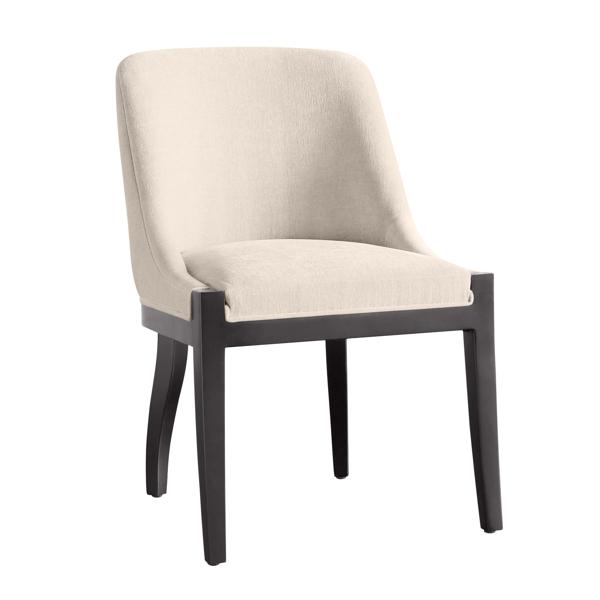 Lily Dining Chair - Espresso$649
A modern dining chair with espresso-finished hardwood frame and plush, tailored upholstery for lasting comfort.
Add To Cart -
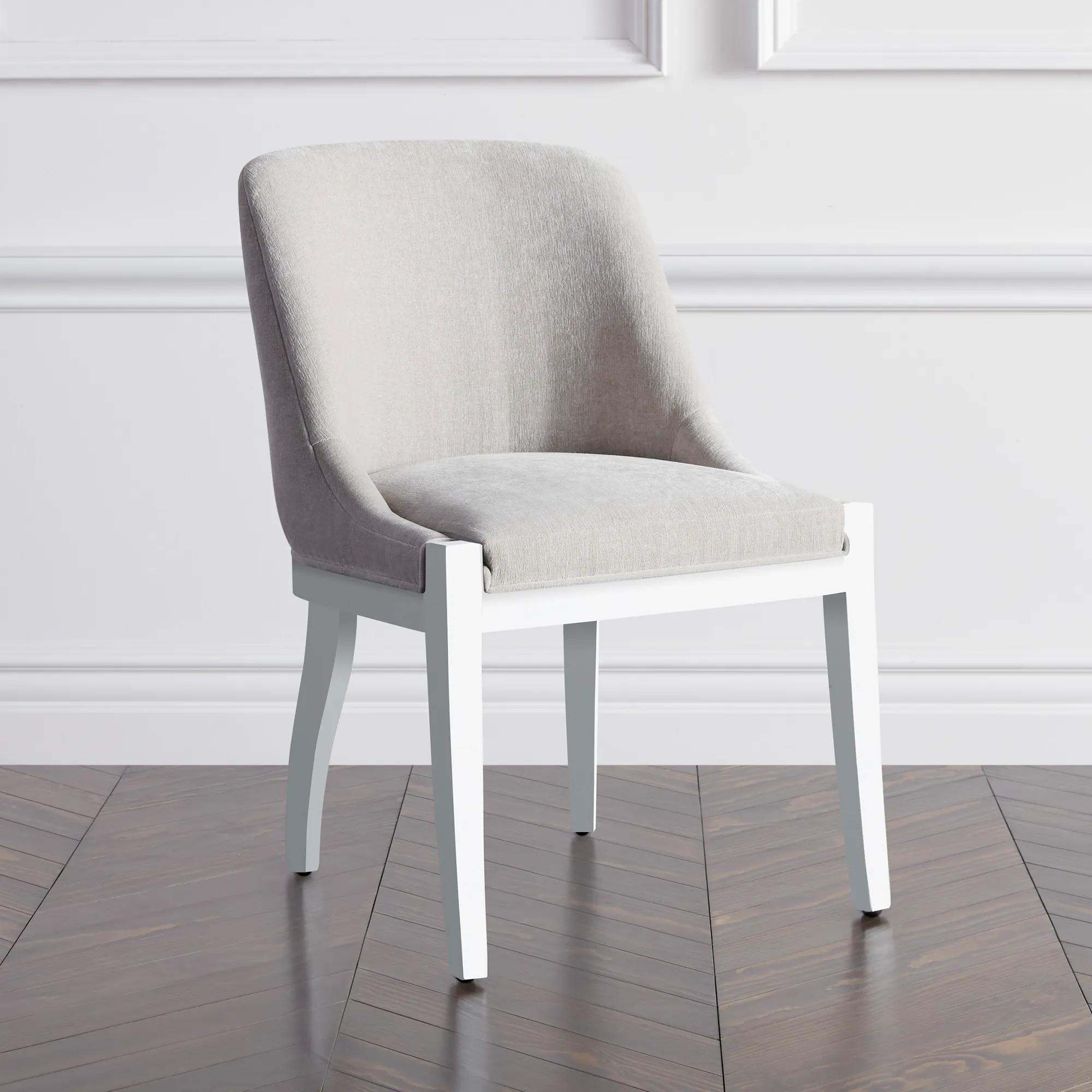
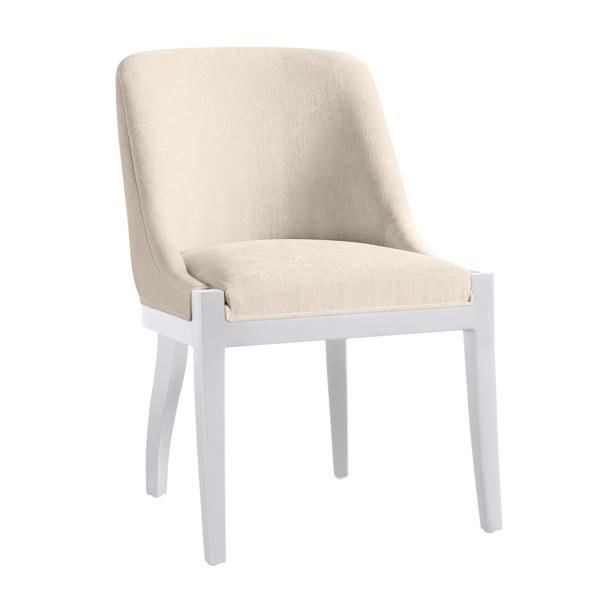 Lily Dining Chair - High Gloss White$649
A modern dining chair featuring kiln-dried hardwood, high-gloss white legs, and neatly tailored upholstery.
Add To Cart -
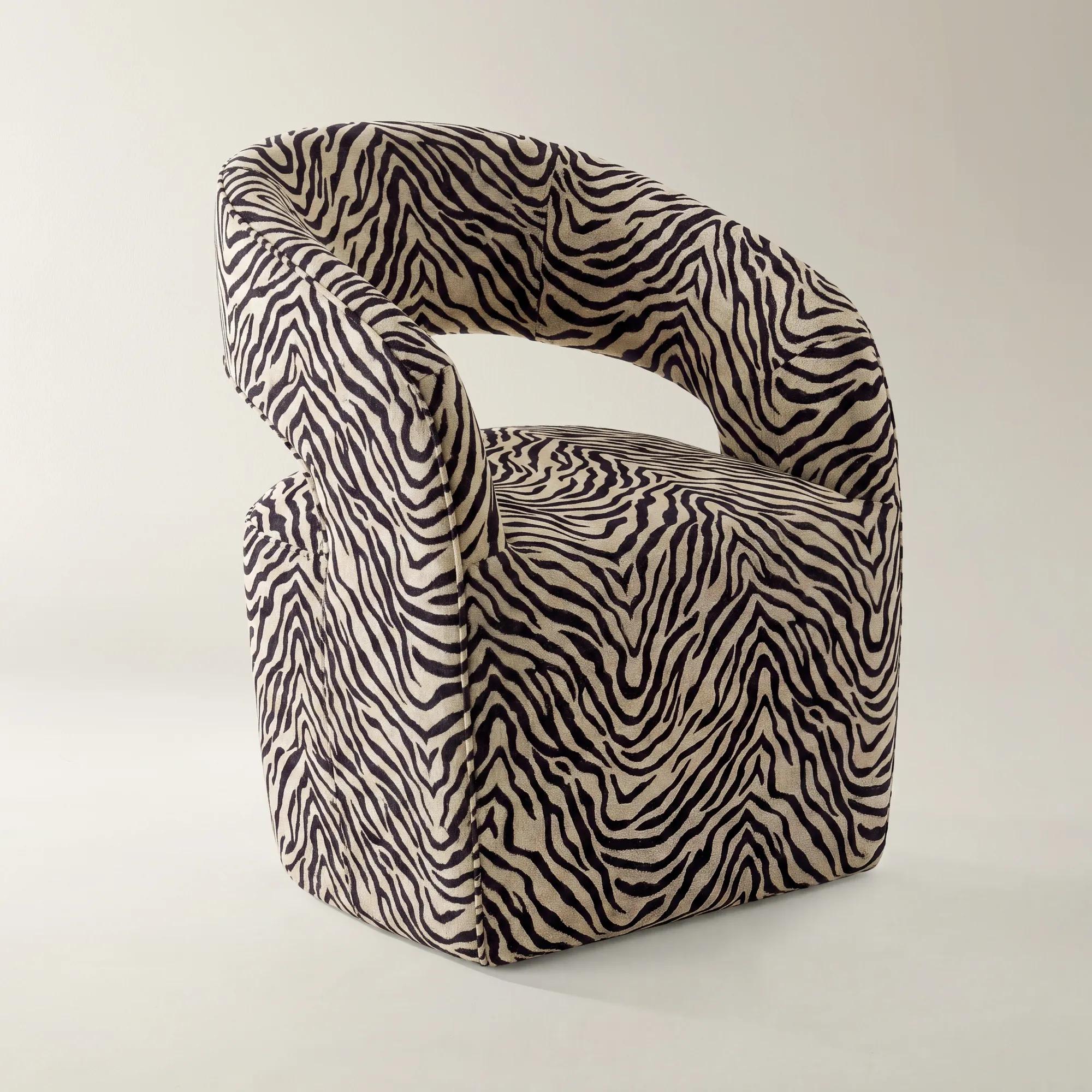 Harrison Zebra Performance Chenille Dining Chair$499
A sculptural dining chair upholstered in zebra performance chenille with a curved back and feather-blend comfort.
Add To Cart -
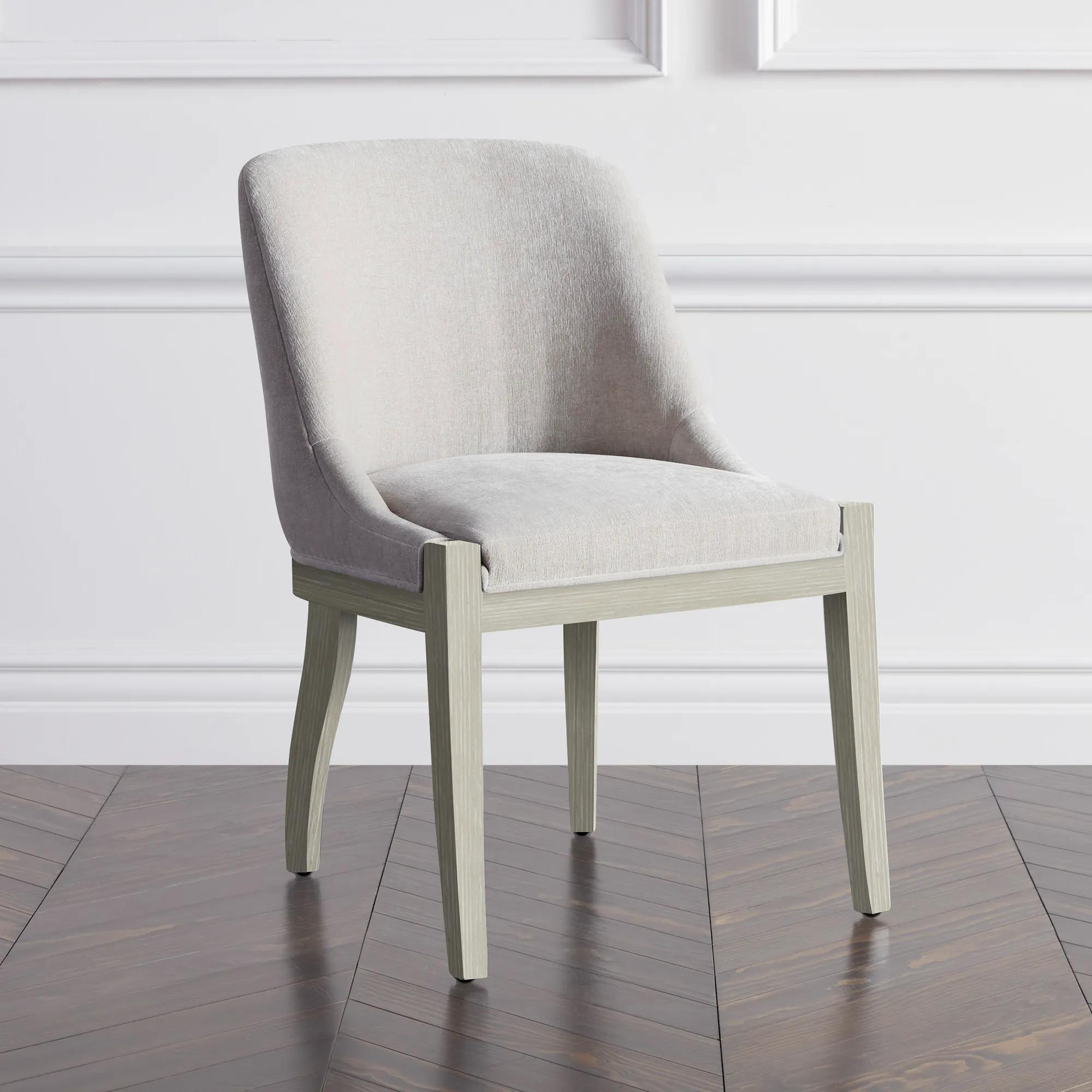 Lily Dining Chair - Natural Grey$649
A modern dining chair with kiln-dried hardwood frame and grey tailored upholstery for lasting comfort.
Add To Cart -
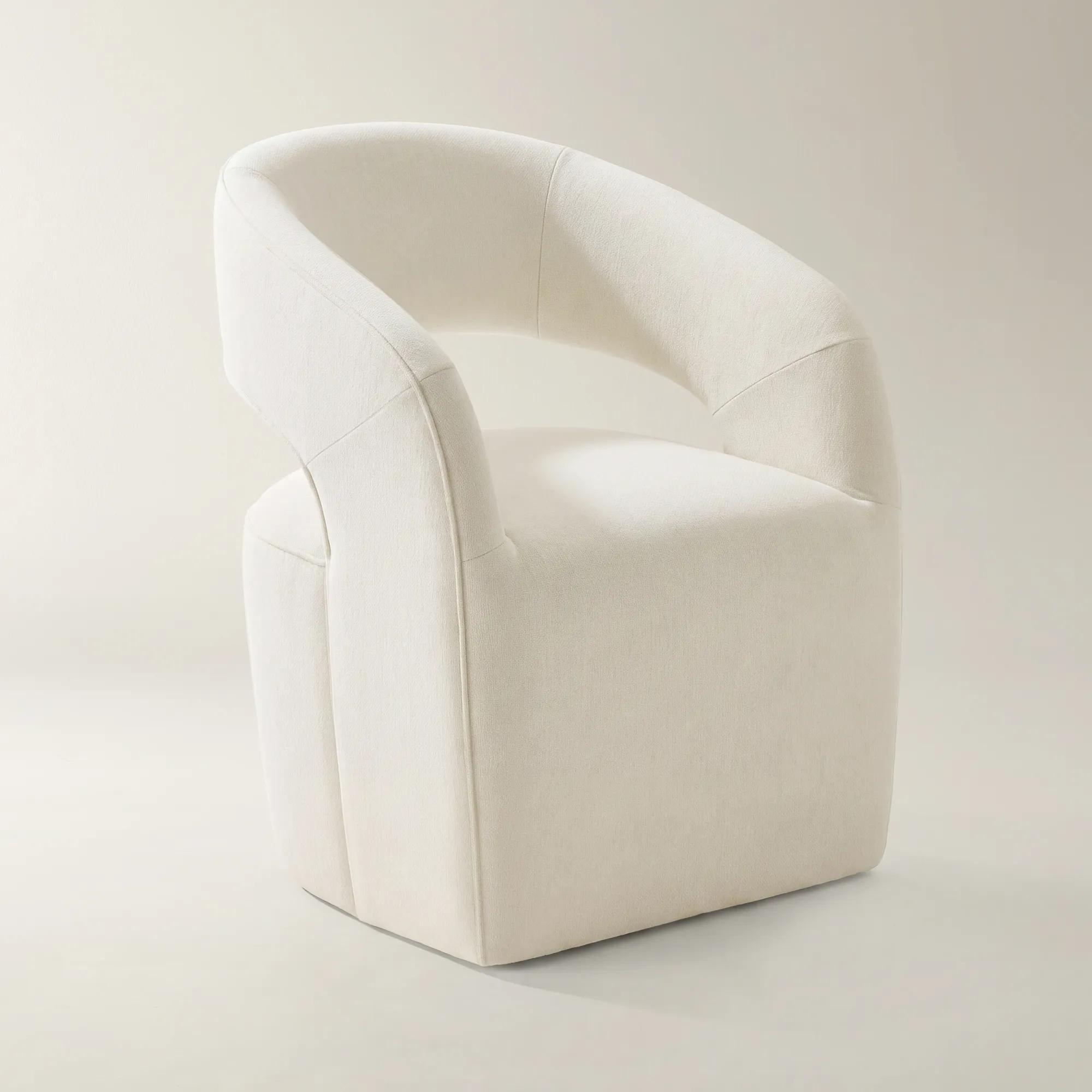 Harrison Ivory Performance Chenille Dining Chair$499
A sculptural ivory chenille chair featuring a continuous curved back, feather-blend comfort, and performance upholstery.
Add To Cart -
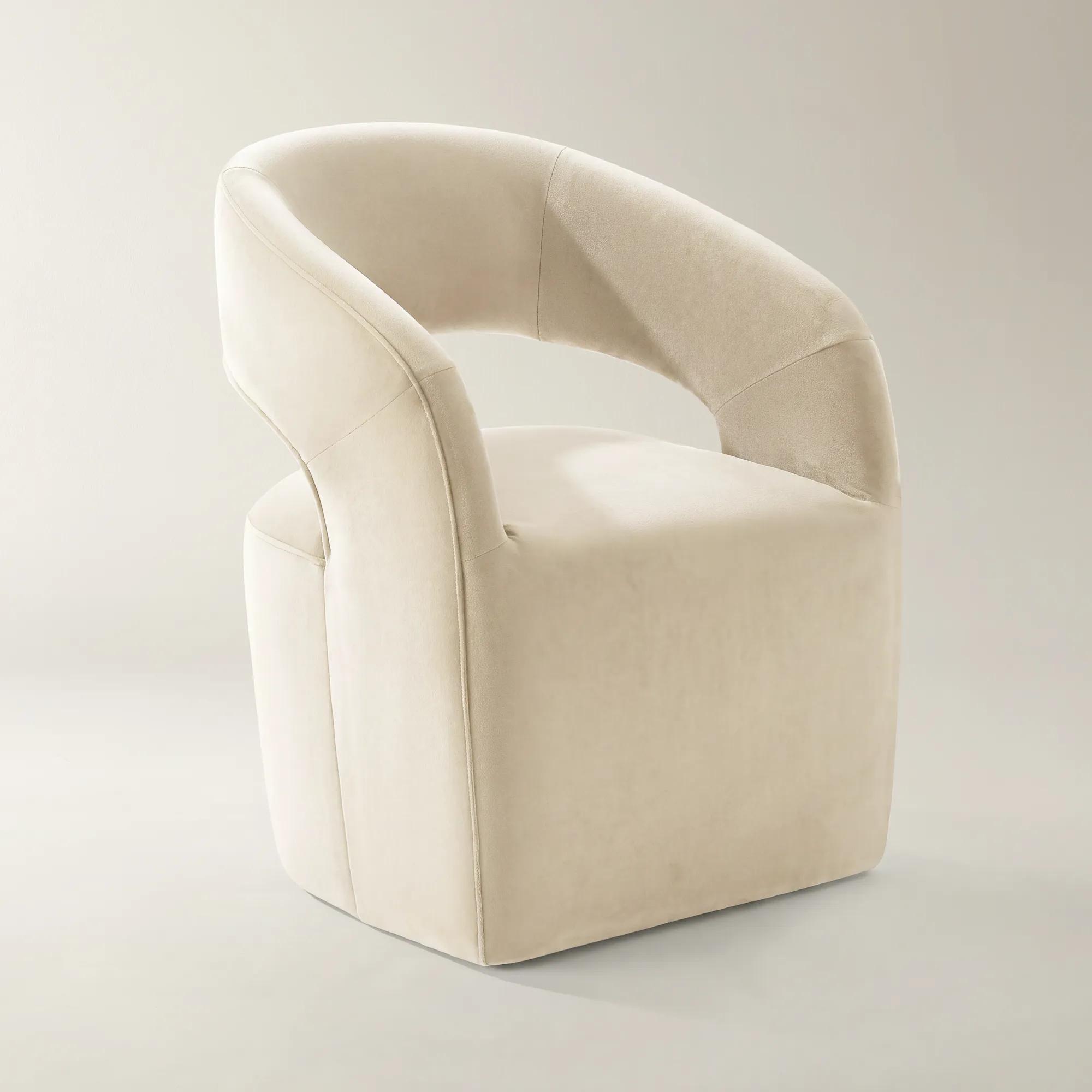 Harrison Oatmeal Velvet Dining Chair$499
A sculptural dining chair upholstered in oatmeal velvet with a curved back, feather-blend seat, and integrated arms.
Add To Cart -
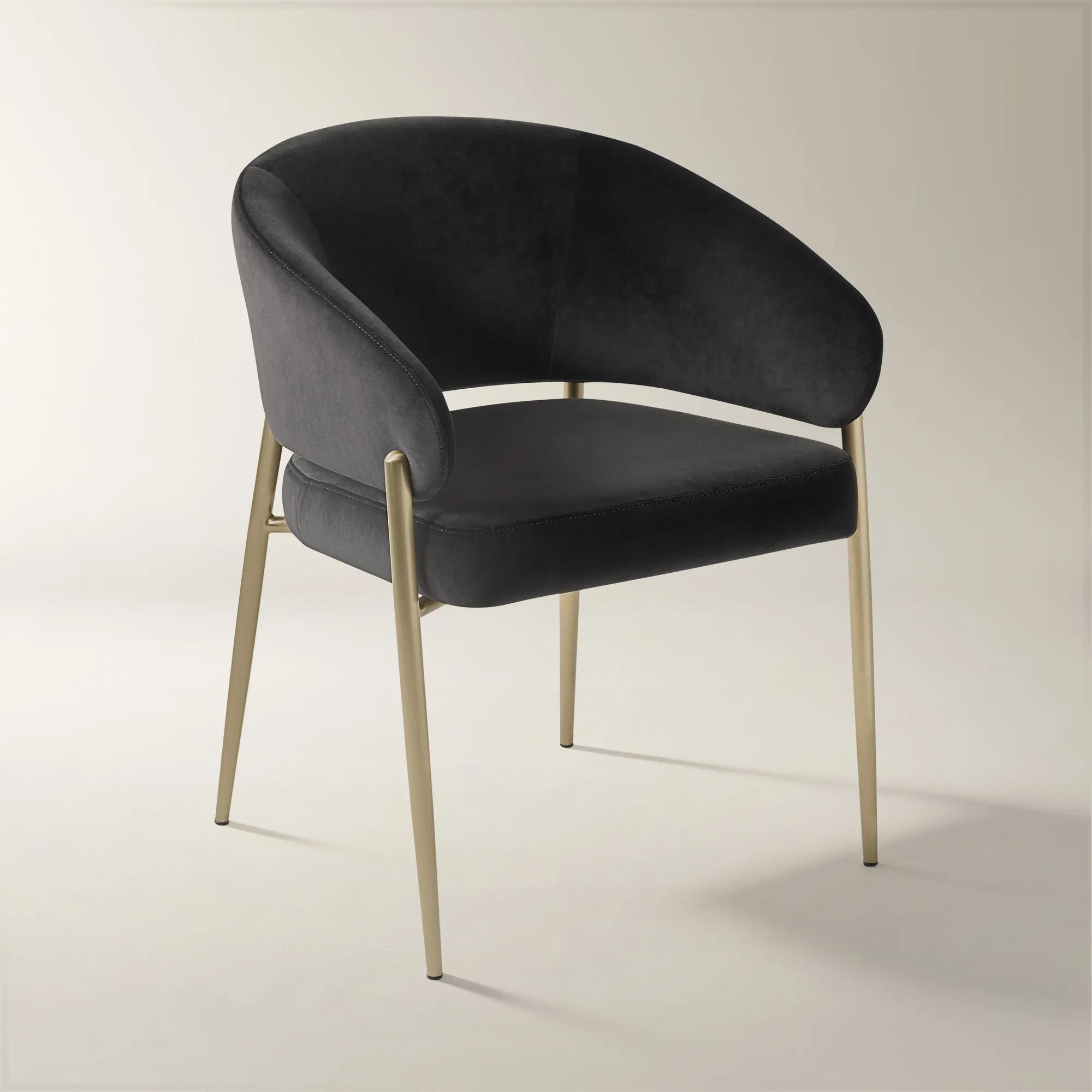 Nara Charcoal Velvet Dining Chair Set Of 2$599
A set of two charcoal velvet chairs featuring curved backs, plush upholstery, and brushed brass metal legs.
Add To Cart -
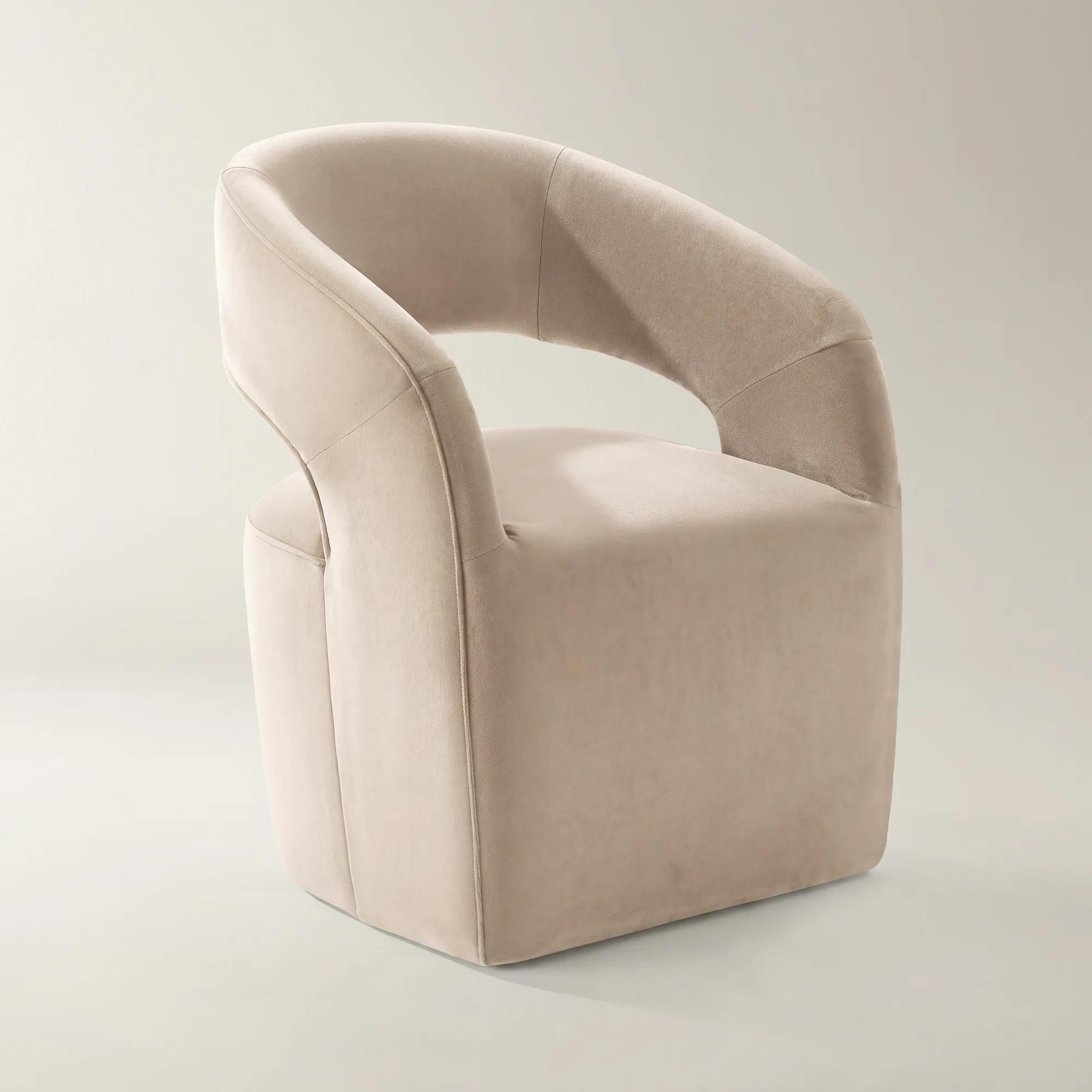 Harrison Simply Taupe Velvet Dining Chair$499
A sculptural dining chair in simply taupe velvet with a curved back, feather-blend seat, and modern elegance.
Add To Cart -
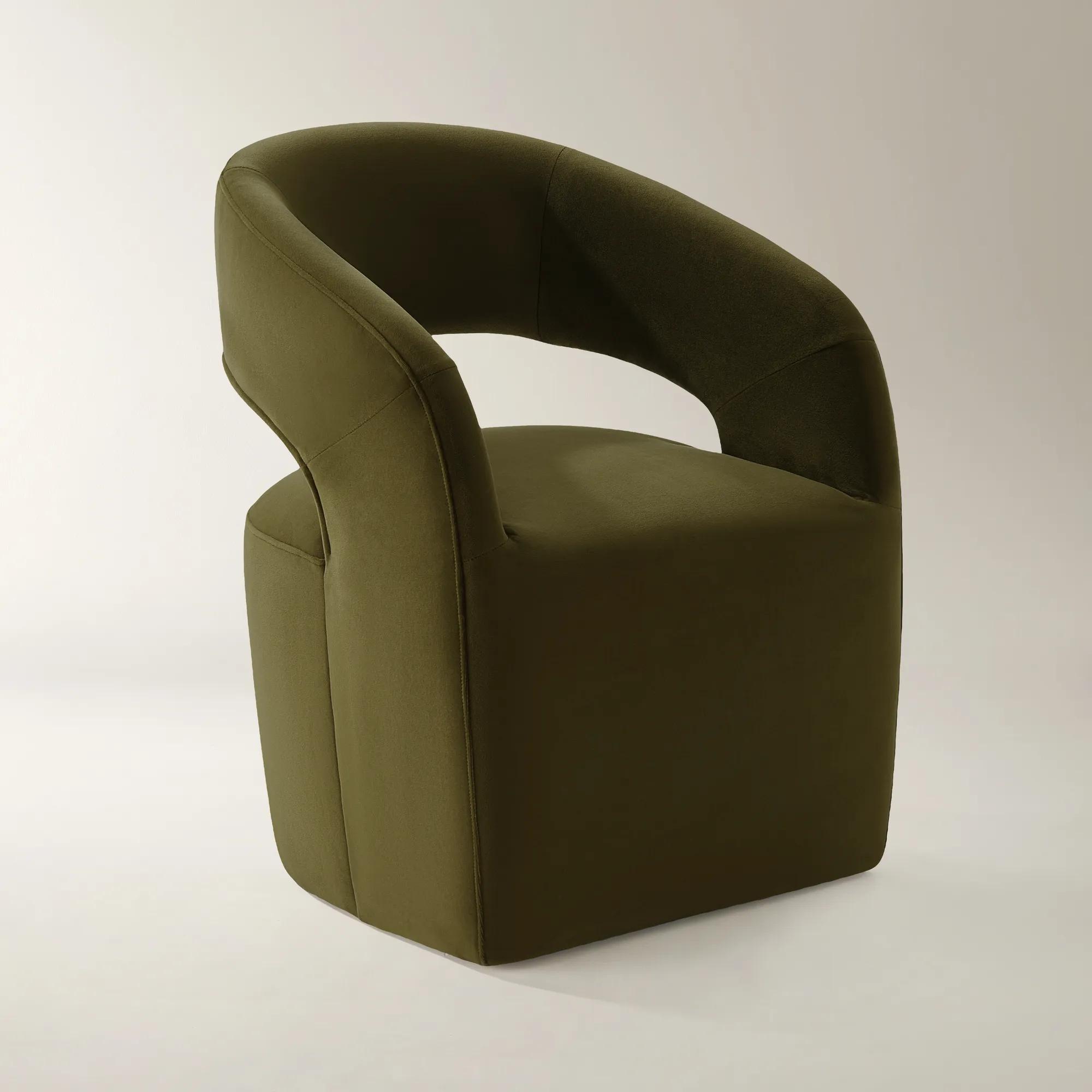 Harrison Deep Olive Velvet Dining Chair$499
A sculptural dining chair in deep olive velvet with a curved back, integrated arms, and plush feather-blend comfort.
Add To Cart

Contemporary Dining Chairs With Cutout
Contemporary dining chairs with cutout bring a daring edge to the art of entertaining, transforming every meal into a visual feast. Sculptural silhouettes and unexpected negative spaces create an interplay of light and shadow, infusing your dining room with modern intrigue. These statement pieces invite conversation and admiration, balancing crisp geometry with alluring detail. Elevate your tablescape with seating that celebrates bold design—where every curve and cutout becomes an invitation to dine in style.
Contemporary dining chairs with cutout backs bring an architectural point of view to the table, using an opening in the backrest to create a lighter, more expressive silhouette. That opening may take the form of a rounded oval, a crisp rectangle, a slender horizontal reveal, or a curved space between the seat and upper back. Unlike a fully enclosed backrest, a cutout allows glimpses of the table, surrounding finishes, and room beyond, so even a substantial chair can feel visually airy. The effect is especially compelling in dining areas where seating is visible from a living room or entryway: a row of sculpted backs becomes part of the room’s composition rather than a solid visual barrier. Contemporary designs often balance these open details with smooth contours, tailored upholstery, tapered legs, or polished metal accents. Some lean toward the warmth of sculpted wood; others introduce the rich texture of velvet or the gleam of a metallic frame. A curved opening can echo a round dining table, while an angular cutout can sharpen the presence of a rectangular table with a substantial base. The chair’s negative space is the defining detail, but its proportions determine the overall mood. A broad, enveloping back feels poised and generous; a slimmer profile creates a more restrained rhythm around the table. For interiors that call for both softness and sculptural definition, Upholstered Dining Chairs With Cutout Back offer a fabric-centered interpretation of this open-back silhouette. A consistent set gives the dining area a composed, gallery-like presence, while contrasting host chairs can introduce a deliberate change in scale. These chairs suit formal dining rooms, breakfast areas, and open-plan entertaining spaces where every visible angle matters. Their distinctive backs remain expressive even when tucked beneath the table, making the dining arrangement feel considered between meals as well as during an evening of conversation.
Materials shape both the chair’s character and its suitability for everyday dining. Velvet lends depth to color as its pile catches the light, creating subtle shifts across an upholstered seat or curved back. Tightly woven fabrics can deliver a tailored appearance with a more understated surface, while leather and faux leather introduce a smooth finish that contrasts beautifully with textured rugs and richly grained tables. Each material has its own care requirements, and any claim of stain resistance or enhanced wear performance should be confirmed in the upholstery specifications rather than assumed from appearance. Wood frames bring warmth and visible grain to the composition; metal frames can emphasize slim lines and reflective detail. Neither material alone guarantees durability. Construction, joint quality, frame stability, and the manufacturer’s stated weight capacity are more useful indicators of how a chair will perform. Comfort also depends on more than the presence of a cutout. The opening creates visual lightness, but the backrest’s curve, its contact with the body, the seat depth, and the cushioning determine support. For dinners that linger, a seat with balanced cushioning and a back that meets the body comfortably can matter more than an especially dramatic profile. Fit deserves equal attention. Many standard dining tables stand approximately 28 to 30 inches high, with dining-chair seats commonly around 18 to 19 inches high; roughly 10 to 12 inches between the seat and tabletop is a useful starting point, though an apron beneath the table can reduce usable clearance. Armrests must also clear that apron if the chairs are meant to tuck in. Allowing approximately 24 to 30 inches of table edge per diner helps prevent a crowded arrangement, but wider chairs and sculptural arms may need more space. Table legs and pedestal bases can further affect placement. In a compact dining area, armless cutout-back chairs can preserve an open sightline and simplify movement around the table. Where space permits, chairs with arms can frame the table ends with a more enveloping presence. Measure the full chair width and depth, not only the seat, and consider room to pull it out; approximately 36 inches between the table edge and a wall is a common planning starting point, with more room helpful along active walkways.
The most satisfying dining arrangement carries its visual confidence into daily use. A household gathering for breakfast may value upholstery with clearly documented cleaning instructions, while a dedicated entertaining space may place greater emphasis on sumptuous texture and a striking rear profile. Both settings benefit from chairs that sit steadily, move easily, and complement the table without competing with it. A sculptural wood table can gain definition from a smooth upholstered chair, while a glass tabletop allows the chair frames and cutout shapes to remain visible from more angles. Repeating one finish across the chair legs, chandelier, or nearby console creates continuity; introducing a contrasting texture keeps the room from feeling overly matched. A cutout back is particularly effective beside a substantial table because it gives the eye a place to rest without diminishing the furniture’s presence. Care should preserve that balance of polish and texture. Vacuum upholstered seats and the edges of the opening with an appropriate attachment to remove crumbs and dust, and blot spills promptly rather than rubbing them into the fabric. Follow the manufacturer’s cleaning code before applying any upholstery treatment; some fabrics require solvent-based care or professional cleaning rather than water. Velvet may benefit from gentle brushing when permitted by its care instructions, while leather, faux leather, wood, and metal each require cleaners suited to their particular finish. Avoid harsh abrasives and excessive moisture, and use appropriate floor protectors to reduce scuffs when chairs move across hard surfaces. Regularly checking accessible fasteners can help maintain stability, while lifting a chair instead of dragging it helps protect its frame and legs. These are generally indoor furnishings unless specifically rated otherwise, and they should be used as seating rather than as a step or platform. With thoughtful proportions, suitable materials, and consistent care, contemporary cutout dining chairs can accommodate everyday meals and beautifully arranged gatherings alike, giving the room an unmistakable silhouette without allowing ornament to overshadow comfort.
FAQs
Contemporary dining chairs with cutout accents harmonize beautifully with a range of interior styles, from modern glam and art deco to transitional and eclectic spaces. Their sculptural silhouettes add visual interest to minimalist rooms, while their bold forms complement maximalist settings rich with texture and color. These chairs also serve as striking counterpoints to classic wood tables, glass surfaces, or metallic finishes, enhancing the overall artistry of your dining environment.
Absolutely. Many contemporary dining chairs with cutout backs are thoughtfully designed to balance style with ergonomic support. The openwork design not only creates a visually lighter look but can also contour to the body, offering comfort for leisurely dinners and long conversations. Pairing these chairs with plush seat cushions or throws can further enhance the inviting feel, making them ideal for both everyday use and special occasions.
Cutout dining chairs are a masterstroke for injecting drama and personality into your dining space. Their distinctive shapes and negative space create dynamic shadows and focal points, especially when positioned near statement lighting or bold artwork. Choose finishes that contrast with your table or surrounding décor for added impact, or select chairs with unique geometric or abstract cutouts to turn each seat into a work of art.
Contemporary cutout dining chairs are crafted from a curated palette of materials, including polished metals, lacquered or stained woods, and high-gloss acrylics. Some designs incorporate mixed materials—such as metal frames with upholstered seats—to create a layered, luxurious look. The choice of material can influence the chair’s overall mood, from the warmth of wood to the cool sophistication of metal or the sleekness of acrylic.
Yes, these chairs are particularly well-suited for open-plan layouts. Their airy, open-backed designs allow light and sightlines to flow freely, helping to visually expand a space and maintain a sense of cohesion between dining, living, and kitchen areas. The sculptural quality of cutout dining chairs makes them as beautiful from the back as from the front, ensuring your dining area remains a stunning focal point from every angle.