Designer Cutout Arm Chairs
Designer Cutout Arm Chairs
-
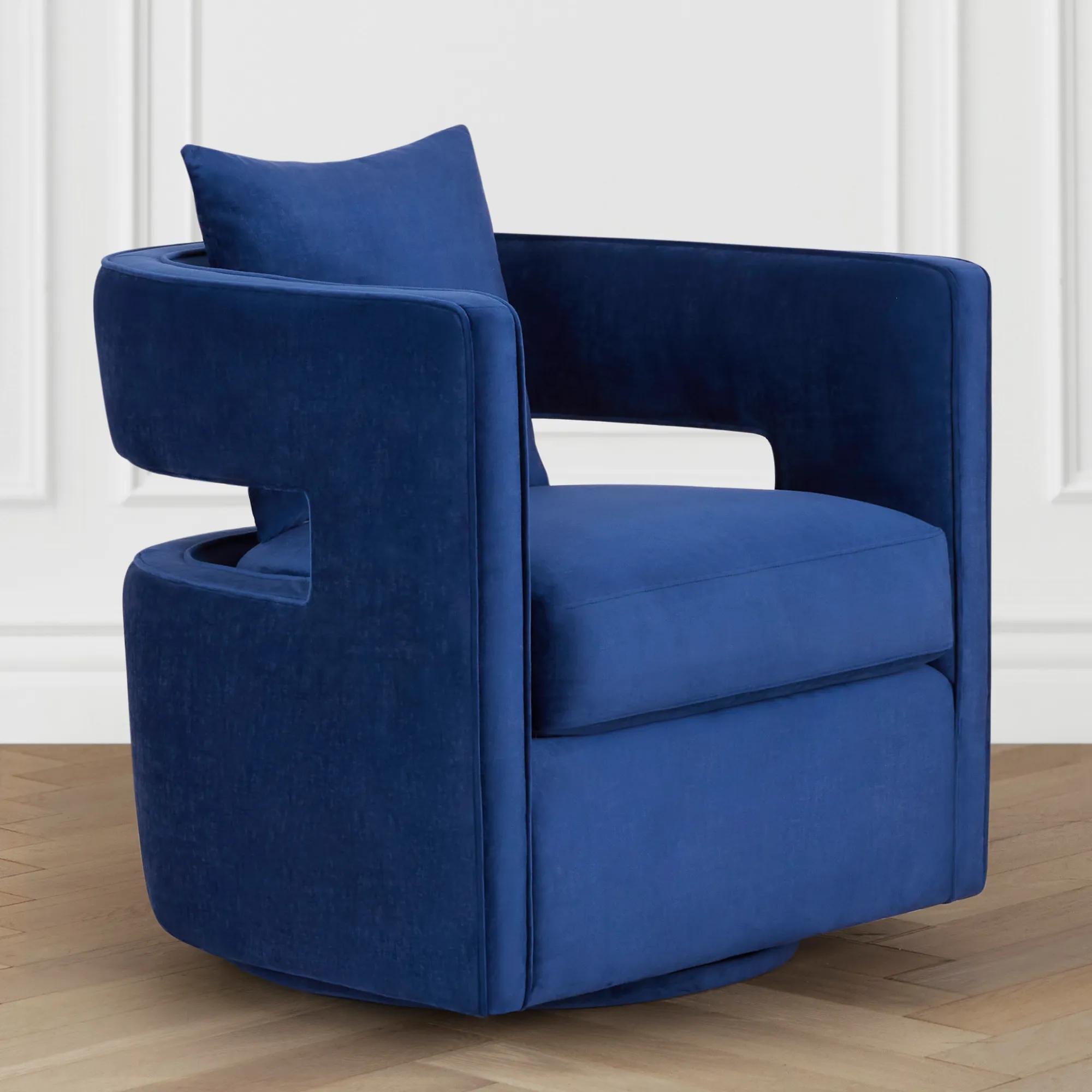
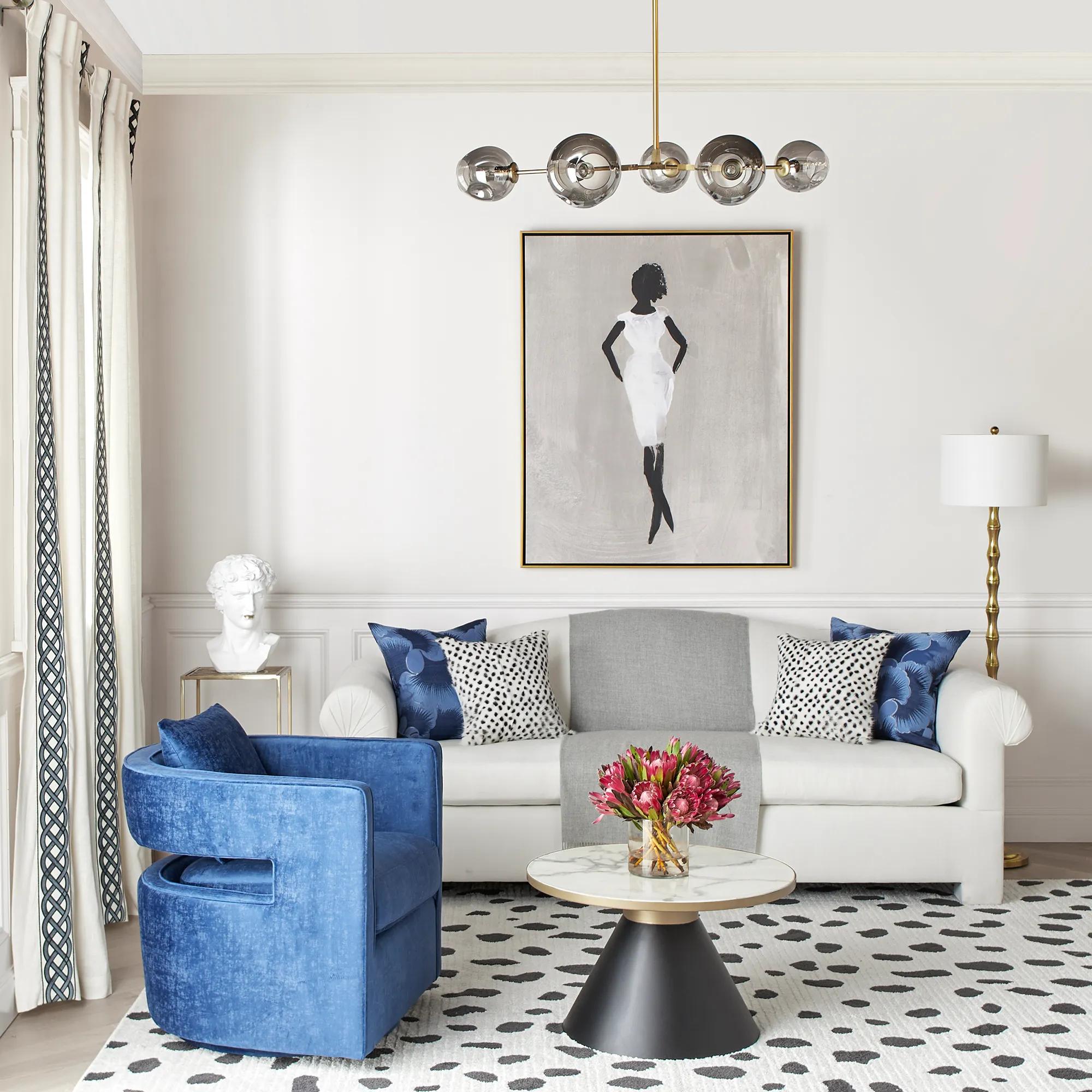 Lottie Navy Velvet Swivel Accent Chair$999
A navy velvet swivel accent chair featuring a sculpted barrel silhouette, open arms, and supportive cushioning.
Add To Cart -
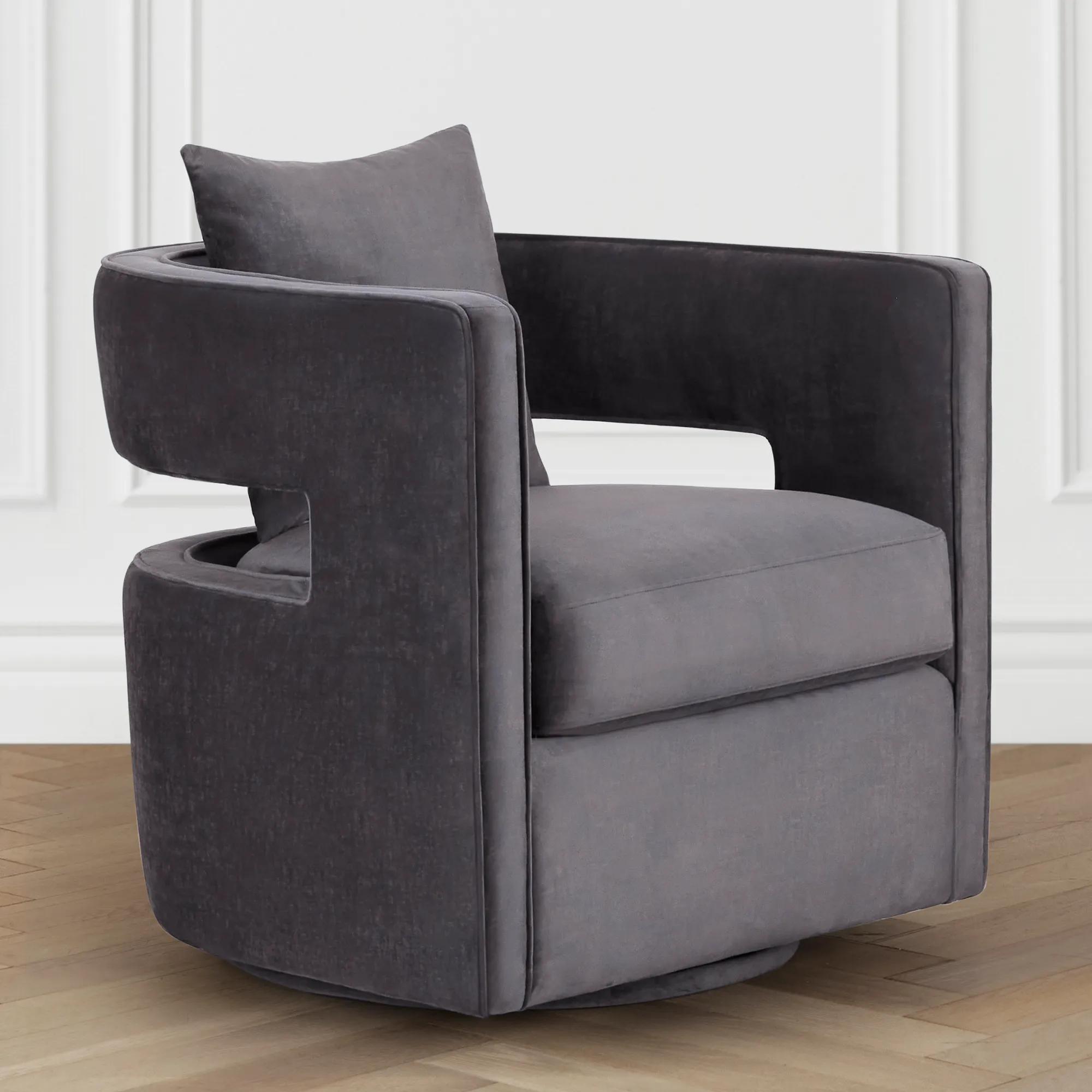 Lottie Grey Velvet Swivel Accent Chair$999
A glamorous grey velvet swivel chair featuring a barrel back, cutout arms, and plush foam cushioning.
Add To Cart -
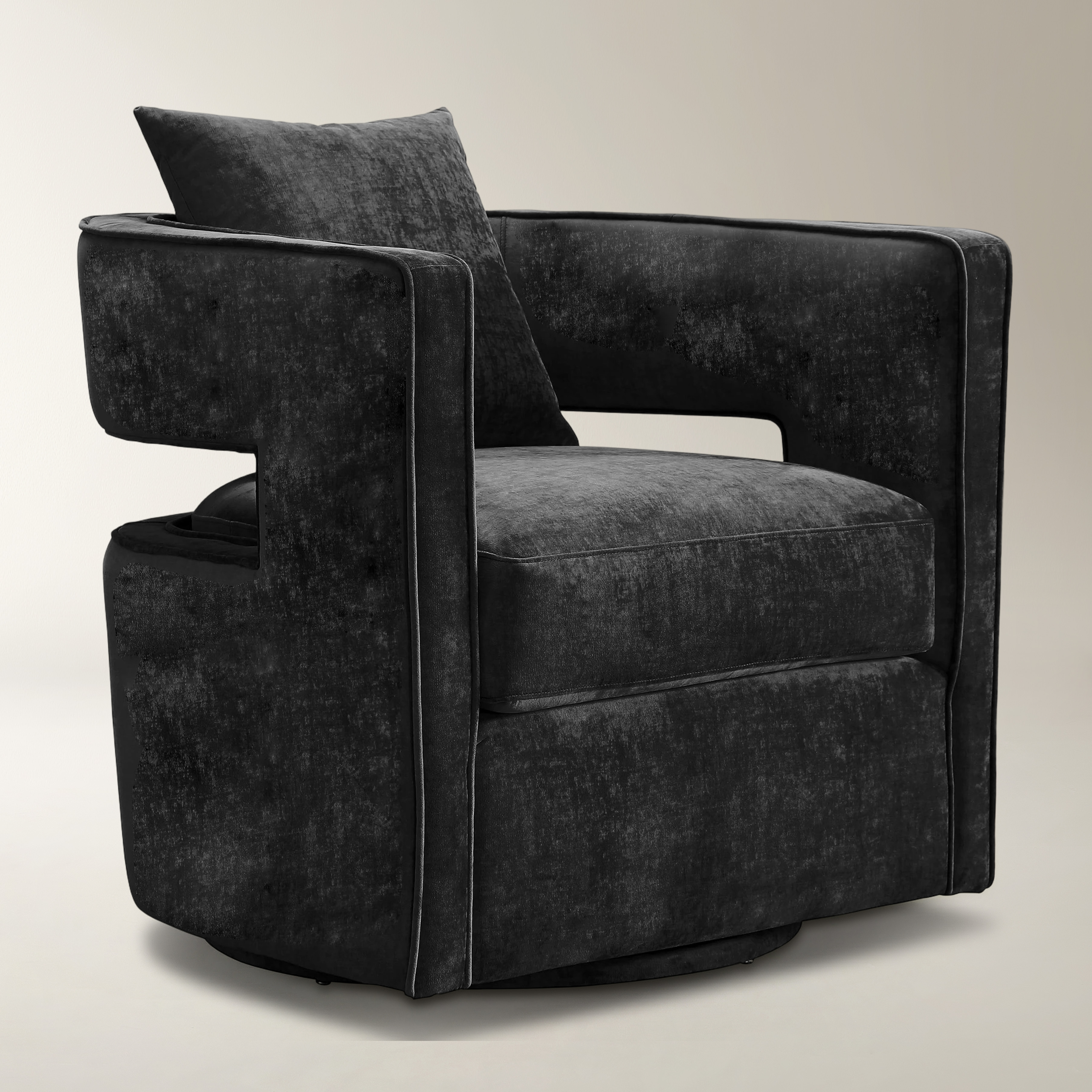 Lottie Black Velvet Swivel Accent Chair$999
A black velvet swivel accent chair with a sculpted barrel silhouette, open arms, and supportive cushioning.
Add To Cart -
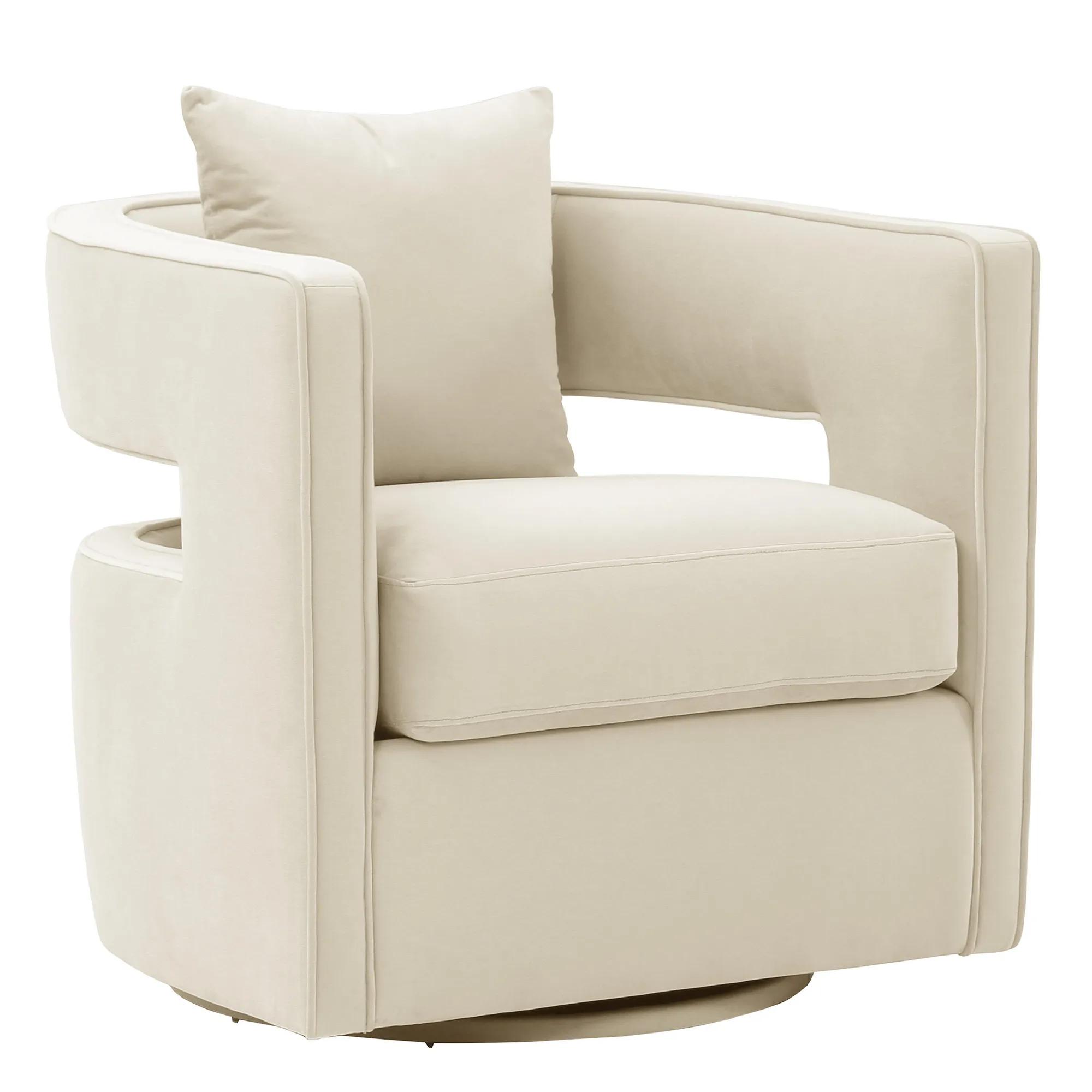
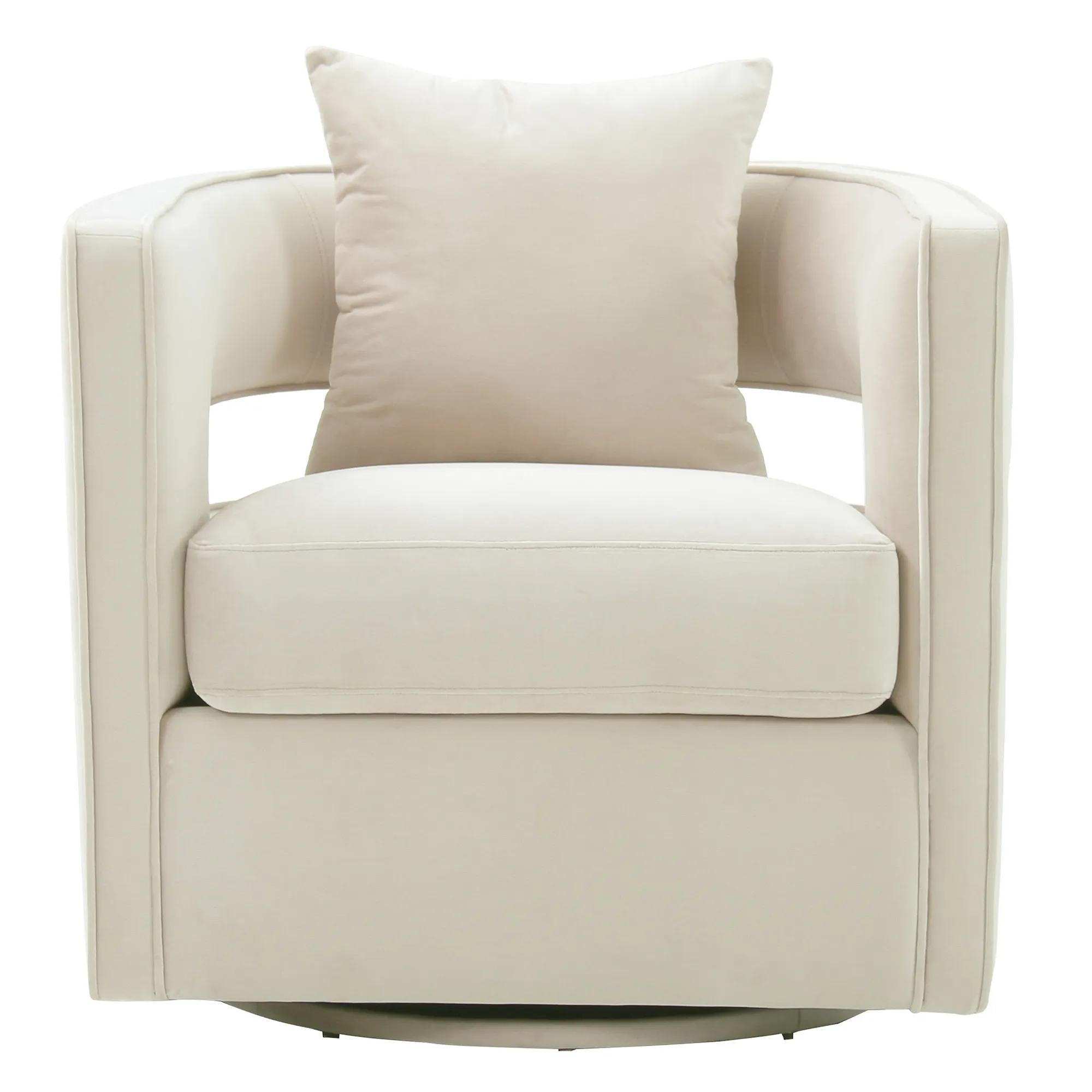 Lottie Cream Velvet Swivel Accent Chair$999
A glamorous cream velvet swivel chair featuring a barrel back, cutout arms, and plush foam cushioning.
Add To Cart -
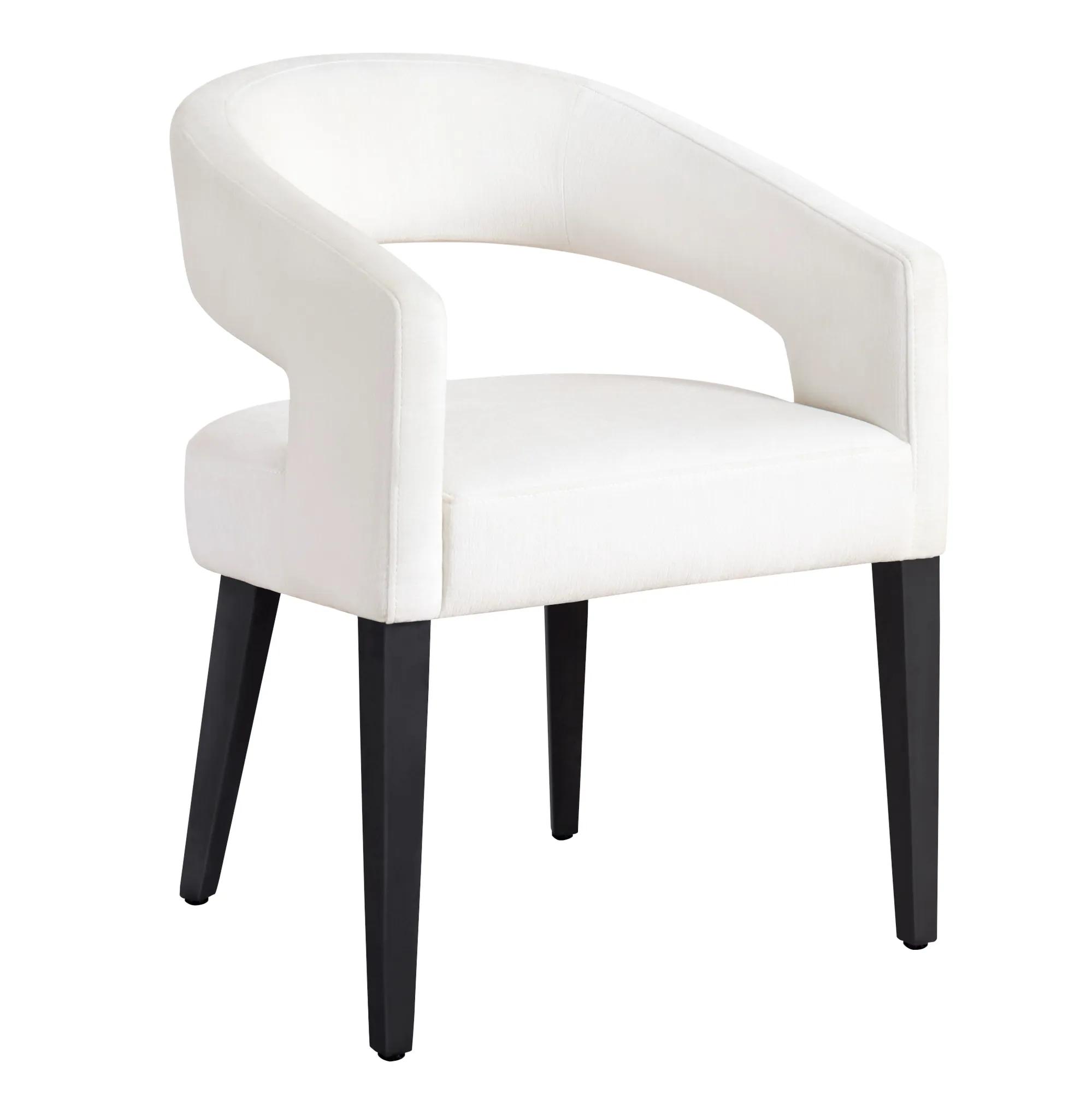
 Philippa Dining Chair - Matte Black$699
A modern dining chair featuring a curved silhouette, tailored upholstery, and matte black legs for contemporary appeal.
Add To Cart -
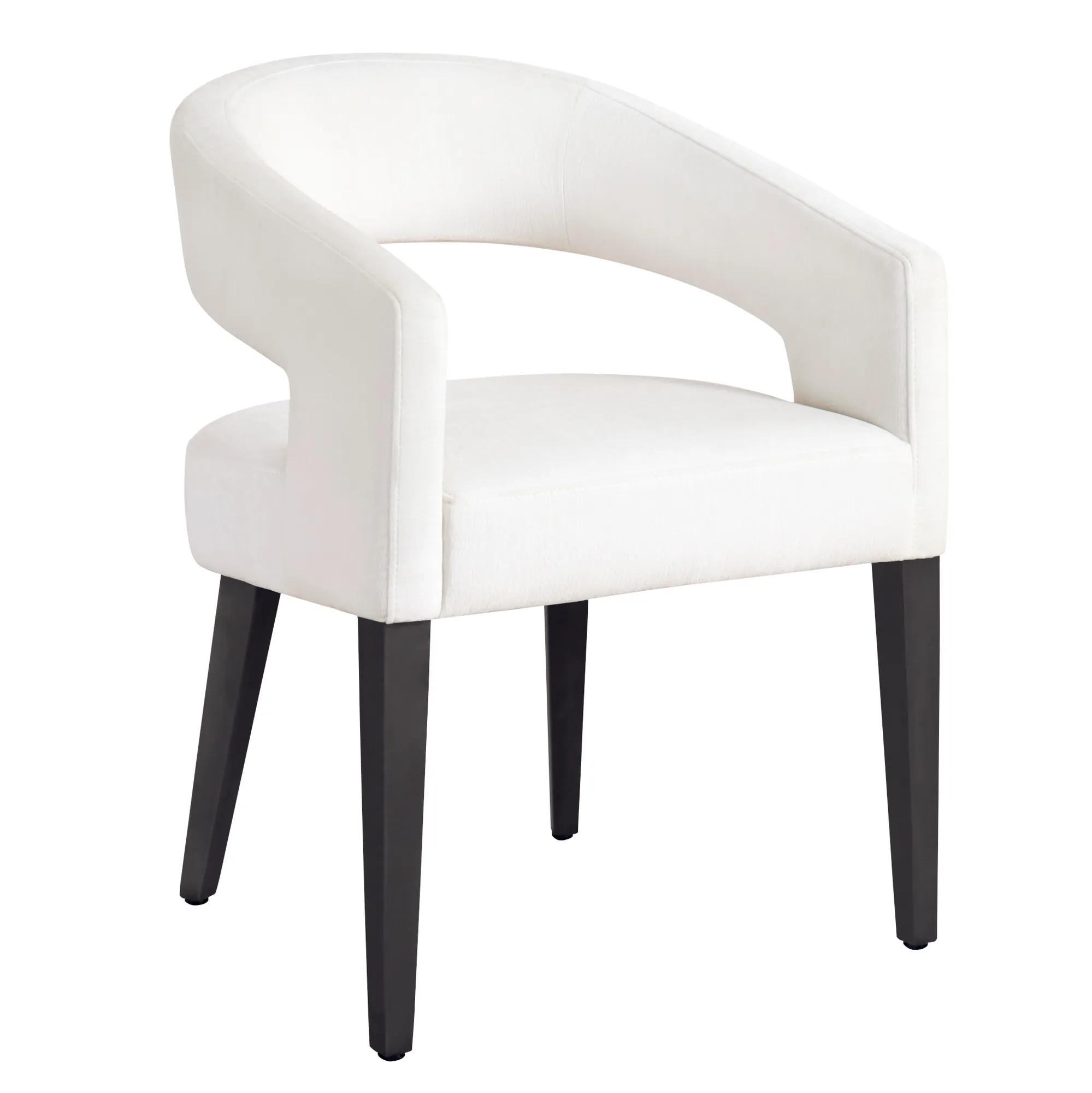
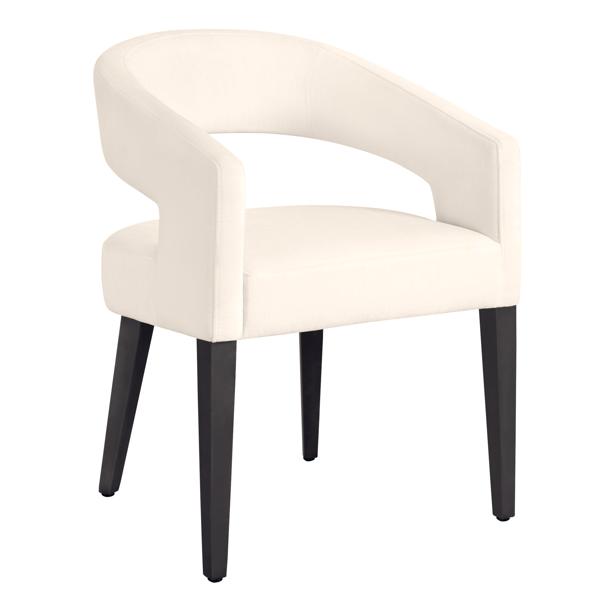 Philippa Dining Chair - Espresso$599
A curved dining chair featuring tailored upholstery, espresso-finished legs, and a sleek back cutout.
Add To Cart -
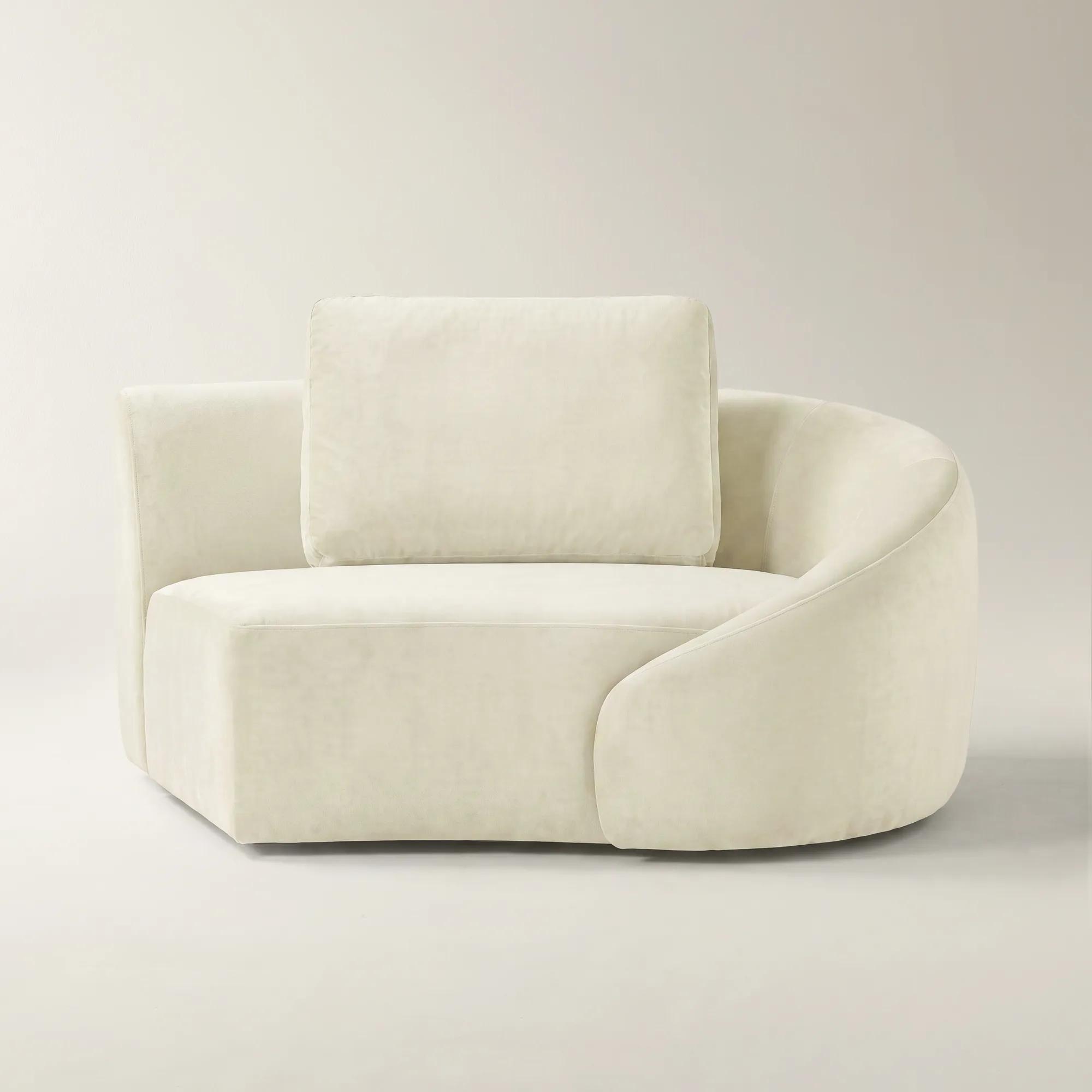
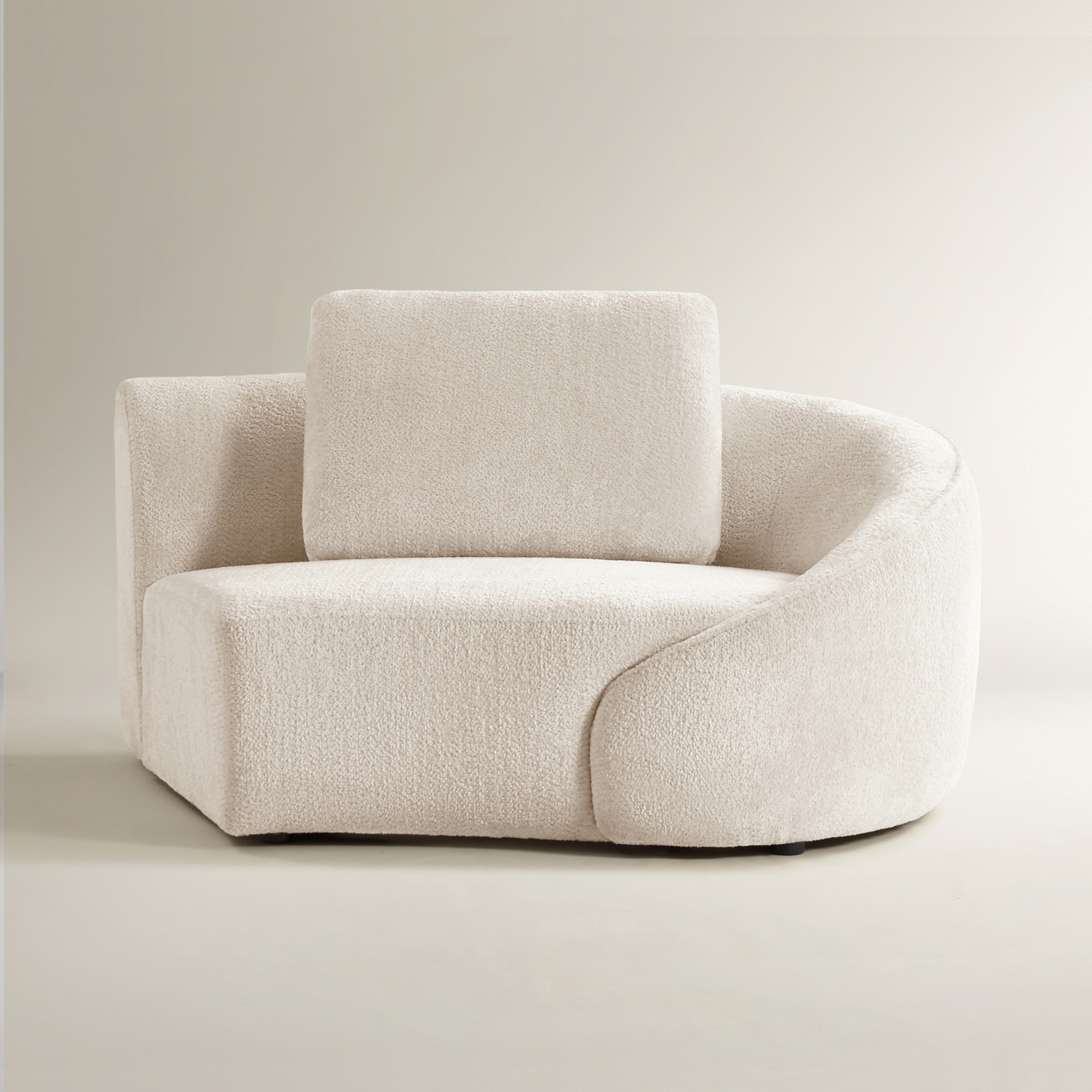 Irene Cloud Velvet Right-Arm Chair$1399
A sculptural right-arm chair upholstered in cloud velvet with high-resiliency foam cushions and artisan detailing.
Add To Cart -
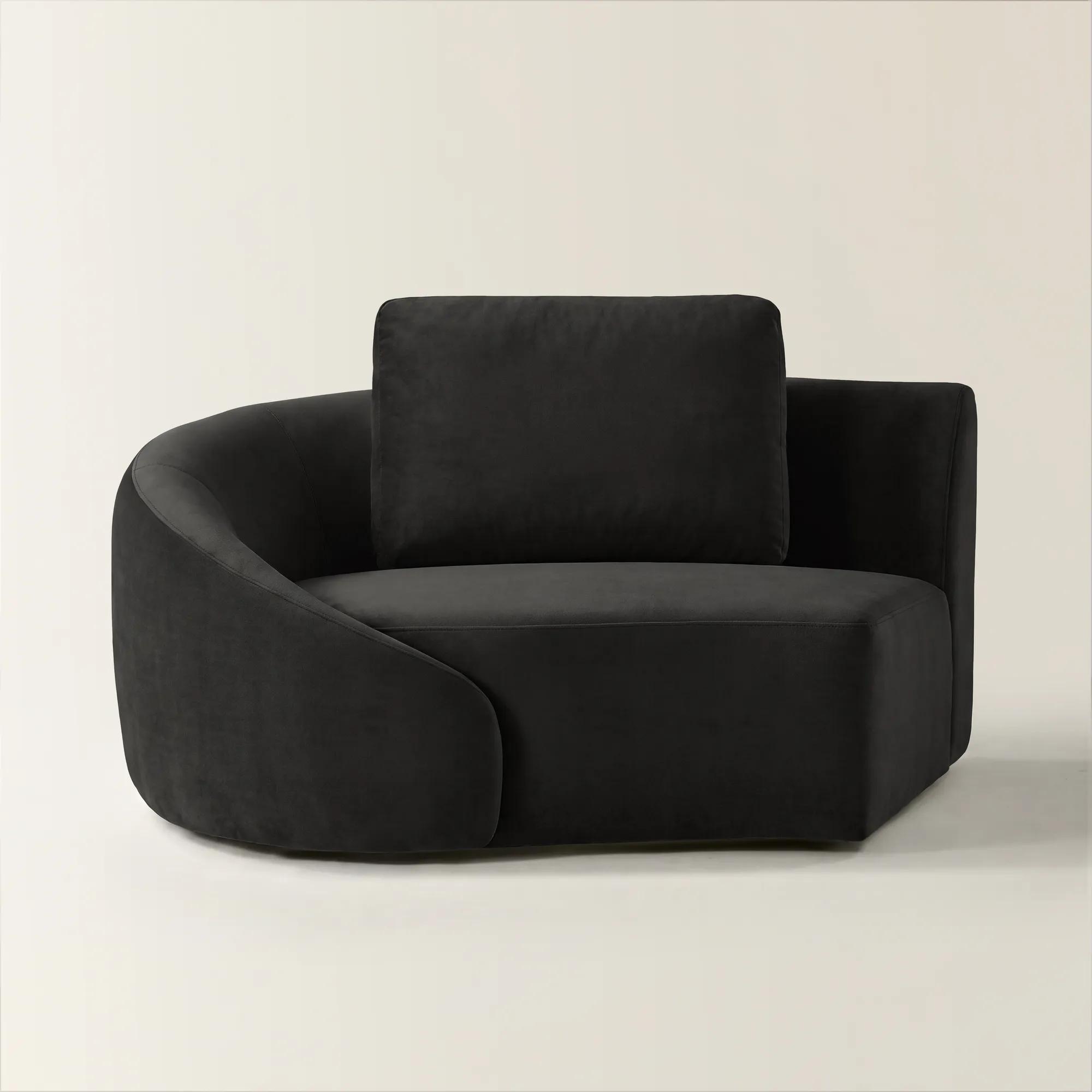
 Irene Charcoal Velvet Left-Arm Chair$1399
A sculptural left-arm chair in charcoal velvet with high-resiliency foam cushions and artisan hand-finished details.
Add To Cart -
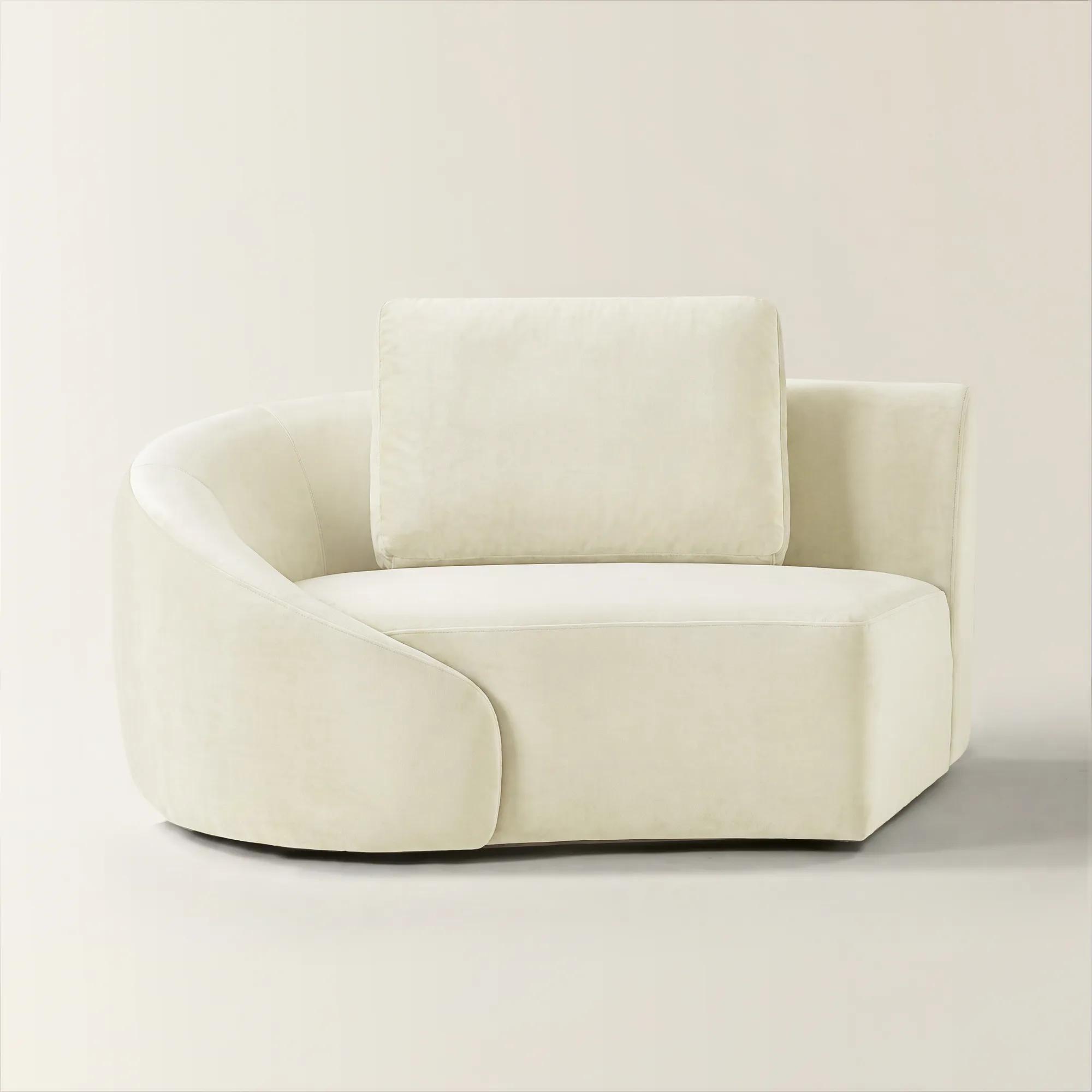 Irene Cloud Velvet Left-Arm Chair$1399
A sculptural left-arm chair upholstered in cloud velvet, featuring high-resiliency foam cushions and artisan detailing.
Add To Cart -
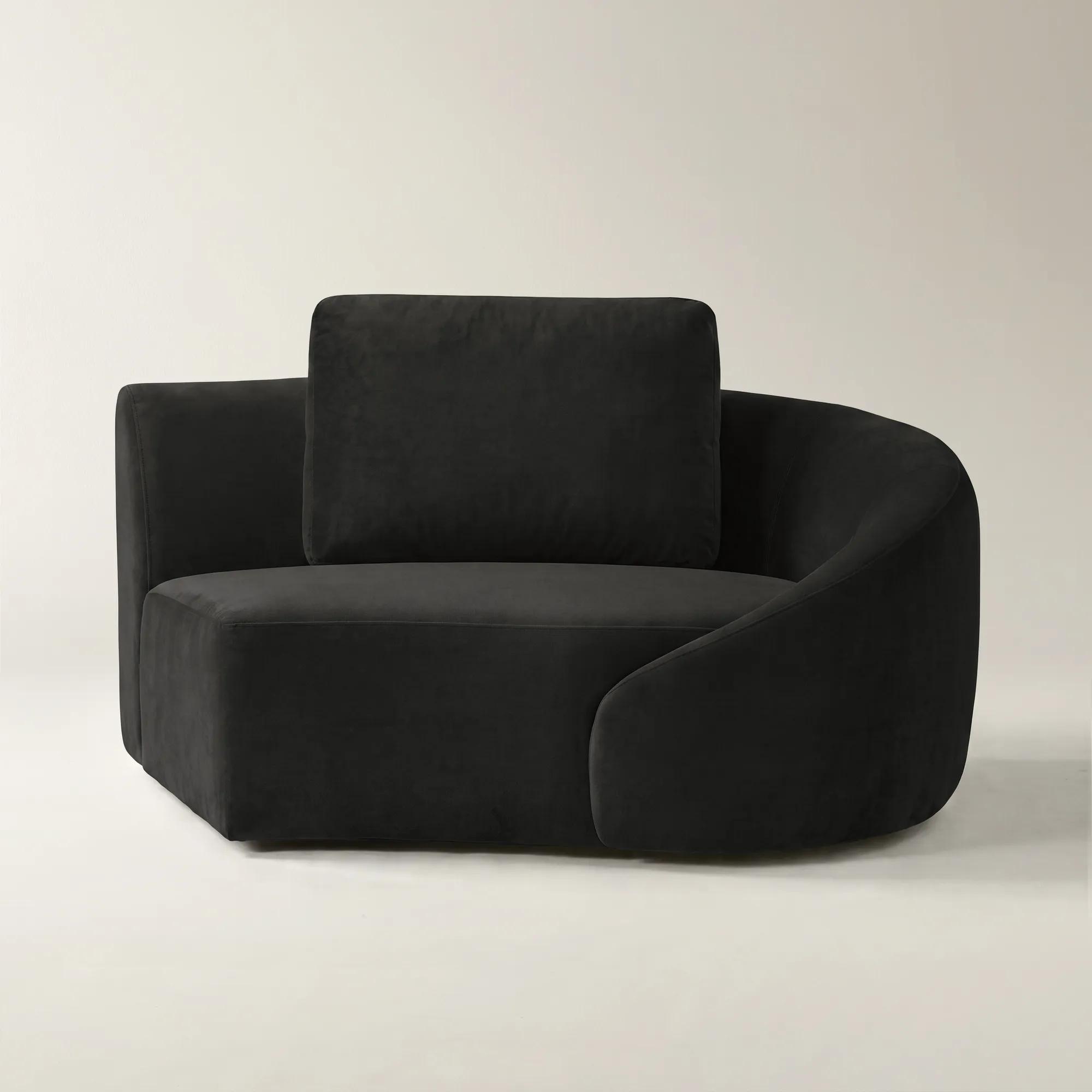 Irene Charcoal Velvet Right-Arm Chair$1399
A sculptural right-arm chair in charcoal velvet with high-resiliency foam cushions and artisan hand-finished details.
Add To Cart -
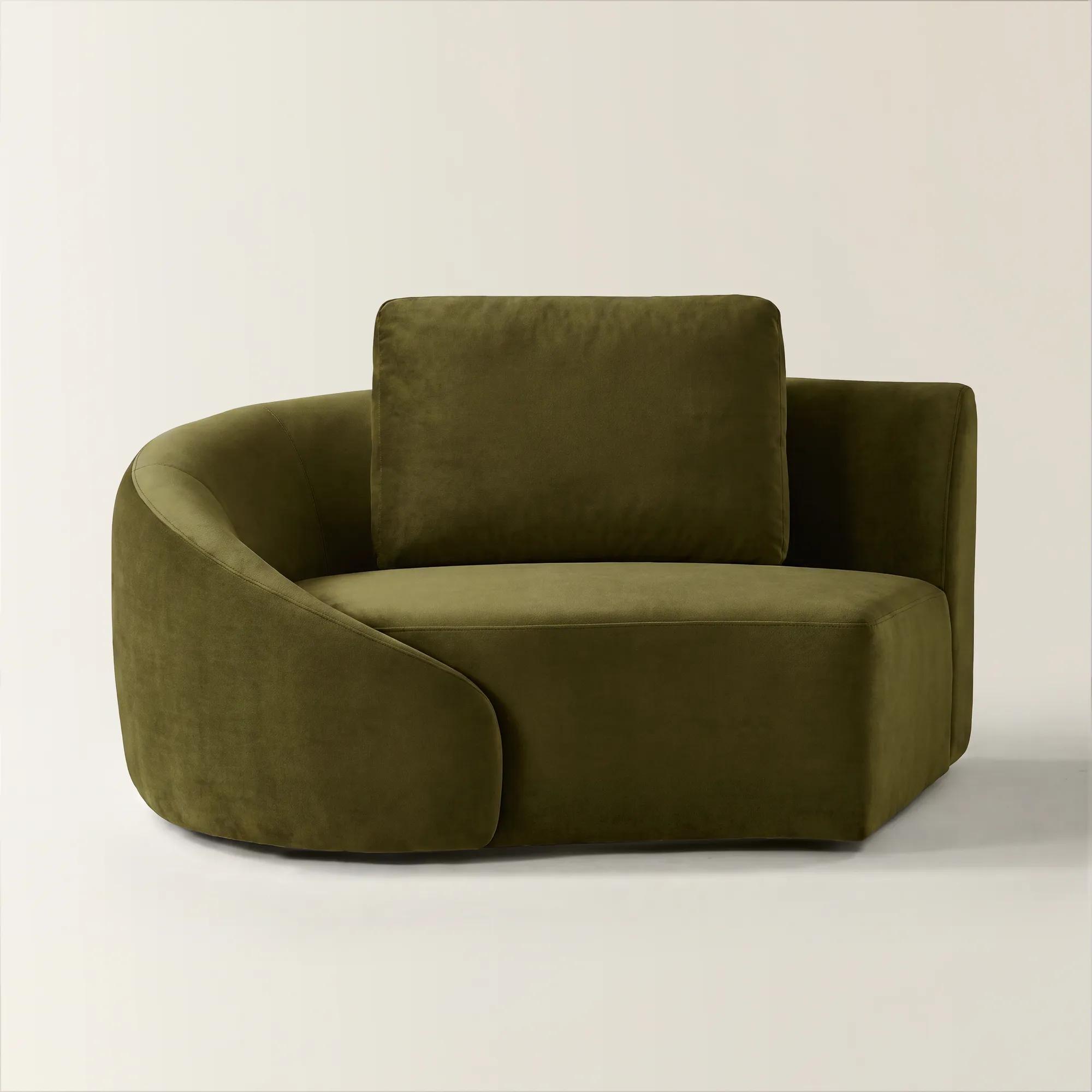 Irene Deep Olive Velvet Left-Arm Chair$1399
A sculptural left-arm chair in deep olive velvet with high-resiliency foam cushions and artisan detailing.
Add To Cart -
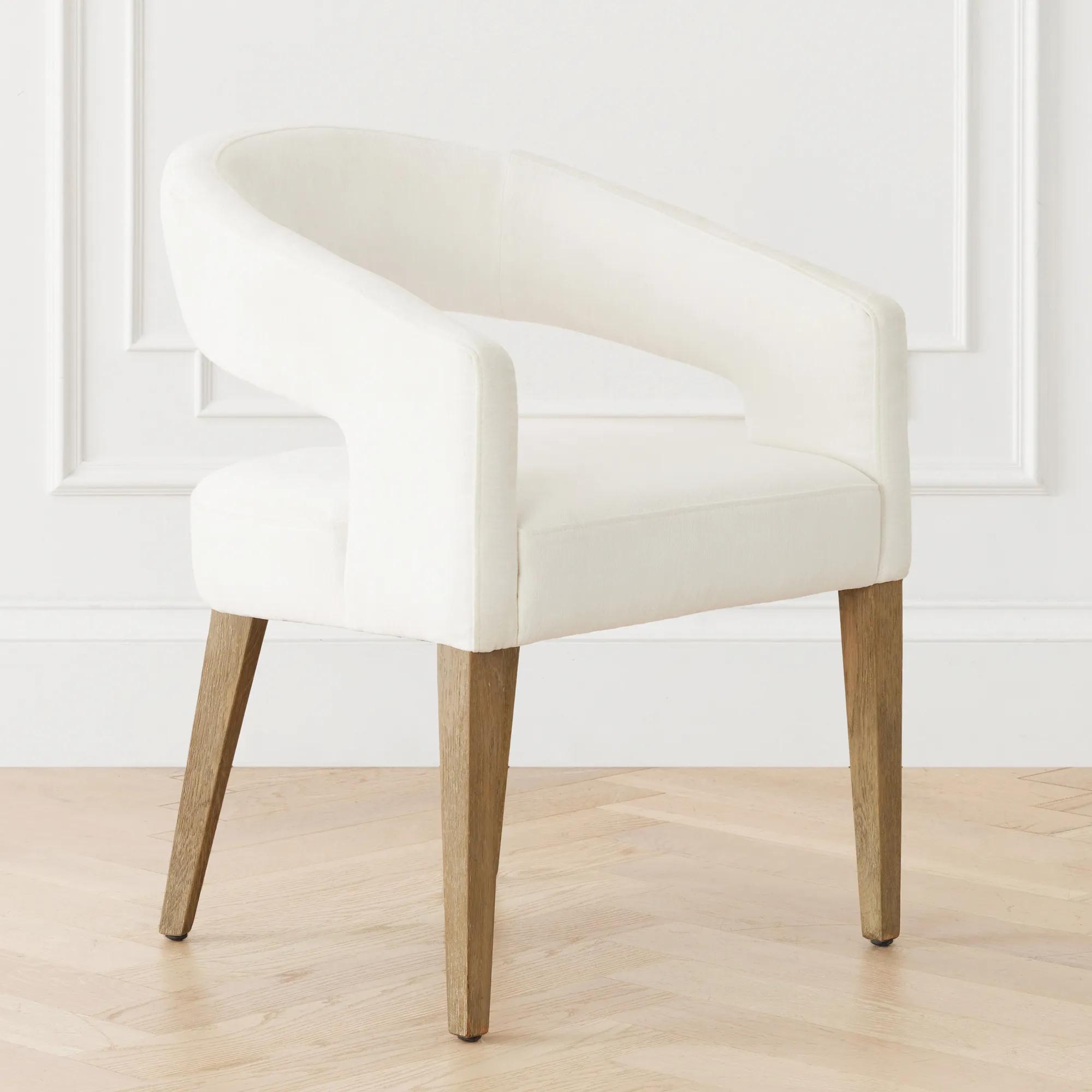 Philippa Dining Chair - Natural Grey$649
A modern dining chair featuring grey upholstery, a curved silhouette, and a kiln-dried hardwood frame.
Add To Cart -
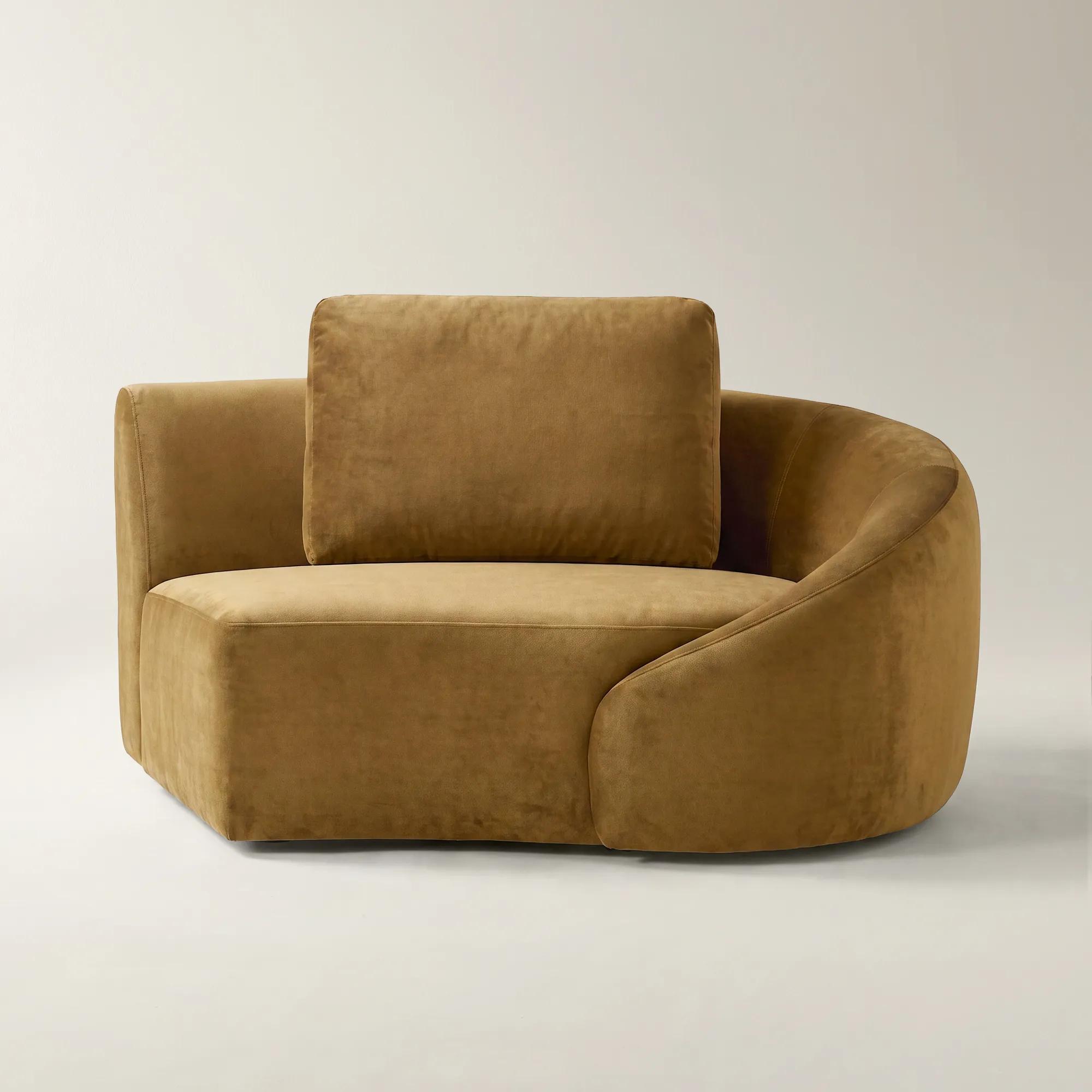 Irene Roasted Pecan Velvet Right-Arm Chair$1399
A sculptural right-arm chair in roasted pecan velvet with high-resiliency foam cushions and artisan detailing.
Add To Cart -
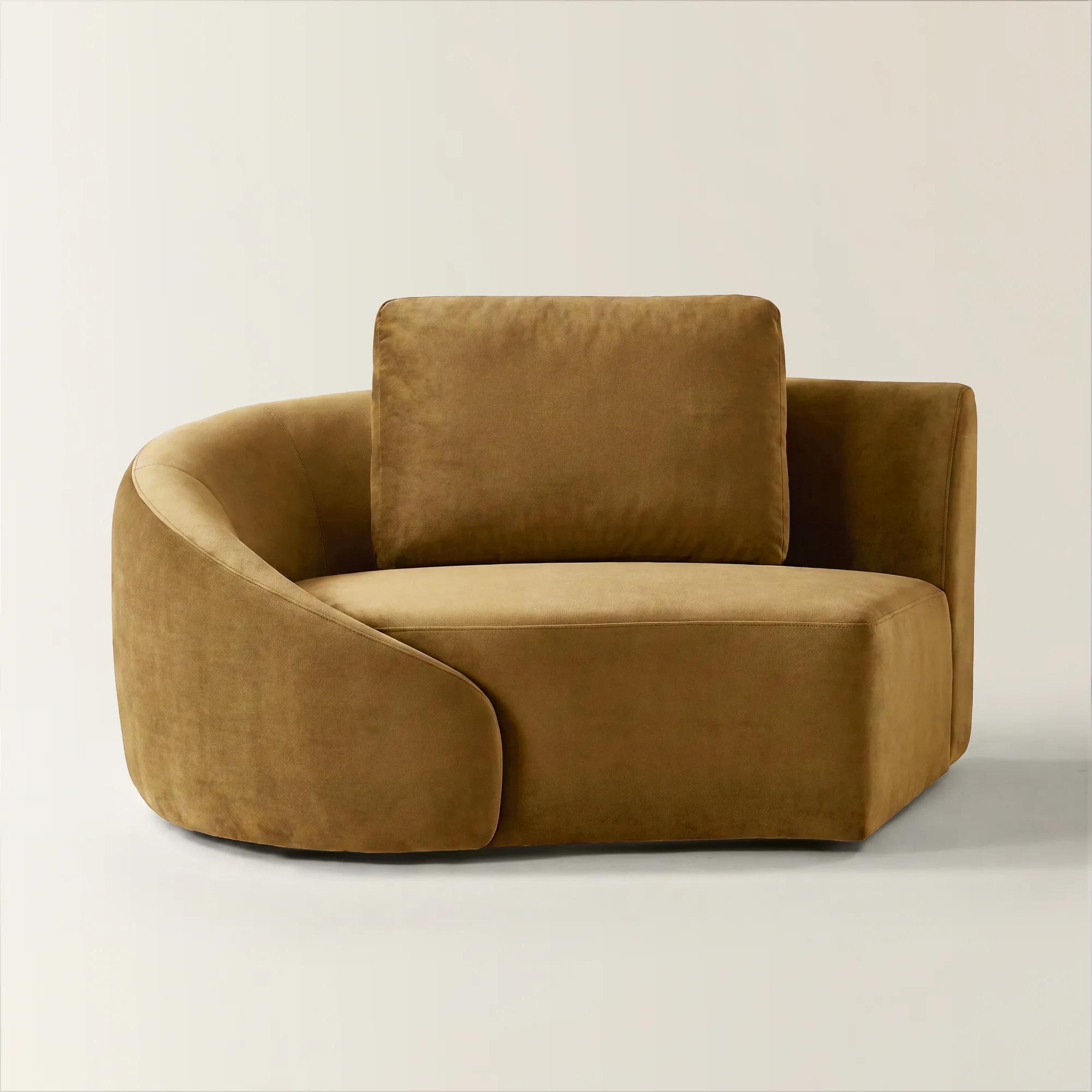 Irene Roasted Pecan Velvet Left-Arm Chair$1399
A sculptural left-arm chair in roasted pecan velvet with high-resiliency foam cushions and artisan detailing.
Add To Cart -
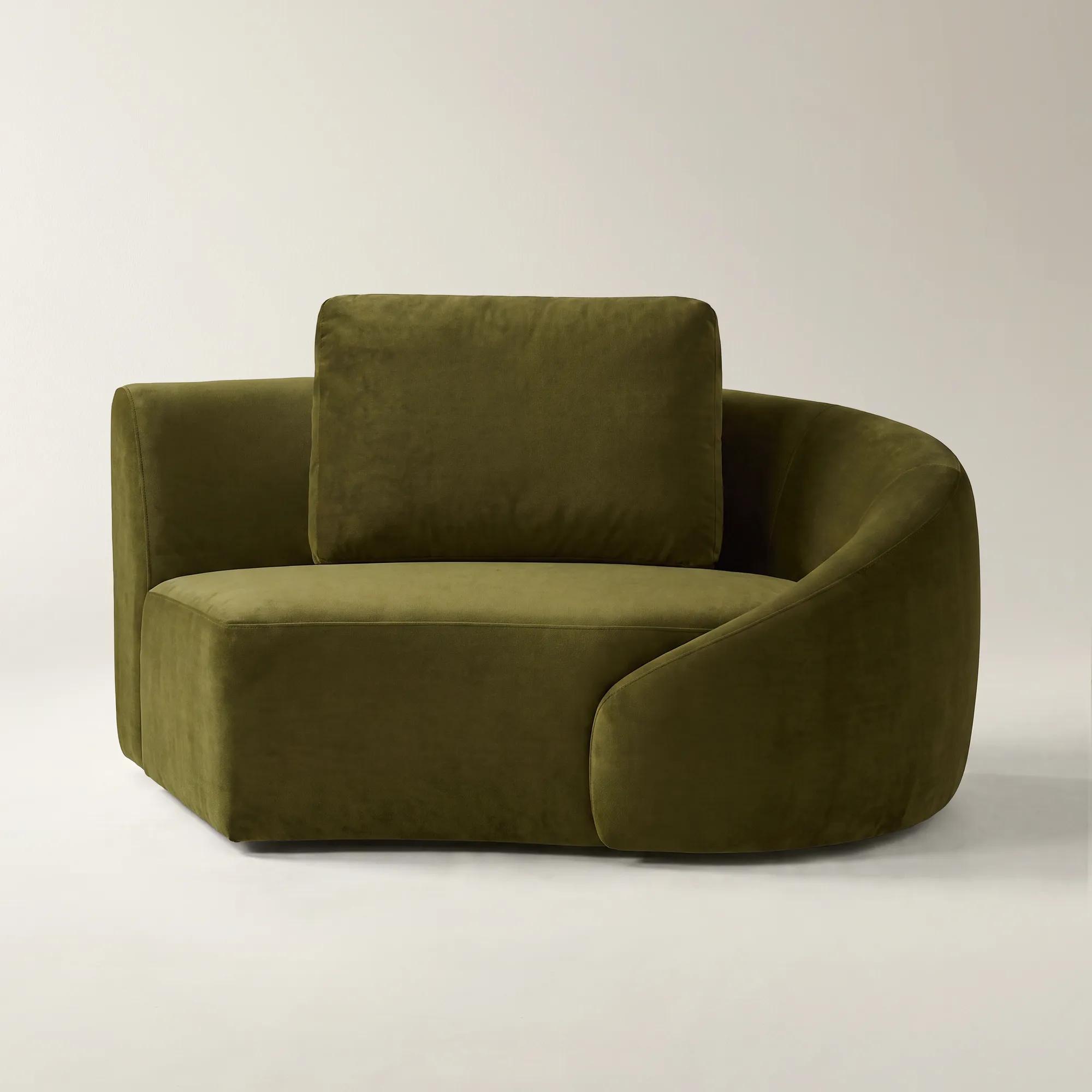 Irene Deep Olive Velvet Right-Arm Chair$1399
A sculptural right-arm chair in deep olive velvet with high-resiliency foam cushions and artisan detailing.
Add To Cart -
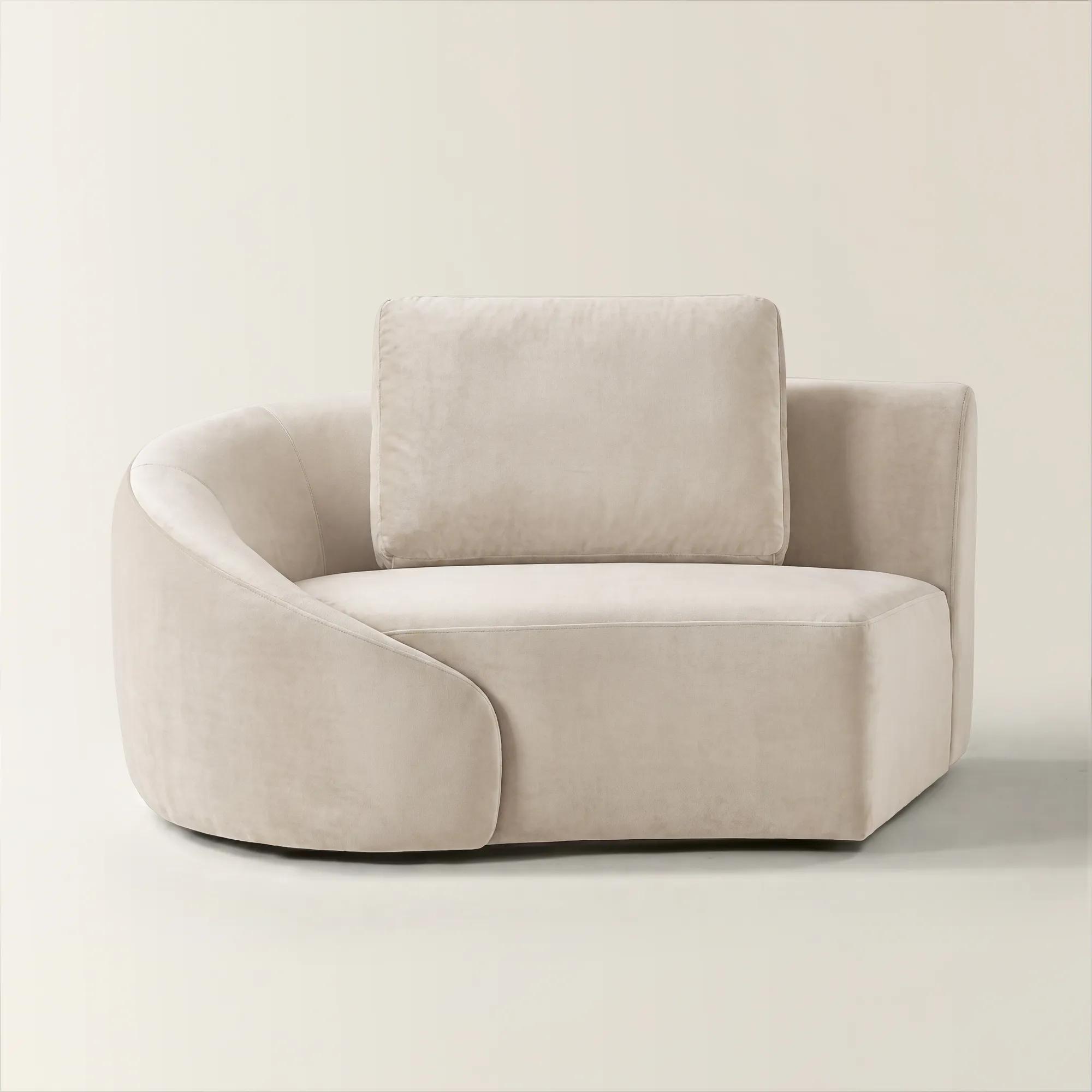 Irene Oatmeal Velvet Left-Arm Chair$1399
An oatmeal velvet left-arm chair featuring sculptural curves, high-resiliency foam, and artisan hand-finished upholstery.
Add To Cart -
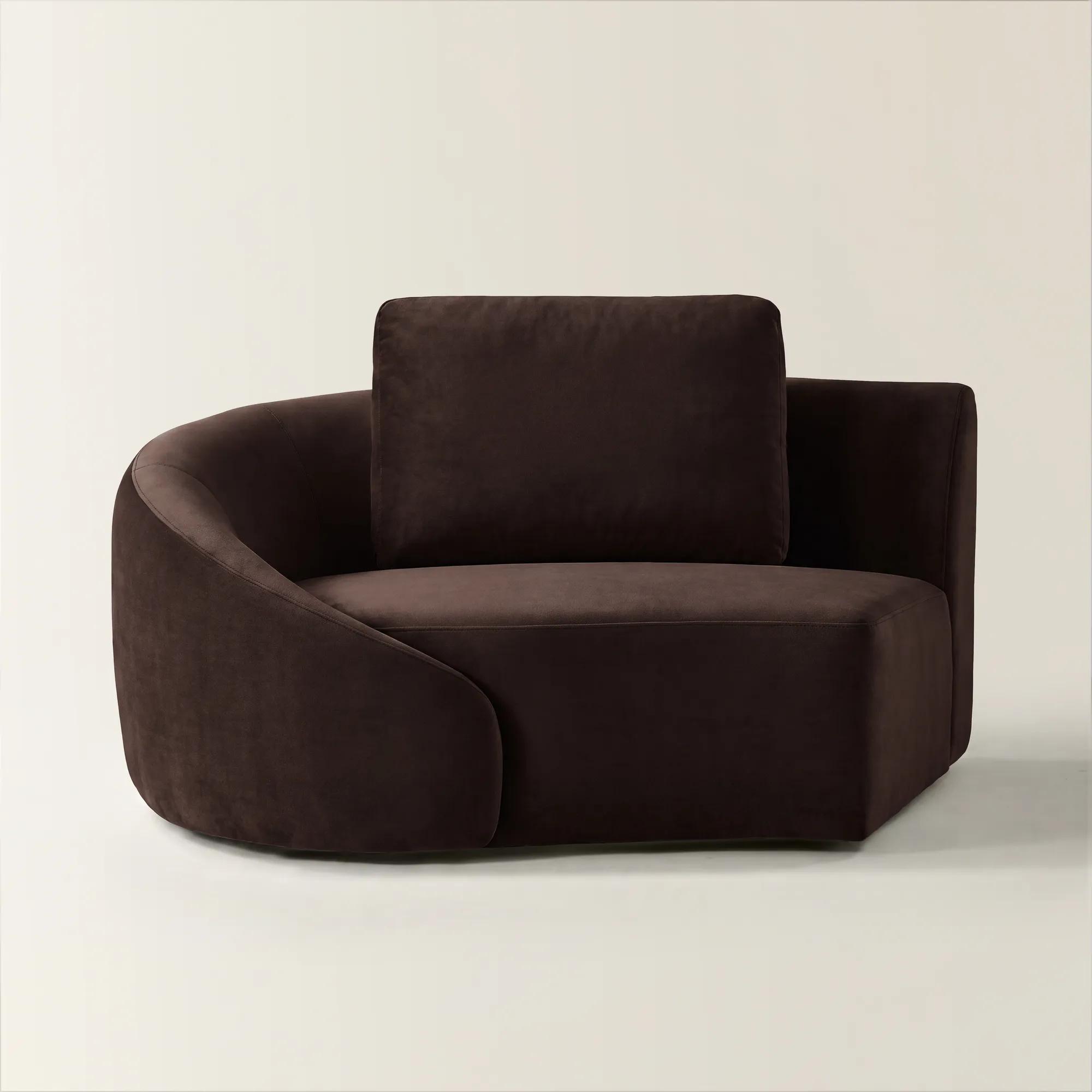 Irene Dark Chocolate Velvet Left-Arm Chair$1399
A sculptural left-arm chair in dark chocolate velvet with high-resiliency foam cushions and artisan detailing.
Add To Cart -
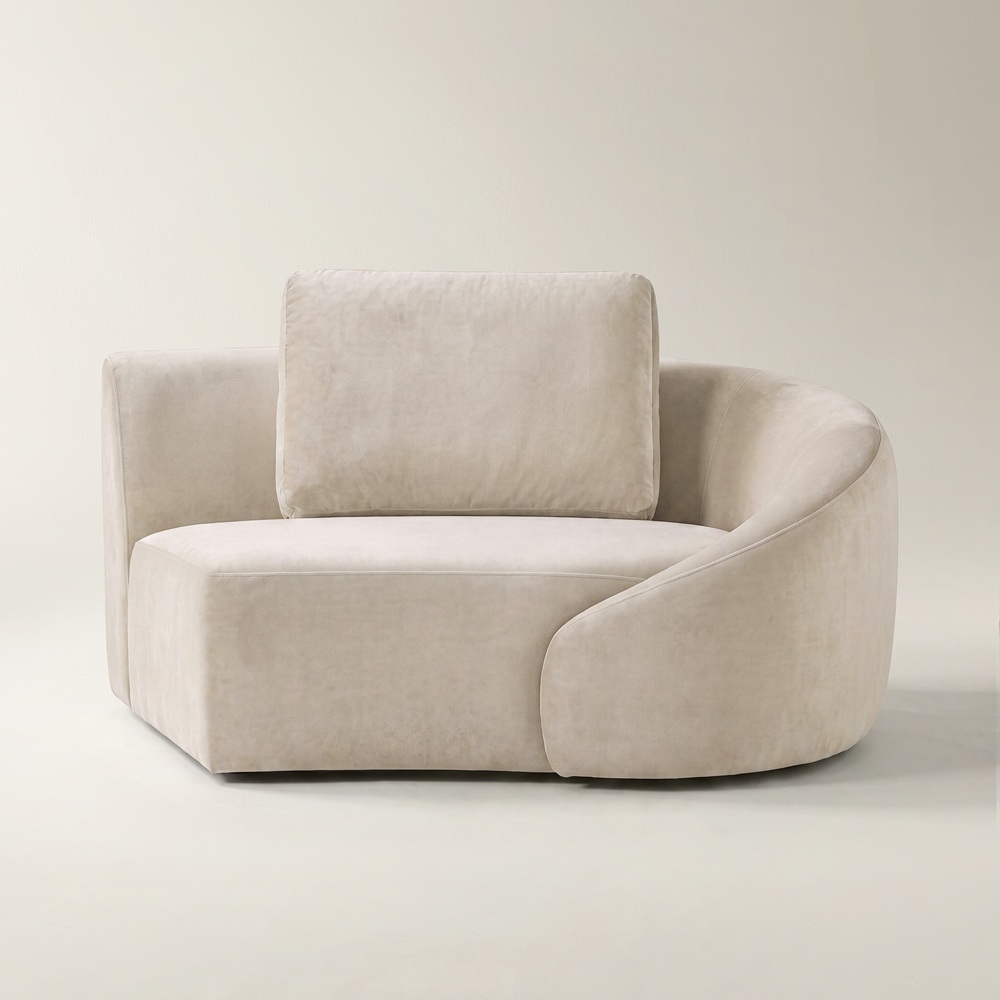 Irene Oatmeal Velvet Right-Arm Chair$1399
An oatmeal velvet right-arm chair featuring sculptural curves, high-resiliency foam, and artisan hand-finished upholstery.
Add To Cart -
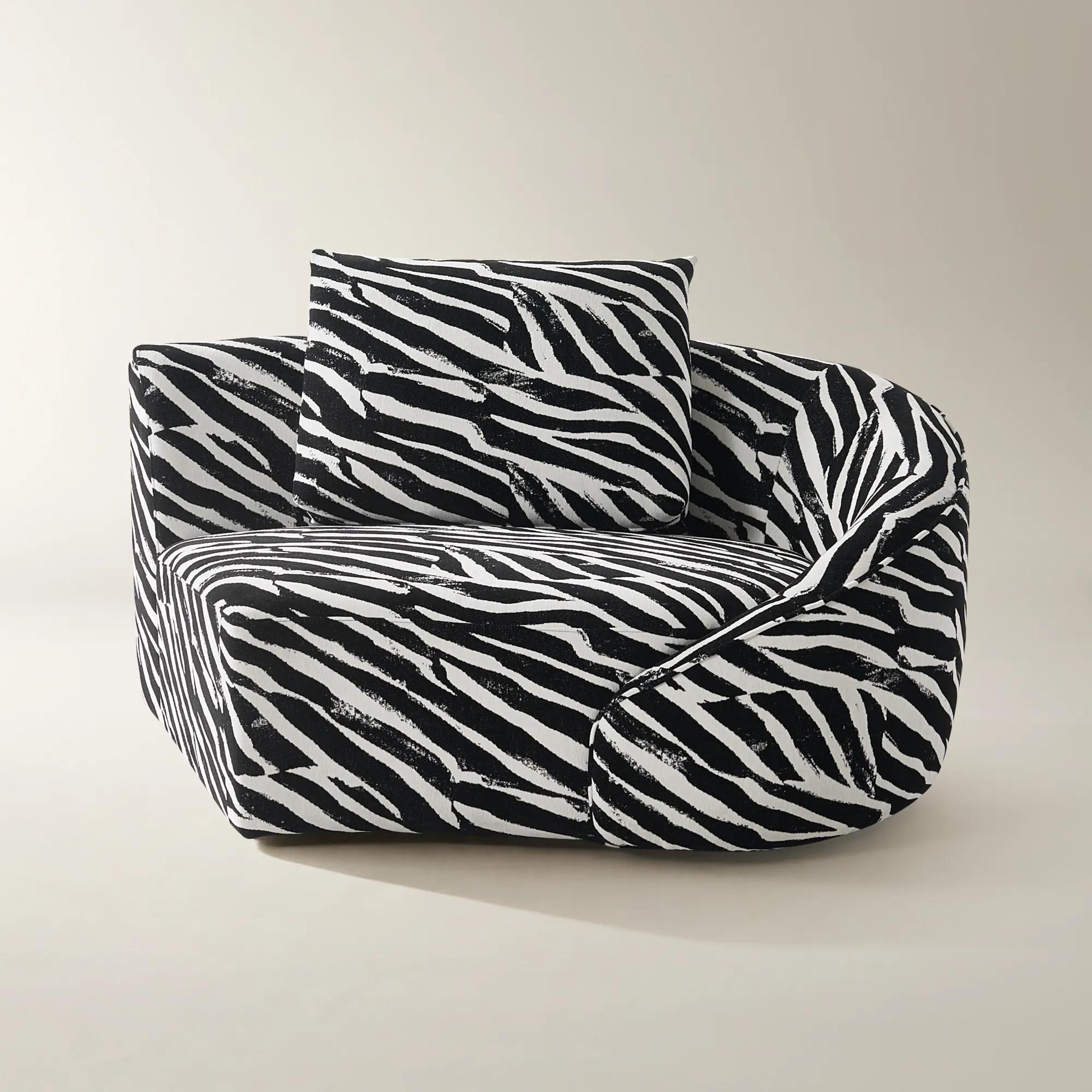
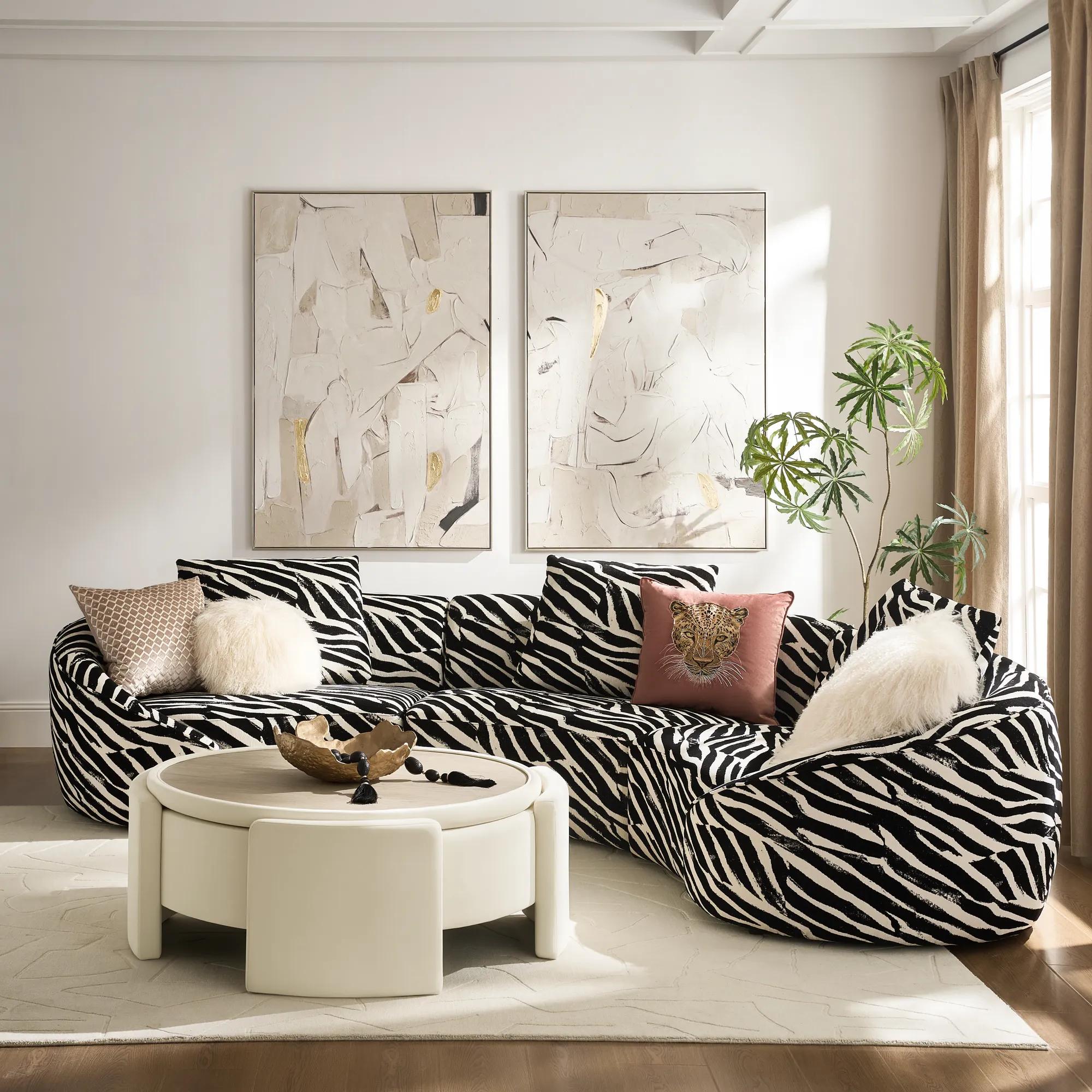 Irene White/Black Performance Chenille Right-Arm Chair$1399
A sculptural right-arm chair in black and white performance chenille with plush foam cushions and artisan detailing.
Add To Cart -
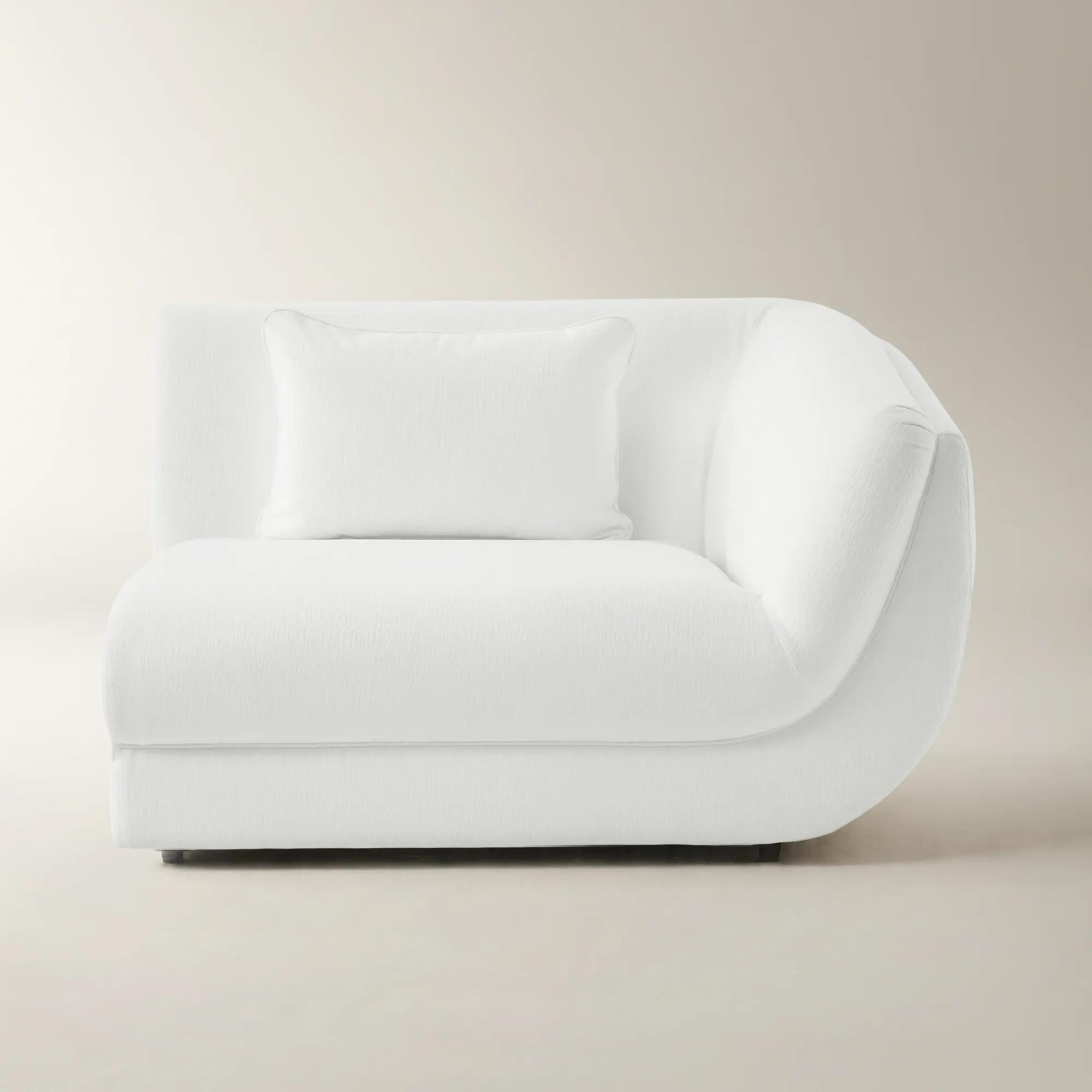 Curvia White Performance Chenille Indoor/Outdoor Right-Arm Chair$1449
A sculptural right-arm chair in white performance chenille, designed for plush comfort indoors or outdoors.
Add To Cart -
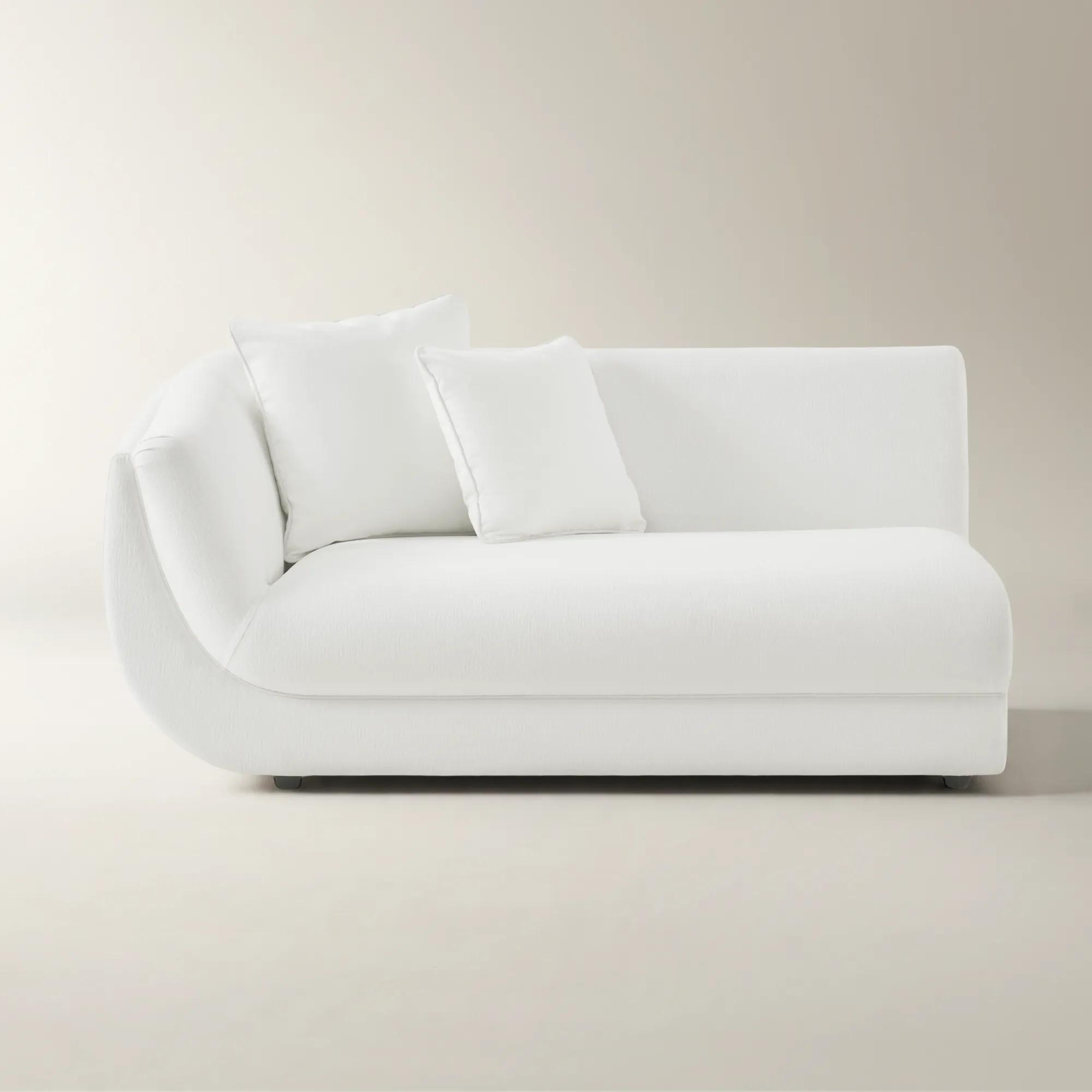
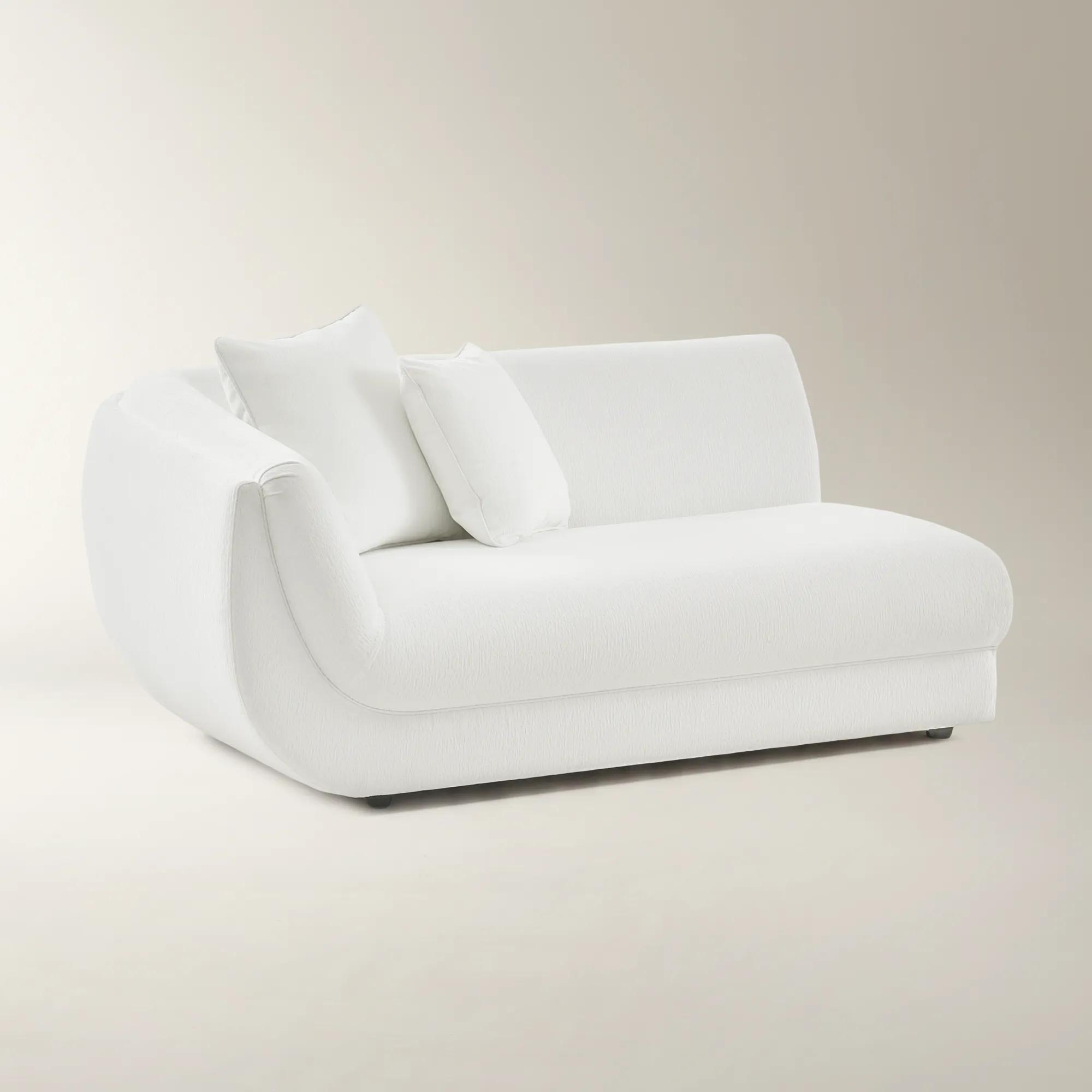 Curvia White Performance Chenille Indoor/Outdoor Grand Left-Arm Chair$1549
A sculptural left-arm chair in white performance chenille, designed for indoor or outdoor lounging comfort.
Add To Cart -
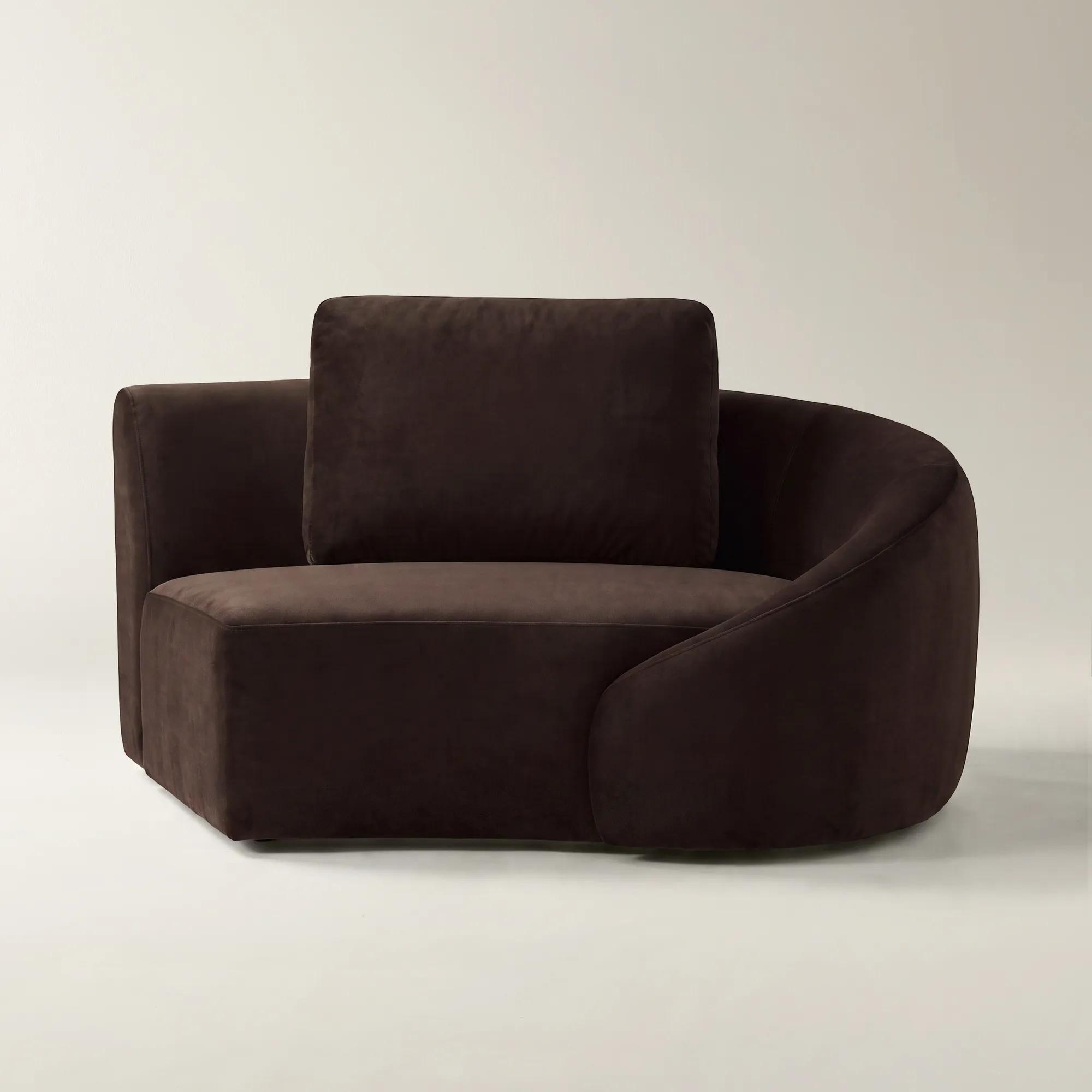 Irene Dark Chocolate Velvet Right-Arm Chair$1399
A sculptural right-arm chair in dark chocolate velvet with high-resiliency foam cushions and artisan detailing.
Add To Cart -
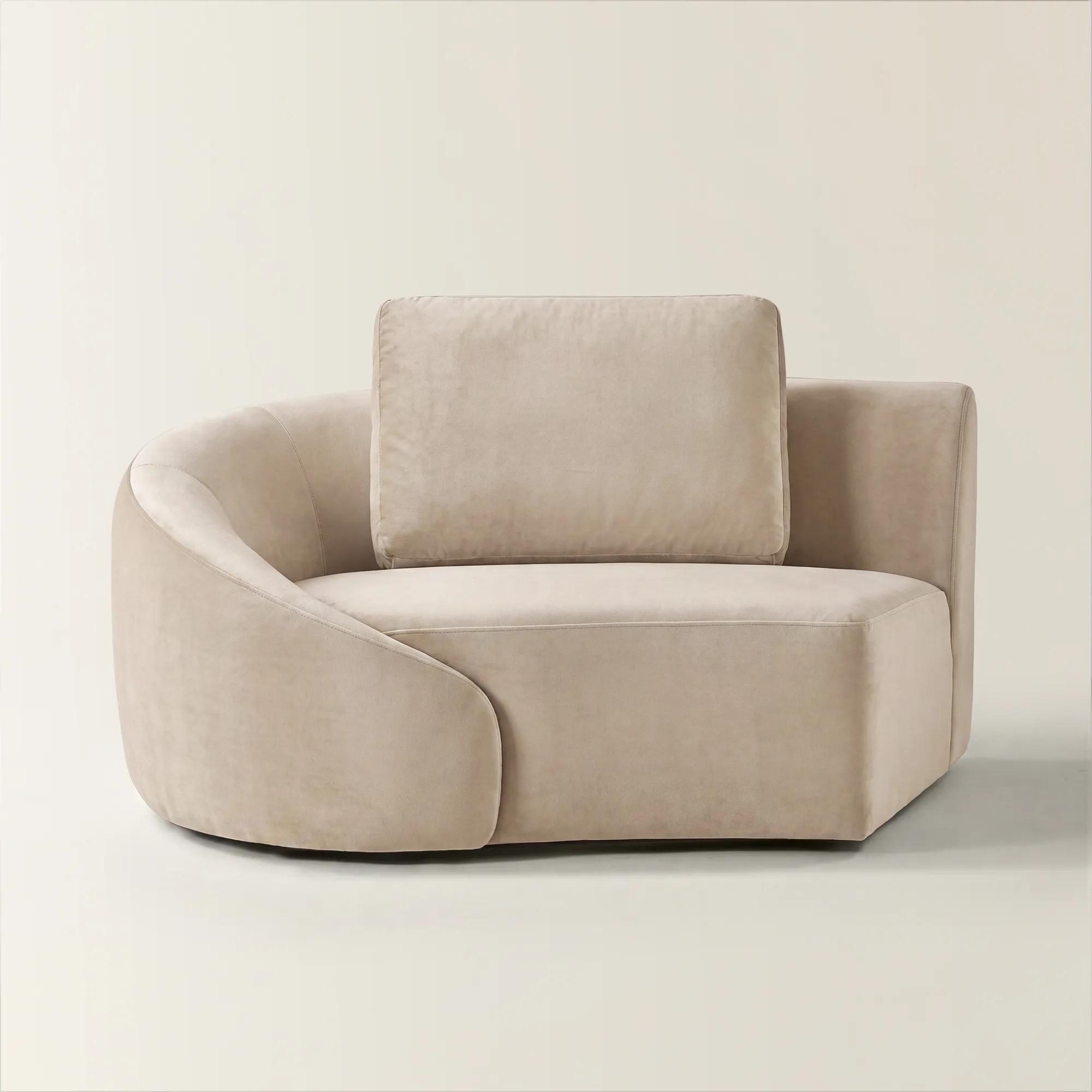 Irene Simply Taupe Velvet Left-Arm Chair$1399
A sculptural left-arm chair in simply taupe velvet, featuring high-resiliency foam cushions and artisan tailoring.
Add To Cart -
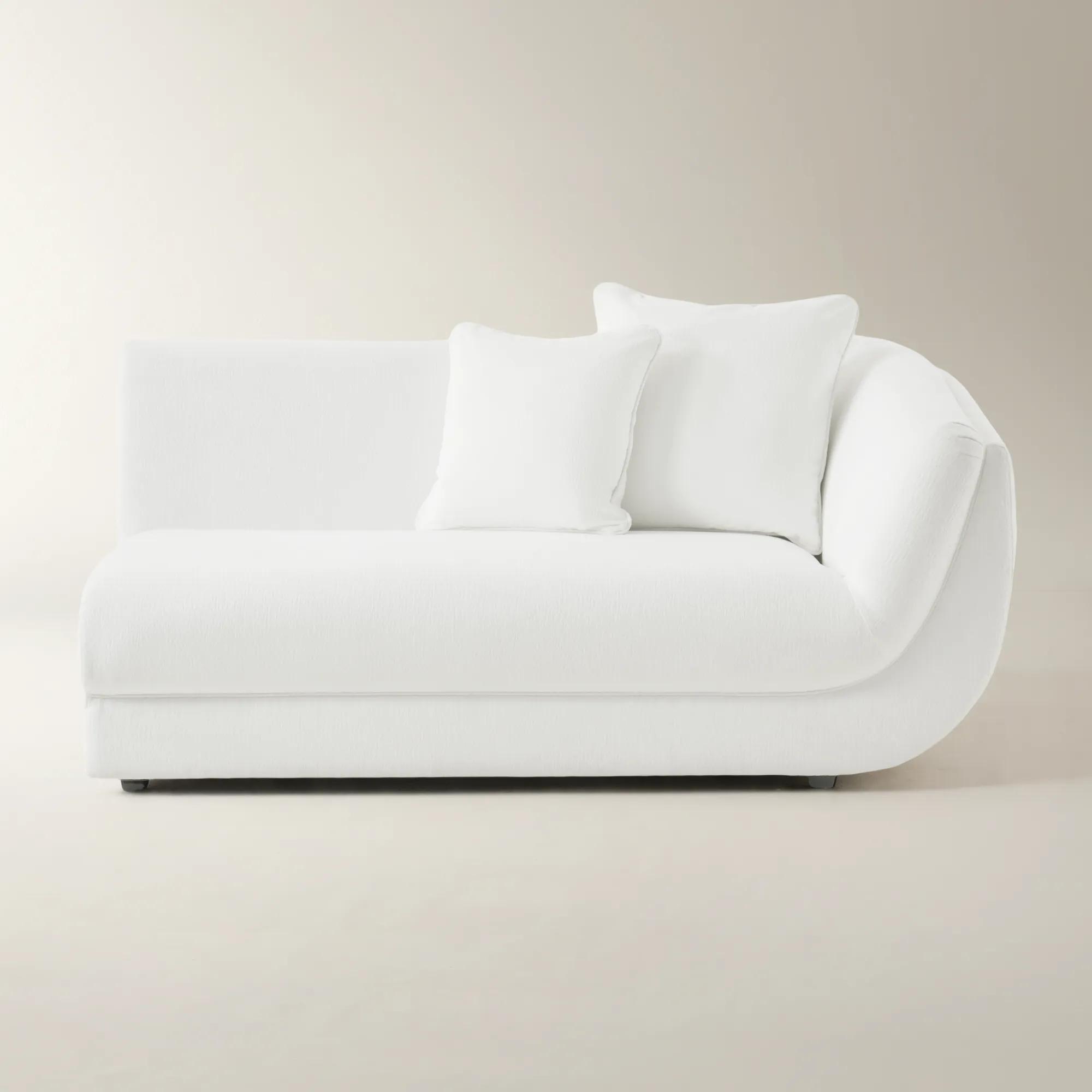 Curvia White Performance Chenille Indoor/Outdoor Grand Right-Arm Chair$1549
A sculptural white chenille chair featuring plush cushions, weather-resistant design, and indoor/outdoor versatility.
Add To Cart

Designer Cutout Arm Chairs
Designer cutout arm chairs are the ultimate invitation to indulge in artistry and allure. Each silhouette is a celebration of negative space, transforming functional seating into sculptural statements that captivate from every angle. With their bold lines and artful apertures, these chairs bring a sense of movement and intrigue to any room—whether poised at the head of a dining table or anchoring a dramatic reading nook. Elevate your interiors with designer cutout arm chairs that don’t just furnish a space—they ignite conversation and inspire creativity, turning your home into a gallery of modern glamour.
Designer cutout arm chairs combine the presence of an armchair with intentional openings in the arms, side panels, or back, creating a silhouette defined as much by negative space as by upholstery and frame. These architectural details give a substantial seat a lighter visual profile, allowing glimpses of a rug, wall color, or surrounding furnishings through the chair itself. A curved back with open sides can feel enveloping without looking enclosed, while a sharply angled frame brings a more graphic expression to a room. The effect is especially compelling in spaces where furniture is visible from several directions: an accent chair beside a floating sofa, a pair facing a fireplace, or a reading seat positioned near an open doorway. Instead of disappearing against a wall, the chair becomes a composition worth viewing from every angle. Cutout designs can draw on rounded barrel forms, crisp geometric lines, or exposed structural frames, with each interpretation setting a different mood. Soft curves lend intimacy to a conversation area; an angular profile introduces tension and contrast beside a sumptuous sofa. The most satisfying choice balances that visual drama with the way the seat will actually be used. A generous lounge chair invites a longer stay, while a more upright seat suits conversation, receiving guests, or a bedroom dressing area. Overall width, seat depth, seat height, and arm placement all influence that experience. A broad exterior does not necessarily mean a broad sitting area, particularly when the arms sweep inward or the back wraps around the cushion. For someone who likes to curl up with a book, usable cushion space matters more than the outline alone. For a seat used frequently by visiting family, a comfortable height and arms that are easy to reach may take priority over a low, deeply reclined posture. Openings also deserve attention at the points where shoulders, elbows, and the lower back naturally rest. A striking cutout should preserve support where the body needs it, making the chair an expressive part of daily life rather than a beautiful seat that rarely gets used.
Upholstery and frame materials give cutout armchairs their tactile character, emphasizing the relationship between a solid surface and the space surrounding it. Velvet can bring depth to a curved silhouette, its pile shifting in appearance as light moves across the seat. Bouclé and other textured fabrics soften precise lines with a dimensional surface, while a tightly woven upholstery fabric can make an elaborate shape feel tailored and composed. Leather offers another expression, highlighting seams, contours, and the transitions between upholstered sections and exposed framing; its appearance and care needs depend on the finish. For a broader exploration of upholstered silhouettes, designer fabric arm chairs provide another way to bring texture and personality into a seating arrangement. Color changes the impact of the openings themselves. An ivory chair against a deep-toned wall makes each void distinct, while a dark chair in a similarly toned room creates a quieter outline with greater emphasis on texture. Exposed wood adds warmth and visible grain; metal introduces a crisp edge, whether the finish is softly brushed or brilliantly reflective. Durability depends on more than appearance, however. Frame construction, secure joints, cushion composition, upholstery performance, and the intended level of use all deserve attention, especially for a chair that will become a favorite everyday seat. In a household with pets, a pronounced looped texture may be more vulnerable to snagging, while delicate surfaces can require greater care around claws, jewelry, and clothing hardware. Performance claims should be supported by the material information rather than assumed from a fabric’s name or feel. Maintenance is equally specific to the upholstery and finish. Manufacturer care instructions and cleaning codes should guide treatment; gentle vacuuming with an appropriate attachment can help remove dust from seams and recesses when permitted. Spills call for prompt attention using the recommended method, not a universal cleaning solution. Cutout edges and exposed frames may collect dust in places a fully upholstered chair does not, making access to those details useful. Direct sunlight can affect some fabrics, leathers, and finishes, so placement matters as much as routine care in preserving a richly finished appearance.
The right scale allows a designer cutout armchair to command attention without interrupting the room around it. In a compact living area, an open-sided design can preserve sightlines, but its actual footprint still needs to accommodate walking paths and neighboring furniture. In a larger room, a pair of chairs can create an intimate conversation setting within a more expansive layout, particularly when their backs have enough character to face outward. A stationary base gives the arrangement a clear orientation, while a swivel base, when part of the design, lets the sitter turn between conversation and another focal point without moving the entire chair. That movement requires clearance beyond the seat’s resting position. A chair beside a sofa should relate comfortably to the surrounding seat heights and leave room for a reachable table; a reading chair benefits from lighting positioned to illuminate the page without crowding its sculptural outline. If the chair is intended for dining, dimensions become more exacting: the seat height must work with the table, and the arms need suitable clearance beneath the tabletop or apron. An accent armchair is not automatically a dining chair, just as an elegant seat near a desk is not necessarily designed for extended computer work. Intended use helps distinguish a decorative focal point from the right seat for a particular routine. Styling can then amplify the architecture rather than obscure it. A restrained lumbar pillow may add comfort while leaving a back opening visible, and a rug with a subtle sheen or dimensional pattern can give the chair a beautifully layered foundation. Let a gleaming side table echo an exposed metal frame, or set a curved upholstered chair against a rectilinear console for a deliberate contrast. For a housewarming or milestone gift, this is a deeply personal choice best suited to a recipient whose space, taste, and seating needs are well understood. The lasting appeal lies in that connection: a chair with enough artistry to shape the room and enough comfort to become part of its most familiar moments.
FAQs
Designer cutout arm chairs are celebrated for their artistic silhouettes and openwork frames, which introduce visual intrigue and a sculptural quality to any space. Unlike traditional arm chairs, these pieces emphasize negative space and intricate detailing, transforming seating into a bold statement that elevates the ambiance of a room.
Cutout arm chairs are remarkably versatile and can be styled as accent pieces in living rooms, paired in entryways, or used to create a striking dining set. Their distinctive designs pair beautifully with both contemporary and eclectic interiors, offering a touch of drama and sophistication that complements a variety of color palettes and textures.
Absolutely. Designer cutout arm chairs make unforgettable gifts for design lovers, newlyweds, or those celebrating a new home. Their artistic presence and timeless appeal ensure they become cherished focal points, admired for years to come.
These chairs often feature luxe materials such as polished metals, hand-carved woods, or upholstered seats with sumptuous fabrics. The combination of high-quality craftsmanship and innovative design ensures each piece is both visually stunning and enduring.
To preserve the artistry of your chair, dust regularly with a soft cloth and gently clean any upholstery according to the manufacturer’s care instructions. For metal or wood frames, use recommended cleaners to maintain their luster, ensuring your chair remains a showpiece in your home.