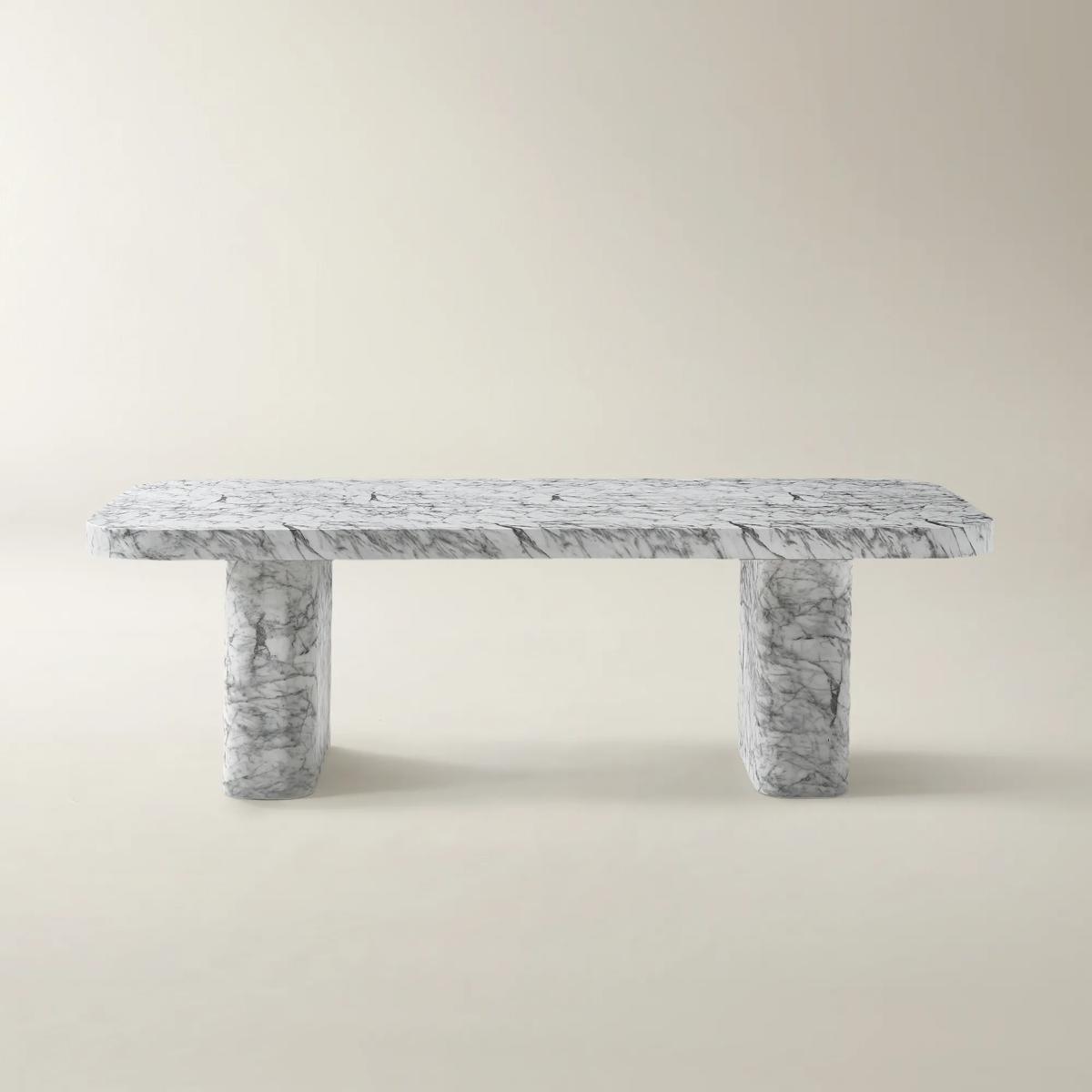
Modern Wood Dining Tables
Modern Wood Dining Tables
-
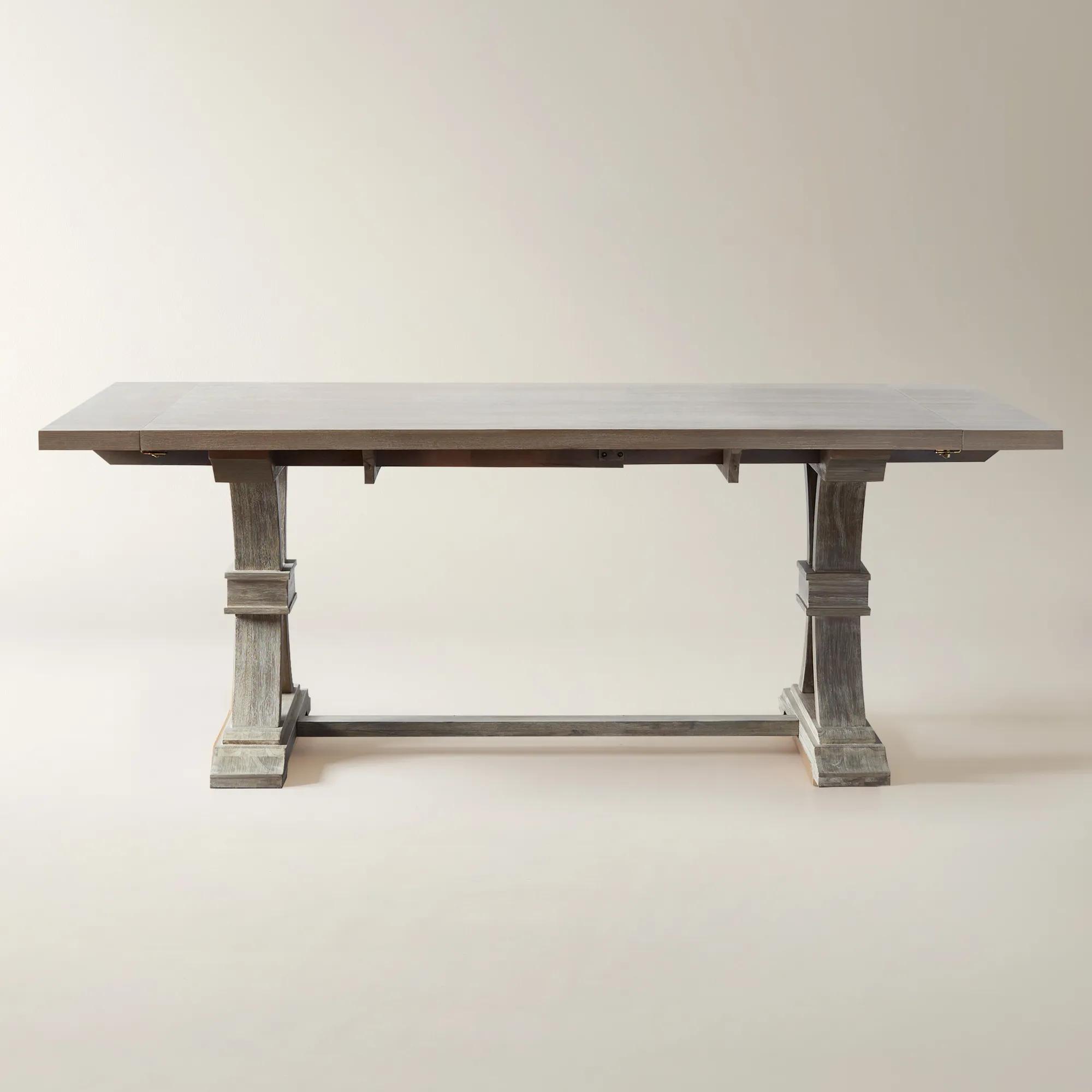 Archer Rectangular Grey Acacia Wood Extending Dining Table (78" - 110")$2499
A weathered grey acacia wood dining table with removable leaves and a kiln-dried hardwood frame.
Add To Cart -
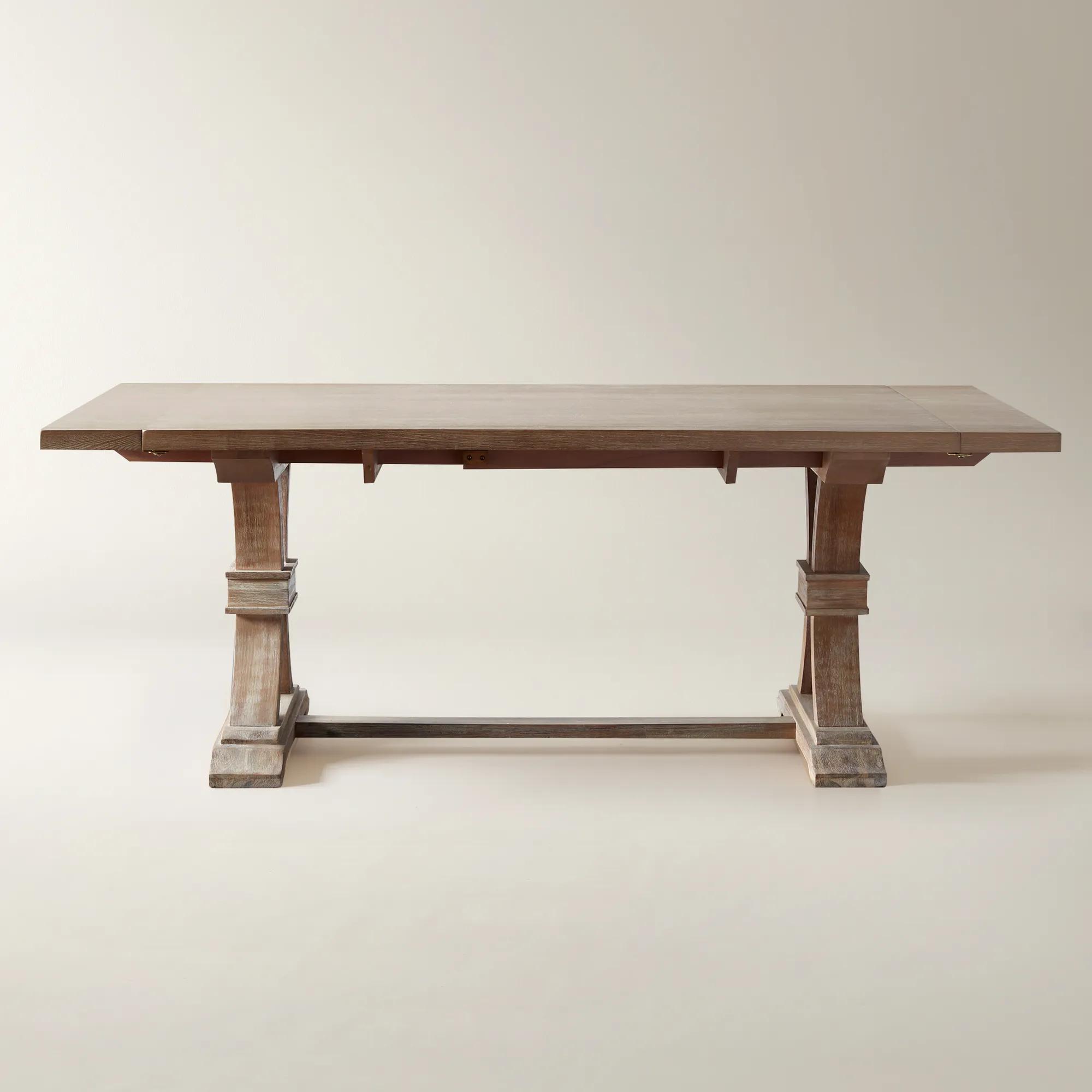 Archer Rectangular Whitewashed Acacia Wood Extending Dining Table (78" - 110")$2499
An extending dining table crafted from kiln-dried hardwood with a whitewashed oak finish and acacia veneer.
Add To Cart -
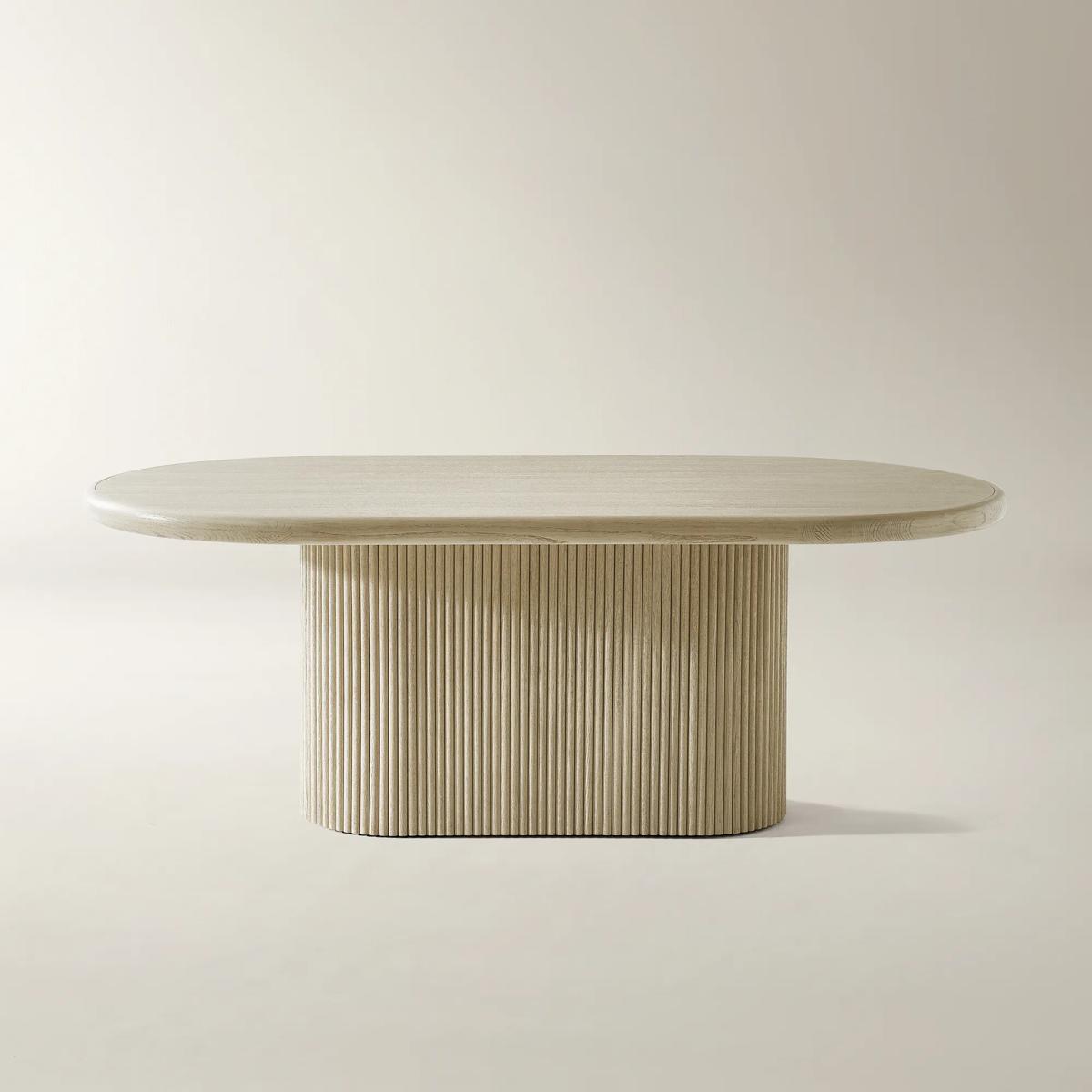
.jpg?w=1200&h=1200) Stria Oval Reeded White Oak Dining Table (82")$1999
Stria Oval Reeded White Oak Dining Table (82")$1999A sculptural oval dining table featuring reeded oak, a single pedestal base, and gold-plated steel trim.
Add To Cart -
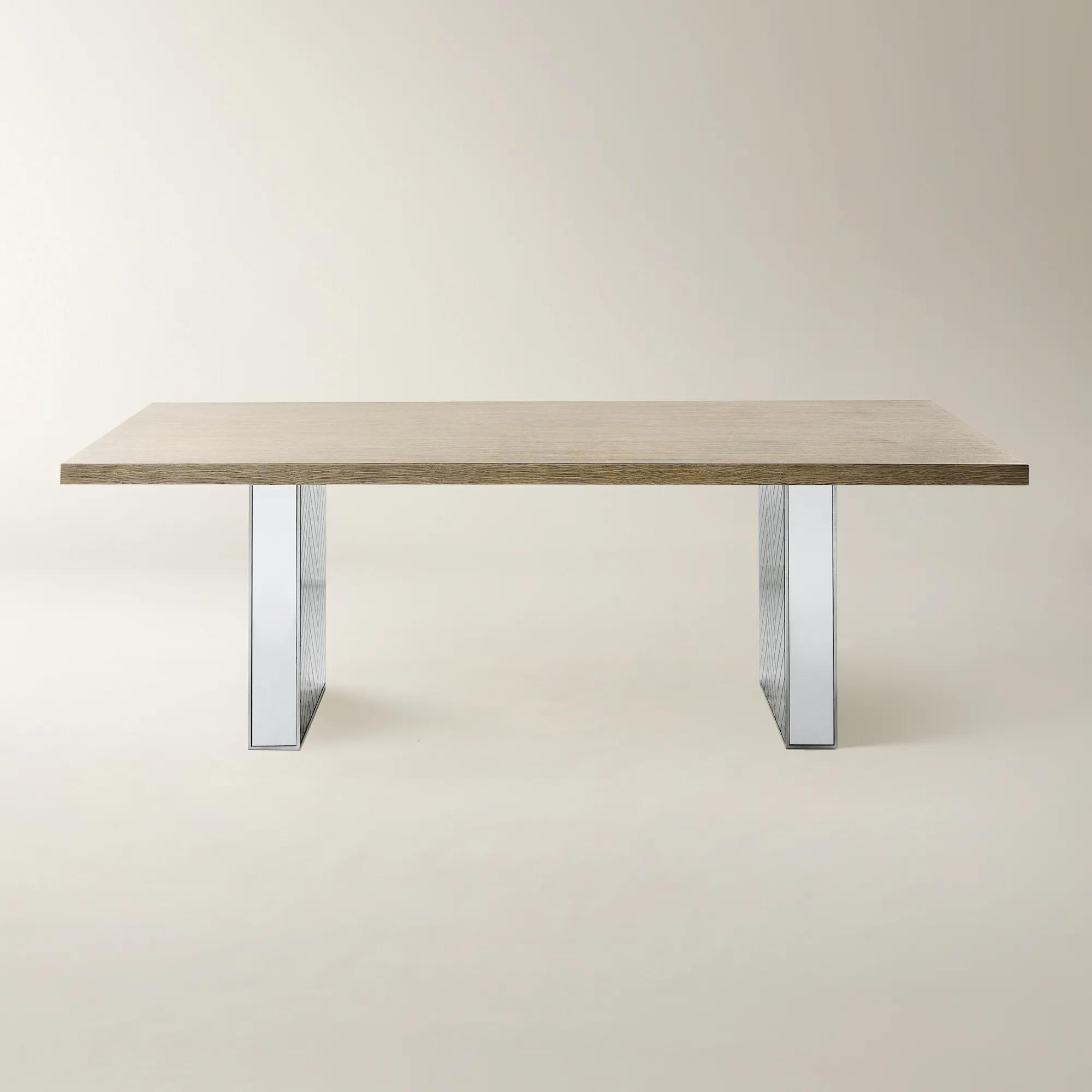
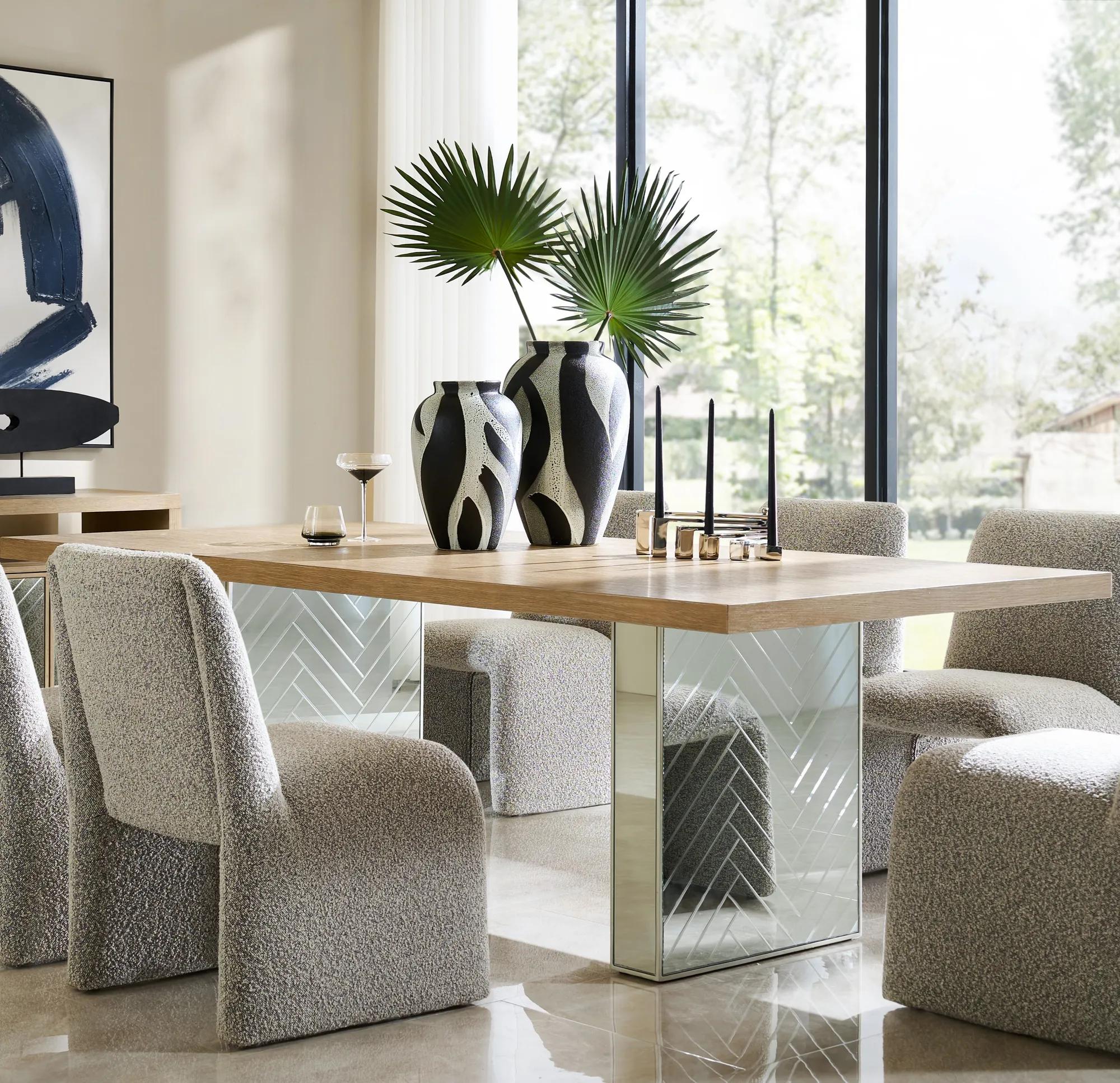 Glimmer Rectangular Seadrift Oak Dining Table With Mirrored Base (90.5")$1799
A modern dining table featuring a warm oak veneer top and a silver mirror-faced parquet base.
Add To Cart -
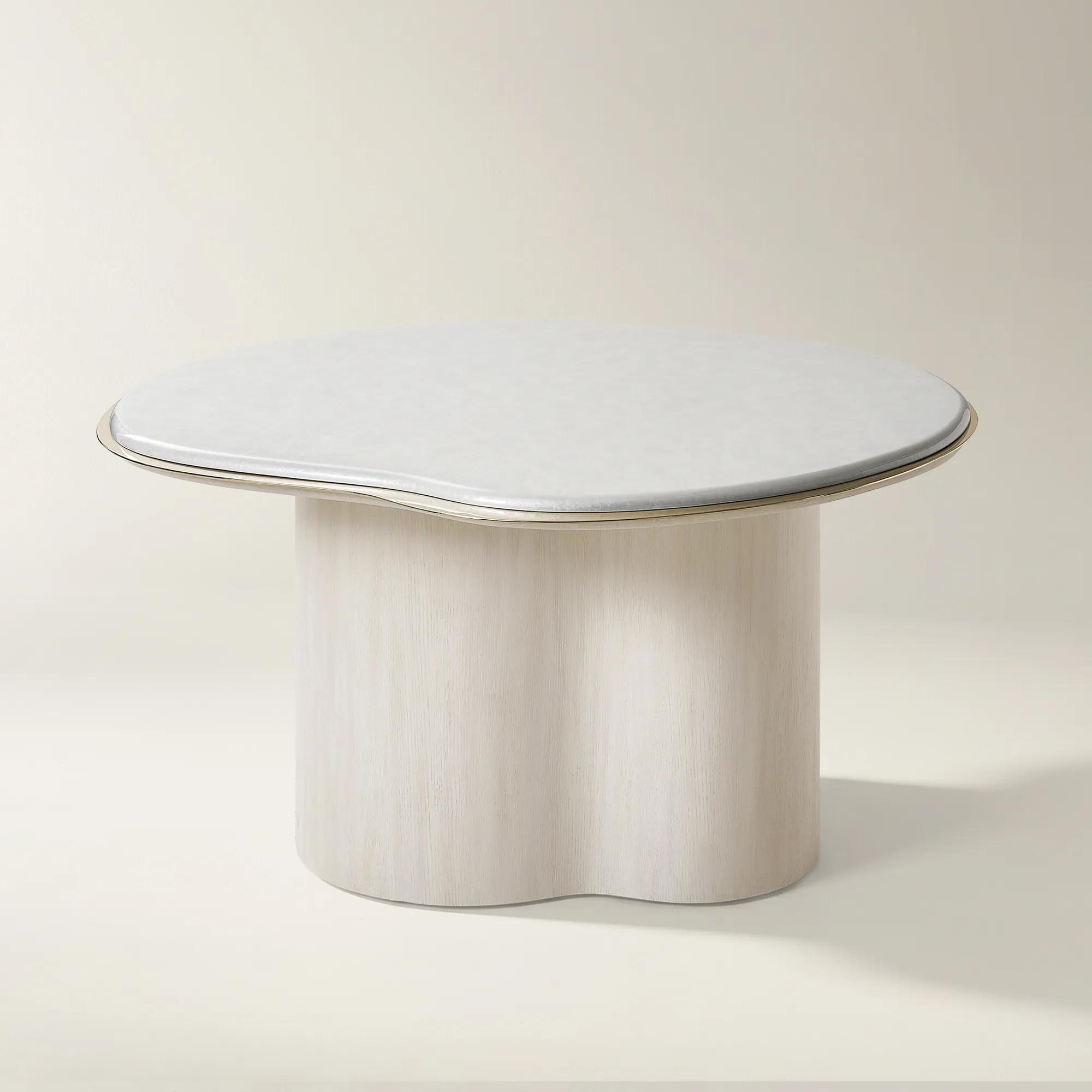 Lumina Bleached Oak Dining Table With Pearl Lacquered Top (58")$2599
A sculptural dining table featuring a pearl lacquered top, bleached oak base, and champagne gold trim.
Add To Cart -
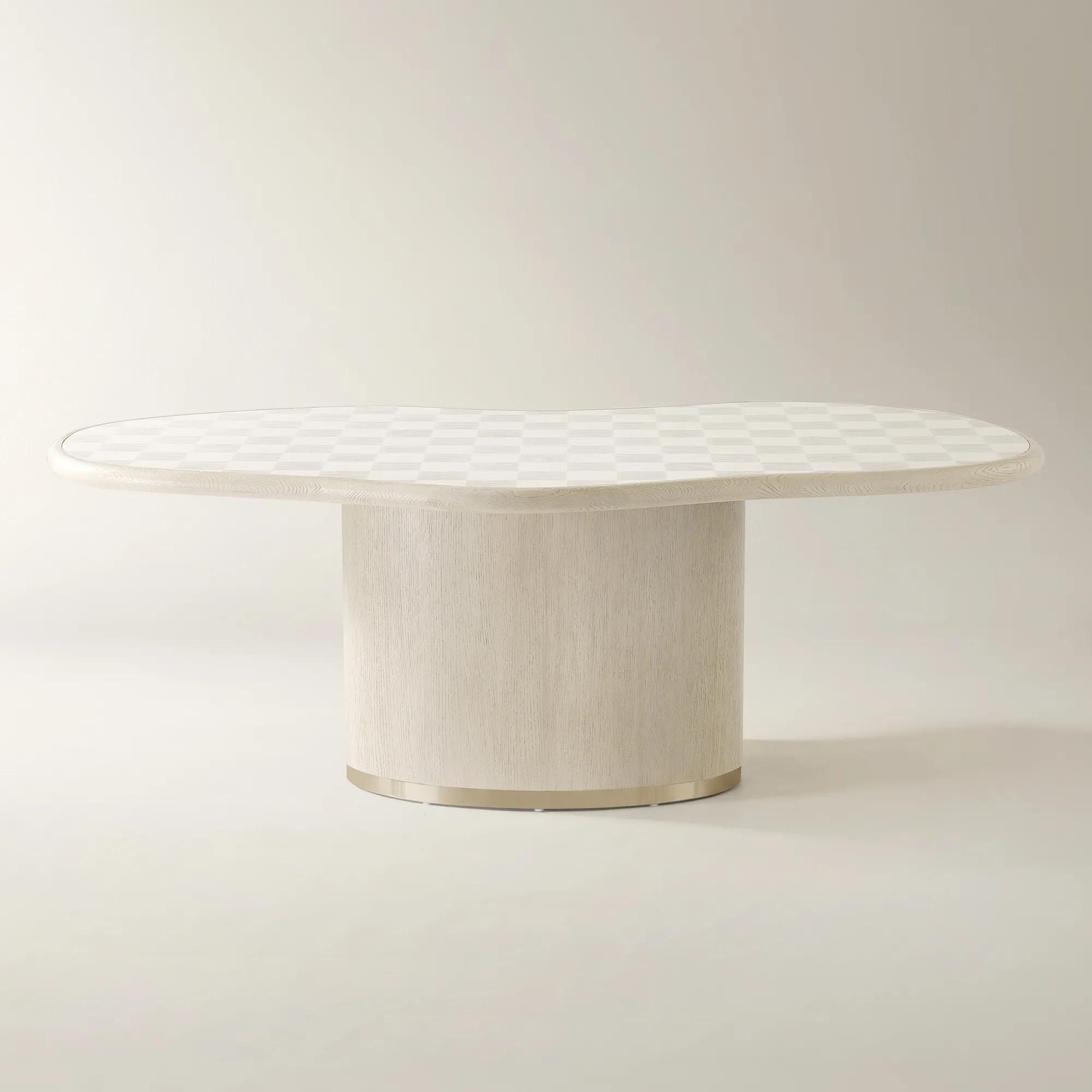 Vetra Checkerboard Oak and Maple Dining Table (84")$2399
A striking dining table featuring a hand-arranged oak and maple checkerboard veneer with soft gold accents.
Add To Cart -
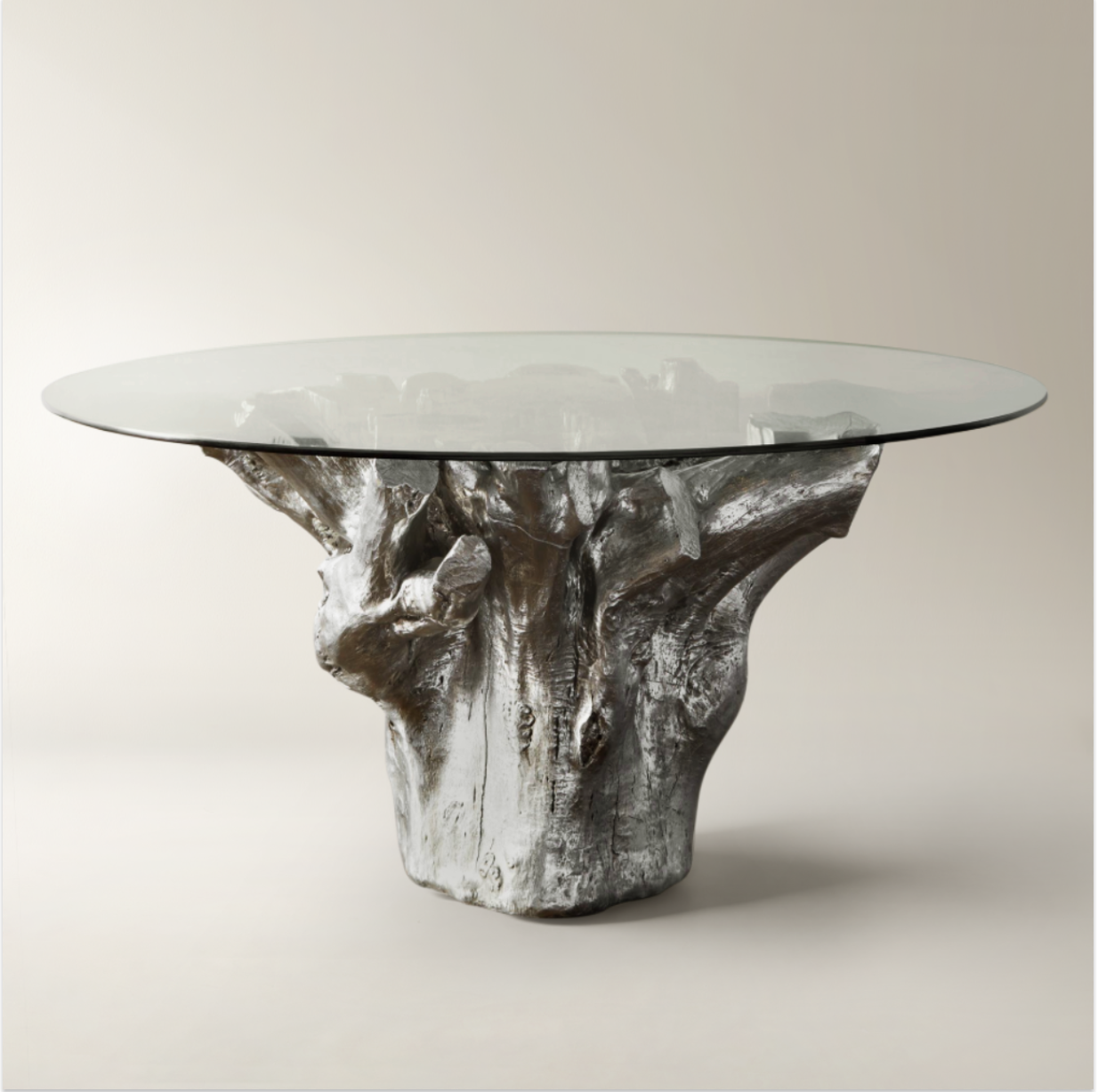
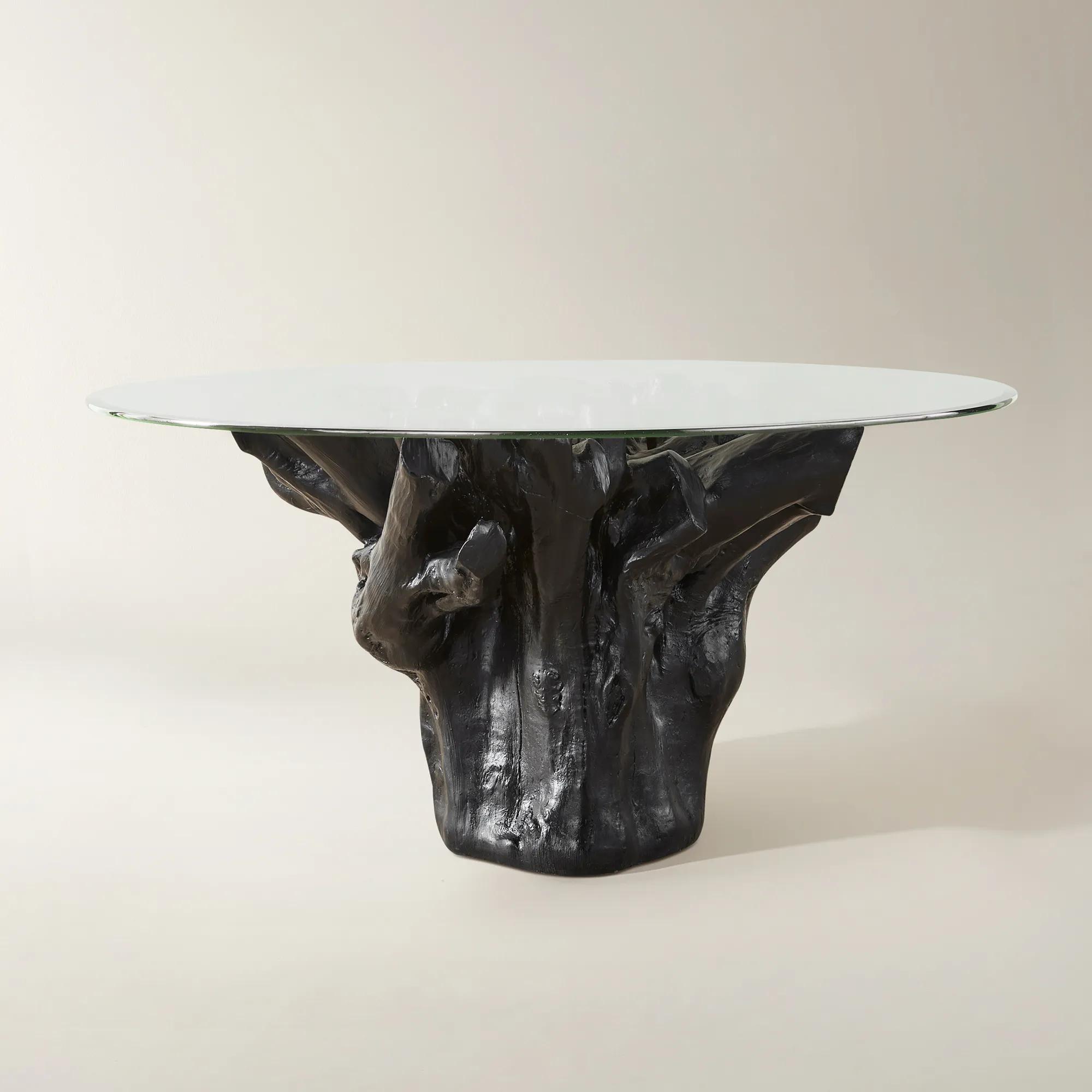 Sequoia Black Resin Dining Table With Glass Top (60")$2299
A sculptural black resin base with real stone fragments supports a round tempered glass top for organic elegance.
Add To Cart -
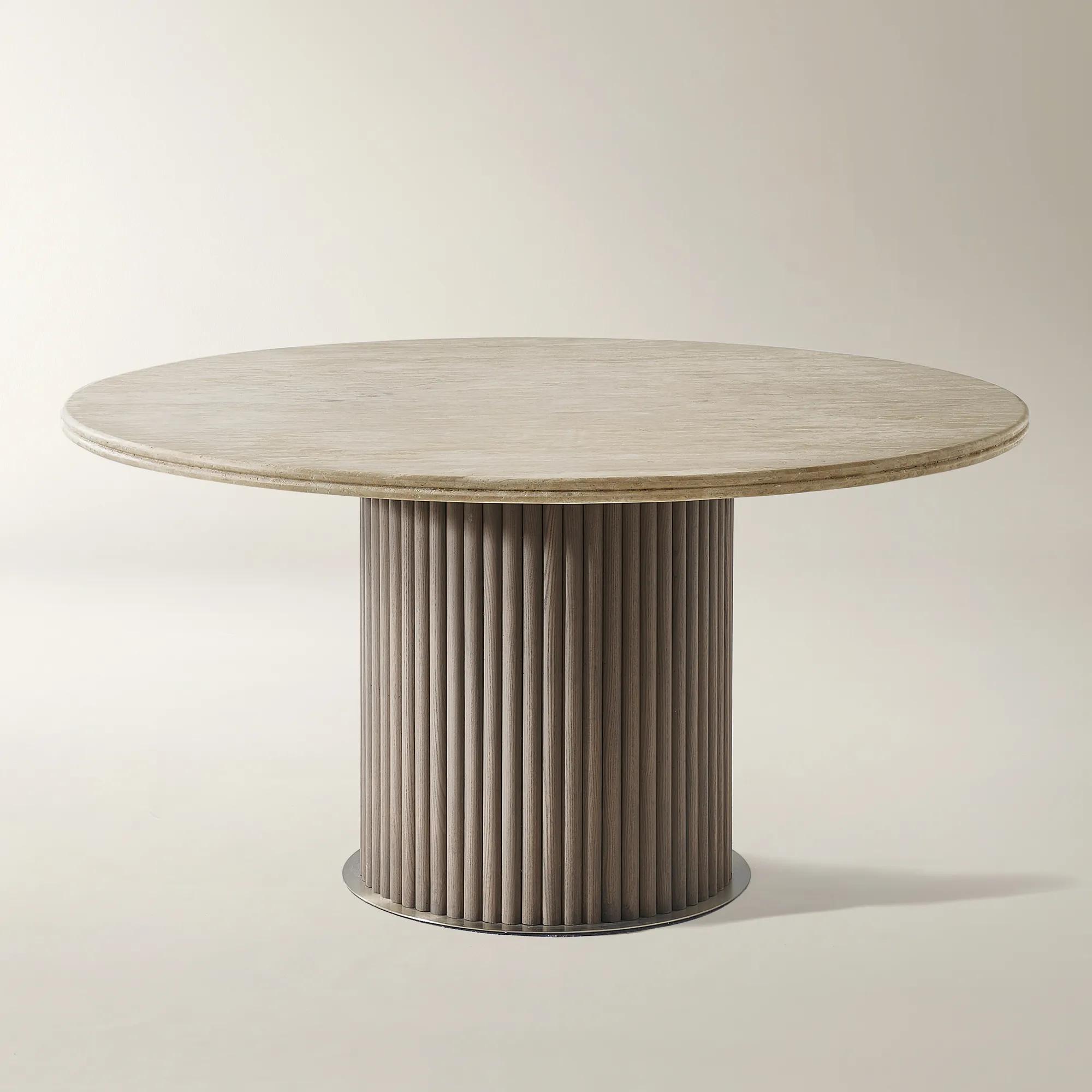 Bond Round Reeded Travertine and Wood Dining Table (59")$3499
A round dining table featuring a genuine natural travertine stone top and a fluted solid ash base.
Add To Cart -
.jpg?w=1200&h=1200)
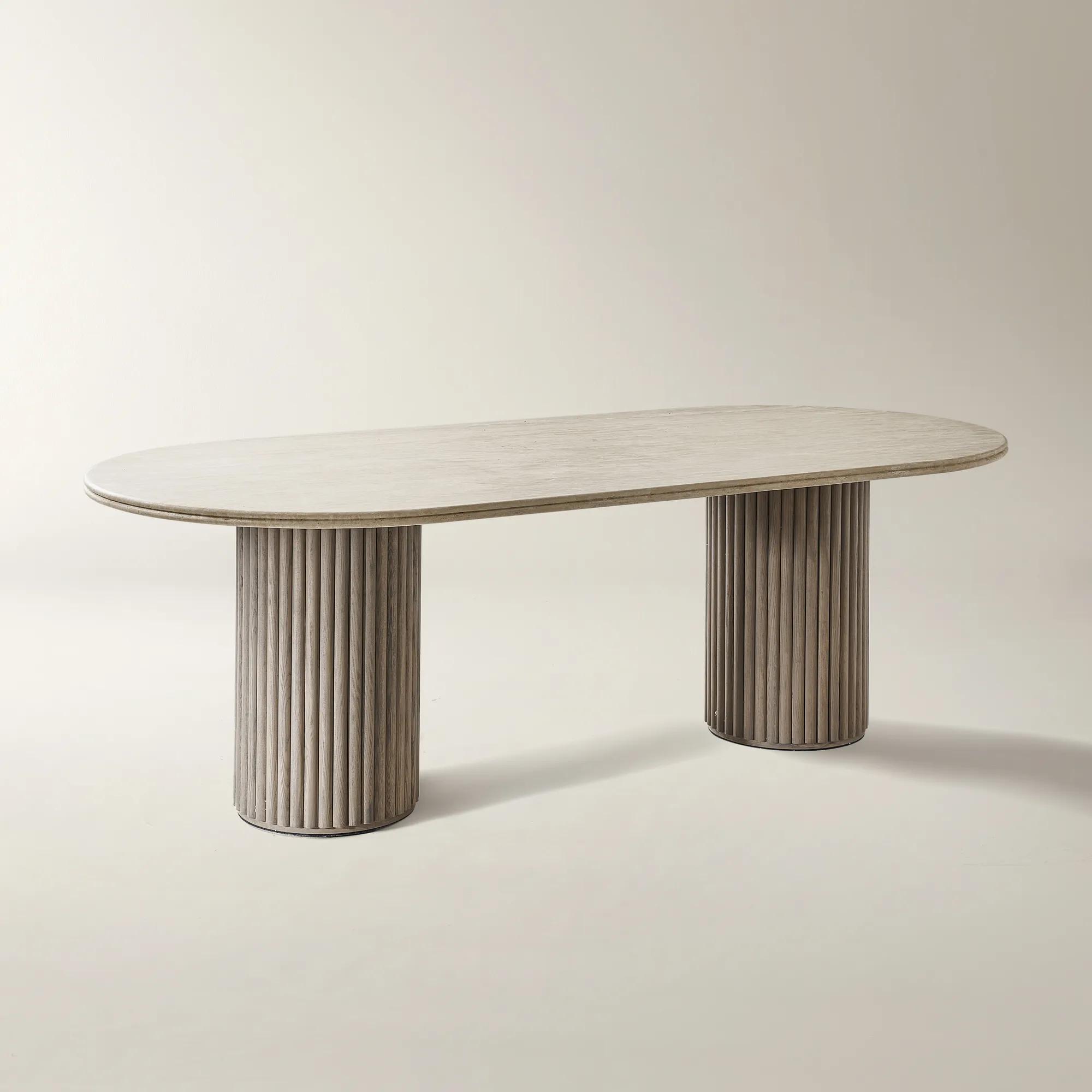 Bond Oval Reeded Travertine and Wood Dining Table (94.25")$4599
A natural travertine stone top pairs with a fluted solid ash base for refined, organic elegance.
Add To Cart

Modern Wood Dining Tables
Modern Wood Dining Tables are where sophistication meets artistry—transforming every meal into a curated experience. Imagine sculptural silhouettes carved from rich, natural wood, anchoring your dining space with warmth and dramatic presence. These tables invite conversation and celebration, balancing sleek lines with organic texture to create a setting that feels both inviting and iconic. With every gathering, Modern Wood Dining Tables become the stage for unforgettable moments, infusing your home with bold elegance and expressive style.
Modern wood dining tables pair expressive wood grain with clean lines, purposeful proportions, and sculptural forms, creating a gathering place with warmth and architectural presence. Their design draws on modernism, particularly the early- to mid-20th-century emphasis on function, honest materials, and uncluttered silhouettes. Contemporary dining tables reflect evolving design preferences, while modern dining tables retain a recognizable vocabulary of balanced geometry and restrained ornament. That restraint leaves room for drama: a broad oval surface floating above a substantial pedestal, a sharply defined rectangular top, or angled legs that turn a familiar profile into something arresting. Wood gives these forms depth that a perfectly uniform surface cannot replicate. Oak often reveals pronounced grain and an open texture; walnut is known for rich brown tones and flowing grain patterns. Stains and finishes can substantially alter either appearance, so species alone does not determine the final color. Pale finishes lend visual lightness to generous proportions, while deep brown or near-black finishes create a commanding focal point beneath a chandelier. Neither approach requires an entirely coordinated room. A wood dining table can anchor velvet upholstery, gleaming metal accents, and boldly scaled artwork without competing with every detail. In an open living space, its outline helps establish a distinct dining area; in a dedicated dining room, its surface becomes the stage for layered place settings and conversation that continues after dessert. The appeal extends from households sharing everyday meals to hosts who enjoy arranging an intimate dinner with the same attention given to the menu. A carefully chosen table supports both, with enough visual character to stand confidently between gatherings. Even left largely unadorned, wood brings movement through its grain, subtle tonal variation, and the way light travels across the finish. This balance of natural expression and deliberate form is what makes a modern wooden dining table feel substantial without relying on elaborate carving or decorative excess.
Materials and construction shape how that presence performs over time. Solid wood dining tables use timber throughout the components identified as solid wood, while wood veneer tables feature a thin layer of real wood applied over a supporting core. A table may combine solid wood legs with a veneered top, making component-level descriptions more useful than a broad material label. Neither construction automatically determines quality. Well-executed veneer can showcase striking grain arrangements and provide dimensional stability, while solid wood may offer opportunities for refinishing, depending on its finish, construction, and condition. Wood naturally responds to changes in ambient humidity; thoughtful joinery and appropriate indoor conditions help accommodate that movement. Engineered cores, edge treatments, base attachment, and finish quality also influence long-term performance. For shoppers drawn primarily to the visual texture of grain, modern natural wood look tables offer a related aesthetic to explore, though a wood-look surface is not necessarily solid wood or genuine veneer. Material descriptions clarify those distinctions and the care each surface requires. The finish deserves equal attention because it affects both appearance and daily maintenance. A matte surface can soften reflected light and emphasize the wood’s character, while a more lustrous finish gives the dining area a polished, formal energy. No sheen alone guarantees resistance to scratches, stains, or heat. A household using the table for breakfast, homework, and dinner benefits from a protective finish suited to frequent use, along with placemats and attentive cleanup. For entertaining, a generous surface gives serving pieces space to breathe rather than crowding every place setting. Sculptural bases contribute to the atmosphere, but their footprint matters as much as their shape: a dramatic support should leave practical room for feet and chairs. The most compelling designs make these functional decisions feel integrated, allowing the grain, proportions, and craftsmanship to remain the focus rather than asking daily life to work around them.
Scale brings the entire dining arrangement into balance. Rectangular wood dining tables often suit elongated rooms and larger seating arrangements, while round tables encourage face-to-face conversation and can create a graceful center point within a square dining area. Oval tables offer an extended surface with curved ends, softening the outline without sacrificing a strong visual presence. A pedestal may give chairs more flexibility around the perimeter, although the size and placement of the base still affect legroom. Before settling on dimensions, account for the space occupied by seated guests, pulled-out chairs, nearby storage, and the route through the room. About 36 inches between the table edge and a wall or furniture is a common starting point for chair movement; busy passageways or accessibility needs may call for more. Allow roughly 24 inches of table edge per diner as an initial estimate, then adjust for wider chairs, generous place settings, and the base configuration. Seat height, arm height, and the clearance beneath an apron also determine whether a chair fits comfortably, regardless of its visual compatibility. An extendable dining table can accommodate a changing guest list, provided the room supports its expanded footprint and any removable leaves have suitable storage. Once the proportions are resolved, styling can be expressive: upholstered chairs bring sumptuous texture, metallic accents catch the light, and a low centerpiece preserves conversation across the table. Everyday care protects that composition. Dust with a soft cloth, blot spills promptly, and follow the manufacturer’s cleaning instructions rather than assuming every wood finish tolerates the same products. Use coasters beneath drinks and trivets beneath hot serving dishes; avoid dragging ceramics or decorative objects across the surface. Prolonged direct sunlight can change wood’s color, and harsh cleaners or unapproved polishes may damage a finish. With considered placement and consistent care, a modern wood dining table can serve as both a hardworking household centerpiece and an enduring expression of personal style, equally suited to an unhurried meal or a beautifully orchestrated evening.
FAQs
Modern wood dining tables are remarkably versatile, blending seamlessly with a variety of design aesthetics. Their clean lines and natural textures complement contemporary, transitional, and even eclectic interiors. For a dramatic effect, pair your table with velvet-upholstered chairs and metallic accents. For a more organic look, style with woven textiles, artisanal ceramics, and greenery. The warmth of wood grounds any space, making it easy to layer in bold art or statement lighting for a gallery-worthy dining experience.
To preserve the luxurious finish of your modern wood dining table, regularly dust with a soft, dry cloth and wipe up spills promptly to prevent staining. Use placemats, coasters, and trivets to protect the surface from heat and moisture. For deeper cleaning, use a gentle wood cleaner recommended by the manufacturer, avoiding harsh chemicals that could dull the finish. Over time, the table will develop a unique patina, reflecting the artistry of everyday living.
Absolutely—modern wood dining tables are ideal for open-concept spaces. Their sculptural presence can anchor a dining area within a larger room, creating a visual focal point that defines the space. Choose a finish and silhouette that harmonize with your surrounding décor, and consider chairs or benches that echo the table’s materiality for a cohesive, curated look.
A modern wood dining table is designed to elevate every occasion, from intimate breakfasts to extravagant dinner parties. Its generous surface welcomes elaborate tablescapes, festive centerpieces, and multi-course meals, while its inherent warmth fosters conversation and connection. Whether hosting a holiday feast, a casual game night, or a milestone celebration, this table sets the stage for unforgettable moments.
Yes, gifting a modern wood dining table is a bold and thoughtful gesture, perfect for celebrating new beginnings, anniversaries, or family milestones. Its enduring craftsmanship and timeless appeal make it a cherished centerpiece in any home, symbolizing shared experiences and the artistry of gathering together. As a gift, it speaks to a love of design and a passion for creating lasting memories.
.jpeg?w=3614&h=3614)
.jpeg?w=3009&h=3009)