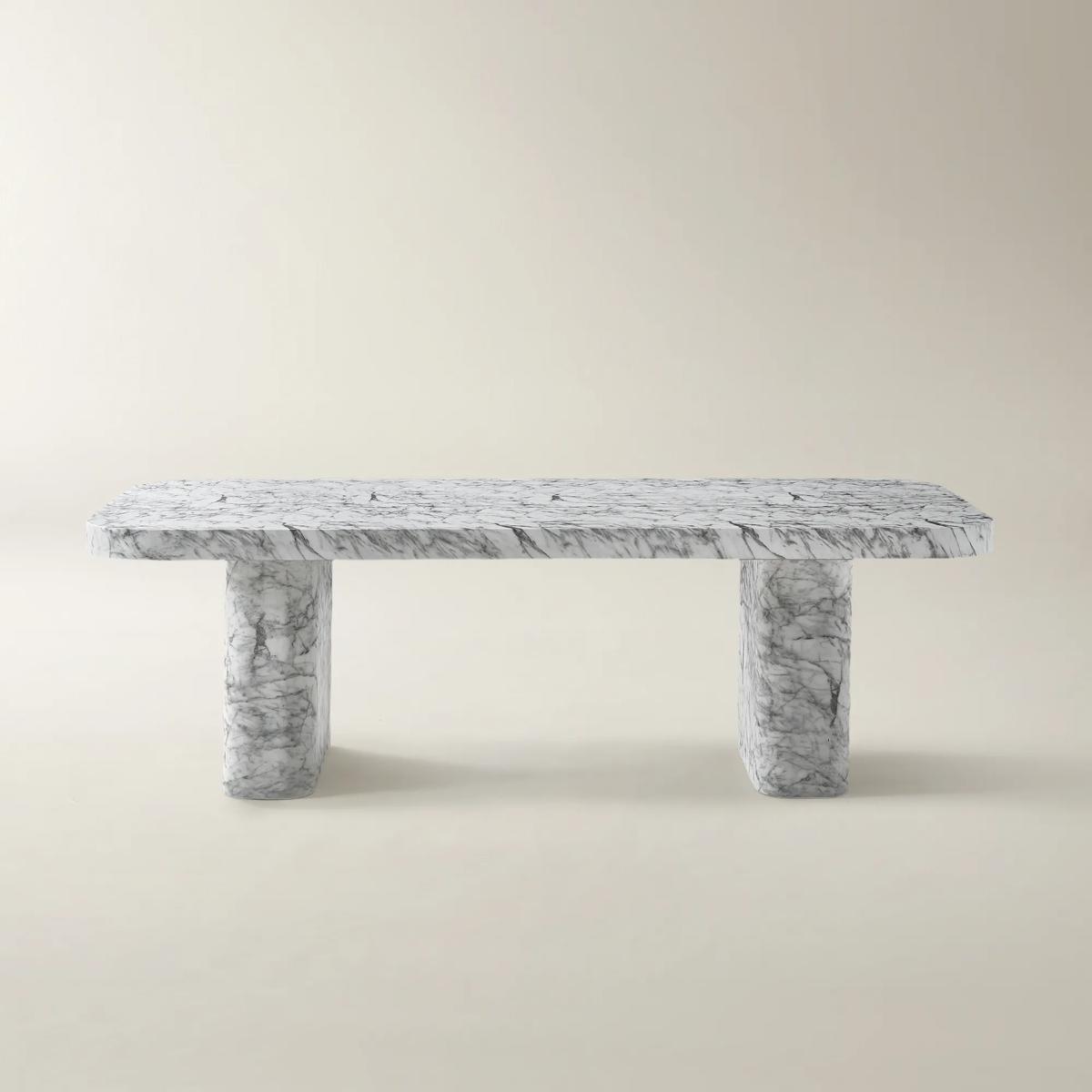
Luxury Wood Dining Tables
Luxury Wood Dining Tables
-
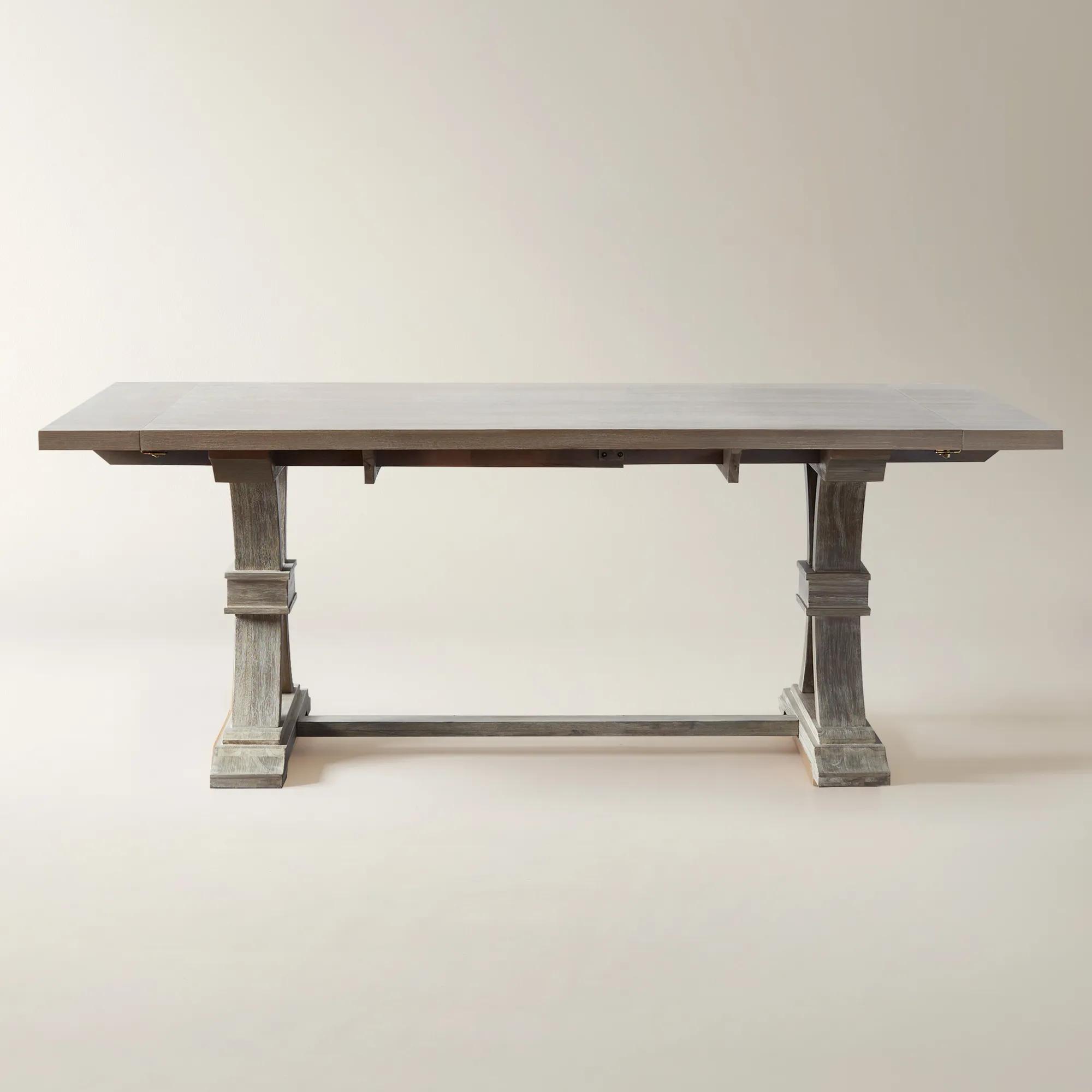 Archer Rectangular Grey Acacia Wood Extending Dining Table (78" - 110")$2499
A weathered grey acacia wood dining table with removable leaves and a kiln-dried hardwood frame.
Add To Cart -
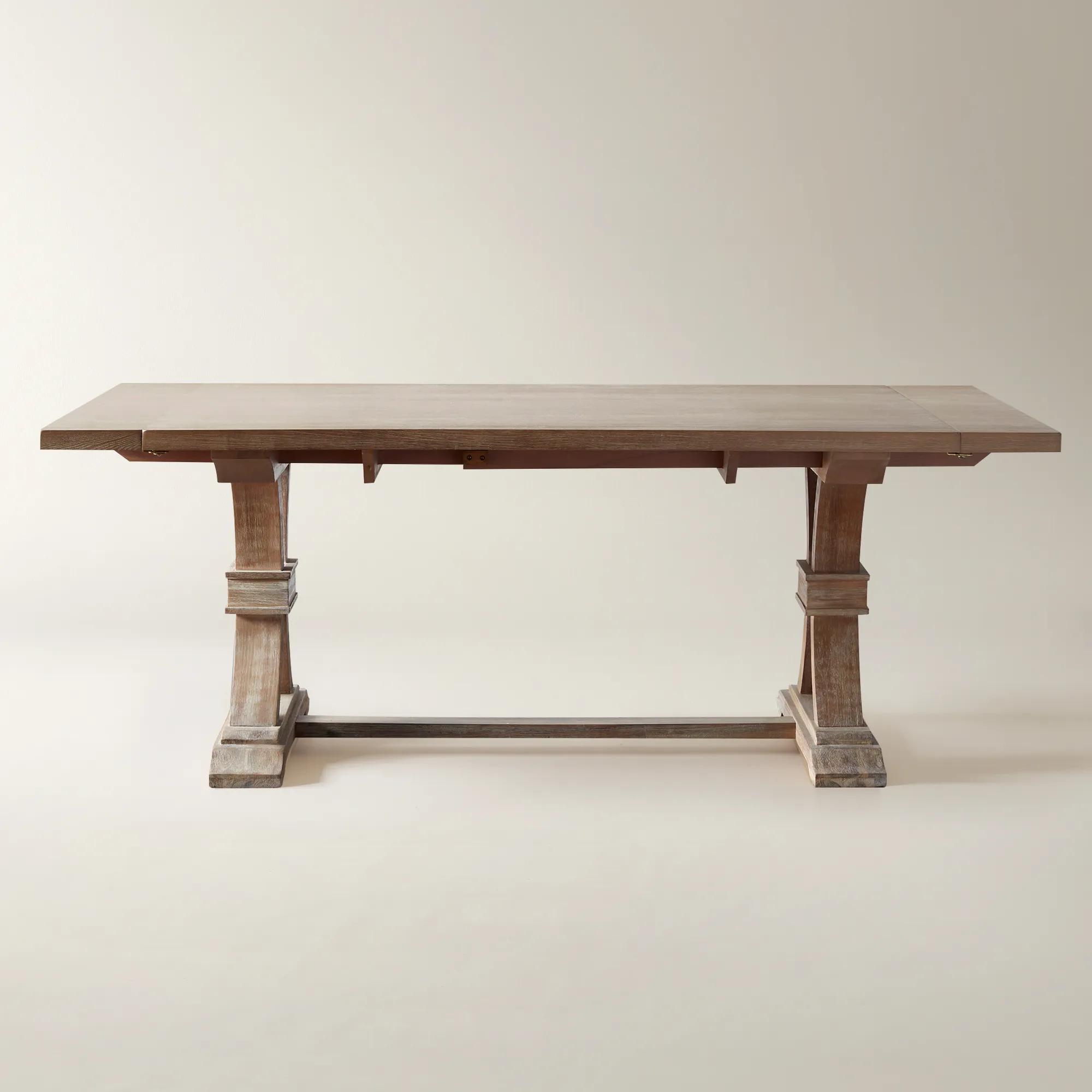 Archer Rectangular Whitewashed Acacia Wood Extending Dining Table (78" - 110")$2499
An extending dining table crafted from kiln-dried hardwood with a whitewashed oak finish and acacia veneer.
Add To Cart -
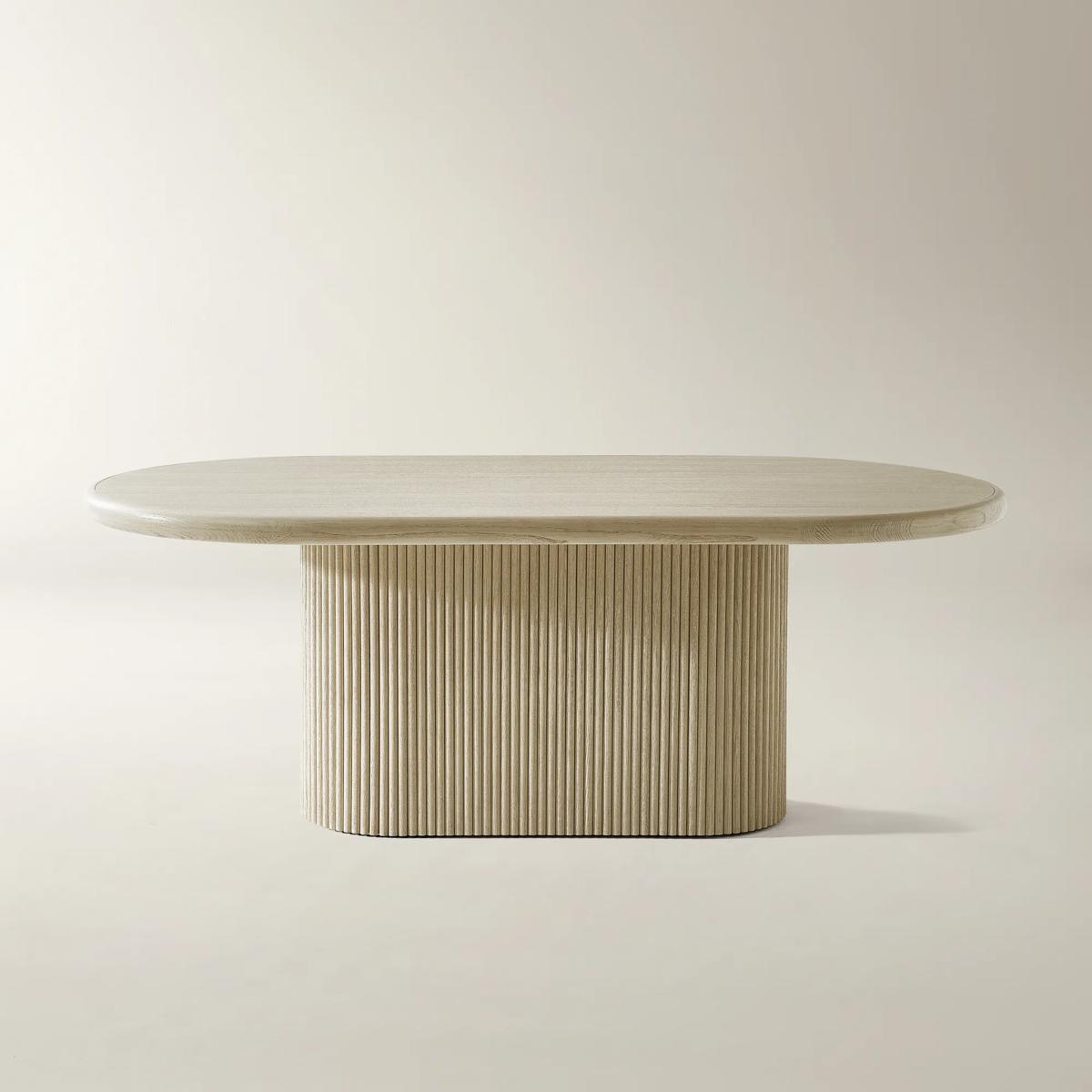
 Stria Oval Reeded White Oak Dining Table (82")$2199
A sculptural oval dining table featuring reeded oak, a single pedestal base, and gold-plated steel trim.
Add To Cart -
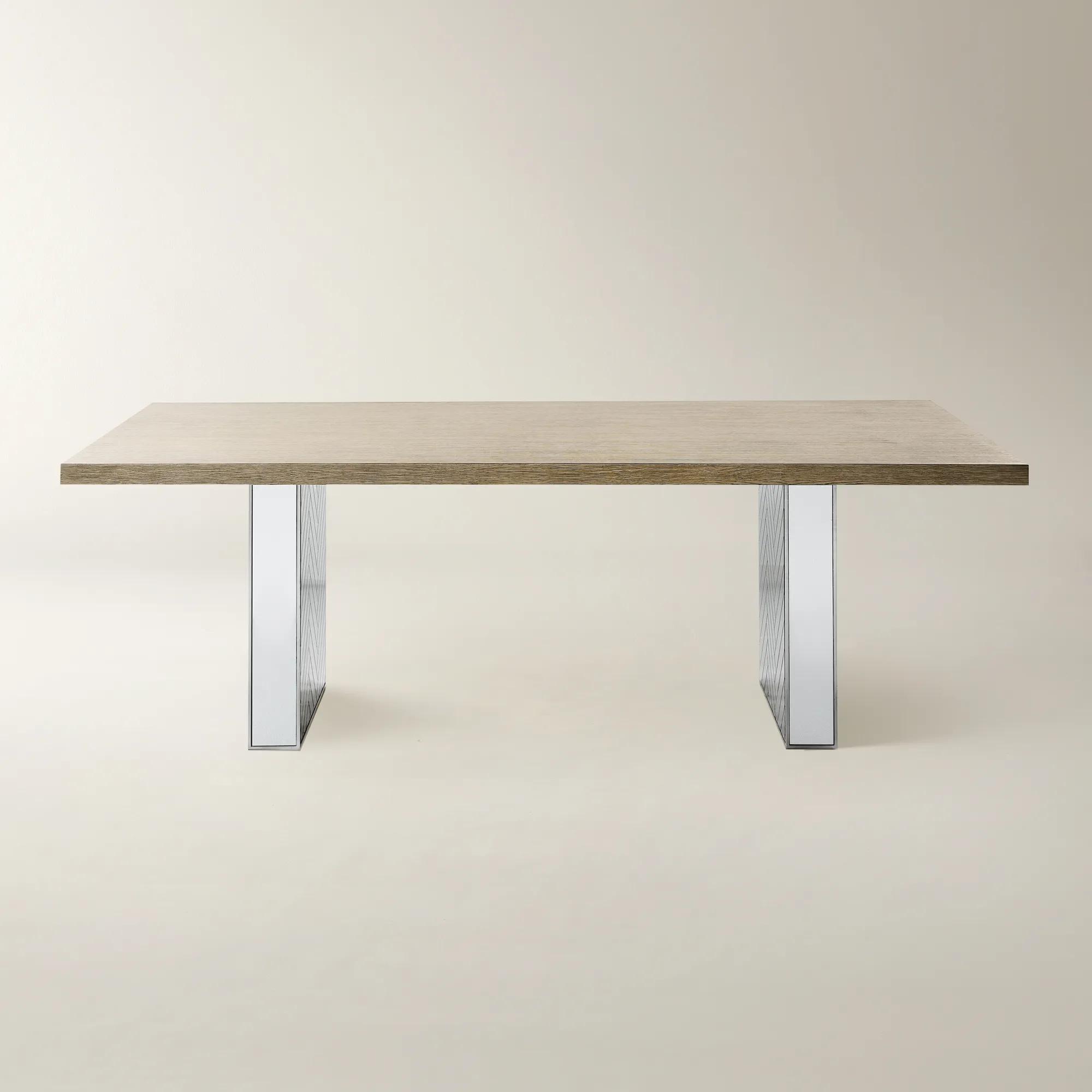
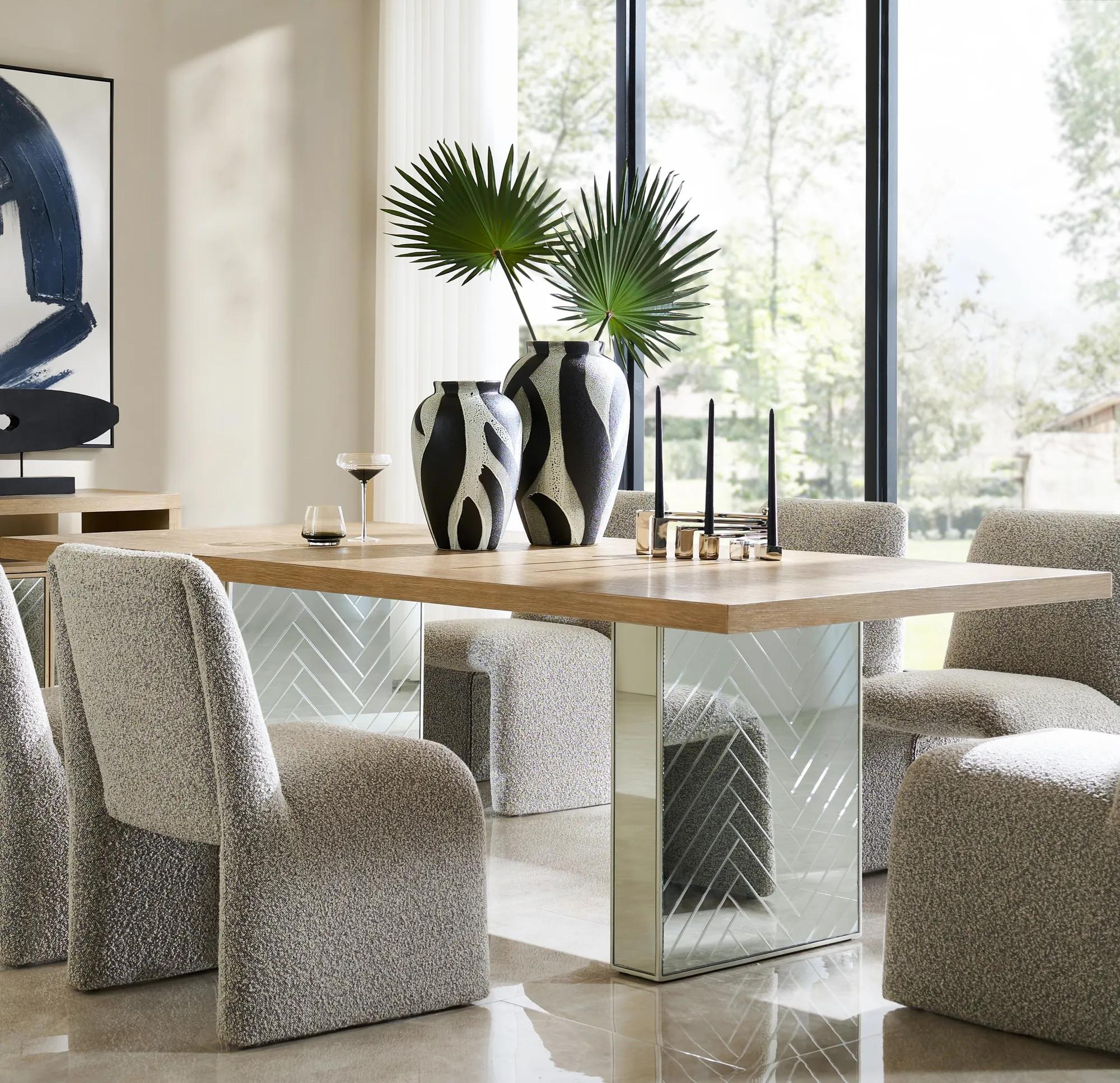 Glimmer Rectangular Seadrift Oak Dining Table With Mirrored Base (90.5")$1799
A modern dining table featuring a warm oak veneer top and a silver mirror-faced parquet base.
Add To Cart -
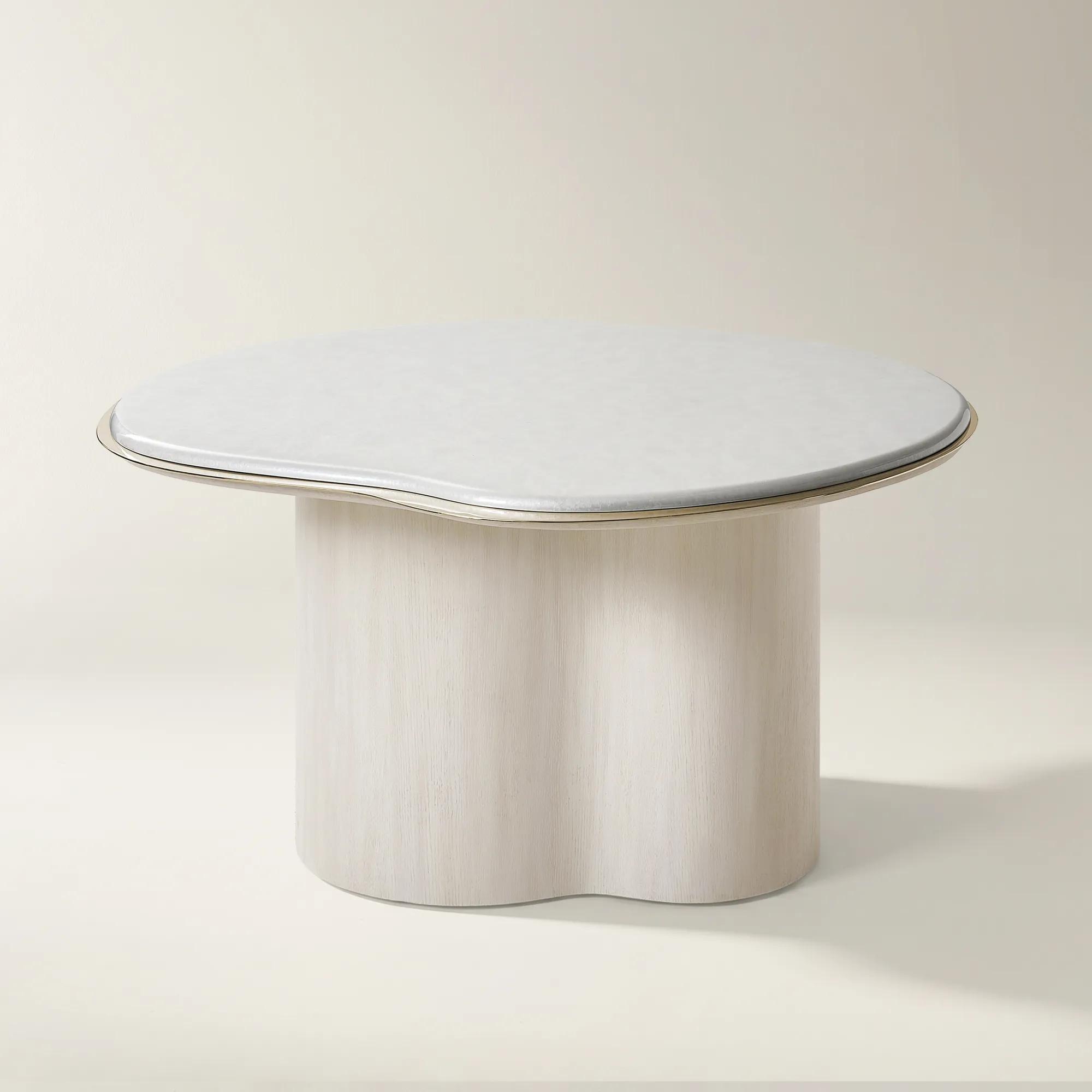 Lumina Bleached Oak Dining Table With Pearl Lacquered Top (58")$2699
A sculptural dining table featuring a pearl lacquered top, bleached oak base, and champagne gold trim.
Add To Cart -
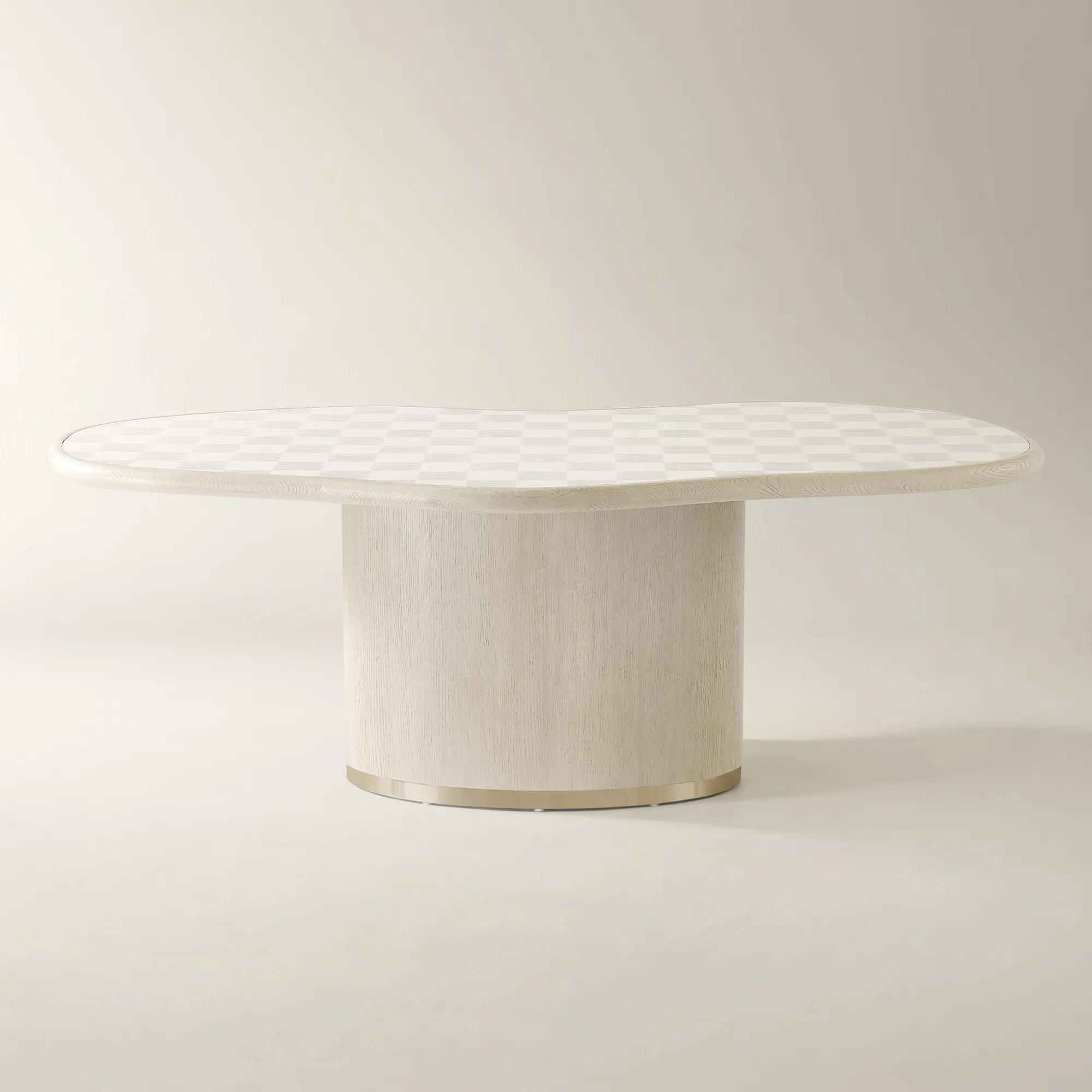 Vetra Checkerboard Oak and Maple Dining Table (84")$2399
A striking dining table featuring a hand-arranged oak and maple checkerboard veneer with soft gold accents.
Add To Cart -
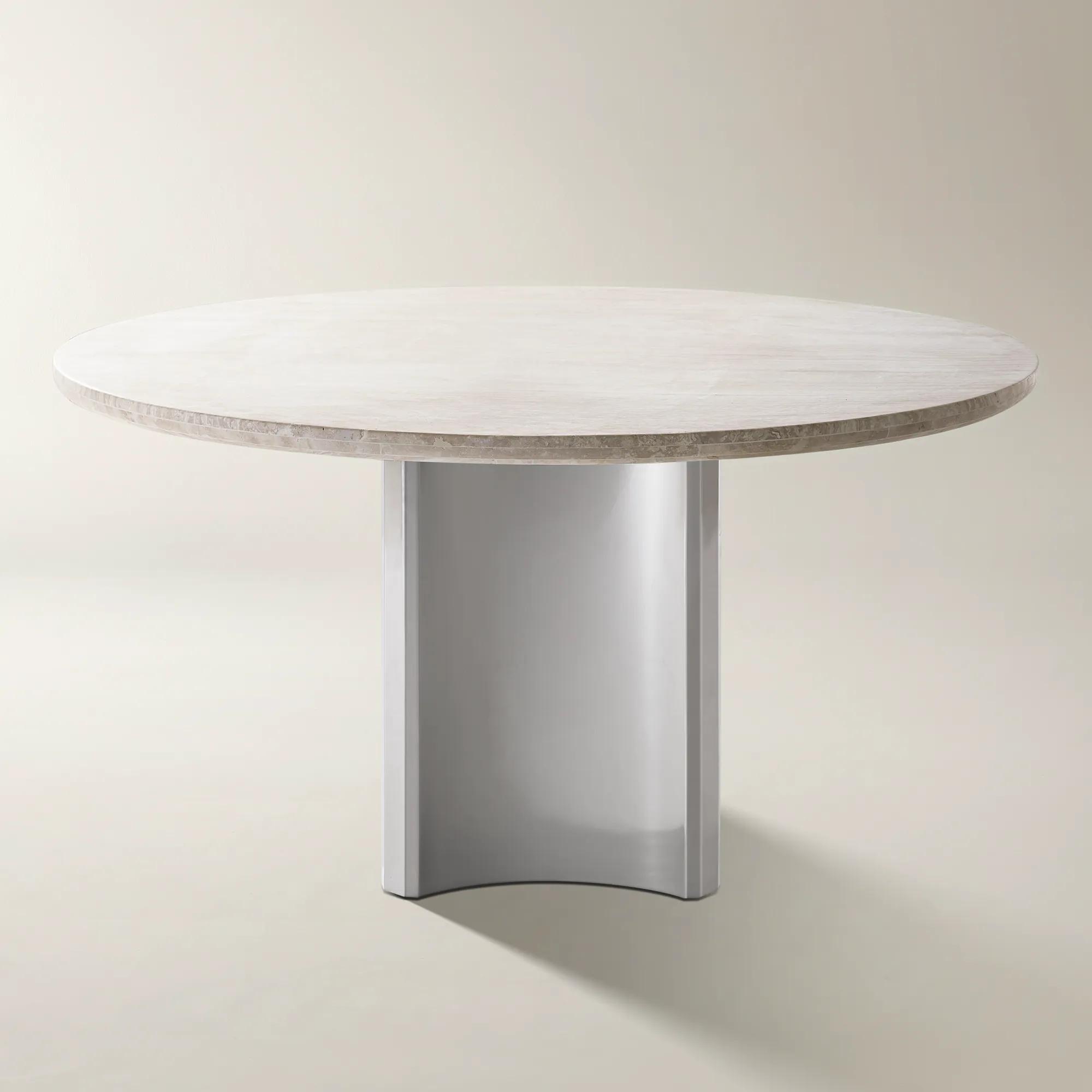
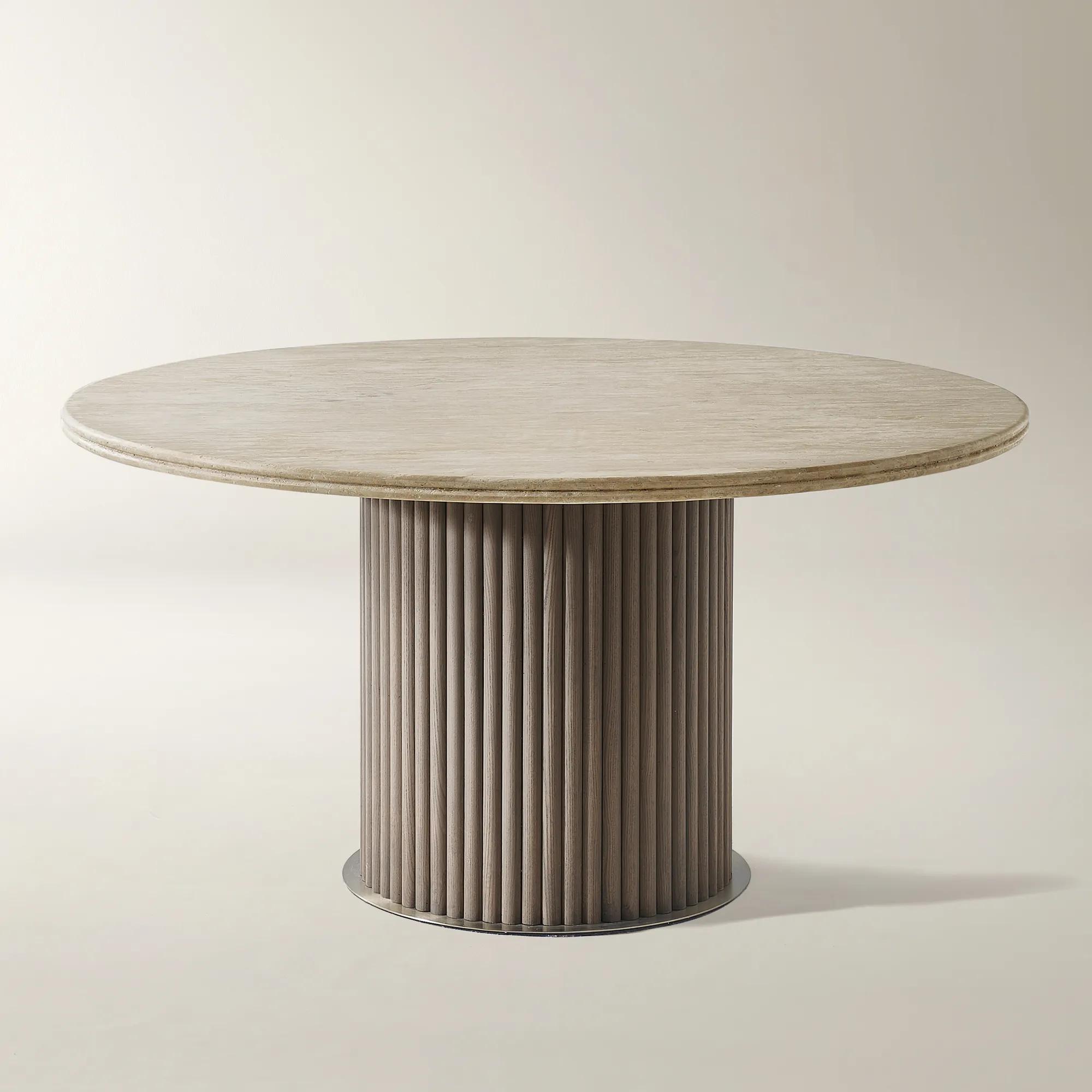 Bond Round Reeded Travertine and Wood Dining Table (59")$3499
A round dining table featuring a genuine natural travertine stone top and a fluted solid ash base.
Add To Cart -

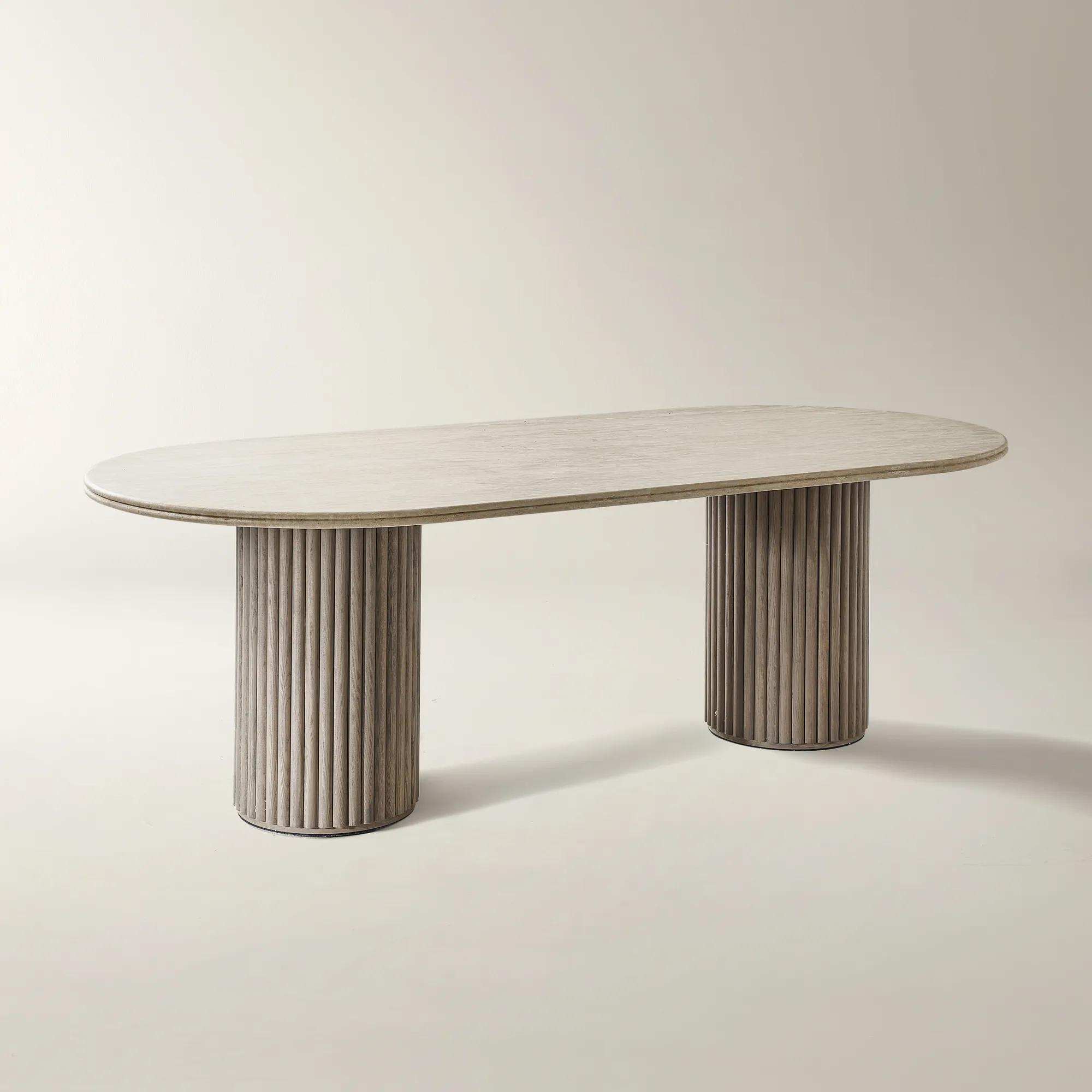 Bond Oval Reeded Travertine and Wood Dining Table (94.25")$4599
A natural travertine stone top pairs with a fluted solid ash base for refined, organic elegance.
Add To Cart

Luxury Wood Dining Tables
Explore luxury wood dining tables to give your dining room a warm, expressive focal point. As you browse the collection, consider how each table’s wood tone, silhouette, and scale will complement your dining chairs. Check dimensions and seating capacity to find a table that suits your gatherings while leaving enough clearance to pull out chairs comfortably.
Luxury wood dining tables bring together expressive grain, refined construction, and sculptural design to create a dining space with unmistakable presence. Their appeal lies in more than a richly colored surface: proportion, the quality of the finish, thoughtful joinery, and a base that feels as considered as the tabletop all contribute to the experience. A broad walnut surface can lend depth to a room filled with ivory upholstery and gleaming accents, while oak’s pronounced grain introduces texture that holds its own beside dramatic artwork. Mahogany is often associated with warm, reddish-brown tones and a more formal character, although the final appearance of any wood depends on its species, cut, stain, and finish. Natural variations in grain and color give wood furniture individuality; two surfaces made from the same species may have distinctly different patterns. Solid wood offers substantial character and, depending on construction and finish, may allow refinishing over time. Wood veneer serves a different design purpose, bringing a thin layer of real wood over a supporting core to achieve controlled grain patterns, broad surfaces, or intricate decorative arrangements. A well-crafted veneered table can be exceptionally refined, and its quality depends on the entire construction rather than the surface material alone. Neither a dark stain nor a high-gloss finish automatically makes a table luxurious. Look instead for balanced proportions, neatly finished edges, stable construction, and grain placement that supports the design. Bookmatched veneers can create a mirrored pattern across a tabletop, while a carefully shaped edge can make a substantial piece appear lighter. Matte finishes allow grain and silhouette to lead; polished finishes introduce reflected light and a more theatrical mood. The architectural lines of modern wood dining tables offer another expression of luxury, pairing natural material with clean geometry, bold pedestals, or unexpected angles. The result can feel richly layered without relying on elaborate ornament, allowing the beauty of the wood to become the room’s defining gesture.
Scale gives that visual drama a comfortable place to live. A luxury wood dining table should suit both the room and the way people gather, whether that means relaxed dinners for four or an expansive setting for a lively evening of conversation. Rectangular tables often complement elongated dining rooms and establish a strong visual axis beneath a chandelier. Round tables encourage conversation across the entire surface and can soften a room with angular architecture, while oval tables offer generous length with curved ends that ease movement around the perimeter. A square table can create an intimate, balanced arrangement in a similarly proportioned space. Dimensions matter beyond the tabletop itself: the position of the legs, the width of a pedestal, and the height of an apron can determine whether chairs tuck in neatly and guests sit comfortably. Allow roughly 24 inches of table edge per person as a starting point, with more room for broad chairs, generous place settings, or diners who prefer extra elbow space. Upholstered armchairs may need closer to 28 to 30 inches each, depending on their actual width. Around the table, approximately 36 inches of clearance from the edge to a wall or nearby furniture is a useful minimum for pulling out chairs; 42 to 48 inches is more comfortable where people regularly walk behind seated guests. These measurements should be checked against the room’s doorways, sideboards, and circulation paths rather than treated as guarantees. Table height also deserves attention, especially when pairing a new table with existing chairs. Seat height, arm height, and clearance beneath the apron all affect comfort. Extension tables offer flexibility for households that entertain, but their open dimensions, leaf storage needs, and support mechanisms deserve the same consideration as their everyday footprint. A table that accommodates a celebration beautifully should still feel composed when set with two plates and a low arrangement of flowers.
The most compelling dining rooms give wood room to express its texture while surrounding it with deliberate contrasts. Velvet seating can draw out the richness of a dark finish; pale upholstery can sharpen its silhouette. A sculptural centerpiece, reflective candleholders, or a luminous pendant can bring movement to the composition without concealing the grain. For everyday meals, the surface may carry little more than linen napkins and beautifully proportioned dinnerware. For entertaining, its length becomes a stage for layered place settings and serving pieces, with enough open space to keep conversation effortless. Durability matters in both settings, particularly for households where the dining table also hosts homework, puzzles, or an occasional laptop. Hardwoods vary in hardness, and no wood surface is immune to scratches, dents, heat, or moisture. A protective finish helps, but its performance and maintenance requirements depend on the specific coating. Coasters, trivets, and placemats appropriate for the finish help limit everyday wear; hot cookware should never rest directly on the tabletop. Wipe spills promptly with a soft cloth, and use cleaning methods recommended for the table’s particular finish. A lightly dampened cloth followed by a dry one is suitable for many sealed surfaces, but excess water, abrasive cleaners, steam, and unapproved polishes can cause damage. Felt protection beneath decorative objects can help prevent scratches, provided it stays clean and free of trapped grit. Consistent indoor humidity and placement away from direct heat sources help reduce the stresses that can cause wood to expand, contract, or develop cracks. Prolonged direct sunlight may also alter its color, sometimes unevenly beneath objects left in place. For extension designs, following the manufacturer’s directions for opening, supporting, and storing leaves helps protect alignment and finish. This attention preserves more than appearance. It allows a beautifully made wood dining table to remain part of daily life: substantial enough for shared meals, expressive enough to anchor the room, and inviting enough that guests settle in long after the plates have been cleared.
FAQs
Luxury wood dining tables bring together expressive grain, thoughtfully finished surfaces, and distinctive design details. Sculptural bases, artful veneer patterns, and refined joinery can transform a familiar material into a statement centerpiece, giving the dining room both warmth and a confident point of view.
Deep walnut and espresso tones create a rich backdrop for gleaming metallic accents and sumptuous upholstery. Pale oak and softly washed finishes offer a luminous contrast to dramatic lighting, while high-gloss finishes introduce a polished, reflective element. Let the wood’s undertones guide your surrounding palette.
Wood brings organic warmth to modern dining rooms, creating contrast against glass, metal, and lacquered surfaces. Choose clean-lined silhouettes for architectural elegance or sculptural pedestal designs for a more expressive focal point. Visible grain adds depth to a sleek interior without relying on ornament.
Velvet dining chairs introduce sumptuous texture, while tailored upholstered styles create a polished, inviting setting. Metal-framed chairs add a luminous counterpoint to richly grained wood. For an intentional mix, repeat an accent finish or upholstery color rather than matching every material.
Let the grain remain part of the composition rather than concealing it beneath a full tablecloth. A sculptural centerpiece, crystal glassware, and metallic candleholders create layers of light and texture. Choose a focused color palette so the wood’s natural movement remains a defining detail.