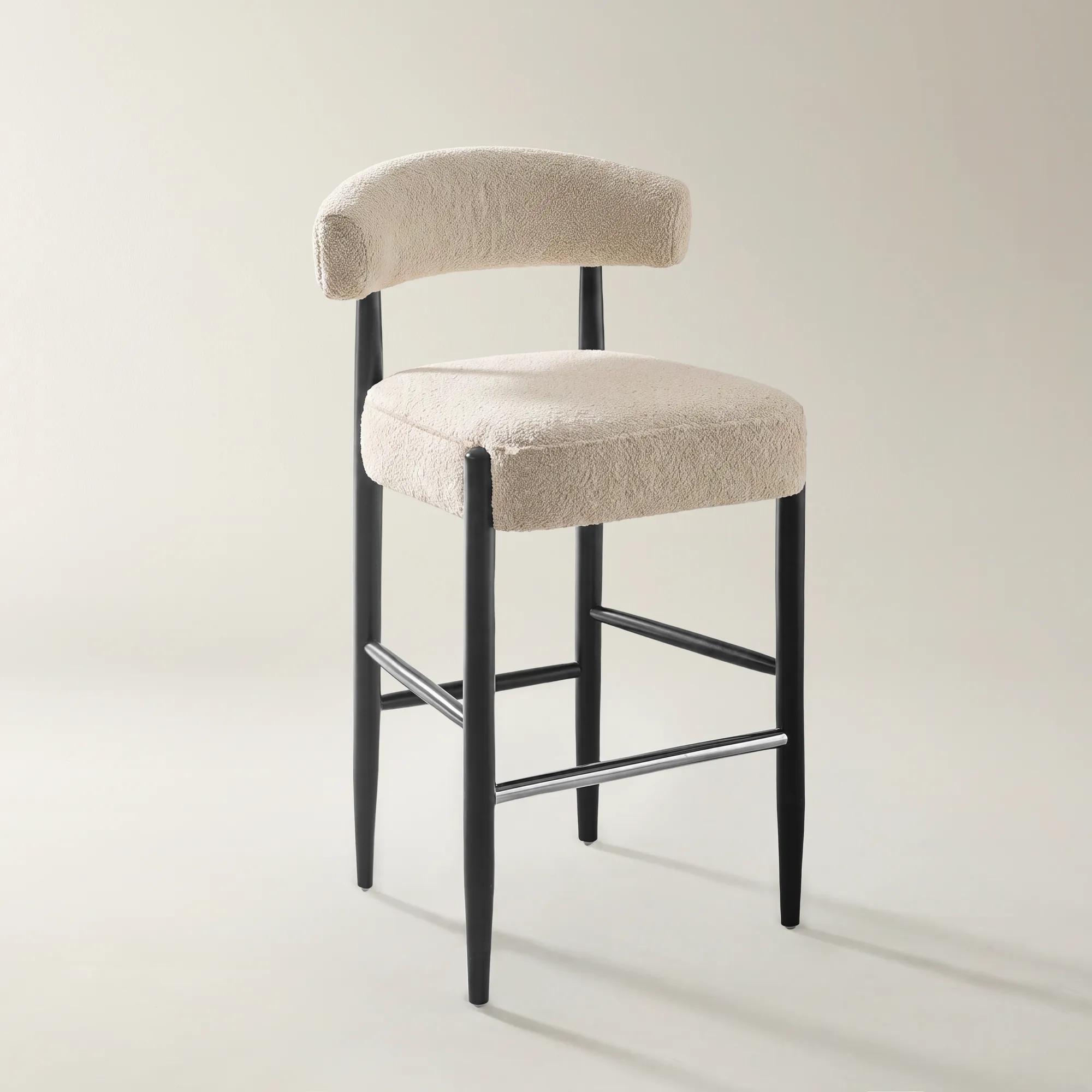
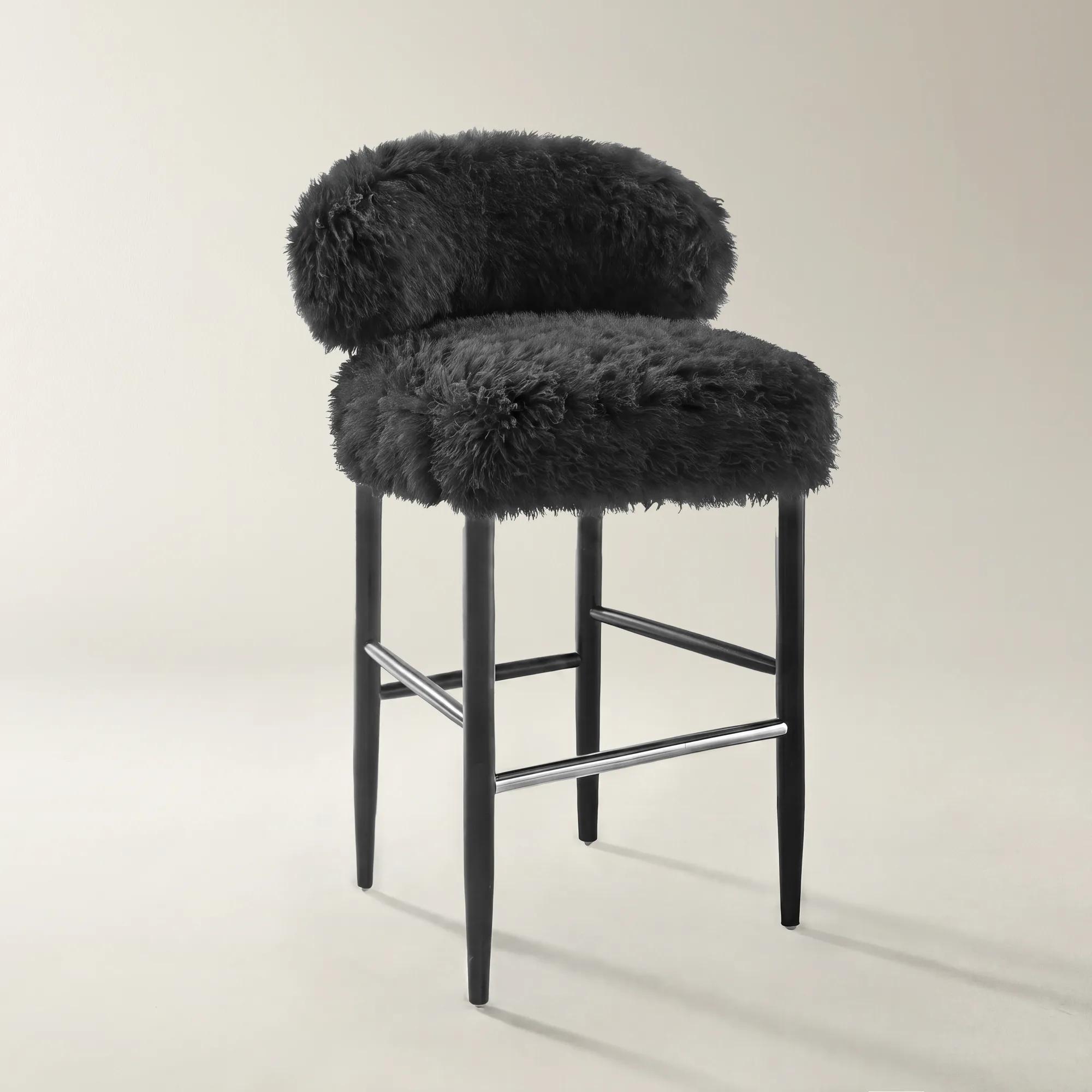
Modern Dining Chairs With Wooden Legs
Modern Dining Chairs With Wooden Legs
-
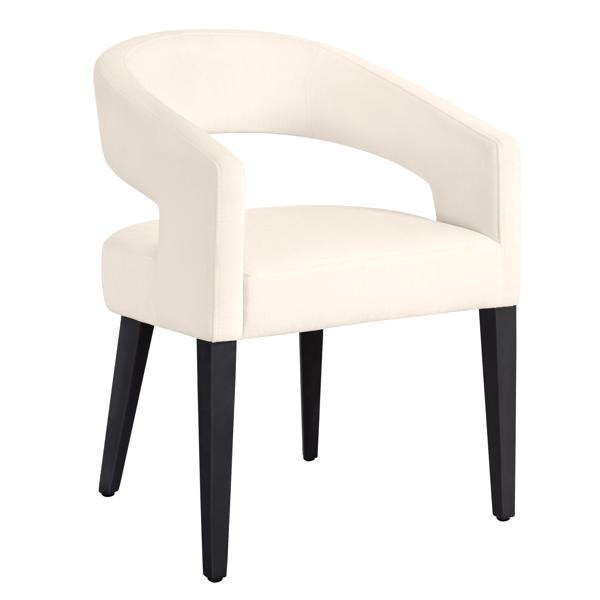
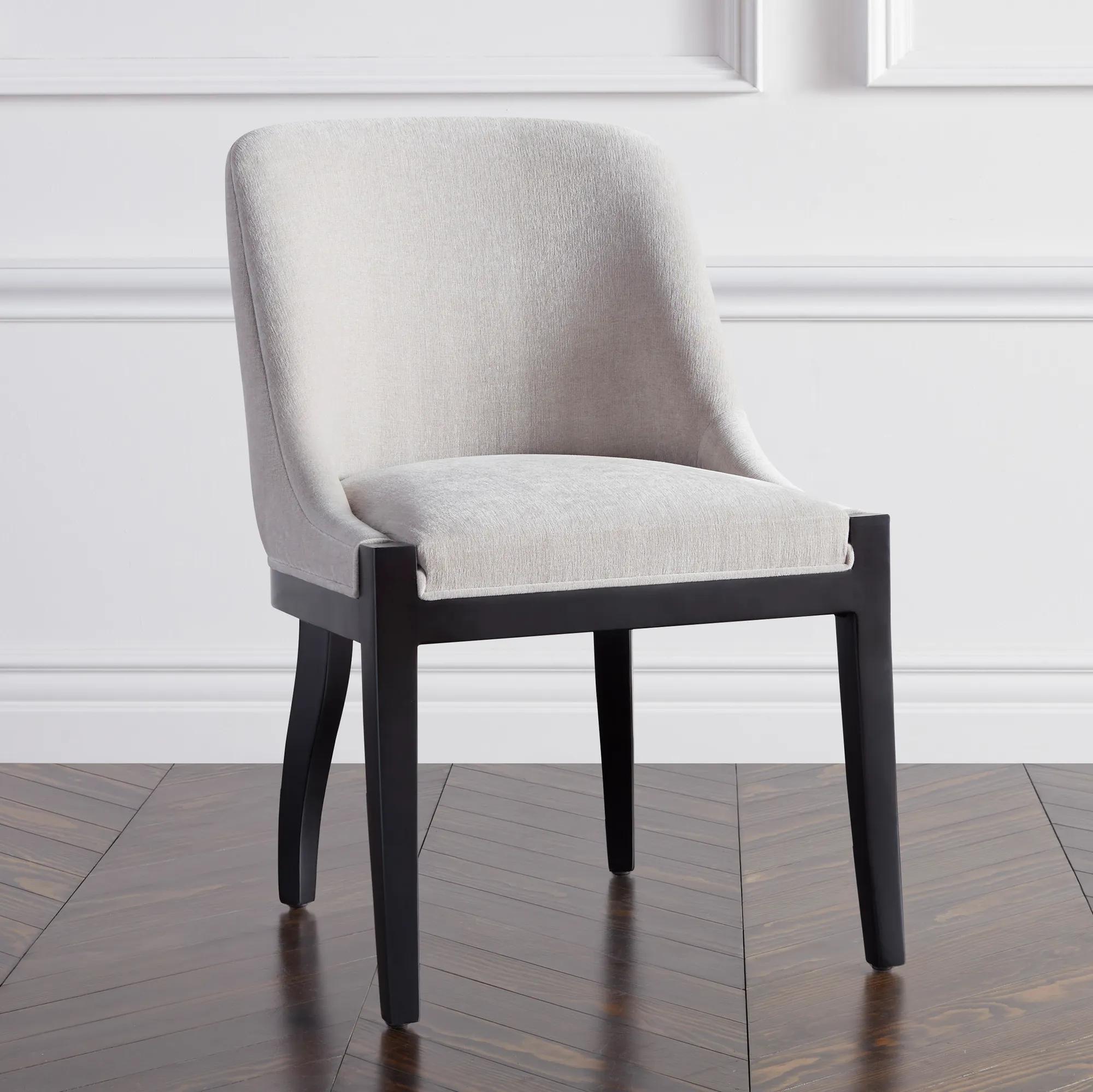 Lily Dining Chair - Matte Black$649
A modern dining chair featuring a kiln-dried hardwood frame and matte black legs with tailored upholstery.
Add To Cart -
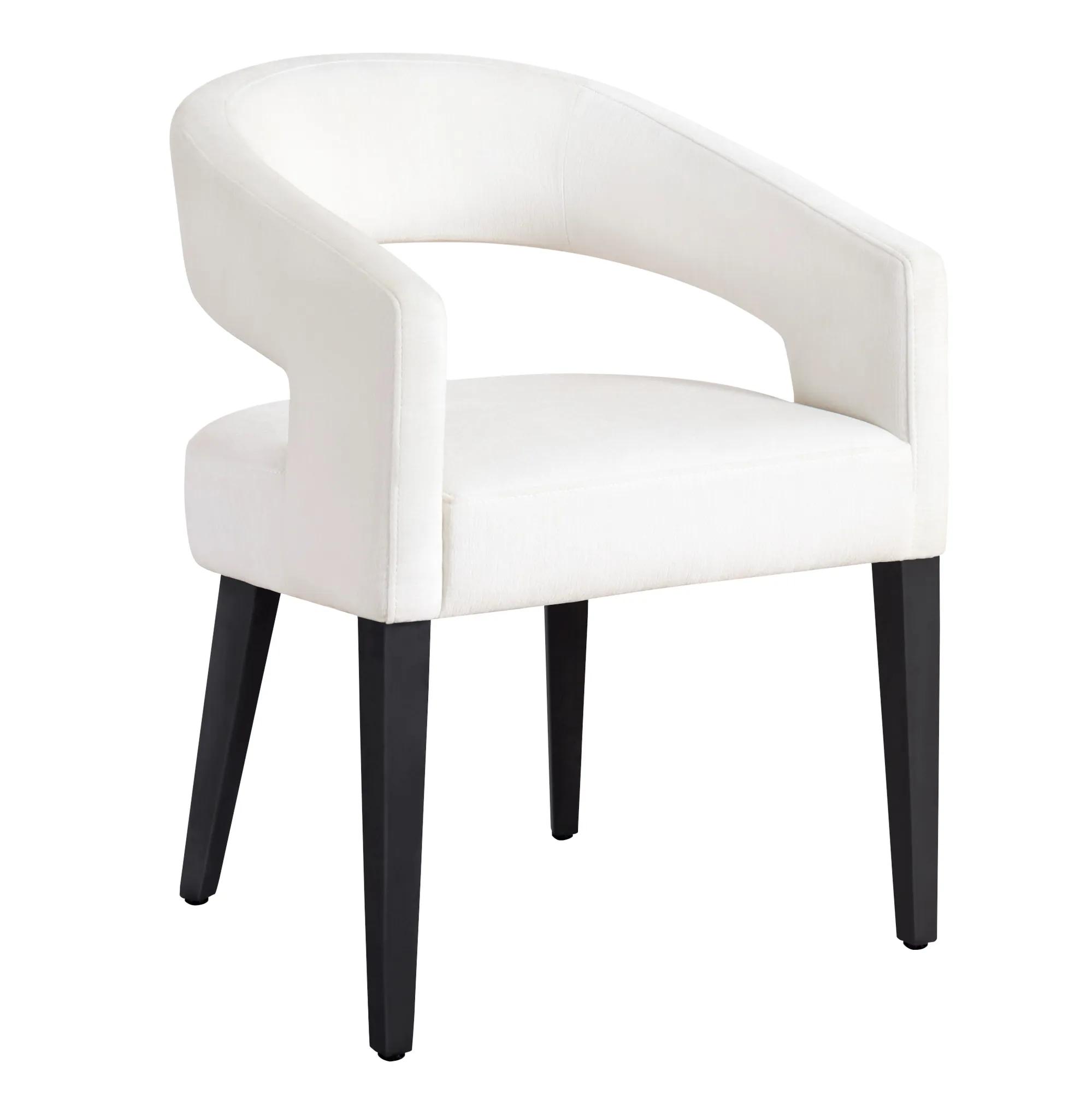
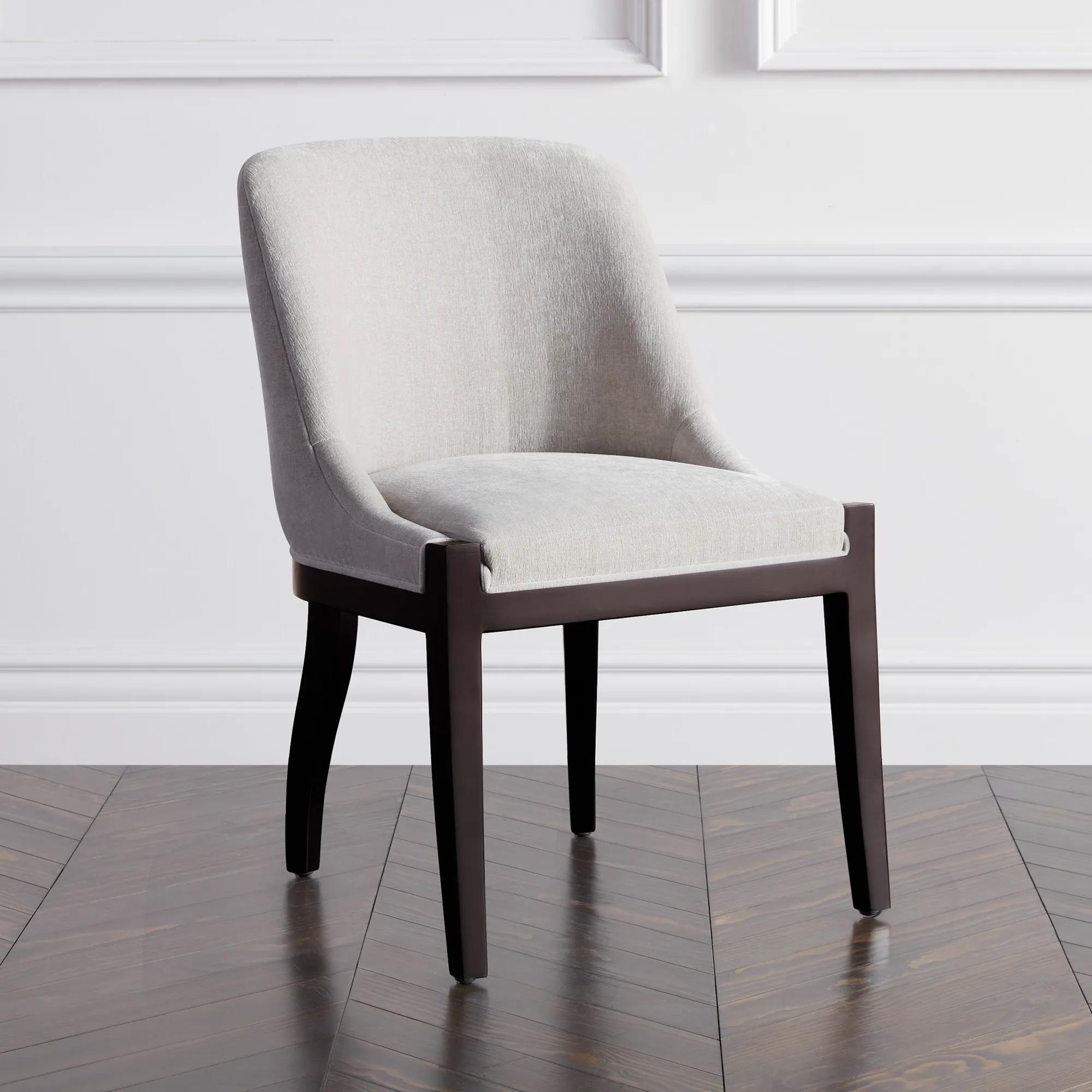
 Philippa Dining Chair - Matte Black$599
A modern dining chair featuring a curved silhouette, matte black legs, and neatly tailored upholstery.
Add To Cart -
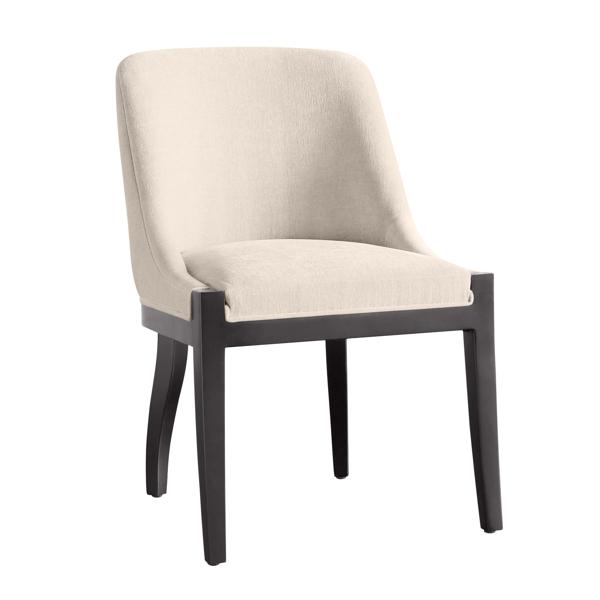 Lily Dining Chair - Espresso$649
A modern dining chair with kiln-dried hardwood frame, espresso legs, and plush tailored upholstery for comfort.
Add To Cart -
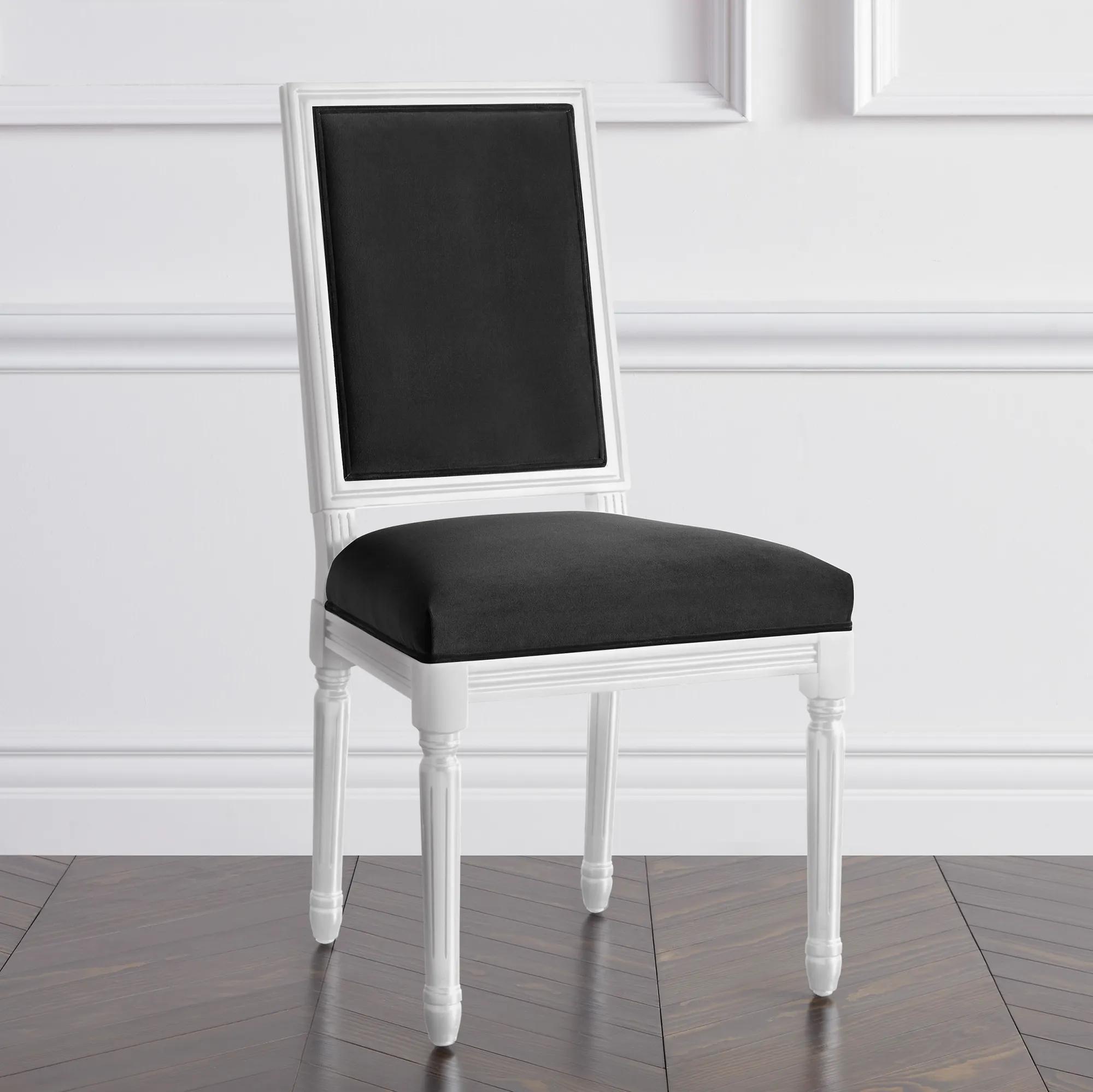
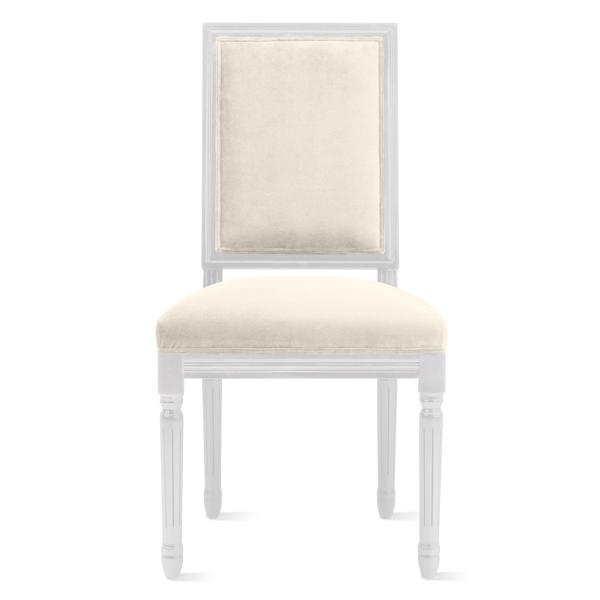 Callan Dining Chair - High Gloss White$599
A handcrafted dining chair featuring a high-gloss white finish, kiln-dried hardwood frame, and plush upholstery.
Add To Cart -
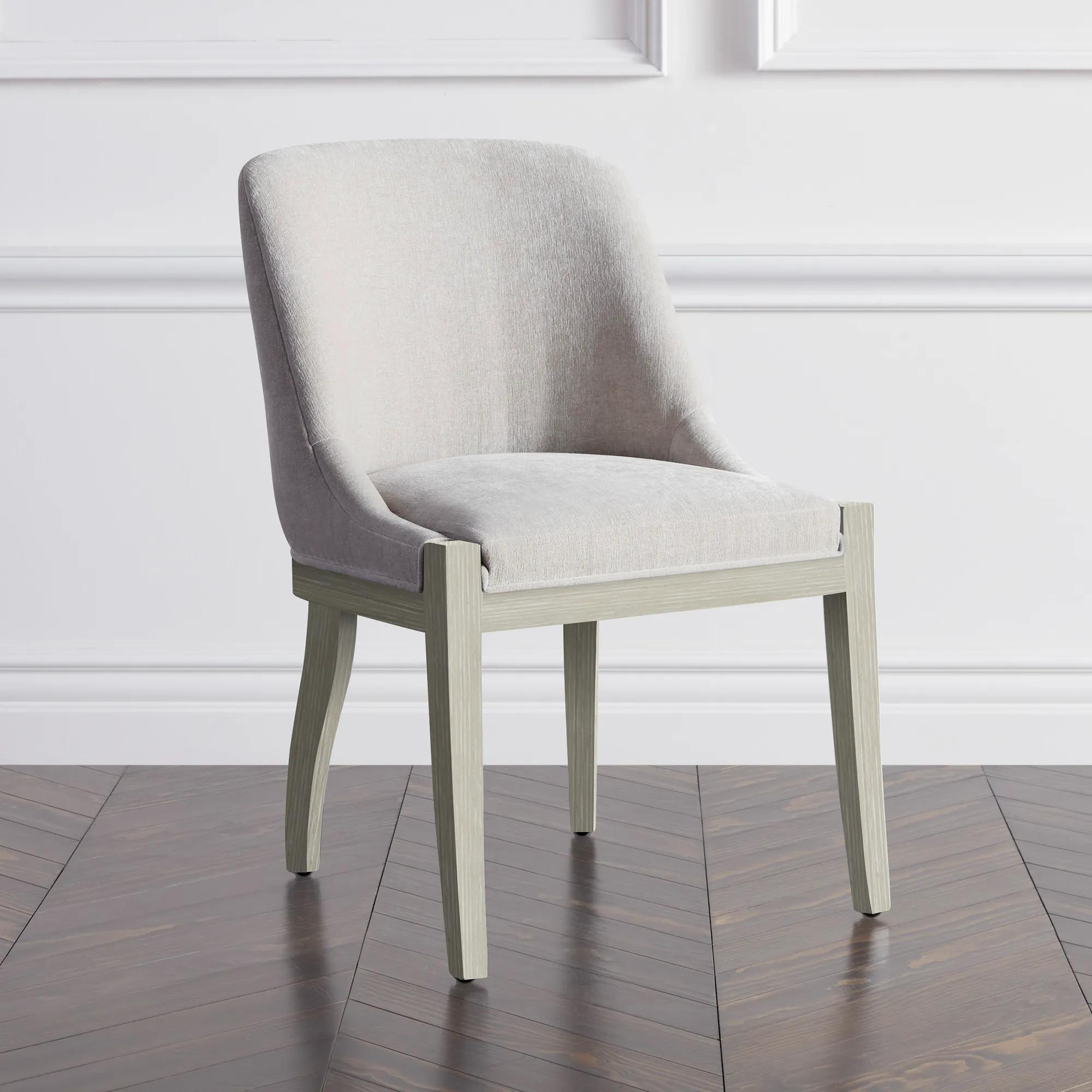 Lily Dining Chair - Natural Grey$649
A modern dining chair featuring kiln-dried hardwood, natural grey upholstery, and cushioned foam-and-fiber comfort.
Add To Cart -
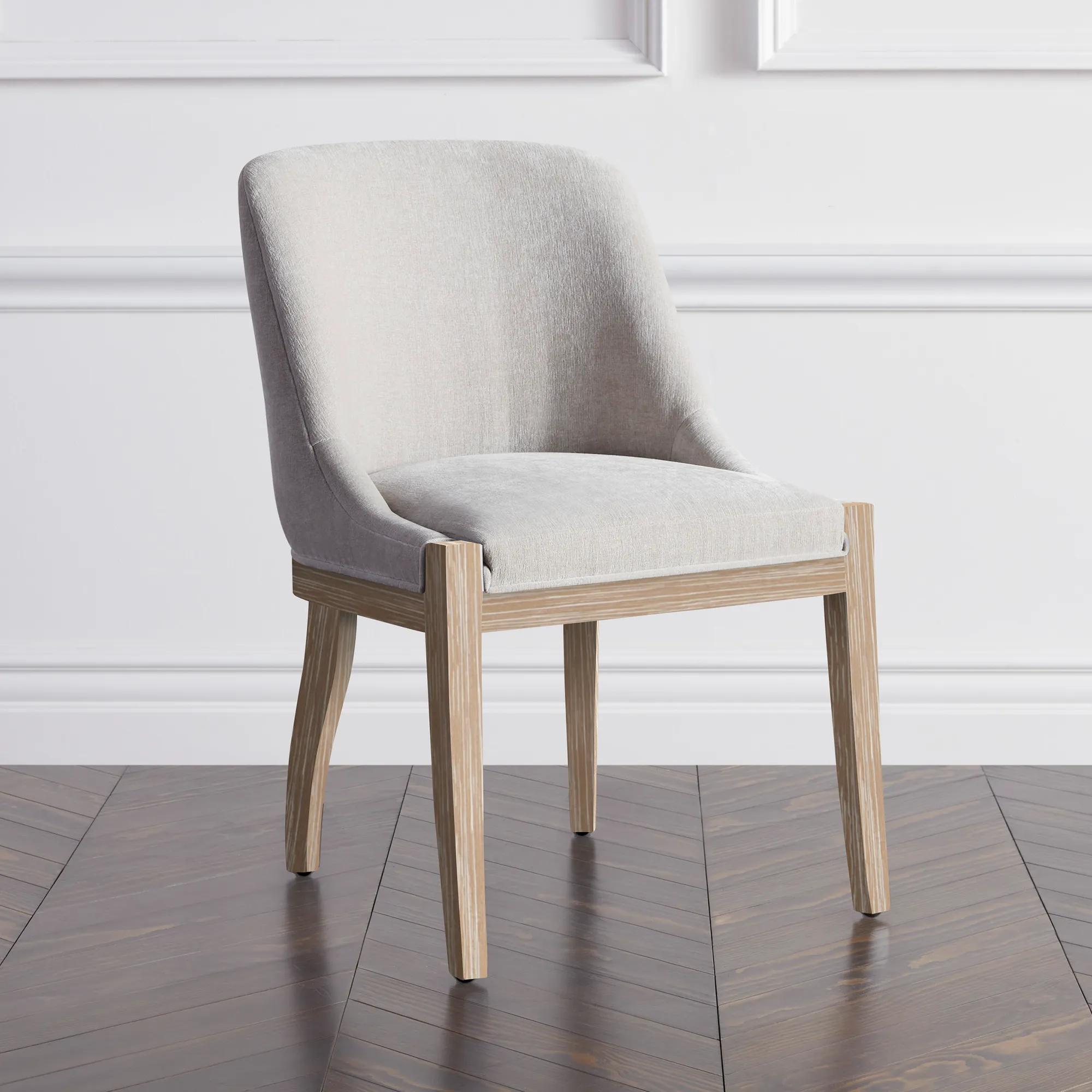
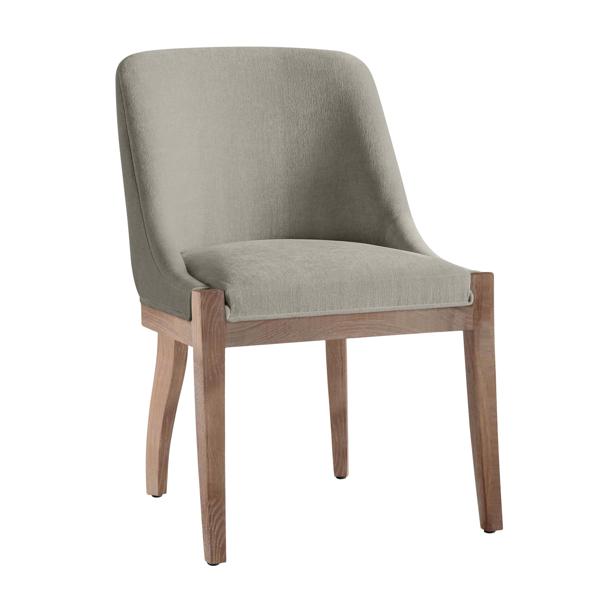 Lily Dining Chair - Wash Oak$649
A modern dining chair featuring a kiln-dried hardwood frame, wash oak legs, and plush tailored upholstery.
Add To Cart -
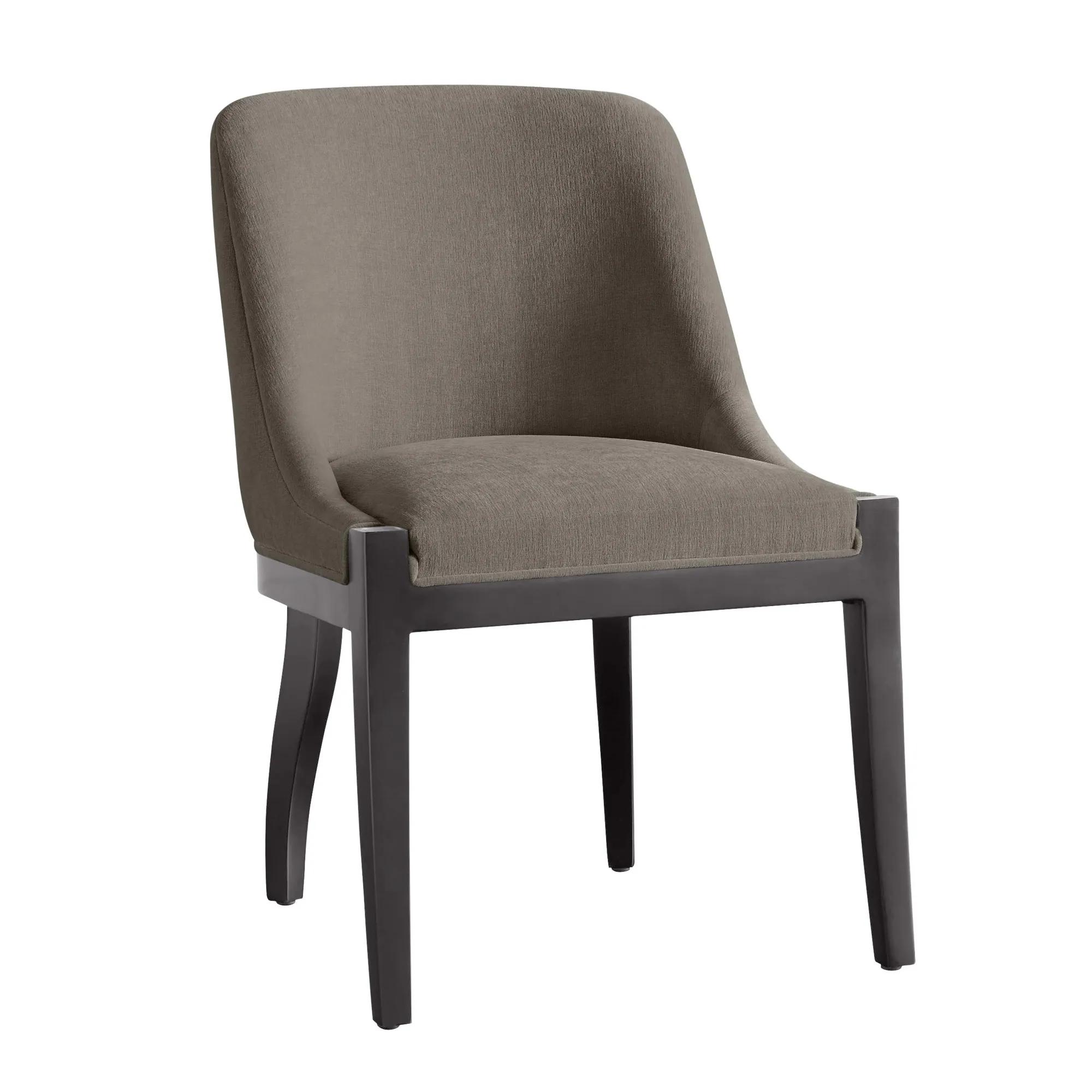 Lily Dining Chair - Espresso$649
A modern dining chair featuring espresso-finished hardwood, curvaceous silhouette, and plush tailored upholstery.
Add To Cart -
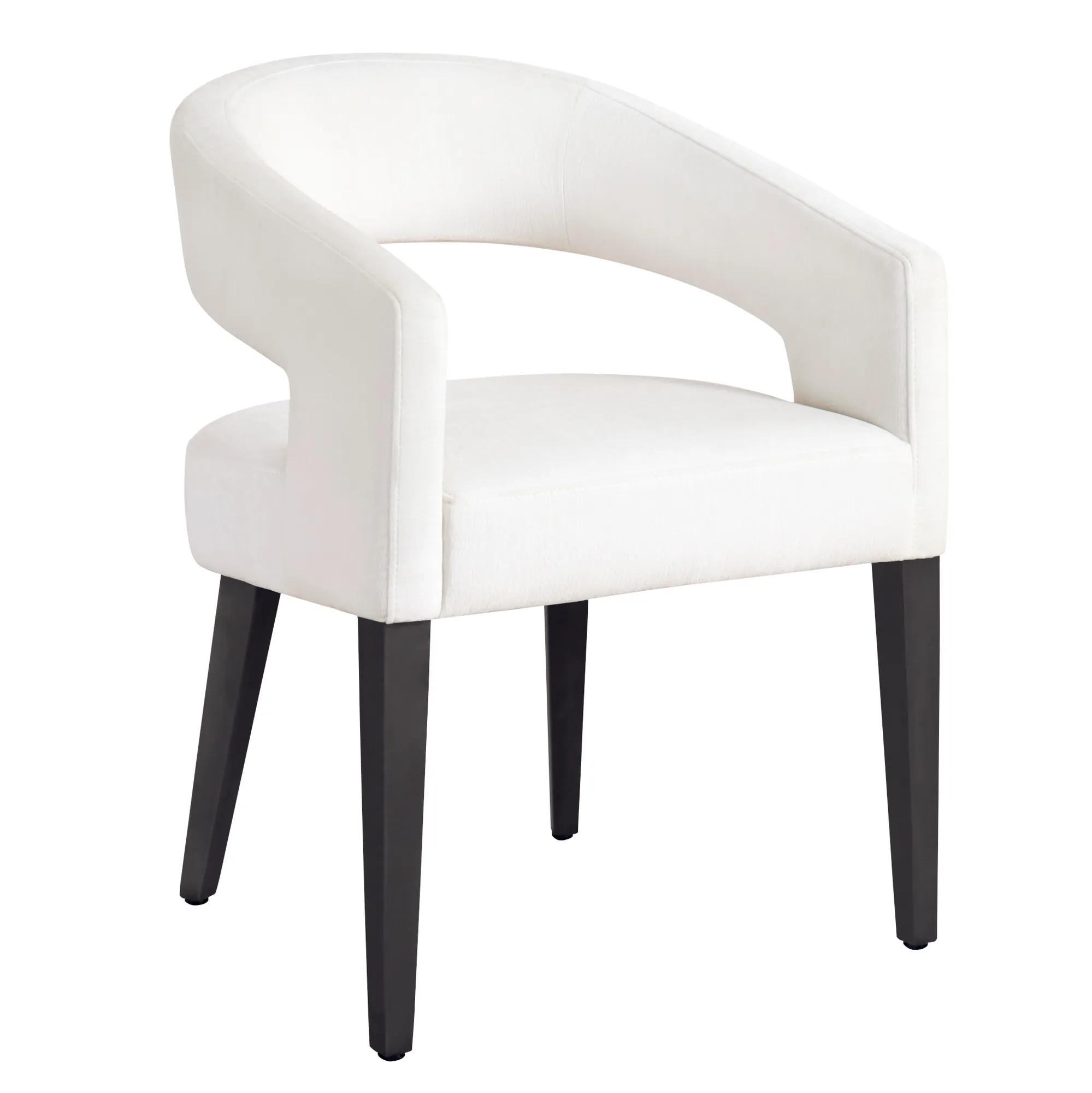
 Philippa Dining Chair - Espresso$599
A modern dining chair featuring a curved silhouette, espresso legs, and neatly tailored chenille upholstery.
Add To Cart -
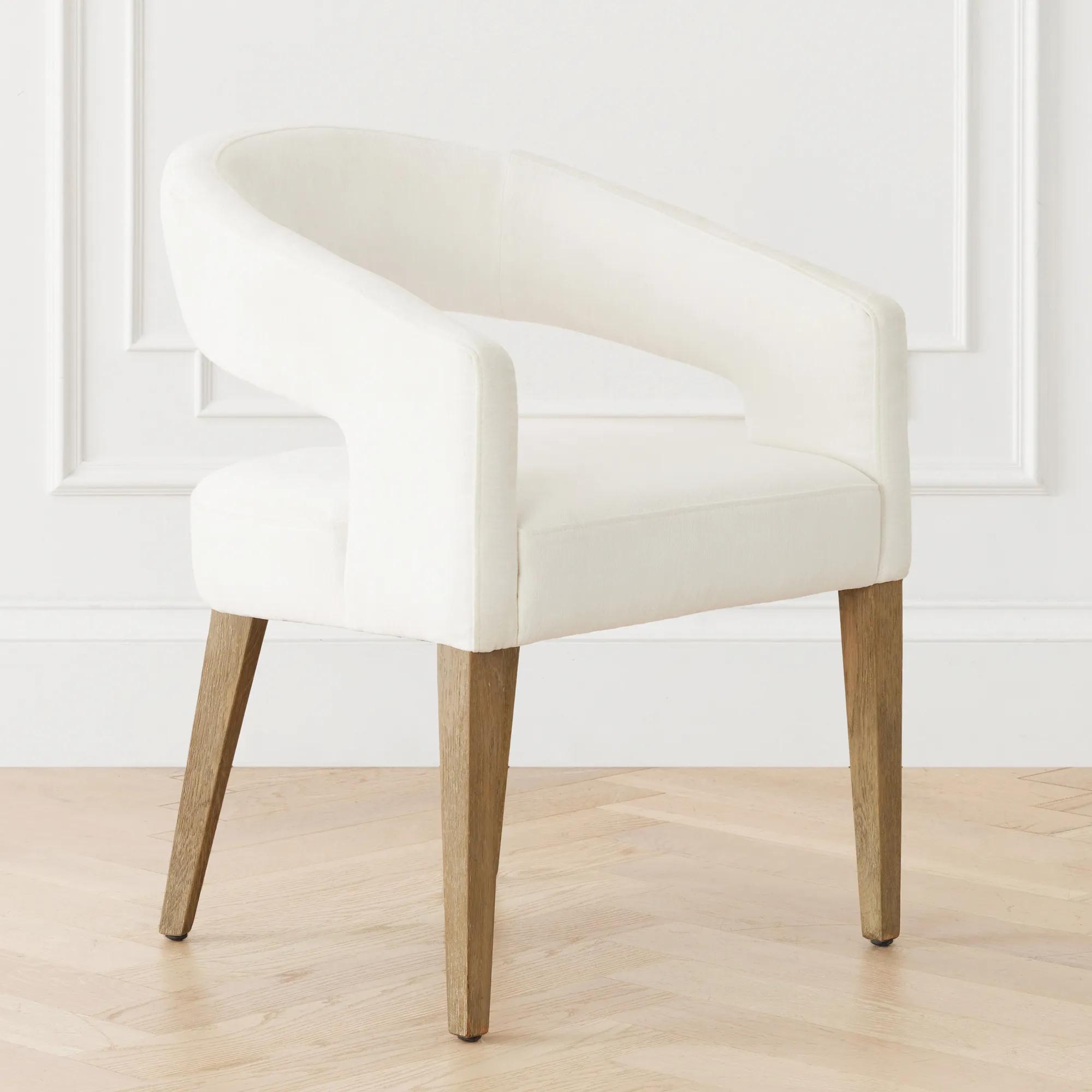 Philippa Dining Chair - Natural Grey$649
A modern dining chair featuring grey upholstery, a curved silhouette, and a kiln-dried hardwood frame.
Add To Cart -
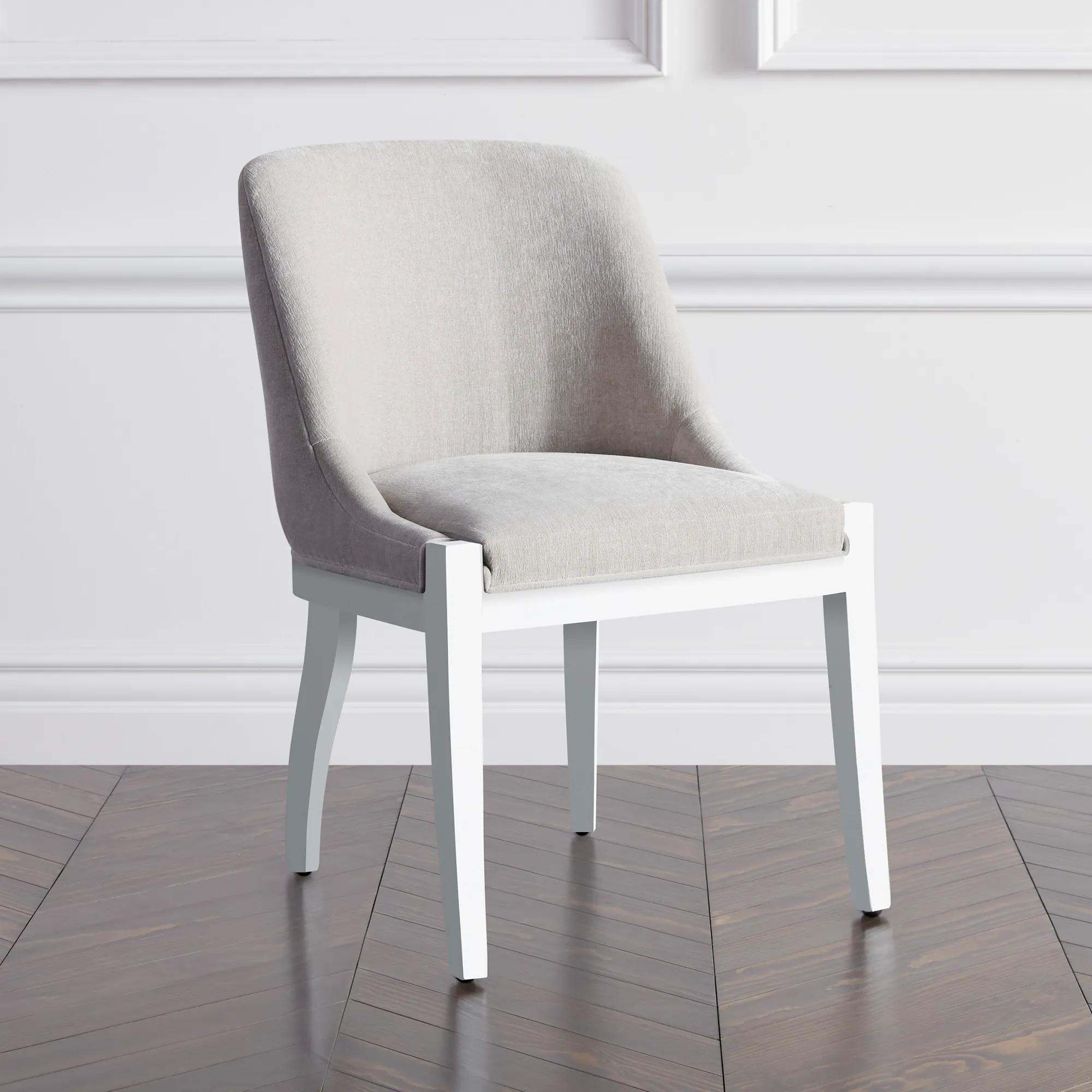
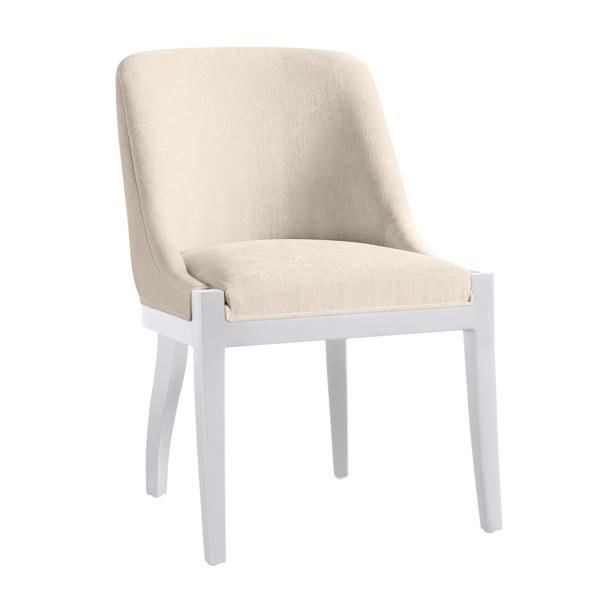 Lily Dining Chair - High Gloss White$649
A modern white dining chair featuring kiln-dried hardwood, high-gloss legs, and plush tailored upholstery.
Add To Cart -
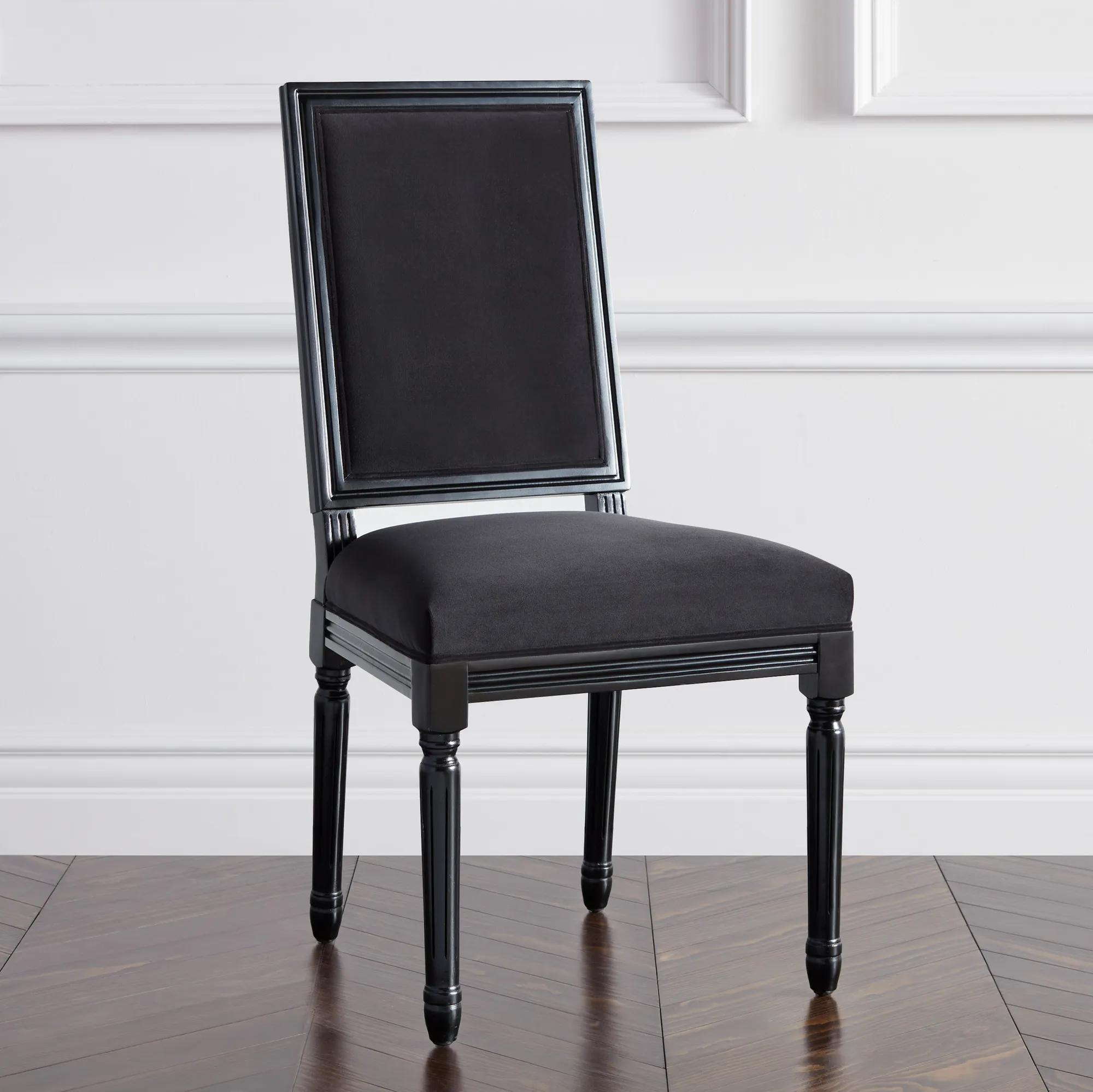
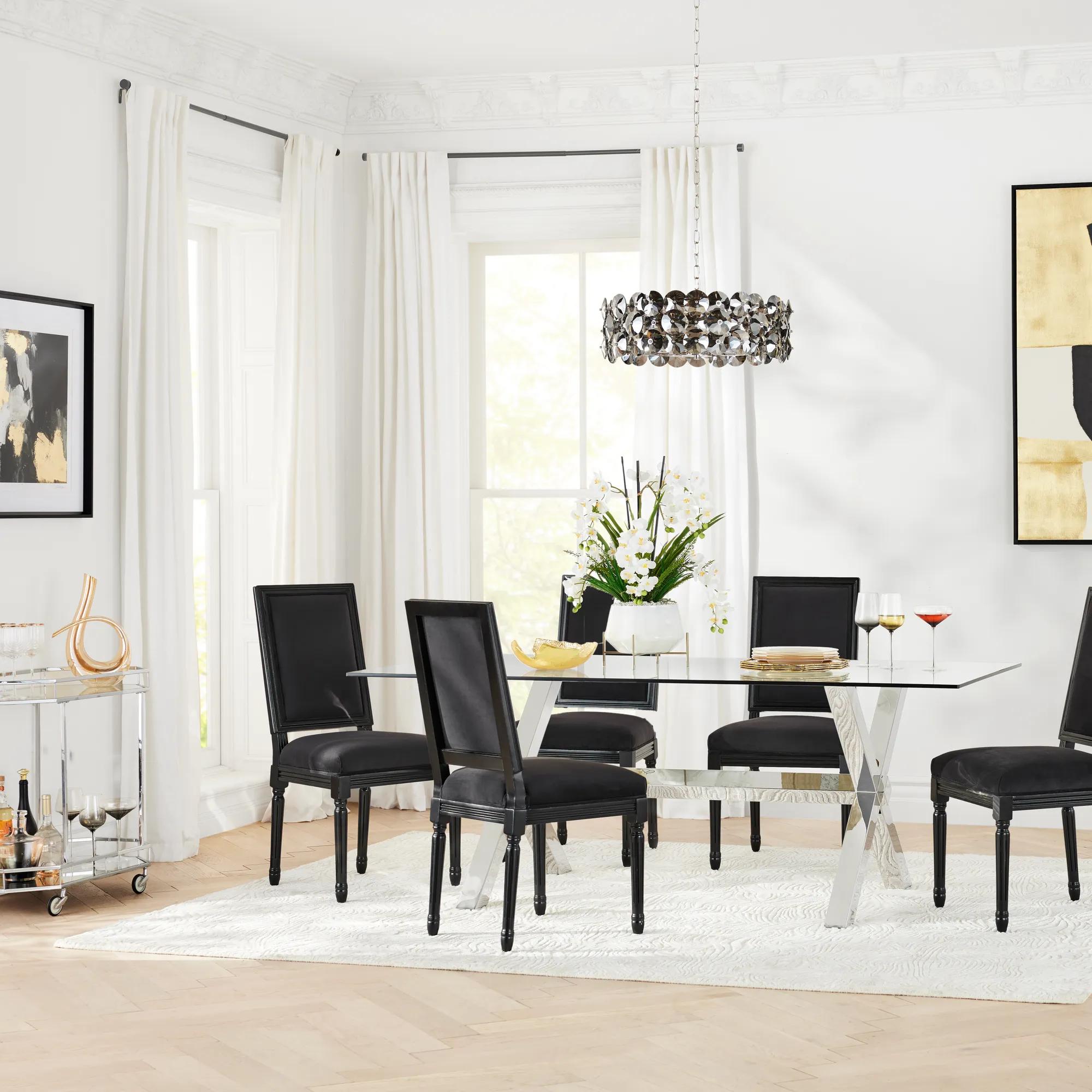 Callan Dining Chair - High Gloss Black$599
A handcrafted dining chair featuring high-gloss black Bella Velvet upholstery, fluted legs, and a squared back.
Add To Cart -
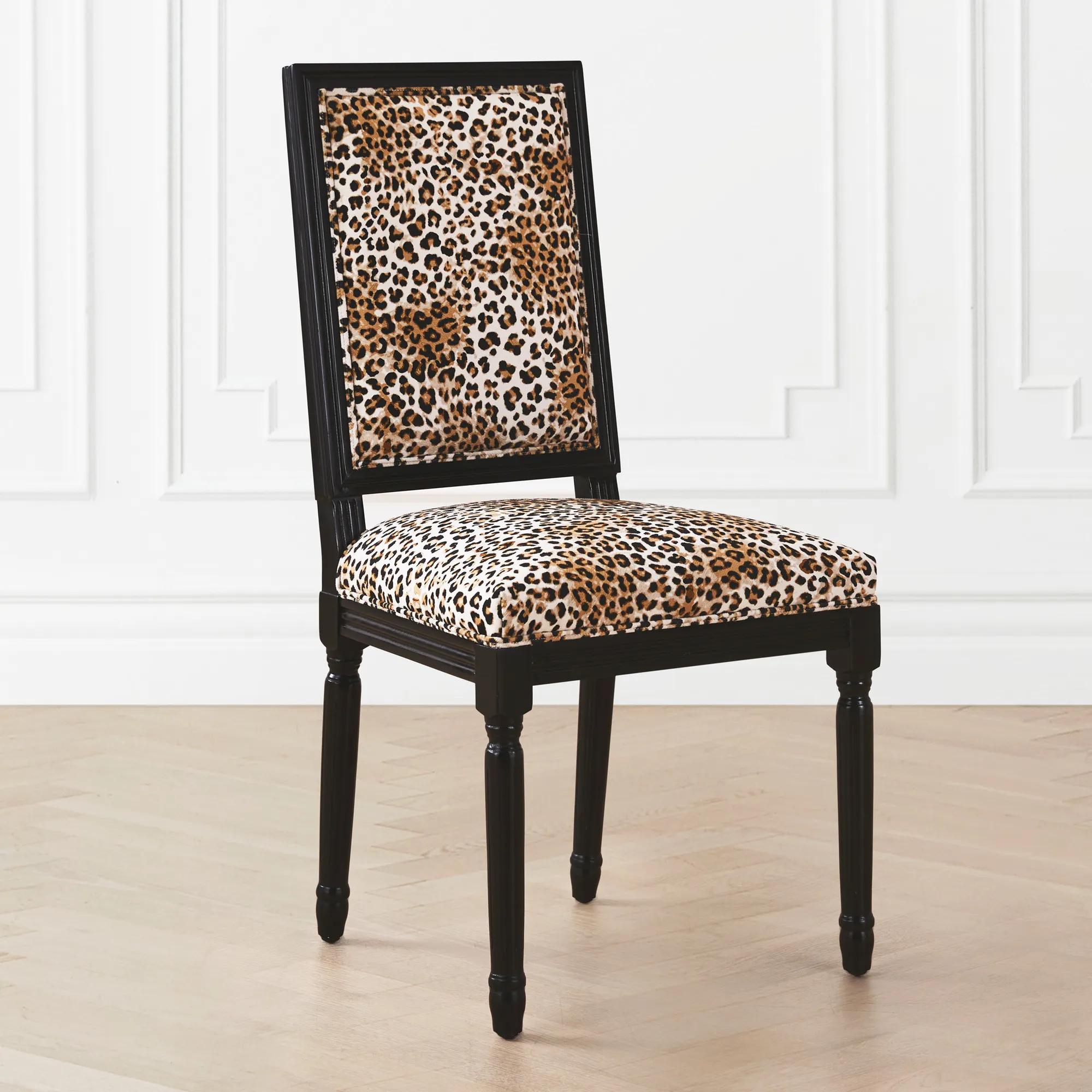
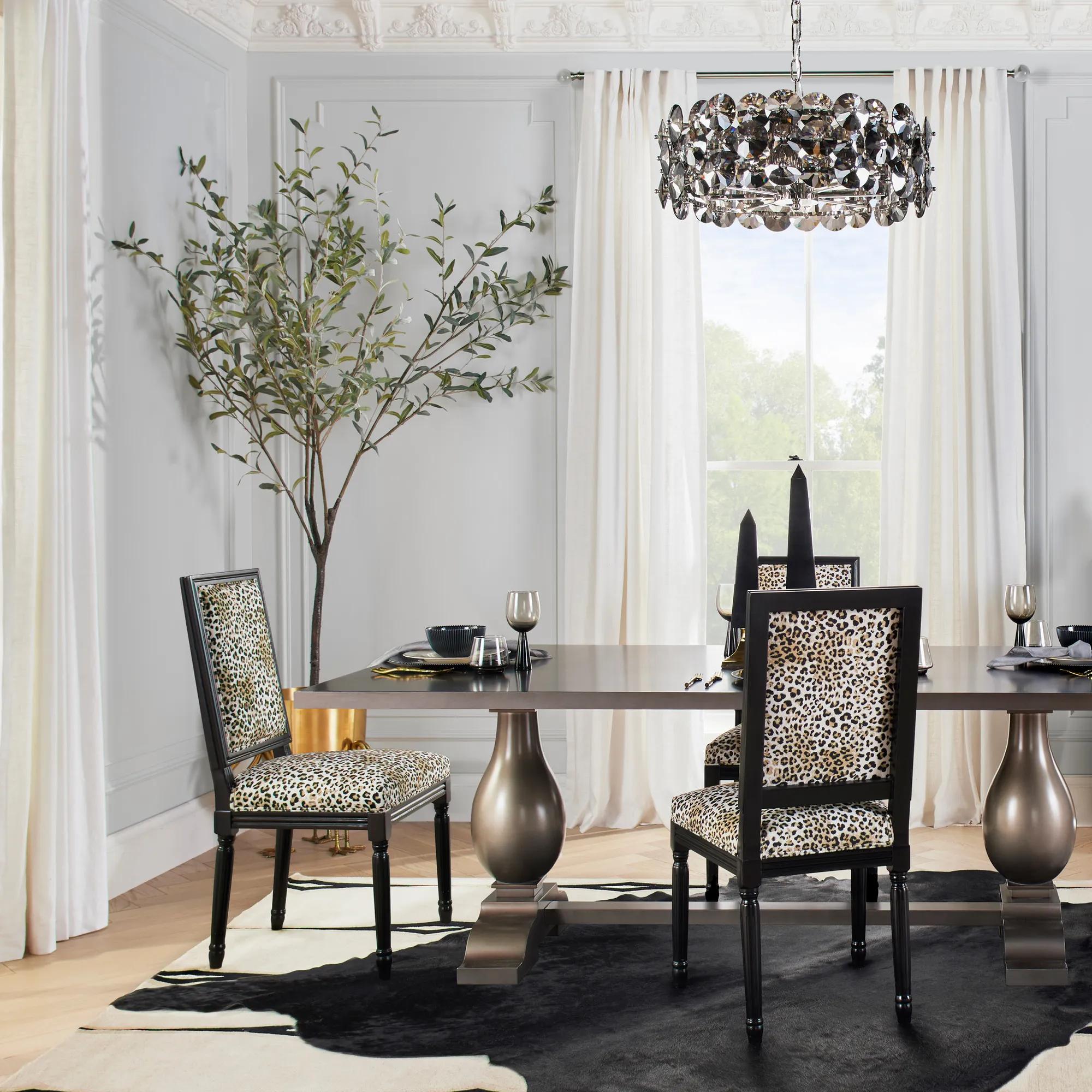 Callan Dining Chair$599
A handcrafted modern chair featuring classic upholstery, squared back, fluted legs, and high-gloss finish.
Add To Cart -
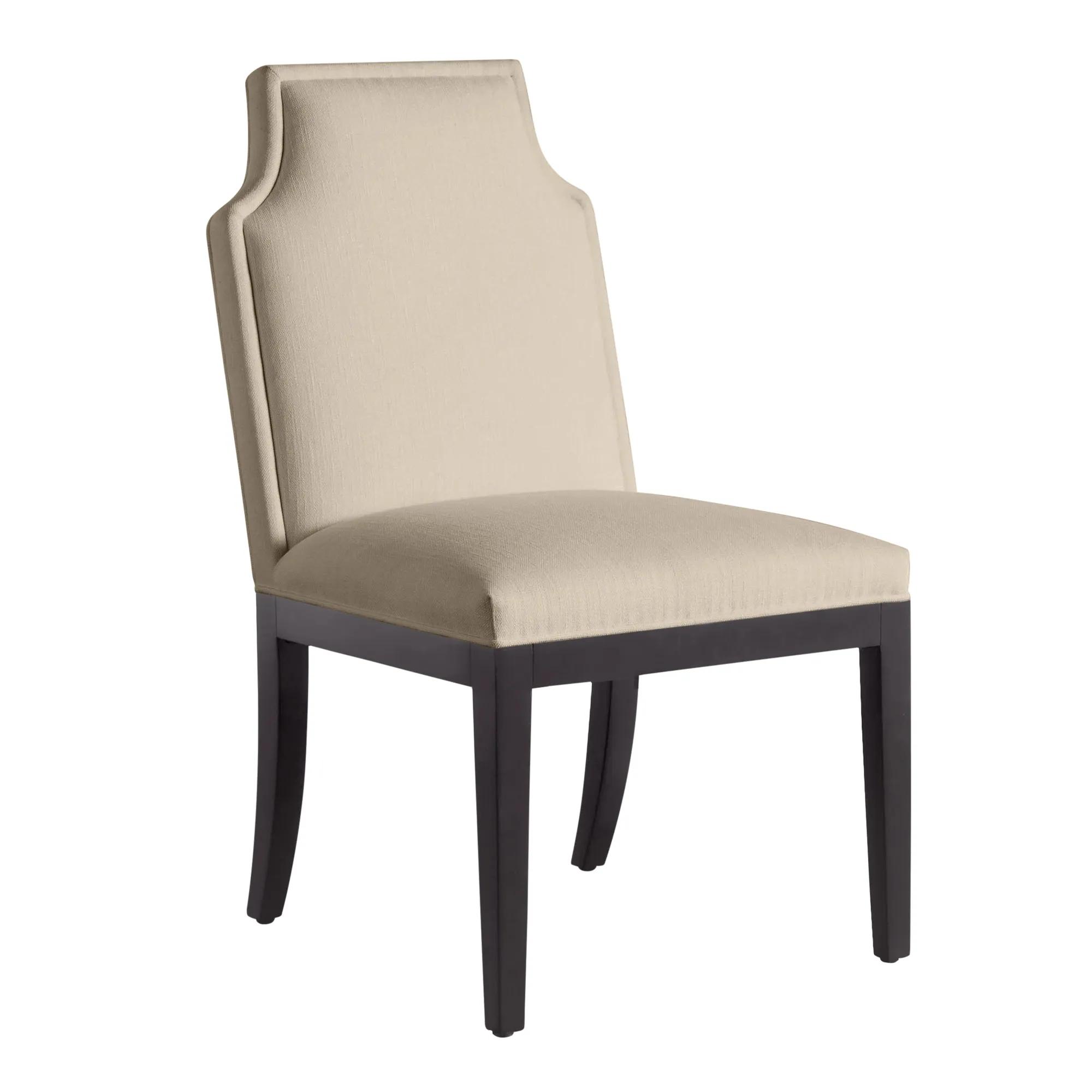
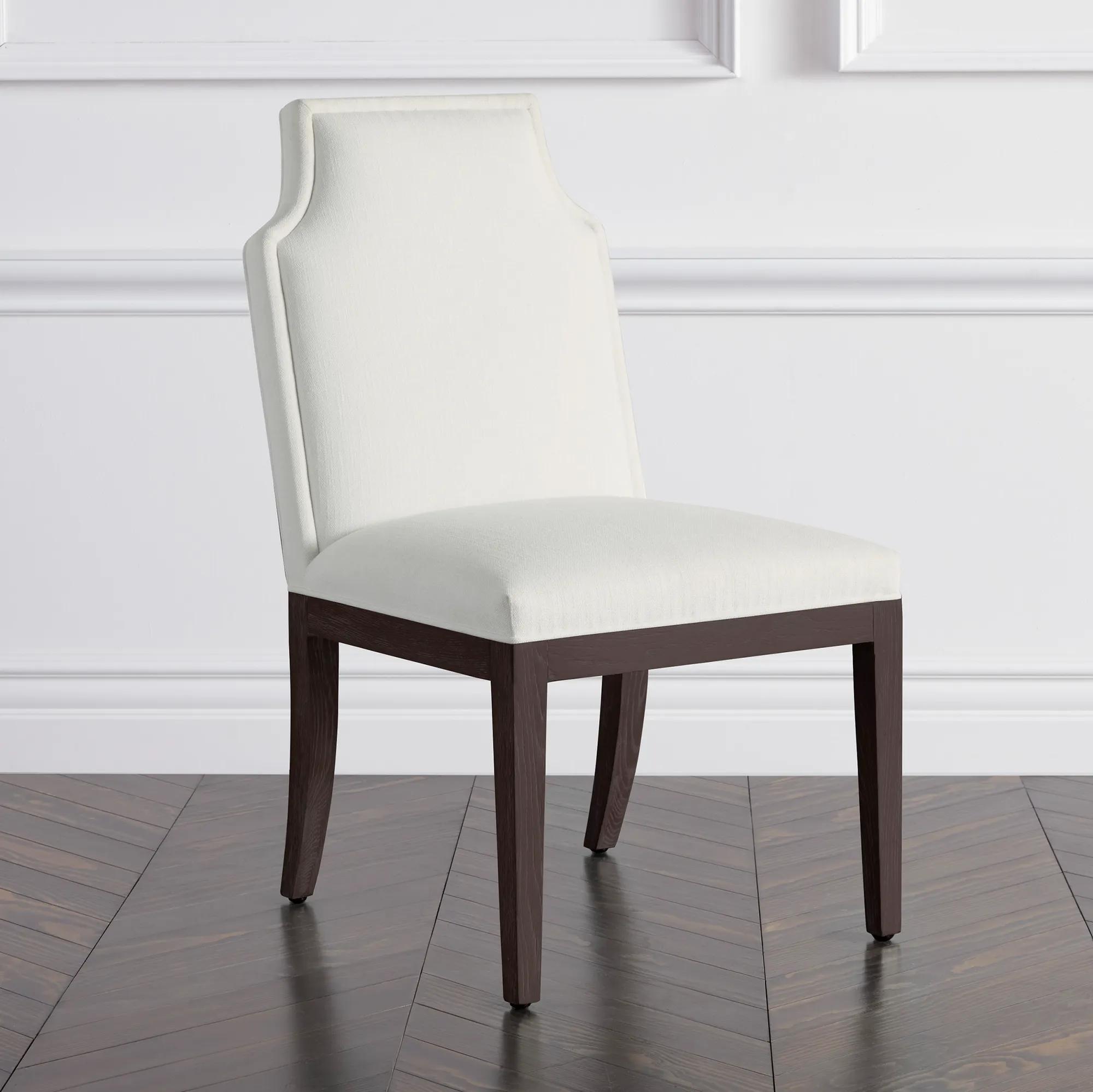 Jasmine Dining Chair - Espresso$649
A chic dining chair featuring a notched back, espresso legs, and plush upholstery for lasting comfort.
Add To Cart -
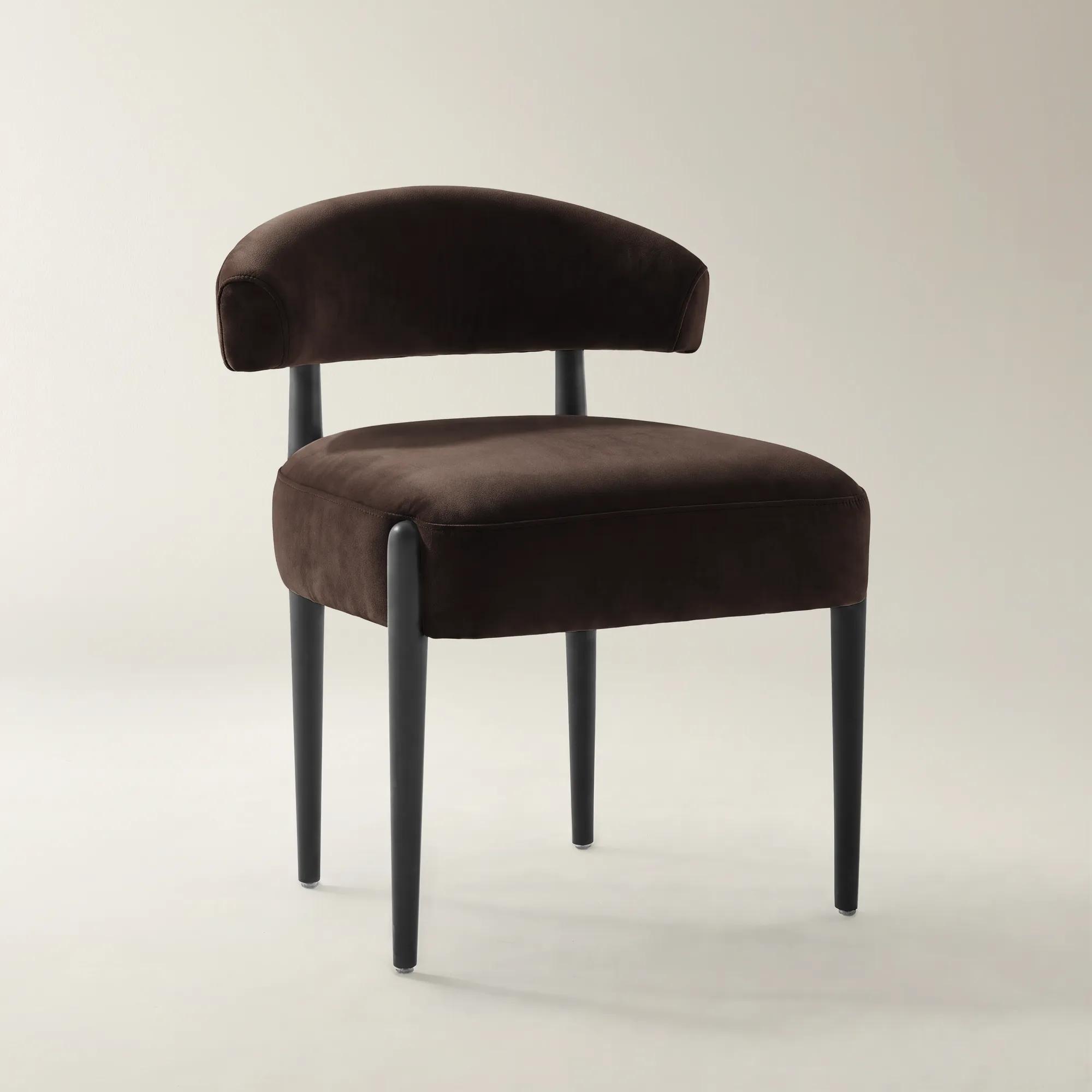
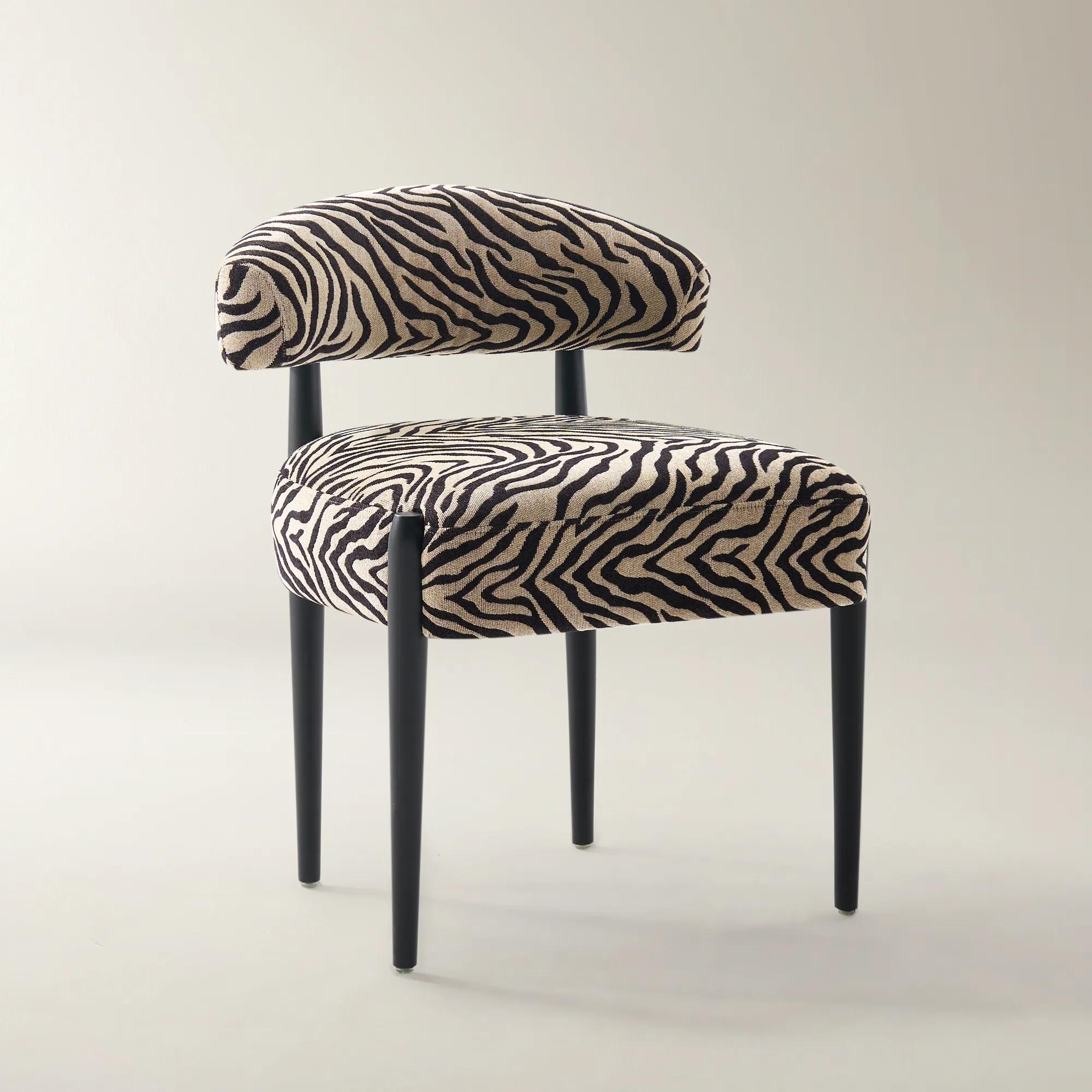 Anna Dark Chocolate Velvet Dining Chair Set of 2$699
A dark chocolate velvet dining chair set featuring an arched back, high-density foam, and solid wood construction.
Add To Cart -
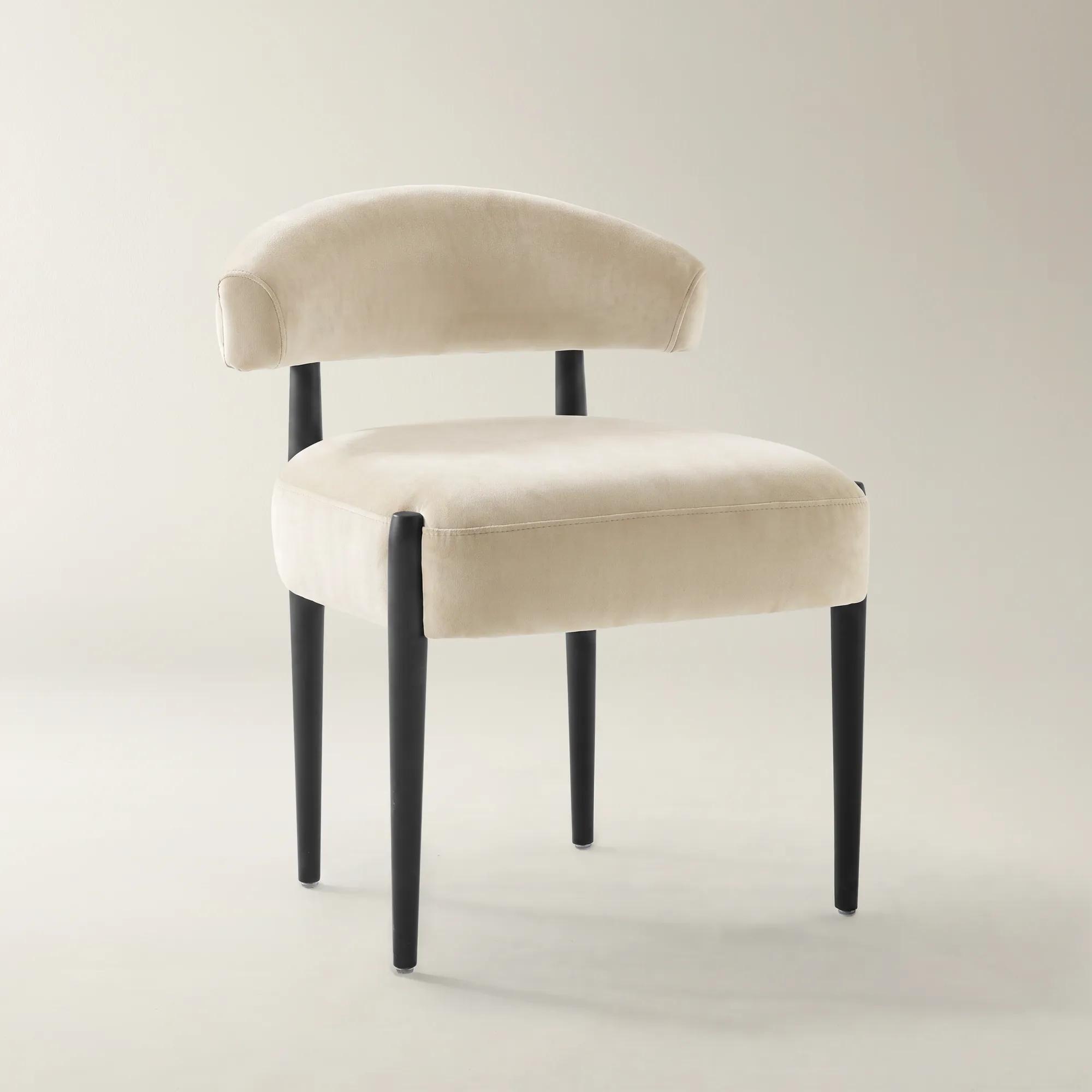
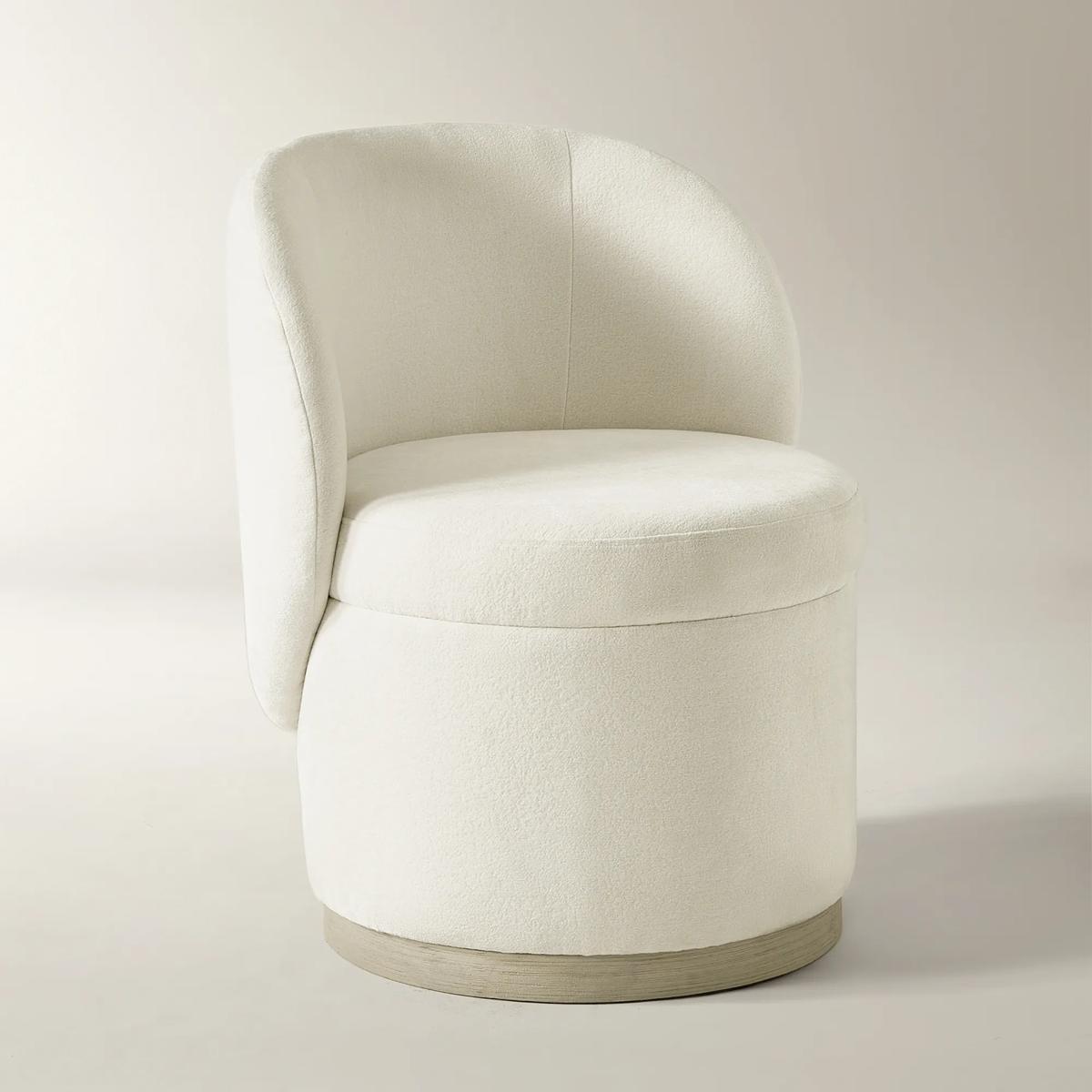 Stria Ivory Chenille Dining Chair With Oak Base$599
An ivory chenille chair featuring a plush, velvet-like finish and a handcrafted solid oak base.
Add To Cart -
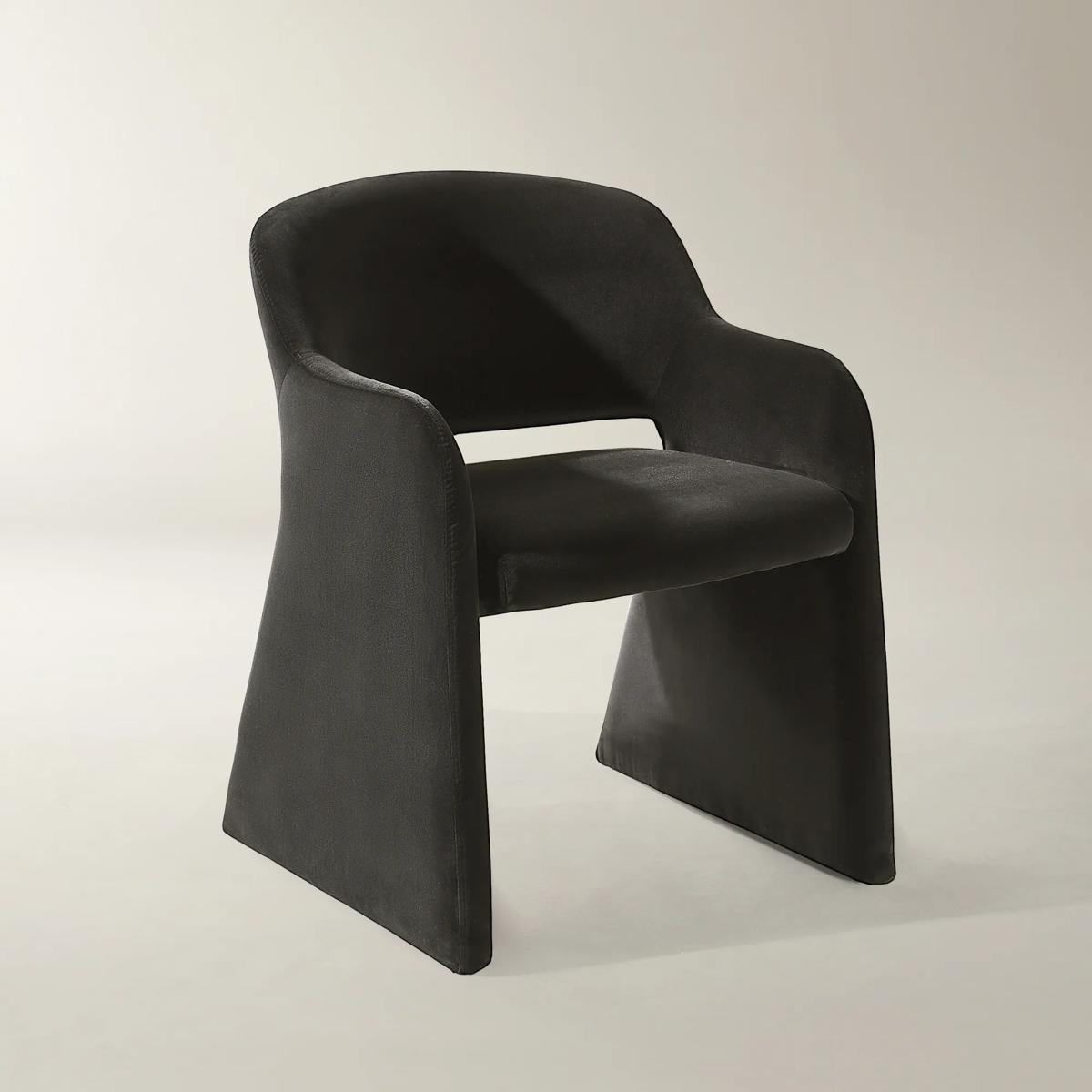
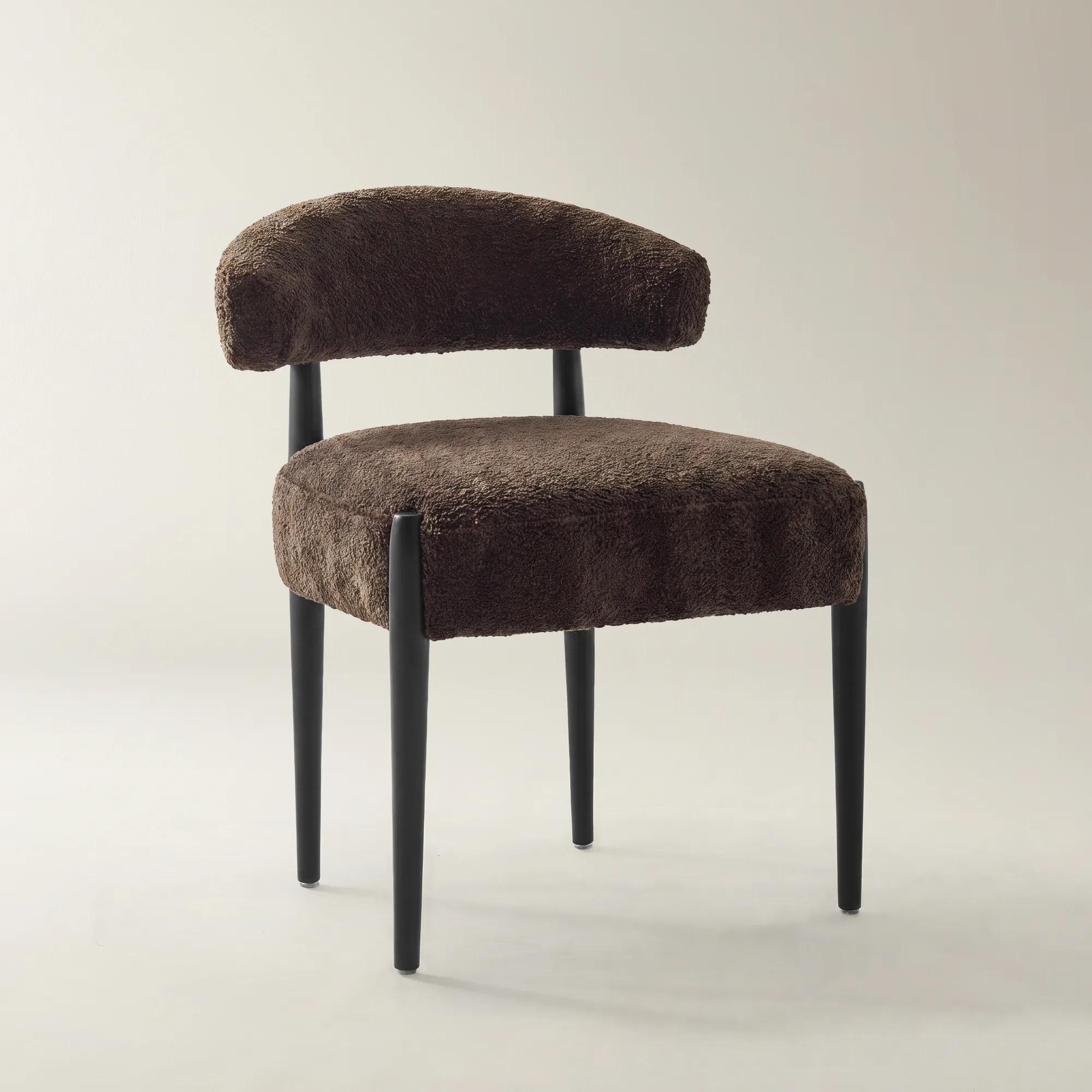 Anna Dark Chocolate Chenille Dining Chair Set of 2$699
A dark chocolate chenille chair pair featuring tailored curved backs, high-density foam, and solid rubberwood legs.
Add To Cart -
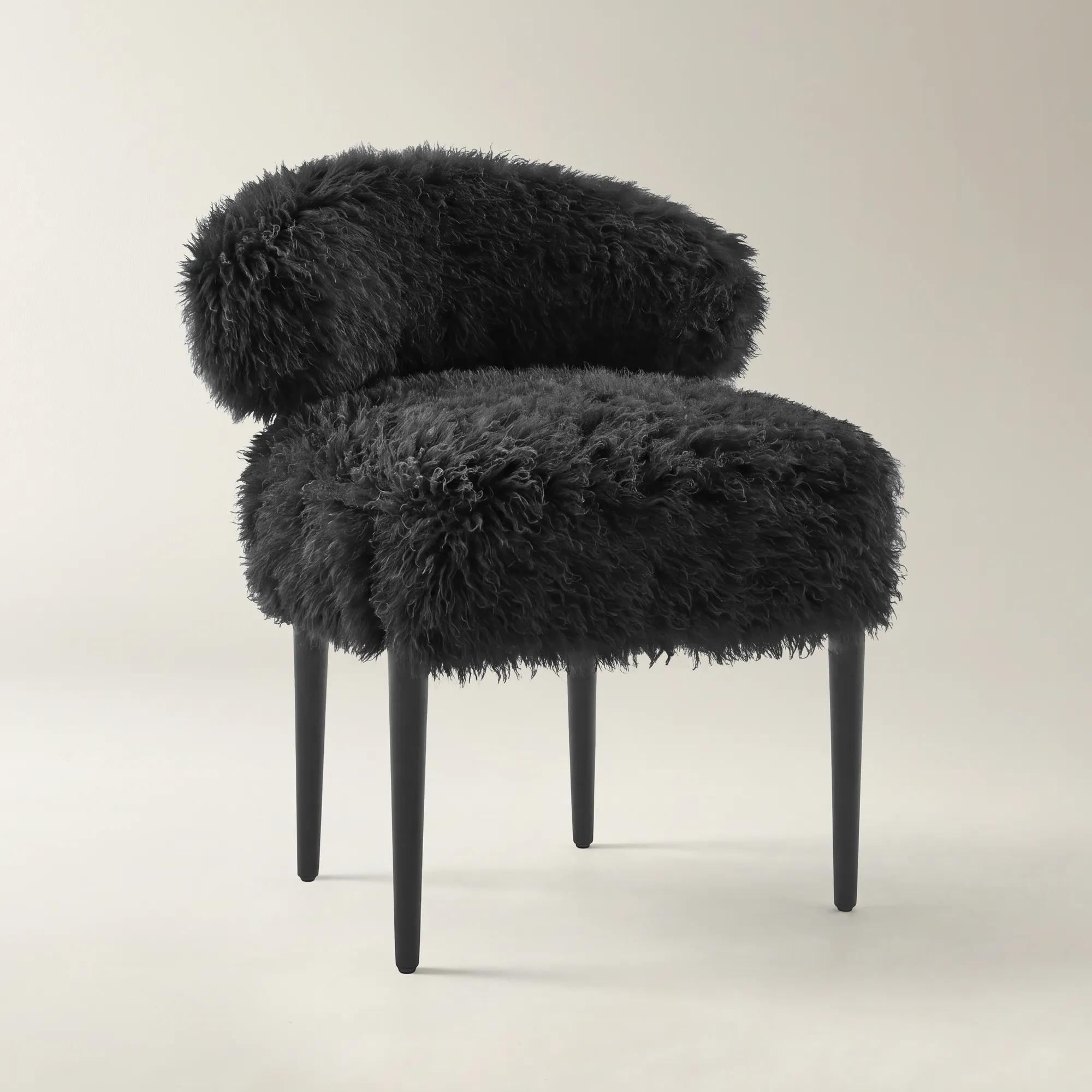 Anna Black Faux Fur Dining Chair Set of 2$799
A black faux fur chair set with arched backs, foam cushioning, and solid wood legs.
Add To Cart -
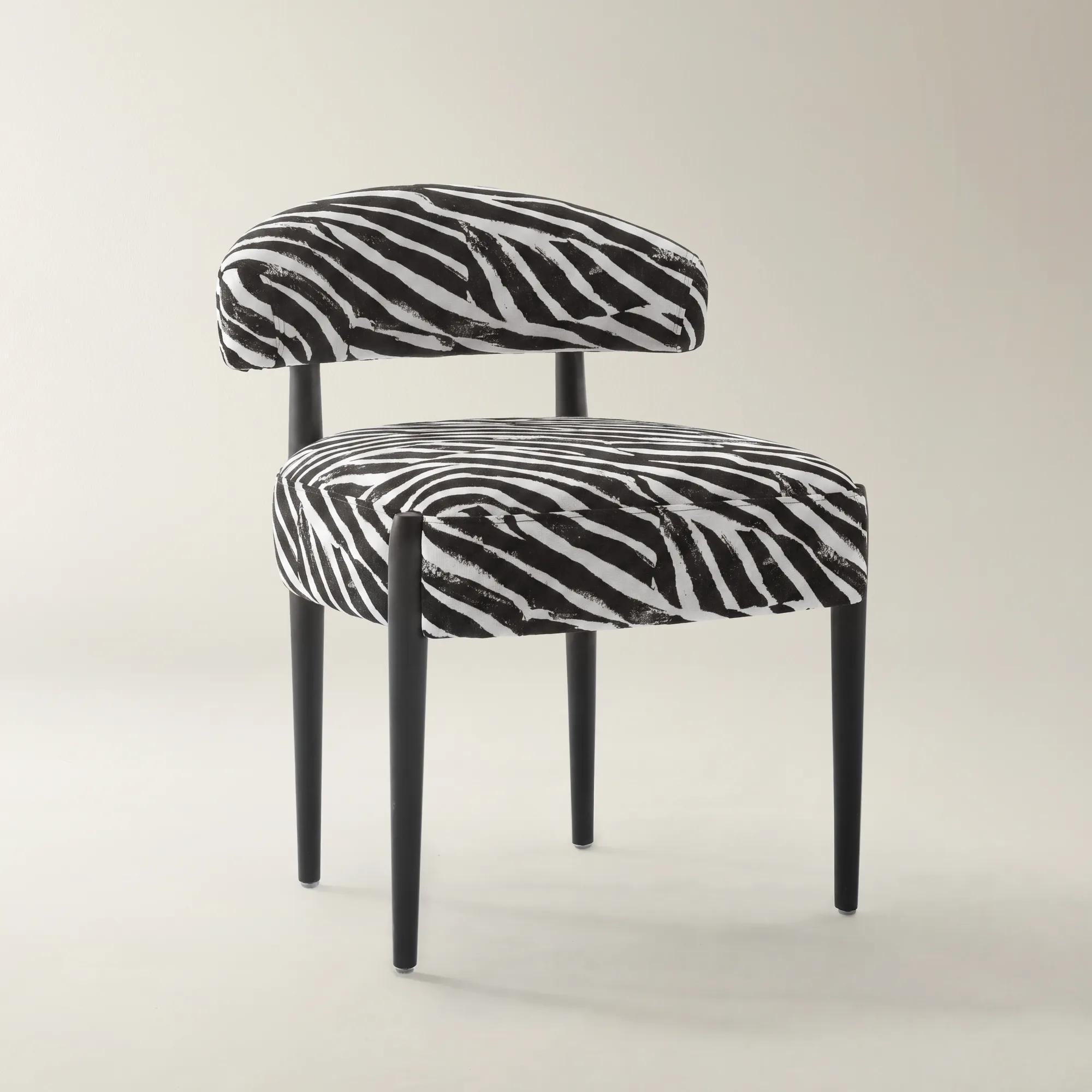 Anna White/Black Performance Chenille Dining Chair Set of 2$699
A black-and-white performance chenille chair set with arched backs, high-density foam, and solid rubberwood legs.
Add To Cart -
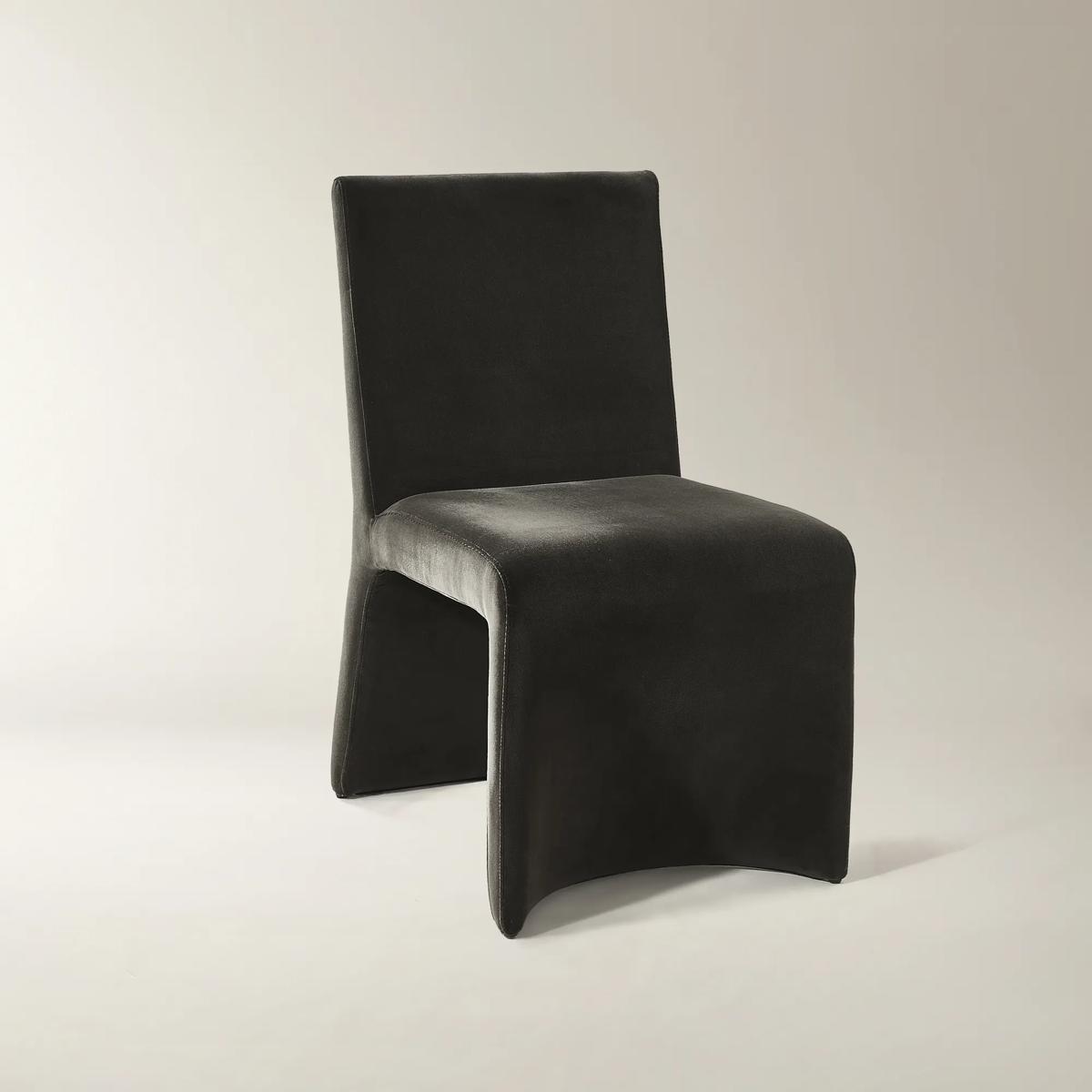
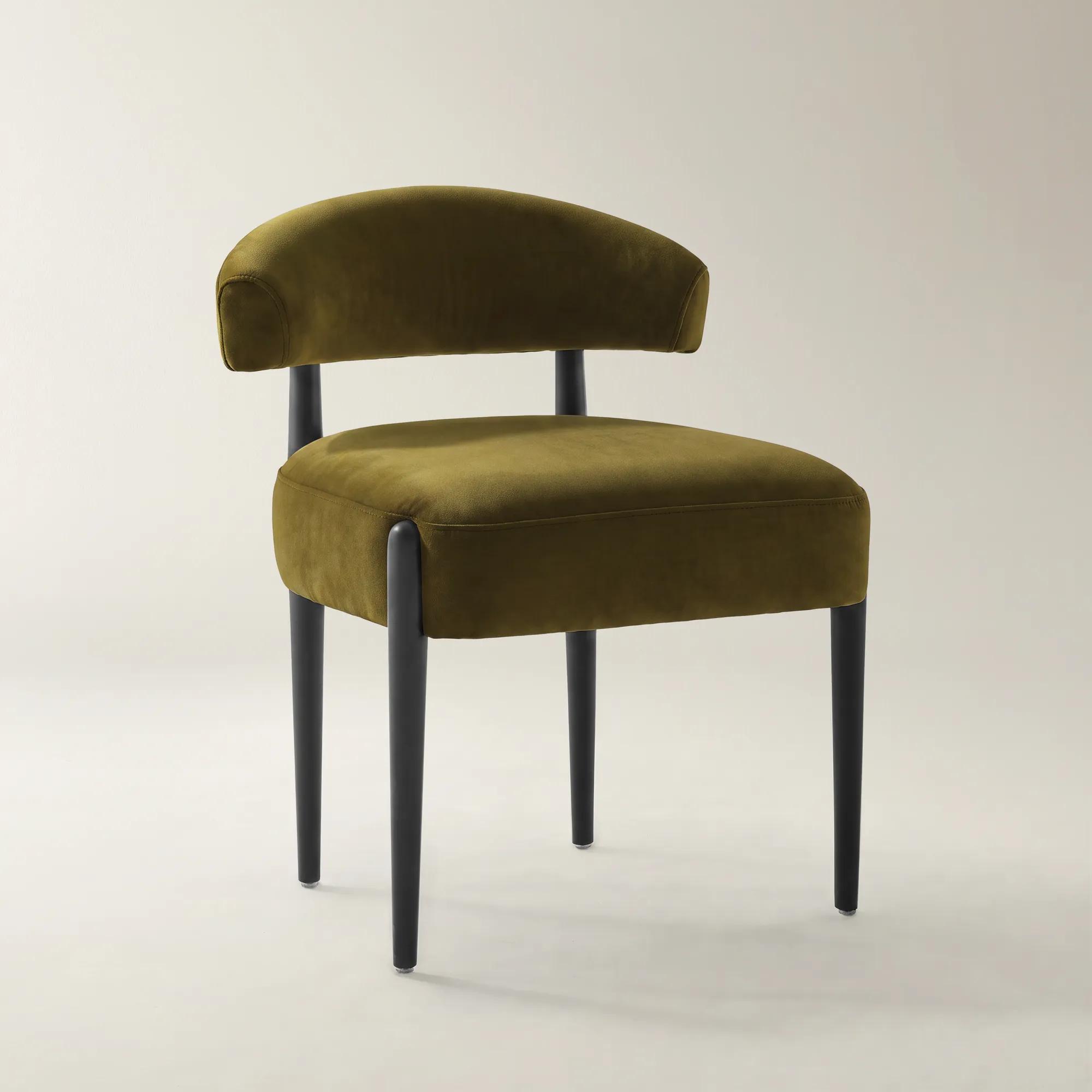 Anna Deep Olive Velvet Dining Chair Set of 2$699
A deep olive velvet dining chair with a tailored curved back, high-density cushioning, and solid rubberwood legs.
Add To Cart -
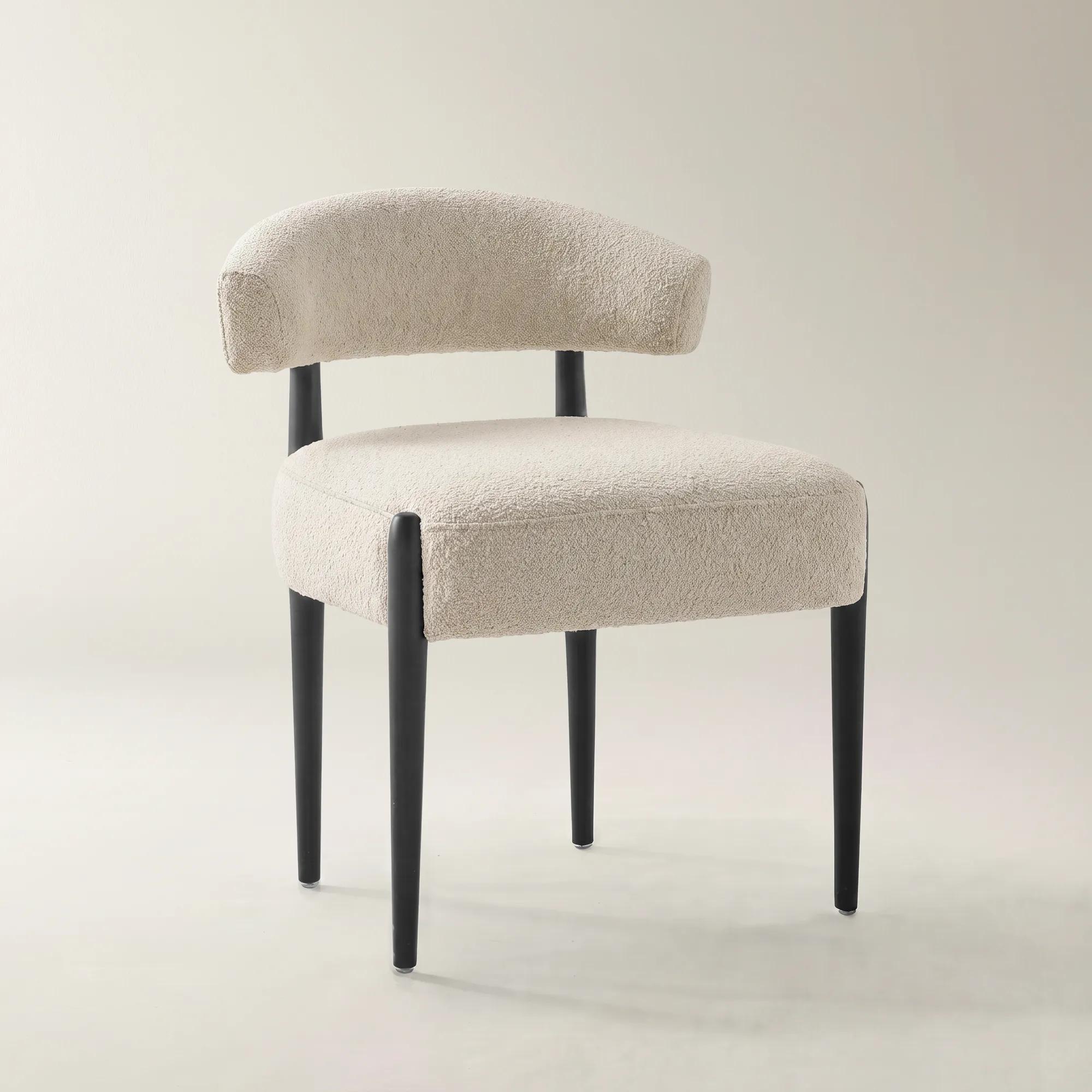 Anna Utopia Sand Chenille Dining Chair Set of 2$699
A sand chenille dining chair set featuring tailored armless curves, high-density cushioning, and solid rubberwood legs.
Add To Cart -
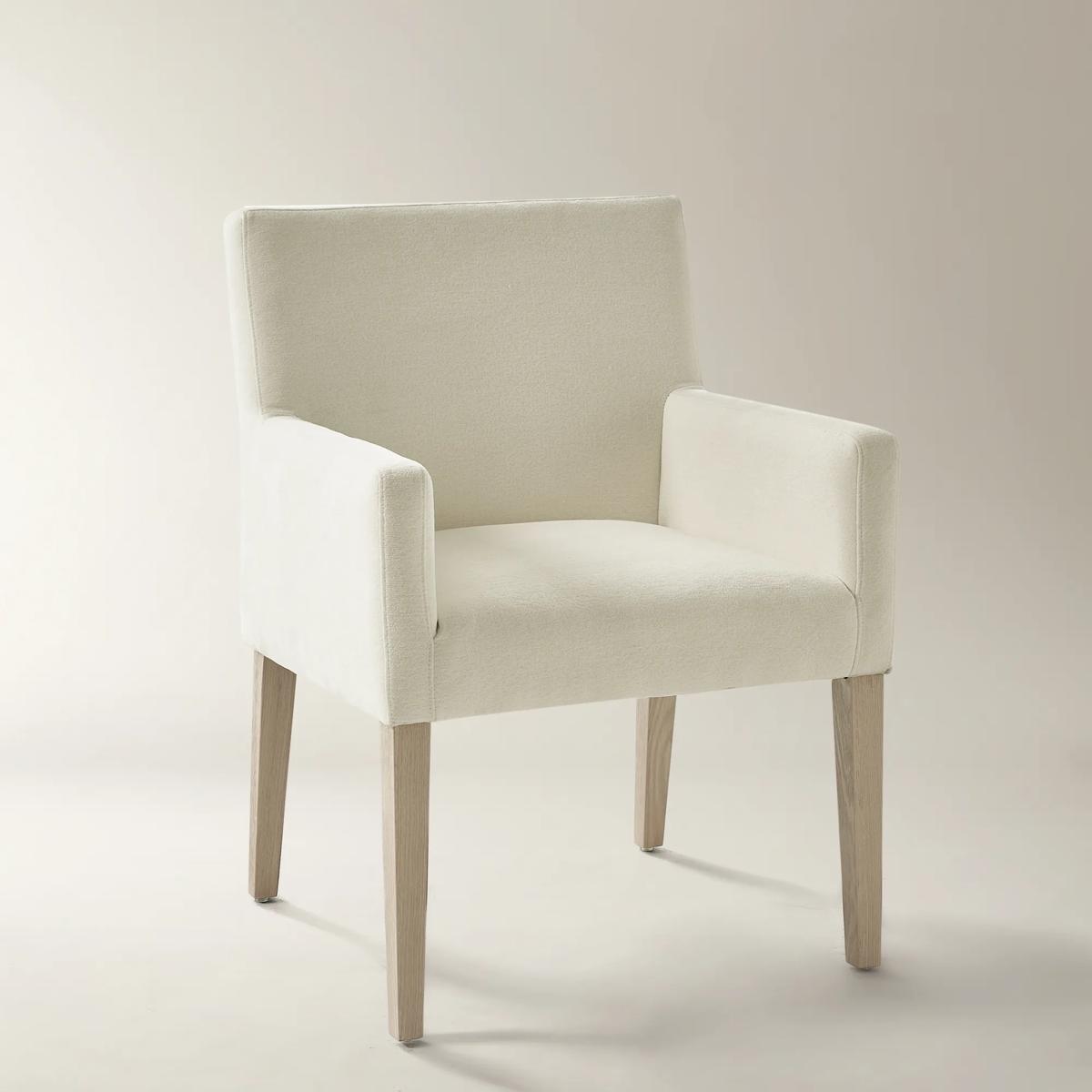
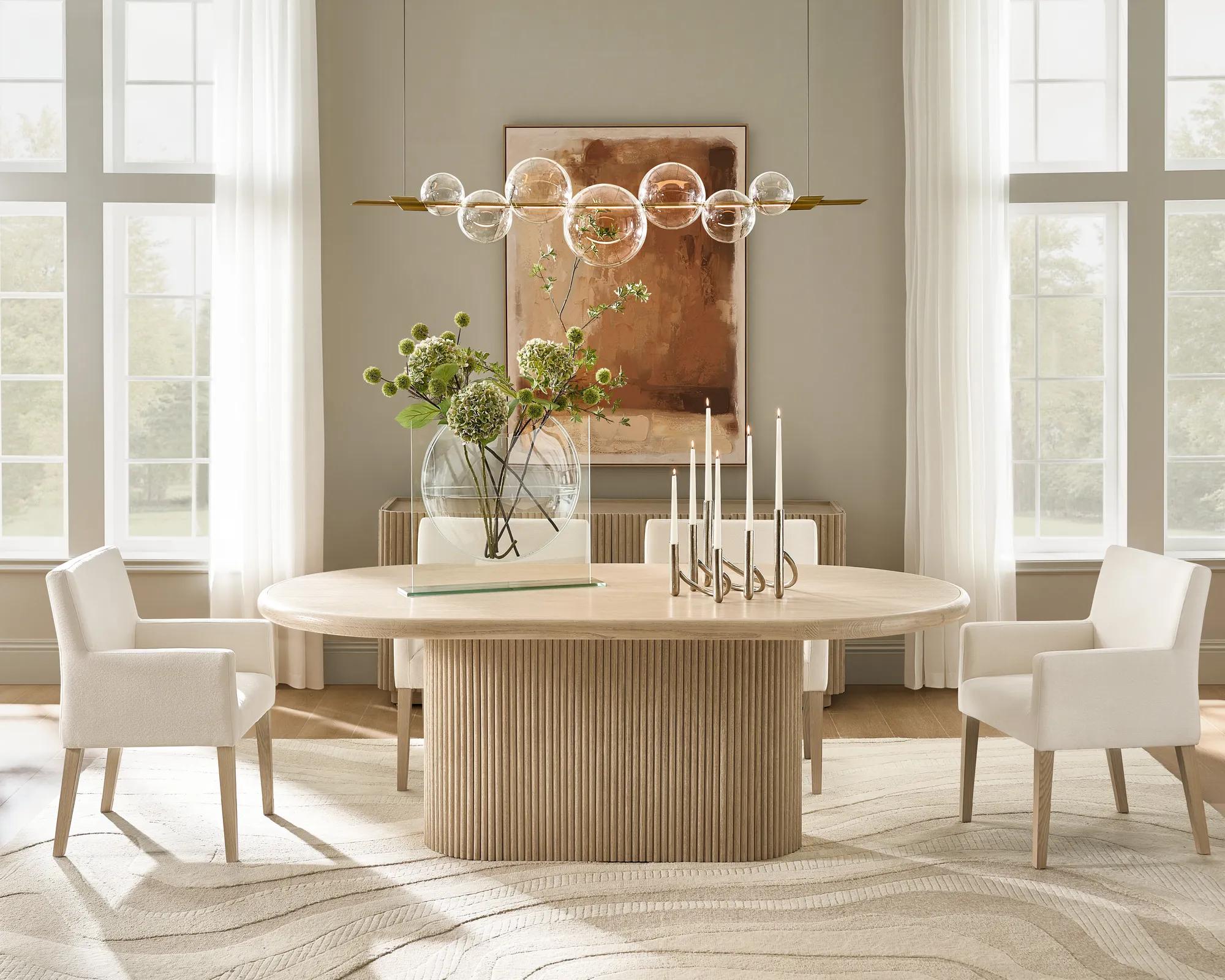 Stria Ivory Chenille Dining Chair Set Of 2$599
A pair of ivory chenille arm chairs with natural oak legs, offering plush comfort and modern elegance.
Add To Cart -
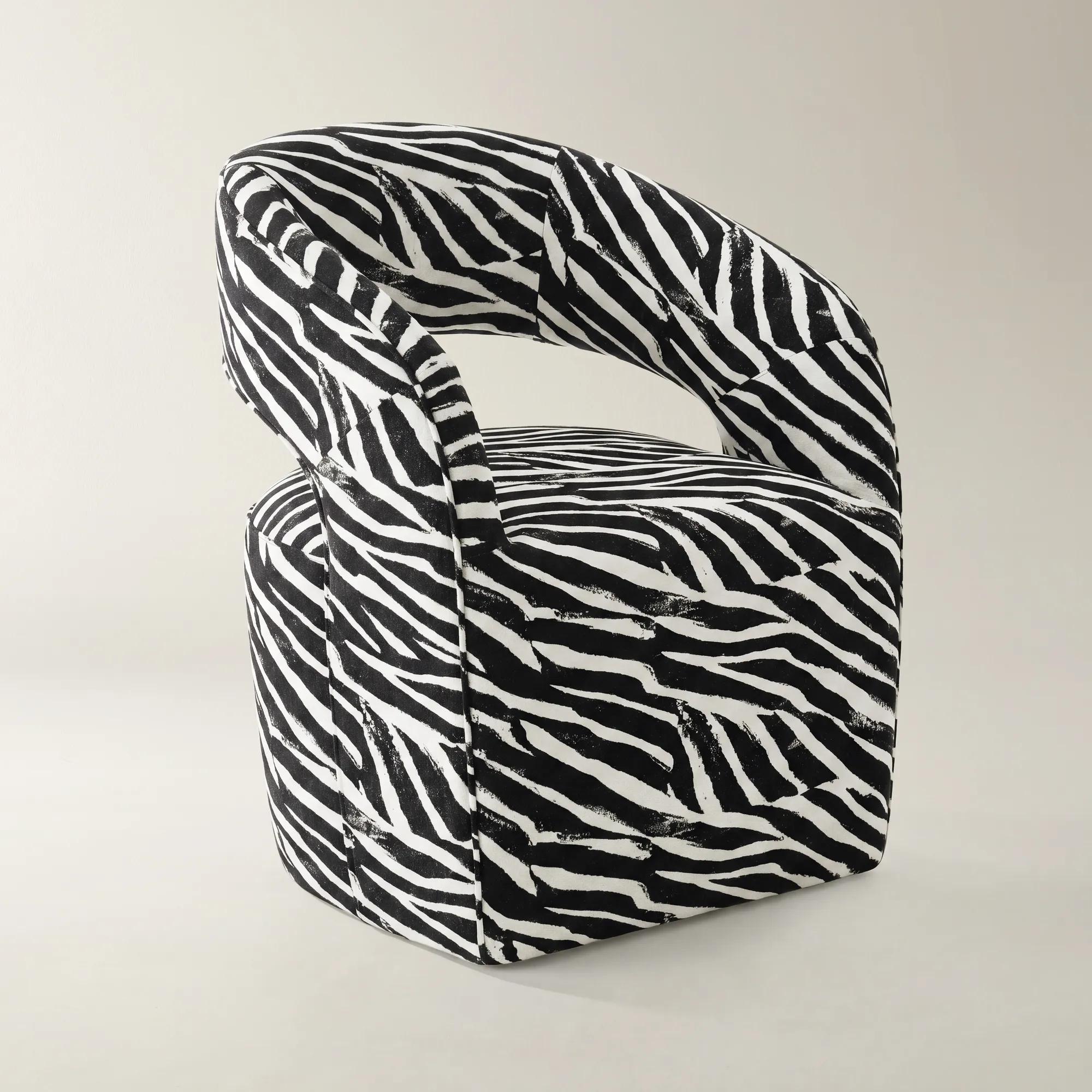
Anna Zebra Chenille Dining Chair Set Of 2$699
A set of zebra-print chenille dining chairs with high-density foam cushions and sturdy rubberwood legs.
Add To Cart -
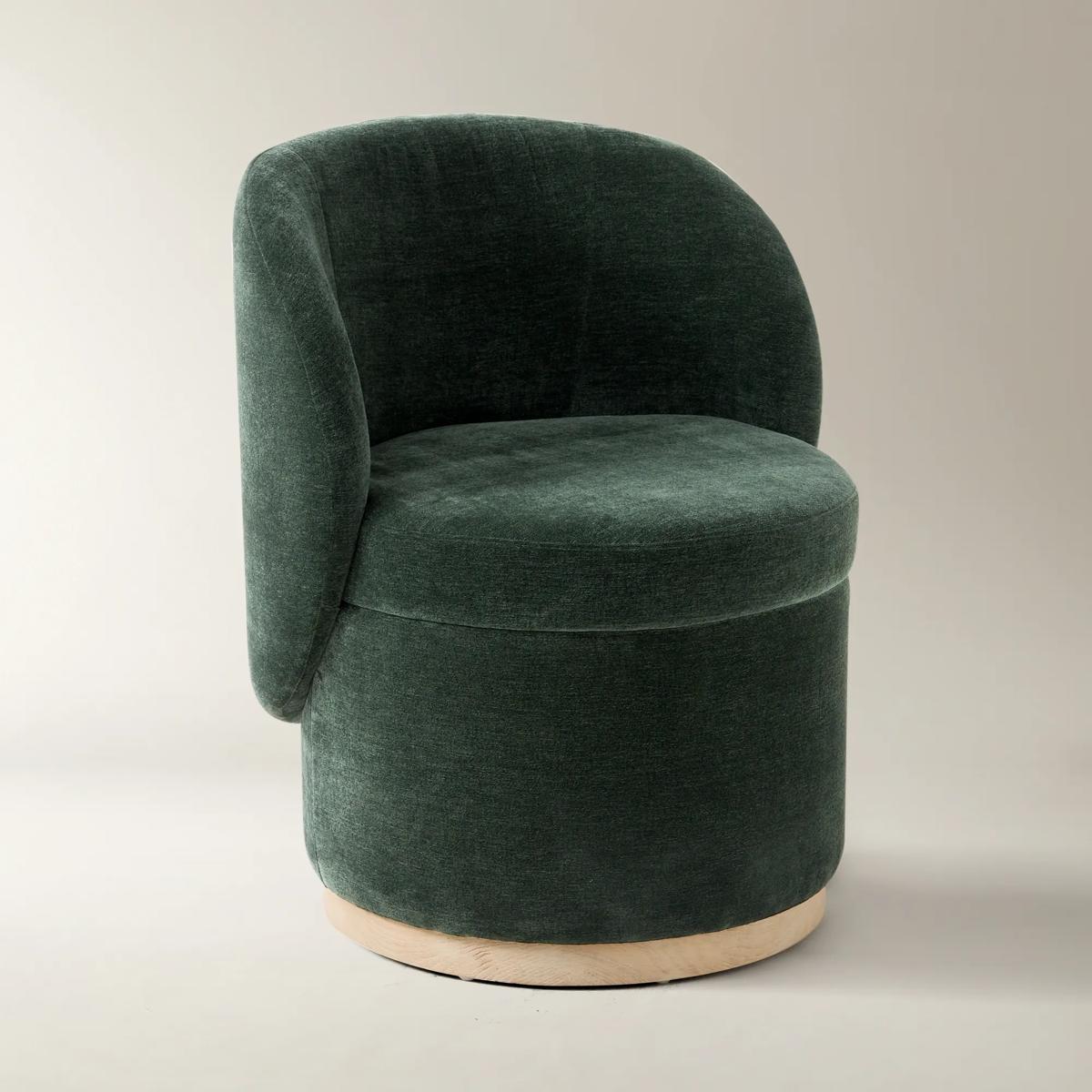
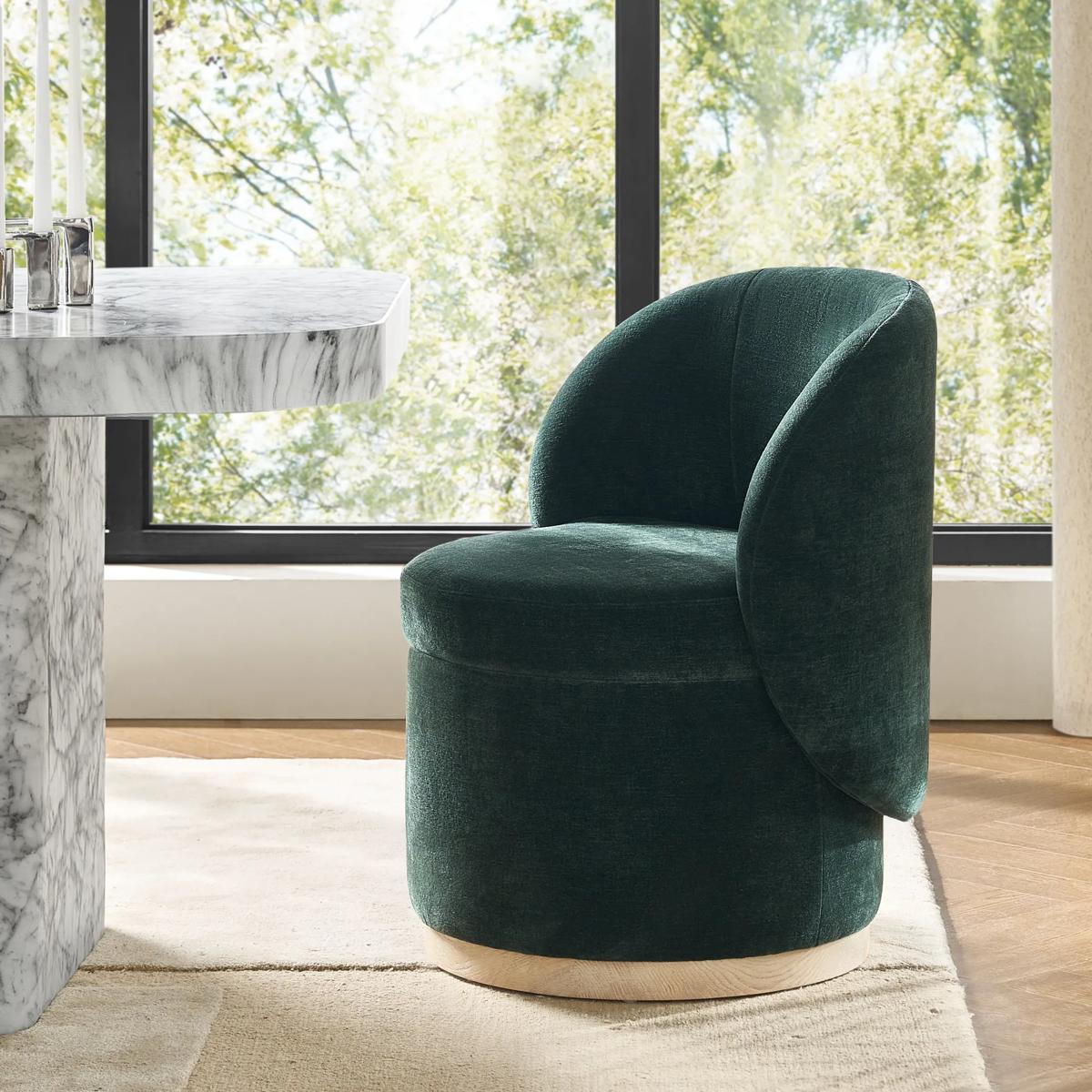 Stria Green Chenille Dining Chair With Oak Base$599
A green chenille dining chair with a handcrafted solid oak base and inviting, softly curved silhouette.
Add To Cart -
 Stria Ivory Chenille Swivel Dining Chair With Oak Base$699
A sculpted ivory chenille dining chair with a solid oak base and smooth 360-degree swivel.
Add To Cart

Modern Dining Chairs With Wooden Legs
Explore modern dining chairs with wooden legs to bring contemporary style and the warmth of wood to your dining space. Compare silhouettes and proportions for a look that complements your table, paying attention to seat height, chair width, and clearance beneath the tabletop to create an expressive setting with comfortable room for every guest.
Modern dining chairs with wooden legs combine clean, contemporary silhouettes with the natural warmth and visible grain of wood. Designs range from upholstered seats on tapered legs to sculptural wood frames with gently curved backs, bringing architectural definition and an inviting presence to the dining room. The contrast is especially expressive: a plush seat softens a crisp table edge, while exposed wooden legs introduce texture beneath gleaming glass, polished stone, or richly finished wood. A slender profile can leave more of a statement table visible; a fuller, upholstered silhouette creates a more enveloping arrangement. Mid-century influences often appear in angled legs and restrained curves, while more dramatic contemporary interpretations emphasize generous proportions, pronounced back shapes, and striking contrasts between upholstery and frame. Light wood finishes bring an airy quality to a composition, medium brown tones lend depth without overwhelming it, and dark finishes establish a more defined outline. The wood species, stain, and surface treatment all influence the final appearance, so finish descriptions matter as much as the overall color. Natural grain variations can give individual chairs subtle differences that make a coordinated setting feel less uniform. Upholstery adds another expressive layer, from the directional sheen of velvet to the tactile dimension of woven fabric or the smooth character of leather and leather alternatives. Each material has its own maintenance requirements and feel against the body; appearance alone does not tell the whole story. Ivory seating against a dark table creates a luminous contrast, while saturated upholstery can turn the dining area into a richly composed focal point. For a more graphic palette, black dining chairs with wood legs pair a decisive dark silhouette with the organic character of the base. Repeating a wood tone from a nearby console or cabinet can connect the room, though an exact finish match is not essential when the undertones and proportions feel intentional.
The most compelling dining arrangement balances visual drama with room to settle in comfortably. Seat height, seat depth, back shape, and overall width determine how a chair feels during an everyday breakfast or a dinner that extends into conversation. Many dining chairs have seats approximately 18 to 20 inches high and accompany tables around 28 to 30 inches high, but the actual relationship between the two matters more than a standard measurement. Upholstery compression, a thick tabletop, or a deep apron can change legroom considerably. Armchairs bring a composed, almost lounge-like presence to the ends of a rectangular table, provided their arms clear the underside when tucked in. Armless designs often allow easier movement around a compact table and offer greater flexibility when seating several people along one side. An allowance of roughly 24 inches of table edge per person is a useful starting point, with wider chairs and substantial arms requiring more space. Behind the seating, sufficient clearance helps guests pull out their chairs without brushing a wall, sideboard, or neighboring seat. A rug also needs enough coverage to support the chair legs as the seats move away from the table, rather than catching them at its edge. For households that use the dining table for meals, conversation, and occasional paperwork, supportive backs and cushioning that suits longer sitting periods deserve particular attention. A gently curved back may feel more embracing than a straight one, although comfort always depends on individual proportions and preferences. Wooden legs contribute to the visual structure, but durability depends on the complete construction, including the frame, joints, seat support, and connections between materials. Wood species alone cannot establish strength. Solid wood and engineered components can serve different structural purposes, and product specifications help clarify how a chair is built. Well-constructed seating suited to its intended use offers a more reassuring foundation for a room that sees regular activity.
Material selection also shapes how gracefully dining chairs fit into daily life. A sumptuous upholstered seat can make a dining space feel more intimate, but its suitability depends on the fabric composition, care instructions, and the household using it. Where children gather for meals or guests frequently linger over drinks, upholstery with clearly documented cleaning guidance can make maintenance more manageable. Performance characteristics should be confirmed in the material specifications rather than assumed from a fabric’s color or texture. Dark upholstery may make some marks less conspicuous, yet it can still reveal dust, crumbs, and pet hair; pale upholstery brings a radiant softness but may make spills more noticeable. Velvet’s changing pile direction creates a distinctive play of light, and pressure can temporarily alter its appearance. Leather can develop character with use, while coated alternatives may require different cleaning methods despite a similar look. Routine care begins with the manufacturer’s instructions: gentle vacuuming with an appropriate upholstery attachment can help remove loose debris, and prompt blotting, rather than rubbing, can limit the spread of a spill. Any cleaner should be compatible with the upholstery and tested in an inconspicuous area when recommended. Wooden legs generally benefit from regular dusting and careful cleaning with a soft cloth, avoiding excess moisture and drying the surface promptly when damp cleaning is permitted. Abrasive products, harsh solvents, and unsuitable furniture treatments can compromise a finish. Prolonged direct sunlight or placement near a strong heat source may also affect wood and upholstery over time. Floor protectors appropriate to the flooring surface help reduce abrasion, while periodic checks of accessible fasteners, following the assembly instructions, can help maintain stability. Chairs should remain level on the floor rather than being rocked onto their rear legs. These practical details preserve the pleasure of the design: sculpted backs framing the table, upholstery adding depth and softness, and wooden legs lending a grounded rhythm to the room. The result is dining furniture chosen not simply for its silhouette, but for the way it supports gathering, movement, and a distinctly personal interior.
FAQs
Modern dining chairs with wooden legs bring natural warmth to a contemporary silhouette. The contrast between expressive shapes and grounded wood tones creates a dining space that feels both artful and inviting—ideal for interiors where everyday gatherings deserve a sense of occasion.
Consider a sculptural pedestal table for a gallery-inspired composition or a glass-top table that lets the chair silhouettes take the spotlight. A wood table creates a layered, organic mood, while a polished stone surface introduces a striking contrast in texture.
An exact match is not essential to a polished dining room. Coordinate warm or cool undertones for a cohesive composition, or contrast lighter chair legs with a darker table for deliberate drama. Repeat one wood tone elsewhere in the room to give the contrast a visual connection.
Ivory, taupe, and charcoal let wood tones lend warmth without competing for attention. For a more expressive setting, introduce jewel-toned accents such as emerald or sapphire through artwork, linens, or decorative objects. A restrained touch of metallic shine adds another layer of glamour.
Choose a shared design thread, such as a similar wood tone, curved silhouette, or seat color, then vary another element for contrast. Distinctive host chairs can frame the table with sculptural presence, while a repeated side-chair style gives the arrangement a confident visual rhythm.