Dining Chairs With Light Wood Legs
Dining Chairs With Light Wood Legs
-
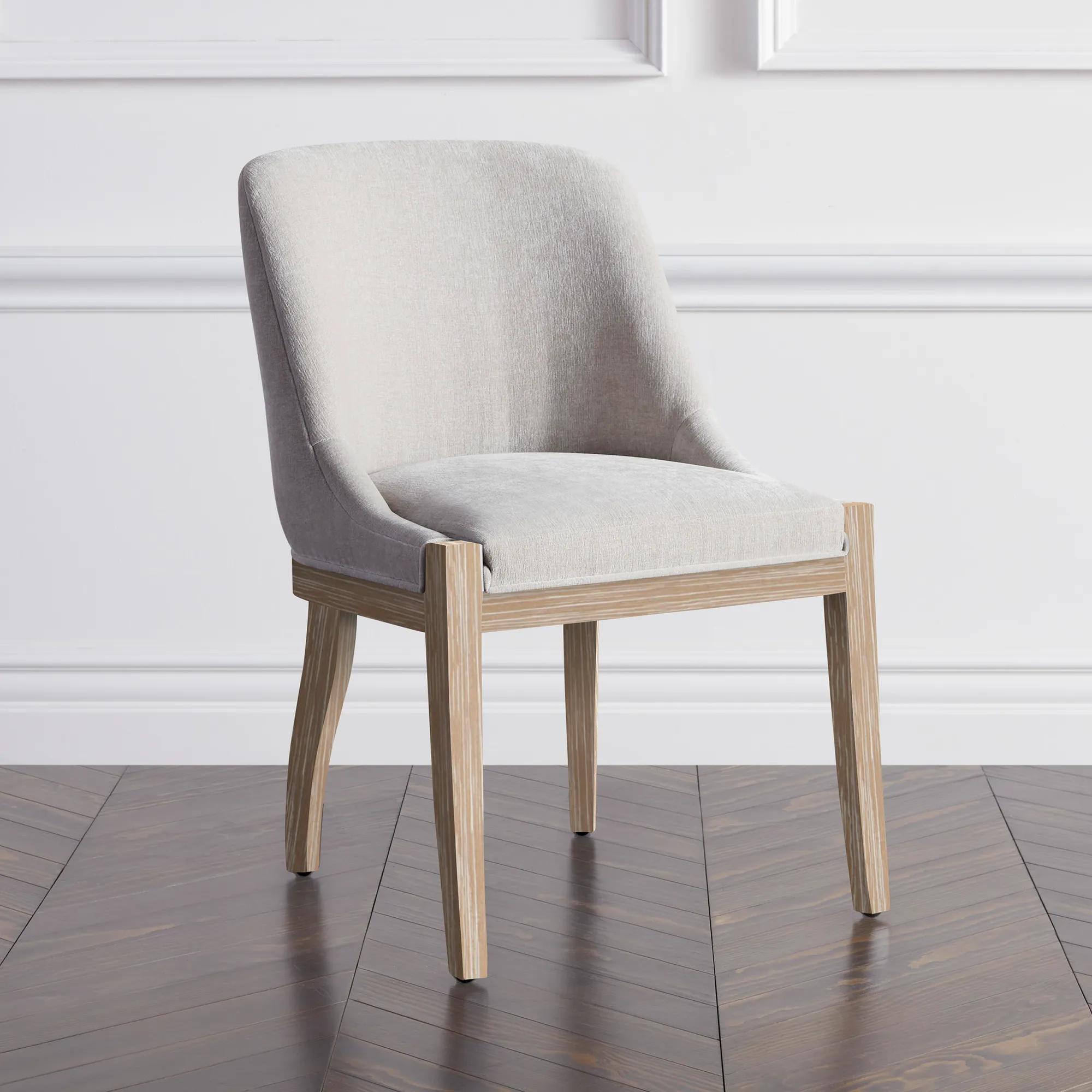
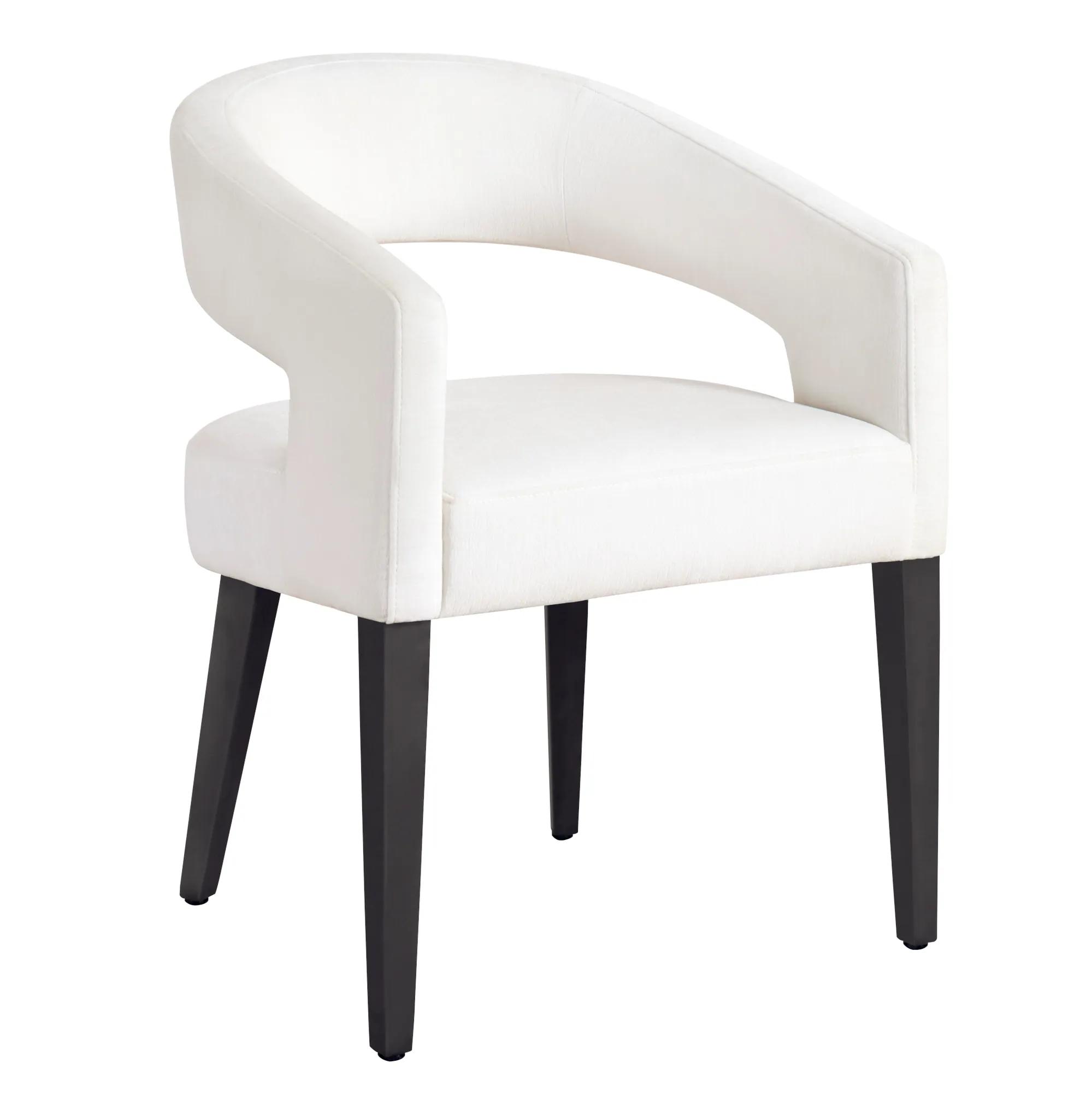
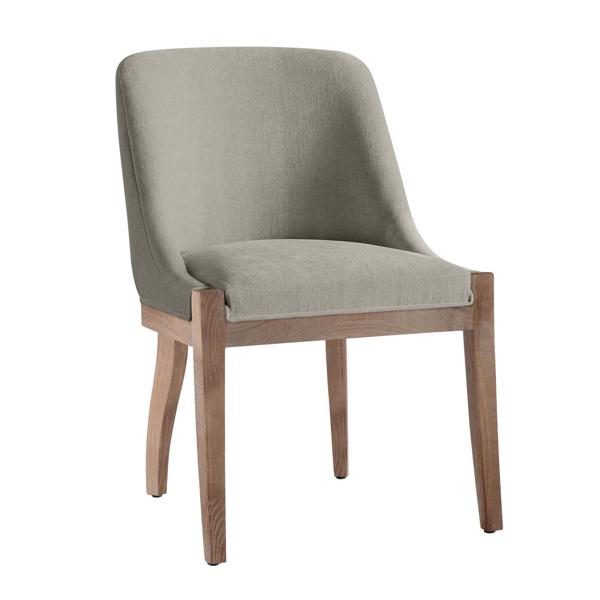 Lily Dining Chair - Wash Oak$699
A modern dining chair featuring a kiln-dried hardwood frame, wash oak legs, and tailored chenille upholstery.
Add To Cart -
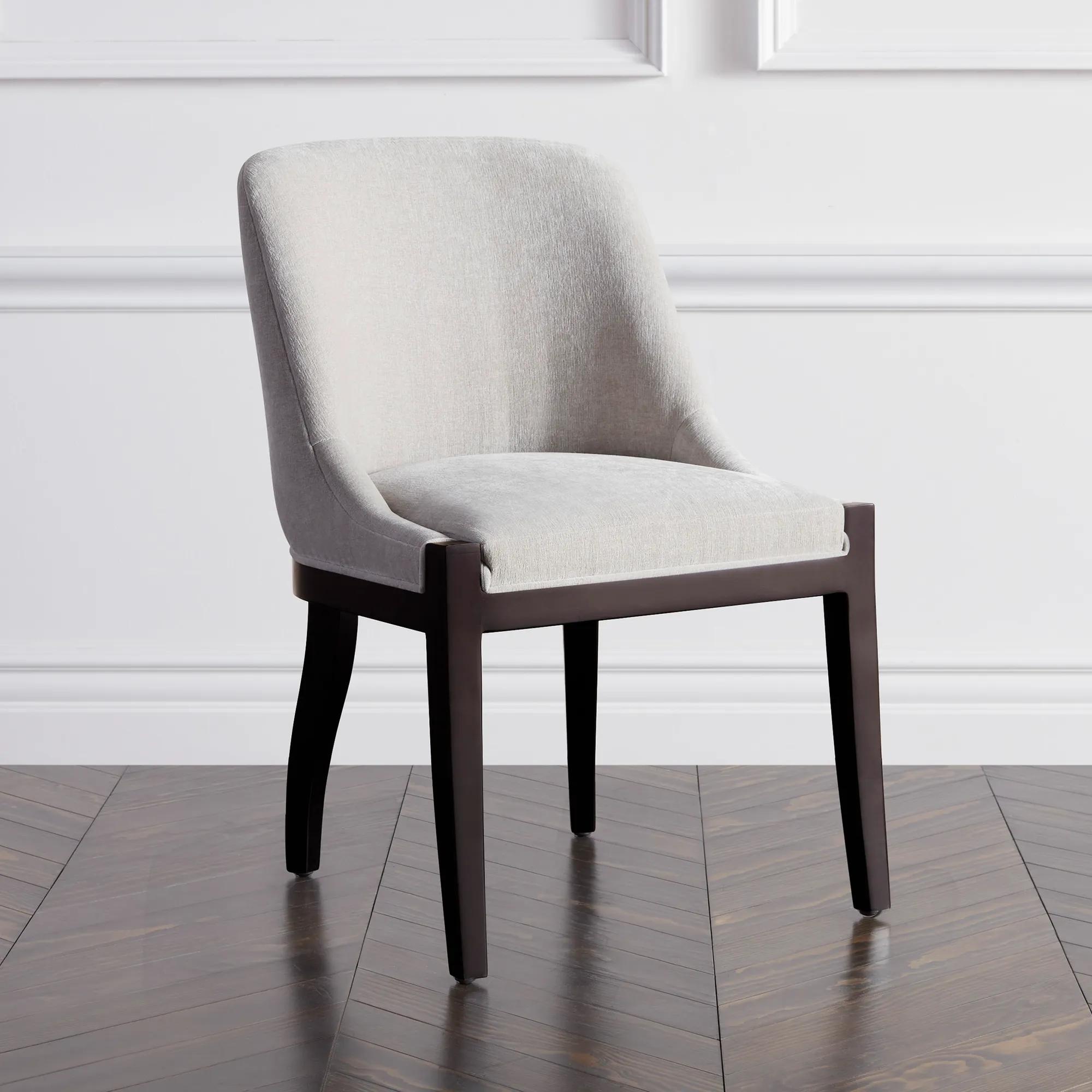
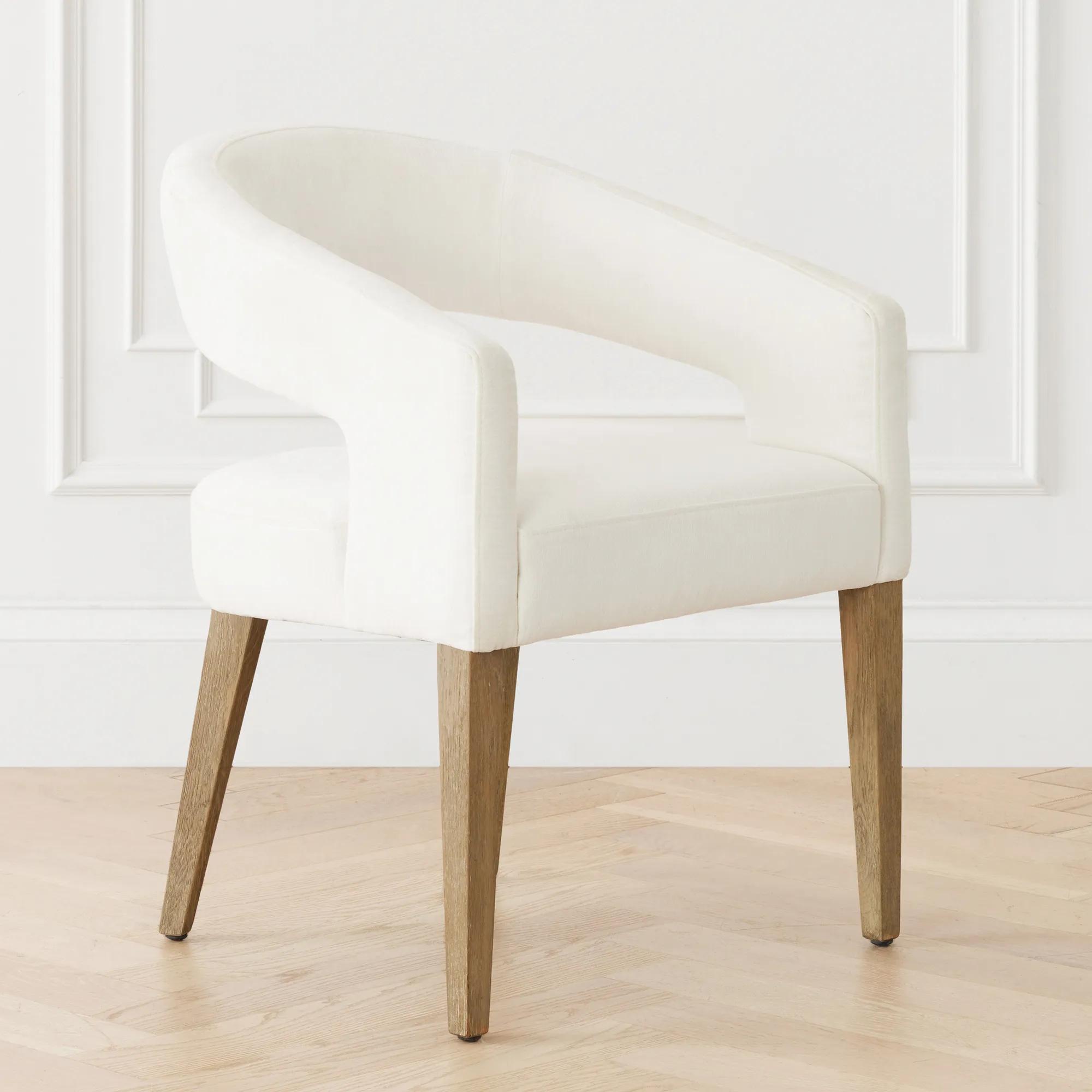 Philippa Dining Chair - Natural Grey$649
A modern dining chair featuring grey upholstery, a curved silhouette, and a kiln-dried hardwood frame.
Add To Cart -
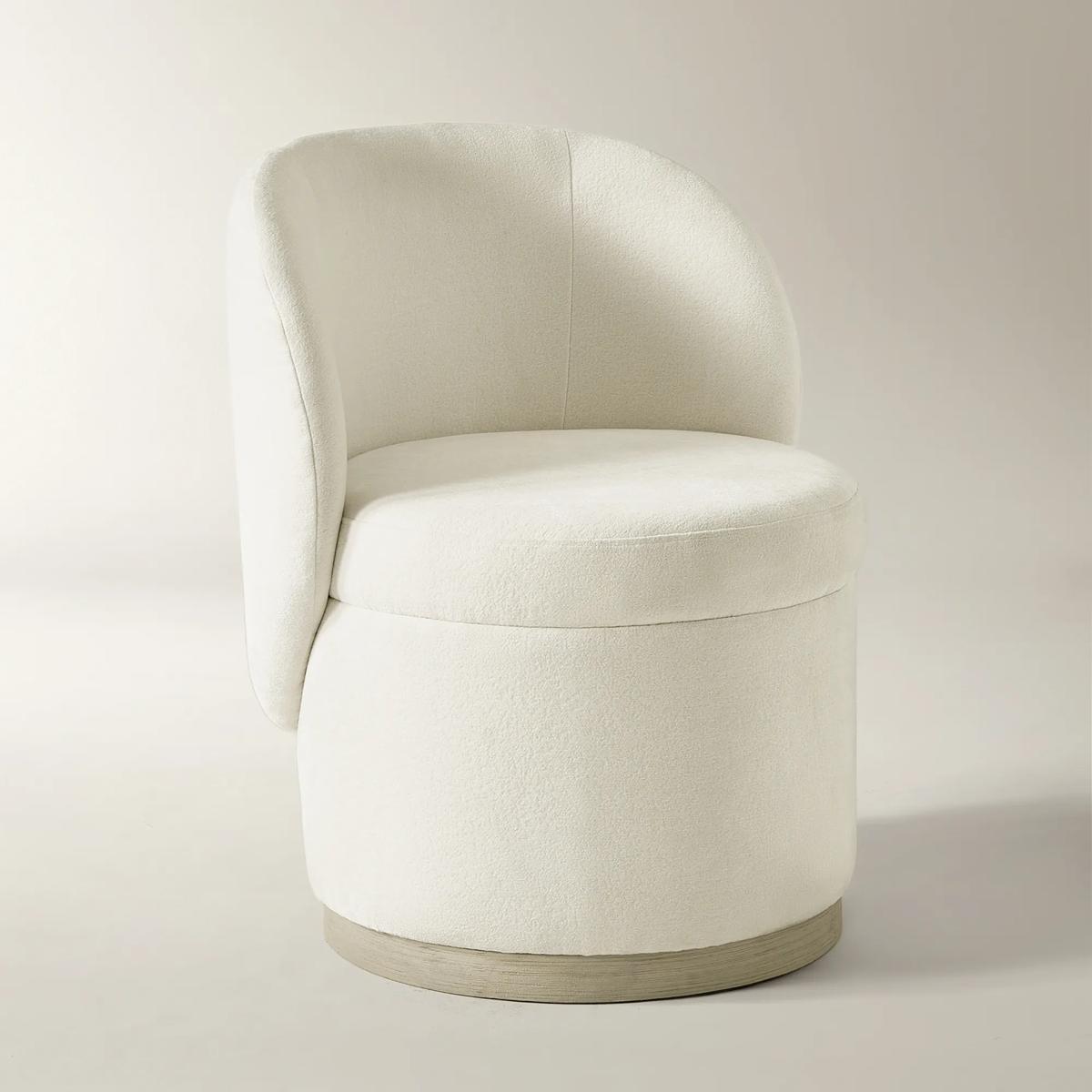 Stria Ivory Chenille Dining Chair With Oak Base$449
An ivory chenille chair featuring a plush, velvet-like finish and a handcrafted solid oak base.
Add To Cart -
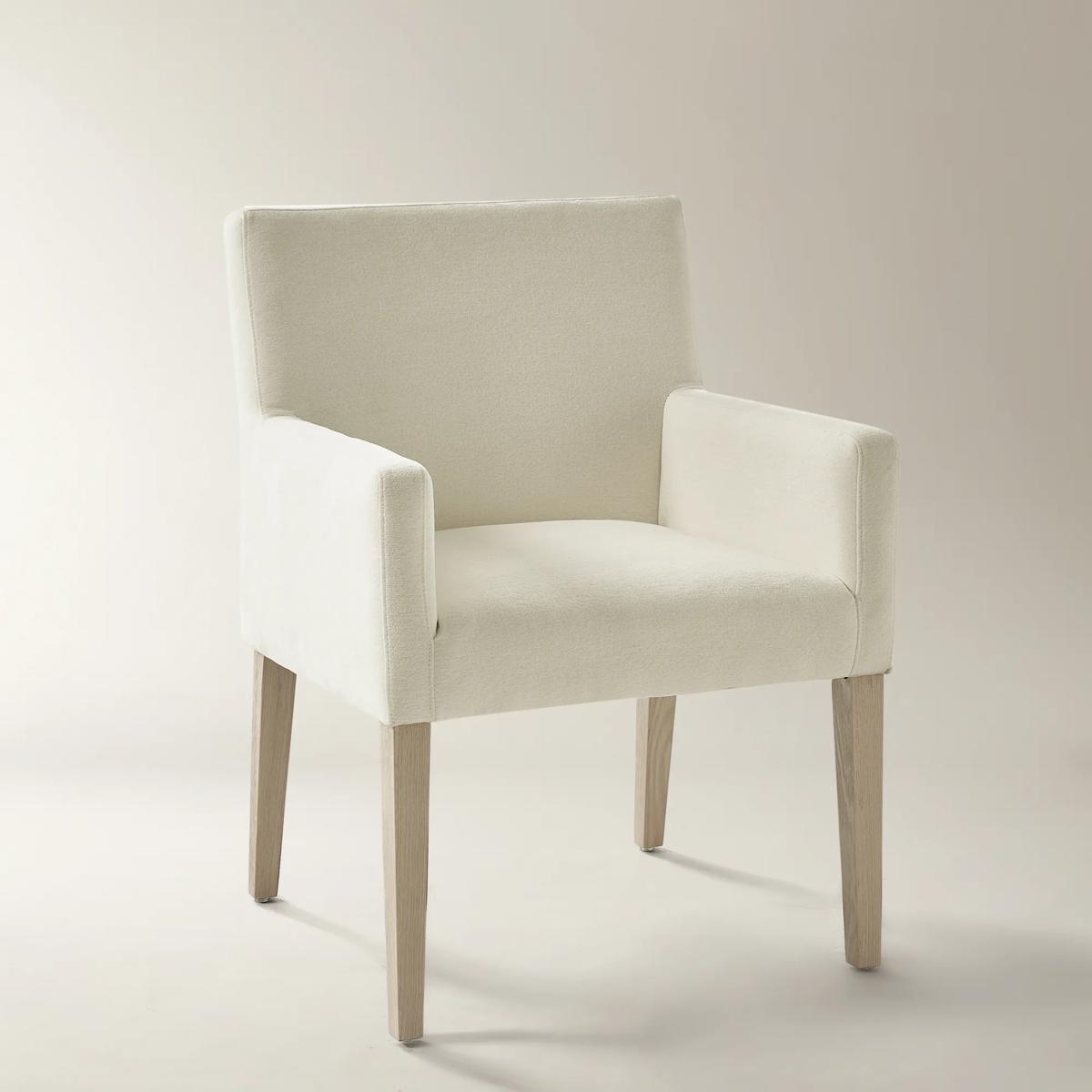
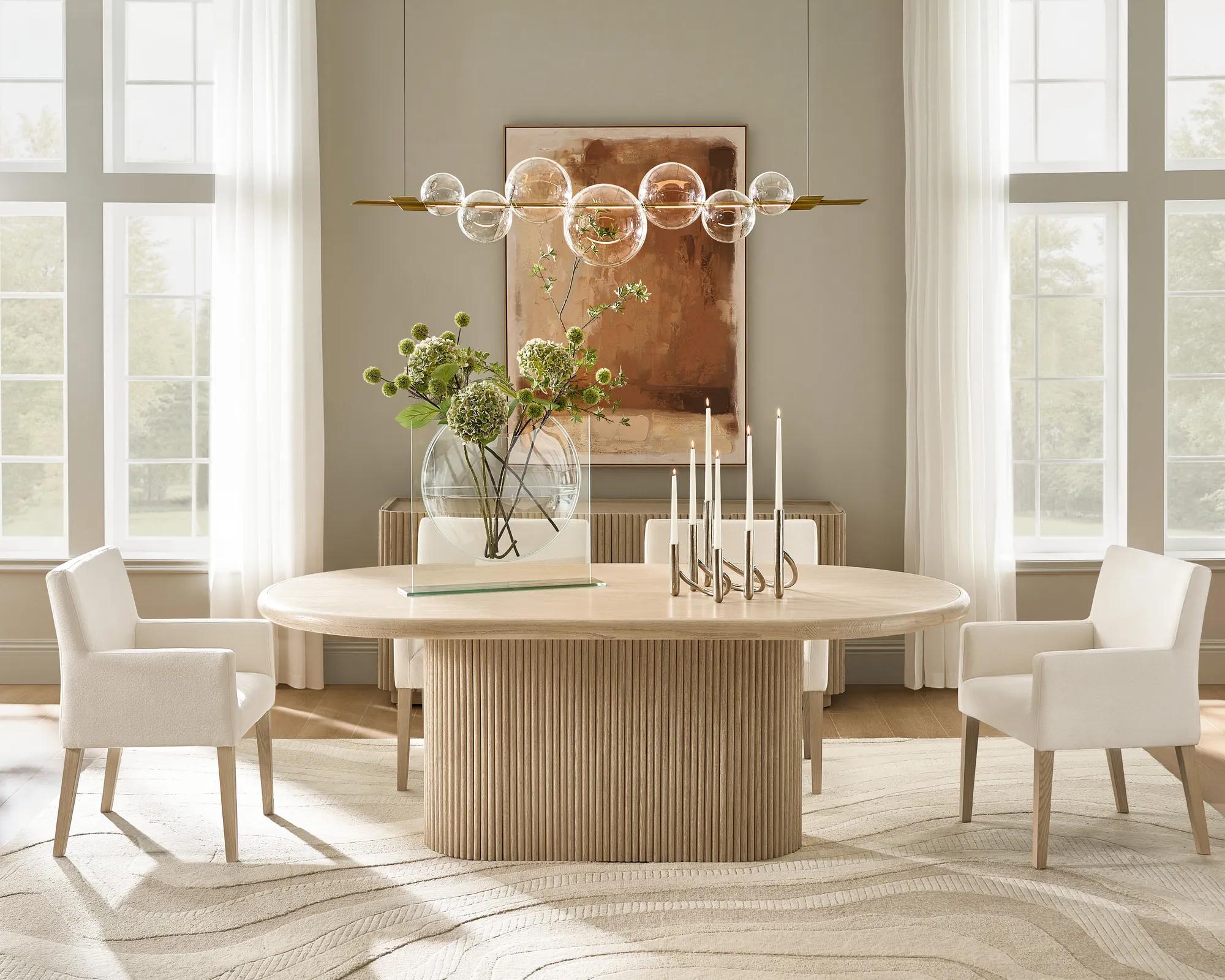 Stria Ivory Chenille Dining Chair Set Of 2$599
A pair of ivory chenille arm chairs with natural oak legs, offering plush comfort and modern elegance.
Add To Cart -
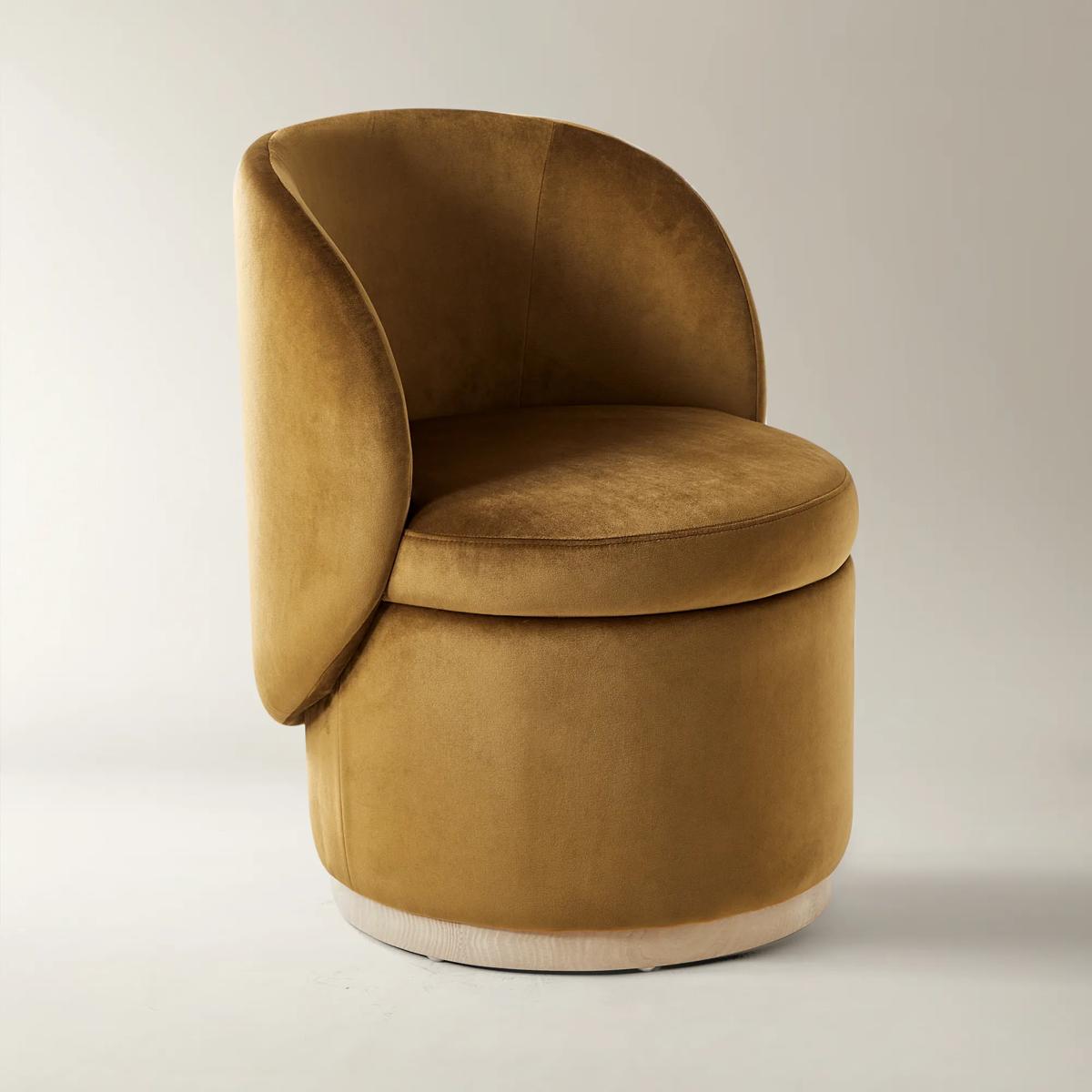
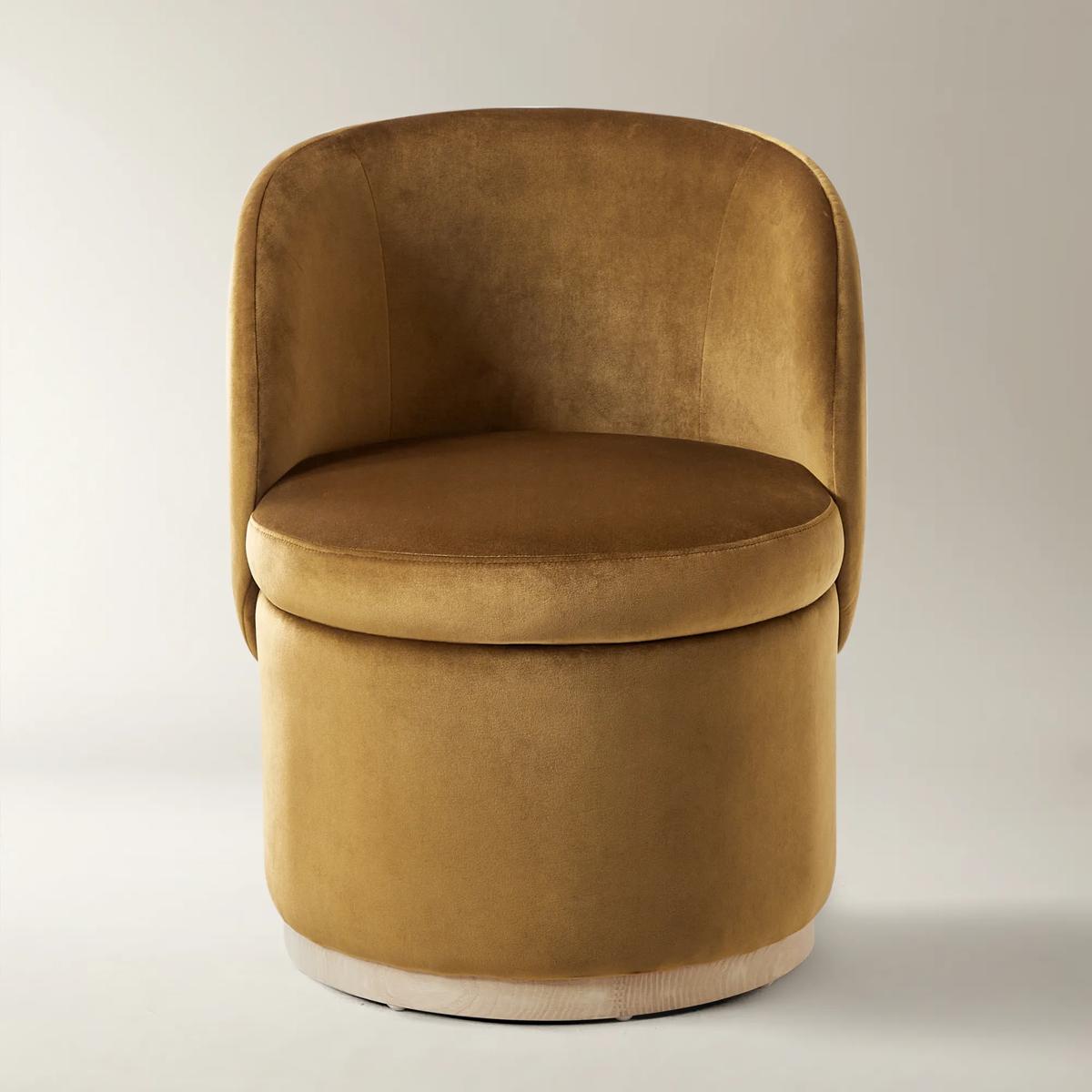 Stria Roasted Pecan Velvet Dining Chair With Oak Base$449
A khaki chenille chair featuring cozy upholstery and a handcrafted solid oak base for organic warmth.
Add To Cart -
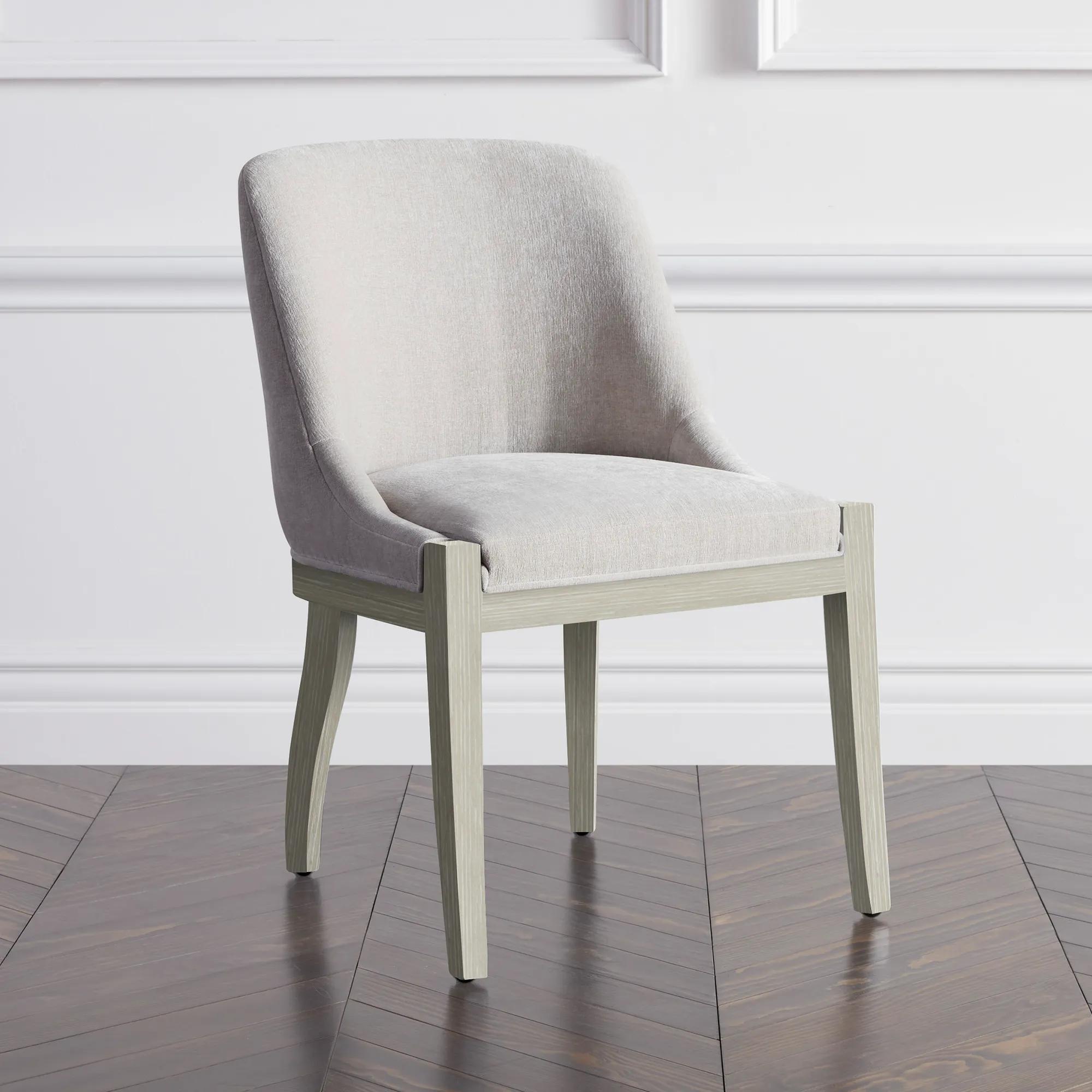 Lily Dining Chair - Natural Grey$649
A modern dining chair featuring kiln-dried hardwood, natural grey upholstery, and cushioned foam-and-fiber comfort.
Add To Cart -
.jpg?w=1200&h=1200)
 Stria Light Brown Chenille Swivel Accent Chair$1399
Stria Light Brown Chenille Swivel Accent Chair$1399A light brown chenille accent chair featuring triple-layer cushioning, a 360° swivel, and a solid oak base.
Add To Cart -
.jpg?w=1200&h=1200)
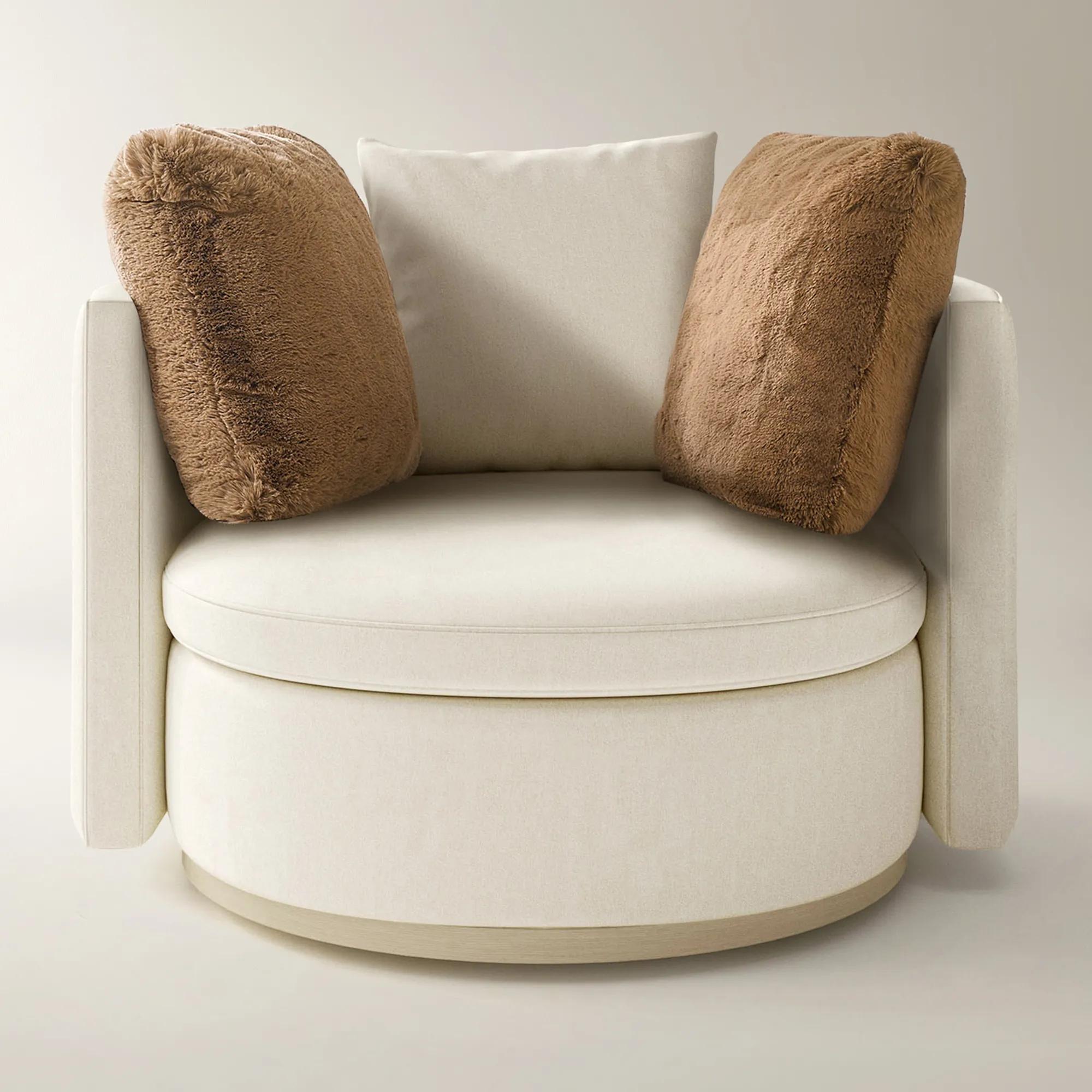 Stria Ivory Chenille Swivel Accent Chair$1399
An ivory chenille accent chair with triple-layer cushioning, ergonomic curves, and a smooth 360-degree swivel.
Add To Cart -
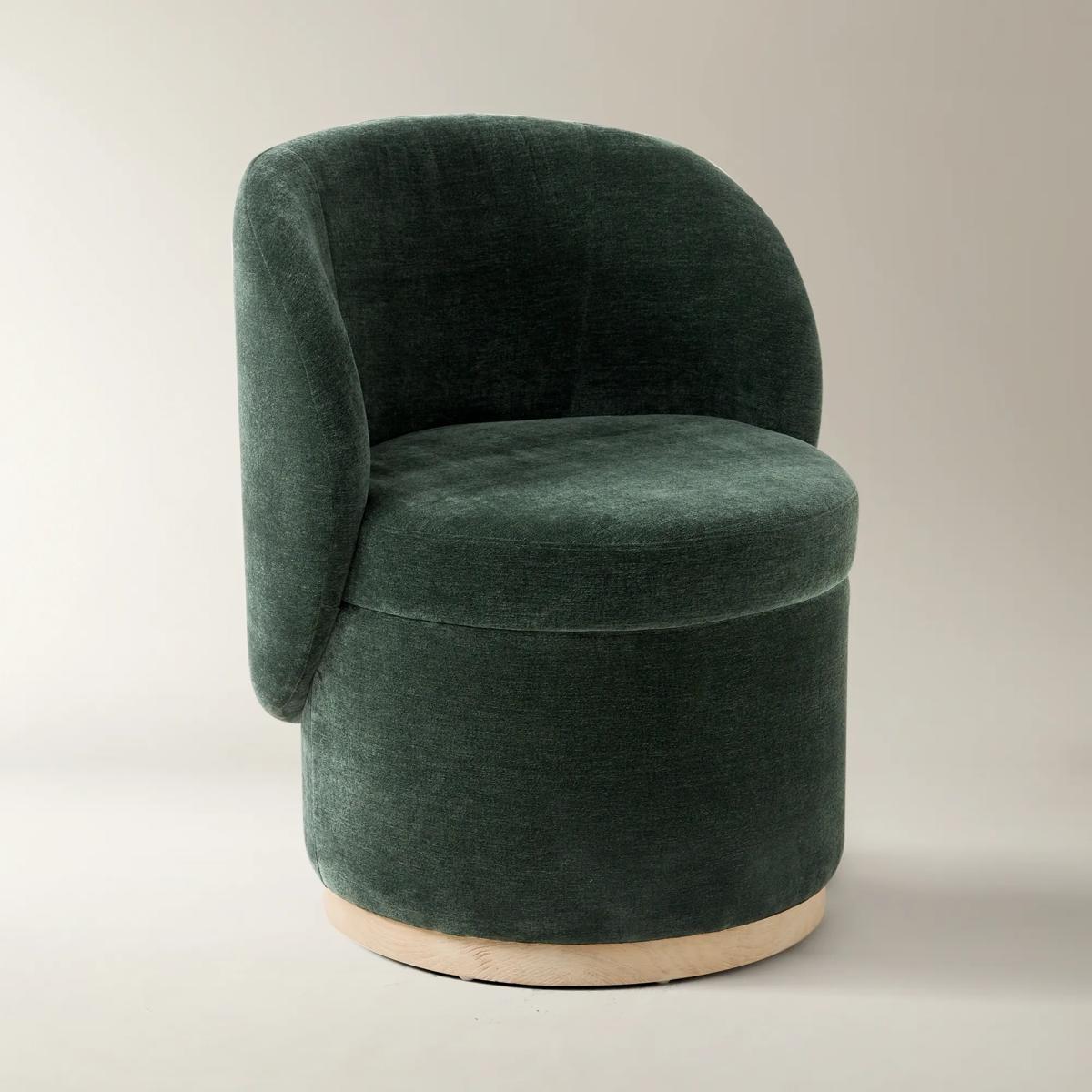
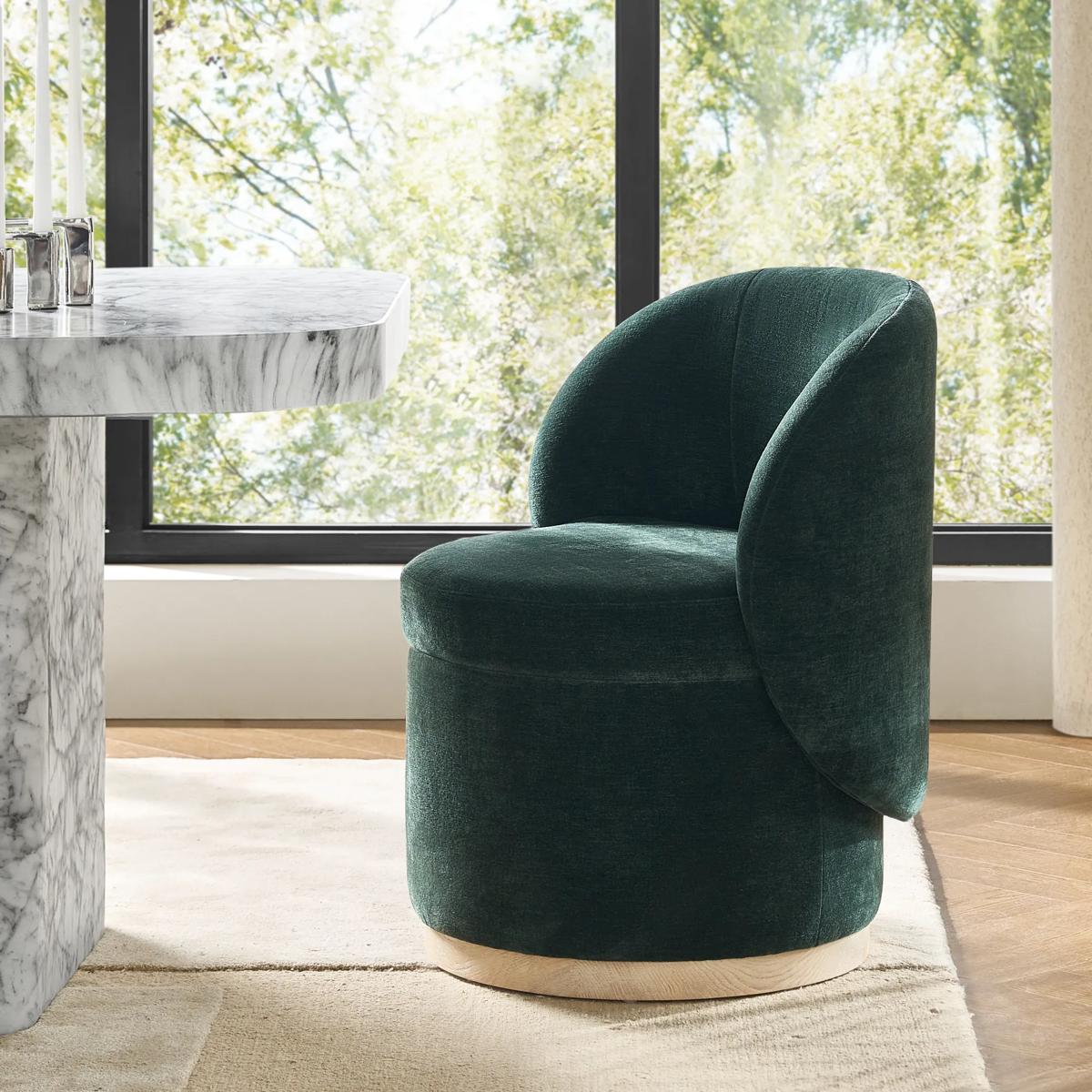 Stria Green Chenille Dining Chair With Oak Base$449
A green chenille dining chair with a handcrafted solid oak base and inviting, softly curved silhouette.
Add To Cart -
.jpg?w=1200&h=1200) Stria Ivory Chenille Swivel Dining Chair With Oak Base$599
Stria Ivory Chenille Swivel Dining Chair With Oak Base$599An inviting ivory chenille arm chair with a solid oak swivel base and hand-crafted details.
Add To Cart

Dining Chairs With Light Wood Legs
Dining Chairs With Light Wood Legs invite an air of effortless sophistication to the heart of your home. Each silhouette is a study in contrast—where luminous, natural wood grounds the room with warmth and grace, while artfully designed seats beckon guests to linger just a little longer. These chairs are more than mere seating; they are sculptural accents that illuminate your dining space with a sense of airy refinement. Discover how Dining Chairs With Light Wood Legs can transform every meal into an occasion, infusing your gatherings with subtle glamour and undeniable charm.
Dining chairs with light wood legs pair pale, natural-looking finishes with seating that can feel tailored, sculptural, or richly upholstered. Their defining feature is the lighter tone of the base: blonde, honeyed, washed, or softly neutral wood that gives a dining arrangement warmth without the visual weight of a dark finish. These chairs complement modern, mid-century, and Scandinavian-inspired interiors, yet their appeal extends well beyond any single style. Beside a marble-look table, pale legs bring an organic counterpoint to a polished surface; beneath a dark wood table, they introduce contrast that makes each silhouette more distinct. Upholstered dining chairs with light wood legs can be especially expressive, combining the quiet pattern of wood grain with sumptuous fabric, sweeping backs, or generously curved seats. Ivory upholstery creates a luminous composition, warm taupe adds depth, and saturated jewel tones turn the chairs into deliberate accents. For a closely related palette, white dining chairs with wooden legs offer a crisp contrast between bright seating surfaces and natural wood tones. The wood finish does not have to match the table exactly. A shared warm or cool undertone often creates more cohesion than an almost-identical stain, especially when flooring, cabinetry, and other furniture are visible from the dining area. Repeating a pale wood tone in a nearby console or decorative frame can give that contrast a sense of intention. Slender, tapered legs emphasize an airy profile, while thicker or splayed legs bring a stronger architectural presence. Both can anchor an expressive room without competing with statement lighting or dramatic artwork. In an open-plan home, the chair backs matter as much as the fronts because they remain visible from adjoining spaces. A graceful curve, a textured back panel, or an exposed wood detail can make the dining area feel composed from every angle. The result is seating that supports everyday meals while giving the room a distinct point of view.
Materials shape both the appearance and the daily experience of light wood leg dining chairs. A pale finish does not identify the wood species or prove that a chair is made entirely of solid wood, so construction details deserve attention alongside color. Ash often displays pronounced grain, maple tends toward a finer, more restrained pattern, and rubberwood is another hardwood used in furniture frames and legs. Natural variation can give each piece character, while stains and protective finishes influence the final tone. Solid hardwood legs can provide a sturdy foundation, but long-term stability also depends on well-made joints, secure hardware, appropriate reinforcement, and use within the stated weight capacity. Upholstery adds another layer of personality and practicality. A tightly woven fabric lends a tailored look; bouclé introduces dimensional texture; velvet brings a luminous surface that shifts with the light. None of those names alone establishes stain resistance or durability. Performance upholstery should be evaluated by its stated properties and care instructions, particularly for households where breakfast, homework, and evening entertaining share the same table. Looped textures may be more vulnerable to snagging, while velvet can show pressure marks or changes in pile direction. All-wood seats offer a more exposed, sculptural profile and generally allow straightforward surface cleaning, though they feel firmer than cushioned seats. Cane backs and woven accents add intricate pattern and a lighter visual rhythm, but require care suited to their particular fibers and construction. Comfort depends on more than the presence of padding: seat depth, the angle of the back, edge shape, and cushion firmness all influence how a chair feels through a lingering meal. A gently contoured back can make everyday seating more inviting, while a cushioned front edge may feel more forgiving behind the knees. For frequent hosts, chairs that combine supportive proportions with manageable weight are easier to reposition when a dinner expands. For smaller households, equally considered seating can bring ceremony to a breakfast nook or an intimate table for two.
Proportion is what allows dining chairs with light wood legs to look elegant and function comfortably within the room. Standard dining tables are often about 28 to 30 inches high, and many dining chairs have seats approximately 18 to 19 inches from the floor. These are useful starting points rather than guarantees of fit. Aim for roughly 10 to 12 inches between the seat and the tabletop, then check the apron or other supports beneath the table for actual thigh clearance. Upholstered seats can compress under weight, and armrests need their own clearance if the chairs are intended to tuck underneath. Allow approximately 24 inches of table edge per diner as an initial planning measure, with more room for broad seats, substantial arms, or a spacious place setting. Pedestal bases, corner legs, and trestle supports can change where chairs sit comfortably, even when the tabletop seems large enough. About 36 inches between the table edge and a wall or other furniture generally gives diners room to move chairs back; allow more where people need to pass behind occupied seating. In a compact dining space, an armless silhouette may tuck in more readily, but the full footprint still matters because splayed legs can extend beyond the seat. Protective glides appropriate to the flooring help reduce scratches, and a dining rug should extend far enough for chair legs to remain supported when seats are pulled out. Everyday care protects the interplay of pale wood and upholstery that makes these chairs distinctive. Dust finished legs with a soft cloth, blot spills promptly, and follow the manufacturer's directions before applying cleaners or upholstery treatments. Avoid soaking wood, using abrasive products, or assuming every fabric can tolerate water-based cleaning. Prolonged direct sunlight and nearby heating vents can affect finishes and fabrics, so placement matters as well. Check assembly hardware periodically where applicable, and lift rather than drag chairs when rearranging the room. With thoughtful proportions and consistent care, pale wood seating brings enduring warmth to shared meals, candlelit gatherings, and the quieter rituals that make a dining room personal.
FAQs
Dining chairs with light wood legs are exceptionally versatile, complementing a range of interior styles from Scandinavian minimalism and coastal chic to modern farmhouse and eclectic glam. Their soft, natural tones bring warmth to contemporary spaces and provide a serene counterpoint to bold, dramatic decor, making them a favorite for those who appreciate both timeless elegance and creative expression.
Light colored dining chairs offer a beautiful foundation for seasonal styling. In autumn, layer them with textured throws or velvet cushions in rich, jewel-toned hues for a cozy, inviting look. Come spring or summer, opt for airy linens or pastel accents to evoke a sense of freshness and light. Their neutral palette allows you to effortlessly update your dining room’s mood with each change of season.
Absolutely. The subtle elegance of light wood legs helps visually connect dining areas with adjacent living spaces, creating a cohesive flow. Their understated presence allows them to blend seamlessly with a variety of flooring types and furniture finishes, making them an ideal choice for open concept homes where harmony and continuity are key.
Light colored dining chairs make a thoughtful and stylish gift for newlyweds, first-time homeowners, or anyone celebrating a significant life milestone. Their timeless design and adaptability ensure they’ll be cherished for years to come, while their elegant presence adds a touch of luxury to any dining setting.
Light wood legs introduce a sense of airiness and refinement, reflecting natural light and making the dining room feel more spacious and inviting. They soften the mood of the space, lending a touch of organic warmth that encourages relaxation and conviviality—perfect for both everyday meals and special gatherings.