White Dining Chairs With Wooden Legs
White Dining Chairs With Wooden Legs
-
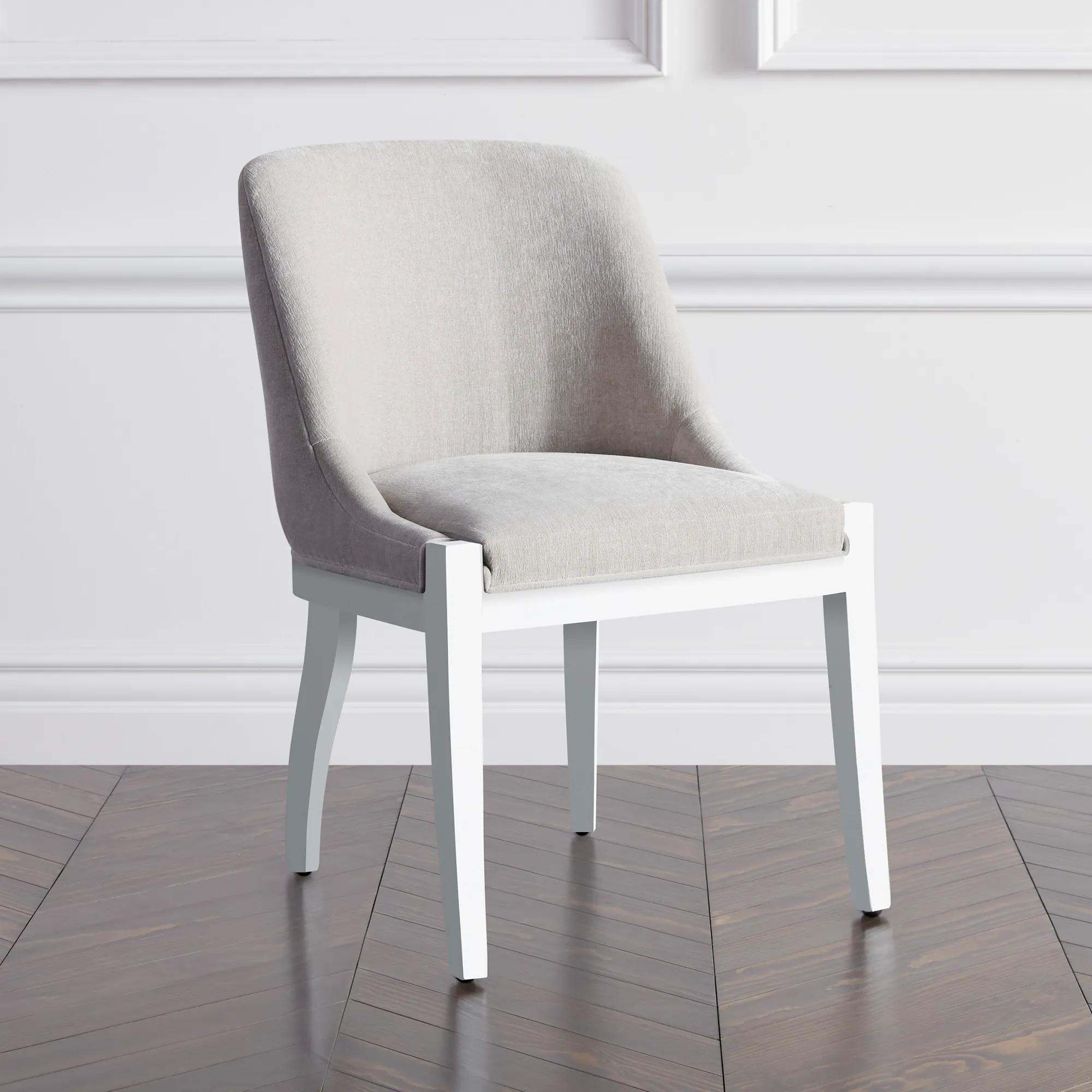
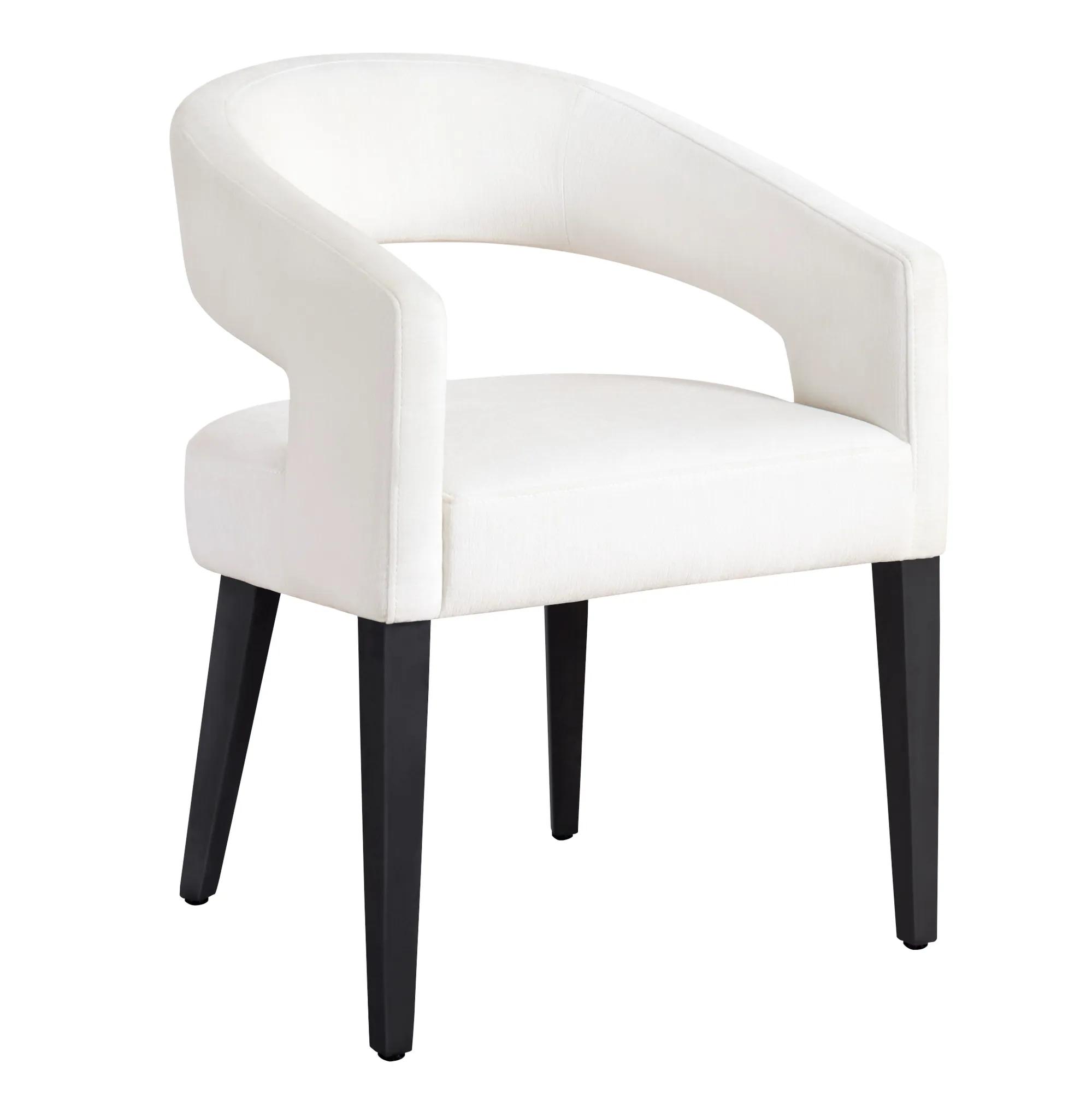
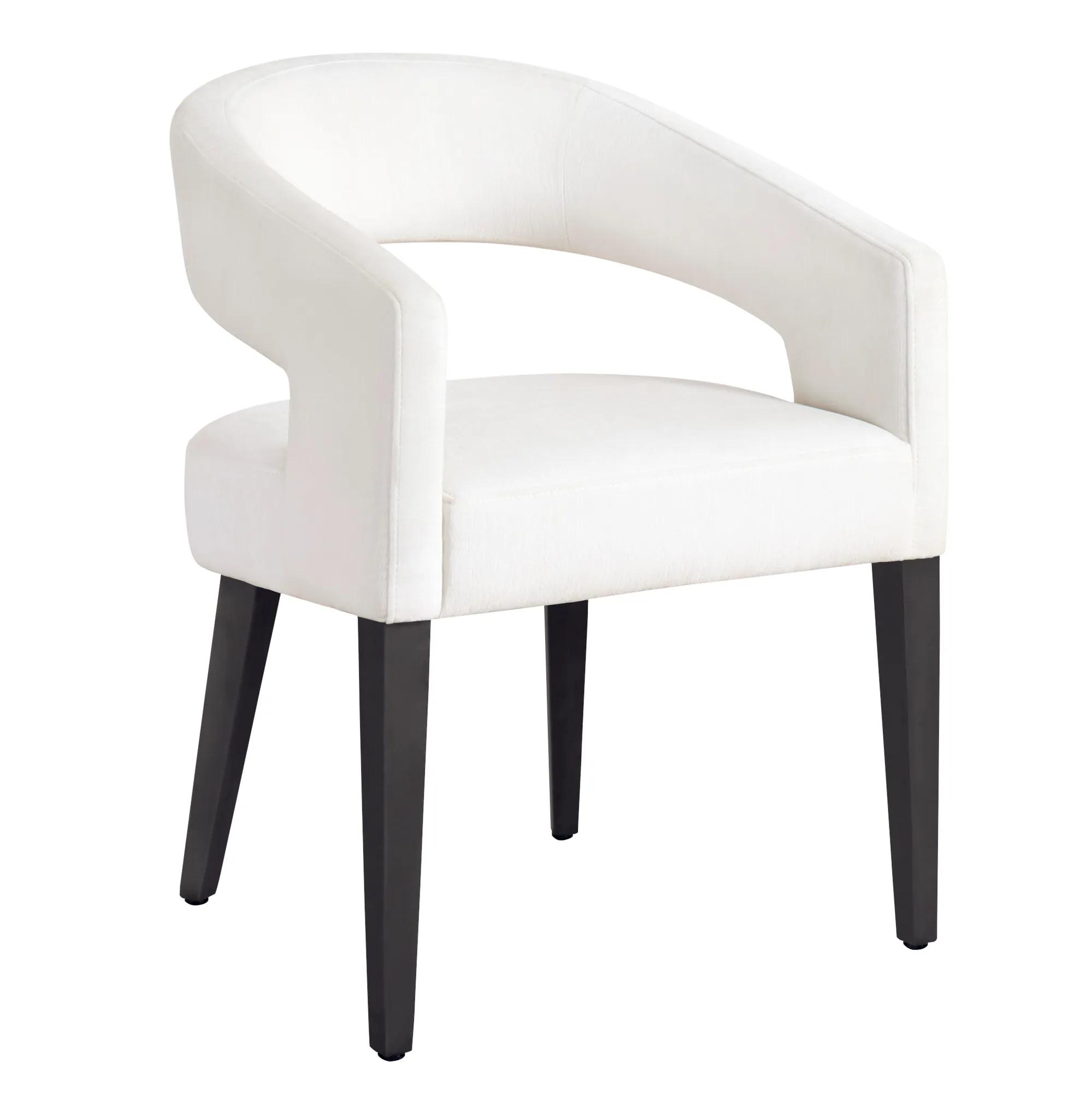
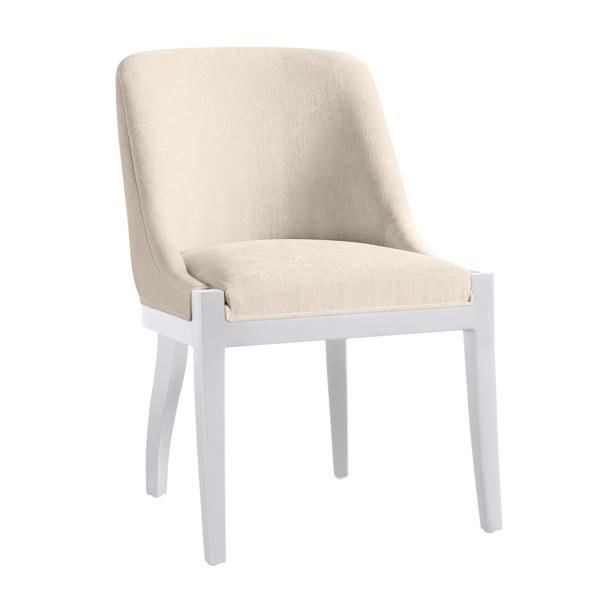 Lily Dining Chair - High Gloss White$649
A modern dining chair featuring kiln-dried hardwood, high-gloss white legs, and neatly tailored upholstery.
Add To Cart -
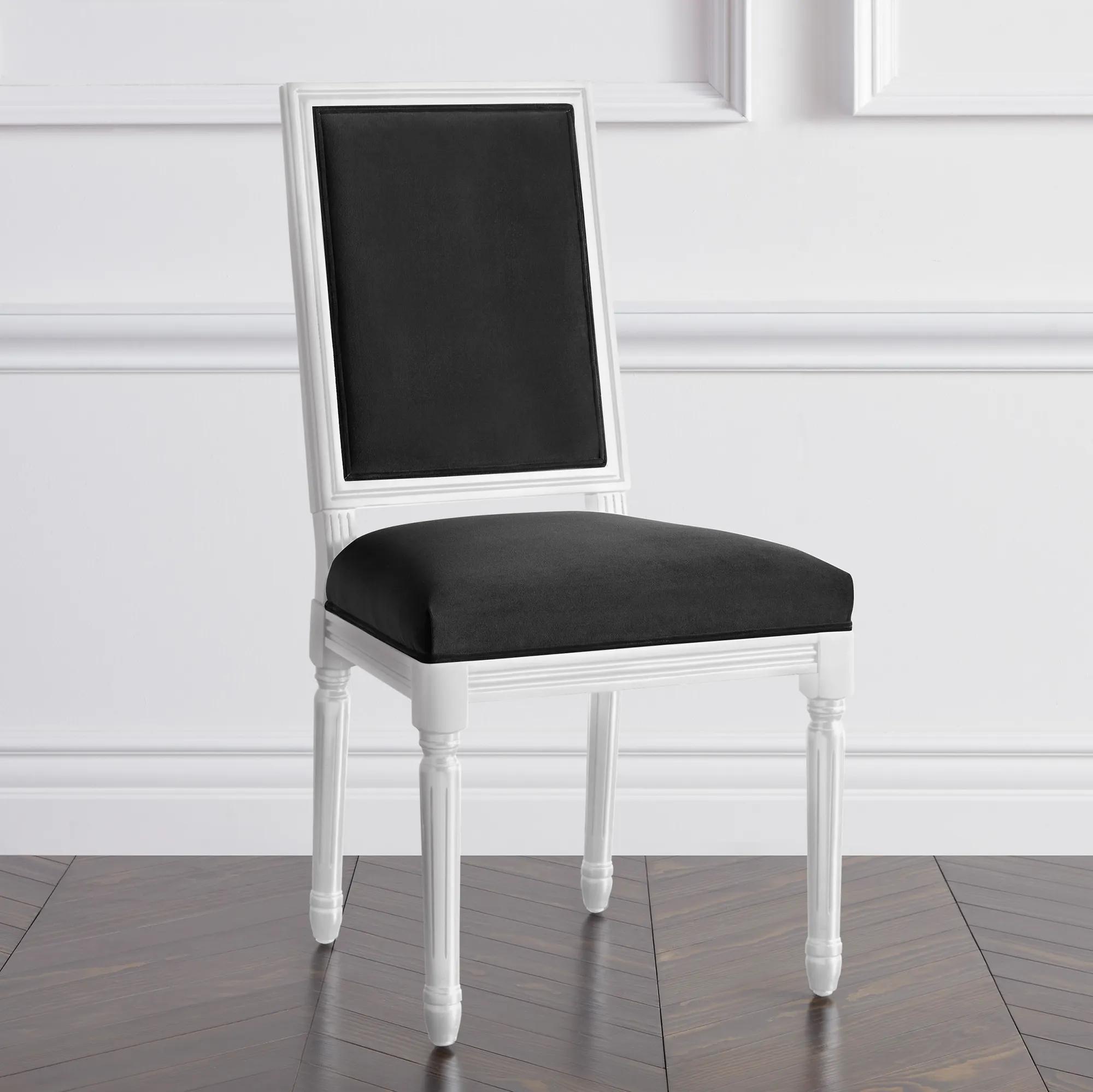
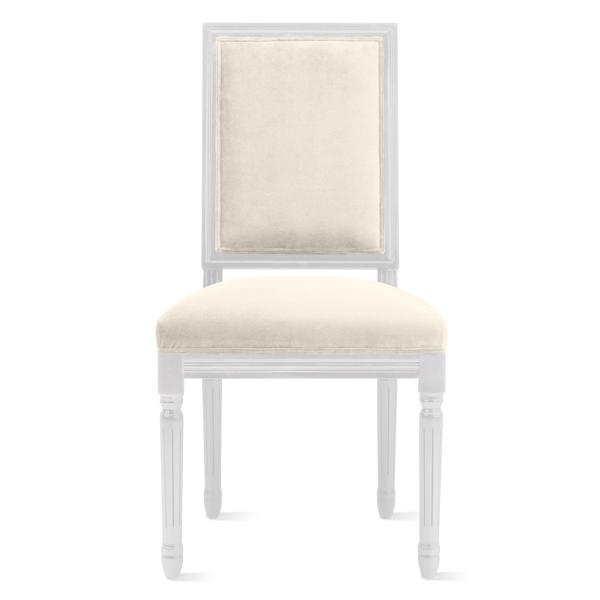 Callan Dining Chair - High Gloss White$549
A handcrafted dining chair featuring a high-gloss white finish, kiln-dried hardwood frame, and classic velvet upholstery.
Add To Cart -
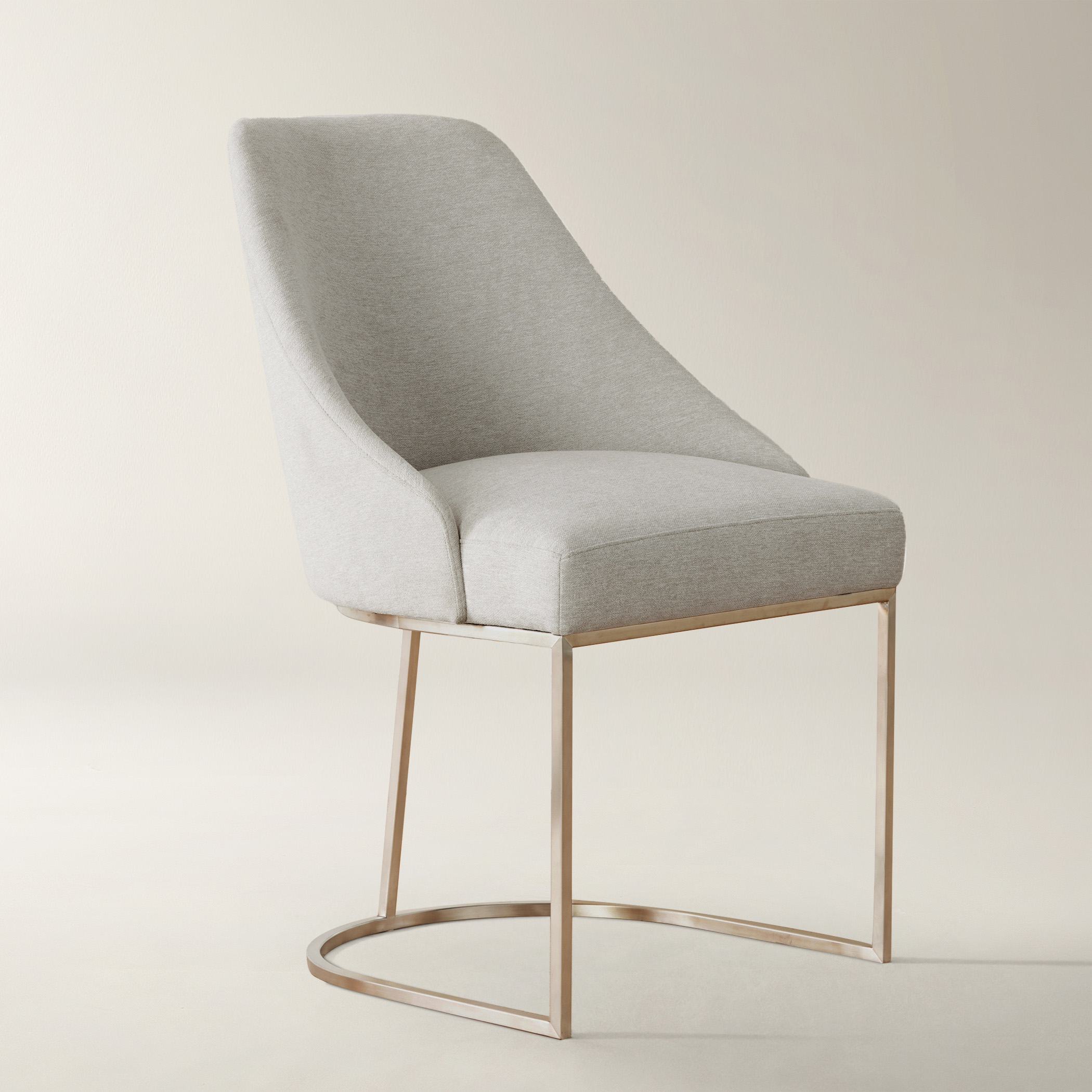
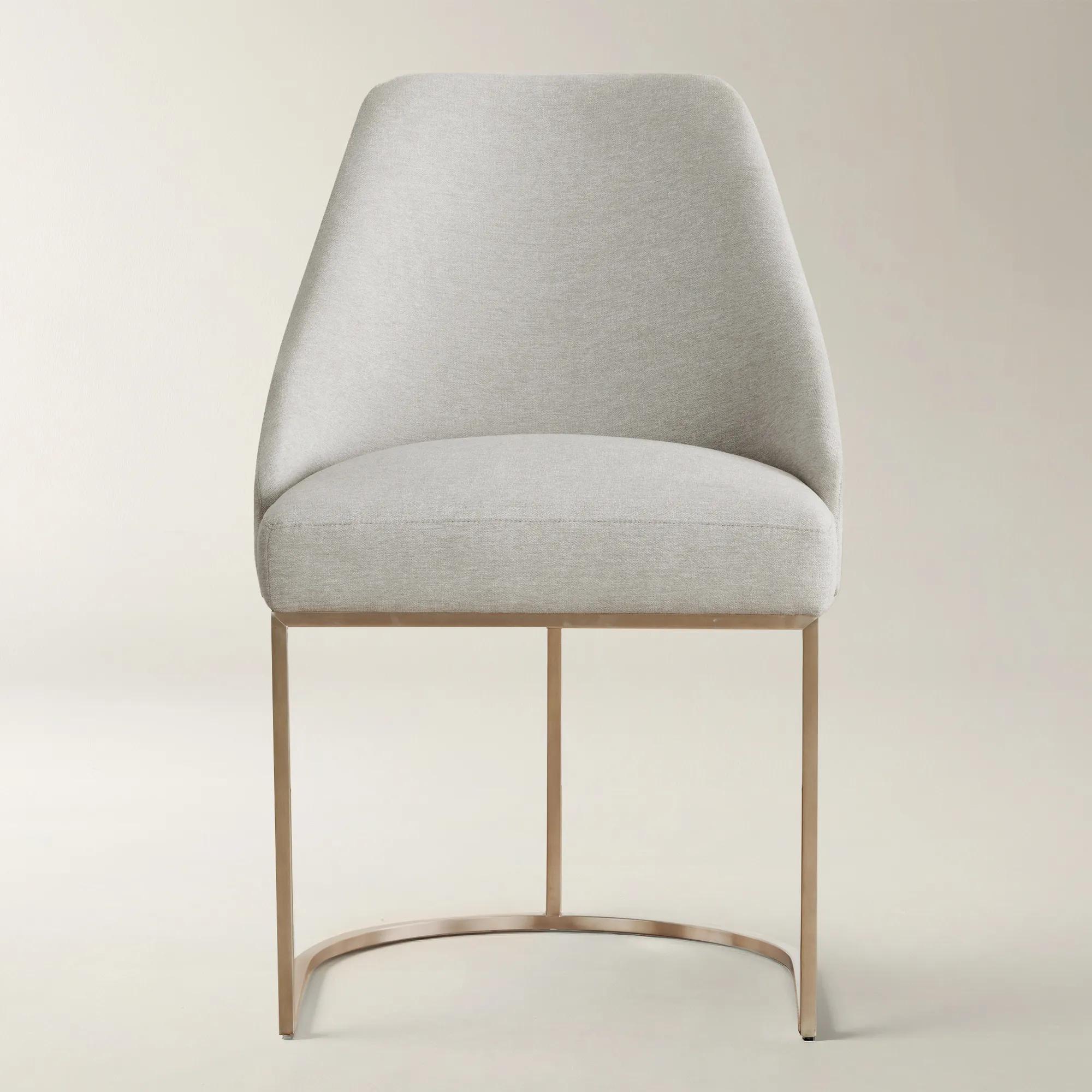 Rowan Ivory Fabric Dining Chair$599
A modern chair featuring brushed stainless steel legs and stain-resistant, water-repellent Roxboro Frost fabric.
Add To Cart -
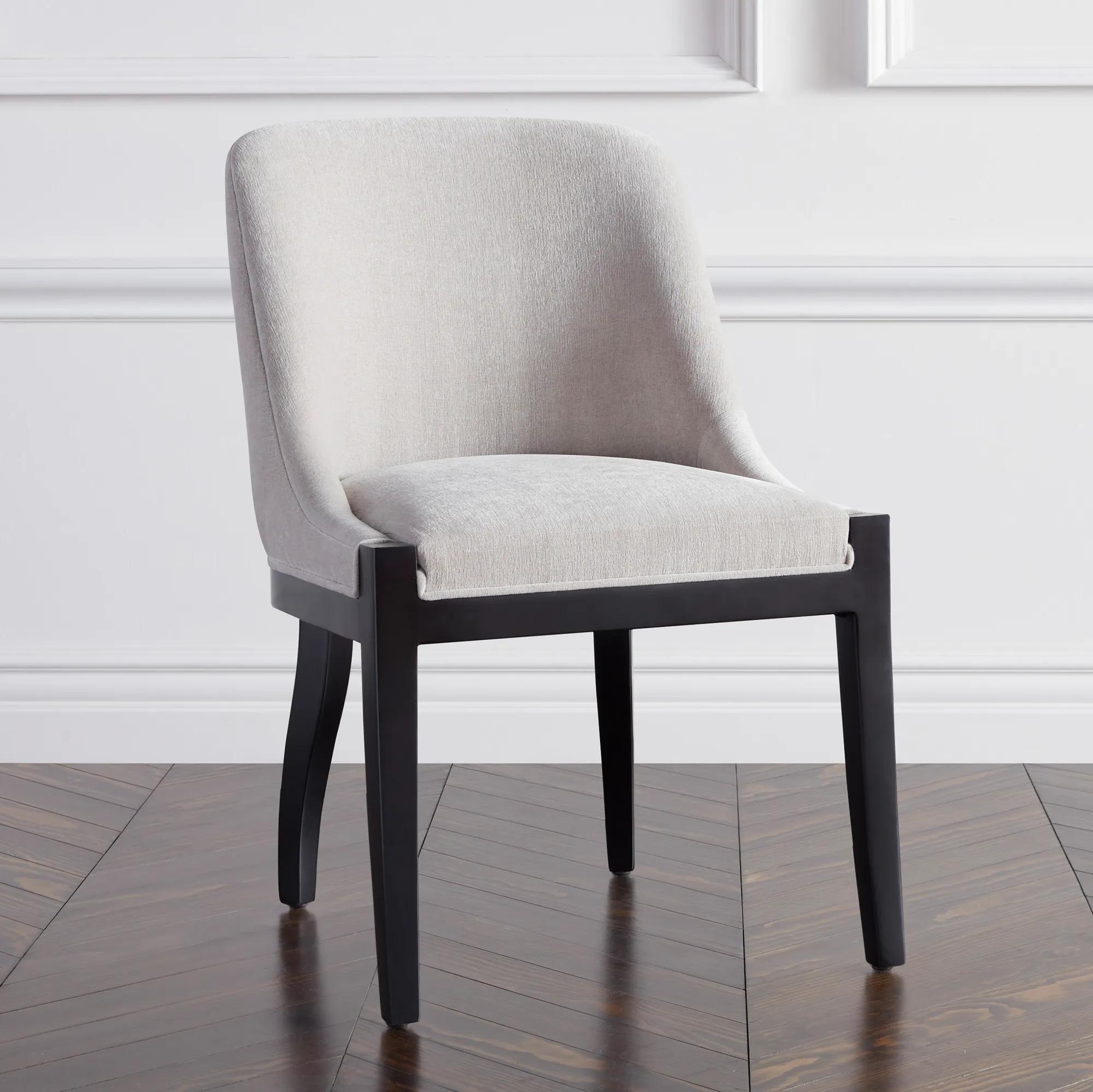
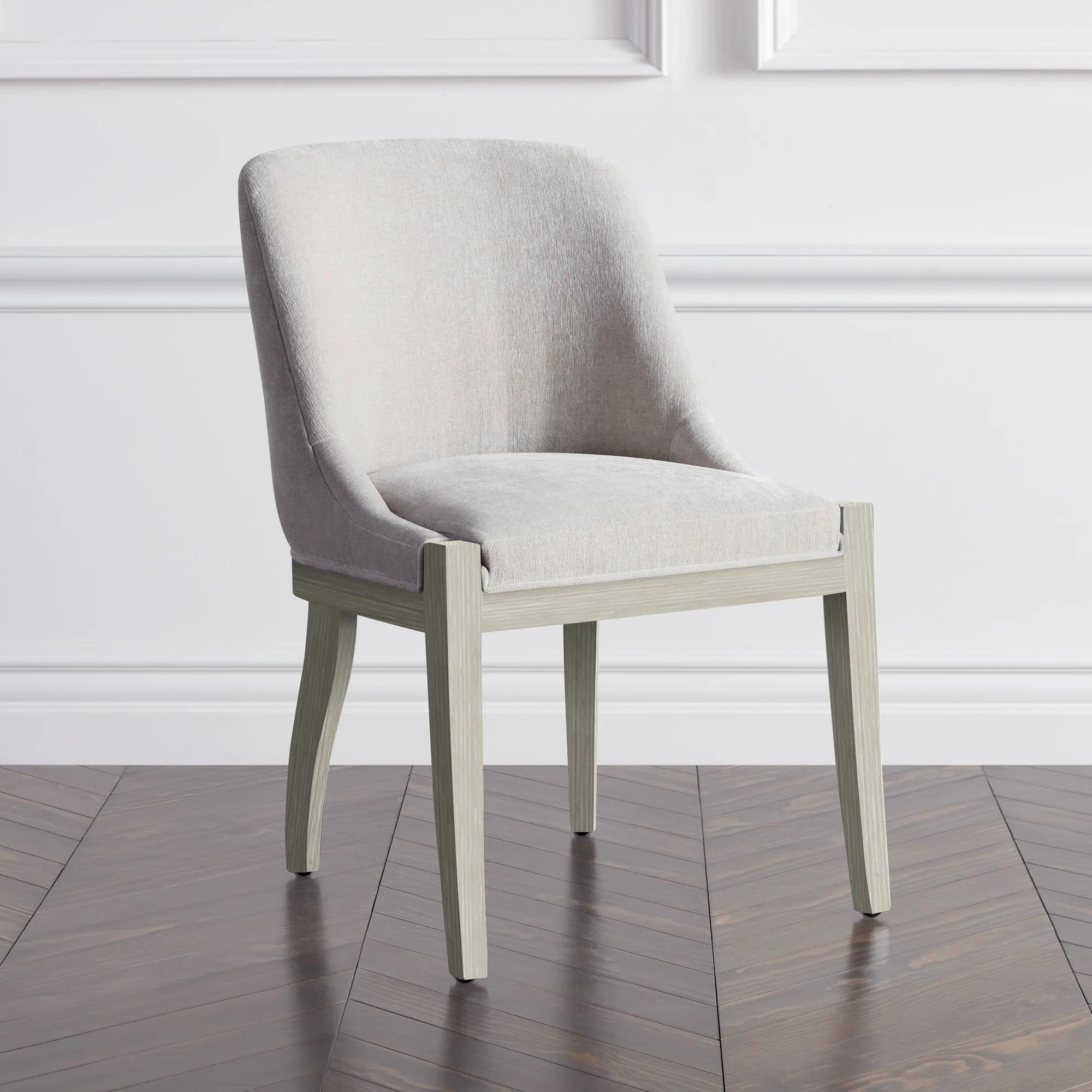
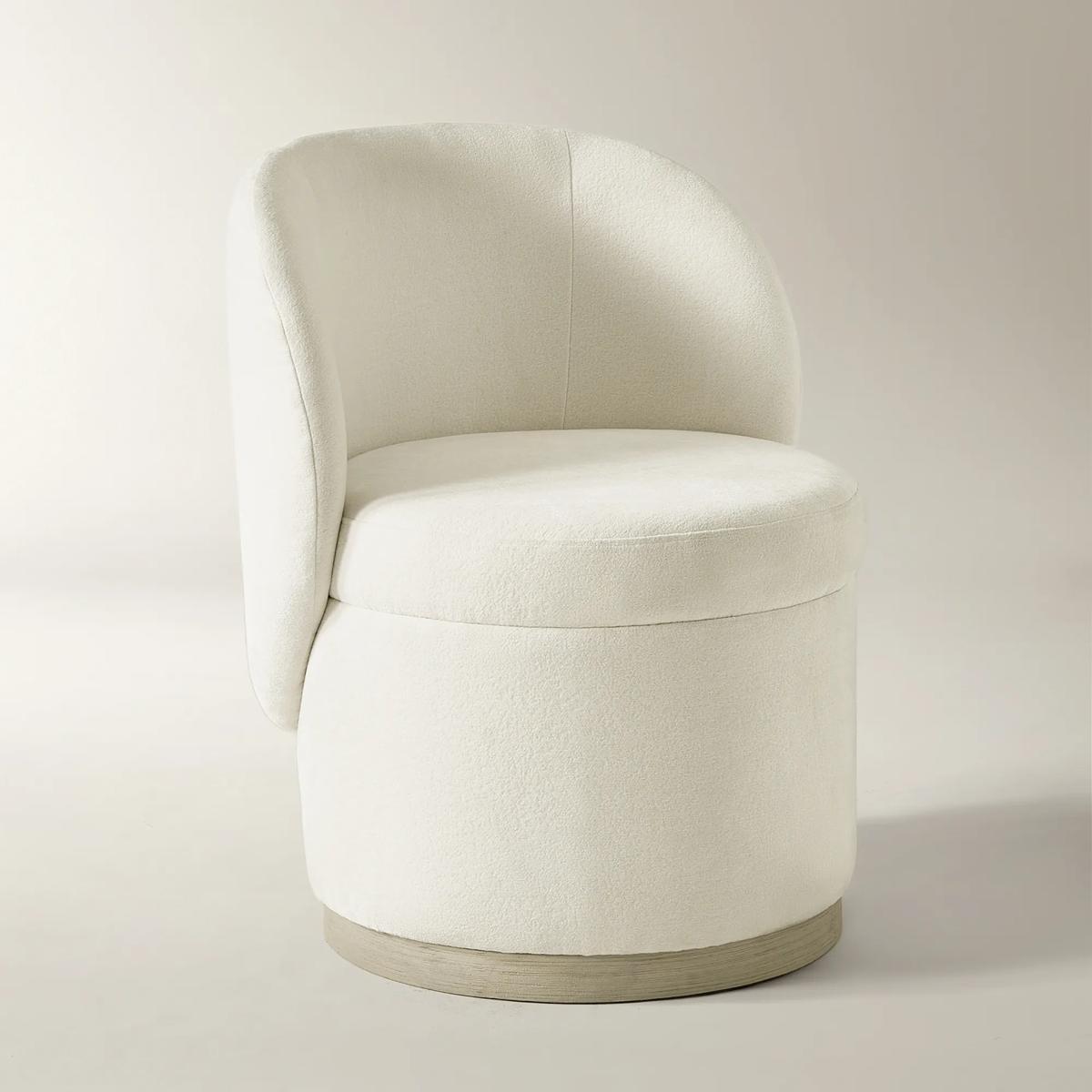 Stria Ivory Chenille Dining Chair With Oak Base$599
An ivory chenille chair featuring a plush, velvet-like finish and a handcrafted solid oak base.
Add To Cart -
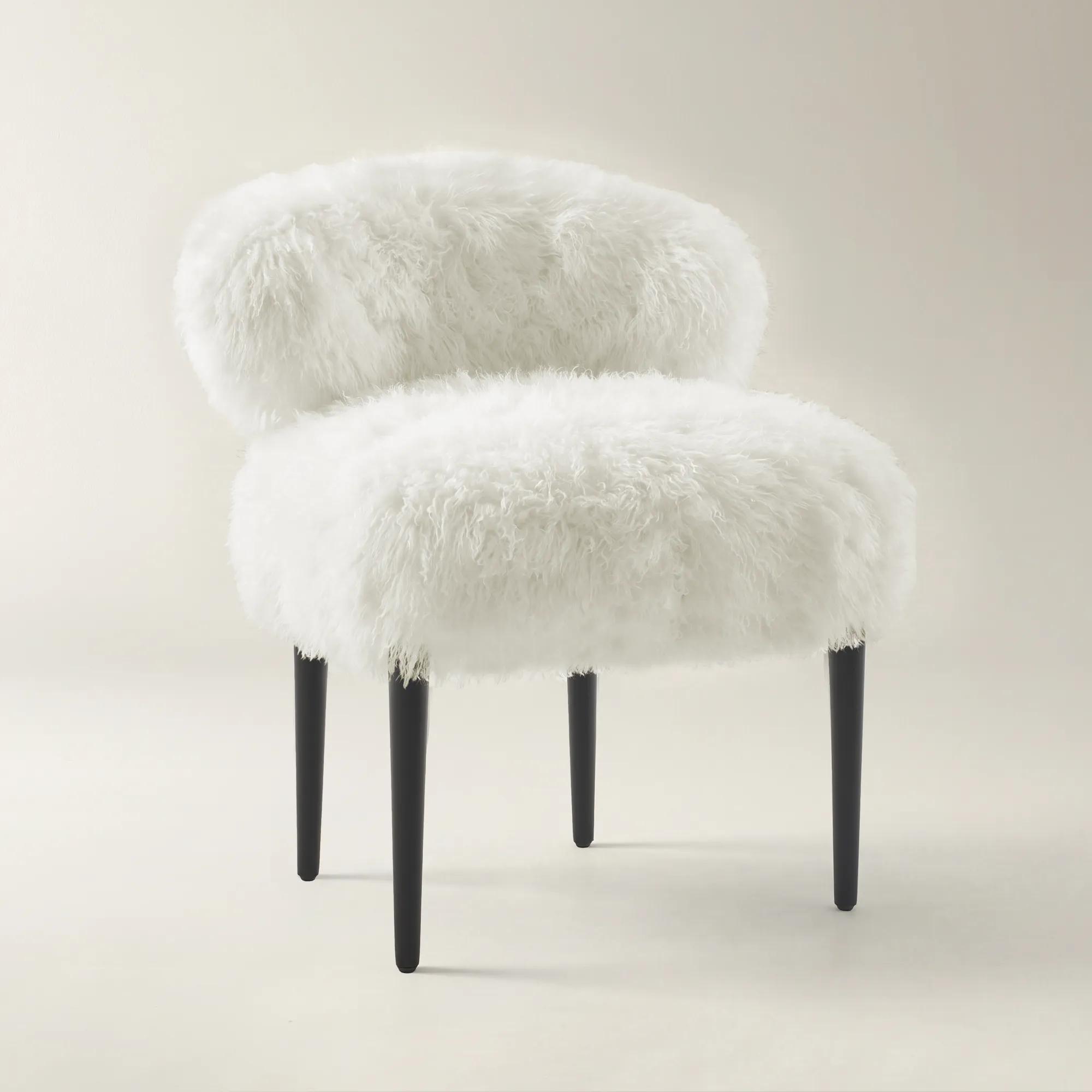
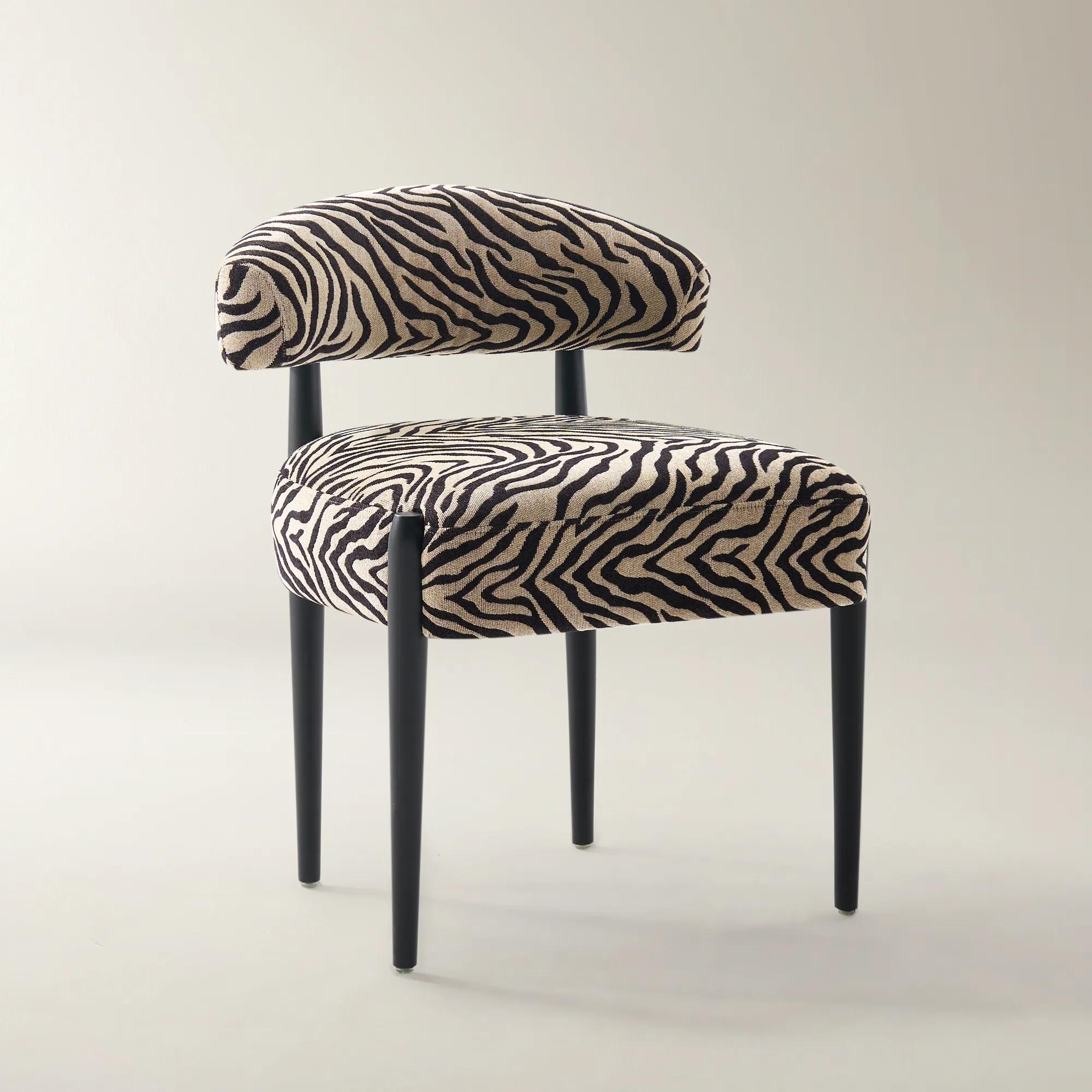 Anna Ivory Faux Fur Dining Chair Set of 2$799
A hand-upholstered ivory faux fur dining chair with a curved back, high-density foam cushioning, and rubberwood legs.
Add To Cart -
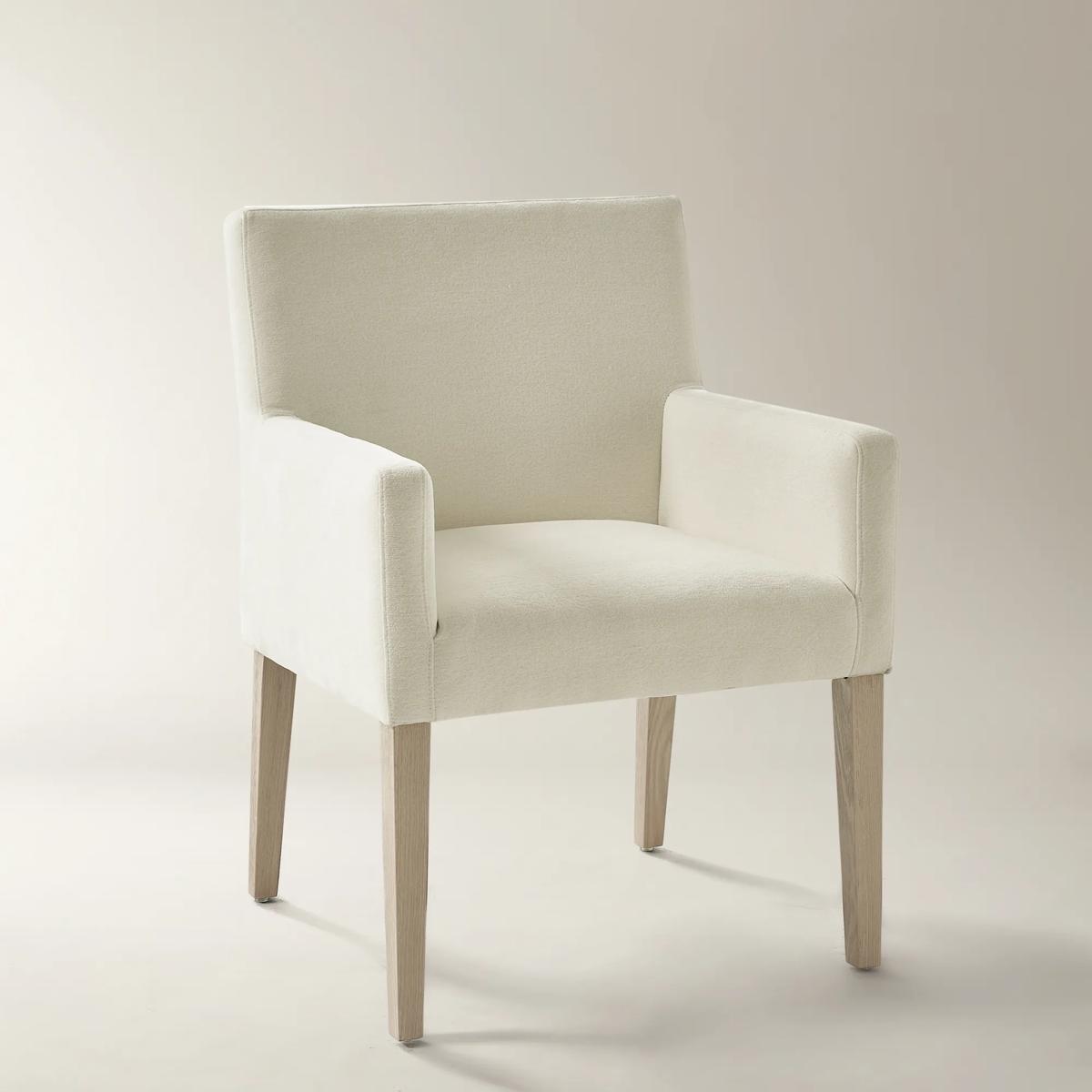
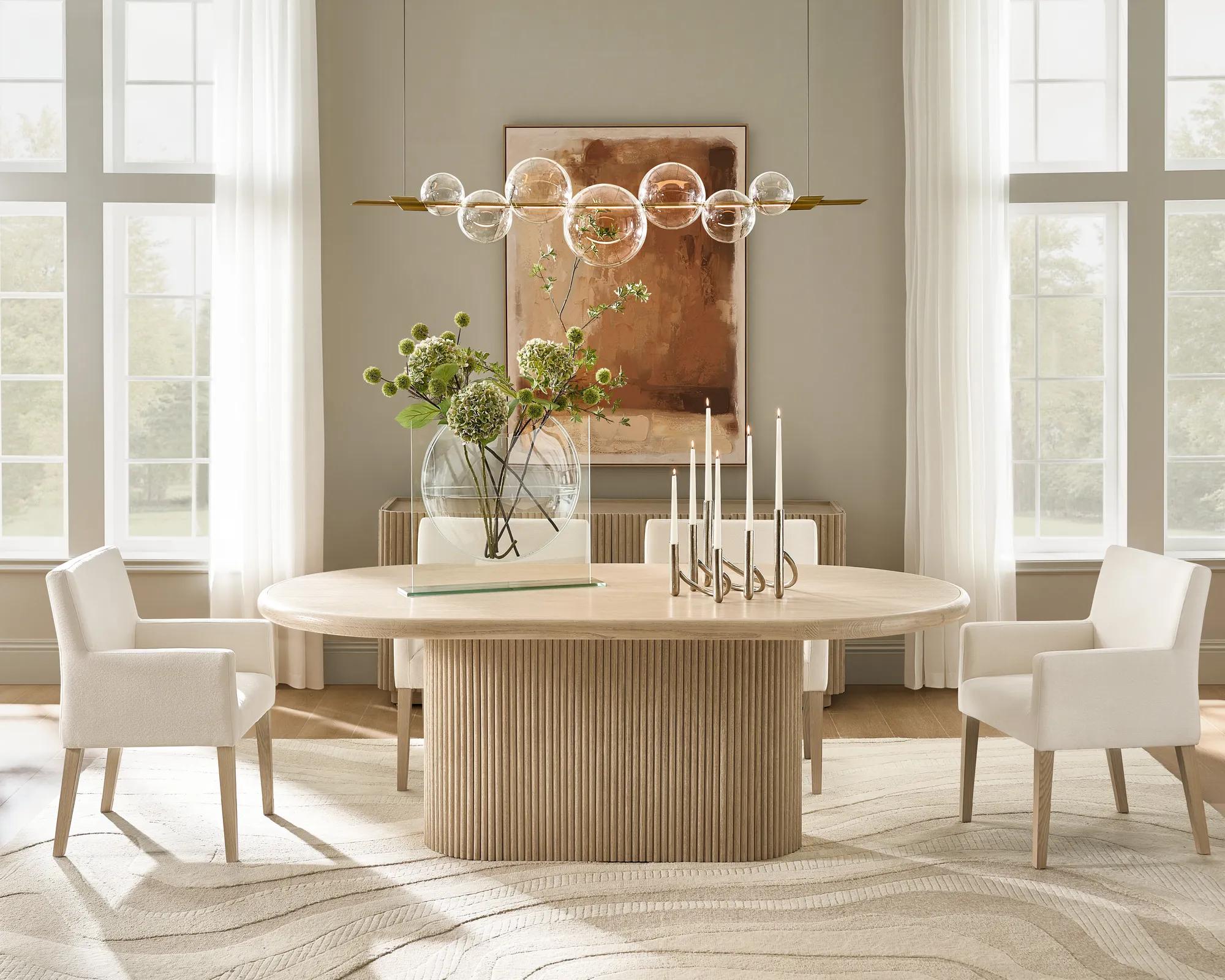 Stria Ivory Chenille Dining Chair Set Of 2$599
A pair of ivory chenille arm chairs with natural oak legs, offering plush comfort and modern elegance.
Add To Cart -
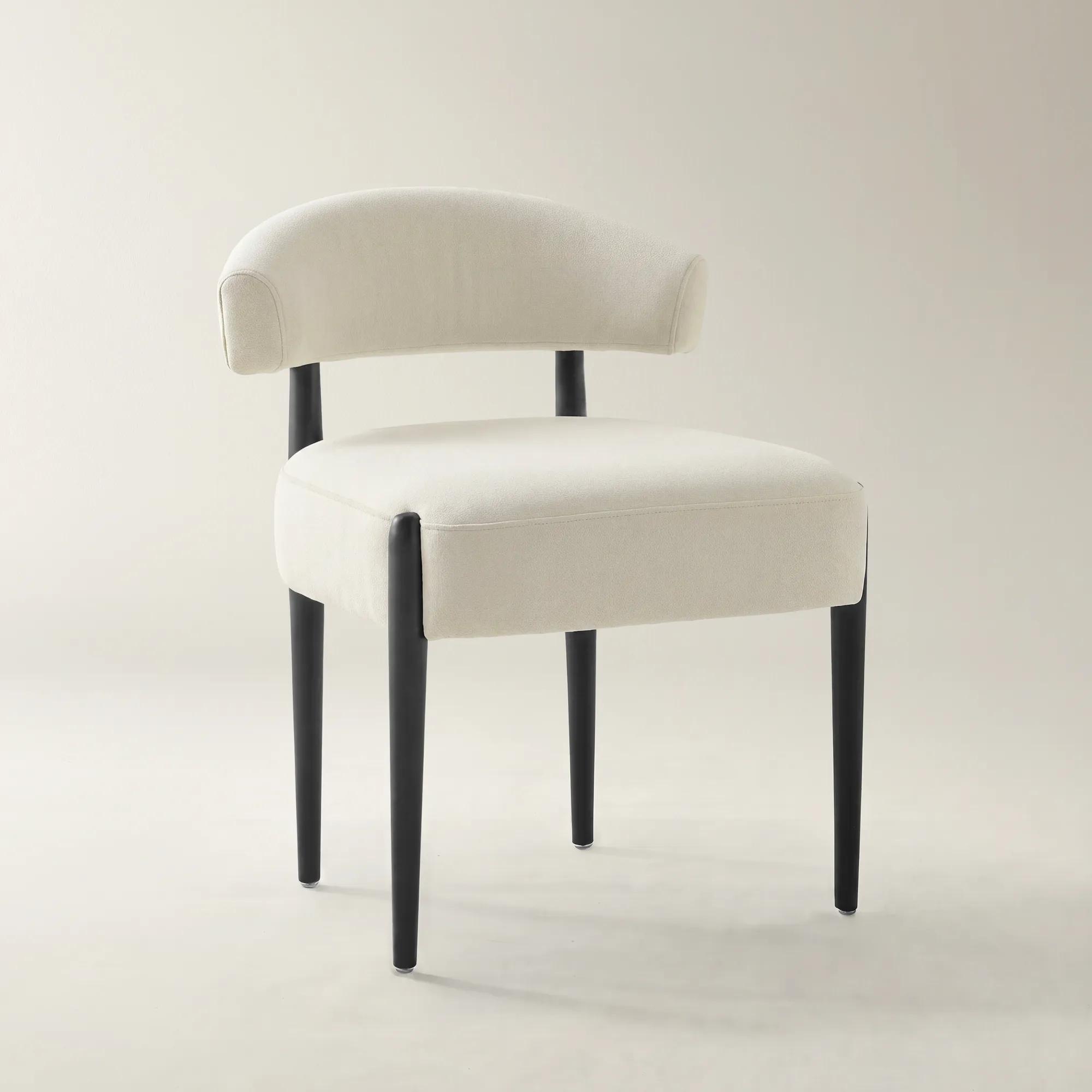 Anna Ivory Performance Chenille Dining Chair Set of 2$699
An ivory performance chenille chair pair featuring curved backs, high-density foam, and solid rubberwood legs.
Add To Cart -
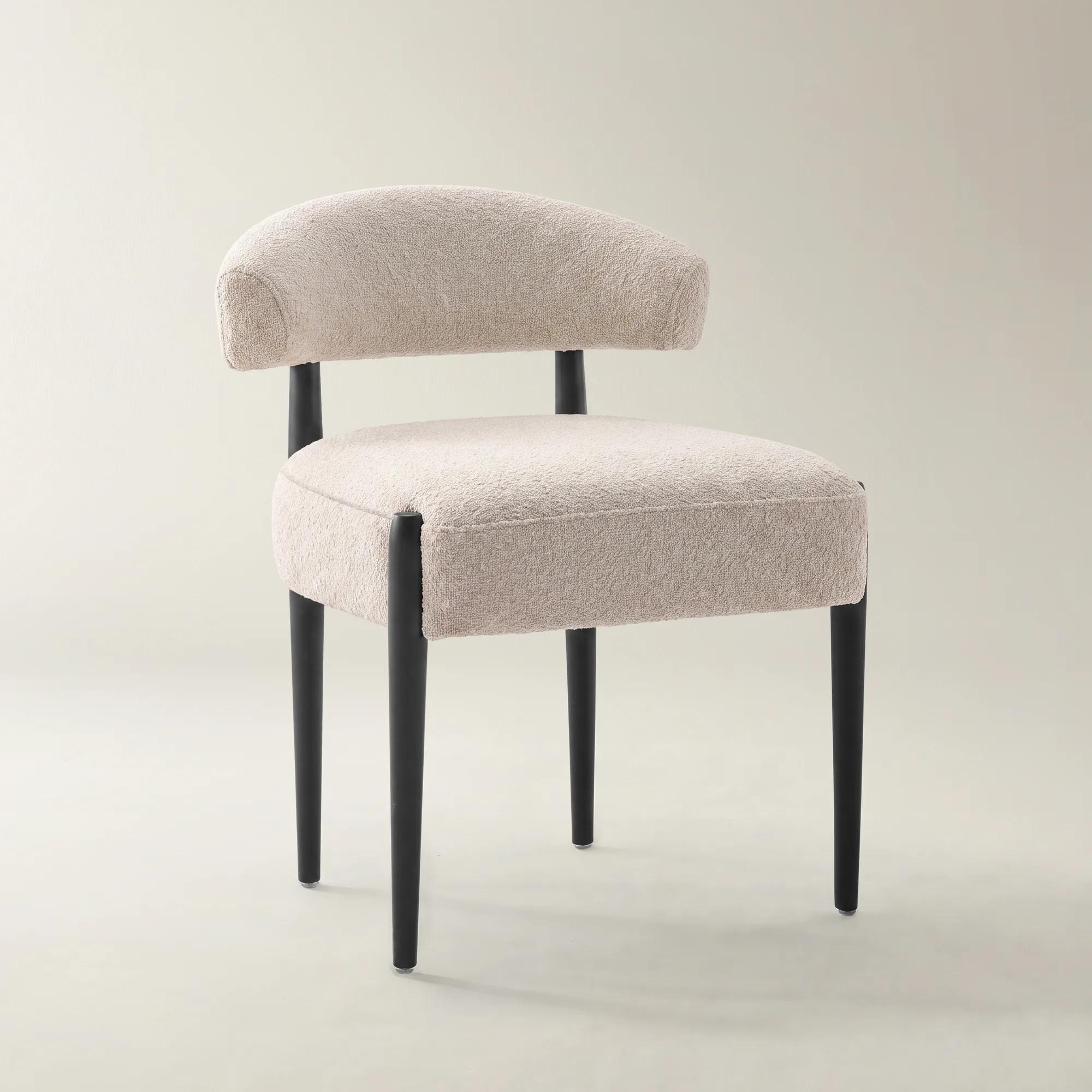 Anna Ivory Performance Boucle Dining Chair Set of 2$699
An ivory performance bouclé dining chair set with arched backs, high-density foam, and solid wood construction.
Add To Cart -
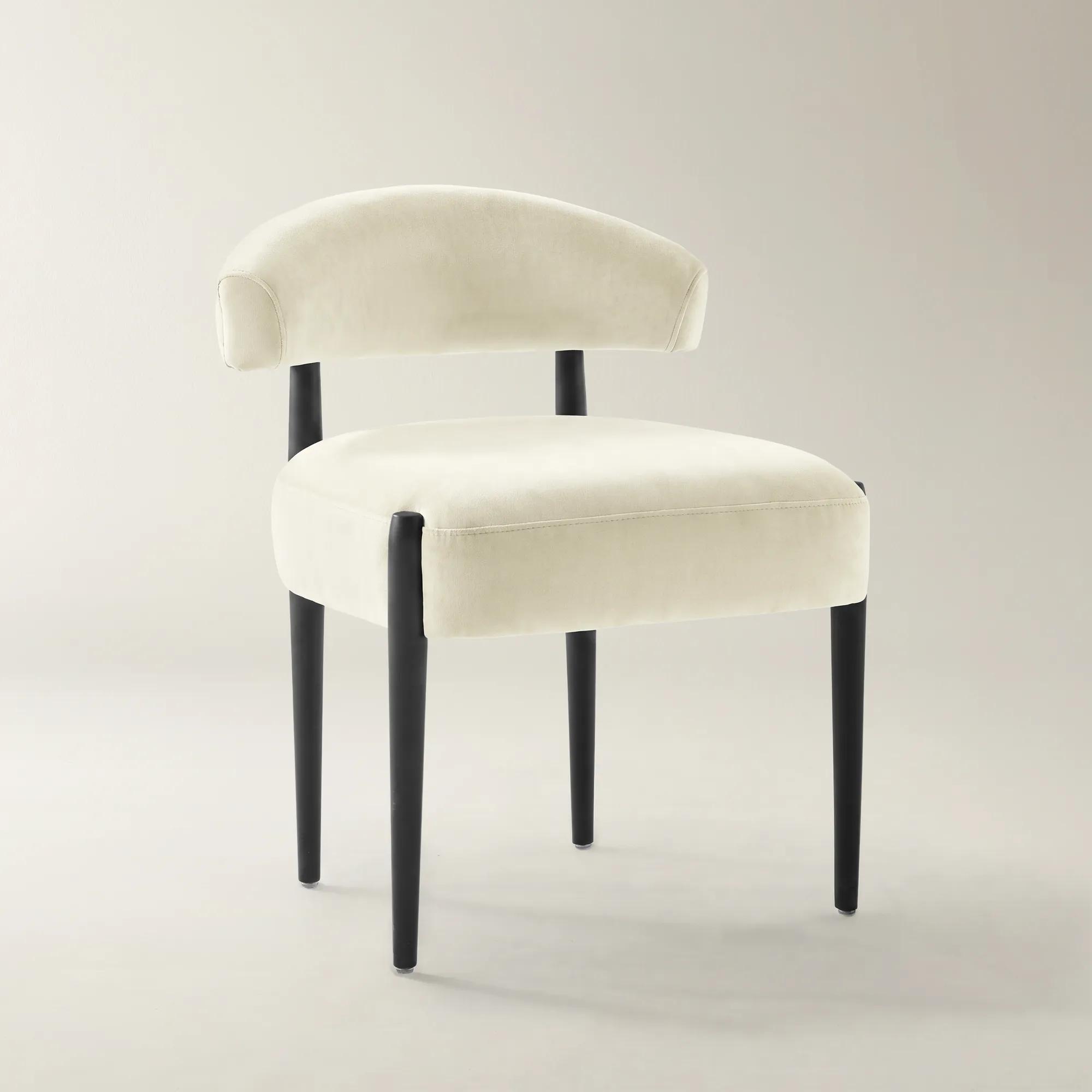 Anna Cloud Velvet Dining Chair Set of 2$699
A hand-upholstered Cloud velvet chair set featuring curved backs, high-density foam, and solid rubberwood legs.
Add To Cart

White Dining Chairs With Wooden Legs
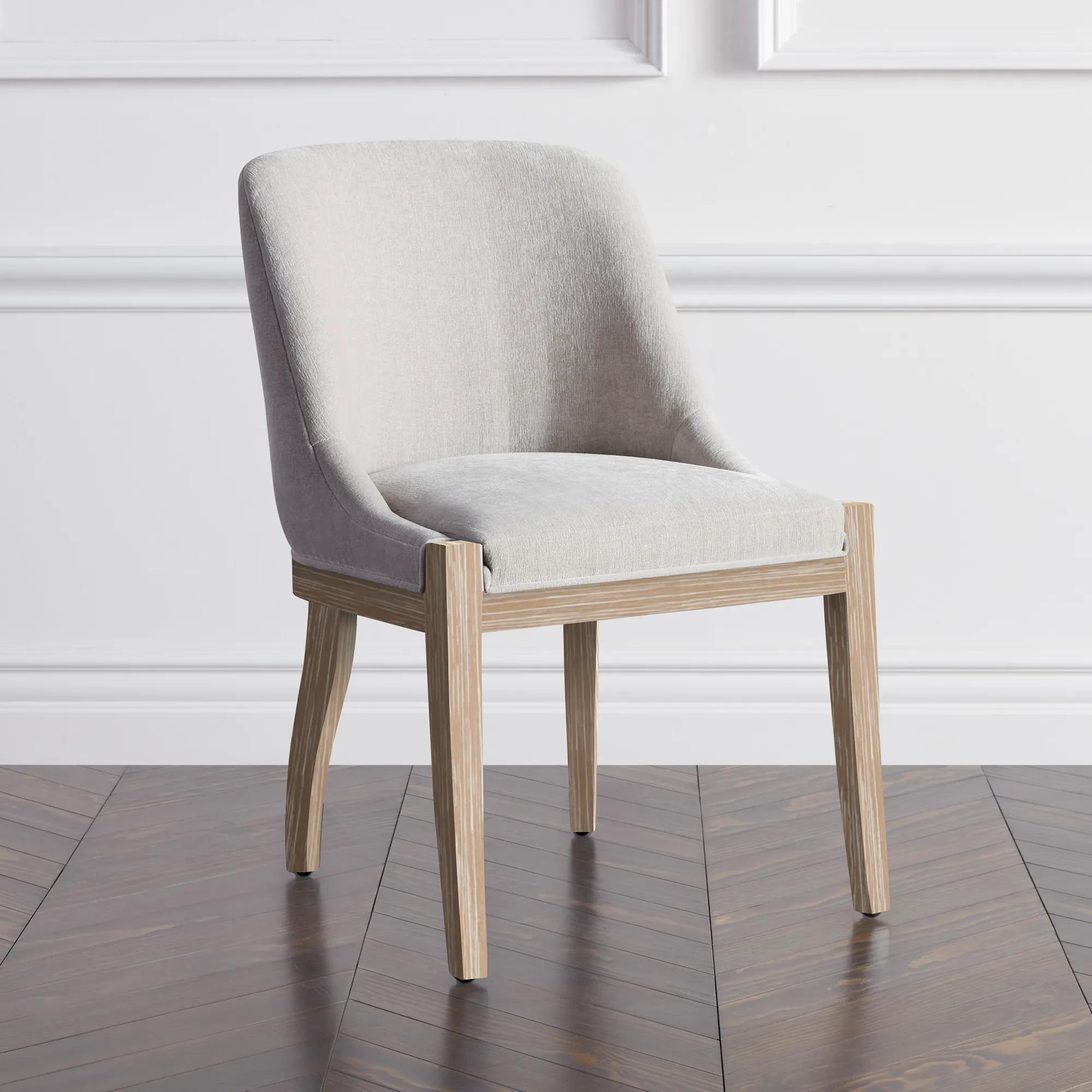
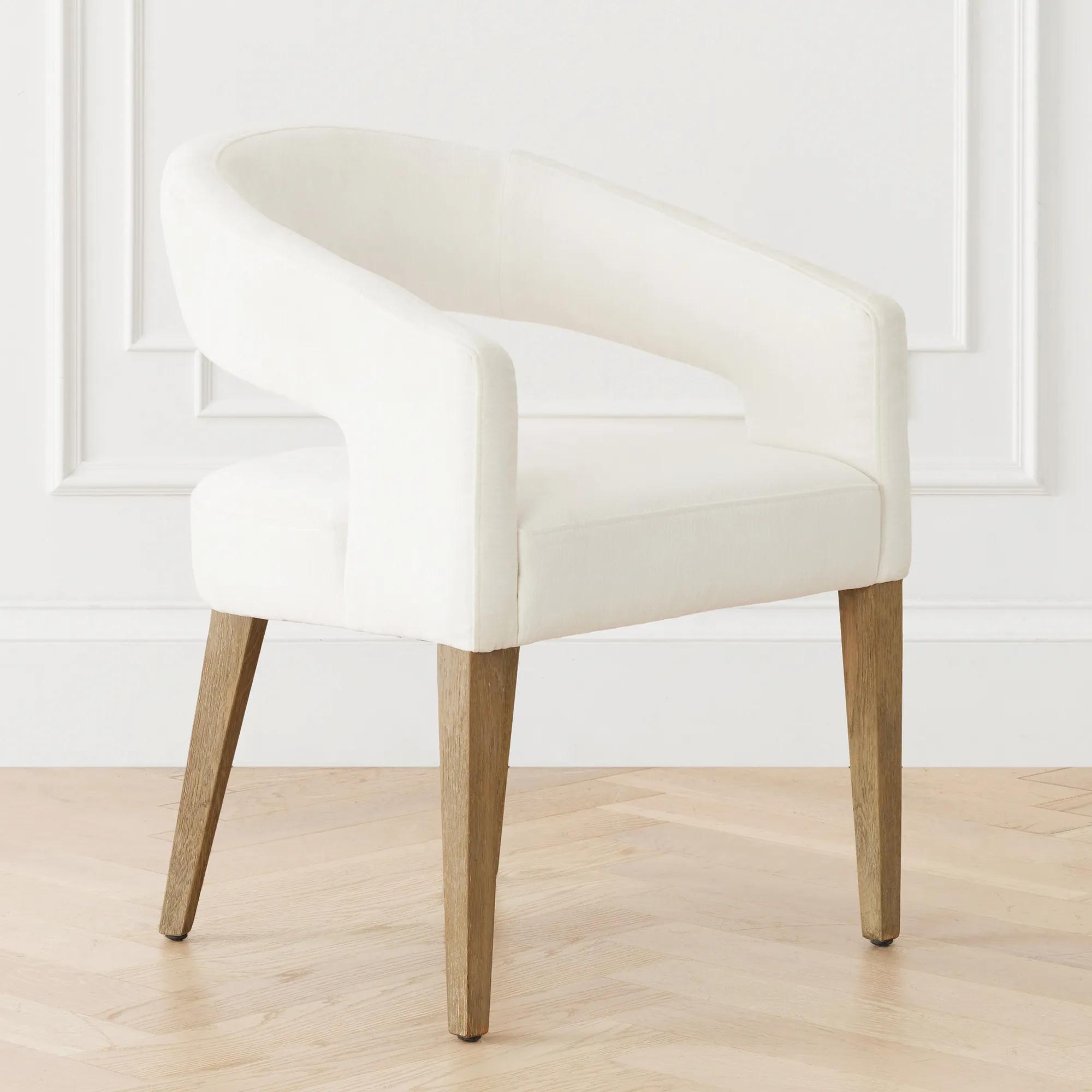
White dining chairs with wooden legs are the epitome of modern elegance—inviting light, artistry, and a sense of refined balance into your dining space. Crisp, luminous upholstery meets the organic warmth of wood, creating a harmonious interplay that feels both fresh and timeless. Whether you’re curating a serene sanctuary or a dramatic dining tableau, these chairs offer a sculptural foundation for unforgettable gatherings. Each piece is designed to transform everyday meals into extraordinary moments, elevating your table with a touch of sophistication and a whisper of natural charm.
White dining chairs with wooden legs combine a light-colored seat or upholstered body with the warmth and visible character of a wood base. The contrast gives a dining room an expressive balance: white brings luminosity and definition, while wood introduces grain, depth, and a sense of permanence. Within this category, silhouettes range from sculpted shell seats on splayed legs to generously upholstered chairs with tapered bases and traditional spindle-back designs with painted white seats. Each creates a different mood around the table. A curved white shell with natural wood legs feels architectural and airy; a padded, high-backed silhouette lends a more enveloping presence to leisurely dinners. Upholstery also changes the experience. Smooth woven fabric offers a tailored surface, bouclé adds dimensional texture, and white leather or faux leather creates a sleek, polished impression. These materials have different care requirements, so the surface deserves as much attention as the silhouette. Faux leather may be easier to wipe after a small spill than an absorbent textile, but its coating still requires appropriate cleaning and protection from abrasion. Textured upholstery can soften the room visually, though crumbs may settle into its weave. Molded plastic seats offer another interpretation, pairing a defined shape with a wood base; their comfort depends on the seat contour, back angle, and any cushioning. Beneath the seat, wood species and finishes establish their own visual rhythm. Oak often displays pronounced grain, while beech and rubberwood can present a more even appearance, depending on the finish. Pale legs emphasize the white seat’s lightness, medium wood tones add a richer contrast, and dark-stained bases give the composition a dramatic outline. Construction matters beyond appearance: the seat frame, leg connections, support rails, and joinery all contribute to how a chair performs through repeated use. Solid wood legs alone do not establish a chair’s strength, and weight capacity should always come from the manufacturer’s specifications rather than assumptions about a material or shape.
The most compelling dining arrangements give every chair enough room to look intentional and feel comfortable. For a standard dining table approximately 28 to 30 inches high, seat heights around 17 to 19 inches are common, but the actual relationship between chair and table matters more than either measurement alone. Roughly 10 to 12 inches between the seat surface and tabletop is a useful starting point; a deep apron beneath the table can reduce usable thigh clearance. Upholstered seats may compress when occupied, and arms need to clear the table’s underside if the chair is meant to tuck in. Width deserves equal consideration. Allowing approximately 24 inches of table edge per diner is a common baseline, with additional space creating a more generous setting for broad chairs or elaborate place settings. Pedestal tables can offer flexibility, while corner legs and trestle supports may restrict where a chair can sit. Splayed wooden legs sometimes extend beyond the seat, so overall dimensions—not seat width alone—determine the footprint. Behind the chairs, about 36 inches from the table edge to a wall or furniture is a common planning minimum; a passageway generally benefits from more clearance. These proportions help preserve the elegance of the room when guests are seated, not just when everything is tucked away. Visually, white dining chairs can sharpen the outline of a dark wood table, echo the veining in a pale stone top, or bring softness to a glass-and-metal composition. Match undertones thoughtfully: an ivory textile can look creamy beside crisp white lacquer, while a cooler white may emphasize gray notes in surrounding finishes. Wood tones need not match precisely, but repeating a warm or cool undertone helps the arrangement feel composed. For a palette centered on pale grain, Dining Chairs With Light Wood Legs offers a related direction to explore. A pair of substantial upholstered chairs at the table ends can introduce a sense of ceremony, while slimmer side chairs maintain a graceful rhythm along the length.
Daily life gives these chairs their purpose, whether they frame a sculptural table in an open dining area, soften a breakfast nook, or bring a polished backdrop to evenings spent lingering over conversation. Armless profiles often suit compact arrangements because they allow easier movement beside the table, while arms and deeper cushioning may appeal to people who use the dining room for extended meals or occasional reading. Anyone choosing seating for a busy household should consider the specific upholstery’s cleaning instructions, stain-resistance information, and abrasion testing when provided. A white surface does not automatically mean delicate construction, just as a label such as “performance fabric” does not mean every spill will disappear without attention. Prompt care helps preserve the finish: blot fabric spills rather than rubbing them, and use only cleaning methods approved for that upholstery. A soft brush attachment can lift loose debris from seams and textured weaves when the manufacturer permits vacuuming. Leather, faux leather, molded seats, and painted surfaces each require their own approach; harsh solvents, abrasive pads, or an unapproved cleaner can damage a surface that otherwise handles everyday use well. Wooden legs benefit from gentle dusting and protection against prolonged moisture. Cleaner should not be left pooling around joints, and felt pads or suitable glides can help protect hard flooring while reducing scraping sounds as chairs move. Pads should be checked periodically because trapped grit can scratch a floor. If assembly is required, correct hardware placement and tightening are important to stability; follow the supplied instructions and recheck connections as recommended. Chairs should rest evenly on the floor, without rocking or loose joints, and should never be tipped backward during use. With proportions, materials, and maintenance considered together, white dining chairs with wooden legs deliver more than a striking contrast. They give the dining space a luminous focal point, grounded by the natural character of wood and shaped around the pleasure of gathering.
FAQs
White dining chairs with wooden legs are remarkably versatile and complement a wide spectrum of decor styles. They shine in modern and contemporary settings, where their clean lines and crisp palette bring a sense of airiness. In transitional or Scandinavian-inspired spaces, the warmth of the wooden legs balances the fresh white upholstery, creating a harmonious blend of comfort and sophistication. For those who favor eclectic or glam interiors, these chairs serve as a luminous foundation, allowing bold accessories and dramatic accents to take center stage.
To preserve the pristine look of white upholstery, promptly blot spills with a soft, clean cloth and use a gentle fabric cleaner when needed. For wooden legs, dust regularly with a microfiber cloth and occasionally nourish the wood with a suitable polish to enhance its natural luster. Avoid placing the chairs in direct sunlight for extended periods, as this can cause fading or discoloration over time. With thoughtful care, these chairs will remain a radiant focal point in your dining space.
Absolutely—many white dining chairs are crafted with performance fabrics or easy-to-clean materials, making them both beautiful and practical for lively households. The wooden legs offer sturdy support and are less prone to showing everyday scuffs. If you anticipate frequent spills or paw prints, consider adding removable seat cushions or slipcovers for an extra layer of protection, ensuring your dining area remains both elegant and family-friendly.
These chairs infuse a dining room with a sense of lightness and artistry. The white upholstery reflects natural and artificial light, making the space feel brighter and more open, while the wooden legs ground the look with organic warmth. Together, they create an inviting atmosphere that feels both refined and welcoming—perfect for everything from intimate dinners to festive gatherings.
Certainly. Their versatile design makes them a chic addition to home offices, vanity stations, or reading nooks. Placed in an entryway, they offer a stylish spot to pause and put on shoes; in a bedroom, they serve as an elegant accent or a perch for a favorite throw. The interplay of white and wood brings a touch of sophistication and brightness wherever these chairs are placed.