Formal Dining Chairs With Solid Wood Legs
Formal Dining Chairs With Solid Wood Legs
-
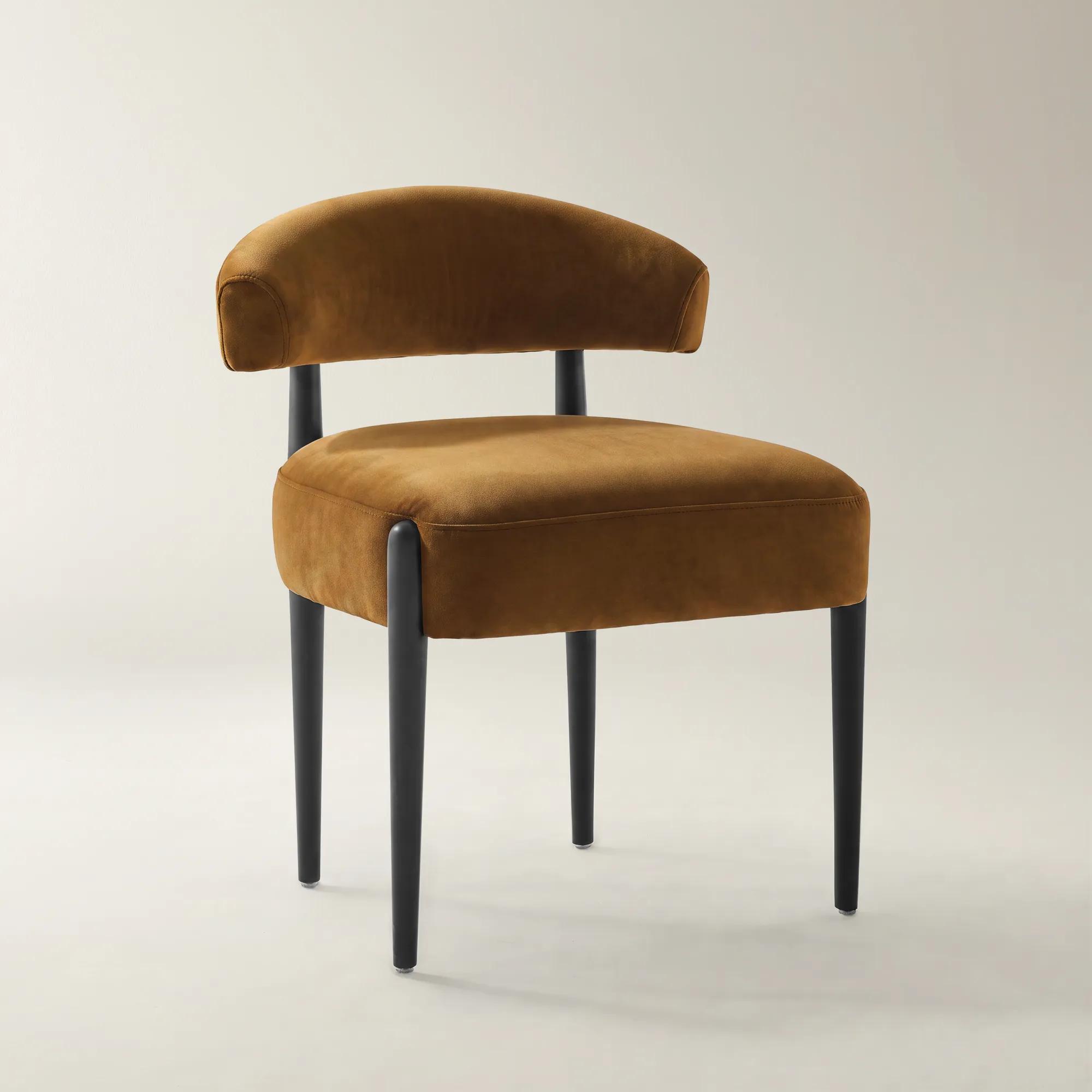
 Anna Roasted Pecan Velvet Dining Chair Set of 2$699
A roasted pecan velvet dining chair set featuring a tailored curved back and high-density foam cushioning.
Add To Cart -
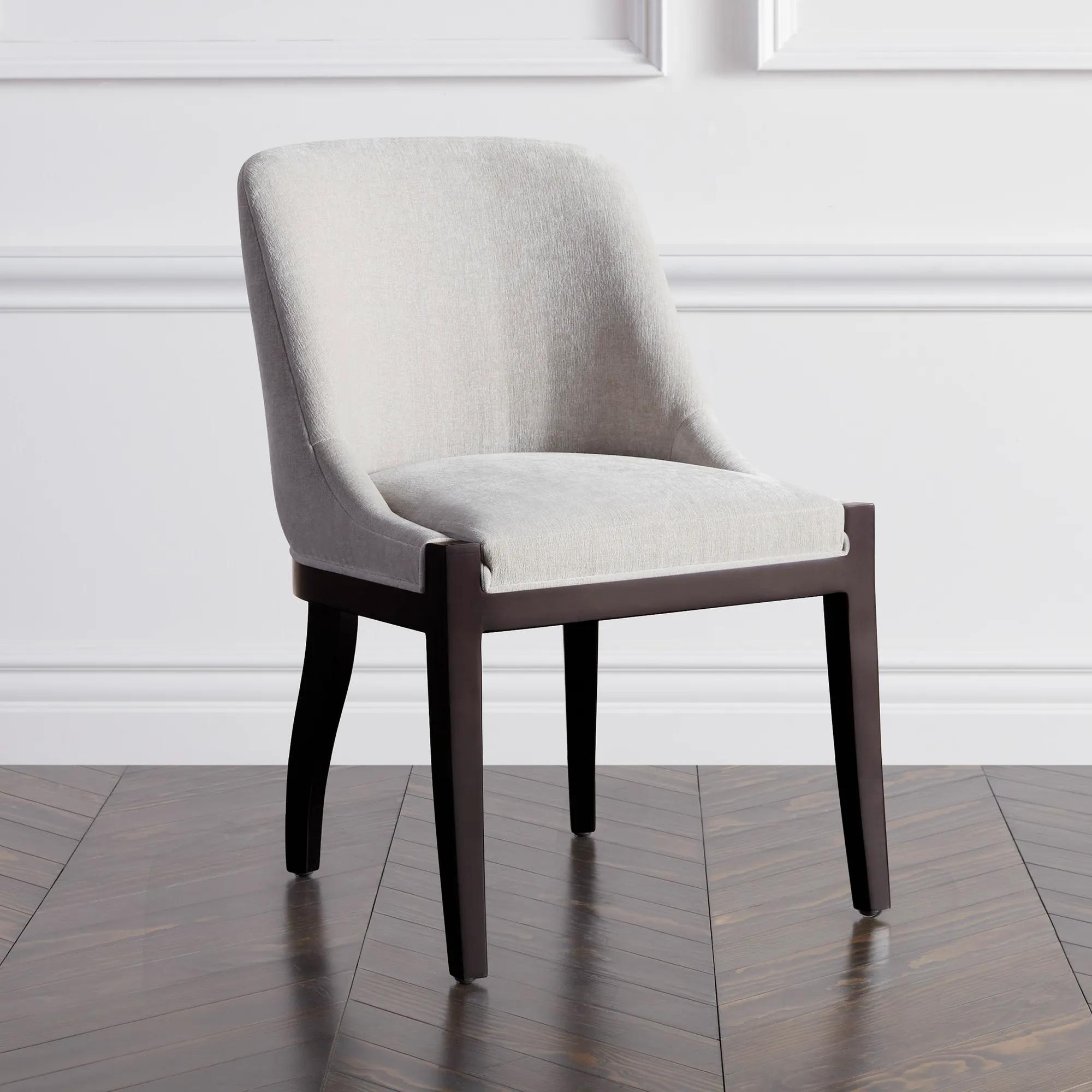
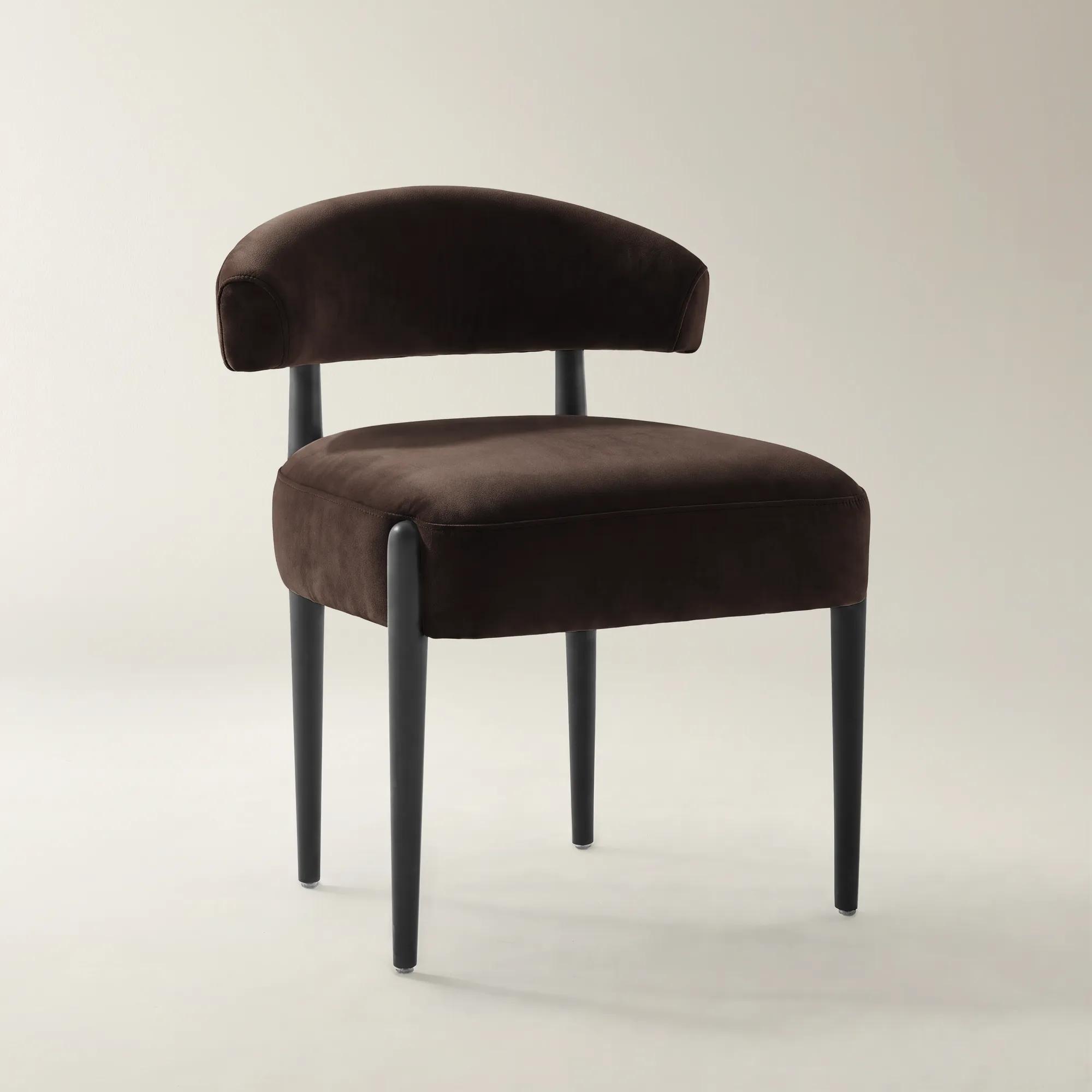 Anna Dark Chocolate Velvet Dining Chair Set of 2$699
A dark chocolate velvet dining chair set featuring an arched back, high-density foam, and solid wood construction.
Add To Cart -
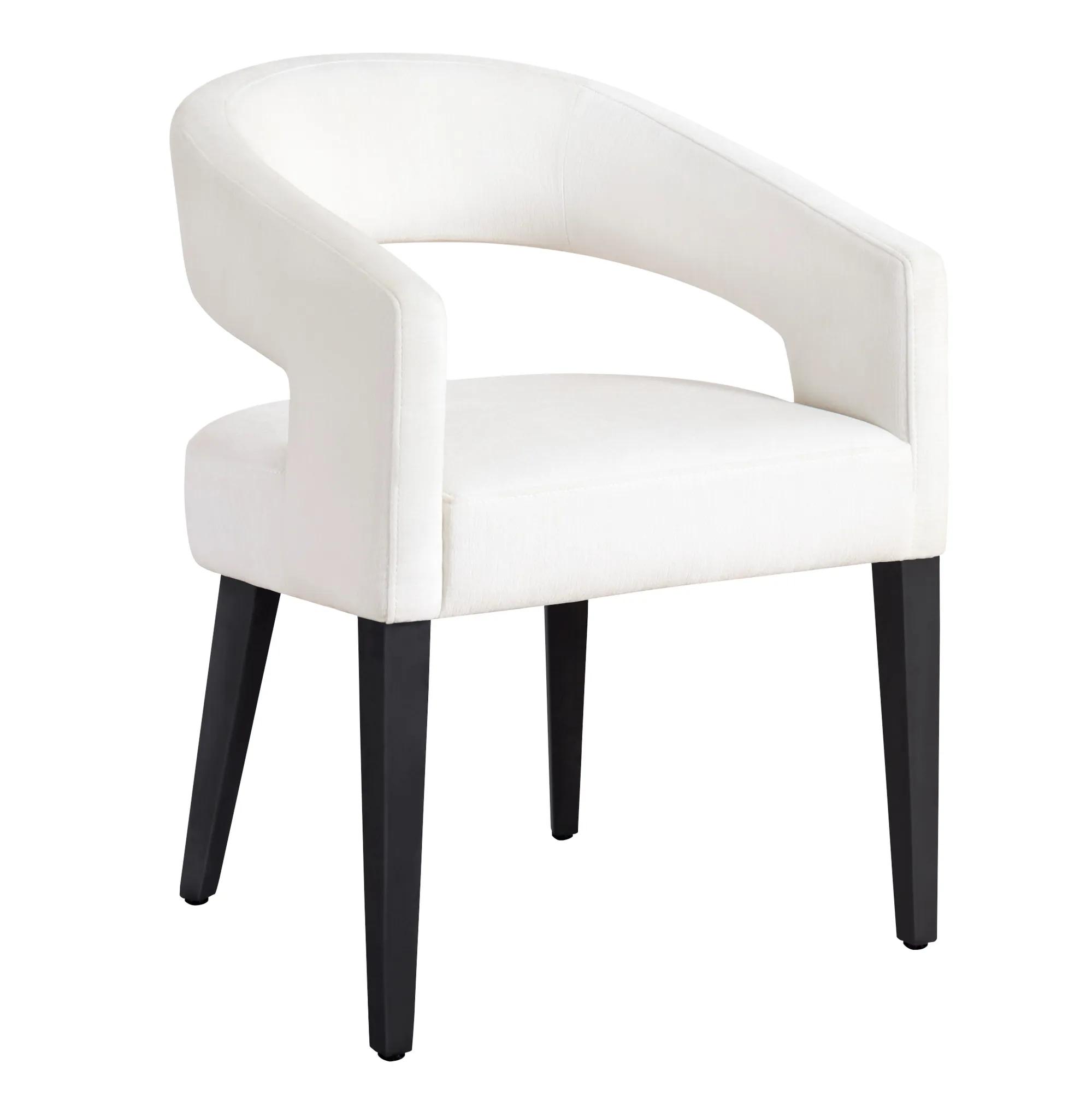
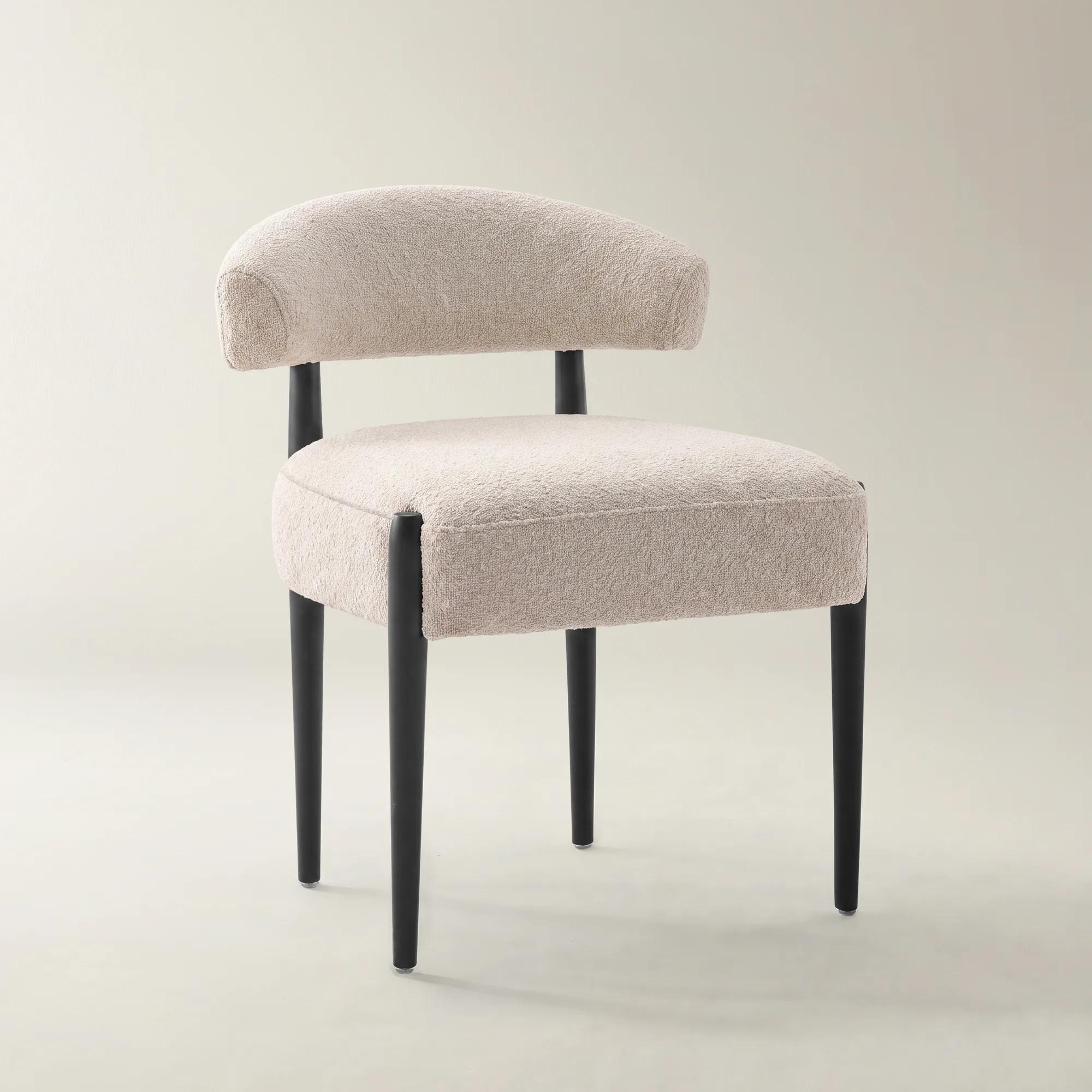 Anna Ivory Performance Boucle Dining Chair Set of 2$699
An ivory performance bouclé dining chair set with arched backs, high-density foam, and solid wood construction.
Add To Cart -
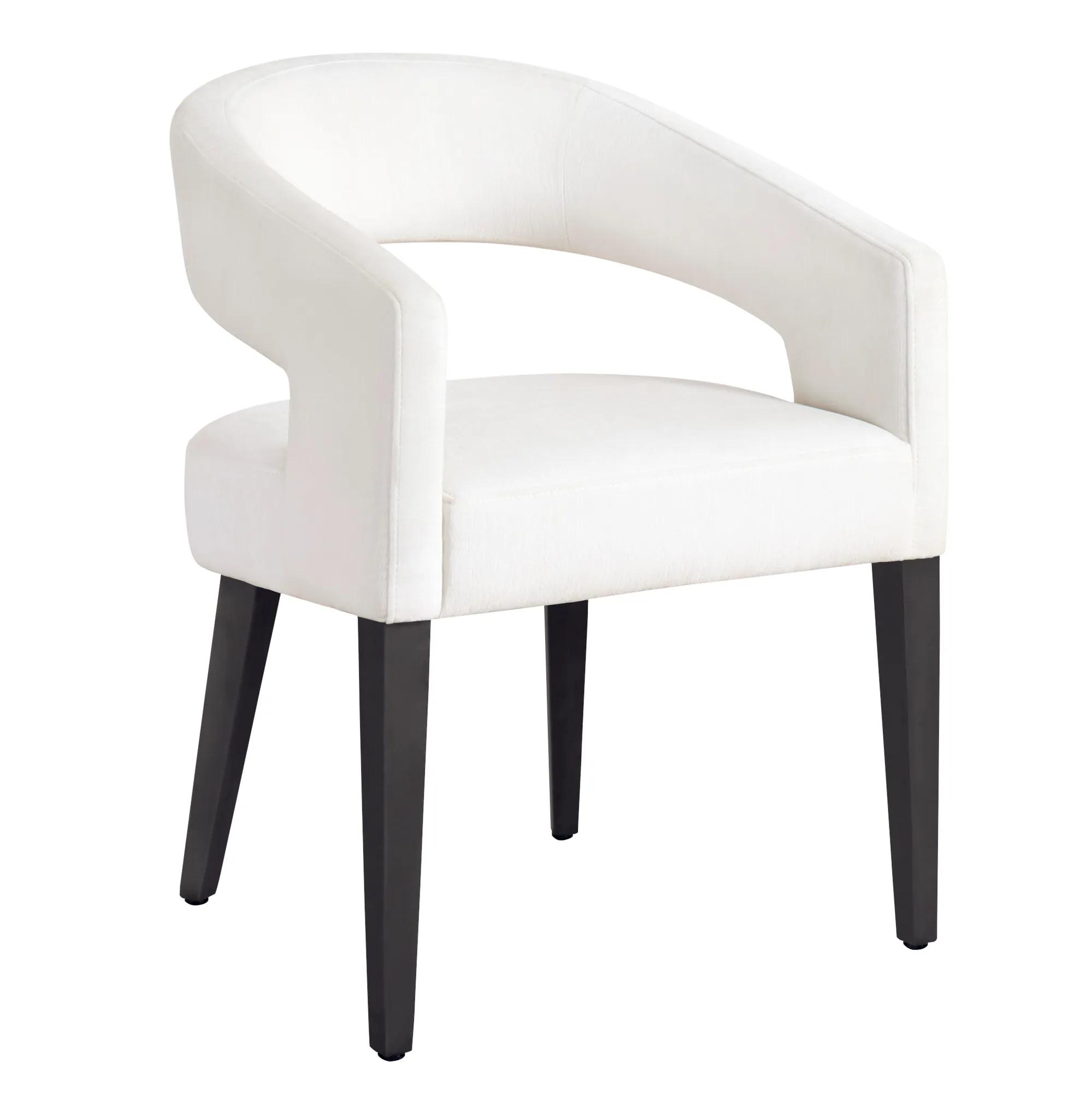
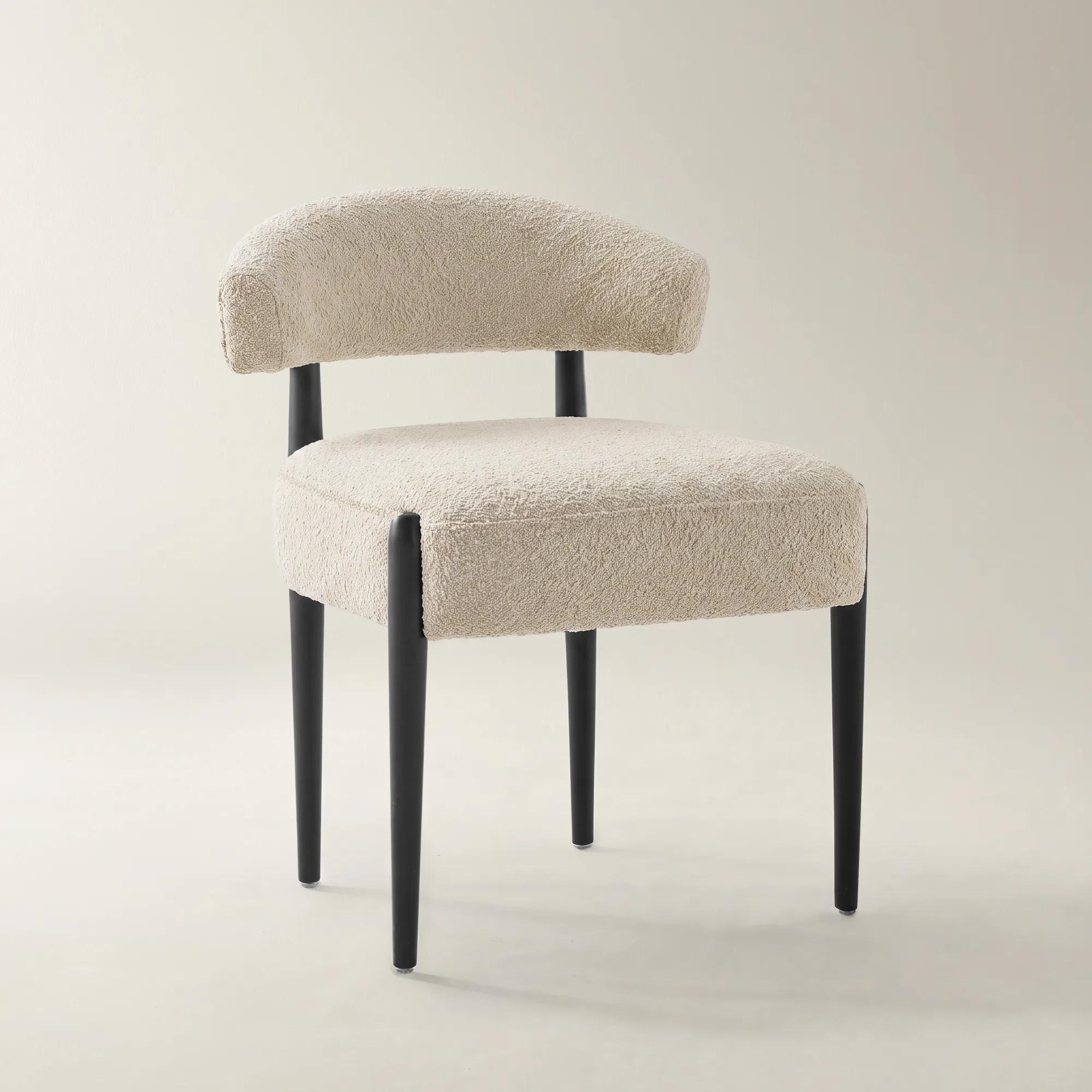 Anna Ivory Performance Boucle Dining Chair Set of 2$699
A pair of ivory performance boucle chairs with curved backs, cushioned comfort, and solid wood frames.
Add To Cart -
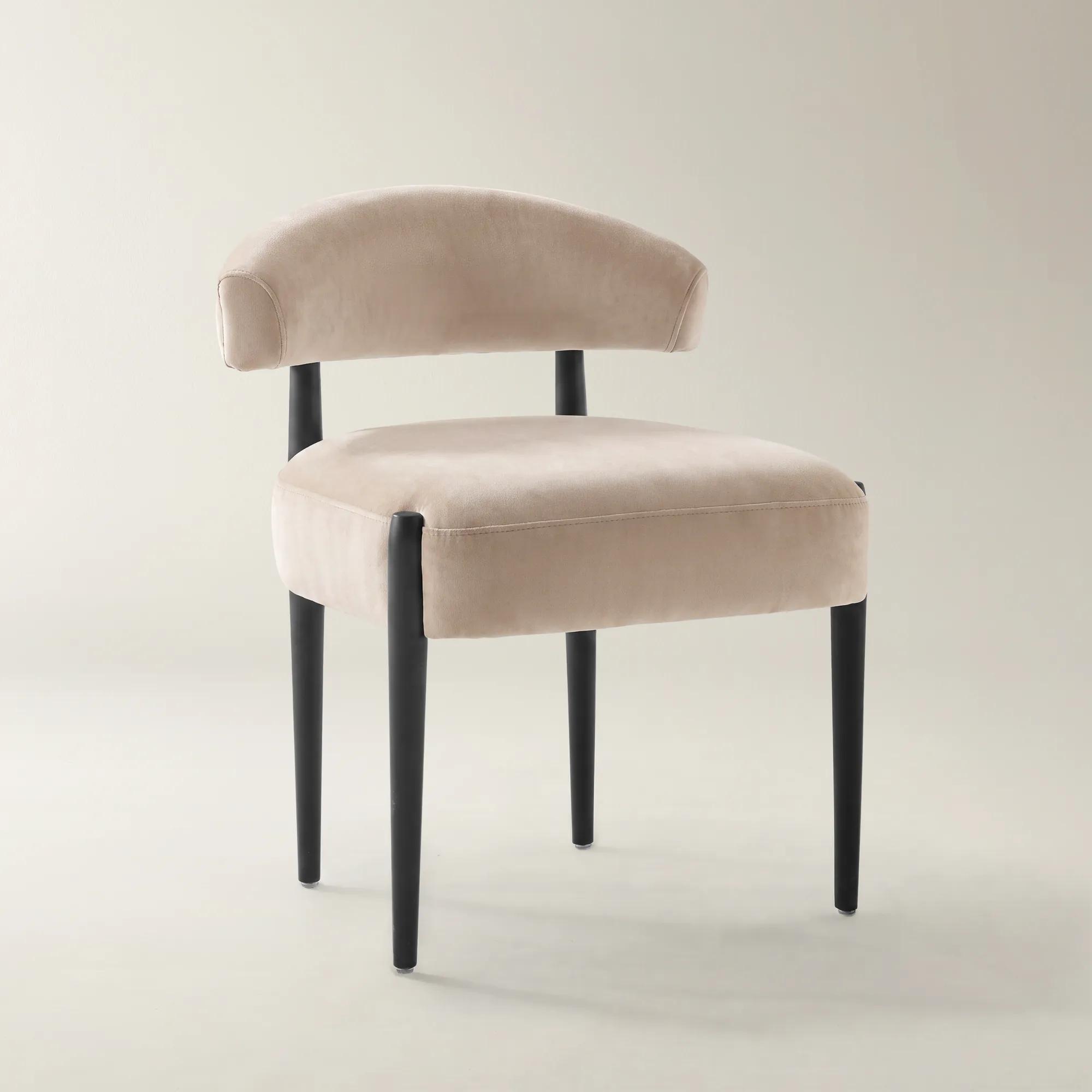 Anna Simply Taupe Velvet Dining Chair Set of 2$699
A taupe velvet dining chair featuring a tailored arched back, high-density foam cushioning, and rubberwood legs.
Add To Cart -
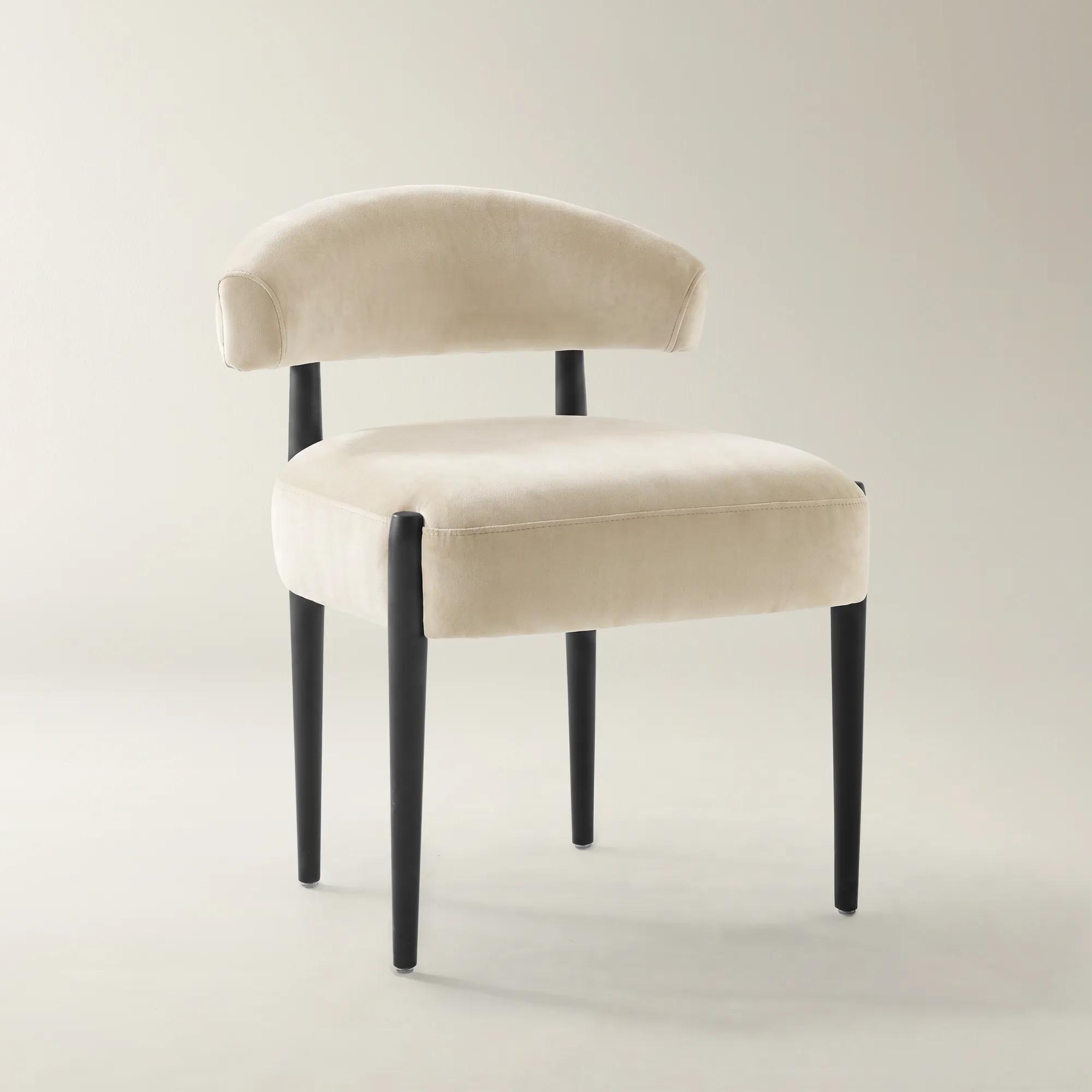 Anna Oatmeal Velvet Dining Chair Set of 2$699
A pair of oatmeal velvet dining chairs with arched backs, supportive foam cushioning, and rubberwood legs.
Add To Cart -
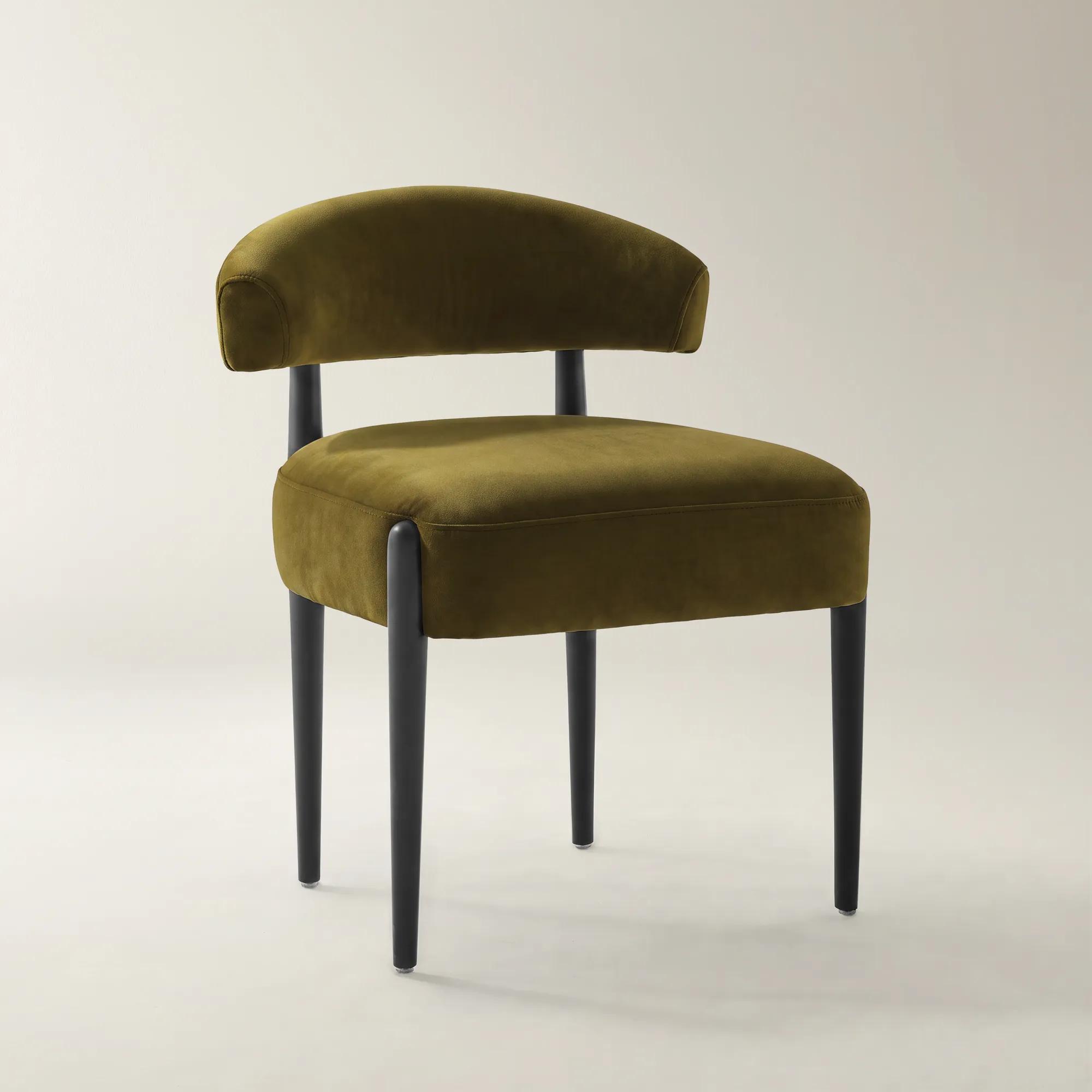 Anna Deep Olive Velvet Dining Chair Set of 2$699
A deep olive velvet dining chair with a tailored curved back, high-density cushioning, and solid rubberwood legs.
Add To Cart -
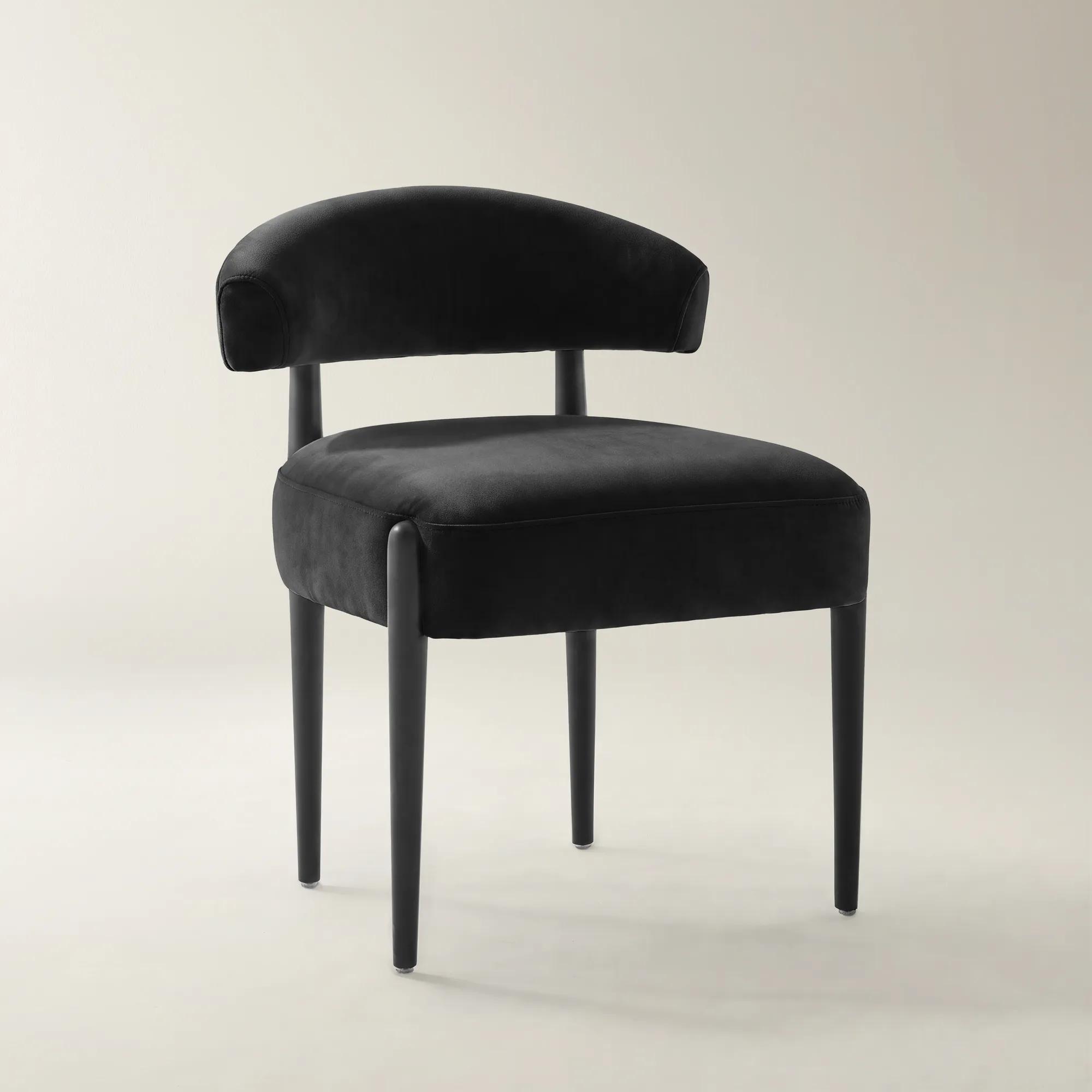 Anna Charcoal Velvet Dining Chair Set of 2$699
A charcoal velvet dining chair with an arched back, supportive foam cushioning, and solid rubberwood legs.
Add To Cart -
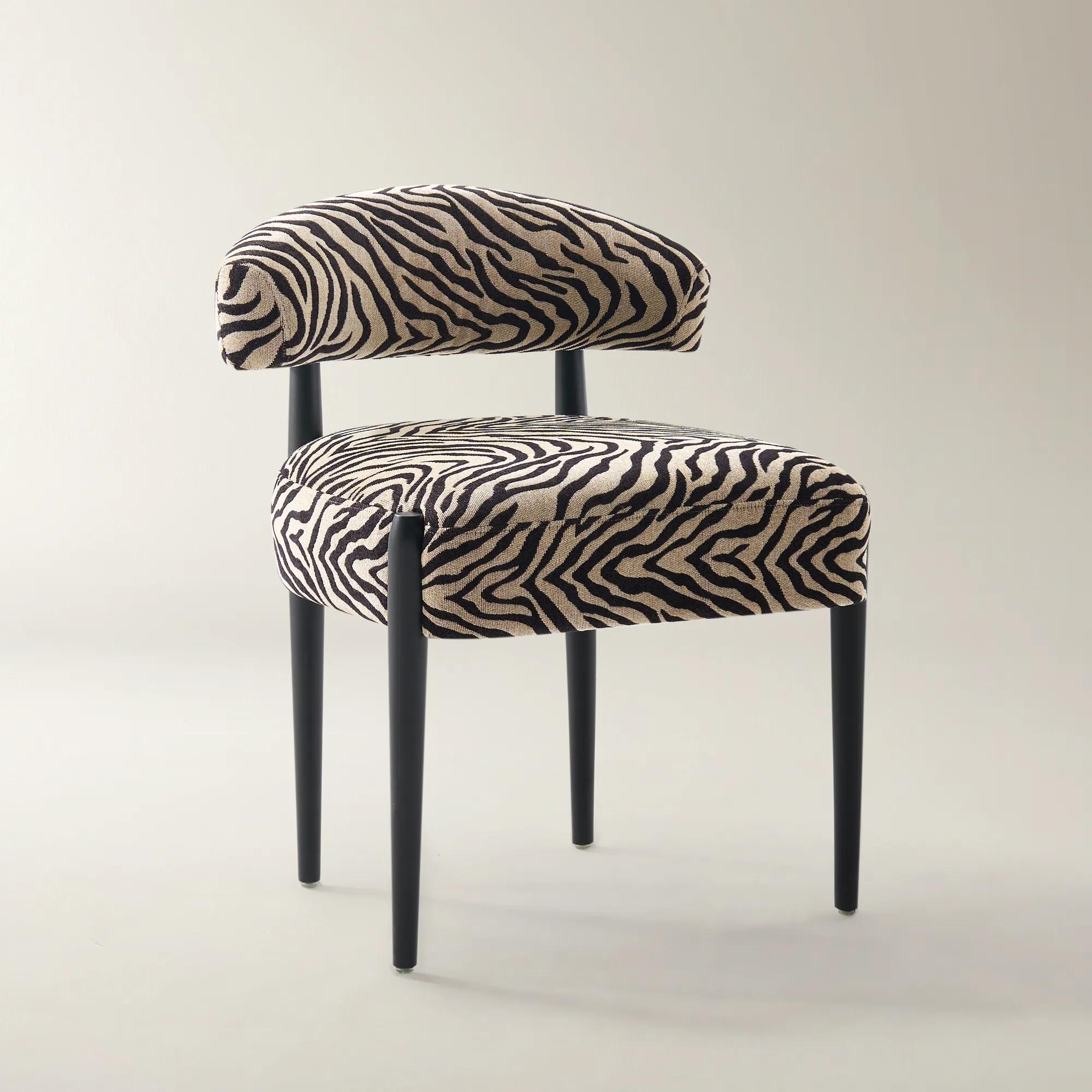
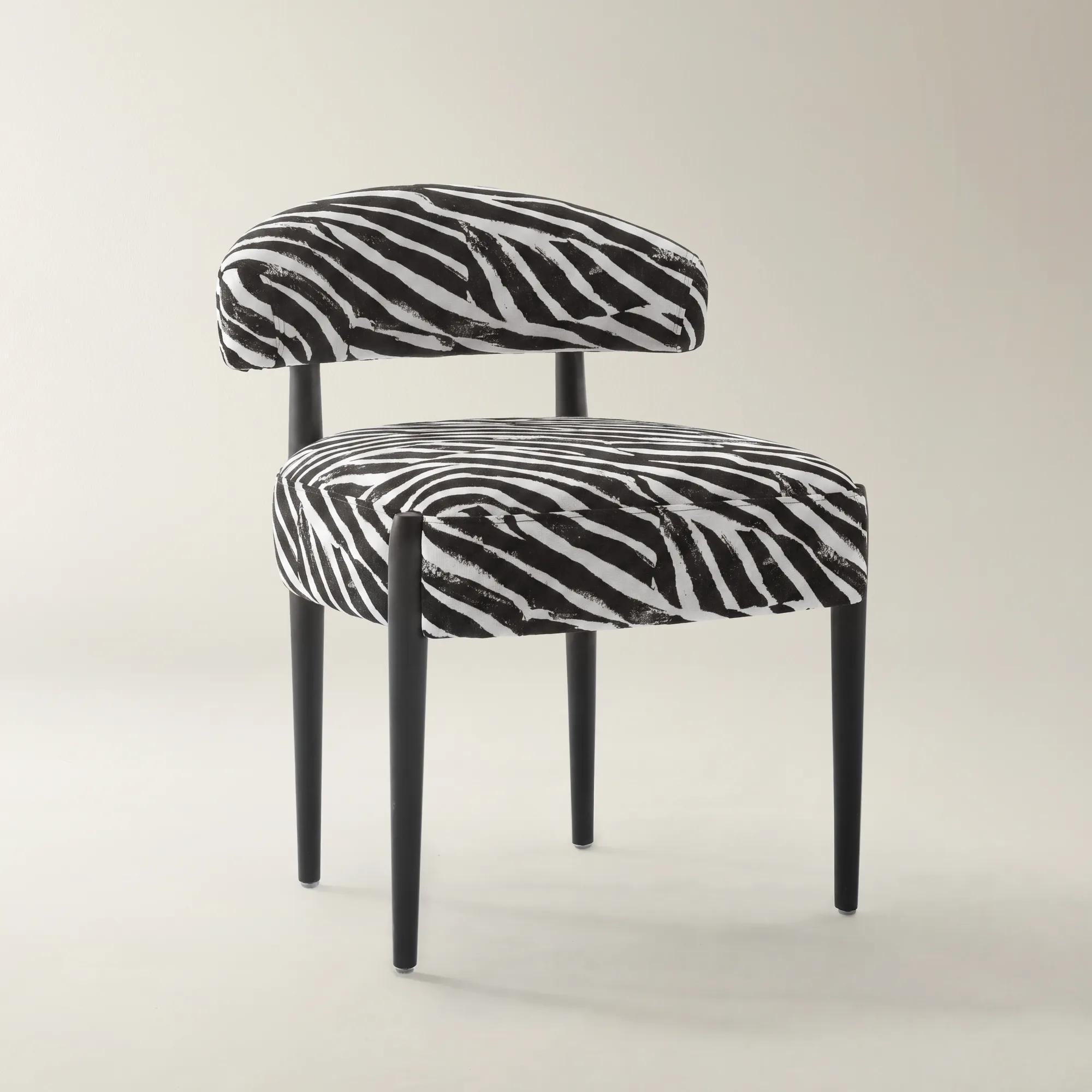 Anna White/Black Performance Chenille Dining Chair Set of 2$699
A black-and-white performance chenille chair set with arched backs, high-density foam, and solid rubberwood legs.
Add To Cart -
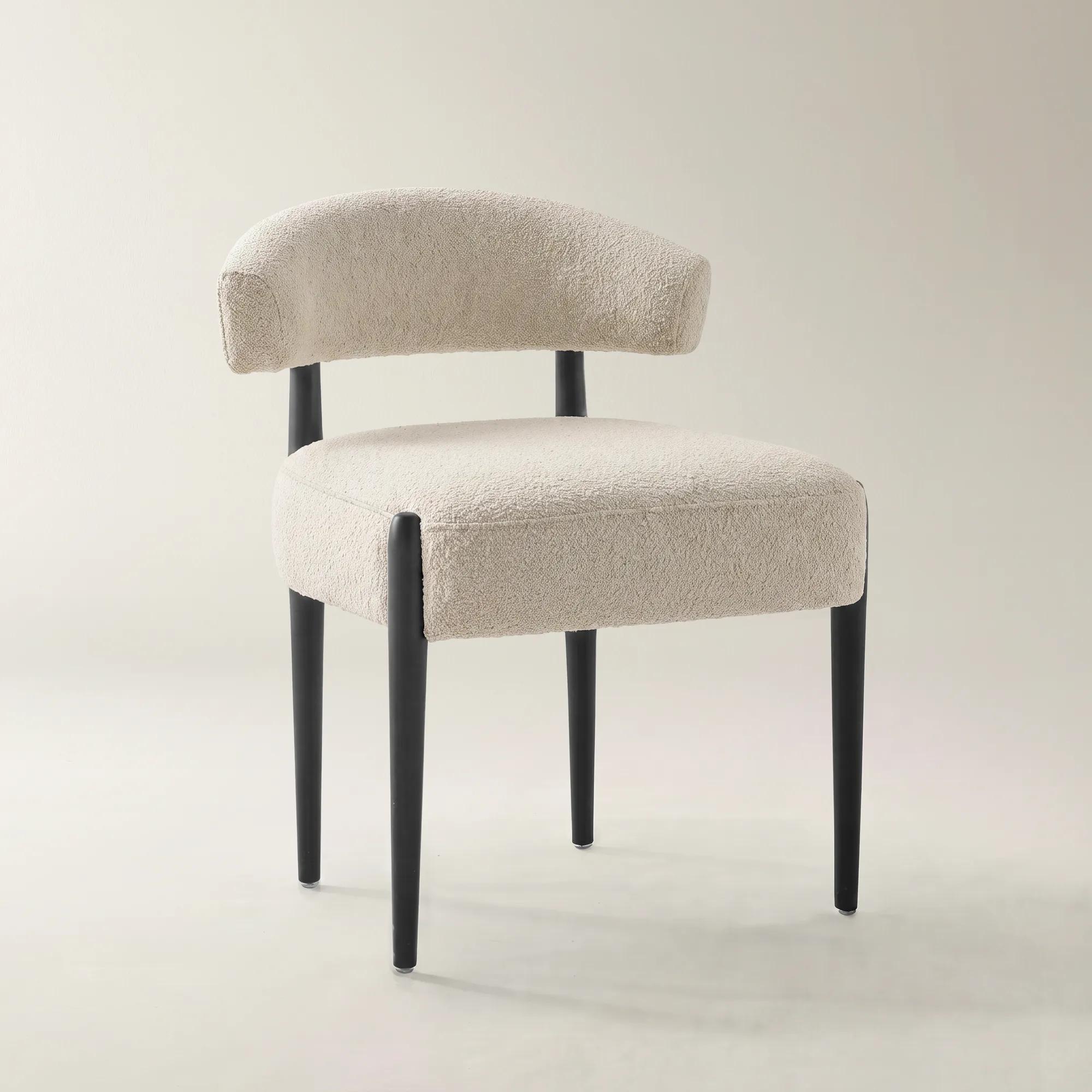 Anna Utopia Sand Chenille Dining Chair Set of 2$699
A sand chenille dining chair set featuring tailored armless curves, high-density cushioning, and solid rubberwood legs.
Add To Cart -
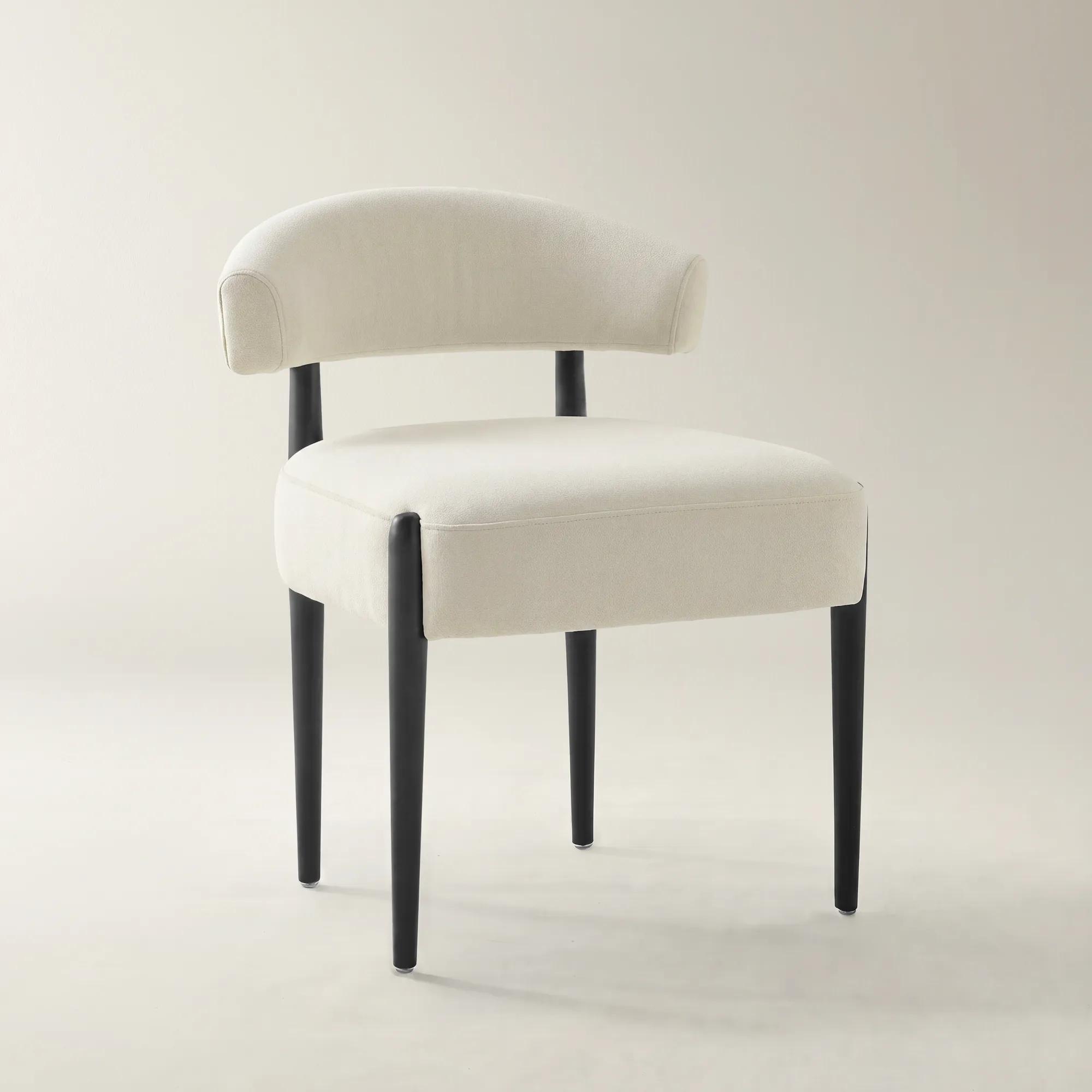 Anna Ivory Performance Chenille Dining Chair Set of 2$699
An ivory performance chenille chair pair featuring curved backs, high-density foam, and solid rubberwood legs.
Add To Cart -
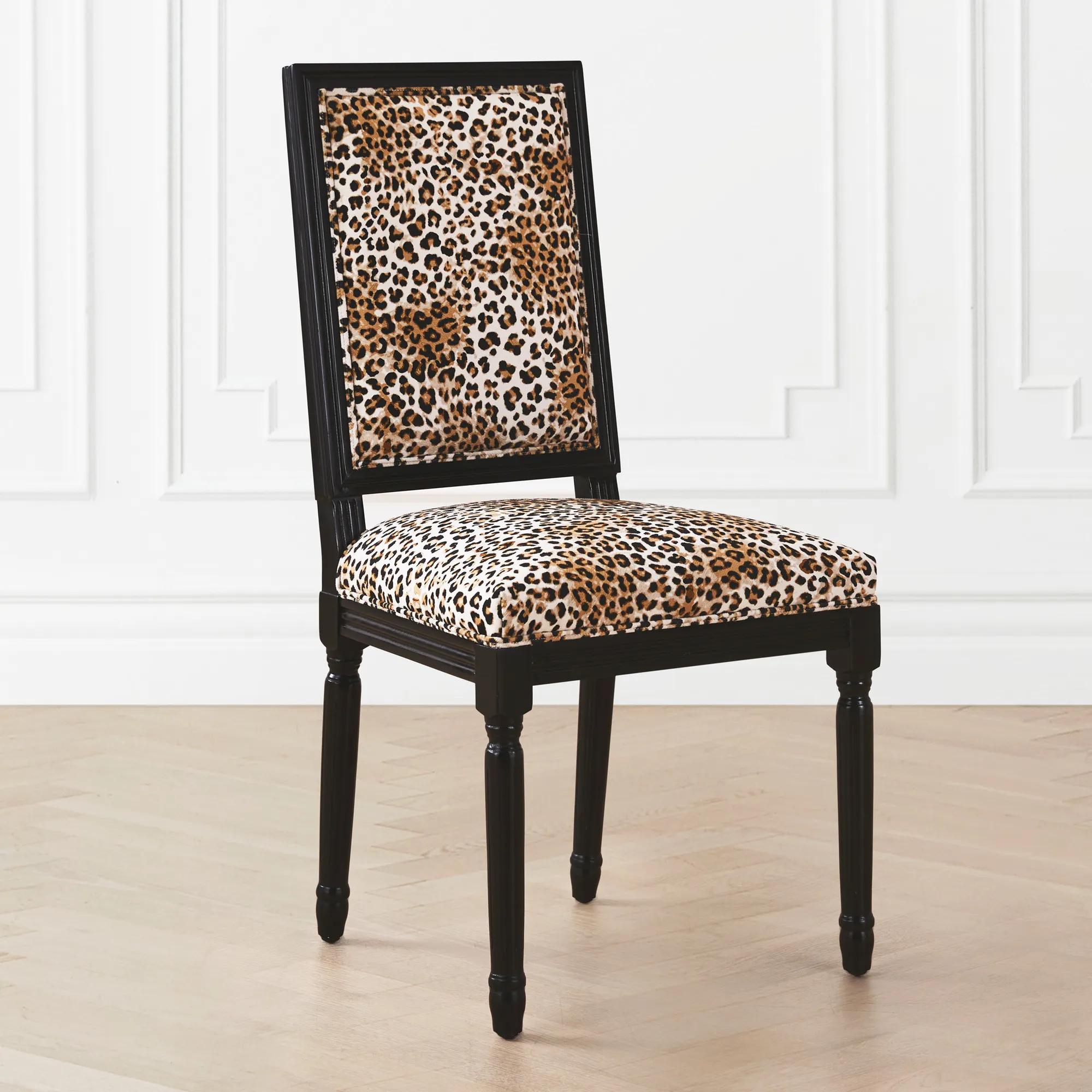
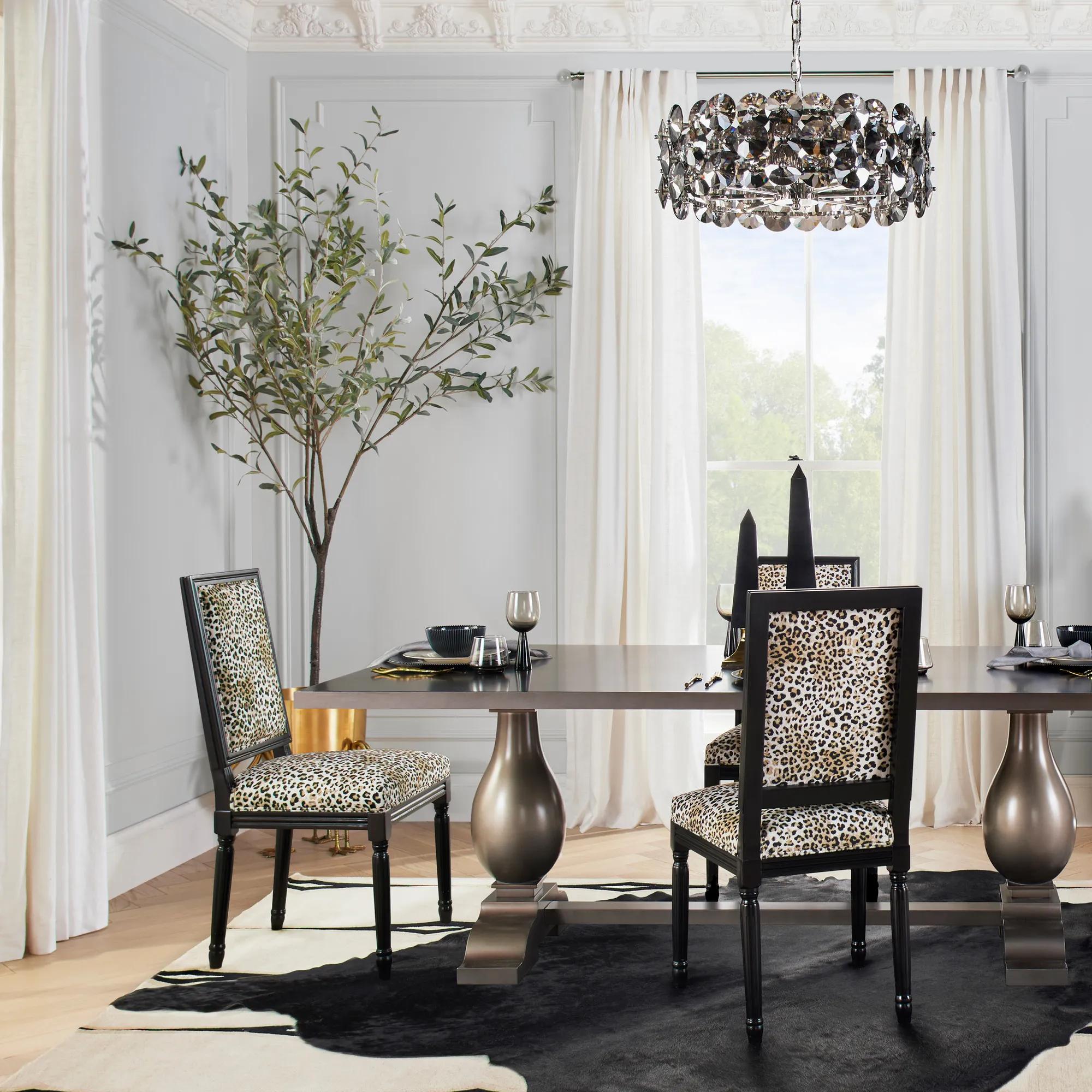 Callan Dining Chair$599
A handcrafted modern chair featuring classic upholstery, squared back, fluted legs, and high-gloss finish.
Add To Cart -
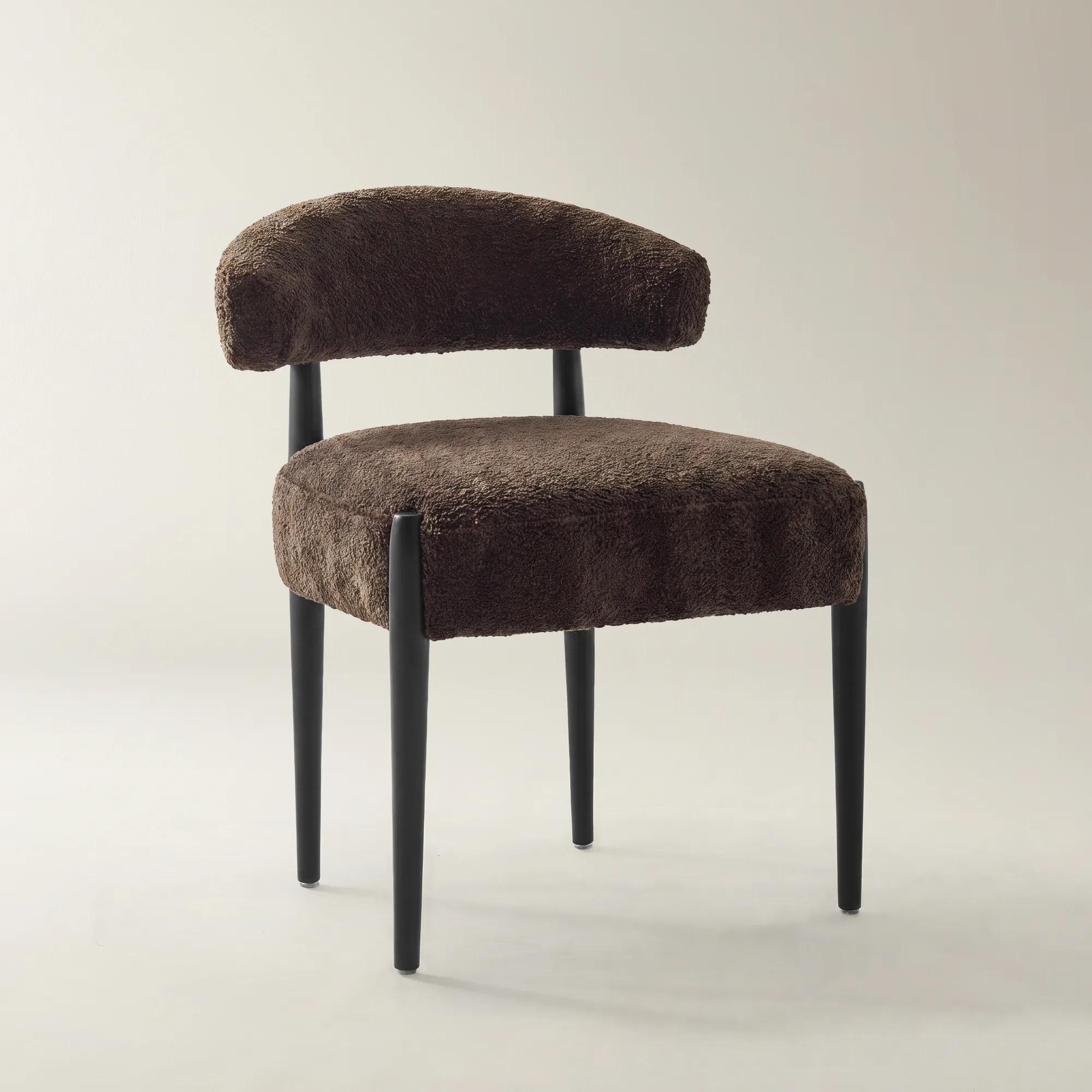 Anna Dark Chocolate Chenille Dining Chair Set of 2$699
A dark chocolate chenille chair pair featuring tailored curved backs, high-density foam, and solid rubberwood legs.
Add To Cart -
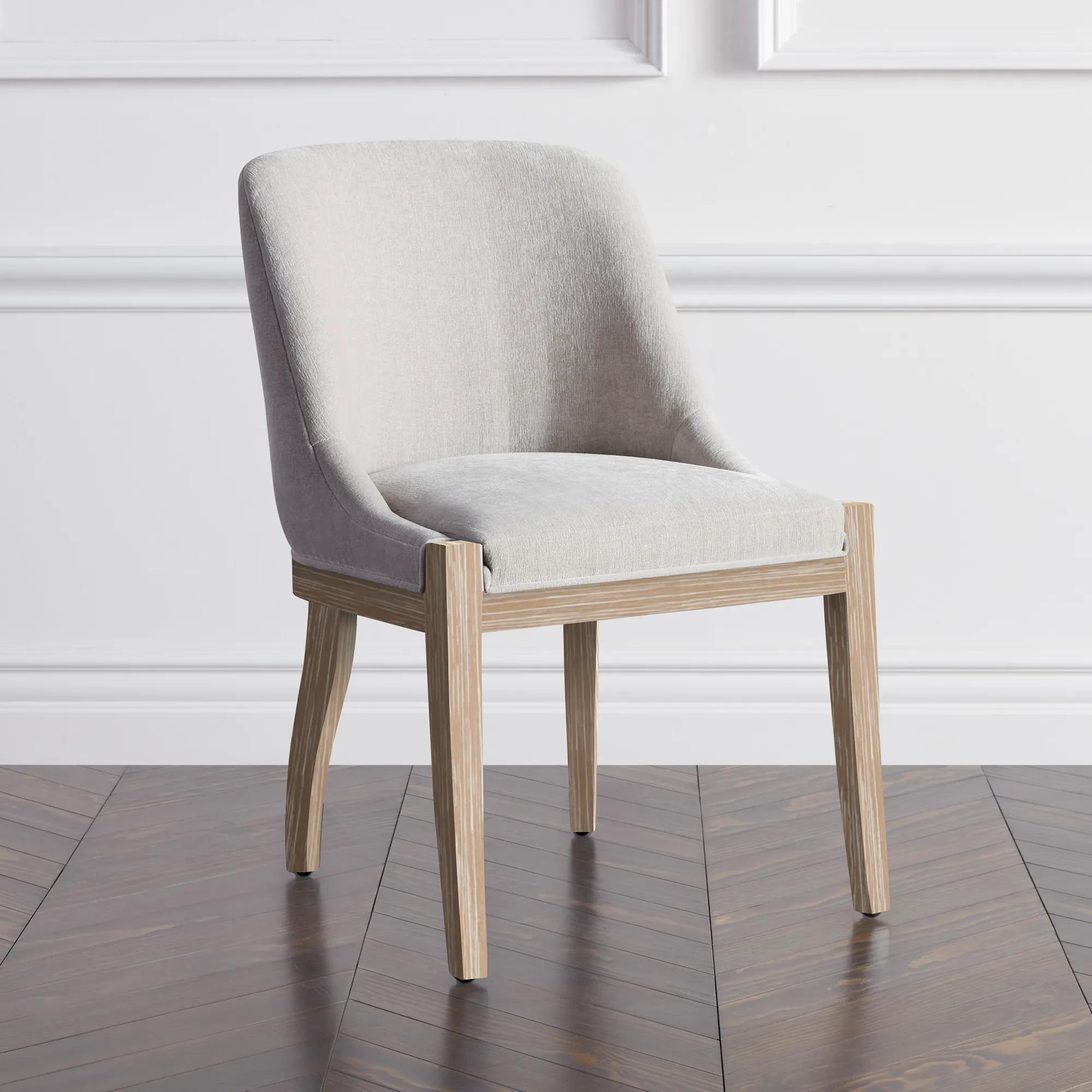
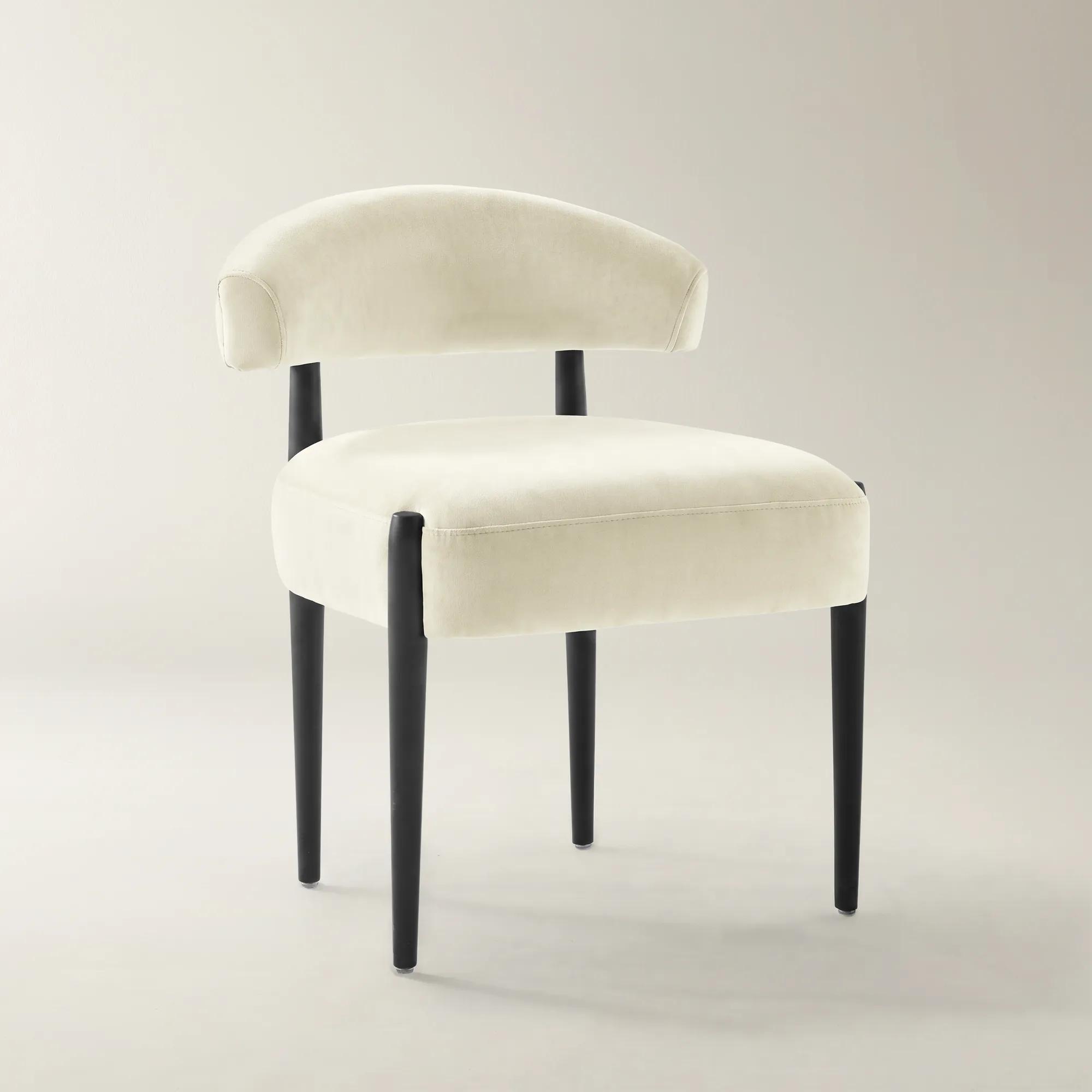 Anna Cloud Velvet Dining Chair Set of 2$699
A hand-upholstered Cloud velvet chair set featuring curved backs, high-density foam, and solid rubberwood legs.
Add To Cart -
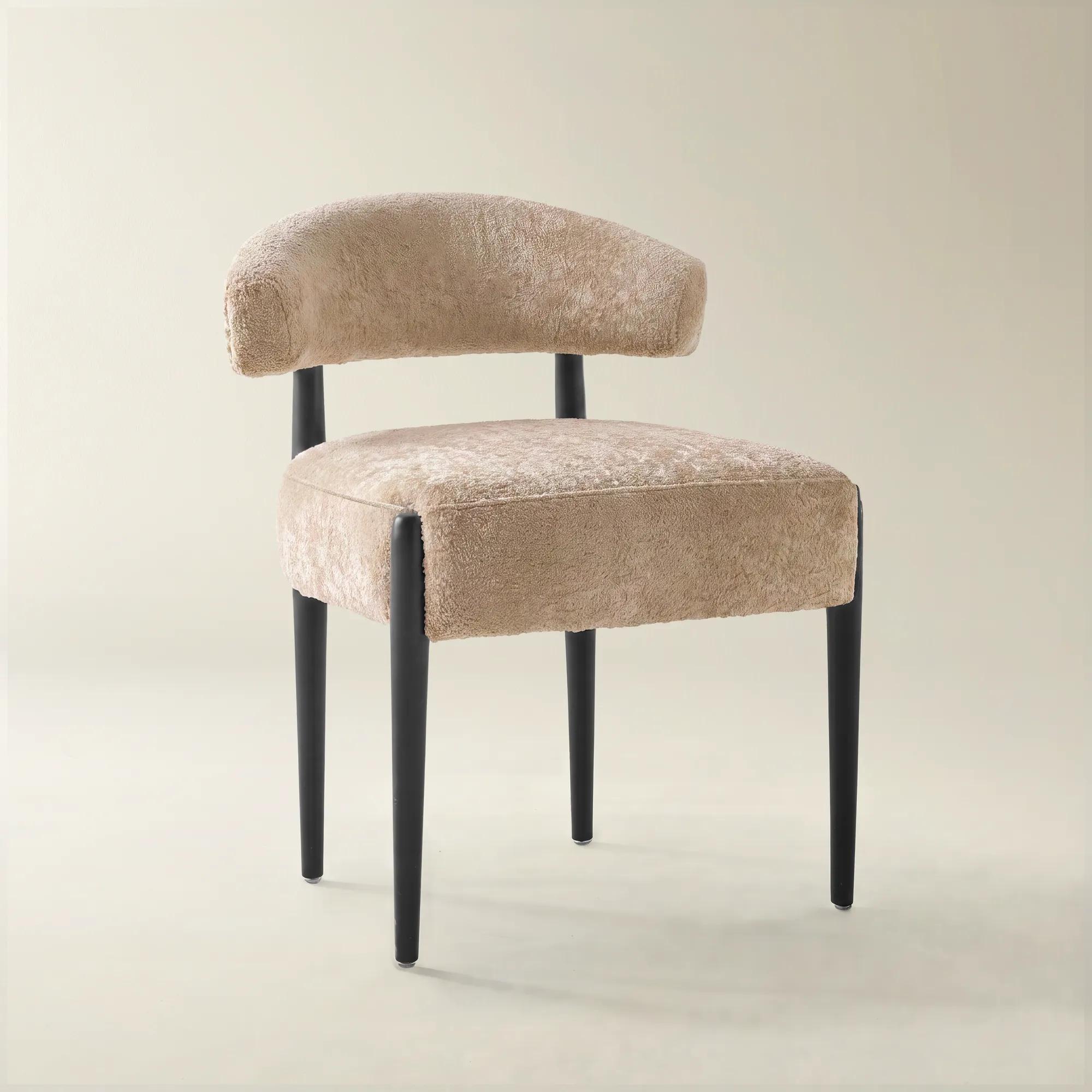 Anna Light Brown Chenille Dining Chair Set of 2$699
A light brown chenille chair set featuring arched backs, high-density foam cushioning, and solid rubberwood legs.
Add To Cart -
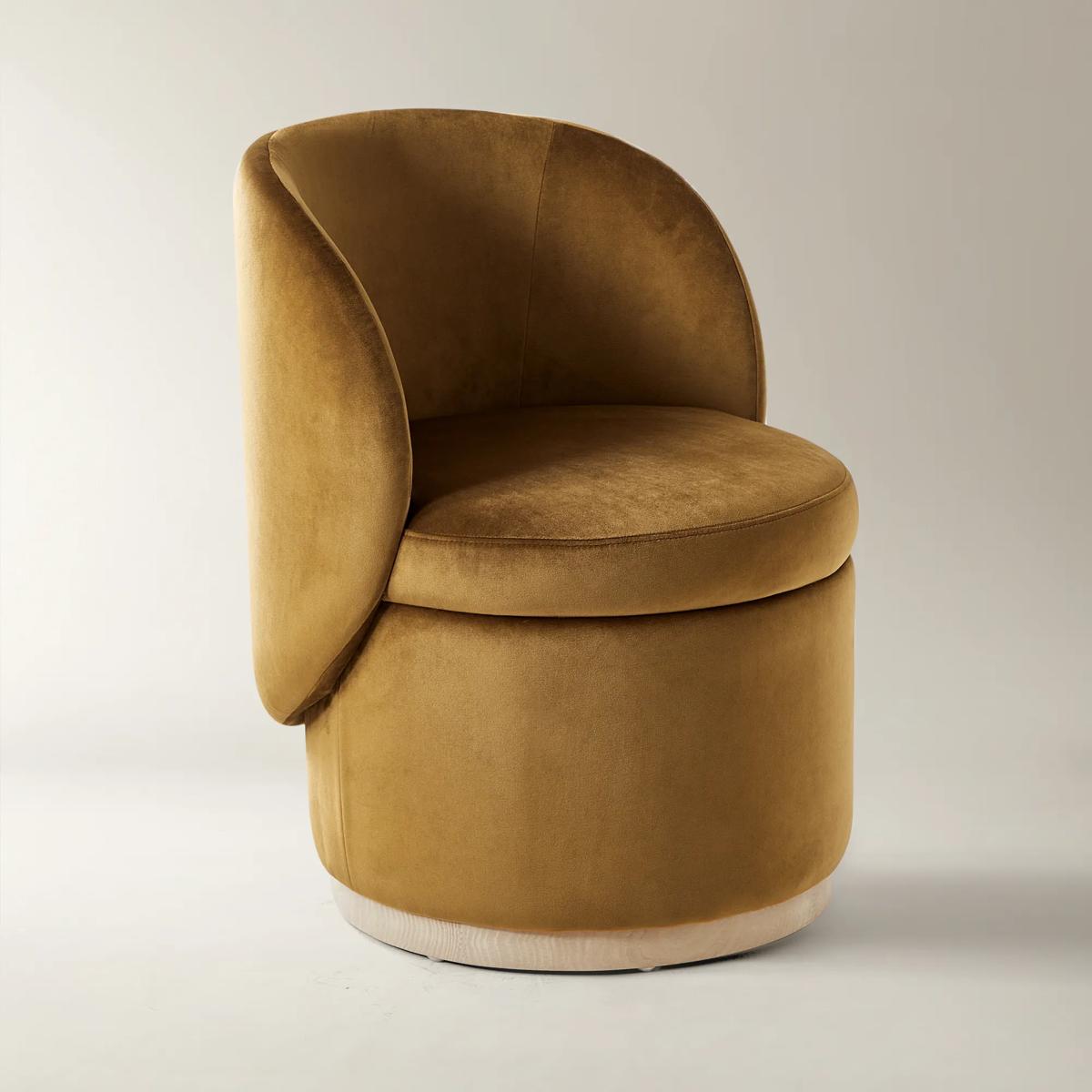
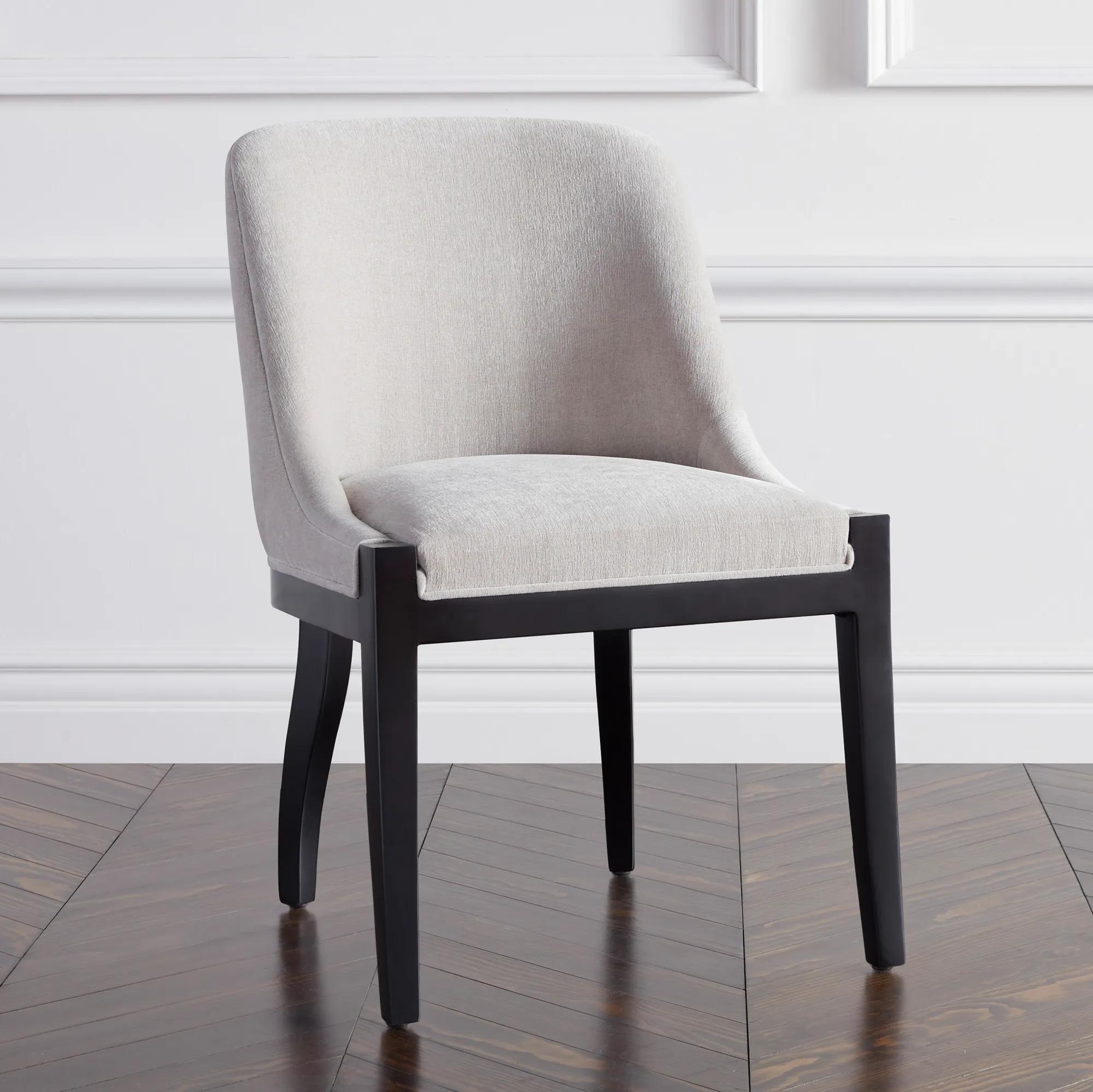
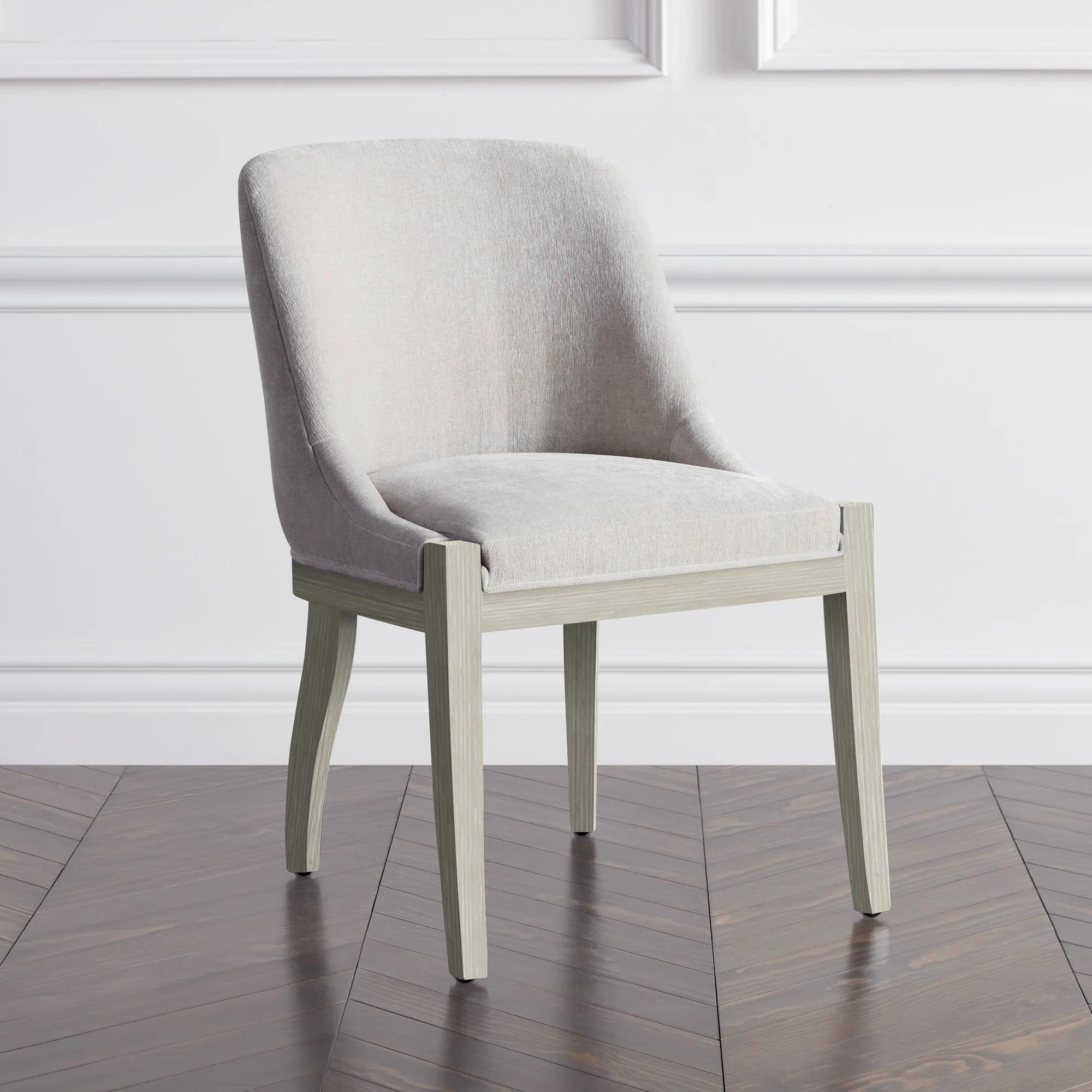
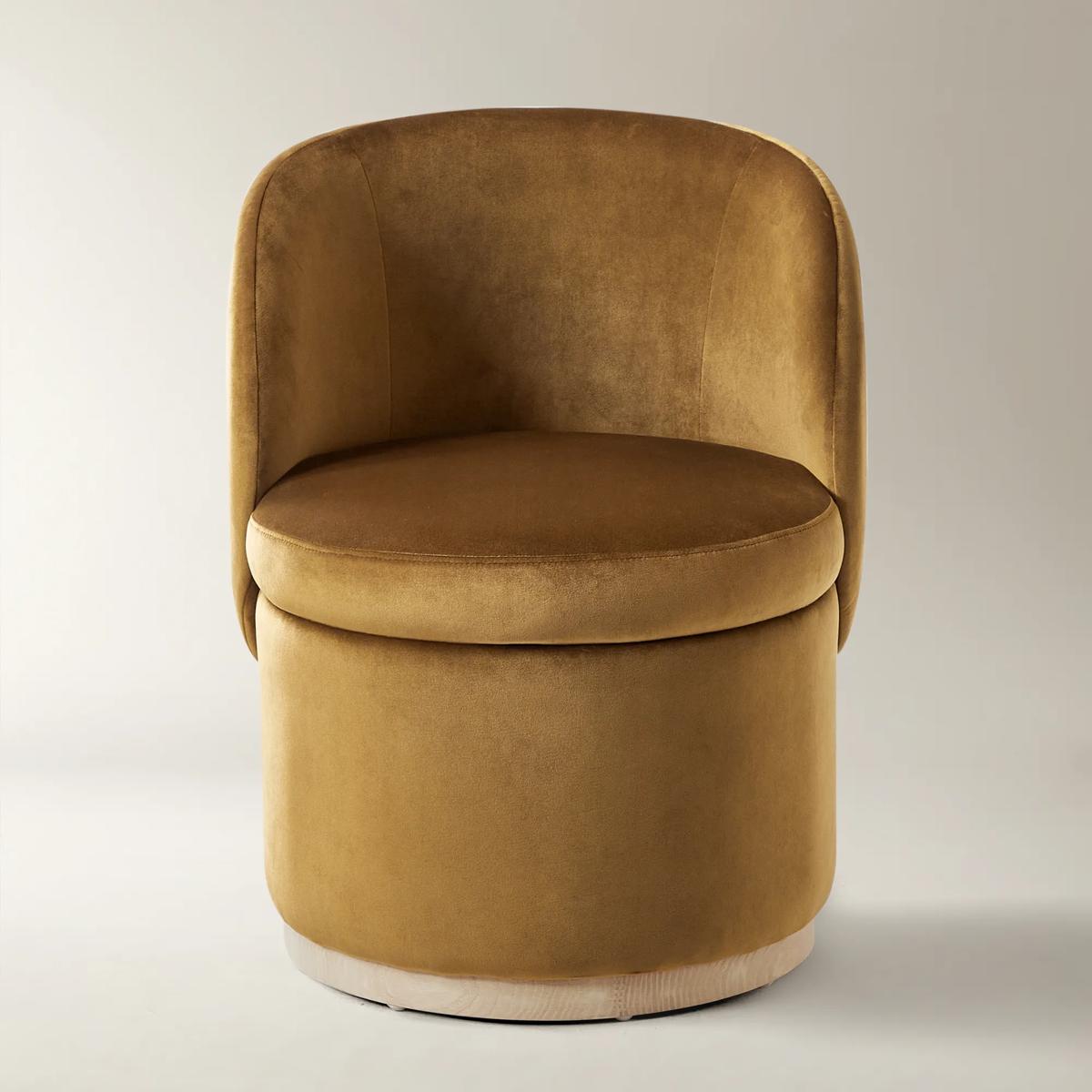 Stria Roasted Pecan Velvet Dining Chair With Oak Base$599
A khaki chenille chair featuring cozy upholstery and a handcrafted solid oak base for organic warmth.
Add To Cart -
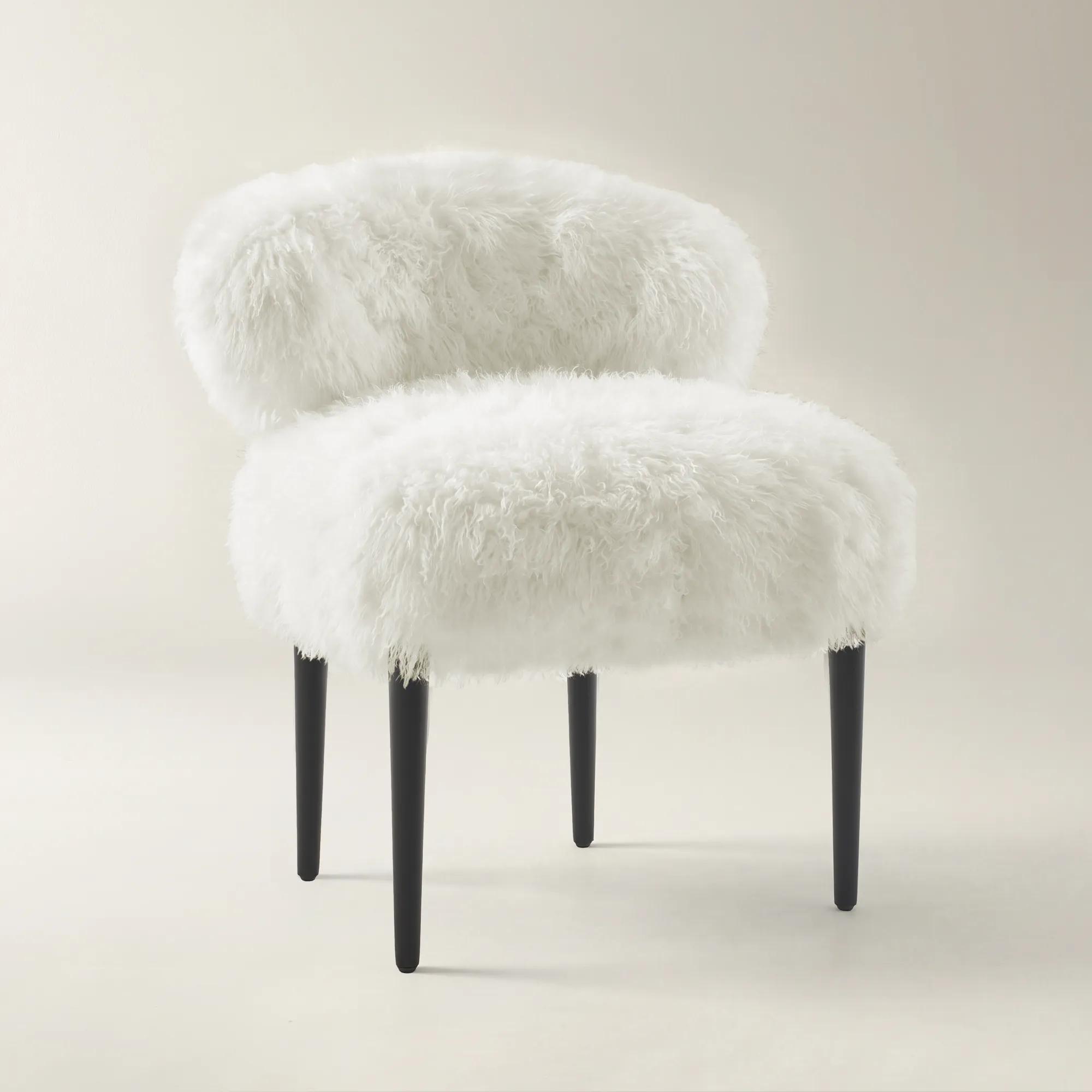 Anna Ivory Faux Fur Dining Chair Set of 2$799
A hand-upholstered ivory faux fur dining chair with a curved back, high-density foam cushioning, and rubberwood legs.
Add To Cart -
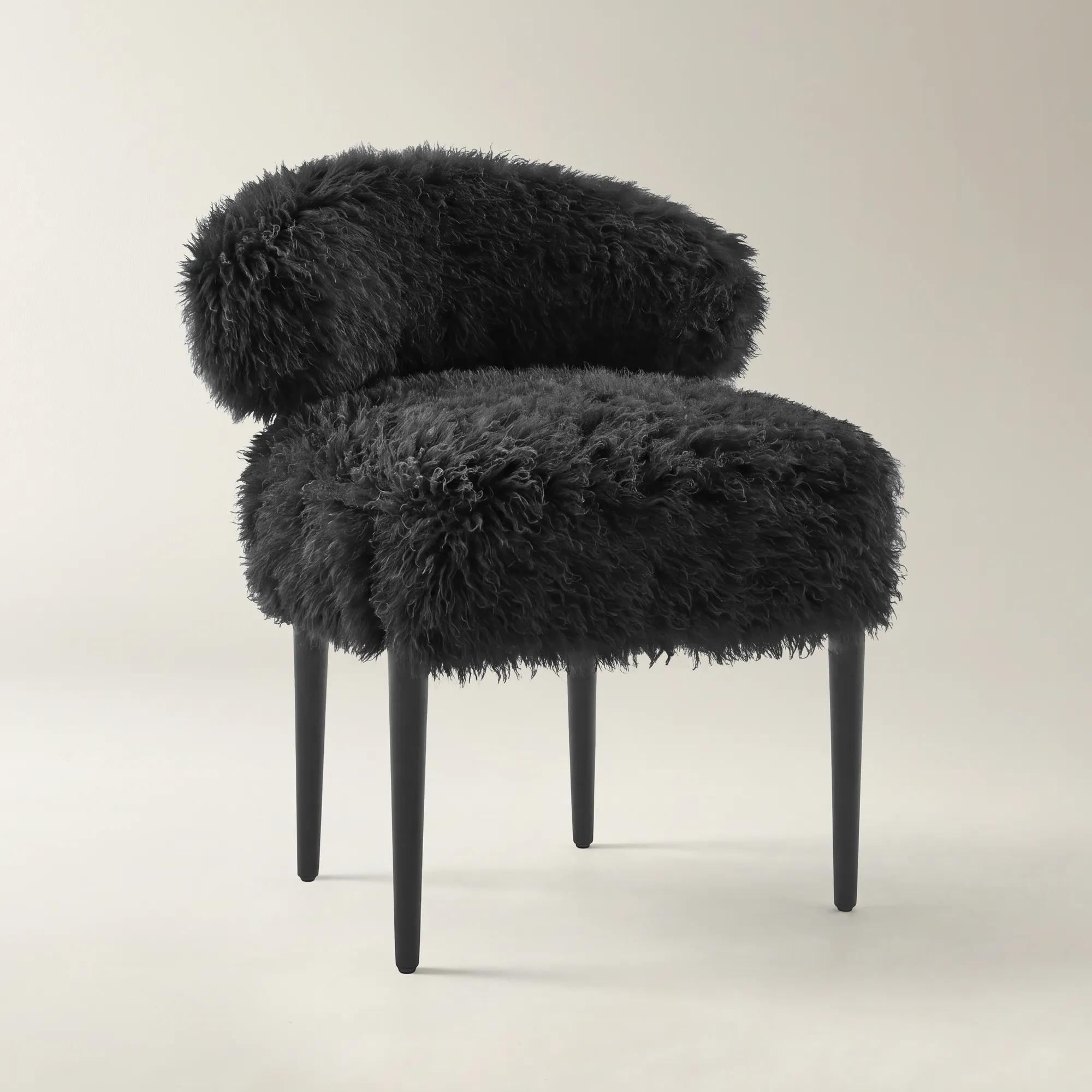 Anna Black Faux Fur Dining Chair Set of 2$799
A black faux fur chair set with arched backs, foam cushioning, and solid wood legs.
Add To Cart -
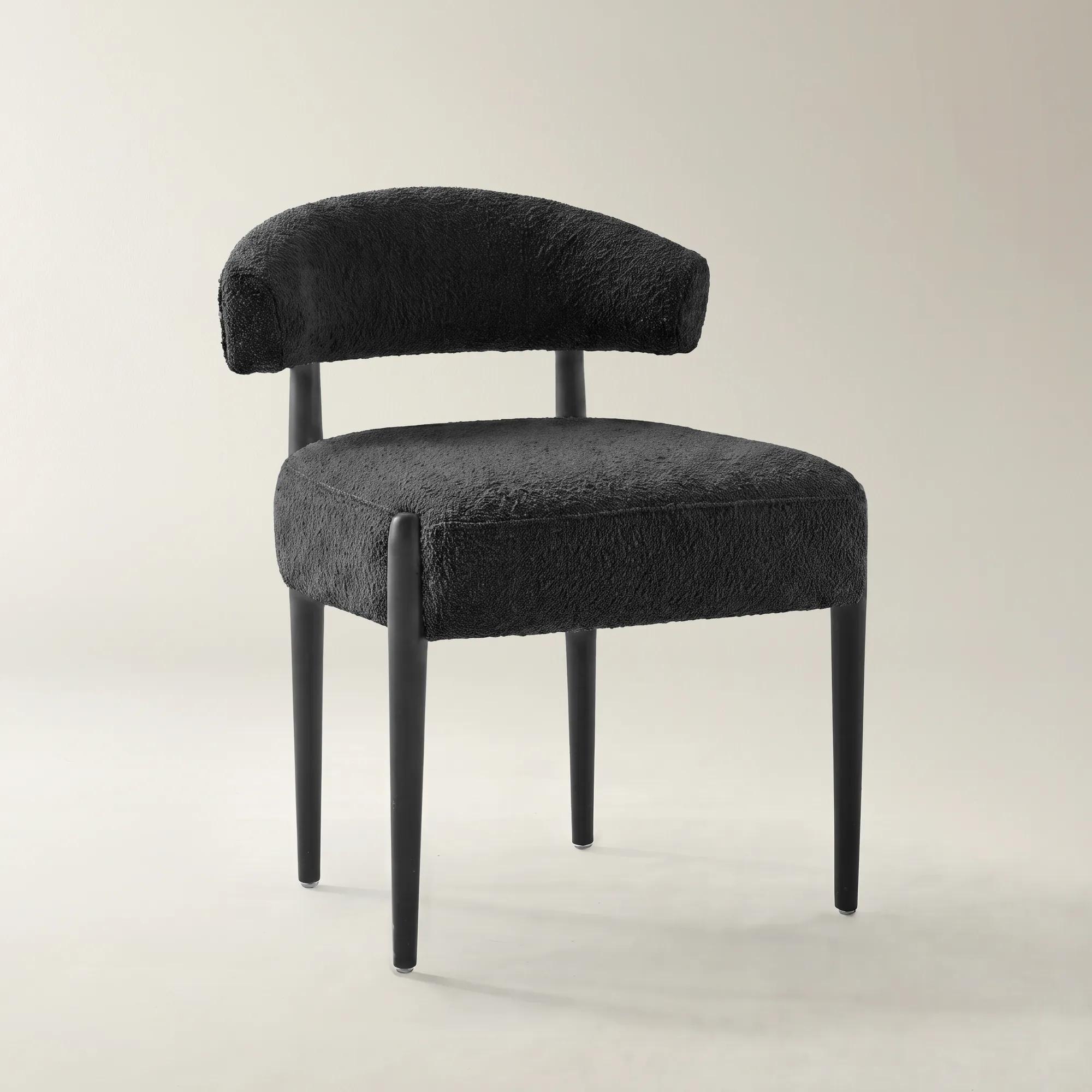 Anna Black Chenille Dining Chair Set of 2$699
A charcoal chenille dining chair set with curved backs, high-density foam cushioning, and rubberwood legs.
Add To Cart -
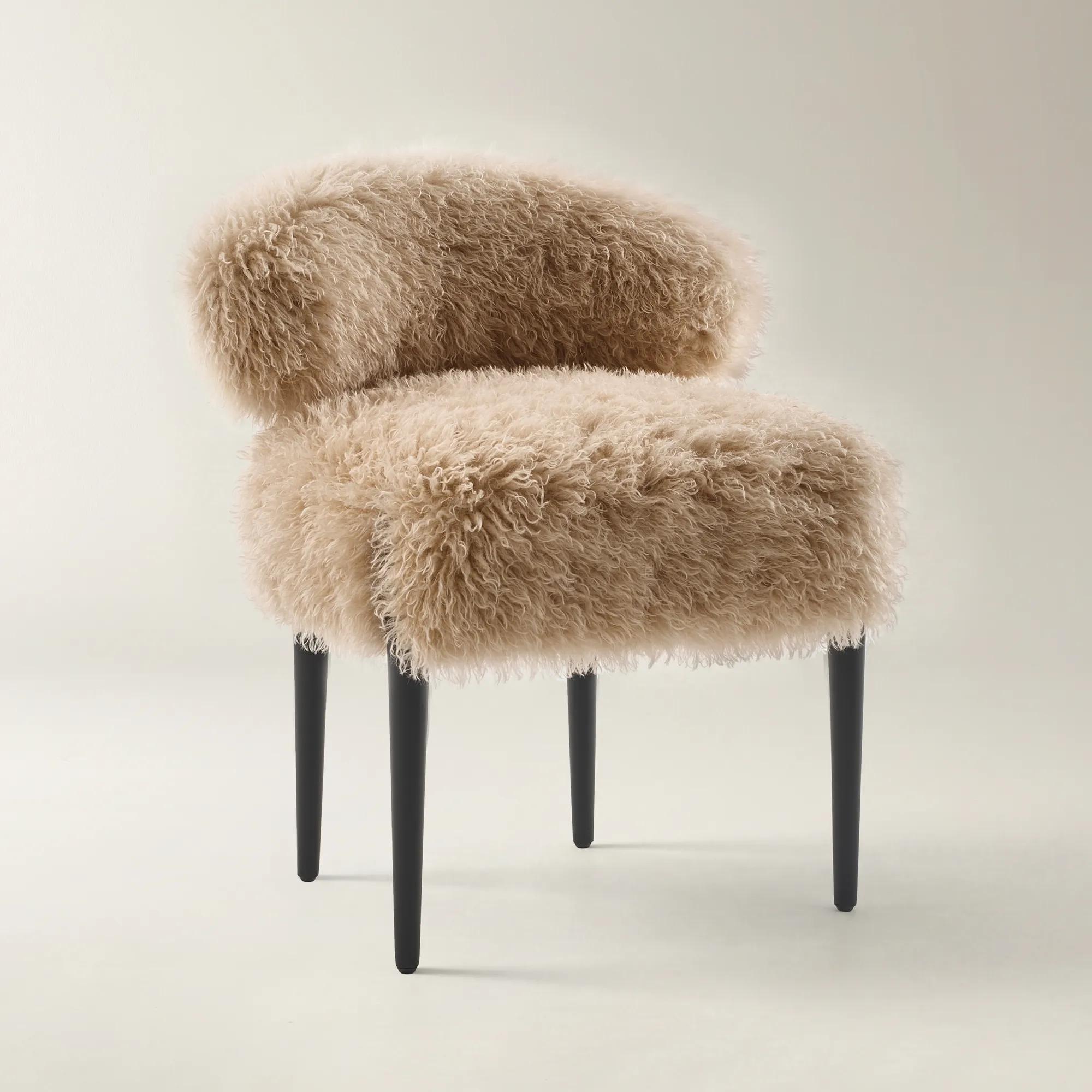 Anna Tan Faux Fur Dining Chair Set of 2$799
A tan faux fur dining chair set with curved backs, cushioned comfort, and solid rubberwood legs.
Add To Cart -
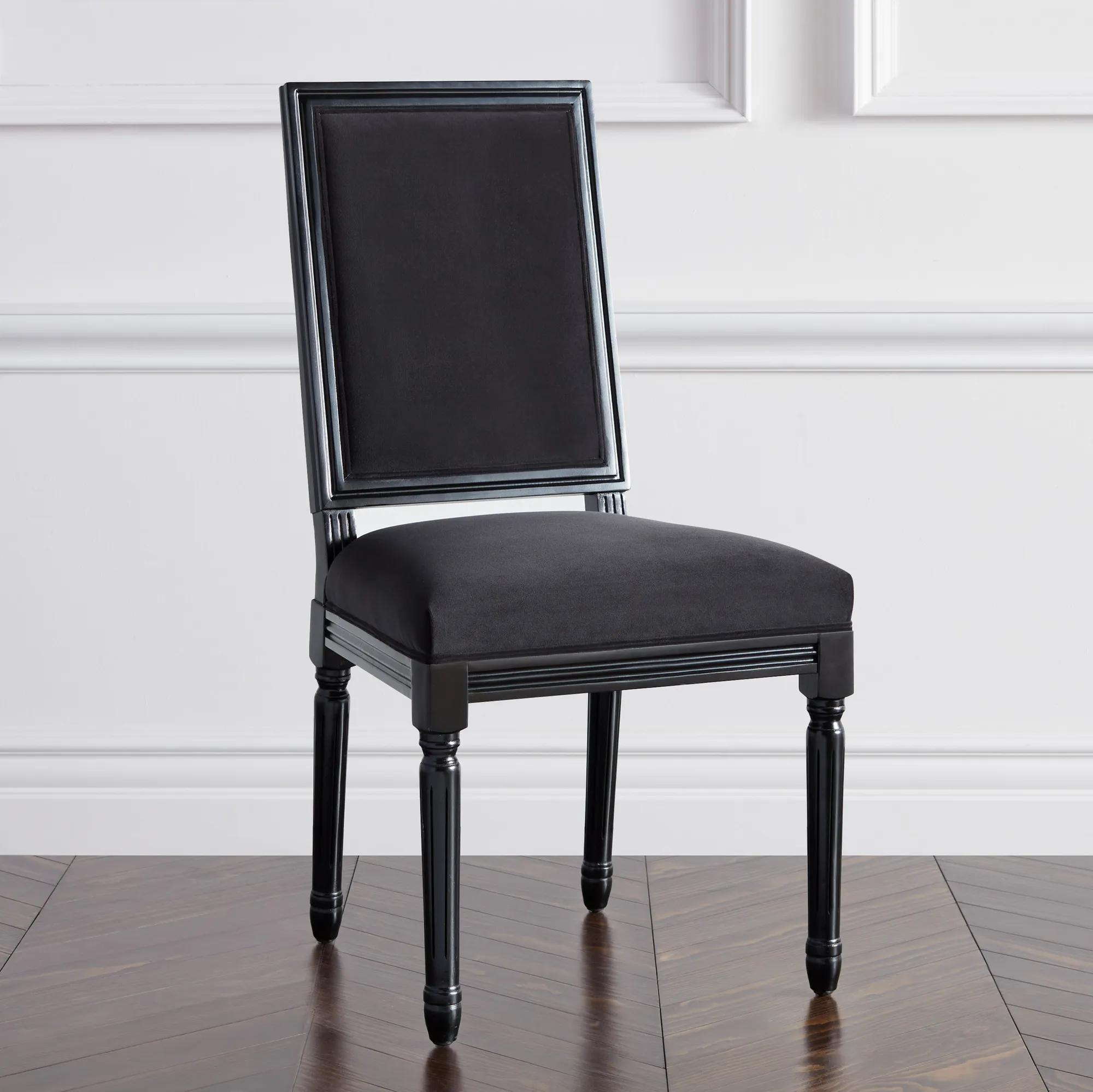
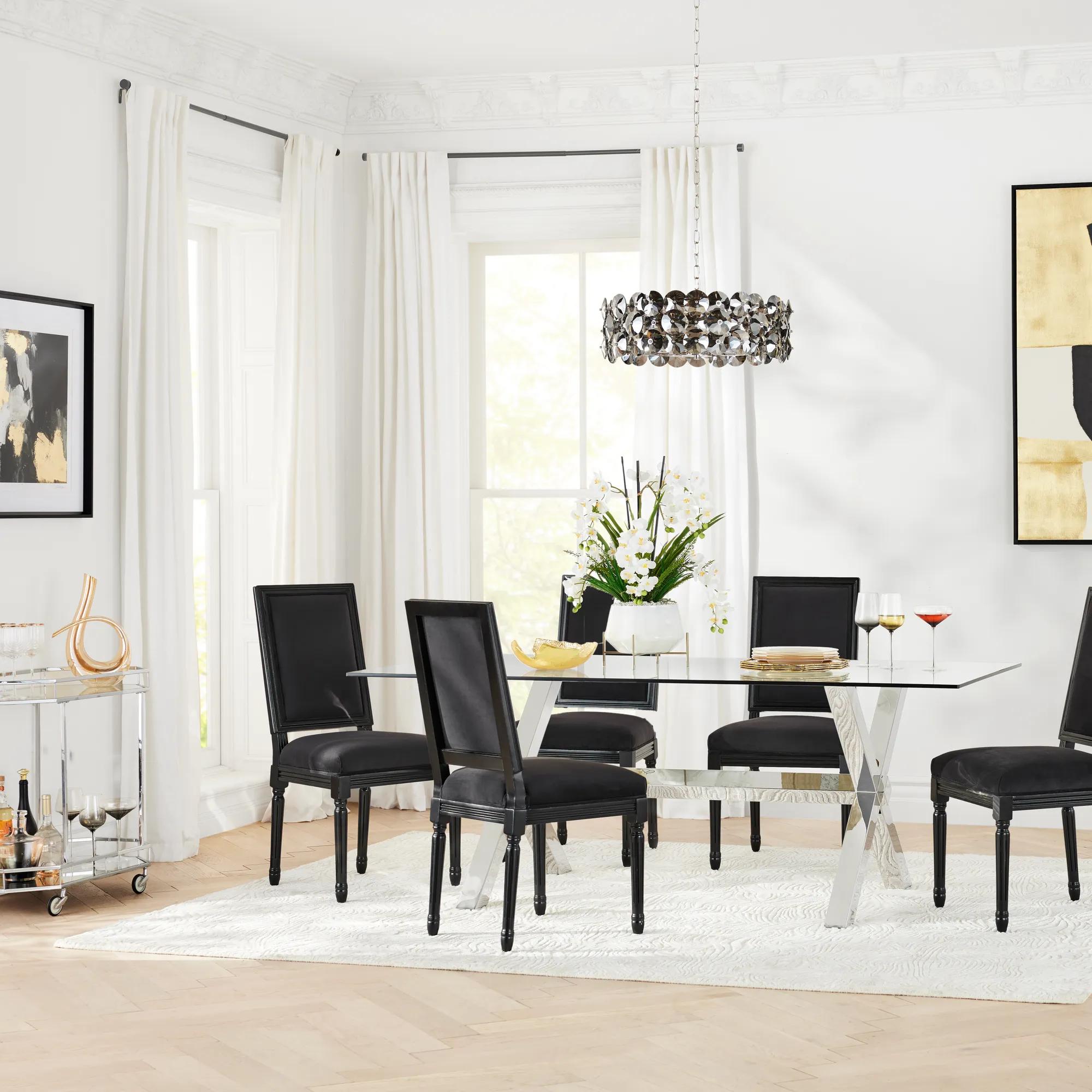 Callan Dining Chair - High Gloss Black$599
A handcrafted dining chair featuring high-gloss black Bella Velvet upholstery, fluted legs, and a squared back.
Add To Cart -
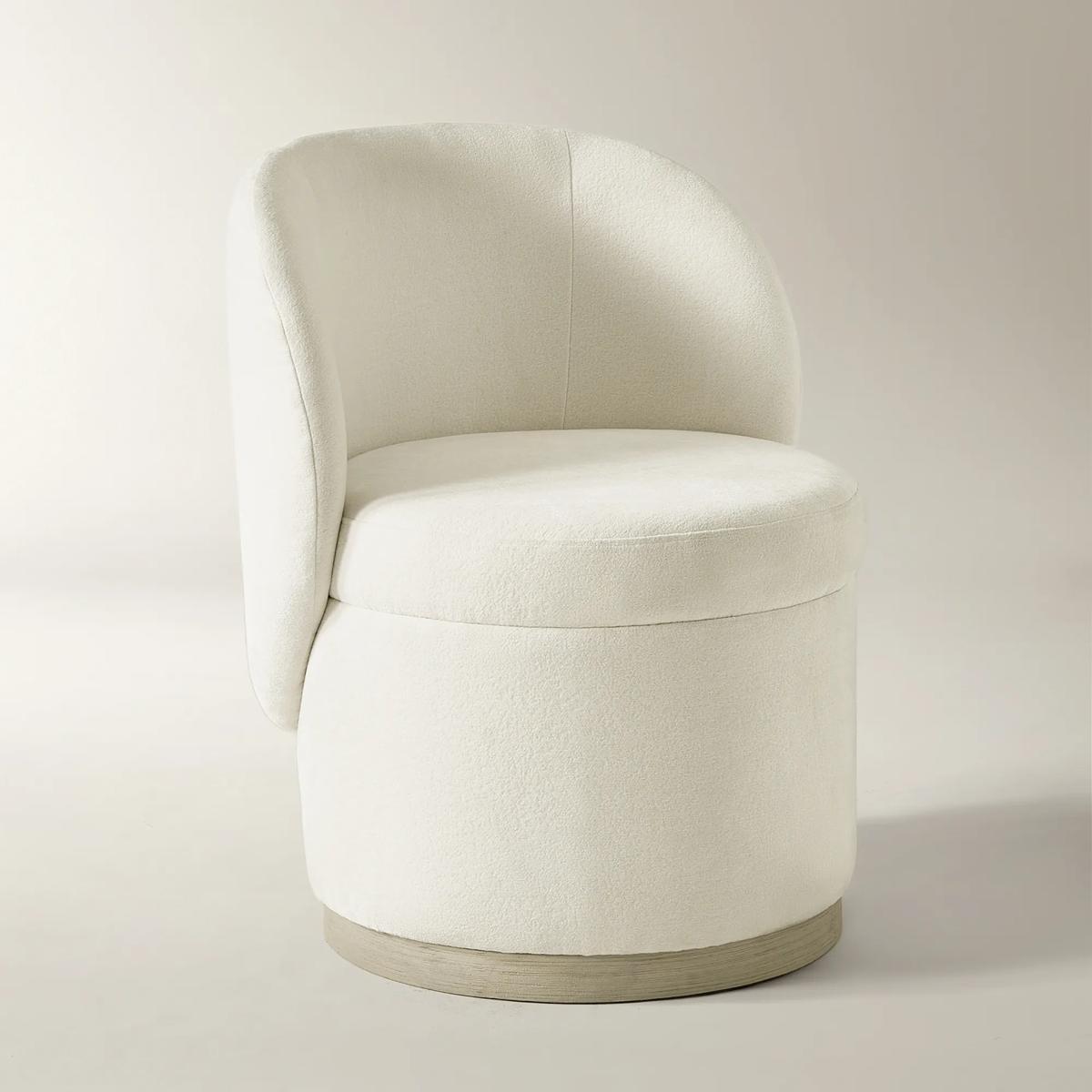 Stria Ivory Chenille Dining Chair With Oak Base$599
An ivory chenille chair featuring a plush, velvet-like finish and a handcrafted solid oak base.
Add To Cart -
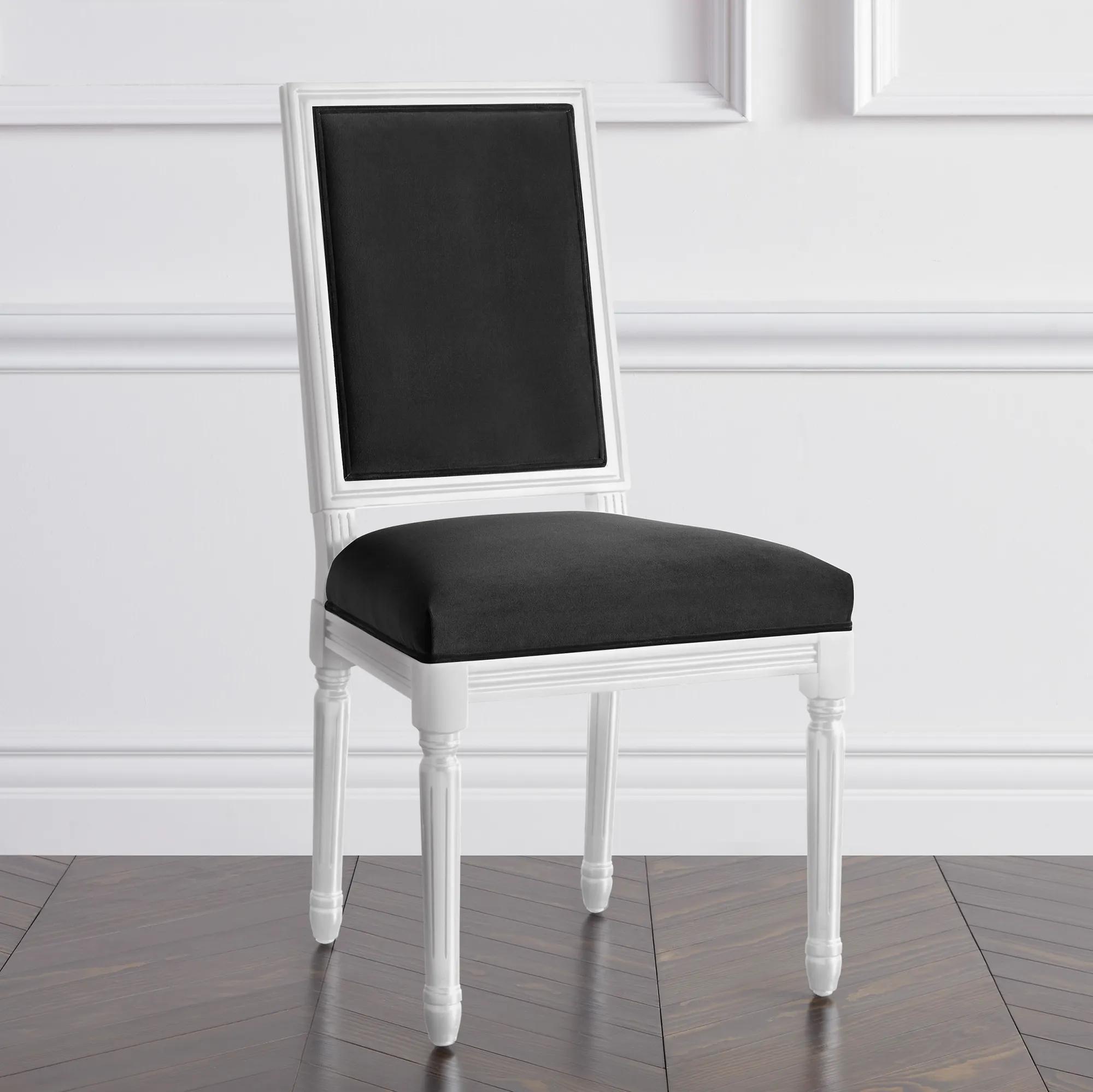
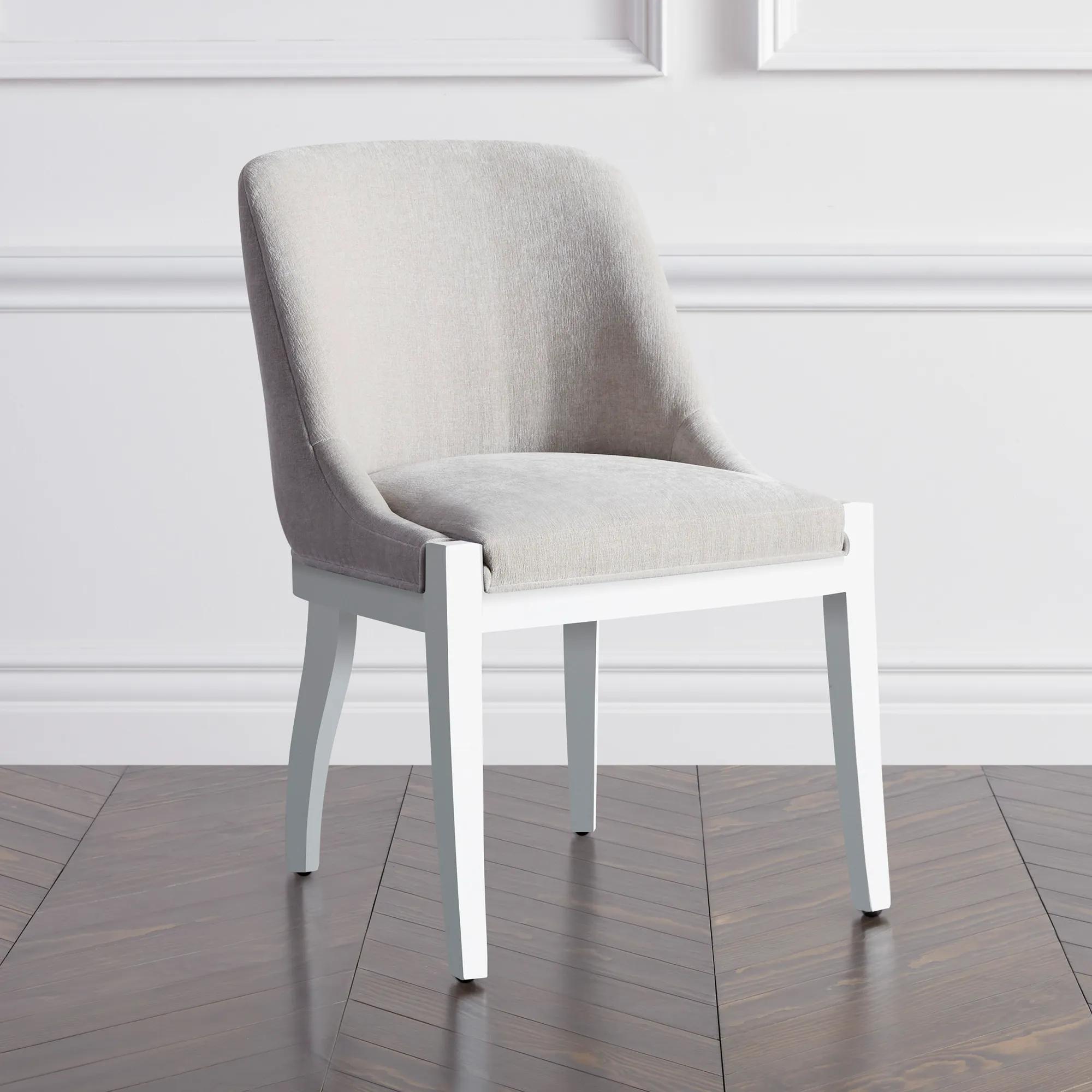
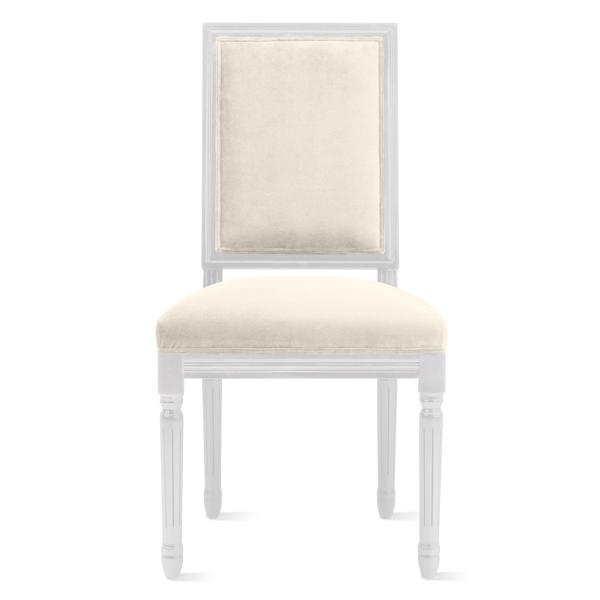 Callan Dining Chair - High Gloss White$599
A handcrafted dining chair featuring a high-gloss white finish, kiln-dried hardwood frame, and plush upholstery.
Add To Cart -
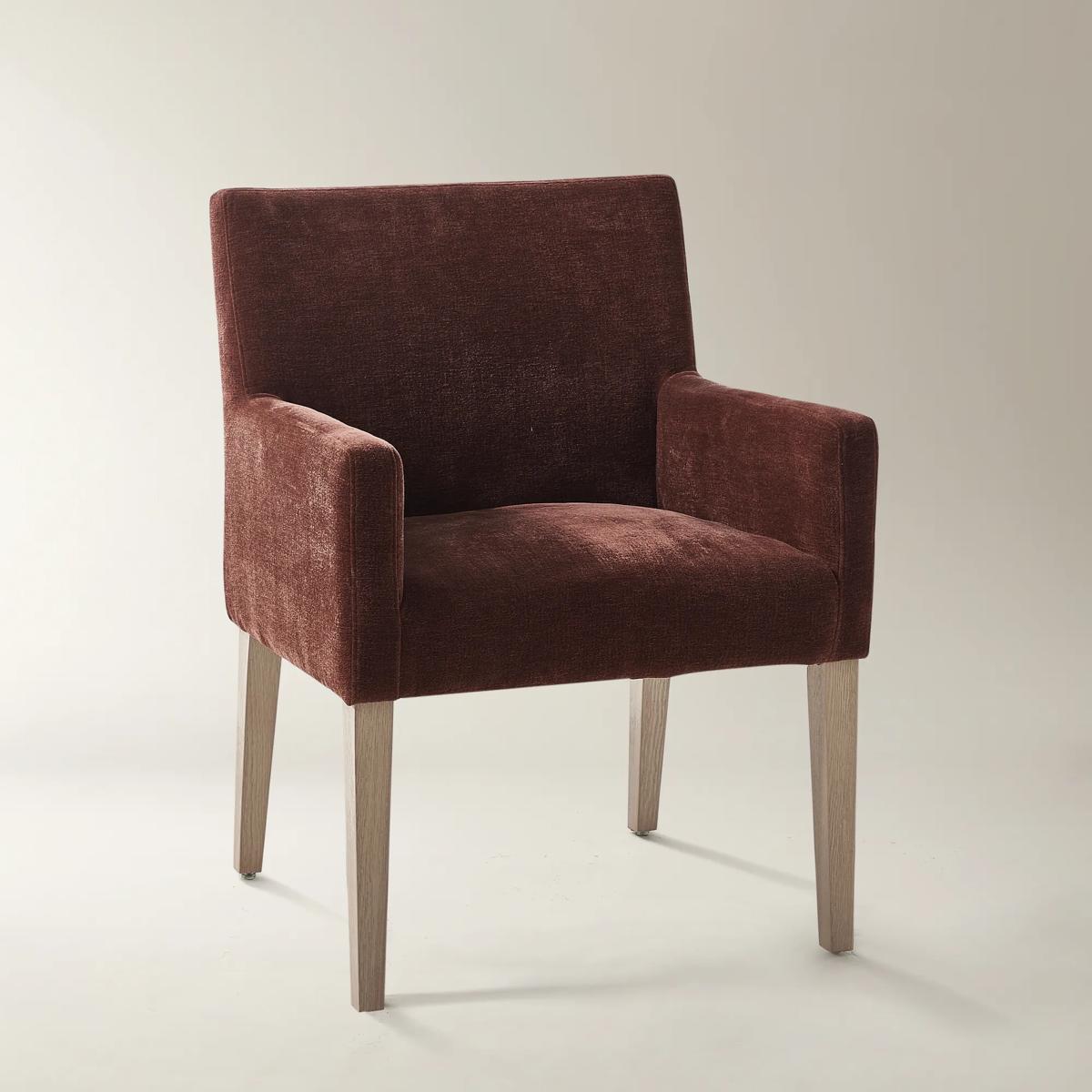
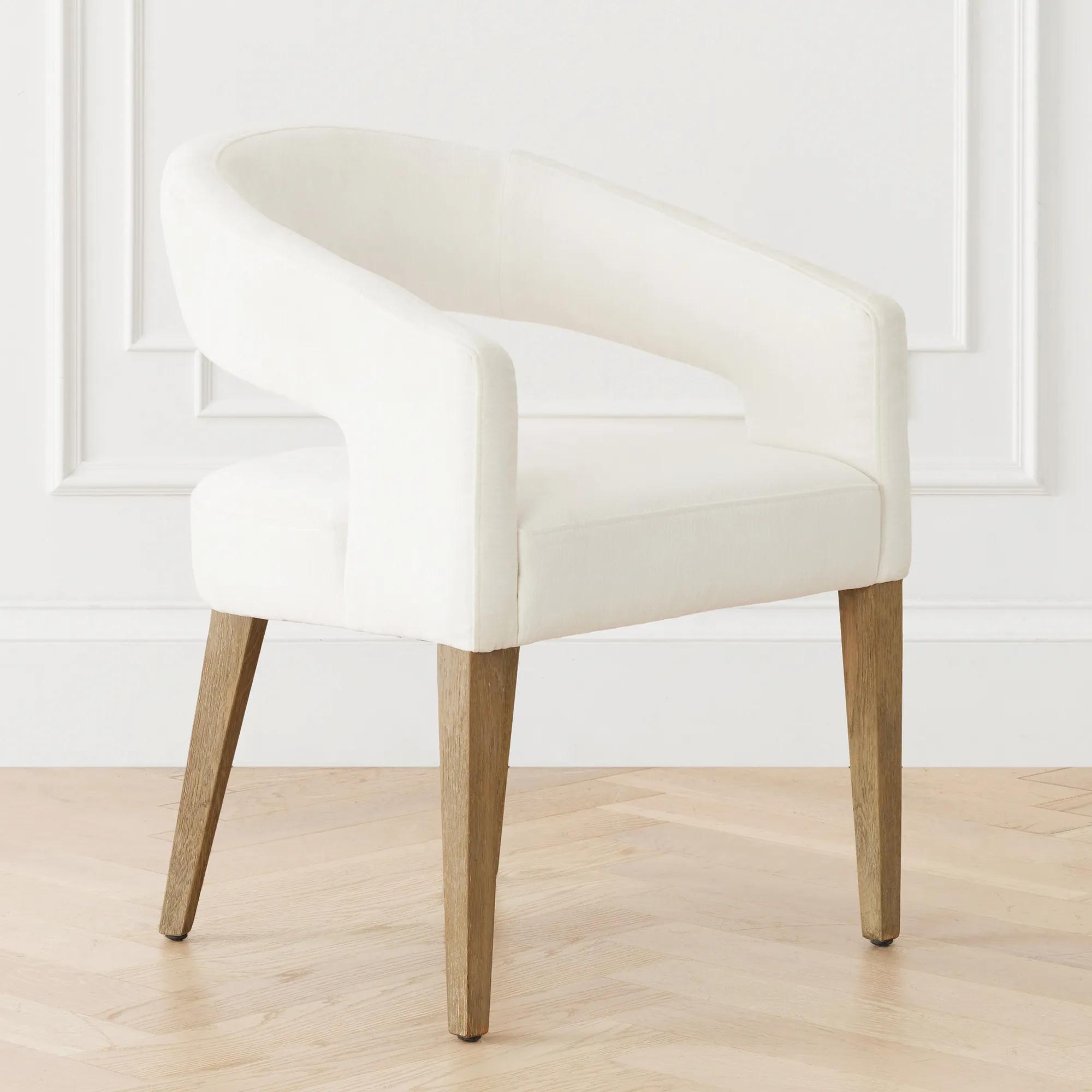
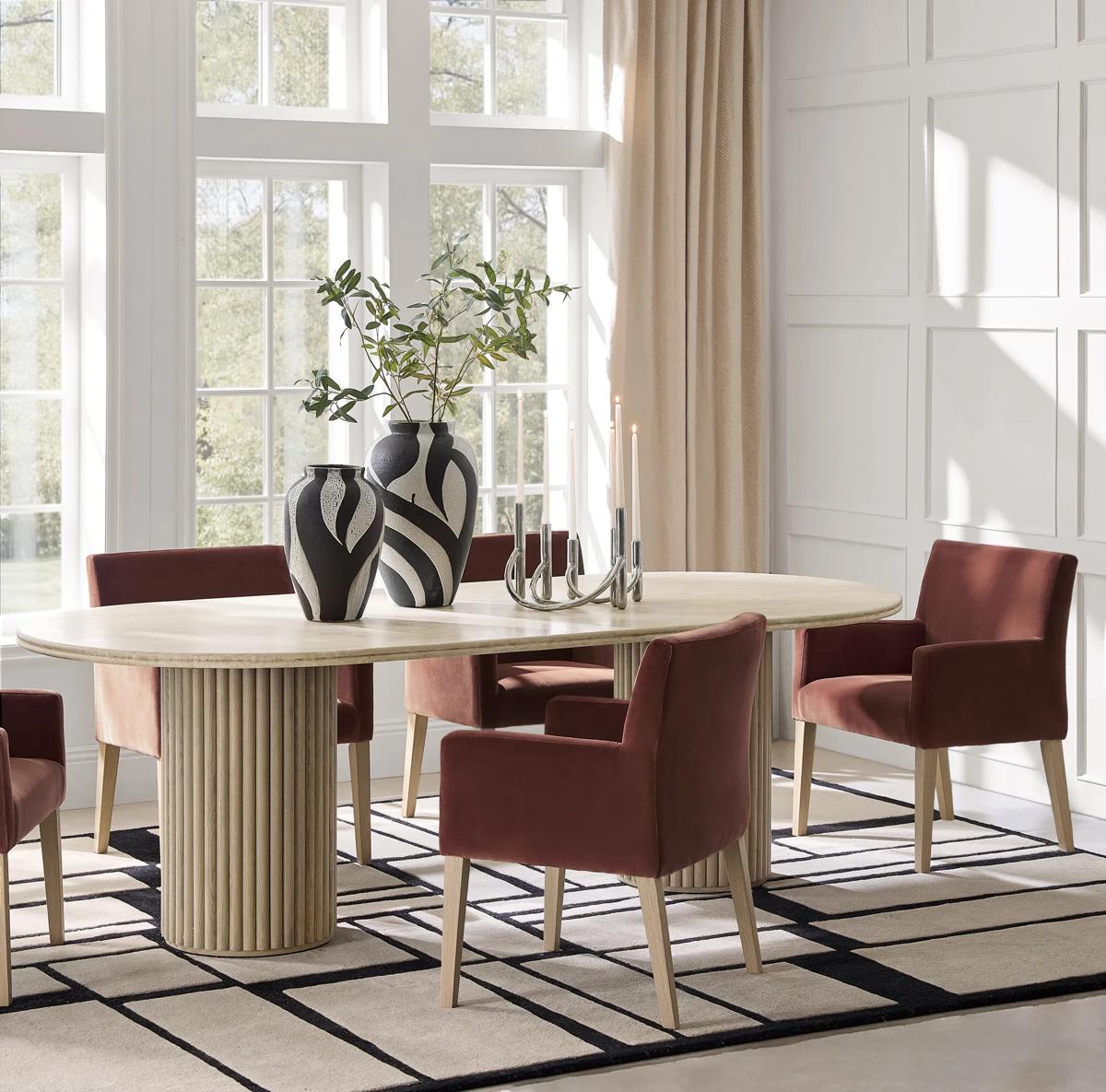 Stria Rust Velvet Dining Chair Set Of 2$599
A set of two arm chairs featuring cognac chenille upholstery and handcrafted solid oak legs for timeless style.
Add To Cart

Formal Dining Chairs With Solid Wood Legs
Elevate every gathering with formal dining chairs with solid wood legs—where sophistication meets artistry at the heart of your home. Imagine sculptural silhouettes and refined finishes that command attention, each chair a statement in both luxury and comfort. These pieces transform the dining room into a stage for celebration, their solid wood legs anchoring the space with enduring elegance. Whether hosting lavish soirées or intimate dinners, formal dining chairs with solid wood legs invite you to savor every moment in an atmosphere dripping with drama and distinction. Paint your dining experience boldly—because every seat deserves its spotlight.
Formal dining chairs with solid wood legs combine a supportive wooden base with the polished proportions and decorative detail suited to an elegant dining room. Styles range from traditional silhouettes with turned or carved legs to transitional designs with gently tapered supports and modern chairs defined by sculptural curves. Upholstered seats and backs bring softness to the composition, while exposed wood introduces warmth, grain, and a sense of permanence beneath sumptuous fabric. A high back can lend ceremony to a long dining table; a curved back creates a more enveloping silhouette without relying on elaborate ornament. Details such as deep tufting, precise welting, nailhead trim, or a gracefully shaped apron give each design a distinct presence, though a chair needs none of these embellishments to feel formal. Strong proportions and beautifully balanced materials can carry the room just as confidently. Solid wood legs may be crafted from hardwoods such as oak, ash, beech, or rubberwood, with differences in grain, hardness, and finishing characteristics influencing their appearance and performance. The term describes the legs themselves, not necessarily the entire chair frame, which may incorporate other structural materials beneath its upholstery. Natural variation gives stained wood subtle individuality, while painted or opaque finishes create a more uniform impression. Pale wood can soften a richly layered room, medium brown tones introduce warmth, and dark finishes draw a crisp outline against light upholstery. For a deeper tonal direction, Solid Wood Dining Chairs With Espresso Legs offer a related expression of rich brown wood tones and tailored contrast. The most compelling combination is not always an exact match to the table. A shared undertone, repeated curve, or complementary finish can establish harmony while allowing the chairs to have their own identity. Against a glass tabletop, wooden legs remain especially visible, becoming part of the room’s architecture rather than disappearing beneath the dining surface. Beside stone or a lustrous lacquered table, they bring an organic counterpoint that keeps the setting layered rather than severe.
The appeal of formal dining seating extends well beyond its silhouette: the chair must feel as considered during a lingering conversation as it looks beneath a chandelier. Seat height, usable seat width, back angle, and cushioning all influence that experience. Many standard dining tables stand approximately 28 to 30 inches high and pair with seats around 18 to 20 inches high, but individual dimensions deserve attention, especially with thick cushions or a substantial table apron. Roughly 10 to 12 inches between the seat and tabletop is a common starting point; the apron underneath can reduce actual thigh clearance. Armchairs require another measurement, since their arms need to clear the underside if they are intended to tuck beneath the table. A generous upholstered chair may look exquisite at either end of a rectangular table yet feel crowded when repeated along both sides. Allowing approximately 24 inches of table edge per diner provides a useful baseline, with more room needed for broader seats, sweeping arms, or guests who prefer extra elbow space. Space behind the chairs matters just as much. Around 36 inches between the table edge and a wall or nearby furniture generally allows a chair to pull out, while a passage used by people walking behind seated guests benefits from additional clearance. These relationships shape the atmosphere: comfortable spacing lets a formal room feel gracious rather than tightly staged. Armless side chairs can preserve a clean rhythm along a table, while coordinating armchairs at the ends introduce a more ceremonial frame. Around a round table, curved backs can echo the tabletop’s outline, provided the chair bases and table pedestal leave adequate footroom. Upholstery adds another layer of expression. Velvet catches light with a dimensional richness, woven fabrics offer quieter texture, and leather or suitable alternatives create a more defined surface. A pale upholstered back against dark wood reads with graphic clarity; a deeper fabric paired with warm legs produces a more enveloping mood. Comfort remains personal, with firmer seats offering a different sitting experience from deeply cushioned designs.
Materials and construction determine how gracefully formal dining chairs move between celebratory dinners and everyday meals. Solid wood legs can provide a durable foundation, but wood species alone does not establish a chair’s strength. Well-fitted joints, secure connections, thoughtful bracing, and the quality of the broader frame all contribute to stability. Upholstery deserves equally close consideration in homes where the dining table hosts frequent meals, visiting children, or extended gatherings. Performance-designated fabrics may offer stain resistance or easier maintenance, though their capabilities and cleaning requirements vary; no fabric should be assumed impervious to spills. Tightly woven surfaces can be practical for regular use, while textured weaves and velvet may require particular attention to crumbs, dust, and the direction of the pile. Routine care is most effective when it follows the material’s instructions rather than a universal cleaning recipe. A soft brush or appropriate vacuum attachment can lift loose debris from upholstery, and spills are generally best blotted promptly rather than rubbed into the fibers. Cleaning codes help determine whether water-based, solvent-based, or professional treatment is appropriate. Finished wood typically benefits from gentle dusting and prompt drying after contact with moisture; abrasive cleaners and unapproved solvents can dull or damage the surface. Felt pads suited to the flooring help reduce scuffs, while lifting a chair instead of dragging it limits unnecessary stress on its joints. These small habits preserve both the finish and the composed appearance of the room. For households that reserve the dining room for intimate celebrations, richly upholstered chairs can give each gathering a distinct sense of occasion. For those who dine there daily, supportive seating and manageable care make that same sense of ceremony part of ordinary life. A restrained fabric can let sculptural legs command attention, while a dramatic textile can turn the chair back into an expressive element viewed from the adjoining room. The result is seating with presence from every angle, designed to support the meal, the conversation, and the character of the home.
FAQs
Formal dining chairs with solid wood legs offer a harmonious blend of durability, elegance, and timeless appeal. The natural grain and finish of wood bring warmth and character to a dining space, while their sturdy construction ensures lasting support for countless gatherings and celebrations. These chairs also pair beautifully with a variety of table styles, making them a versatile investment for any sophisticated home.
To maintain the luster and longevity of your dining chair wooden legs, dust them regularly with a soft cloth and use a gentle wood cleaner as needed. Avoid exposing the legs to excessive moisture or direct sunlight, which can cause warping or fading. For added protection, consider using felt pads under the legs to prevent scratches on your floors and keep the wood looking pristine.
Absolutely. The sculptural lines and rich finishes of solid wood legs can complement both classic and contemporary dining rooms. For a traditional look, opt for chairs with ornate carvings or deep, polished stains. For modern spaces, choose sleek silhouettes and lighter wood tones. Their versatility allows you to refresh your décor over time without replacing your foundational pieces.
Mixing and matching dining chairs with wooden legs is a chic way to add personality and visual interest to your dining room. Try pairing wood-legged chairs with upholstered host chairs or contrasting finishes for a curated, designer-inspired look. The key is to maintain a sense of cohesion through color, scale, or material accents so that your space feels intentional and artfully composed.
During the winter months, solid wood legs bring an inviting sense of warmth and coziness to the dining room. Their tactile texture and natural hues create a welcoming atmosphere for festive dinners, family gatherings, and holiday celebrations. Wood’s timeless beauty also complements seasonal décor, from shimmering candlelight to rich, layered textiles, making it a favored choice for winter entertaining.