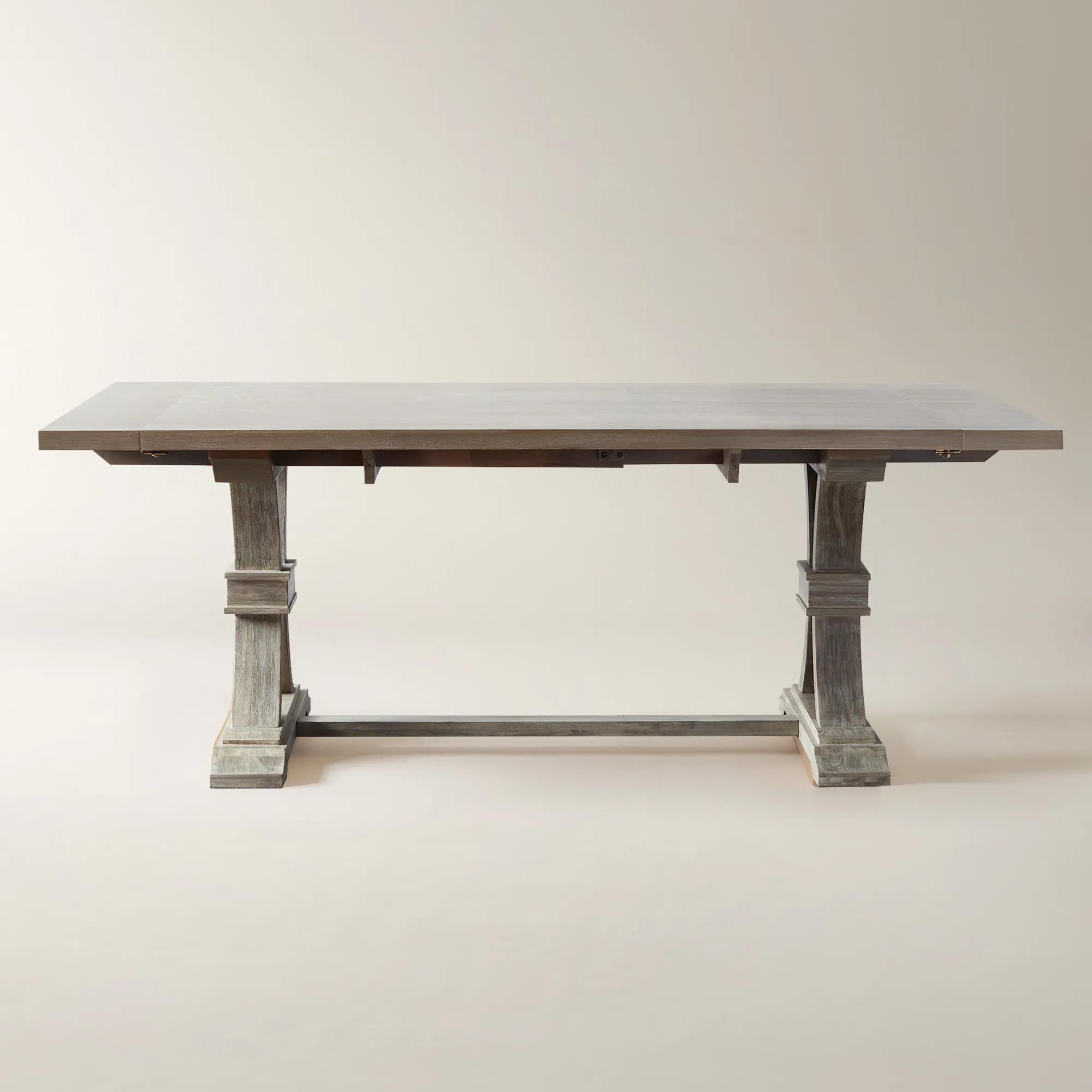
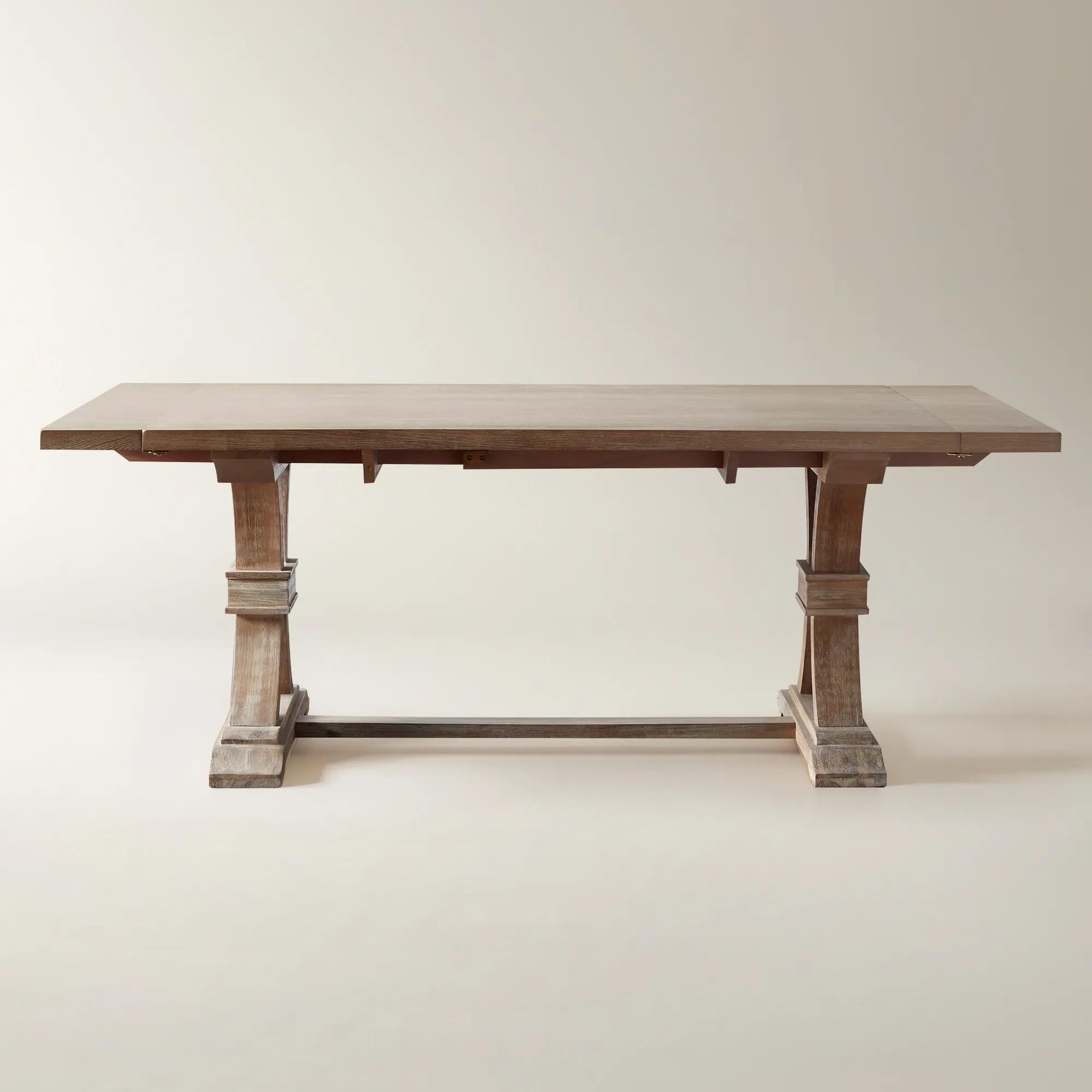
Elegant Modern Dining Tables
Elegant Modern Dining Tables
-
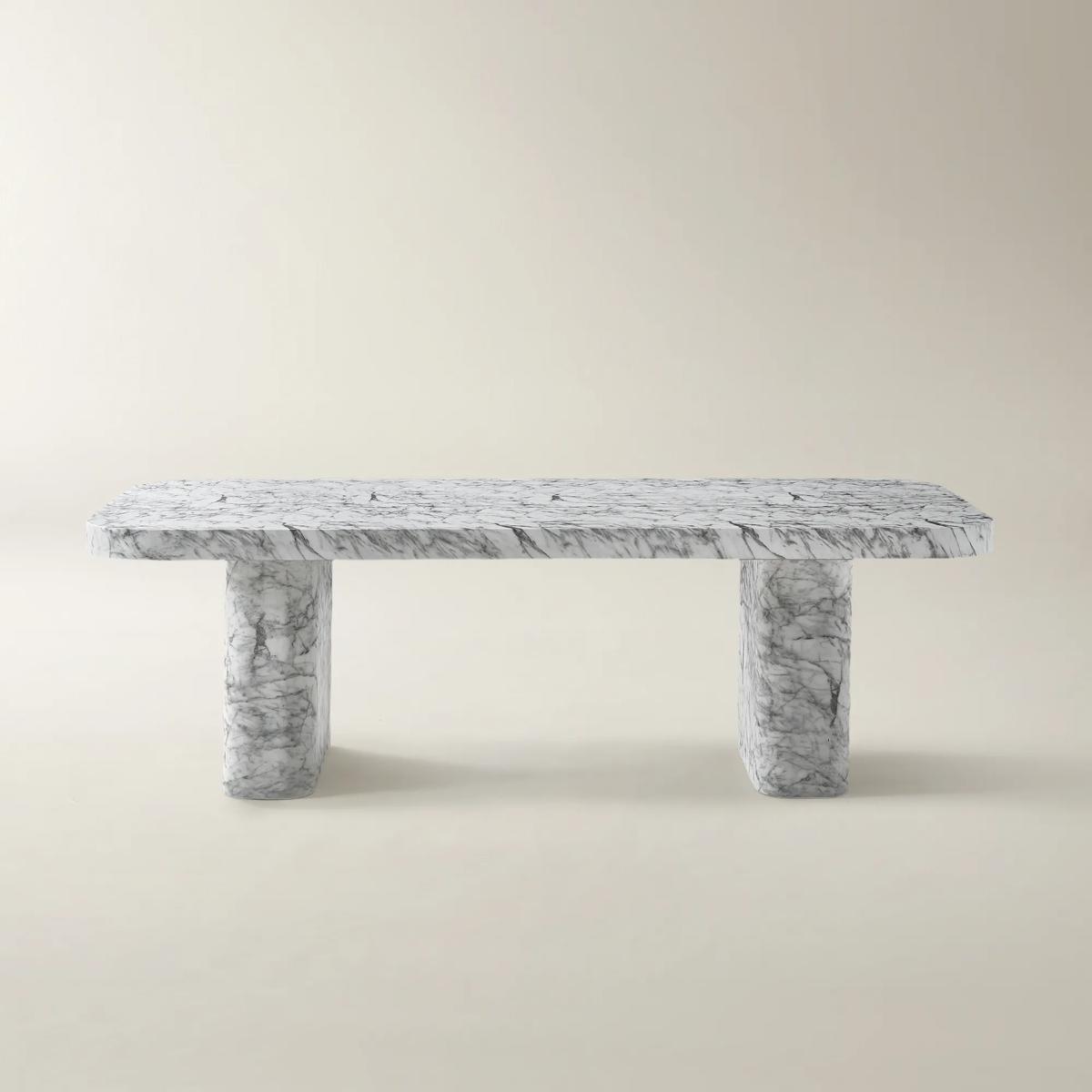
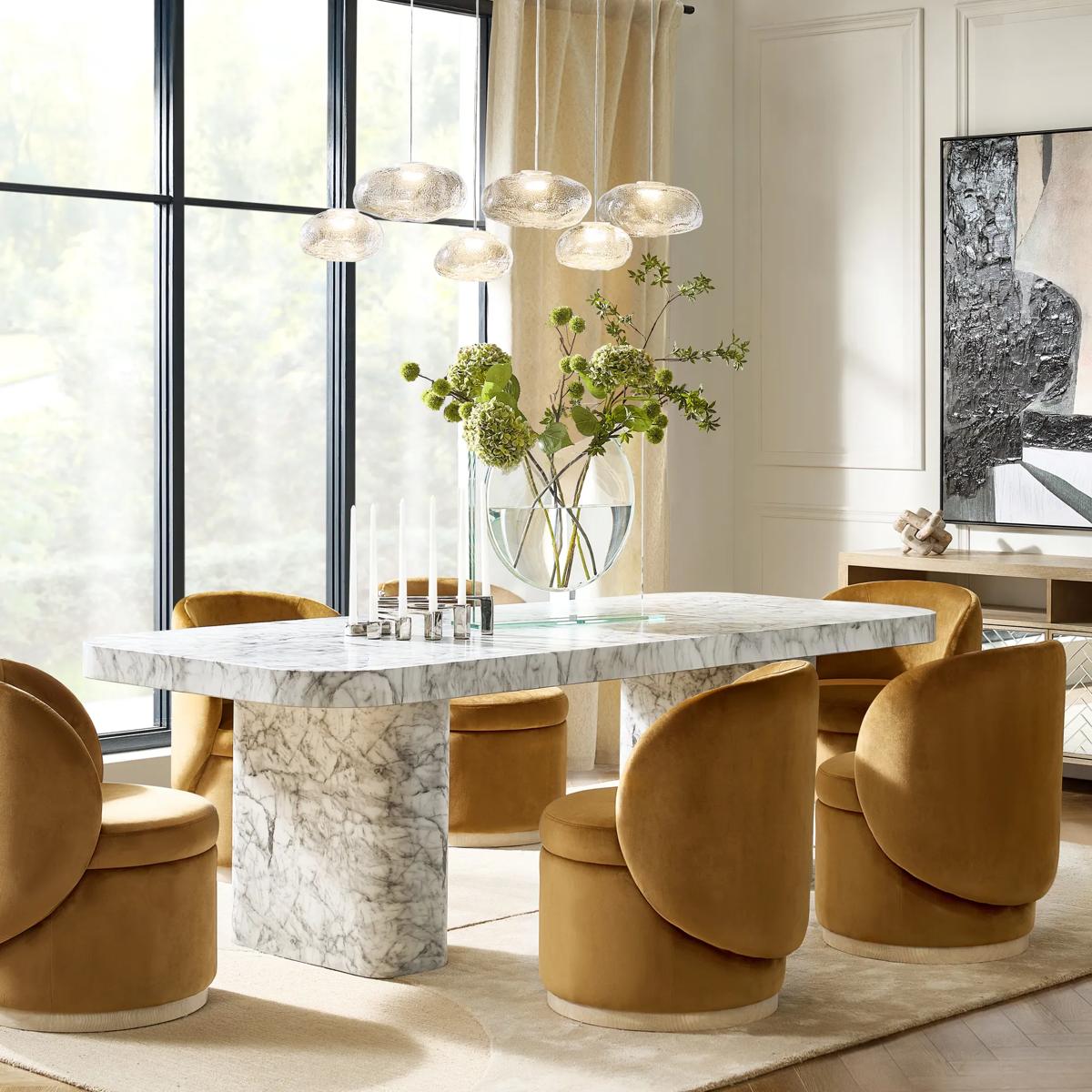 Silex Rectangular White Concrete Indoor/Outdoor Dining Table (94.5")$1999
A white concrete dining table with a sculptural pedestal base, marble-inspired veining, and indoor-outdoor versatility.
Add To Cart -
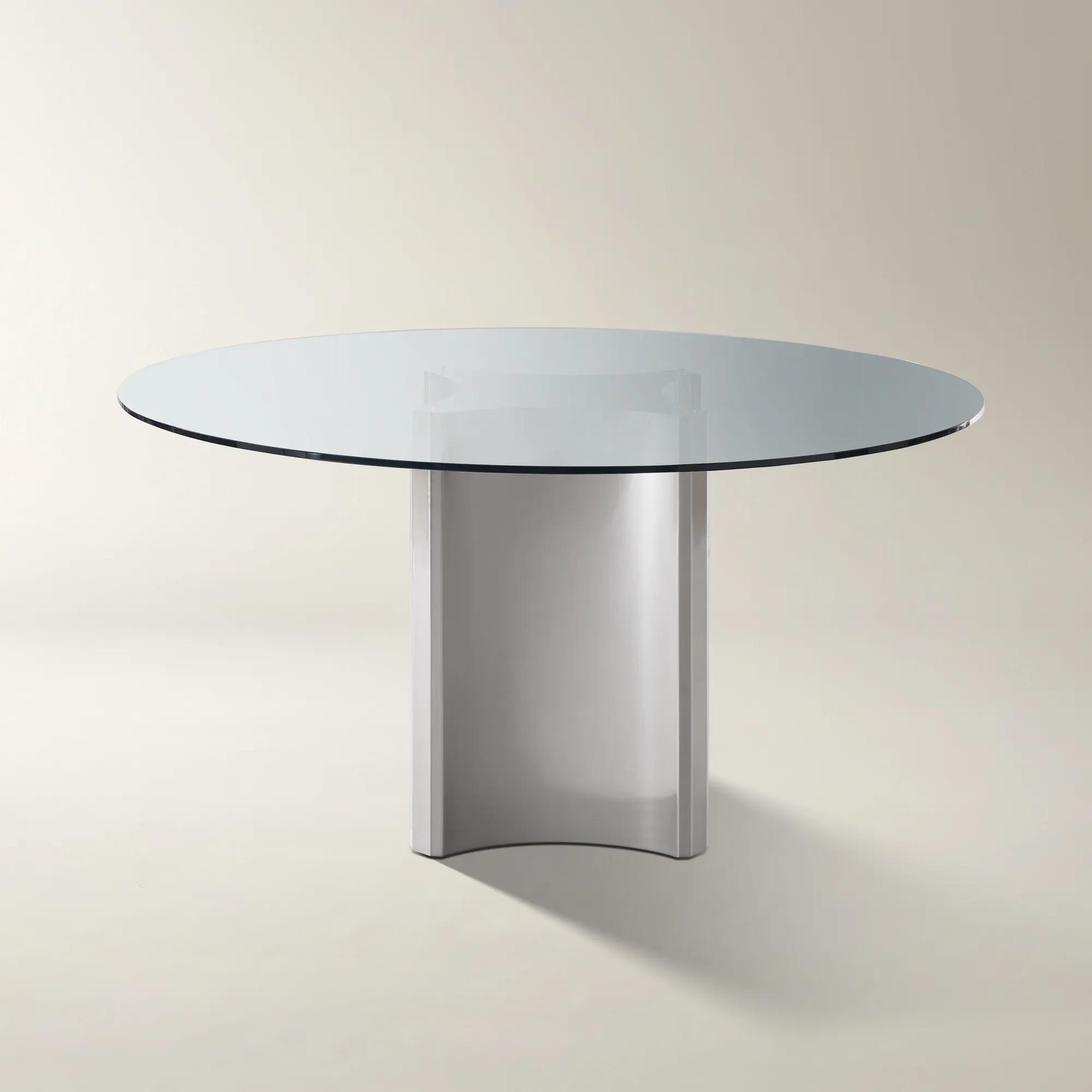 Ventane Round Clear Glass and Stainless steel Dining Table (58")$1499
A modern dining table featuring a clear tempered glass top and polished stainless steel base with anti-fingerprint finish.
Add To Cart -
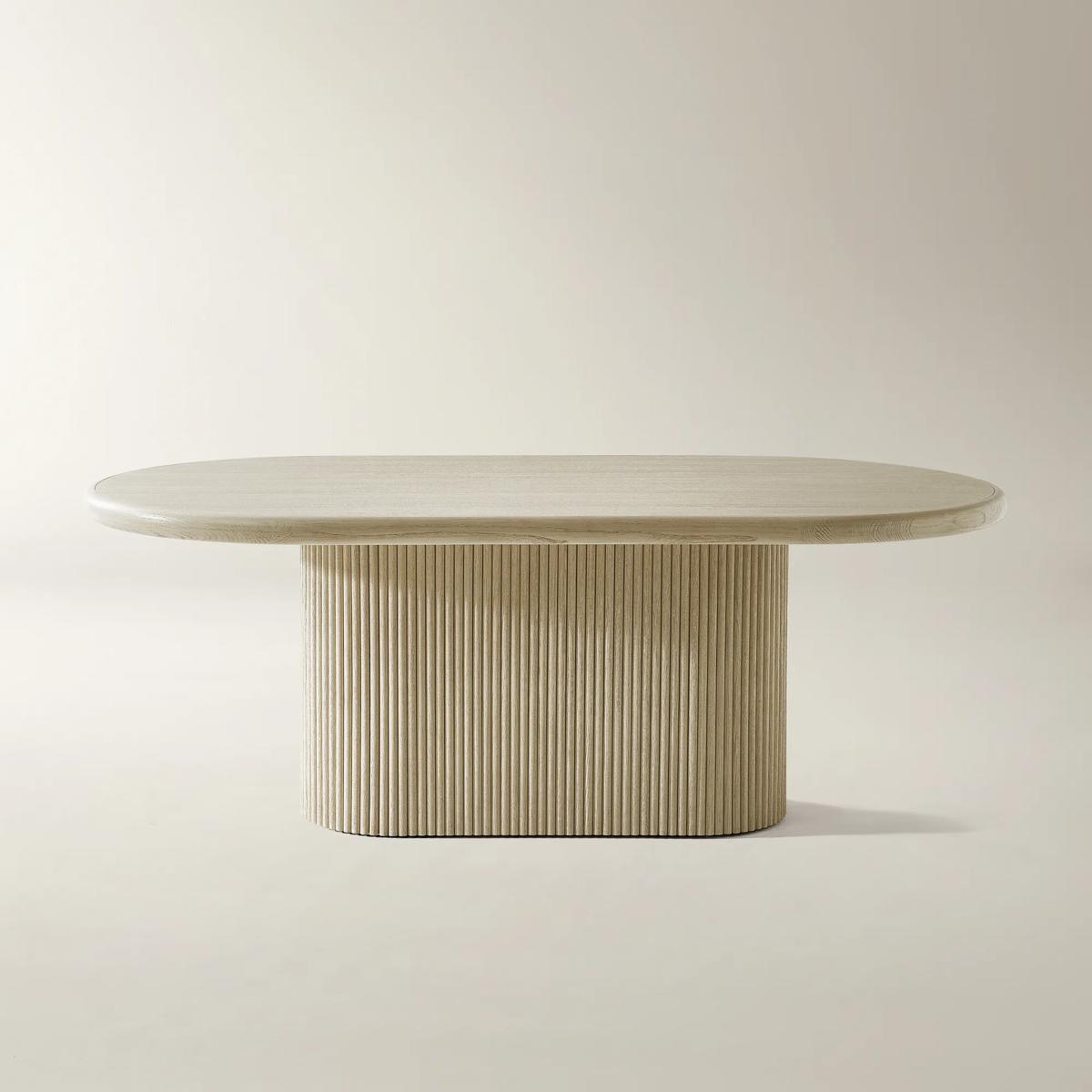
 Stria Oval Reeded White Oak Dining Table (82")$2199
A sculptural oval dining table featuring reeded oak, a single pedestal base, and gold-plated steel trim.
Add To Cart -
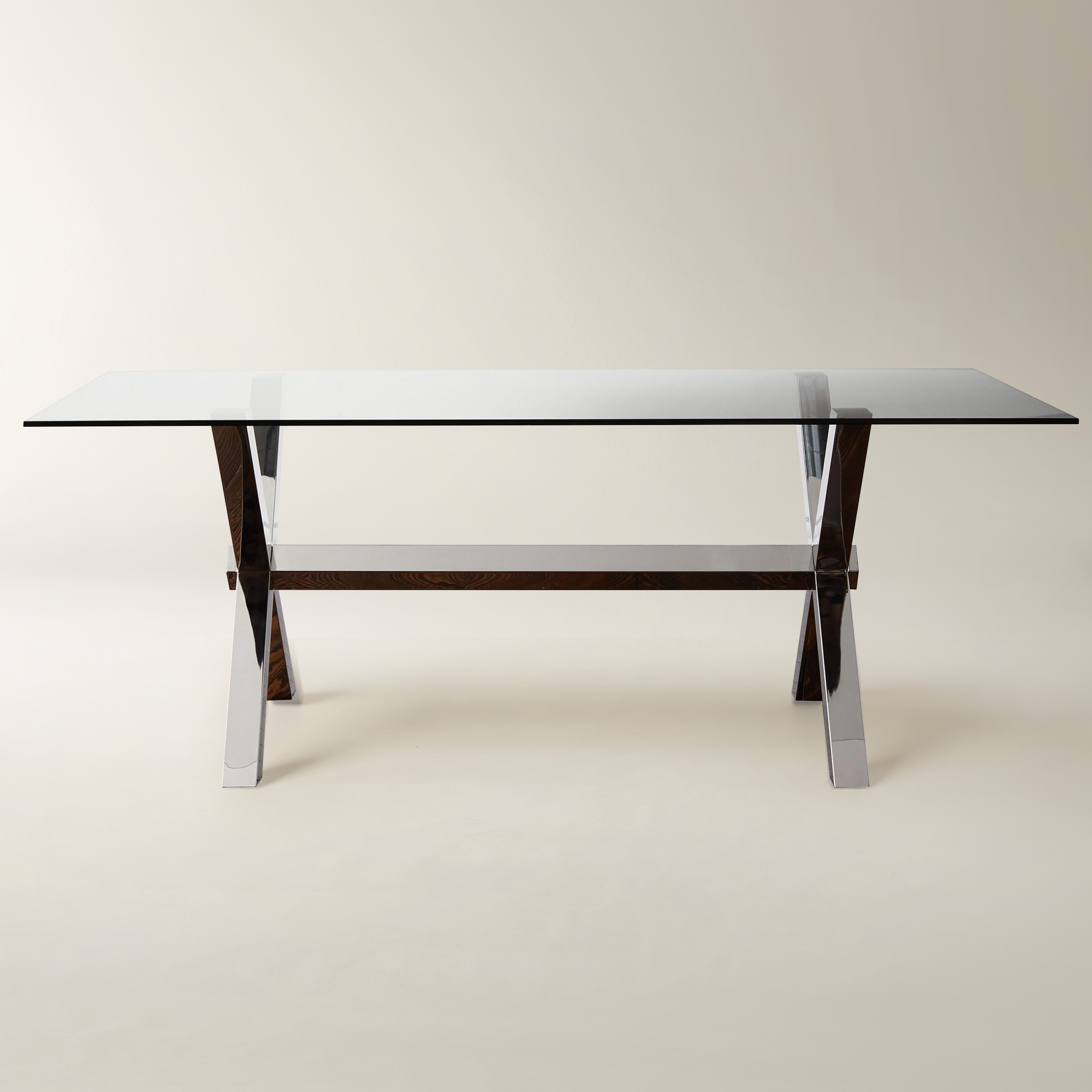
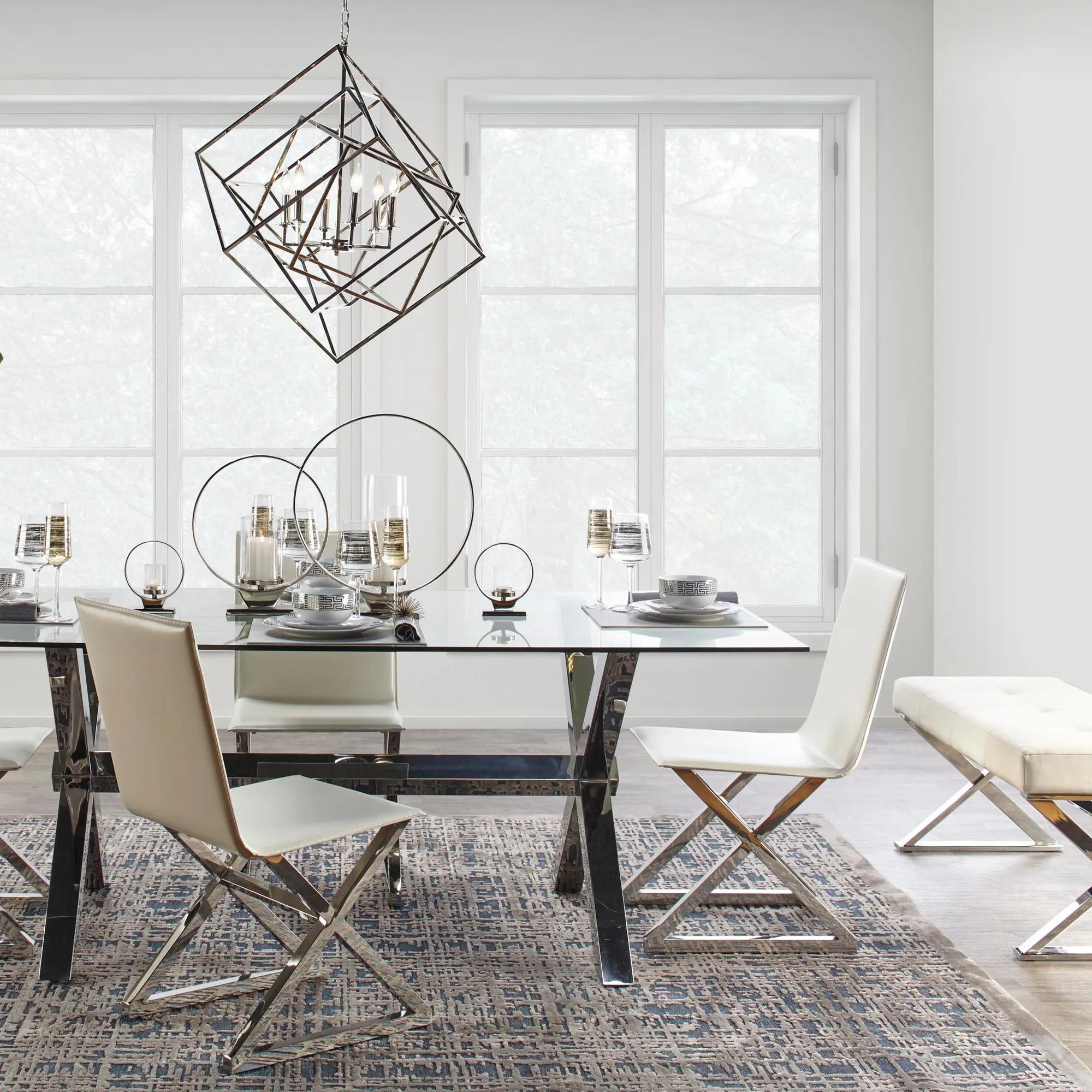 Axis Rectangular Silver Dining Table With Glass Top (78")$1199
A contemporary dining table featuring a polished stainless steel base and durable tempered glass top.
Add To Cart -
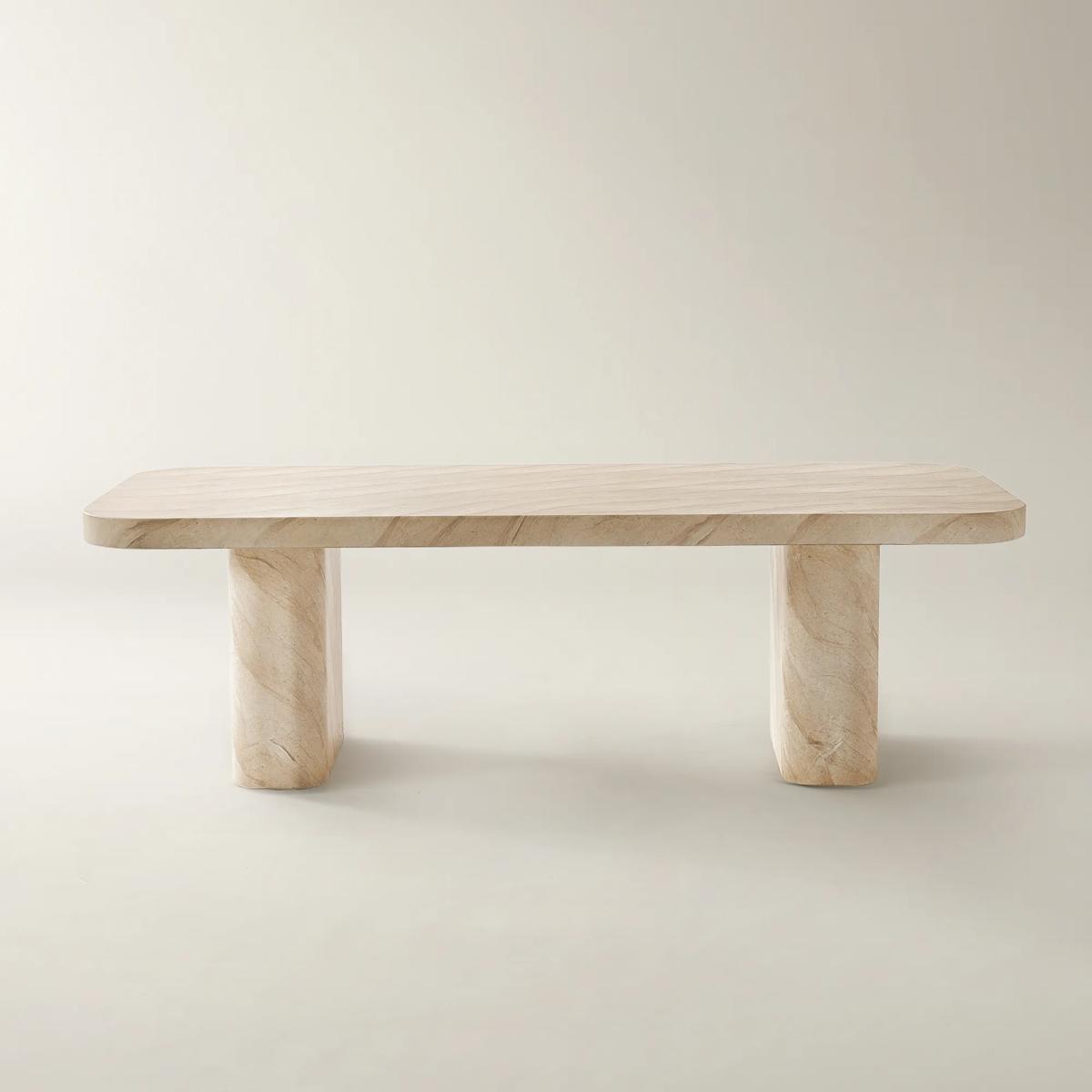 Silex Rectangular Travertine Concrete Indoor/Outdoor Dining Table (94.5")$1999
A rectangular dining table with pedestal legs, travertine-inspired veining, and resilient fiber concrete for indoor-outdoor use.
Add To Cart -
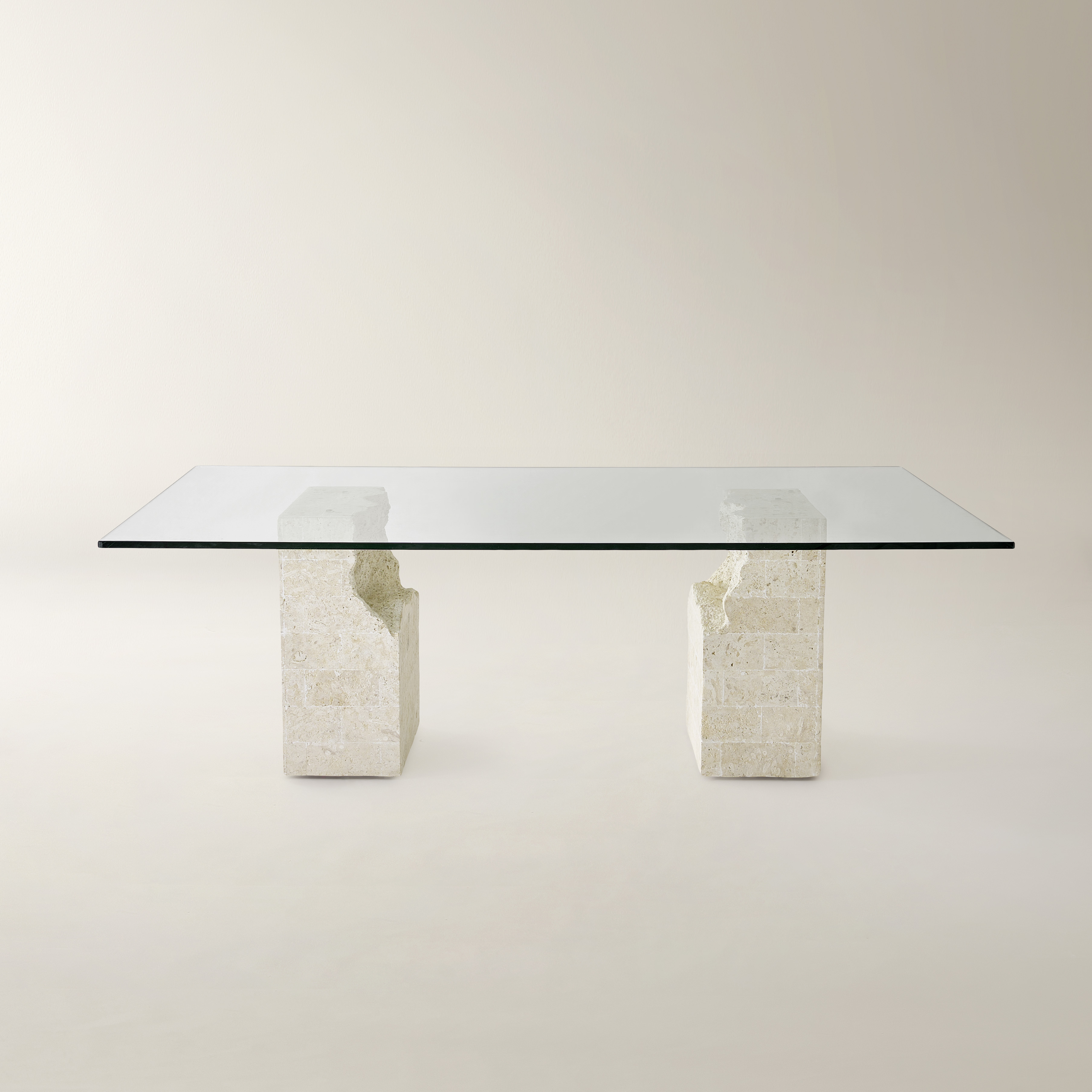 Cairo Rectangular Mactan Stone Dining Table With Glass Top (86.6")$2399
A contemporary dining table featuring a clear tempered glass top over hand-carved Mactan stone bases.
Add To Cart -

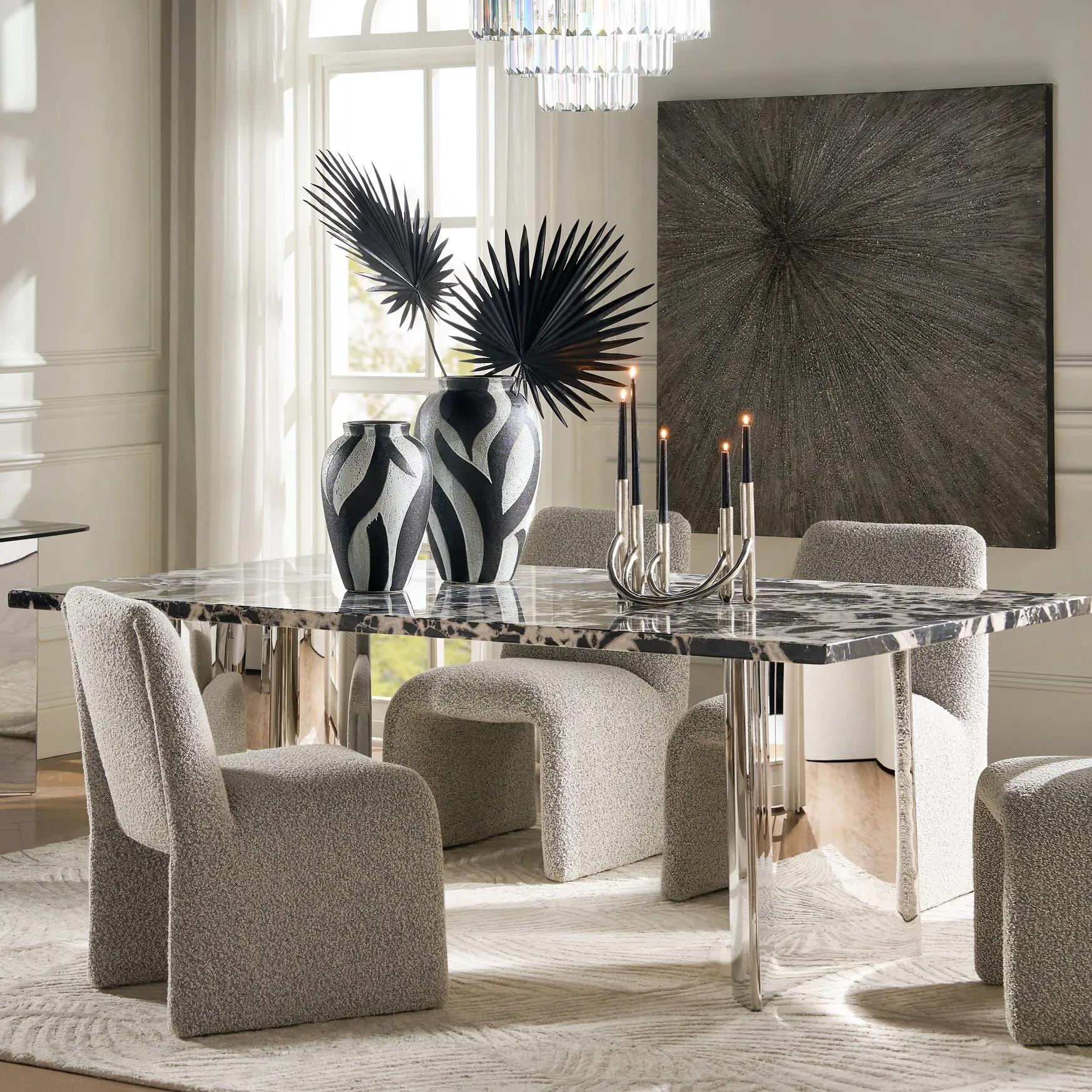 Muscat Rectangular Black Marble Dining Table With Stainless Steel Base (84")$3099
A dramatic black marble dining table with unique veining and a polished stainless steel base.
Add To Cart -

 Matera Rectangular White Marble Dining Table With Stainless Steel Base (86.61")$2499
A modern dining table featuring a white marble top and polished stainless steel base for timeless elegance.
Add To Cart -
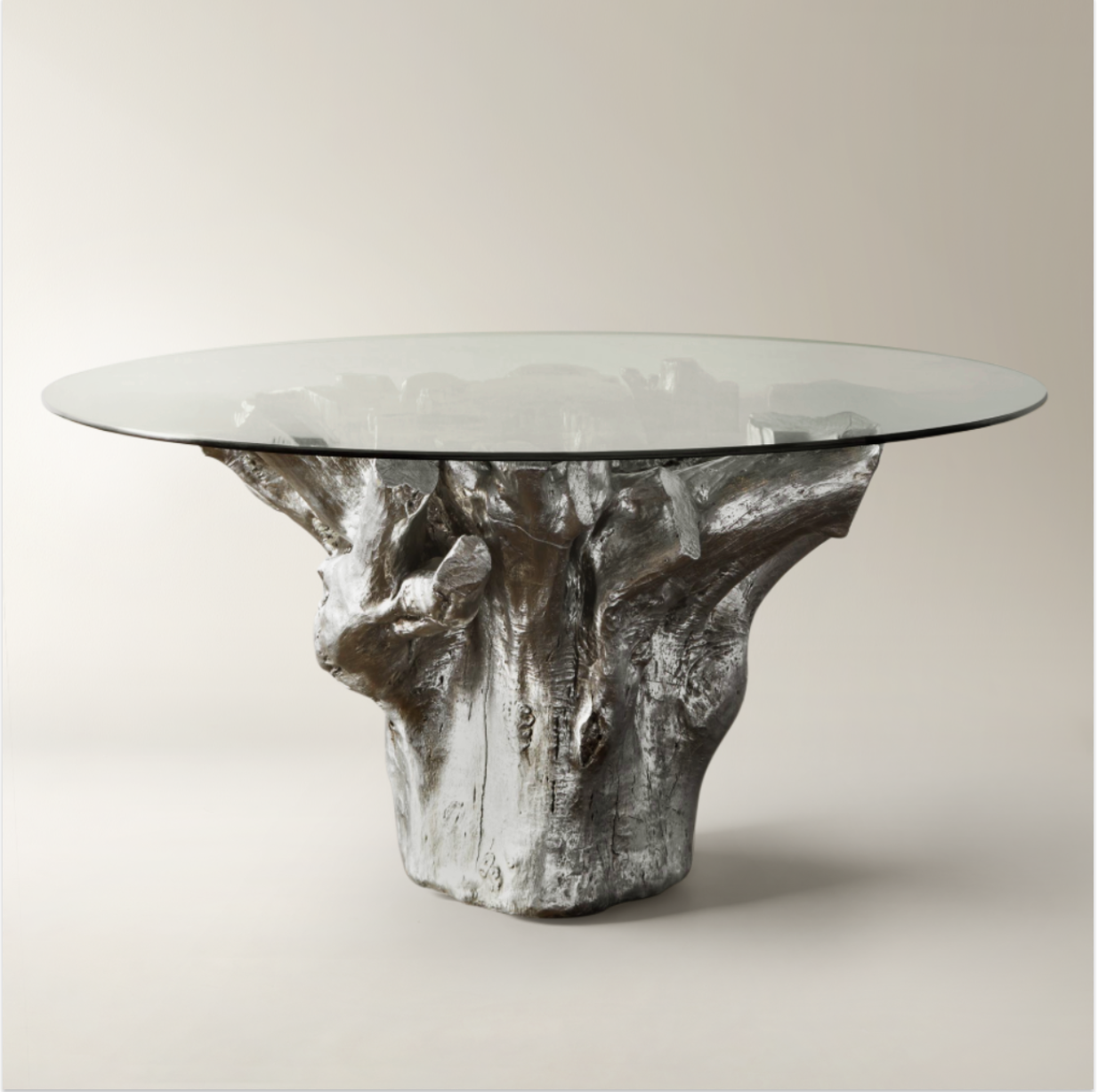 Sequoia Silver Resin Dining Table With Glass Top (60")$2199
A sculptural resin base with hand-applied silver leaf supports a round tempered glass top for modern elegance.
Add To Cart -

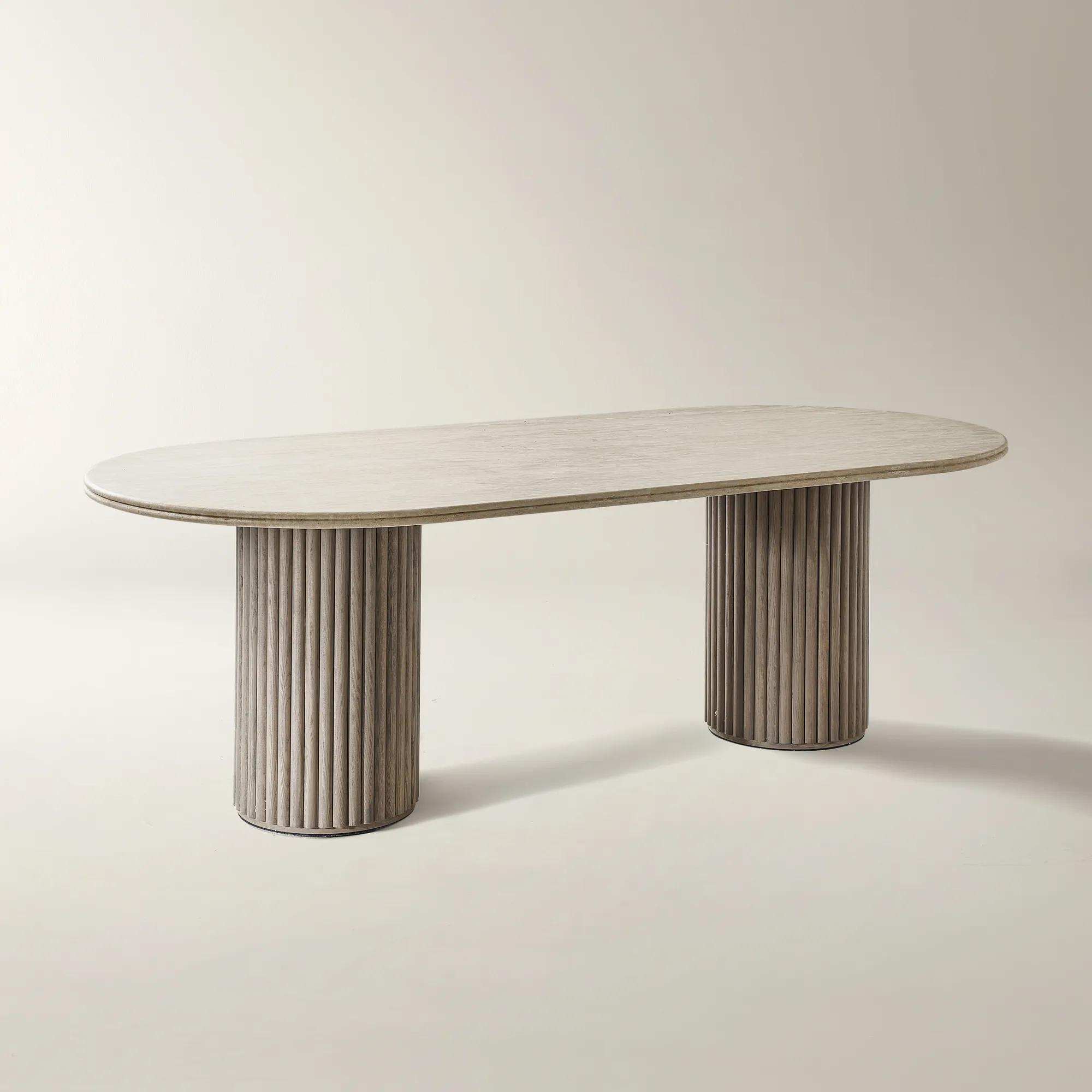 Bond Oval Reeded Travertine and Wood Dining Table (94.25")$4599
A natural travertine stone top pairs with a fluted solid ash base for refined, organic elegance.
Add To Cart -
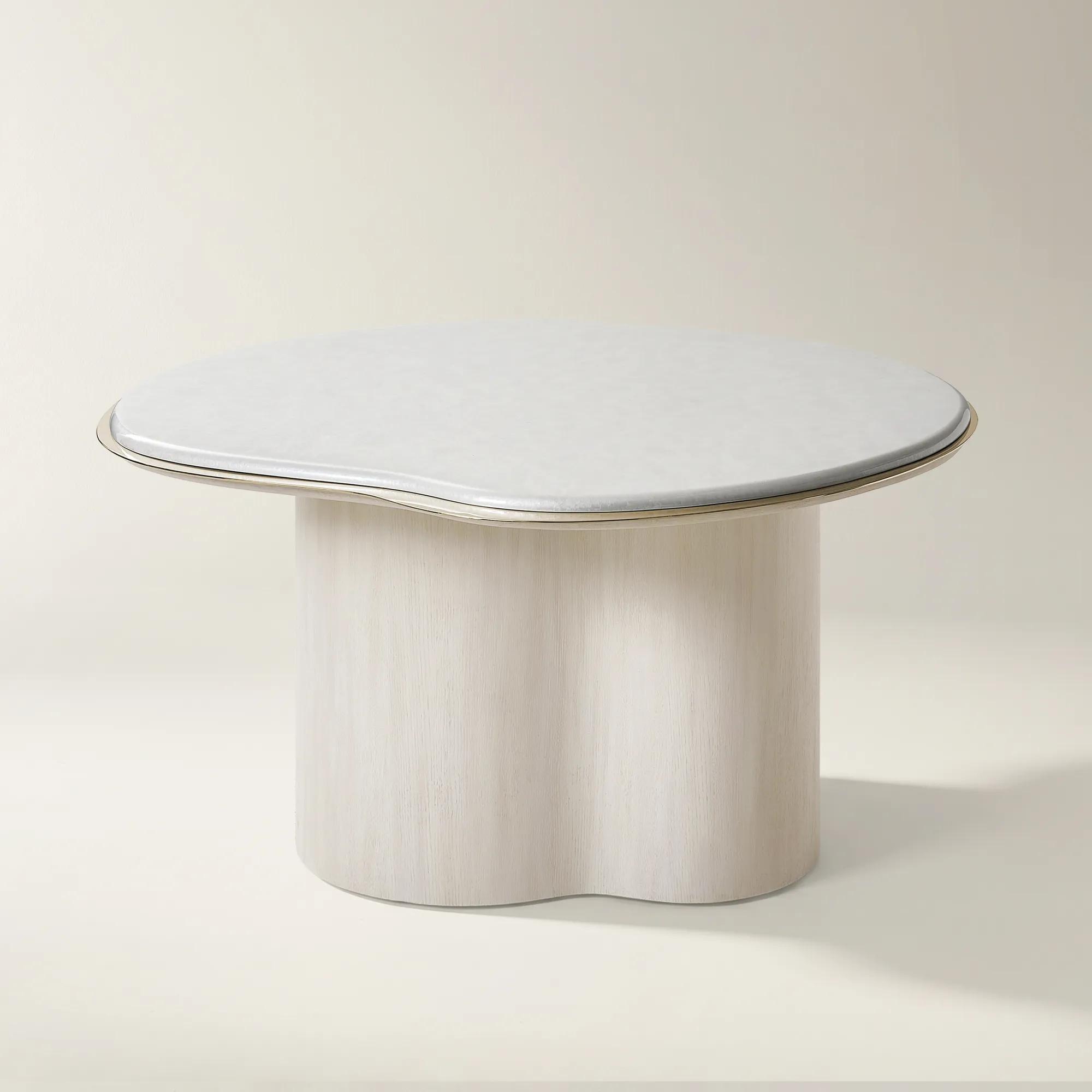 Lumina Bleached Oak Dining Table With Pearl Lacquered Top (58")$2699
A sculptural dining table featuring a pearl lacquered top, bleached oak base, and champagne gold trim.
Add To Cart -
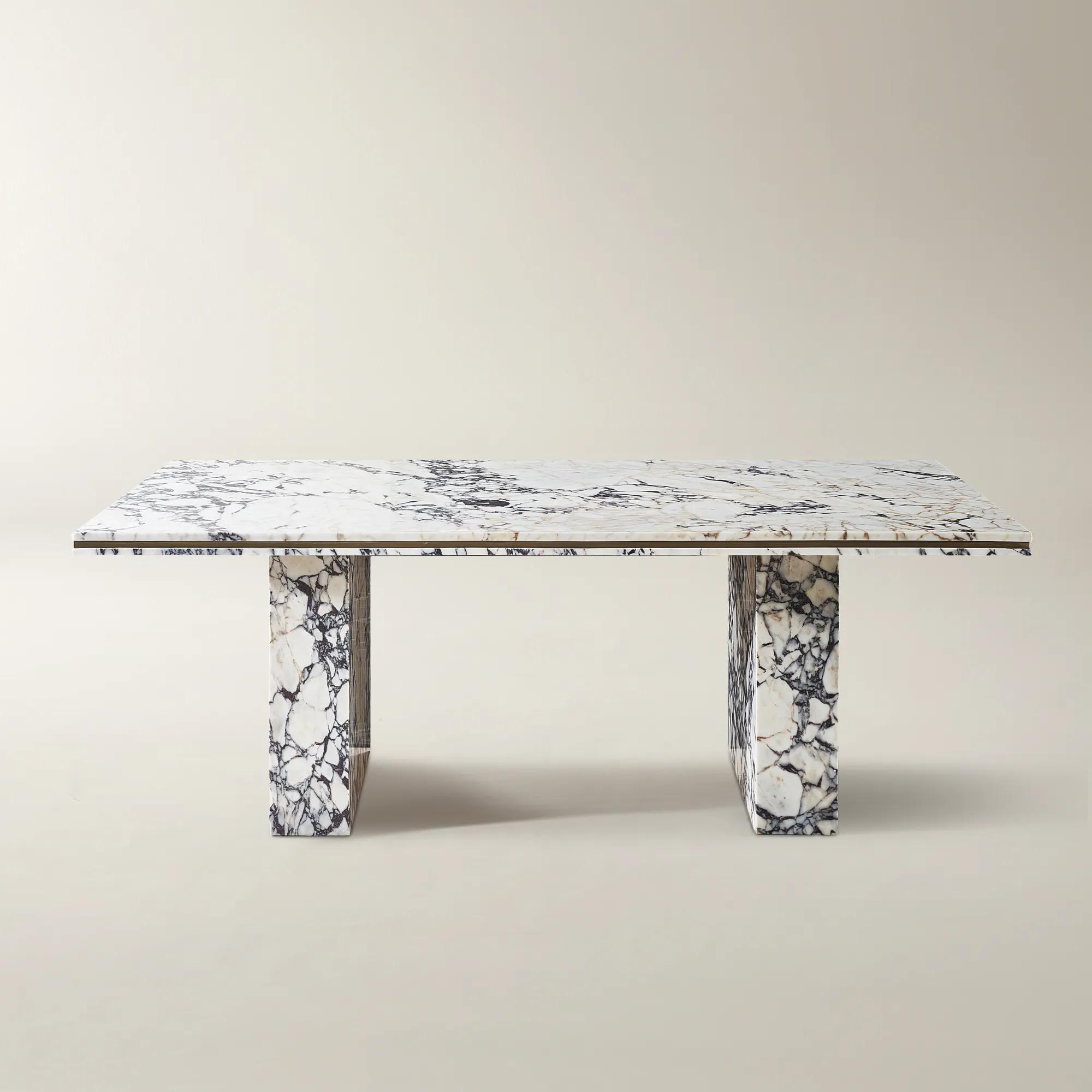
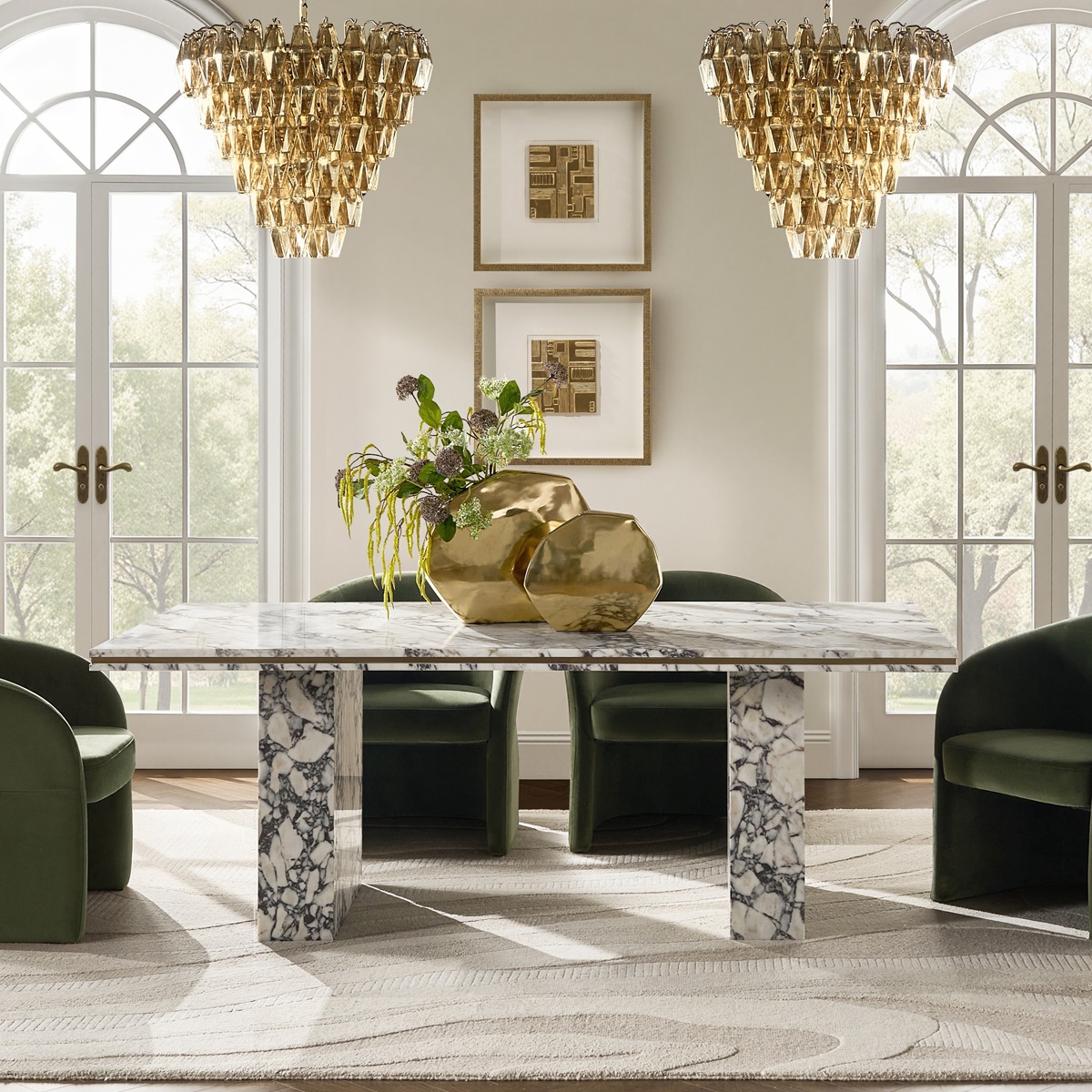 Vanta Rectangular Viola Calacatta Marble Dining Table (84")$6599
A marble dining table with dramatic violet veining, soft-gold inlay, and a sculptural twin-panel base.
Add To Cart -
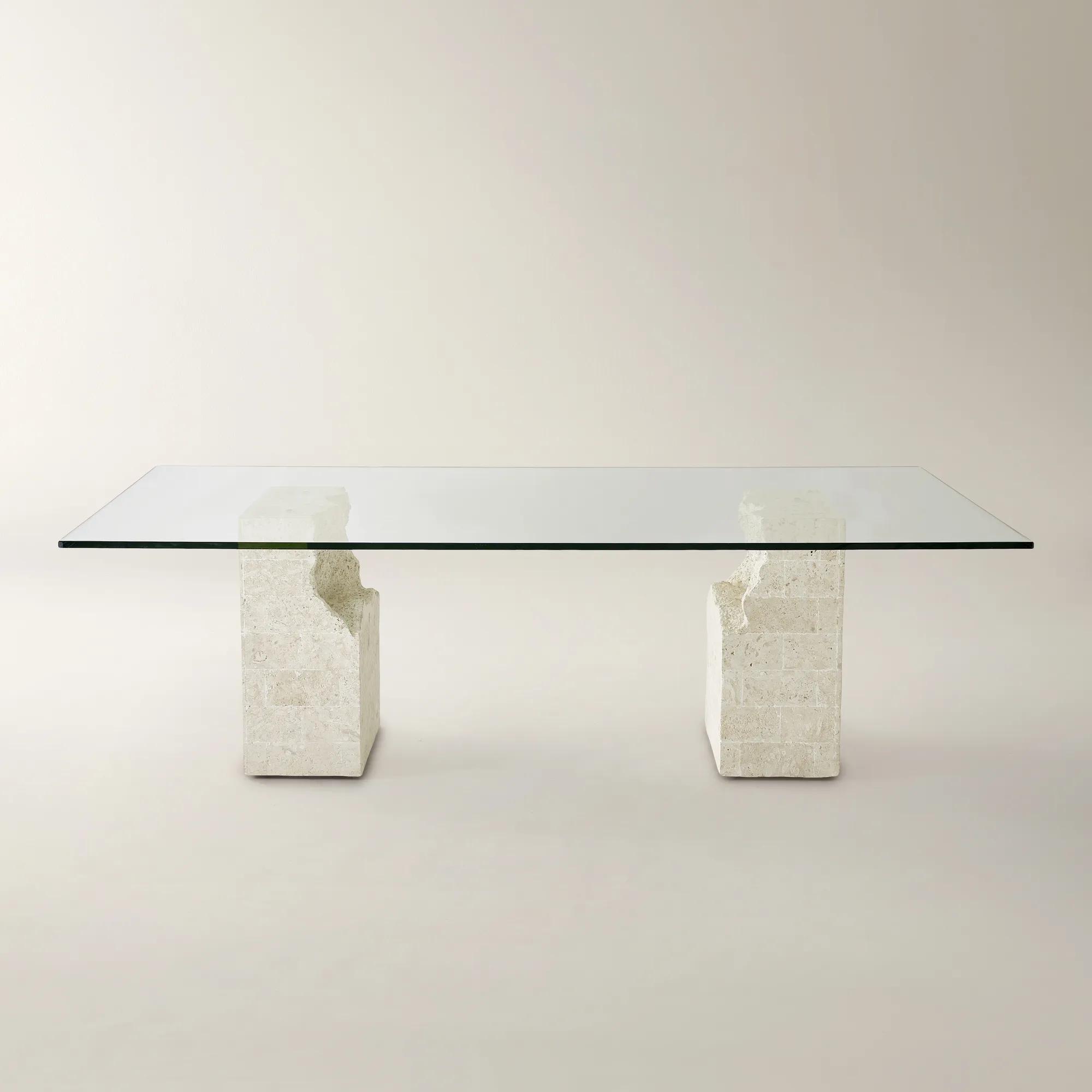 Cairo Rectangular Mactan Stone Dining Table With Glass Top (96")$2599
A contemporary dining table featuring a clear tempered glass top over hand-carved Mactan stone bases.
Add To Cart -
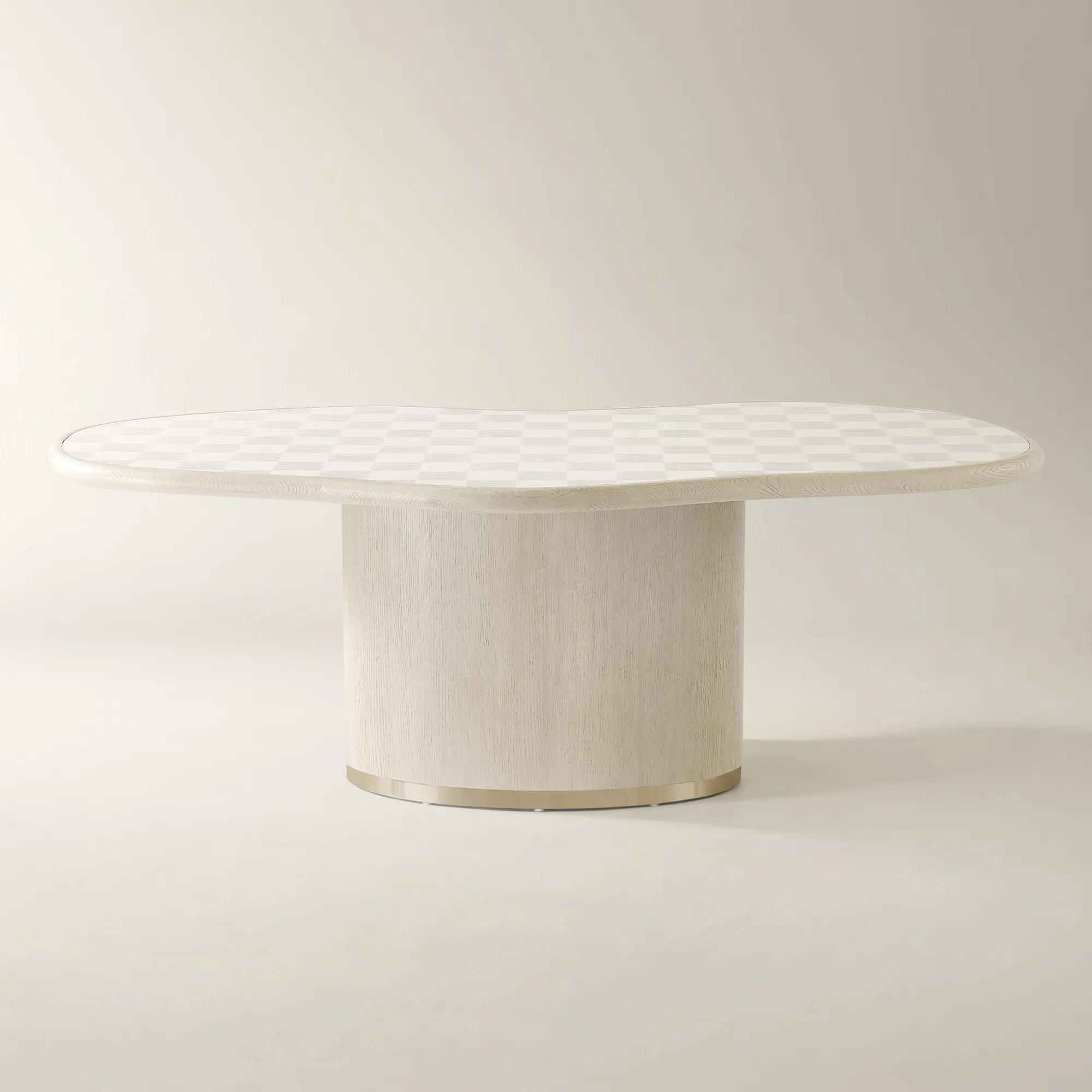 Vetra Checkerboard Oak and Maple Dining Table (84")$2399
A striking dining table featuring a hand-arranged oak and maple checkerboard veneer with soft gold accents.
Add To Cart -
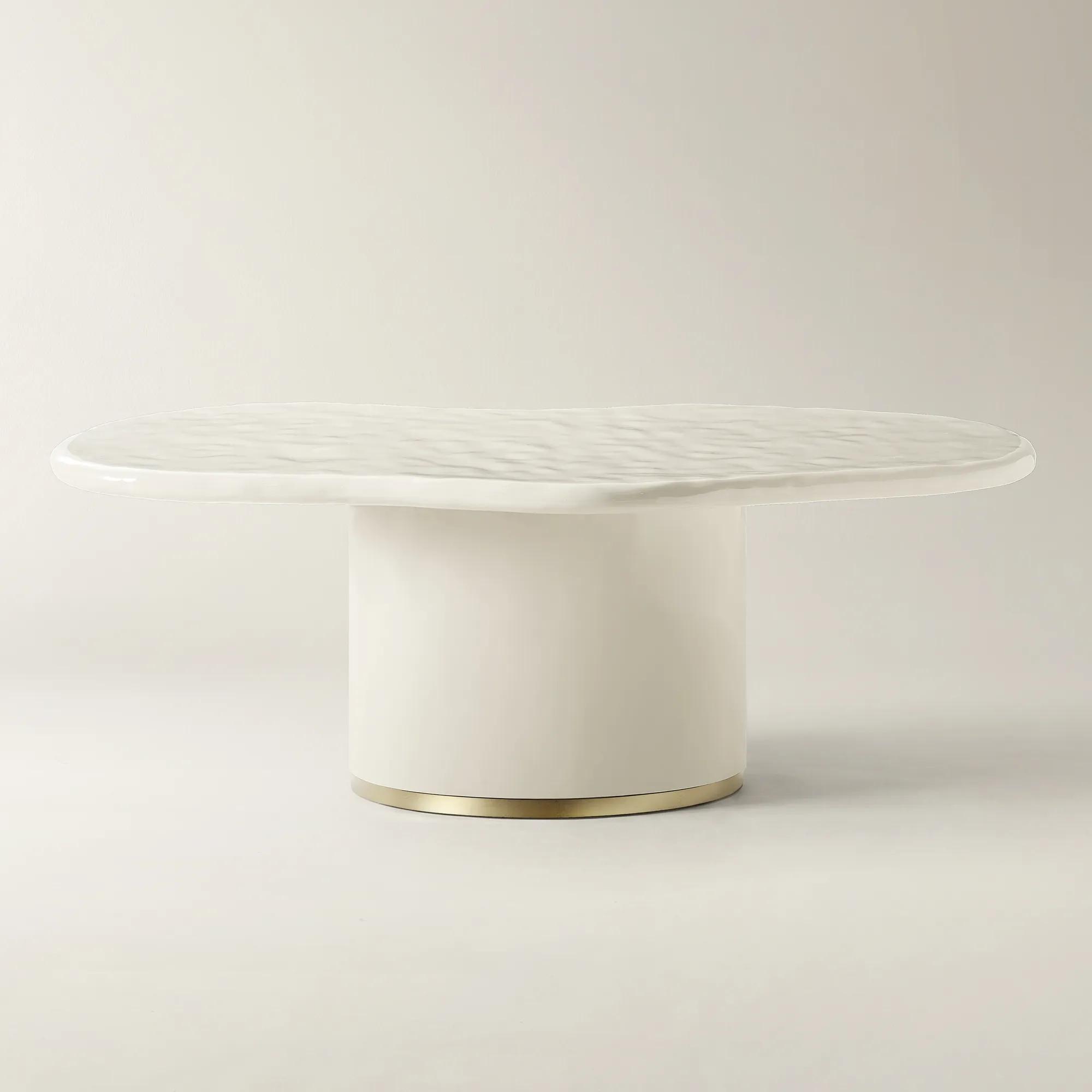 Celia Lacquered Cloud Resin Indoor/Outdoor Dining Table (84")$1999
A sculptural, high-gloss resin dining table with gold stainless steel accents for indoor or covered outdoor use.
Add To Cart -
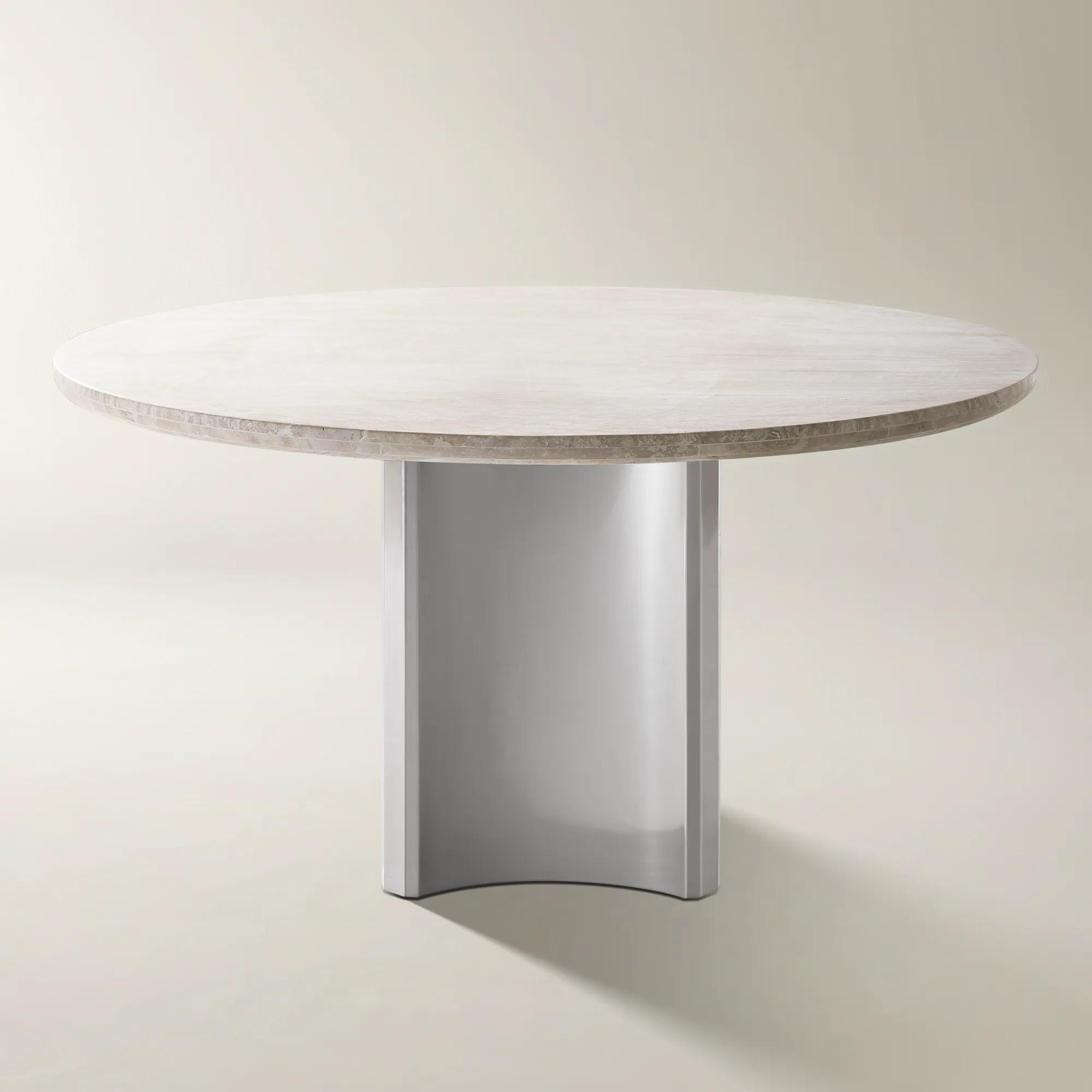 Ventane Round Tan Marble and Stainless steel Dining Table (58")$2999
A round tan travertine marble table with a polished stainless steel base for modern, elegant dining spaces.
Add To Cart -
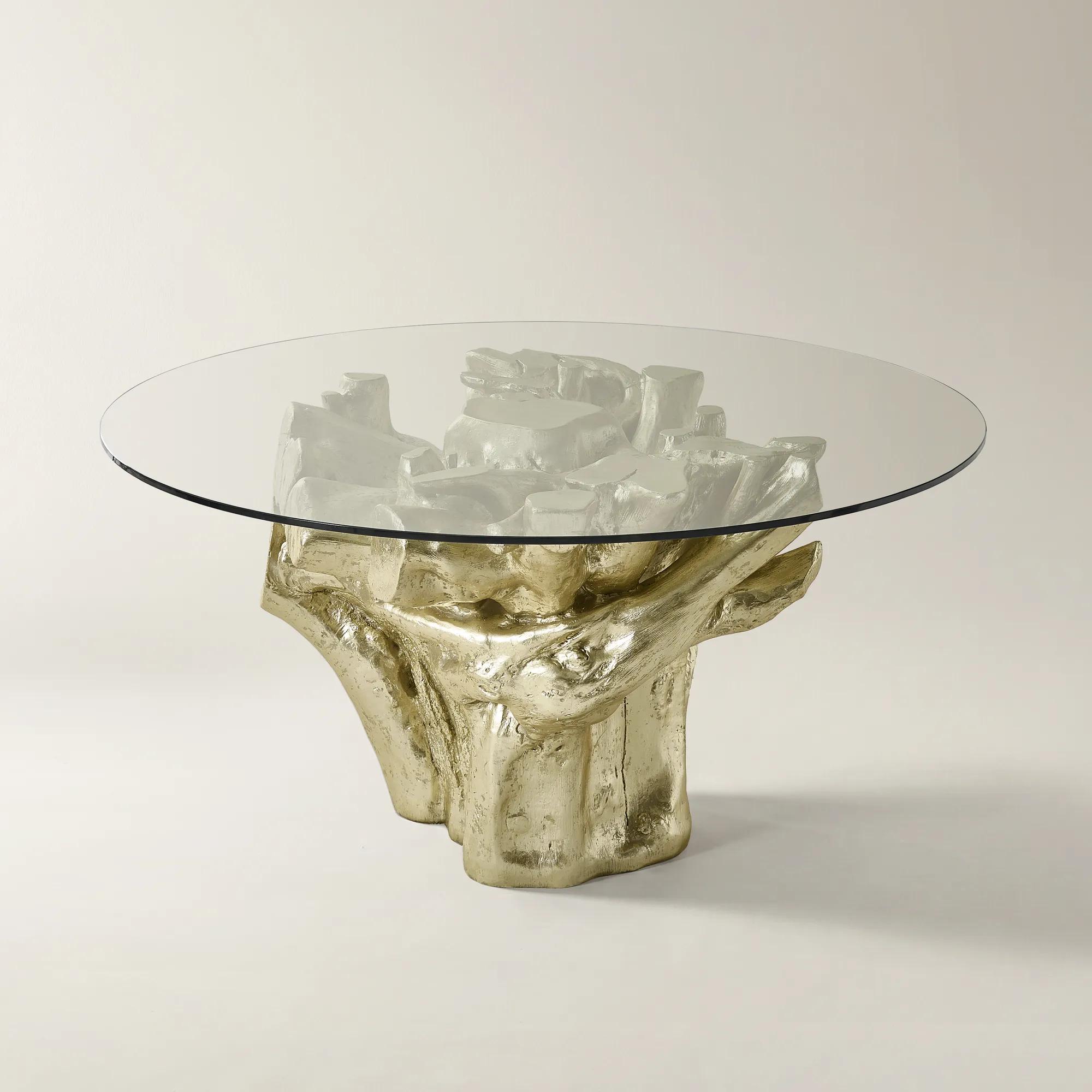 Sequoia Champagne Gold Resin Dining Table With Glass Top (60")$2199
A sculptural resin dining table with a champagne gold leaf base and a clear tempered glass top.
Add To Cart -
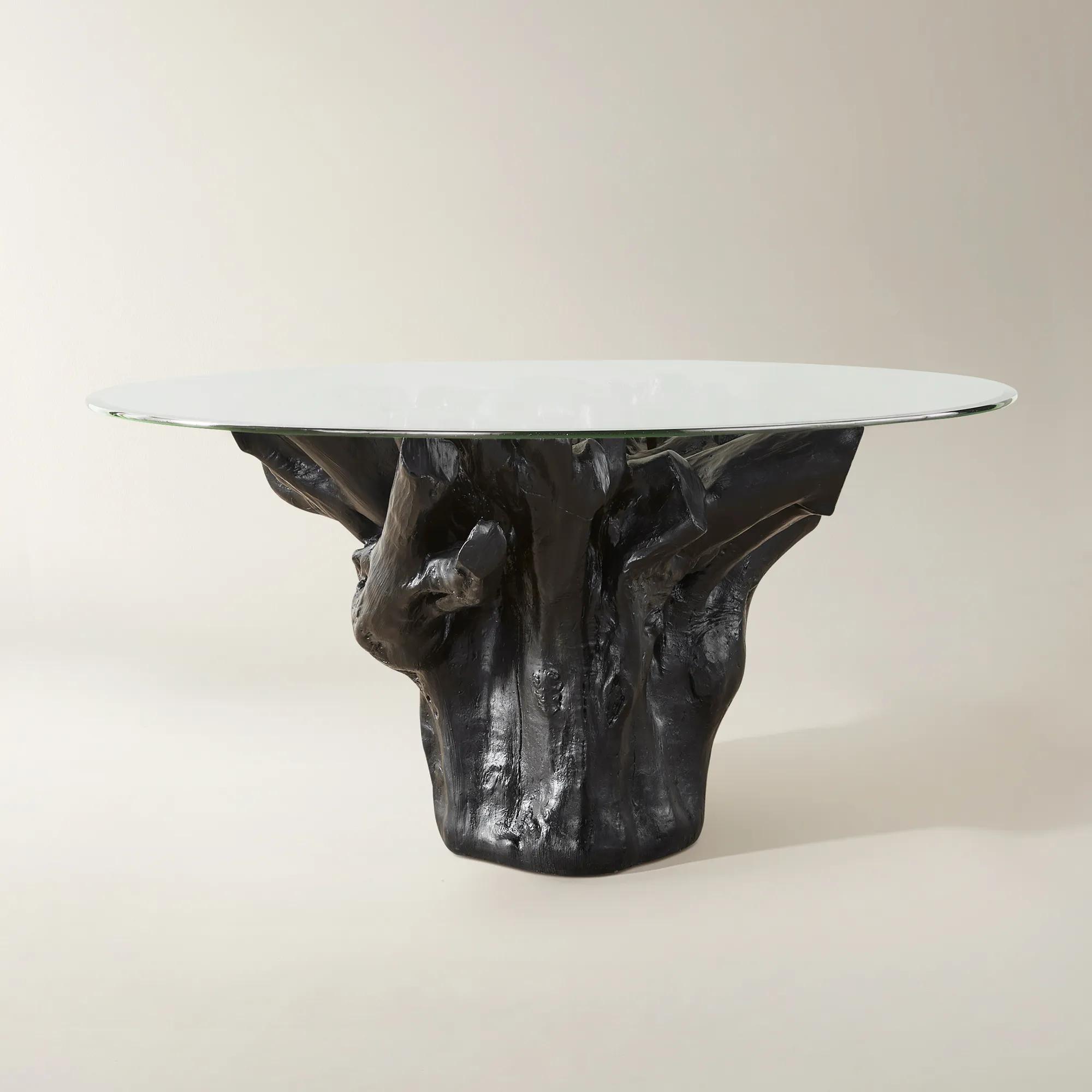 Sequoia Black Resin Dining Table With Glass Top (60")$2299
A sculptural black resin base with real stone fragments supports a round tempered glass top for organic elegance.
Add To Cart -
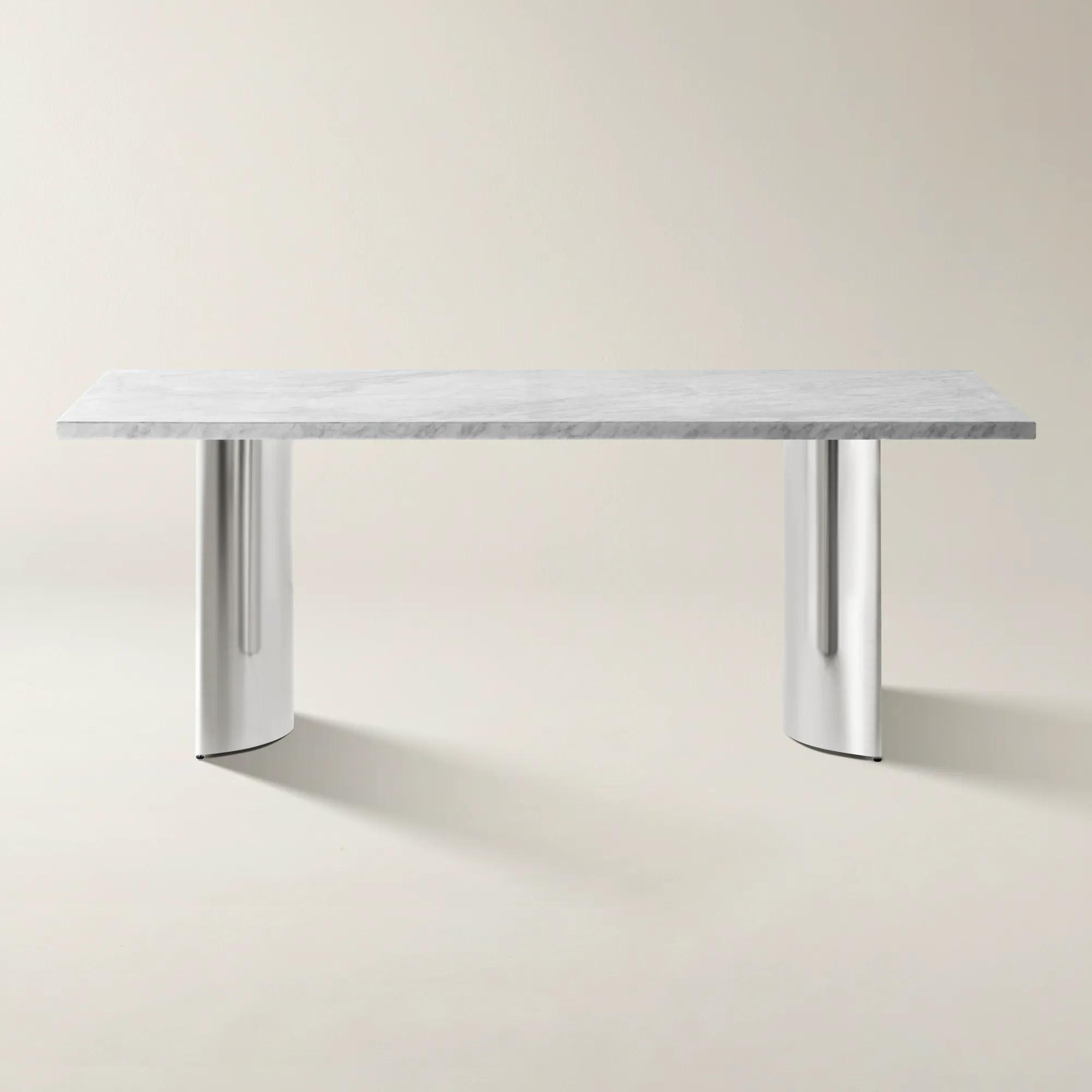 Muscat Rectangular White Marble Dining Table With Stainless Steel Base (84")$3099
A striking dining table featuring a natural white marble top with unique veining and a polished stainless steel base.
Add To Cart -
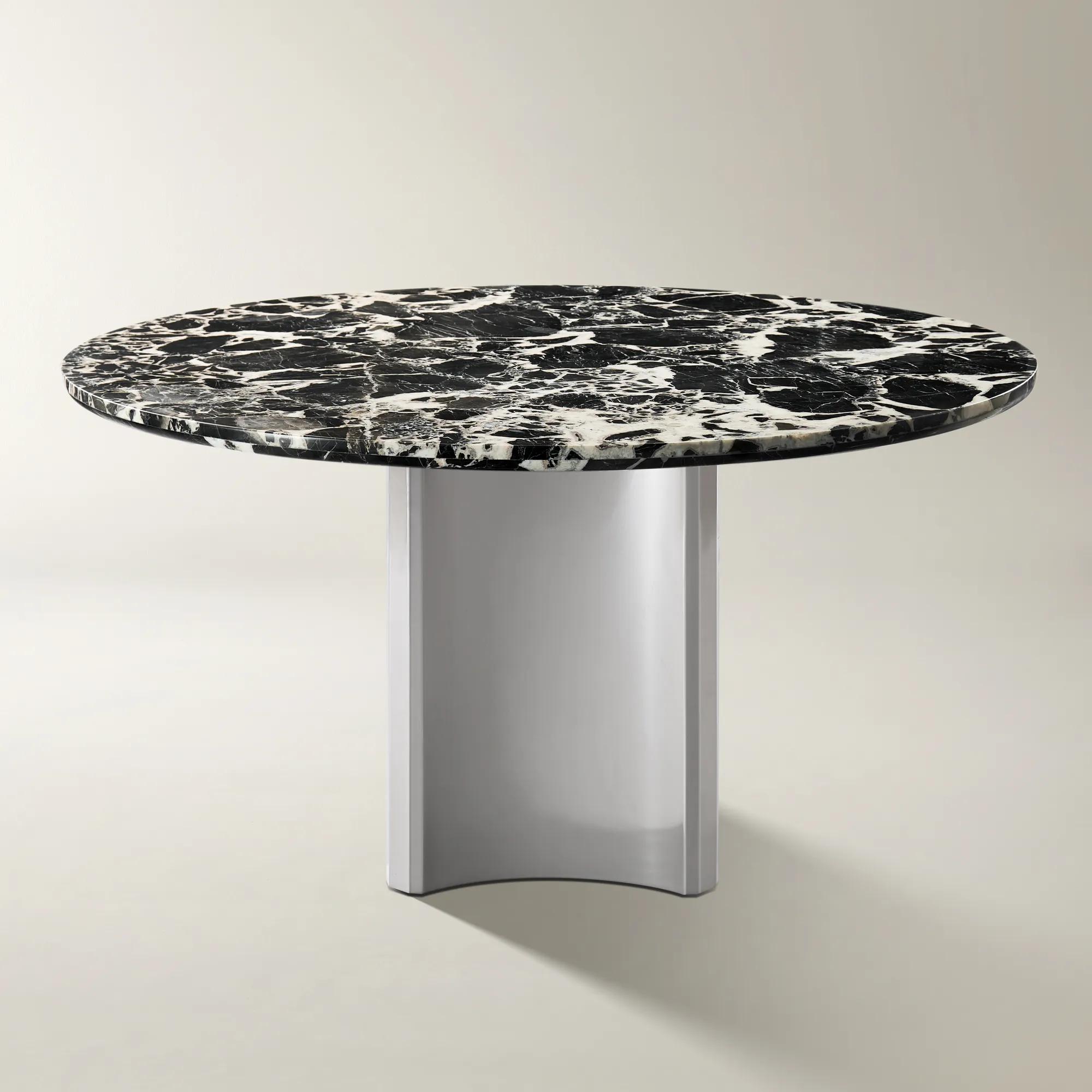
 Ventane Round Black Marble and Stainless steel Dining Table (58")$2999
A dramatic round dining table featuring a natural black marble top and polished stainless steel base.
Add To Cart -
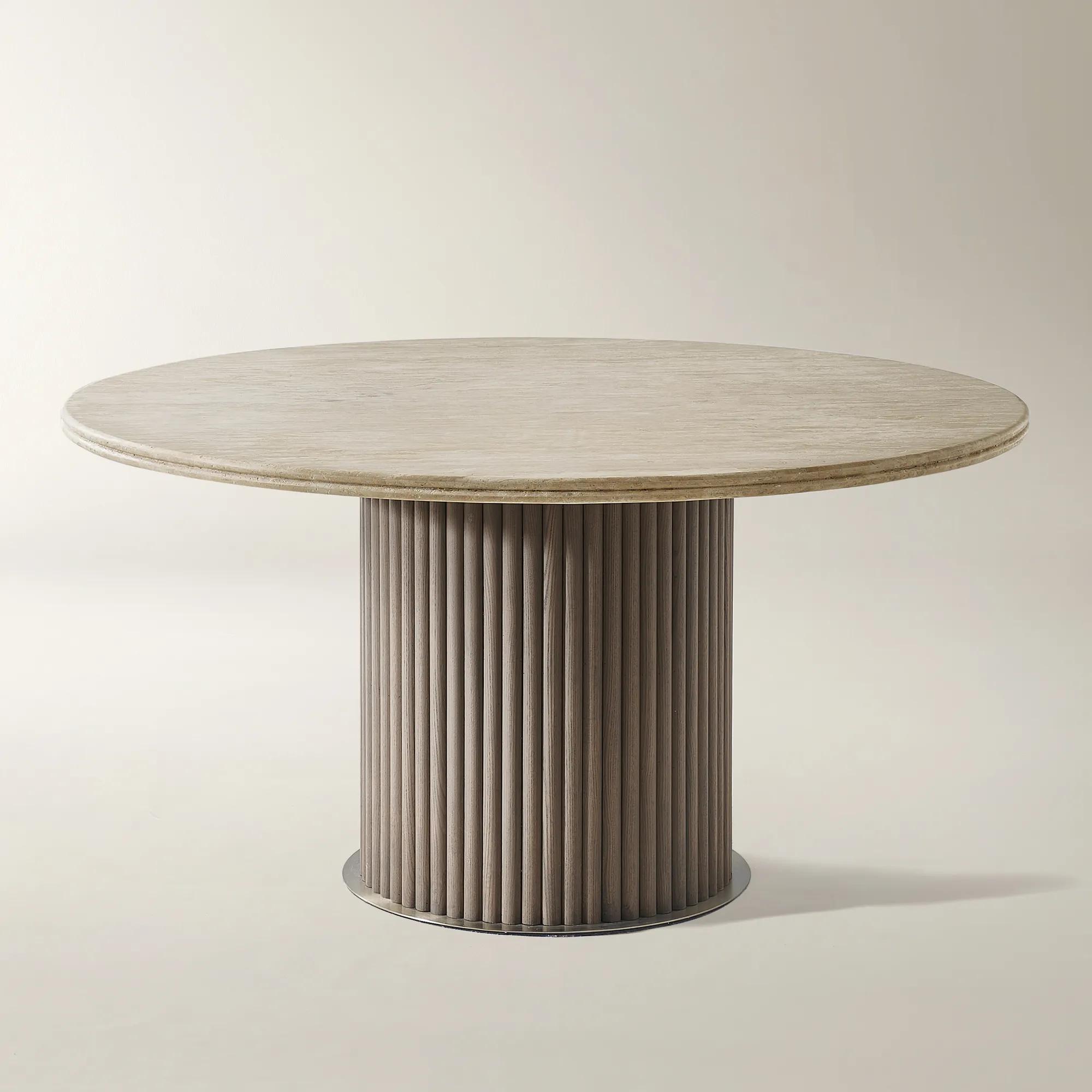 Bond Round Reeded Travertine and Wood Dining Table (59")$3499
A round dining table featuring a genuine natural travertine stone top and a fluted solid ash base.
Add To Cart -

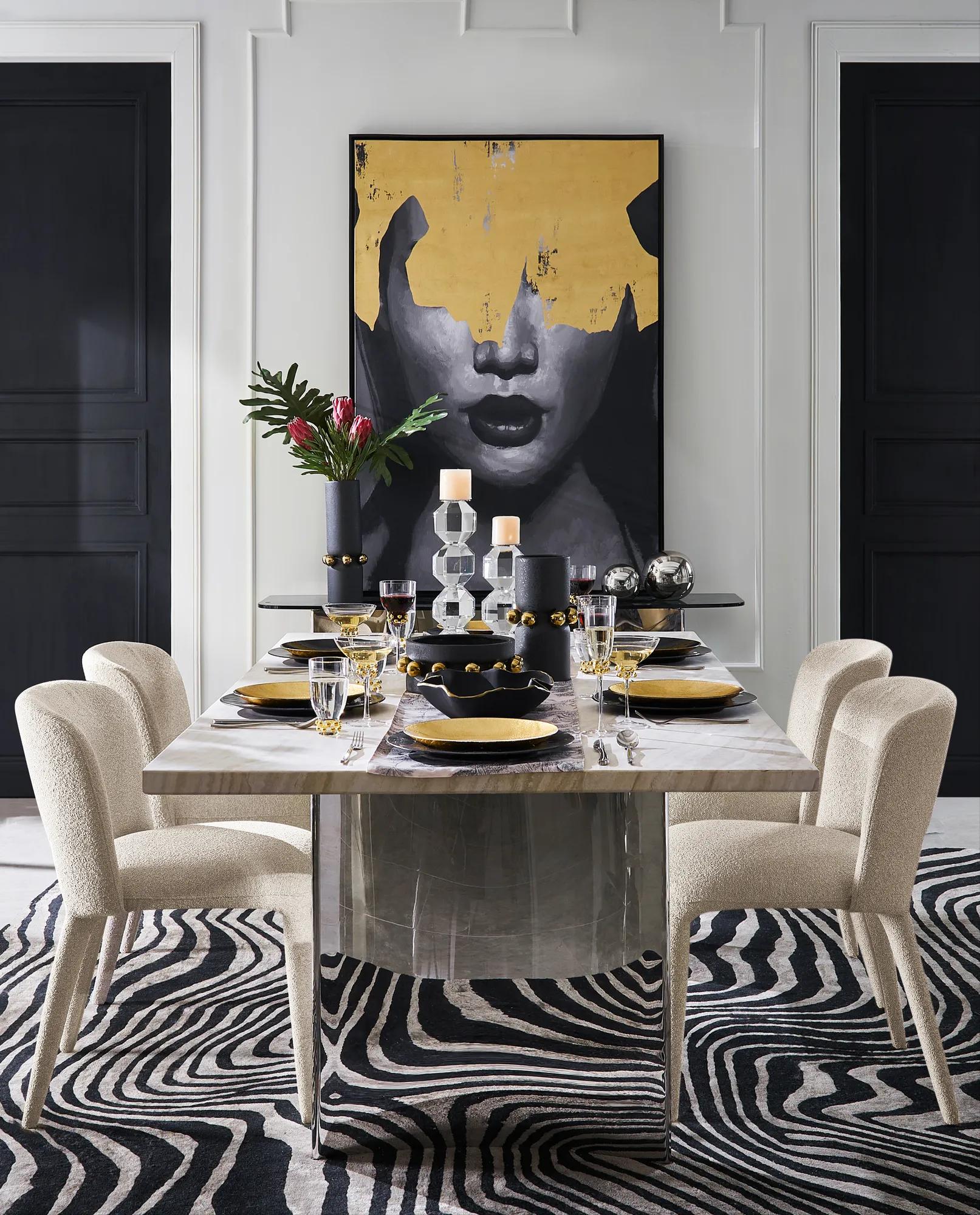 Muscat Rectangular Tan Marble Dining Table With Stainless Steel Base (84")$3099
A sophisticated dining table featuring a tan travertine marble top and polished stainless steel base.
Add To Cart -
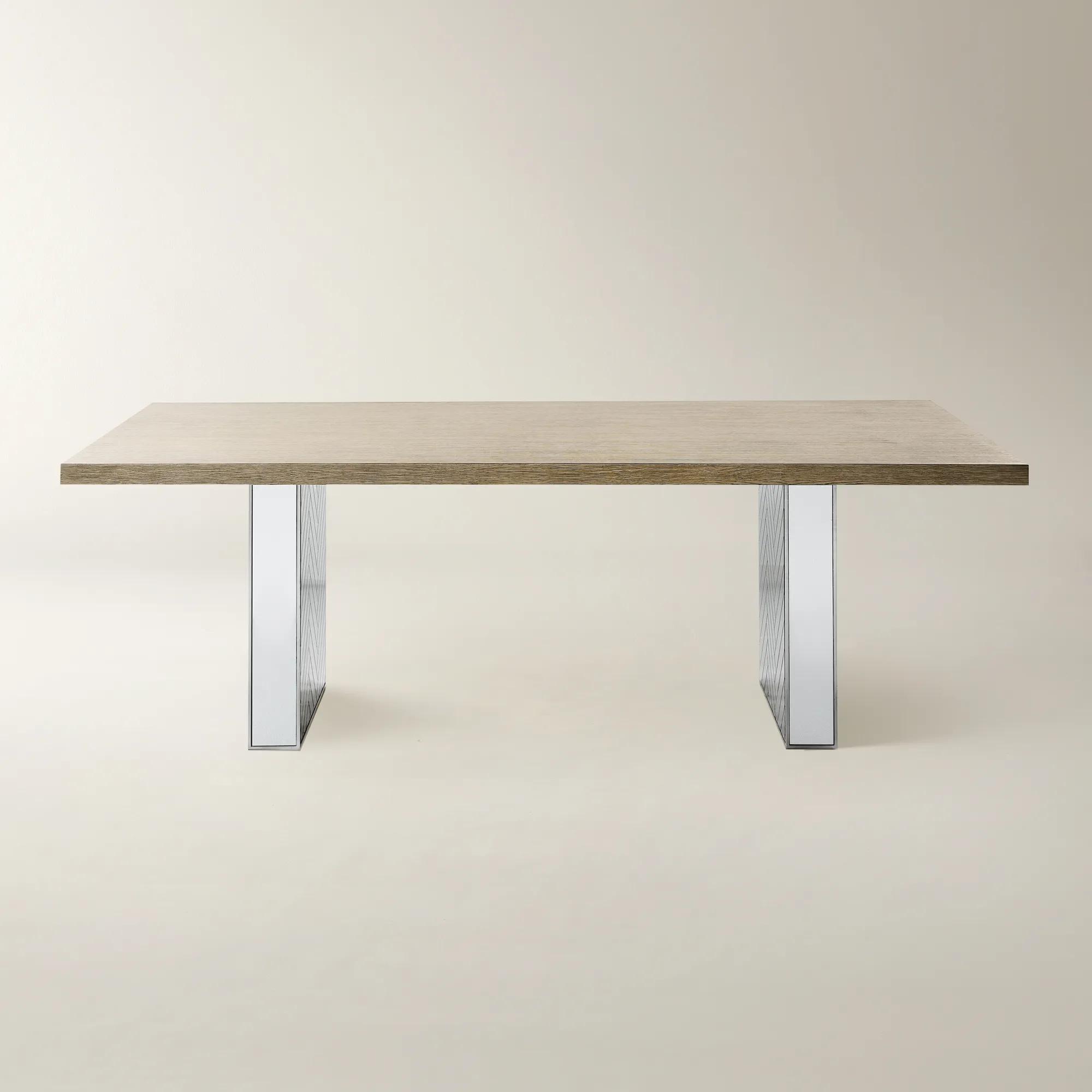
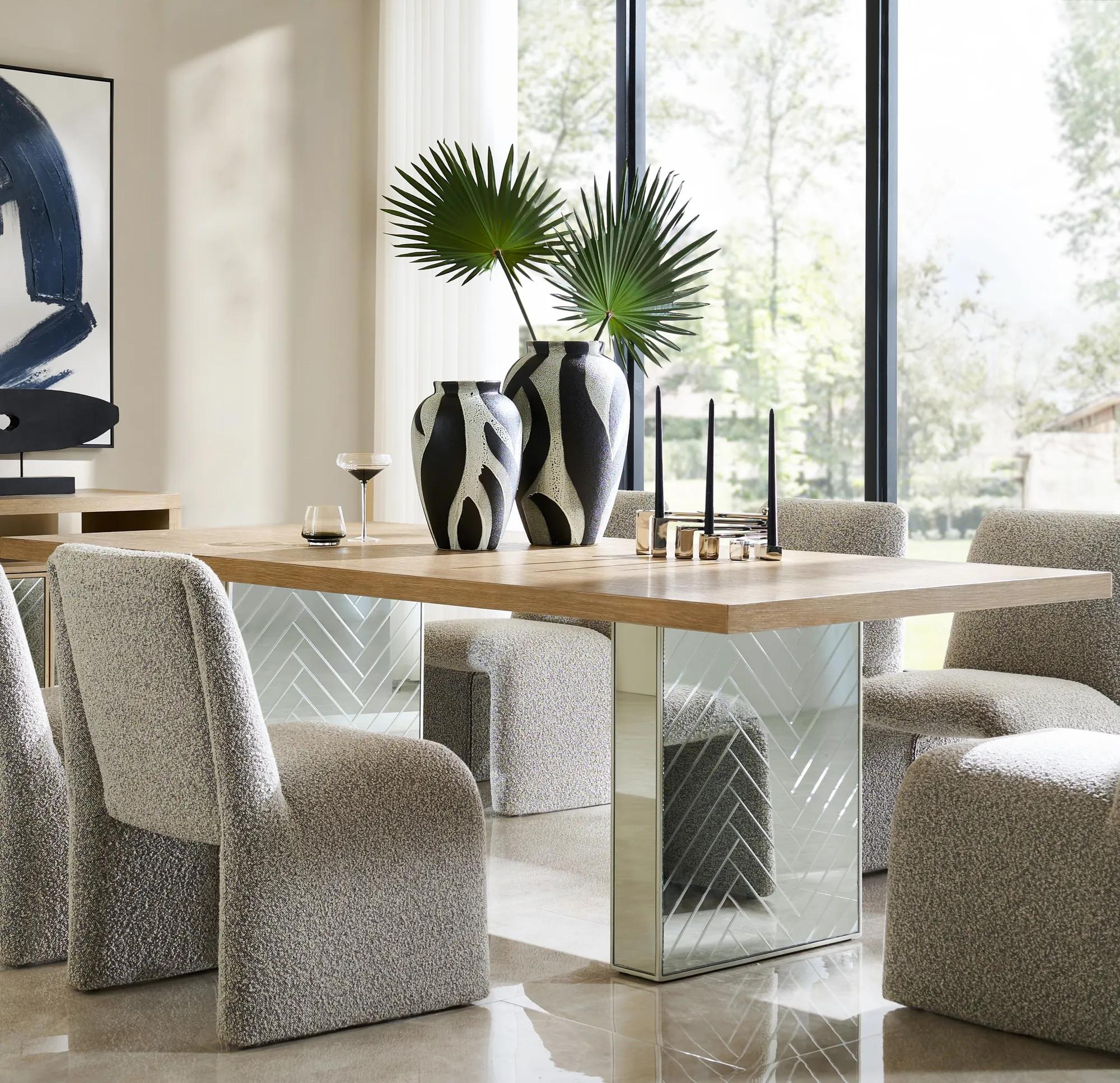 Glimmer Rectangular Seadrift Oak Dining Table With Mirrored Base (90.5")$1799
A modern dining table featuring a warm oak veneer top and a silver mirror-faced parquet base.
Add To Cart -
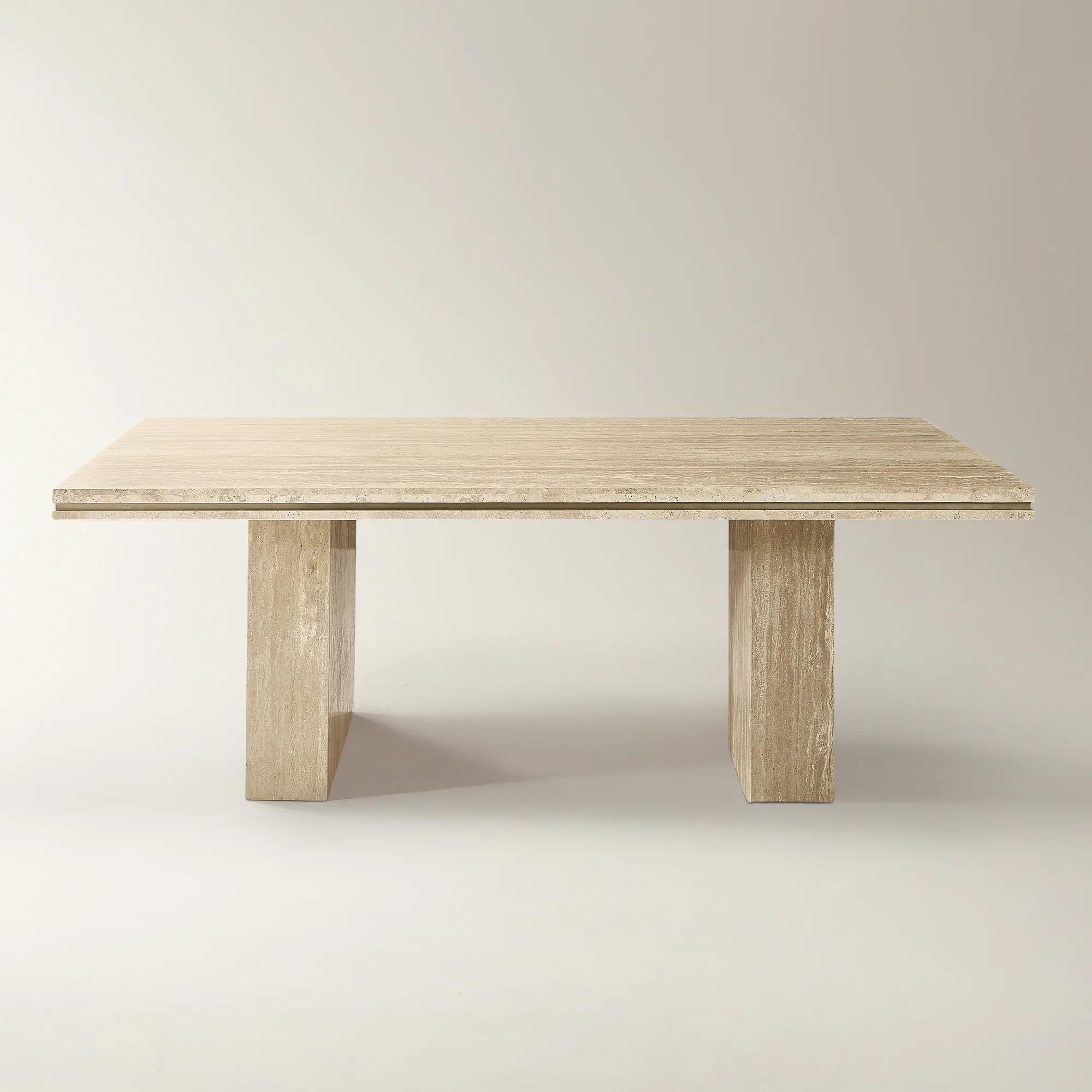 Vanta Rectangular Travertine Dining Table (84")$4199
A natural travertine dining table featuring a soft gold stainless-steel inlay and sculptural twin-panel base.
Add To Cart

Elegant Modern Dining Tables
Explore elegant modern dining tables that bring a sculptural focal point to your dining space. Compare designs by scale and silhouette, considering how each table will pair with your dining chairs and complement the room. Choose proportions that accommodate your everyday seating needs and leave comfortable clearance for guests to move around the table.
Elegant modern dining tables pair streamlined silhouettes with expressive materials, creating a focal point that feels architectural without sacrificing the pleasure of gathering. Their distinction often lies in contrast: a transparent glass surface above a sculptural metal base, richly grained wood framed by a crisp outline, or a luminous stone top balanced on a substantial pedestal. These combinations give the dining room depth and personality while keeping its composition deliberate. Glass dining tables allow the base, chairs, and surrounding decor to remain visible, making them especially compelling when a patterned rug or beautifully upholstered seating deserves attention. Wood introduces warmth through grain, tone, and texture; a dark finish can feel dramatic against pale upholstery, while lighter wood creates a softer contrast with gleaming metal accents. Marble and other natural stone surfaces offer individual veining, so their visual movement becomes part of the room’s artistry. Engineered stone and ceramic surfaces can create a similarly refined effect, although their performance depends on the specific material and construction. Polished metal brings reflection and definition, while brushed finishes create a quieter sheen. Across these materials, elegance comes from proportion as much as ornament. A generous tabletop, a thoughtfully shaped edge, and a base with convincing visual balance can make a striking impression without elaborate detailing. Round dining tables encourage an intimate arrangement, oval tables combine an elongated surface with softened ends, and rectangular tables create a strong axis in longer rooms. Square designs establish a balanced setting where each seat feels equally connected. For an interior with sweeping artwork, plush seating, or statement lighting, a restrained tabletop can provide welcome composure. In a room with simpler surroundings, an expressive pedestal or richly patterned surface can carry the entire scene. The result is furniture suited to everyday meals and beautifully composed dinners alike, with enough presence to make an ordinary place setting feel intentional.
The most satisfying dining table proportions account for both the room and the people who use it. A table should leave space for chairs to pull out and guests to move behind them, rather than merely fitting within the room’s dimensions. About 36 inches of clearance between the table edge and a wall or nearby furniture is a useful starting point, while roughly 42 to 48 inches can make frequently traveled passages more comfortable. These measurements deserve particular attention near a sideboard, doorway, or route into an adjoining living area. Seating capacity also depends on more than tabletop length. Allowing approximately 24 inches of table edge per diner provides a practical baseline, with additional room desirable for broad chairs, upholstered arms, or expansive place settings. Many rectangular tables around 72 inches long accommodate six people, while longer designs may seat eight or more, but leg placement and chair width can change that arrangement considerably. A pedestal can free the perimeter from corner legs, although the size and shape of its base still affect footroom. Trestle and sculptural bases bring strong visual character and should be considered alongside where guests’ knees and feet will naturally rest. Most standard dining tables stand approximately 28 to 30 inches high; chair seat height, cushion thickness, and apron depth determine how comfortably the pieces work together. Armchairs need enough clearance to tuck beneath the table if a neat, close-set arrangement is desired. In an open-plan home, an oval profile can soften the transition between dining and living spaces, while a rectangular silhouette can establish a distinct dining zone. Extendable dining tables offer flexibility for households that alternate between intimate meals and larger gatherings, provided there is room for the expanded footprint and somewhere suitable to store any removable leaves. These details preserve the elegance of the setting because comfort, movement, and visual balance remain in harmony.
Materials and finishes shape how a dining table lives with its household, not simply how it photographs. Solid wood can develop character over time, but it responds to changes in indoor humidity and benefits from protection against standing moisture and direct heat. Wood veneer offers the beauty of real grain over a supporting substrate; its longevity depends on construction, finish quality, and appropriate care rather than appearance alone. Natural marble deserves particular consideration in homes where citrus, wine, and frequent entertaining are part of the routine. Acidic spills can etch its surface, and sealing may reduce absorption without preventing that chemical reaction. Prompt cleanup, coasters, and placemats help preserve its finish. Glass creates a luminous, open effect and is generally easy to wipe clean, though fingerprints, scratches, and vulnerable edges remain considerations; tempered glass is stronger than ordinary glass, but it is not unbreakable. Engineered stone and ceramic tabletops vary in their resistance to staining, scratching, and heat, making the manufacturer’s care instructions essential. Trivets remain a sensible safeguard even on surfaces described as heat resistant. Metal bases likewise benefit from finish-appropriate cleaning, since abrasive products can damage polished, plated, or coated surfaces. For households with children, rounded corners and a stable base may be particularly appealing, while frequent hosts may prioritize generous serving space and a surface compatible with their entertaining habits. A table used for occasional laptop sessions or creative projects benefits from protective mats and a clear surface before dinner. The surrounding pieces complete the experience: curved upholstery can temper an angular base, textured chairs can enrich a sleek top, and a chandelier can echo the table’s geometry without matching it literally. Explore Modern Luxury Dining Tables for another expression of this architectural, material-rich approach. With thoughtful proportions and care suited to its finish, an elegant modern dining table becomes a lasting setting for conversation, celebration, and the daily rituals that give a home its character.
FAQs
An elegant modern dining table pairs clean lines with an expressive detail, such as a sculptural base, a distinctive silhouette, or a luminous finish. The look feels refined rather than heavily ornamented, giving the table an architectural presence that sets the mood for memorable gatherings.
Consider the atmosphere you want to create. Glossy finishes bring light-catching glamour, while matte finishes offer a quieter backdrop for dramatic accents. Warm tones create a rich, inviting mood; cooler tones feel crisp and tailored. Look to your room’s existing palette, then choose harmony or deliberate contrast.
Pair a streamlined table with chairs featuring expressive curves or sumptuous upholstery for a layered, glamorous look. If the table has a dramatic base, consider chairs with more restrained silhouettes. A shared color, finish, or design detail connects the pieces without making the room feel overly matched.
Treat the tabletop as a curated composition. A sculptural vessel, an artful floral arrangement, or a grouping of decorative objects can establish a striking focal point. Let texture and tone create interest, and leave portions of the surface unadorned so the table’s own design remains part of the story.
A sculptural chandelier or an expressive pendant can echo the table’s architectural character. Choose a fixture that shares a visual thread with the table, such as curved lines or a complementary finish. For a more daring composition, contrast a restrained table with lighting that reads like suspended art.