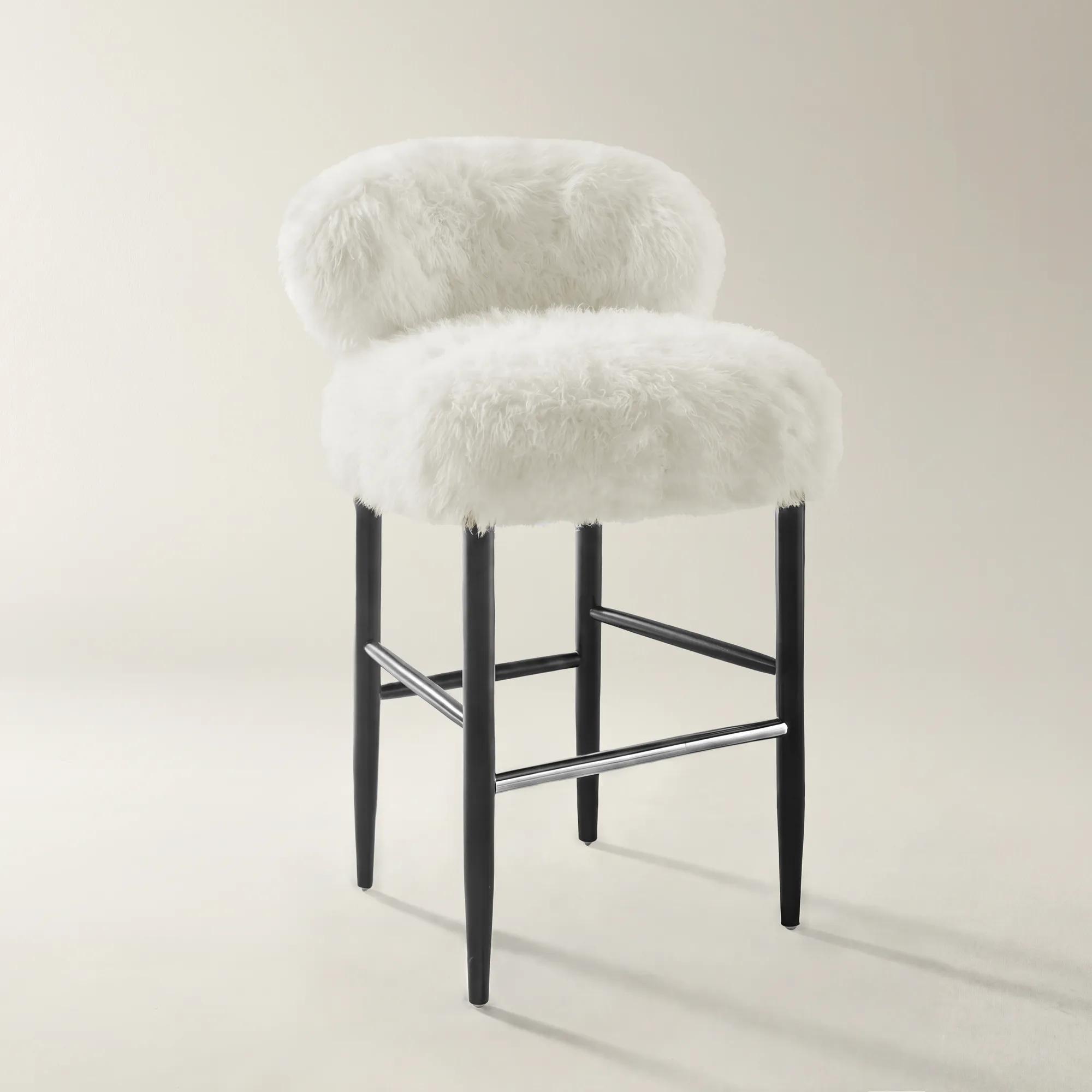
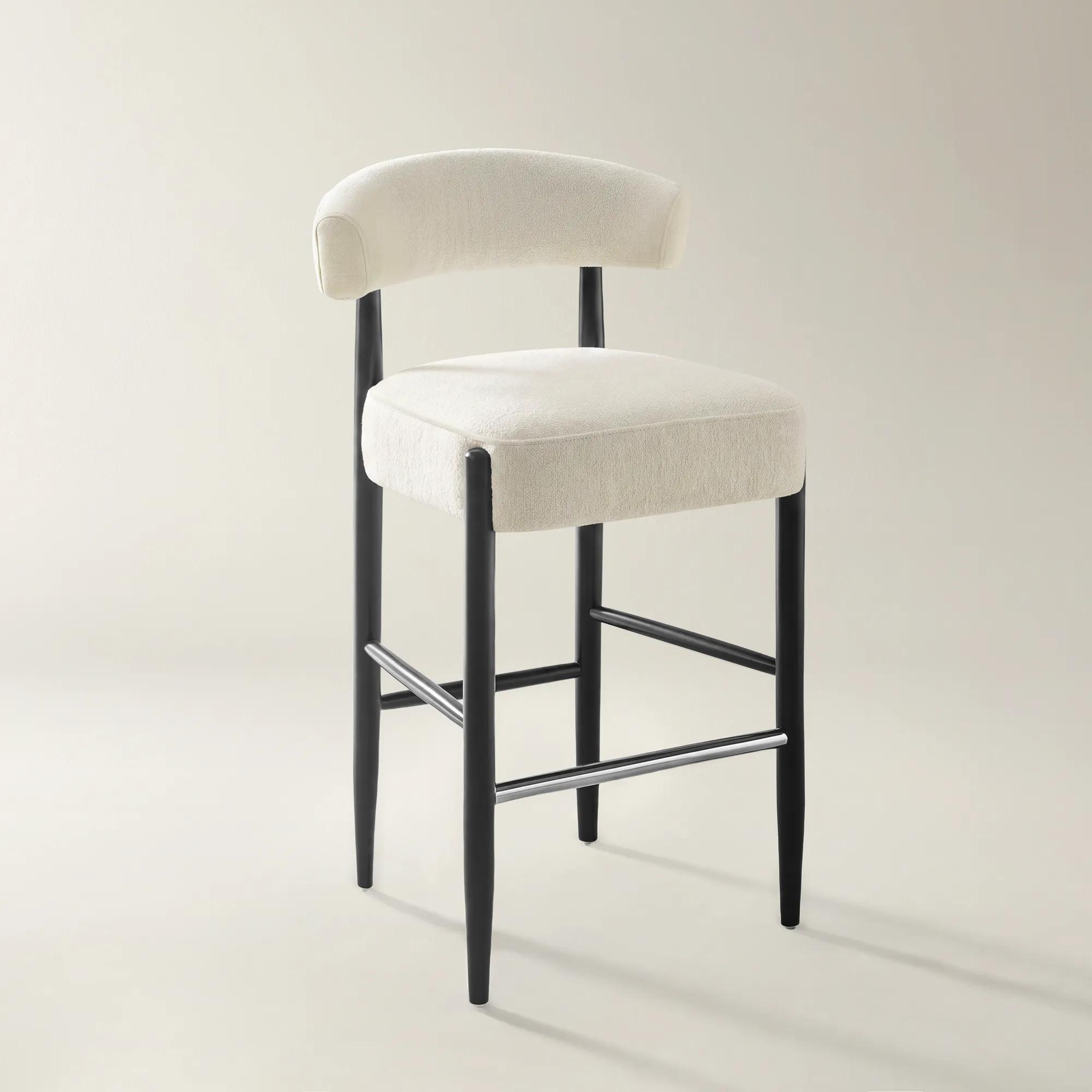
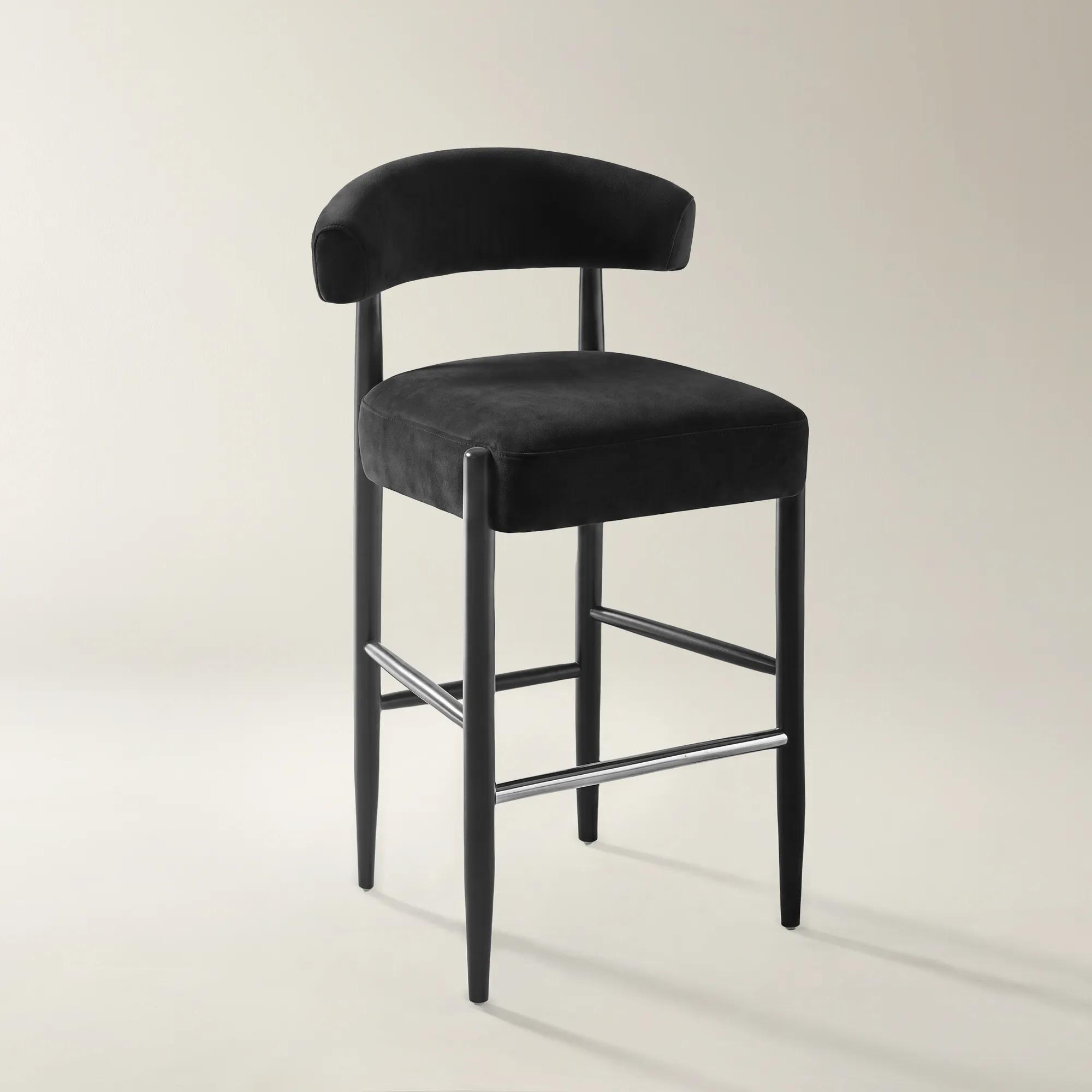
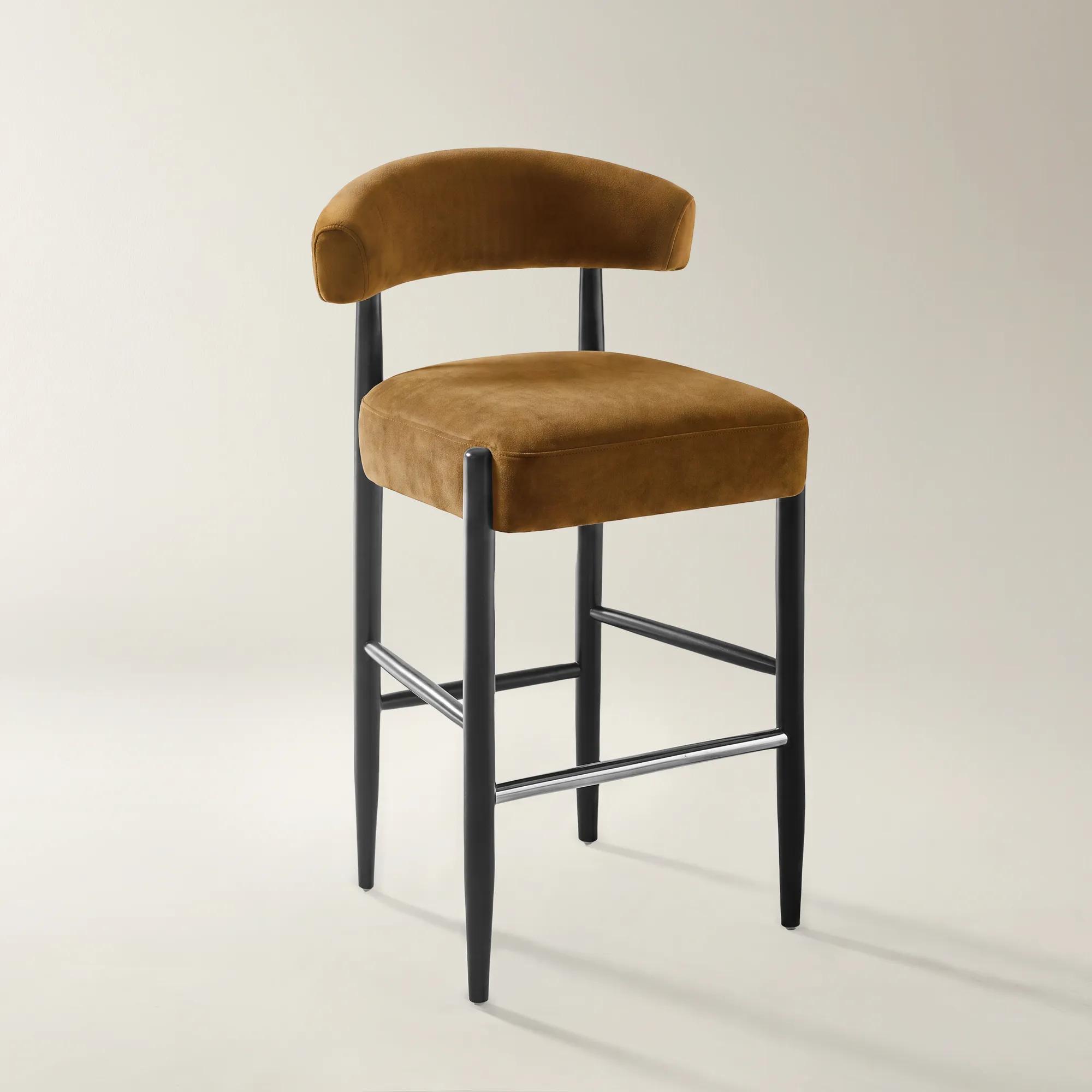
Modern Wood Base Chairs
Modern Wood Base Chairs
-
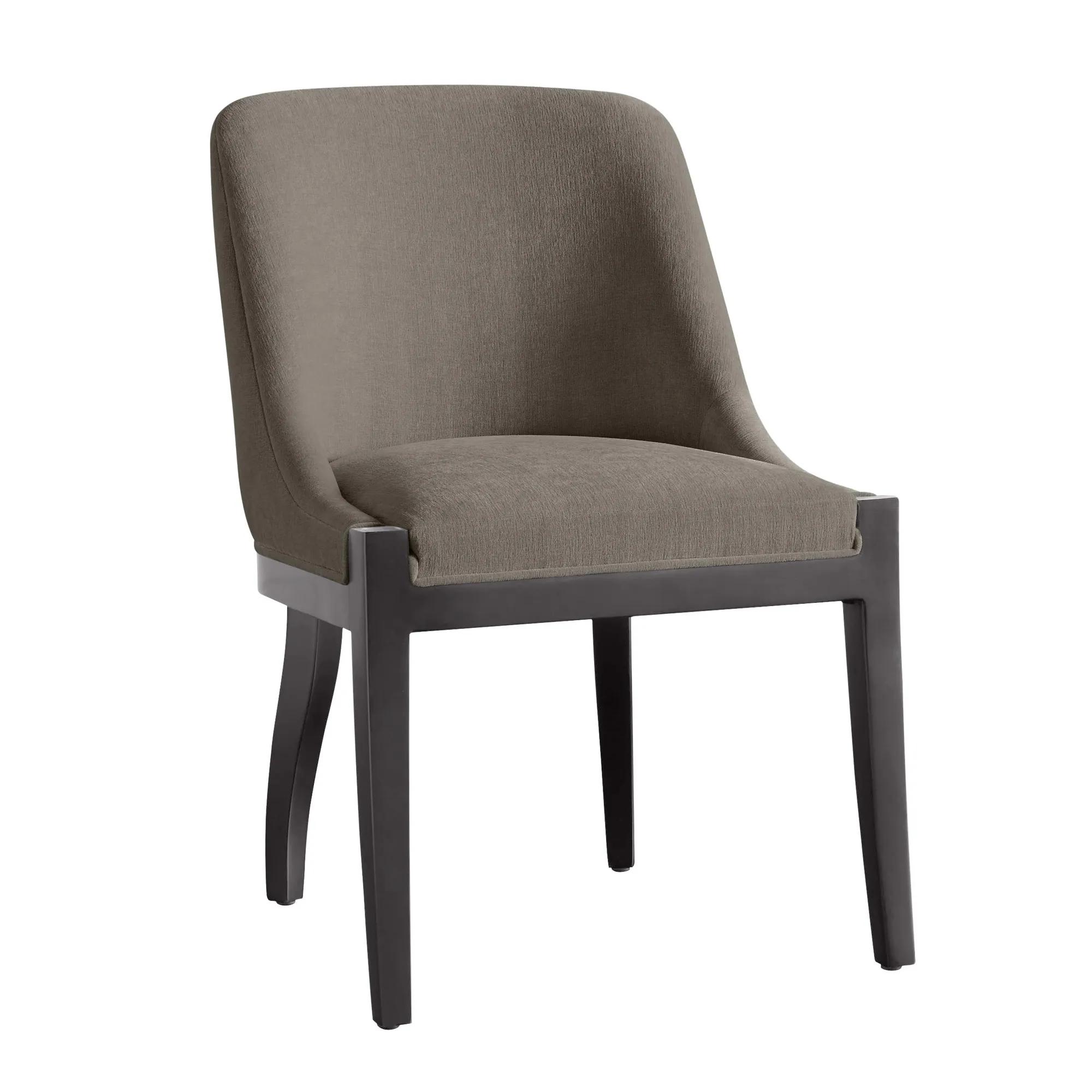
 Lily Dining Chair - Espresso$649
A modern dining chair featuring espresso-finished hardwood, curvaceous silhouette, and plush tailored upholstery.
Add To Cart -
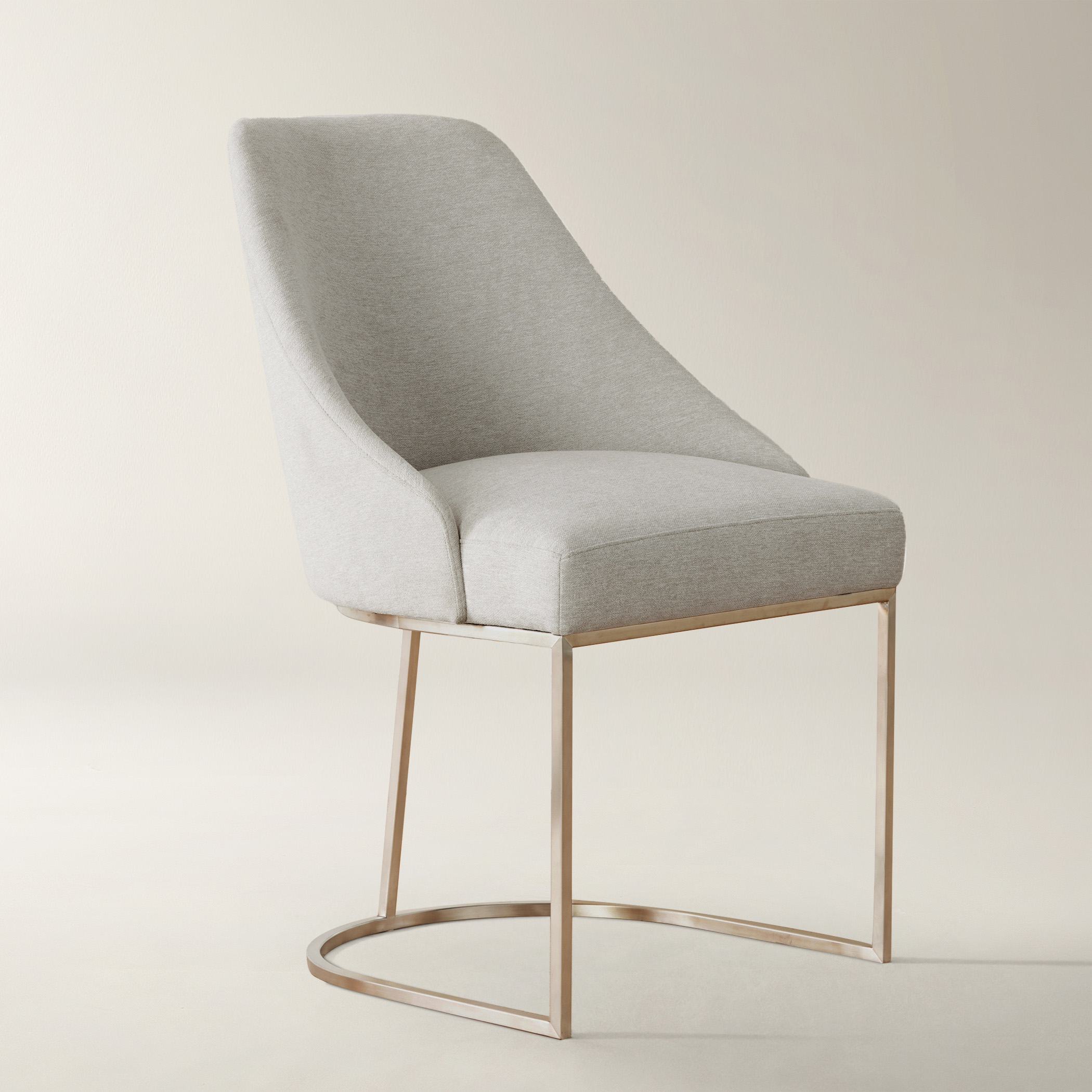
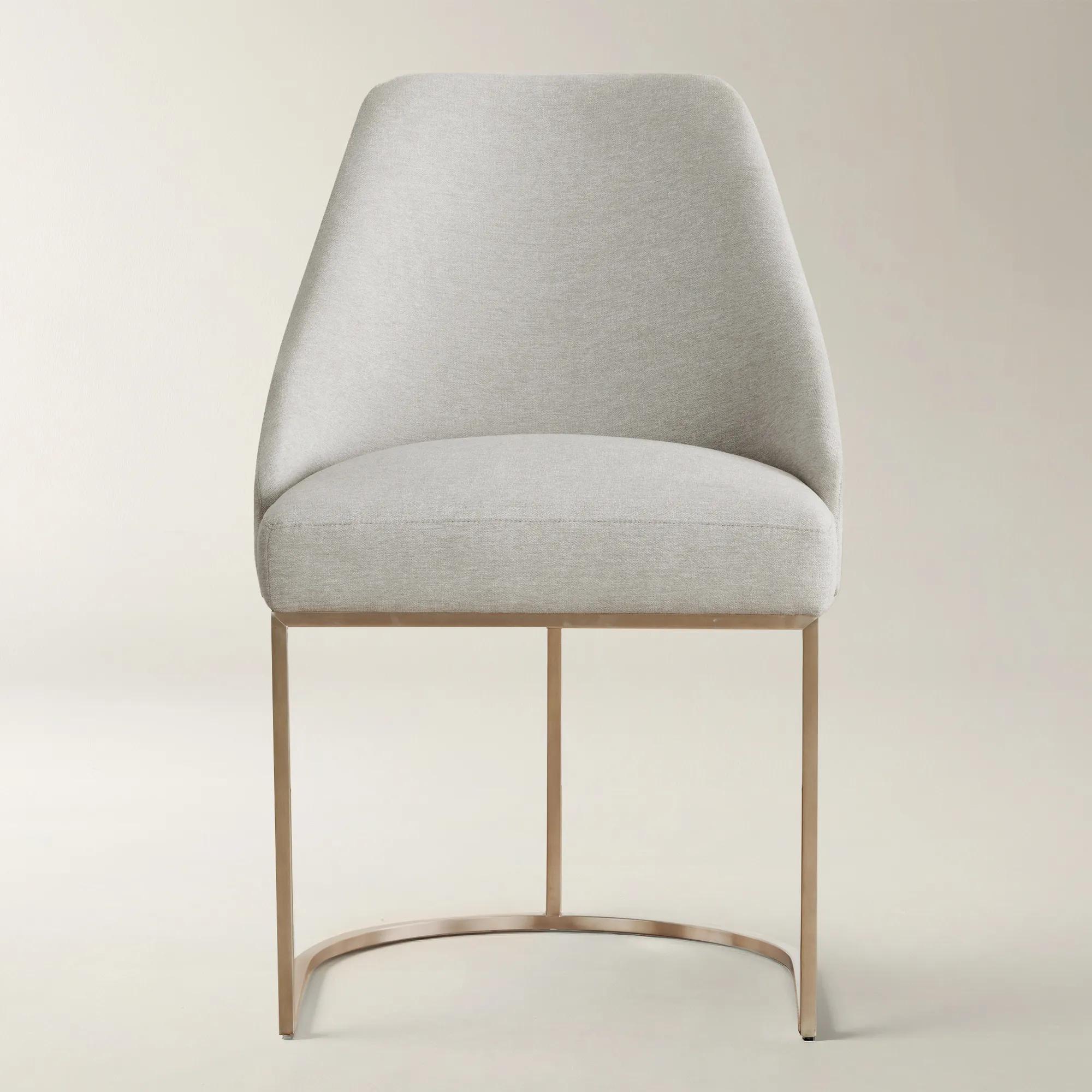 Rowan Ivory Fabric Dining Chair$599
A modern chair featuring brushed stainless steel legs and stain-resistant, water-repellent Roxboro Frost fabric.
Add To Cart -
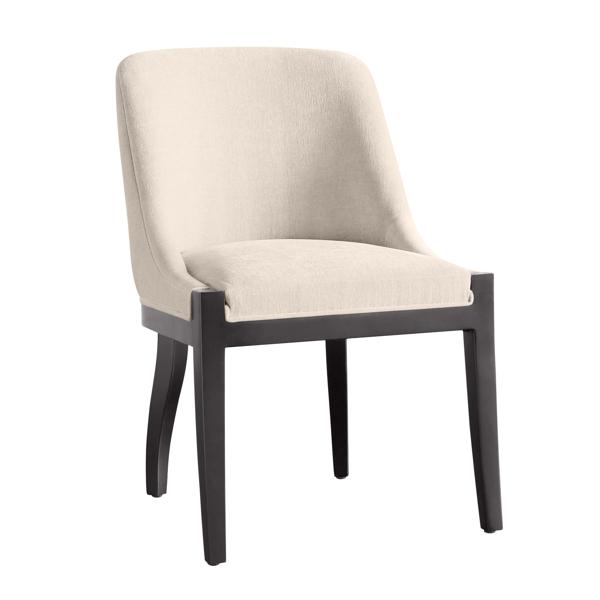 Lily Dining Chair - Espresso$749
A modern dining chair with espresso-finished hardwood frame and plush, tailored upholstery for lasting comfort.
Add To Cart -
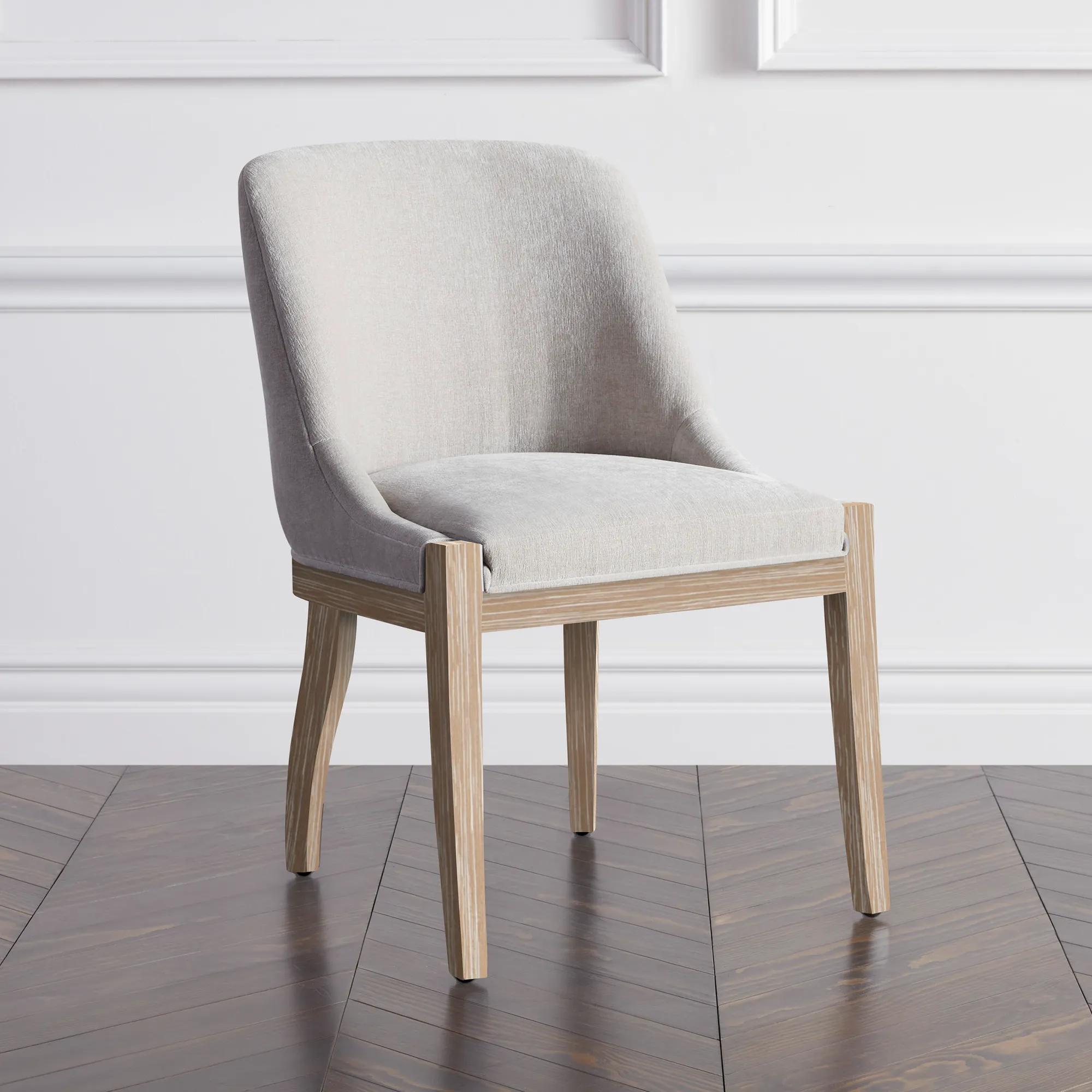
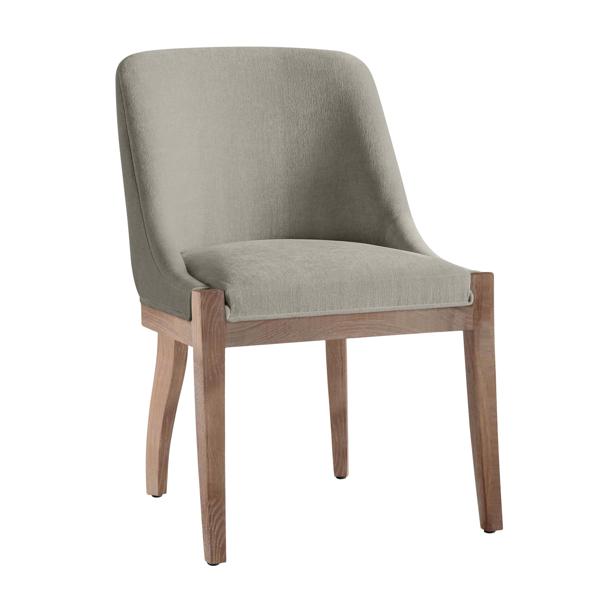 Lily Dining Chair - Wash Oak$699
A modern dining chair featuring a kiln-dried hardwood frame, wash oak legs, and tailored chenille upholstery.
Add To Cart -
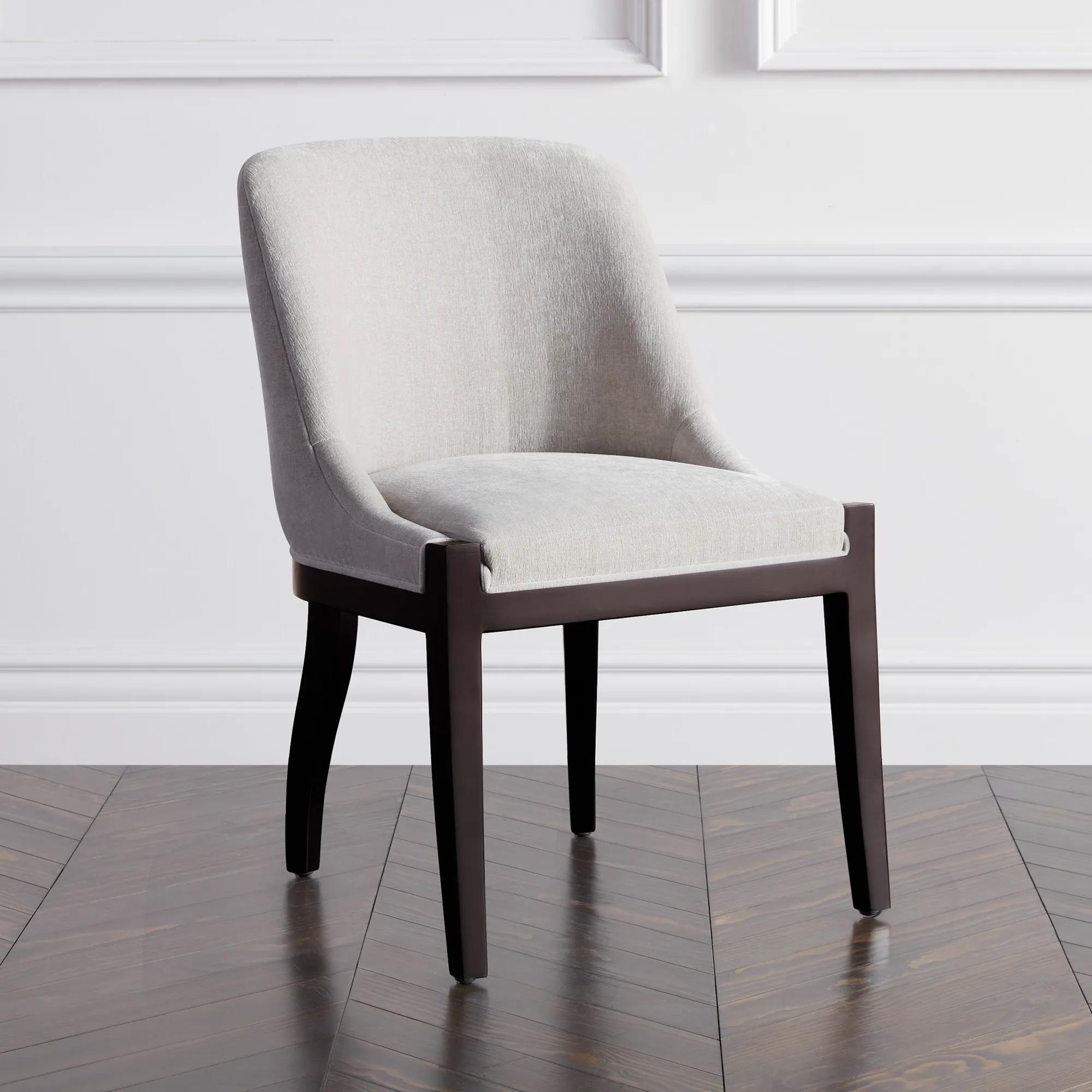
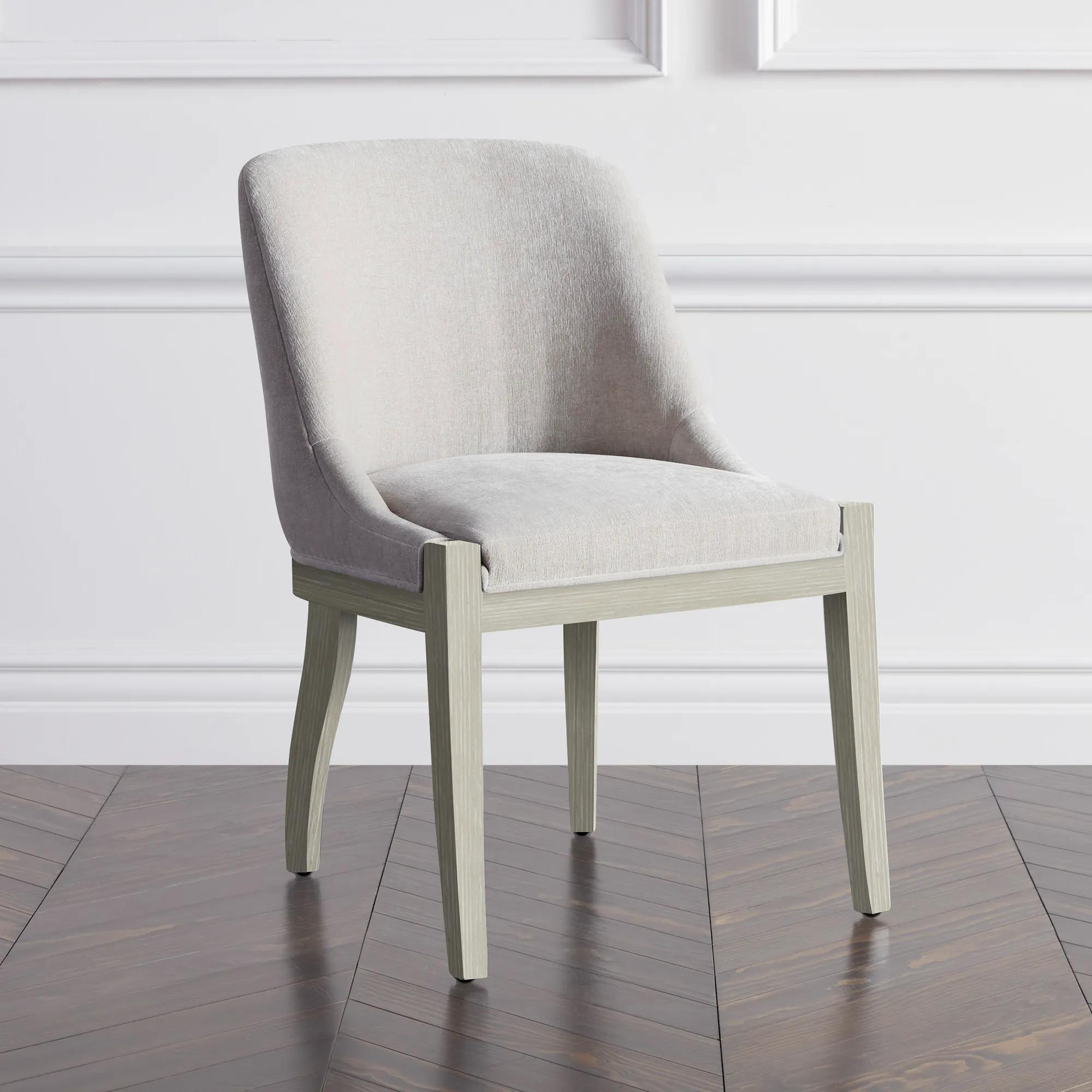 Lily Dining Chair - Natural Grey$649
A modern dining chair featuring kiln-dried hardwood, natural grey upholstery, and cushioned foam-and-fiber comfort.
Add To Cart -
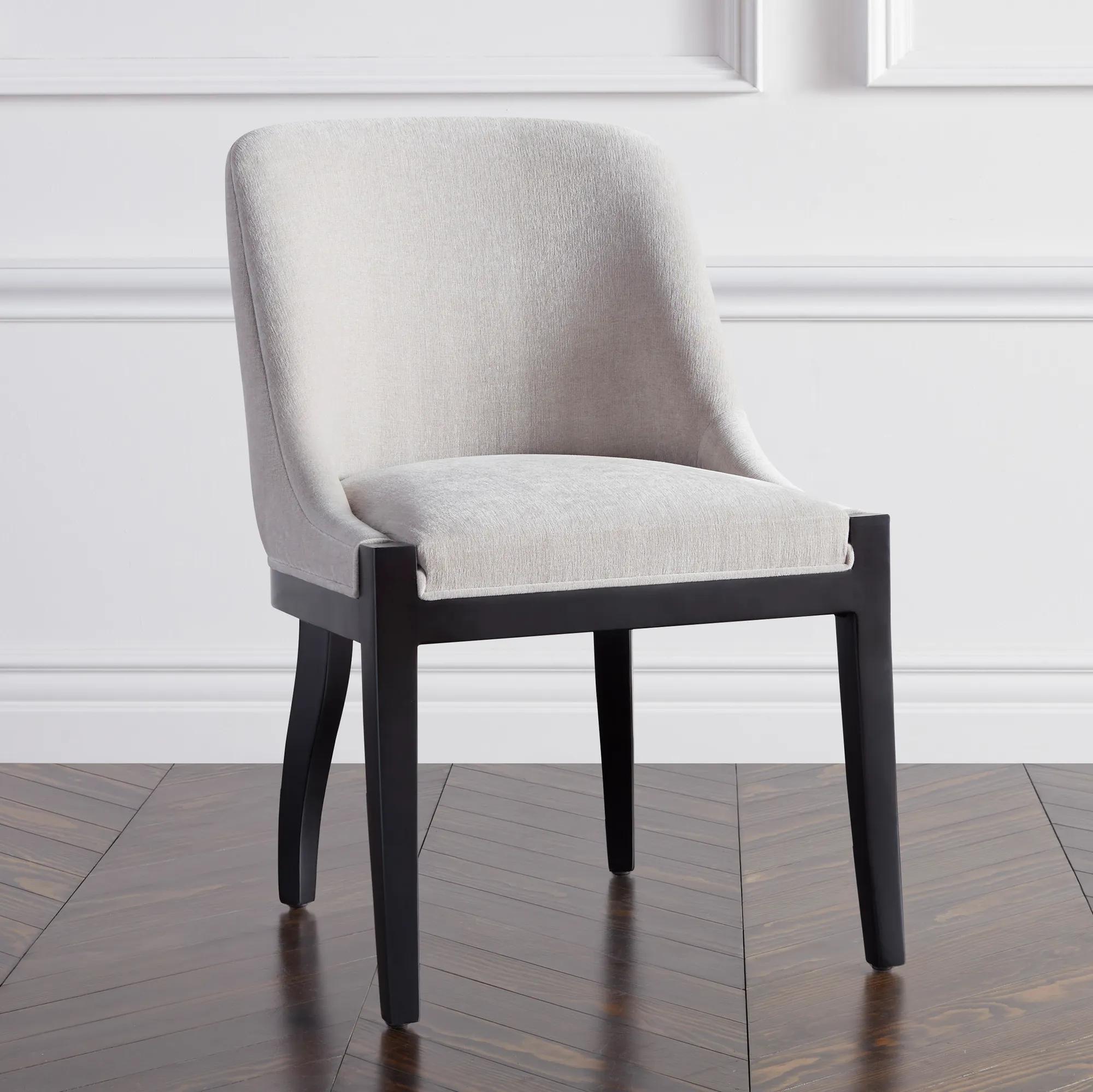 Lily Dining Chair - Matte Black$499
A modern dining chair with a kiln-dried hardwood frame, matte black legs, and plush tailored upholstery.
Add To Cart -
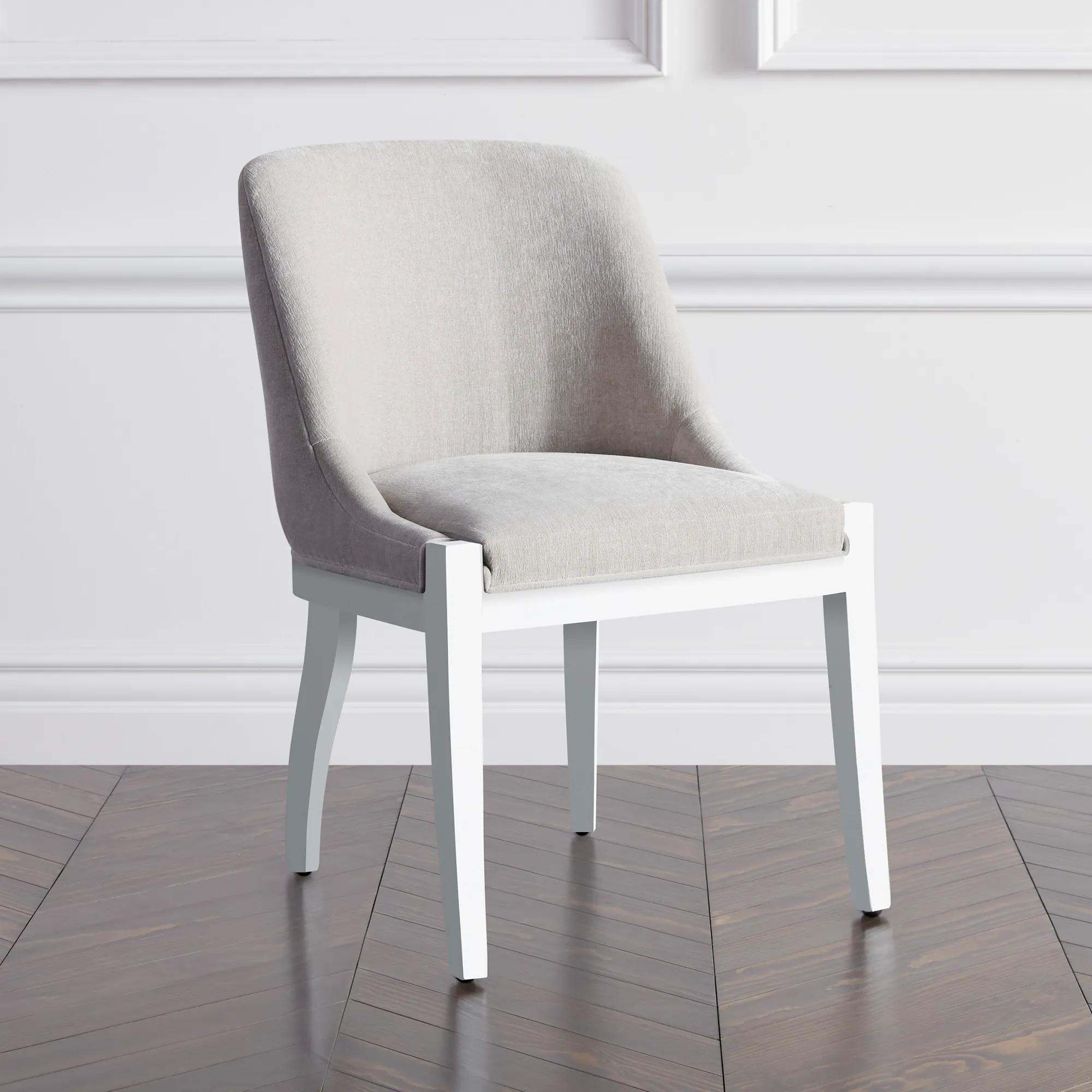
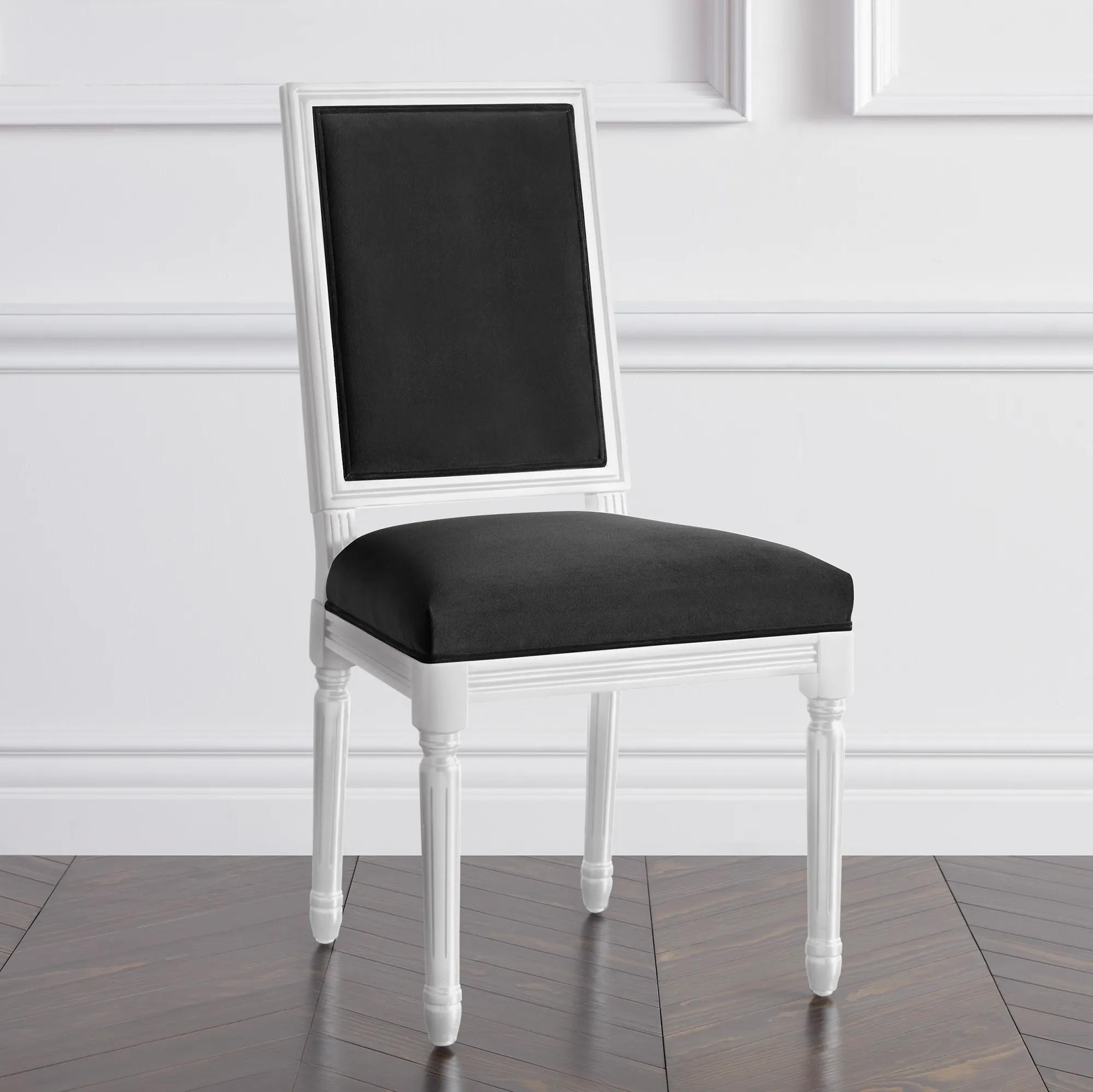
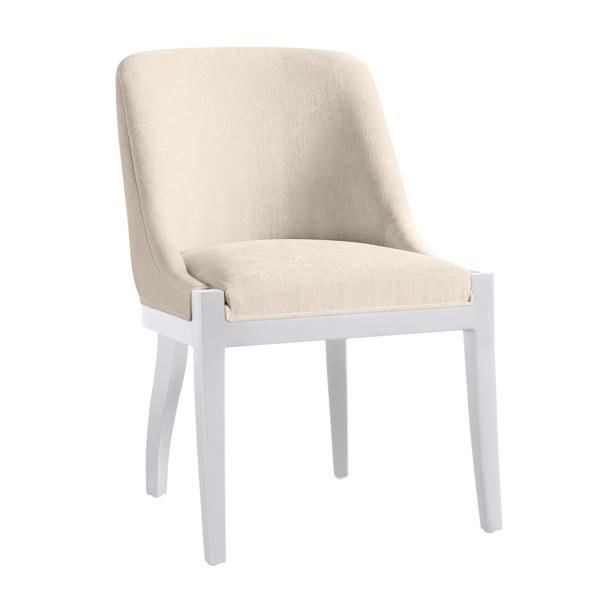 Lily Dining Chair - High Gloss White$649
A modern white dining chair featuring kiln-dried hardwood, high-gloss legs, and plush tailored upholstery.
Add To Cart -
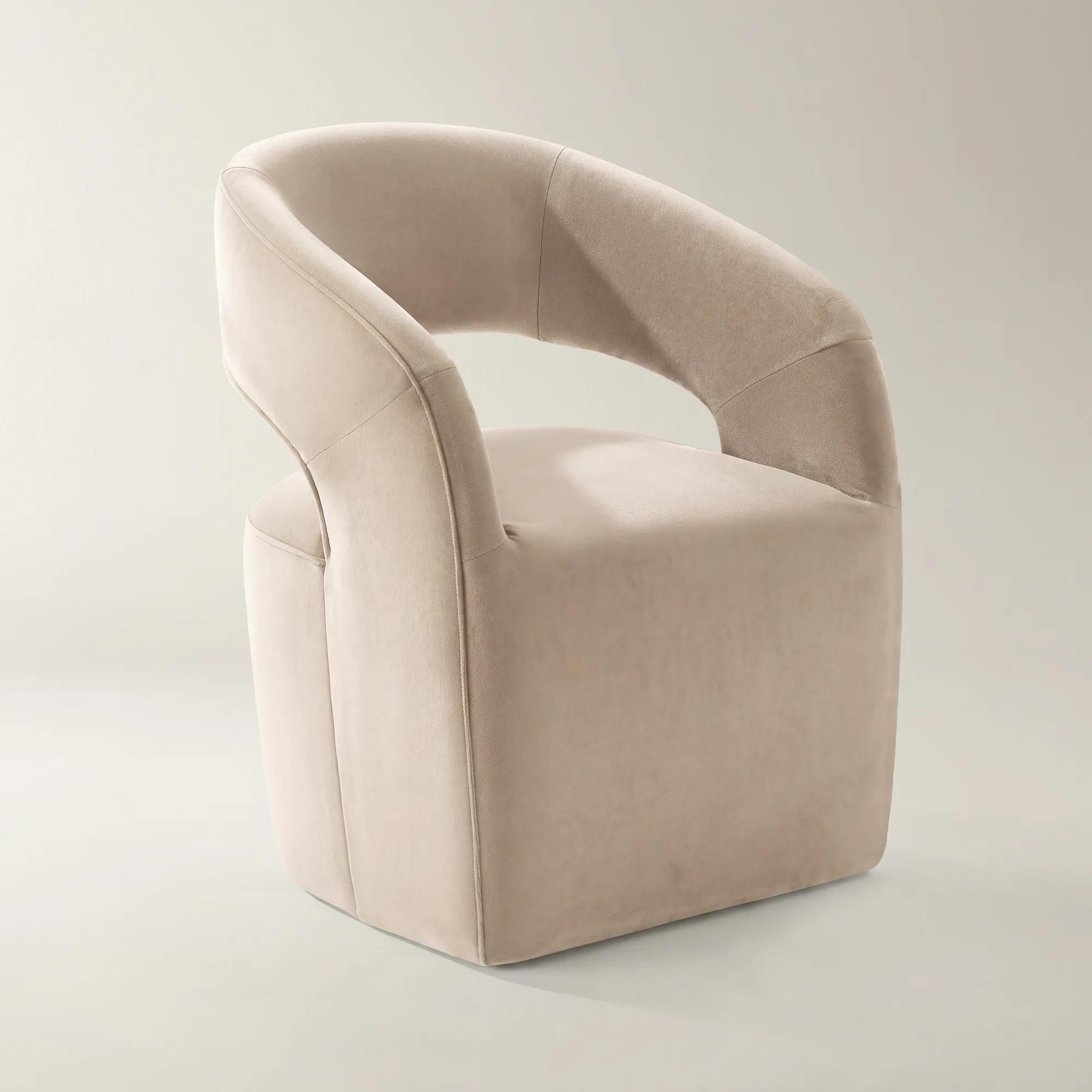
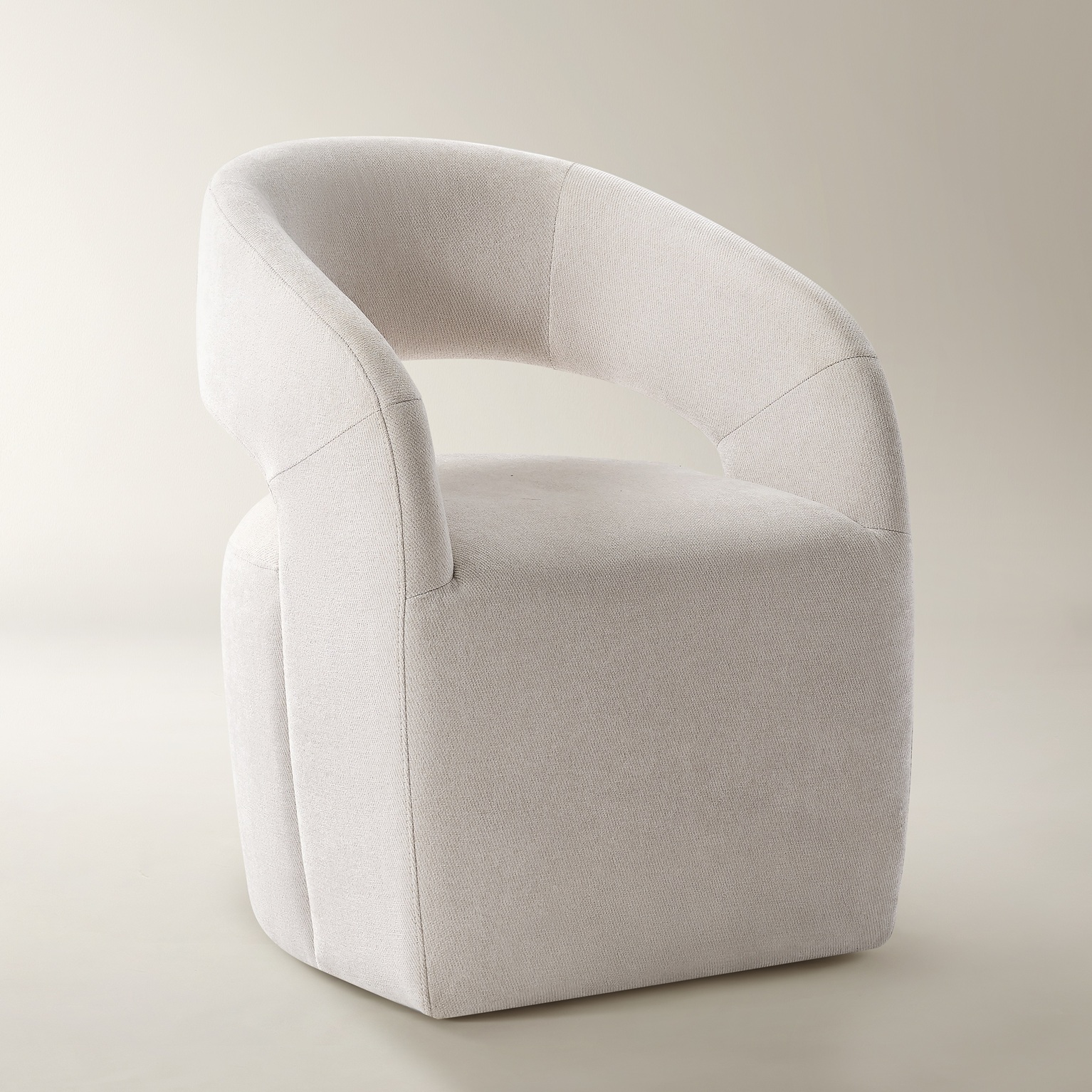 Harrison Simply Taupe Velvet Dining Chair$499
A sculptural dining chair in simply taupe velvet with a curved back, feather-blend seat, and modern elegance.
Add To Cart -
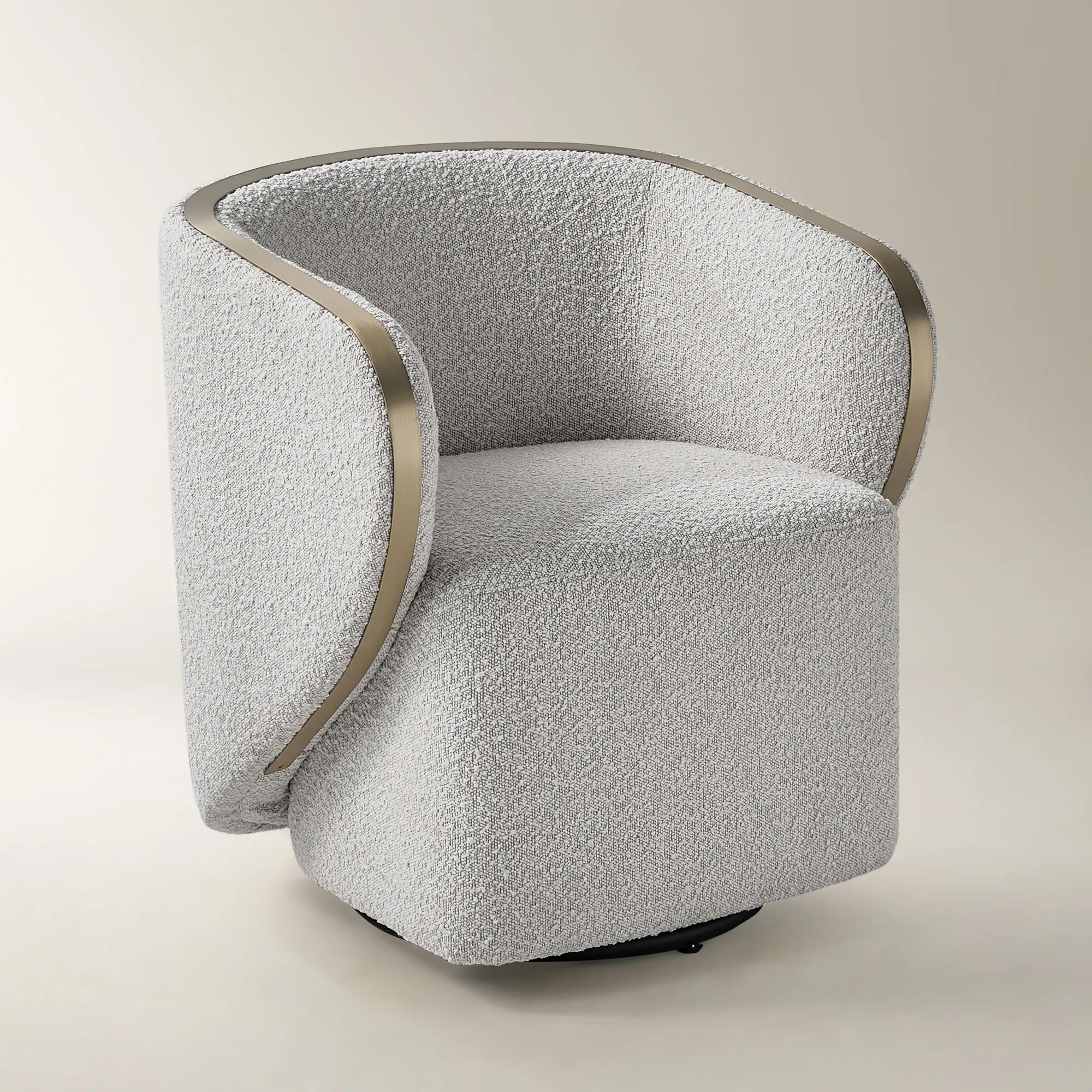 Nova Light Grey Performance Boucle Swivel Dining Chair$699
A sculptural light grey chair in water-repellent boucle with metallic trim and a smooth 360° swivel base.
Add To Cart -
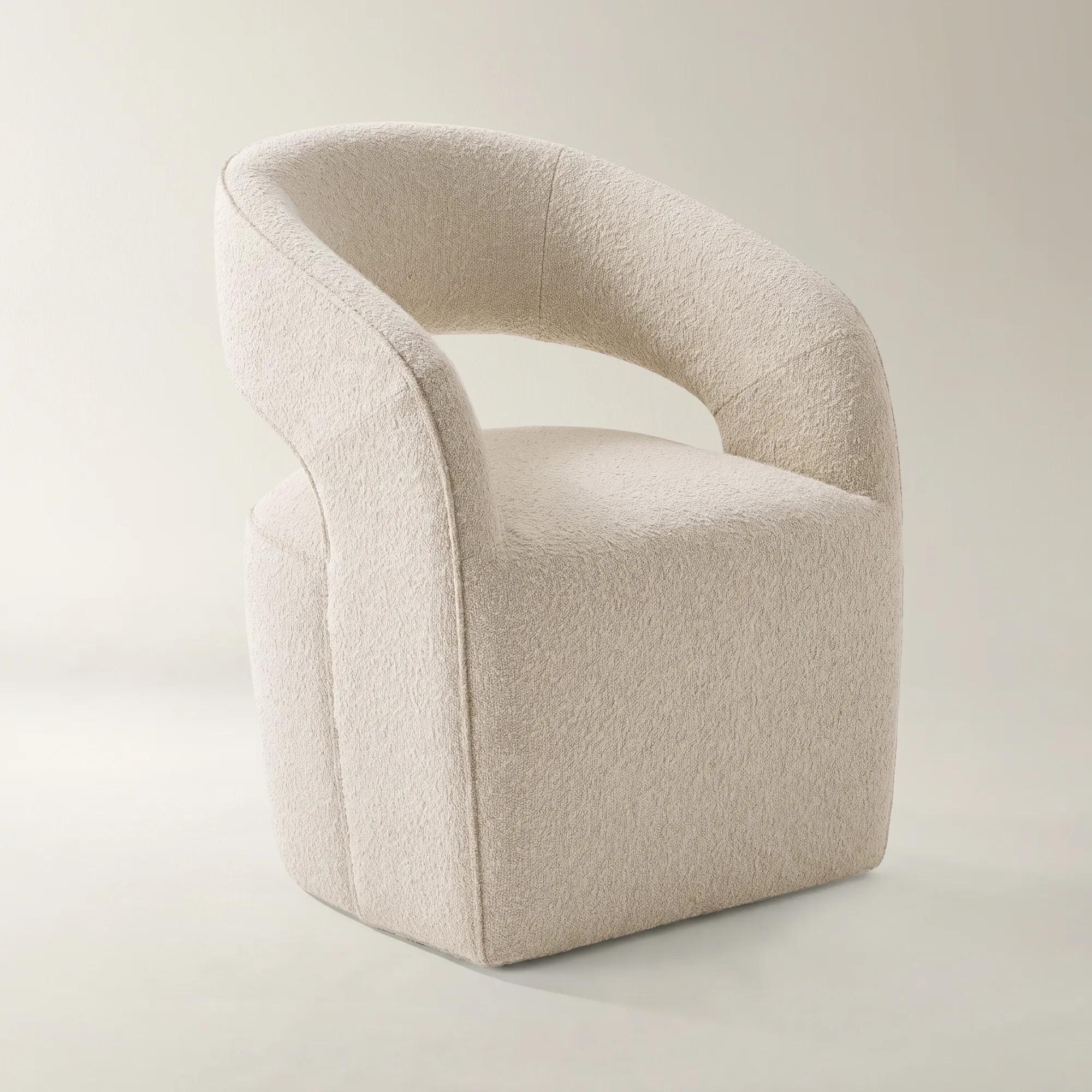 Harrison Ivory Performance Boucle Dining Chair$499
A sculptural dining chair in ivory performance boucle with a curved back, integrated arms, and feather-blend comfort.
Add To Cart -
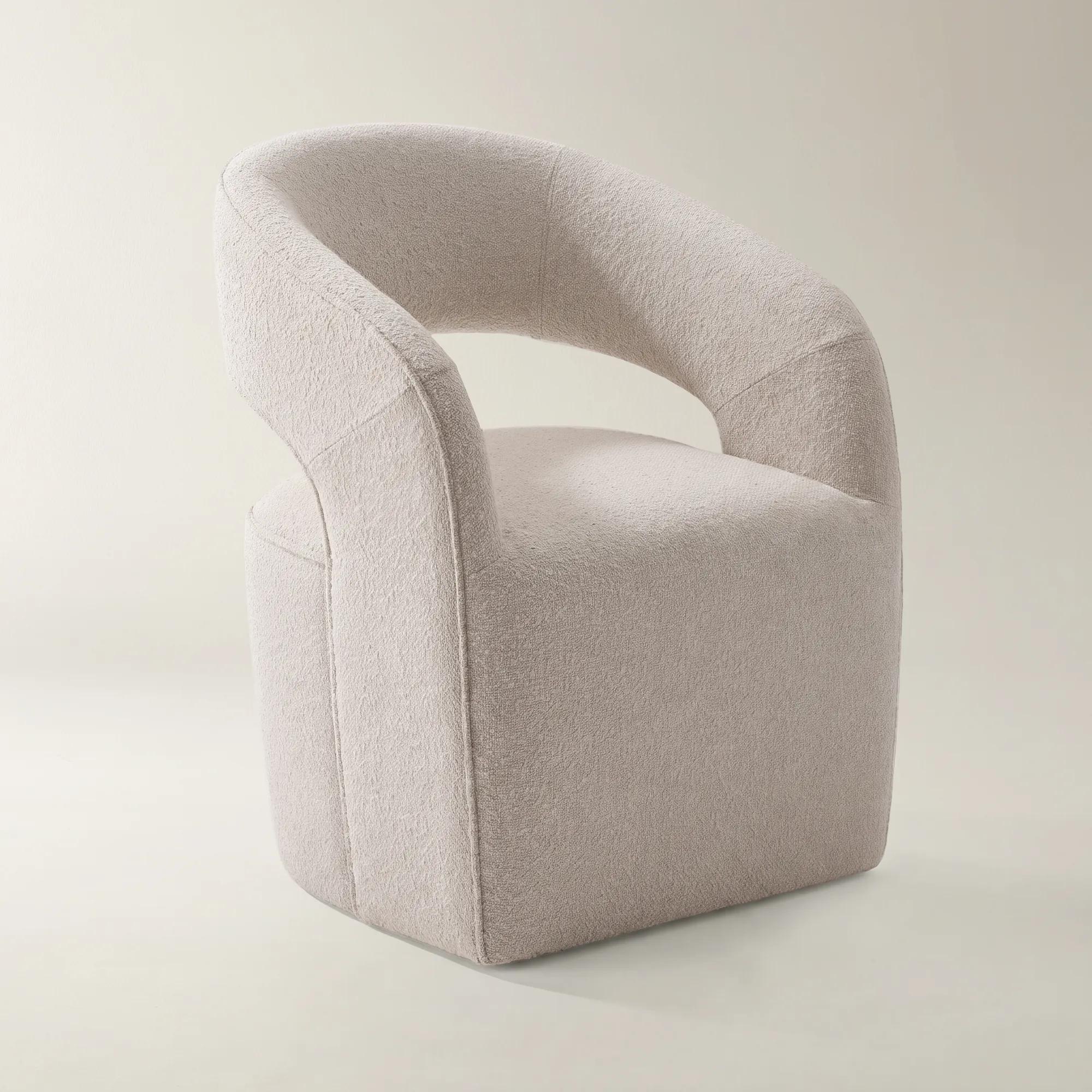 Harrison Ivory Performance Boucle Dining Chair$499
A sculptural dining chair in ivory performance boucle with a curved back, feather-blend seat, and modern elegance.
Add To Cart -
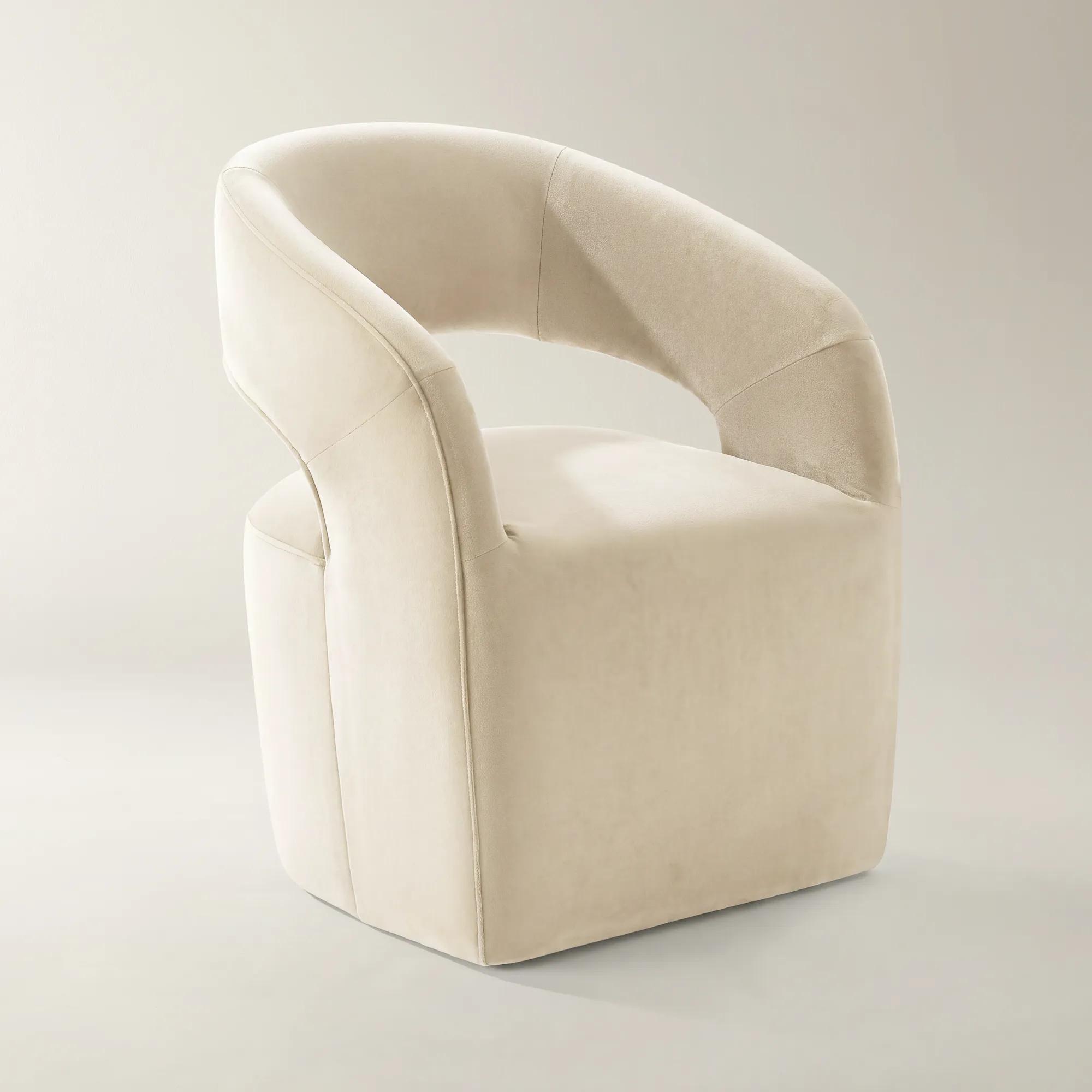 Harrison Oatmeal Velvet Dining Chair$499
A sculptural dining chair upholstered in oatmeal velvet with a curved back, feather-blend seat, and integrated arms.
Add To Cart -

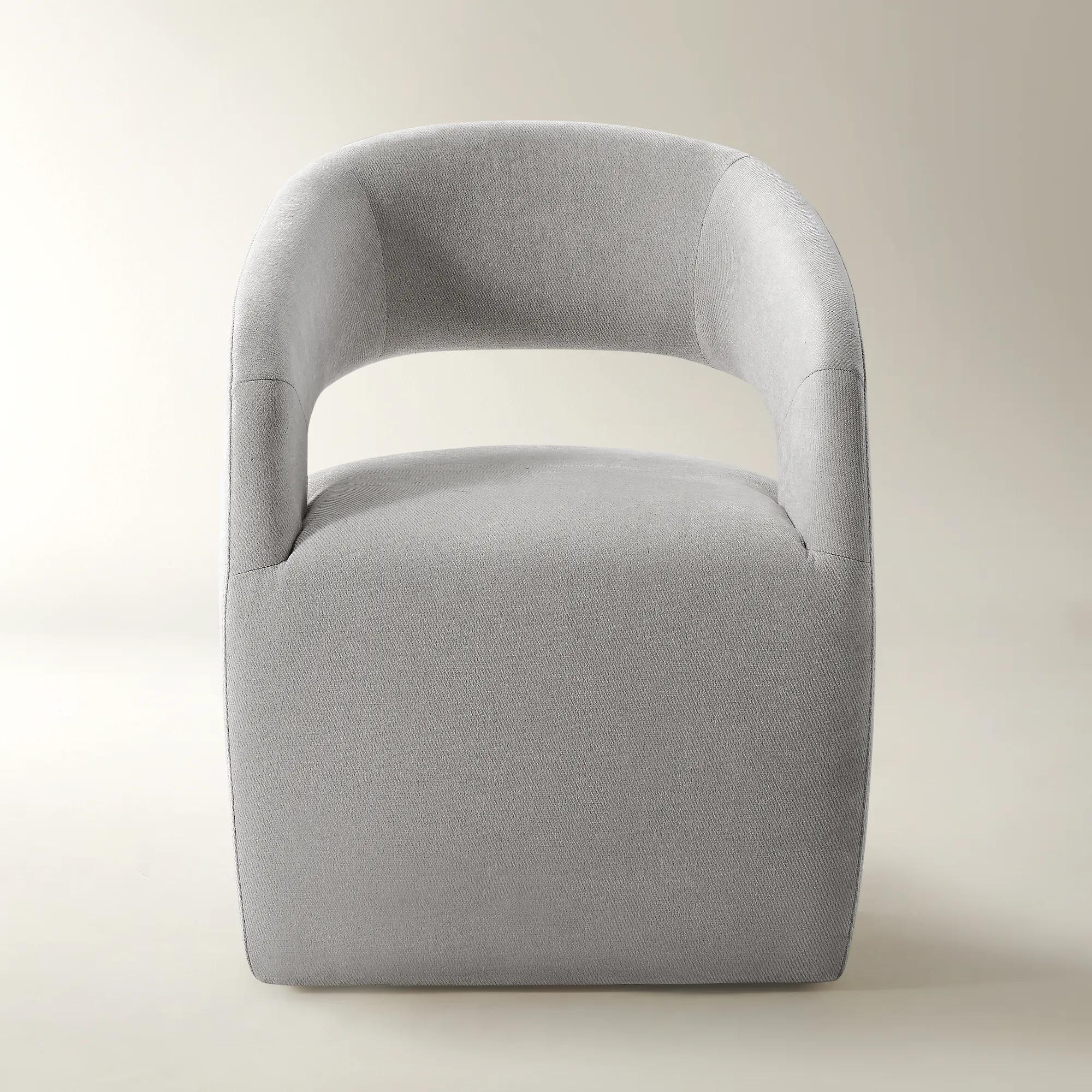 Harrison Flint Chenille Dining Chair$499
A fully upholstered flint chenille dining chair with high-density foam cushioning for superior comfort and style.
Add To Cart -
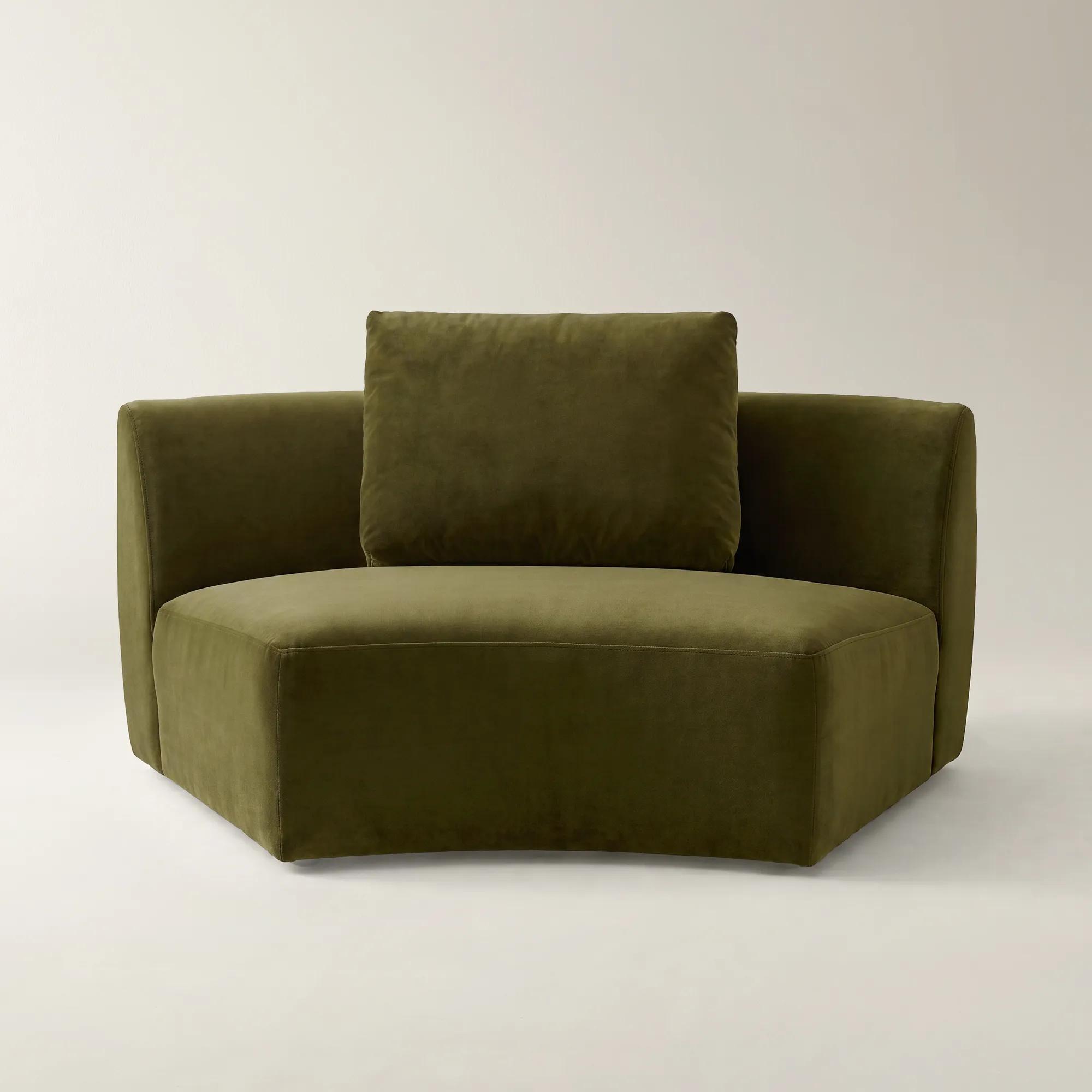
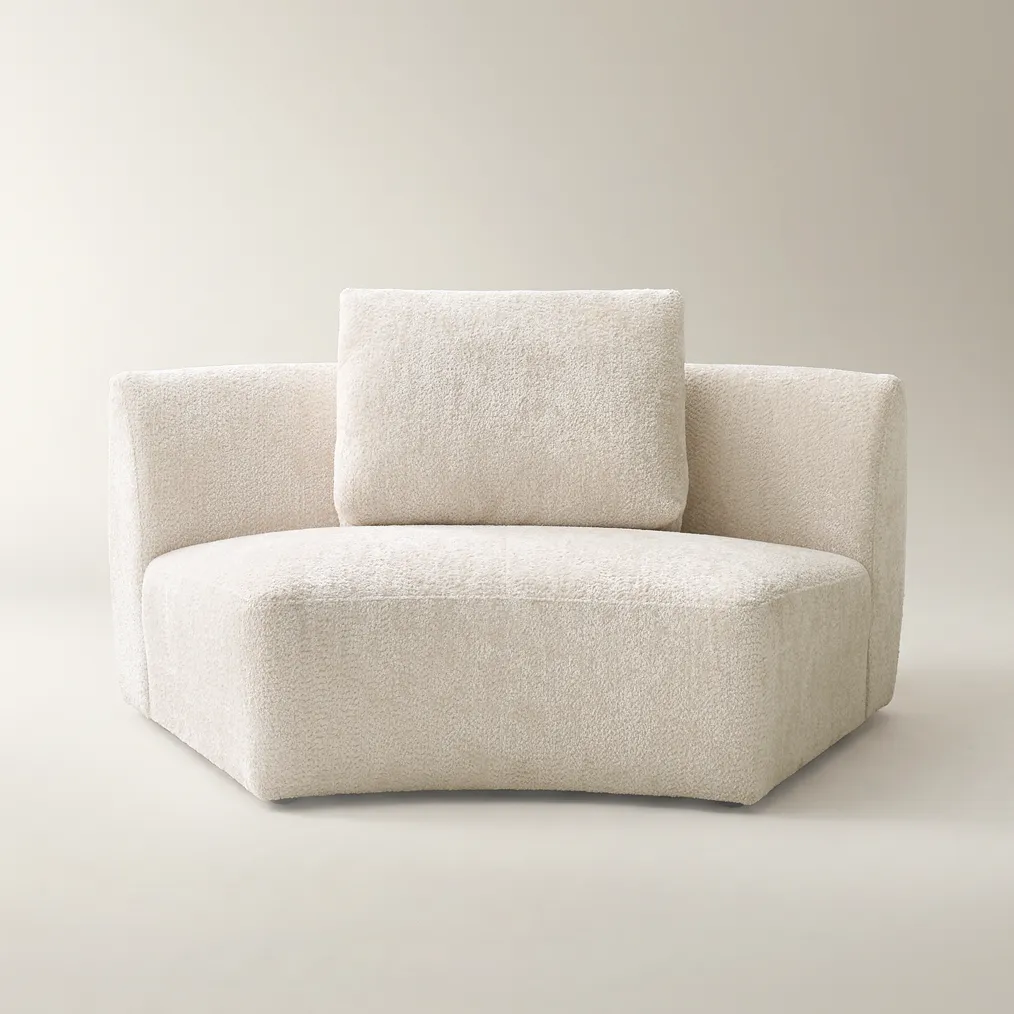 Irene Deep Olive Velvet Armless Chair$1199
A sculptural armless chair upholstered in deep olive green velvet with high-resiliency foam cushions for lasting comfort.
Add To Cart -
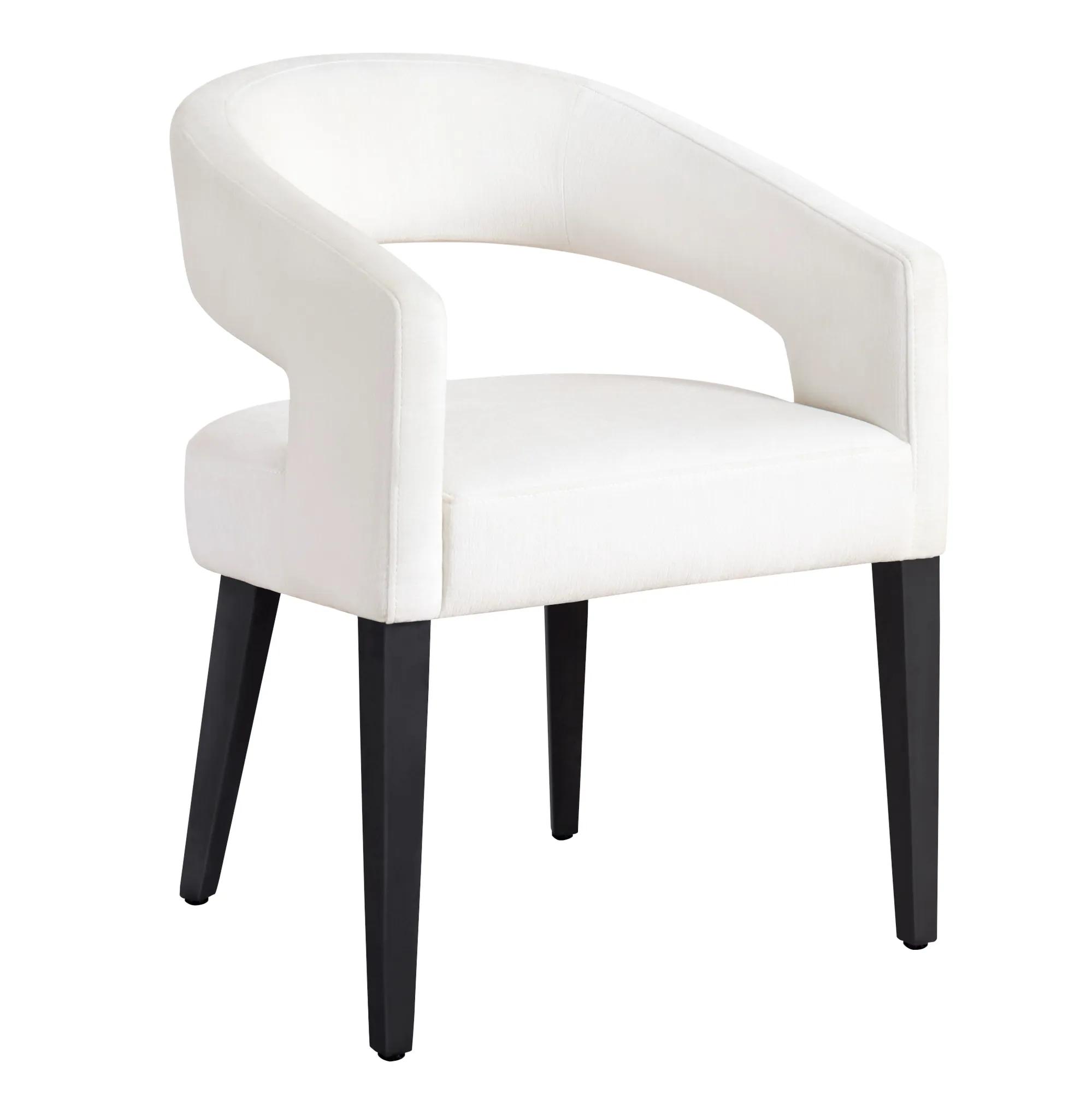
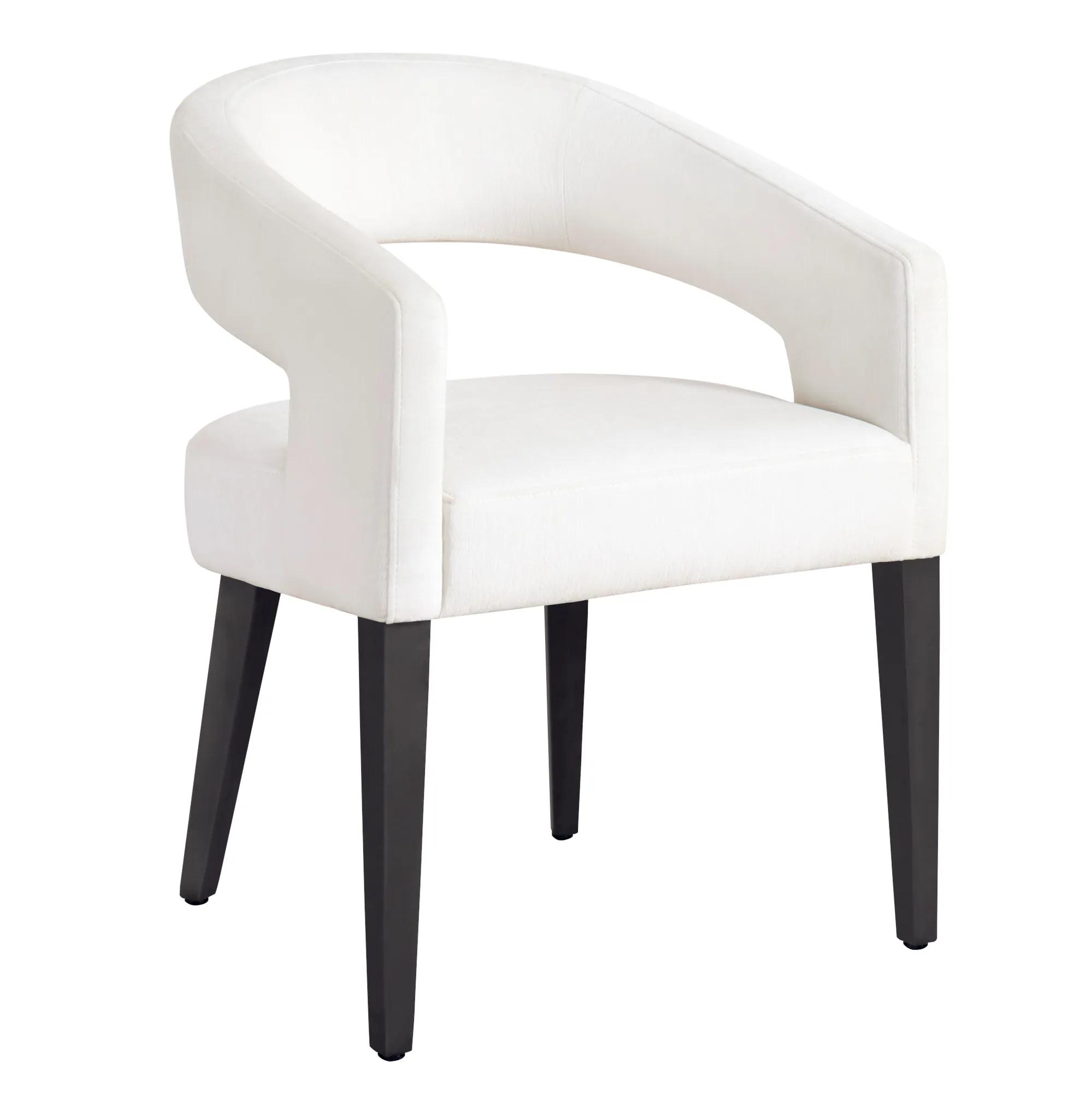
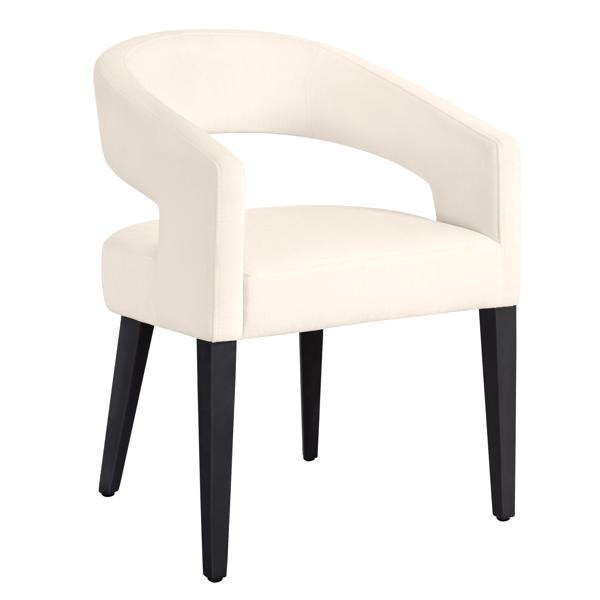 Philippa Dining Chair - Matte Black$599
A modern dining chair featuring a curved silhouette, matte black legs, and neatly tailored upholstery.
Add To Cart -
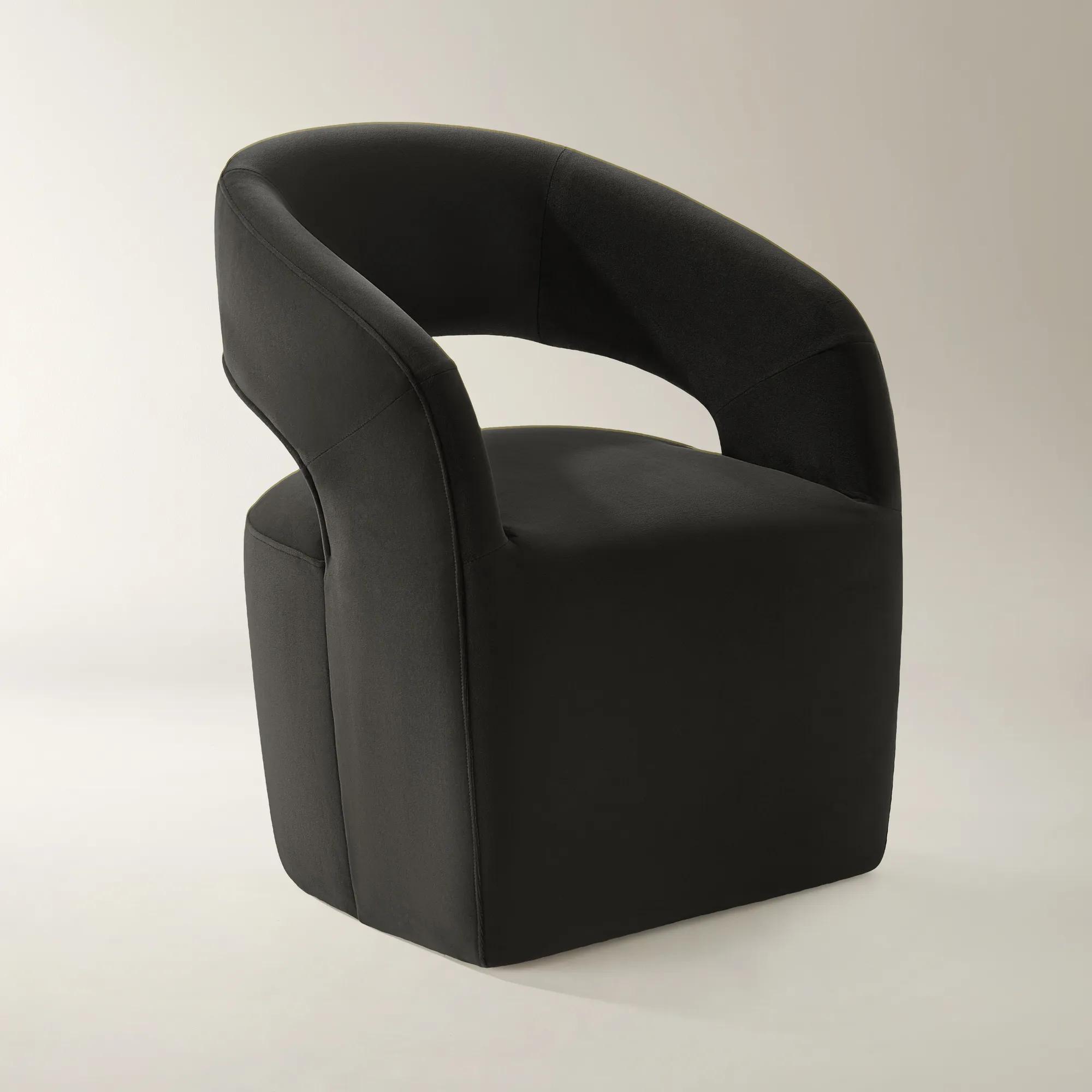 Harrison Charcoal Velvet Dining Chair$499
A sculptural dining chair upholstered in charcoal velvet with a continuous curved back and feather-blend comfort.
Add To Cart -
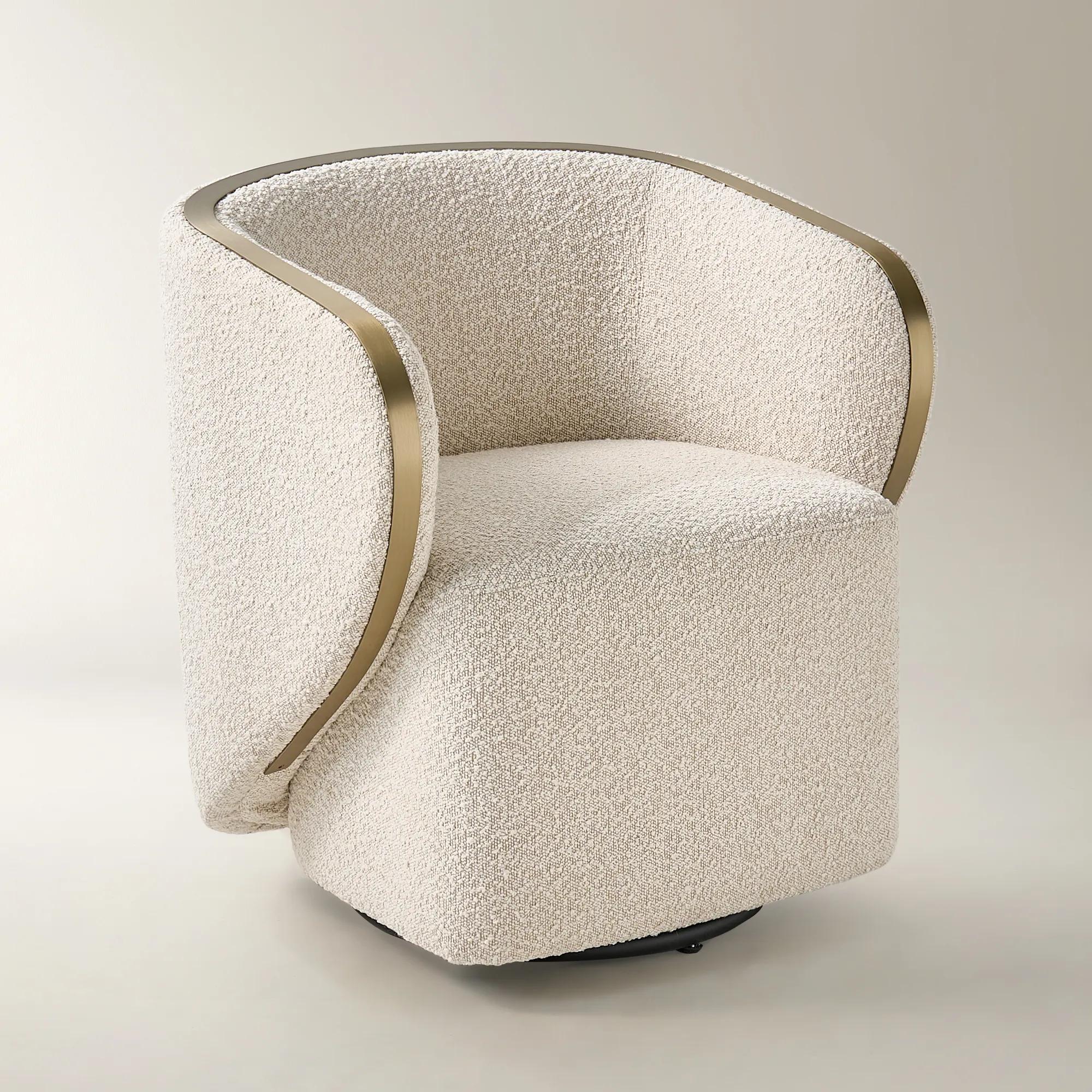 Nova Ivory Performance Boucle Swivel Dining Chair$699
An ivory boucle swivel chair featuring a sculptural wraparound silhouette and elegant metallic trim accents.
Add To Cart -
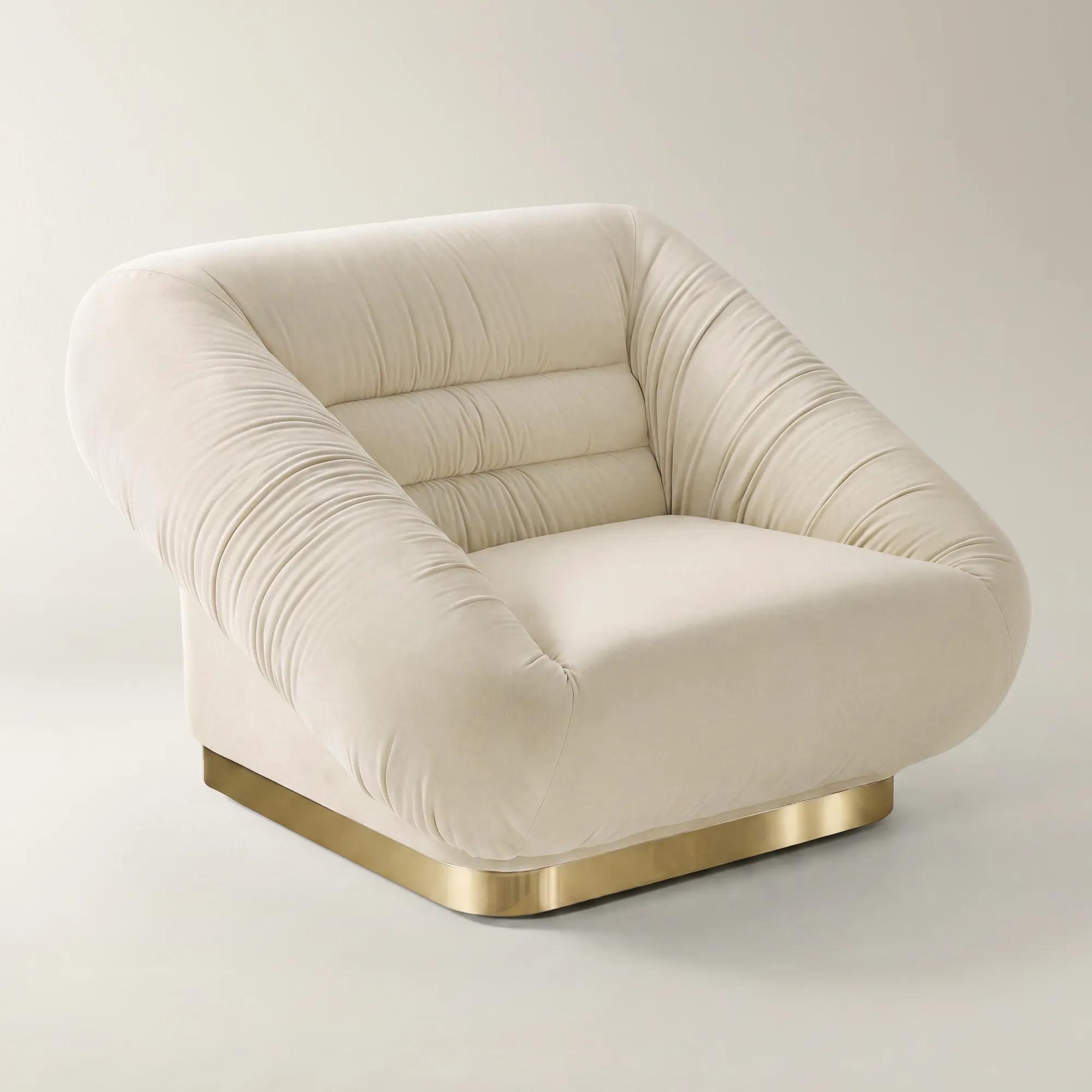
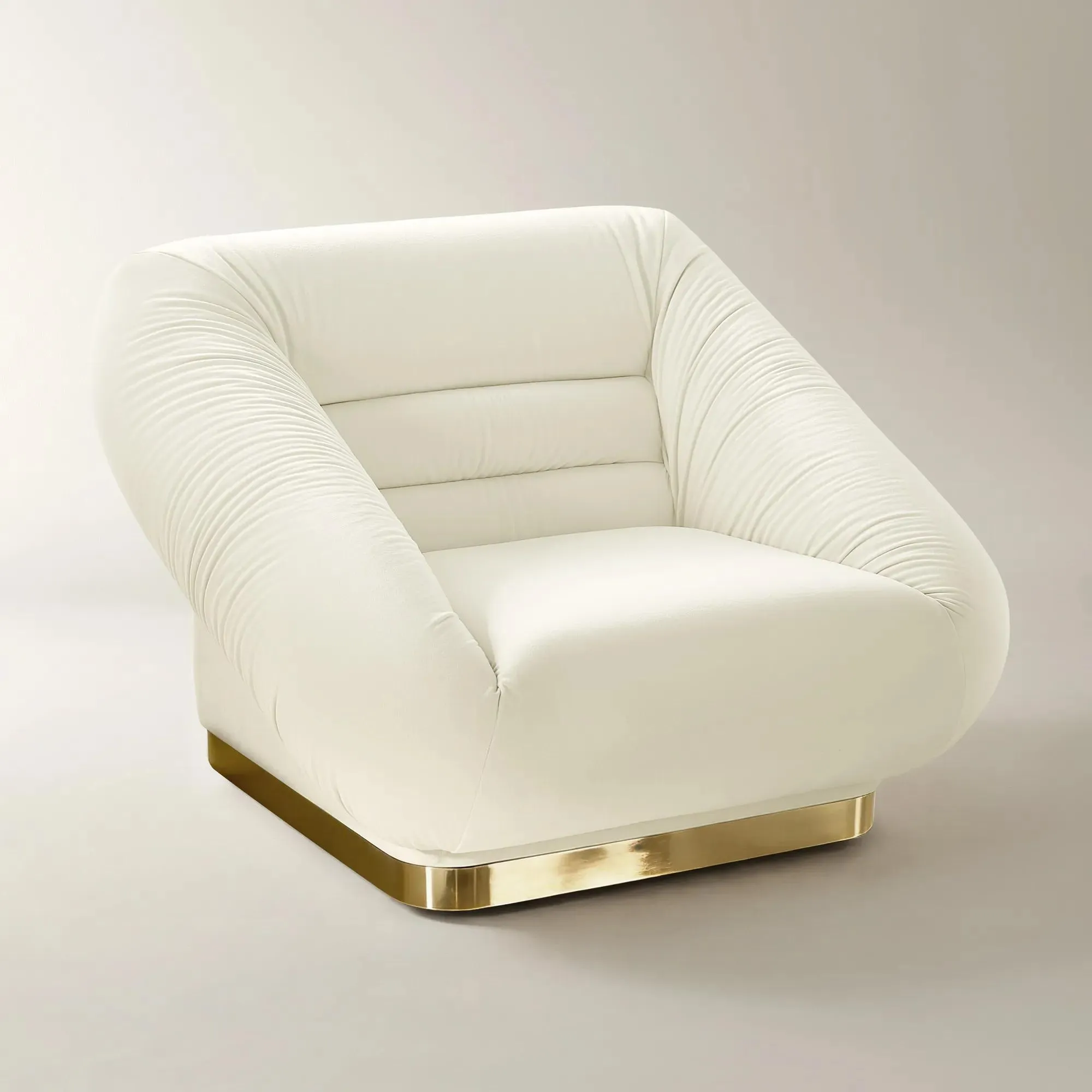 Dover Oatmeal Velvet Swivel Accent Chair$1299
A sculptural oatmeal velvet accent chair with gathered upholstery, a soft gold stainless steel base, and smooth 360-degree swivel functionality.
Add To Cart -
 Harrison Cream Chenille Dining Chair$499
A fully upholstered cream chenille chair with high-density foam cushioning for exceptional comfort and contemporary style.
Add To Cart -
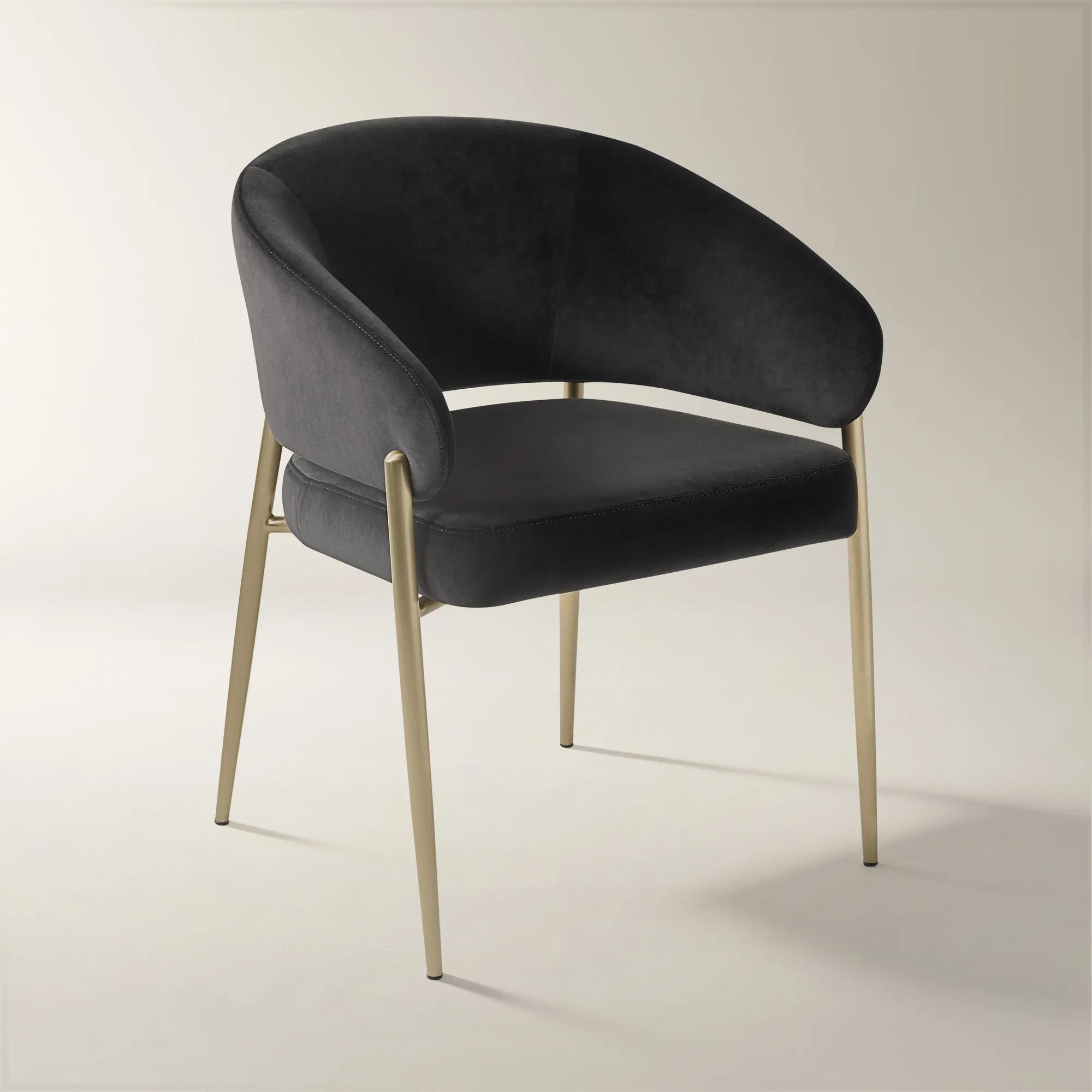 Nara Charcoal Velvet Dining Chair Set Of 2$599
A set of two charcoal velvet chairs featuring curved backs, plush upholstery, and brushed brass metal legs.
Add To Cart -
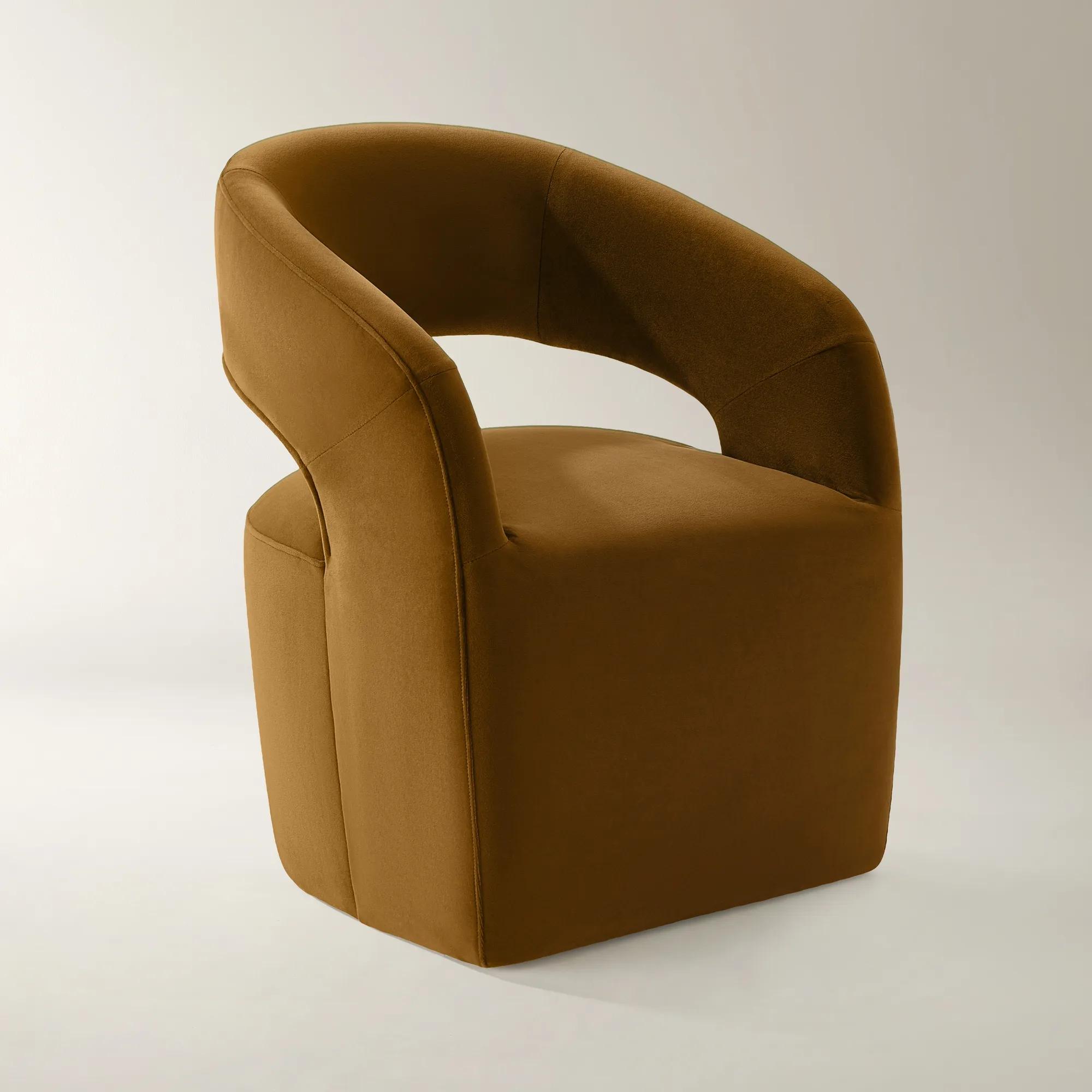 Harrison Roasted Pecan Velvet Dining Chair$499
A sculptural dining chair upholstered in roasted pecan velvet with feather-blend cushioning and integrated arms.
Add To Cart -
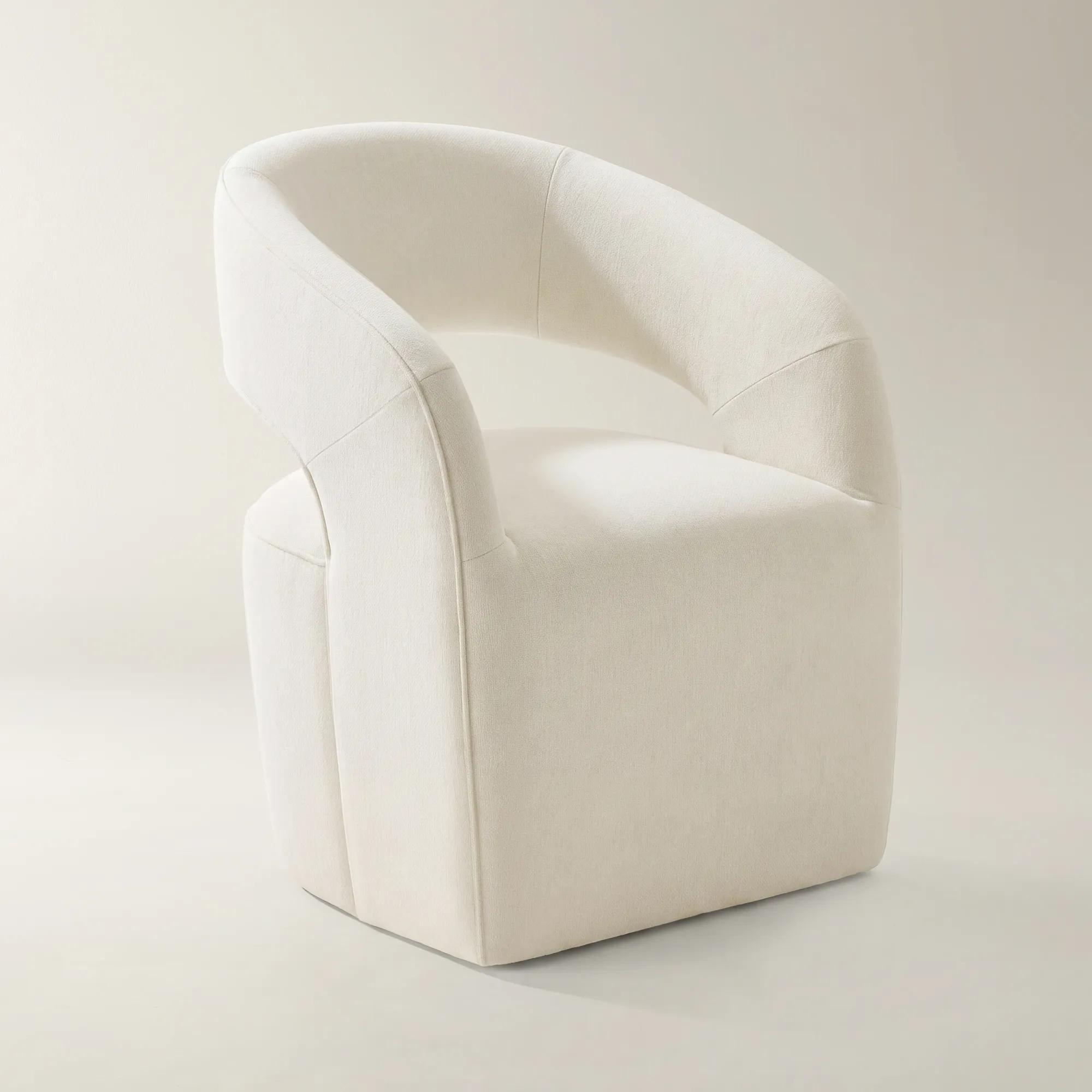 Harrison Ivory Performance Chenille Dining Chair$499
A sculptural ivory chenille chair featuring a continuous curved back, feather-blend comfort, and performance upholstery.
Add To Cart -
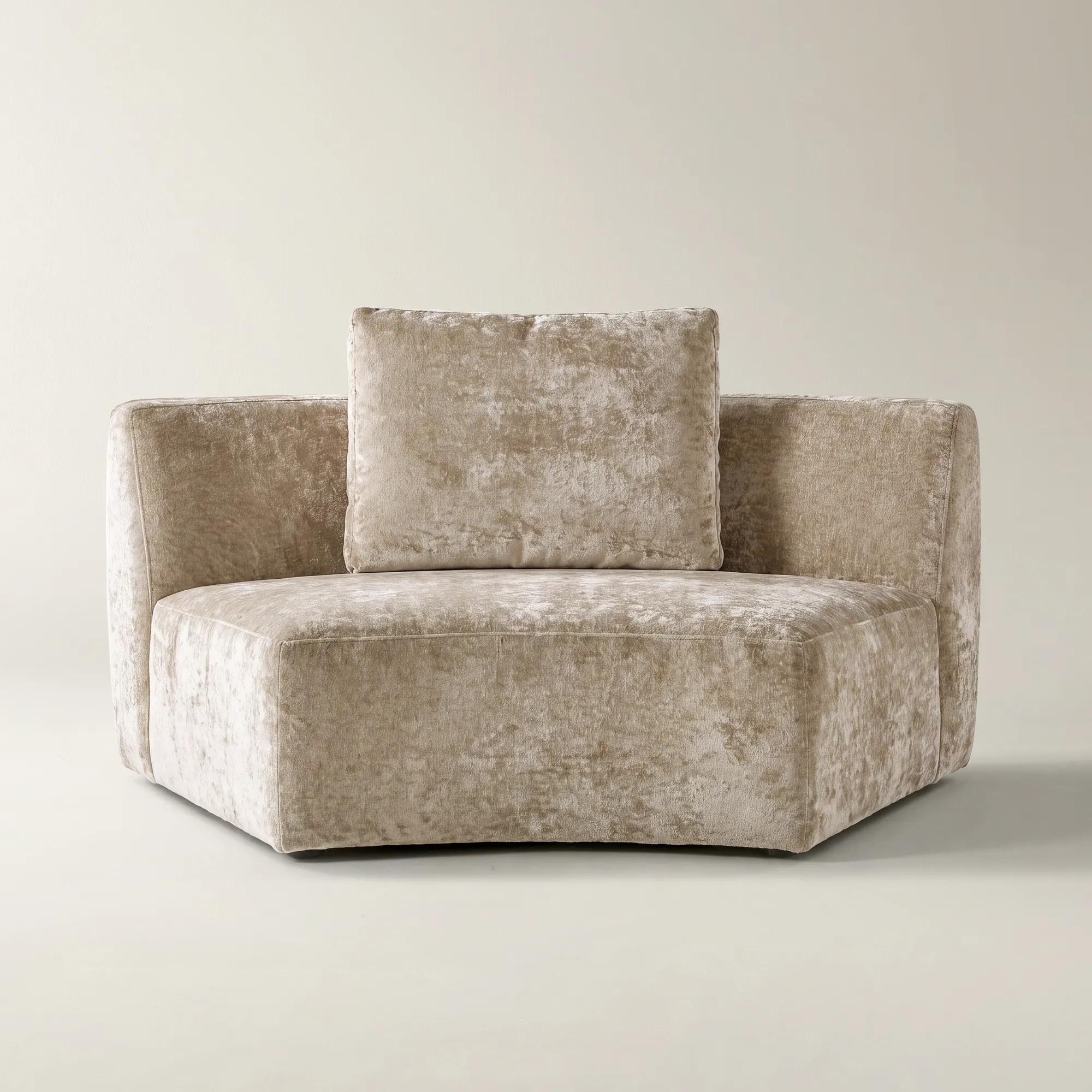 Irene Light Brown Chenille Armless Chair$1199
A sculptural armless chair upholstered in light brown chenille with high-resiliency foam cushions for lasting comfort.
Add To Cart -
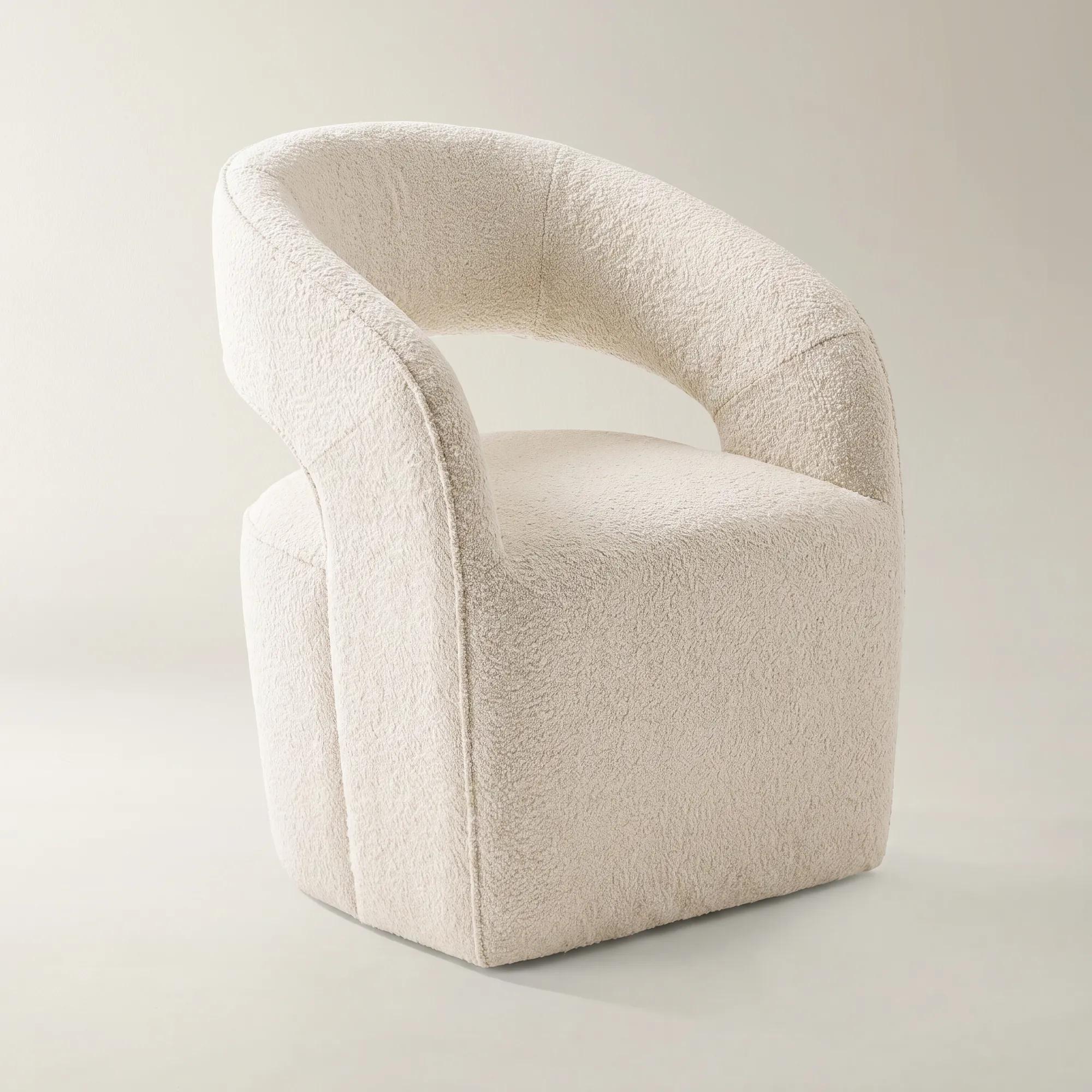 Harrison Utopia Sand Chenille Dining Chair$499
A sculptural dining chair upholstered in sand chenille with a curved back, feather-blend seat, and integrated arms.
Add To Cart

Modern Wood Base Chairs
Modern wood base chairs are the very definition of refined artistry—where sleek silhouettes meet the warmth of natural materials, and every seat becomes a statement. These pieces are designed for those who believe that seating should do more than serve a function; it should set the mood, command attention, and elevate the everyday. With sculptural lines and luxe finishes, modern wood base chairs transform any space into a gallery of self-expression, inviting you to curate a home that’s as bold and unforgettable as you are. Let each chair ground your vision with its timeless presence, weaving together sophistication and drama in every detail.
Modern wood base chairs pair the natural character of wood with contemporary silhouettes, bringing warmth, structure, and sculptural presence to dining rooms, living spaces, and beautifully appointed corners. Their defining feature is a wooden support structure, which may take the form of tapered legs, an exposed frame, or a substantial pedestal beneath the seat. The effect can be quietly architectural or boldly expressive: slim legs lend an upholstered chair a lifted appearance, while a broad, curved base gives a lounge chair the visual weight of a statement piece. Wood grain introduces variation that contrasts beautifully with sleek upholstery, gleaming metal accents, and polished stone. A dark finish can sharpen the outline of an ivory seat, while a lighter finish allows richly colored upholstery to become the focal point. Neither approach requires an entirely wood-furnished room. Against a glass dining table, wooden legs add depth without competing with the transparent surface; beside a lacquered console, they introduce an organic counterpoint to the shine. Materials also influence the character of the base. Solid wood, veneered components, and engineered wood constructions have different properties, so the material description matters more than appearance alone. Oak and ash often display pronounced grain, while walnut can bring rich tonal variation; stains and opaque finishes may substantially change the appearance of any species. A wood veneer can showcase genuine grain over a supporting core, but its performance depends on the complete construction and finish. For a cohesive interior, consider the undertone of the wood alongside flooring and nearby furniture rather than trying to match every surface exactly. Related warm tones can create continuity, while a deliberate contrast between pale flooring and espresso-finished legs gives each chair a more distinct outline. Modern wood base chairs are especially compelling where a room needs both tactile warmth and a confident silhouette, balancing expressive upholstery with a foundation that feels visually grounded.
Proportion determines how convincingly a chair belongs in its setting. For dining, seat height should work with the tabletop and any apron beneath it, leaving comfortable room for legs rather than simply aligning with a standard measurement. Upholstered seats may compress when occupied, so listed dimensions are a starting point, not the entire story of fit. Armchairs need sufficient clearance if they are meant to slide beneath the table, and a generously curved back may extend farther into the room than its seat suggests. Look at overall width and depth as well as the space between neighboring chairs, particularly when a table has pedestal supports or legs near the corners. A dramatic dining arrangement loses its ease if guests cannot settle in without bumping elbows. Armless silhouettes can preserve visual openness around a compact table, while upholstered arms create a more enveloping place at the head of a longer one. For seating centered on meals and conversation, modern dining chairs with wooden legs offer a related expression of natural texture and contemporary form. In living areas, lounge proportions call for a different assessment. A deeper seat and a reclined back may suit lingering beside a sofa, while a more upright chair can feel better for conversation or occasional use at a writing desk. Low profiles preserve views across an open room; taller backs make a stronger visual statement and may provide more upper-back contact, depending on their shape. Measure the path into the room, too, including doorways and tight turns. A chair intended for a bedroom dressing area should leave drawers and closet doors unobstructed, while one placed beside a fireplace needs the clearance specified for that appliance. Swivel movement, when part of a chair’s design, also requires surrounding space. These practical relationships let a striking silhouette feel effortless rather than imposed.
Upholstery gives modern wood base chairs much of their sensory appeal, but its suitability depends on how the chair will be used. Velvet creates depth as its pile catches the light, making curved backs and generous seats appear especially sumptuous. Textured woven fabrics can soften an architectural frame, while leather offers a distinct surface character that varies with its finish and treatment. None of these materials has a single performance profile: fiber content, weave, backing, protective treatments, and construction all matter. A chair used for daily meals faces different demands from an accent chair reserved for occasional conversation, so review the stated care requirements and any documented upholstery performance information. Cushion firmness and support deserve equal attention. Plush cushioning can feel inviting at first contact, while a firmer seat may make it easier to maintain an upright dining position; comfort also depends on seat depth, back angle, and individual preference. Durability comes from the entire chair, including frame construction, joinery, upholstery attachment, and the way loads move through the base. Thick legs alone do not establish strength, and the manufacturer’s weight capacity and intended-use guidance should always take precedence over visual assumptions. Preserve the finish by dusting wood with a soft cloth and following the specified cleaning method, avoiding excess moisture or unapproved cleaners. Blot upholstery spills promptly rather than rubbing, and consult the care label before applying any treatment. Direct sunlight can alter wood finishes and fade some fabrics, so placement deserves consideration in bright rooms. Floor protectors suited to both the chair and flooring can help reduce scratches; check them periodically for wear or trapped grit. Lift chairs when moving them instead of dragging the base, and inspect accessible fasteners as directed. With thoughtful proportions, appropriate materials, and consistent care, a wood base chair contributes more than an extra seat: it brings a deliberate interplay of grain, texture, and shape to the room’s composition.
FAQs
Modern wood base chairs are remarkably versatile, complementing a range of aesthetics from mid-century modern and Scandinavian minimalism to contemporary glam and eclectic interiors. Their natural wood bases bring warmth and character to both bold, statement-driven spaces and rooms that favor clean lines and subtle elegance.
To preserve the beauty of your wood base chairs, dust regularly with a soft, dry cloth and avoid harsh chemicals or abrasive cleaners. For deeper cleaning, use a damp cloth with a mild wood-safe solution. Periodically apply a high-quality furniture polish or oil to nourish the wood and enhance its natural luster.
Absolutely. Modern wood base chairs transition seamlessly from the dining table to the living room, home office, or bedroom. Their sculptural forms and inviting textures make them ideal as accent pieces, desk chairs, or as part of a coordinated dining set, offering both comfort and visual impact wherever they’re placed.
Yes, mixing materials like metal, glass, or plush textiles with wood base chairs creates dynamic contrast and visual interest. Pairing wood with metallic finishes or velvet upholstery, for example, can add depth and drama to your space, allowing you to express your unique sense of style.
Modern wood base chairs are a memorable gift because they combine timeless craftsmanship with contemporary flair. Their enduring quality and artistic appeal make them perfect for celebrating milestones such as weddings, housewarmings, or graduations—offering a daily reminder of your thoughtfulness and their own evolving story.