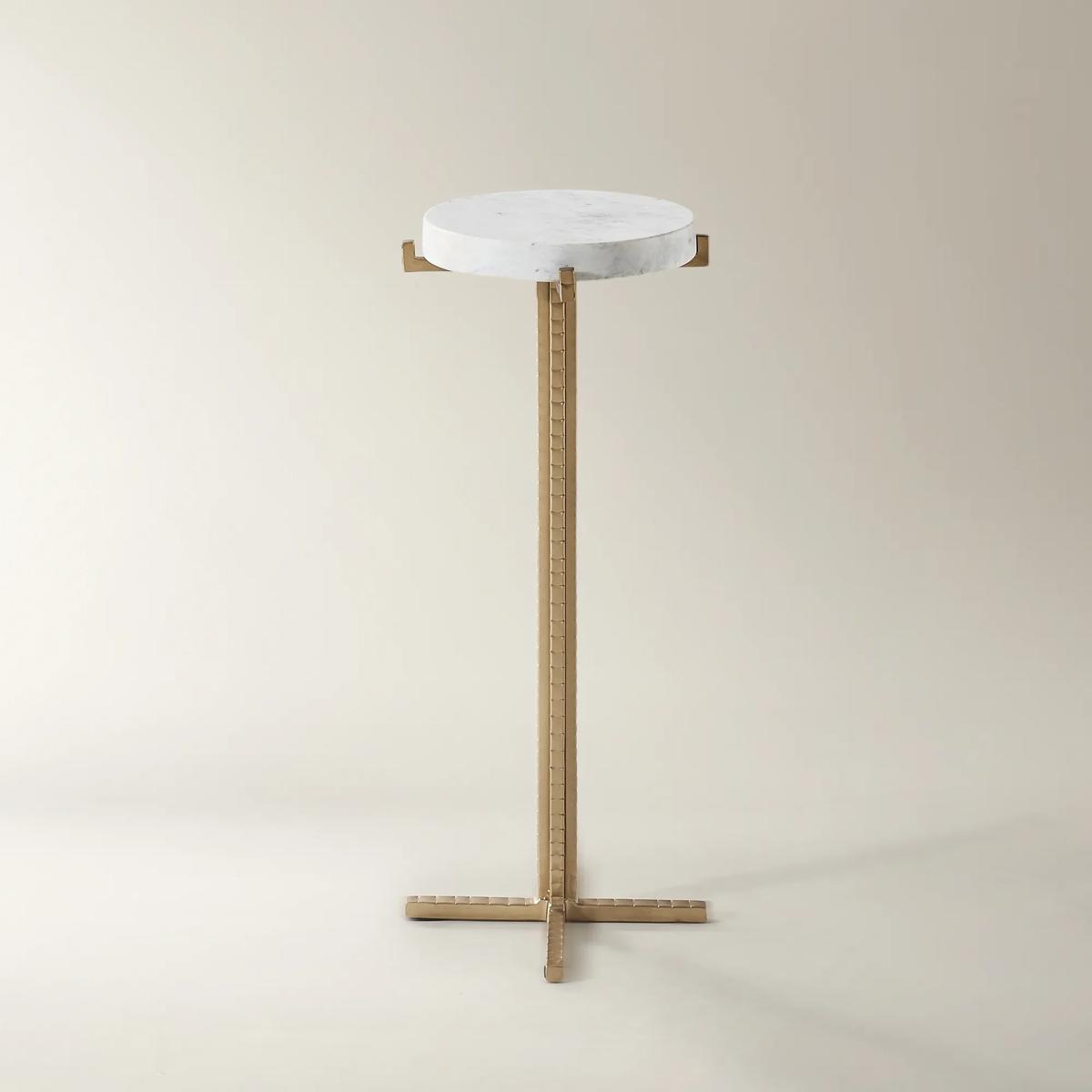
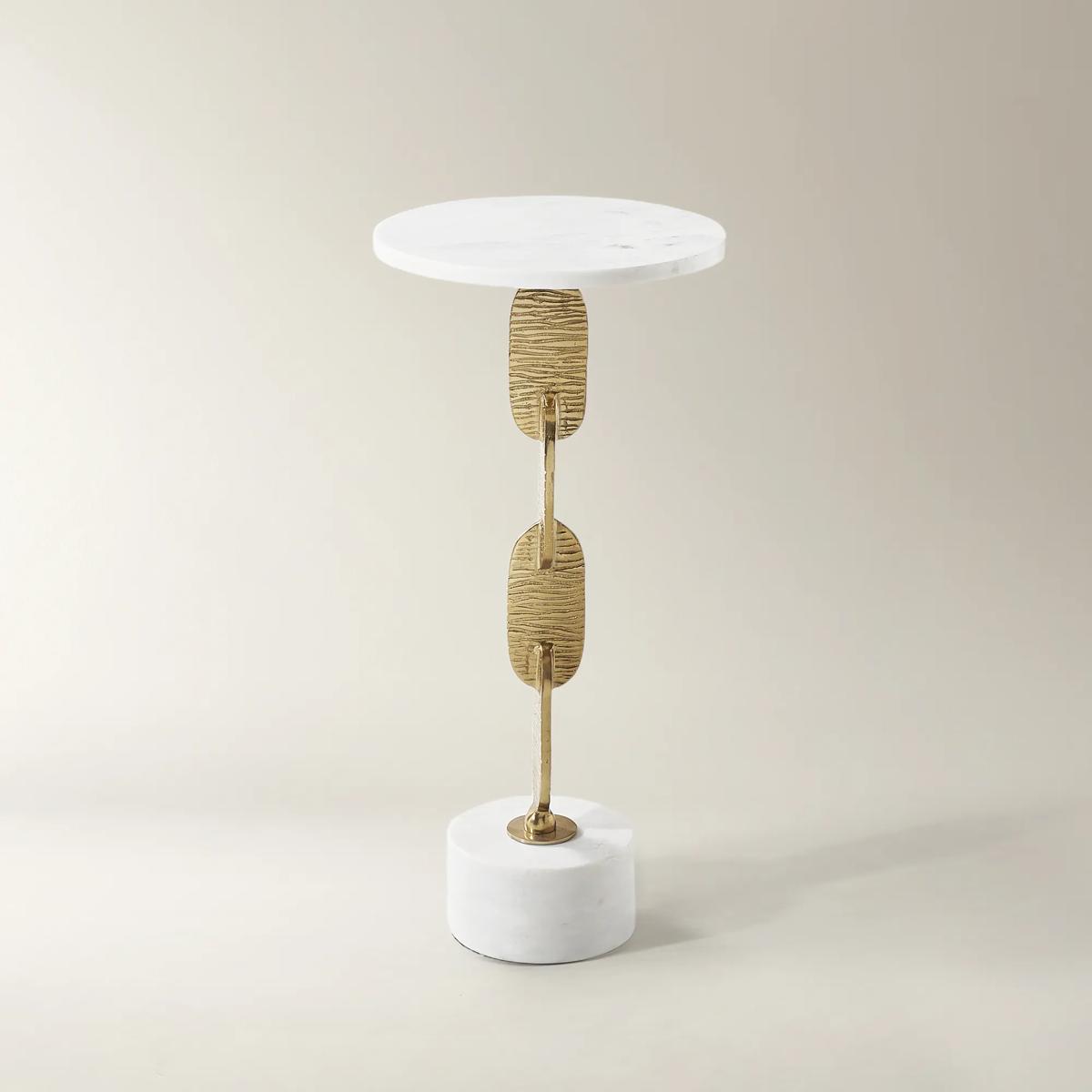
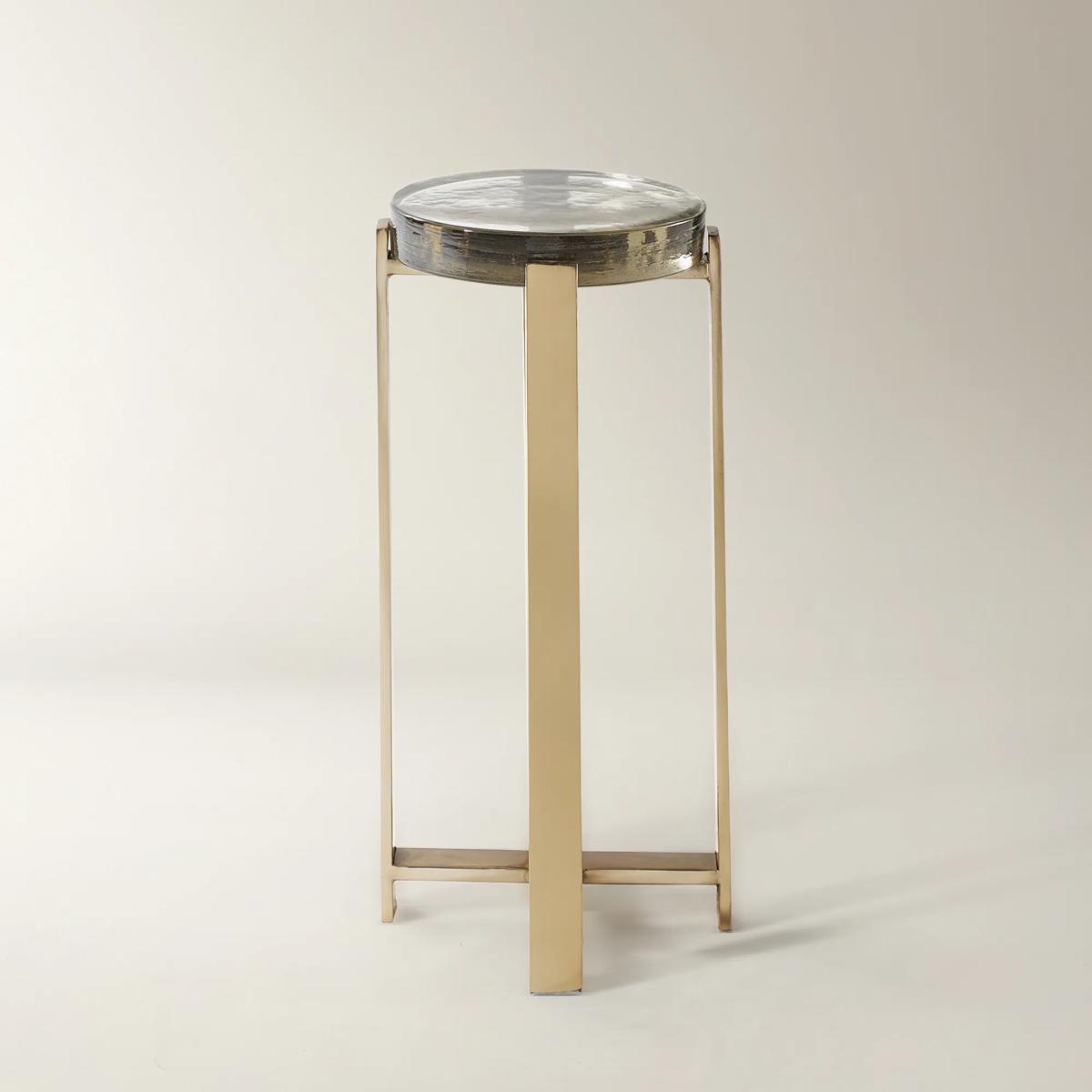
End Tables For Small Living Rooms
End Tables For Small Living Rooms
-
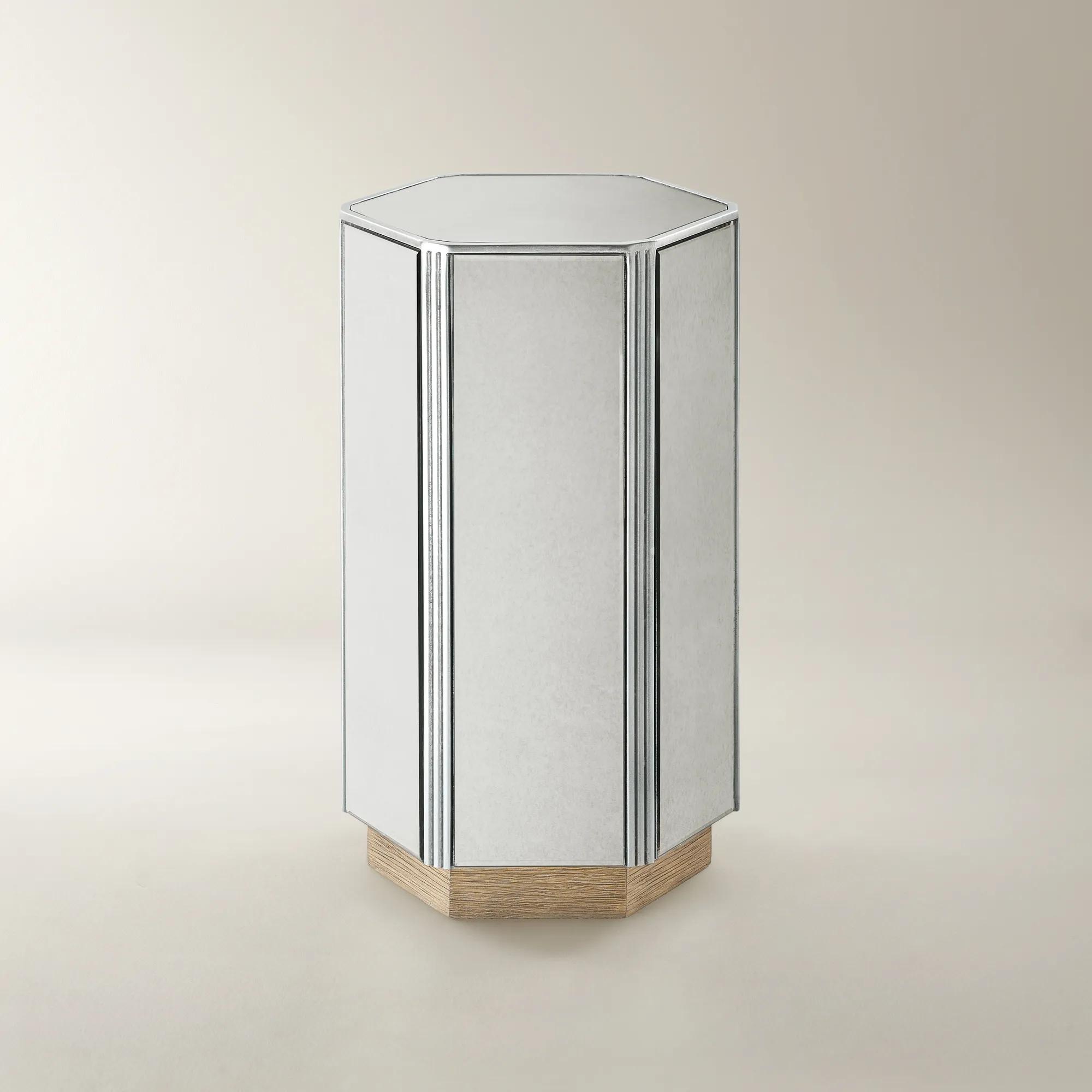 Glimmer Silver Mirrored End Table (12")$399
A chic side table featuring an antique silver mirror top and warm oak veneer base with handcrafted details.
Add To Cart -
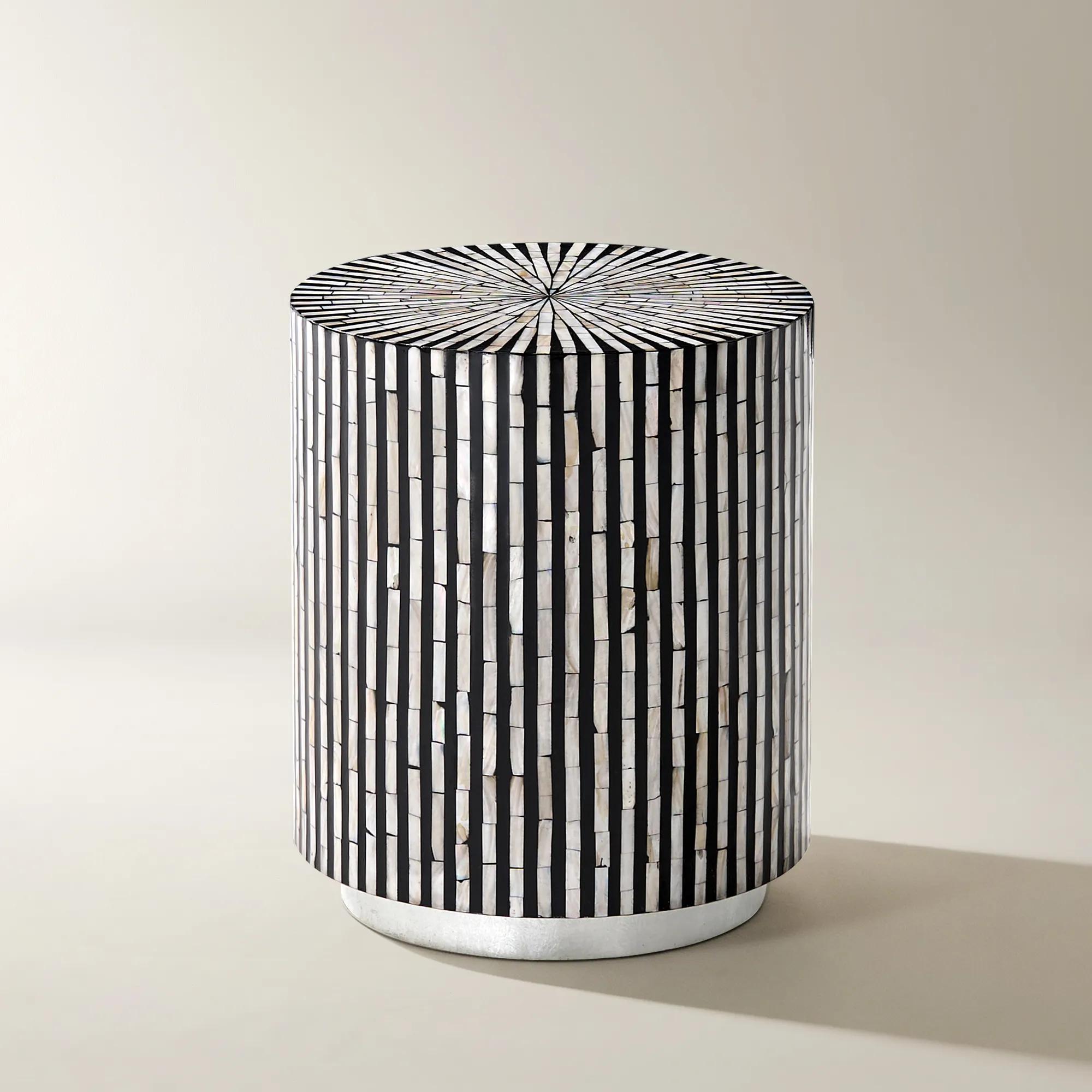
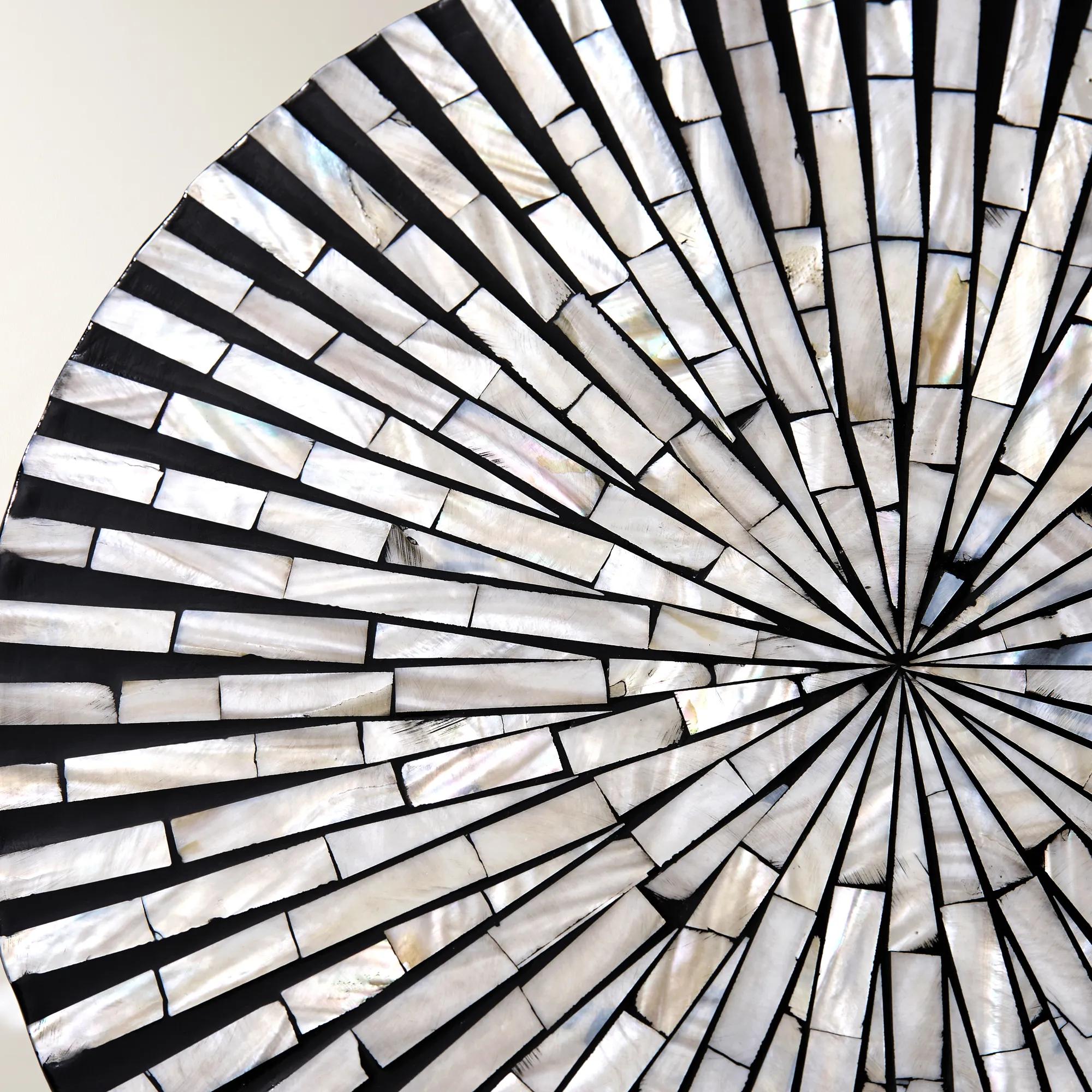 Marina Round Mosaic Black End Table (13.75")$299
A sculptural black end table featuring hand-applied mother-of-pearl mosaic and a silver leaf–accented base.
Add To Cart -
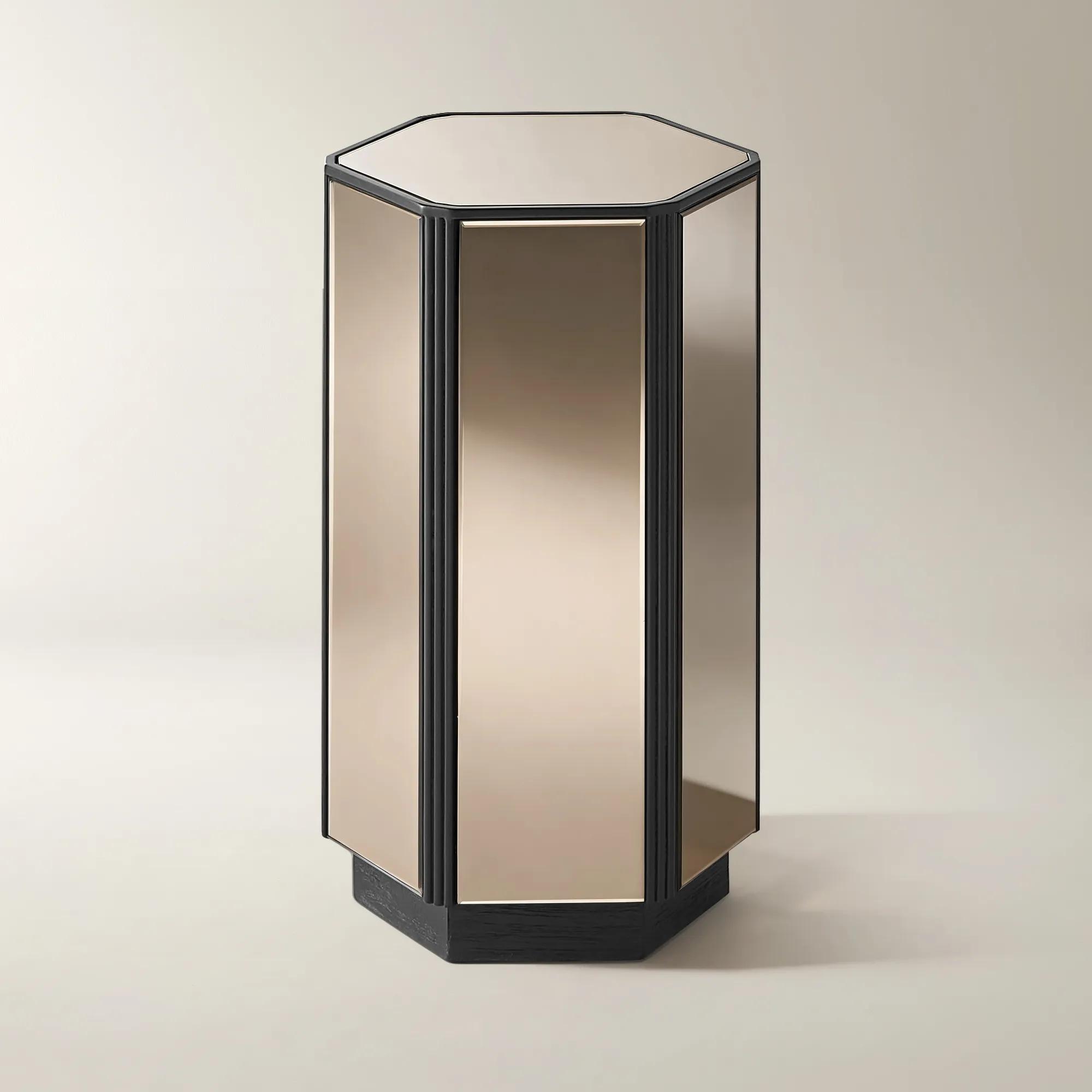 Glimmer Bronze Mirrored End Table (12")$399
A sculptural end table featuring bronze mirror panels and a black oak base for modern elegance.
Add To Cart -

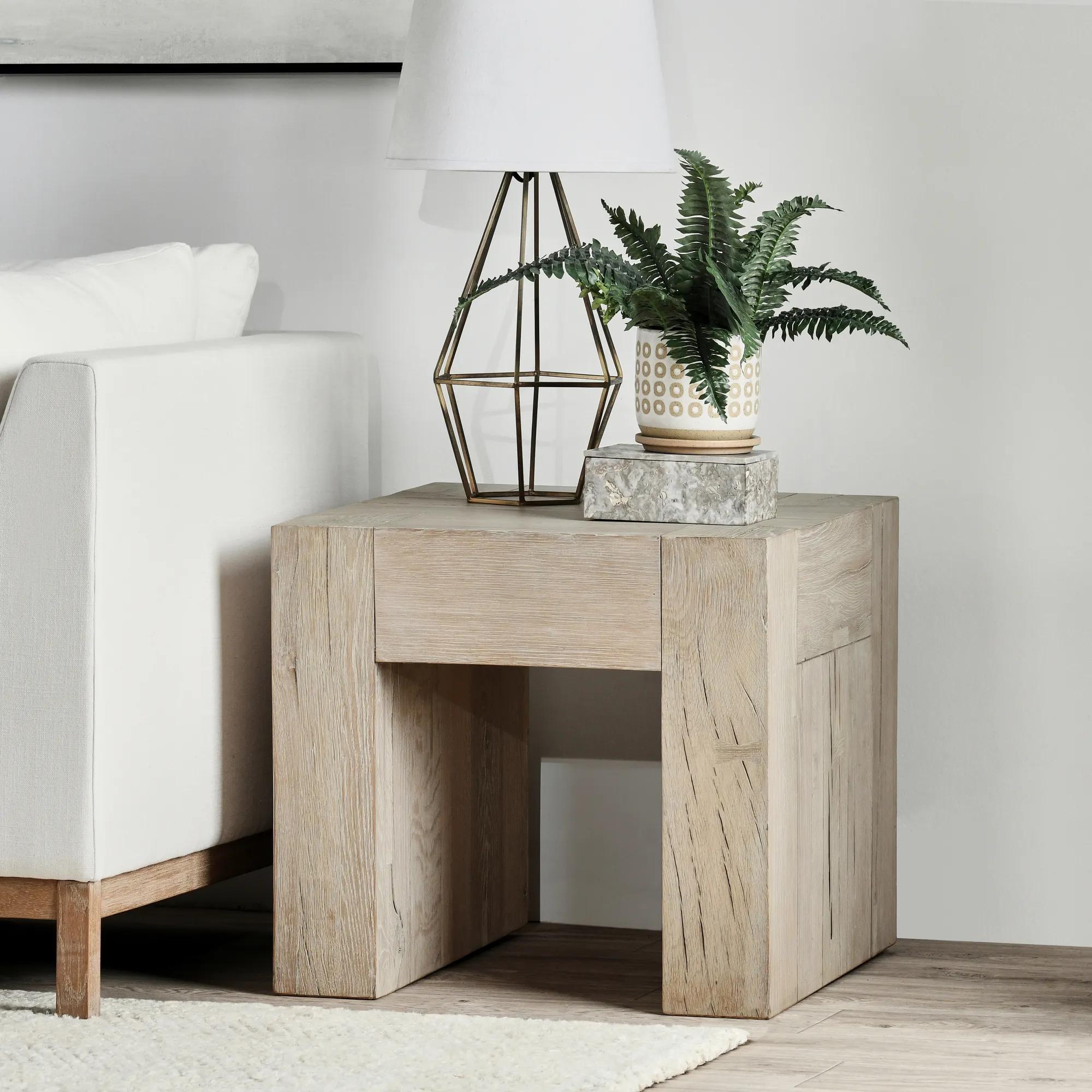 Bristol Square Cream Oak End Table (24")$999
A handcrafted end table featuring cracked reclaimed oak in an aged cream finish with modern dovetail detailing.
Add To Cart -

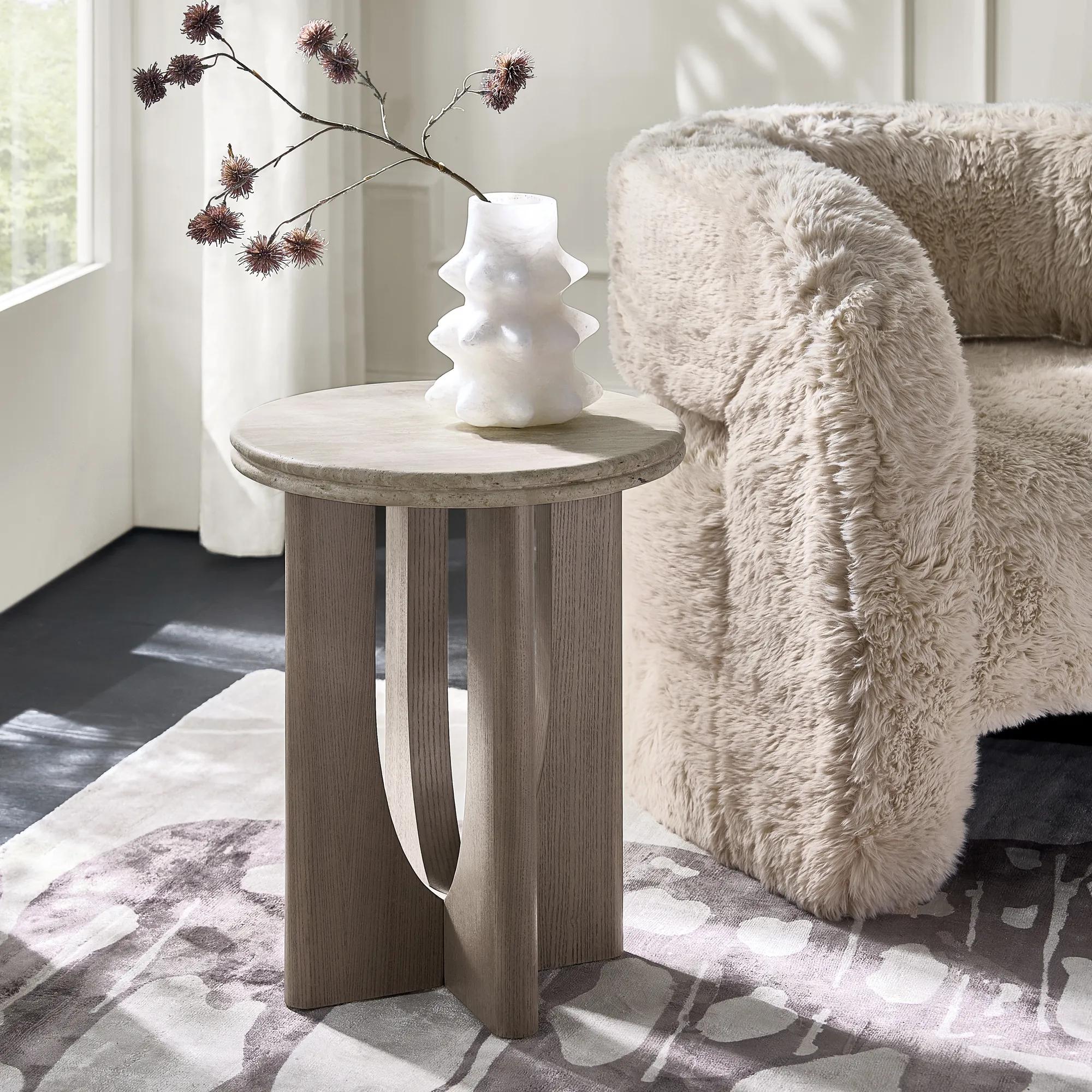 Bond Round Travertine and Wood End Table (17.25")$459
A sculptural end table featuring a genuine ivory travertine top and a solid ash wood base.
Add To Cart -
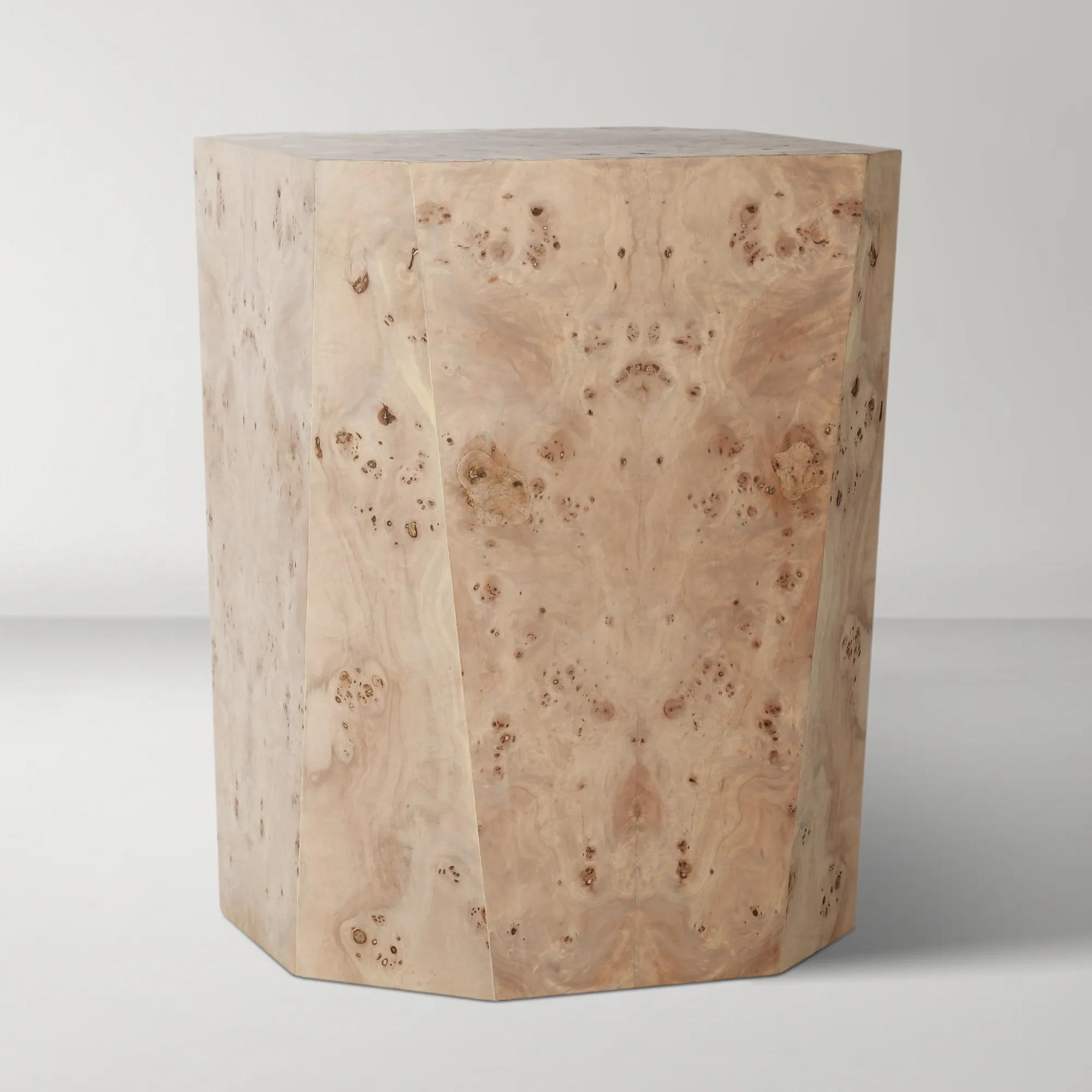
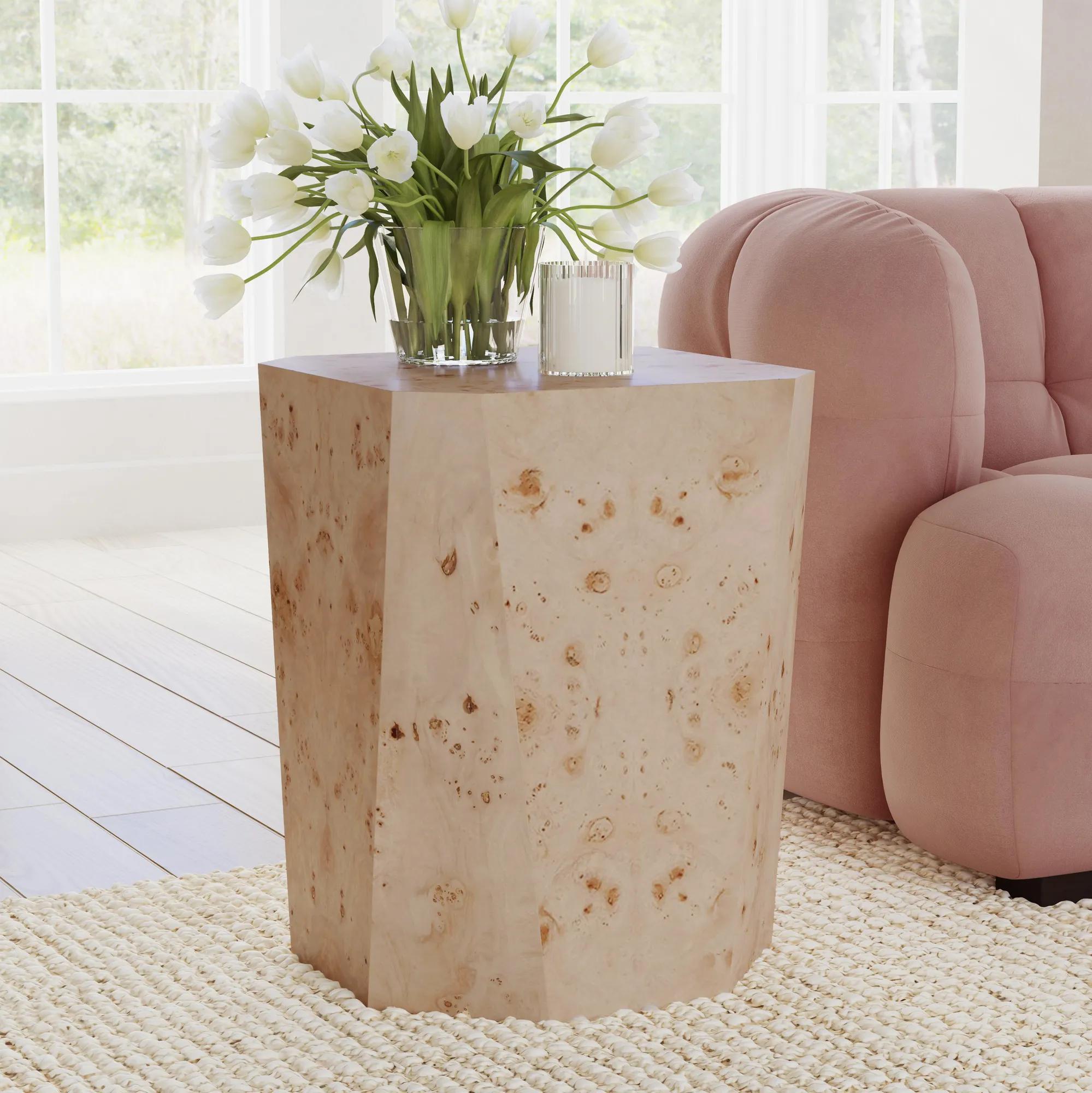 Avena Square Natural Burl Wood End Table (17.75")$699
A striking end table featuring natural burl wood veneer with unique swirling grain and warm, organic tones.
Add To Cart -
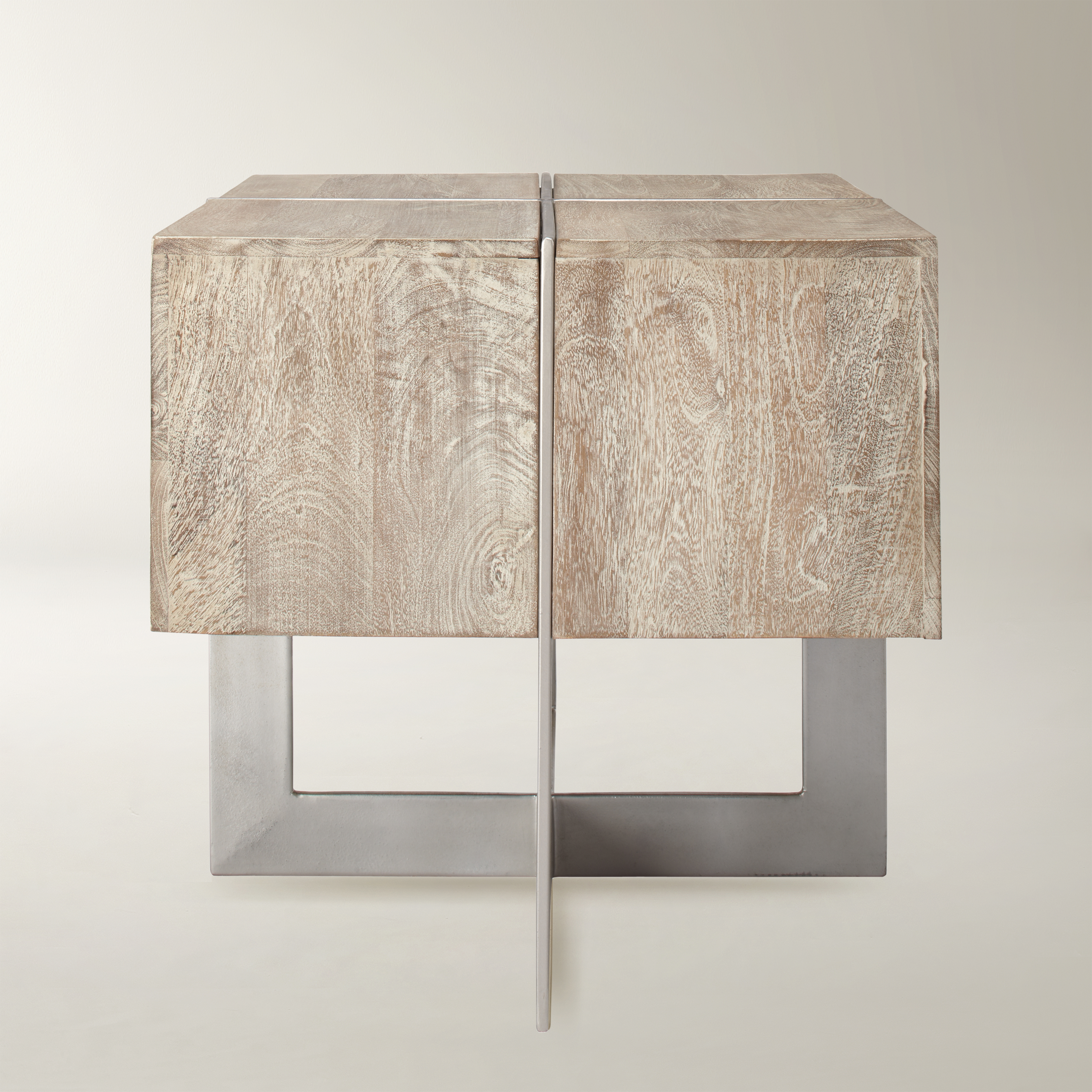
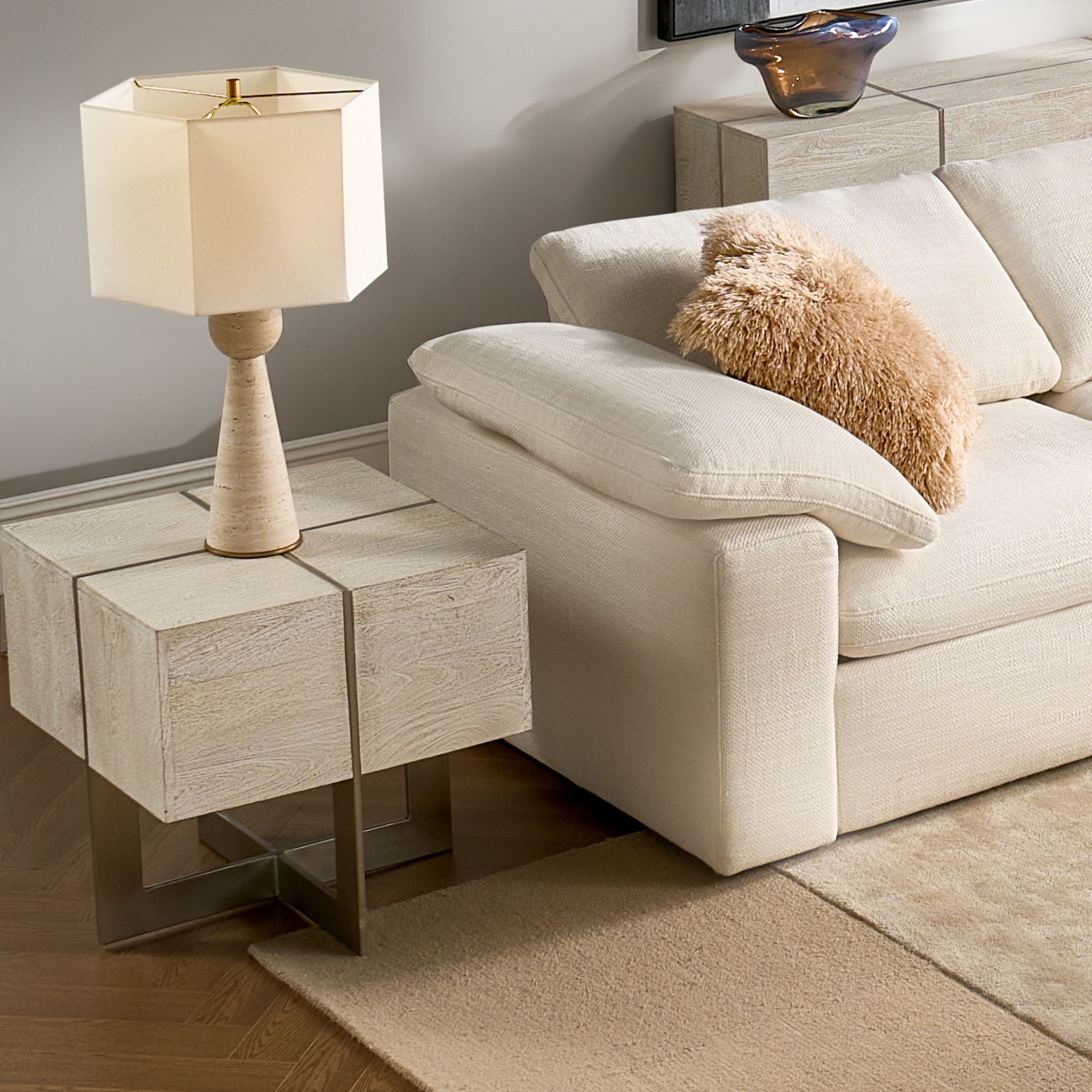 Clifton Square Natural Mango Wood End Table (24")$599
A handcrafted mango wood end table with a whitewashed finish and antiqued silver iron legs.
Add To Cart -
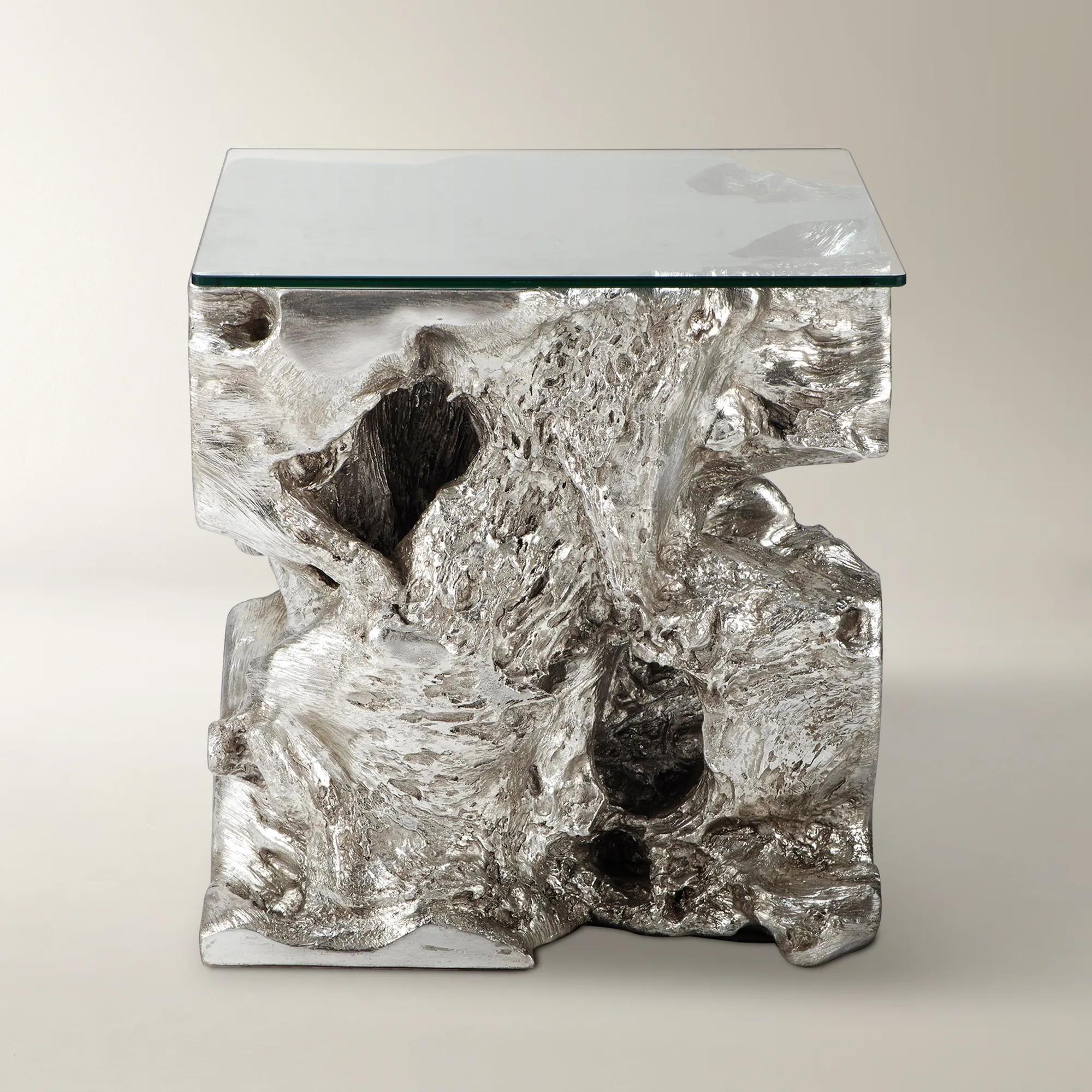 Sequoia Silver Resin End Table With Glass Top (22")$999
A sculptural end table featuring a silver leaf resin base and tempered glass top for modern elegance.
Add To Cart -
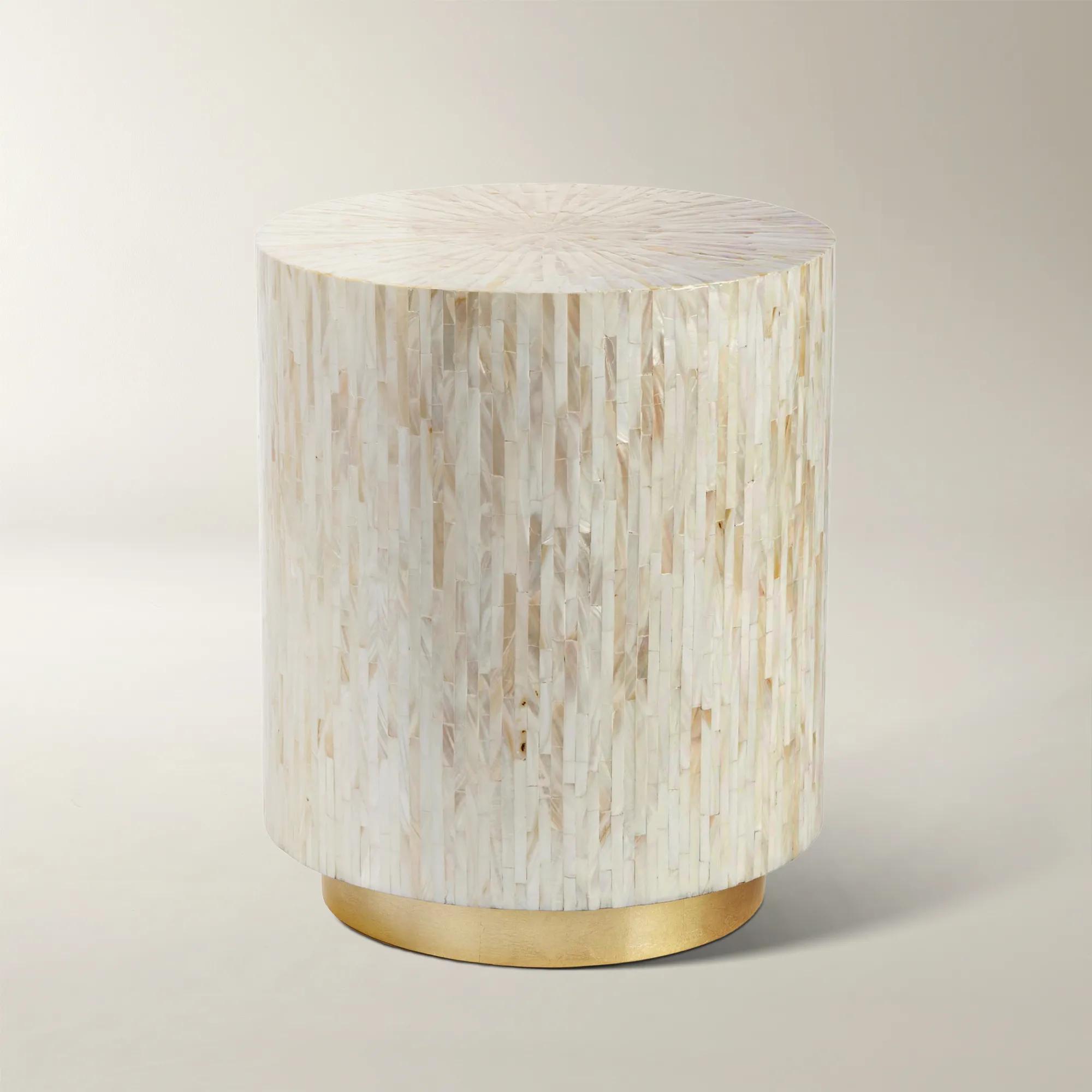 Alexandria Round Mosaic Platinum End Table (13.75")$299
A glamorous accent table featuring hand-applied mother-of-pearl mosaic and a gold leaf-accented base.
Add To Cart -
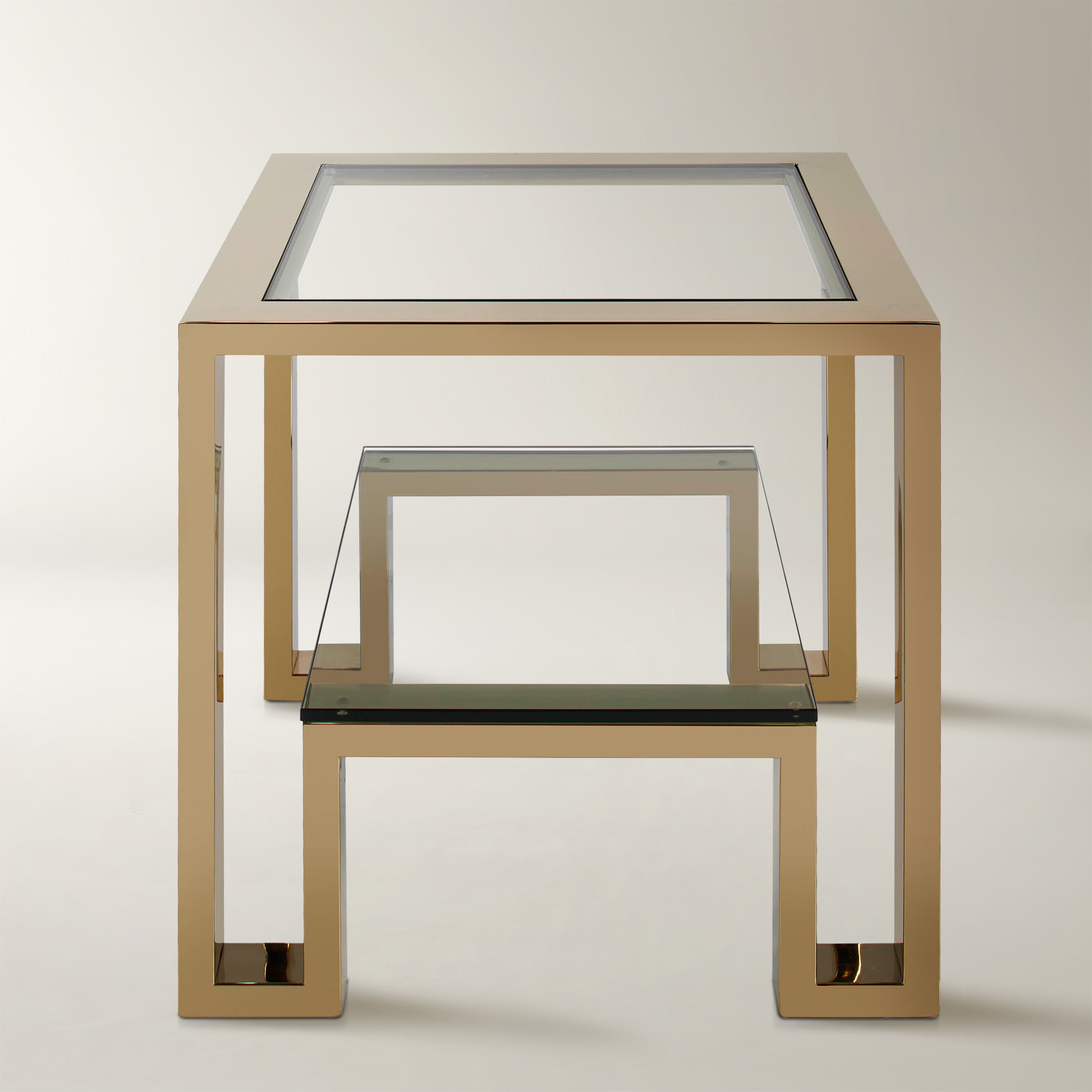 Duplicity Square Gold Stainless Steel End Table With Glass Top (24")$749
A modern end table crafted from stainless steel and tempered glass with a floating bottom shelf.
Add To Cart -
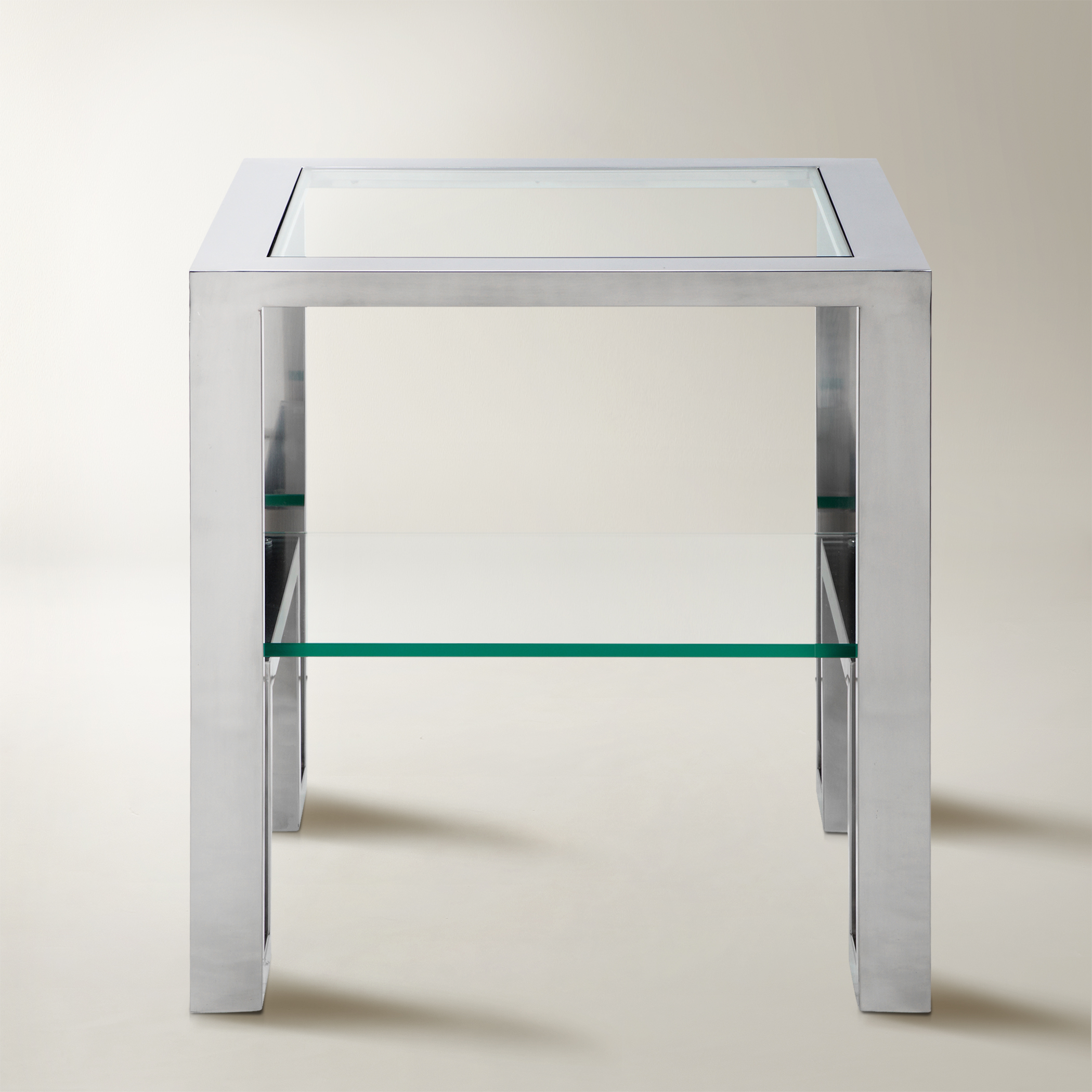
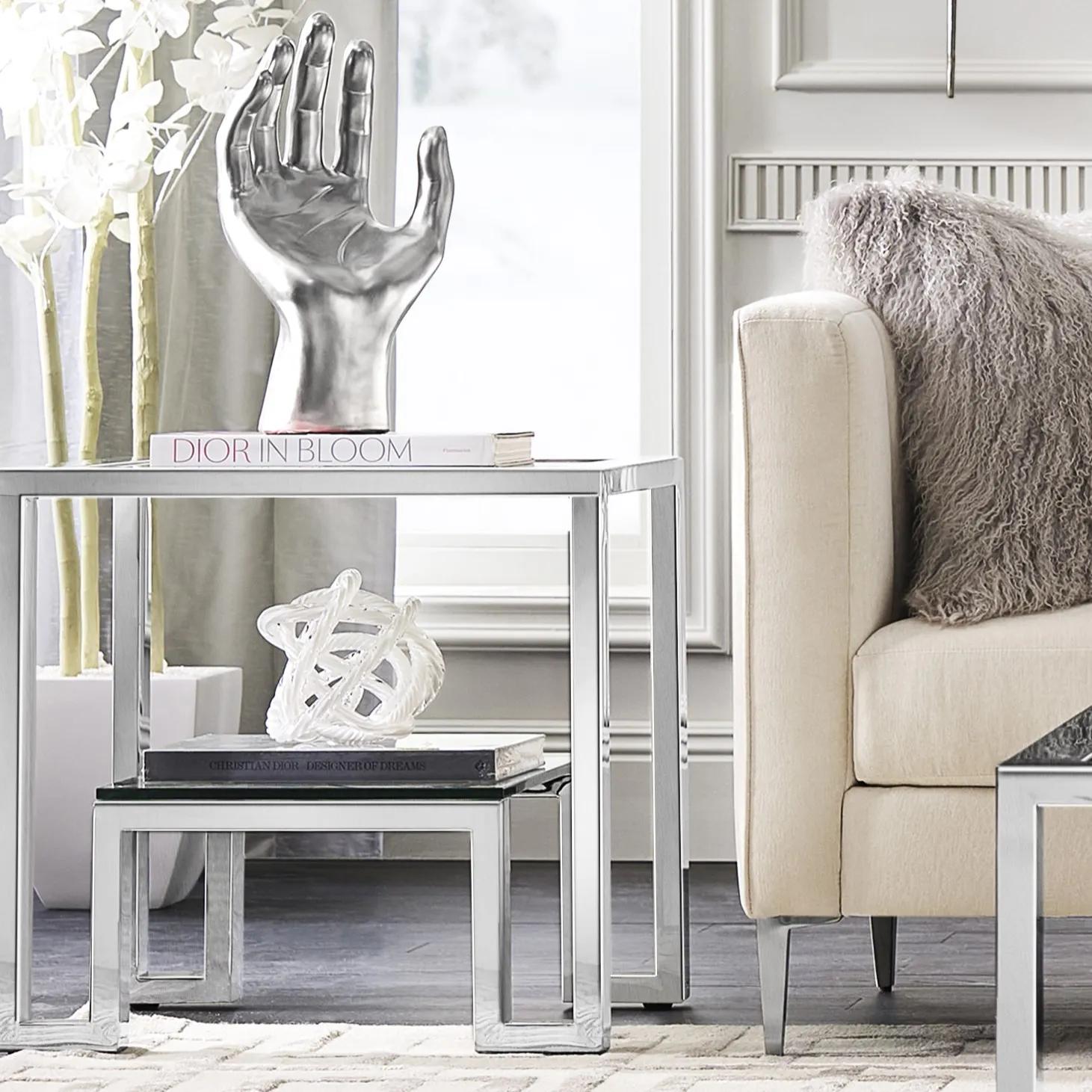 Duplicity Square Silver Stainless Steel End Table With Glass Top (24")$749
A modern end table featuring a stainless steel frame, tempered glass top, and floating bottom shelf.
Add To Cart -
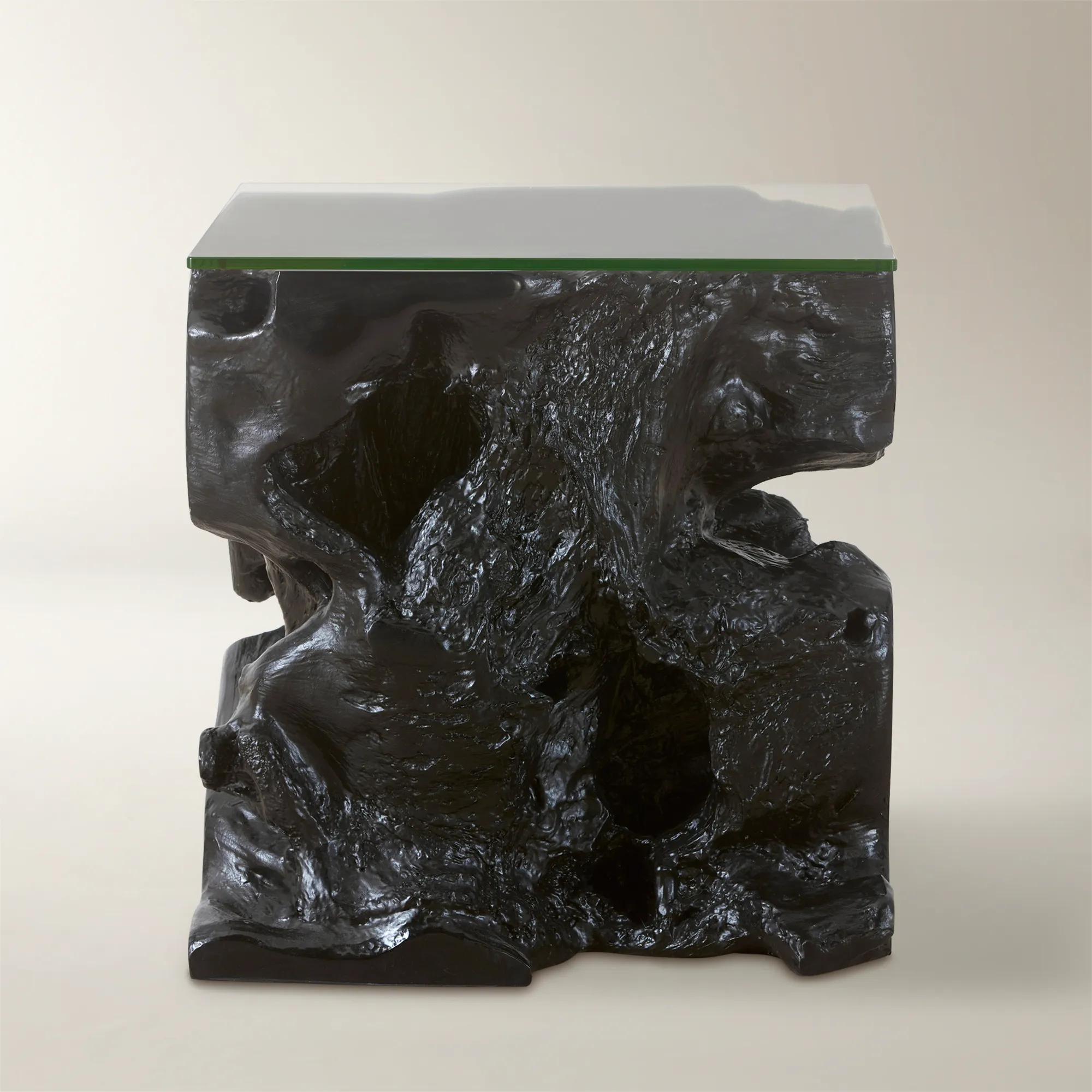 Sequoia Black Resin End Table With Glass Top (22")$999
A sculptural black resin and stone end table inspired by Acacia roots, suitable for indoor or outdoor use.
Add To Cart -
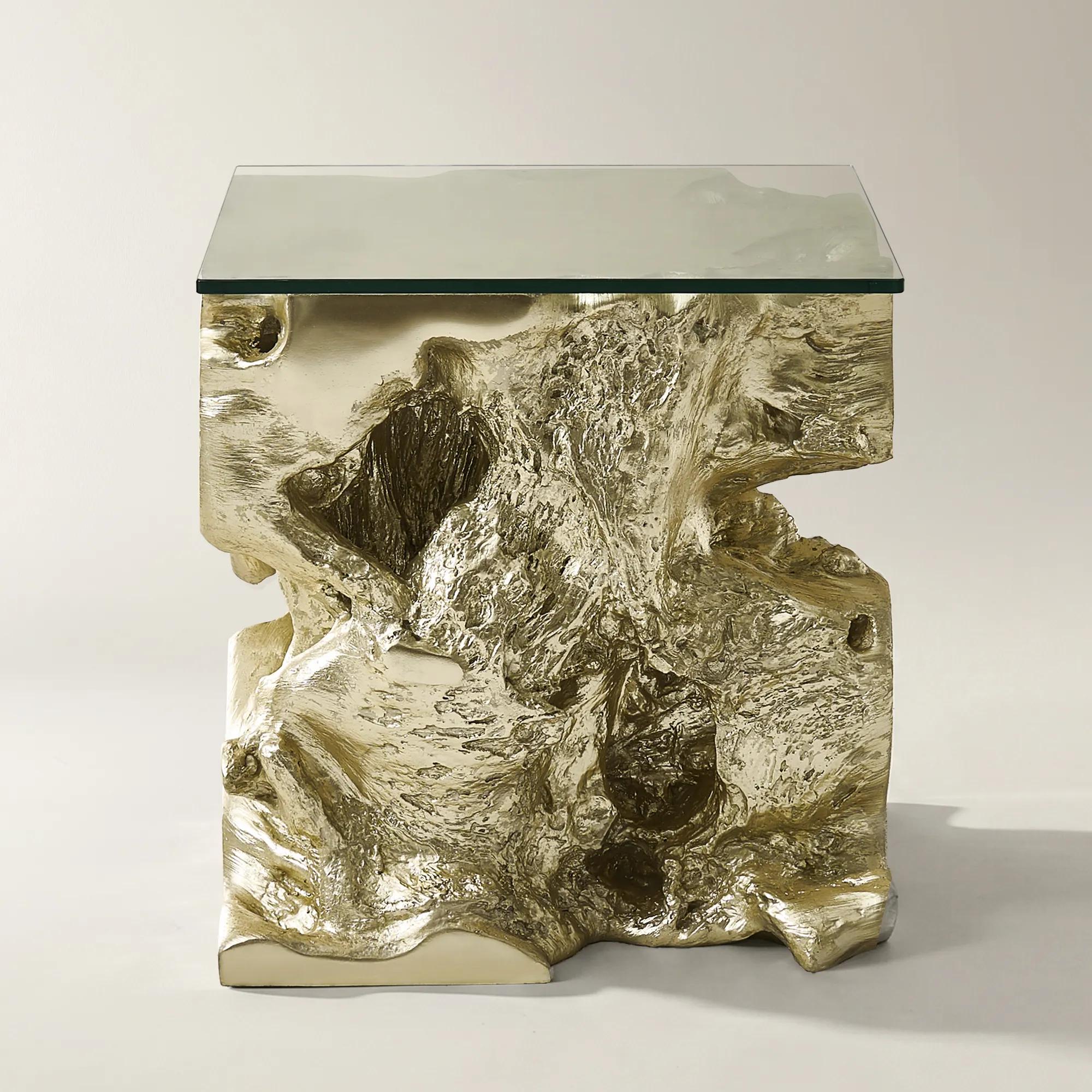 Sequoia Champagne Gold Resin End Table With Glass Top (22")$999
A sculptural resin end table with a champagne gold leaf finish and a clear tempered glass top.
Add To Cart -
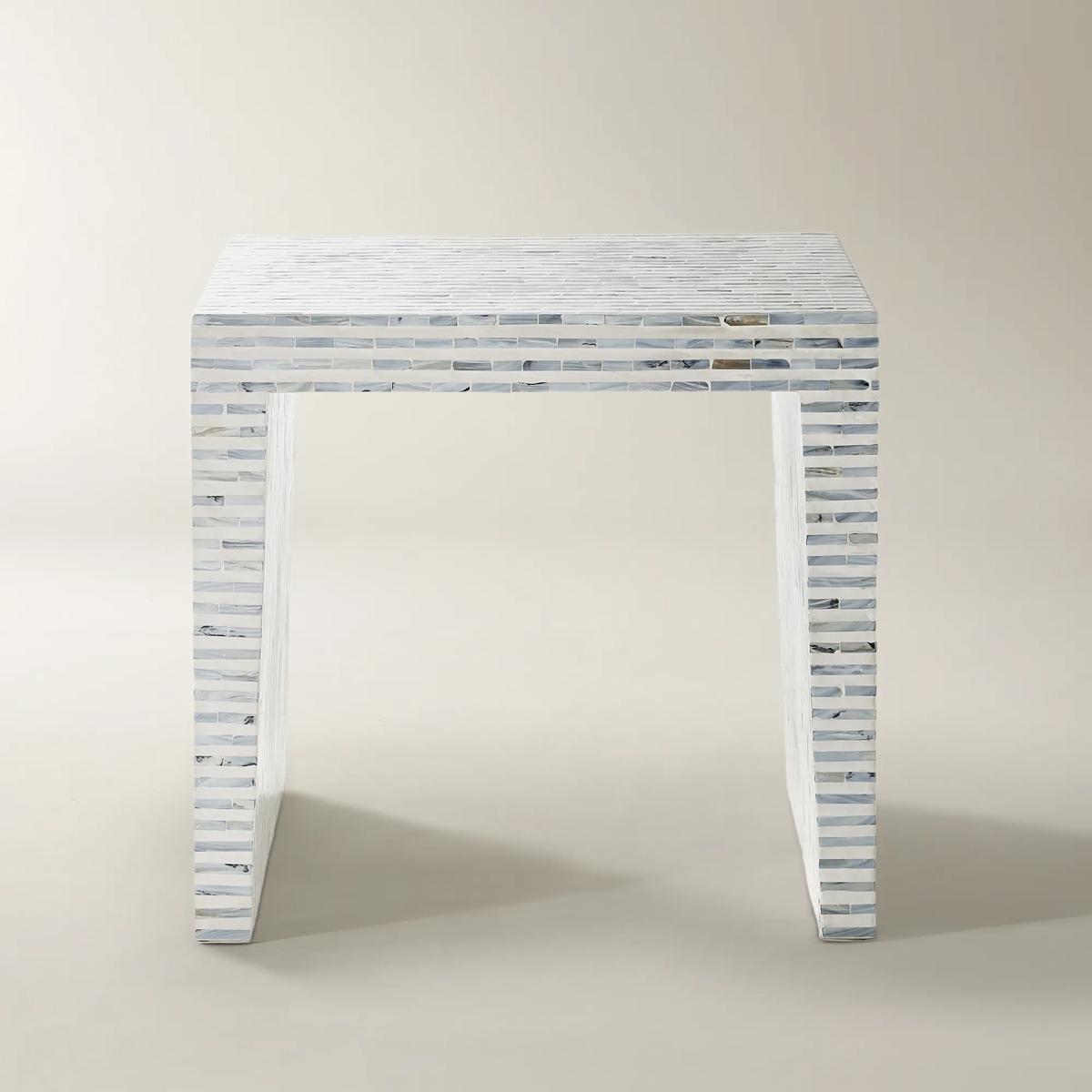
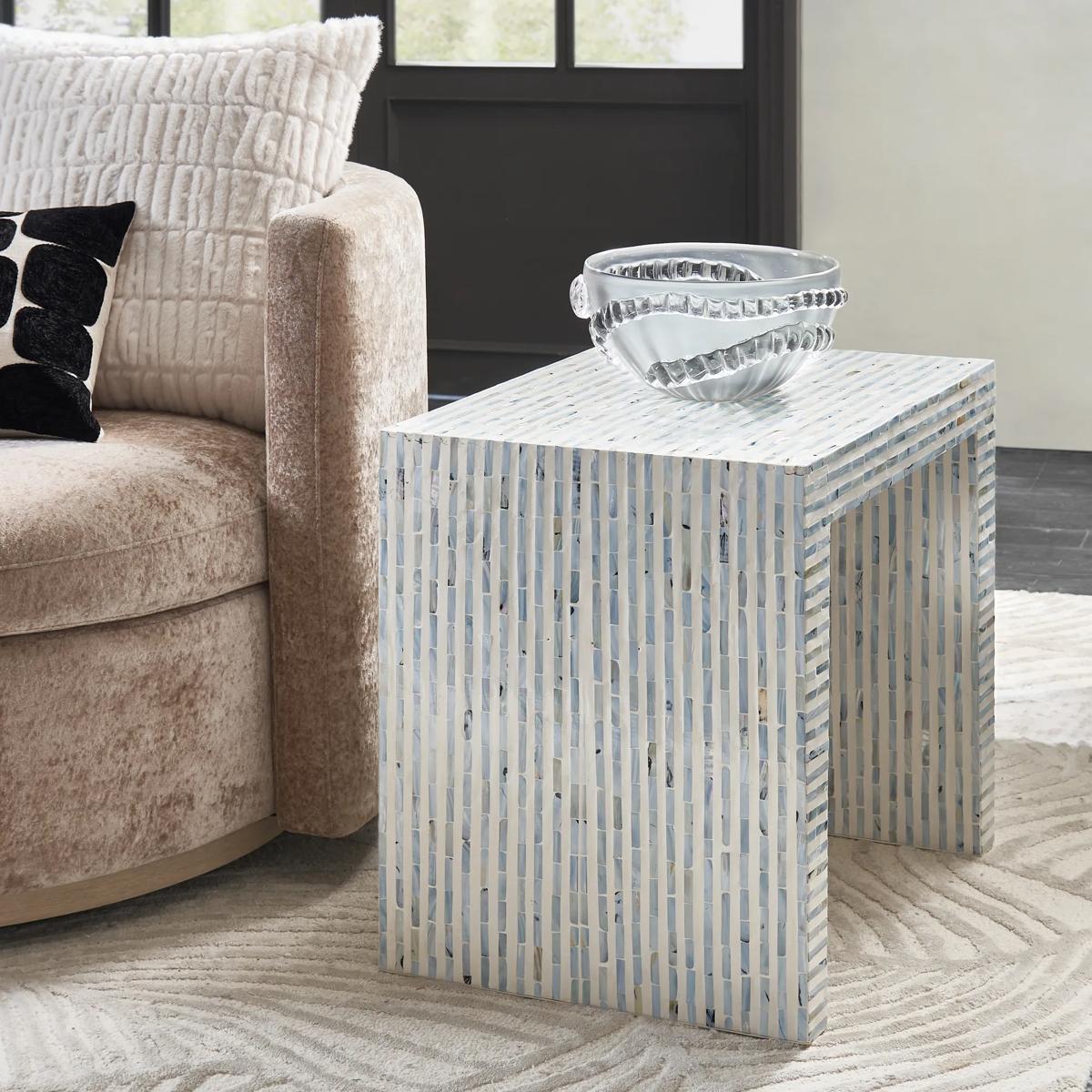 Stella Blue End Table(24")$399
A handcrafted end table featuring genuine blue mother-of-pearl inlay for a unique, iridescent accent.
Add To Cart -
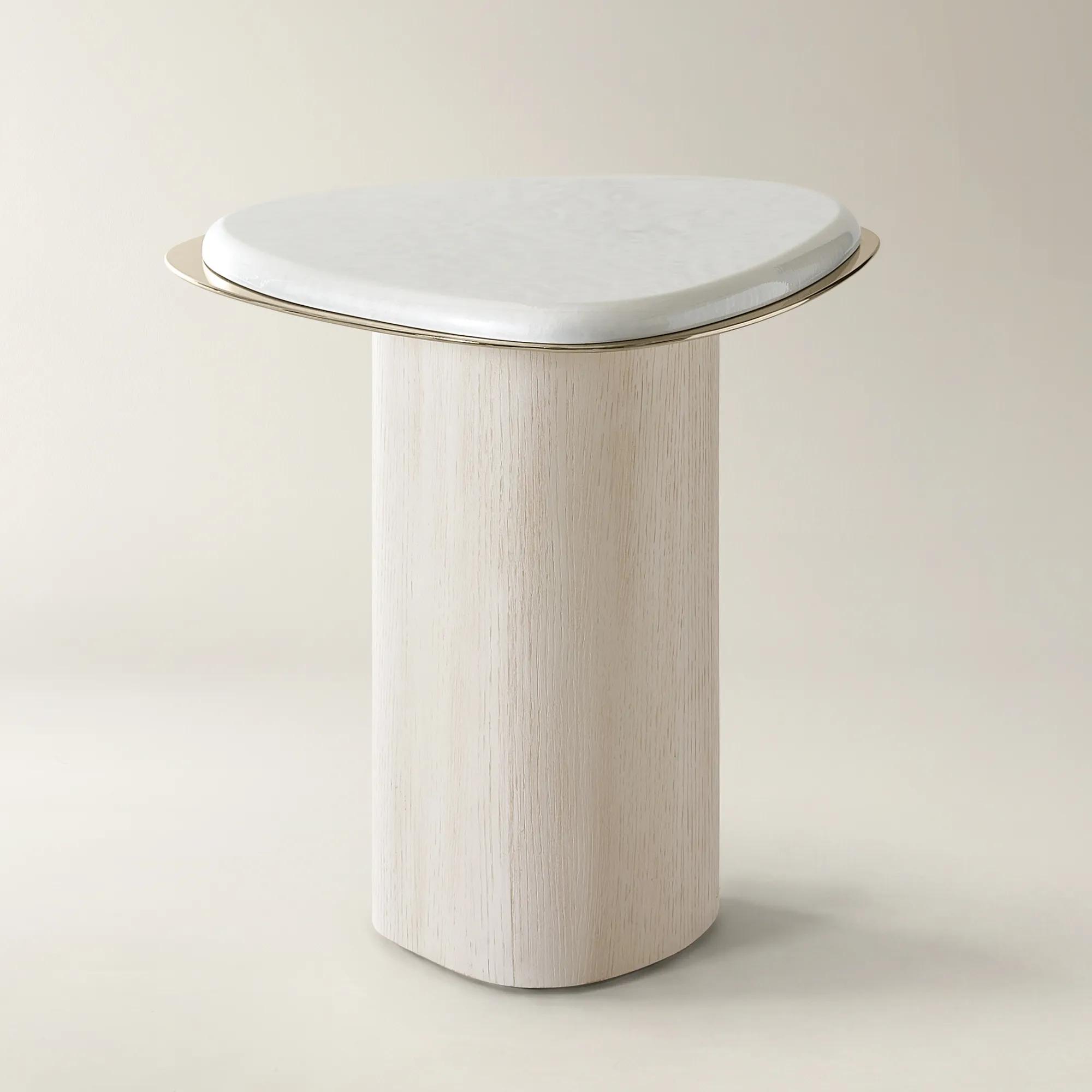
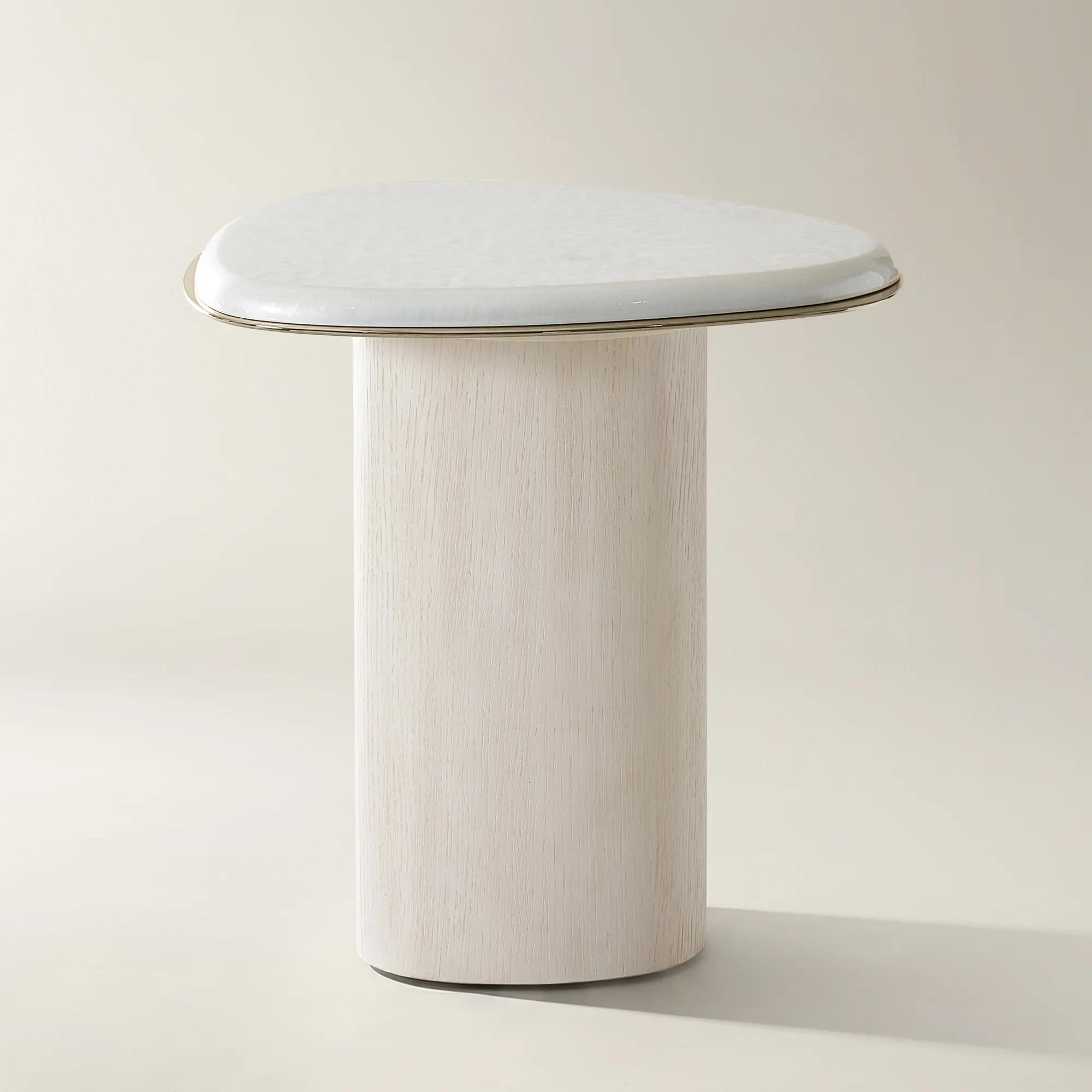 Lumina Bleached Oak End Table With Pearl Lacquered Top (18")$499
A sculptural end table featuring a pearl lacquered top, bleached oak base, and champagne gold trim.
Add To Cart -
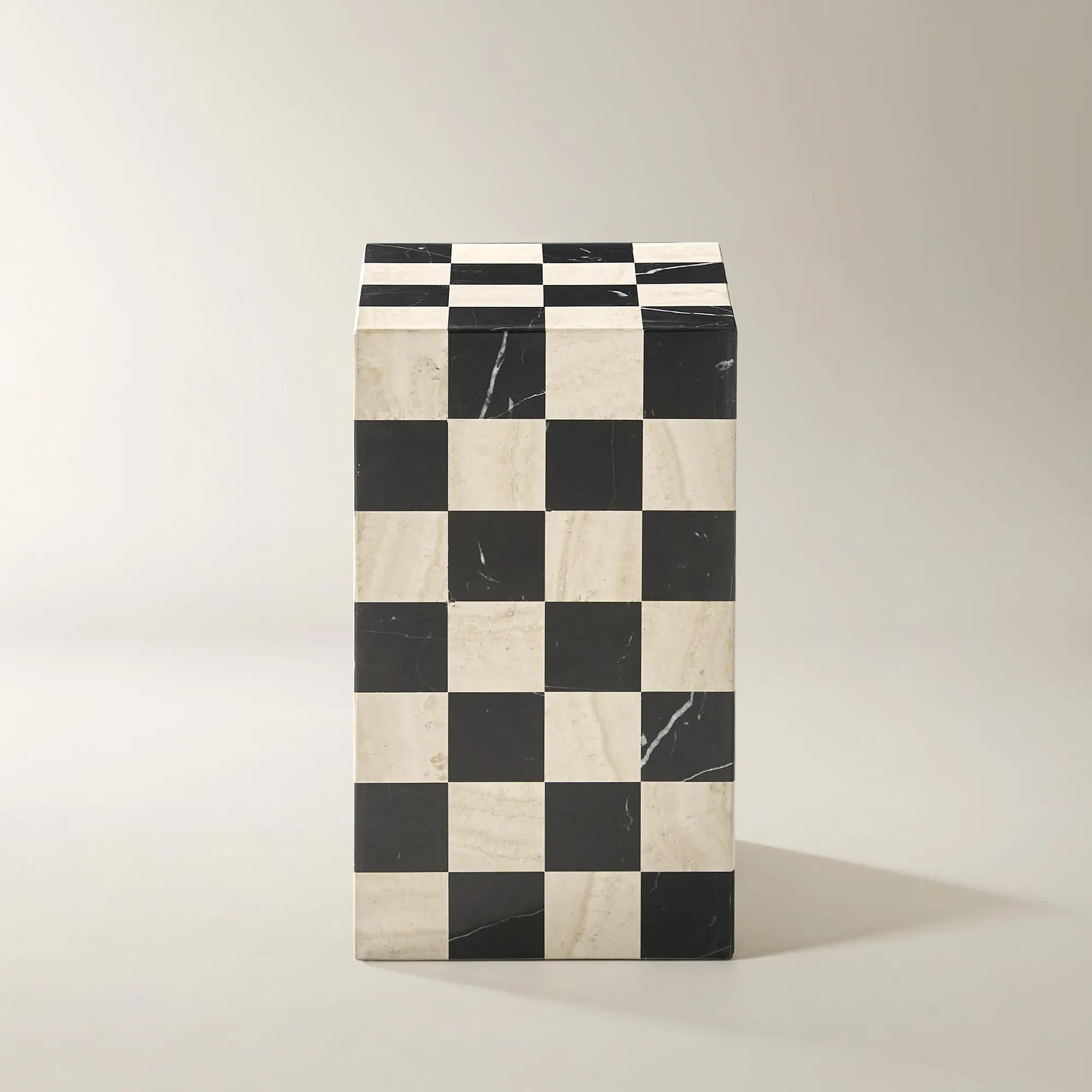 Chessa Square Chequered Marble End Table (12")$999
A sculptural end table featuring a bold black marble and travertine checkerboard mosaic design.
Add To Cart -
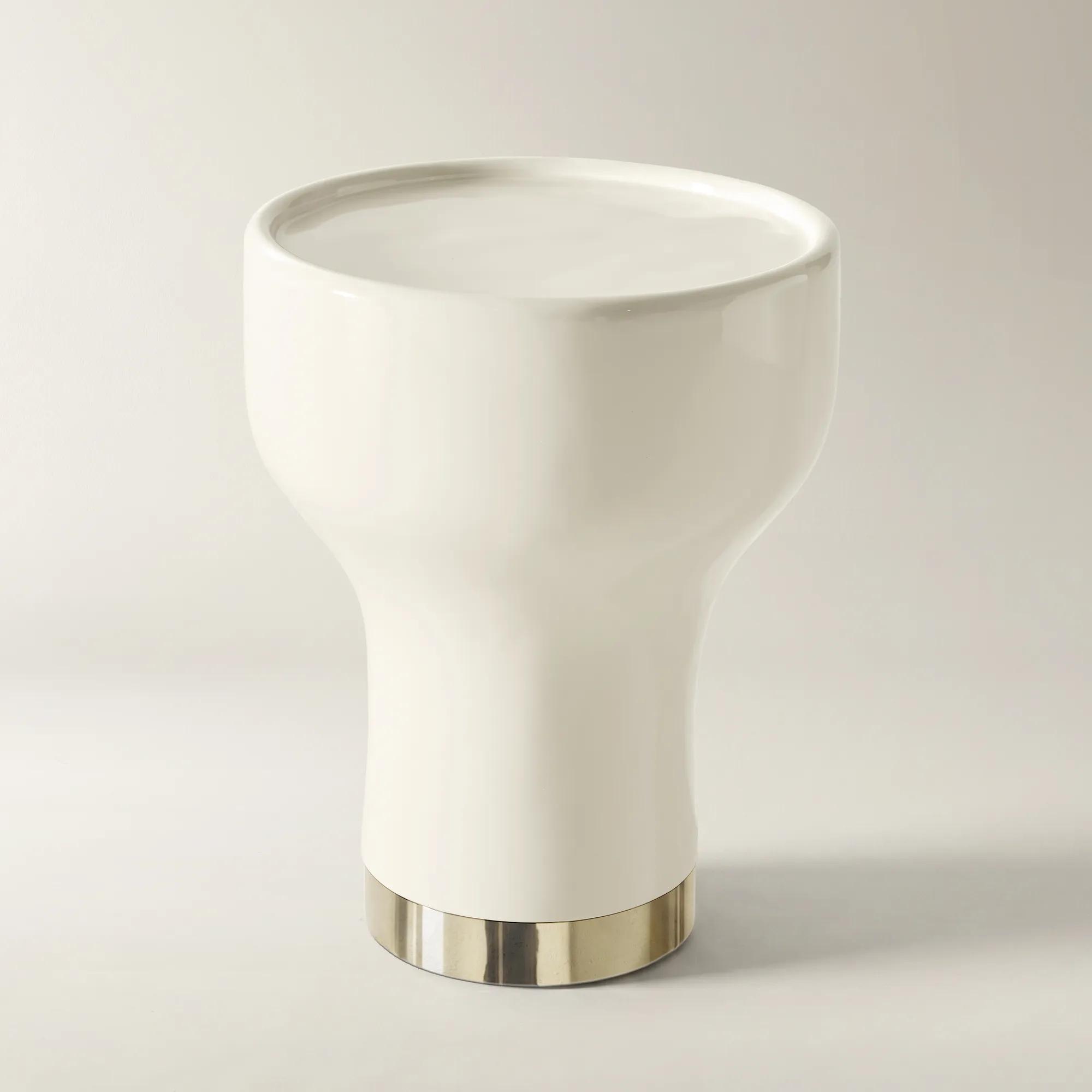
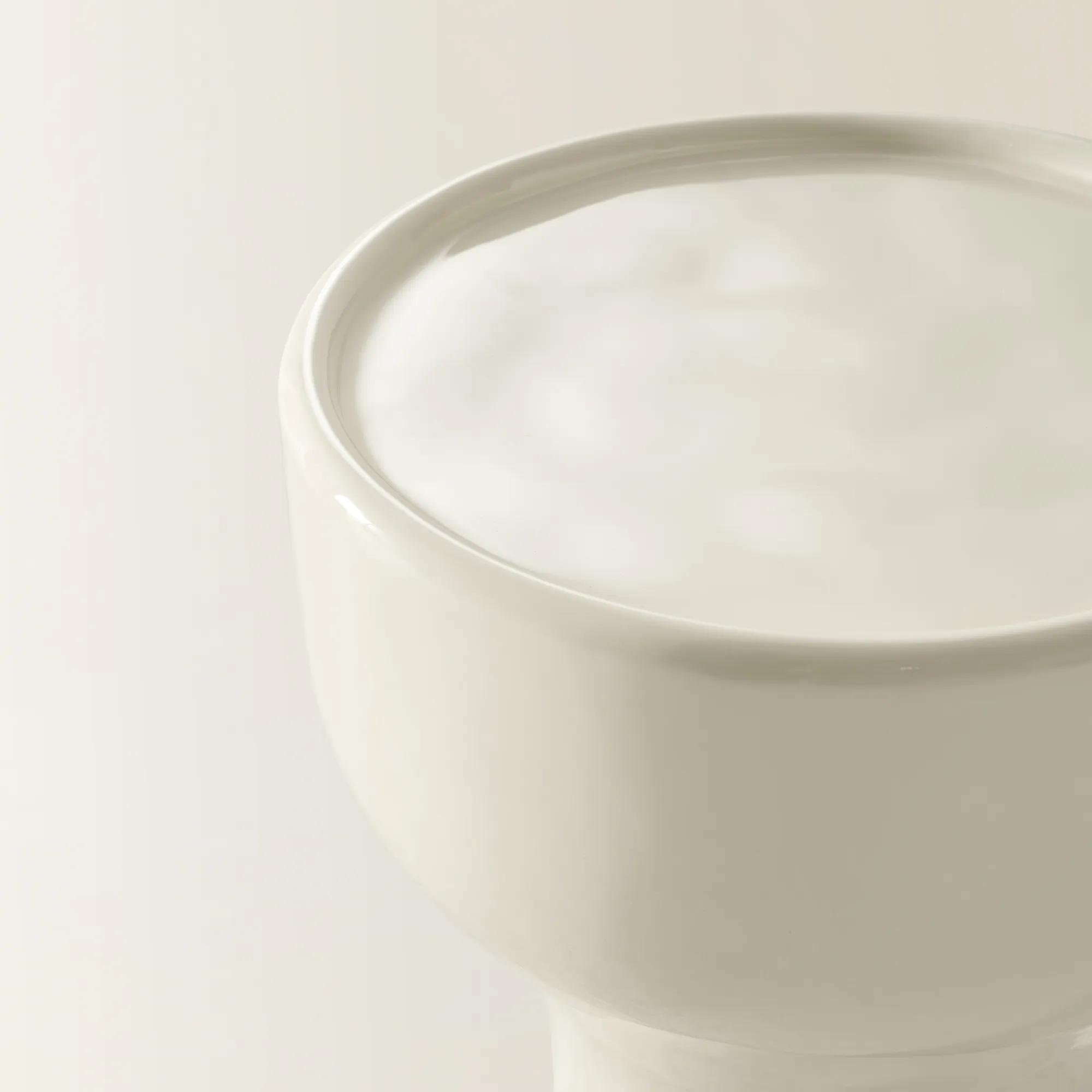 Celia Lacquered Cloud Resin Indoor/Outdoor End Table (16")$399
A sculptural one-piece resin end table with a warm high-gloss finish and gold stainless steel base.
Add To Cart -

 Flare Round White Marble End Table (21.5")$799
A sophisticated end table featuring a natural white marble top and polished stainless steel base.
Add To Cart -
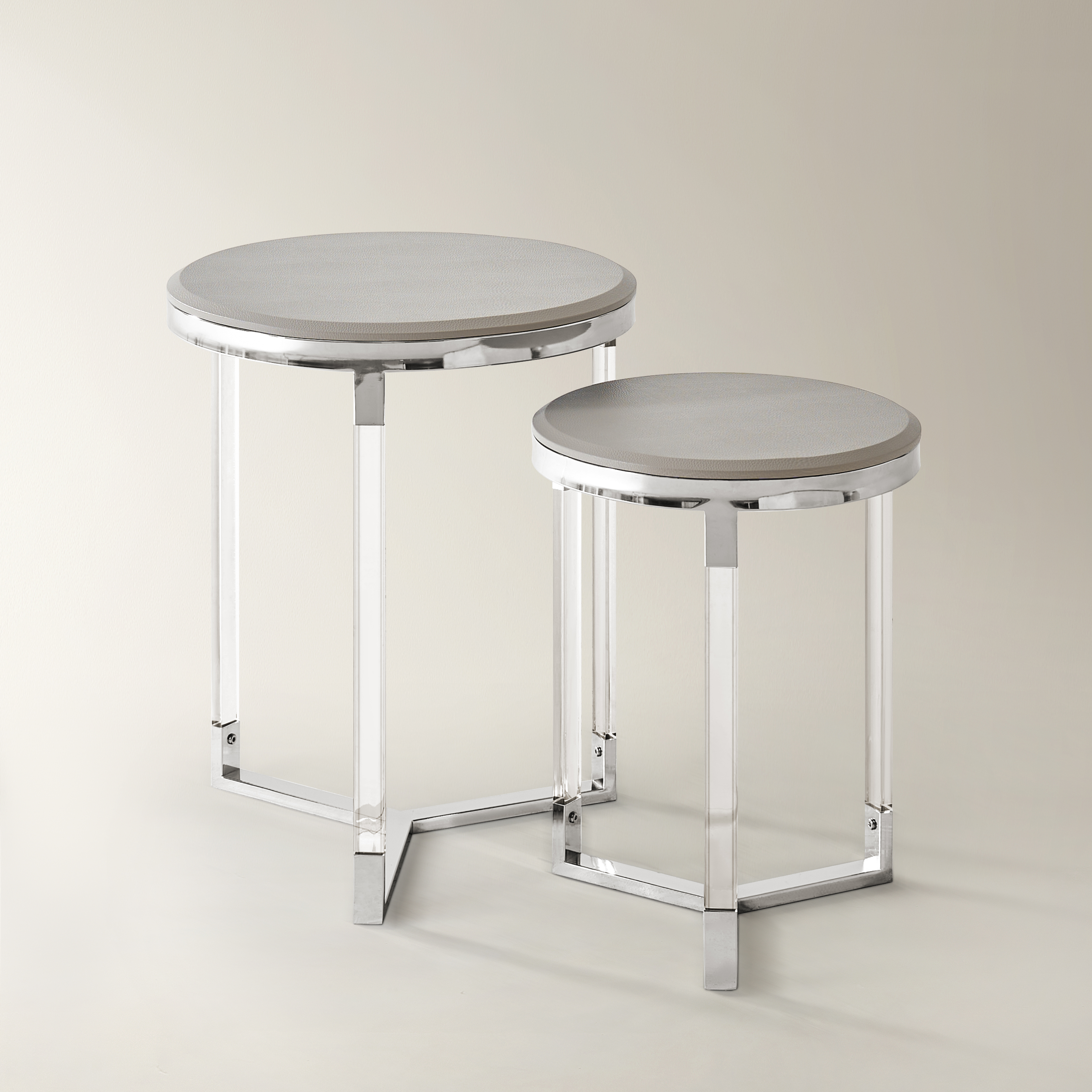
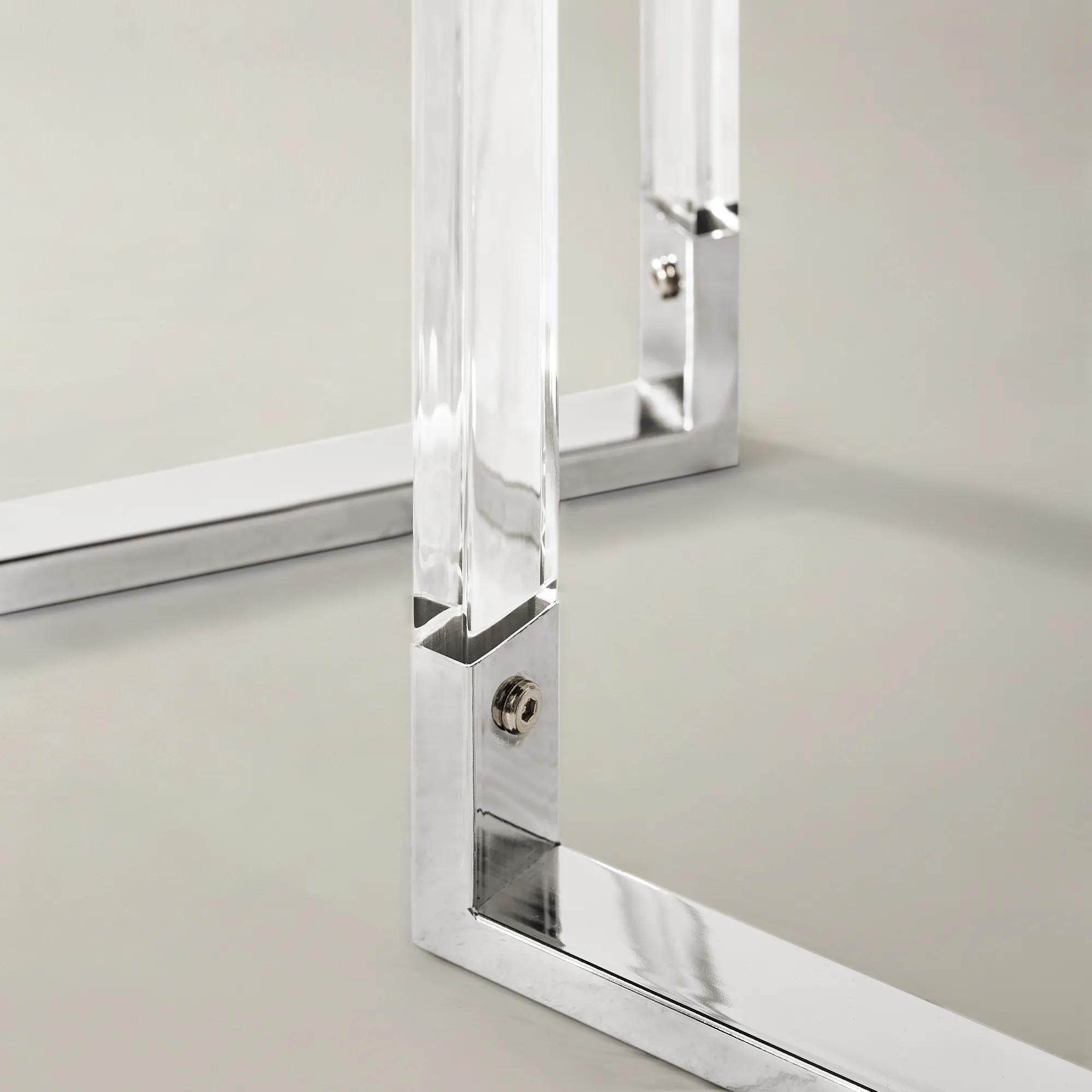 Murano Round Grey Accent Table With Faux Leather Top Set Of 2 (14.5"-18.5")$399
A bold set of two accent tables featuring mixed woods, acrylic legs, and faux leather tops.
Add To Cart -
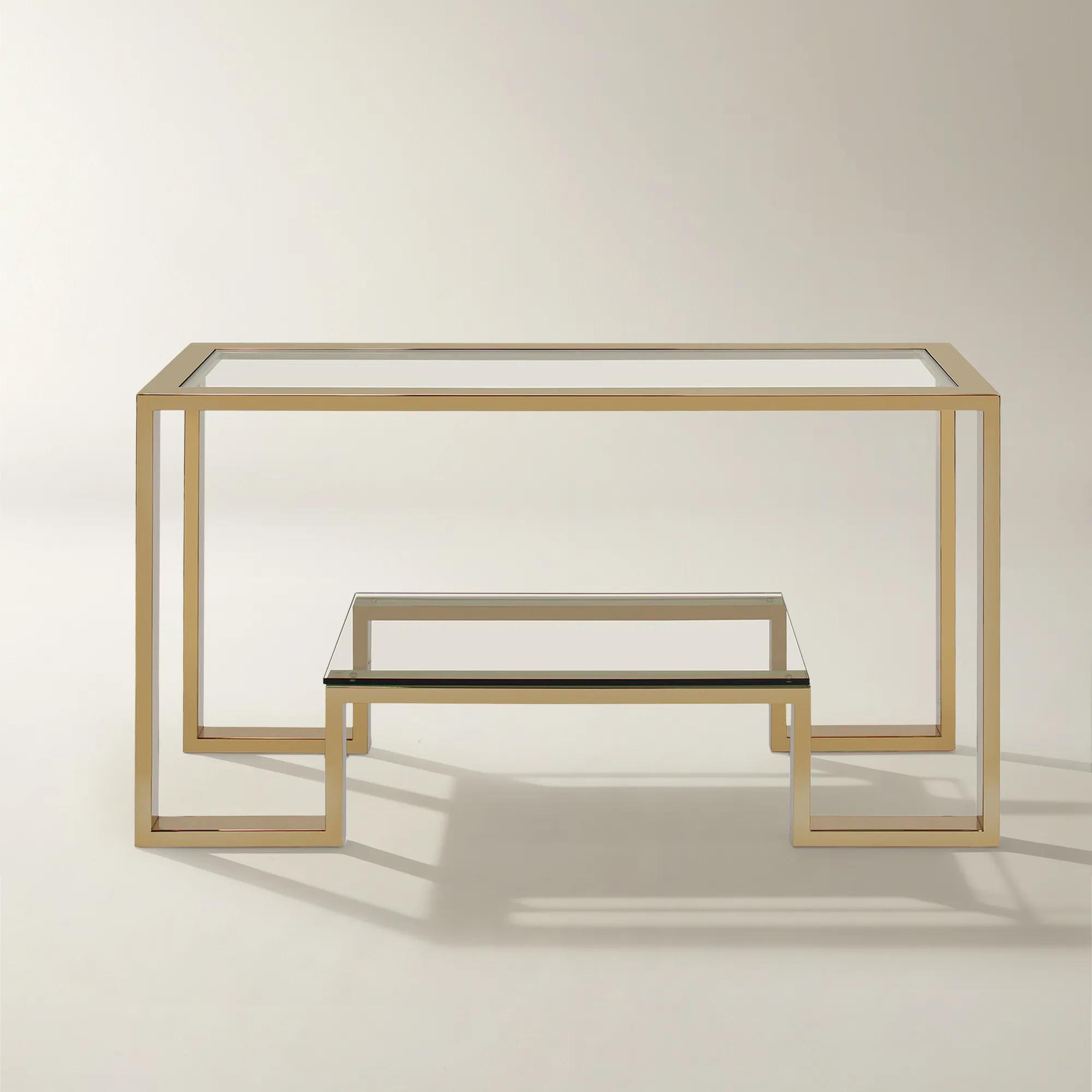
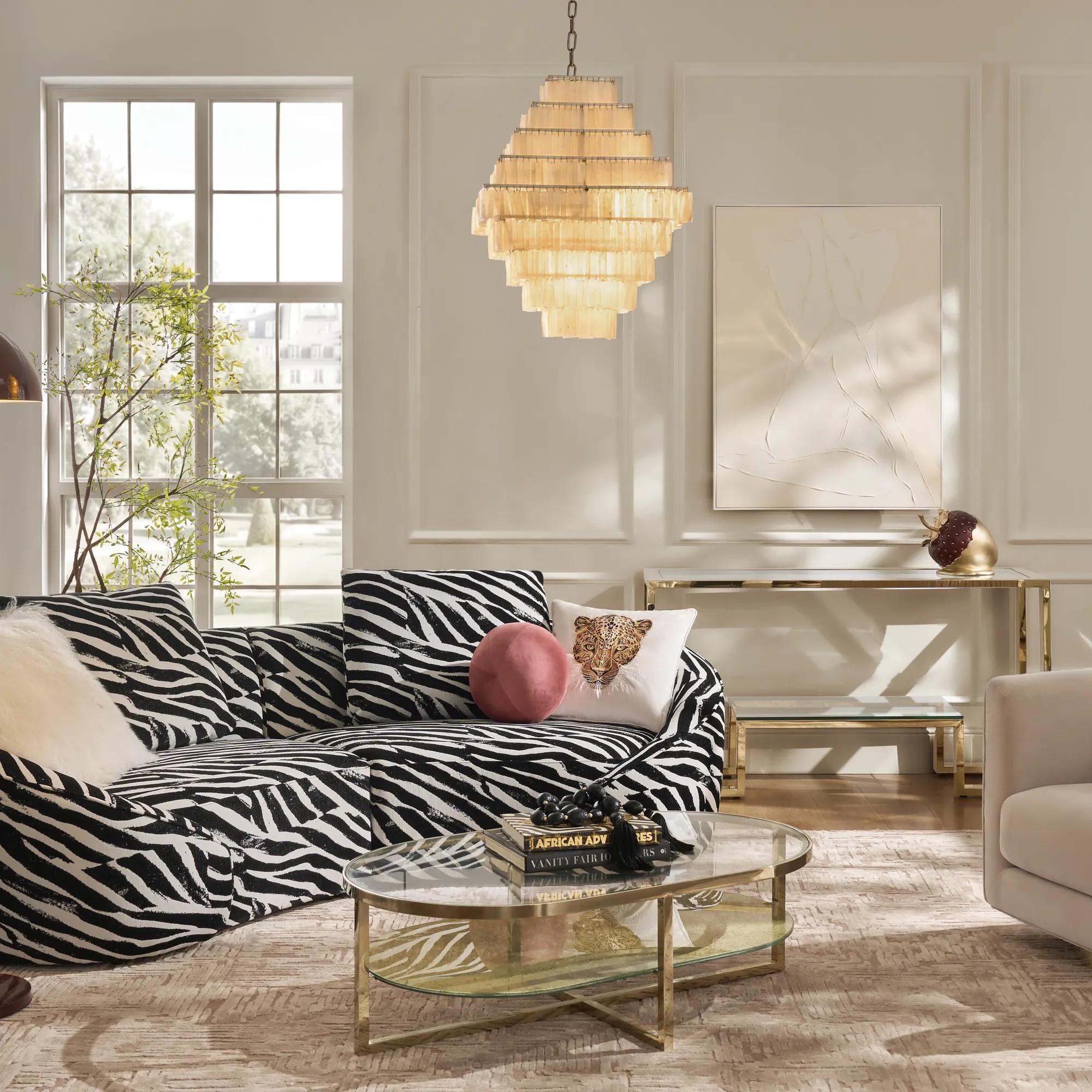 Duplicity Rectangular Gold Stainless Steel Console Table With Glass Top (59")$1399
A modern console table crafted from stainless steel and tempered glass with a floating bottom shelf.
Add To Cart -
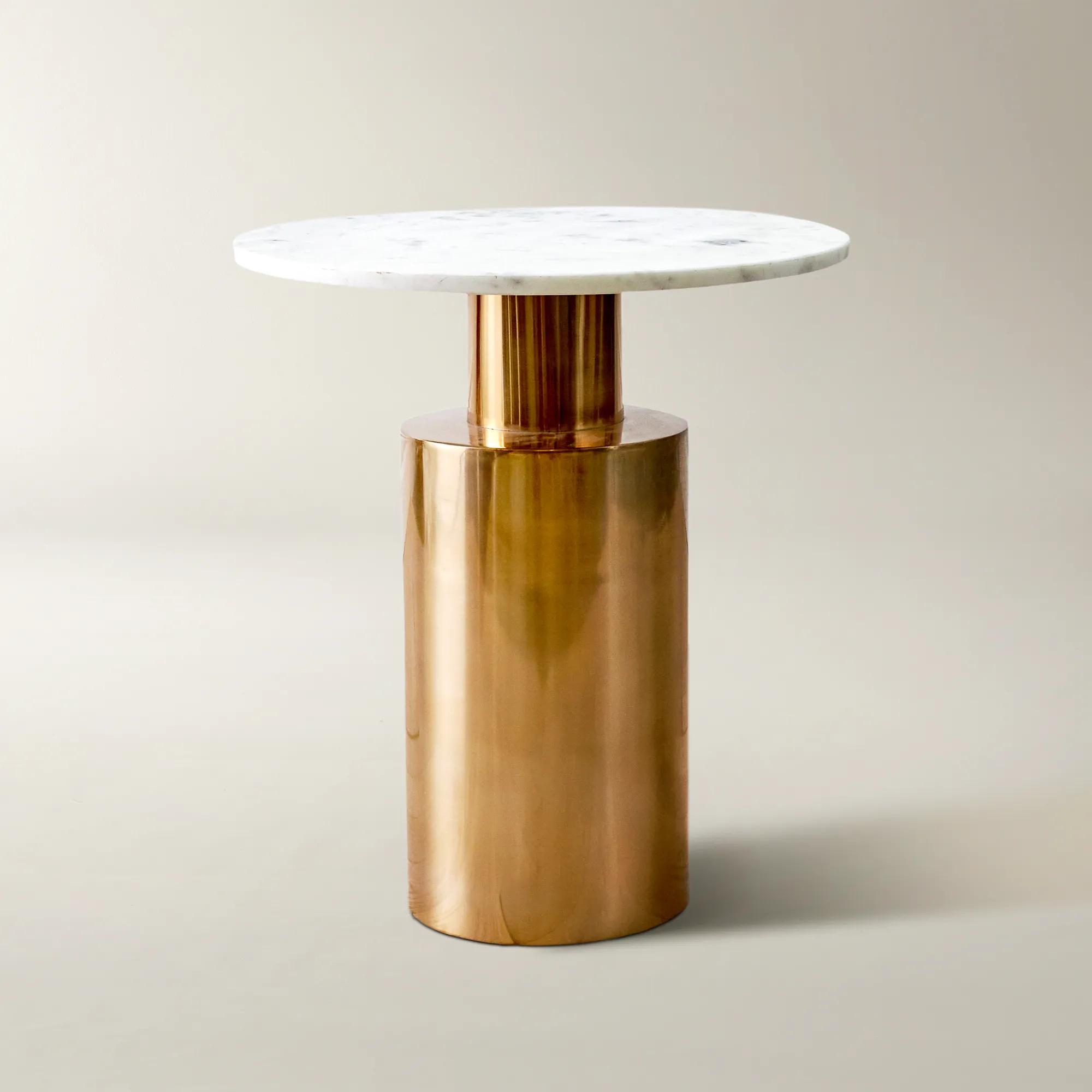 Capri Round White Marble Accent Table (16")$299
A striking accent table featuring a white marble top and gold-finished stainless steel base.
Add To Cart -
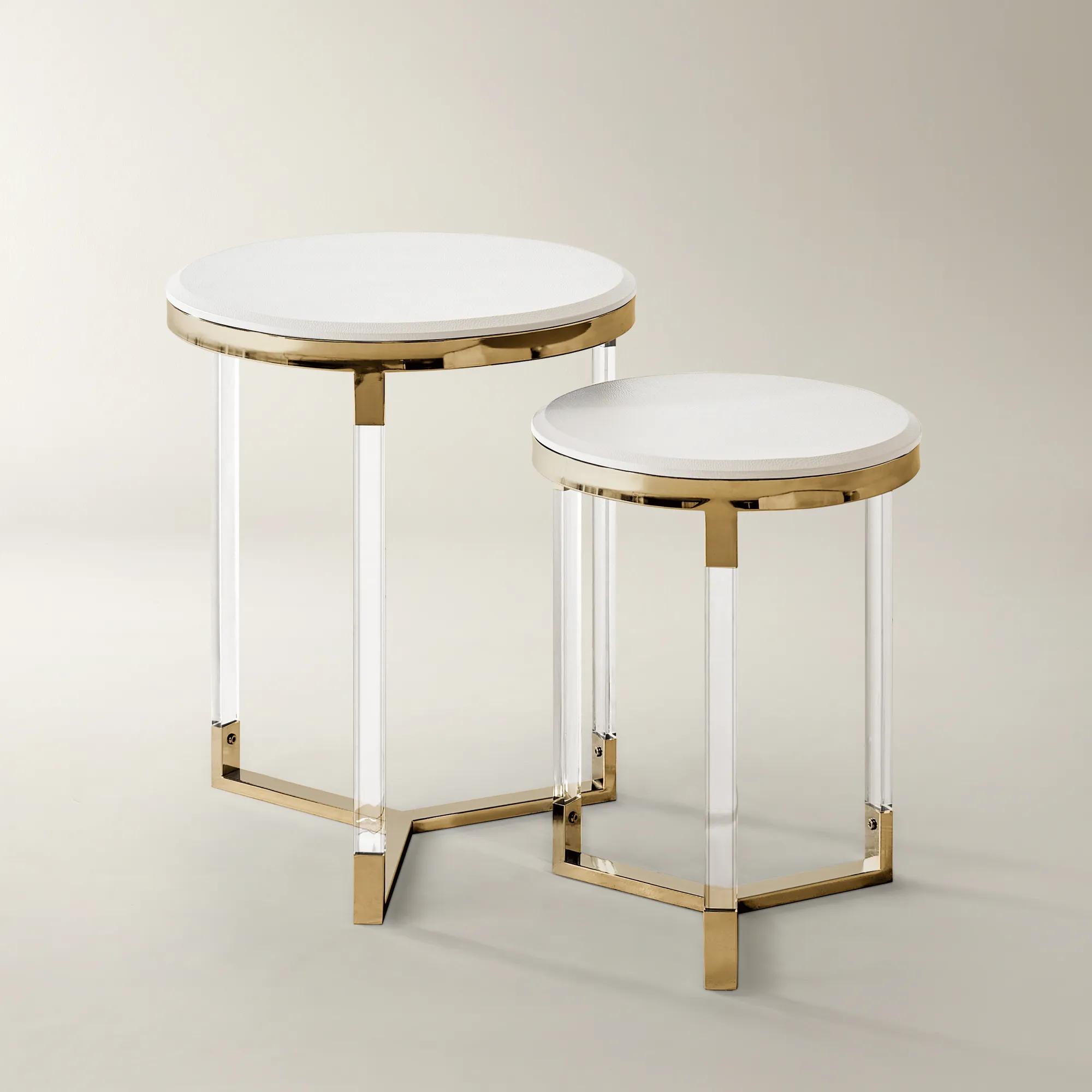
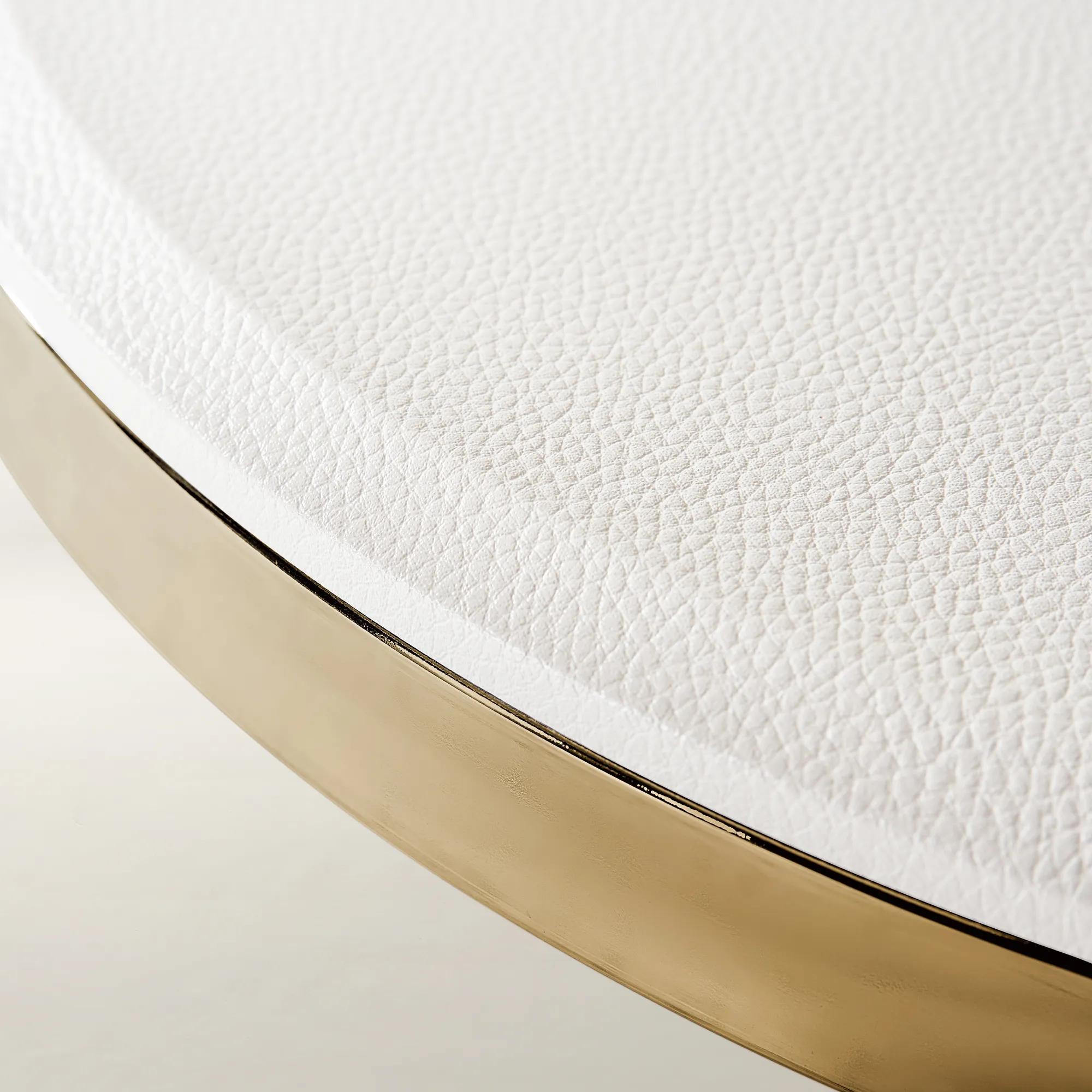 Murano Round White Accent Table With Faux Leather Top Set Of 2 (14.5"-18.5")$399
A set of two accent tables featuring mixed woods, faux leather tops, and acrylic legs with metallic finishes.
Add To Cart -
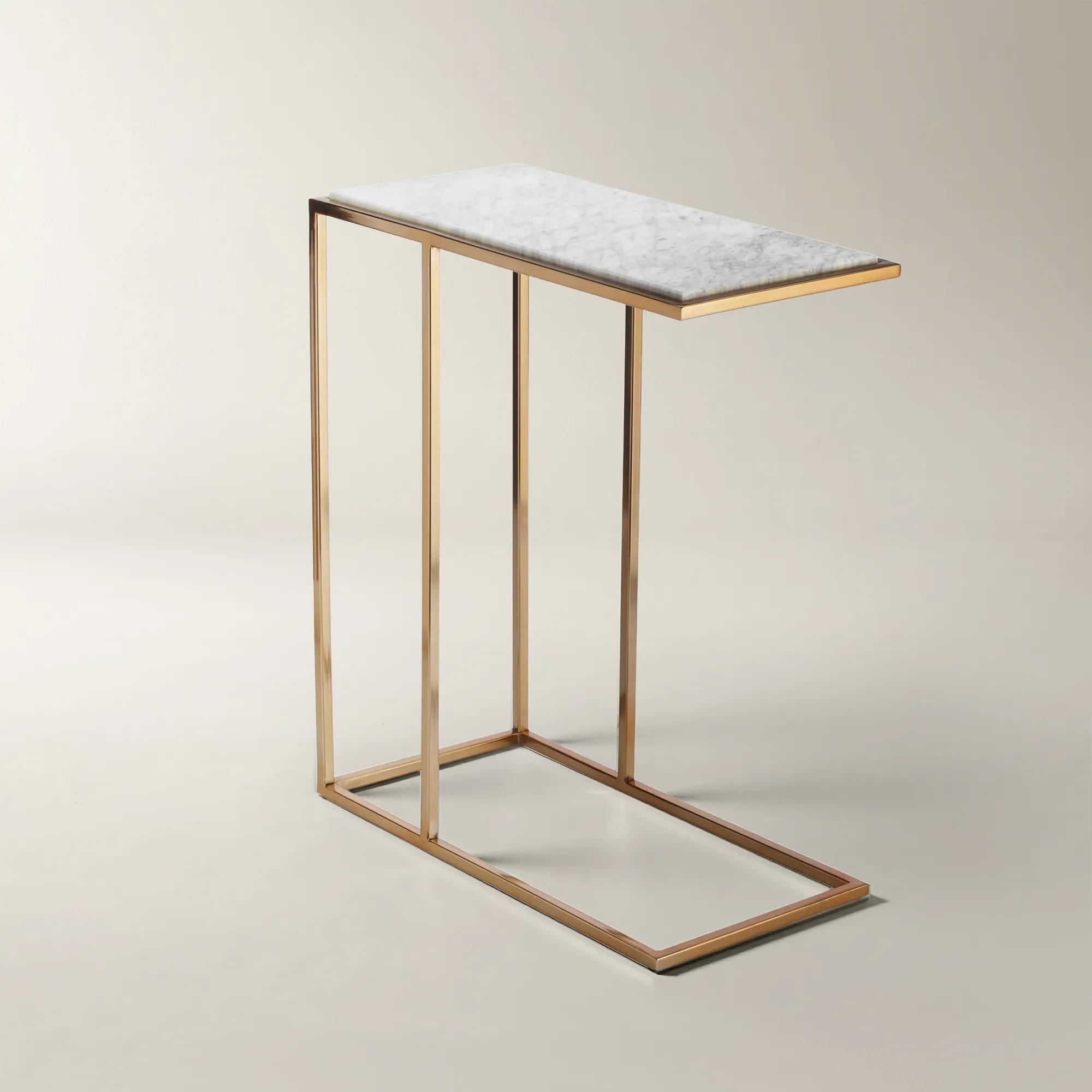
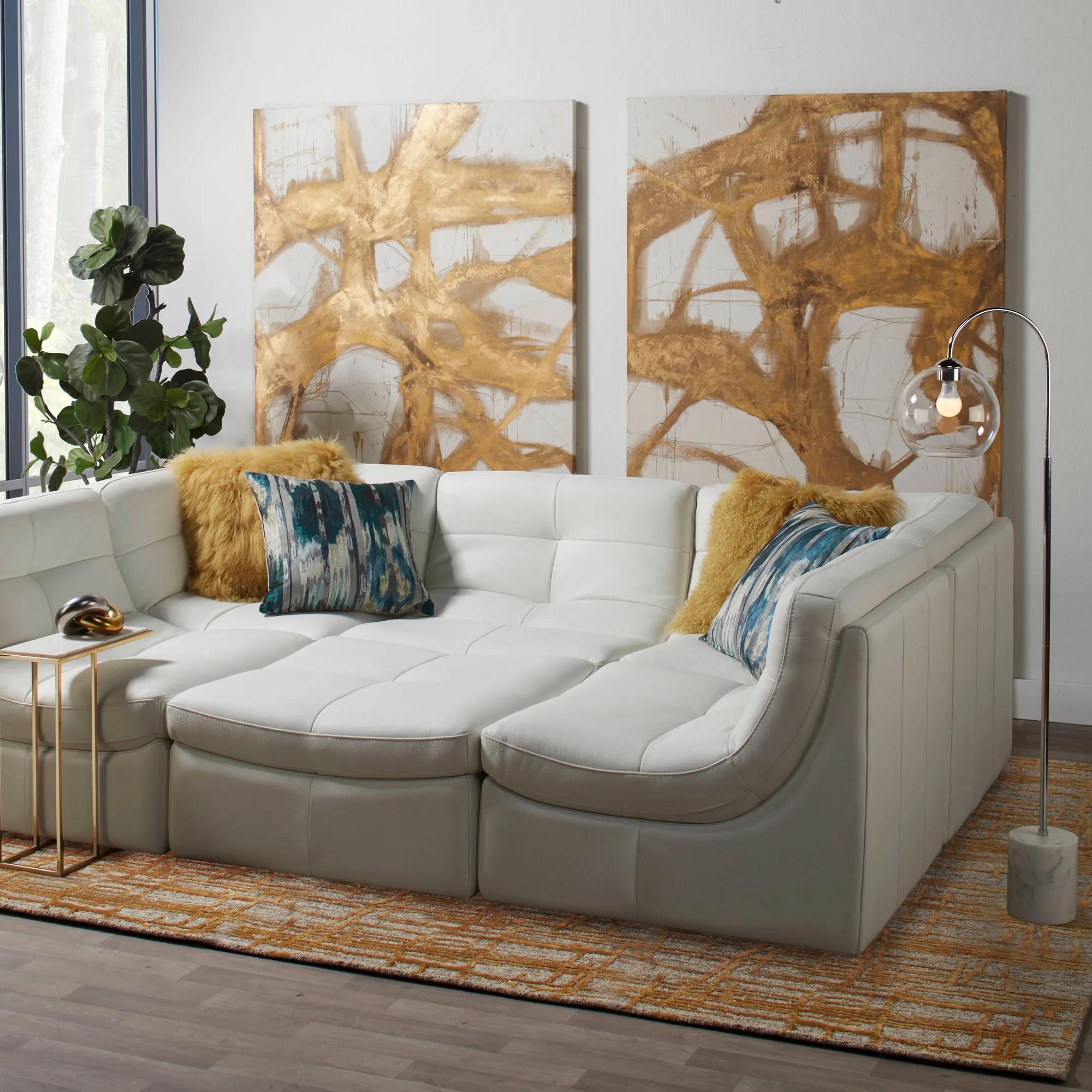 Lawton Rectangular Gold Stainless steel Accent Table With Marble Top (19.75")$259
A space-saving table featuring a white marble top and gold-finished stainless steel base.
Add To Cart -
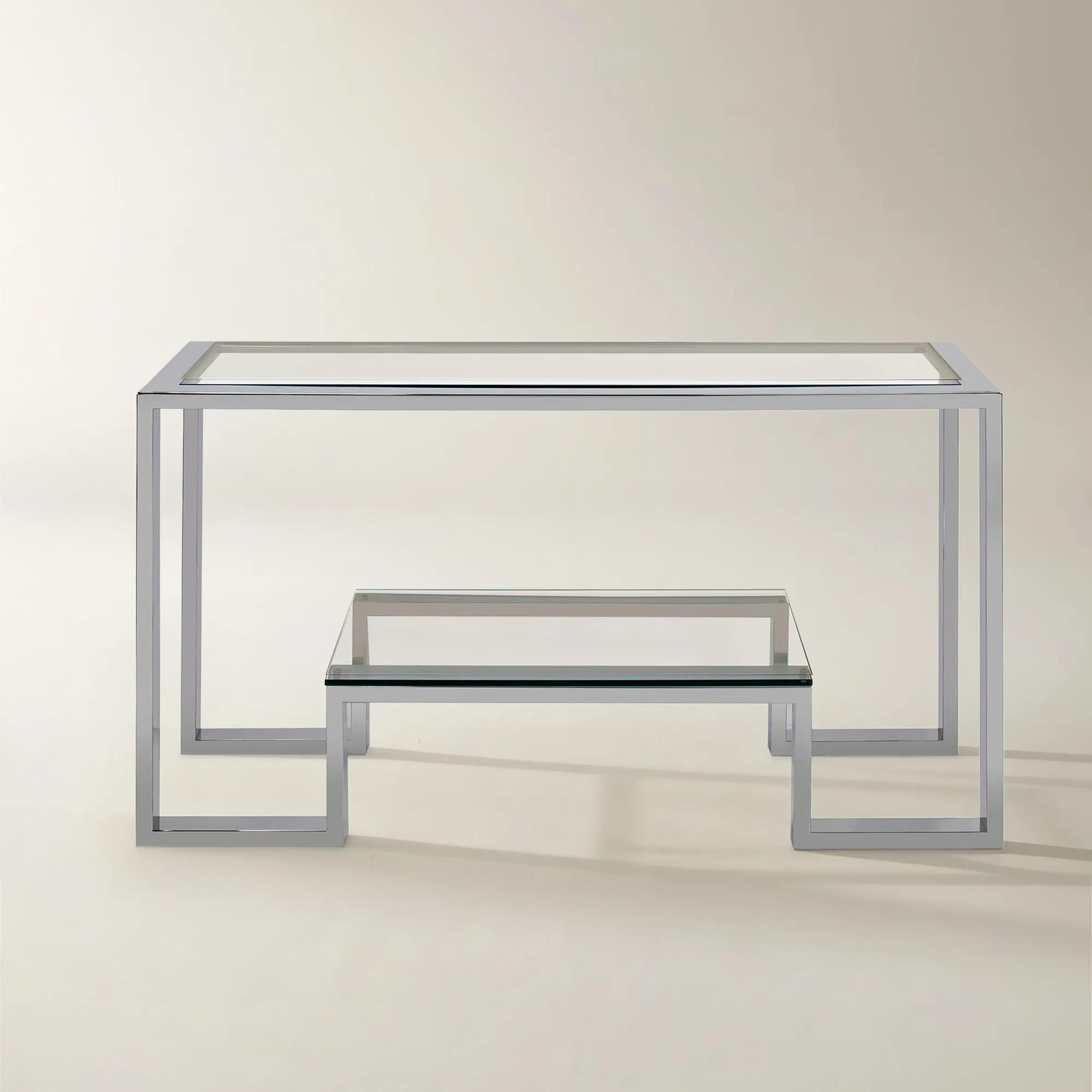
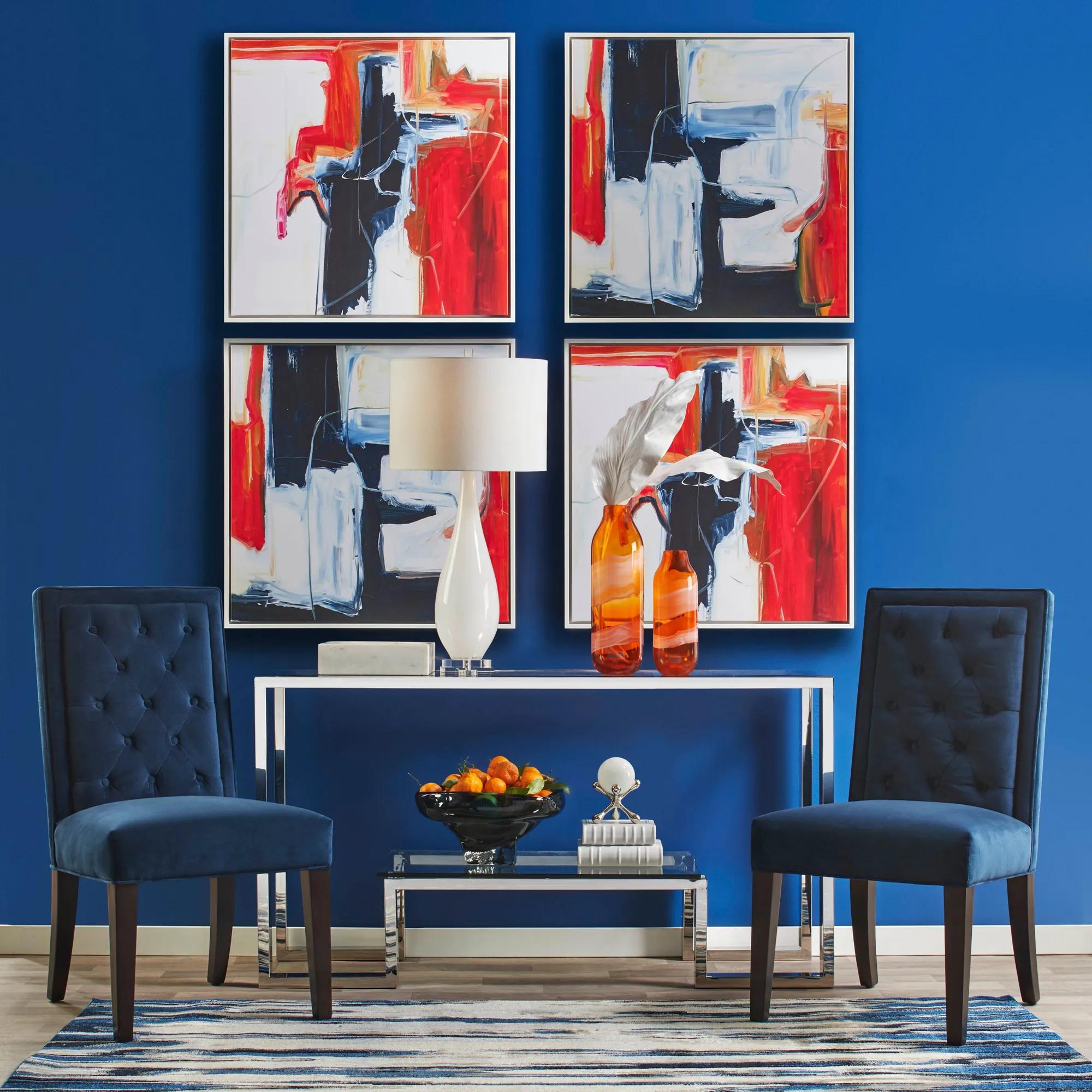 Duplicity Rectangular Silver Stainless Steel Console Table With Glass Top (59")$1399
A modern console table crafted from stainless steel and tempered glass with a floating bottom shelf.
Add To Cart

End Tables For Small Living Rooms
Find end tables for small living rooms that balance space-conscious proportions with statement-making style. A well-chosen side table keeps a lamp or drink within reach while complementing your sofa or accent chair. Compare table dimensions with your available floor space and seating height to create a polished arrangement that leaves room to move.
End tables for small living rooms bring a polished finishing touch to compact seating arrangements, creating a place for a lamp, a drink, or a favorite book without overwhelming the room. Their appeal lies in proportion: a slender silhouette can make a strong visual statement while leaving space for movement and conversation. Beside a tailored sofa, a gleaming metal frame introduces a flash of glamour; alongside a deeply upholstered chair, a sculptural pedestal adds definition without another bulky furniture profile. The most comfortable fit usually places the tabletop close to the height of the adjacent sofa or chair arm, making everyday essentials easy to reach from a seated position. Width and depth matter just as much, particularly when a table sits between seating and a wall or near a frequently used doorway. A narrow rectangular end table can follow the line of a sofa arm, while a round end table softens an arrangement dominated by angular upholstery and straight architectural lines. Rounded edges can also make a tight seating area easier to navigate, although the full footprint still needs to leave a comfortable path. Square tables suit corners where two seating pieces meet, provided their depth does not interrupt circulation. C-shaped tables offer another possibility: where the furniture has sufficient clearance underneath, the base can slide beneath the seat and bring the surface closer. A pedestal design may reduce visual clutter around the base, but stability remains essential, especially with a lamp or drink on top. Even a petite table needs enough usable surface for its intended role. A broad lamp base can consume most of a compact tabletop, leaving little room for anything else. Considering the lamp, the seat, and the surrounding passage together creates a more graceful result than judging the table in isolation. In an apartment living room, a small sitting area, or a shared family space, these carefully scaled accents make limited square footage feel composed rather than crowded.
Material and finish give a small end table its character, influencing both the atmosphere of the room and the attention its surface requires. Glass can keep sightlines open, allowing a patterned rug or dramatic upholstery to remain visible through the tabletop. Clear surfaces often feel lighter visually, though their edges, thickness, and supporting frame still contribute to the overall presence. Mirrored finishes bring a more theatrical effect, reflecting nearby light and color in a compact composition. They also reveal fingerprints and splashes, making gentle, regular cleaning part of their care. Marble and other natural stone surfaces introduce distinctive veining and a substantial, jewel-like focal point; variations in pattern are part of the material’s appeal. Stone is not automatically resistant to daily wear, however, and marble can stain or etch when exposed to certain spills, particularly acidic drinks. Coasters, prompt blotting, and care products approved for the particular surface help preserve its finish. Wood brings warmth and depth to a small living room, whether its grain reads as understated texture or a more expressive decorative feature. Solid wood and veneered surfaces both benefit from protection against standing moisture, excessive heat, and abrasive cleaning tools. Metal can lend architectural crispness or a softer glow, depending on its finish, but plated, painted, and polished surfaces require different care; the manufacturer’s instructions should determine the cleaning method. For any material, durability depends on construction and use as much as appearance. Secure connections, a balanced base, and a tabletop suited to the expected load matter more than a delicate-looking profile might suggest. A table supporting a substantial lamp needs dependable stability, while one moved frequently between a sofa and an accent chair benefits from a manageable weight and a form that is easy to grasp safely. Protective feet can help limit marks on suitable flooring, and a table should sit level rather than rock against an uneven surface. These practical details allow a luminous finish, richly figured top, or sculptural base to remain the focal point instead of becoming a source of constant concern.
Storage gives compact end tables another dimension, especially in living rooms where the seating area also serves as a place to read, entertain, and unwind. A drawer can conceal remotes, reading glasses, and charging cables, leaving the tabletop clear enough for a beautifully proportioned lamp and a glass of water. An open shelf offers space for a few books or a decorative box, although a heavily filled shelf can make a small room feel busier. Closed storage creates a calmer exterior, but doors and drawers need room to open without catching upholstery or blocking the space beside a chair. Nesting tables can provide additional surfaces when guests gather, then overlap again when the room returns to its everyday arrangement; their usefulness depends on having space to extend them when needed. Tables with integrated charging features may help keep devices nearby, provided an outlet is accessible and cords can be routed away from walking paths. For a broader look at complementary shapes and proportions, Side Tables For Living Room offers another perspective on these versatile accents. Within a compact layout, matching tables can frame a sofa with deliberate symmetry, while different shapes can accommodate unequal spaces on either side. A narrow table beside one arm and a rounded silhouette beside the other can feel cohesive when they share a finish, material, or similar visual weight. Styling benefits from the same restraint in quantity, without sacrificing drama. A sculptural lamp, a small lacquered box, or a single expressive vessel gives the eye something memorable to land on while preserving useful surface area. Tall accessories belong where they will not interfere with conversation or brush against someone settling into the seat. For households with children or pets, secure placement and stable construction deserve particular attention, especially near active pathways. The result is more than a place to set things down: a well-proportioned end table gives a small living room rhythm, brings daily comforts within reach, and adds a concentrated expression of personal style.
FAQs
Sculptural pedestal tables, open-frame designs, and clean-lined silhouettes bring an artful accent to modern interiors. For a small living room, choose a design with one expressive detail—such as a curved base or gleaming metal finish—to create drama without overwhelming the surrounding decor.
Glass, polished metal, mirrored surfaces, and marble lend end tables a luxurious presence. Gold-tone finishes introduce warmth, while silver-tone accents offer a cool, luminous contrast. Pair a reflective table with sumptuous upholstery for a layered composition that feels rich in texture and personality.
End tables do not need to match the coffee table exactly. A shared finish, shape, or material can connect distinct pieces while allowing each to make its own statement. Try pairing a glass coffee table with metallic end tables, or echo a marble surface through a decorative accent elsewhere in the room.
Treat the tabletop as a curated vignette rather than a display for every favorite object. Combine a sculptural lamp with a decorative box or a single expressive vase, leaving some surface visible. In a small living room, this edited approach gives each detail room to command attention.
Look for end tables with drawers or enclosed compartments that make storage part of the design. Fluted fronts, lacquered finishes, and distinctive hardware turn practical details into decorative moments. Tuck remotes and everyday essentials inside, then reserve the tabletop for a few artfully chosen accents.