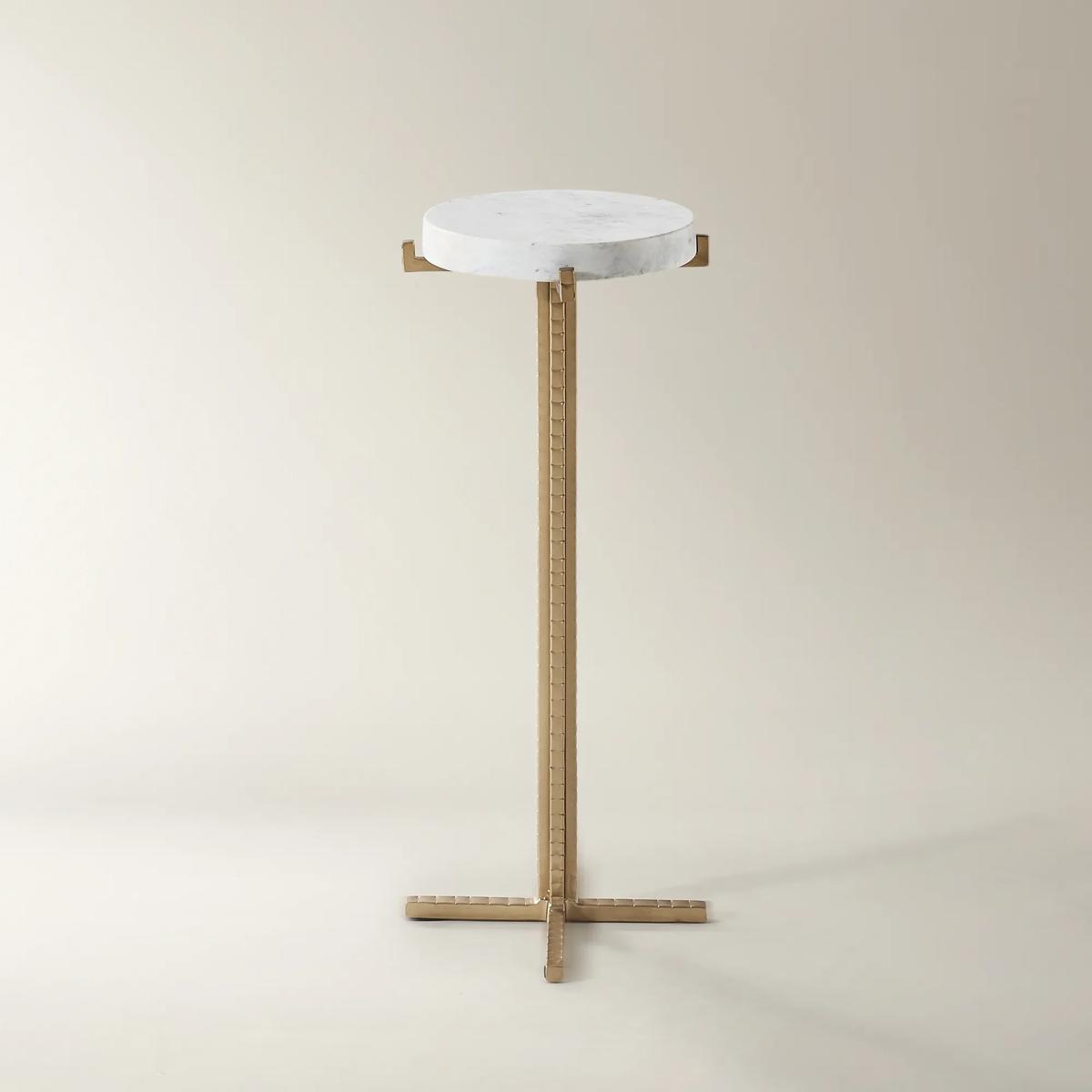
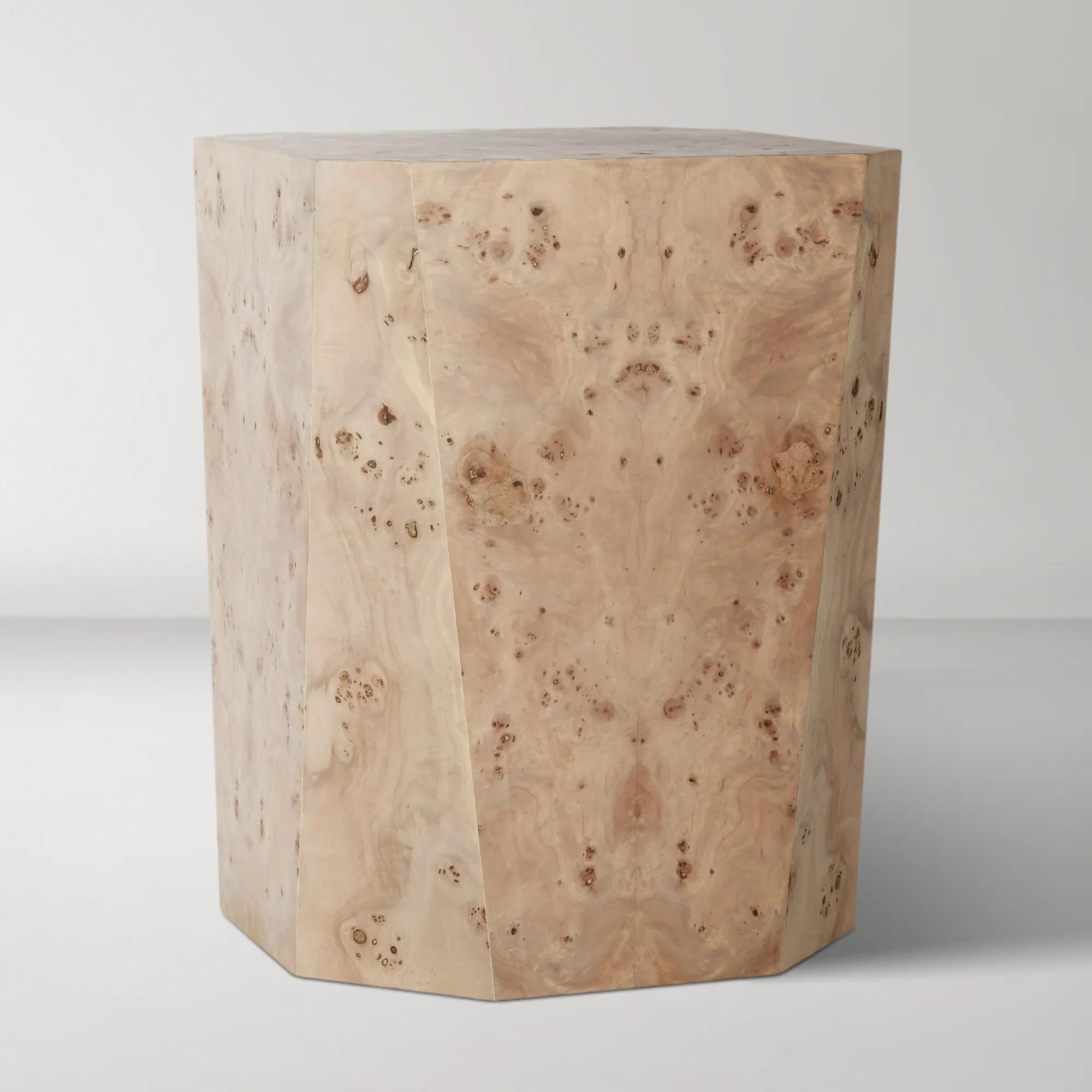
Accent Tables For Small Spaces
Accent Tables For Small Spaces
-
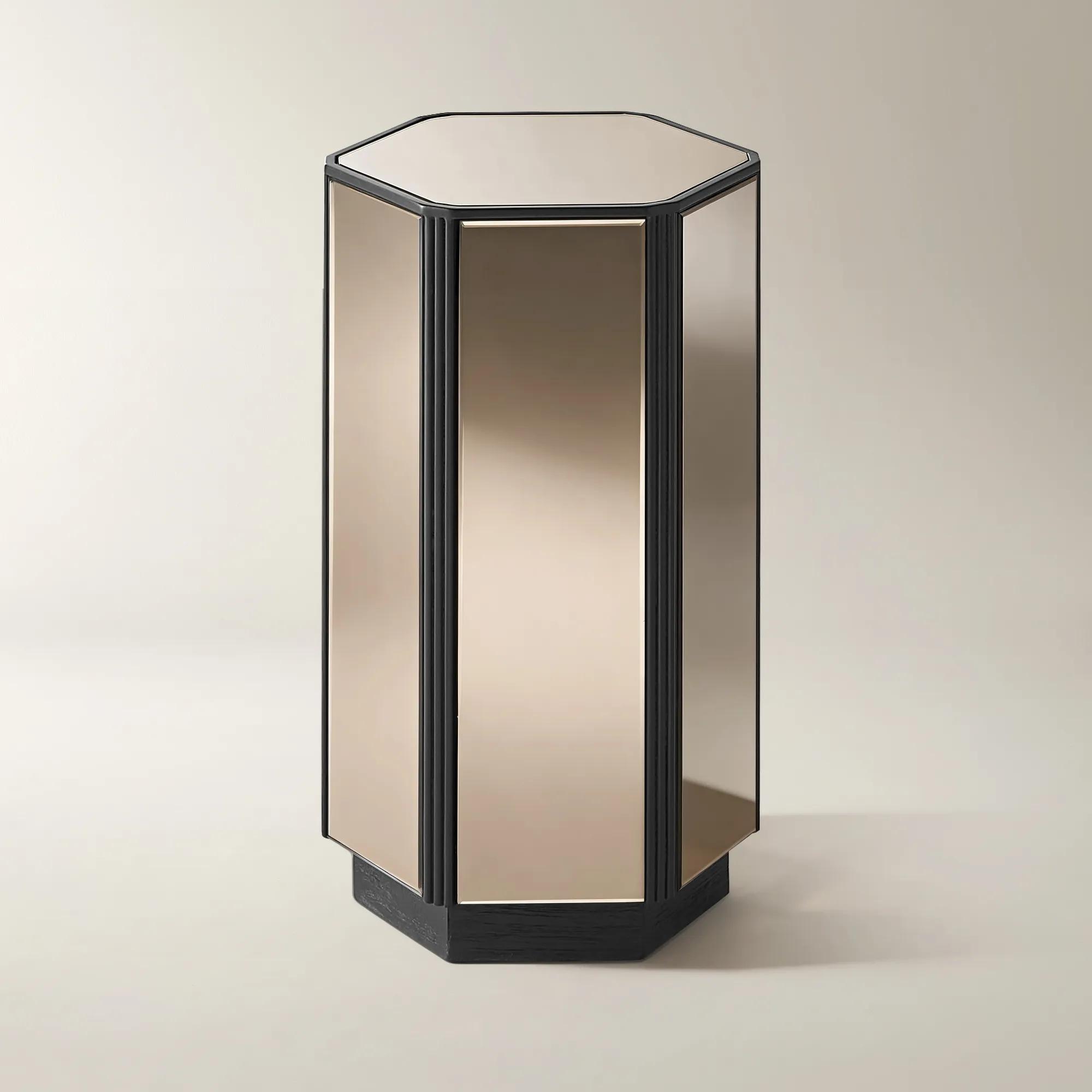 Glimmer Bronze Mirrored End Table (12")$399
A sculptural end table featuring bronze mirror panels and a black oak base for modern elegance.
Add To Cart -

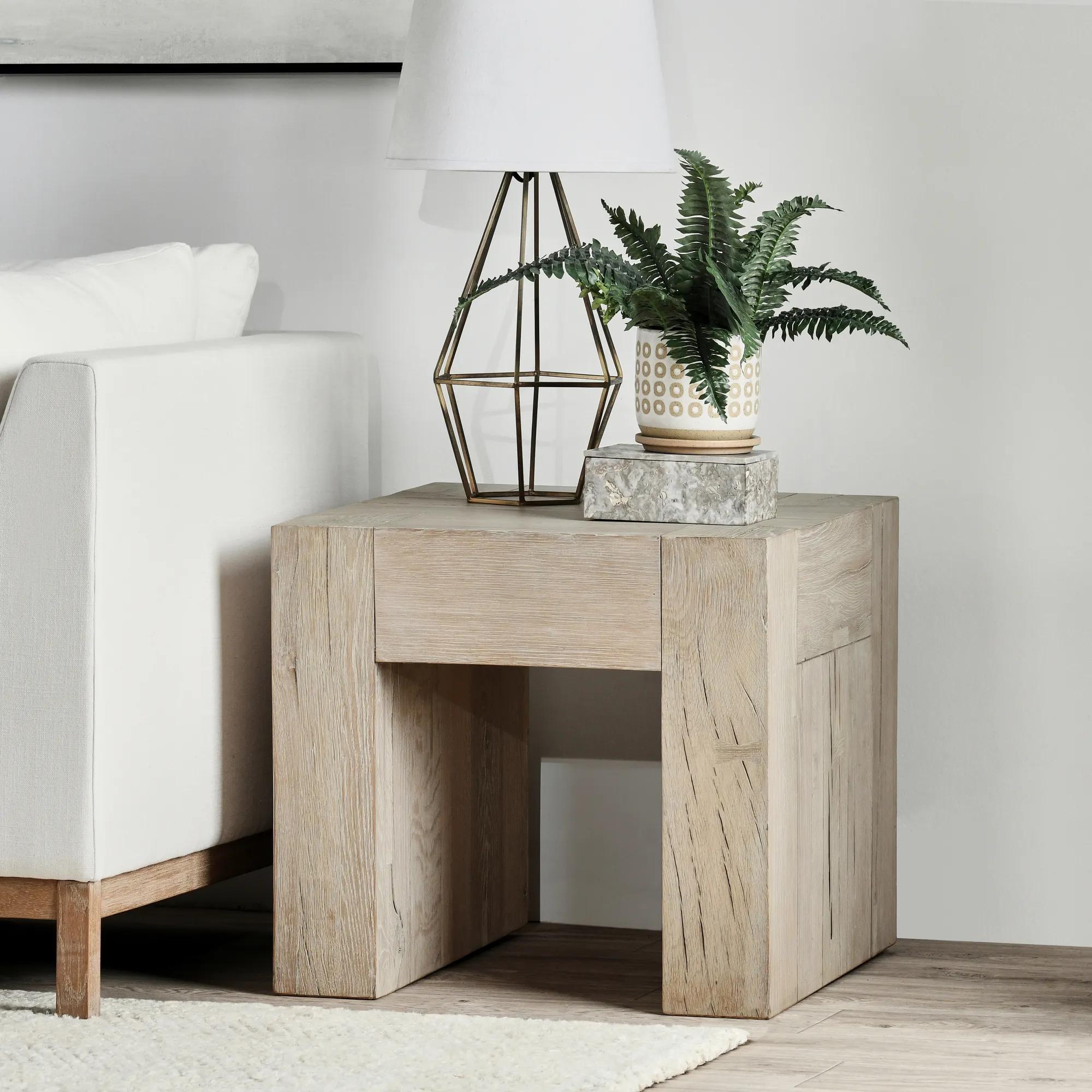 Bristol Square Cream Oak End Table (24")$999
A handcrafted end table featuring cracked reclaimed oak in an aged cream finish with modern dovetail detailing.
Add To Cart -
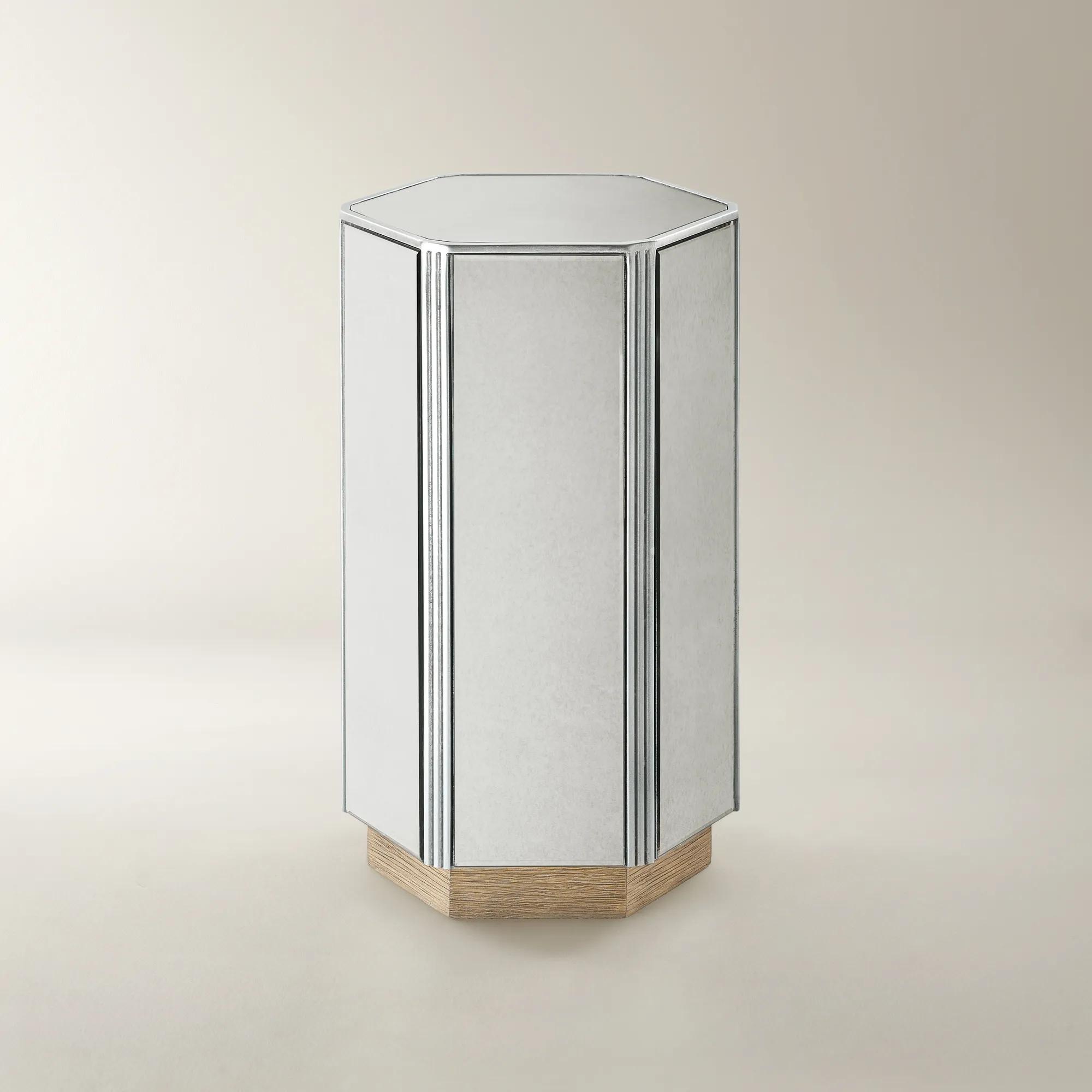 Glimmer Silver Mirrored End Table (12")$399
A chic side table featuring an antique silver mirror top and warm oak veneer base with handcrafted details.
Add To Cart -
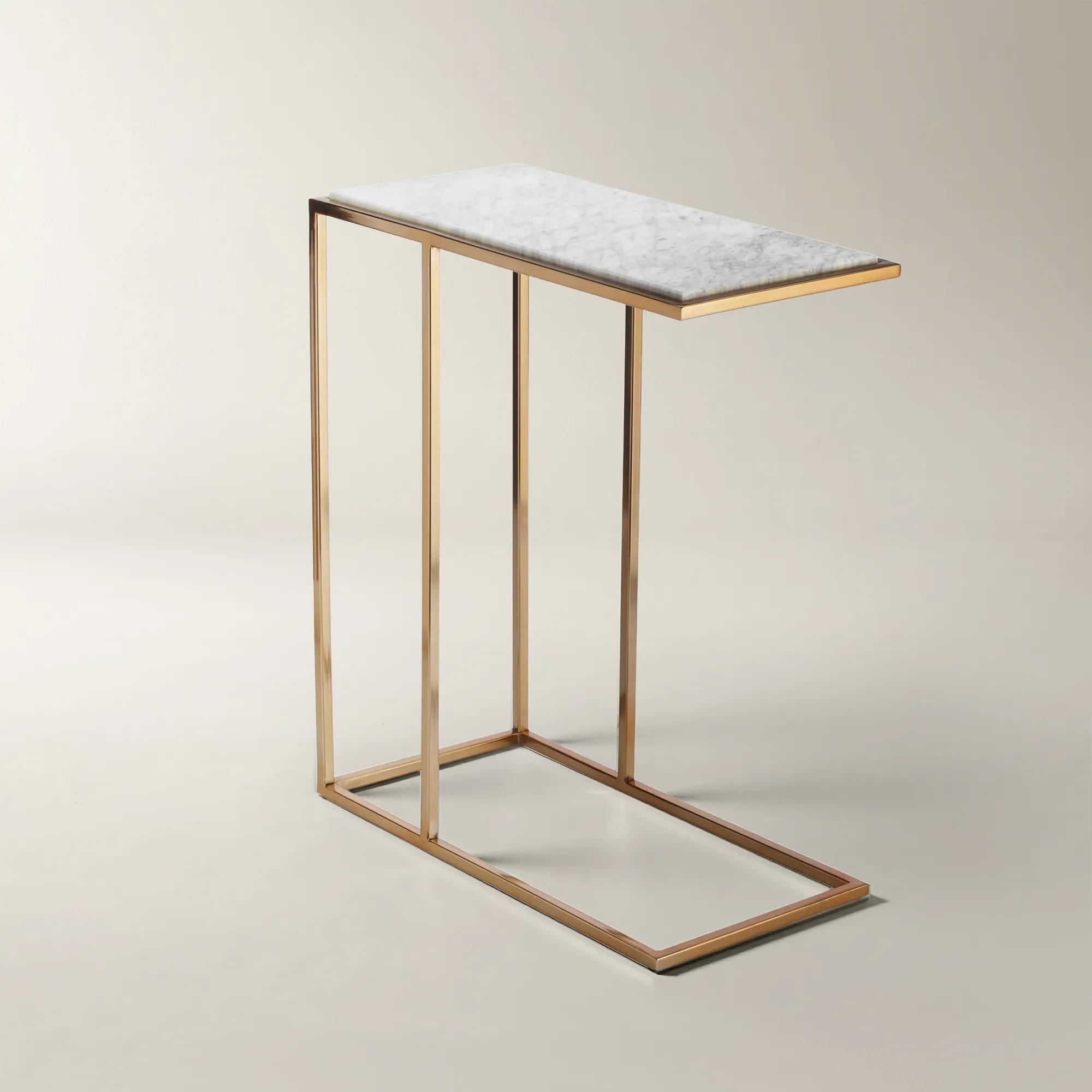
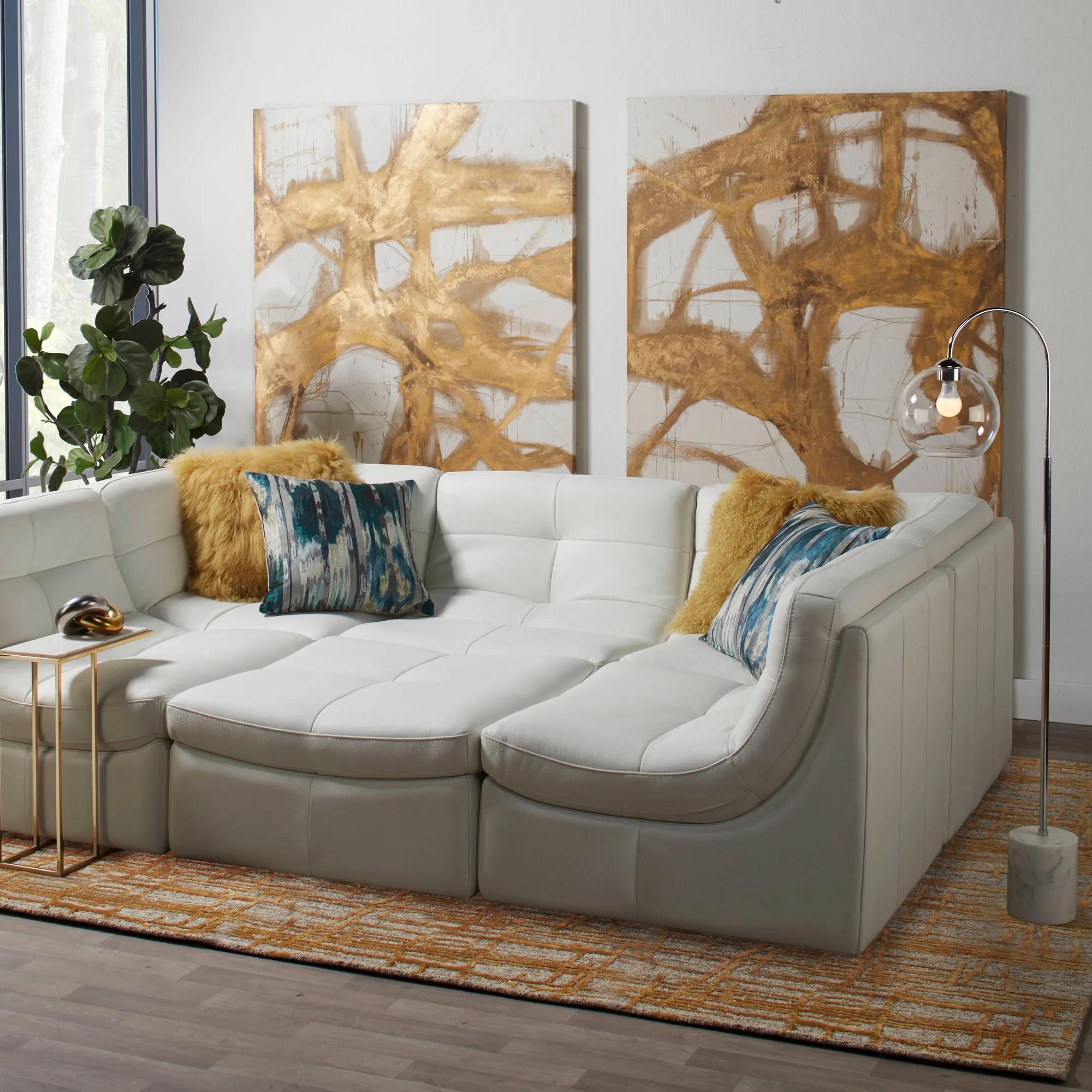 Lawton Rectangular Gold Stainless steel Accent Table With Marble Top (19.75")$259
A space-saving table featuring a white marble top and gold-finished stainless steel base.
Add To Cart -
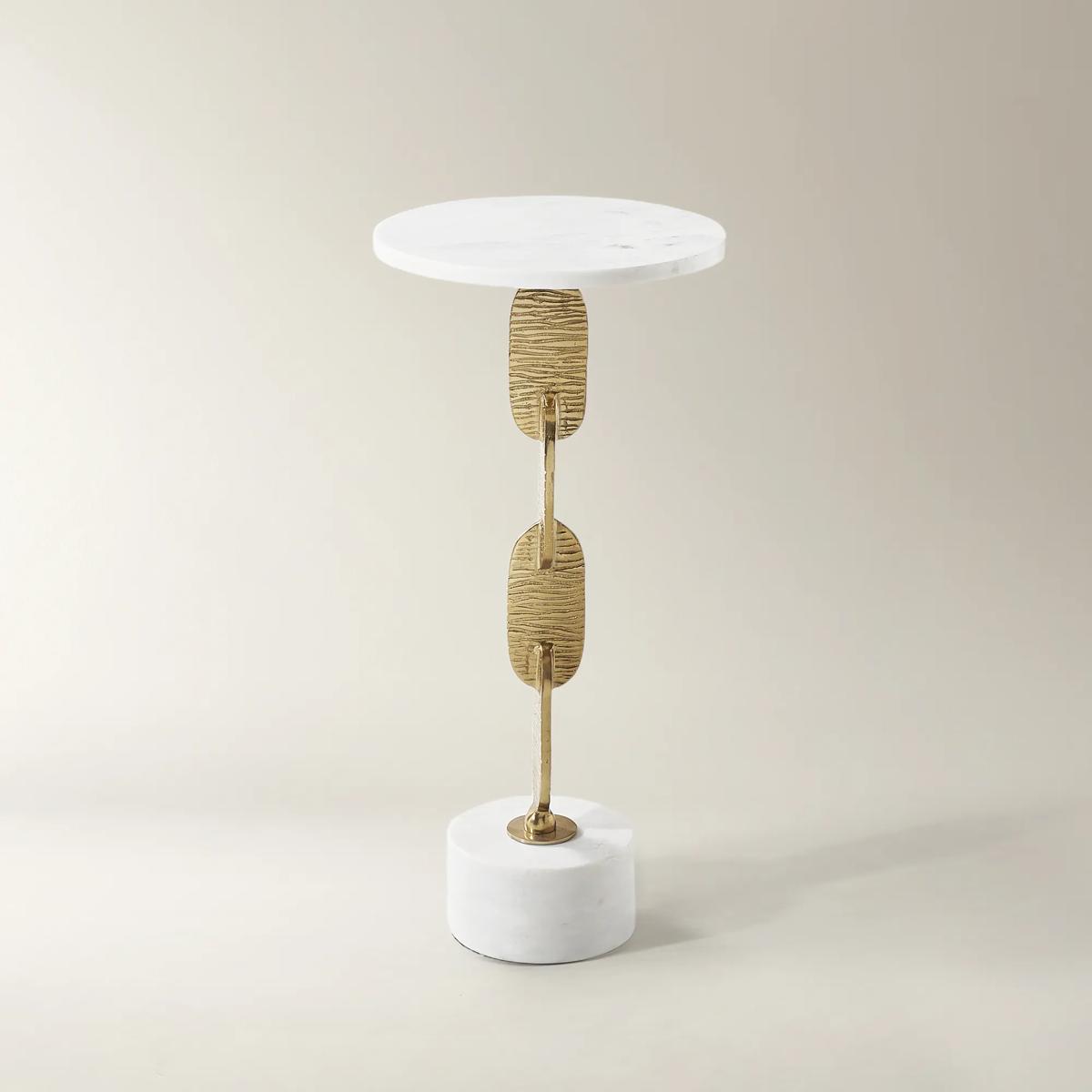
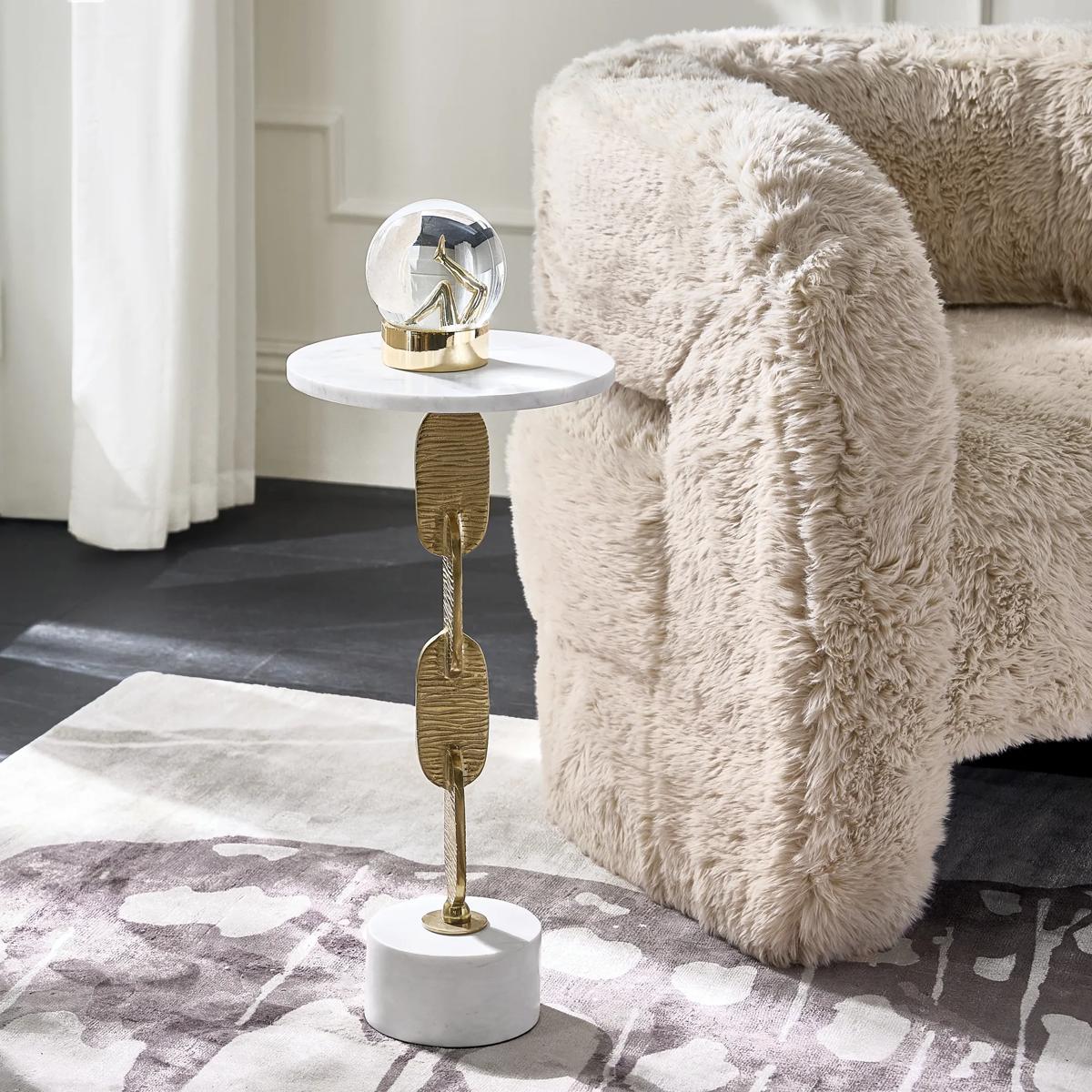 Luna Round White Marble Side Table (11.25")$199
A sculptural side table featuring a genuine white marble top and an open gold-finished metal frame.
Add To Cart -
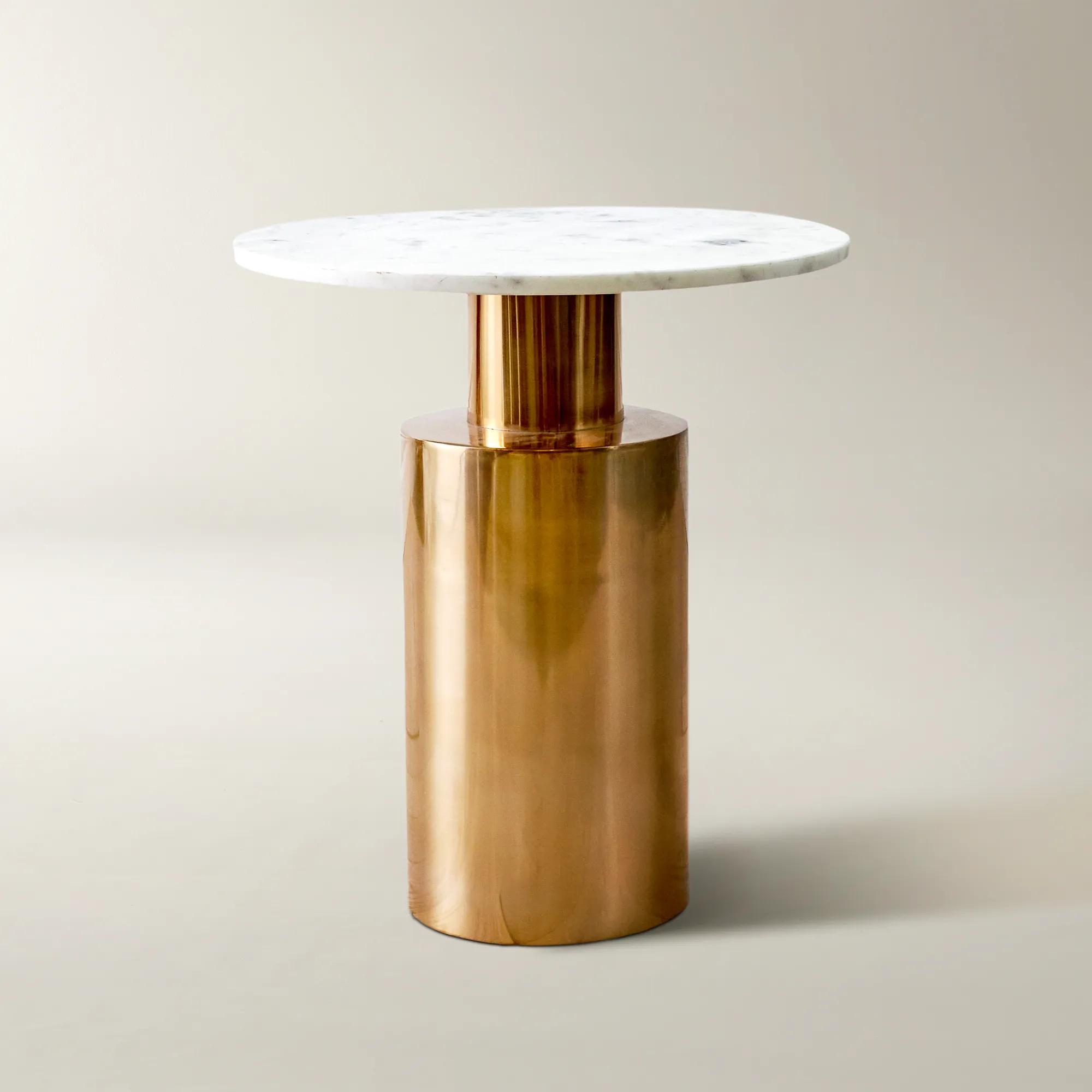 Capri Round White Marble Accent Table (16")$299
A striking accent table featuring a white marble top and gold-finished stainless steel base.
Add To Cart -
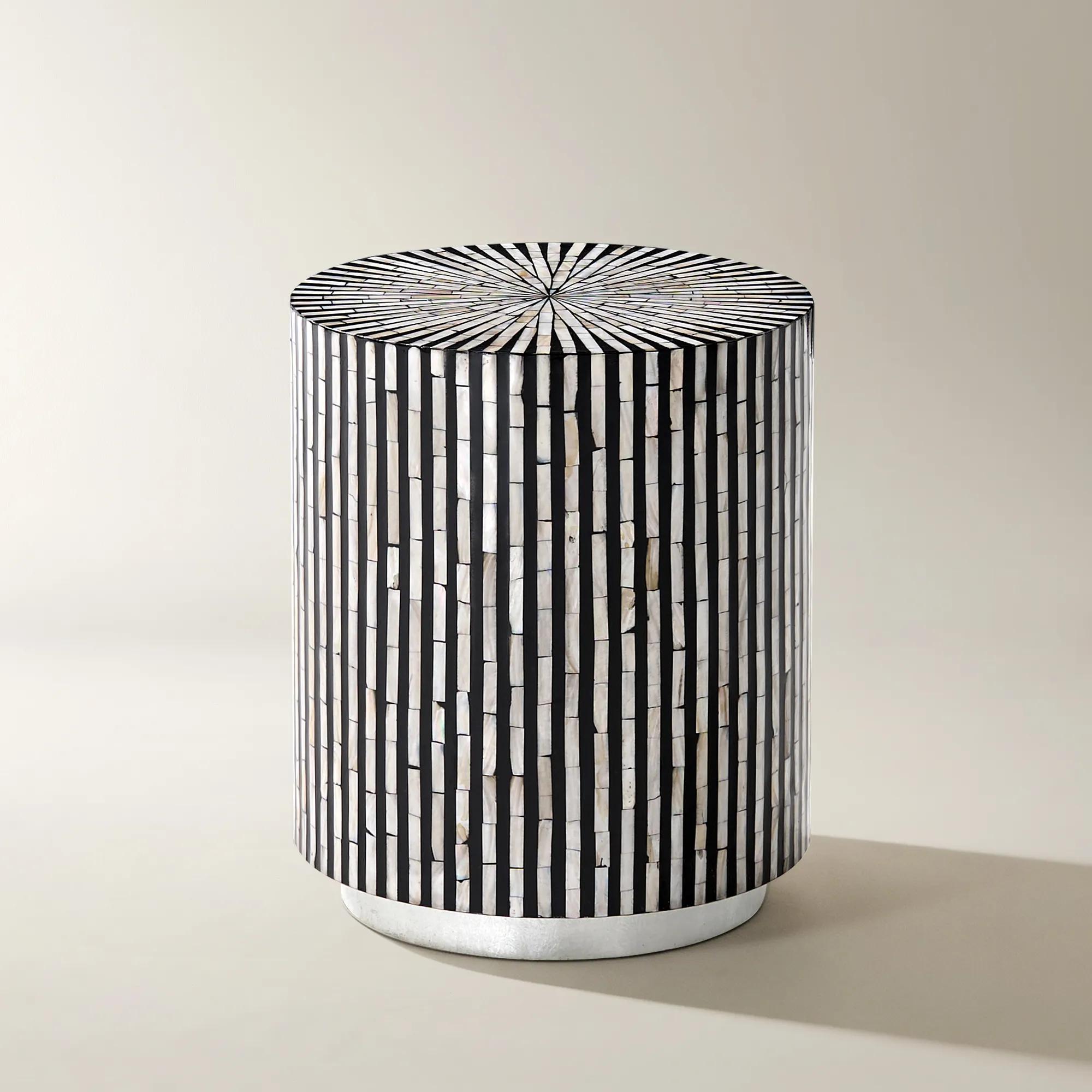
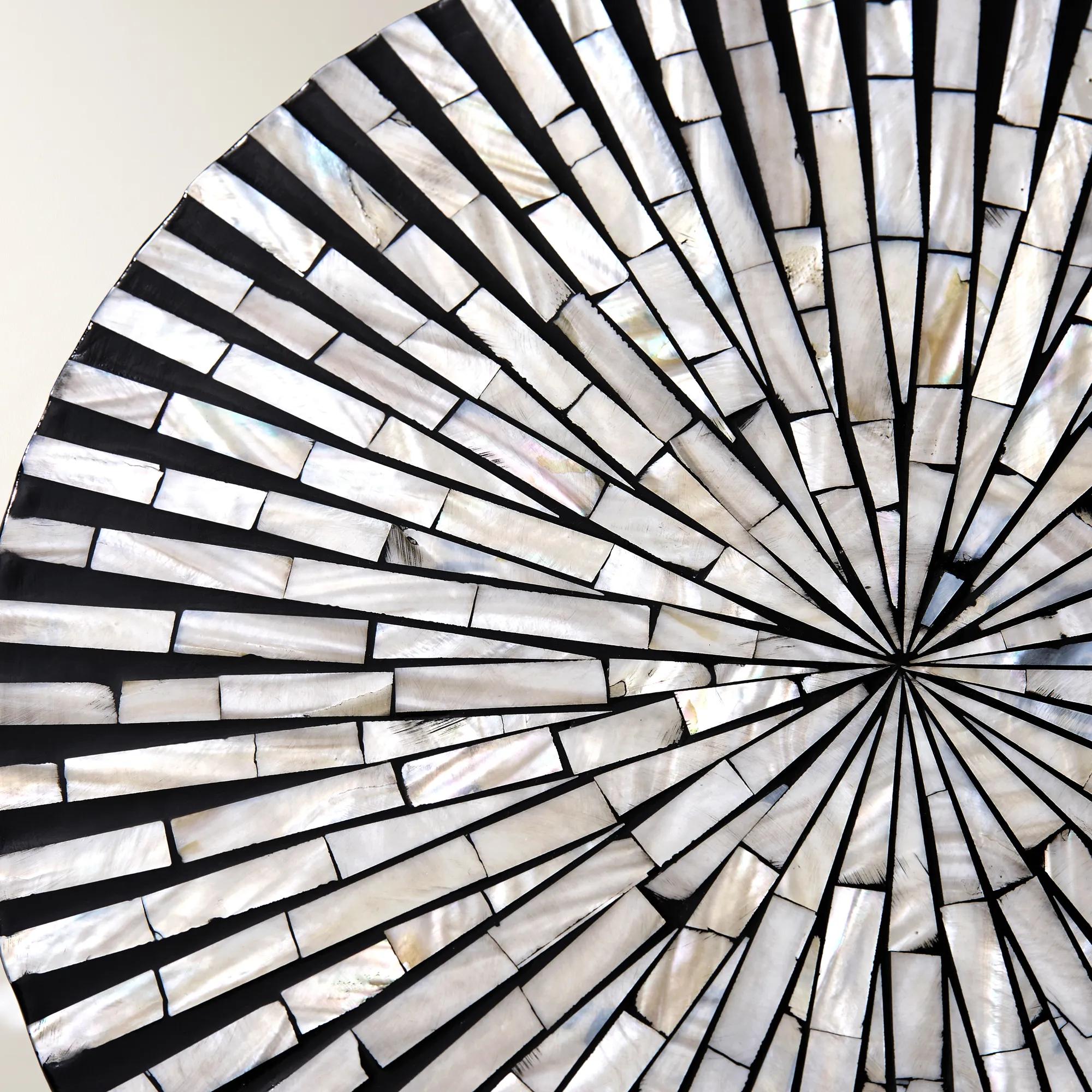 Marina Round Mosaic Black End Table (13.75")$299
A sculptural black end table featuring hand-applied mother-of-pearl mosaic and a silver leaf–accented base.
Add To Cart -
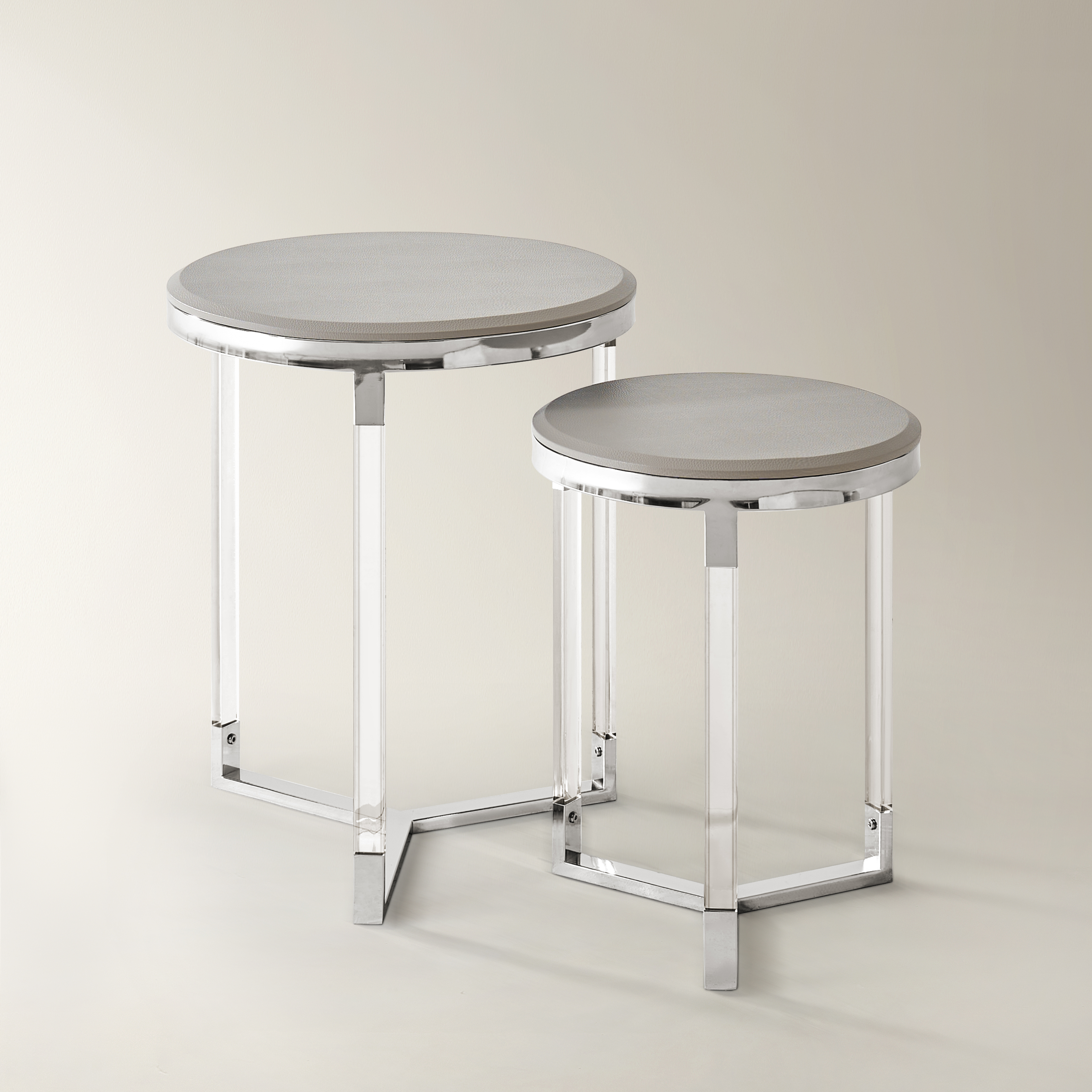
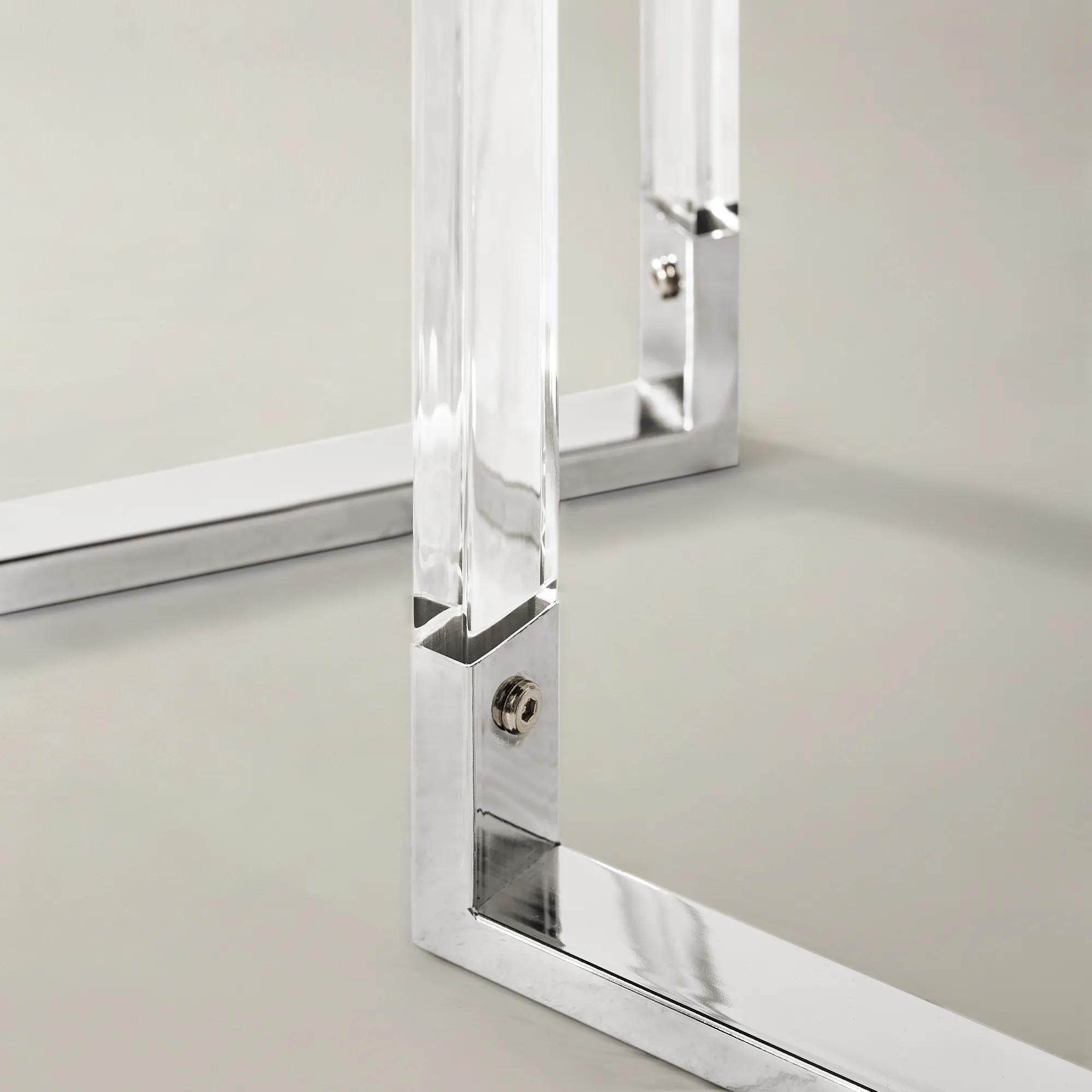 Murano Round Grey Accent Table With Faux Leather Top Set Of 2 (14.5"-18.5")$399
A bold set of two accent tables featuring mixed woods, acrylic legs, and faux leather tops.
Add To Cart -
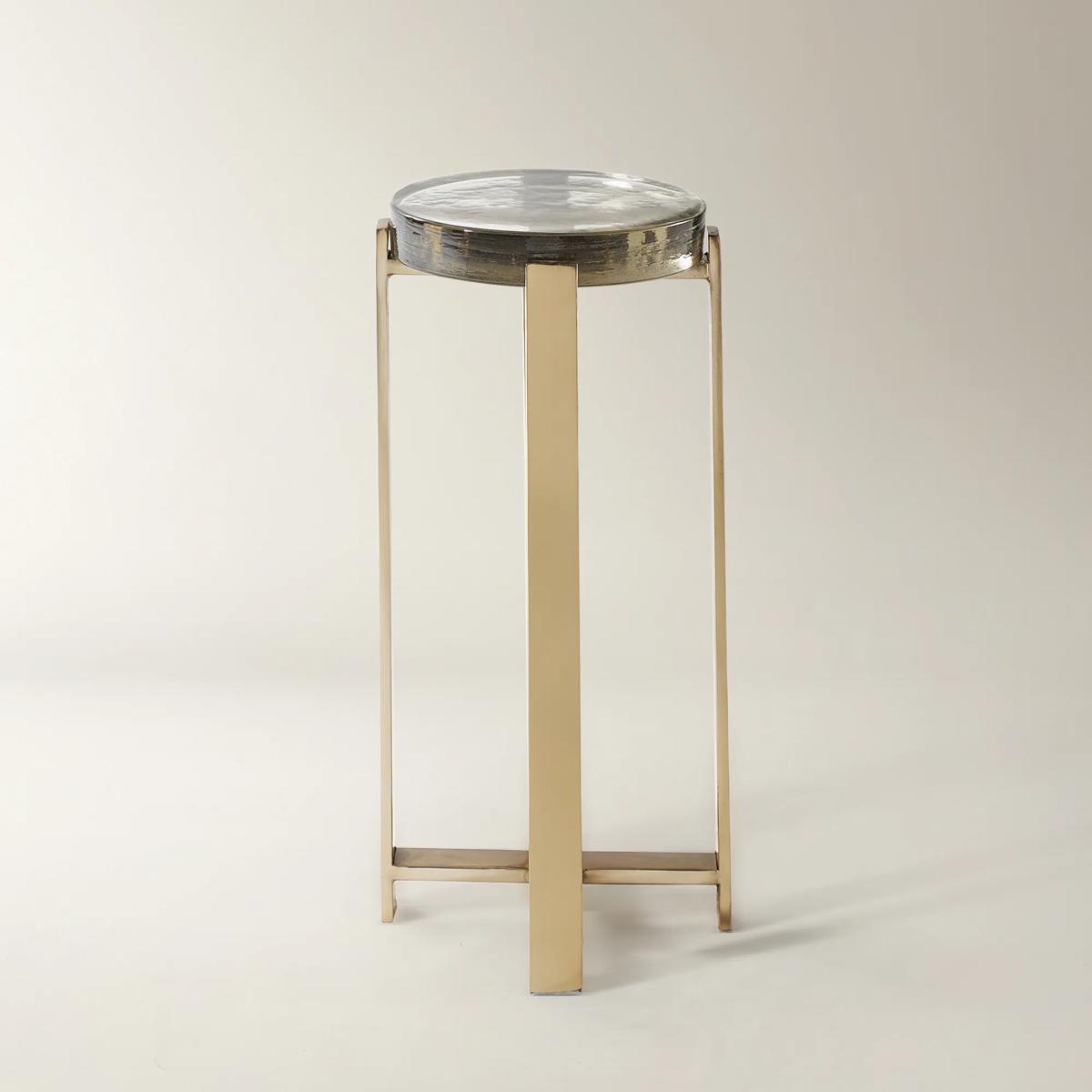
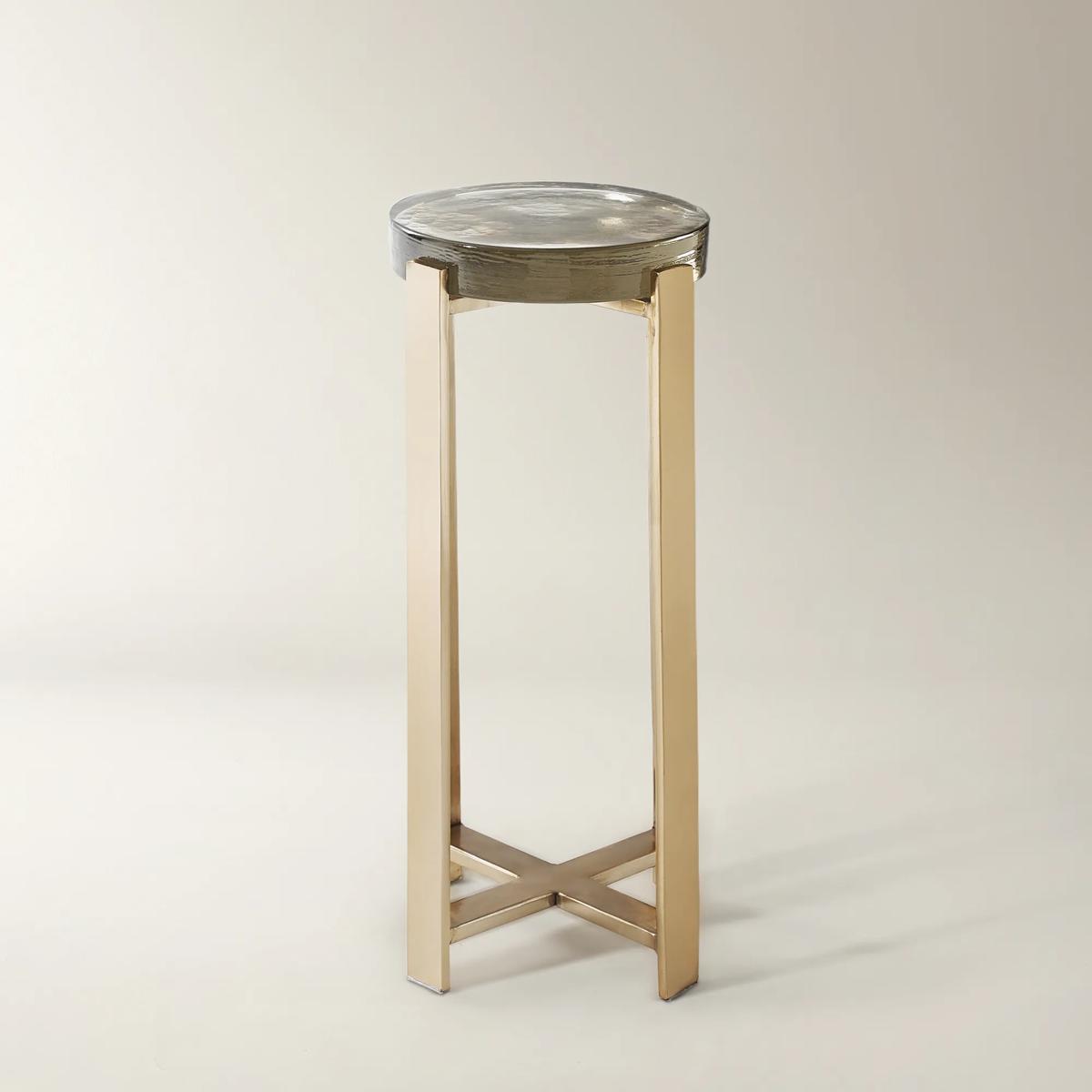 Lyra Round Brass Metal Side Table With Glass Top (10.75")$259
A sculptural side table featuring a thick cast glass top and lustrous brass-finished metal base.
Add To Cart -
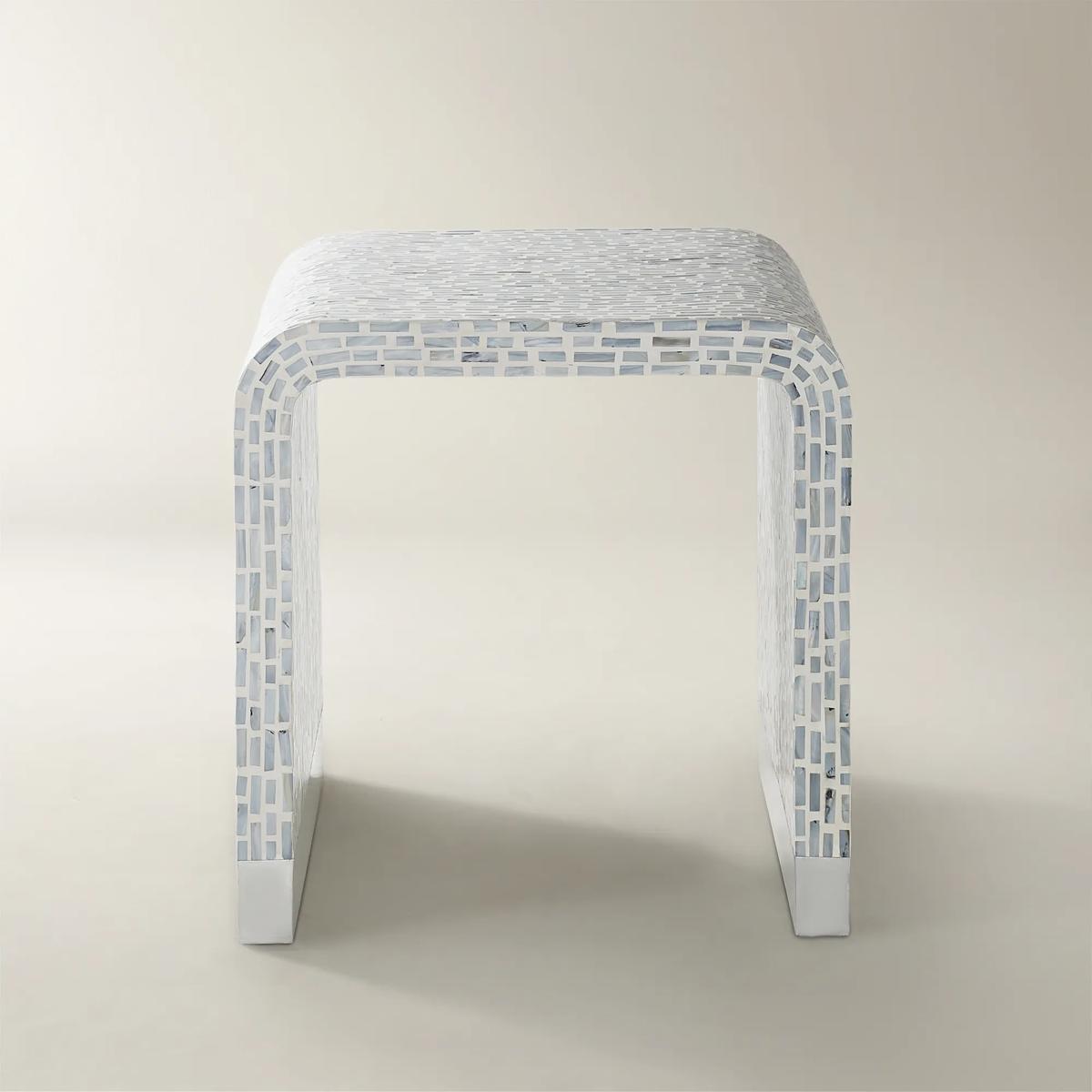
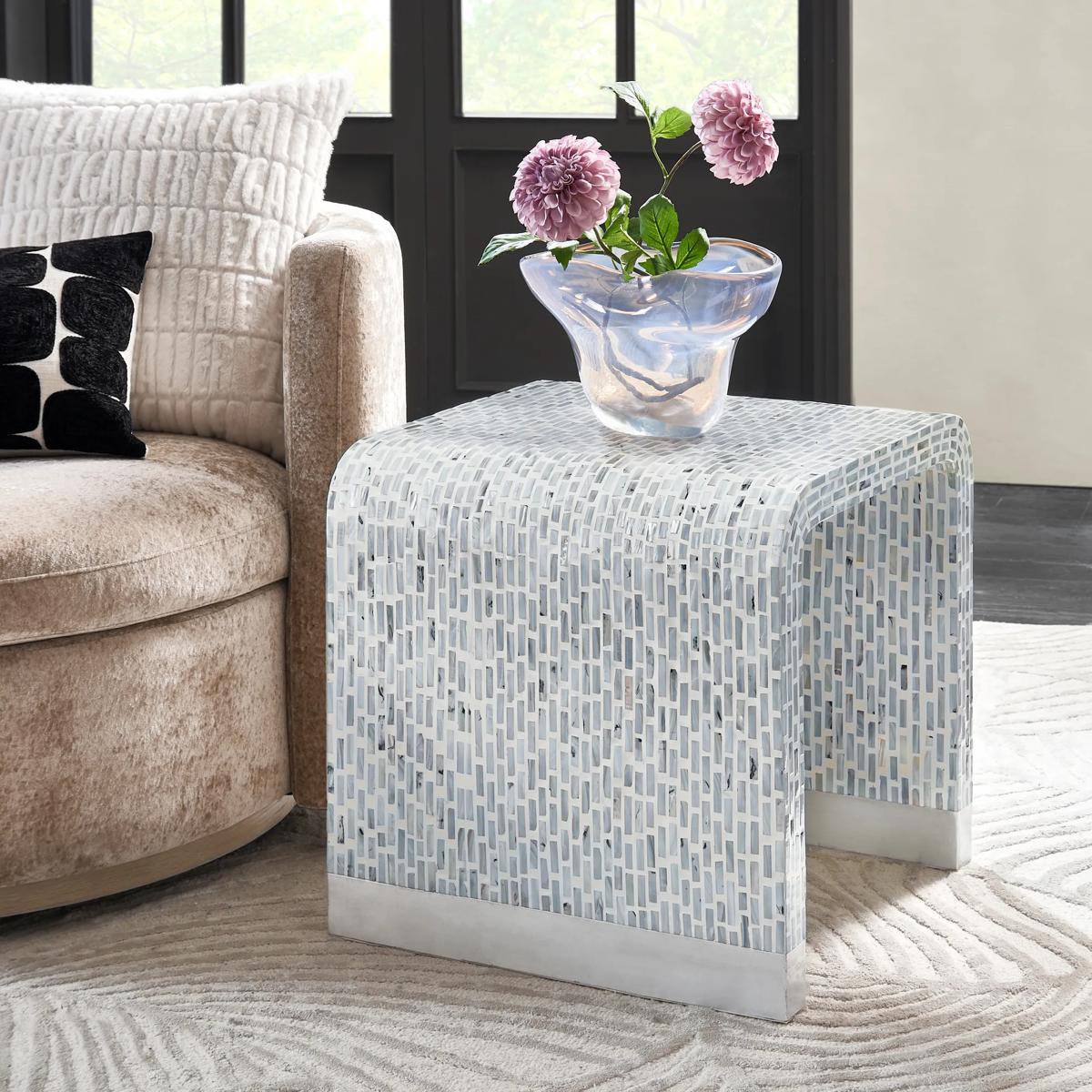 Iridia Blue Side Table (21.6")$399
A handcrafted end table featuring iridescent blue mother-of-pearl inlay and a silver leaf base.
Add To Cart -
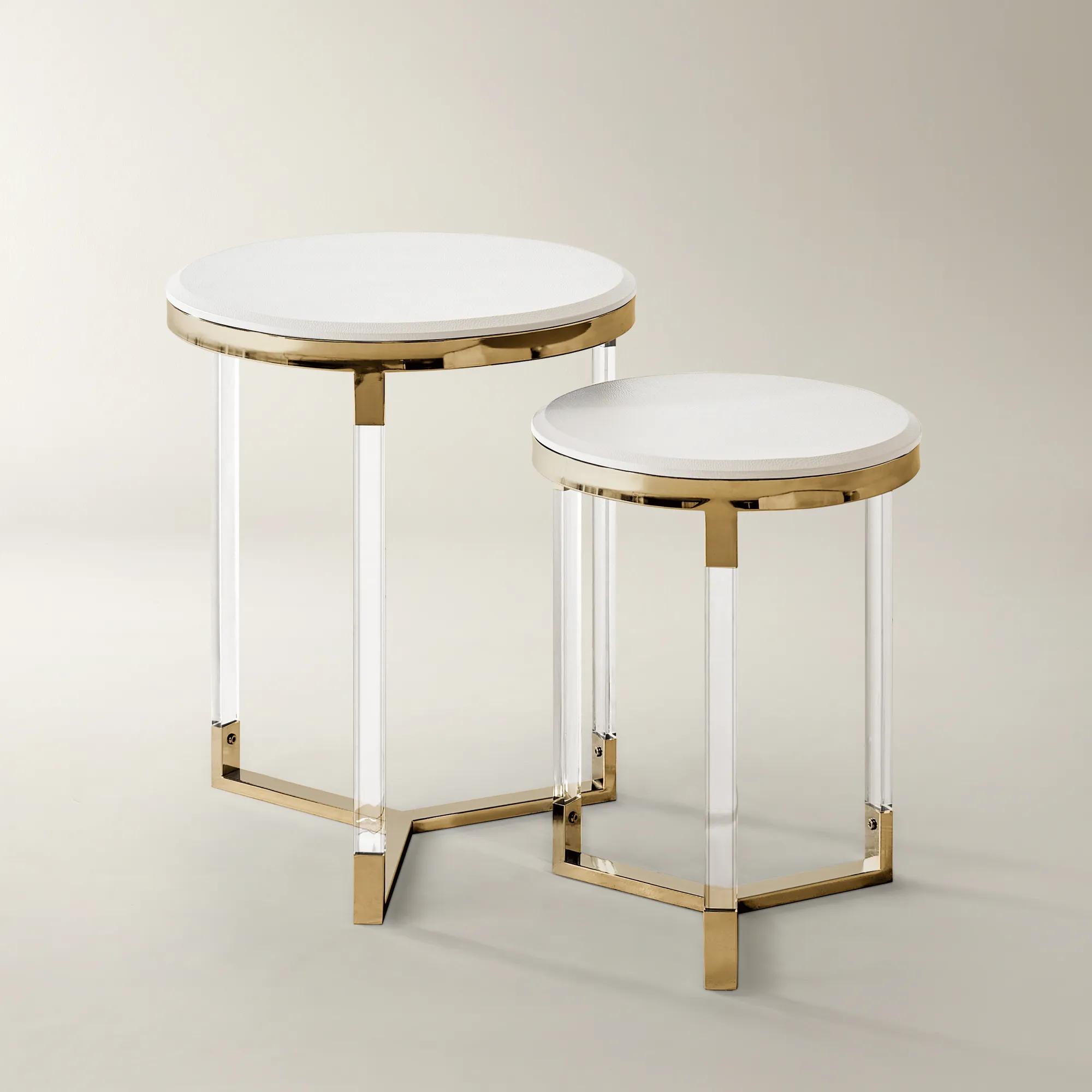
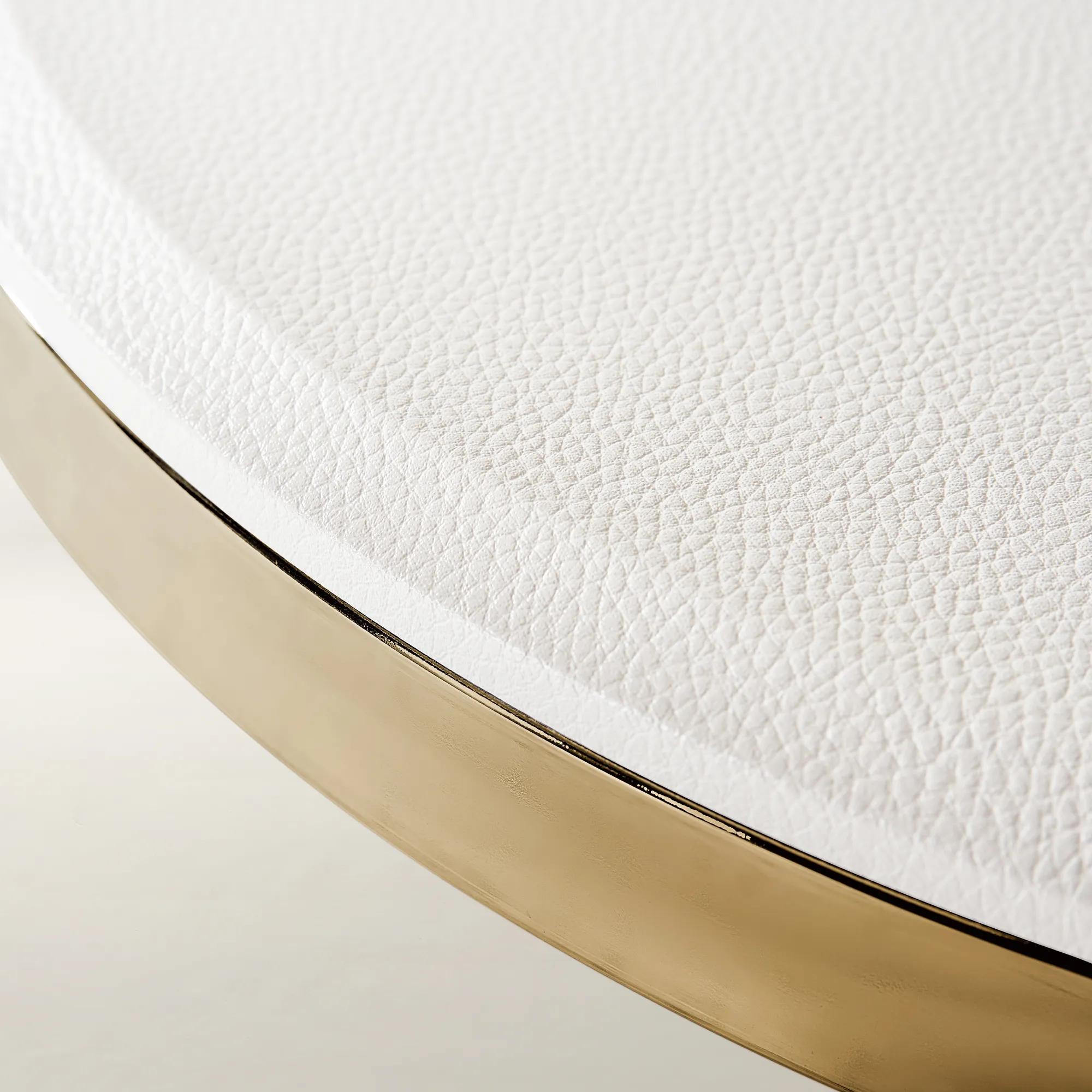 Murano Round White Accent Table With Faux Leather Top Set Of 2 (14.5"-18.5")$399
A set of two accent tables featuring mixed woods, faux leather tops, and acrylic legs with metallic finishes.
Add To Cart -

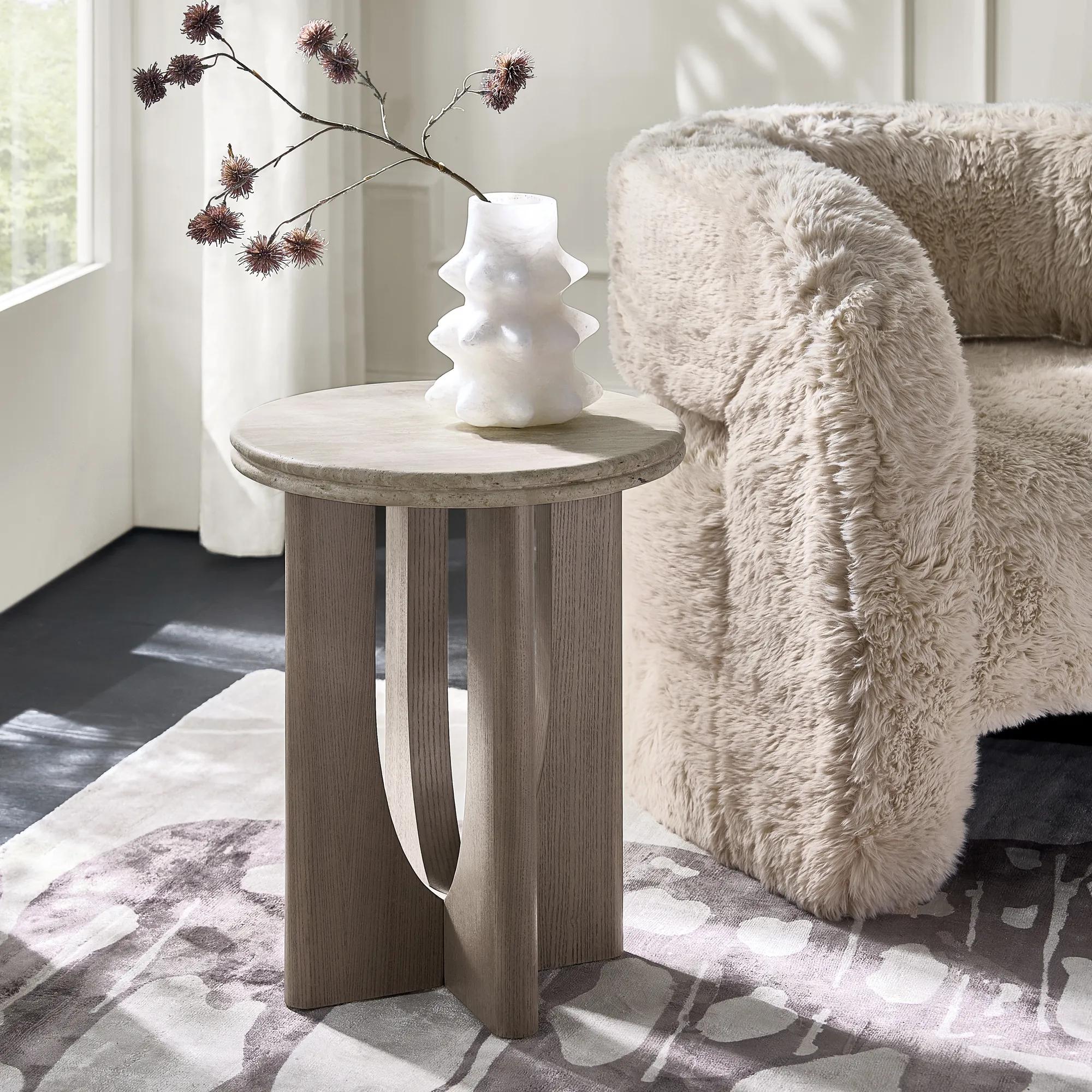 Bond Round Travertine and Wood End Table (17.25")$459
A sculptural end table featuring a genuine ivory travertine top and a solid ash wood base.
Add To Cart -

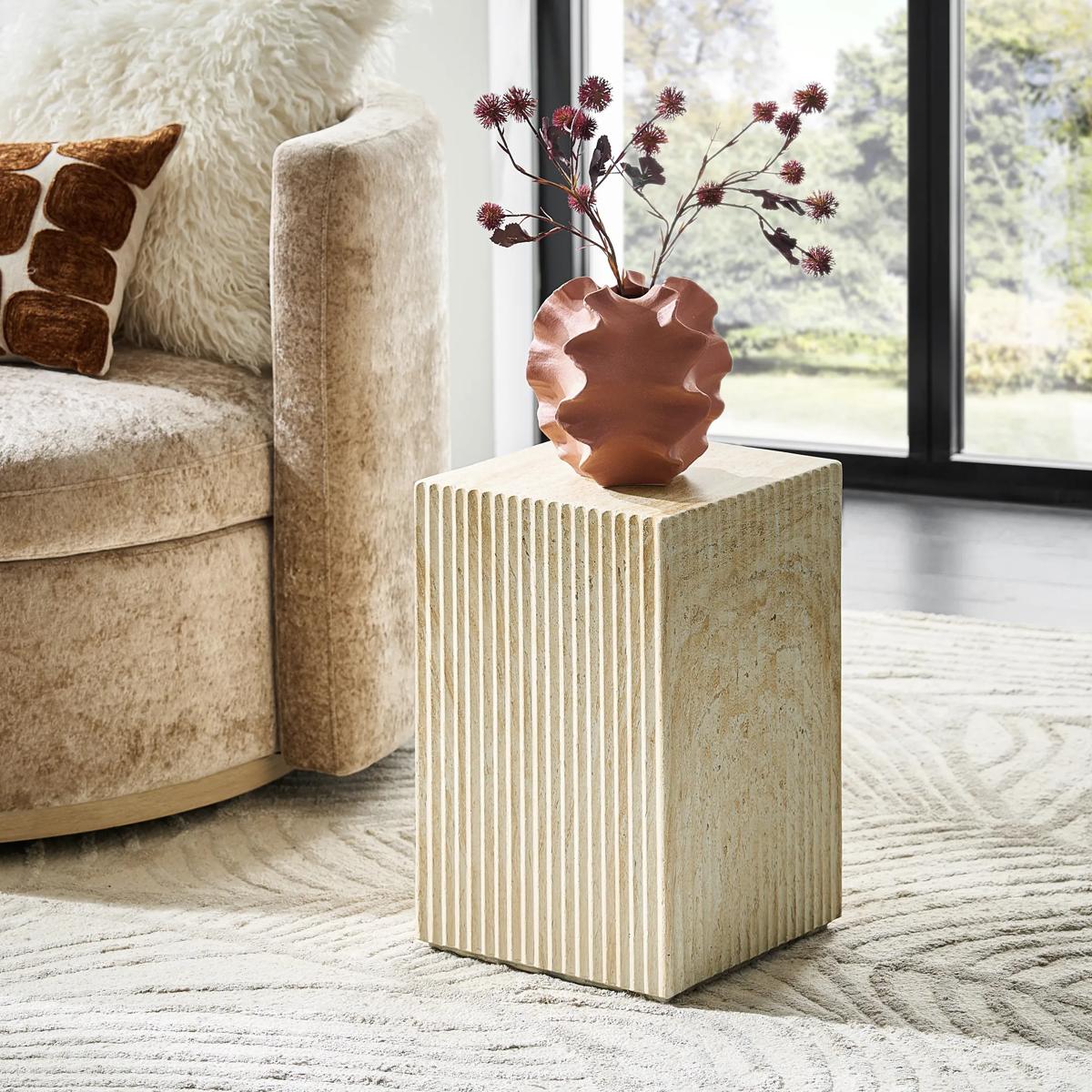 Strata Square Travertine Concrete Indoor/Outdoor Side Table (11.8")$299
A natural travertine-look concrete side table with sculptural cuboid geometry for indoor or covered outdoor spaces.
Add To Cart -
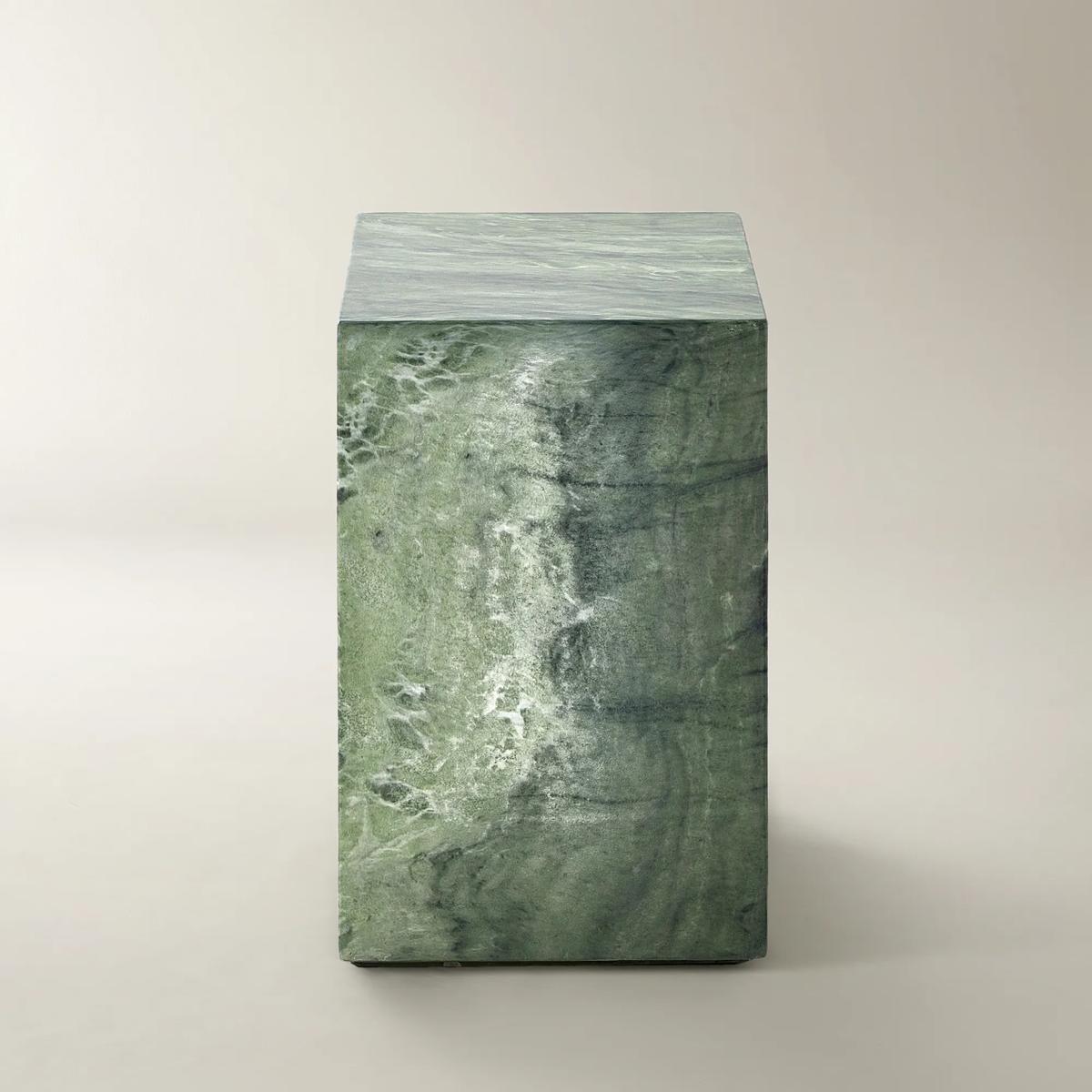
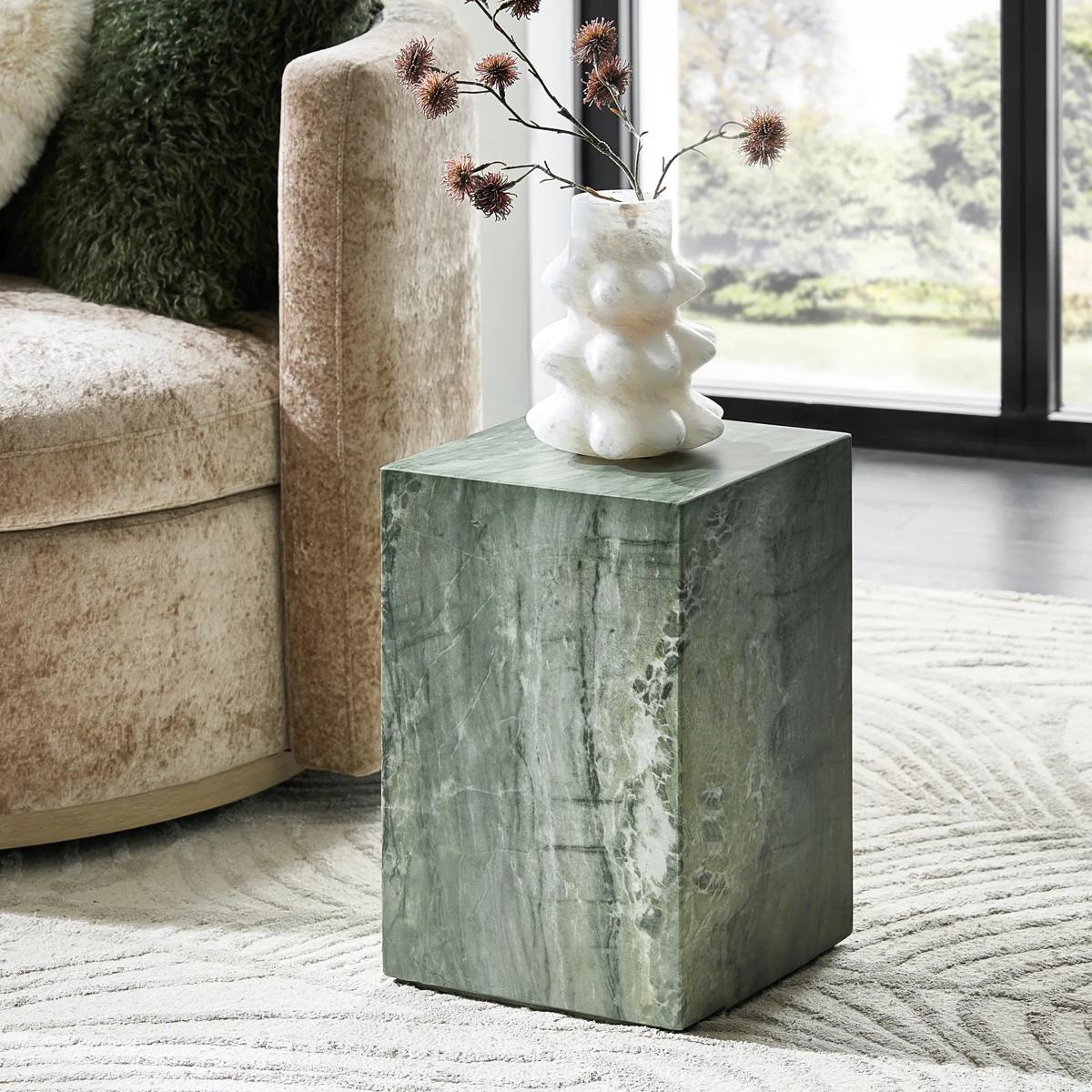 Strata Square Green Concrete Indoor/Outdoor Side Table (11.8")$299
A green concrete side table with marble-look veining and a sculptural cuboid form for indoor use.
Add To Cart -
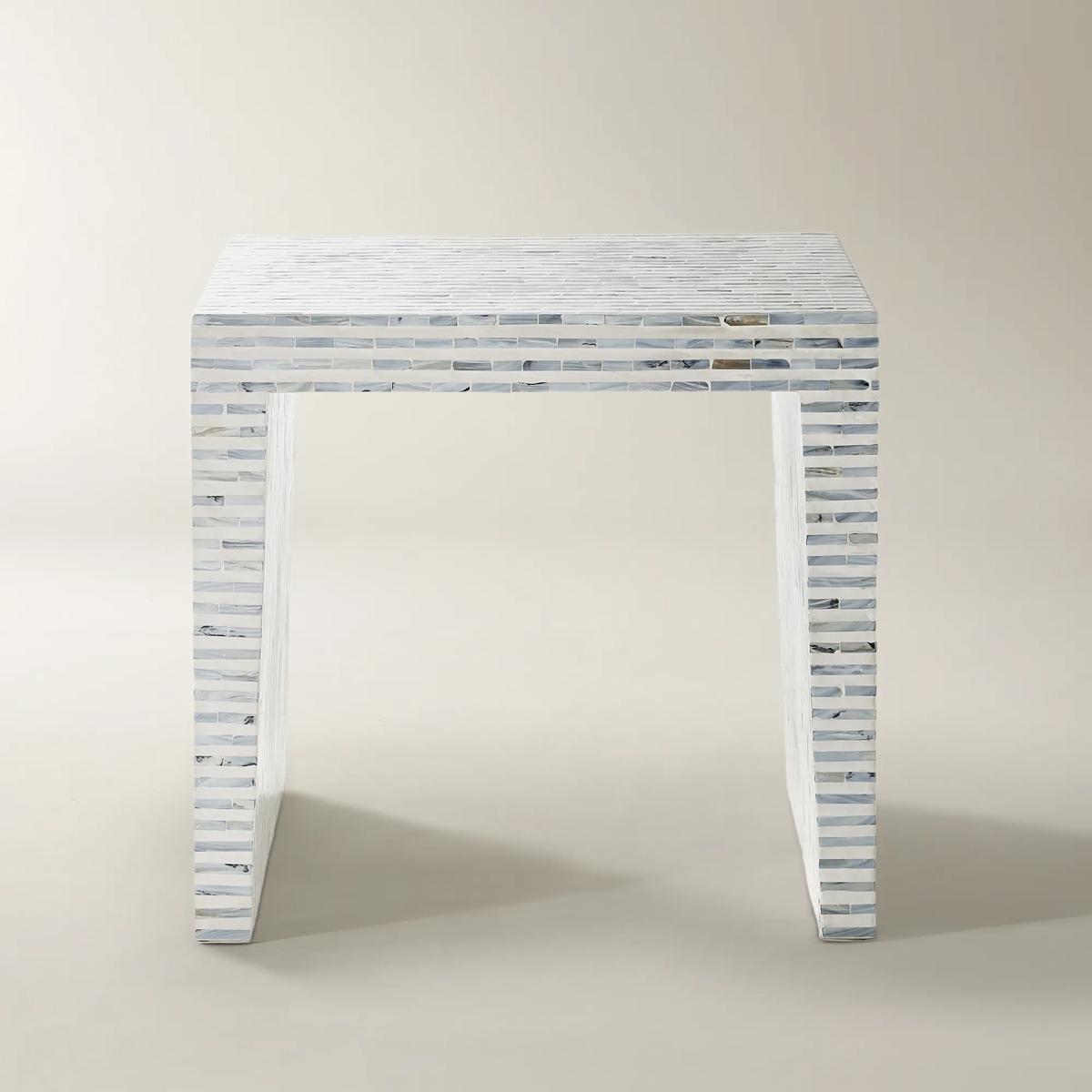
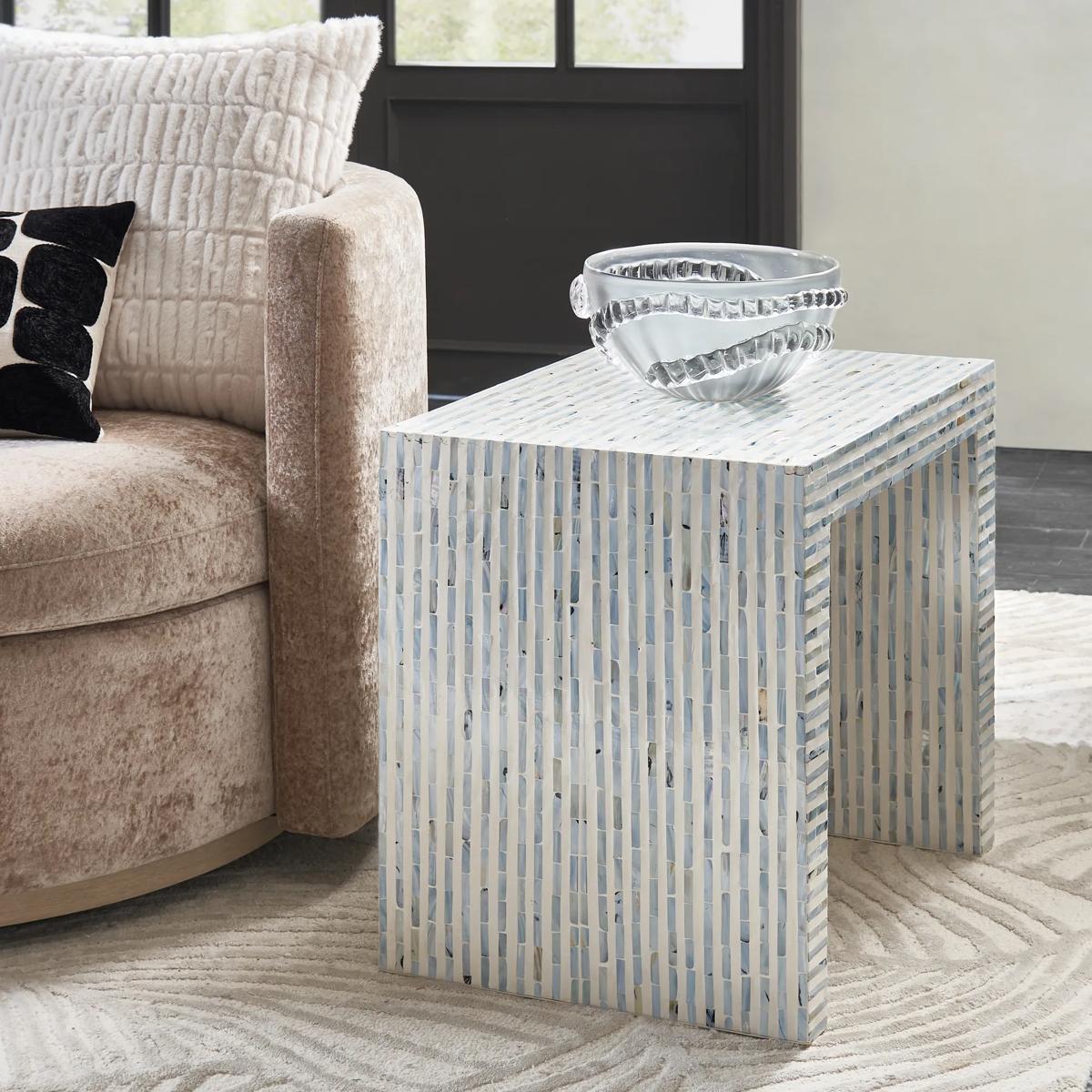 Stella Blue End Table(24")$399
A handcrafted end table featuring genuine blue mother-of-pearl inlay for a unique, iridescent accent.
Add To Cart -
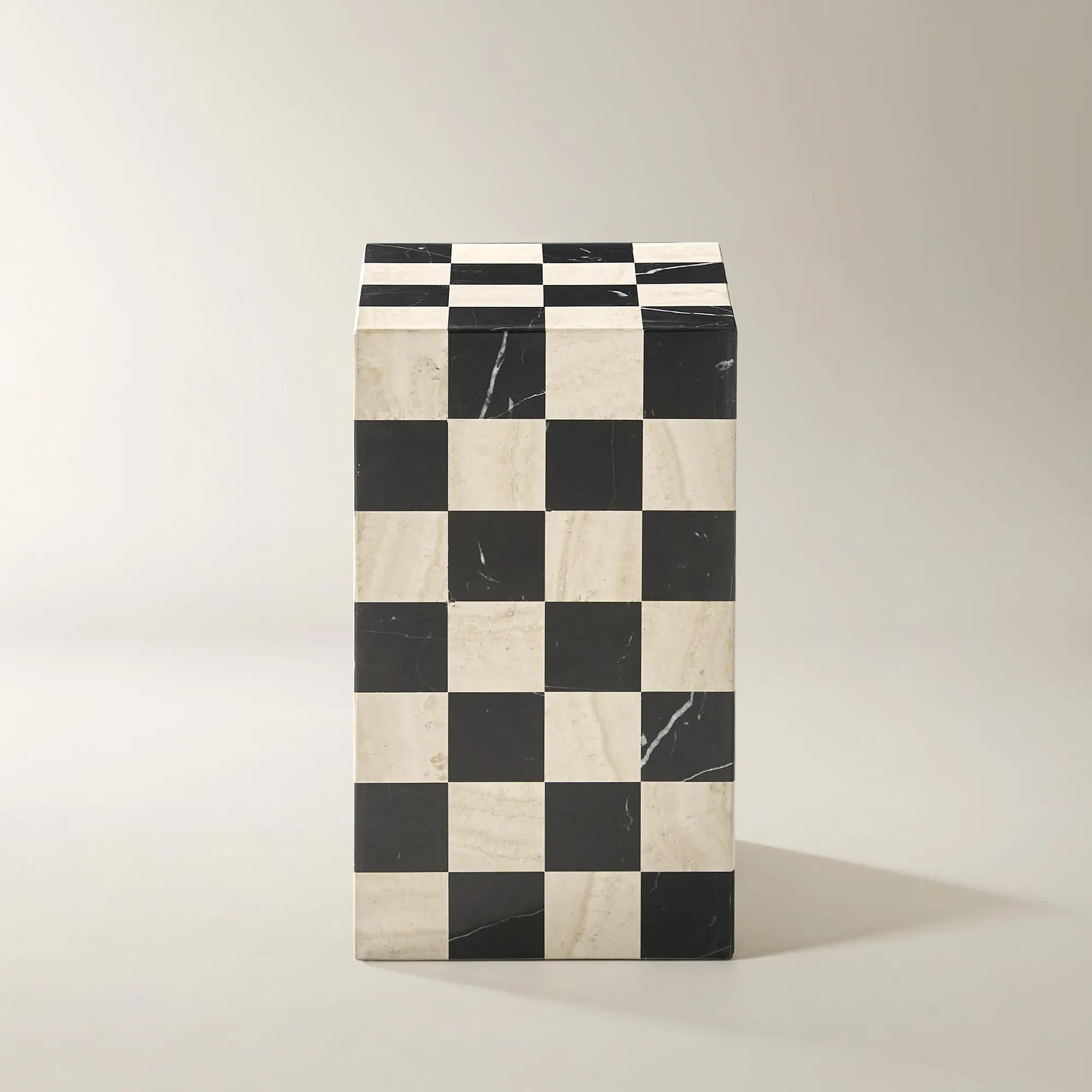 Chessa Square Chequered Marble End Table (12")$999
A sculptural end table featuring a bold black marble and travertine checkerboard mosaic design.
Add To Cart -
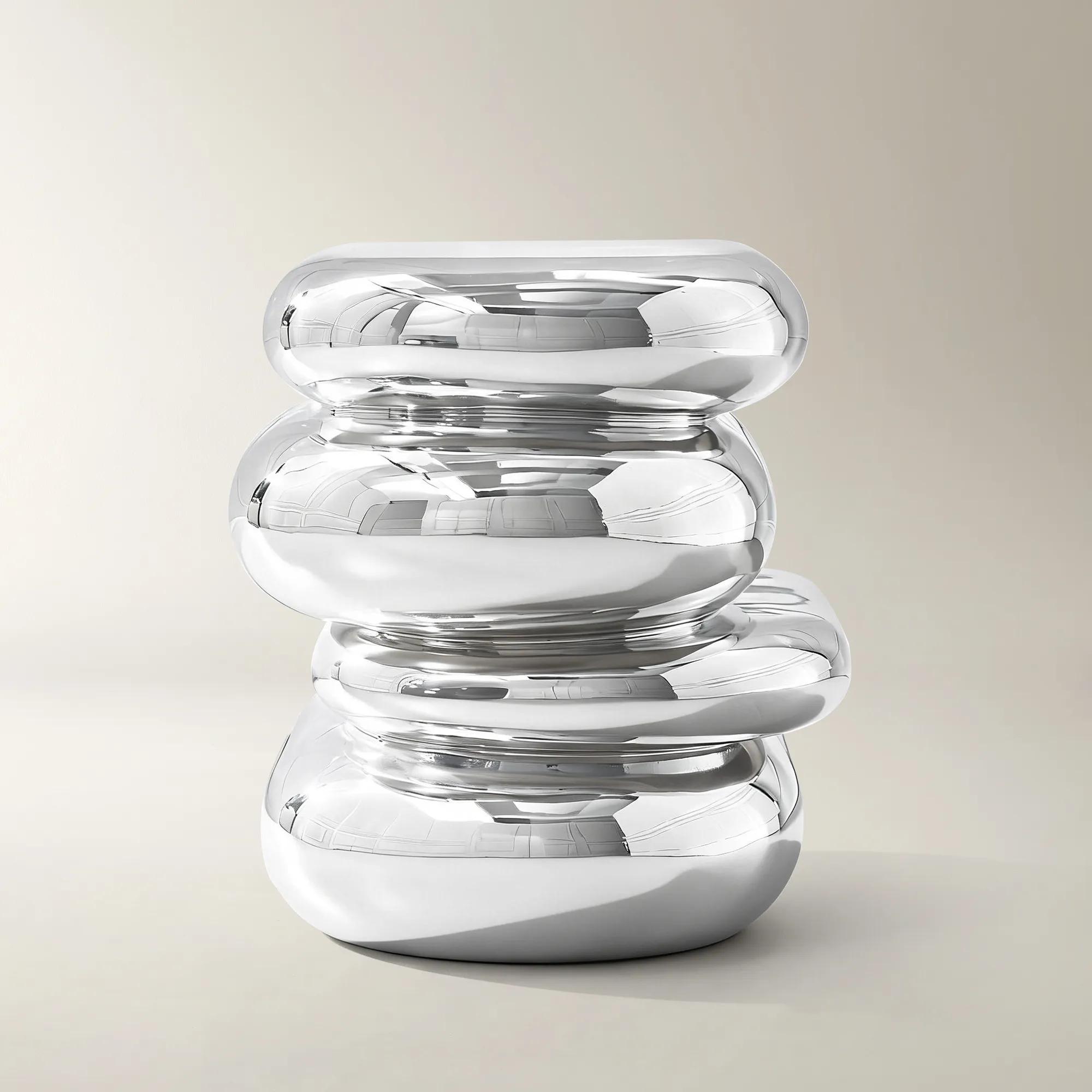 Forma Stacked Chrome Side Table (19.9")$699
A sculptural accent table crafted from seamless fiberglass with a reflective chrome finish and rounded tiers.
Add To Cart -
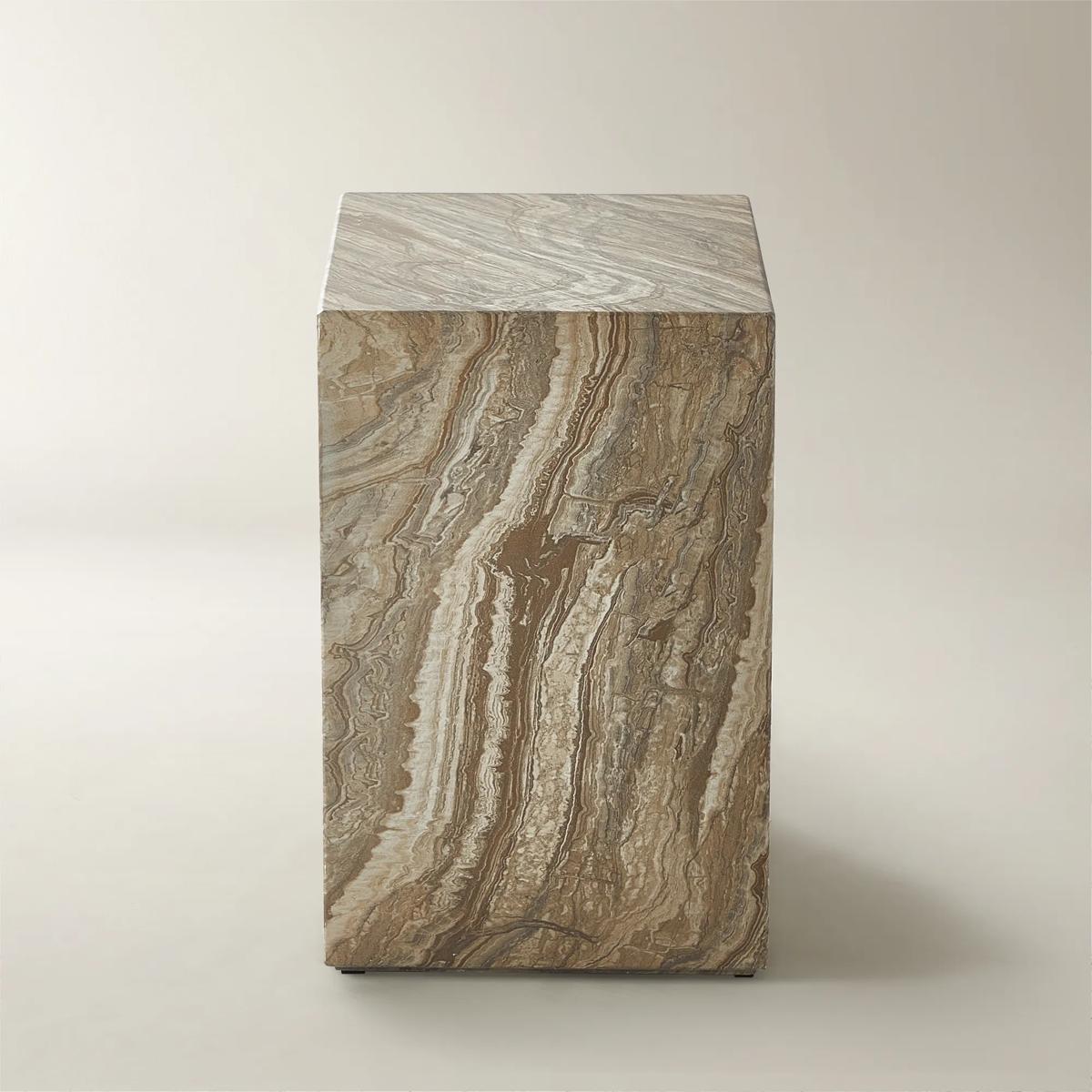
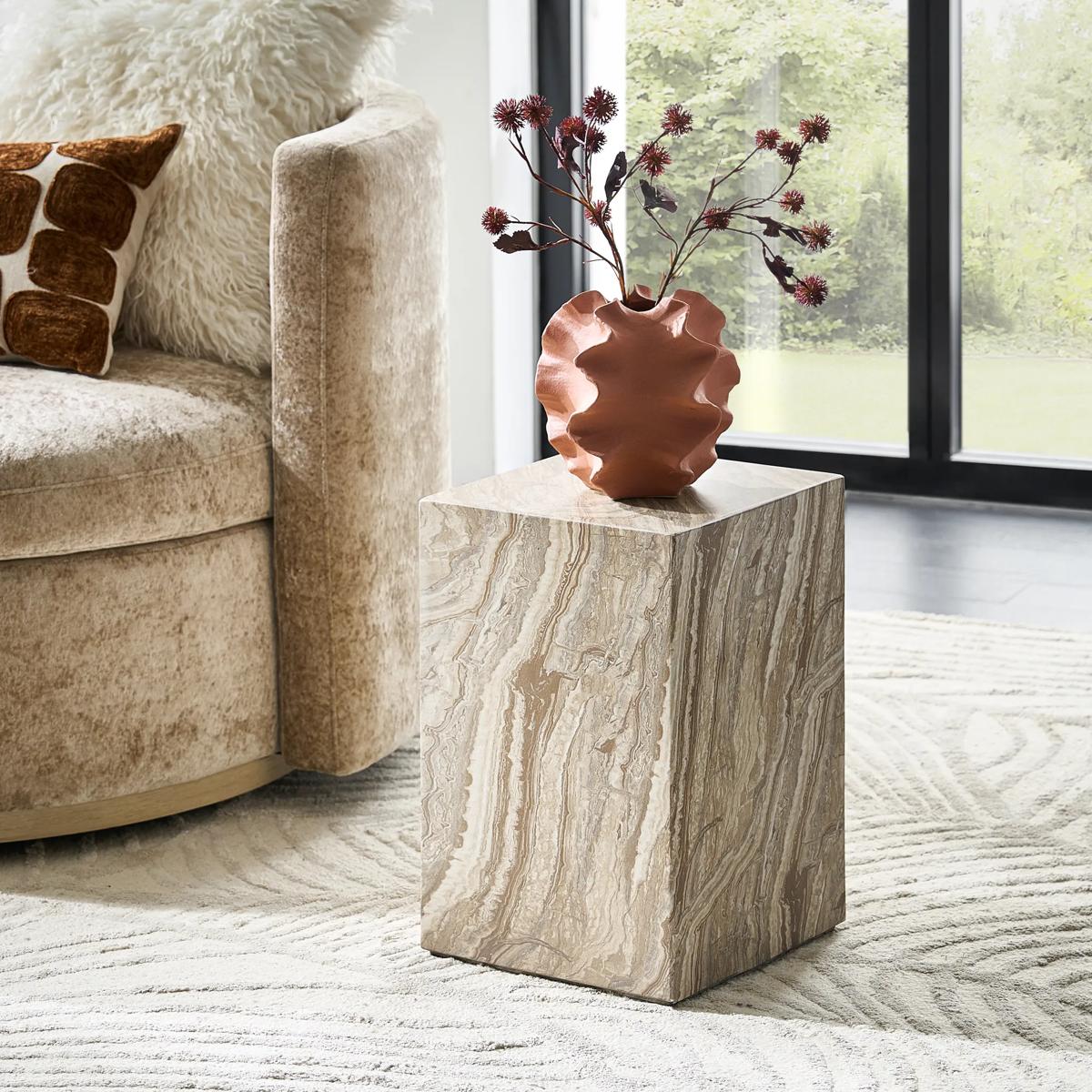 Strata Square Brown Concrete Indoor/Outdoor Side Table (11.8")$299
A brown concrete side table with a sculptural cuboid profile and marble-look finish, indoors or outdoors.
Add To Cart -
 Strata Round Green Concrete Indoor/Outdoor Side Table (15")$349
A green concrete side table with rounded geometry and a marble-look finish for indoor-outdoor use.
Add To Cart -
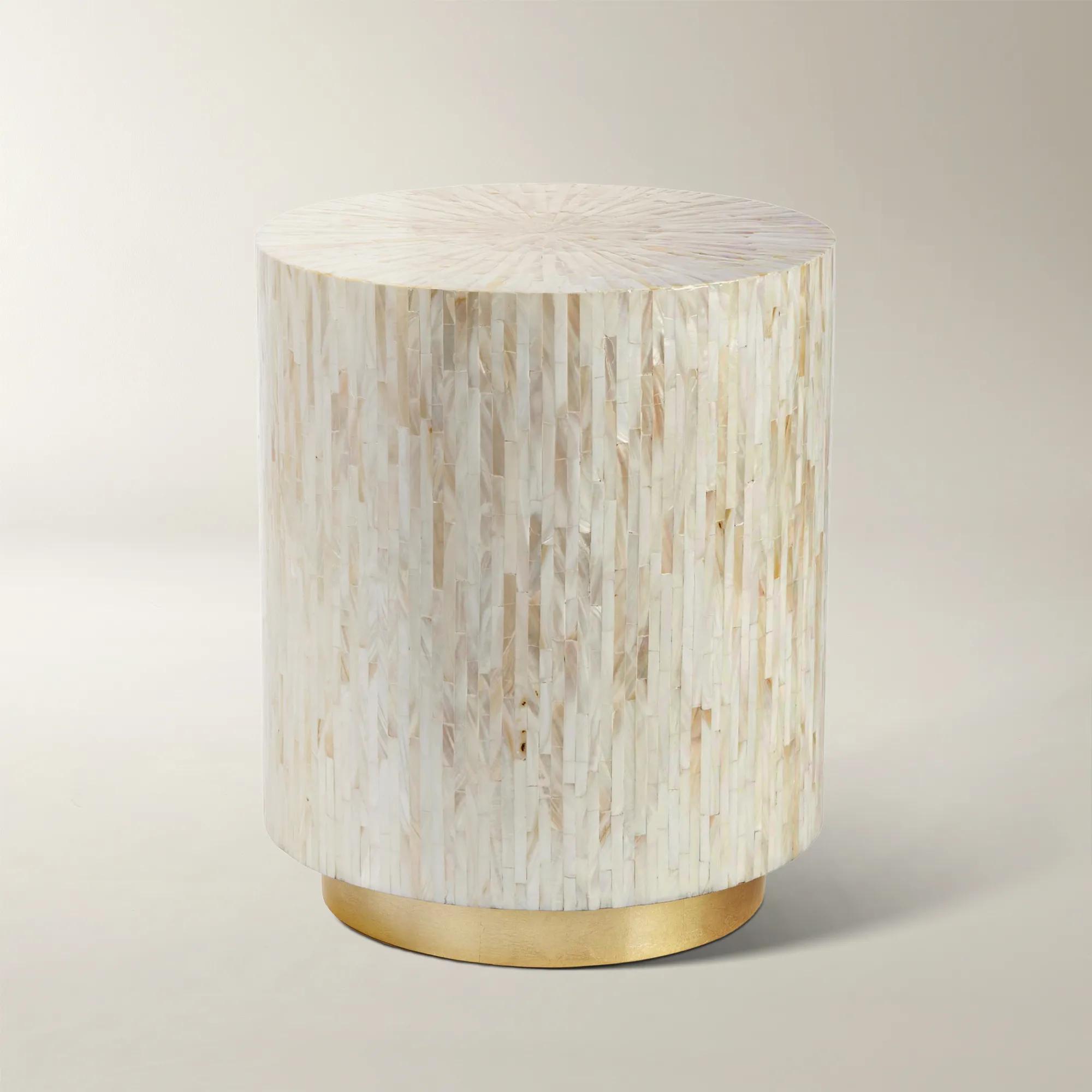 Alexandria Round Mosaic Platinum End Table (13.75")$299
A glamorous accent table featuring hand-applied mother-of-pearl mosaic and a gold leaf-accented base.
Add To Cart -
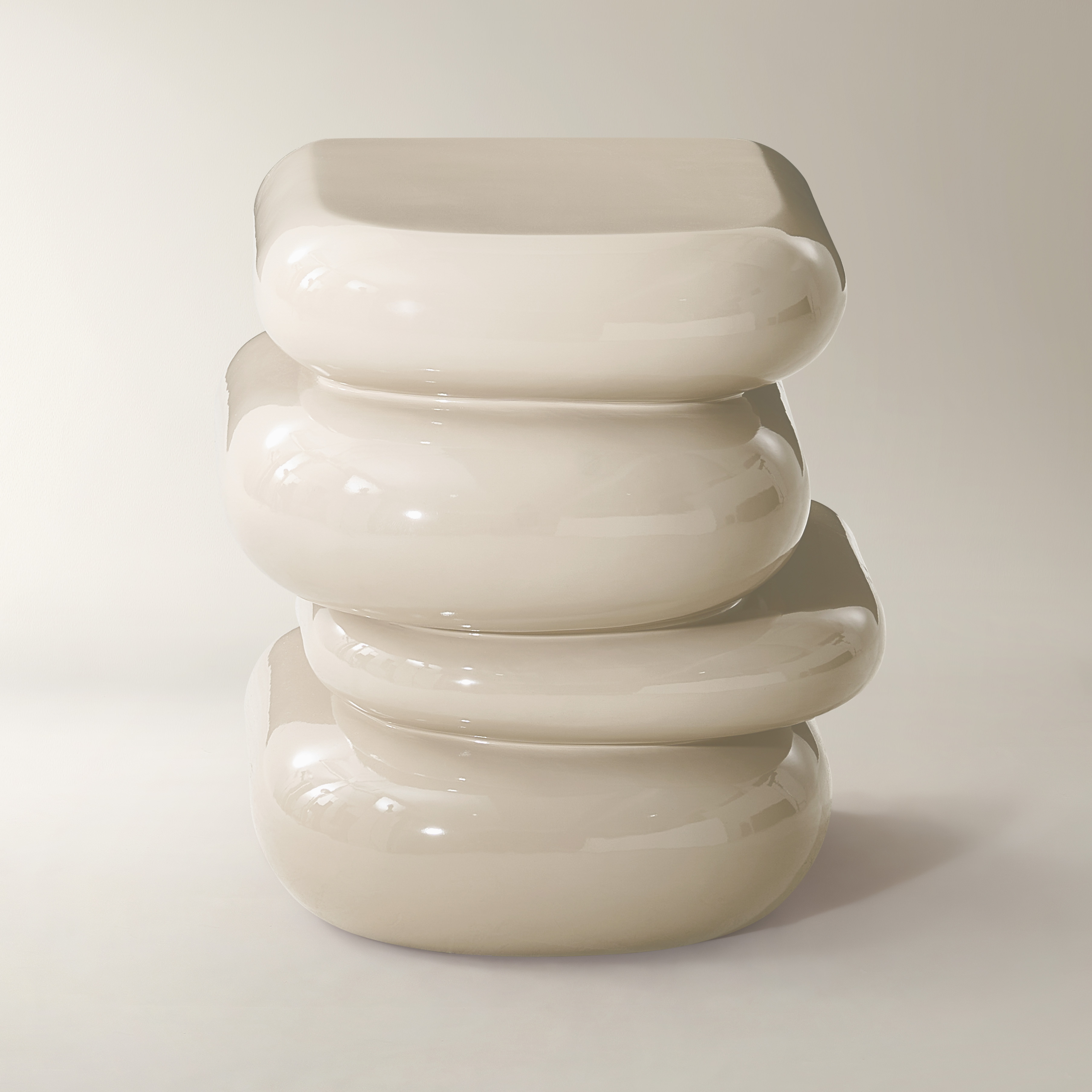
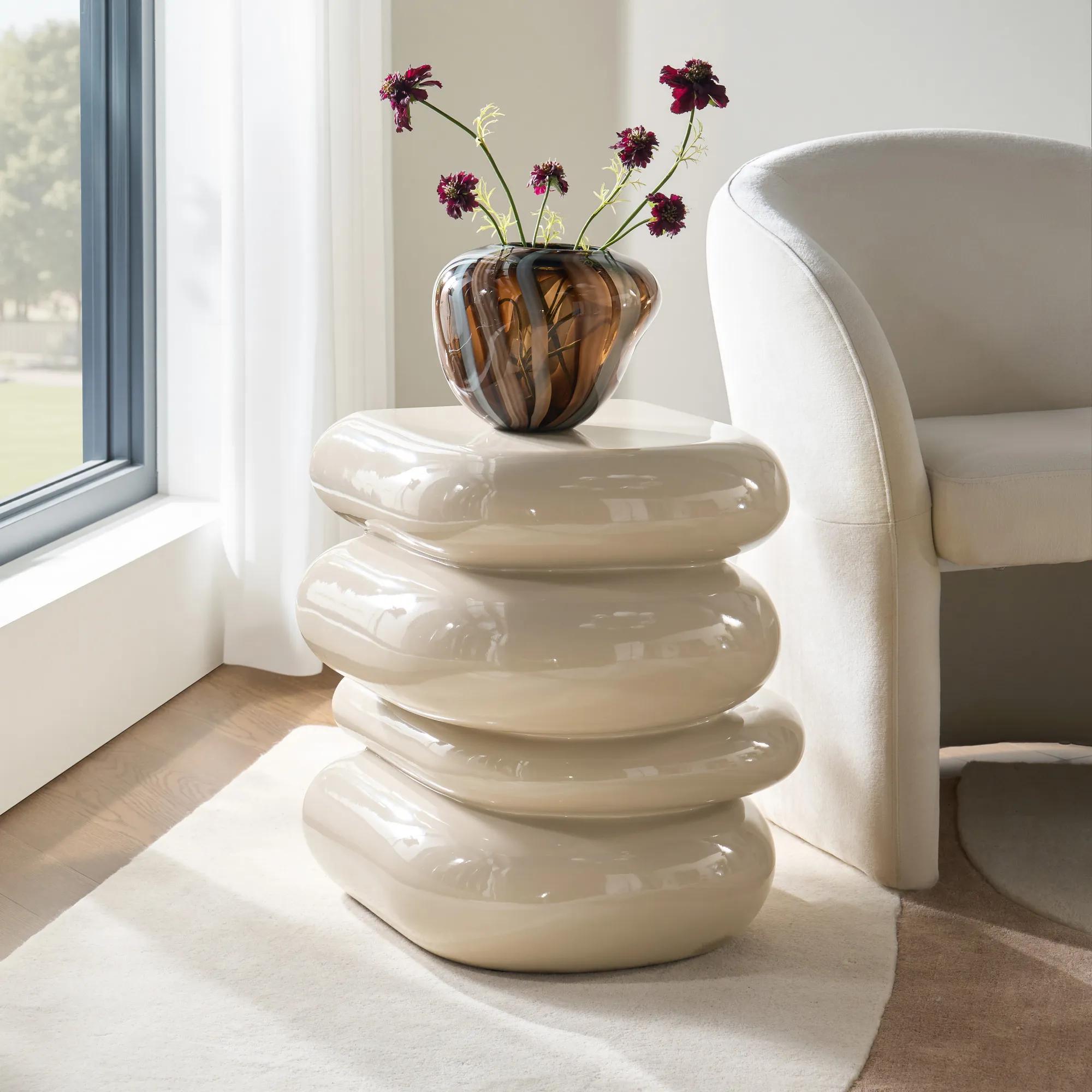 Forma Stacked Turtle Dove Side Table (19.9")$499
A sculptural accent table crafted from high-gloss turtle dove fiberglass with softly stacked, rounded tiers.
Add To Cart -
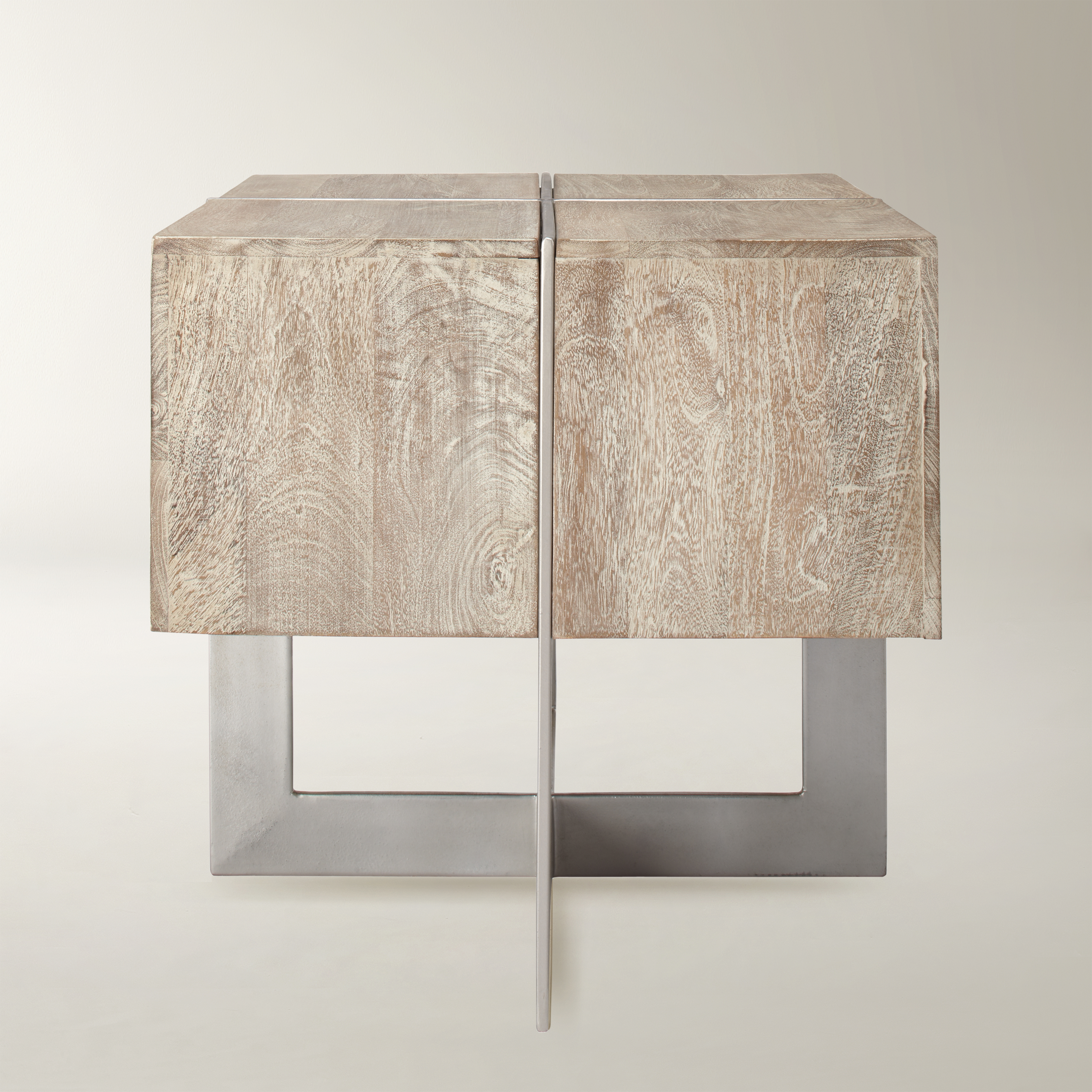
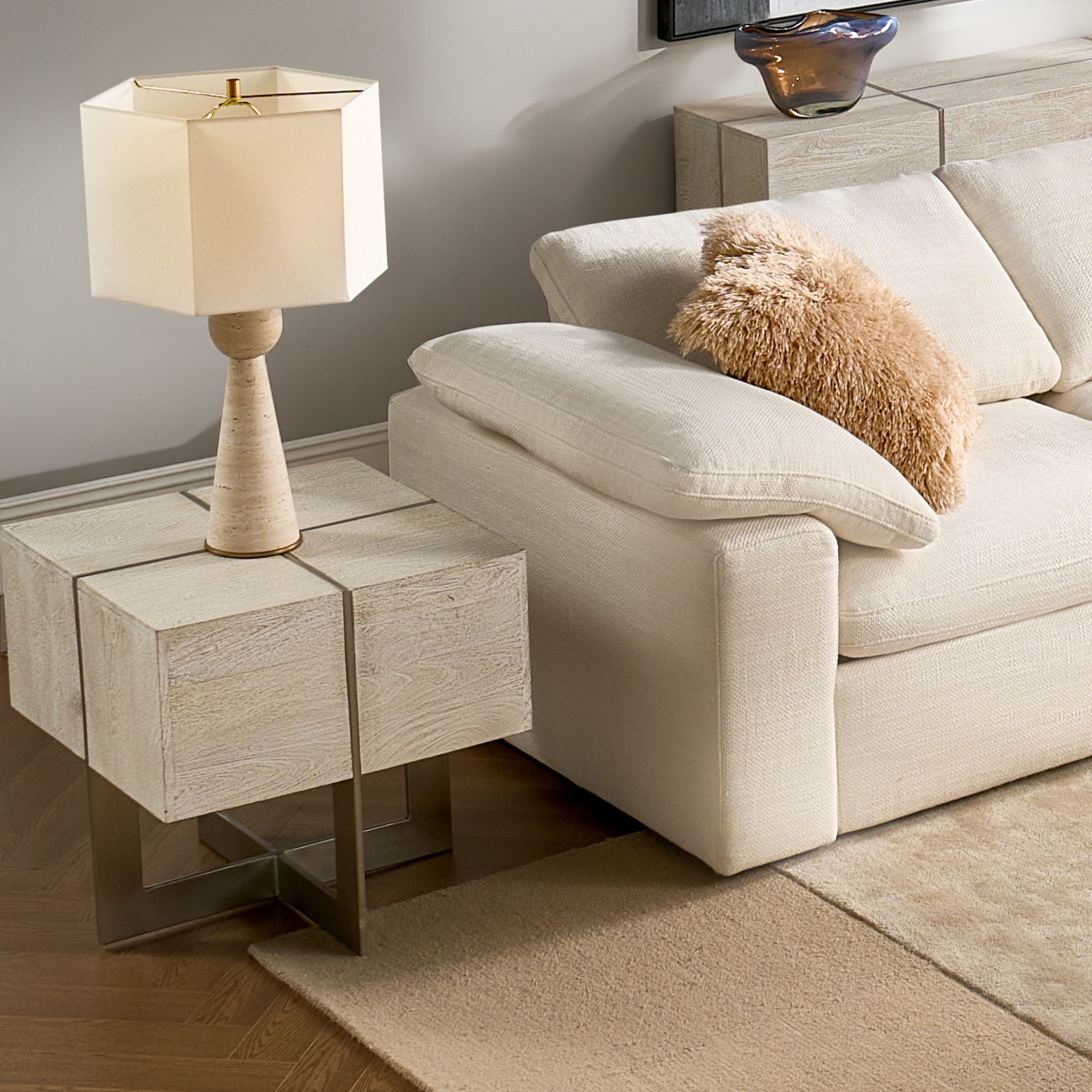 Clifton Square Natural Mango Wood End Table (24")$599
A handcrafted mango wood end table with a whitewashed finish and antiqued silver iron legs.
Add To Cart -
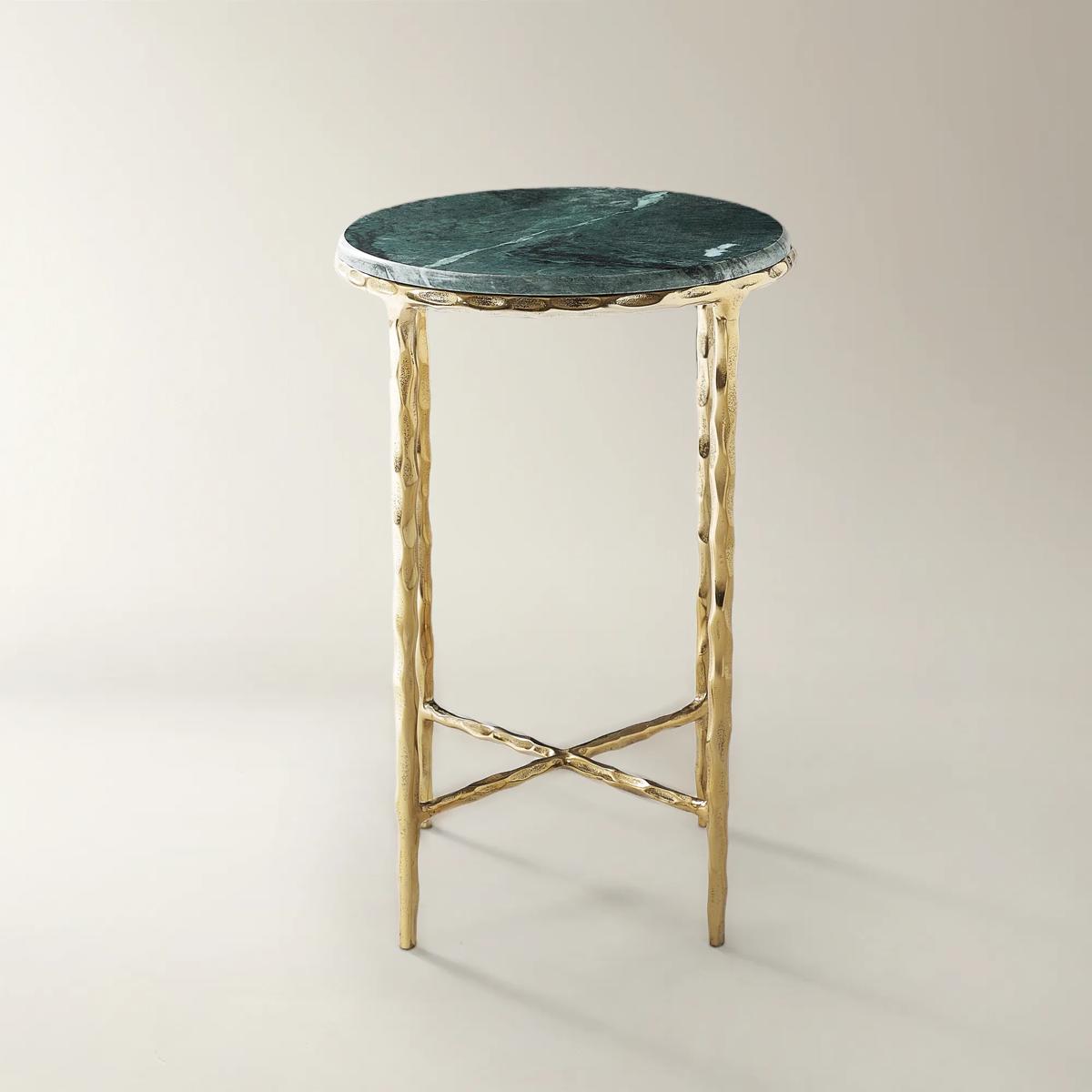
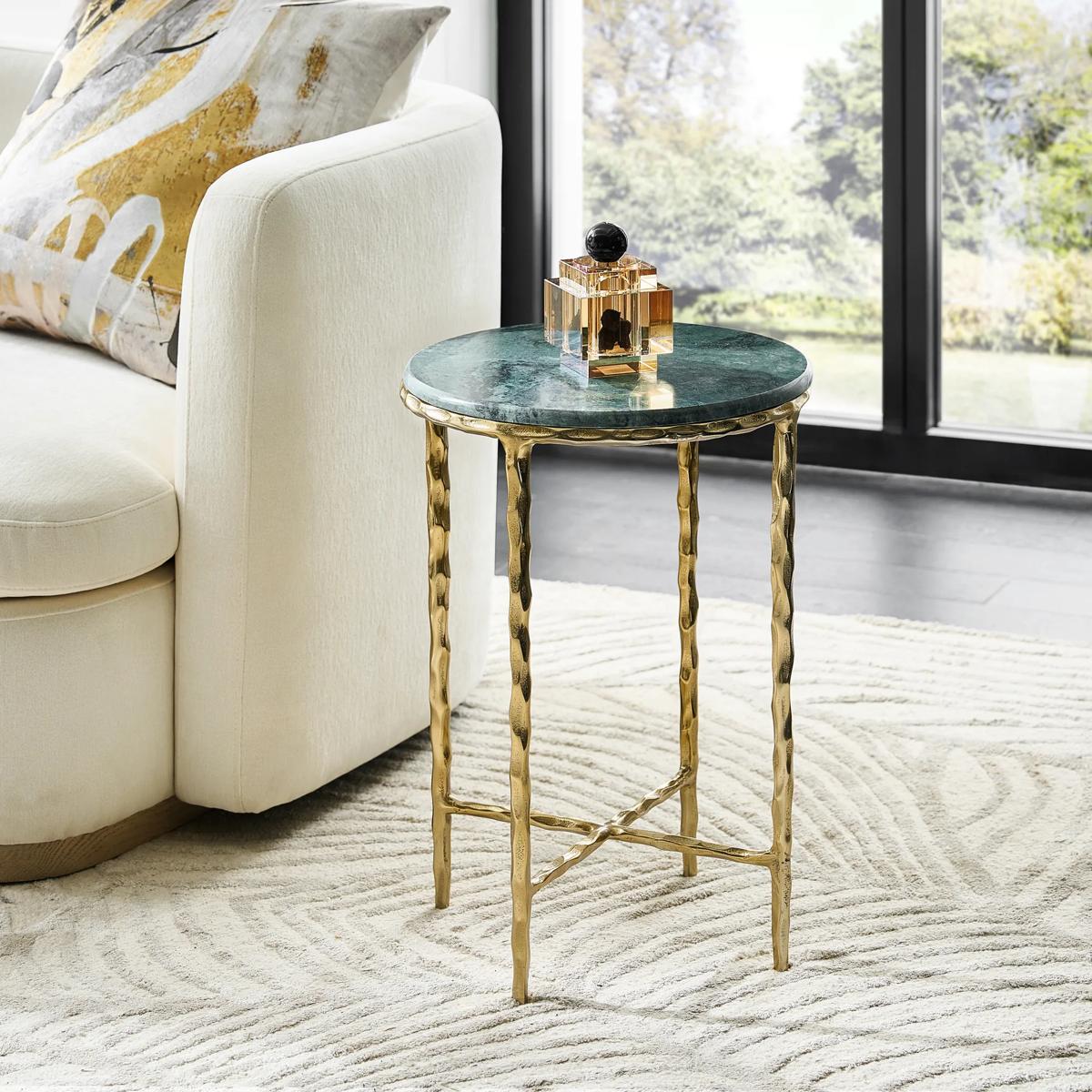 Juliet Round Green Marble Side Table (15")$269
A striking side table featuring a deep green Indian marble top and a hand-hammered metal base.
Add To Cart -
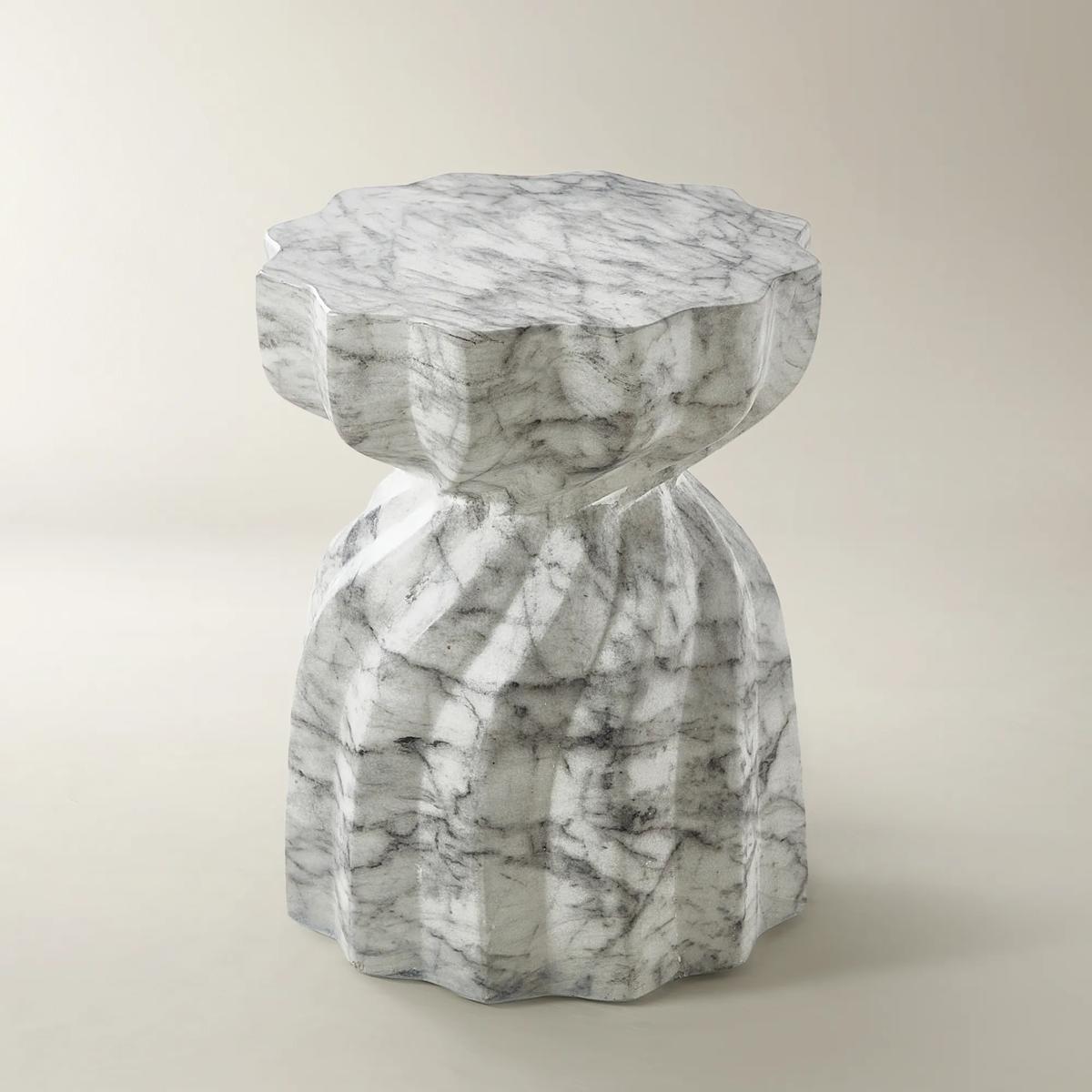
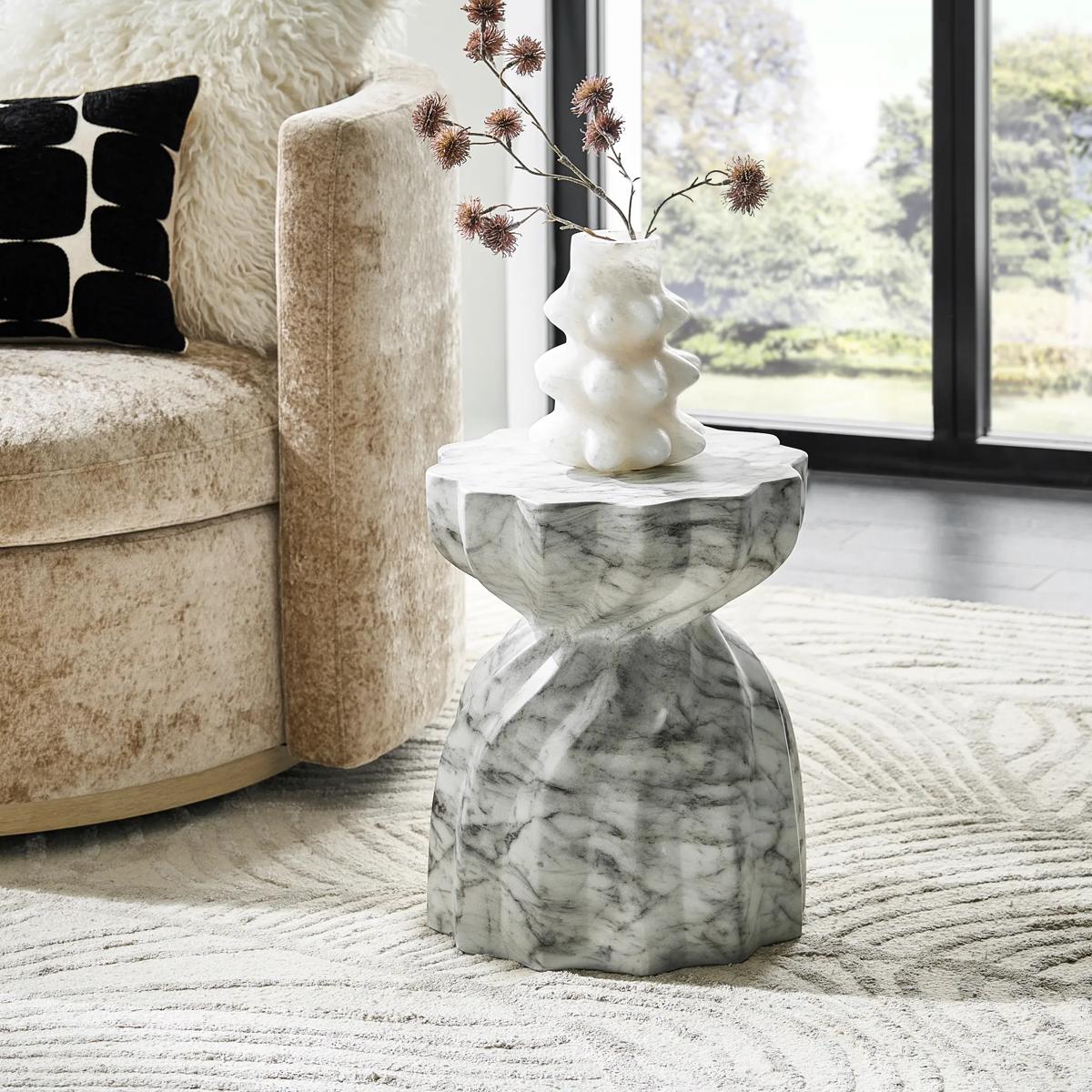 Lithia Scalloped White Concrete Indoor/Outdoor Side Table (15")$349
A white concrete side table with a scalloped silhouette and marble-look finish for indoor-outdoor living.
Add To Cart

Accent Tables For Small Spaces
Accent Tables for Small Spaces invite artistry and intention into every corner, transforming overlooked nooks into moments of pure design delight. These petite powerhouses prove that scale is no barrier to style, adding a dash of drama and sophistication wherever they land. Whether perched beside a velvet settee or anchoring a sunlit reading alcove, each accent table offers an opportunity to layer texture, reflect light, and infuse your home with personality. Let your space speak volumes with pieces that balance elegance and efficiency, creating a stage for everyday luxury in even the most intimate settings.
Accent tables for small spaces bring a purposeful surface and a strong design presence to rooms where every inch matters. Compact round tables, narrow side tables, nesting tables, and C-shaped designs each make room for everyday essentials without requiring the footprint of a larger occasional table. Beside a sofa, a slender drink table gives a glass its own perch; alongside an accent chair, a sculptural pedestal can hold a book and become part of the room’s composition. The most effective small-space accent tables balance tabletop size, base dimensions, and visual weight. A transparent top or an open metal frame lets more of the surrounding room remain visible, while a solid, richly textured form creates a concentrated moment of drama. Neither approach requires an expansive floor plan. A small apartment, intimate sitting room, or compact bedroom can carry a daring silhouette when the proportions feel deliberate. For a single glass, a top around 10 to 14 inches across may provide enough surface; a lamp, book, and drink generally call for more room. The entire footprint matters, especially when legs or a pedestal base extend beyond the top. A table tucked between two chairs should remain easy to reach from both seats without crowding knees or interrupting the passage between them. For sofa-side use, a surface near the height of the sofa arm usually feels more natural than one that demands a deep reach. Rounded edges can soften a tight arrangement, while a square top may sit neatly against the clean lines of a sectional or wall. In especially narrow layouts, the table’s position matters as much as its measurements: a few inches farther forward can preserve a walkway and bring a drink within comfortable reach. These details allow small accent tables to feel integrated rather than squeezed in, giving a modest corner the same sense of intention as a grander living space.
Material and finish shape both the atmosphere and the everyday experience of a compact accent table. Glass introduces clarity and reflected light, making an intricate base or metallic finish more visible without adding an opaque block to the room. Tempered glass offers greater resistance to impact than ordinary glass, though edges still need protection from knocks, and no glass surface is immune to scratches or breakage. Mirrored finishes bring a more theatrical effect, catching the outline of a chair, the glow of a lamp, or the movement of a room. They also reveal fingerprints readily, making gentle, regular cleaning part of their appeal. Marble and other natural stones deliver distinctive veining and substantial presence; each surface can vary in color and pattern, lending individuality to even a restrained silhouette. Stone is not automatically carefree, however. Marble can etch when exposed to acidic liquids, and porous materials may need sealing according to the maker’s instructions. Coasters and prompt attention to spills help preserve the finish. Wood brings warmth through grain, tone, and texture, whether expressed in a slim profile or a sculptural form. Solid wood, veneers, and engineered constructions have different care requirements, so finish-specific directions are more useful than a universal cleaning routine. Metal can create a fine, architectural outline or a bold pedestal, with durability depending on the construction and protective finish. Across materials, a stable base, sound connections, and a surface suited to its intended load matter more than appearance alone. A substantial stone table may suit a settled seating arrangement, while a lighter design is easier to reposition when guests arrive. Soft cloths, nonabrasive cleaners approved for the surface, and protective pads beneath decorative objects help maintain that polished impression. A beautiful finish should invite daily use, with care matched to the material rather than left to guesswork.
The appeal of small-space end tables lies in how precisely they can serve the way a room is lived in. A C-shaped table may draw a surface closer over a sofa seat, but its base must fit beneath the furniture and its upright must clear the frame; low sofas and deep upholstery can change that fit considerably. Nesting tables offer another kind of flexibility, keeping multiple surfaces together until a second seat needs a place for refreshments. Their usefulness depends on having enough room to separate them without blocking circulation. A lower shelf can hold reading material or a decorative box, allowing the top to remain composed, while a closed compartment can conceal small essentials that would otherwise compete with a carefully arranged vignette. In a bedroom with little space beside the bed, a narrow accent table can create a refined bedside landing for glasses and a book, provided its height works with the mattress and its surface accommodates those essentials securely. For a lamp, the base needs to sit fully on the tabletop, with the cord routed away from walking paths. Near an entry, a compact table can give keys a dedicated dish without turning the passage into an obstacle. Styling is most persuasive when it respects these uses: one expressive ceramic object, a modest stack of books, or a luminous lamp often has more impact than a crowded arrangement. Repeated metal tones or complementary shapes can connect separate corners, while a contrasting finish gives a favorite chair a distinctive companion. For a broader view of coordinating silhouettes, Modern Tables for Small Spaces offers a natural continuation of this design approach. A compact accent table can also make a thoughtful housewarming gift when the recipient’s measurements and style are known. Ultimately, its value is both practical and expressive: a place for something essential, rendered with enough character to make the surrounding space feel complete.
FAQs
Accent tables for small spaces are often crafted from a luxurious array of materials, including gleaming metals, sculptural glass, richly grained woods, and elegant marble. Each material brings its own personality—metallic finishes add drama and light, glass creates a sense of airiness, and wood or marble grounds a room with texture and sophistication.
To create a signature moment, style your small decorative table with a curated vignette: a stack of art books, a sculptural vase brimming with fresh florals, or a candle in a dramatic holder. Layering objects of varying heights and textures adds visual interest, while a bold tray or mirrored surface can amplify light and color for a truly luxe effect.
A small accent table makes a thoughtful and sophisticated gift for anyone who values expressive design—new homeowners, recent graduates, or friends who love to entertain. It’s especially fitting for those who cherish detail and artistry, as these tables invite personal expression and become treasured focal points in any room.
Accent tables elevate the ambiance of small spaces by introducing layers of texture, color, and reflective surfaces. They serve as both functional pieces and objets d’art, anchoring vignettes, providing platforms for treasured décor, and creating moments of surprise and delight that transform even the most compact room into a luxurious retreat.
Accent tables for small spaces are exceptionally versatile. Use them as glamorous bedside companions, chic entryway catch-alls, or dramatic plant stands in a sun-drenched corner. They can even serve as impromptu bar carts for soirées or as pedestals to showcase artful finds, ensuring every inch of your home reflects your personal sense of style.