Elevated Small Accent Tables
Elevated Small Accent Tables
-
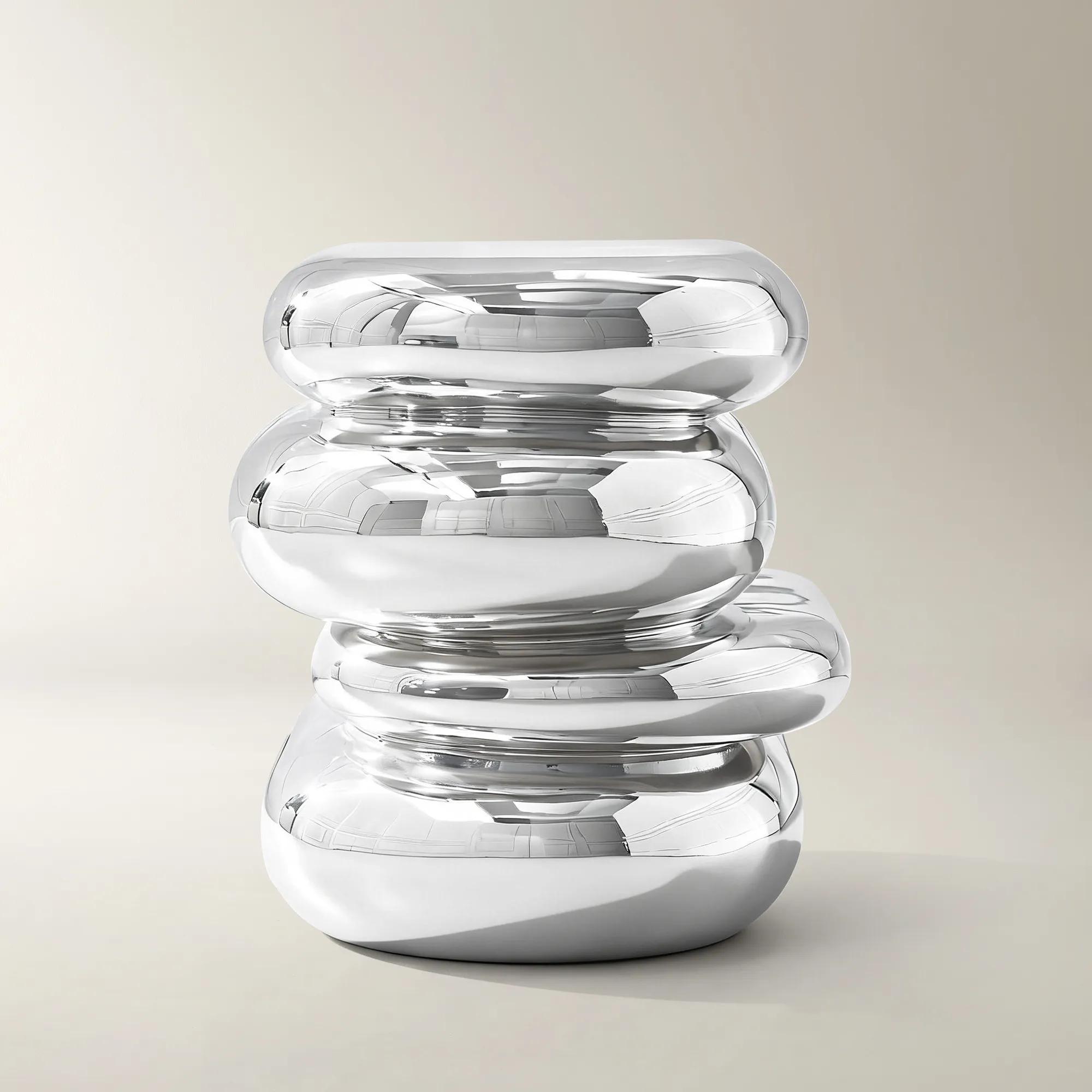 Forma Stacked Chrome Side Table (19.9")$699
A sculptural accent table crafted from seamless fiberglass with a reflective chrome finish and rounded tiers.
Add To Cart -
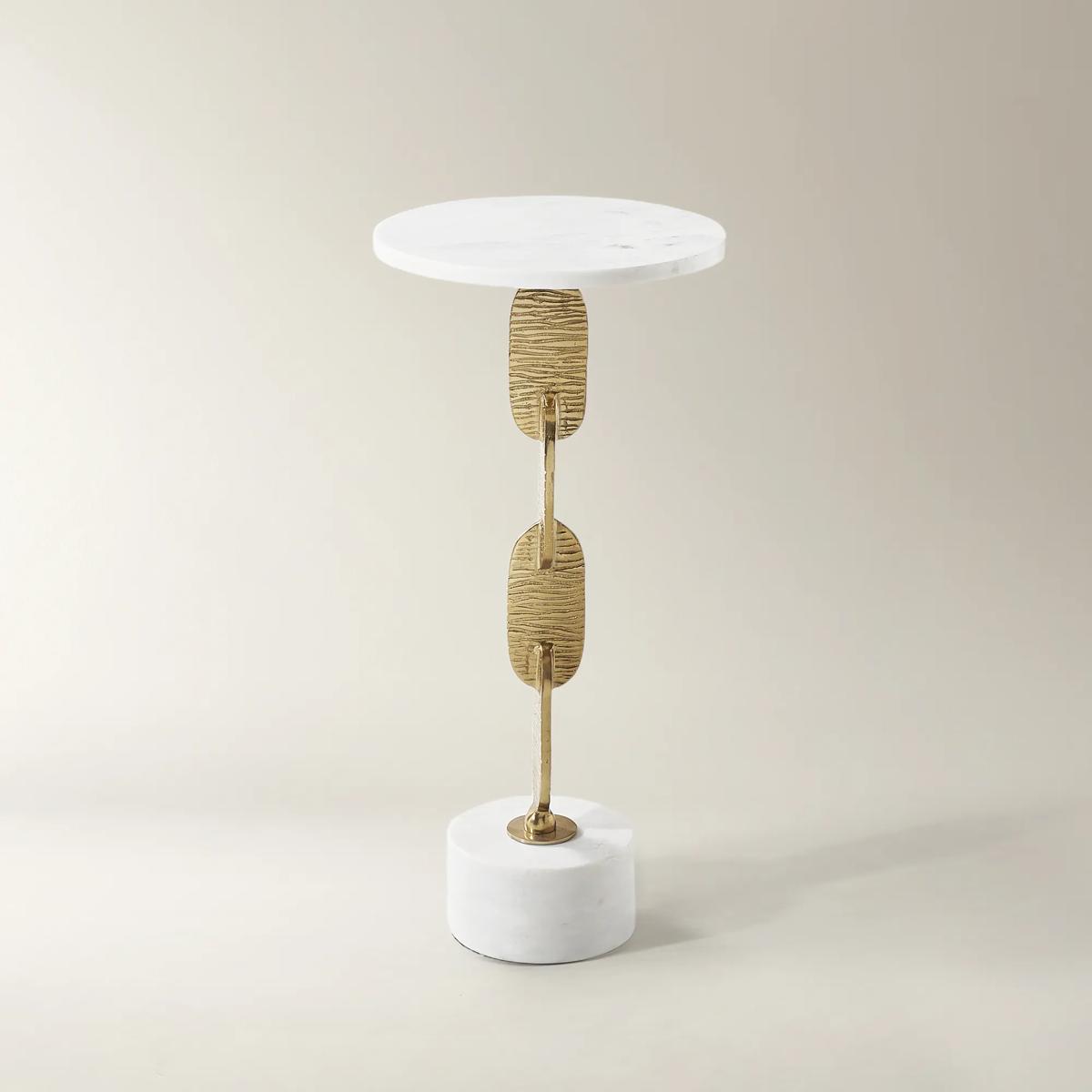
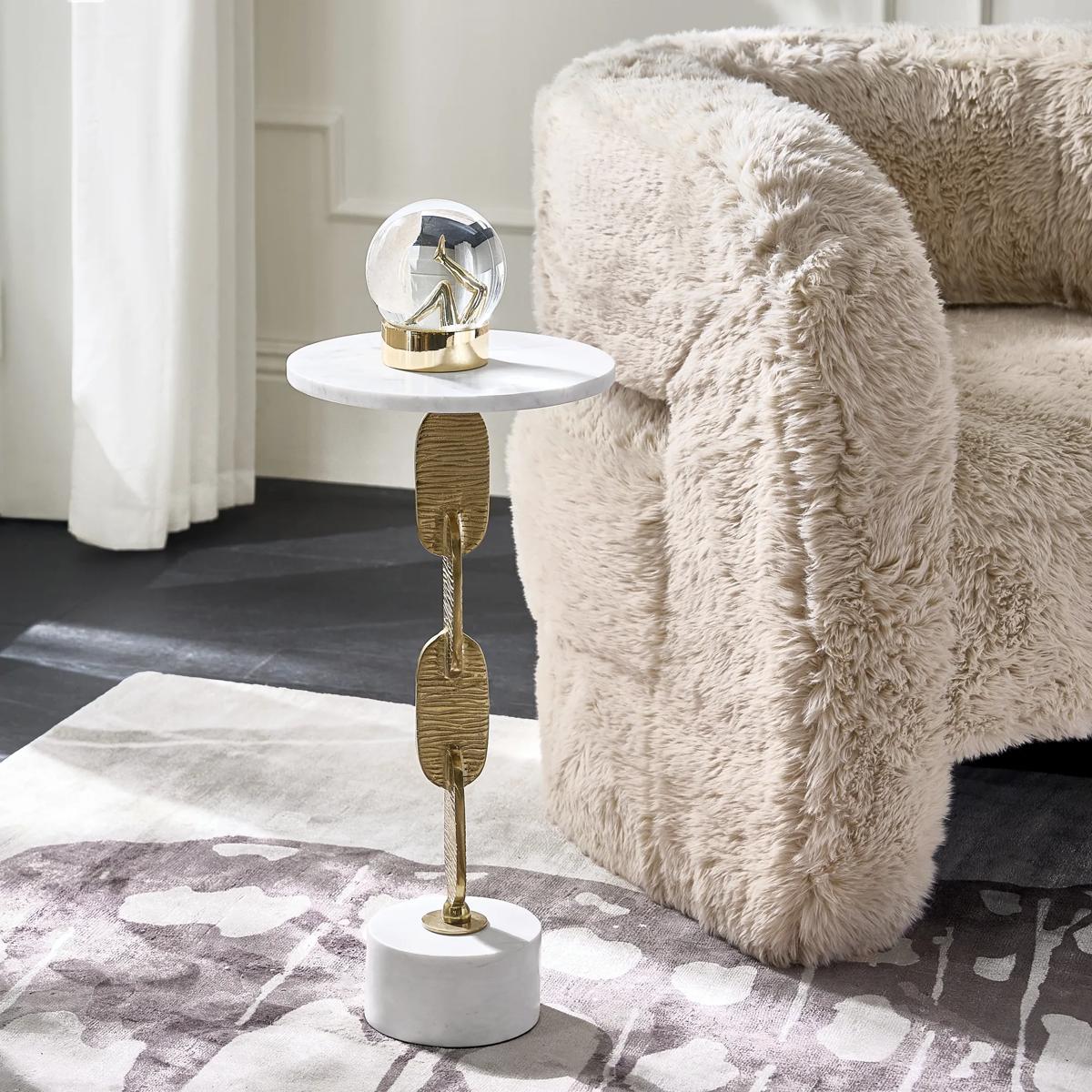 Luna Round White Marble Side Table (11.25")$199
A sculptural side table featuring a genuine white marble top and an open gold-finished metal frame.
Add To Cart -
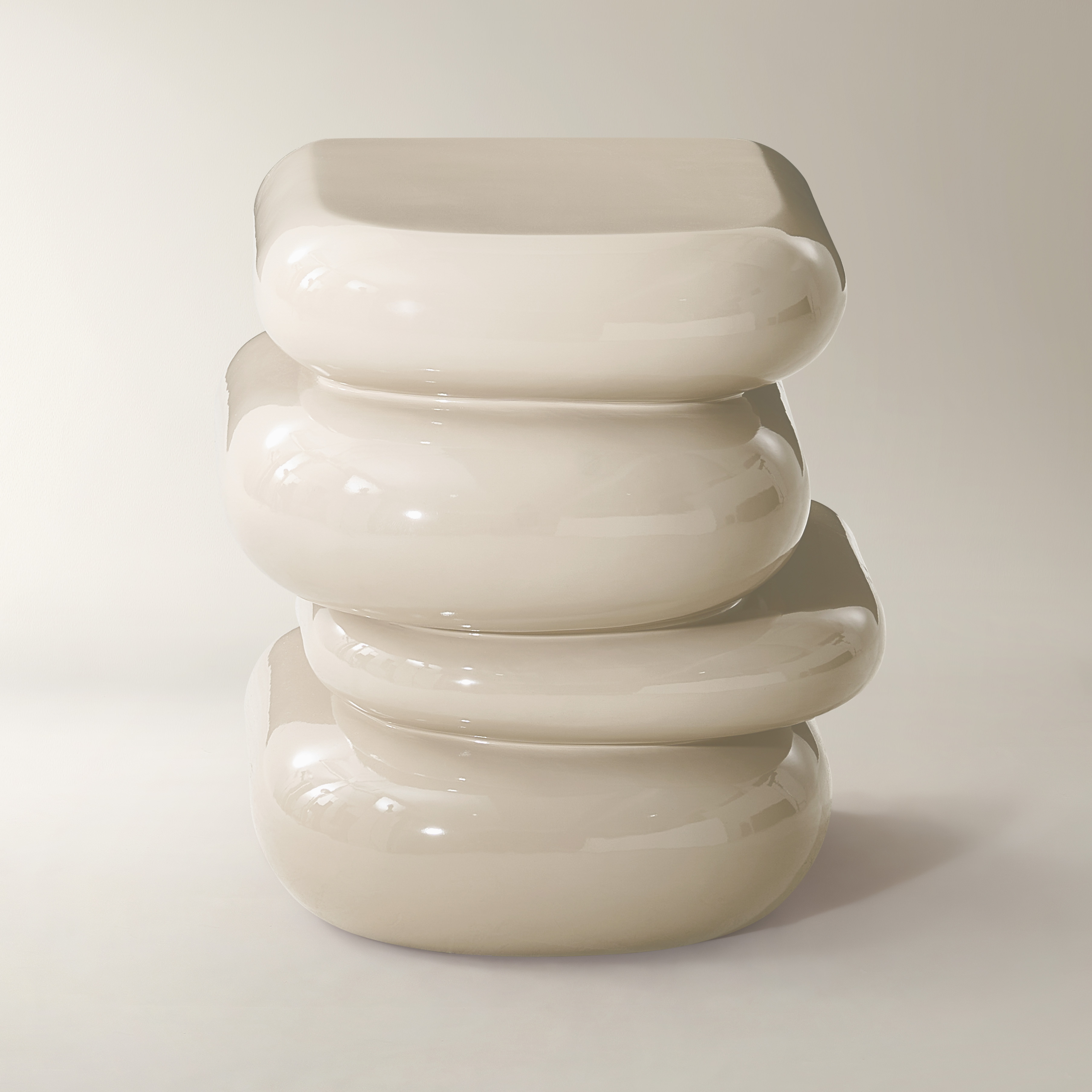
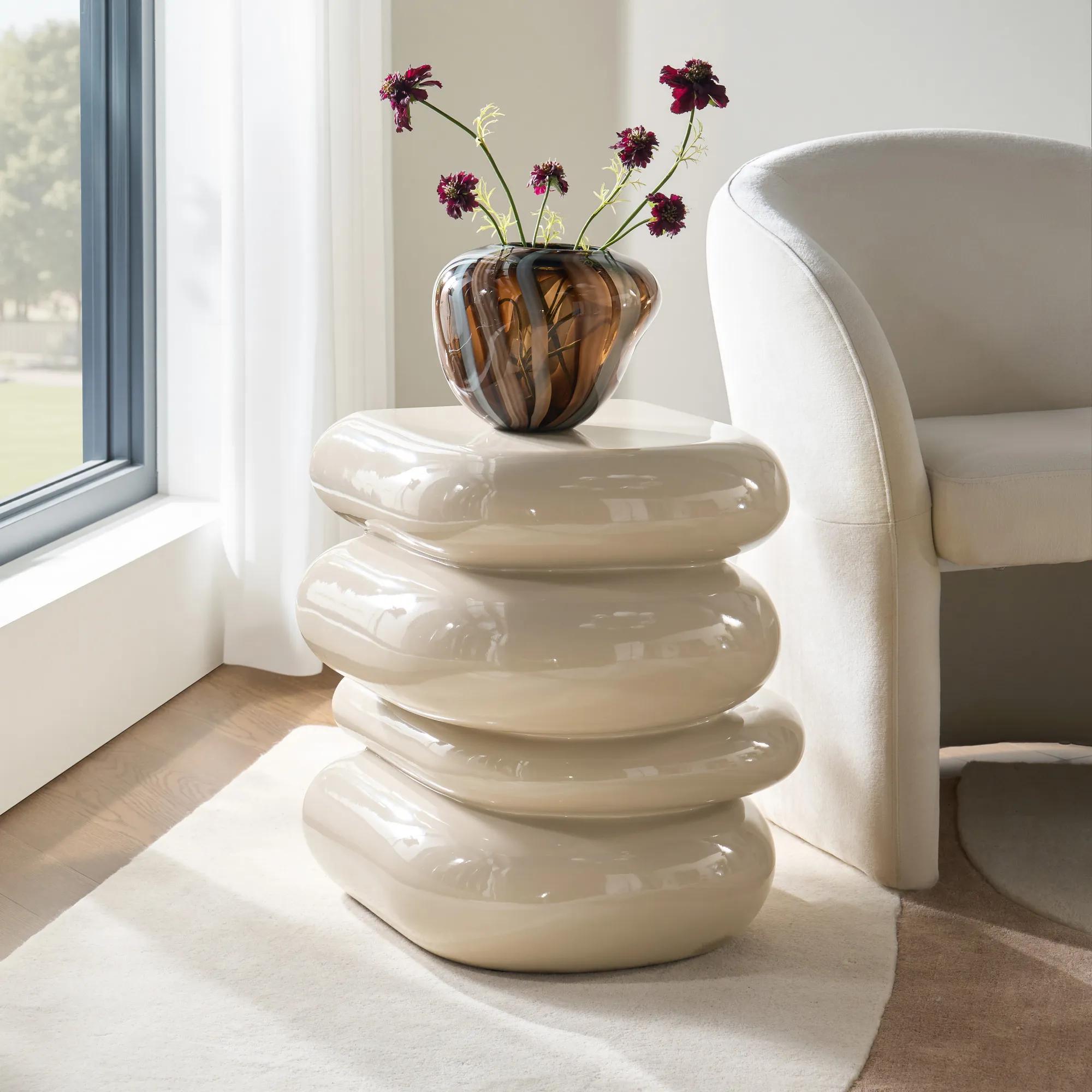 Forma Stacked Turtle Dove Side Table (19.9")$499
A sculptural accent table crafted from high-gloss turtle dove fiberglass with softly stacked, rounded tiers.
Add To Cart -
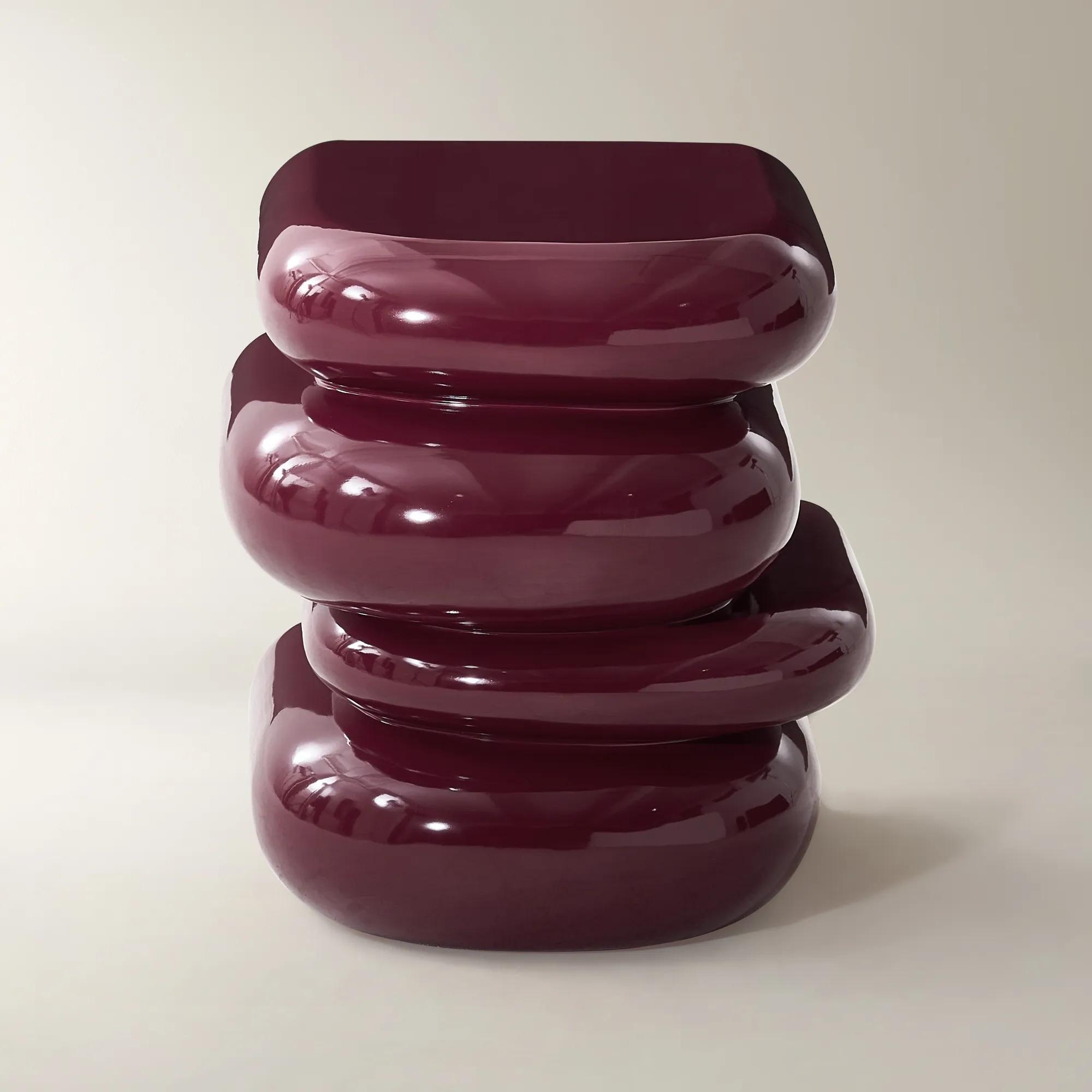 Forma Stacked Ox Blood Side Table (19.9")$499
A sculptural accent table crafted from high-gloss ox blood fiberglass with softly stacked, rounded tiers.
Add To Cart -
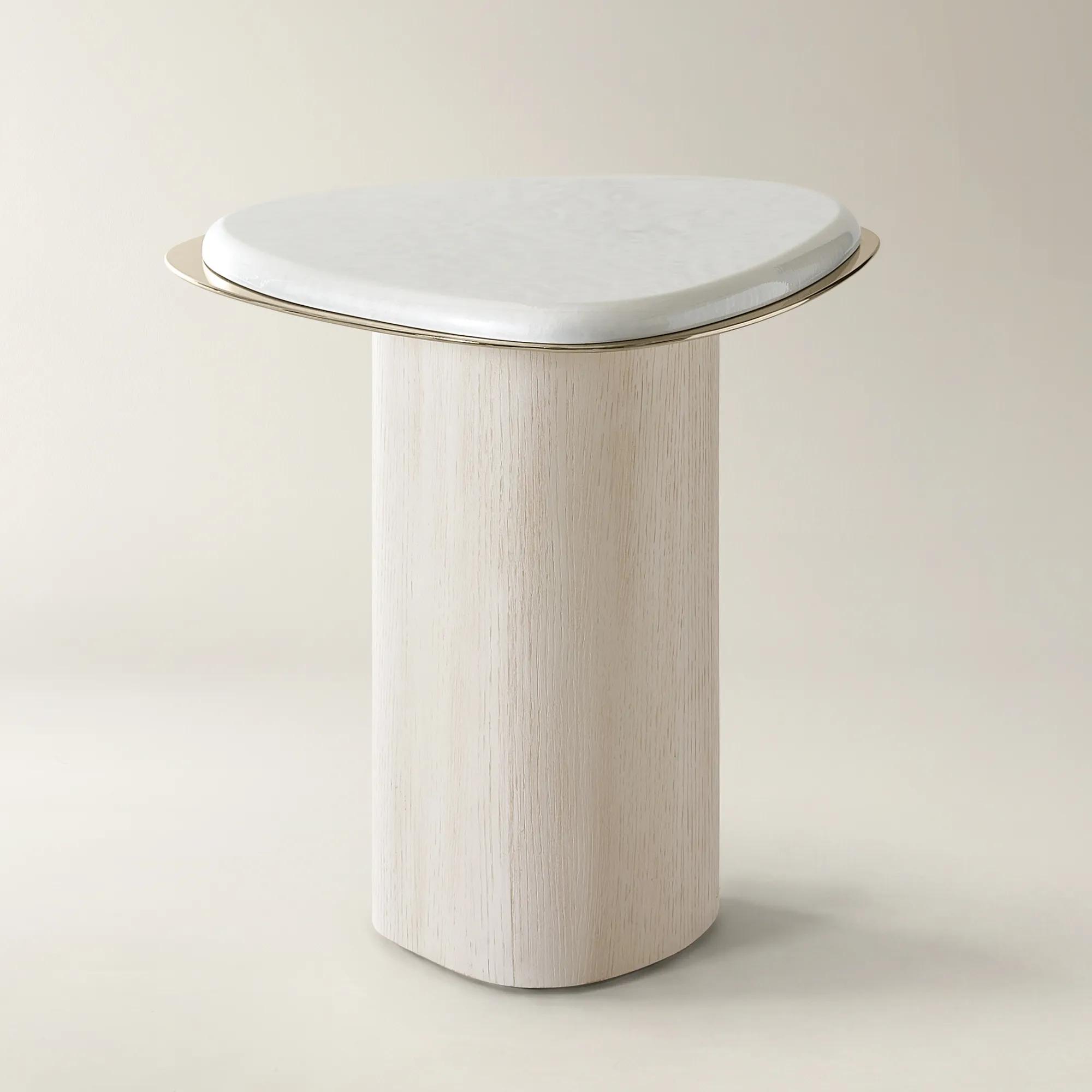
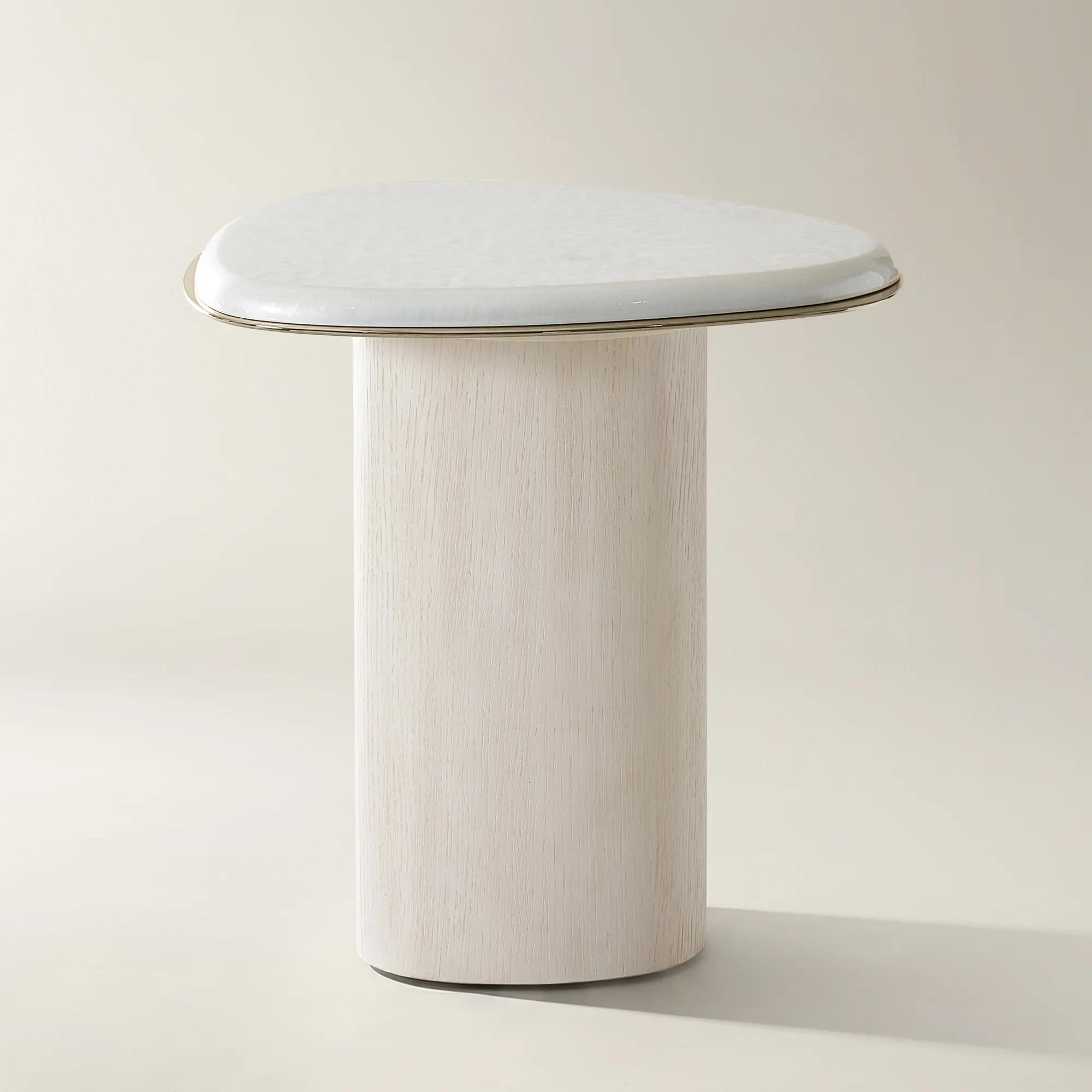 Lumina Bleached Oak End Table With Pearl Lacquered Top (18")$499
A sculptural end table featuring a pearl lacquered top, bleached oak base, and champagne gold trim.
Add To Cart -
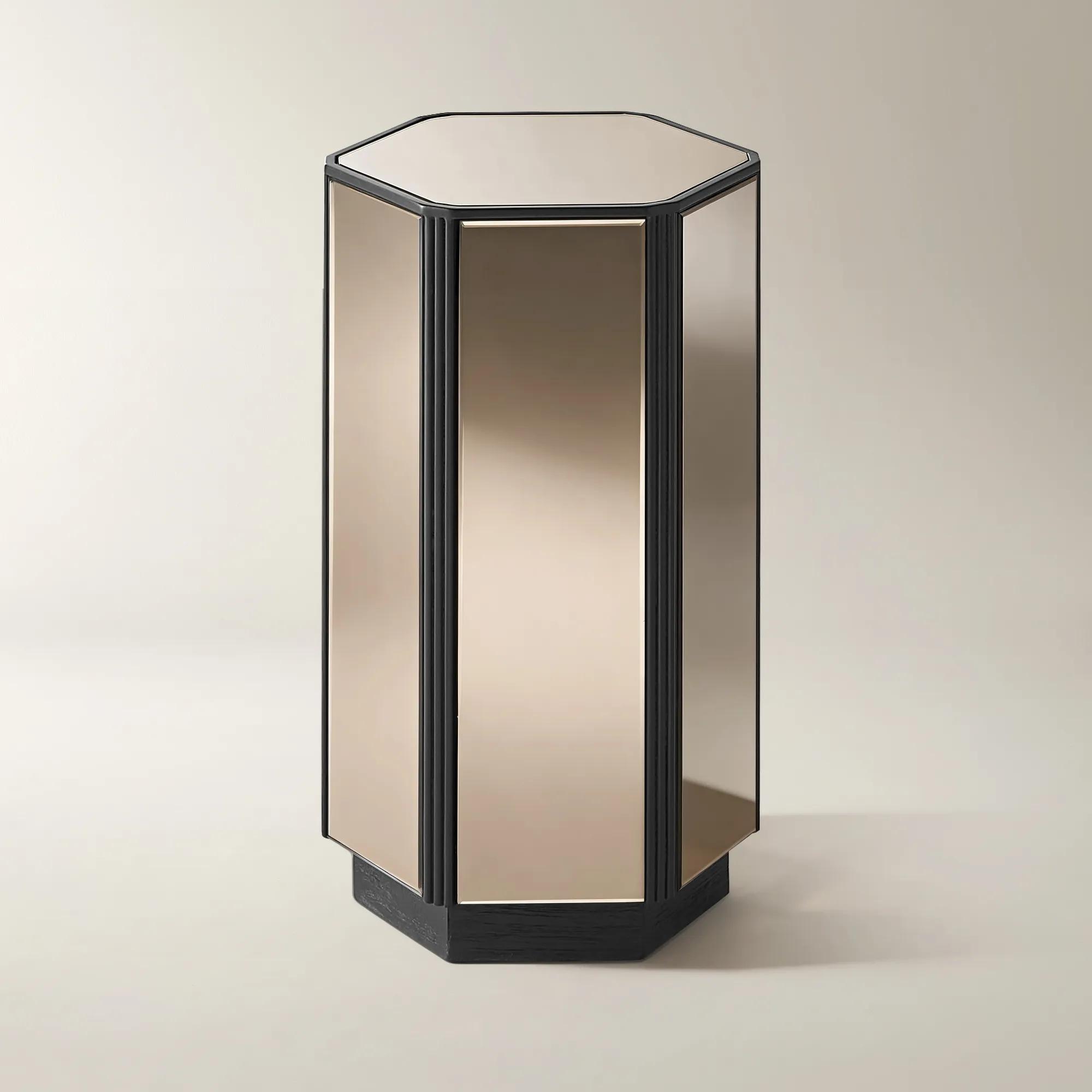 Glimmer Bronze Mirrored End Table (12")$399
A sculptural end table featuring bronze mirror panels and a black oak base for modern elegance.
Add To Cart -
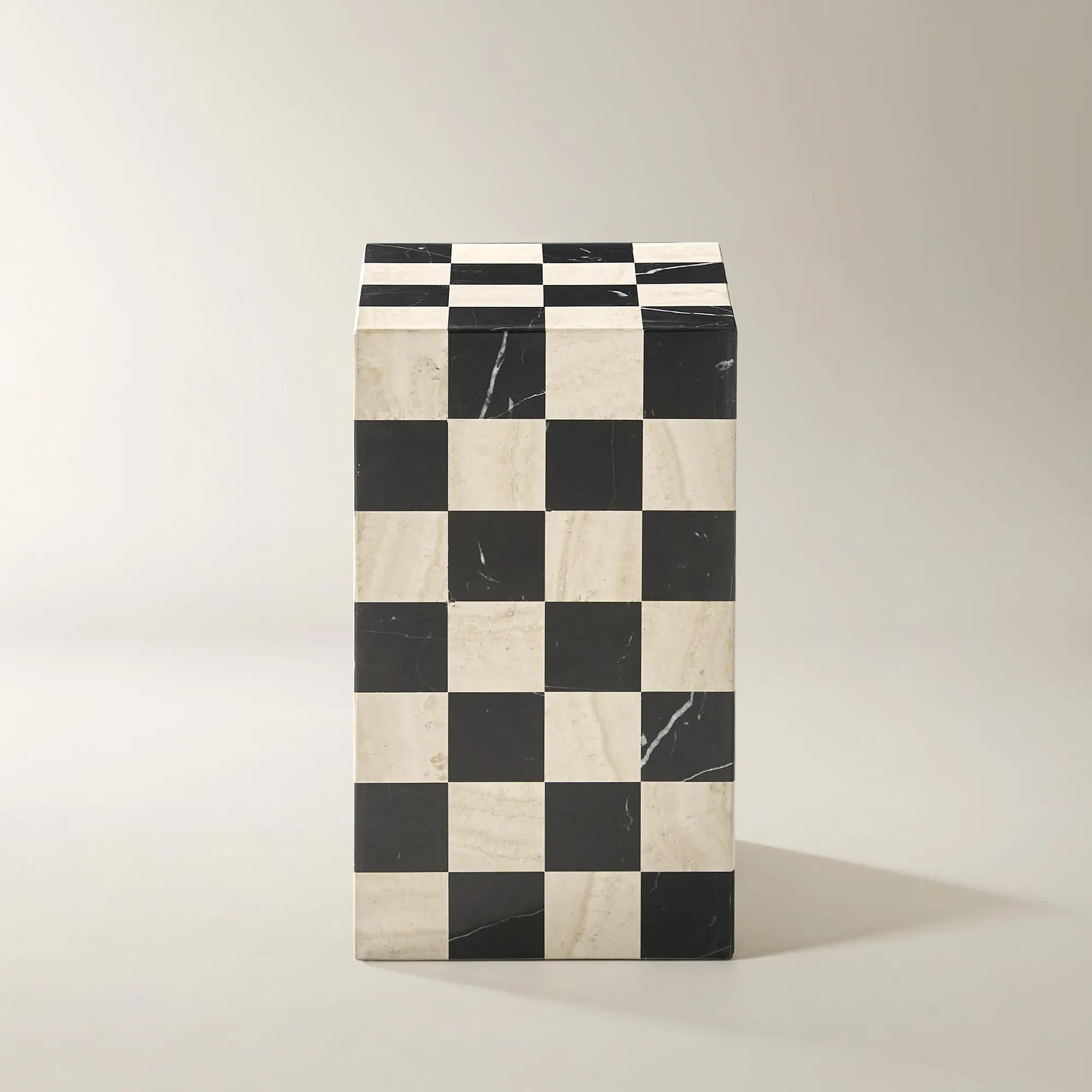 Chessa Square Chequered Marble End Table (12")$999
A sculptural end table featuring a bold black marble and travertine checkerboard mosaic design.
Add To Cart -
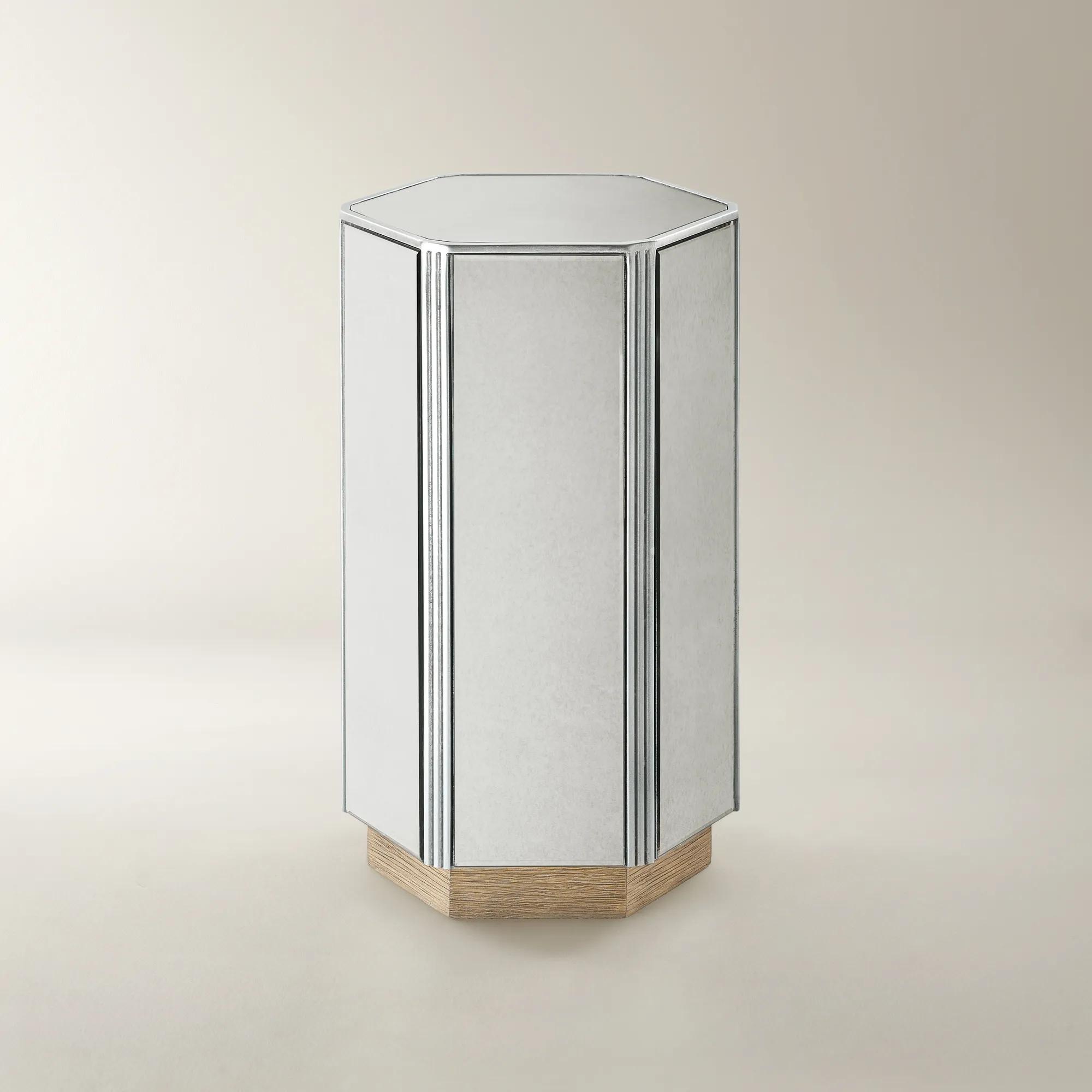 Glimmer Silver Mirrored End Table (12")$399
A chic side table featuring an antique silver mirror top and warm oak veneer base with handcrafted details.
Add To Cart -
 Thalia Glossy Black Side Table Set Of 2 (8"-12.5")$599
A sculptural duo of glossy black fiberglass tables with fluid lines and mirror-like lacquered finish.
Add To Cart -

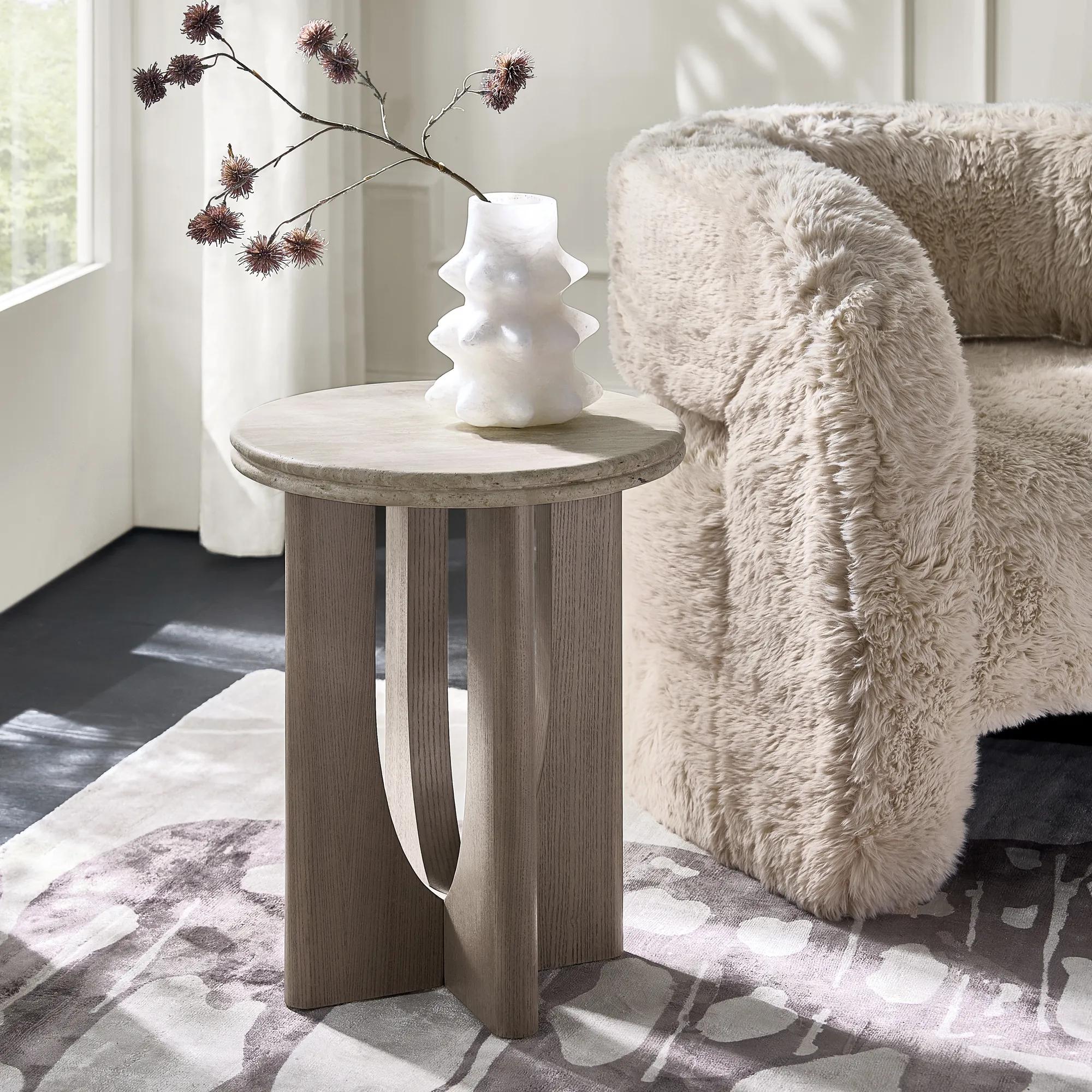 Bond Round Travertine and Wood End Table (17.25")$459
A sculptural end table featuring a genuine ivory travertine top and a solid ash wood base.
Add To Cart -
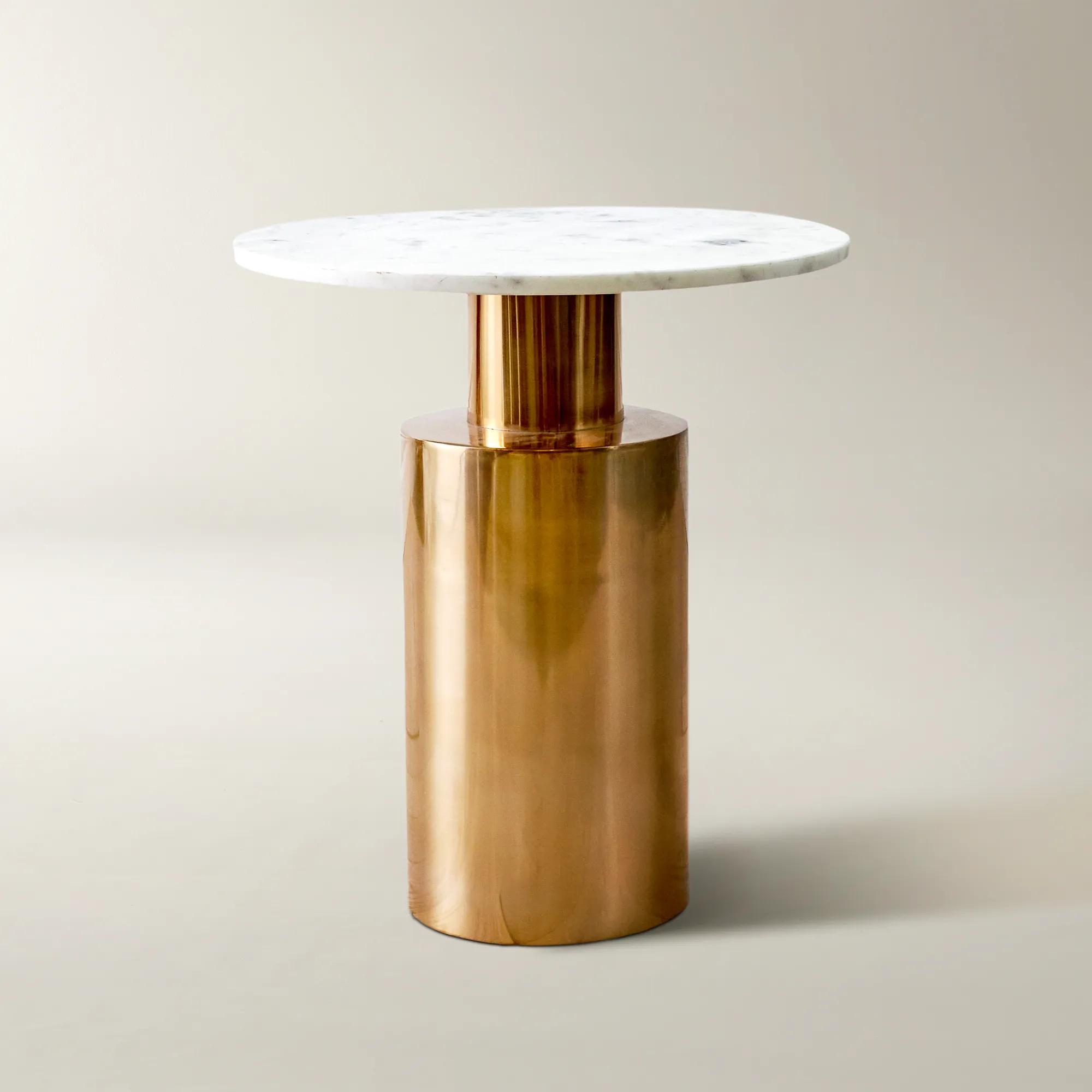 Capri Round White Marble Accent Table (16")$299
A striking accent table featuring a white marble top and gold-finished stainless steel base.
Add To Cart -
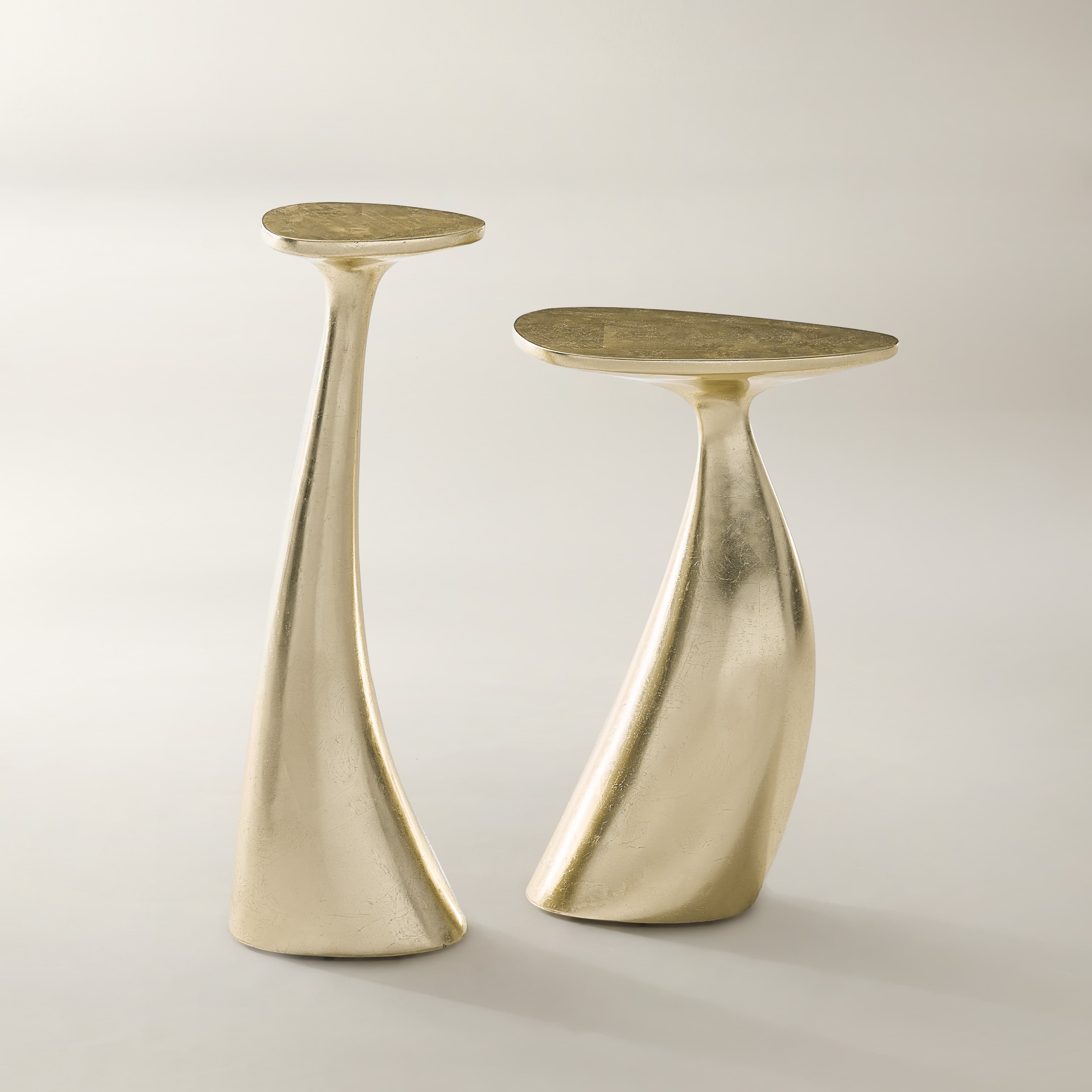 Thalia Soft Gold Side Table Set Of 2 (8"-12.5")$699
A sculptural duo of gold leaf fiberglass tables with fluid lines and a warm, luminous finish.
Add To Cart -
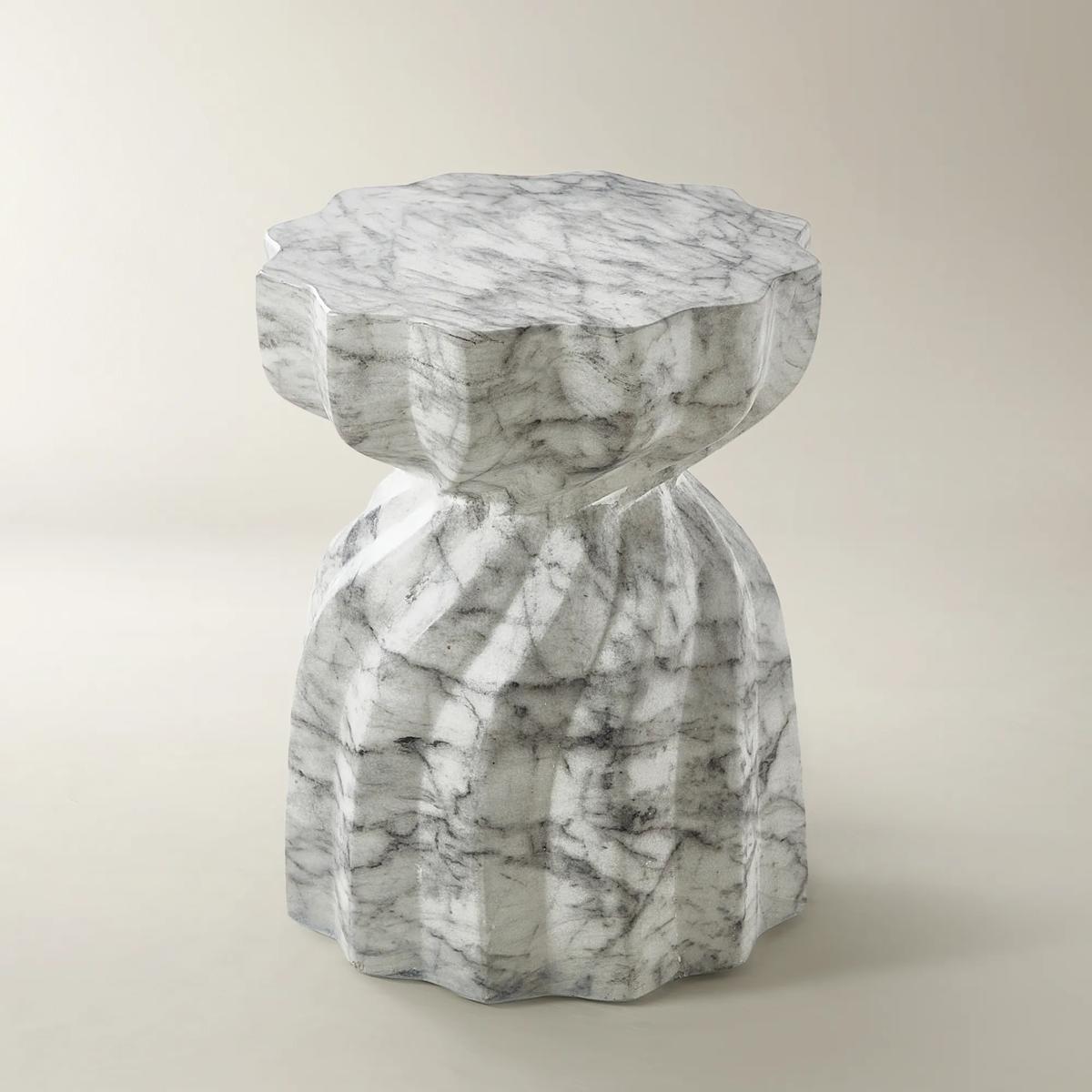
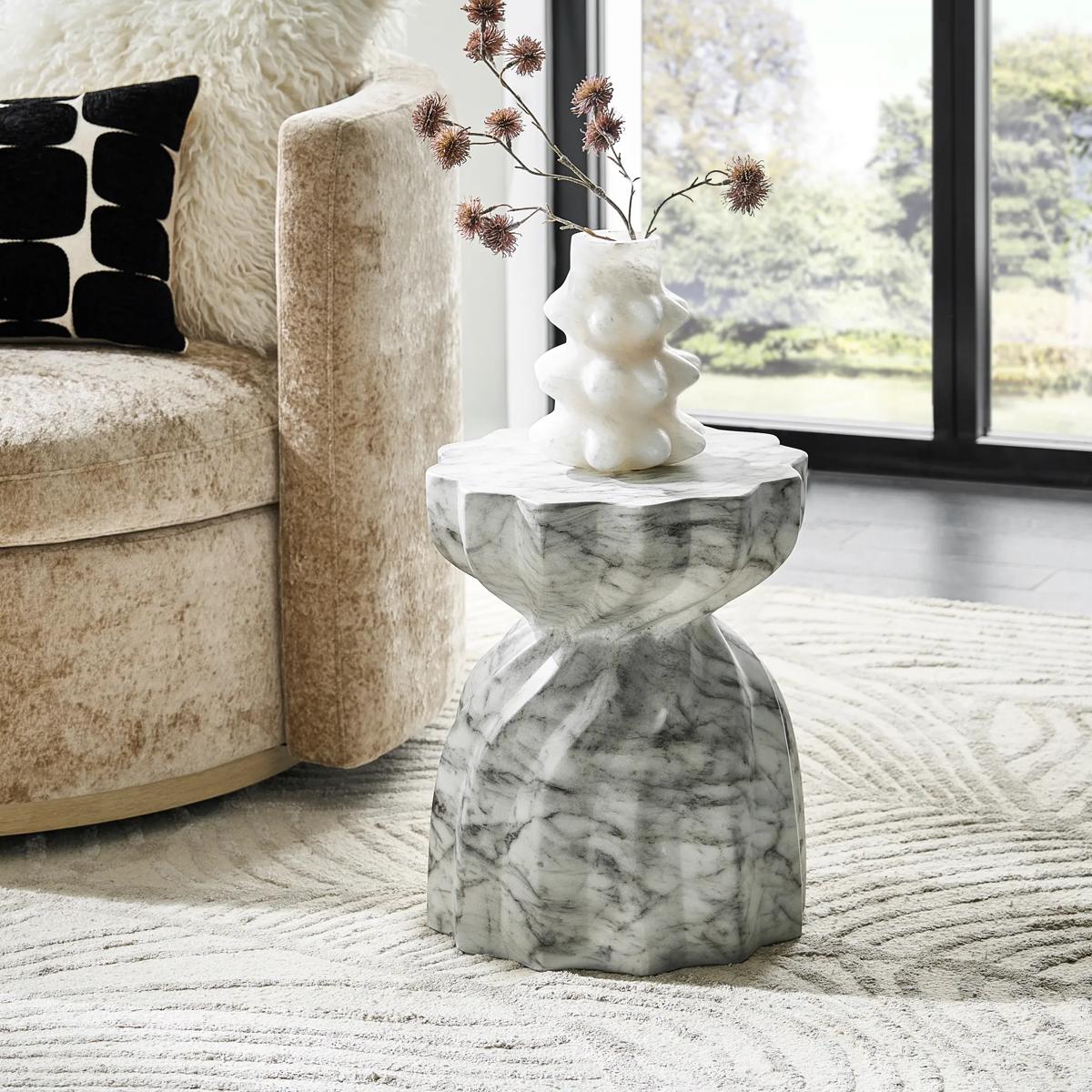 Lithia Scalloped White Concrete Side Table (15")$349
A sculptural white marble-look side table crafted from durable, lightweight fiber concrete for indoor or outdoor use.
Add To Cart -
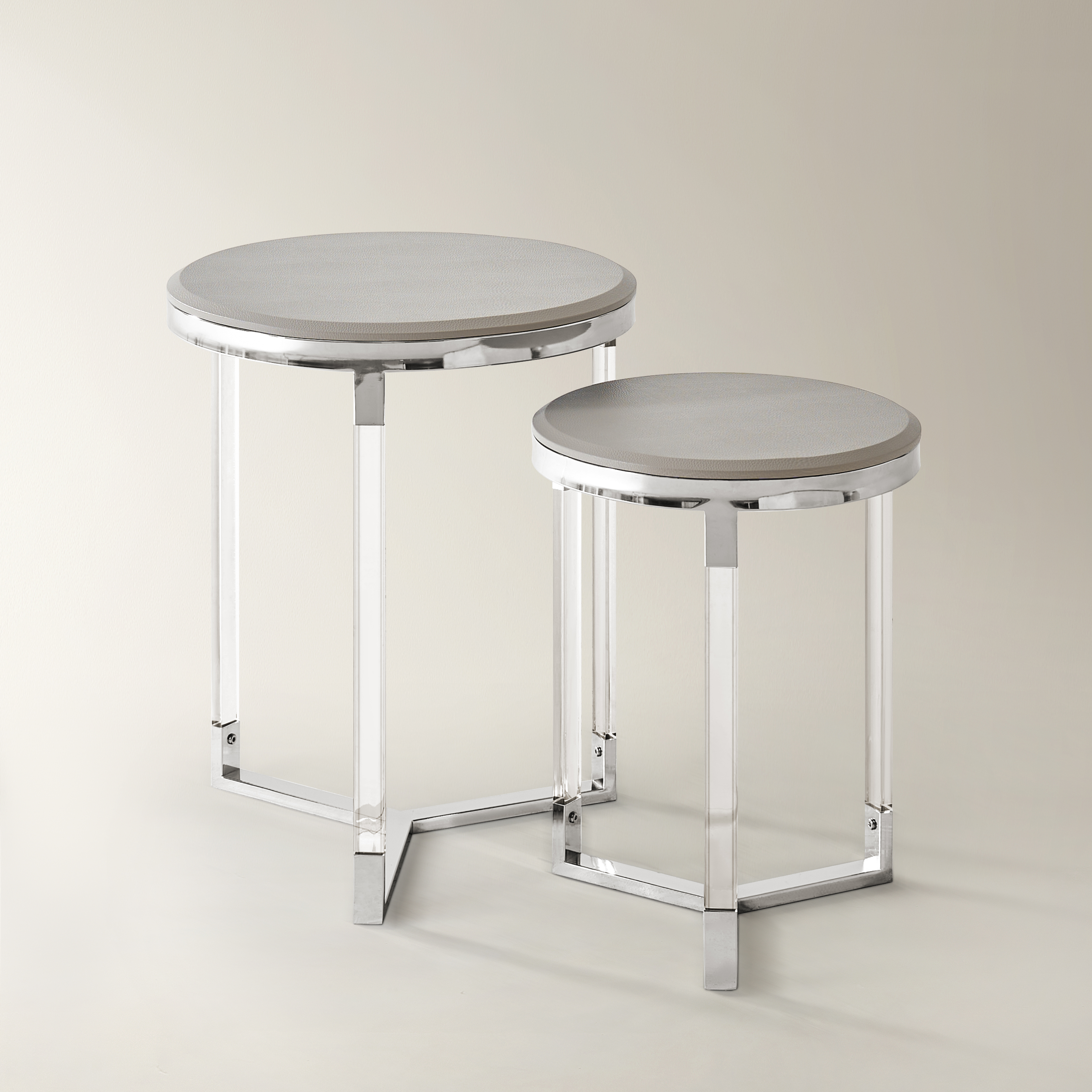
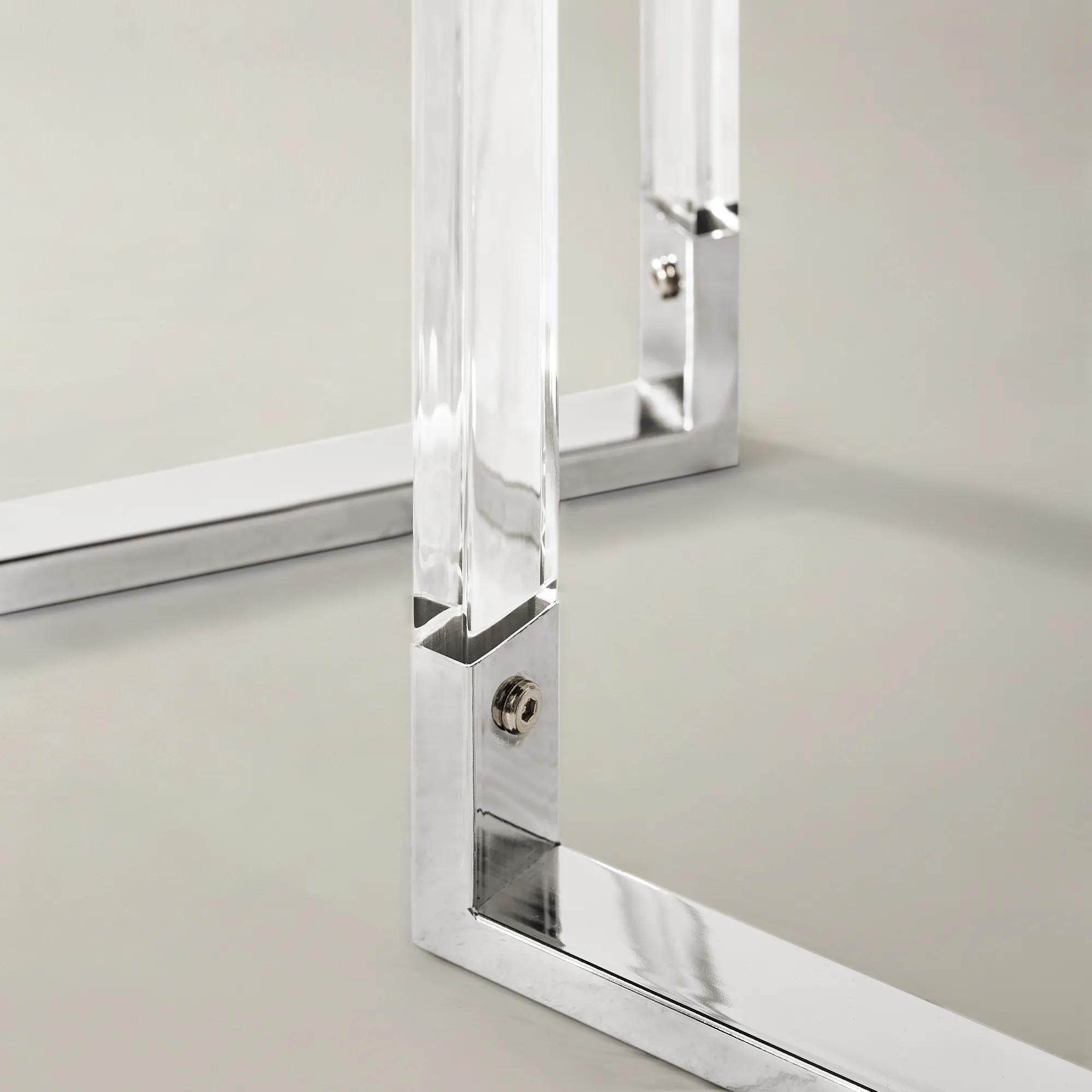 Murano Round Grey Accent Table With Faux Leather Top Set Of 2 (14.5"-18.5")$399
A bold set of two accent tables featuring mixed woods, acrylic legs, and faux leather tops.
Add To Cart -
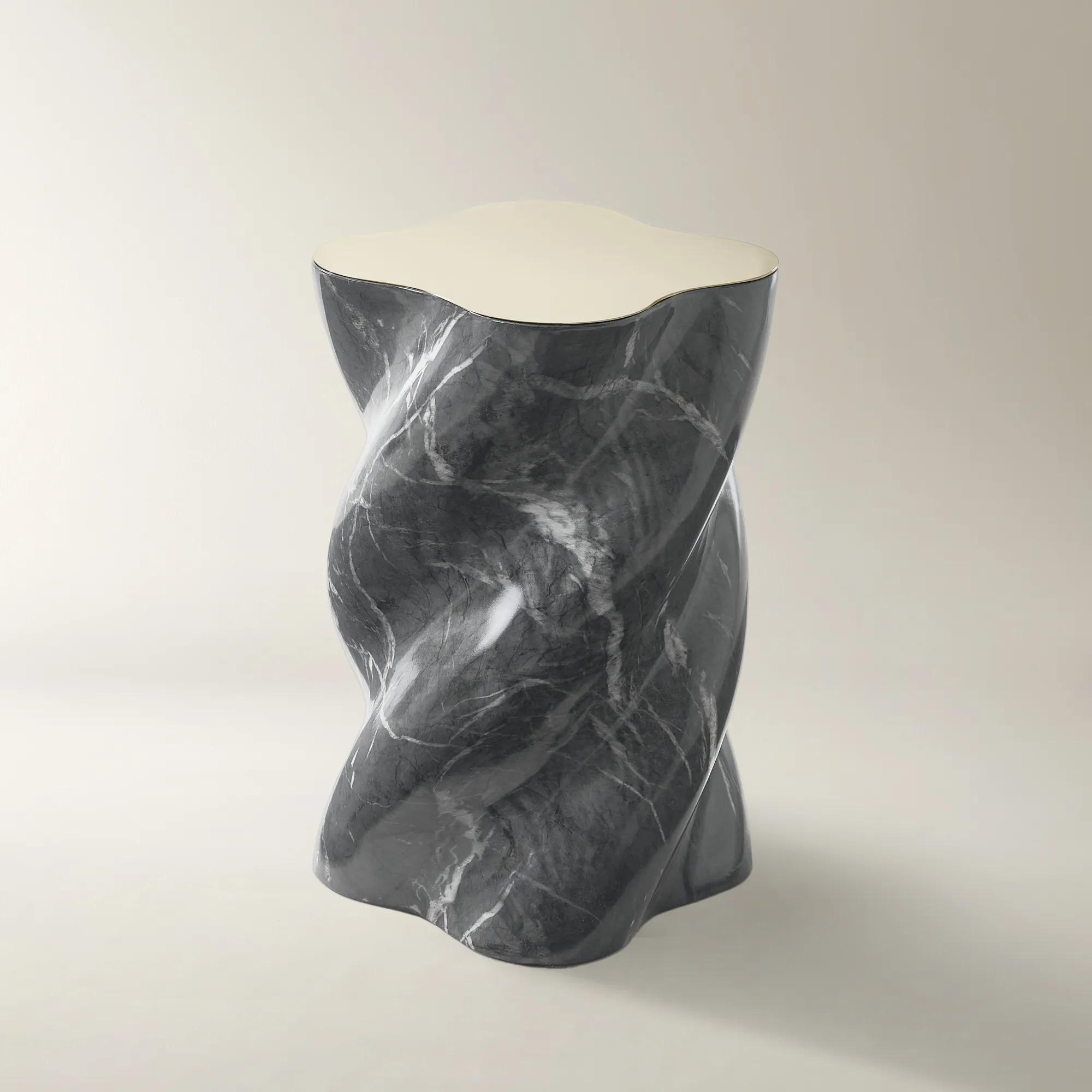 Vega Bvlgary Black Concrete Side Table With Stainless Steel Top (13.8")$459
A sculptural black side table featuring a marble-inspired fiber-concrete base and removable stainless steel top.
Add To Cart -
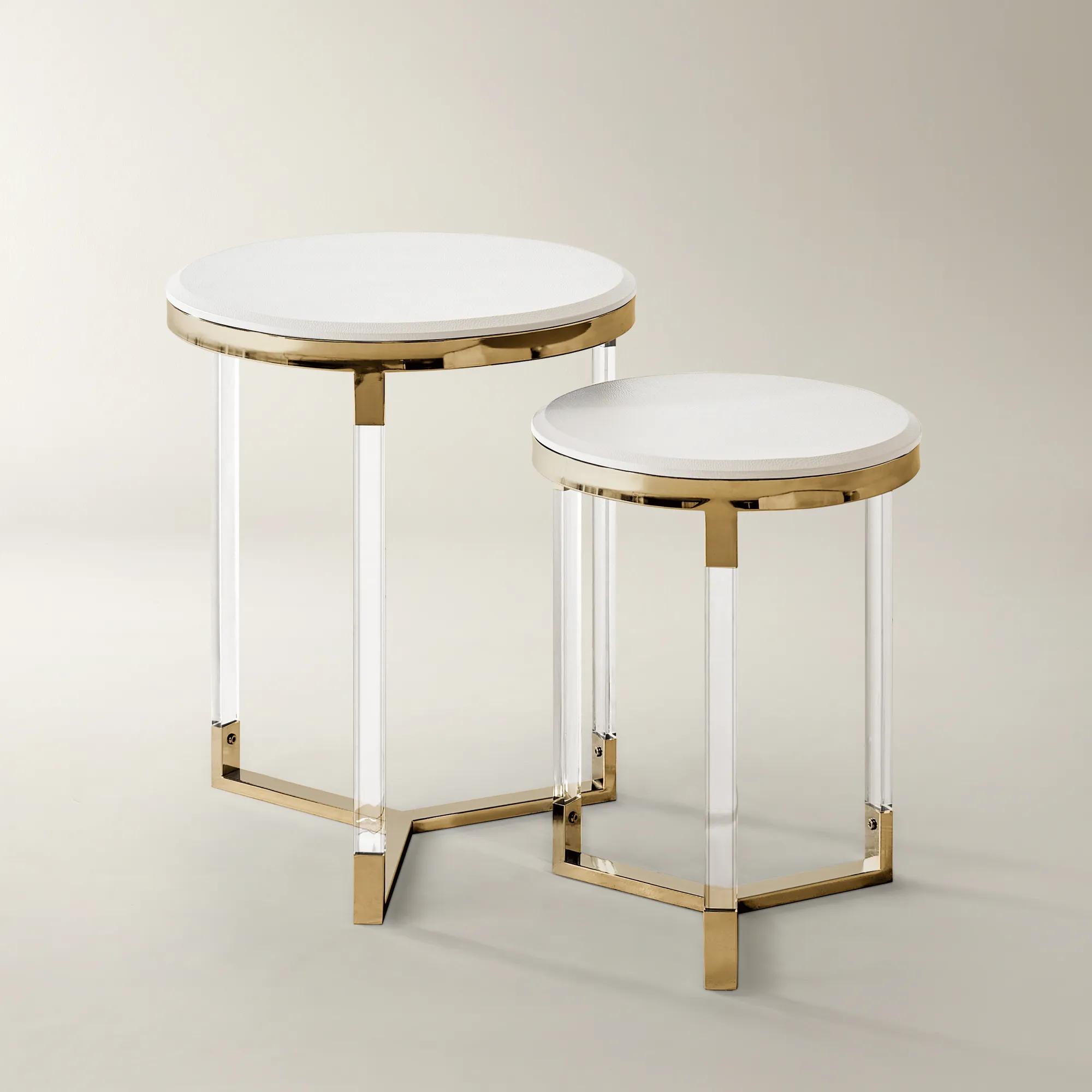
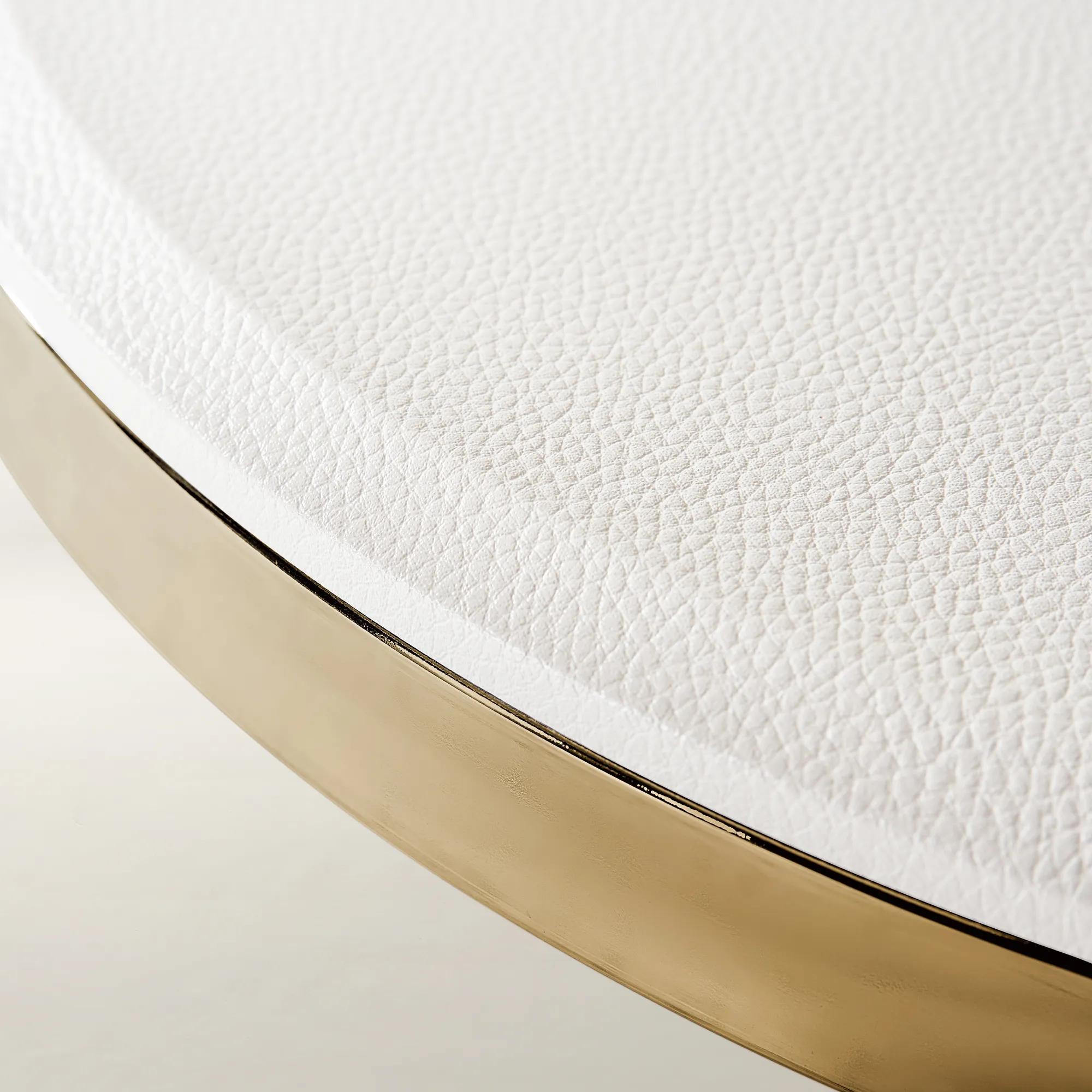 Murano Round White Accent Table With Faux Leather Top Set Of 2 (14.5"-18.5")$399
A set of two accent tables featuring mixed woods, faux leather tops, and acrylic legs with metallic finishes.
Add To Cart -
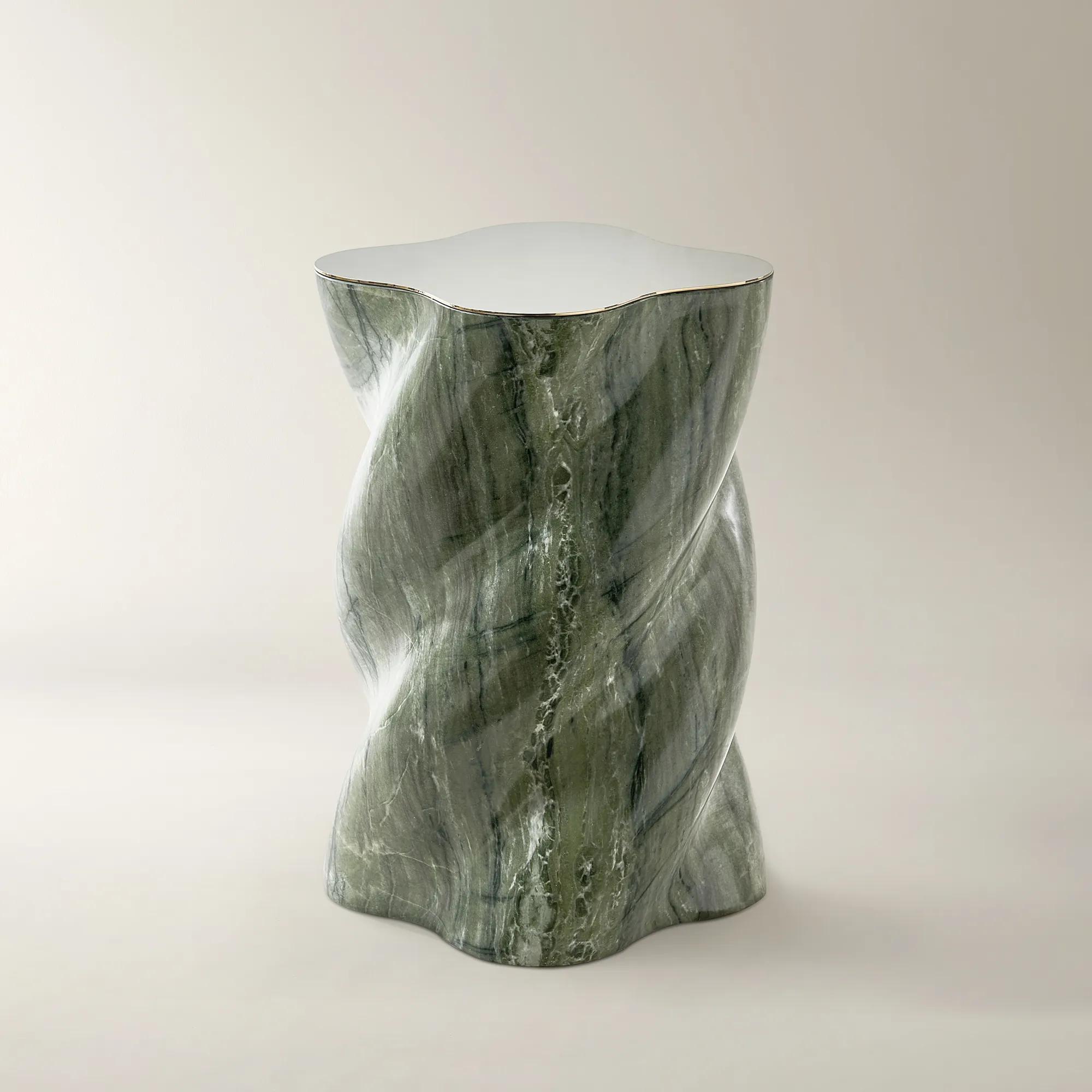 Vega Malachite Green Concrete Side Table With Stainless Steel Top (13.8")$459
A sculptural side table in malachite green with a marble-inspired fiber-concrete base and stainless steel top.
Add To Cart -
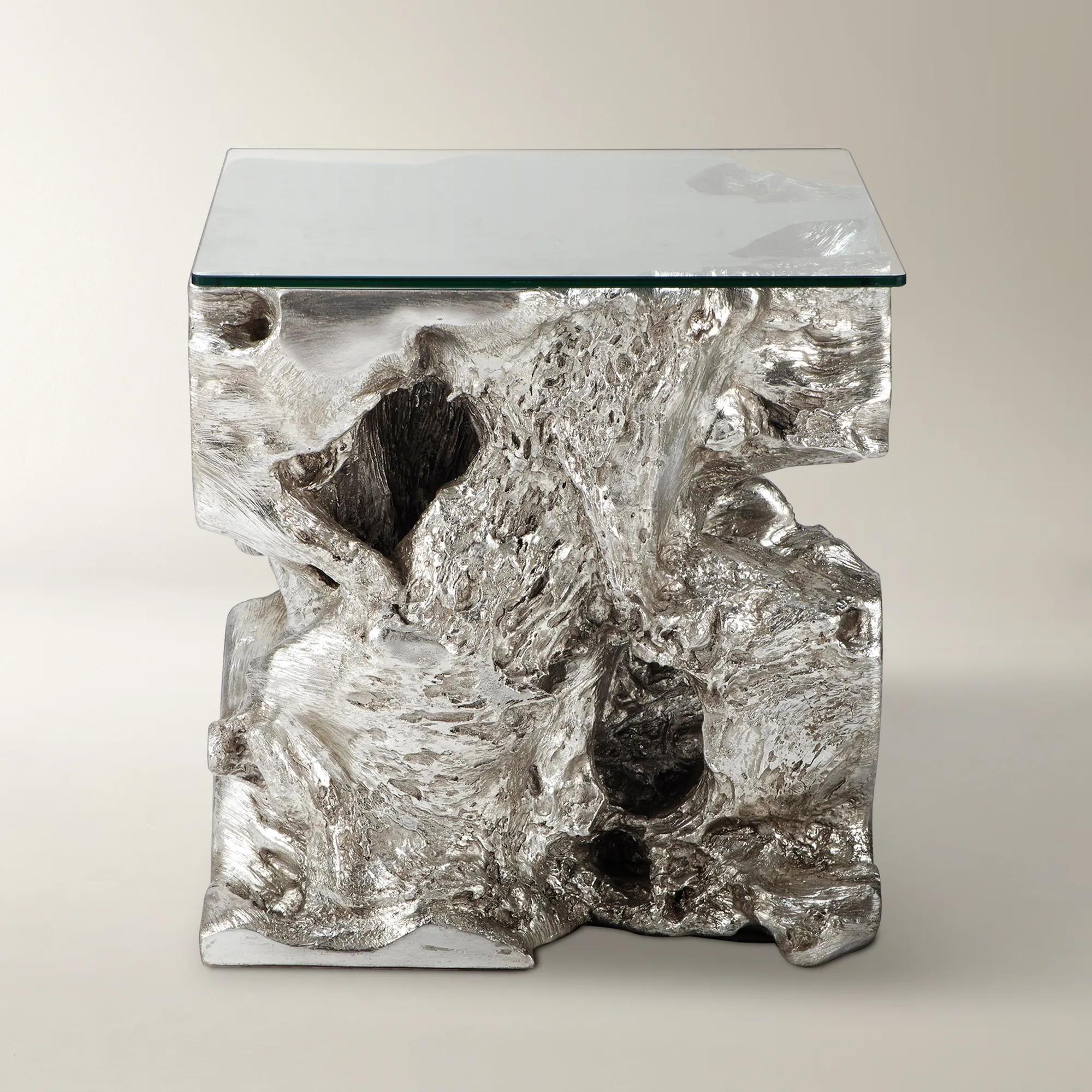 Sequoia Silver Resin End Table With Glass Top (22")$999
A sculptural end table featuring a silver leaf resin base and tempered glass top for modern elegance.
Add To Cart -
 Strata Round Green Concrete Side Table (15")$349
A sculptural green marble-look side table crafted from lightweight, durable, and weather-resistant fiber concrete.
Add To Cart -
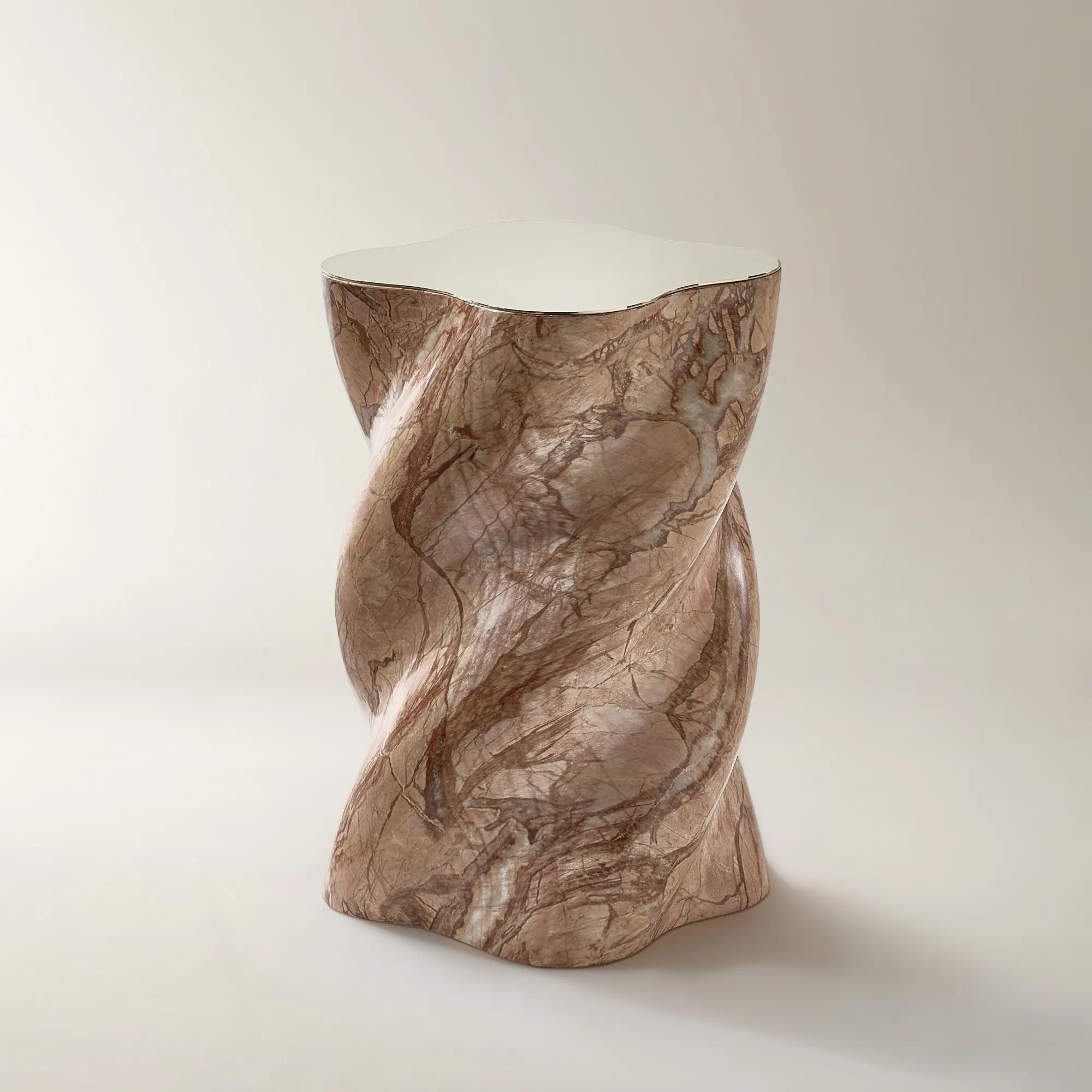
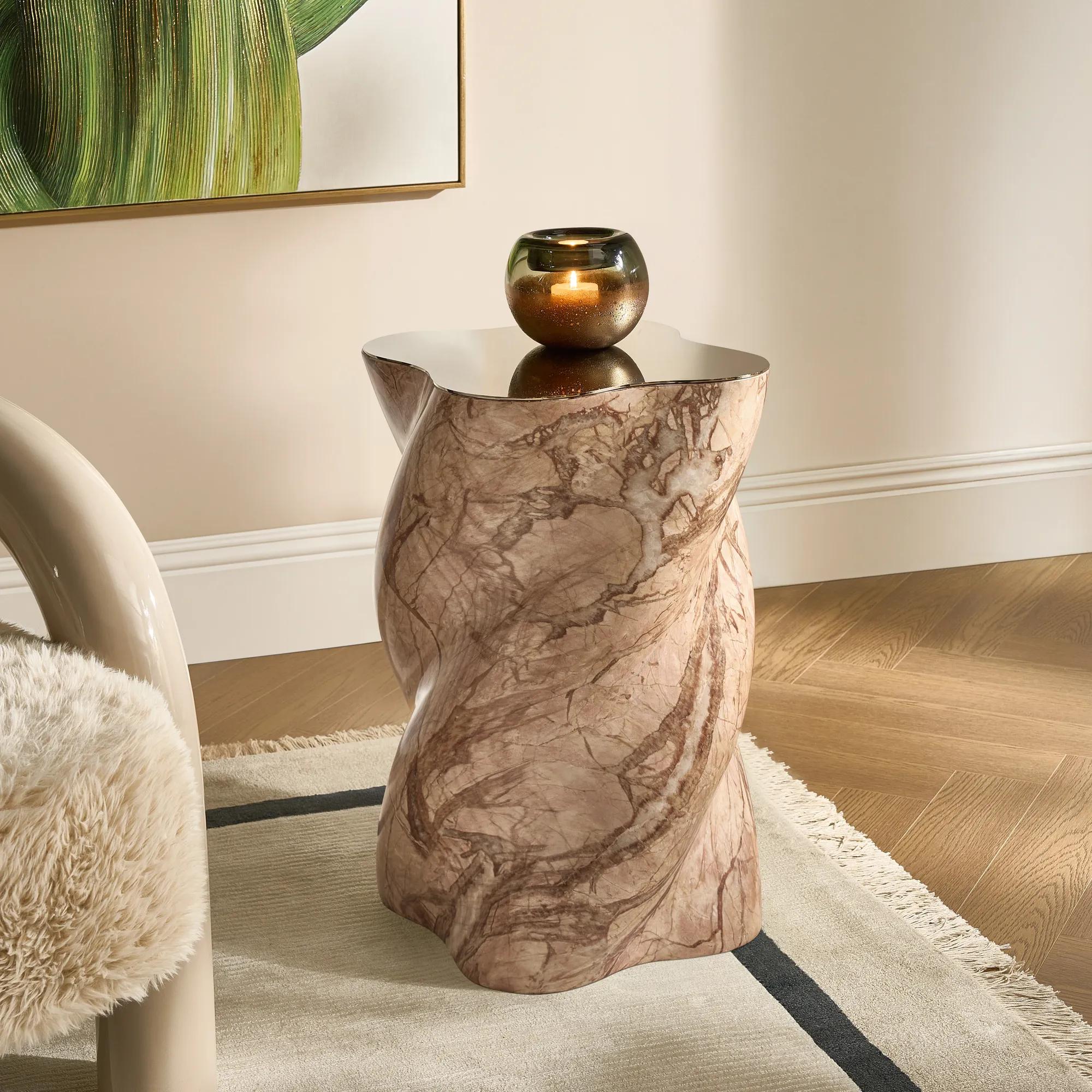 Vega Concrete Side Table With Stainless Steel Top (13.8")$459
A sculptural side table featuring a hand-cast fiber-concrete base and sunset marble-inspired stainless steel top.
Add To Cart -
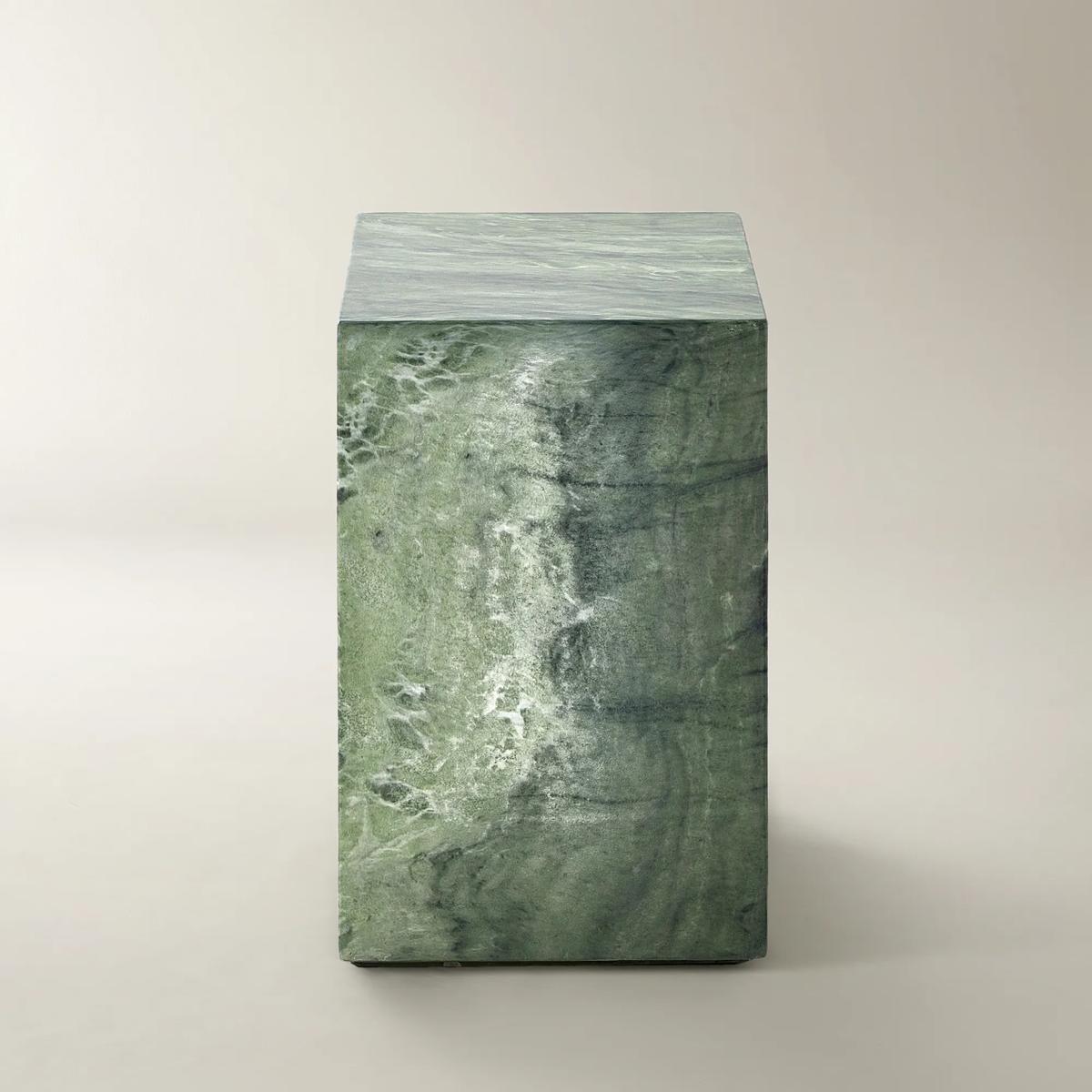
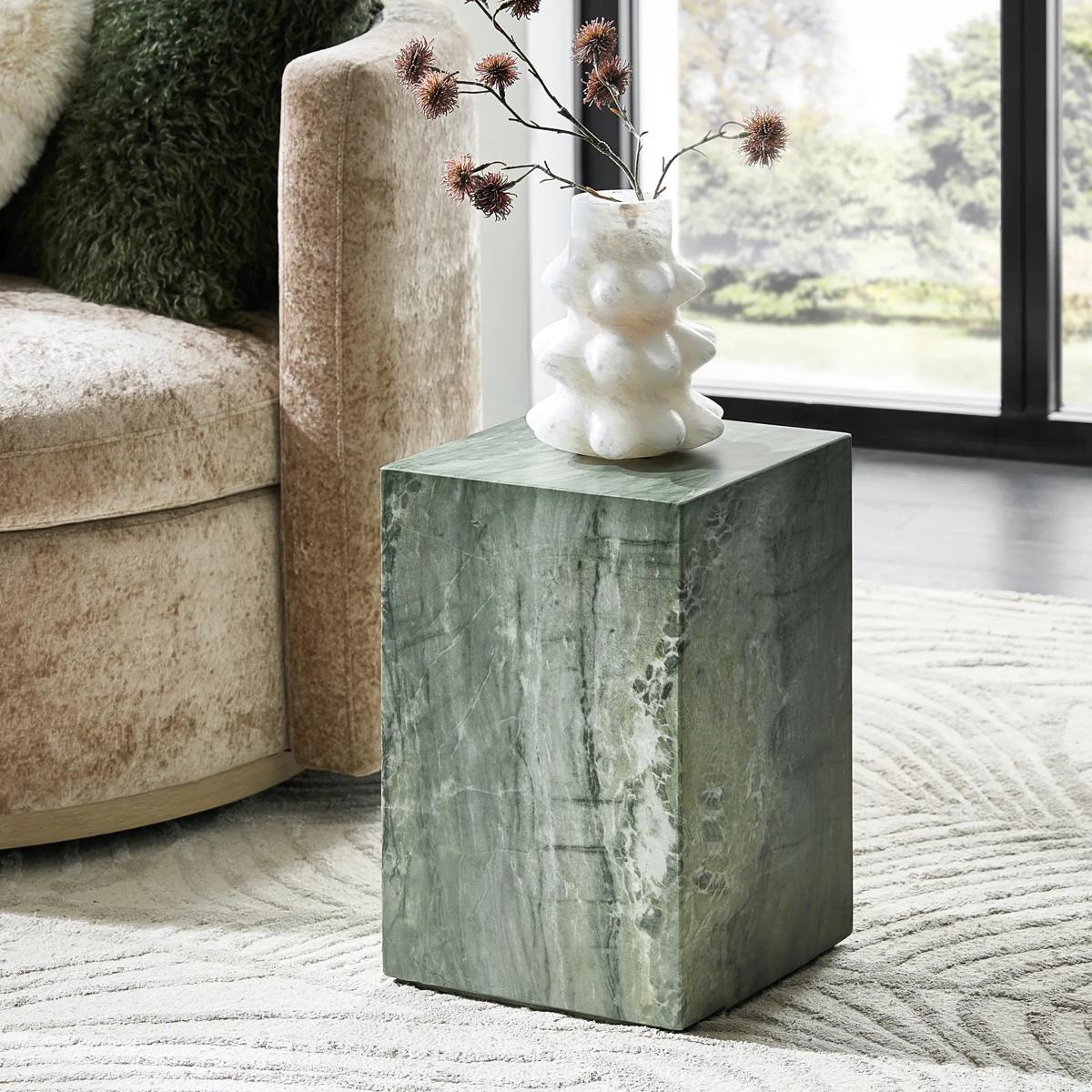 Strata Square Green Concrete Side Table (11.8")$299
A sculptural green marble-look side table crafted from lightweight, durable fiber concrete for indoor or outdoor use.
Add To Cart -
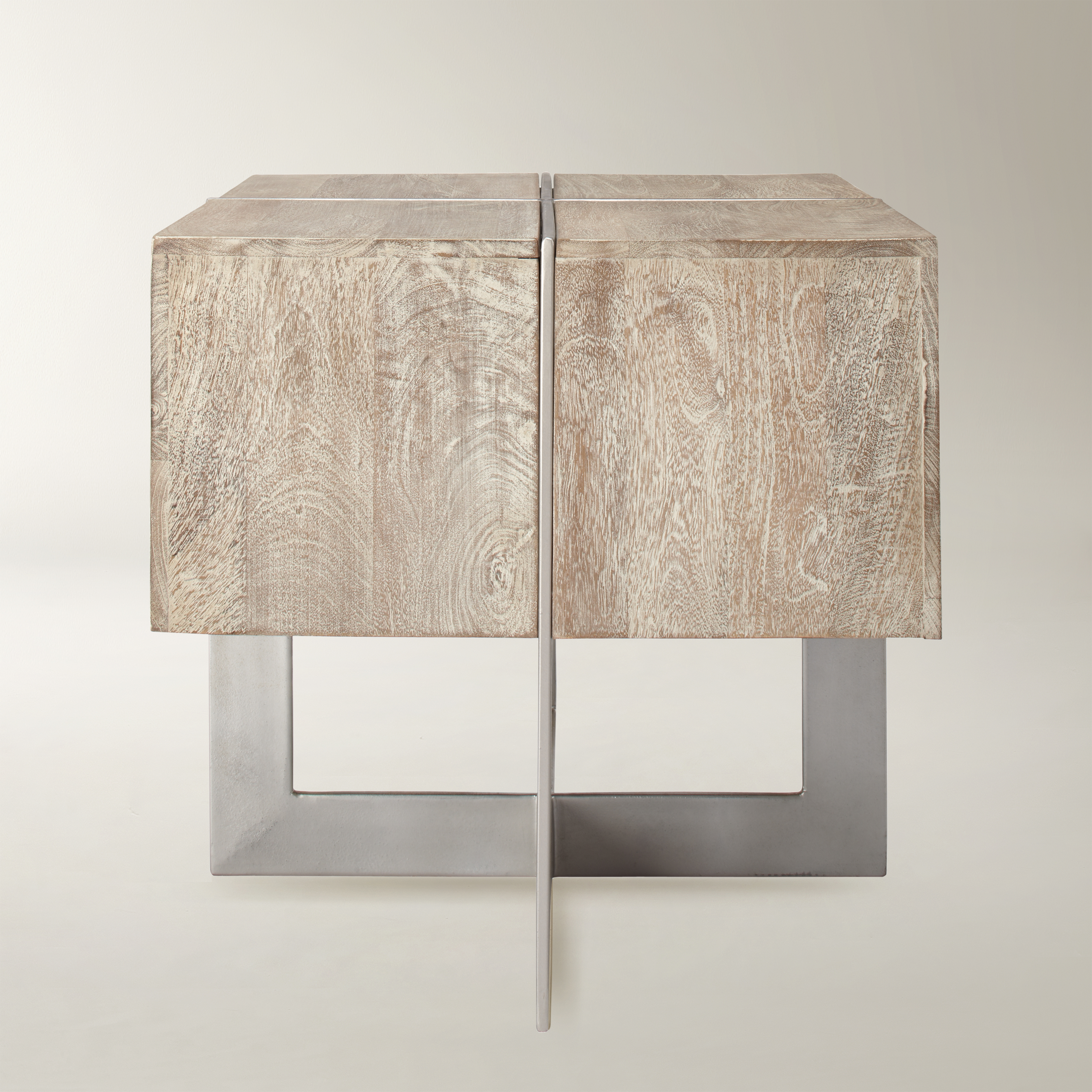
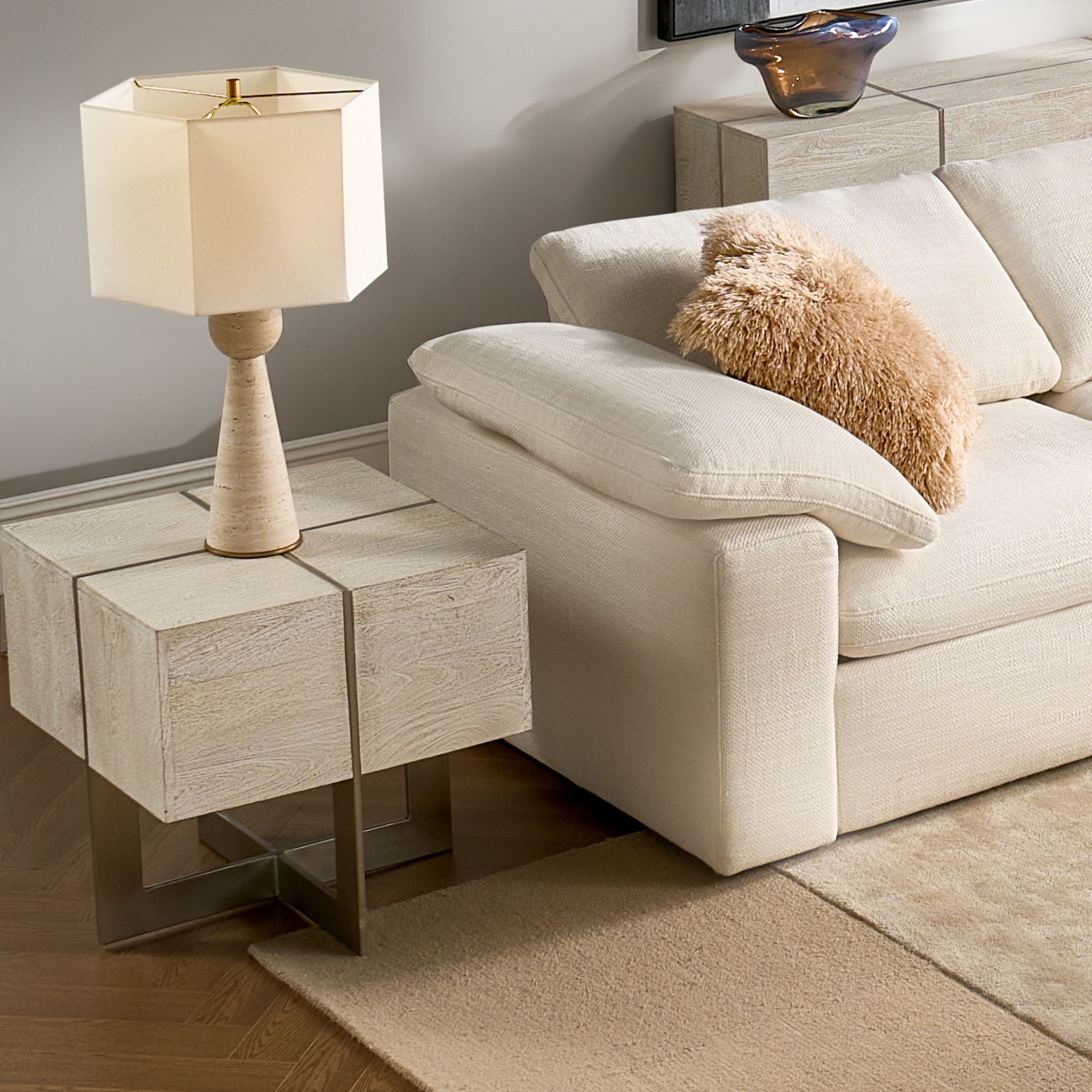 Clifton Square Natural Mango Wood End Table (24")$599
A handcrafted mango wood end table with a whitewashed finish and antiqued silver iron legs.
Add To Cart -
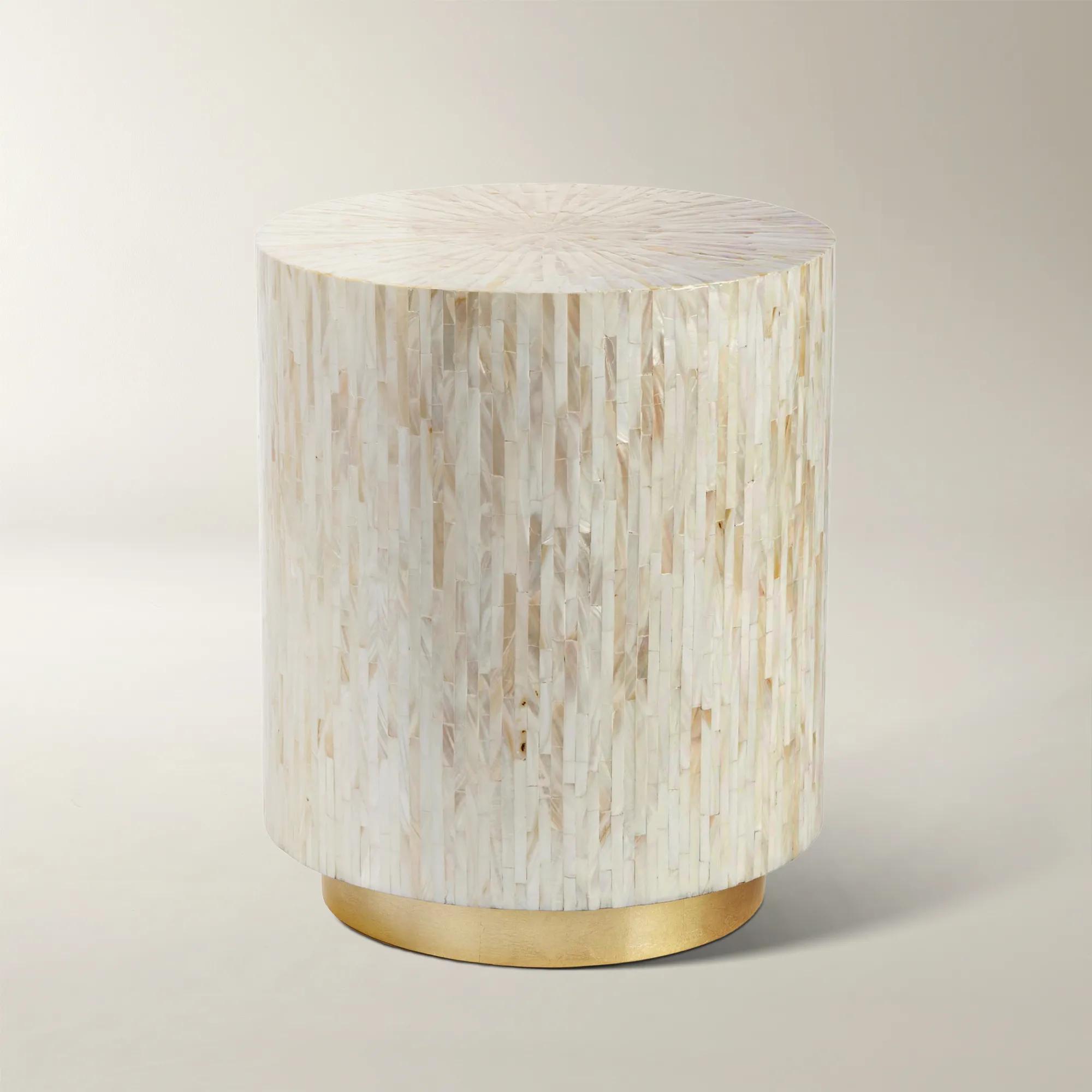 Alexandria Round Mosaic Platinum End Table (13.75")$299
A glamorous accent table featuring hand-applied mother-of-pearl mosaic and a gold leaf-accented base.
Add To Cart -
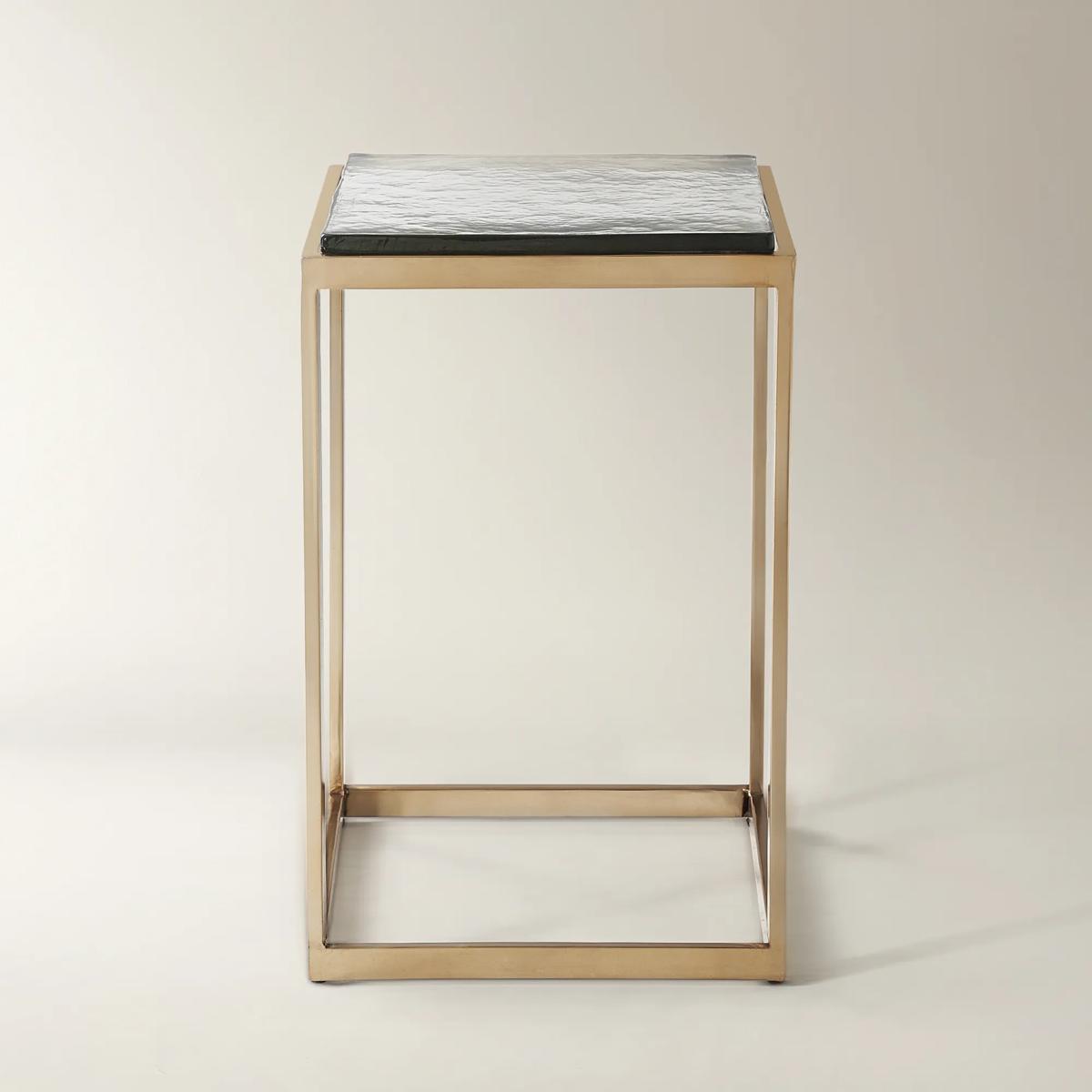
 Lyra Square Brass Metal Side Table With Glass Top (13.8")$239
A sculptural side table featuring a thick cast glass top and a lustrous brass-finished metal base.
Add To Cart

Elevated Small Accent Tables
Elevated small accent tables are the unsung heroes of inspired interiors—those artful touches that transform a room from simply styled to truly spectacular. Each compact silhouette becomes a stage for your most treasured objects, inviting conversation and admiration with every glance. Whether poised beside a sculptural sofa or anchoring a lavish reading nook, these tables bring undeniable charm and intention to even the most intimate corners. Discover how elevated small accent tables can punctuate your space with sophistication, turning everyday moments into grand gestures of design.
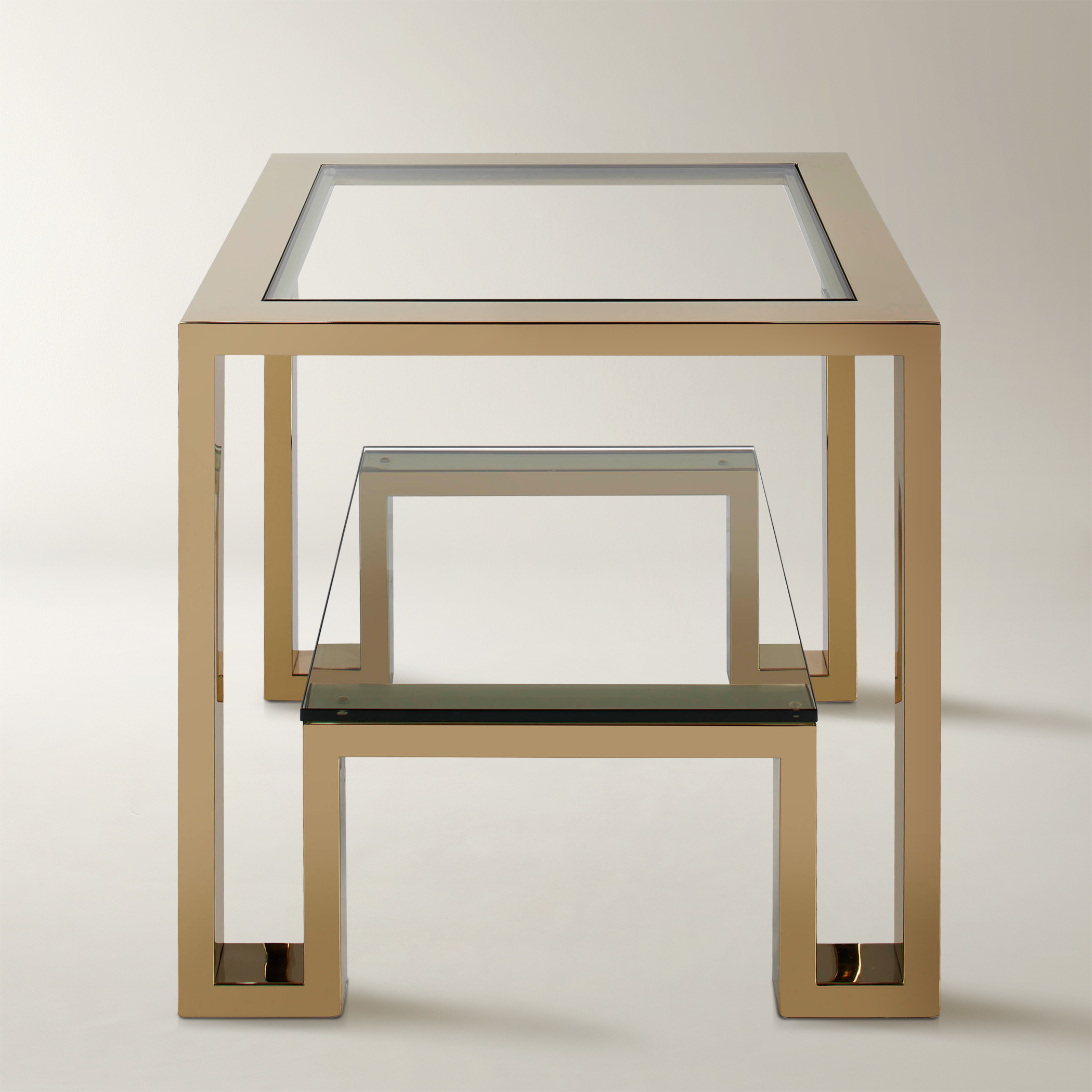
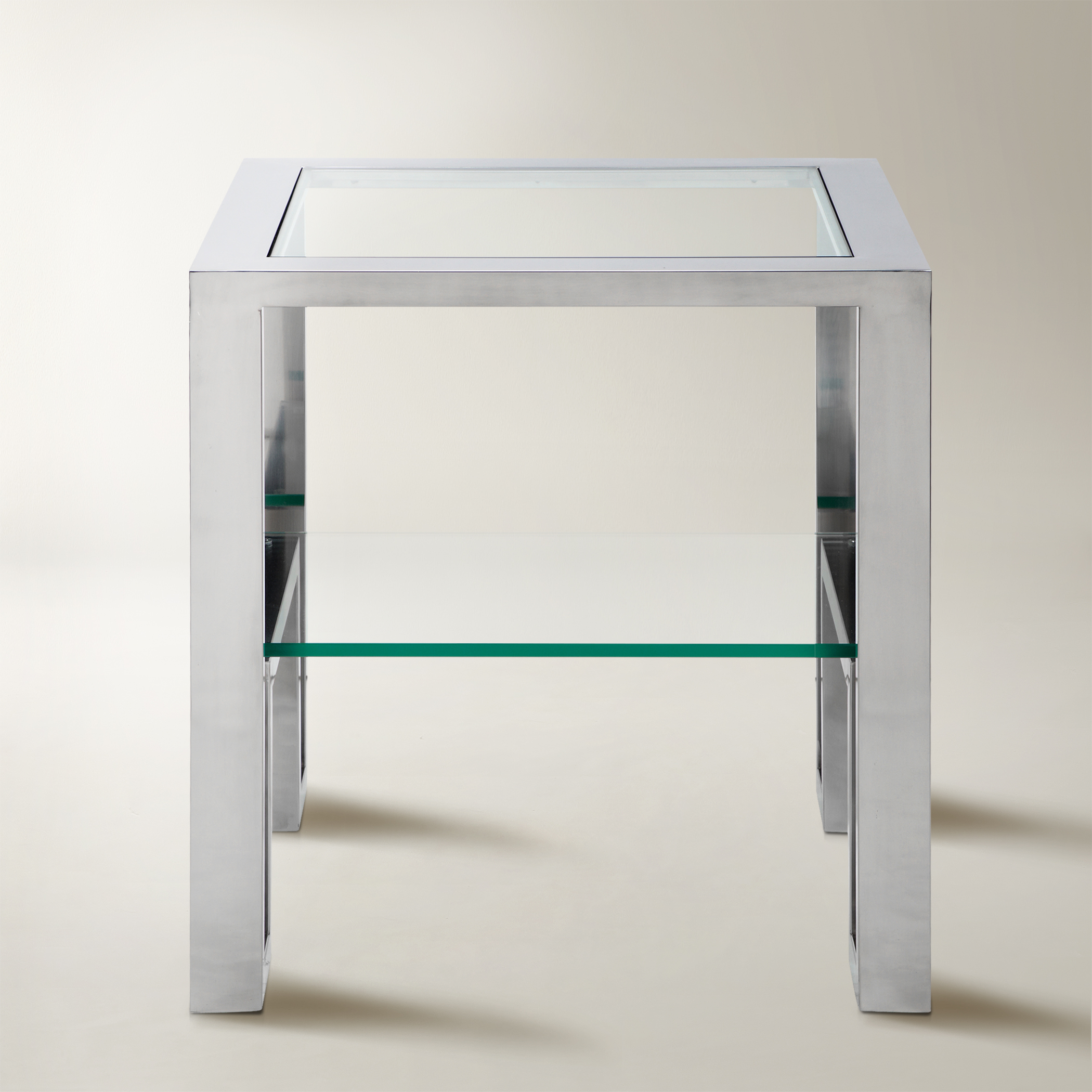
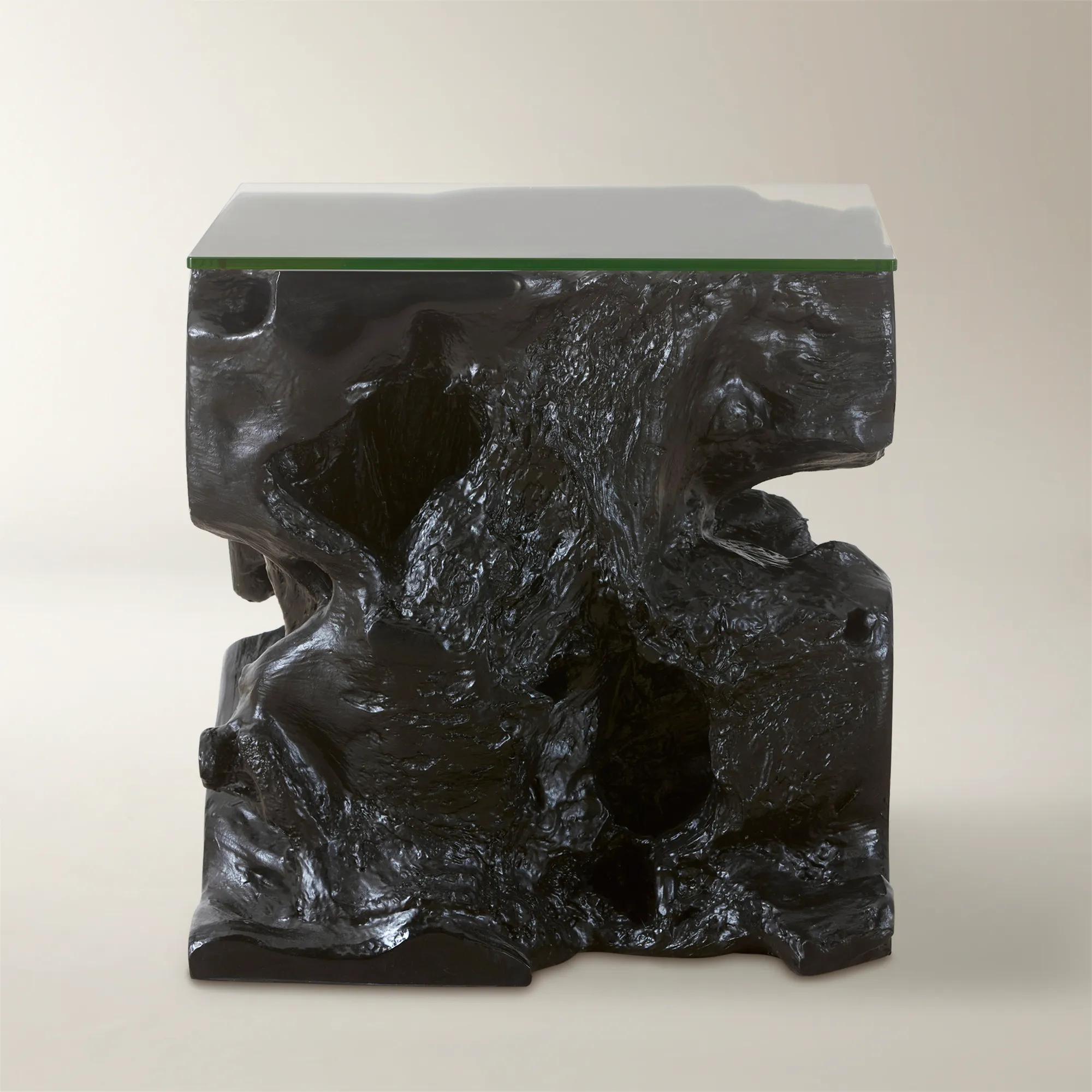
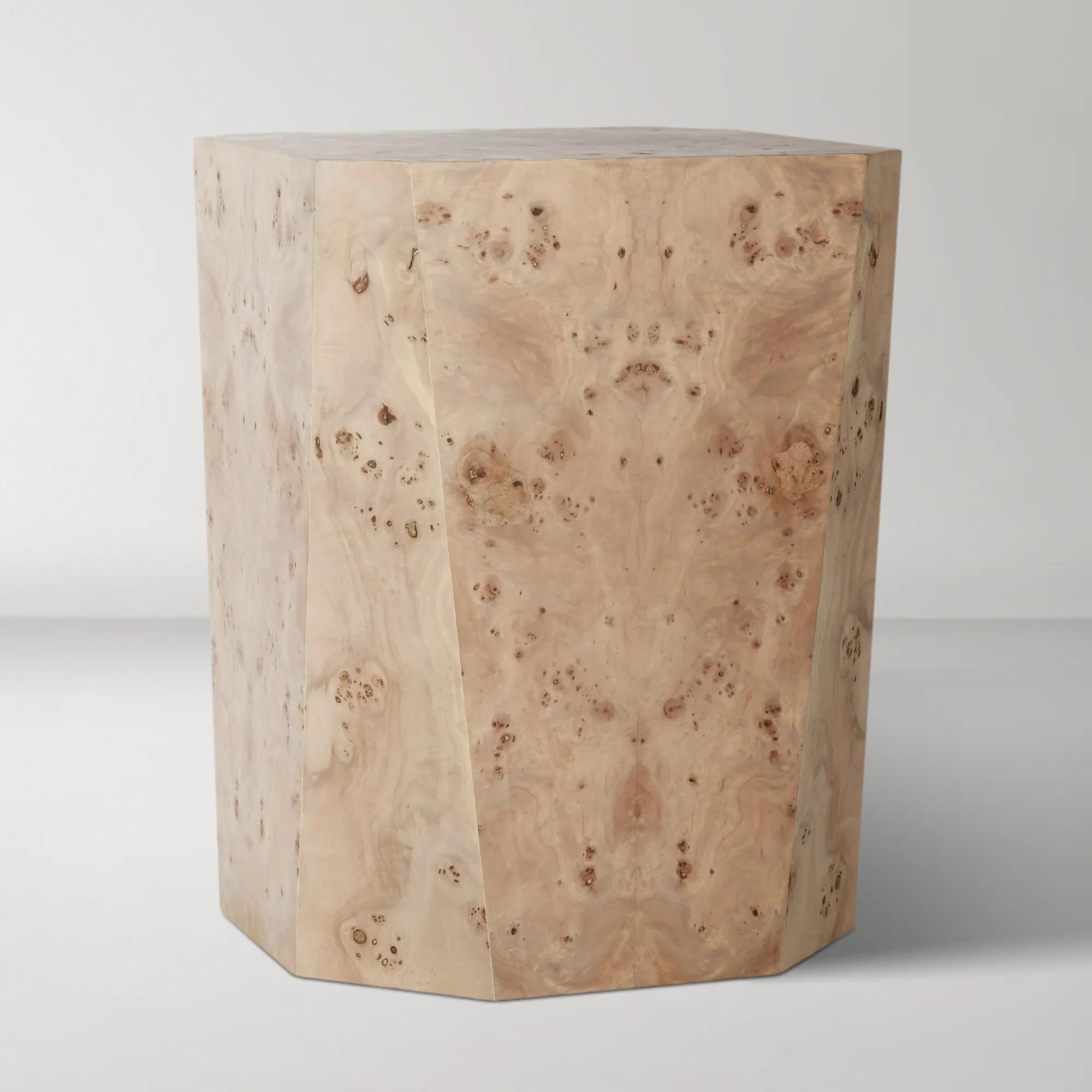
Elevated small accent tables bring a refined sense of proportion to a room, pairing compact surfaces with expressive silhouettes, distinctive materials, and thoughtful height. Positioned beside a sofa, between lounge chairs, or alongside a bed, they offer a place for everyday essentials without the visual weight of a larger furnishing. Their appeal is both practical and atmospheric: a slender pedestal can introduce a gleam of metal beside sumptuous upholstery, while a sculptural base can give an otherwise quiet corner a compelling focal point. In this context, “elevated” describes a sophisticated design sensibility rather than a single height or construction; small accent tables may have fixed-height tops, and some designs incorporate adjustable mechanisms. The most suitable proportions depend on the surrounding furniture and how the surface will be used. A drink table needs enough room for a glass and perhaps a small dish, while a bedside accent table may need to accommodate a reading lamp, a book, and a phone. Beside seating, a tabletop close to the height of the arm generally makes a beverage easier to reach without leaning or lifting awkwardly. An armless lounge chair calls for a different relationship, with the surface positioned comfortably within reach of the seated person. Compact does not have to mean visually discreet. A substantial stone top on a narrow support can feel architectural, and a polished finish can catch the light like a piece of jewelry against a deep-toned sofa. Round tops soften the geometry of squared upholstery; square and rectangular surfaces create more defined arrangements beside tailored seating. An unexpected curved profile can bring movement to a room dominated by straight lines. For apartment living rooms, intimate sitting areas, and bedrooms where every inch matters, these small-scale furnishings create useful landing places while preserving the openness around them. In larger spaces, they add intimacy, giving each chair its own considered place for a drink or a personal object rather than leaving every function to a distant coffee table.
Materials give small accent tables much of their character, and their different properties influence both placement and care. Marble and other natural stones introduce veining, tonal variation, and a sense of permanence; no two natural surfaces are necessarily identical. Pale stone can lend luminosity to dark upholstery, while a deeper tone creates a striking counterpoint to ivory textiles. Stone is substantial, but it is not impervious to damage. Acidic drinks can etch marble, and spills may stain porous surfaces, making coasters and prompt cleanup especially important. Sealing requirements vary by material and finish, so the care instructions for the individual table should govern maintenance. Metal brings another kind of expression, from softly brushed surfaces to high-polish finishes that reflect nearby color and light. A slender metal frame can keep a small footprint visually open, though resistance to scratches, moisture, and wear depends on the metal and its protective finish. Glass offers transparency that allows a distinctive base or beautiful rug to remain visible; it also reveals fingerprints and requires attention to exposed edges. Mirrored surfaces heighten that reflective effect, introducing flashes of light without needing a large expanse of furniture. Wood provides grain, depth, and a warmer visual balance alongside glass, stone, or metallic accents. Solid wood and veneered constructions have different characteristics, but both benefit from protection against lingering moisture, excessive heat, and prolonged direct sunlight. A soft cloth and a cleaner approved for the specific surface help preserve the intended finish; abrasive pads and harsh household chemicals can diminish its sheen. Durability also rests in the construction beneath the finish. Secure joints, a level tabletop, and a base proportioned to the top contribute to dependable everyday use. A heavy material alone does not guarantee stability, especially in a tall, narrow design. In homes with children or energetic pets, a steady base, softened edges, and a position outside busy paths deserve particular attention. Accent tables are intended to support objects within their stated weight limits, not to serve as extra seating or steps, however substantial their appearance.
The strongest placement gives a small accent table a clear purpose while allowing its form to contribute to the composition of the room. Beside a generously scaled sofa, a compact table can punctuate the upholstery with a contrasting texture rather than compete with it. Between two accent chairs, a shared surface creates an inviting setting for conversation, provided both seats have comfortable access. In a bedroom, a petite pedestal can be an elegant alternative to a broader nightstand when only a few essentials need to remain at hand; anyone who needs concealed storage may prefer a design with a drawer or shelf. An entryway placement can offer a graceful resting place for keys or a decorative vessel, but the base and tabletop should stay clear of the door swing and walking route. Measuring both is important: a narrow top may sit above a wider foot, and a sculptural base may occupy more floor space than its profile first suggests. C-shaped tables can bring a surface closer to a sofa or chair, though the lower section needs sufficient clearance beneath the furniture. Adjustable-height designs can accommodate different seating arrangements, with the mechanism secured before the surface is used. These functional distinctions leave ample room for personal expression. A single ceramic vessel on a gleaming top creates a different mood from a small stack of art books on richly grained wood. Keeping part of the surface open preserves its everyday usefulness and lets the material remain visible. Where a lamp is part of the arrangement, its base should fit comfortably on the tabletop, with the cord routed away from foot traffic. Those drawn to crisp geometry and sculptural simplicity can also explore Contemporary Small Accent Tables for a related design perspective. For a thoughtful housewarming or wedding gift, a compact accent table can become a lasting part of someone’s home when its dimensions and finish suit their space and taste. Whether furnishing a first apartment or refining an established interior, an elevated small accent table makes a precise design statement: modest in footprint, expressive in form, and intimately connected to the way a room is enjoyed.
FAQs
Elevated small accent tables are crafted from a variety of luxurious materials, including gleaming metals such as brass or chrome, richly grained woods, polished marble, faceted glass, and even mirrored finishes. Each material brings its own unique character and visual interest, allowing you to curate a look that perfectly complements your existing décor and personal style.
To create a dramatic focal point, layer your accent table with thoughtfully chosen accessories such as a sculptural vase, a stack of artful books, or a statement candleholder. Pairing bold textures or contrasting finishes—like a velvet ottoman nearby or a metallic tray atop the table—draws the eye and adds depth. Lighting, such as a petite lamp or a cluster of votives, can further highlight the table’s artistry and enhance the mood of the room.
Absolutely. Small accent tables are remarkably versatile and can elevate nearly any room in the home. Use one as a chic nightstand in the bedroom, a sophisticated perch in an entryway, or a glamorous companion beside a soaking tub in the bathroom. Their compact size and striking design make them ideal for adding style and function to unexpected spaces.
An accent table makes a memorable gift because it marries beauty with utility. It’s a piece that can instantly transform a space, offering the recipient a canvas for self-expression—whether they use it to showcase cherished keepsakes or as an everyday convenience. Its versatility ensures it will be cherished for years to come, making it a perfect choice for housewarmings, weddings, or milestone celebrations.
Consider the mood and palette of your space when selecting a finish. For a touch of glamor, opt for metallics like gold or silver. If you prefer a more organic or grounded feel, natural woods or stone offer warmth and texture. Mirrored or glass tables add light and a sense of openness, while lacquered or high-gloss finishes bring modern sophistication. Mixing finishes can also create a curated, designer look that feels both intentional and dynamic.