Contemporary Small Accent Tables
Contemporary Small Accent Tables
-
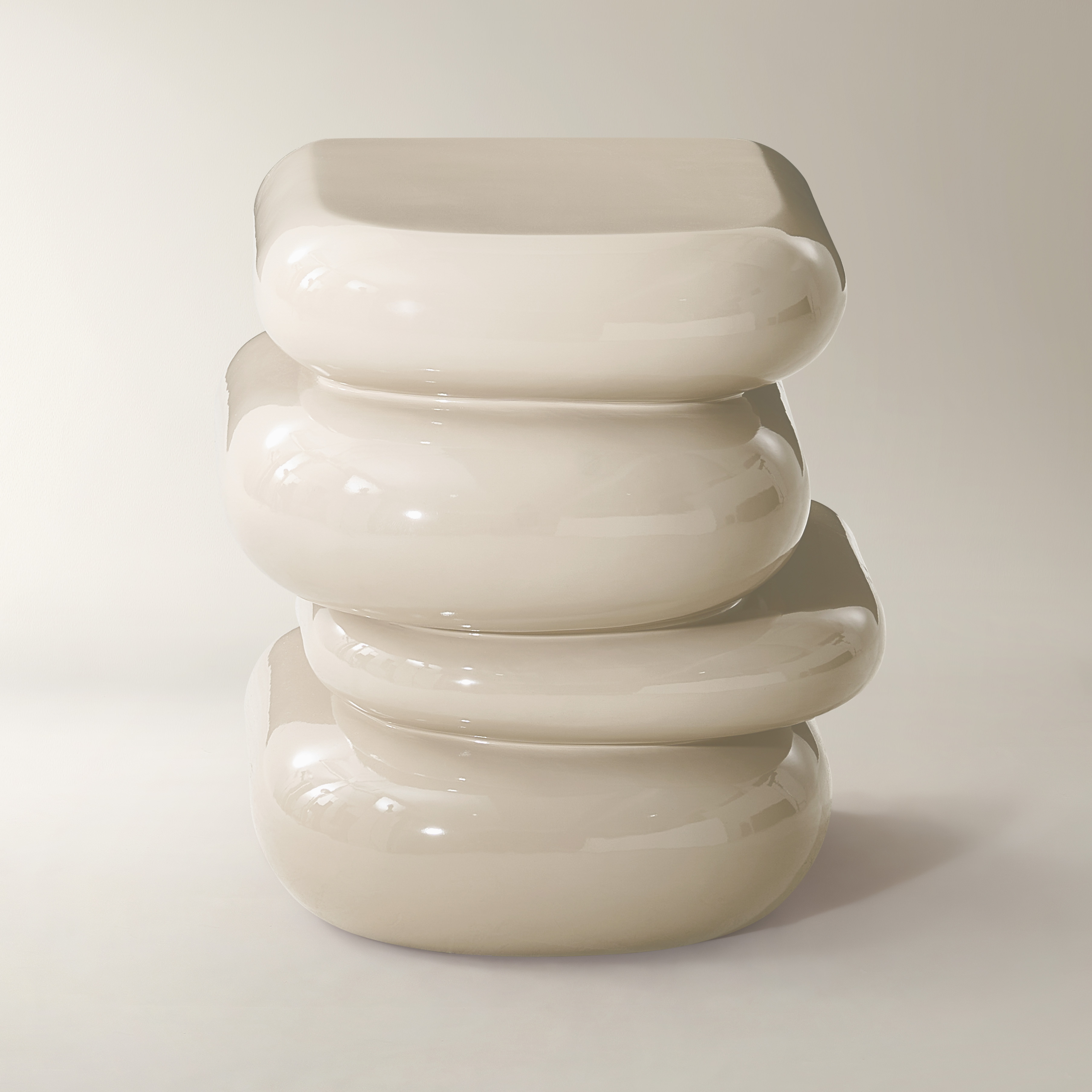
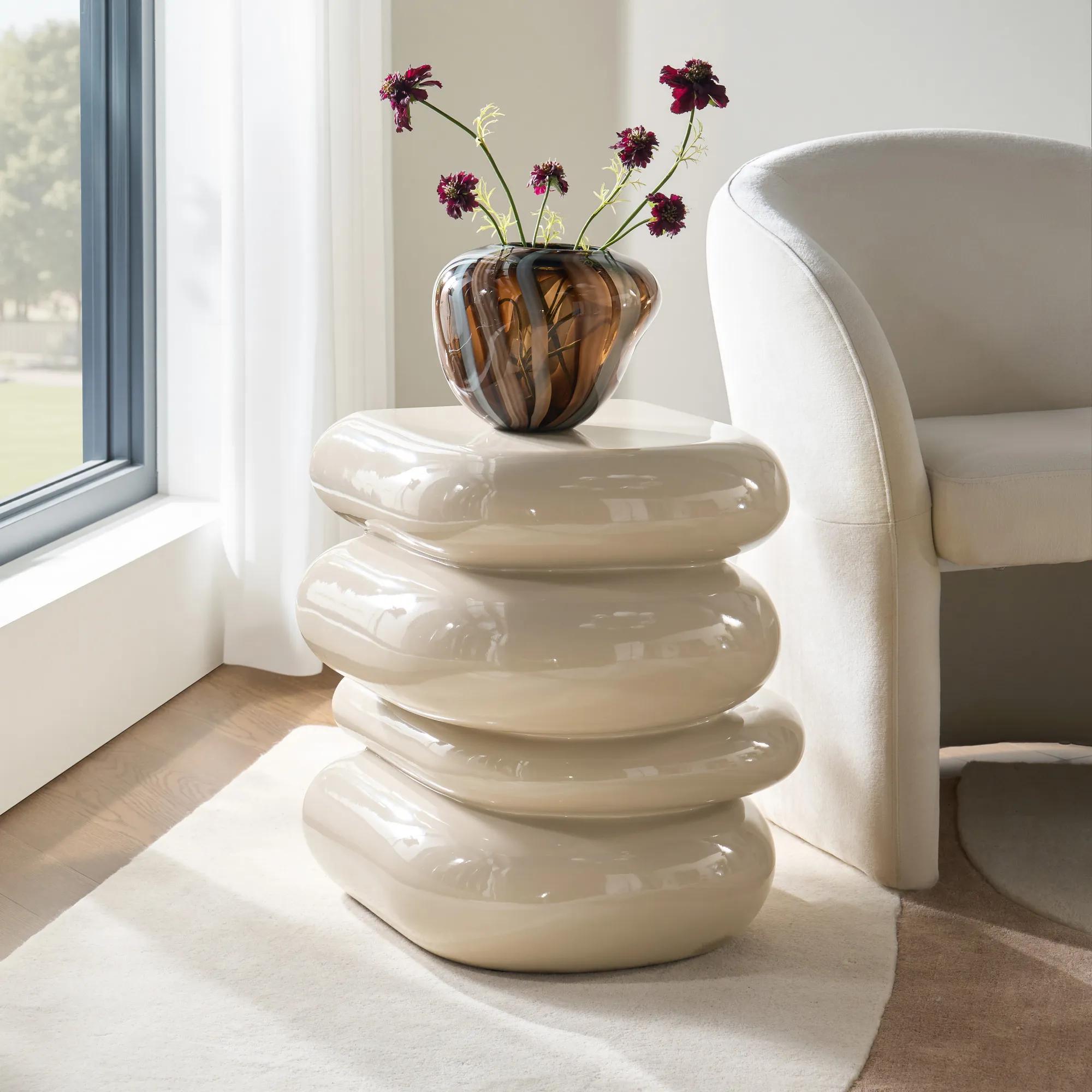 Forma Stacked Turtle Dove Side Table (19.9")$499
A sculptural accent table crafted from high-gloss turtle dove fiberglass with softly stacked, rounded tiers.
Add To Cart -
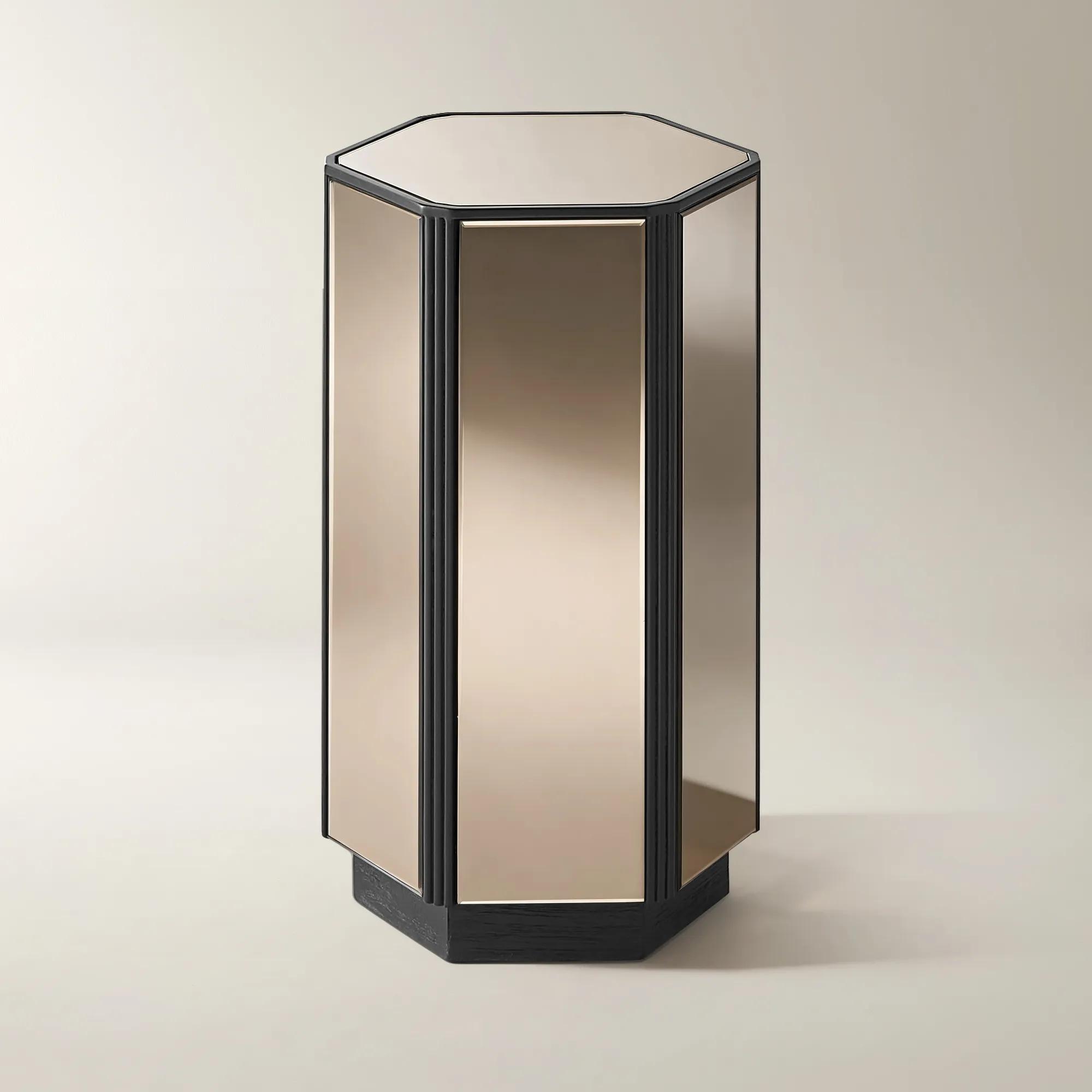 Glimmer Bronze Mirrored End Table (12")$399
A sculptural end table featuring bronze mirror panels and a black oak base for modern elegance.
Add To Cart -
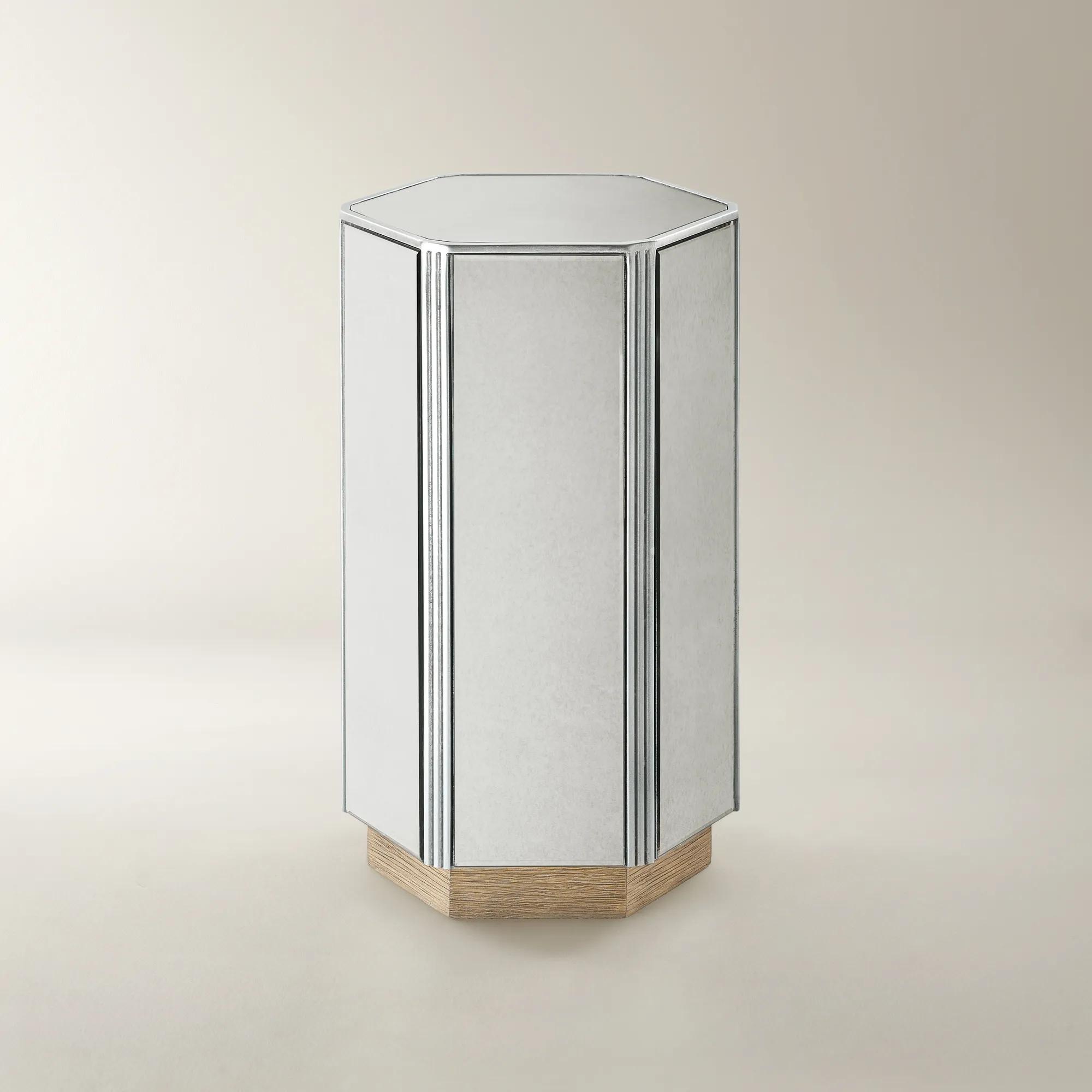 Glimmer Silver Mirrored End Table (12")$399
A chic side table featuring an antique silver mirror top and warm oak veneer base with handcrafted details.
Add To Cart -
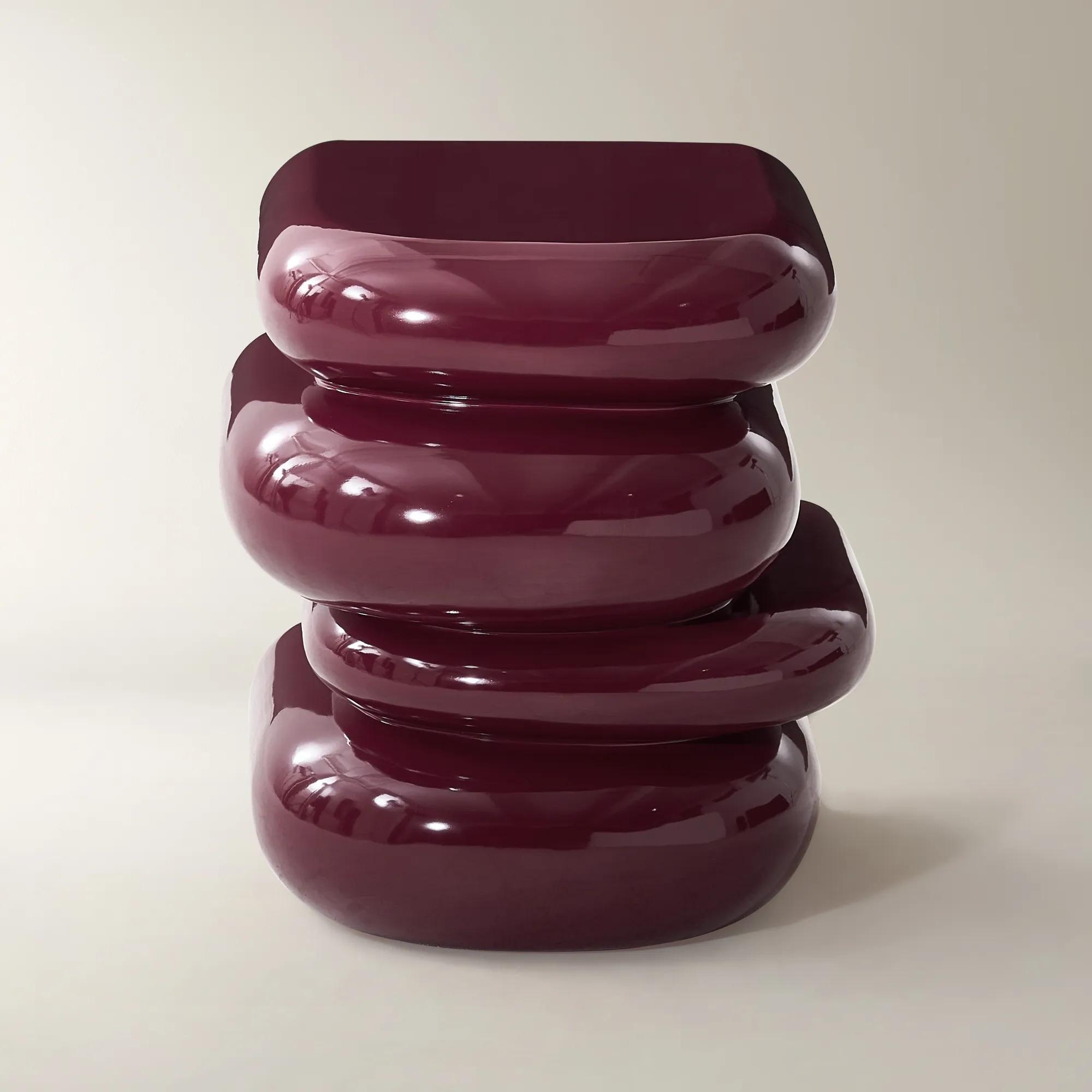 Forma Stacked Ox Blood Side Table (19.9")$499
A sculptural accent table crafted from high-gloss ox blood fiberglass with softly stacked, rounded tiers.
Add To Cart -
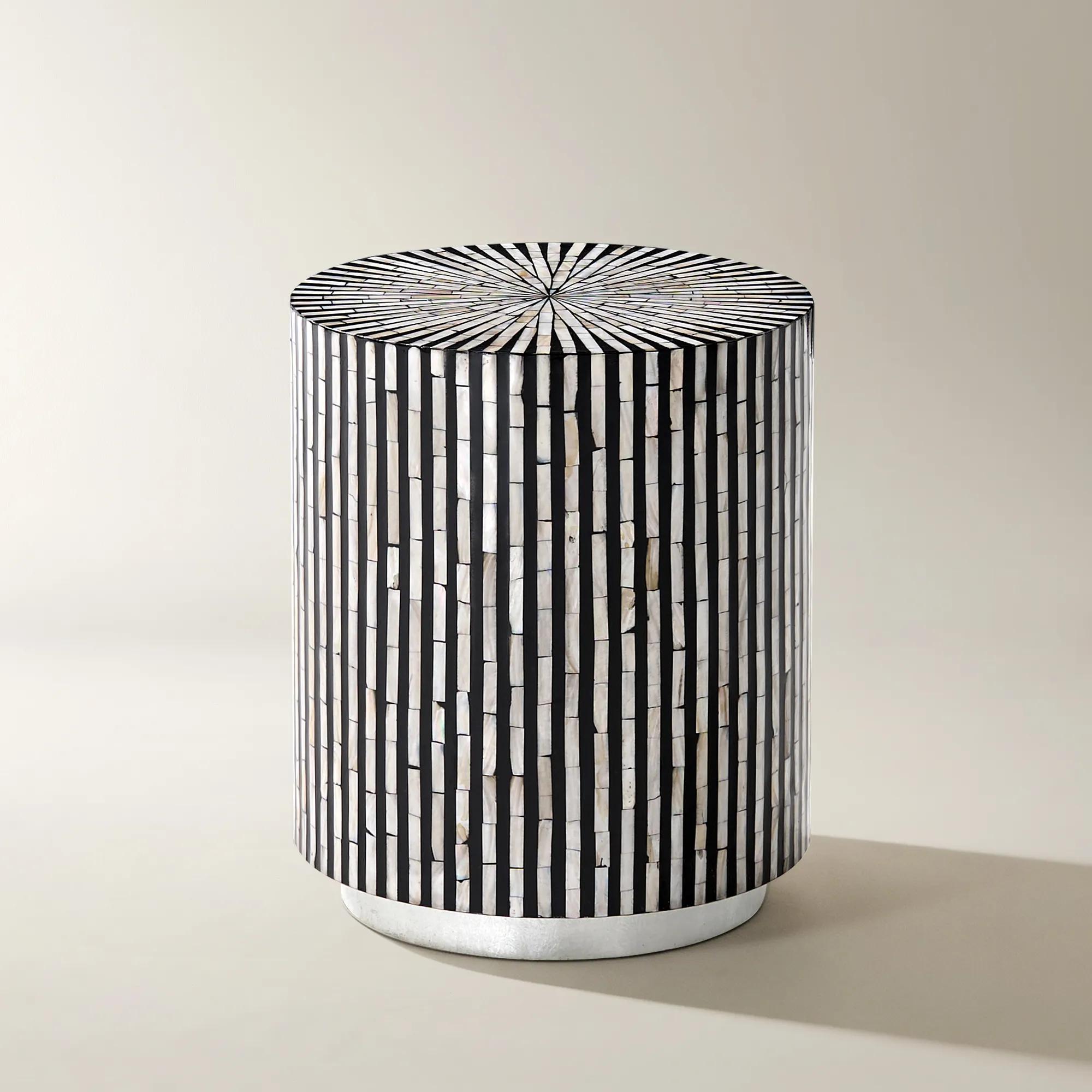
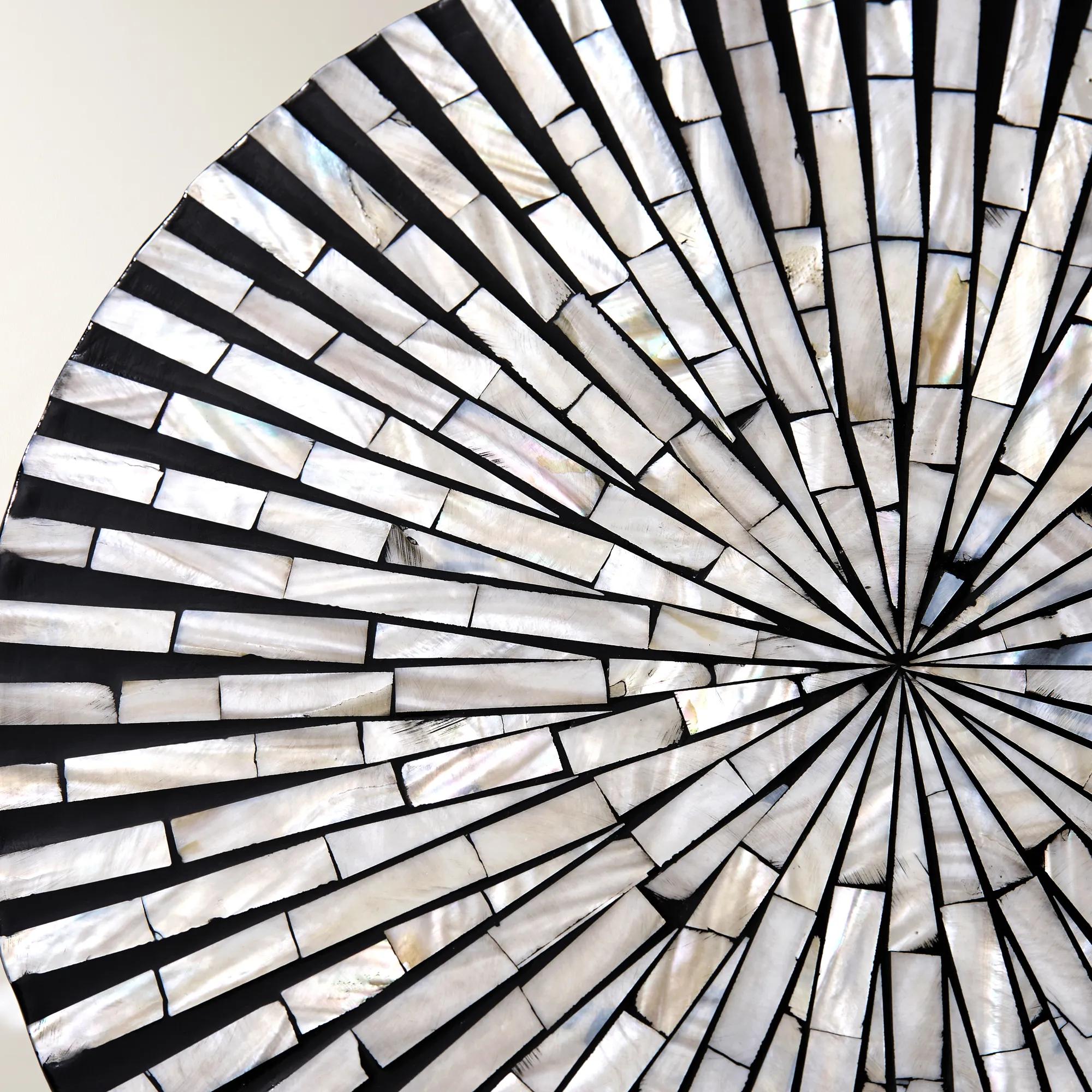 Marina Round Mosaic Black End Table (13.75")$299
A sculptural black end table featuring hand-applied mother-of-pearl mosaic and a silver leaf–accented base.
Add To Cart -
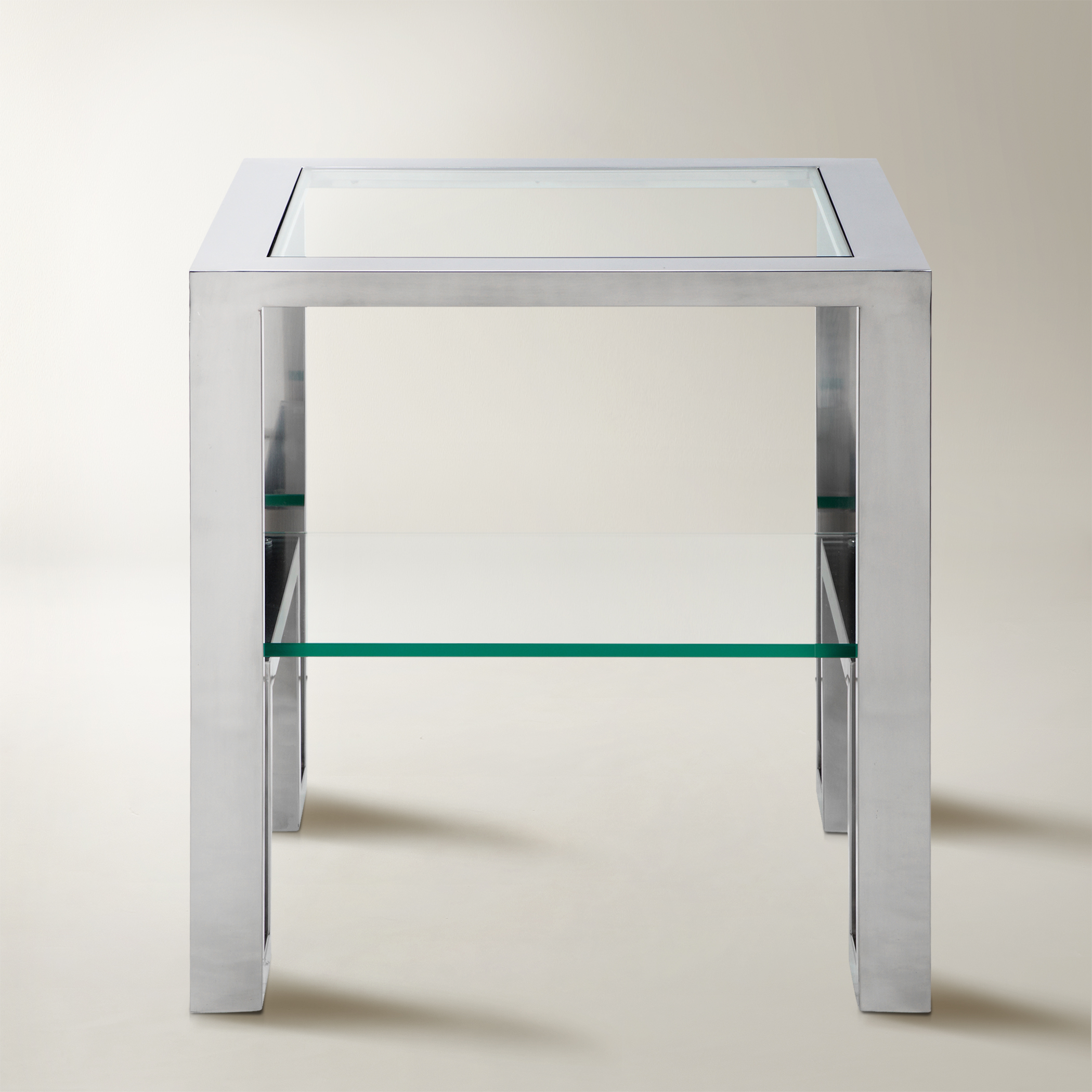
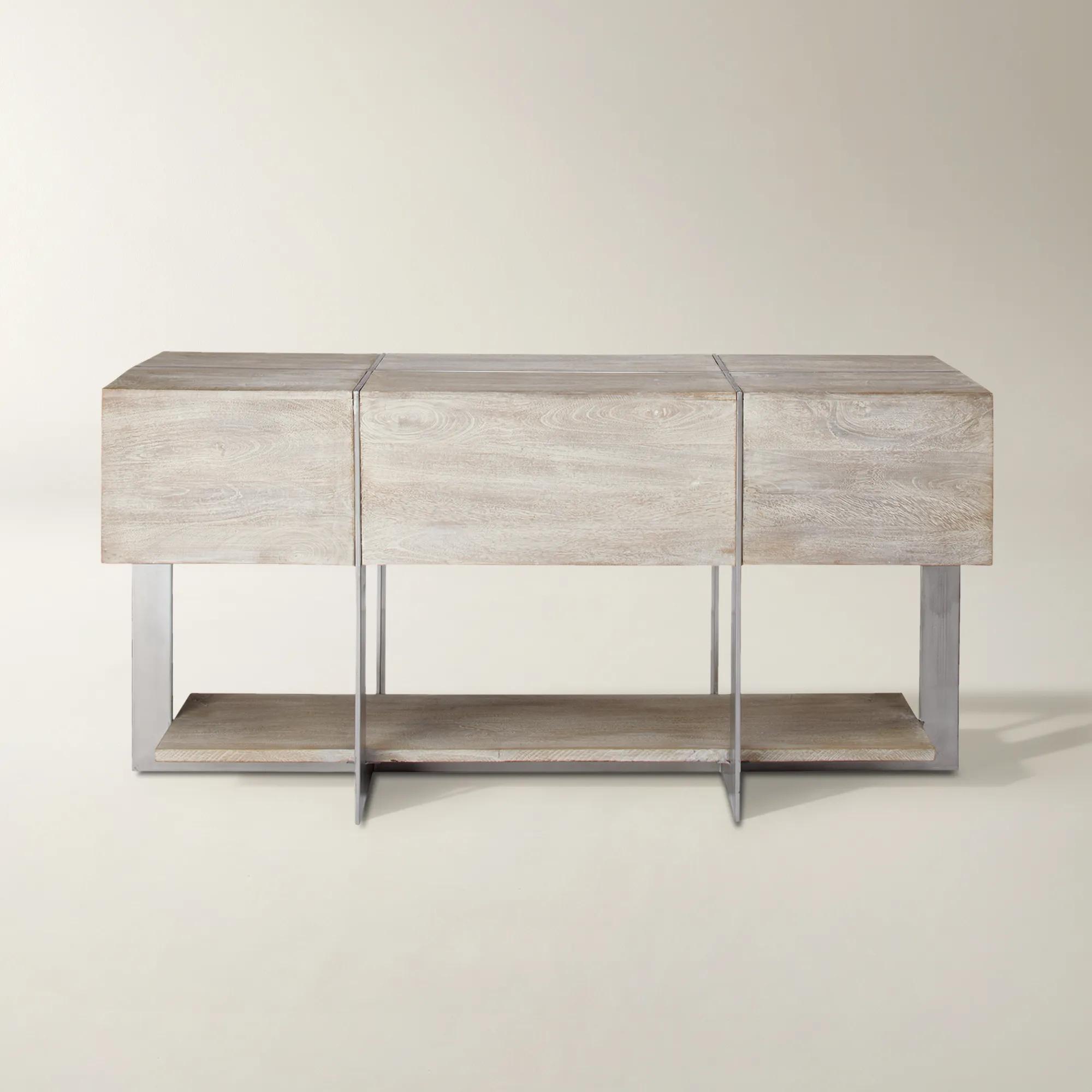
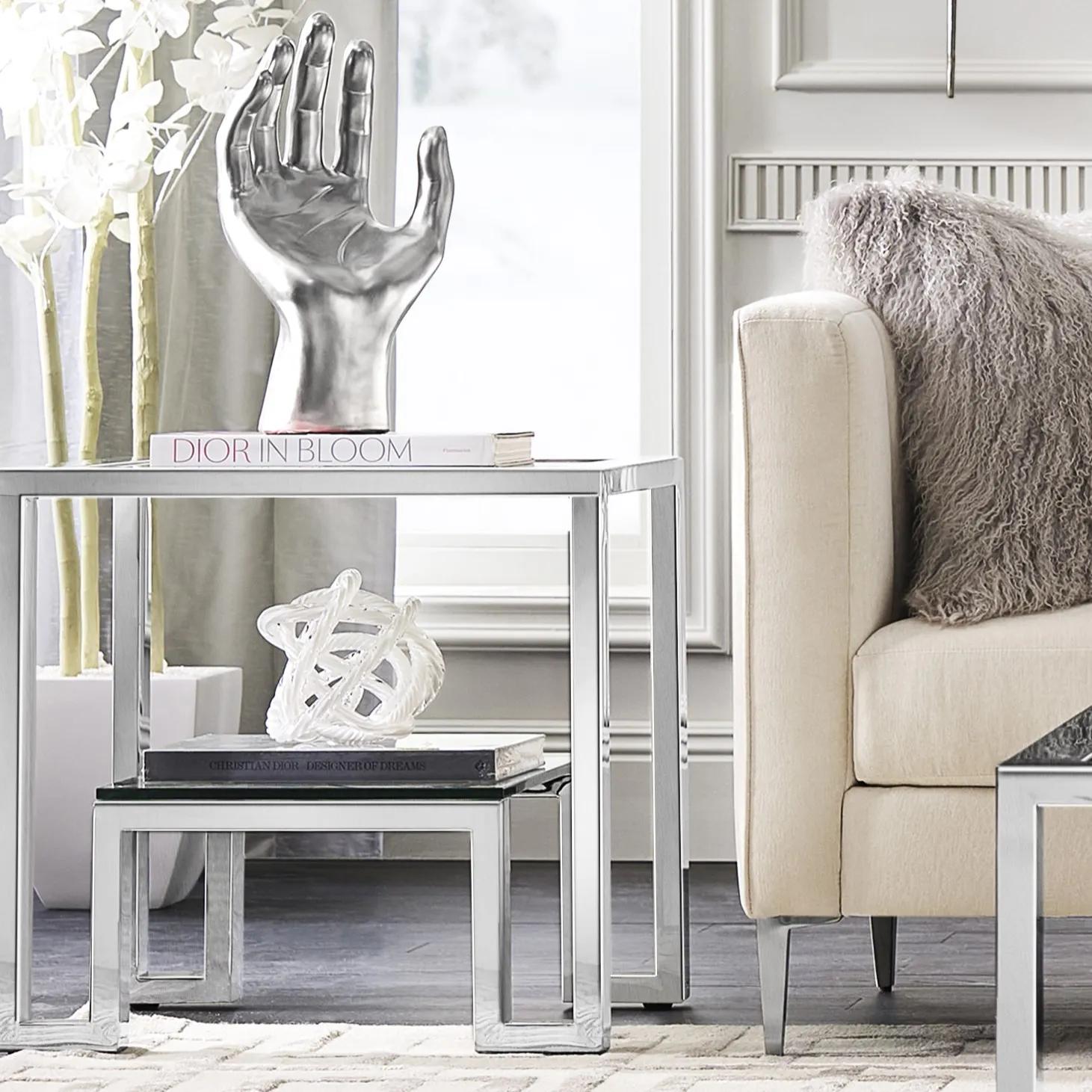 Duplicity Square Silver Stainless Steel End Table With Glass Top (24")$749
A modern end table featuring a stainless steel frame, tempered glass top, and floating bottom shelf.
Add To Cart -
 Thalia Glossy Black Side Table Set Of 2 (8"-12.5")$599
A sculptural duo of glossy black fiberglass tables with fluid lines and mirror-like lacquered finish.
Add To Cart -
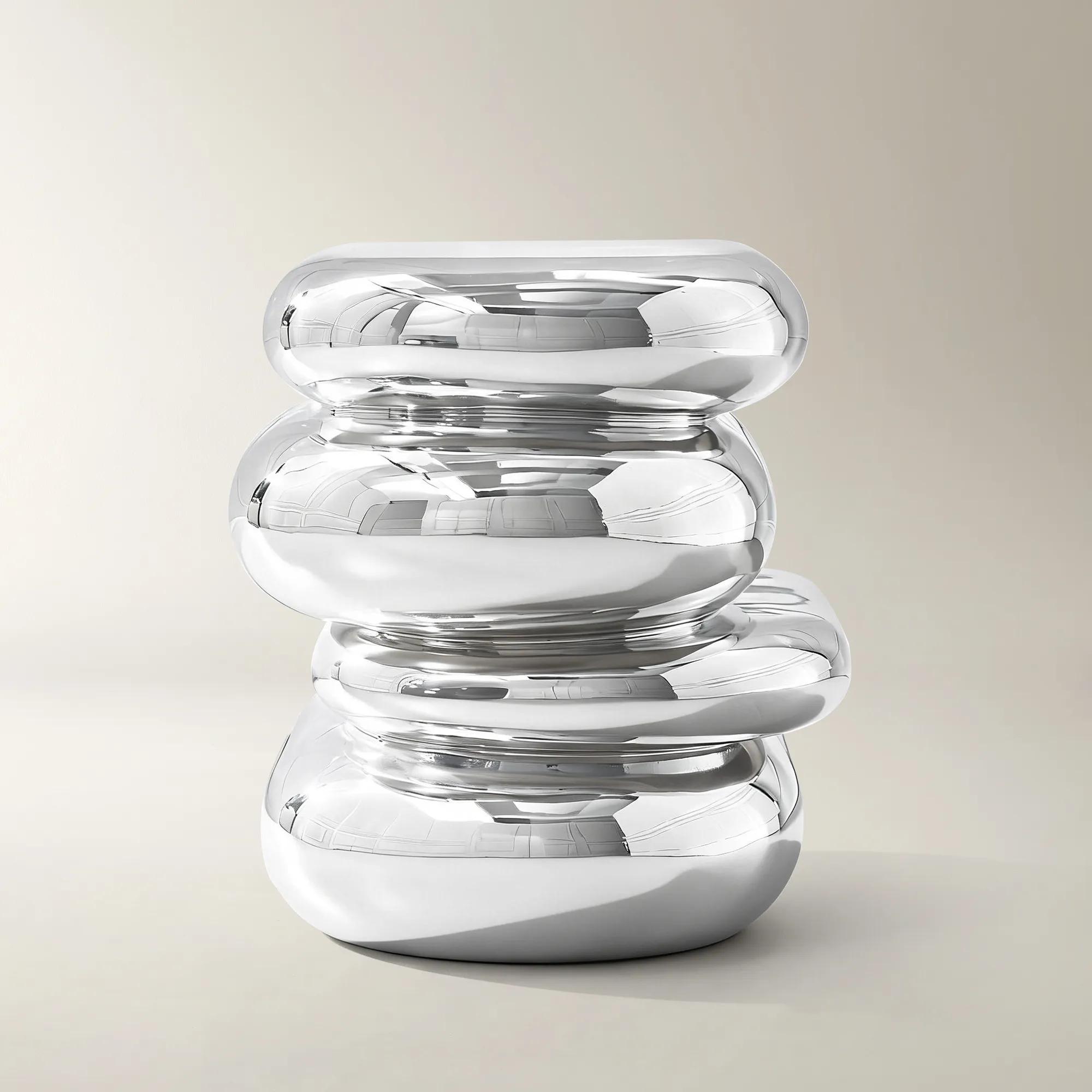 Forma Stacked Chrome Side Table (19.9")$699
A sculptural accent table crafted from seamless fiberglass with a reflective chrome finish and rounded tiers.
Add To Cart -
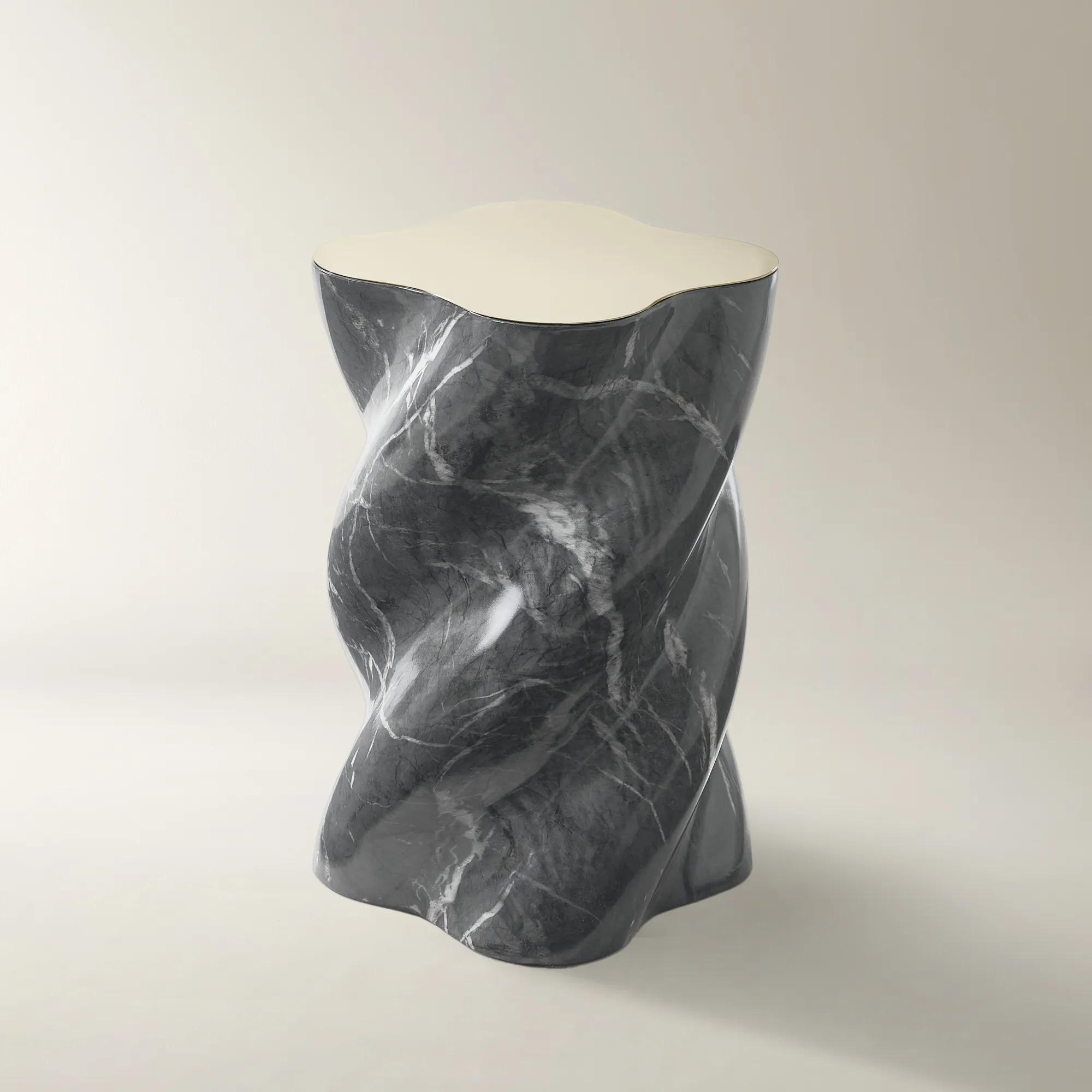 Vega Bvlgary Black Concrete Indoor/Outdoor Side Table With Stainless Steel Top (13.8")$459
A black concrete side table with a sculptural pedestal, removable stainless-steel top, and marble-inspired finish.
Add To Cart -
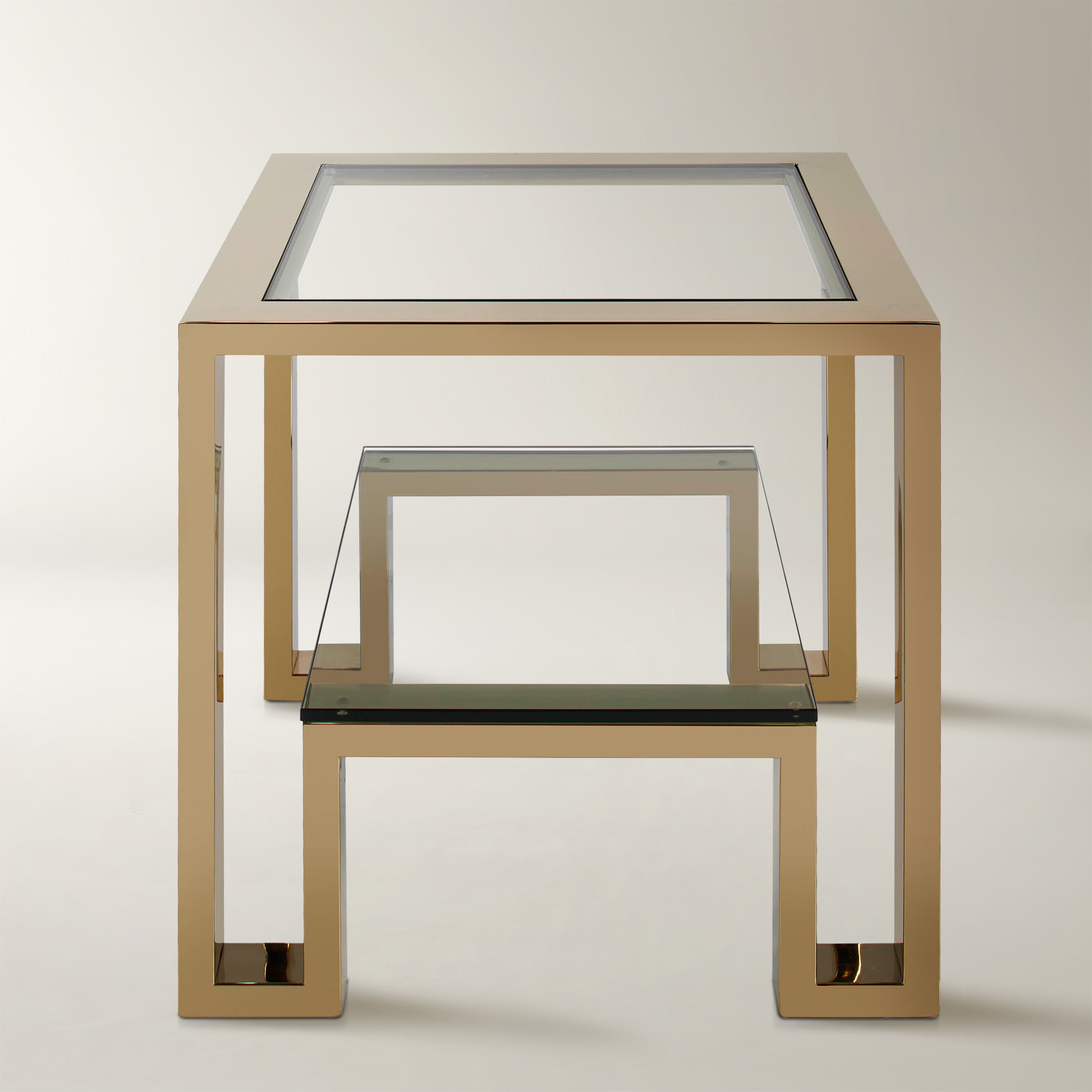 Duplicity Square Gold Stainless Steel End Table With Glass Top (24")$749
A modern end table crafted from stainless steel and tempered glass with a floating bottom shelf.
Add To Cart -
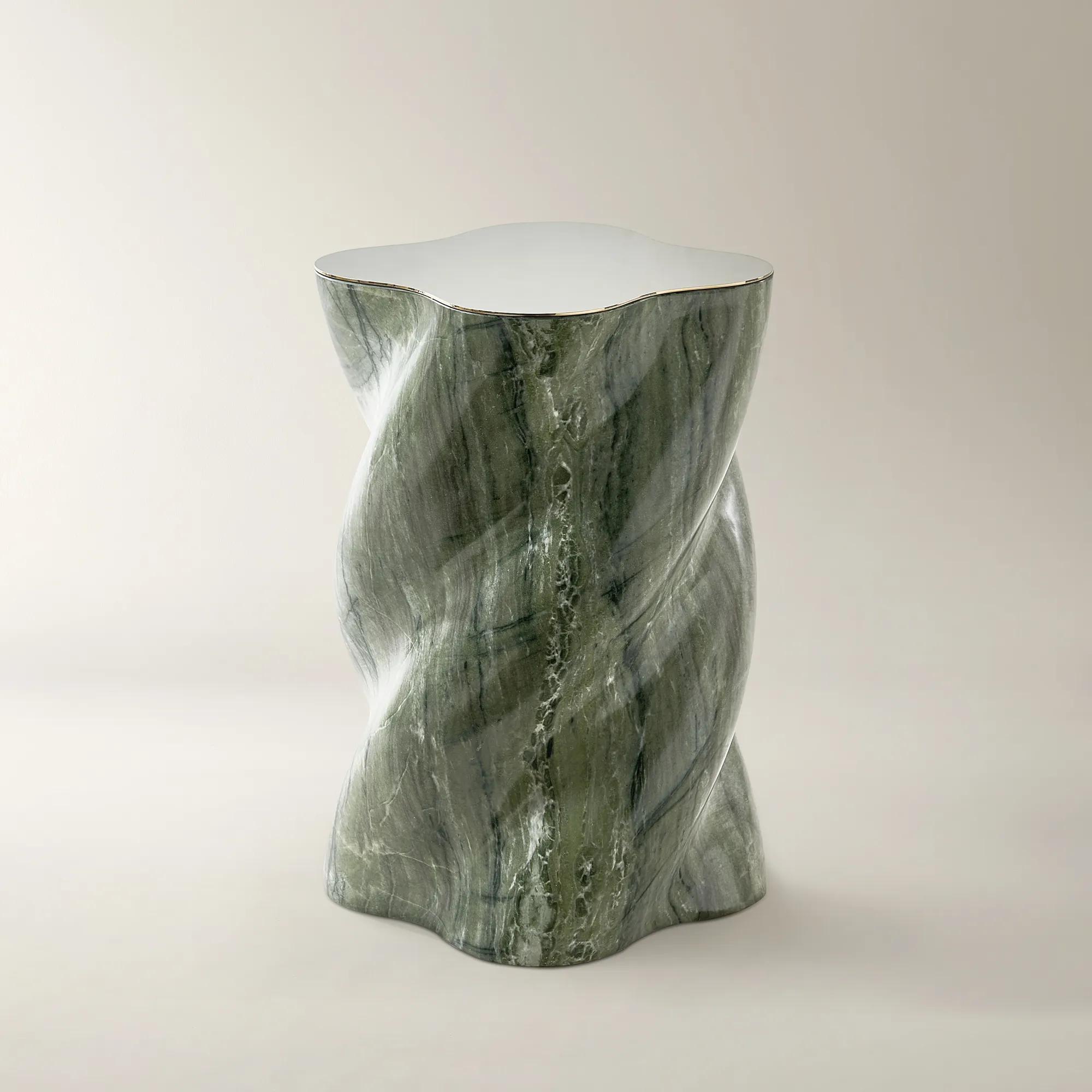 Vega Malachite Green Concrete Indoor/Outdoor Side Table With Stainless Steel Top (13.8")$459
A green concrete side table with a sculptural pedestal, marble-inspired finish, and removable stainless-steel top.
Add To Cart -
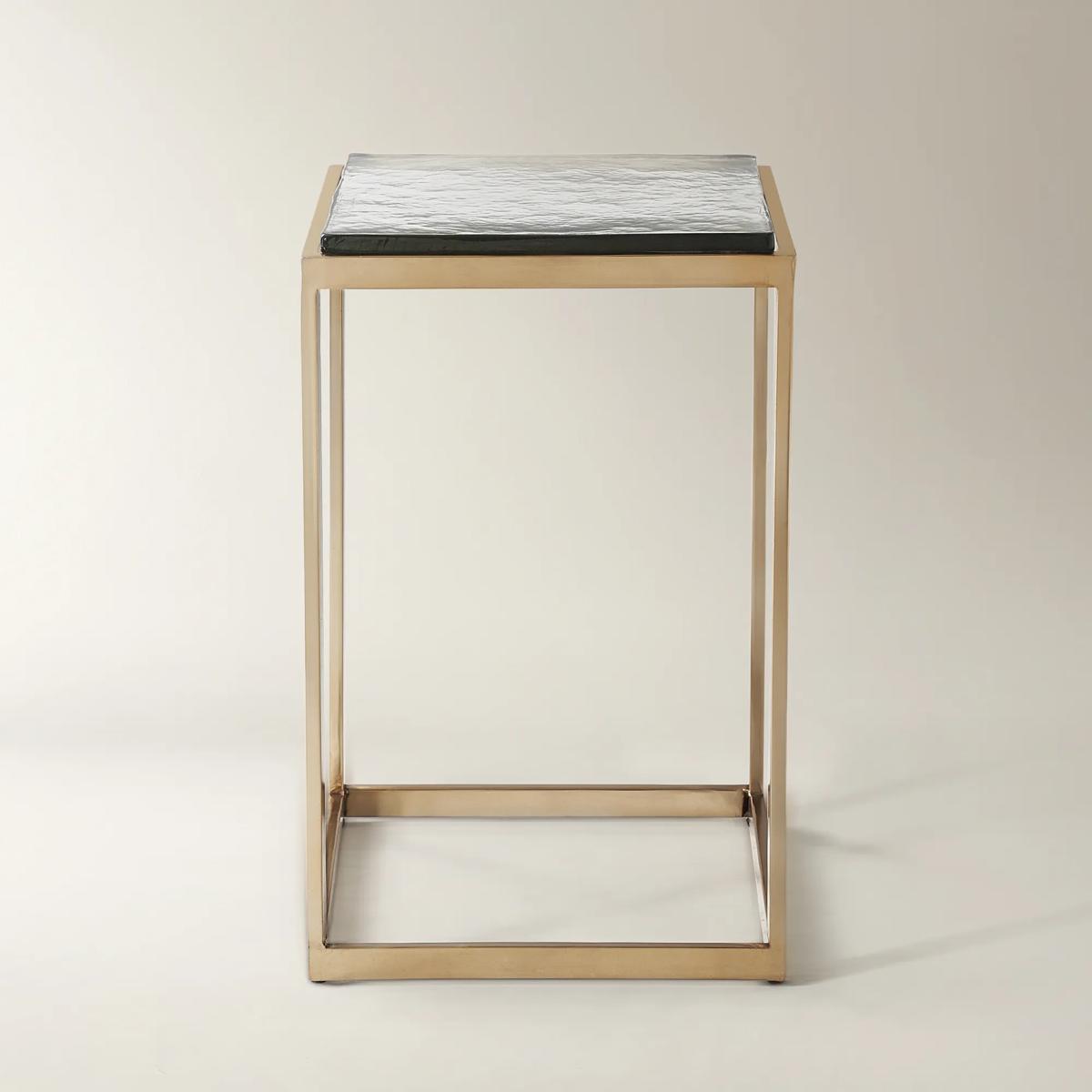
 Lyra Square Brass Metal Side Table With Glass Top (13.8")$239
A sculptural side table featuring a thick cast glass top and a lustrous brass-finished metal base.
Add To Cart -
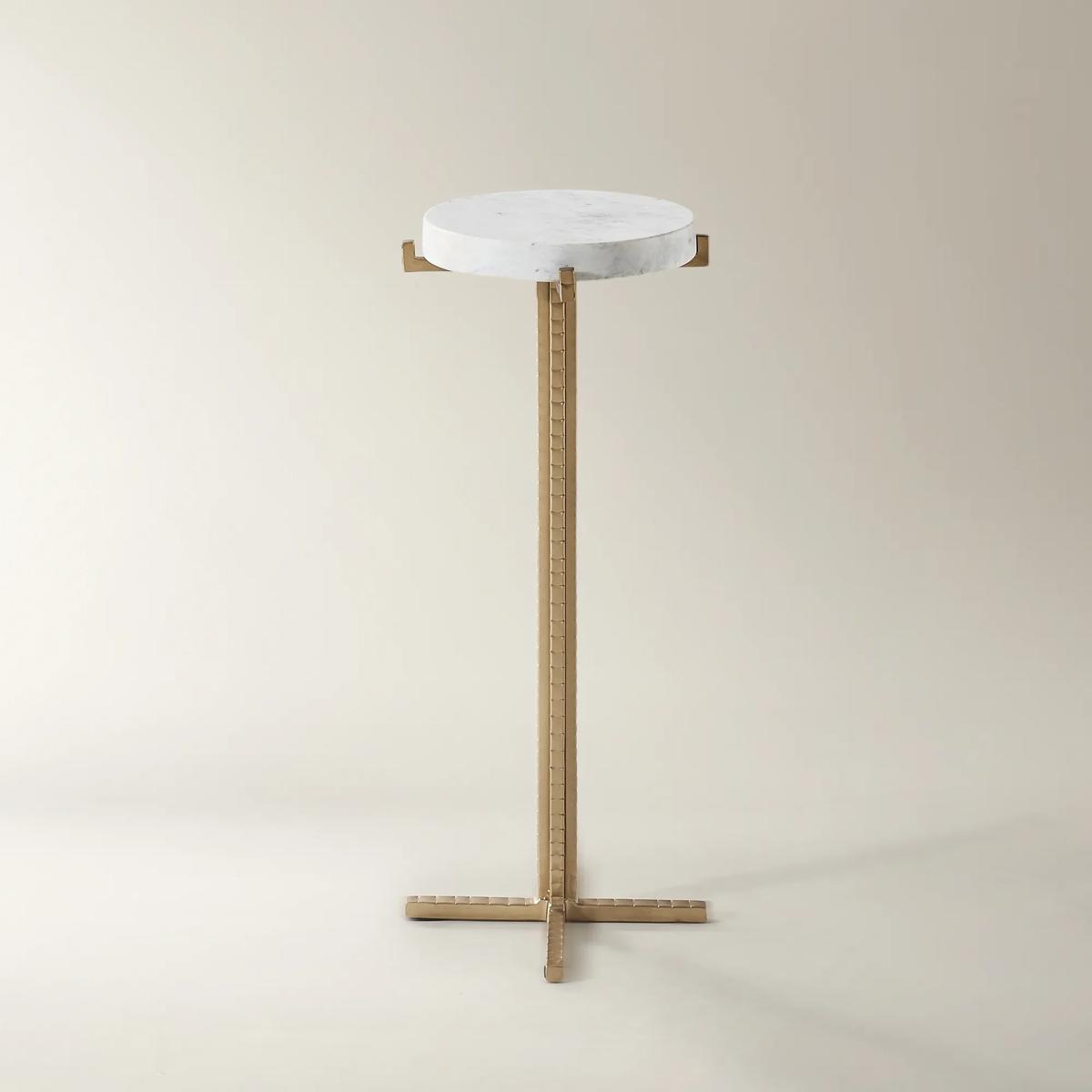 Anya Round White Marble Side Table (10")$199
A sculptural side table featuring a genuine white marble top and gold-finished metal pedestal base.
Add To Cart -
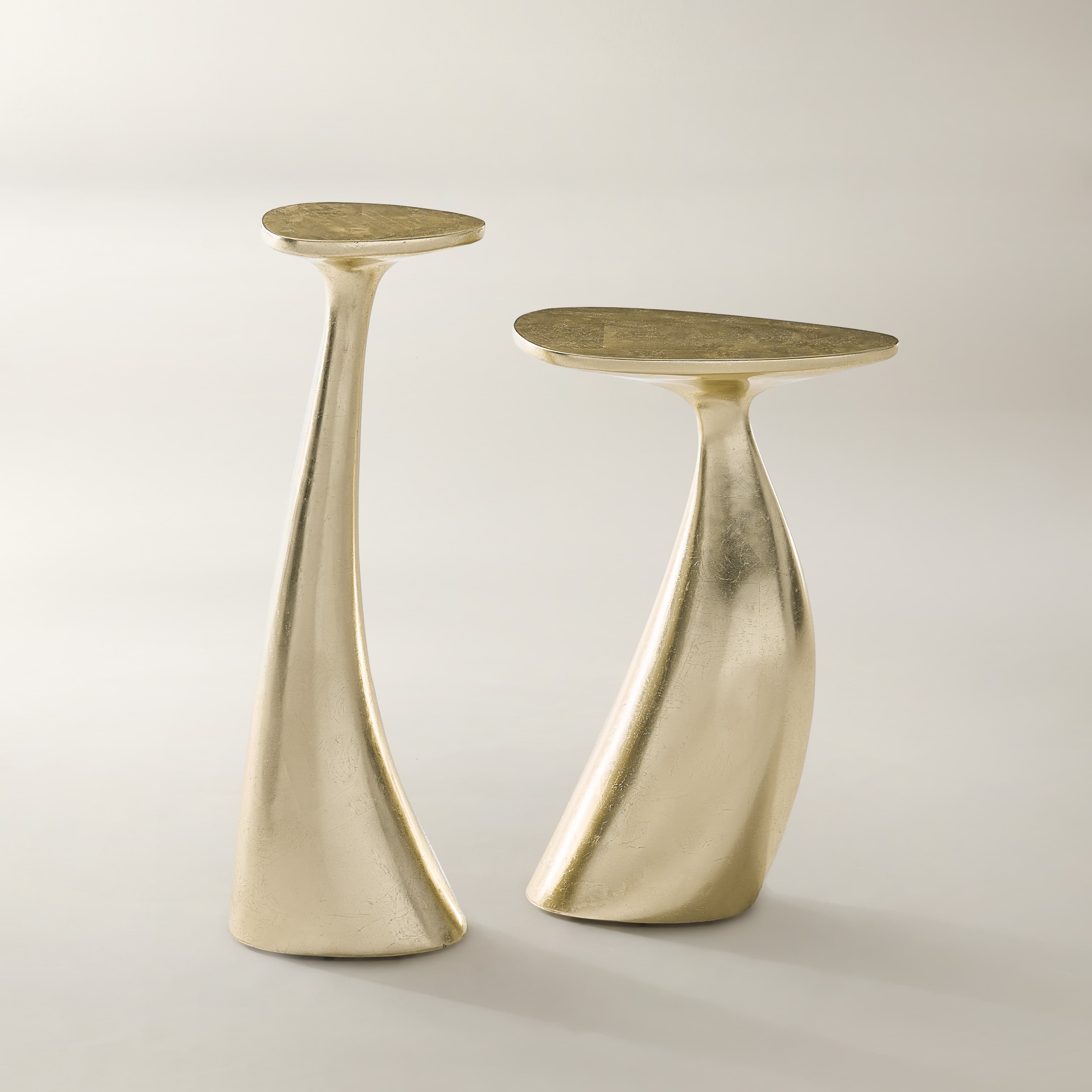 Thalia Soft Gold Side Table Set Of 2 (8"-12.5")$699
A sculptural duo of gold leaf fiberglass tables with fluid lines and a warm, luminous finish.
Add To Cart -
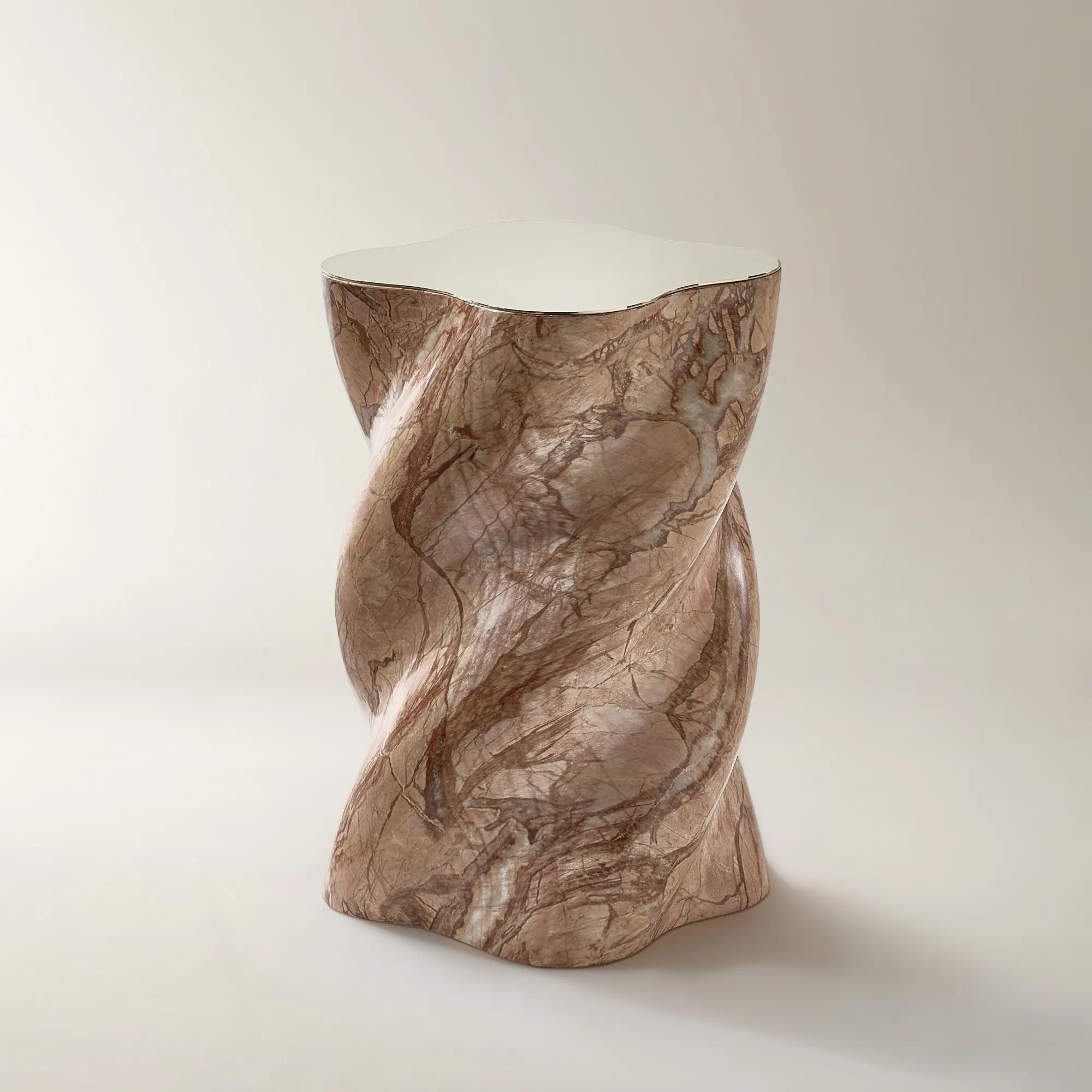
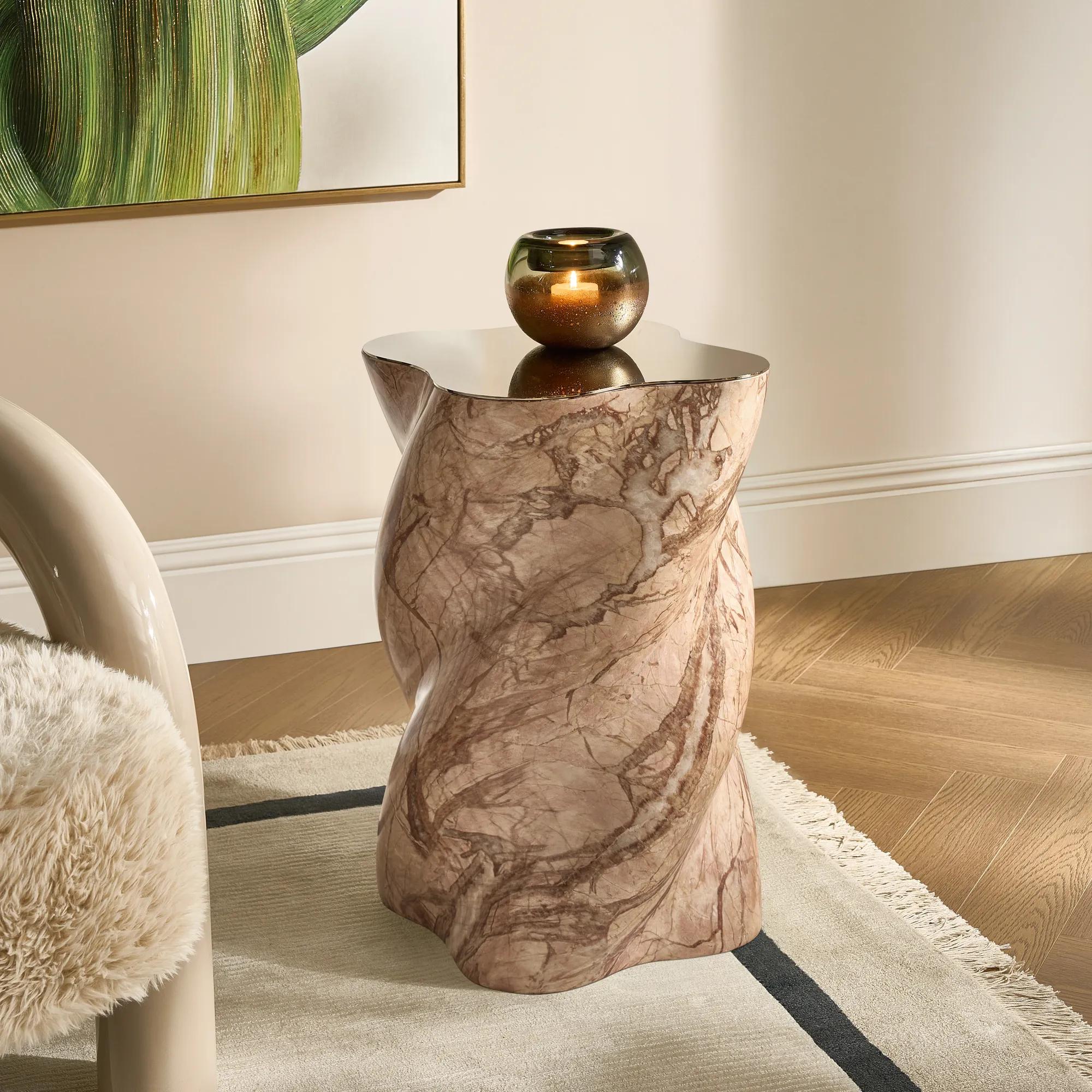 Vega Concrete Indoor/Outdoor Side Table With Stainless Steel Top (13.8")$459
A black, orange, or green concrete side table with removable stainless-steel top and marble-inspired veining.
Add To Cart -
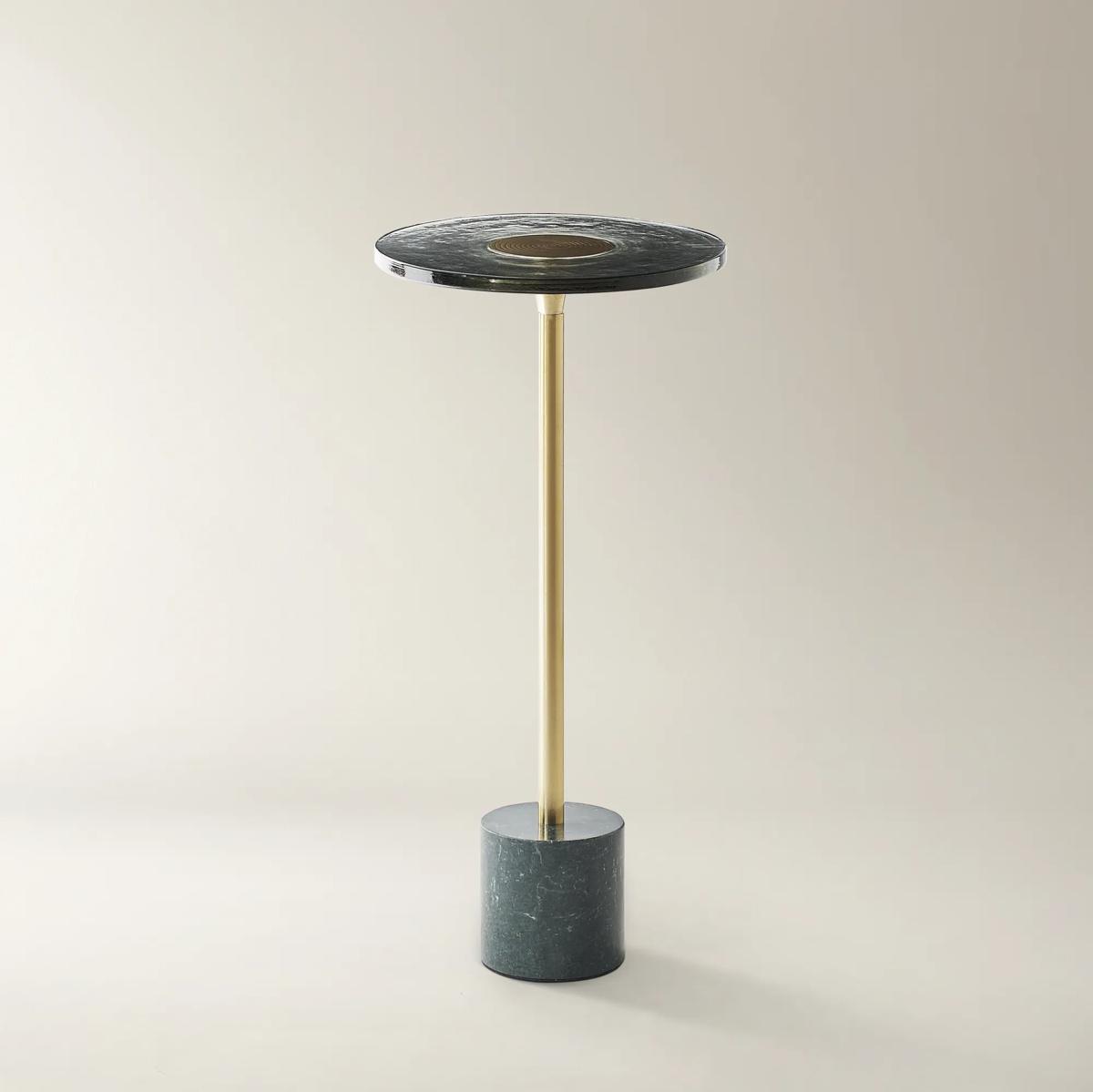
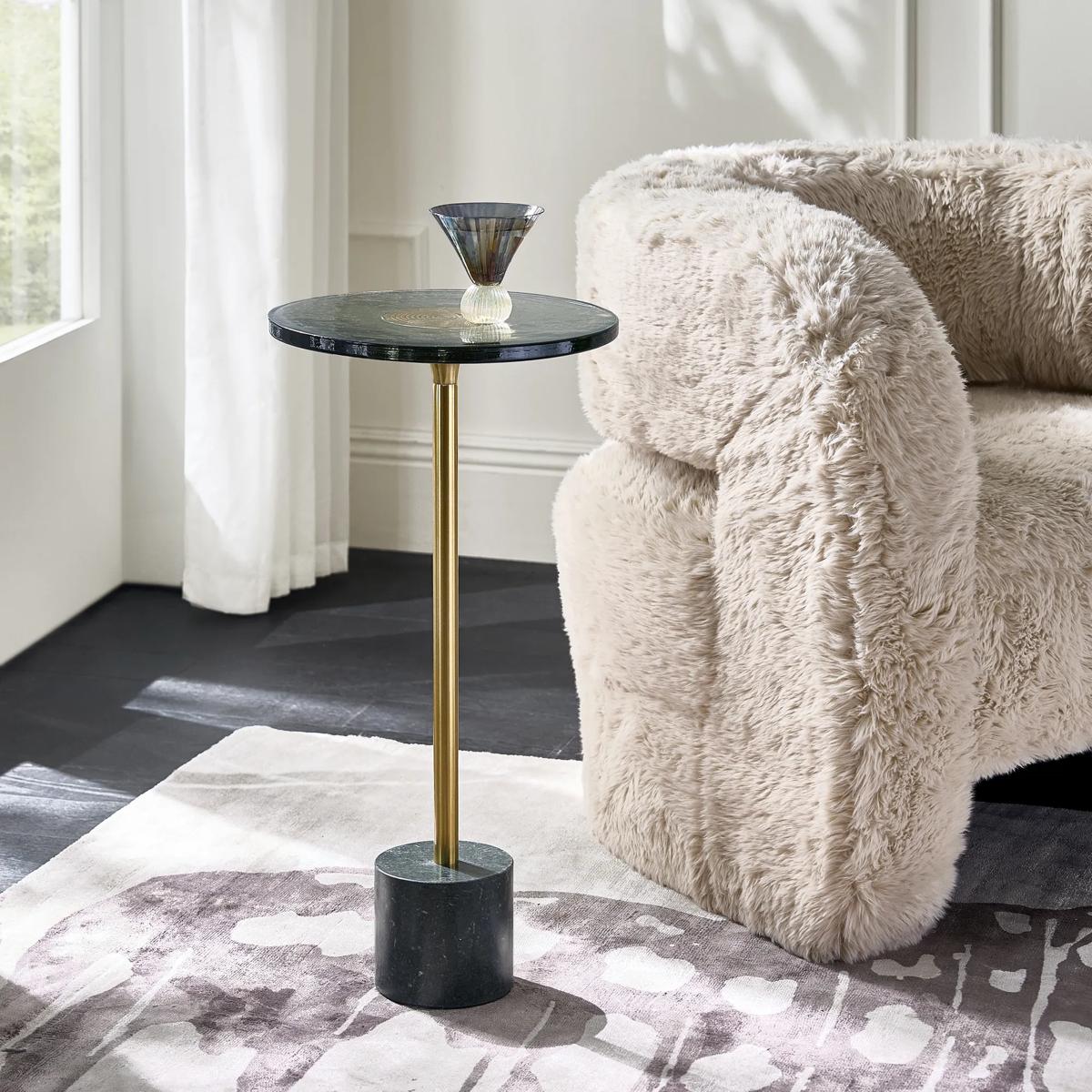 Seraphy Round Green Metal Side Table With Glass Top (13.75")$179
A modern side table featuring a green cast glass top, brass-finished post, and Indian green marble base.
Add To Cart -
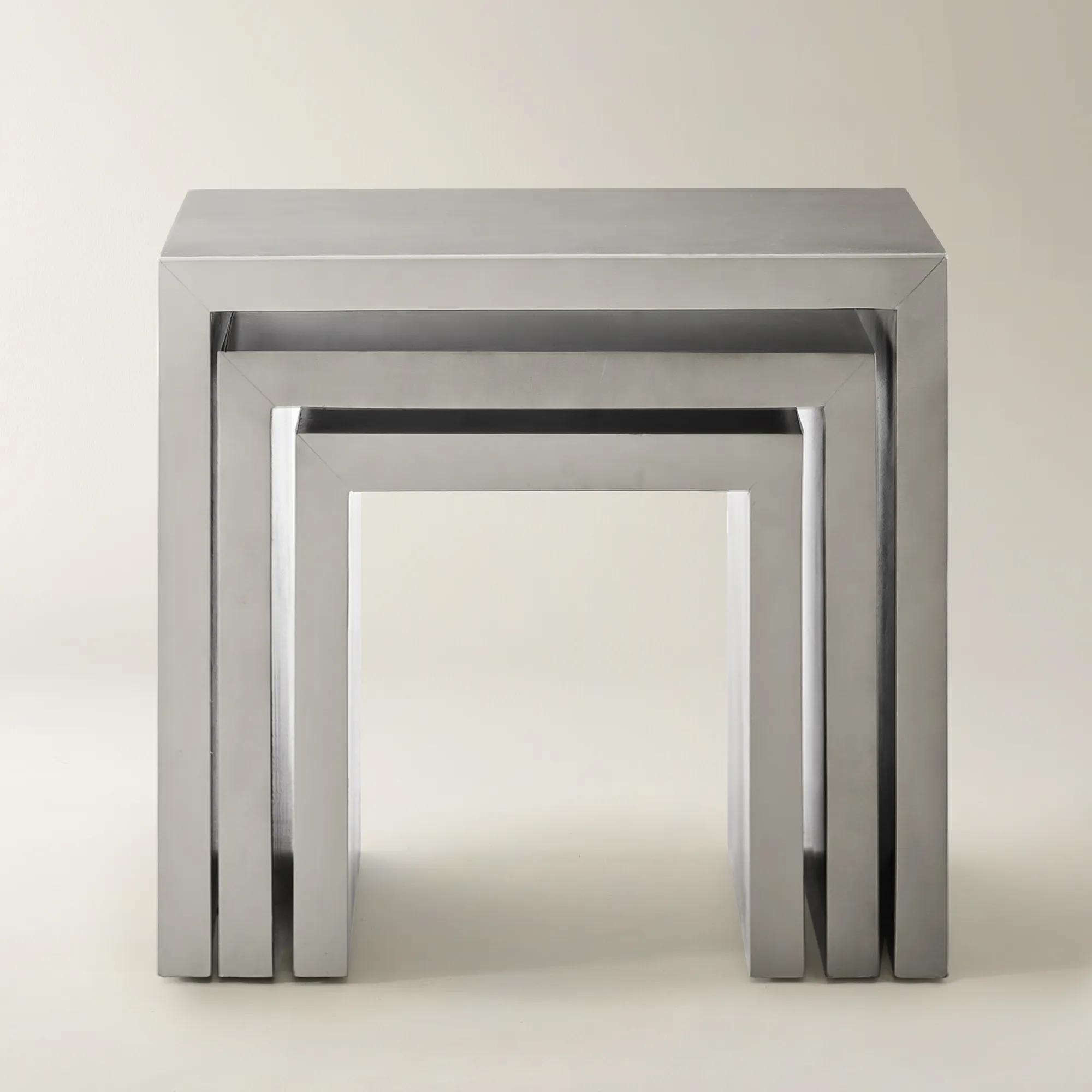
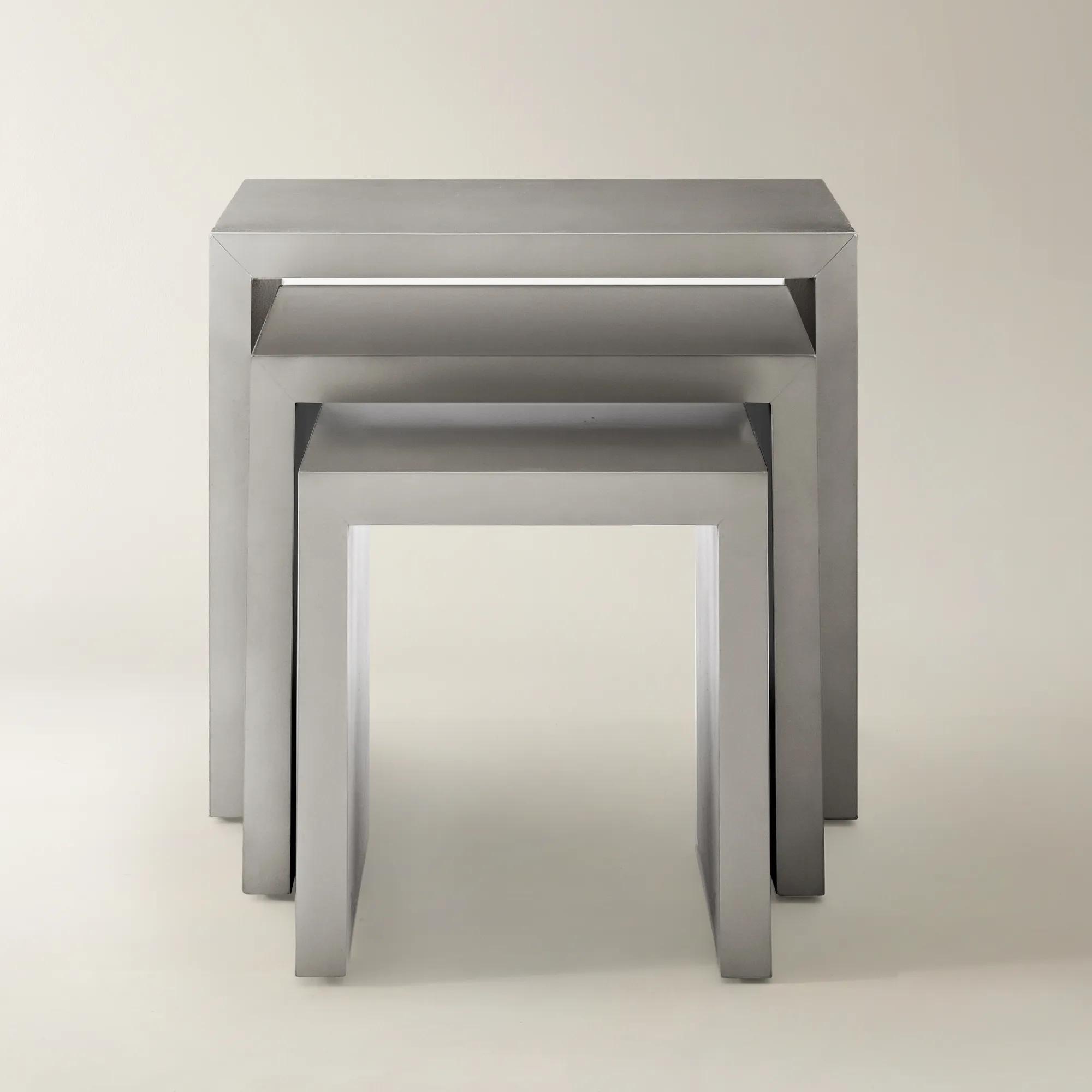 Astair Silver Nesting Accent Table Set Of 3 (16.25"-25.5")$349
A trio of engineered wood nesting tables with a sleek silver metallic finish and minimalist block silhouette.
Add To Cart -
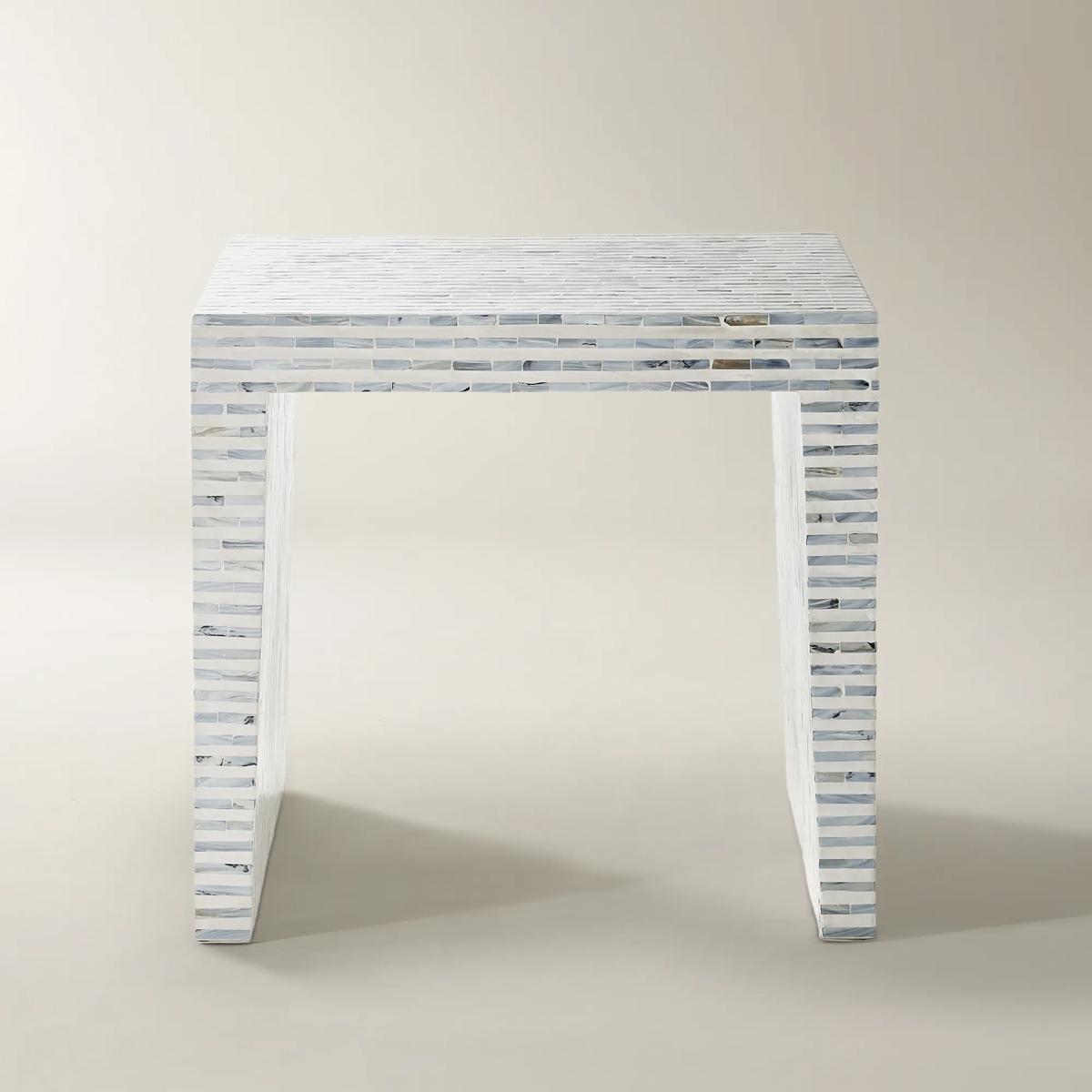
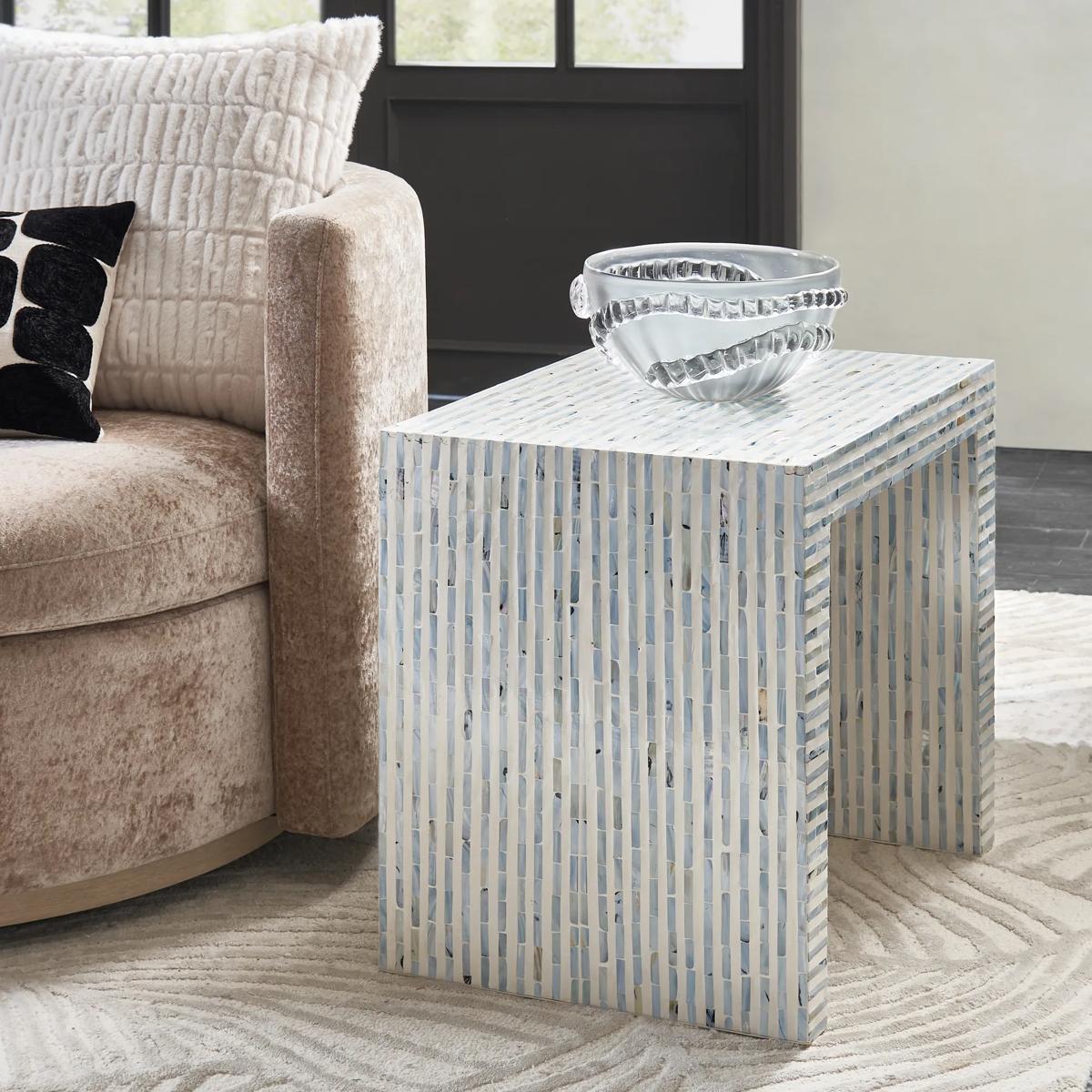 Stella Blue End Table(24")$399
A handcrafted end table featuring genuine blue mother-of-pearl inlay for a unique, iridescent accent.
Add To Cart -
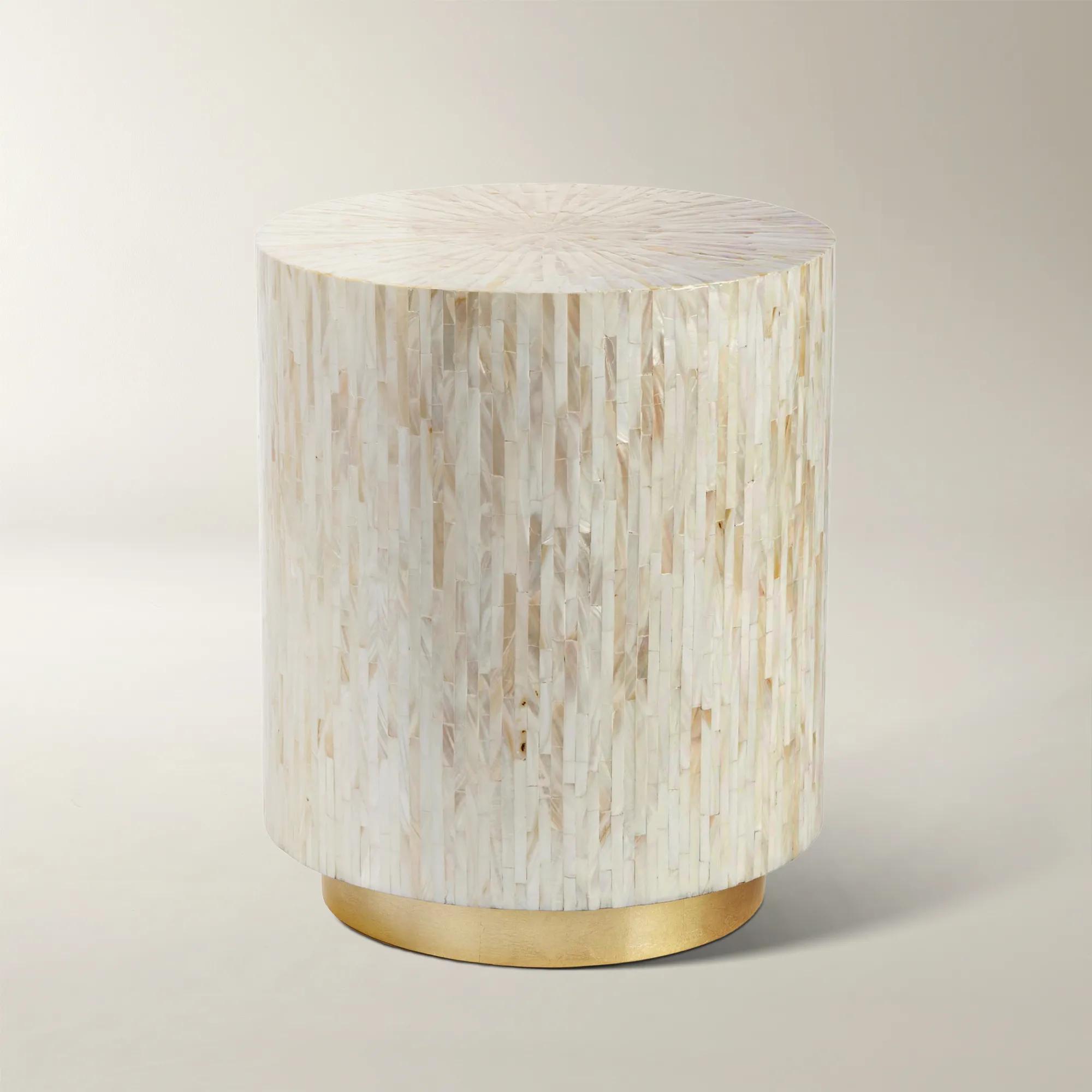 Alexandria Round Mosaic Platinum End Table (13.75")$299
A glamorous accent table featuring hand-applied mother-of-pearl mosaic and a gold leaf-accented base.
Add To Cart -
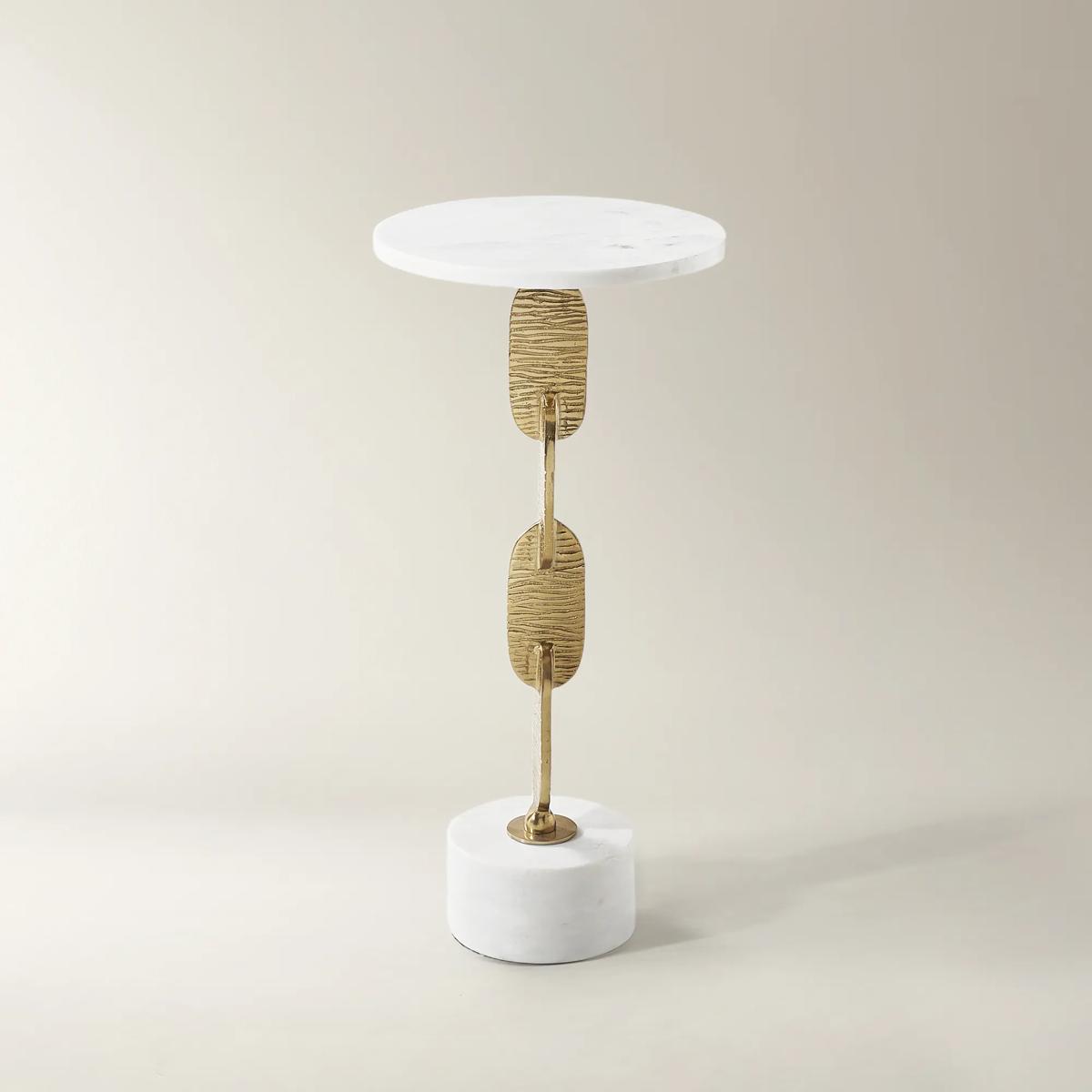
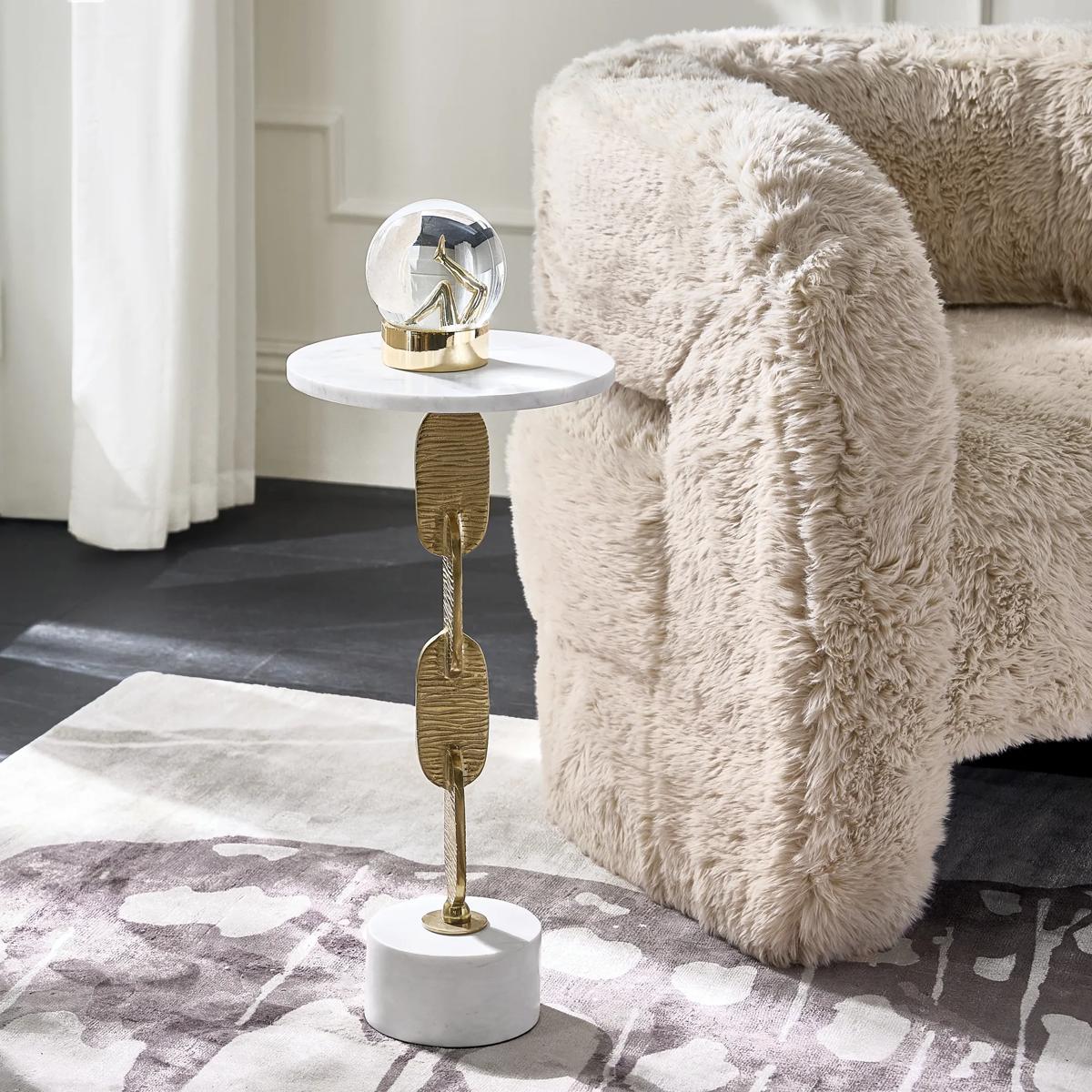 Luna Round White Marble Side Table (11.25")$199
A sculptural side table featuring a genuine white marble top and an open gold-finished metal frame.
Add To Cart -
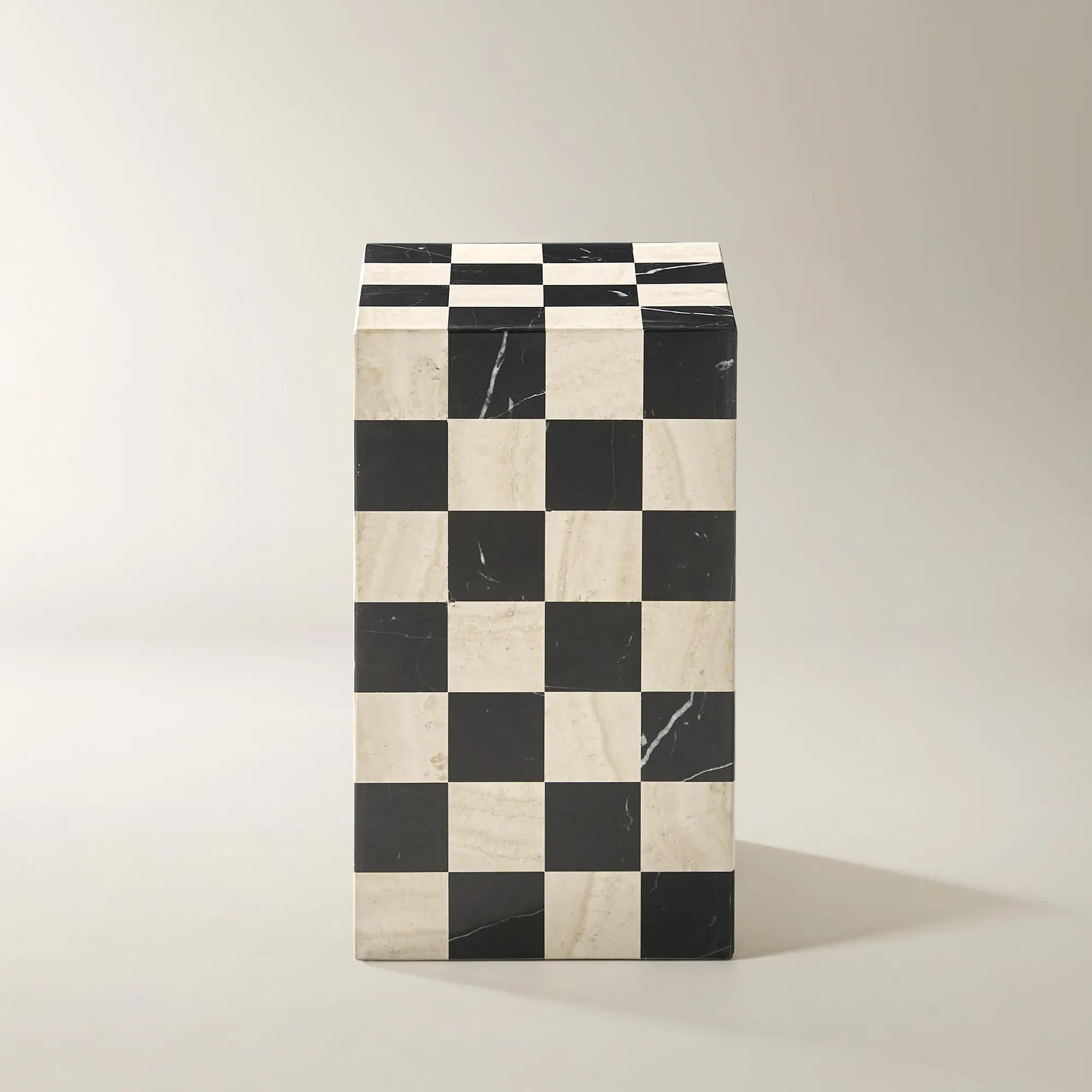 Chessa Square Chequered Marble End Table (12")$999
A sculptural end table featuring a bold black marble and travertine checkerboard mosaic design.
Add To Cart -
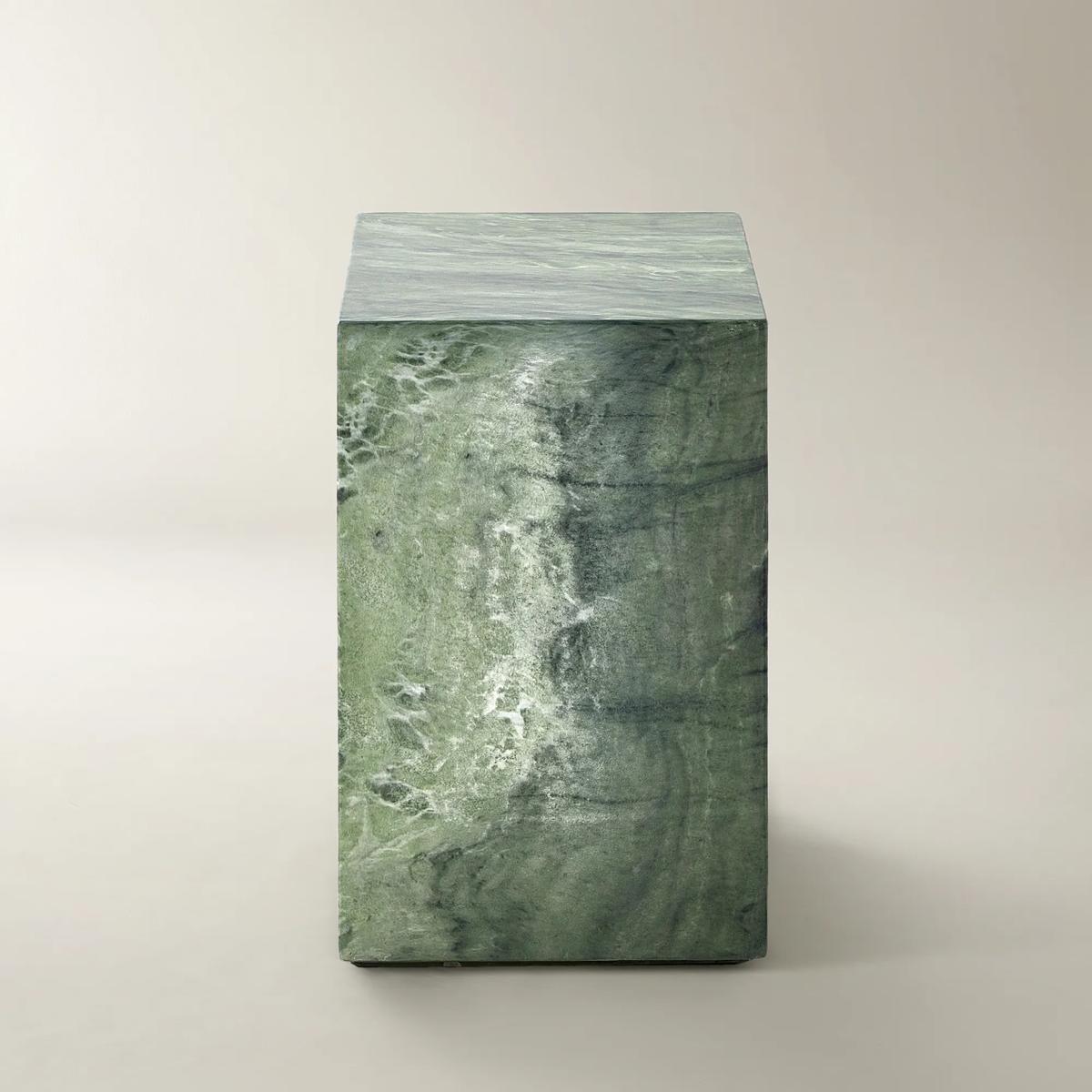
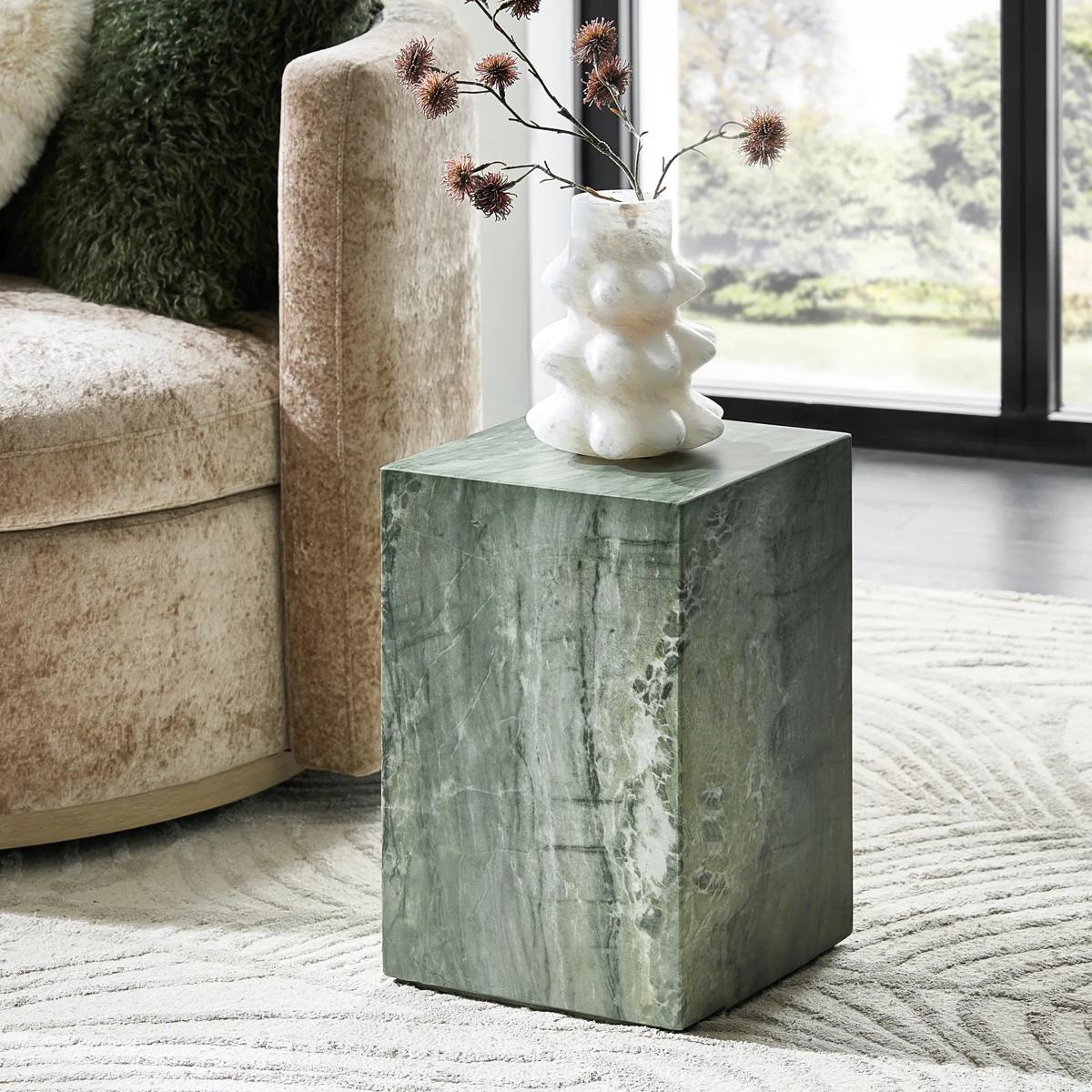 Strata Square Green Concrete Indoor/Outdoor Side Table (11.8")$299
A green concrete side table with marble-look veining and a sculptural cuboid form for indoor use.
Add To Cart -
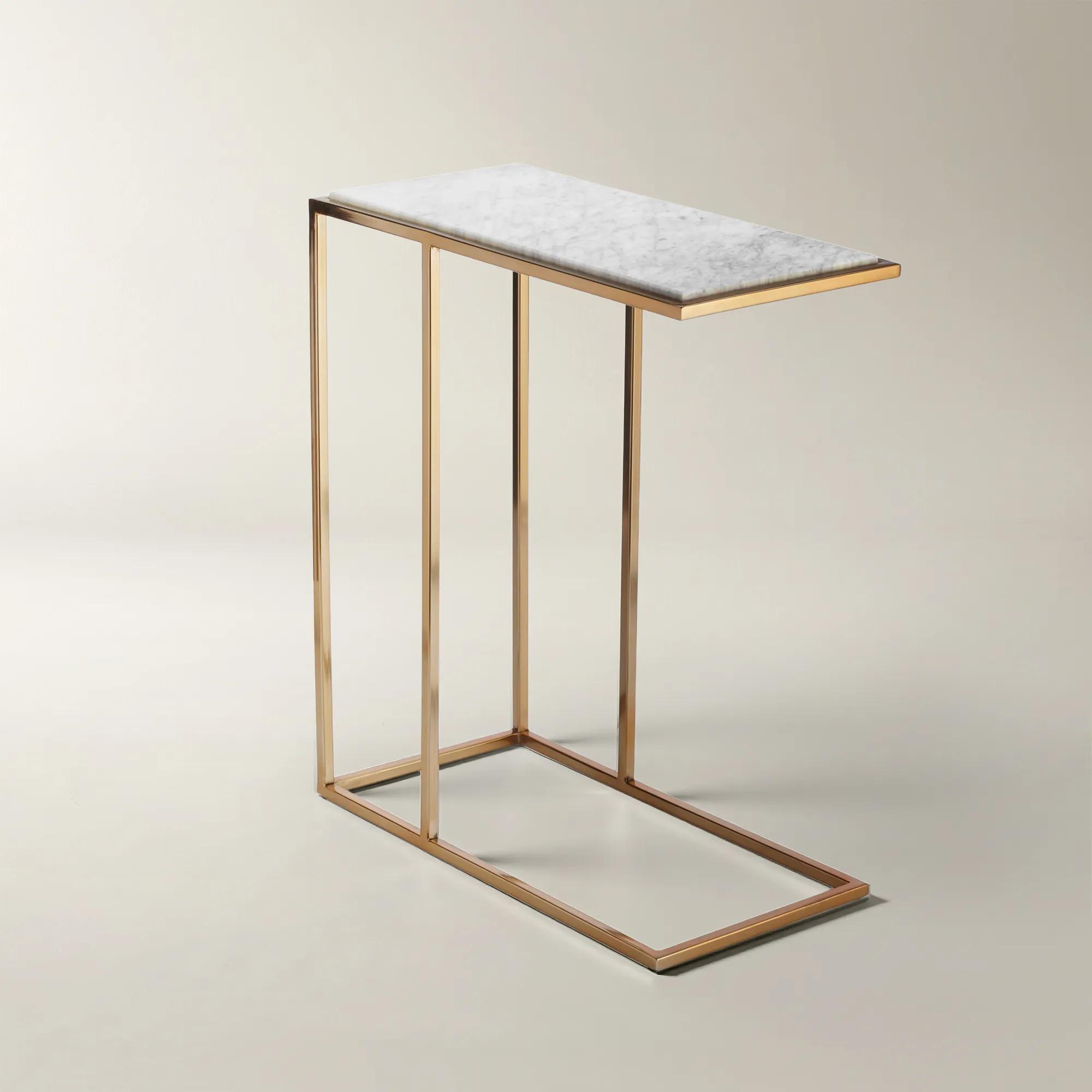
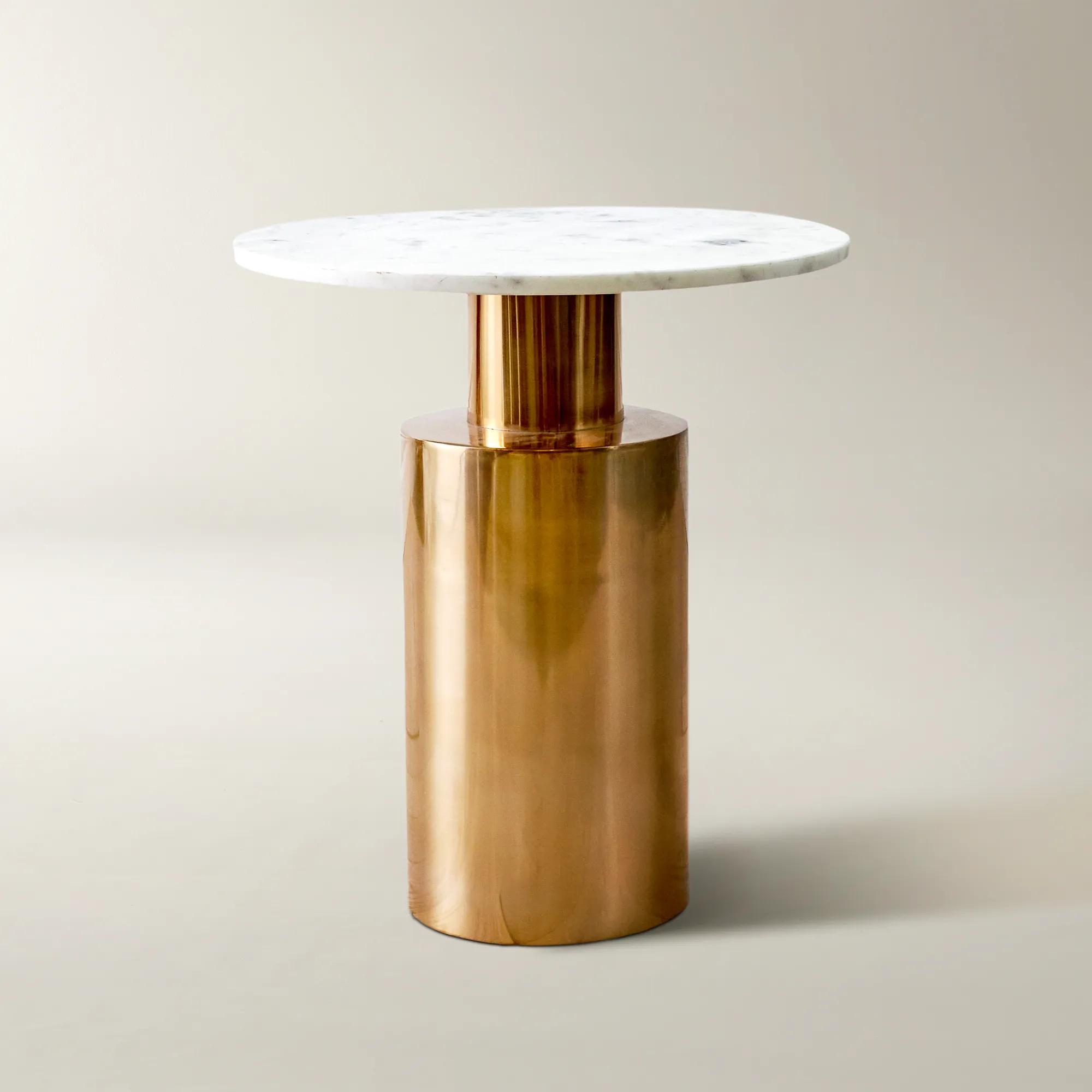 Capri Round White Marble Accent Table (16")$299
A striking accent table featuring a white marble top and gold-finished stainless steel base.
Add To Cart -
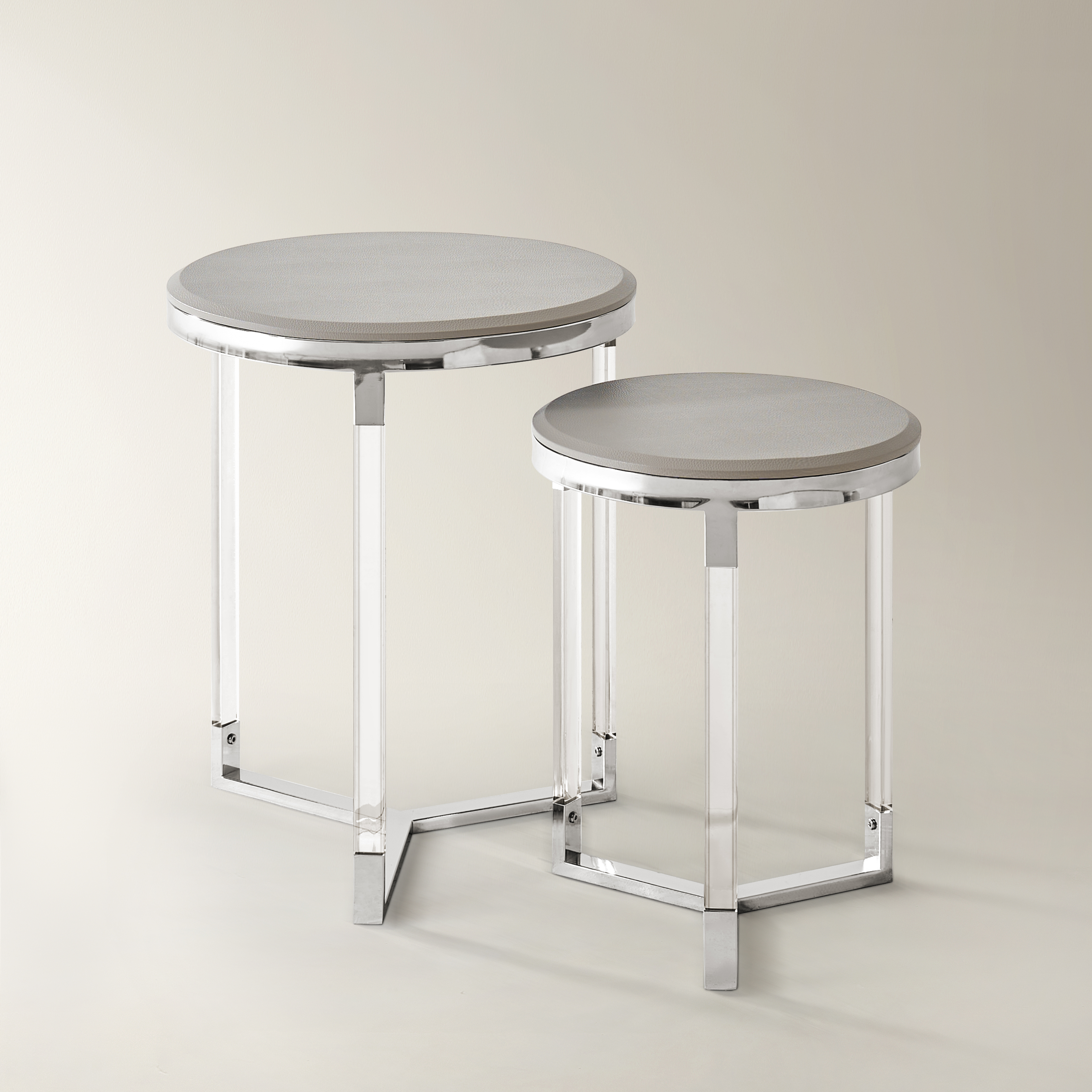
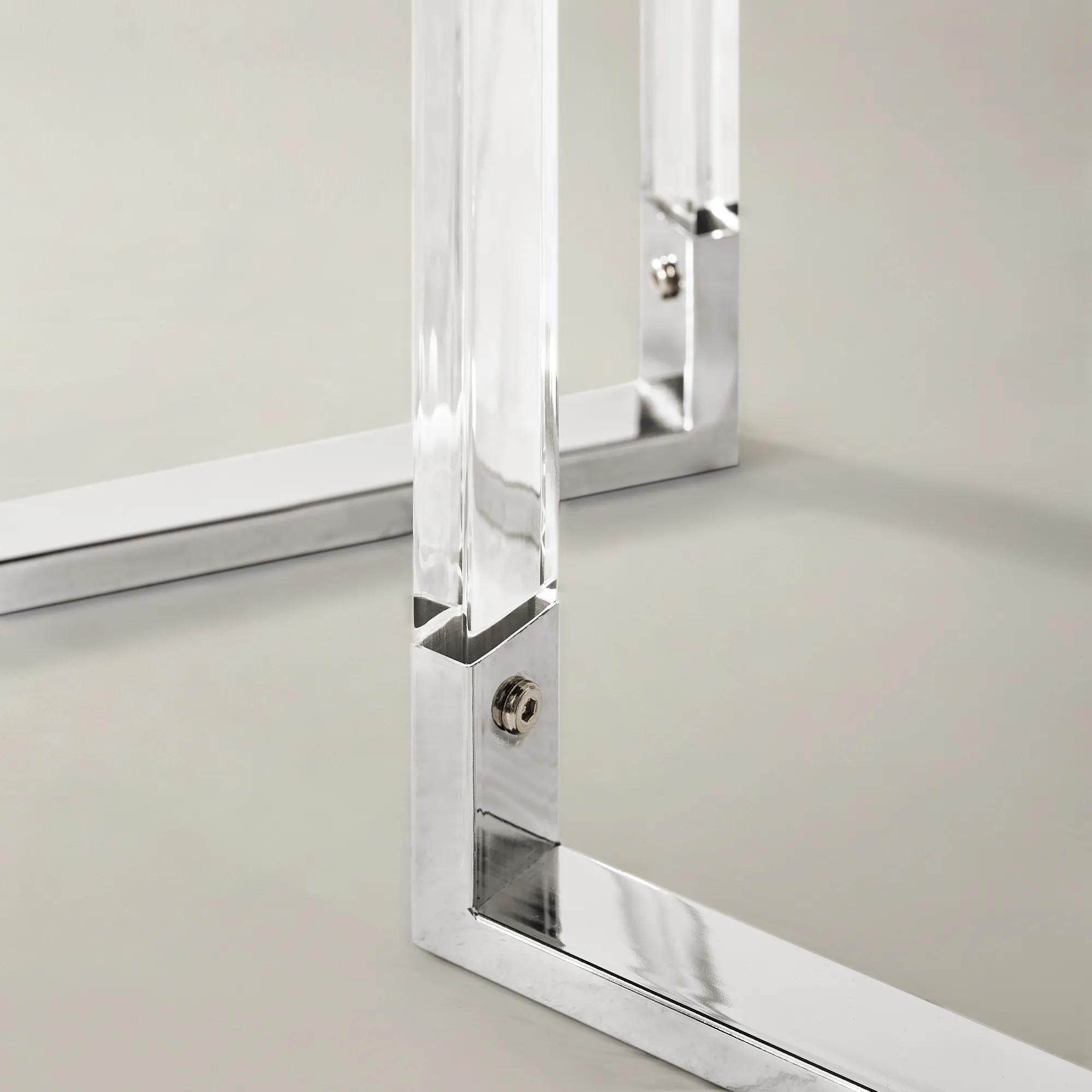 Murano Round Grey Accent Table With Faux Leather Top Set Of 2 (14.5"-18.5")$399
A bold set of two accent tables featuring mixed woods, acrylic legs, and faux leather tops.
Add To Cart

Contemporary Small Accent Tables
Contemporary small accent tables are the unsung heroes of expressive interiors—artful pieces that punctuate a room with style and intent. Each table is a statement, an invitation to layer your space with unexpected geometry, gleaming finishes, and sculptural silhouettes. Whether poised beside a sumptuous sofa or nestled in a dramatic entryway vignette, these tables transform overlooked corners into curated moments of visual intrigue. Elevate your décor with contemporary small accent tables that command attention and inspire conversation—because in your home, every detail deserves its own spotlight.
Contemporary small accent tables pair compact surface space with expressive modern design, bringing a place for a drink, a book, or a sculptural object to living rooms, bedrooms, and intimate seating areas. Their appeal lies in the relationship between proportion and presence: a slender pedestal can introduce a gleam of metal beside a generous sofa, while a rounded stone top can lend visual weight to an airy chair. These are supporting pieces with the confidence to become focal points. Unlike a larger coffee table, a small accent table can serve one seat beautifully without taking over the surrounding floor space. Beside a reading chair, it keeps a cup and glasses within reach; at the end of a sofa, it creates a polished landing place without competing with the main seating arrangement. In a bedroom with limited space beside the bed, a compact table can hold a reading light and a few essentials, provided the top offers enough room for their bases. Shape helps establish the mood. Circular tops soften the meeting of angular upholstery and architectural lines, square silhouettes echo the geometry of tailored furniture, and irregular profiles bring an artful interruption to a composed room. An open base allows more of a patterned rug to remain visible, while a solid pedestal introduces a grounded, sculptural presence. The most convincing fit considers both the tabletop and the space beneath it. A narrow top may still have a wide base, and a graceful curve may extend farther into a walkway than expected. A surface close to the height of a chair or sofa arm generally feels comfortable for reaching, while bedside placement calls for a height that works with the mattress. Compact furniture need not disappear into its surroundings. A small table with a distinctive silhouette can give a quiet corner definition or hold its own beside richly textured upholstery, proving that drama depends as much on placement as on size.
Material gives contemporary accent tables much of their character, influencing their appearance, weight, upkeep, and suitability for everyday use. Glass can create an almost suspended effect, allowing a striking base or richly colored rug to remain part of the composition. Its transparency makes a compact arrangement feel less visually crowded, although fingerprints and the edges of objects tend to remain noticeable. Metal brings another kind of expression: polished surfaces catch the light with jewelry-like brilliance, brushed finishes offer a softer shimmer, and darker finishes draw a crisp outline against pale furnishings. A slender metal profile can look delicate without feeling visually insignificant, though stability always depends on the complete construction rather than the material alone. Stone introduces natural movement and a substantial presence. Veining, tonal shifts, and mineral variation can make even a modest tabletop feel richly layered, but stone also deserves thoughtful handling. Some varieties are porous or sensitive to acidic spills, and a substantial stone component can make a table less convenient to reposition. Wood offers warmth, grain, and a tactile counterpoint to glass, velvet, and reflective accessories. Solid wood and wood veneer each have distinct construction characteristics; neither should be judged by appearance alone, and both benefit from protection against excess moisture and heat. Lacquered and painted surfaces can deliver saturated color or a sleek sheen, with care requirements that depend on the finish. For rooms that call for a strong visual anchor, Contemporary Black Accent Tables offer a compelling direction, bringing depth beside ivory upholstery, metallic accents, or expressive artwork. Black can read as graphic and architectural or soft and understated, depending on the surface texture and surrounding light. Across materials, durability comes from the combination of sound construction, a suitable finish, and use that respects the piece. Secure connections, balanced proportions, and a steady base matter more than an impression of heaviness. A table intended for occasional display has different demands than one used daily for beverages, charging devices, and frequently handled books.
The beauty of a small accent table becomes most apparent in the details of daily living. In a seating area designed for conversation, separate tables beside individual chairs can give guests comfortable access to a surface without requiring everyone to lean toward the center. A compact table near a chaise can support a reading ritual, while a pair of differently shaped tables can establish rhythm across a room without creating a perfectly matched arrangement. Nesting designs can be useful where an additional surface is occasionally needed, provided their dimensions allow them to separate and tuck together comfortably. For anyone who likes to rearrange a room, weight and ease of handling deserve as much attention as the silhouette. A table should be moved according to its construction, not dragged across flooring or lifted by a decorative top that may not be designed to bear that force. Placement on a level surface helps preserve stability, particularly with tall, narrow forms; thick rugs and uneven flooring can change how securely a base rests. In homes with children or pets, rounded edges, a stable footprint, and a position outside busy circulation paths are practical considerations. Styling works best when it leaves room for the table to function. One sculptural object beside a small stack of books can create a deliberate composition, while a lamp needs adequate space for its base and a cord route that does not cross a walkway. Coasters and suitable protective pads help separate decorative objects, beverages, and textured ceramics from vulnerable finishes. Routine care should follow the manufacturer’s instructions, using only cleaners appropriate to the surface; prompt attention to spills and avoidance of abrasive scrubbing help preserve its appearance. As a housewarming or wedding gift, an accent table can be a thoughtful choice when the recipient’s measurements and design preferences are known. For a first apartment, an established home, or a newly considered corner, the right small table brings usefulness and visual intention into the same elegant gesture.
FAQs
Contemporary small accent tables often showcase a luxurious palette of materials, including gleaming metals like brushed brass and polished chrome, rich woods such as walnut or oak, and lustrous finishes like high-gloss lacquer or mirrored glass. Many designs also incorporate marble, acrylic, or sculptural resin to create striking silhouettes and tactile intrigue.
To transform a small accent table into a true focal point, pair it with bold accessories that reflect your personal aesthetic—think a sculptural vase, a stack of art books, or a dramatic candleholder. Position the table where it catches natural light or frames a seating arrangement, and let its distinctive design and carefully chosen accents tell a story of sophistication and flair.
Absolutely. A contemporary small accent table makes a thoughtful and memorable gift for design lovers, new homeowners, or anyone who delights in expressive interiors. Their versatility and artistry ensure they’ll be cherished and used in a variety of settings, from bedside to entryway, adding a touch of glamour and function to any space.
Small accent tables are remarkably adaptable—use one as a chic nightstand in a guest room, a pedestal for a beloved sculpture in an entryway, or a sophisticated perch for a plant or cocktail in a home office or reading nook. Their compact size and striking designs allow them to slip seamlessly into unexpected corners, making every inch of your home feel intentional and curated.
Contemporary small accent tables are more than functional—they infuse a room with artistic energy, texture, and a sense of curated luxury. By introducing reflective surfaces, bold shapes, or rich materials, these tables catch the eye and elevate the mood, turning everyday moments into occasions and every space into a canvas for self-expression.