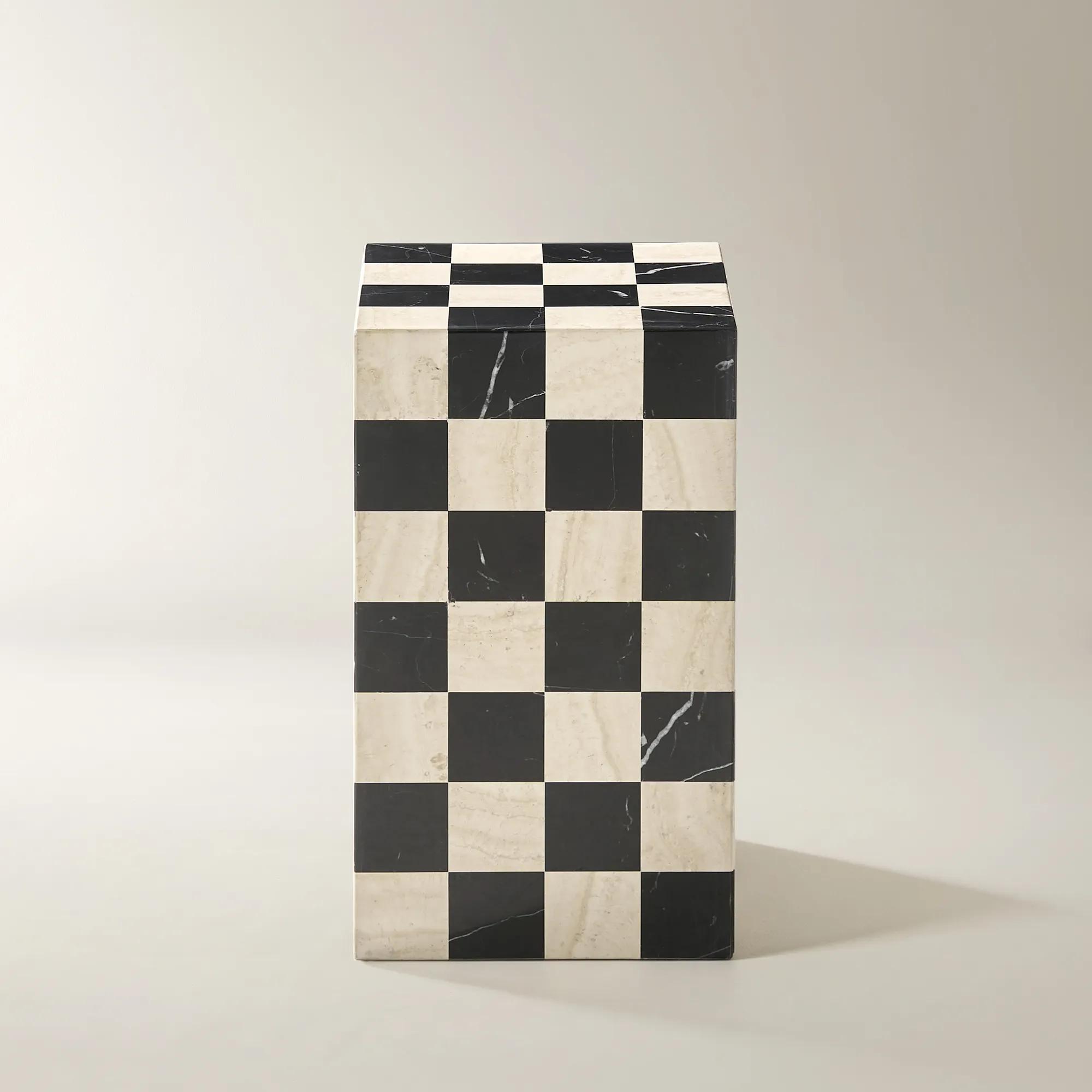
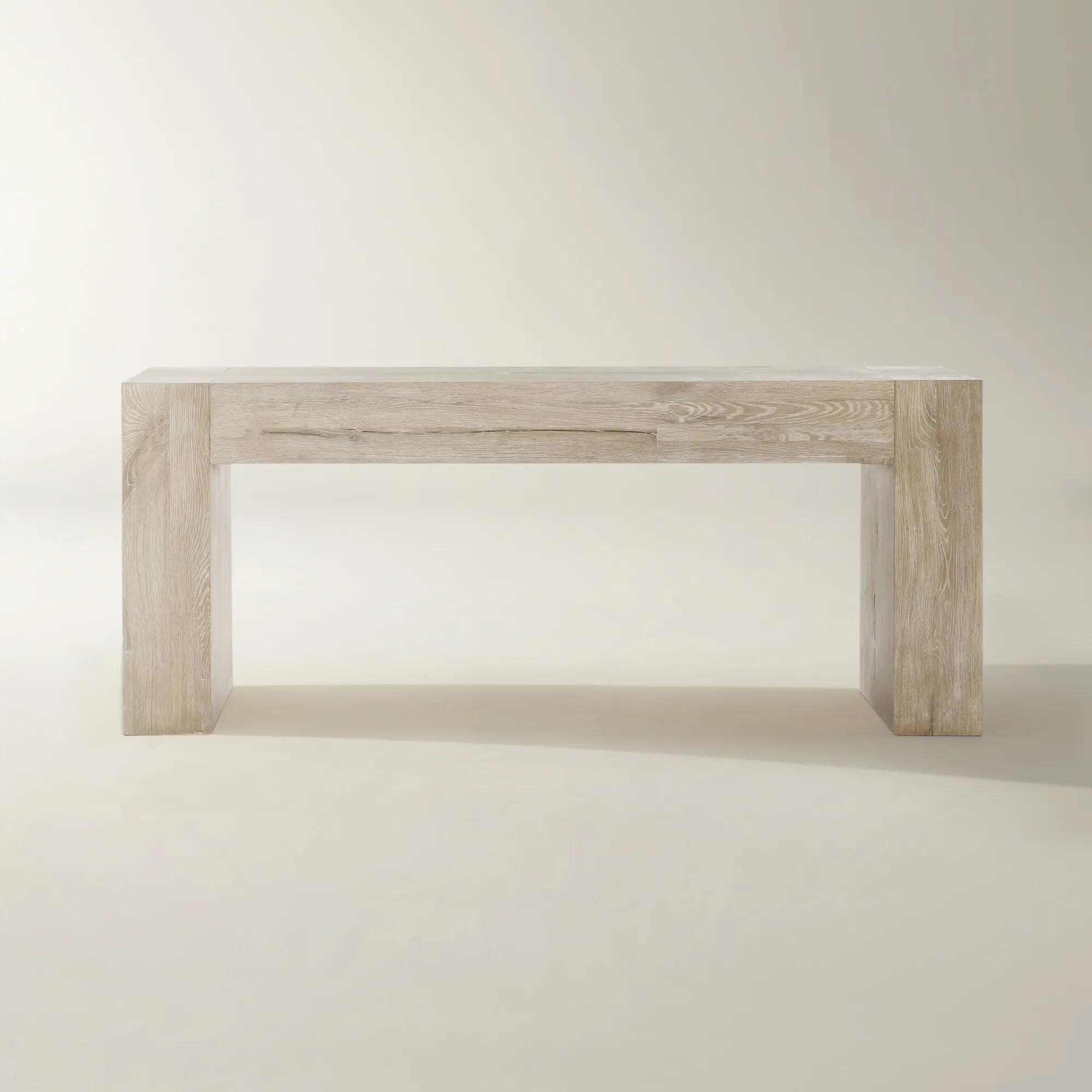
Contemporary Outdoor Accent Tables
Contemporary Outdoor Accent Tables
-
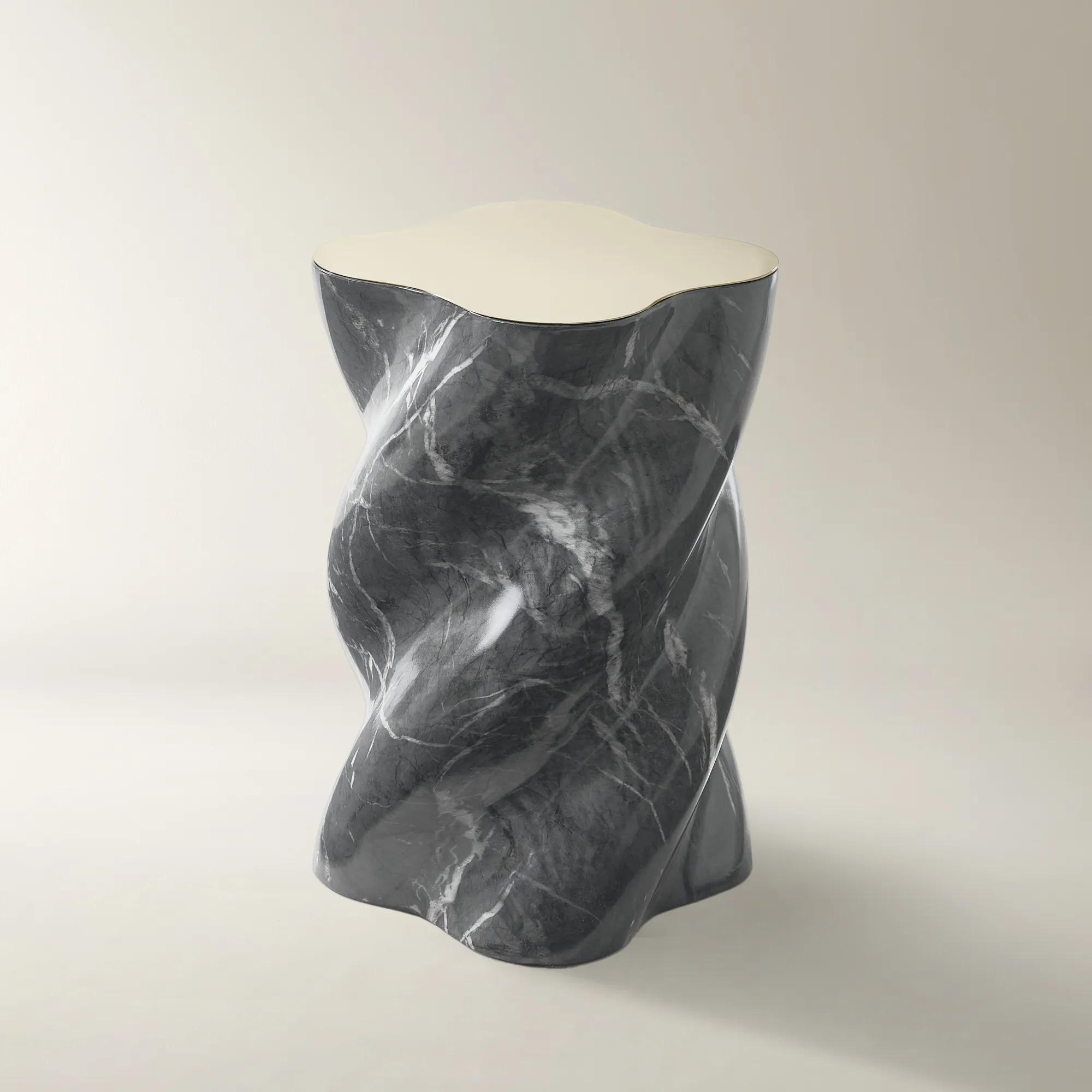 Vega Bvlgary Black Concrete Indoor/Outdoor Side Table With Stainless Steel Top (13.8")$459
A black concrete side table with a sculptural pedestal, removable stainless-steel top, and marble-inspired finish.
Add To Cart -
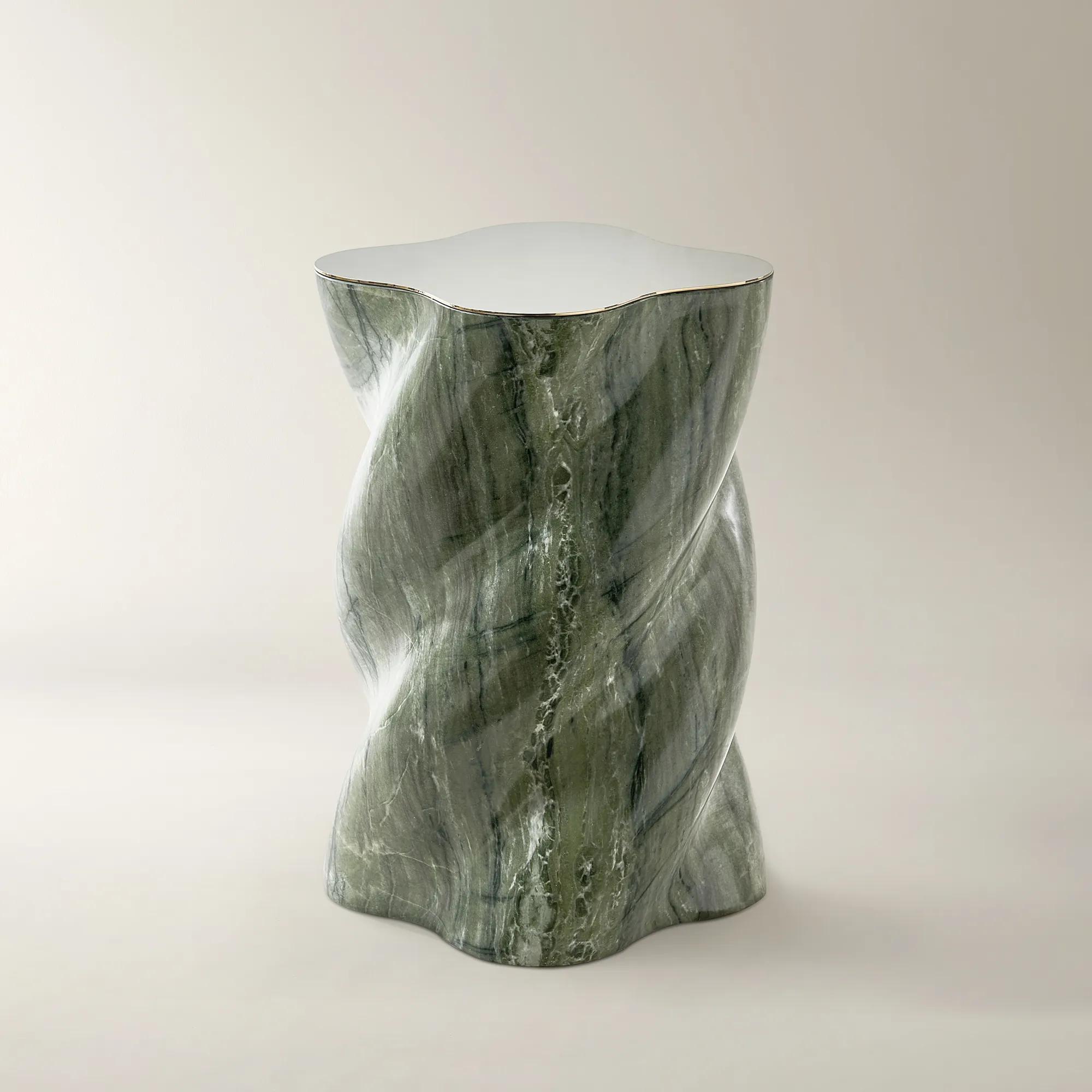 Vega Malachite Green Concrete Indoor/Outdoor Side Table With Stainless Steel Top (13.8")$459
A green concrete side table with a sculptural pedestal, marble-inspired finish, and removable stainless-steel top.
Add To Cart -
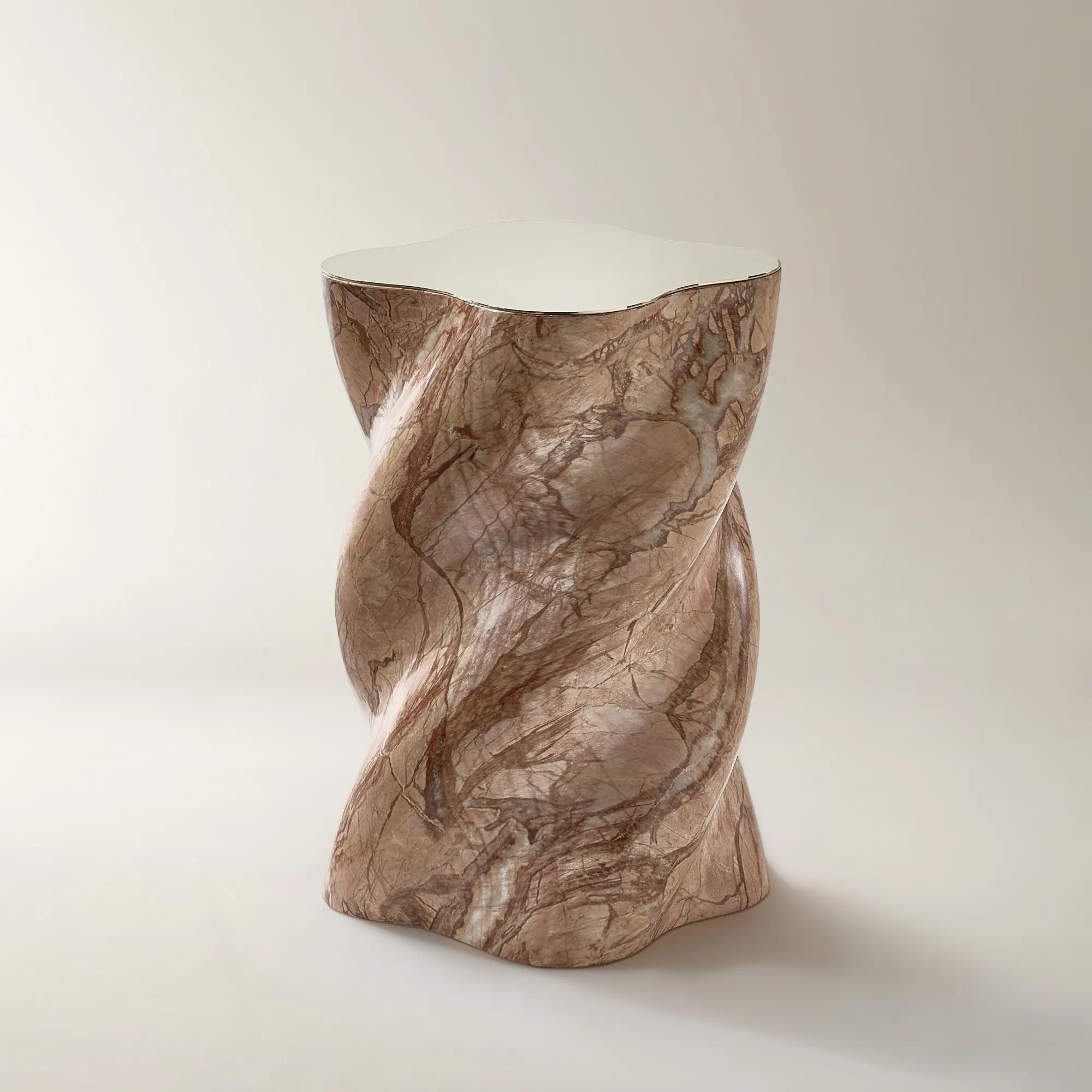
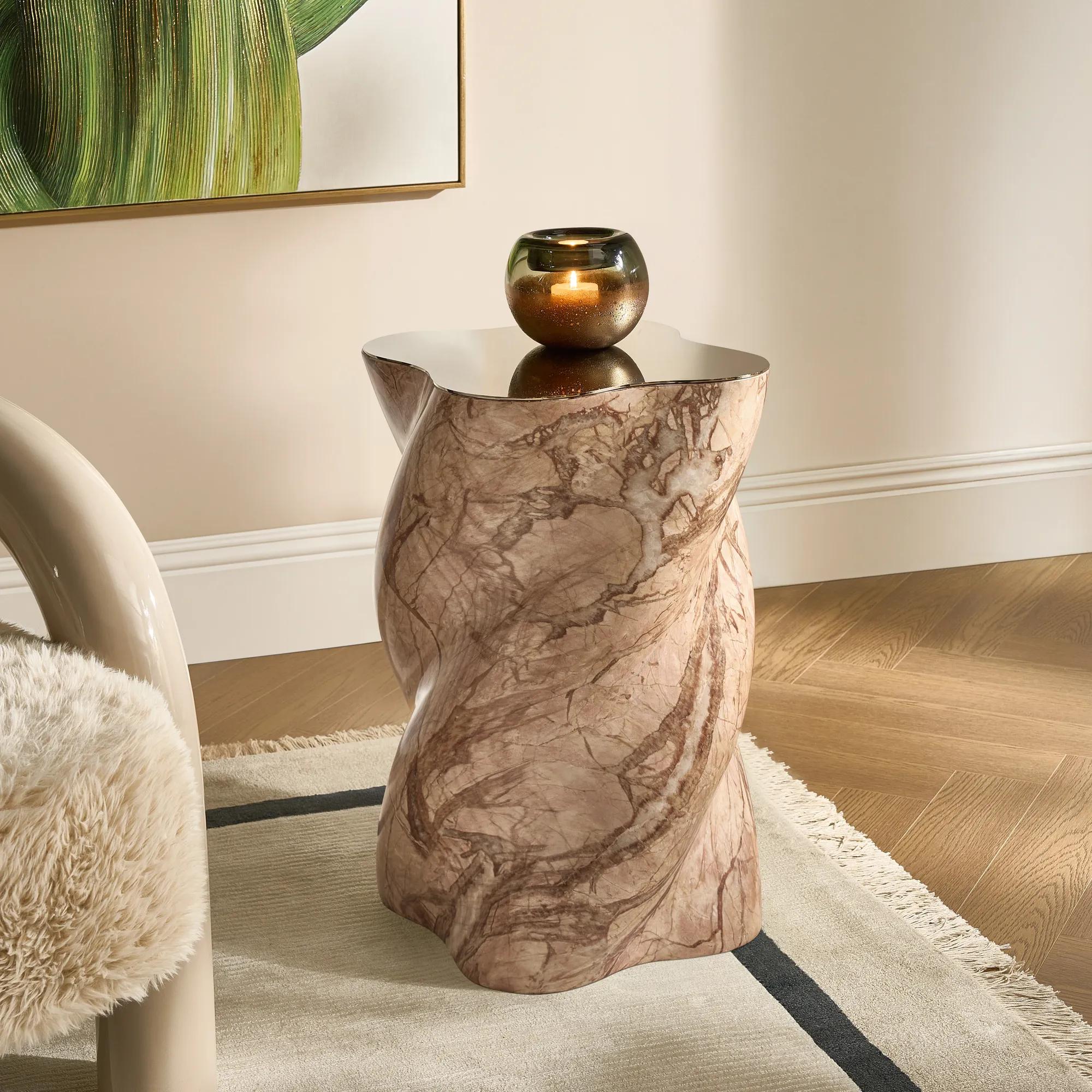 Vega Concrete Indoor/Outdoor Side Table With Stainless Steel Top (13.8")$459
A black, orange, or green concrete side table with removable stainless-steel top and marble-inspired veining.
Add To Cart -
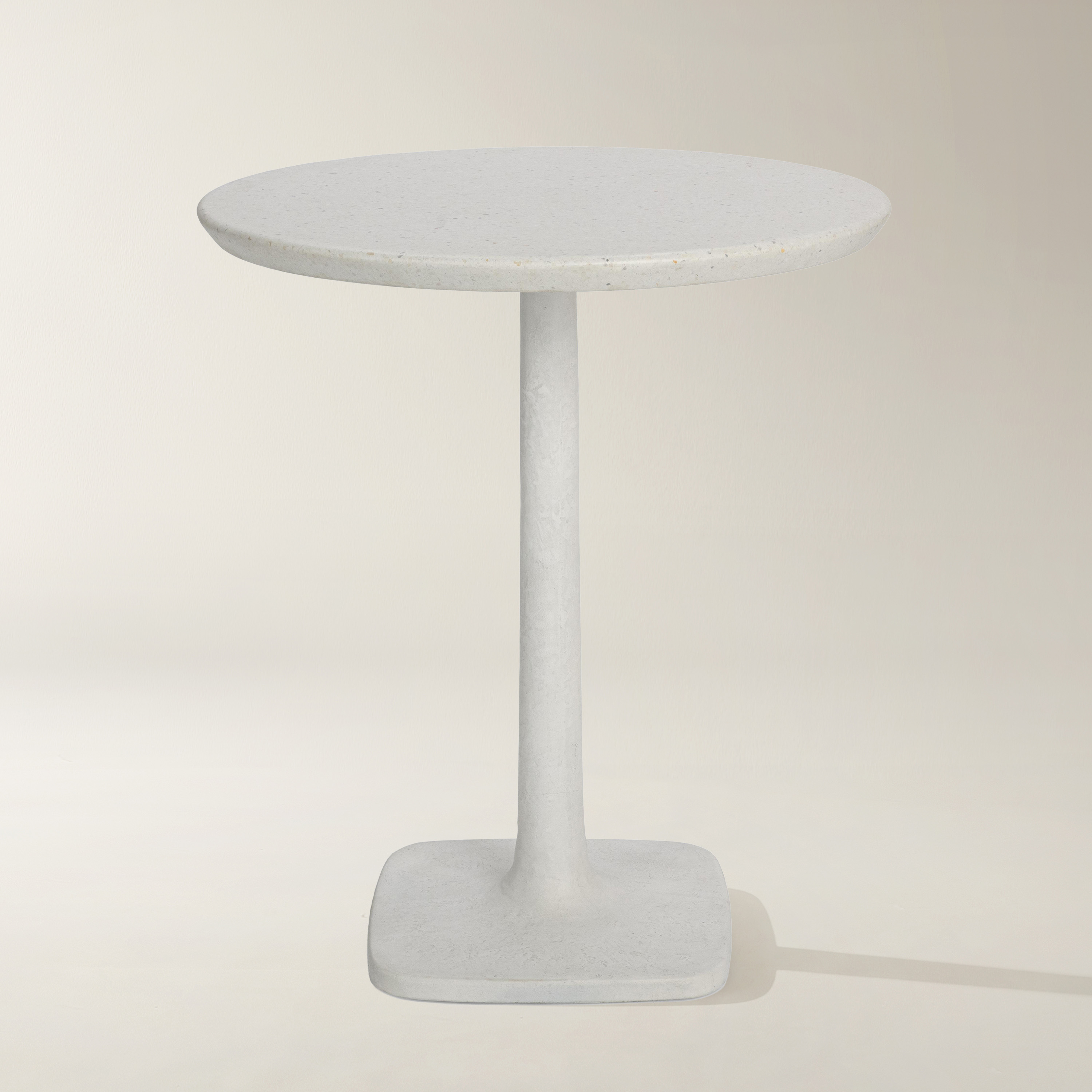
 Paulina Round White Outdoor Table (31”)$999
A white outdoor round counter table offering stylish functionality for elevated alfresco dining.
Add To Cart -
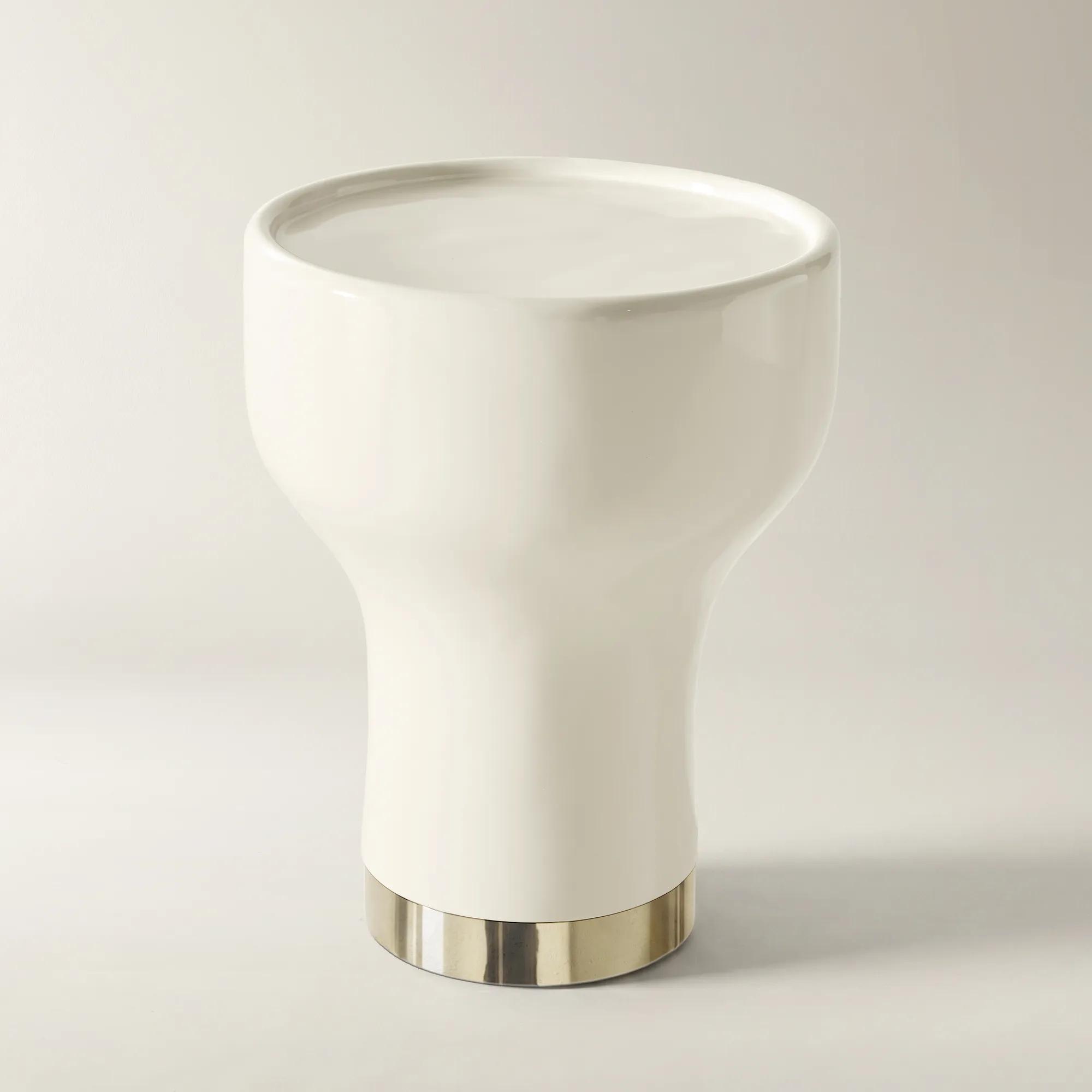
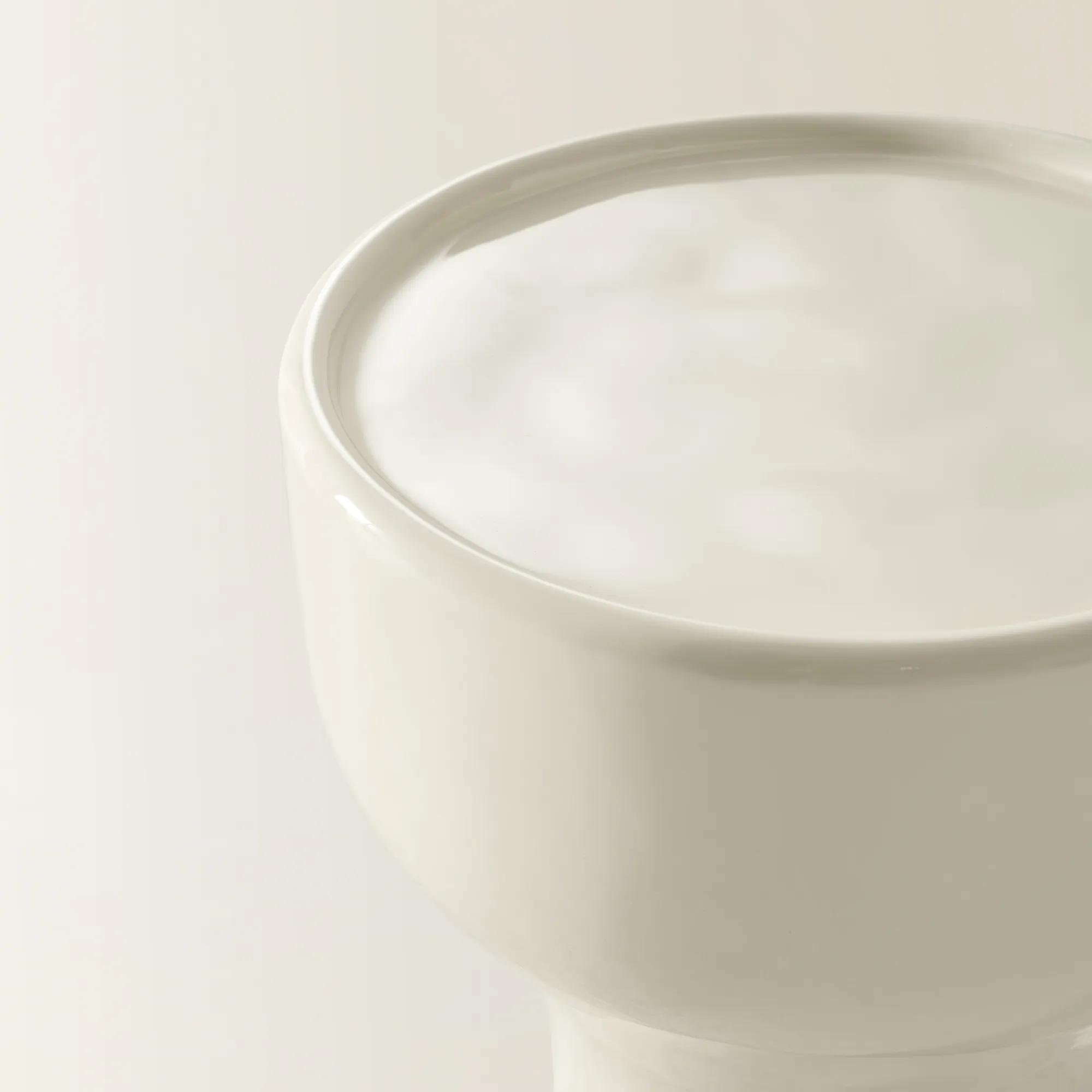 Celia Lacquered Cloud Resin Indoor/Outdoor End Table (16")$399
A sculptural one-piece resin end table with a warm high-gloss finish and gold stainless steel base.
Add To Cart -
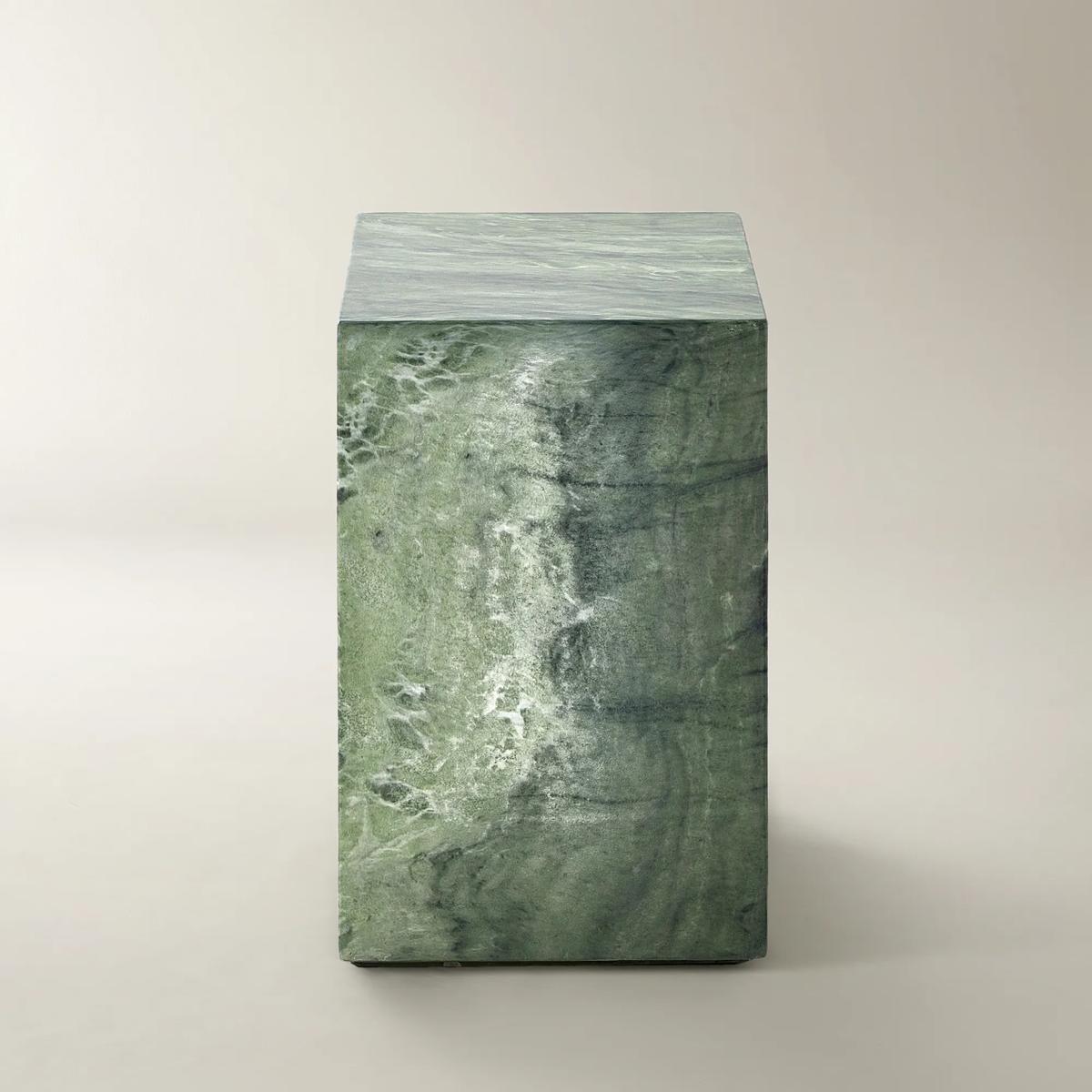
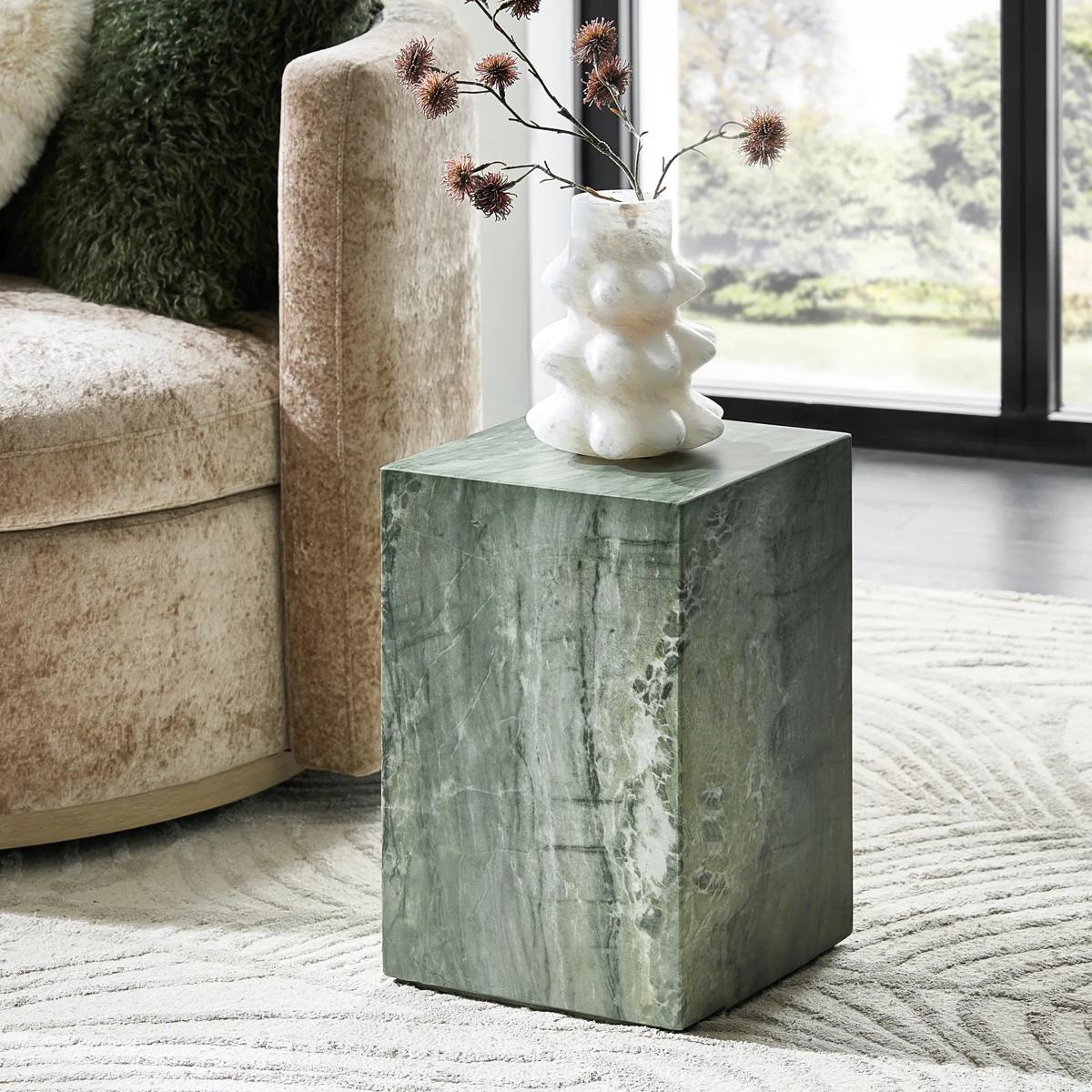 Strata Square Green Concrete Indoor/Outdoor Side Table (11.8")$299
A green concrete side table with marble-look veining and a sculptural cuboid form for indoor use.
Add To Cart -
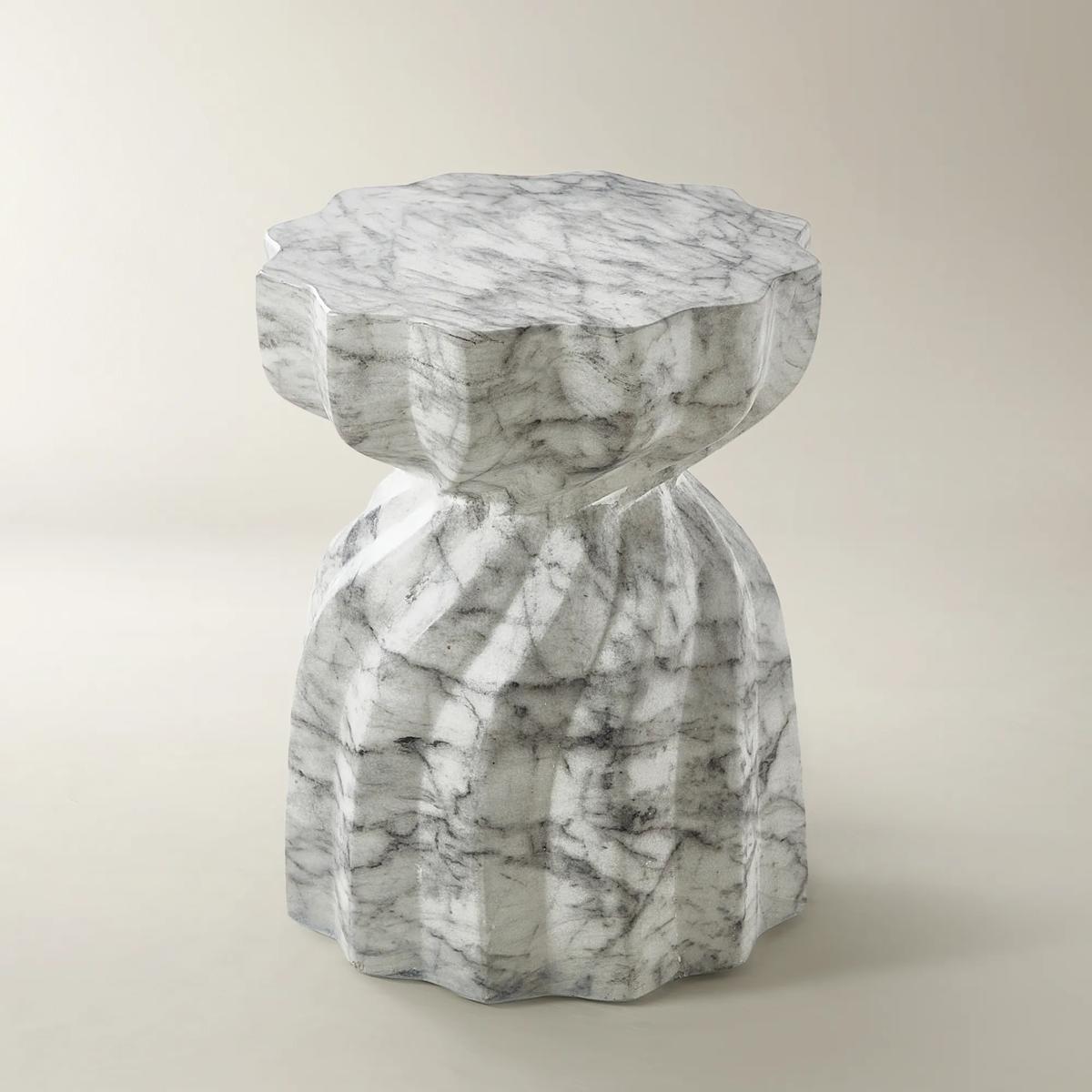
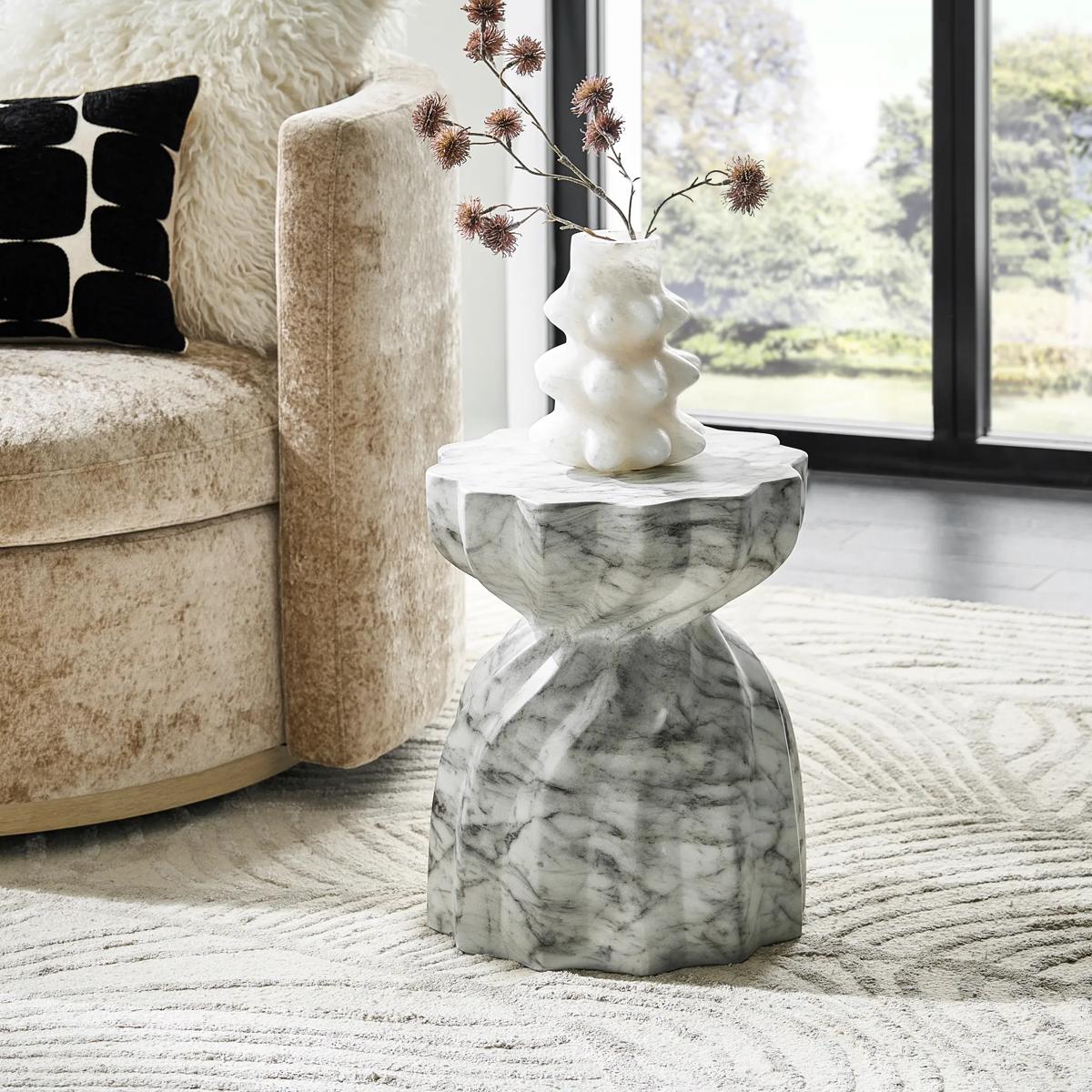 Lithia Scalloped White Concrete Indoor/Outdoor Side Table (15")$349
A white concrete side table with a scalloped silhouette and marble-look finish for indoor-outdoor living.
Add To Cart -
 Strata Round Green Concrete Indoor/Outdoor Side Table (15")$349
A green concrete side table with rounded geometry and a marble-look finish for indoor-outdoor use.
Add To Cart -
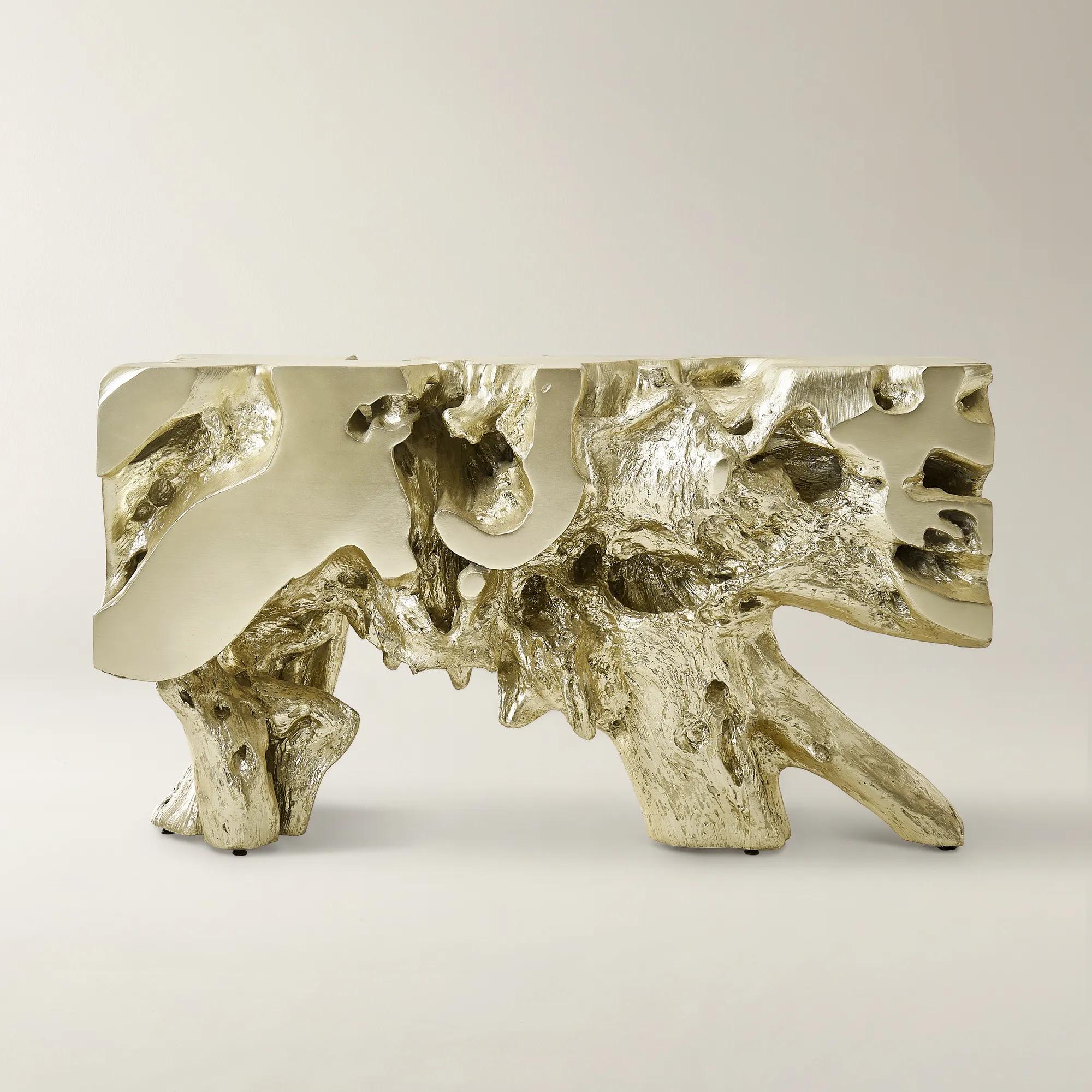
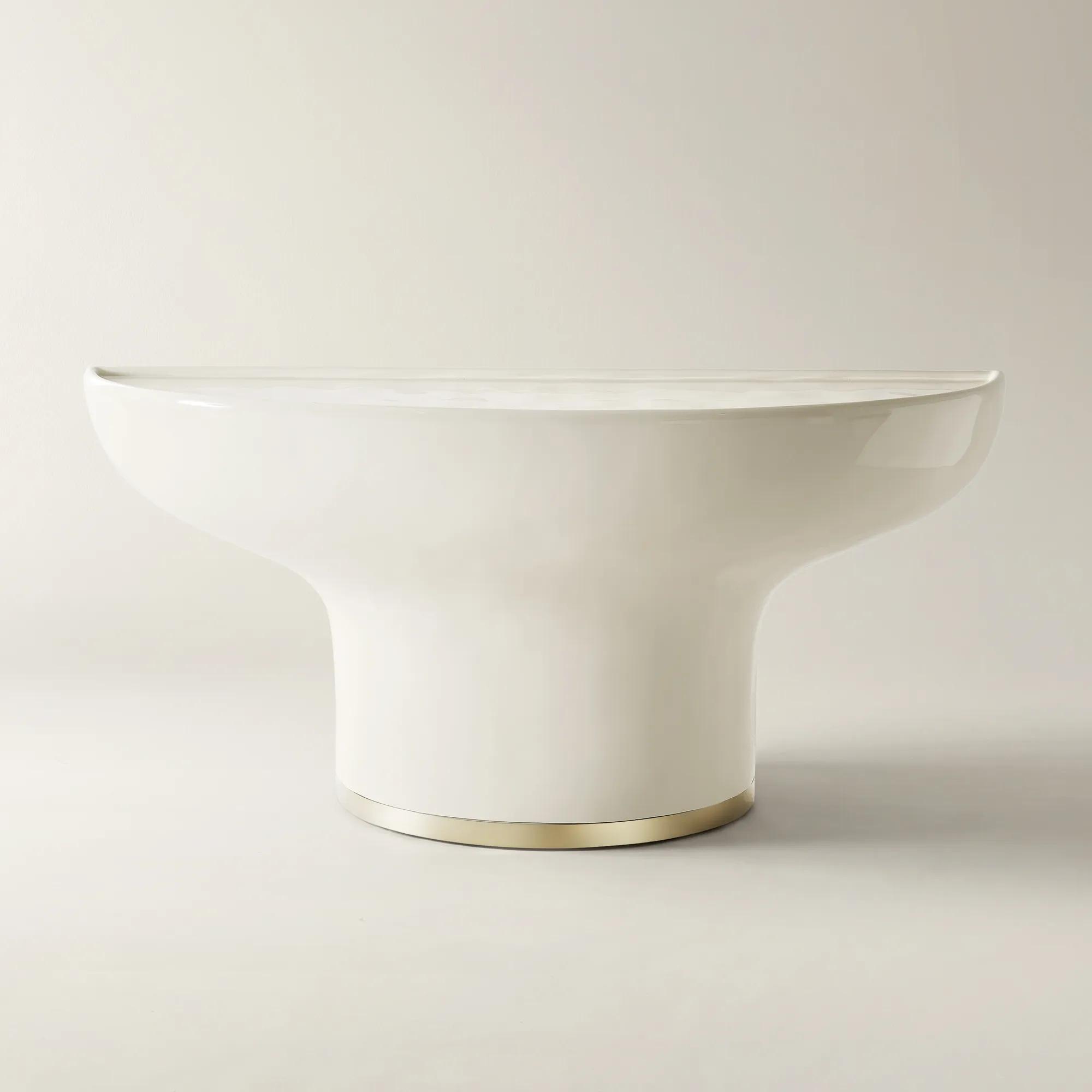 Celia Lacquered Cloud Resin Indoor/Outdoor Console Table (63")$1499
A sculptural one-piece resin console table with a warm high-gloss finish and gold stainless steel base.
Add To Cart -
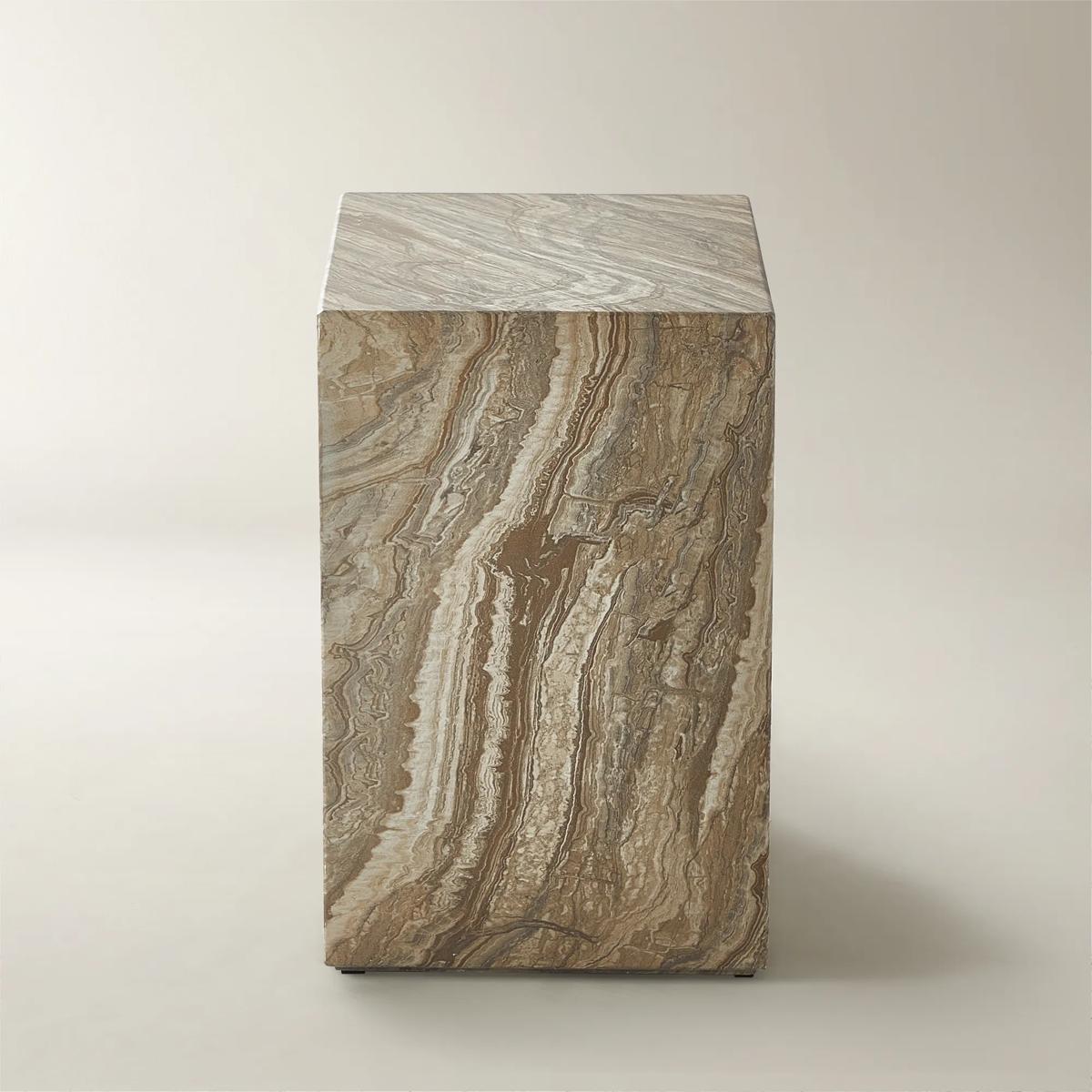
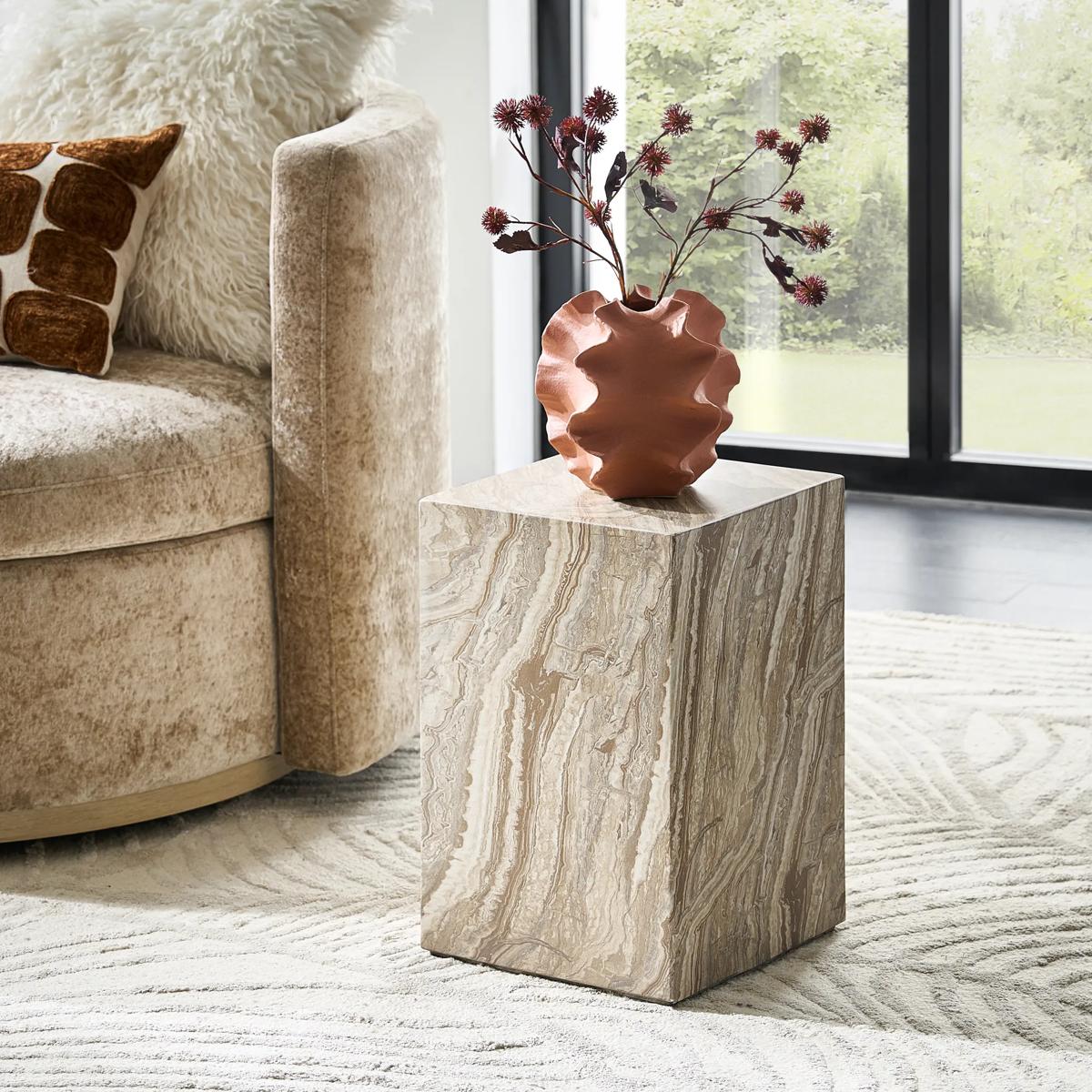 Strata Square Brown Concrete Indoor/Outdoor Side Table (11.8")$299
A brown concrete side table with a sculptural cuboid profile and marble-look finish, indoors or outdoors.
Add To Cart -

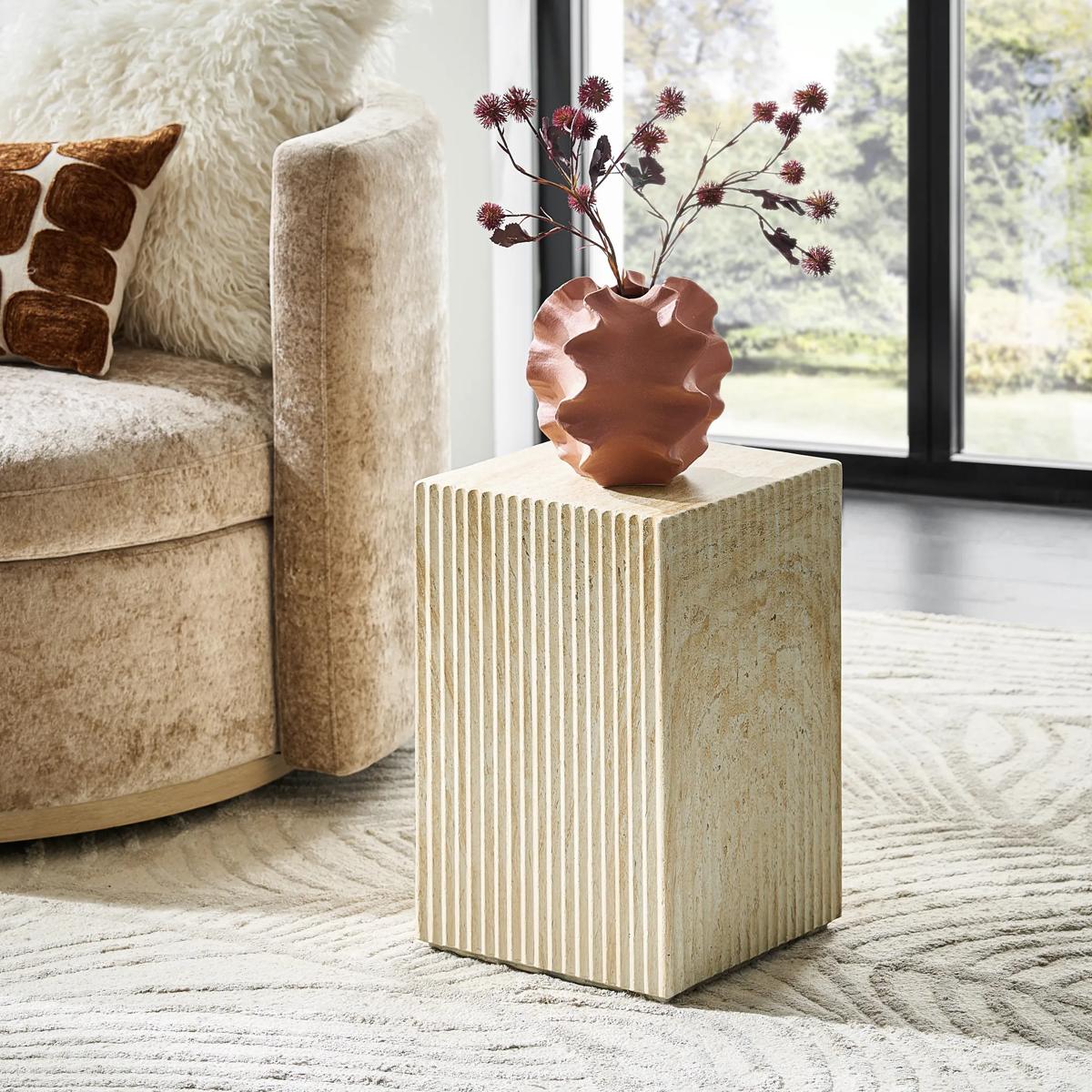 Strata Square Travertine Concrete Indoor/Outdoor Side Table (11.8")$299
A natural travertine-look concrete side table with sculptural cuboid geometry for indoor or covered outdoor spaces.
Add To Cart -
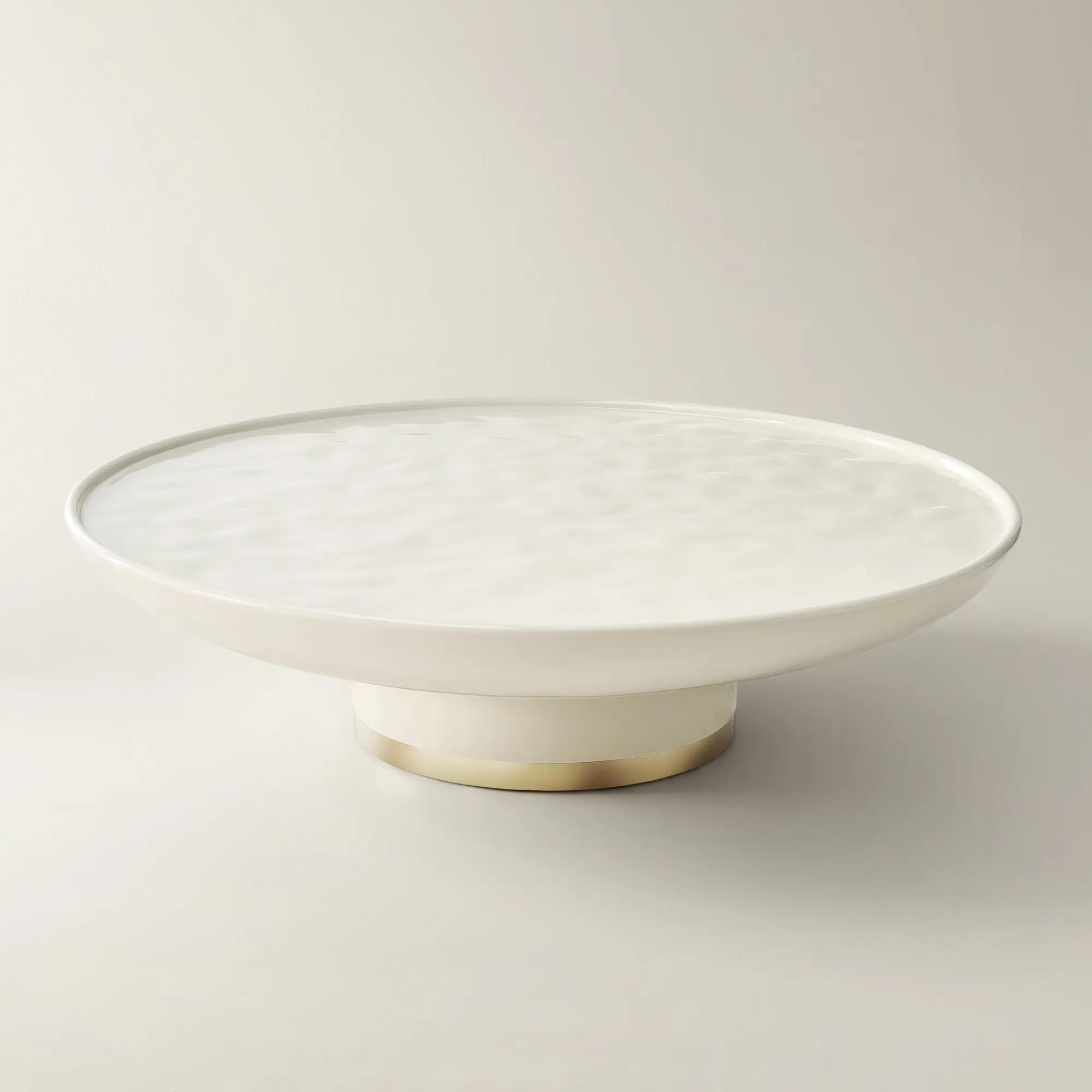
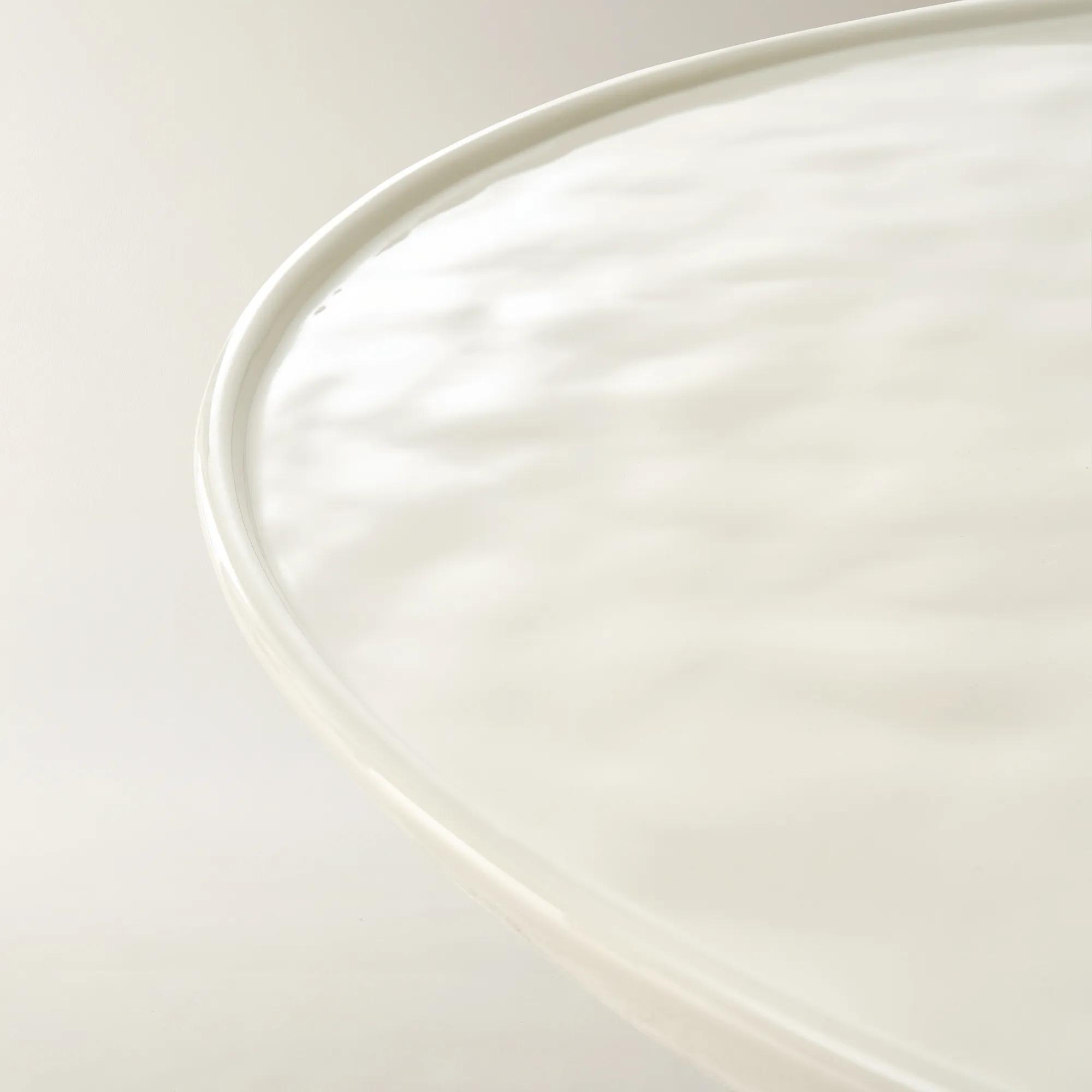 Celia Lacquered Cloud Resin Indoor/Outdoor Coffee Table (54")$1399
A sculptural one-piece resin coffee table with a high-gloss warm finish and gold stainless steel base.
Add To Cart -
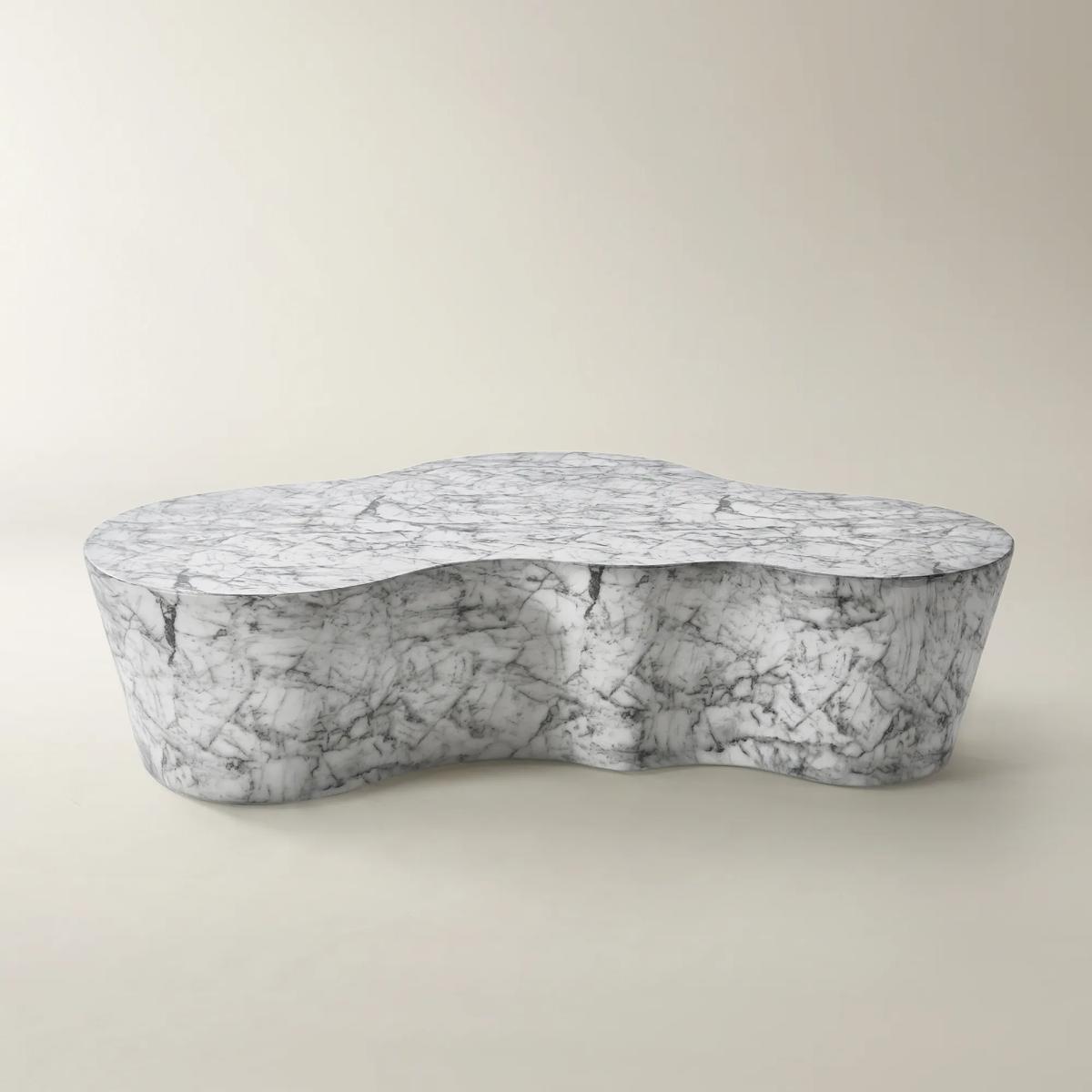
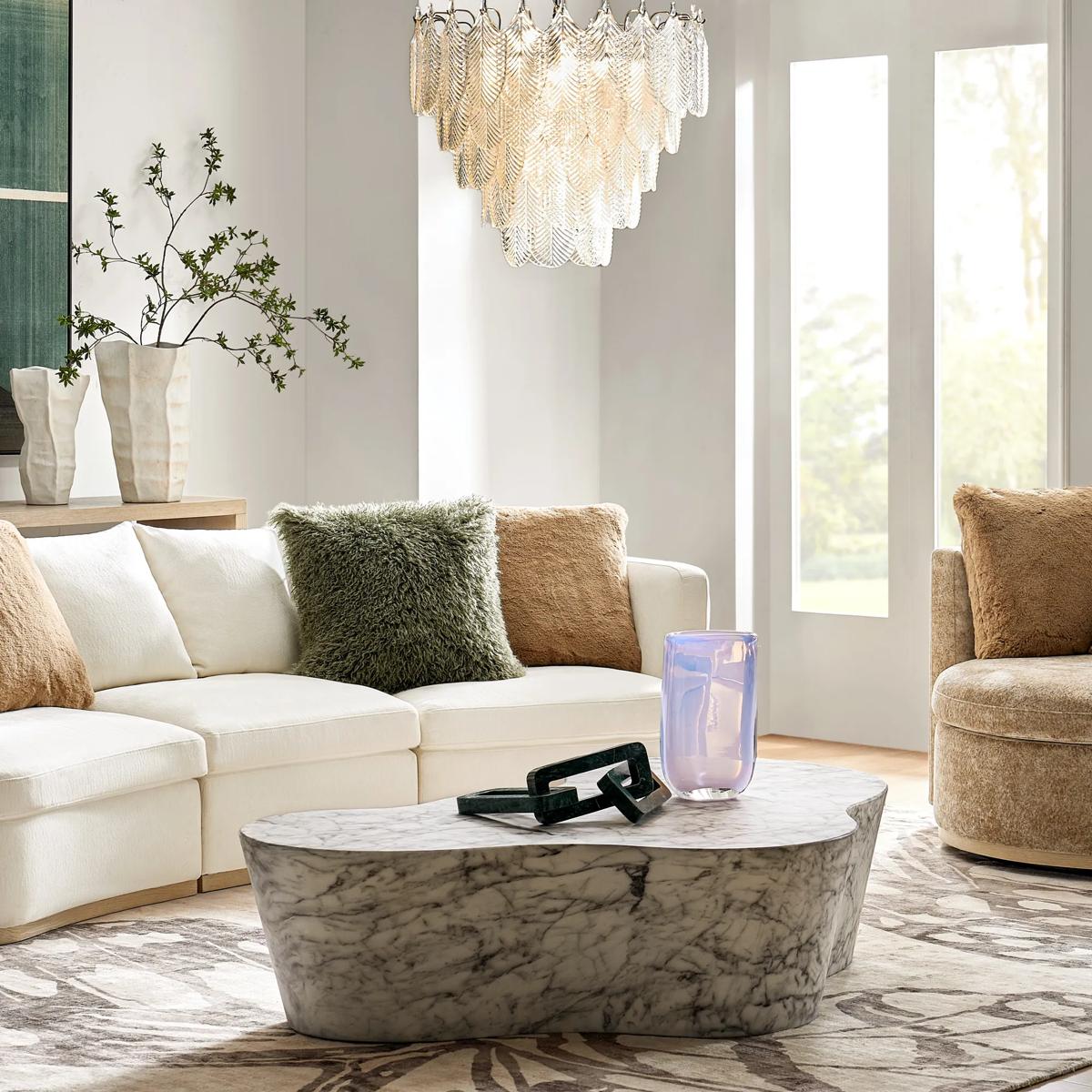 Petra White Concrete Indoor/Outdoor Coffee Table (59.4")$1099
A sculptural white concrete coffee table with cloud-like contours and marble-look veining, suitable indoors or outdoors.
Add To Cart -
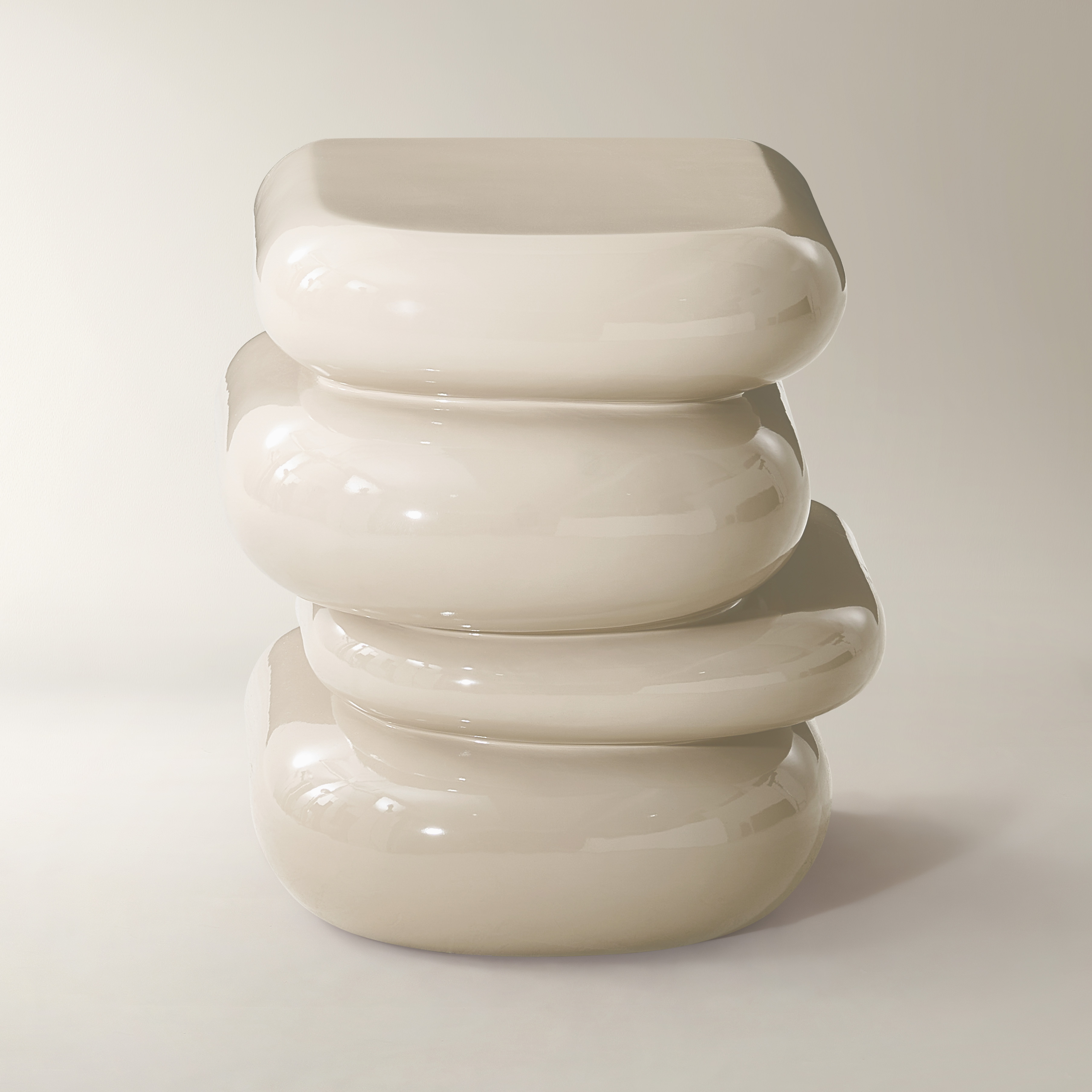
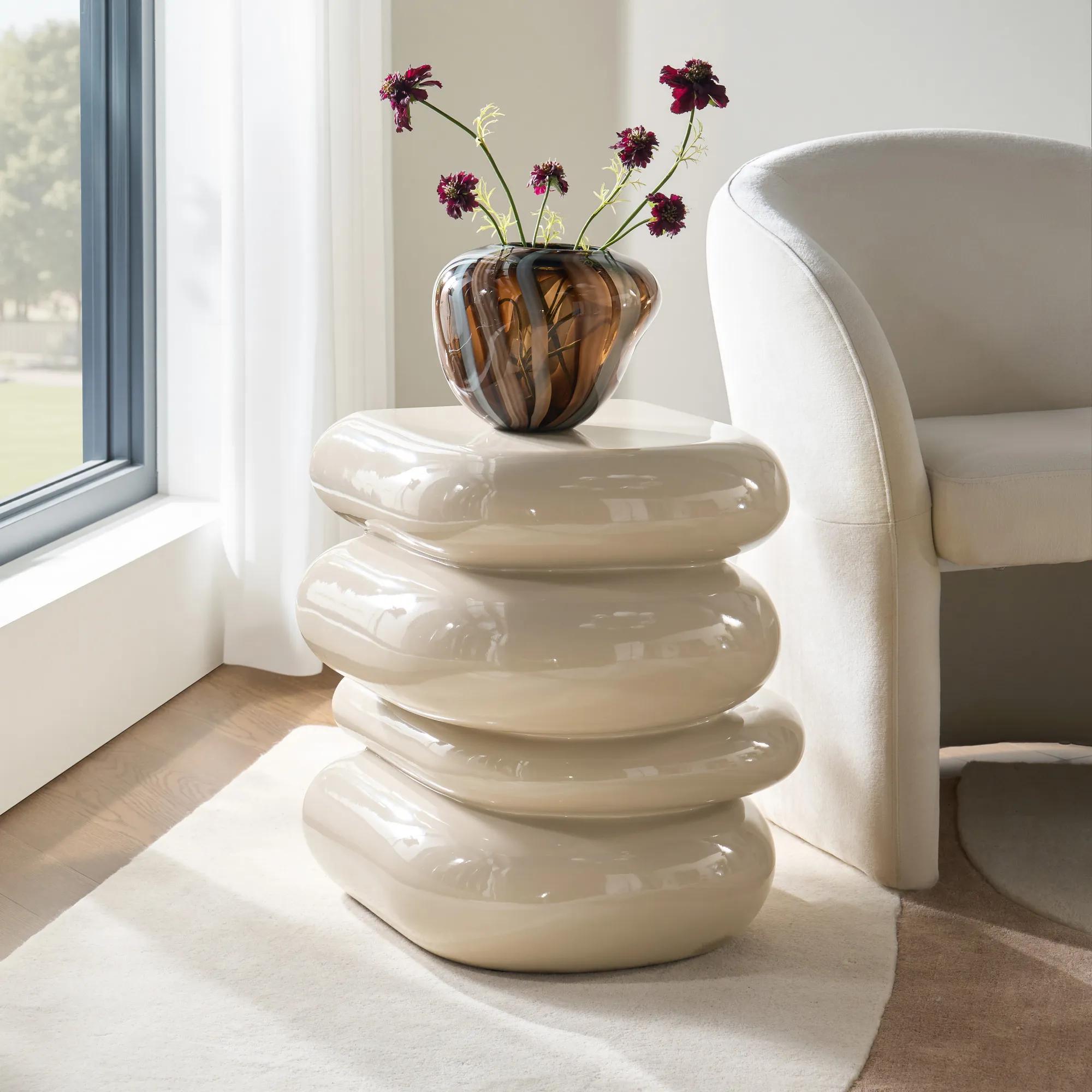 Forma Stacked Turtle Dove Side Table (19.9")$499
A sculptural accent table crafted from high-gloss turtle dove fiberglass with softly stacked, rounded tiers.
Add To Cart -
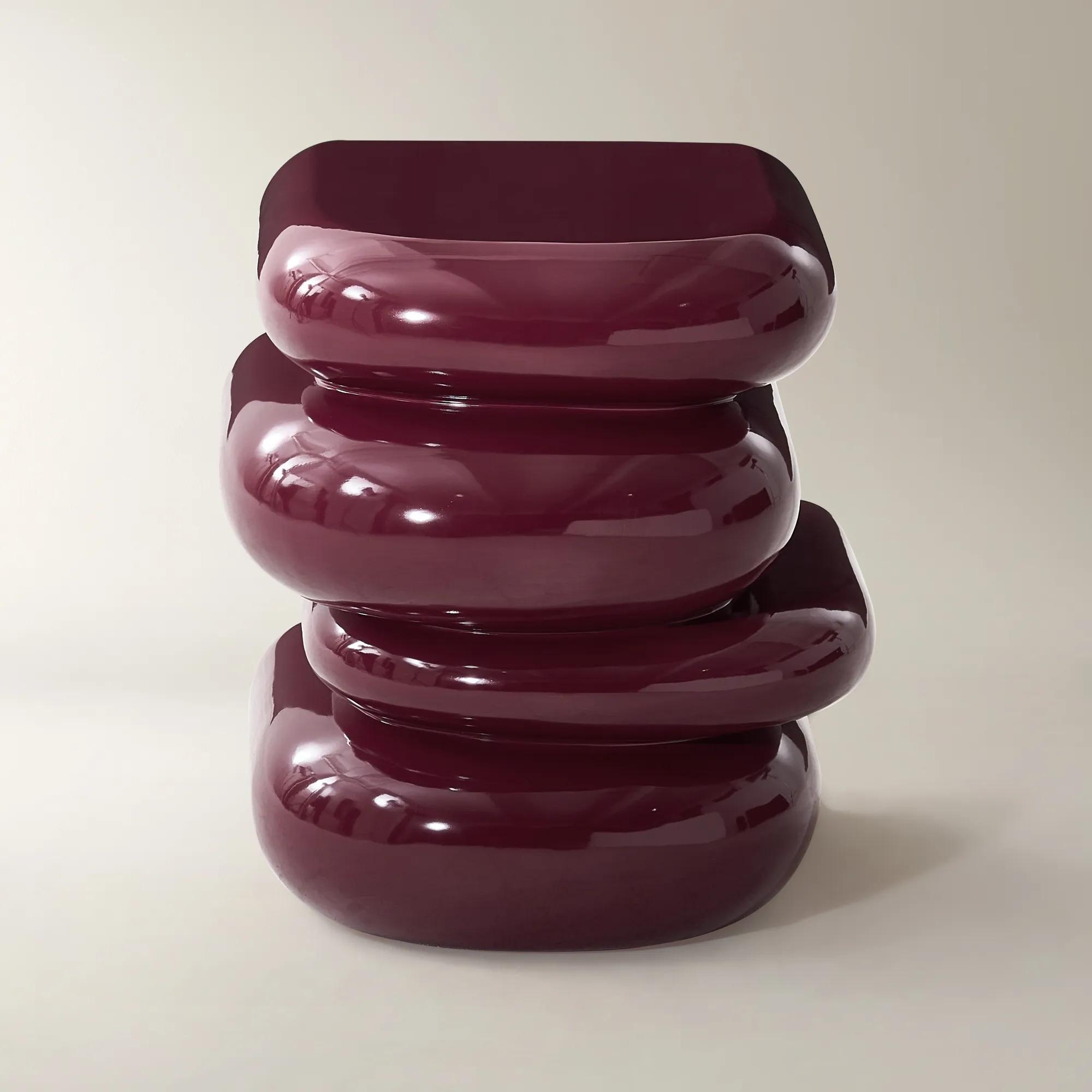 Forma Stacked Ox Blood Side Table (19.9")$499
A sculptural accent table crafted from high-gloss ox blood fiberglass with softly stacked, rounded tiers.
Add To Cart

Contemporary Outdoor Accent Tables
Contemporary Outdoor Accent Tables invite you to blur the boundaries between indoor elegance and open-air allure. Picture sculptural silhouettes gleaming beneath the sun, each table transforming your patio or terrace into a gallery of modern expression. Whether poised beside a lounge chair or anchoring a conversation nook, these artful pieces infuse every alfresco moment with sophistication and style. Elevate your outdoor sanctuary with tables that celebrate bold design and inspire gatherings under the sky.
Contemporary outdoor accent tables pair clean-lined or sculptural silhouettes with materials suited to exterior living, including concrete, solid teak, aluminum, and high-density polyethylene, often called HDPE. More intimate in scale than a dining table and more flexible than a large coffee table, an outdoor accent table brings a useful surface directly beside a lounge chair, chaise, or sofa. Its role may be modest—a place for a glass, a book, or a small serving tray—but its presence can transform the entire seating arrangement. A rounded pedestal introduces a graceful curve beside an angular sectional; a crisp cube gives a loose grouping of woven chairs a more architectural rhythm. Drum shapes, open frames, and substantial cylindrical bases each create a different relationship between furniture and surrounding space. On a narrow balcony, a slim side table can establish a polished retreat without overwhelming the floor plan. On a broad terrace, a pair of contrasting forms creates depth and keeps refreshments within reach of more than one seat. The strongest compositions balance visual drama with everyday ease: a substantial silhouette beside airy seating, a pale finish against richly textured upholstery, or a dark metal frame that draws a precise line through lush planting. Contemporary styling does not have to mean severe or spare. Rounded edges, tactile surfaces, and expressive proportions can make an outdoor room feel generous and inviting while preserving a refined profile. A matte surface offers a quiet counterpoint to patterned cushions, while a subtly textured finish gives a restrained palette more dimension. These small tables are especially appealing to hosts who want conversation areas to feel considered, apartment dwellers making a compact footprint feel expansive, and anyone who sees outdoor living as an extension of a distinctive interior. With the right proportions, even a single accent table can turn an isolated chair into a complete destination for reading, conversation, or an unhurried drink.
Material gives an outdoor side table much of its character, but appearance and performance deserve equal attention. Concrete and concrete-composite tables bring a grounded, almost gallery-like quality to a seating area, with subtle variations that make simple forms feel expressive. Their compositions and weights vary considerably, so a concrete look does not necessarily indicate a solid concrete construction. Some surfaces require sealing, and finishes may be vulnerable to acidic drinks, standing water, or freezing conditions; product-specific care information matters more than the material name alone. Solid teak offers a different kind of richness through its grain and warm natural color. Left untreated, teak generally develops a silvery patina with exposure, while maintaining its original tone requires a care routine appropriate to the finish. Aluminum creates possibilities for slender profiles and easier repositioning, making it useful where a table moves between a chaise and a conversation group. It resists rust, although coatings can scratch or deteriorate, and exposed hardware may have different maintenance needs from the frame itself. Powder-coated finishes add color and surface protection, but their longevity still depends on coating quality, exposure, and care. HDPE offers another approach, often with color integrated into the material and a surface that does not require the same refinishing routine as natural wood. UV stabilization, construction quality, and hardware remain important to long-term performance, particularly in exposed settings. Outdoor-rated ceramic or porcelain tops can introduce a smooth, refined surface, though edges and corners still need protection from impact. These distinctions allow contemporary outdoor accent tables to express very different moods without sacrificing their purpose: teak softens a sharply tailored lounge, concrete adds sculptural weight, and metal introduces crisp definition. Weather resistance is not the same as being impervious to damage, and no single material is ideal for every location. A sheltered patio, an uncovered deck, and a coastal balcony place different demands on finishes, joints, and fasteners. The most enduring choice aligns the table’s construction with its intended setting rather than relying on appearance alone.
Scale determines whether that beautiful silhouette feels effortless in daily use. An outdoor end table generally works best when its surface sits within comfortable reach of the adjacent seat, often near the chair arm rather than dramatically above or below it. A low chaise calls for a different relationship than an upright lounge chair, and a deep sofa may benefit from a broader top that keeps essentials accessible without requiring an awkward stretch. Surface area matters just as much as height: a compact round top may suit a drink and sunglasses, while a wider tabletop better accommodates a tray and shared snacks. Tables that flank seating should leave circulation routes open, especially near doors, steps, and frequently used paths. The base deserves the same attention as the top. A broad footprint can lend stability, while narrow legs may need a firm, level surface rather than soft ground or widely spaced decking. Substantial weight can be reassuring in an exposed location, but it also makes rearranging furniture more demanding. Protective feet can help prevent marks on suitable flooring, provided they are compatible with the surface and kept free of trapped grit. Everyday care is usually most successful when it is gentle and consistent: remove spills promptly, use coasters where recommended, and clean with products approved for the particular material and finish. Abrasive pads, harsh chemicals, and pressure washing can damage surfaces that otherwise tolerate ordinary outdoor use. Breathable protective covers and appropriate storage help limit prolonged exposure, while allowing furniture to dry before covering discourages trapped moisture. A cohesive design can continue beyond the patio doors with Contemporary Small Accent Tables for interior seating areas, while exterior spaces retain pieces expressly intended for outdoor placement. Across both settings, the appeal is the same: a thoughtfully proportioned surface, a compelling silhouette, and a finishing detail that makes the surrounding furniture feel deliberately composed. Contemporary outdoor accent tables bring that sense of completion to the open-air room, giving everyday rituals a setting with presence.
FAQs
Contemporary outdoor accent tables often showcase a blend of resilient and visually striking materials, such as powder-coated aluminum, weather-resistant resin, tempered glass, and hand-finished ceramics. These materials are chosen not only for their durability in the elements but also for their ability to capture light, texture, and a sense of modern artistry.
Styling a contemporary outdoor accent table for entertaining is all about layering elements that evoke warmth and sophistication. Consider adding a statement tray, a cluster of candles or lanterns, and a small vase of fresh florals. For a touch of drama, incorporate metallic or mirrored accents that catch the sunlight or evening glow, creating an inviting focal point for guests.
Many contemporary outdoor accent tables are designed to withstand the changing seasons, featuring finishes and materials that resist moisture, fading, and temperature fluctuations. While they are crafted for resilience, storing them under cover or using protective covers during extreme weather can help preserve their beauty over time.
Contemporary outdoor accent tables are celebrated for their sculptural forms, bold lines, and innovative use of materials. Look for unexpected shapes, artistic textures, and finishes that reflect or play with natural light. These details transform each table into a statement piece that elevates the ambiance of any outdoor setting.
Absolutely. The versatile design and refined finishes of contemporary outdoor accent tables make them just as captivating indoors. Use them in sunrooms, entryways, or living areas where their durability and modern flair can add a fresh, unexpected twist to your interior décor.