Contemporary Patio Tables
Contemporary Patio Tables
-
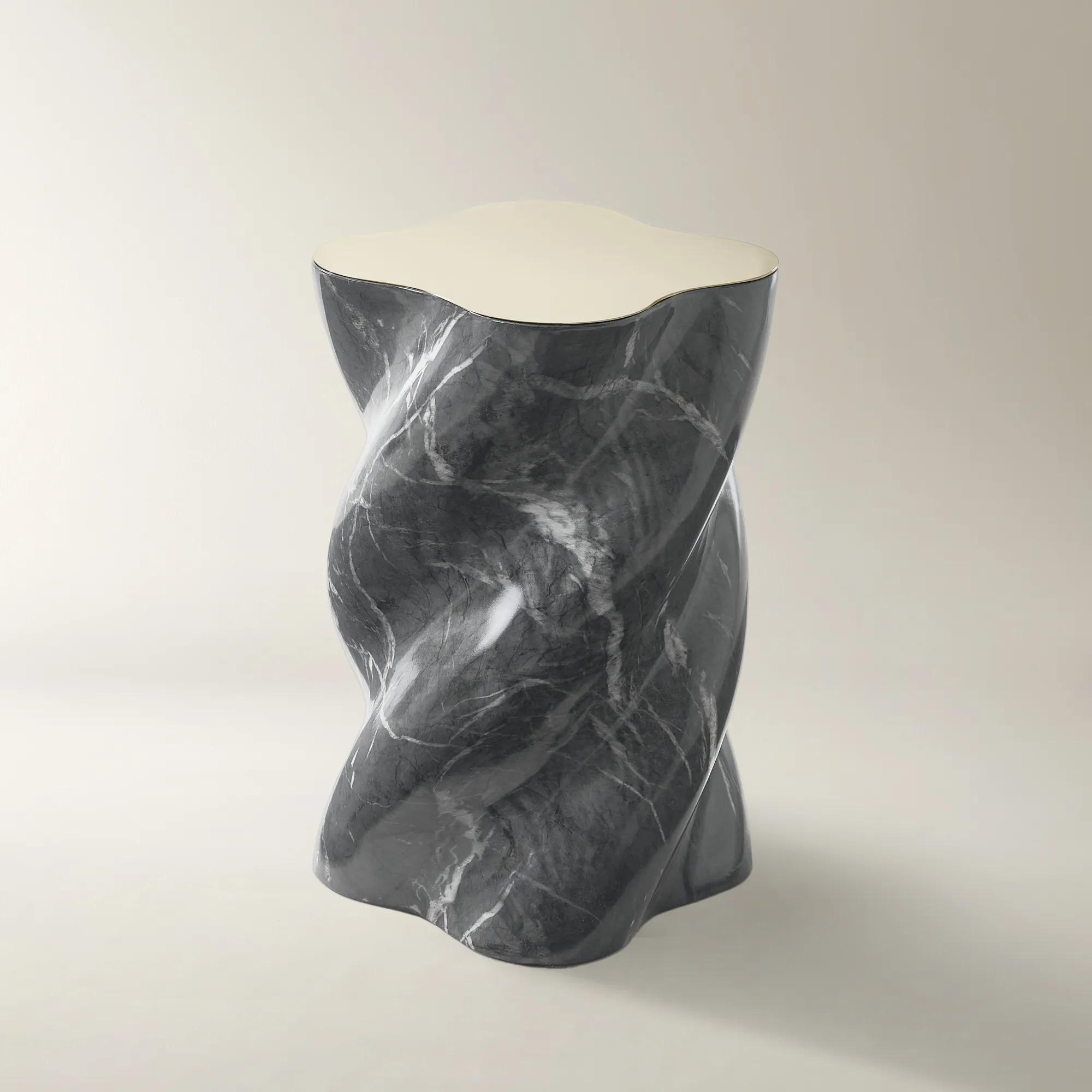 Vega Bvlgary Black Concrete Indoor/Outdoor Side Table With Stainless Steel Top (13.8")$459
A black concrete side table with a sculptural pedestal, removable stainless-steel top, and marble-inspired finish.
Add To Cart -
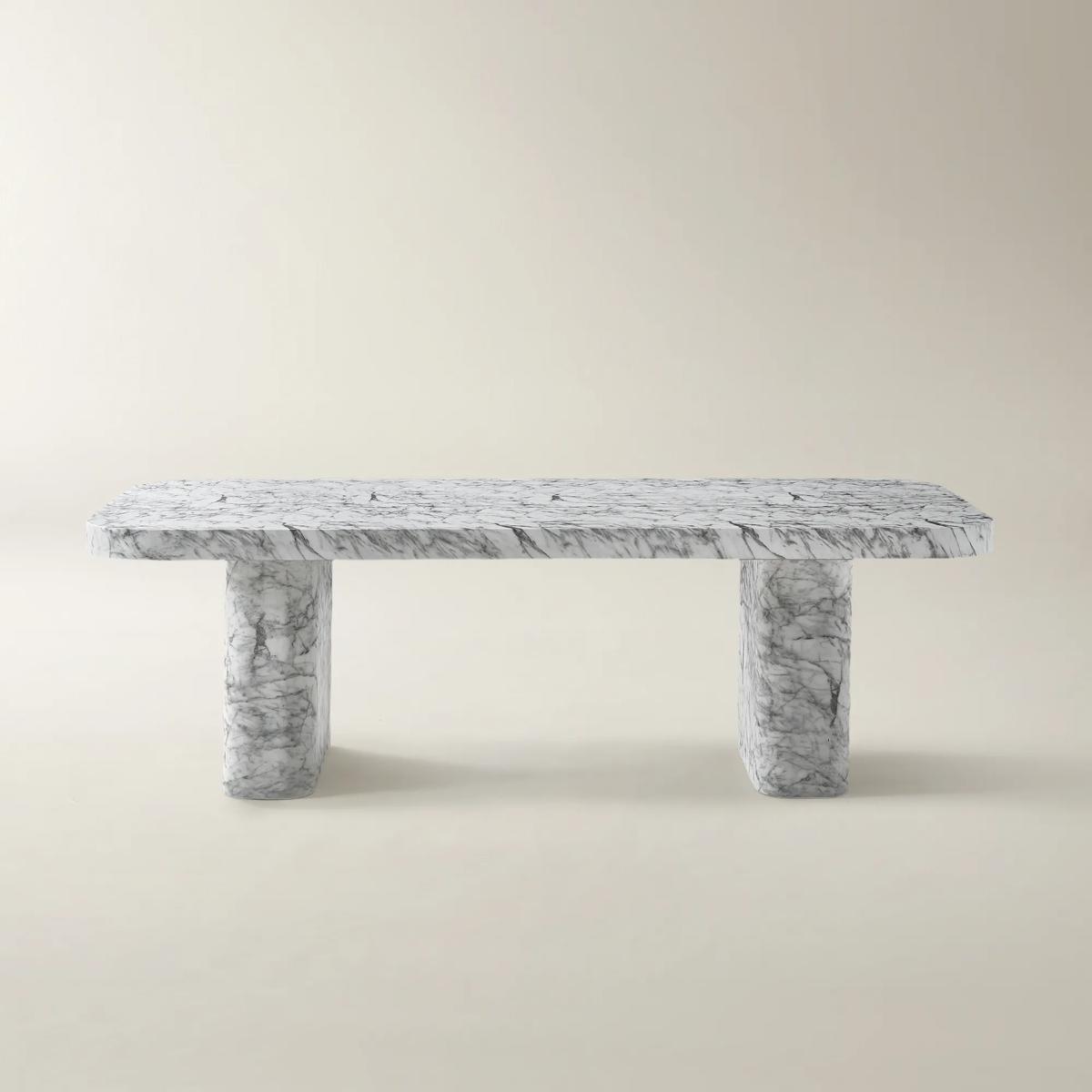
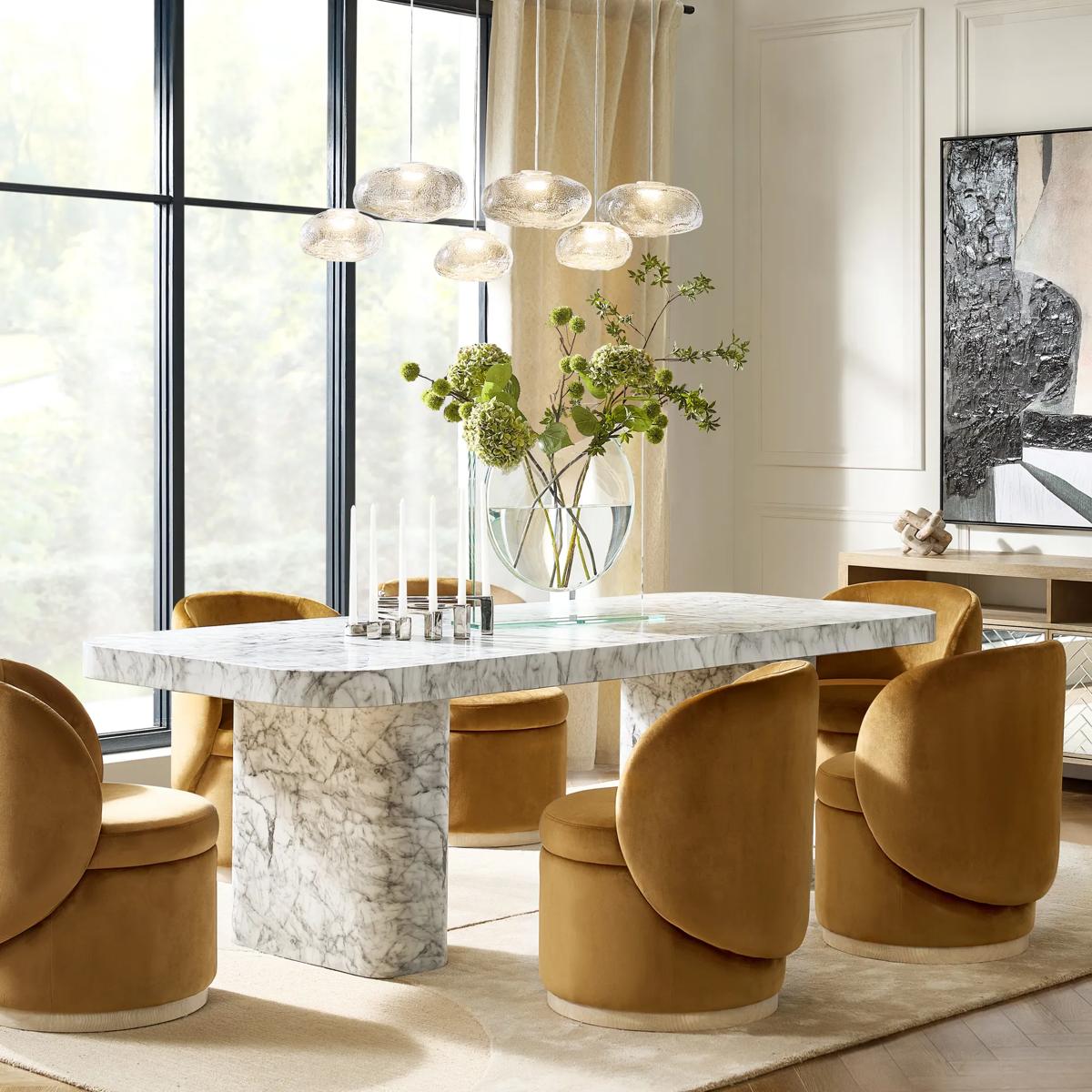 Silex Rectangular White Concrete Indoor/Outdoor Dining Table (94.5")$1999
A white concrete dining table with a sculptural pedestal base, marble-inspired veining, and indoor-outdoor versatility.
Add To Cart -
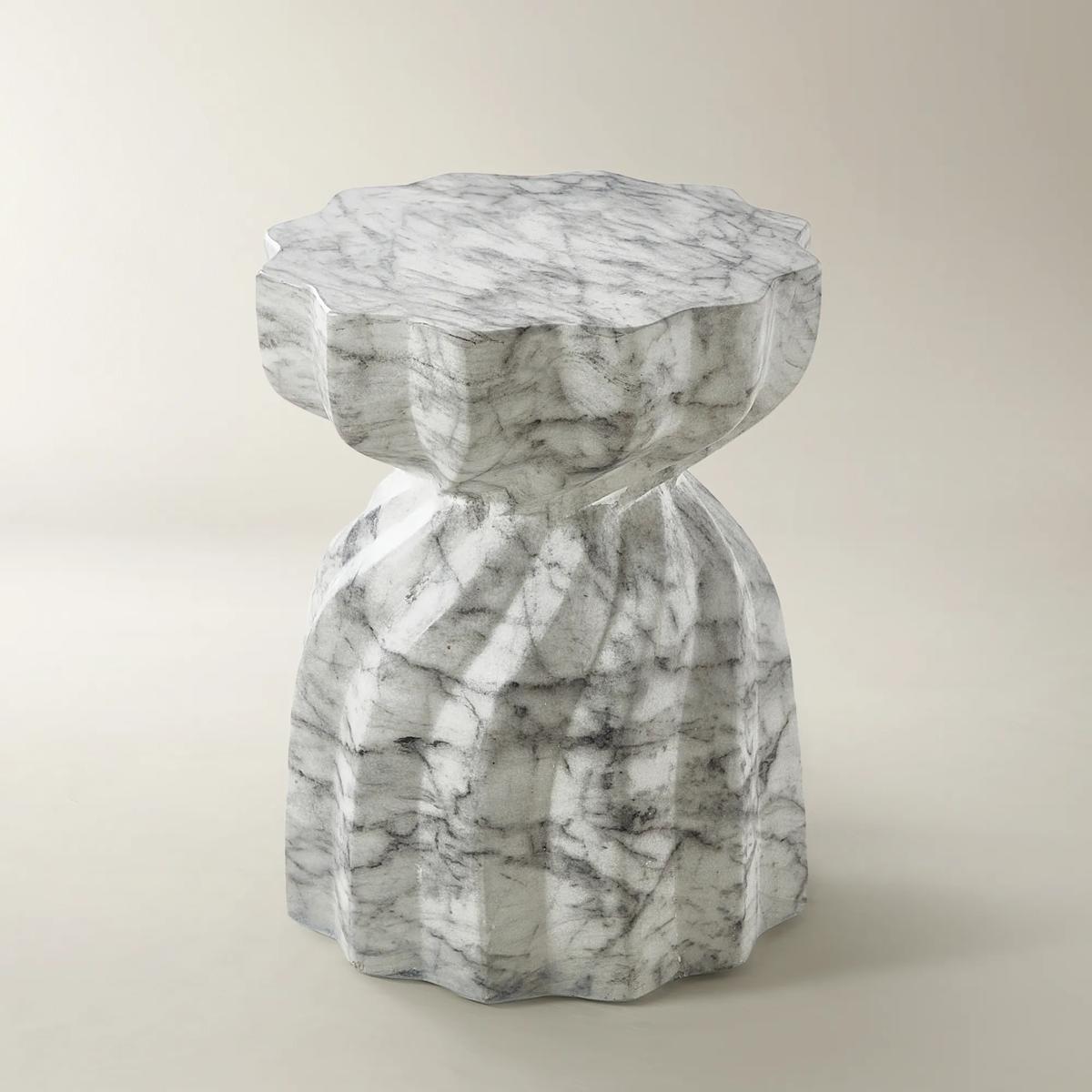
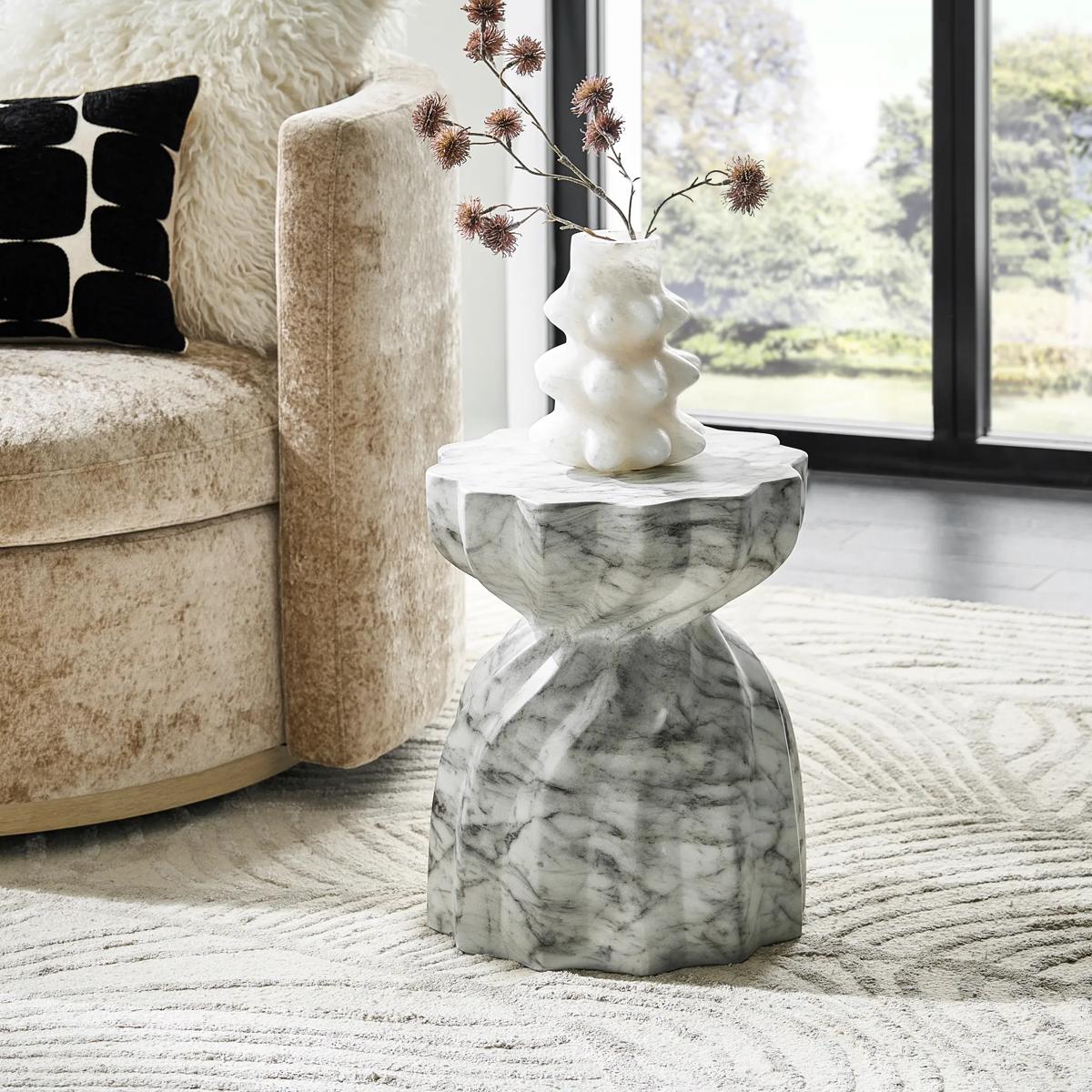 Lithia Scalloped White Concrete Indoor/Outdoor Side Table (15")$349
A white concrete side table with a scalloped silhouette and marble-look finish for indoor-outdoor living.
Add To Cart -
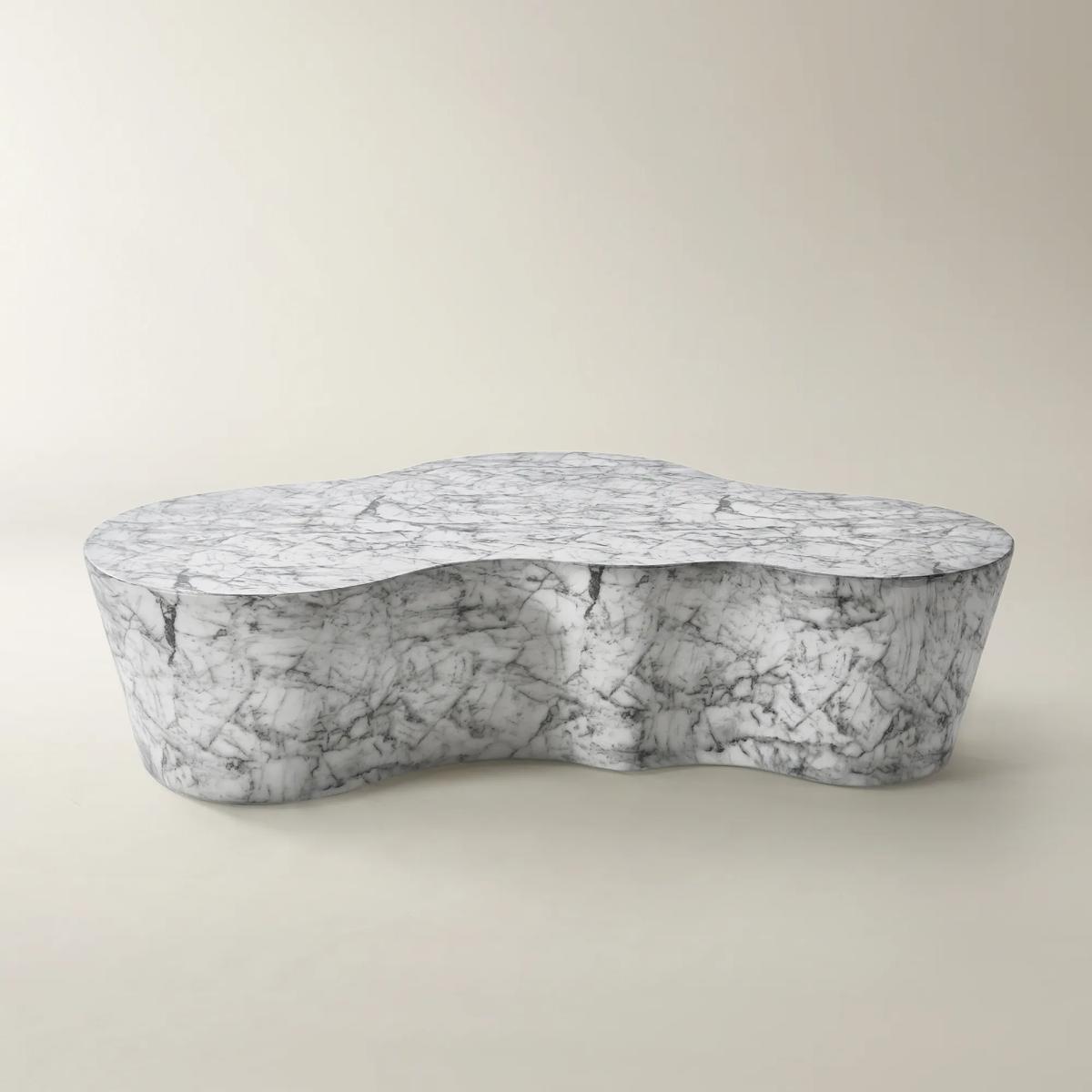
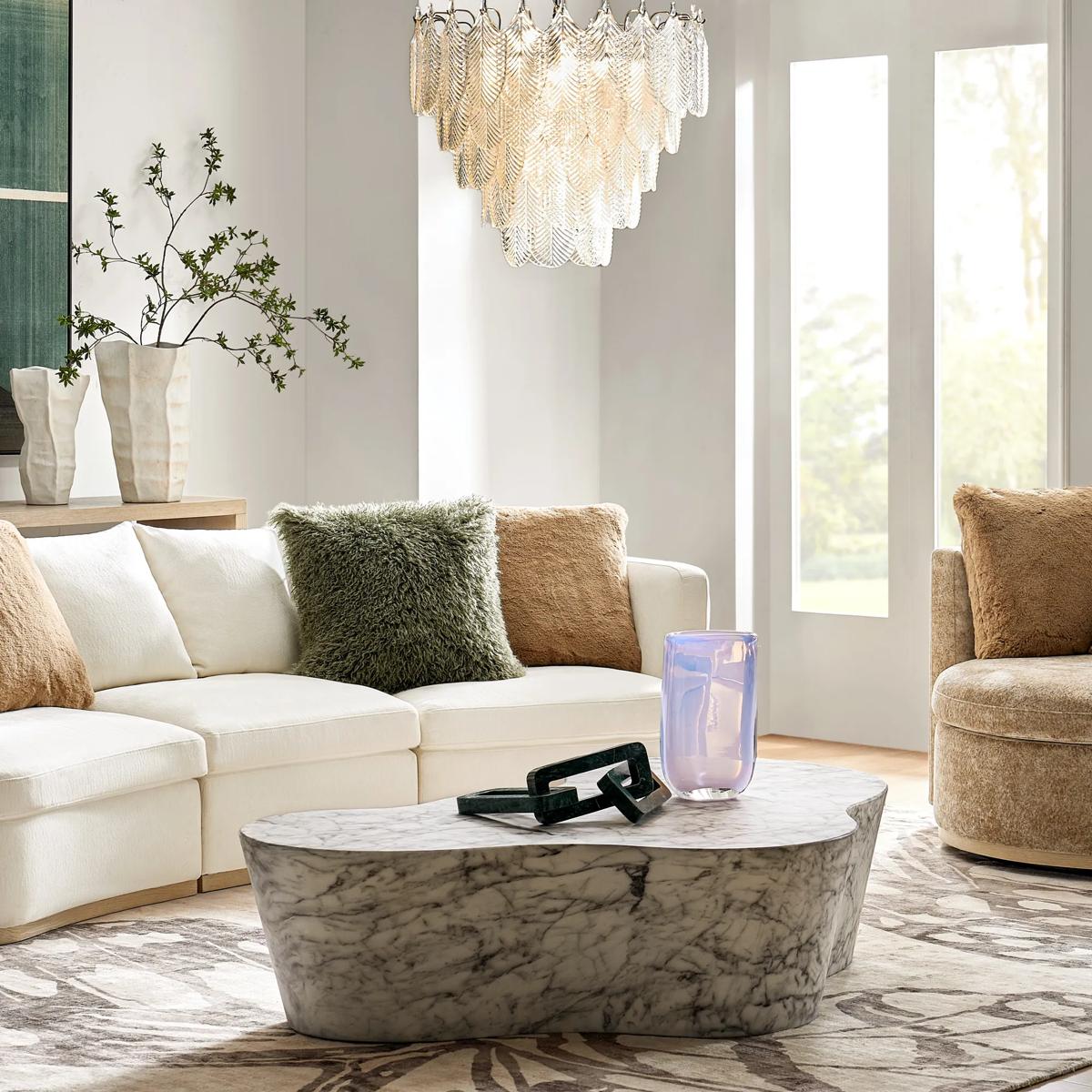 Petra White Concrete Indoor/Outdoor Coffee Table (59.4")$1099
A sculptural white concrete coffee table with cloud-like contours and marble-look veining, suitable indoors or outdoors.
Add To Cart -
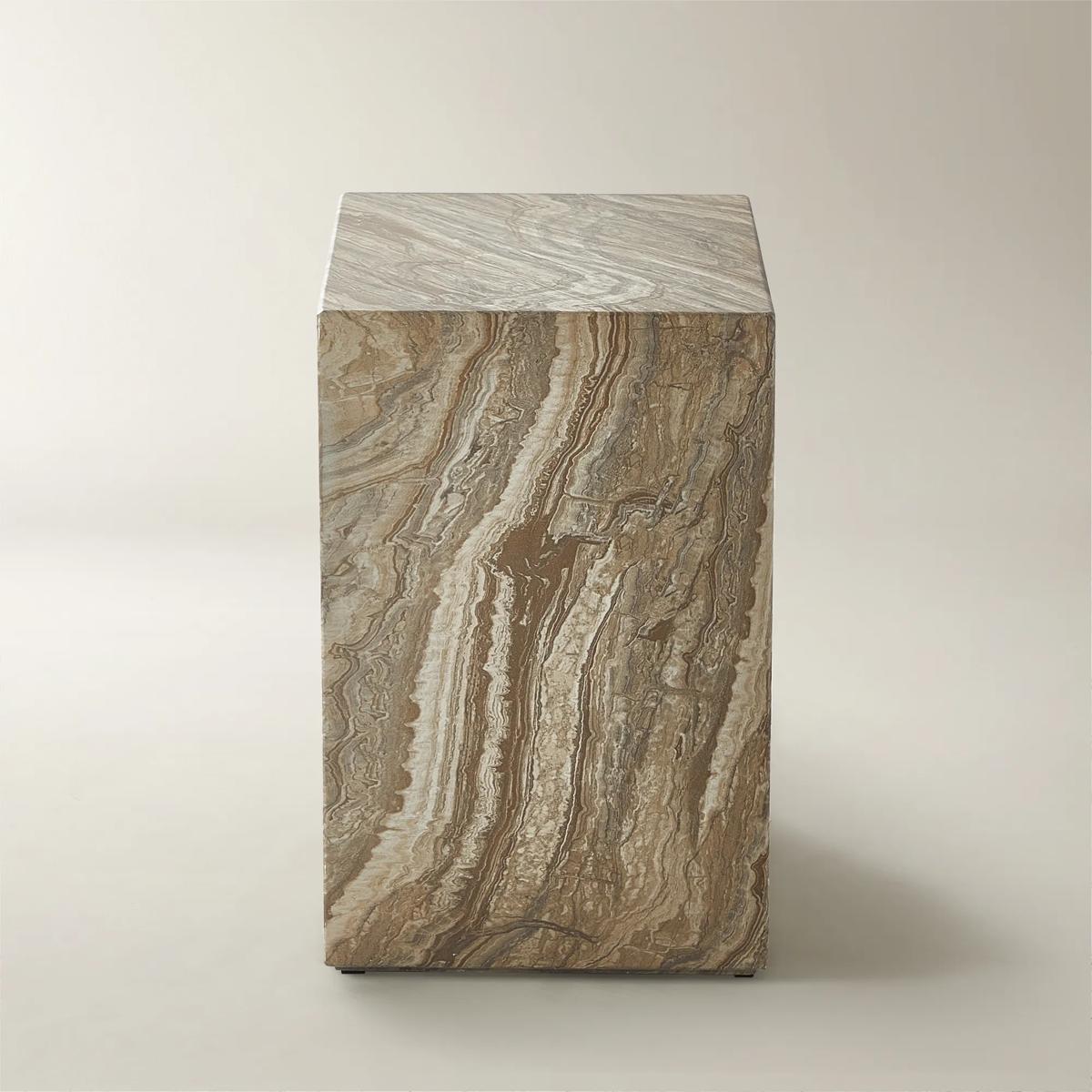
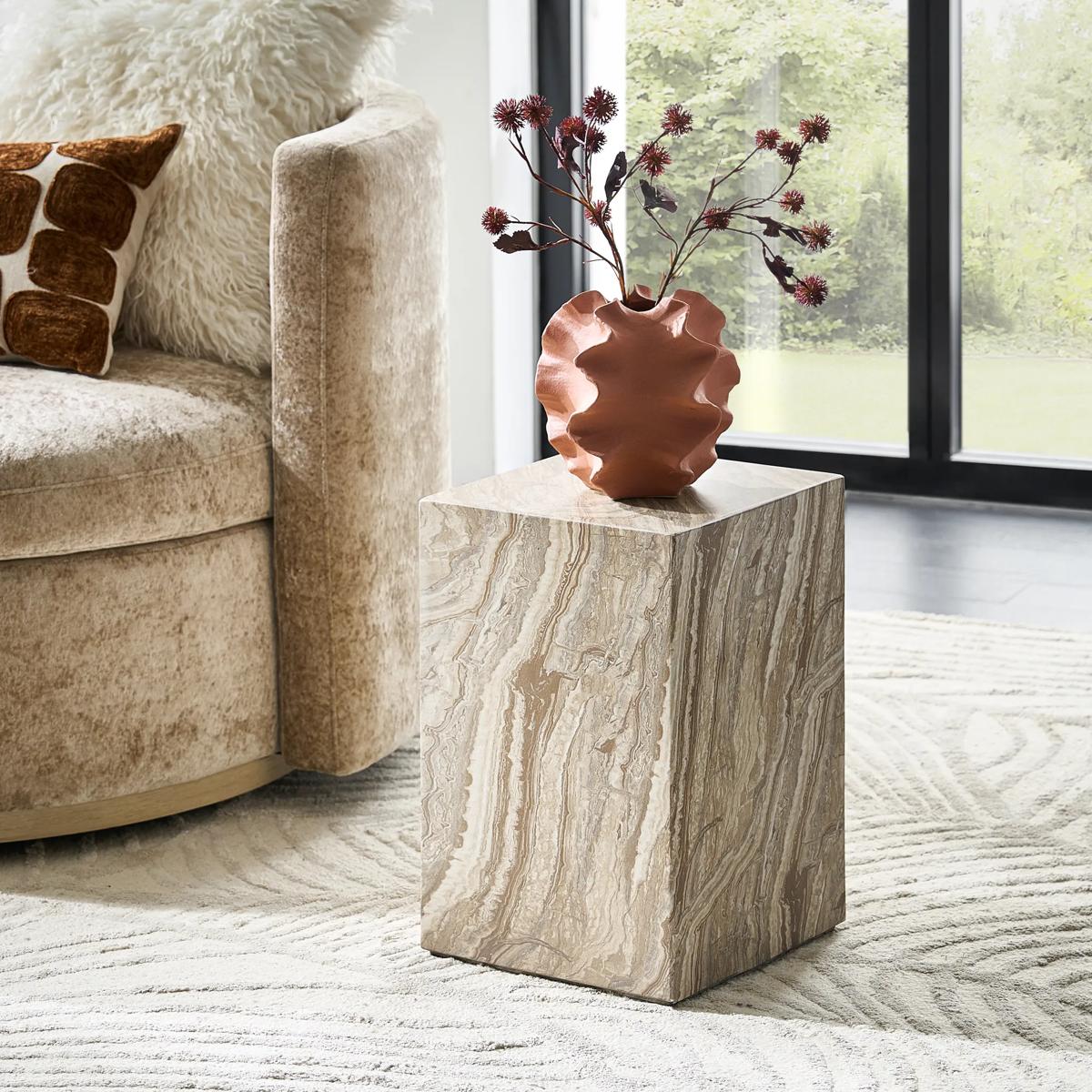 Strata Square Brown Concrete Indoor/Outdoor Side Table (11.8")$299
A brown concrete side table with a sculptural cuboid profile and marble-look finish, indoors or outdoors.
Add To Cart -
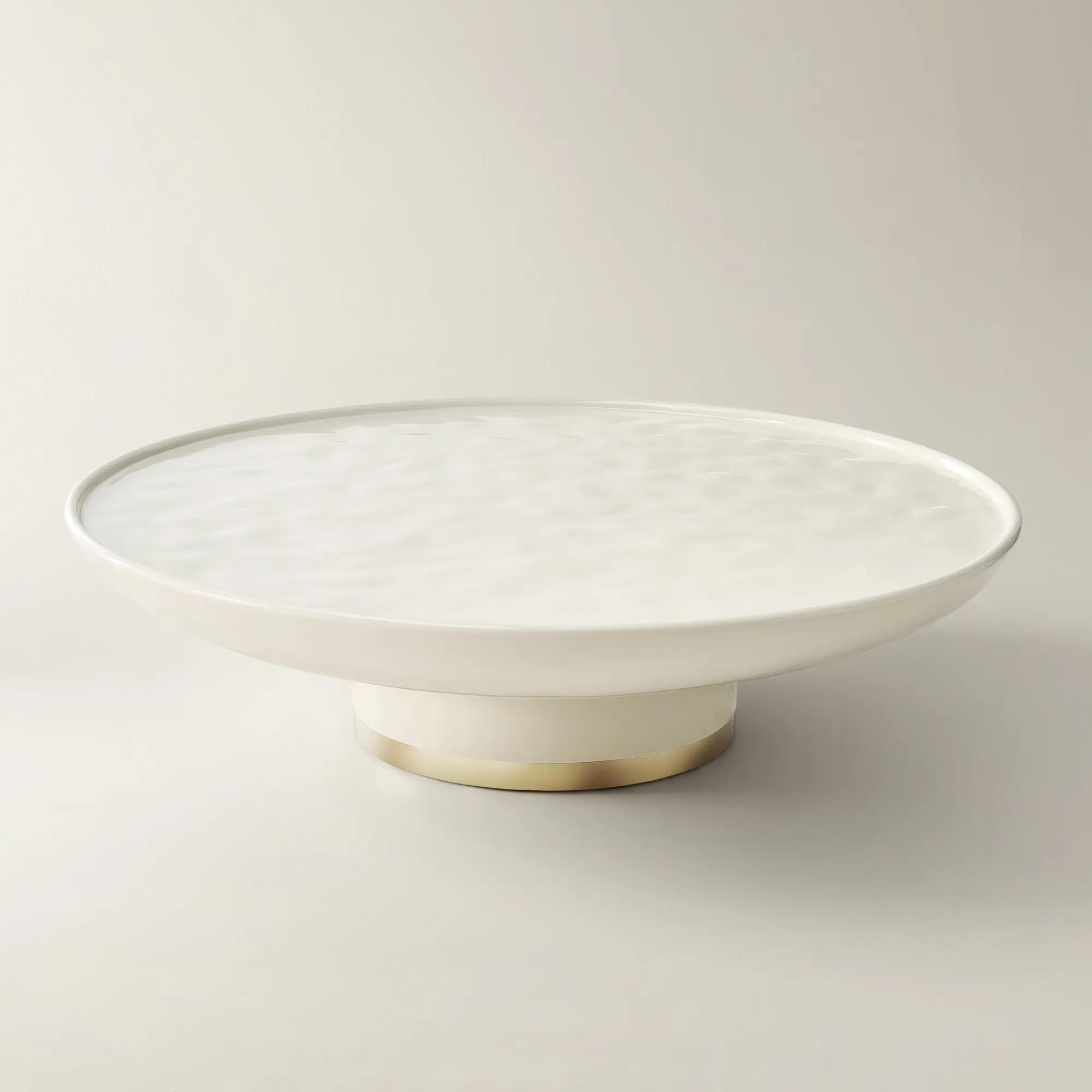
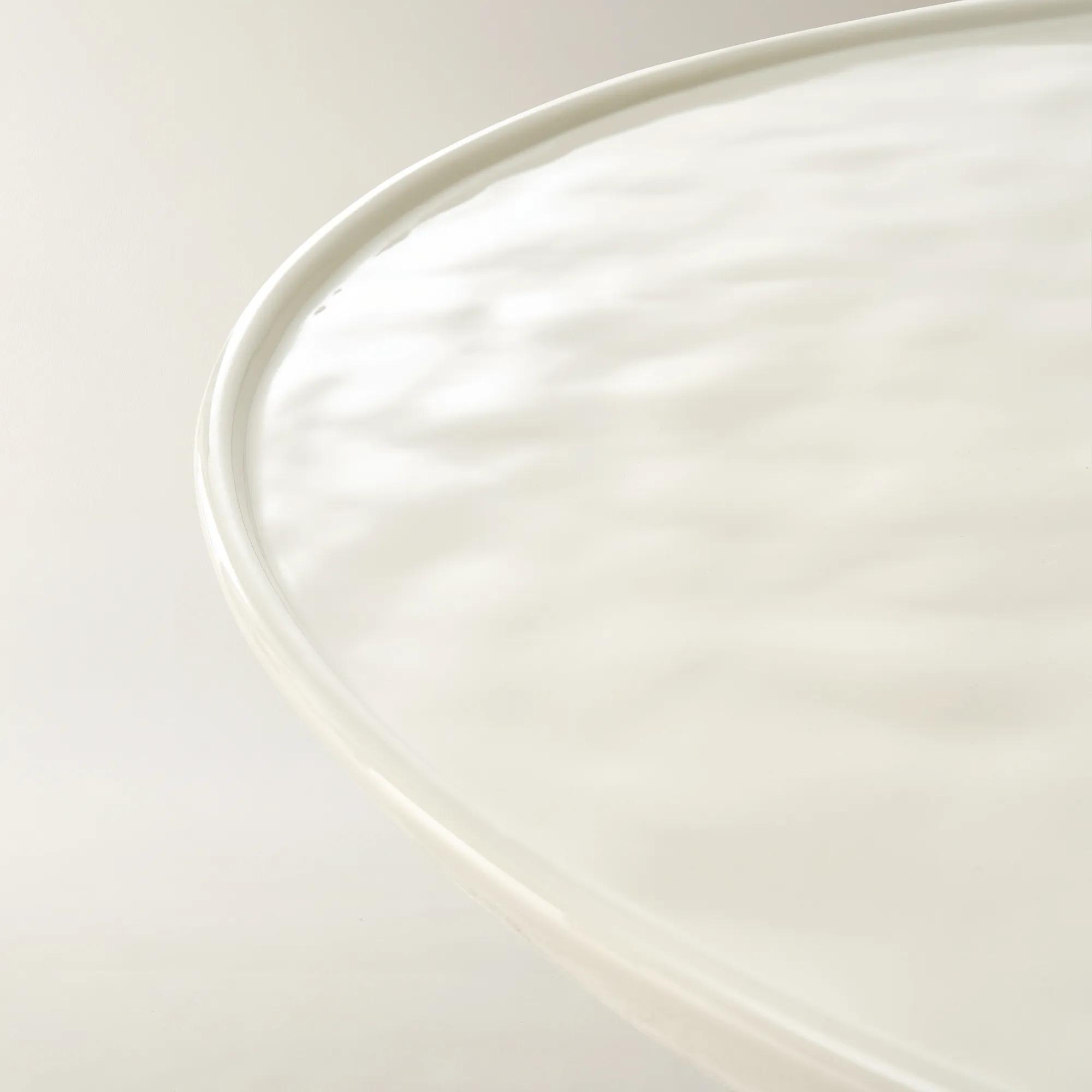 Celia Lacquered Cloud Resin Indoor/Outdoor Coffee Table (54")$1399
A sculptural one-piece resin coffee table with a high-gloss warm finish and gold stainless steel base.
Add To Cart -
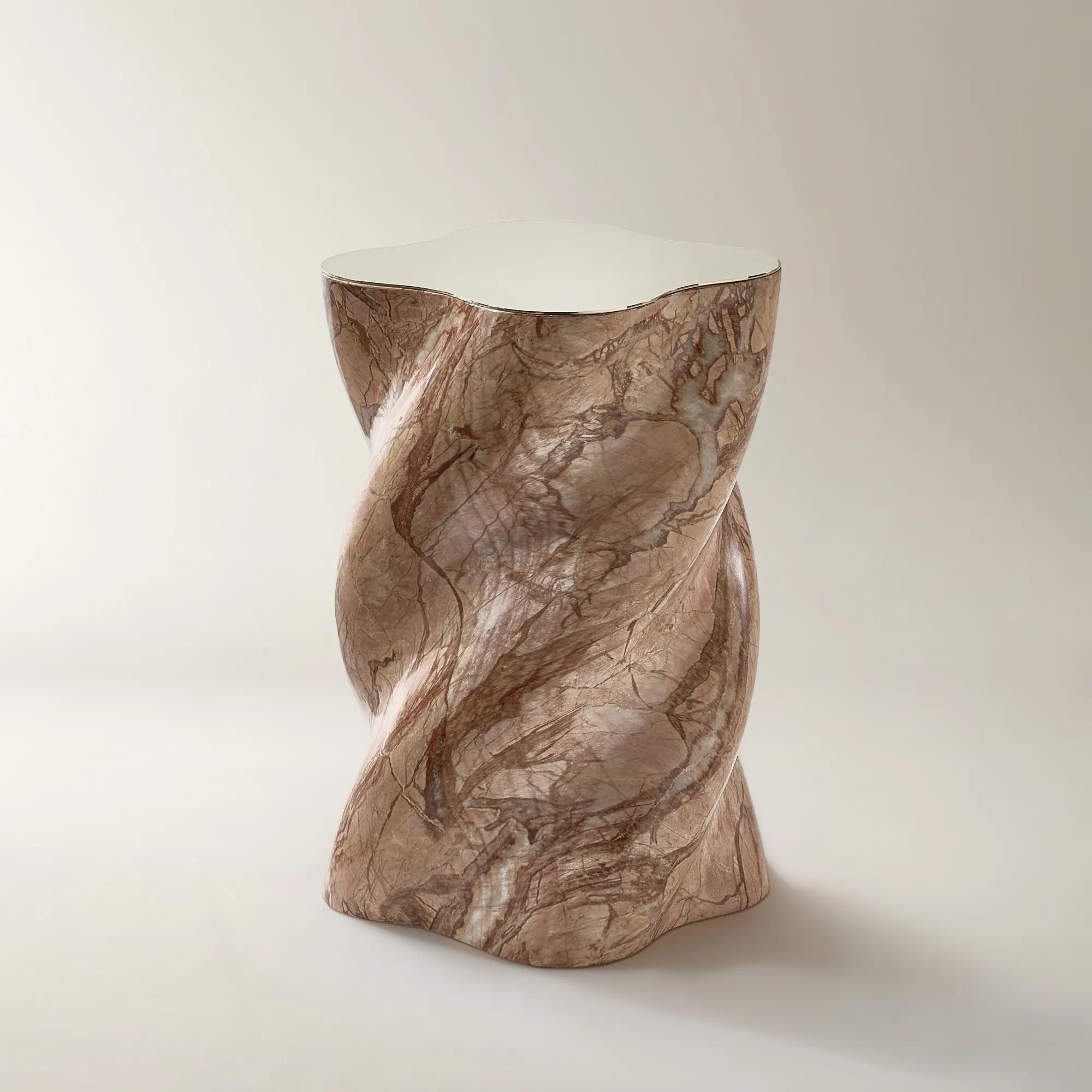
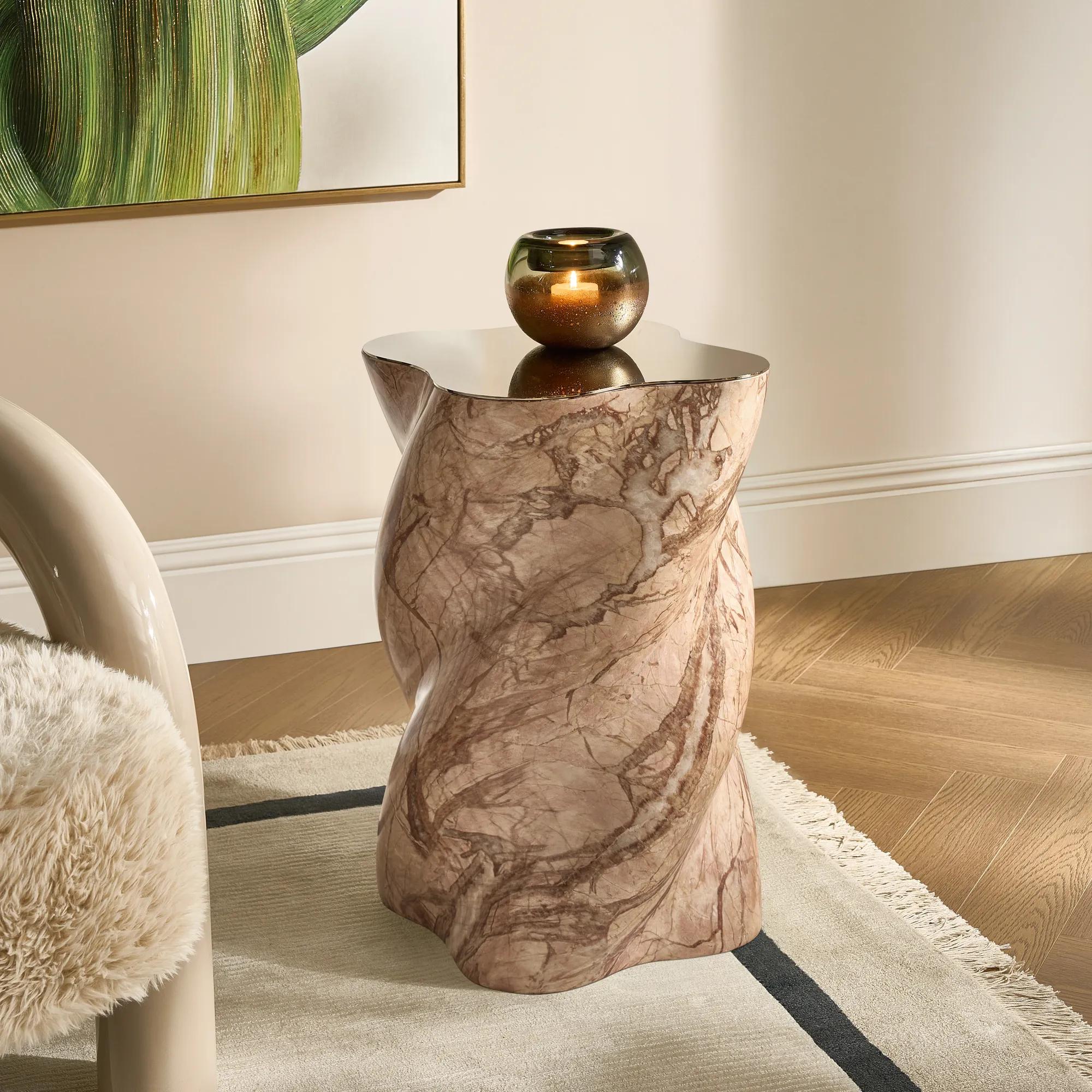 Vega Concrete Indoor/Outdoor Side Table With Stainless Steel Top (13.8")$459
A black, orange, or green concrete side table with removable stainless-steel top and marble-inspired veining.
Add To Cart -

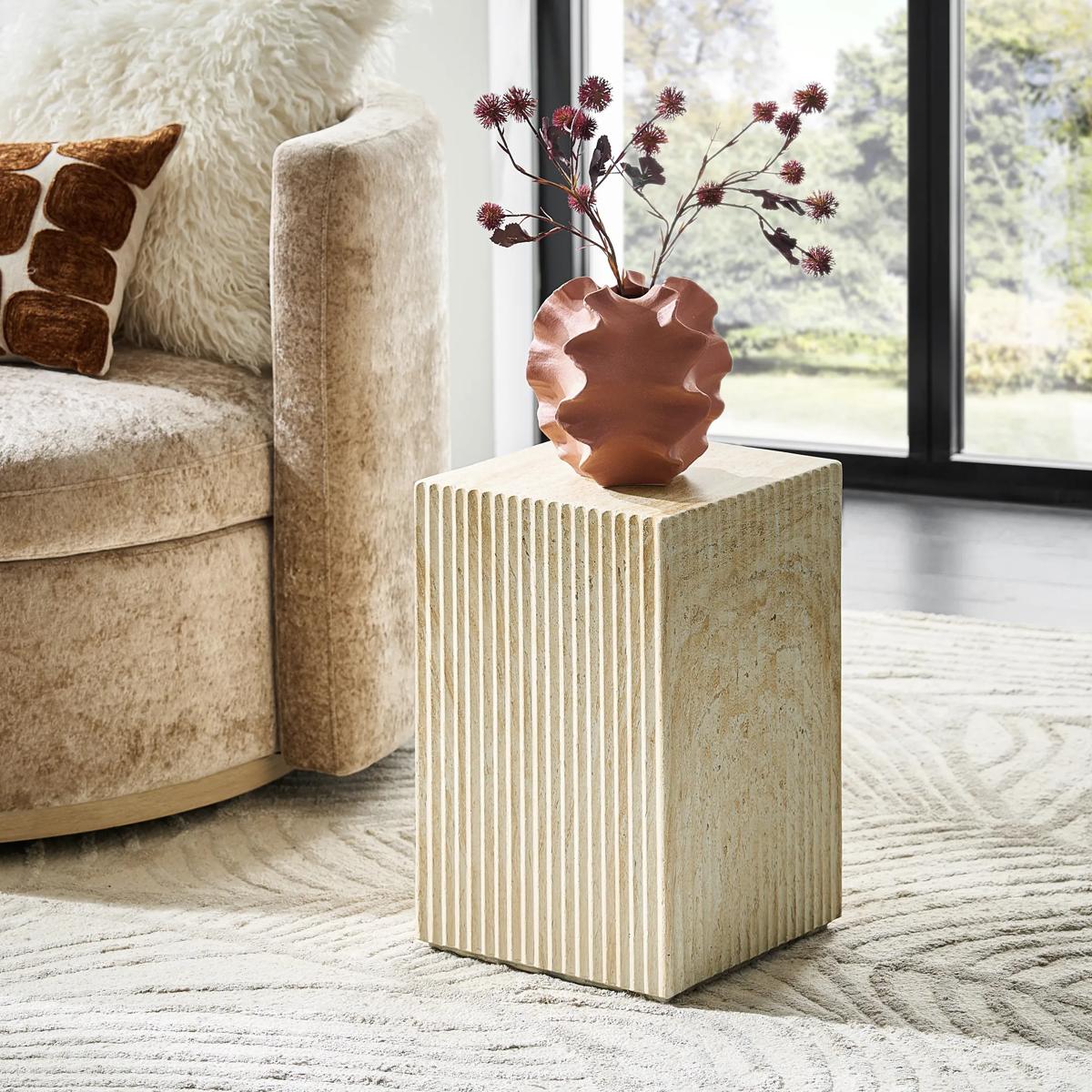 Strata Square Travertine Concrete Indoor/Outdoor Side Table (11.8")$299
A natural travertine-look concrete side table with sculptural cuboid geometry for indoor or covered outdoor spaces.
Add To Cart -
 Strata Round Green Concrete Indoor/Outdoor Side Table (15")$349
A green concrete side table with rounded geometry and a marble-look finish for indoor-outdoor use.
Add To Cart -
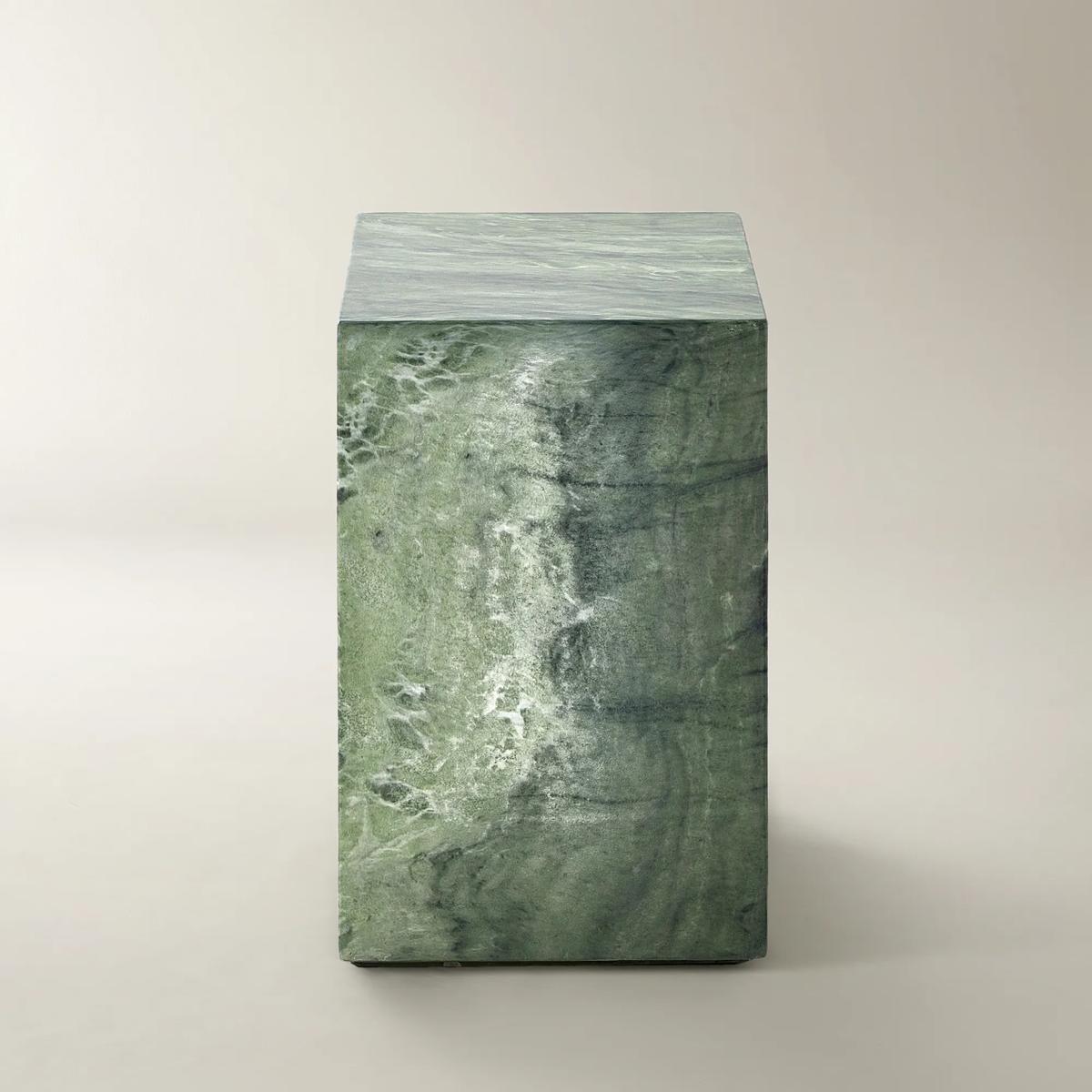
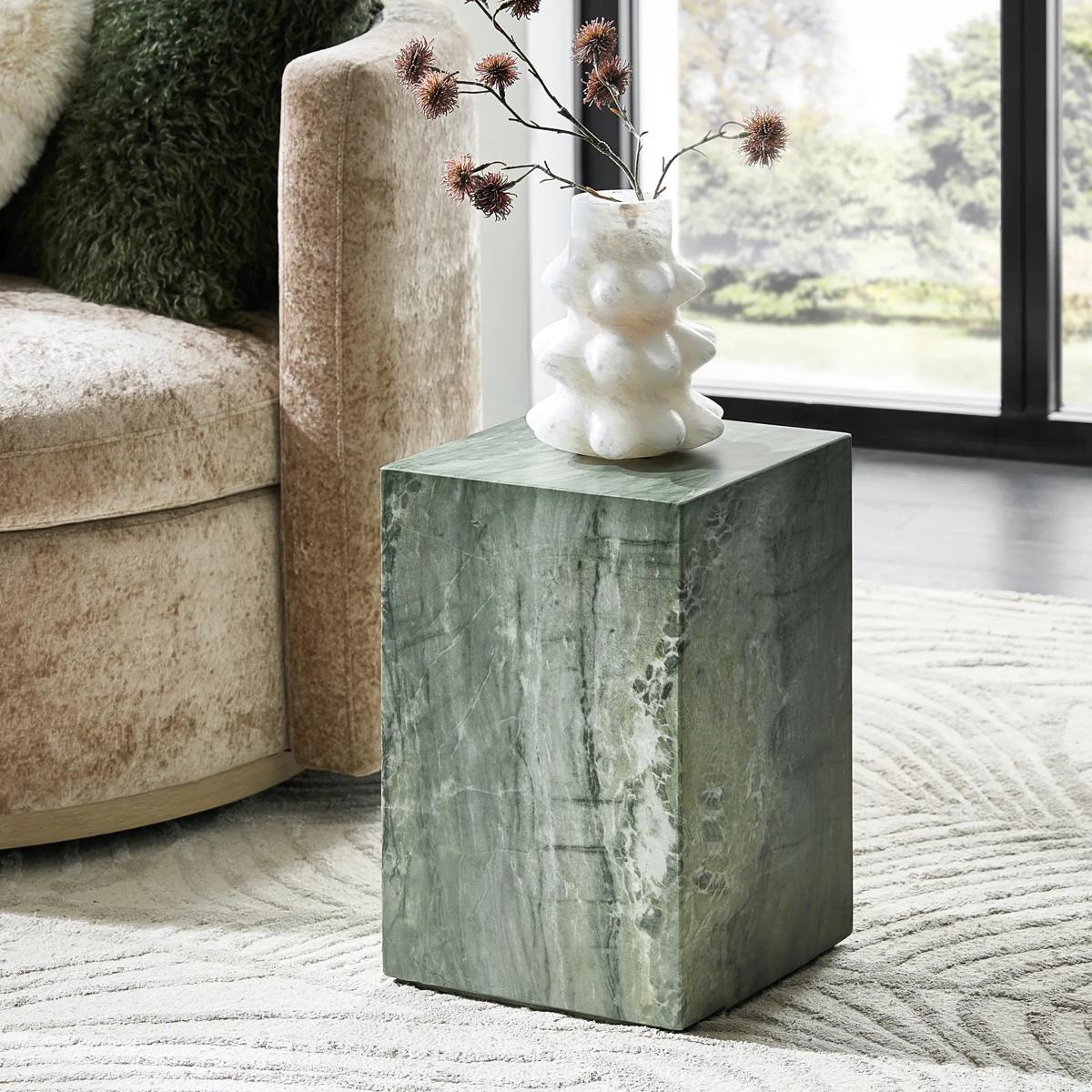 Strata Square Green Concrete Indoor/Outdoor Side Table (11.8")$299
A green concrete side table with marble-look veining and a sculptural cuboid form for indoor use.
Add To Cart -
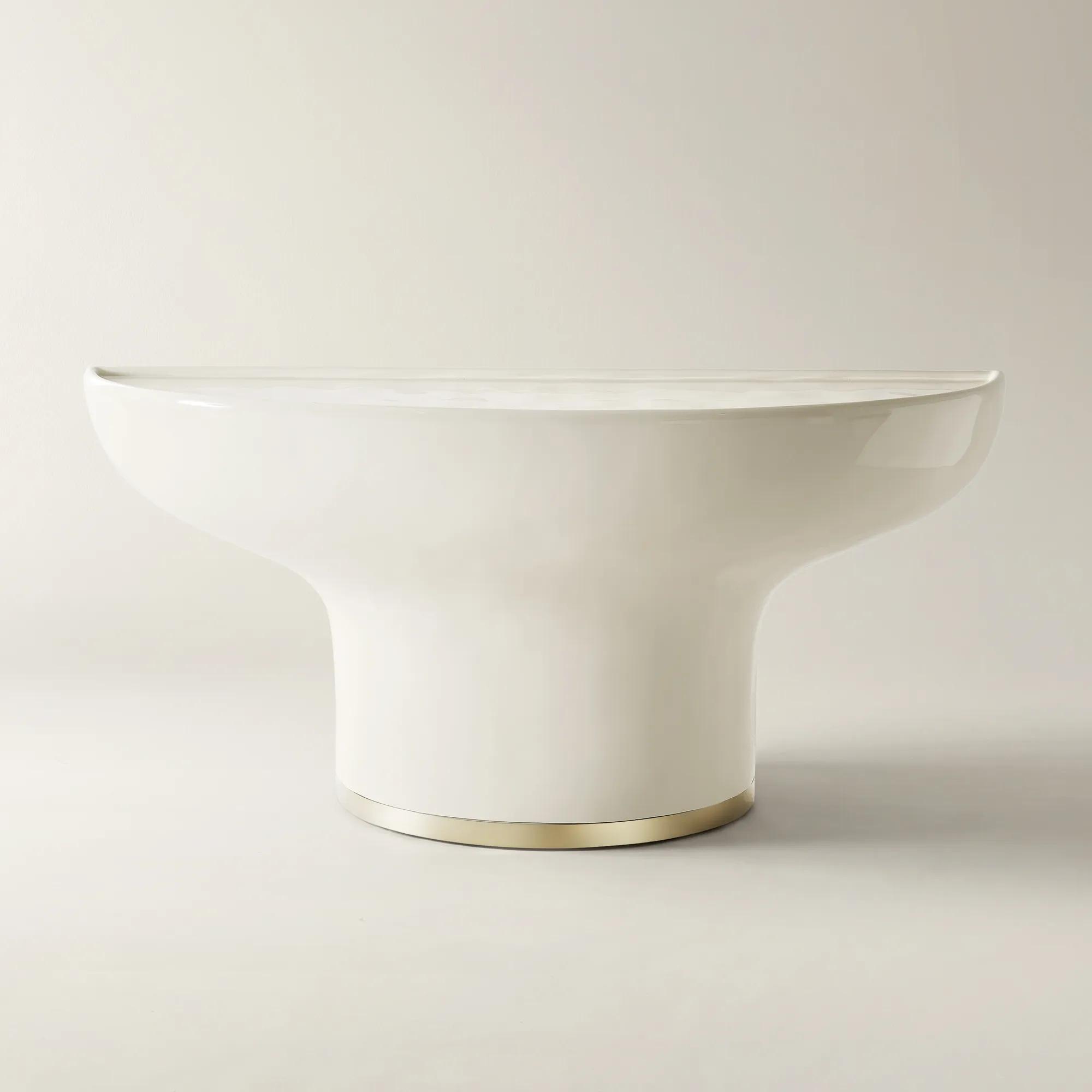 Celia Lacquered Cloud Resin Indoor/Outdoor Console Table (63")$1499
A sculptural one-piece resin console table with a warm high-gloss finish and gold stainless steel base.
Add To Cart -
 Paulina Round White Outdoor Table (31”)$999
A white outdoor round counter table offering stylish functionality for elevated alfresco dining.
Add To Cart -
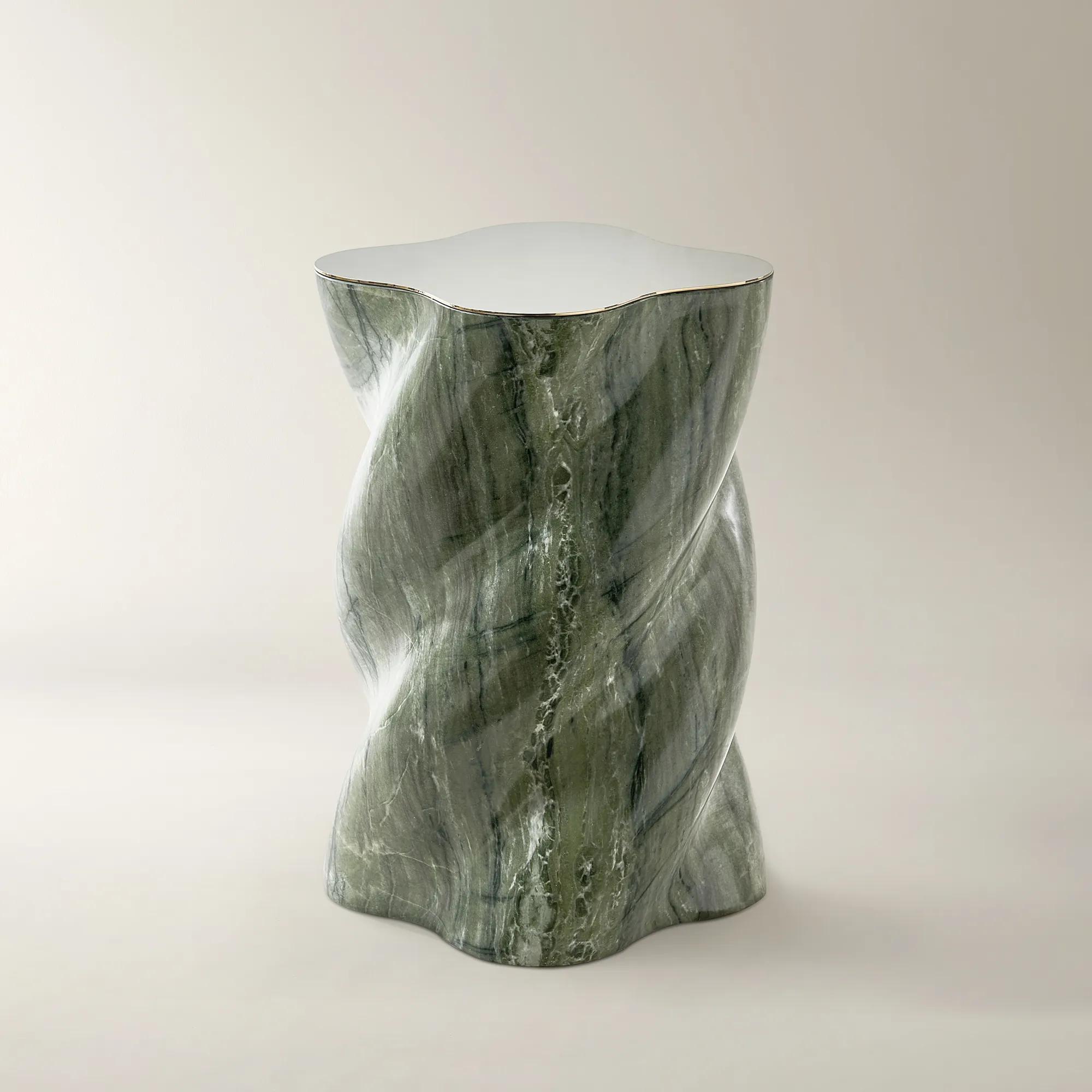 Vega Malachite Green Concrete Indoor/Outdoor Side Table With Stainless Steel Top (13.8")$459
A green concrete side table with a sculptural pedestal, marble-inspired finish, and removable stainless-steel top.
Add To Cart -
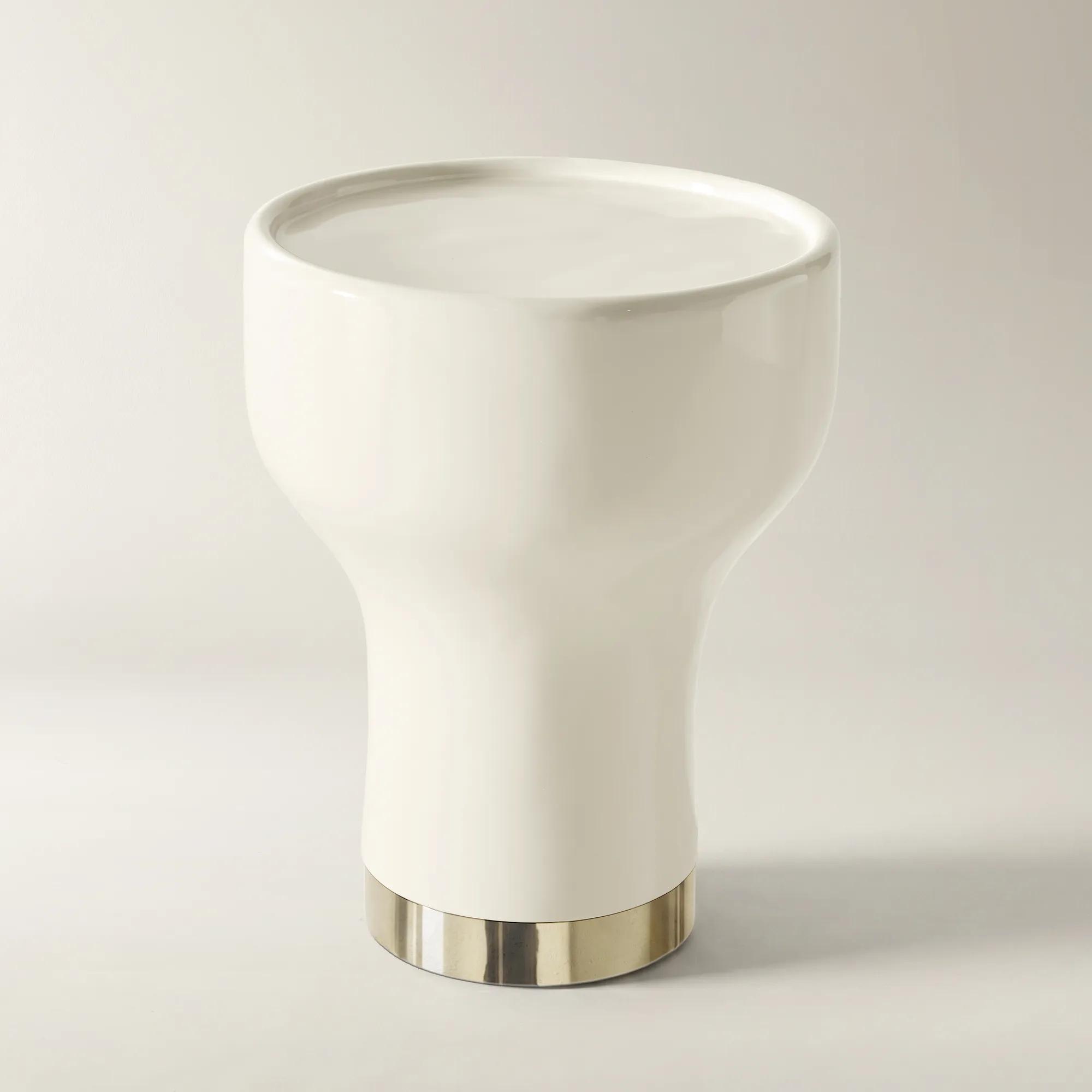
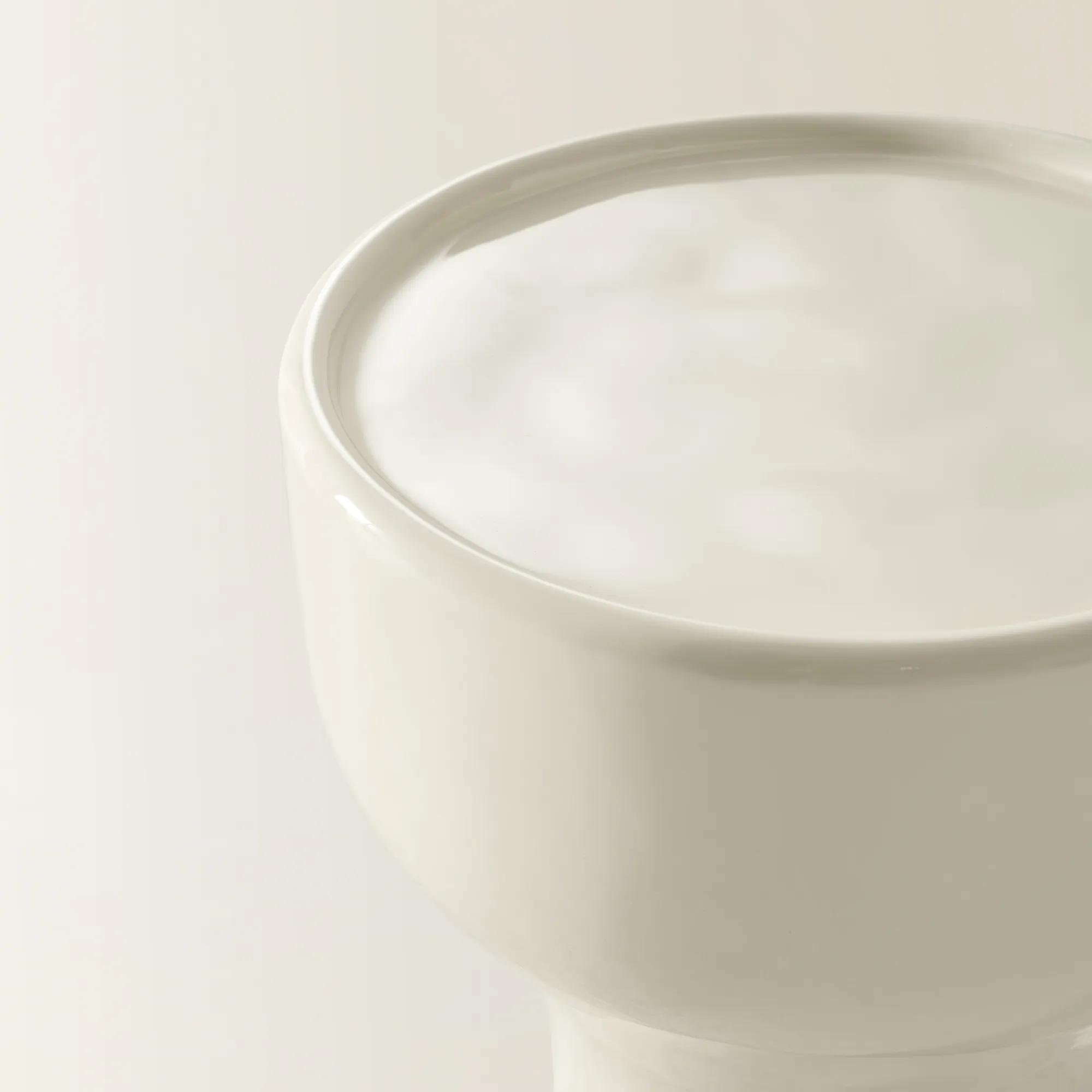 Celia Lacquered Cloud Resin Indoor/Outdoor End Table (16")$399
A sculptural one-piece resin end table with a warm high-gloss finish and gold stainless steel base.
Add To Cart -
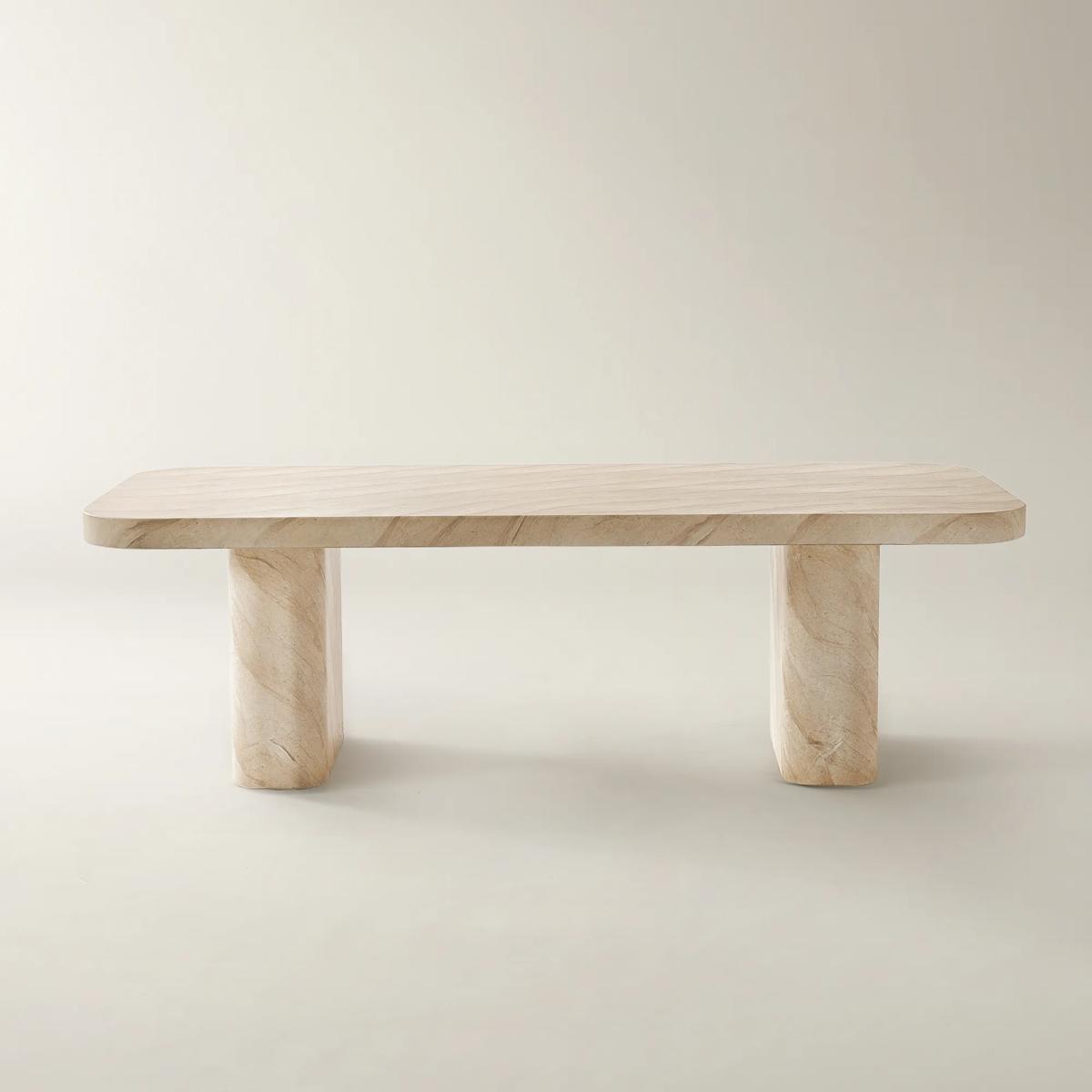 Silex Rectangular Travertine Concrete Indoor/Outdoor Dining Table (94.5")$1999
A rectangular dining table with pedestal legs, travertine-inspired veining, and resilient fiber concrete for indoor-outdoor use.
Add To Cart -
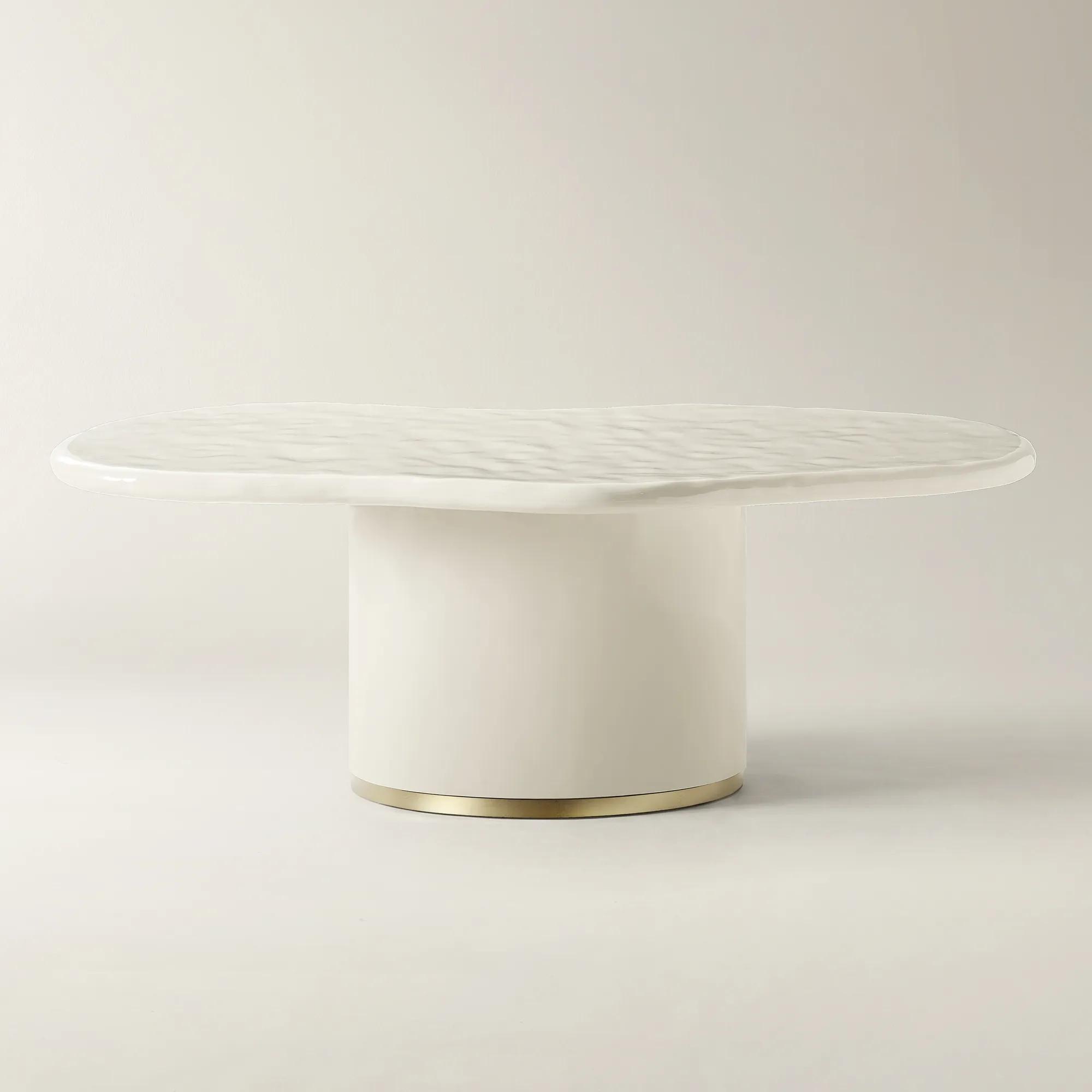 Celia Lacquered Cloud Resin Indoor/Outdoor Dining Table (84")$1999
A sculptural, high-gloss resin dining table with gold stainless steel accents for indoor or covered outdoor use.
Add To Cart

Contemporary Patio Tables
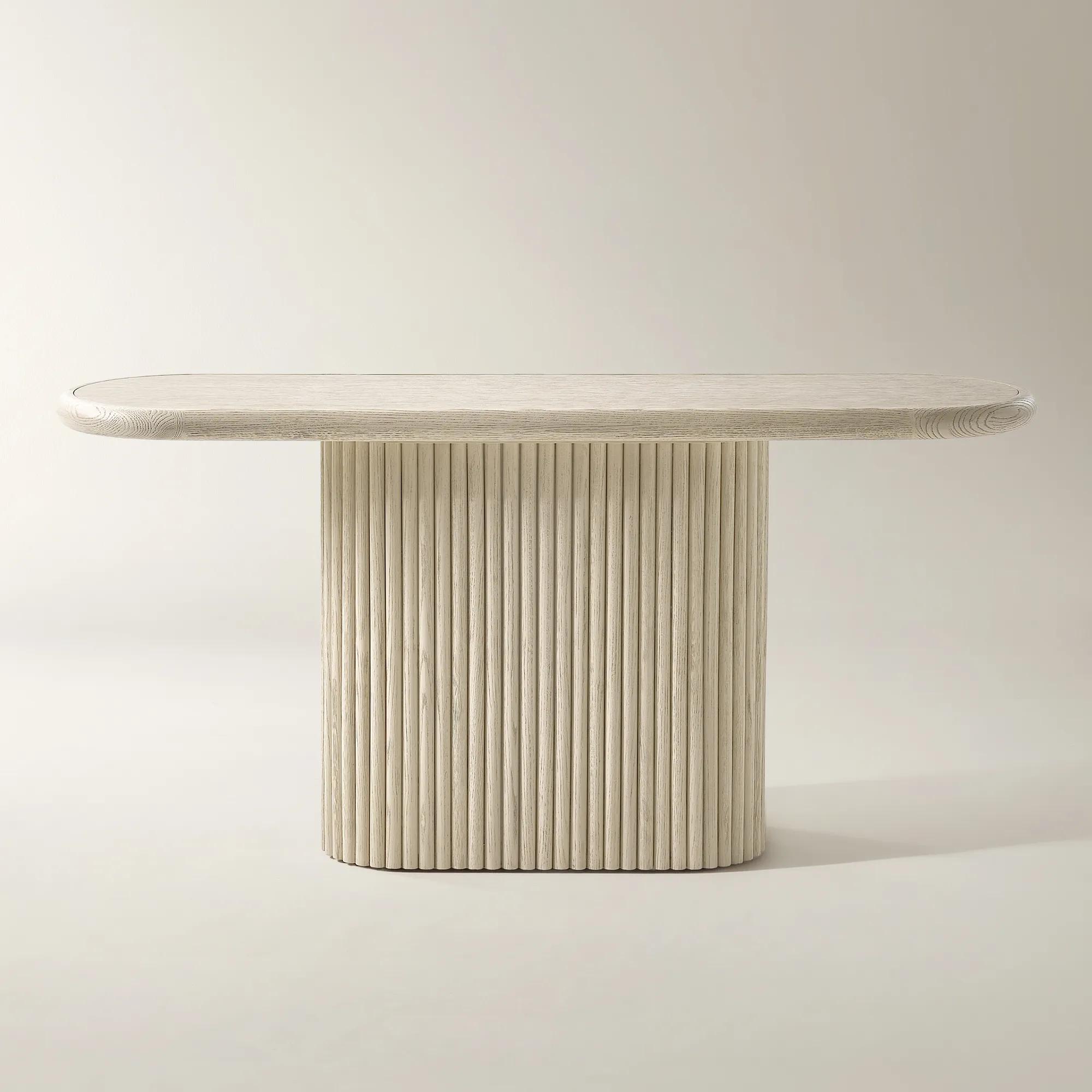
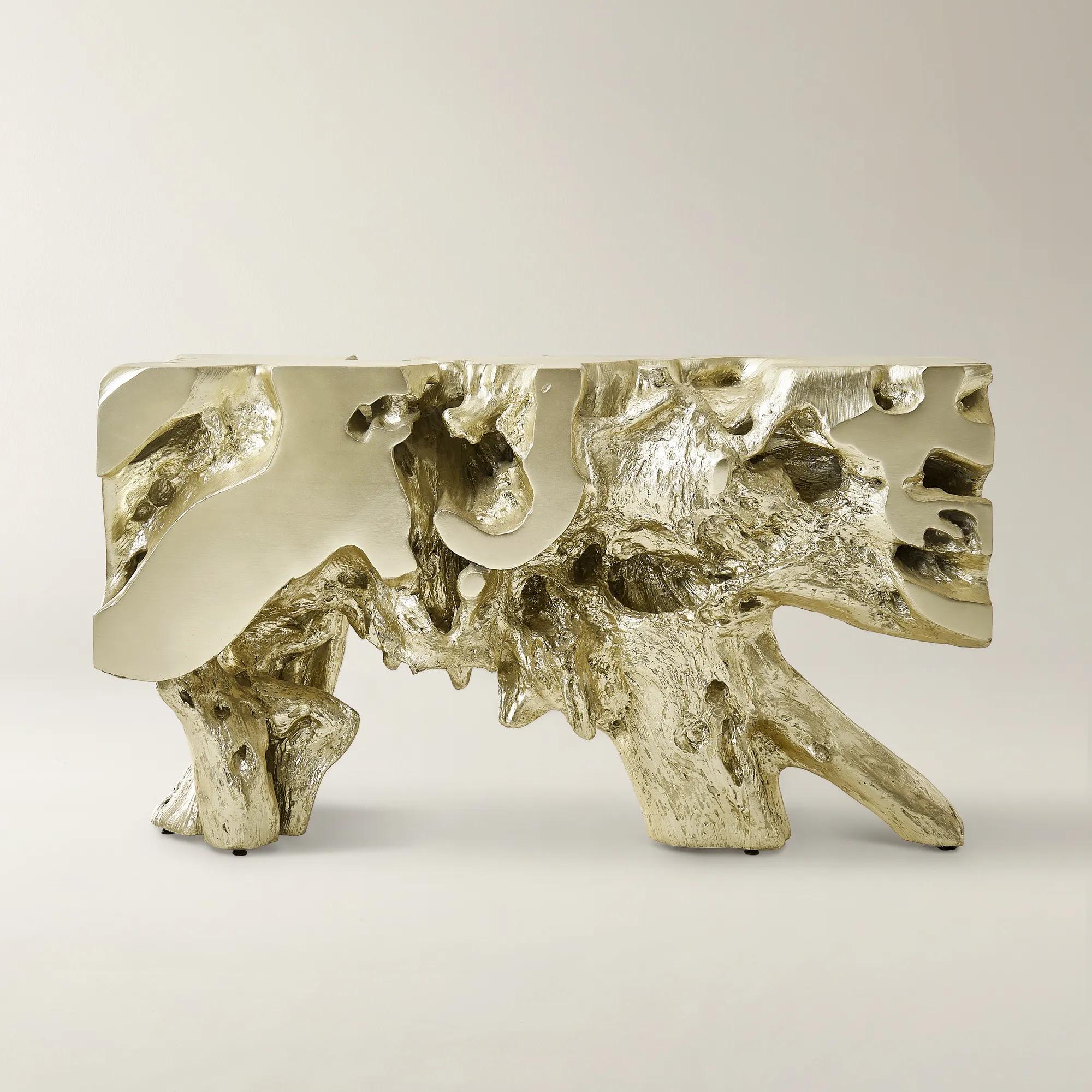
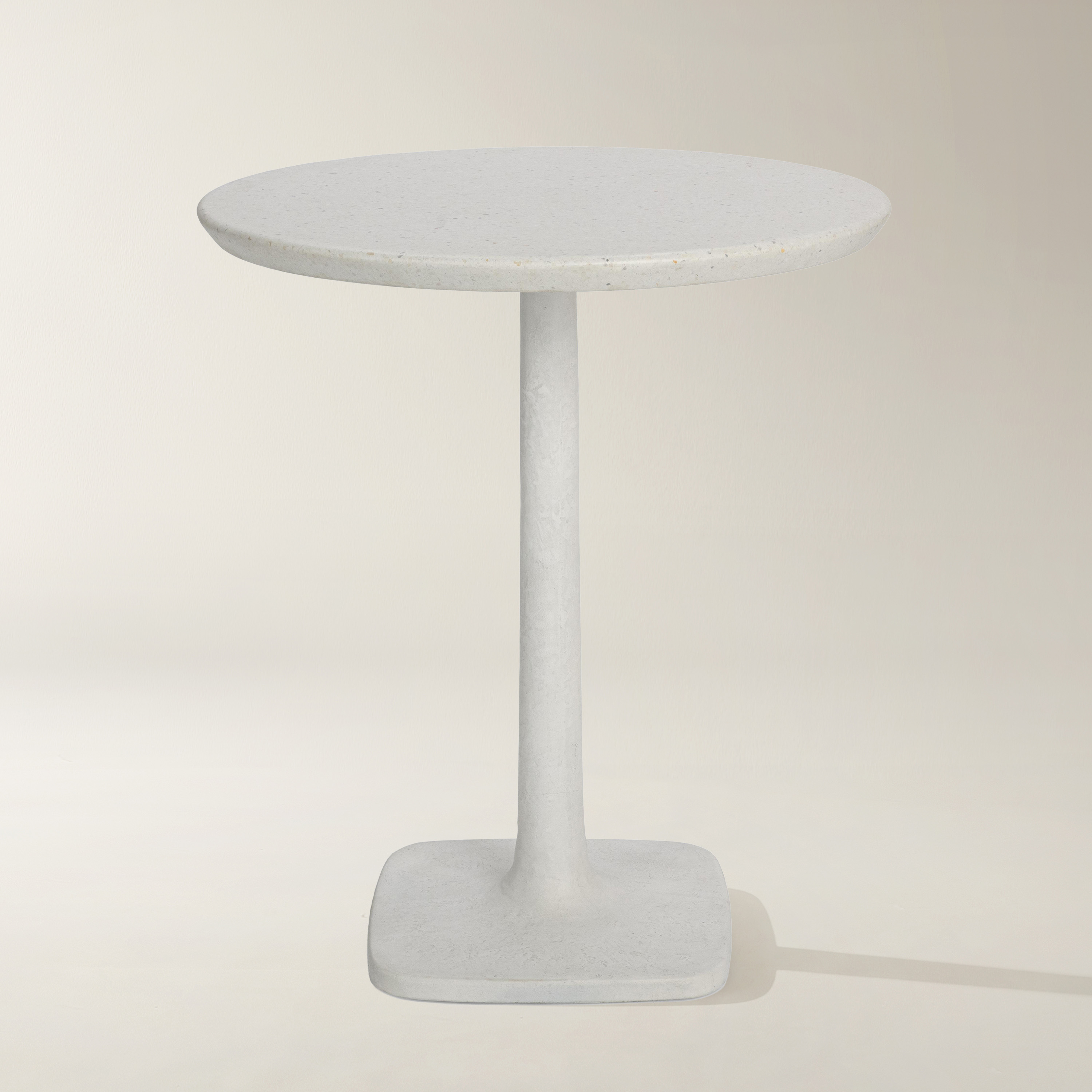
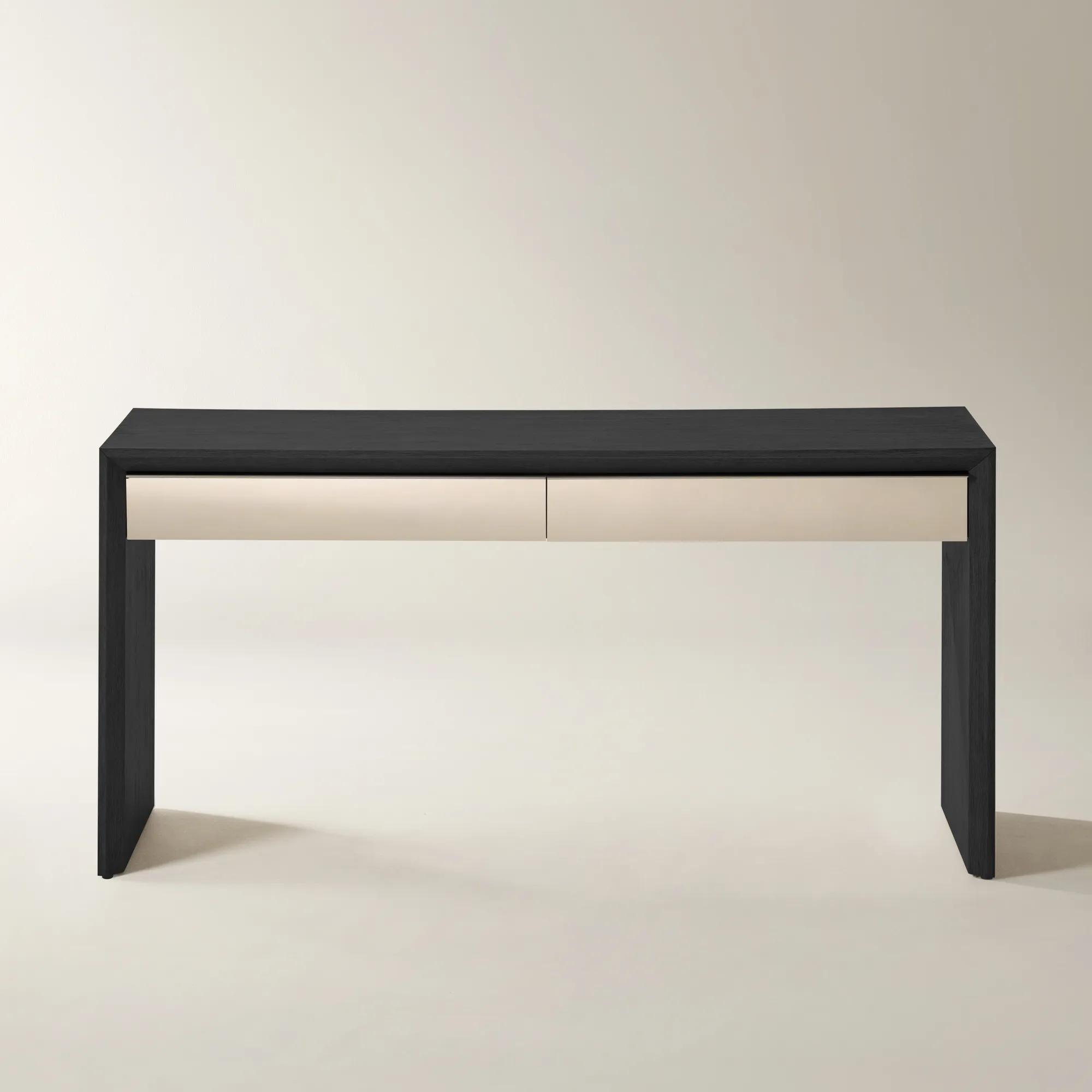
Find contemporary patio tables to give your outdoor seating area a refined, modern focal point. Compare scale, silhouette, and tabletop space to choose a design that complements your seating and leaves room to move, creating an open-air setting that feels thoughtfully composed.
Contemporary patio tables combine clean lines, sculptural shapes, and materials suited to outdoor living, creating a polished setting for dining, conversation, and everyday rituals. Common materials include powder-coated aluminum, teak, eucalyptus, cast metal, and outdoor-rated glass or ceramic surfaces, each bringing a distinct balance of texture, weight, and maintenance needs. The defining appeal is a confident silhouette: a generous rectangular dining table, a circular pedestal with an architectural base, or a low coffee table that anchors a lounge arrangement without overwhelming it. Contemporary design can be restrained in outline and expressive in detail, with a richly grained top, a deep charcoal finish, or a striking contrast between a slender frame and a substantial surface. These tables give patios, terraces, courtyards, and balconies the visual intention of an interior room while accommodating the practical demands of outdoor use. A round bistro table creates an intimate setting for two, with room for espresso cups and a small arrangement of greenery. A longer dining table makes space for shared platters, layered place settings, and conversation that continues after the last course. In a seating area, a contemporary outdoor coffee table brings drinks, books, and serving trays within reach while establishing a focal point between sofas and lounge chairs. Shape influences the atmosphere as much as function: rounded edges soften an arrangement of angular seating, while a rectangular top echoes architectural lines and lends structure to an open terrace. Pale stone-inspired surfaces introduce luminosity; darker metal finishes create a crisp, graphic presence against lush planting and textured upholstery. For hosts who enjoy an expressive tablescape, a visually quiet surface leaves room for dramatic linens and sculptural vessels. For a more composed arrangement, the table itself can provide the artistry through proportion, grain, and an unexpected base. The most compelling contemporary patio tables balance that visual presence with enough usable surface for the way the space is actually enjoyed.
Material choice determines not only the look of a patio table but also its weight, durability, and care routine. Powder-coated aluminum is generally lightweight and resistant to rust, making it practical for arrangements that need occasional repositioning. Its finish still deserves protection from scratches and abrasive cleaners, particularly along edges where chairs or serving pieces may make contact. Steel offers a substantial feel and crisp structural lines, but its corrosion resistance depends on the quality and condition of its protective finish; damaged coatings can expose the metal beneath to rust. Cast aluminum can deliver a more sculptural profile without the same rust concerns as iron, though construction and finish specifications remain important. Teak and eucalyptus introduce natural warmth and distinctive grain, giving streamlined outdoor furniture a richer, more tactile character. Teak can develop a silvery patina with exposure, while preserving an original wood tone may require manufacturer-recommended care. Eucalyptus also benefits from care appropriate to its finish and construction rather than an assumption that every hardwood performs identically outdoors. Outdoor-rated ceramic and porcelain tabletops can offer a refined, stone-like appearance, with resistance to staining, scratching, and heat varying by the surface and supporting structure. Tempered glass contributes transparency and keeps a compact patio feeling visually open, although water spots, fingerprints, and exposed edges may require more attention. Concrete and stone tables create a commanding architectural statement, but their considerable weight, potential porosity, and installation requirements deserve consideration, especially on balconies or elevated decks. No material should be treated as entirely maintenance-free or universally suited to every exposure. A covered patio and an uncovered terrace place different demands on a table, and outdoor suitability depends on the complete piece, including fasteners, joints, adhesives, and finishes. Slatted tops can help water drain, while solid surfaces provide a continuous setting for glassware and place settings. Coastal air, standing moisture, and intense sunlight make finish quality and manufacturer care instructions particularly relevant. Beauty lasts longer when the material suits its setting rather than simply its color palette.
Proportion is what turns a striking outdoor table into a comfortable part of daily life. A dining surface needs to accommodate both the number of guests and the way meals are served: individual plates require less central space than generous bowls, shared boards, and layered centerpieces. Allowing about 24 inches of table edge per diner is a useful starting point, with additional room for wider chairs or substantial armrests. Roughly 36 inches between the table and a wall or other obstruction often provides room to pull out a chair, while a frequently used passage may need more clearance. Table bases matter just as much as tabletop dimensions; a broad pedestal, angled legs, or a low crossbar can affect knee room and where chairs tuck in. Many dining tables stand around 28 to 30 inches high, but the relationship between the tabletop, its underside, and the chair seat is more important than a nominal measurement alone. In a lounge arrangement, a coffee table close to the sofa’s seat height generally feels comfortable, with approximately 14 to 18 inches between the seat and table edge providing a starting point for easy reach and movement. Alongside larger dining and coffee tables, contemporary outdoor accent tables introduce smaller surfaces beside a chaise or lounge chair, giving each seat a convenient place for a glass without crowding the arrangement. An umbrella opening, where included, should be compatible with the intended pole and a properly weighted base rather than treated as support on its own. Ongoing care preserves the finished composition: prompt attention to spills, gentle cleaning with approved products, and protective pads beneath potentially abrasive objects help safeguard surfaces. Suitable covers should fit securely, allow appropriate ventilation, and be used according to the furniture’s care directions; prolonged trapped moisture can damage finishes. Where freezing conditions or severe exposure are a concern, manufacturer-recommended storage can protect vulnerable materials. With thoughtful scale and care, contemporary patio tables bring lasting definition to an outdoor setting—equally at ease beneath an elaborate dinner arrangement or beside a single beautifully chosen vessel.
FAQs
Contemporary patio tables balance clean lines with expressive silhouettes, creating an outdoor focal point without elaborate ornamentation. Geometric forms, sculptural bases, and striking contrasts often shape the look. The result feels intentional and artful—a foundation for an outdoor setting with unmistakable personality.
Create a captivating tablescape with a defined color palette, sculptural serveware, and an artful floral arrangement. Contrast understated place settings with one dramatic centerpiece, or repeat a single accent color for a polished composition. Leave open space around each element so every detail has its moment.
Connect your patio table and seating through a shared design detail, such as curved lines, angular profiles, or complementary tones. Matching every element is not essential. Pair a visually restrained table with expressive chairs, or let a sculptural table take the spotlight alongside simpler seating.
Round patio tables introduce fluidity, while rectangular and square forms bring crisp geometry to an outdoor arrangement. An oval silhouette offers a graceful contrast to angular furniture. Choose a shape that echoes—or deliberately contrasts with—the lines of your seating and surrounding architecture.
Black and white create graphic drama, while ivory, taupe, and charcoal establish a sophisticated tonal setting. For a more expressive composition, introduce jewel-toned accents through table linens and decorative accessories. Let the table’s color guide the palette, then layer in contrast for depth and distinction.