Contemporary Stone Coffee Tables
Contemporary Stone Coffee Tables
-
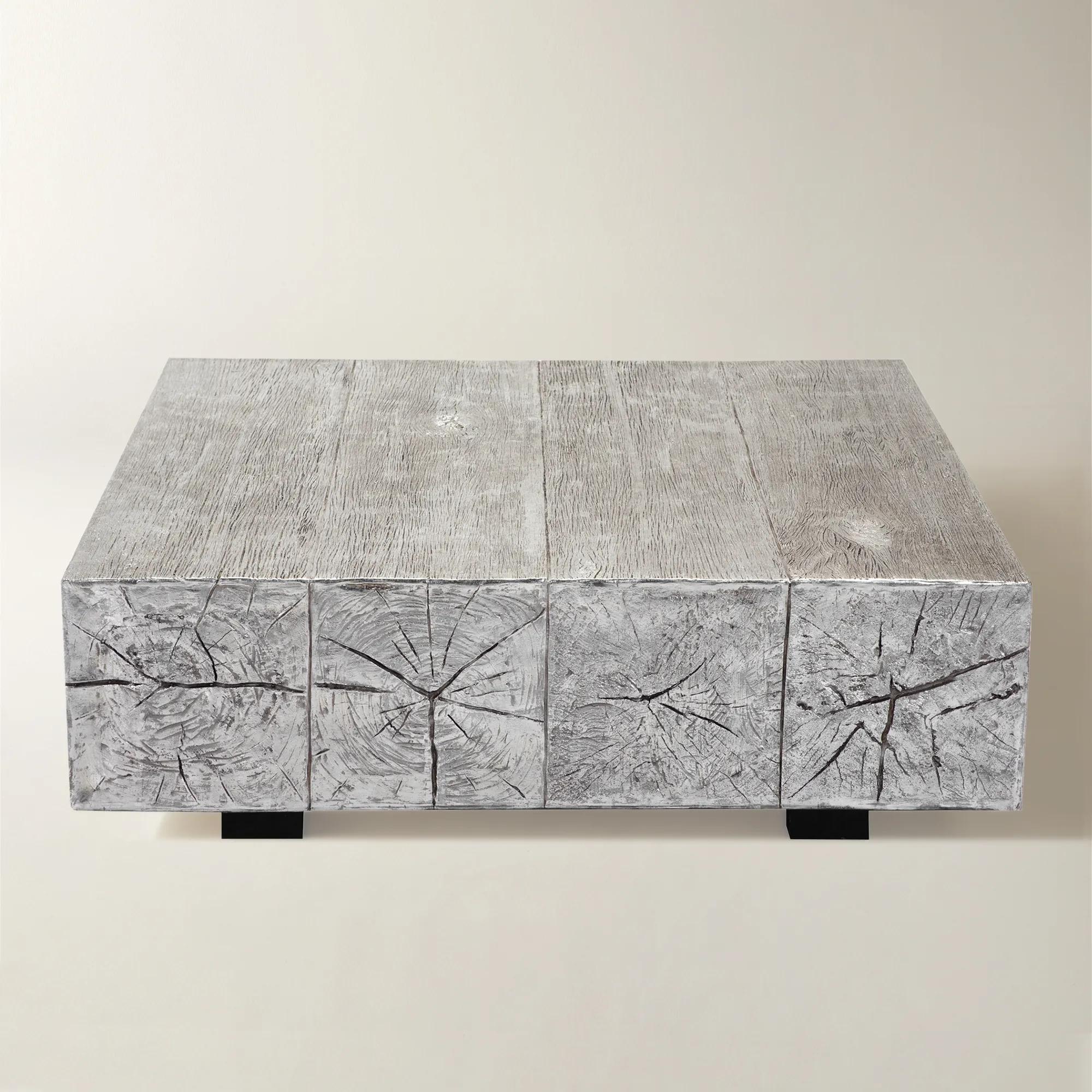
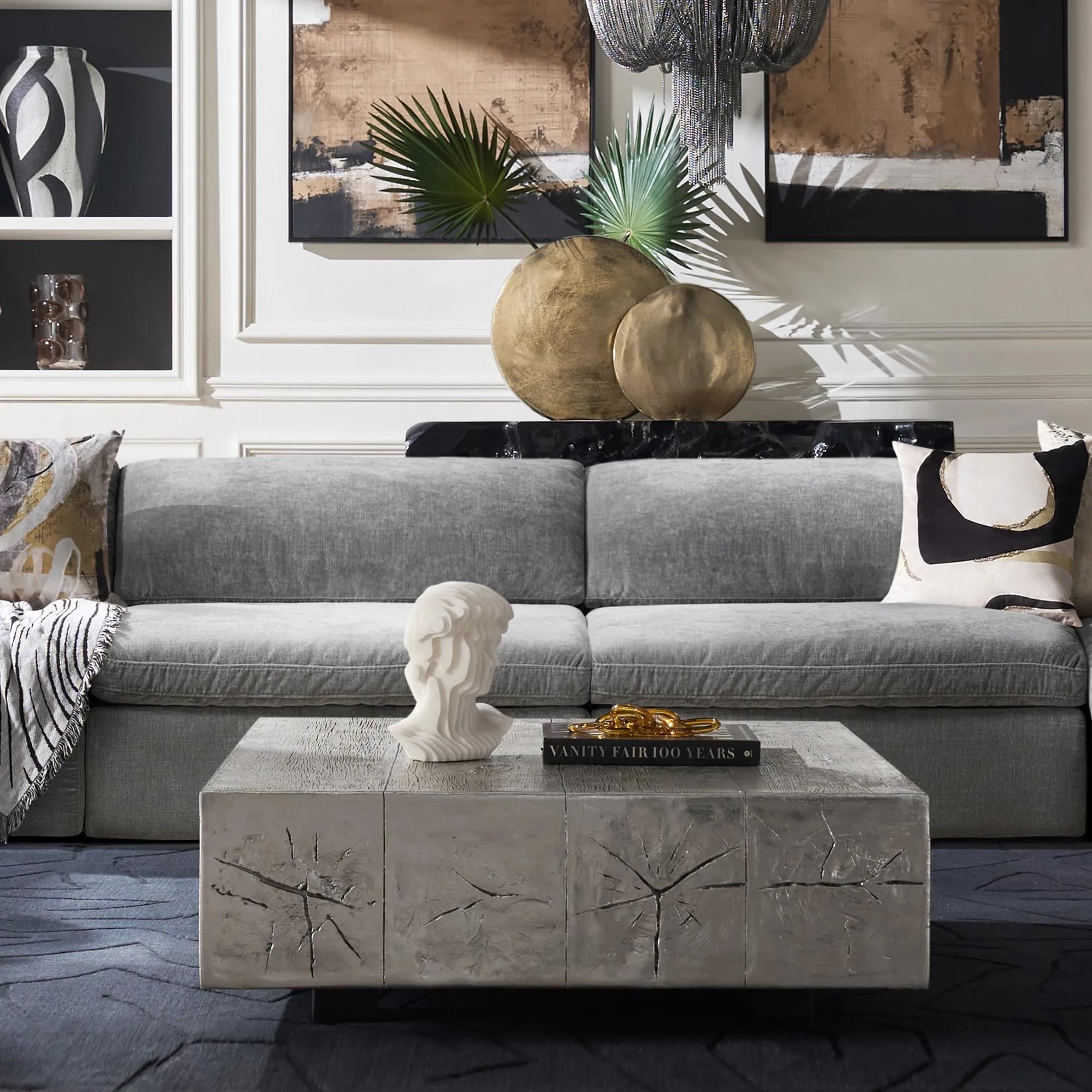 Timber Square Silver Resin Coffee Table (44")$1299
A hand-painted silver resin coffee table featuring authentic silver leaf and an antiqued, hand-rubbed oil finish.
Add To Cart -
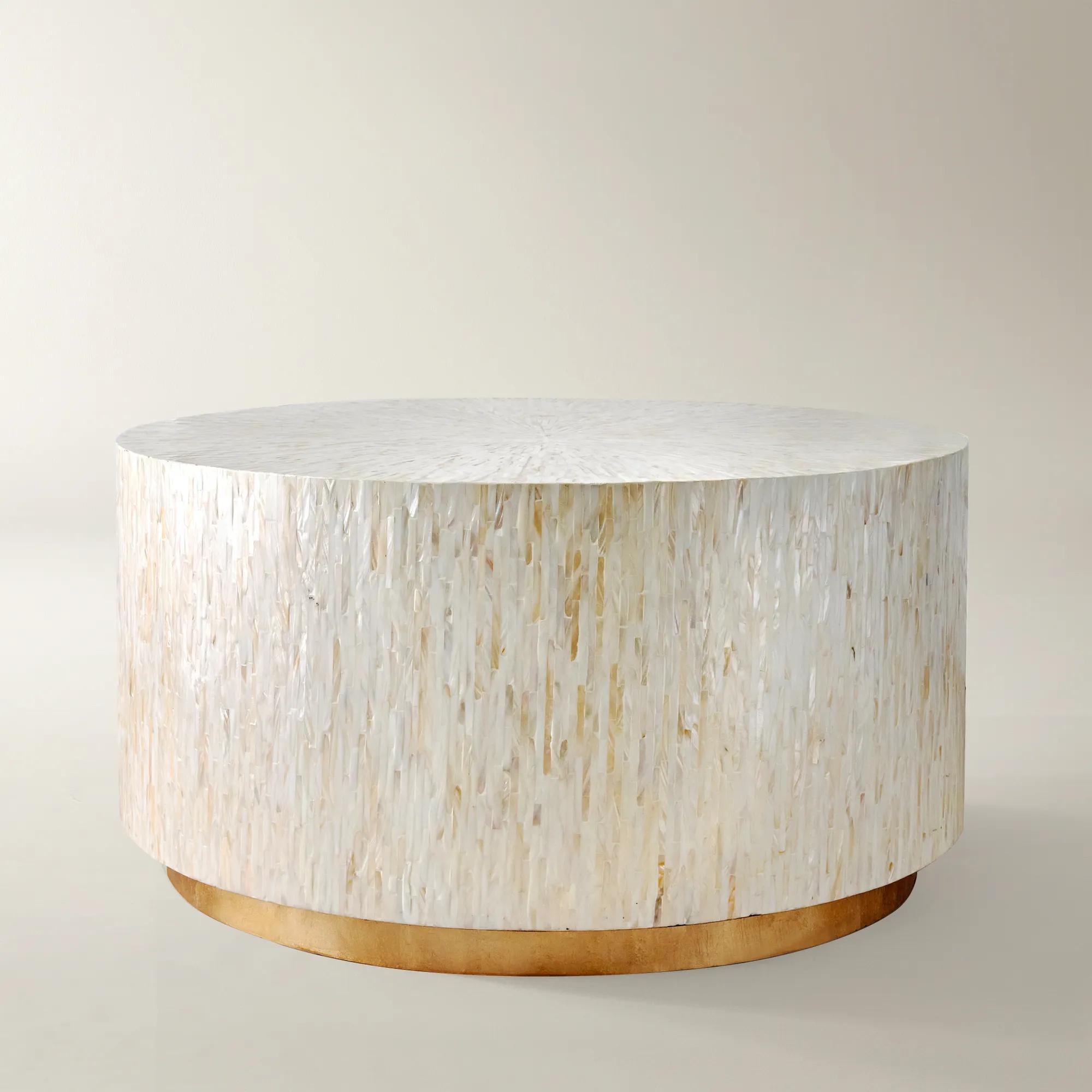
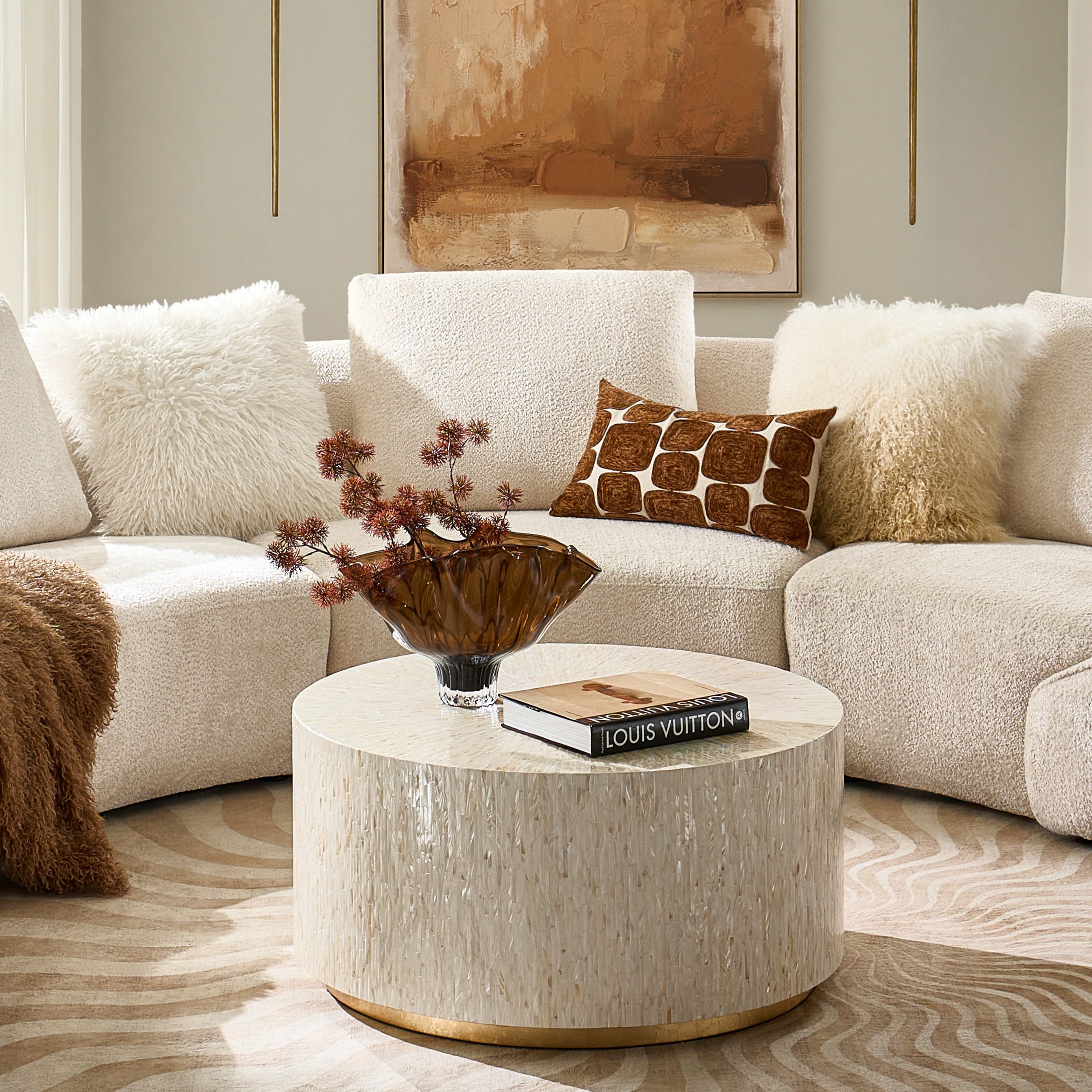 Alexandria Round Mosaic Platinum Coffee Table (36")$799
A luminous ivory coffee table featuring hand-applied mother-of-pearl mosaic and a gold leaf-accented base.
Add To Cart -
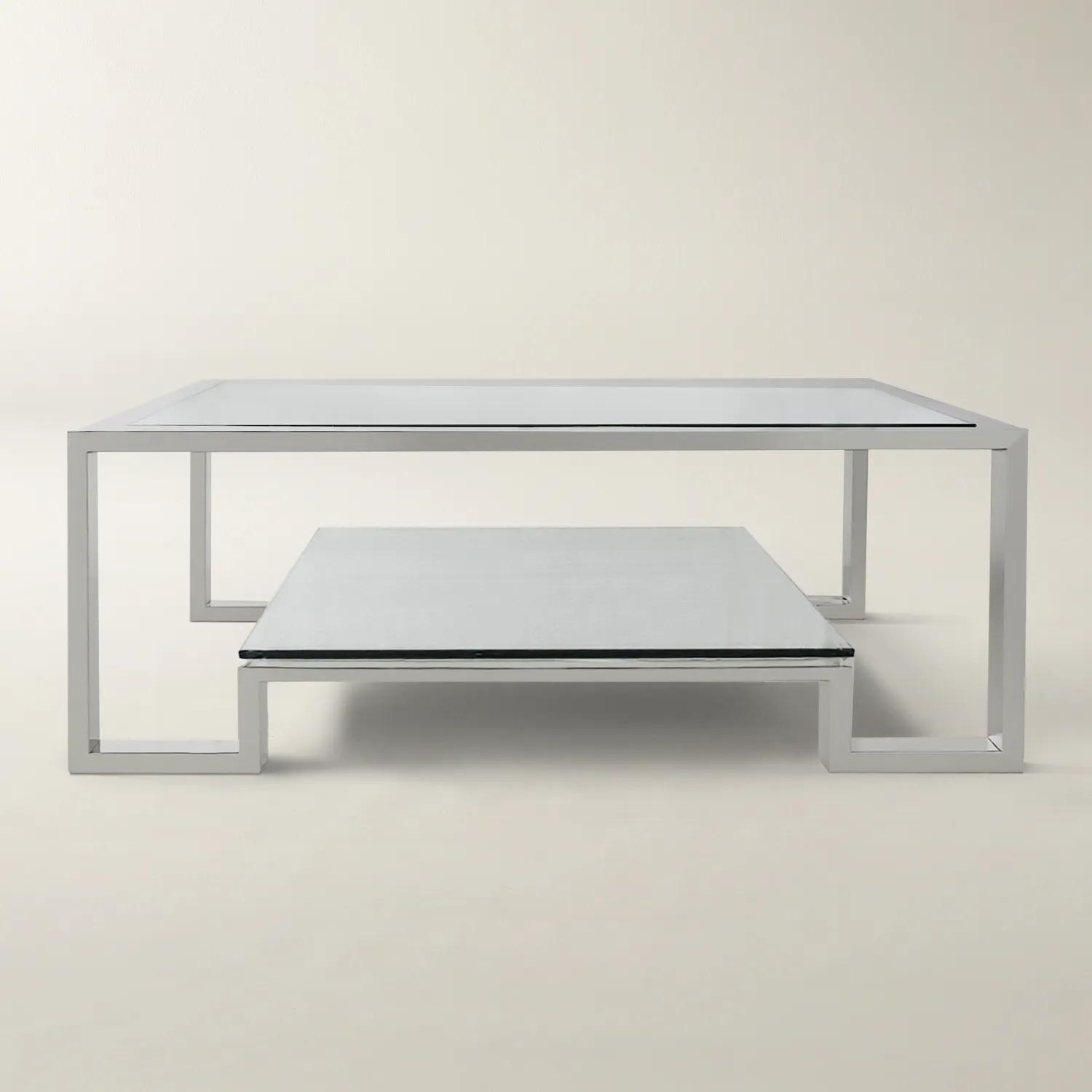
 Duplicity Rectangular Silver Stainless Steel Coffee Table With Glass Top (50")$1399
A modern coffee table featuring a stainless steel frame, tempered glass top, and floating bottom shelf.
Add To Cart -
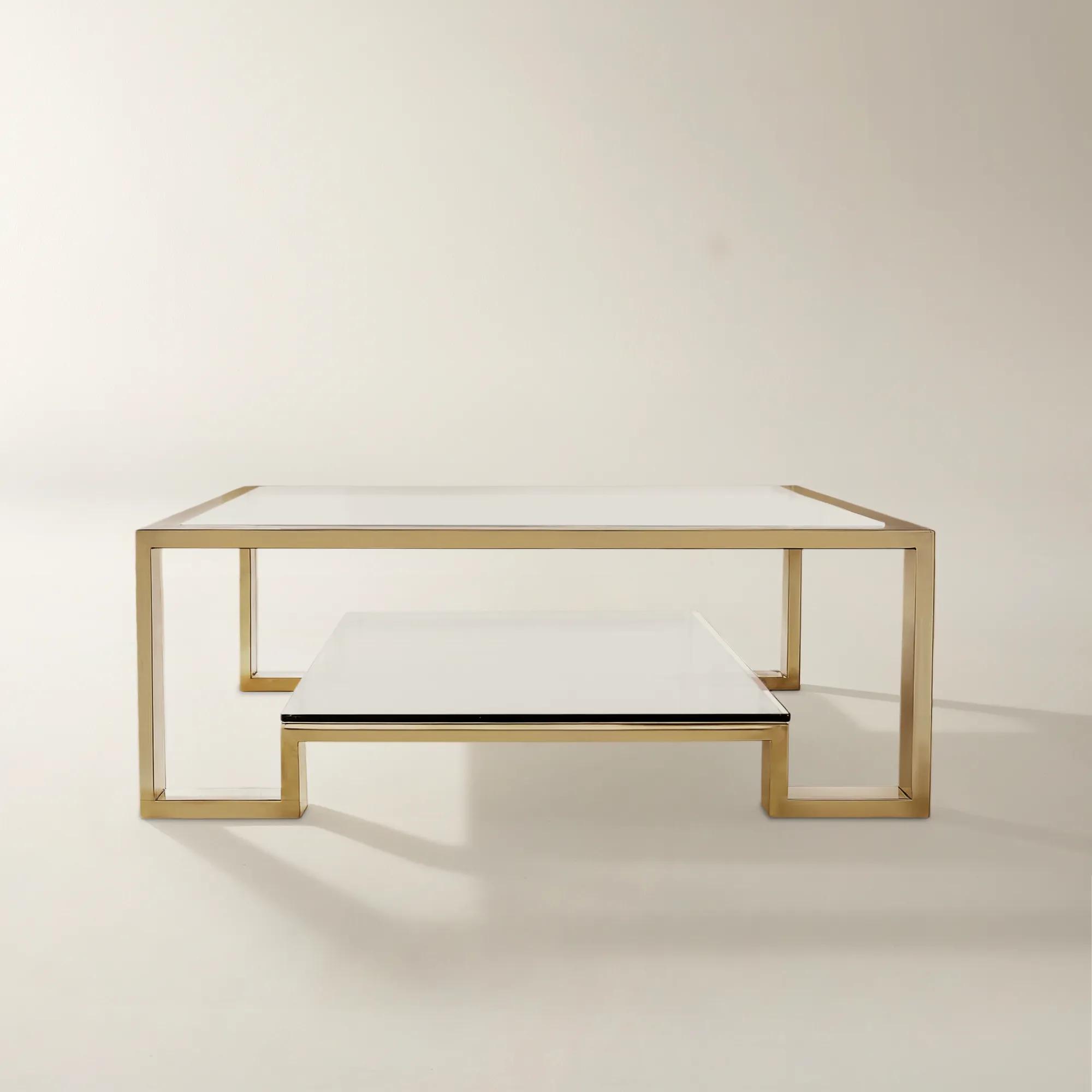 Duplicity Rectangular Gold Stainless Steel Coffee Table With Glass Top (50")$1399
A modern coffee table featuring a stainless steel frame, tempered glass top, and floating storage shelf.
Add To Cart -
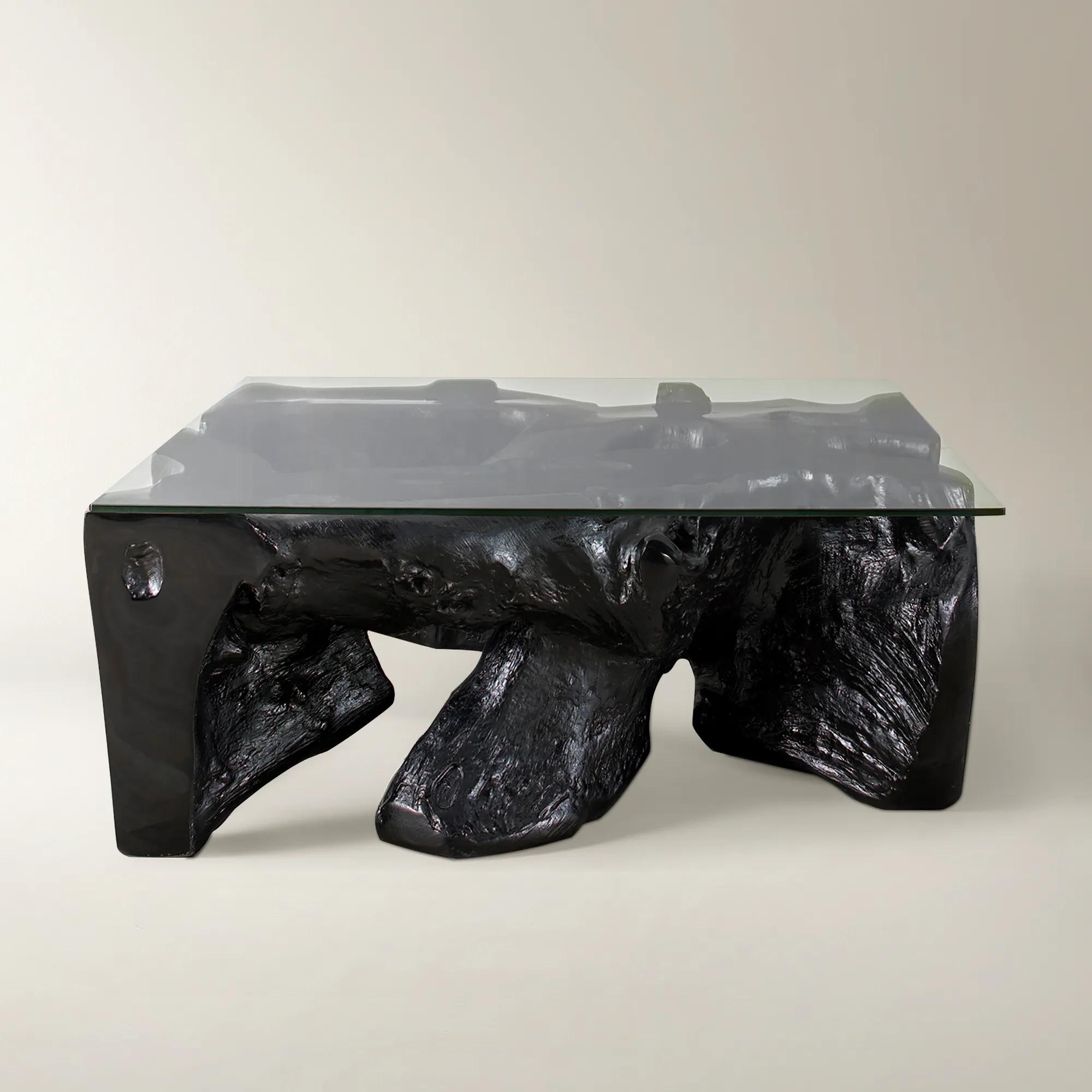
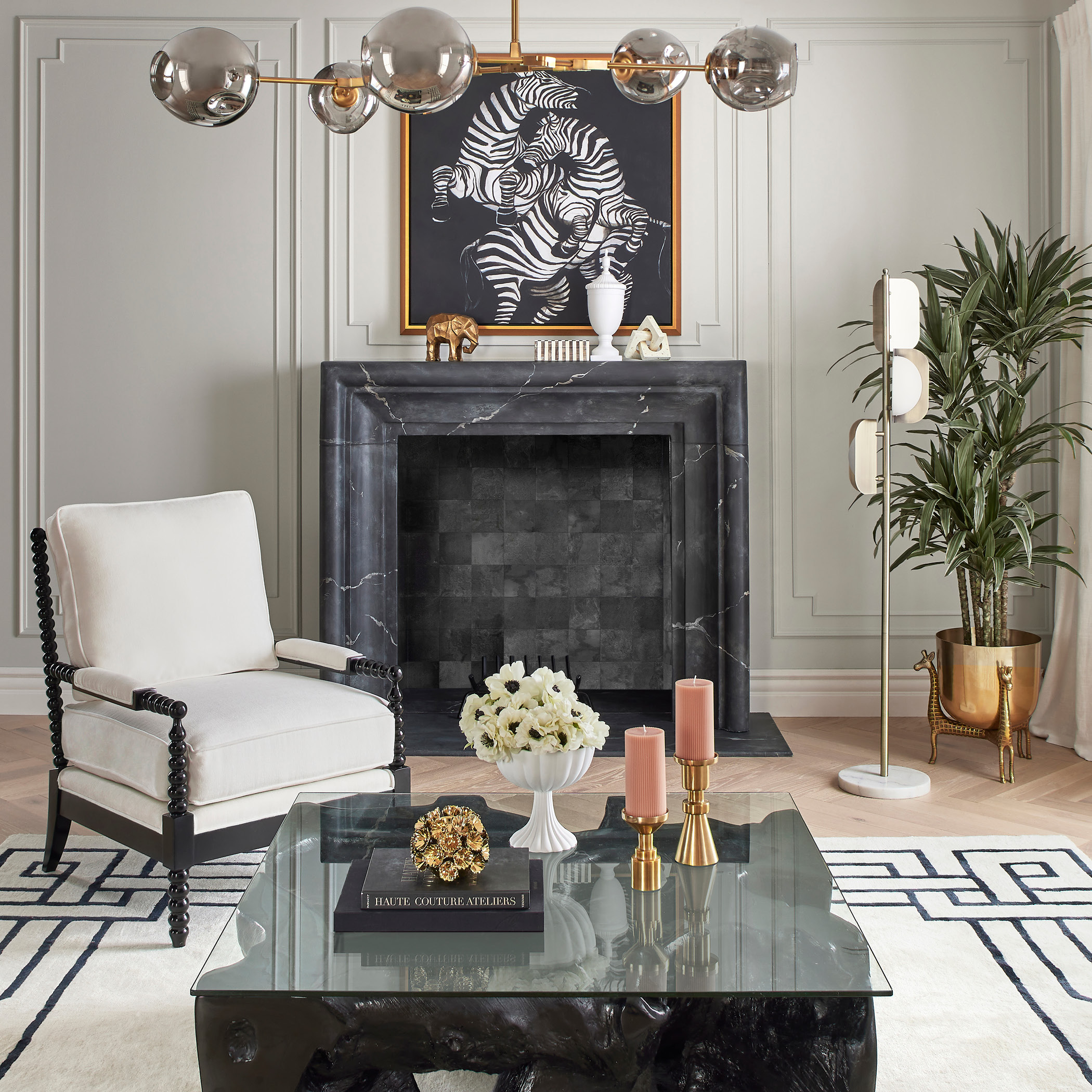 Sequoia Black Resin Coffee Table With Glass Top (44")$2299
A sculptural black coffee table crafted from resin and polished stone fragments for indoor or outdoor use.
Add To Cart -
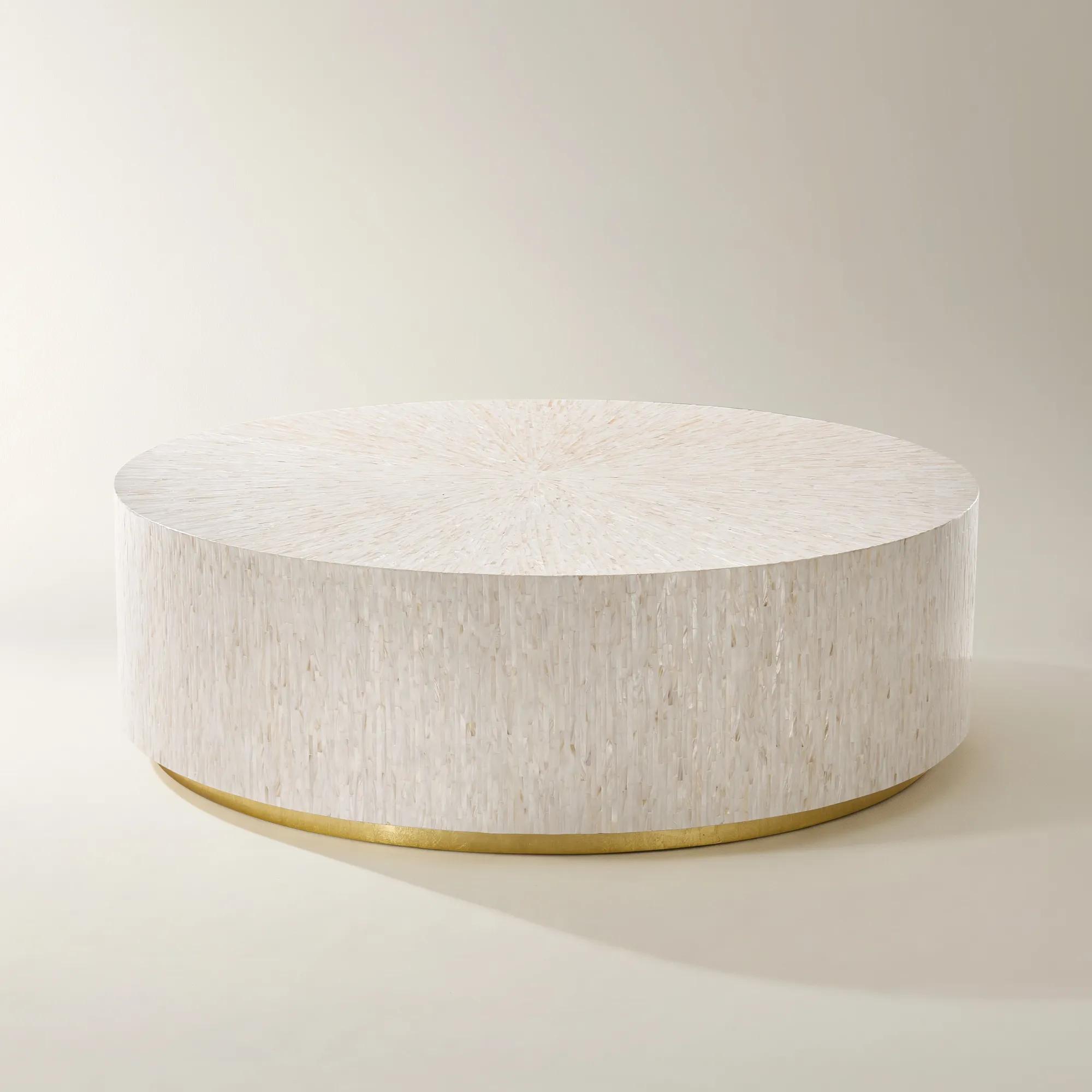 Alexandria Round Mosaic Platinum Coffee Table (52")$1299
A luminous mother-of-pearl mosaic coffee table with a sculptural round form and gold leaf–accented base.
Add To Cart -
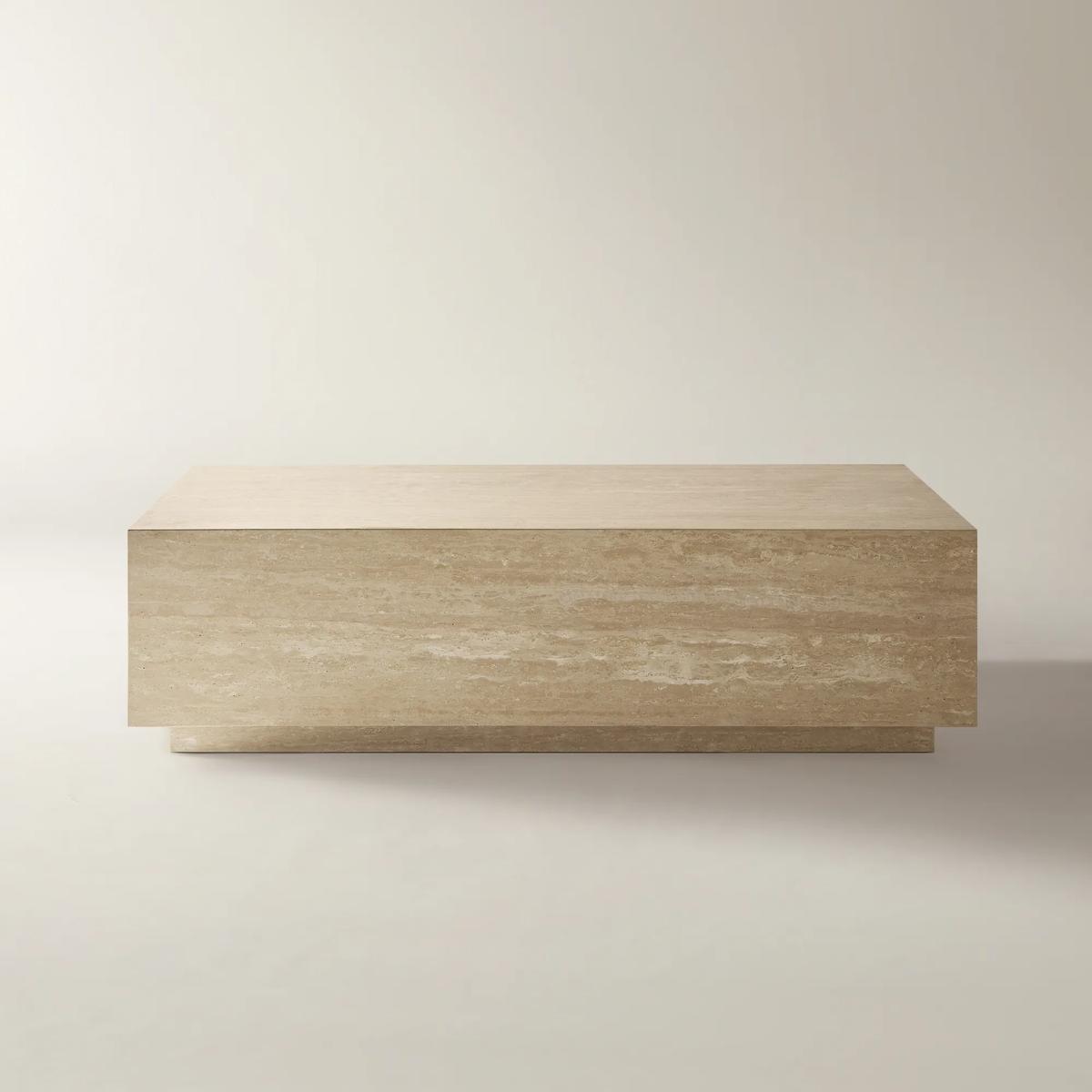
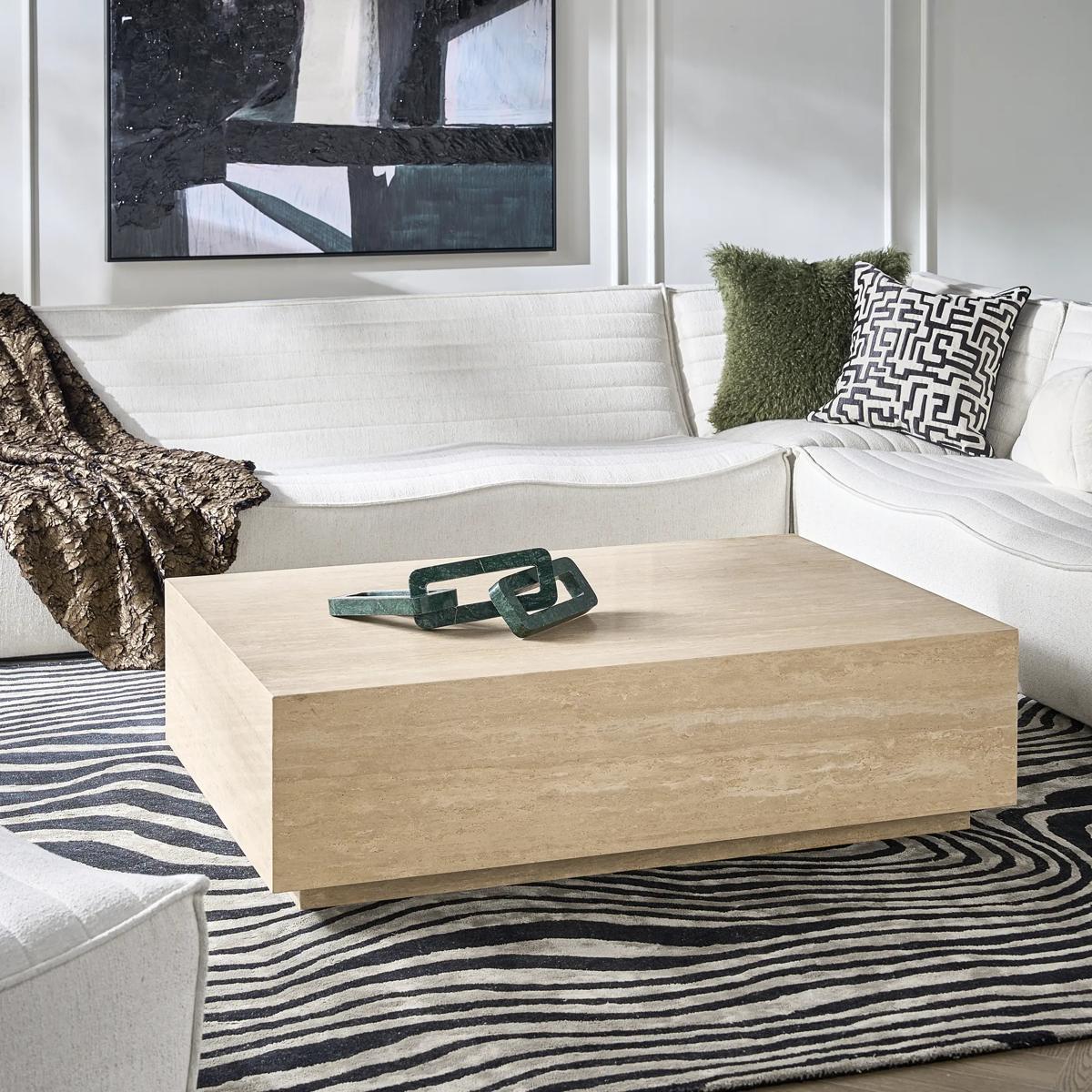 Vanta Rectangular Travertine Coffee Table (54")$2599
A seamless genuine travertine coffee table featuring ivory-gold tones and an ultra-light aluminum honeycomb core.
Add To Cart -
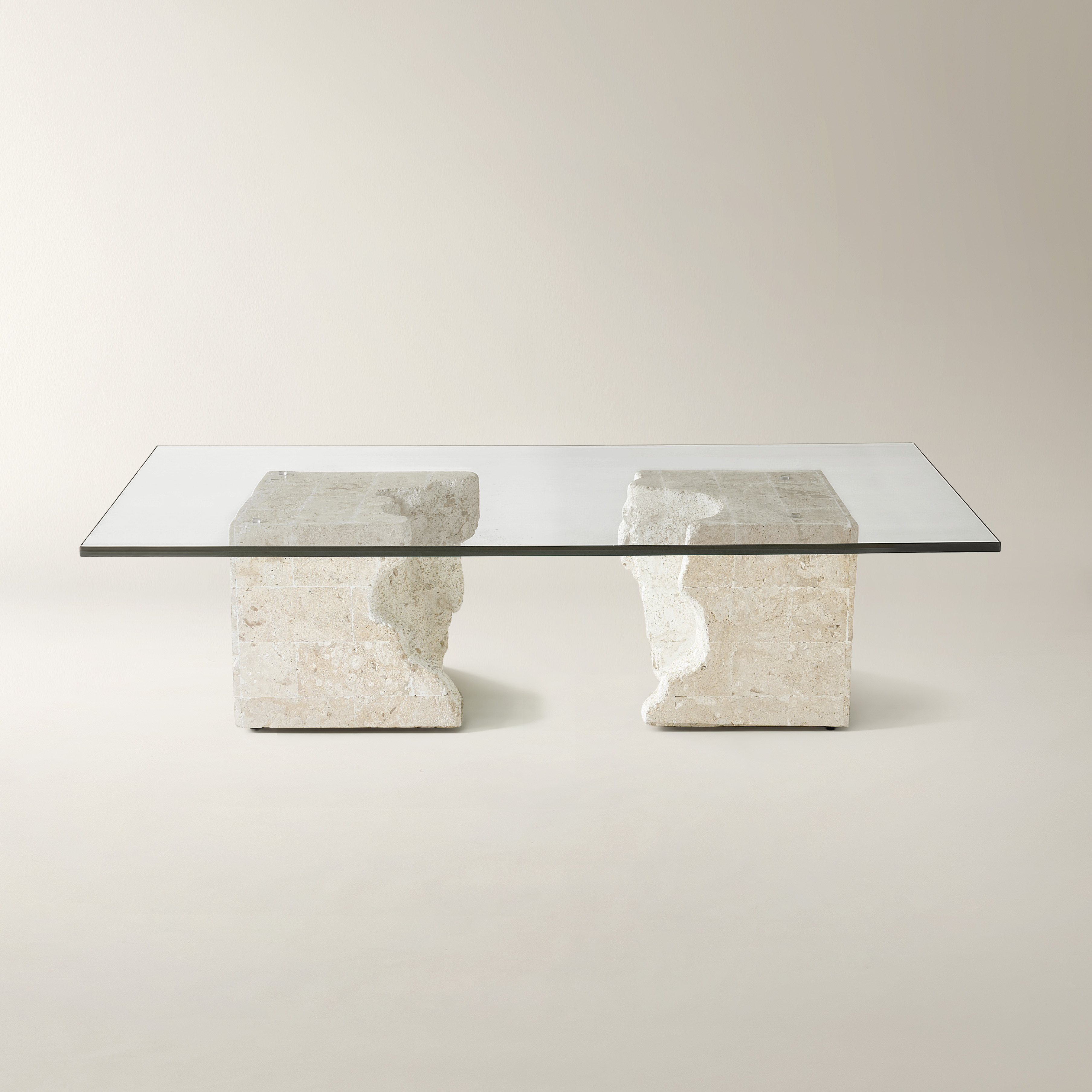 Cairo Rectangular Mactan Stone Coffee Table With Glass Top (63")$1899
A contemporary coffee table featuring a clear tempered glass top floating above hand-carved Mactan stone bases.
Add To Cart -
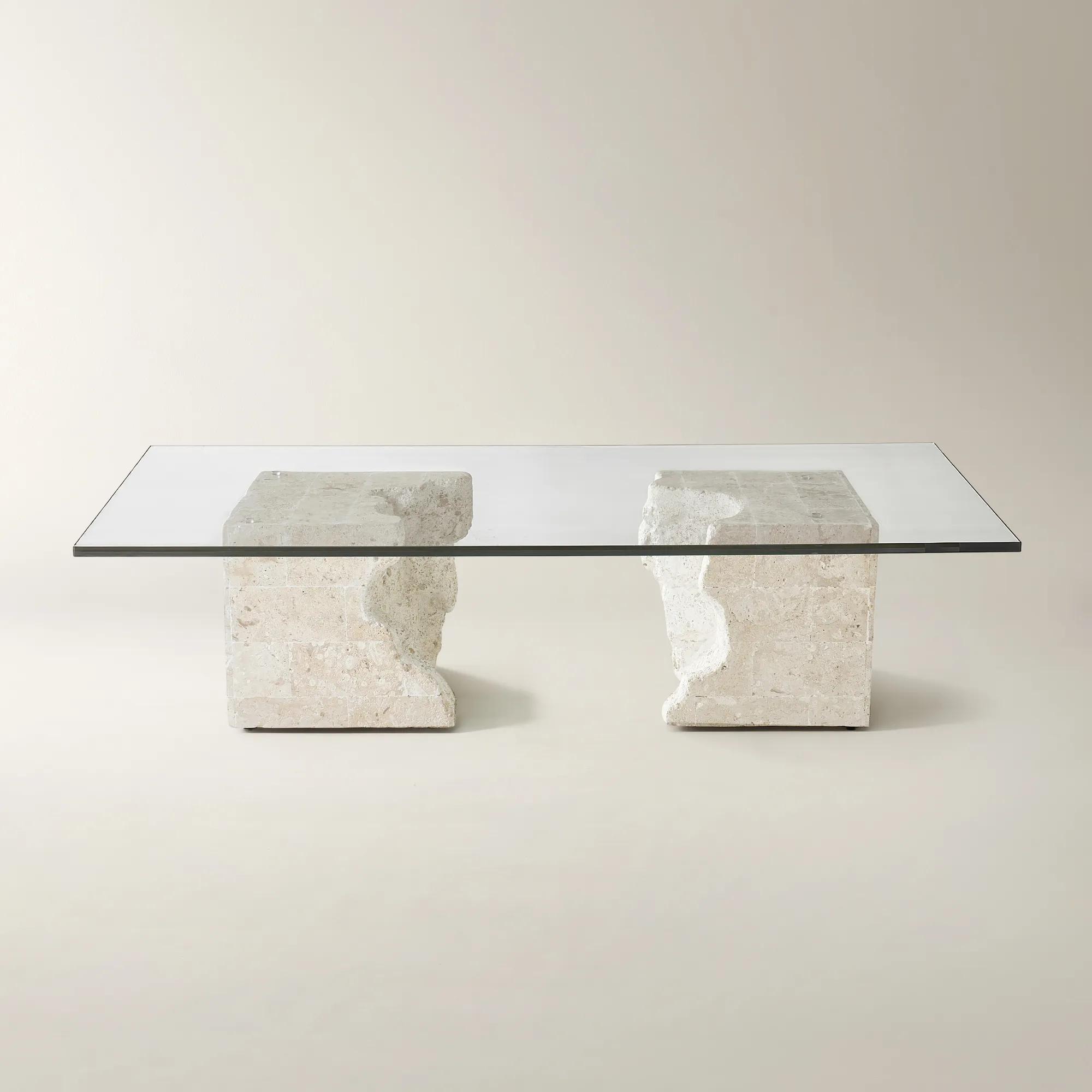 Cairo Rectangular Mactan Stone Coffee Table With Glass Top (70.87")$1999
A contemporary coffee table featuring a clear tempered glass top floating above hand-carved Mactan stone bases.
Add To Cart -
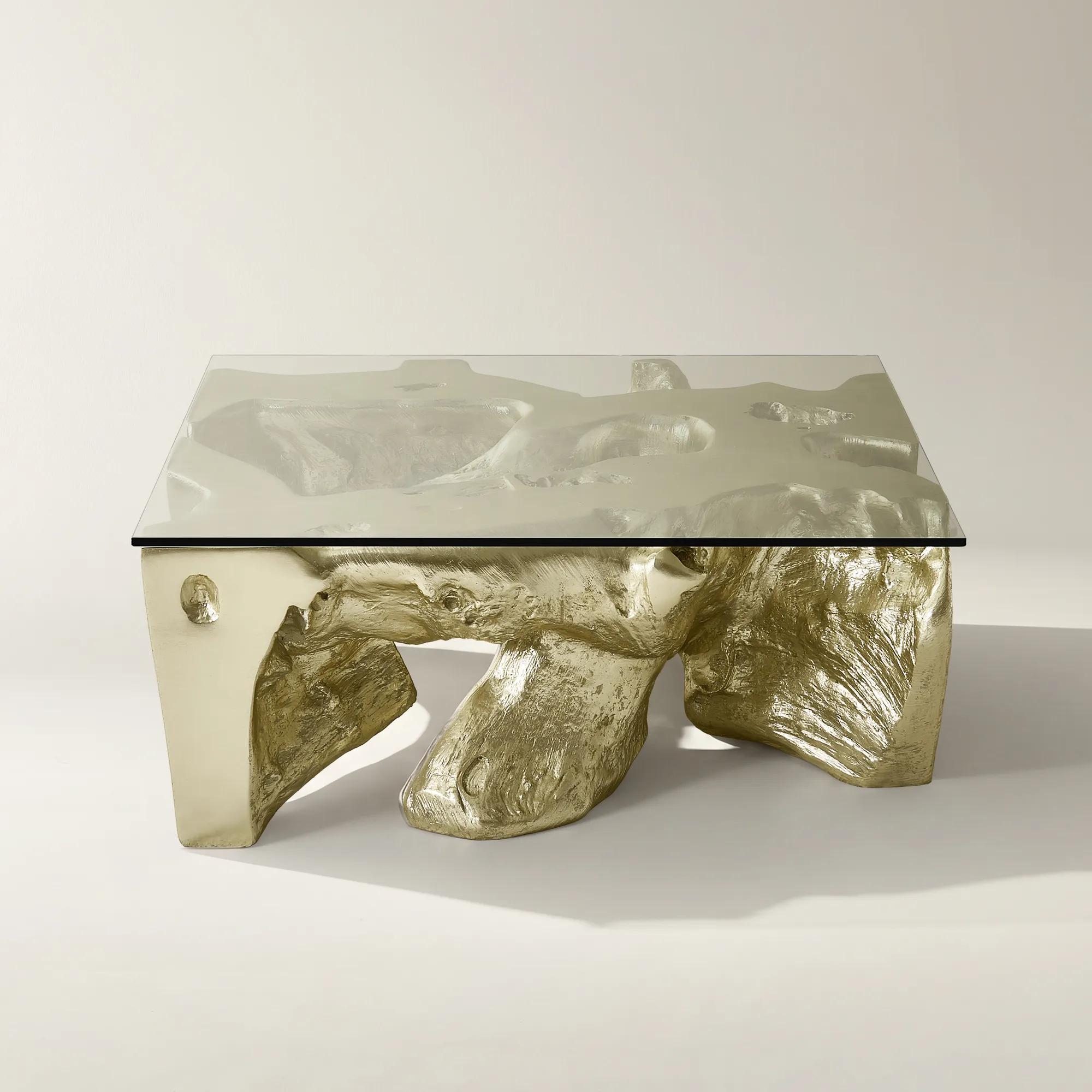 Sequoia Champagne Gold Resin Coffee Table With Glass Top (44")$2299
A sculptural resin coffee table with a champagne gold leaf finish and a clear tempered glass top.
Add To Cart -
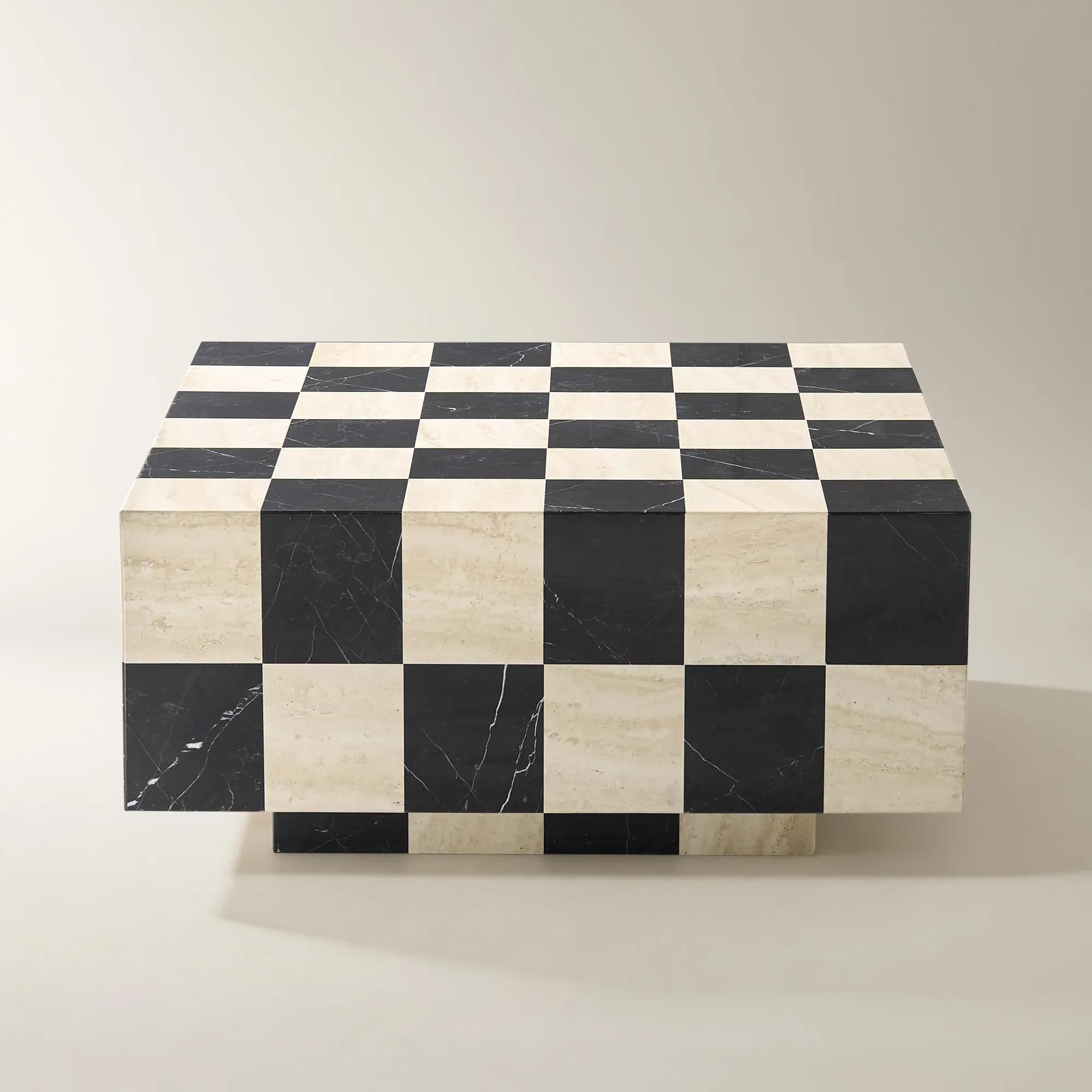
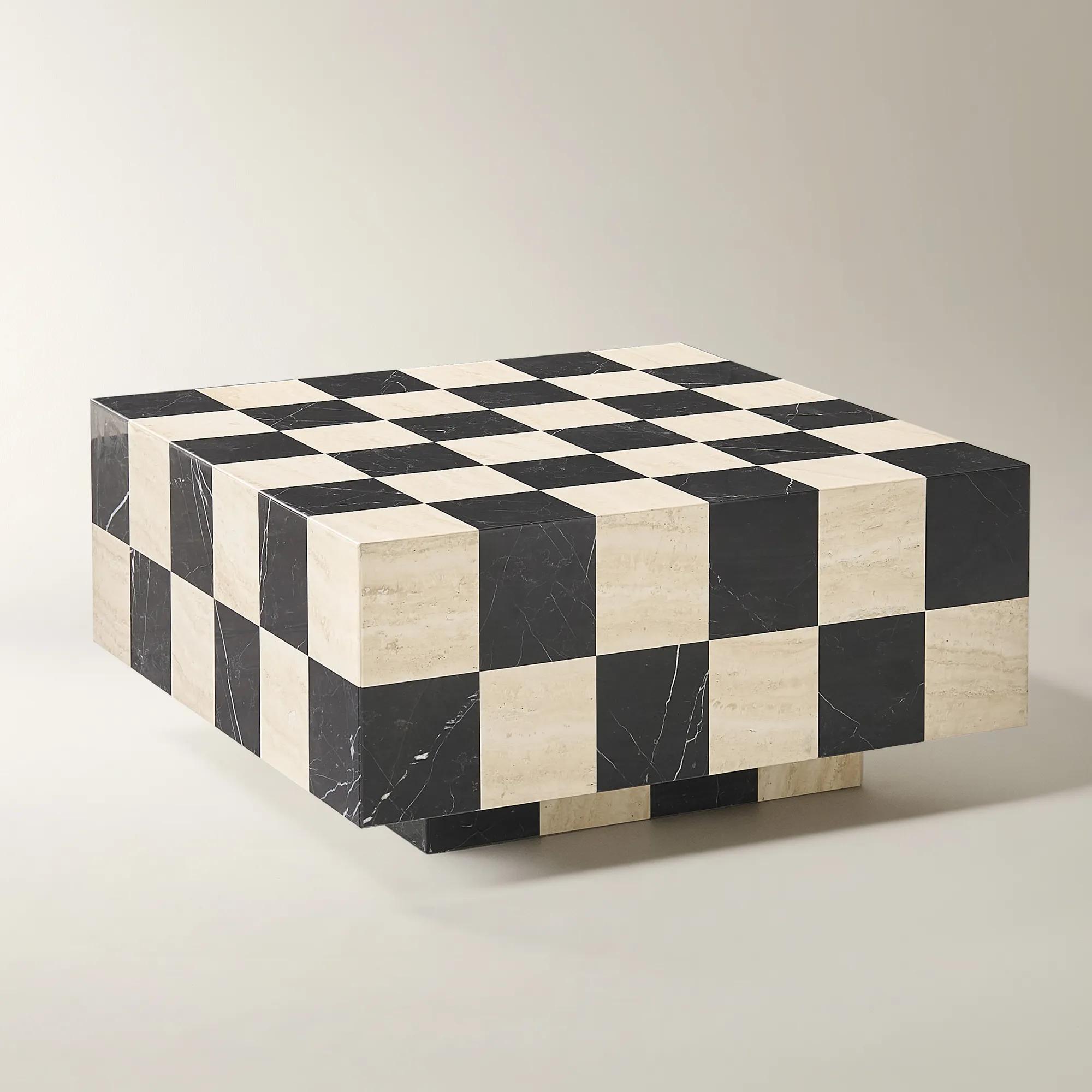 Chessa Square Chequered Marble Coffee Table (31.9")$1599
A striking coffee table featuring a dimensional black marble and travertine checkerboard mosaic with polished finish.
Add To Cart -
.jpg?w=1200&h=1200)
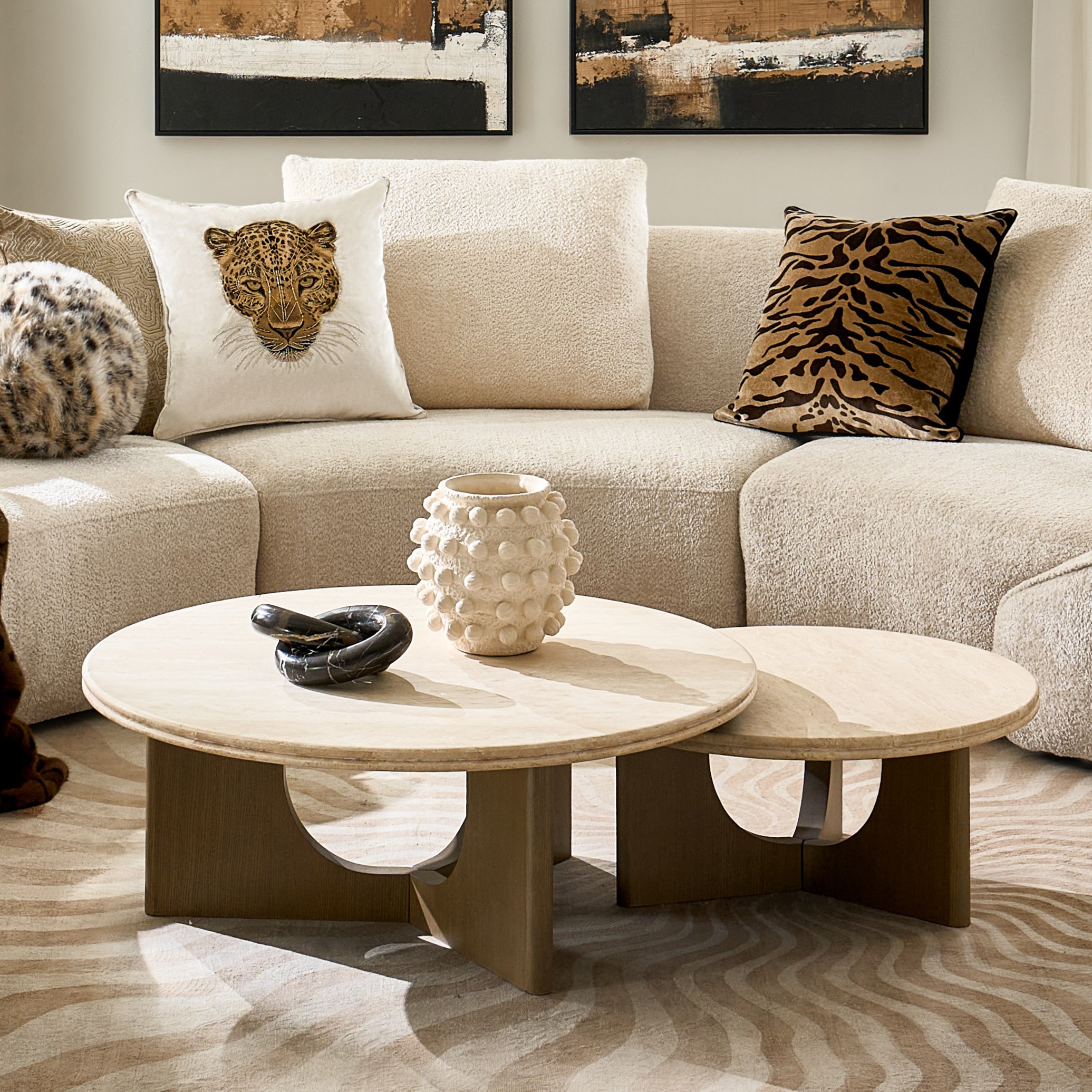 Bond Round Travertine and Wood Coffee Table (29.25")$699
A genuine travertine stone coffee table with warm ivory-gold tones atop a solid natural ash base.
Add To Cart -
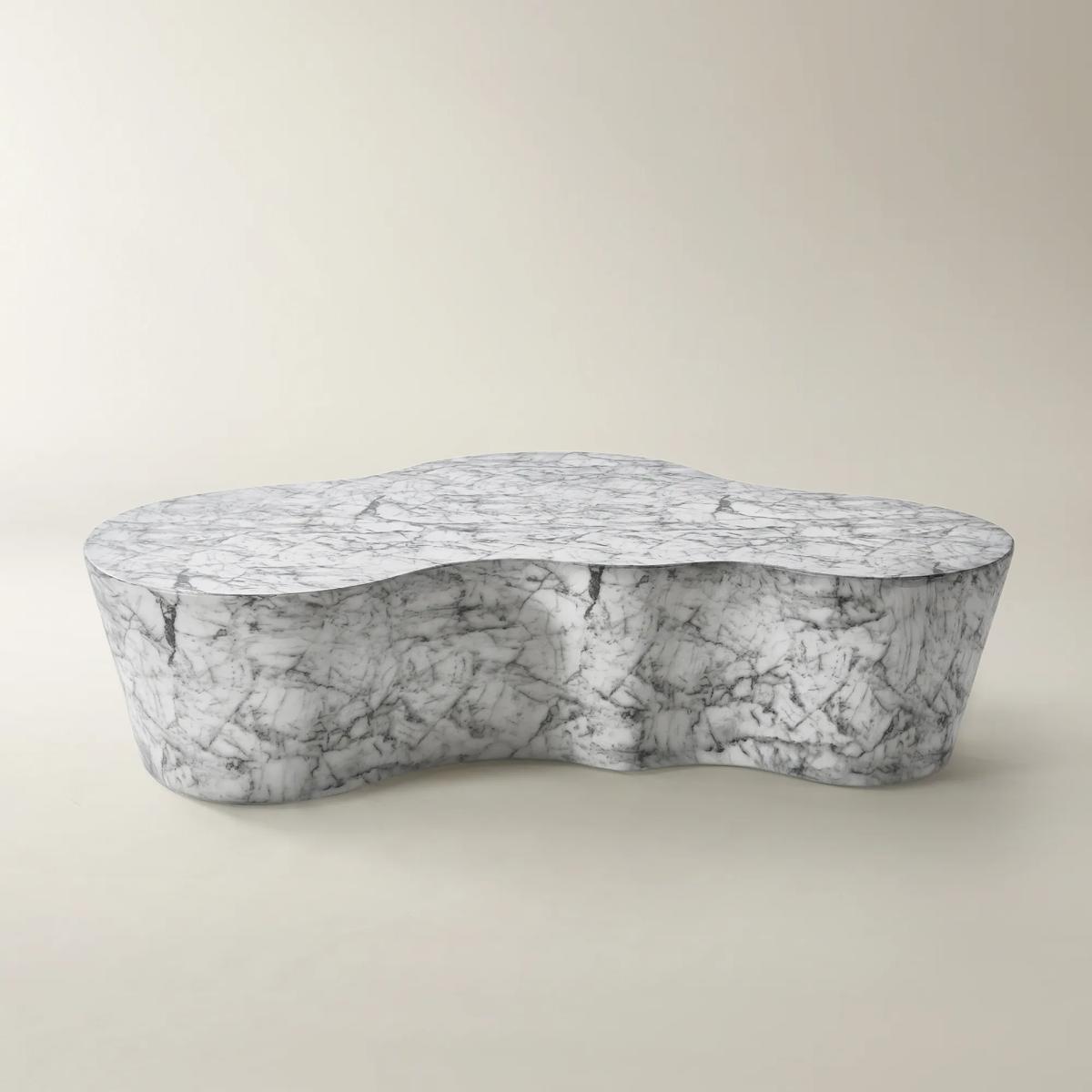
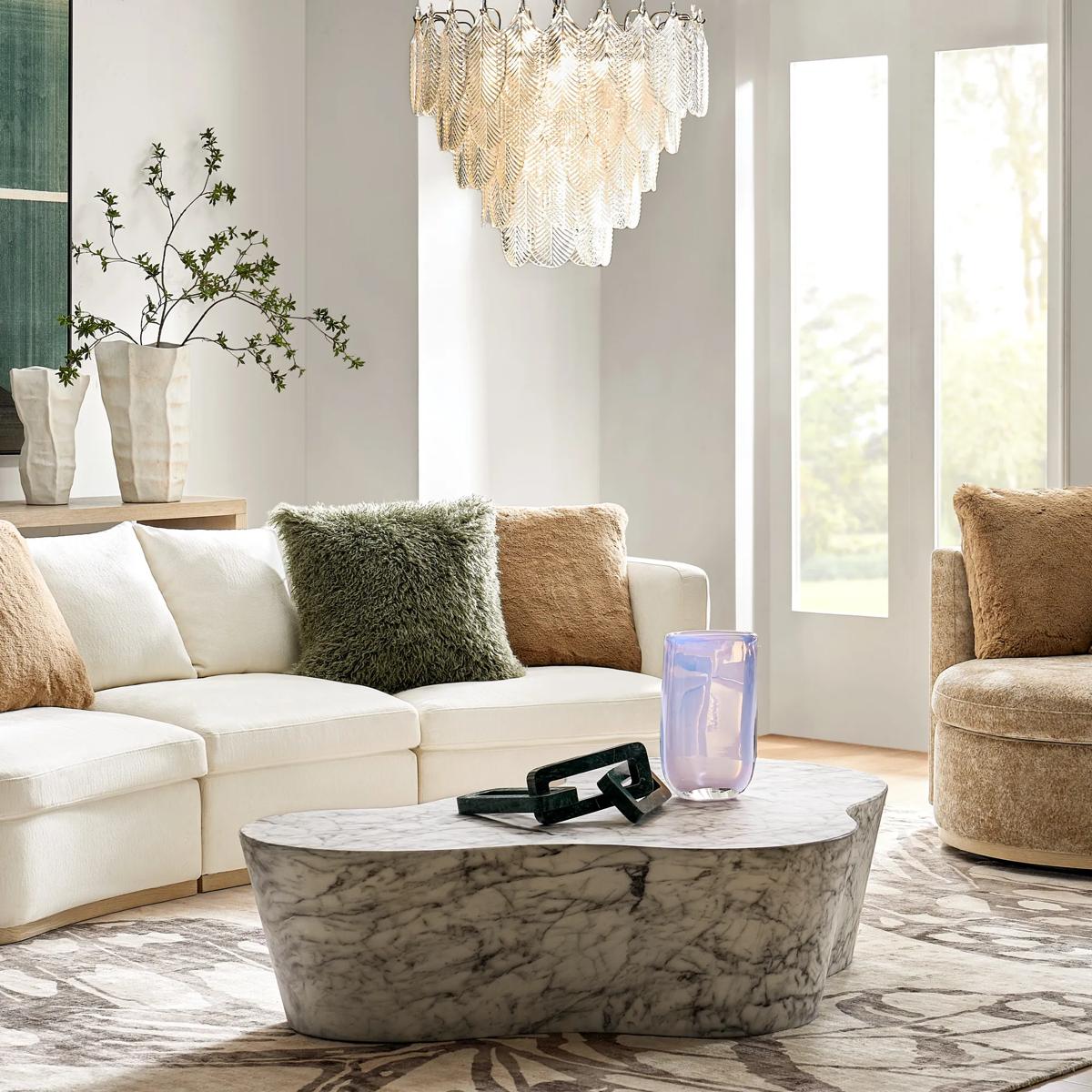 Petra White Concrete Indoor/outdoor Coffee Table (59.4")$1099
A cloud-inspired coffee table in lightweight fiber concrete with a hyper-realistic white marble finish.
Add To Cart -
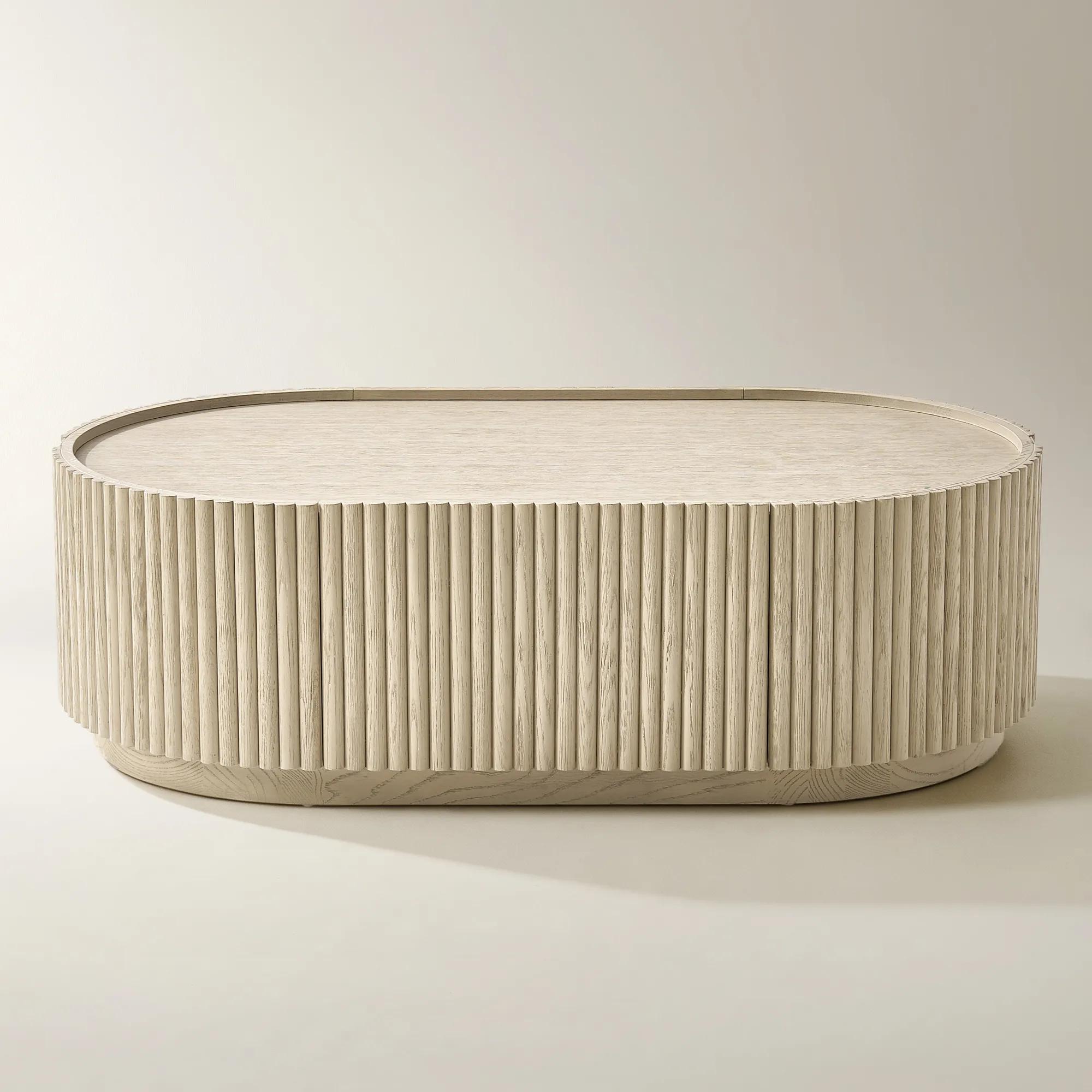
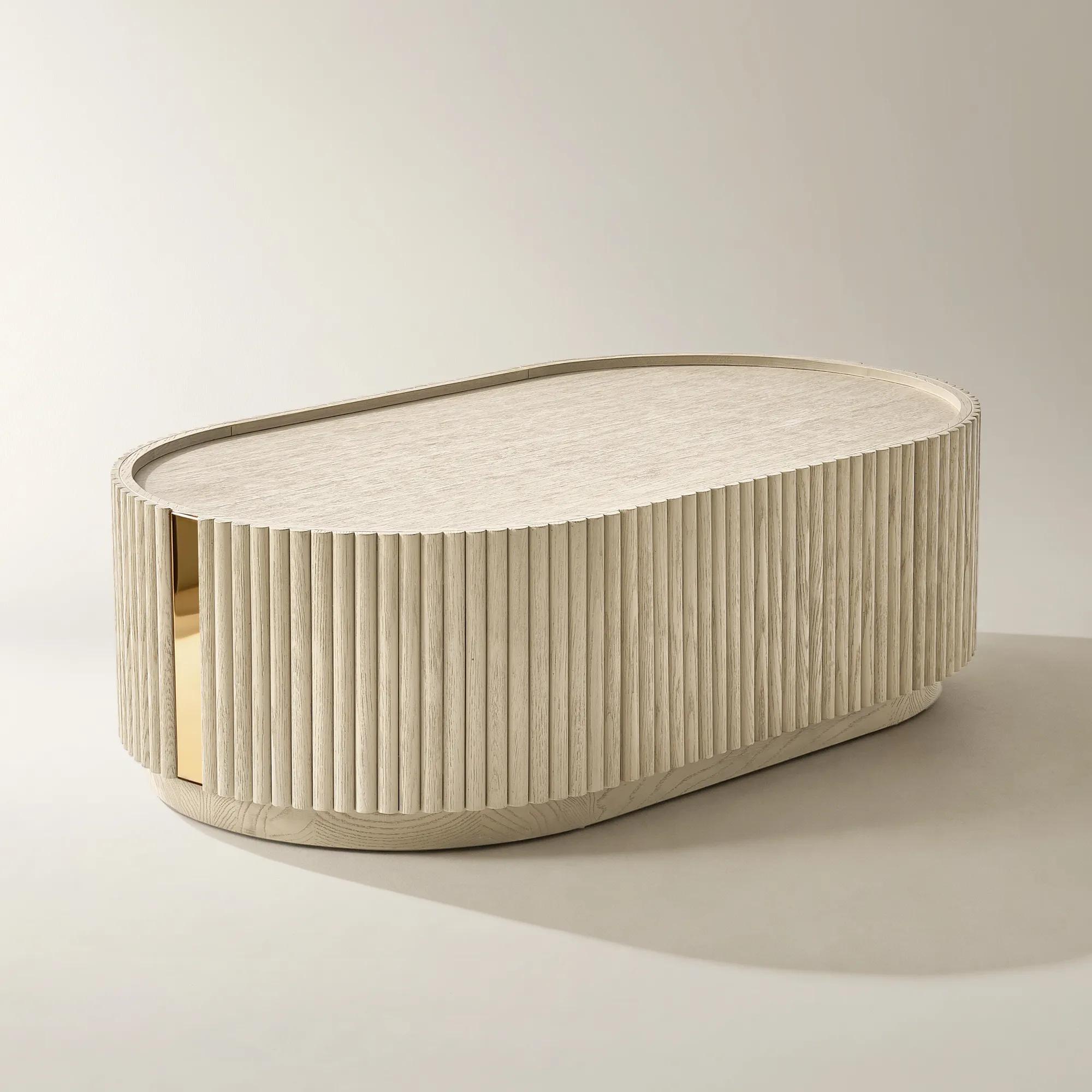 Stria Oval Reeded White Oak Coffee Table with Drawer (52")$1299
A reeded white oak coffee table with soft gold accents, recessed tabletop, and concealed soft-close drawer.
Add To Cart -
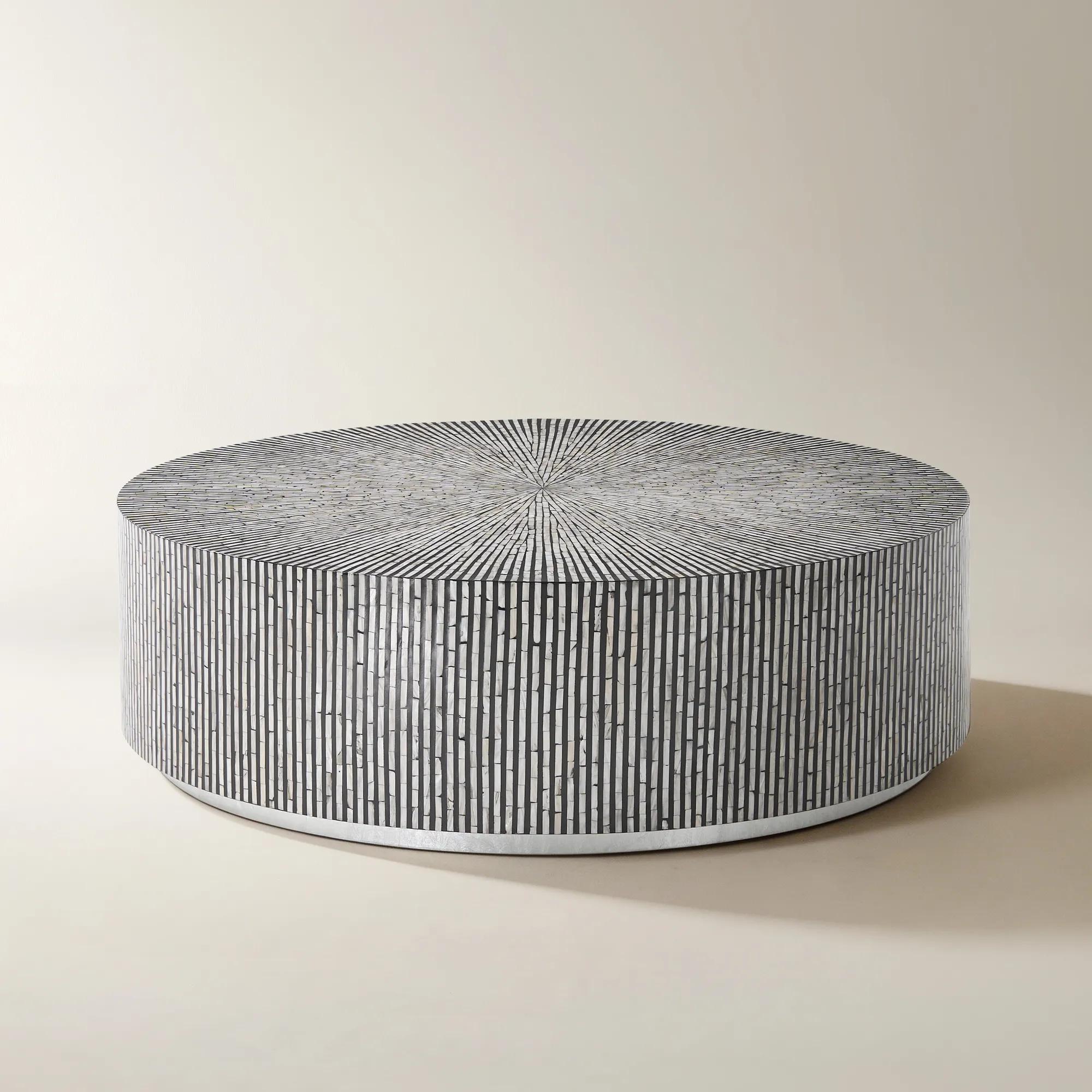
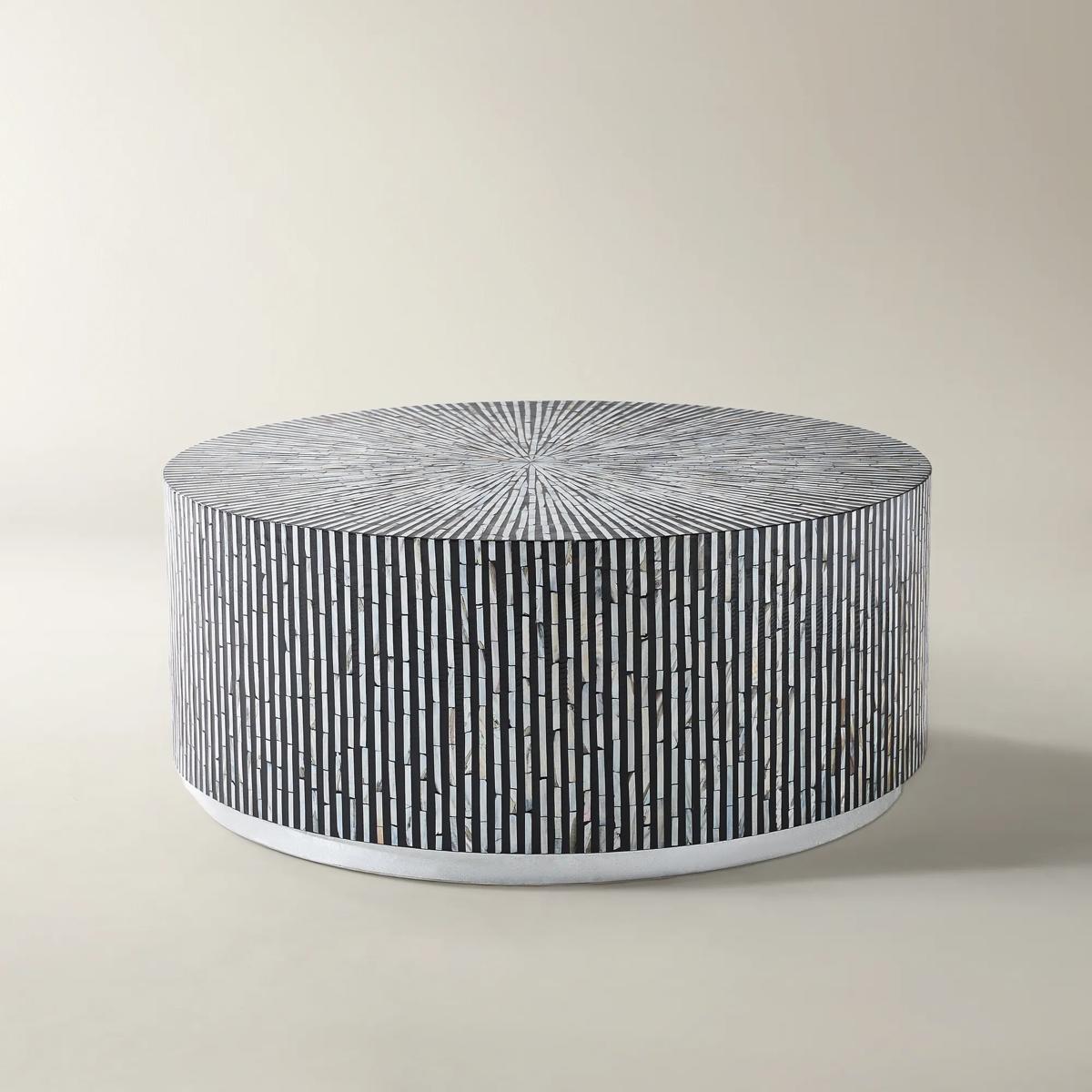
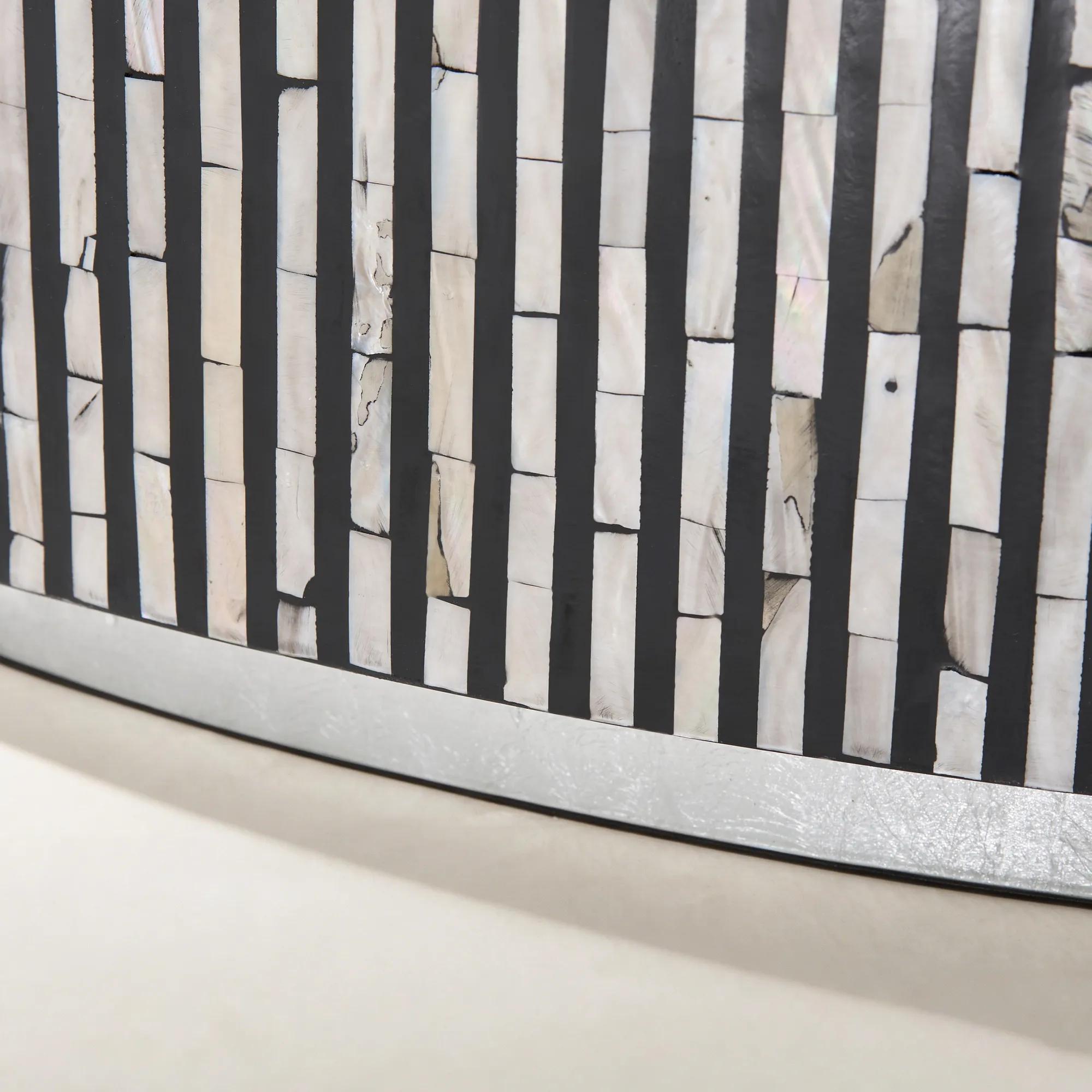 Marina Round Mosaic Black Coffee Table (52")$1299
A sculptural black coffee table featuring hand-applied mother-of-pearl mosaic and a silver leaf base.
Add To Cart -
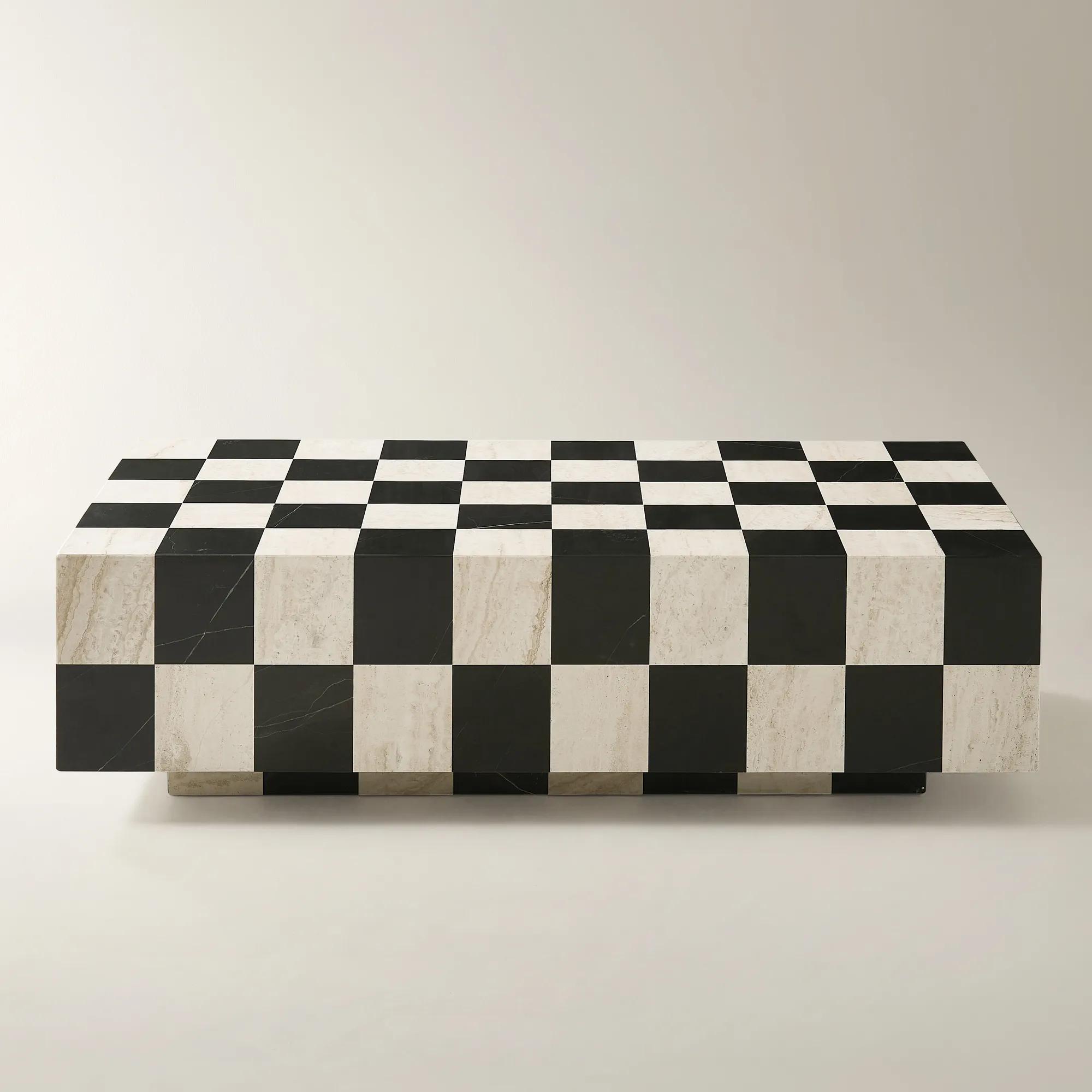 Chessa Rectangular Chequered Marble Coffee Table (53.1")$2399
A striking coffee table featuring a black marble and travertine checkerboard mosaic with sculptural precision.
Add To Cart -
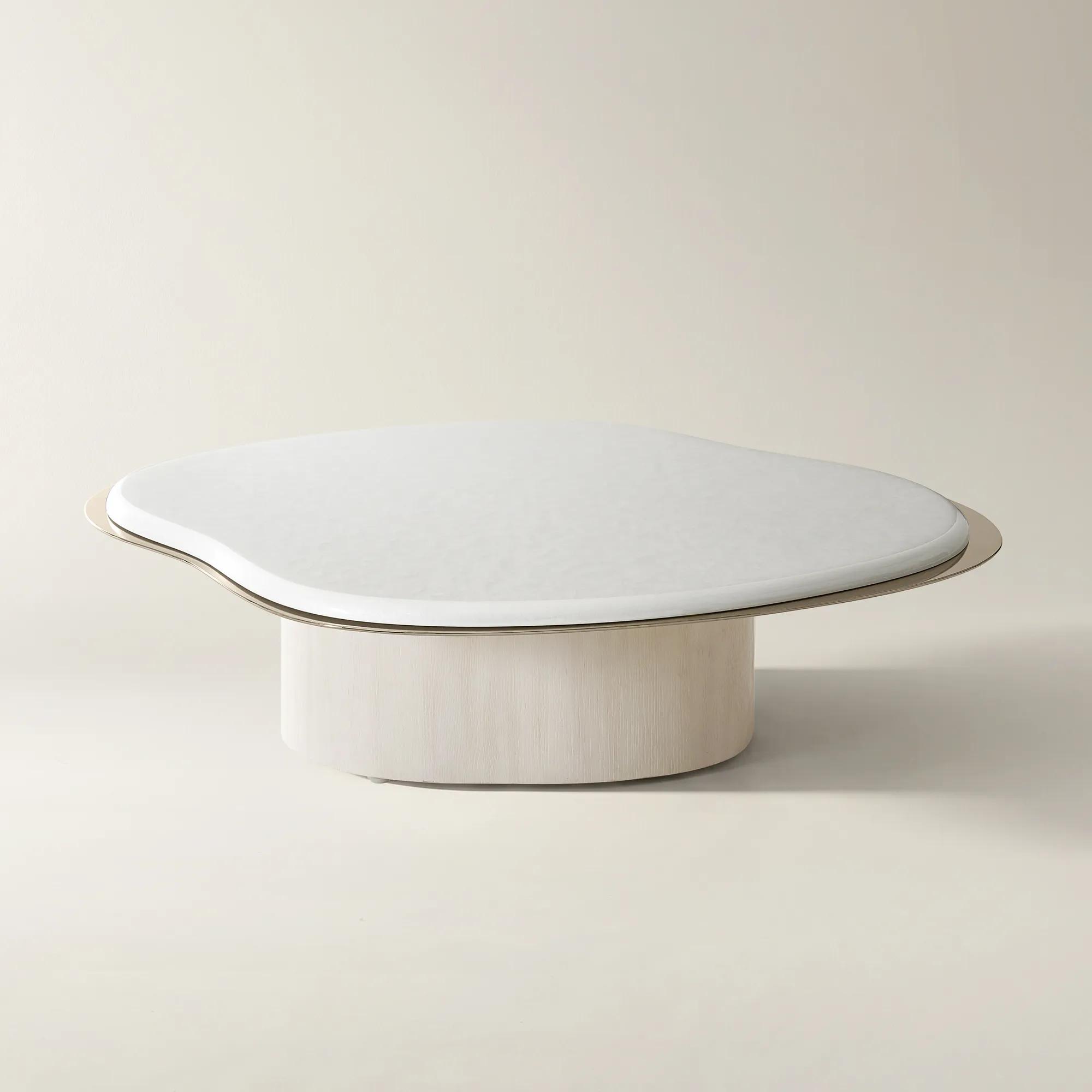
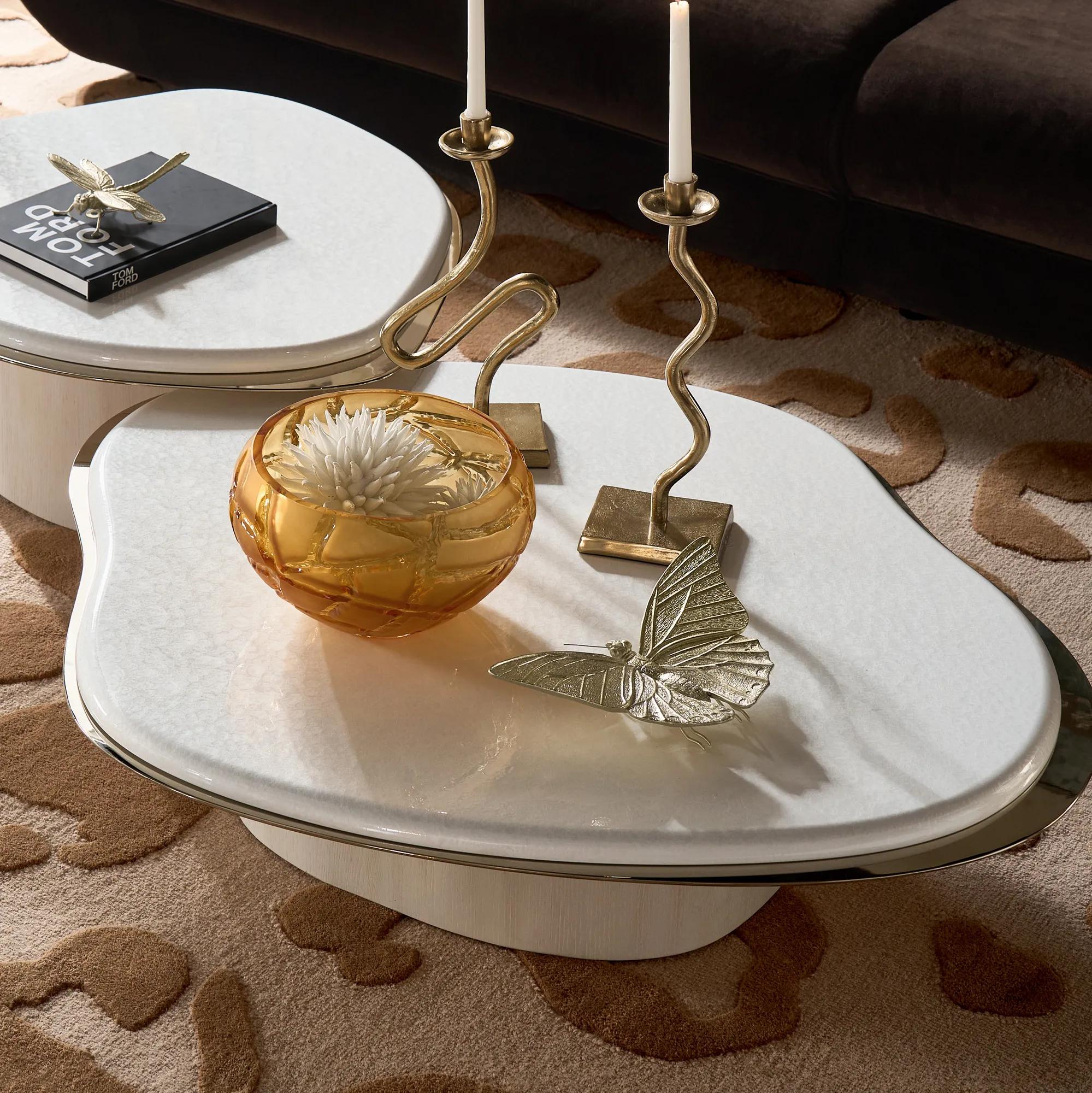 Lumina Bleached Oak Coffee Table With Pearl Lacquered Top (41")$1199
A sculptural coffee table featuring a pearl lacquered top, bleached oak base, and champagne gold trim.
Add To Cart -
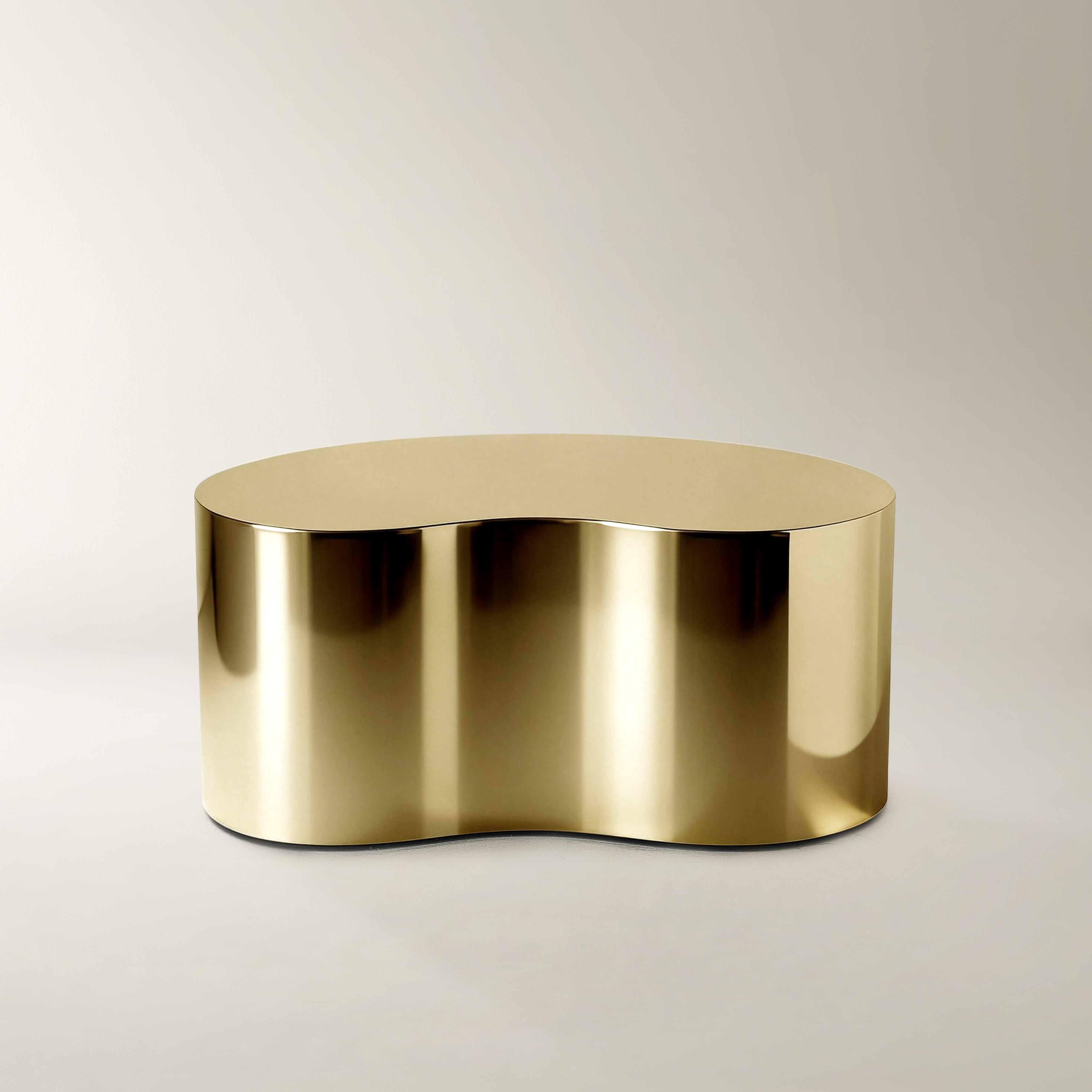
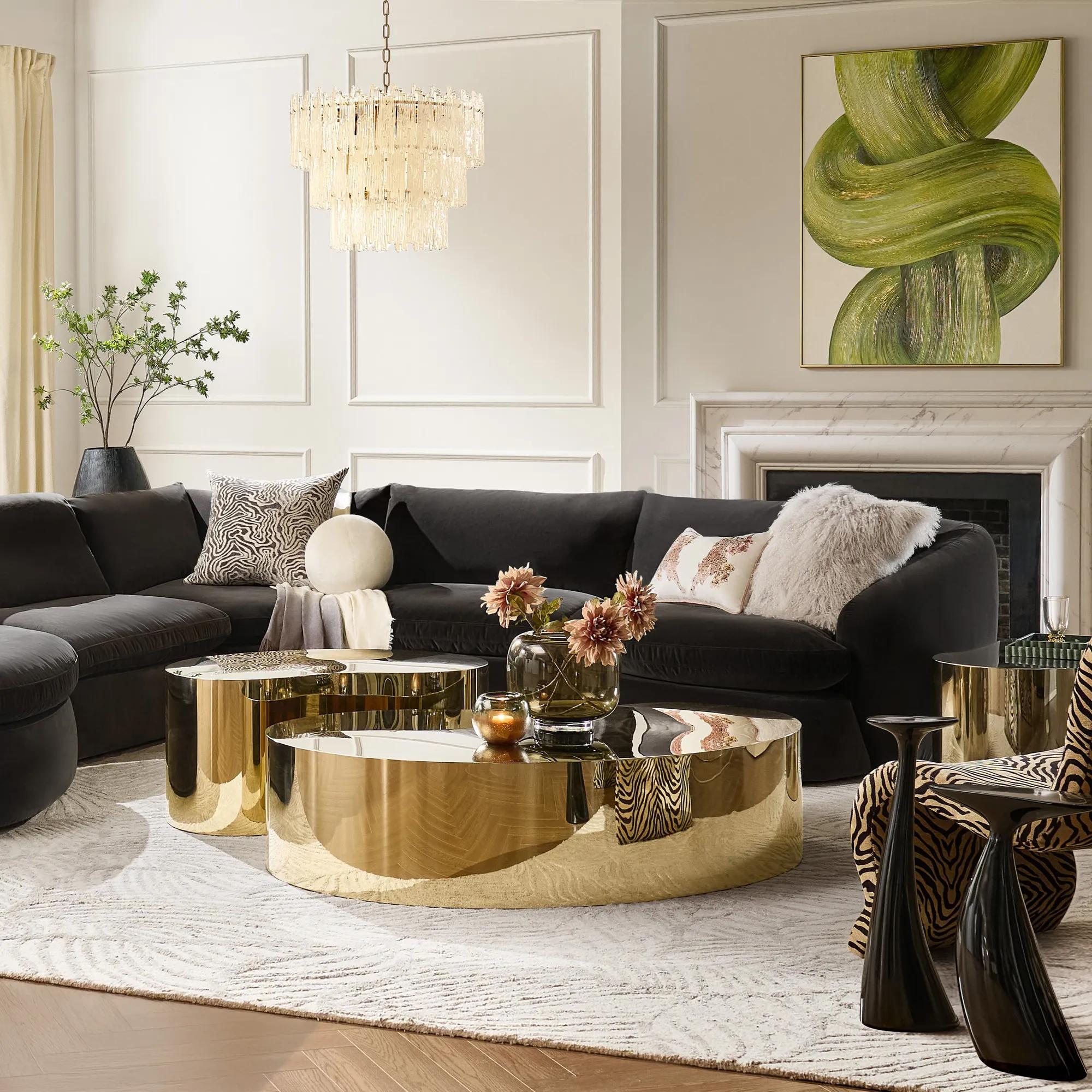 Aurea Soft Gold Coffee Table (37.5")$999
A sculptural coffee table crafted from premium stainless steel with a high-gloss soft gold mirror finish.
Add To Cart -
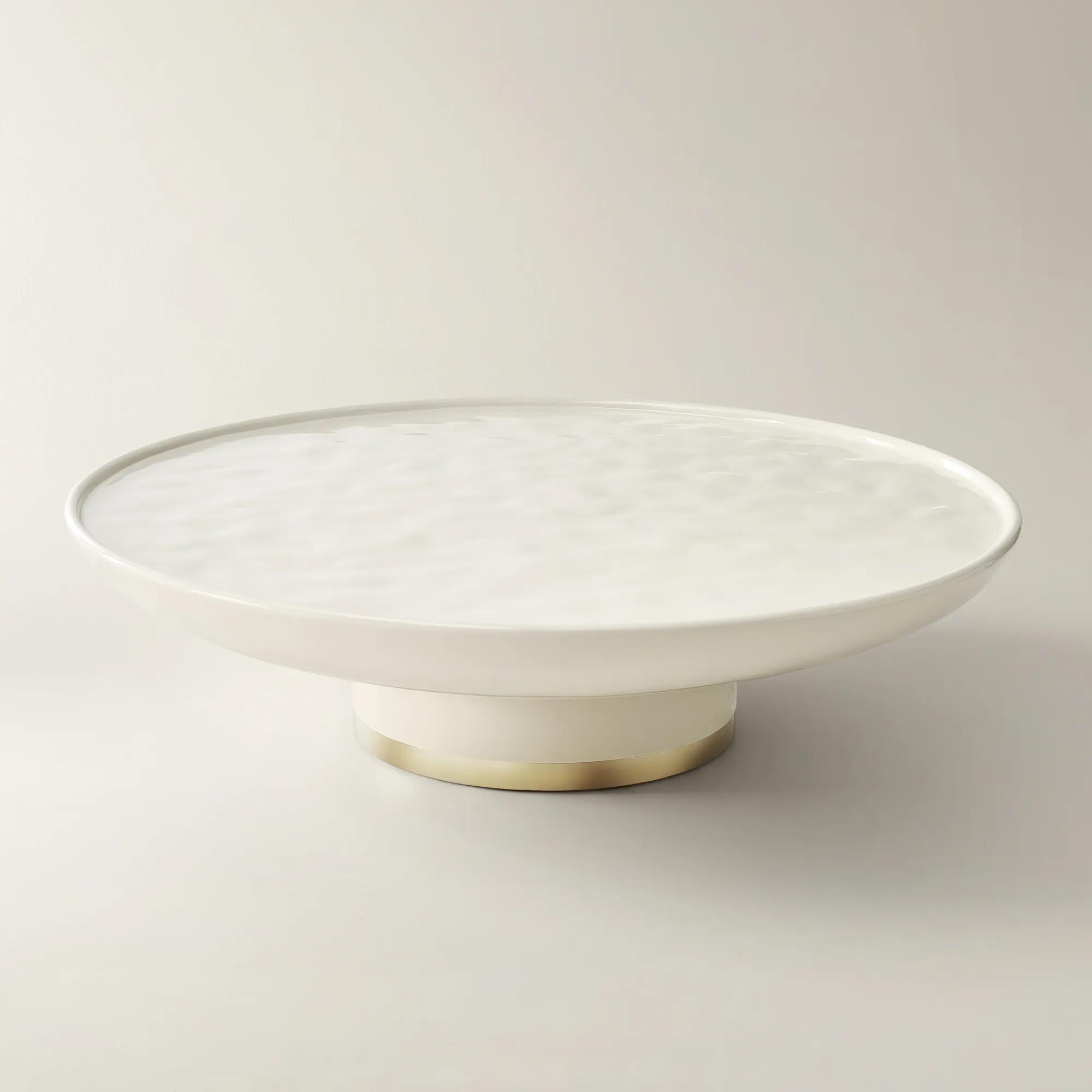
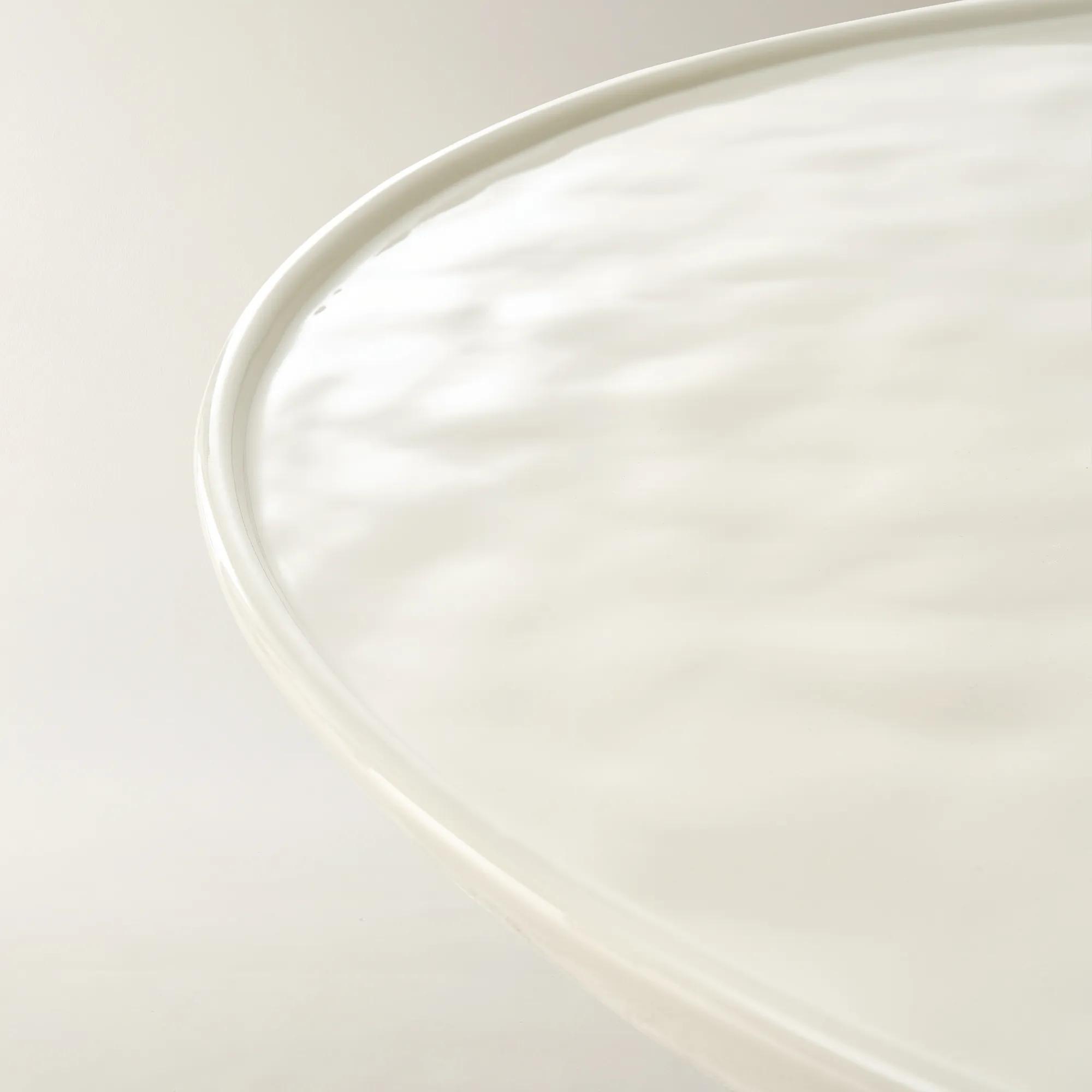 Celia Lacquered Cloud Resin Indoor/Outdoor Coffee Table (54")$1399
A sculptural one-piece resin coffee table with a high-gloss warm finish and gold stainless steel base.
Add To Cart -
.jpg?w=1200&h=1200) Flare Black Marble Coffee Table (51")$1499
Flare Black Marble Coffee Table (51")$1499A dramatic black marble coffee table with unique veining and a polished stainless steel sculptural base.
Add To Cart -
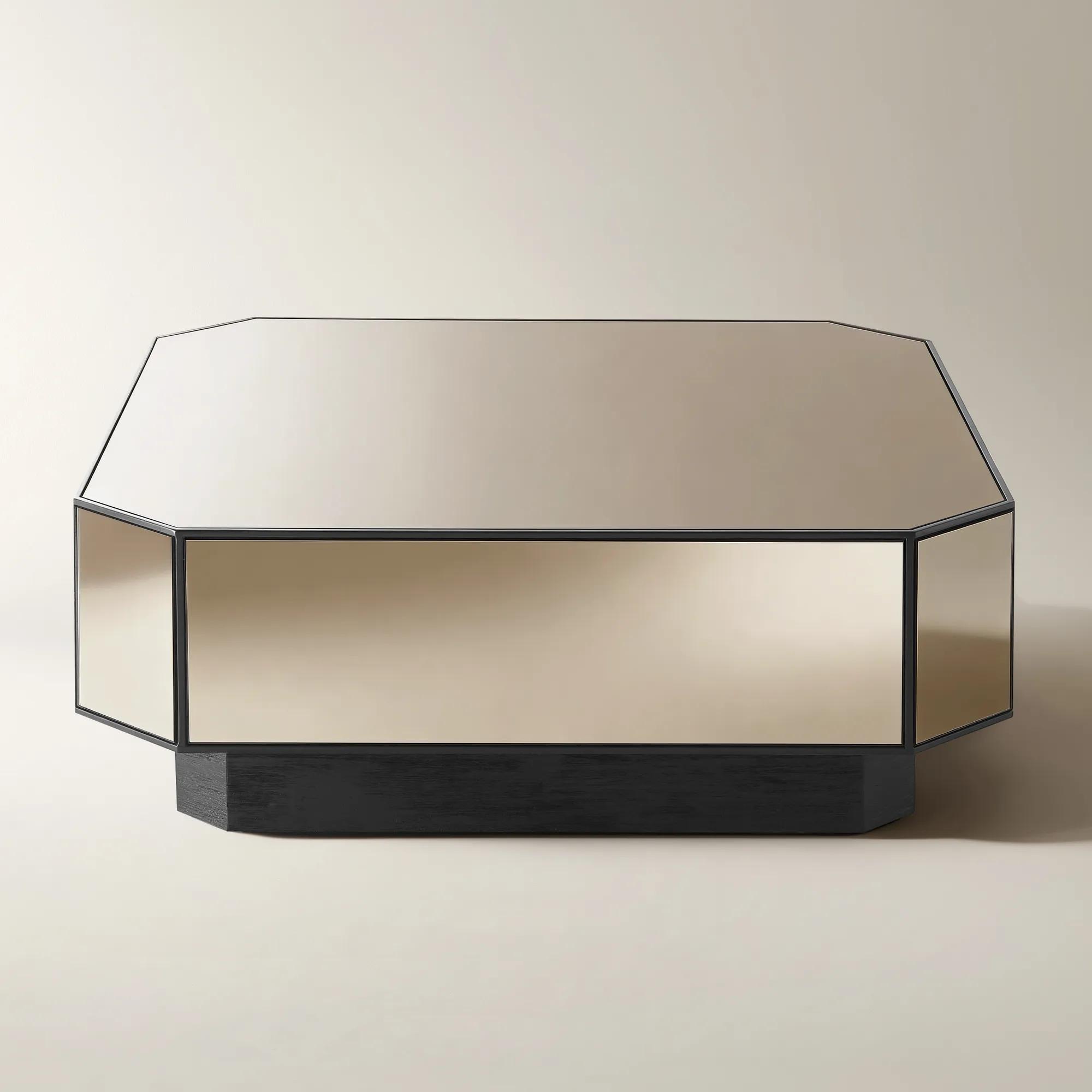 Glimmer Bronze Mirrored Coffee Table (44")$1499
A sculptural coffee table featuring bronze mirror panels and a black oak base for modern sophistication.
Add To Cart -
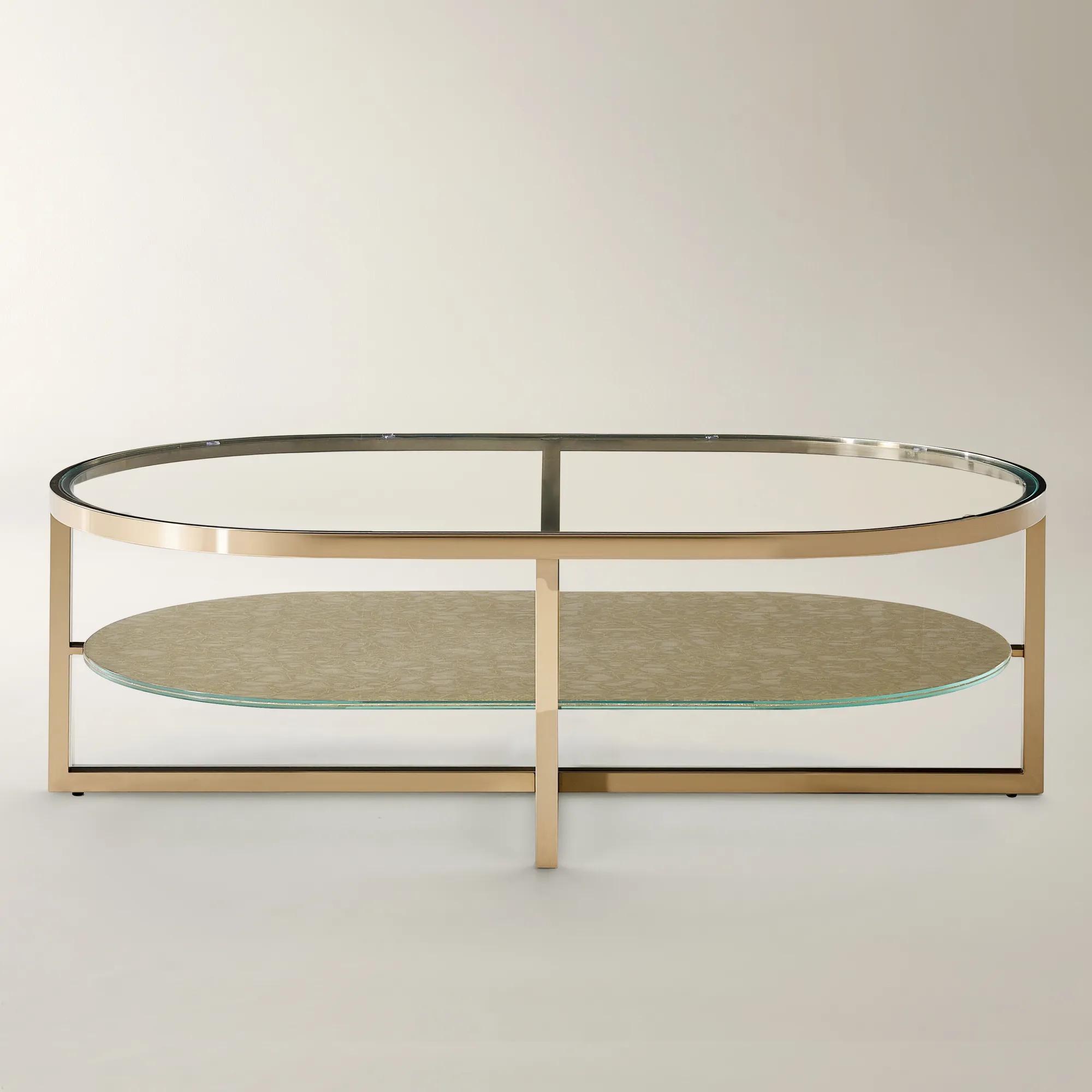
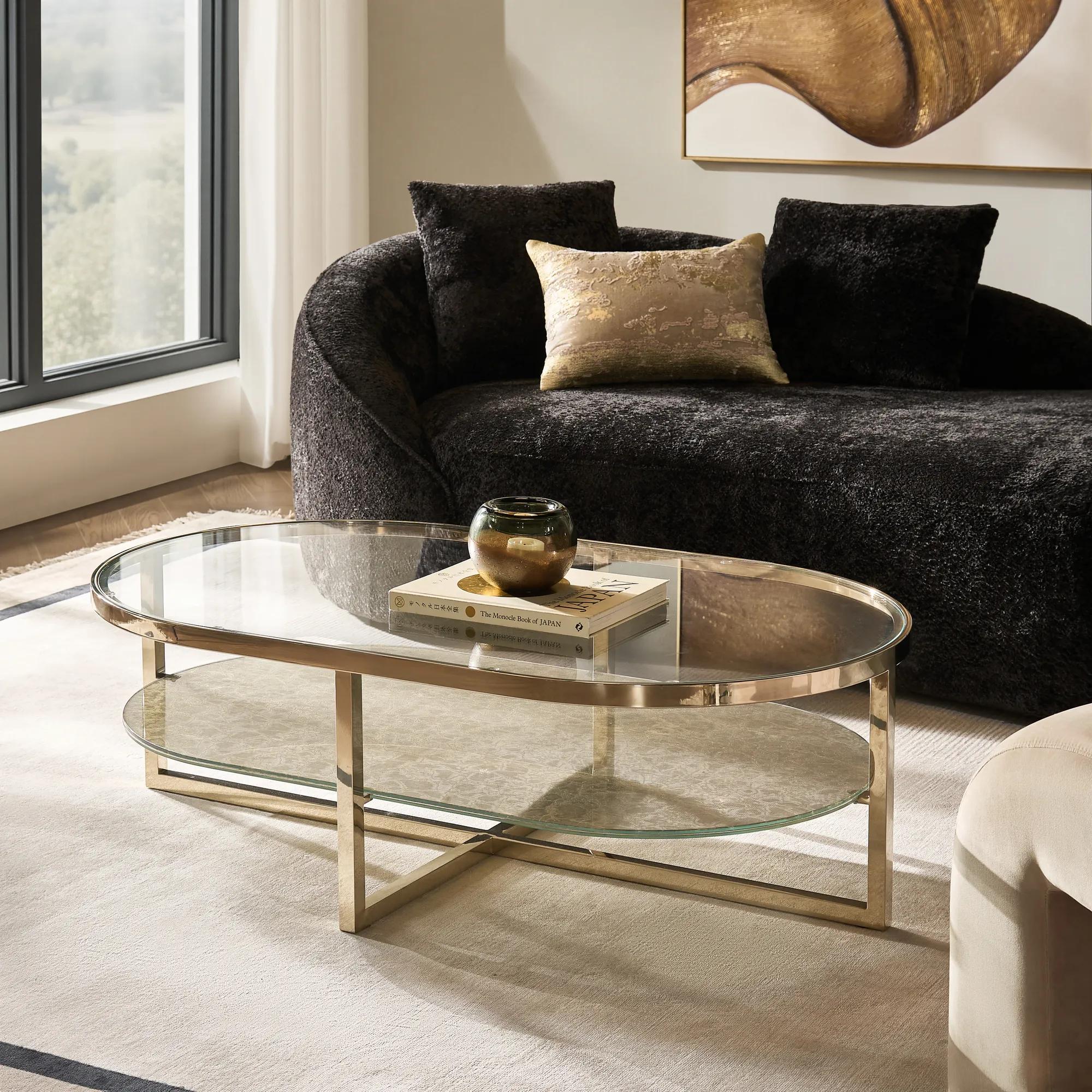 Duality Oval Fabric-Laminated Glass Coffee Table (47")$999
A modern oval coffee table featuring a tempered glass top, fabric-laminated shelf, and soft gold stainless steel frame.
Add To Cart -
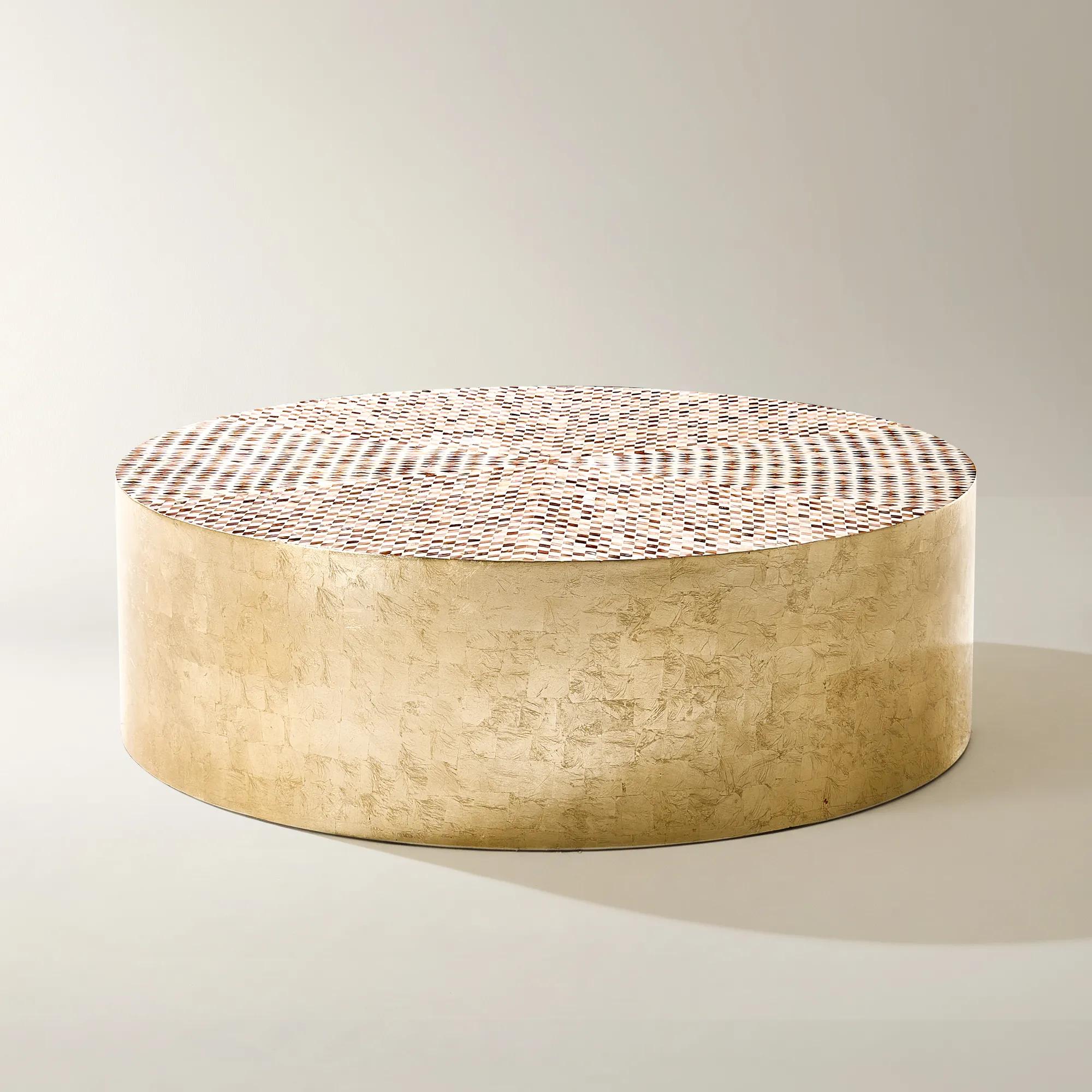
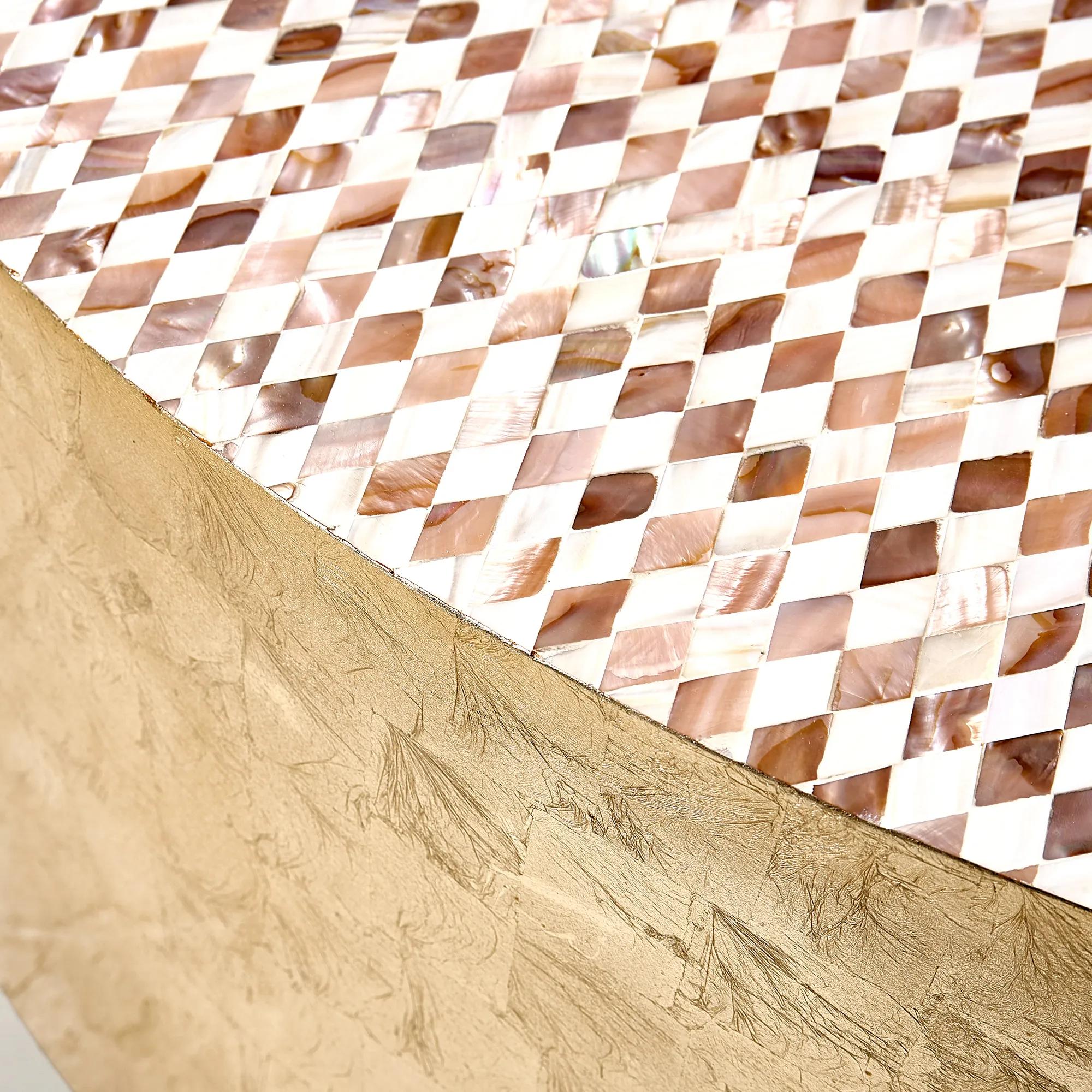 Lucien Round Diamond Coffee Table (47.24")$1299
A sculptural round coffee table featuring a hand-laid mother-of-pearl diamond mosaic and gold leaf sides.
Add To Cart -
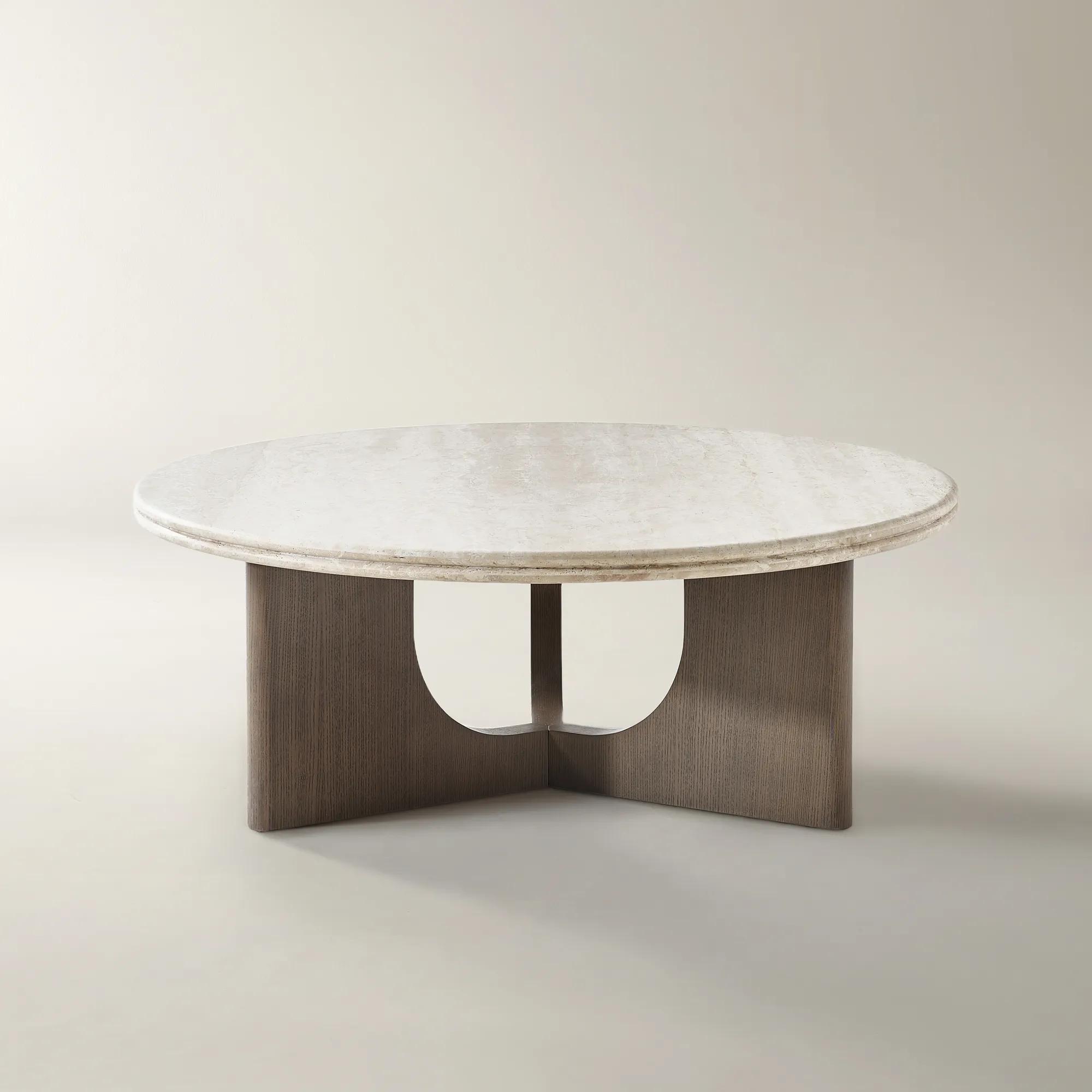 Bond Round Travertine and Wood Coffee Table (41")$1399
A round coffee table featuring a genuine travertine stone top and natural ash wood panel base with arches.
Add To Cart

Contemporary Stone Coffee Tables
Contemporary Stone Coffee Tables are the ultimate statement pieces—where sculptural artistry meets everyday indulgence. Each table is a celebration of bold form and tactile elegance, infusing your living space with a sense of modern grandeur. Whether anchoring a dramatic seating arrangement or standing alone as a work of functional art, these tables invite conversation and admiration. Discover how stone’s natural allure and contemporary silhouettes can transform your home into a gallery of expressive design, where every gathering feels elevated and every moment resonates with sophistication.
Contemporary stone coffee tables bring a sense of permanence to a room while giving it an unmistakably expressive center. Veining, subtle mineral flecks, and sculpted edges turn a familiar furniture silhouette into a study in texture and proportion. Against a sumptuous velvet sofa, a pale stone surface creates a luminous contrast; beside tailored linen upholstery, deeply colored stone introduces richness without requiring a busier palette. The appeal lies in that tension between natural character and deliberate form. Contemporary designs often emphasize clean profiles, rounded corners, substantial pedestal bases, or architectural supports that let the surface take the spotlight. A low, expansive table can anchor a generous seating arrangement with quiet authority, while a circular shape softens the geometry of a sectional and encourages movement around the room. Stone also offers remarkable visual range. Marble is associated with flowing veins and tonal variation, travertine with earthy movement and characteristic pores, and granite with a granular pattern that can feel restrained or highly dramatic depending on the slab. Engineered stone and stone-look surfaces offer different compositions and performance characteristics, so the material description matters as much as the photograph. Solid stone, stone veneer, and a stone top over a separate base may achieve a similarly substantial appearance, but their construction, weight, and maintenance needs can differ considerably. For someone drawn to expressive interiors, these distinctions are part of the pleasure of choosing a table: the surface becomes a focal point that feels personal rather than merely coordinated. Natural stone can vary from piece to piece, with differences in veining, color, and texture that are inherent to the material. A polished finish emphasizes reflected light and depth, while a honed finish generally creates a softer, less reflective impression. Neither finish alone determines resistance to stains or scratches. In a living room used for conversation, reading, and entertaining, the most compelling choice balances that visual presence with a surface and silhouette suited to everyday rituals.
Proportion determines whether a stone coffee table feels beautifully grounded or overwhelms the seating around it. As a starting point, a table roughly two-thirds the length of a sofa often creates a balanced composition, though the shape of the room and the arrangement of chairs can change what feels right. A tabletop close to the height of the sofa seat, or slightly lower, usually keeps drinks and books within comfortable reach. Allowing approximately 14 to 18 inches between the table and seating can accommodate legs while preserving access to the surface; primary walking paths need more generous clearance. In a compact conversation area, an oval top can provide useful surface space without projecting sharp corners into the route between seats. A rectangular table may relate more naturally to a long sofa, while a round table can bring cohesion to a grouping of individual lounge chairs. With a sectional, measure the open space inside the seating arrangement rather than relying on the sofa’s overall dimensions. Painter’s tape on the floor can help reveal whether a broad stone silhouette leaves enough room to walk, sit, and open nearby cabinets. The base deserves equal attention: a recessed support can create an airy, almost floating effect, while a substantial plinth gives the table a more monolithic character and may reduce room for feet beneath the edge. Pale surfaces can introduce contrast against dark rugs and upholstery; for a closer exploration of that palette, contemporary white stone tables offer a related direction for a luminous, sculptural setting. Darker stone can establish a dramatic center among lighter furnishings, and warm beige or taupe tones can connect wood, woven textiles, and metallic accents. Rather than matching every finish, repeat one undertone or shape across the room. A curved table beside an angular sofa, for example, feels intentional when a rounded lamp or a softly contoured chair echoes its form. Leave enough of the stone exposed for its pattern to remain visible beneath a restrained arrangement of objects.
Durability is part of stone’s appeal, but a substantial appearance does not make every surface impervious to daily use. Marble, limestone, and travertine are calcium-based stones that can etch when exposed to acidic substances such as lemon juice, wine, or some household cleaners. Etching changes the surface finish and is different from a stain; a sealer may help reduce absorption when appropriate for the material, but it does not prevent acid damage. Granite, engineered stone, and porcelain surfaces have their own care requirements, and protective treatments should follow the manufacturer’s directions rather than a single rule for all stone. For routine care, a soft cloth and an approved, pH-neutral cleaner are often appropriate for natural stone, followed by drying as directed. Blot spills promptly instead of allowing liquid to linger, use coasters beneath glasses, and place protective pads under decorative objects that could scratch the finish. A tray can gather refreshments into an elegant composition, but its underside should also be smooth or suitably padded. Avoid placing hot cookware directly on the tabletop, and never treat a coffee table as extra seating unless it is expressly designed for that purpose. Edges and corners can chip under impact even when the broad surface feels exceptionally sturdy. For households with young children, consider the combination of hard material, edge profile, and placement; a rounded outline can remove projecting corners, but it does not eliminate the need for care. Weight also deserves practical attention, particularly when arranging an upstairs room or a space that is frequently reconfigured. Check dimensions, product weight, delivery access, and assembly requirements before settling on a location, and use appropriate help when moving a heavy table. In daily life, the right piece supports both polished entertaining and quieter moments: a generous landing place for an art book, a favorite cup protected by a coaster, or a sculptural bowl set against expressive veining. For a design-minded household establishing a shared home, a stone coffee table can be a meaningful, lasting furnishing when its scale and care needs are chosen together. Its distinction comes from more than visual drama; it gives the room a considered center, with enough character to hold attention even when the surface is left almost bare.
FAQs
Contemporary stone coffee tables are defined by their bold silhouettes, innovative use of materials, and a focus on artistry as much as function. Unlike traditional designs that often emphasize ornate details or classic shapes, contemporary versions showcase clean lines, unexpected forms, and striking finishes. They serve as both practical surfaces and sculptural focal points, seamlessly blending natural stone’s enduring beauty with a modern, expressive aesthetic.
Styling a contemporary stone coffee table is an opportunity to create a visual narrative in your living space. Layer decorative trays, art books, and metallic accents to play with contrast and texture. Add a vase of fresh blooms or an artful candle arrangement to introduce organic shapes and seasonal color. The table’s stone surface provides a dramatic canvas, so choose accessories that complement its veining and finish, allowing the table’s natural artistry to shine.
A contemporary stone coffee table makes a remarkable gift for design enthusiasts, new homeowners, or anyone who values expressive, high-quality interiors. It’s especially meaningful for those who appreciate natural materials and distinctive craftsmanship. Gifting such a piece is a celebration of the recipient’s taste and an invitation to create unforgettable moments around a truly unique centerpiece.
Contemporary stone coffee tables are remarkably versatile and harmonize with a range of interior styles. They elevate modern and minimalist spaces with their sculptural presence, add contrast and depth to glam or eclectic rooms, and bring an organic touch to transitional or art-inspired settings. Their timeless materials and striking forms make them a natural fit for anyone seeking to create a space that is both luxurious and personal.
The type of stone used—whether marble, travertine, or granite—deeply influences the table’s character and the atmosphere it creates. Marble, with its swirling veining and cool luminosity, evokes classic glamour and drama. Travertine offers subtle texture and earthy warmth, grounding a space with understated elegance. Granite’s durability and rich coloration introduce a sense of strength and sophistication. Each stone tells a different story, allowing you to tailor the mood of your room to your personal vision.
.jpeg?w=2999&h=3000)