Contemporary Coffee Tables
Contemporary Coffee Tables
-
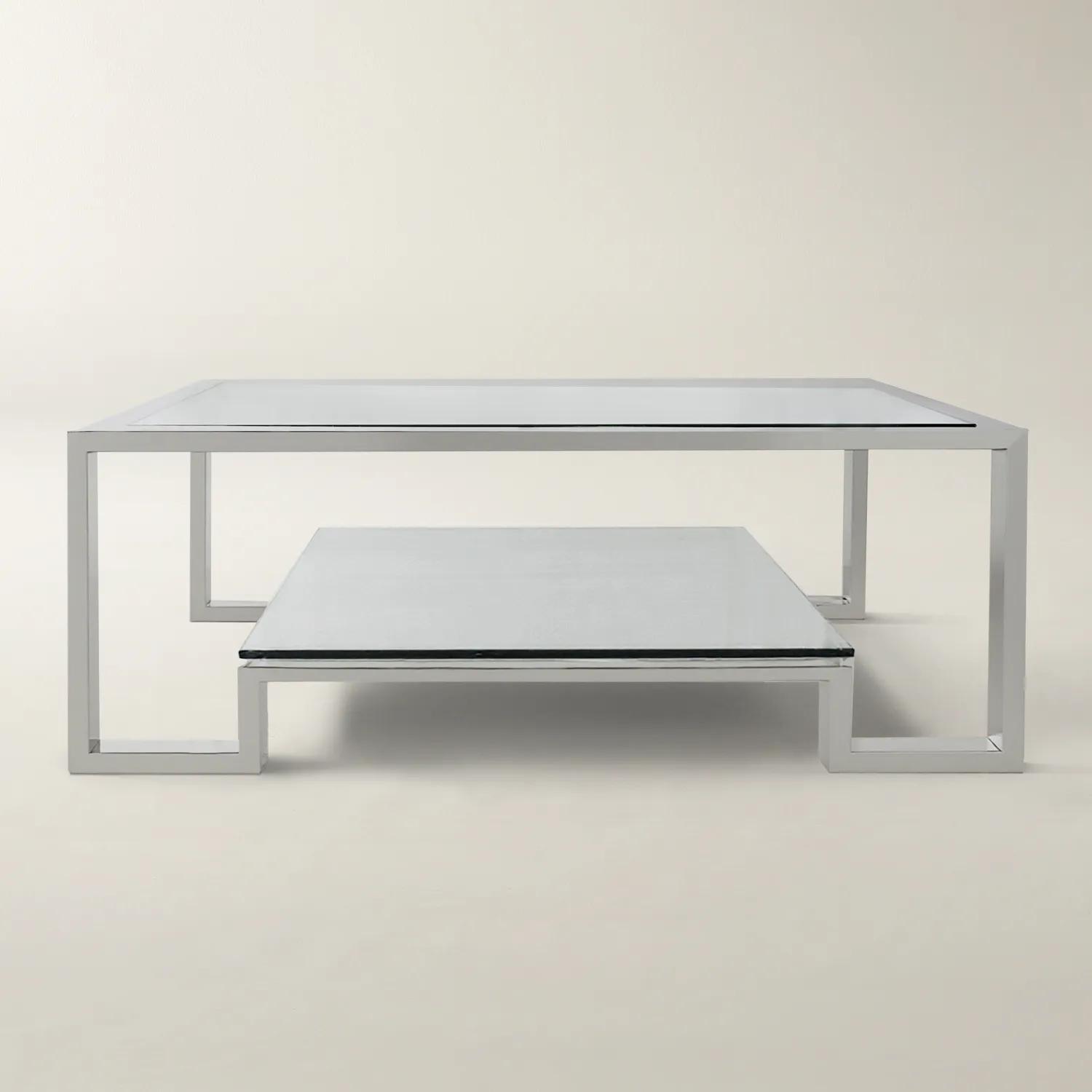
 Duplicity Rectangular Silver Stainless Steel Coffee Table With Glass Top (50")$1399
A modern coffee table featuring a stainless steel frame, tempered glass top, and floating bottom shelf.
Add To Cart -
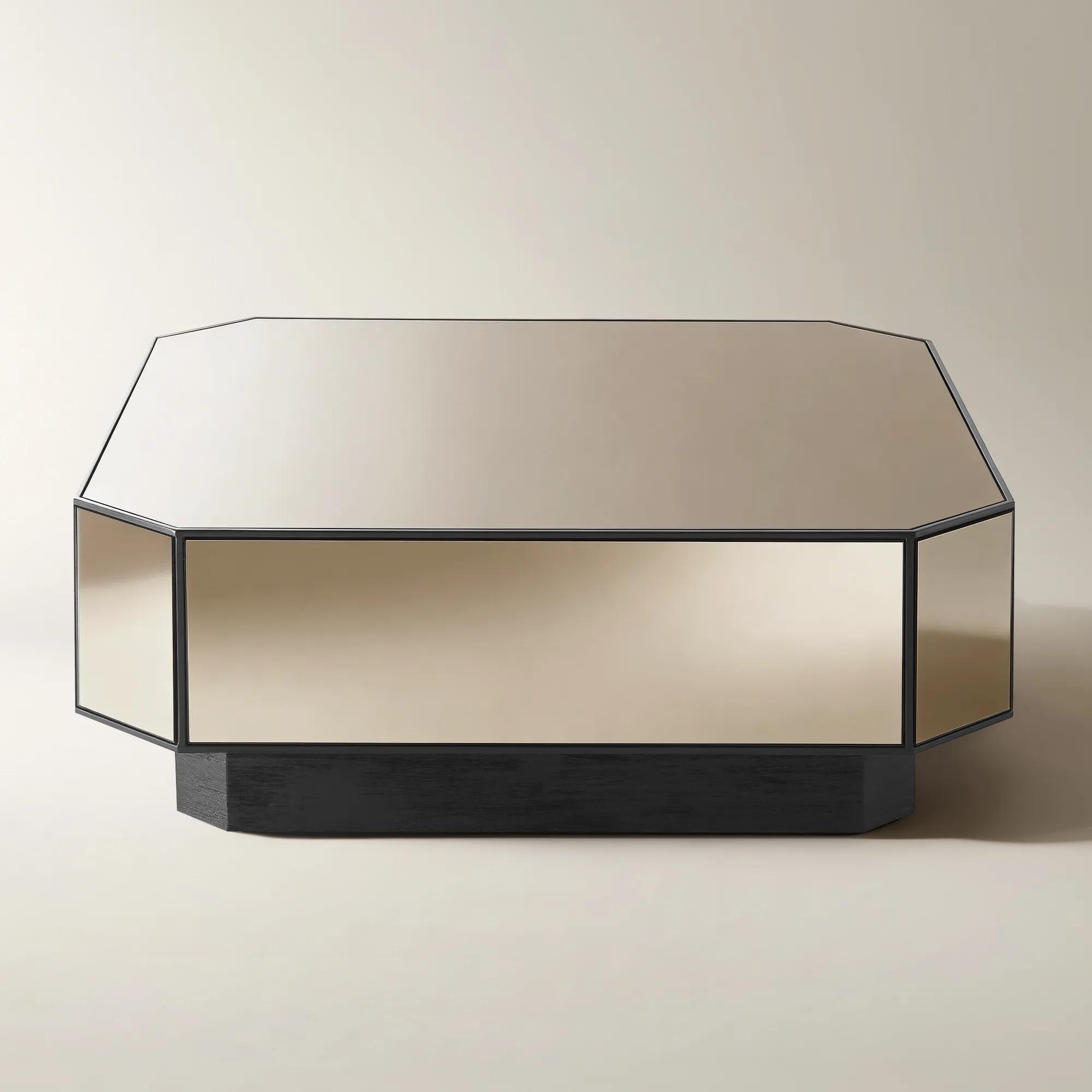 Glimmer Bronze Mirrored Coffee Table (44")$1699
A sculptural coffee table featuring bronze mirror panels and a black oak base for modern sophistication.
Add To Cart -
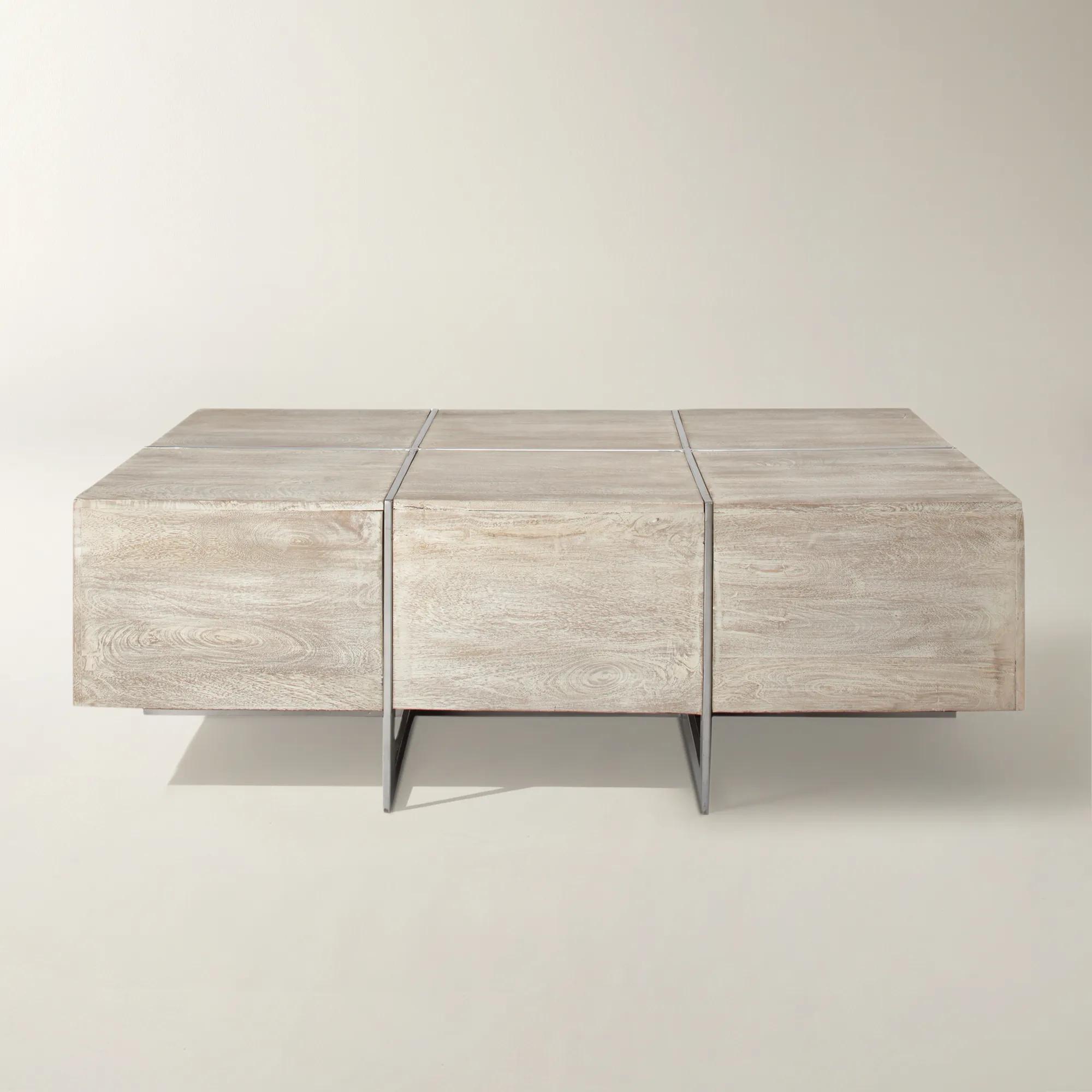
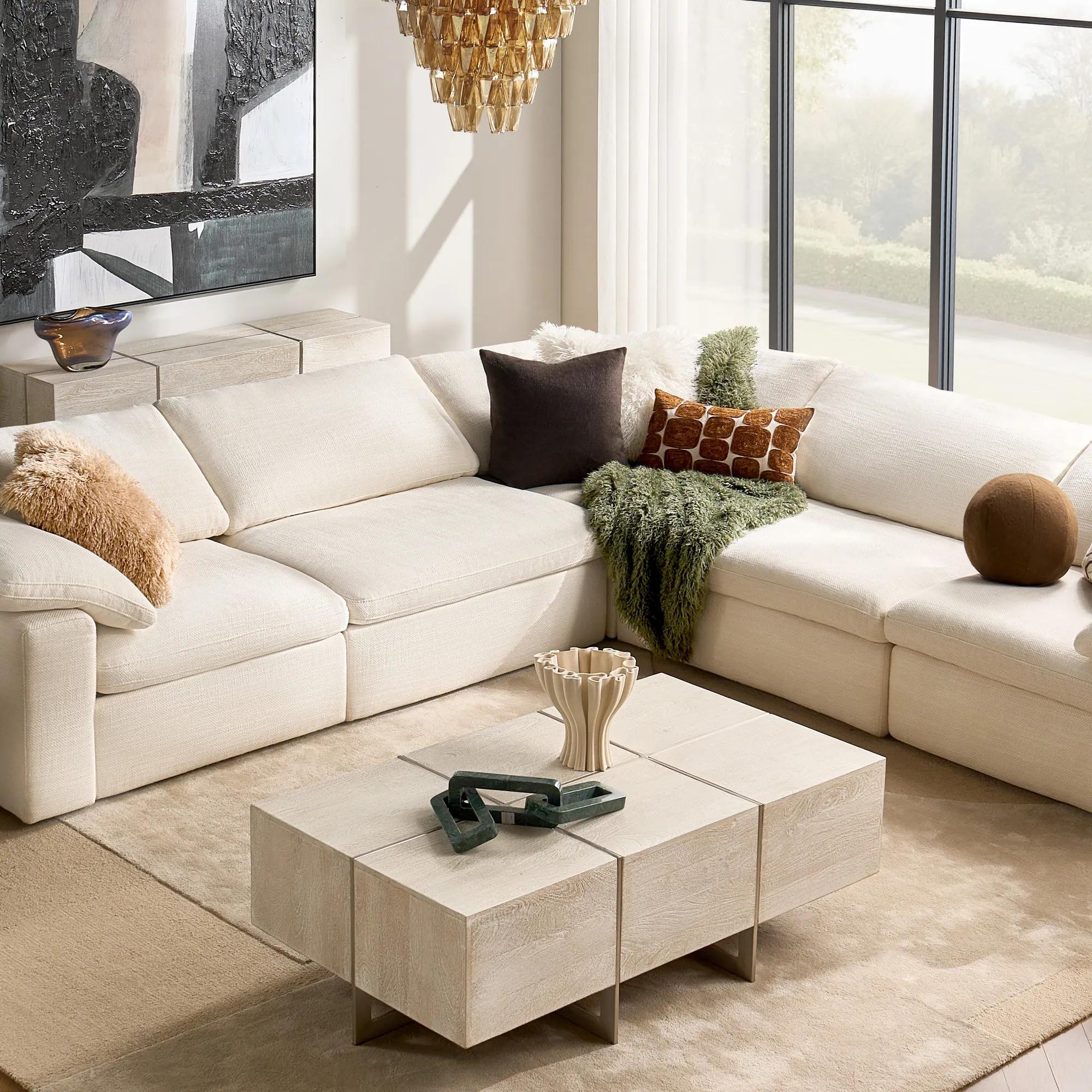 Clifton Rectangular Natural Mango Wood Coffee Table (54")$1299
A handcrafted mango wood table with a whitewashed finish and antiqued silver iron legs for organic appeal.
Add To Cart -
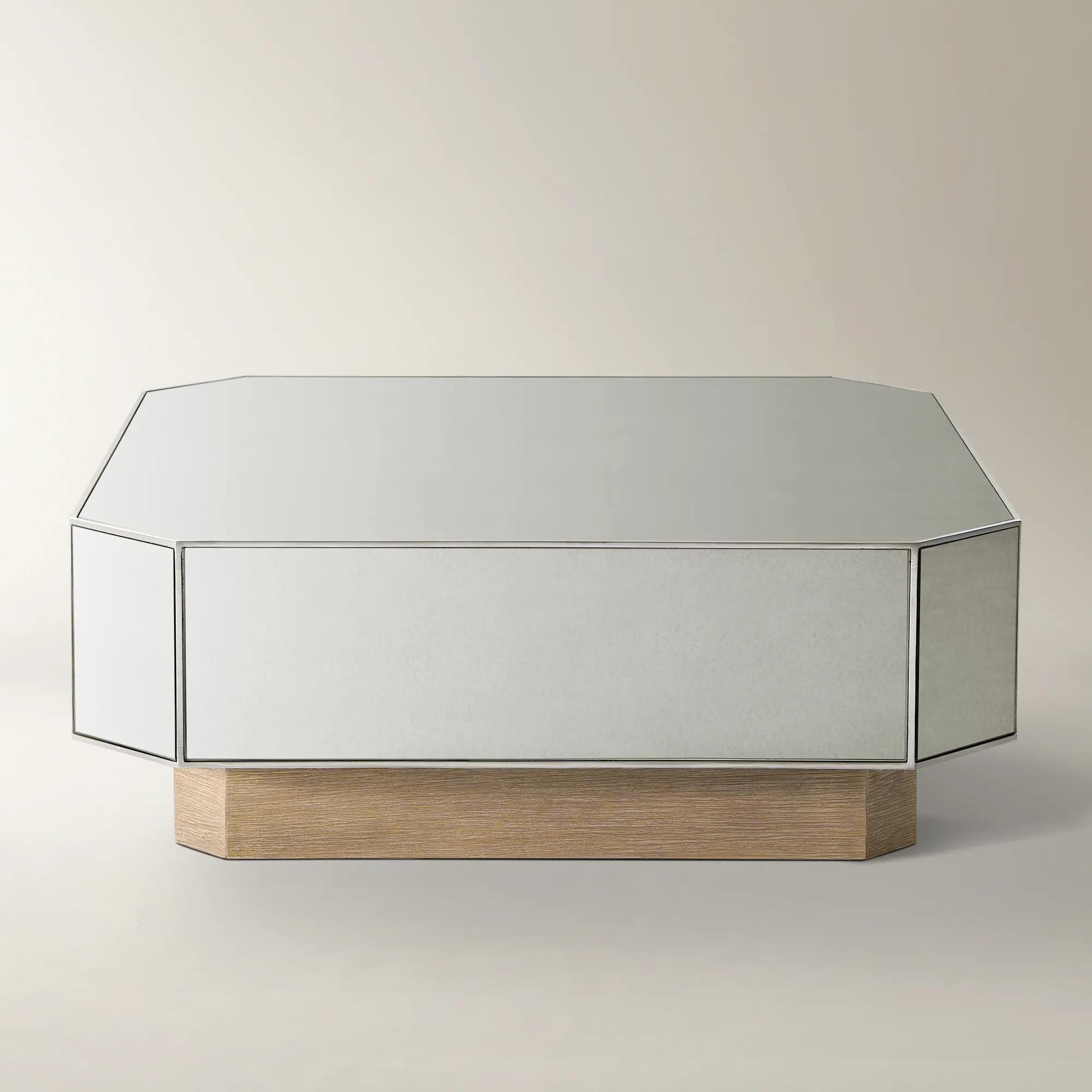 Glimmer Silver Mirrored Coffee Table (44")$1699
A luminous coffee table featuring an antique silver mirror top and warm oak veneer base with handcrafted details.
Add To Cart -
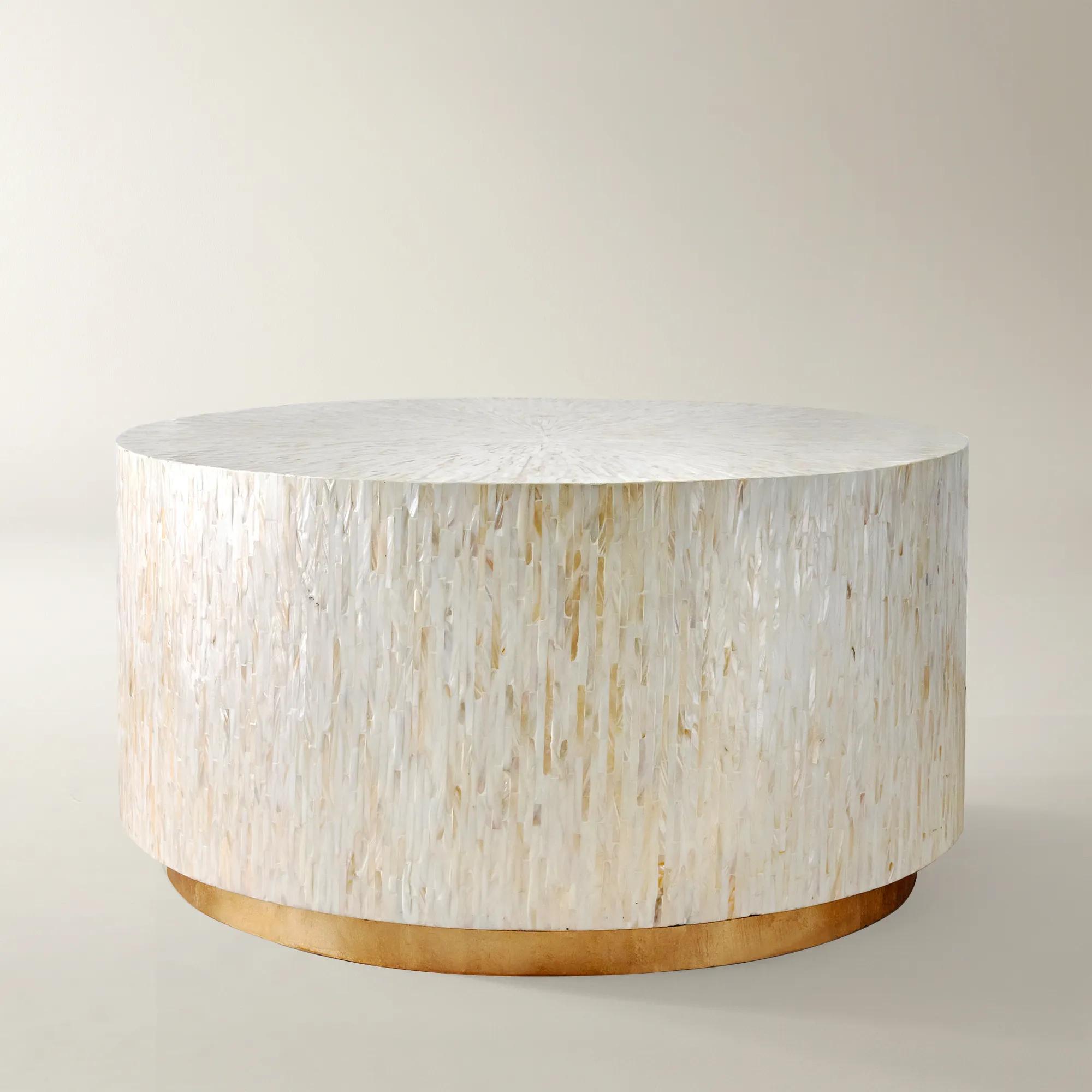
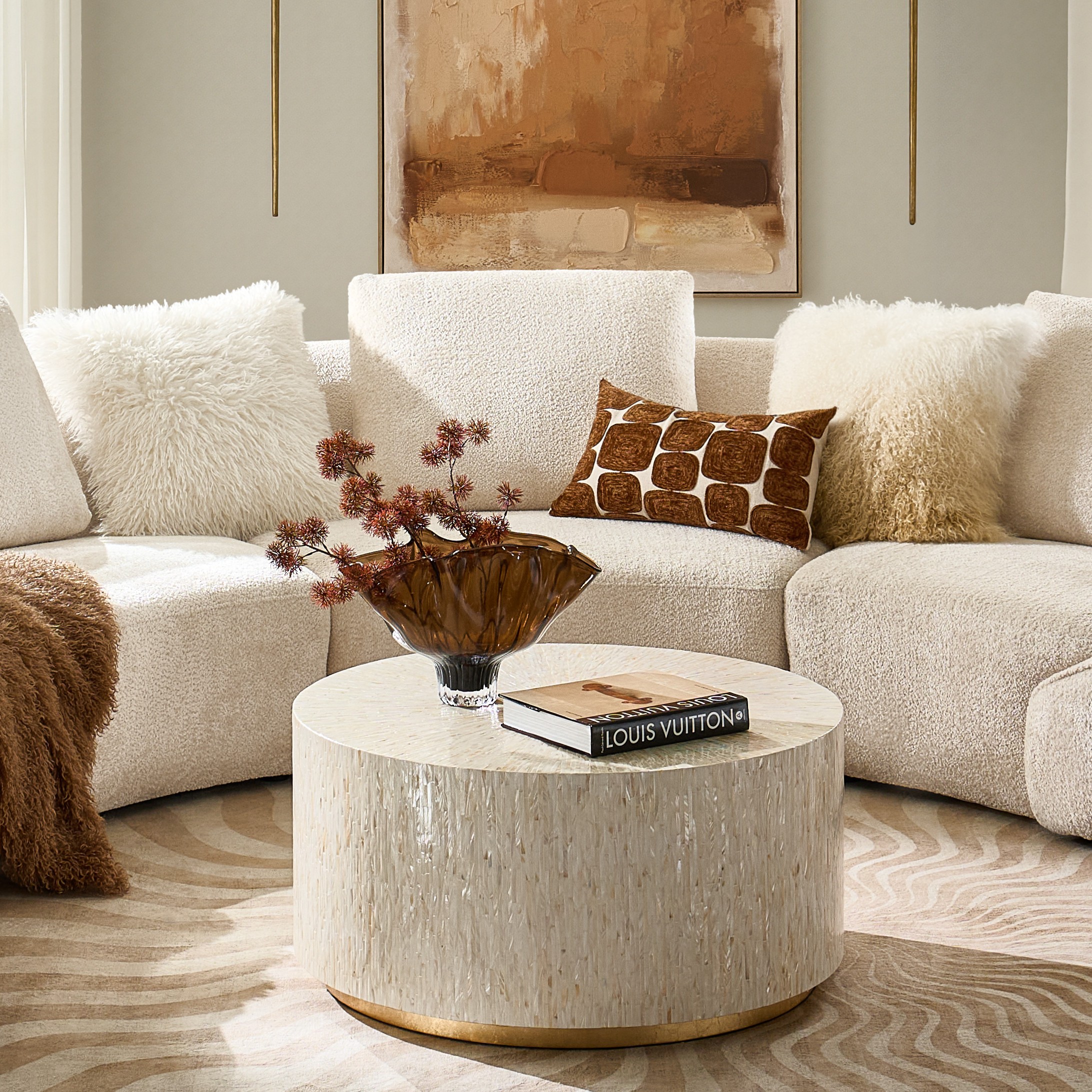 Alexandria Round Mosaic Platinum Coffee Table (36")$799
A luminous ivory coffee table featuring hand-applied mother-of-pearl mosaic and a gold leaf-accented base.
Add To Cart -
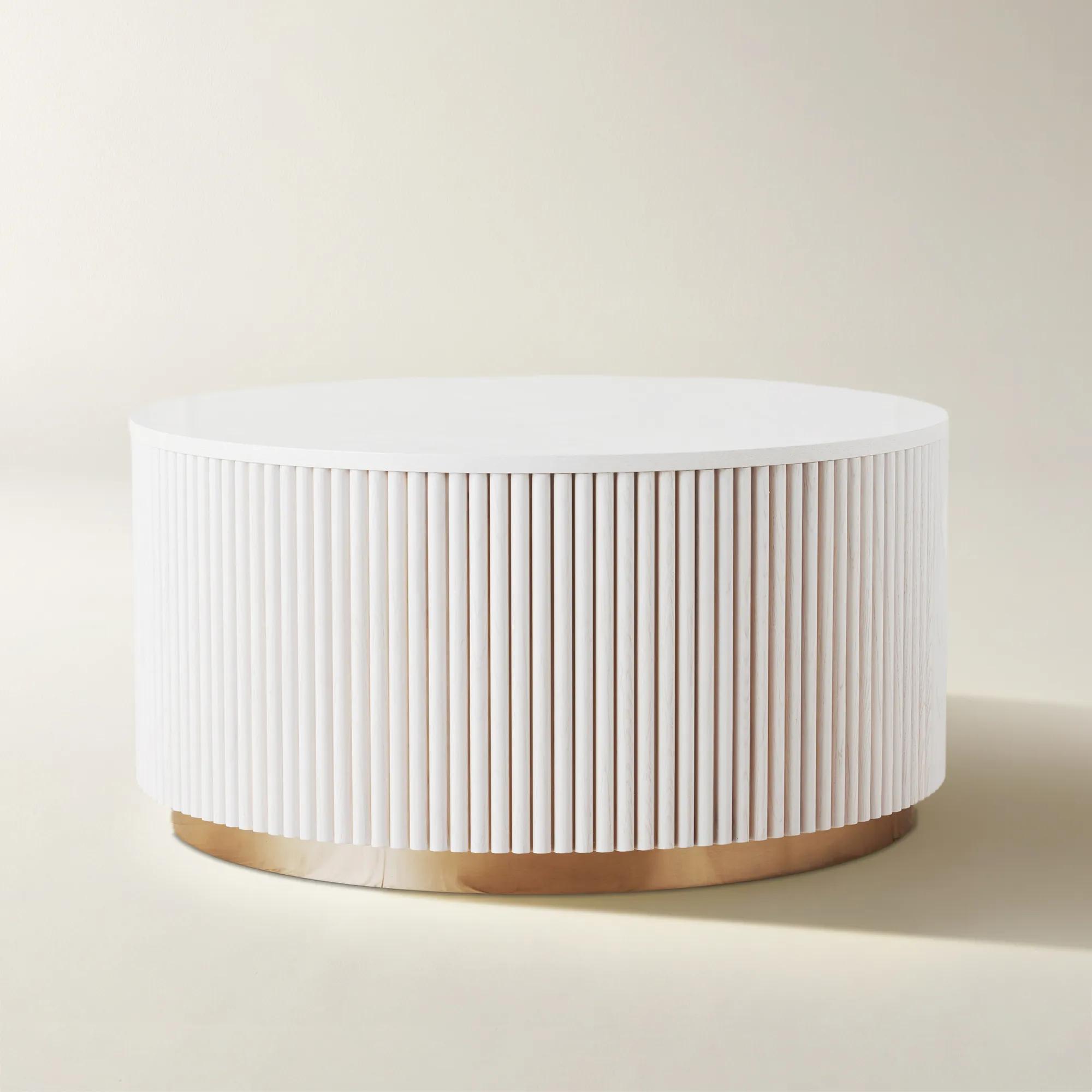
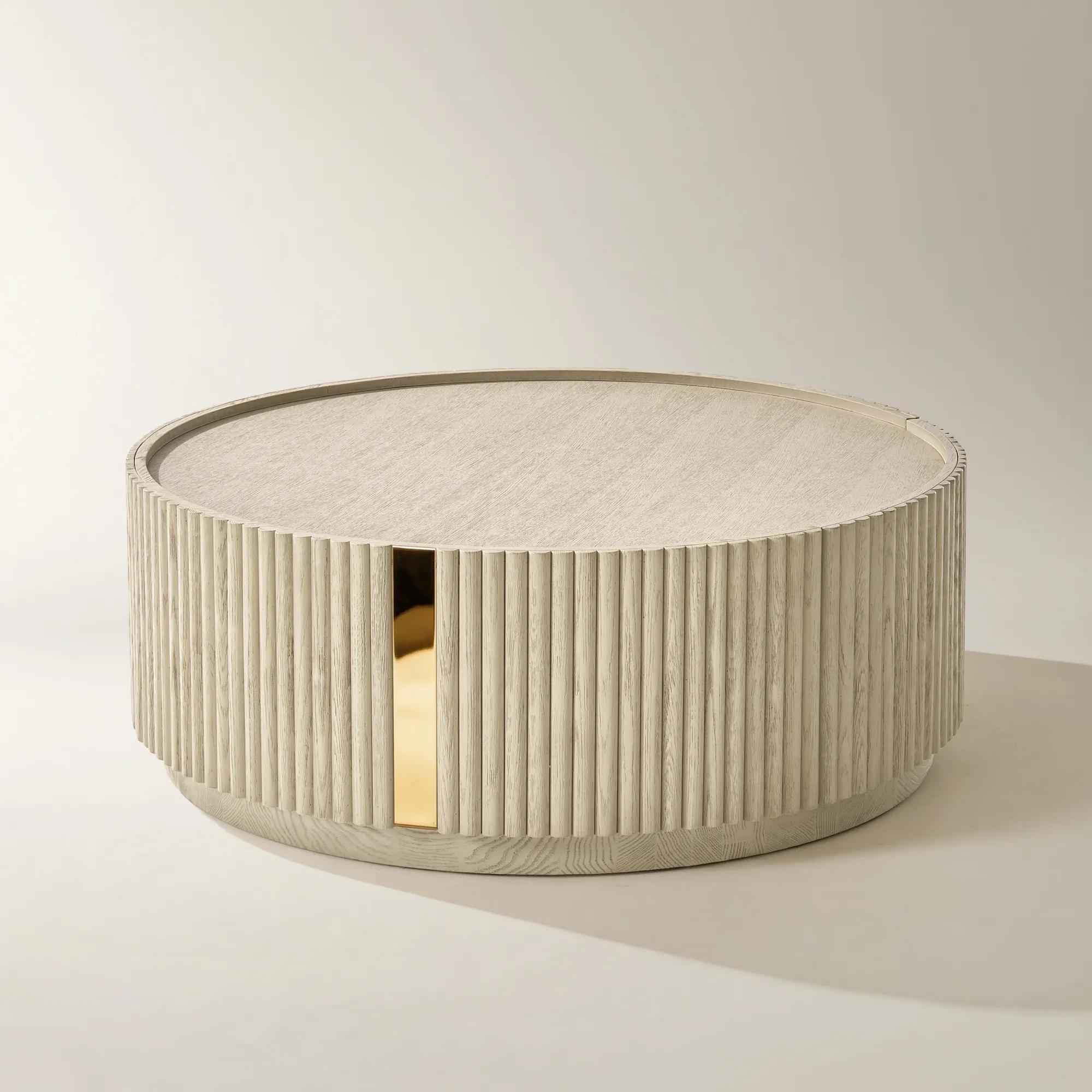
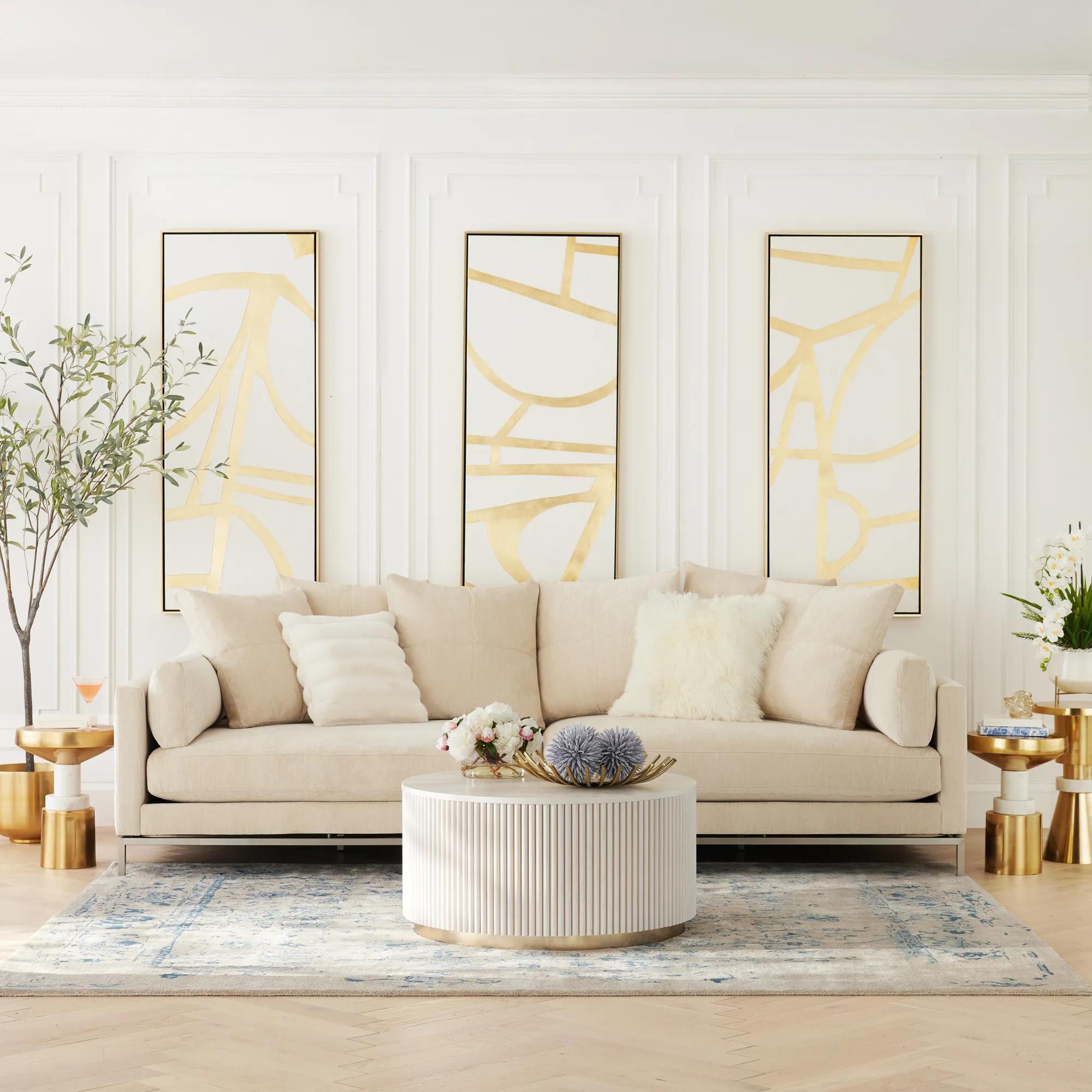 Natalia Round Reeded Whitewashed Ash Wood Coffee Table (36")$1299
A striking coffee table featuring reeded ash wood sides, a smooth top, and a whitewashed finish.
Add To Cart -
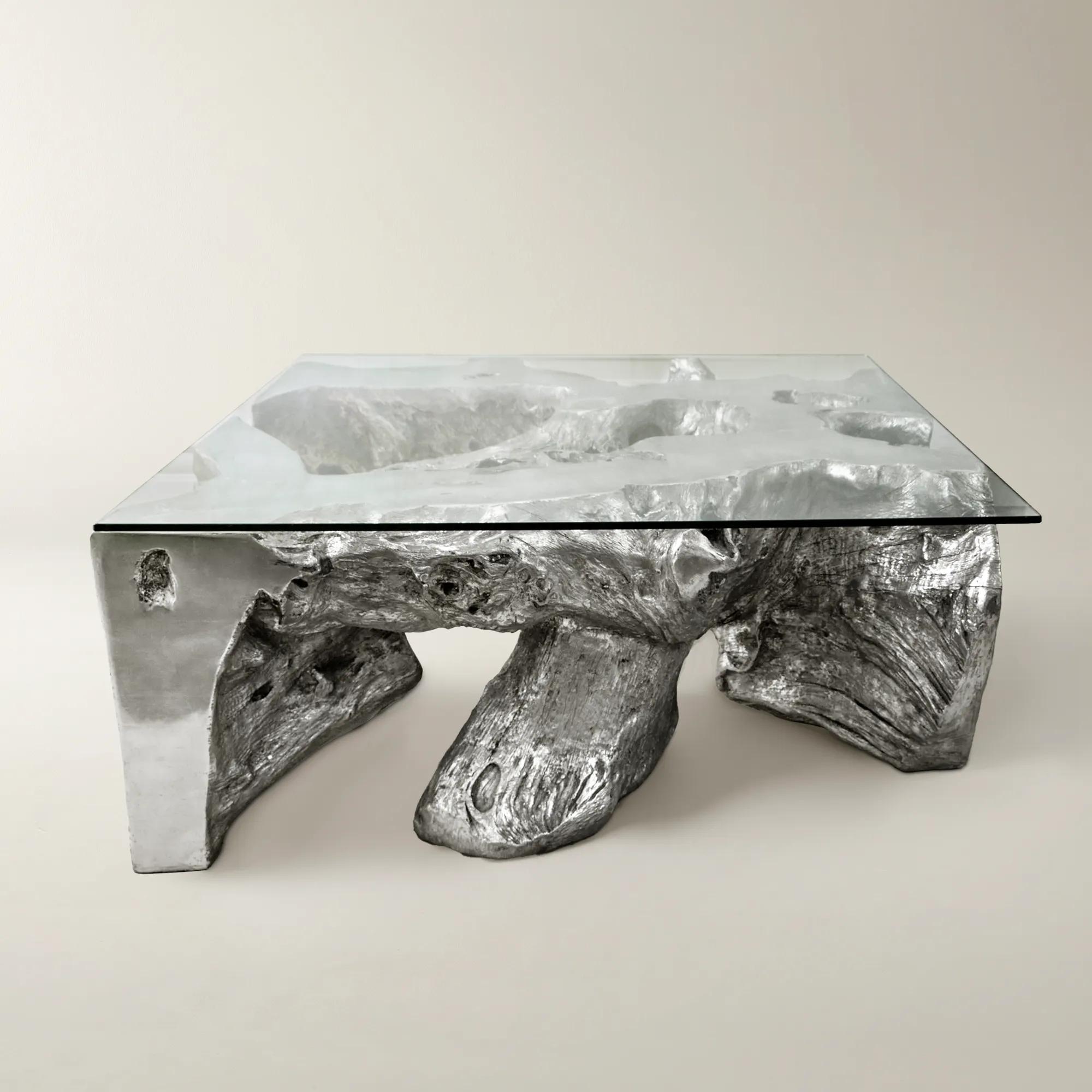 Sequoia Silver Resin Coffee Table With Glass Top (44")$2299
A sculptural coffee table featuring a hand-applied silver leaf resin base and a tempered glass top.
Add To Cart -
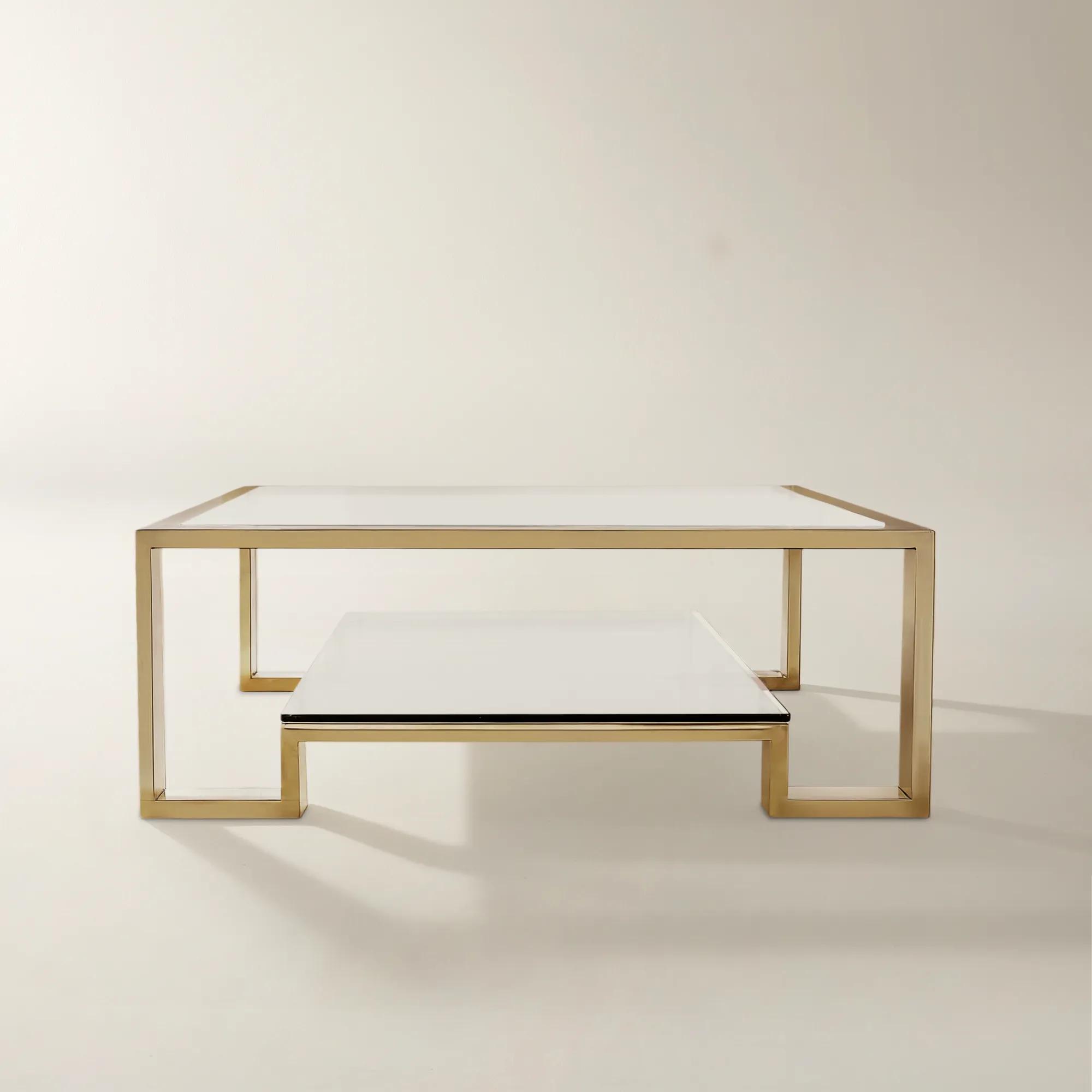 Duplicity Rectangular Gold Stainless Steel Coffee Table With Glass Top (50")$1399
A modern coffee table featuring a stainless steel frame, tempered glass top, and floating storage shelf.
Add To Cart -
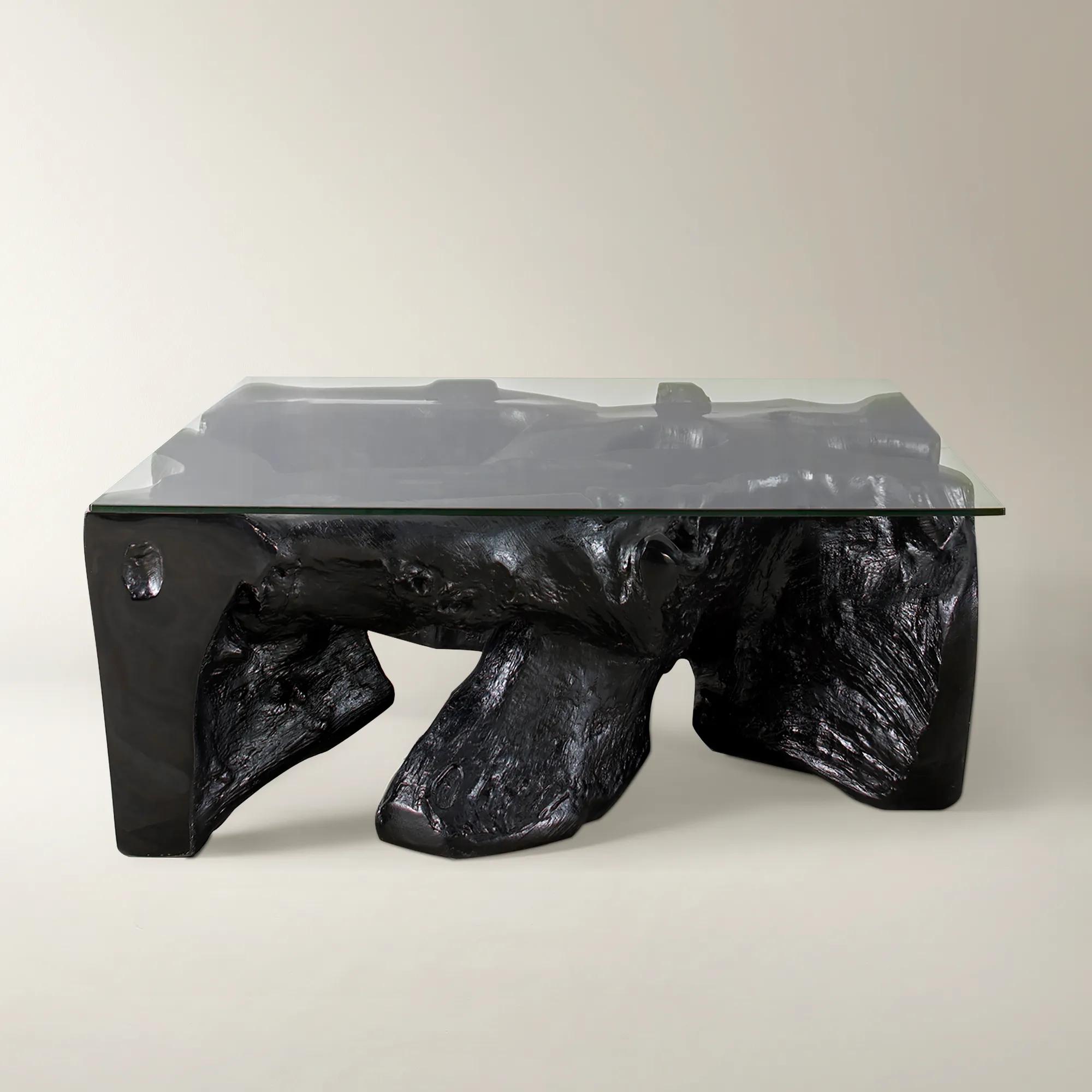
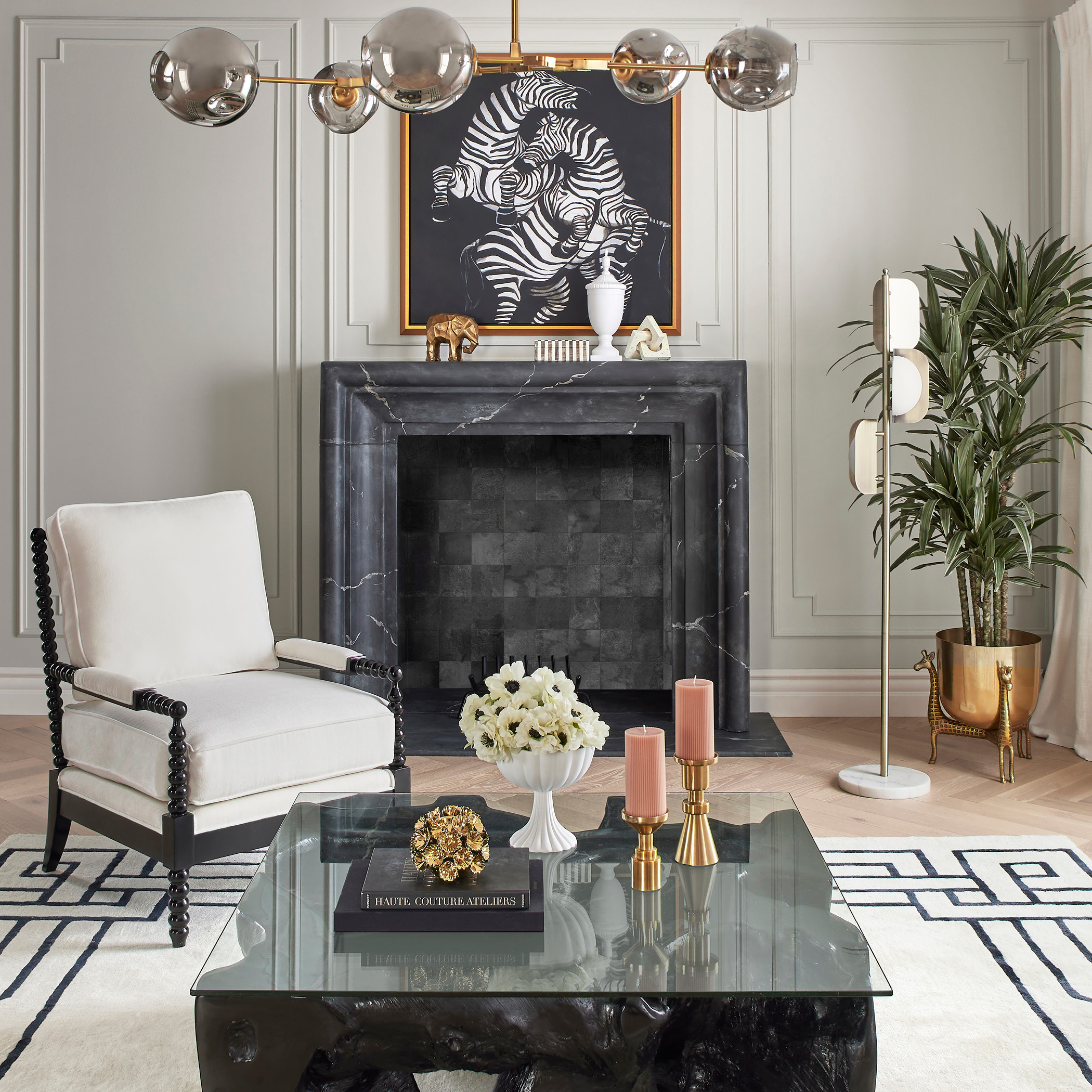 Sequoia Black Resin Coffee Table With Glass Top (44")$2299
A sculptural black coffee table crafted from resin and polished stone fragments for indoor or outdoor use.
Add To Cart -
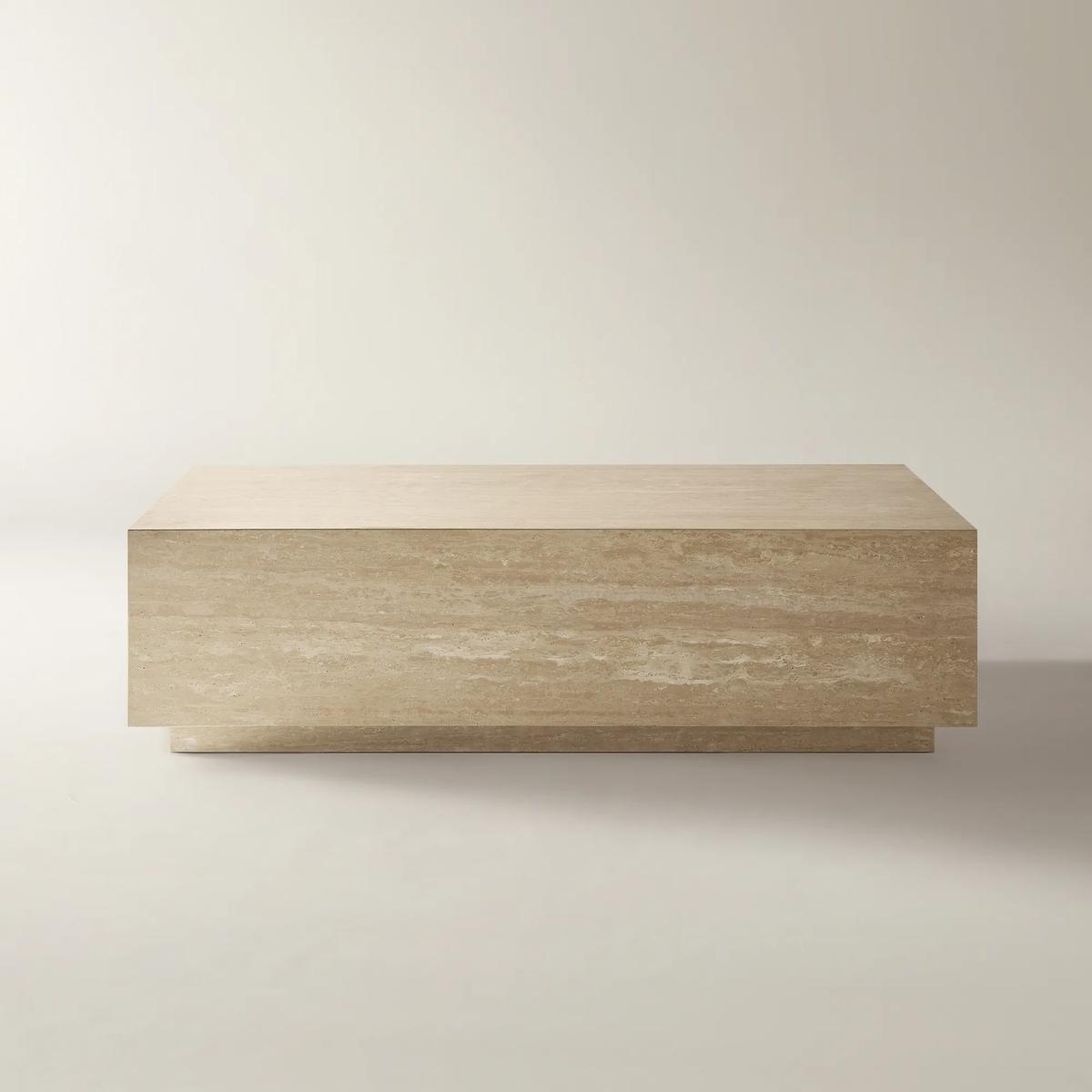
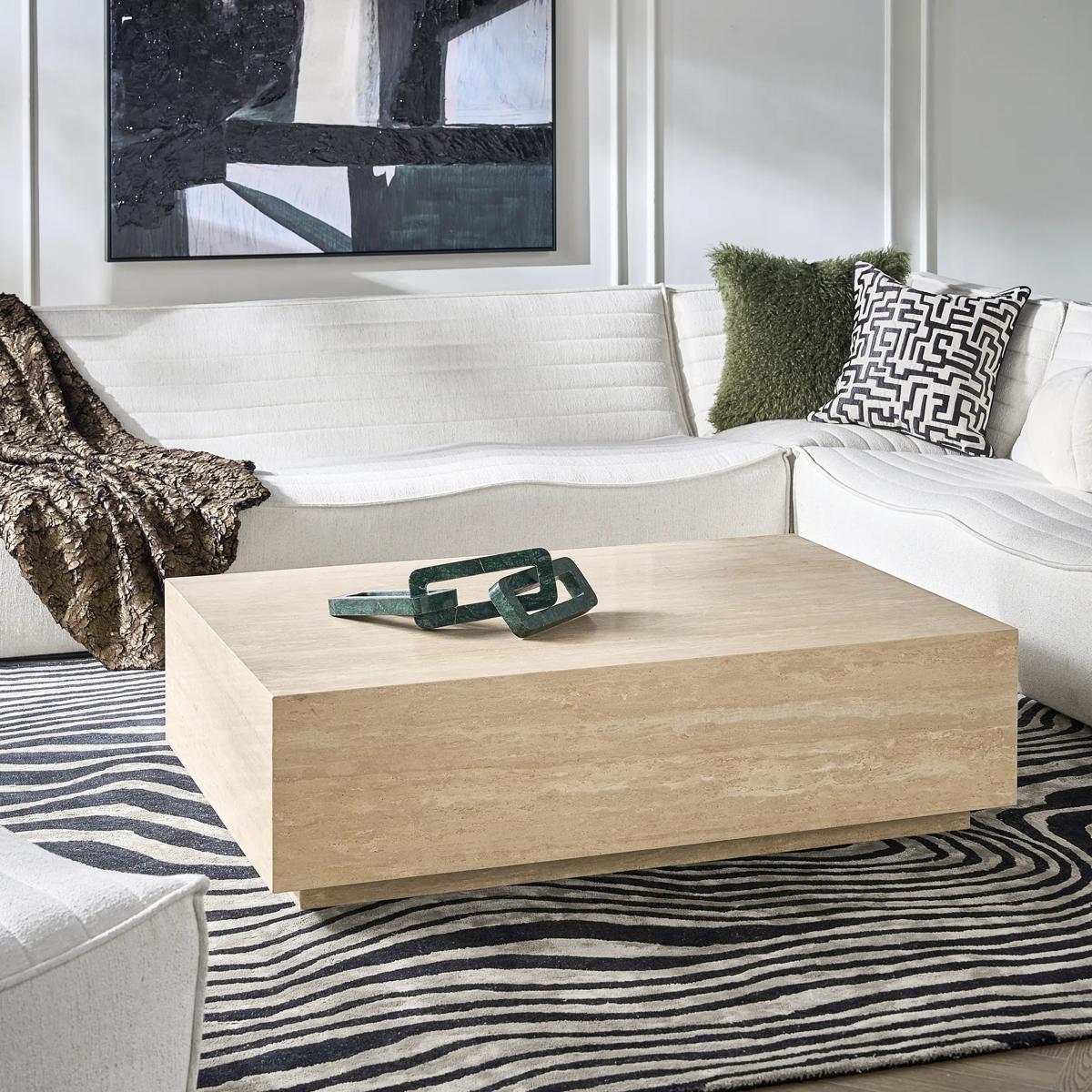 Vanta Rectangular Travertine Coffee Table (54")$2599
A sculptural travertine coffee table with an aluminum honeycomb core and recessed plinth base.
Add To Cart -
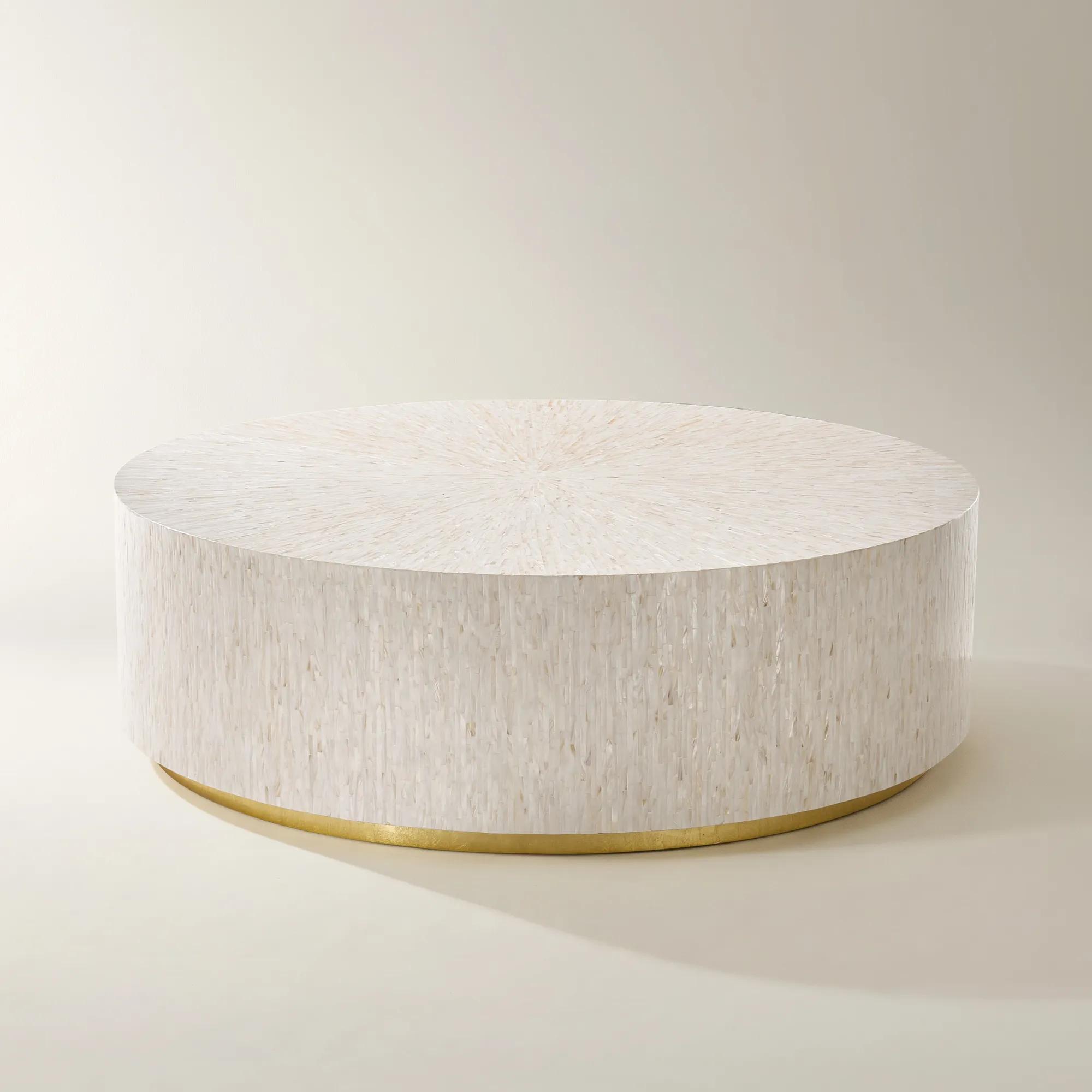 Alexandria Round Mosaic Platinum Coffee Table (52")$1399
A luminous mother-of-pearl mosaic coffee table with a sculptural round form and gold leaf–accented base.
Add To Cart -
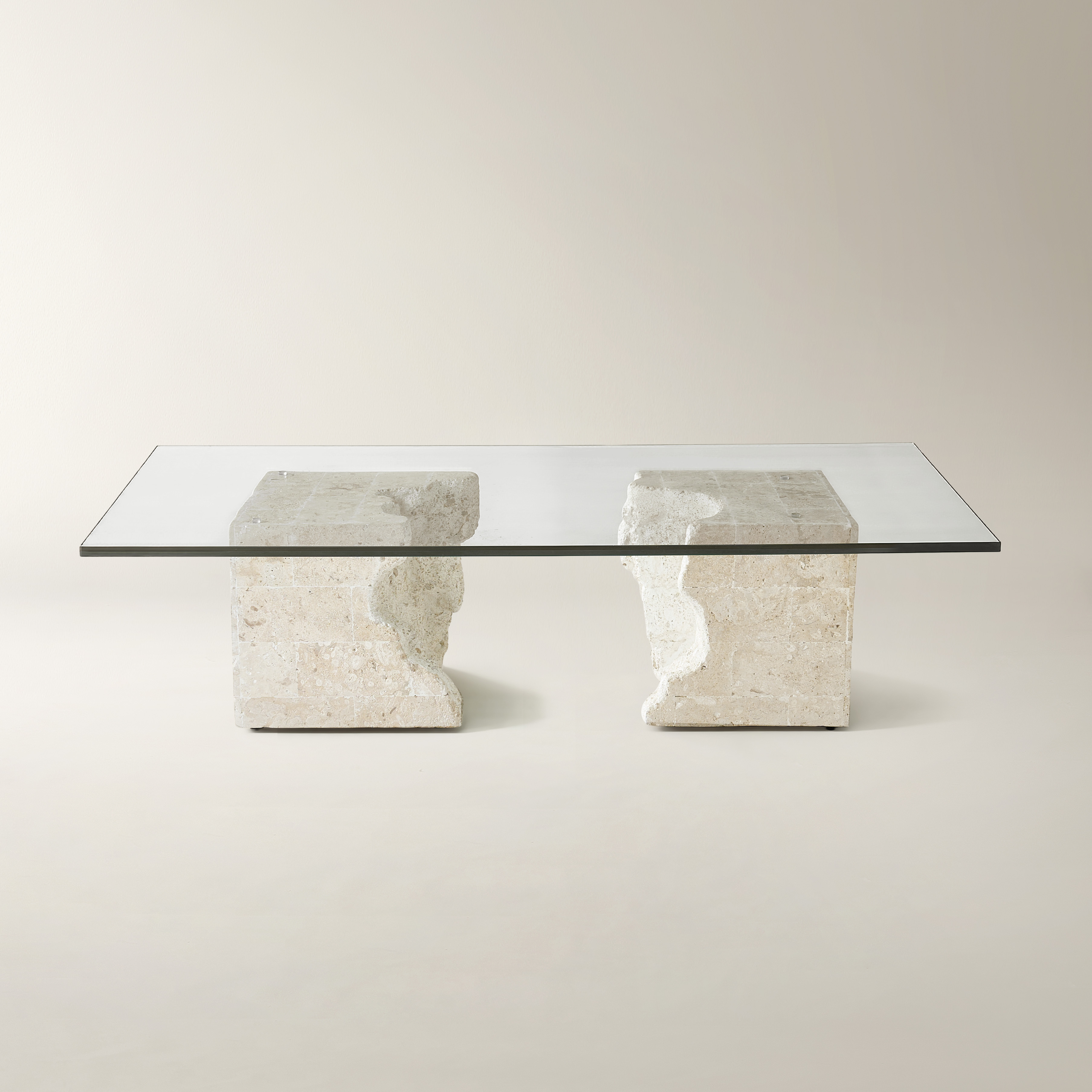 Cairo Rectangular Mactan Stone Coffee Table With Glass Top (63")$1899
A contemporary coffee table featuring a clear tempered glass top floating above hand-carved Mactan stone bases.
Add To Cart -
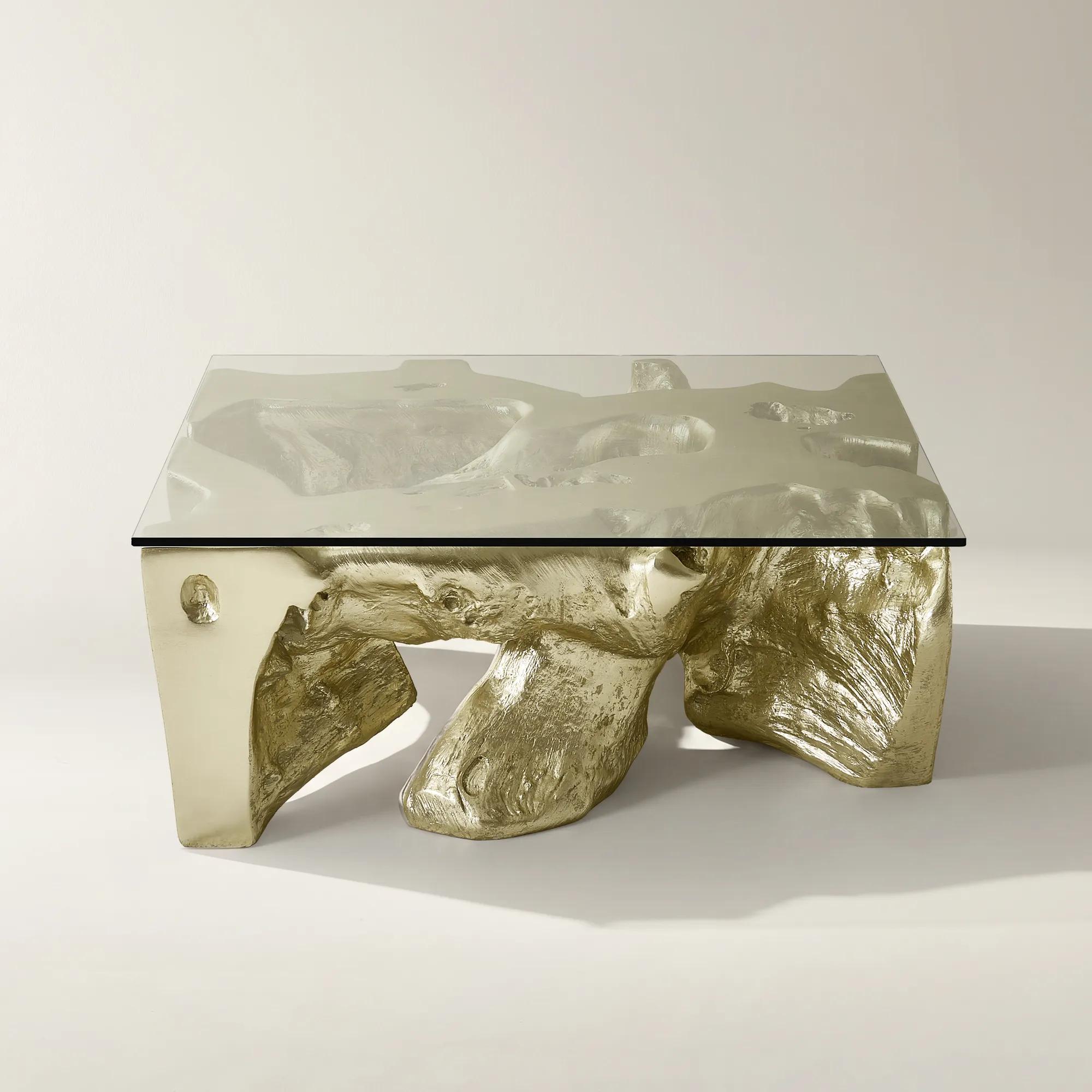 Sequoia Champagne Gold Resin Coffee Table With Glass Top (44")$2299
A sculptural resin coffee table with a champagne gold leaf finish and a clear tempered glass top.
Add To Cart -
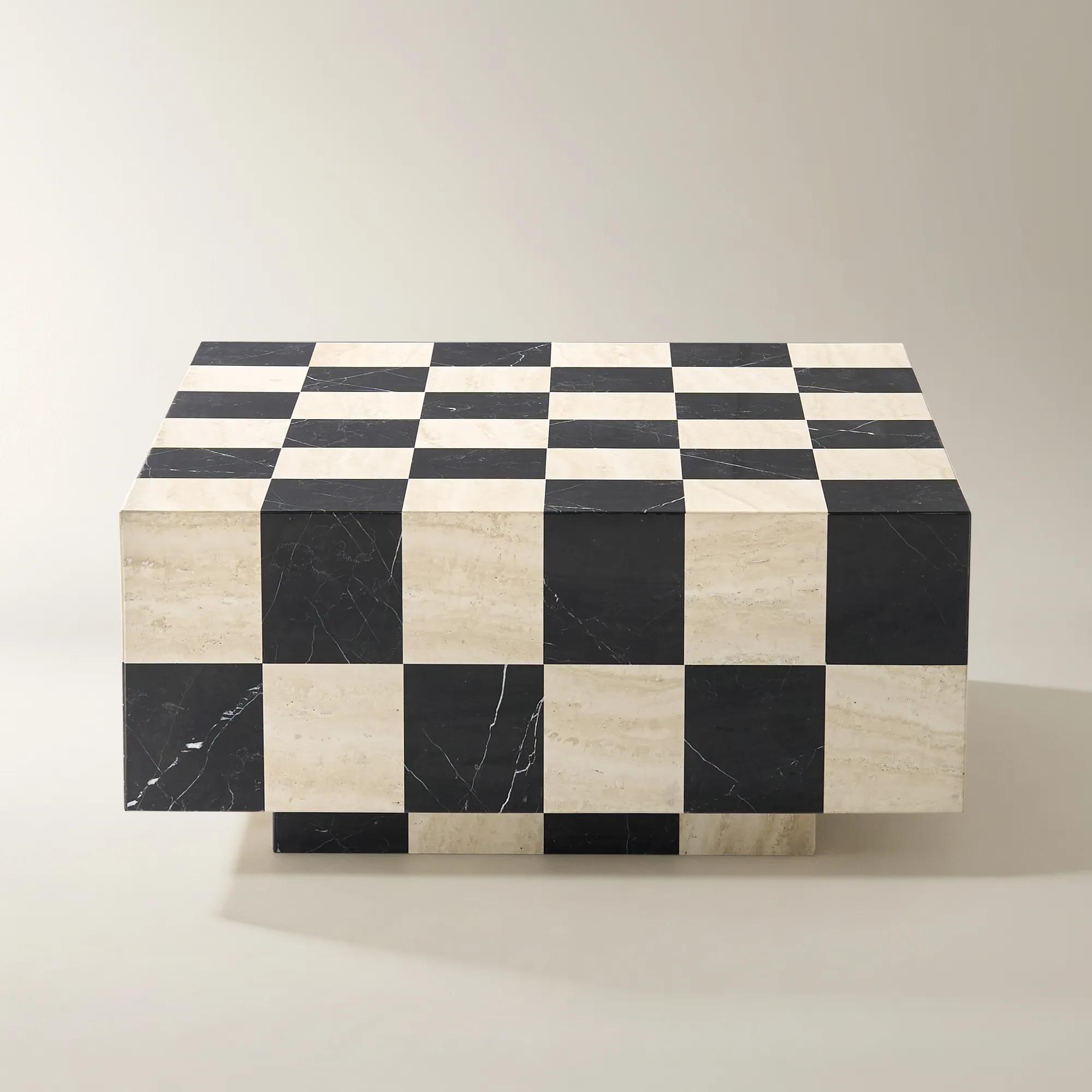
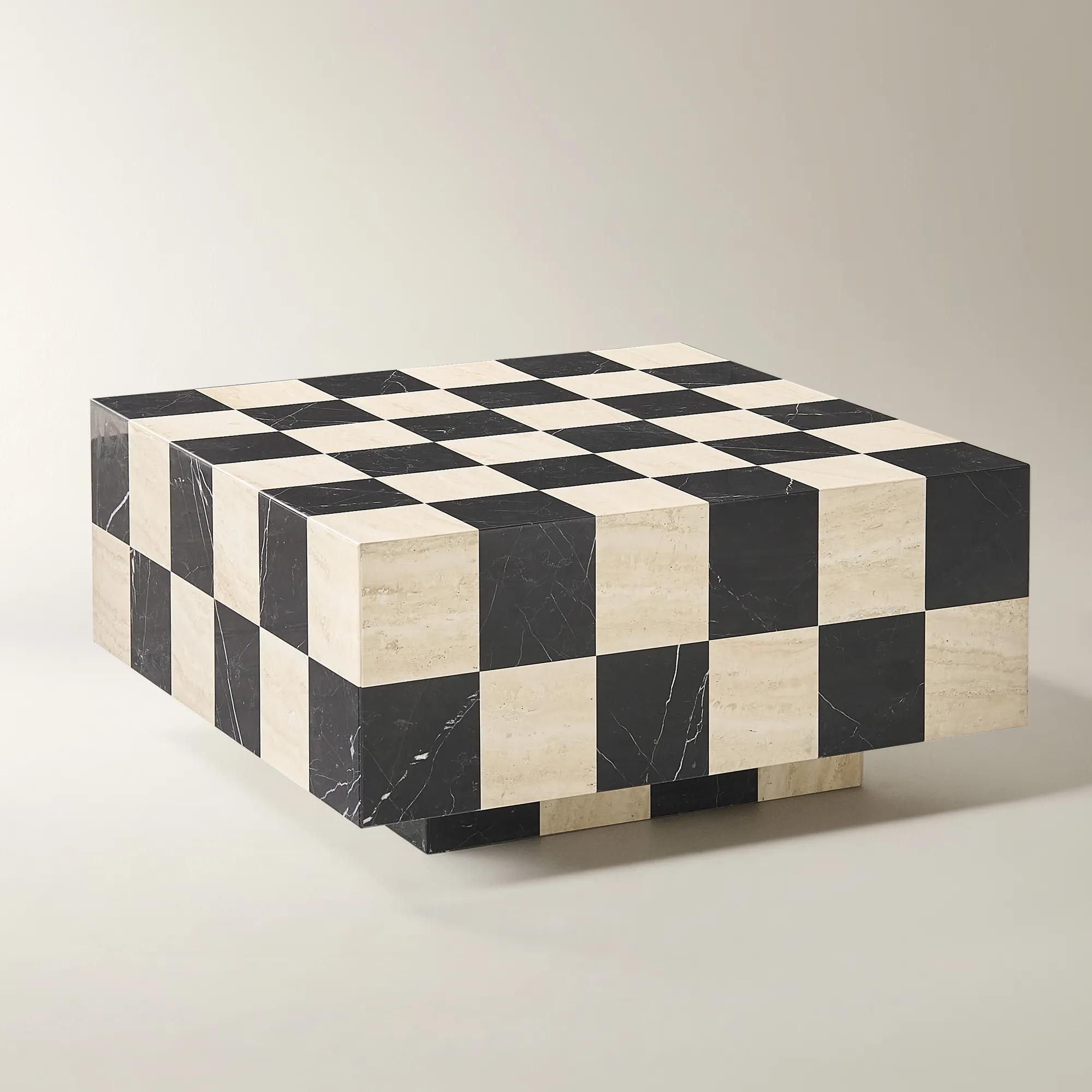 Chessa Square Chequered Marble Coffee Table (31.9")$1699
A striking coffee table featuring a dimensional black marble and travertine checkerboard mosaic with polished finish.
Add To Cart -
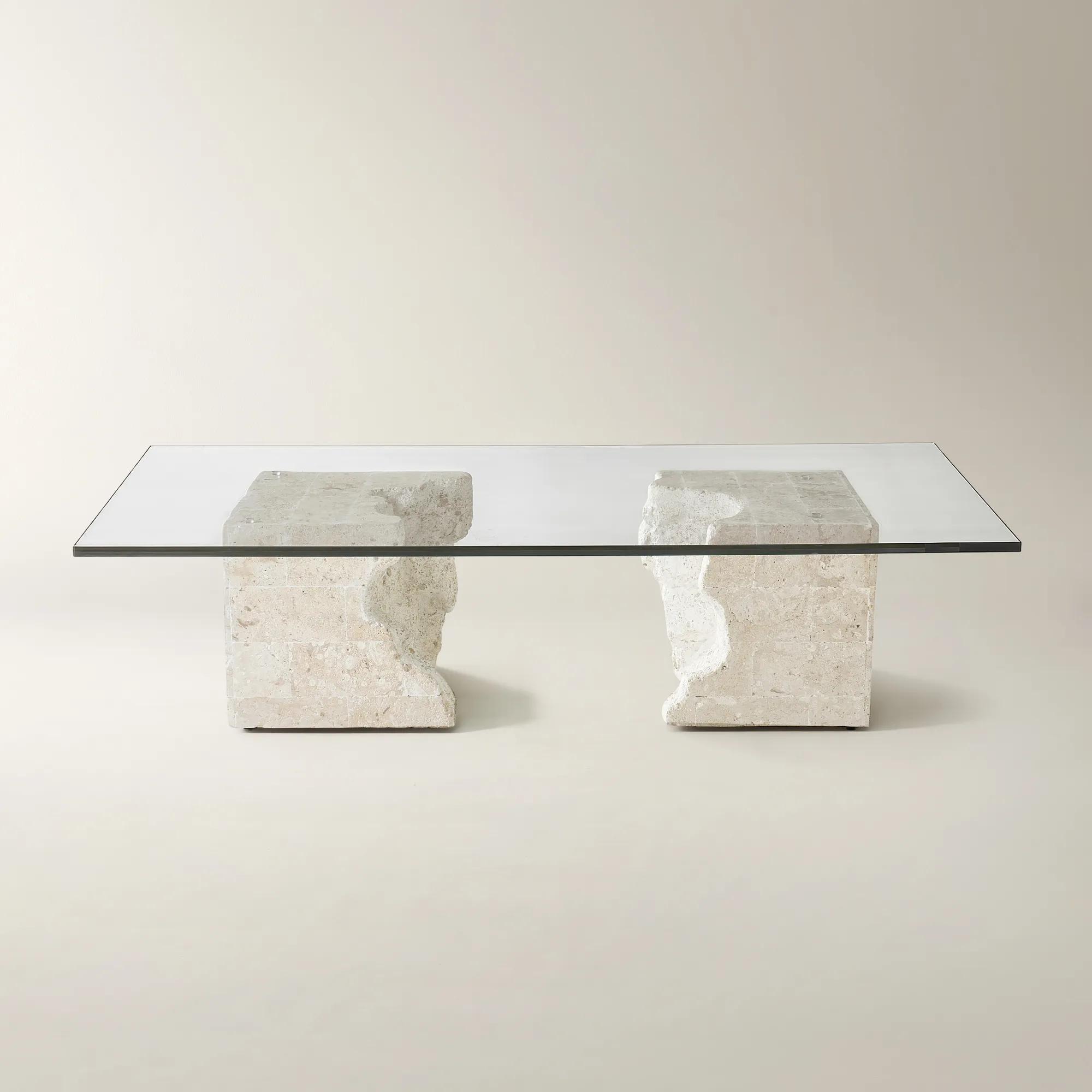 Cairo Rectangular Mactan Stone Coffee Table With Glass Top (70.87")$1999
A contemporary coffee table featuring a clear tempered glass top floating above hand-carved Mactan stone bases.
Add To Cart -

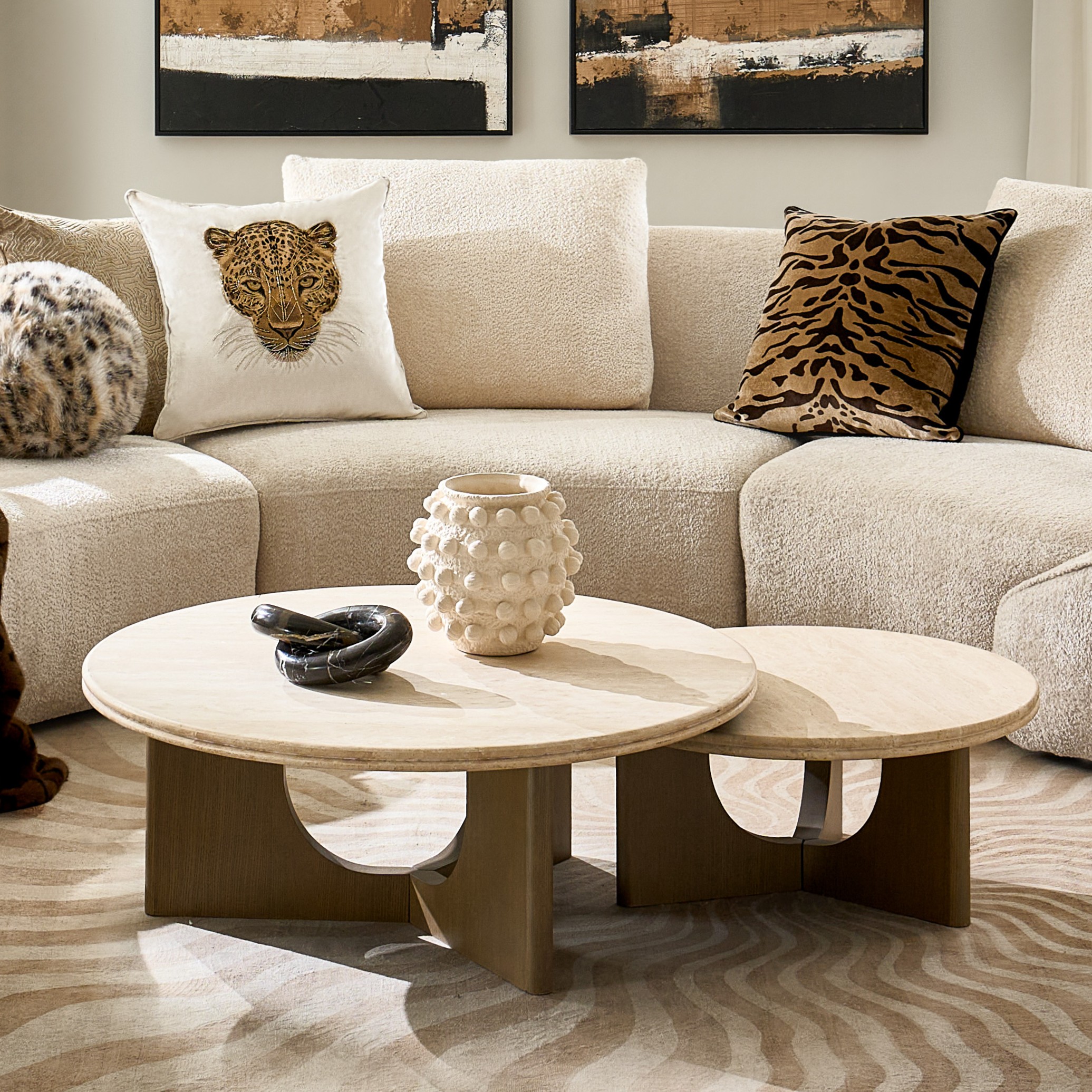 Bond Round Travertine and Wood Coffee Table (29.25")$699
A genuine travertine stone coffee table with warm ivory-gold tones atop a solid natural ash base.
Add To Cart -
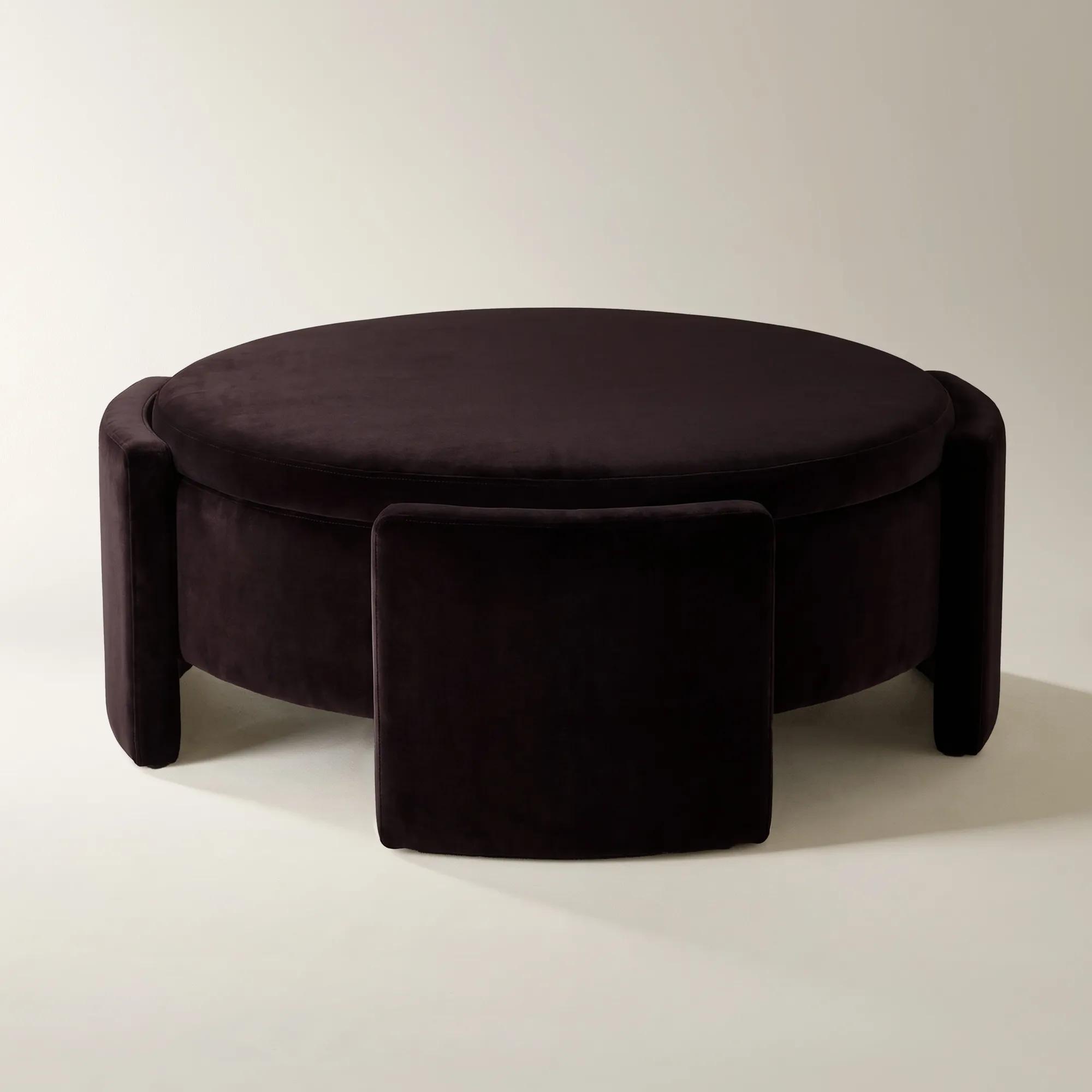
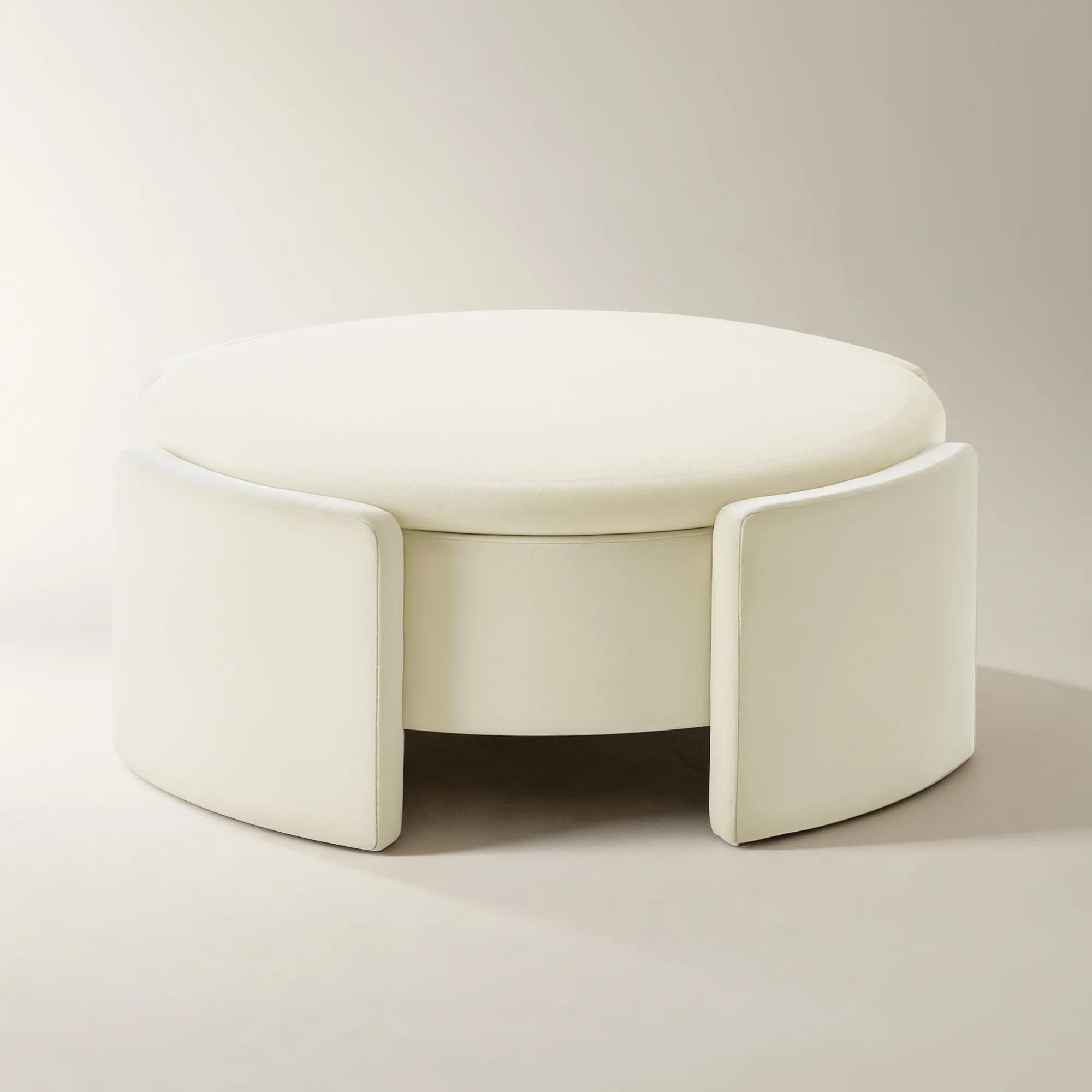
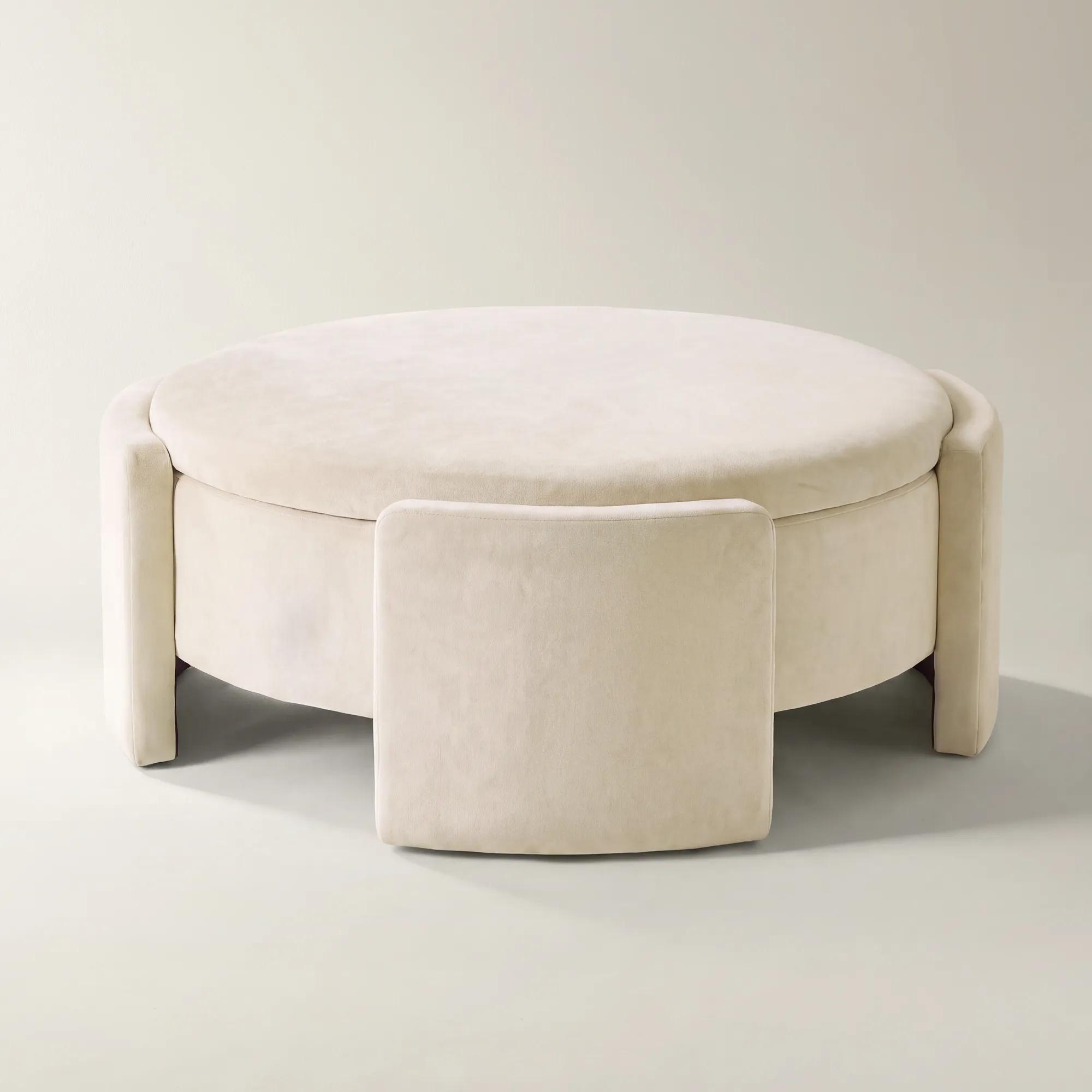
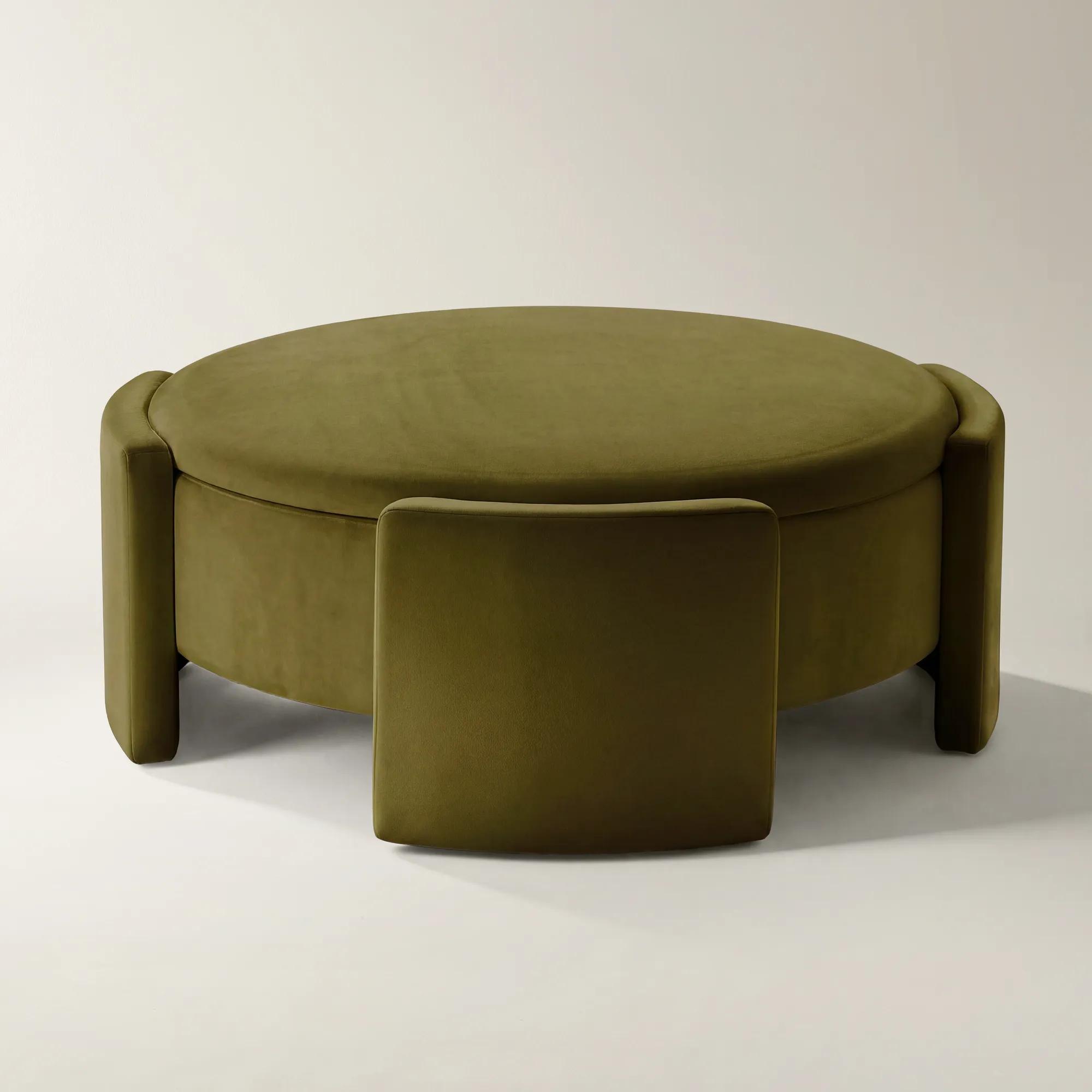
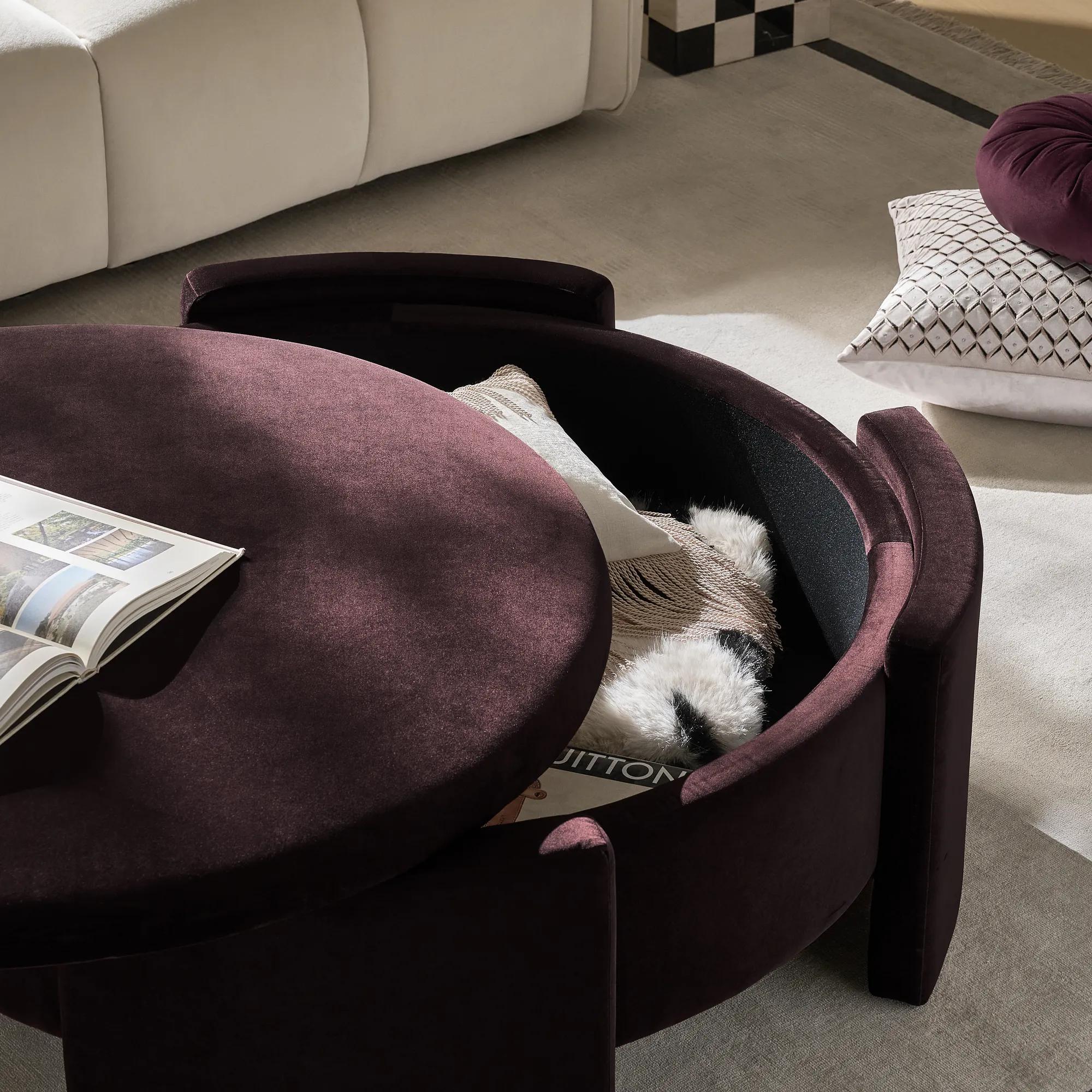 Jora Round Fig Velvet Storage Coffee Table With Reversible Tabletop (47.7")$799
A round fig velvet coffee table featuring a reversible wood tabletop and hidden interior storage.
Add To Cart -
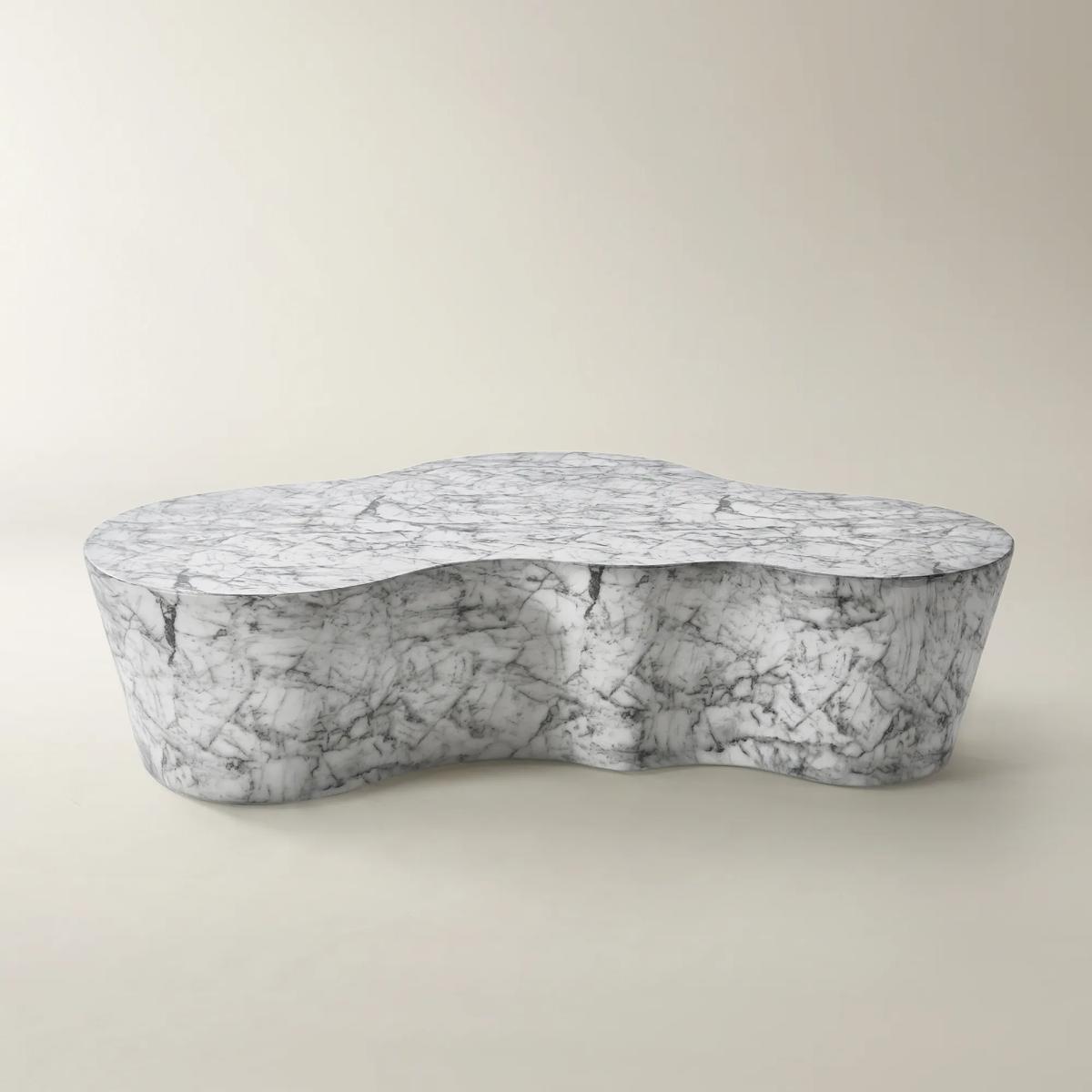
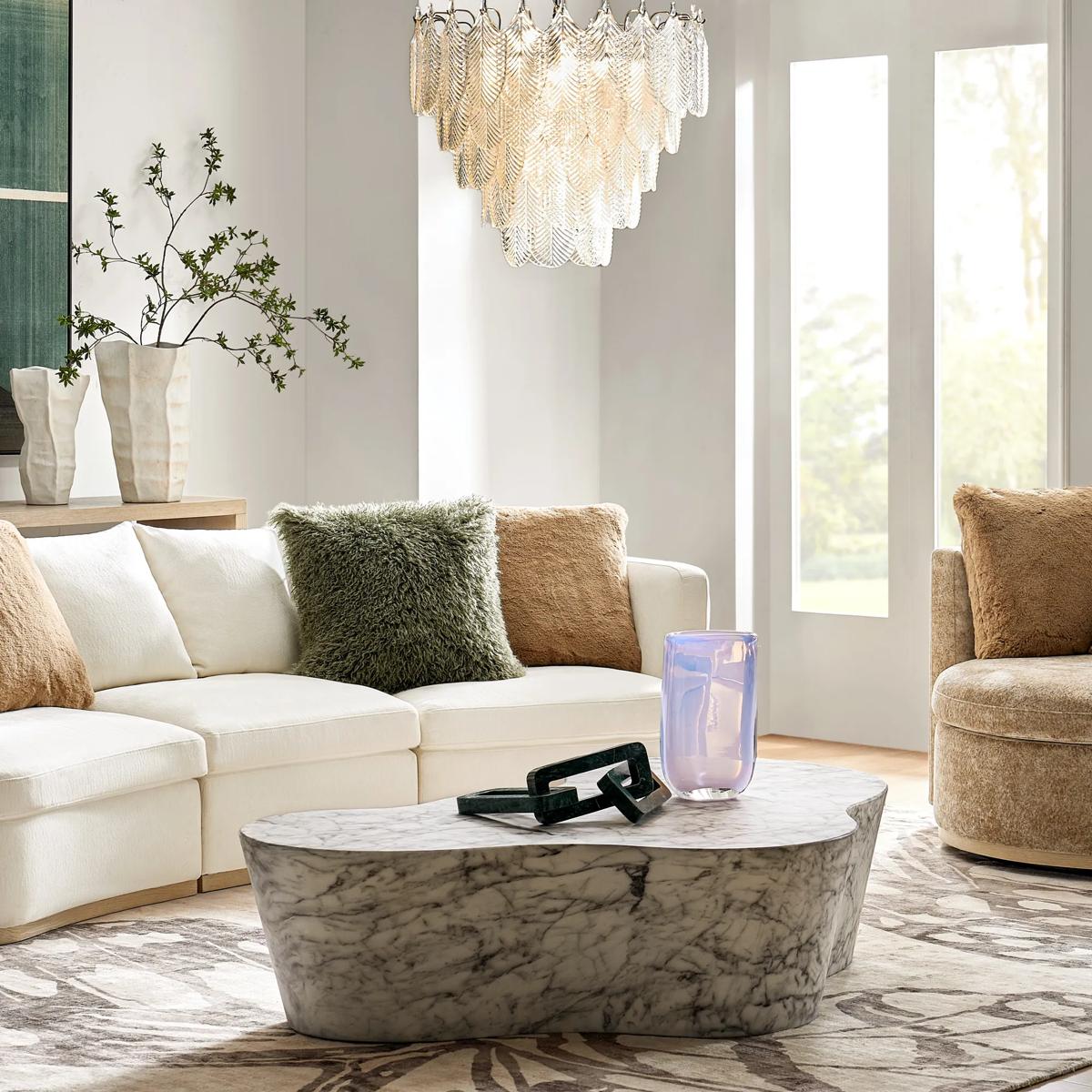 Petra White Concrete Indoor/Outdoor Coffee Table (59.4")$1099
A sculptural white concrete coffee table with cloud-like contours and marble-look veining, suitable indoors or outdoors.
Add To Cart -
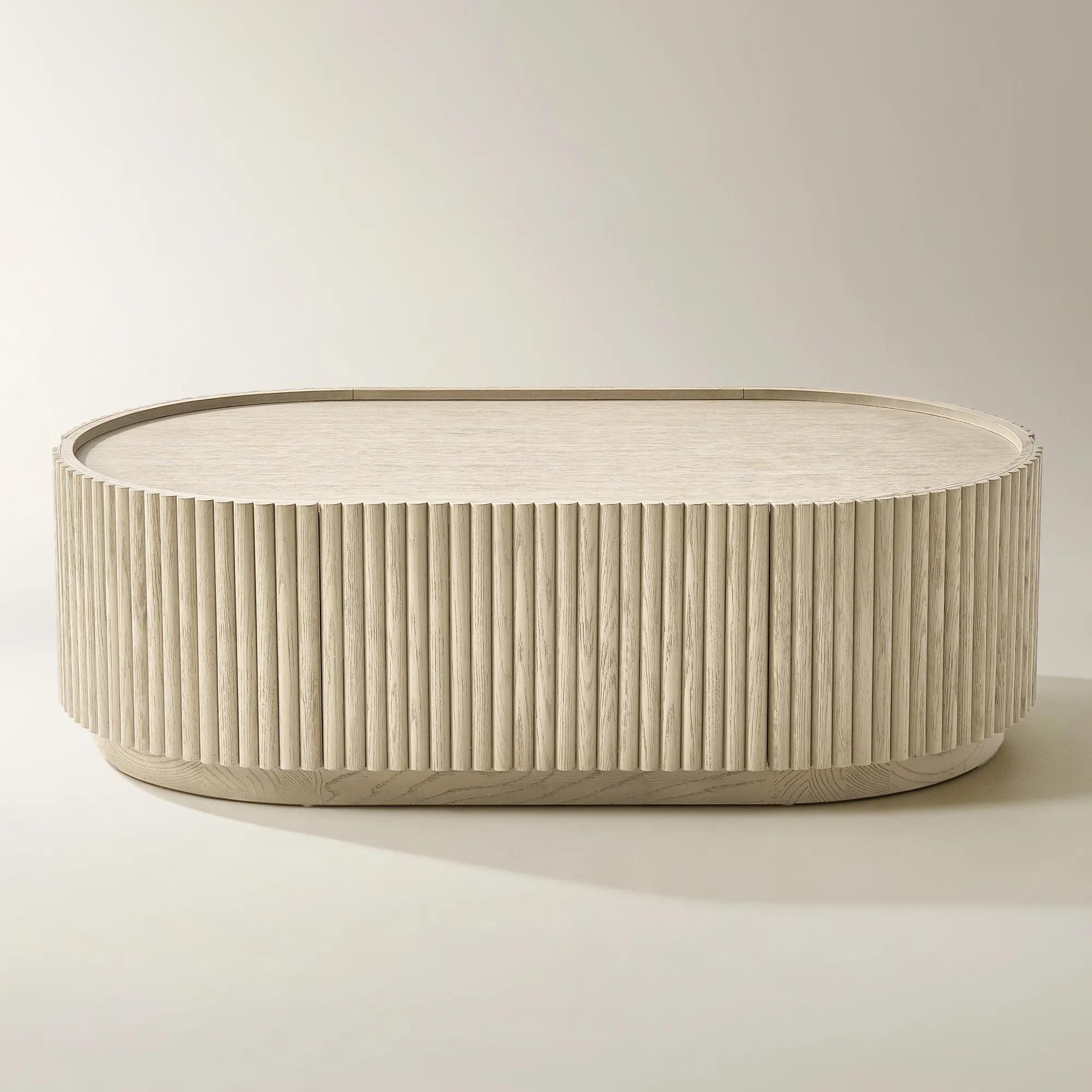
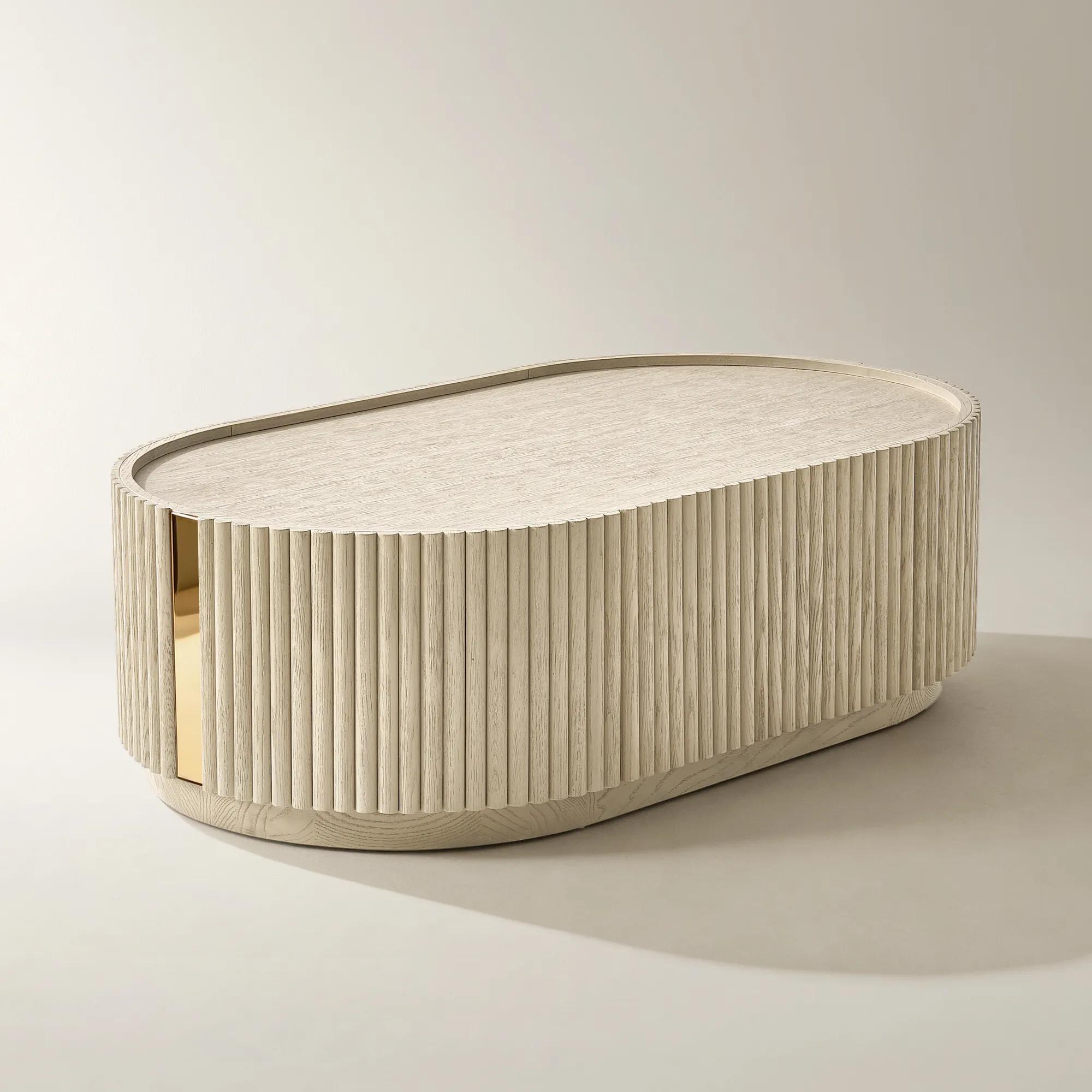 Stria Oval Reeded White Oak Coffee Table with Drawer (52")$1399
A reeded white oak coffee table with soft gold accents, recessed tabletop, and concealed soft-close drawer.
Add To Cart -
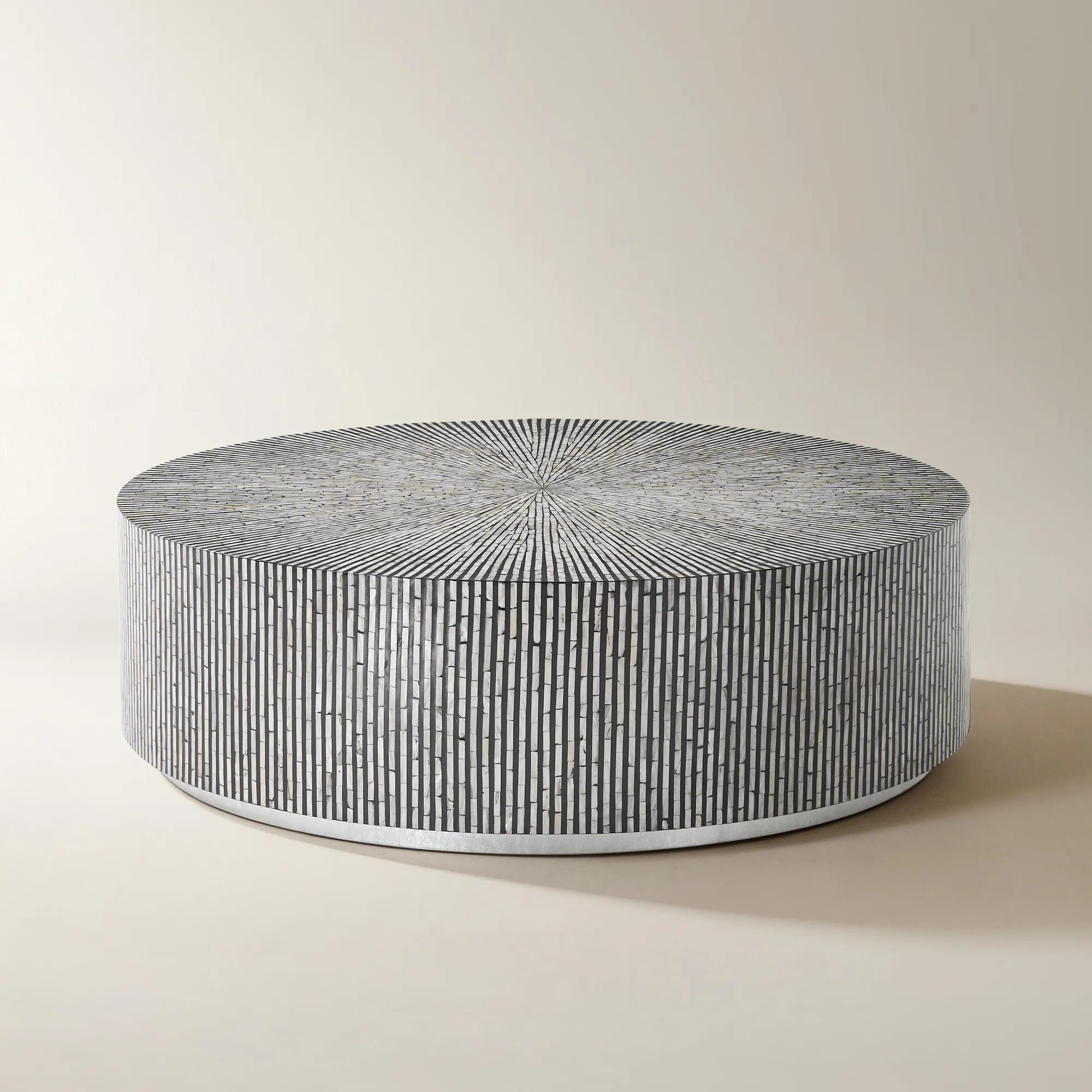
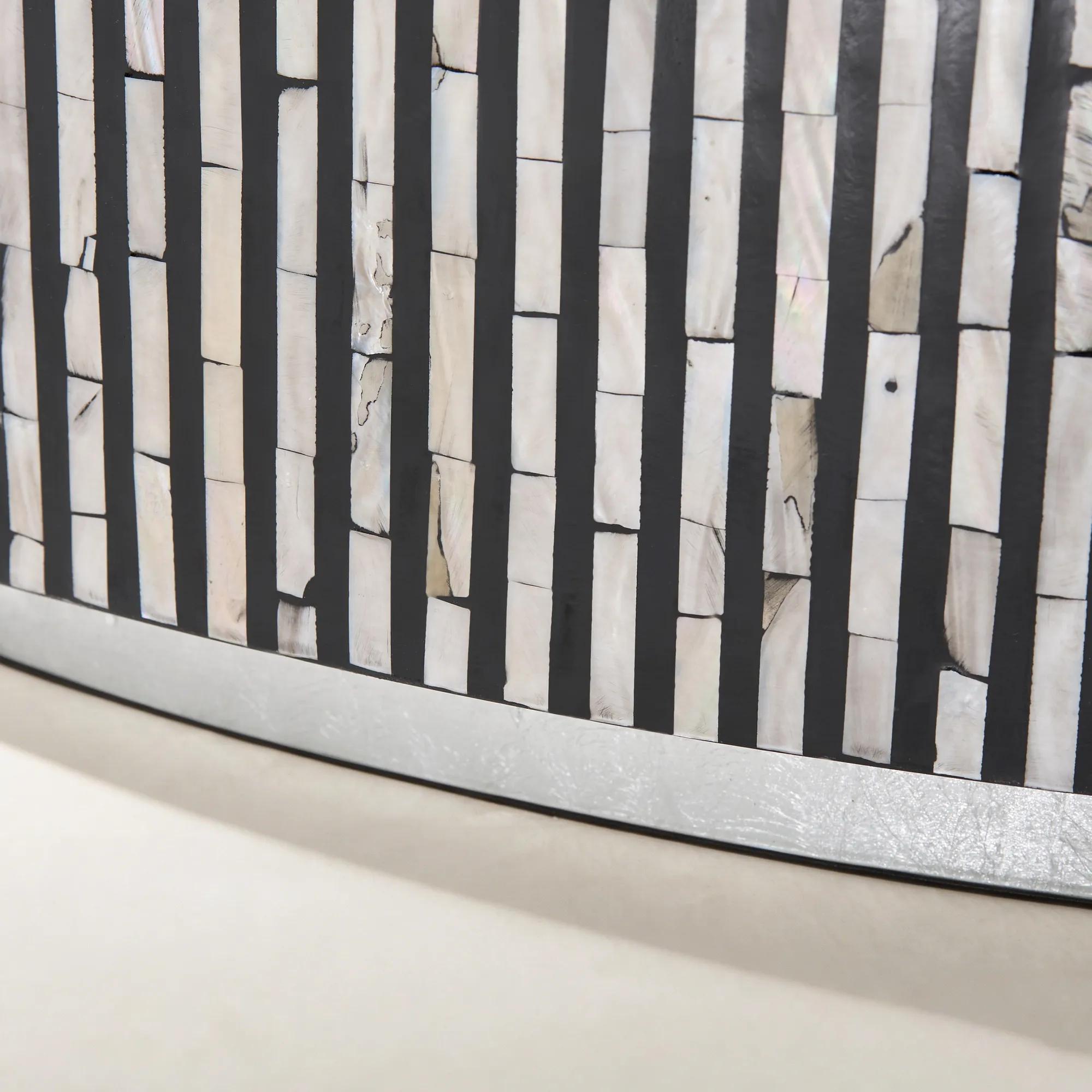 Marina Round Mosaic Black Coffee Table (52")$1399
A sculptural black coffee table featuring hand-applied mother-of-pearl mosaic and a silver leaf base.
Add To Cart -
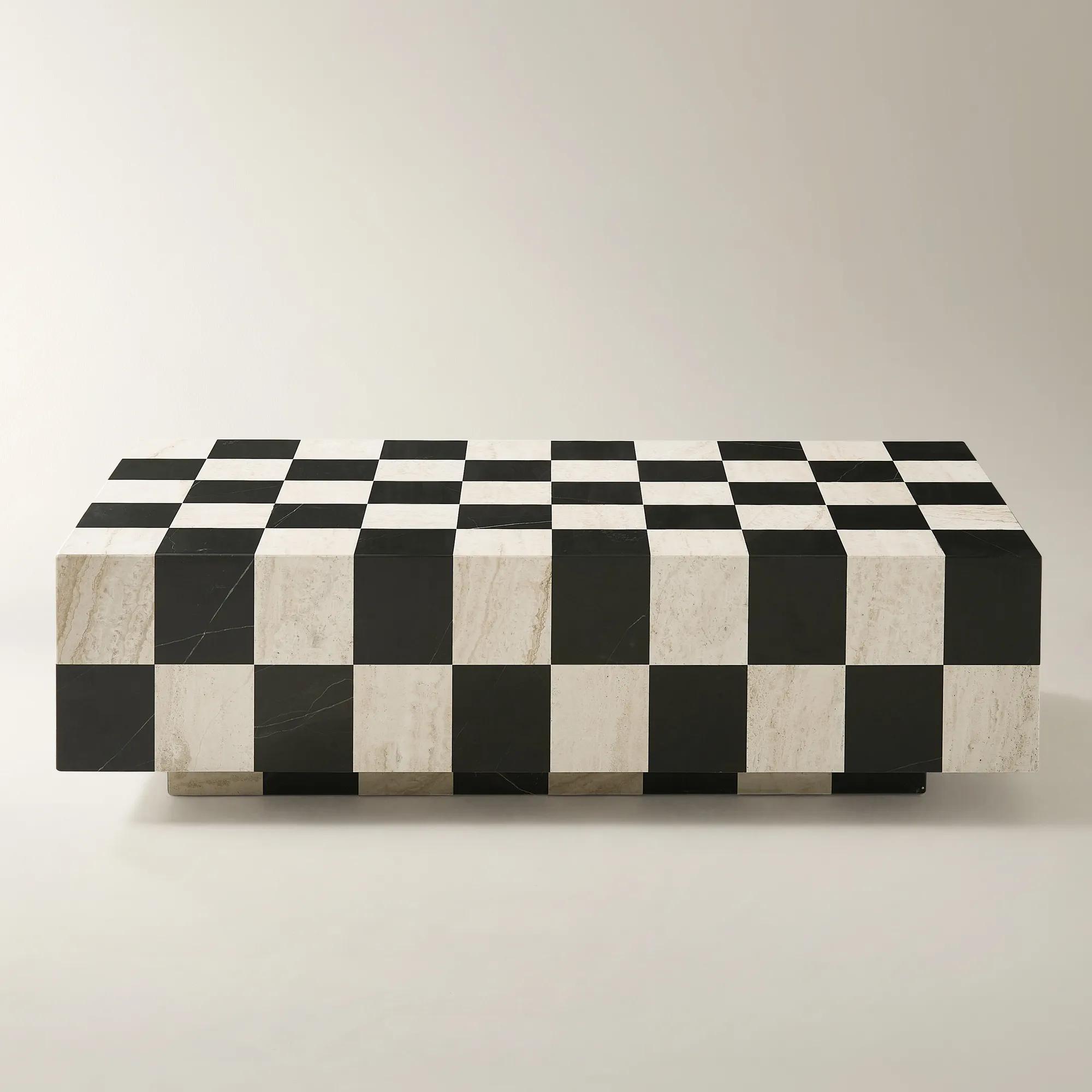 Chessa Rectangular Chequered Marble Coffee Table (53.1")$2399
A sculptural coffee table featuring polished black marble and travertine checkerboard mosaic with a monolithic silhouette.
Add To Cart -
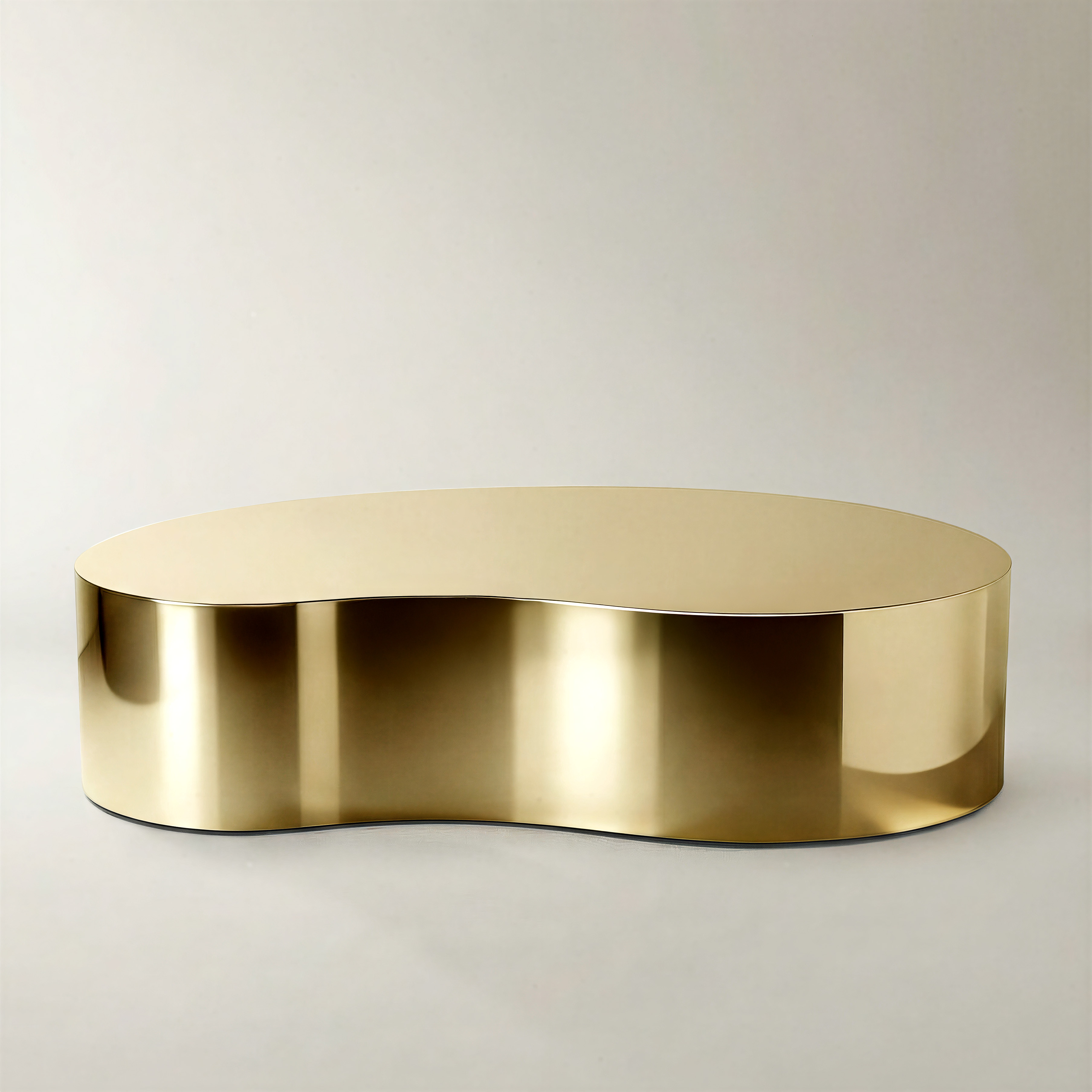
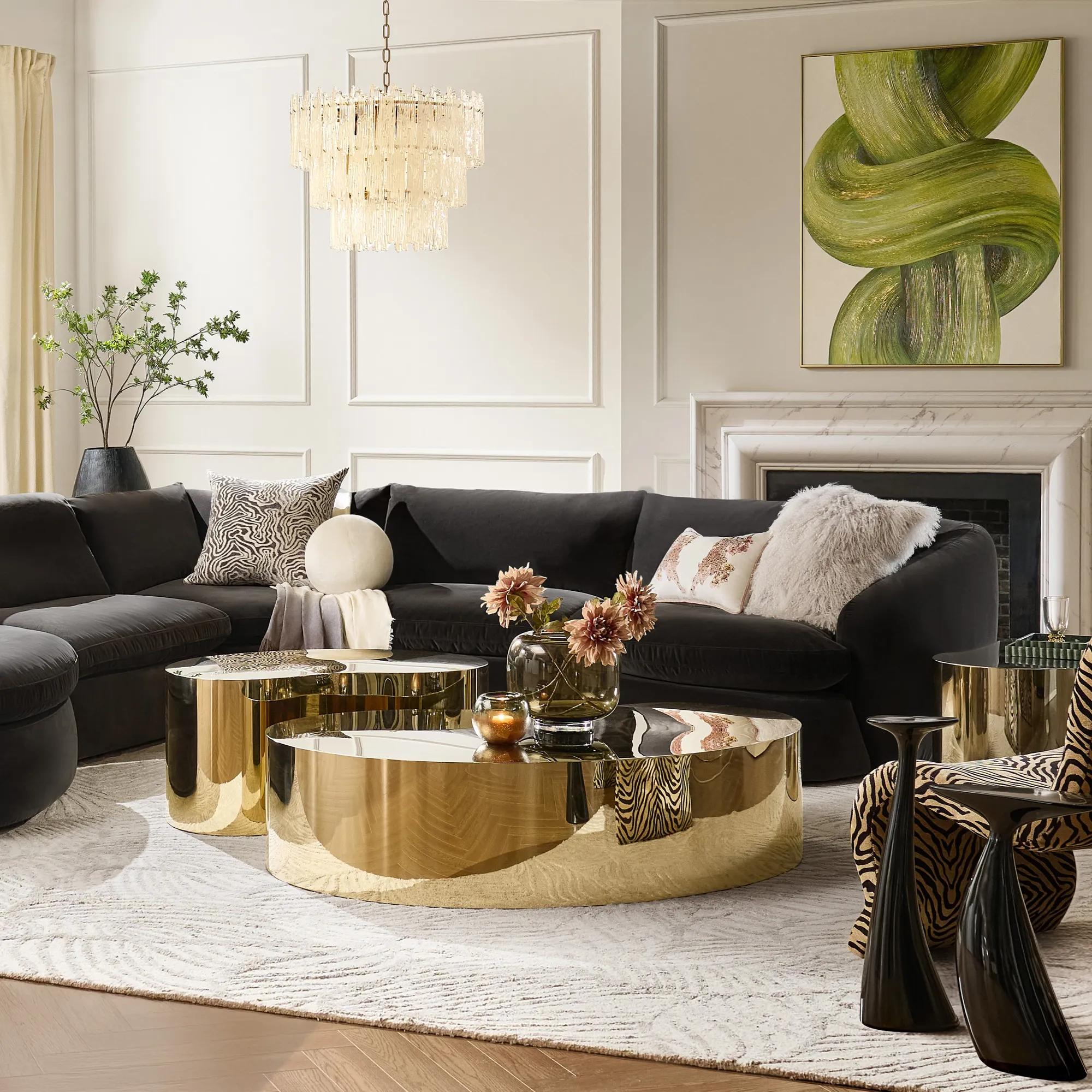 Aurea Soft Gold Coffee Table (57")$1399
A sculptural coffee table crafted from stainless steel with a high-gloss soft gold finish and rounded edges.
Add To Cart -
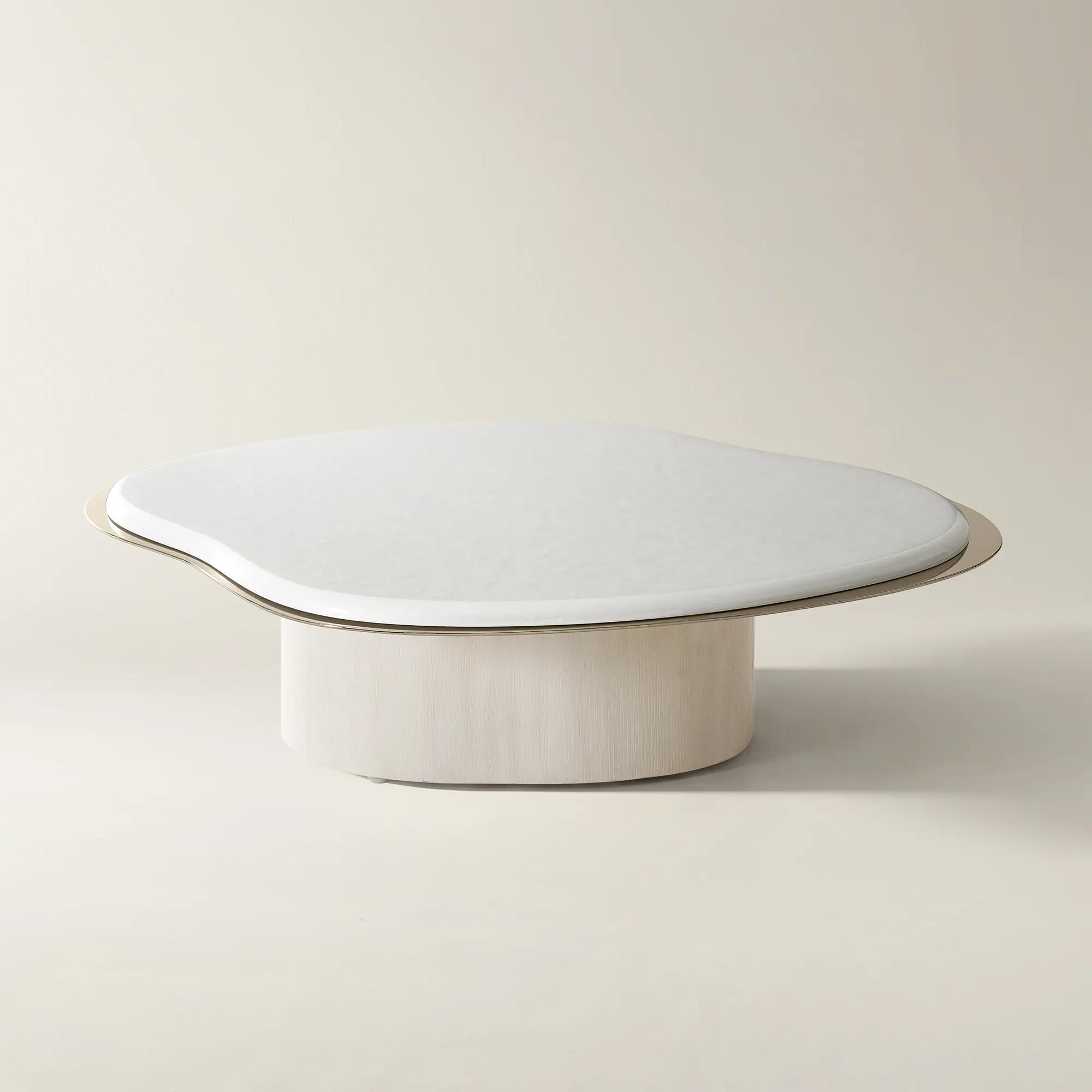
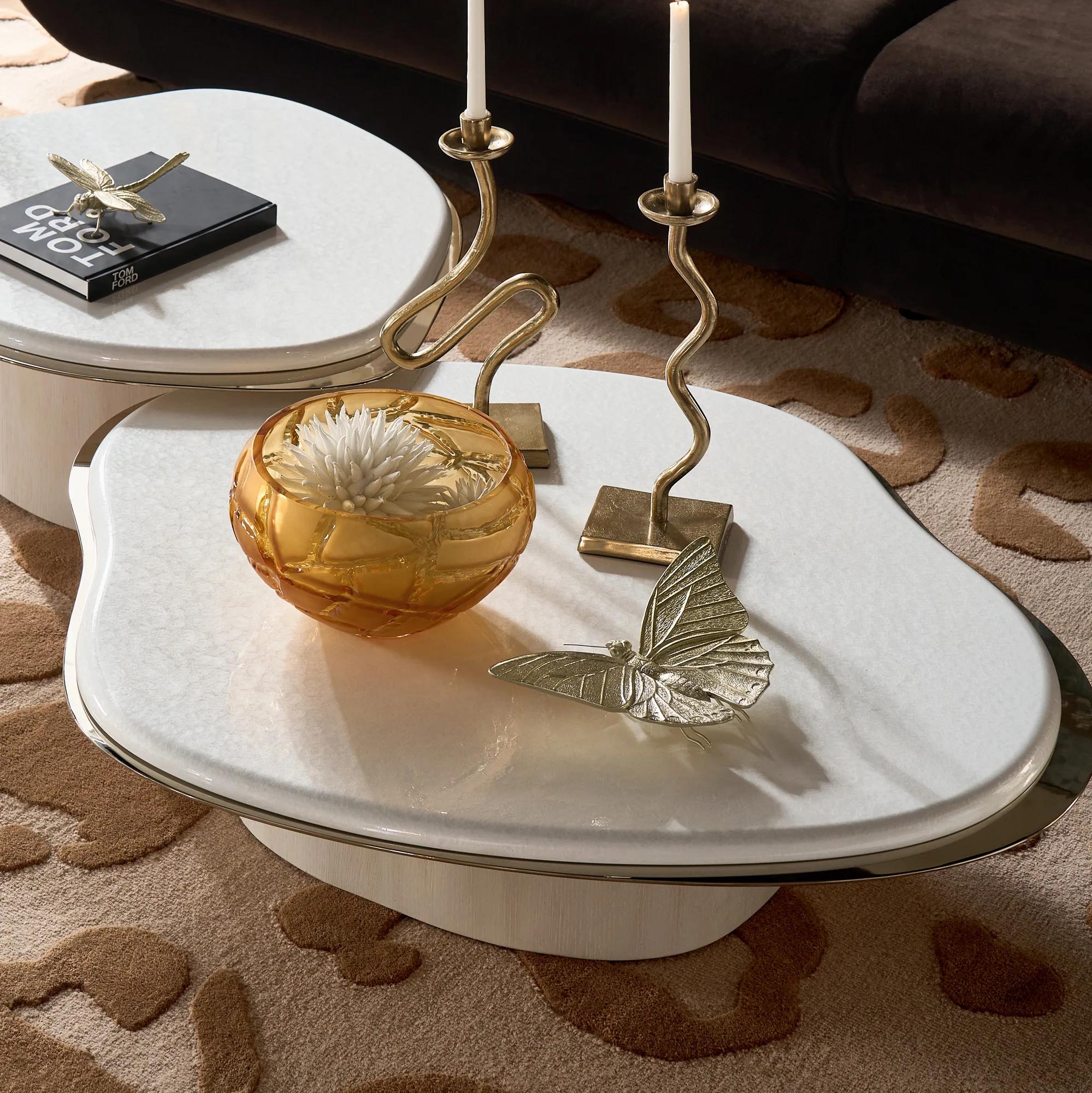 Lumina Bleached Oak Coffee Table With Pearl Lacquered Top (41")$1199
A sculptural coffee table featuring a pearl lacquered top, bleached oak base, and champagne gold trim.
Add To Cart -
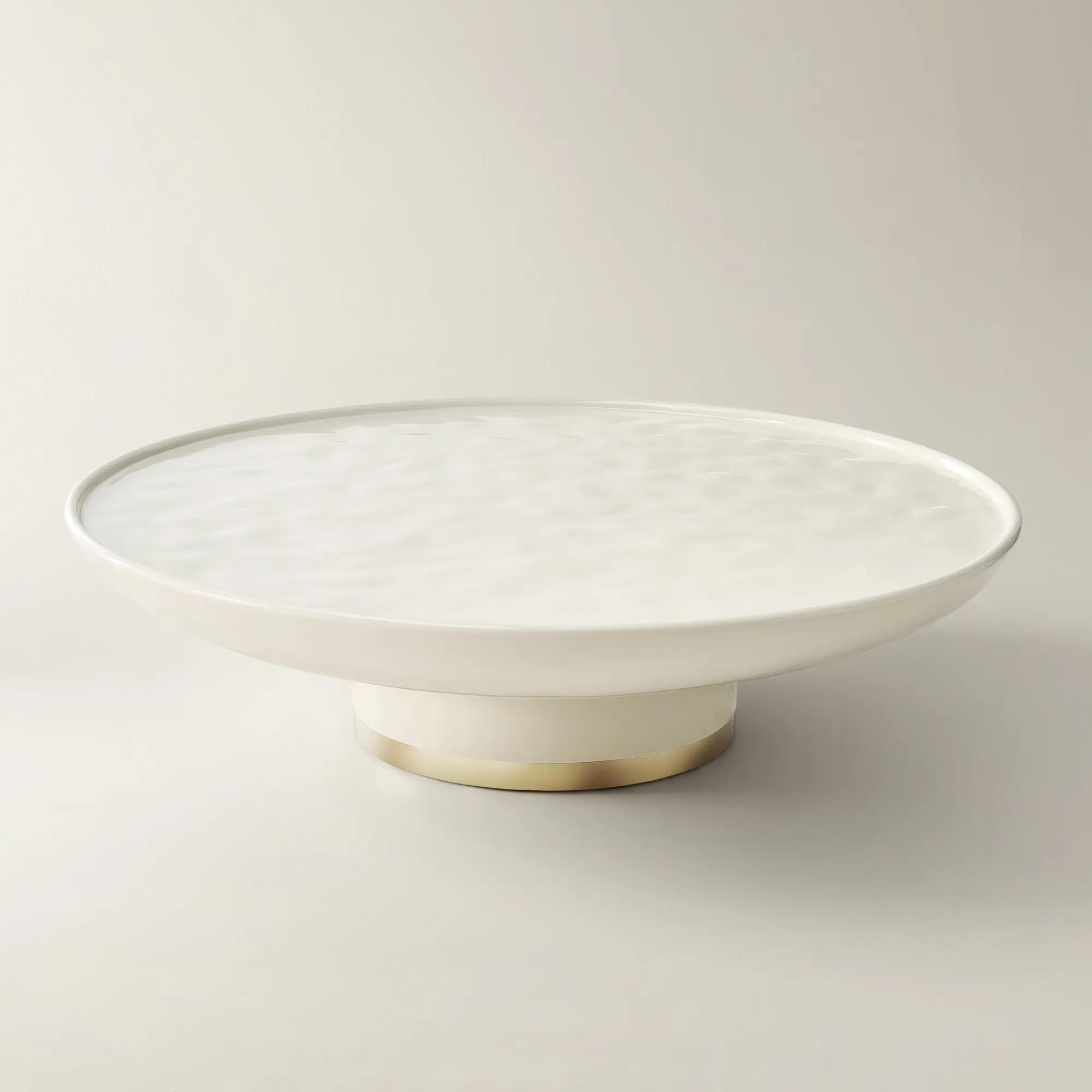
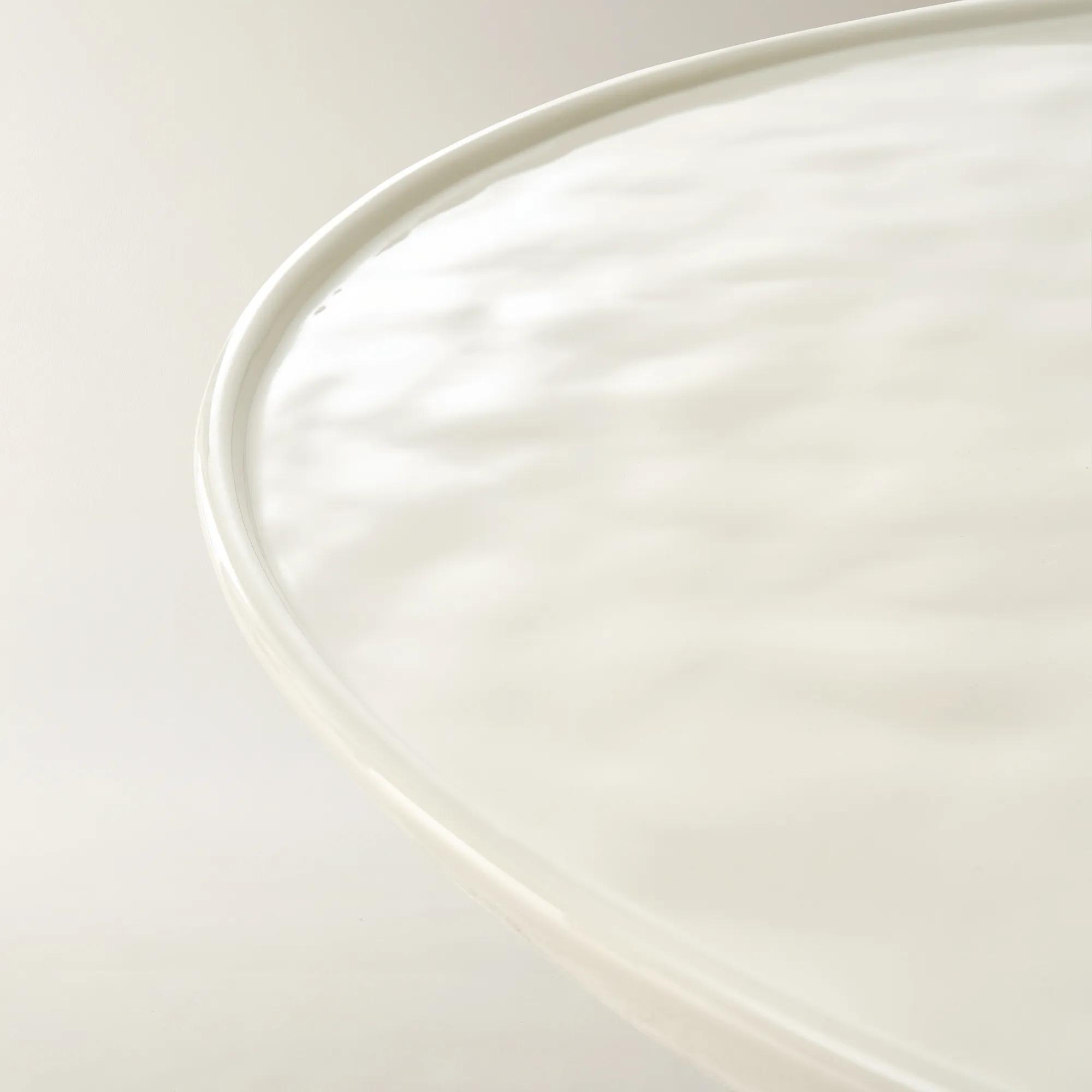 Celia Lacquered Cloud Resin Indoor/Outdoor Coffee Table (54")$1399
A sculptural one-piece resin coffee table with a high-gloss warm finish and gold stainless steel base.
Add To Cart

Contemporary Coffee Tables
Explore contemporary coffee tables to anchor your living room with modern lines and a bold focal point. Consider how each table’s shape and scale complement your sofa, leaving comfortable space to move while providing a stage for artful displays and everyday essentials.
Contemporary coffee tables give a living room its center of gravity: a place where sculptural design meets the rituals of conversation, entertaining, and unwinding. Defined by clean lines, expressive shapes, mixed materials, and thoughtful functionality, these tables range from slender, open-frame silhouettes to substantial forms with a gallery-like presence. Unlike a style tied to one historical period, contemporary design evolves, allowing architectural simplicity to sit comfortably beside rich texture, polished surfaces, and unexpected proportions. A round table can soften the angles of a tailored sofa, while a rectangular profile lends structure to a generous seating arrangement. Oval shapes offer an elongated surface with curved edges, and asymmetrical designs introduce an artistic note without requiring elaborate decoration. Materials shape the atmosphere just as powerfully as form. Clear glass preserves sightlines to a richly patterned rug, while smoked or tinted glass creates a moodier focal point. Metal brings definition through slender frameworks, gleaming accents, or boldly sculpted bases. Wood introduces natural grain and visual warmth, whether its finish feels pale and airy or deep and dramatic. Marble and other natural stones contribute distinctive veining, making variation part of their appeal rather than an imperfection to disguise. Lacquered finishes offer a smooth, reflective presence that contrasts beautifully with textured upholstery. Pairing two materials can heighten the effect: a transparent top lets a sculptural base command attention, while a stone surface above an open metal frame balances visual weight with breathing room. The most compelling contemporary coffee table does more than echo the surrounding furniture. It creates a deliberate relationship among the sofa, rug, lighting, and decorative accents, giving each element a clearer place within the room. For interiors that favor expressive design, that central surface can be quietly architectural or unabashedly dramatic, with enough character to anchor the space even before a single object is placed on top.
Proportion determines how beautifully that presence translates into everyday life. A coffee table measuring approximately two-thirds the length of a sofa often creates a balanced starting point, though sectionals, curved seating, and unusually deep cushions may call for a different relationship. A tabletop near the height of the sofa seat, or about one to two inches lower, generally feels comfortable for setting down a drink or reaching for a book. Leaving roughly 14 to 18 inches between the table and seating helps preserve access without placing the surface awkwardly far away; busy pathways may need additional clearance. These measurements are useful reference points rather than rigid rules, especially in rooms with multiple routes through the seating area. Shape matters just as much as size. A broad square table can complement a spacious sectional, while an oval silhouette may suit a narrow room where circulation along the sides is essential. Rounded corners can reduce sharp projections, although they do not replace attention to stability and safe placement in homes with children. Visual scale also deserves consideration: an open base or transparent top can feel less imposing in a compact apartment, while a solid pedestal can hold its own against expansive upholstery. For rooms that serve several purposes, Modern Functional Coffee Tables offer a related perspective on balancing an expressive silhouette with practical features. Depending on the design, drawers or concealed compartments can keep remotes and small essentials out of sight, lower shelves can hold frequently reached-for reading, and nesting tables can provide additional surfaces when guests gather. Lift-top mechanisms may bring a surface closer for occasional tasks, but their clearances, weight limits, and intended use deserve attention. A coffee table should never be assumed suitable for seating or standing unless specifically designed for that purpose. The right fit supports the way the room is actually used, whether that means intimate conversation, a generous spread of refreshments, or a clear surface beside a favorite lounge seat.
Lasting appeal depends on construction, finish, and care as much as appearance. Solid wood, wood veneer, engineered substrates, stone, glass, and metal each have distinct characteristics; no single material is automatically the most durable for every household. Well-made veneer can deliver beautiful grain across a stable substrate, while solid wood may respond to changes in indoor humidity. Natural stone can be porous, and marble is vulnerable to etching from acidic liquids, so coasters and prompt attention to spills help preserve its finish. Sealing requirements vary by stone and treatment. Glass offers a luminous surface but can show fingerprints and may chip at exposed edges; tempered glass, where specified, still requires careful handling. Metal finishes range from resilient coatings to delicate plated surfaces, and lacquer can be sensitive to abrasion, heat, or incompatible cleaners. Manufacturer care instructions should guide cleaning, with soft cloths, suitable surface protection, and avoidance of abrasive products forming a sensible foundation. Protective pads beneath decorative objects can help prevent scratches, while a tray creates a defined setting for drinks without leaving the entire tabletop crowded. In a household that entertains often, sufficient usable surface may matter more than an elaborate arrangement of accessories. For a collector of art books, a broad top or accessible shelf can become part of the room’s personal narrative. In a smaller home, concealed storage can keep an elegant seating area composed between gatherings. Styling feels most intentional when it allows the table’s design to remain visible: a low arrangement, a sculptural vessel, and a carefully chosen stack of books can establish rhythm without obscuring distinctive veining or an exceptional finish. Balance decorative height with clear views across the seating area so conversation remains effortless. Contemporary coffee tables are at their most persuasive when beauty and purpose reinforce each other, turning a familiar living room essential into an enduring expression of personal style.
FAQs
Contemporary coffee tables reflect an evolving design sensibility, pairing expressive silhouettes with refined materials and distinctive finishes. Unlike strictly modern designs rooted in a particular era, contemporary styles can blend sculptural curves, crisp geometry, and artful contrasts. The result is a living room centerpiece with unmistakable presence.
Glass, metal, wood, marble, and other stone surfaces bring different layers of character to contemporary coffee tables. Glass creates an airy, gallery-inspired effect, while richly grained wood adds warmth. Veined stone and gleaming metal introduce visual drama, especially when paired in a mixed-material design.
Create a curated composition with art books, a decorative tray, and a sculptural object. Contrast textures—think a luminous glass vase beside a matte ceramic bowl—and leave some of the tabletop exposed so its finish remains part of the story. A restrained palette lets striking forms command attention.
Look for a shared design thread rather than an exact match. A metallic base can echo an accent chair’s detailing, while a wood finish can draw warmth from the room’s palette. For a more expressive composition, juxtapose a sleek coffee table with sumptuous upholstery and richly textured accents.
Round and oval coffee tables introduce fluidity, softening a room defined by tailored upholstery and angular forms. Square and rectangular designs lend crisp architectural definition, while asymmetrical silhouettes create an artful focal point. Choose a shape that reinforces—or deliberately contrasts with—the visual rhythm of your furniture.