Contemporary Stone Top End Tables
Contemporary Stone Top End Tables
-
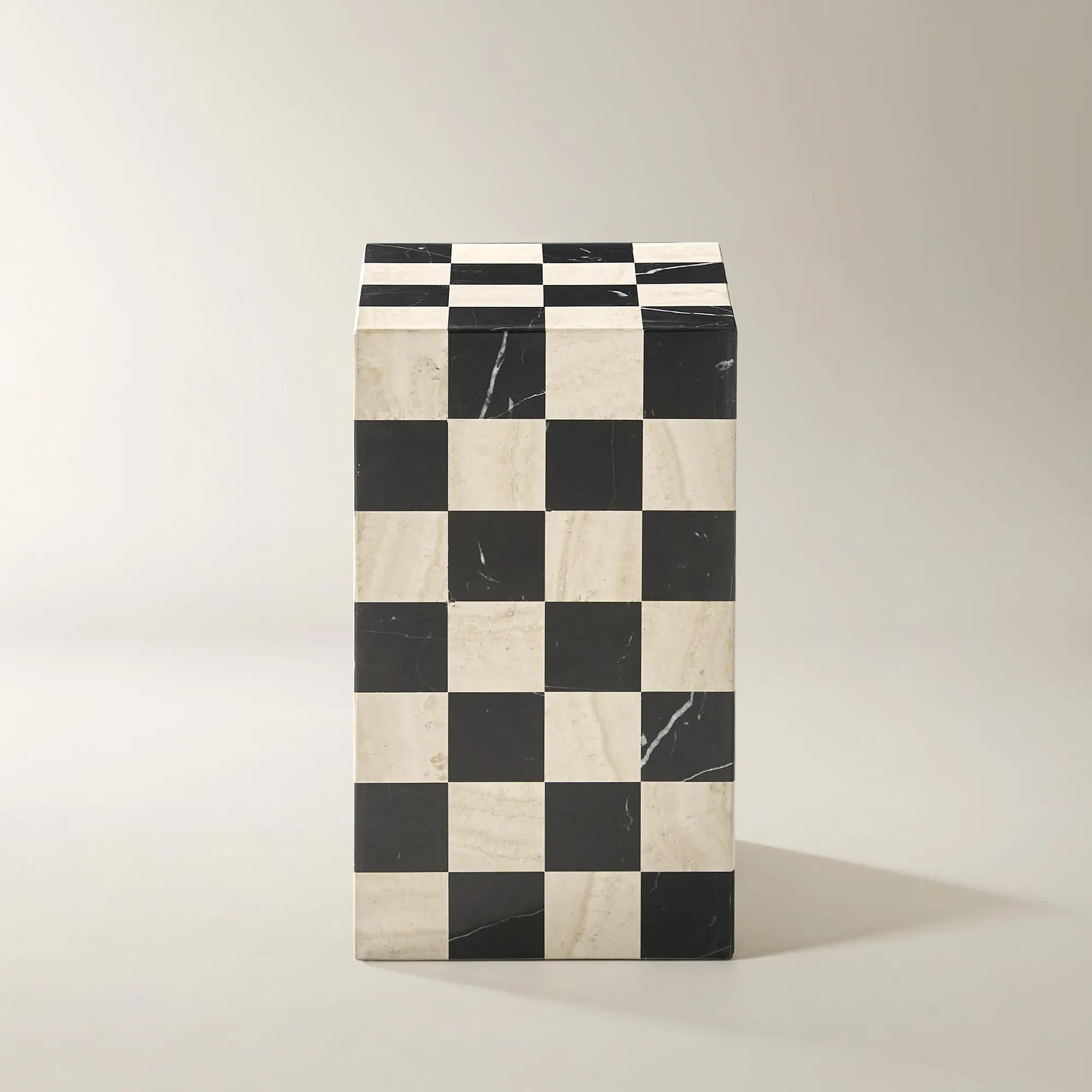 Chessa Square Chequered Marble End Table (12")$999
A sculptural end table featuring a bold black marble and travertine checkerboard mosaic design.
Add To Cart -

 Flare Round White Marble End Table (21.5")$799
A sophisticated end table featuring a natural white marble top and polished stainless steel base.
Add To Cart -

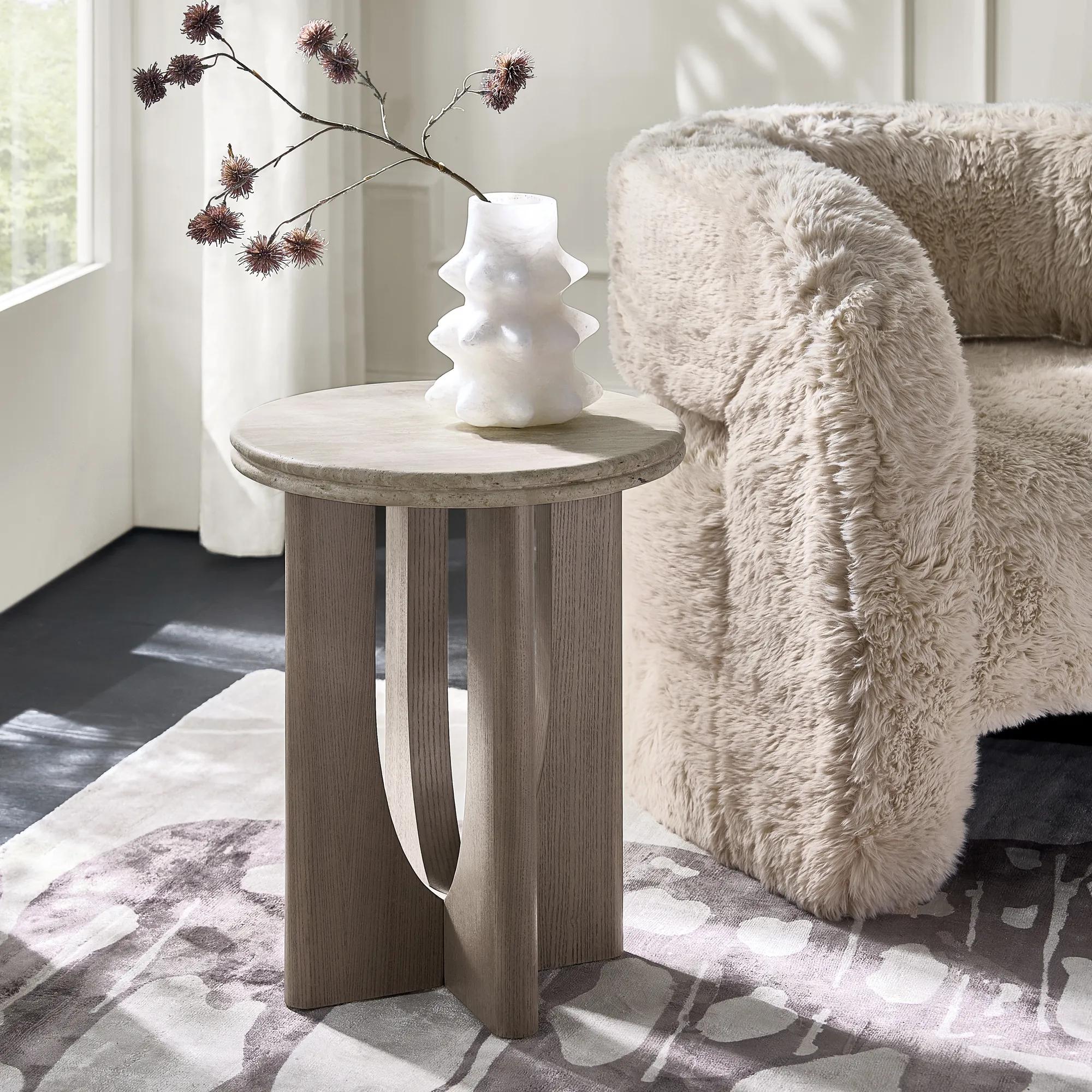 Bond Round Travertine and Wood End Table (17.25")$459
A sculptural end table featuring a genuine ivory travertine top and a solid ash wood base.
Add To Cart -
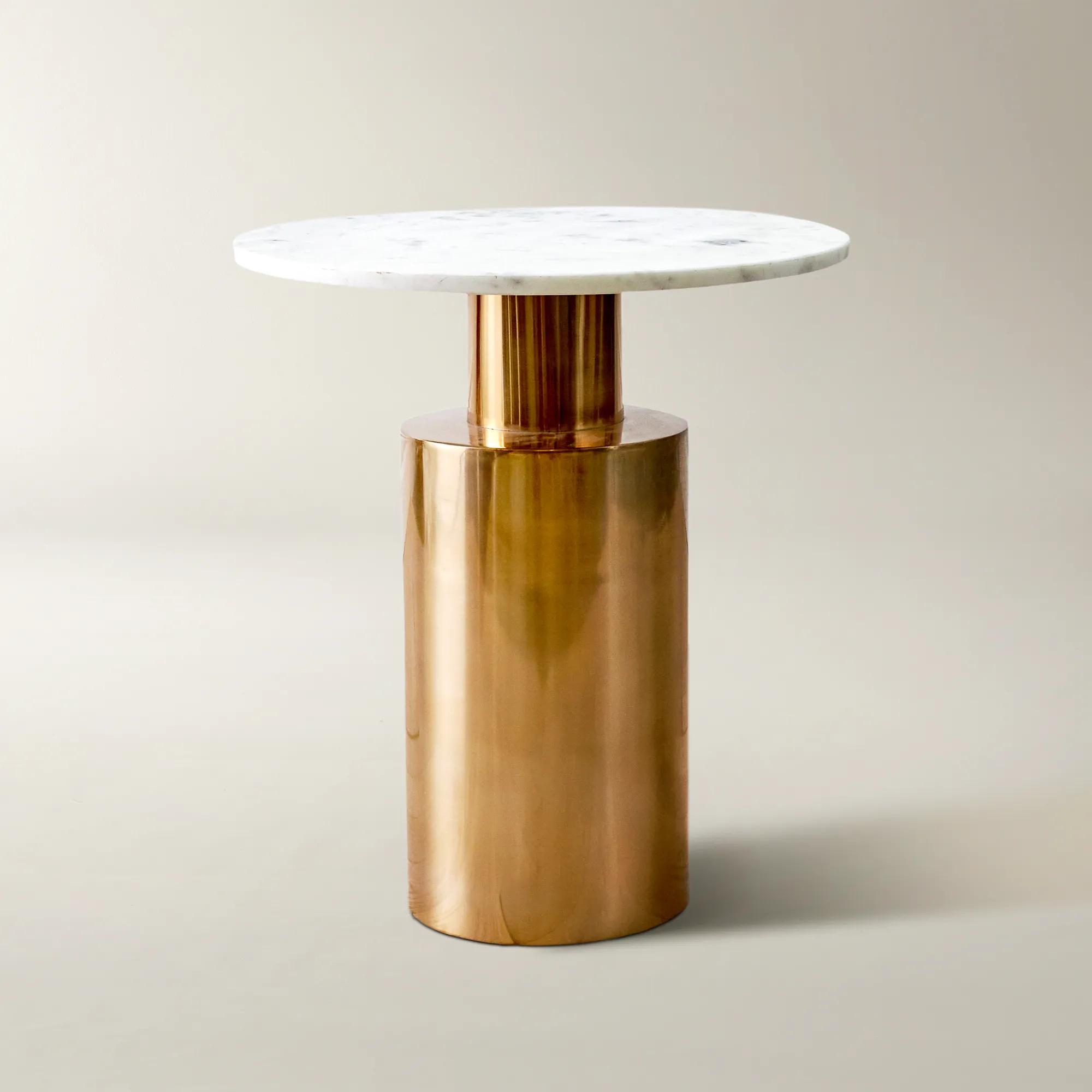 Capri Round White Marble Accent Table (16")$299
A striking accent table featuring a white marble top and gold-finished stainless steel base.
Add To Cart -
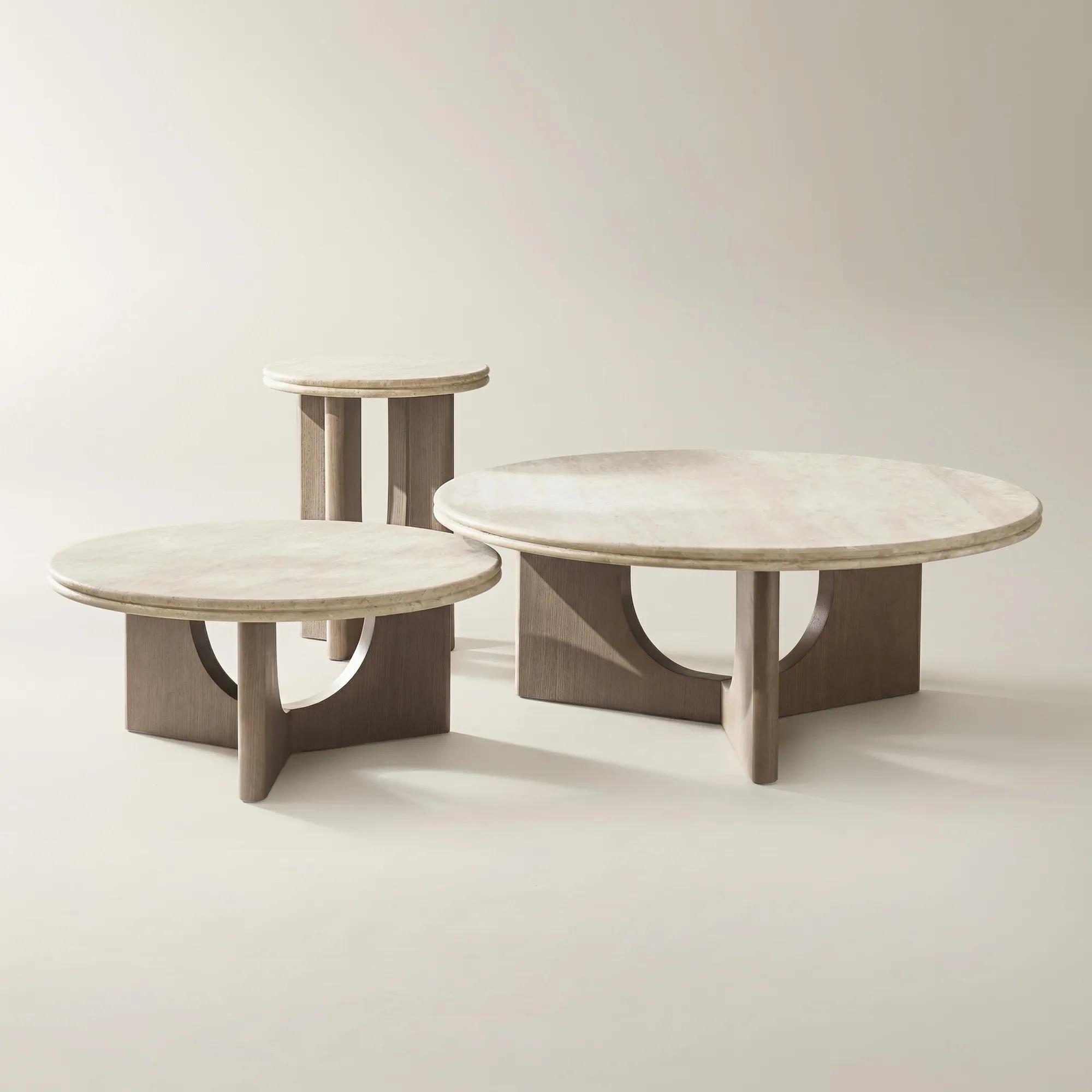
 Bond Round Travertine and Wood Coffee Table Set of 3 (17.72"-41")$2557
A natural-finish nesting coffee table set offering versatile, space-saving surfaces for modern living rooms.
Add To Cart -
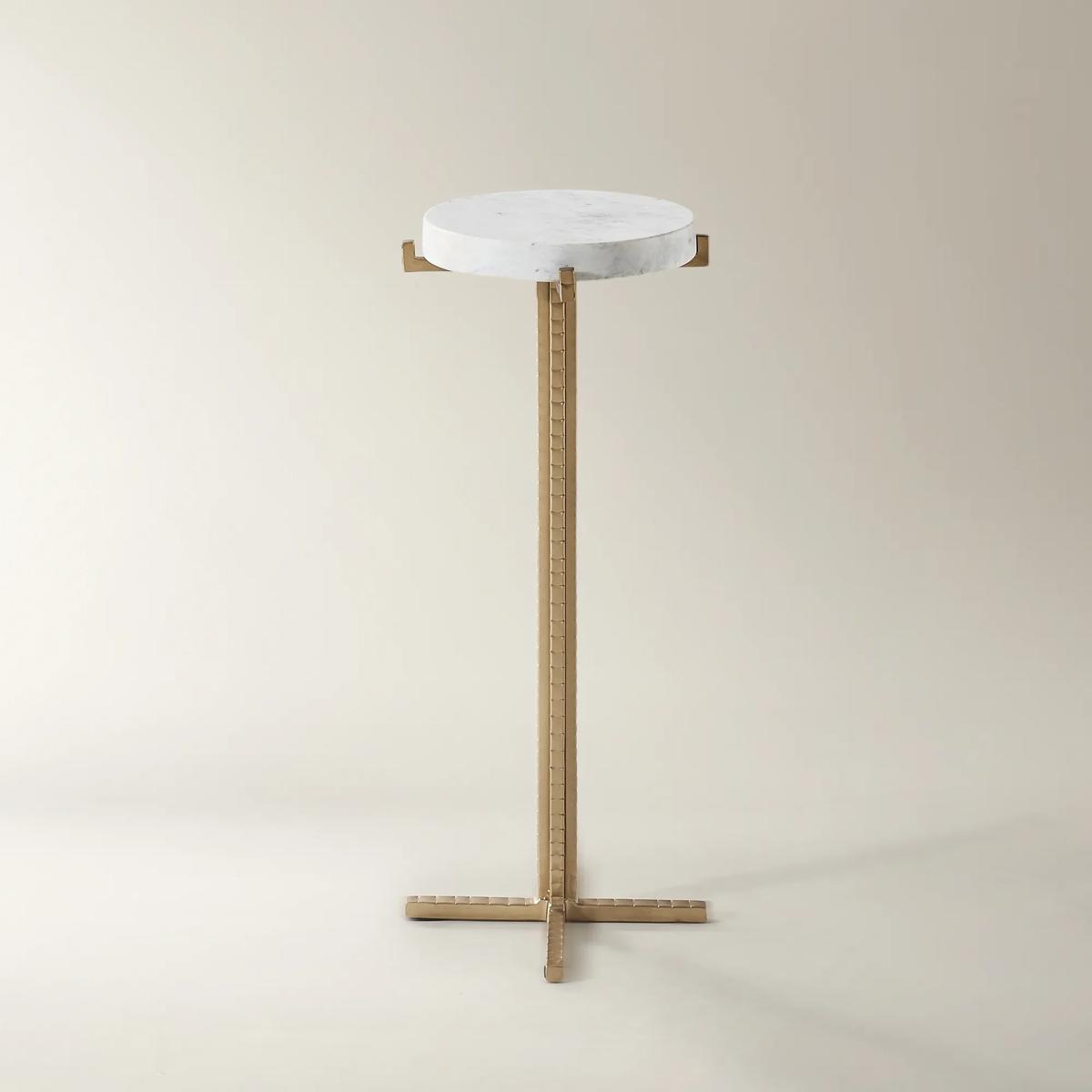 Anya Round White Marble Side Table (10")$199
A sculptural side table featuring a genuine white marble top and gold-finished metal pedestal base.
Add To Cart -
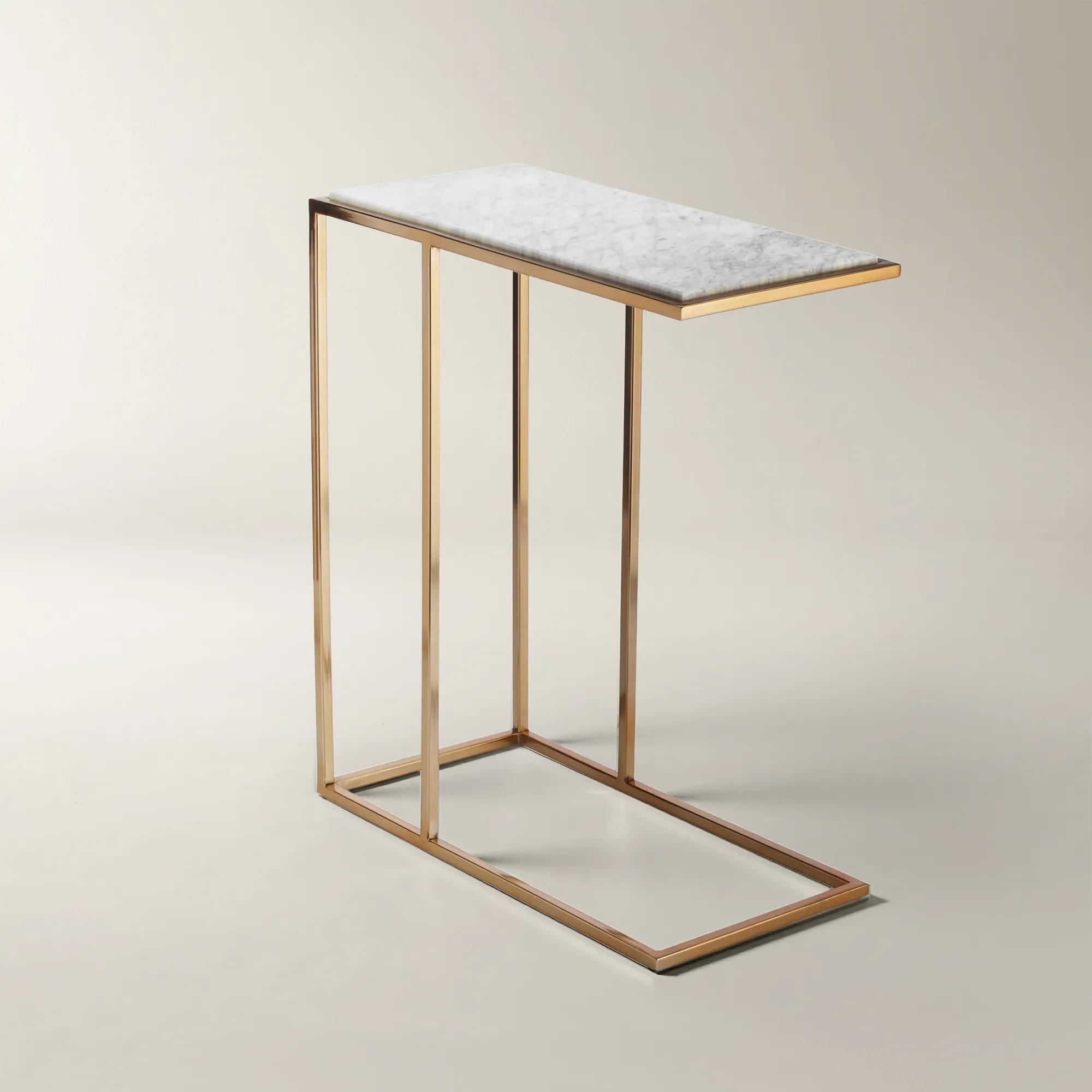
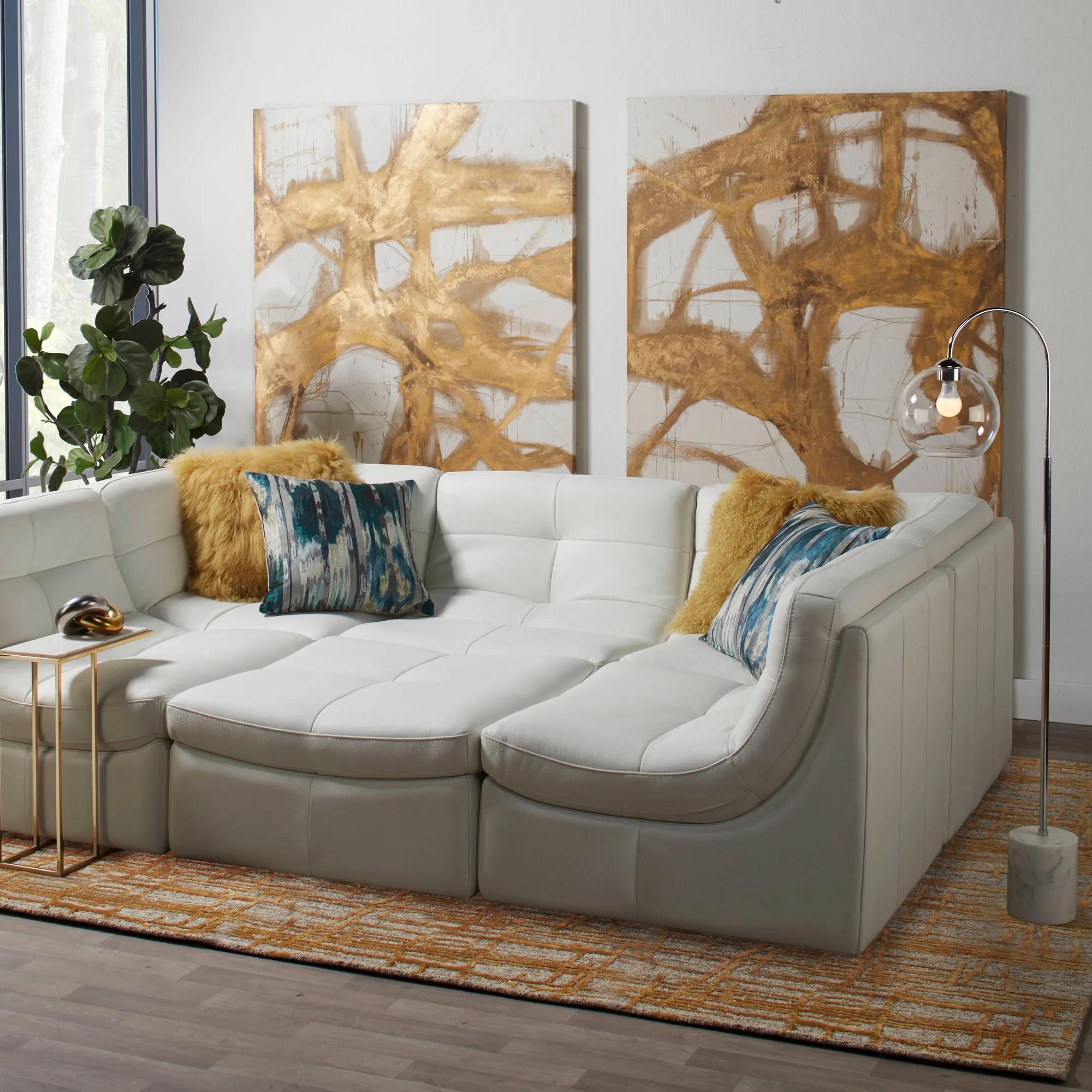 Lawton Rectangular Gold Stainless steel Accent Table With Marble Top (19.75")$259
A space-saving table featuring a white marble top and gold-finished stainless steel base.
Add To Cart -
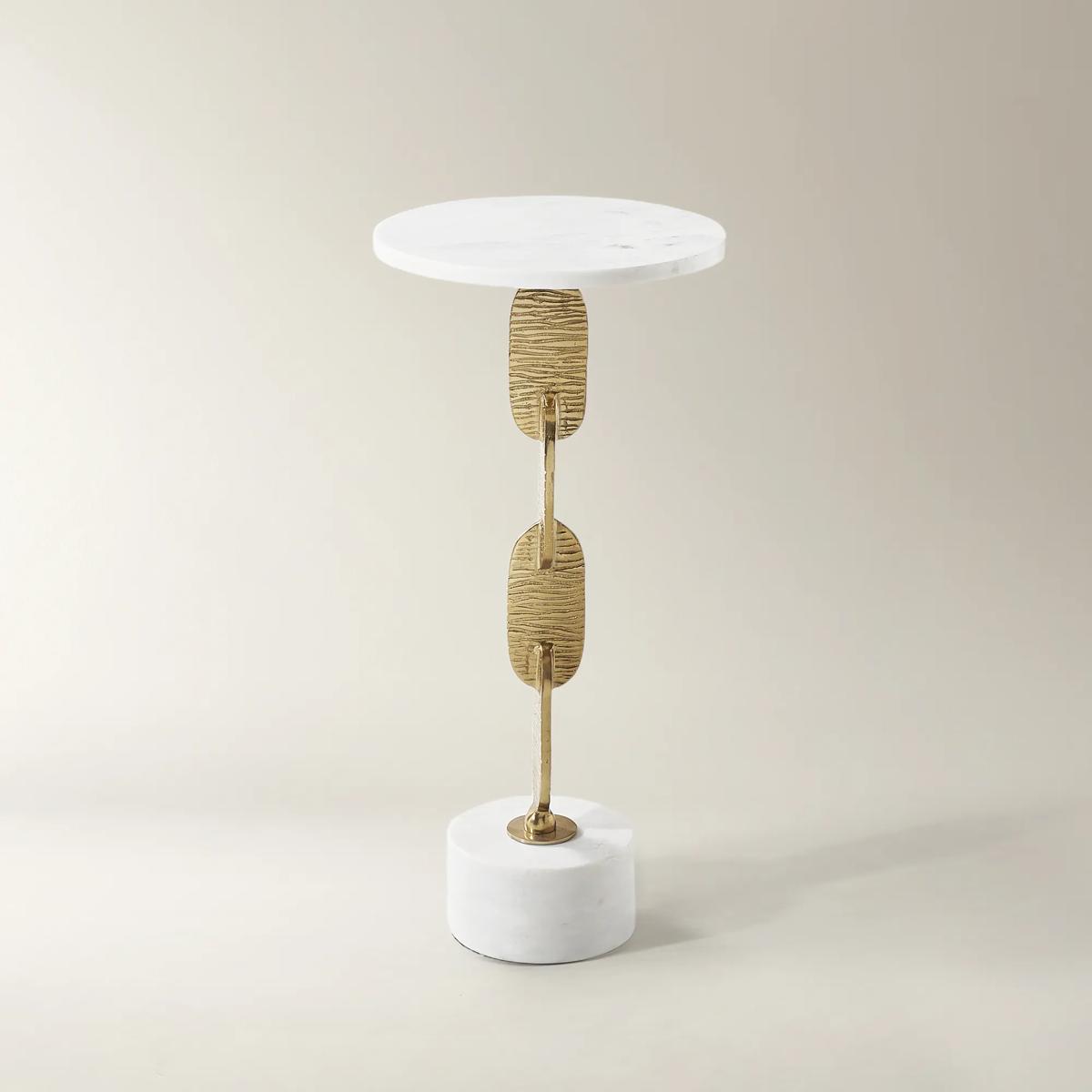
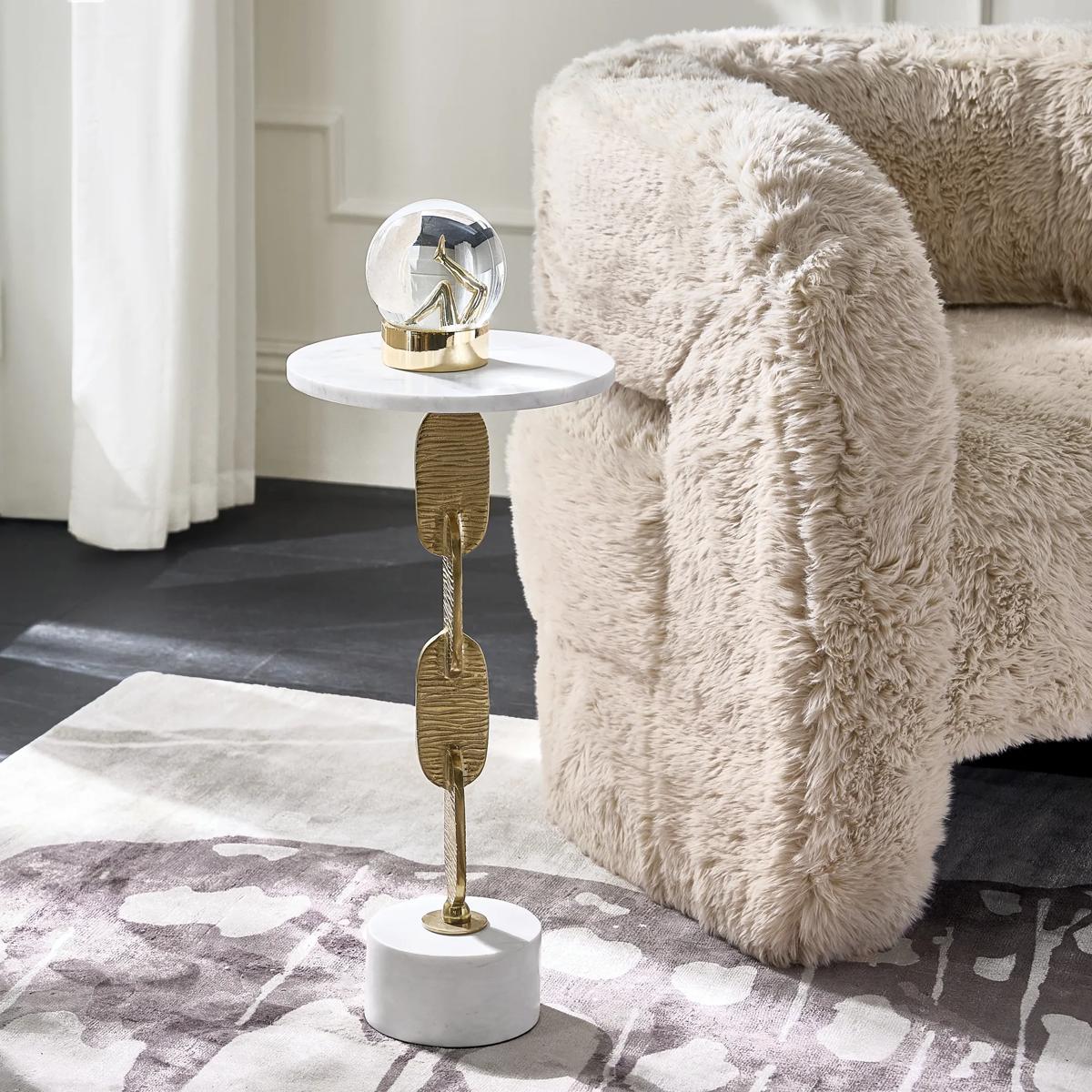 Luna Round White Marble Side Table (11.25")$199
A sculptural side table featuring a genuine white marble top and an open gold-finished metal frame.
Add To Cart -

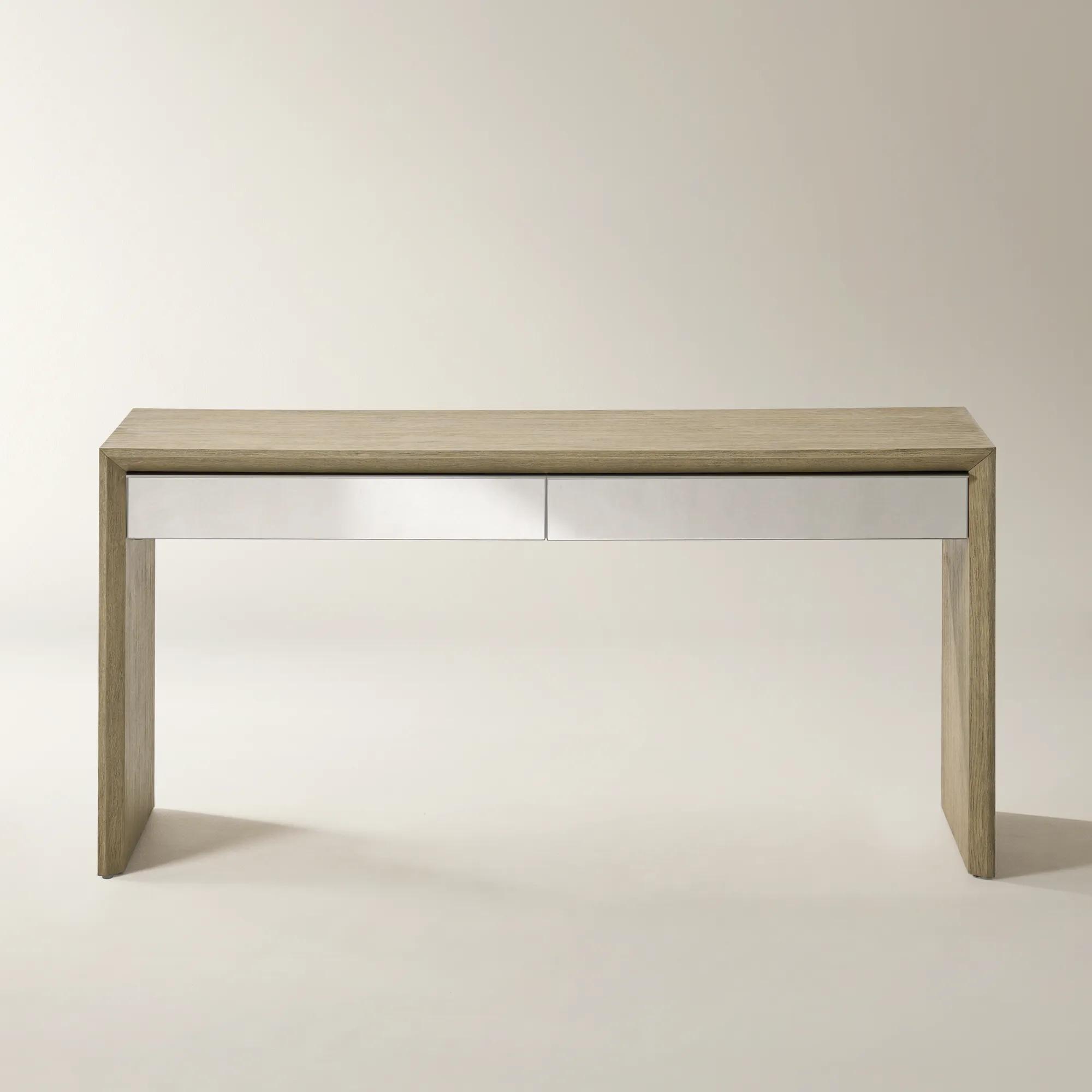
 Cairo Mactan Stone Console Table (63")$1799
A hand-carved Mactan stone console table featuring a raw chiseled edge and natural tonal variations.
Add To Cart -
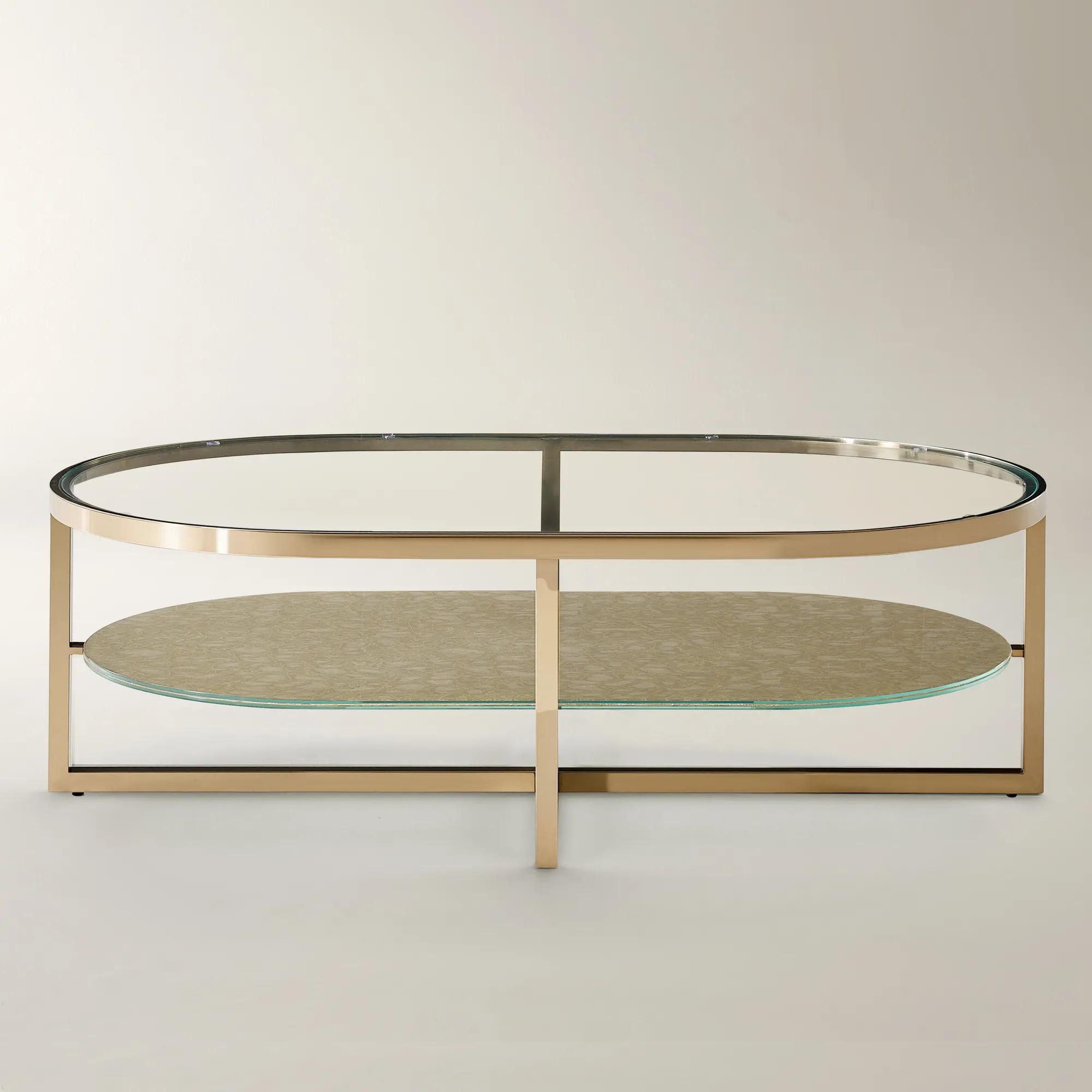
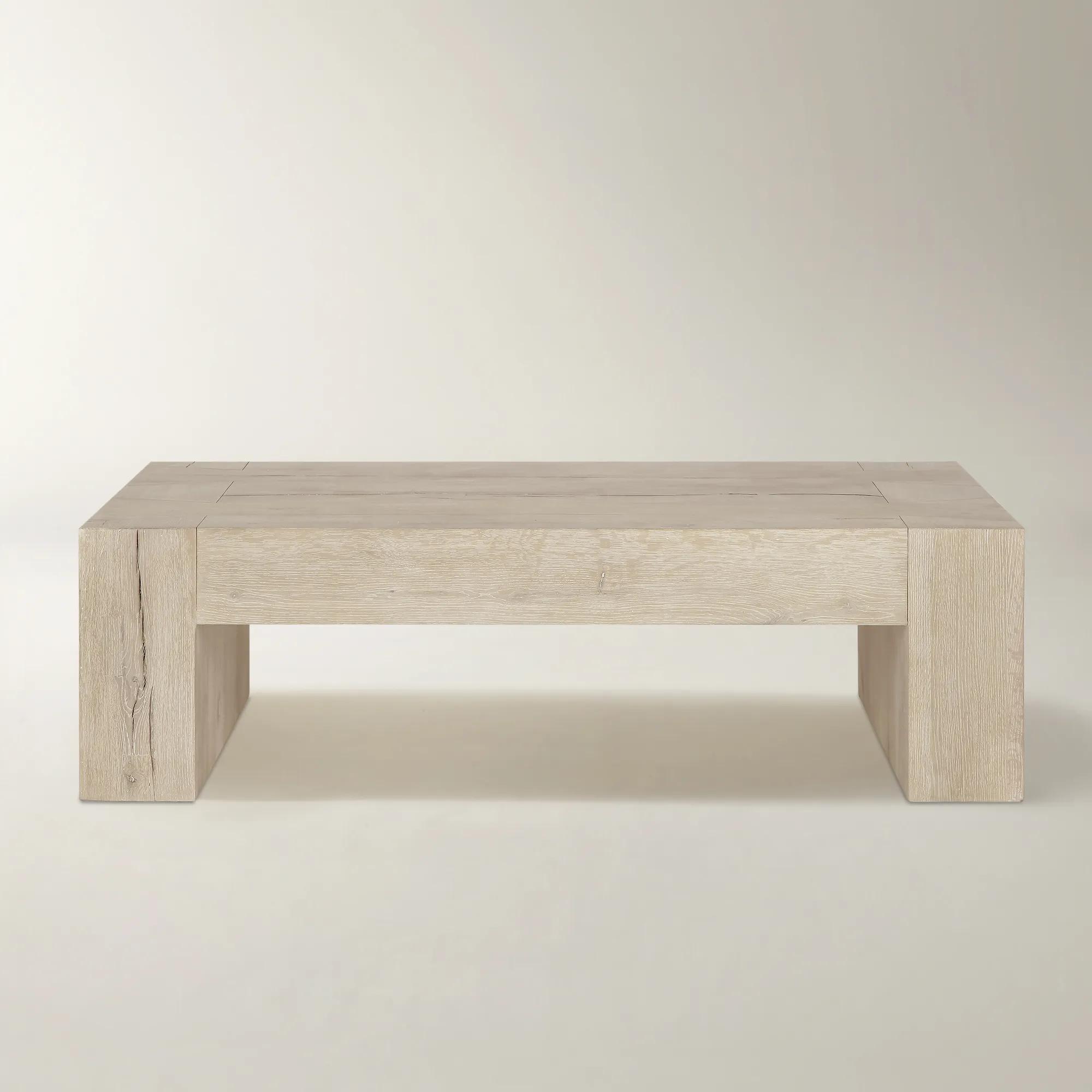
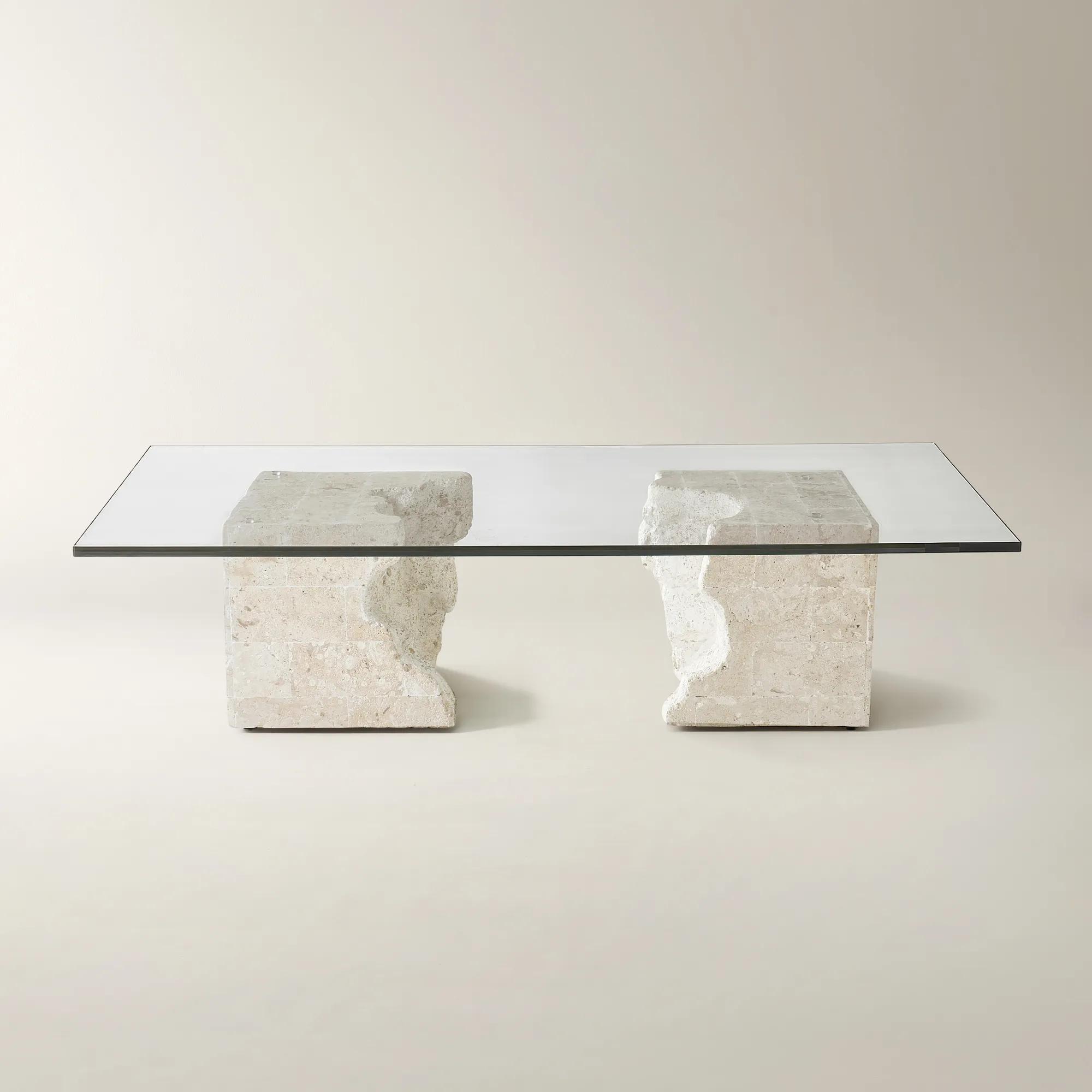 Cairo Rectangular Mactan Stone Coffee Table With Glass Top (70.87")$1999
A contemporary coffee table featuring a clear tempered glass top floating above hand-carved Mactan stone bases.
Add To Cart -
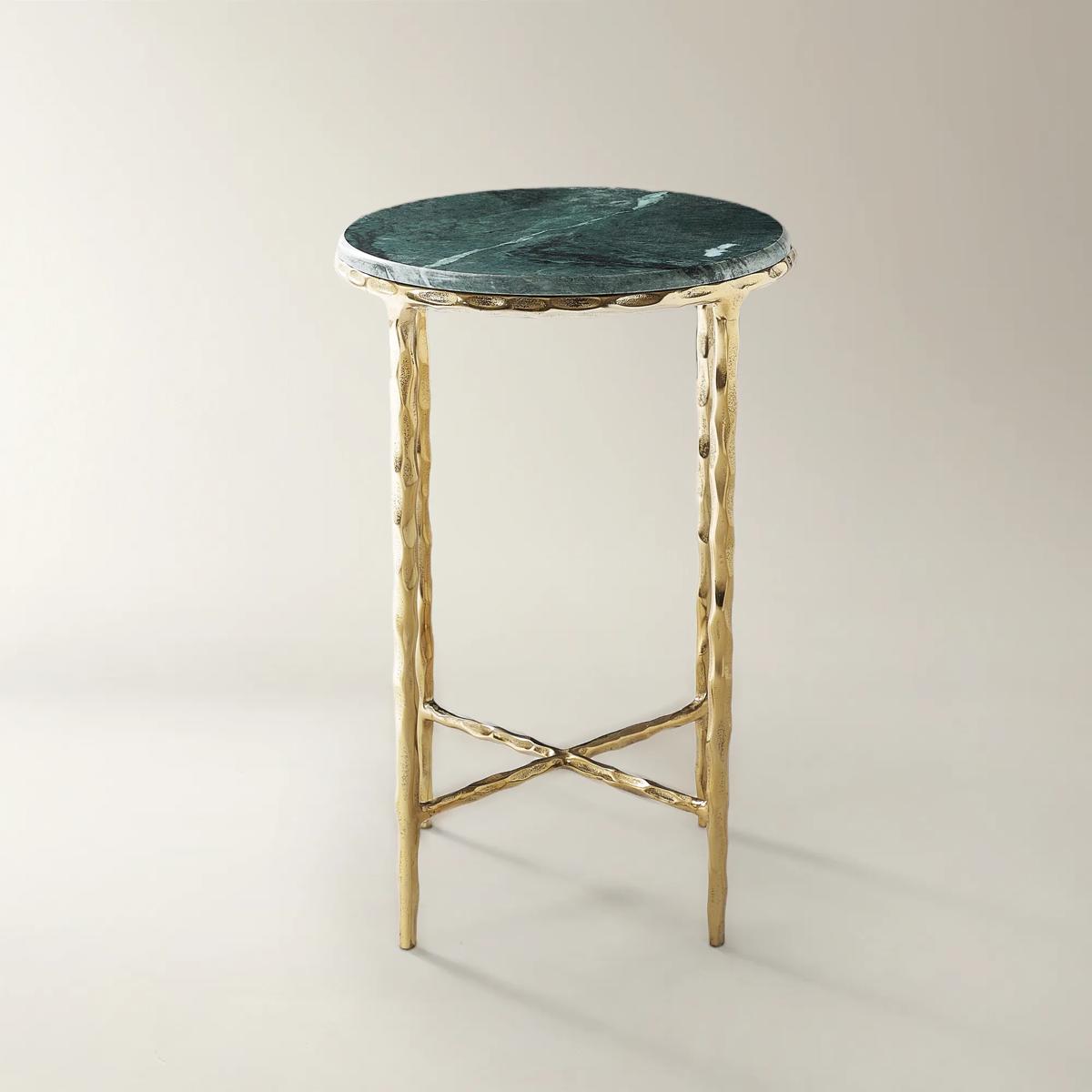
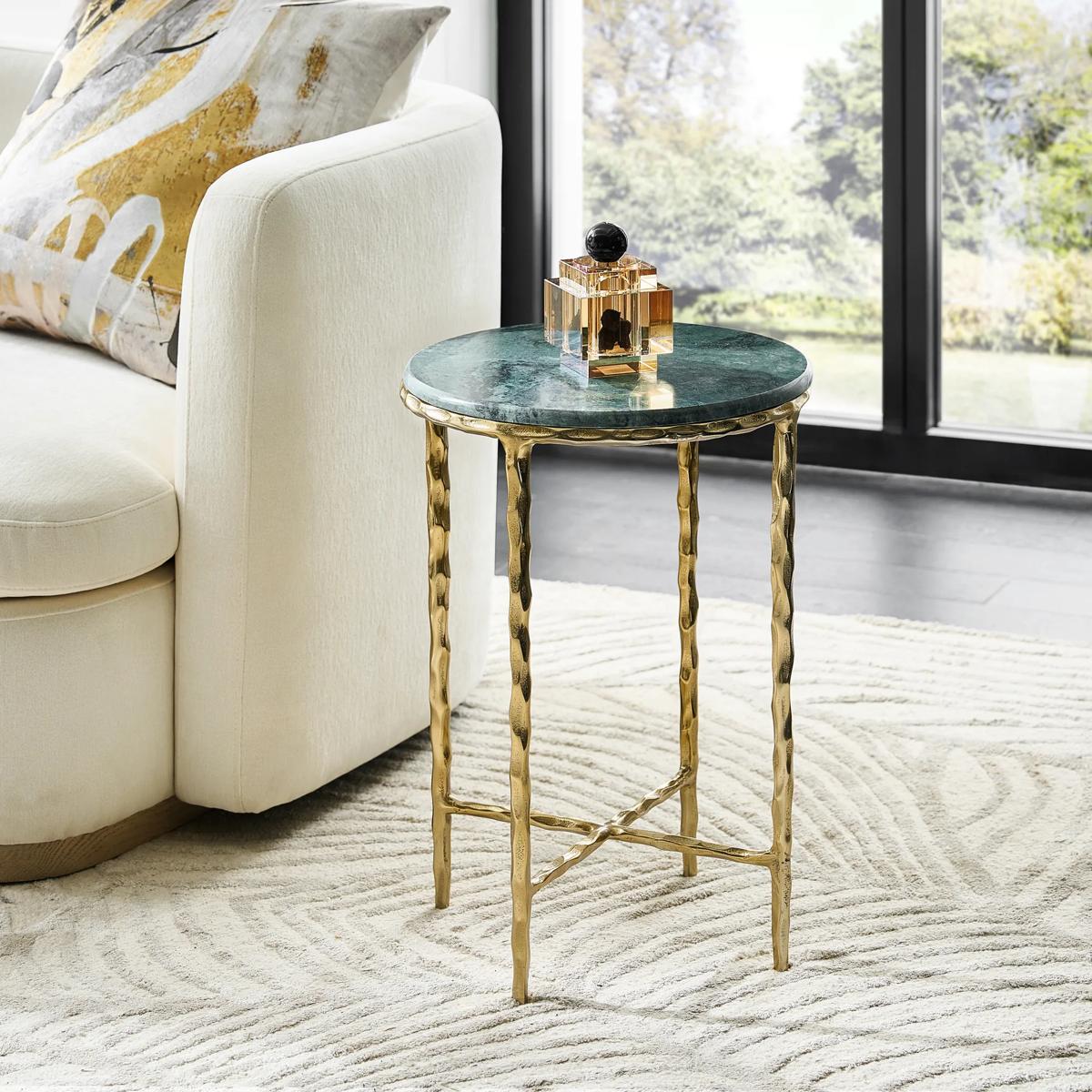 Juliet Round Green Marble Side Table (15")$269
A striking side table featuring a deep green Indian marble top and a hand-hammered metal base.
Add To Cart -
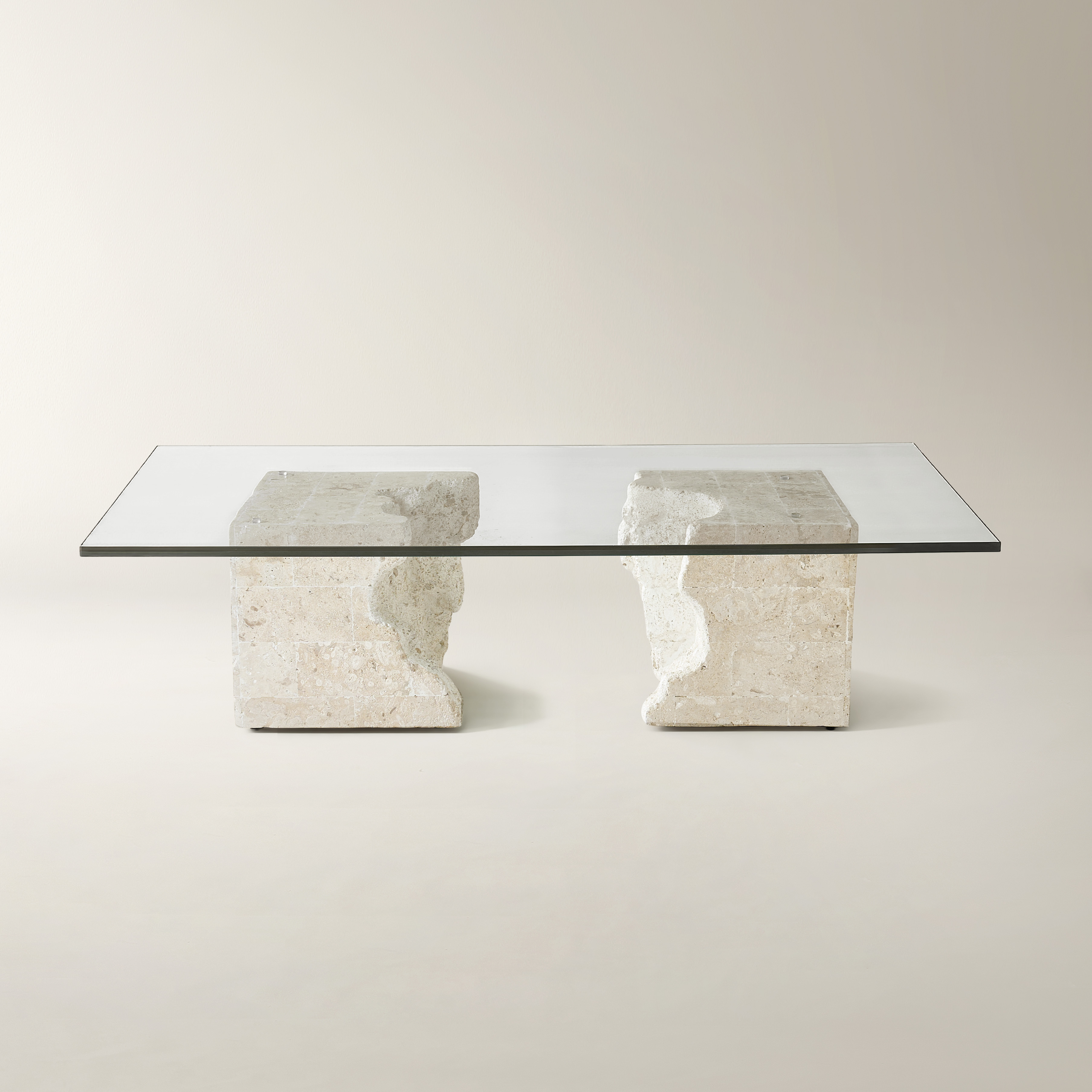 Cairo Rectangular Mactan Stone Coffee Table With Glass Top (63")$1899
A contemporary coffee table featuring a clear tempered glass top floating above hand-carved Mactan stone bases.
Add To Cart -
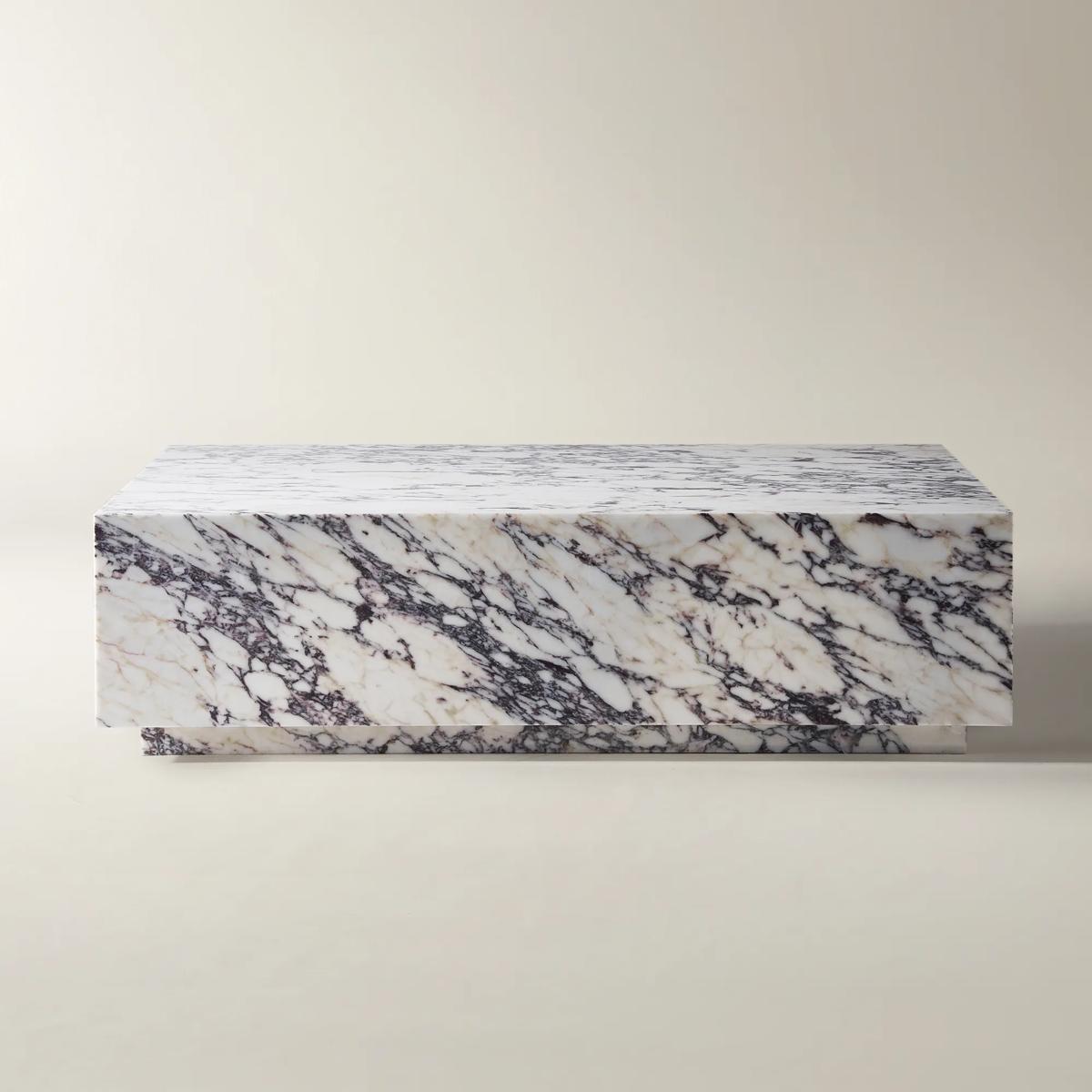
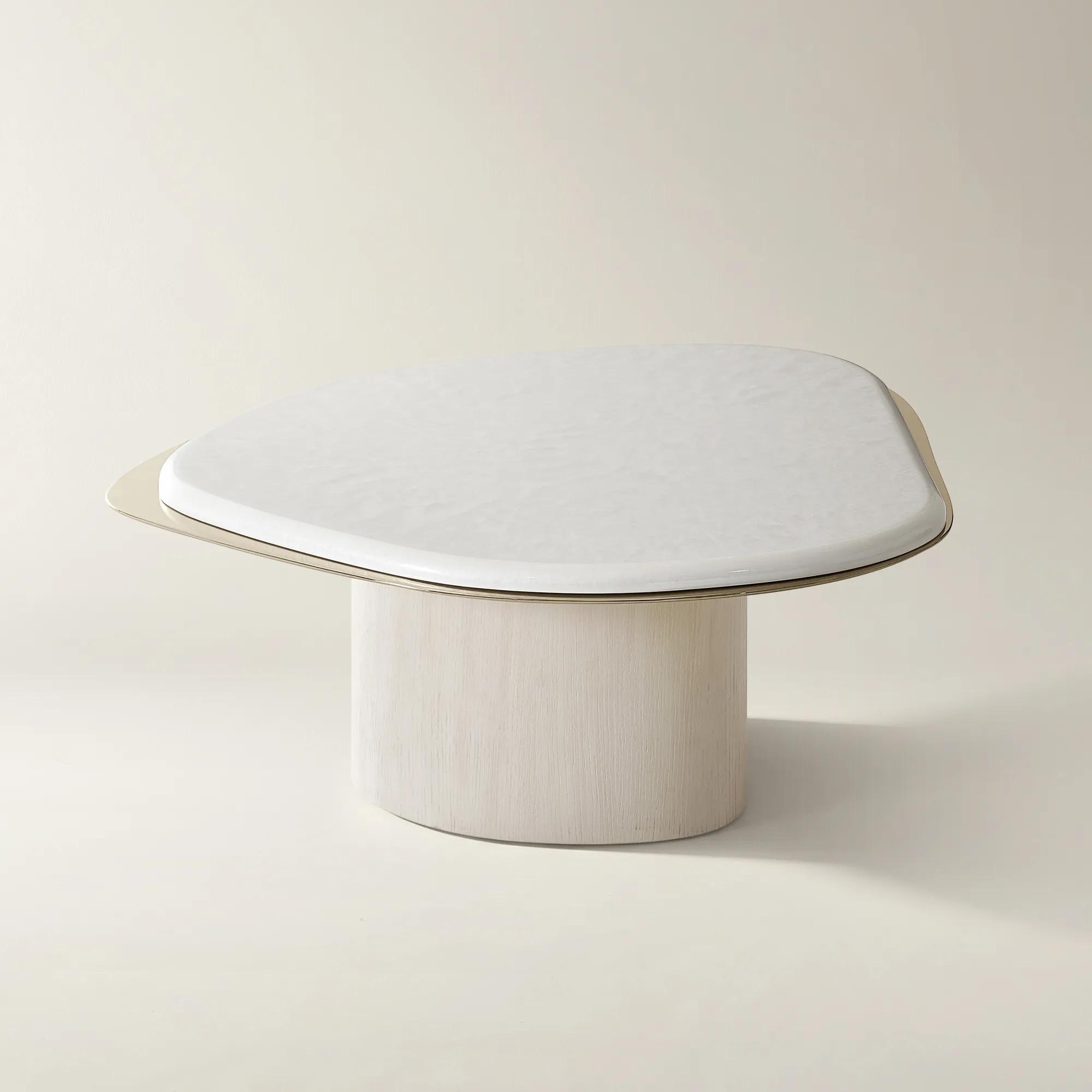
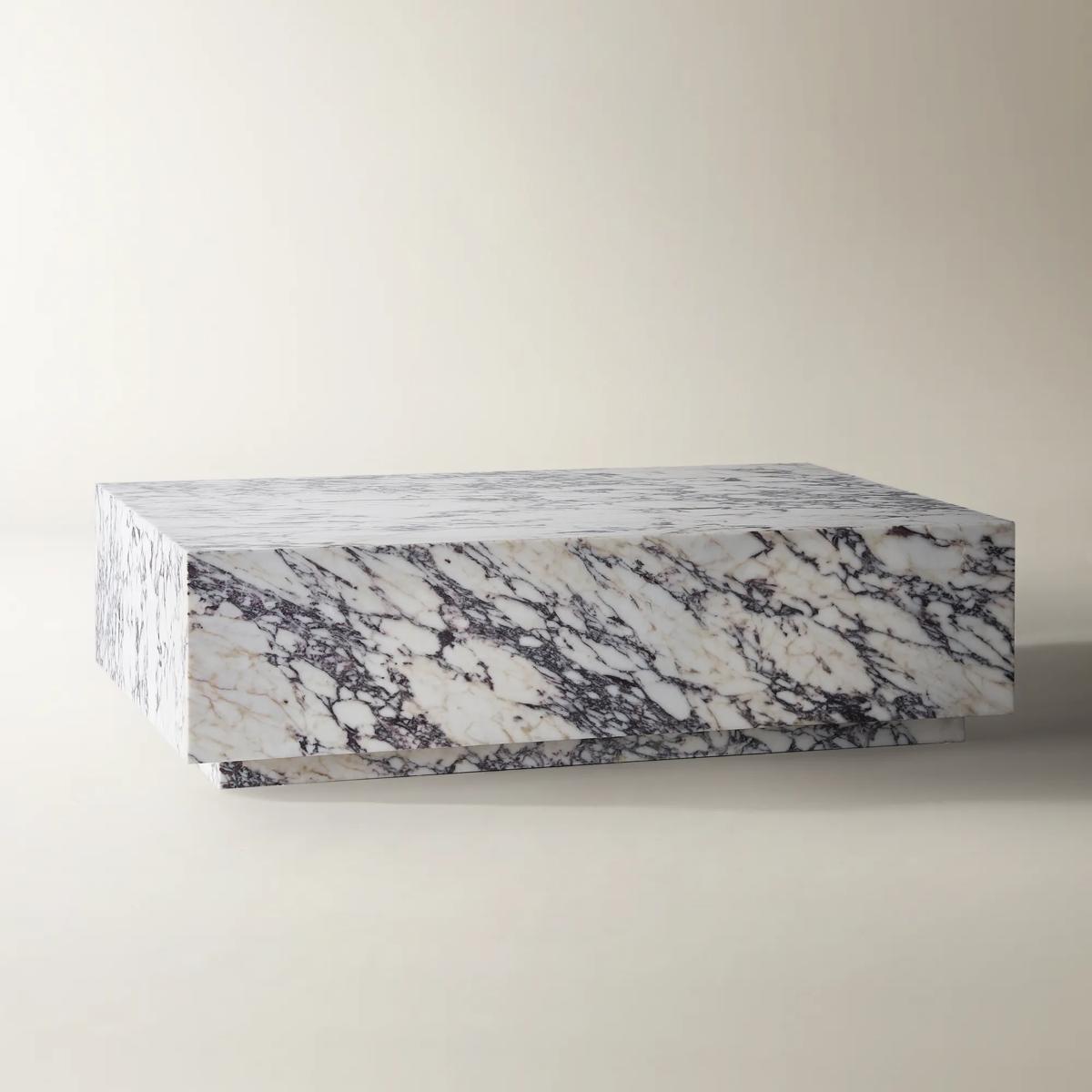 Vanta Rectangular Viola Calacatta Marble Coffee Table (54")$3699
A sculptural coffee table in Calacatta Viola marble, featuring an aluminum core and recessed plinth base.
Add To Cart -
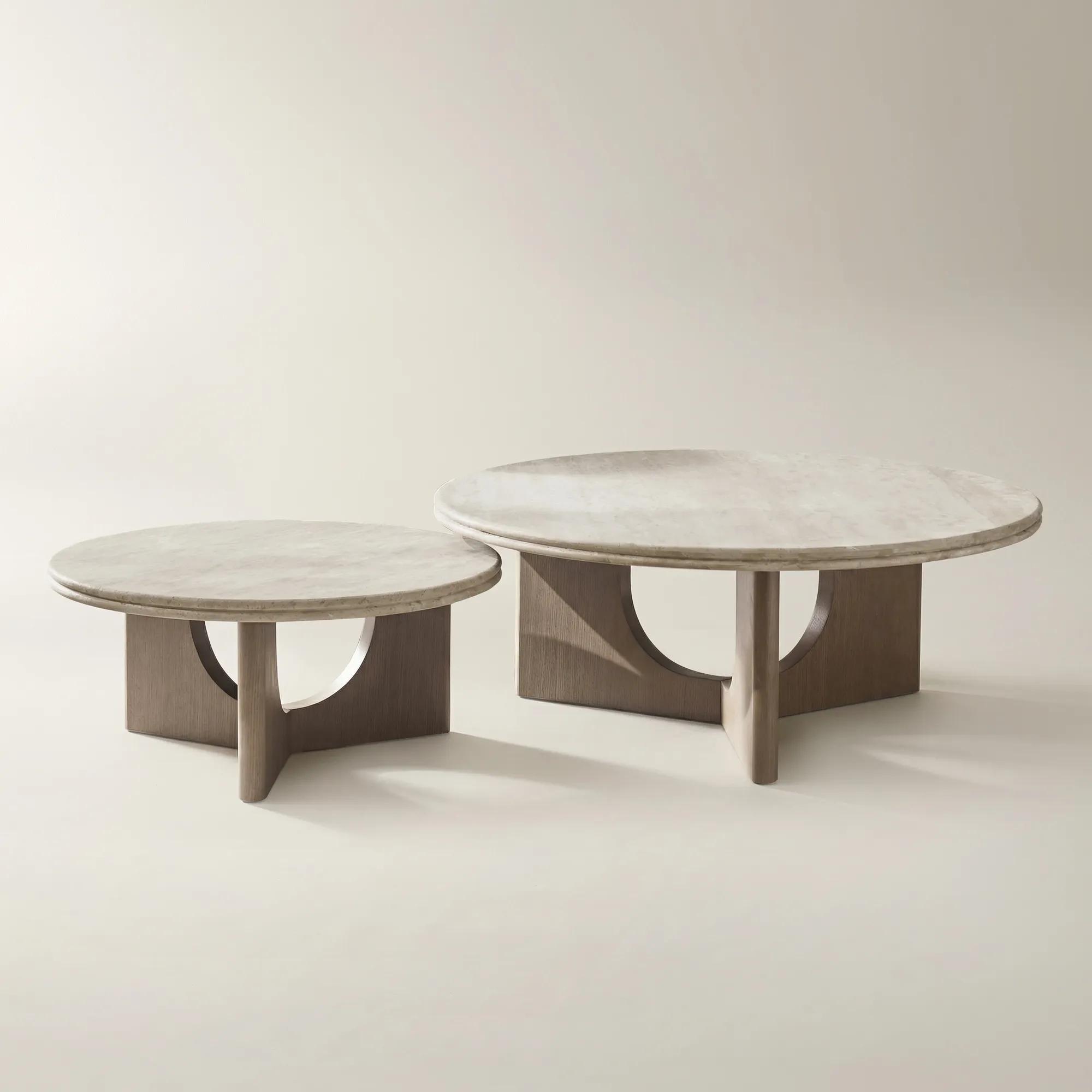
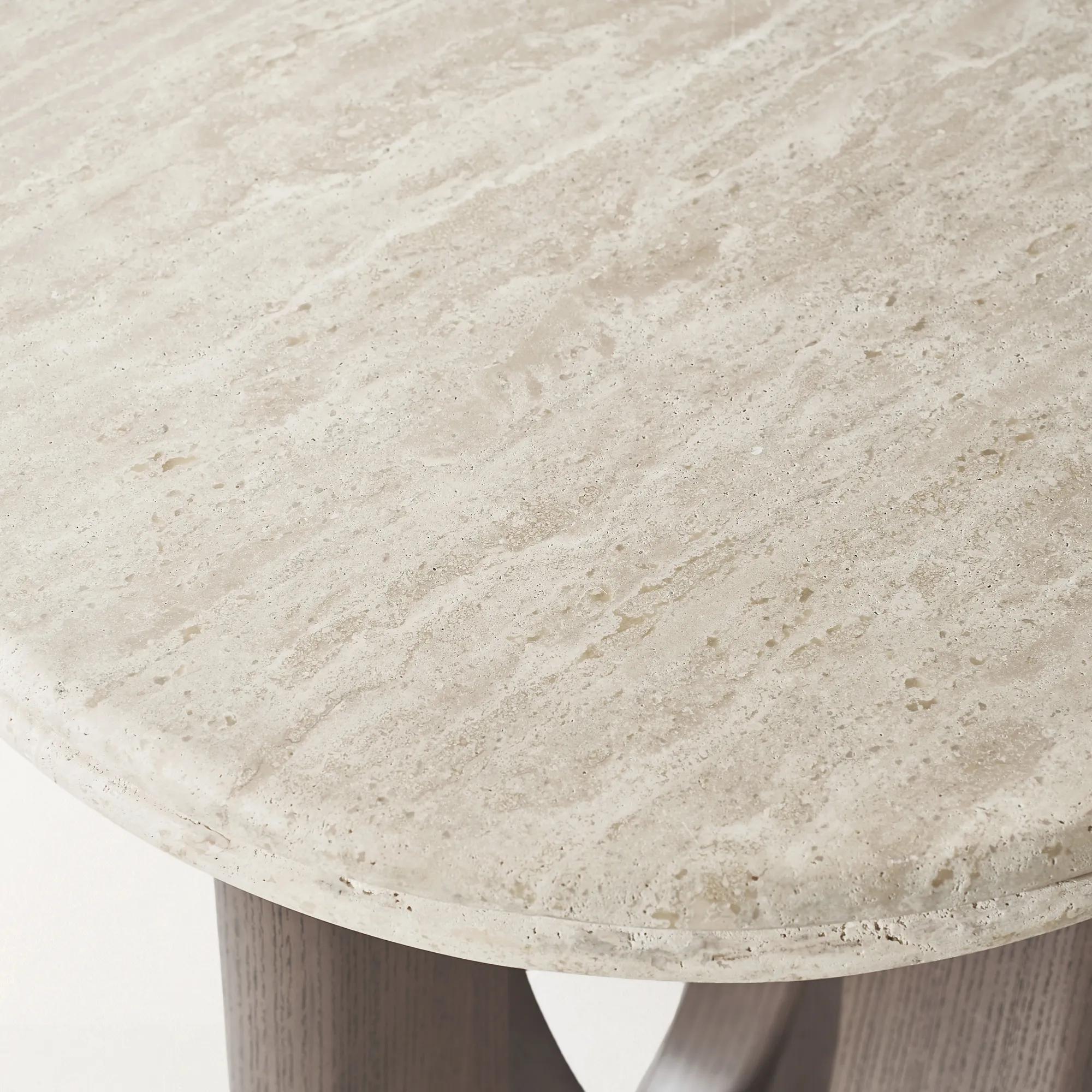 Bond Round Travertine and Wood Coffee Table Set of 2 (29.25"-41")$2098
A natural-finish nesting coffee table set offering versatile, space-saving layering for modern living rooms.
Add To Cart -
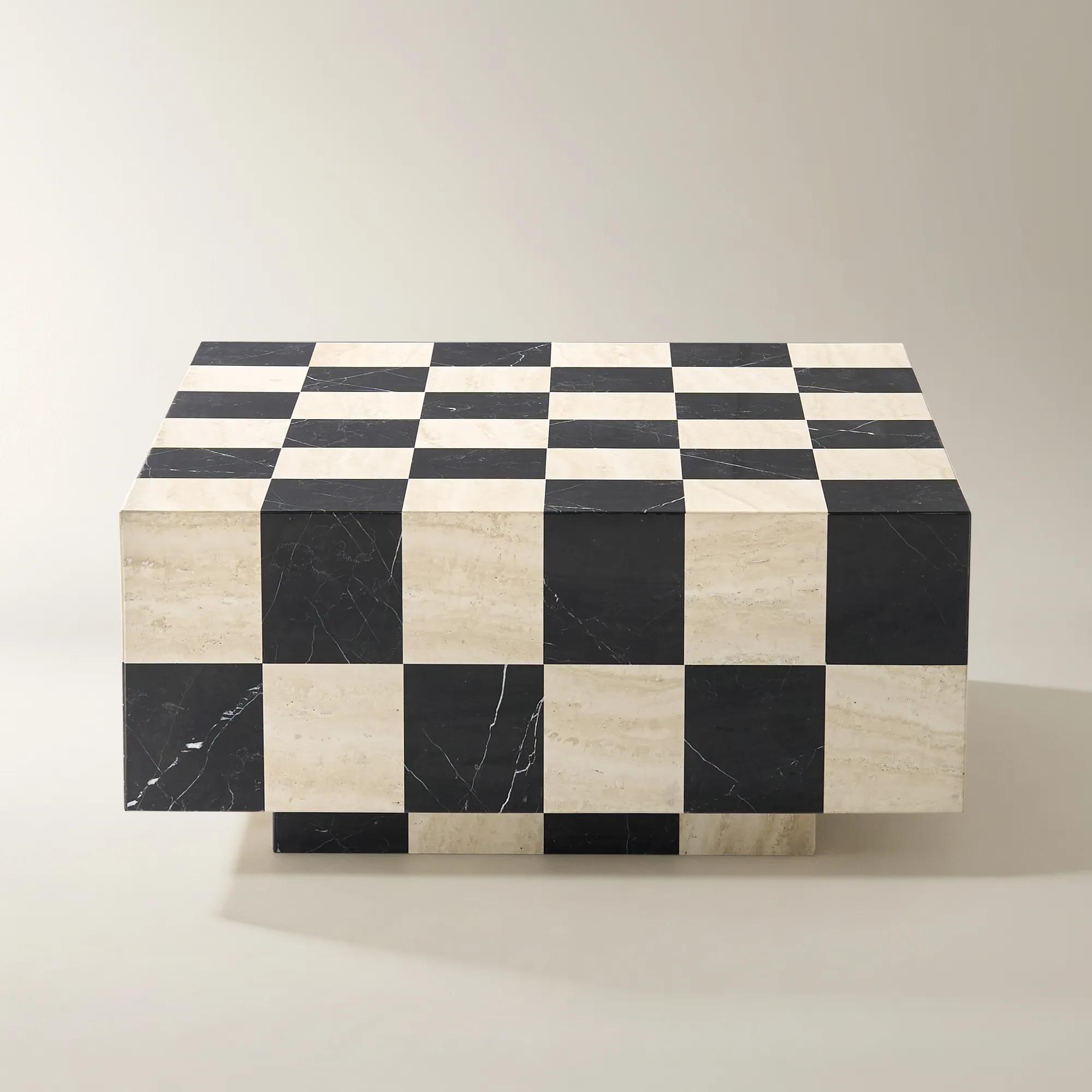
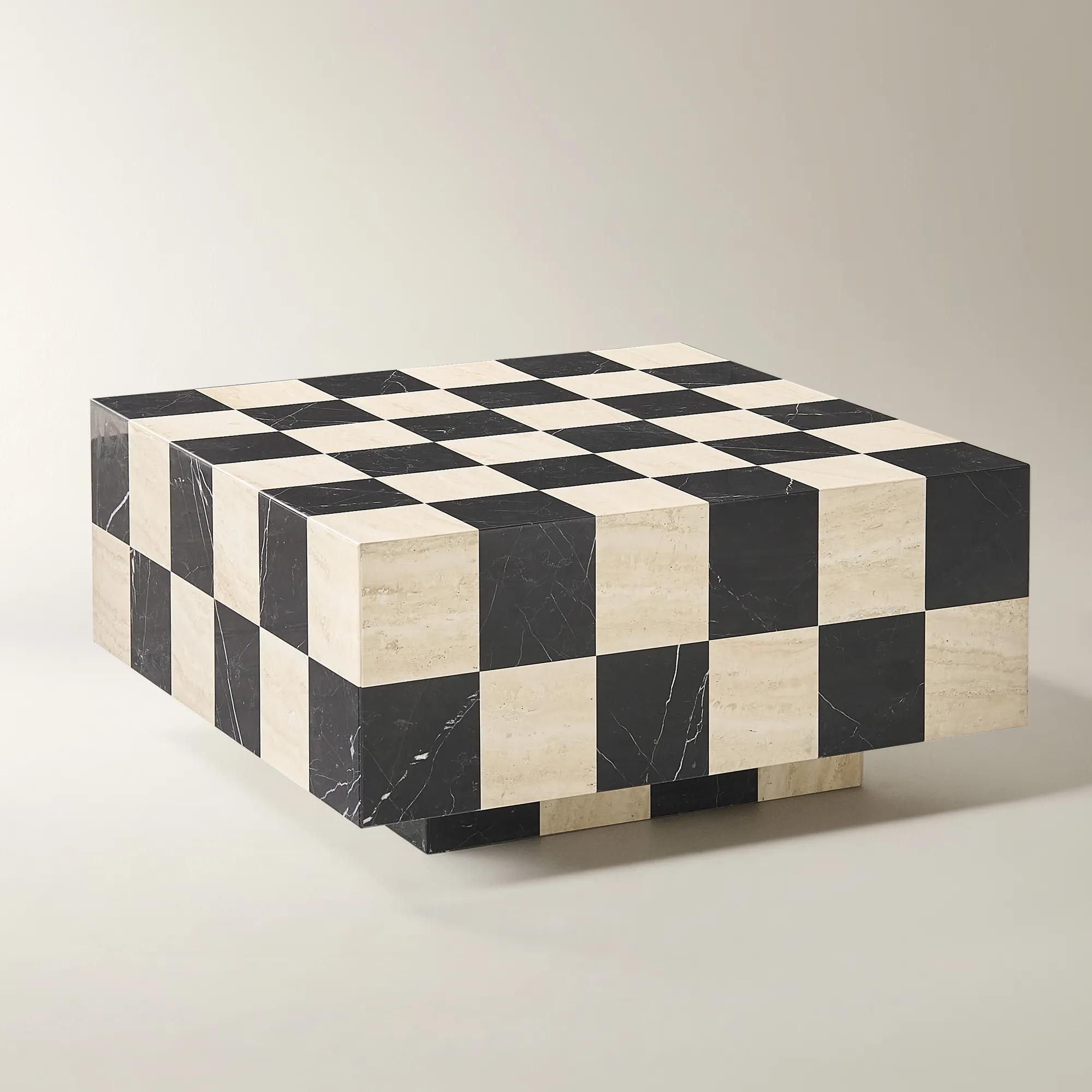 Chessa Square Chequered Marble Coffee Table (31.9")$1699
A striking coffee table featuring a dimensional black marble and travertine checkerboard mosaic with polished finish.
Add To Cart -
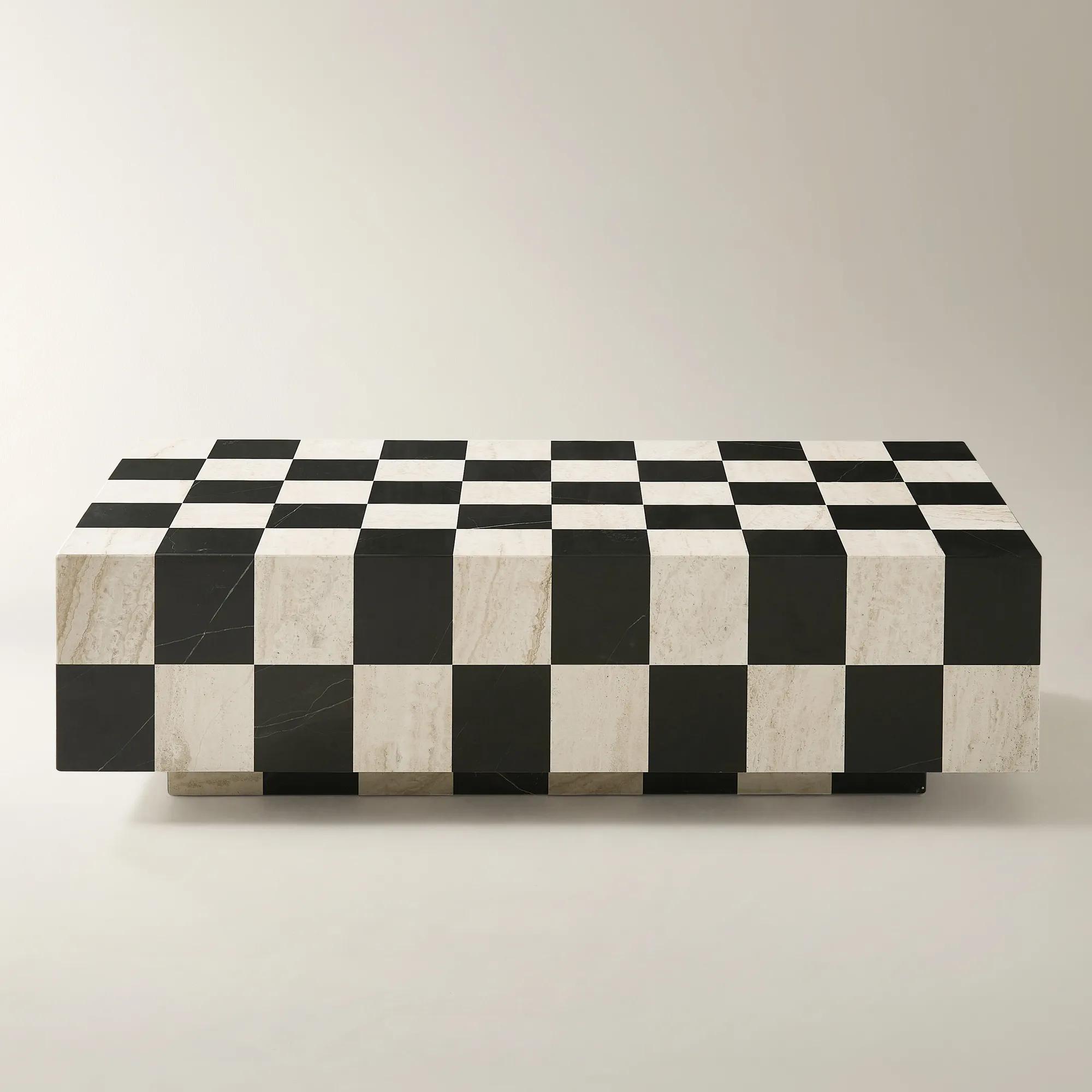 Chessa Rectangular Chequered Marble Coffee Table (53.1")$2399
A sculptural coffee table featuring polished black marble and travertine checkerboard mosaic with a monolithic silhouette.
Add To Cart -
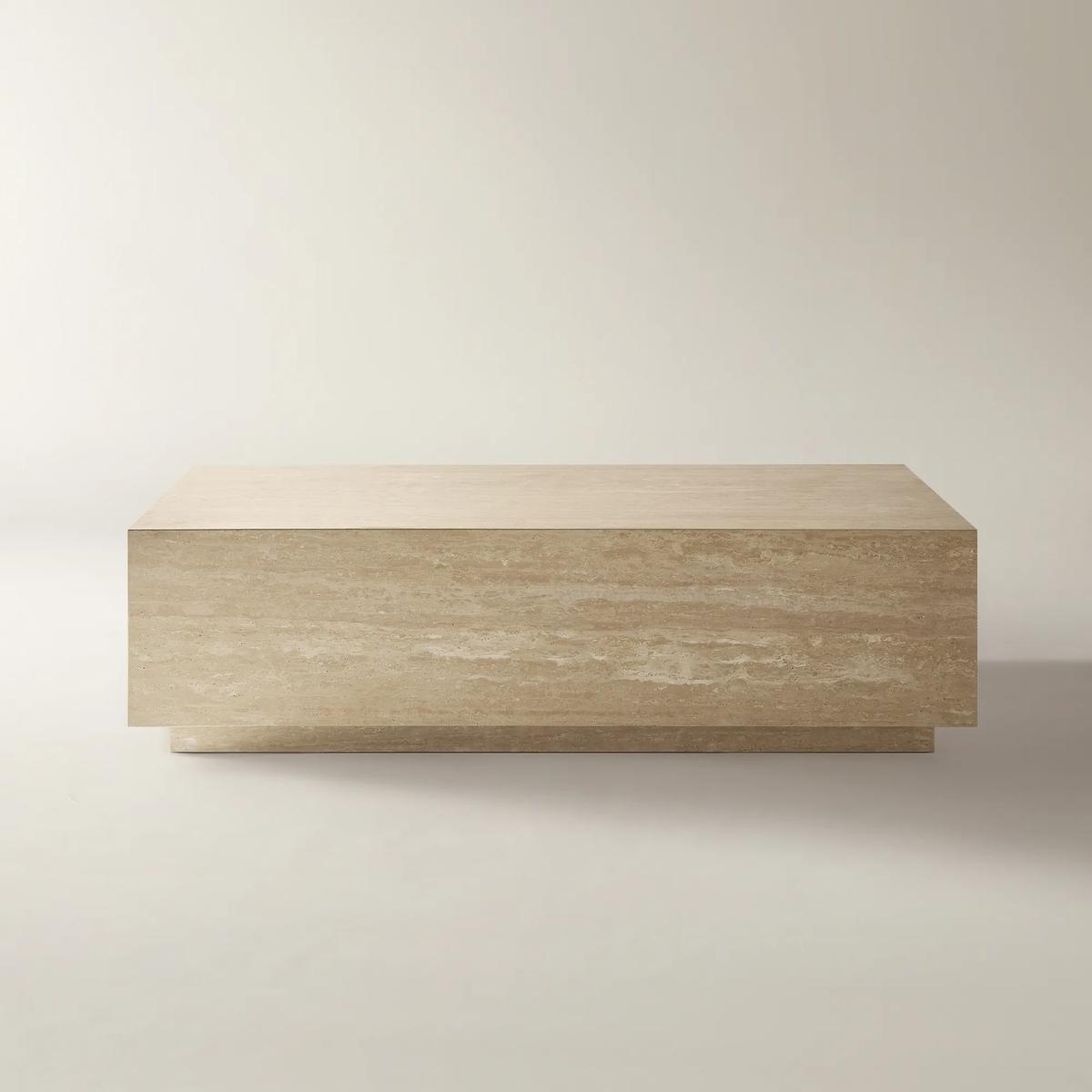
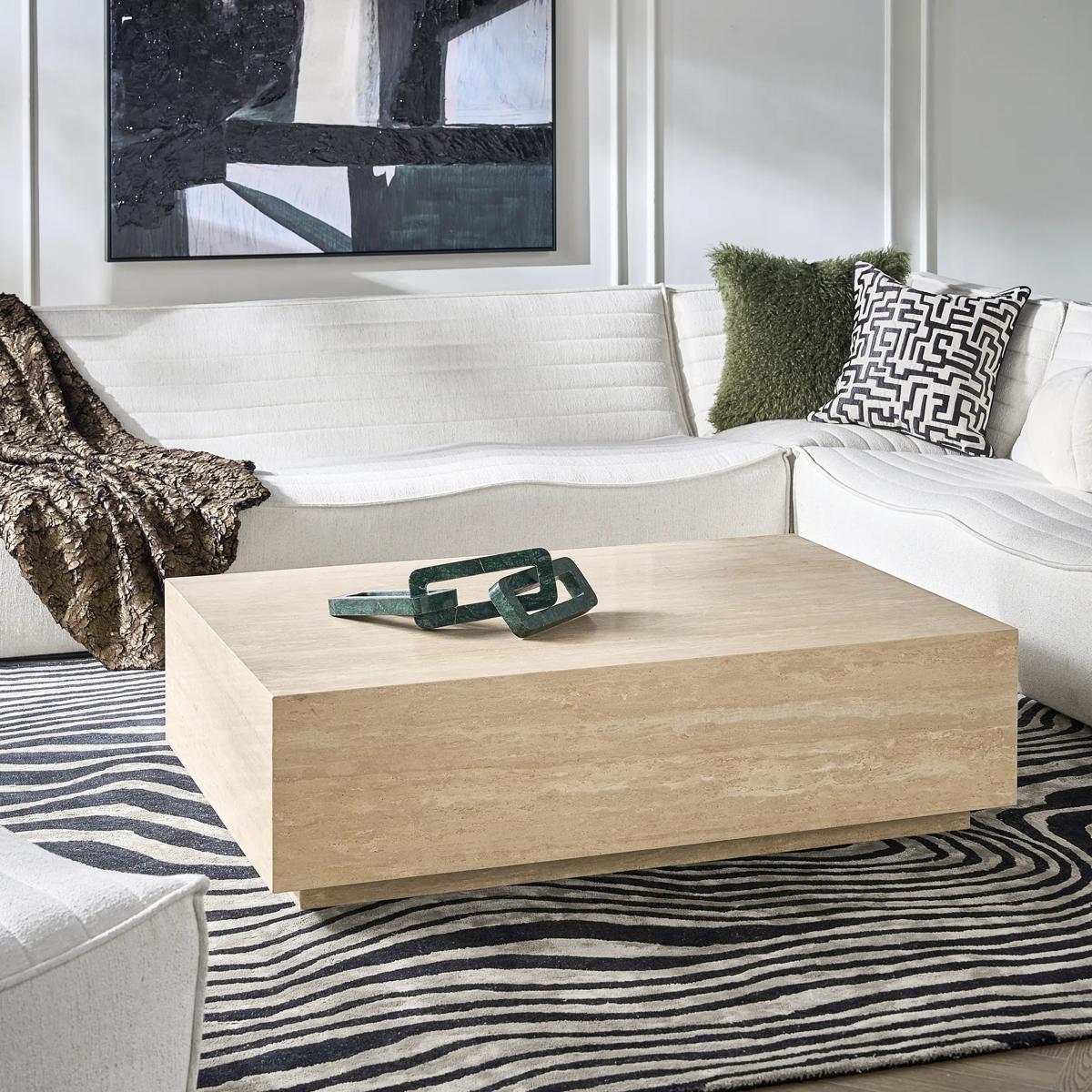 Vanta Rectangular Travertine Coffee Table (54")$2599
A sculptural travertine coffee table with an aluminum honeycomb core and recessed plinth base.
Add To Cart -
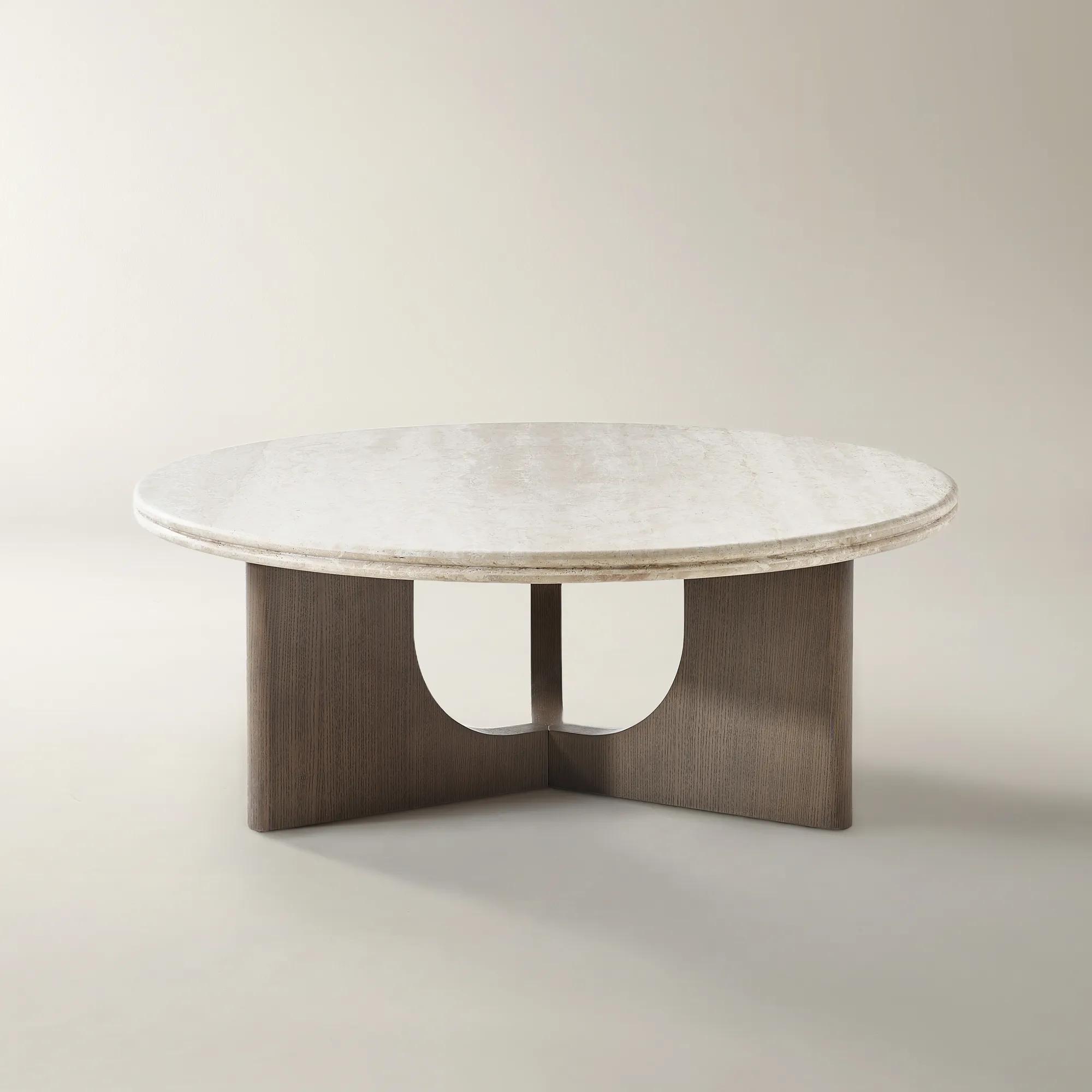
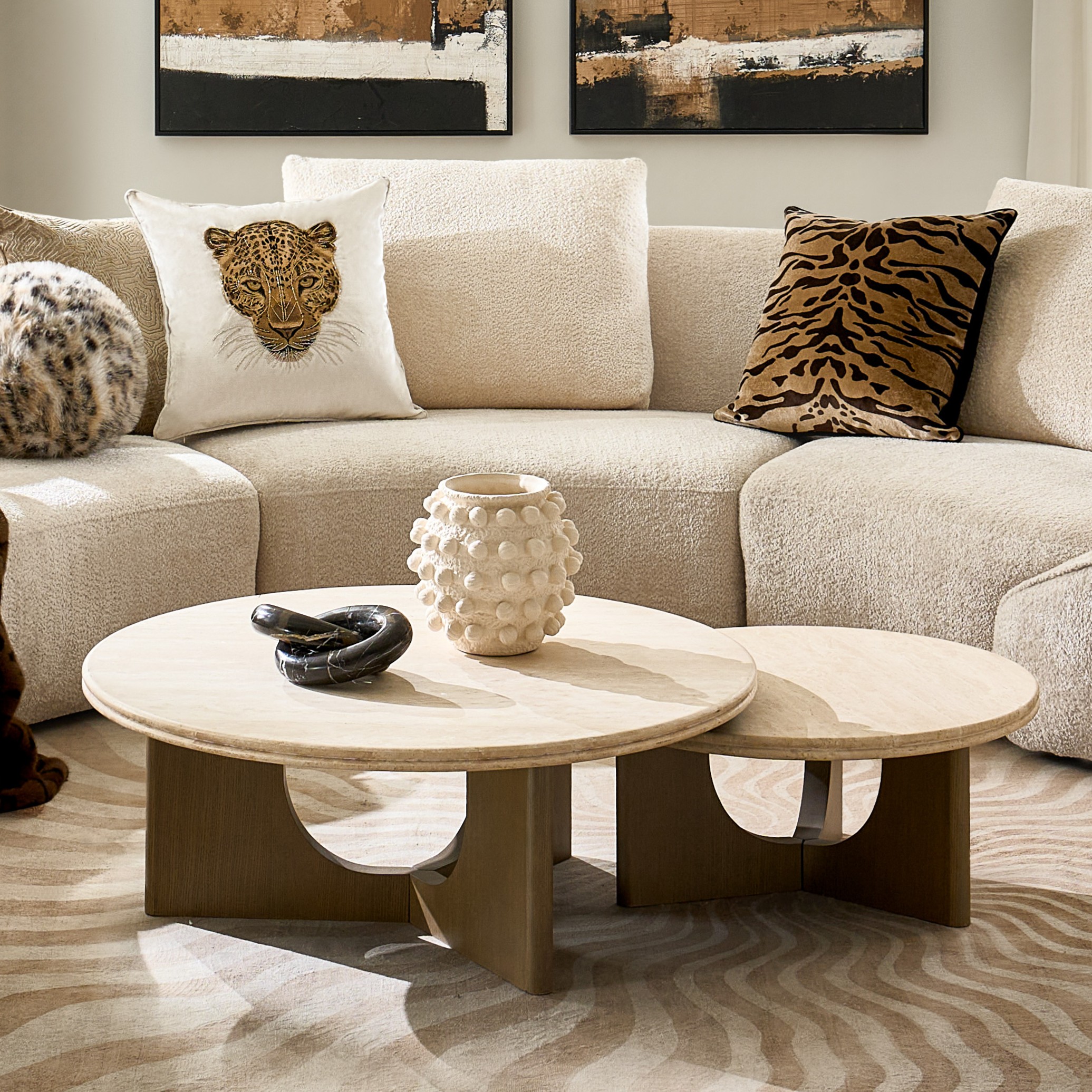 Bond Round Travertine and Wood Coffee Table (41")$1399
A round coffee table featuring a genuine travertine stone top and natural ash wood panel base with arches.
Add To Cart -
 Bond Round Travertine and Wood Coffee Table (29.25")$699
A genuine travertine stone coffee table with warm ivory-gold tones atop a solid natural ash base.
Add To Cart -
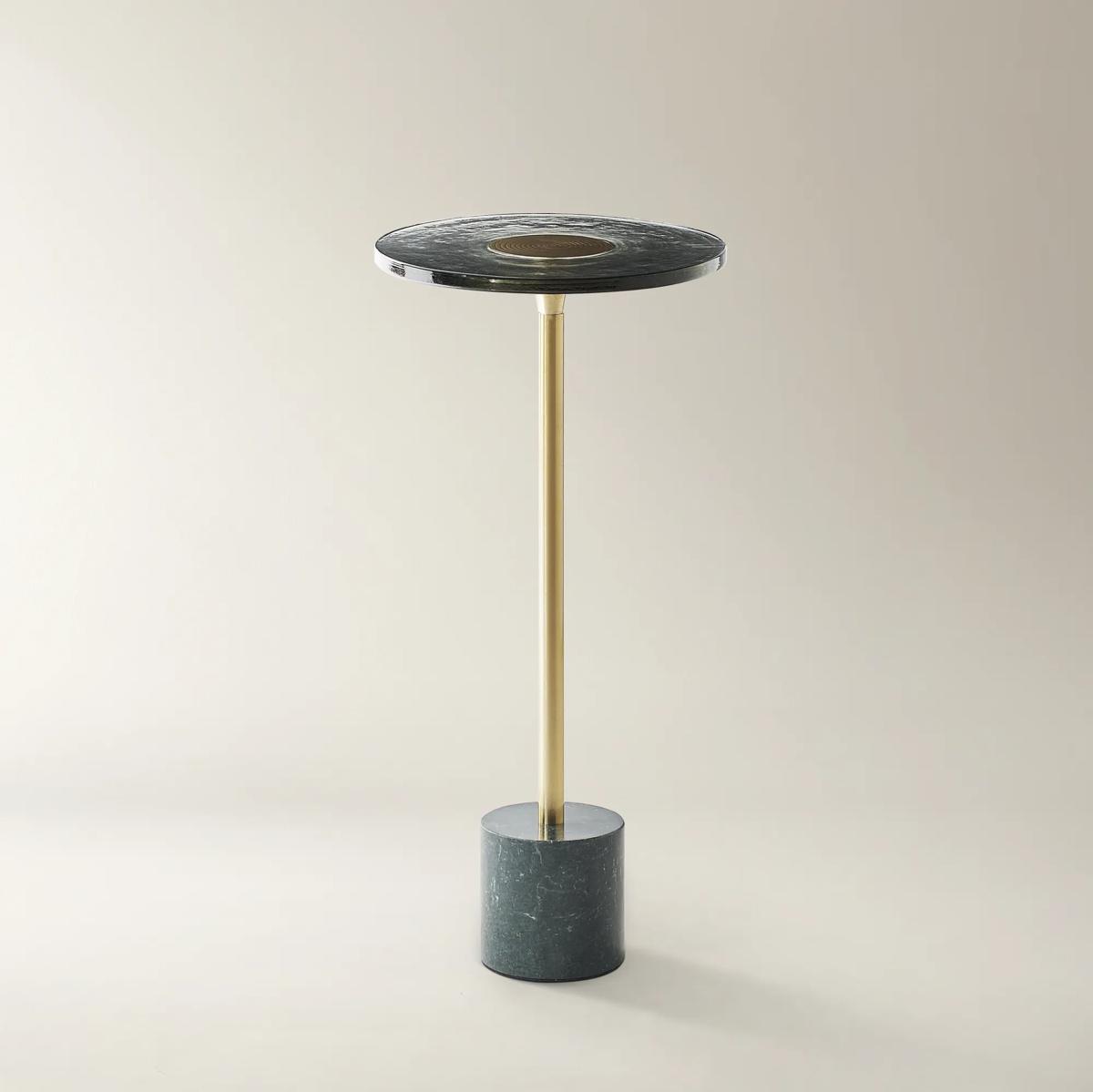
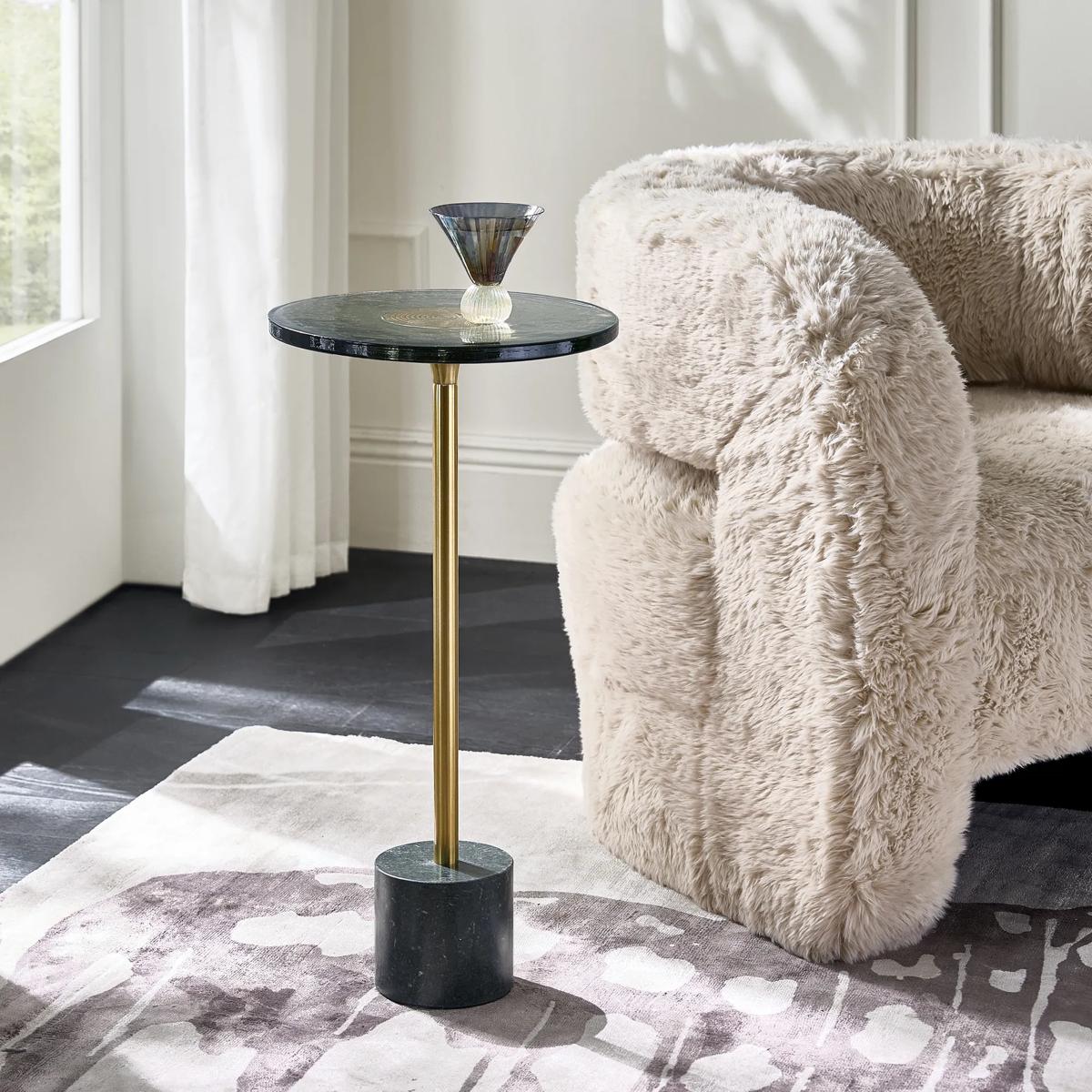 Seraphy Round Green Metal Side Table With Glass Top (13.75")$179
A modern side table featuring a green cast glass top, brass-finished post, and Indian green marble base.
Add To Cart

Contemporary Stone Top End Tables
Contemporary Stone Top End Tables command attention with their striking fusion of modern artistry and timeless luxury. Each piece transforms an ordinary corner into a curated moment, where sculptural silhouettes meet the organic allure of stone. Designed for those who crave bold expression, these tables set the stage for dramatic living—inviting you to layer texture, contrast, and intrigue into your space. Elevate every vignette with the sophisticated presence of Contemporary Stone Top End Tables, where every surface becomes a statement and every detail is worthy of admiration.
Contemporary stone top end tables bring the expressive character of stone into a compact piece of living room furniture, pairing a substantial surface with silhouettes that feel sculptural and intentional. In furniture, contemporary describes a present-day design approach rather than a single historical style; here, that often means clean profiles, distinctive proportions, and an interplay between natural texture and refined finishes. The result can be quietly architectural or unapologetically dramatic: a pale stone surface floating above a slender metal frame, a richly veined top balanced on a substantial pedestal, or a rounded silhouette that softens the geometry of a tailored sofa. These tables serve the familiar purpose of keeping a drink, reading light, or favorite book within reach, yet their material presence gives even a small seating arrangement a sense of permanence. Marble is prized for its expressive veining, with markings that can range from delicate threads to sweeping contrasts. Travertine offers a different mood through its porous character and tonal movement, although filled and unfilled finishes create distinctly different surfaces. Granite, limestone, and engineered stone introduce additional possibilities, each with its own composition, finish, and care requirements. A stone-look surface is not necessarily natural stone, and a stone veneer differs in construction from a solid slab, making material descriptions important to both appearance and intended use. Natural variations in color, veining, and texture are part of the appeal of genuine stone rather than a promise of exact visual uniformity. Polished finishes can catch lamplight with a luminous sheen, while honed finishes tend to diffuse reflections for a softer effect. The base completes the composition: warm metallic tones lend radiance, dark metal creates graphic definition, and wood introduces depth beside the mineral surface. Together, these elements make a contemporary stone top side table more than an accessory; it becomes a concentrated expression of the room’s character, with enough visual distinction to hold its own beside generously scaled upholstery.
Scale gives that distinction a purpose. Beside a sofa, an end table feels most comfortable when its surface sits close to the height of the adjacent arm, allowing a glass or book to be reached without an awkward stretch. A deeply cushioned sectional may call for a more substantial tabletop, while a narrow space beside an accent chair benefits from a compact footprint that preserves room to move. The base deserves as much consideration as the top: a pedestal may keep the outline visually contained, whereas splayed legs can extend beyond the surface and require additional clearance. Round stone top end tables introduce a graceful counterpoint to rectangular seating and can make circulation around a furniture grouping feel less angular, though adequate walking space still matters. Square and rectangular tops create a more defined edge and can offer a useful arrangement for a lamp, coaster, and small personal objects. The right proportions also depend on what the table will hold. A generous lampshade needs breathing room, and a substantial lamp should sit on a stable surface with dimensions and weight capacity suited to it. For a room composed around pale upholstery, reflective accents, and luminous mineral tones, Contemporary White Stone Tables offer a related expression of the same material sensibility. White and cream stone can bring lightness to a visually substantial form, while charcoal, black, or richly patterned surfaces create a stronger focal point. Matching end tables establish symmetry around a sofa; different but related tables can give a seating area a more collected character when their heights, finishes, or shapes share a considered connection. Styling remains most compelling when the stone has room to speak. A slender lamp, a low decorative bowl, and one beautifully bound book can create a complete composition without concealing the surface that gives the table its identity.
Beauty in a frequently used room also depends on understanding how the surface lives. Stone is substantial, but it is not indestructible, and durability varies with the material, construction, finish, and treatment. Marble and limestone are particularly sensitive to acidic substances, so a splash of citrus juice or wine can leave an etched mark even when staining does not occur. Travertine also requires care appropriate to its finish, especially where natural openings are present. Sealers may help reduce absorption on certain natural stones, but they do not make a tabletop stainproof or prevent acid etching; any sealing schedule should follow the manufacturer’s recommendations. Engineered surfaces have their own requirements, and the presence of stone in a material does not mean that every cleaner or treatment intended for natural stone is suitable. For everyday use, coasters beneath beverages, protective pads beneath decorative objects, and prompt attention to spills help preserve the finish without diminishing the pleasure of the piece. A soft cloth and a cleaner approved for the specific surface are generally more appropriate than abrasive scrubbers or harsh household formulas. Trivets provide a protective barrier beneath hot objects, while felt pads can help prevent a ceramic vessel or metal accessory from scratching the top. These habits matter beside a favorite reading chair, where coffee cups and lamps become daily companions, and in a conversation area where guests naturally set down drinks. Households with young children or pets may place greater emphasis on secure construction, rounded profiles, and placement away from active pathways; rounded edges alone do not eliminate the need for care. Weight matters during installation, too, since a substantial stone top can require assistance to move safely and should not be dragged by the surface. As a housewarming or wedding gift, a stone top end table is an especially personal choice when the recipient’s room dimensions and design preferences are known. Its appeal lies in that union of usefulness and artistry: a place for the objects that accompany daily life, framed by veining, texture, and form that make the surrounding room feel distinctly composed.
FAQs
Contemporary stone top end tables often feature luxurious materials such as marble, quartz, travertine, or granite. Each stone brings its own unique veining, color palette, and texture, creating a one-of-a-kind piece that elevates any room’s ambiance.
A stone top end table is a striking foundation for artistic displays. Pair it with metallic accents, sculptural vases, or a stack of coffee table books to create a layered, editorial look. For added drama, let the table’s natural beauty shine by keeping accessories minimal and letting the stone’s pattern take center stage.
Absolutely. The clean lines and natural elegance of contemporary stone top end tables allow them to blend seamlessly with both modern and traditional decor. In modern spaces, they add texture and depth, while in classic interiors, they introduce a fresh, sophisticated twist.
A stone top end table is a gift that combines artistry and utility, making it perfect for housewarmings, weddings, or milestone celebrations. Its enduring materials and timeless design ensure it will be cherished for years, serving as a daily reminder of your thoughtfulness.
Stone top end tables ground a space with their substantial presence and tactile beauty. Their reflective surfaces catch the light, creating a sense of openness and luxury, while their unique patterns add a layer of visual intrigue that invites admiration and conversation.