Contemporary Black End Tables
Contemporary Black End Tables
-
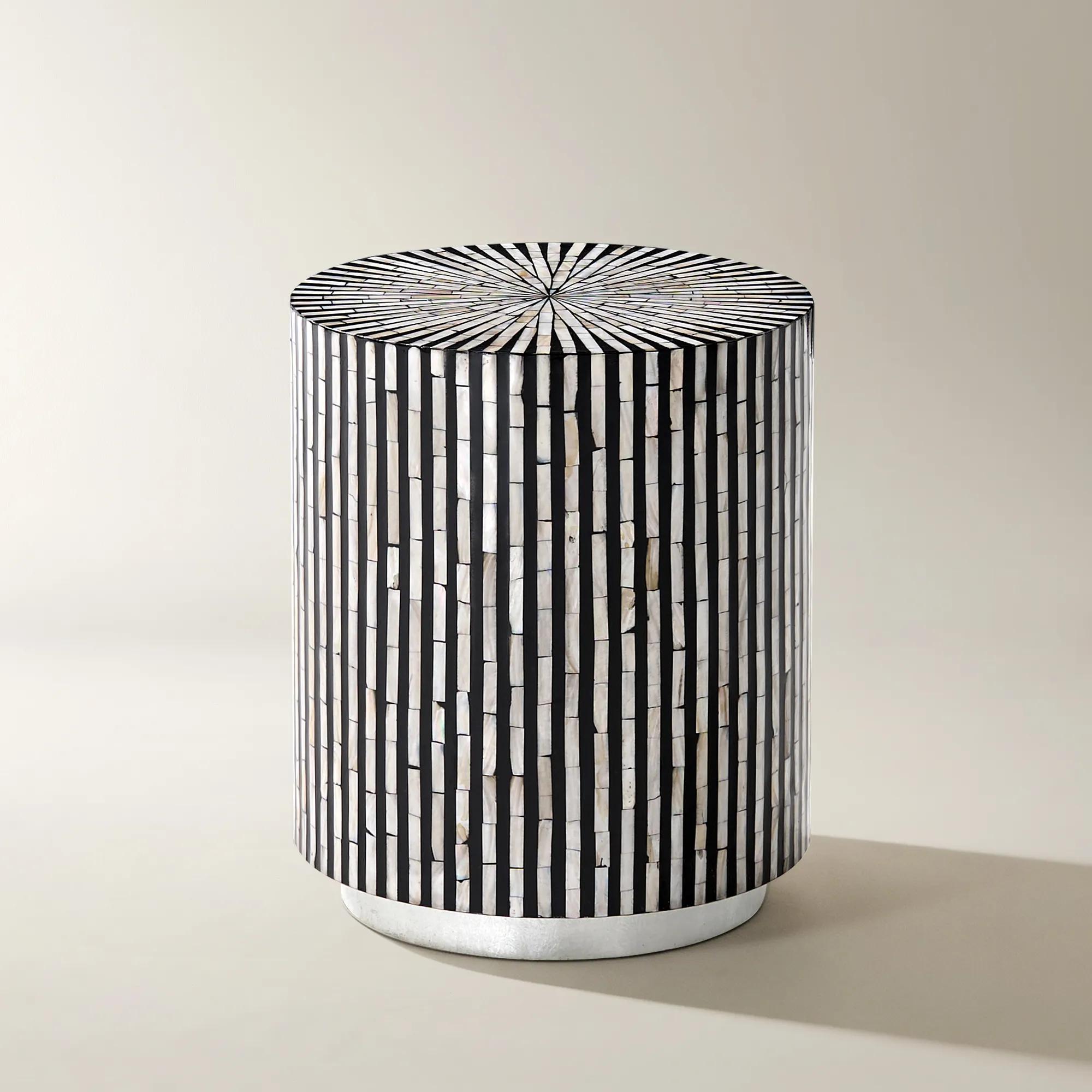
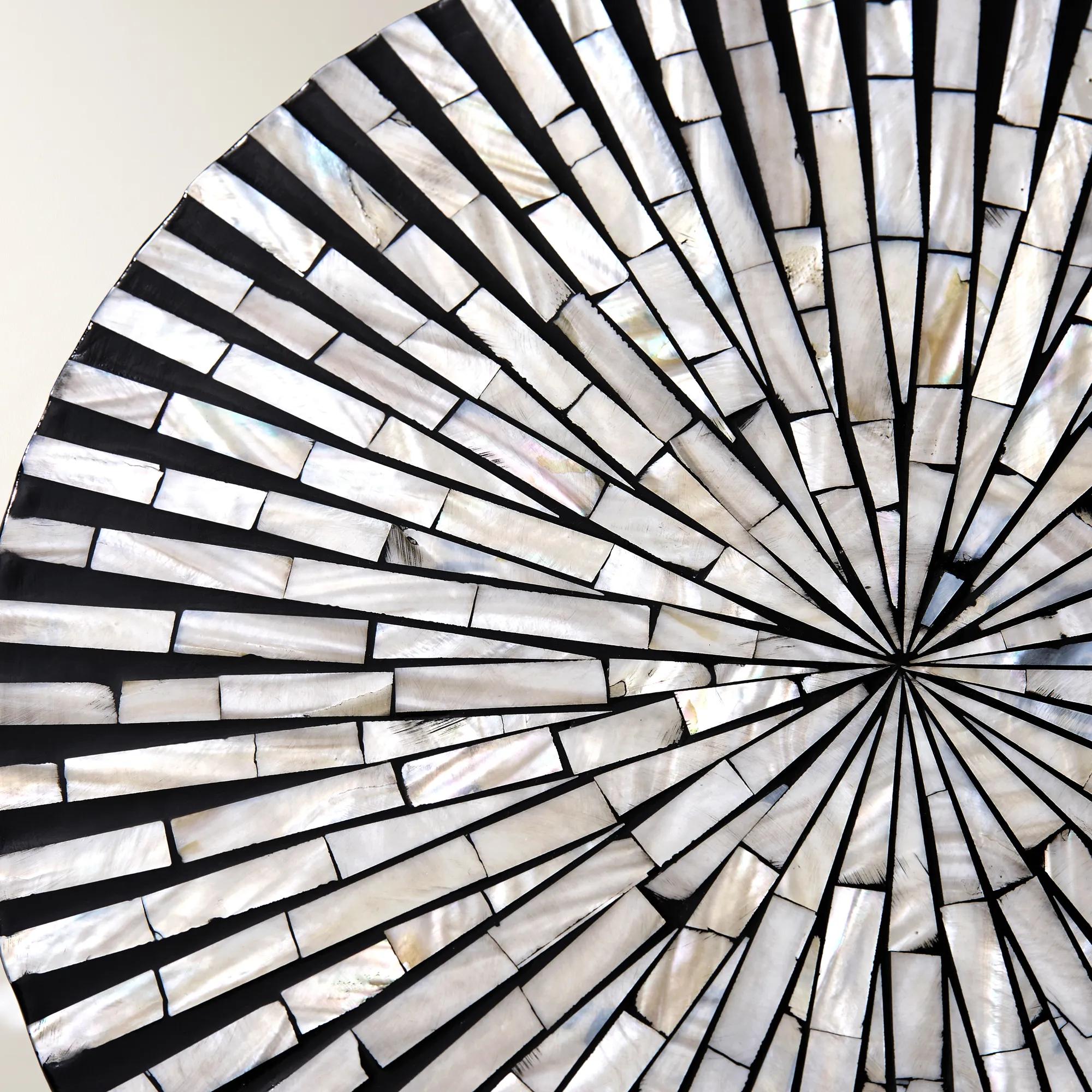 Marina Round Mosaic Black End Table (13.75")$299
A sculptural black end table featuring hand-applied mother-of-pearl mosaic and a silver leaf–accented base.
Add To Cart -
 Thalia Glossy Black Side Table Set Of 2 (8"-12.5")$599
A sculptural duo of glossy black fiberglass tables with fluid lines and mirror-like lacquered finish.
Add To Cart -
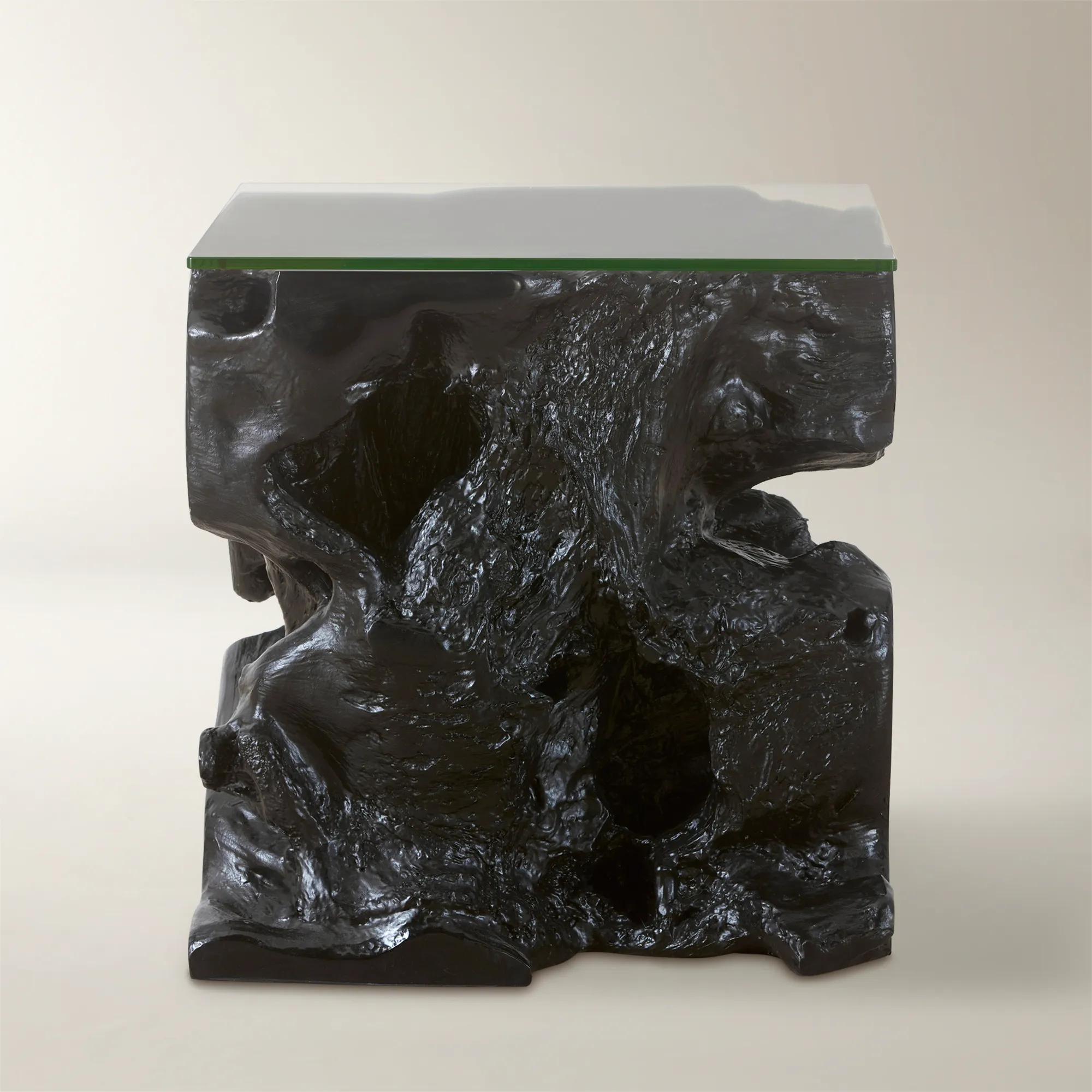 Sequoia Black Resin End Table With Glass Top (22")$999
A sculptural black resin and stone end table inspired by Acacia roots, suitable for indoor or outdoor use.
Add To Cart -
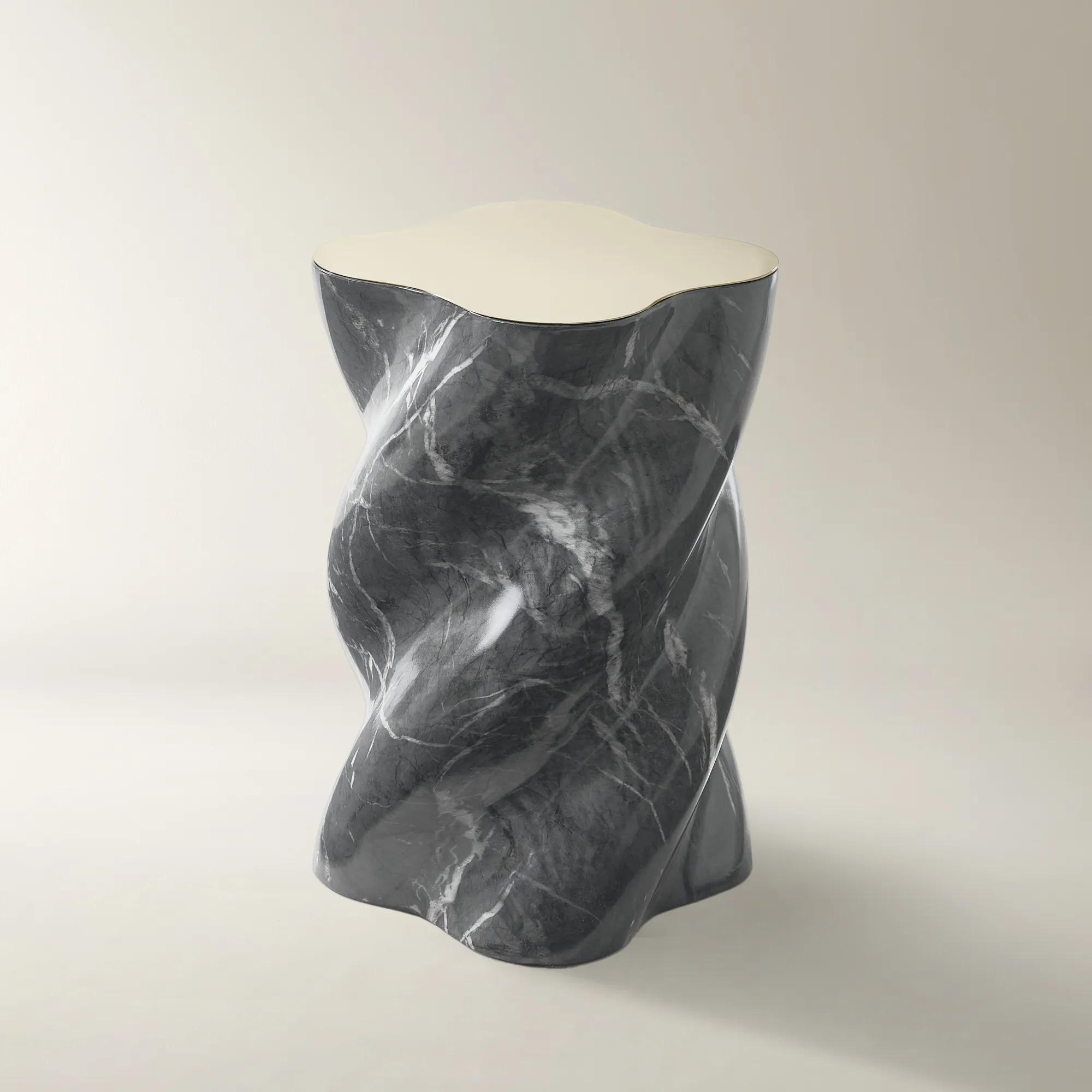 Vega Bvlgary Black Concrete Indoor/Outdoor Side Table With Stainless Steel Top (13.8")$459
A black concrete side table with a sculptural pedestal, removable stainless-steel top, and marble-inspired finish.
Add To Cart -
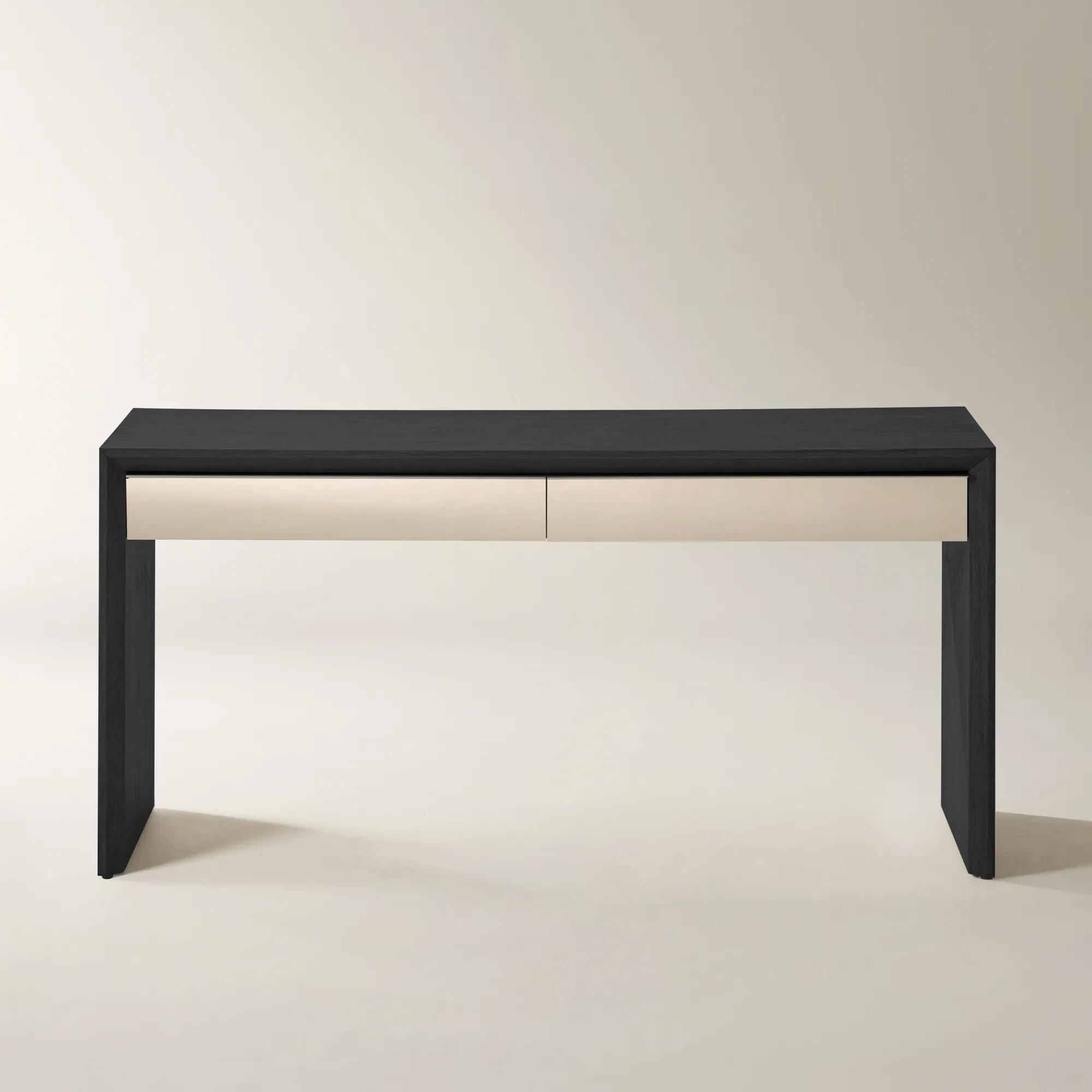
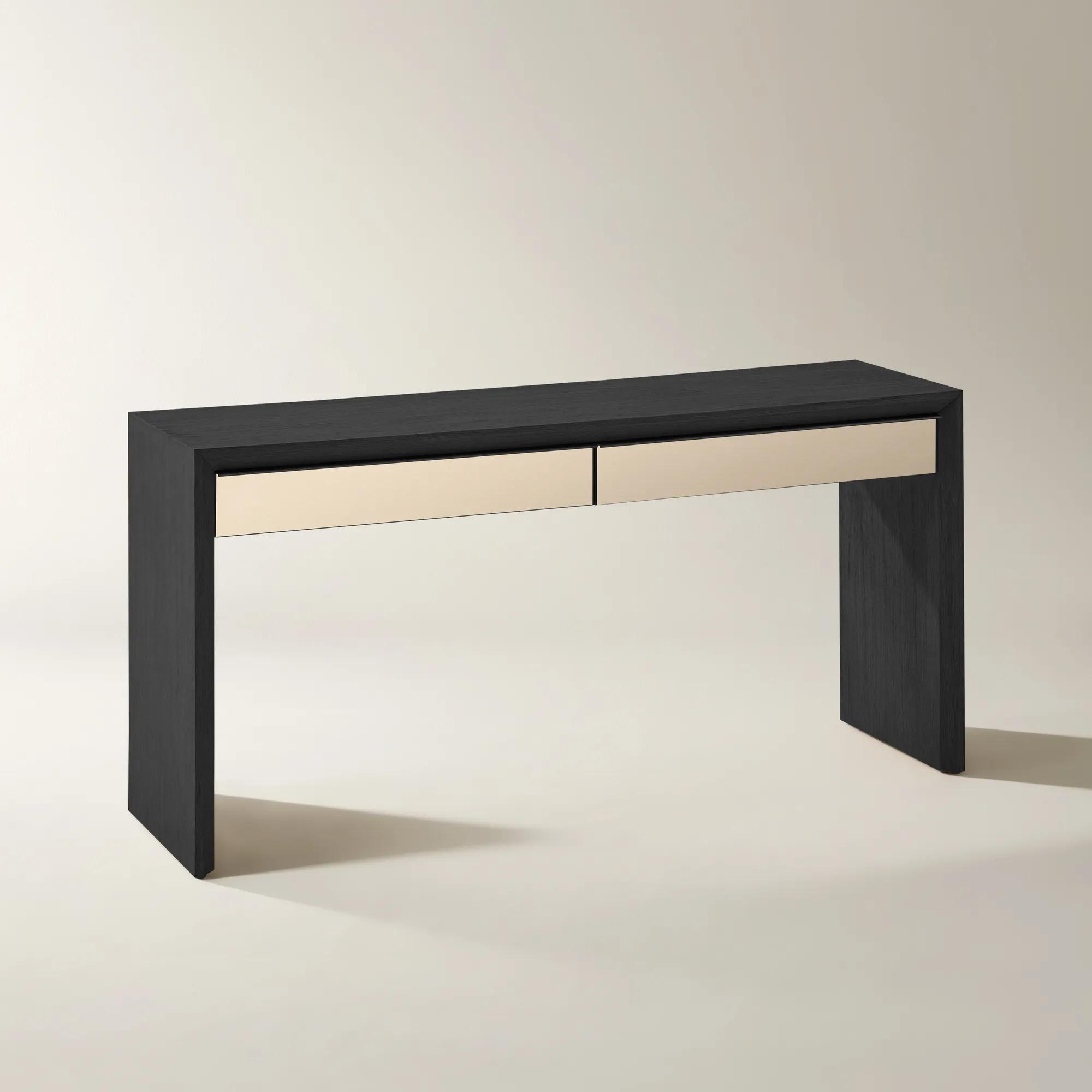 Glimmer Mirrored 2-Drawer Black Oak Console Table (62")$1299
A modern console table featuring black oak veneer, bronze mirrored drawer fronts, and soft-close velvet-lined drawers.
Add To Cart -

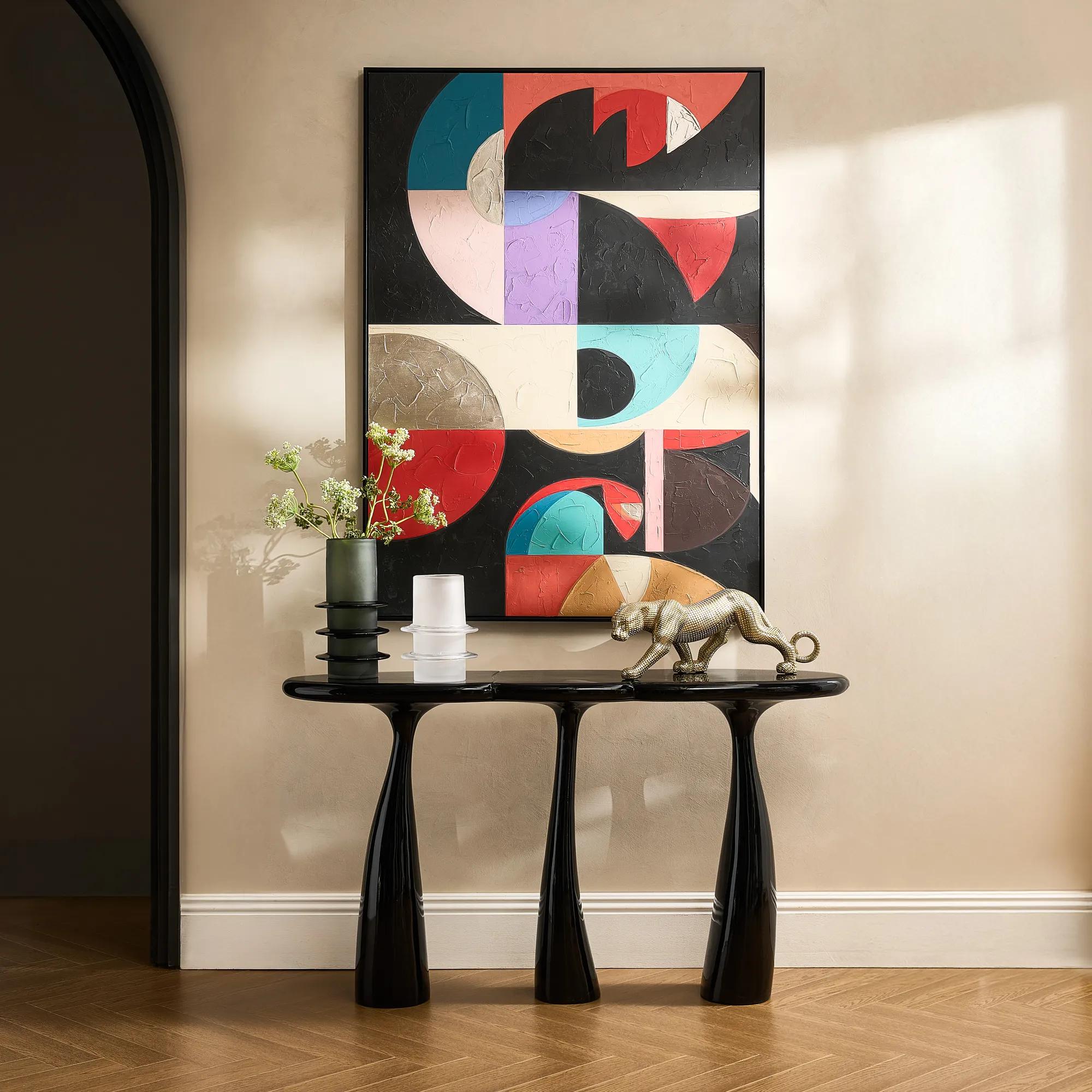 Thalia Glossy Black Console Table (52.4")$999
A sculptural console table crafted from glossy black fiberglass with seamless curves and a mirror-like finish.
Add To Cart -
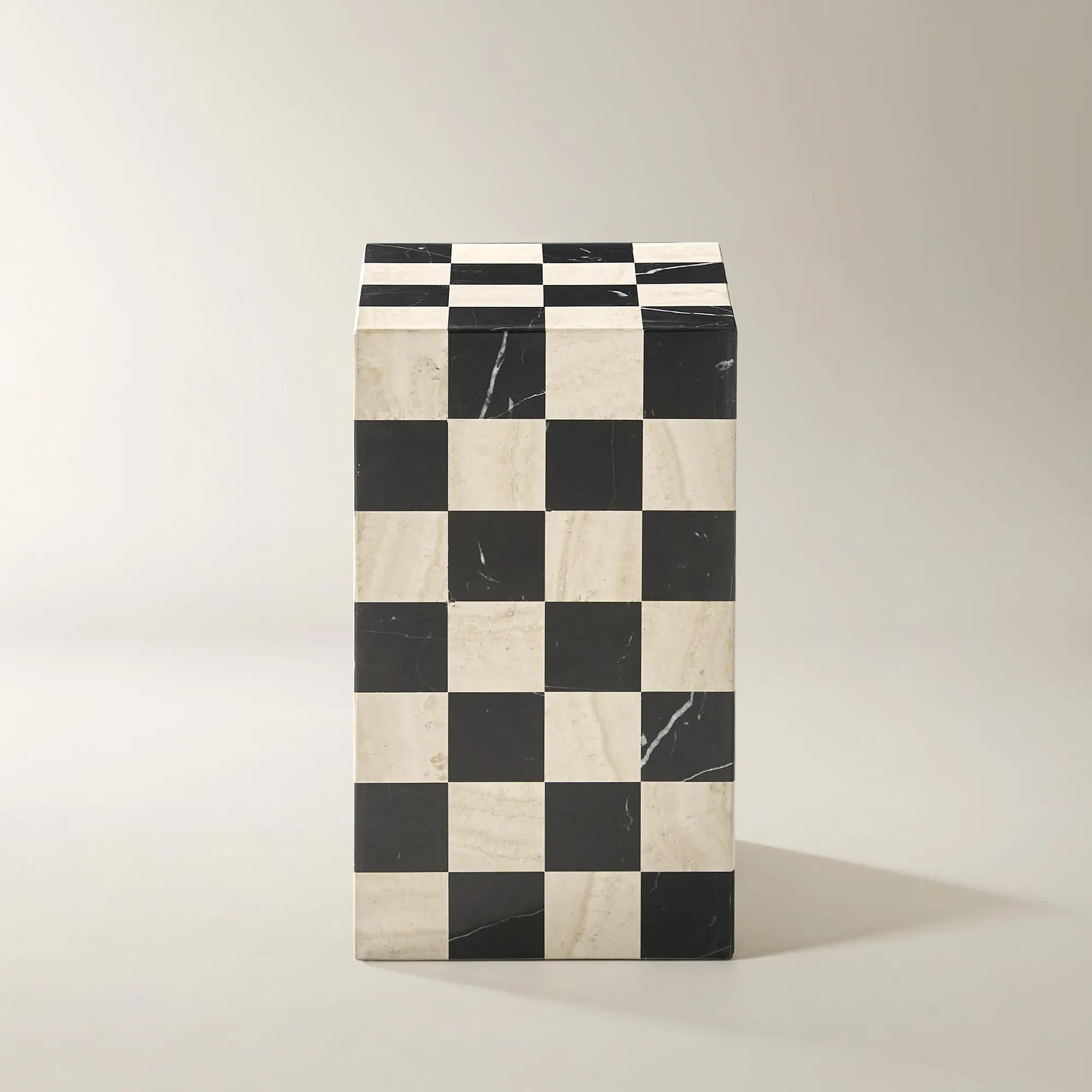 Chessa Square Chequered Marble End Table (12")$999
A sculptural end table featuring a bold black marble and travertine checkerboard mosaic design.
Add To Cart -
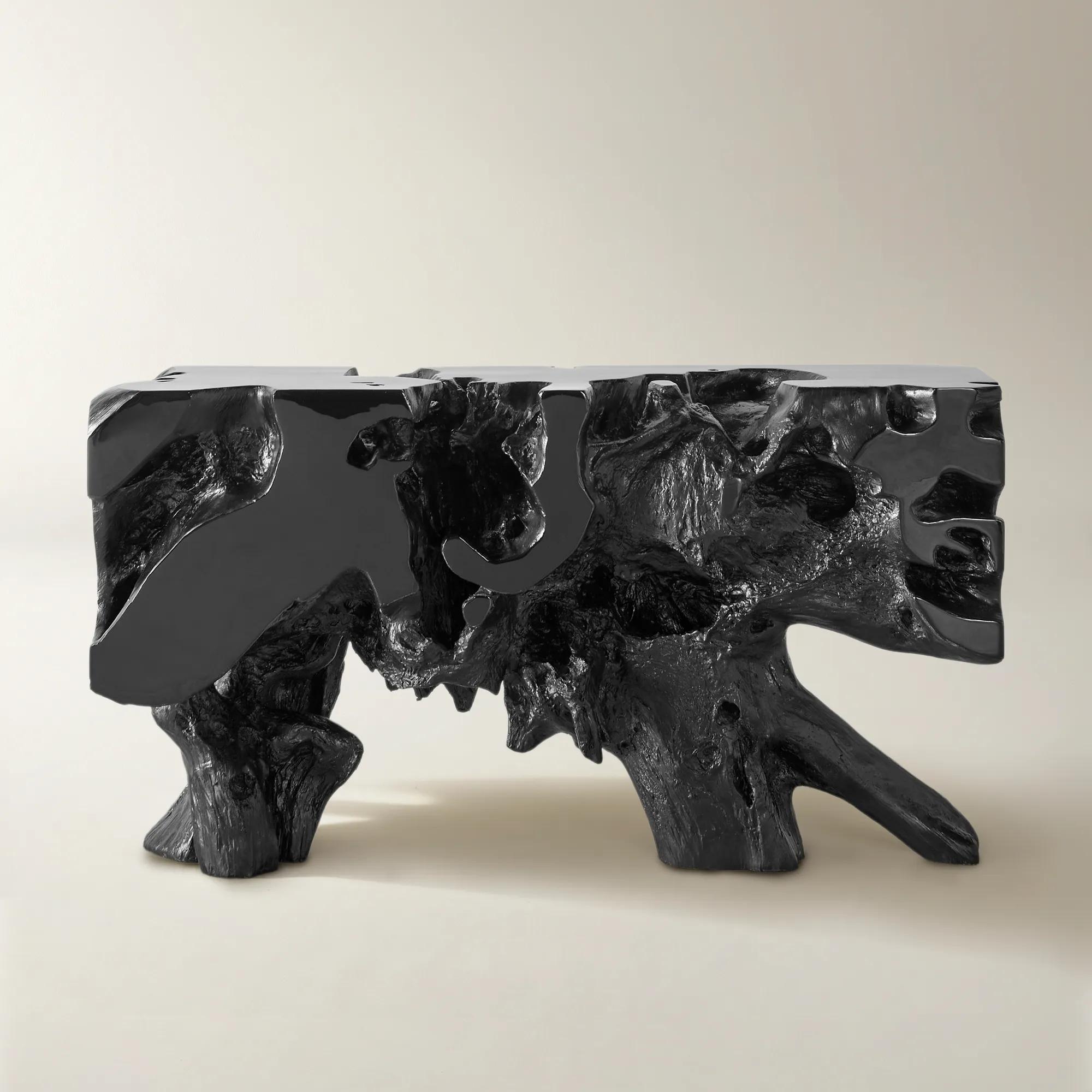 Sequoia Black Resin Console Table (58")$1999
A sculptural black console table crafted from resin, fiberglass, and polished stone for indoor or outdoor use.
Add To Cart -
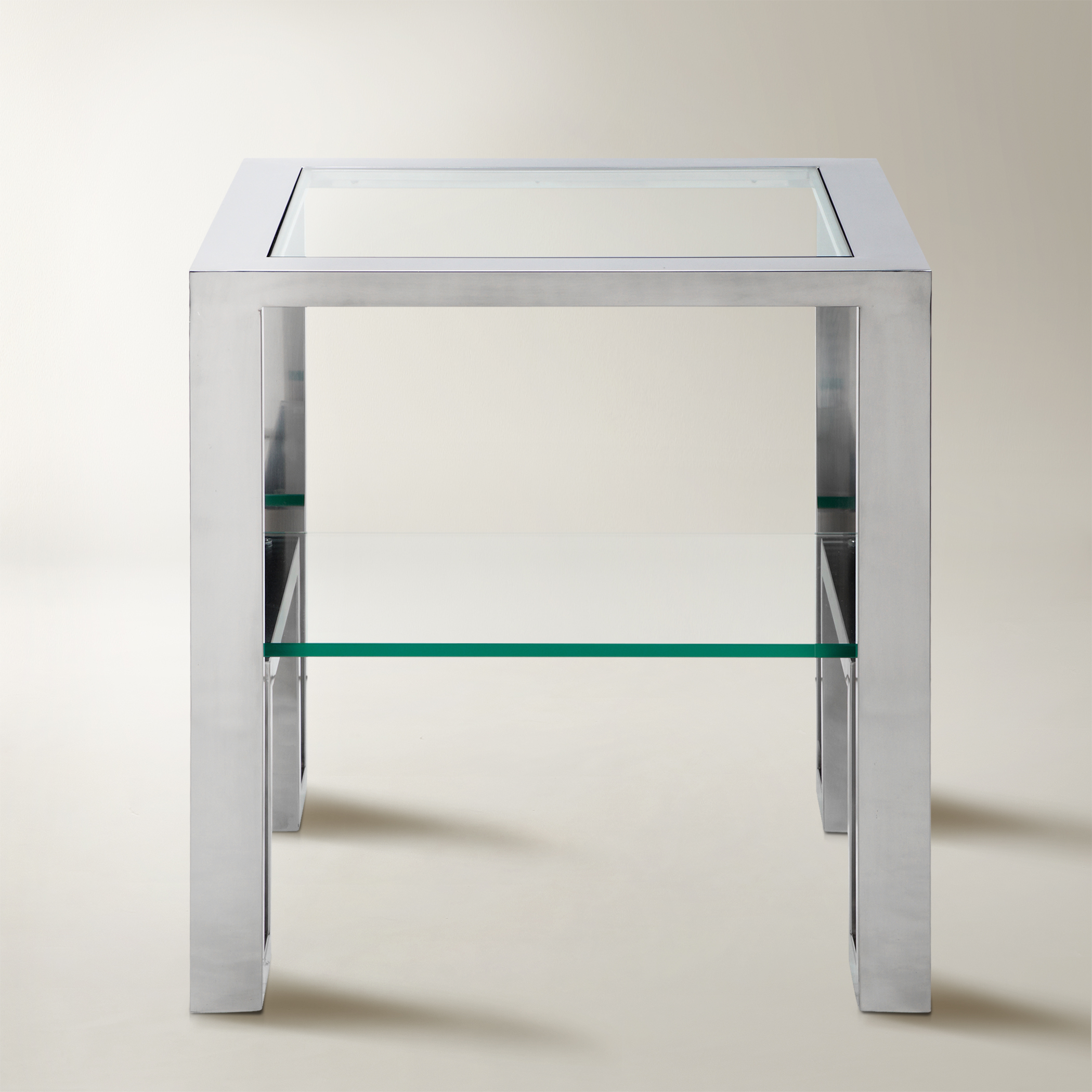
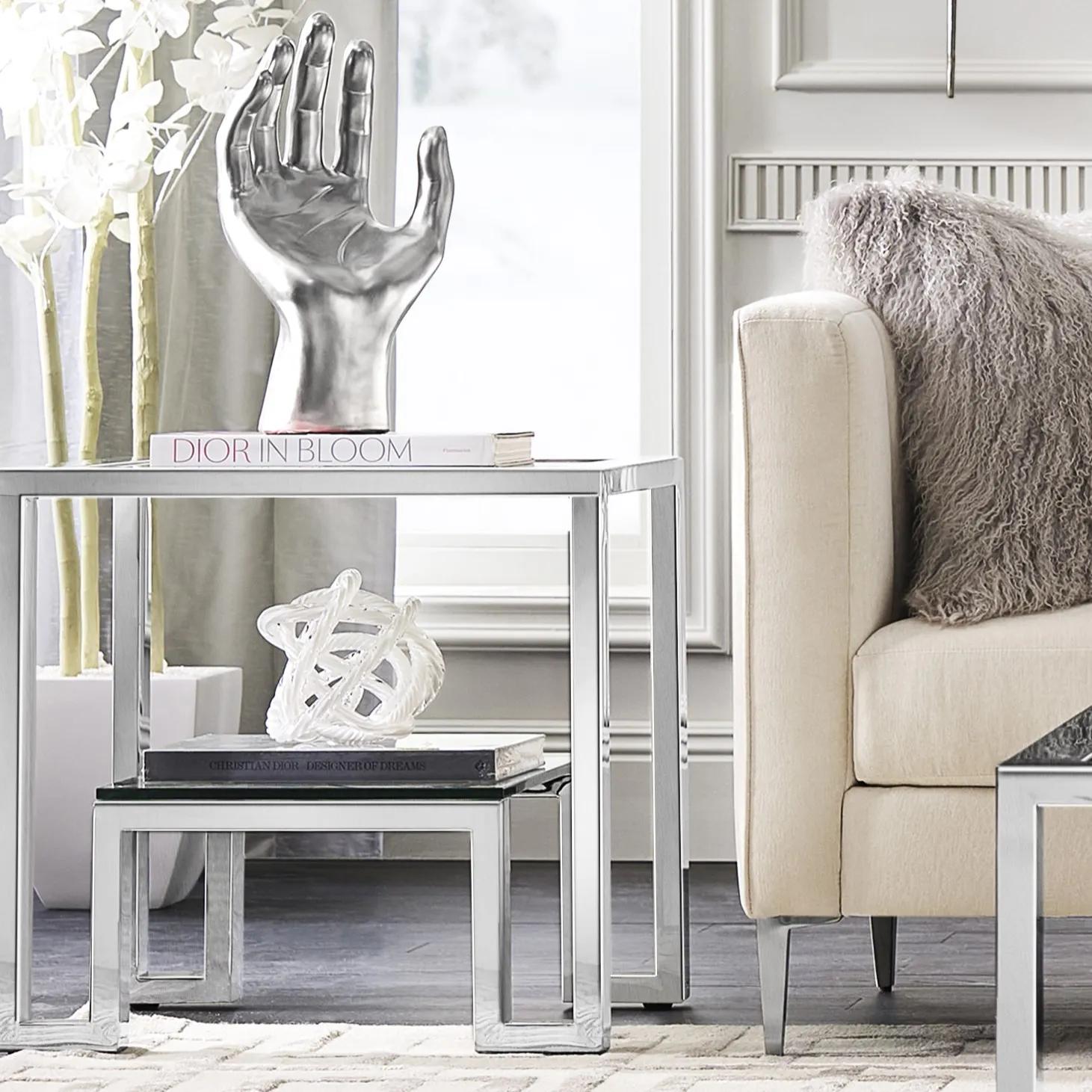 Duplicity Square Silver Stainless Steel End Table With Glass Top (24")$749
A modern end table featuring a stainless steel frame, tempered glass top, and floating bottom shelf.
Add To Cart -
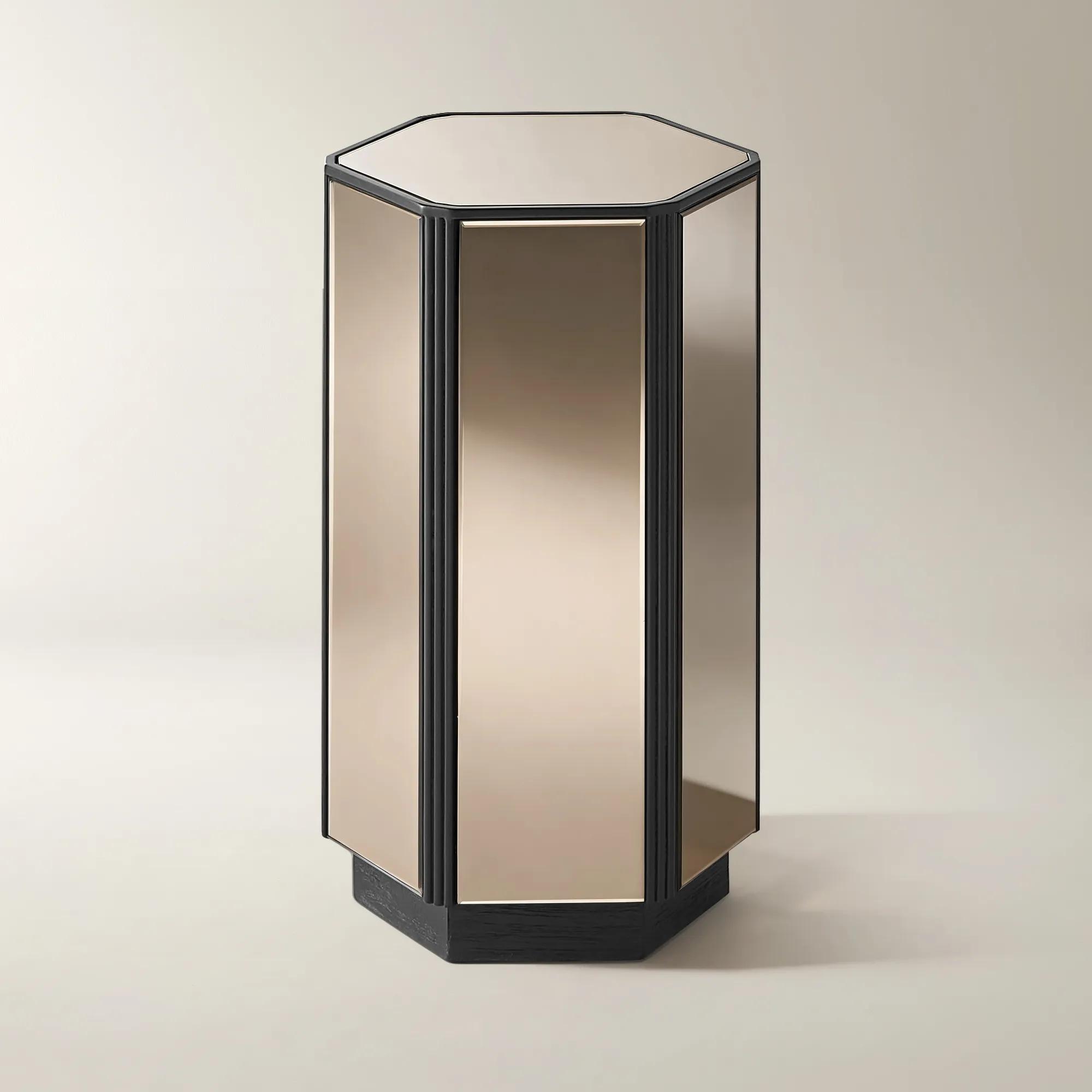 Glimmer Bronze Mirrored End Table (12")$399
A sculptural end table featuring bronze mirror panels and a black oak base for modern elegance.
Add To Cart -
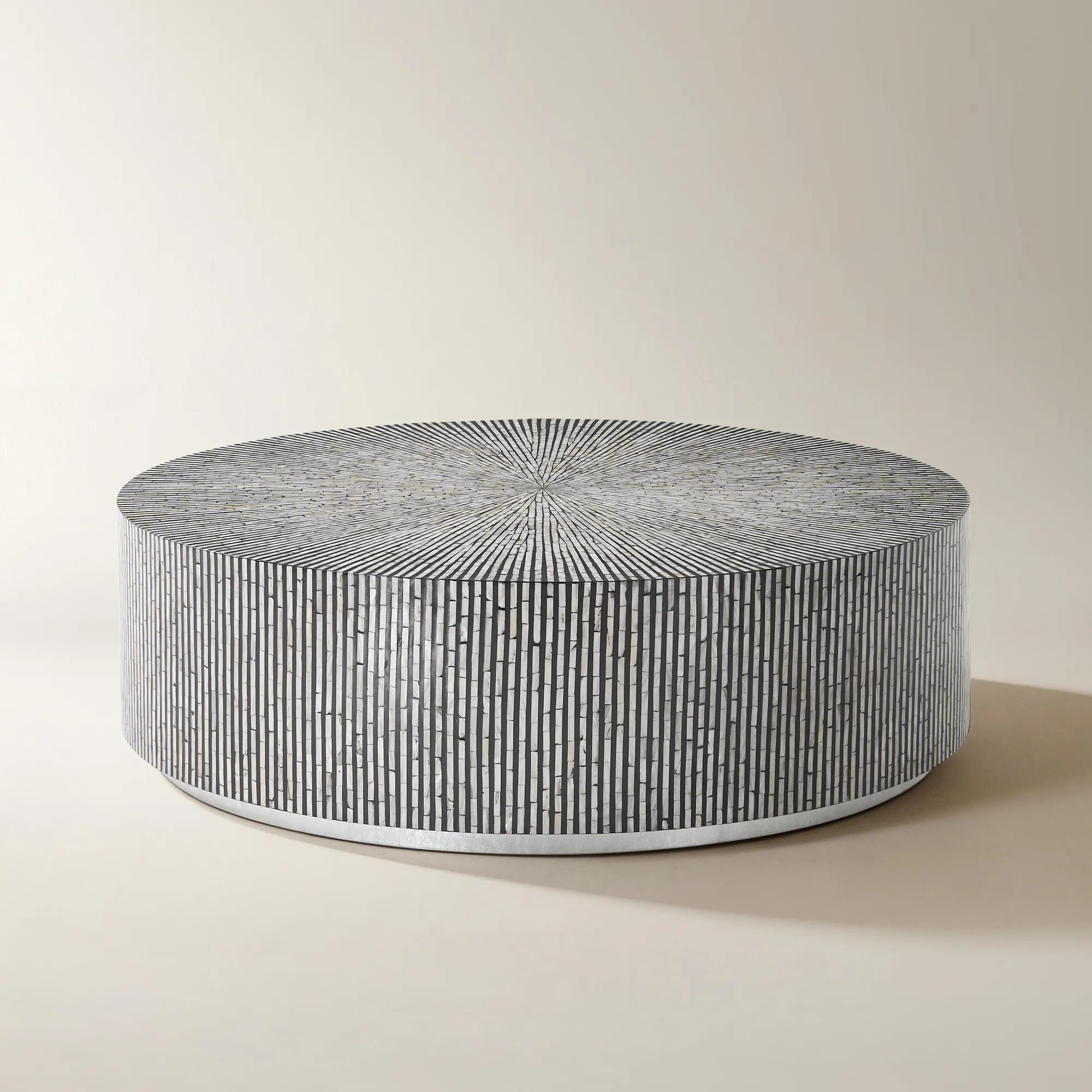
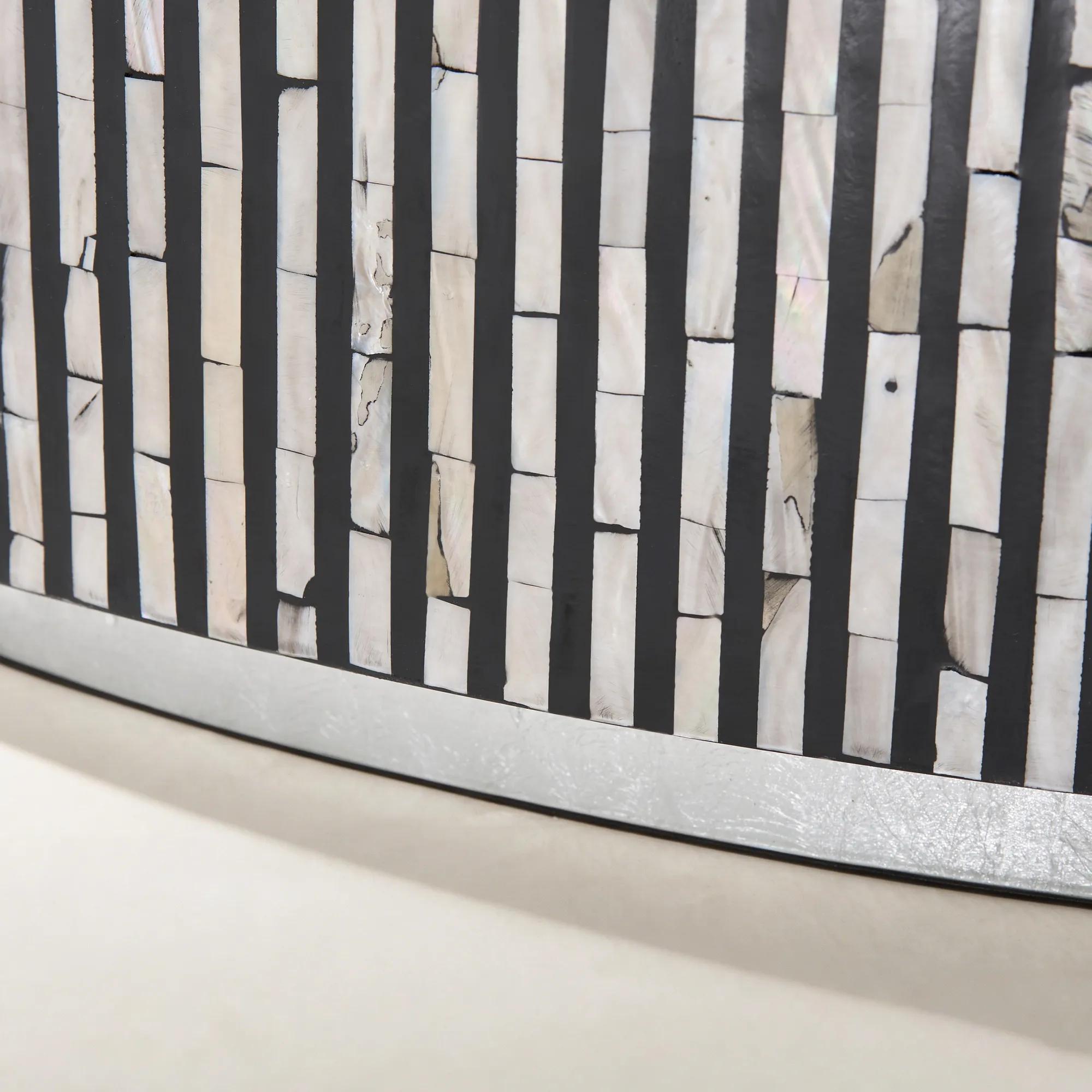 Marina Round Mosaic Black Coffee Table (52")$1399
A sculptural black coffee table featuring hand-applied mother-of-pearl mosaic and a silver leaf base.
Add To Cart

Contemporary Black End Tables
Contemporary Black End Tables invite a sense of intrigue and sophistication into any living space, transforming the ordinary into the extraordinary with their bold presence. These pieces are more than mere accents; they are striking statements that anchor your room in modern elegance. Whether poised beside a sculptural sofa or standing alone as an objet d’art, each table brings depth and drama, infusing your home with a gallery-worthy edge. Let the allure of deep, inky finishes and sleek silhouettes inspire moments of artistry in every corner—because your home deserves nothing less than captivating design.
Contemporary black end tables pair clean-lined silhouettes with a deep, grounding color, creating a convenient surface beside a sofa, accent chair, or bed. Their appeal lies in the balance between visual presence and everyday purpose: a place for a reading lamp, a glass of water, or a favorite book that also gives the room a sharper sense of composition. Against ivory upholstery, black creates an expressive contrast; alongside charcoal velvet or richly grained wood, it adds depth without interrupting the palette. Shape and finish determine how that contrast feels. A slim, open frame can draw a dark outline around an airy interior, while a substantial pedestal or drum silhouette brings sculptural weight to a seating arrangement. Square tops echo architectural lines, and rounded profiles soften the space around angular furniture. Contemporary design accommodates both approaches, favoring intentional proportions over elaborate ornament. Materials add another layer of character. Black-finished wood can retain visible grain for a textured, nuanced appearance, while a smooth lacquered surface offers a more polished expression. Powder-coated metal lends itself to slender profiles and geometric bases; glass introduces transparency that can keep a dark table from feeling visually dense. Stone tops, where used, contribute natural variation and a substantial feel, although their weight and care requirements deserve attention. A matte black finish absorbs light and allows the silhouette to lead, whereas a glossy finish reflects nearby lighting and gives the surface a more glamorous presence. Neither effect needs a room filled with matching black furniture. Repeating the color in a picture frame, a lamp base, or the outline of a mirror can make an end table feel connected to the larger interior. For a layered setting, a black table beside a plush upholstered chair offers a compelling contrast: tailored and crisp against fabric that invites someone to settle in. The result is a small piece of furniture with enough definition to anchor an entire corner.
Proportion makes that visual impact comfortable to live with. An end table generally works best when its top sits close to the height of the adjacent sofa or chair arm, often within about two inches, so reaching for a drink does not require an awkward stretch. Armless seating calls for a different reference point: the surface should remain comfortably accessible from a seated position without looming over the cushion. Width and depth matter just as much as height. A generous tabletop can accommodate a lamp, a coaster, and a small decorative object, while a narrower profile may be better suited to the space between a chair and a wall. Measuring the full footprint, including projecting legs or an oversized top, helps preserve walking space around a seating group. The relationship to nearby furniture also matters. A compact table can disappear beside a deep sectional, while an expansive design may overwhelm a delicate occasional chair. The Contemporary Square End Tables collection offers a related direction for rooms where a defined footprint and strong geometry suit the arrangement. Beyond shape, the way a table will be used helps determine which details earn their place. An open shelf keeps reading material accessible, while a drawer can conceal remotes, charging cables, and other small necessities. Storage interiors and openings should be measured against the objects intended for them rather than judged by exterior dimensions alone. A table beside a reading chair needs room for a lamp base and a book; one beside a frequently used sofa benefits from a clear landing spot for beverages. In a bedroom, a black end table can serve as a nightstand alternative when its height, surface area, and storage suit the bed. These pieces can also give a guest room a thoughtfully furnished feel without demanding a large footprint. For households with children or pets, rounded edges, stable construction, and a placement outside busy paths may be especially valuable considerations.
Durability depends on the table’s construction and finish as much as its appearance. Secure joints, a balanced base, and materials appropriate to the intended use support dependable everyday function, but a substantial-looking silhouette is not a substitute for checking weight limits and assembly requirements. A tall decorative object or heavy stone lamp should sit on a surface designed to support it, and open-frame tables benefit from being placed on an even floor. Adjustable feet, when included, can help address minor unevenness. Black finishes also have distinct maintenance considerations: dust, fingerprints, and fine scratches may be more noticeable on some dark surfaces, particularly those with a high sheen. A soft microfiber cloth is a useful starting point for routine dusting, with cleaning products selected according to the manufacturer’s instructions for the specific material. Abrasive pads and harsh cleaners can damage protective coatings or dull a polished finish. Coasters protect against condensation and drink rings, while a protective pad beneath ceramics or metal accessories helps prevent scratches when objects are moved. Spills are best blotted promptly rather than left to settle into seams or porous materials. Stone may require sealing or specialized care, glass can show smudges, and wood finishes benefit from protection against prolonged moisture and direct heat. Those practical details leave more room to enjoy the styling itself. A black end table does not need a crowded surface to feel expressive. A luminous lamp, a small stack of art books, and a single sculptural vessel can create a composed vignette while leaving space for daily use. Brass accents bring warmth to the dark finish; clear glass keeps the arrangement light; textured ceramics introduce a quieter, tactile contrast. Paired tables can frame a sofa with symmetry, while different silhouettes sharing a black finish create continuity with a more collected character. With considered scale, suitable materials, and room for the rituals of daily life, a contemporary black end table becomes both an architectural accent and a genuinely useful companion to the room’s most inviting seat.
FAQs
Contemporary black end tables are remarkably versatile, seamlessly complementing a range of design styles. They create striking contrast in light, airy spaces, enhance the drama of maximalist interiors, and add a sleek edge to modern, minimalist rooms. Their bold presence works beautifully with both metallic accents and organic textures, making them an inspired choice for eclectic, transitional, or urban-inspired homes.
To make a black contemporary end table the star of your space, layer it with curated objects that reflect your personality. Pair it with sculptural vases, a stack of art books, or a gleaming tray for cocktails. Consider the interplay of materials—crystal, brass, or marble accents heighten the sense of luxury, while lush greenery or fresh florals offer a refreshing contrast against the dark finish.
Absolutely. Contemporary black end tables make exceptional gifts for housewarmings, weddings, or milestone celebrations. Their timeless design and dramatic flair ensure they’ll become a cherished focal point in any home, offering both beauty and utility to the recipient’s living space.
Yes, black contemporary end tables transcend the boundaries of the living room. They work beautifully as chic nightstands in the bedroom, sophisticated entries in a foyer, or even as dramatic plant stands in a sun-drenched corner. Their adaptability allows them to elevate any space where artistry and functionality are desired.
Contemporary black end tables often showcase a variety of luxurious materials, including lacquered or ebonized wood, powder-coated metals, glass, and sometimes stone or marble accents. These materials are selected not only for their durability but also for their ability to reflect light, texture, and artistry within a room.