Natural Stone End Tables
Natural Stone End Tables
-

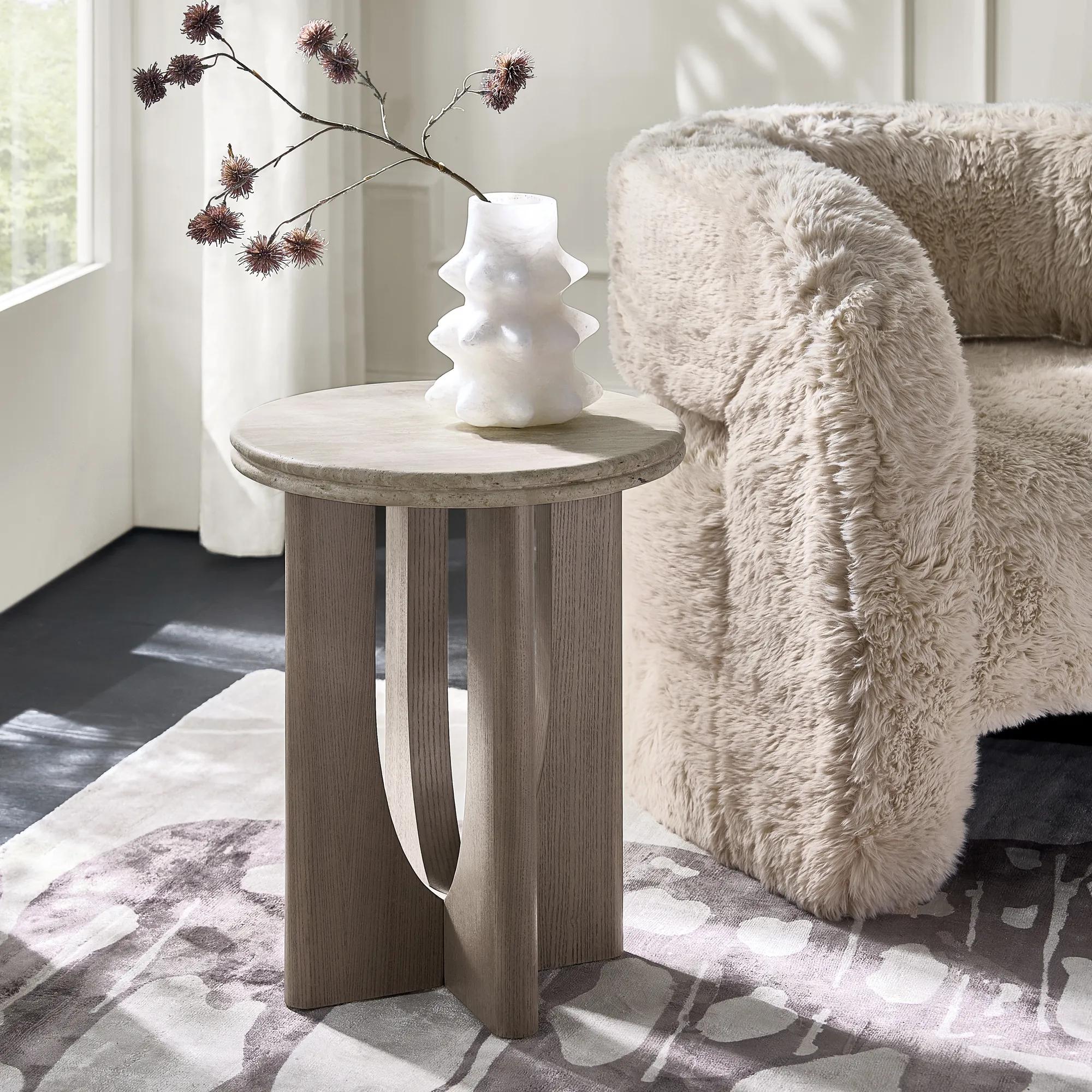 Bond Round Travertine and Wood End Table (17.25")$459
A sculptural end table featuring a genuine ivory travertine top and a solid ash wood base.
Add To Cart -
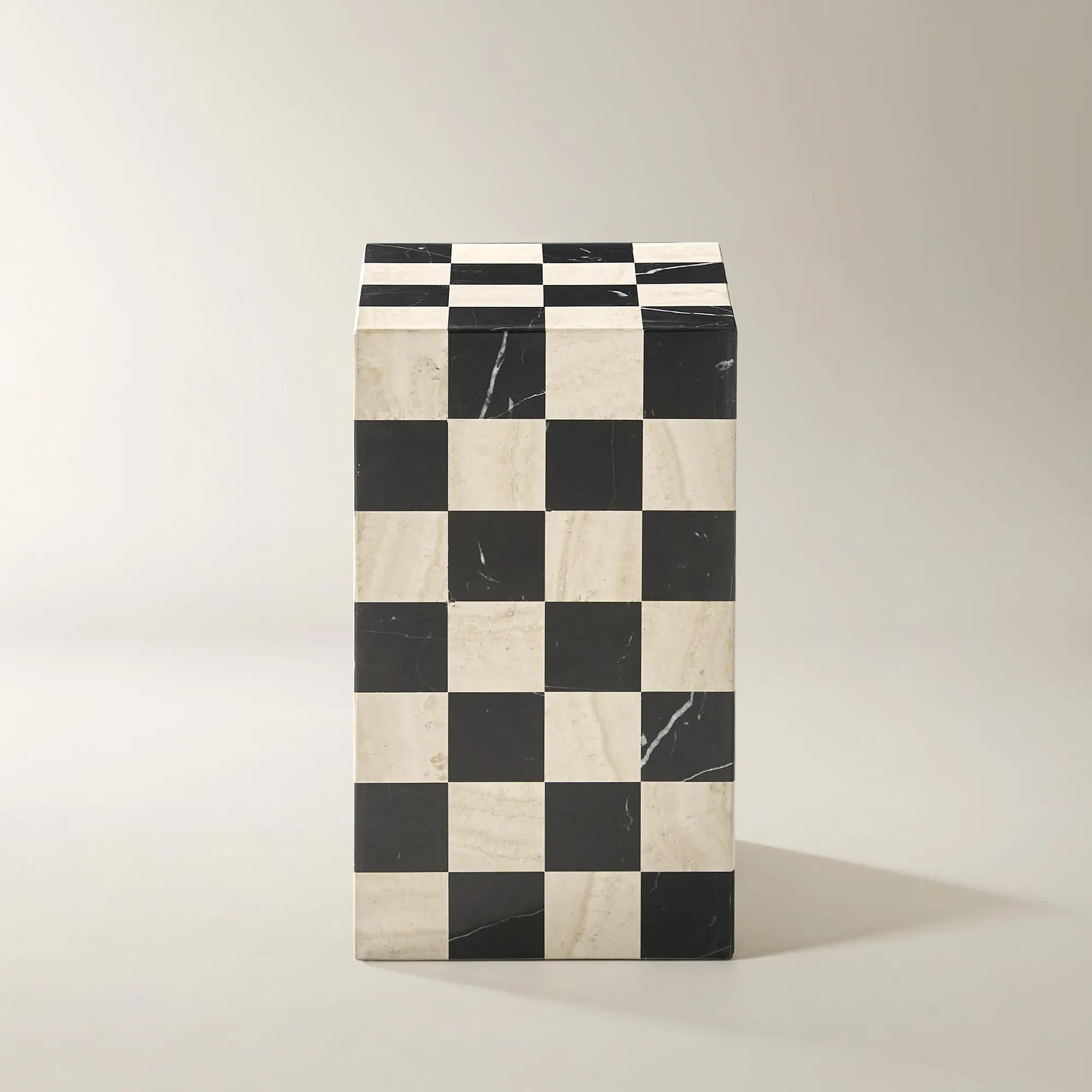 Chessa Square Chequered Marble End Table (12")$999
A sculptural end table featuring a bold black marble and travertine checkerboard mosaic design.
Add To Cart -

 Flare Round White Marble End Table (21.5")$799
A sophisticated end table featuring a natural white marble top and polished stainless steel base.
Add To Cart -
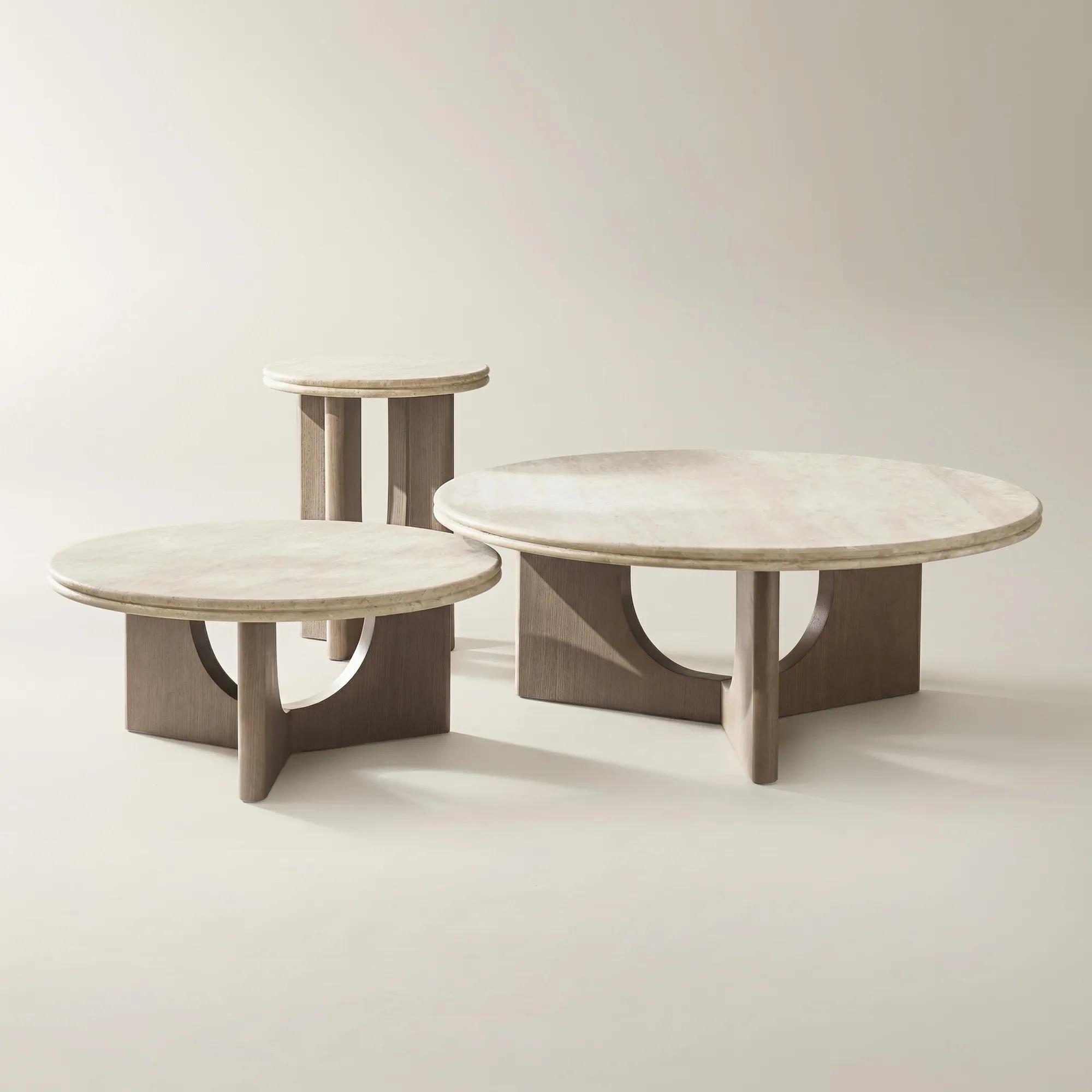
 Bond Round Travertine and Wood Coffee Table Set of 3 (17.72"-41")$2557
A natural-finish nesting coffee table set offering versatile, space-saving surfaces for modern living rooms.
Add To Cart -
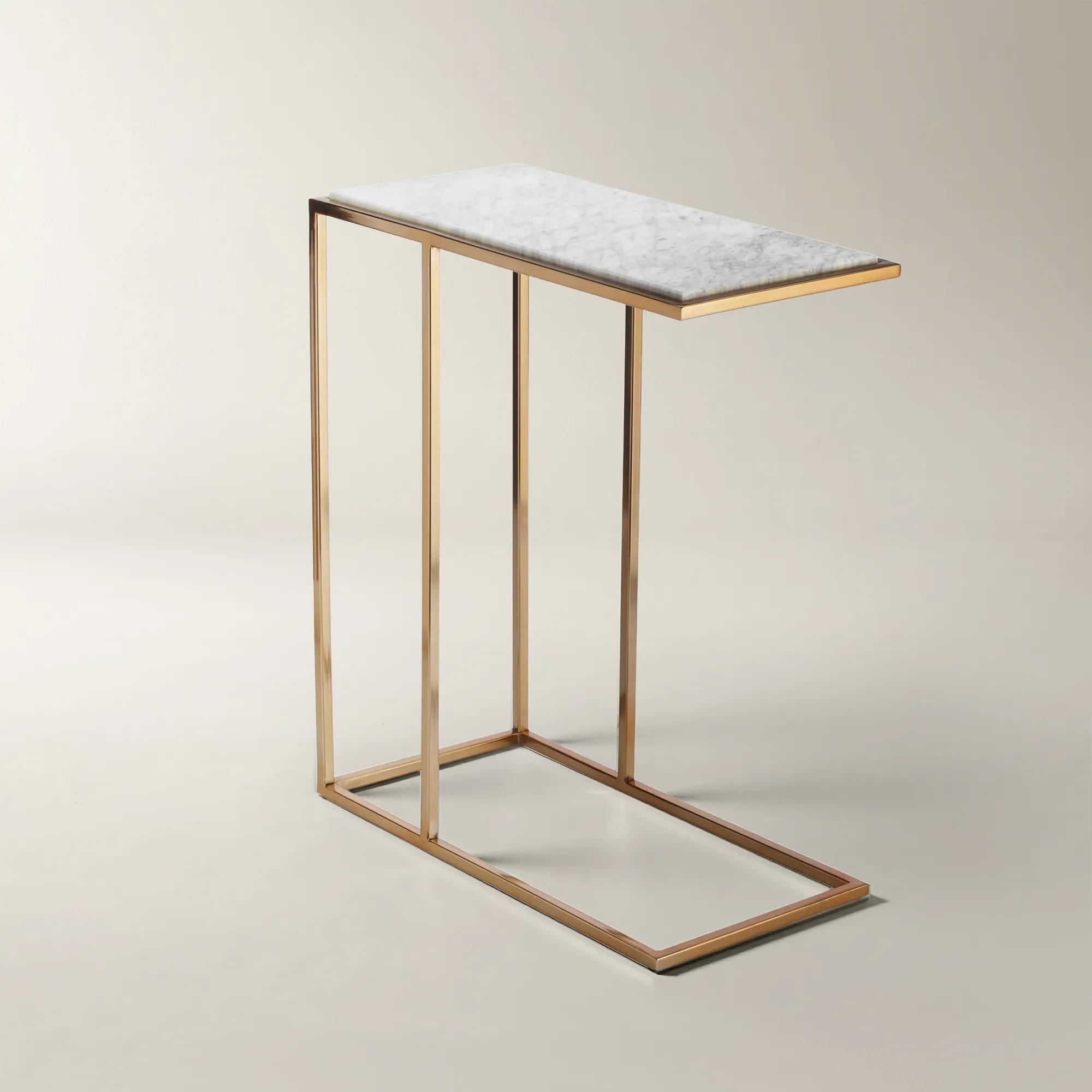
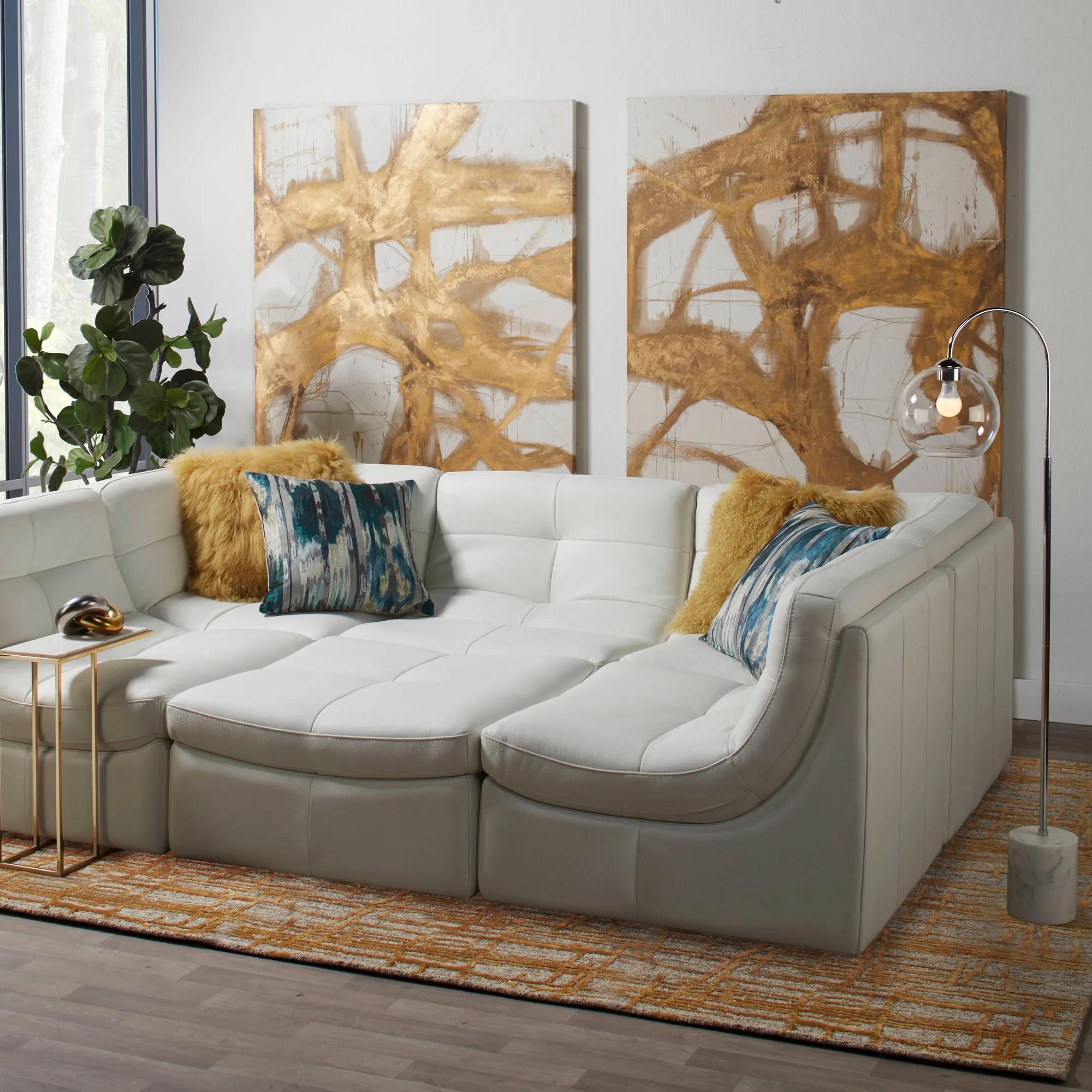 Lawton Rectangular Gold Stainless steel Accent Table With Marble Top (19.75")$259
A space-saving table featuring a white marble top and gold-finished stainless steel base.
Add To Cart -
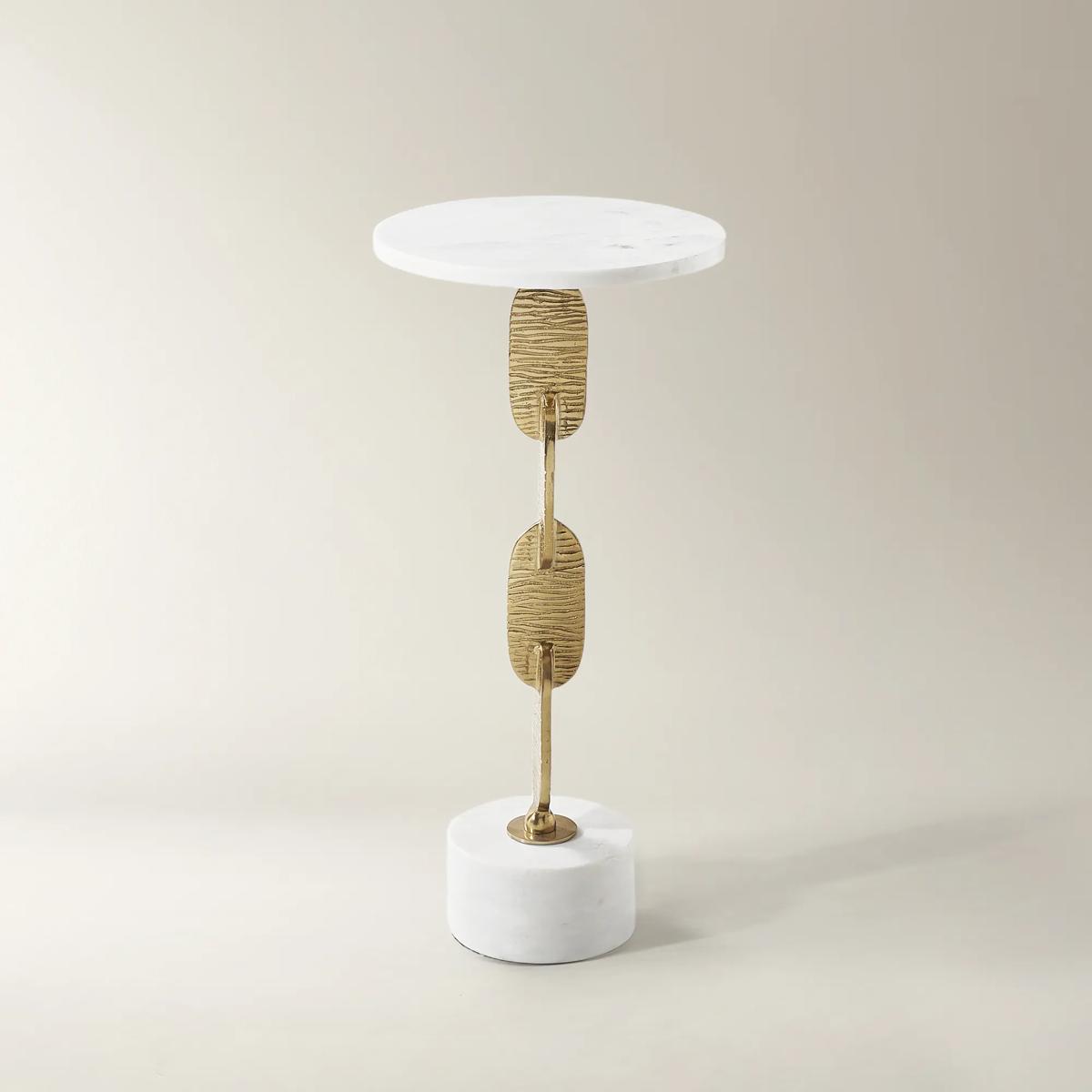
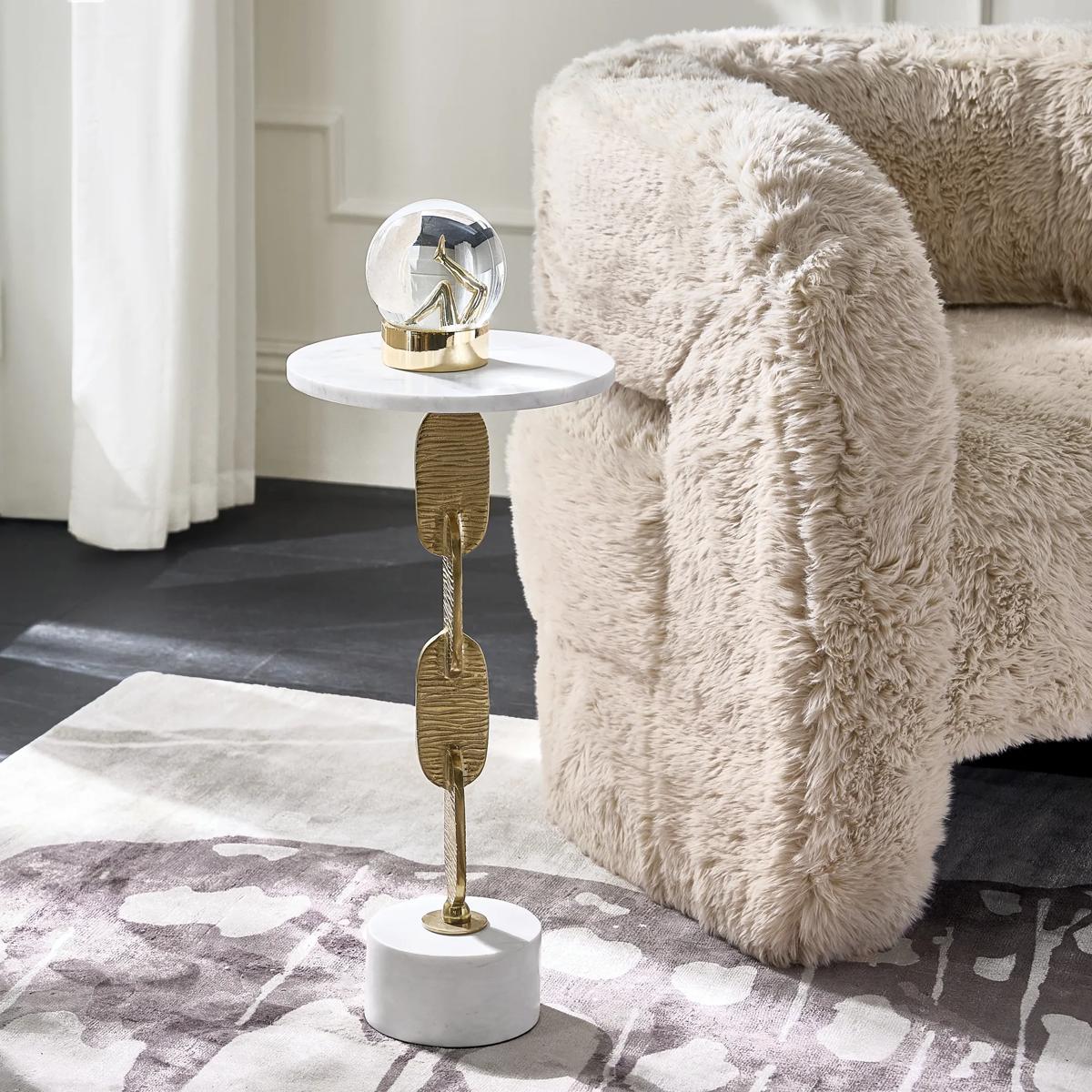 Luna Round White Marble Side Table (11.25")$199
A sculptural side table featuring a genuine white marble top and an open gold-finished metal frame.
Add To Cart -
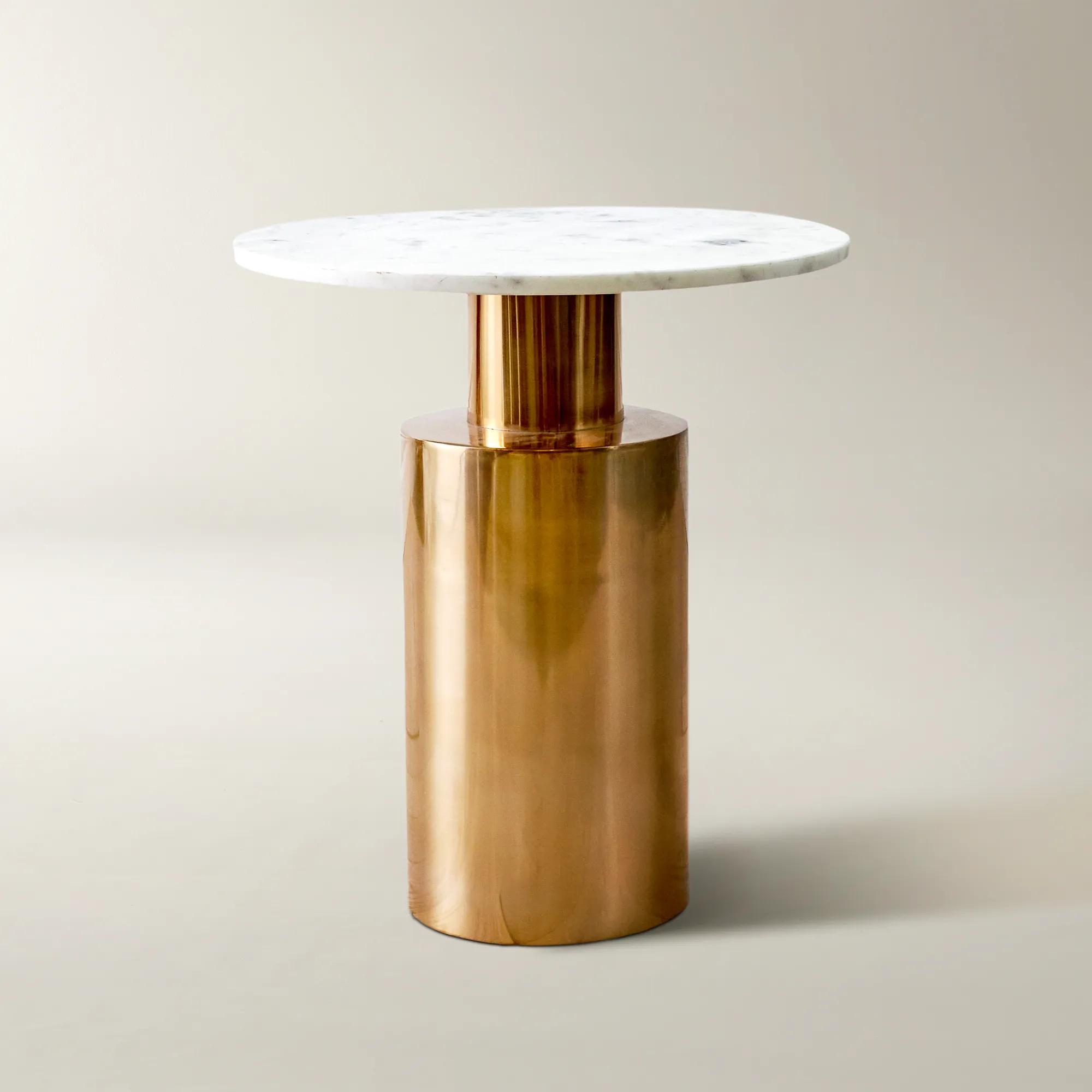 Capri Round White Marble Accent Table (16")$299
A striking accent table featuring a white marble top and gold-finished stainless steel base.
Add To Cart -
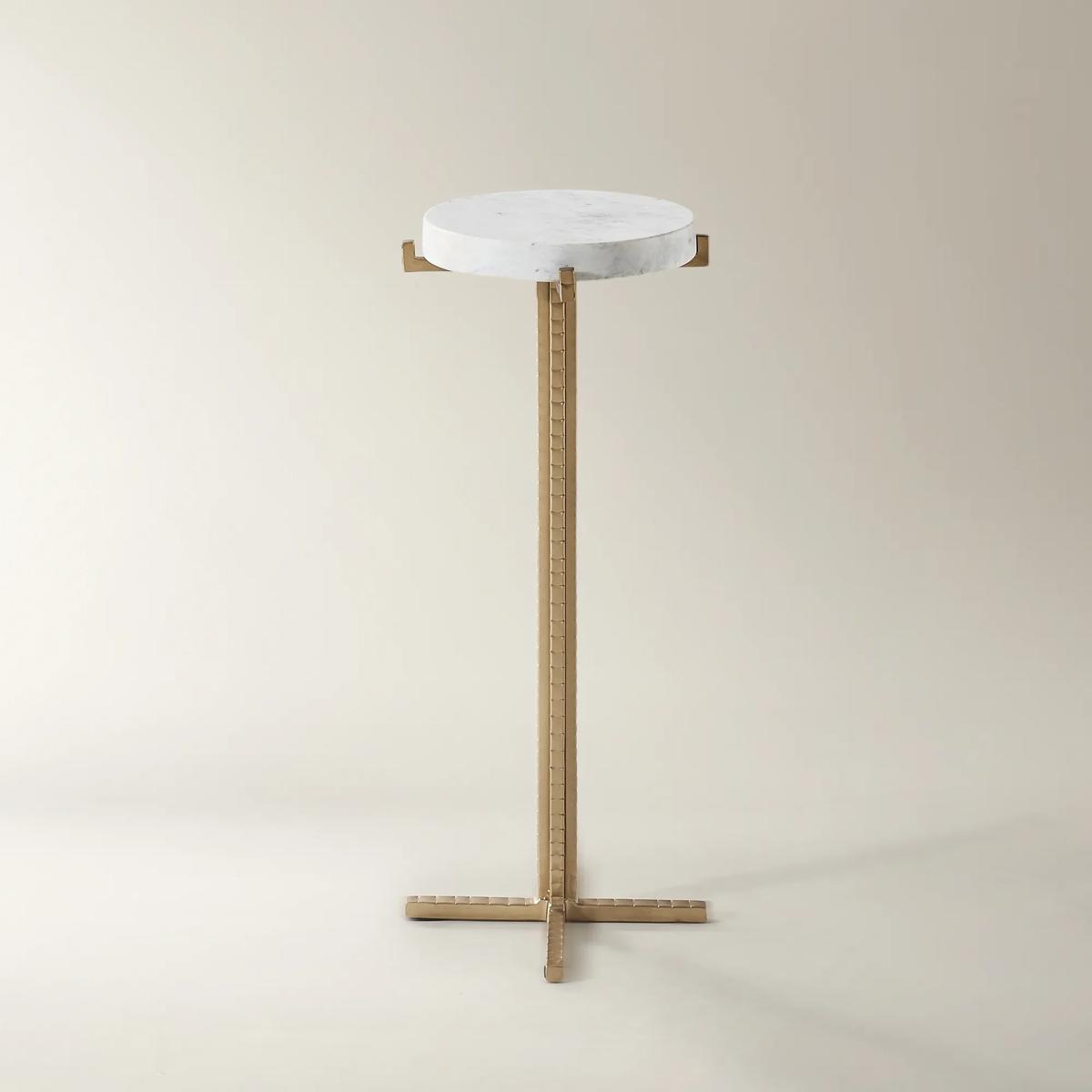 Anya Round White Marble Side Table (10")$199
A sculptural side table featuring a genuine white marble top and gold-finished metal pedestal base.
Add To Cart -
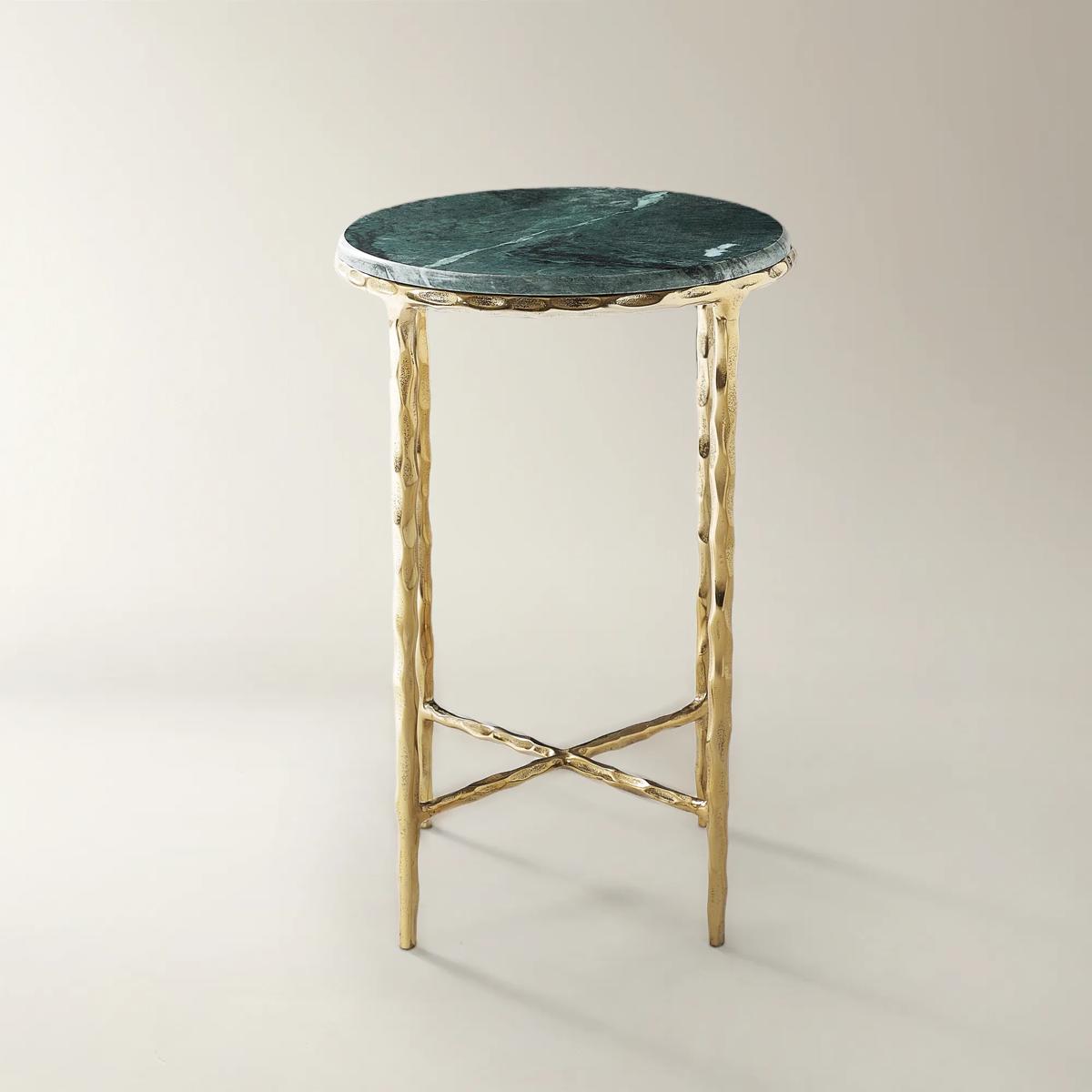
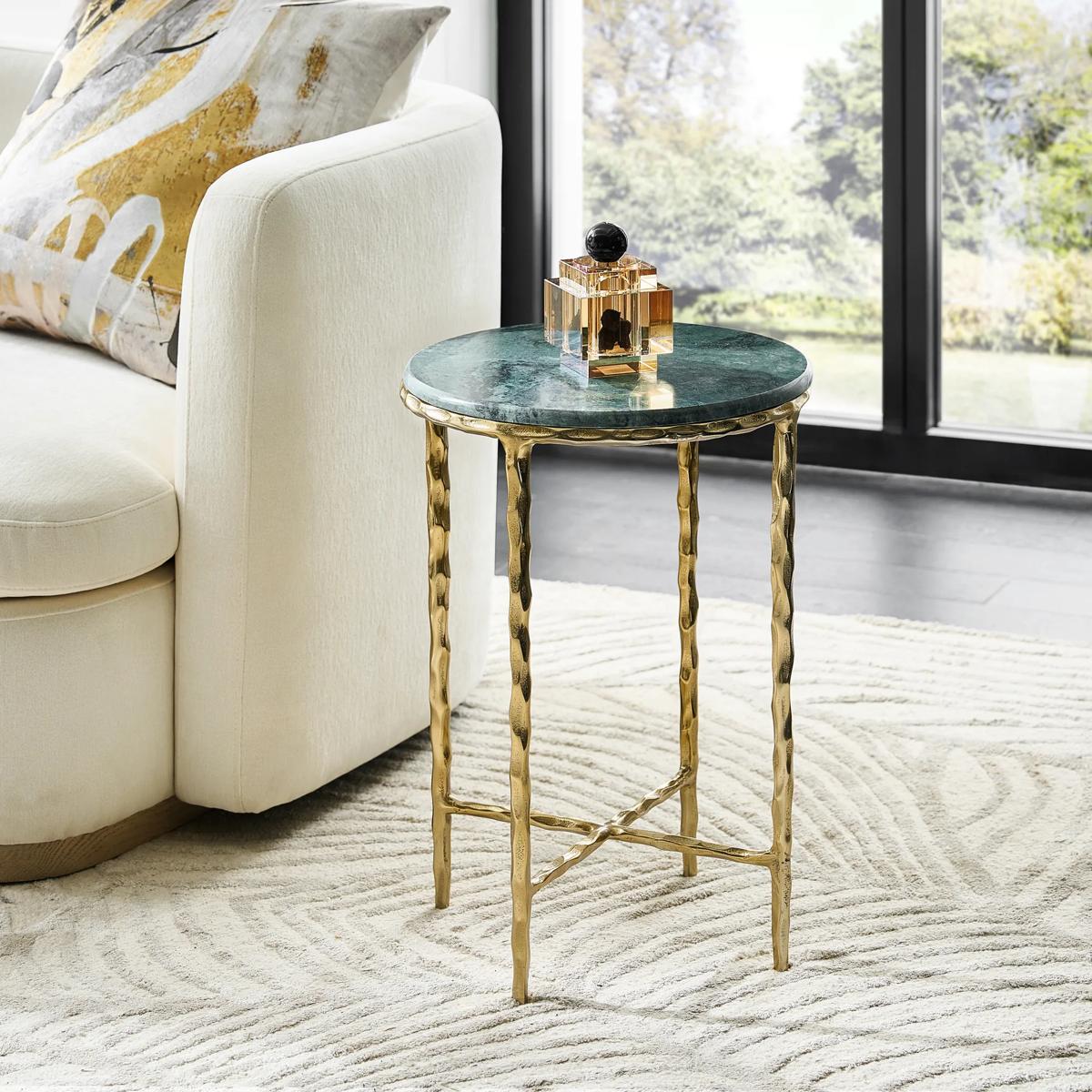 Juliet Round Green Marble Side Table (15")$269
A striking side table featuring a deep green Indian marble top and a hand-hammered metal base.
Add To Cart -

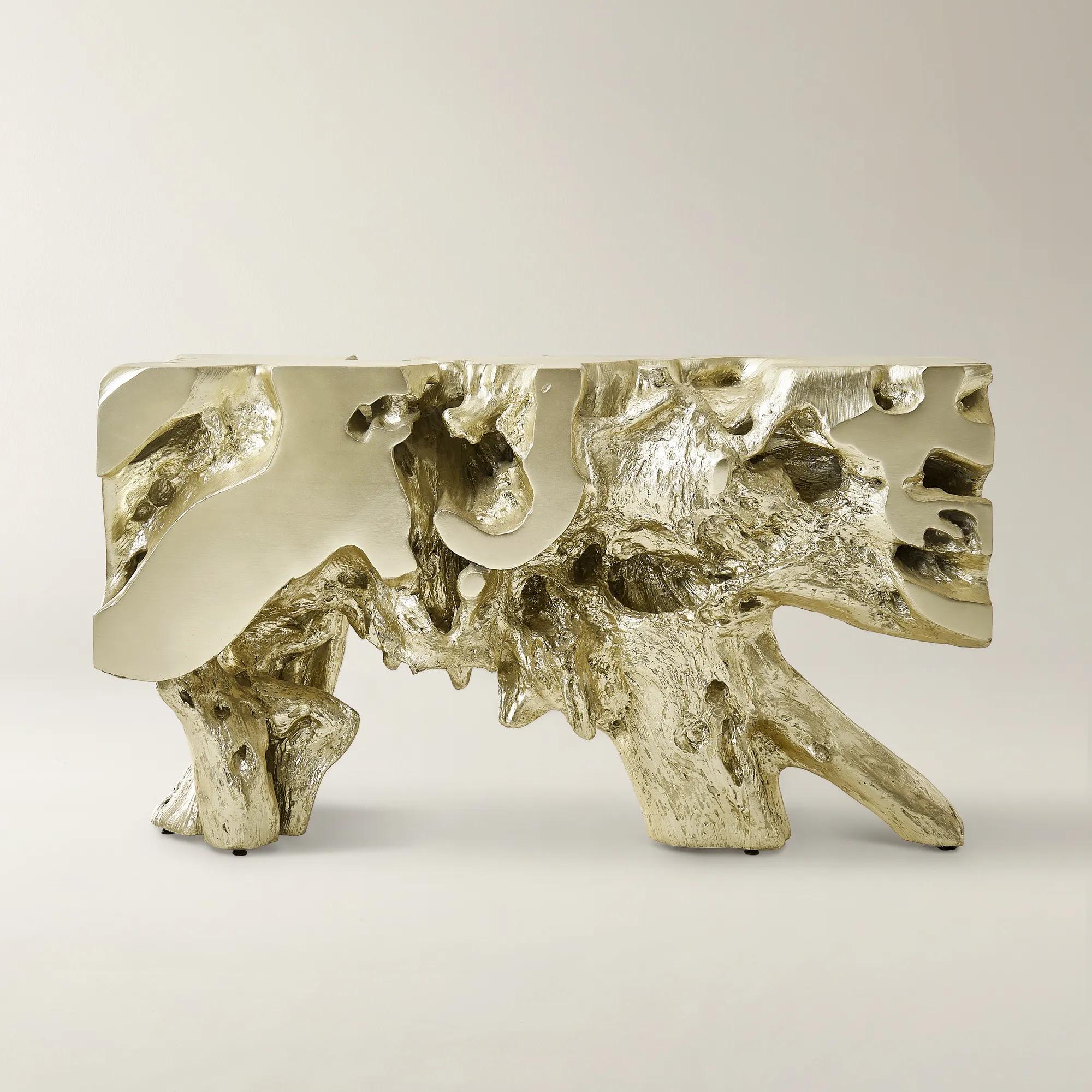
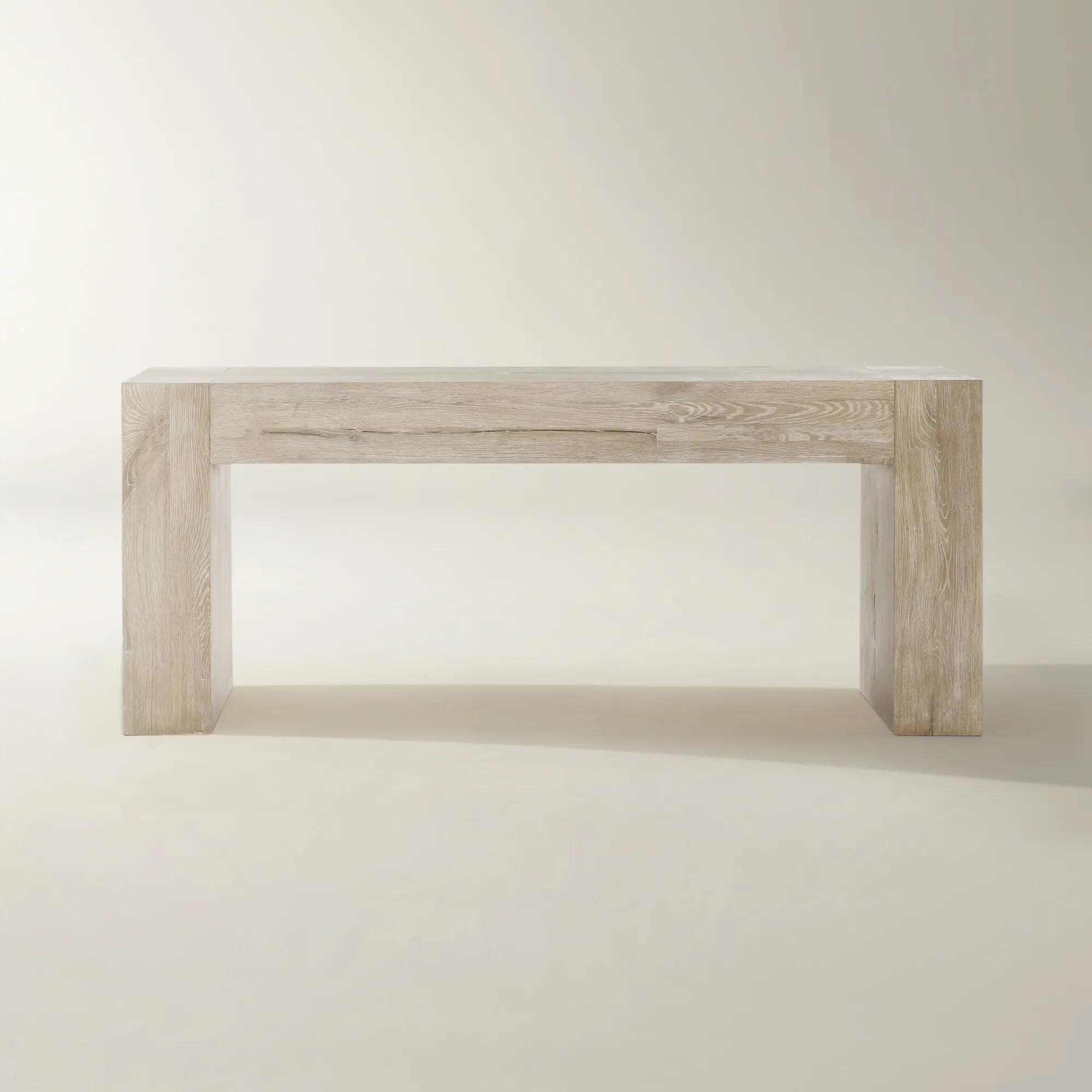
 Cairo Mactan Stone Console Table (63")$1799
A hand-carved Mactan stone console table featuring a raw chiseled edge and natural tonal variations.
Add To Cart -
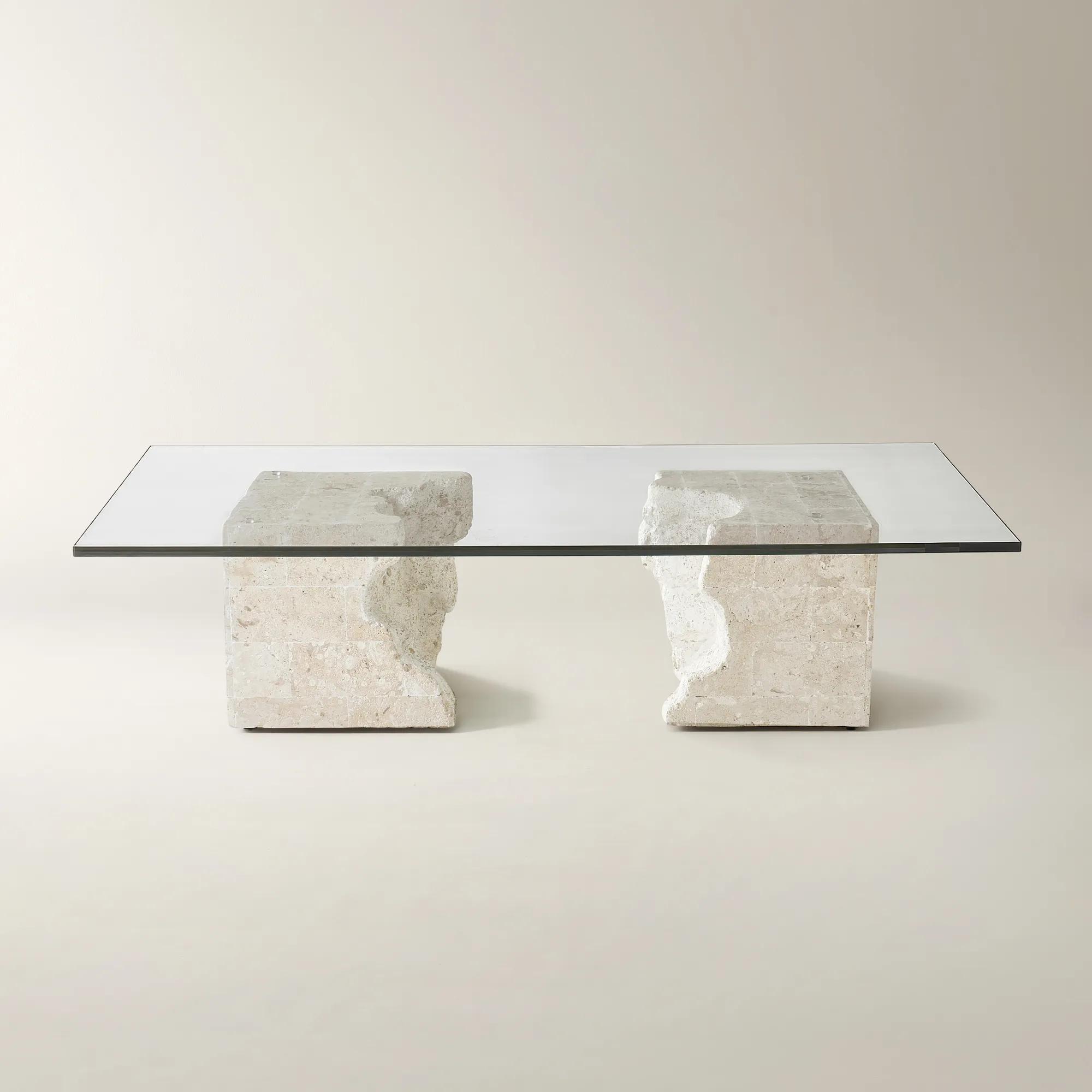 Cairo Rectangular Mactan Stone Coffee Table With Glass Top (70.87")$1999
A contemporary coffee table featuring a clear tempered glass top floating above hand-carved Mactan stone bases.
Add To Cart -
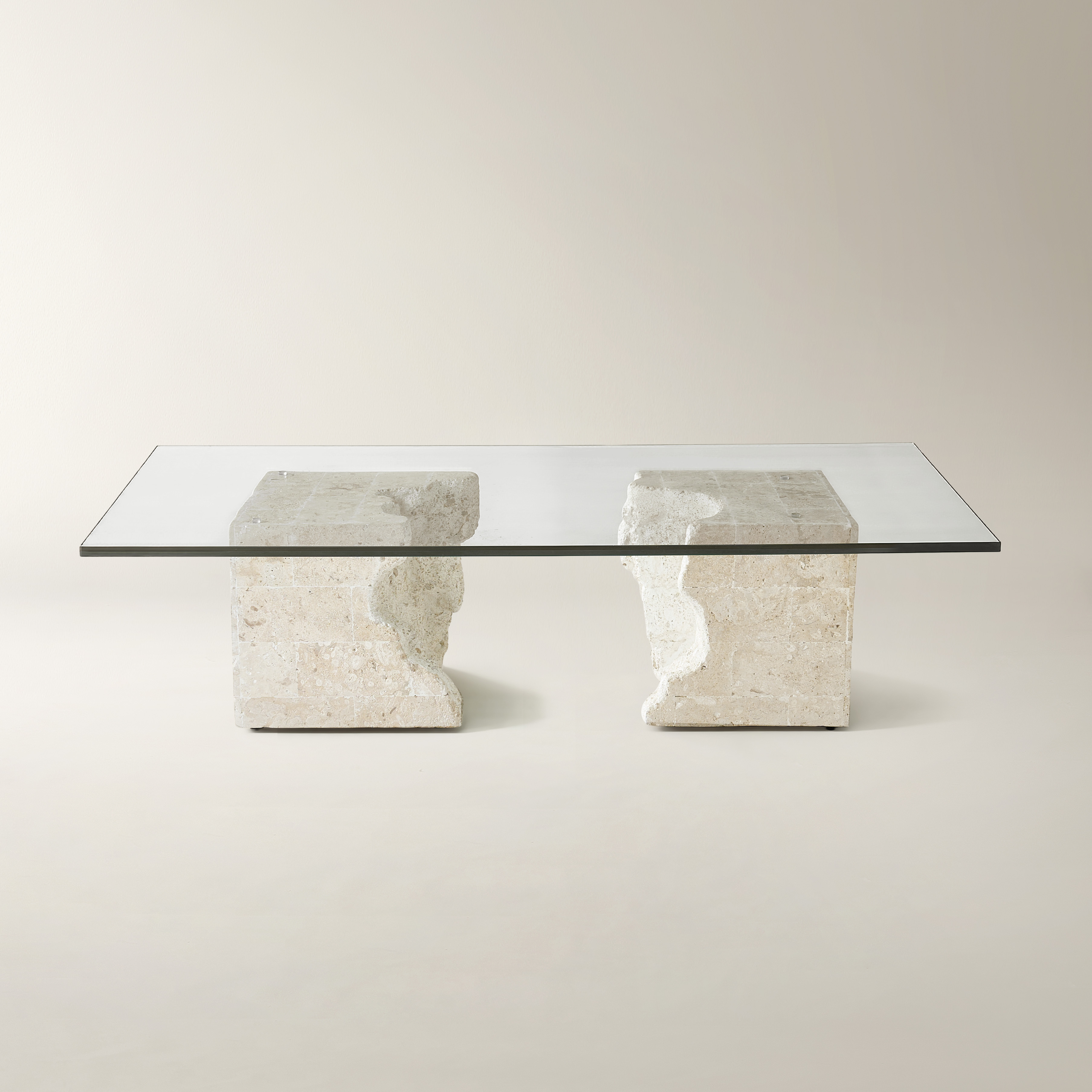 Cairo Rectangular Mactan Stone Coffee Table With Glass Top (63")$1899
A contemporary coffee table featuring a clear tempered glass top floating above hand-carved Mactan stone bases.
Add To Cart -
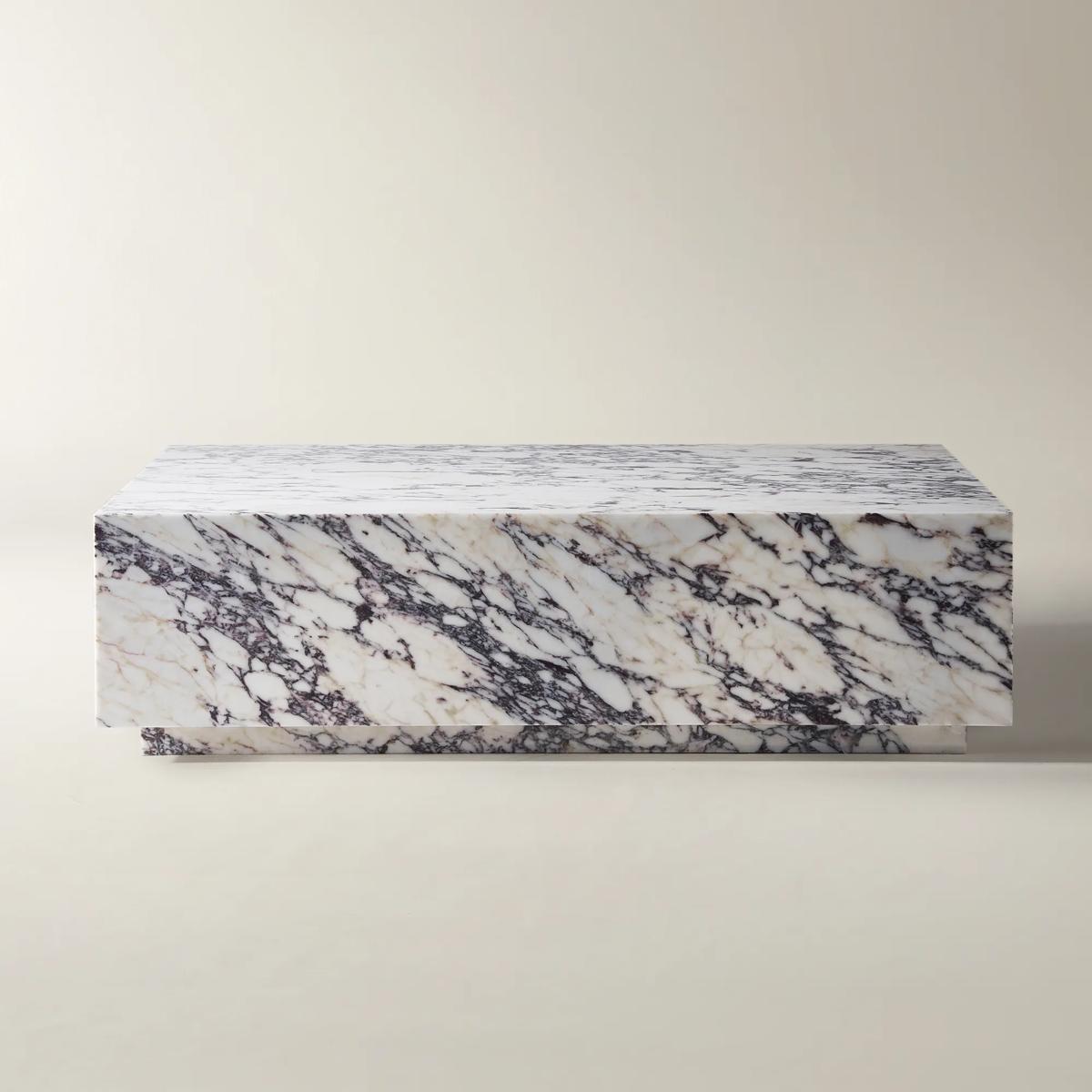
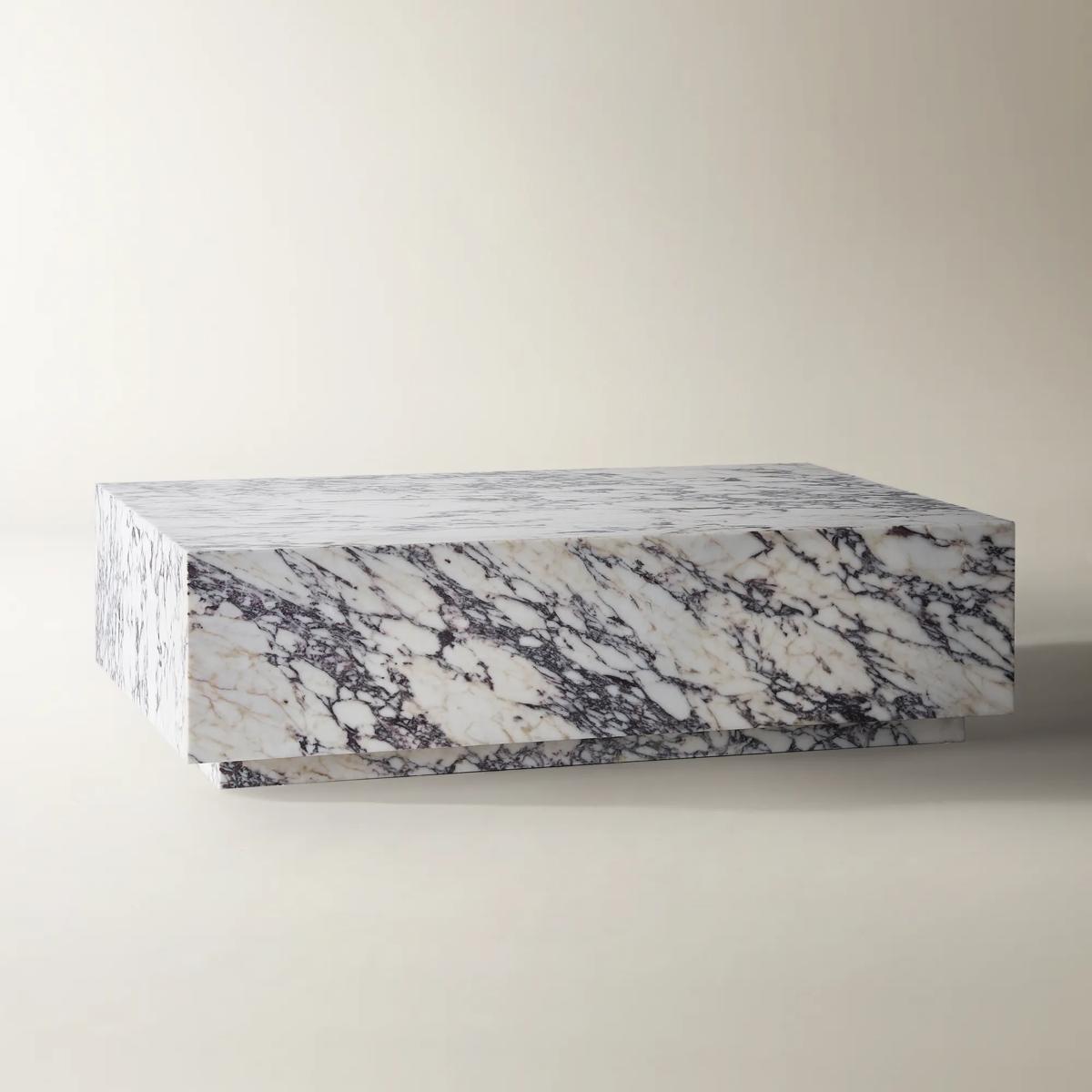 Vanta Rectangular Viola Calacatta Marble Coffee Table (54")$3699
A sculptural coffee table in Calacatta Viola marble, featuring an aluminum core and recessed plinth base.
Add To Cart -
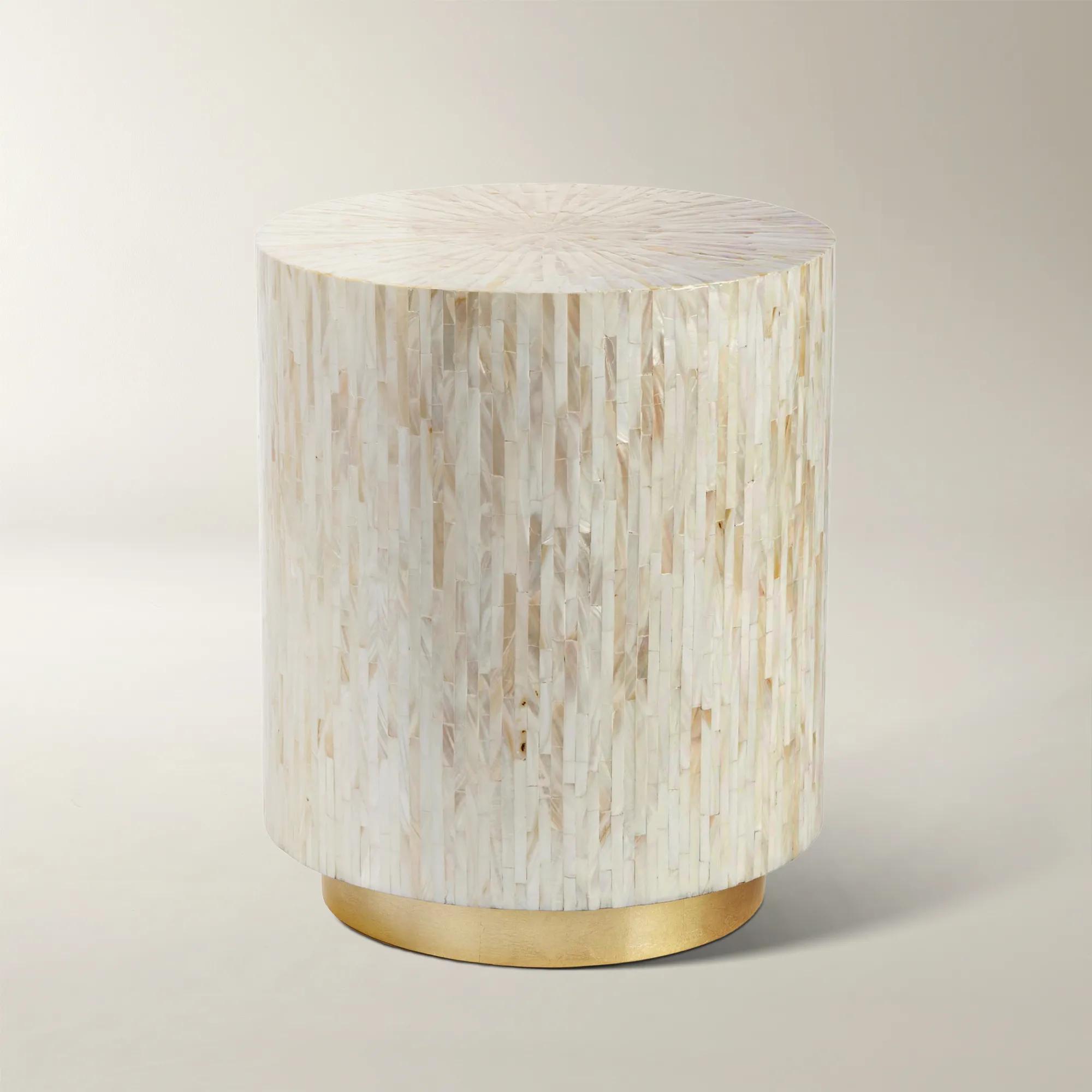 Alexandria Round Mosaic Platinum End Table (13.75")$299
A glamorous accent table featuring hand-applied mother-of-pearl mosaic and a gold leaf-accented base.
Add To Cart -
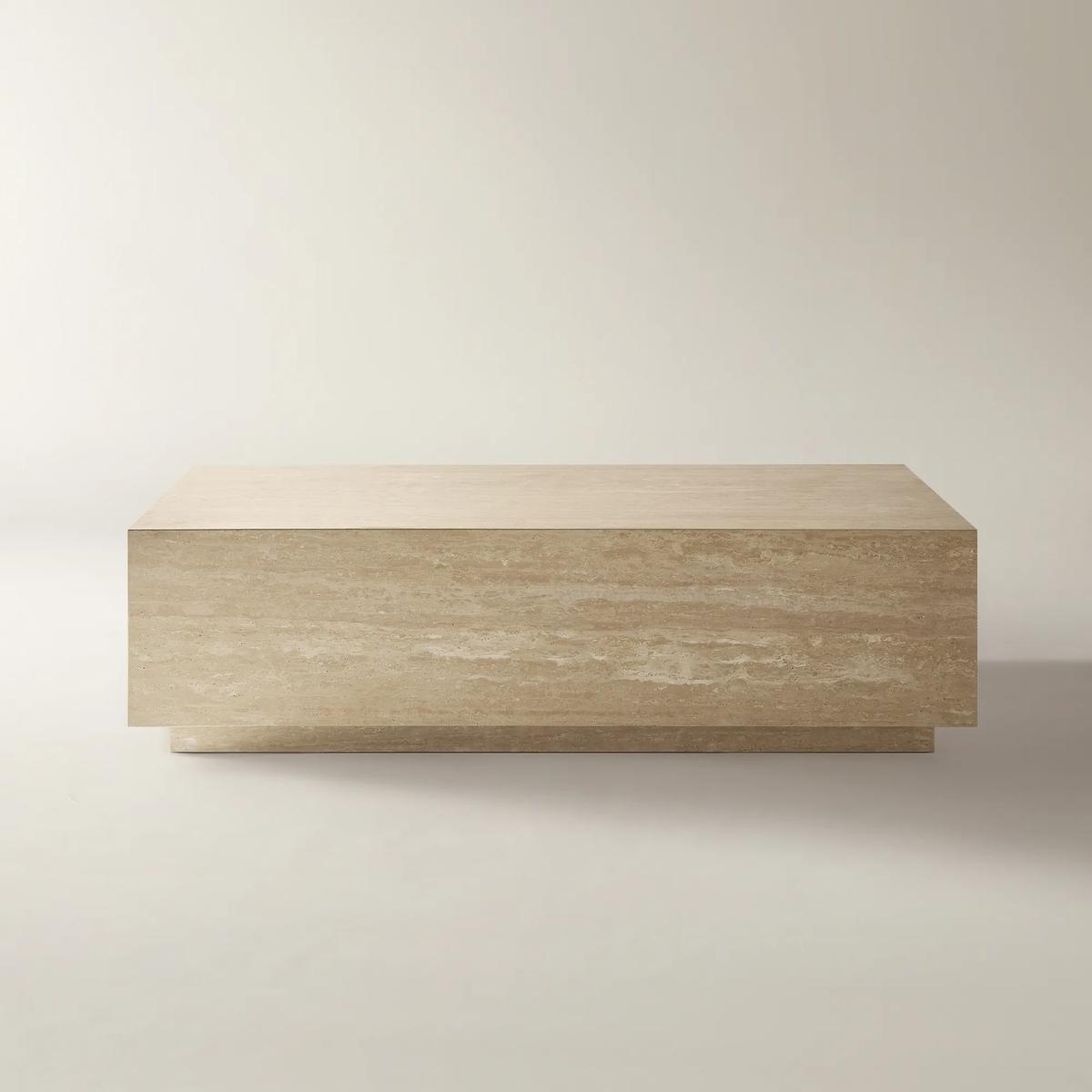
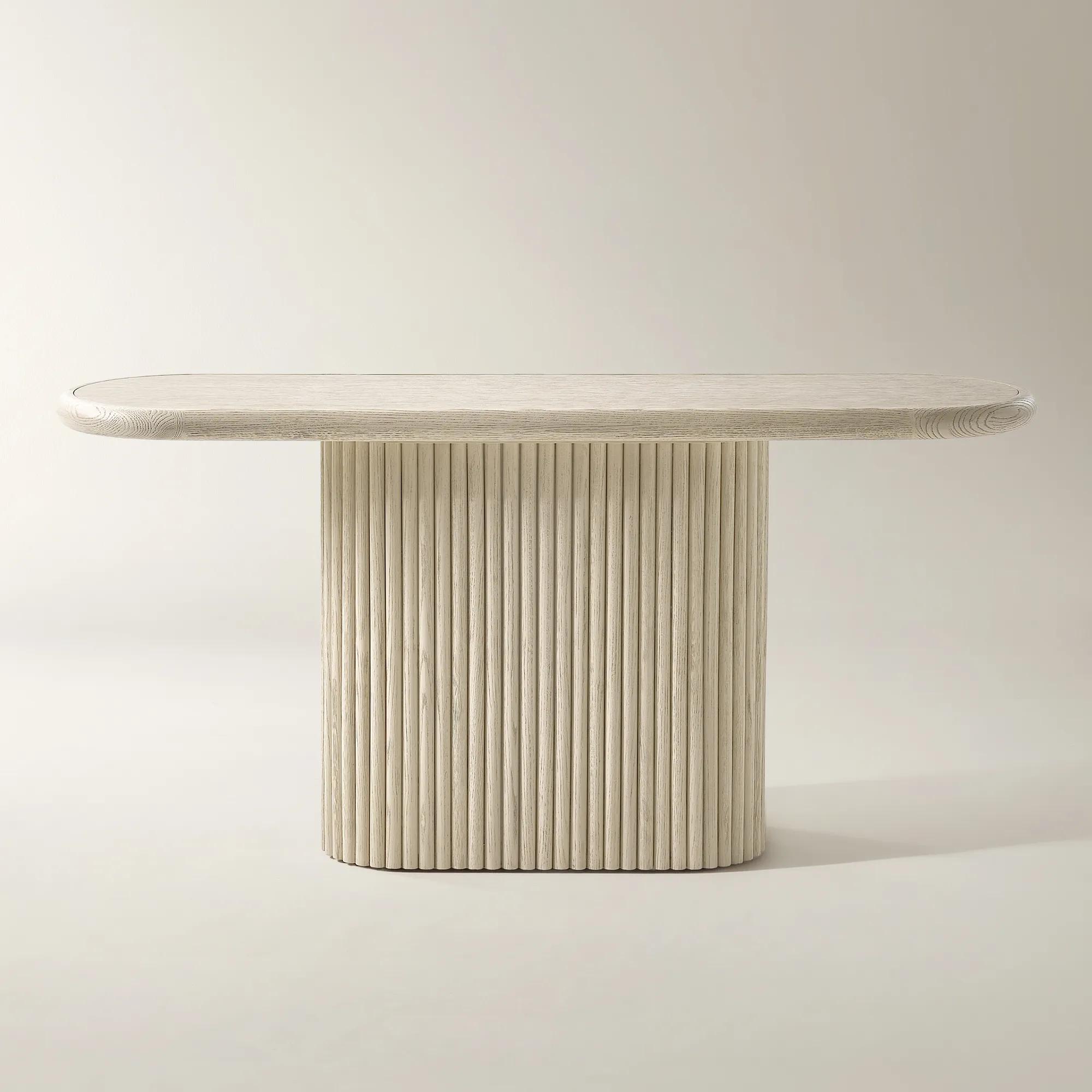
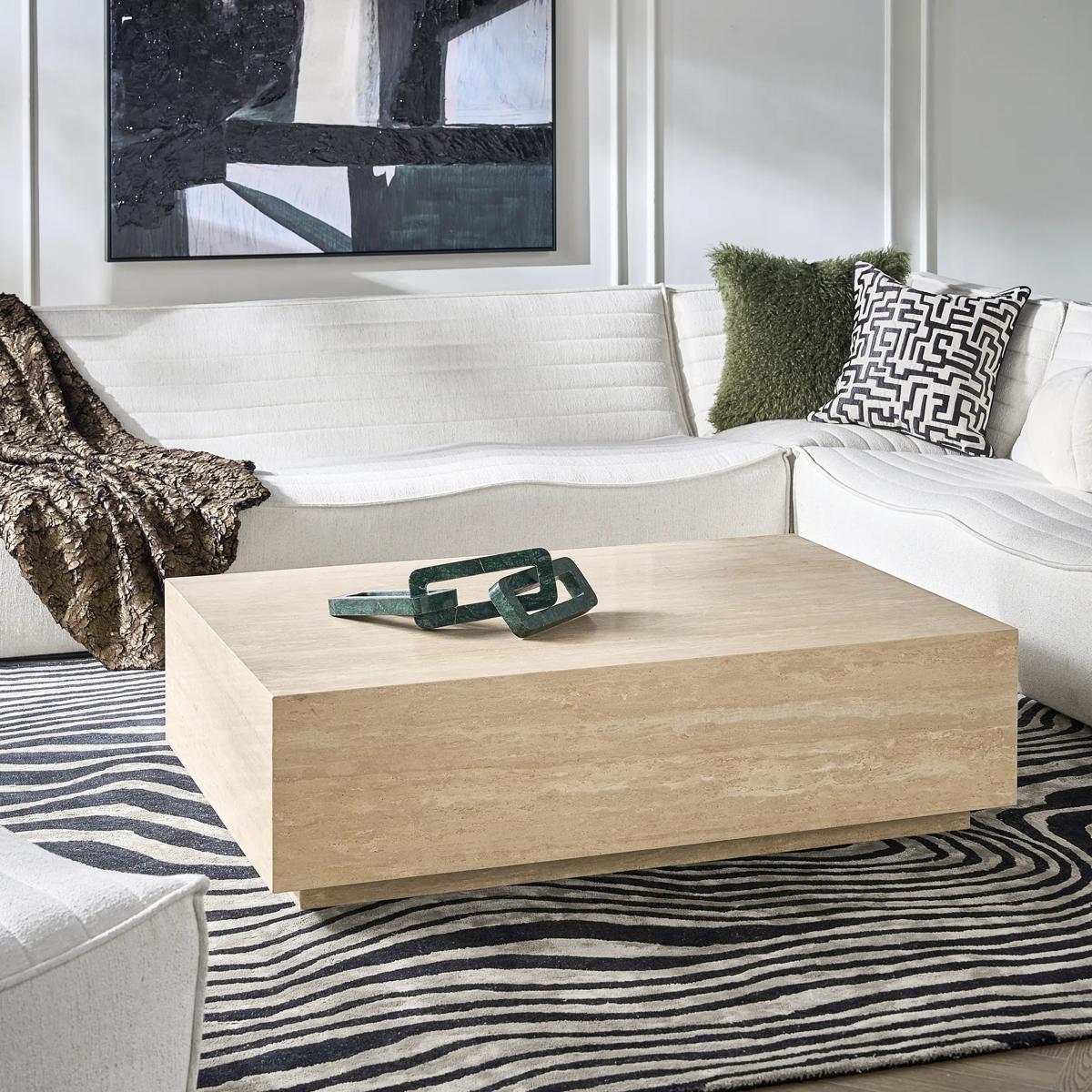 Vanta Rectangular Travertine Coffee Table (54")$2599
A sculptural travertine coffee table with an aluminum honeycomb core and recessed plinth base.
Add To Cart -
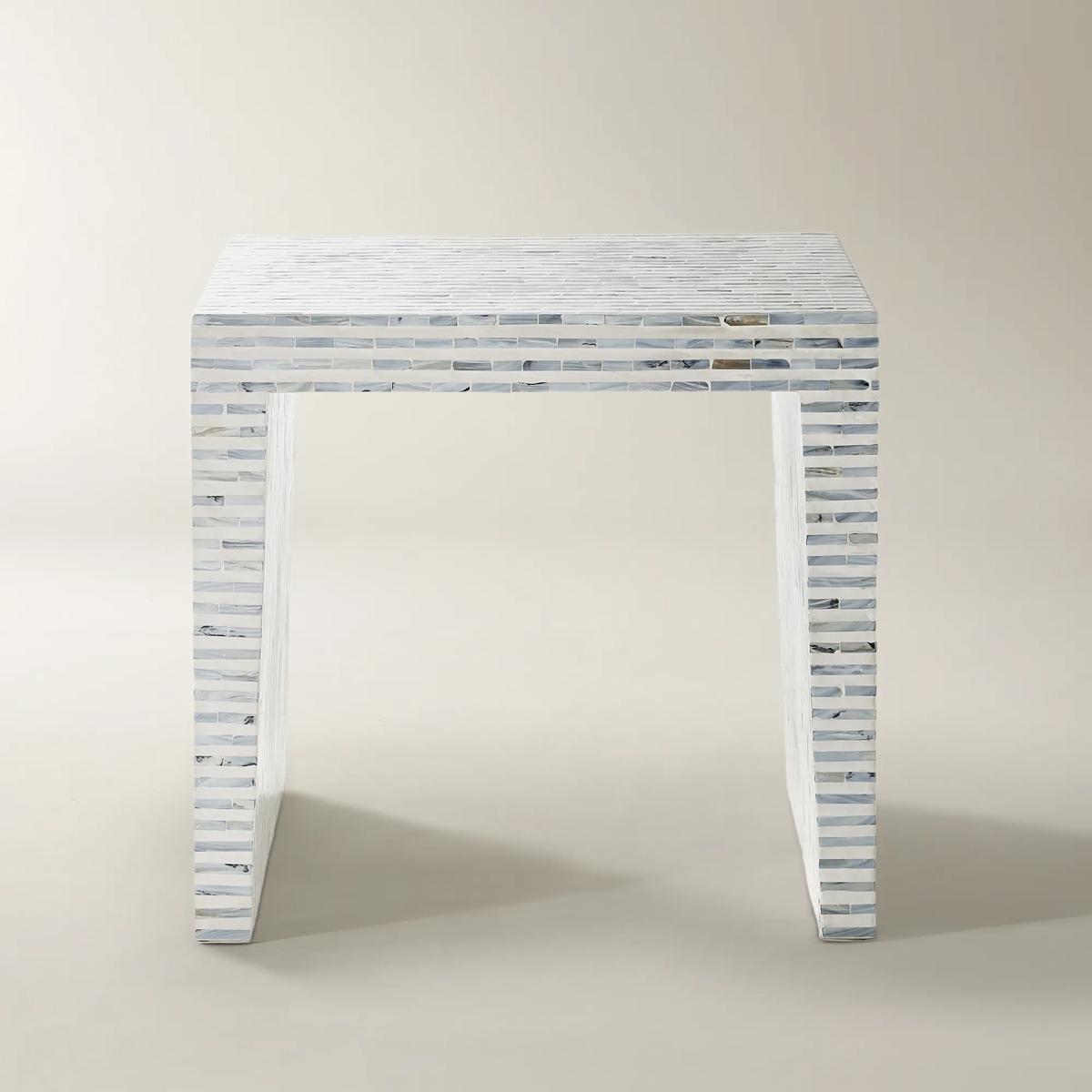
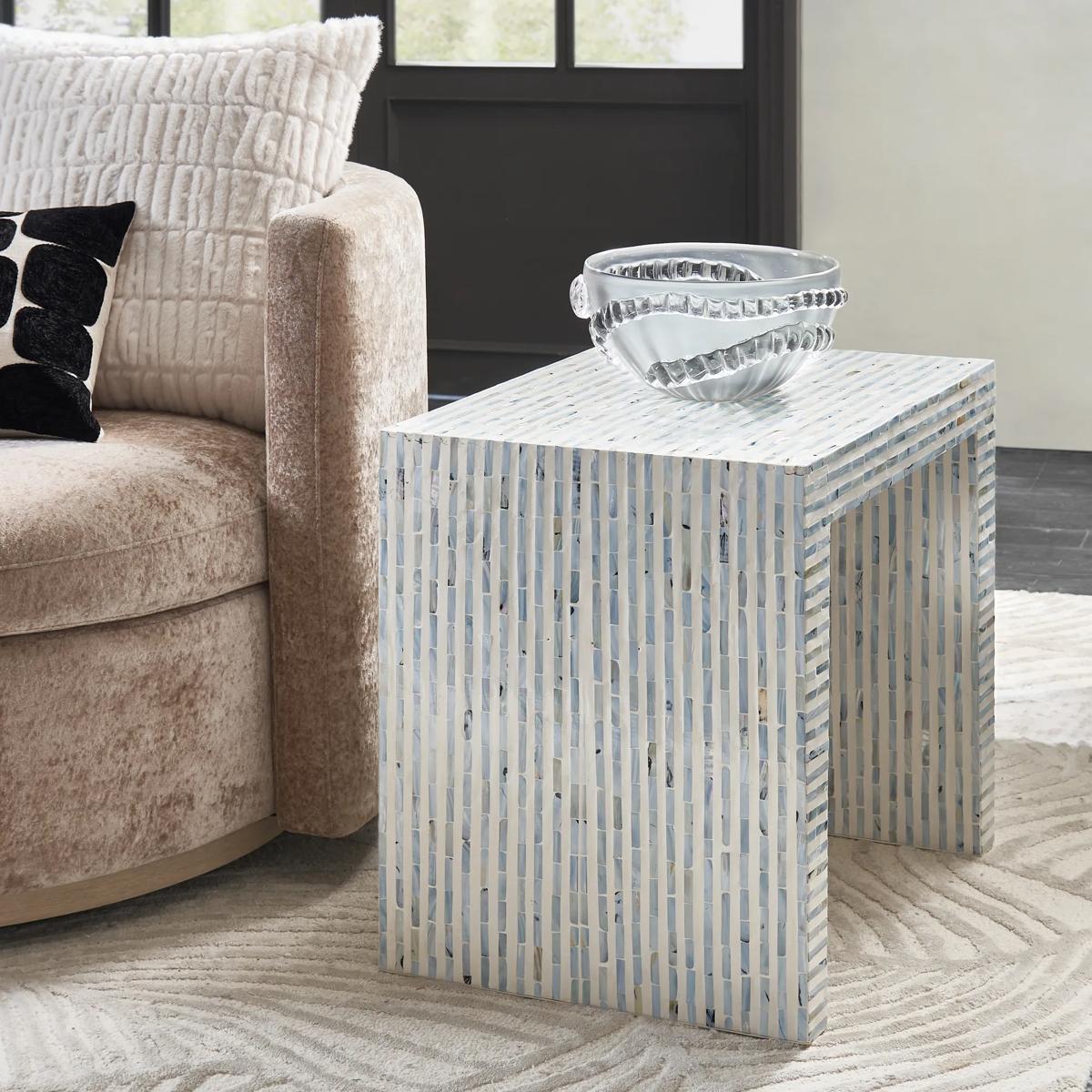 Stella Blue End Table(24")$399
A handcrafted end table featuring genuine blue mother-of-pearl inlay for a unique, iridescent accent.
Add To Cart -

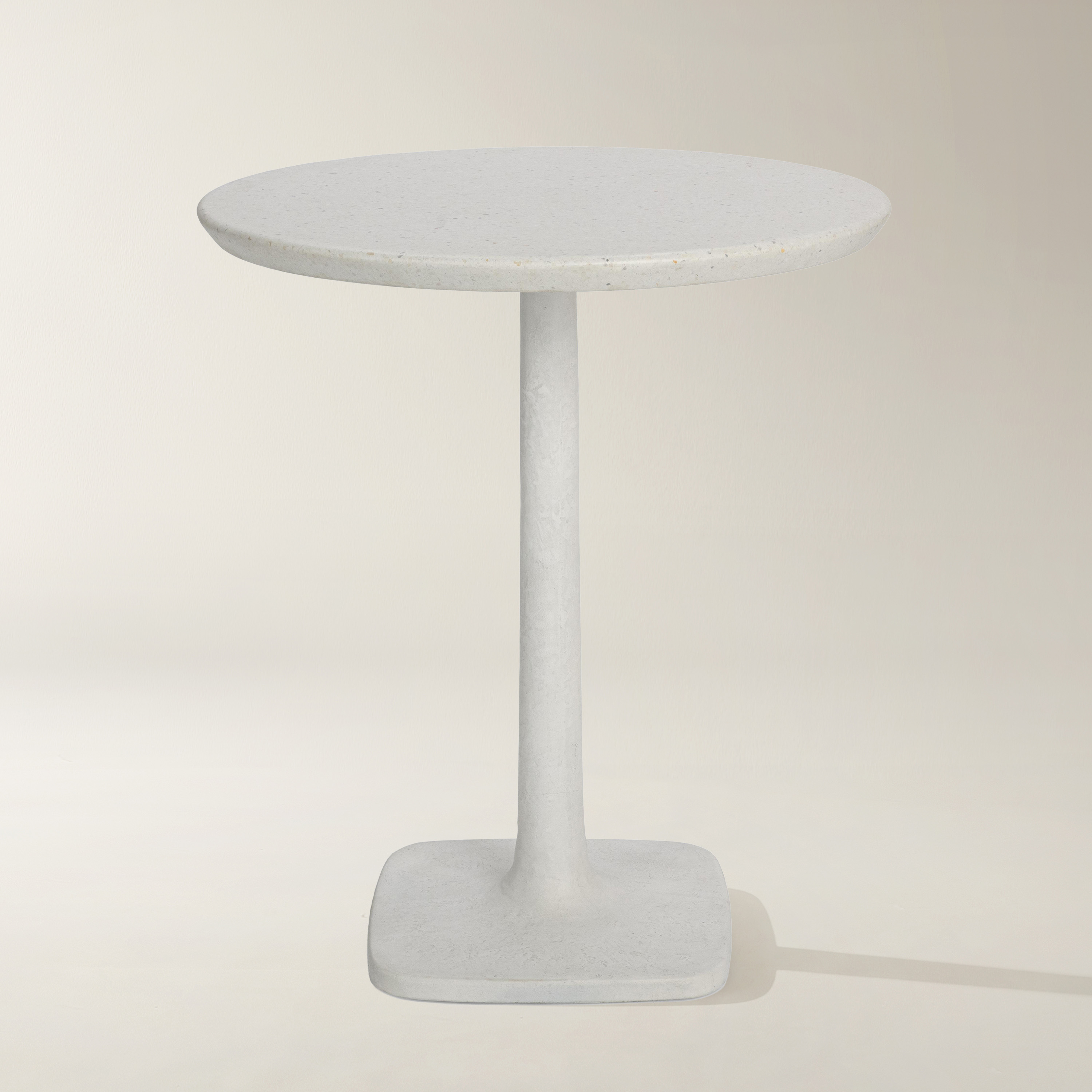
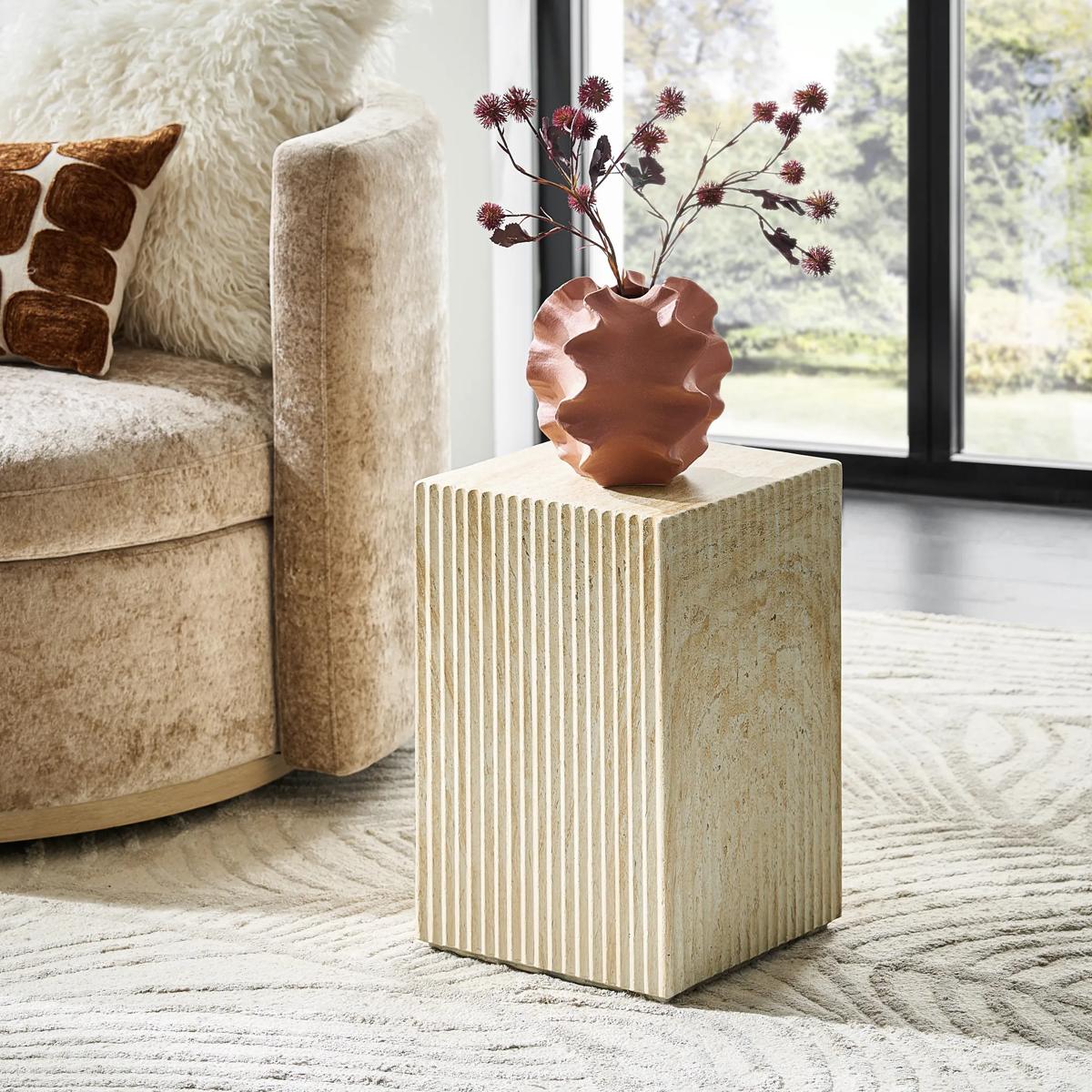 Strata Square Travertine Concrete Indoor/Outdoor Side Table (11.8")$299
A natural travertine-look concrete side table with sculptural cuboid geometry for indoor or covered outdoor spaces.
Add To Cart -
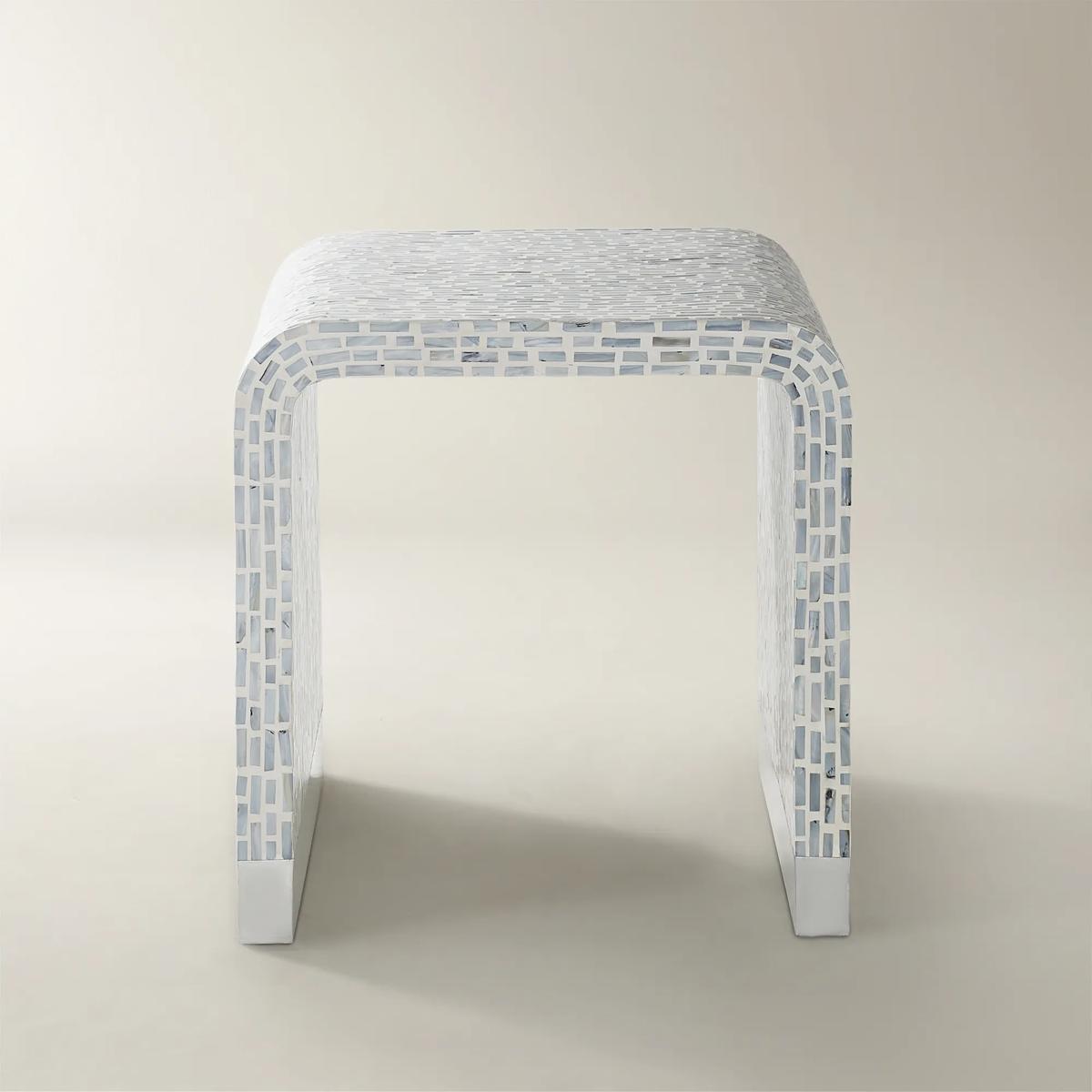
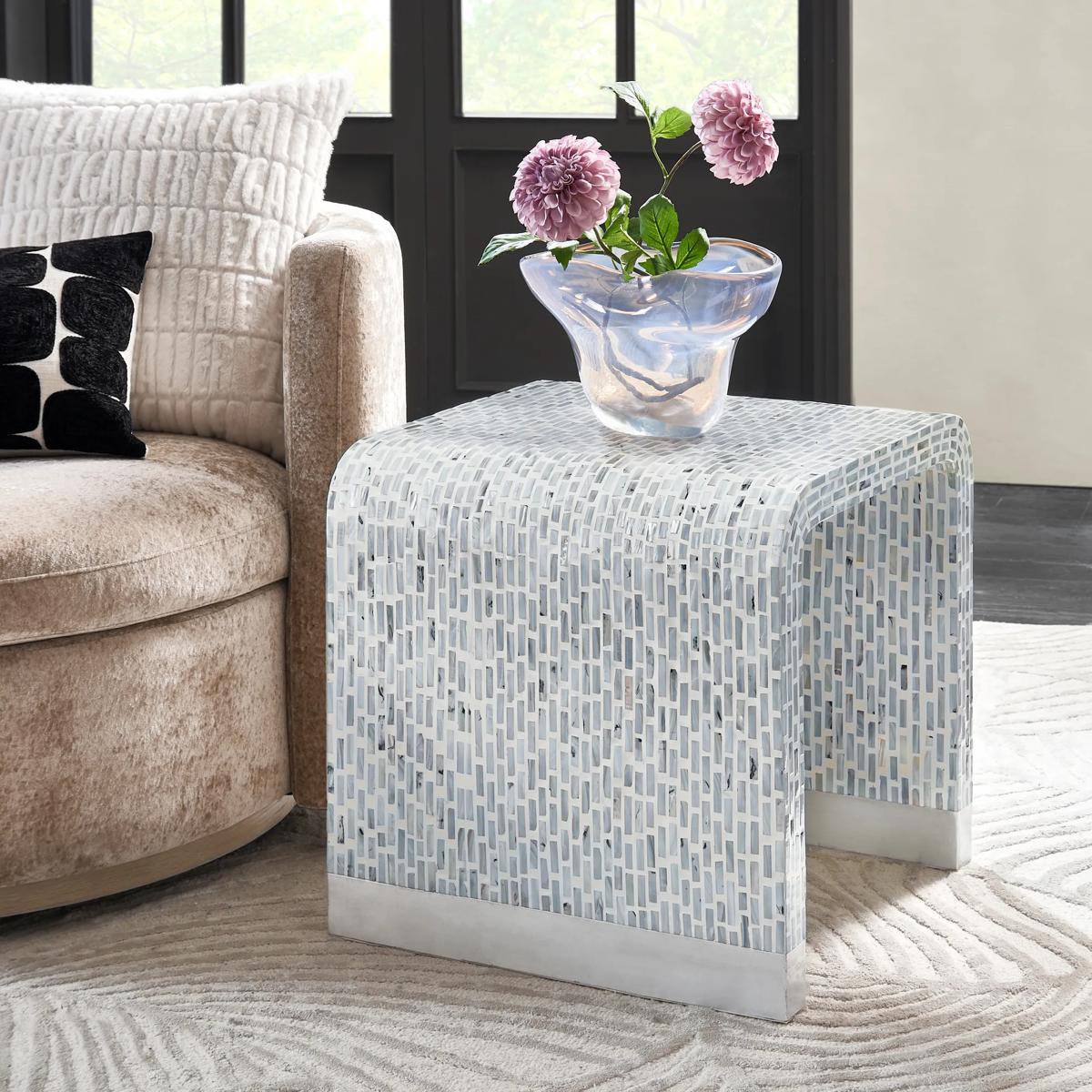 Iridia Blue Side Table (21.6")$399
A handcrafted end table featuring iridescent blue mother-of-pearl inlay and a silver leaf base.
Add To Cart -
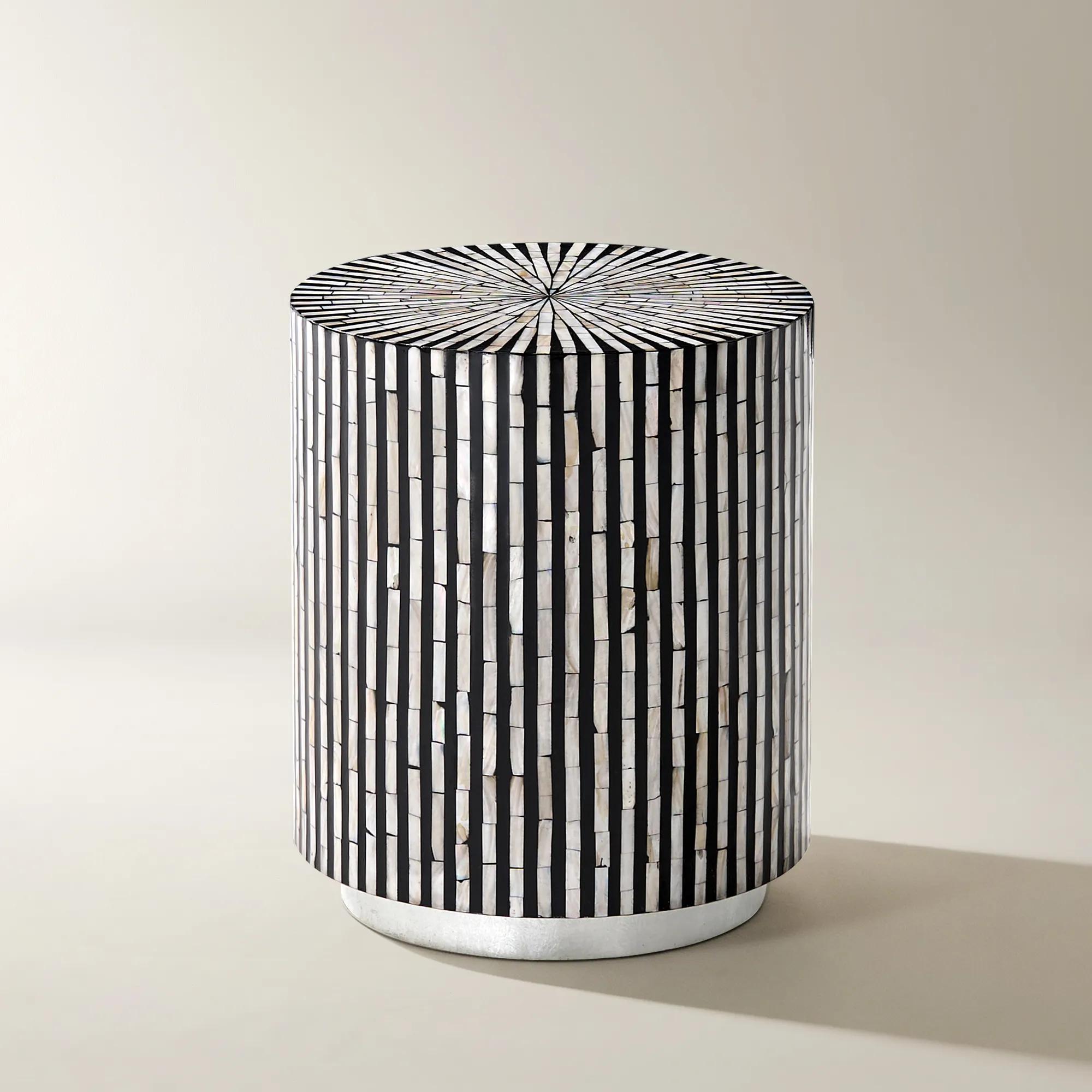
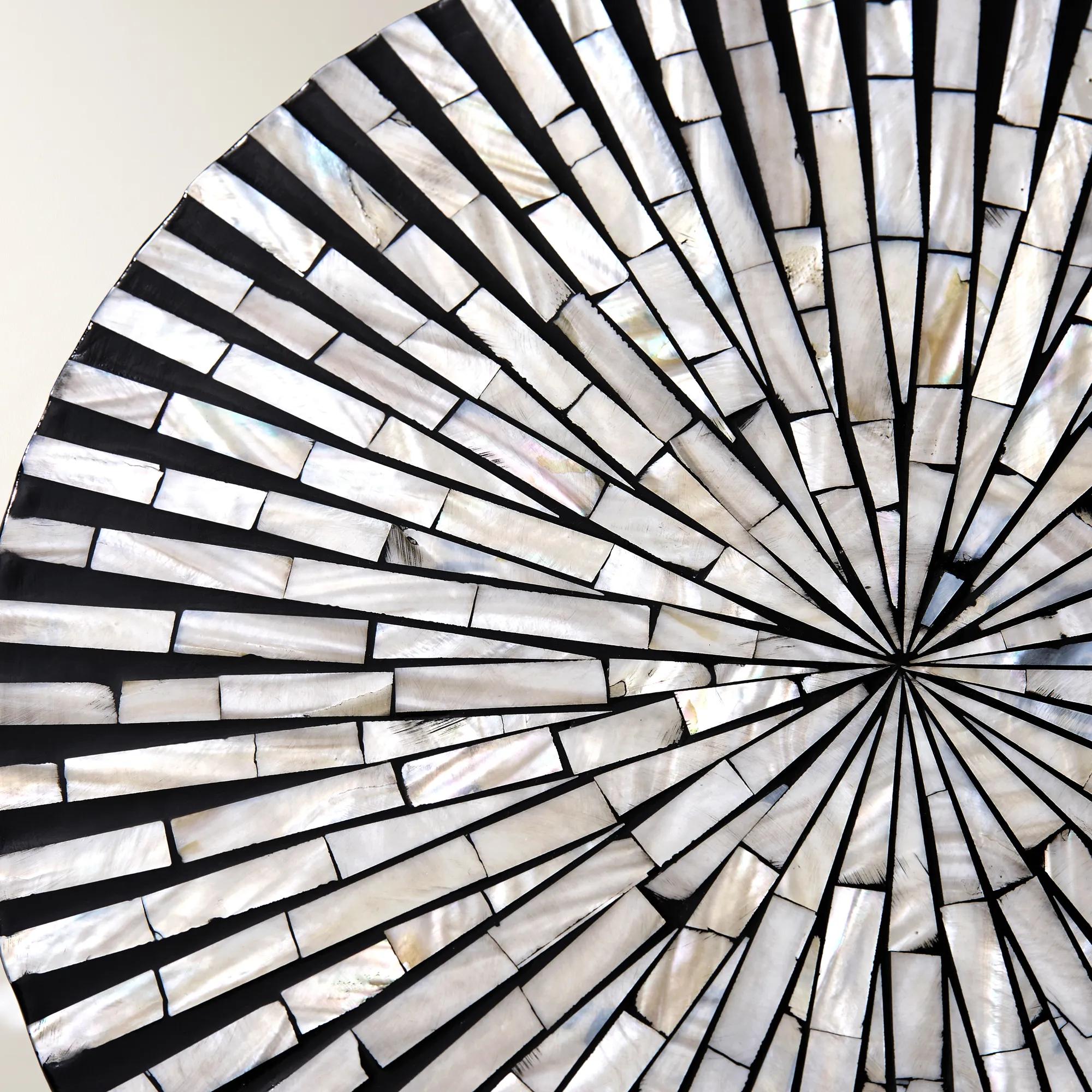 Marina Round Mosaic Black End Table (13.75")$299
A sculptural black end table featuring hand-applied mother-of-pearl mosaic and a silver leaf–accented base.
Add To Cart -
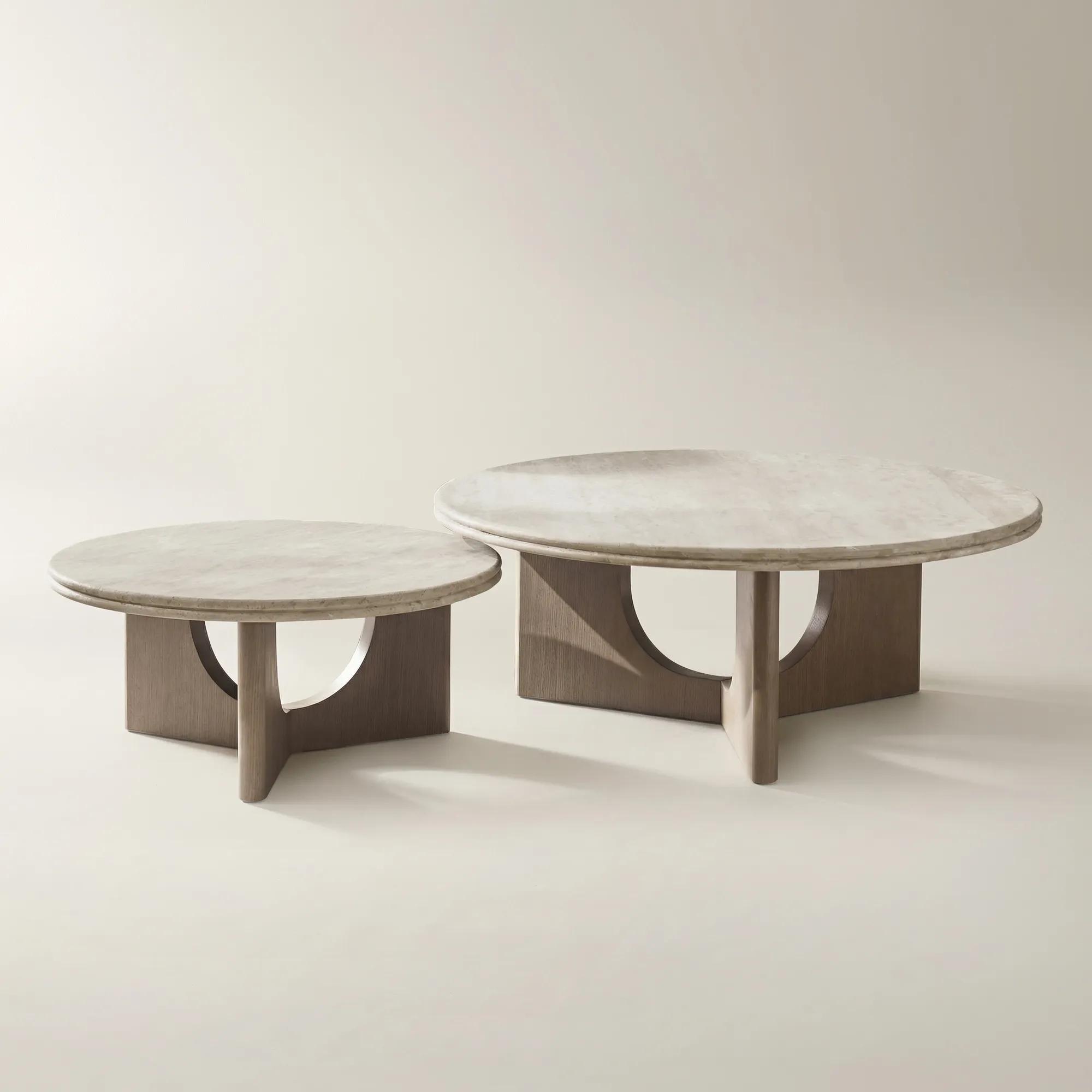
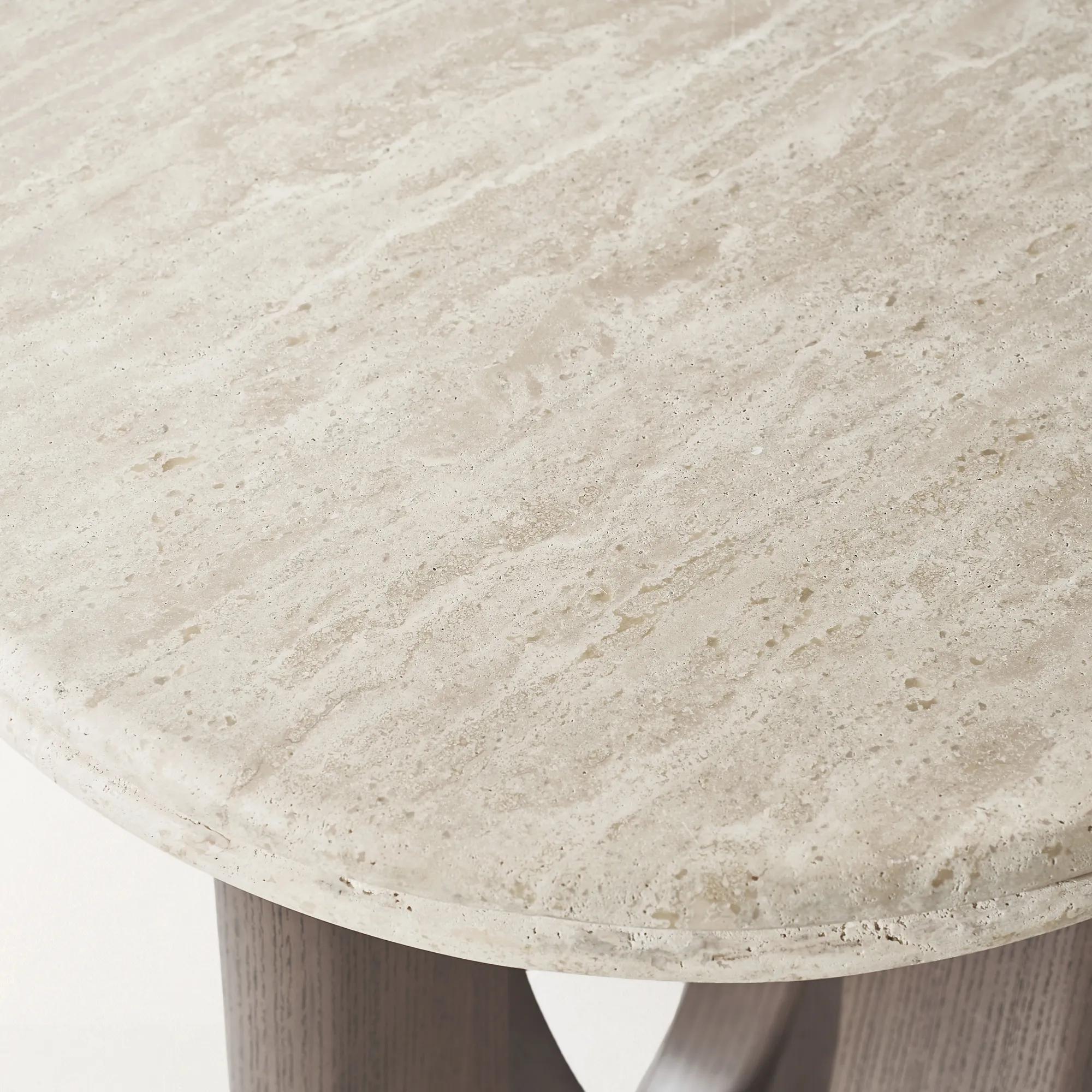 Bond Round Travertine and Wood Coffee Table Set of 2 (29.25"-41")$2098
A natural-finish nesting coffee table set offering versatile, space-saving layering for modern living rooms.
Add To Cart

Natural Stone End Tables
Natural Stone End Tables invite a sense of organic grandeur into any space, transforming the ordinary into the extraordinary. Each piece is a celebration of nature’s artistry, where raw textures meet refined silhouettes for an effortlessly elevated look. Whether poised beside a velvet sofa or anchoring a chic reading nook, these tables infuse your home with sculptural beauty and timeless allure. Let Natural Stone End Tables become the punctuation mark in your design story, offering both substance and style that speak to your boldest sensibilities.
Natural stone end tables bring the expressive beauty of quarried material into a compact, purposeful piece of furniture. Typically made with marble, travertine, granite, or another natural stone, these accent tables range from sculptural, all-stone forms to stone tops paired with metal or wood bases. Their appeal lies in the contrast: a surface substantial enough to anchor a seating arrangement, yet small enough to sit beside a sofa or accent chair. Veining, mineral markings, and subtle shifts in color give each piece its own character, turning an everyday landing place into something worth lingering over. Marble lends fluid movement and a polished sense of drama, whether its background is pale and luminous or richly colored. Travertine offers a more architectural presence, with layered tones and a naturally porous structure that may be filled and finished for a smoother surface. Granite often has a granular or crystalline appearance and generally resists scratching better than softer stones, though its care requirements still depend on its composition and finish. A polished surface catches light and emphasizes color, while a honed finish creates a softer, more matte impression; neither finish eliminates the need for thoughtful care. Construction also shapes the effect. A pedestal or block silhouette feels grounded and gallery-like, while an open metal base allows more of the surrounding rug and upholstery to remain visible. Wood introduces warmth and a tactile counterpoint to the stone. Material descriptions matter because solid stone, a stone slab supported by another material, and stone veneer over a core differ in weight and construction. An imposing silhouette does not necessarily mean a piece is solid stone throughout. For interiors built around sumptuous upholstery, gleaming accents, or bold artwork, a natural stone side table supplies both visual balance and an unmistakable point of distinction. Its beauty comes from geological detail rather than an applied pattern, making natural variation part of the design rather than something to conceal.
The most compelling end table feels considered in both its proportions and its placement. Beside a deep sofa, a broad stone top can hold a lamp, a book, and a drink without making the arrangement feel crowded. Next to a sculptural accent chair, a smaller round table creates an intimate setting for reading or conversation, leaving the chair’s silhouette in full view. A tabletop close to the height of the adjacent arm generally makes reaching more comfortable, while sufficient clearance around the base keeps the seating area easy to navigate. Seat depth matters, too: a table positioned too far behind the front of a lounge chair may look balanced but prove awkward to use. Round and oval shapes soften a grouping of angular furniture and can be useful near walking paths, although any heavy stone piece deserves careful placement in homes with children or pets. Square and rectangular tops offer a more tailored edge and can sit neatly alongside straight sofa arms. A narrow footprint may suit a compact room, but stability remains essential, particularly when a lamp adds height and weight above the surface. Stone furniture can be heavy, so consider how it will move through doorways, where it will rest, and whether the floor beneath it is level. Its presence can be quiet or commanding: pale stone beside ivory upholstery creates a layered tonal composition, while dark stone against a light chair produces a crisp, dramatic outline. A pair can frame a sofa with architectural symmetry; a single distinctive table can give an otherwise composed room an unexpected focal point. Across an open floor plan, Natural Stone Dining Tables can extend that material connection into the dining area. The stone does not need to match exactly; repeating an undertone, a rounded edge, or a complementary base finish can create continuity without making every piece feel identical.
Natural stone rewards everyday use when its surface is treated with care appropriate to the material. Durability is not the same as immunity to damage: marble and travertine are vulnerable to etching from acidic liquids, while porous stones can absorb spills and develop stains. Lemon juice, wine, and some household cleaners can leave marks, and a protective sealer does not make stone impervious to either staining or etching. Coasters, trays, and protective pads help preserve the surface while allowing the table to serve its intended role beside a favorite seat. Blot spills promptly rather than spreading them, and follow the manufacturer’s recommendations for cleaning, sealing, and maintenance. A soft cloth and a cleaner approved for the particular stone are generally more appropriate than abrasive powders, acidic solutions, or harsh all-purpose products. Keep excess moisture away from joints and mixed-material bases, and protect the top from hot vessels and rough-bottomed decorative objects. A stone table is well suited to holding a shaded lamp, a small arrangement, or a carefully edited stack of books, but its decorative presence should never be mistaken for permission to sit or stand on it. When relocating a heavy piece, lift it with suitable assistance instead of dragging it across the floor, and follow any handling instructions for separate tops or bases. These practical considerations make natural stone end tables especially appealing to design enthusiasts who appreciate distinctive materials and are comfortable giving them attentive care. They can also make a thoughtful housewarming or milestone gift when the recipient’s space, preferred palette, and maintenance expectations are already understood. For someone creating a reading corner or completing a living room, the right table offers more than another surface. It brings the luminous sweep of a vein, the quiet depth of a matte finish, or the sculptural weight of a pedestal into daily view—a functional piece with the presence to make the entire seating arrangement feel more intentional.
FAQs
Natural stone end tables are celebrated for their one-of-a-kind beauty, as each piece features distinctive veining, mineral patterns, and coloration created over millennia. This individuality ensures that no two tables are ever exactly alike, infusing your space with a sense of artistry and authenticity that mass-produced materials simply cannot replicate.
Natural stone end tables are remarkably versatile and can complement a wide range of interiors. In modern or minimalist settings, they introduce organic texture and visual interest; in more traditional or eclectic spaces, they serve as a grounding element that balances bold fabrics and ornate details. Pair with metallic accents for a touch of glamor, or with natural fibers for a relaxed, layered look.
Absolutely. The inherent elegance and sculptural presence of stone accent tables make them ideal for smaller rooms, where every piece must earn its place. A petite natural stone end table can act as a luxurious focal point beside a sofa, armchair, or bed, offering both style and function without overwhelming the space.
Maintaining the beauty of a natural stone end table is simple. Most require only a soft, damp cloth for regular cleaning. It’s best to avoid harsh chemicals or abrasive pads, as these can damage the surface. Over time, the patina that develops adds character, making each table even more striking and storied.
A natural stone end table makes a remarkable and memorable gift, perfect for design enthusiasts, newlyweds, or anyone who appreciates craftsmanship and timeless style. Its uniqueness and enduring appeal turn it into a cherished piece that will be admired and enjoyed for years to come.