Natural Stone Coffee Tables
Natural Stone Coffee Tables
-
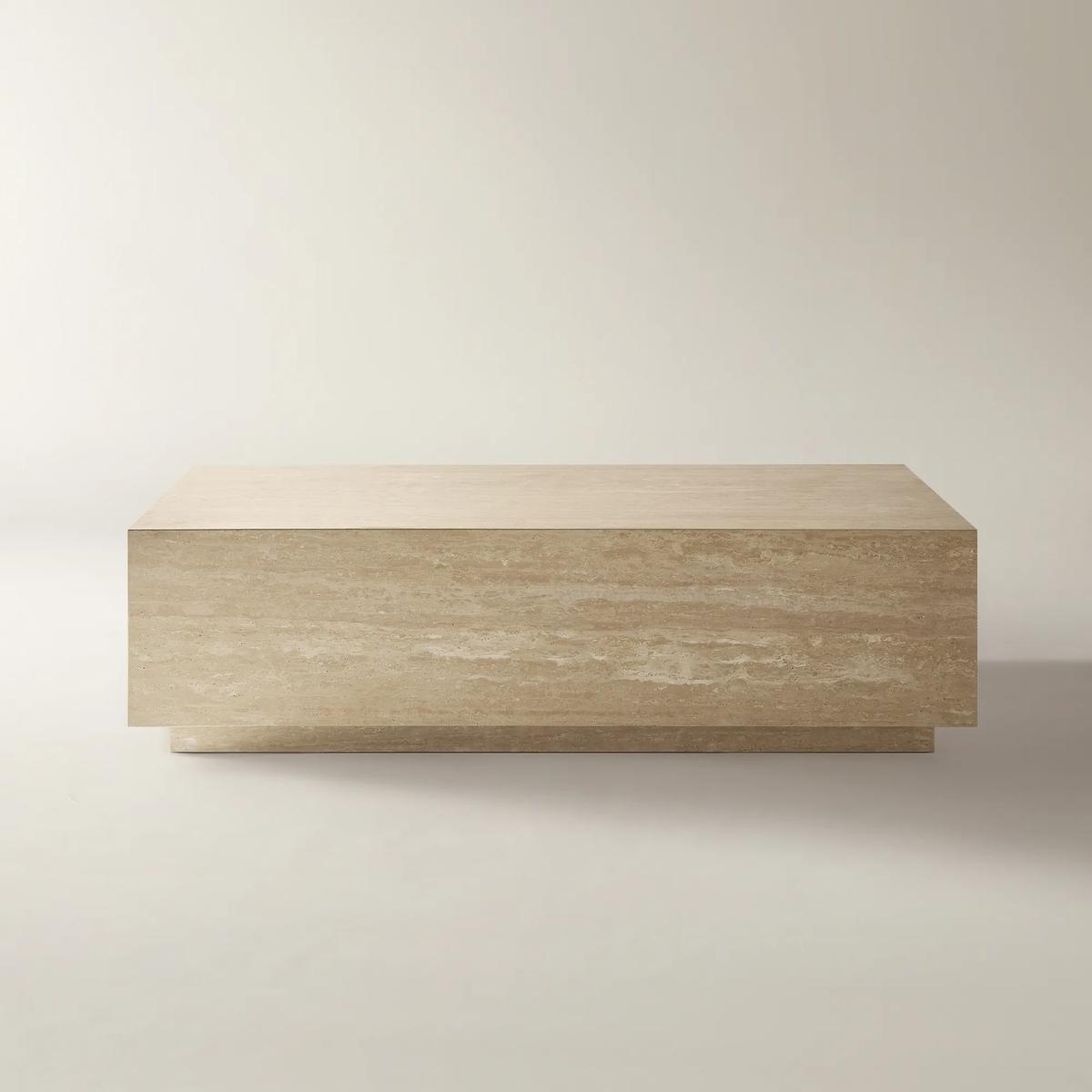
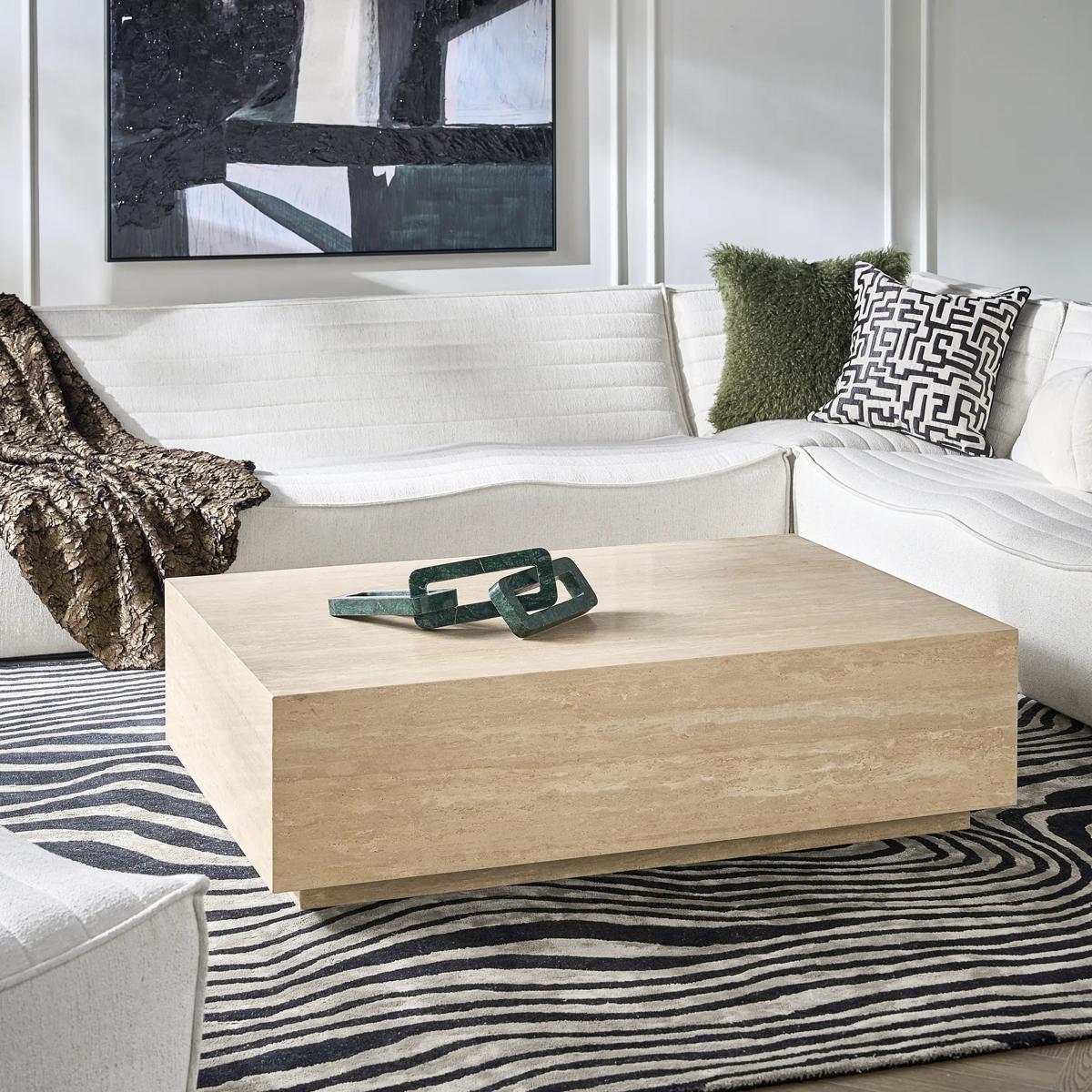 Vanta Rectangular Travertine Coffee Table (54")$2599
A seamless genuine travertine coffee table featuring ivory-gold tones and an ultra-light aluminum honeycomb core.
Add To Cart -
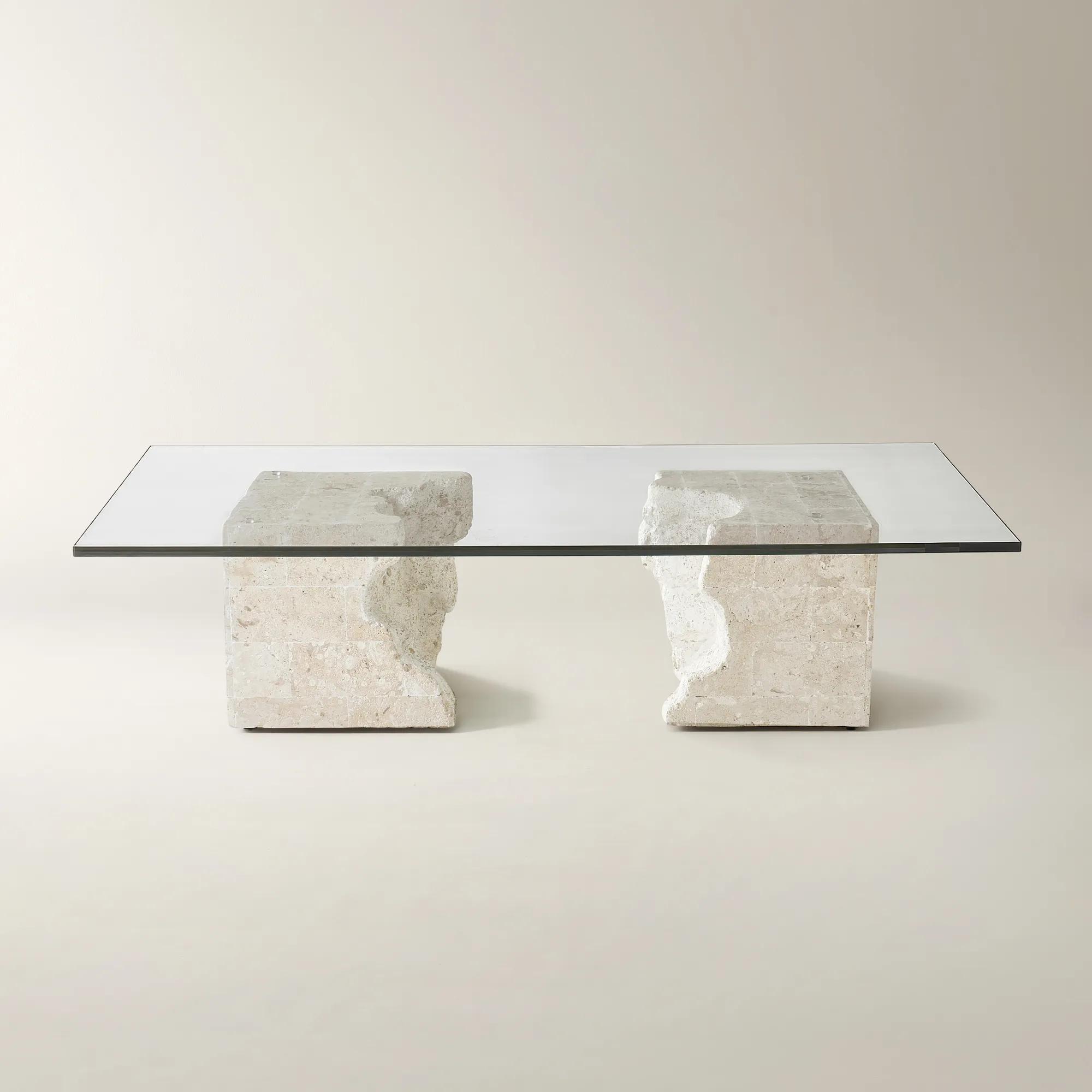 Cairo Rectangular Mactan Stone Coffee Table With Glass Top (70.87")$1999
A contemporary coffee table featuring a clear tempered glass top floating above hand-carved Mactan stone bases.
Add To Cart -
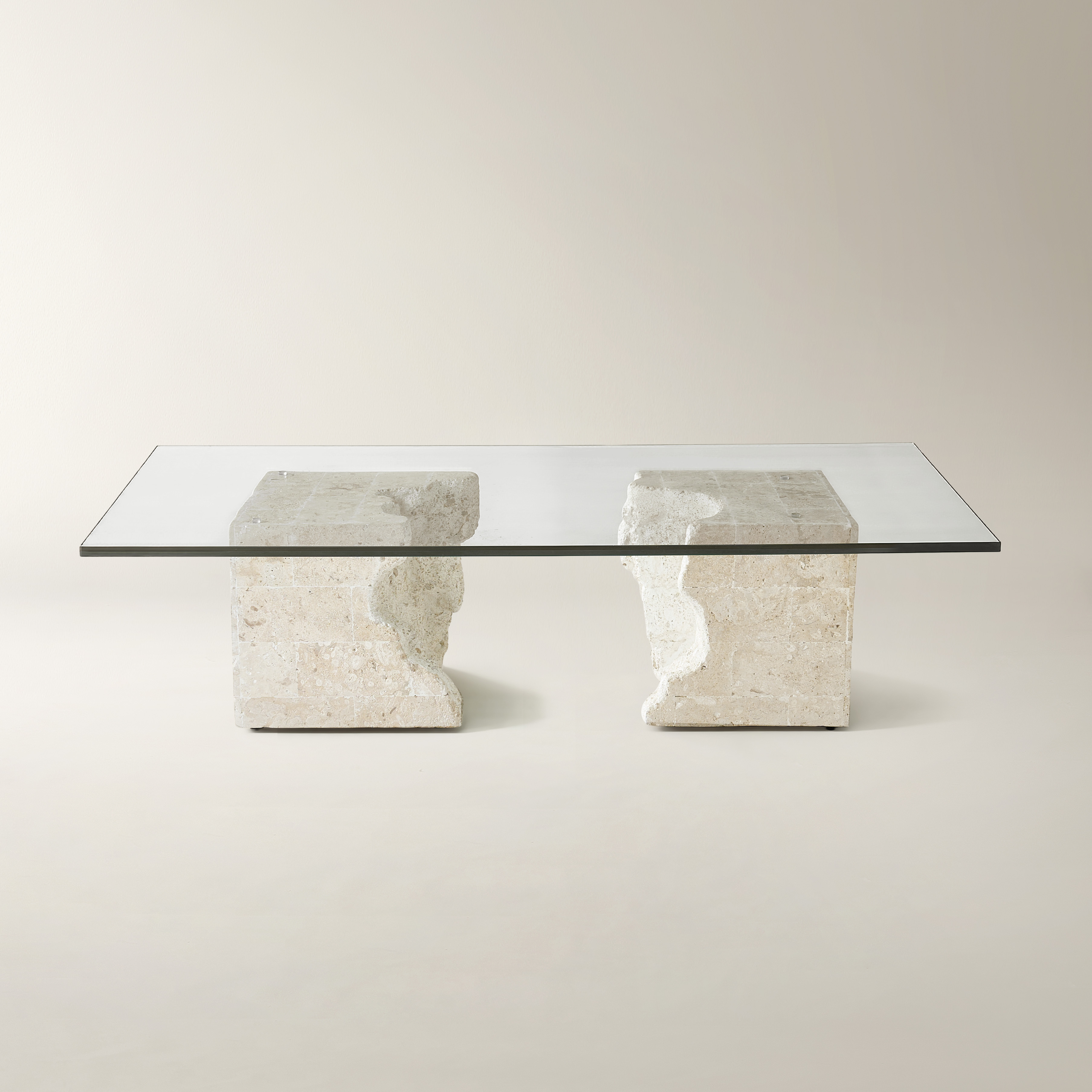 Cairo Rectangular Mactan Stone Coffee Table With Glass Top (63")$1899
A contemporary coffee table featuring a clear tempered glass top floating above hand-carved Mactan stone bases.
Add To Cart -
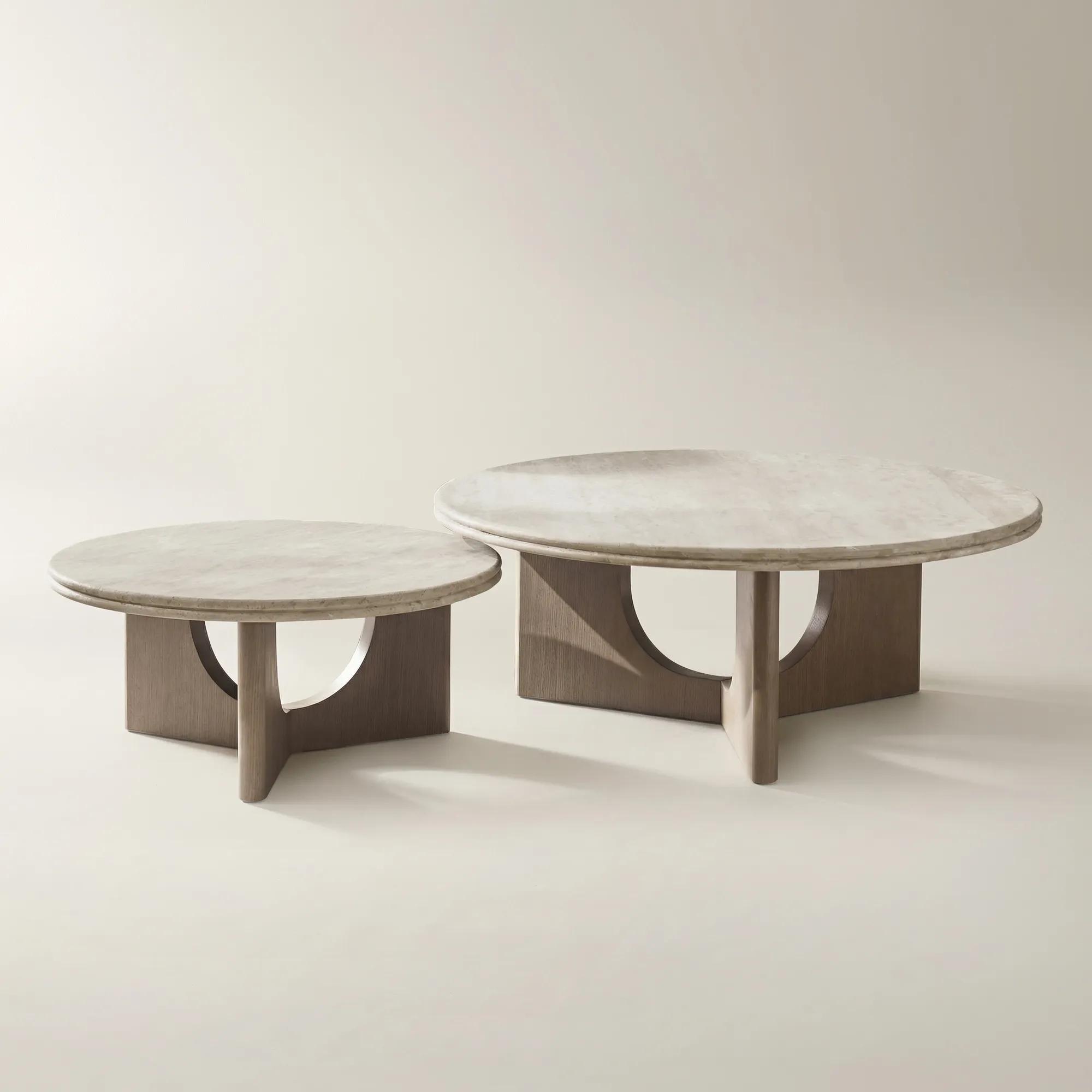
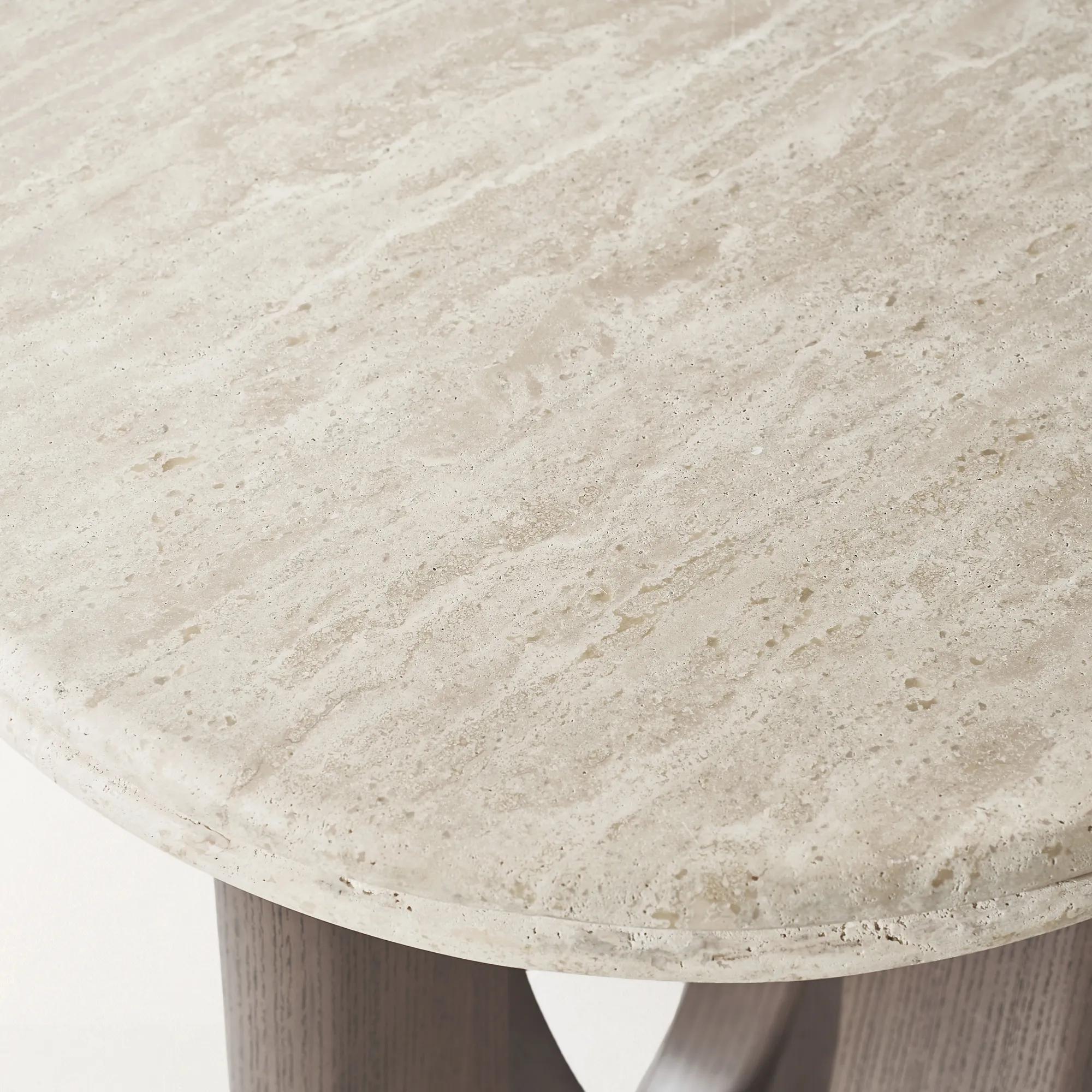 Bond Round Travertine and Wood Coffee Table Set of 2 (29.25"-41")$2098
A natural-finish nesting coffee table set offering versatile, space-saving layering for modern living rooms.
Add To Cart -

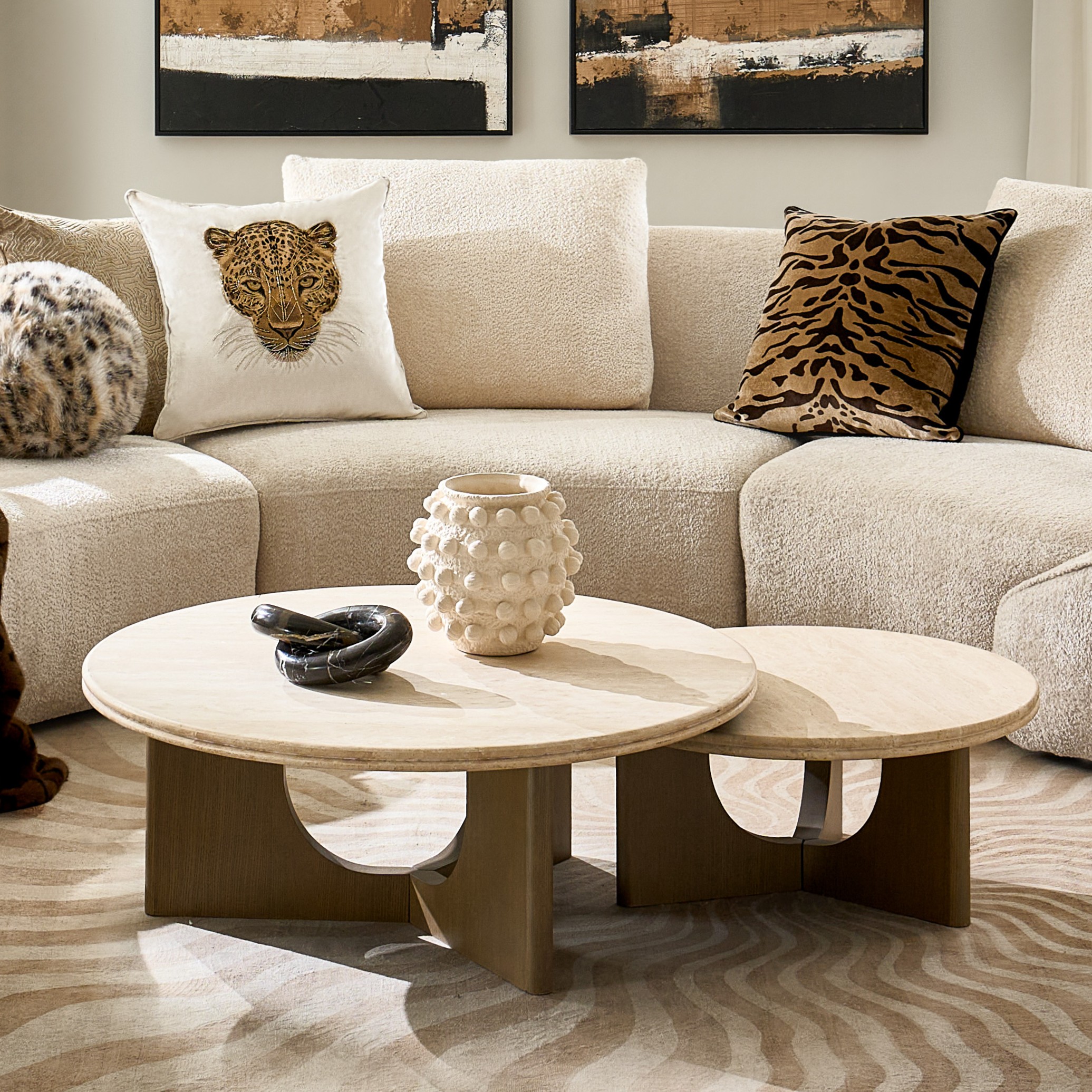 Bond Round Travertine and Wood Coffee Table (29.25")$699
A genuine travertine stone coffee table with warm ivory-gold tones atop a solid natural ash base.
Add To Cart -
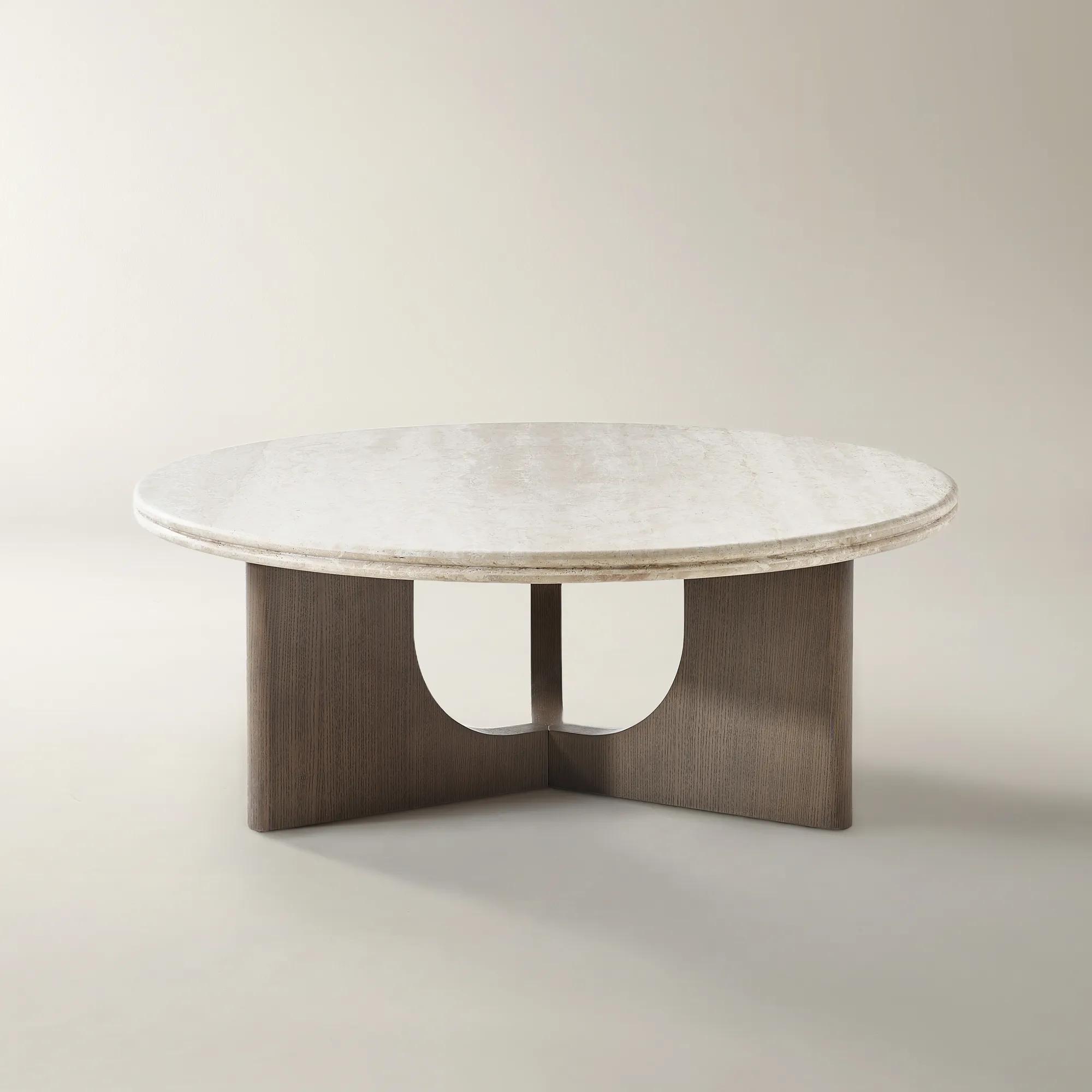 Bond Round Travertine and Wood Coffee Table (41")$1399
A round coffee table featuring a genuine travertine stone top and natural ash wood panel base with arches.
Add To Cart -
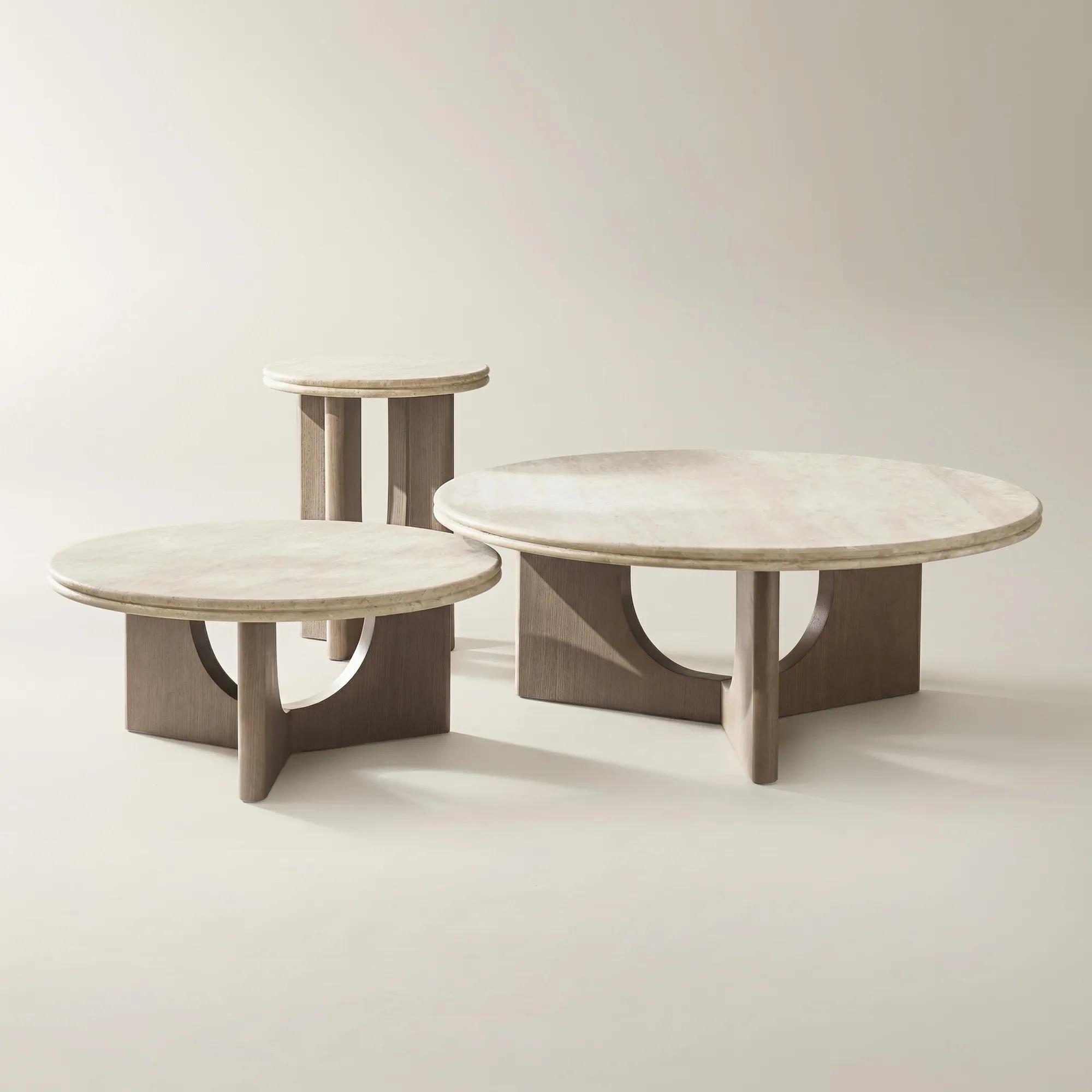
 Bond Round Travertine and Wood Coffee Table Set of 3 (17.72"-41")$2557
A natural-finish nesting coffee table set offering versatile, space-saving surfaces for modern living rooms.
Add To Cart -
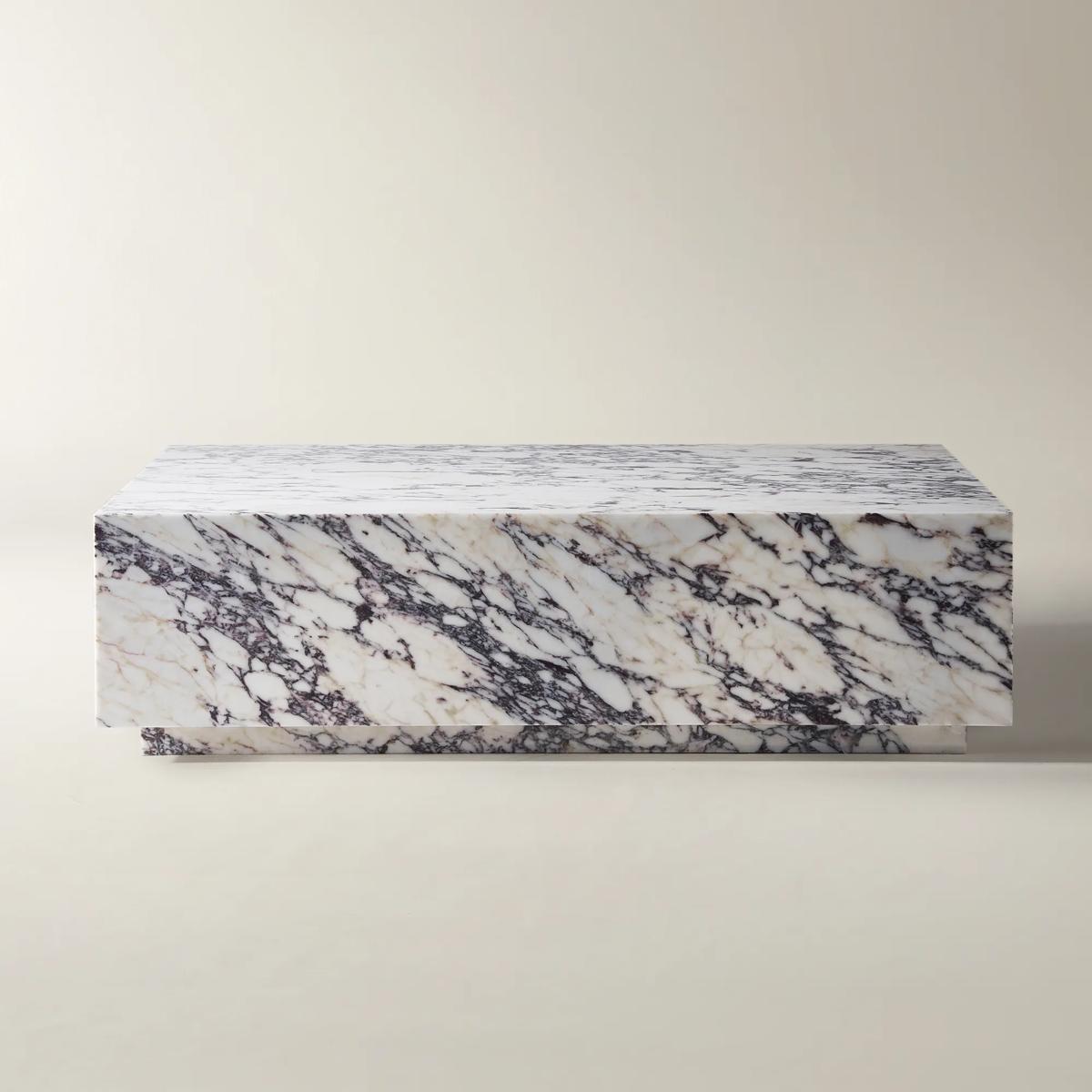
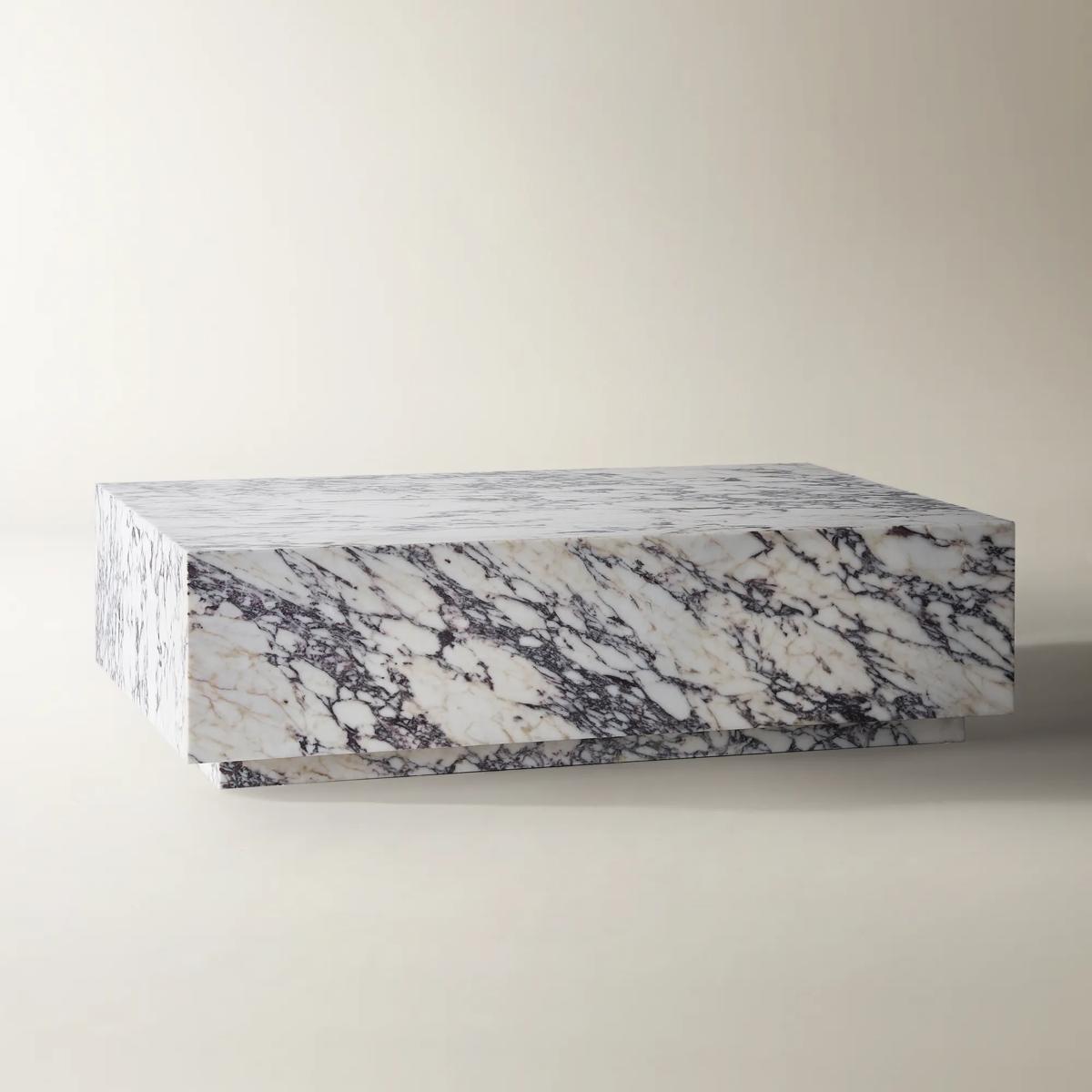 Vanta Rectangular Viola Calacatta Marble Coffee Table (54")$3699
A striking coffee table featuring genuine Calacatta Viola marble with bold violet veining and an aluminum core.
Add To Cart -
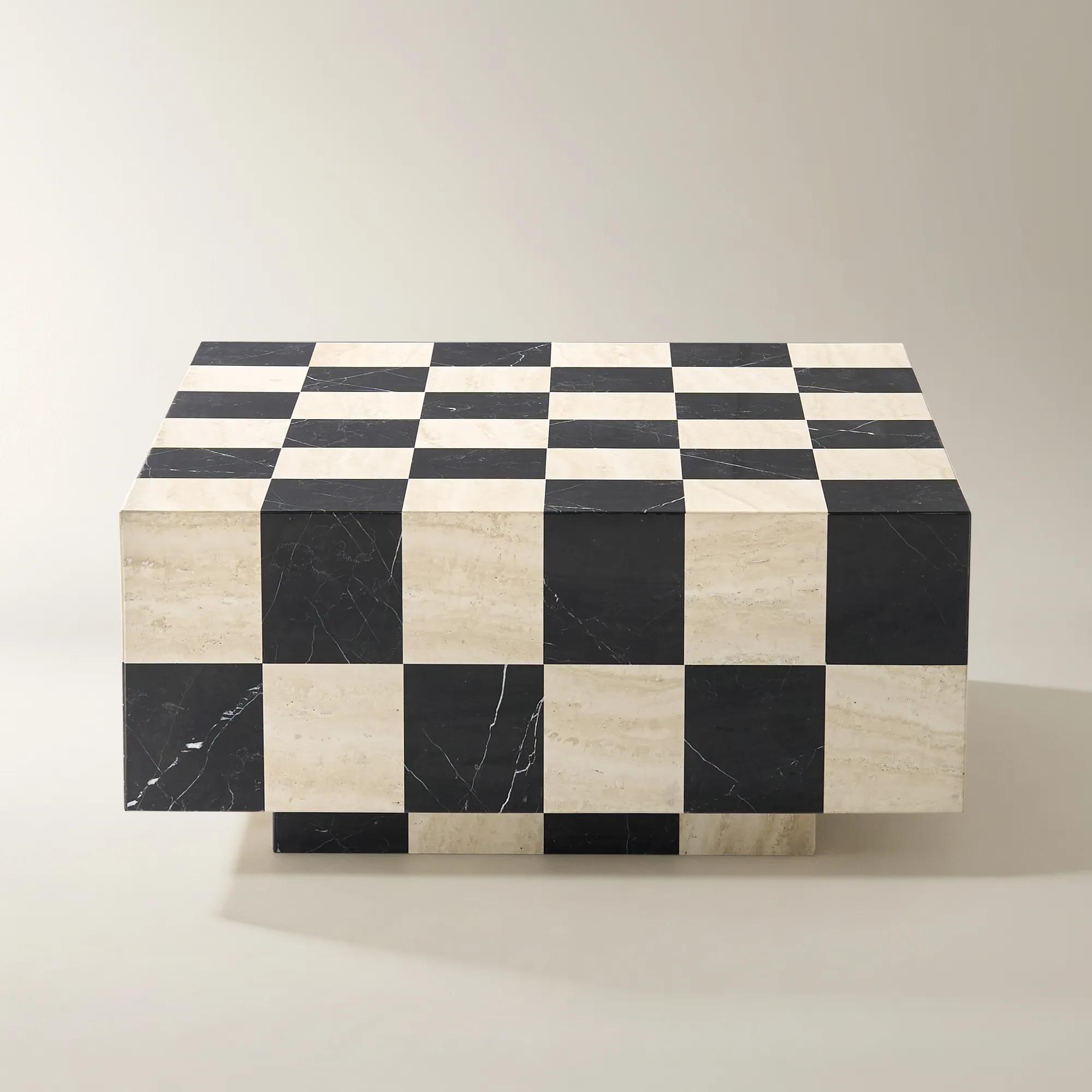
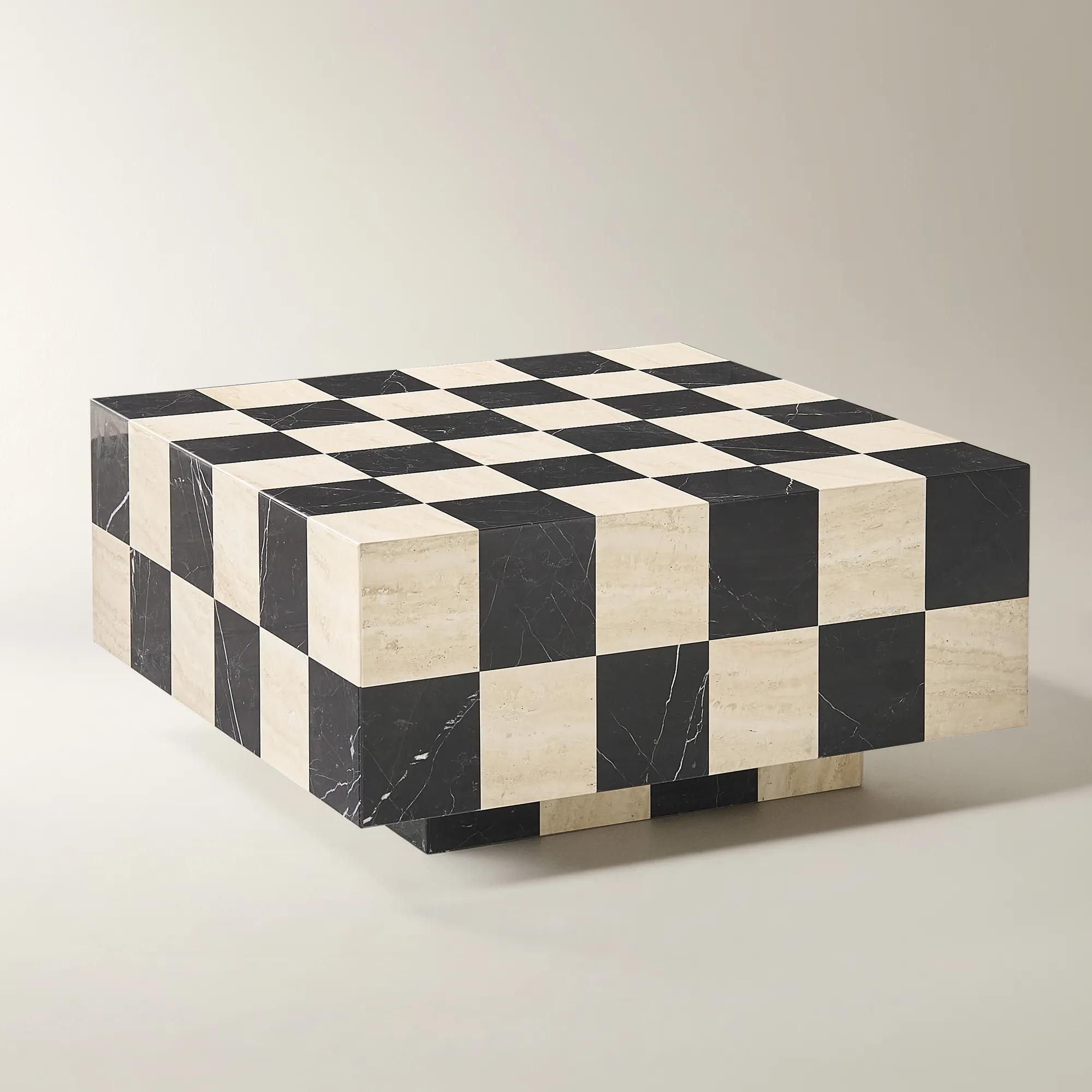 Chessa Square Chequered Marble Coffee Table (31.9")$1699
A striking coffee table featuring a dimensional black marble and travertine checkerboard mosaic with polished finish.
Add To Cart -
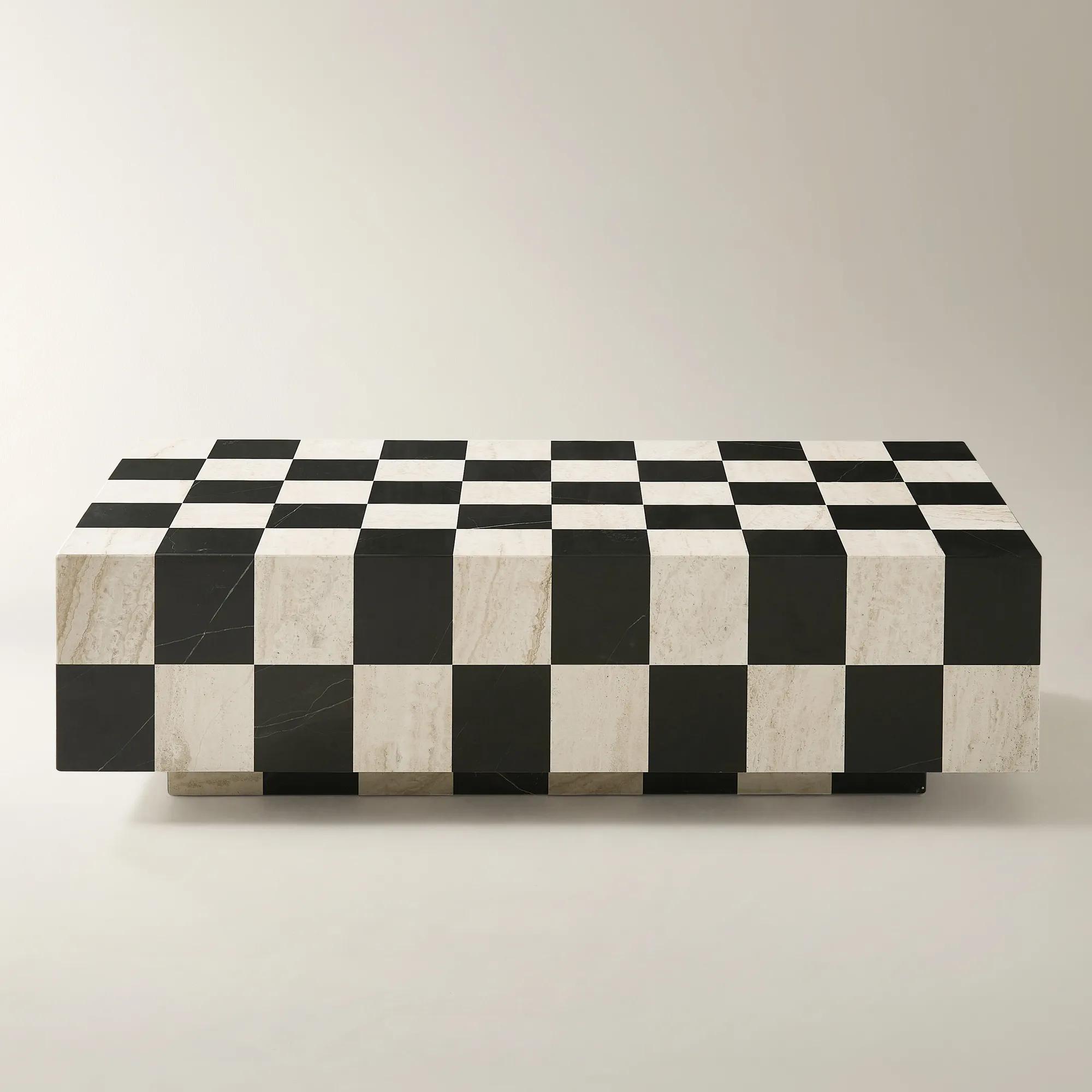 Chessa Rectangular Chequered Marble Coffee Table (53.1")$2399
A sculptural coffee table featuring polished black marble and travertine checkerboard mosaic with a monolithic silhouette.
Add To Cart -
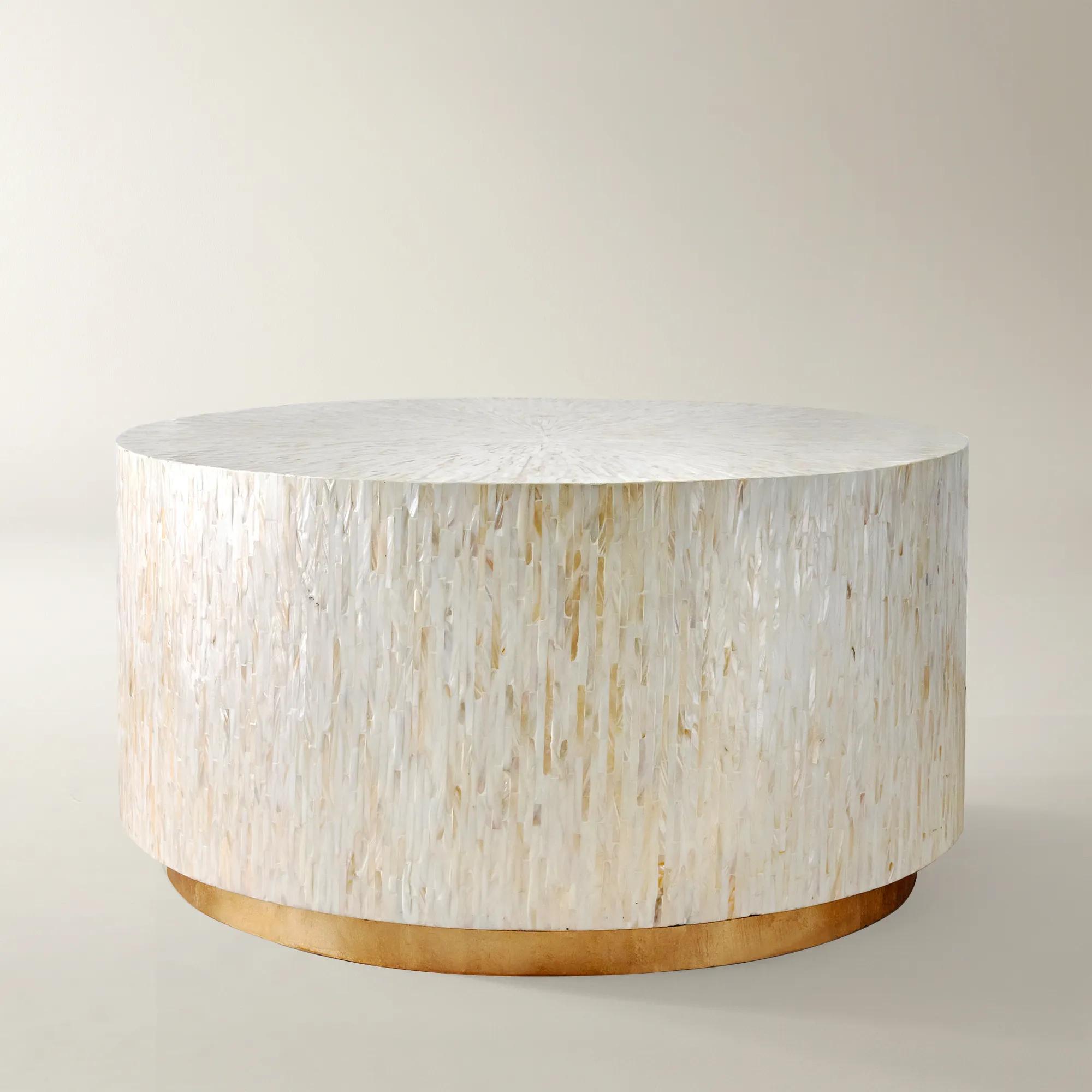
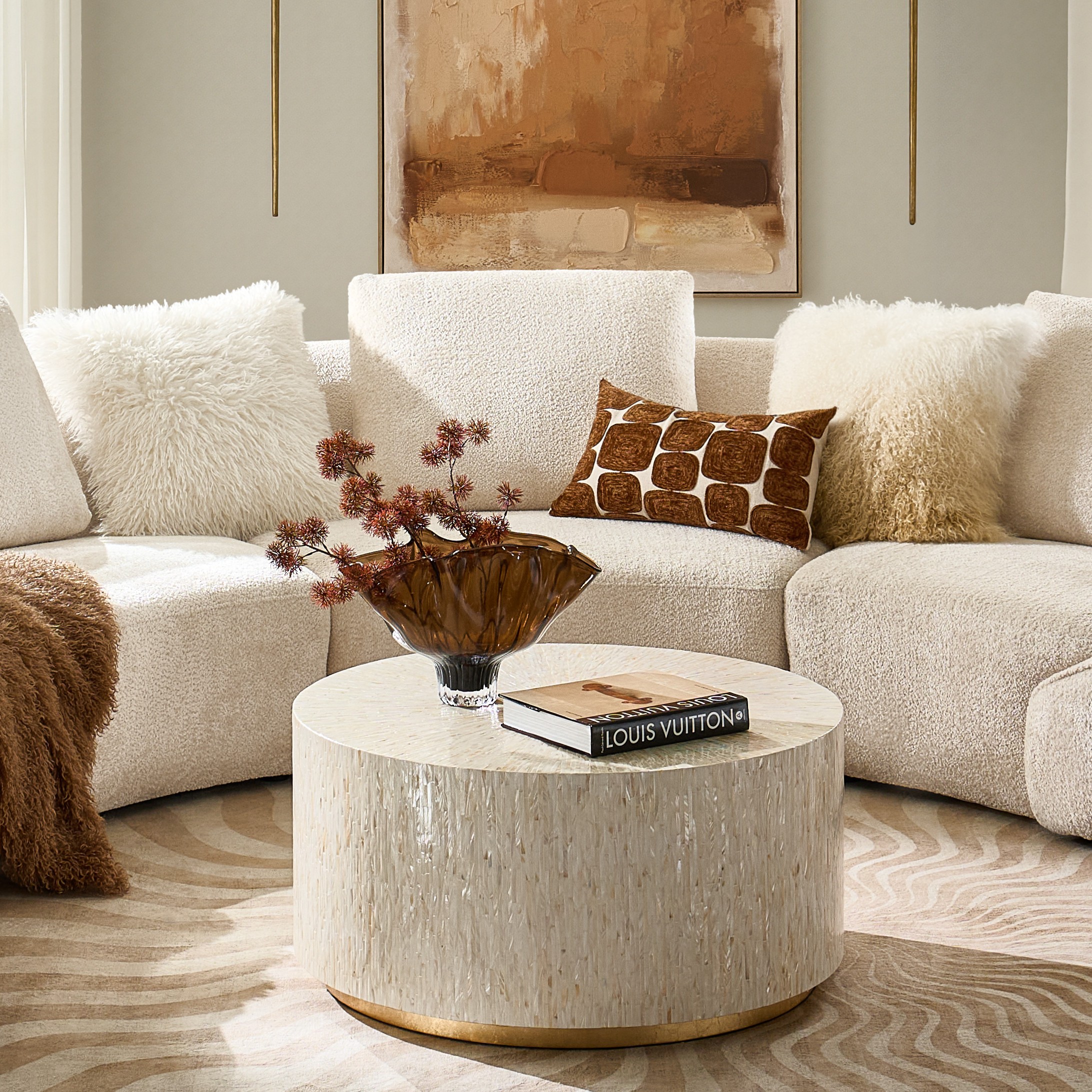 Alexandria Round Mosaic Platinum Coffee Table (36")$799
A luminous ivory coffee table featuring hand-applied mother-of-pearl mosaic and a gold leaf-accented base.
Add To Cart -

 Cairo Mactan Stone Console Table (63")$1799
A hand-carved Mactan stone console table featuring a raw chiseled edge and natural tonal variations.
Add To Cart -
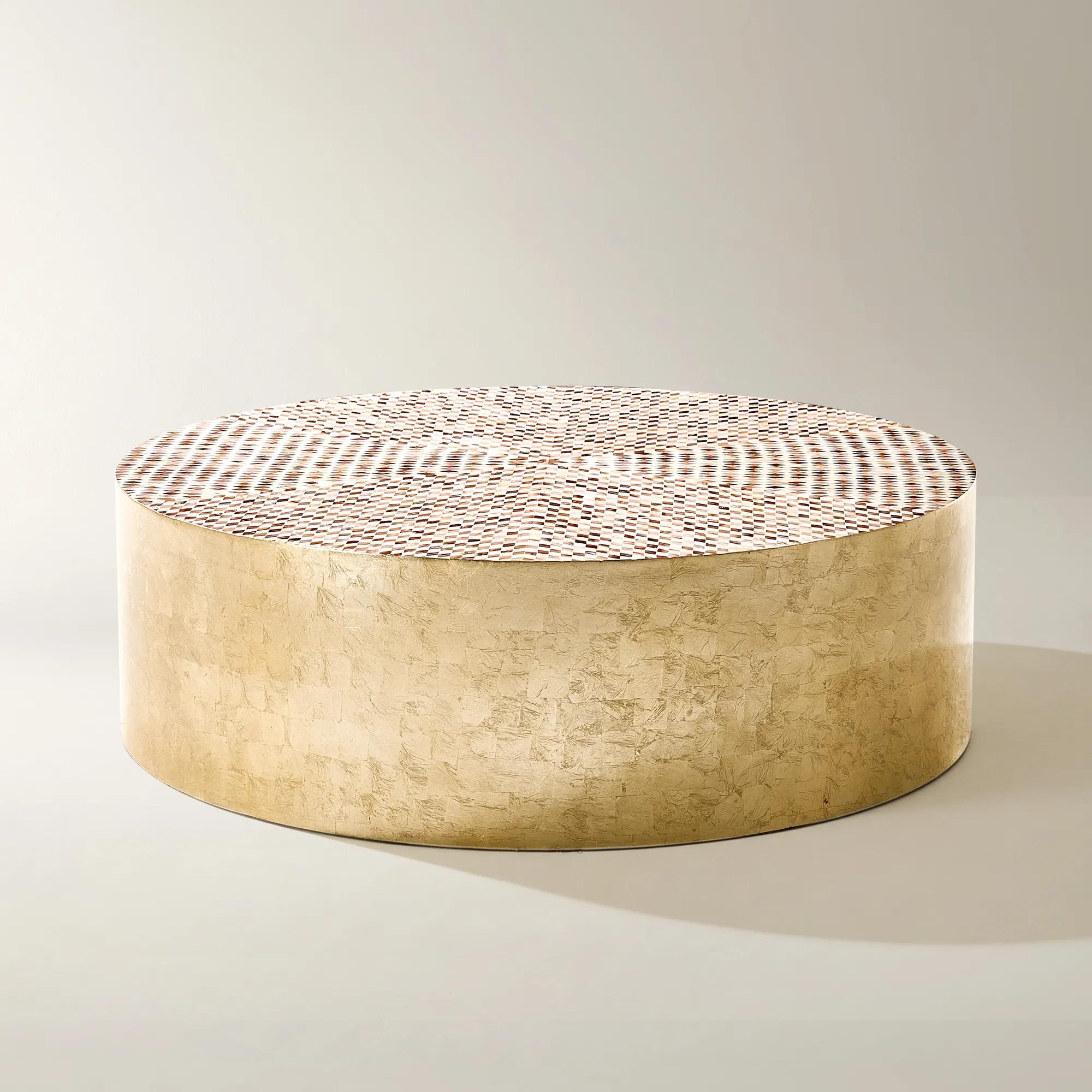
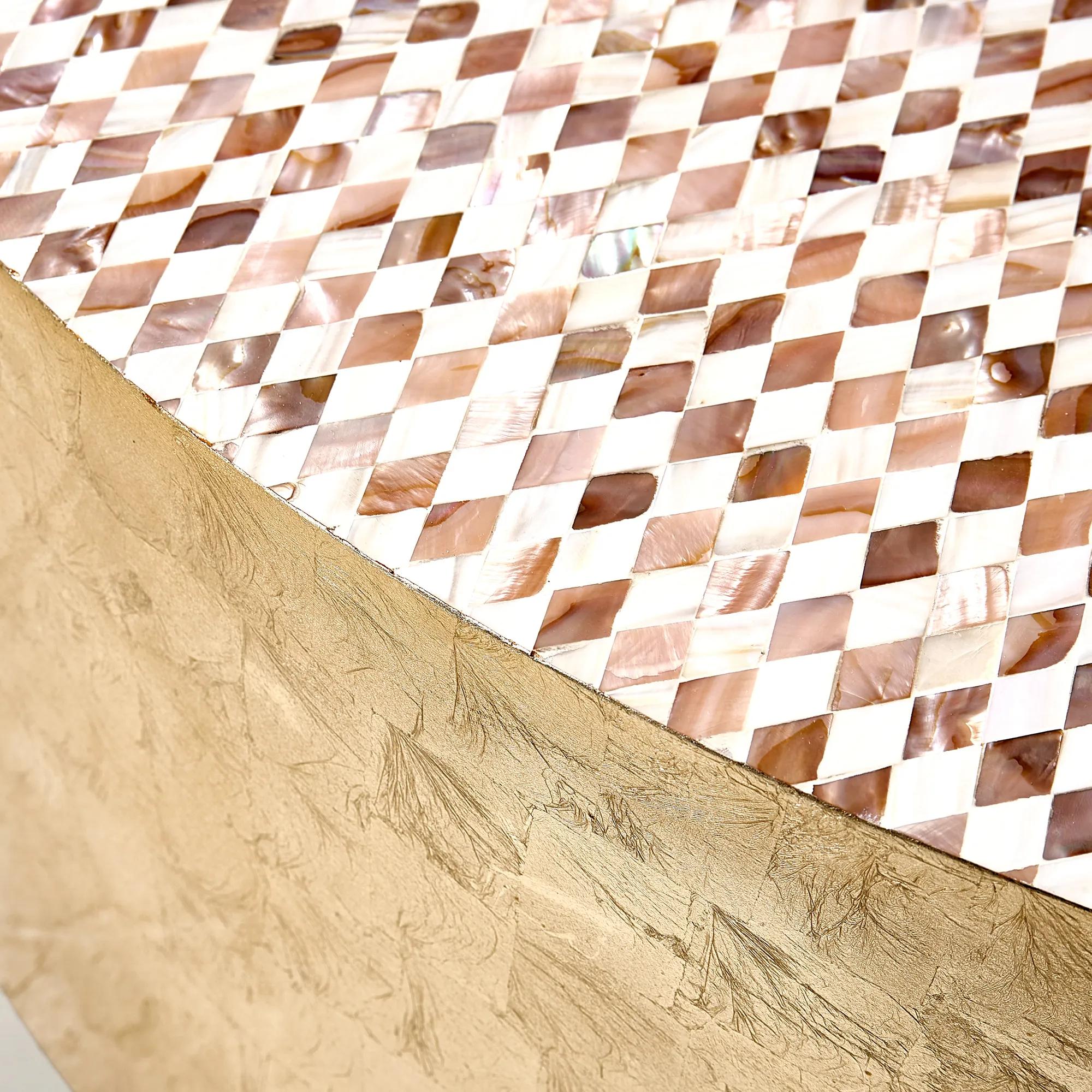 Lucien Round Diamond Coffee Table (47.24")$1299
A sculptural round coffee table featuring a hand-laid mother-of-pearl diamond mosaic and gold leaf sides.
Add To Cart -
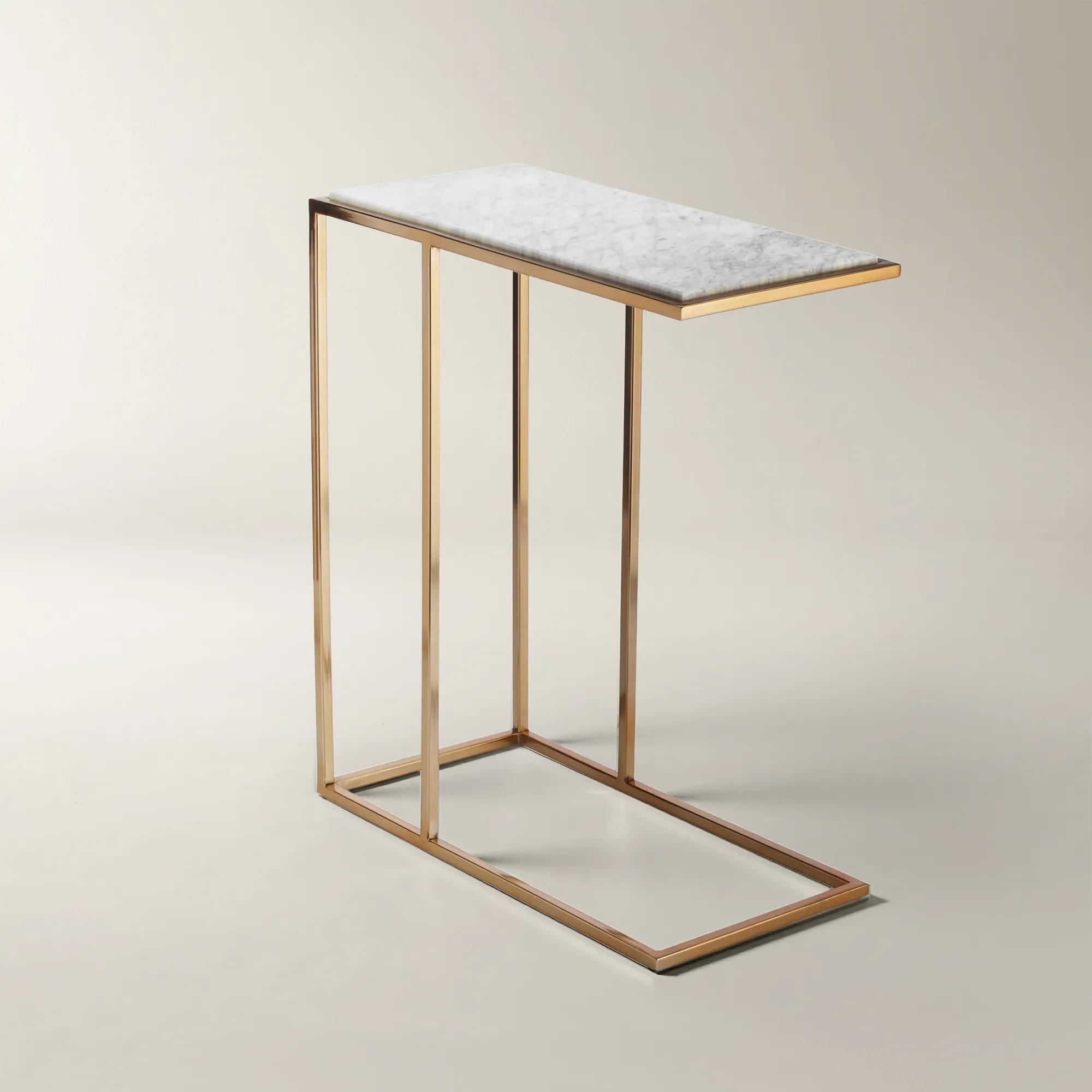
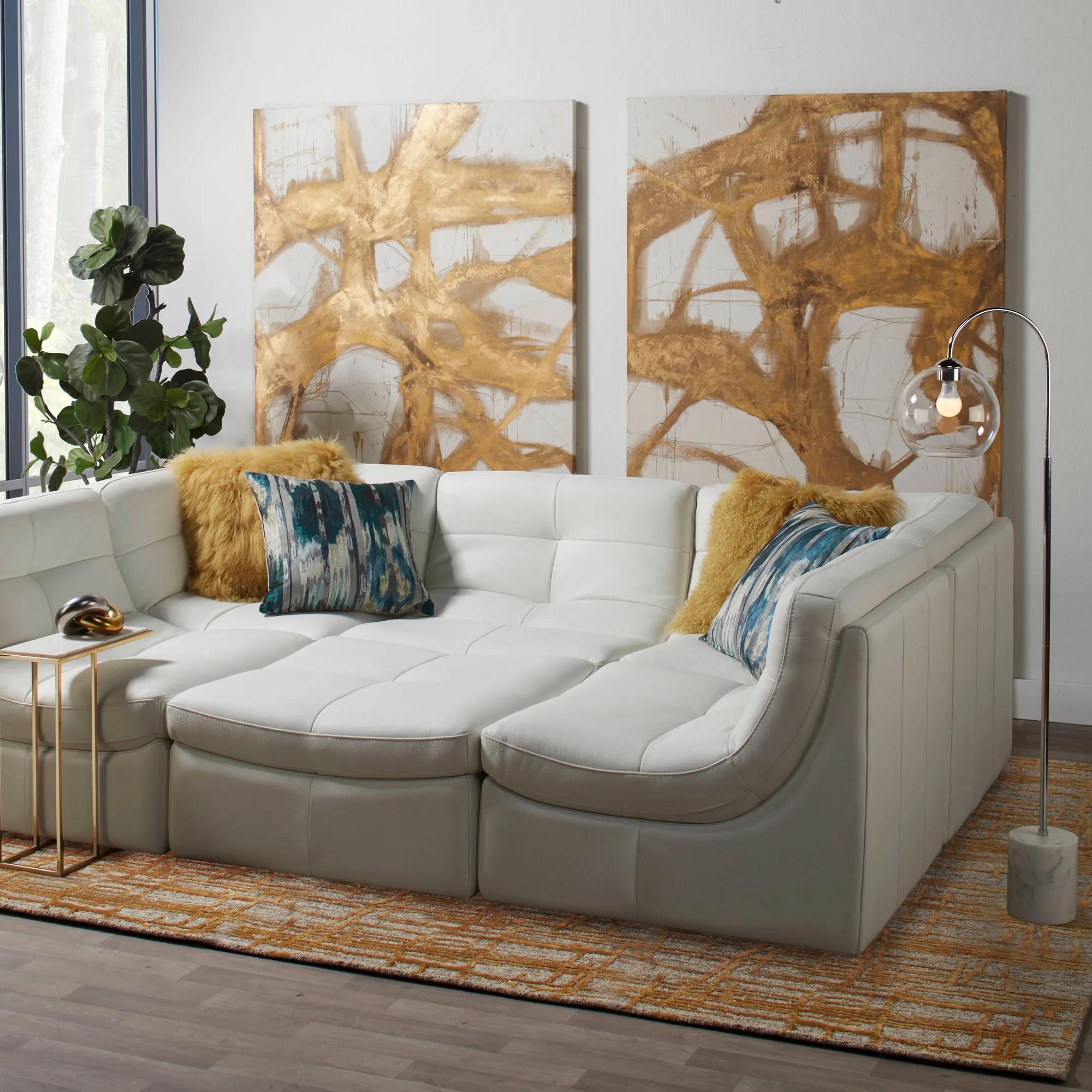 Lawton Rectangular Gold Stainless steel Accent Table With Marble Top (19.75")$259
A space-saving table featuring a white marble top and gold-finished stainless steel base.
Add To Cart -
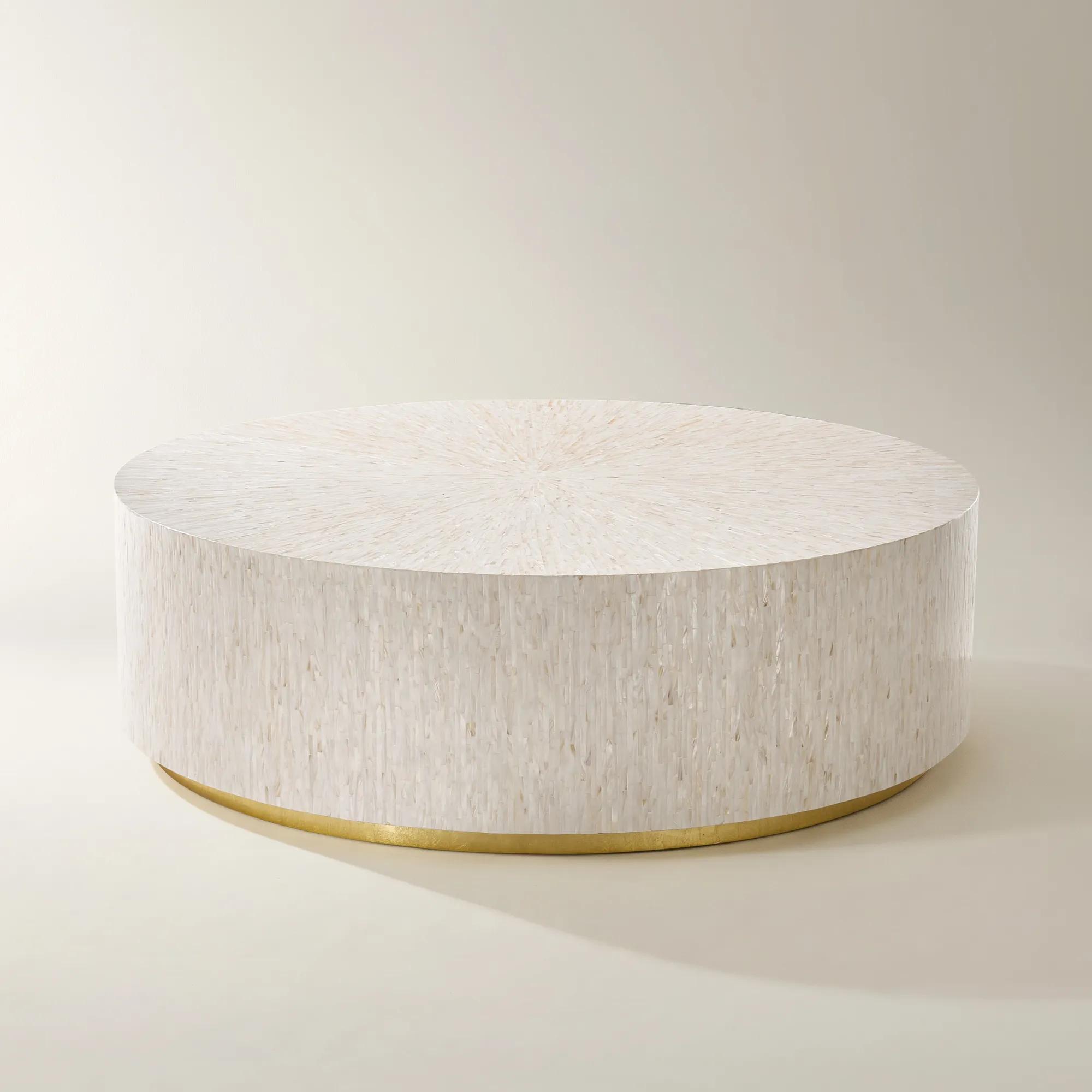 Alexandria Round Mosaic Platinum Coffee Table (52")$1399
A luminous mother-of-pearl mosaic coffee table with a sculptural round form and gold leaf–accented base.
Add To Cart

Natural Stone Coffee Tables
Natural Stone Coffee Tables are the ultimate statement in refined artistry—each one a sculptural masterpiece hewn from the earth’s most exquisite materials. With every veining pattern and polished surface, these tables infuse living spaces with an air of organic grandeur and tactile luxury. Designed for those who crave drama and distinction, natural stone anchors your room with undeniable presence, transforming everyday moments into extraordinary experiences. Let your living area become a gallery of bold expression, where elegance is carved in stone and every gathering feels like an occasion.
Natural stone coffee tables bring the artistry of the earth into the most expressive room in the home. Veins sweep across marble like ink through water, travertine reveals a quieter rhythm of mineral bands and small cavities, and richly patterned stones introduce depth that a uniform surface cannot replicate. These variations give a coffee table its presence: a pale top with charcoal veining can sharpen a seating arrangement of ivory upholstery, while warm beige stone lends dimension to velvet, brushed metal, and richly toned wood. No two pieces of natural stone are exactly alike, so differences in color, movement, and texture are part of the material’s appeal rather than departures from a perfectly repeated pattern. The finish changes the effect as well. Polished stone reflects light and emphasizes mineral detail, creating a luminous focal point beneath a chandelier. Honed stone has a softer, lower-sheen appearance that lets the shape and coloration carry the drama. Neither finish alone determines resistance to spills or scratches; the stone itself and its treatment matter. Marble offers expressive veining, while travertine often brings a more layered, architectural character; granite can provide greater resistance to scratching and acid exposure, though performance varies by stone. Beyond the surface, silhouette establishes the mood. A substantial pedestal reads as sculpture, an open metal frame allows more of a statement rug to remain visible, and a broad rectangular top creates an expansive stage for books, flowers, and collected objects. Rounded forms soften a room with angular seating, while a crisp square can give an oversized conversation area a deliberate center. For those who love interiors with personality, a natural stone coffee table offers both visual distinction and an everyday gathering place. It can anchor an intimate apartment lounge, bring composure to a richly layered living room, or lend a polished sense of occasion to a space designed for entertaining. Its beauty is most compelling when the surrounding furnishings give the stone’s individual pattern room to be seen.
Scale deserves as much attention as color when choosing a stone coffee table. A dramatic slab should feel connected to the seating, not isolated in an expanse of rug or pressed too tightly against a sofa. As a starting point, a table approximately two-thirds the length of the sofa often creates balanced proportions, although sectional layouts and unusually deep seating may call for a different relationship. A tabletop close to the height of the seat cushions, or slightly lower, generally keeps a drink or book within comfortable reach. Allowing roughly 14 to 18 inches between the table and seating can provide legroom without making the surface feel distant; main walkways need more clearance. In a compact living room, a round or oval stone coffee table may ease movement around closely arranged chairs. In a generous seating area, a rectangular or square design can serve several seats while holding a more expansive arrangement of decorative objects. Consider how the room actually functions: a household that gathers for conversation may prioritize accessible surface space, while a room used for reading might benefit from a smaller central table paired with natural stone end tables beside individual seats. Related stone tones can create continuity without requiring every surface to share an identical pattern. Construction also influences fit and daily use. A solid stone body can be exceptionally heavy, while a stone top on a separate base or stone veneer over a supporting core has different handling and structural considerations. Material descriptions, dimensions, weight, and assembly instructions help clarify those distinctions. Measure doorways, stair turns, and elevator access as carefully as the intended floor space, especially when a thick top or substantial base is involved. For homes with children or frequent foot traffic, rounded edges may reduce encounters with sharp corners, but stone remains a hard, weighty material. A stable base, appropriate placement, and adherence to the manufacturer’s use instructions are essential, regardless of how refined the silhouette appears.
Natural stone rewards thoughtful care, and its enduring appeal should not be mistaken for an impervious surface. Marble, limestone, and travertine are sensitive to acids, so wine, citrus juice, vinegar, and some household cleaners can leave dull etched marks even when the stone has been sealed. Etching differs from staining: one alters the surface, while the other involves discoloration from material absorbed into the stone. Sealers can help reduce absorption in suitable stones, but they do not make a tabletop stain-proof or prevent acid etching. Follow the care instructions for the particular material and finish, including whether sealing is recommended and how often it may be needed. For routine cleaning, a soft cloth and a cleaner approved for that stone are a considered choice; avoid abrasive pads and harsh formulas that could compromise the finish. Blot spills promptly rather than spreading them across the surface, and use coasters beneath drinks, protective pads beneath decorative vessels, and suitable barriers beneath hot objects. A vase deserves particular attention, since moisture can collect underneath it unnoticed. Lift bowls, trays, and accessories instead of sliding them, especially if their undersides are rough. Stone is durable in many respects, but edges can chip, concentrated impact can cause damage, and a coffee table should never serve as a seat or step. These habits leave plenty of room for expressive styling. A low lacquered tray can gather remotes and coasters into one composed arrangement; a sculptural bowl can echo the table’s curves; a small stack of art books can add height without concealing the stone. Leave open space for a guest’s glass and an uninterrupted view of the veining. When the tabletop carries a bold pattern, fewer, larger accents often feel more intentional than a scattering of small objects. Against sumptuous upholstery and a textured rug, the stone becomes a poised counterpoint, balancing softness with substance. The result is a coffee table that supports daily rituals while giving the entire seating area a distinctive, deeply personal point of view.
FAQs
Natural stone coffee tables are celebrated for their one-of-a-kind patterns, veining, and coloration—each piece is a singular work of art shaped by geological forces over millennia. The organic beauty and tactile presence of marble, travertine, or quartzite lend a sense of luxury and permanence that manufactured materials simply cannot replicate.
To highlight the dramatic surface of a natural stone coffee table, layer it with contrasting textures such as metallic trays, glass vases, or plush decorative books. Accentuate the table’s artistry with sculptural objects or fresh florals, allowing the stone’s natural beauty to take center stage within your living room vignette.
Absolutely. The timeless appeal and versatility of natural stone allow these tables to transcend style boundaries. In a modern setting, they deliver a bold, sculptural statement, while in traditional spaces, their refined elegance and classic lines complement antique furnishings and rich textiles beautifully.
To maintain the luster of your stone coffee table, wipe spills promptly with a soft, damp cloth and avoid harsh chemicals or acidic cleaners. Use coasters and placemats to protect the surface from staining or scratching, and periodically dust with a microfiber cloth to keep the stone gleaming year-round.
Natural stone coffee tables make extraordinary gifts because they blend artistry with enduring quality. Gifting such a table marks a significant milestone—a wedding, housewarming, or anniversary—offering the recipient a statement piece that will become a cherished focal point and a lasting symbol of celebration.