Polished Stone Accent Tables
Polished Stone Accent Tables
-
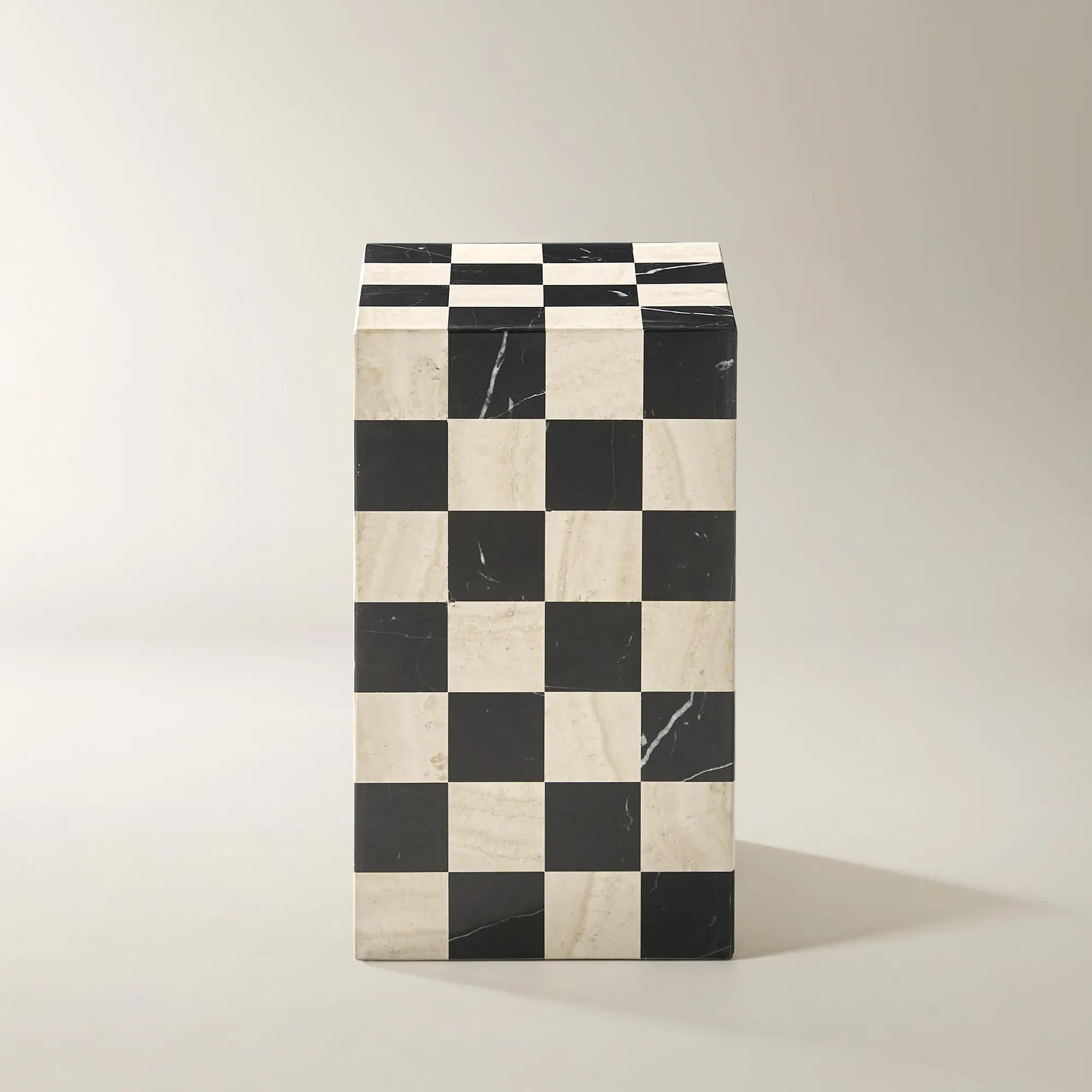 Chessa Square Chequered Marble End Table (12")$999
A sculptural end table featuring a bold black marble and travertine checkerboard mosaic design.
Add To Cart -

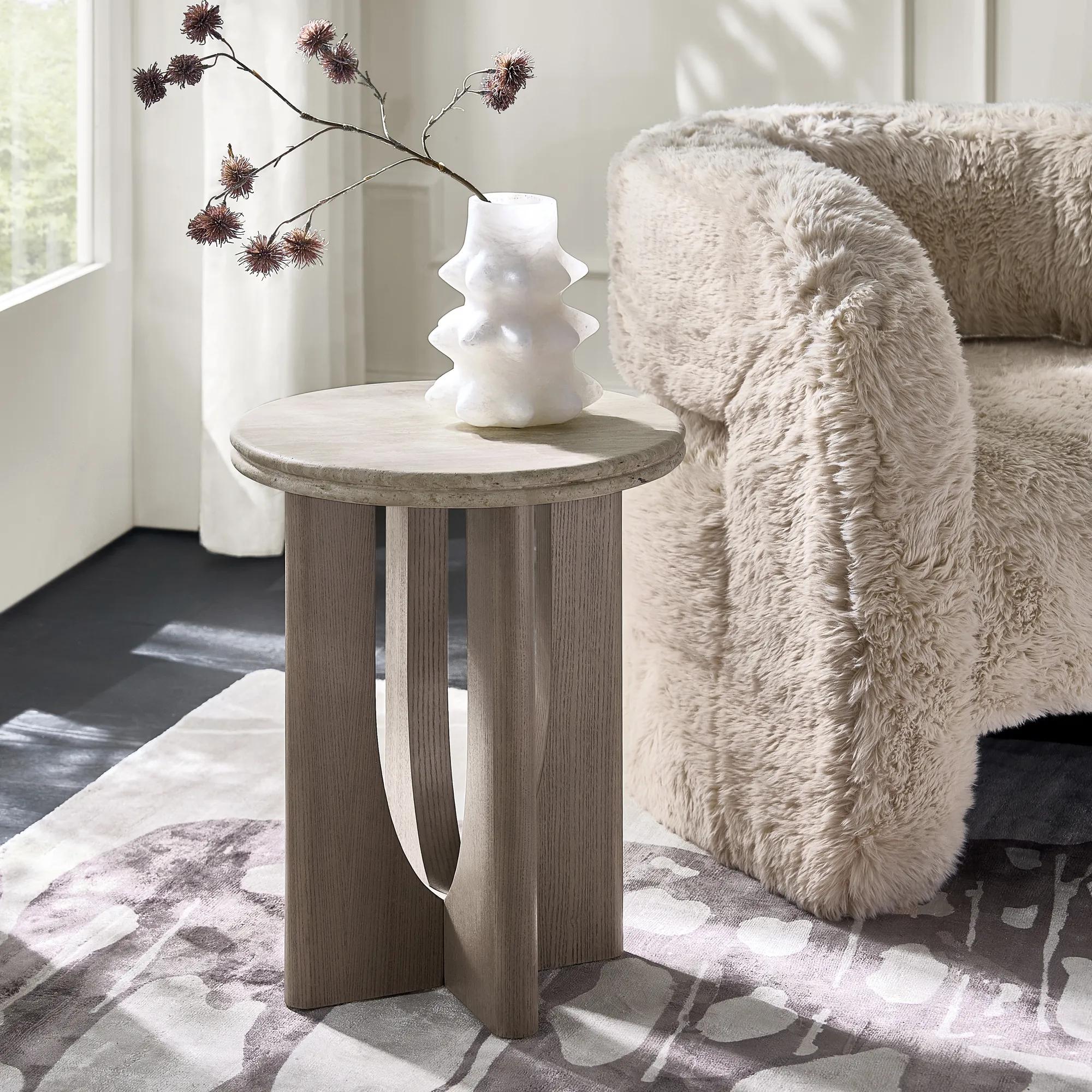 Bond Round Travertine and Wood End Table (17.25")$459
A sculptural end table featuring a genuine ivory travertine top and a solid ash wood base.
Add To Cart -
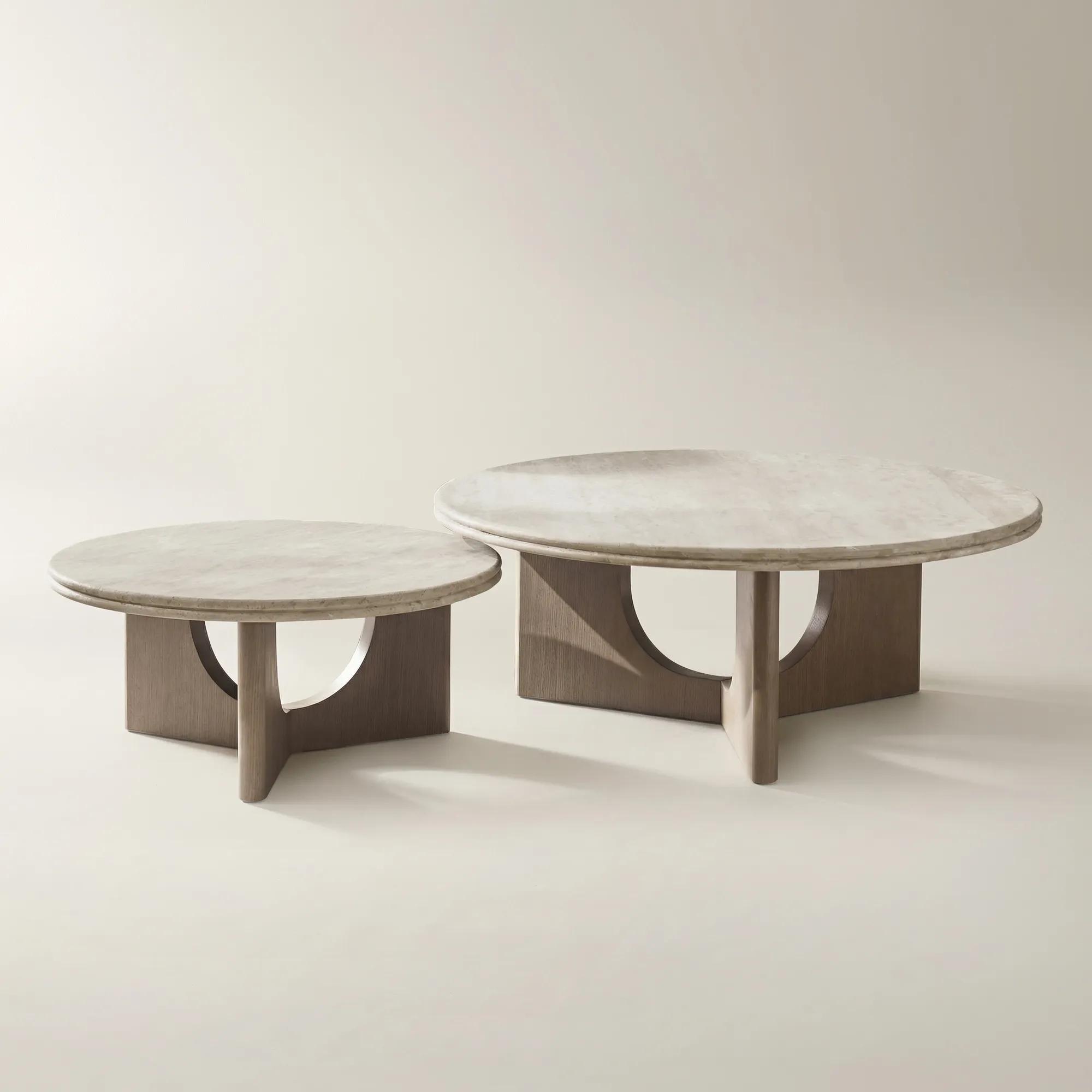
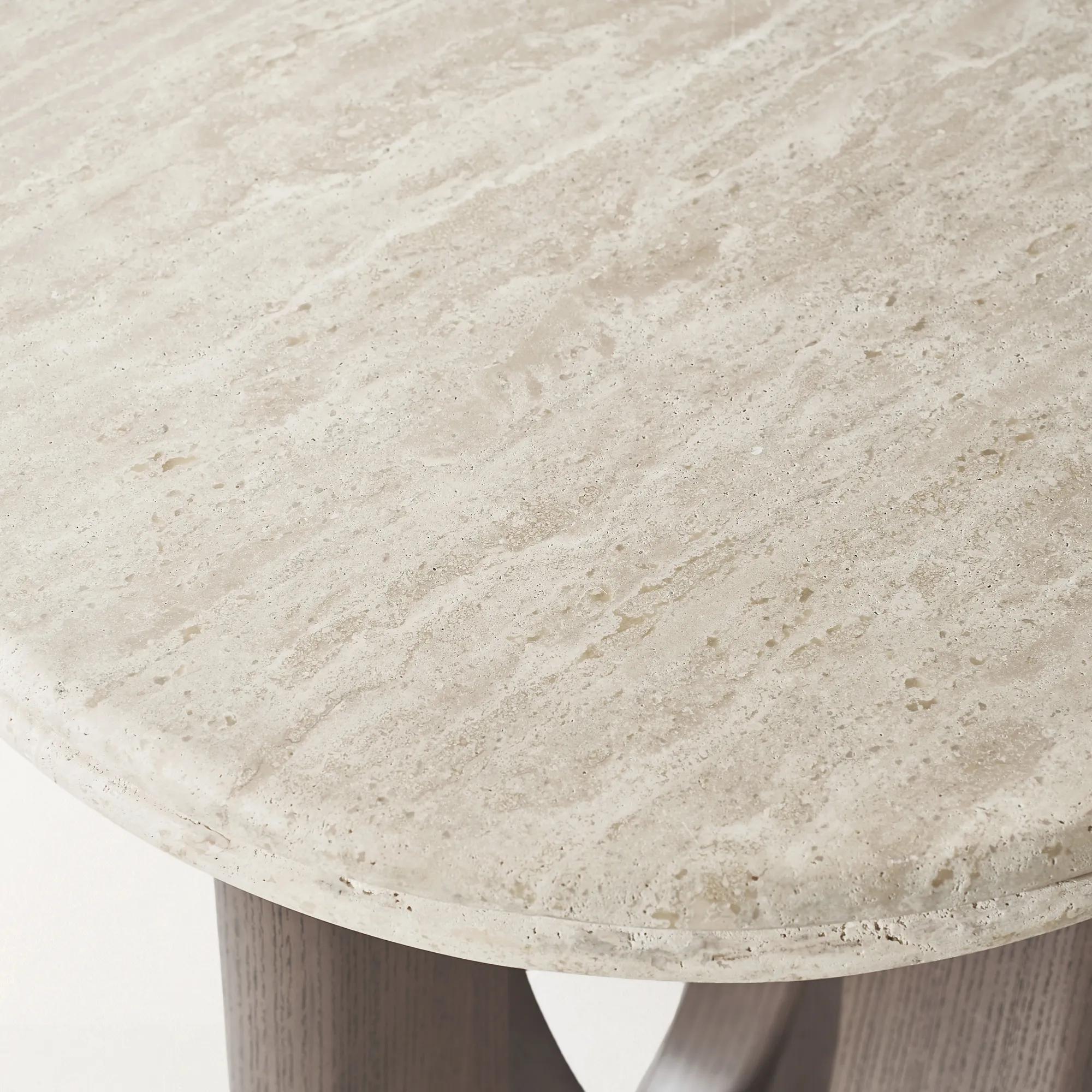 Bond Round Travertine and Wood Coffee Table Set of 2 (29.25"-41")$2098
A natural-finish nesting coffee table set offering versatile, space-saving layering for modern living rooms.
Add To Cart -
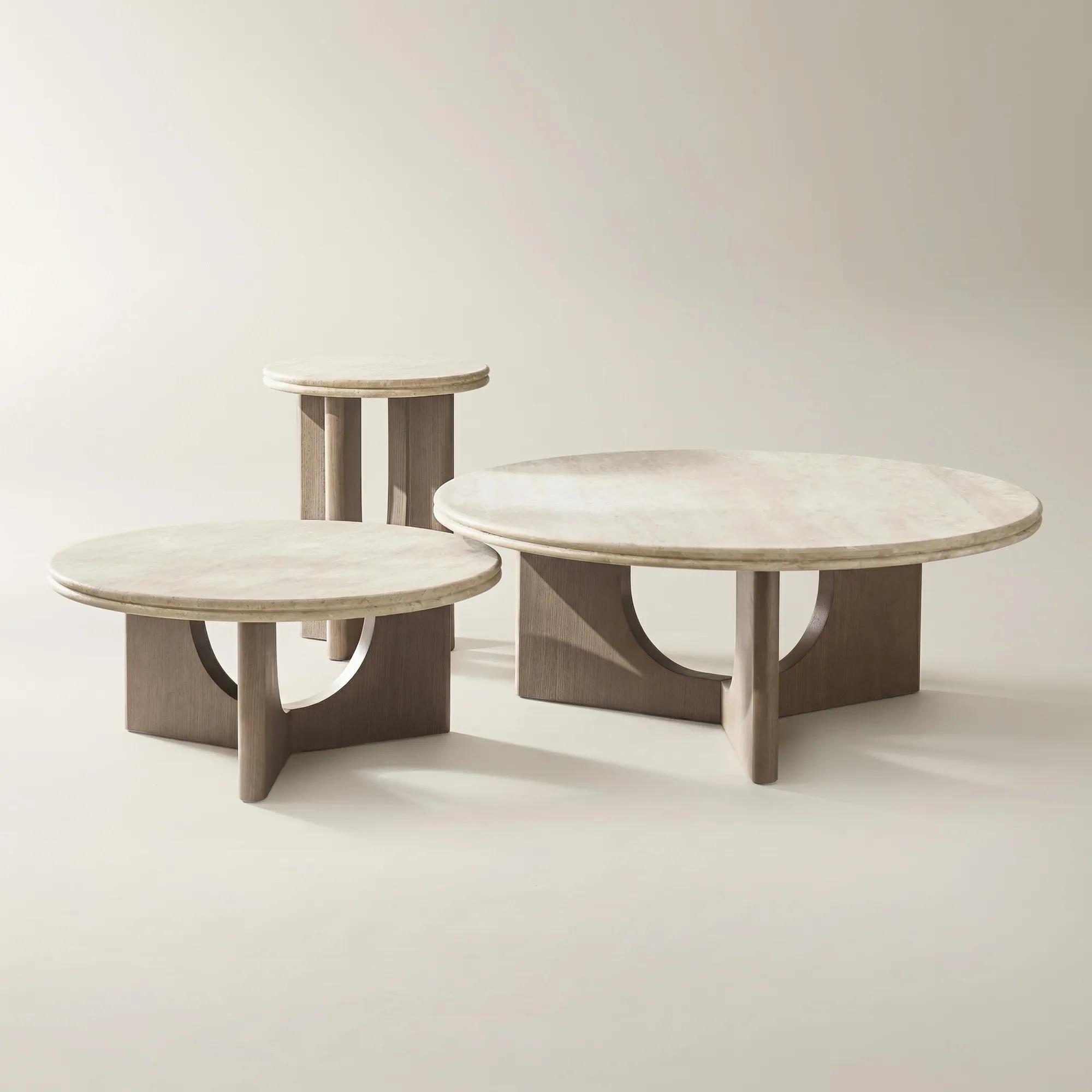
 Bond Round Travertine and Wood Coffee Table Set of 3 (17.72"-41")$2557
A natural-finish nesting coffee table set offering versatile, space-saving surfaces for modern living rooms.
Add To Cart -

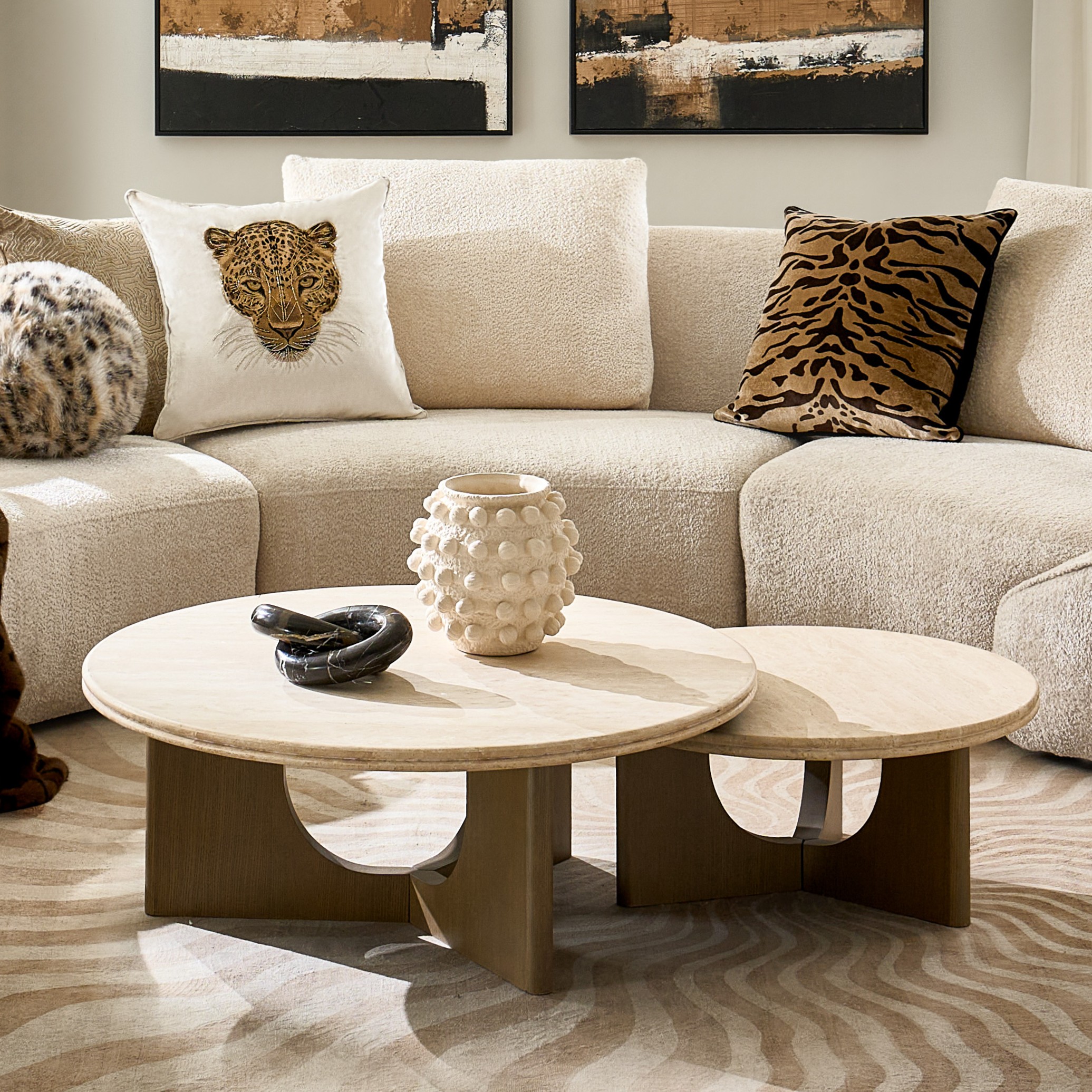 Bond Round Travertine and Wood Coffee Table (29.25")$699
A genuine travertine stone coffee table with warm ivory-gold tones atop a solid natural ash base.
Add To Cart -
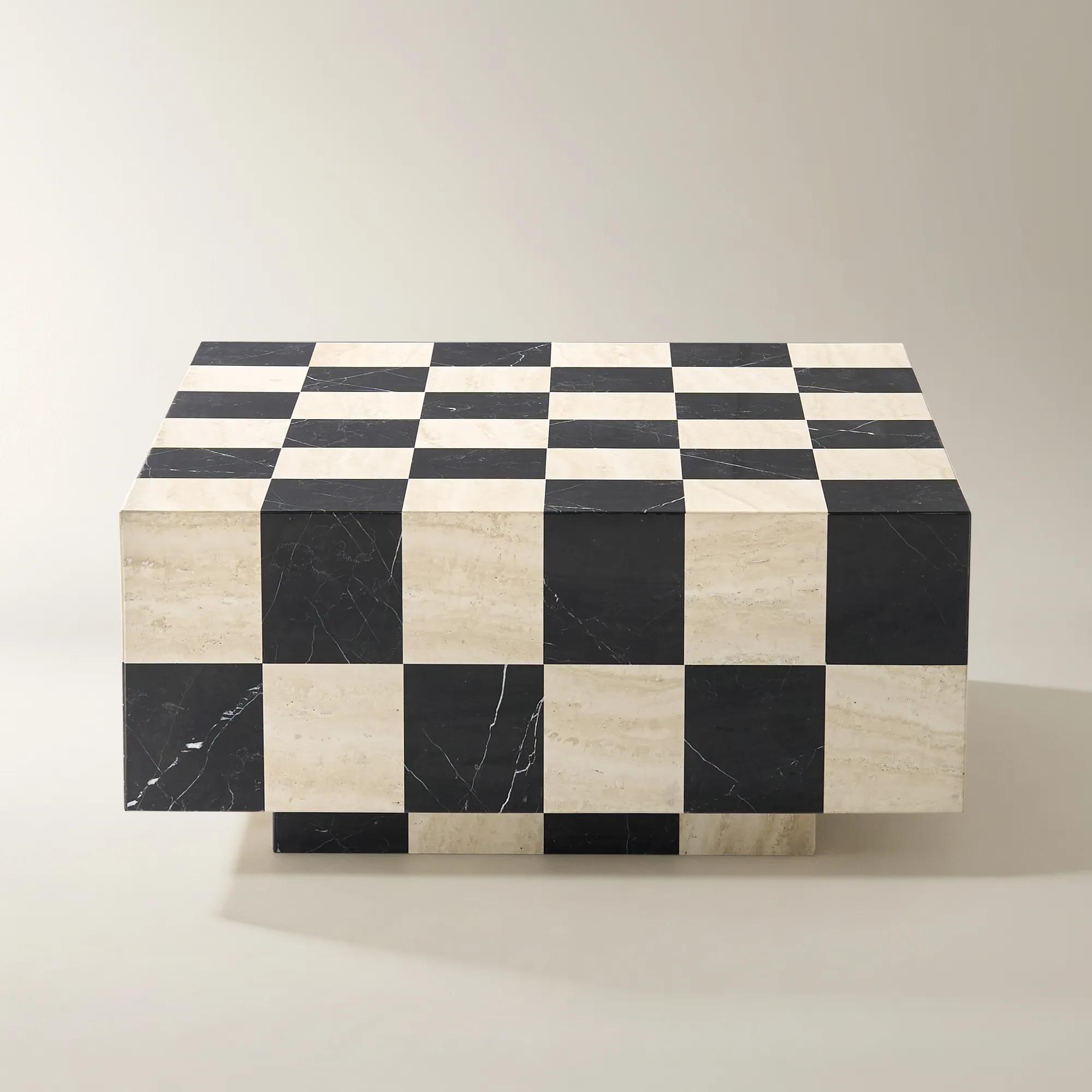
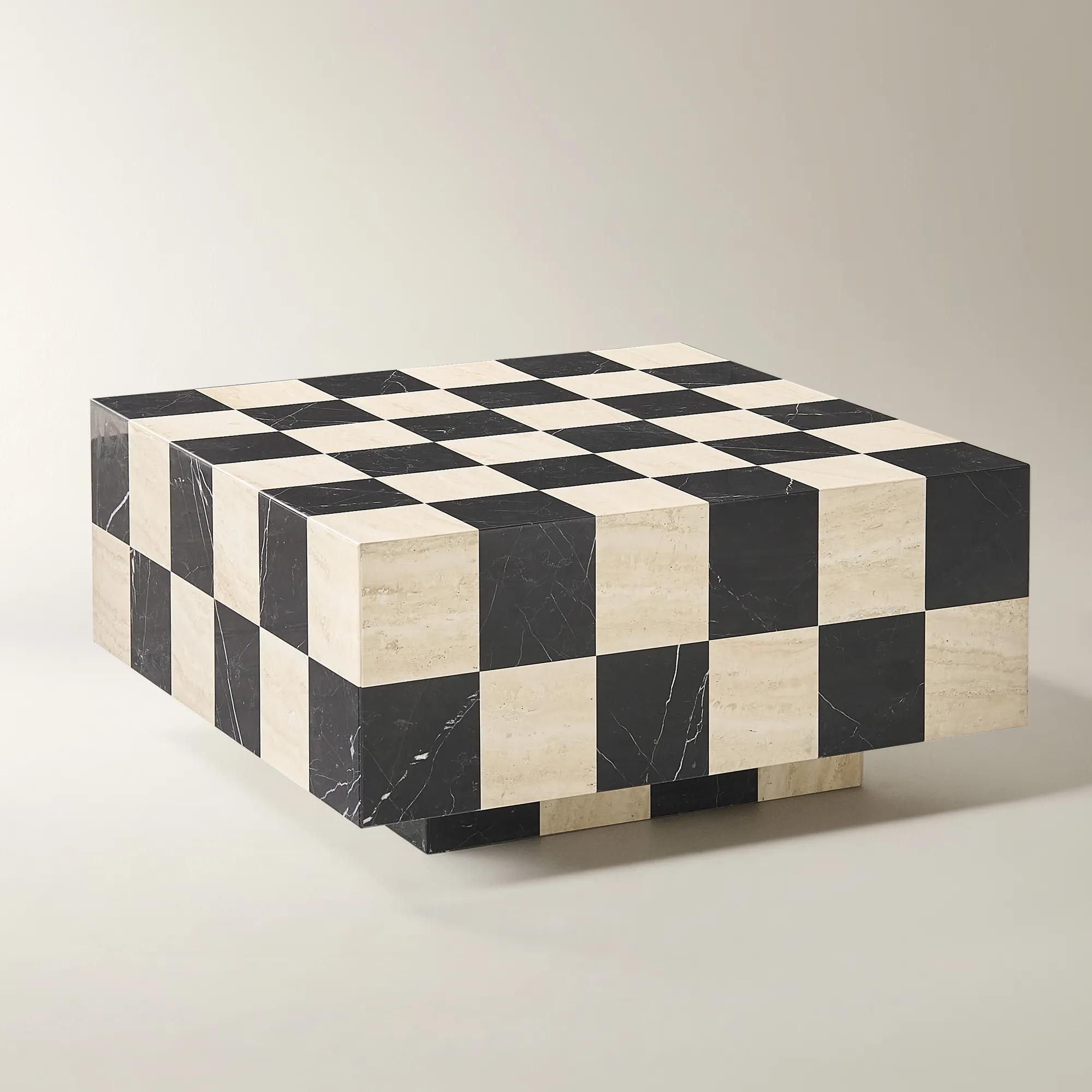 Chessa Square Chequered Marble Coffee Table (31.9")$1699
A striking coffee table featuring a dimensional black marble and travertine checkerboard mosaic with polished finish.
Add To Cart -
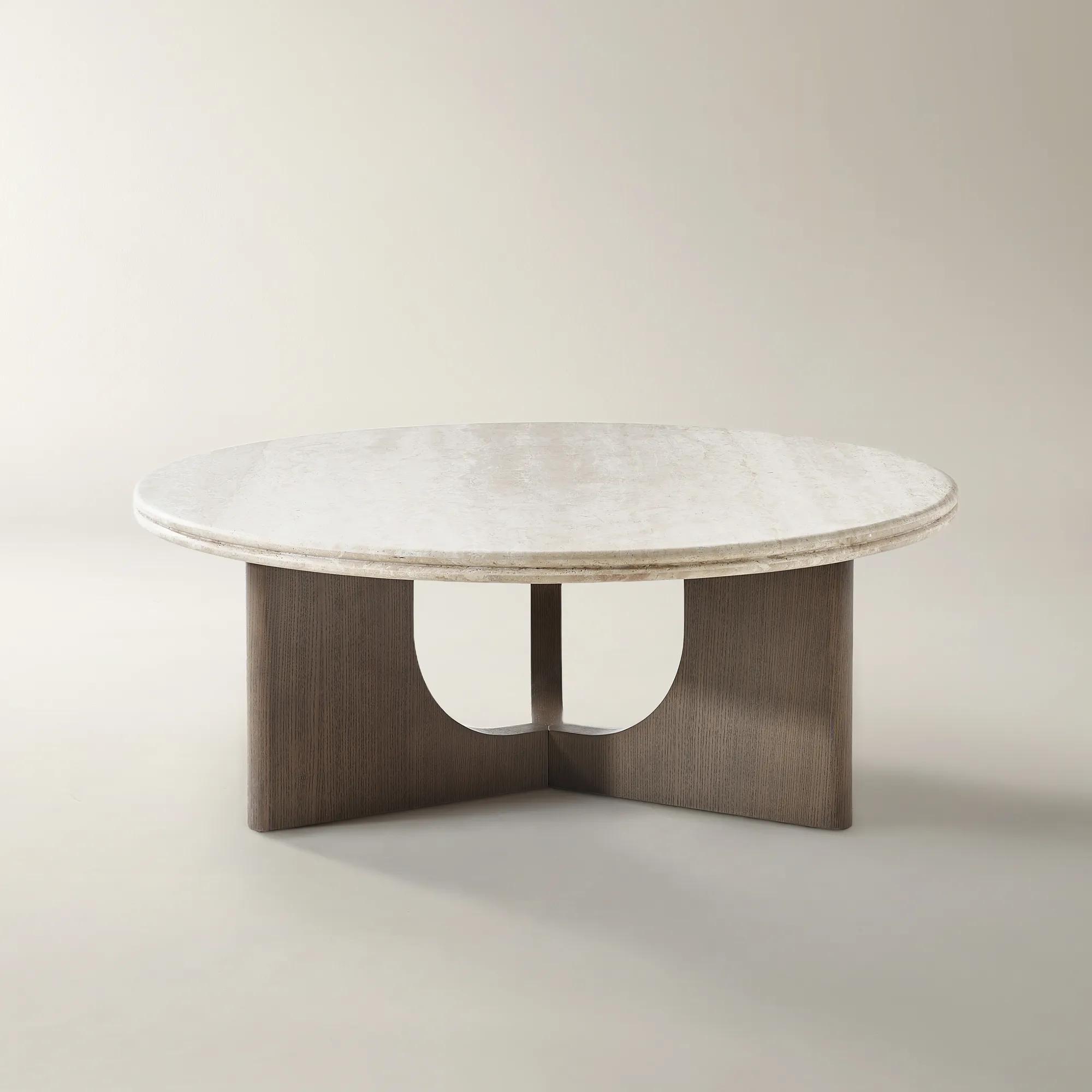 Bond Round Travertine and Wood Coffee Table (41")$1399
A round coffee table featuring a genuine travertine stone top and natural ash wood panel base with arches.
Add To Cart -
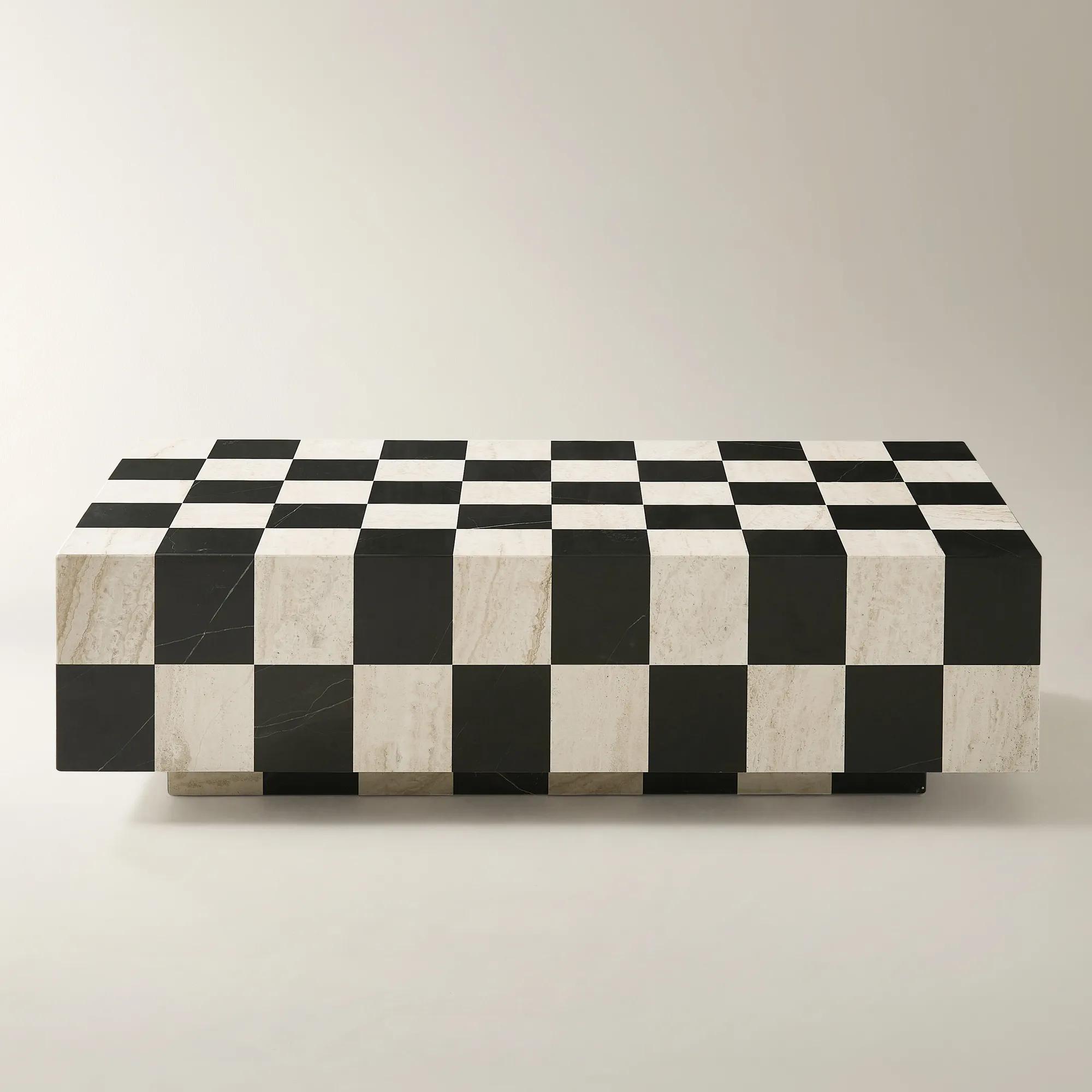 Chessa Rectangular Chequered Marble Coffee Table (53.1")$2399
A sculptural coffee table featuring polished black marble and travertine checkerboard mosaic with a monolithic silhouette.
Add To Cart -

 Flare Round White Marble End Table (21.5")$799
A sophisticated end table featuring a natural white marble top and polished stainless steel base.
Add To Cart -
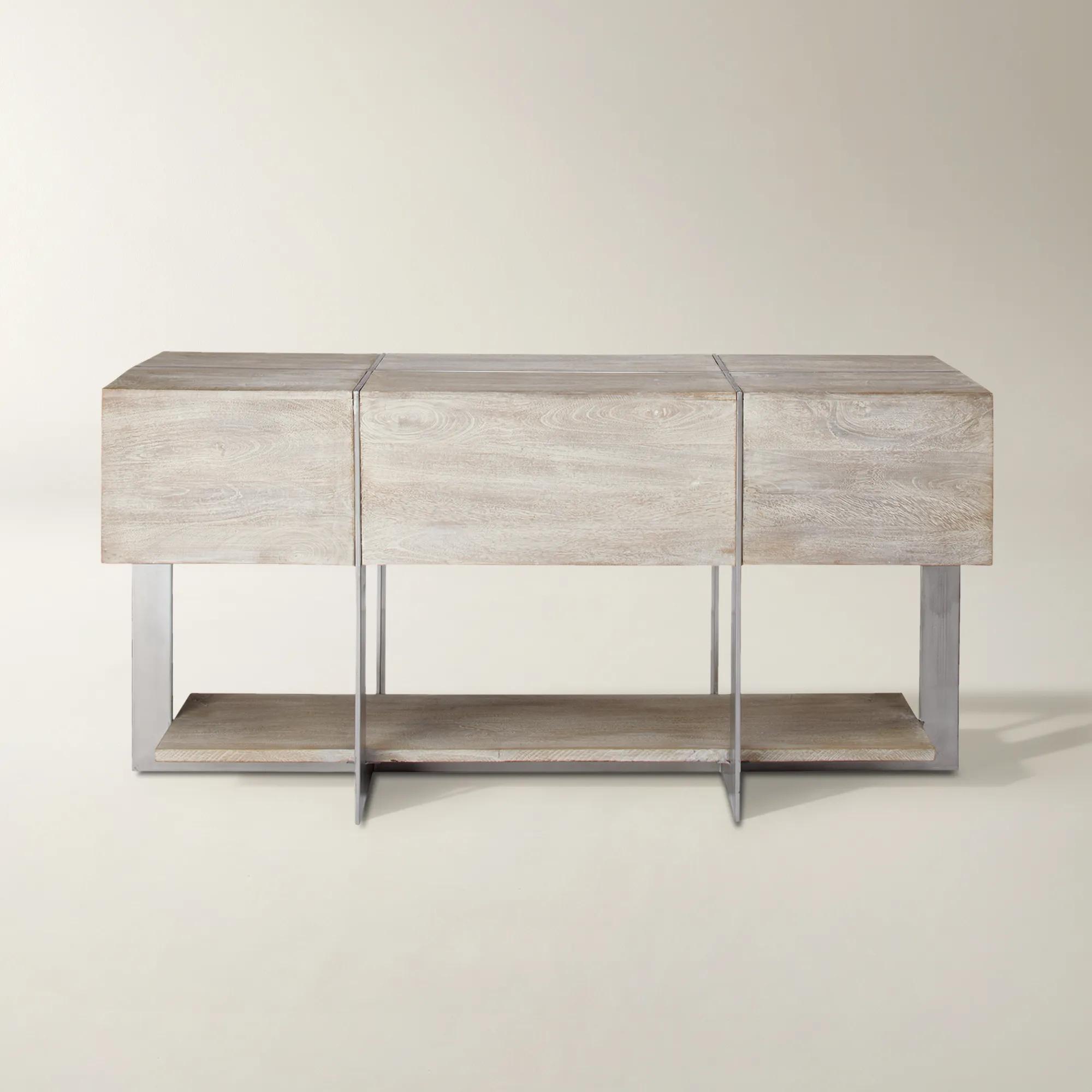
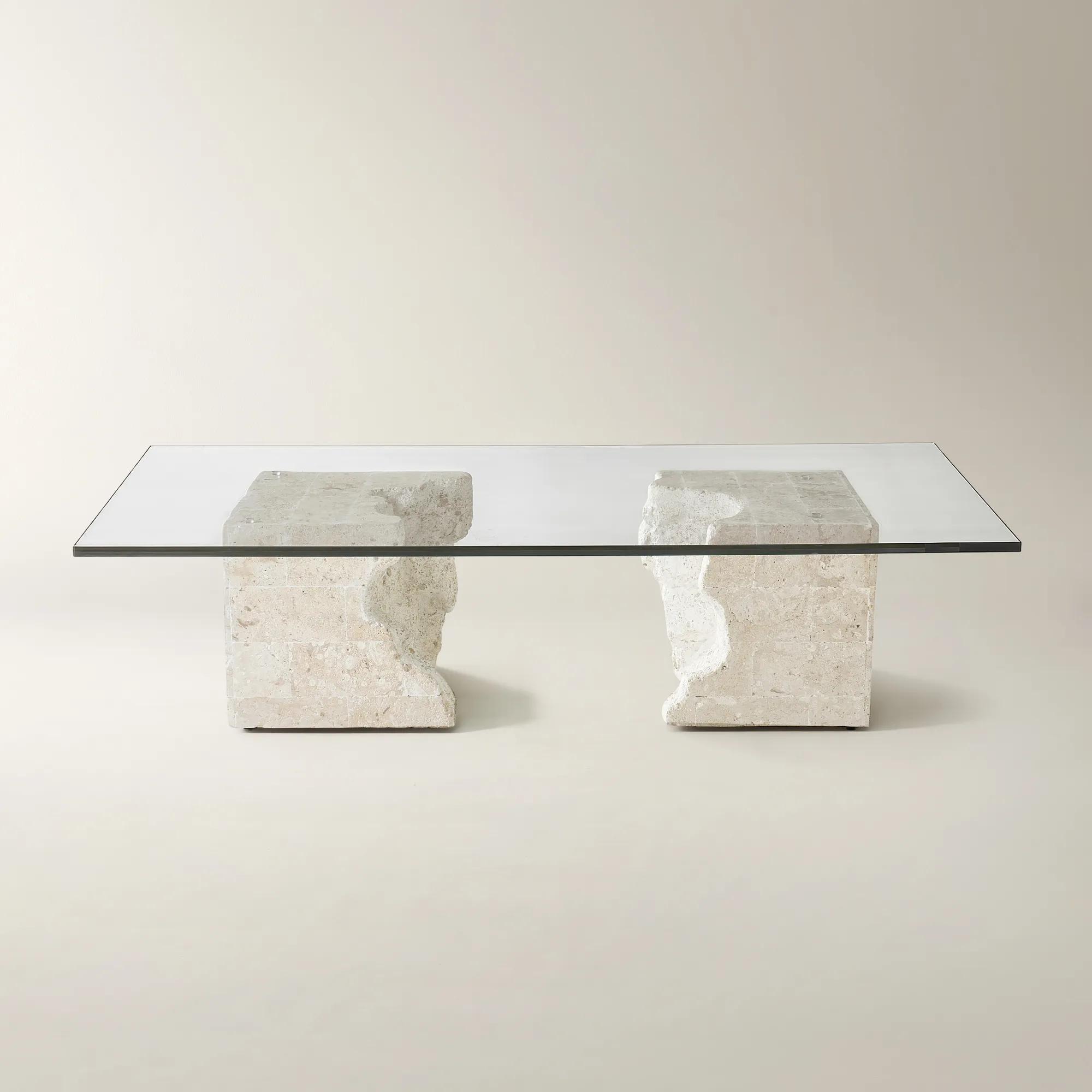 Cairo Rectangular Mactan Stone Coffee Table With Glass Top (70.87")$1999
A contemporary coffee table featuring a clear tempered glass top floating above hand-carved Mactan stone bases.
Add To Cart -
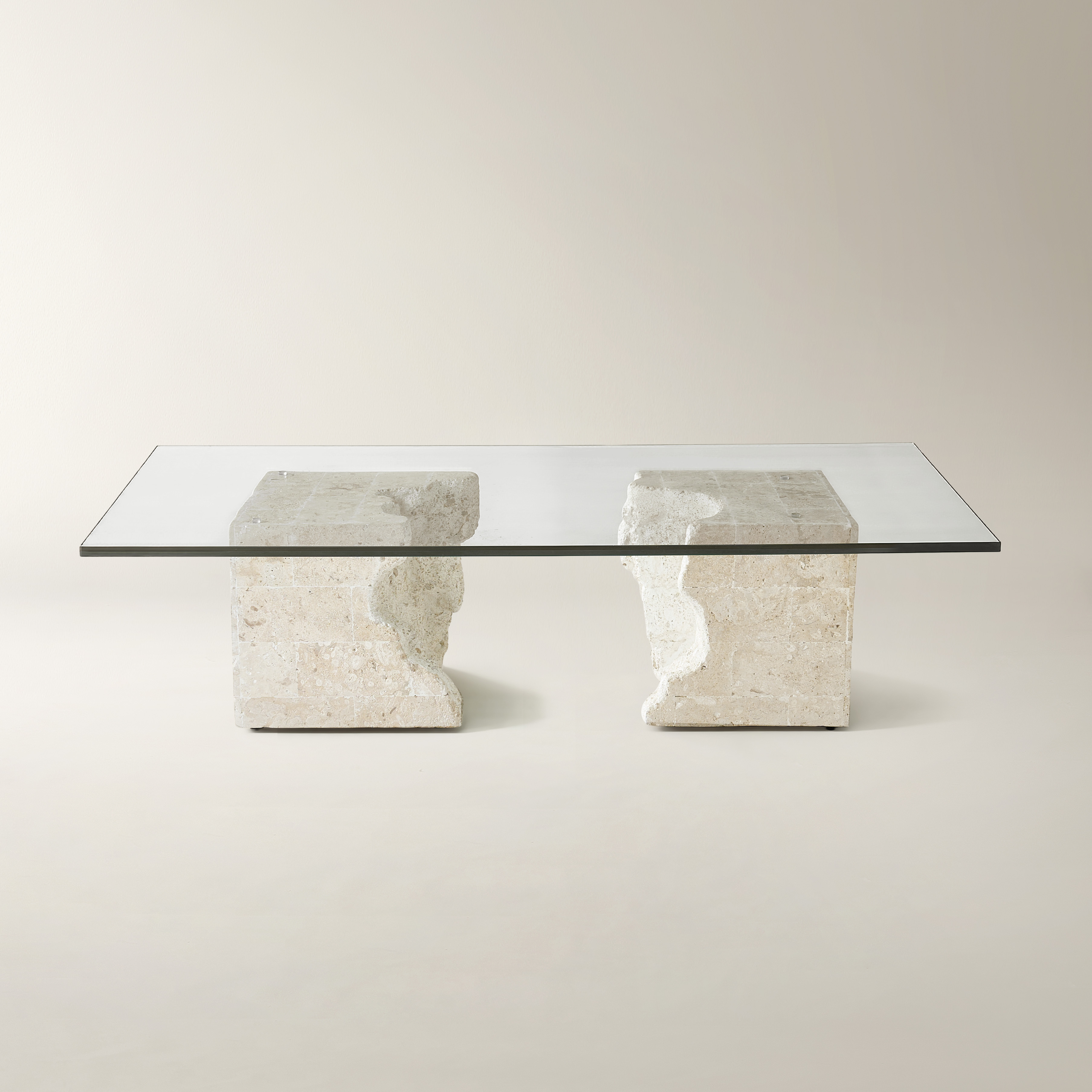 Cairo Rectangular Mactan Stone Coffee Table With Glass Top (63")$1899
A contemporary coffee table featuring a clear tempered glass top floating above hand-carved Mactan stone bases.
Add To Cart -
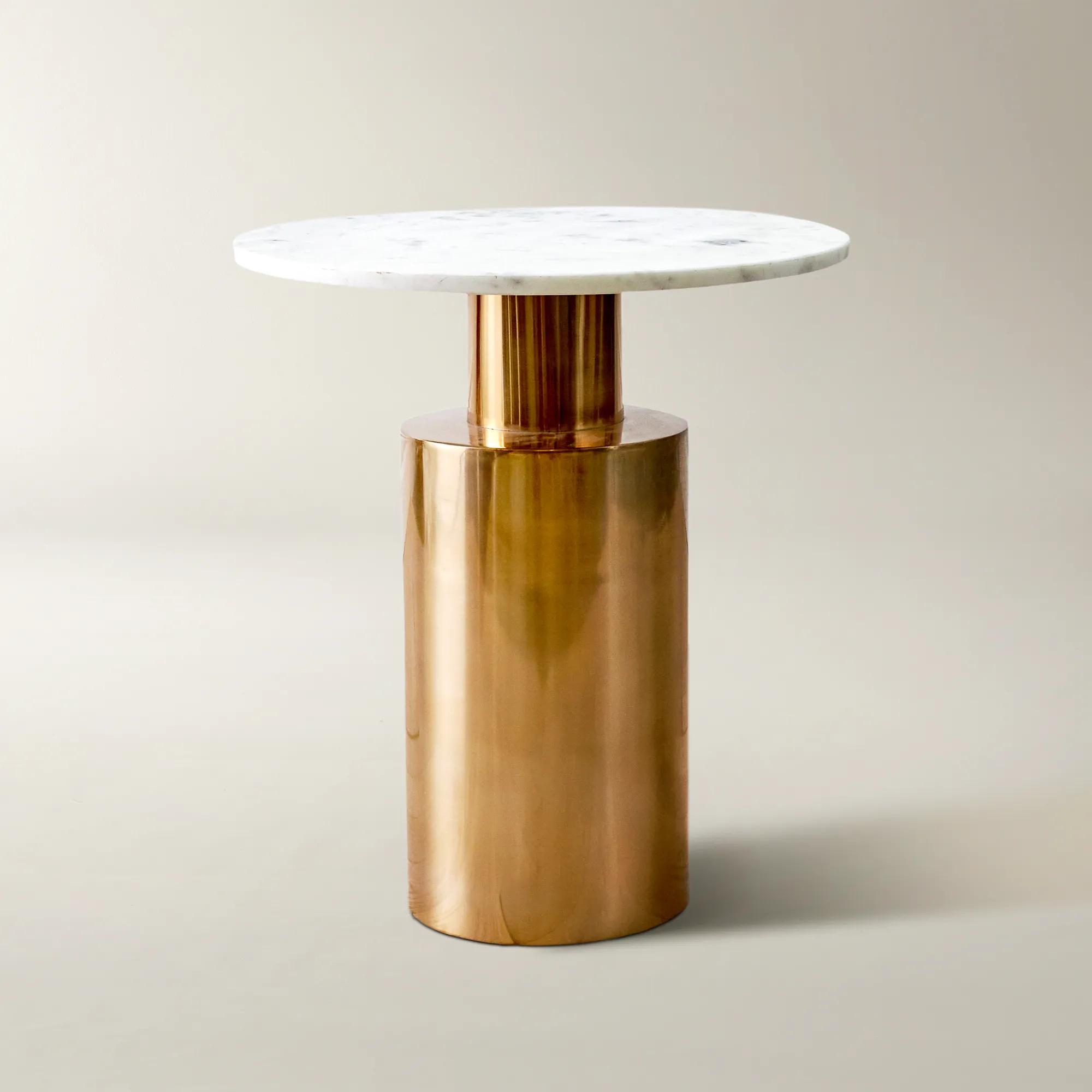 Capri Round White Marble Accent Table (16")$299
A striking accent table featuring a white marble top and gold-finished stainless steel base.
Add To Cart -
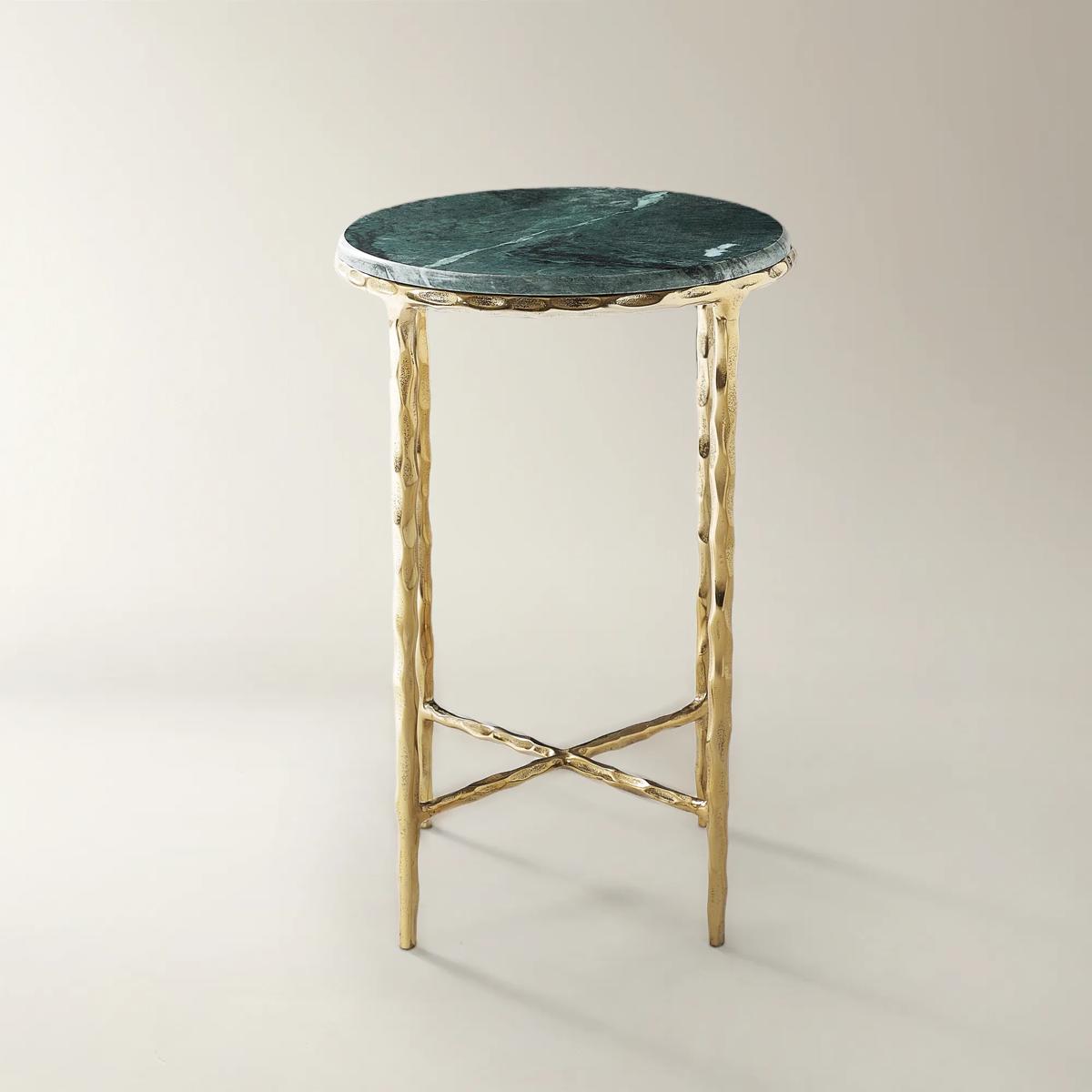
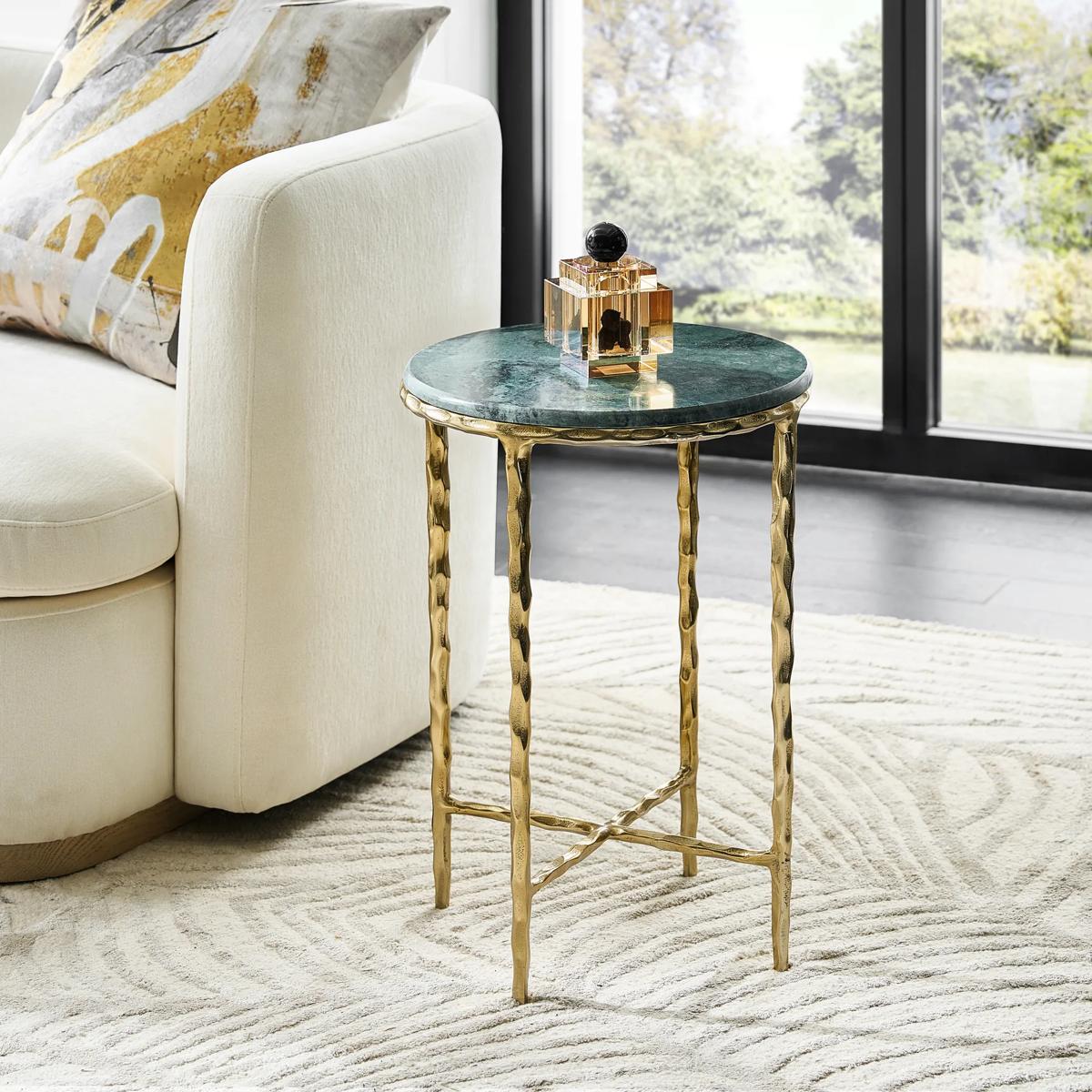 Juliet Round Green Marble Side Table (15")$269
A striking side table featuring a deep green Indian marble top and a hand-hammered metal base.
Add To Cart -
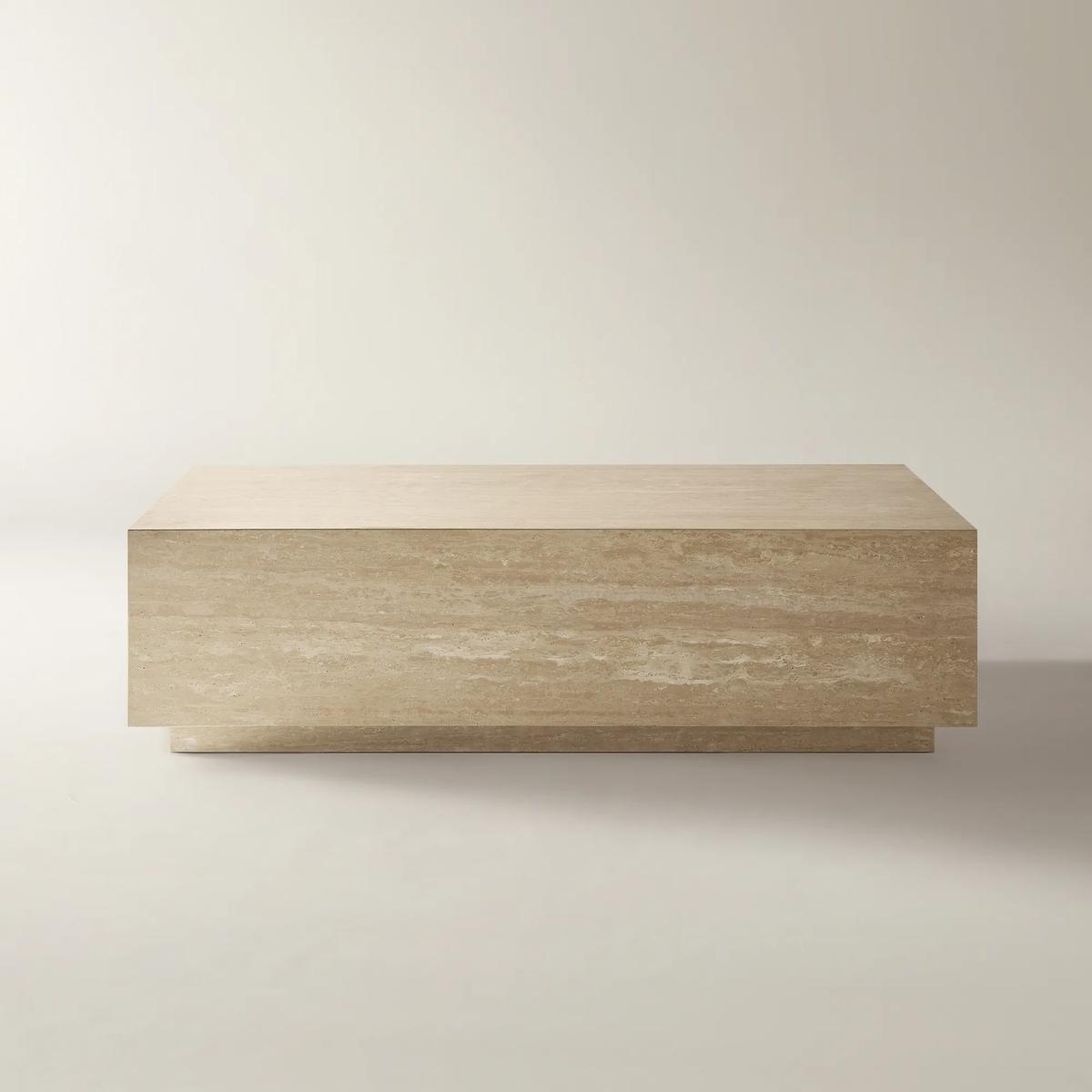
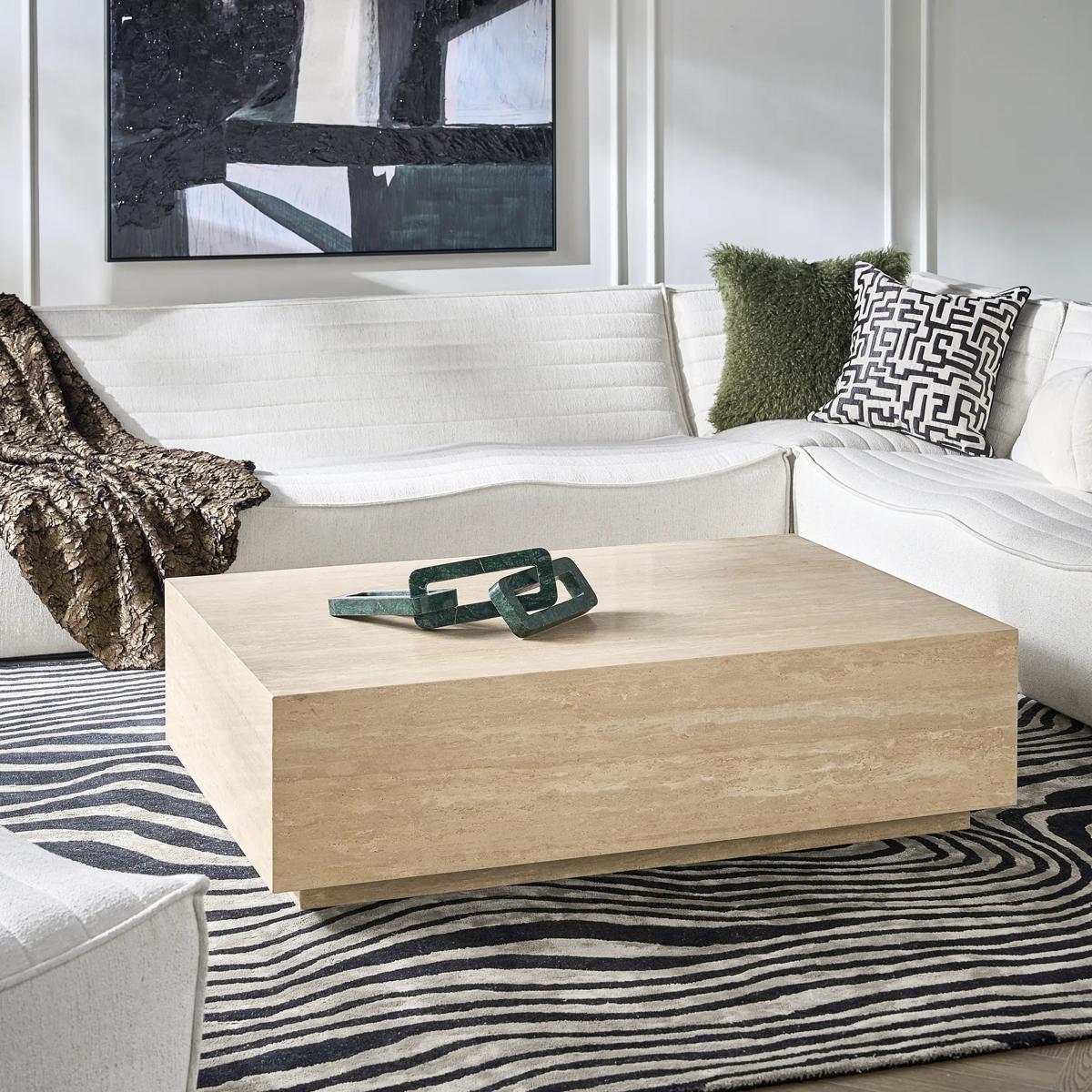 Vanta Rectangular Travertine Coffee Table (54")$2599
A sculptural travertine coffee table with an aluminum honeycomb core and recessed plinth base.
Add To Cart -
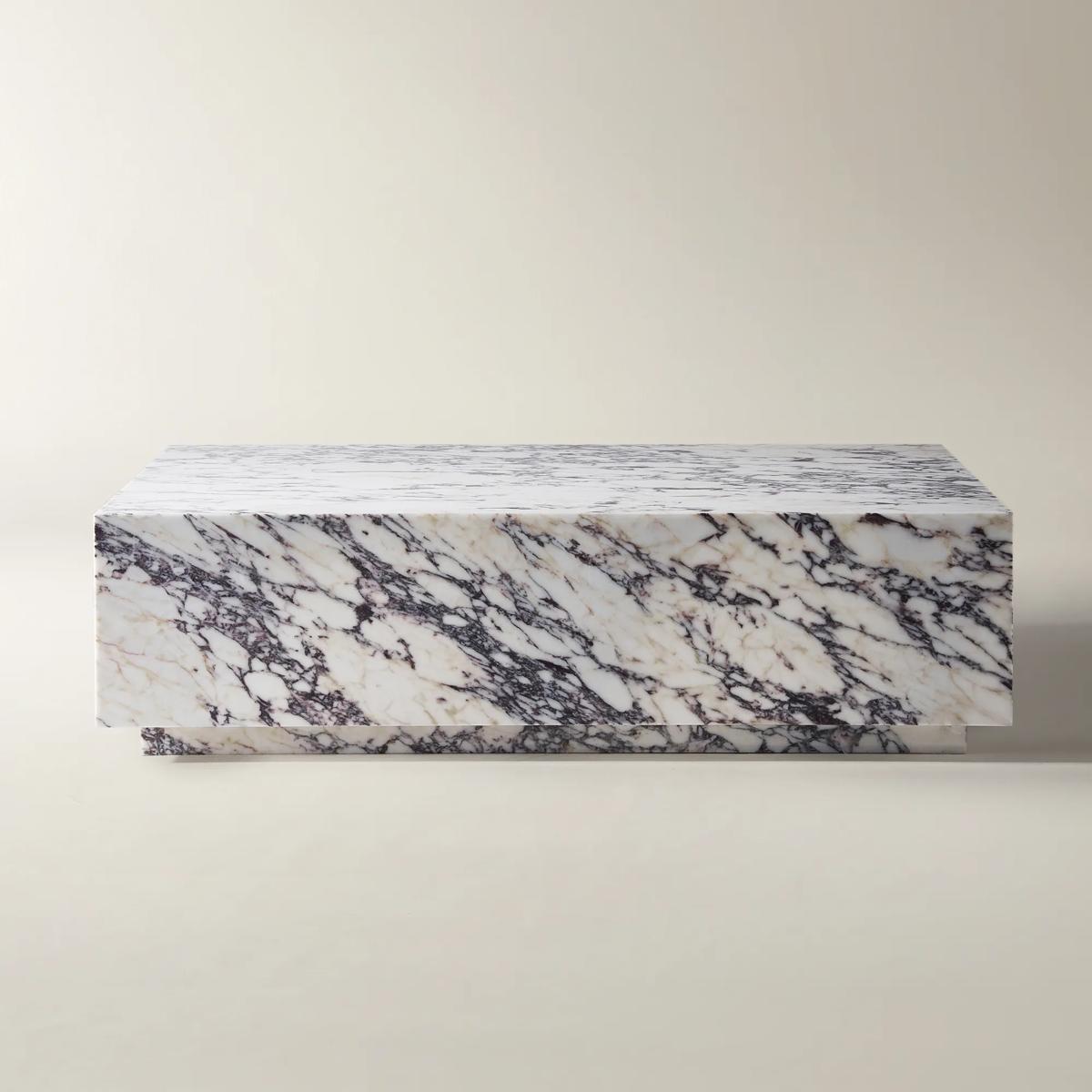
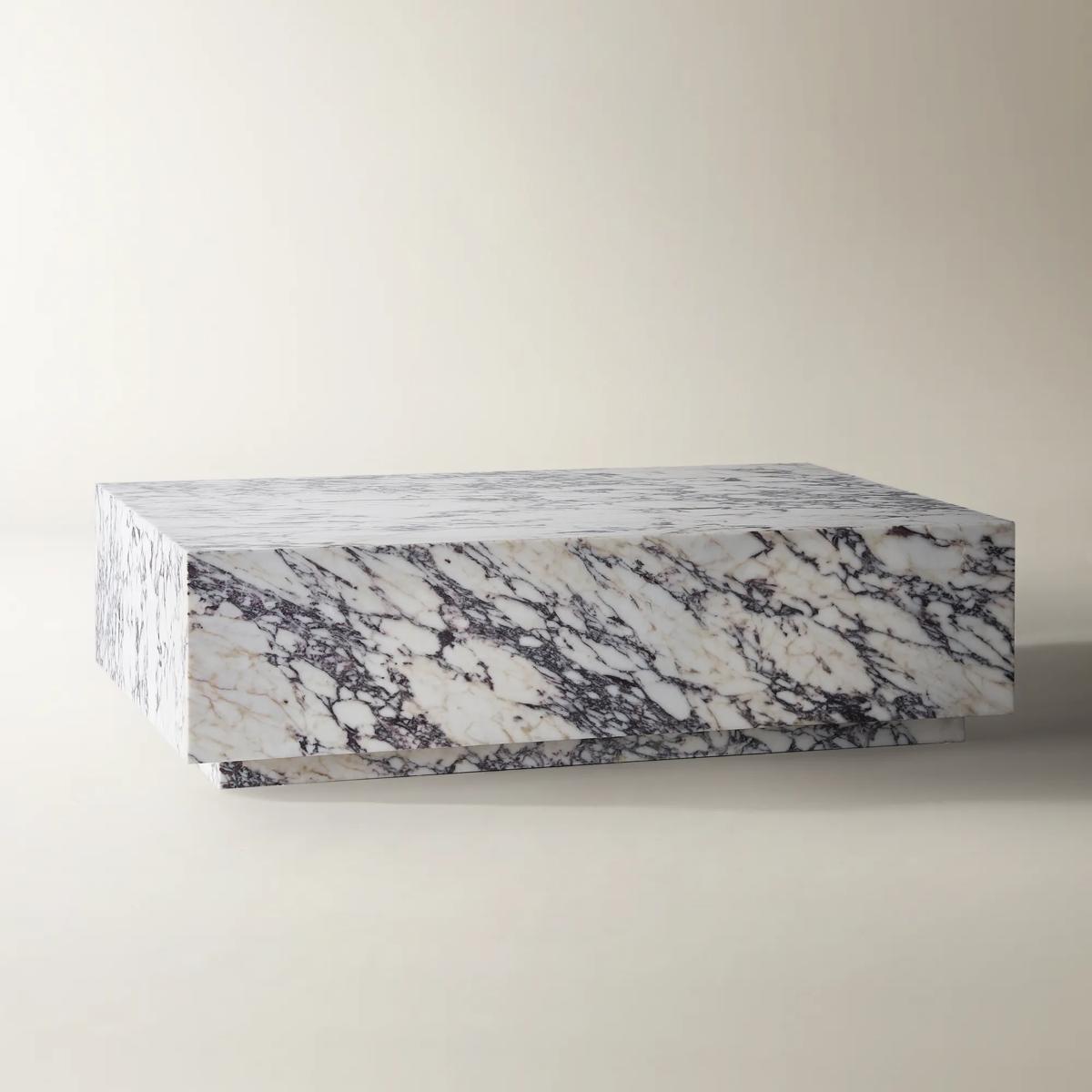 Vanta Rectangular Viola Calacatta Marble Coffee Table (54")$3699
A sculptural coffee table in Calacatta Viola marble, featuring an aluminum core and recessed plinth base.
Add To Cart -
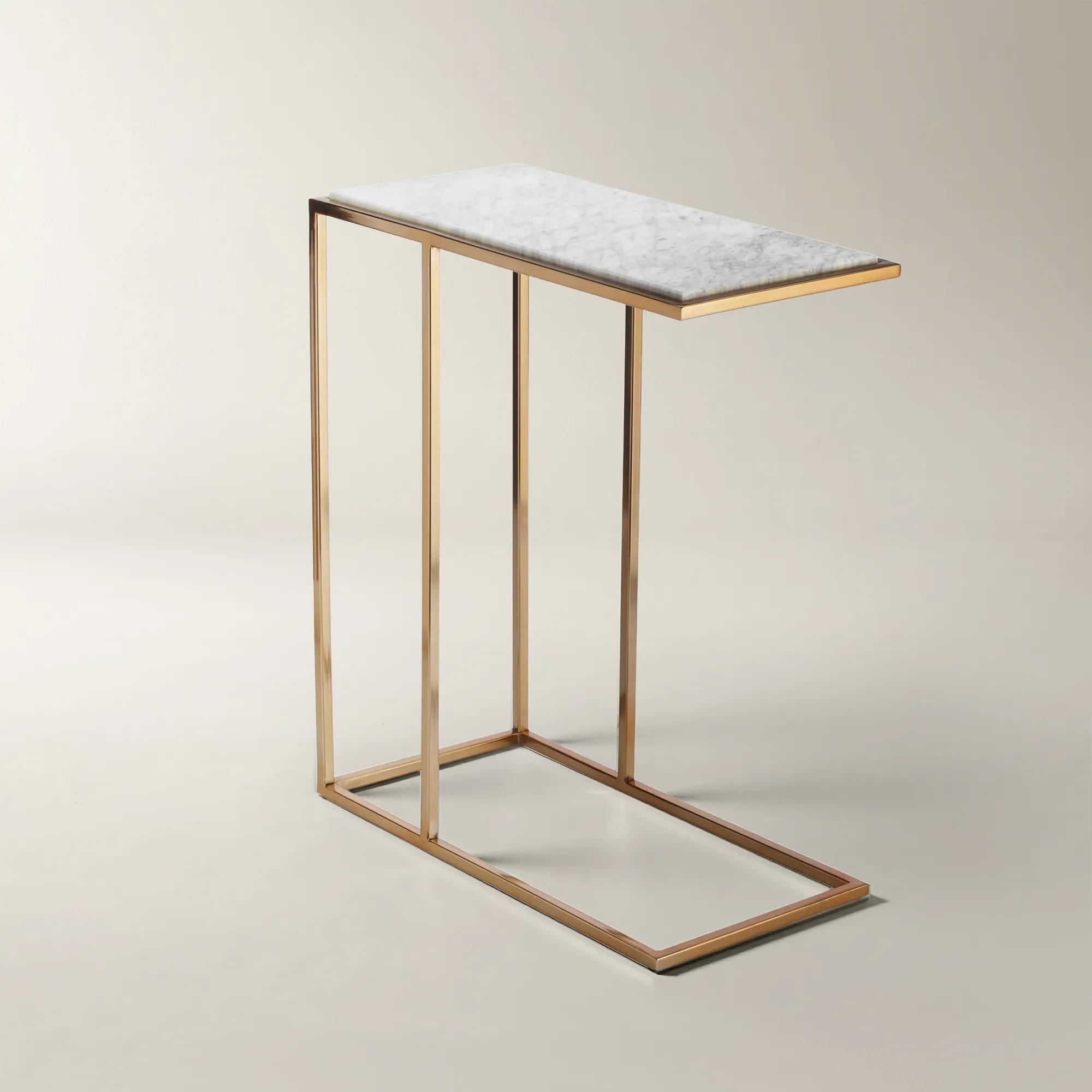
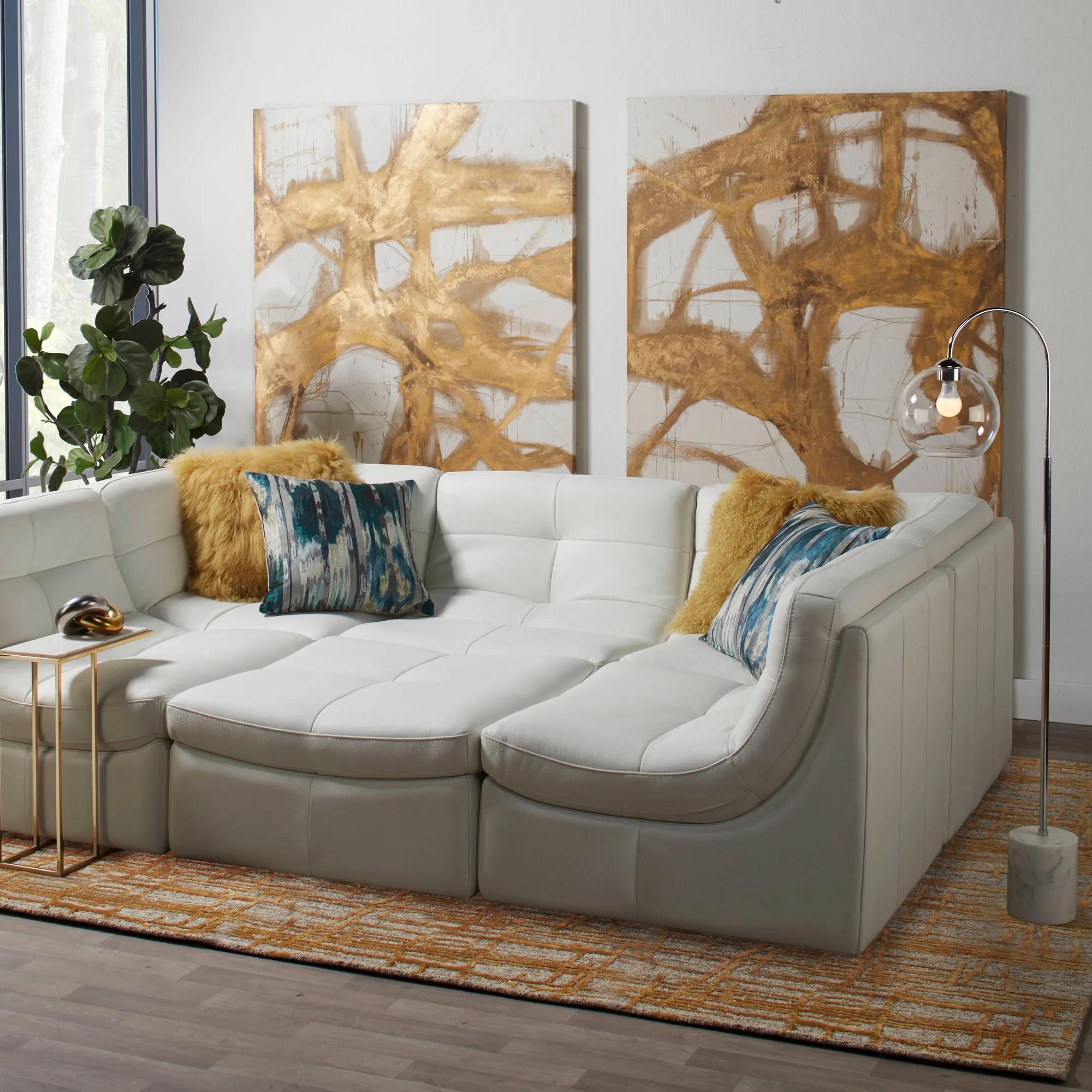 Lawton Rectangular Gold Stainless steel Accent Table With Marble Top (19.75")$259
A space-saving table featuring a white marble top and gold-finished stainless steel base.
Add To Cart -
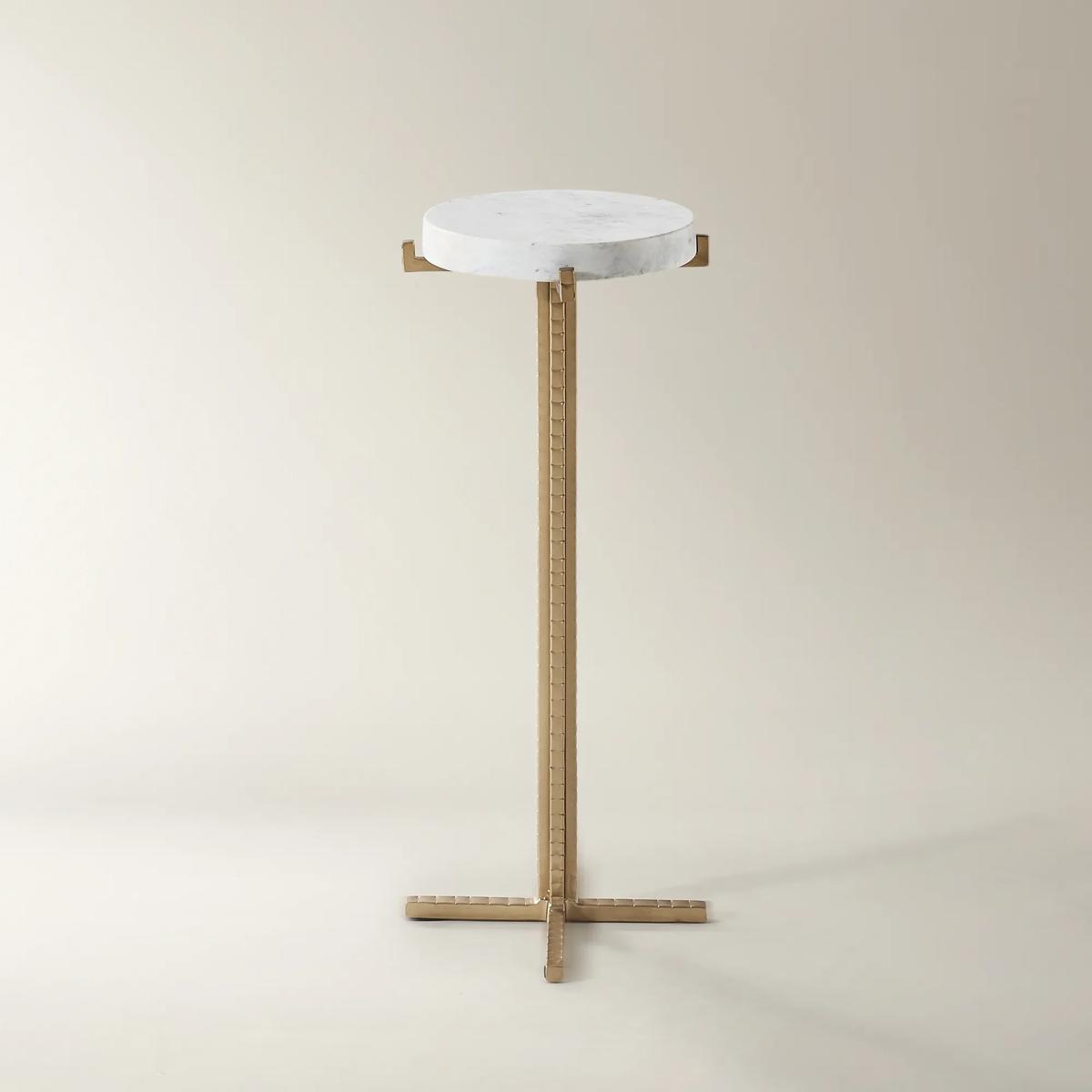 Anya Round White Marble Side Table (10")$199
A sculptural side table featuring a genuine white marble top and gold-finished metal pedestal base.
Add To Cart -
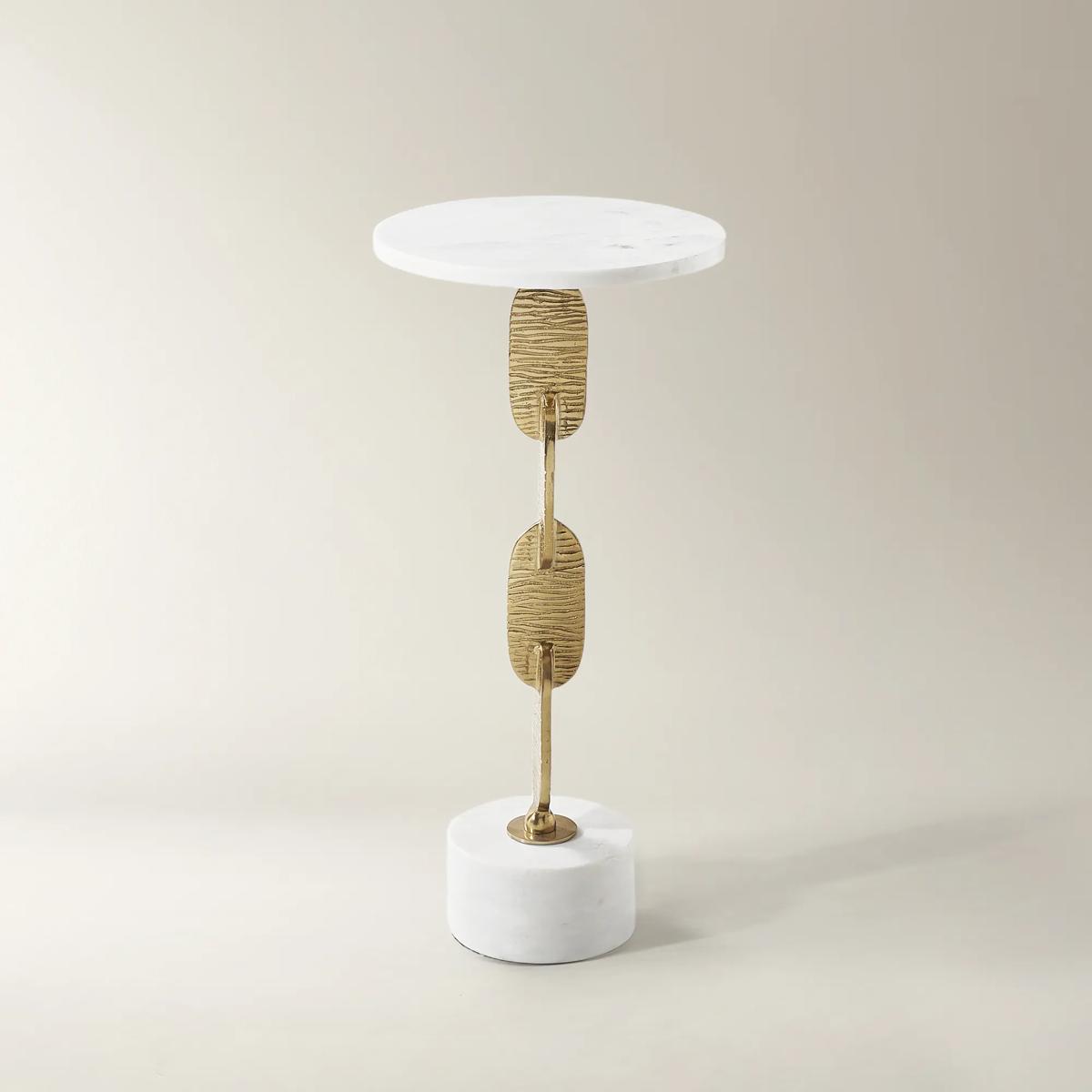
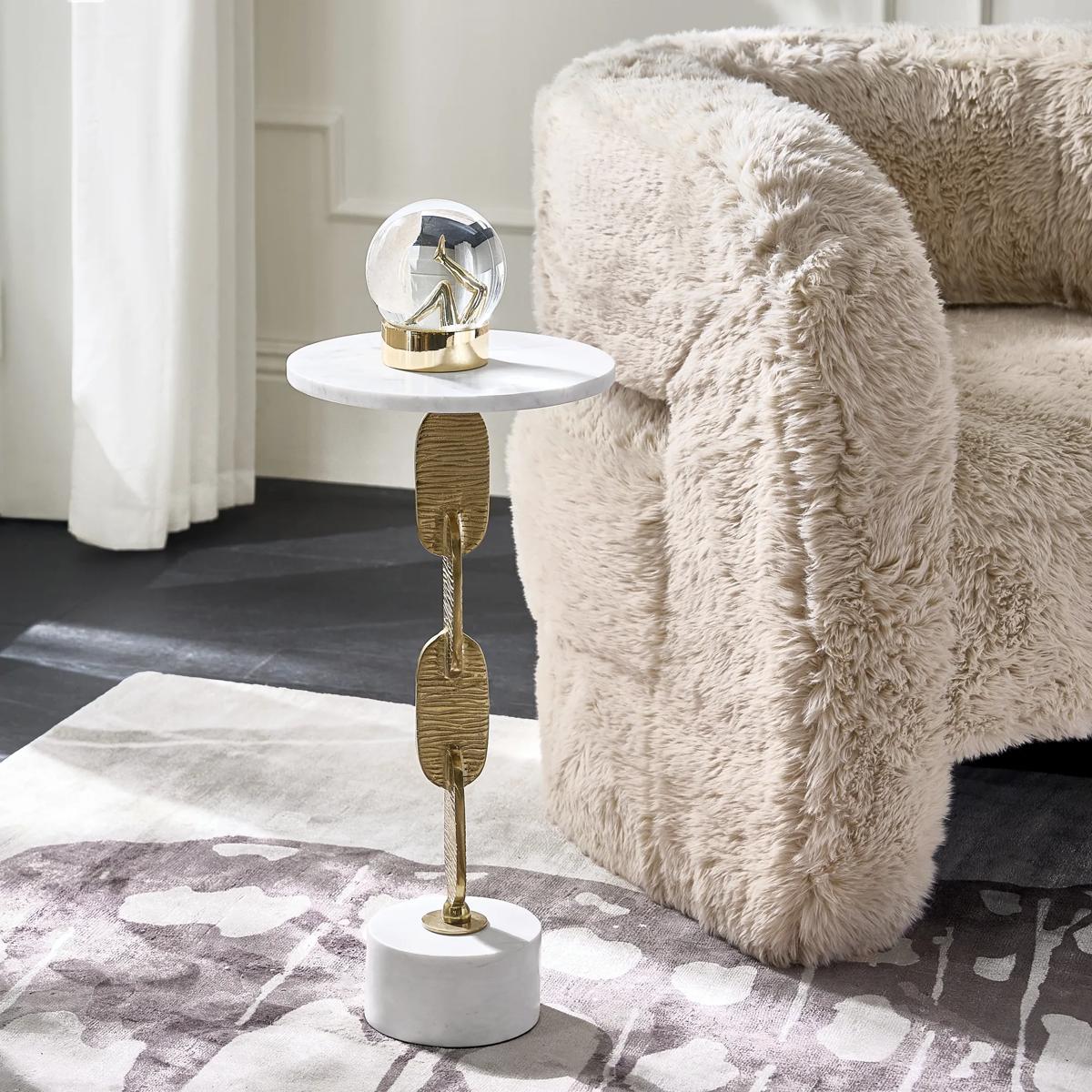 Luna Round White Marble Side Table (11.25")$199
A sculptural side table featuring a genuine white marble top and an open gold-finished metal frame.
Add To Cart -

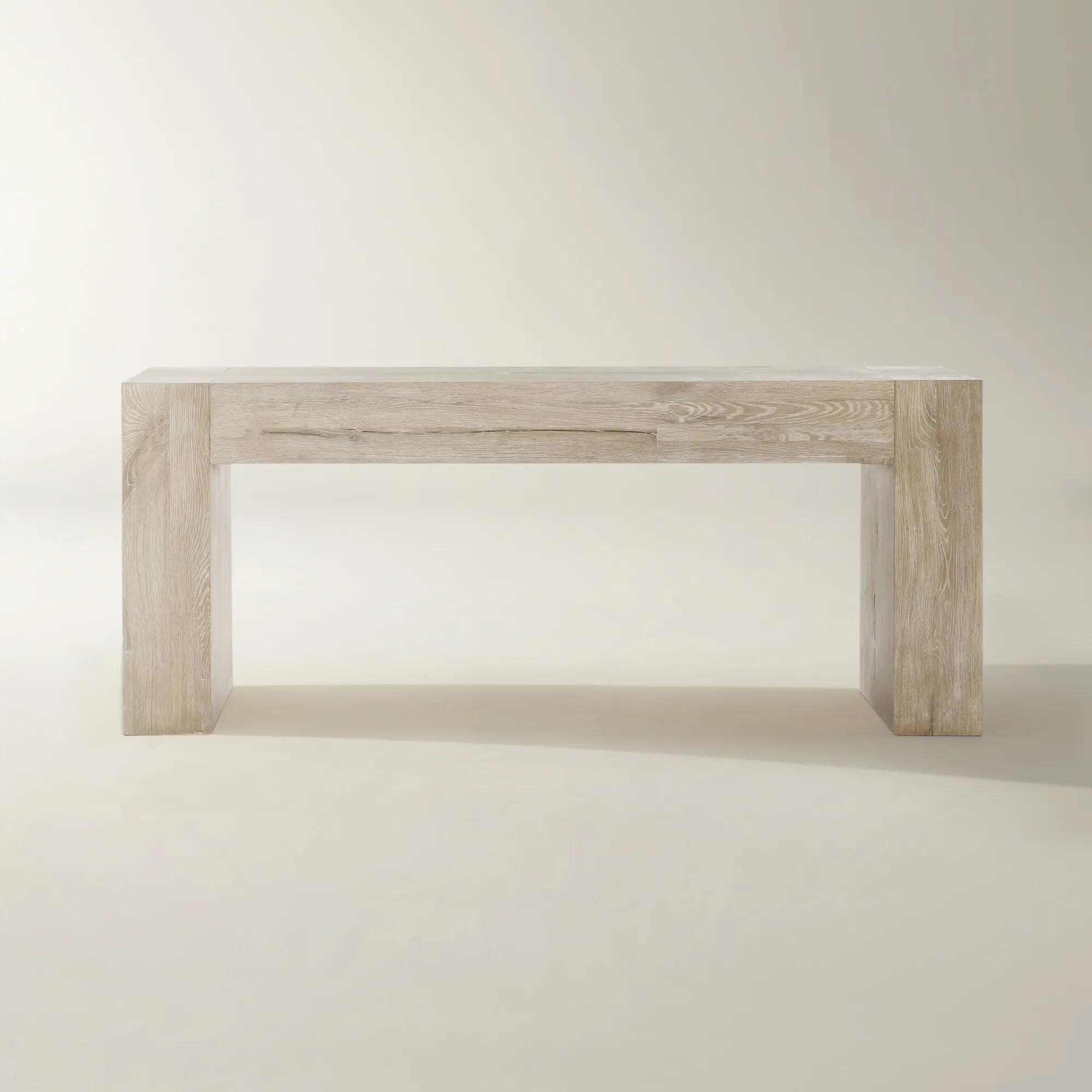
 Cairo Mactan Stone Console Table (63")$1799
A hand-carved Mactan stone console table featuring a raw chiseled edge and natural tonal variations.
Add To Cart -

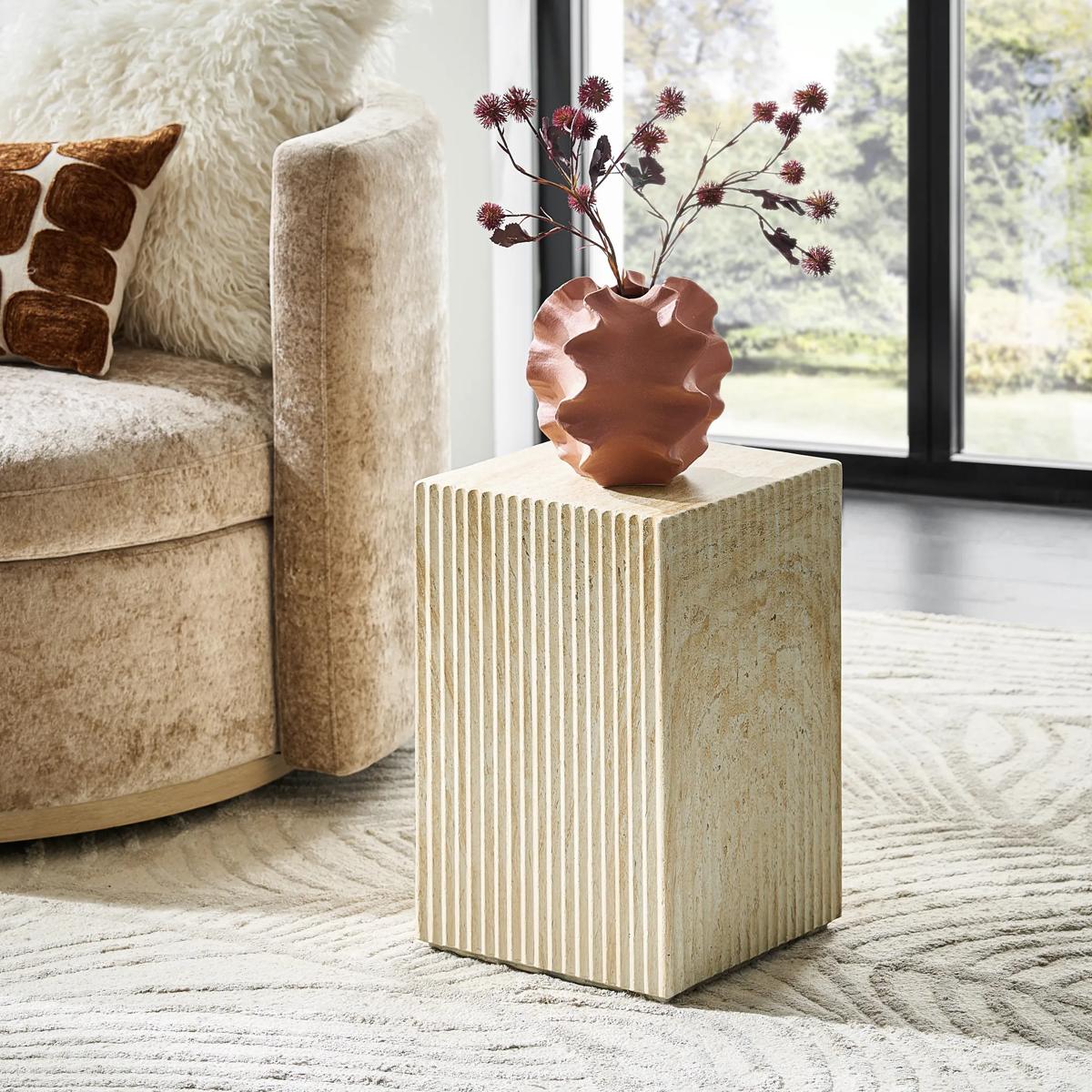 Strata Square Travertine Concrete Indoor/Outdoor Side Table (11.8")$299
A natural travertine-look concrete side table with sculptural cuboid geometry for indoor or covered outdoor spaces.
Add To Cart -
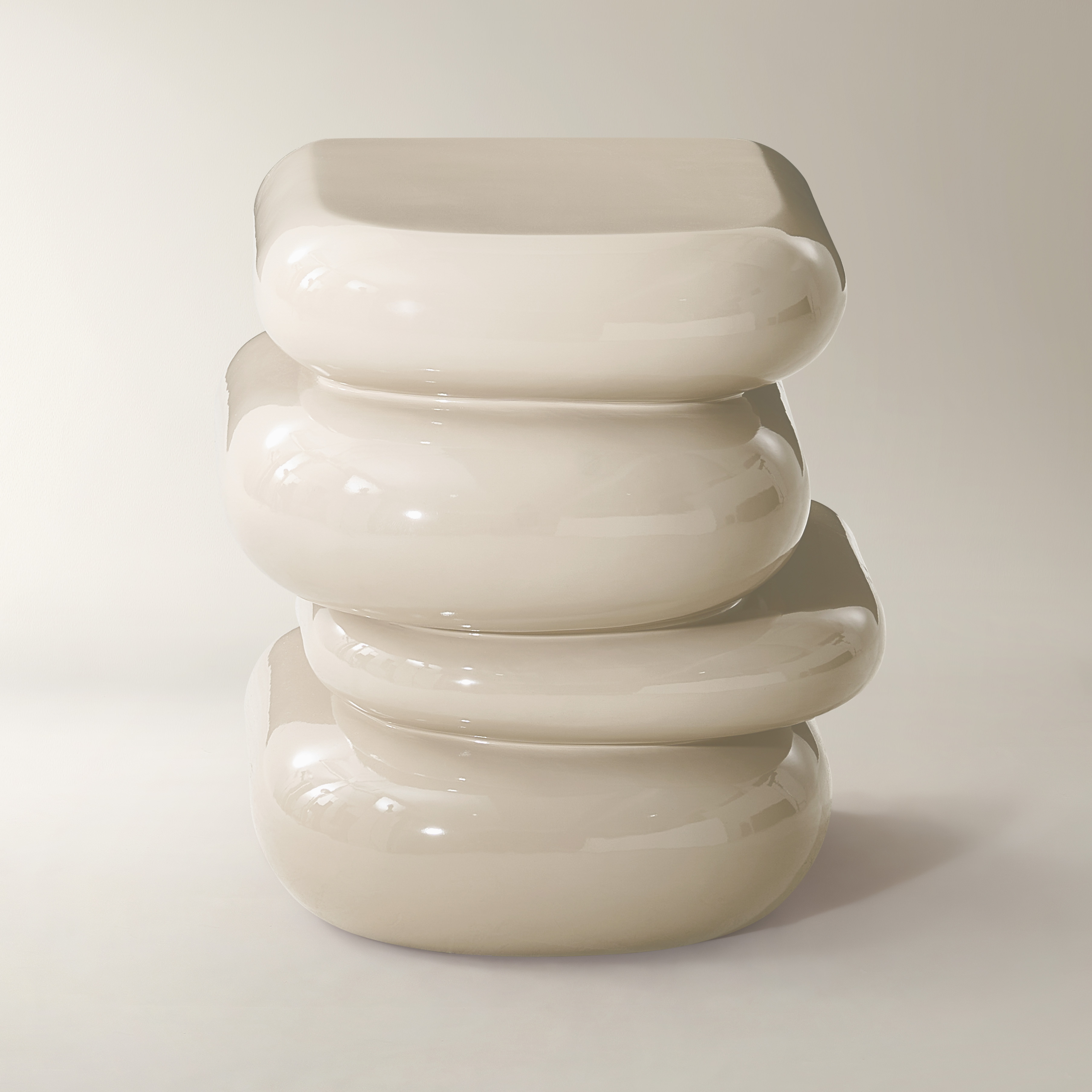
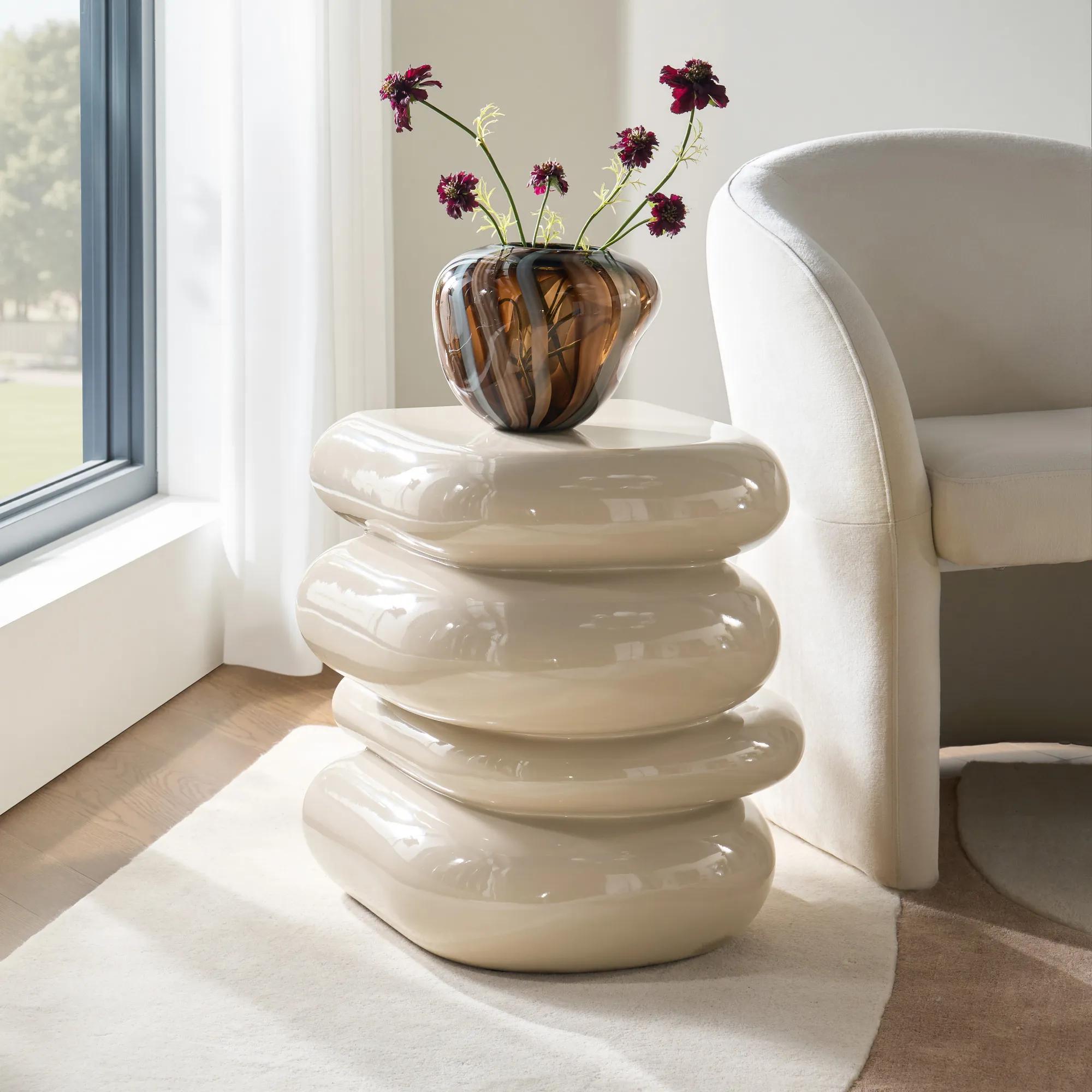 Forma Stacked Turtle Dove Side Table (19.9")$499
A sculptural accent table crafted from high-gloss turtle dove fiberglass with softly stacked, rounded tiers.
Add To Cart -
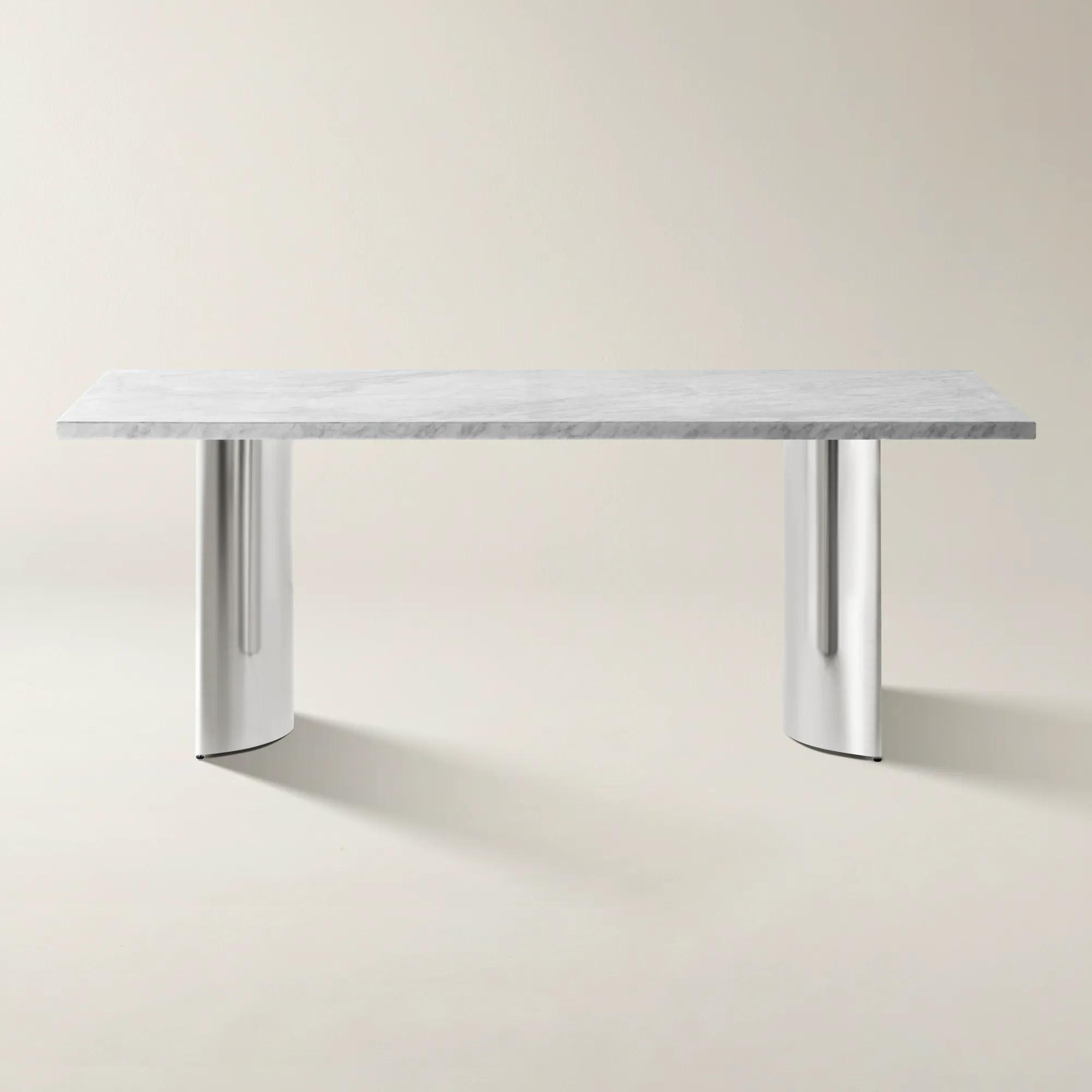 Muscat Rectangular White Marble Dining Table With Stainless Steel Base (84")$3099
A striking dining table featuring a natural white marble top with unique veining and a polished stainless steel base.
Add To Cart -
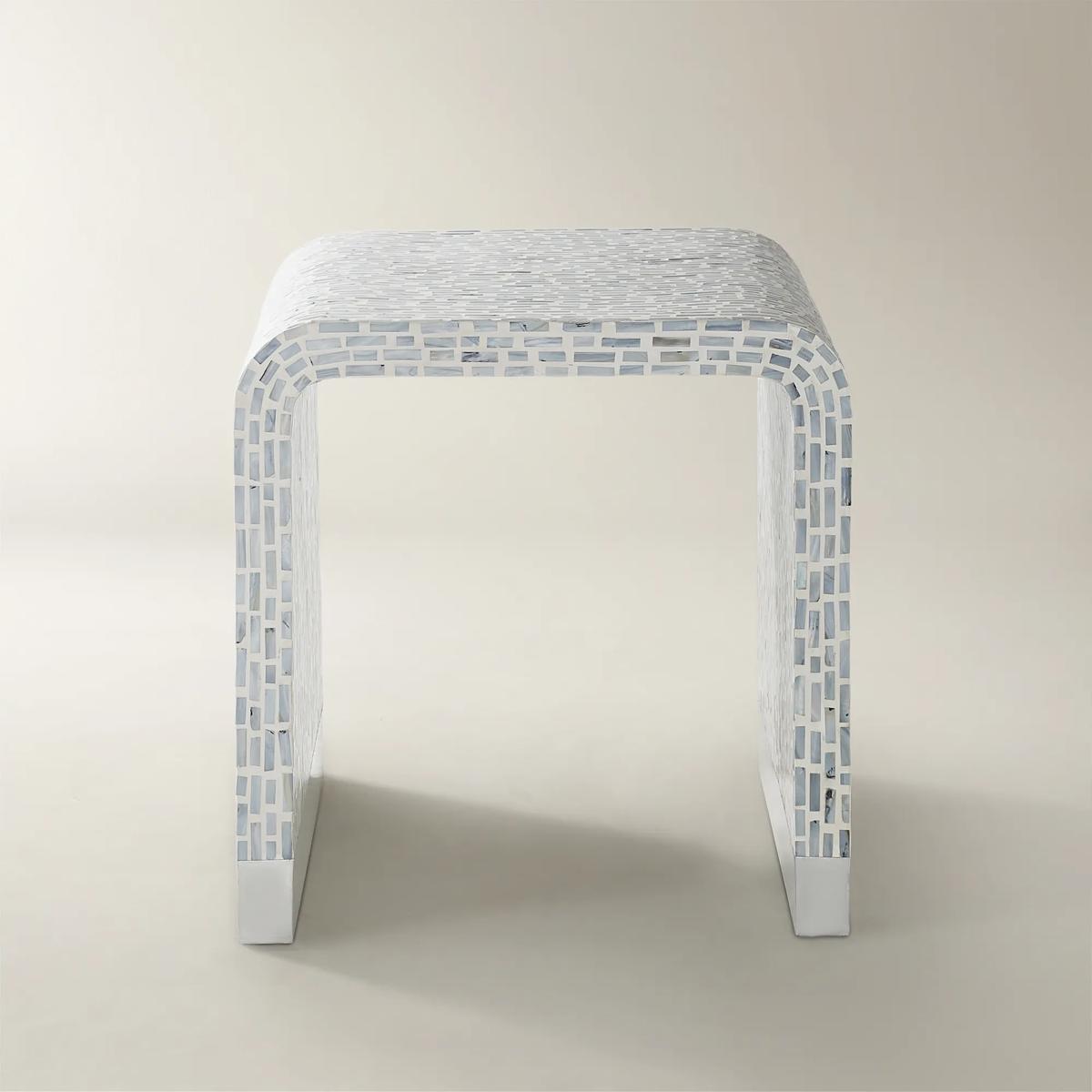
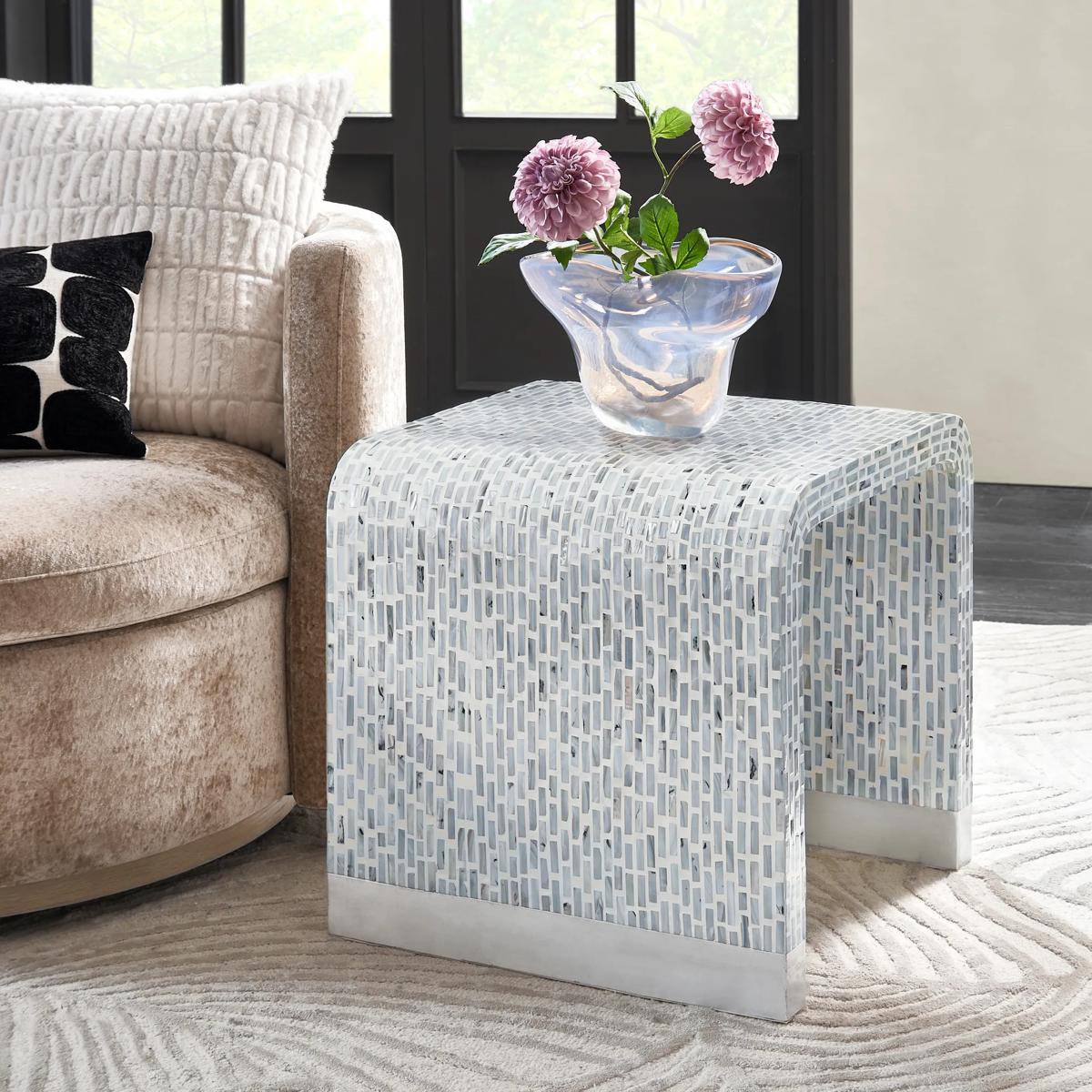 Iridia Blue Side Table (21.6")$399
A handcrafted end table featuring iridescent blue mother-of-pearl inlay and a silver leaf base.
Add To Cart -
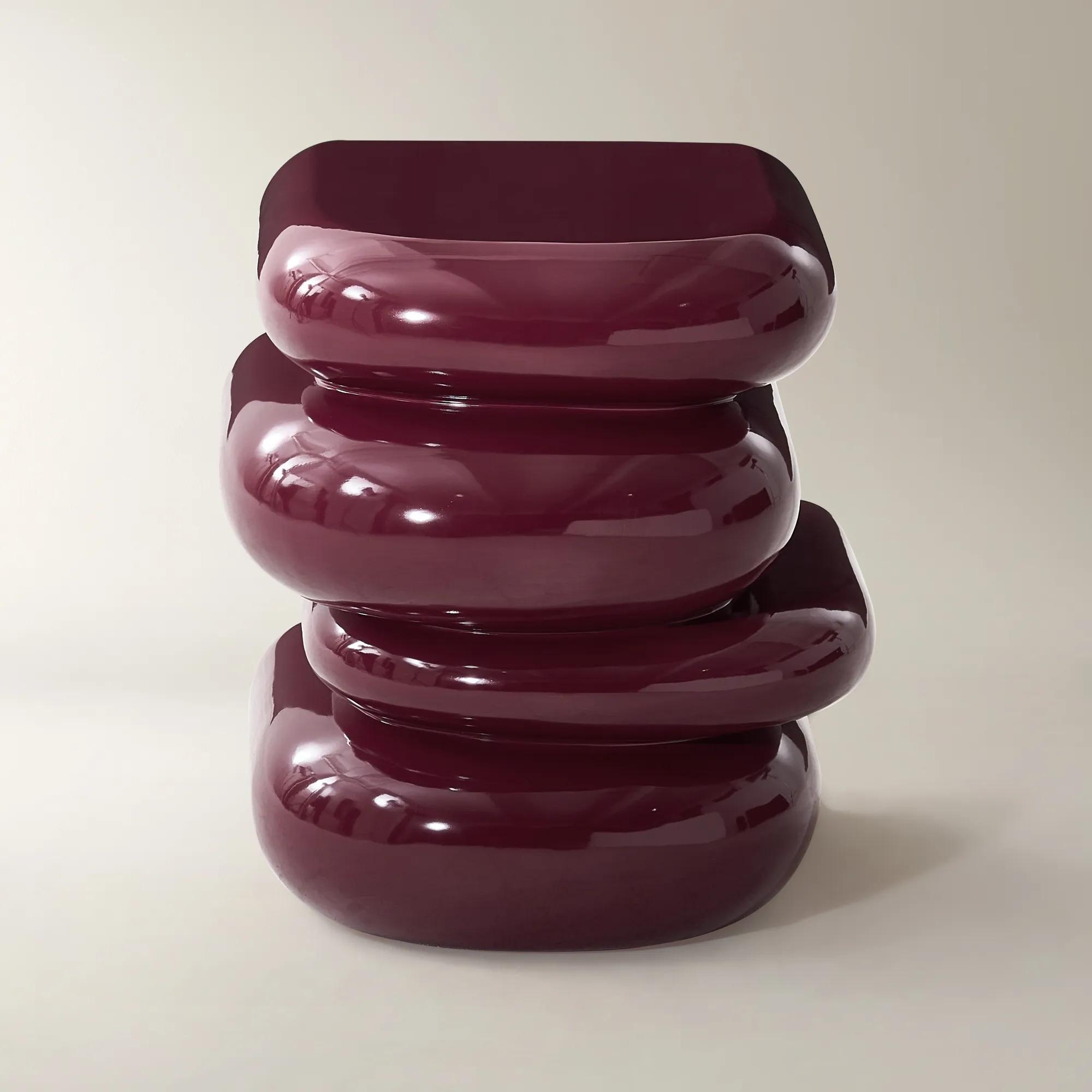 Forma Stacked Ox Blood Side Table (19.9")$499
A sculptural accent table crafted from high-gloss ox blood fiberglass with softly stacked, rounded tiers.
Add To Cart

Polished Stone Accent Tables
Polished stone accent tables are the epitome of refined drama—each piece a gleaming testament to artistry and allure. Their luminous surfaces capture the light, transforming any room into a gallery-worthy sanctuary where luxury reigns supreme. Whether anchoring a bold vignette or offering an unexpected moment of opulence, these sculptural tables invite you to indulge your senses and elevate your space with unapologetic glamour. Discover how polished stone accent tables can turn everyday living into an extraordinary statement of personal style.
Polished stone accent tables bring a distinctive kind of glamour to a room: substantial material, a luminous surface, and mineral patterns that feel closer to artwork than ornament. Beside a sumptuous sofa or an architectural lounge chair, a stone table creates a deliberate point of contrast, balancing soft upholstery with a crisp, sculptural silhouette. Light moves across the polished finish, drawing attention to subtle tonal shifts, fine veining, or sweeping ribbons of color. That interplay makes these tables especially expressive in interiors built around texture, where velvet, woven fabrics, reflective metal, and natural stone each contribute a different visual rhythm. The material matters as much as the silhouette. Marble often offers fluid veining and nuanced color, while granite can introduce a more granular pattern and a particularly substantial presence. Travertine has its own layered character; when filled and polished, its surface takes on a smoother appearance while retaining the visual complexity associated with the stone. Engineered stone can provide a more controlled pattern, although its composition and care requirements differ from those of quarried materials. A stone-look finish offers another interpretation, so descriptions should distinguish solid stone, stone veneer, engineered surfaces, and decorative finishes rather than treating them as interchangeable. Each construction creates a different balance of weight, texture, and maintenance. With natural stone, variations in movement and color are part of the appeal, and no two pieces necessarily present the same pattern. A broad top gives dramatic veining room to unfold, while a slender profile or rounded edge can make the material feel more delicate. The base adds another layer of expression: gleaming metal lends jewelry-like definition, dark metal sharpens the outline, and a stone pedestal emphasizes volume and continuity. Whether the room leans toward restrained glamour or richly layered drama, the strongest effect comes from allowing the table’s material and proportions to hold attention without competing with every surrounding detail. Even a compact accent table can become the visual punctuation that makes an entire seating arrangement feel intentional.
The most compelling polished stone accent tables are as considered in daily use as they are in appearance. A table beside a reading chair needs enough surface for a lamp, a book, and a beverage without feeling crowded; a sculptural piece positioned between two chairs may work better with a smaller footprint and a clear view of the stone. Height deserves particular attention. A tabletop close to the chair or sofa arm generally feels comfortable to reach, while a pronounced difference can make setting down a glass awkward. Measuring the available floor area, including the route around the seating, helps preserve a graceful arrangement rather than a congested one. Round tops soften the relationship between angular furniture pieces and can make circulation feel easier, though the base still needs adequate clearance. Square and rectangular forms introduce a tailored rhythm beside a long sofa, while asymmetrical shapes bring a more artistic gesture to a quiet corner. Pedestal designs can create a clean outline, but their stability depends on the relationship between the top, base, and overall weight. Substantial stone also deserves a thoughtful placement where it will not need frequent repositioning. Color gives these practical decisions an expressive dimension. Pale stone can lift a setting anchored by deep upholstery, while charcoal and black surfaces create a bold counterpoint to ivory fabrics, warm wood, or luminous metallic accents. For an arrangement that calls for deeper contrast, black stone finish tables extend that darker palette with a grounded, architectural presence. Repeating a stone tone in a nearby artwork or textile can connect the composition without making every finish match. Styling remains most effective when the surface has room to function: a low vessel and a single striking object may be enough. Where the stone pattern is especially expressive, leaving part of the tabletop exposed allows its natural movement to become a central element of the room.
Stone has an enduring visual presence, but a polished surface benefits from care that respects its particular composition. Polish describes a finish, not a guarantee against scratches, staining, or etching. Marble and travertine are especially sensitive to acids, so citrus juice, vinegar, wine, and some household cleaners can leave dull marks even when a surface has been sealed. Sealing, when recommended for the material, can help reduce absorption; it does not make stone impervious or prevent acid etching. Granite and engineered materials have their own performance characteristics, making the manufacturer’s instructions essential rather than interchangeable. For everyday care, a soft cloth and a cleaner specifically approved for the surface help preserve its appearance. Spills should be blotted promptly, and abrasive pads or harsh cleaning products are best avoided unless the care directions expressly permit them. Coasters beneath drinks, a protective layer beneath decorative objects, and trays with nonabrasive undersides can help make a polished tabletop more comfortable to live with. Hot vessels should rest on suitable protection rather than directly on the stone. These small habits matter most on a frequently used side table, where glasses, keys, and decorative accessories repeatedly meet the same surface. Construction also shapes long-term performance: secure connections, a stable base, and an appropriately supported top are as important as the stone itself. Because stone can be heavy and edges may be vulnerable to impact, moving a table calls for care and the handling method specified by its maker, not dragging it across the floor or lifting it by an unsupported top. Floor protection should suit both the table base and the flooring beneath it. Indoor accent tables should remain indoors unless explicitly rated for outdoor use. For a design-minded recipient, a stone accent table can make a memorable housewarming or wedding gift when the room’s dimensions and preferred finishes are already known. Its lasting appeal lies in that balance of artistry and purpose: a beautiful surface that earns its place in everyday life.
FAQs
Stone accent tables bring a sense of artistry and permanence to any room. Each table is crafted from natural materials, showcasing unique veining and color variations that make every piece one-of-a-kind. Their polished surfaces and substantial presence add visual drama and sophistication, effortlessly elevating both modern and classic interiors.
To highlight the natural beauty of a stone accent table, pair it with contrasting textures—think plush velvet seating, metallic lighting, or a soft area rug. Use the table as a stage for curated décor, such as sculptural vases, art books, or a cluster of candles, to create a striking and cohesive vignette that draws the eye.
Absolutely. The versatility of stone accent tables allows them to shine in both grand, formal living rooms and relaxed, intimate nooks. Their timeless materials and refined finishes blend seamlessly with a range of design styles, from opulent glam to understated contemporary, making them a flexible choice for any home.
Luxury accent tables often feature materials like marble, quartz, travertine, and onyx. Each stone offers distinct characteristics—marble is prized for its classic veining, quartz for its durability and shimmer, travertine for its subtle texture, and onyx for its dramatic translucence. These stones are carefully selected to ensure both beauty and longevity.
Stone accent tables make exceptional gifts for design enthusiasts, newlyweds, or anyone celebrating a milestone. Their timeless elegance and lasting quality turn them into cherished keepsakes that can transform a space, serving as a daily reminder of a meaningful occasion or relationship.