Polished Stone Dining Tables
Polished Stone Dining Tables
-
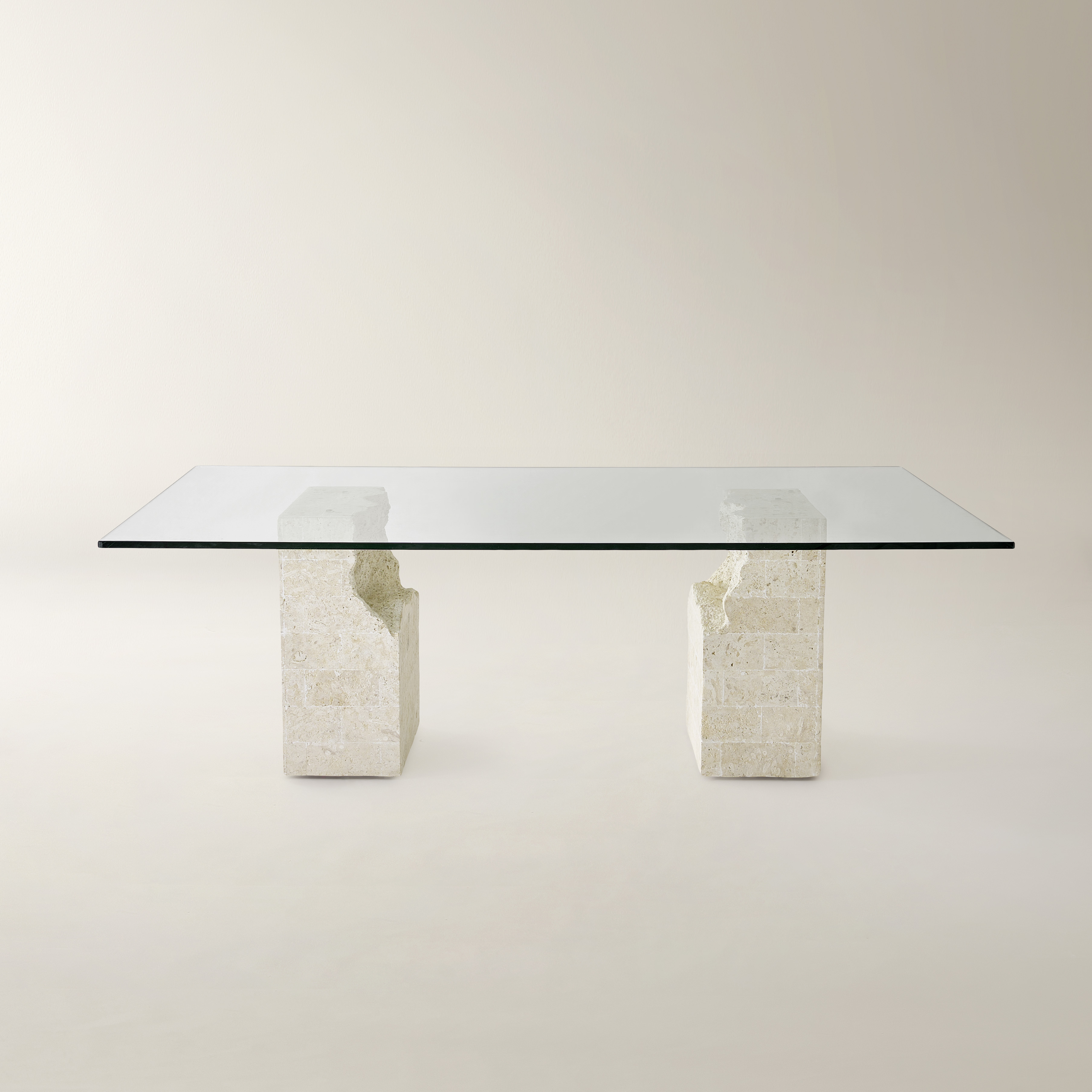 Cairo Rectangular Mactan Stone Dining Table With Glass Top (86.6")$2399
A contemporary dining table featuring a clear tempered glass top over hand-carved Mactan stone bases.
Add To Cart -
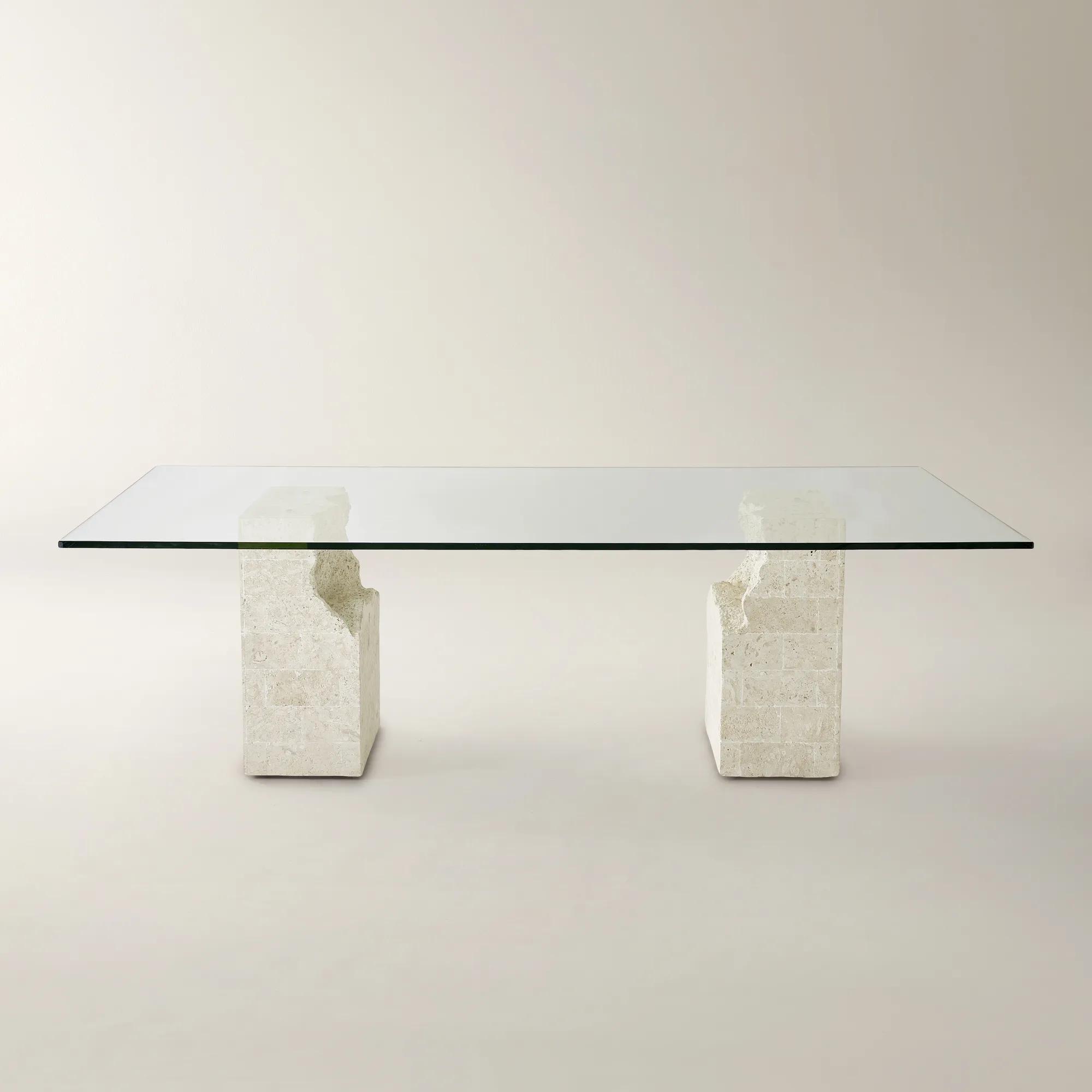 Cairo Rectangular Mactan Stone Dining Table With Glass Top (96")$2599
A contemporary dining table featuring a clear tempered glass top over hand-carved Mactan stone bases.
Add To Cart -
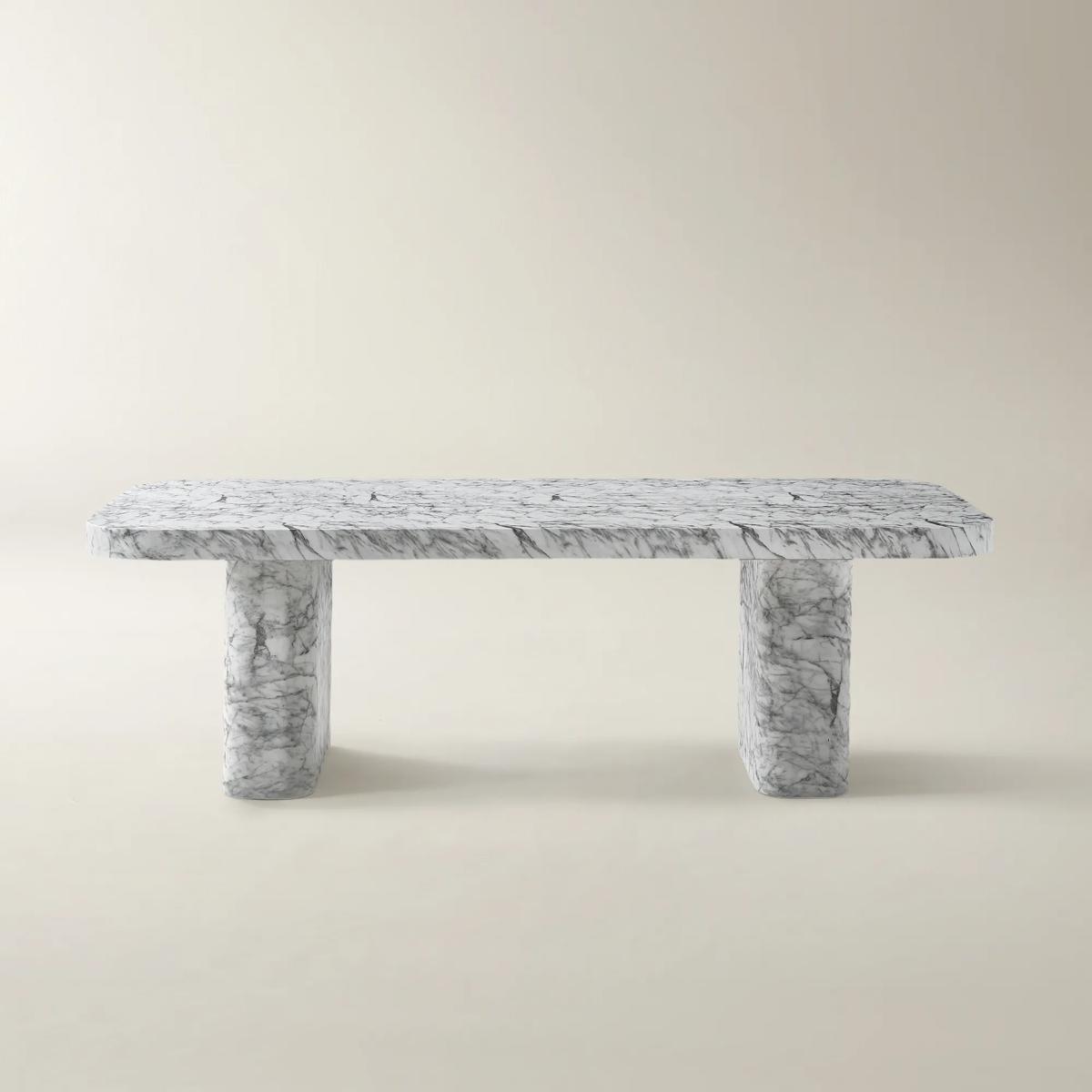
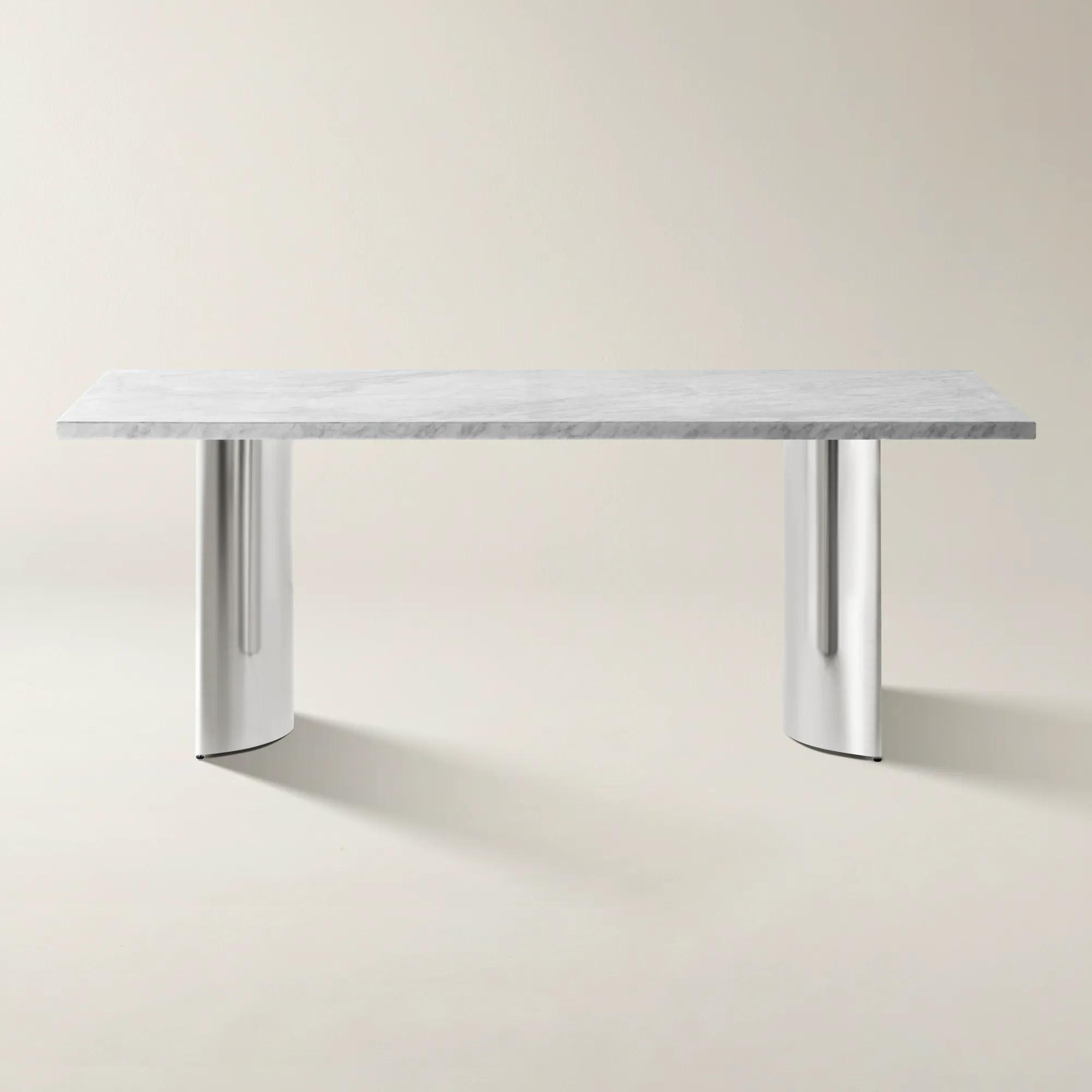 Muscat Rectangular White Marble Dining Table With Stainless Steel Base (84")$3099
A striking dining table featuring a natural white marble top with unique veining and a polished stainless steel base.
Add To Cart -
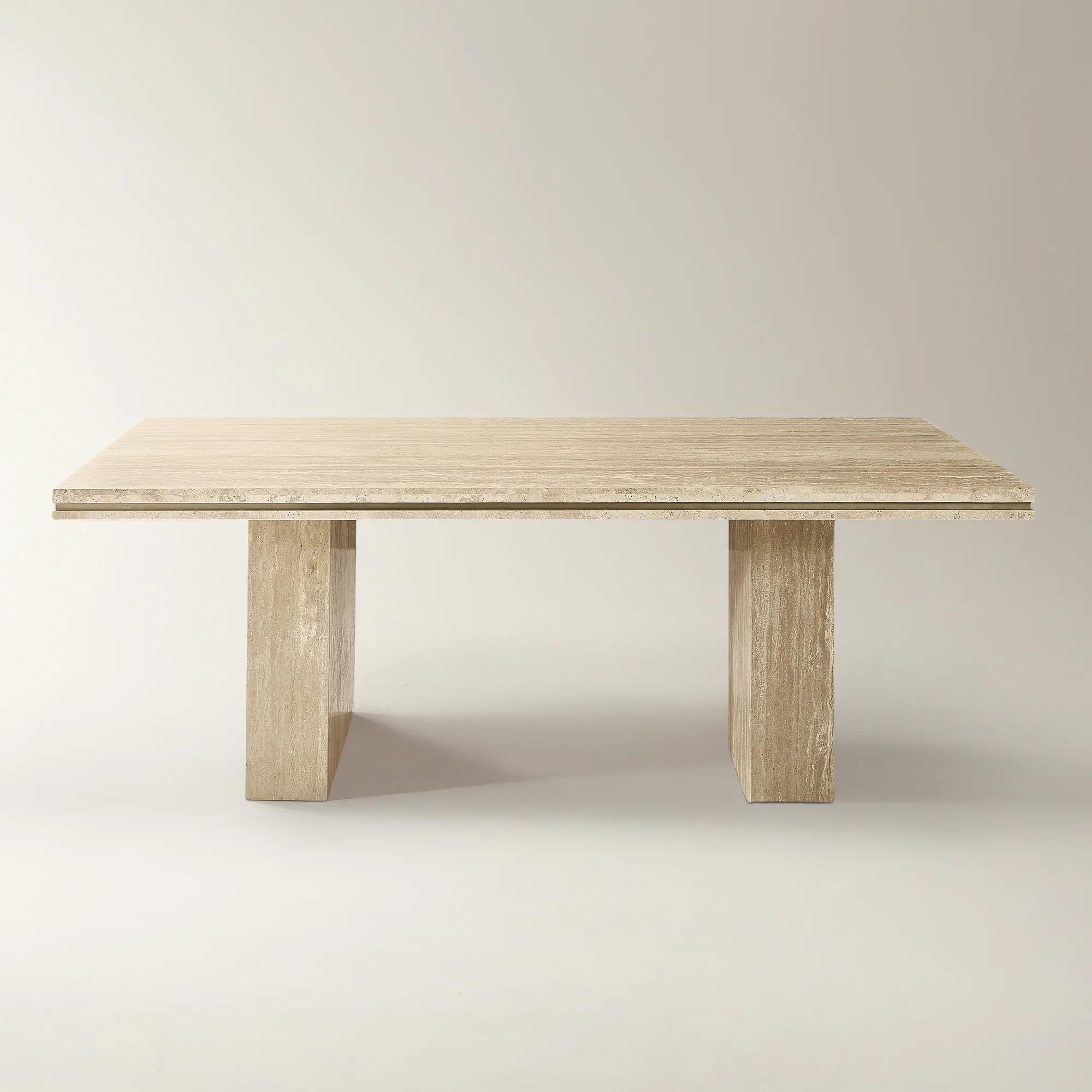 Vanta Rectangular Travertine Dining Table (84")$4199
A natural travertine dining table featuring a soft gold stainless-steel inlay and sculptural twin-panel base.
Add To Cart -

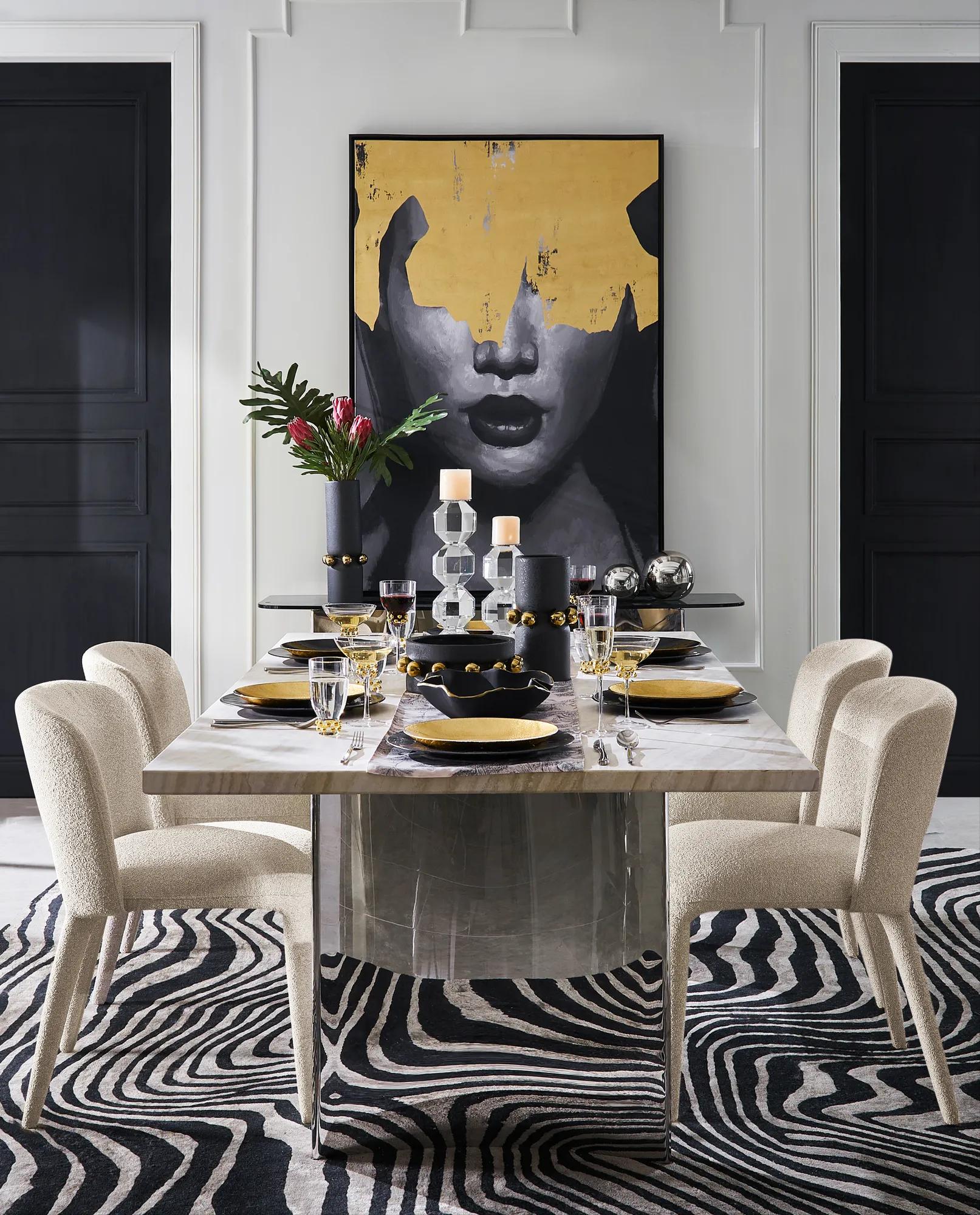 Muscat Rectangular Tan Marble Dining Table With Stainless Steel Base (84")$3099
A sophisticated dining table featuring a tan travertine marble top and polished stainless steel base.
Add To Cart -
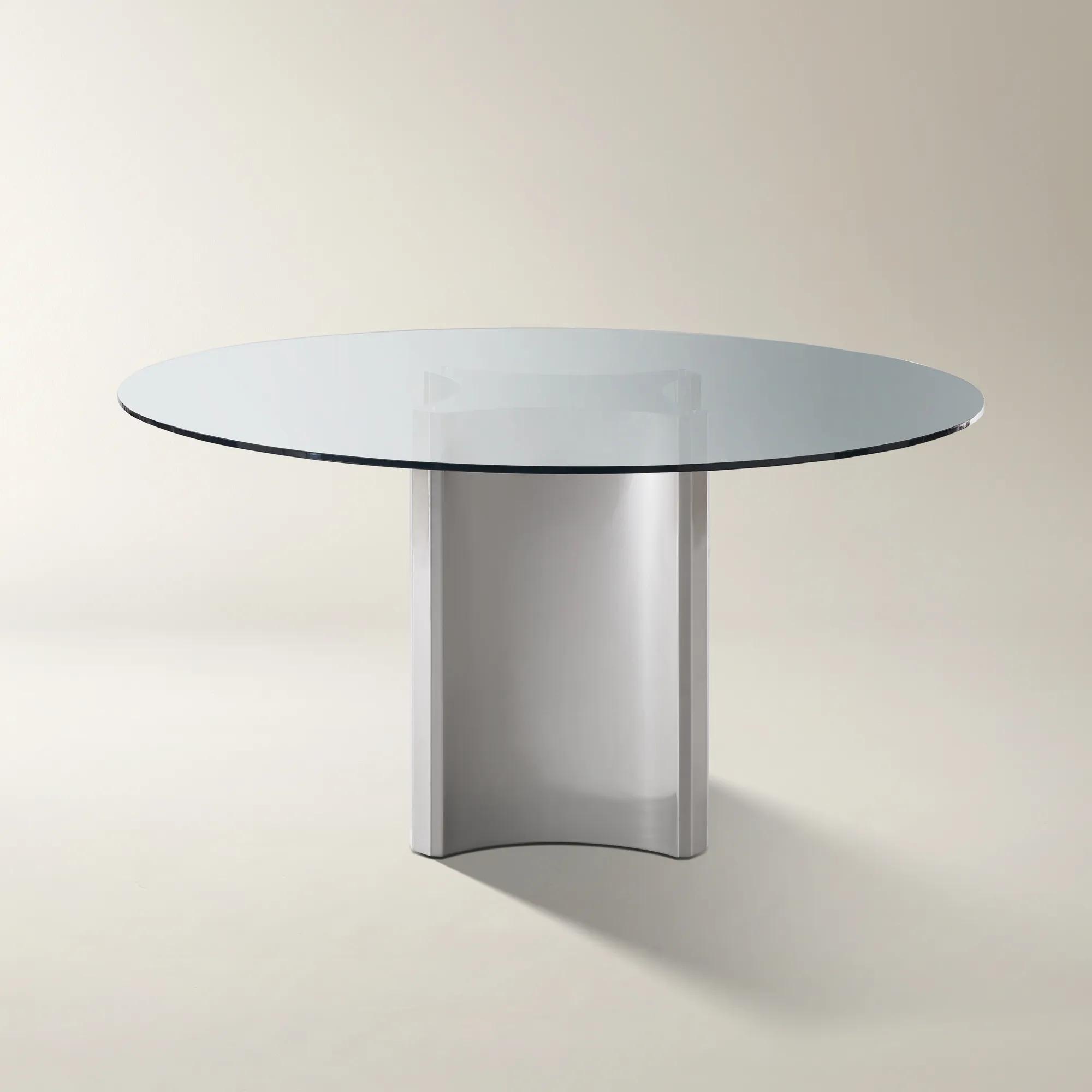
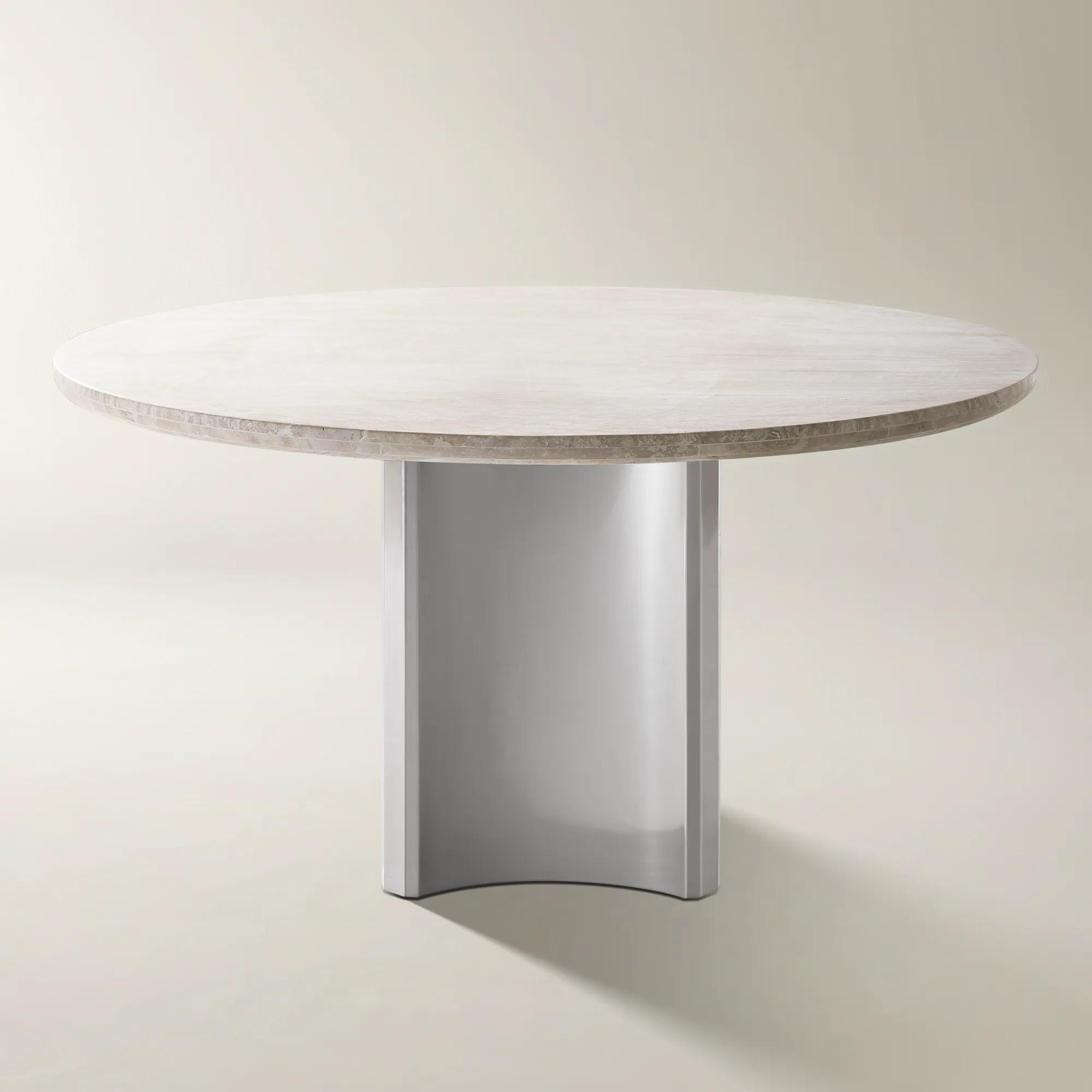 Ventane Round Tan Marble and Stainless steel Dining Table (58")$2999
A round tan travertine marble table with a polished stainless steel base for modern, elegant dining spaces.
Add To Cart -

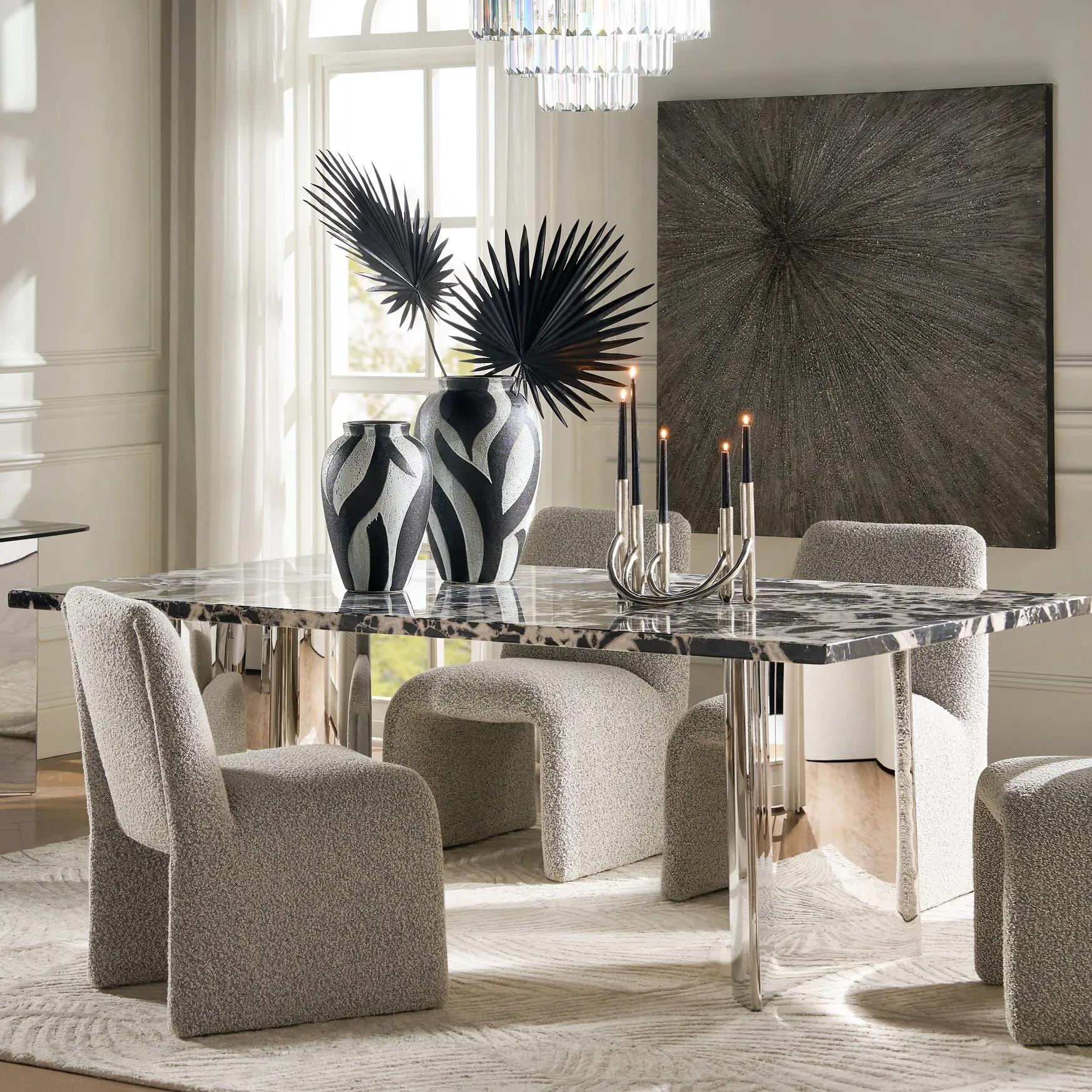 Muscat Rectangular Black Marble Dining Table With Stainless Steel Base (84")$3099
A dramatic black marble dining table with unique veining and a polished stainless steel base.
Add To Cart -

 Matera Rectangular White Marble Dining Table With Stainless Steel Base (86.61")$2499
A modern dining table featuring a white marble top and polished stainless steel base for timeless elegance.
Add To Cart -
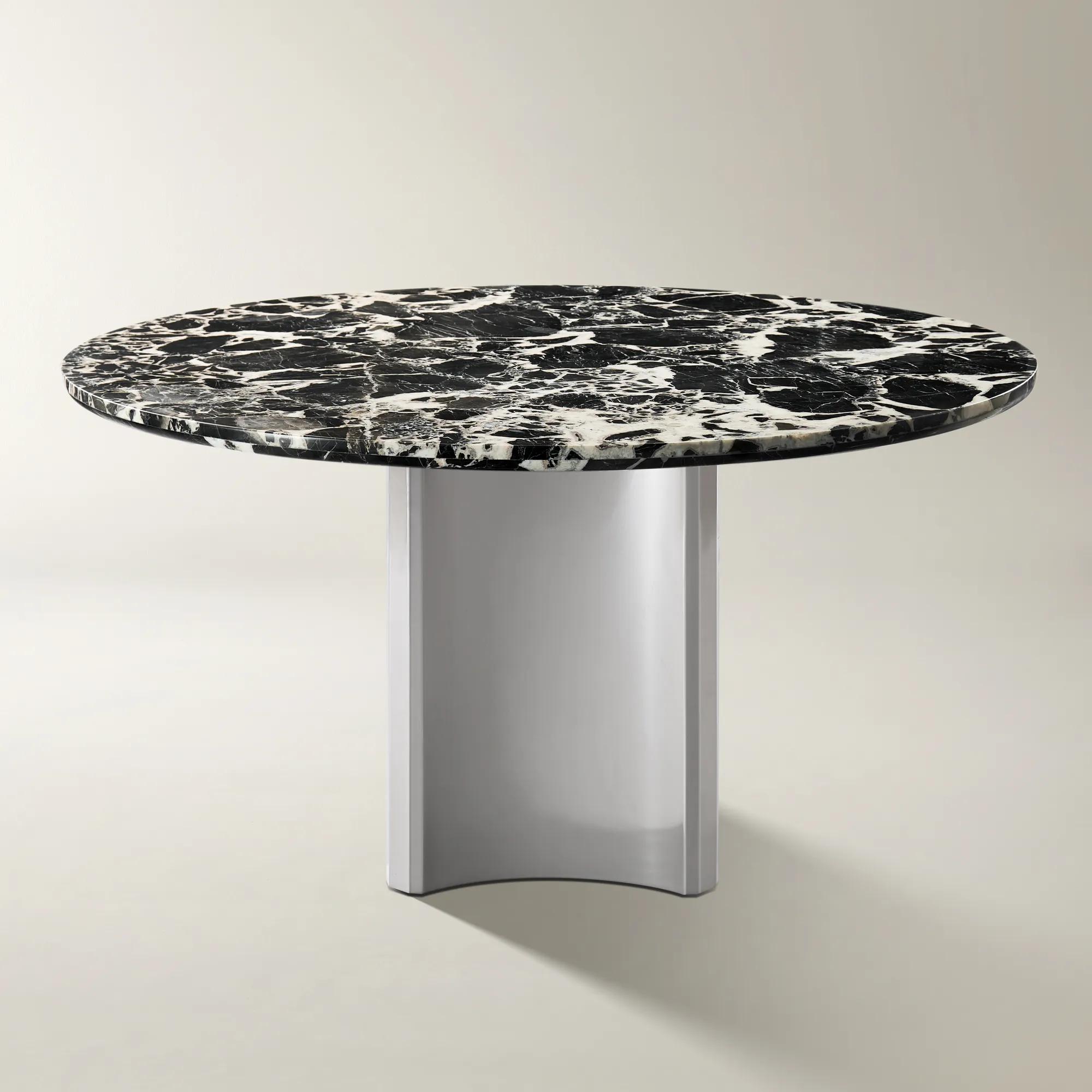
 Ventane Round Black Marble and Stainless steel Dining Table (58")$2999
A dramatic round dining table featuring a natural black marble top and polished stainless steel base.
Add To Cart -

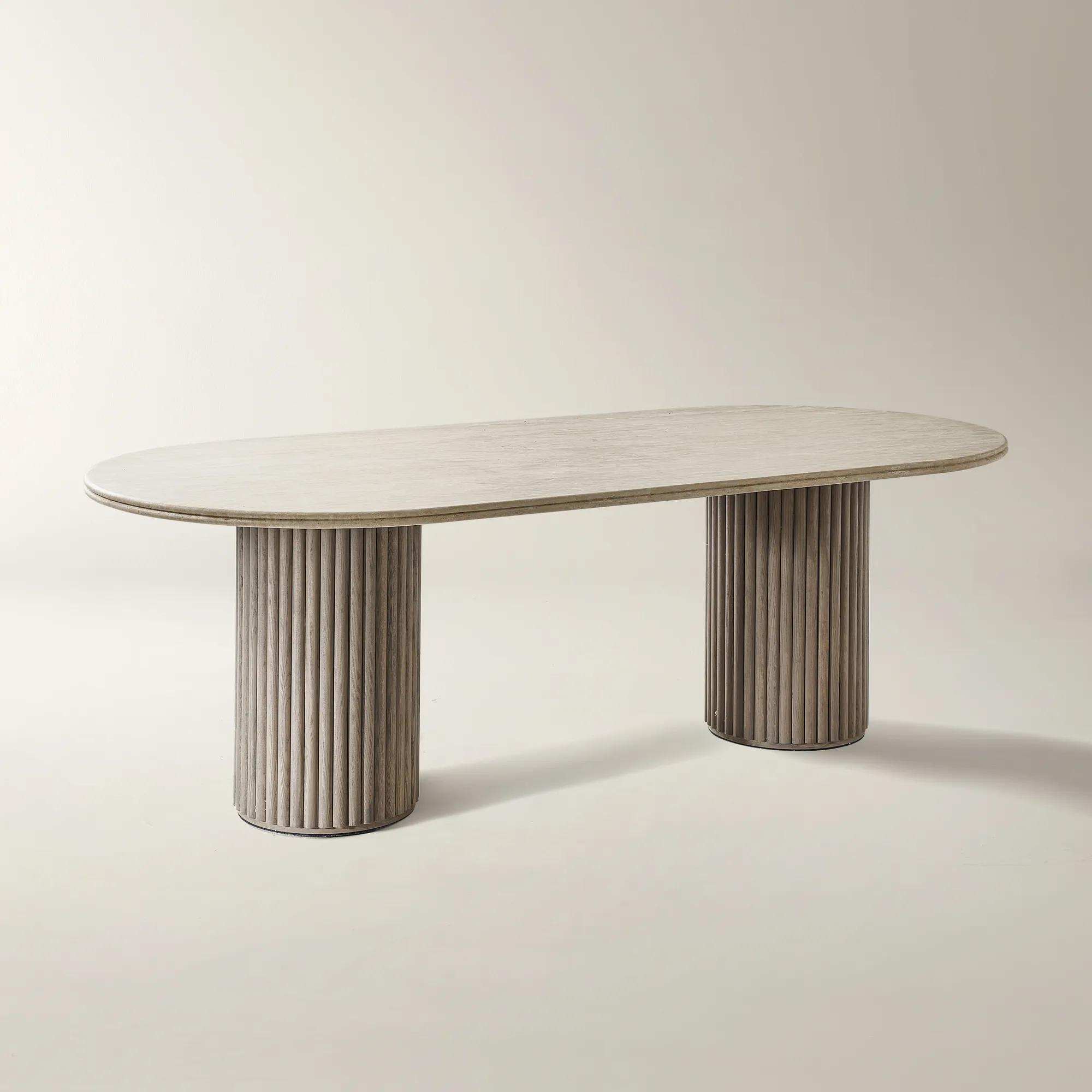 Bond Oval Reeded Travertine and Wood Dining Table (94.25")$4599
A natural travertine stone top pairs with a fluted solid ash base for refined, organic elegance.
Add To Cart -
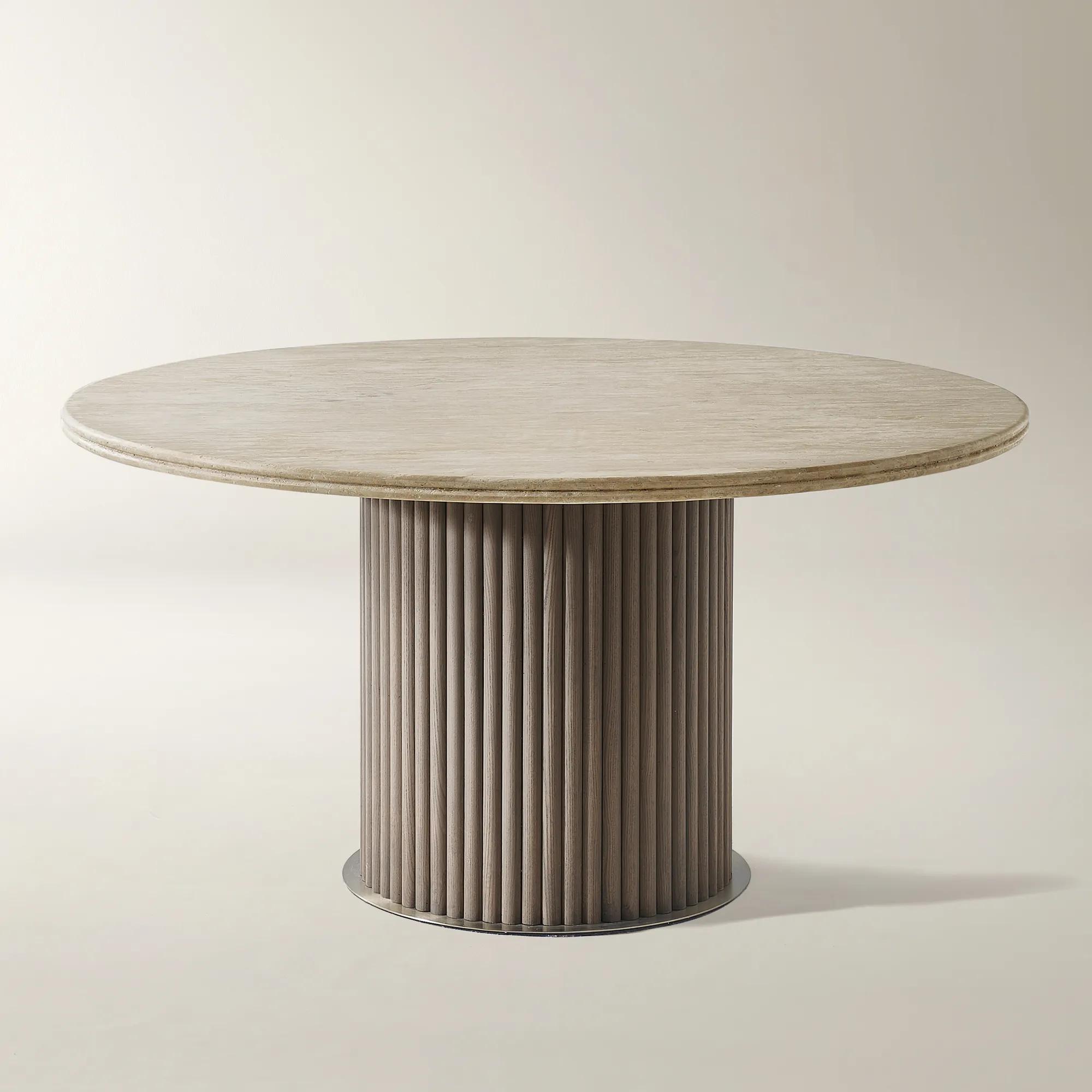 Bond Round Reeded Travertine and Wood Dining Table (59")$3499
A round dining table featuring a genuine natural travertine stone top and a fluted solid ash base.
Add To Cart -
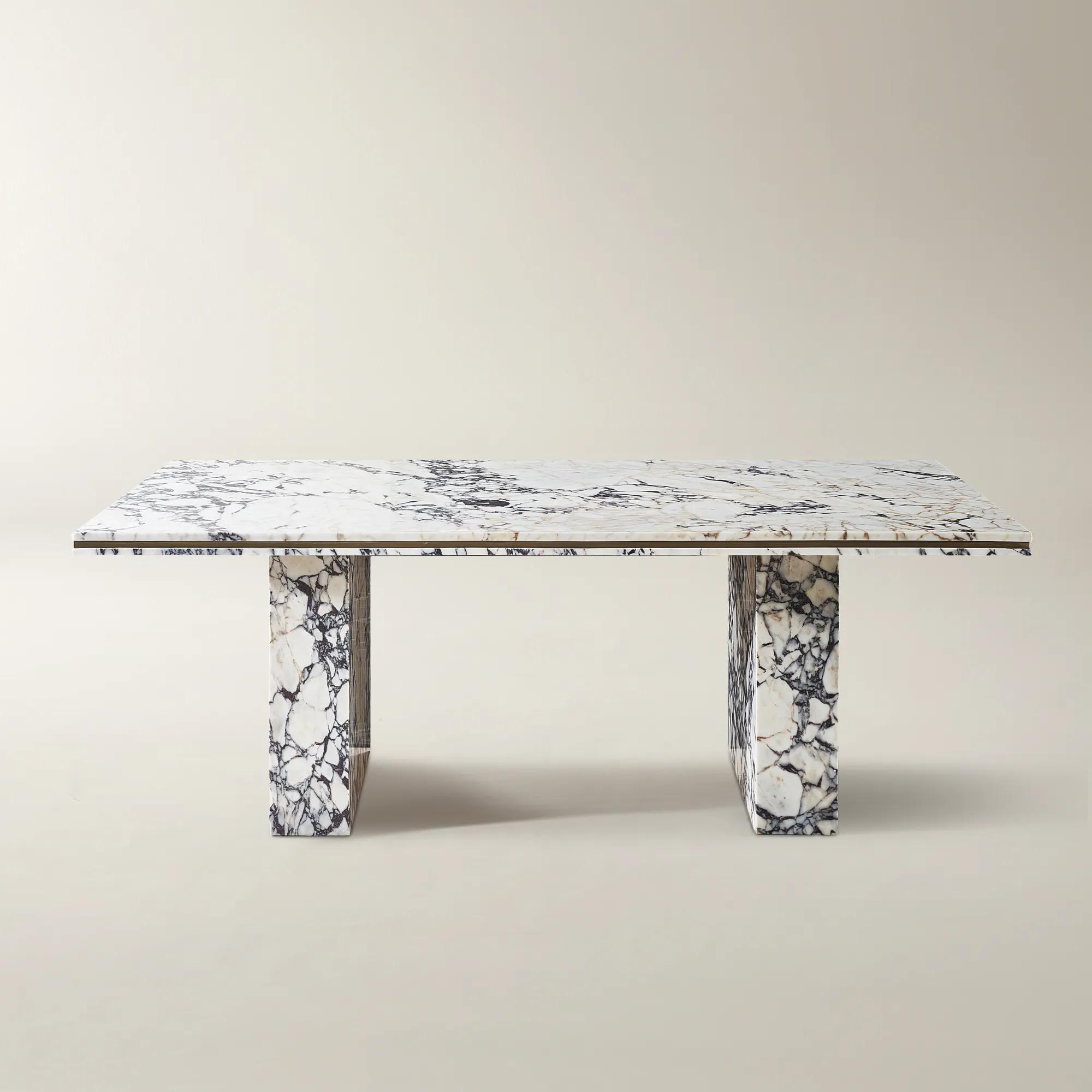
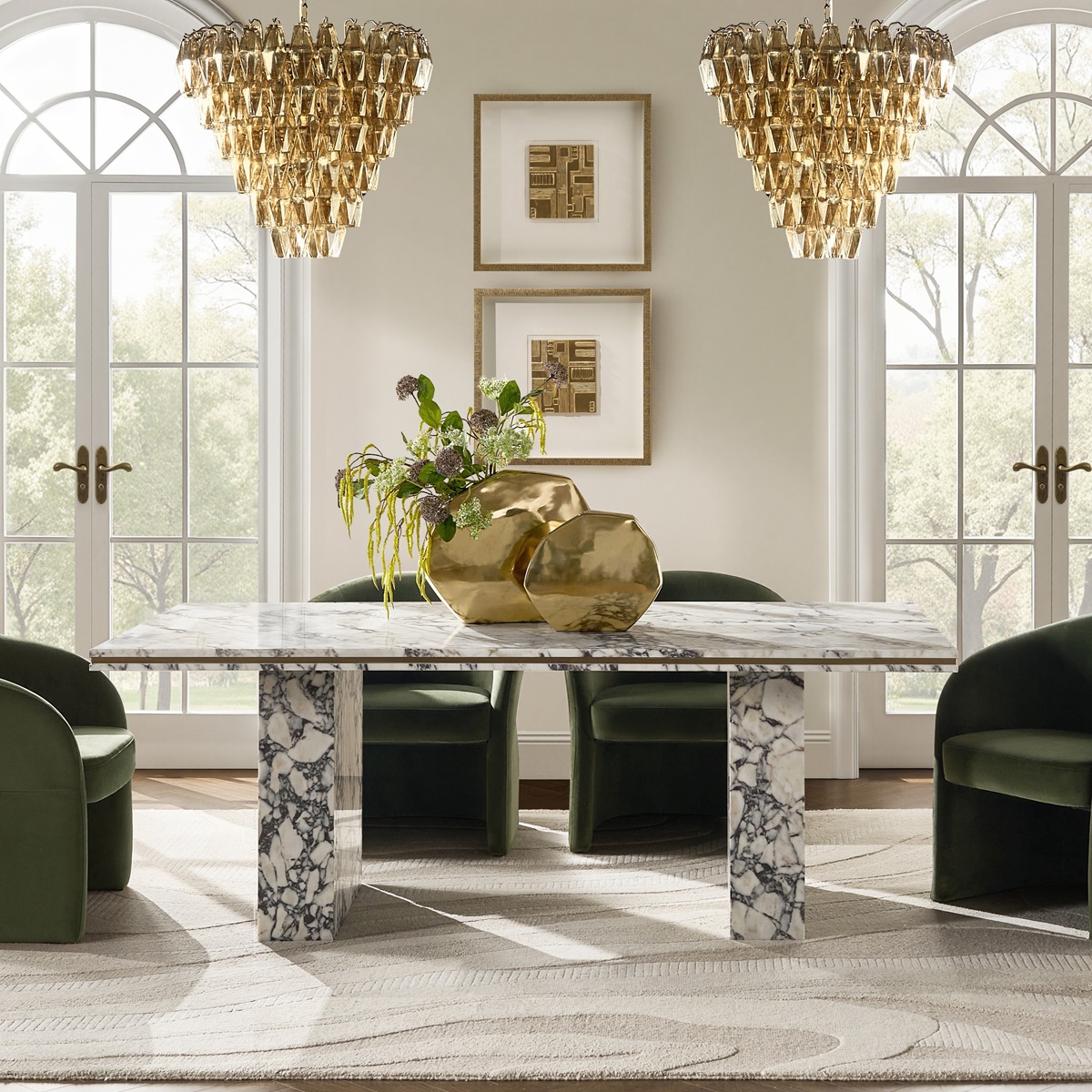 Vanta Rectangular Viola Calacatta Marble Dining Table (84")$6599
A marble dining table with dramatic violet veining, soft-gold inlay, and a sculptural twin-panel base.
Add To Cart -
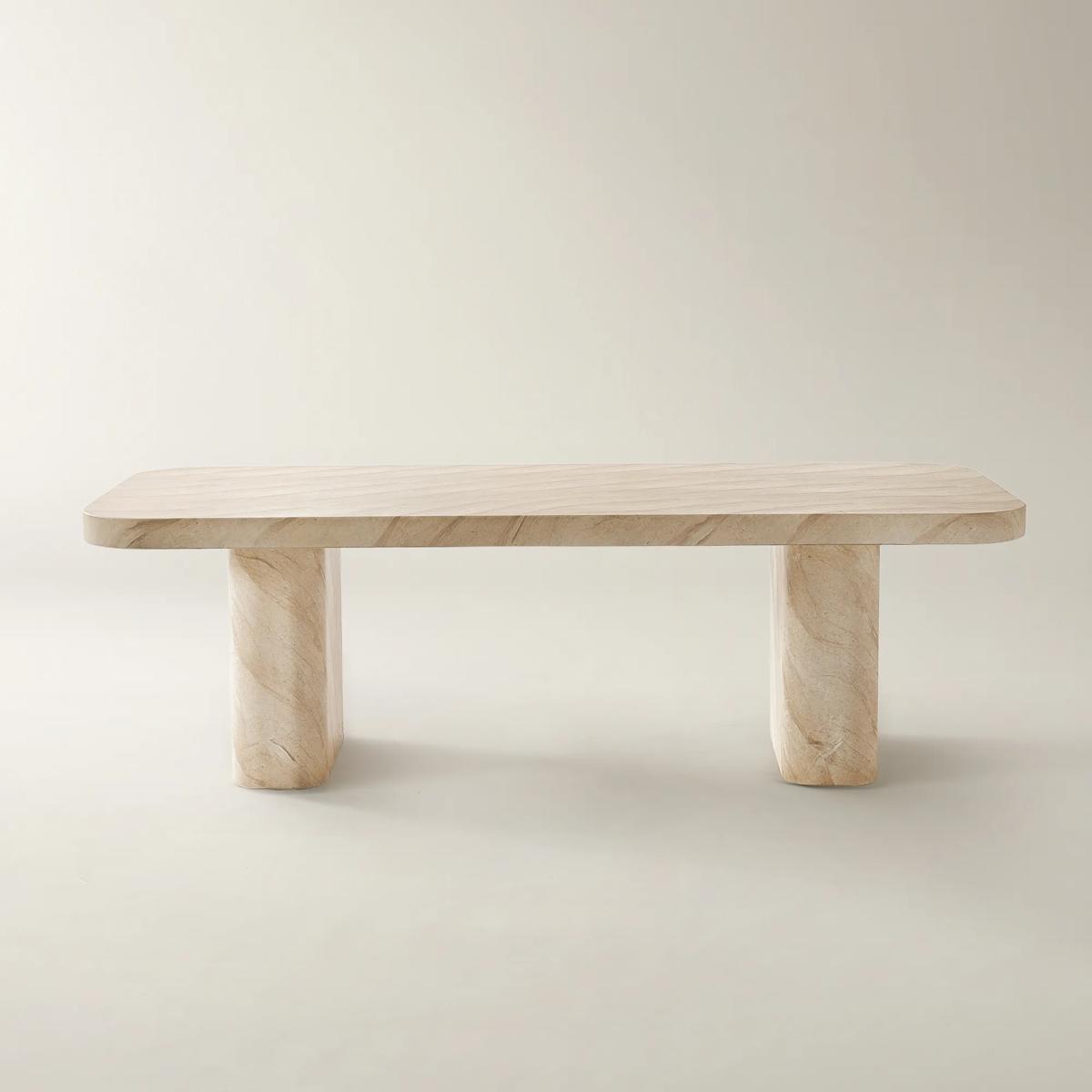 Silex Rectangular Travertine Concrete Indoor/Outdoor Dining Table (94.5")$1999
A rectangular dining table with pedestal legs, travertine-inspired veining, and resilient fiber concrete for indoor-outdoor use.
Add To Cart

Polished Stone Dining Tables
Polished stone dining tables are the epitome of modern grandeur—each surface a luminous stage for unforgettable gatherings. Imagine the drama of gleaming stone, artfully sculpted and poised to anchor your dining space with undeniable presence. These tables transform every meal into a celebration, reflecting light and luxury in equal measure. Whether you’re hosting an intimate soirée or a lavish dinner party, polished stone dining tables invite you to dine amidst opulence, turning everyday moments into extraordinary experiences.
Polished stone dining tables bring architectural presence to the dining room, pairing substantial materials with a luminous surface that catches the light above and the movement around it. Their defining feature is a smooth, reflective finish that emphasizes the tabletop’s color, veining, and mineral character; the polish describes the surface treatment, not a single type of stone. Marble, granite, and quartzite offer distinct natural patterns, while engineered quartz and sintered stone provide manufactured alternatives with their own performance characteristics. Marble is prized for expressive veining and a sense of depth, from delicate gray tracery across pale stone to dramatic ribbons running through darker backgrounds. Granite is generally harder and more resistant to scratching, with mineral formations that can appear finely speckled or boldly sweeping. Natural quartzite offers considerable hardness and often features flowing patterns, though its care requirements depend on the particular stone and any surface treatments. Engineered quartz combines mineral content with binders to create a typically nonporous surface; it is different from quartzite and should not be treated as the same material. Sintered stone is manufactured using mineral materials, pressure, and high temperatures, producing surfaces that are often highly resistant to staining and scratching, with performance varying by product and finish. For an emphasis on naturally occurring variation, Natural Stone Dining Tables offer a related expression of this richly layered aesthetic. Across these materials, a polished finish gives the dining area visual energy without requiring elaborate decoration. A pale tabletop can lend brilliance to a room furnished with deep upholstery, while charcoal or black stone creates a striking foundation for gleaming metal and clear glass. Veining becomes part of the composition, drawing the eye along an elongated table or radiating across a circular surface. Because natural stone varies from slab to slab, differences in movement, shading, and mineral markings contribute to its character. Manufactured surfaces may offer greater visual consistency, although patterns and finishes still vary. The result is furniture with enough presence to anchor the room and enough detail to reward a closer look.
Shape, scale, and the relationship between the tabletop and its base determine how comfortably that presence fits into daily life. Round polished stone dining tables create an intimate arrangement where every seat faces the conversation, making them especially compelling in square dining areas and defined breakfast spaces. An oval table introduces a similarly fluid silhouette with more length, while rectangular stone dining tables establish a strong axis in an elongated room. Square designs can feel balanced and architectural when the surrounding space allows chairs to move freely on every side. Comfort depends on more than a stated seating capacity: approximately 24 inches of tabletop width per person is a useful starting point, with additional space welcome for generously proportioned chairs or layered place settings. Allowing at least 36 inches between the table edge and nearby walls or furniture generally helps chairs pull out, while 42 to 48 inches can better accommodate busier circulation. A sideboard, an open cabinet door, or a route to the kitchen can change how those measurements work in practice. The base matters just as much. A central pedestal can reduce interference from corner legs, but its footprint still needs to leave room for feet; sculptural supports deserve equal attention to knee clearance and chair placement. Table height and the thickness of the top should also work with the seat height and arms of the intended chairs. A polished stone surface above a gleaming metal base creates a distinctly glamorous composition, while warm wood introduces contrast and a more grounded mood. Upholstered chairs soften the visual weight of stone and encourage lingering over dinner. These tables suit dedicated entertaining spaces as well as dining areas that serve several purposes, provided their dimensions support the household’s routines. A couple who hosts intimate dinners may favor a round silhouette, while a larger household may benefit from a generous rectangle. Layering a rug beneath the arrangement adds texture, but its dimensions should allow pulled-out chairs to remain supported rather than catching at the edges.
The lasting appeal of a polished stone dining table depends on matching its material to the way it will be used. A household that gathers around the table for meals, homework, and creative projects may prioritize stain resistance and straightforward maintenance, while someone drawn to natural marble may welcome a surface that develops subtle signs of use. Marble contains minerals that react with acids, so lemon juice, wine, vinegar, and some foods can leave etching: a dulled area that differs from a stain. A polished finish can make that change in sheen particularly noticeable. Sealing an appropriate natural stone can help reduce liquid absorption, but it does not make marble acid-proof or every stone impervious to staining. Granite and quartzite are generally more scratch resistant than marble, yet their edges can still chip under impact, and individual stones may require sealing according to the manufacturer’s recommendations. Engineered quartz typically does not require sealing, but its binders can be vulnerable to excessive heat. Sintered stone often offers strong resistance to heat and stains, although the tabletop’s finish, construction, and care instructions remain important. Coasters, placemats, and trivets provide sensible protection across materials; hot cookware should not be placed directly on a tabletop simply because the surface contains stone. For routine cleaning, a soft cloth and a cleaner approved for the specific material help preserve the finish. Promptly blot spills, avoid abrasive pads and harsh or acidic cleaners unless expressly approved, and dry away lingering moisture. Construction deserves attention as well: solid stone, stone veneer, backing materials, and edge profiles influence weight, handling, and performance. Delivery access, floor suitability, and professional assembly can be especially relevant for substantial tops. With thoughtful proportions and appropriate care, polished stone becomes a compelling setting for both beautifully arranged dinners and everyday meals, reflecting candlelight, framing a favorite centerpiece, and giving familiar gatherings a more expressive sense of occasion.
FAQs
Polished stone dining tables stand out for their natural artistry and luxurious presence. Each slab features distinctive veining, coloration, and texture, ensuring that no two tables are ever alike. The reflective finish adds drama and sophistication, transforming everyday dining into a visually rich experience that celebrates both craftsmanship and nature’s creative touch.
Polished stone dining tables provide a versatile canvas for a variety of settings. For formal celebrations, accentuate the table’s gleaming surface with metallic chargers, crystal glassware, and bold floral arrangements. For everyday elegance, layer with textured linens, sculptural candleholders, or artful ceramics to create a look that is both inviting and chic. The table’s inherent grandeur elevates any tablescape, from intimate brunches to lavish dinner parties.
Absolutely. Many polished stone tables, particularly those crafted from granite or sintered stone, offer remarkable durability against scratches and daily wear. While natural stones like marble require a bit more care to avoid staining, regular maintenance and mindful use ensure lasting beauty even in lively households. The substantial weight and sturdy construction also add stability, making these tables a smart choice for family living.
Polished stone dining tables are available in a range of finishes, from high-gloss polish that amplifies light and creates a dramatic focal point, to matte or honed finishes that offer a softer, more understated elegance. The chosen finish influences not just the visual impact but also the tactile experience, allowing you to tailor the table’s presence to your personal style and the mood of your space.
Yes, the timeless appeal of polished stone transcends design boundaries. In modern settings, a sleek stone table with clean lines and a mirror-like finish can serve as a bold, sculptural centerpiece. In more traditional spaces, the organic veining and classic silhouettes of stone tables bring warmth and heritage, harmonizing beautifully with ornate décor and rich textures. The versatility of polished stone ensures it enhances any aesthetic with effortless sophistication.