Contemporary Square Tables
Contemporary Square Tables
-
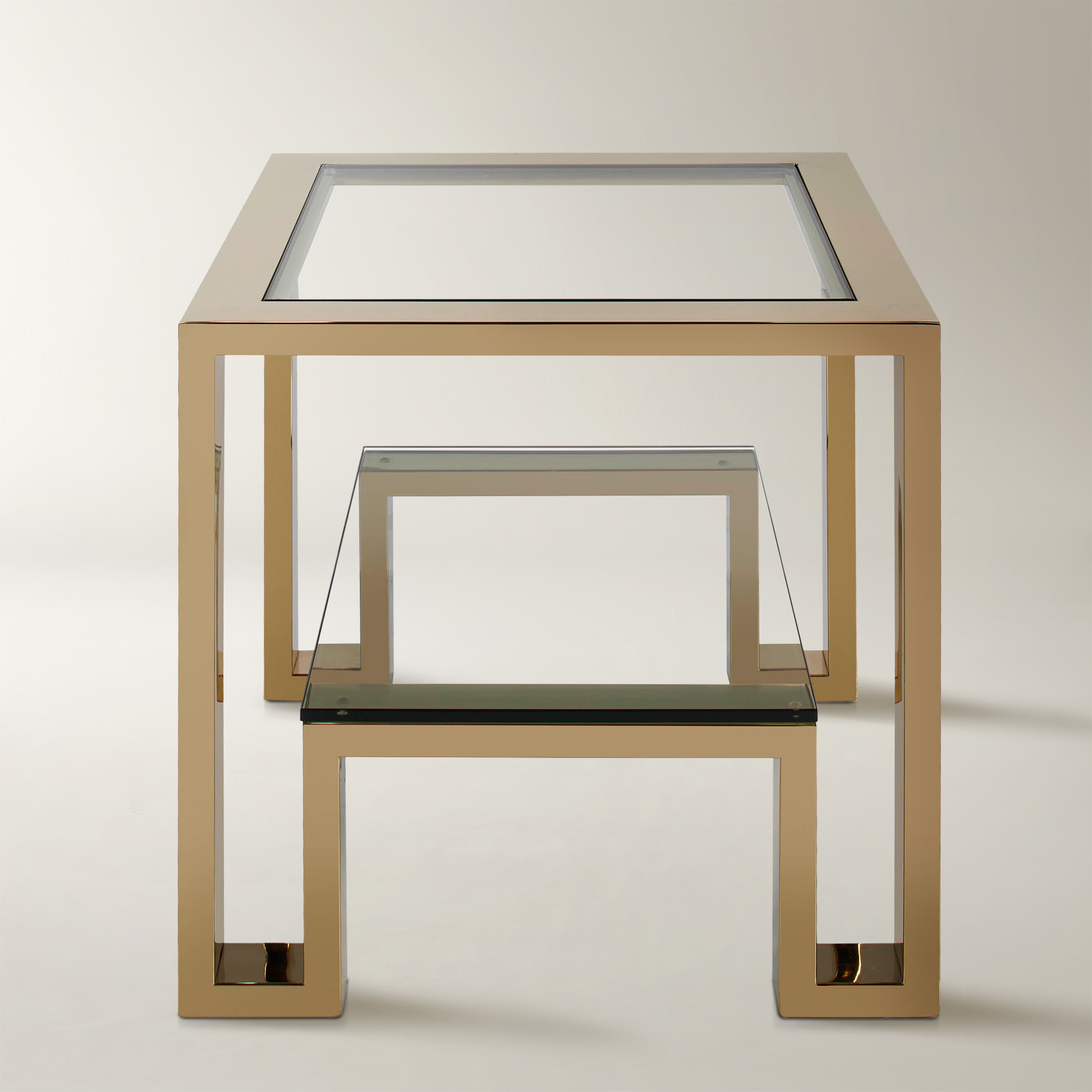 Duplicity Square Gold Stainless Steel End Table With Glass Top (24")$749
A modern end table crafted from stainless steel and tempered glass with a floating bottom shelf.
Add To Cart -
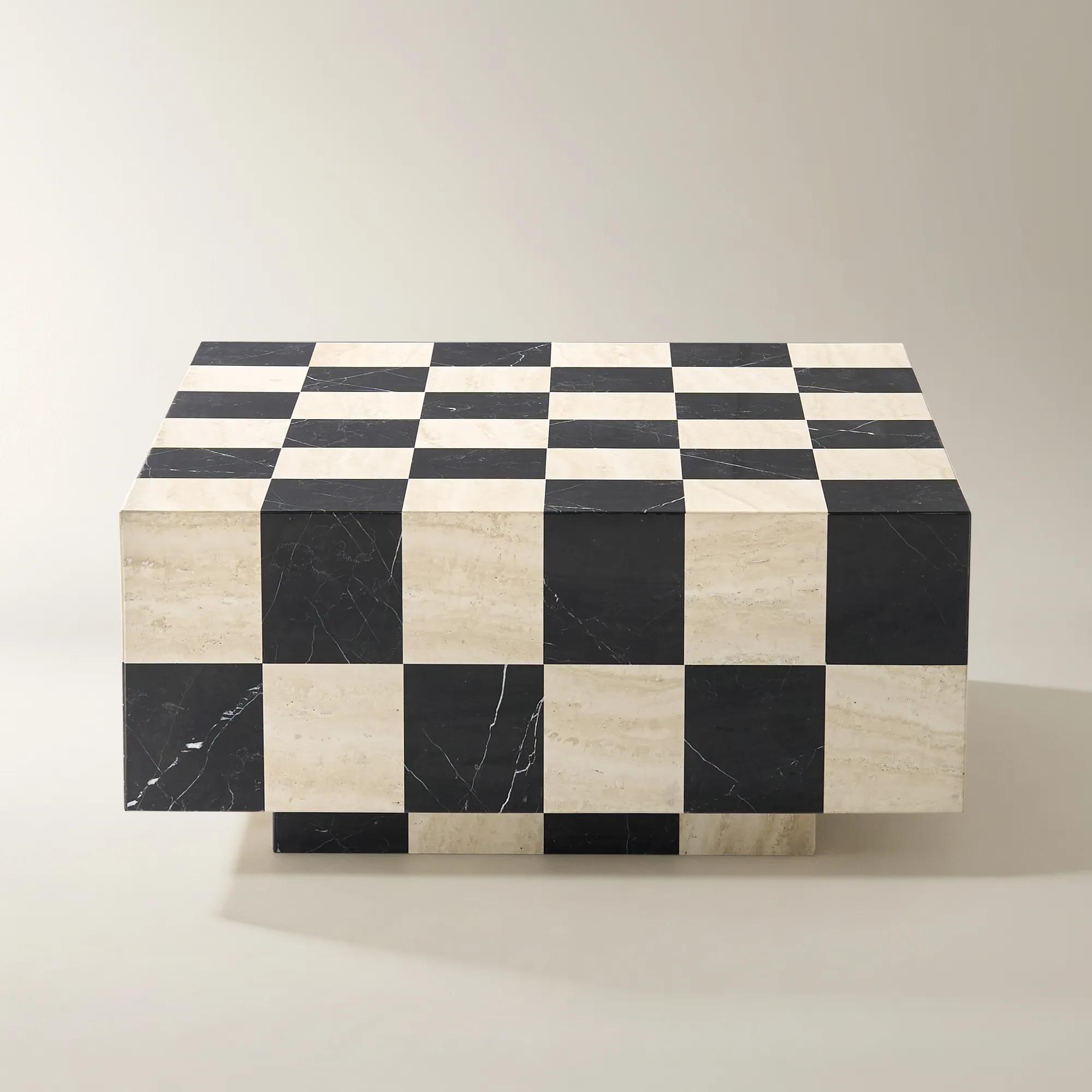
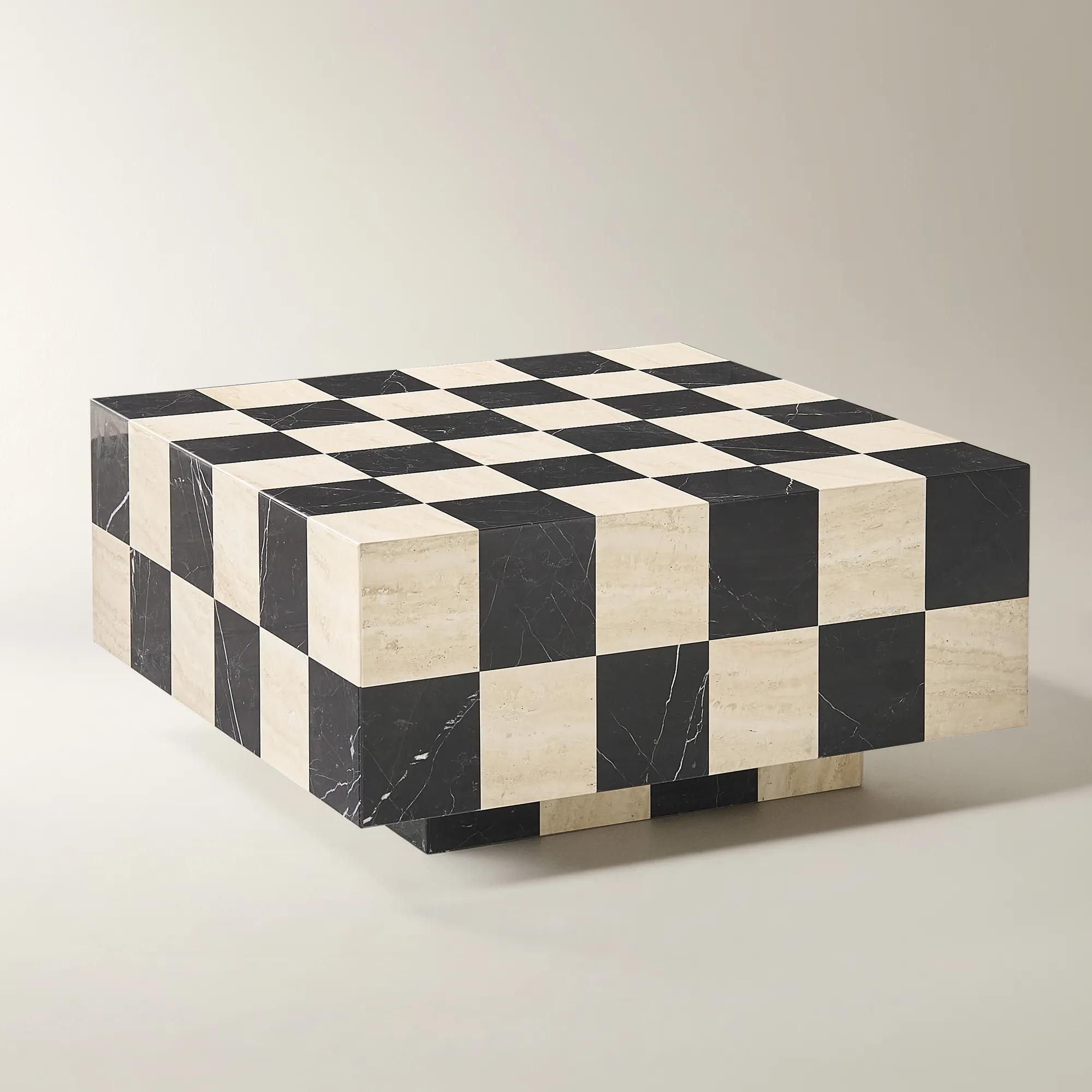 Chessa Square Chequered Marble Coffee Table (31.9")$1699
A striking coffee table featuring a dimensional black marble and travertine checkerboard mosaic with polished finish.
Add To Cart -
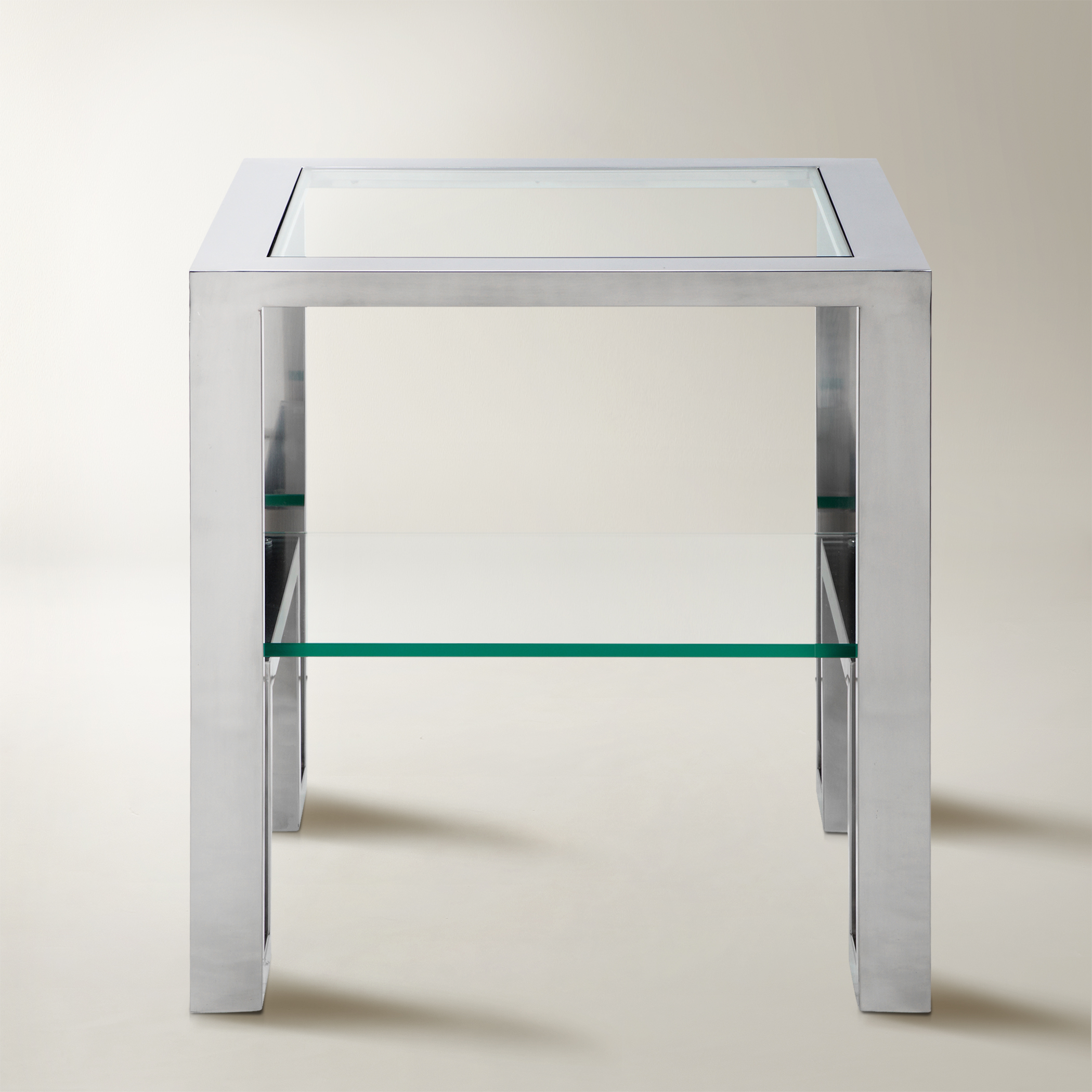
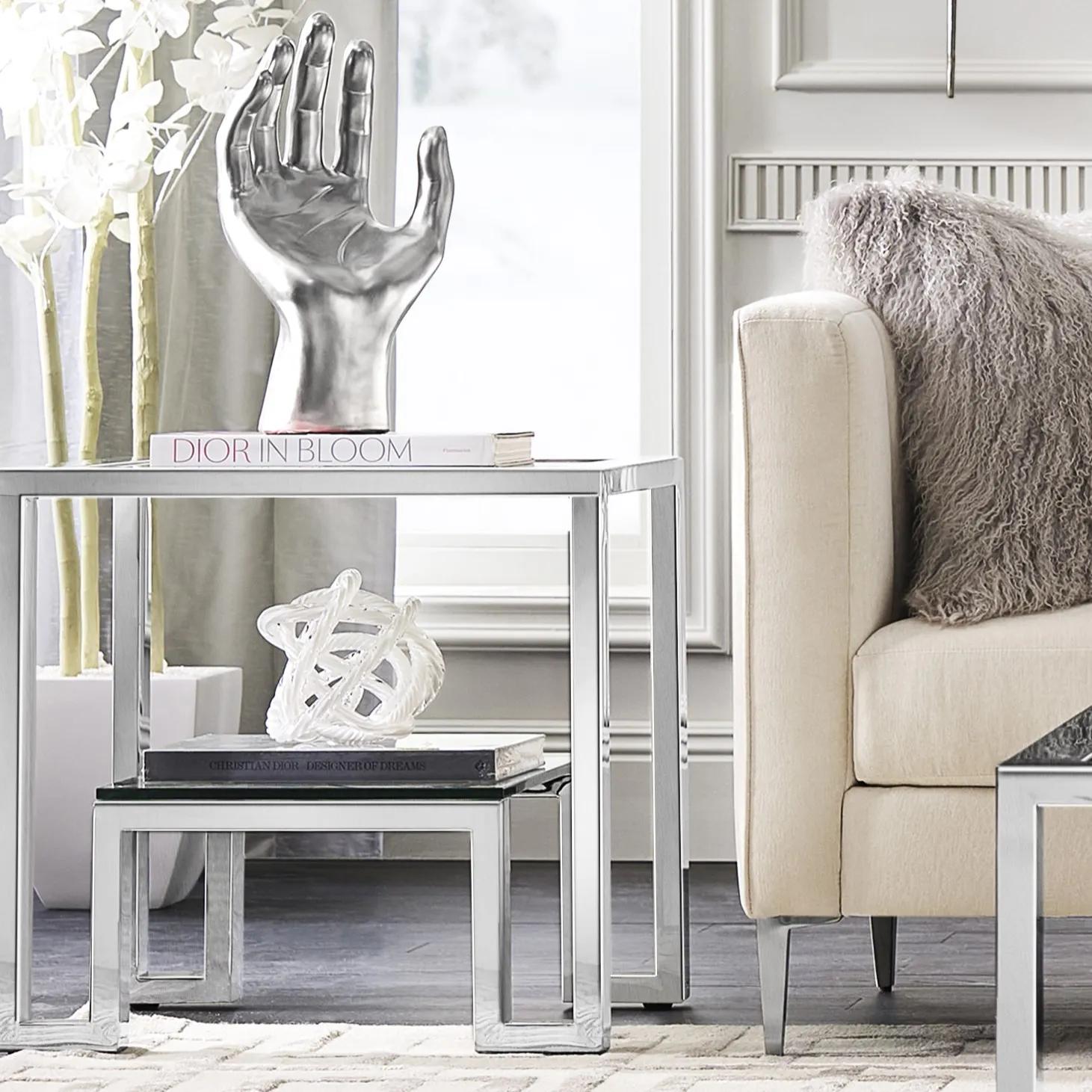 Duplicity Square Silver Stainless Steel End Table With Glass Top (24")$749
A modern end table featuring a stainless steel frame, tempered glass top, and floating bottom shelf.
Add To Cart -
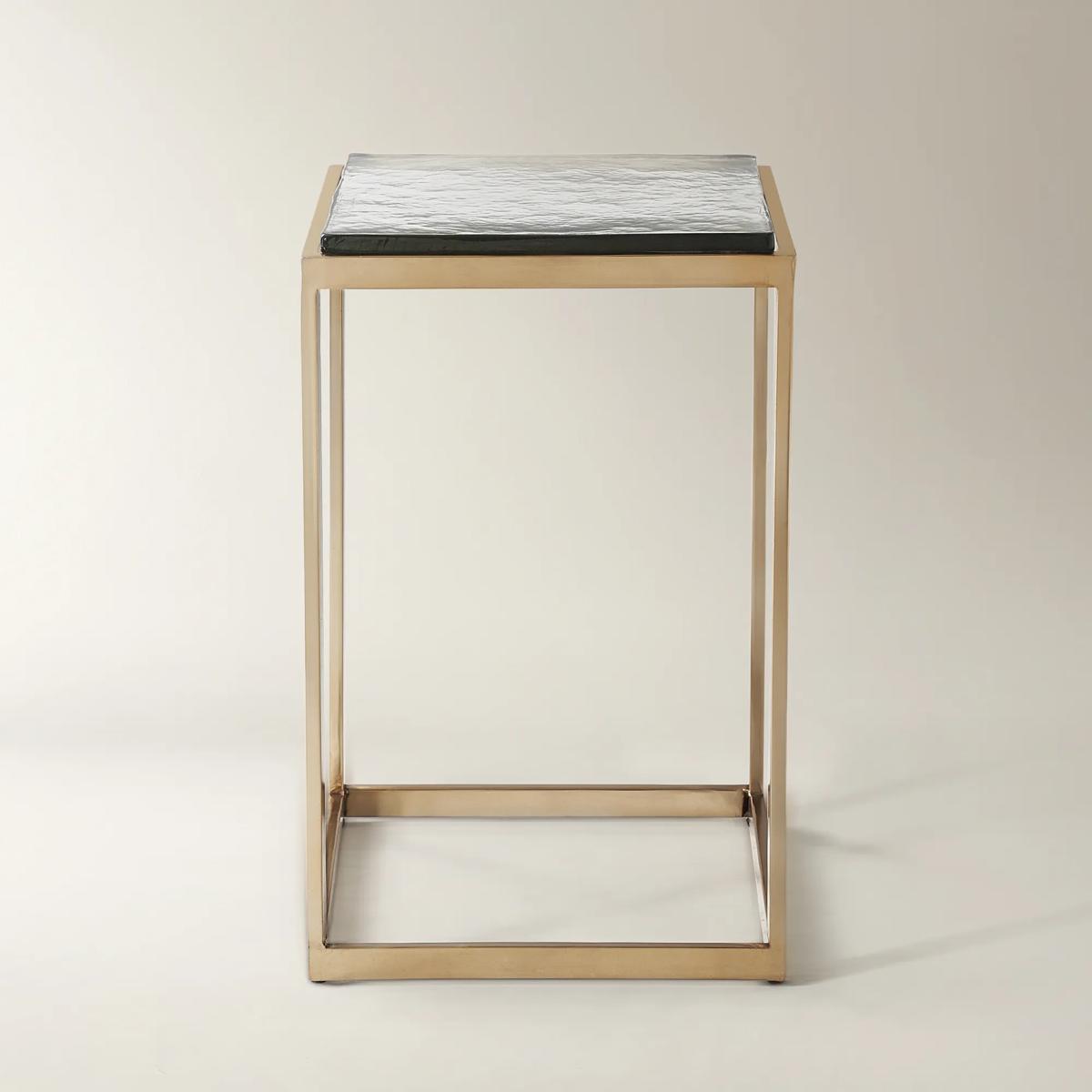
 Lyra Square Brass Metal Side Table With Glass Top (13.8")$239
A sculptural side table featuring a thick cast glass top and a lustrous brass-finished metal base.
Add To Cart -
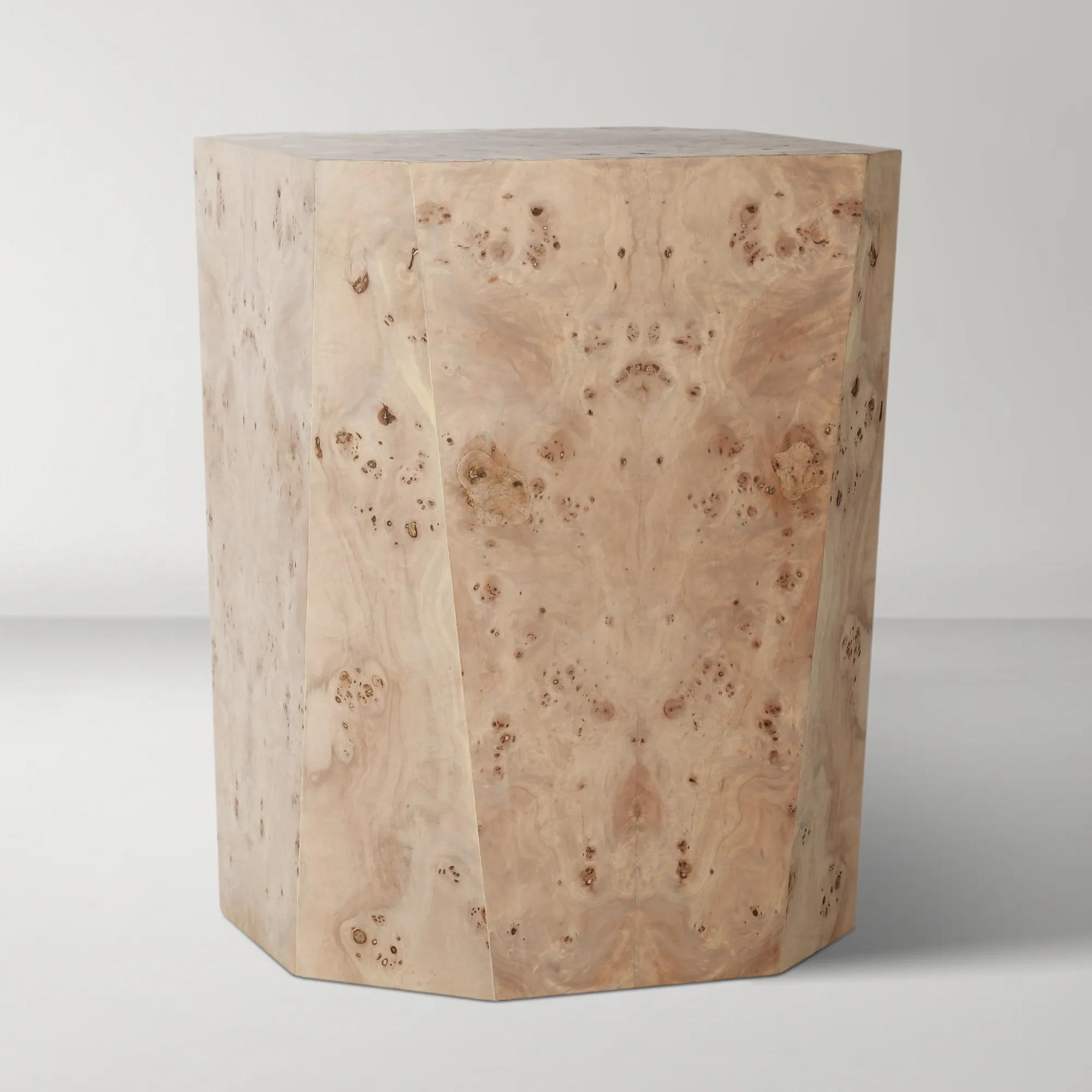
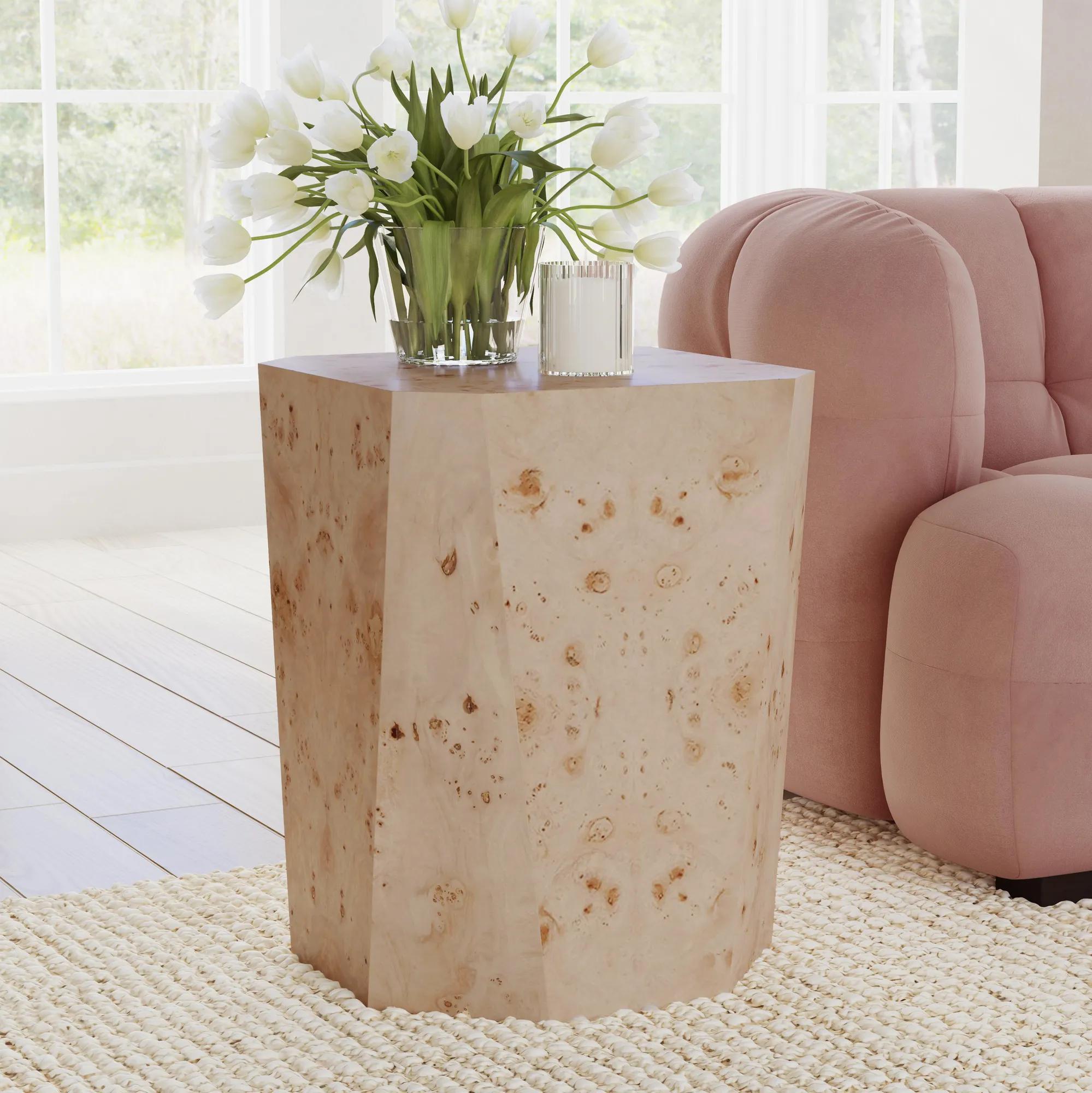 Avena Square Natural Burl Wood End Table (17.75")$699
A striking end table featuring natural burl wood veneer with unique swirling grain and warm, organic tones.
Add To Cart -
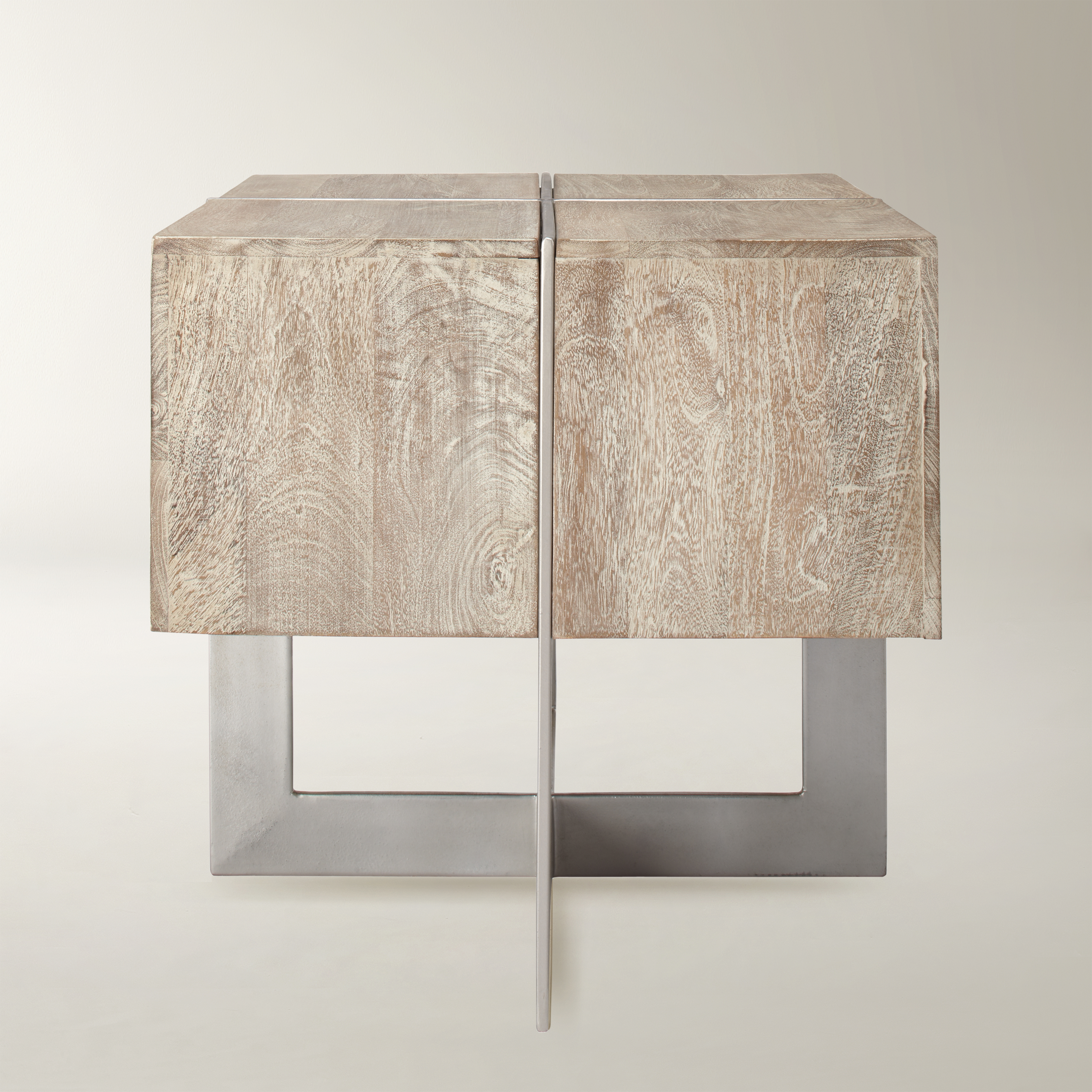
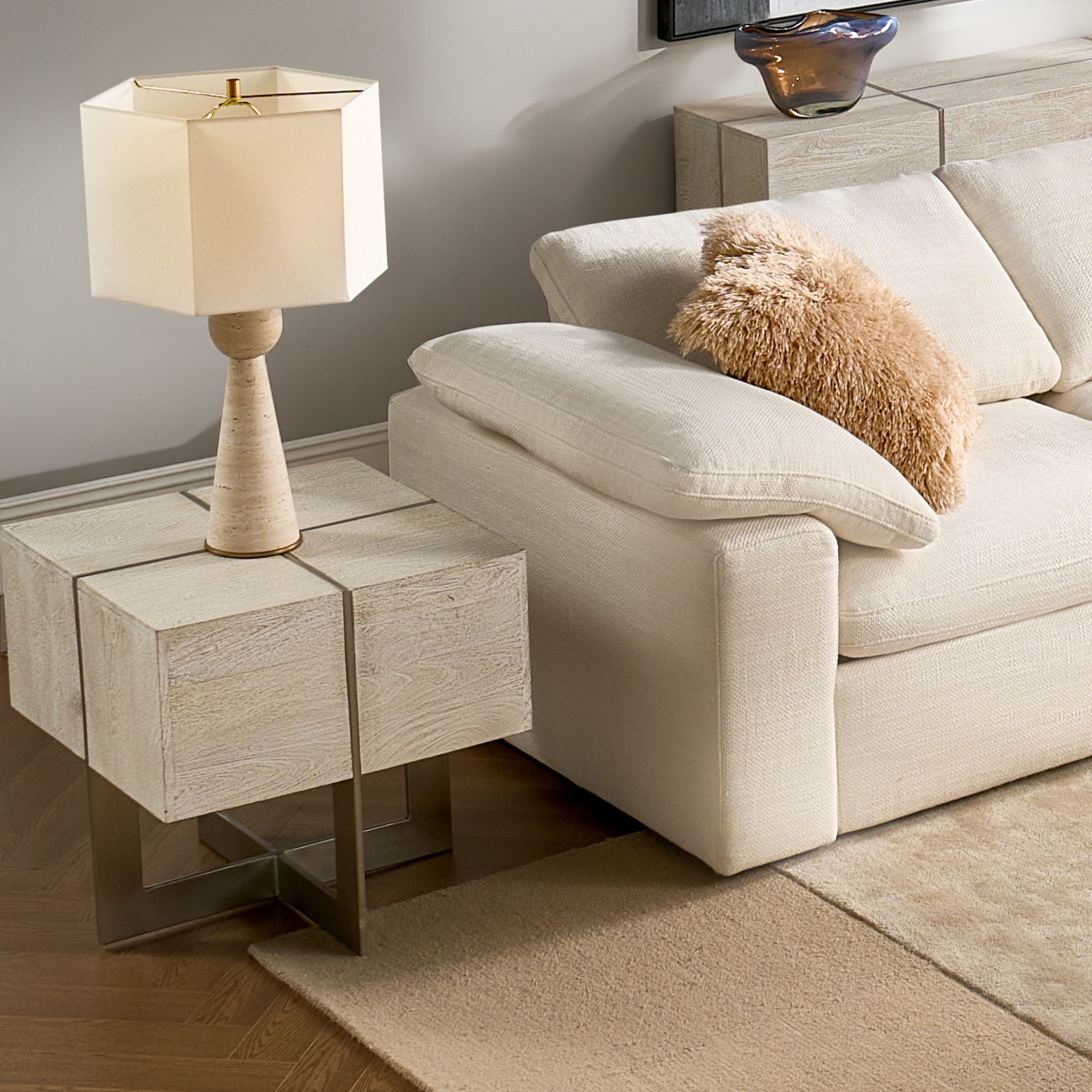 Clifton Square Natural Mango Wood End Table (24")$599
A handcrafted mango wood end table with a whitewashed finish and antiqued silver iron legs.
Add To Cart -
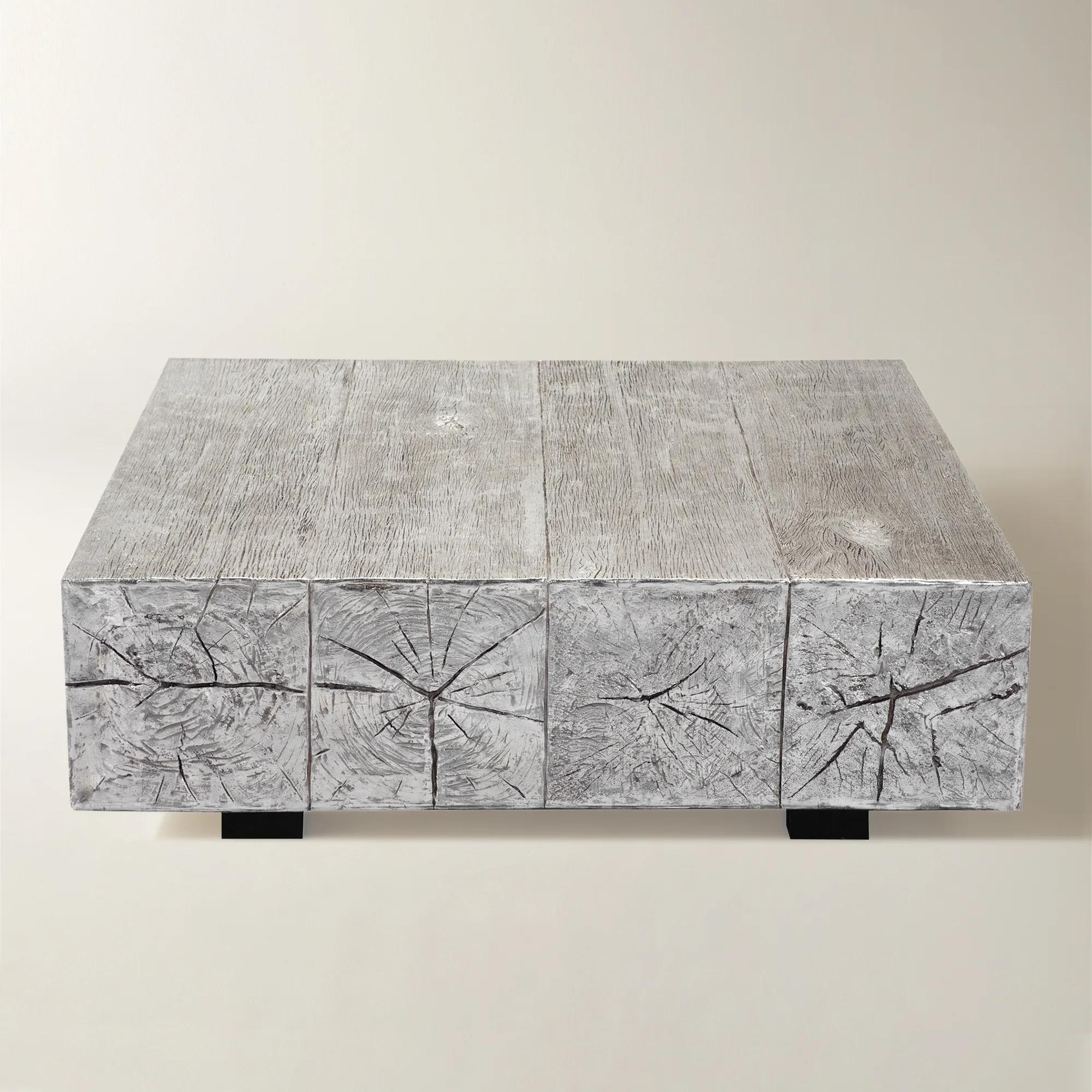
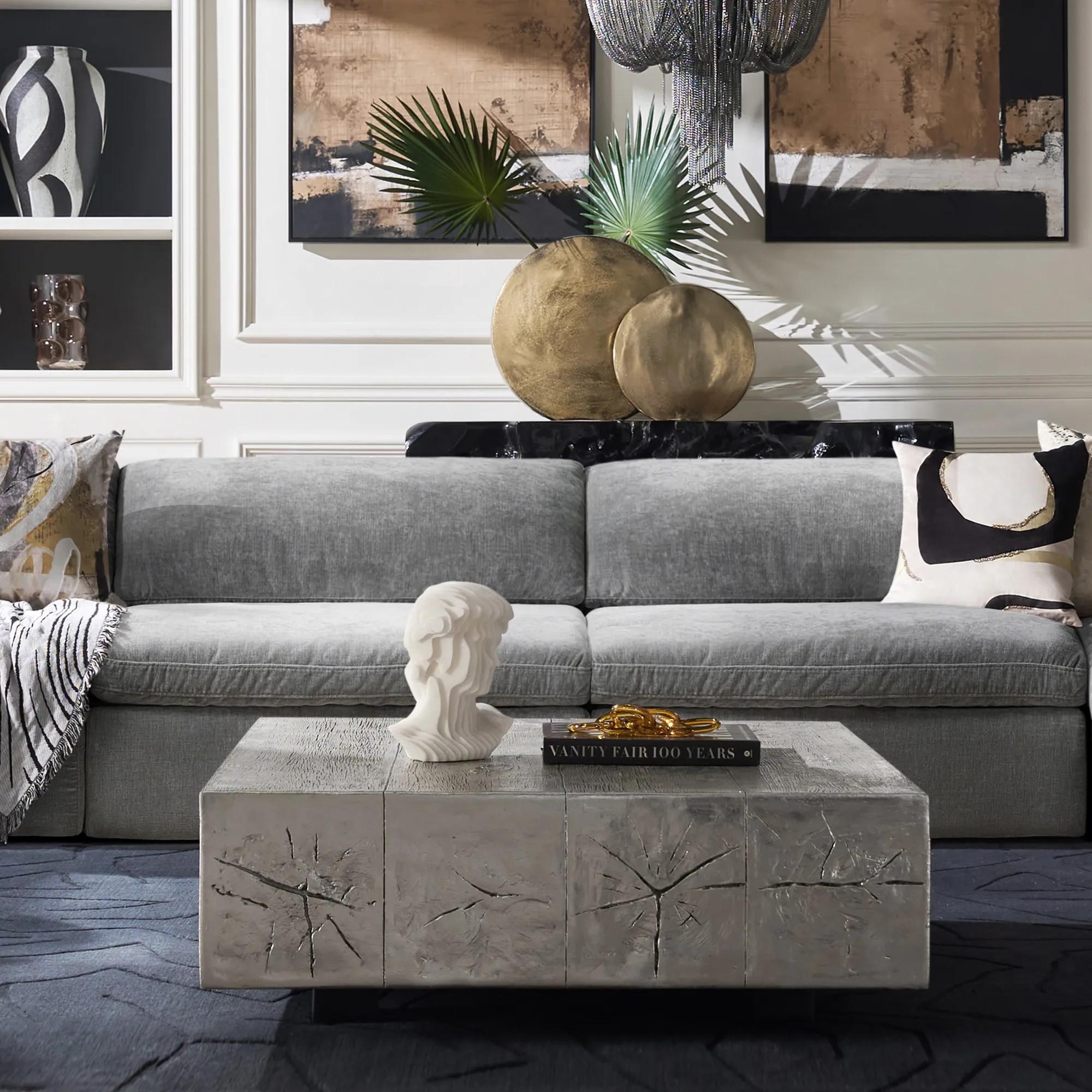 Timber Square Silver Resin Coffee Table (44")$1299
A hand-painted silver resin coffee table featuring authentic silver leaf and an antiqued, hand-rubbed oil finish.
Add To Cart -
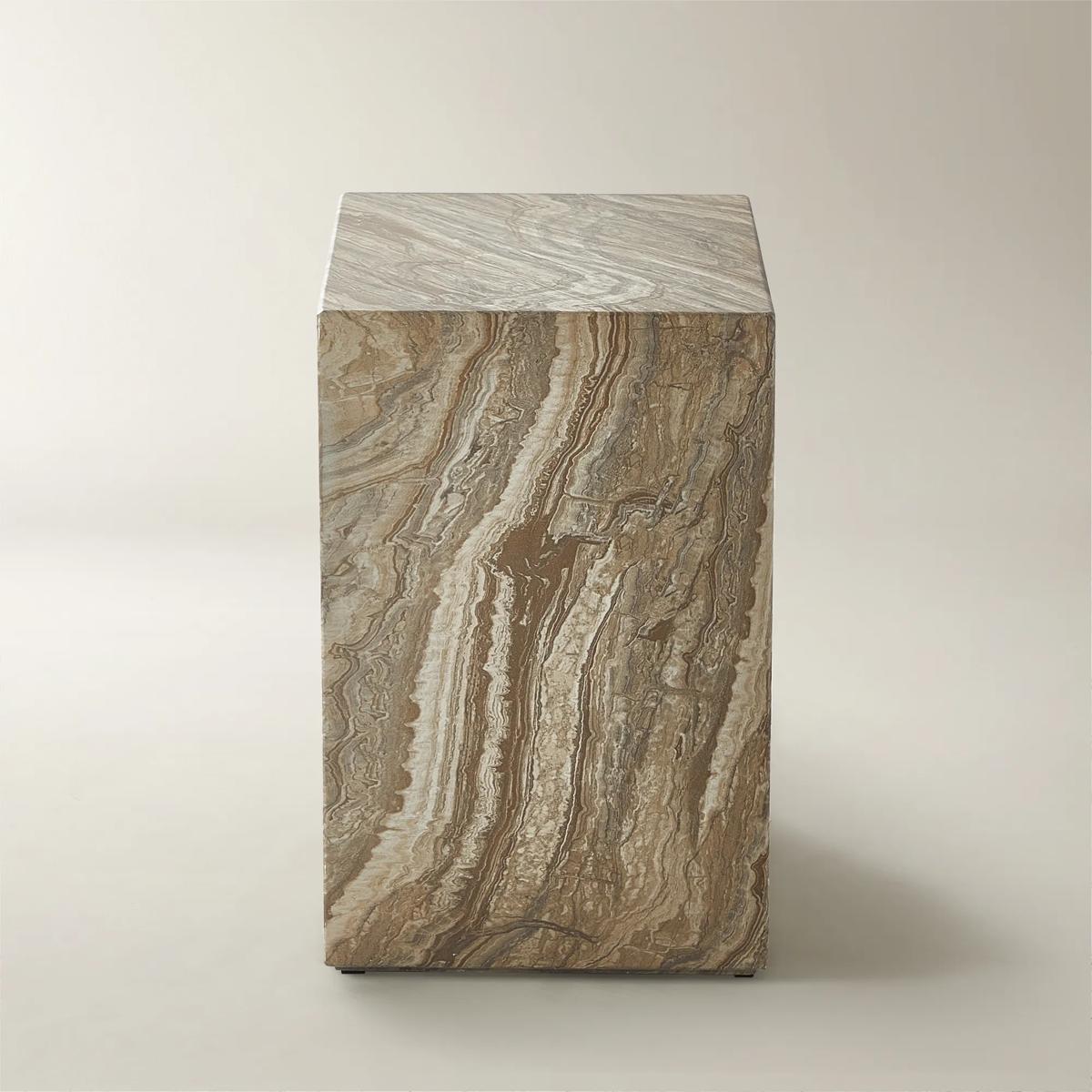
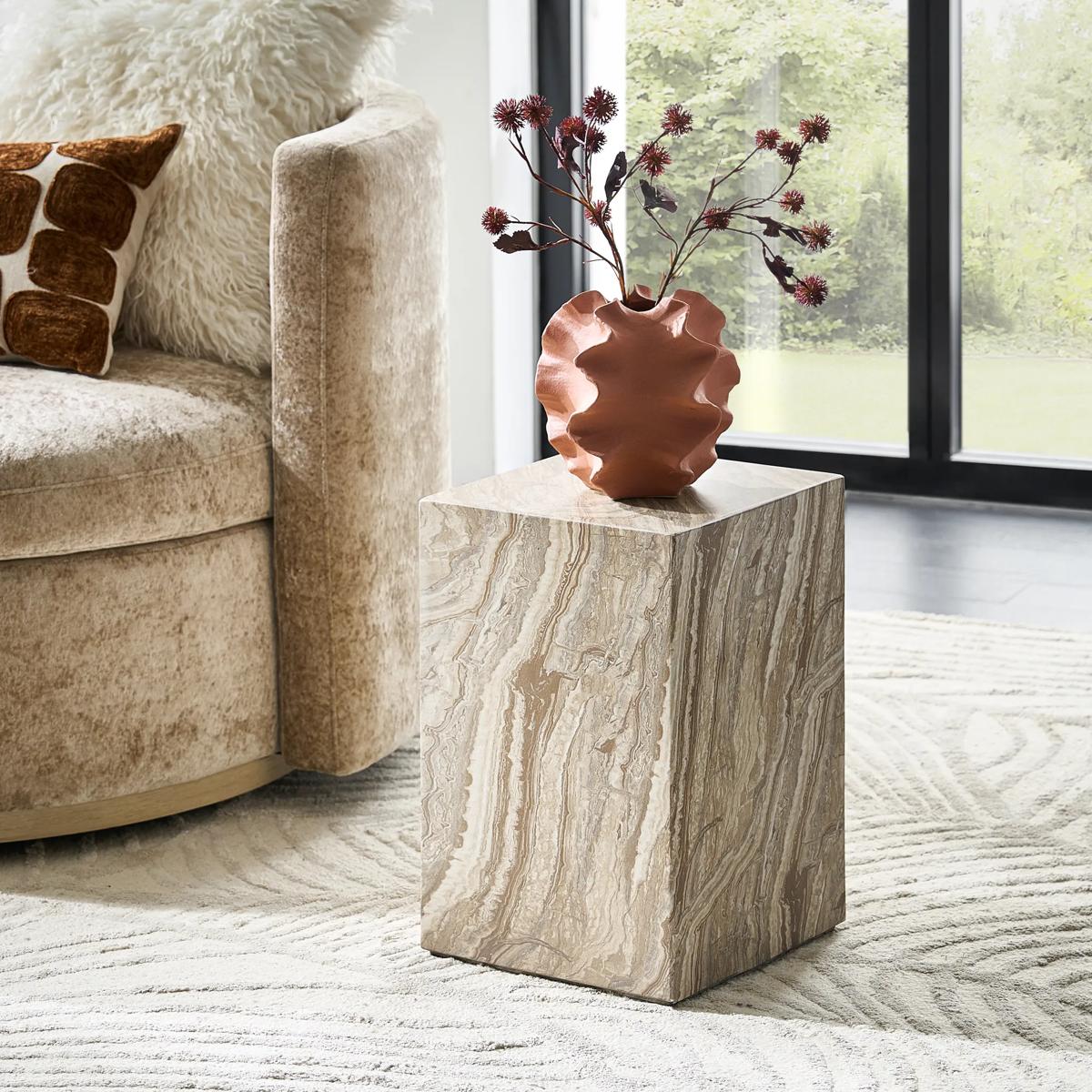 Strata Square Brown Concrete Indoor/Outdoor Side Table (11.8")$299
A brown concrete side table with a sculptural cuboid profile and marble-look finish, indoors or outdoors.
Add To Cart -
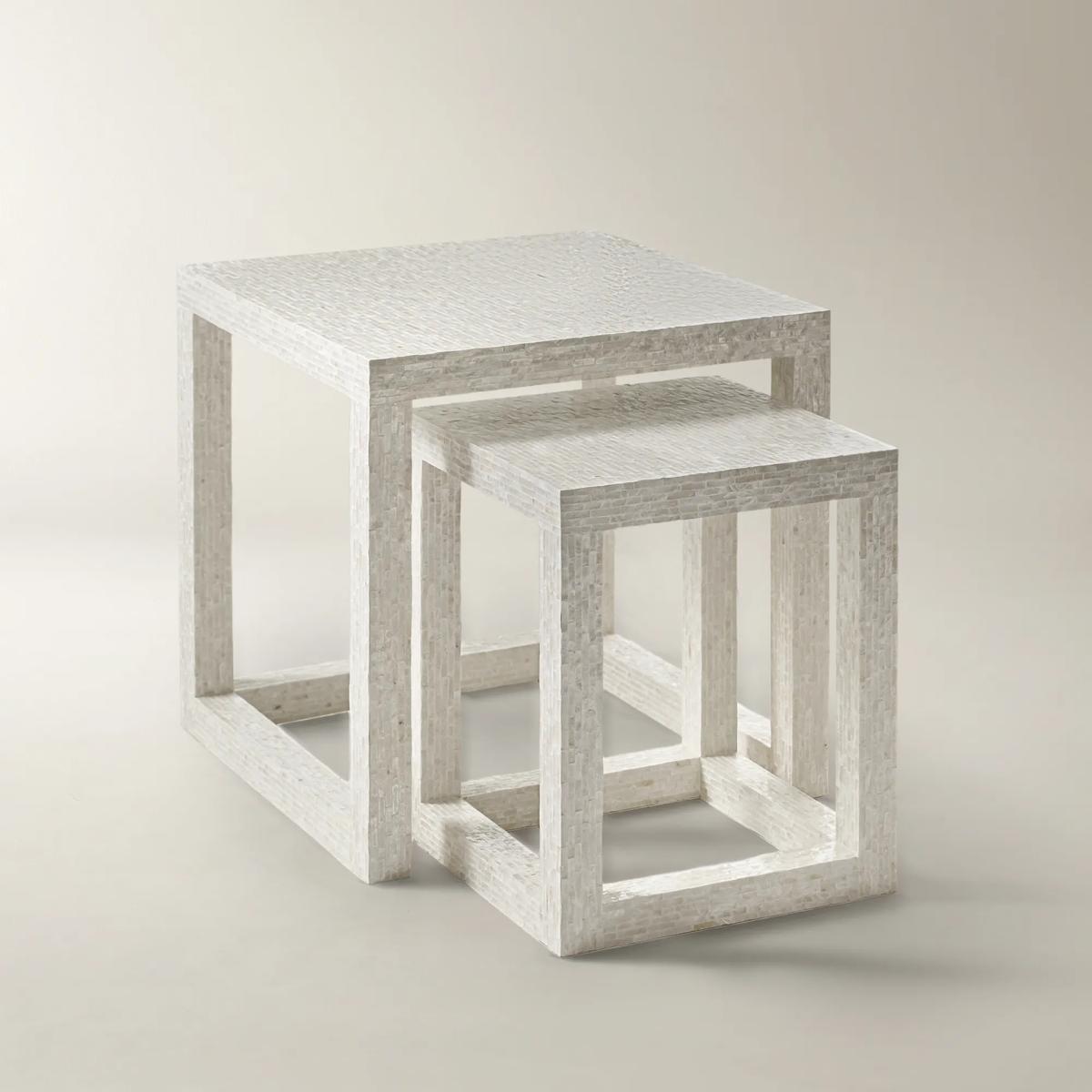 Ivori Square White Nesting Accent Table Set Of 2 (16.5"-23.75")$599
A handcrafted white nesting table featuring radiant mother-of-pearl inlay for a unique, iridescent accent.
Add To Cart -

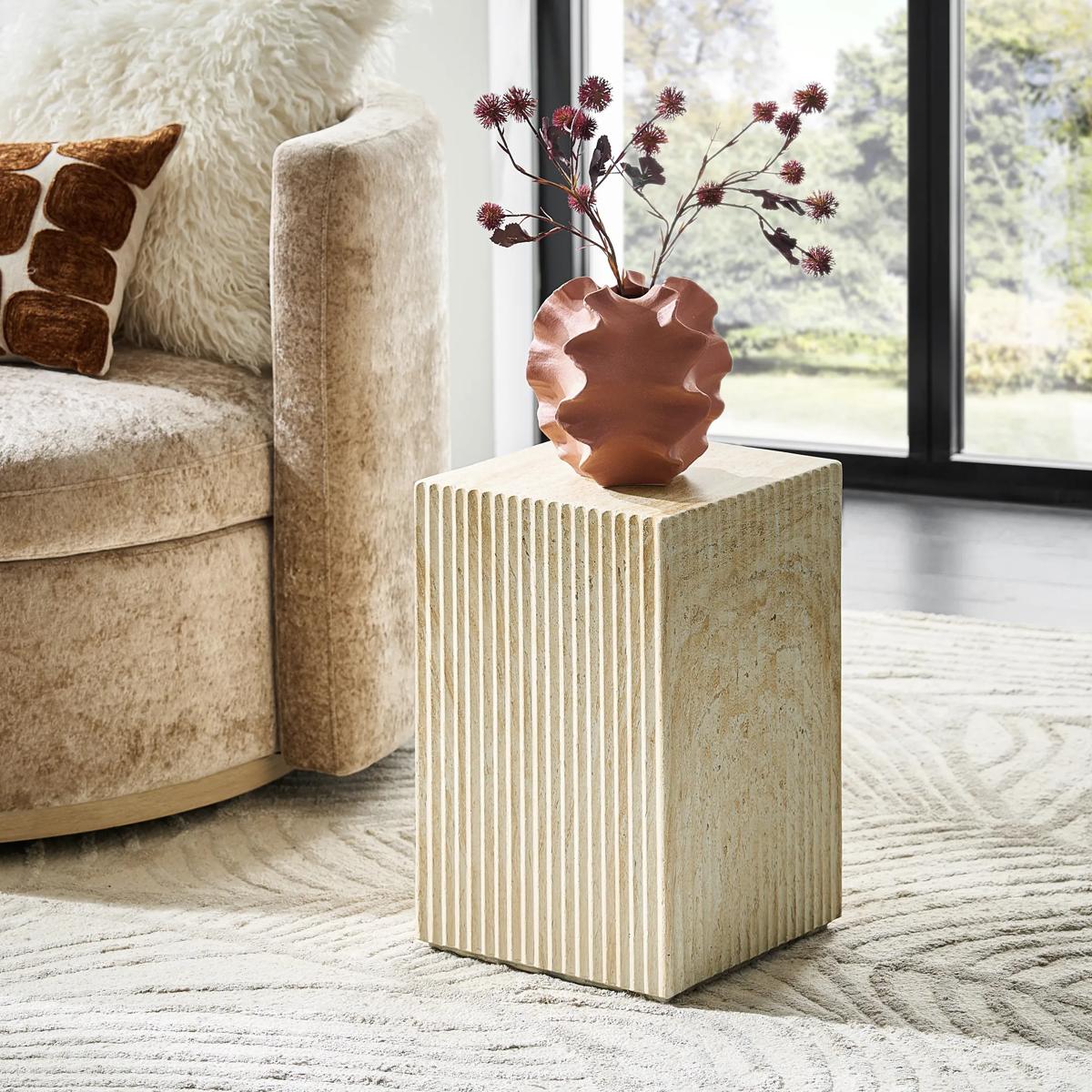 Strata Square Travertine Concrete Indoor/Outdoor Side Table (11.8")$299
A natural travertine-look concrete side table with sculptural cuboid geometry for indoor or covered outdoor spaces.
Add To Cart -
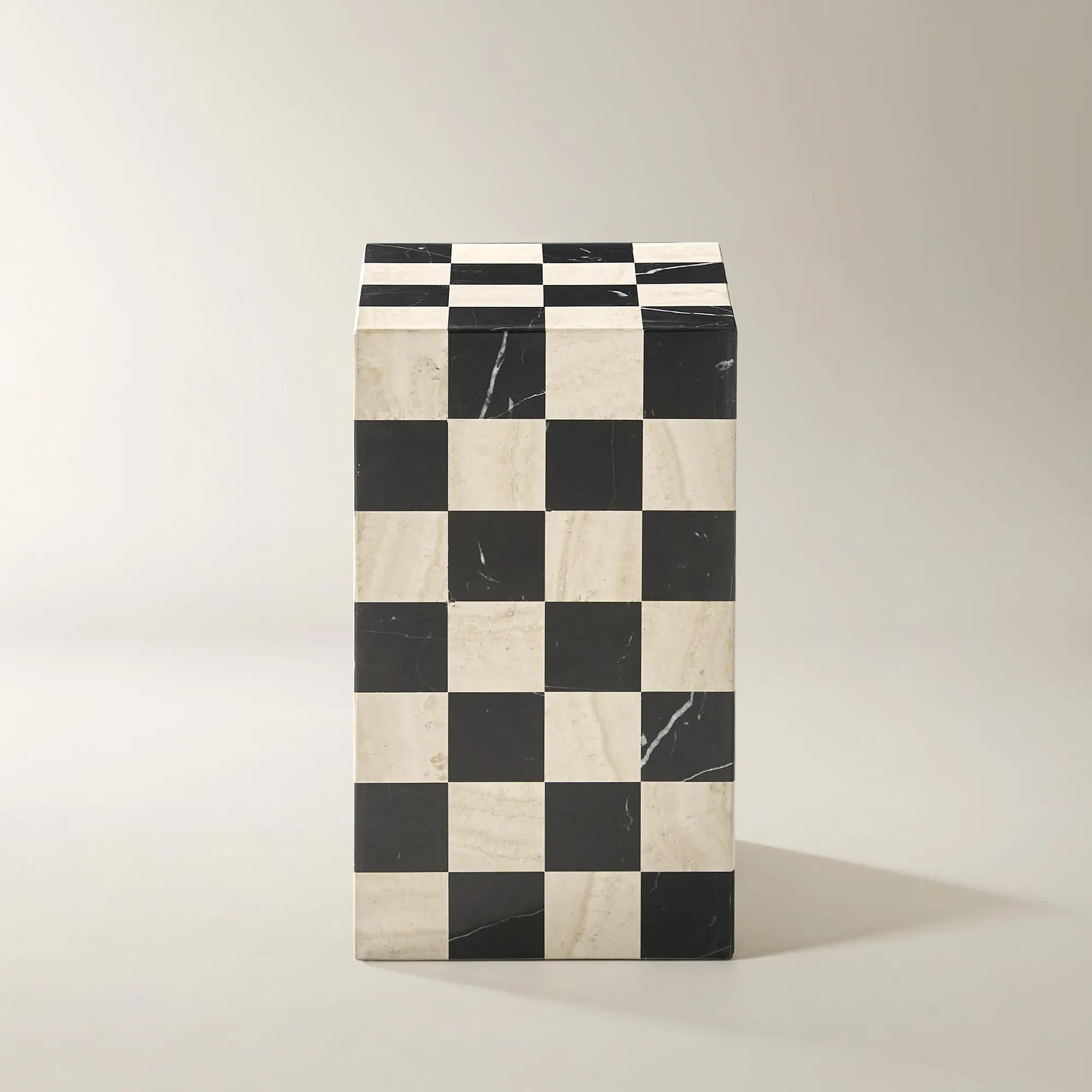 Chessa Square Chequered Marble End Table (12")$999
A sculptural end table featuring a bold black marble and travertine checkerboard mosaic design.
Add To Cart -
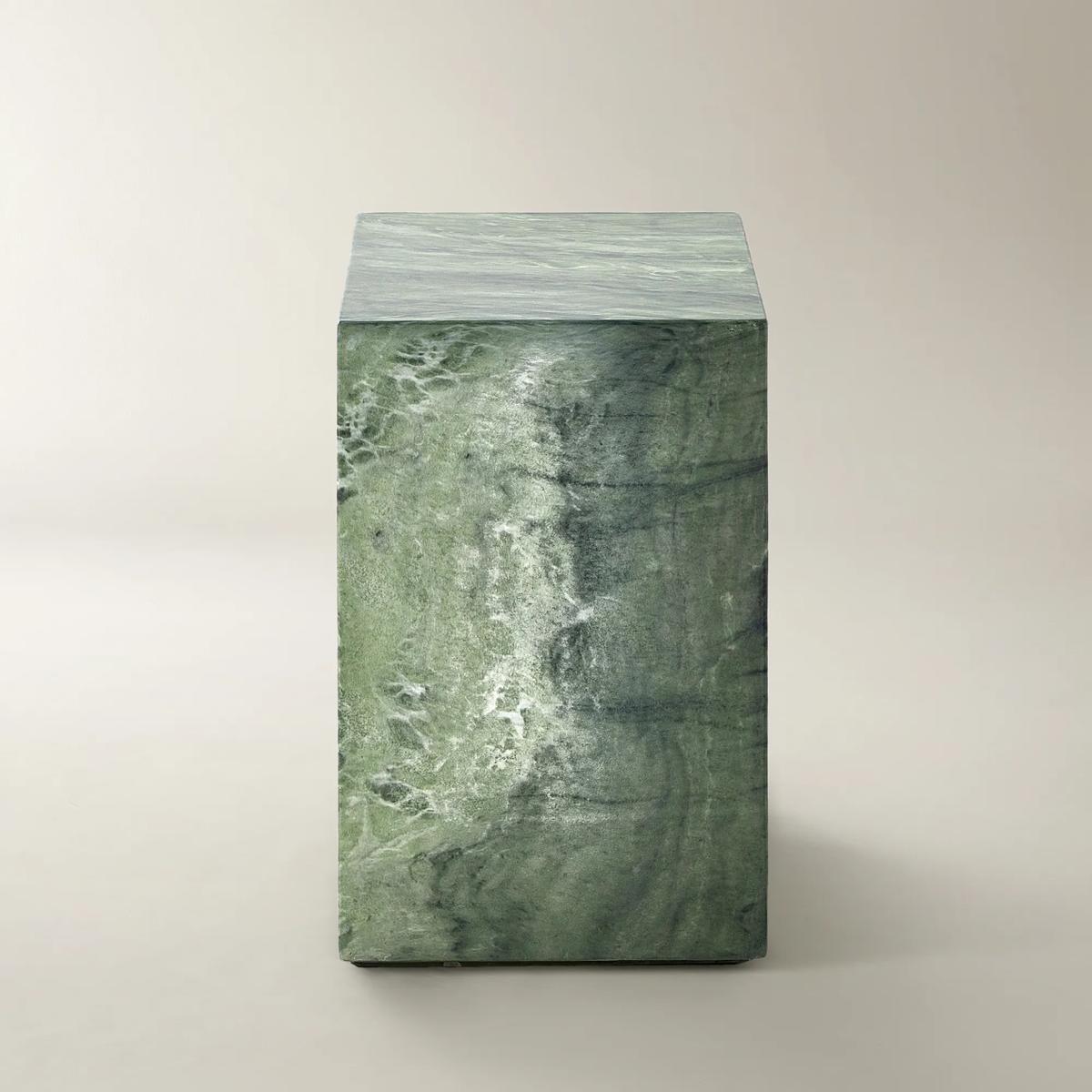
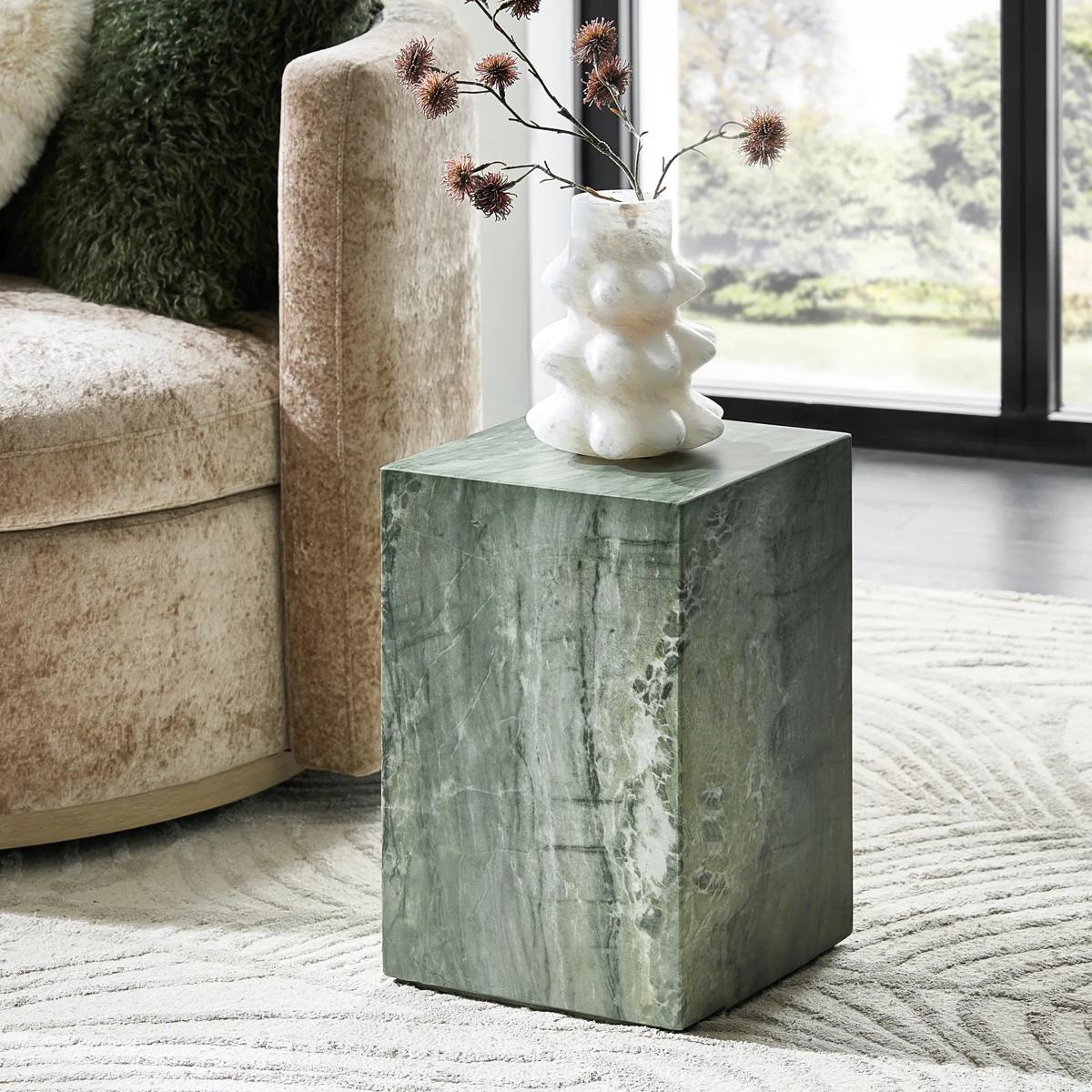 Strata Square Green Concrete Indoor/Outdoor Side Table (11.8")$299
A green concrete side table with marble-look veining and a sculptural cuboid form for indoor use.
Add To Cart -

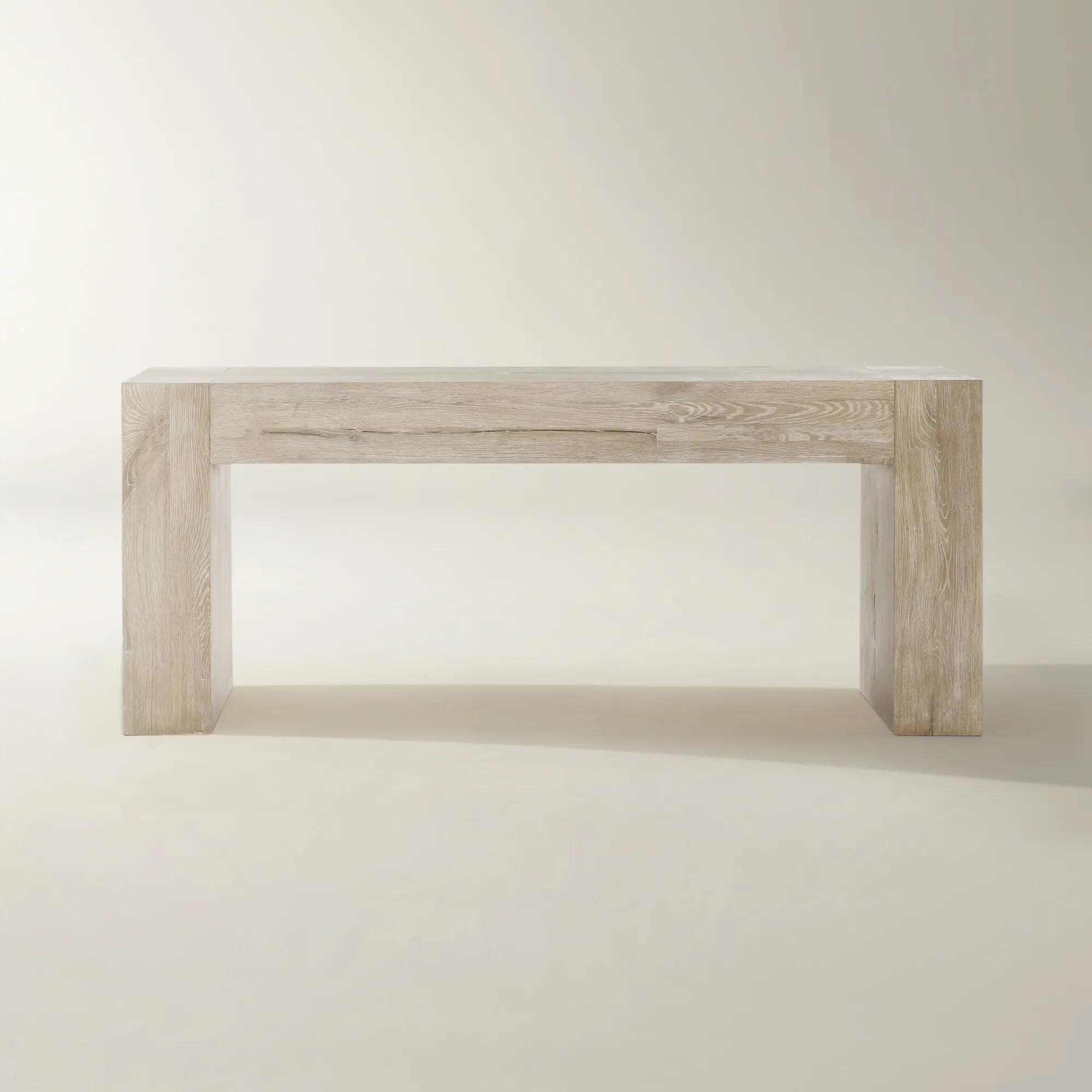
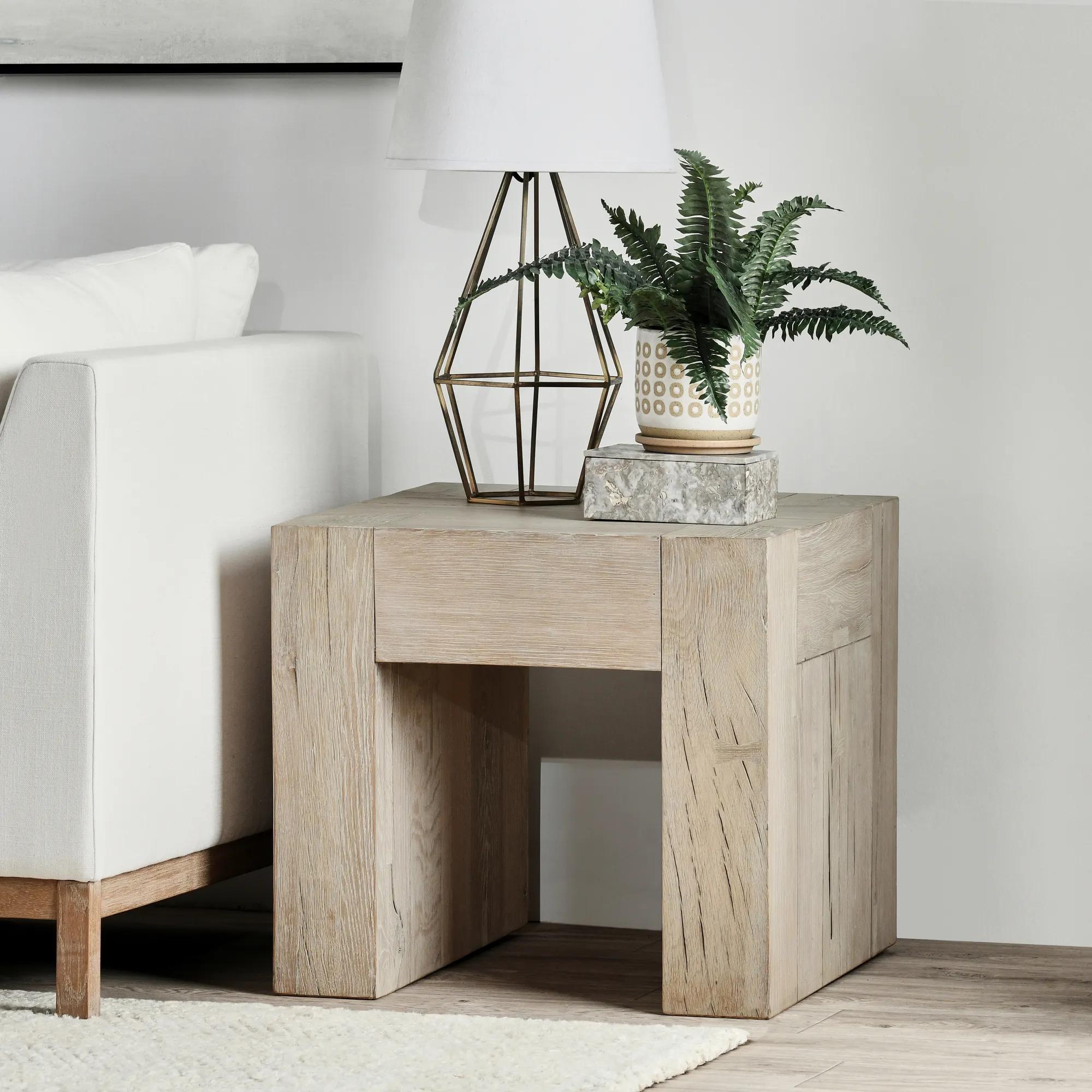 Bristol Square Cream Oak End Table (24")$999
A handcrafted end table featuring cracked reclaimed oak in an aged cream finish with modern dovetail detailing.
Add To Cart -
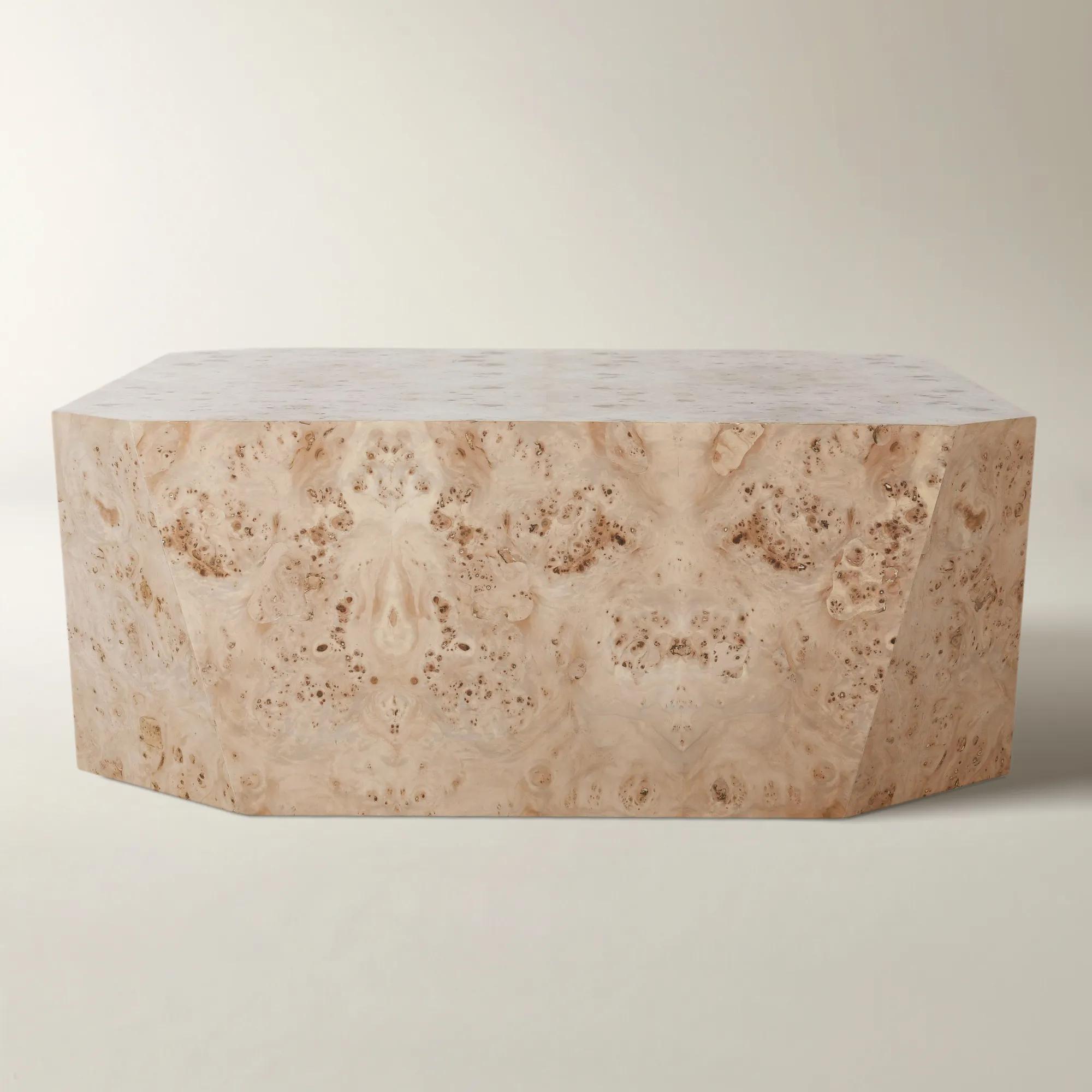
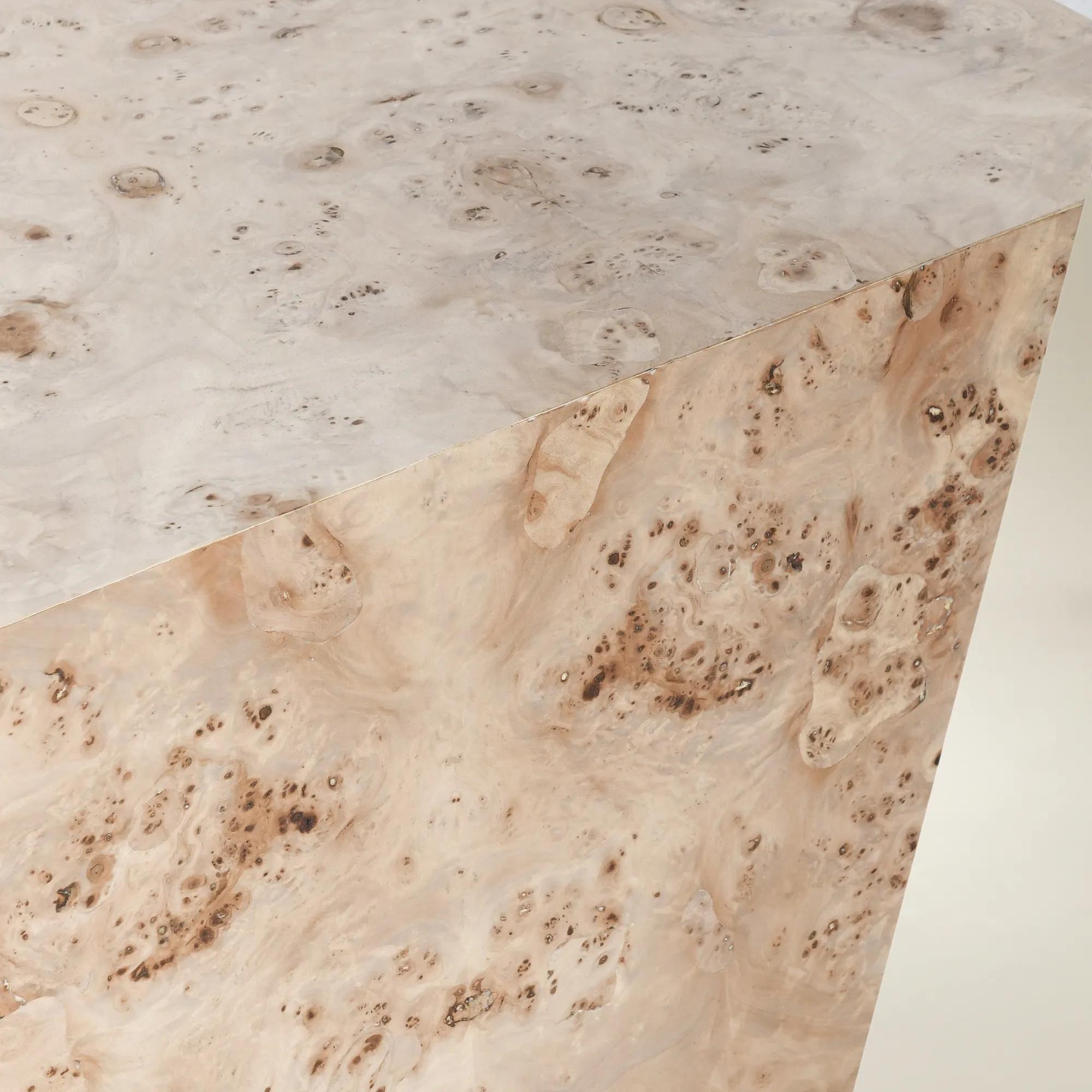 Avena Square Natural Burl Wood Coffee Table (41.75")$1399
A sculptural coffee table featuring natural burl wood veneer with unique grain patterns and a hand-applied finish.
Add To Cart

Contemporary Square Tables
Explore contemporary square tables that bring crisp geometry and a confident focal point to your room. A square silhouette adds structure to a modern arrangement; compare tabletop dimensions and table height with your seating and available space to find proportions that feel balanced, with ample room to move around the table.
Contemporary square tables give a room a sense of intention: four balanced sides, a confident silhouette, and a surface that invites both beautiful arrangements and everyday rituals. Their appeal lies in the interplay between precise geometry and expressive materials. A substantial square top can feel almost sculptural, while a slender profile on an open base introduces the same architectural clarity with a lighter visual presence. In a living room, a square coffee table creates a generous center for conversation, especially when paired with a sectional or seating arranged along two adjoining sides. There is room for an art book opened to a favorite photograph, a low ceramic vessel, and a tray for refreshments without making every object compete for attention. In a dining space, the square format brings guests into a more evenly connected arrangement, with each side participating in the conversation. Smaller dimensions can suit an intimate breakfast setting, while a larger footprint creates a more expansive dining experience, provided the seating and base allow comfortable legroom. Square accent tables offer another expression of the shape, framing a sofa or lending structure beside a richly upholstered chair. Proportion determines whether that geometry feels graceful or imposing. A broad tabletop needs breathing room around it; a compact surface can still carry visual weight through a dramatic pedestal or richly patterned finish. For a coffee table, approximately 14 to 18 inches between the table and seating often keeps essentials within reach while leaving room to move. Around a dining table, about 36 inches of clearance is a useful starting point, with additional space wherever people need to pass behind occupied chairs. Table height matters just as much as width: a coffee table generally feels comfortable near the height of the seat cushion, while an accent table should relate to the chair or sofa arm. These relationships allow a striking piece to feel naturally integrated into daily life rather than positioned only for display.
Material gives the square silhouette its particular character. Clear glass reveals the architecture beneath the surface, making an expressive base part of the composition and preserving sightlines through a smaller room. Smoked or tinted glass, where used, creates a moodier effect, especially against pale upholstery or a softly textured rug. Glass also makes fingerprints and dust more noticeable, a consideration for a frequently used family space. Marble and other natural stones introduce veining that can make a restrained shape feel richly individual; variation in color and pattern is part of their appeal, not a promise of uniformity. Their weight calls for thoughtful placement, and some stones are sensitive to acidic spills, staining, or abrasion. Sealing requirements depend on the material and finish, so care instructions deserve attention before the first dinner party. Wood brings a different kind of depth, from pronounced grain to smooth, carefully finished surfaces that catch the light along their edges. Solid wood can respond to changes in indoor humidity, while a well-constructed veneered surface can offer decorative grain patterns and dimensional stability. Neither description alone determines quality; the construction, joinery, finish, and intended use all contribute to lasting performance. Metal bases can read as delicate or monumental depending on their proportions, with polished surfaces lending brilliance and brushed finishes offering a more subdued sheen. Mirrored elements amplify surrounding colors and reflections, although edges and reflective coatings benefit from careful handling. For any material, beauty is easier to preserve when care becomes an unobtrusive habit. Coasters beneath drinks, trivets beneath hot serving pieces, and prompt attention to spills help protect the finish without diminishing the pleasure of using the table. A soft cloth and manufacturer-approved cleaning methods are preferable to an all-purpose approach, particularly with lacquer, stone, mirror, or mixed-material designs. Stability, secure connections, and a base suited to the tabletop’s weight are equally important. A table intended for dining or display should not be treated as seating, and households with young children may want to consider corner profiles, placement, and glass specifications alongside the visual effect.
The most compelling contemporary square tables create contrast without making a room feel divided. A gleaming surface can sharpen the outline of a plush sofa; a deeply grained wood top can lend warmth to a setting rich in glass and metal. Against curved seating, the square introduces a deliberate counterpoint, while alongside more angular furniture it can establish a composed architectural rhythm. The surrounding rug helps define that relationship. Beneath a dining table, it should extend far enough for chairs to remain supported when pulled out; beneath a coffee table, its scale should connect the seating rather than leave the table isolated in the center. Styling can follow the same balance of presence and restraint. A broad square surface accommodates a generous arrangement, but leaving part of it open gives both the material and its decorative companions room to register. One sculptural vessel, a stack of substantial books, and a tray with an intriguing finish often create more depth than a scattering of small objects. Tall arrangements are best considered in relation to conversation and sightlines, particularly where the table sits between facing seats. For homes that move easily between quiet evenings and entertaining, a durable, accessible surface can support both moods without requiring a complete restyling. A square accent table may also make a thoughtful housewarming or wedding gift when the recipient’s dimensions, finishes, and personal taste are well understood; furniture feels most personal when it belongs to the way someone actually lives. The same interest in strong geometry can extend beyond interior rooms through Contemporary Patio Tables, with materials and construction specifically designated for exterior use. Indoors or out, the lasting appeal is the relationship between form and purpose: a table with enough presence to shape the atmosphere, enough usable surface to welcome daily life, and details that continue to reward a closer look.
FAQs
Contemporary square tables pair a crisp, geometric silhouette with design details that feel current and expressive. Sculptural bases, distinctive finishes, or striking contrasts can turn this familiar shape into an artistic focal point. The look balances clean lines with personality, giving a room structure without sacrificing drama.
Contemporary square tables complement glamorous, modern, and eclectic interiors. For a luxe atmosphere, surround their tailored lines with sumptuous upholstery and luminous accents. For a more gallery-inspired setting, pair them with expressive artwork and sculptural accessories that make the room feel thoughtfully composed.
Create a deliberate composition rather than filling every corner. Art books, a sculptural vessel, and a decorative bowl can introduce layers of texture and visual interest. Vary the forms and leave some surface visible so the table’s geometry remains part of the statement.
Yes. A square table’s defined lines create a striking counterpoint to curved sofas, rounded chairs, and sweeping silhouettes. Repeat a color or finish across the arrangement to unite the contrasting shapes. The result feels expressive and balanced, with each piece bringing its own character to the room.
Look for a shared undertone or a recurring accent rather than matching every finish. A warm-toned table can connect with golden decorative details, while a cool-toned finish can echo artwork or upholstery. Intentional contrast adds depth, creating a layered interior with a confident point of view.