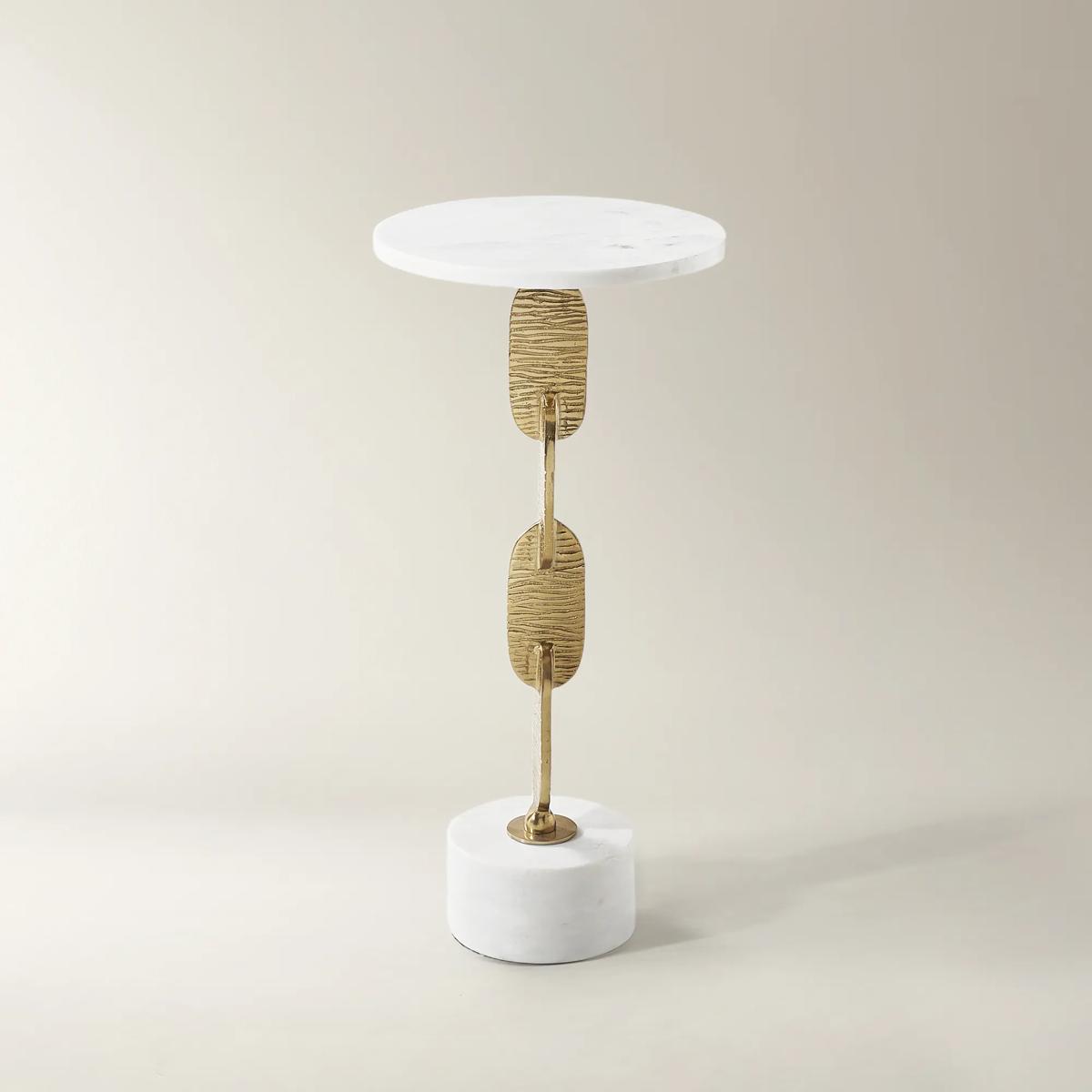
Luxury Accent Side Tables
Luxury Accent Side Tables
-
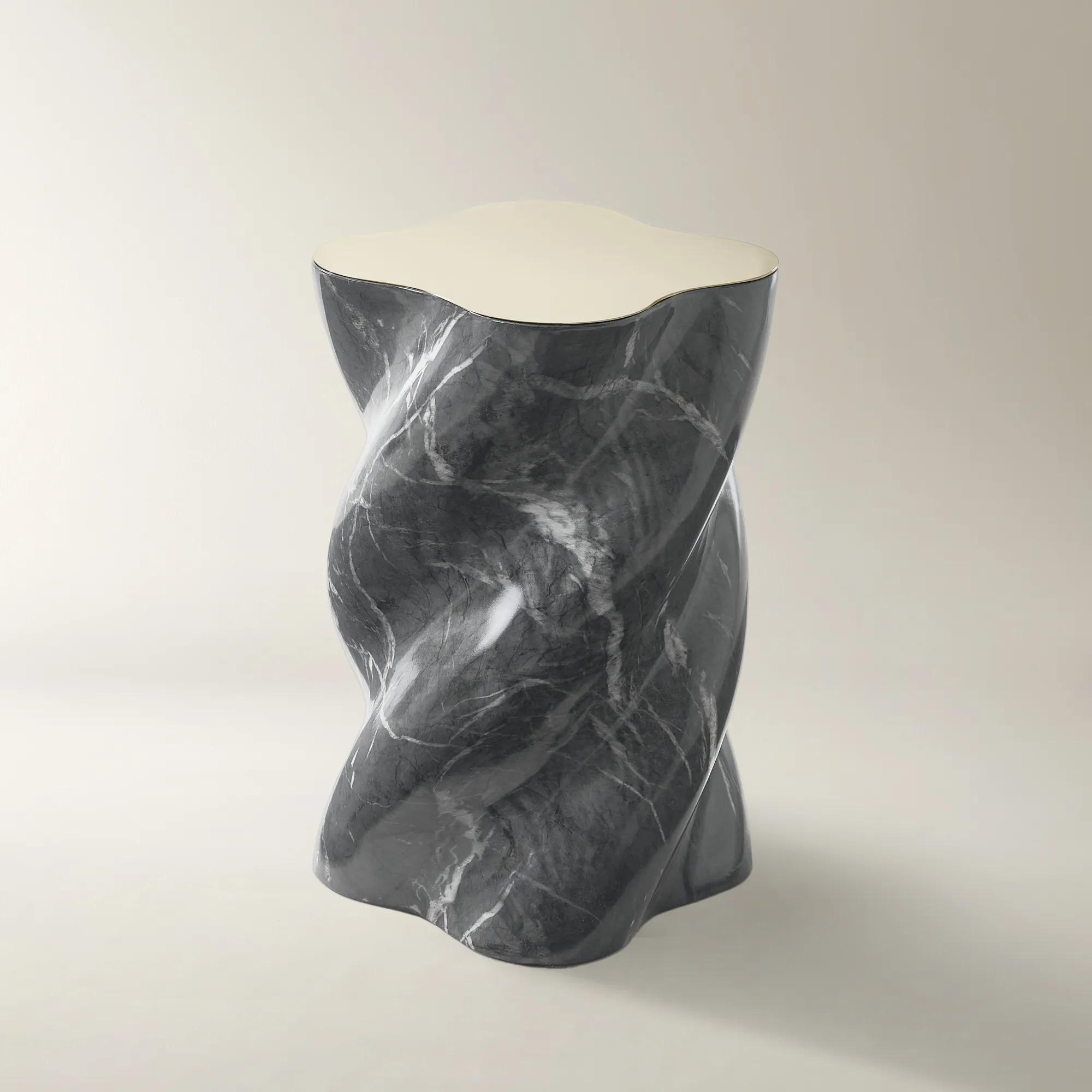 Vega Bvlgary Black Concrete Indoor/Outdoor Side Table With Stainless Steel Top (13.8")$459
A black concrete side table with a sculptural pedestal, removable stainless-steel top, and marble-inspired finish.
Add To Cart -
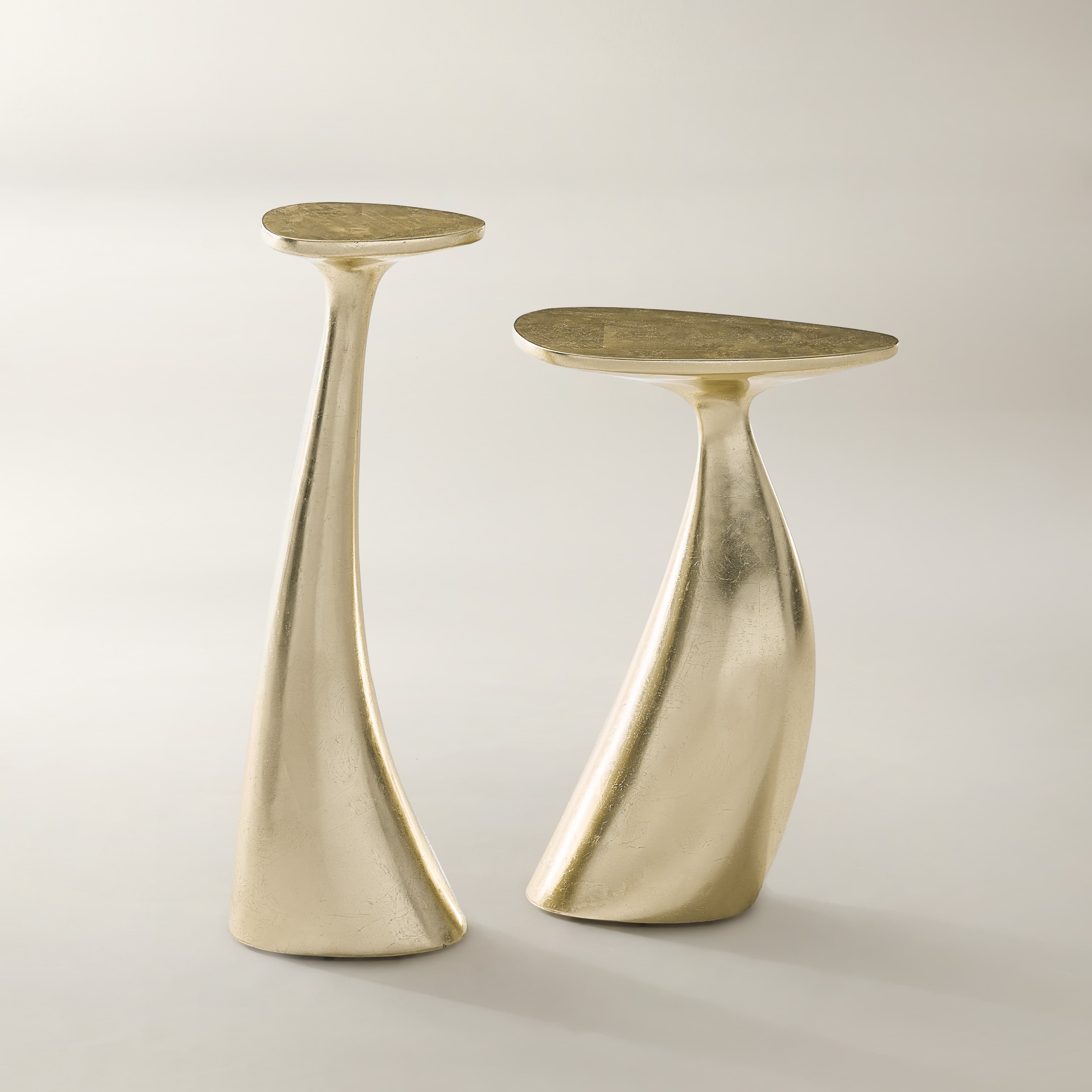 Thalia Soft Gold Side Table Set Of 2 (8"-12.5")$699
A sculptural duo of gold leaf fiberglass tables with fluid lines and a warm, luminous finish.
Add To Cart -
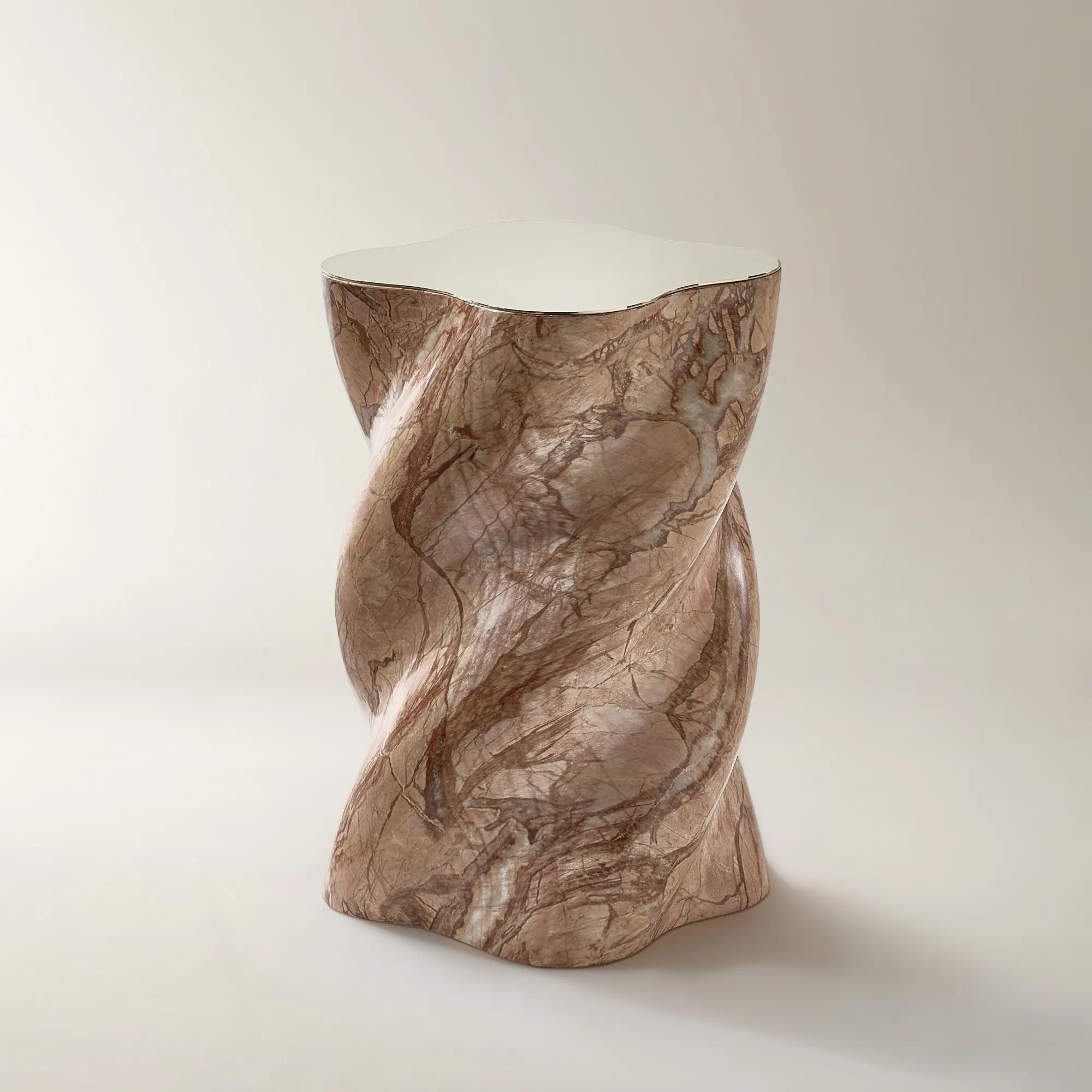
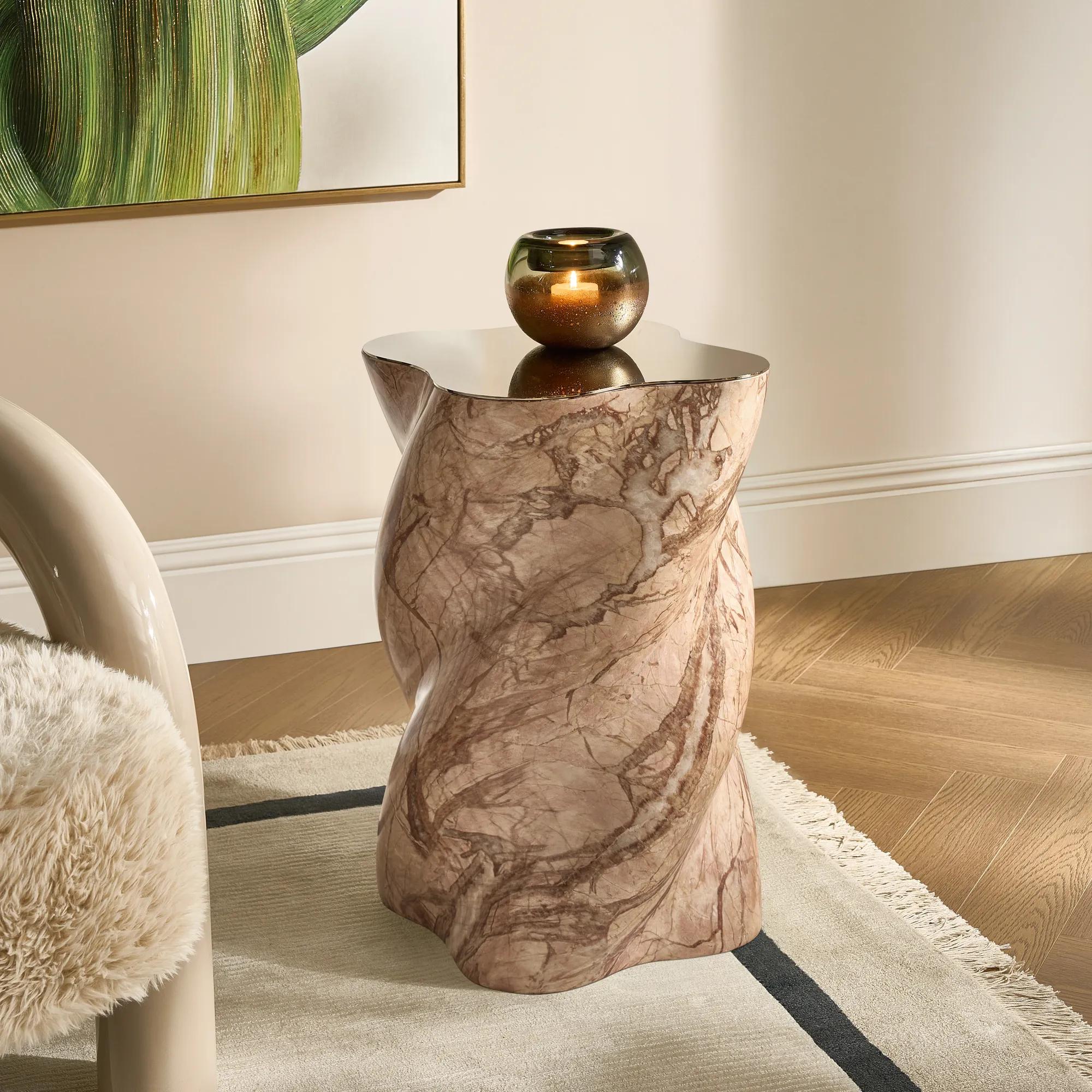 Vega Concrete Indoor/Outdoor Side Table With Stainless Steel Top (13.8")$459
A black, orange, or green concrete side table with removable stainless-steel top and marble-inspired veining.
Add To Cart -
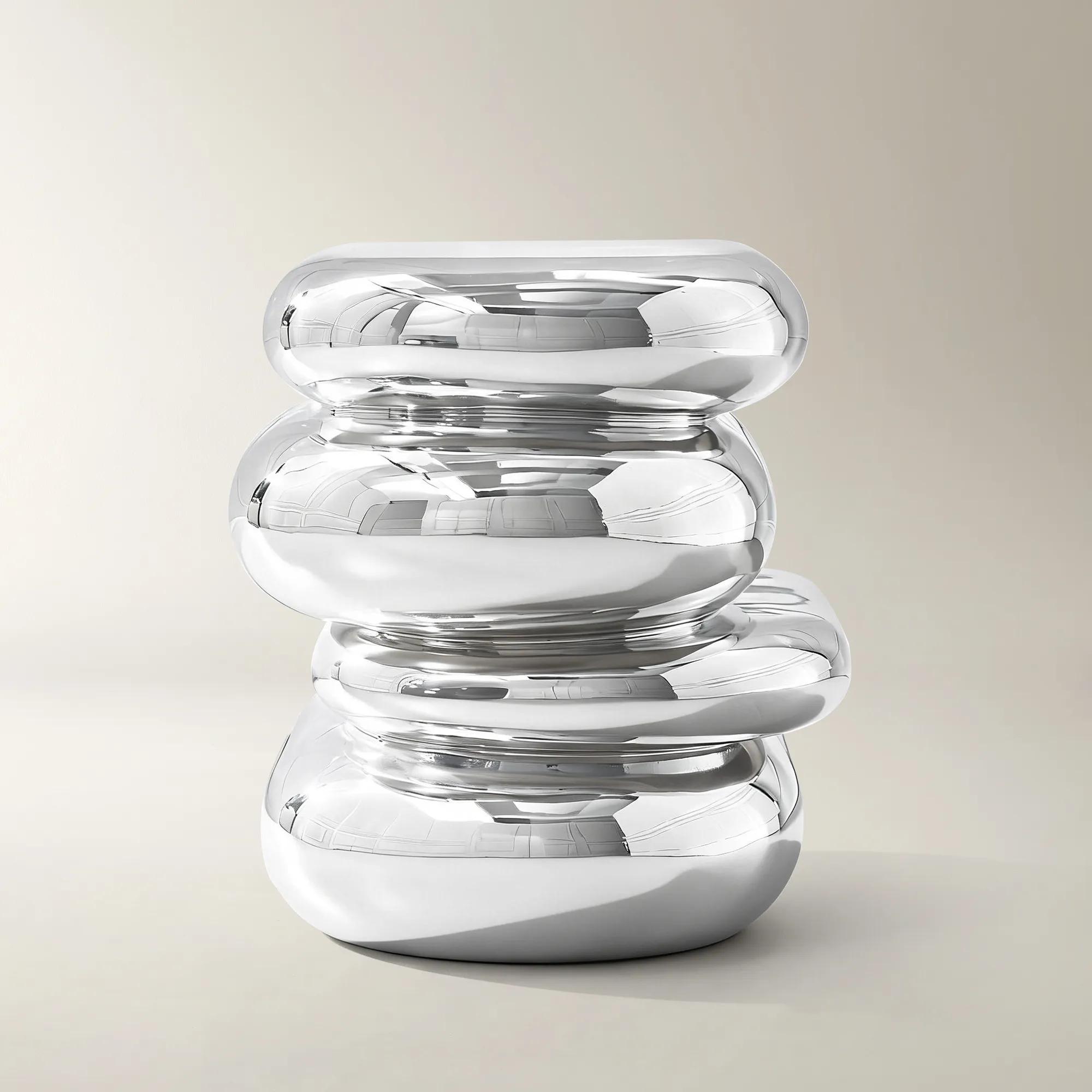 Forma Stacked Chrome Side Table (19.9")$699
A sculptural accent table crafted from seamless fiberglass with a reflective chrome finish and rounded tiers.
Add To Cart -
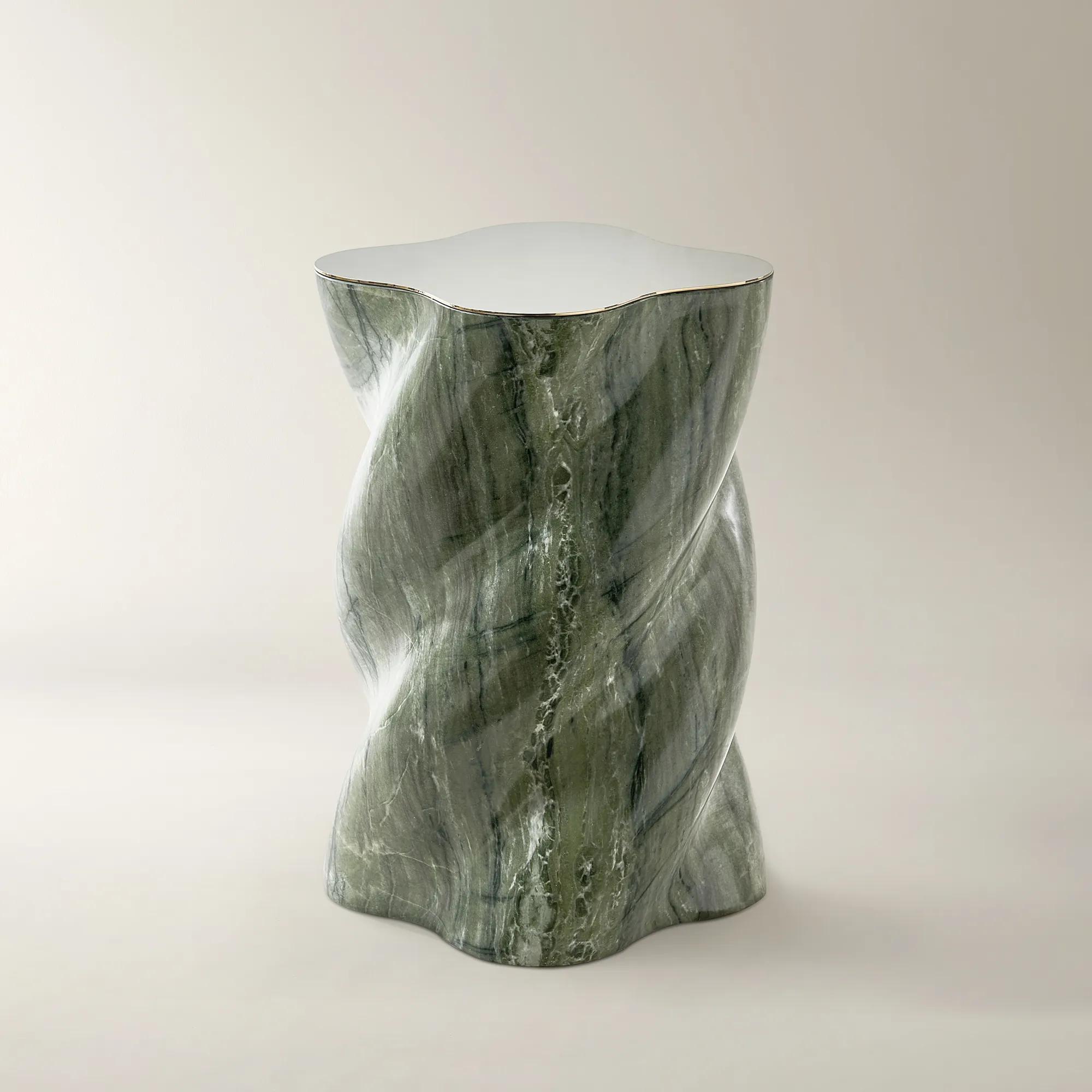 Vega Malachite Green Concrete Indoor/Outdoor Side Table With Stainless Steel Top (13.8")$459
A green concrete side table with a sculptural pedestal, marble-inspired finish, and removable stainless-steel top.
Add To Cart -
 Thalia Glossy Black Side Table Set Of 2 (8"-12.5")$599
A sculptural duo of glossy black fiberglass tables with fluid lines and mirror-like lacquered finish.
Add To Cart -
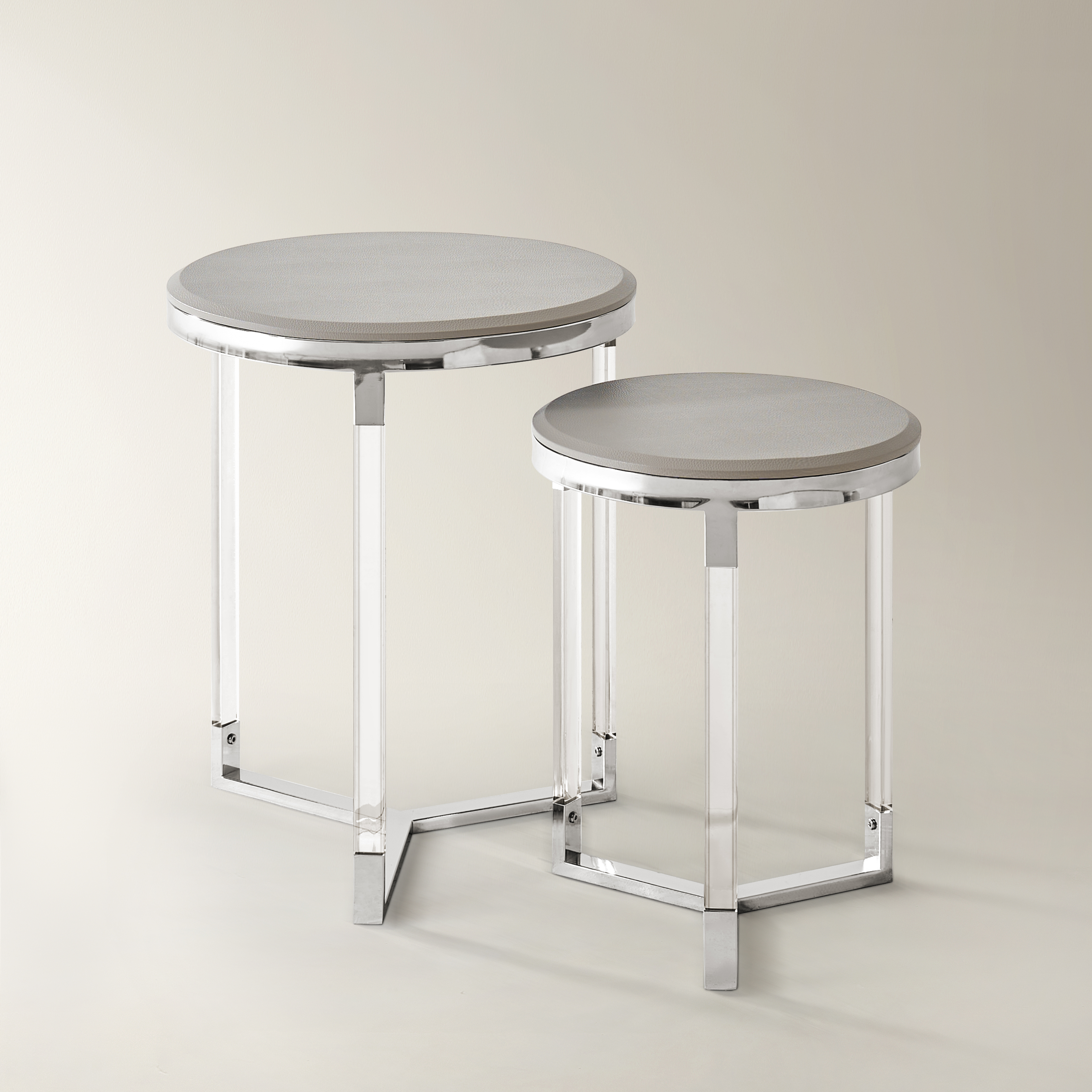
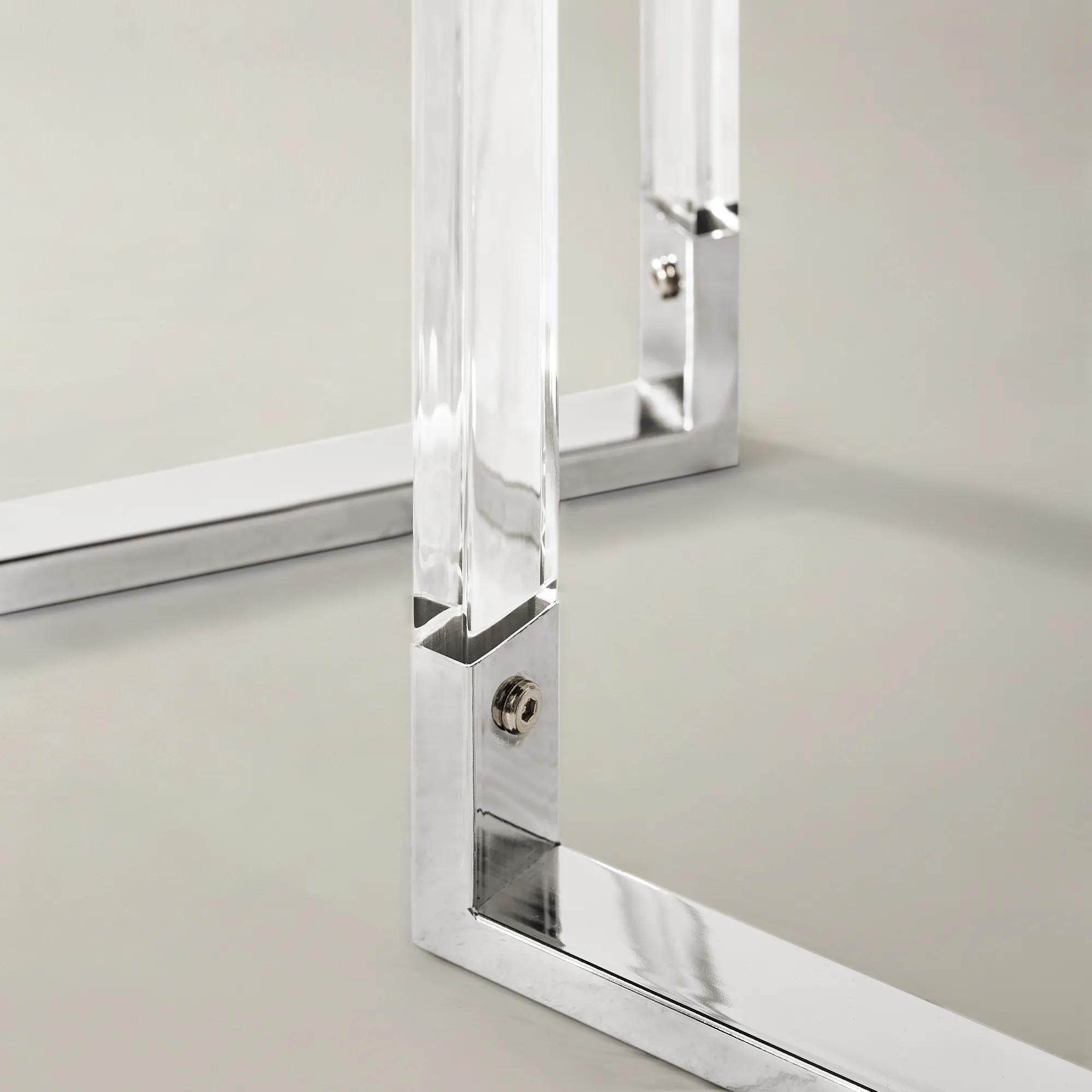 Murano Round Grey Accent Table With Faux Leather Top Set Of 2 (14.5"-18.5")$399
A bold set of two accent tables featuring mixed woods, acrylic legs, and faux leather tops.
Add To Cart -
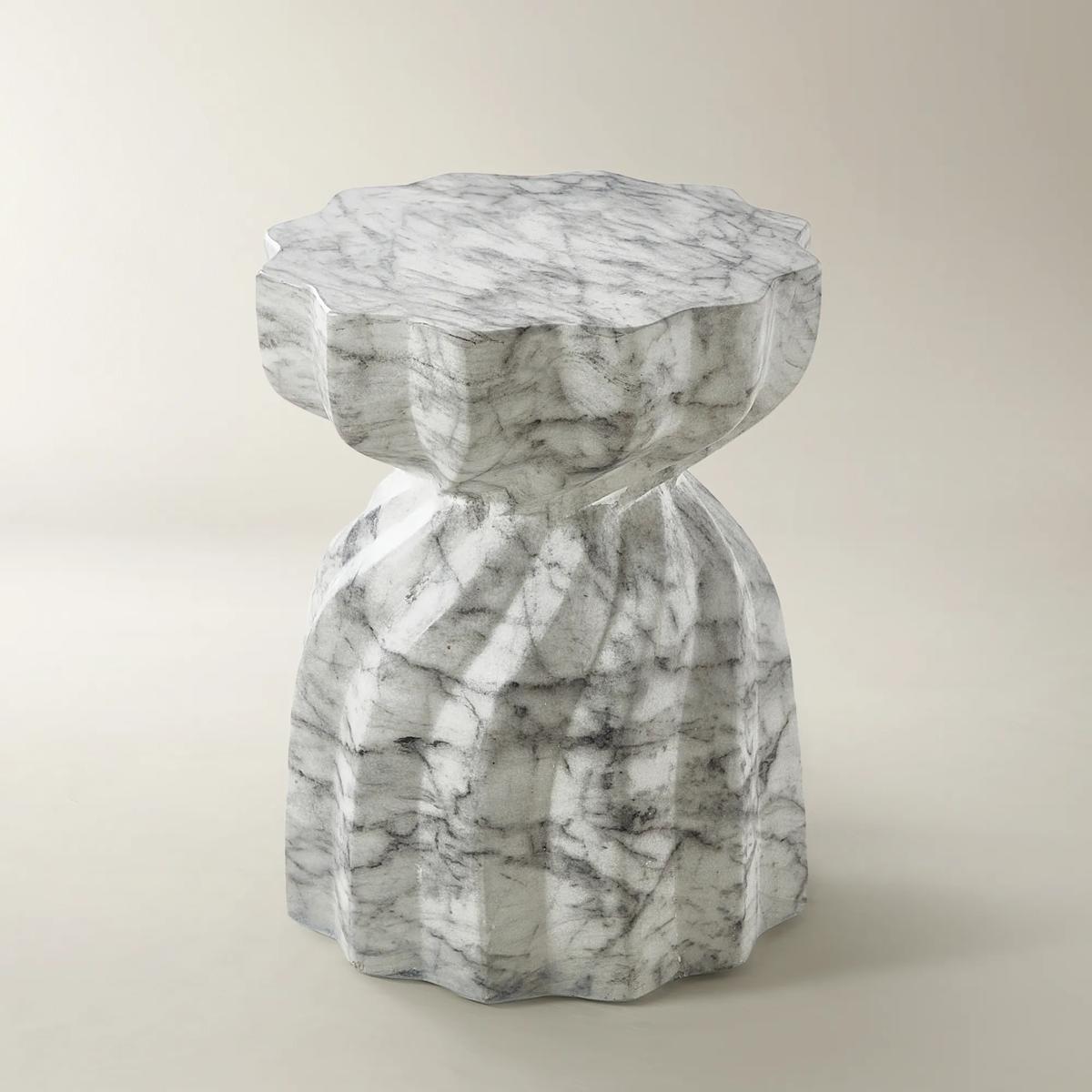
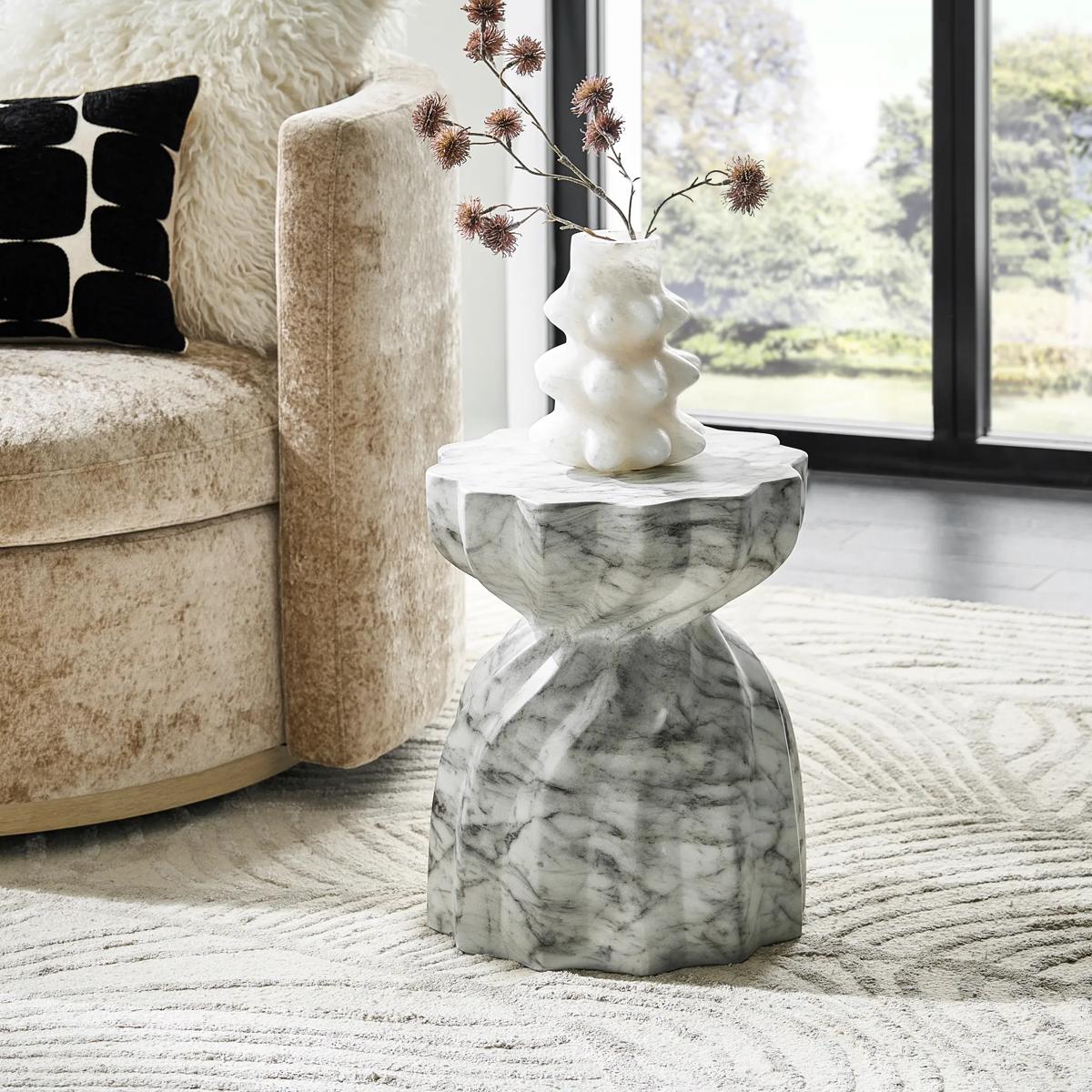 Lithia Scalloped White Concrete Indoor/Outdoor Side Table (15")$349
A white concrete side table with a scalloped silhouette and marble-look finish for indoor-outdoor living.
Add To Cart -
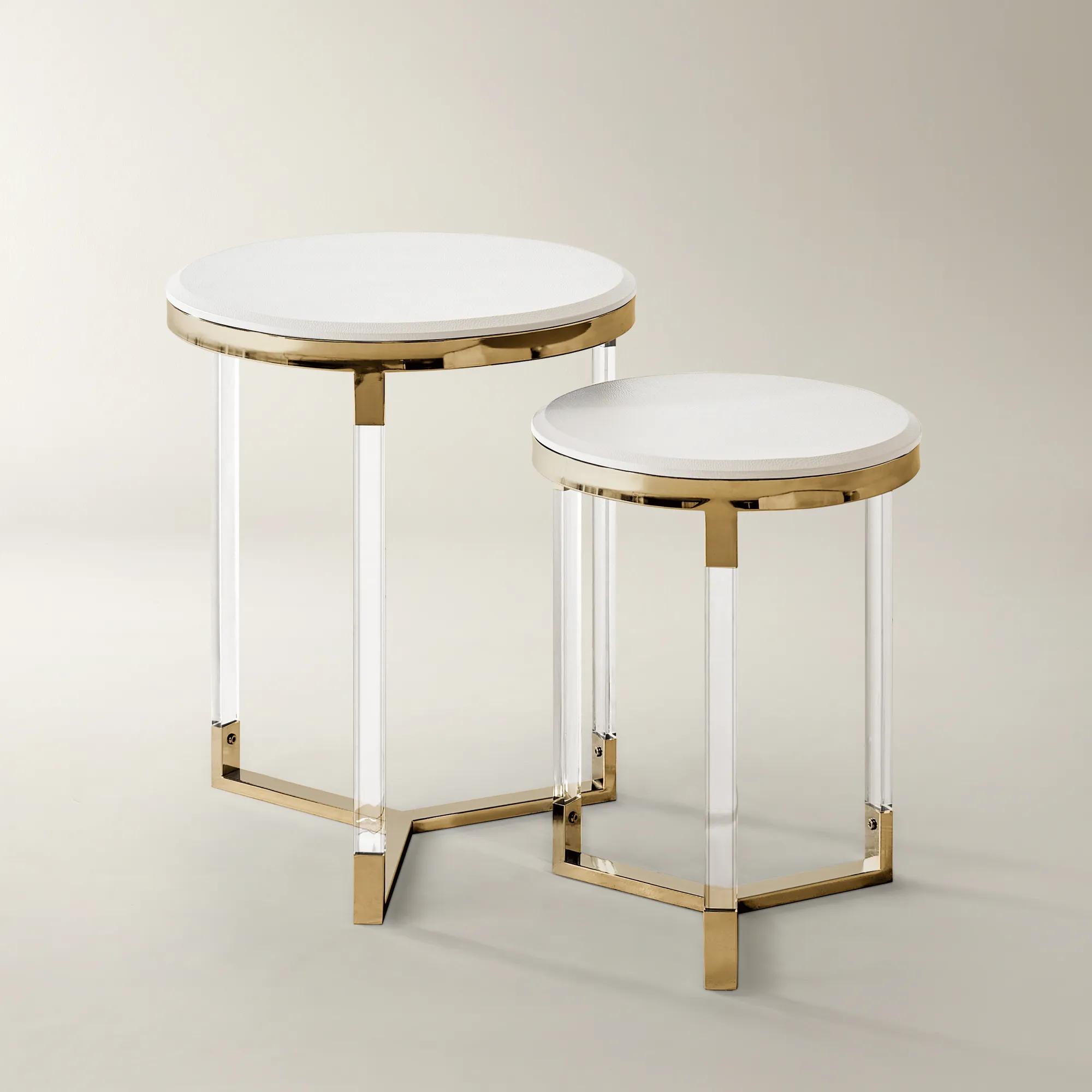
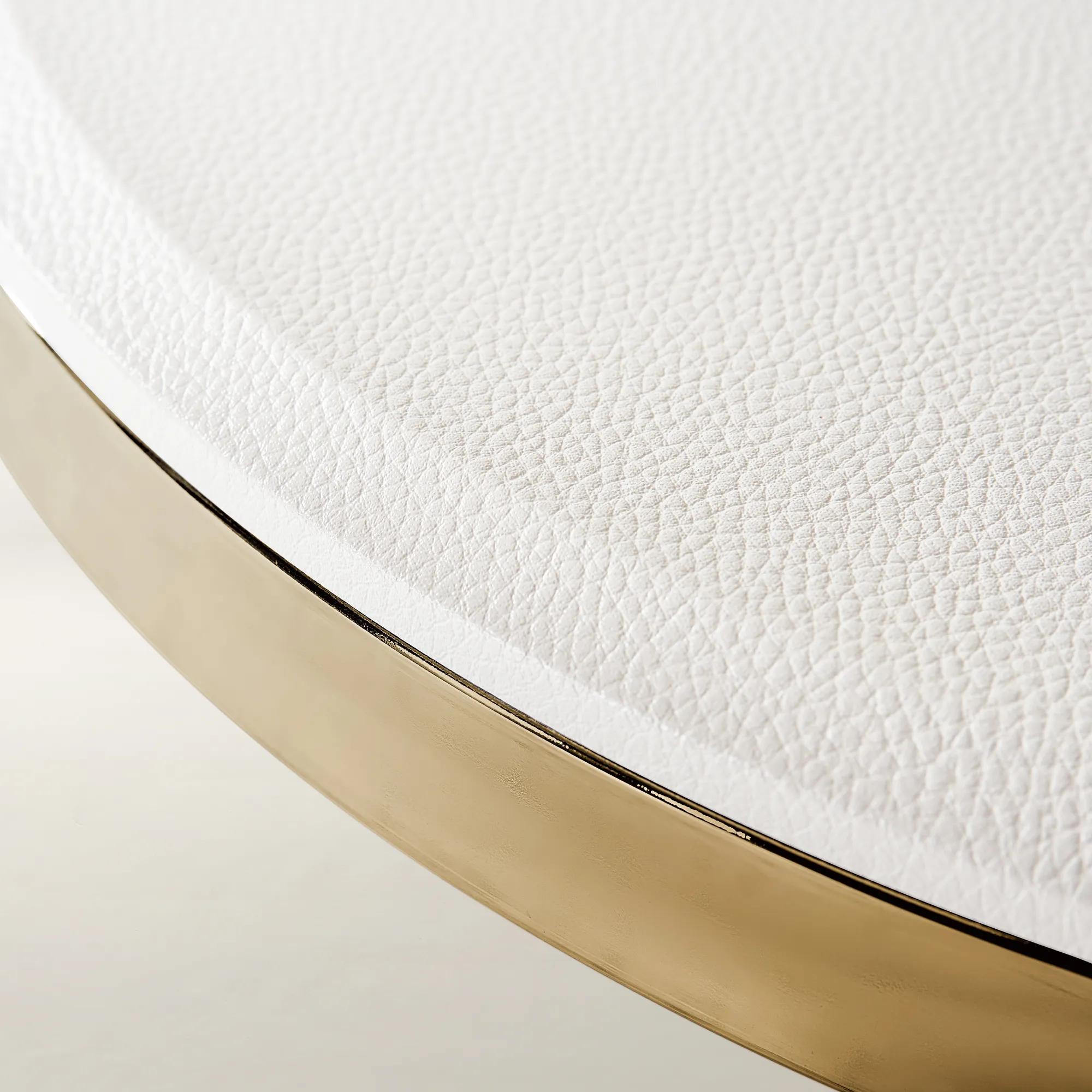 Murano Round White Accent Table With Faux Leather Top Set Of 2 (14.5"-18.5")$399
A set of two accent tables featuring mixed woods, faux leather tops, and acrylic legs with metallic finishes.
Add To Cart -
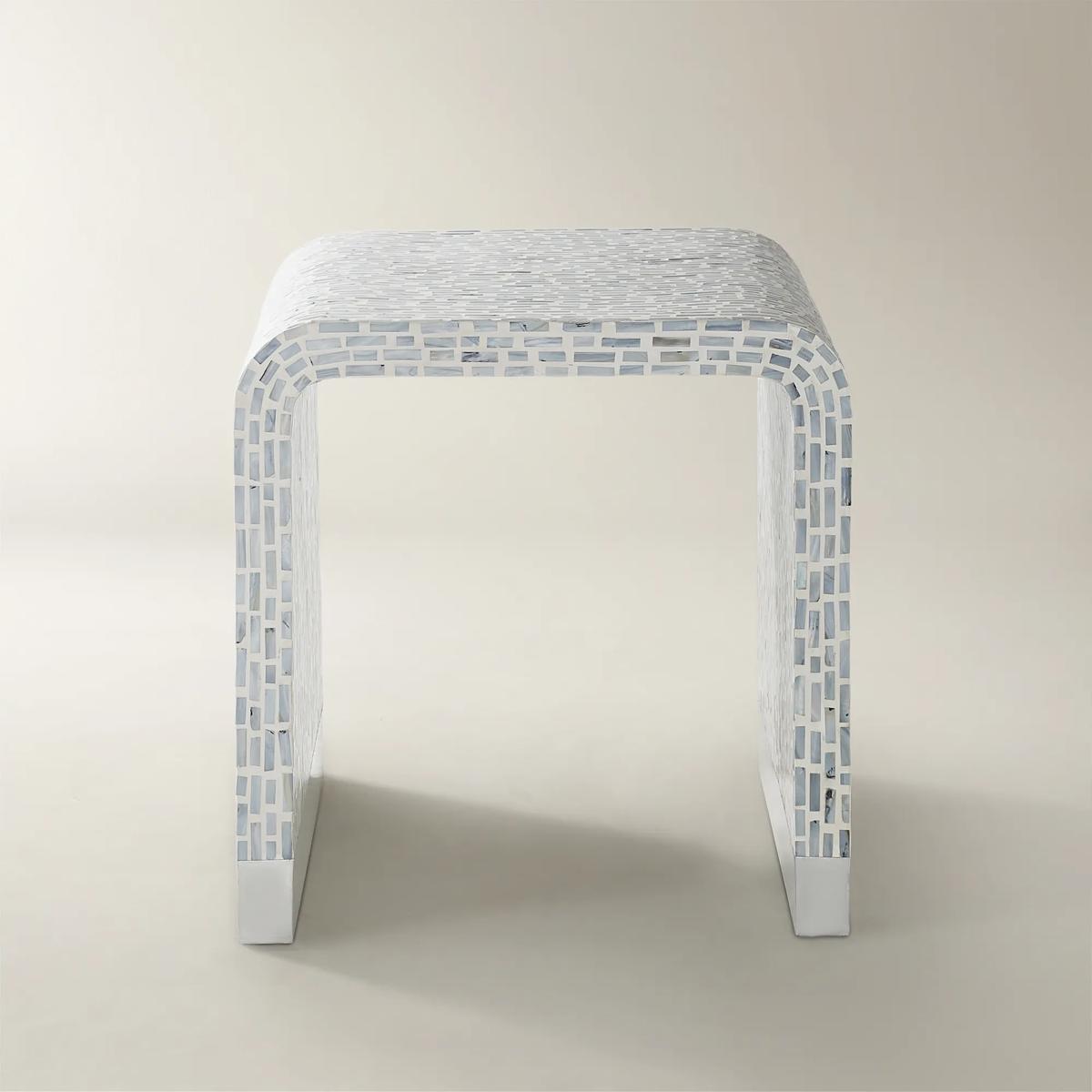
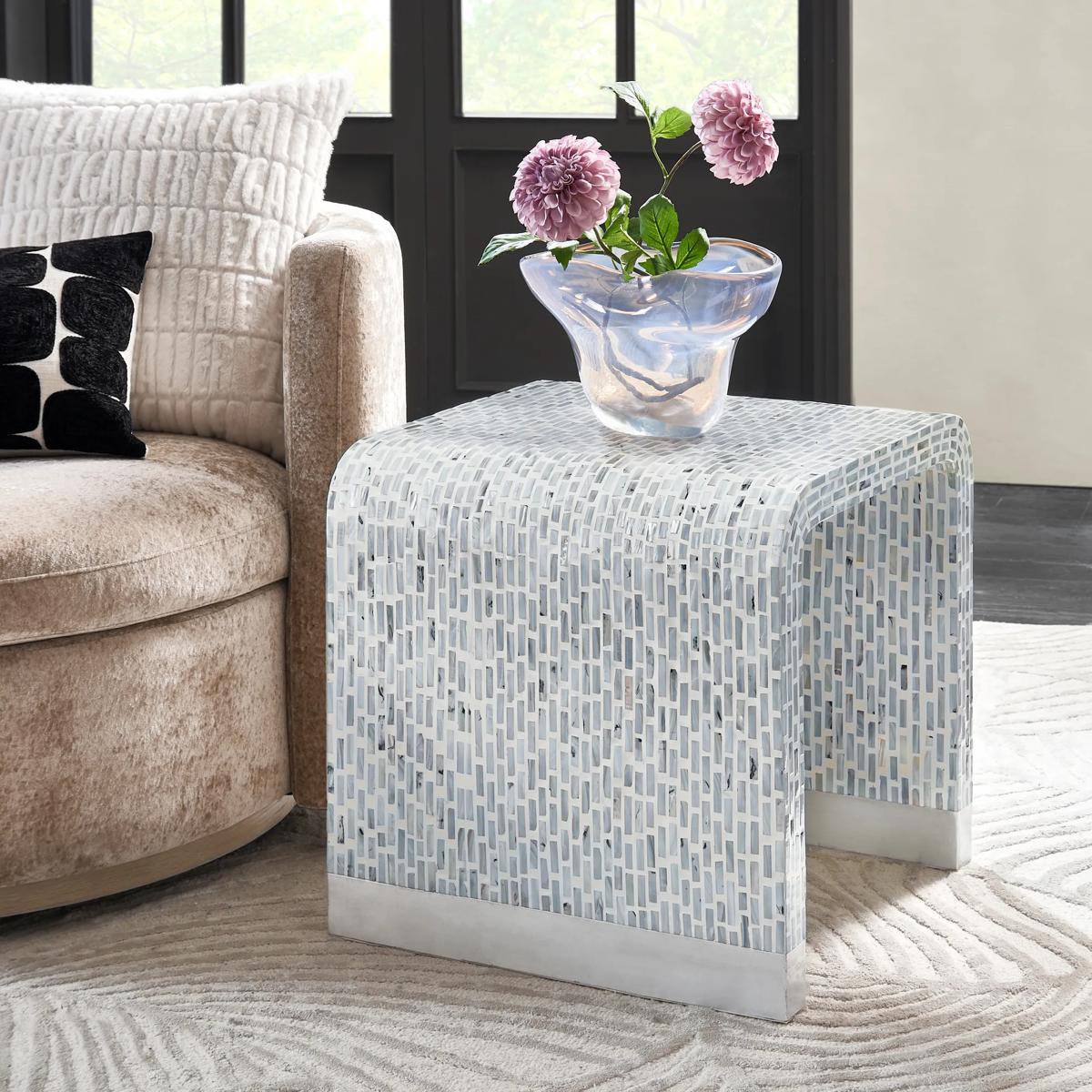 Iridia Blue Side Table (21.6")$399
A handcrafted end table featuring iridescent blue mother-of-pearl inlay and a silver leaf base.
Add To Cart -
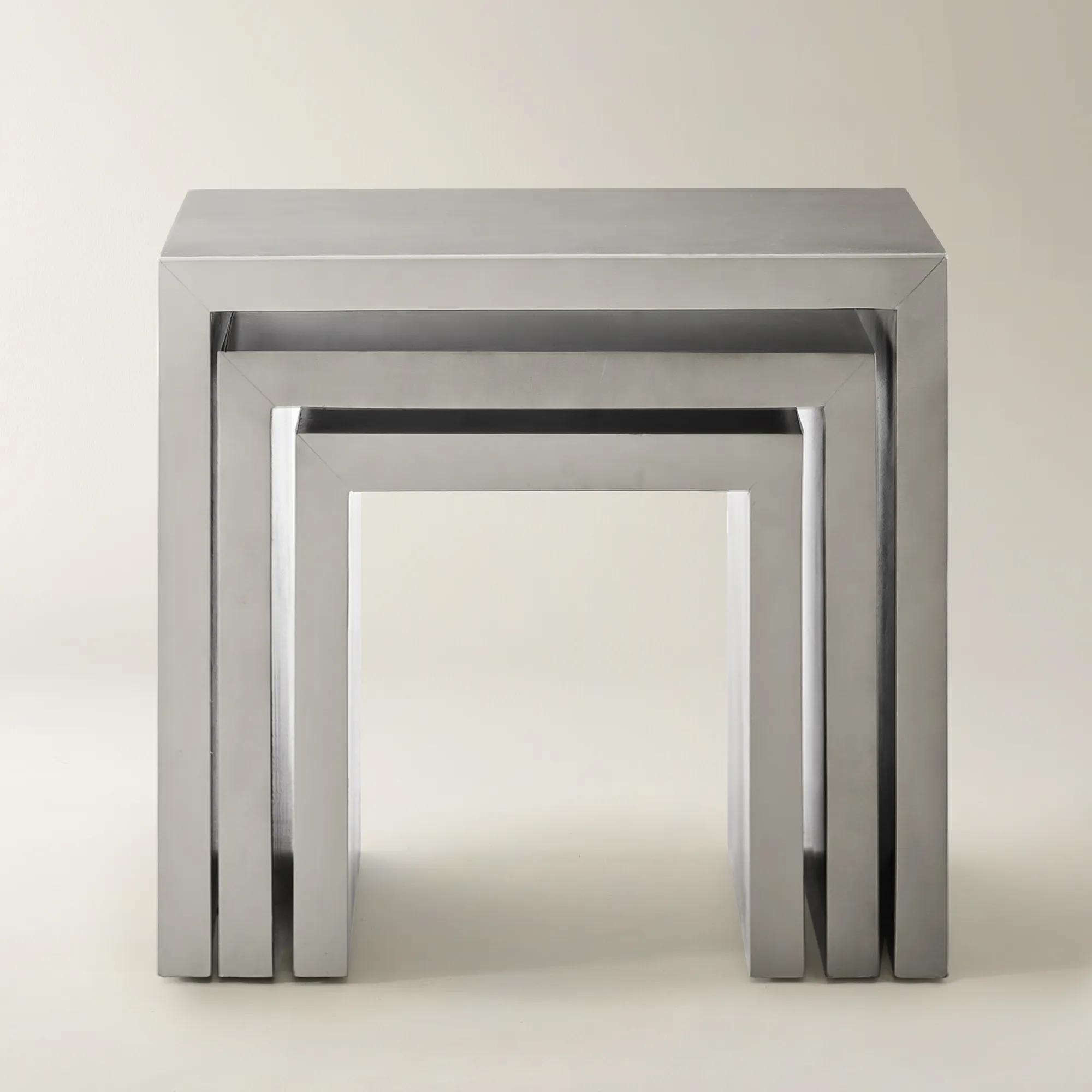
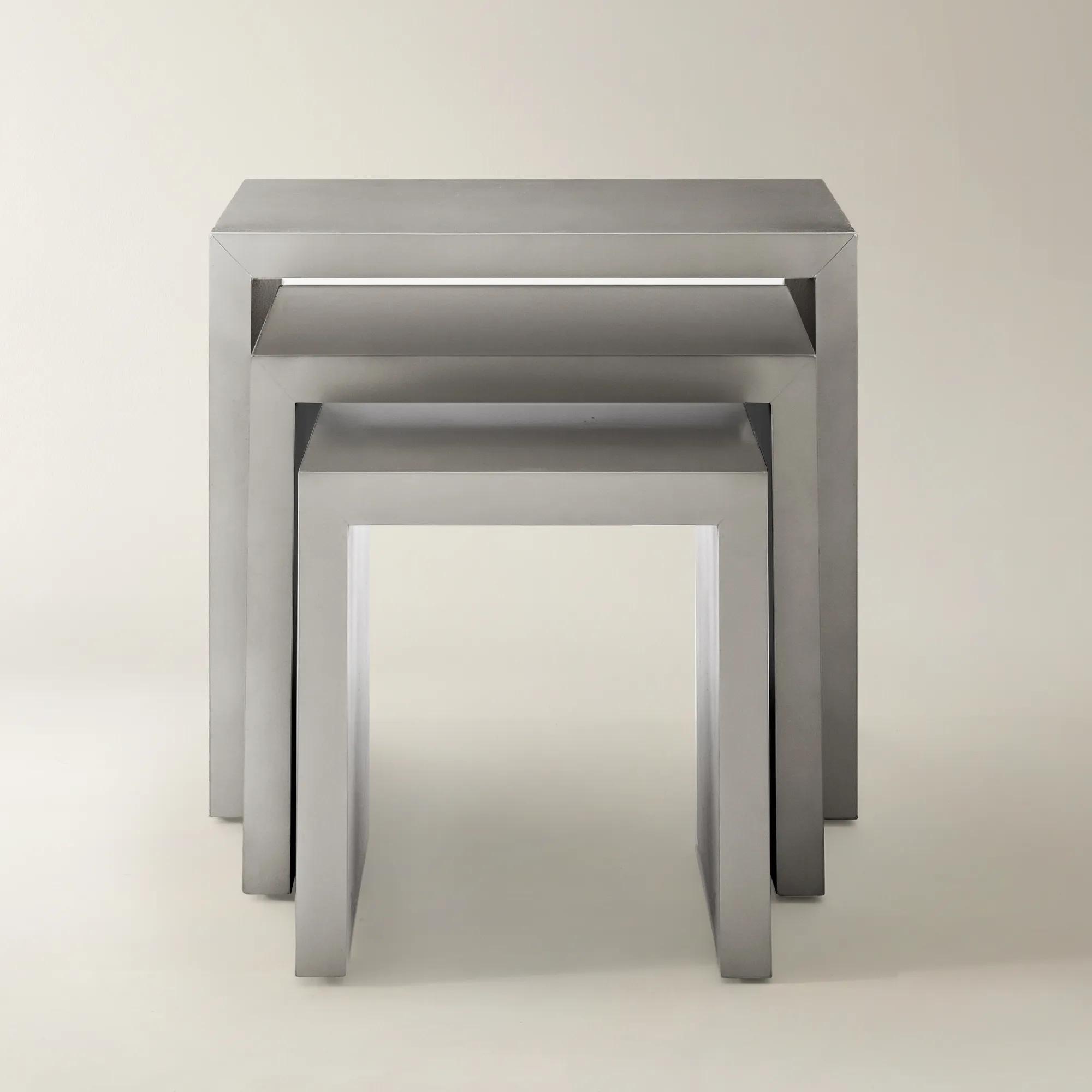 Astair Silver Nesting Accent Table Set Of 3 (16.25"-25.5")$349
A trio of engineered wood nesting tables with a sleek silver metallic finish and minimalist block silhouette.
Add To Cart -
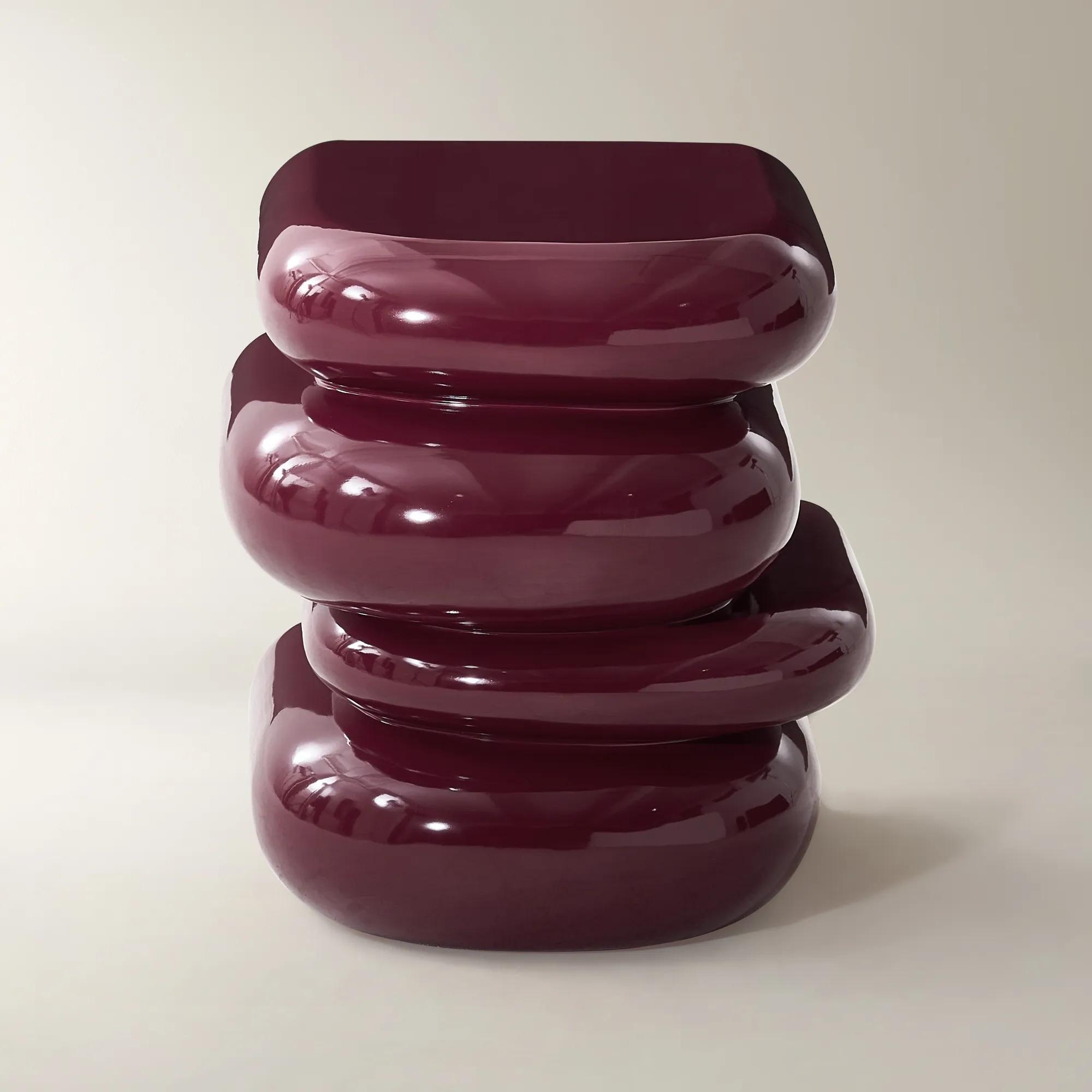 Forma Stacked Ox Blood Side Table (19.9")$499
A sculptural accent table crafted from high-gloss ox blood fiberglass with softly stacked, rounded tiers.
Add To Cart -
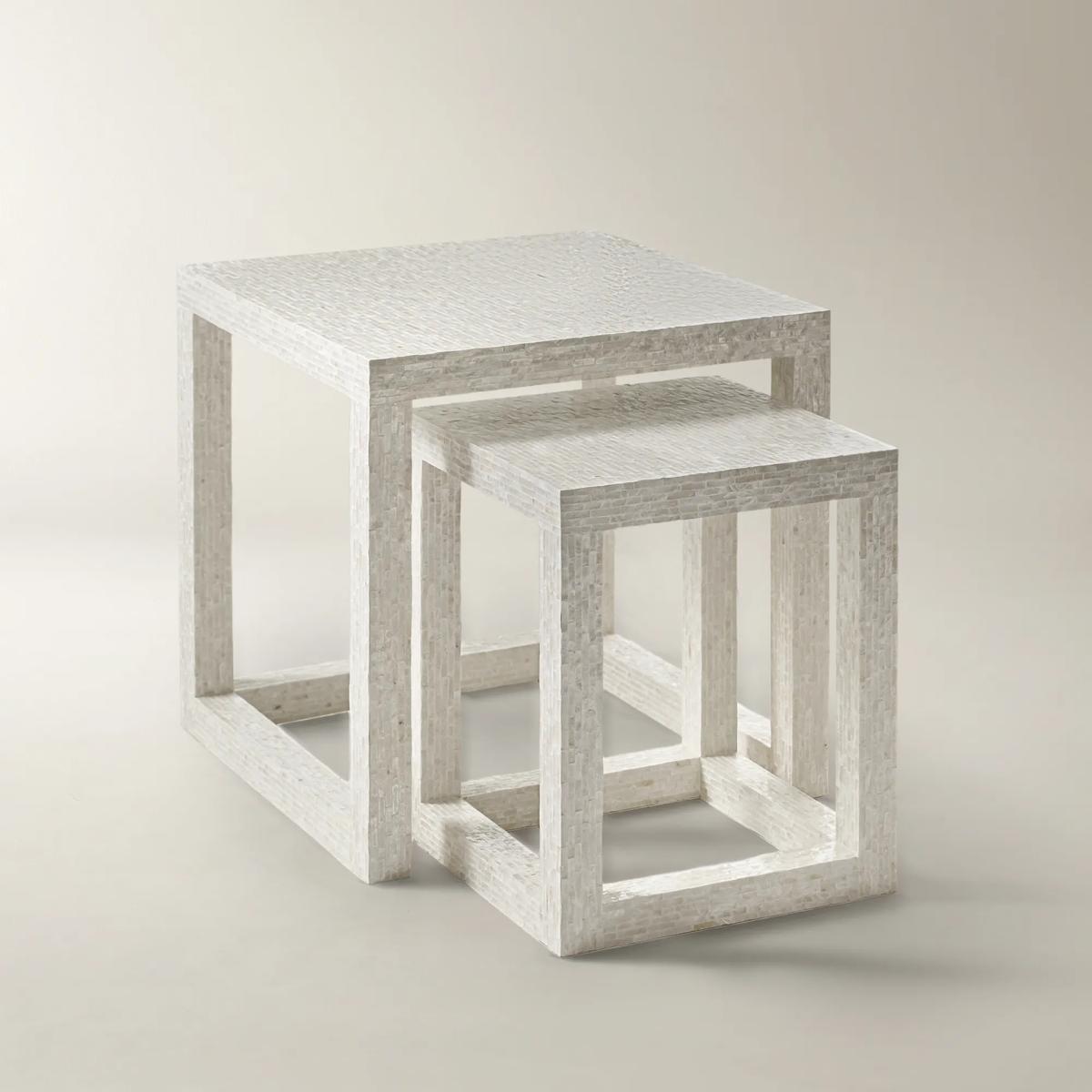 Ivori Square White Nesting Accent Table Set Of 2 (16.5"-23.75")$599
A handcrafted white nesting table featuring radiant mother-of-pearl inlay for a unique, iridescent accent.
Add To Cart -
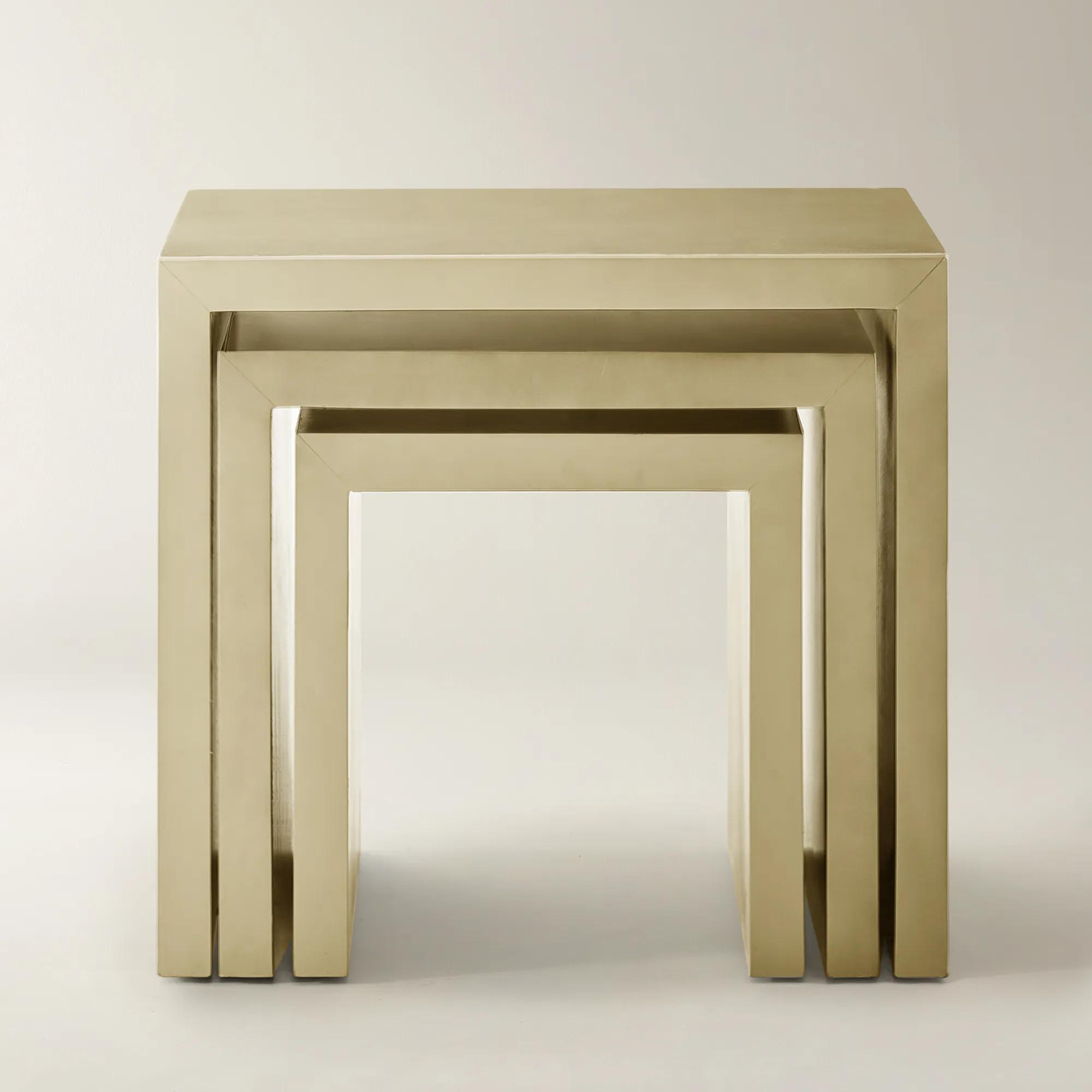
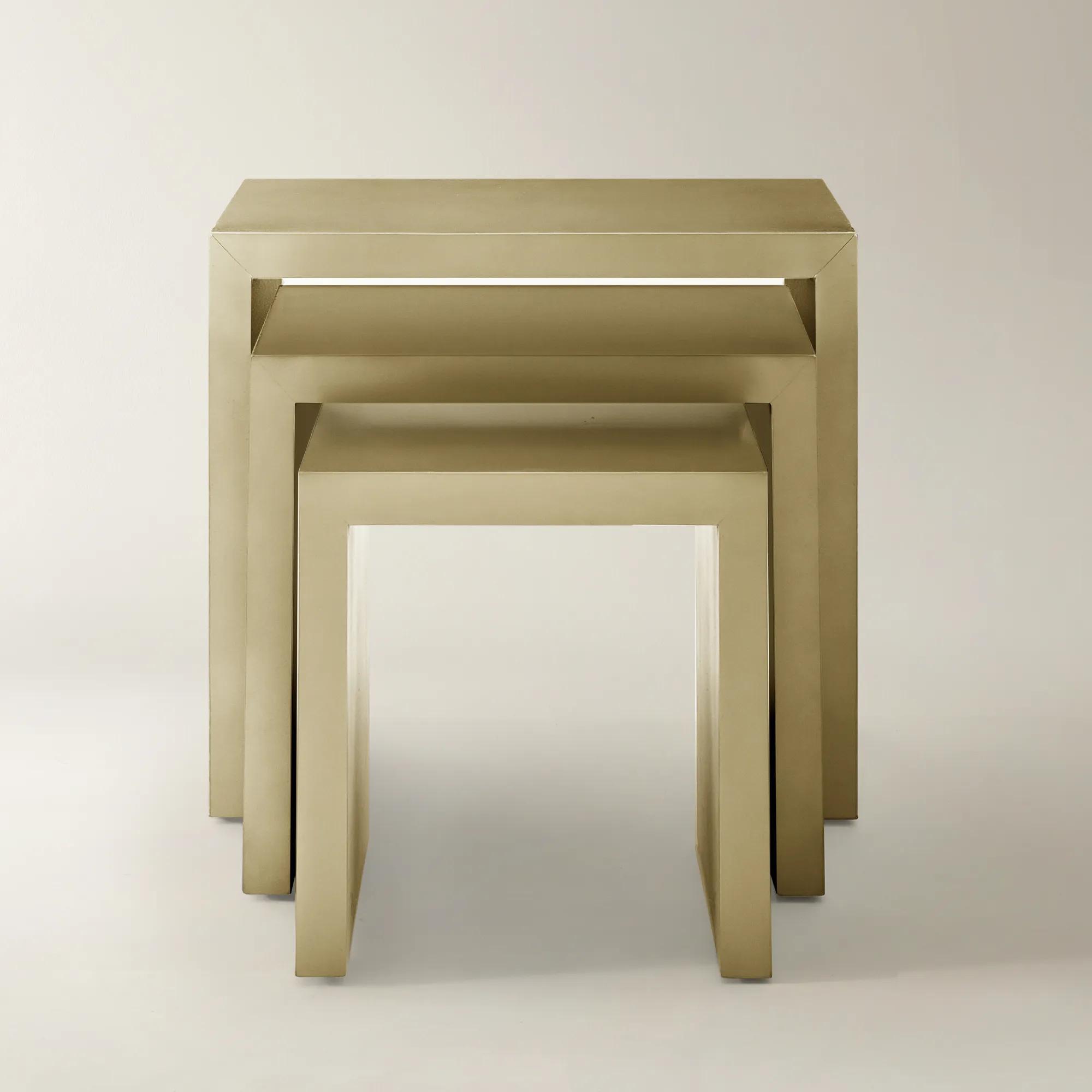 Astair Gold Nesting Accent Table Set Of 3 (16.25"-25.5")$349
A trio of gold-painted engineered wood tables with minimalist block silhouettes and versatile nesting design.
Add To Cart -
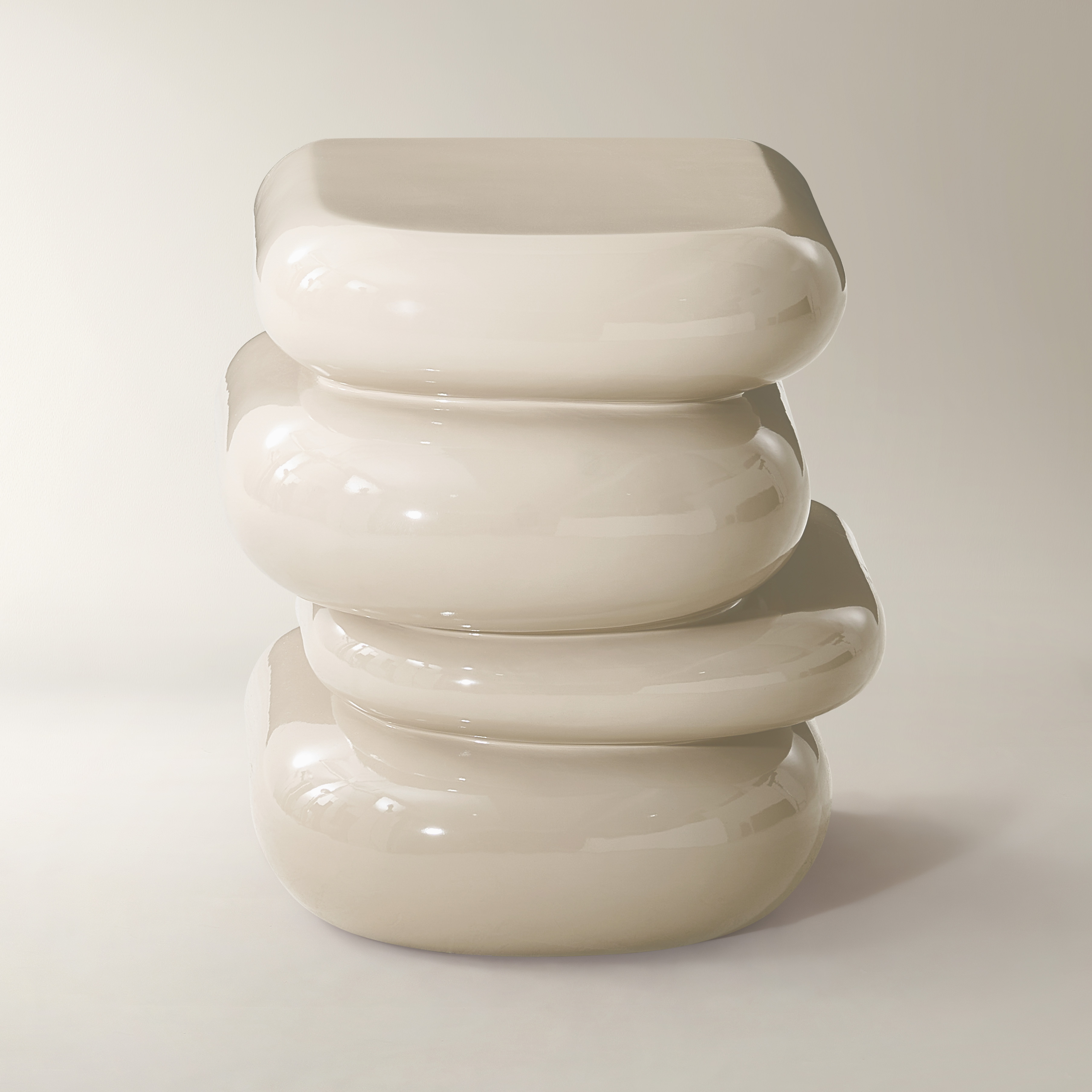
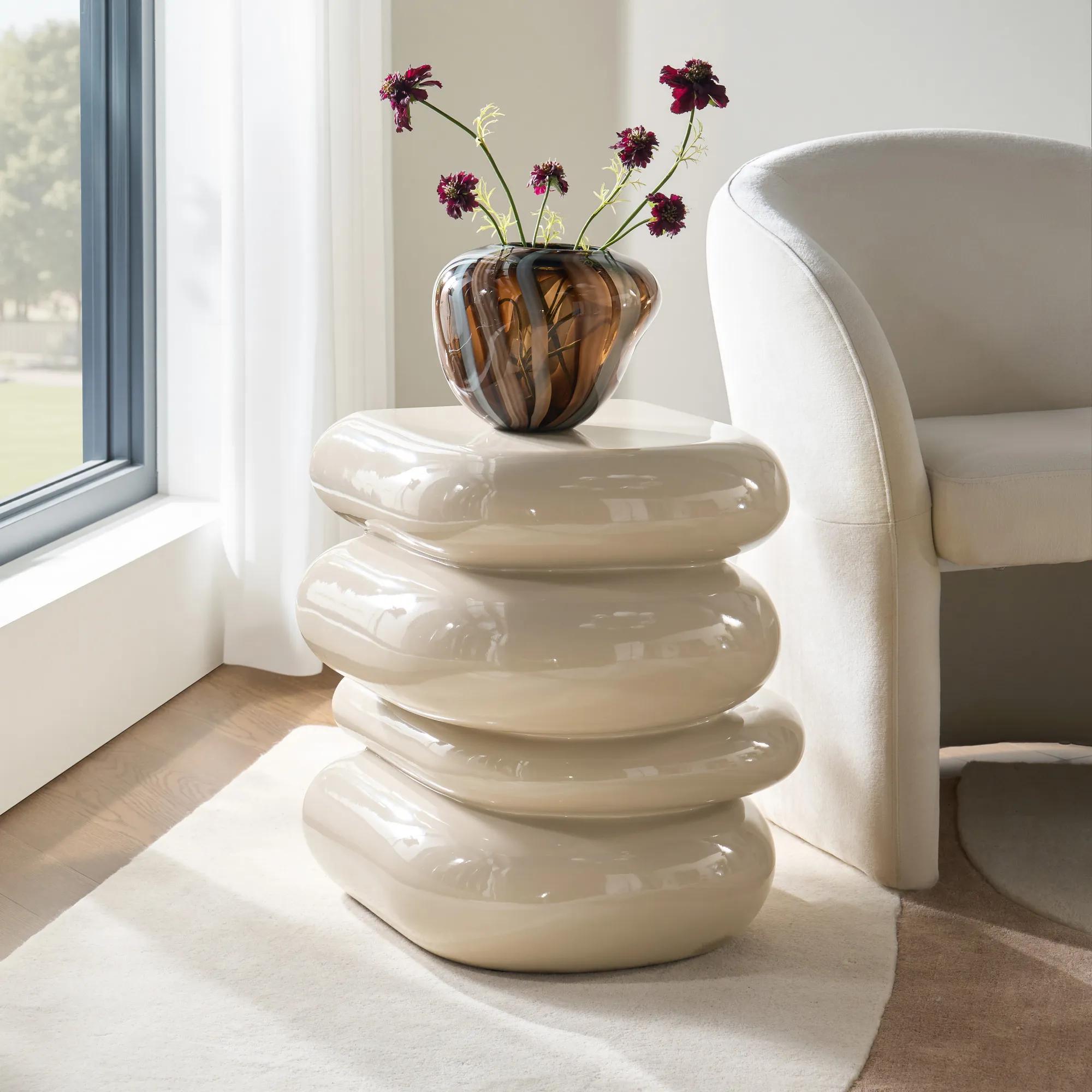 Forma Stacked Turtle Dove Side Table (19.9")$499
A sculptural accent table crafted from high-gloss turtle dove fiberglass with softly stacked, rounded tiers.
Add To Cart -
 Strata Round Green Concrete Indoor/Outdoor Side Table (15")$349
A green concrete side table with rounded geometry and a marble-look finish for indoor-outdoor use.
Add To Cart -
 Paulina Round White Outdoor Table (31”)$999
A white outdoor round counter table offering stylish functionality for elevated alfresco dining.
Add To Cart -
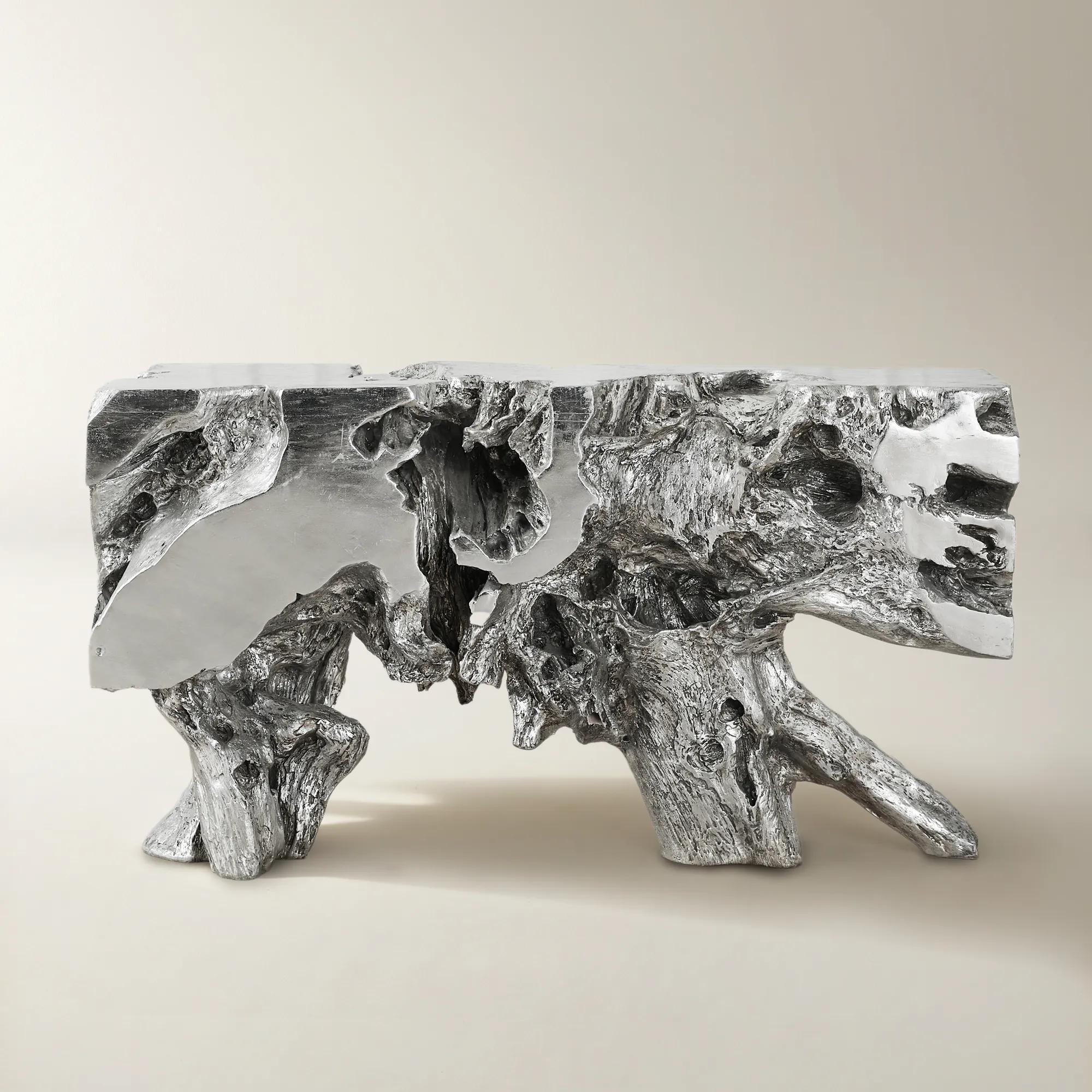
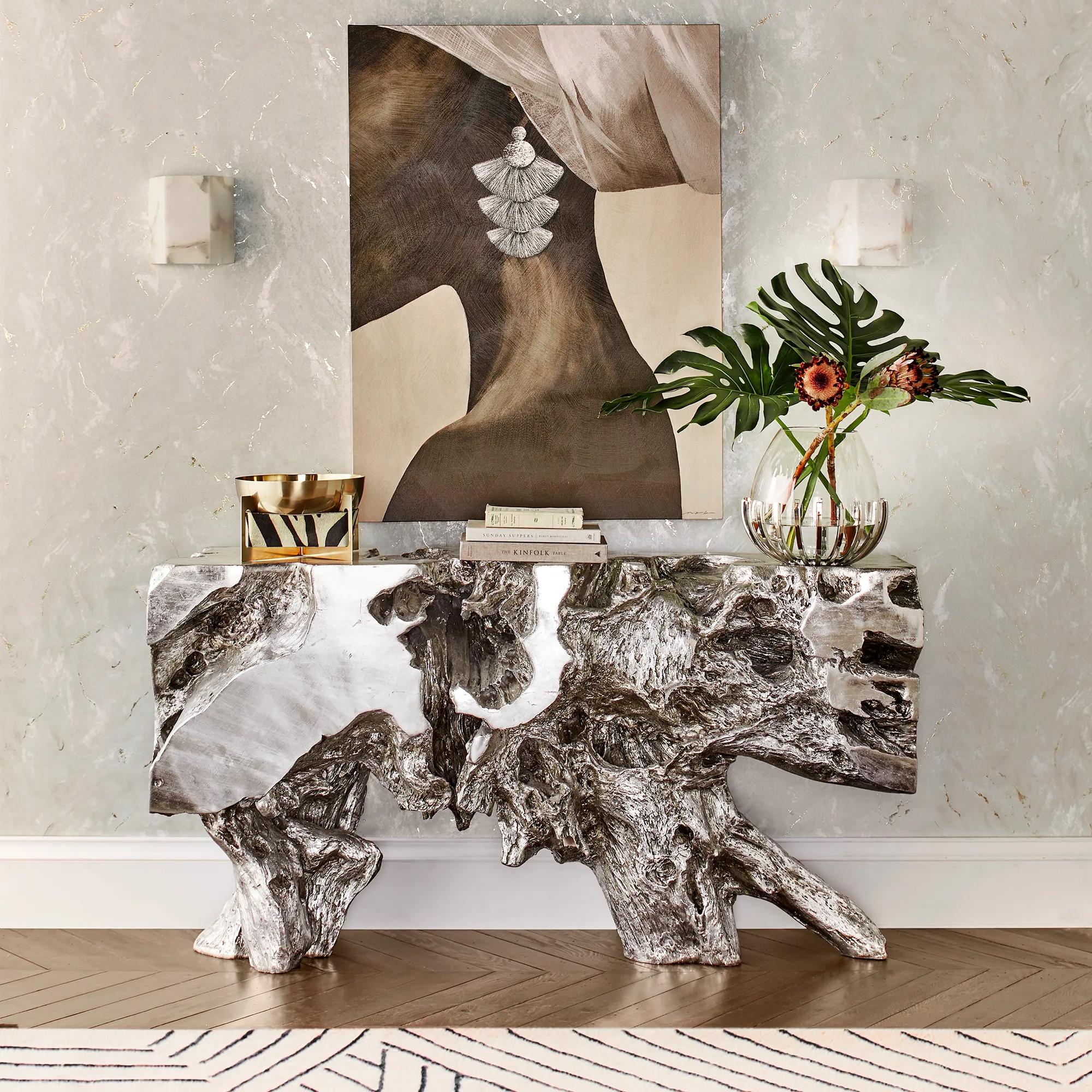 Sequoia Silver Resin Console Table (58")$1999
A sculptural console table featuring hand-applied silver leaf over resin and fiberglass with an iron core.
Add To Cart -
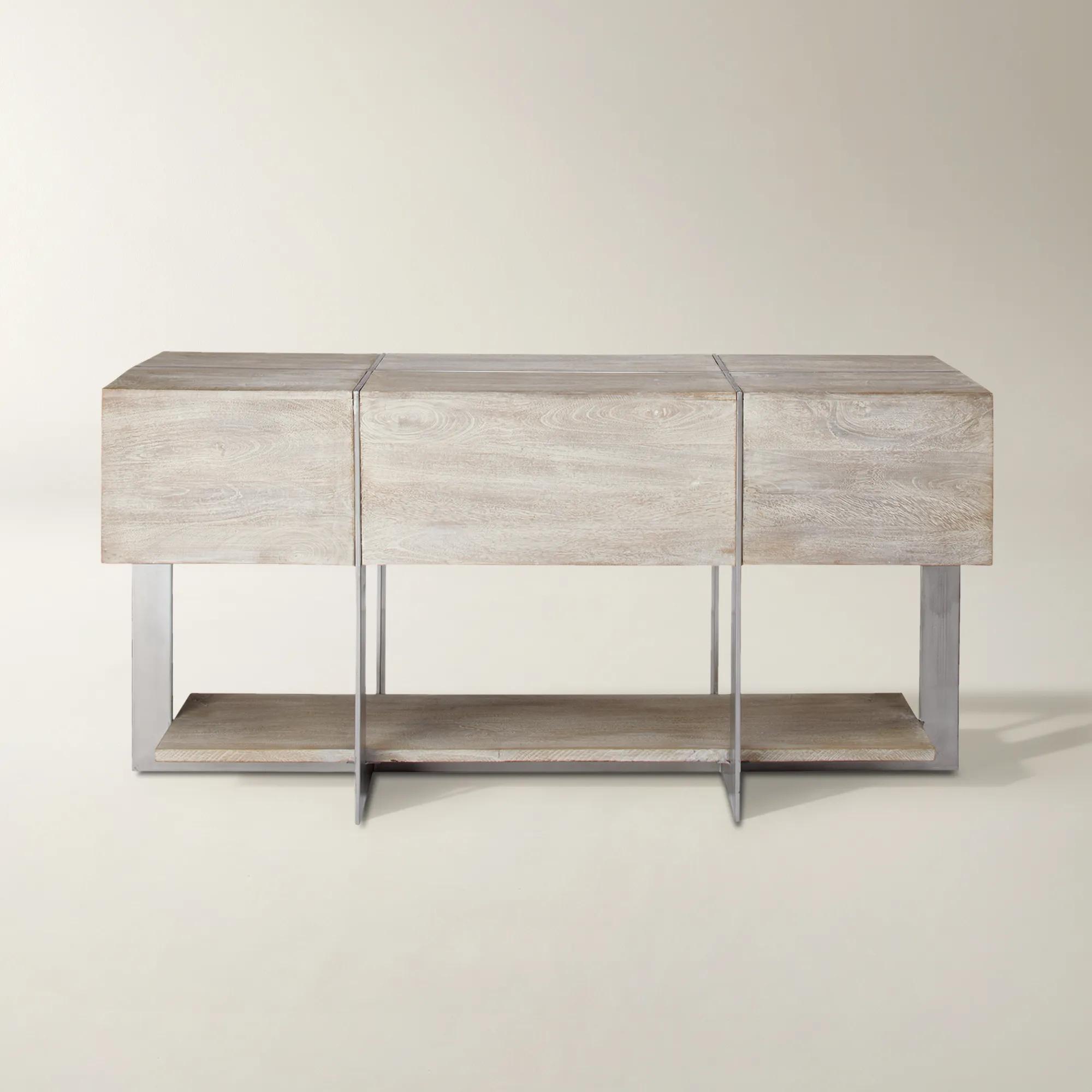
 Clifton Rectangular Natural Mango Wood Console Table (60")$1399
A handcrafted mango wood console table with a whitewashed finish and antiqued silver iron legs.
Add To Cart -
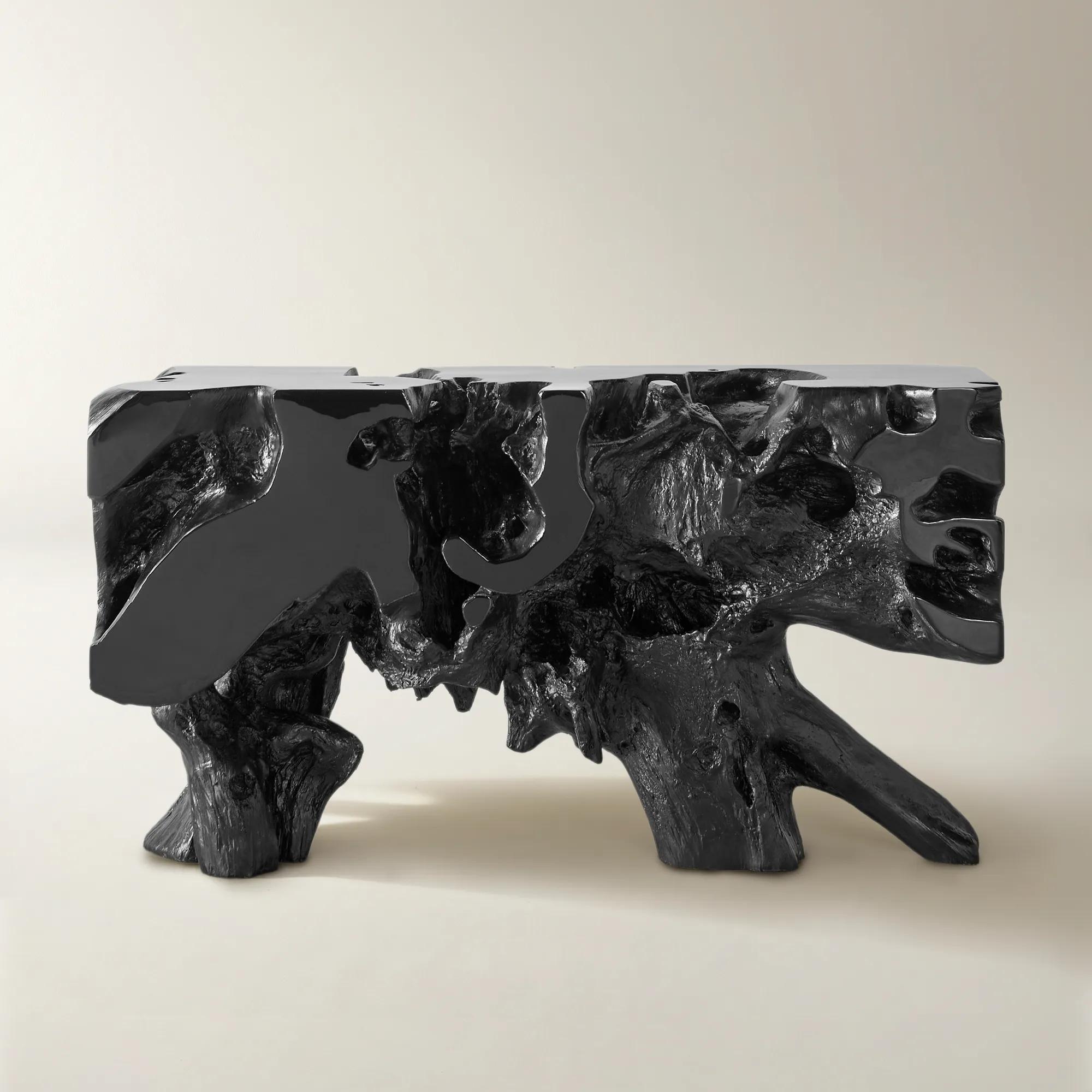 Sequoia Black Resin Console Table (58")$1999
A sculptural black console table crafted from resin, fiberglass, and polished stone for indoor or outdoor use.
Add To Cart -
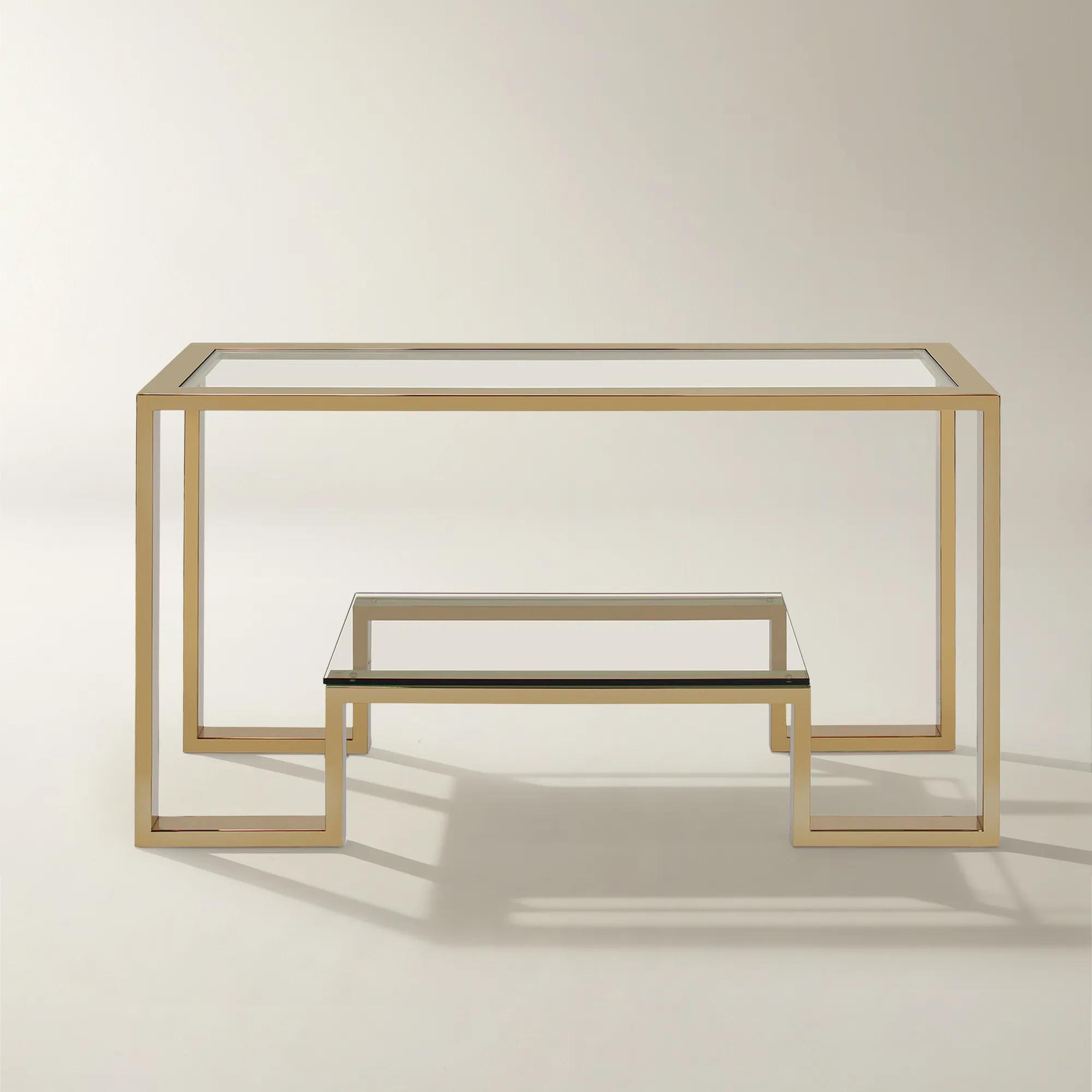
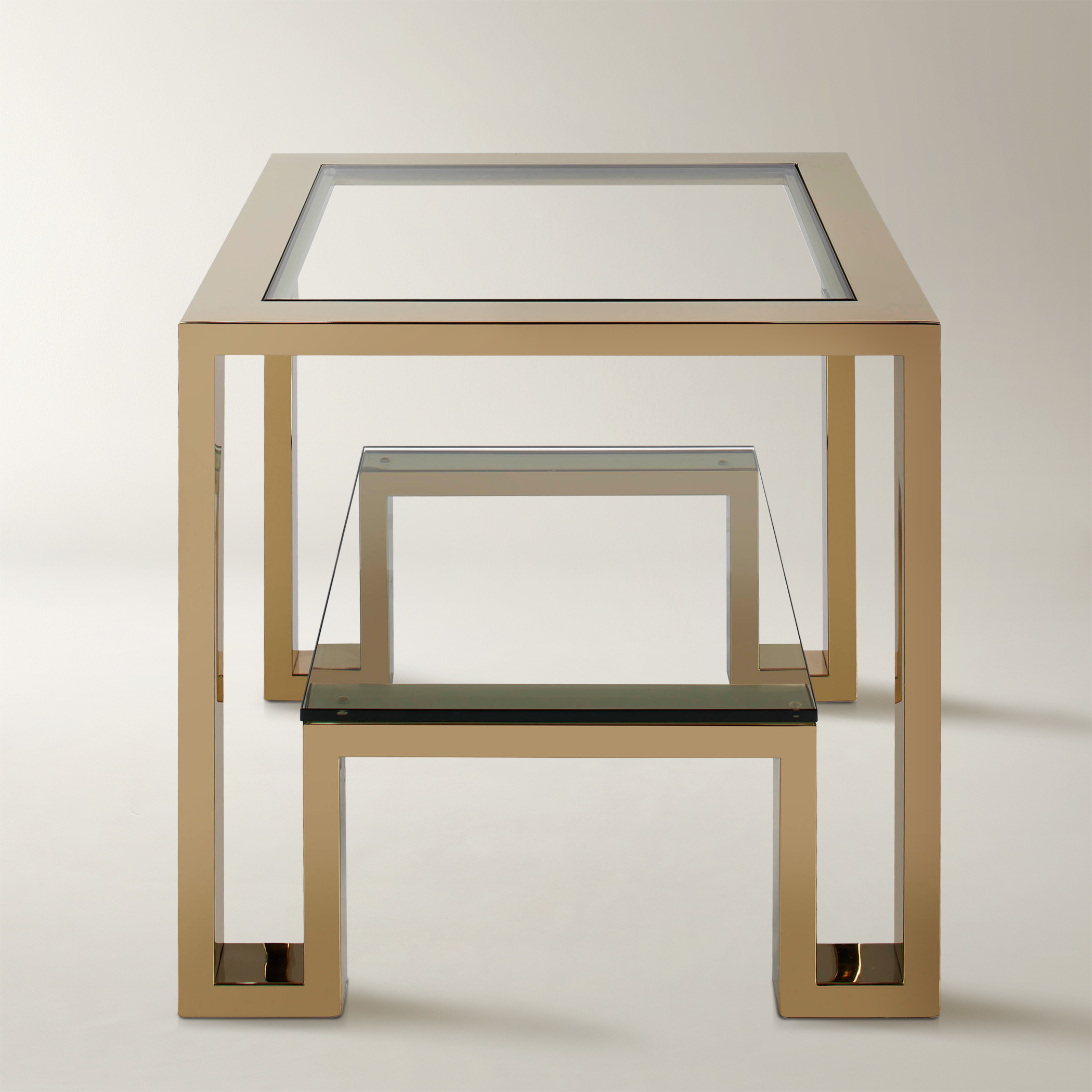
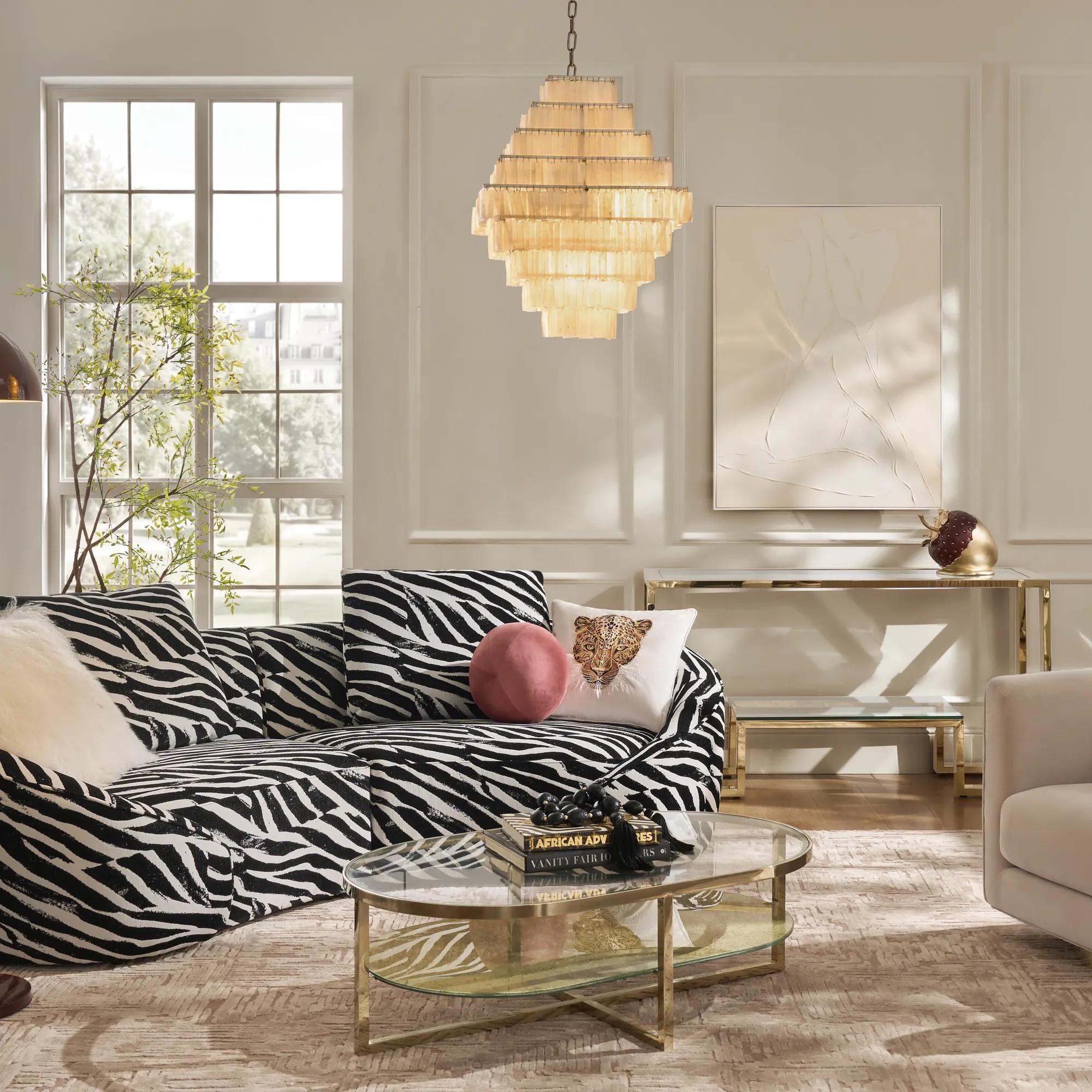 Duplicity Rectangular Gold Stainless Steel Console Table With Glass Top (59")$1399
A modern console table crafted from stainless steel and tempered glass with a floating bottom shelf.
Add To Cart -
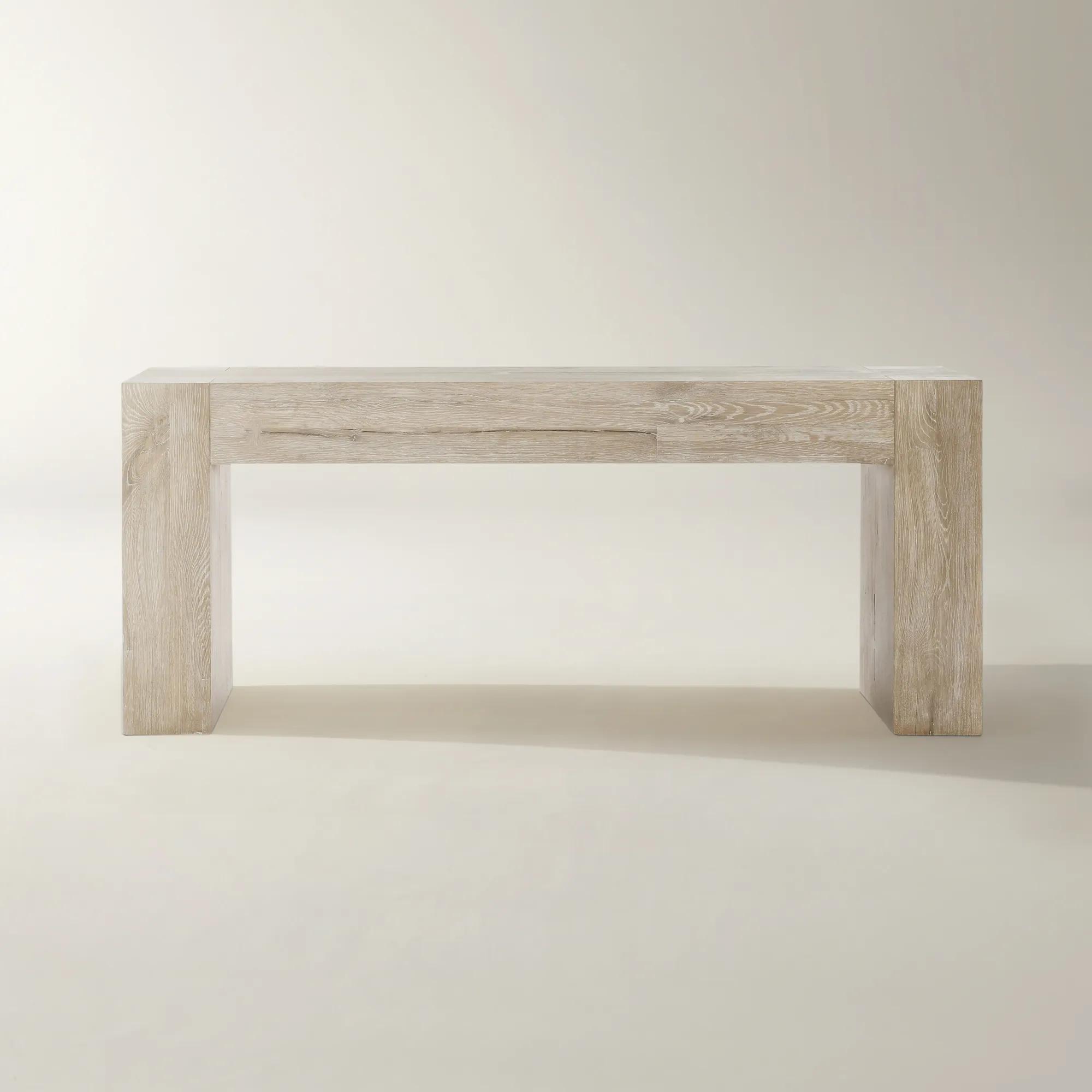
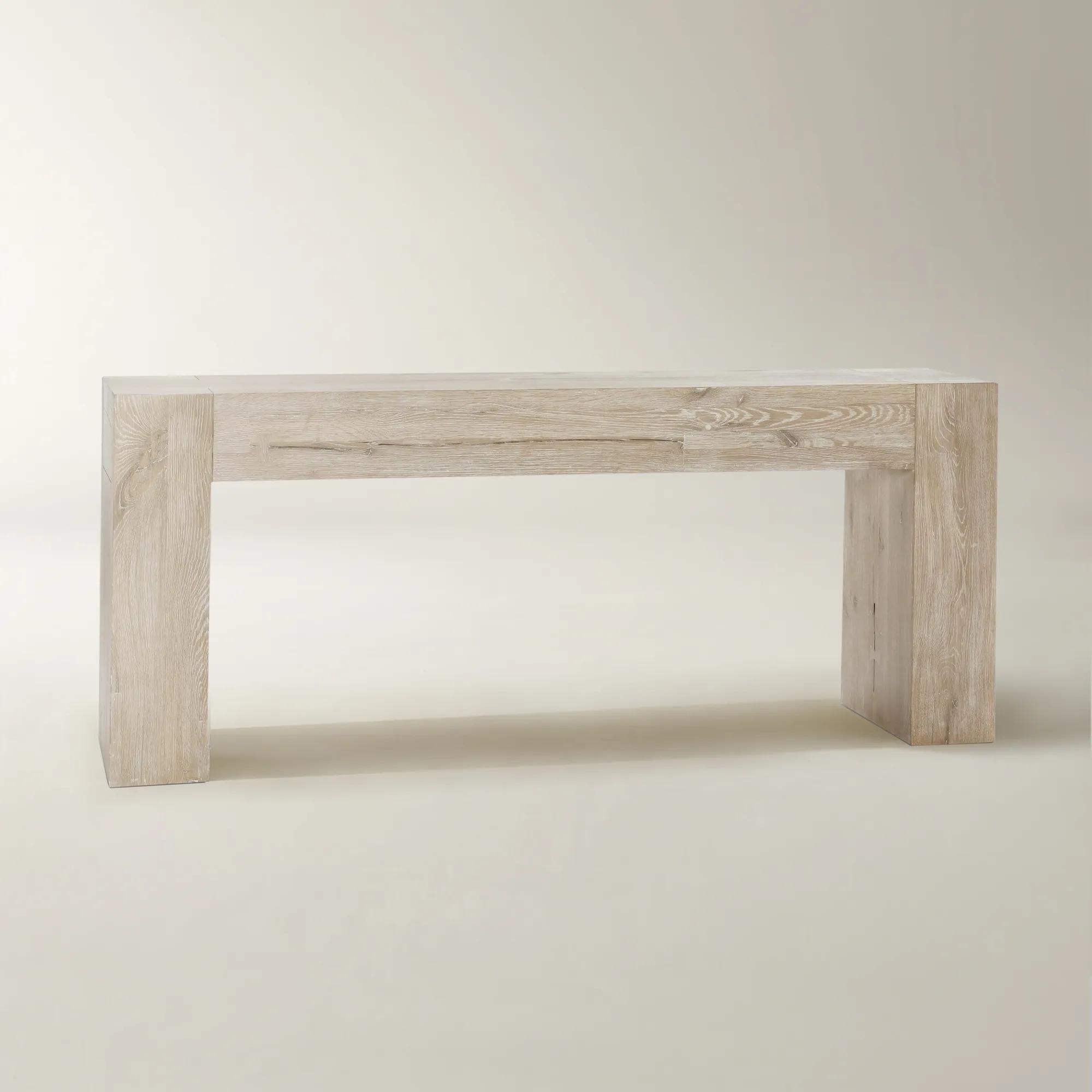 Bristol Rectangular Cream Oak Console Table (72")$2099
A handcrafted console table in aged cream cracked oak with modern dovetail detailing and artisanal character.
Add To Cart -
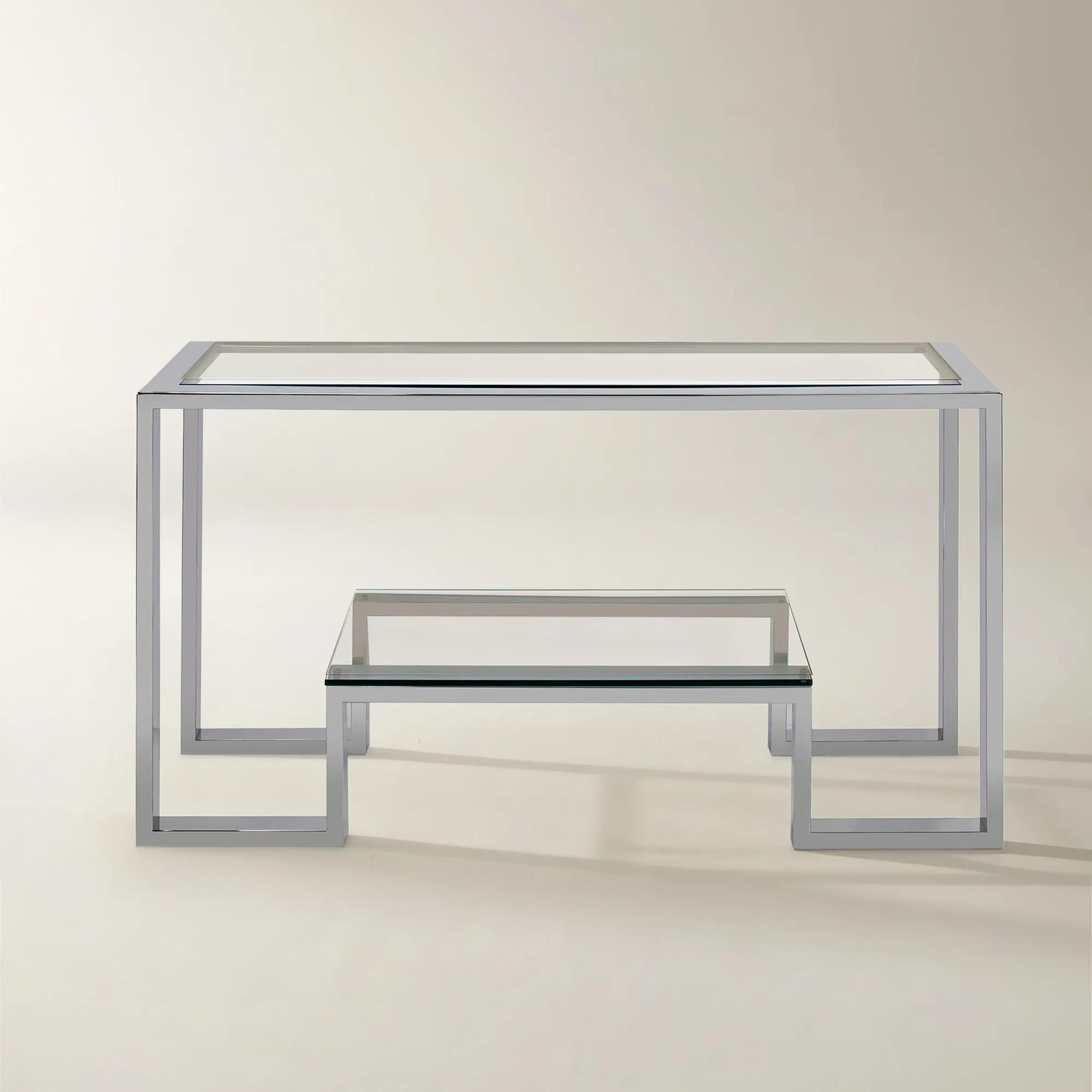
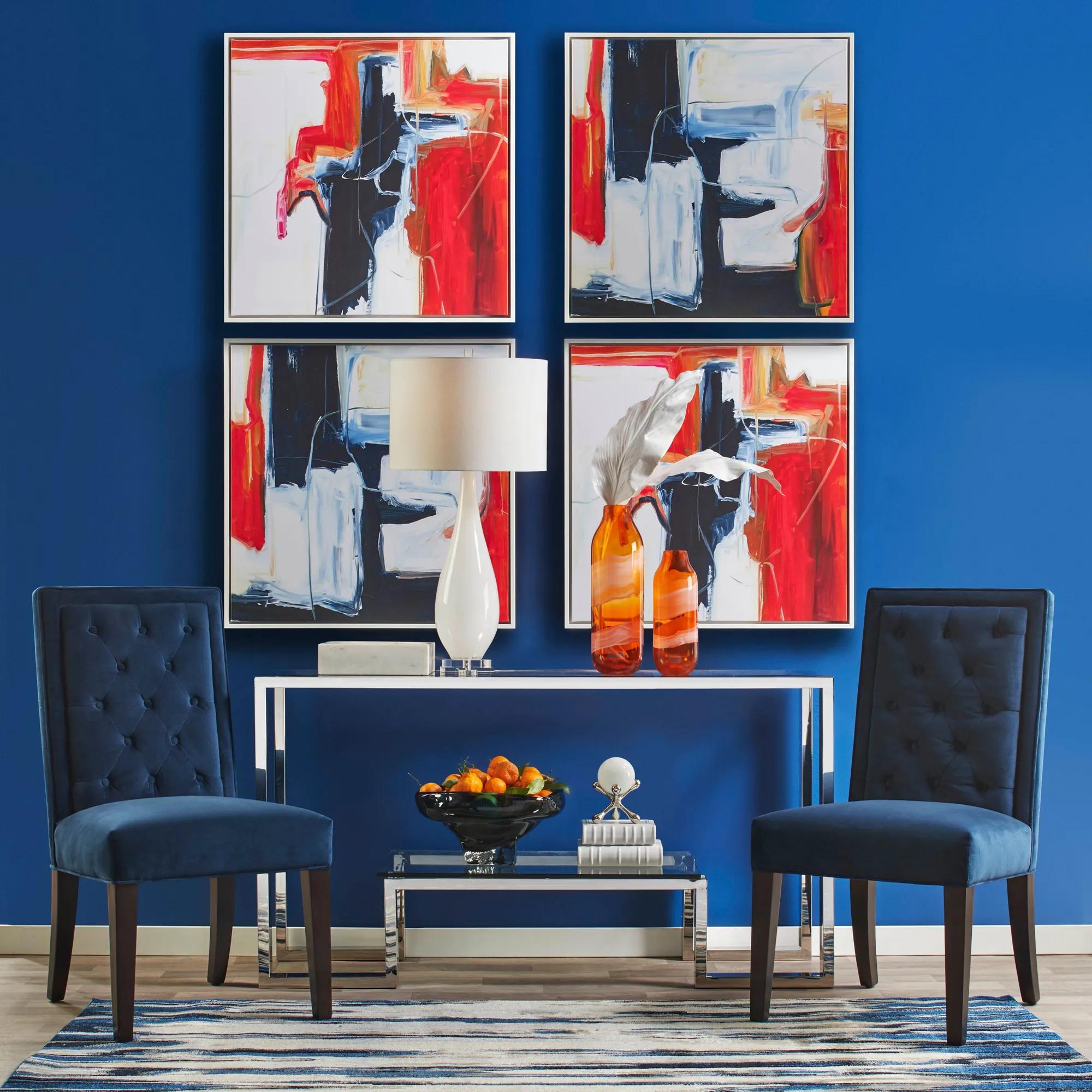 Duplicity Rectangular Silver Stainless Steel Console Table With Glass Top (59")$1399
A modern console table crafted from stainless steel and tempered glass with a floating bottom shelf.
Add To Cart -
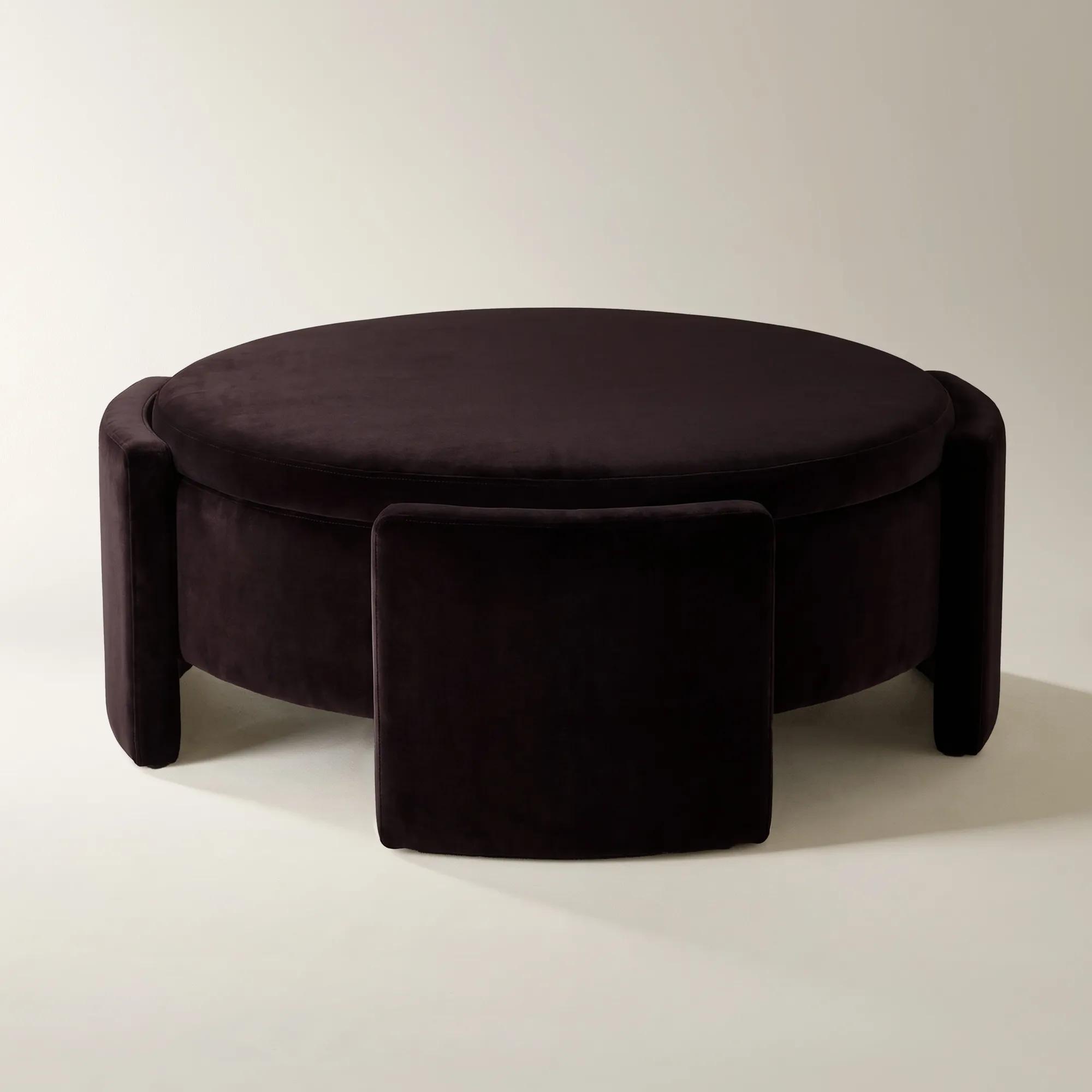
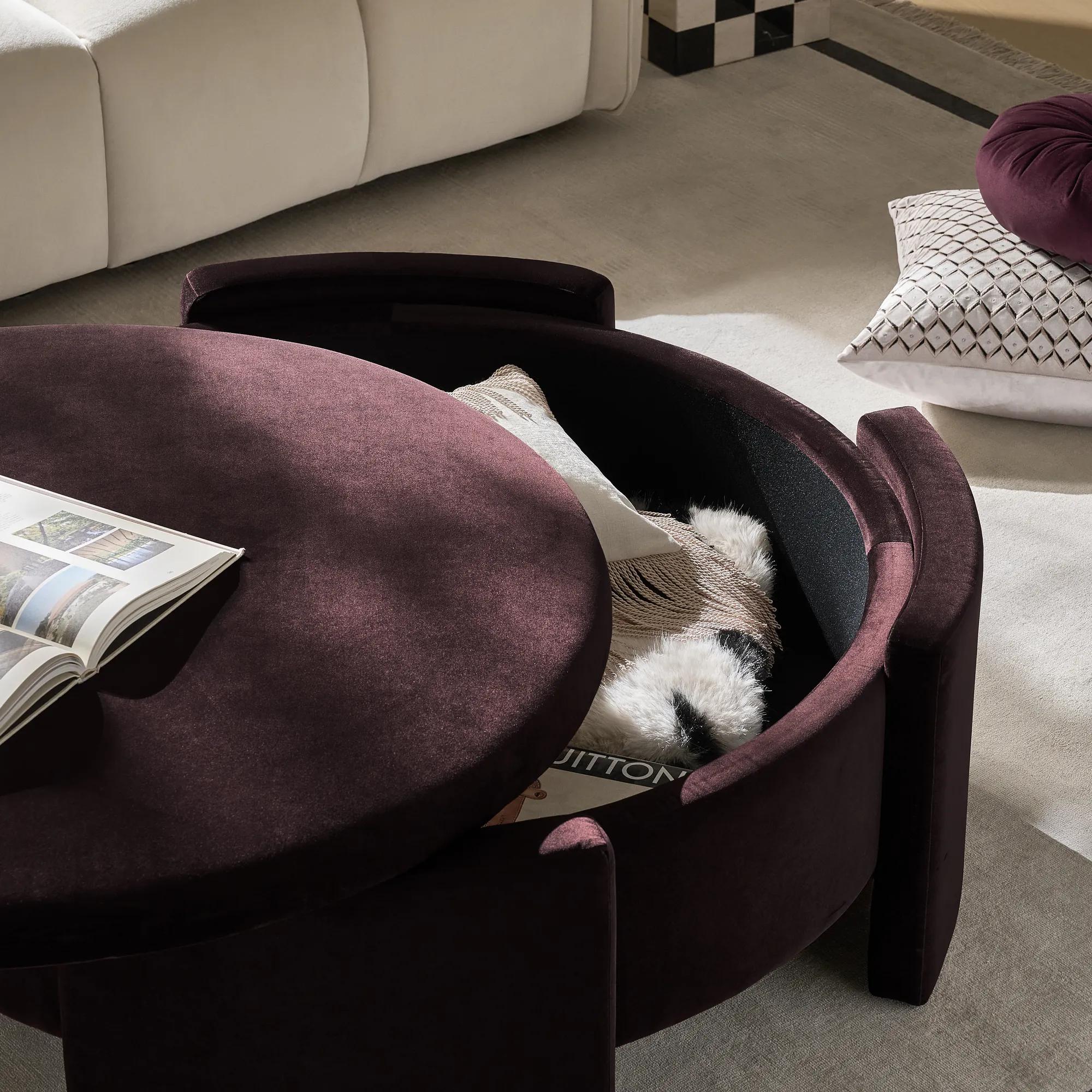 Jora Round Fig Velvet Storage Coffee Table With Reversible Tabletop (47.7")$799
A round fig velvet coffee table featuring a reversible wood tabletop and hidden interior storage.
Add To Cart

Luxury Accent Side Tables
Explore luxury accent side tables that bring expressive style and a convenient surface beside a sofa or favorite chair. Discover modern end tables with a decorative presence, whether you’re creating a striking focal point or completing a layered living room. Consider height, tabletop space, and proportions to find a piece that complements your seating and leaves room for a lamp or evening drink.
Luxury accent side tables give a room its finishing gesture: a gleam beside a sumptuous sofa, a sculptural silhouette against an upholstered chair, a beautifully proportioned surface that makes an intimate seating area feel complete. Their appeal lies in the balance of presence and purpose. Small enough to sit comfortably beside larger furnishings yet expressive enough to hold attention, these tables bring architectural shape, rich texture, and a place for the objects that accompany daily life. A reading lamp, a favorite book, or a glass set within easy reach can become part of a polished composition rather than an afterthought. In a living room, an accent side table helps define the relationship between seating and surrounding space; in a bedroom, it can offer a lighter, more individual alternative to a substantial nightstand. A rounded top softens the angular lines of a sofa, while a square or rectangular profile creates a crisp connection with tailored upholstery. Sculptural bases introduce movement beneath the surface, and open frames allow a patterned rug to remain visible. Fit is essential to that effect. A tabletop near the height of a chair or sofa arm generally feels comfortable to use, while its width and depth should leave room to pass without turning sideways or brushing against the edge. Beside low seating, a compact profile preserves the relaxed proportions; alongside a generously scaled sectional, a table with more visual weight can hold its own. The intended arrangement matters as much as the dimensions. A surface meant for a substantial lamp needs enough room for its base and everyday essentials, while a smaller table reserved for a drink can be more slender and jewel-like. These distinctions allow luxury side tables to support different ways of living, from quiet evenings with a book to conversation-filled gatherings, without sacrificing the drama that gives a room its personality.
Material and finish determine how that personality comes into focus. Stone introduces natural variation and a sense of substance, with veining that can read like an abstract drawing across the tabletop. Glass offers visual lightness, letting the shape of a striking base take center stage and keeping a compact seating arrangement from feeling crowded. Mirrored surfaces reflect nearby color and light, adding depth to a vignette while making decorative objects appear especially vivid. Wood contributes grain, warmth, and tonal complexity, whether its character is expressed through a smooth finish or a more pronounced texture. Metal can feel fluid and sculptural or precise and architectural, depending on the form, with polished surfaces catching light and brushed finishes producing a softer shimmer. For a stronger emphasis on reflective detail, Luxury Metallic Accent Tables offer a luminous direction that pairs beautifully with richly textured upholstery and dramatic artwork. Across these materials, lasting appeal depends on more than surface beauty. A stable base, sound connections, and a finish suited to the table’s intended use all deserve consideration, particularly when a piece will serve as an everyday landing place rather than a decorative accent alone. Natural stone may be porous or sensitive to acidic spills, so sealing requirements and cleaning recommendations vary by material. Glass and mirror show fingerprints readily but reward gentle care with crisp reflections; edges should remain protected from knocks and heavy objects. Wood benefits from prompt attention to spills, coasters beneath drinks, and protection from prolonged direct sunlight. Metal finishes also vary, and abrasive cleaners can dull or damage their appearance. Manufacturer care instructions remain the best reference for any finish, with soft cloths and appropriate cleaning products helping preserve its character. In households with children or pets, rounded edges, a balanced footprint, and secure placement can be especially useful considerations. A delicate pedestal may suit a quiet corner beautifully, while a more substantial base can be better suited to frequent use beside the main seating area.
The most compelling arrangements allow an accent side table to contribute contrast without competing with everything around it. A sleek reflective surface beside velvet creates a tactile conversation; a stone top near linen introduces a more substantial note; a dark wood finish can give pale upholstery a defined edge. Matching every finish is not necessary for a cohesive room. Repeating a tone from a lamp, picture frame, or cabinet hardware can establish a connection while allowing the table’s shape to remain distinctive. When metallic finishes are mixed, a shared level of sheen or a deliberate repeated accent helps the composition feel considered. Styling benefits from the same sense of proportion. A tall lamp and a low bowl create variation without filling every inch, while a single sculptural object can be enough on a particularly expressive tabletop. Leaving usable space preserves the pleasure of having somewhere convenient to set a cup or phone. For homes that welcome guests often, a side table beside each principal seat makes conversation areas feel more generous and comfortable. In smaller rooms, an open base or transparent top can maintain a clear view across the space, and nesting forms, where suited to the layout, offer flexibility without a permanently expansive footprint. In a primary bedroom, a pair of tables can frame the bed with symmetry; in a personal reading corner, one distinctive silhouette may provide all the definition needed. Luxury accent tables can also make thoughtful housewarming or wedding gifts when the recipient’s style and room dimensions are well understood, especially for someone who enjoys collecting art, arranging flowers, or refining a favorite corner of the home. The strongest choice responds to both the setting and the person who inhabits it. Whether the desired effect is mirrored brilliance, richly grained warmth, or the quiet authority of stone, an accent side table brings beauty to the places where life pauses for a moment—and gives those moments an elegant setting.
FAQs
A luxury accent side table pairs expressive design with refined materials and considered detailing. Sculptural silhouettes, richly veined stone, gleaming metal, and artful finishes turn a supporting piece into a captivating focal point. Look for a design that brings its own personality to the room while complementing your furniture.
Marble lends natural artistry, while mirrored surfaces and polished metal introduce luminous contrast. Glass offers a crystalline counterpoint to sumptuous upholstery, and richly finished wood adds depth to a layered interior. Pairing materials—such as stone with brass-toned metal—creates a particularly striking interplay of texture and sheen.
Create a deliberate composition with a sculptural vase, an art book, or a distinctive decorative object. Vary shapes and textures while leaving part of the tabletop visible so its finish remains part of the story. A single dramatic arrangement can feel as luxurious as a richly layered vignette.
Accent side tables do not need to match the coffee table to create a cohesive room. Instead, establish a visual connection through a shared finish, complementary shape, or recurring material. A mirrored side table beside a richly grained wood coffee table, for example, brings contrast and an artfully collected sensibility.
Let the table introduce a distinctive accent within your room’s design language. A polished geometric silhouette brings definition to a modern interior, while a stone-topped design adds richness to a transitional setting. In a maximalist room, an expressive base or jewel-toned finish can join the interplay of pattern, color, and collected objects.