Accent Furniture For Small Spaces
Accent Furniture For Small Spaces
-
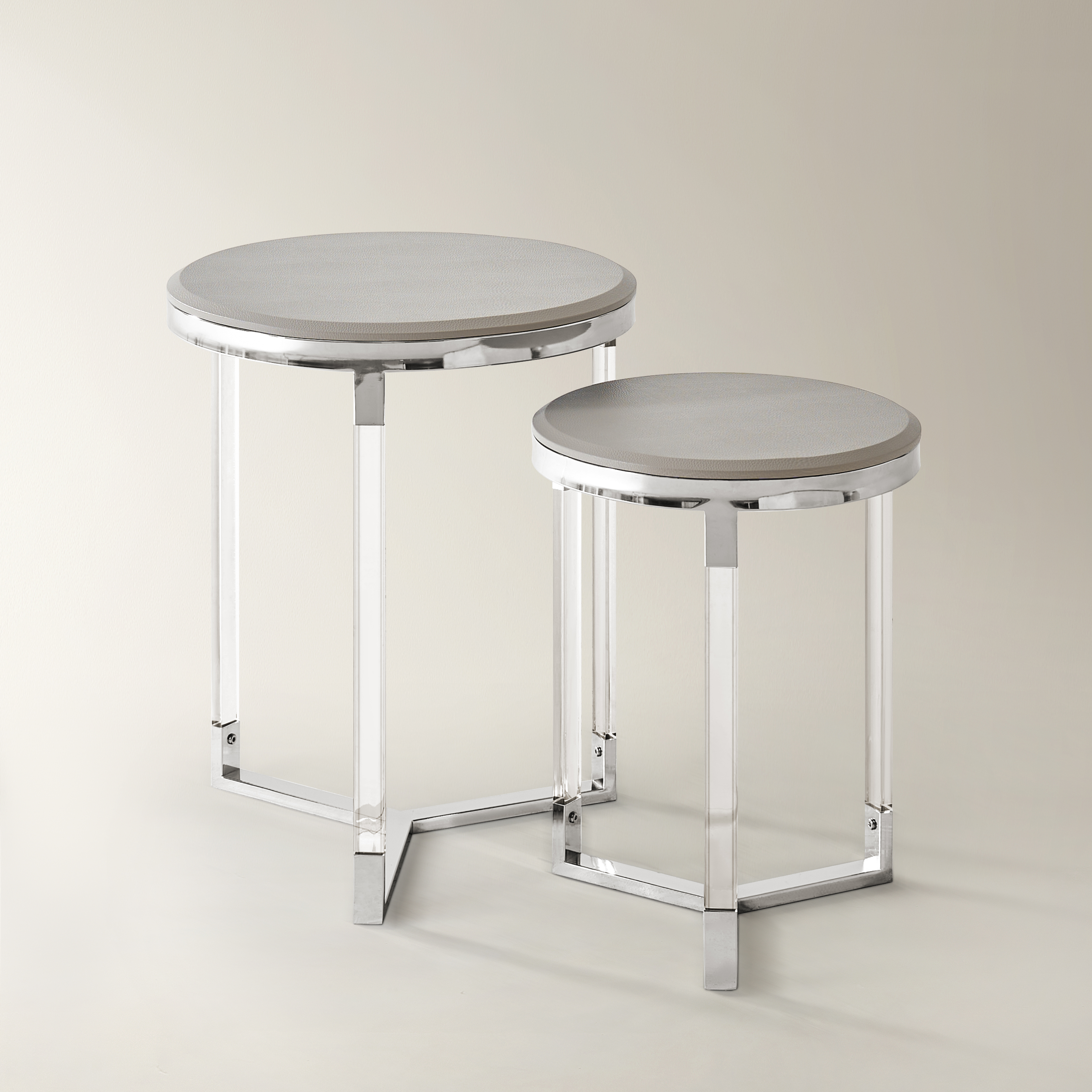
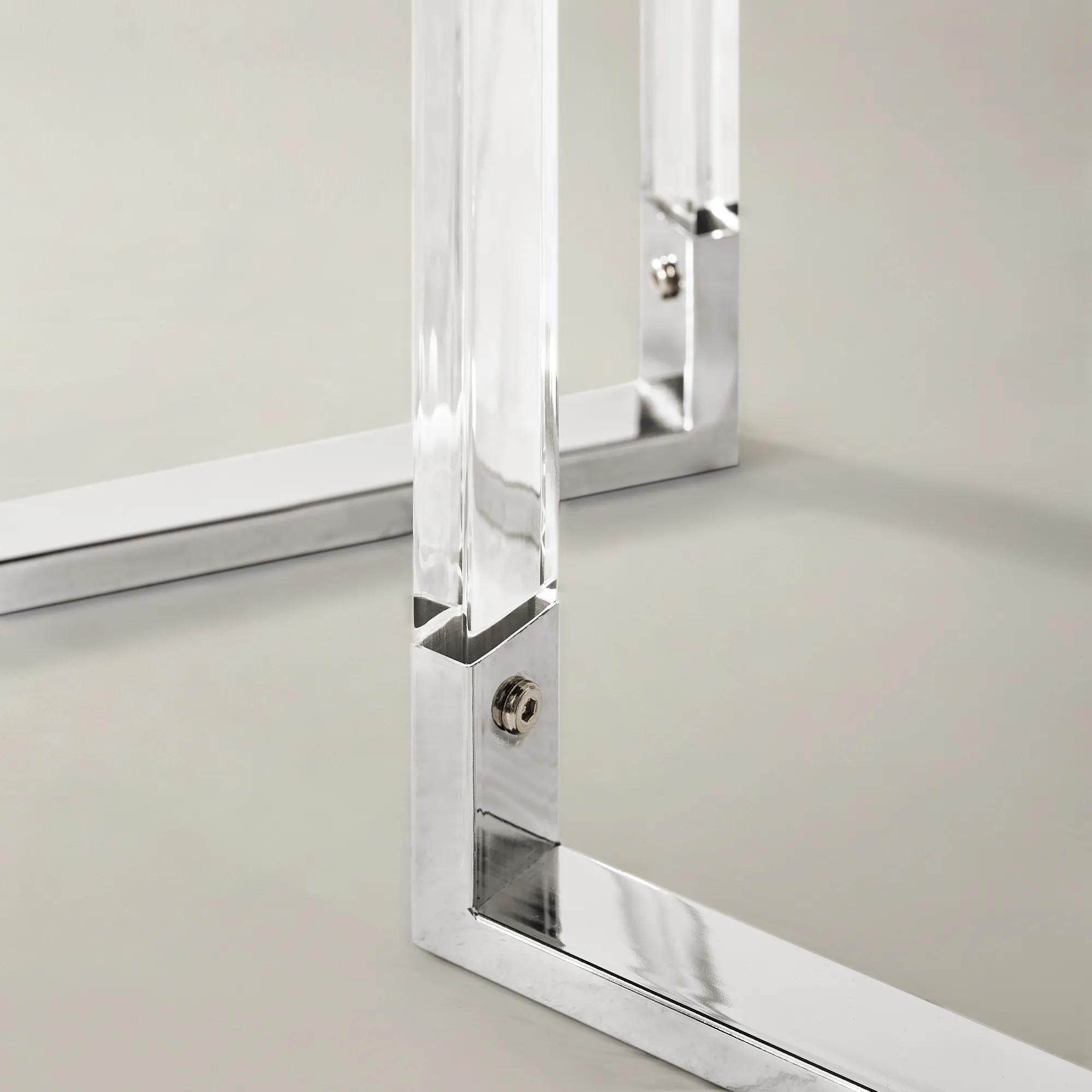 Murano Round Grey Accent Table With Faux Leather Top Set Of 2 (14.5"-18.5")$399
A bold set of two accent tables featuring mixed woods, acrylic legs, and faux leather tops.
Add To Cart -
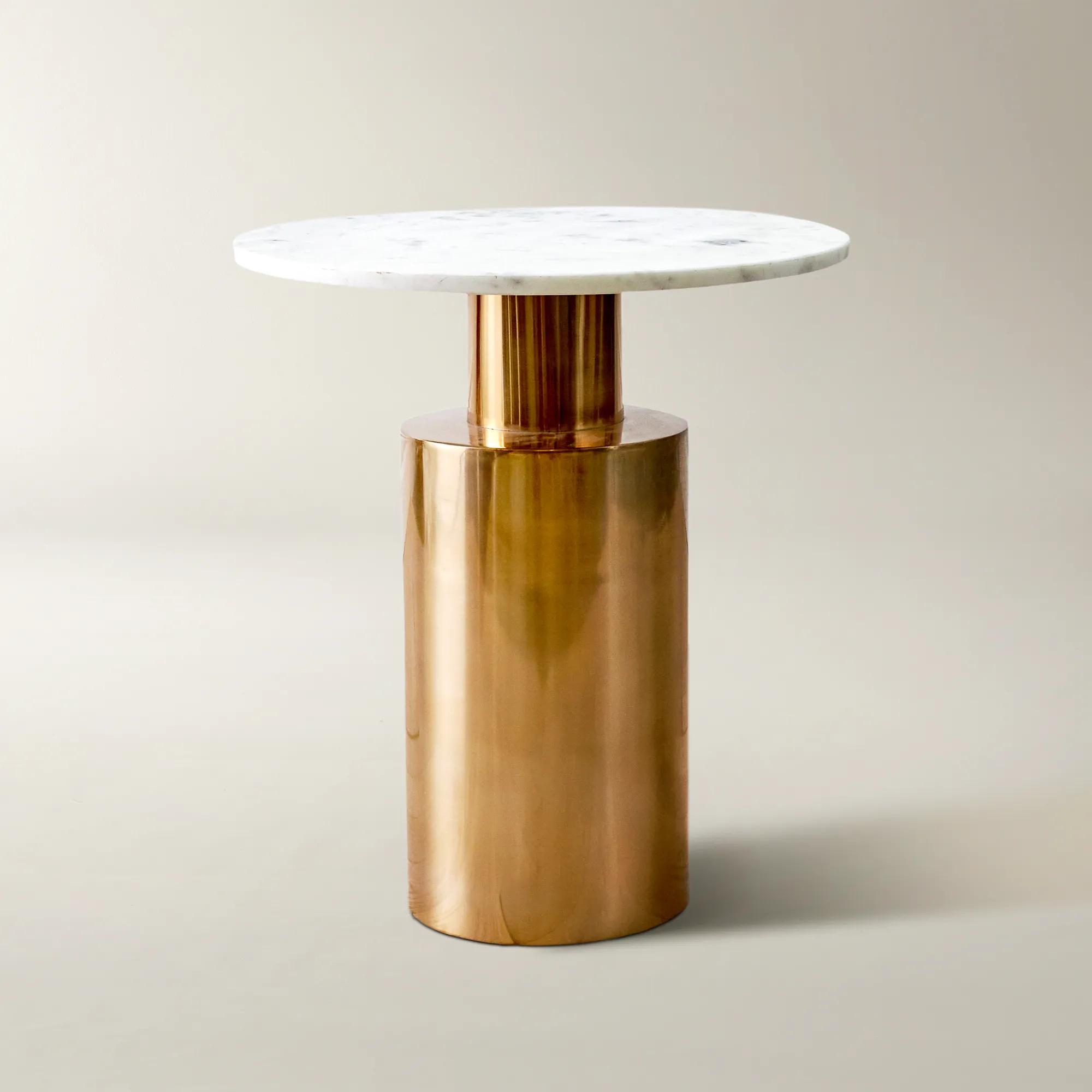 Capri Round White Marble Accent Table (16")$299
A striking accent table featuring a white marble top and gold-finished stainless steel base.
Add To Cart -
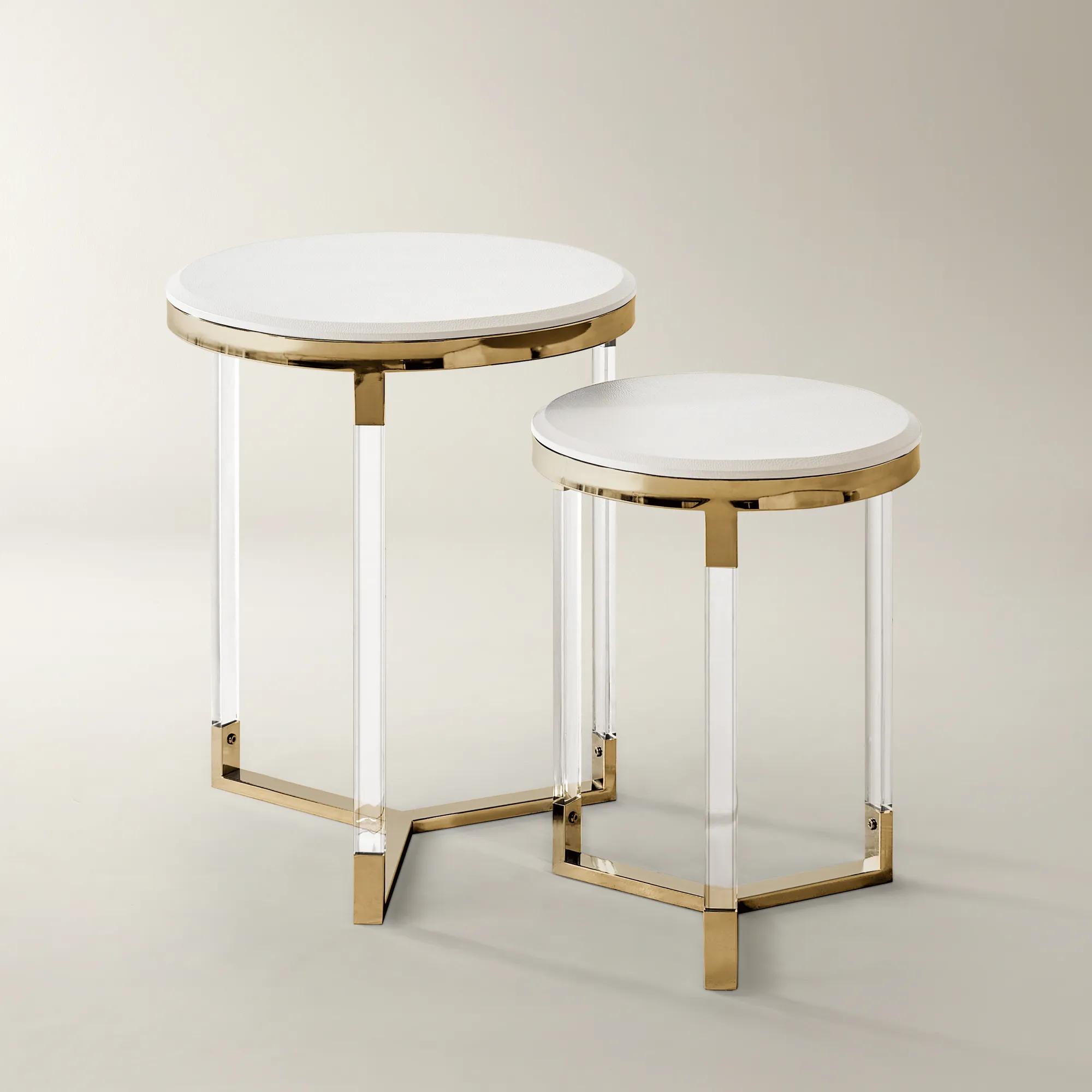
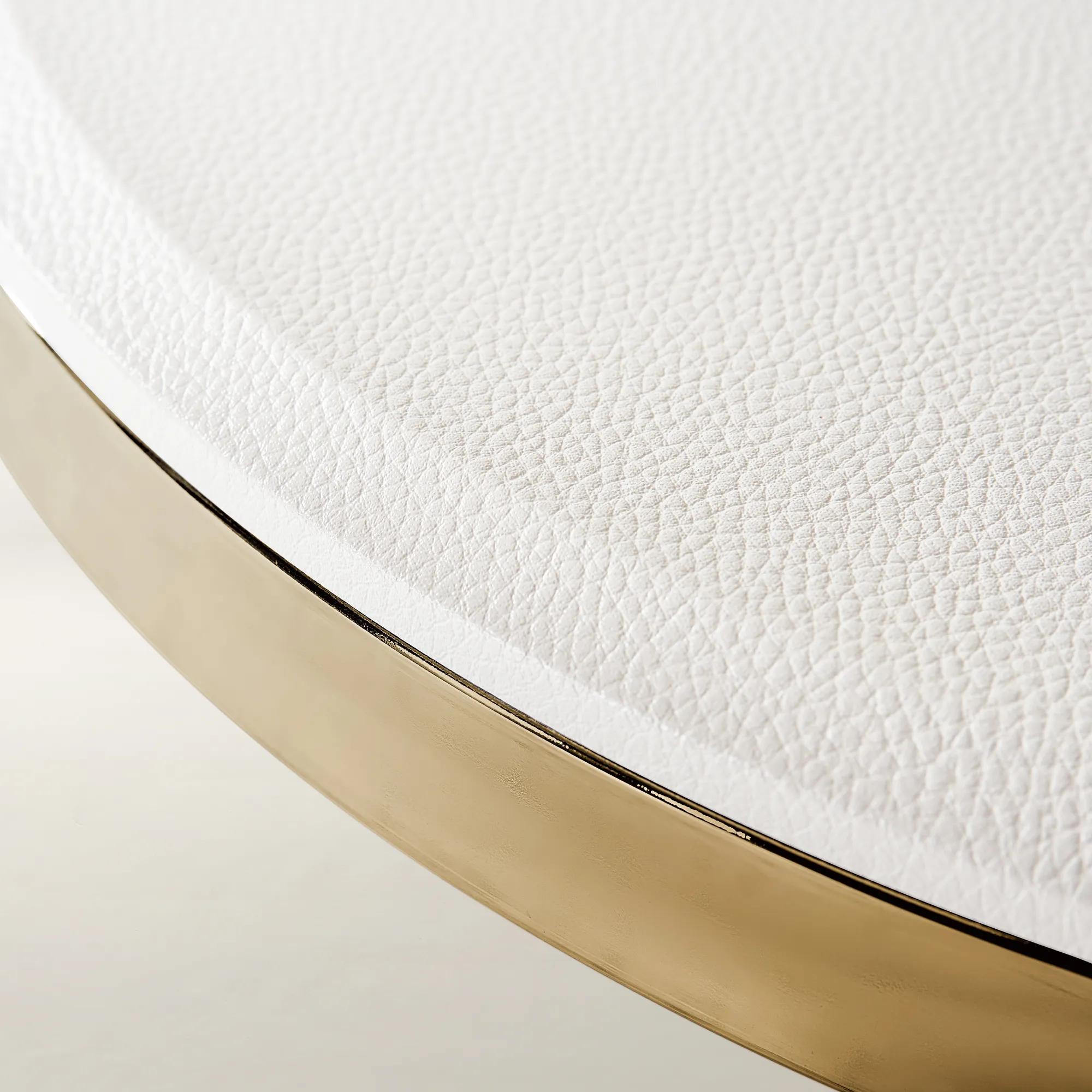 Murano Round White Accent Table With Faux Leather Top Set Of 2 (14.5"-18.5")$399
A set of two accent tables featuring mixed woods, faux leather tops, and acrylic legs with metallic finishes.
Add To Cart -
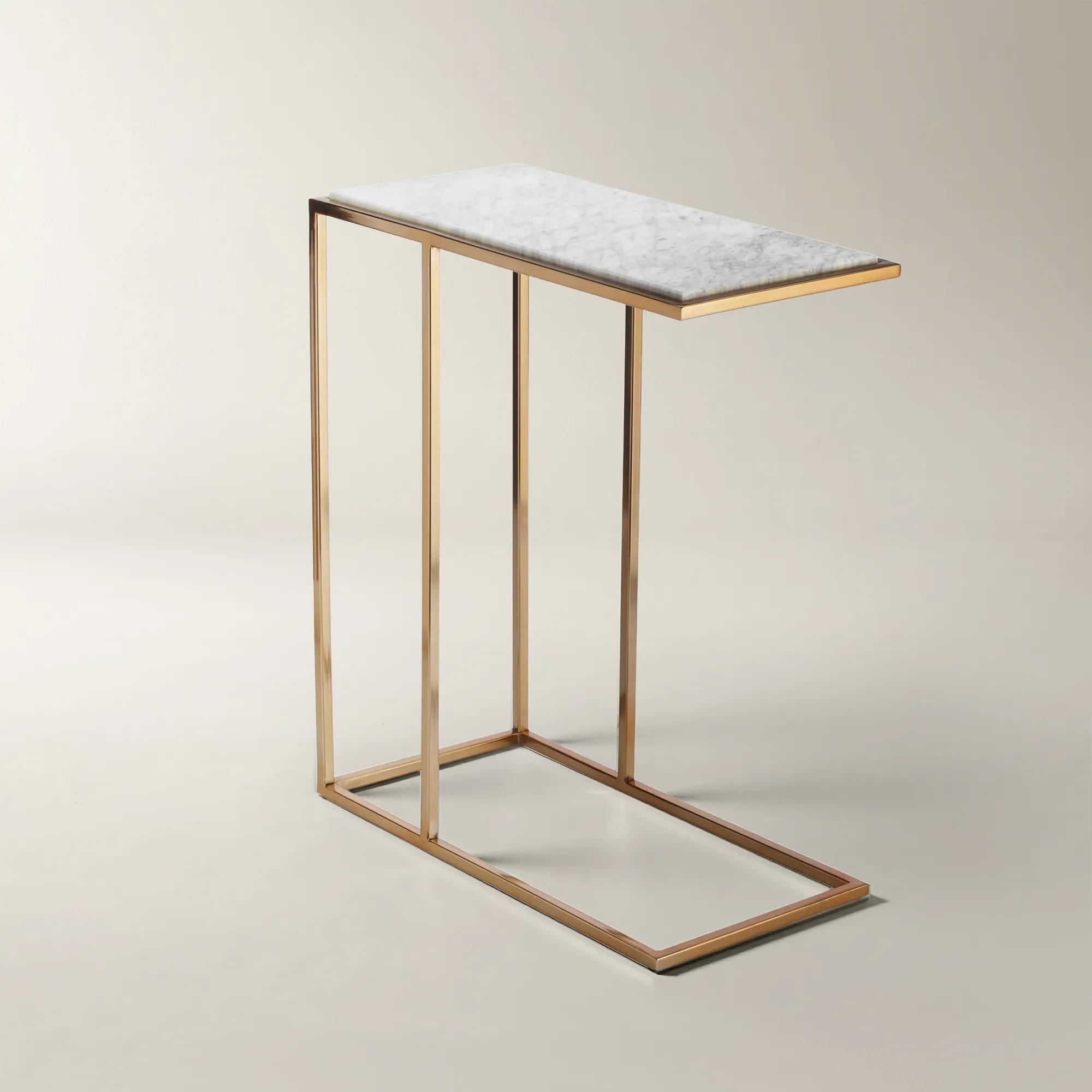
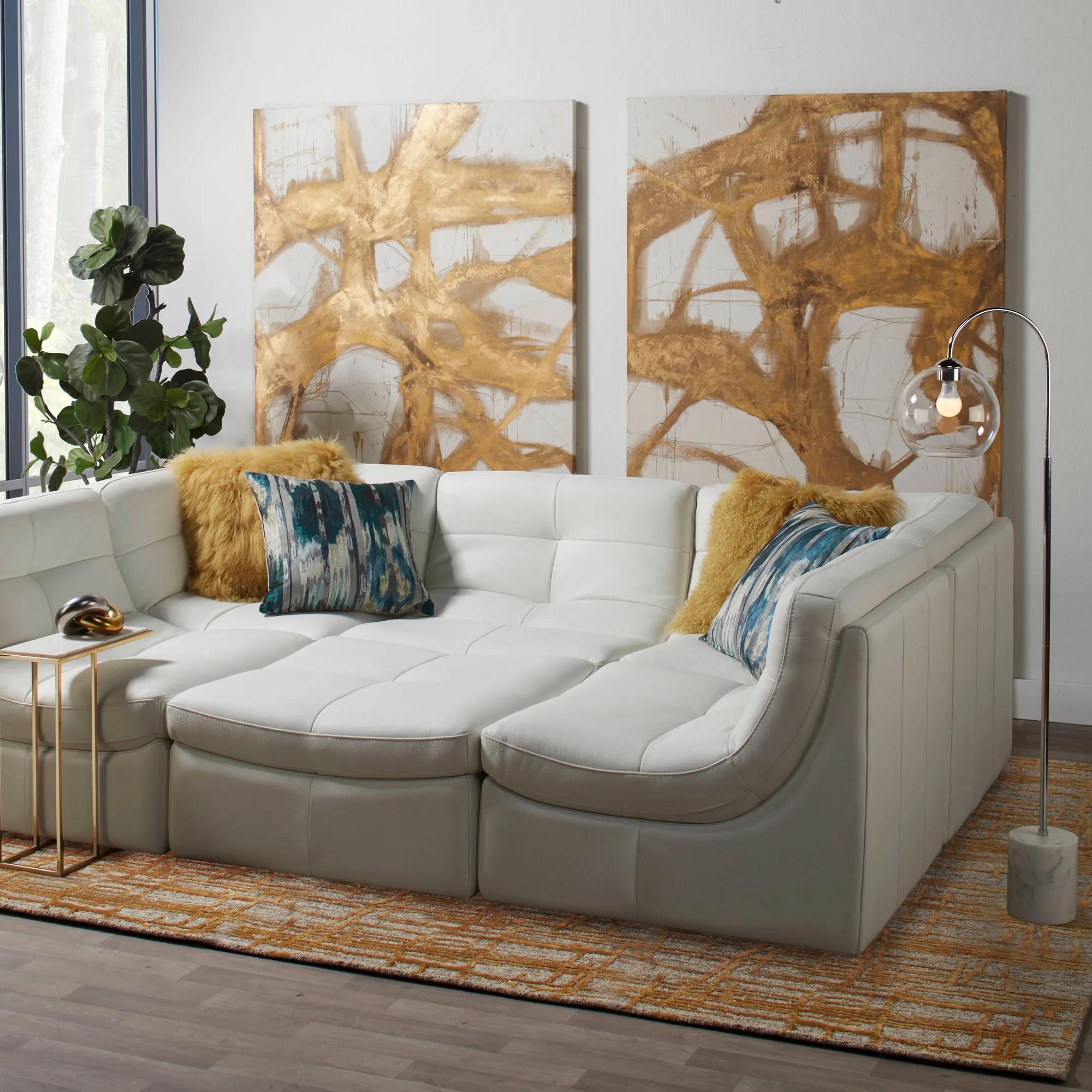 Lawton Rectangular Gold Stainless steel Accent Table With Marble Top (19.75")$259
A space-saving table featuring a white marble top and gold-finished stainless steel base.
Add To Cart -
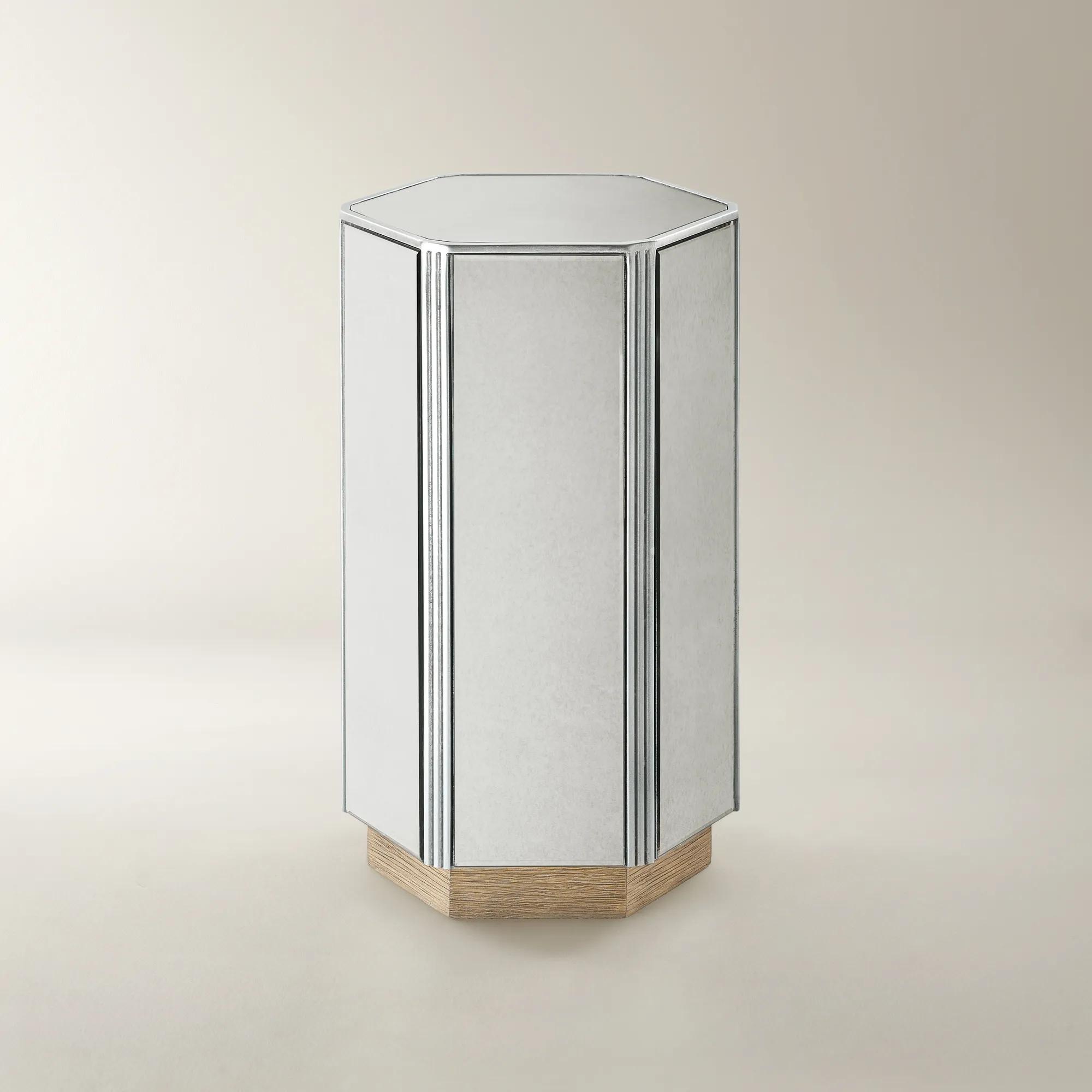 Glimmer Silver Mirrored End Table (12")$399
A chic side table featuring an antique silver mirror top and warm oak veneer base with handcrafted details.
Add To Cart -
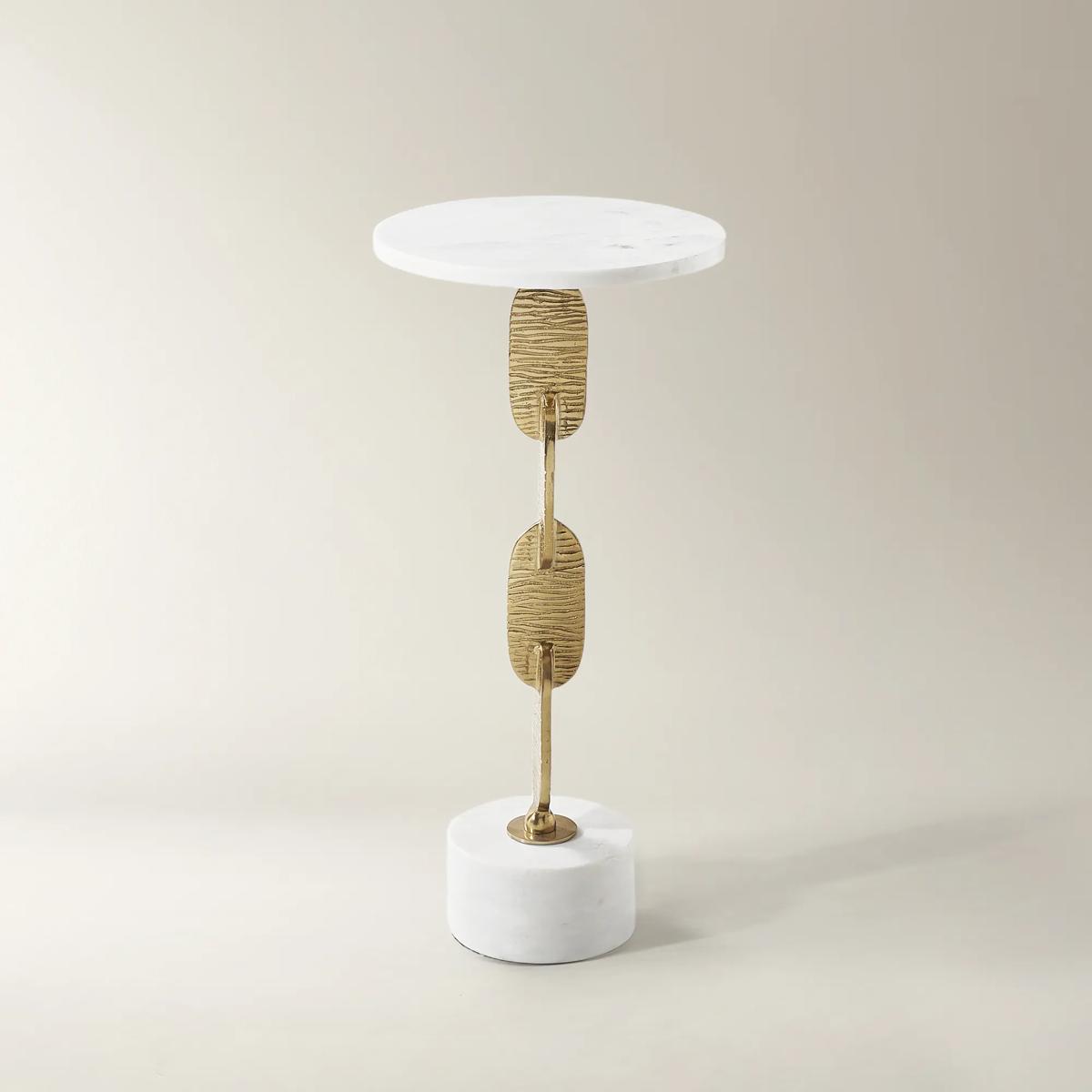
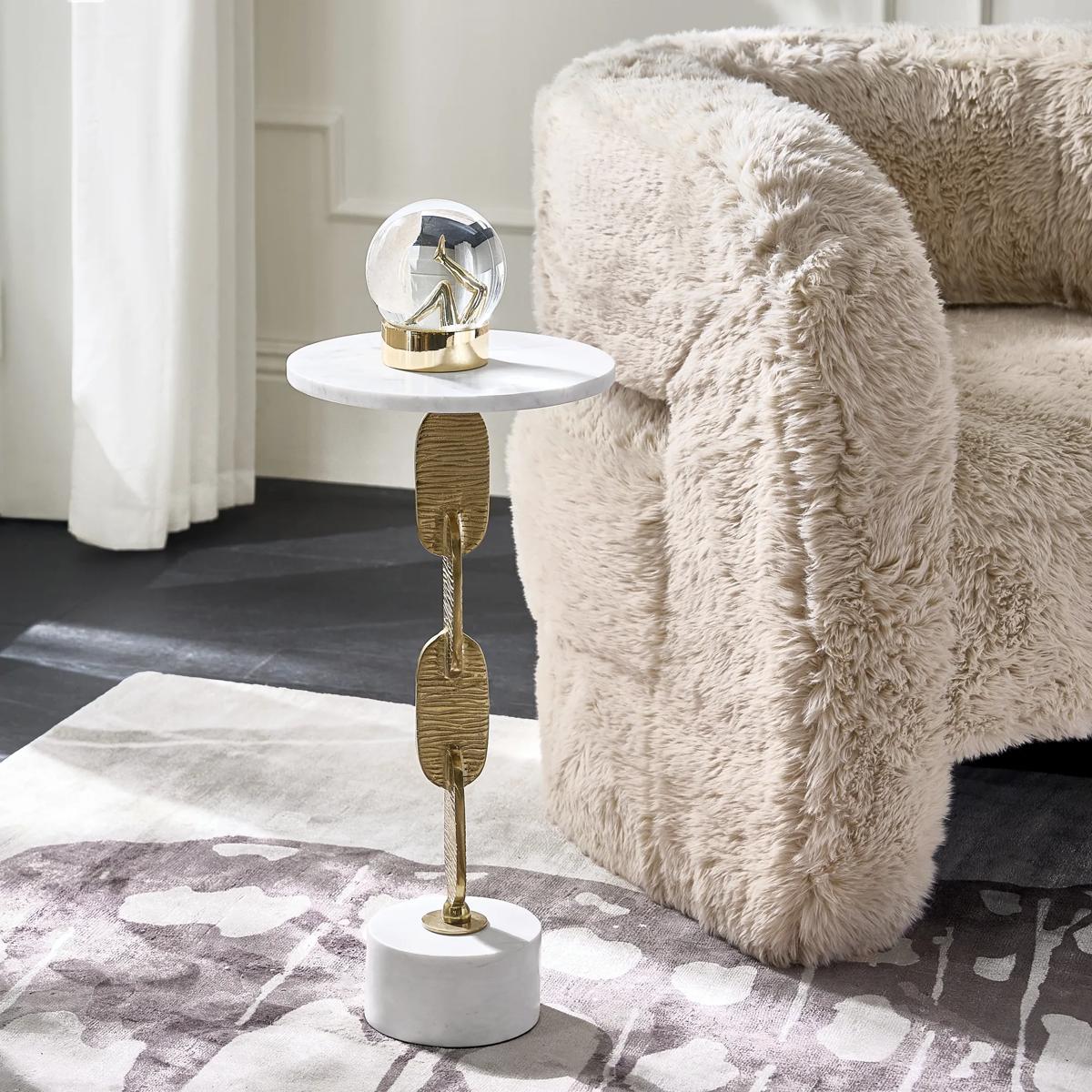 Luna Round White Marble Side Table (11.25")$199
A sculptural side table featuring a genuine white marble top and an open gold-finished metal frame.
Add To Cart -

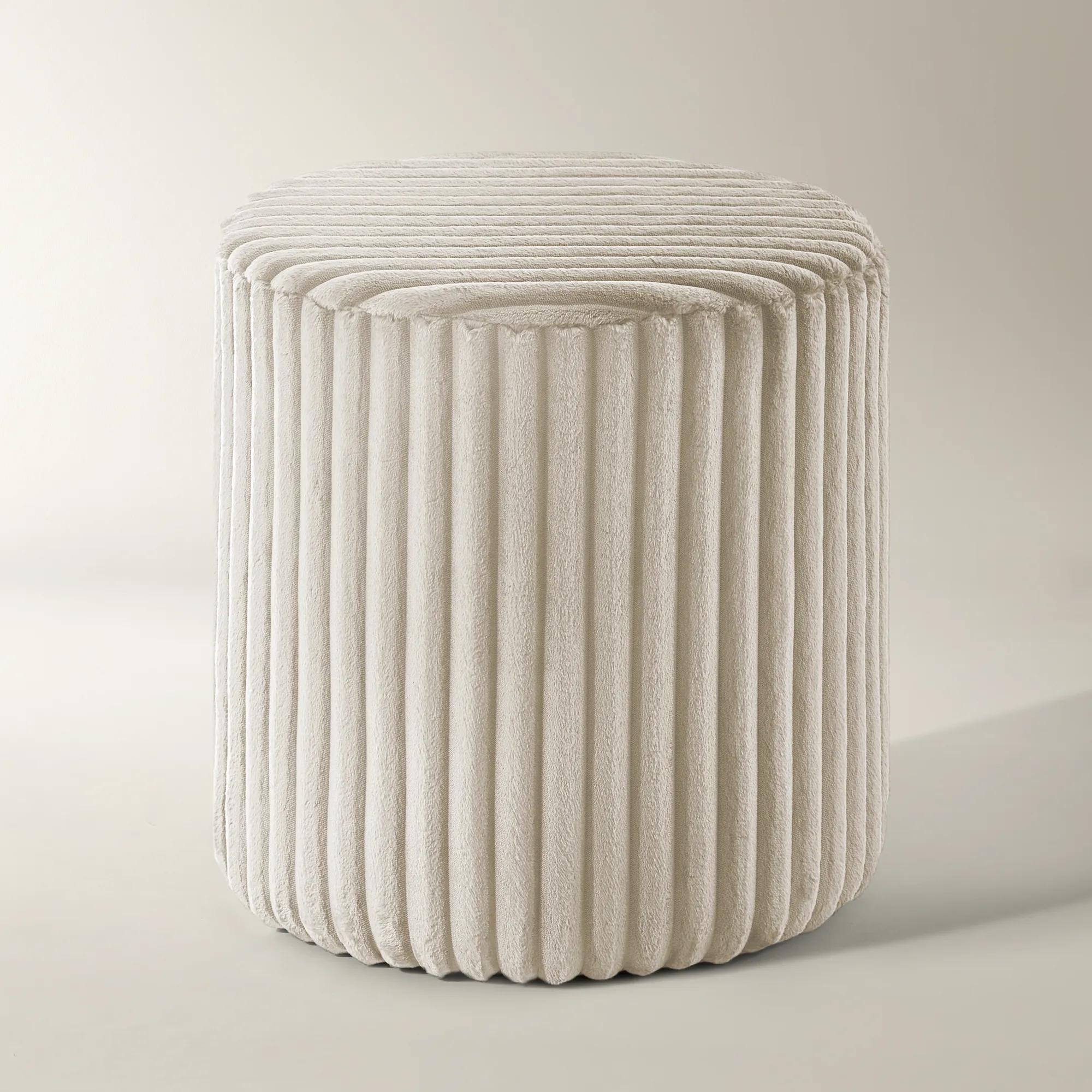 Fleece Fluted Ivory Velvet Stool (15.55'')$229
An ivory ribbed velvet stool offering cozy softness and versatile use as seating, footrest, or accent table.
Add To Cart -
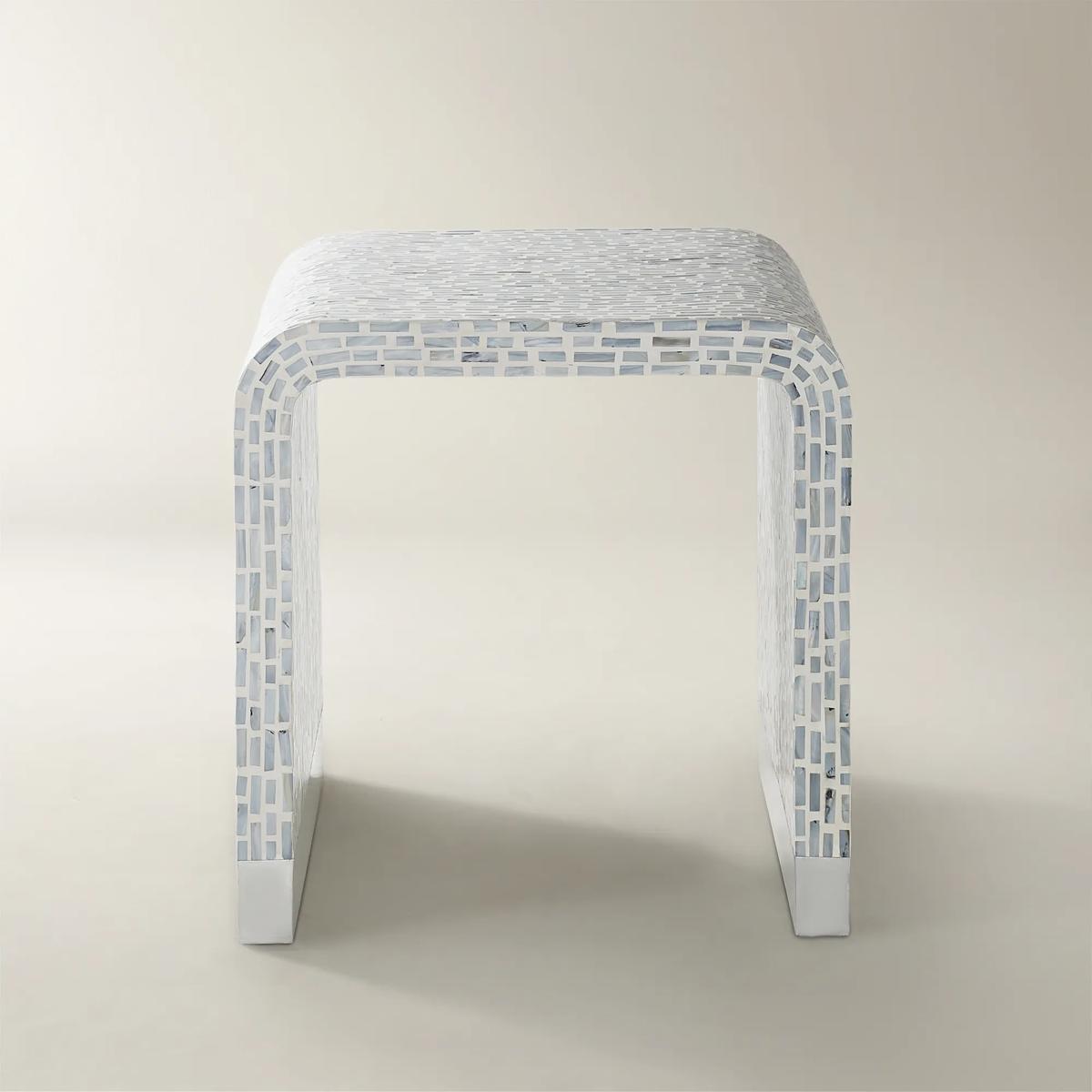
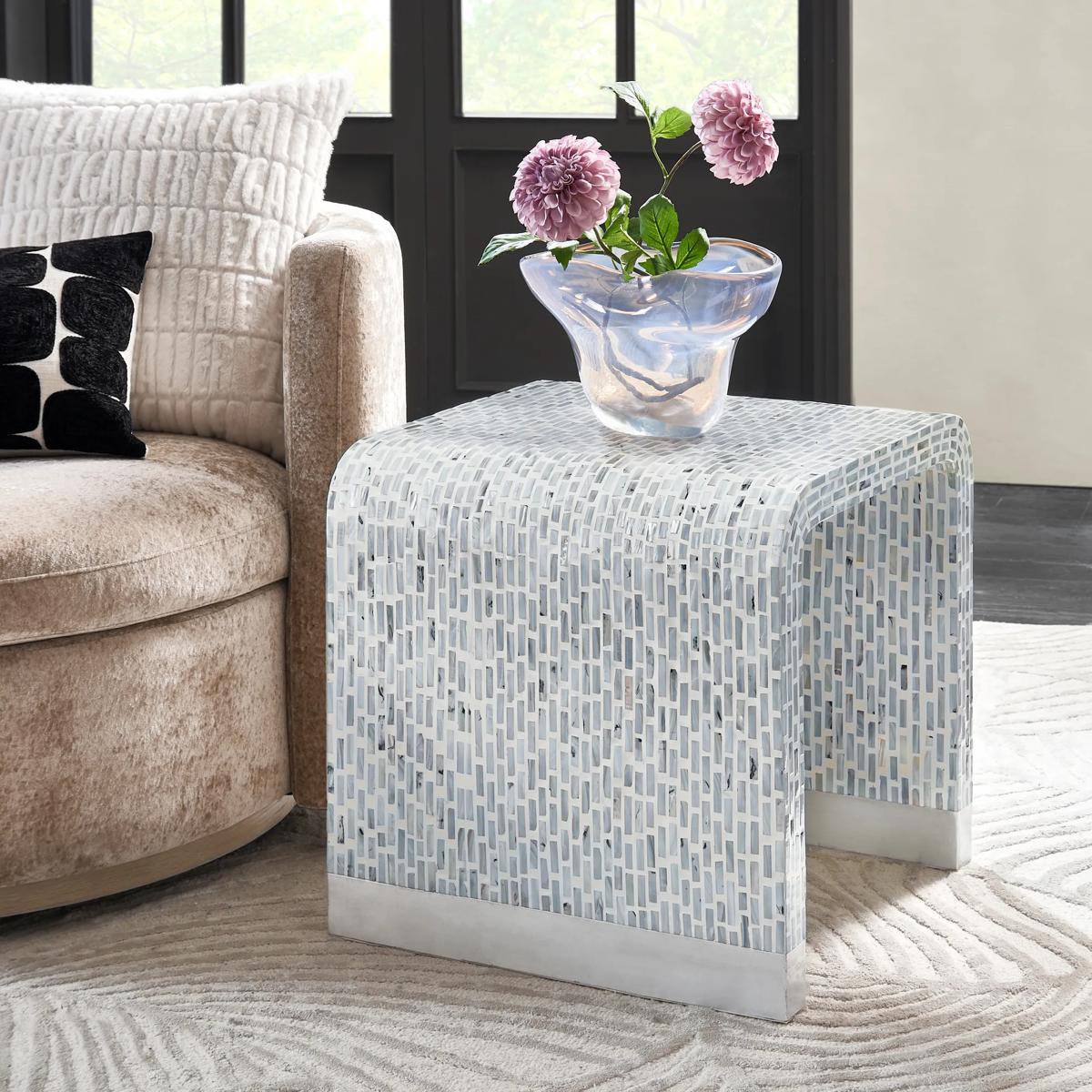 Iridia Blue Side Table (21.6")$399
A handcrafted end table featuring iridescent blue mother-of-pearl inlay and a silver leaf base.
Add To Cart -
 Fleece Fluted Gray Velvet Stool (15.55'')$229
A plush grey velvet stool with a unique ribbed texture, perfect for versatile, cozy seating or decor.
Add To Cart -
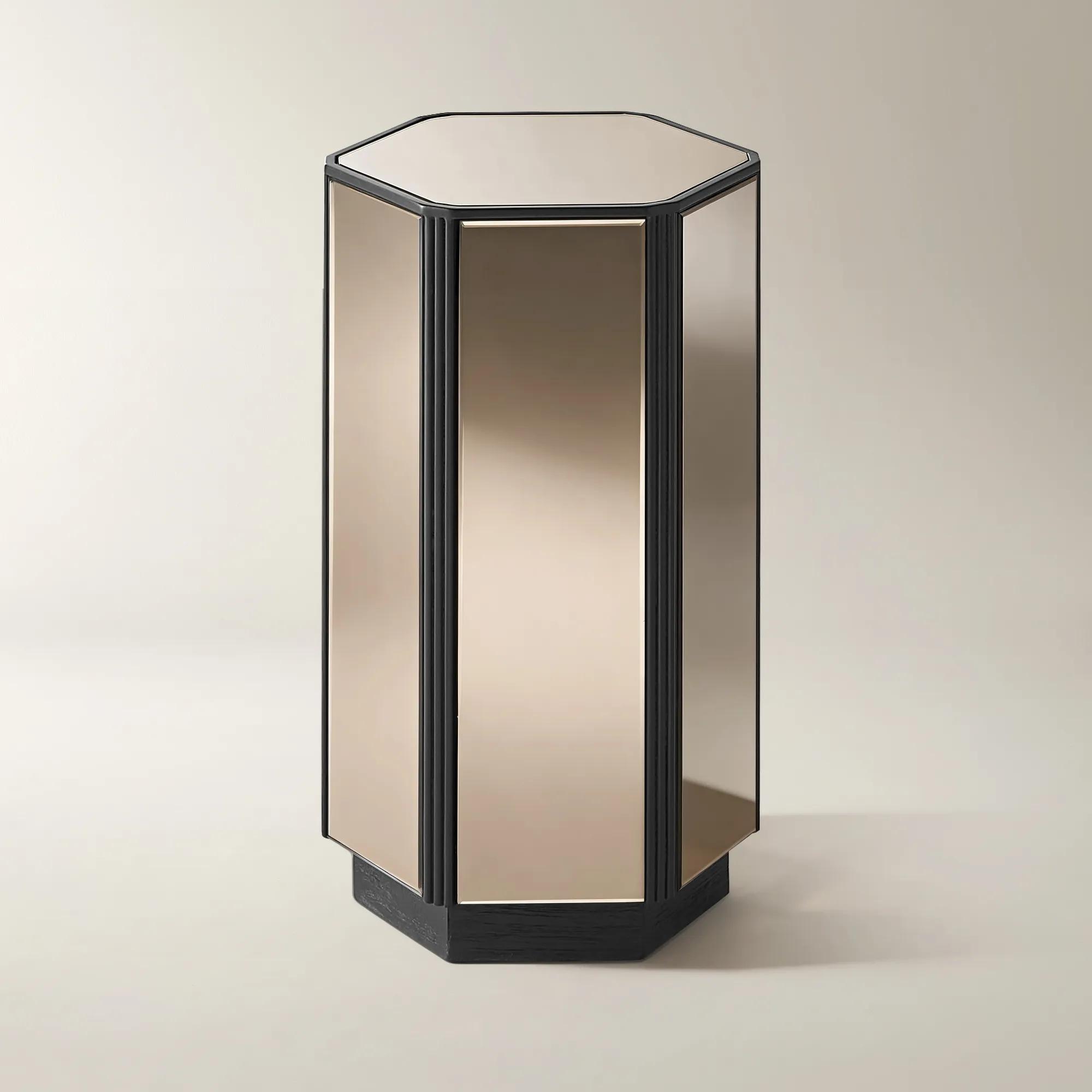 Glimmer Bronze Mirrored End Table (12")$399
A sculptural end table featuring bronze mirror panels and a black oak base for modern elegance.
Add To Cart -

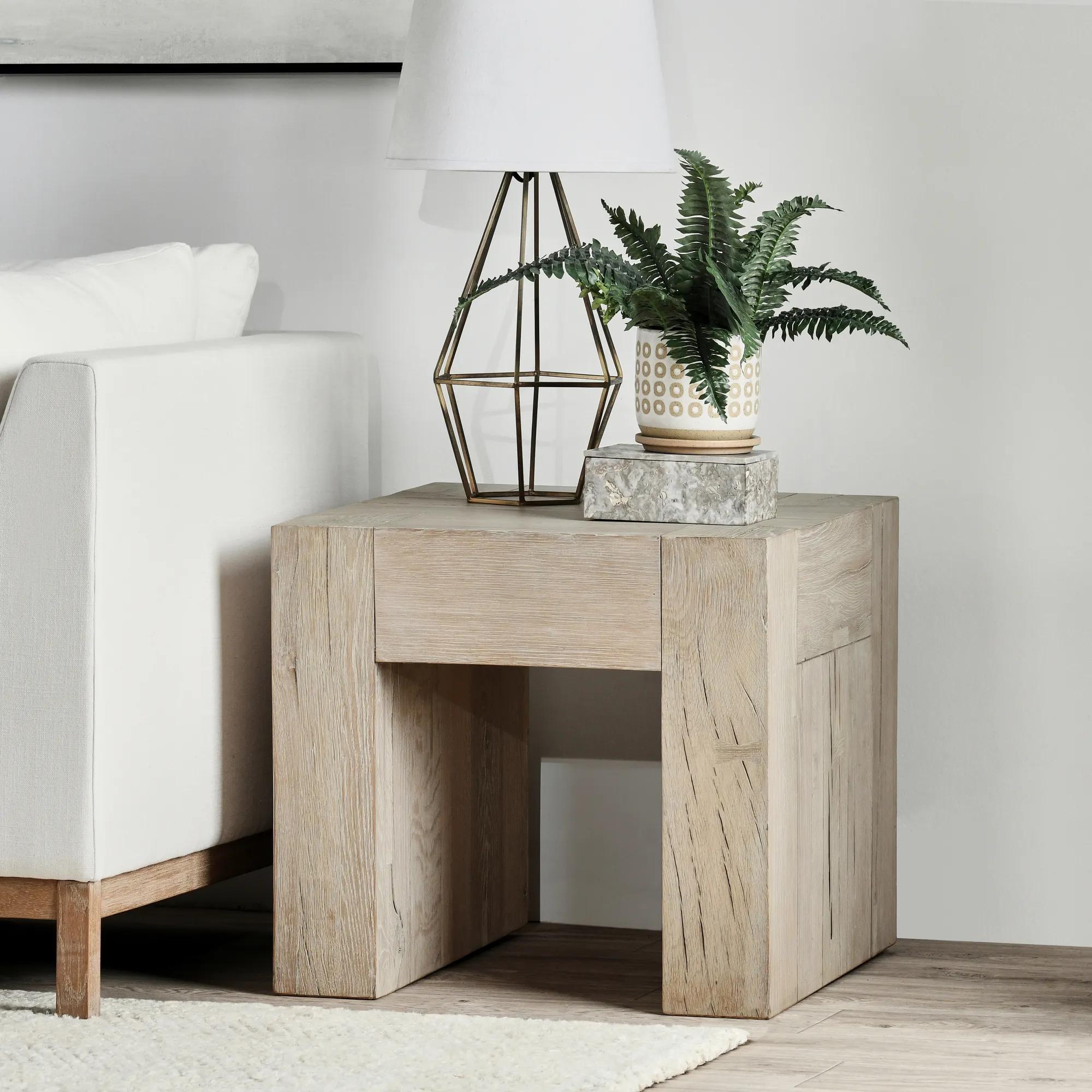 Bristol Square Cream Oak End Table (24")$999
A handcrafted end table featuring cracked reclaimed oak in an aged cream finish with modern dovetail detailing.
Add To Cart -

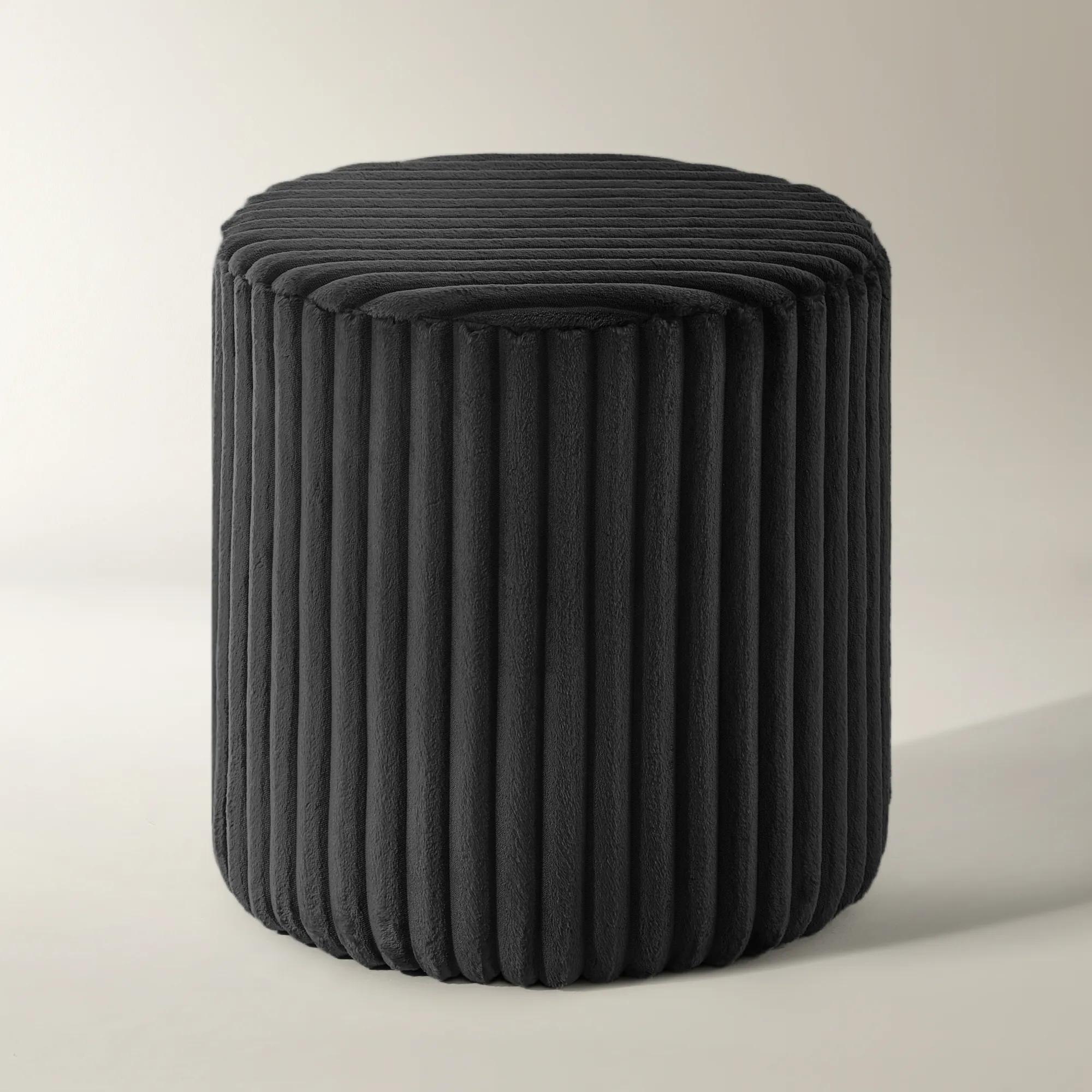 Fleece Fluted Black Velvet Stool (15.55'')$229
A plush black ribbed velvet stool offering versatile seating and cozy texture for any modern space.
Add To Cart -
 Teddy Beige Faux Fur Accent Chair$949
A sculptural modern accent chair in beige faux fur with plush foam cushioning for ultimate comfort.
Add To Cart -
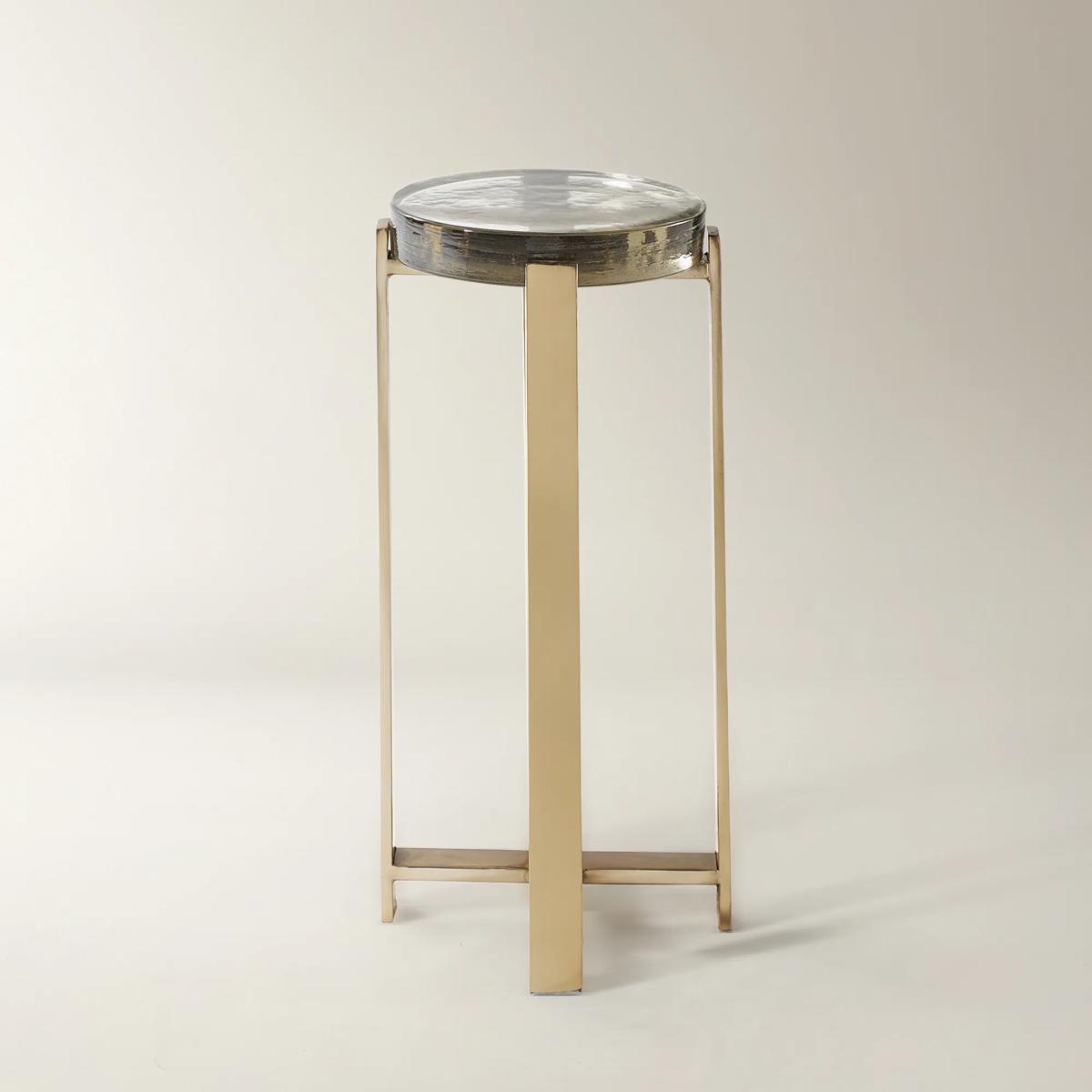
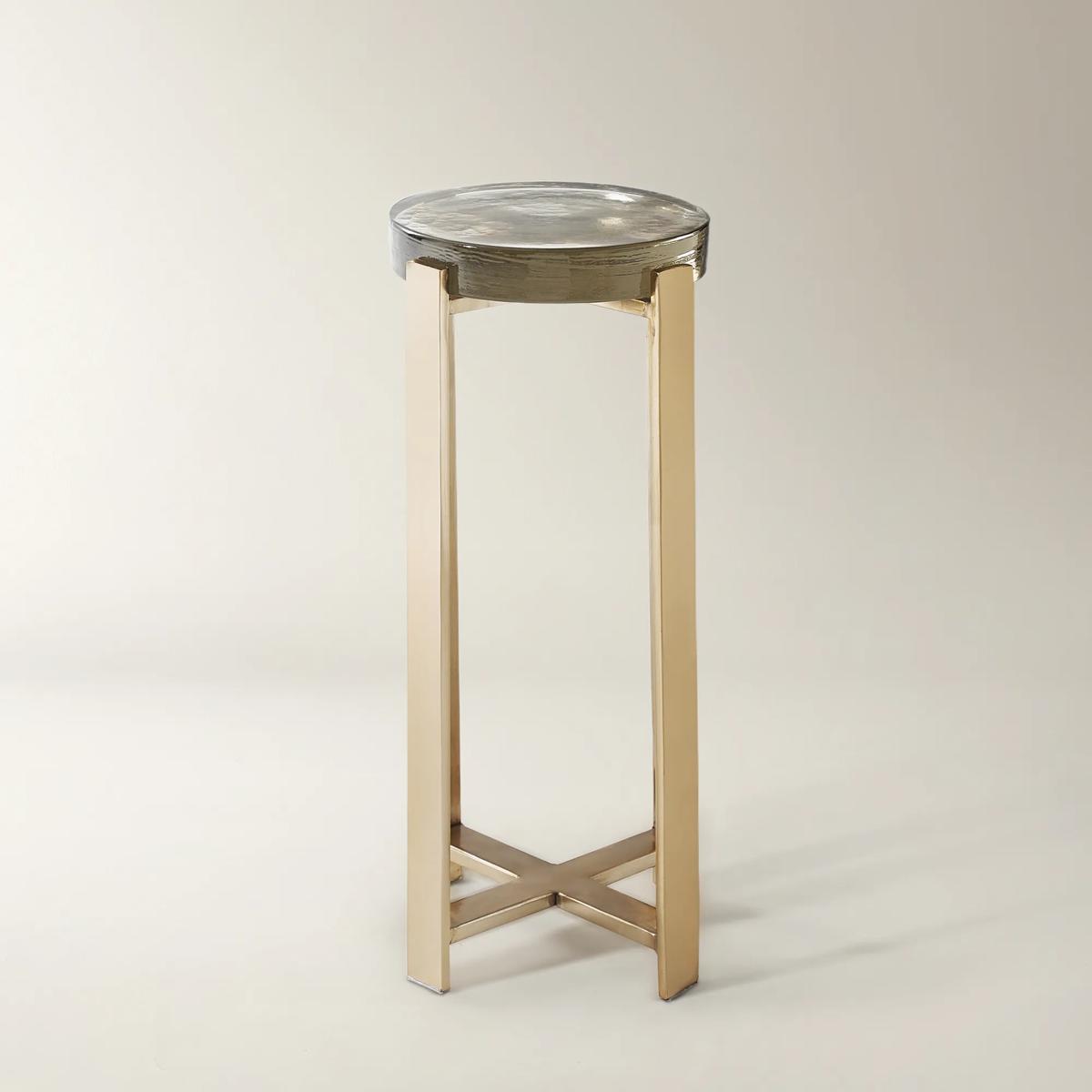 Lyra Round Brass Metal Side Table With Glass Top (10.75")$259
A sculptural side table featuring a thick cast glass top and lustrous brass-finished metal base.
Add To Cart -
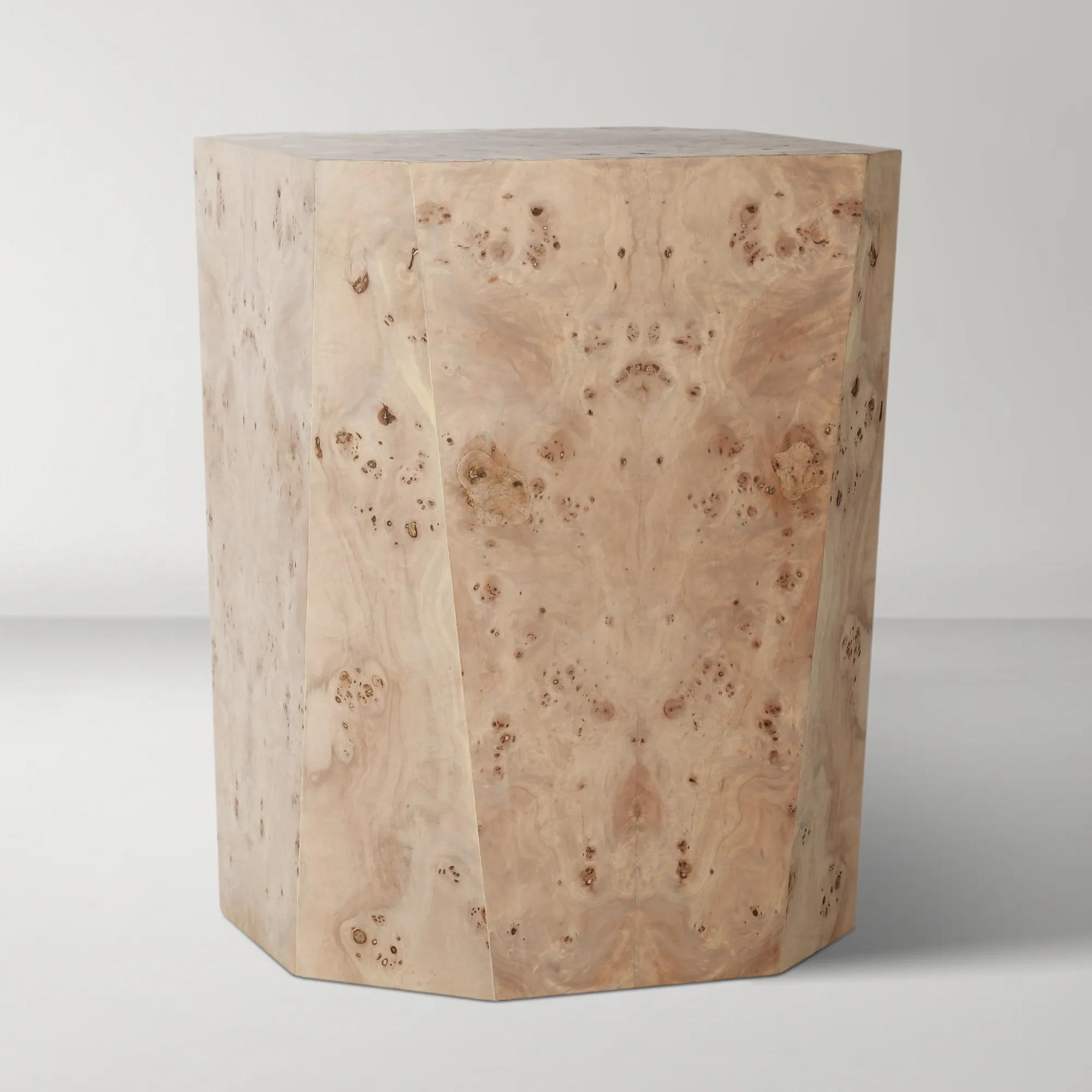
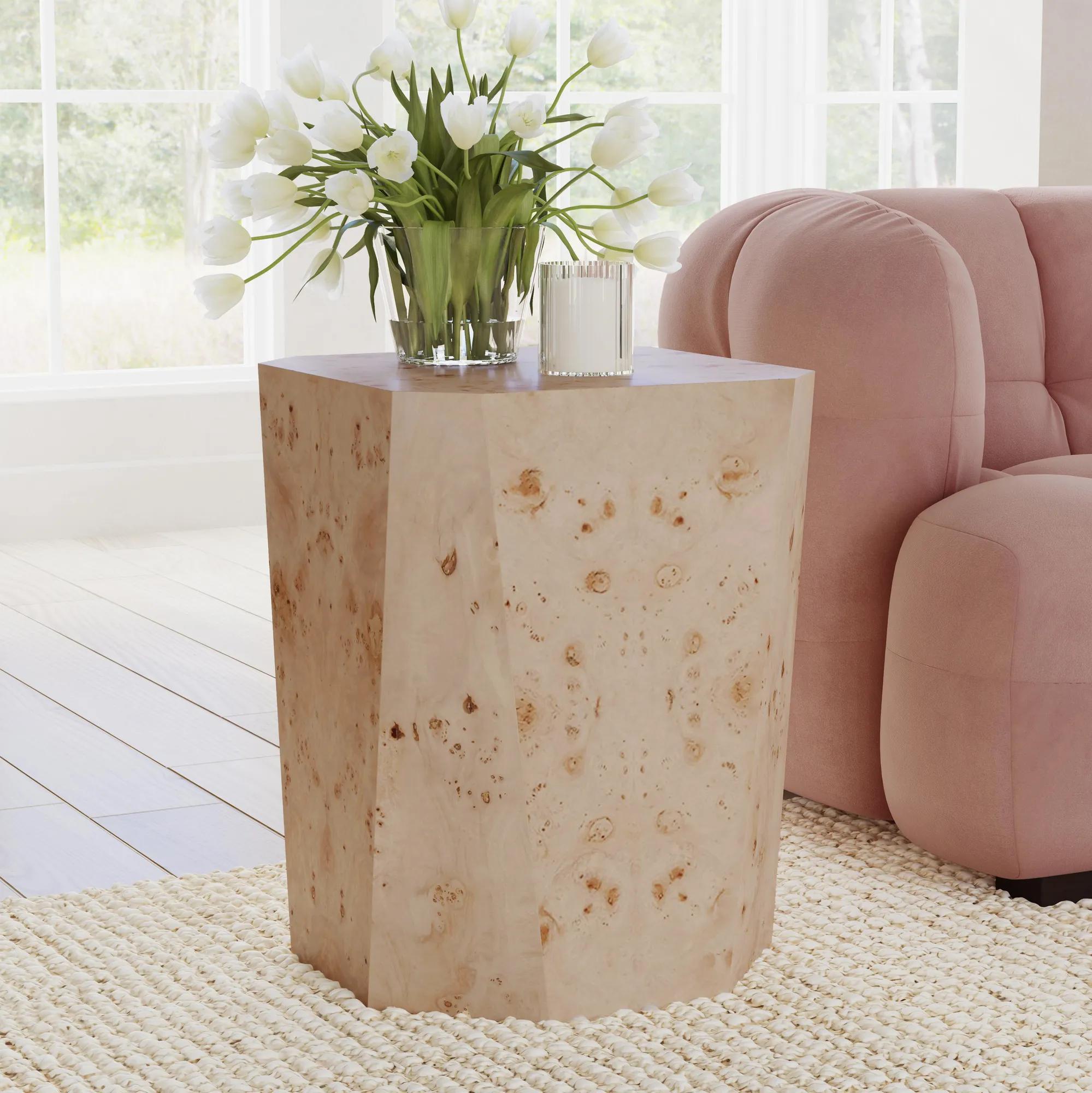 Avena Square Natural Burl Wood End Table (17.75")$699
A striking end table featuring natural burl wood veneer with unique swirling grain and warm, organic tones.
Add To Cart -
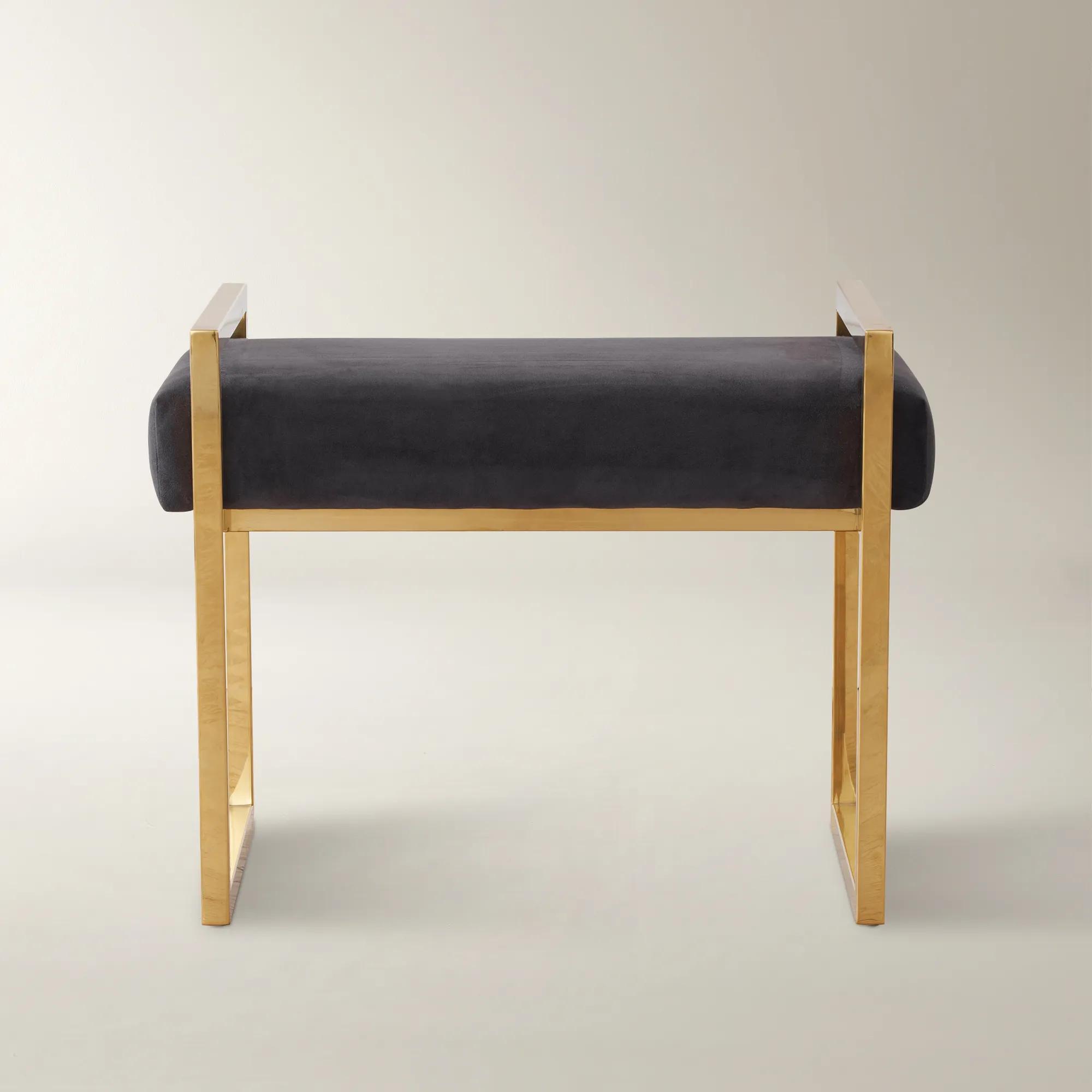
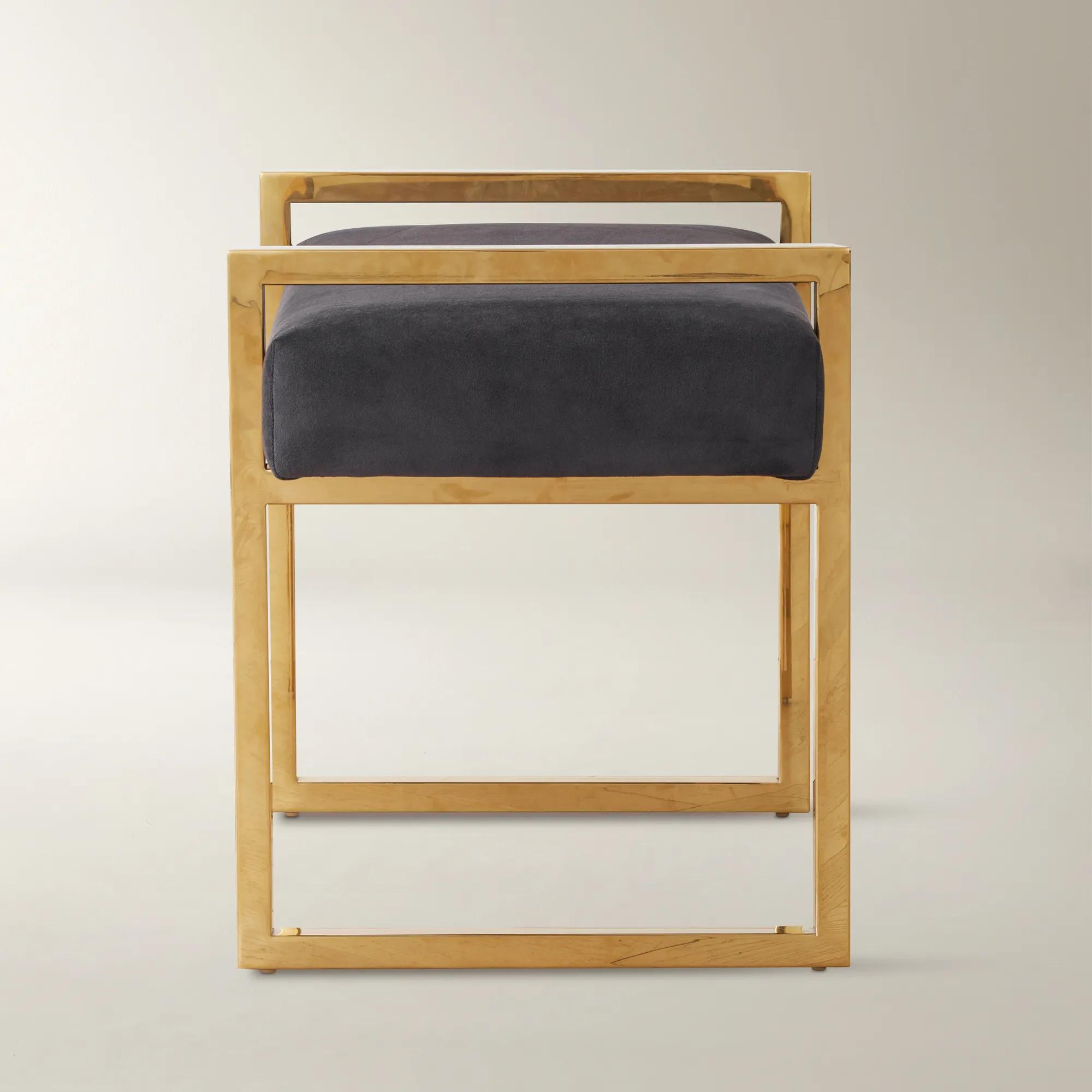 Clara Accent Stool$399
A plush black velvet seat rests on polished gold metal legs for a chic, modern accent piece.
Add To Cart -
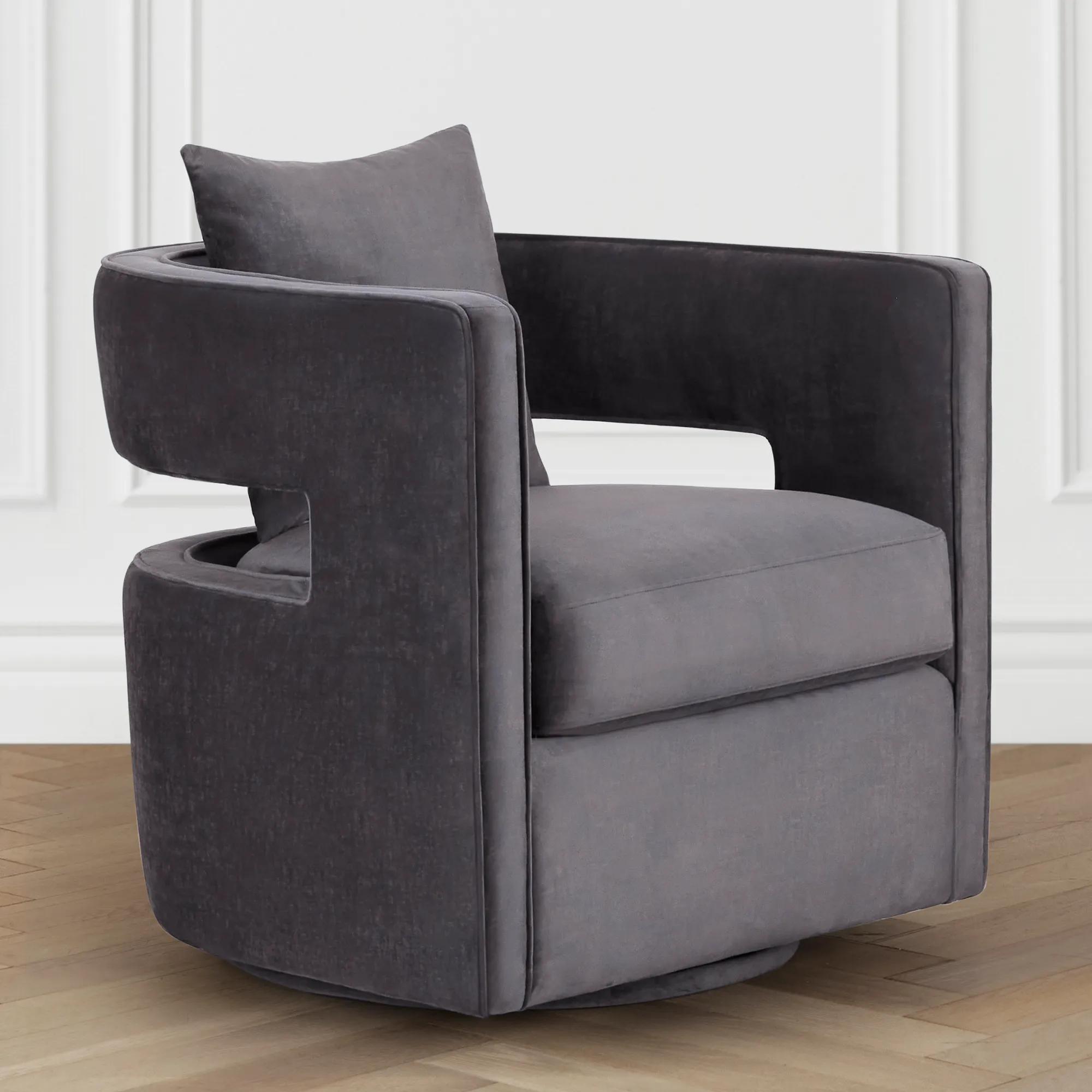 Lottie Grey Velvet Swivel Accent Chair$999
A glamorous grey velvet swivel chair featuring a barrel back, cutout arms, and plush foam cushioning.
Add To Cart -
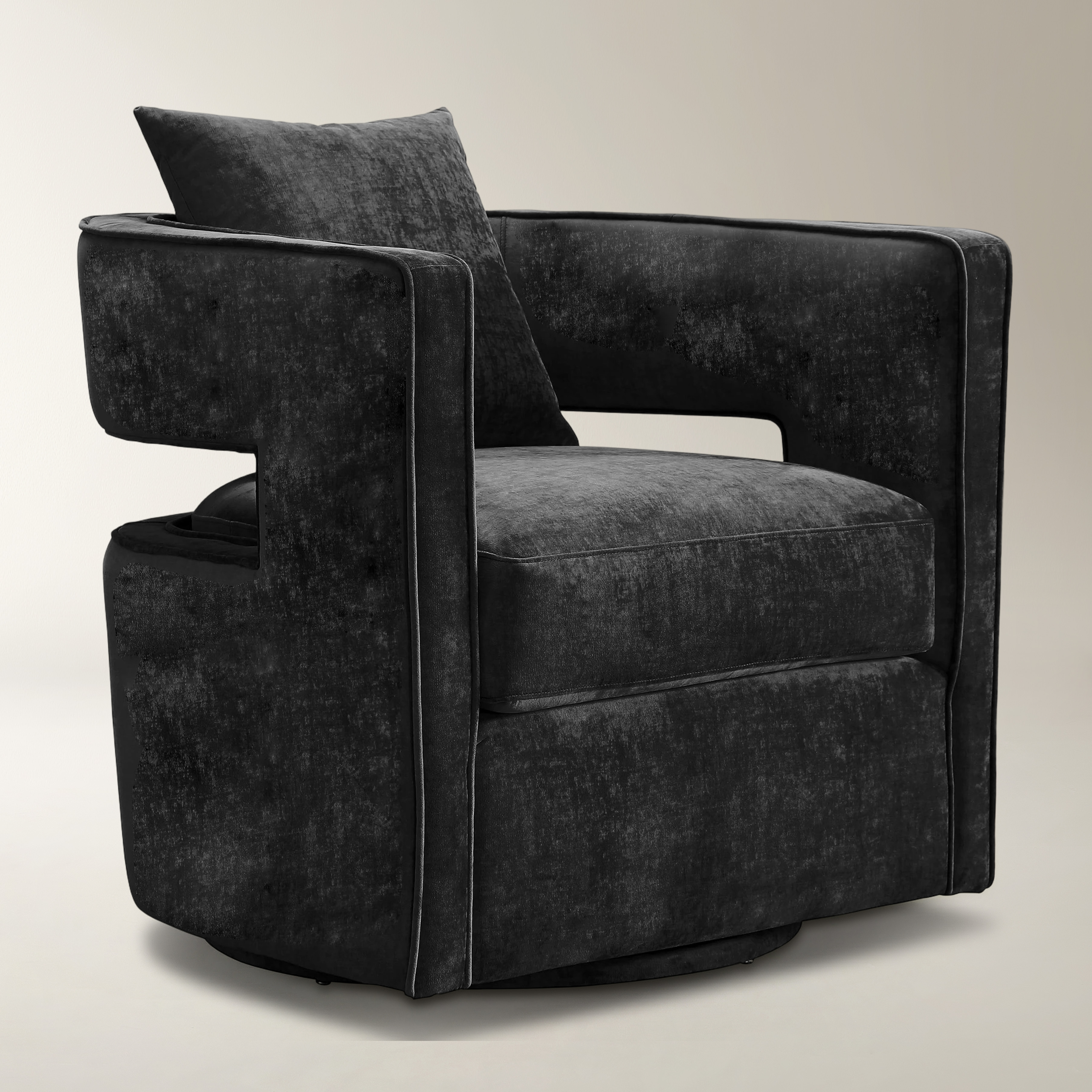 Lottie Black Velvet Swivel Accent Chair$999
A black velvet swivel accent chair with a sculpted barrel silhouette, open arms, and supportive cushioning.
Add To Cart -
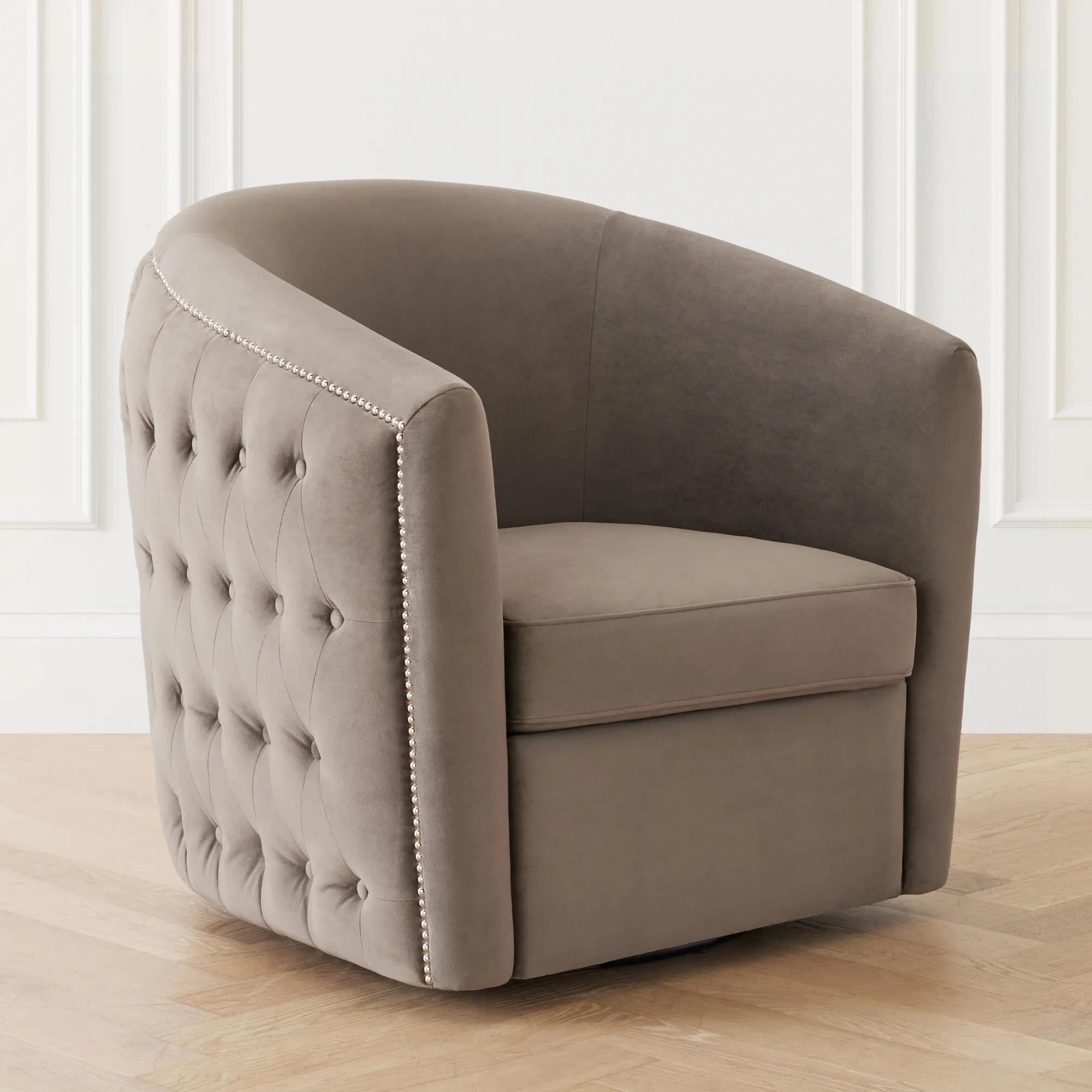
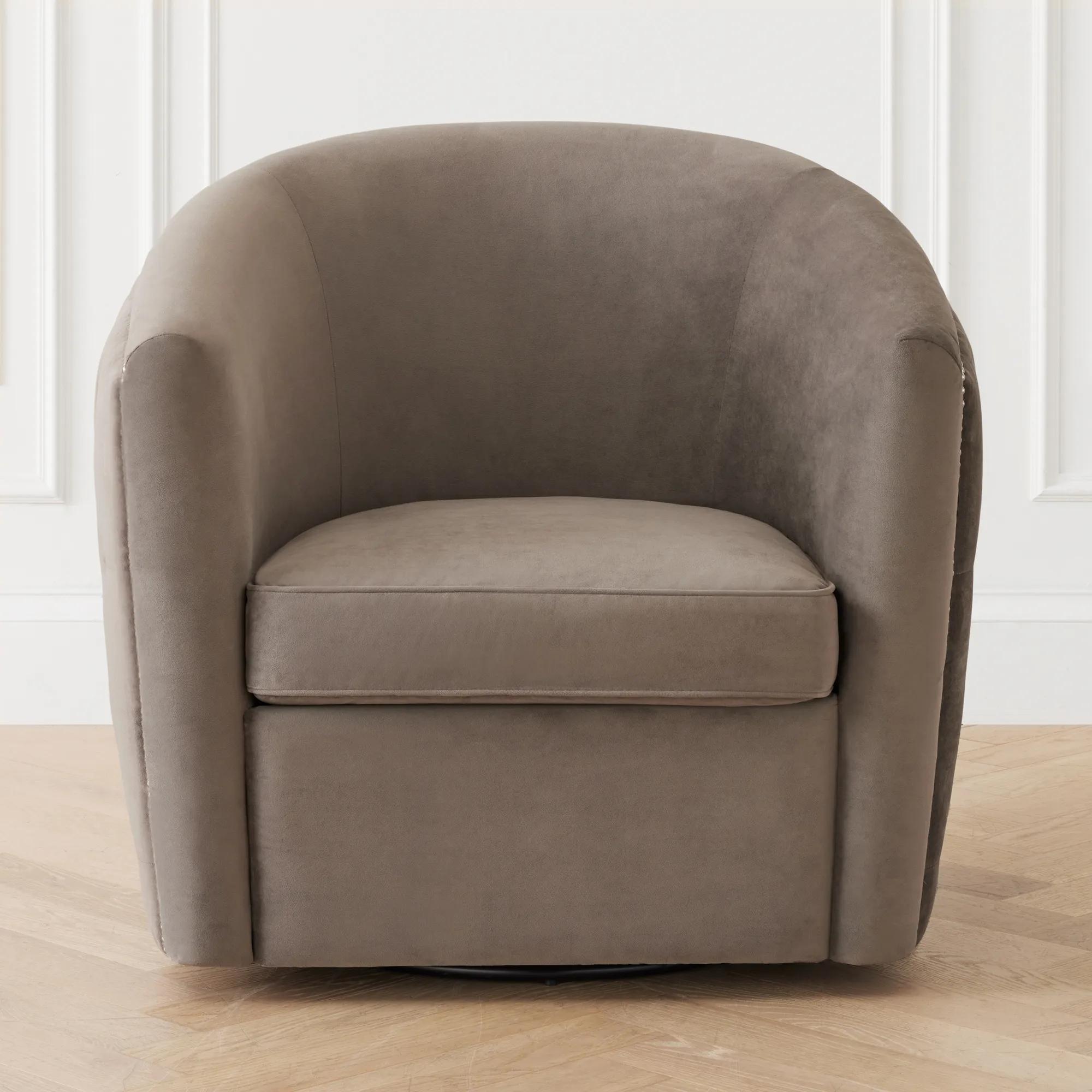 Aria Tufted Swivel Chair$1899
A barrel-silhouette swivel chair in kiln-dried hardwood, shown in Bella Velvet Otter with bright nickel nailheads.
Add To Cart -
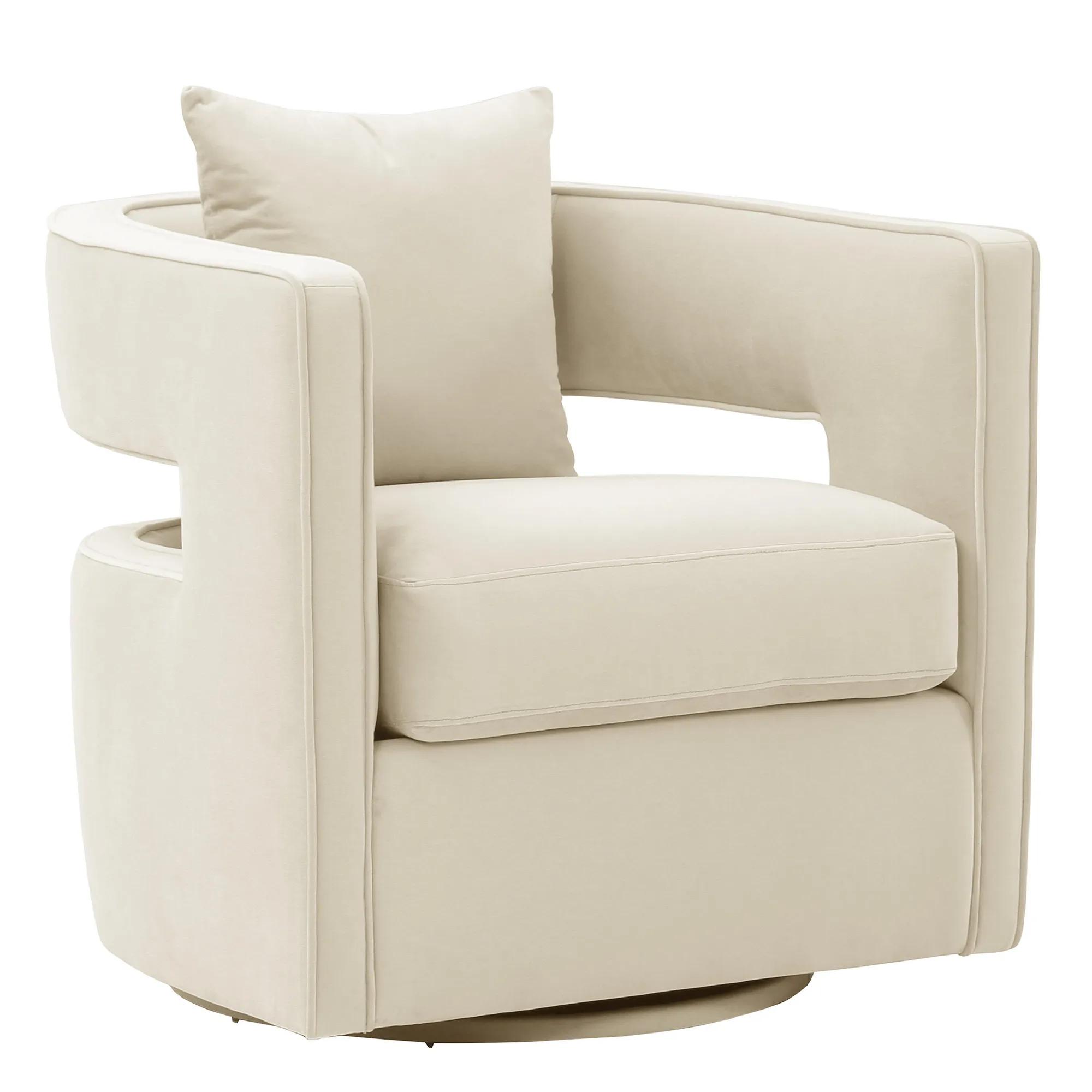
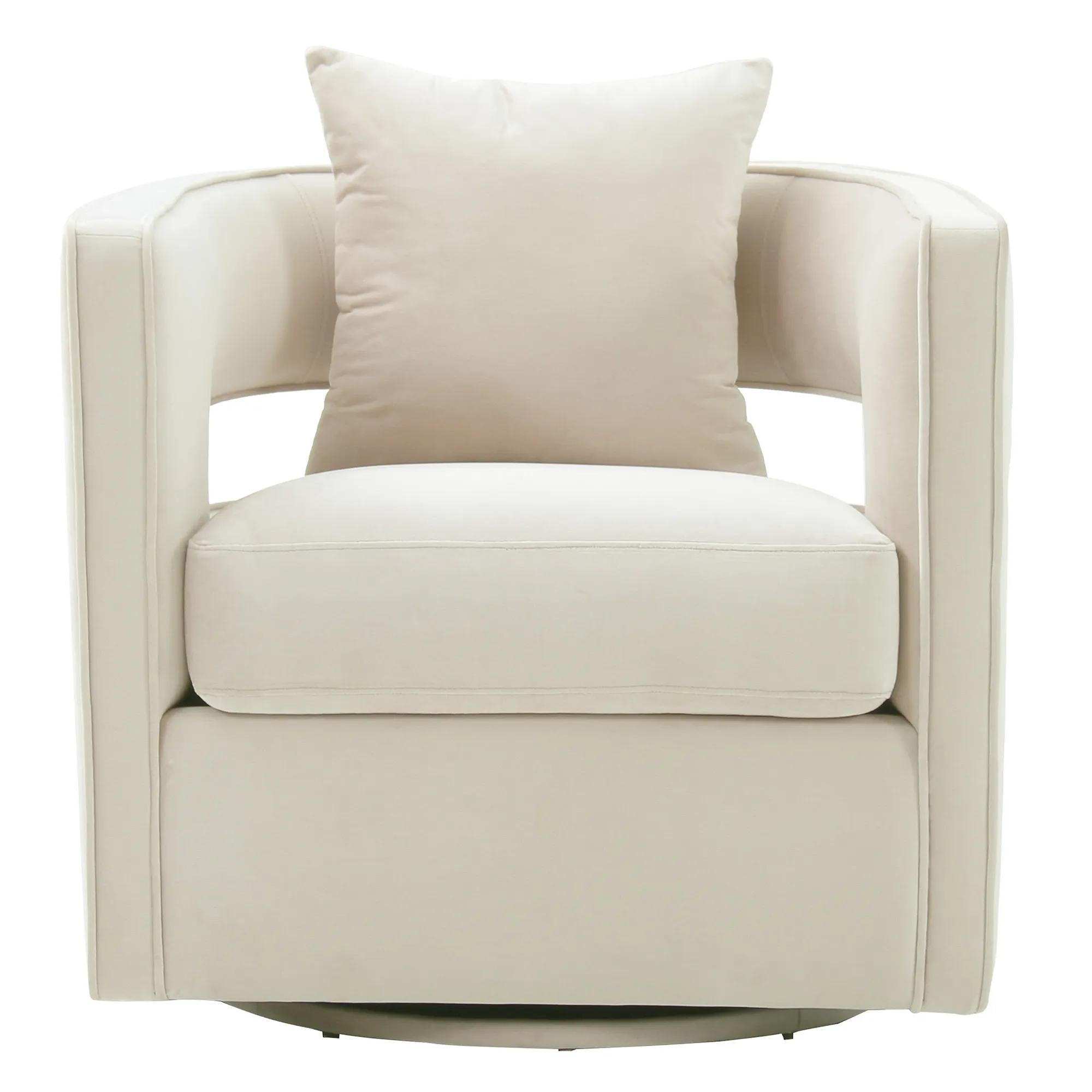 Lottie Cream Velvet Swivel Accent Chair$999
A glamorous cream velvet swivel chair featuring a barrel back, cutout arms, and plush foam cushioning.
Add To Cart -
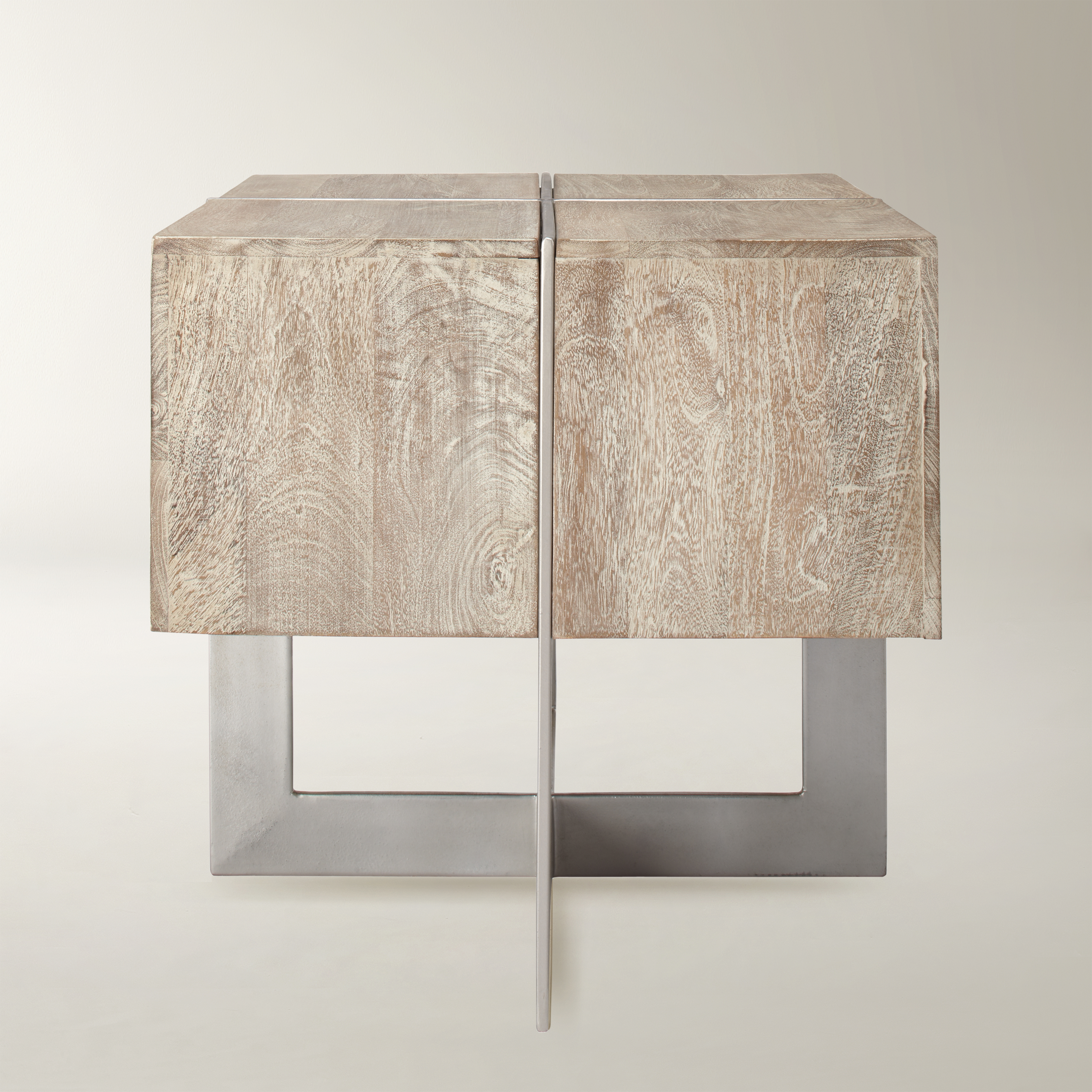
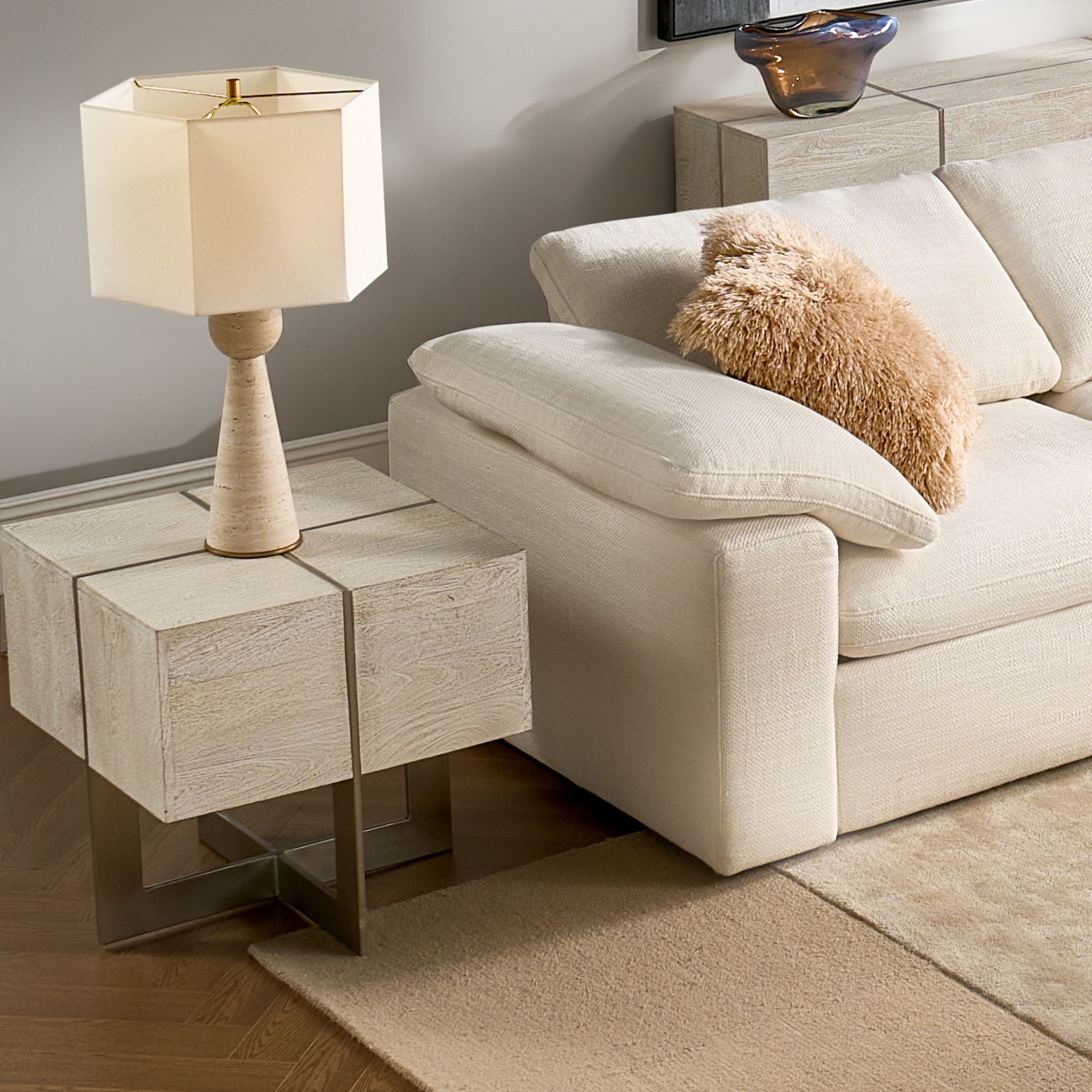 Clifton Square Natural Mango Wood End Table (24")$599
A handcrafted mango wood end table with a whitewashed finish and antiqued silver iron legs.
Add To Cart -

 Aria Pleated Swivel Chair$1799
A modern barrel chair in kiln-dried hardwood and pleated velvet, featuring a smooth swivel mechanism.
Add To Cart -
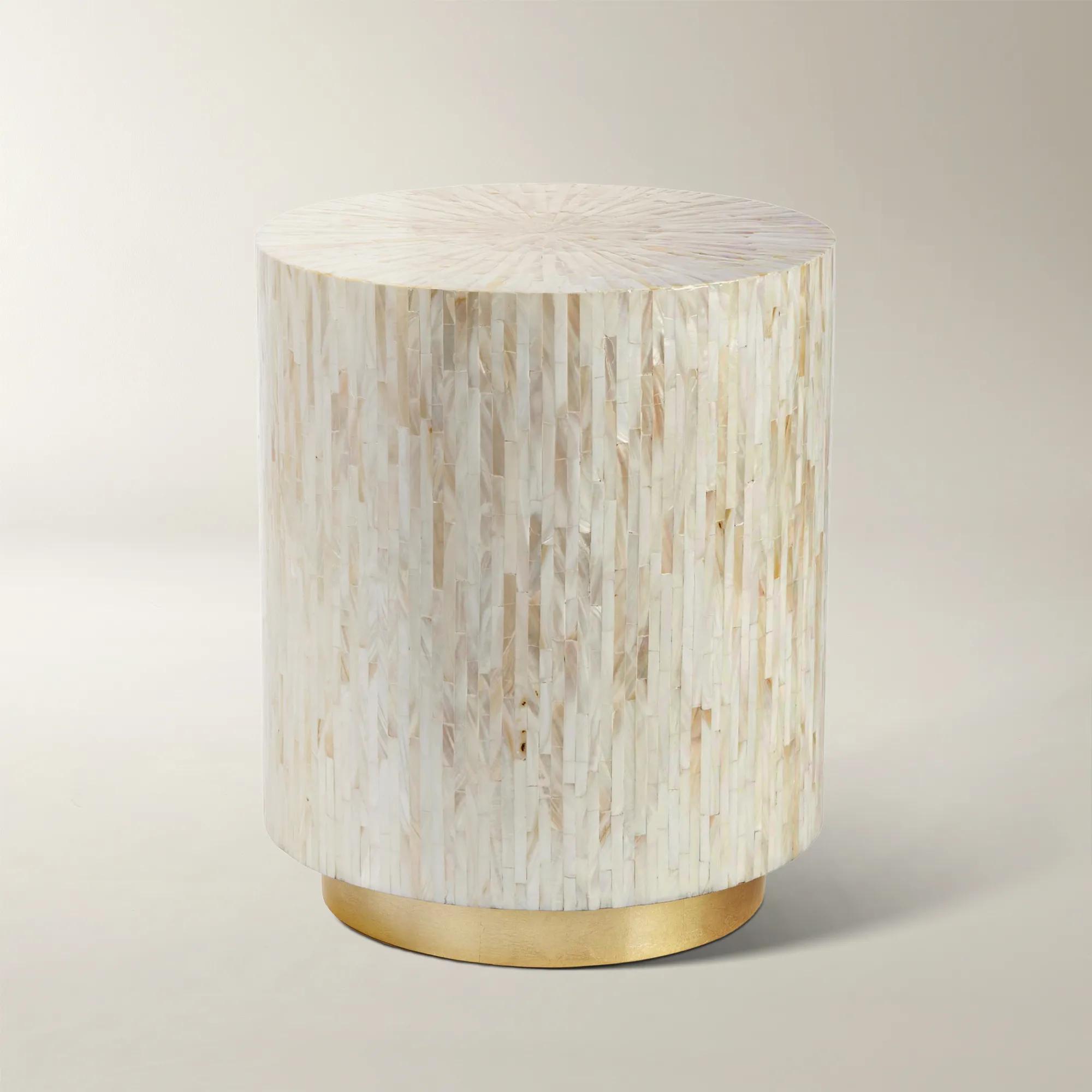 Alexandria Round Mosaic Platinum End Table (13.75")$299
A glamorous accent table featuring hand-applied mother-of-pearl mosaic and a gold leaf-accented base.
Add To Cart -
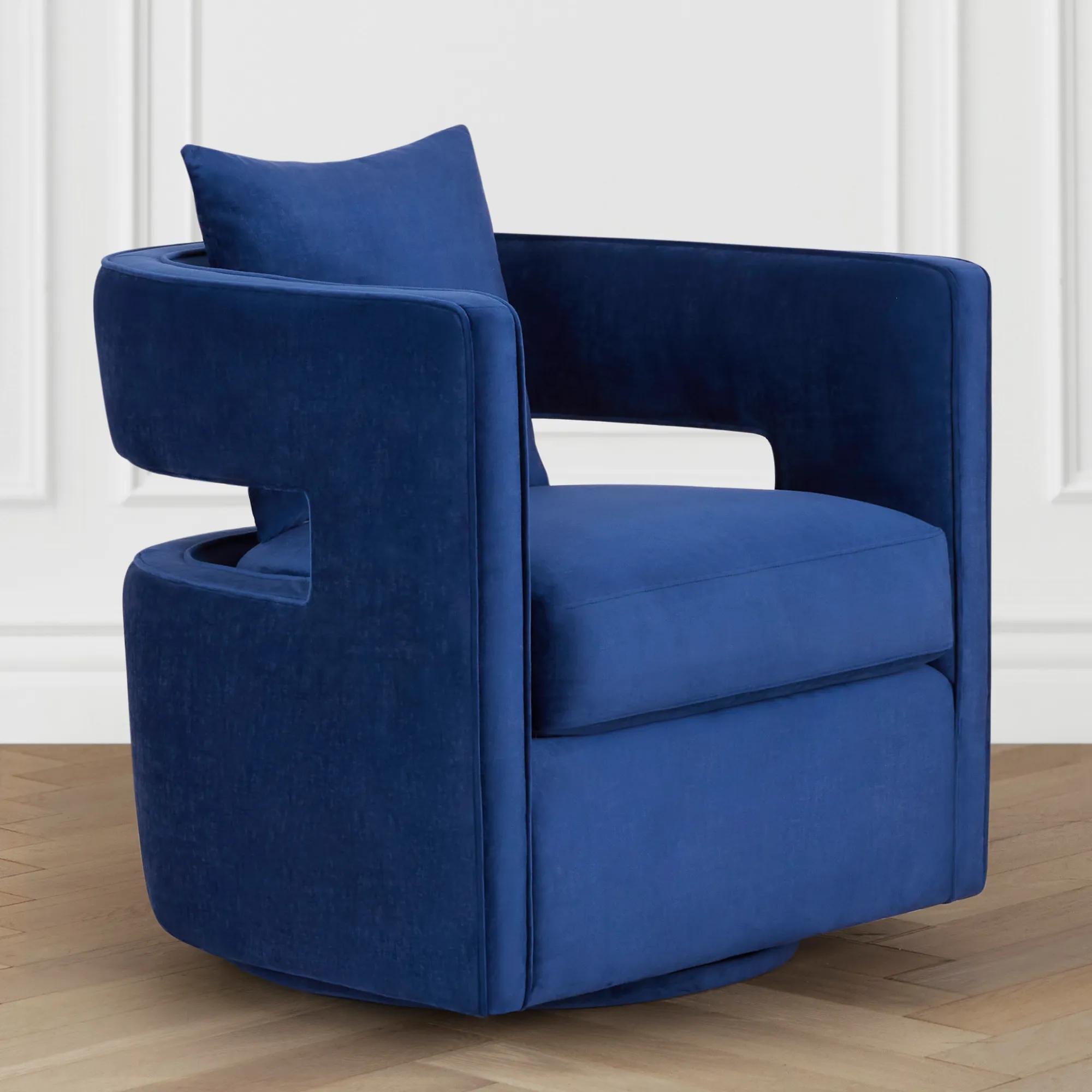
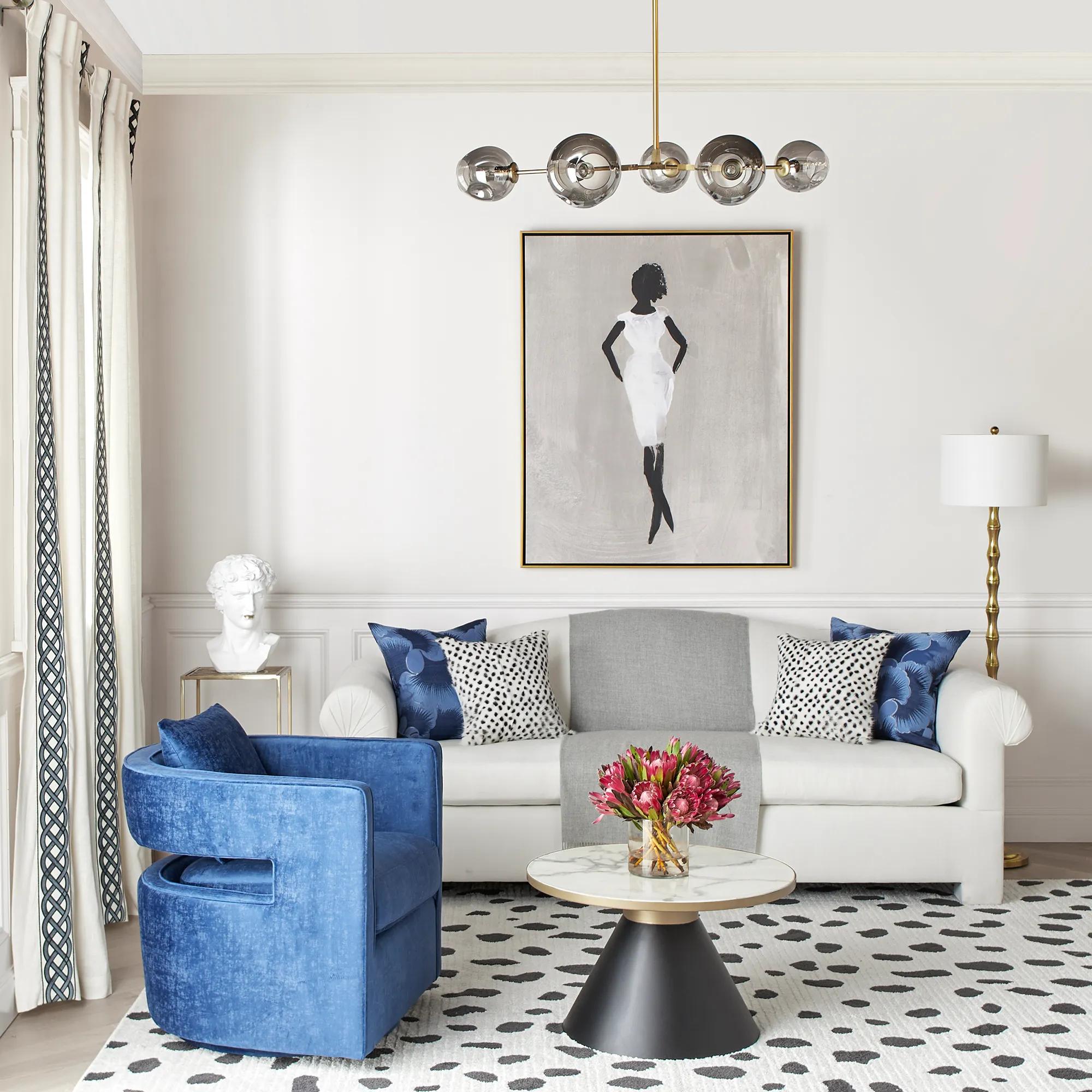 Lottie Navy Velvet Swivel Accent Chair$999
A navy velvet swivel accent chair featuring a sculpted barrel silhouette, open arms, and supportive cushioning.
Add To Cart

Accent Furniture For Small Spaces
Find accent furniture for small spaces that makes a statement without overwhelming your room. Explore designs for compact living areas, bedrooms, and entryways, keeping scale and proportion in focus. Compare each piece’s dimensions with your available space and surrounding furniture to preserve clear pathways while creating a distinctive focal point.
Accent furniture for small spaces brings expressive design to rooms where every inch deserves consideration. Compact proportions, exposed legs, and multifunctional designs can add seating, storage, and surface space without overwhelming a room. The most effective pieces balance a modest footprint with a distinct presence: a slender console that defines an entry, a sculptural side table beside a sofa, or an upholstered ottoman that introduces softness while keeping the arrangement flexible. Small-space accent furniture belongs as naturally in an apartment living room as it does in a bedroom reading corner, a home office, or a narrow landing. Its purpose is not simply to occupy an empty spot, but to make that spot more inviting and useful. An occasional table creates a resting place for a drink and a book; a compact cabinet gives everyday necessities a discreet home behind beautifully detailed doors. Open bases and slender legs allow more of the floor to remain visible, helping an arrangement feel less crowded, while closed storage can quiet the visual distraction of frequently used belongings. Nesting tables offer separate surfaces when guests arrive and tuck together afterward, provided their combined footprint suits the room. Furniture with rounded edges can soften the look of tight seating arrangements, though sufficient walking space still matters. Fit depends on more than width alone: depth, height, door swings, drawer clearance, and the space needed to sit comfortably all influence how a piece feels in daily use. A slim console may suit a passageway, but its drawers still need room to open without blocking circulation. Beside a sofa, a table close to the height of the arm can keep essentials within comfortable reach. In a bedroom, a compact accent piece should complement the bed rather than compete with access around it. These considered proportions allow small rooms to hold dramatic finishes and distinctive silhouettes while preserving the ease that makes a space genuinely livable. Even a single well-placed accent can establish a focal point, giving an otherwise overlooked corner the presence of a finished composition.
Materials and finishes shape both the visual weight and the everyday character of accent furniture. Clear glass can preserve sightlines around a table, while polished metal introduces a crisp glint that feels especially striking against matte upholstery. Mirrored surfaces reflect nearby light and color, creating a layered effect without adding another pattern, although their placement deserves attention when windows or lamps might produce glare. Wood brings warmth and grain variation, with solid wood and veneered construction offering different considerations for weight, detailing, and care. A veneer is a thin layer of wood over a supporting core; its appearance and longevity depend on the underlying construction, the finish, and how the piece is used. Painted and lacquered surfaces offer a more uniform expression, from a subtle sheen to a lustrous finish that turns a small table into a focal point. Upholstered accents introduce another dimension: velvet lends rich color and a shifting surface, textured weaves add tactile depth, and smooth upholstery can emphasize the architecture of a curved seat. Fabric selection is especially important for furniture that will receive frequent use. Where performance information is provided, details about abrasion resistance, cleaning methods, and resistance to particular stains are more useful than assuming every upholstery fabric behaves alike. Scale is equally personal when seating is involved. A chair that appears compact may have wide arms, a deep seat, or a reclined profile that requires more surrounding space than expected. A narrow frame should still offer a seat width, depth, and back height suited to its intended user. For a reading corner or an intimate conversation area, Accent Chairs For Small Spaces can introduce a distinct silhouette without the breadth of a larger lounge arrangement. Pairing an expressive chair with a quieter table allows each form to remain legible. Repeating one metal finish or a related wood tone can connect separate accents, while a single richly upholstered piece supplies the contrast that gives the room its personality.
Durability in a compact room comes from matching each piece to the work it will actually perform. A side table used for a lamp has different demands from an ottoman that serves as daily seating, and a decorative stool should never be assumed to support a person unless it is designed and rated for that purpose. Storage furniture benefits from sturdy joinery, dependable hardware, and doors or drawers that operate smoothly; tables need a stable base appropriate to the weight and shape of the top. A storage ottoman can keep throws or small accessories close at hand, but its interior dimensions and lid mechanism determine how conveniently those belongings can be accessed. Pieces that serve more than one purpose are most successful when neither function feels compromised. An upholstered surface used with a tray, for example, still needs to remain stable, and drinks should not be balanced where they can easily spill. Everyday care preserves the finish as well as the atmosphere. Coasters and protective pads help limit moisture rings, heat marks, and scratches, while lifting objects rather than dragging them protects delicate surfaces. Glass and mirrored furniture show fingerprints readily, making accessible edges and manageable cleaning routines worthwhile considerations. Metal finishes can react poorly to abrasive cleaners, and wood, lacquer, and upholstery each require care suited to the specific material and manufacturer’s instructions. Upholstered pieces may benefit from regular gentle vacuuming when recommended, with spills addressed promptly using the approved method rather than an improvised treatment. Placement matters, too: intense direct sunlight can affect some fabrics and finishes. For renters, first-apartment households, or anyone furnishing a room with several roles, manageable dimensions and a clear path through doorways make furniture easier to position and relocate. The result is a space with practical intelligence and unmistakable character, where a gleaming surface, a graceful curve, or a beautifully textured seat delivers impact without demanding excess square footage.
FAQs
Give the room a distinct point of view with an expressive accent table or a chair with a sculptural silhouette. Let one piece lead the composition, then echo its color or finish in artwork and decorative accents. A thoughtfully edited arrangement creates a glamorous room where every detail feels intentional.
Look for a shared design thread, such as a curved silhouette, a recurring color, or a gleaming finish. Then introduce contrast: an angular accent table can bring definition to softly contoured seating. The goal is a layered interior with personality, rather than a room where every piece matches.
Mirrored finishes introduce luminous reflections, while metallic finishes lend a jewelry-like accent to a room. Pair these expressive surfaces with matte decor and richly textured textiles for contrast. Choose a leading finish and repeat it selectively to create a polished composition without letting every surface compete for attention.
Treat an entryway console as the opening statement of your home. Anchor the vignette with artwork or a mirror, then add a sculptural vase and a decorative bowl for everyday essentials. Leave portions of the surface unadorned so the furniture’s silhouette and your chosen objects each have a moment.
Choose a color that connects to a favorite artwork, rug, or textile, and let an accent piece give that hue a starring role. Jewel tones create a sumptuous mood, while crisp contrasts feel graphic and expressive. Repeat the chosen color in a few decorative details to weave it confidently into the room.