Stylish Furniture For Small Spaces
Stylish Furniture For Small Spaces
-
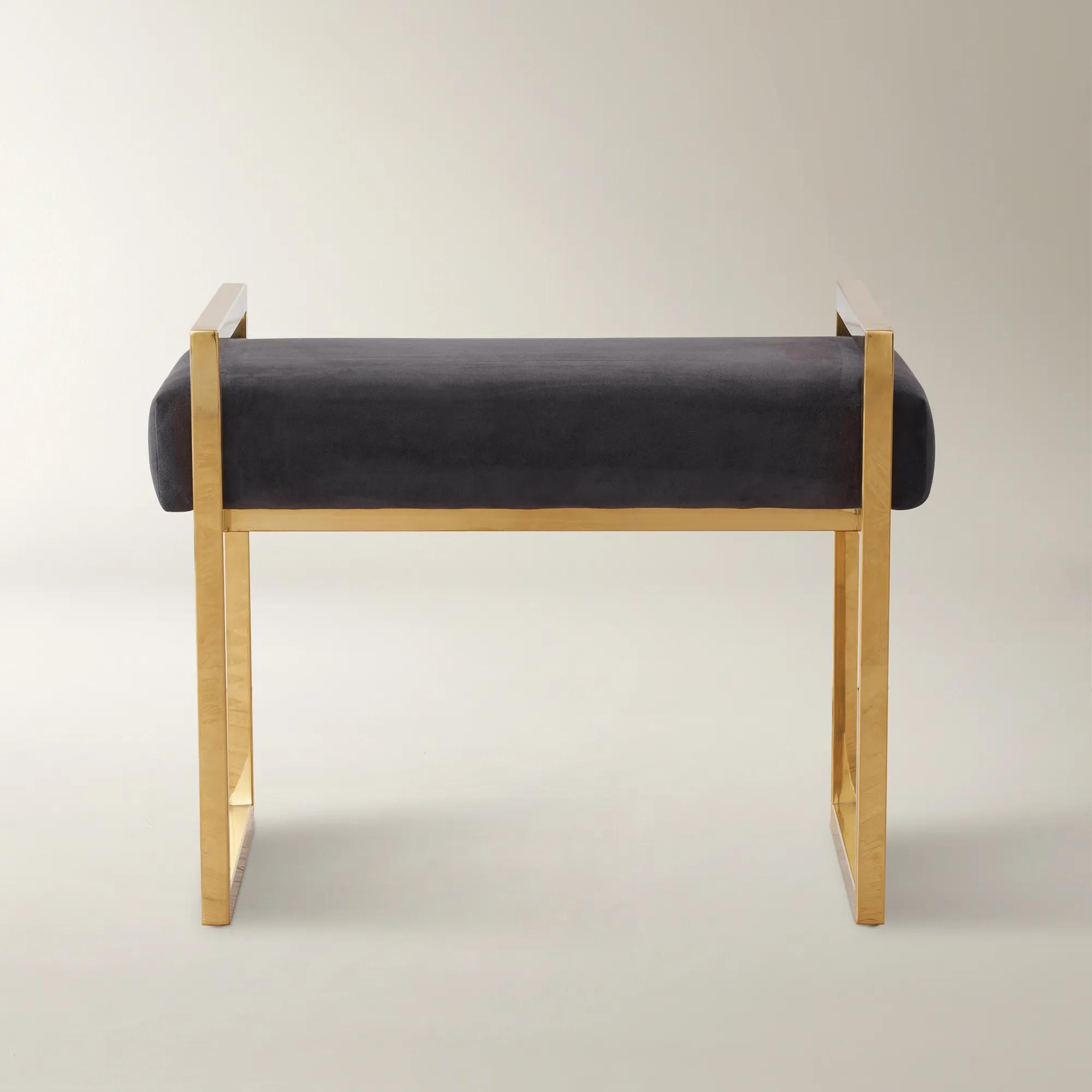
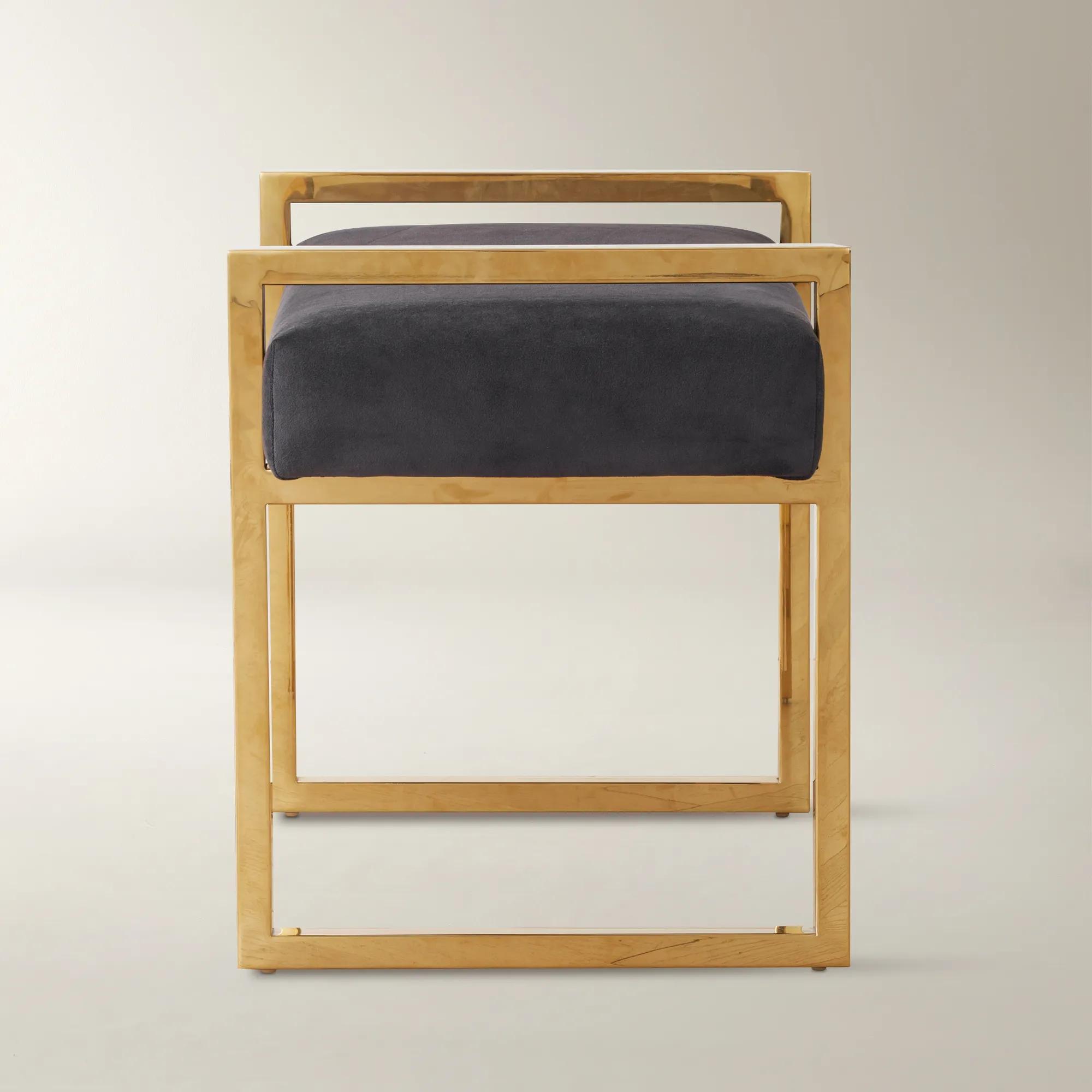 Clara Accent Stool$499
A plush black velvet stool with a high-density foam seat and polished gold metal legs.
Add To Cart -
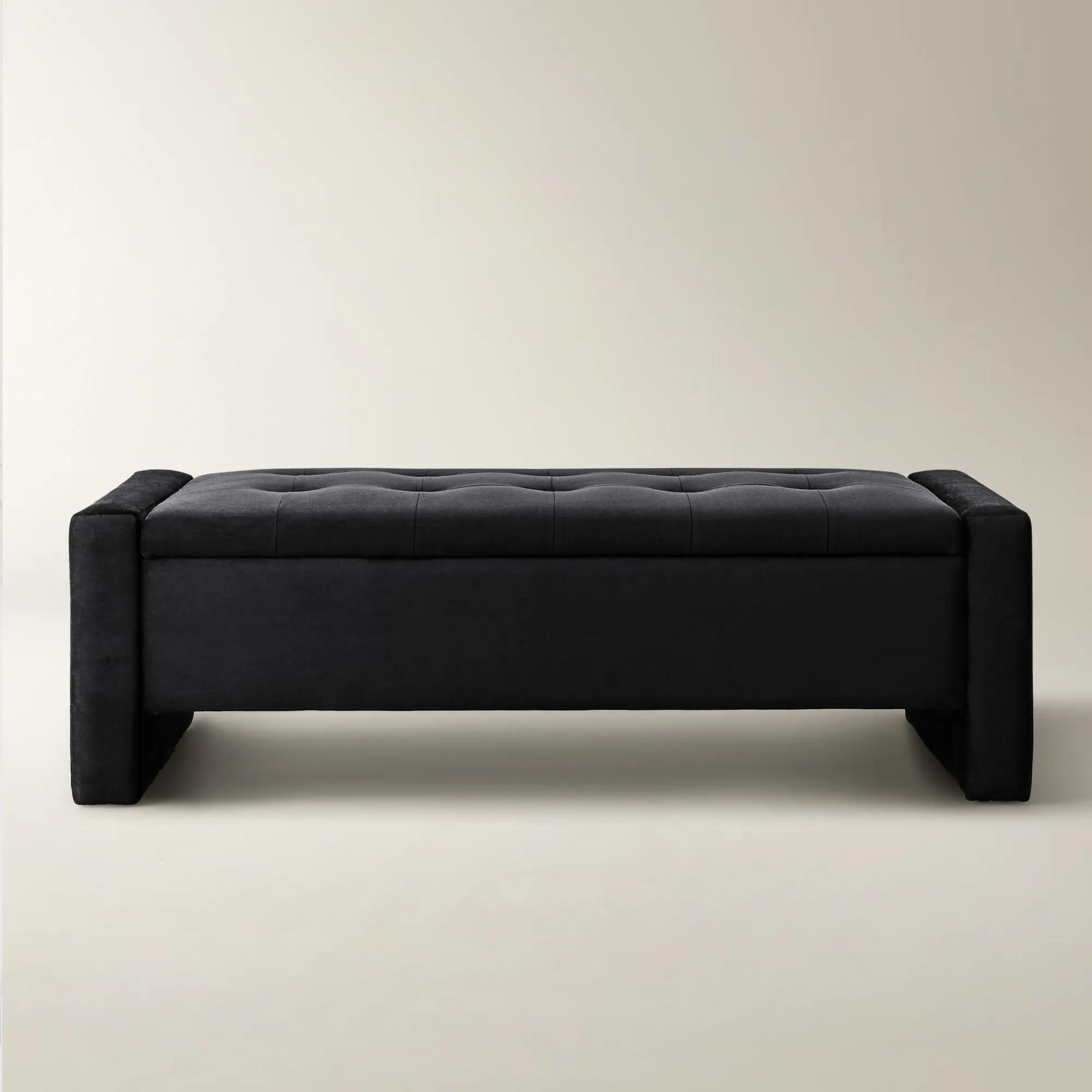
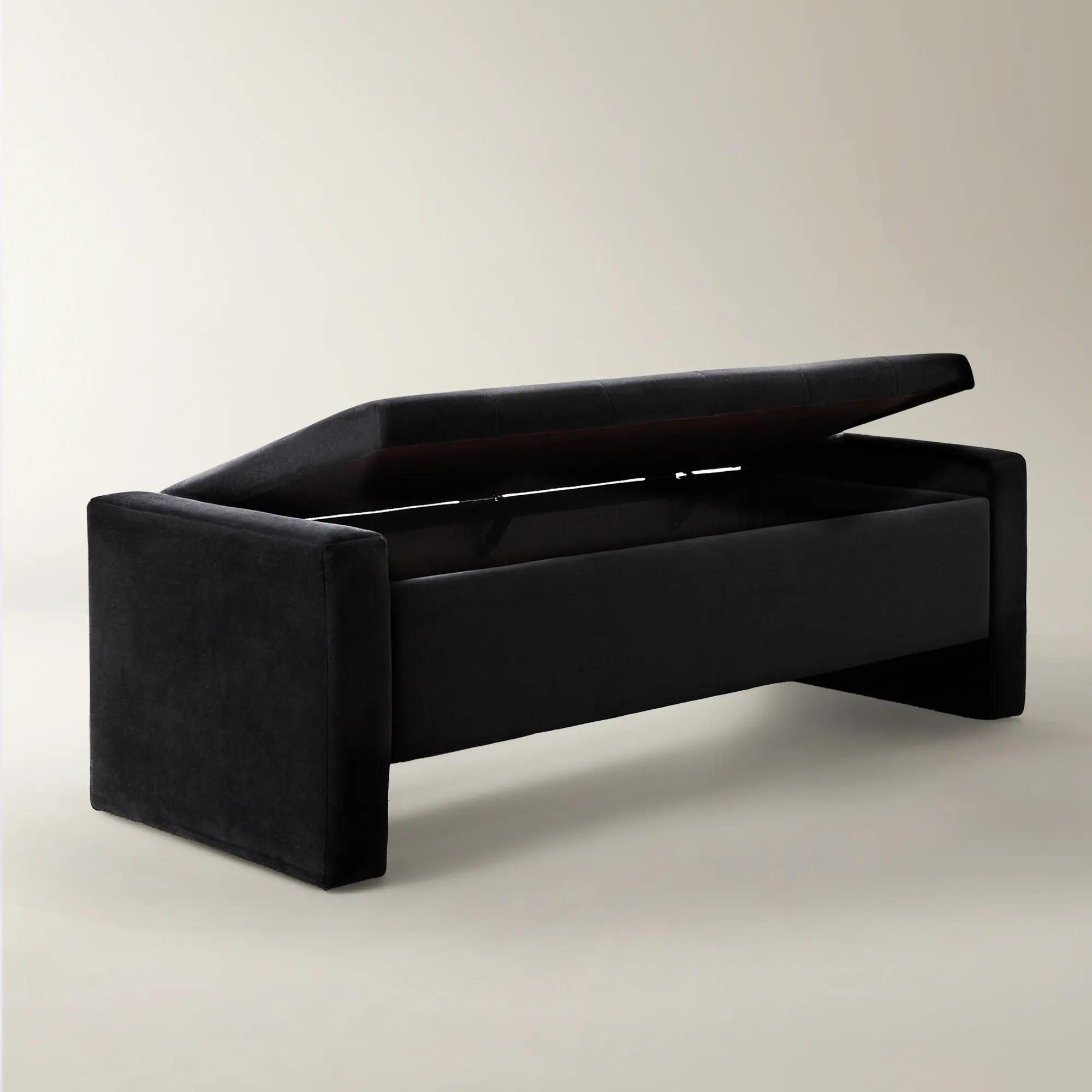 Maeve Storage Bench$849
A modern velvet-upholstered bench with hidden storage, sturdy kiln-dried hardwood frame, and plush cushioning.
Add To Cart -
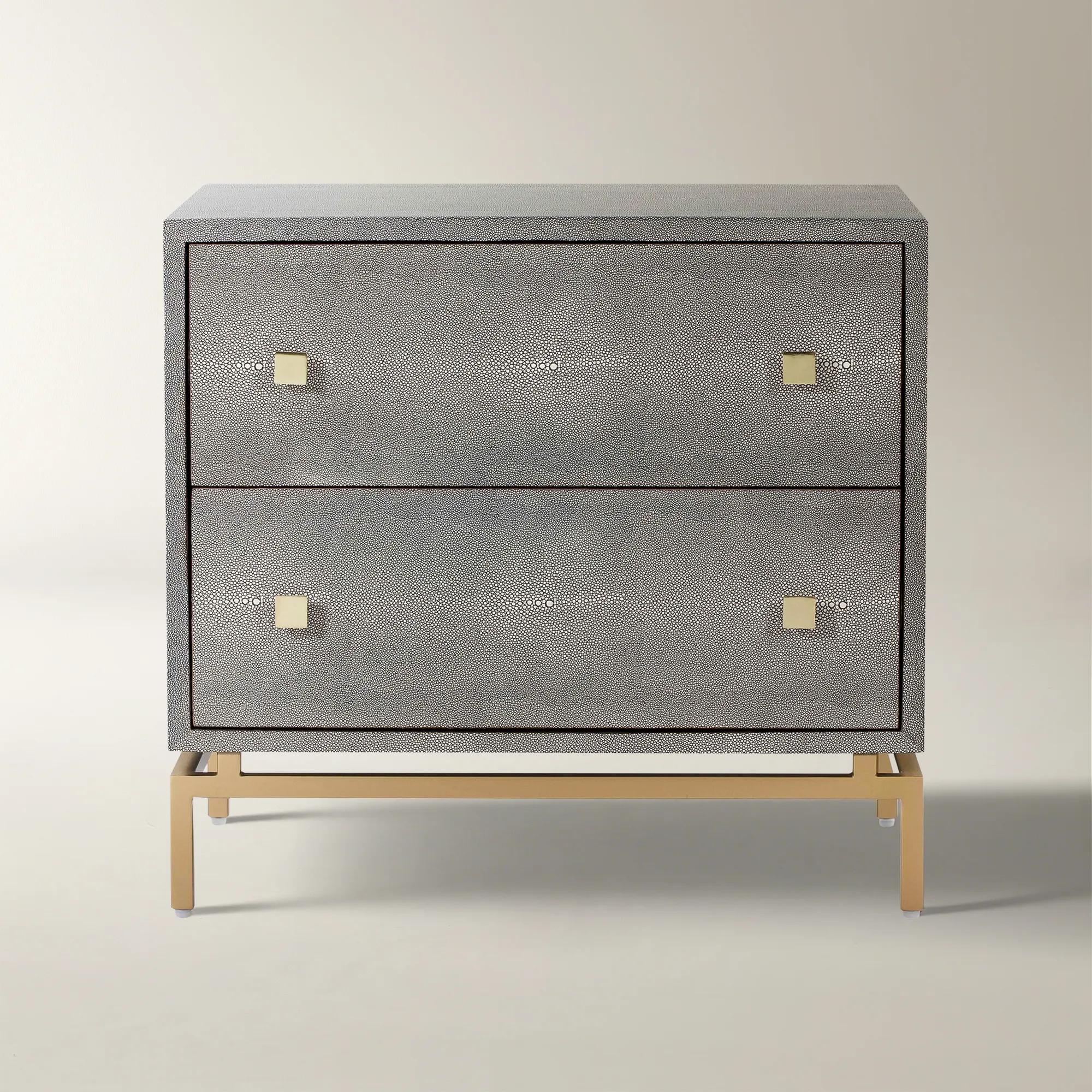
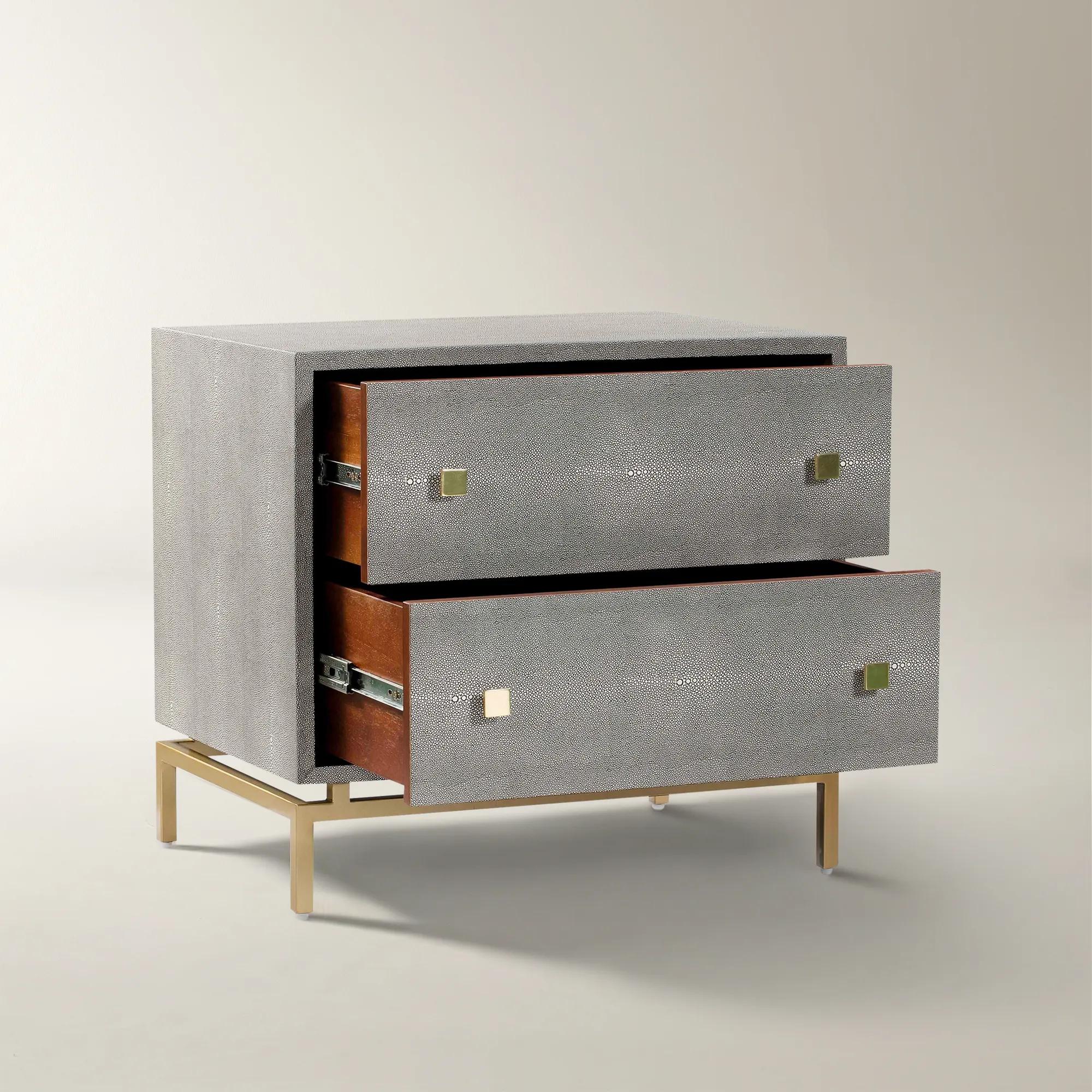 Misha Grey Shagreen 2-Drawer Nightstand (25")$749
A modern nightstand featuring faux shagreen texture, brass-finished base, and two cherry wood-lined drawers.
Add To Cart -
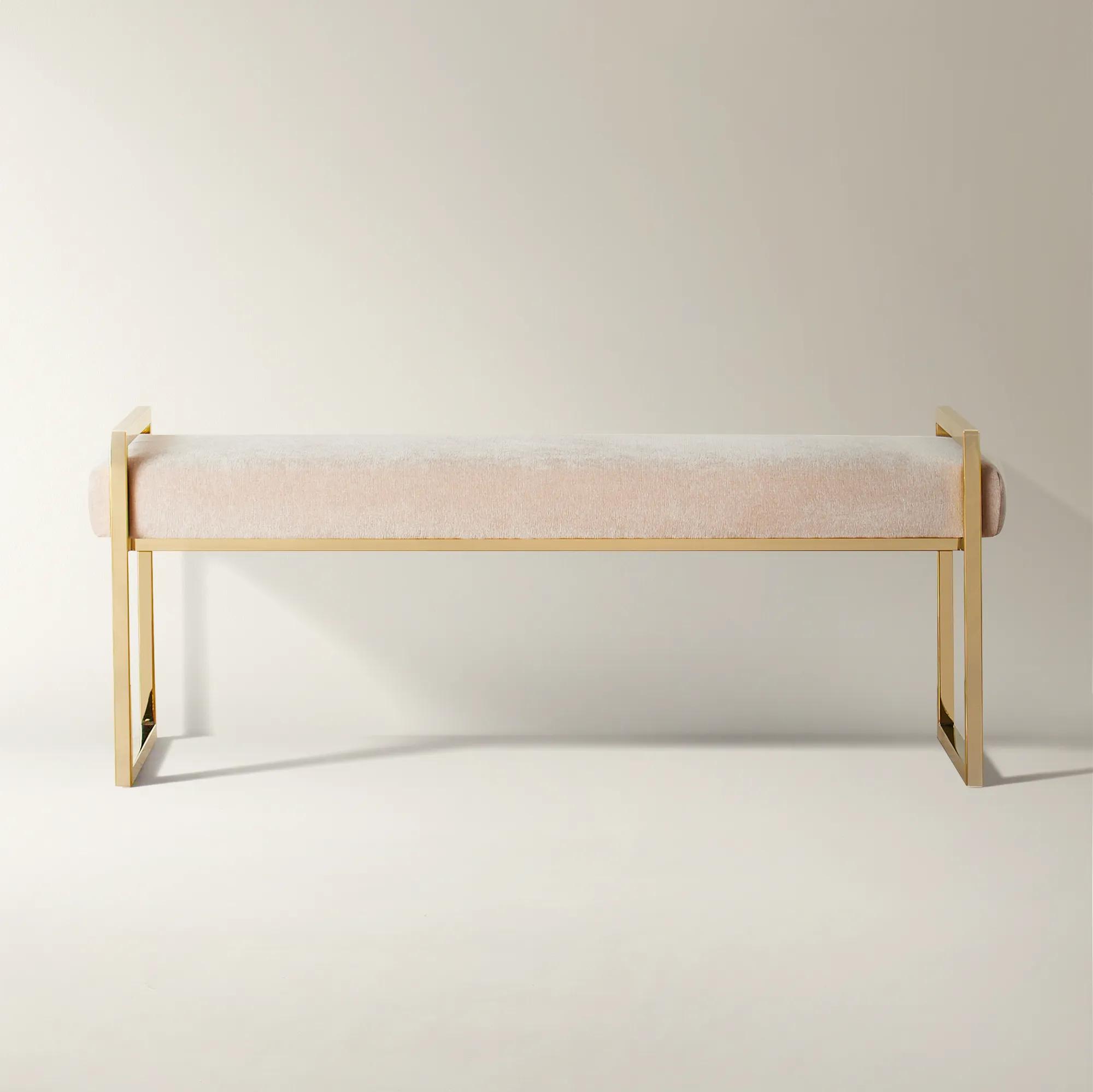 Clara Bench$699
A plush upholstered bench with a high-density foam seat and polished gold metal legs for modern elegance.
Add To Cart -
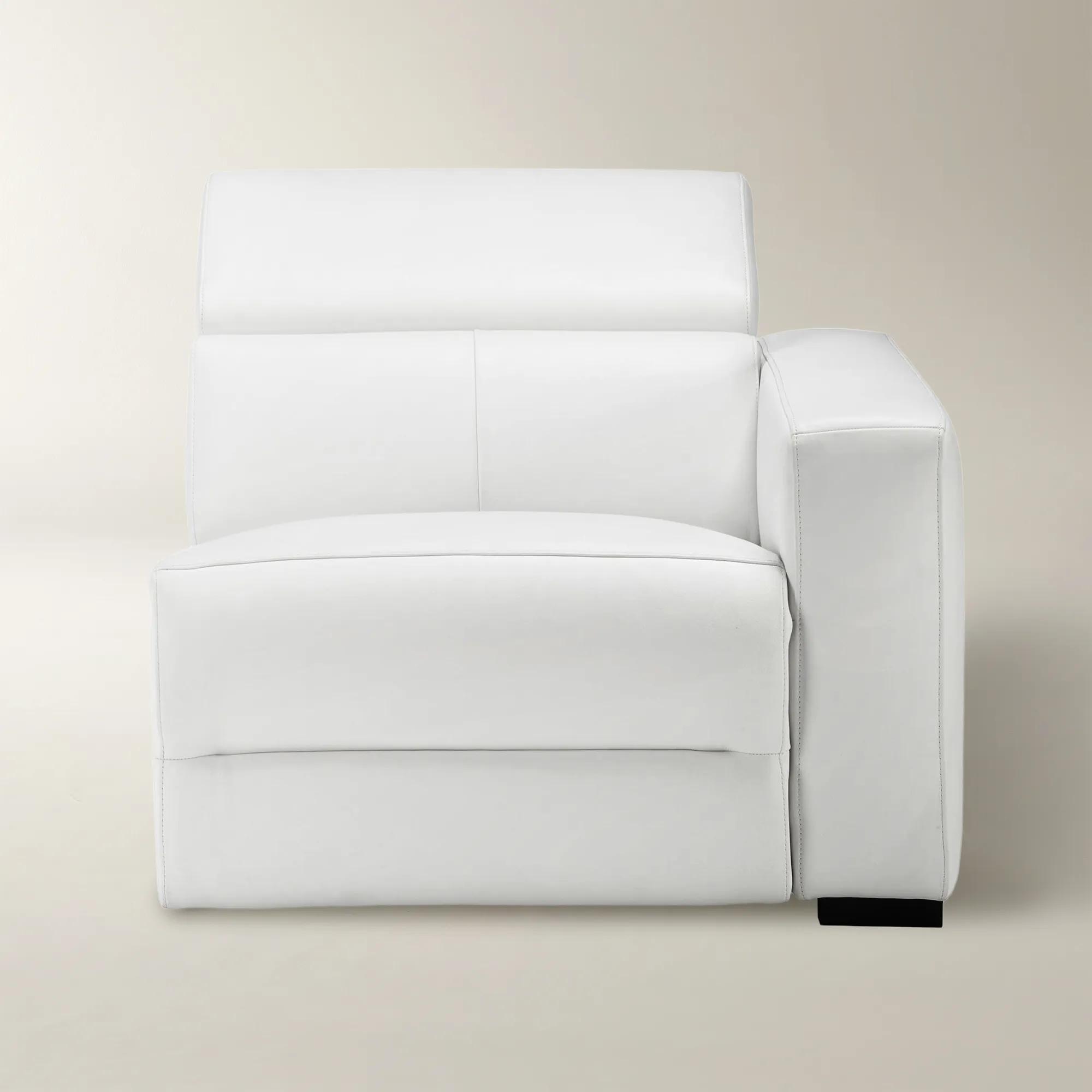
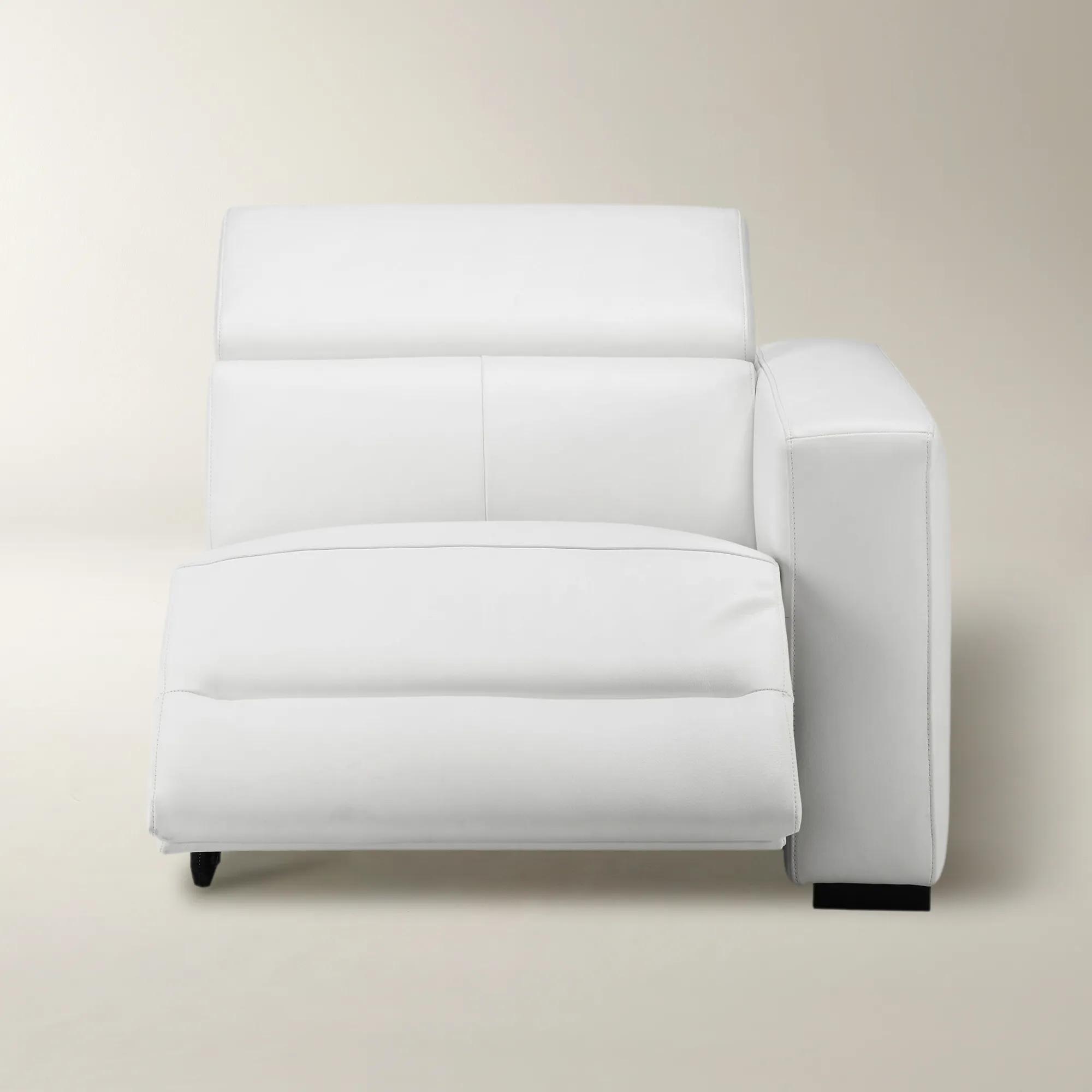
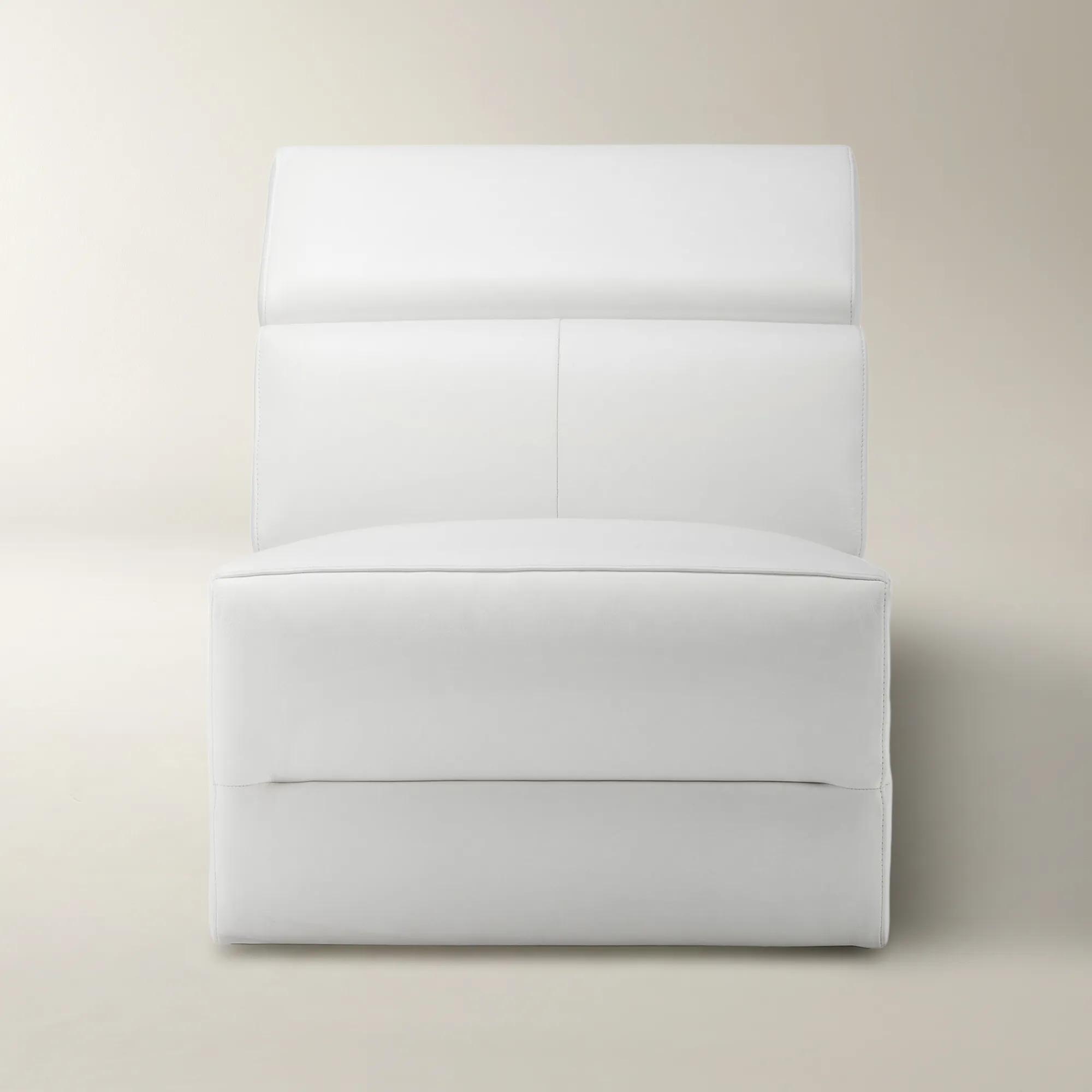
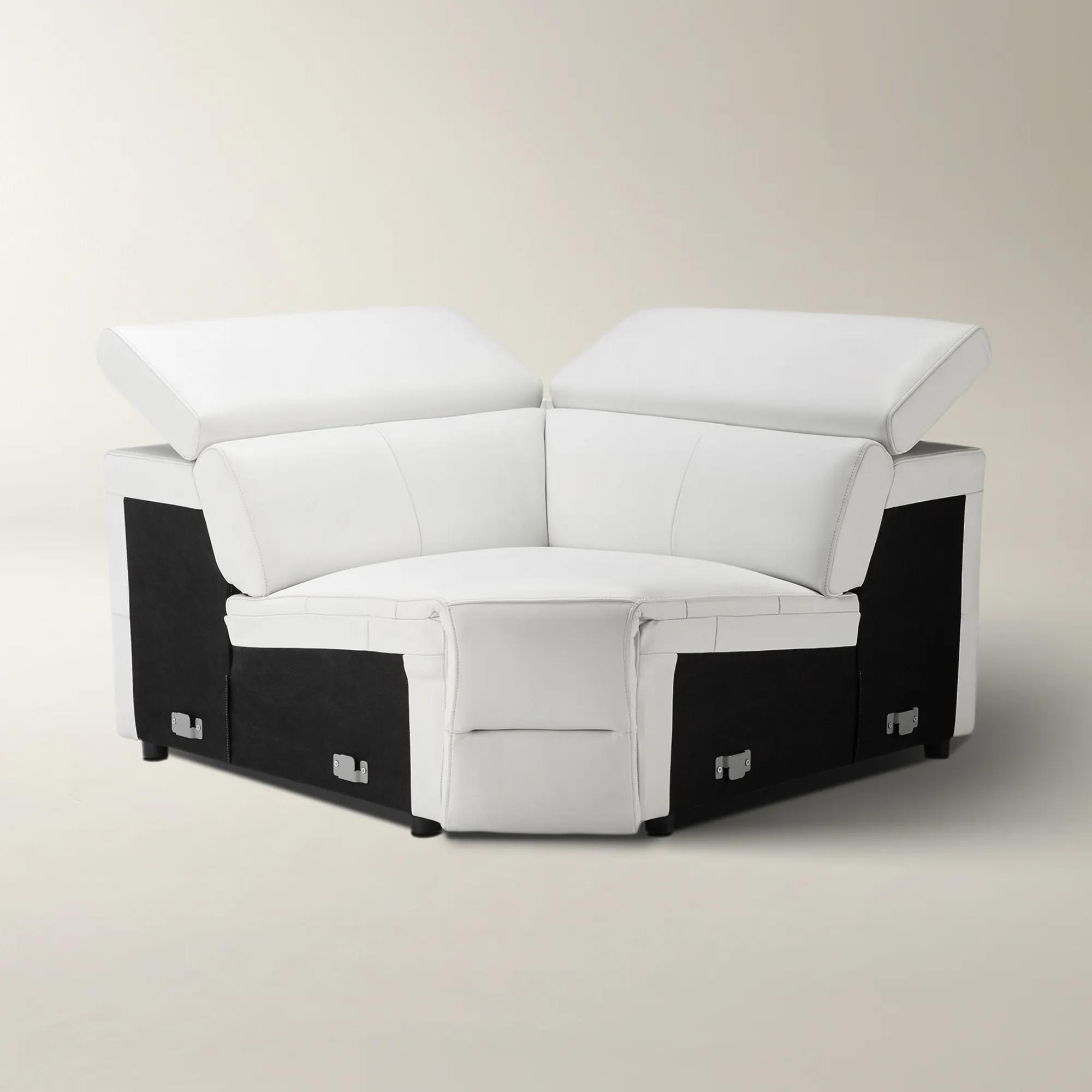
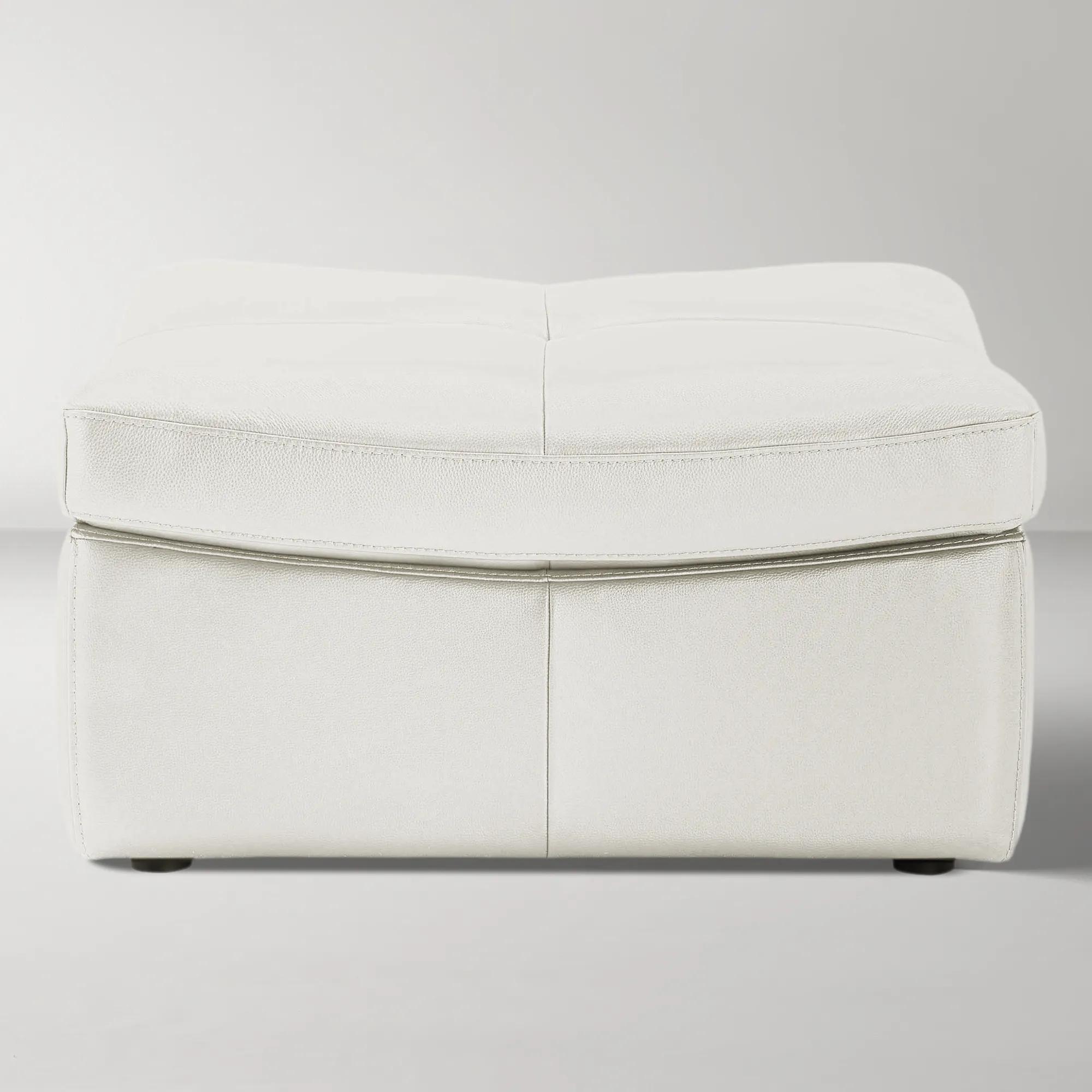 Convo White Leather Ottoman$849
A modular sectional with kiln-dried hardwood frame and charcoal semi-aniline leather upholstery for modern versatility.
Add To Cart -
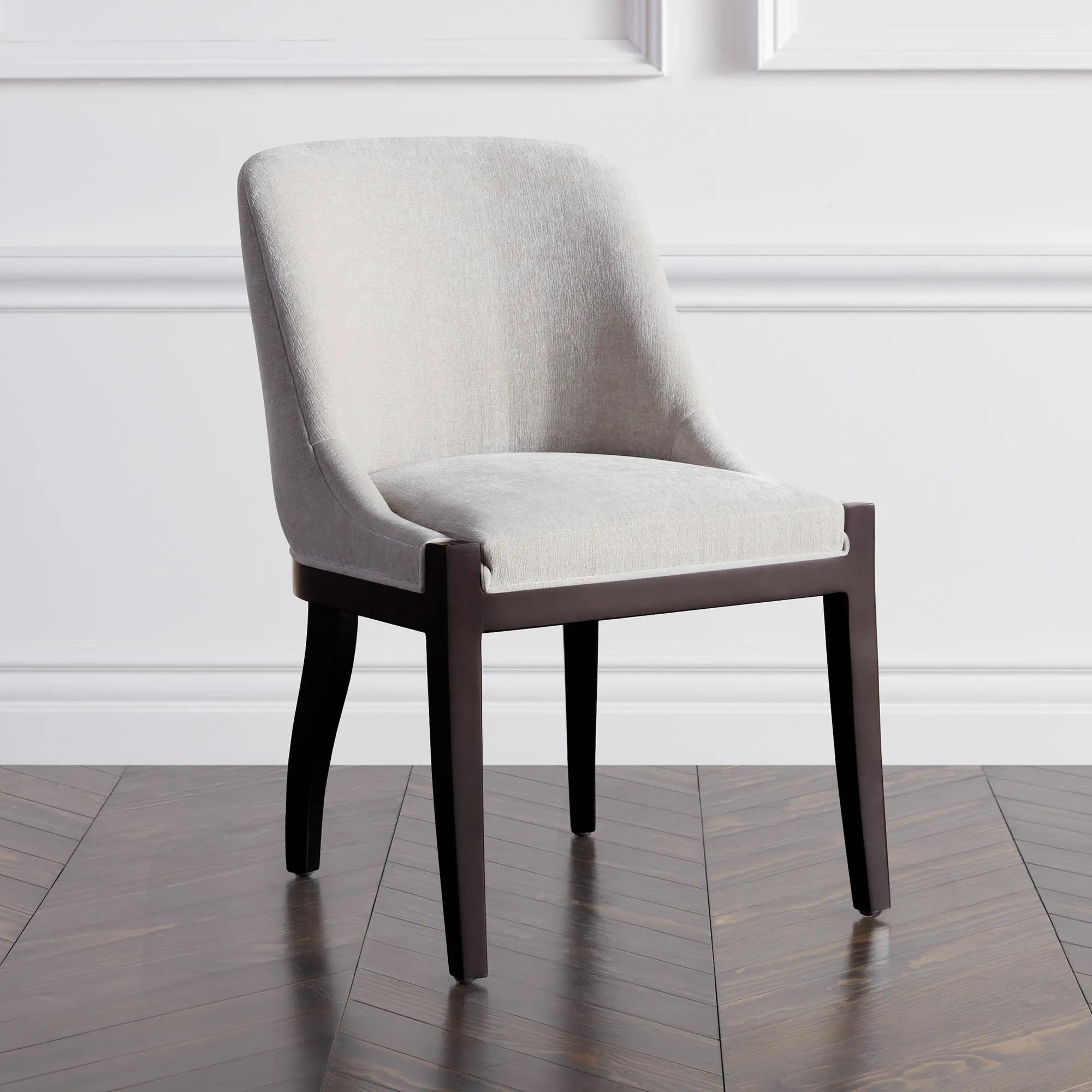
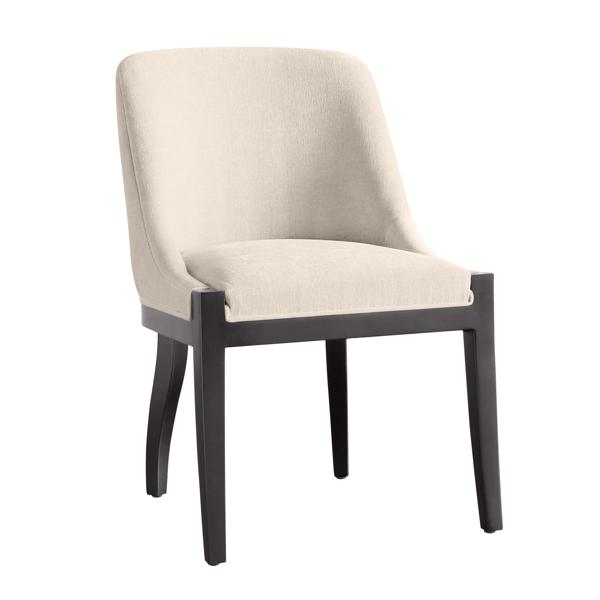 Lily Dining Chair - Espresso$599
A modern dining chair featuring espresso-finished hardwood, curvaceous silhouette, and plush, tailored upholstery.
Add To Cart -
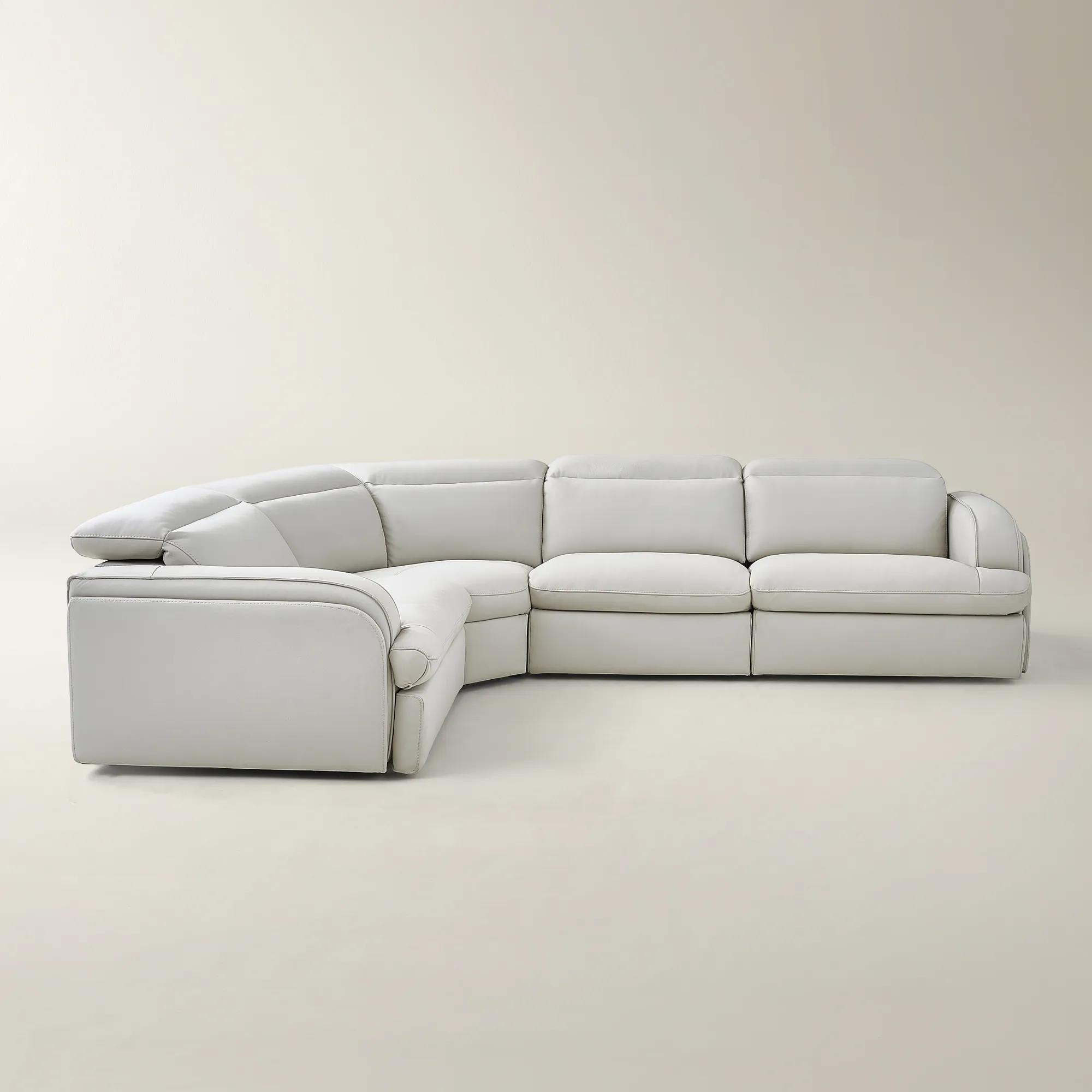
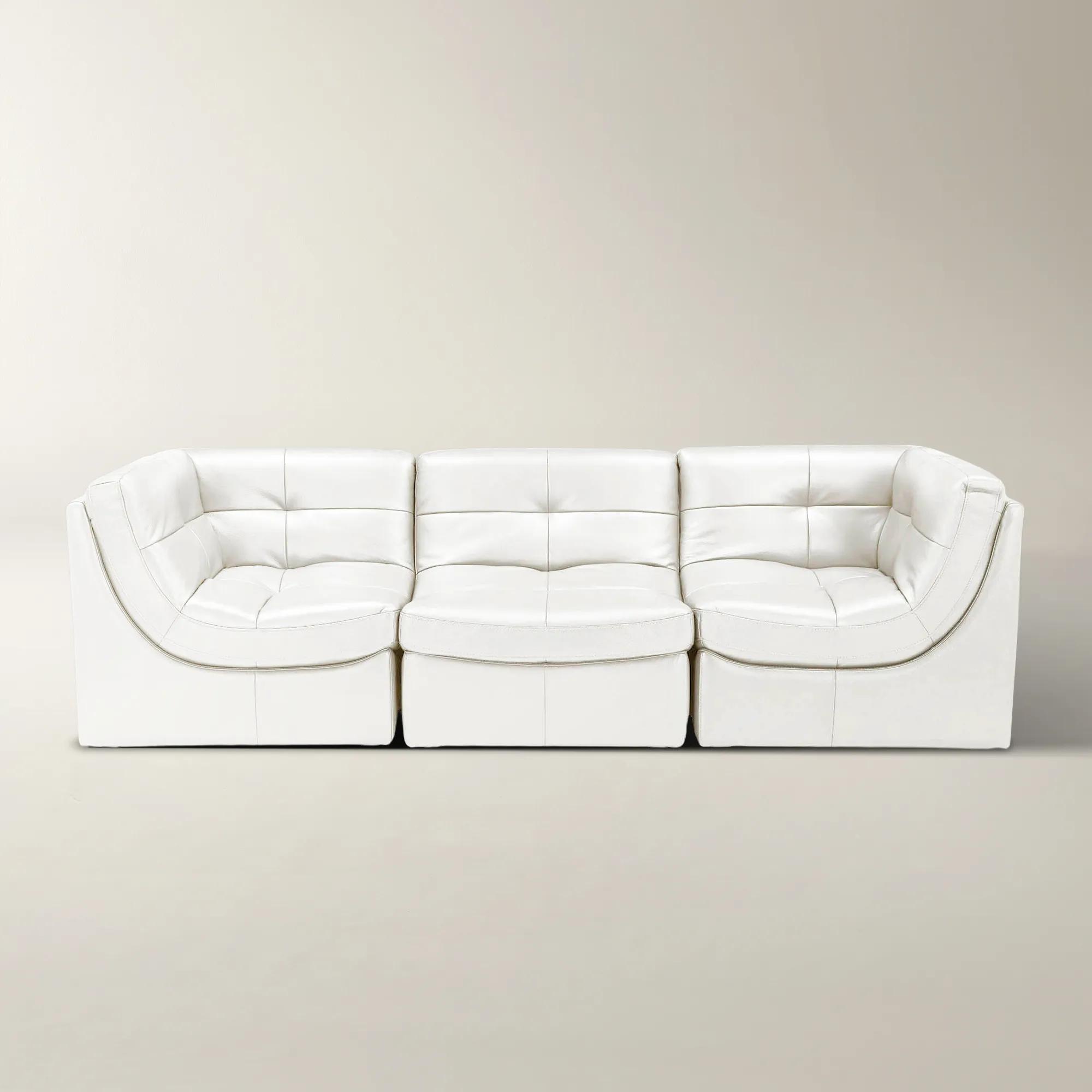 Convo 3-Piece White Leather Sectional Sofa$3999
A modular charcoal leather sofa with kiln-dried hardwood frame and blind-tufted, semi-aniline upholstery.
Add To Cart -
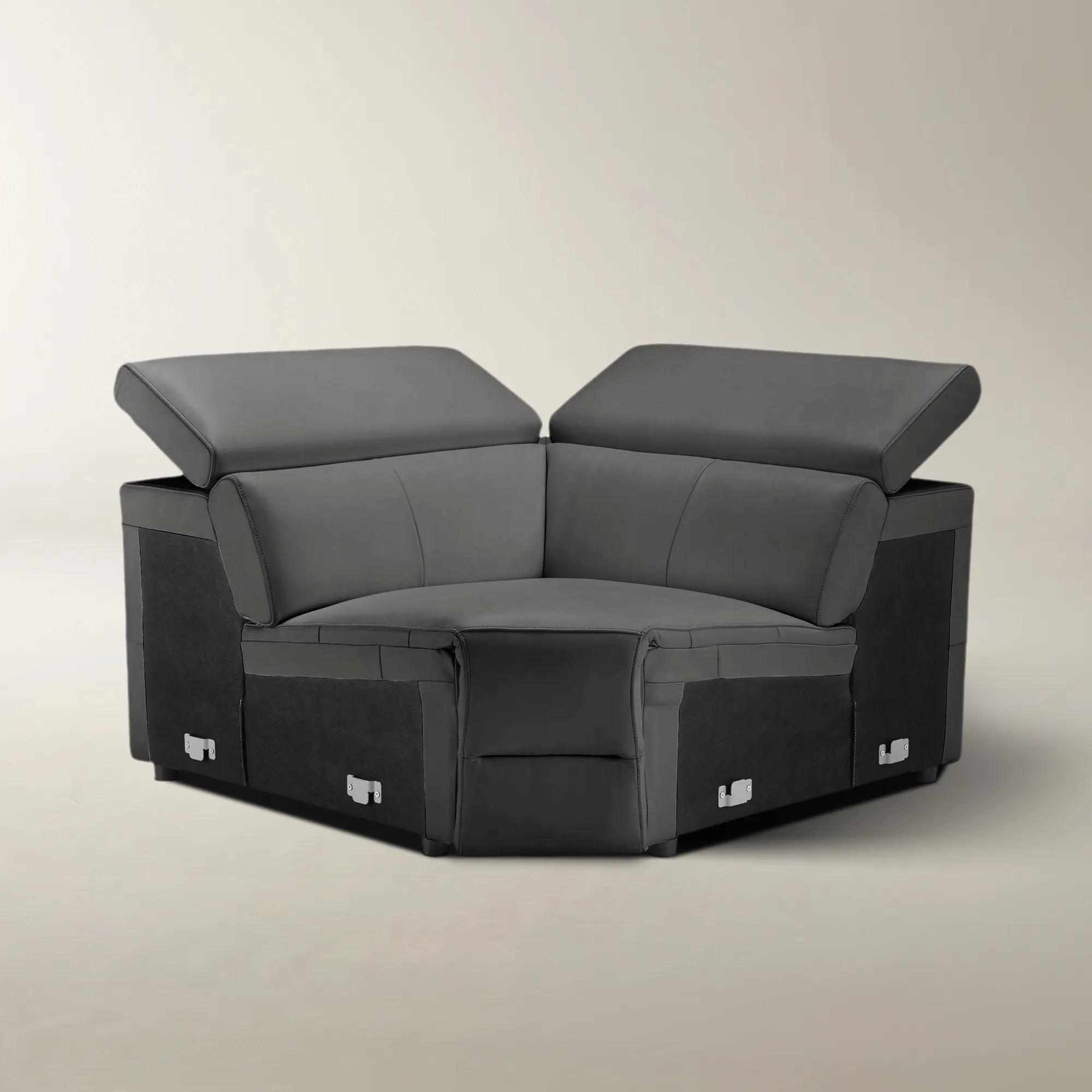
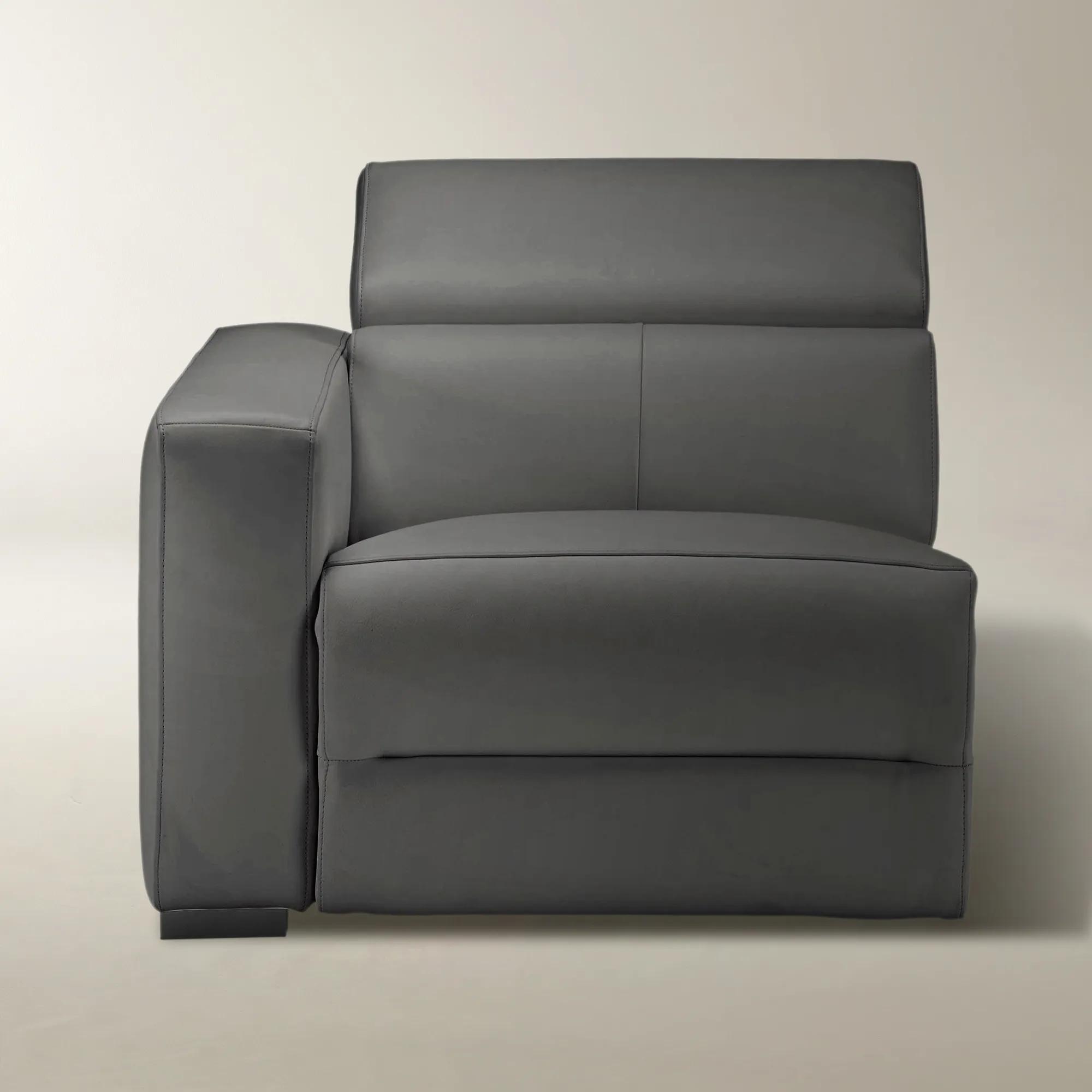
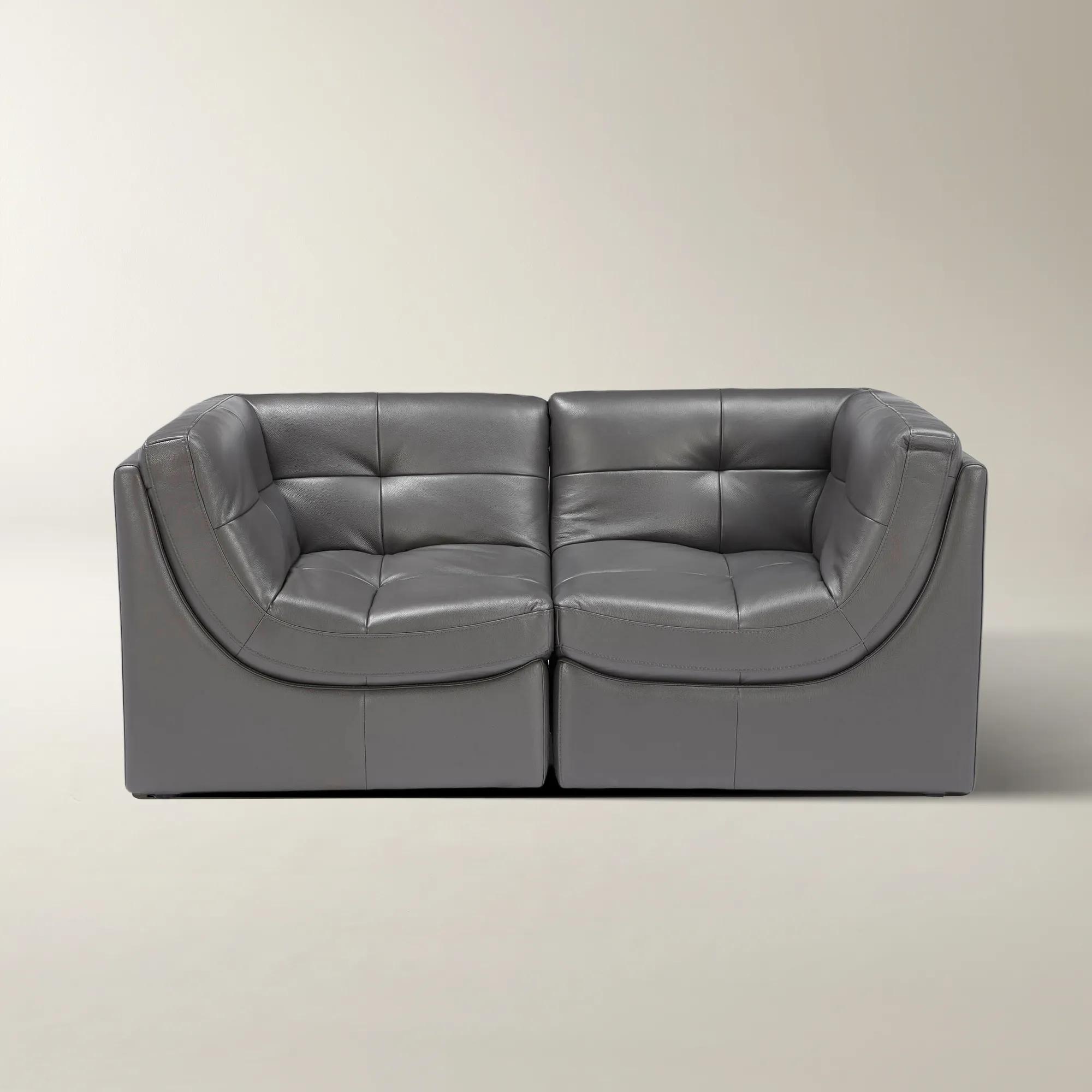 Convo 2-Piece Charcoal Leather Sectional Sofa$2799
A modular charcoal leather sofa with kiln-dried hardwood frame and blind-tufted, semi-aniline upholstery.
Add To Cart -
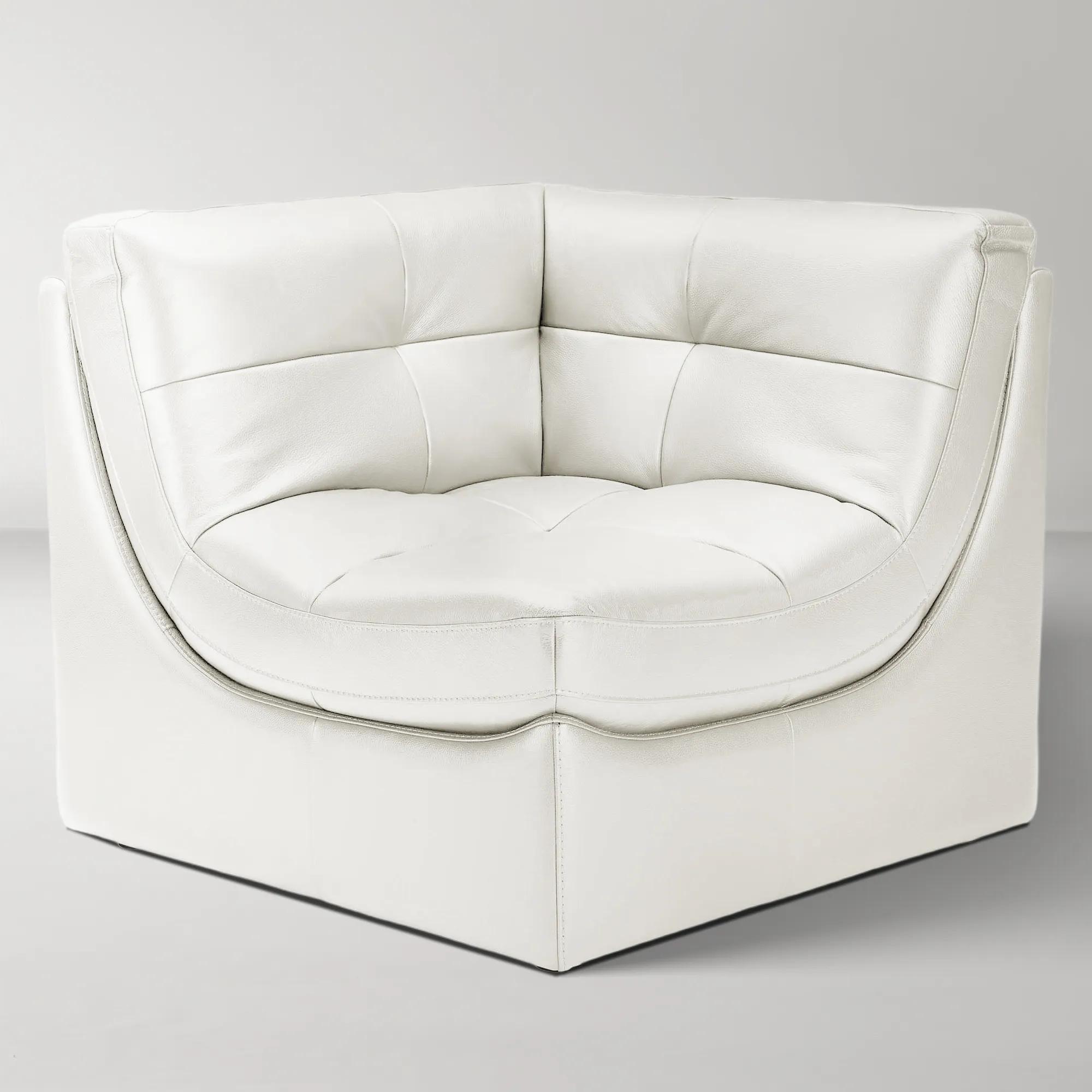
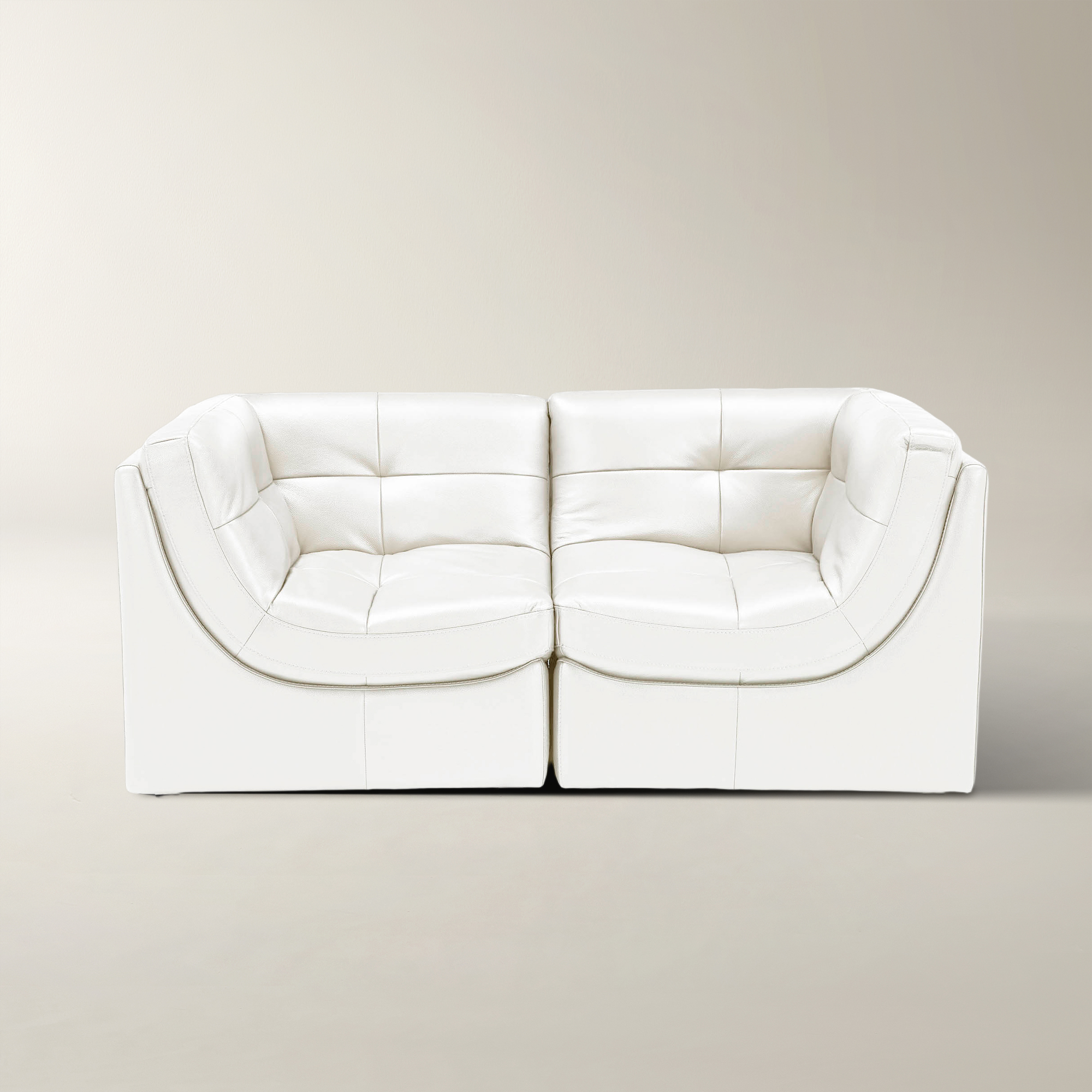 Convo 2-Piece White Leather Sectional Sofa$2799
A modular charcoal leather sofa with kiln-dried hardwood frame and blind-tufted, semi-aniline upholstery.
Add To Cart -
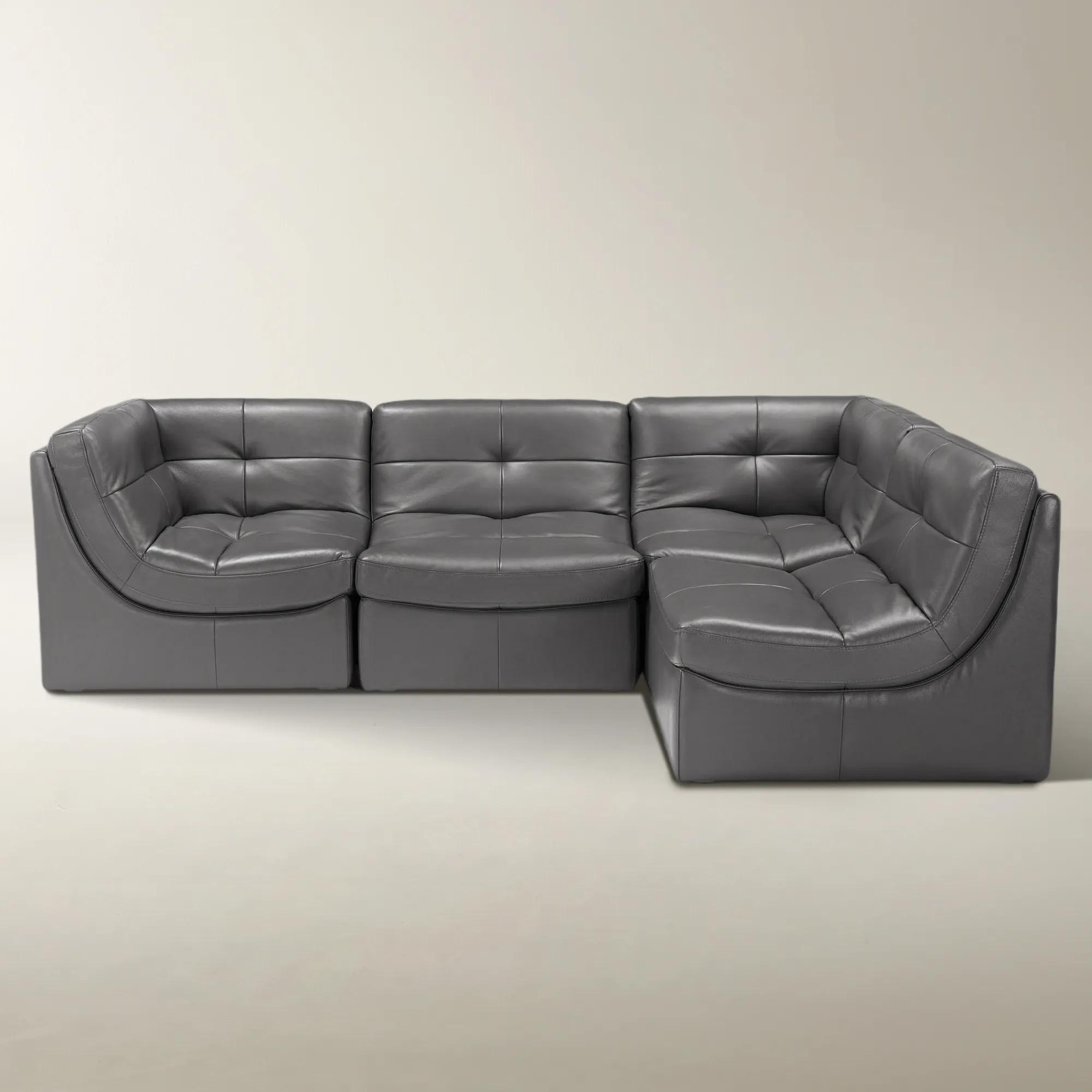
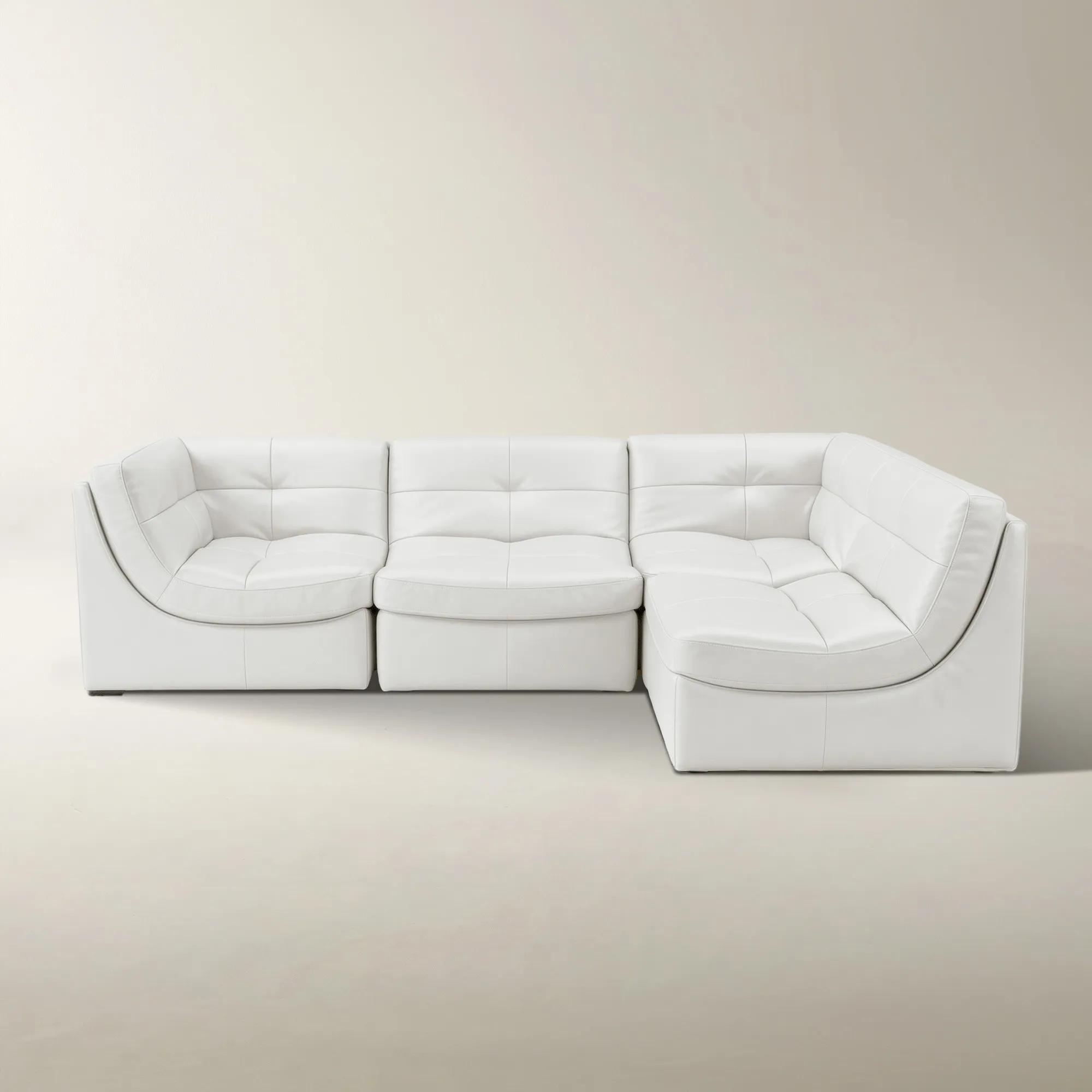
.jpg?w=1200&h=1200) Convo 4-Piece L-Shaped Charcoal Leather Sectional Sofa With Armless Chair$5199
Convo 4-Piece L-Shaped Charcoal Leather Sectional Sofa With Armless Chair$5199A modular charcoal leather sectional with kiln-dried hardwood frame and gently curved, blind-tufted seats.
Add To Cart -
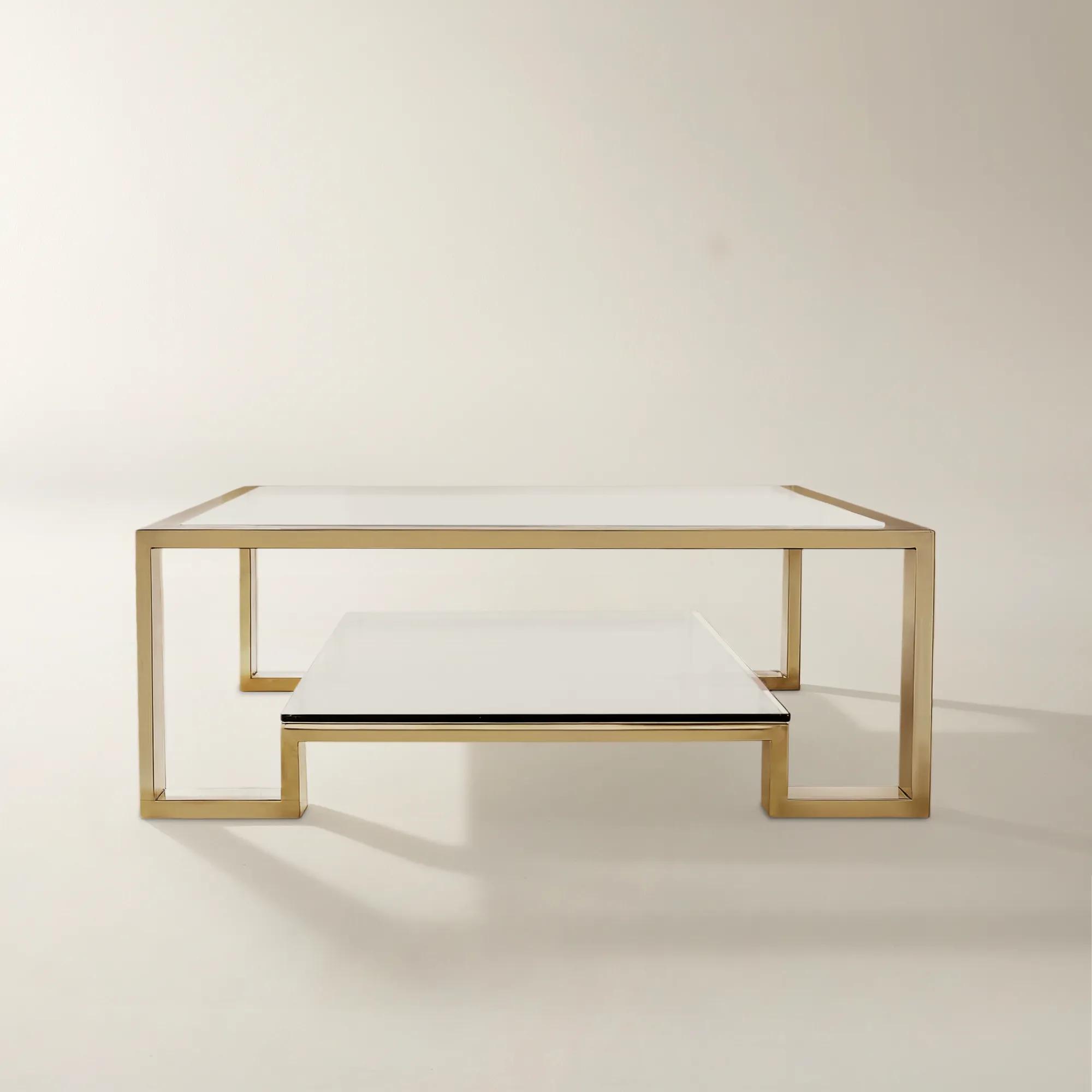 Duplicity Rectangular Gold Stainless Steel Coffee Table With Glass Top (50")$1399
A modern coffee table featuring a stainless steel frame, tempered glass top, and floating storage shelf.
Add To Cart -
.jpg?w=1200&h=1200)
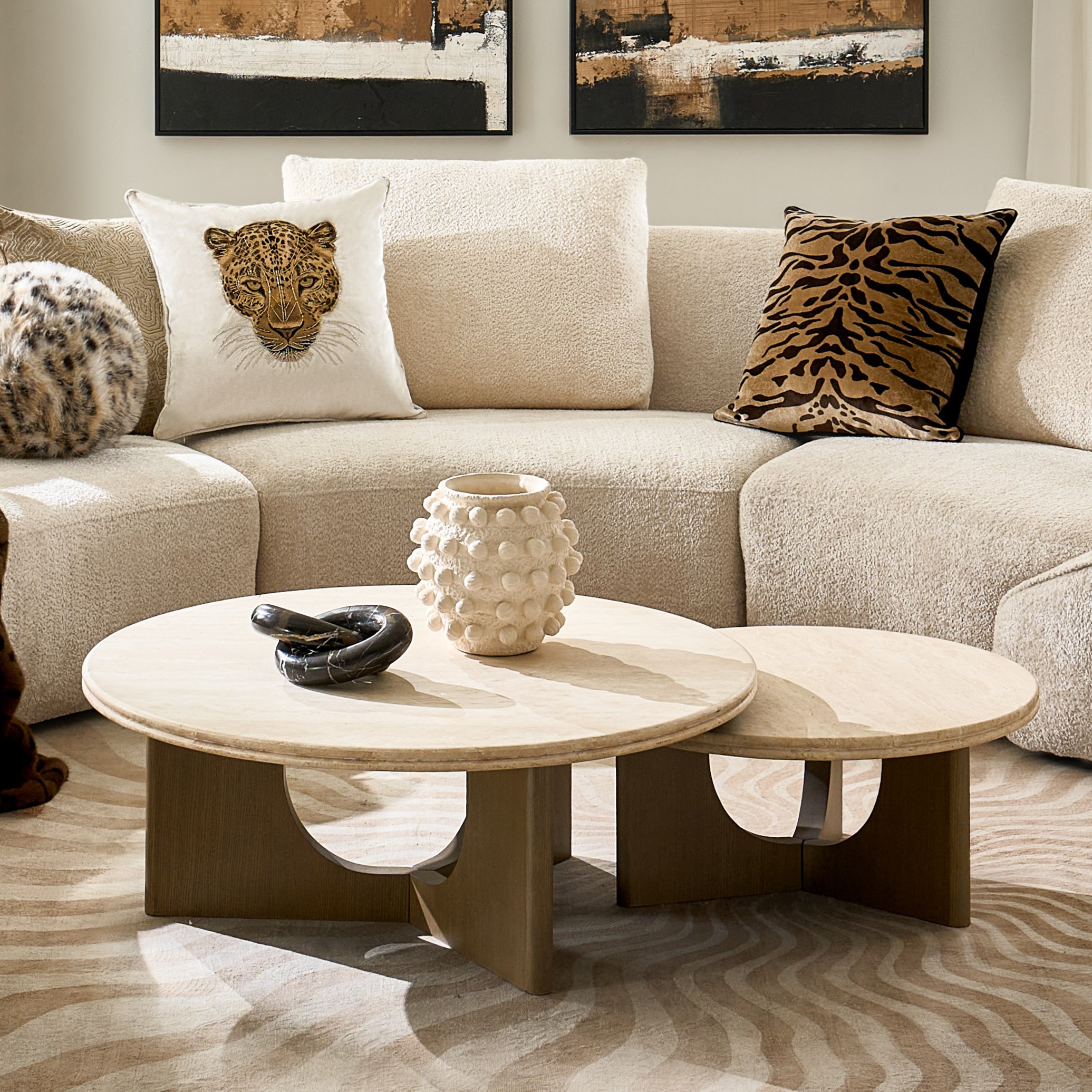 Bond Round Travertine and Wood Coffee Table (29.25")$699
A genuine travertine stone coffee table with warm ivory-gold tones atop a solid natural ash base.
Add To Cart -
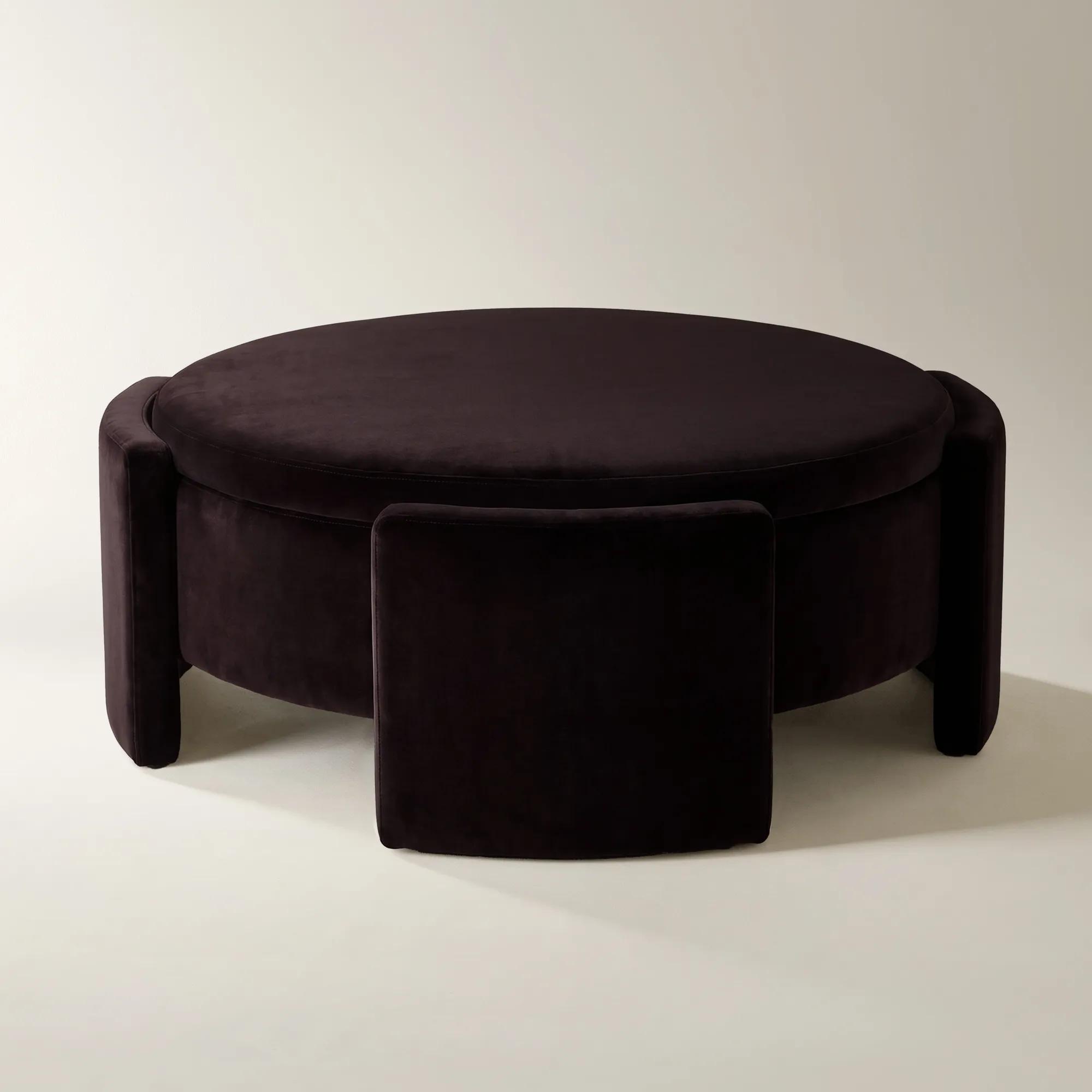
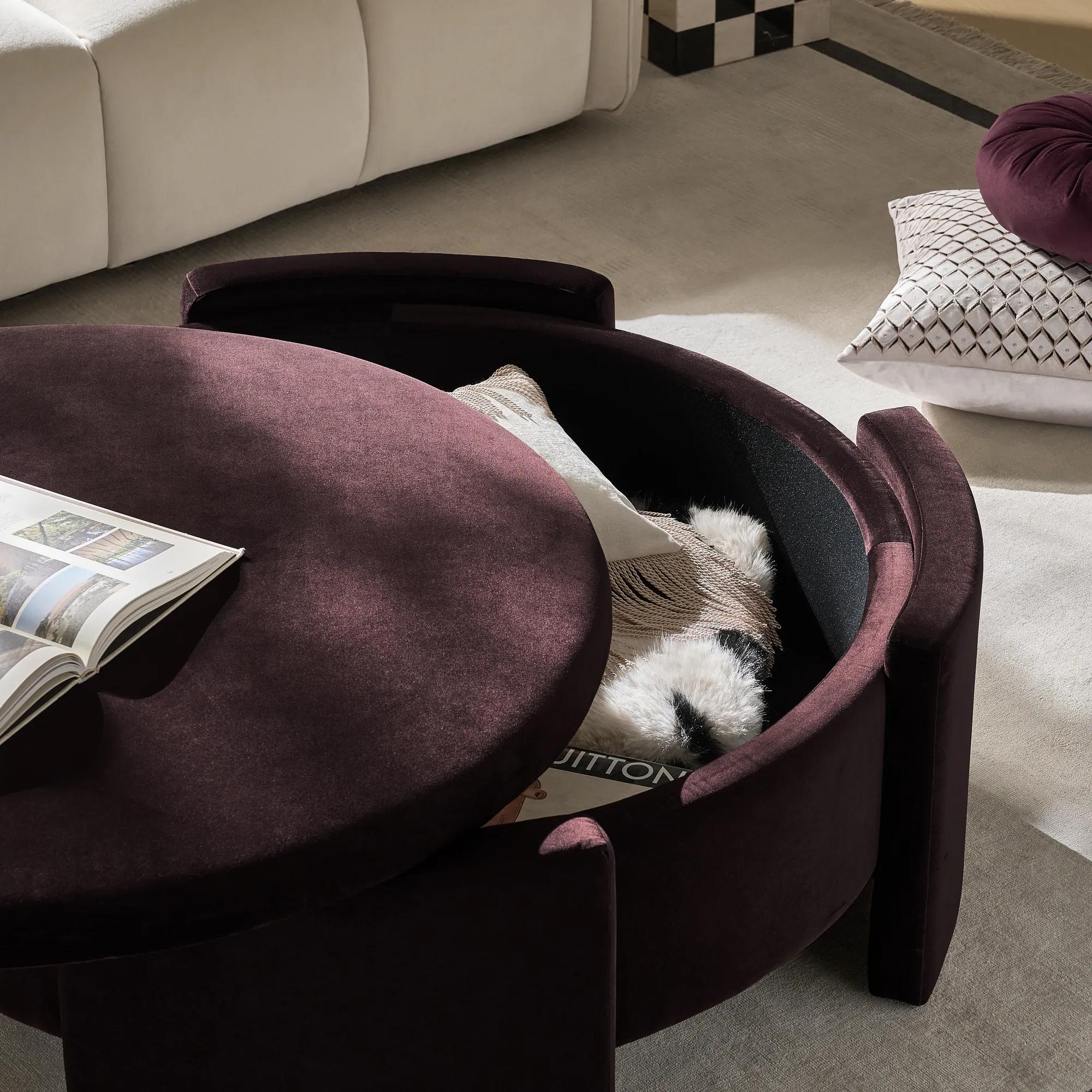 Jora Round Fig Velvet Storage Coffee Table With Reversible Tabletop (47.7")$799
A round fig velvet coffee table featuring a reversible wood tabletop and hidden interior storage.
Add To Cart -
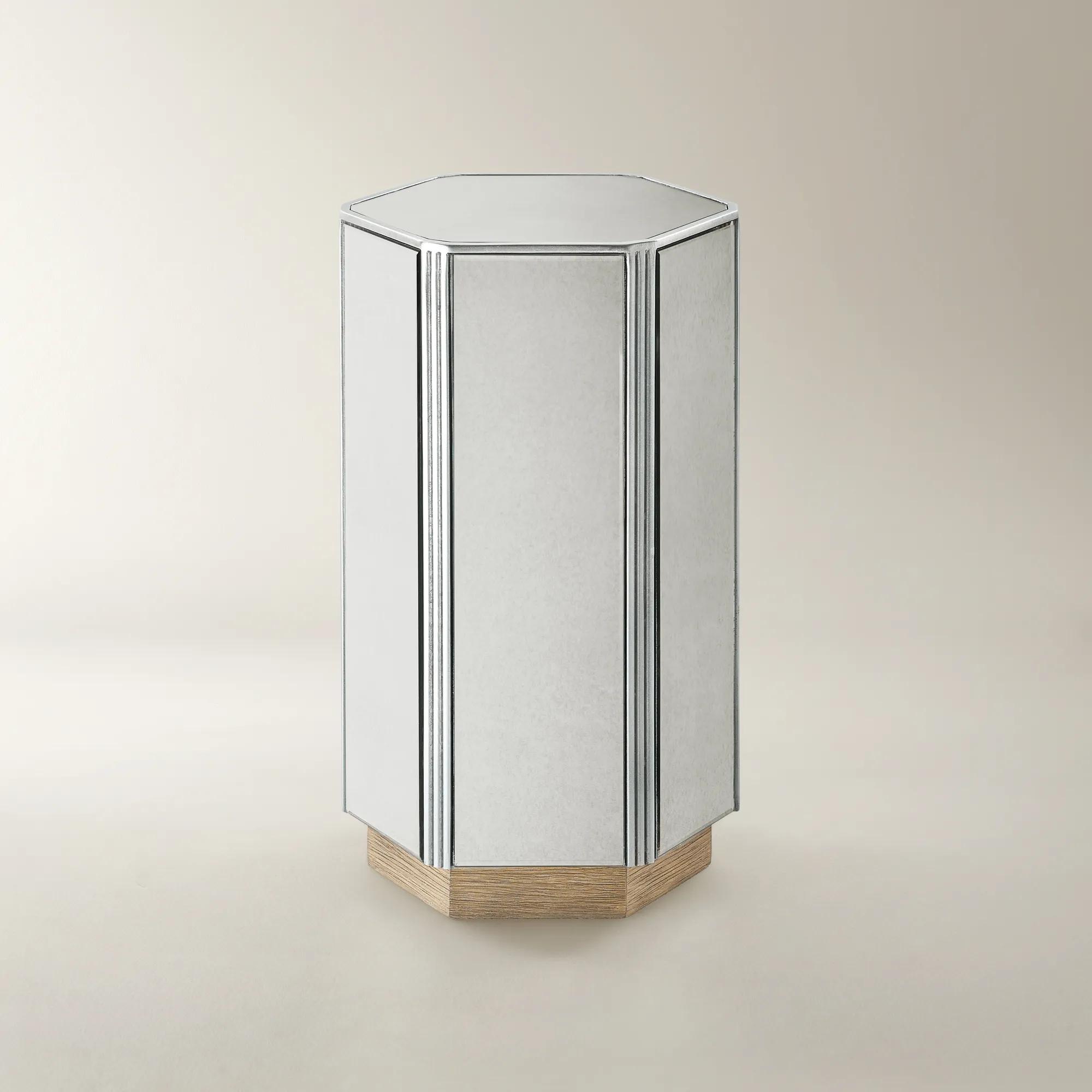 Glimmer Silver Mirrored End Table (12")$399
A chic side table featuring an antique silver mirror top and warm oak veneer base with handcrafted details.
Add To Cart -
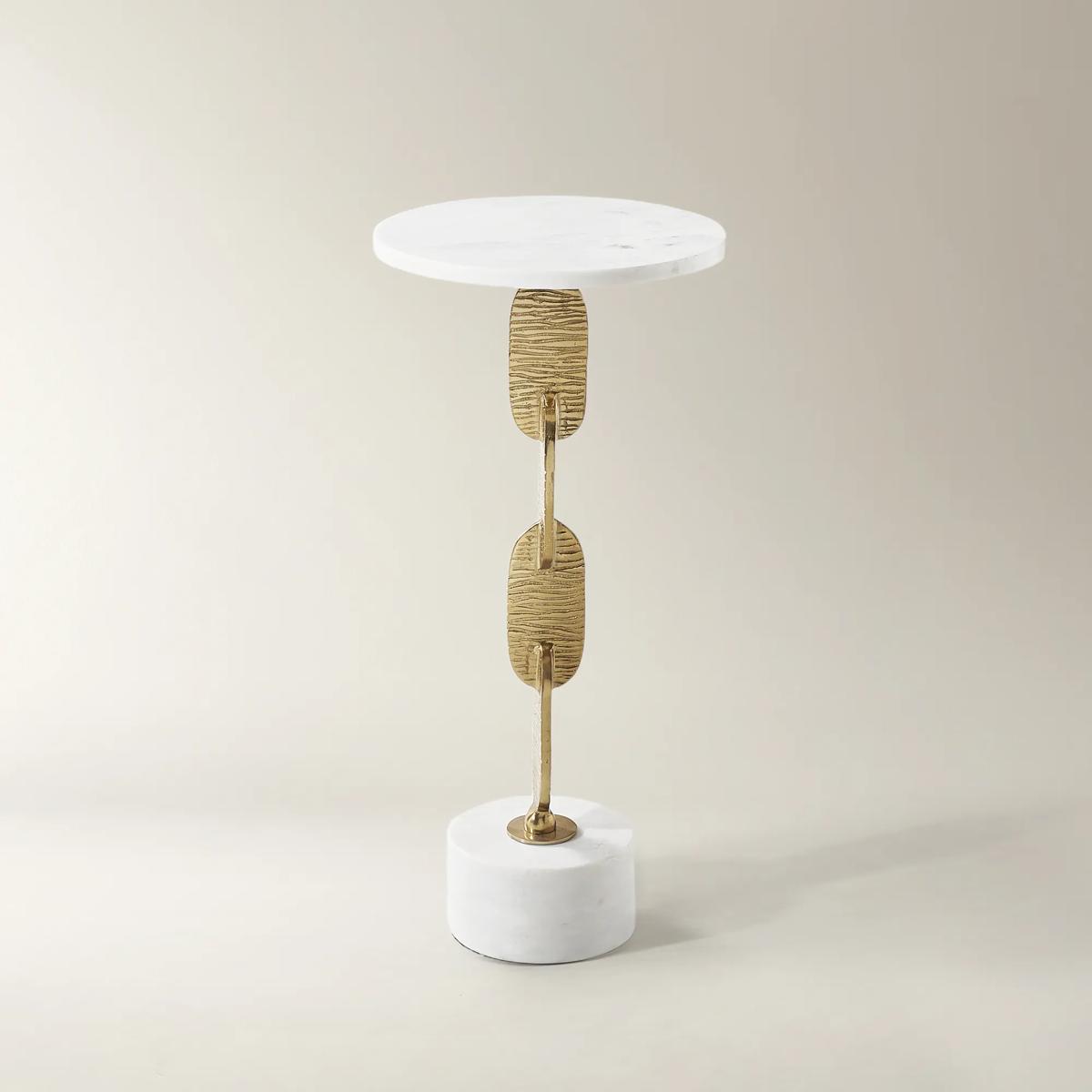
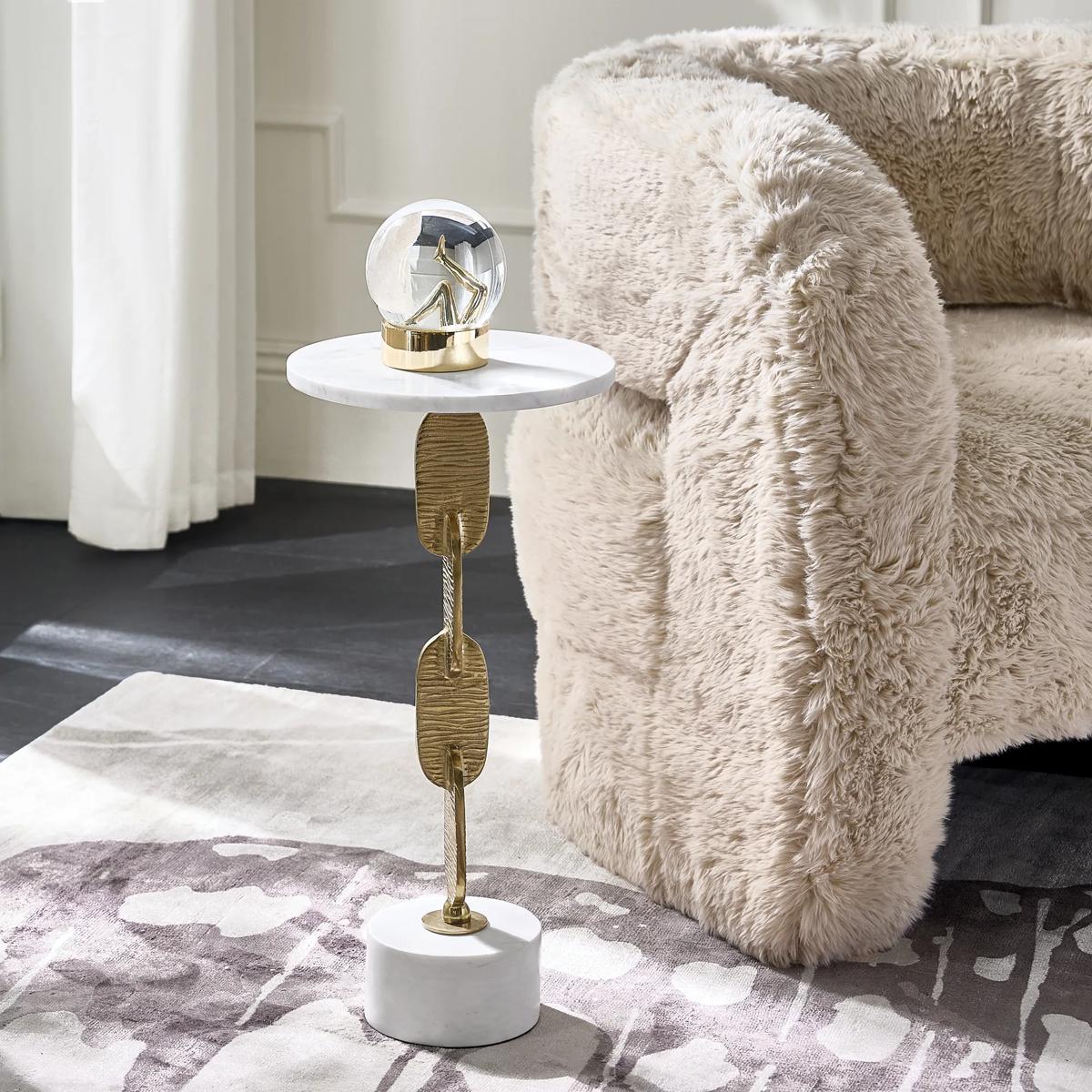 Luna Round White Marble Side Table (11.25")$199
A sculptural side table featuring a genuine white marble top and an open gold-finished metal frame.
Add To Cart -
.jpg?w=1200&h=1200)
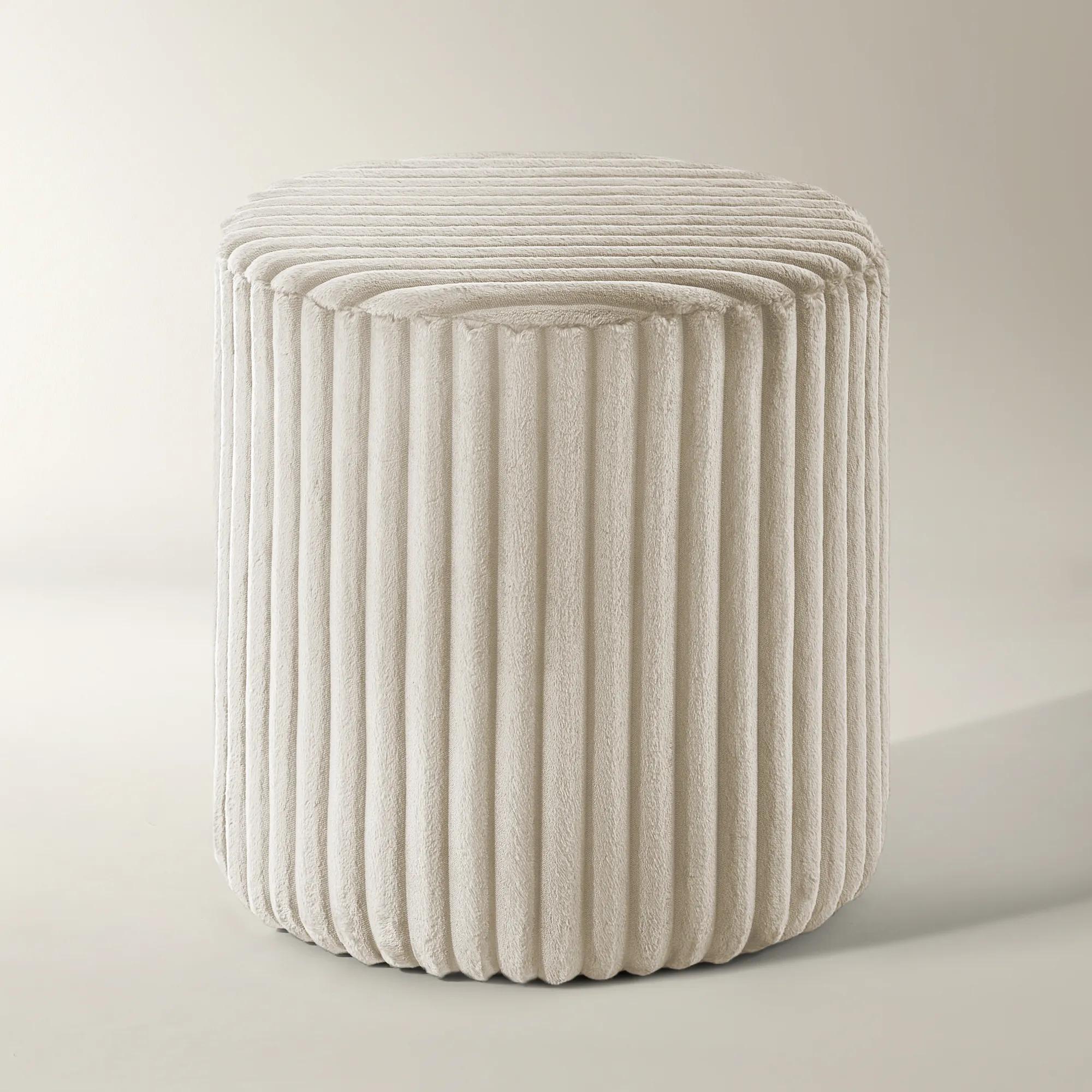 Fleece Fluted Ivory Velvet Stool (15.55'')$229
An ivory ribbed velvet stool offering cozy softness and versatile use as seating, footrest, or accent table.
Add To Cart -
.jpg?w=1200&h=1200) Fleece Fluted Gray Velvet Stool (15.55'')$229
Fleece Fluted Gray Velvet Stool (15.55'')$229A plush grey velvet stool with a unique ribbed texture, perfect for versatile, cozy seating or decor.
Add To Cart -
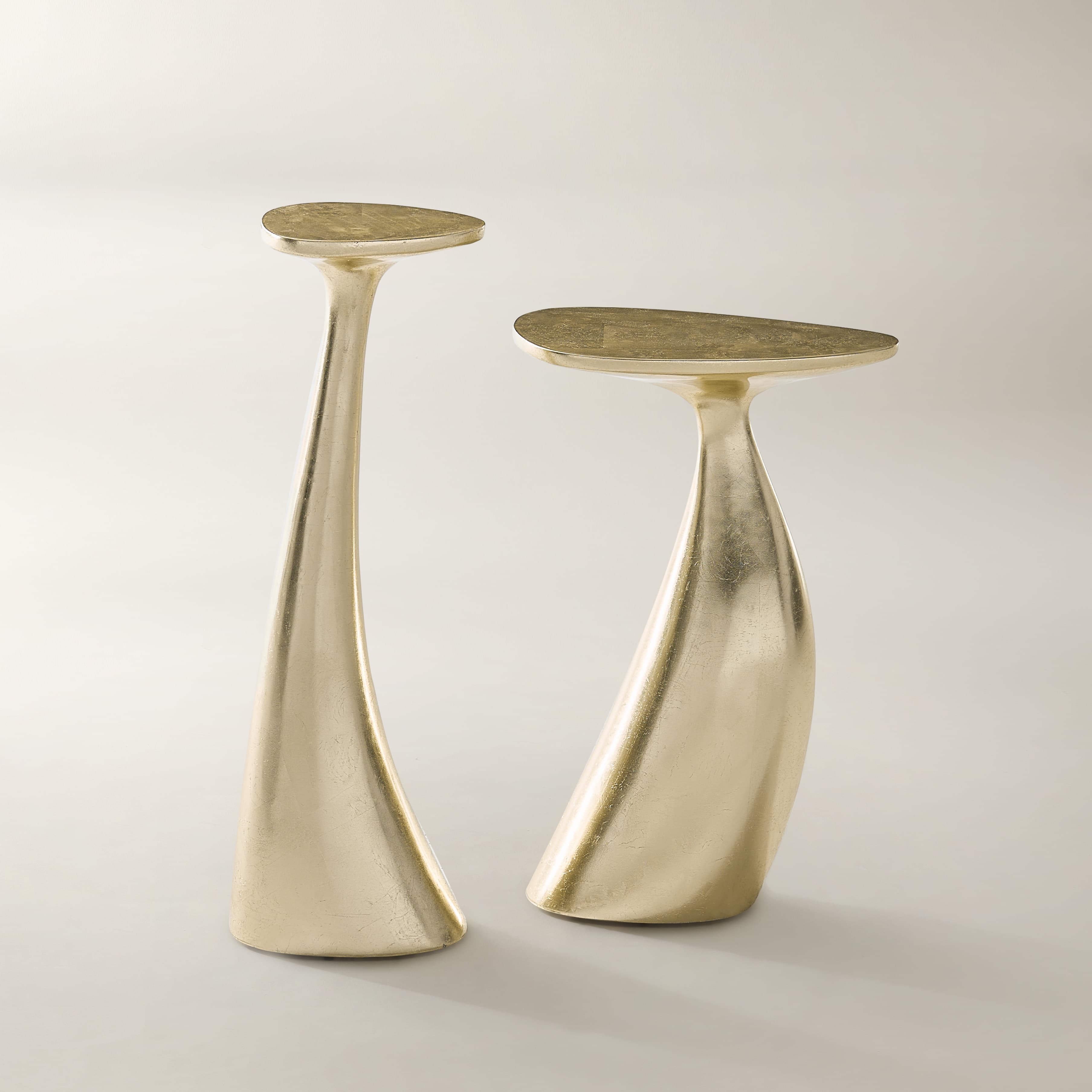 Thalia Soft Gold Side Table Set Of 2 (8"-12.5")$659
A sculptural duo of gold leaf fiberglass tables with fluid lines and a warm, luminous finish.
Add To Cart -
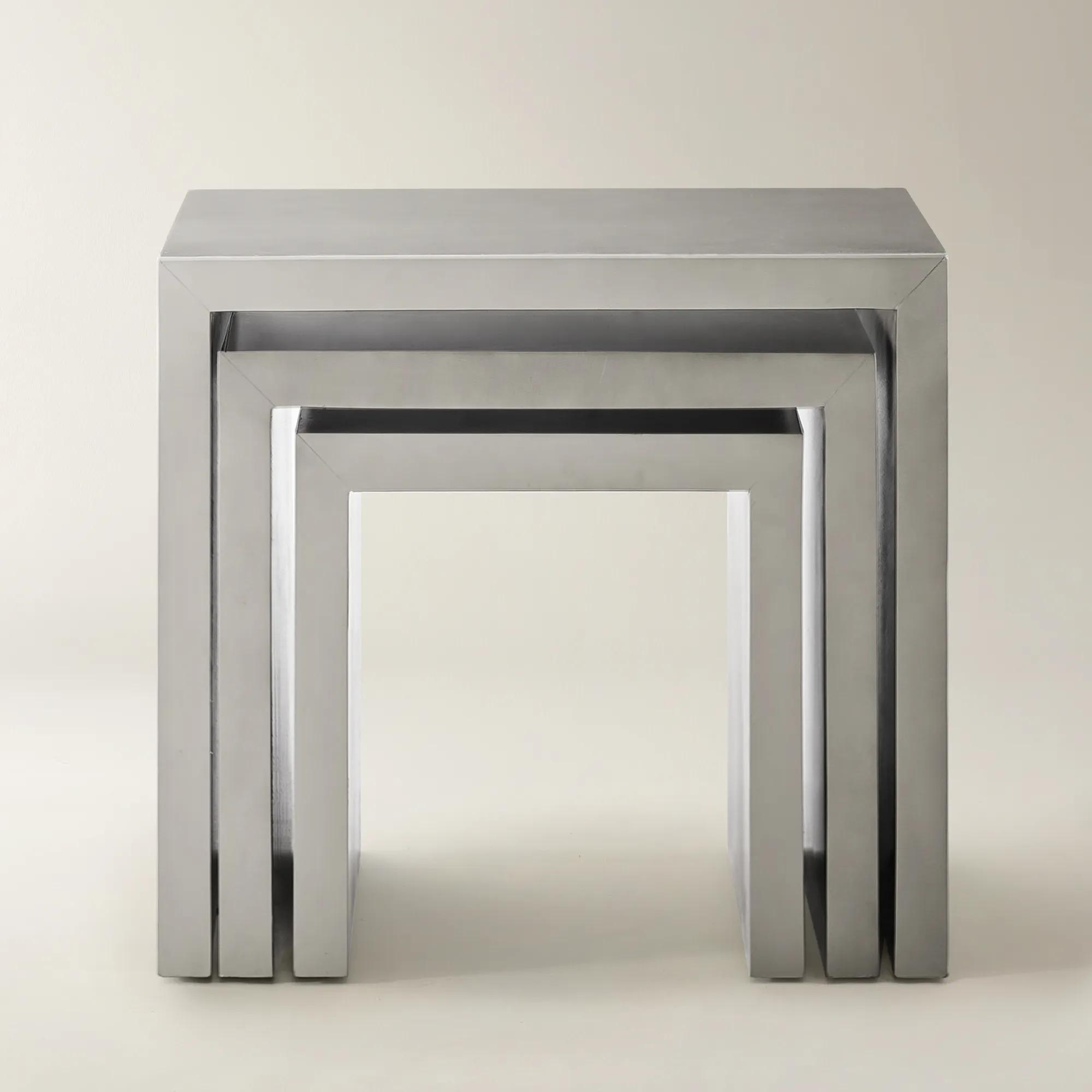
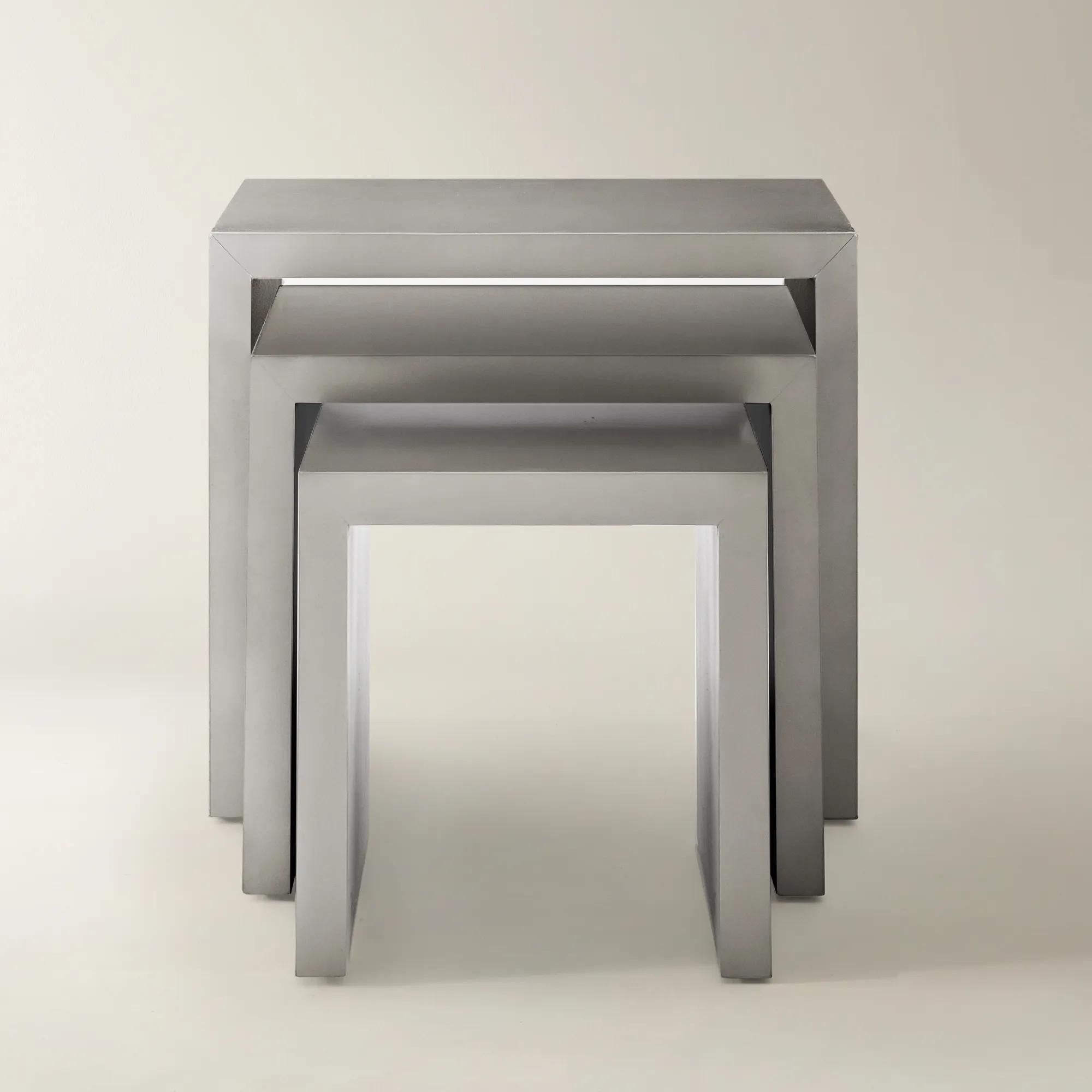 Astair Silver Nesting Accent Table Set Of 3 (16.25"-25.5")$299
A trio of engineered wood nesting tables with a sleek silver metallic finish and minimalist block silhouette.
Add To Cart -
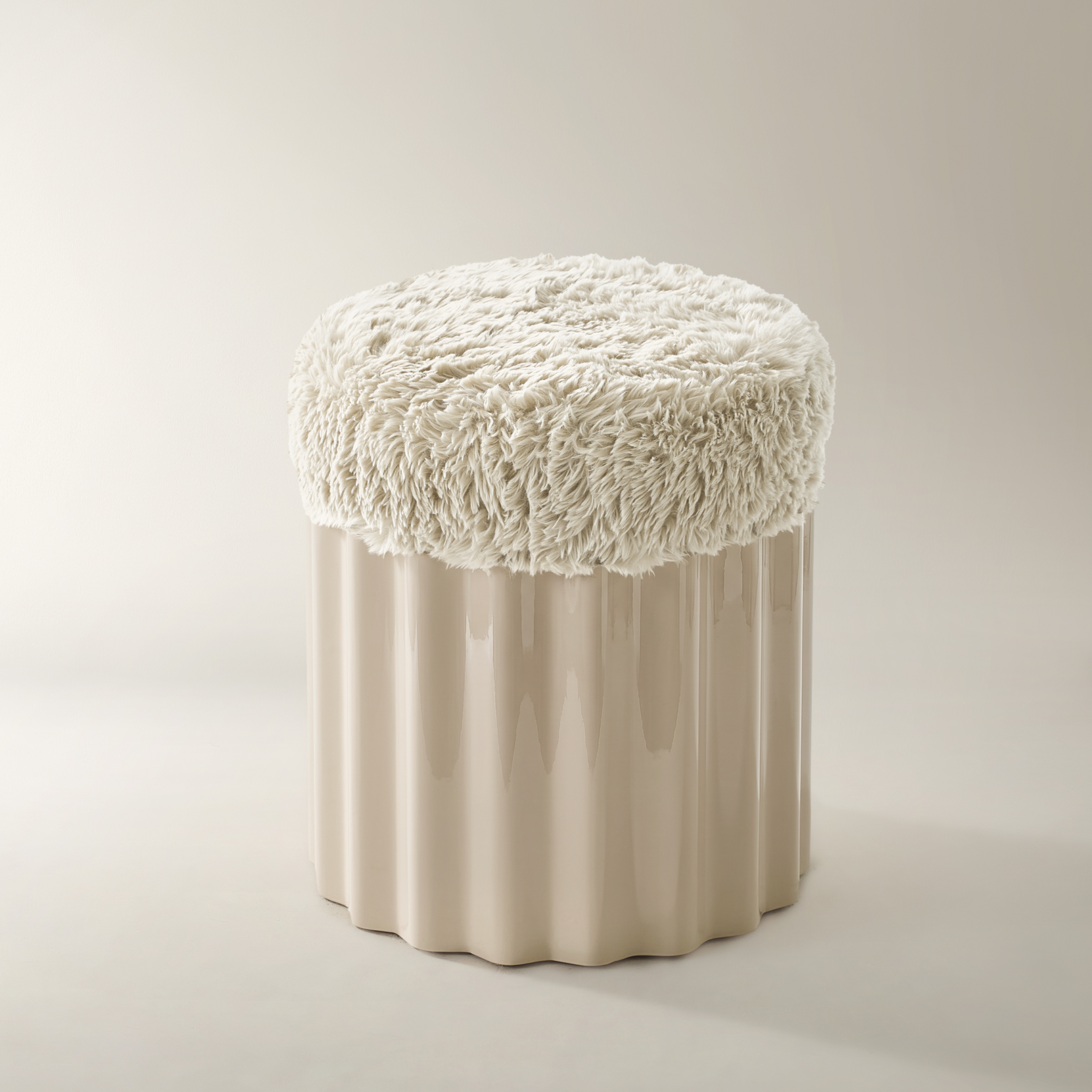
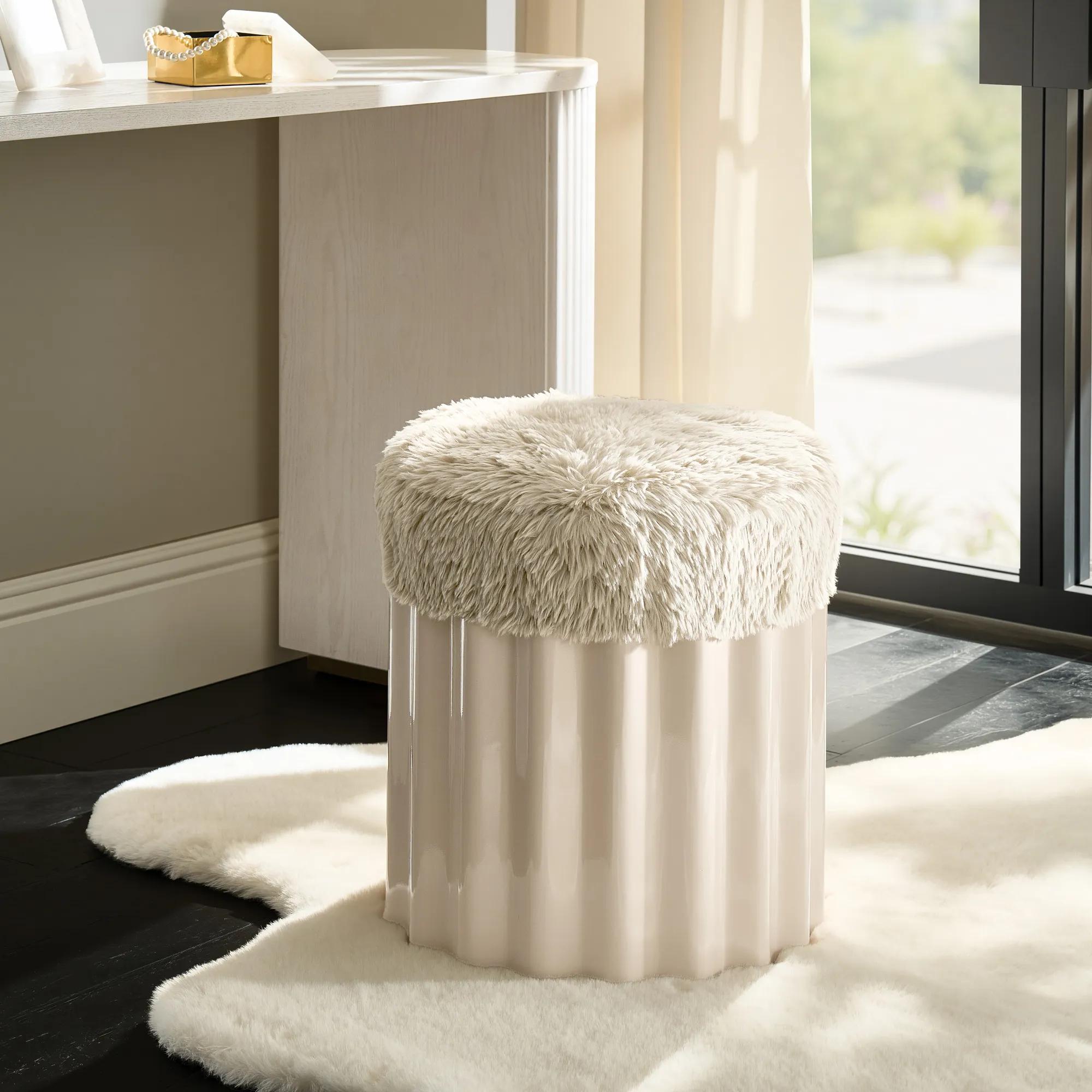 Nia Lacquered Turtle Dove Faux Fur Storage Stool$399
A sculptural fluted stool in warm turtle dove with plush faux fur seat and hidden storage compartment.
Add To Cart -
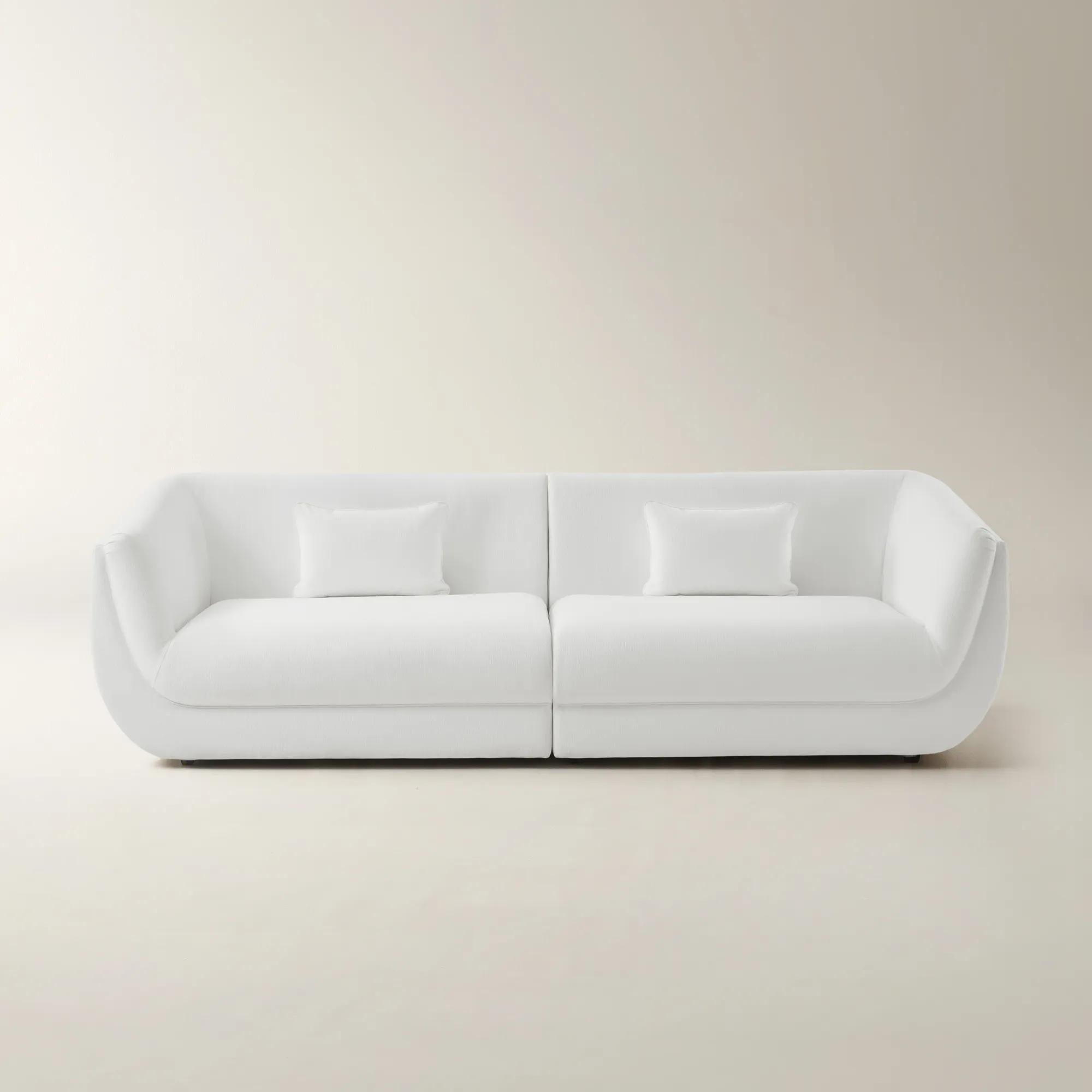
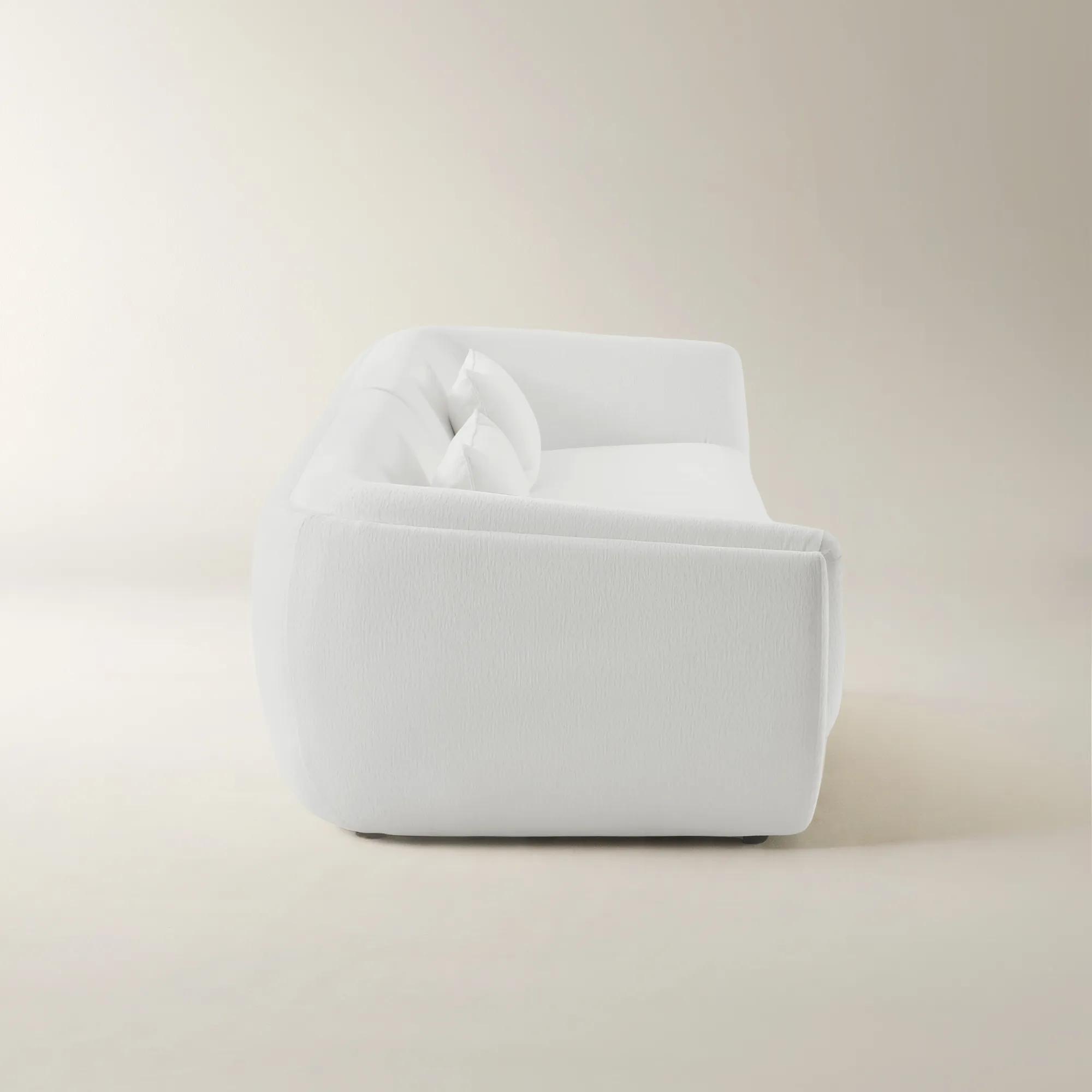 Curvia 2-Piece White Performance Chenille Indoor/Outdoor Sectional Sofa$2599
A sculptural white sectional sofa upholstered in performance chenille for luxurious indoor or outdoor lounging.
Add To Cart -
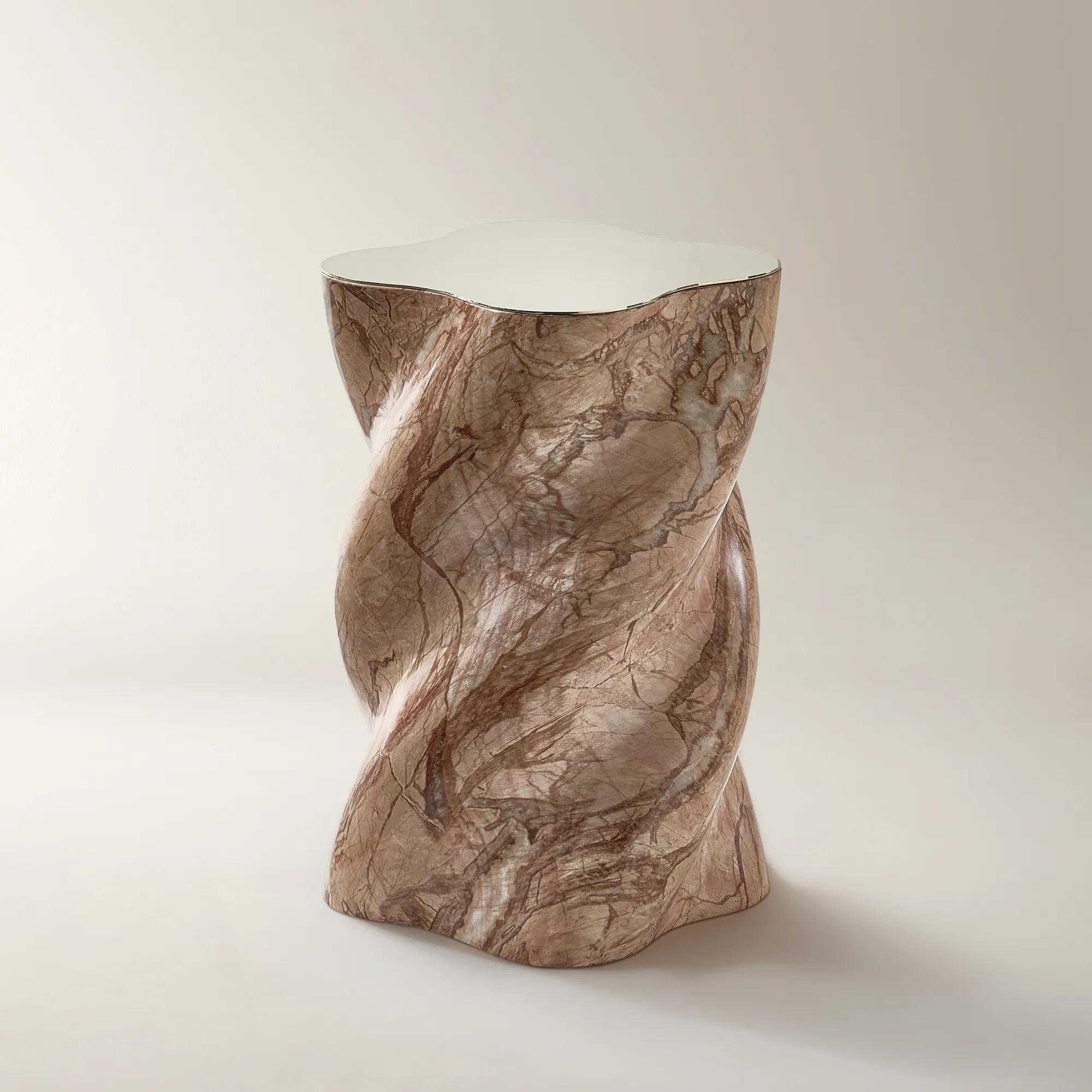
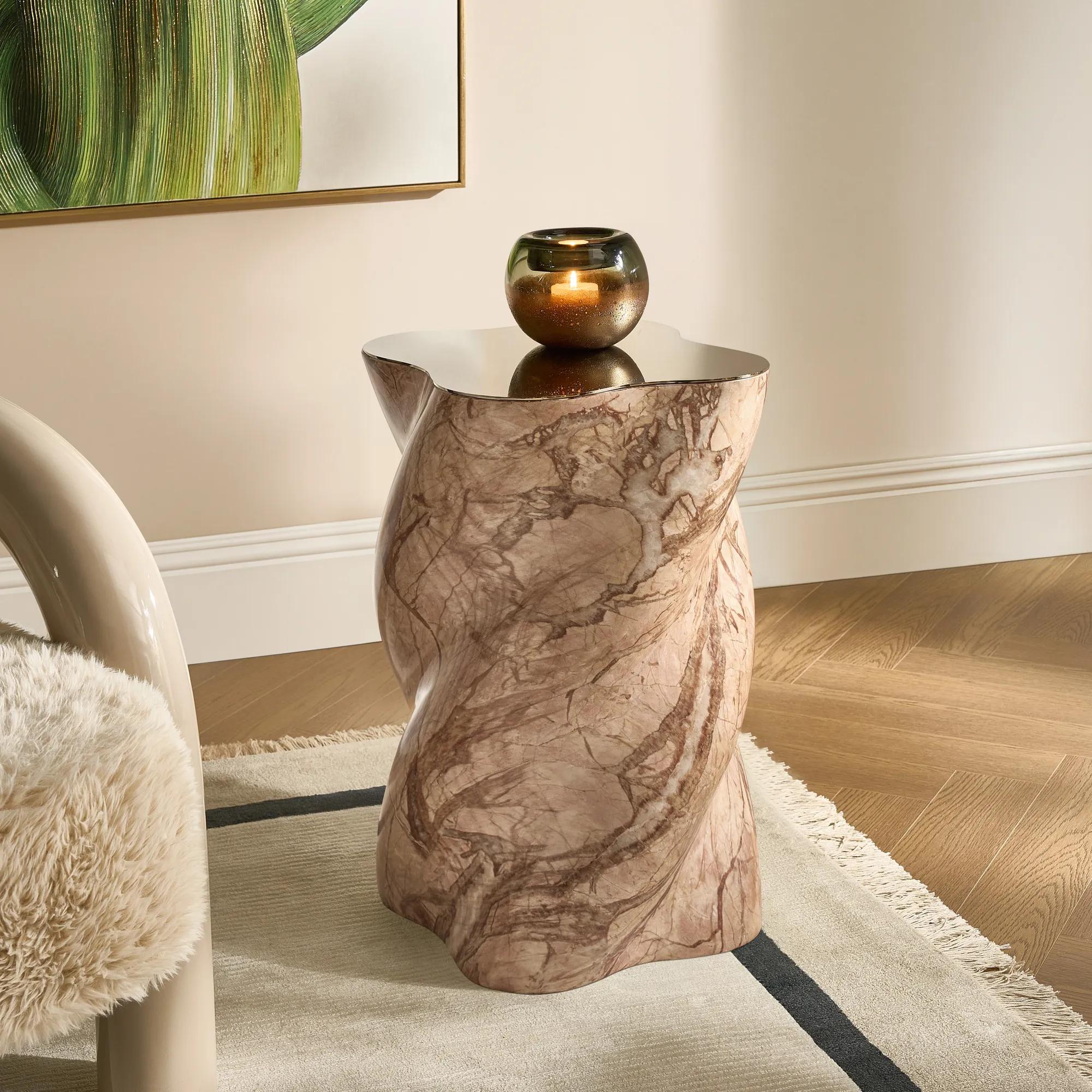 Vega Concrete Side Table With Stainless Steel Top (13.8")$459
A sculptural side table featuring a hand-cast fiber-concrete base and sunset marble-inspired stainless steel top.
Add To Cart -
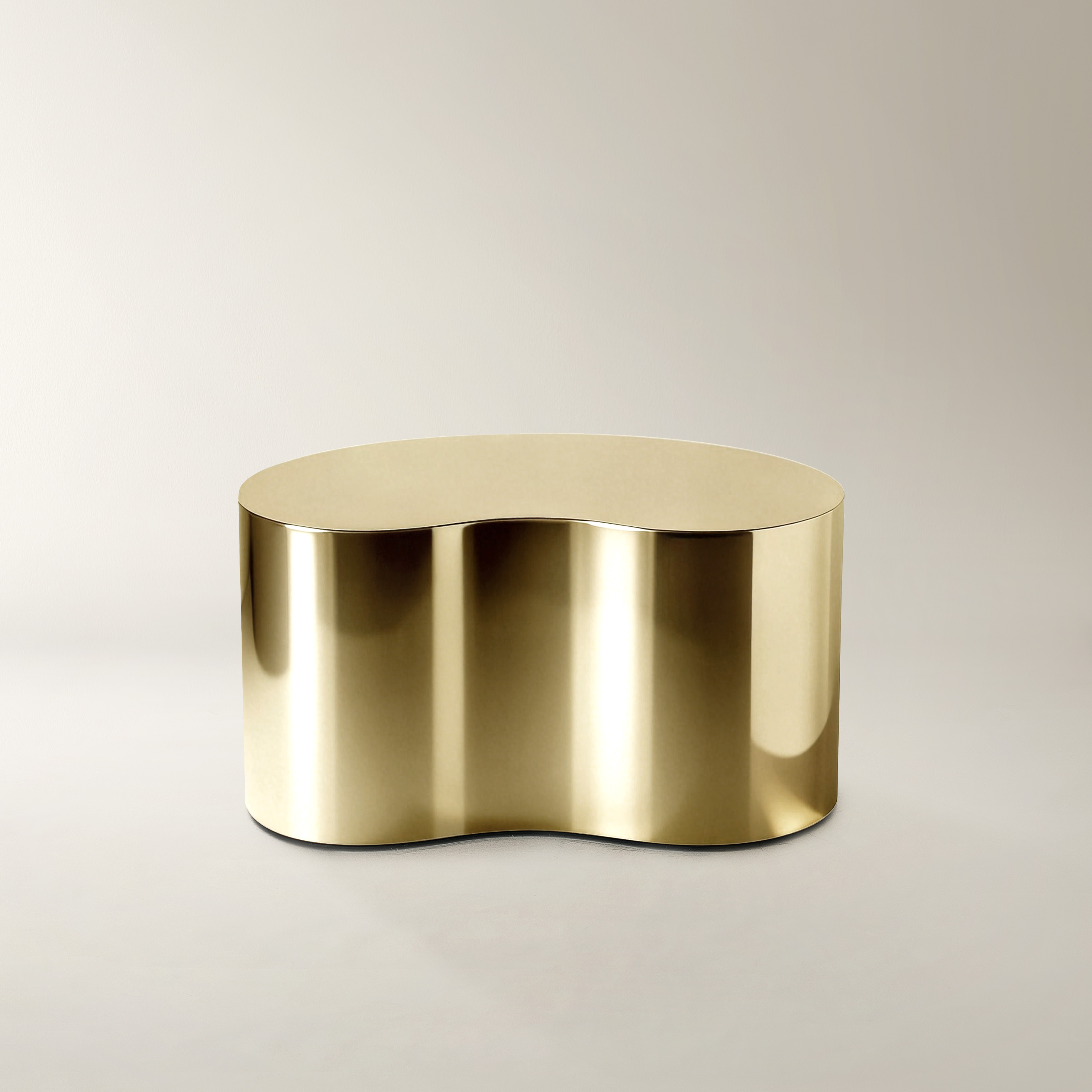
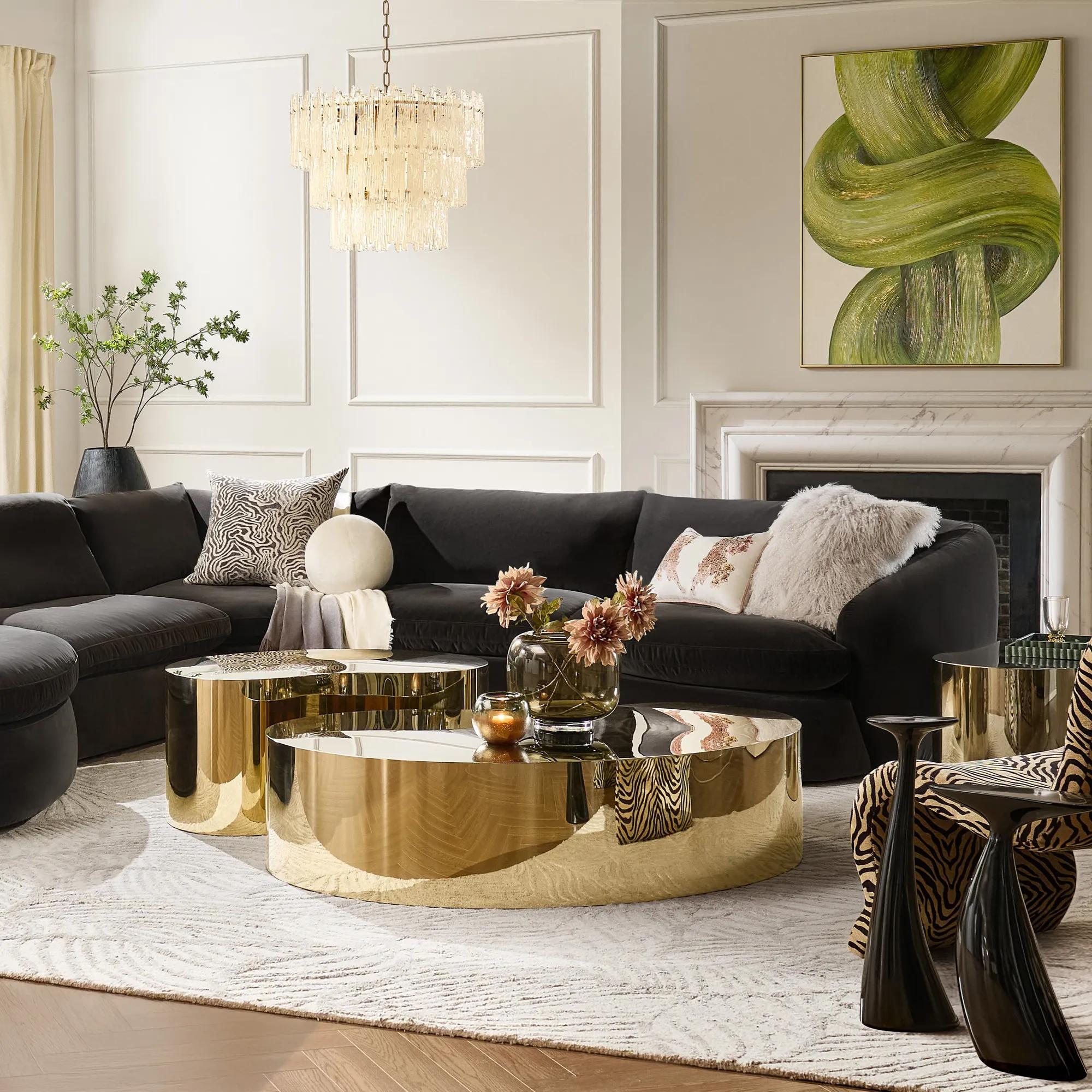 Aurea Soft Gold Coffee Table (32")$699
A sculptural coffee table crafted from premium stainless steel with a high-gloss, soft gold mirror finish.
Add To Cart -
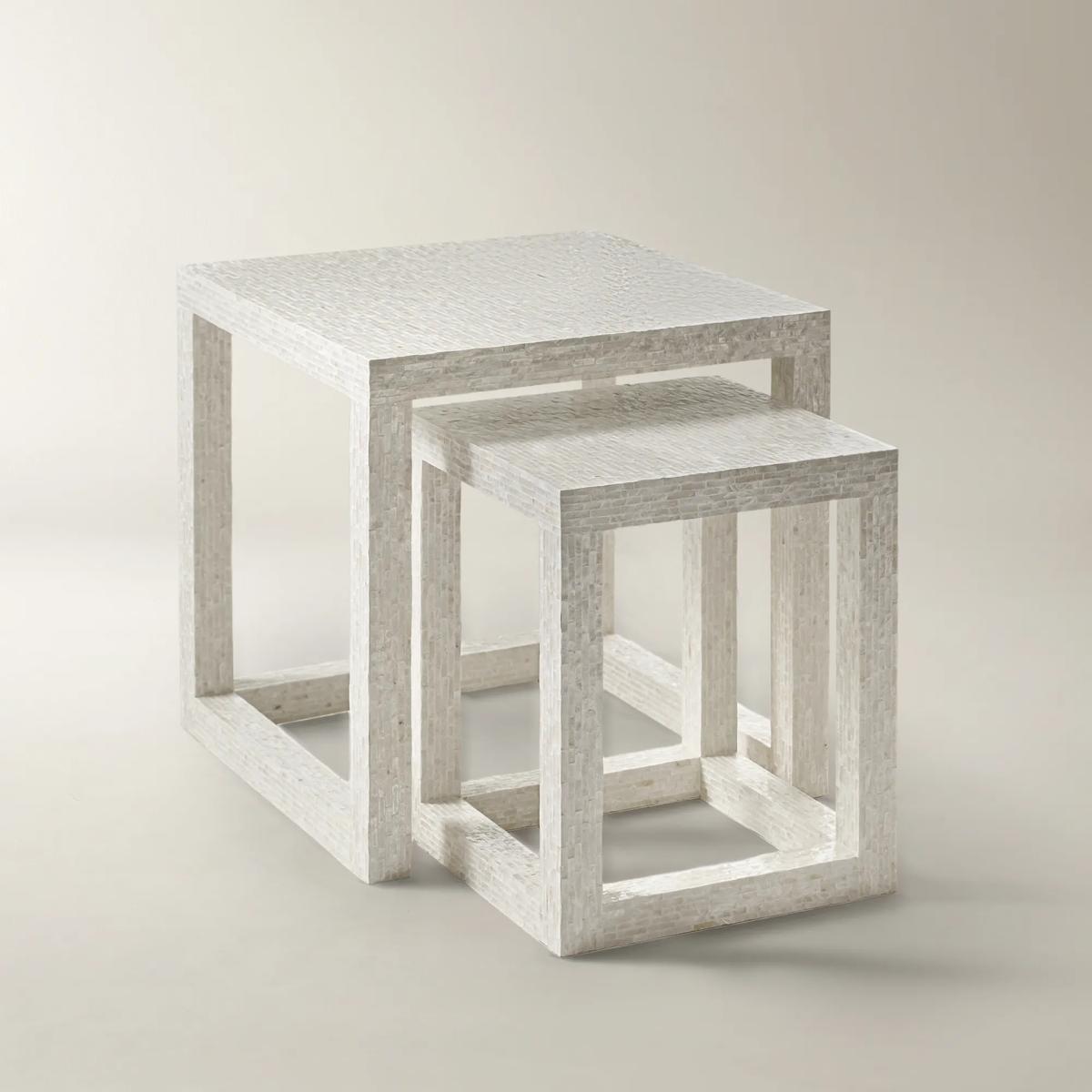 Ivori Square White Nesting Accent Table Set Of 2 (16.5"-23.75")$599
A handcrafted white nesting table featuring radiant mother-of-pearl inlay for a unique, iridescent accent.
Add To Cart

Stylish Furniture For Small Spaces
Every inch is an opportunity for artistry—especially when you curate with stylish furniture for small spaces. Here, scale meets sophistication in pieces designed to transform compact rooms into captivating retreats. Daring silhouettes, unexpected textures, and luminous finishes invite you to reimagine what’s possible, proving that limited square footage is no barrier to boundless self-expression. Discover how thoughtful design and a touch of drama can turn the smallest nook into a grand statement—because your home deserves nothing less than extraordinary.
Stylish furniture for small spaces balances compact proportions, versatile function, and visual lightness, giving a room presence without overwhelming its footprint. In an apartment living room, a jewel-toned seating arrangement can feel as expressive as a sprawling salon when the silhouettes leave room to move and the finishes catch the light. The distinction lies in scale, not restraint: a beautifully curved back, a tailored upholstered frame, or a gleaming metal base can deliver drama within modest dimensions. Small-space furniture works best when its overall width and depth suit the room while its usable surfaces remain generous enough for daily life. Narrow sofa arms, for example, can preserve seating space without adding unnecessary bulk, while exposed legs reveal more flooring and keep an upholstered piece from feeling visually heavy. Low-profile furniture can open sightlines across a studio, although seat height and back support still matter for anyone who prefers a more upright perch. For a reading corner or an intimate conversation area, Stylish Chairs for Small Spaces offer a natural starting point for considering expressive shapes with a smaller footprint. An accent chair should accommodate the person using it, not simply fit the empty corner; seat depth, arm height, and the room needed to sit down comfortably all deserve attention. Before choosing furniture for a tight living room, measure the full footprint, including projecting arms, angled legs, and any reclining or swivel clearance. Doorways, elevators, stair turns, and delivery paths are just as important as the final placement. Painter’s tape on the floor makes those dimensions tangible, revealing whether a coffee table interrupts the route to the kitchen or a chair crowds the balcony door. With those proportions resolved, compact furniture can establish a confident focal point rather than disappear into the background. One sculptural silhouette paired with quieter supporting forms often gives a petite room more character than several equally assertive pieces competing for attention.
Multifunctional furniture brings particular richness to rooms that host more than one part of the day. A studio may need to shift from morning workspace to evening retreat, while a compact dining area might accommodate both solitary breakfasts and candlelit dinners with friends. Storage ottomans, nesting tables, expandable dining tables, and beds with integrated drawers each address a different spatial challenge, allowing useful capacity to live within a considered silhouette. An upholstered storage ottoman can offer a place to rest tired feet and conceal extra throws, but its suitability as additional seating depends on its construction and stated weight capacity. Nesting tables let occasional surfaces gather closely together between visits, then separate when guests need somewhere to set a glass. Their value depends on how easily they move and whether their individual heights work alongside the seating. In a small dining room, a round table eliminates sharp corners along its perimeter and can soften circulation, though the diameter and chair pullout space still determine the fit. A pedestal base may provide more flexibility for knees than closely spaced legs, depending on its shape. Extendable designs need enough room in their open configuration, along with a plan for storing separate leaves when applicable. Slim consoles and compact desks can give an entry alcove or living room wall a defined purpose without claiming the depth of larger case goods. For regular work, however, a surface needs adequate legroom, comfortable height, and space for the equipment actually used; a decorative console is not automatically a suitable desk. In bedrooms, drawer storage beneath the mattress can make room for folded linens or seasonal clothing without adding another cabinet. Side clearance is essential for those drawers to open fully. A narrow nightstand with enclosed storage keeps bedside necessities close while preserving a composed view from the doorway. These practical distinctions help furniture for apartments, guest rooms, and smaller homes support everyday rituals with the same attention given to its appearance.
Materials and finishes shape both the atmosphere of small-space furniture and the care it requires. Velvet introduces a sumptuous play of light, lending depth to an upholstered seat even in a tightly edited room. Its pile may show pressure marks or changes in shading, so routine care should follow the upholstery label rather than a universal cleaning method. Textured woven fabrics offer a different kind of dimension, and their suitability for frequent use depends on fiber content, weave, construction, and any documented performance characteristics. In homes with children or pets, removable covers or upholstery with clearly specified cleaning instructions can make maintenance more manageable, but no fabric should be assumed stainproof or scratchproof. Glass tabletops and clear elements preserve views through a room, allowing a patterned rug or distinctive base to remain part of the composition. They also reveal fingerprints and require cleaners appropriate to the surface; edge profiles and household habits matter when choosing them for busy living areas. Mirrored finishes reflect surrounding light and color, bringing a luminous accent to a narrow entry or compact bedroom, while wood adds warmth and a grounding contrast to polished details. Solid wood and wood veneer both benefit from protection against standing moisture, excessive heat, and prolonged direct sunlight. Veneer should not be dismissed as merely decorative: its durability depends on the substrate, application, edge treatment, and finish. Metal frames can create slender, architectural outlines, with longevity influenced by sound joints, a stable base, and the quality of the protective finish. Coasters, felt pads, prompt attention to spills, and manufacturer-approved cleaning methods help preserve these surfaces without unnecessary abrasion. For seating used every evening, stable construction, supportive cushions, and an appropriate weight rating deserve as much attention as color. During the cooler months, a compact chair dressed with a tactile throw can become a welcoming reading retreat, while a small dining arrangement gains intimacy from softly reflected light. The most compelling small-space interiors make these moments feel deliberate: surfaces remain accessible, storage serves a real purpose, and each silhouette contributes its own measure of artistry. Modest square footage leaves ample room for a home with depth, polish, and unmistakable personality.
FAQs
Focus on pieces that blend sculptural design with rich materials, such as velvet upholstery, metallic accents, or mirrored finishes. Layering textures and incorporating statement silhouettes elevates the ambiance, while thoughtfully chosen lighting and reflective surfaces help create a sense of spaciousness and opulence, even in more intimate rooms.
Look for multifunctional pieces like nesting tables, ottomans with hidden storage, and daybeds that can double as guest seating. These elements allow you to adapt your space for gatherings without sacrificing style. Accent chairs with a striking profile also add flair and provide flexible seating options for guests.
Choose furniture that acts as a canvas for self-expression—think bold colors, unique finishes, or artistic shapes. Curate a mix of textures and layer in decorative accents that reflect your personality. Vertical storage and open shelving allow you to showcase cherished objects and art, making your space feel both curated and deeply personal.
Opt for furniture with slender legs and open bases, which allow light to flow beneath and around each piece. Glass or acrylic tables, along with wall-mounted shelving, keep sightlines clear and create the illusion of more space. Strategic placement of mirrors can also enhance natural light and add depth to the room.
Chic, space-saving furniture is perfect for those starting new chapters—such as recent graduates, newlyweds, or anyone embracing city living. Gifting a beautifully designed accent chair or a versatile ottoman offers both function and flair, helping loved ones create a home that feels luxurious and uniquely their own, no matter the size.
.jpg?w=3853&h=3853)