Multi Functional Furniture For Small Spaces
Multi Functional Furniture For Small Spaces
-

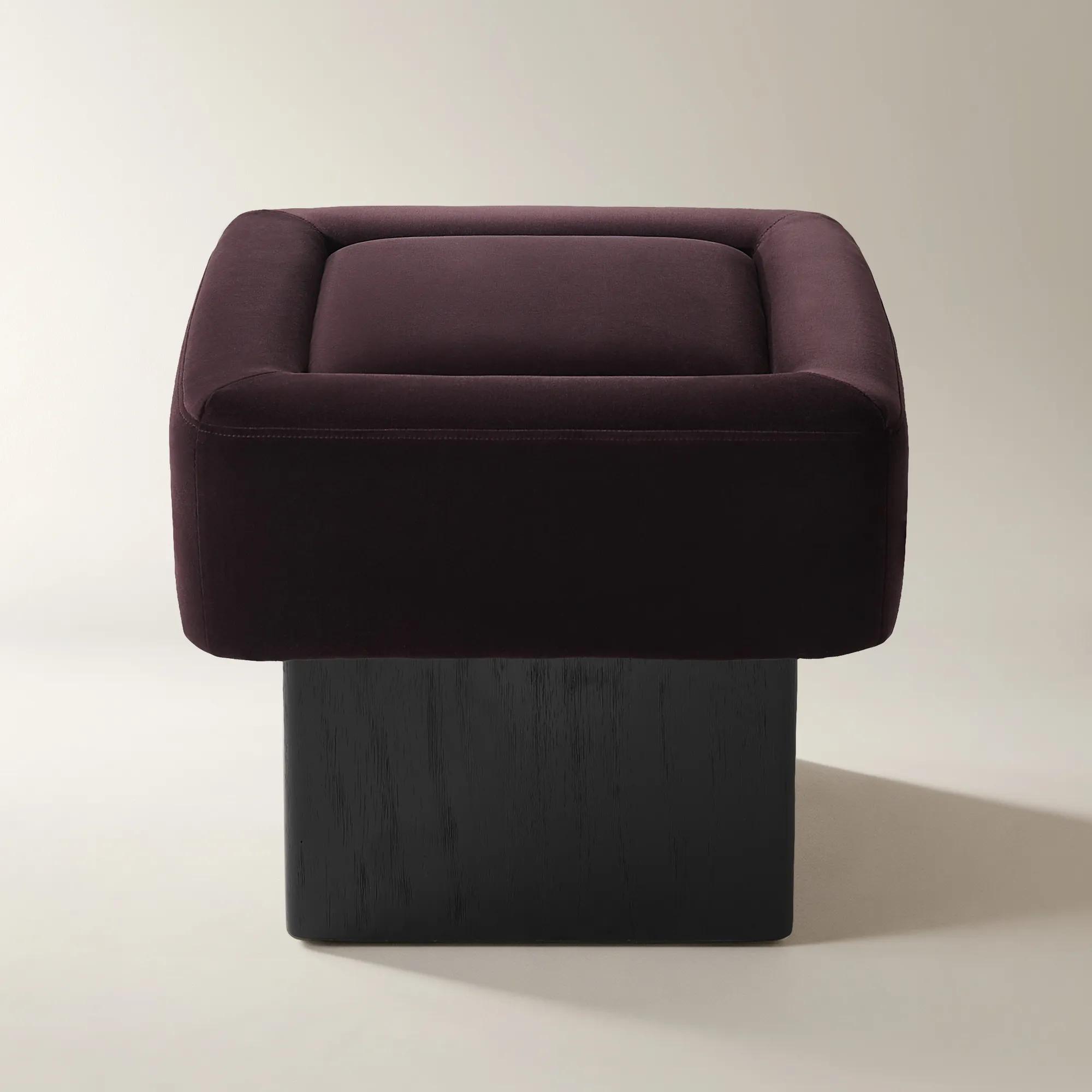
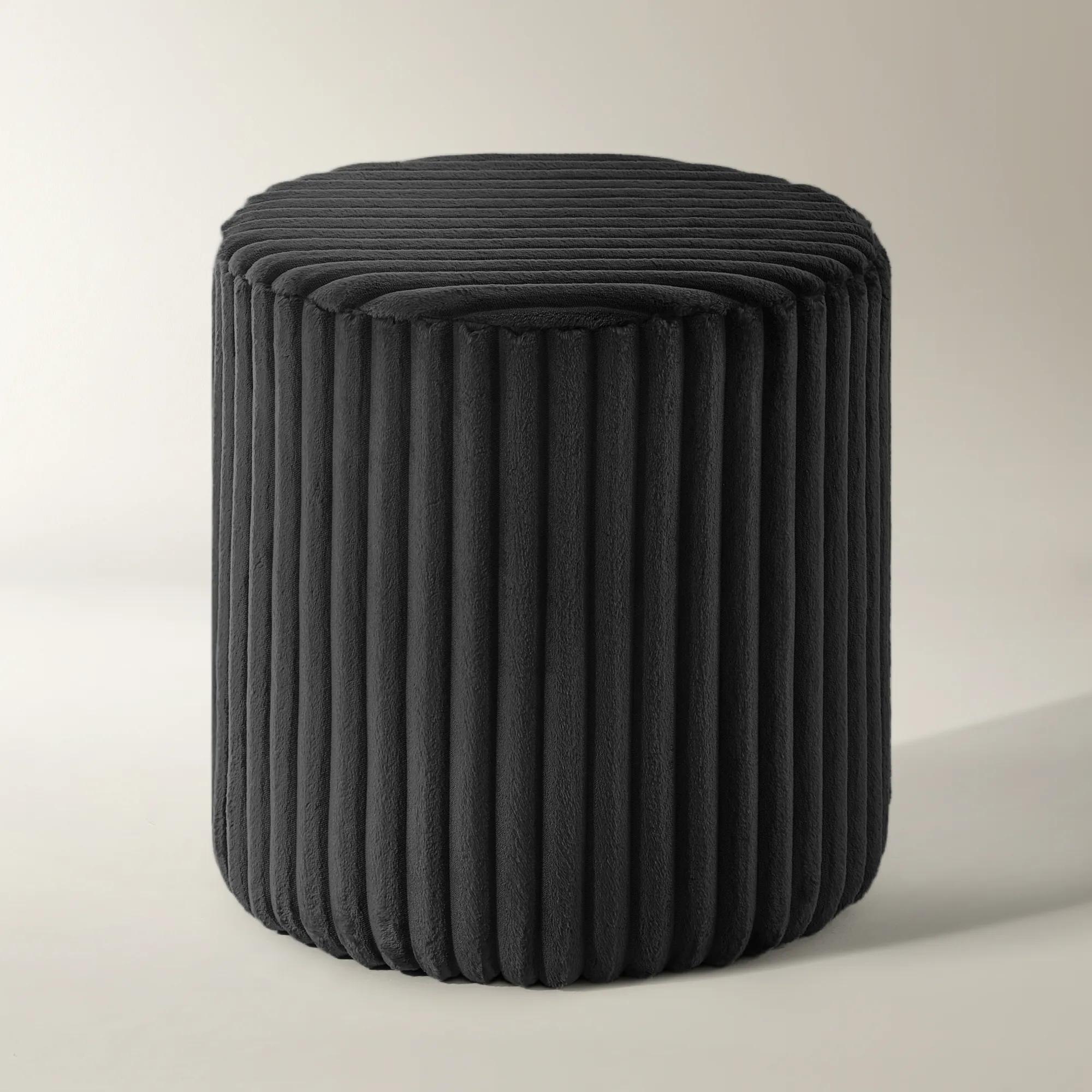 Fleece Fluted Black Velvet Stool (15.55'')$229
A plush black ribbed velvet stool offering versatile seating and cozy texture for any modern space.
Add To Cart -
 Fleece Fluted Gray Velvet Stool (15.55'')$229
A plush grey velvet stool with a unique ribbed texture, perfect for versatile, cozy seating or decor.
Add To Cart -

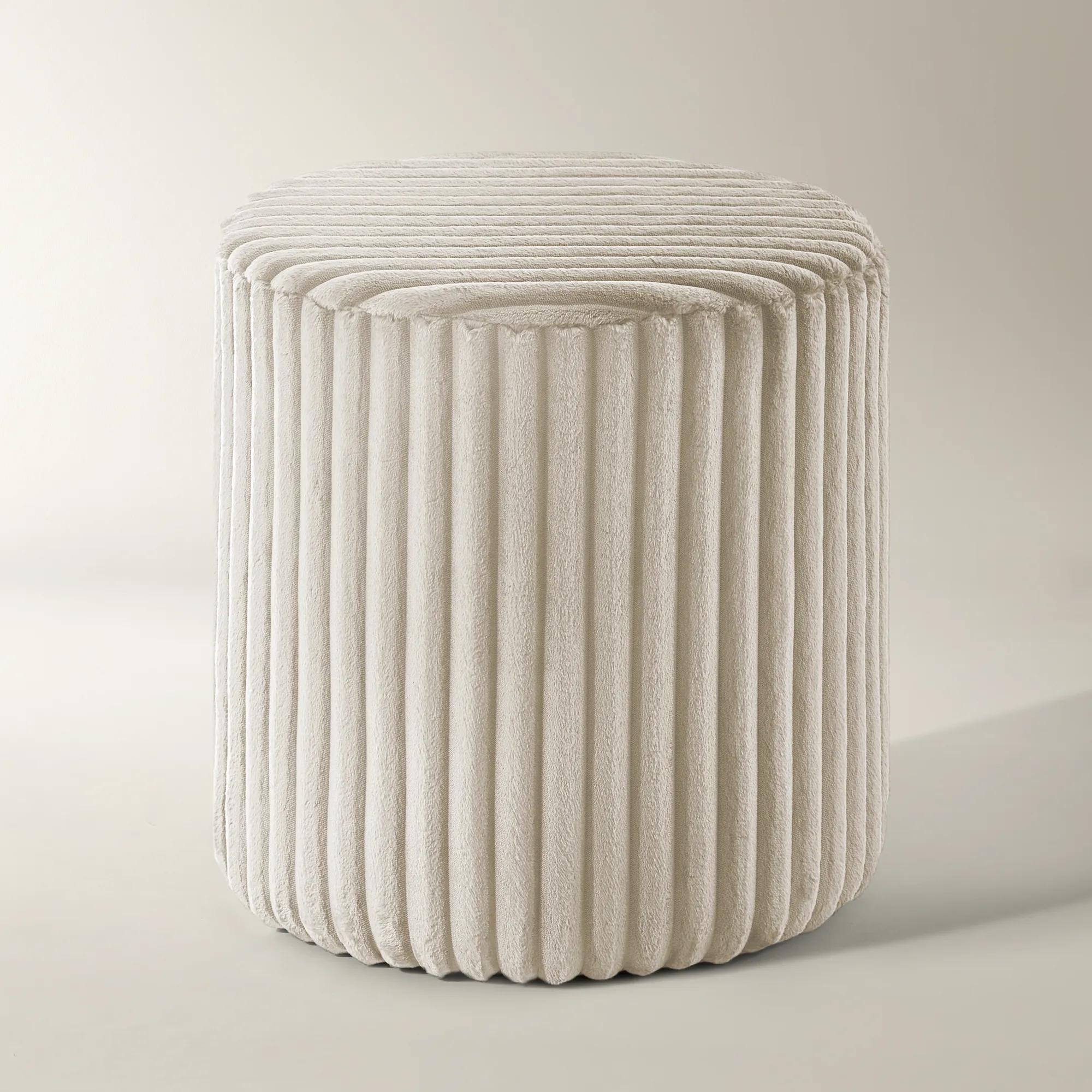 Fleece Fluted Ivory Velvet Stool (15.55'')$229
An ivory ribbed velvet stool offering cozy softness and versatile use as seating, footrest, or accent table.
Add To Cart -
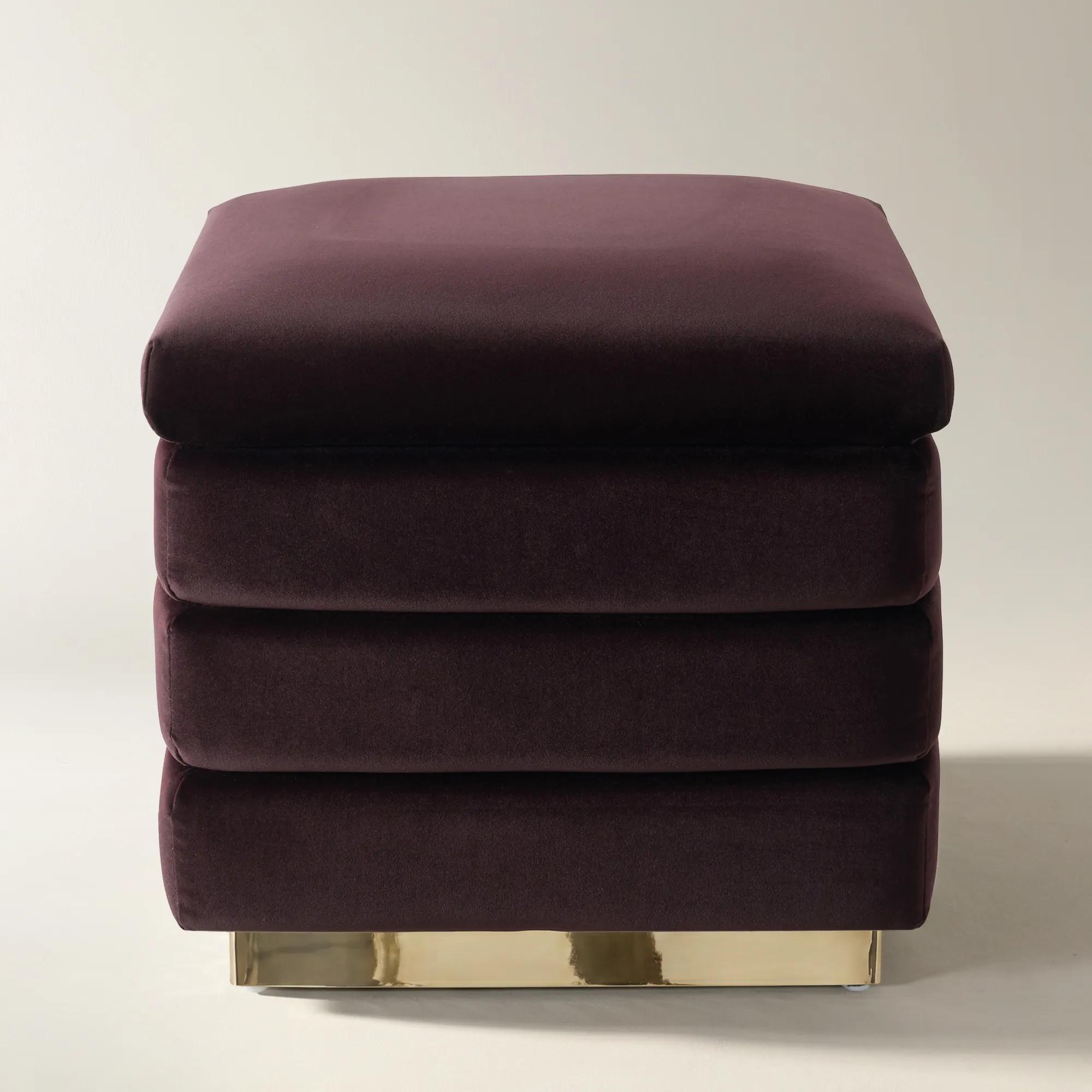
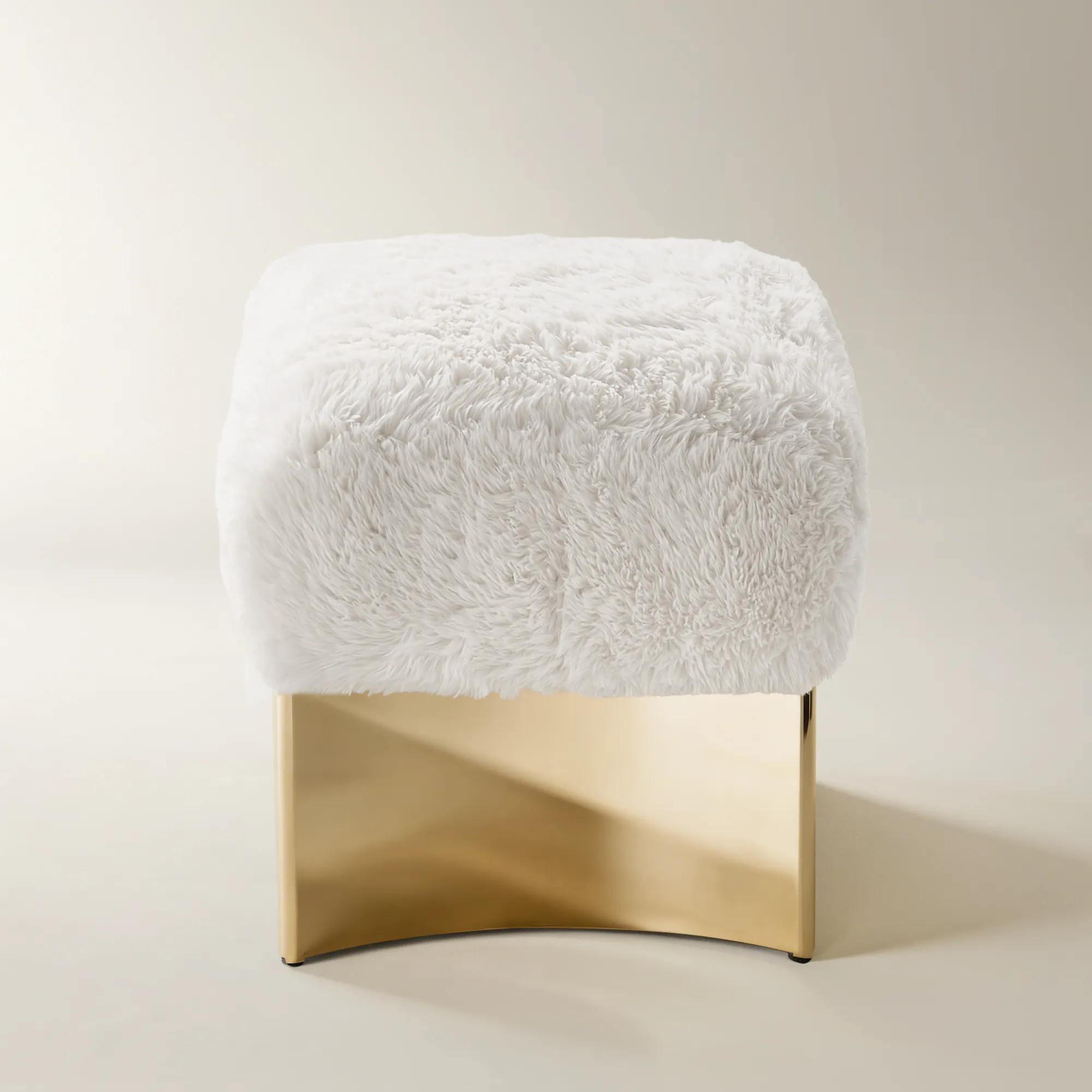
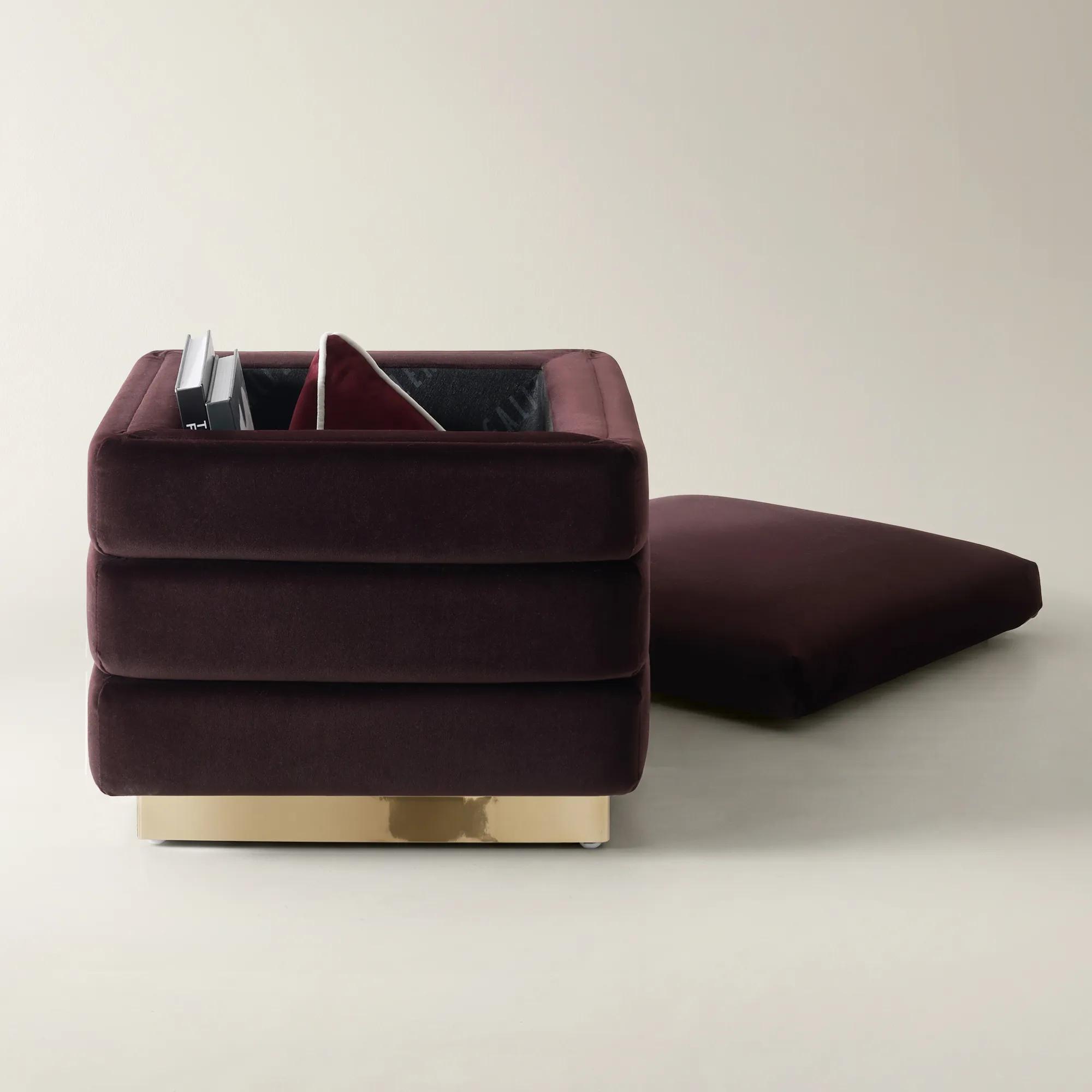 Gable Fig Chenille Storage Stool$399
A plush fig chenille stool with hidden storage, velvet upholstery, and a polished gold stainless steel base.
Add To Cart -
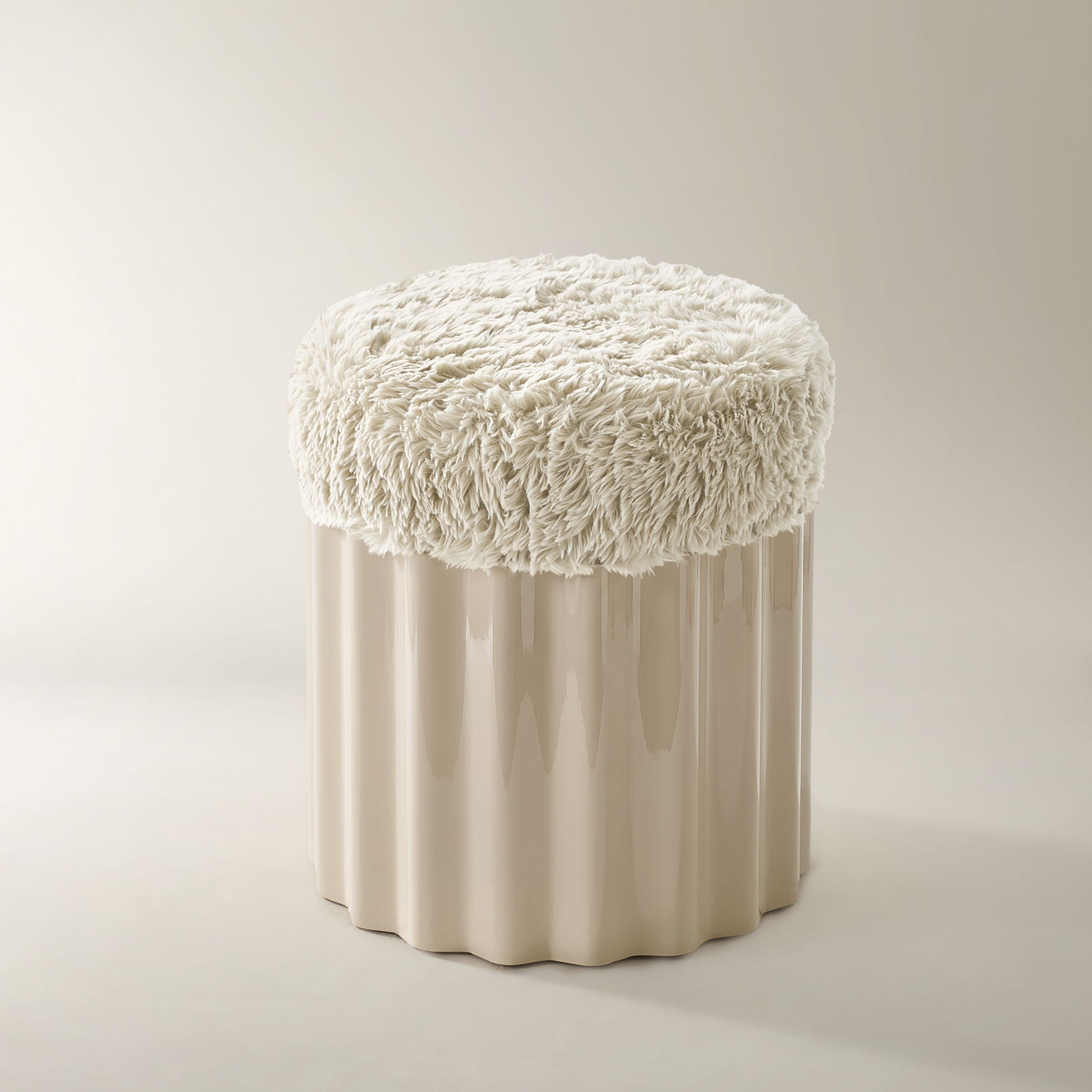
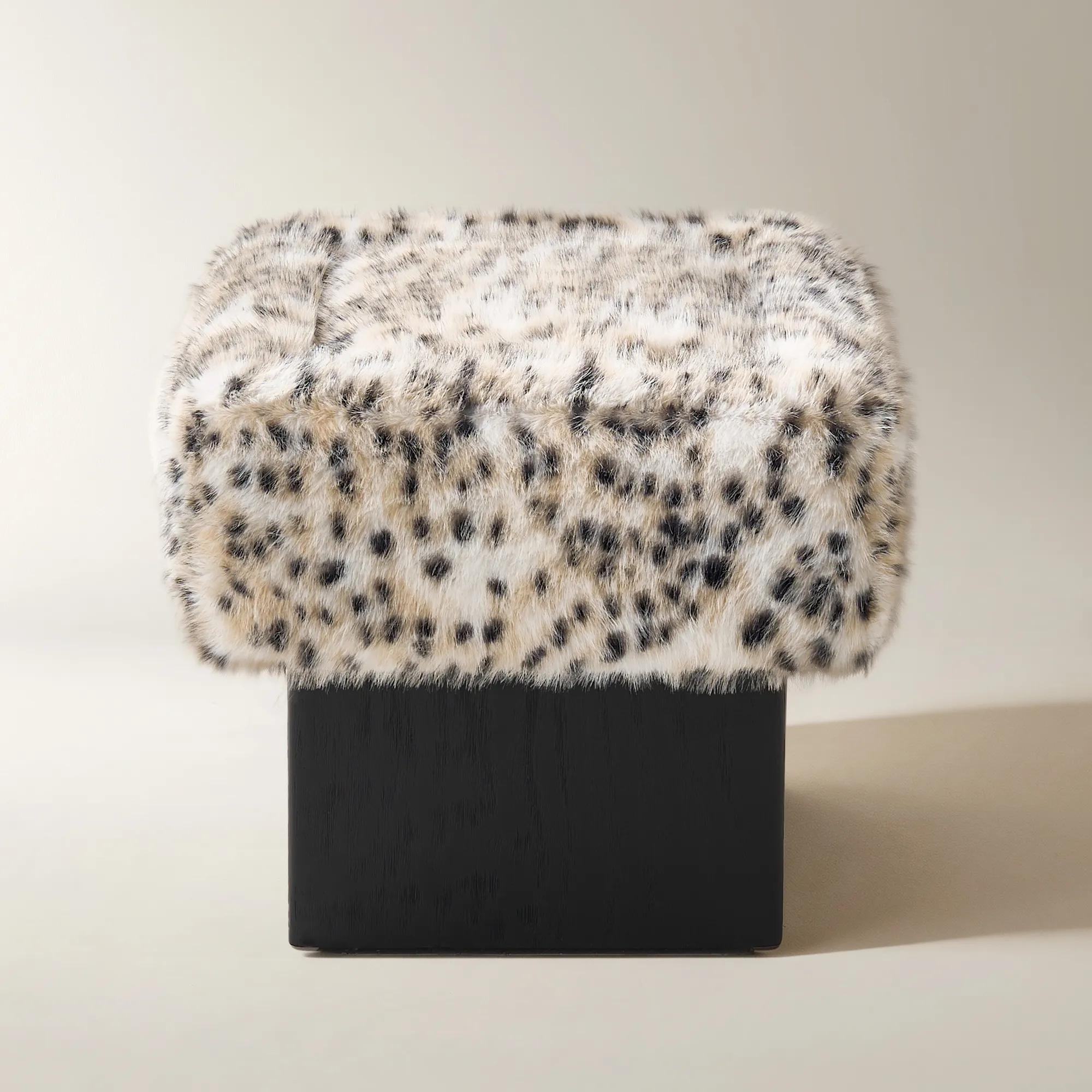
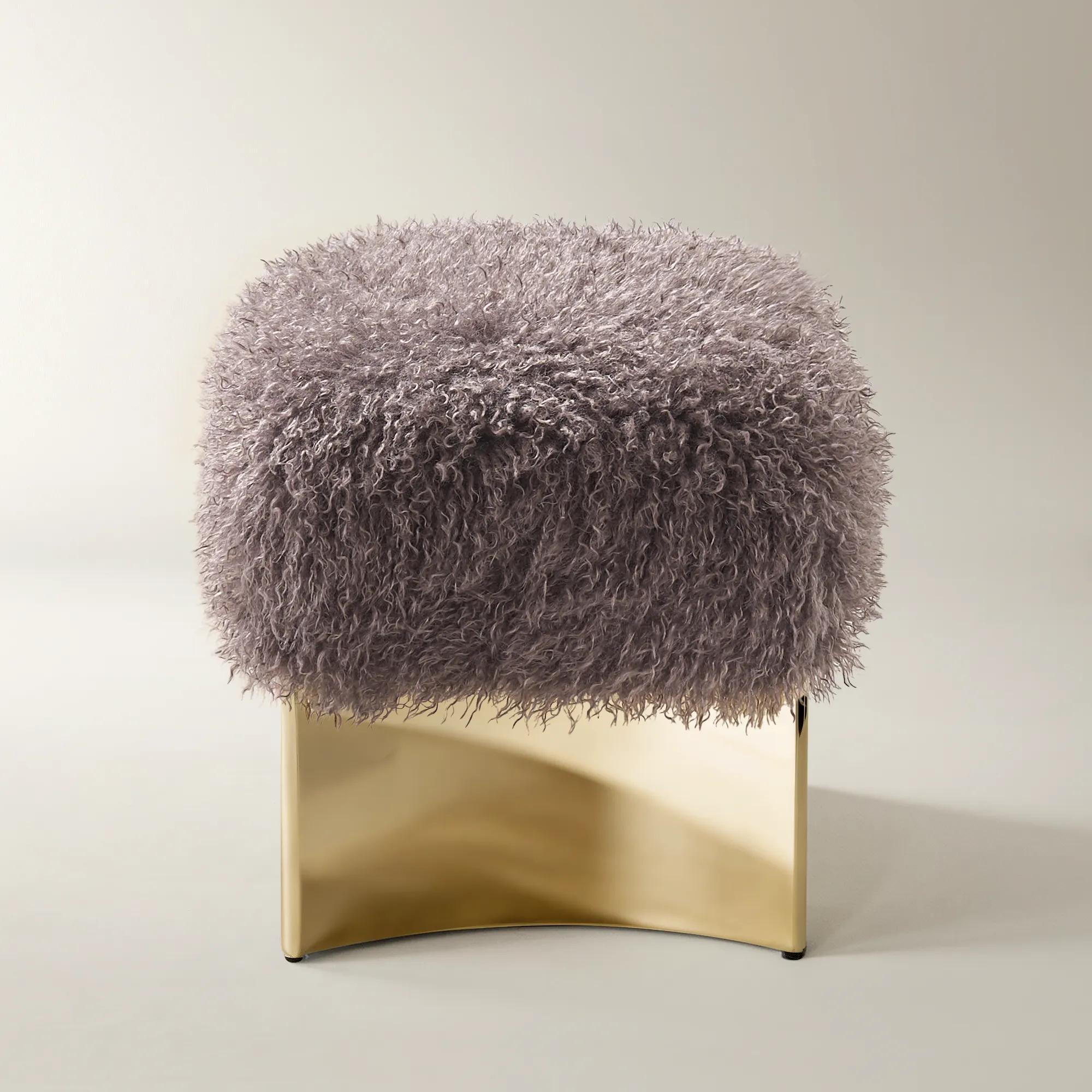
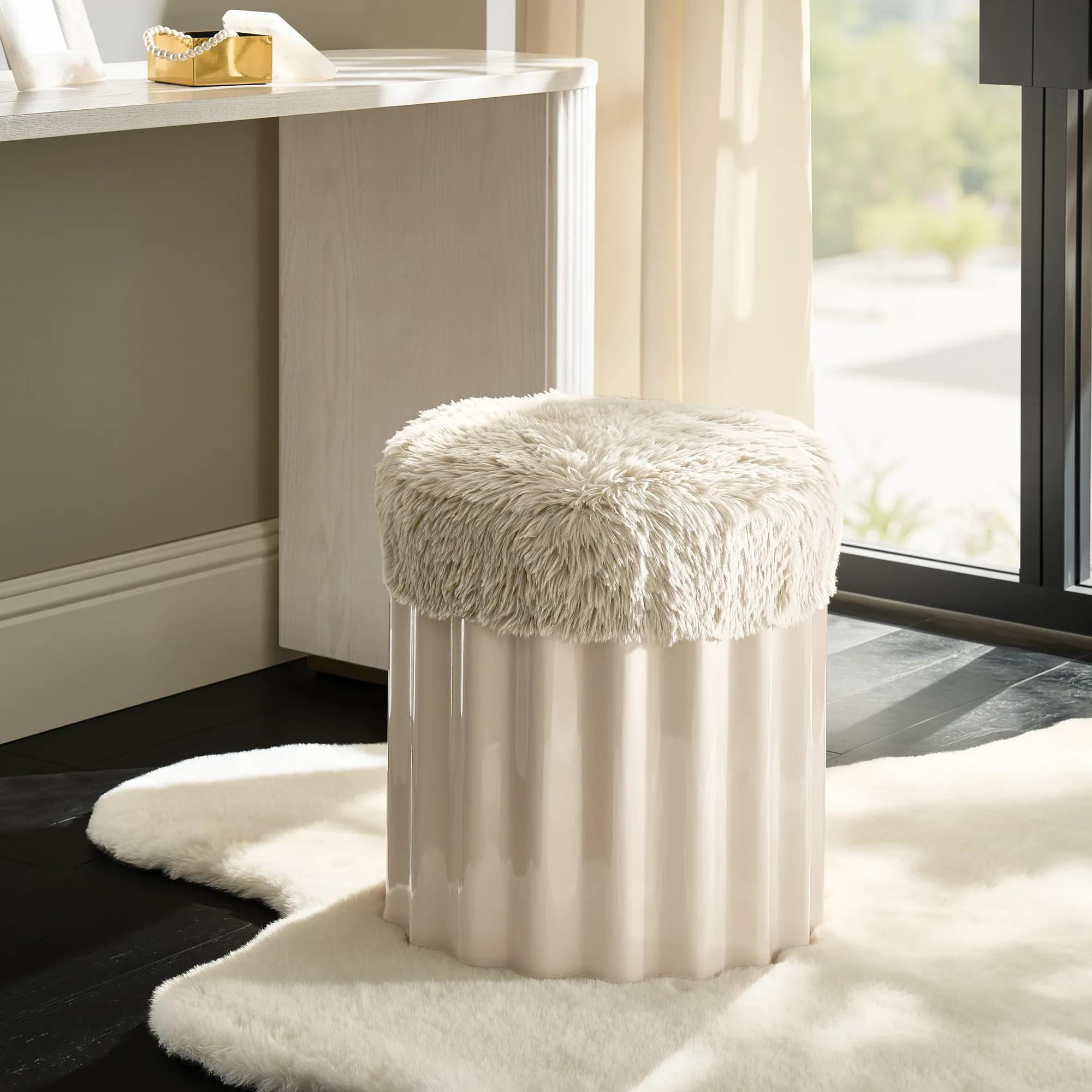 Nia Lacquered Turtle Dove Faux Fur Storage Stool$399
A sculptural fluted stool in warm turtle dove with plush faux fur seat and hidden storage compartment.
Add To Cart -

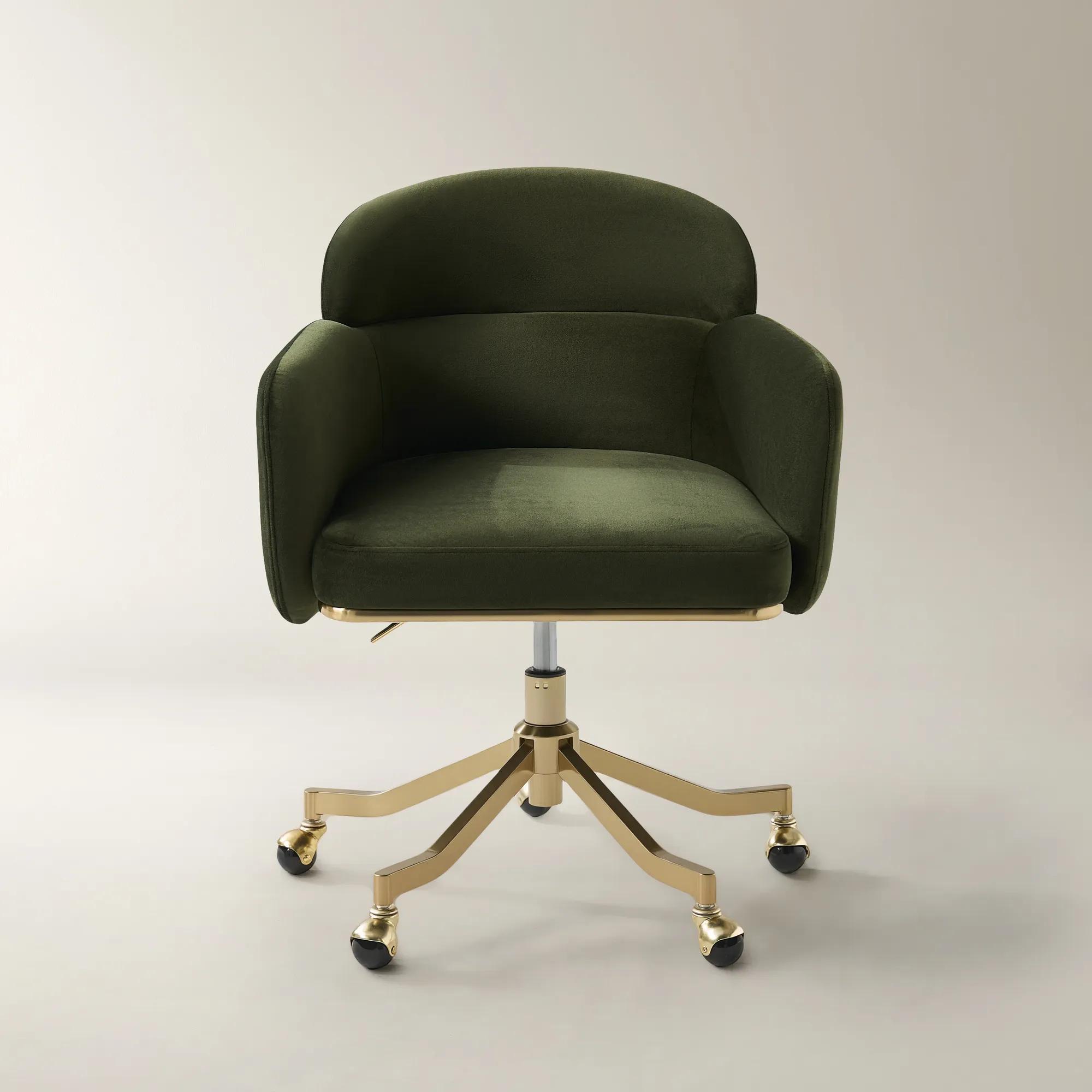 Paige Jade Green Velvet Swivel Desk Chair$399
A jade green velvet swivel chair featuring ergonomic design, adjustable height, and a glossy metal base with casters.
Add To Cart -
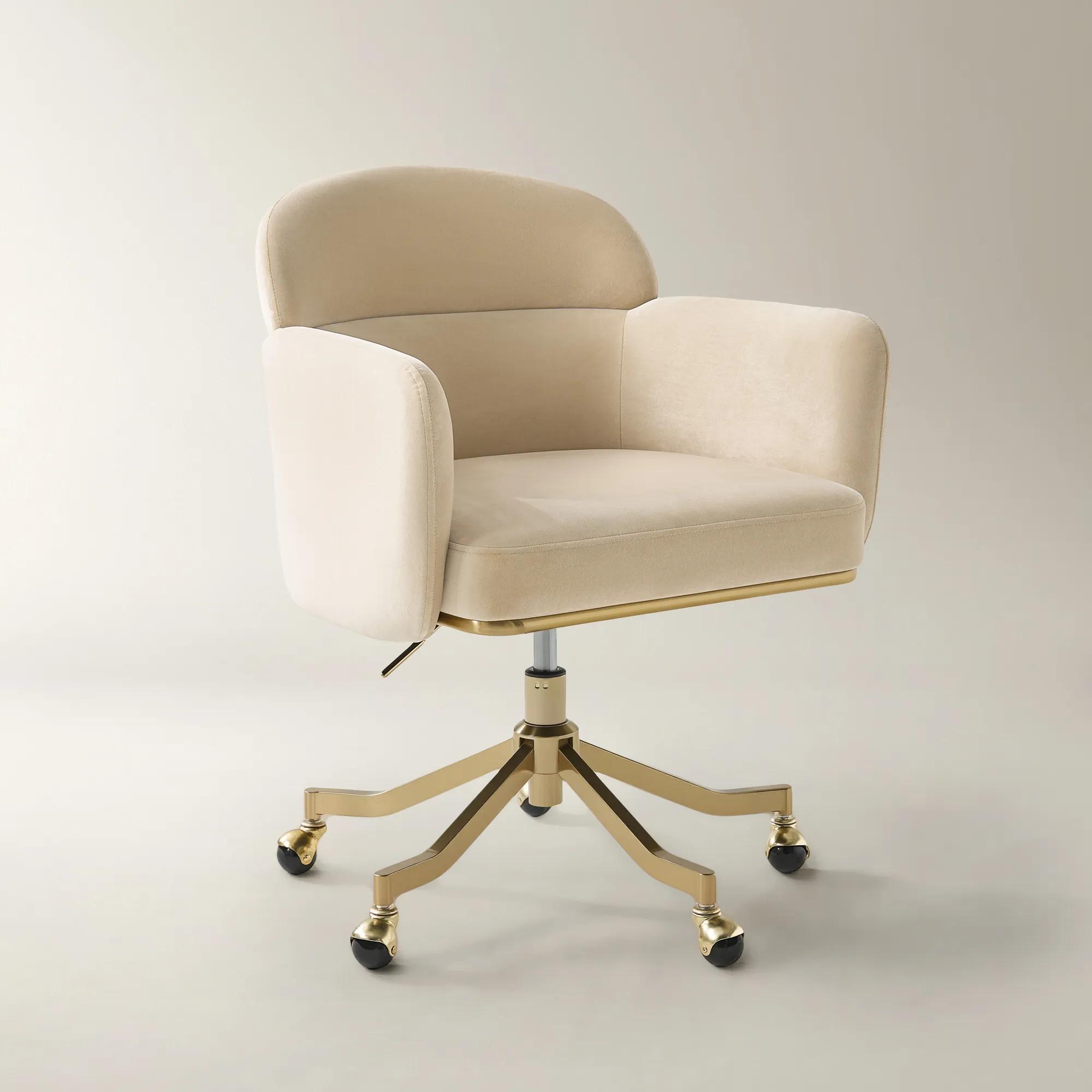 Paige Oatmeal Velvet Swivel Desk Chair$399
An oatmeal velvet swivel chair with adjustable height, ergonomic design, and a polished metal base with casters.
Add To Cart -
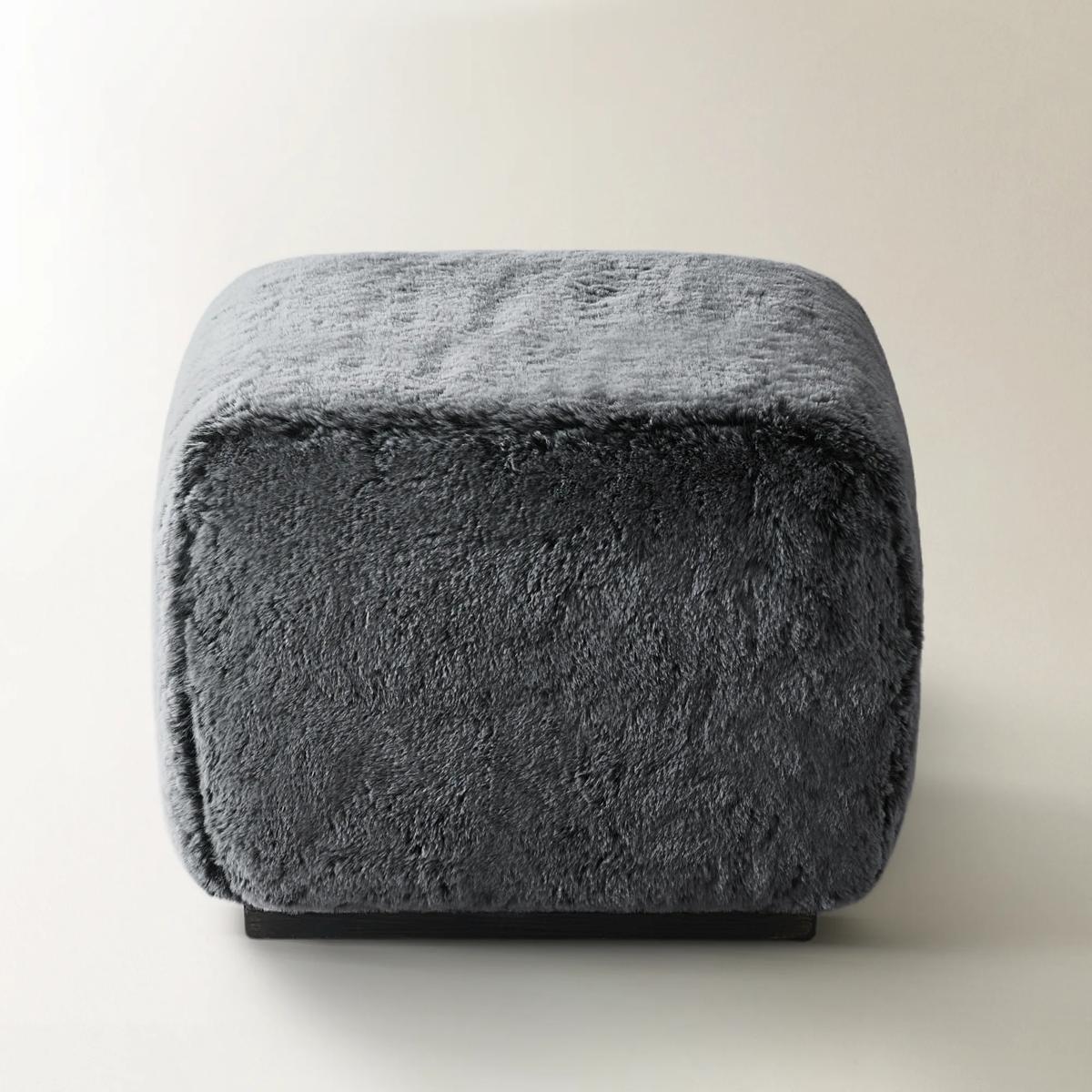
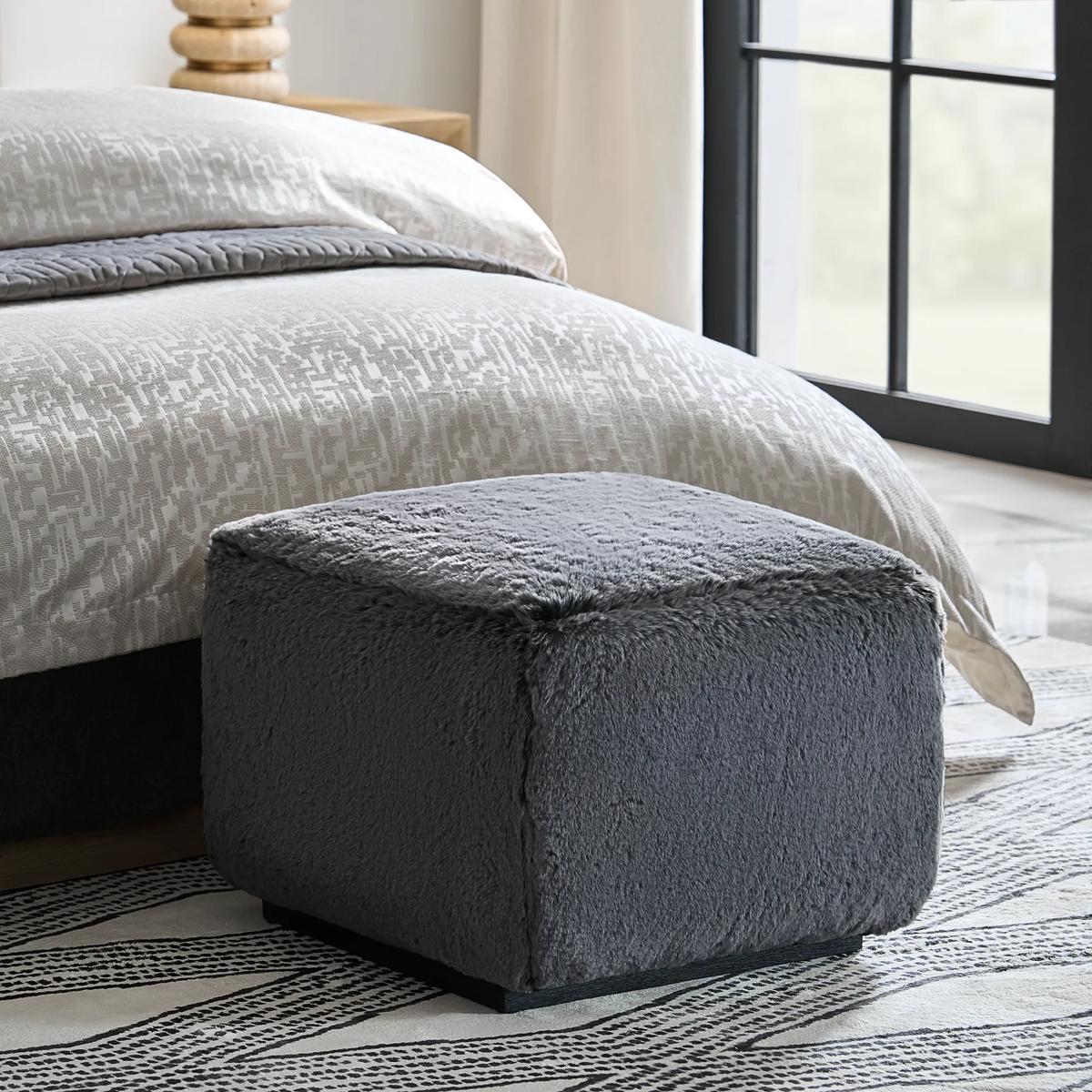 Lris Grey Faux Fur Stool (21")$299
A charcoal grey faux fur pouf with high-density foam and a sturdy rubberwood base for modern comfort.
Add To Cart -
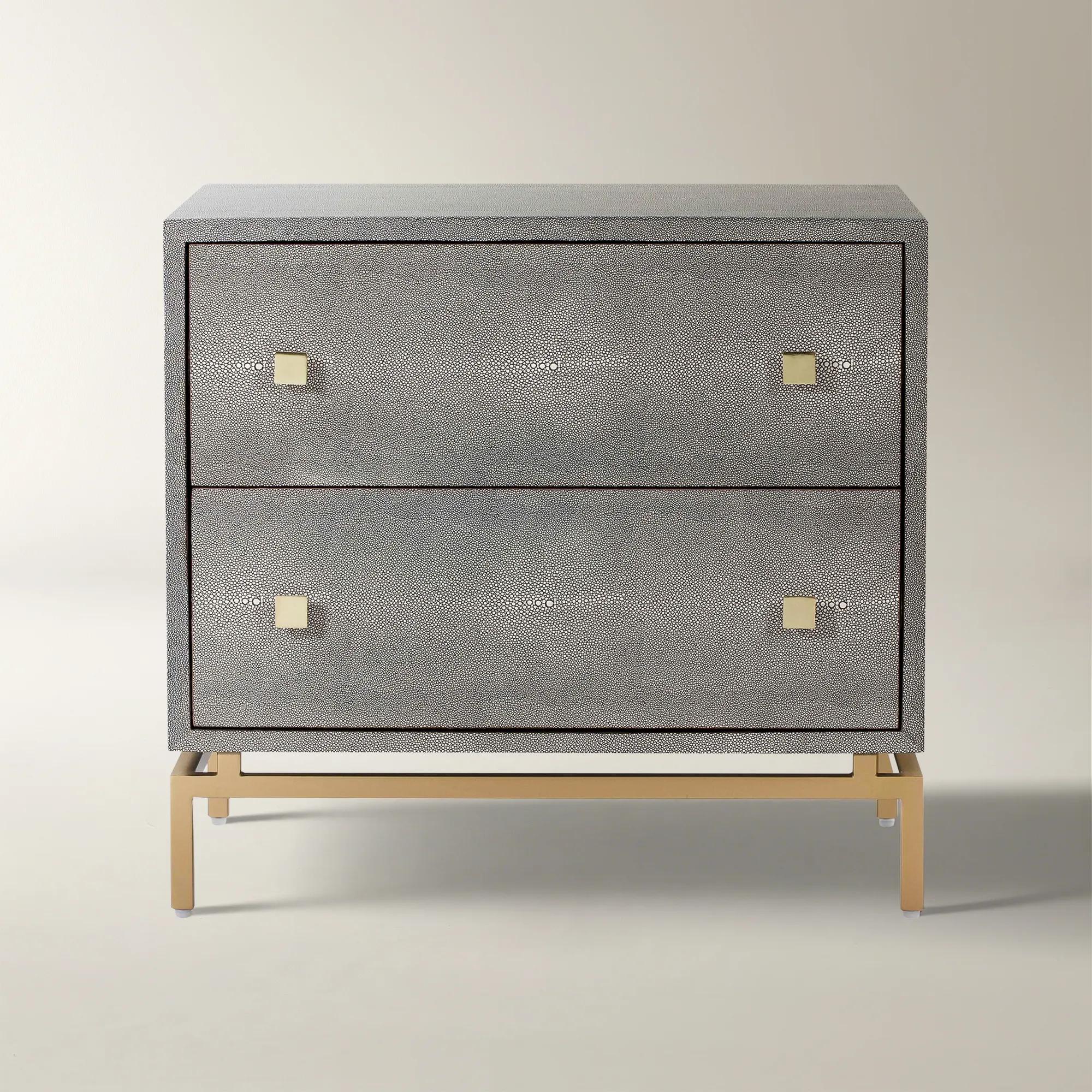
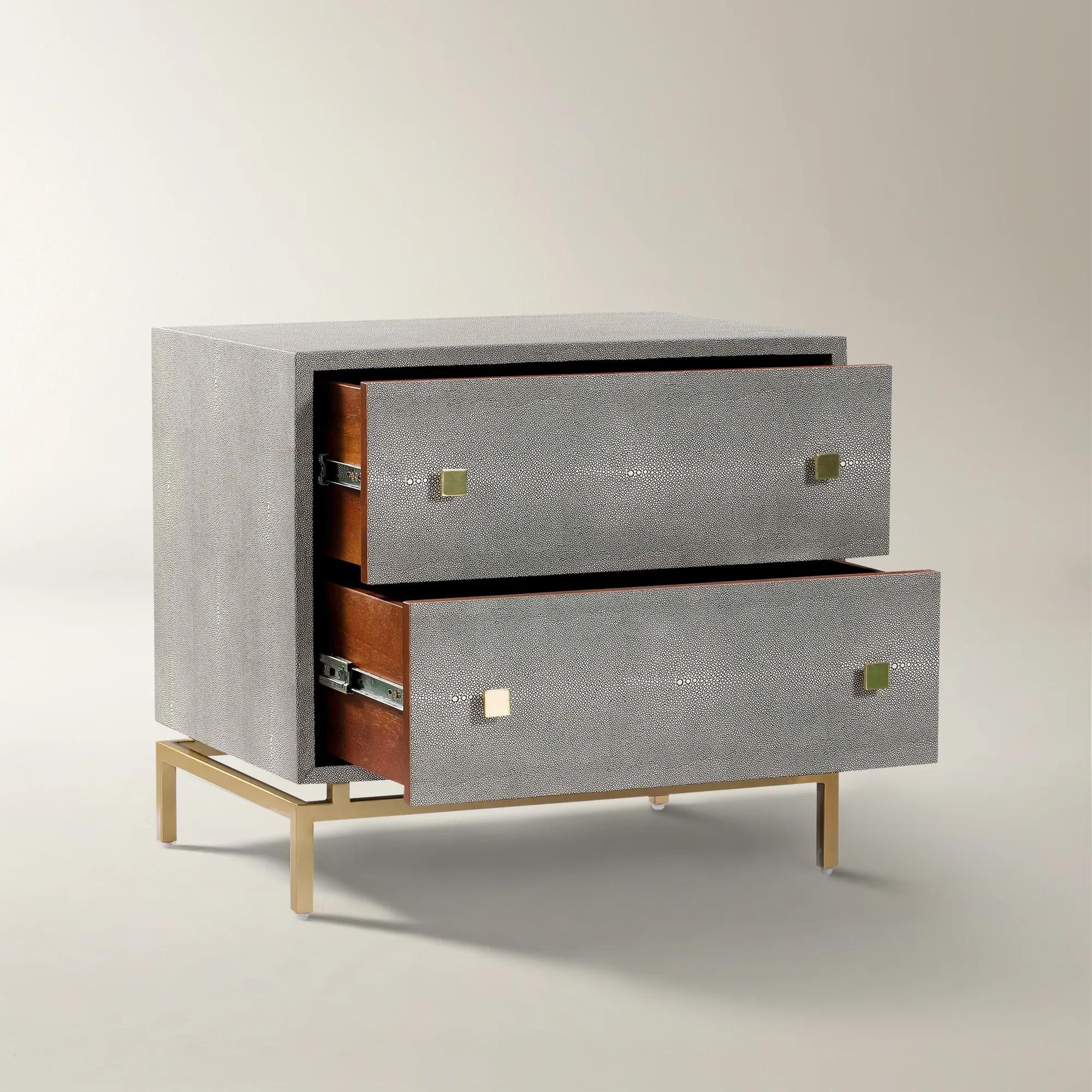 Misha Grey Shagreen 2-Drawer Nightstand (25")$749
A modern nightstand featuring faux shagreen texture, brass-finished base, and two cherry wood-lined drawers.
Add To Cart -
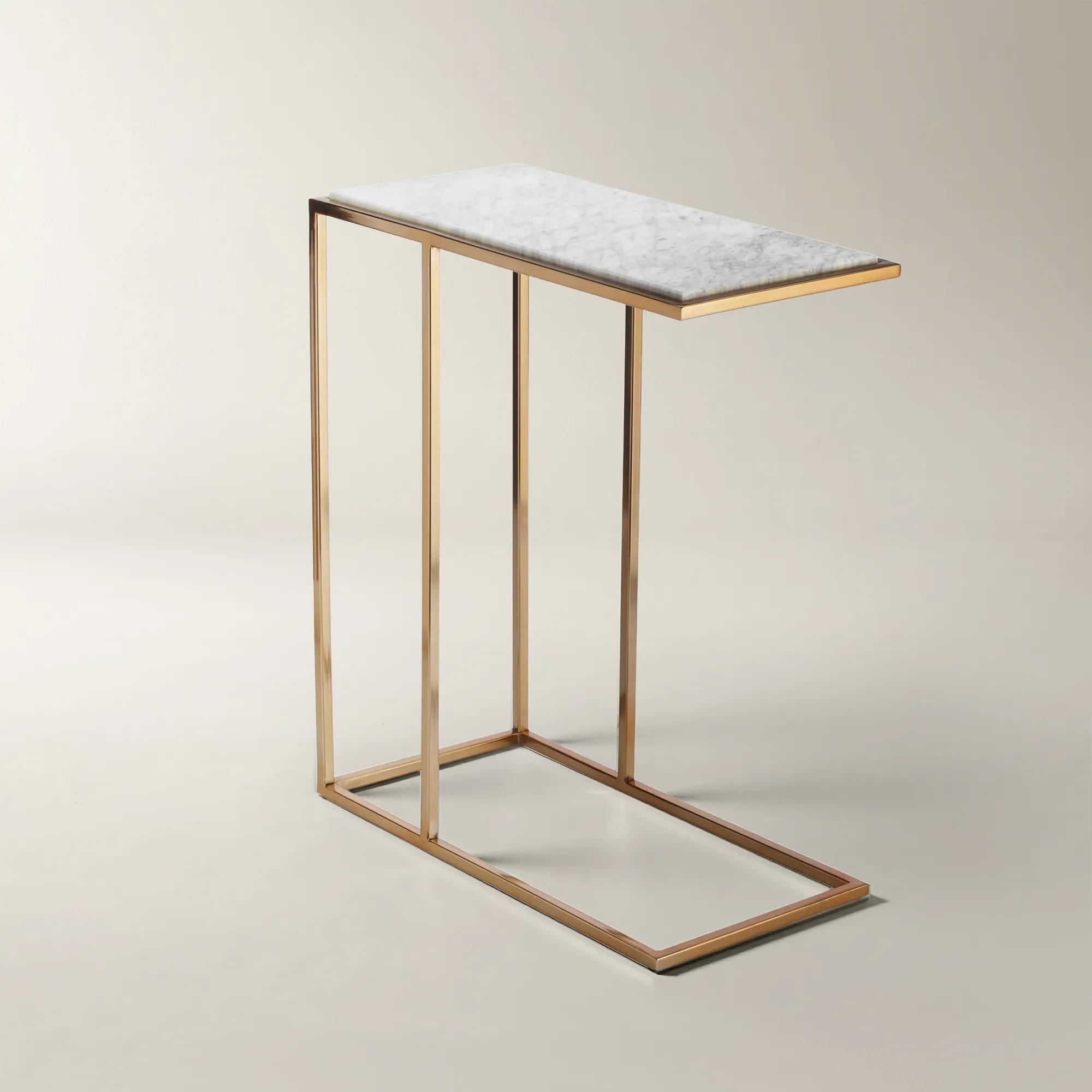
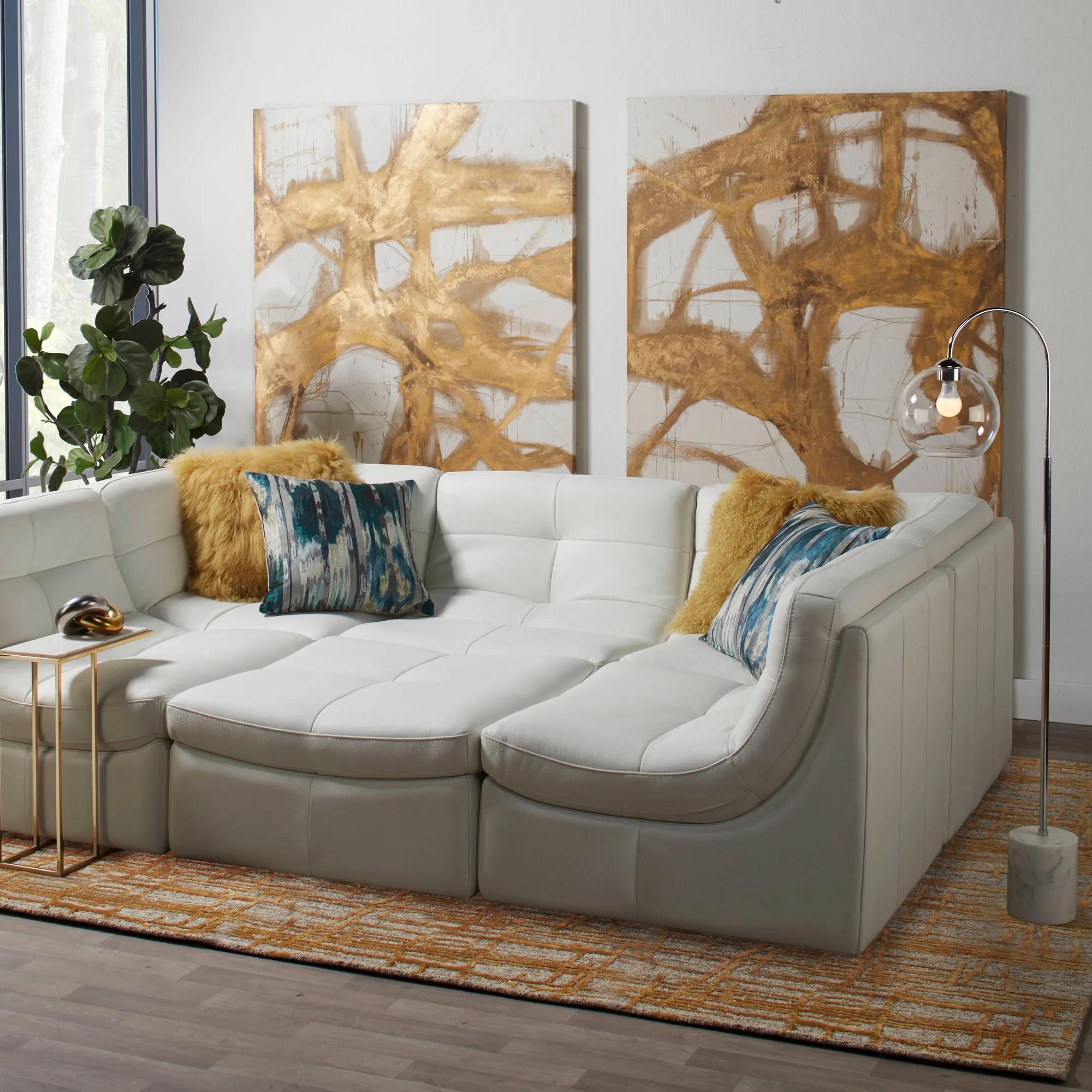 Lawton Rectangular Gold Stainless steel Accent Table With Marble Top (19.75")$259
A space-saving table featuring a white marble top and gold-finished stainless steel base.
Add To Cart -
 Glimmer Mirrored 2-Drawer Black Oak Desk (62")$1499
A modern black oak veneer desk featuring bronze mirrored soft-close drawers with velvet-lined interiors for elegant storage.
Add To Cart -
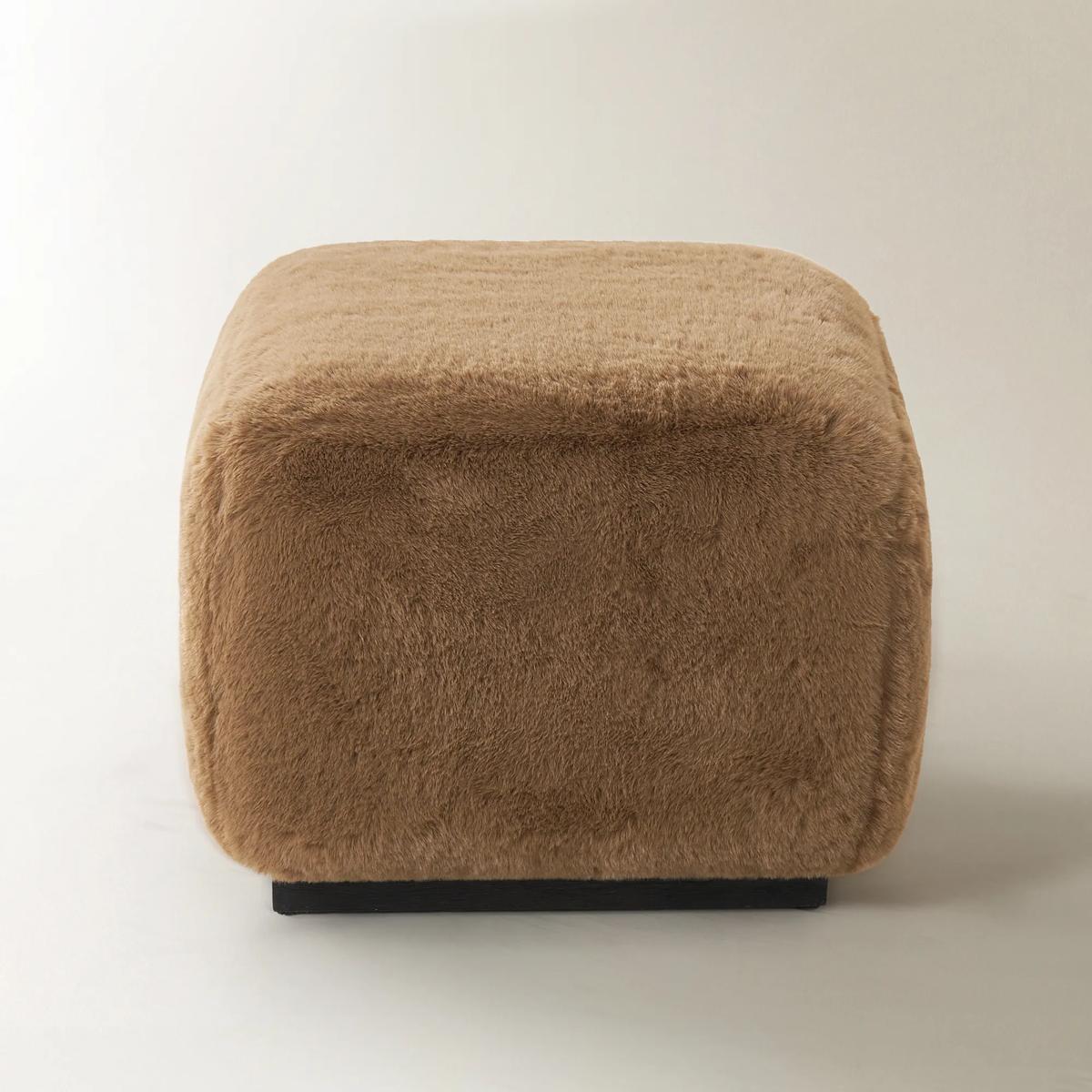
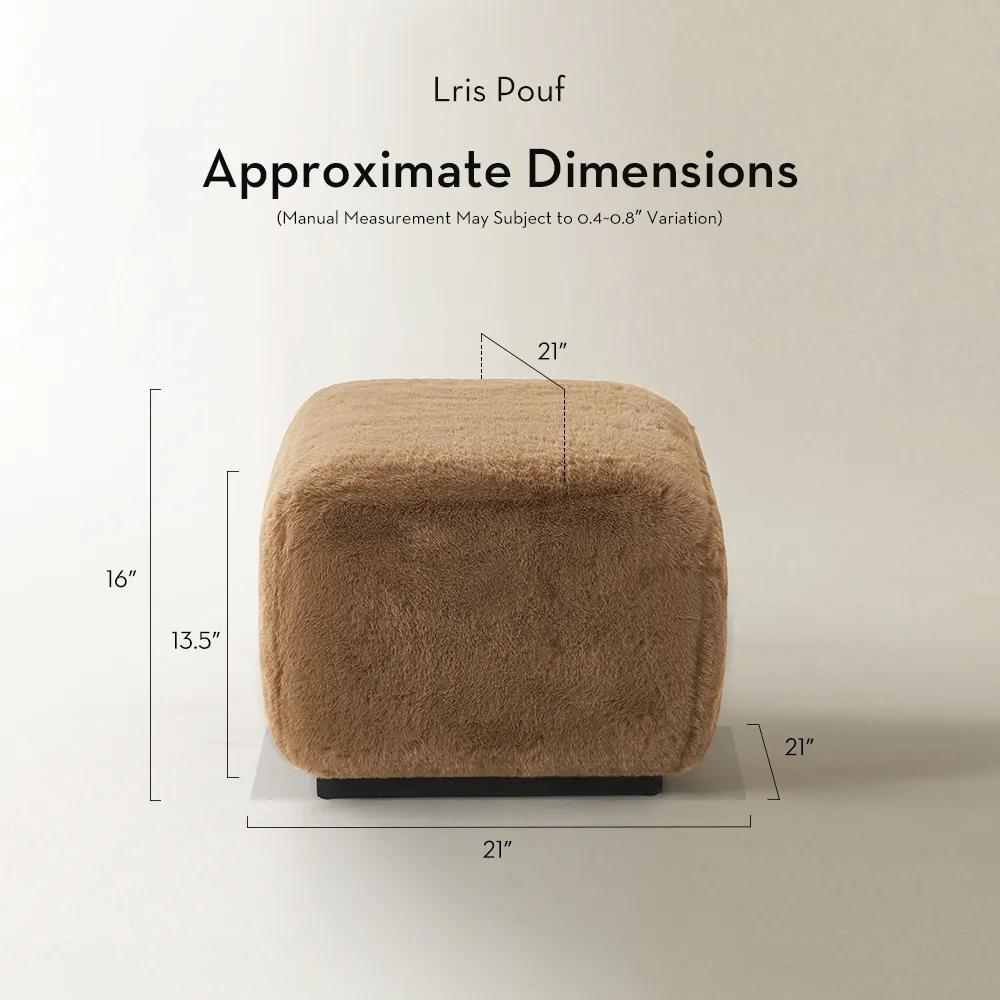 Lris Camel Faux Fur Stool (21")$299
A camel faux fur pouf with a solid rubberwood base, offering cozy warmth and modern sophistication.
Add To Cart -
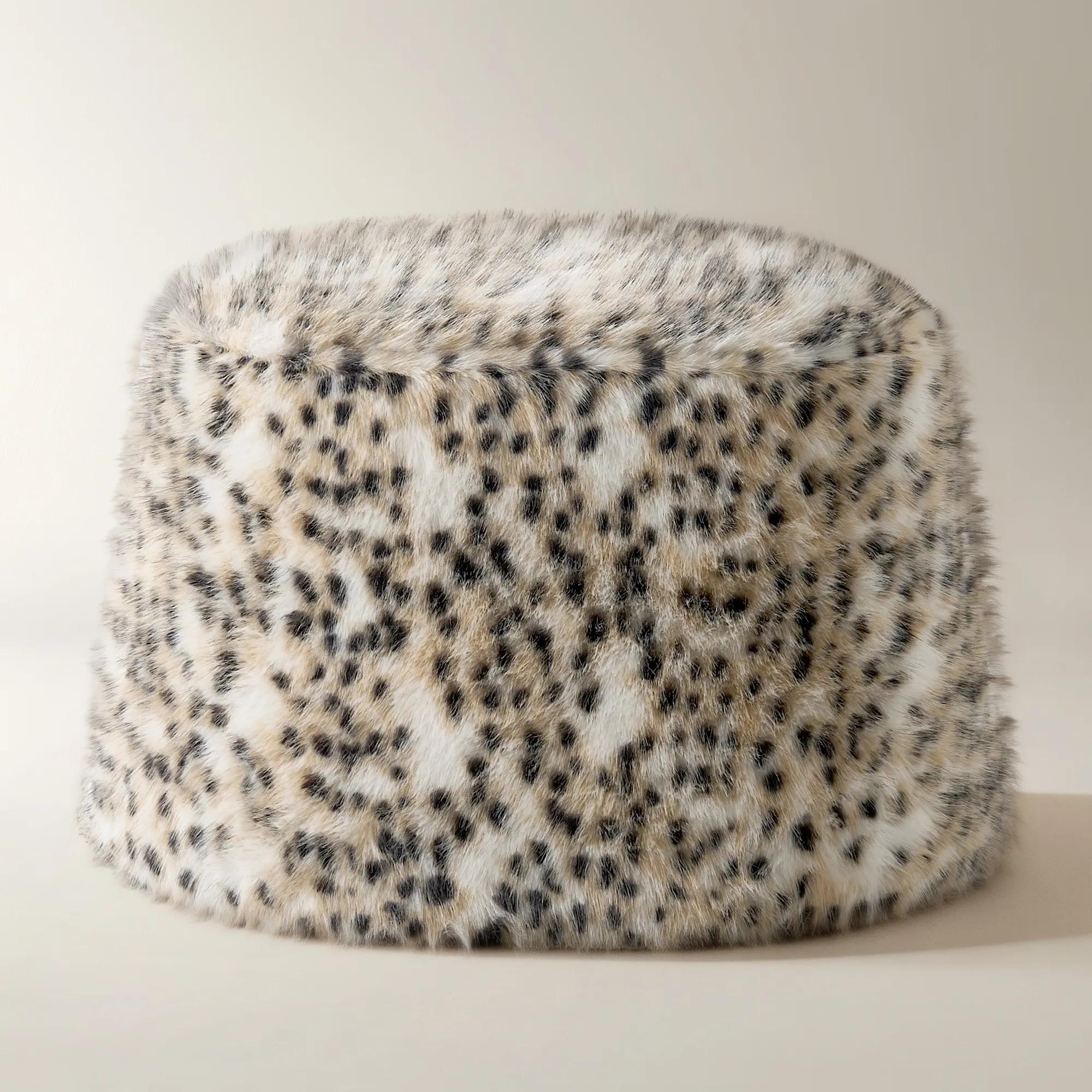
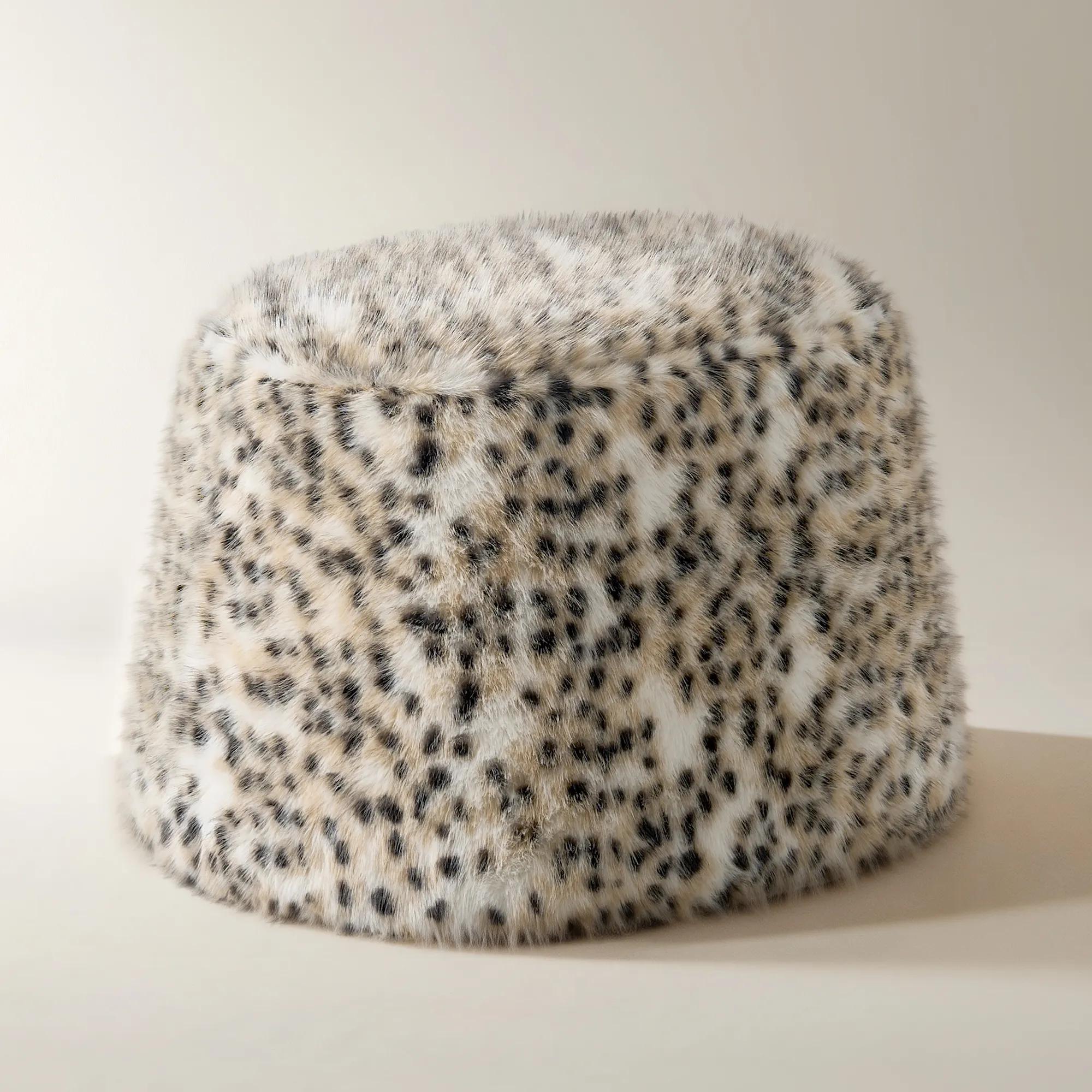 Avery Spotted Faux Fur Stool$399
A sculpted drum stool wrapped in plush spotted faux fur for bold, modern accent seating.
Add To Cart -
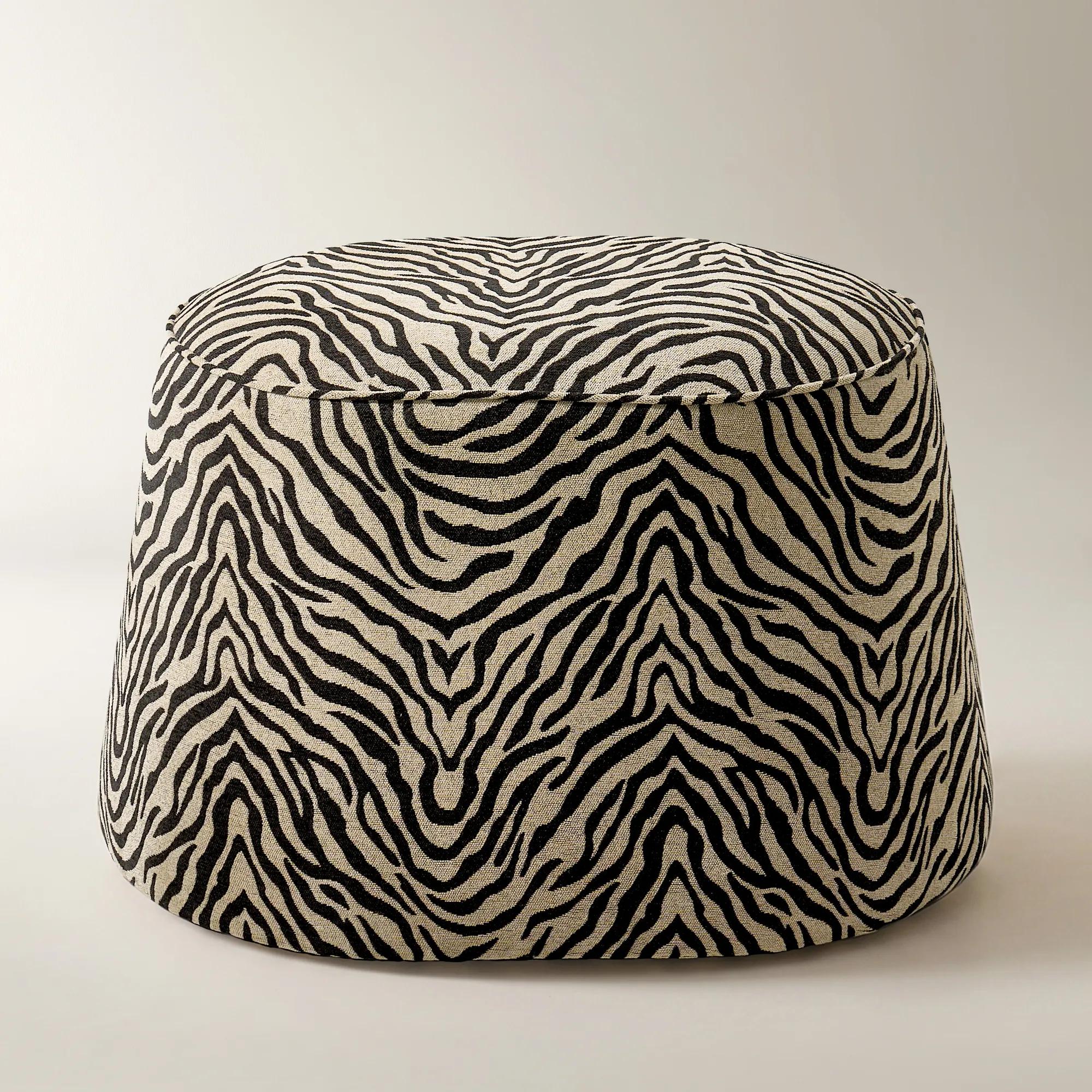 Avery Zebra Performance Chenille Stool$399
A sculpted drum-shaped accent stool upholstered in zebra-patterned performance chenille for bold, modern style.
Add To Cart -
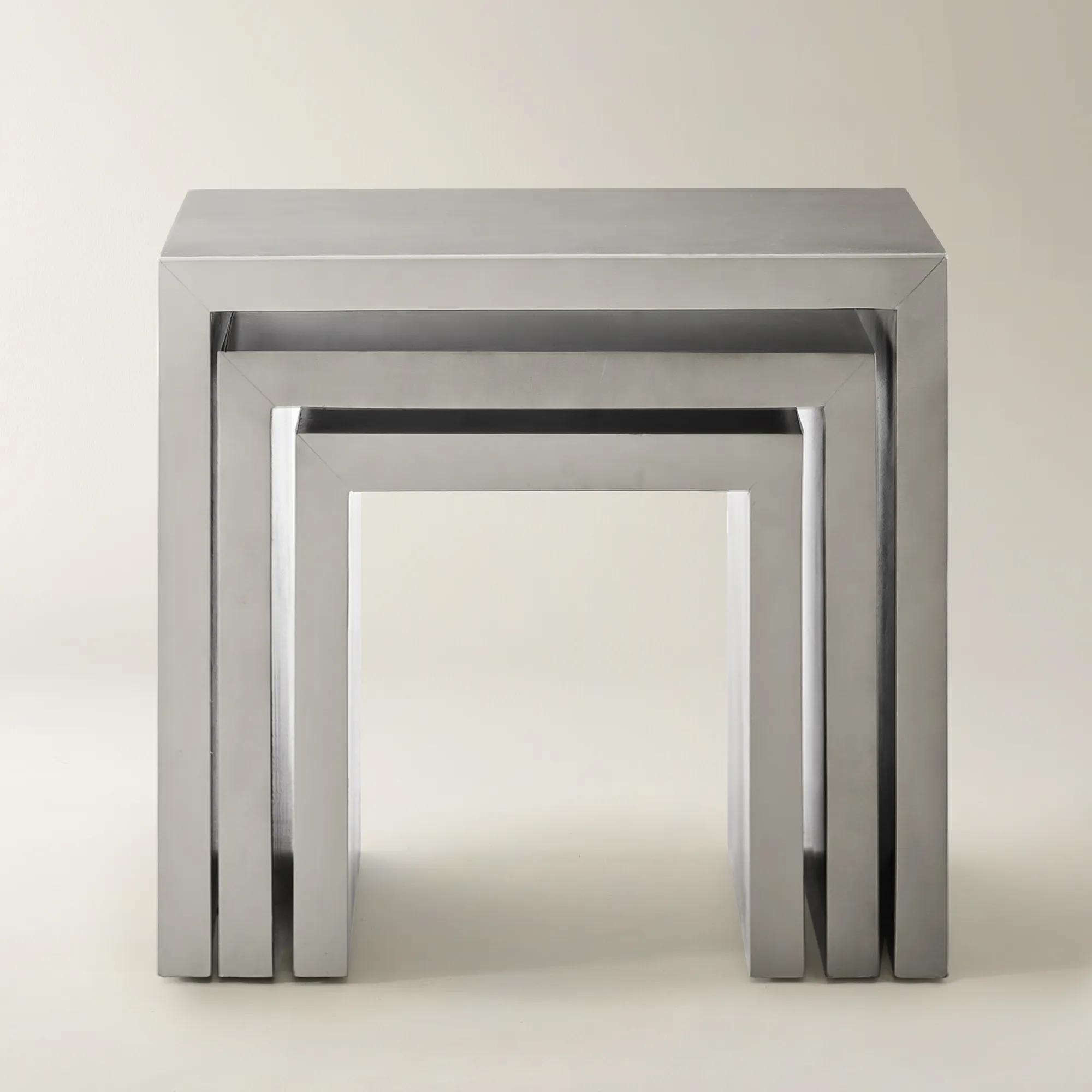
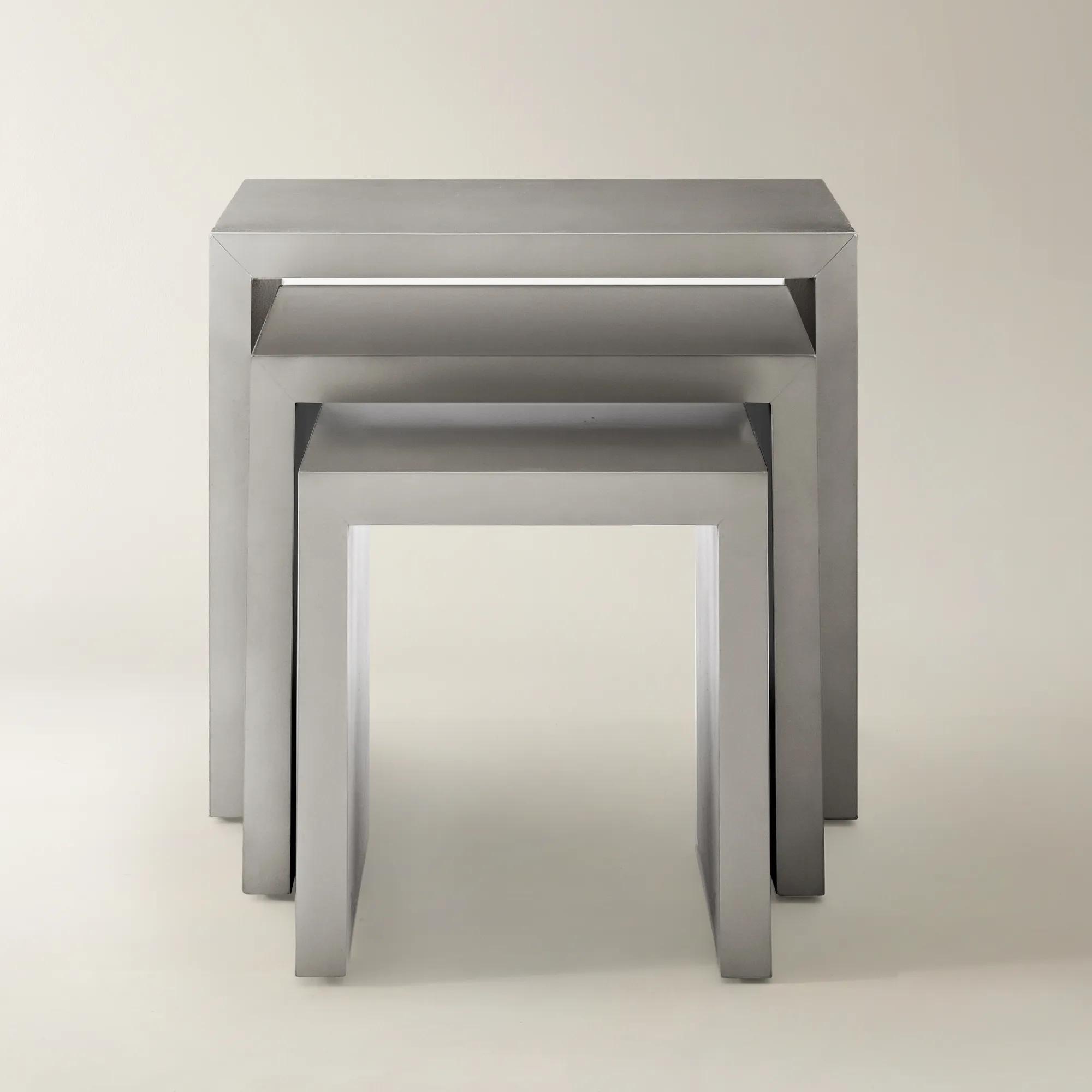 Astair Silver Nesting Accent Table Set Of 3 (16.25"-25.5")$349
A trio of engineered wood nesting tables with a sleek silver metallic finish and minimalist block silhouette.
Add To Cart -
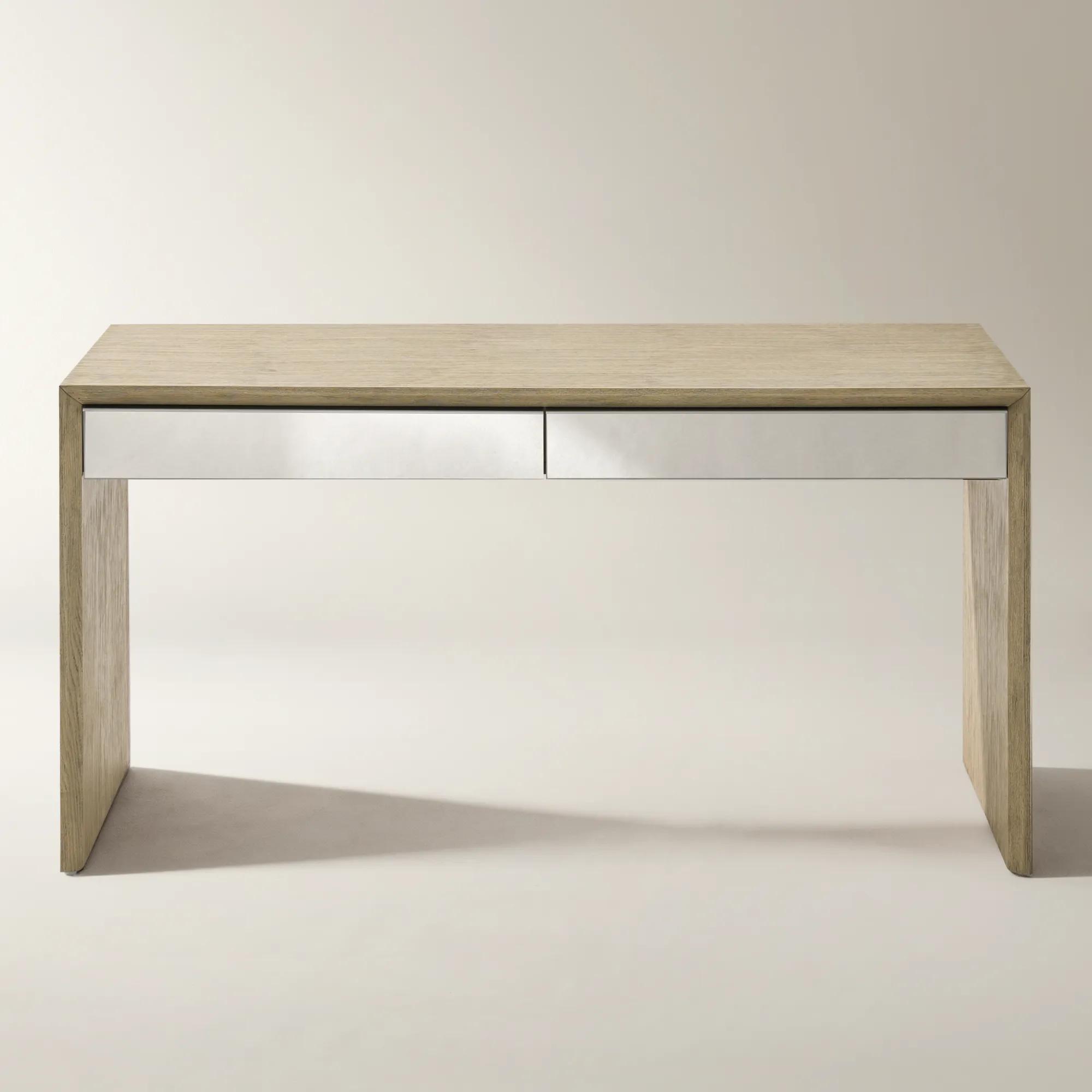 Glimmer Mirrored 2-Drawer Sea Drift Oak Desk (62")$1499
A two-tone oak veneer desk featuring antique mirrored soft-close drawers with velvet-lined interiors for refined style.
Add To Cart -
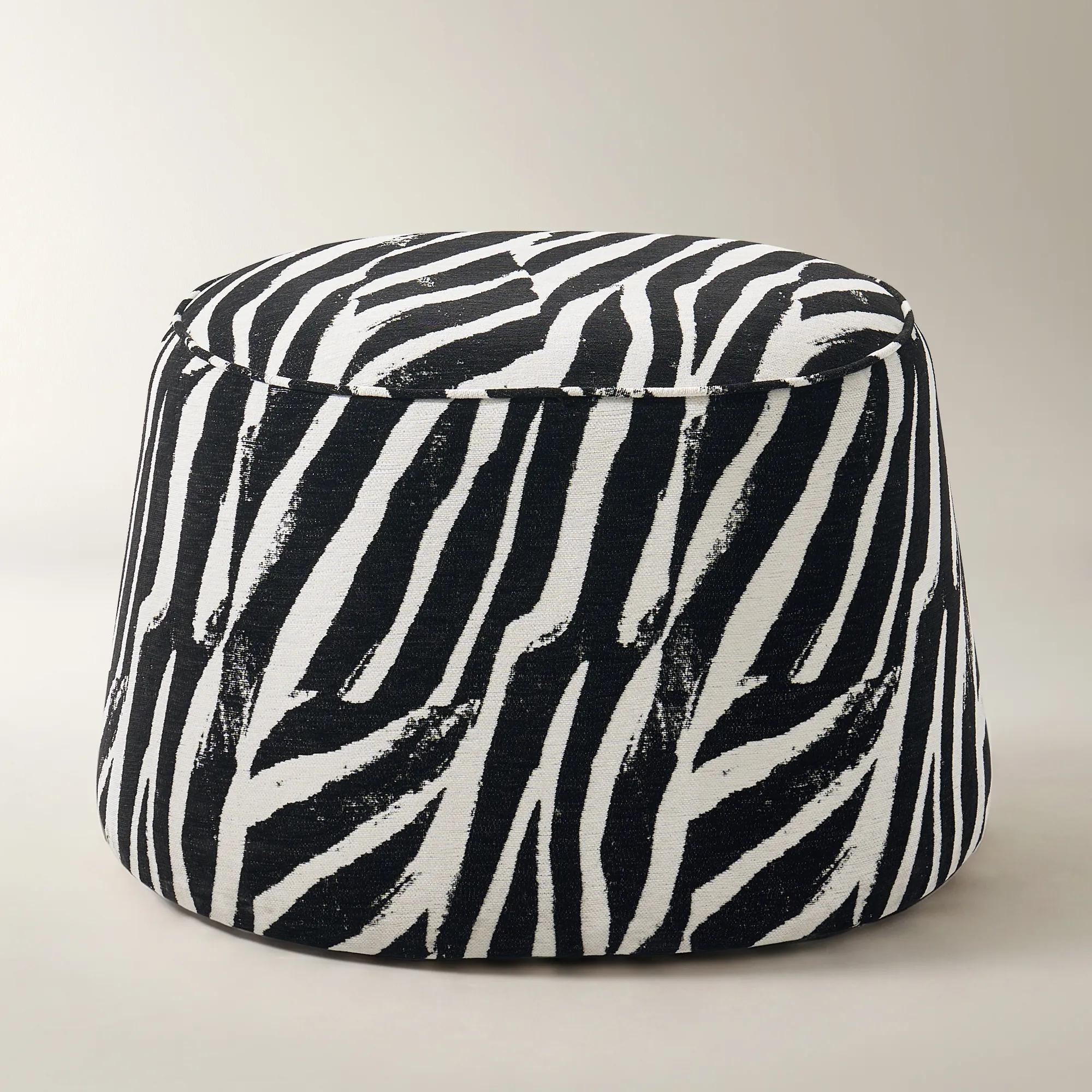 Avery White/Black Performance Chenille Stool$399
A sculpted drum accent stool in black and white performance chenille with an animal-inspired pattern.
Add To Cart -
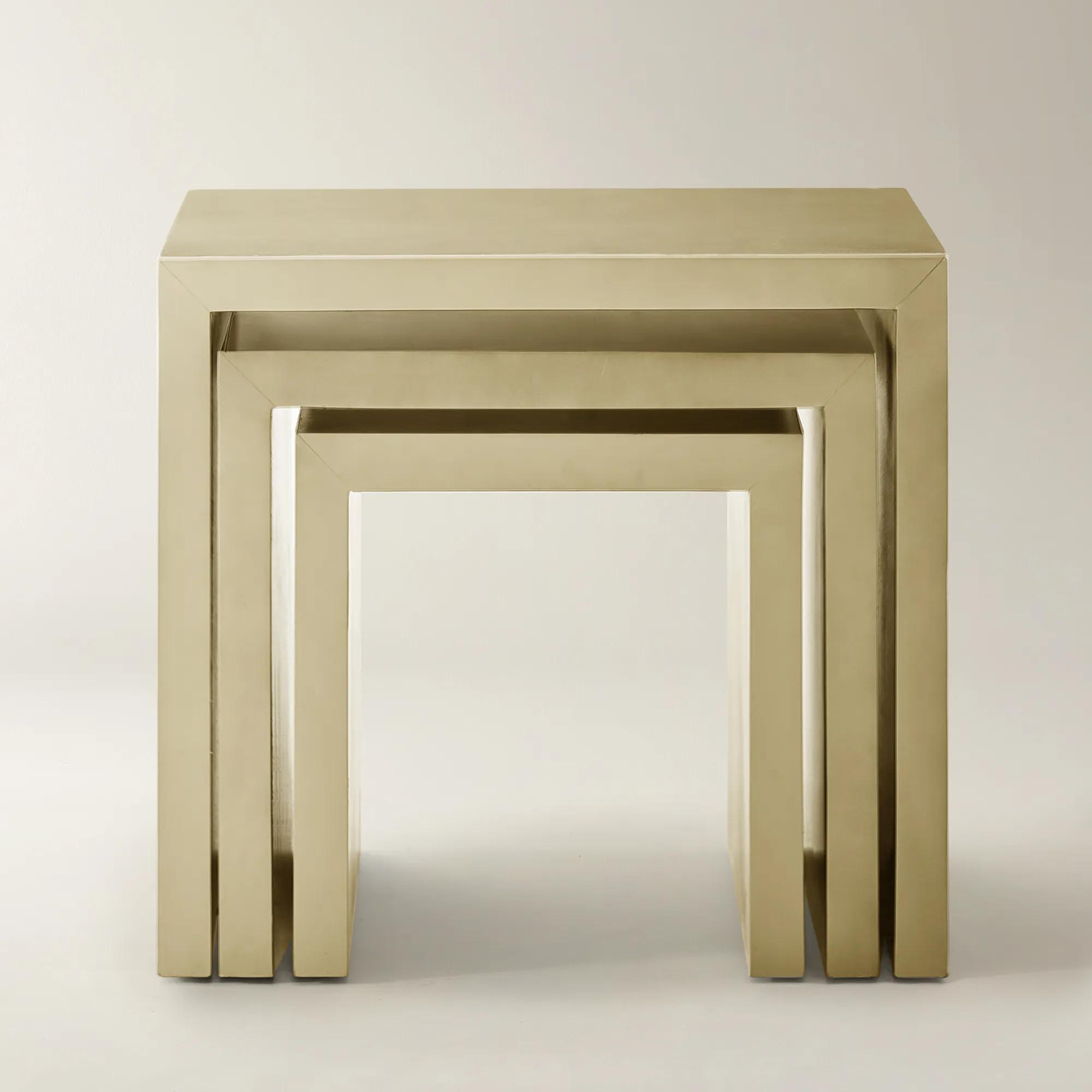
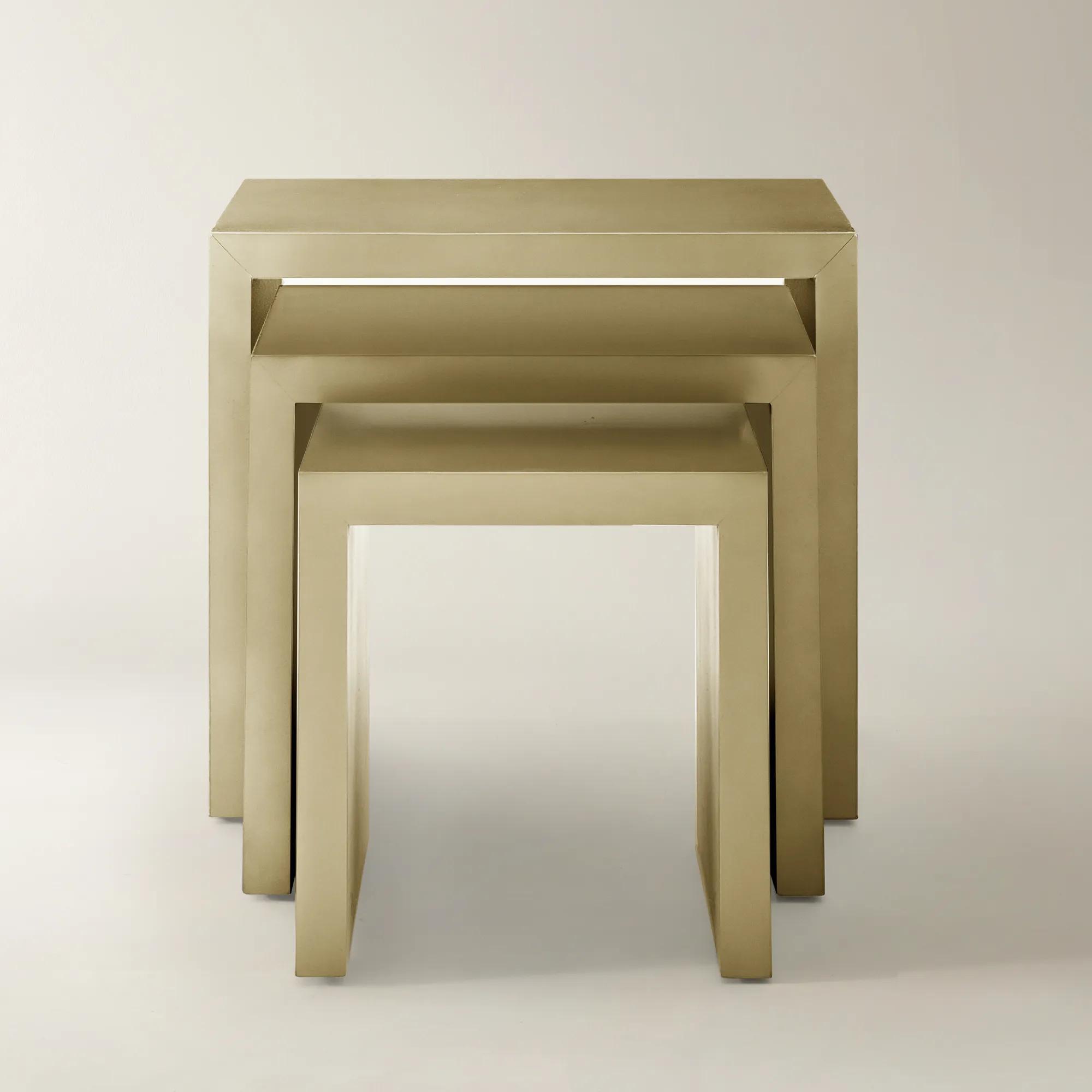 Astair Gold Nesting Accent Table Set Of 3 (16.25"-25.5")$349
A trio of gold-painted engineered wood tables with minimalist block silhouettes and versatile nesting design.
Add To Cart -
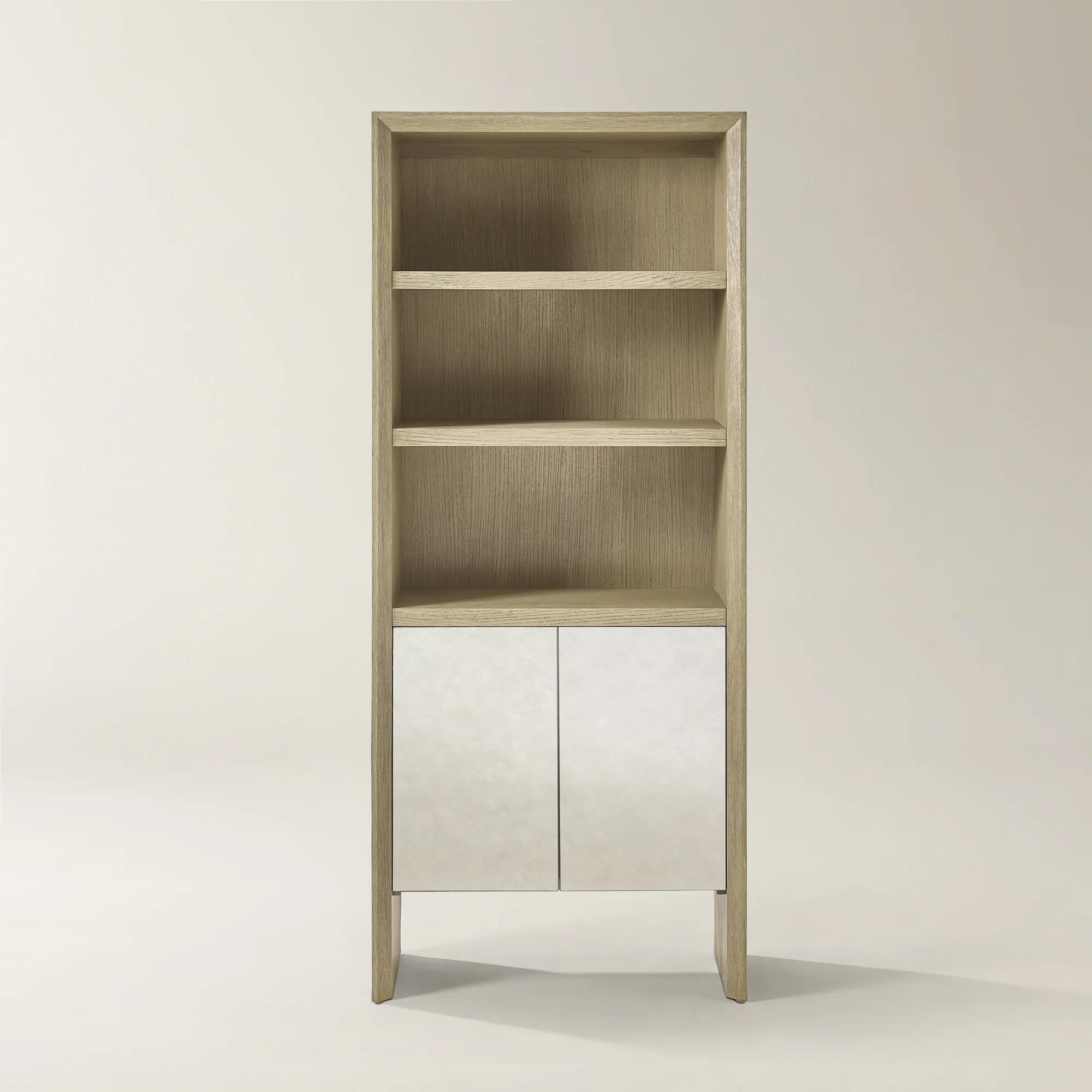
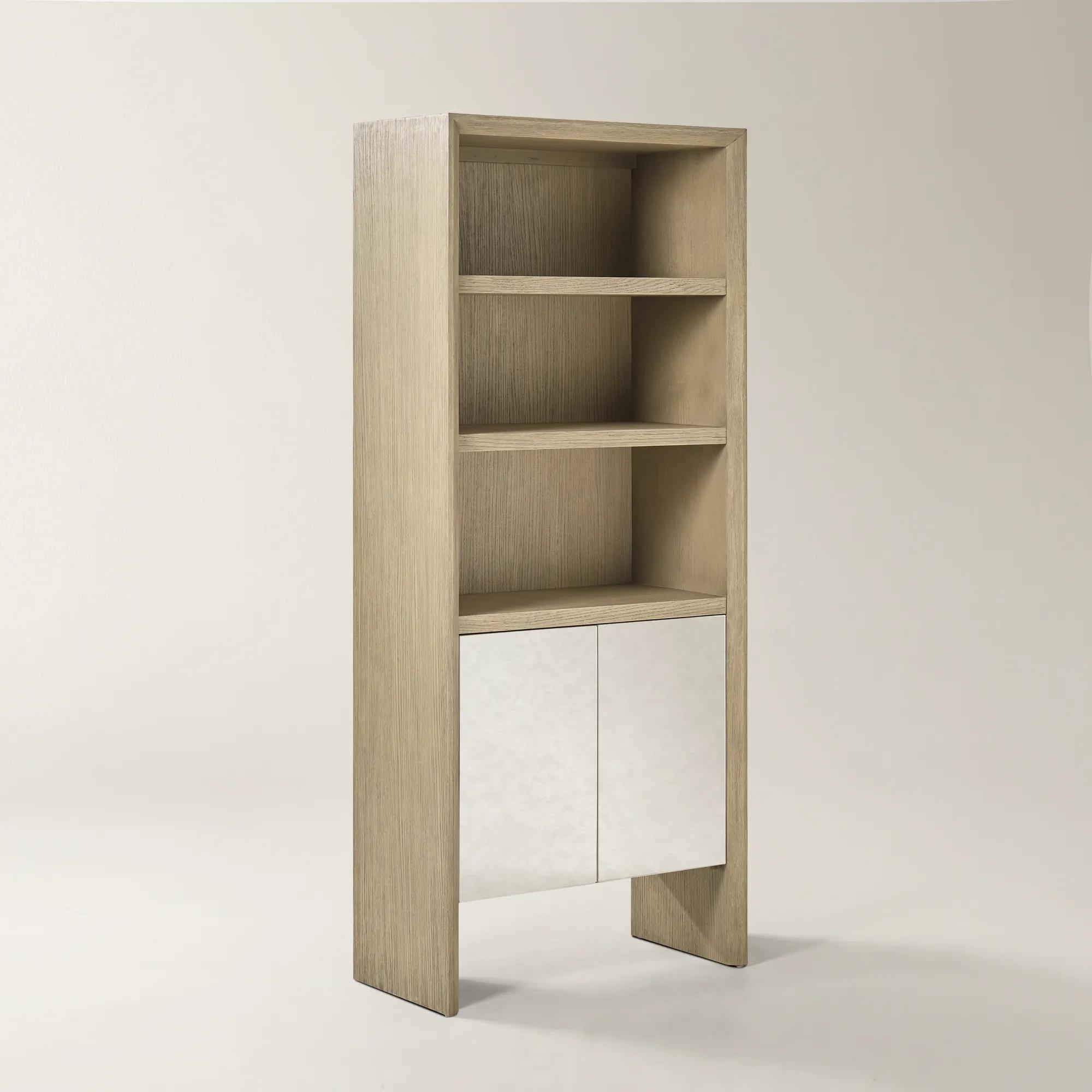 Glimmer Mirrored Sea Drift Oak Bookcase (80")$2599
A two-tone oak bookcase featuring antique mirrored doors, open shelving, and soft-close concealed storage.
Add To Cart -
 Vetra Checkerboard Oak and Maple Desk with Drawer (71")$2399
A modern desk featuring a hand-arranged oak and maple checkerboard veneer, gold accents, and a concealed drawer.
Add To Cart -
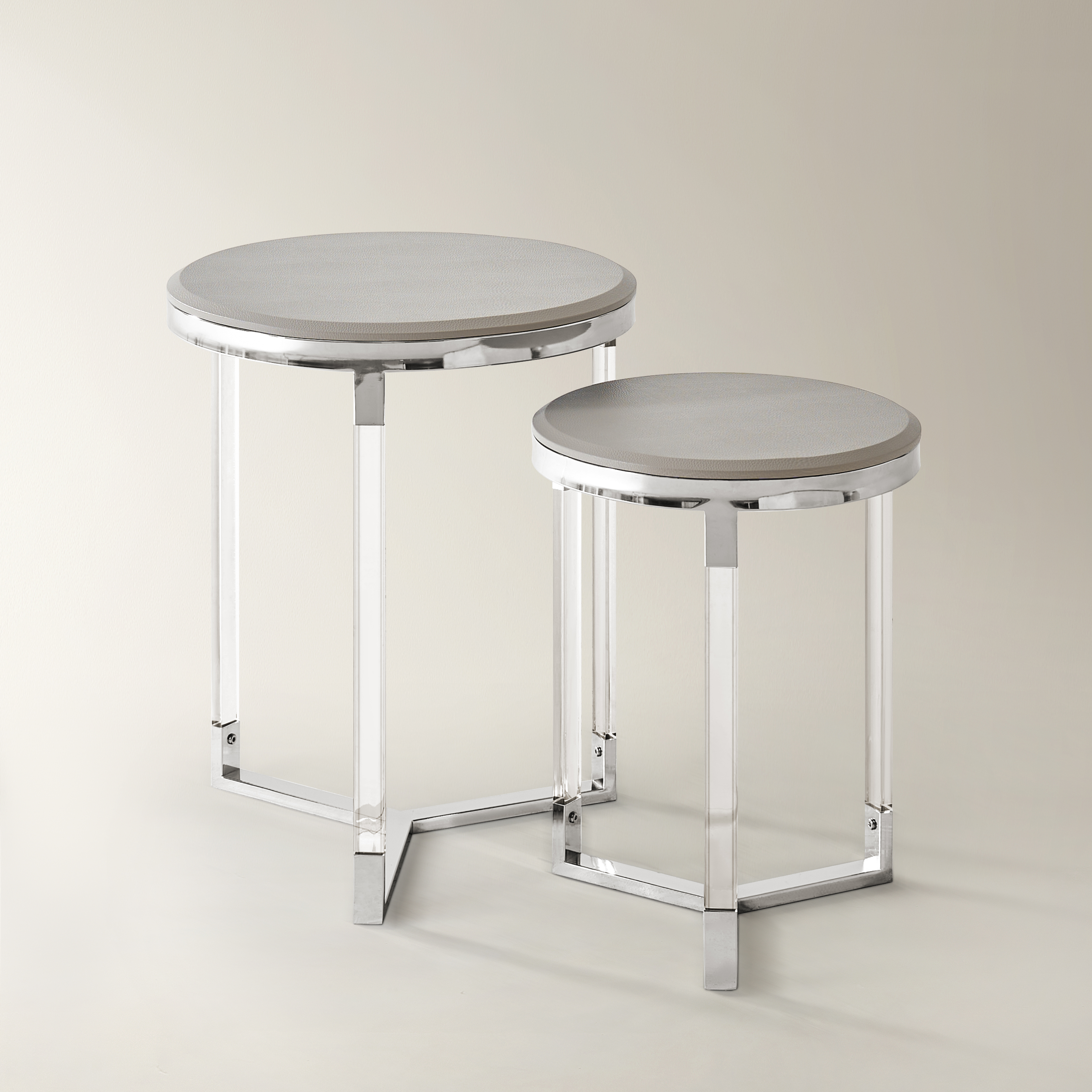
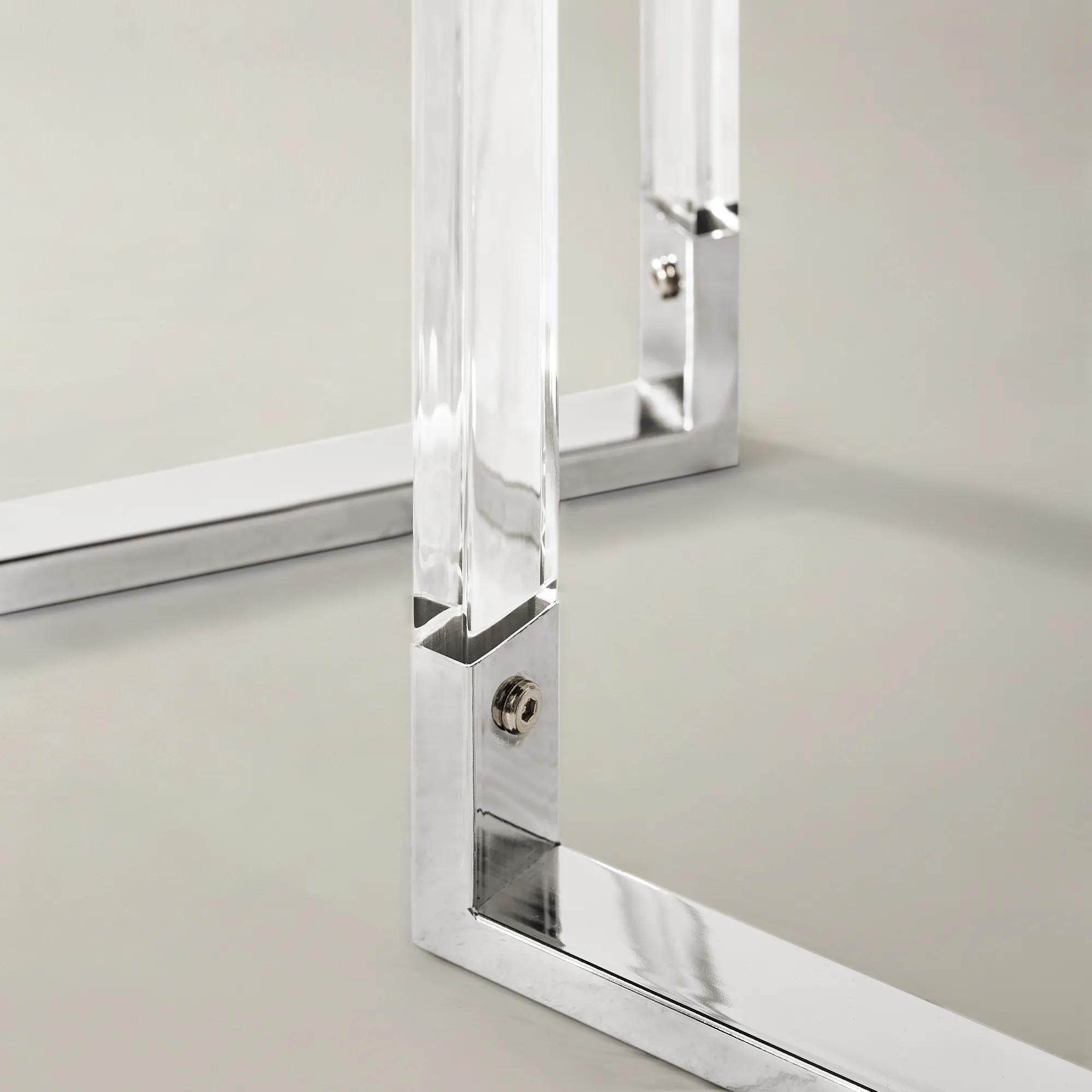 Murano Round Grey Accent Table With Faux Leather Top Set Of 2 (14.5"-18.5")$399
A bold set of two accent tables featuring mixed woods, acrylic legs, and faux leather tops.
Add To Cart -
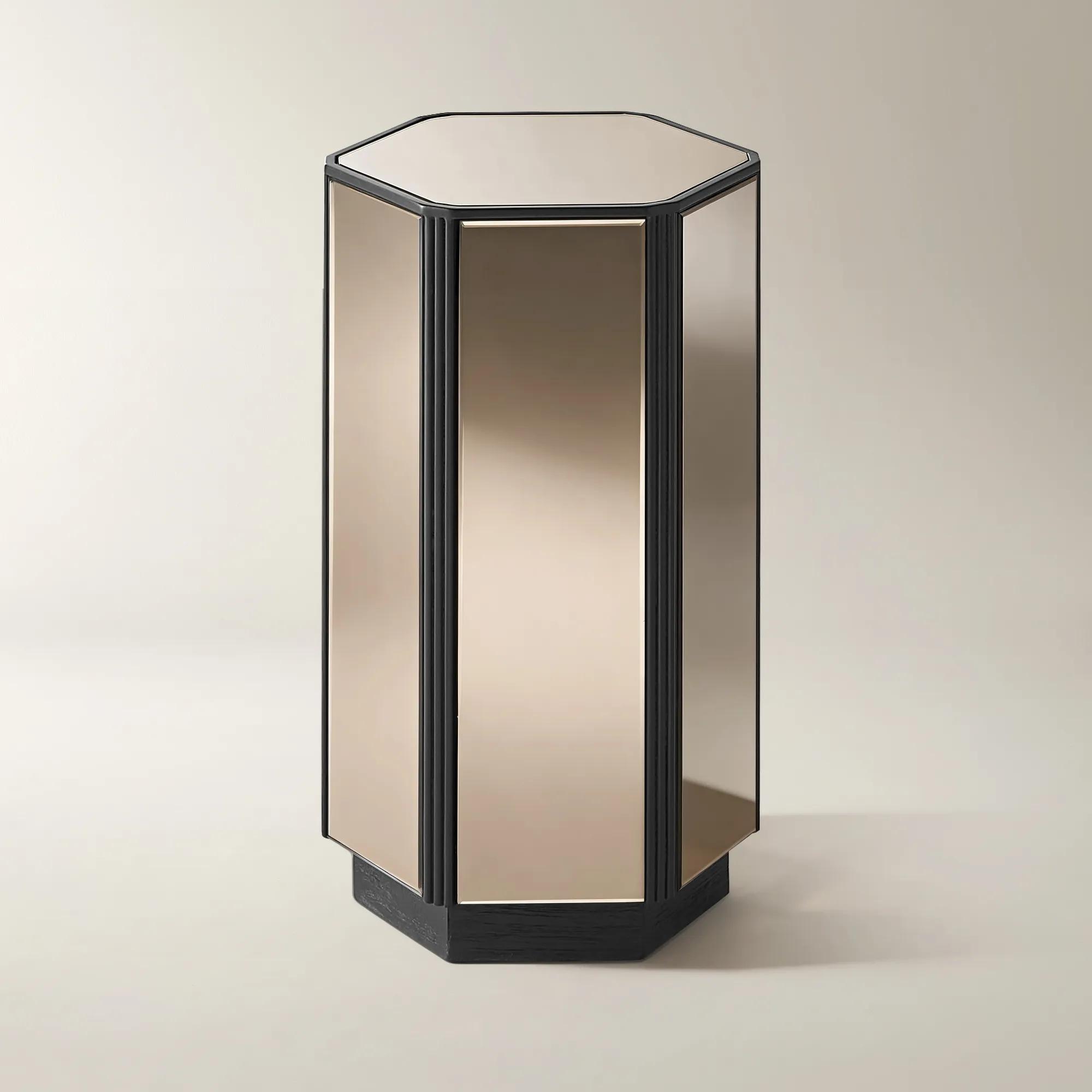 Glimmer Bronze Mirrored End Table (12")$399
A sculptural end table featuring bronze mirror panels and a black oak base for modern elegance.
Add To Cart -

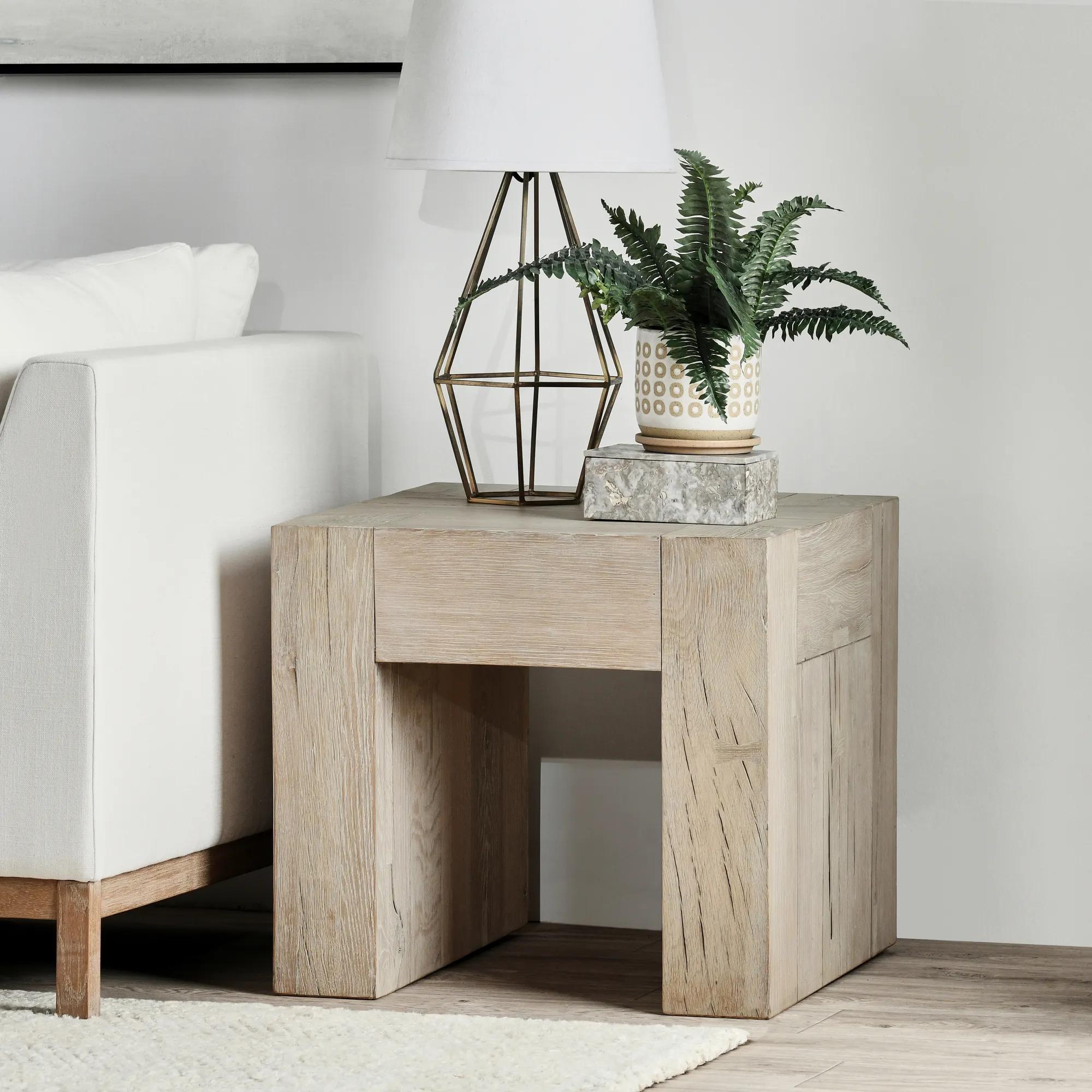 Bristol Square Cream Oak End Table (24")$999
A handcrafted end table featuring cracked reclaimed oak in an aged cream finish with modern dovetail detailing.
Add To Cart -
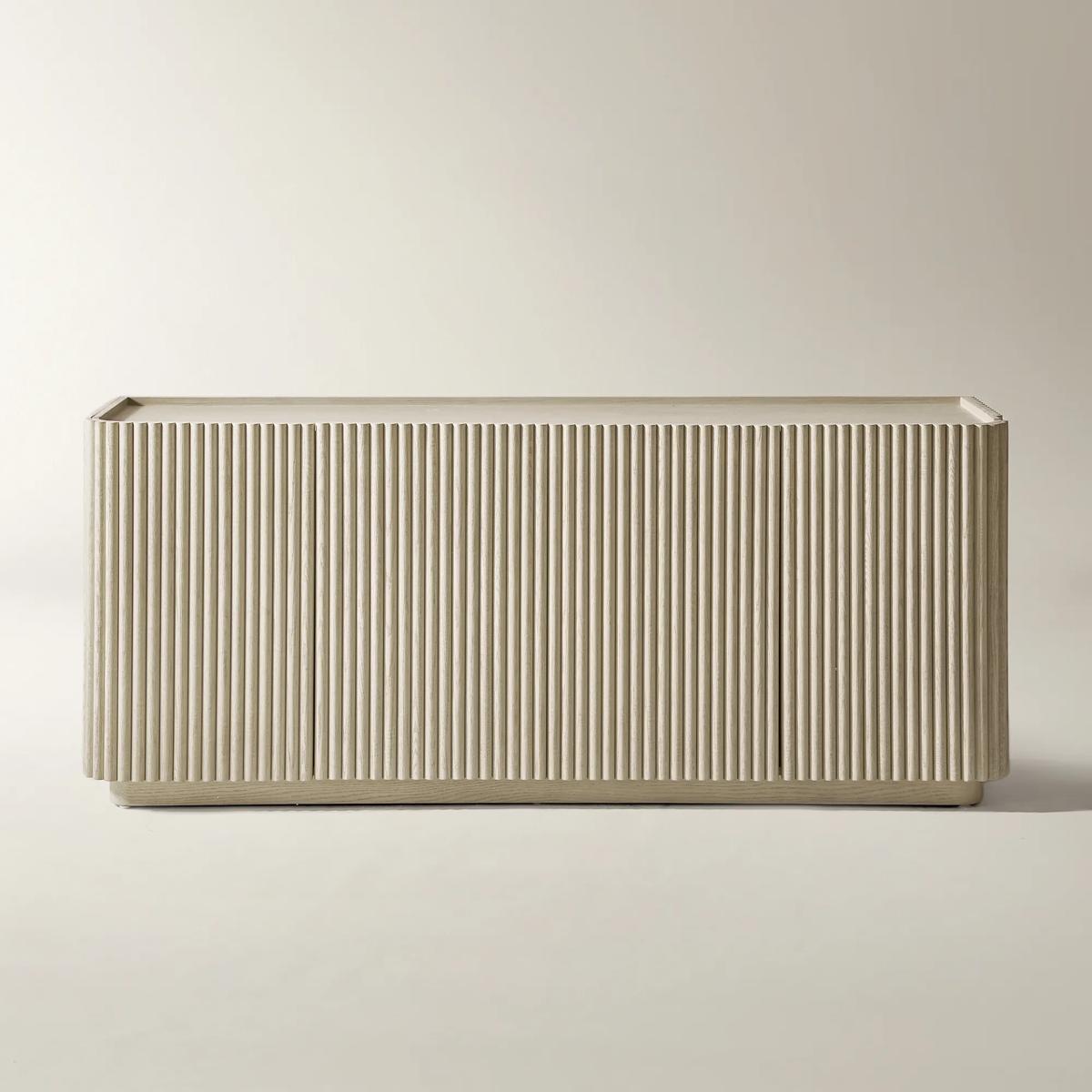
 Stria Reeded White Oak Buffet (72")$2199
A sculptural oak buffet featuring reeded detailing, gold-plated trim, and adjustable storage behind four doors.
Add To Cart

Multi Functional Furniture For Small Spaces
Multi functional furniture for small spaces transforms constraints into opportunities for grand design. Every piece is curated to maximize both style and utility, proving that limited square footage need never limit your imagination. Discover sculptural silhouettes that shift, stack, and conceal with effortless elegance—each one a testament to the art of living beautifully in compact quarters. With multi functional furniture for small spaces, your home becomes a stage where every inch dazzles with intention, versatility, and undeniable flair.
Multifunctional furniture for small spaces combines two or more everyday uses within a single footprint, bringing seating, storage, dining, work, or sleep into the same thoughtfully designed form. In a compact apartment, studio, or intimate living room, that versatility creates room for both personal expression and daily life. A storage ottoman can anchor a seating arrangement, conceal extra throws, and offer a place to rest tired feet. With a suitable tray, an upholstered surface can also hold a book or beverage, provided the design supports that use. Lift-top coffee tables bring a surface closer for occasional laptop work or a casual meal, while designs with concealed compartments keep chargers and reading materials out of sight. Nesting tables offer a different kind of flexibility: separate surfaces move beside guests when entertaining, then tuck together when open floor space matters more. Sleeper sofas allow a living area to welcome overnight company without dedicating an entire room to a bed. Storage benches can add seating and conceal belongings at the foot of a bed or along an entry wall. Each category answers a distinct need, and the strongest choice reflects how a room actually lives. For someone working from a studio apartment, an adaptable table may matter more than additional seating; for a frequent host, movable ottomans and a comfortable sleeper may carry greater value. The appeal extends beyond apartments to guest rooms, compact townhomes, and smaller homes where every furnishing needs a clear purpose. These are not simply smaller versions of conventional furniture. Their value lies in the relationship between functions: storage within seating, an expanding surface within a compact frame, or an inviting lounge that becomes a place to sleep. Sculptural profiles, sumptuous upholstery, and luminous accents allow those practical functions to feel like part of a deliberate composition rather than a concession to limited square footage.
Materials and finishes shape both the atmosphere and the everyday performance of space-saving furniture. Velvet brings depth to an upholstered bench or ottoman, catching light across its pile and lending even a modest corner a richly layered presence. Tightly woven upholstery can create a more tailored impression, while textured fabrics introduce dimension without requiring additional decorative objects. Fabric composition, cleaning instructions, and suitability for the household matter as much as appearance, particularly when seating also serves as a footrest or receives frequent handling. Performance upholstery varies by construction and treatment, so the label alone does not establish resistance to every stain, scratch, or spill. Wood adds warmth and visual grounding; veneers can showcase expressive grain over a supporting core, while solid wood components may respond to changes in indoor humidity. Neither description replaces a closer look at construction, joinery, and the intended use of the furniture. Metal frames can give nesting tables a precise, architectural outline, and glass or mirrored details introduce reflected light and a sense of openness. Those reflective surfaces still need room for comfortable movement and regular attention to fingerprints. Stone surfaces offer distinctive pattern and presence, although weight, porosity, and care requirements vary by material. Scale is equally expressive. A generously proportioned ottoman may unify a compact seating group more gracefully than several small accent tables, provided it leaves a comfortable path through the room. Raised legs reveal more flooring beneath a sofa or cabinet; a grounded, upholstered silhouette creates a softer, more enveloping effect. Neither approach is inherently better for a small space. The right balance depends on surrounding furniture, sightlines, and the amount of enclosed storage needed. A cohesive interior can pair these adaptable forms with Modern Furniture For Small Spaces, balancing purposeful function with striking proportions. Repeated finishes, related upholstery tones, and a few deliberate contrasts help the room feel composed, even when its furnishings perform several roles.
The most rewarding multipurpose furniture feels effortless in use, with dimensions and mechanisms suited to the people who rely on it. A compact closed footprint tells only part of the story: a sleeper needs space for its extended mattress, a lift-top table needs clearance throughout its movement, and a storage bench needs enough room for its lid to open without striking a wall or nearby furnishing. Doorways, stair turns, elevators, and the delivery route also influence what will fit, especially with larger upholstered frames. In a shared living and working area, surface height and legroom determine whether a convertible table is comfortable for an occasional task or appropriate for longer sessions. A guest sleeping surface deserves the same attention to dimensions and support as its daytime seating function, with a distinction between occasional overnight use and everyday sleep. Storage capacity is most useful when its proportions match the contents: deep compartments can hold spare bedding, while shallower spaces may keep smaller accessories easier to find. Hardware, hinges, slides, and lift mechanisms should operate as intended, and stated weight limits apply separately to seating, tabletops, and storage areas when specified. Care preserves the polish that makes these hardworking designs feel luxurious. Upholstery benefits from vacuuming with an appropriate attachment and prompt attention to spills according to its care label; removable covers are not necessarily machine washable. Coasters and protective pads help shield suitable hard surfaces, while finish-specific cleaning avoids unnecessary abrasion or residue. Convertible sections should be cleared before movement, and hardware checks should follow the manufacturer’s directions. These details support a room that changes gracefully through an ordinary day: an uncluttered setting for morning coffee, a comfortable place to work, and an inviting arrangement for conversation. Multifunctional furniture brings those moments together without asking a compact home to surrender its character. The result is a space with room to move, belongings thoughtfully contained, and enough visual confidence to make every square foot feel intentional.
FAQs
Multi-functional furniture offers the unique advantage of maximizing every inch of your home, allowing you to enjoy versatile living without sacrificing style. These pieces are thoughtfully designed to serve multiple purposes—such as seating with hidden storage or tables that expand for entertaining—making them ideal for creating a sense of openness, organization, and elegance in compact environments.
Multi-functional furniture elevates a small room by introducing pieces that blend sculptural beauty with practical innovation. Features like mirrored surfaces, sleek lines, and luxurious finishes create visual intrigue, while adaptable designs keep the space feeling uncluttered and artfully arranged. The result is a harmonious balance of form and function that transforms modest square footage into a canvas for self-expression.
Multi-functional furniture makes a thoughtful and memorable gift for anyone embracing a new chapter—such as recent graduates, newlyweds, or first-time homeowners—who are looking to create a personalized and efficient living space. It’s also a wonderful choice for design enthusiasts who delight in clever details and those who value artistry as much as utility in their home décor.
Seek out pieces that combine innovative mechanisms—like lift-tops, fold-away surfaces, or hidden compartments—with luxurious materials and finishes. Consider furniture with elevated legs or transparent elements to maintain a sense of airiness, and choose items that complement your existing palette and décor for a cohesive, curated look.
By integrating storage and adaptability into their design, multi-functional pieces help reduce clutter and streamline daily routines. This creates a serene, organized environment where each item feels intentional and every surface is an opportunity for artistry. The result is a home that feels both spacious and sophisticated, no matter its size.