Furniture For Multipurpose Living Rooms
Furniture For Multipurpose Living Rooms
-
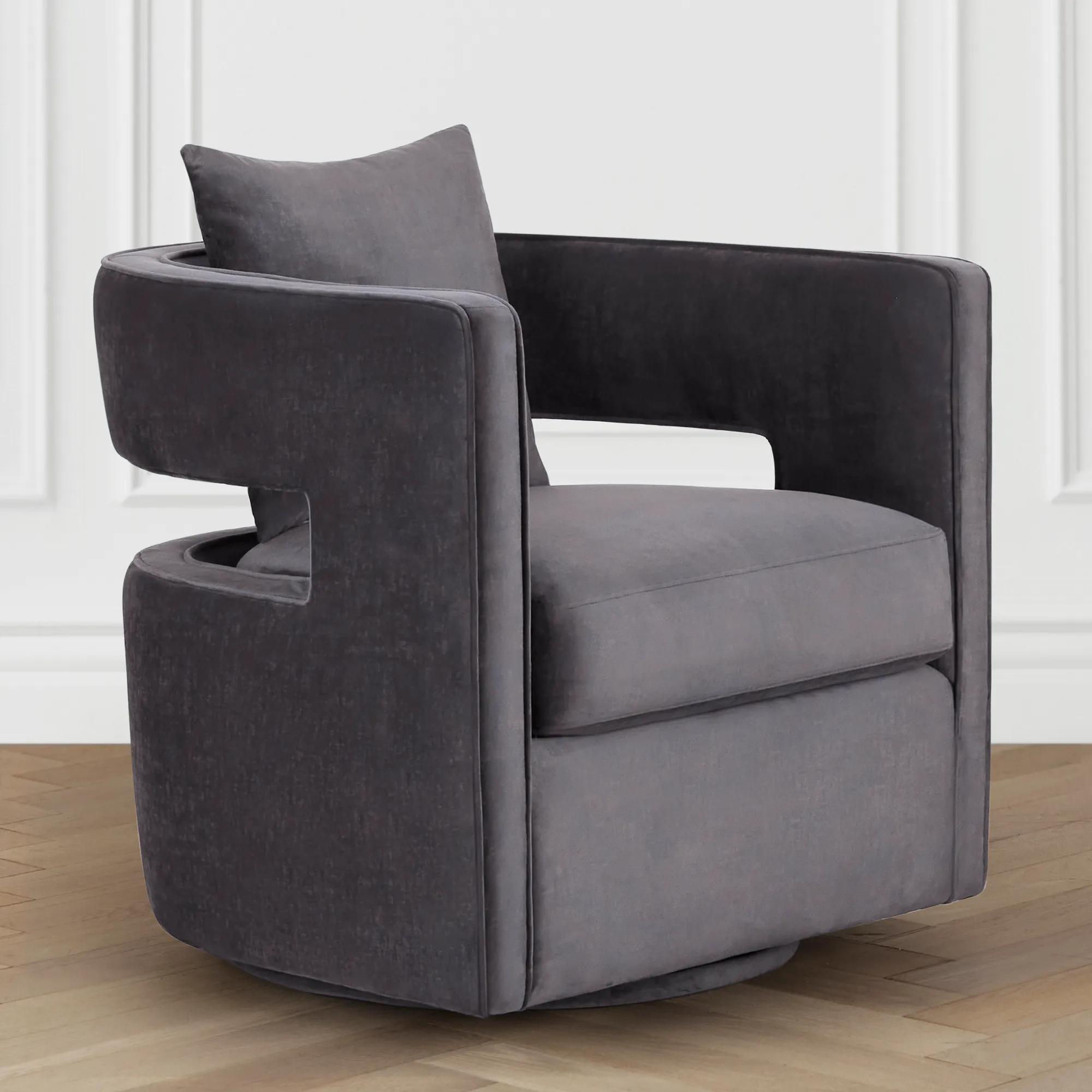 Lottie Grey Velvet Swivel Accent Chair$999
A glamorous grey velvet swivel chair featuring a barrel back, cutout arms, and plush foam cushioning.
Add To Cart -
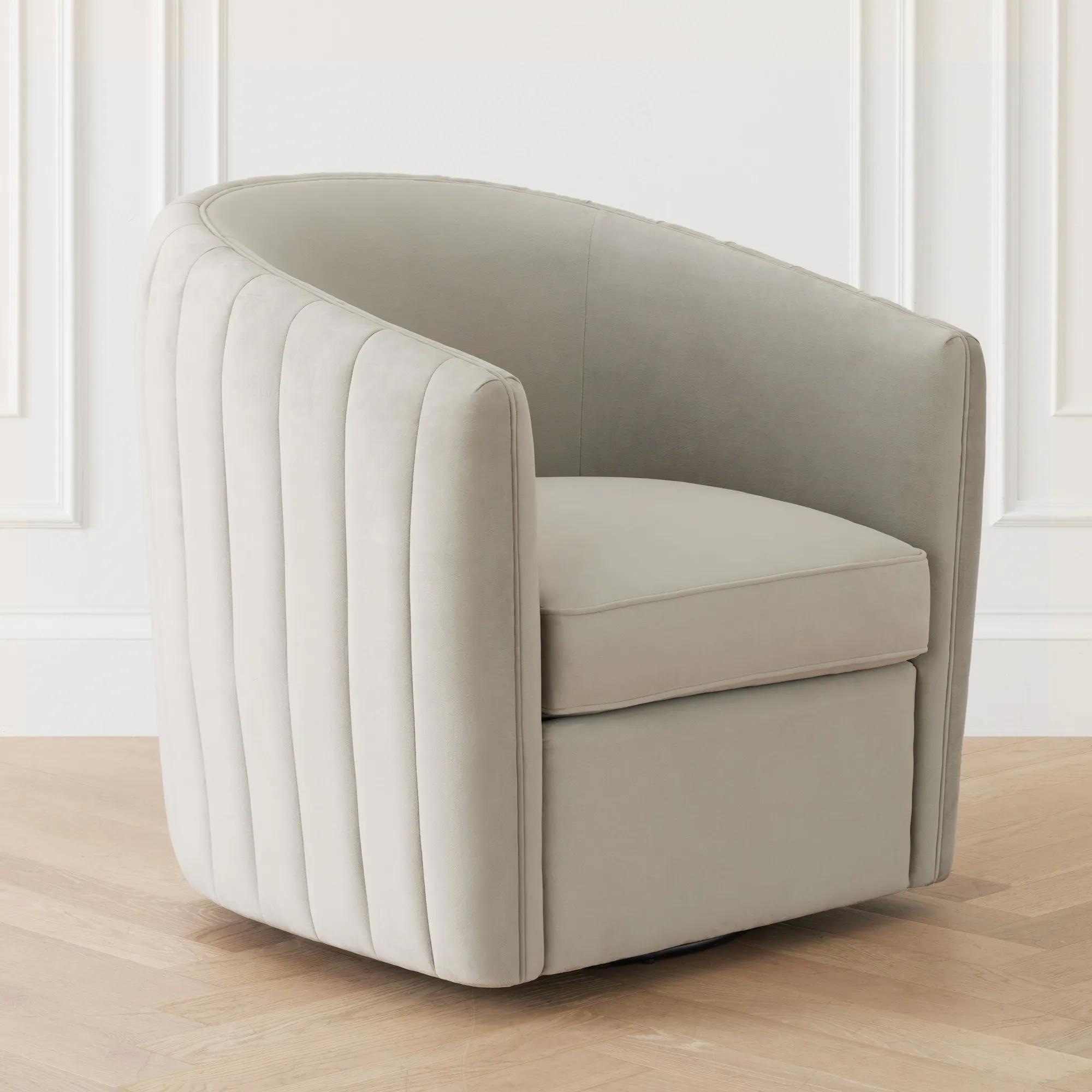
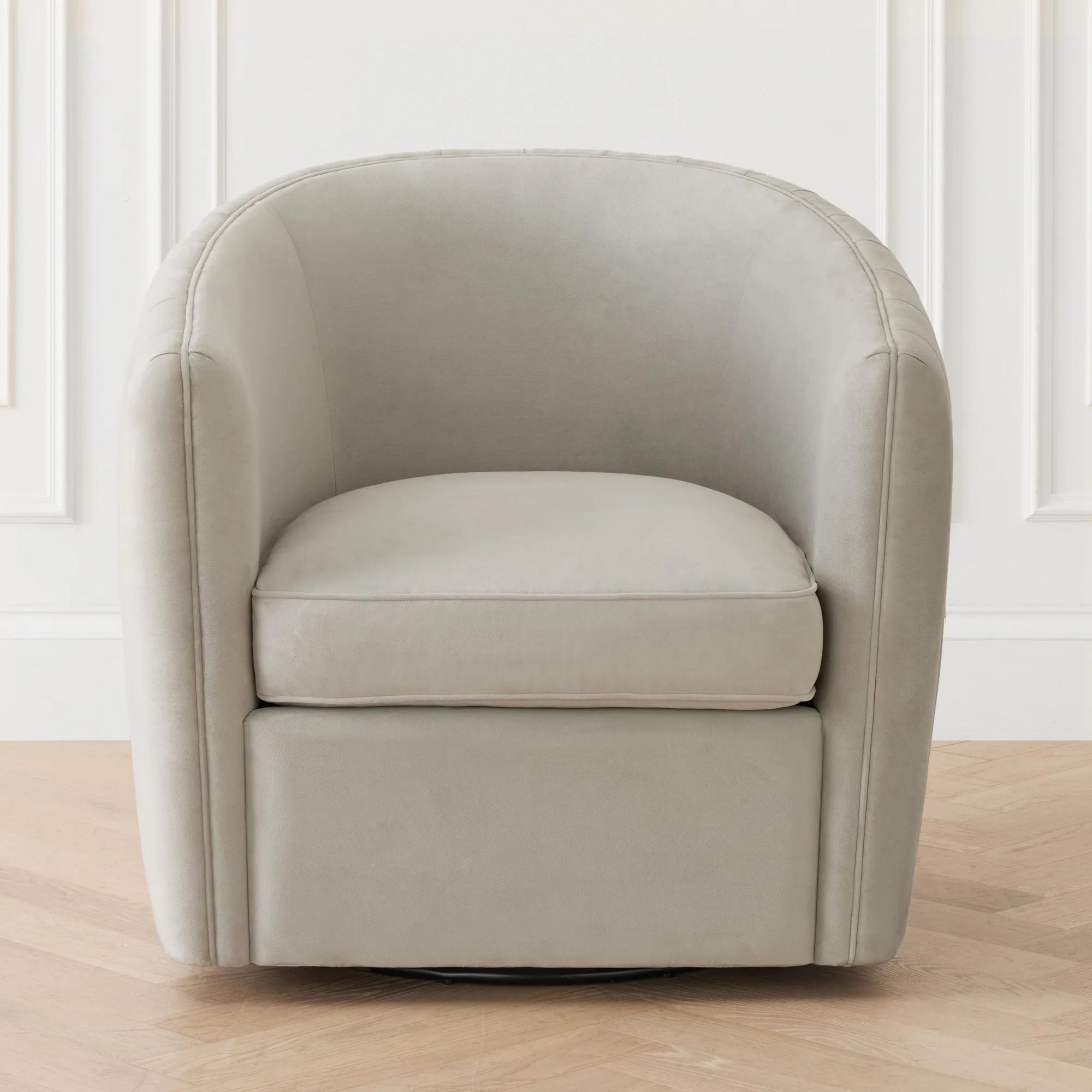 Aria Channeled Swivel Chair$1199
A modern barrel chair in kiln-dried hardwood with channeled velvet upholstery and a smooth swivel base.
Add To Cart -
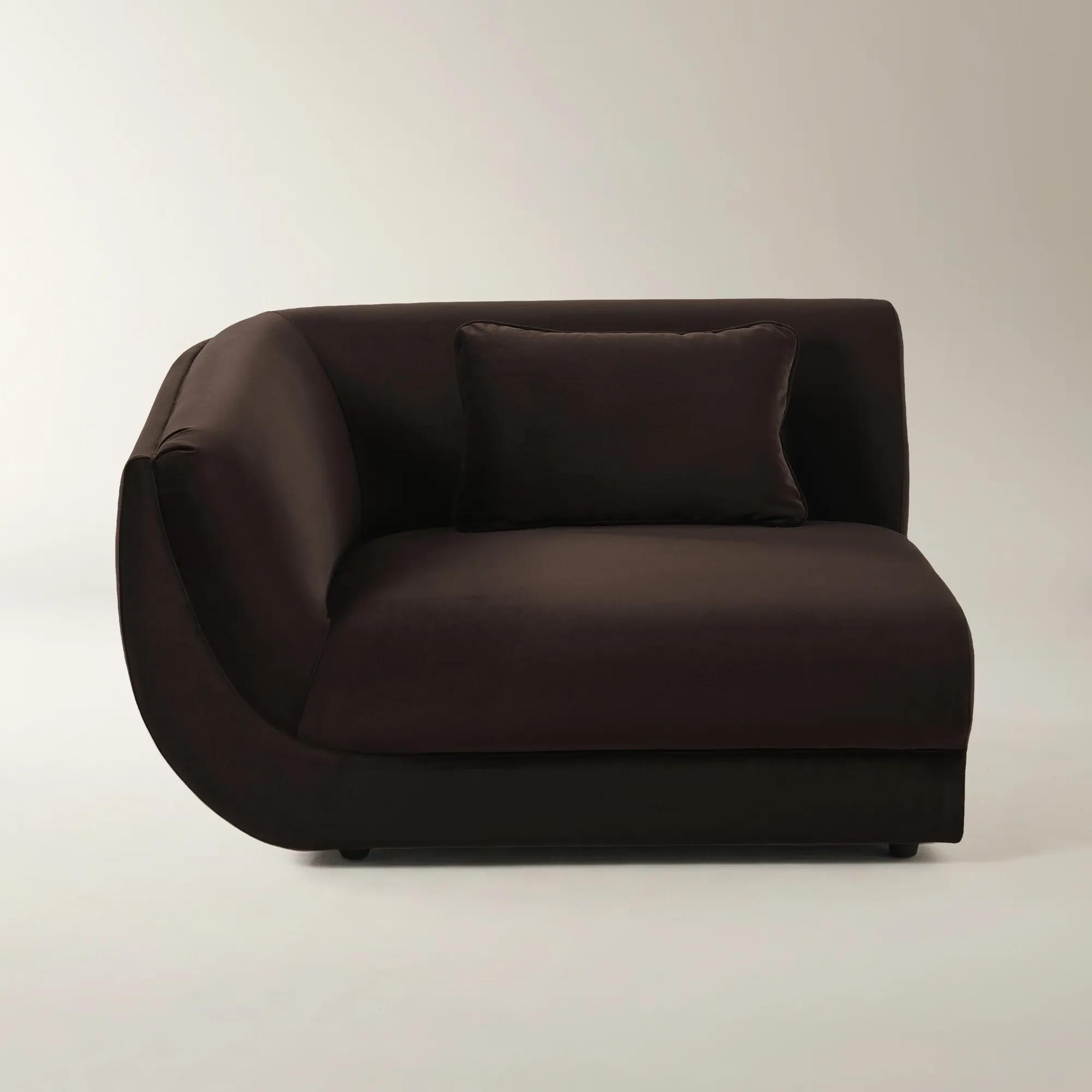
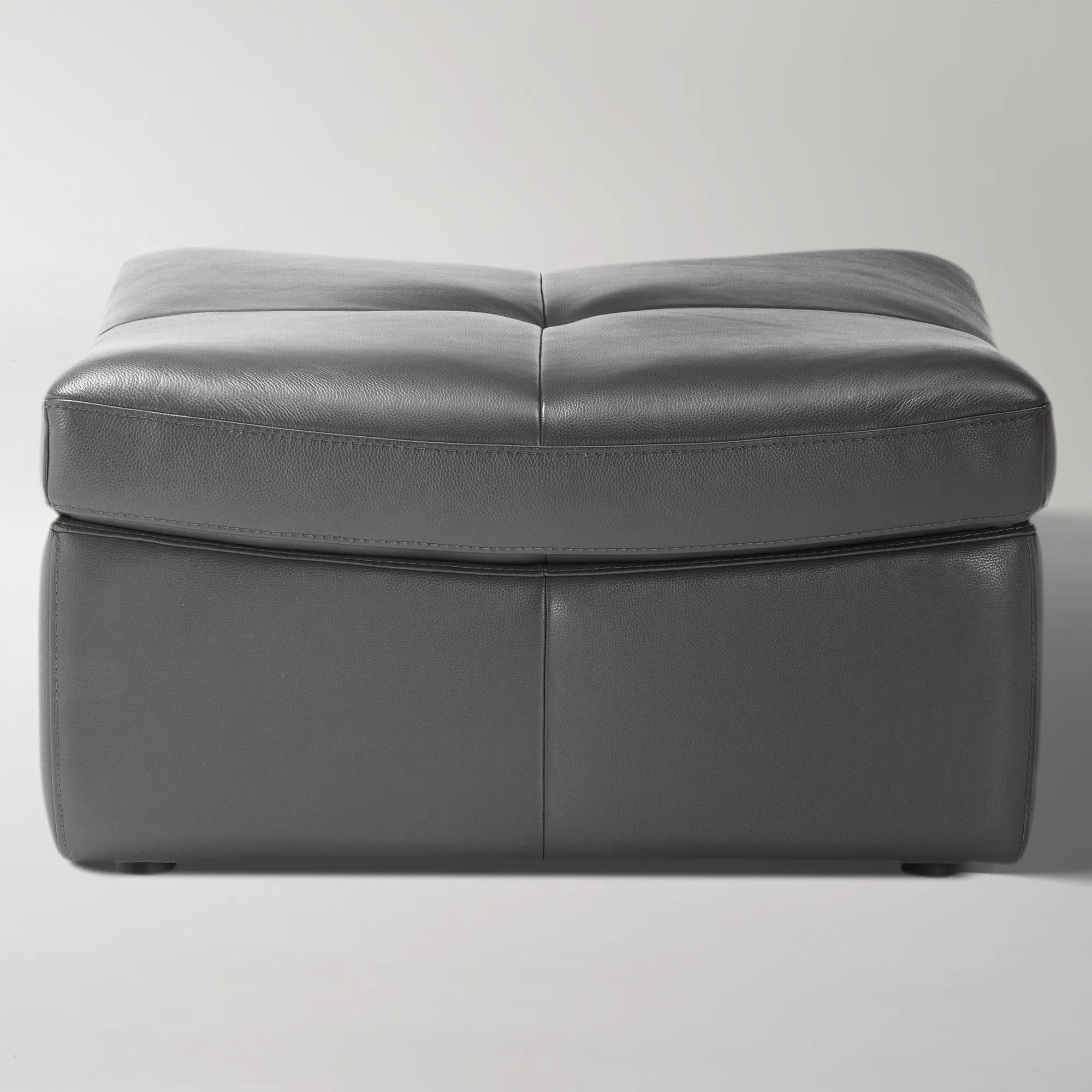 Convo Charcoal Leather Ottoman$849
A modular sectional in charcoal semi-aniline leather with kiln-dried hardwood frames and gently curved seats.
Add To Cart -
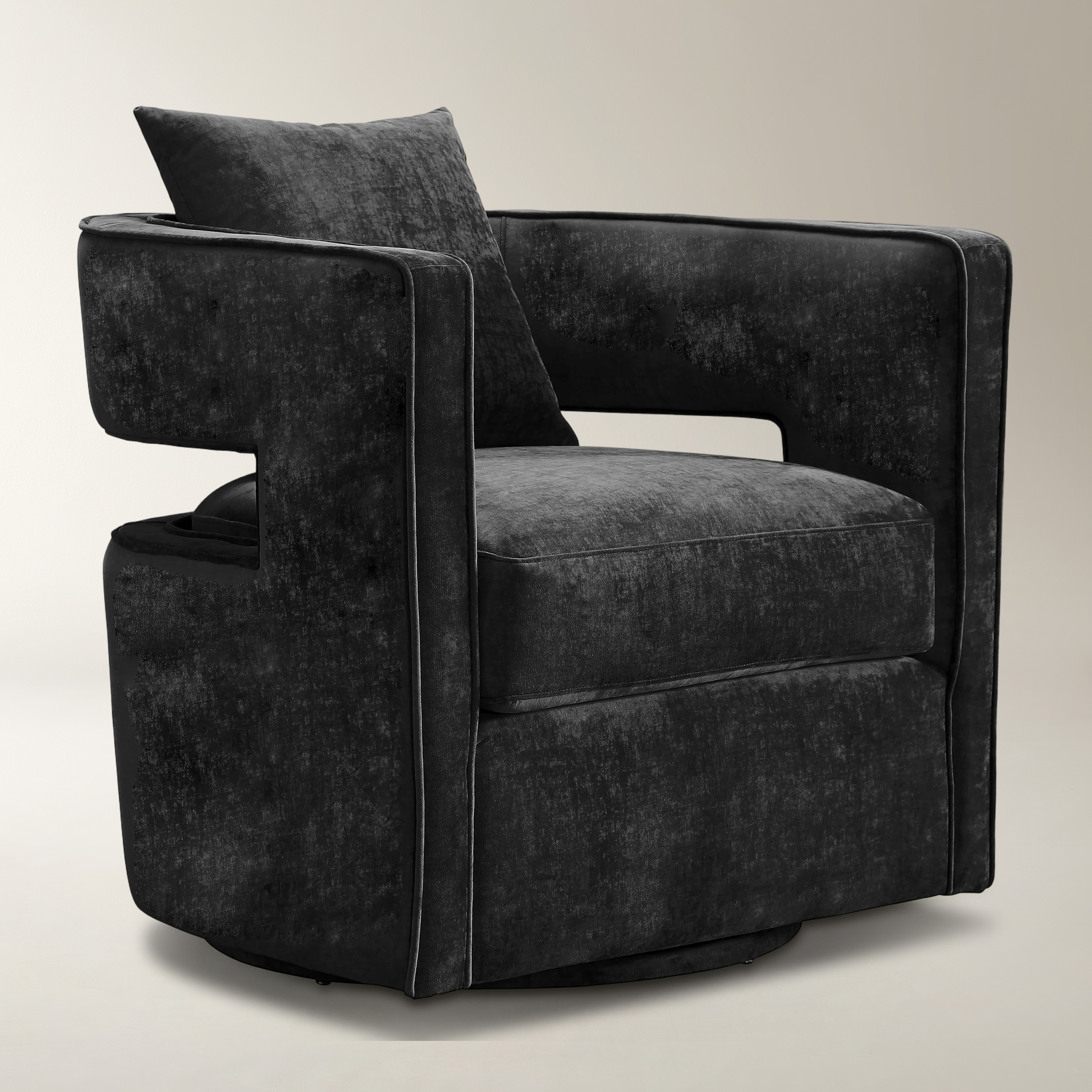 Lottie Black Velvet Swivel Accent Chair$999
A glamorous black velvet swivel chair featuring a barrel back, cutout arms, and plush foam cushioning.
Add To Cart -
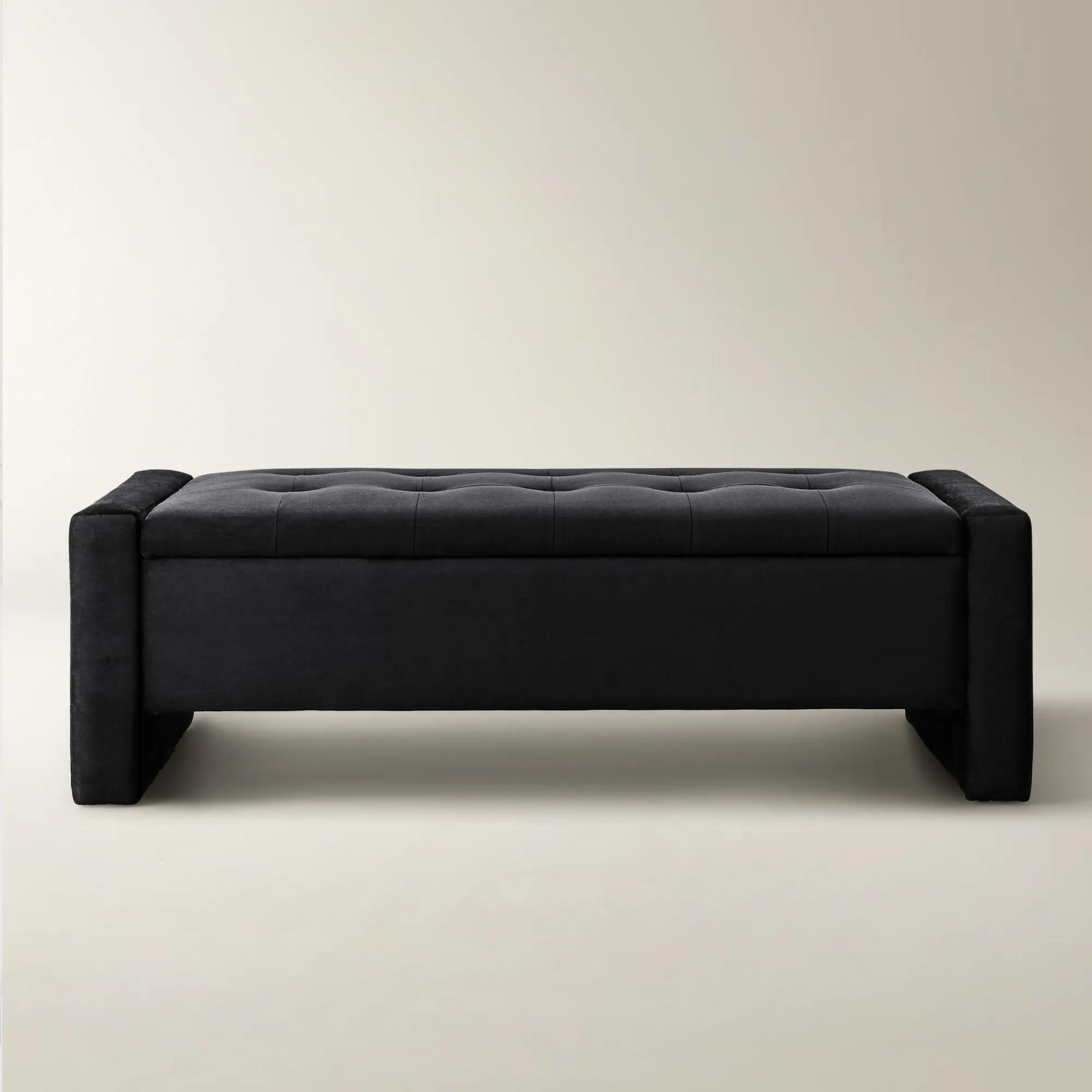
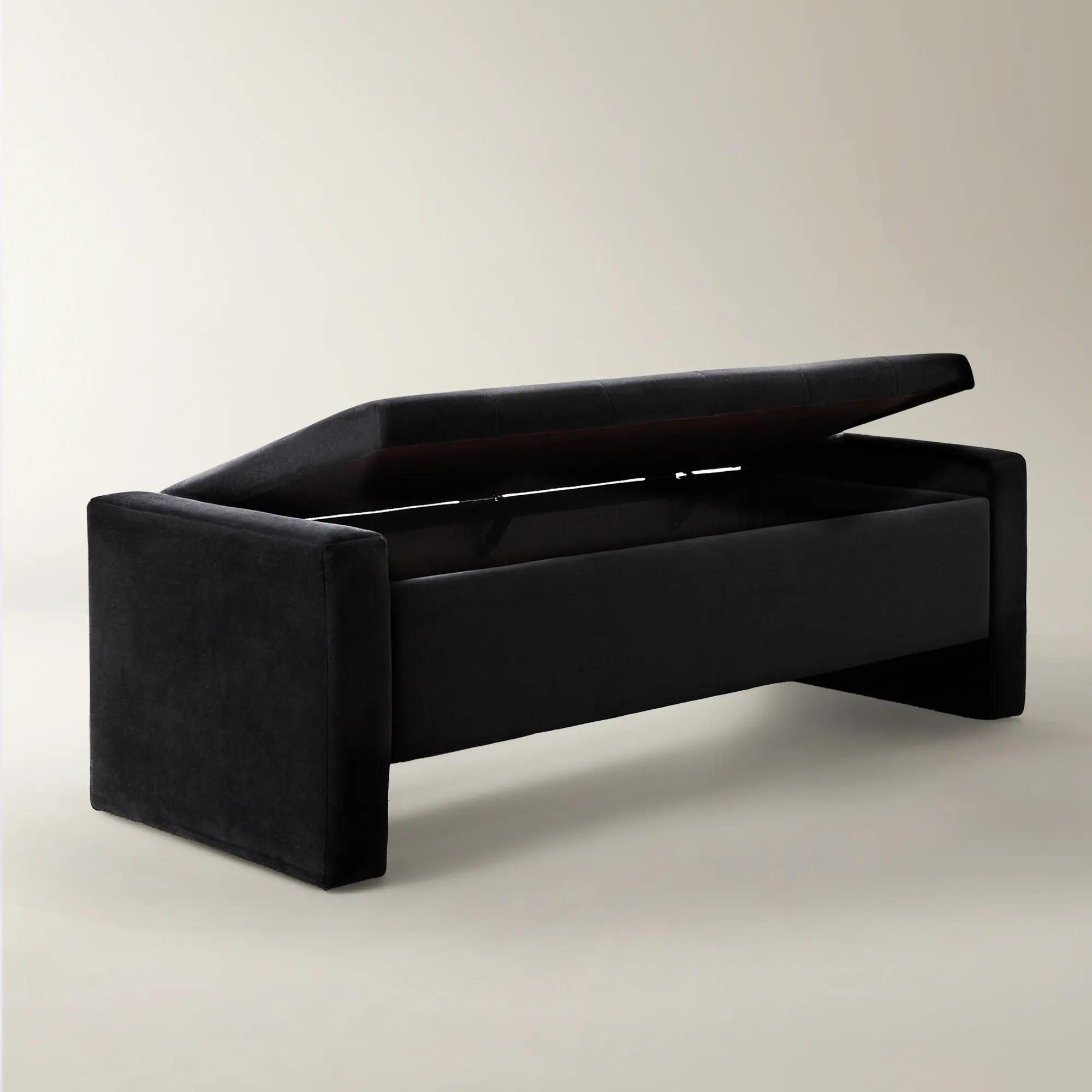 Maeve Storage Bench$849
A modern velvet-upholstered bench with hidden storage, kiln-dried hardwood frame, and soft-closing glides.
Add To Cart -

 Aria Pleated Swivel Chair$1349
A barrel-style swivel chair crafted from kiln-dried hardwood and shown in luxurious Bella Velvet Pearl upholstery.
Add To Cart -
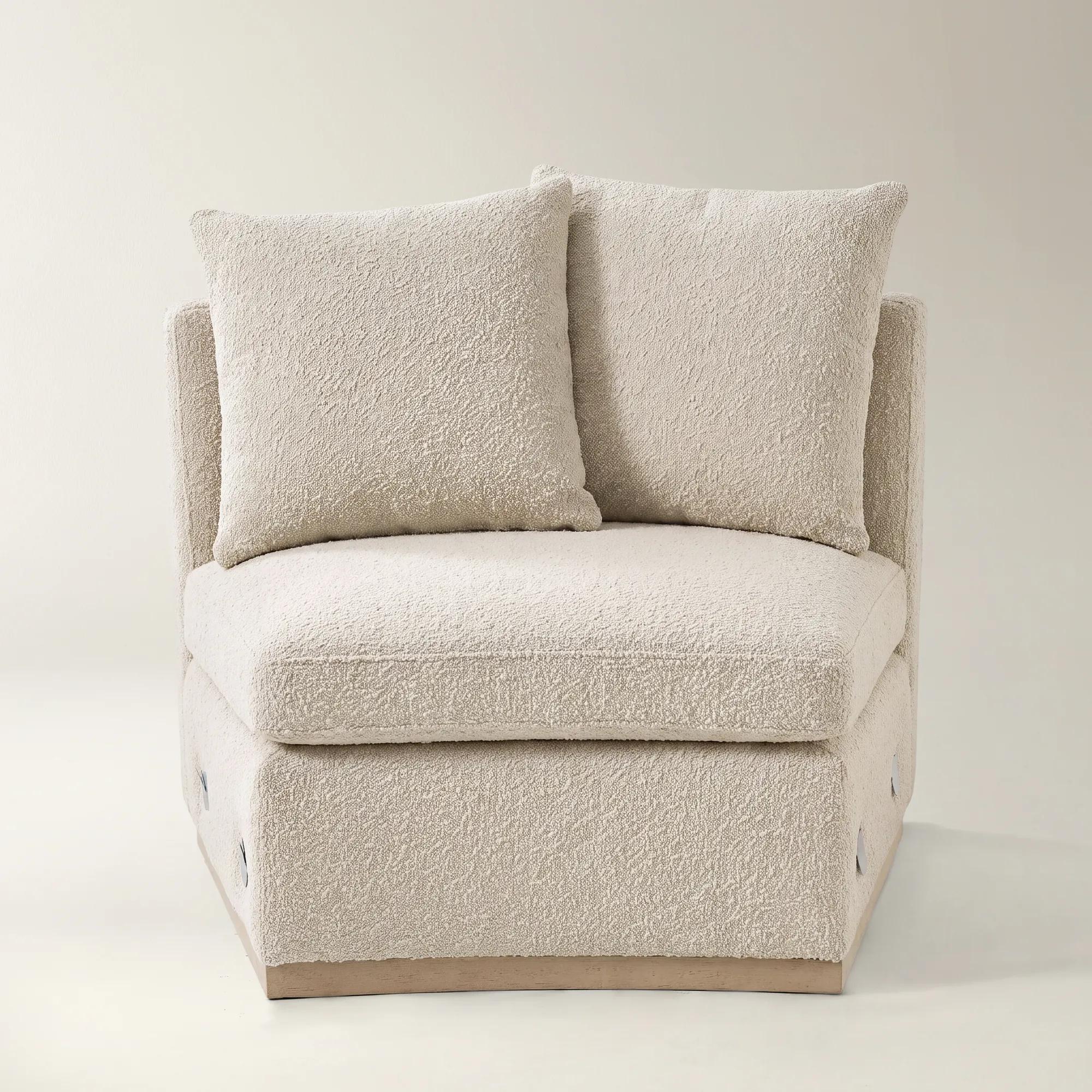
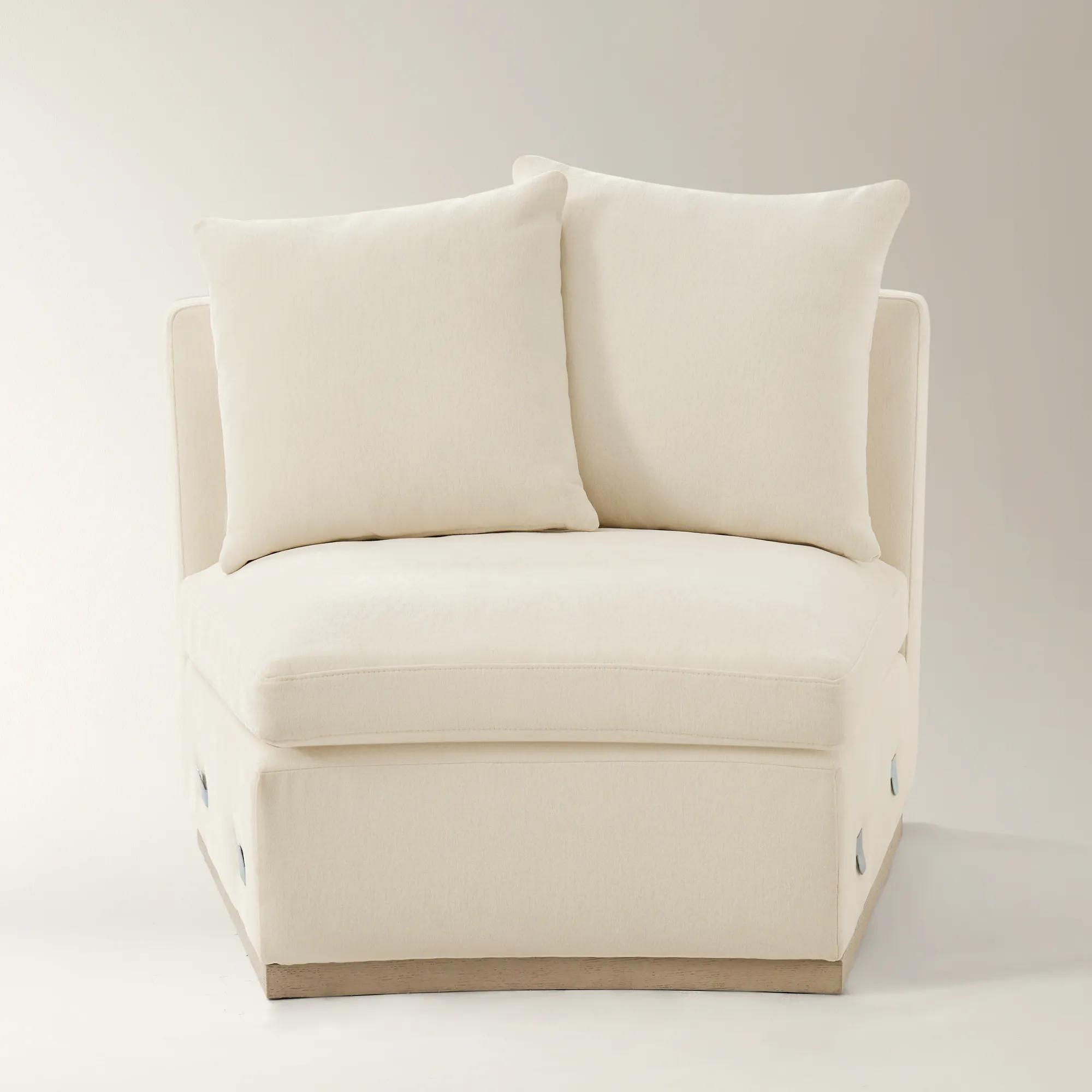
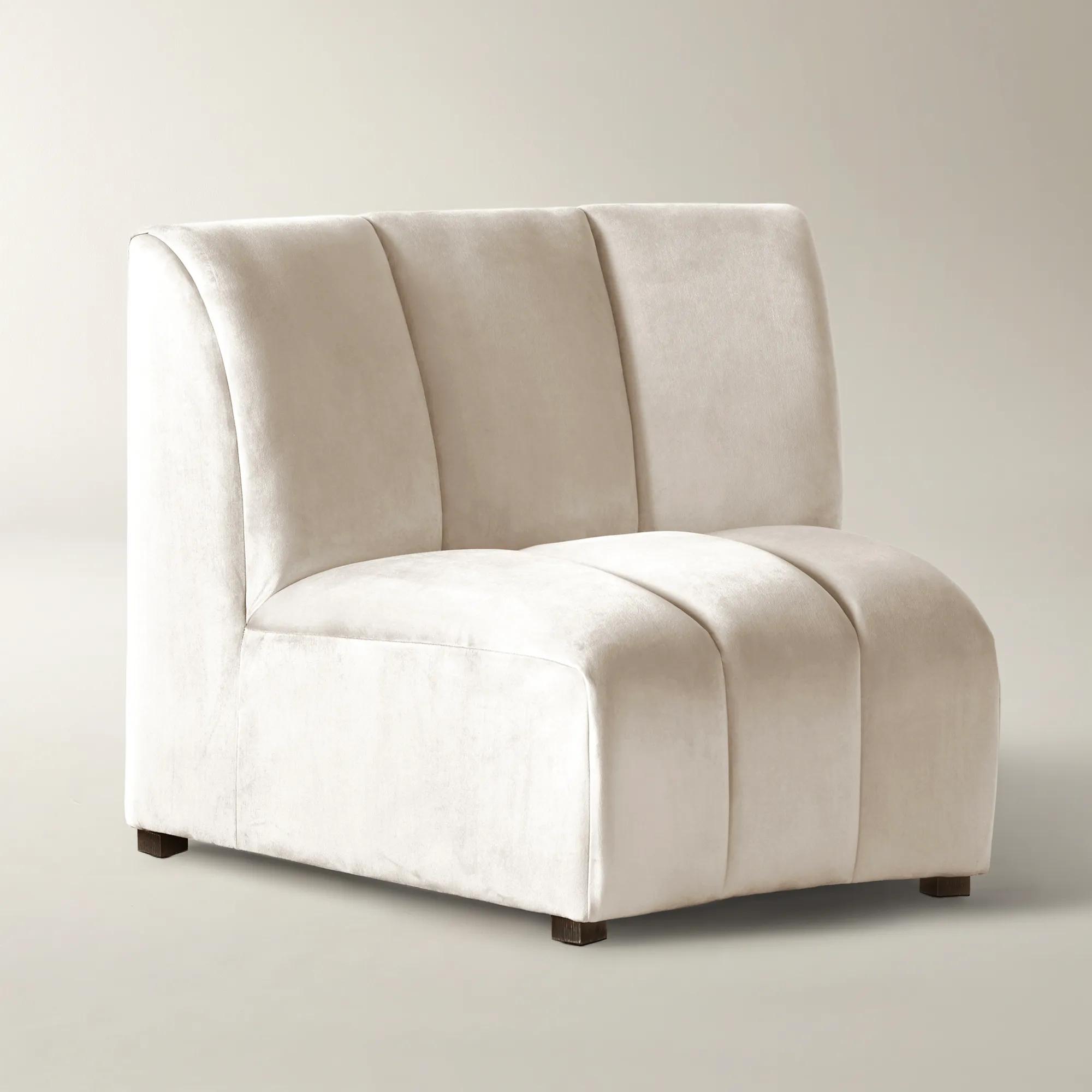 Jayce Channel-Tufted Ivory Velvet Armless Chair$949
A modern armless chair in water-repellent, stain-resistant Velvet Ivory with deep channel tufting and plush padding.
Add To Cart -
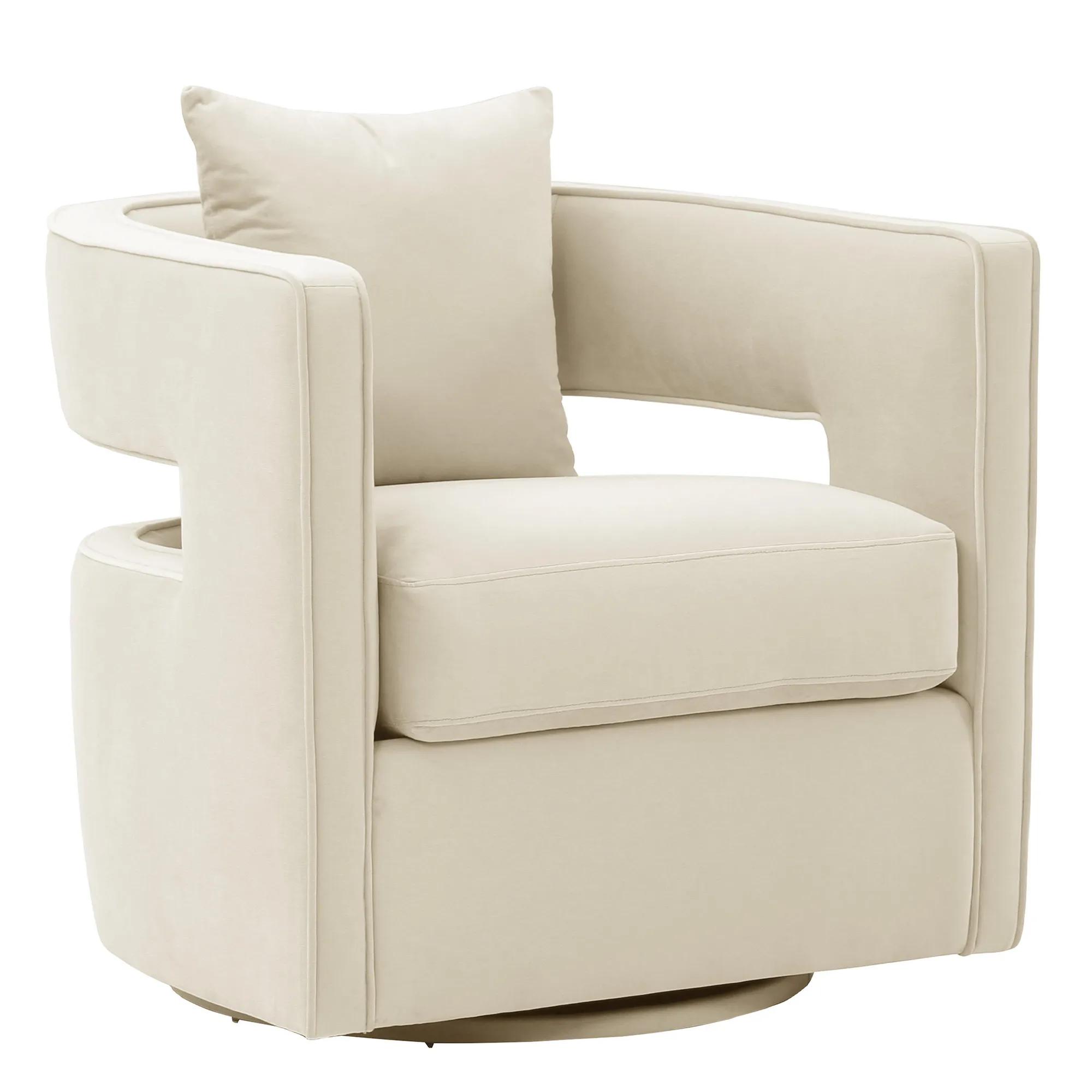
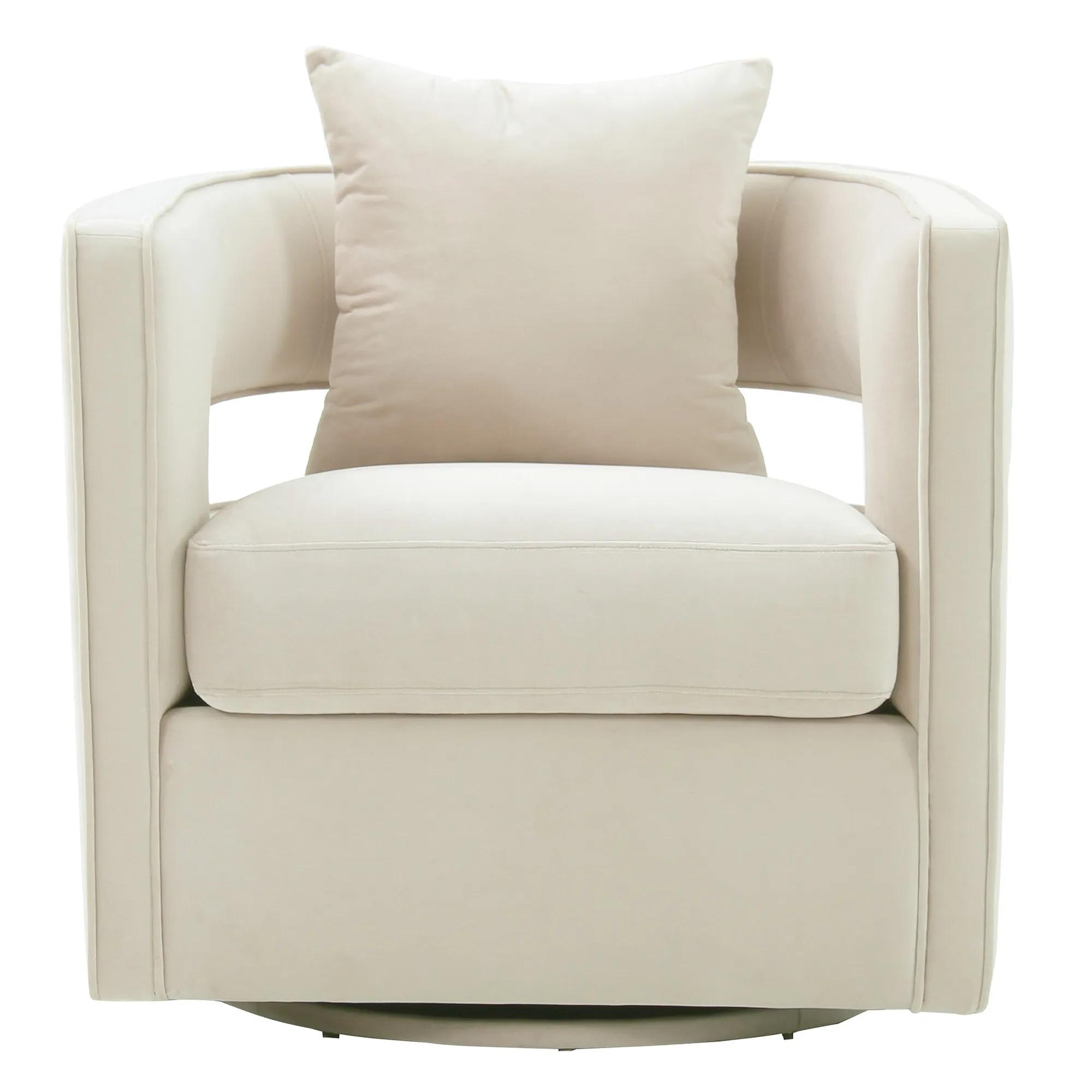 Lottie Cream Velvet Swivel Accent Chair$999
A glamorous cream velvet swivel chair featuring a barrel back, cutout arms, and plush foam cushioning.
Add To Cart -
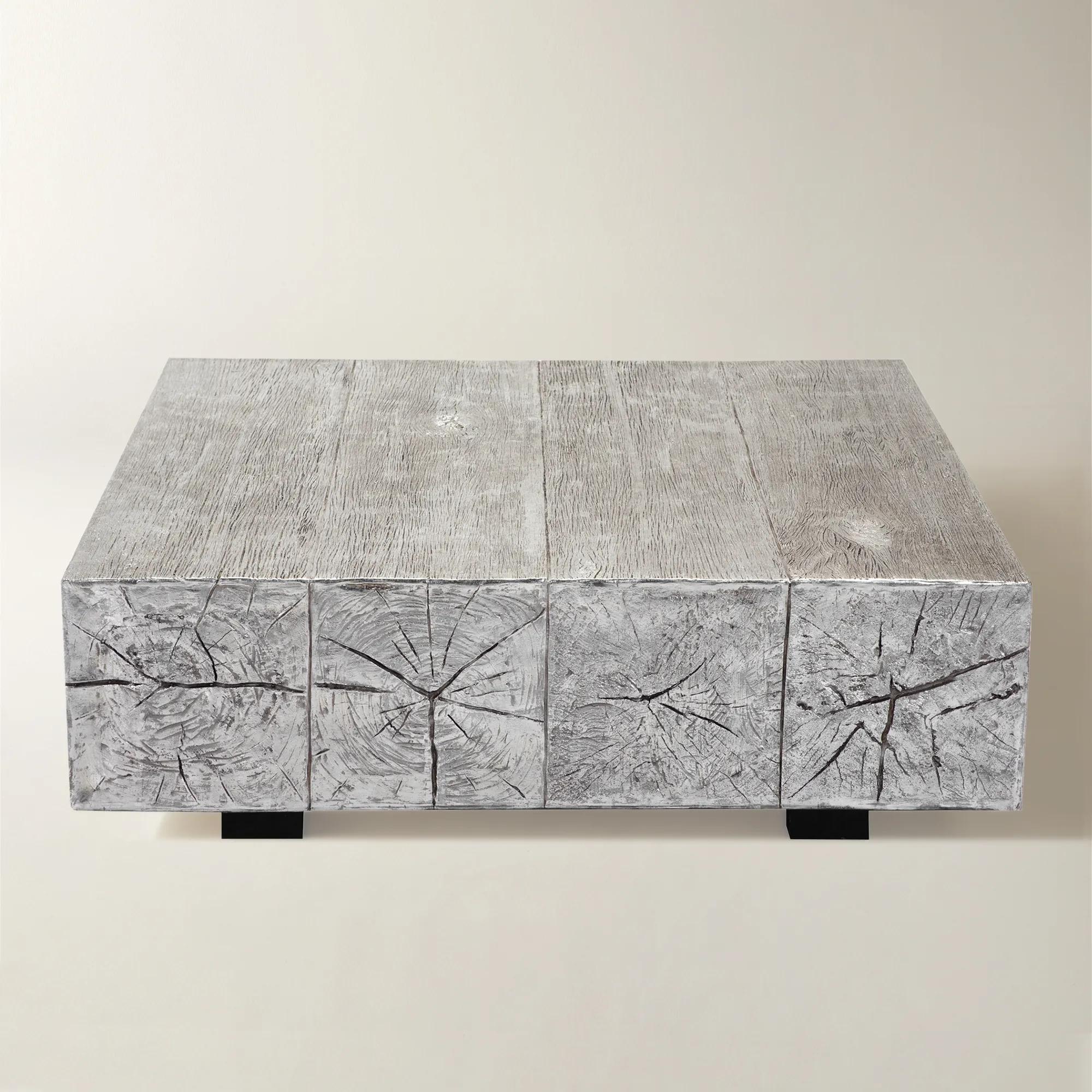
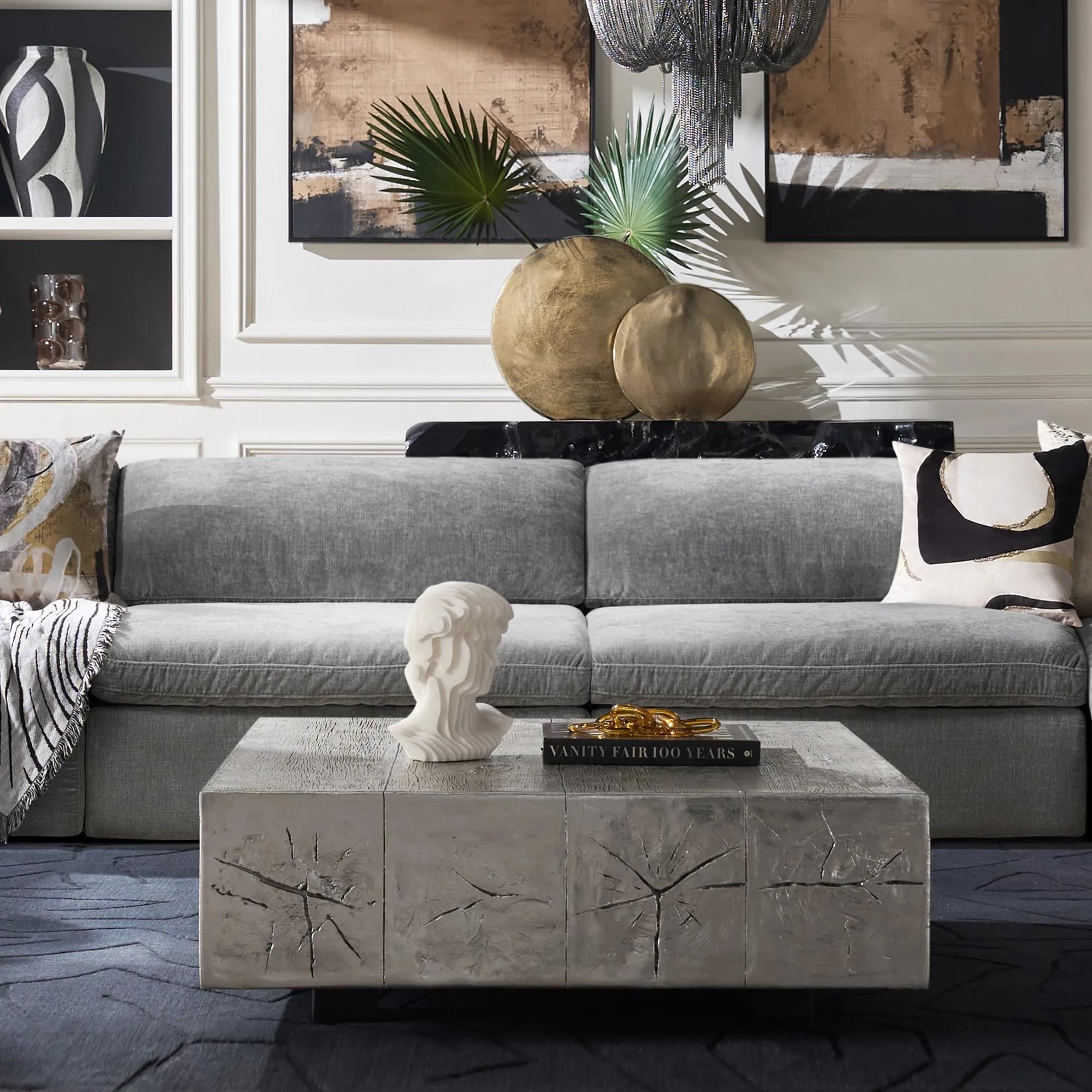 Timber Square Silver Resin Coffee Table (44")$1299
A hand-painted silver resin coffee table featuring authentic silver leaf and an antiqued, hand-rubbed oil finish.
Add To Cart -
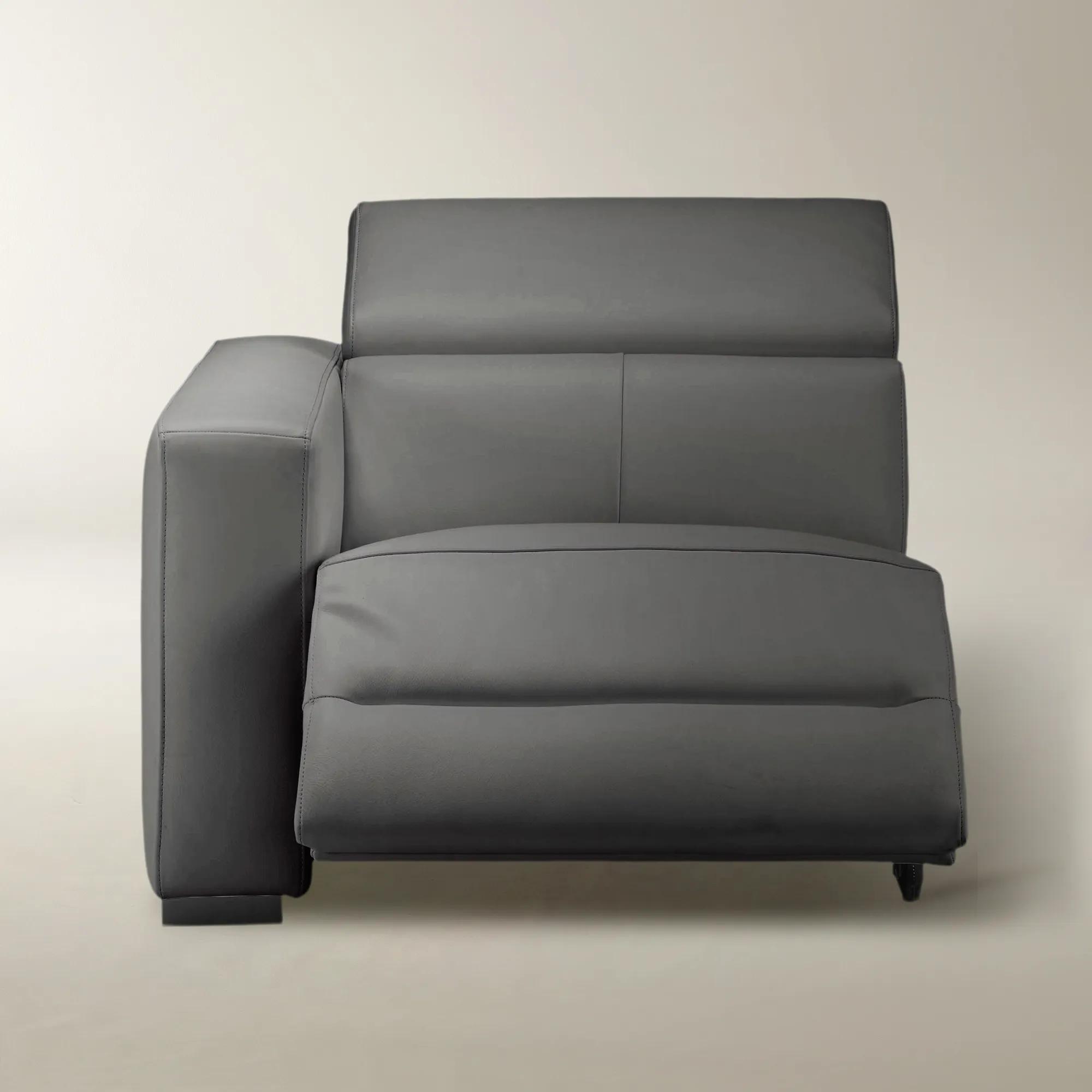
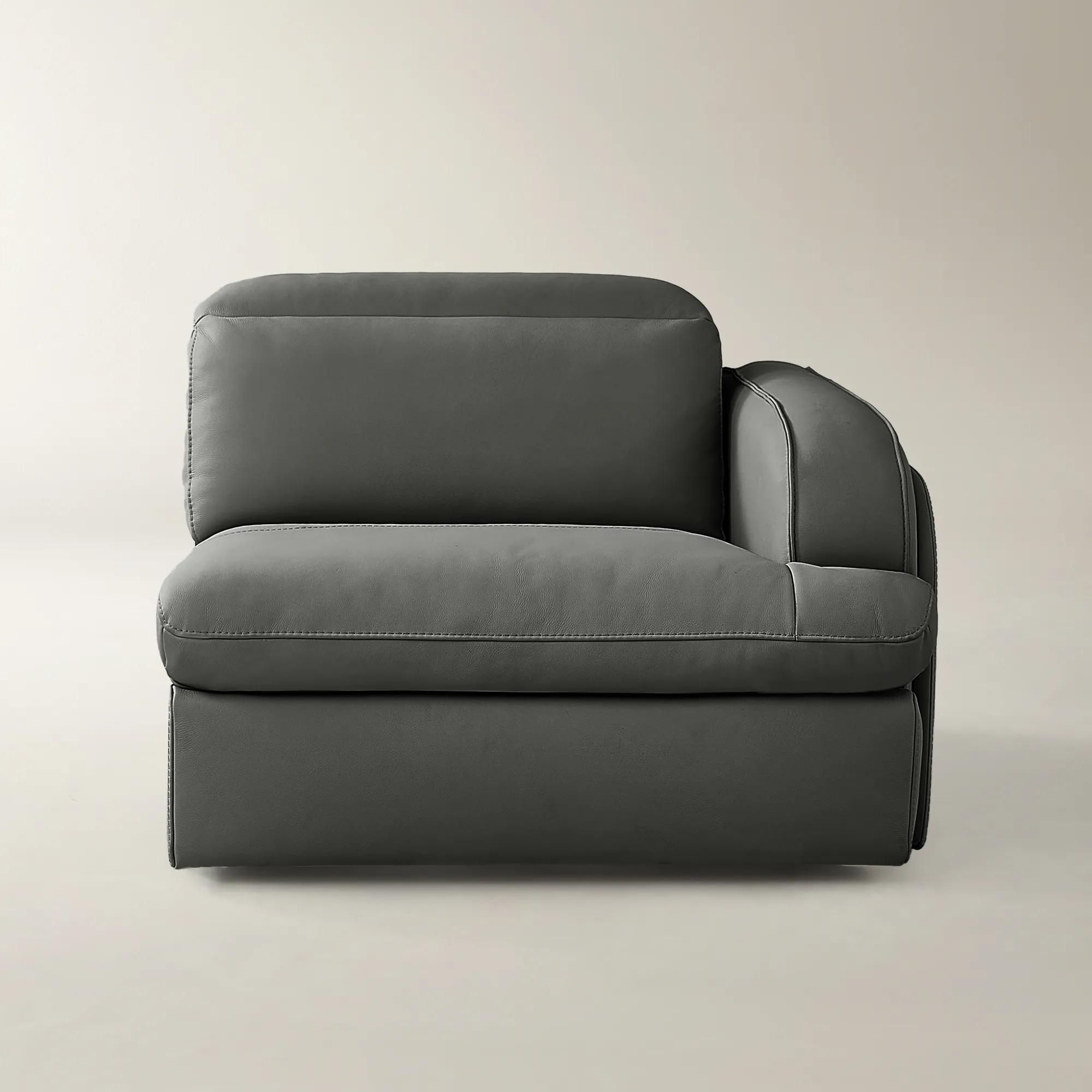
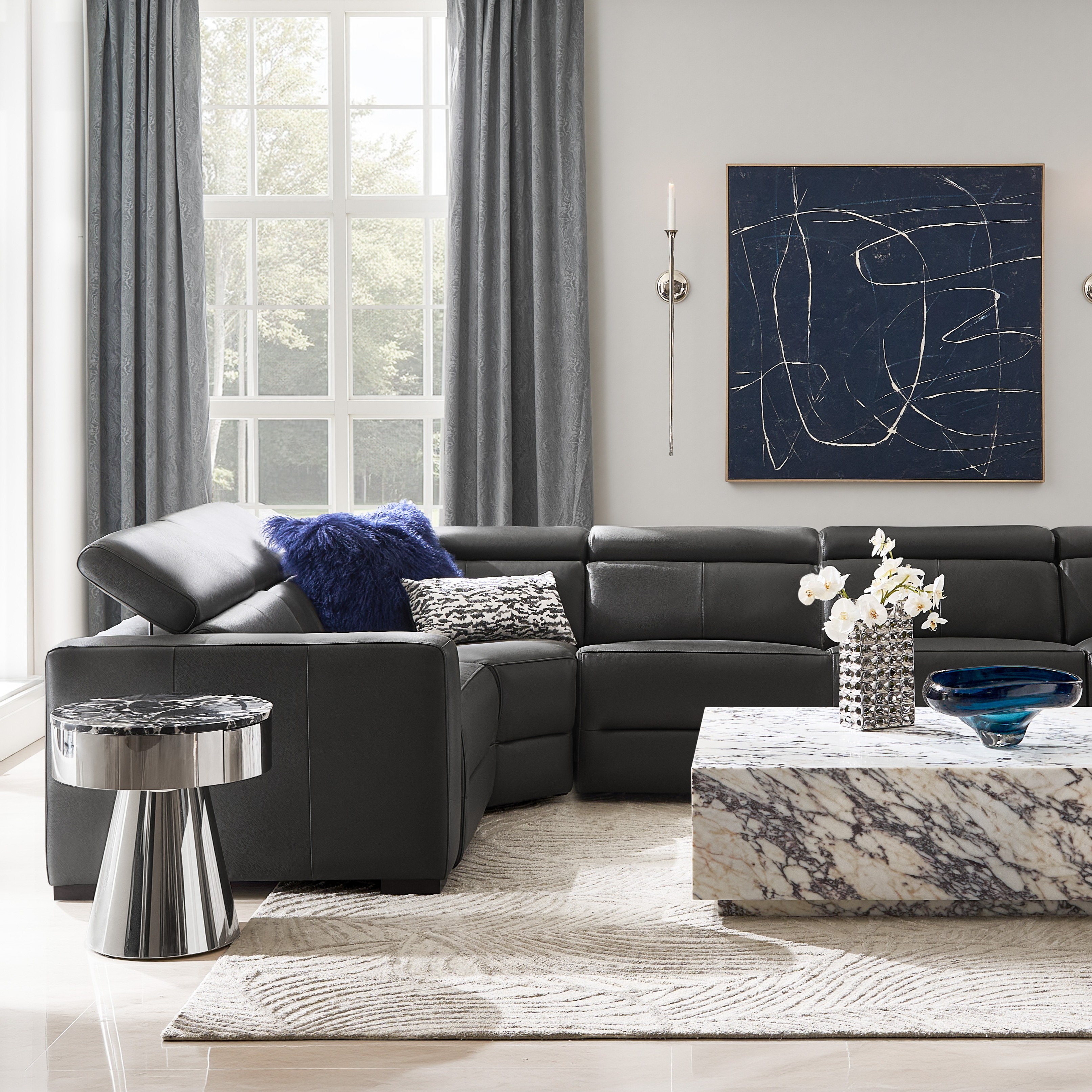 Verona Reclining Charcoal Leather Left Arm Chair With Power$1499
A charcoal semi-aniline leather sectional with adjustable headrests, power-reclining seats, and kiln-dried hardwood frame.
Add To Cart -
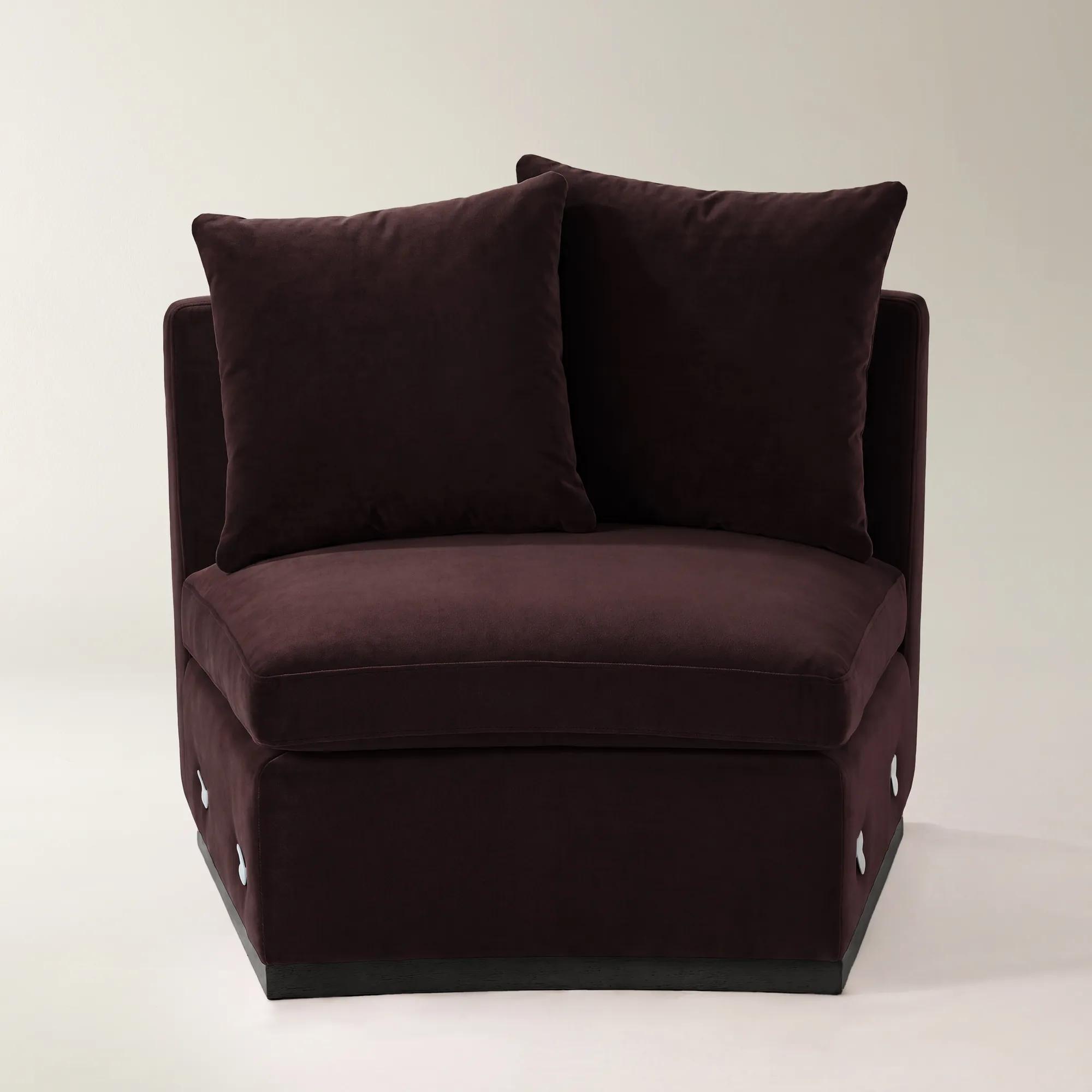
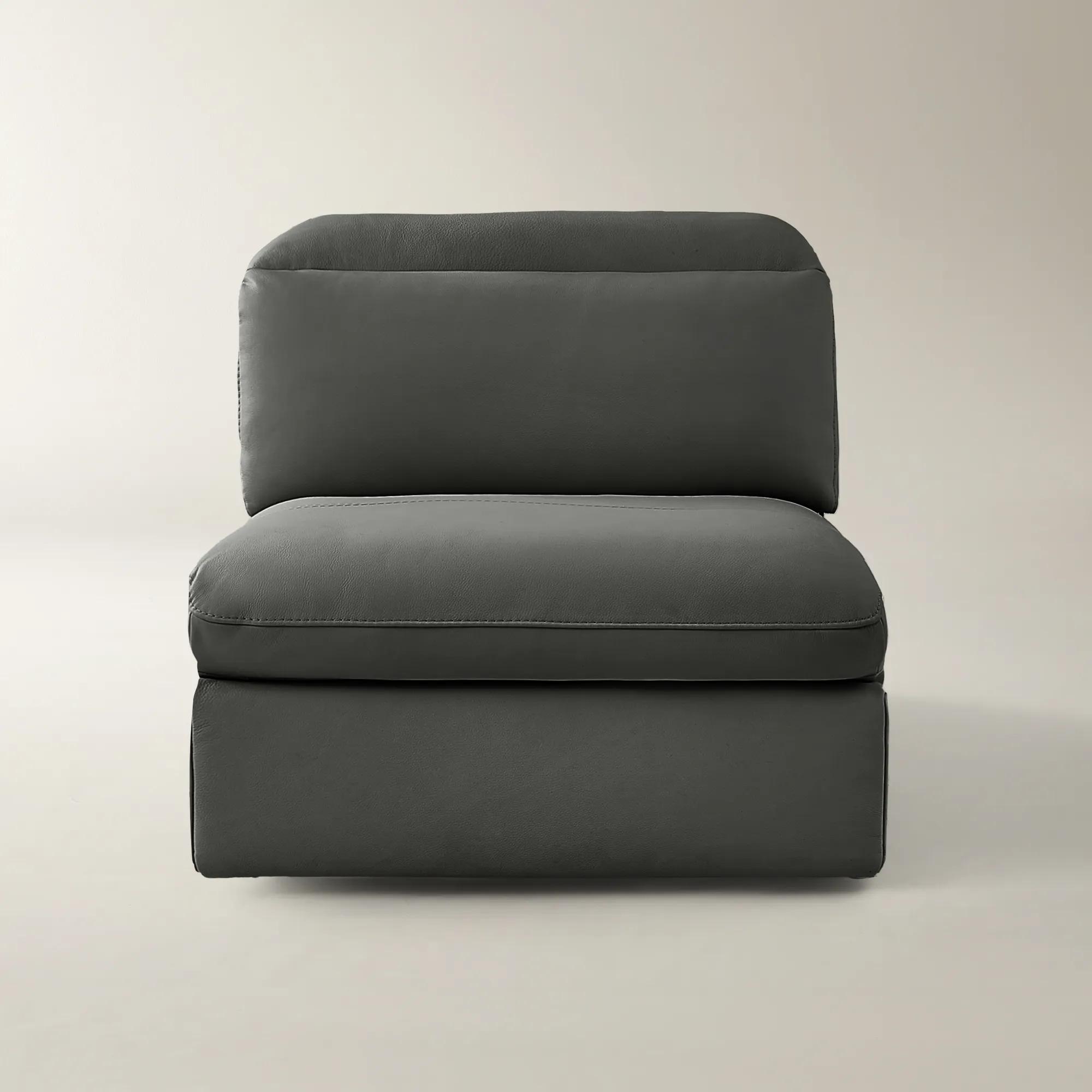
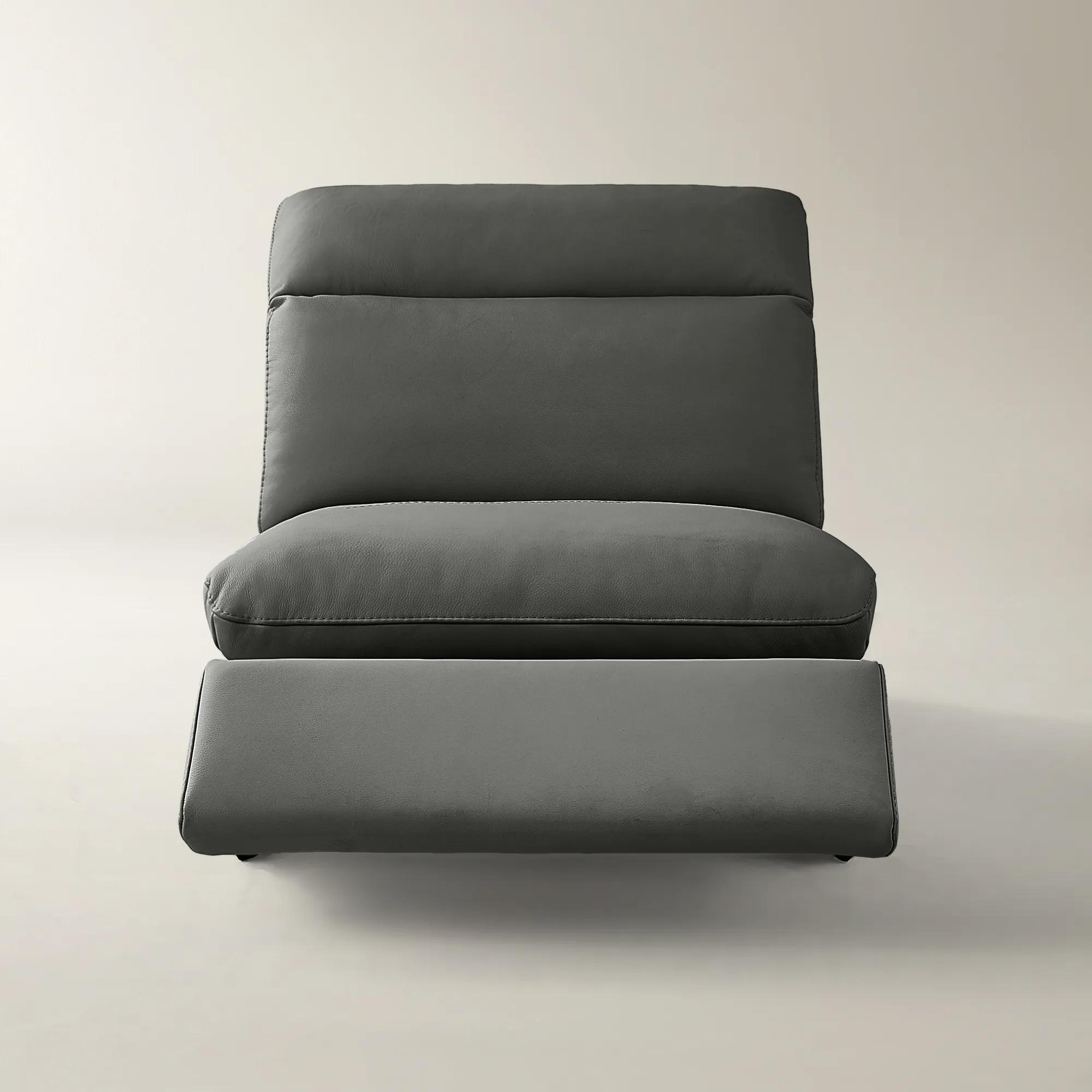
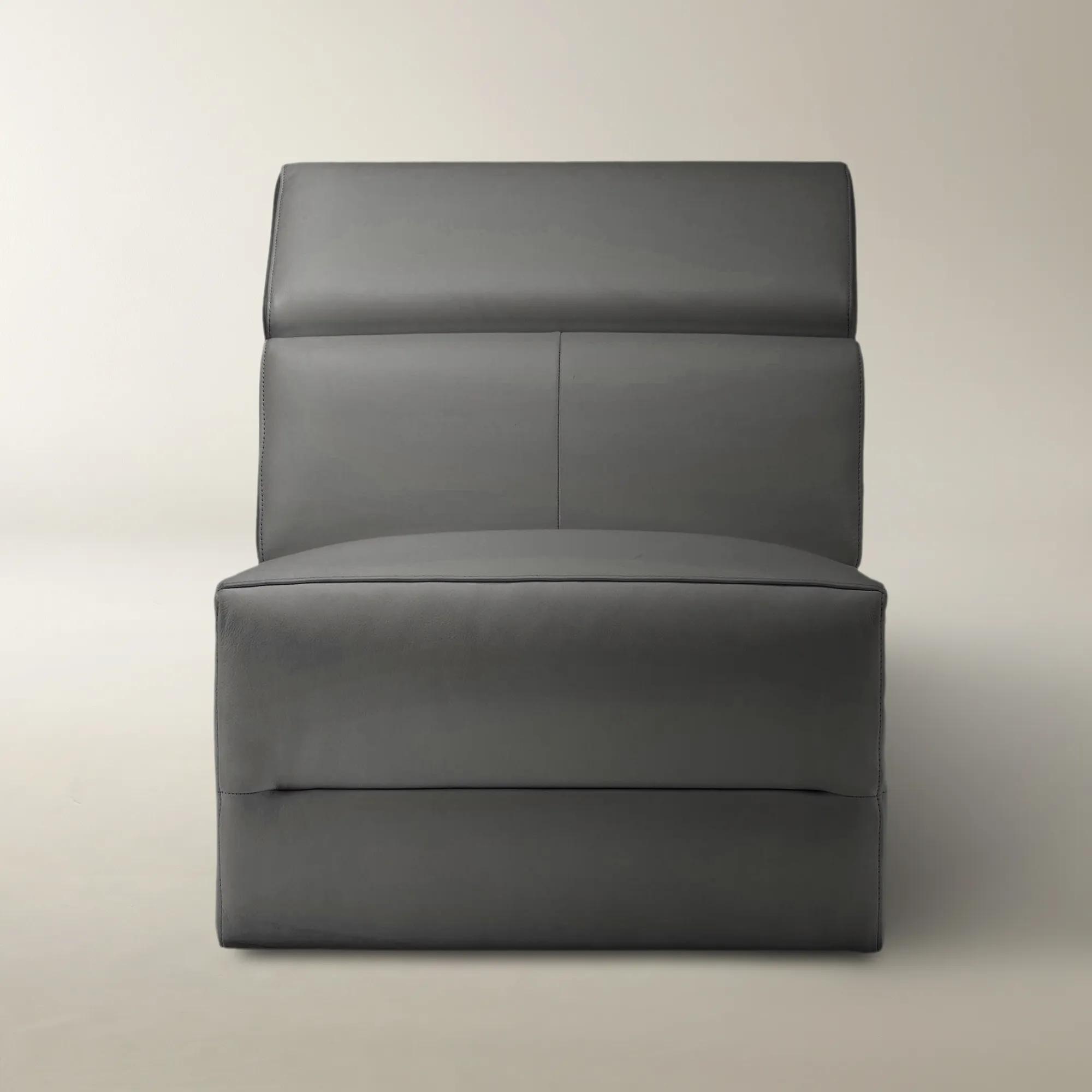 Verona Charcoal Leather Armless Chair$1099
A charcoal semi-aniline leather sectional featuring adjustable headrests and optional power-reclining seats for comfort.
Add To Cart -
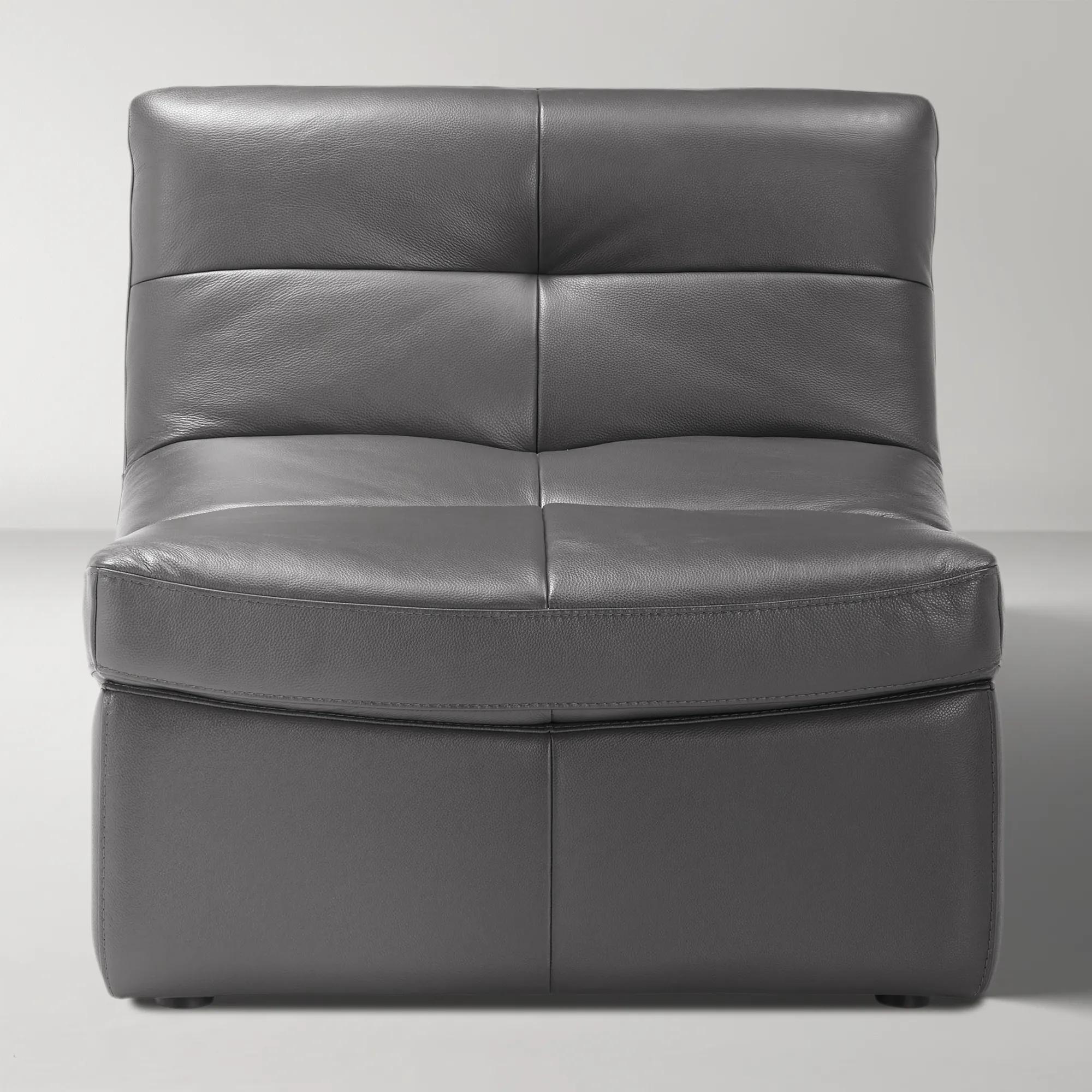
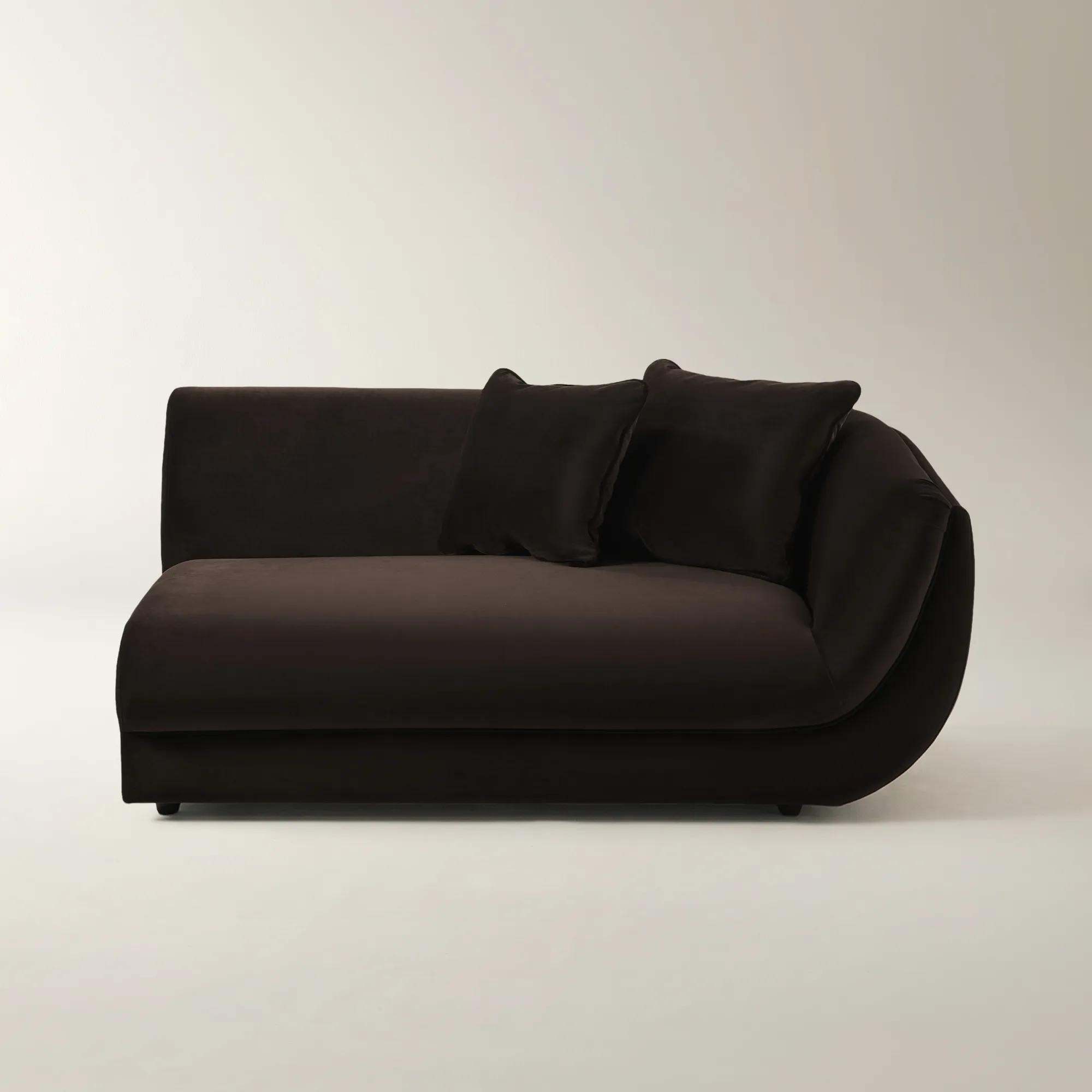
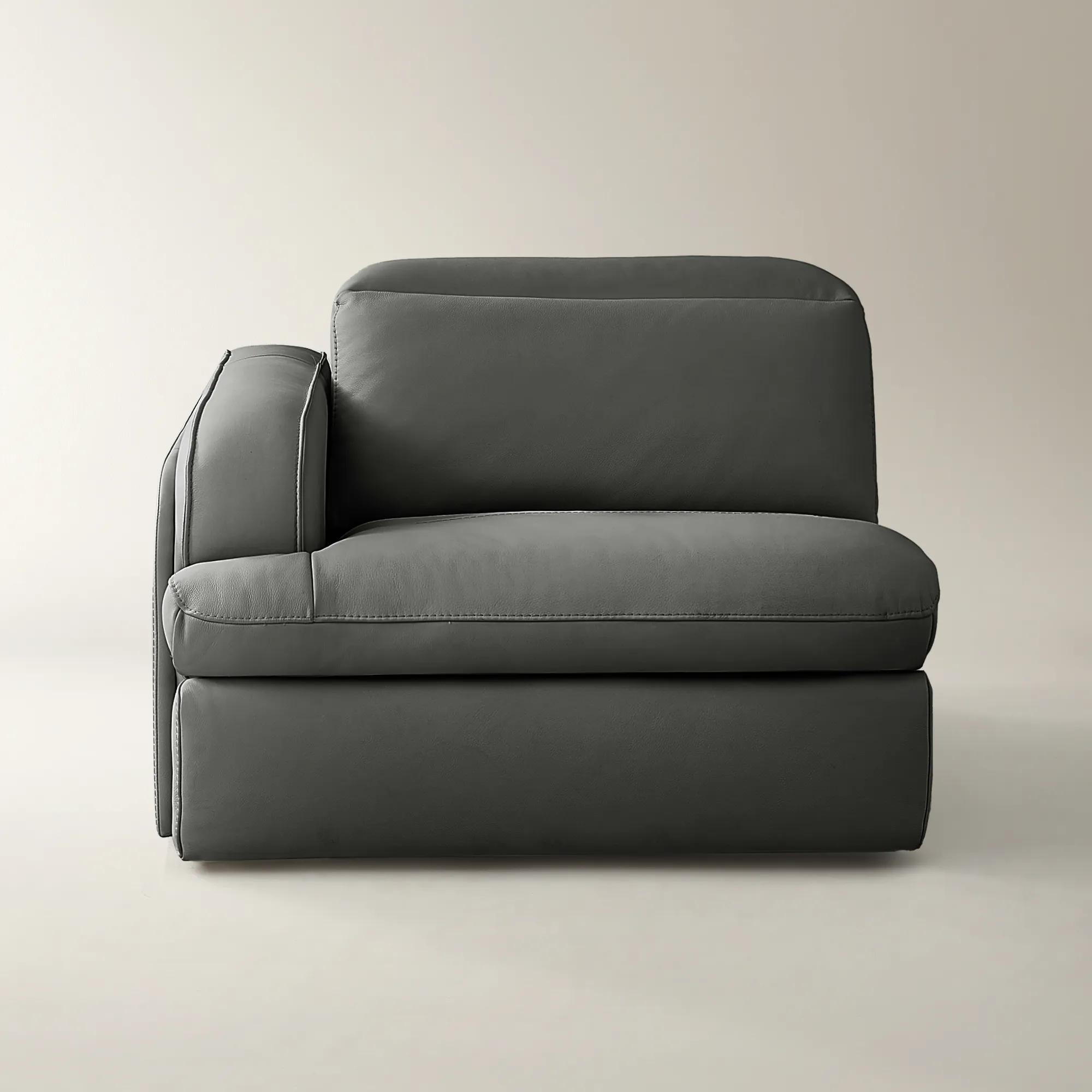
.jpg?w=1200&h=1200) Convo Charcoal Leather Armless Chair$1199
Convo Charcoal Leather Armless Chair$1199A modular sectional with kiln-dried hardwood frame and charcoal semi-aniline leather upholstery for modern versatility.
Add To Cart -
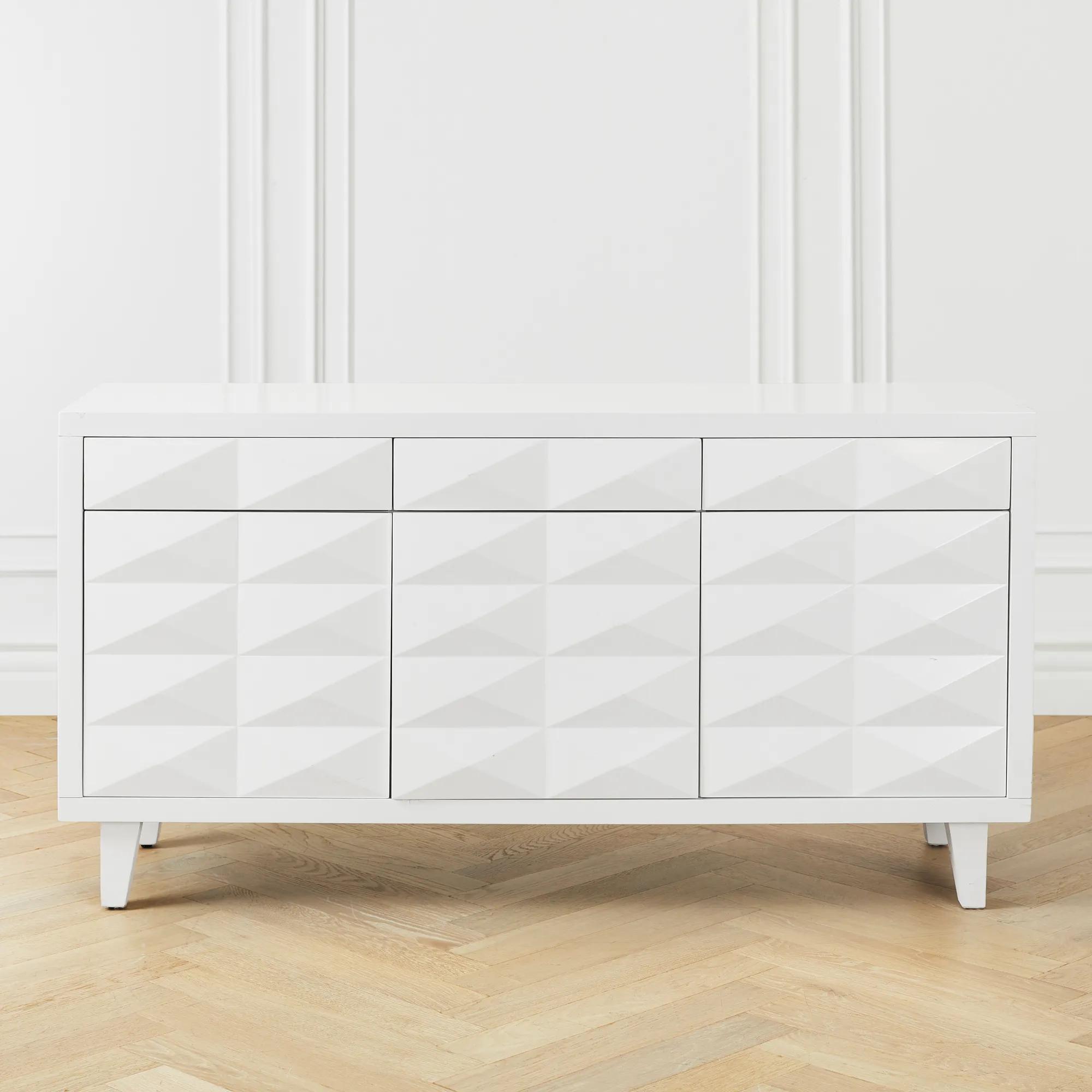 Palmer White Wood Cabinet (66.5")$1649
A sleek white hardwood cabinet with geometric detailing, three drawers, and push-latch doors for modern storage.
Add To Cart -
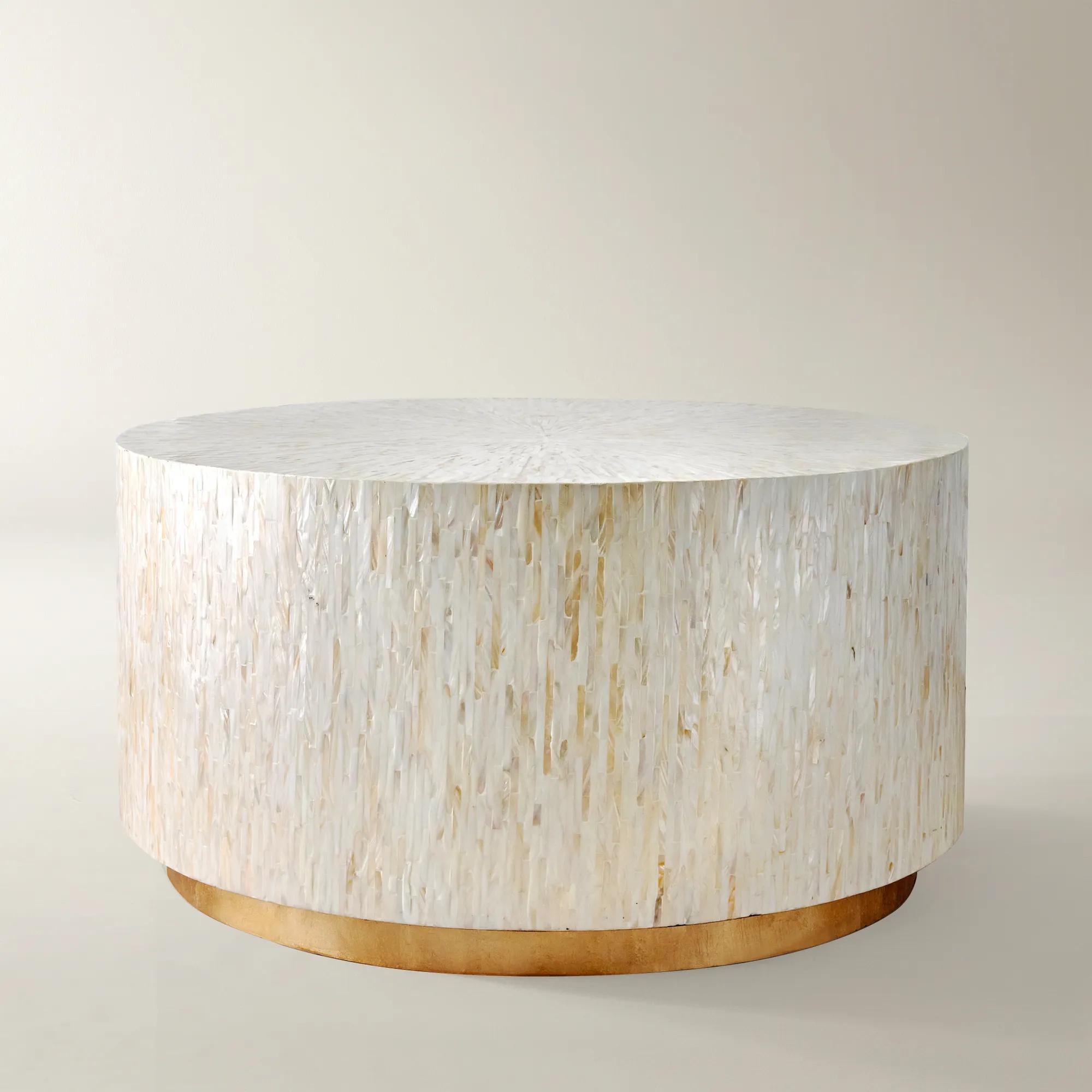
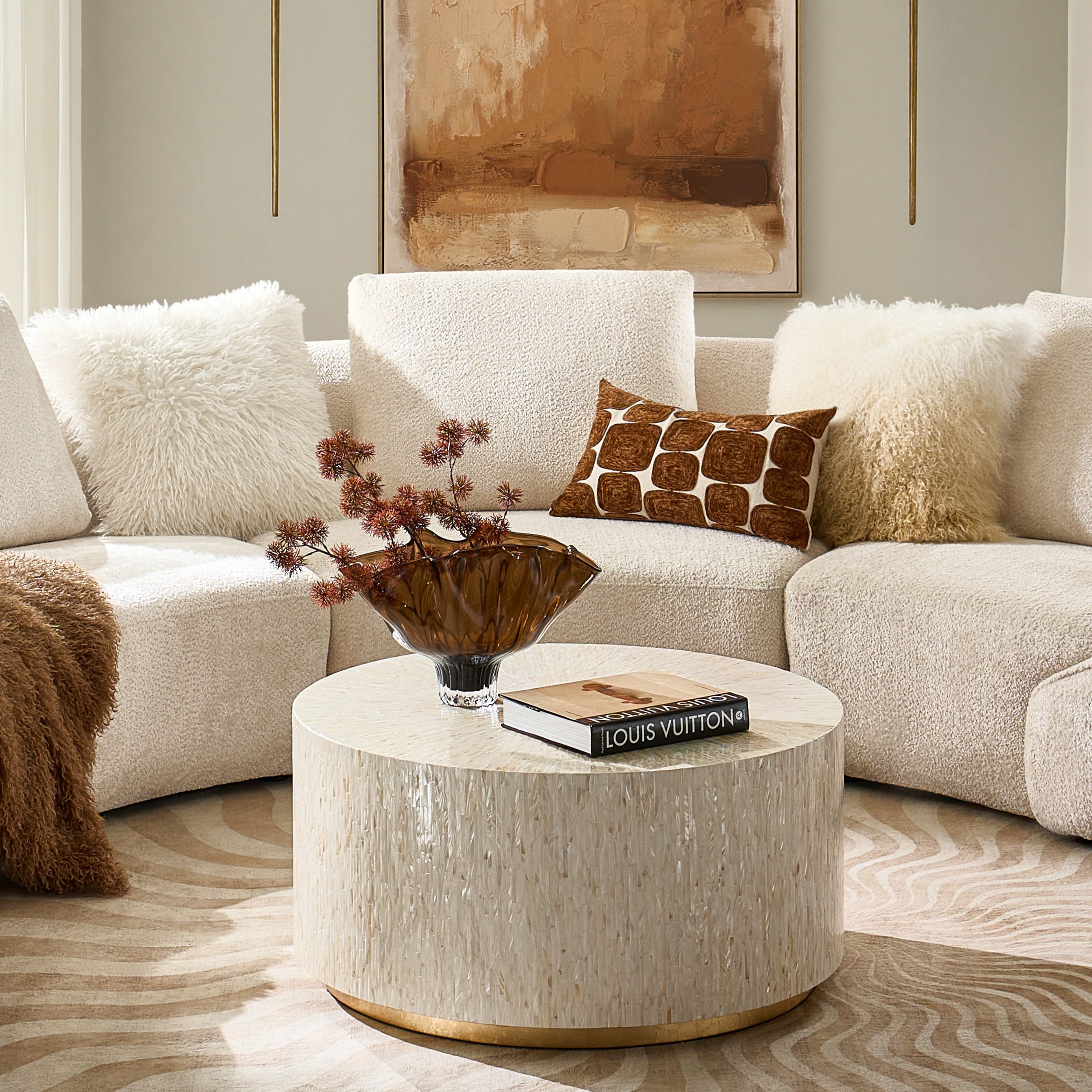 Alexandria Round Mosaic Platinum Coffee Table (36")$799
A luminous ivory coffee table featuring hand-applied mother-of-pearl mosaic and a gold leaf-accented base.
Add To Cart -
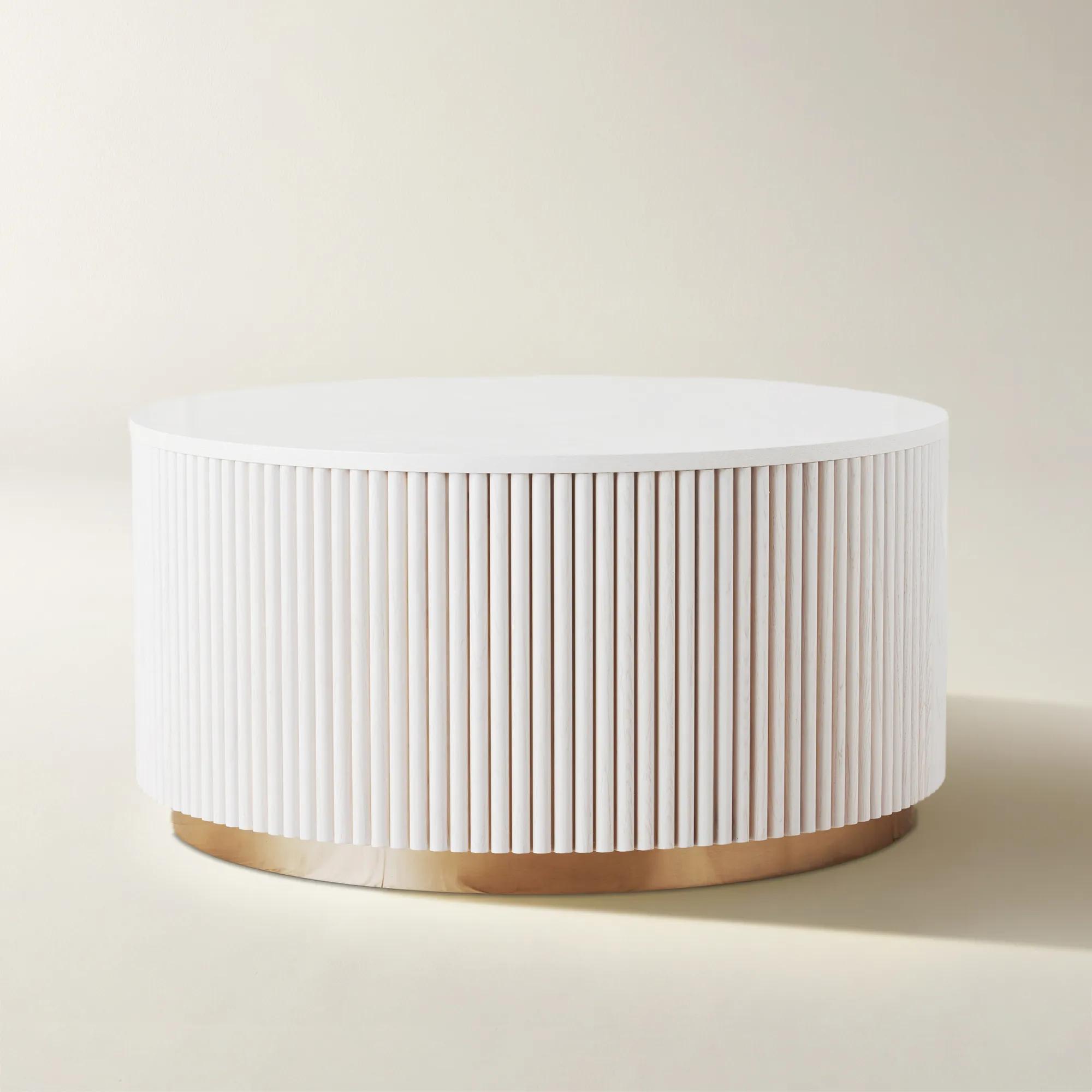
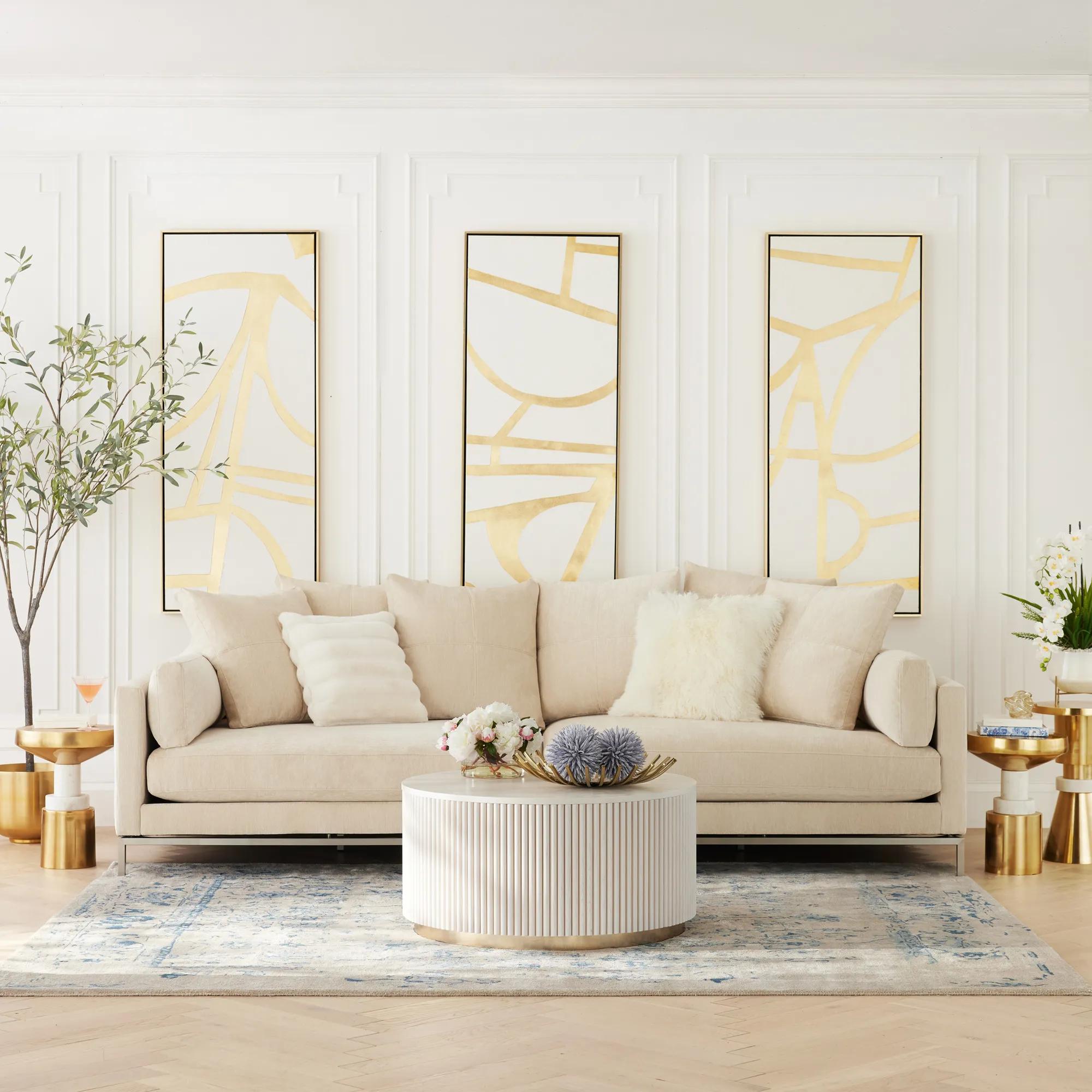 Natalia Round Reeded Whitewashed Ash Wood Coffee Table (36")$1299
A striking coffee table featuring reeded ash wood sides, a smooth top, and a whitewashed finish.
Add To Cart -
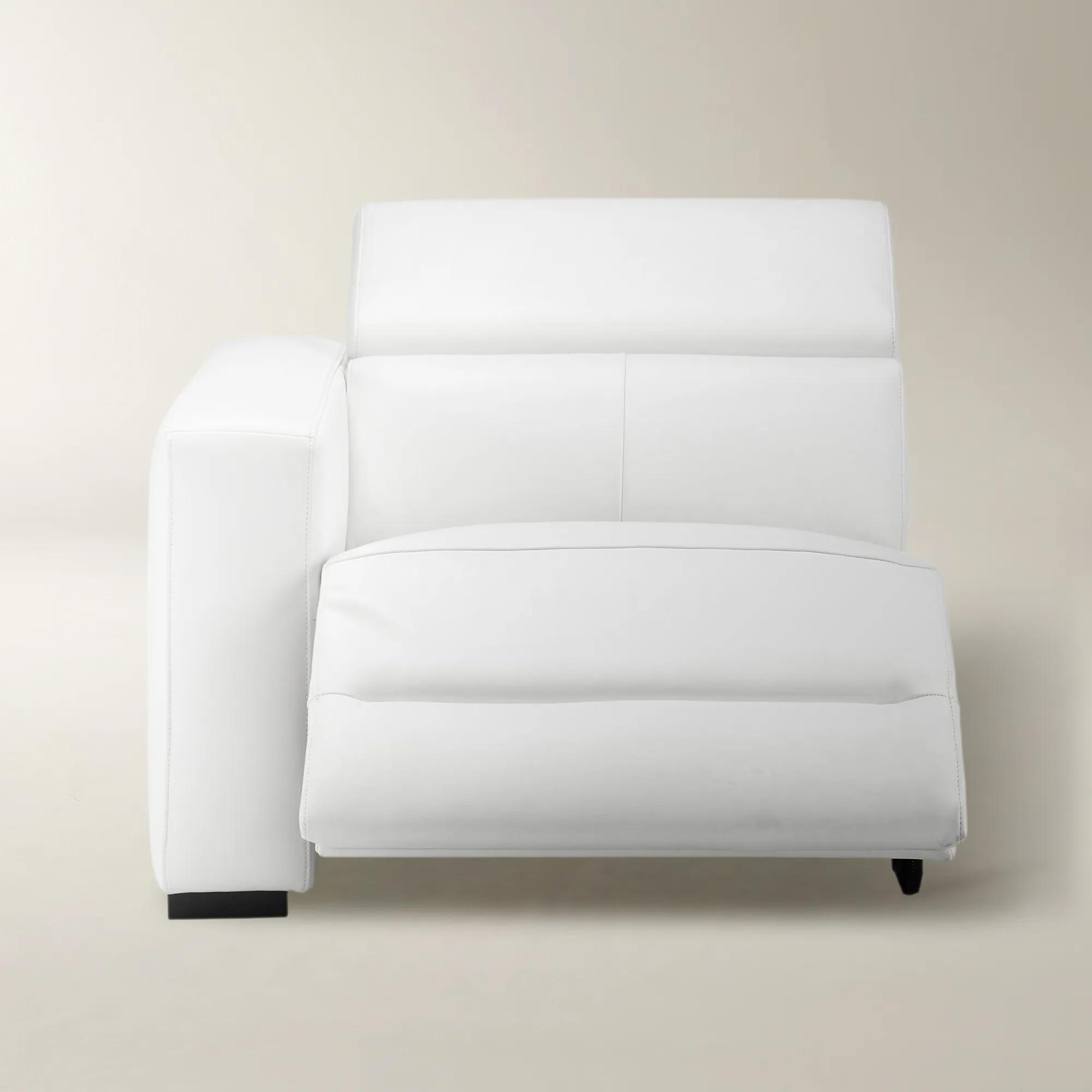
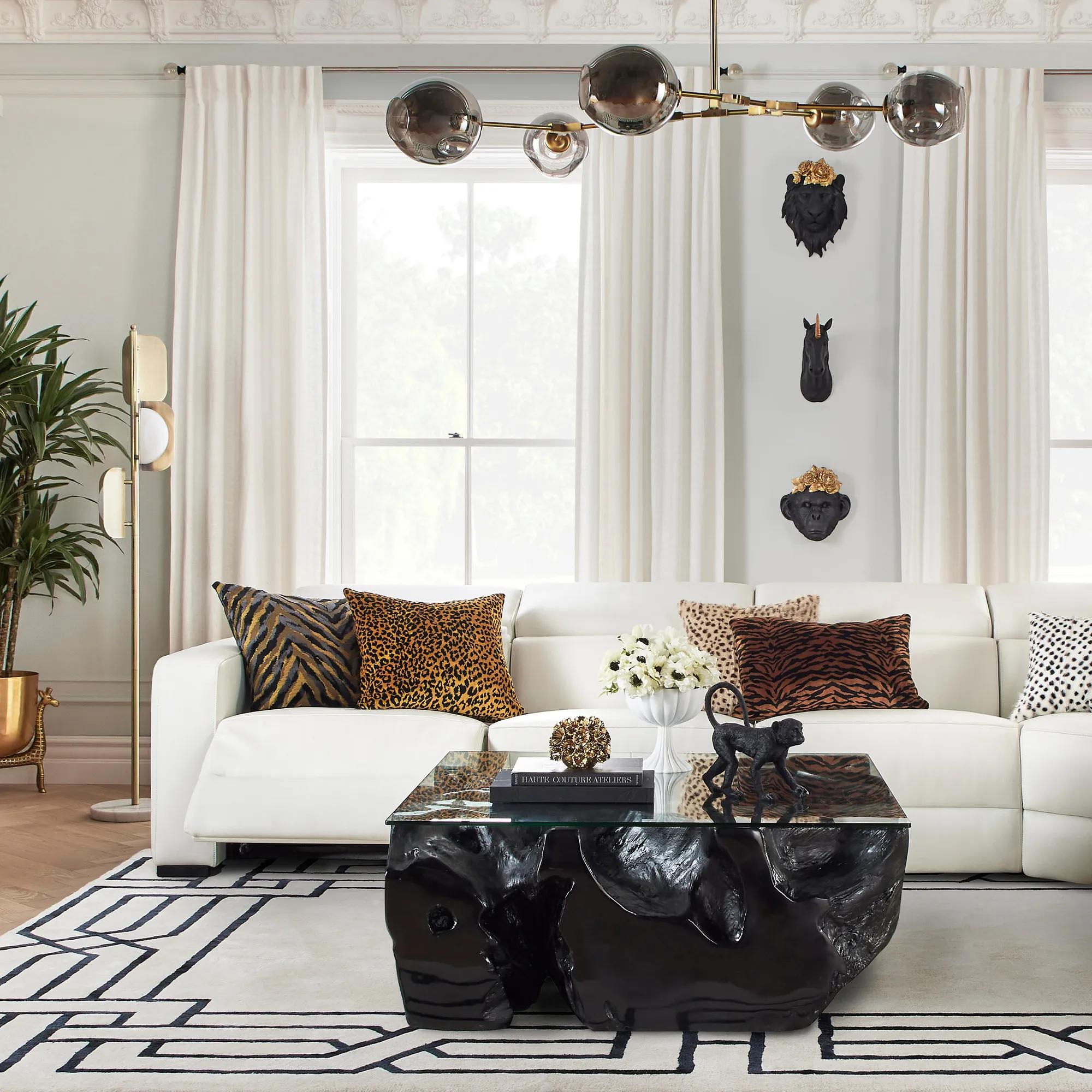 Verona Reclining White Leather Left Arm Chair With Power$1499
A modern white sectional upholstered in supple semi-aniline leather with adjustable headrests and power-reclining seats.
Add To Cart -
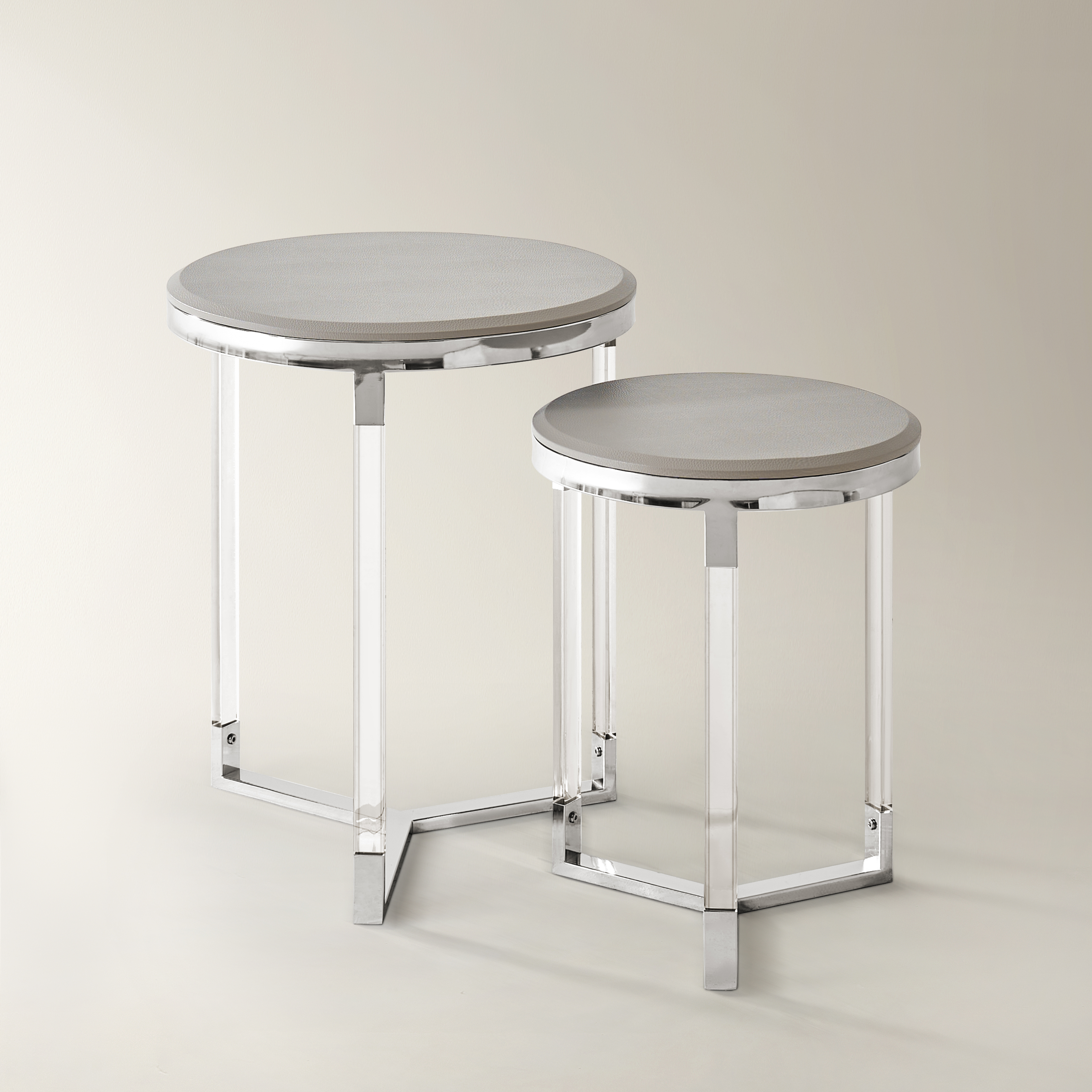
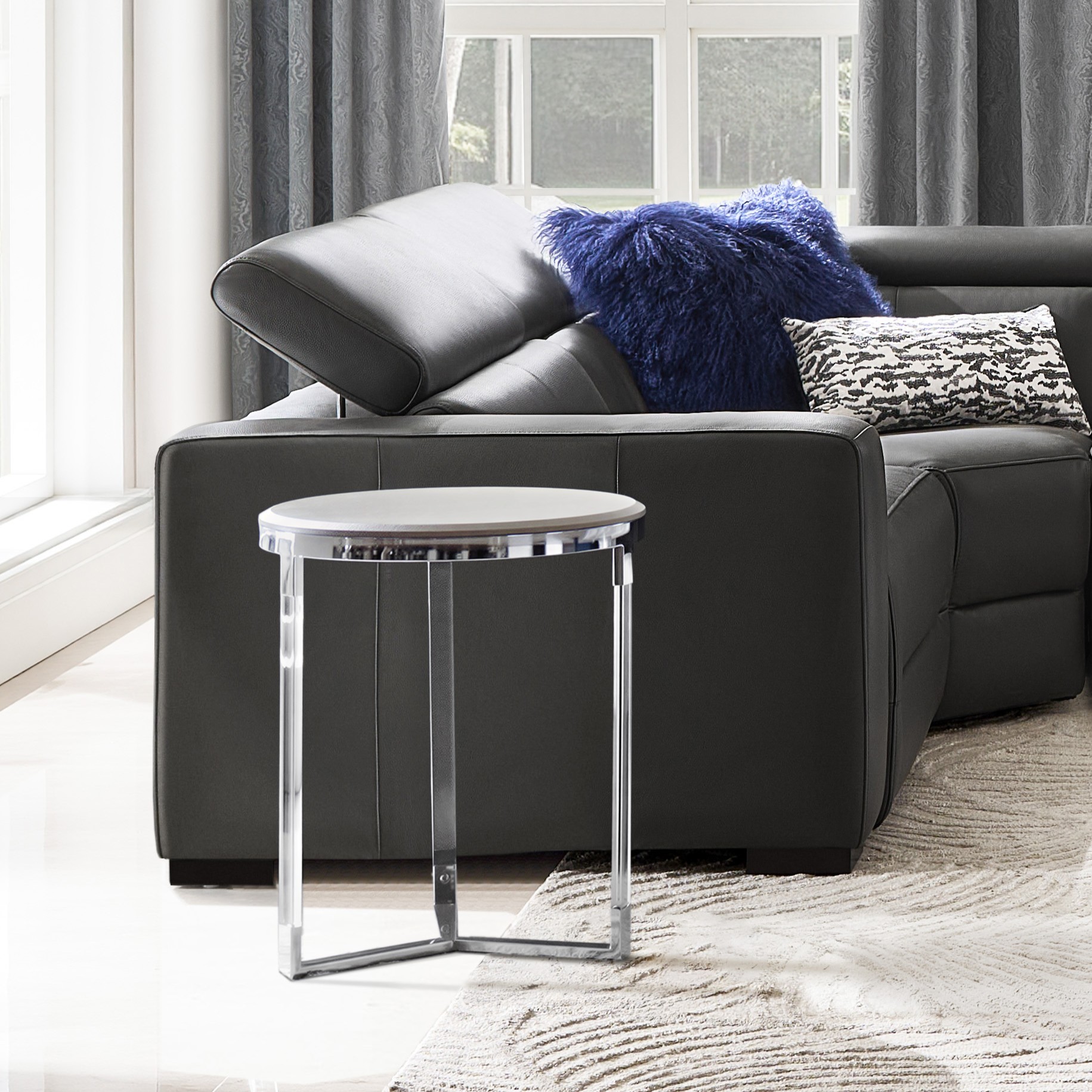 Murano Round Grey Accent Table With Faux Leather Top Set Of 2 (14.5"-18.5")$399
A bold set of two accent tables featuring mixed woods, acrylic legs, and faux leather tops.
Add To Cart -
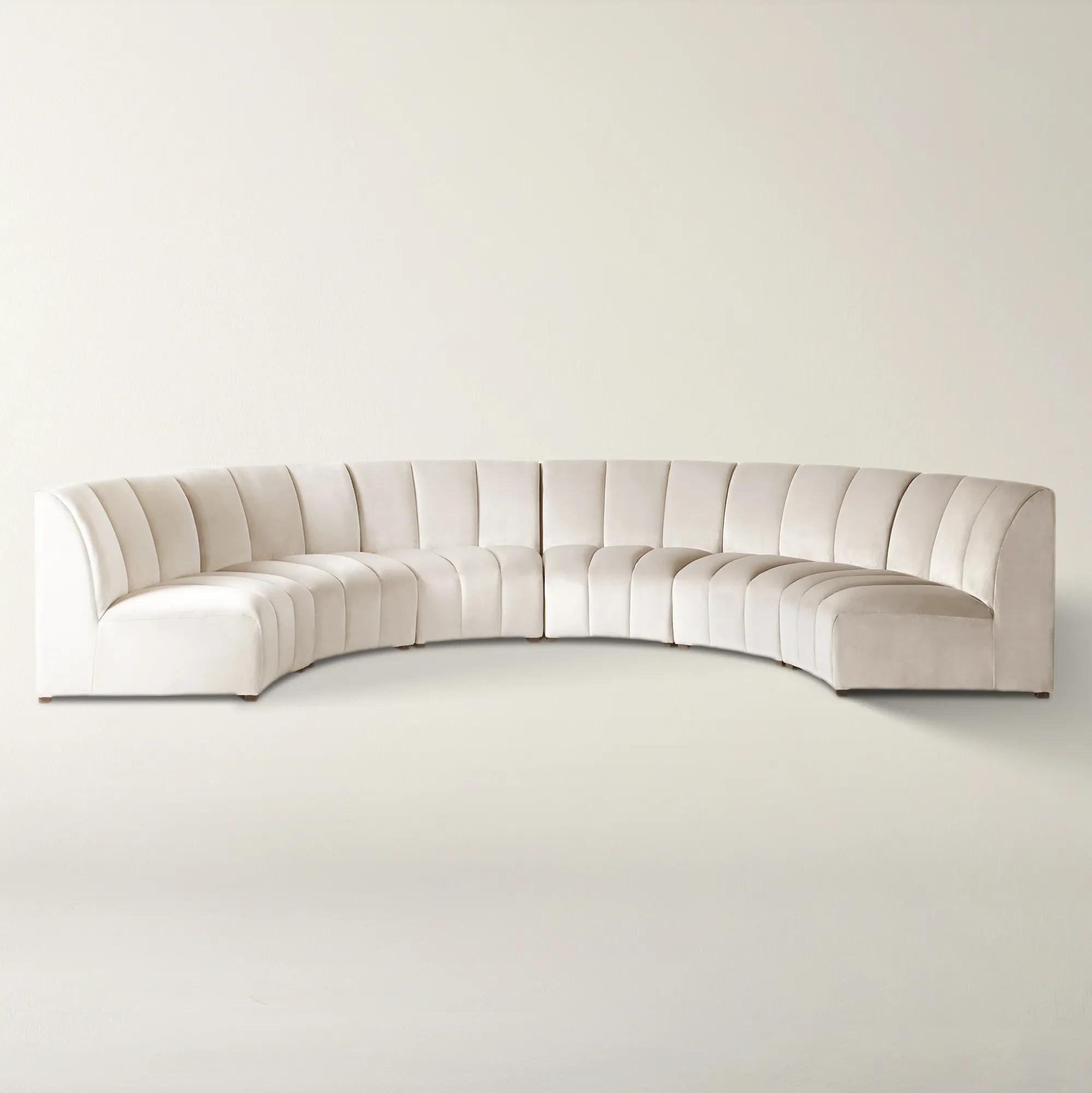 Jayce 6-Piece Channel-Tufted Ivory Velvet Sectional Sofa$5499
A modern curved sectional in stain-resistant Velvet Ivory with deep channel tufting and plush, structured cushions.
Add To Cart -
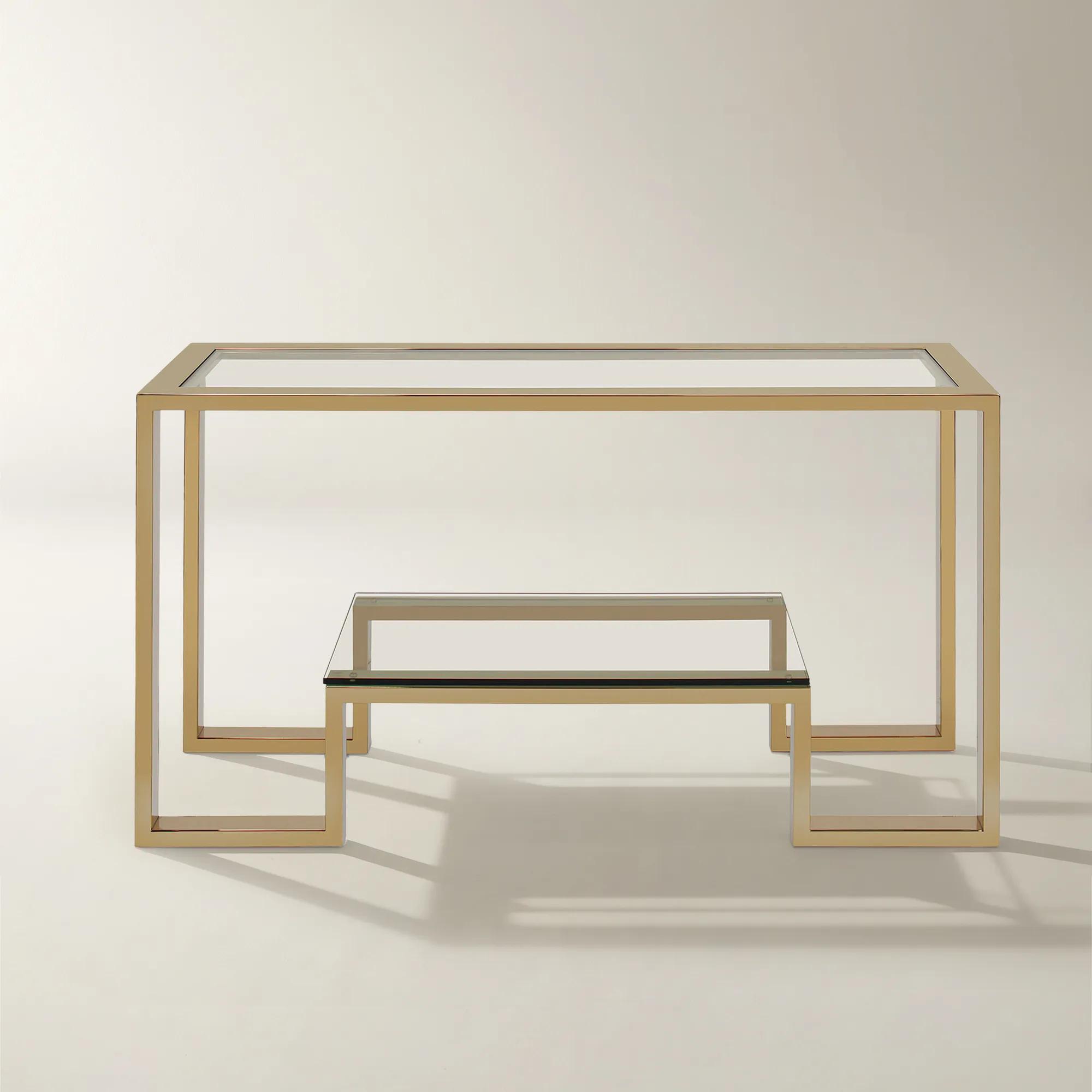
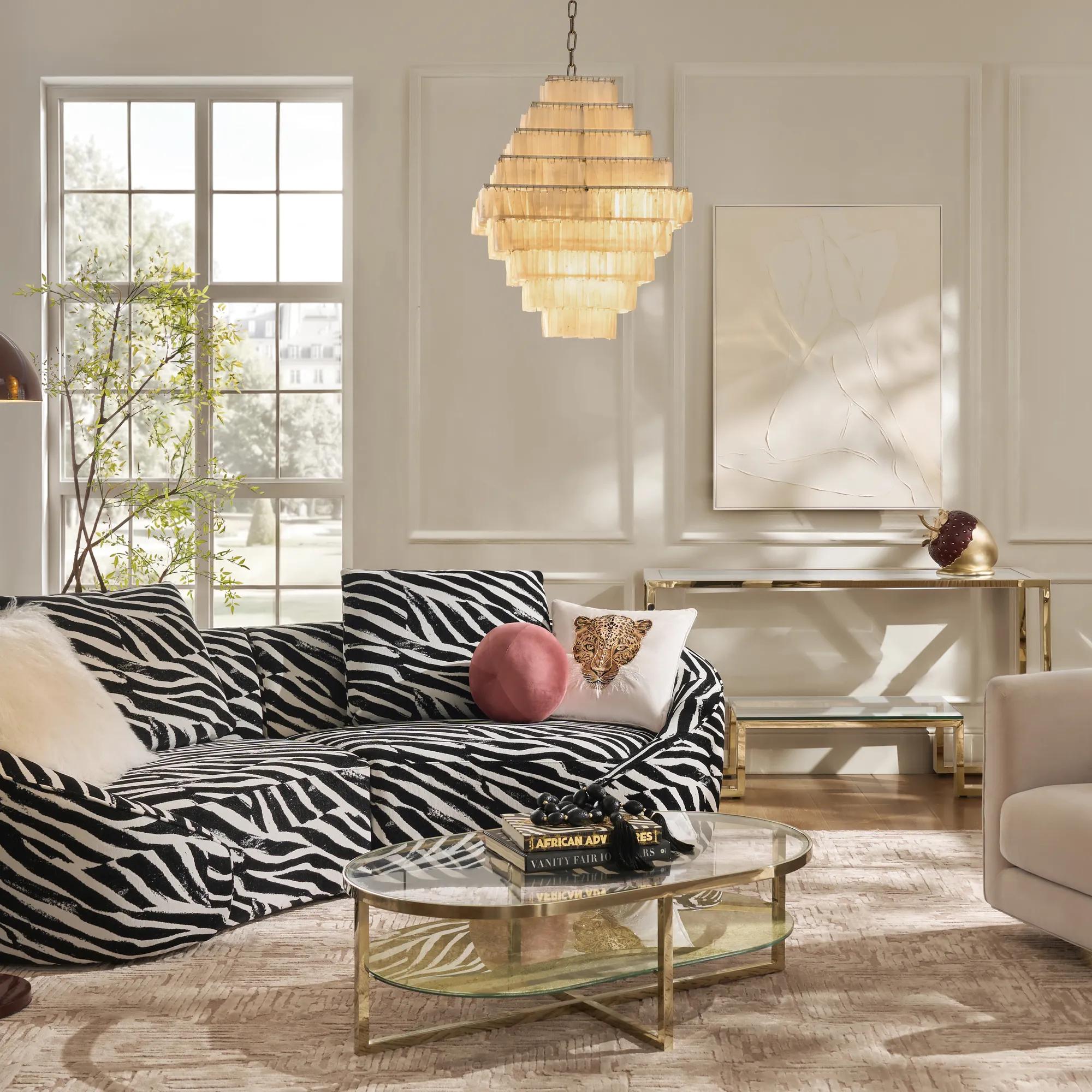 Duplicity Rectangular Gold Stainless Steel Console Table With Glass Top (59")$1399
A modern console table crafted from stainless steel and tempered glass with a floating bottom shelf.
Add To Cart -
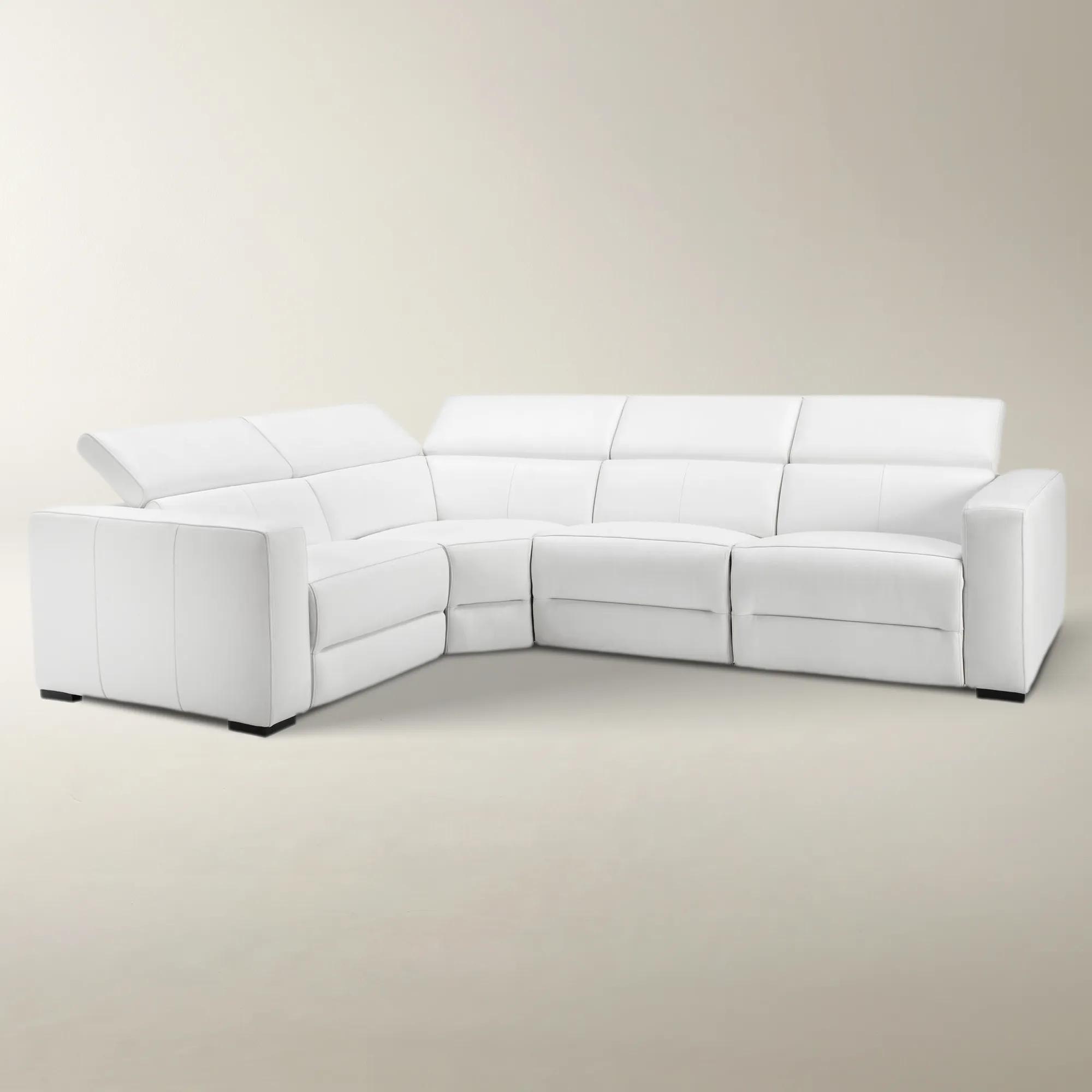 Verona 4-Piece L-Shaped Reclining White Leather Sectional Sofa With Left-Arm$5499
A modern sectional upholstered in supple white semi-aniline leather with adjustable headrests and power-reclining seats.
Add To Cart -
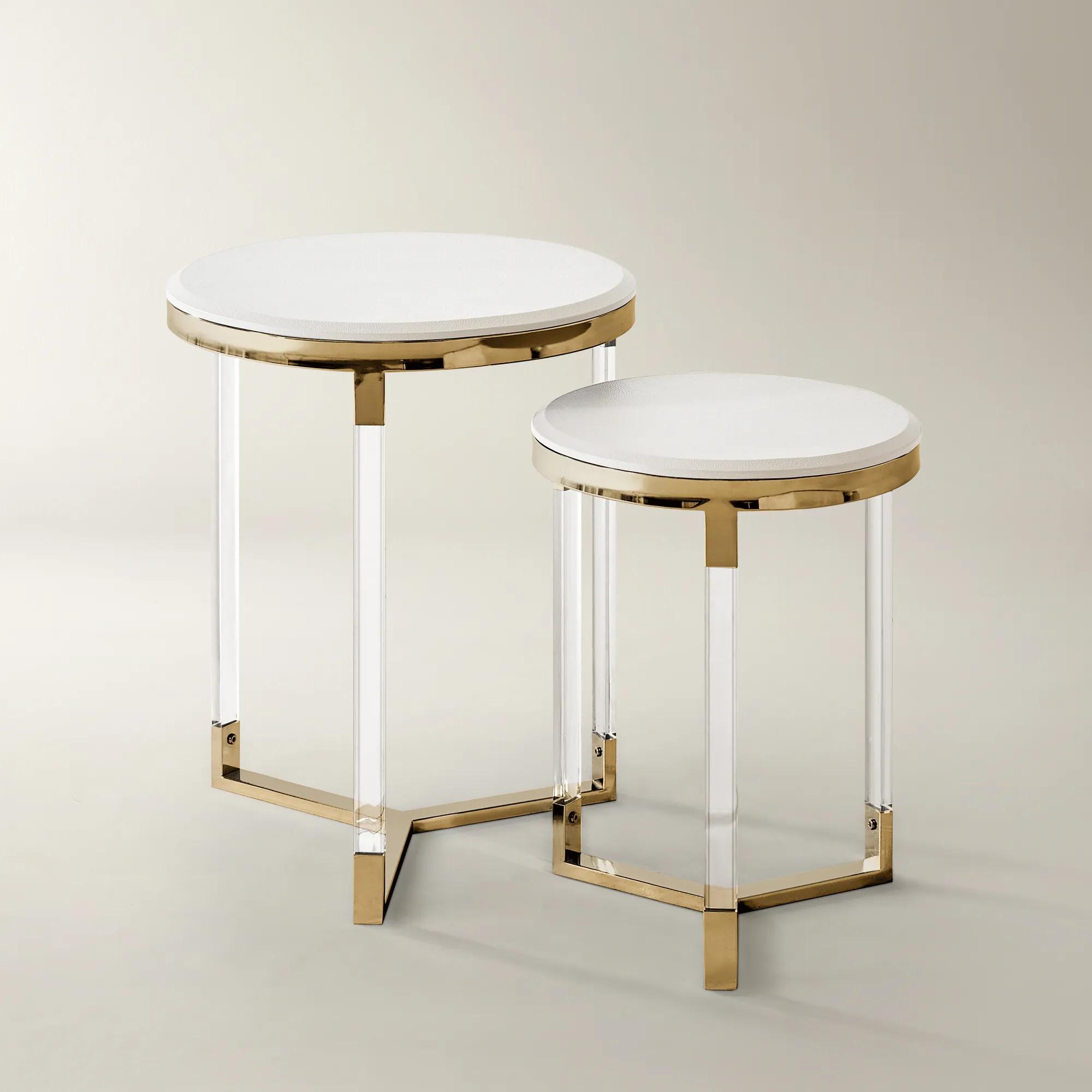
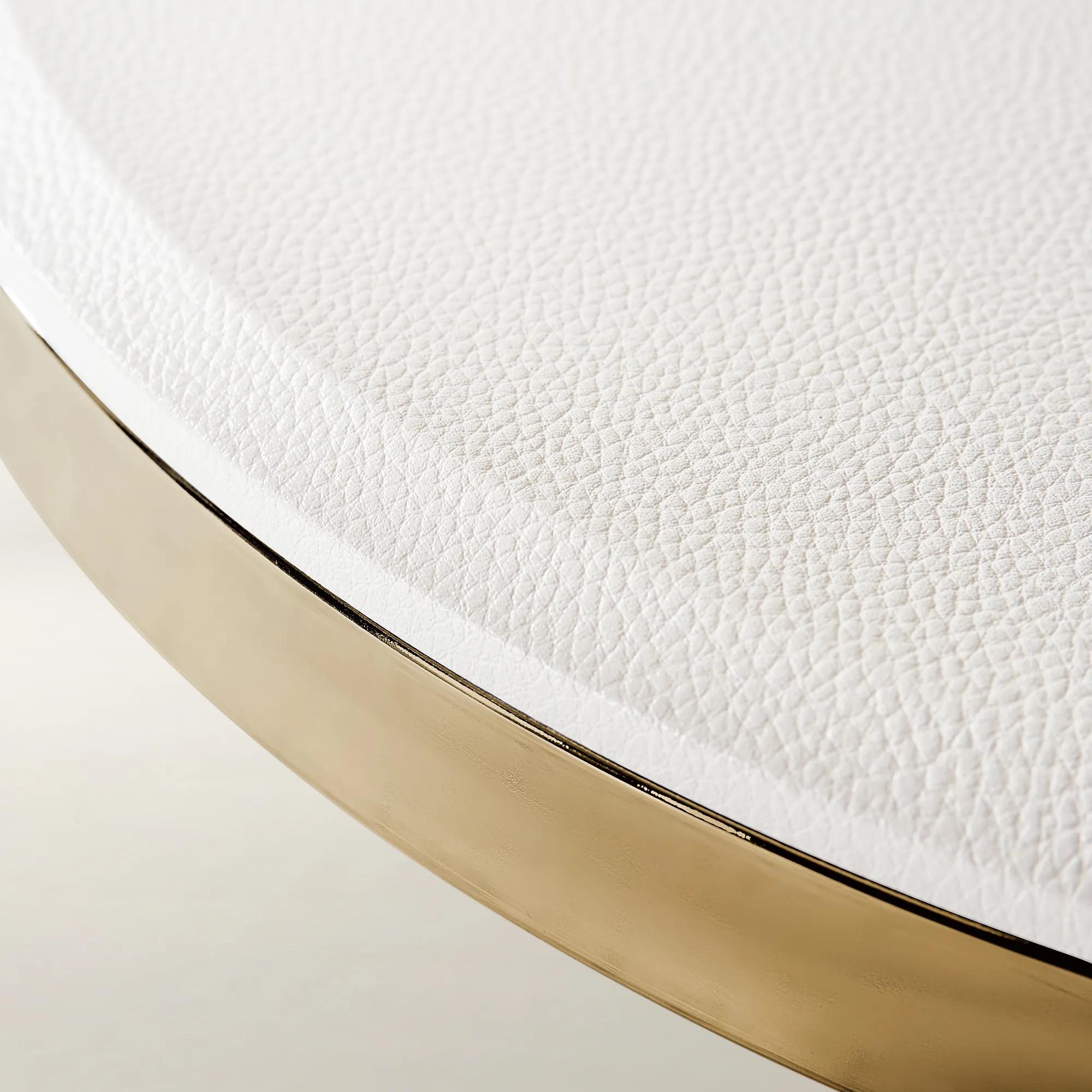 Murano Round White Accent Table With Faux Leather Top Set Of 2 (14.5"-18.5")$399
A set of two accent tables featuring mixed woods, faux leather tops, and acrylic legs with metallic finishes.
Add To Cart -
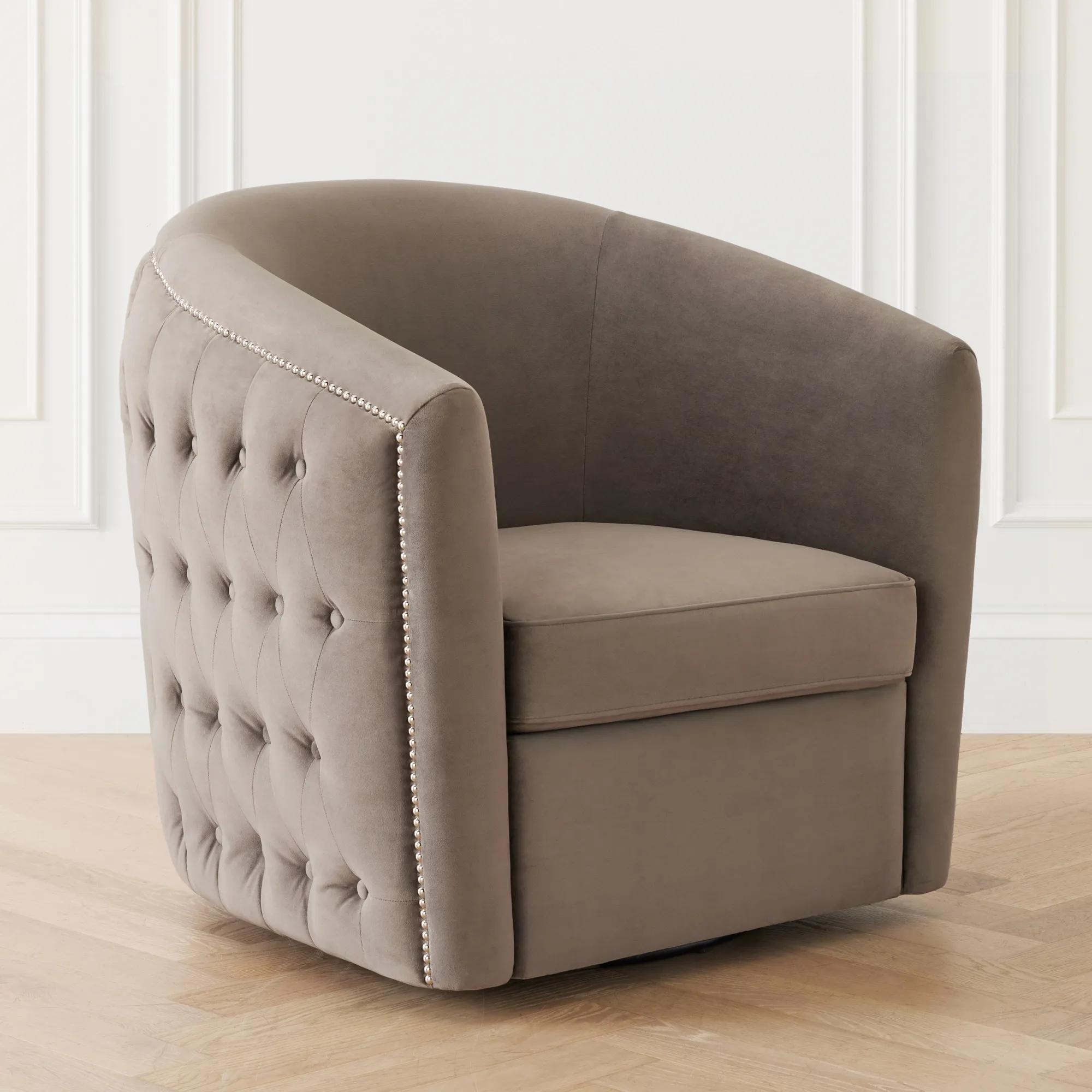
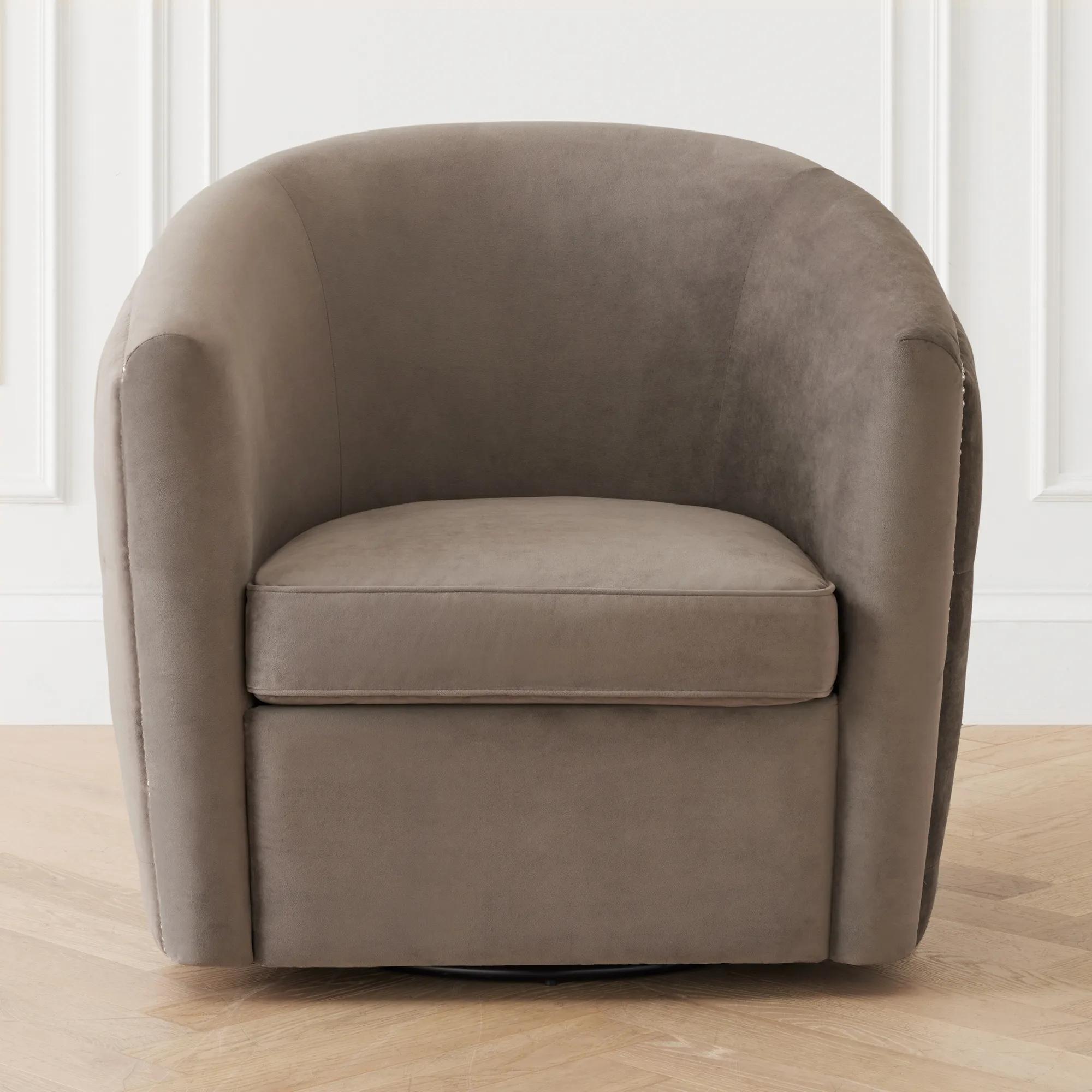 Aria Tufted Swivel Chair$1299
A modern barrel chair in velvet with tufted detailing, kiln-dried hardwood frame, and smooth swivel base.
Add To Cart -
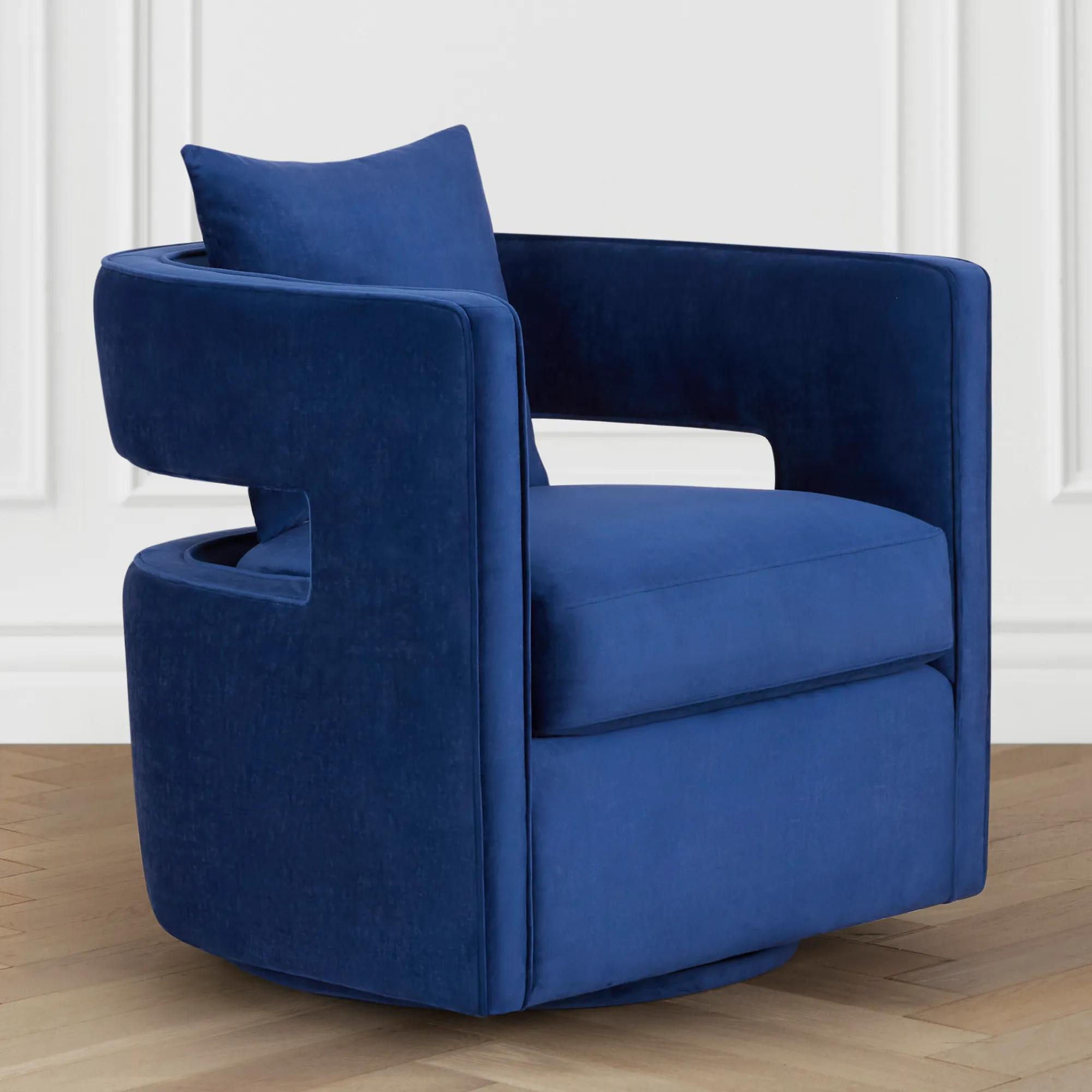
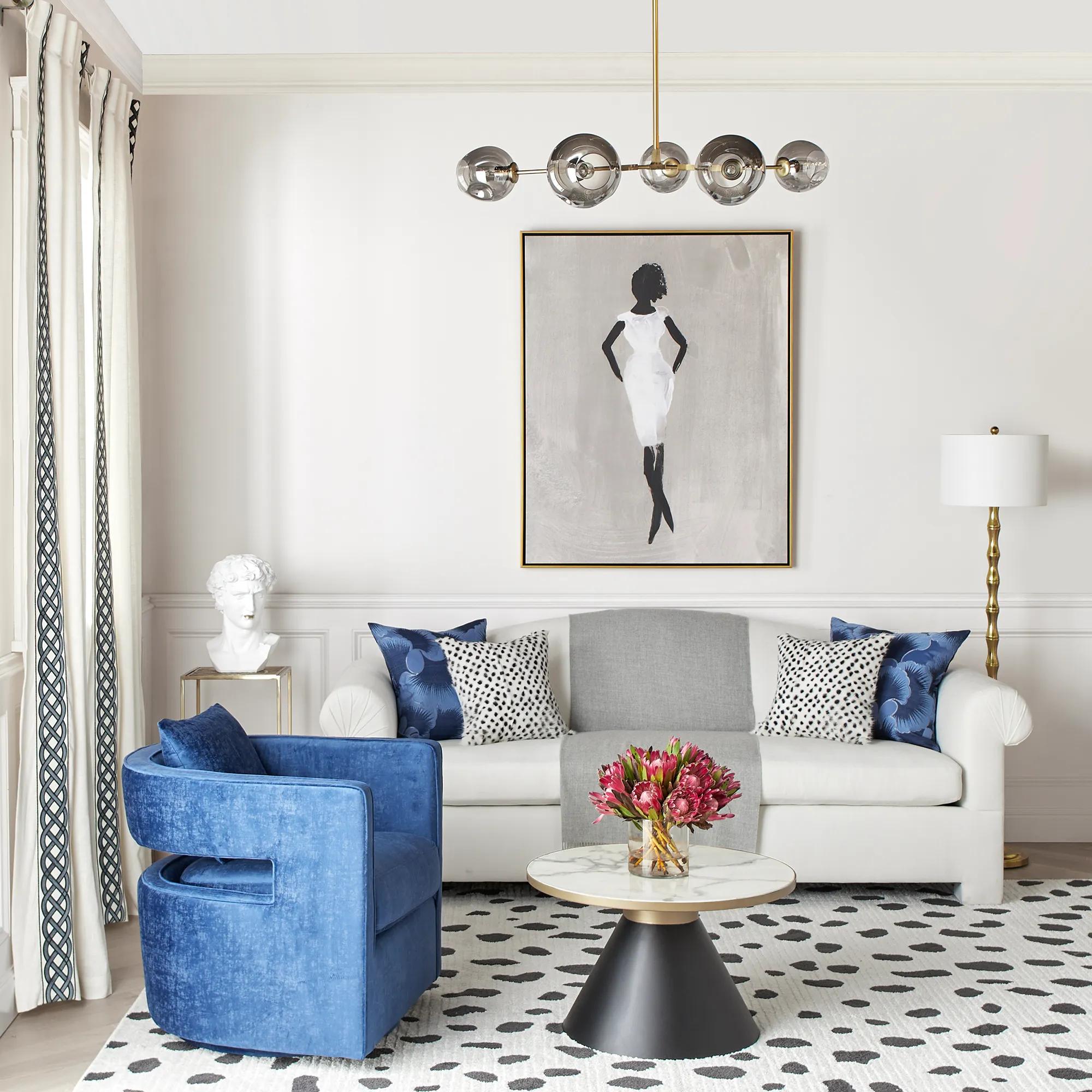 Lottie Navy Velvet Swivel Accent Chair$999
A glamorous navy velvet swivel chair featuring a barrel back, cutout arms, and plush foam cushioning.
Add To Cart -
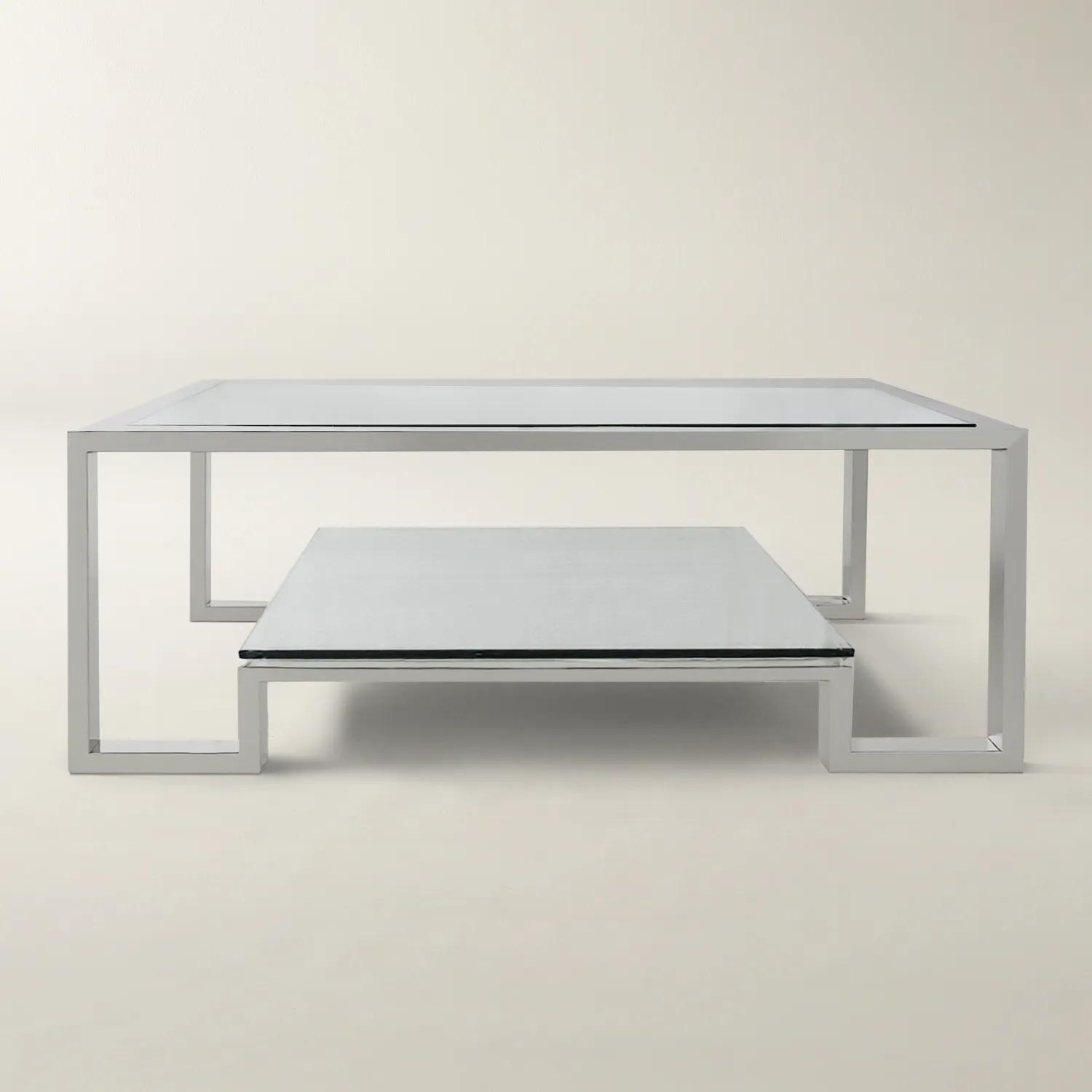
 Duplicity Rectangular Silver Stainless Steel Coffee Table With Glass Top (50")$1399
A modern coffee table featuring a stainless steel frame, tempered glass top, and floating bottom shelf.
Add To Cart

Furniture For Multipurpose Living Rooms
Every living room is a stage for life’s grandest performances—hosting soirées, unwinding in style, or transforming into an impromptu workspace. Furniture for multipurpose living rooms brings versatility and artistry together, creating spaces that adapt with grace and never compromise on drama. Here, sculptural silhouettes and luxe finishes invite you to reimagine your home as a gallery of possibility—where every piece is both statement and solution, designed to elevate the way you live, gather, and express yourself. Paint your living room boldly; let each detail become part of a captivating story in motion.
Furniture for multipurpose living rooms brings seating, storage, work surfaces, and occasional sleeping space into one expressive setting. The most versatile designs support several activities without making the room feel like a collection of competing purposes: a coffee table becomes a laptop surface, an ottoman conceals throws beneath an upholstered top, and a sofa welcomes overnight guests after an evening of conversation. Convertible sofa beds, lift-top coffee tables, modular seating, nesting tables, and storage cabinets each offer a different way to accommodate daily life while preserving a polished interior. For apartment dwellers, that flexibility can make a single living area feel generous; for larger households, it allows a shared room to shift between quiet reading, family gatherings, and entertaining. The distinction is in how comfortably each function fits the setting. A lift-top surface can bring a notebook closer to a seated user, although its height, stability, and clearance determine whether it suits occasional correspondence or longer stretches of work. A convertible sofa creates a place for visiting friends or relatives, with mattress construction, support, and the dimensions of the open bed shaping its suitability for overnight use. Modular seating offers another kind of freedom, with configurations that may accommodate intimate conversation or a more expansive lounge arrangement, depending on the design. Upholstered ottomans can serve as footrests and, when designed and rated for it, additional seating; a firm tray can also create a surface for serving. These practical roles need not diminish the drama. A sumptuous upholstered silhouette, a richly grained wood finish, or a gleaming metal detail can establish a room’s character while concealing its hardworking side. During the cooler months, when more evenings unfold indoors, furniture that transitions gracefully from afternoon tasks to relaxed hosting makes the living room feel especially inviting. The result is a space that belongs to its occupants in every sense, reflecting their routines as clearly as their taste, with the flexibility to welcome both an ordinary evening and a house full of company.
Scale gives multifunctional living room furniture its sense of ease. A piece earns its place not simply by offering several features, but by allowing those features to work within the room’s dimensions. A sofa bed needs space for its full sleeping footprint, a lift-top table needs room for the top to rise and move, and storage furniture needs clearance for drawers and doors. Delivery access matters as much as the finished arrangement, particularly in apartments with narrow hallways, stair turns, or elevators. Within the room, comfortable paths between seating, doorways, and adjoining spaces help a layered interior feel composed rather than crowded. Nesting tables offer useful surfaces that can separate for guests and gather again afterward, while a compact writing desk can establish a dedicated work area along an otherwise overlooked wall. A console behind a floating sofa can provide visual separation between lounging and another activity, though a console intended for display may not have the knee clearance or working height of a desk. Closed cabinets give chargers, games, and paperwork a discreet home; open shelving introduces a more decorative rhythm, balancing books with sculptural objects and leaving room for the eye to rest. The same attention to proportion shapes Multi Functional Furniture For Small Spaces, where adaptable forms help preserve a sense of openness without sacrificing presence. In a multipurpose room of any size, furniture with compatible heights and complementary silhouettes tends to transition more naturally between uses. A swivel chair, for example, can turn from a conversation area toward a television or view without requiring the whole arrangement to change, provided there is sufficient turning clearance. For households that gather over board games, a stable central surface and seating within comfortable reach may matter more than a sprawling sectional. For someone working from home regularly, a properly proportioned desk and supportive task chair remain more suitable than relying exclusively on a sofa and coffee table. Flexibility is most rewarding when it supports real habits rather than adding functions that rarely get used.
Materials, construction, and care determine how beautifully these furnishings live through repeated transitions. Velvet lends depth to color and catches the light with a distinctive sheen, while textured woven upholstery can bring dimension to a broad seating silhouette. Neither appearance alone nor a fabric’s name establishes its durability; fiber content, weave, abrasion information, and the manufacturer’s care guidance provide a more useful picture. Performance upholstery may offer added resistance to certain spills or wear, but its capabilities vary, and it still benefits from prompt attention to accidents. Leather develops character with use, although its finish influences how readily it marks and which cleaning methods are appropriate. Wood surfaces introduce warmth and grain, whether expressed through solid wood or carefully finished veneers, while glass and polished metal can lend lightness and reflection to a room with substantial upholstered furniture. Each material has its own demands: coasters and protective pads help shield tabletops, glass shows fingerprints, and some metal finishes require gentle cleaning to preserve their luster. Stone also varies in porosity and sensitivity, making material-specific care important for surfaces used around food and drinks. In furniture that opens, lifts, or rearranges, moving components deserve equal attention. Hinges, support mechanisms, drawer hardware, and modular connectors should suit the intended frequency of use, and published weight limits apply to individual surfaces and seating positions rather than to the piece in an abstract sense. A storage compartment should close securely without forcing the lid, and a convertible mechanism should be operated according to its instructions with the surrounding area clear. Families with children may favor rounded profiles and securely anchored storage furniture; households with pets may prioritize upholstery that suits their cleaning routine and resists snagging. Regular vacuuming with an appropriate attachment, cushion rotation where recommended, and blotting rather than rubbing spills can help maintain a tailored appearance. Thoughtfully chosen furniture allows all of this daily activity to unfold against a richly personal backdrop: plush seating for an unhurried evening, concealed storage that restores visual calm, and flexible surfaces ready for the next gathering. A multipurpose living room can be practical in its structure and unapologetically expressive in its design.
FAQs
Multipurpose furniture allows you to maximize both style and functionality in your living room. These pieces can adapt to various needs—offering extra seating for guests, providing hidden storage, or transforming from a coffee table to a workspace. They help you create a space that is flexible, efficient, and always ready for gatherings, relaxation, or creative pursuits.
Integrating multipurpose furniture into your living room is all about balance and cohesion. Choose pieces that complement your current aesthetic—whether that means matching finishes, echoing color palettes, or introducing a bold accent. Look for designs that stand out as statement pieces while seamlessly blending with your overall style, enhancing both visual interest and practicality.
Multipurpose furniture makes a thoughtful gift for anyone who values both beauty and utility in their home. Urban dwellers, families with evolving needs, new homeowners, or anyone embracing a flexible lifestyle will appreciate pieces that adapt to multiple uses. It’s a gift that brings lasting value, creativity, and a touch of luxury to their living space.
Materials such as plush velvets, polished metals, and rich woods are ideal for multipurpose living room furniture. These finishes not only offer durability and comfort, but also elevate the room with a sense of sophistication. Choosing high-quality materials ensures your furniture remains both functional and visually stunning through every season.
To create a harmonious look, focus on a unifying element—such as a consistent color scheme, complementary textures, or a shared design motif. Layering different shapes and finishes can add depth, but keeping one or two elements consistent will tie the room together. This approach allows you to enjoy the versatility of multipurpose furniture while maintaining an elevated, curated ambiance.