Furniture For Modern Living
Furniture For Modern Living
-
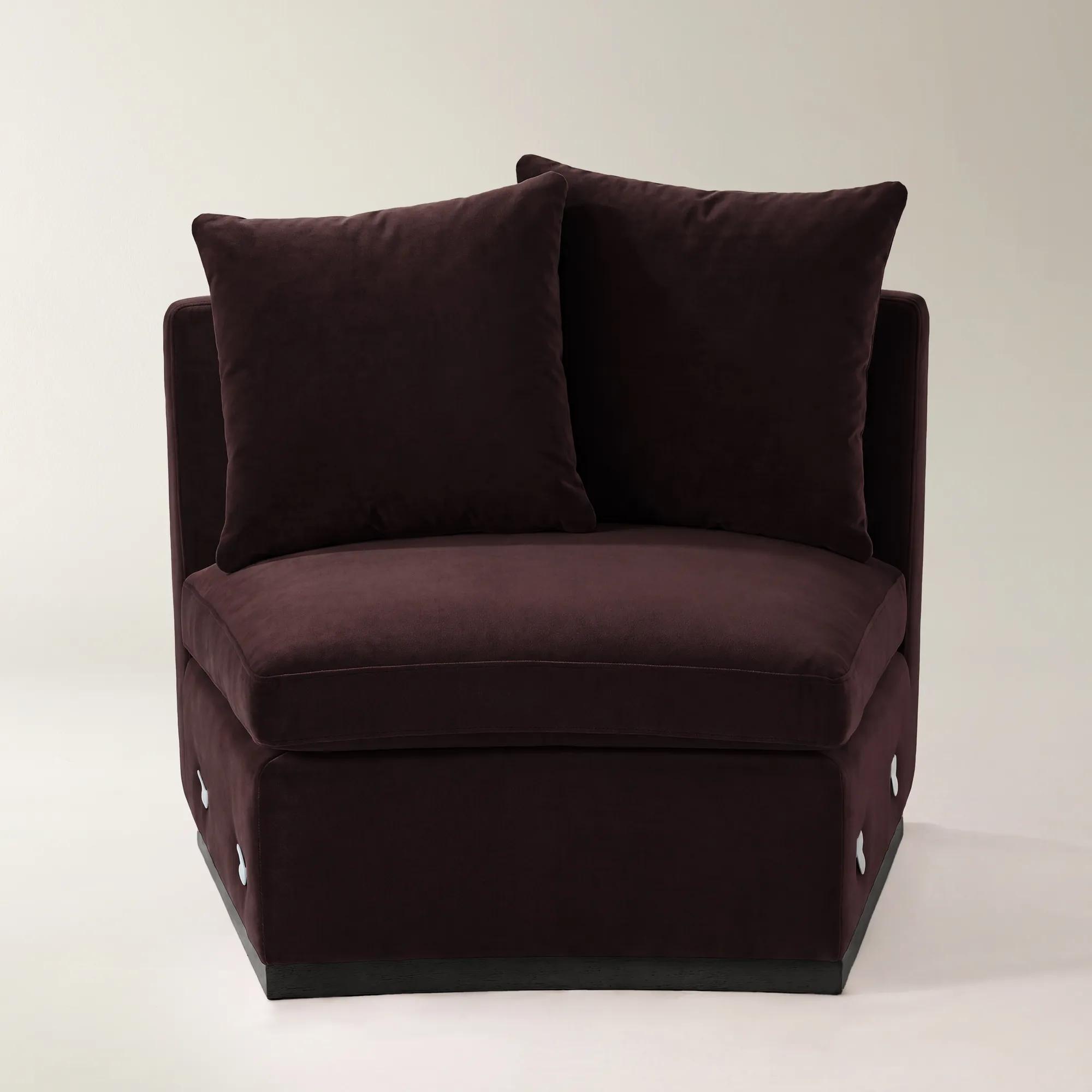
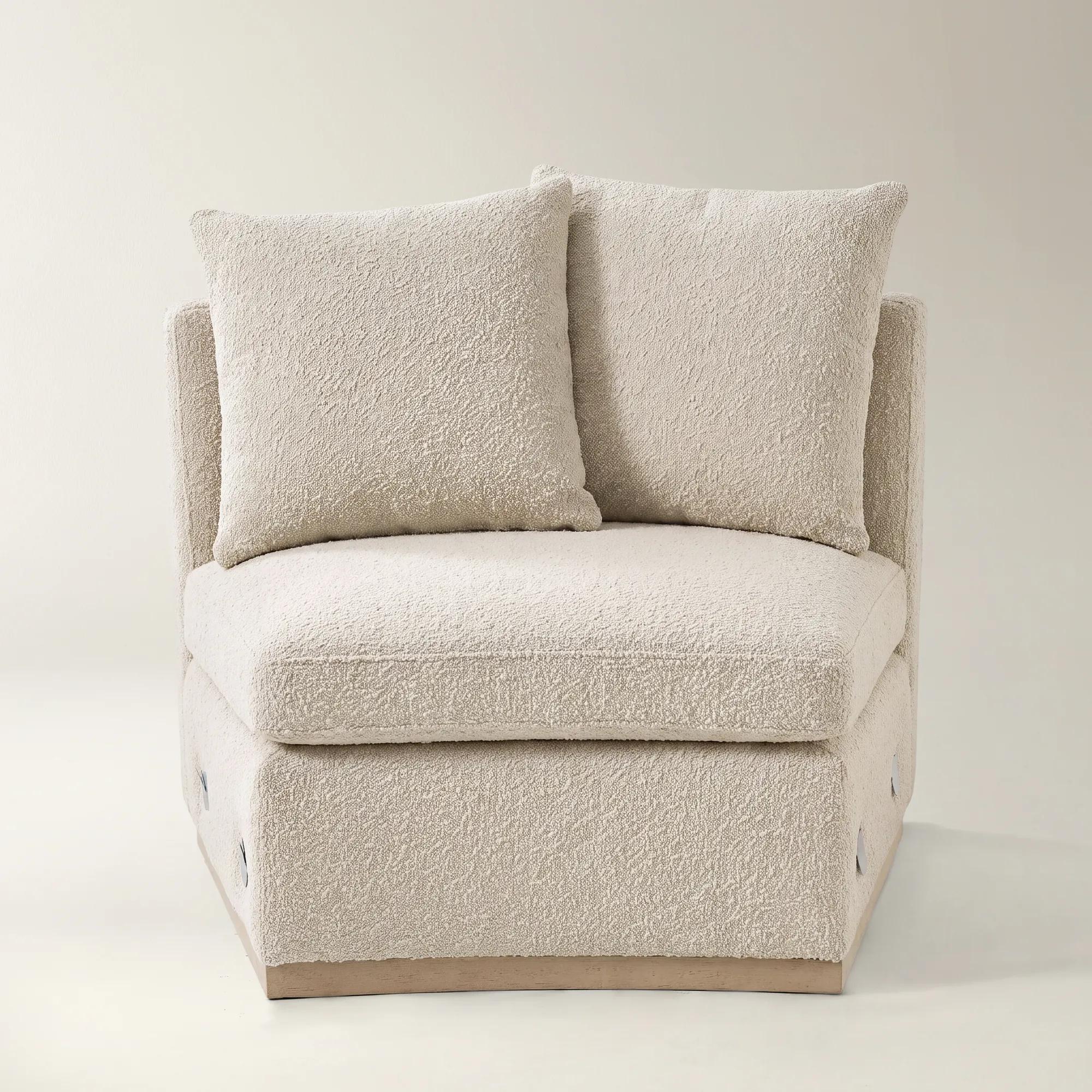
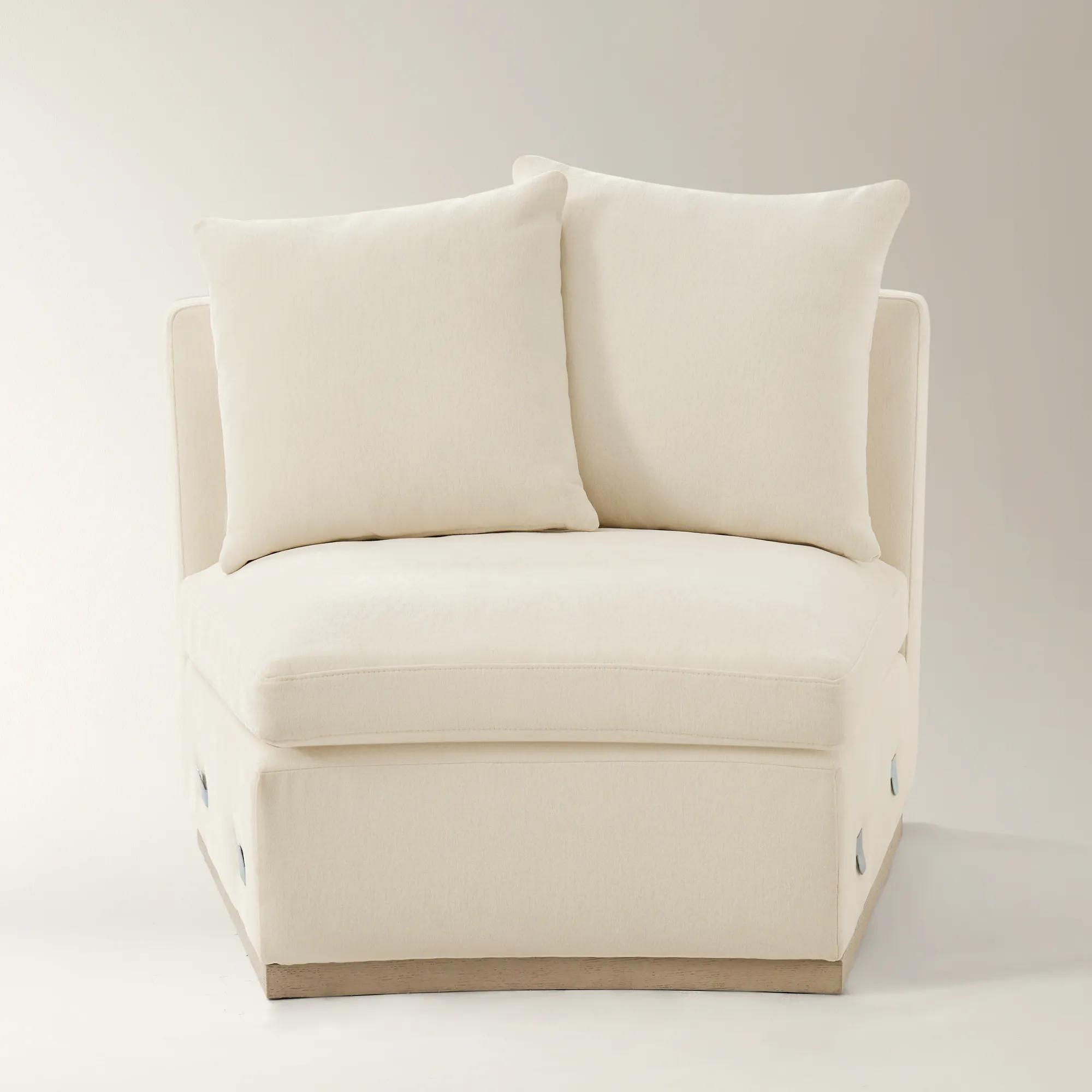
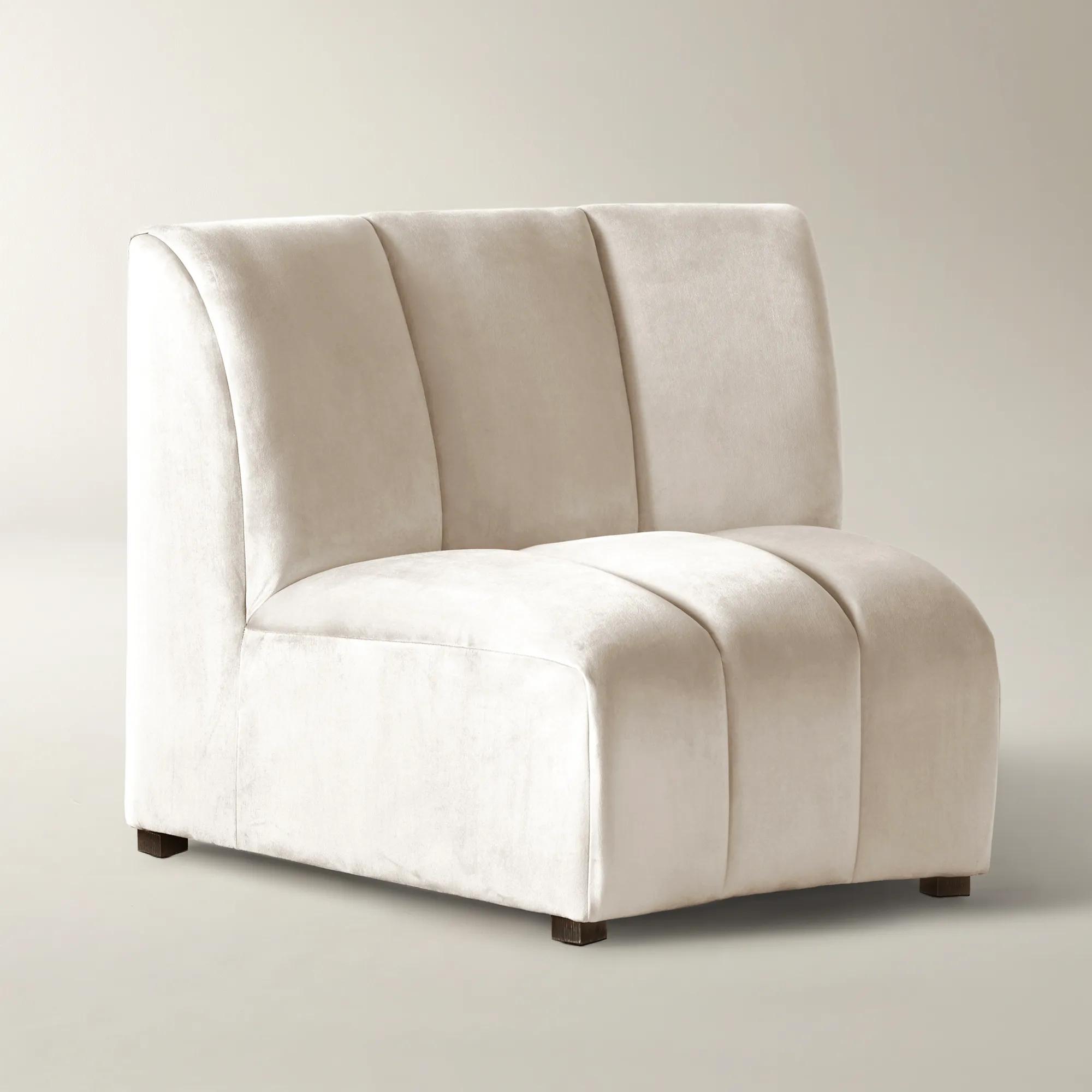 Jayce Channel-Tufted Ivory Velvet Armless Chair$949
A modern armless chair in water-repellent, stain-resistant Velvet Ivory with deep channel tufting and plush padding.
Add To Cart -
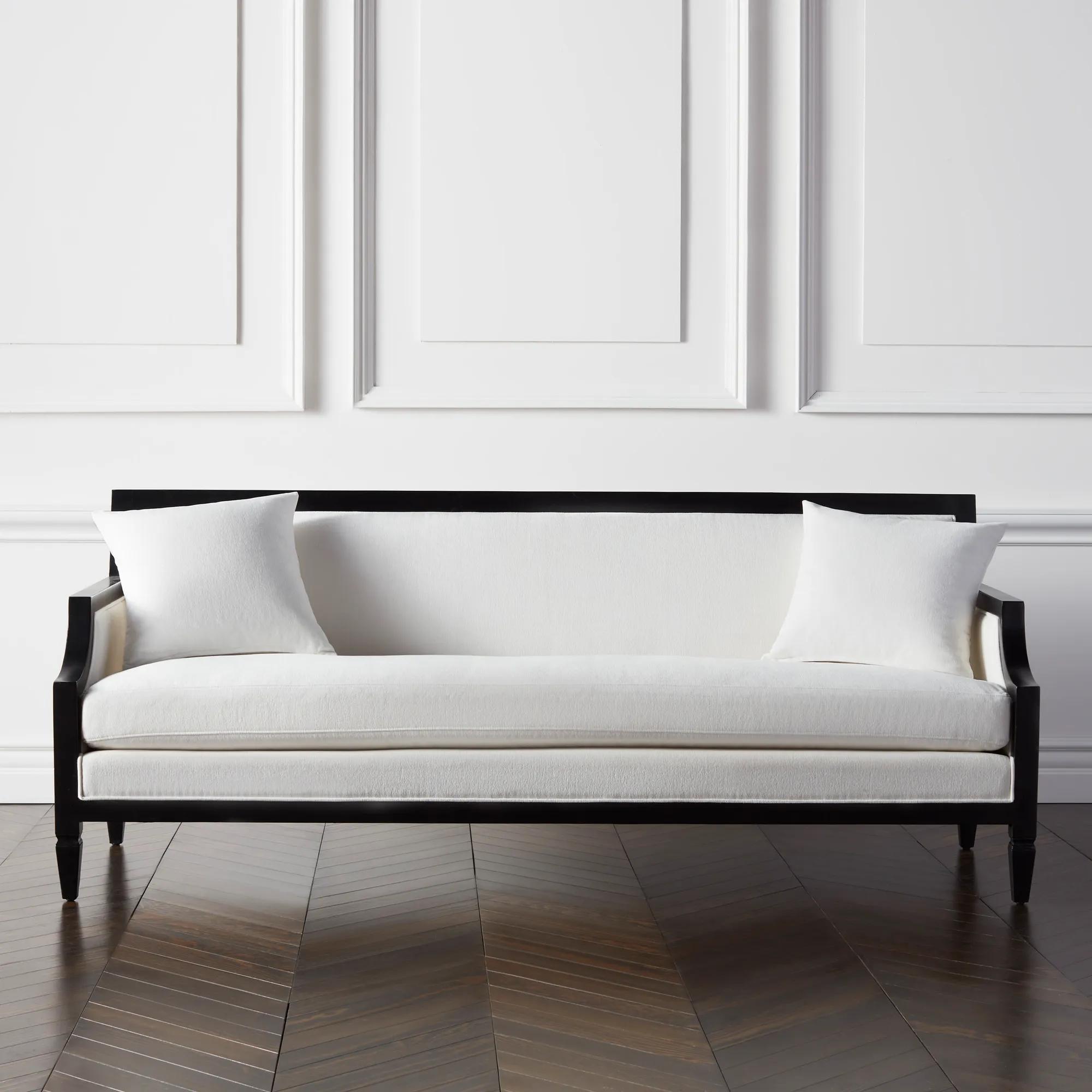
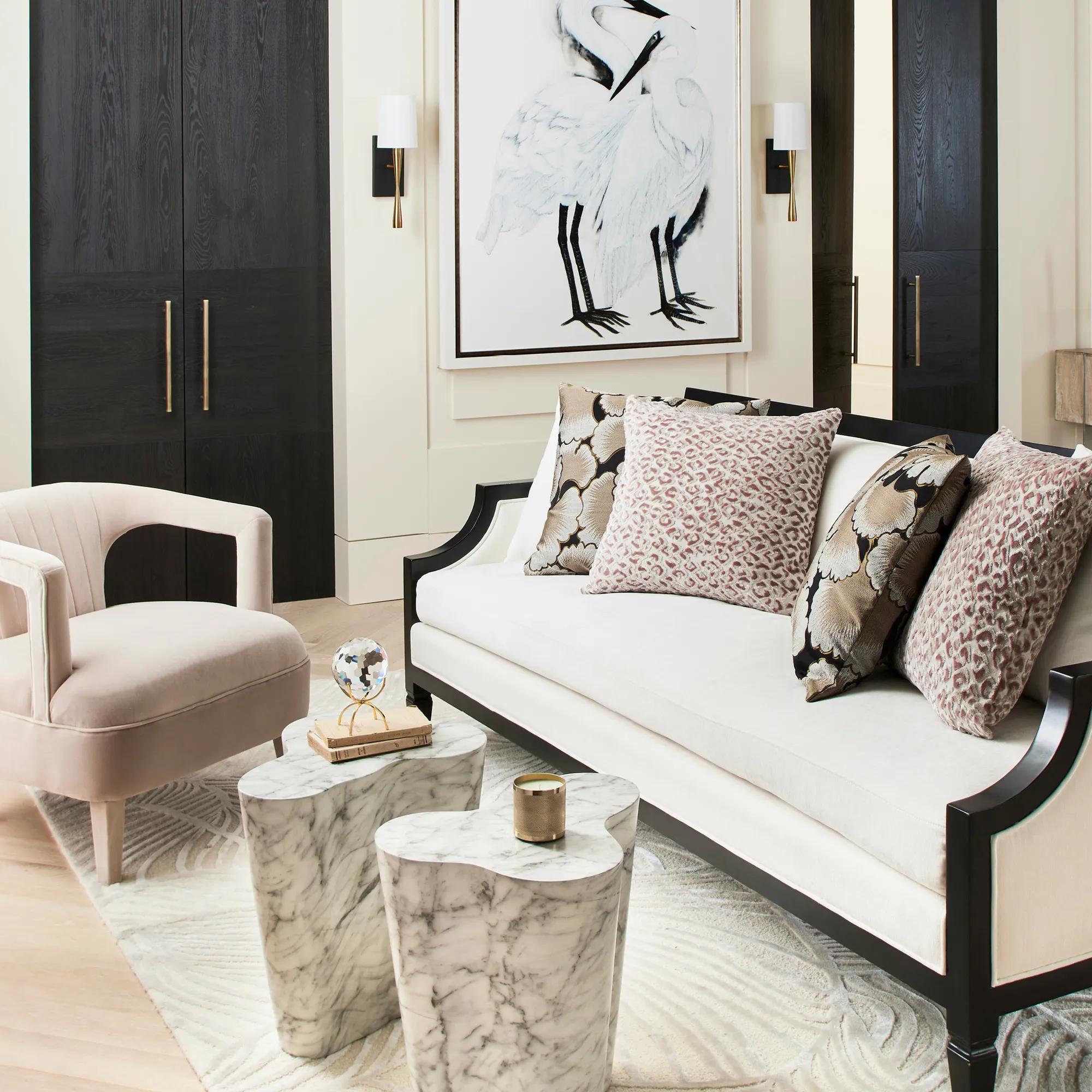 Kayla Sofa$3149
A plush, modern sofa featuring notched arms, matte black wood frame, and Kenley Chenille Snow upholstery.
Add To Cart -
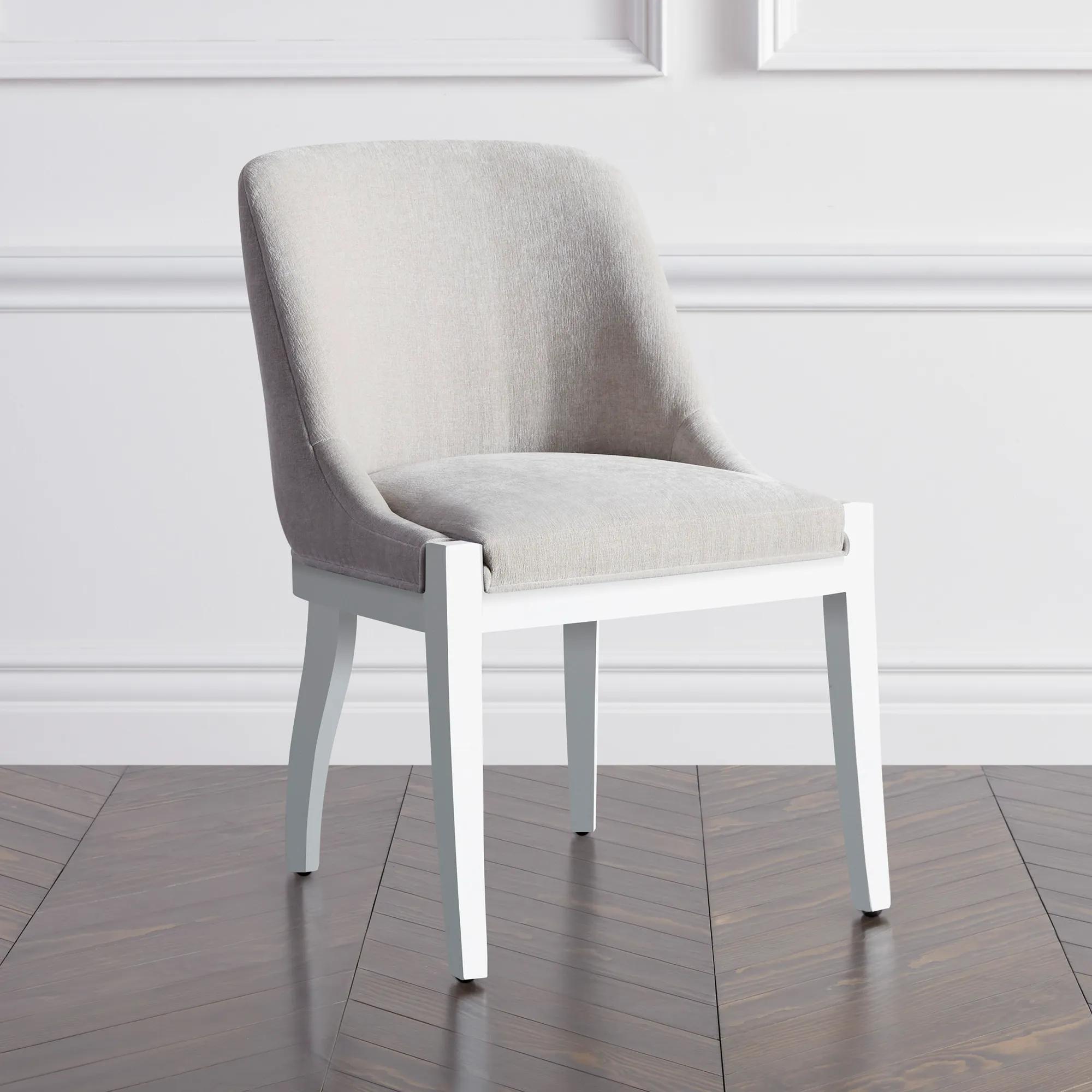
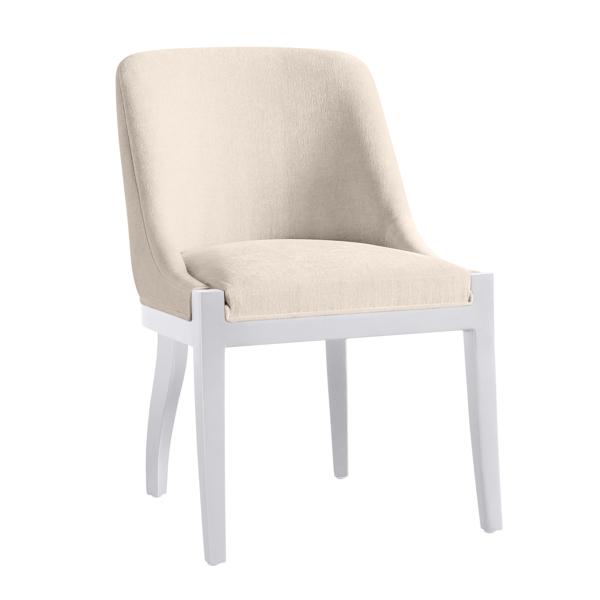 Lily Dining Chair - High Gloss White$649
A modern dining chair featuring kiln-dried hardwood, high-gloss white legs, and neatly tailored upholstery.
Add To Cart -
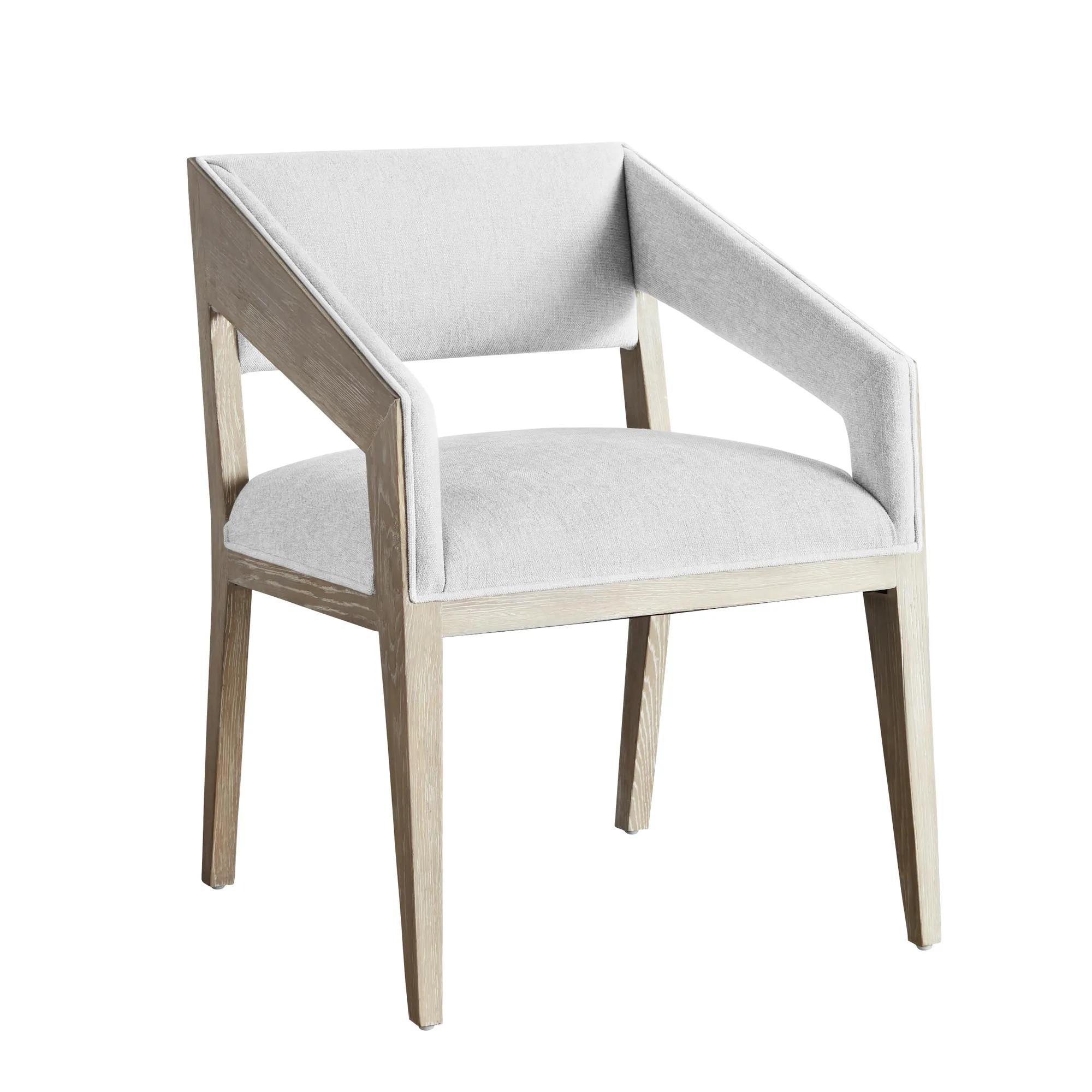
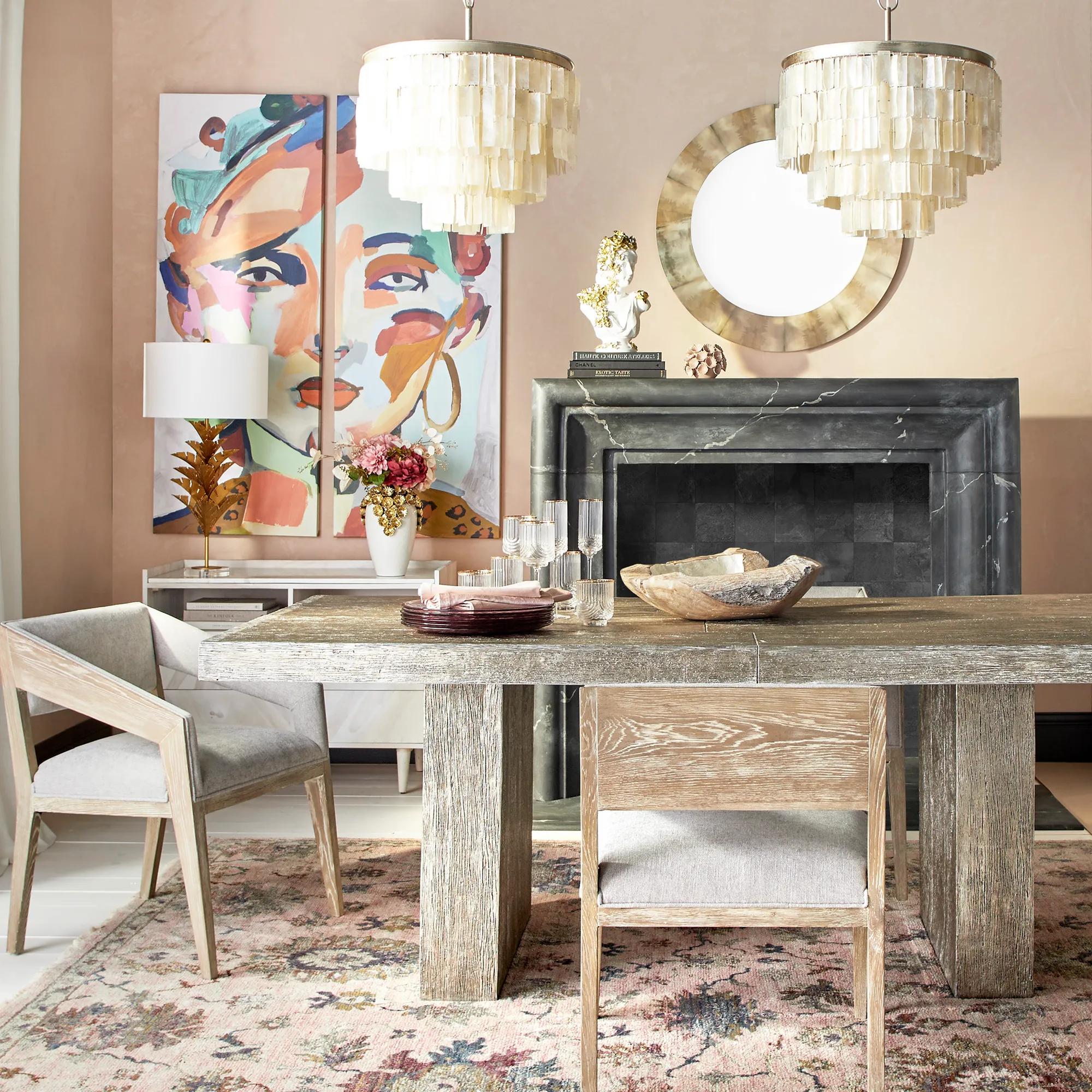 Alric Dining Arm Chair$699
A modern armchair featuring solid oak framing, natural grey finish, and neatly tailored pearl grey upholstery.
Add To Cart -
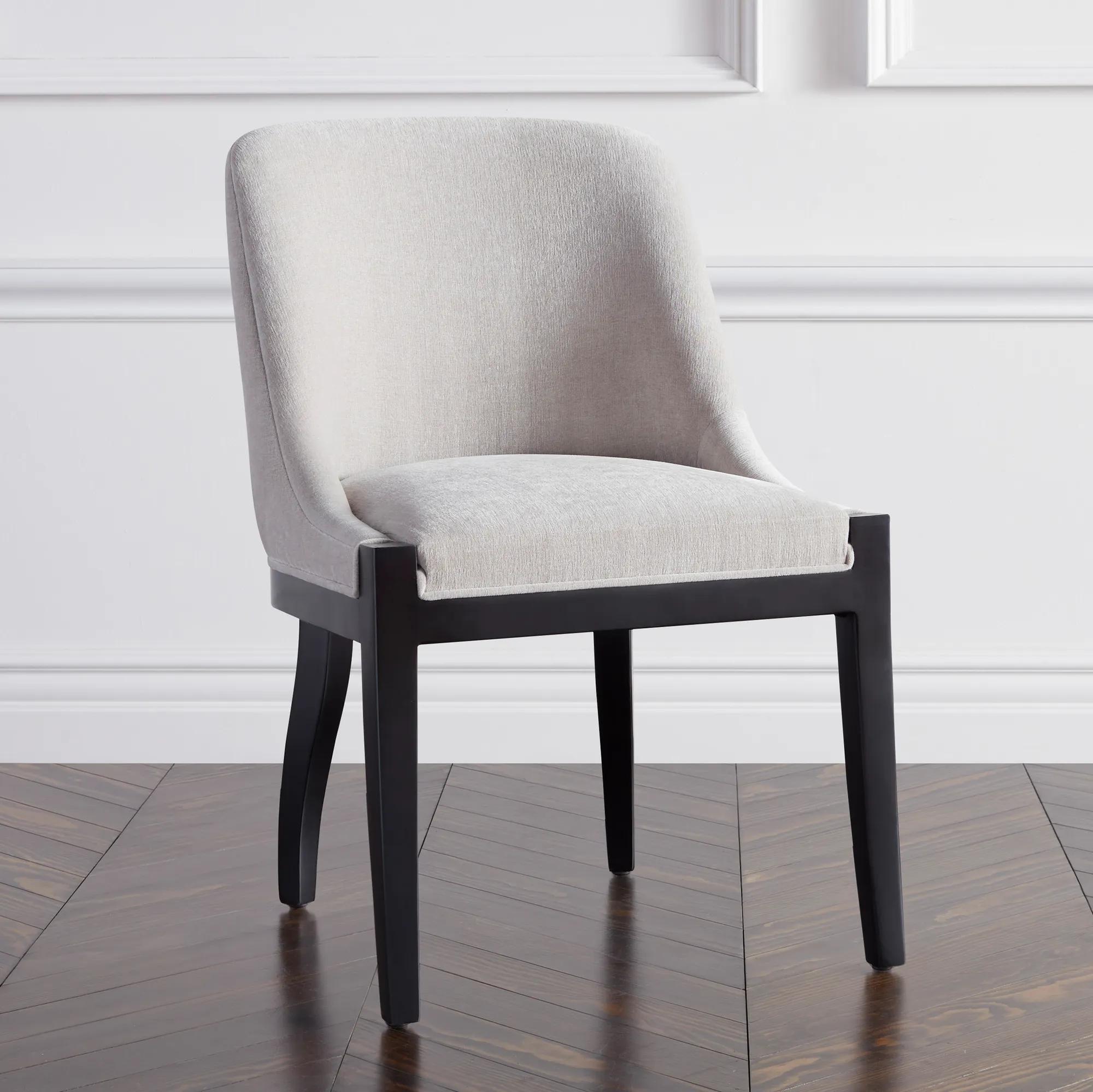 Lily Dining Chair - Matte Black$599
A modern dining chair featuring a kiln-dried hardwood frame and plush, tailored upholstery in matte black.
Add To Cart -
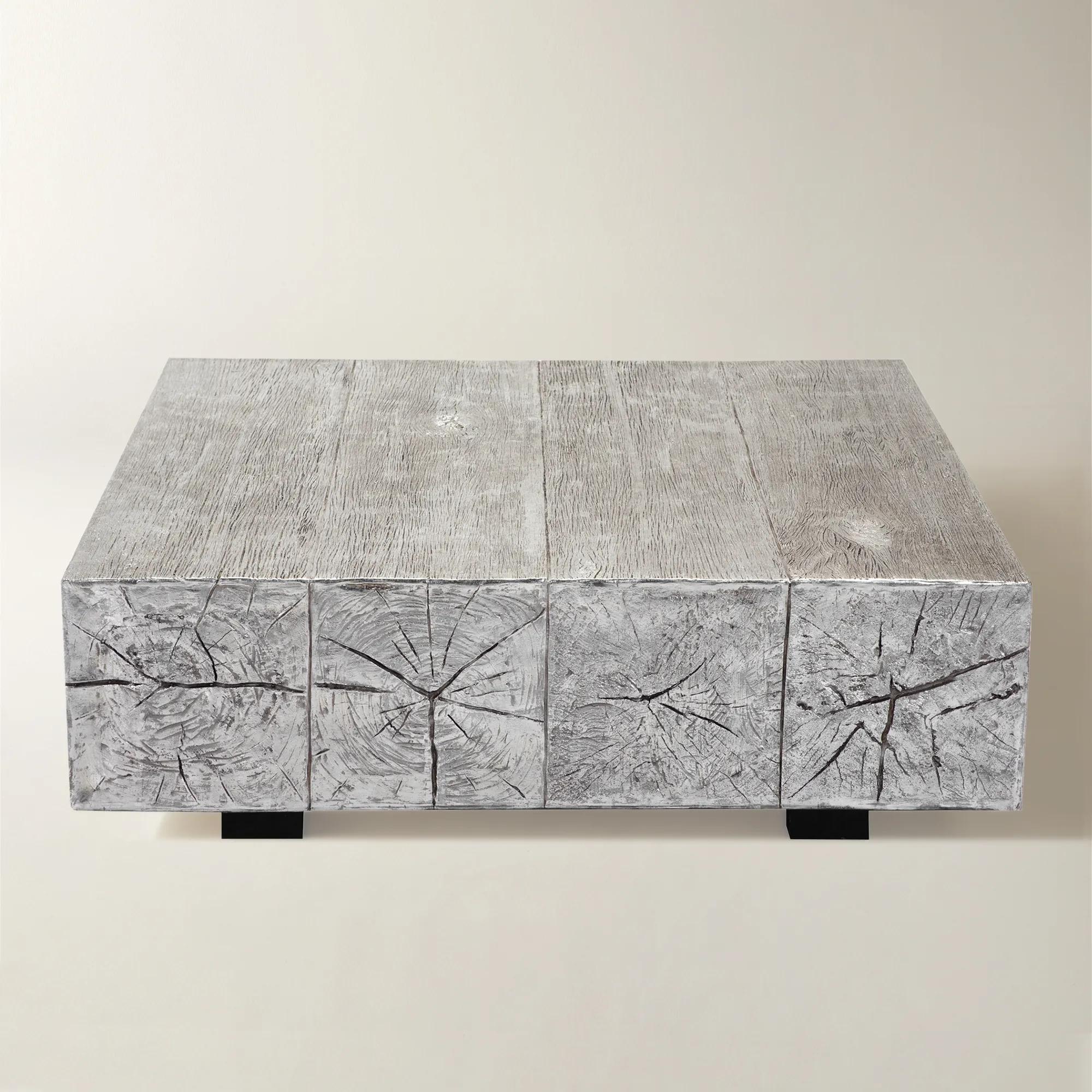
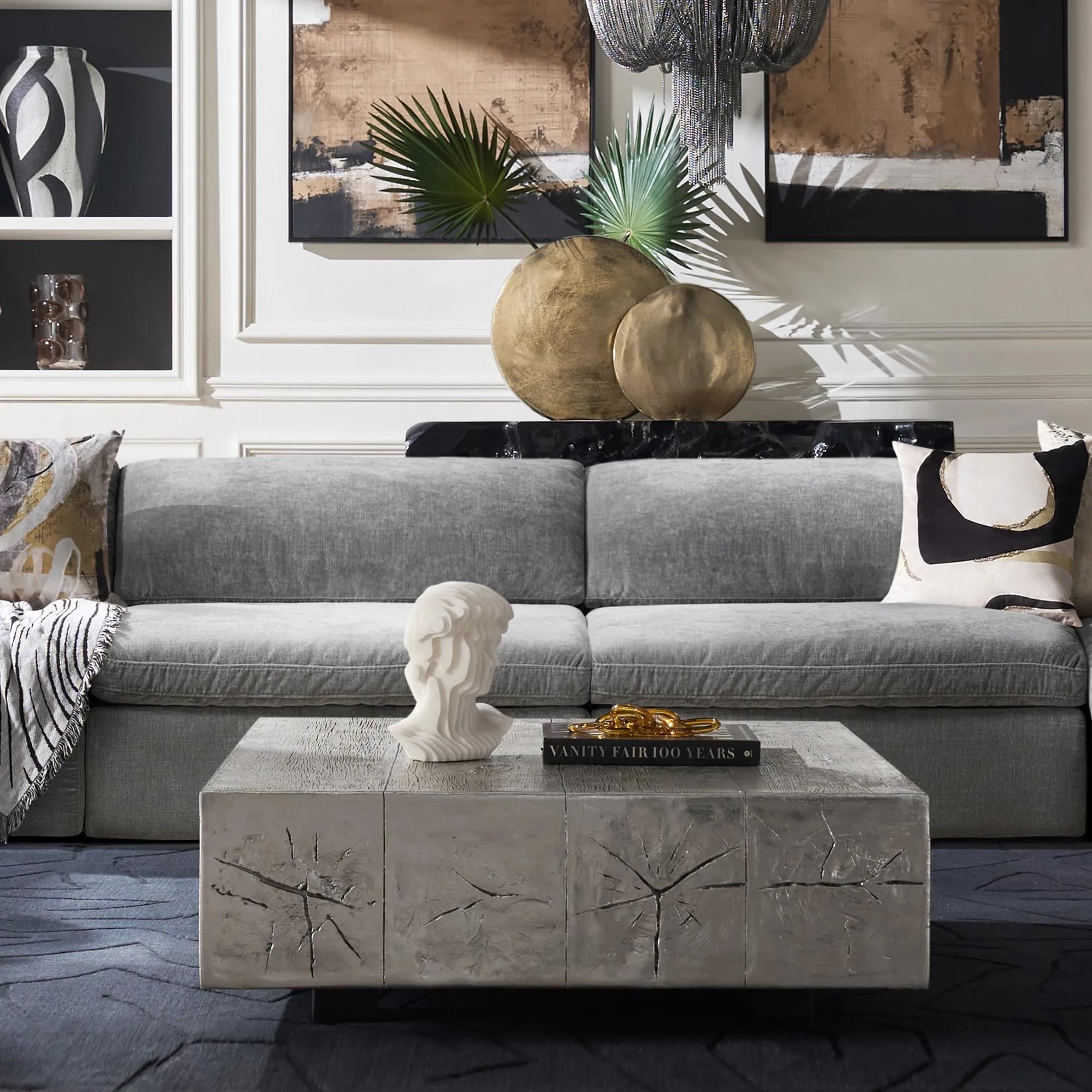 Timber Square Silver Resin Coffee Table (44")$1299
A hand-painted silver resin coffee table featuring authentic silver leaf and an antiqued, hand-rubbed oil finish.
Add To Cart -
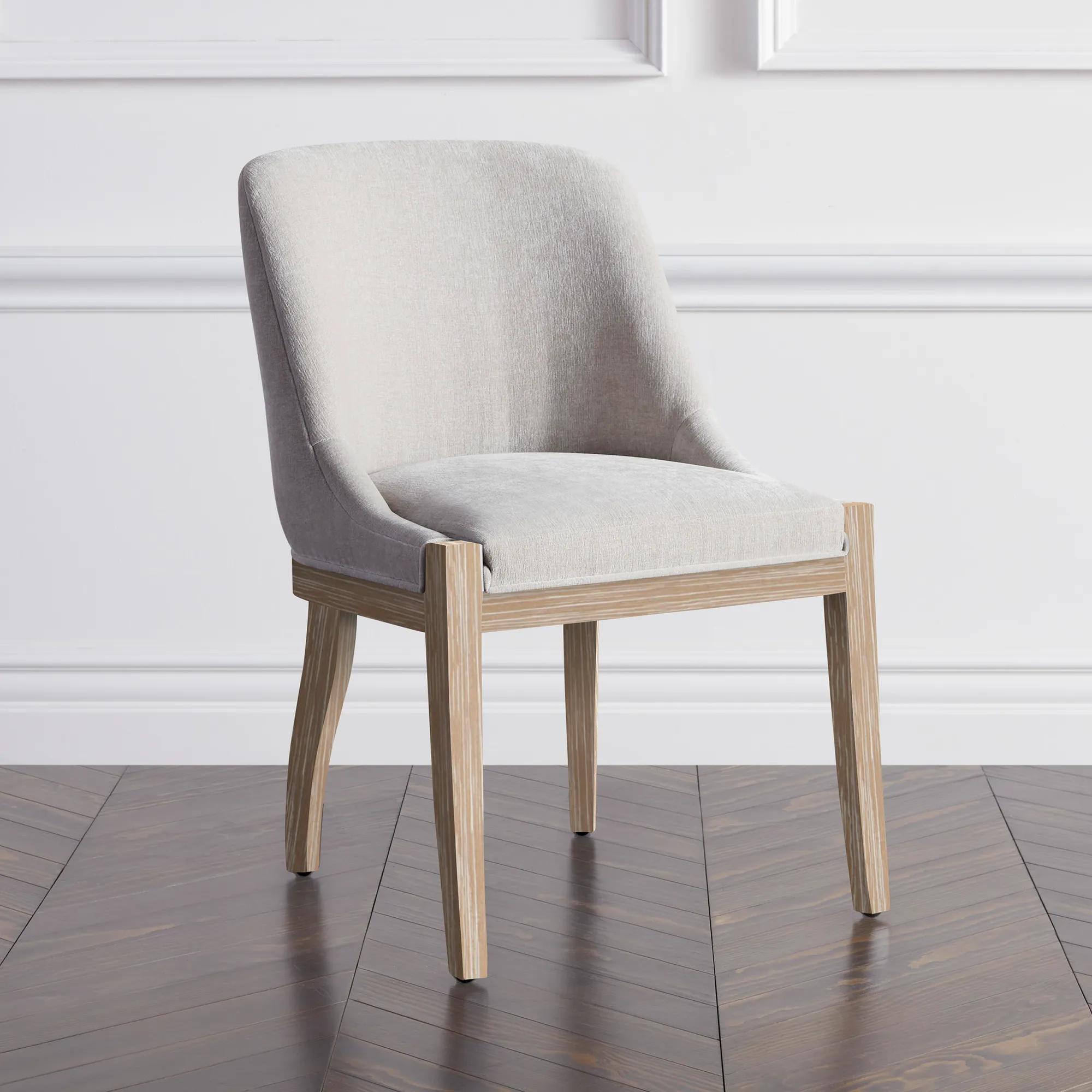
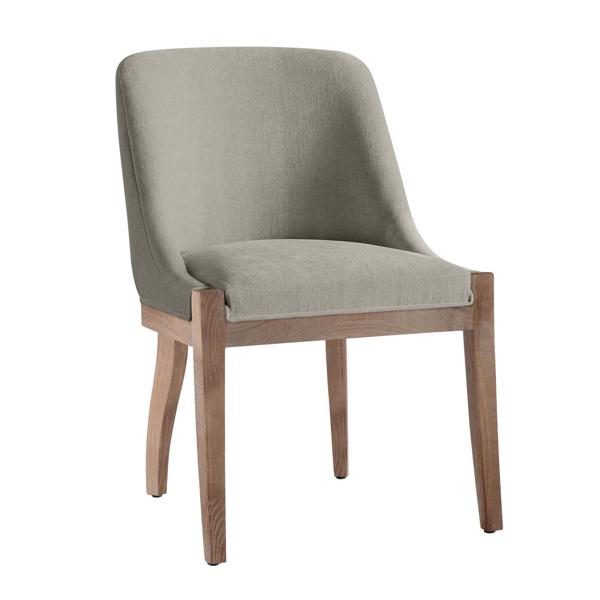 Lily Dining Chair - Wash Oak$699
A modern dining chair featuring a kiln-dried hardwood frame, wash oak legs, and tailored chenille upholstery.
Add To Cart -
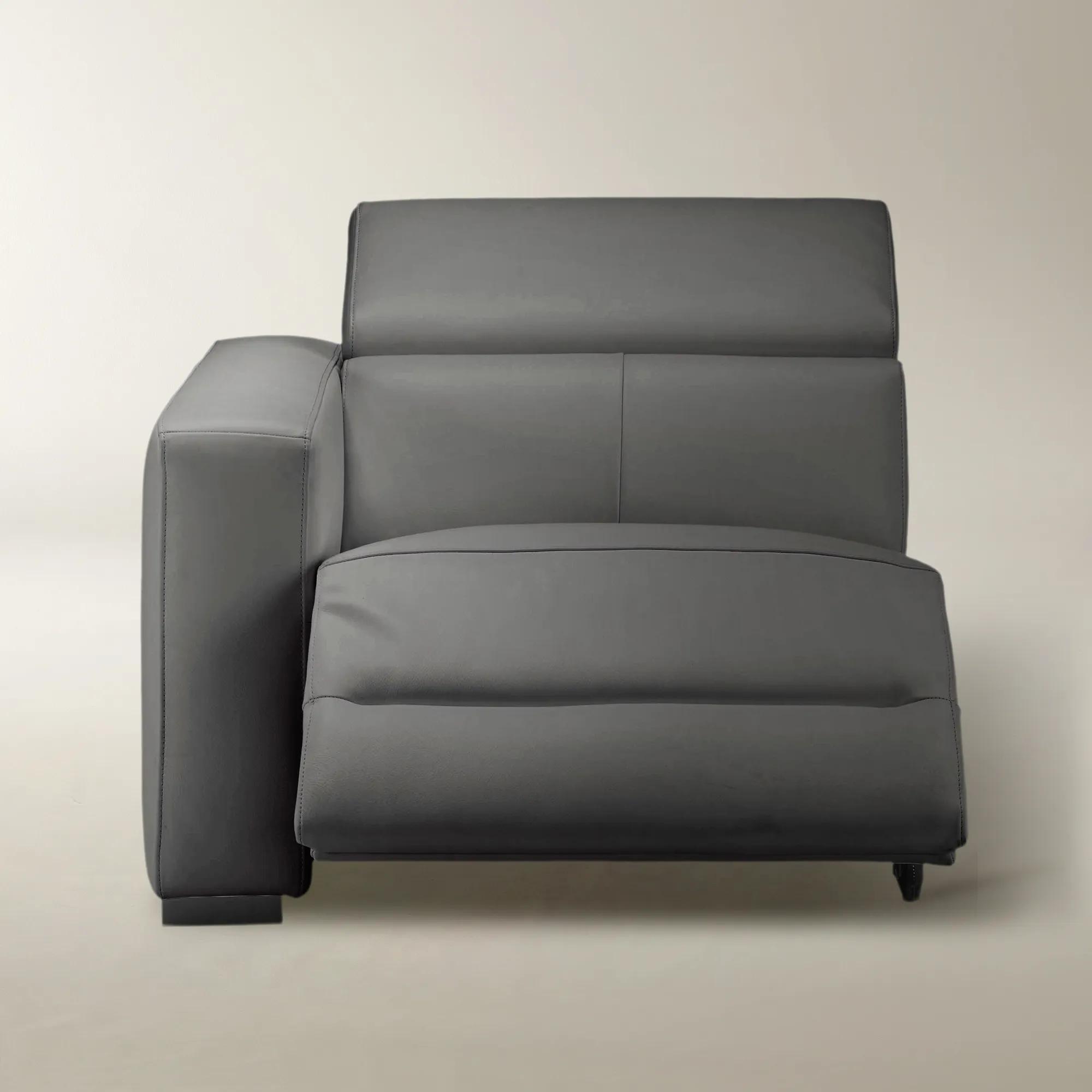
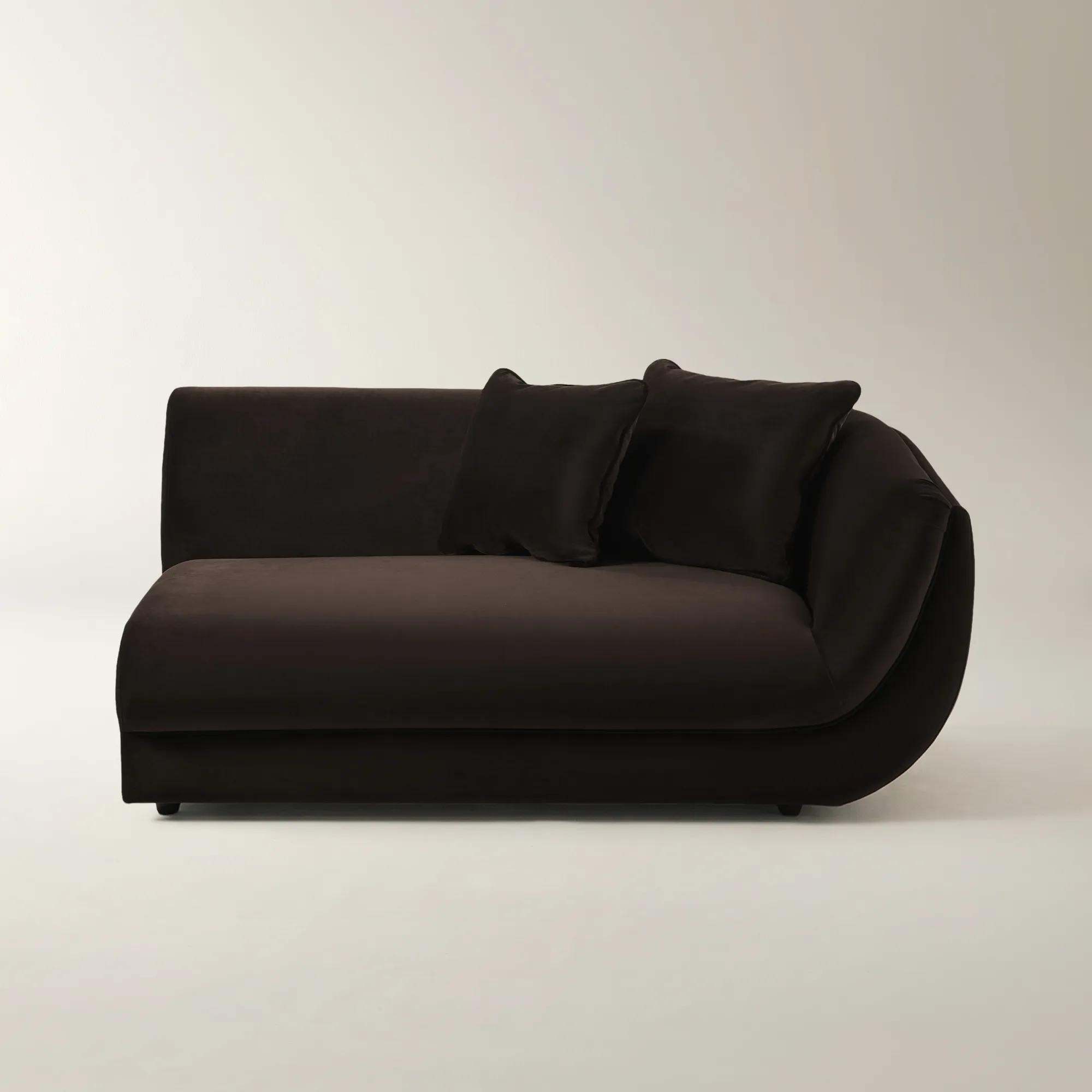
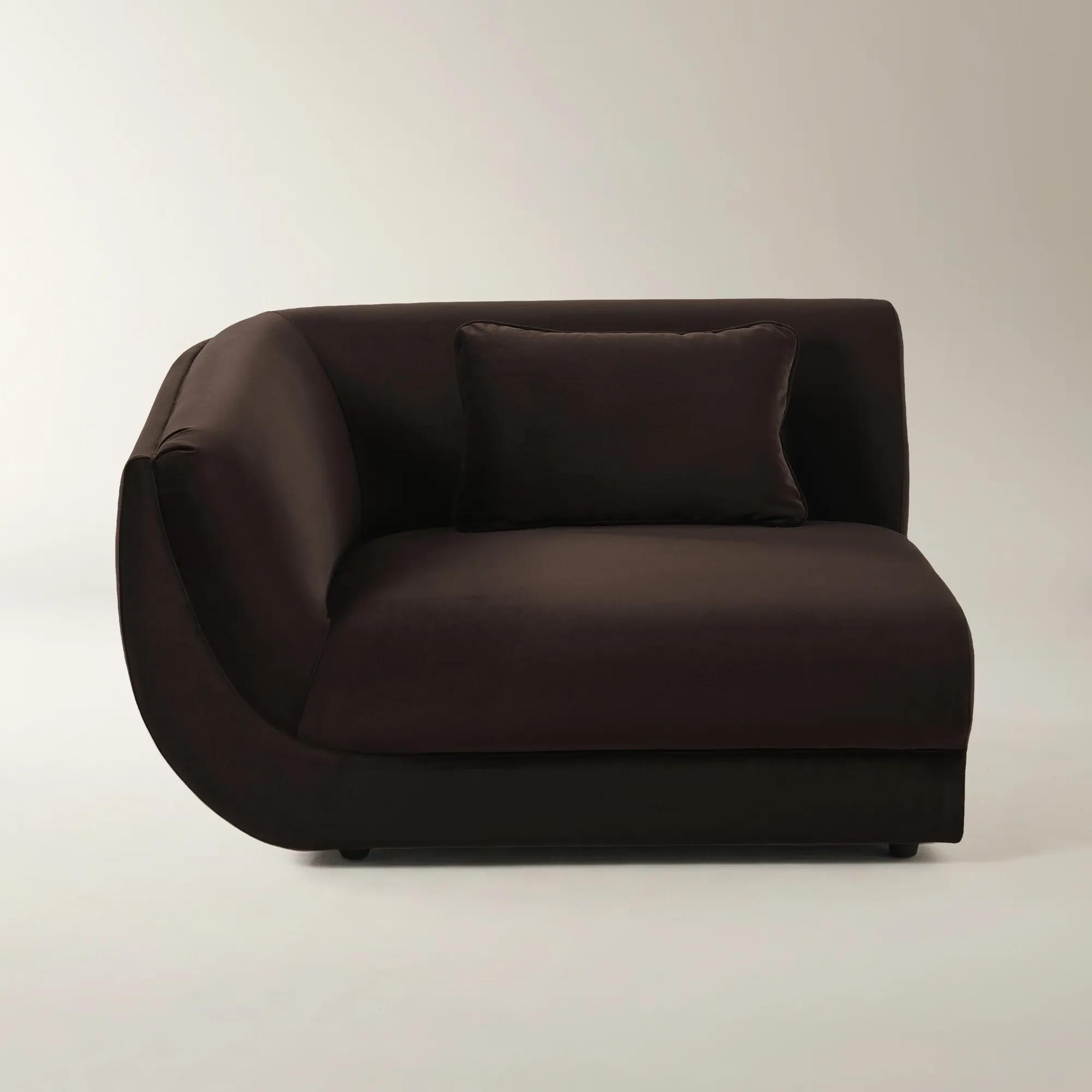
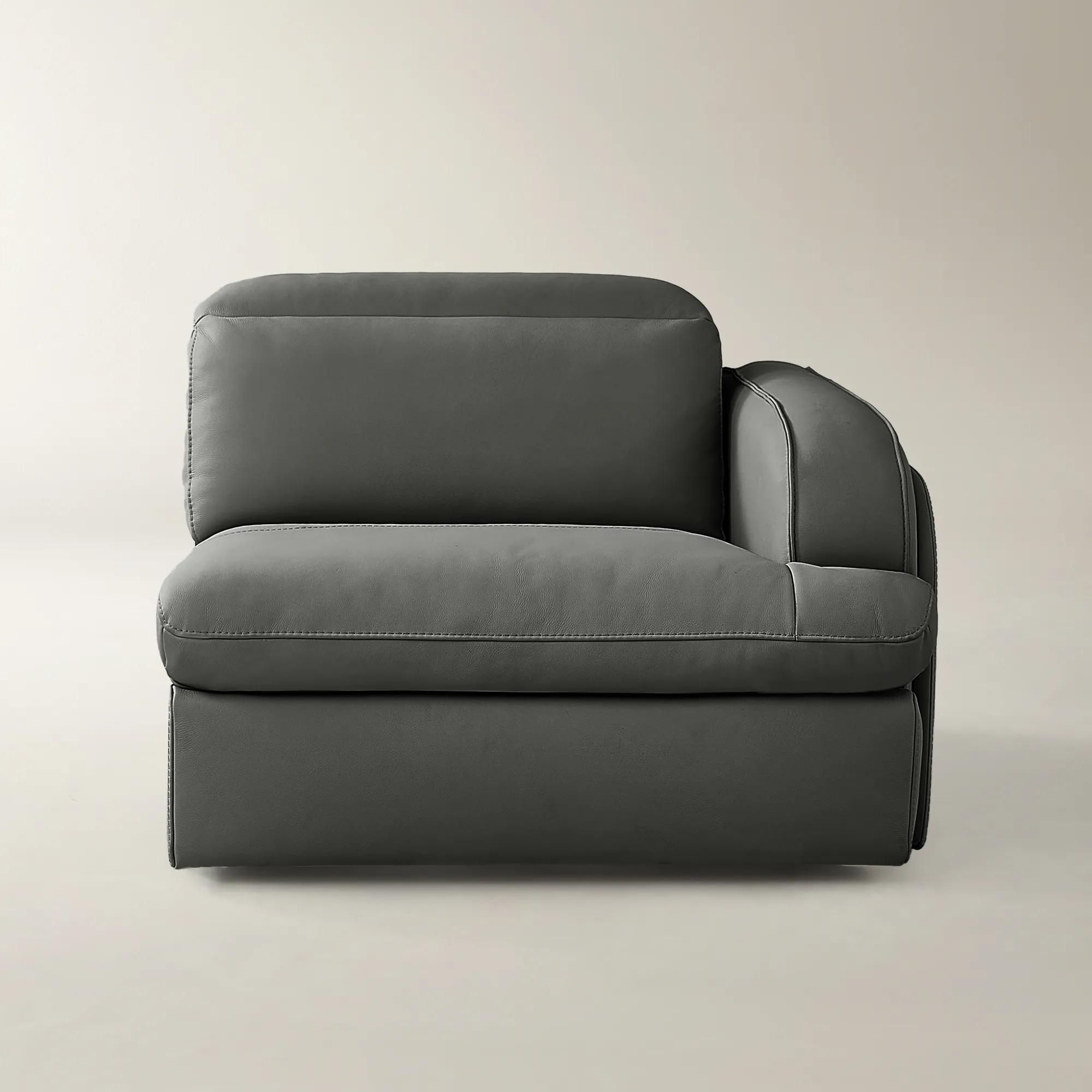
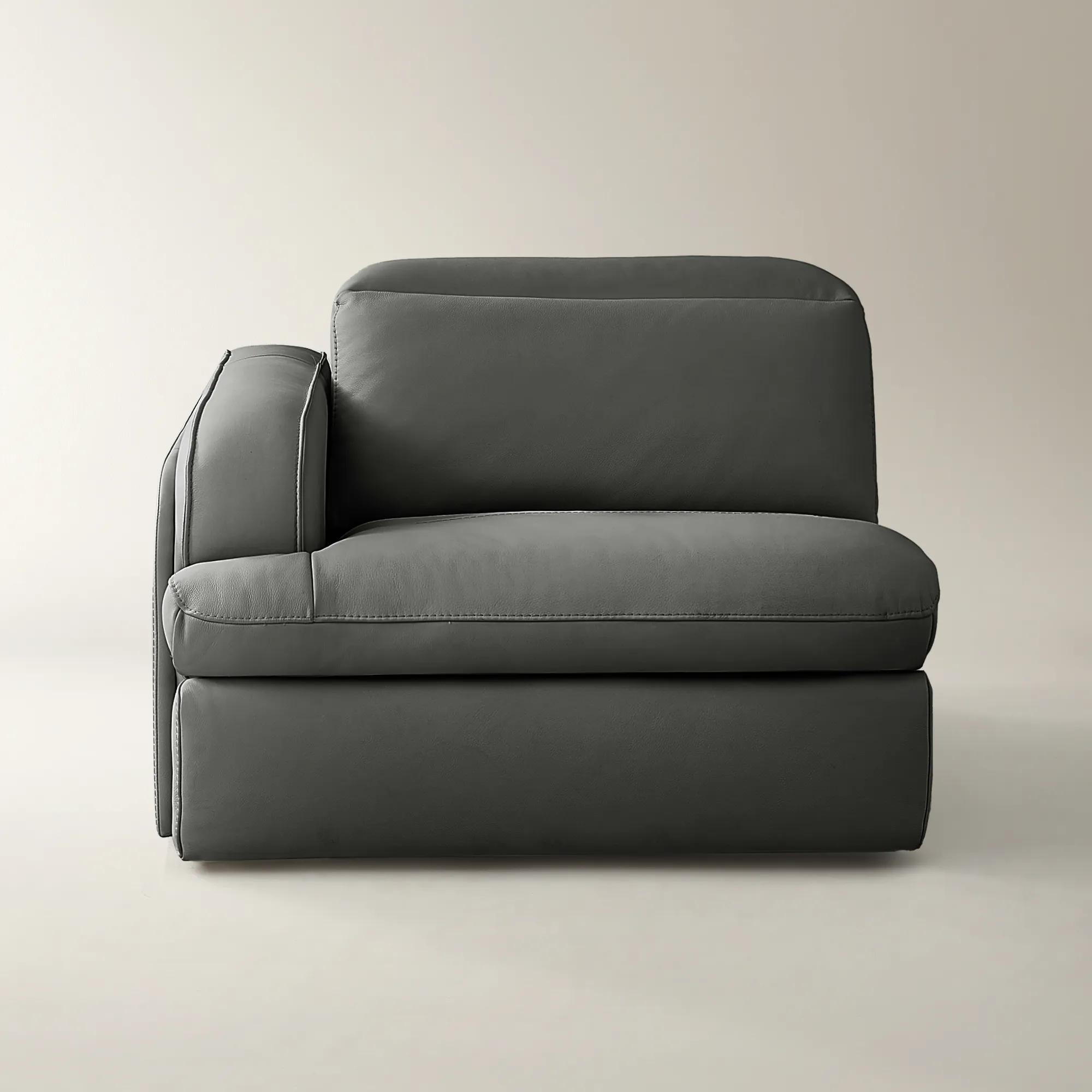
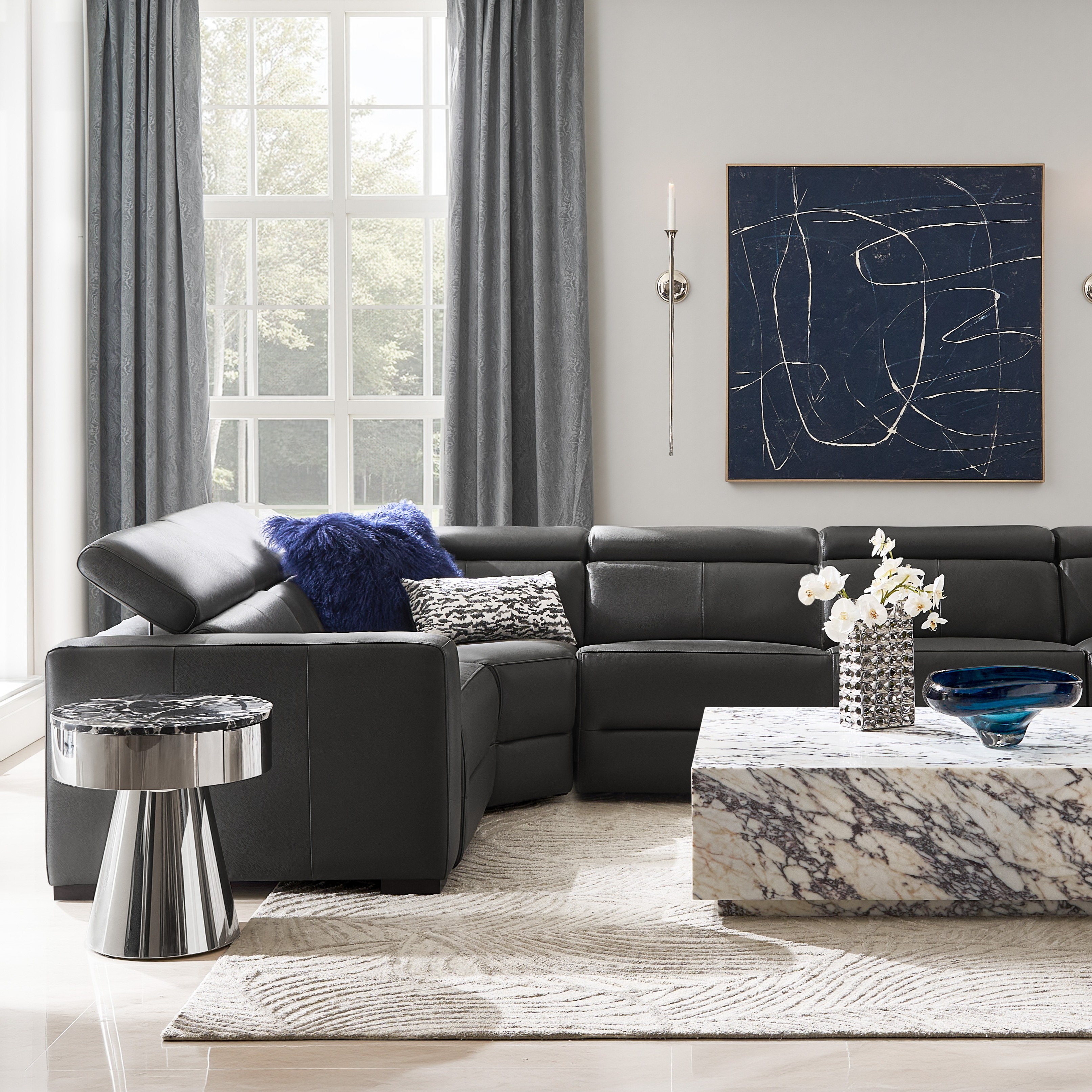 Verona Reclining Charcoal Leather Left Arm Chair With Power$1499
A charcoal semi-aniline leather sectional with adjustable headrests, power-reclining seats, and kiln-dried hardwood frame.
Add To Cart -
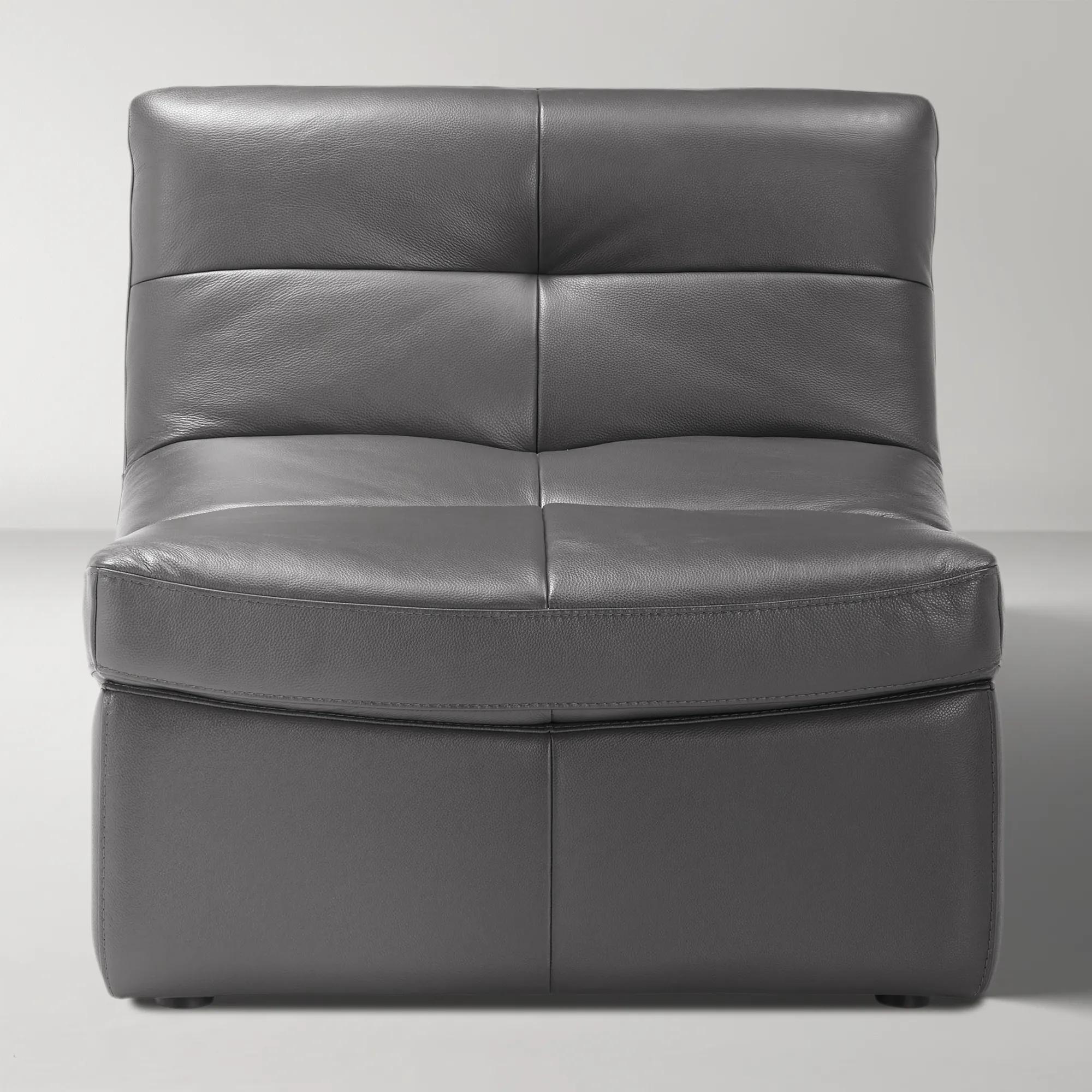
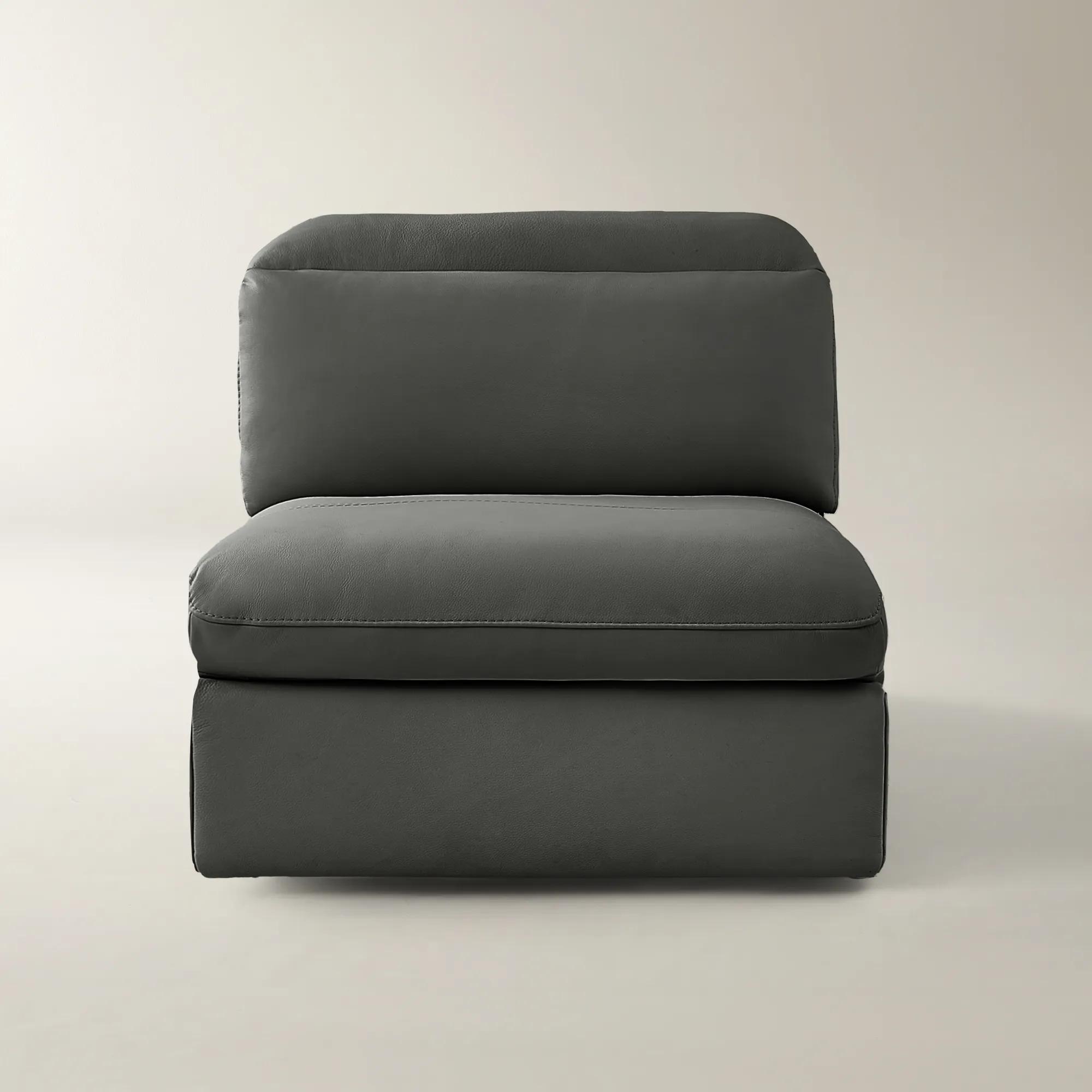
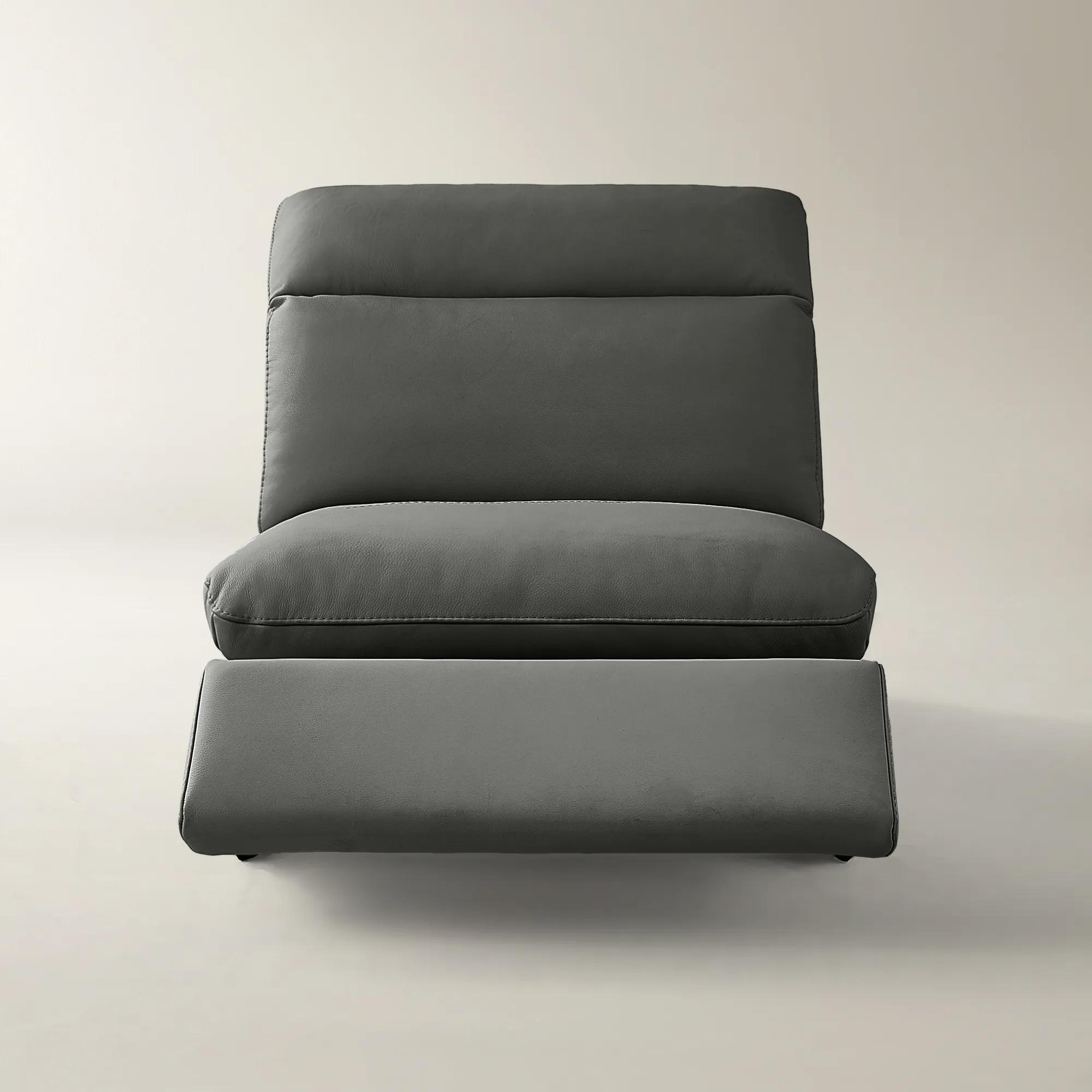
.jpg?w=1200&h=1200) Convo Charcoal Leather Armless Chair$1199
Convo Charcoal Leather Armless Chair$1199A modular sectional with kiln-dried hardwood frame and charcoal semi-aniline leather upholstery for modern versatility.
Add To Cart -
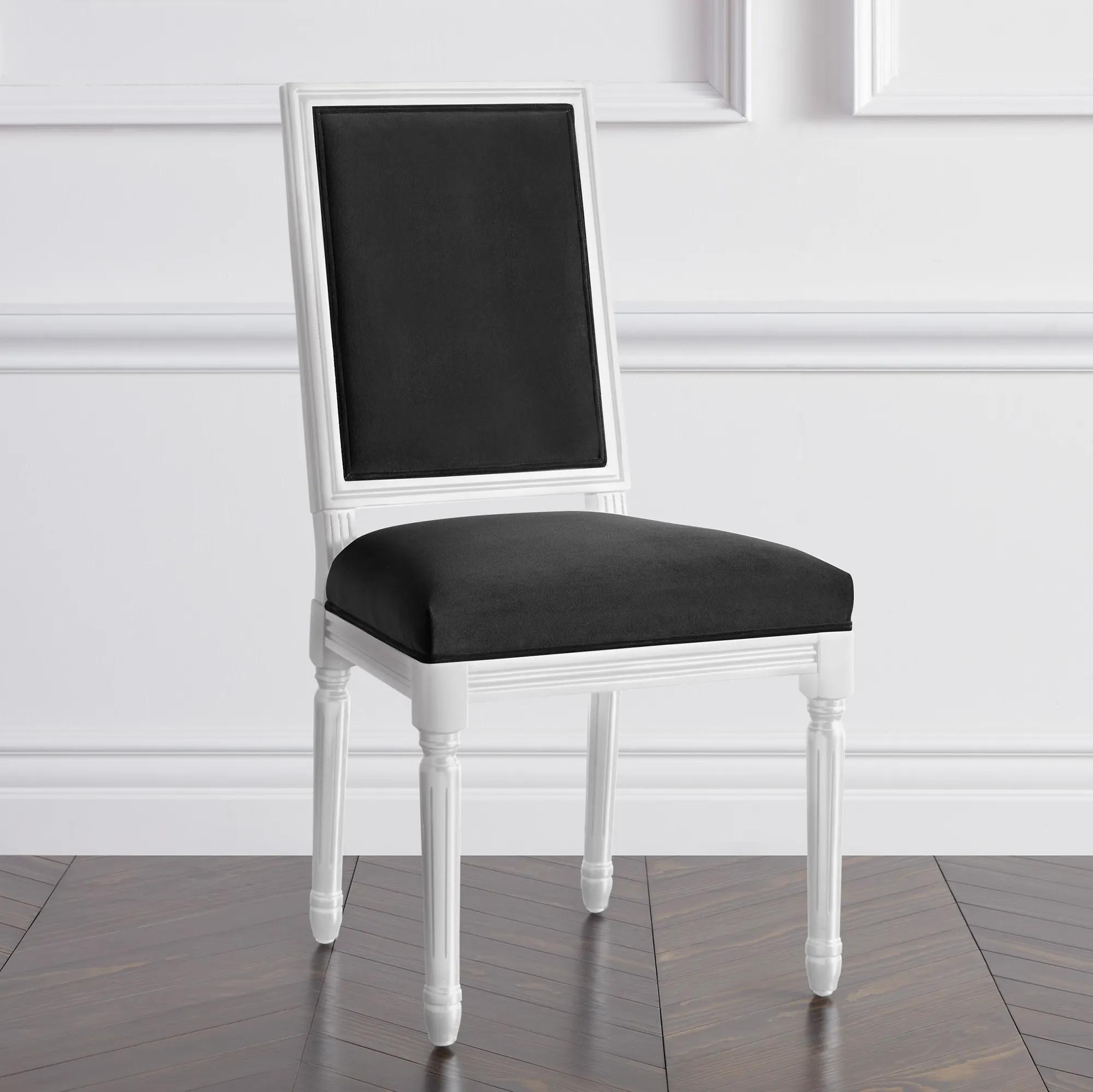
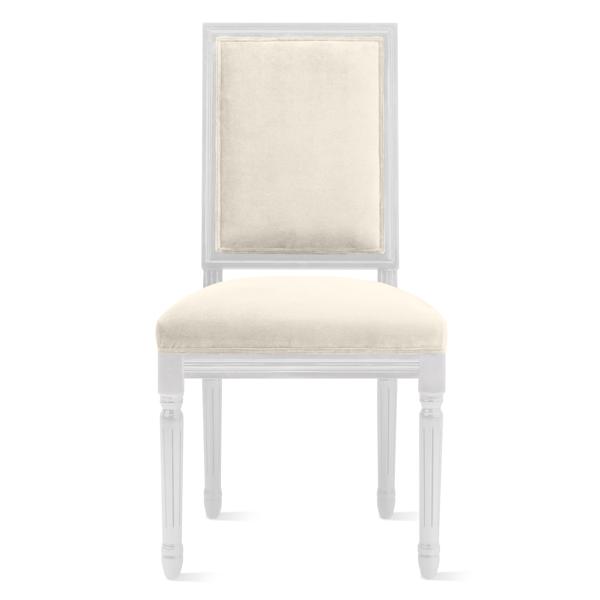 Callan Dining Chair - High Gloss White$599
A handcrafted dining chair featuring a high-gloss white finish, kiln-dried hardwood frame, and plush upholstery.
Add To Cart -
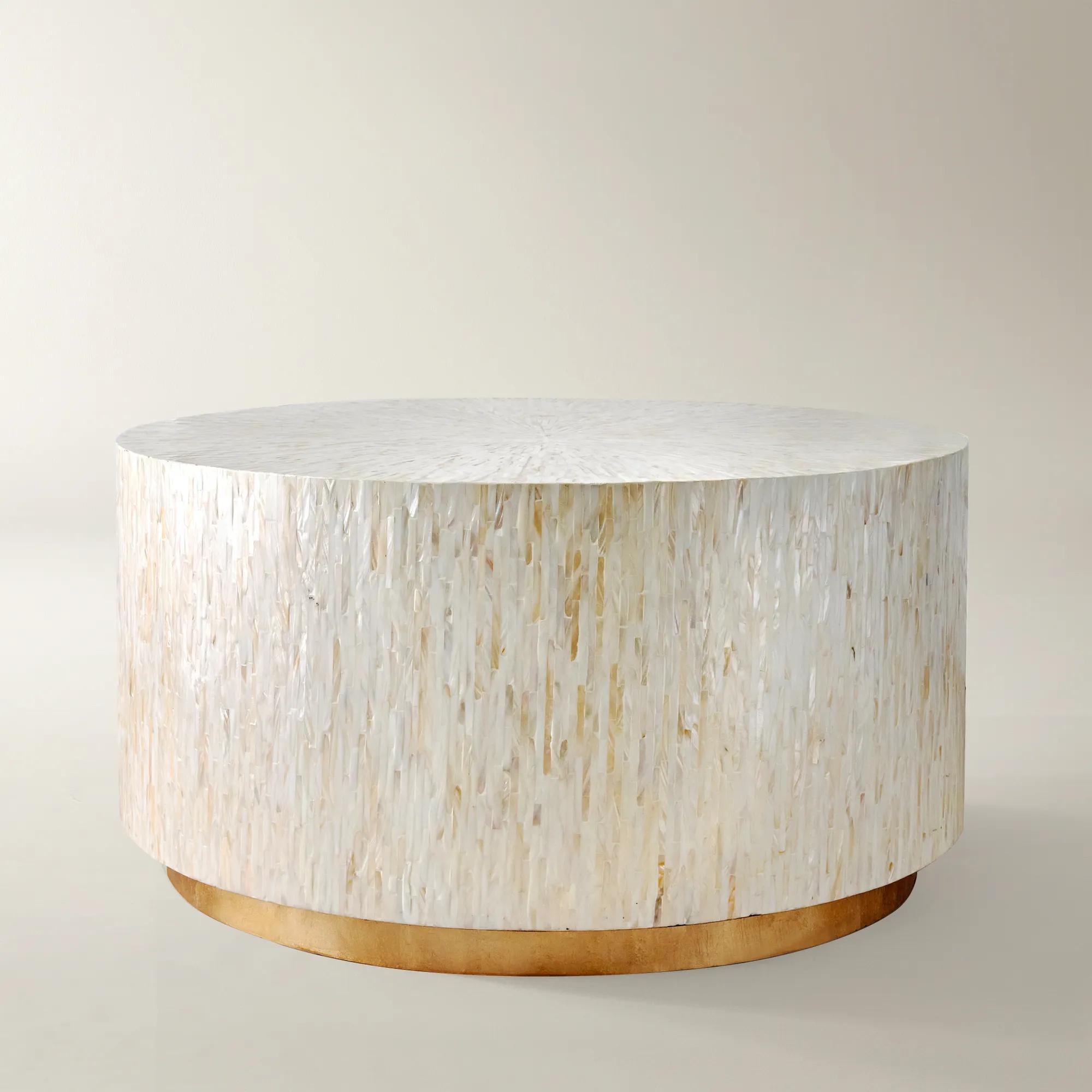
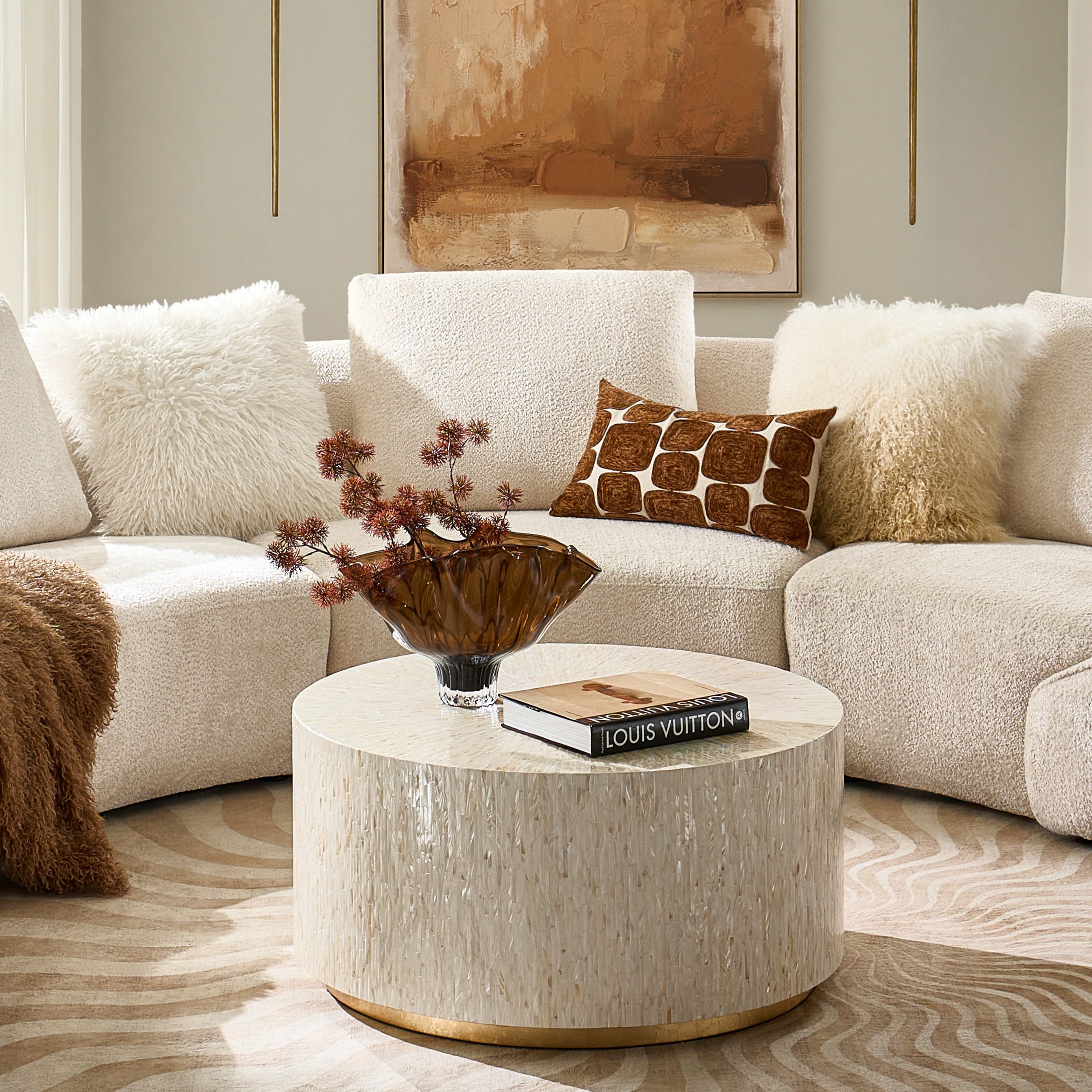 Alexandria Round Mosaic Platinum Coffee Table (36")$799
A luminous ivory coffee table featuring hand-applied mother-of-pearl mosaic and a gold leaf-accented base.
Add To Cart -
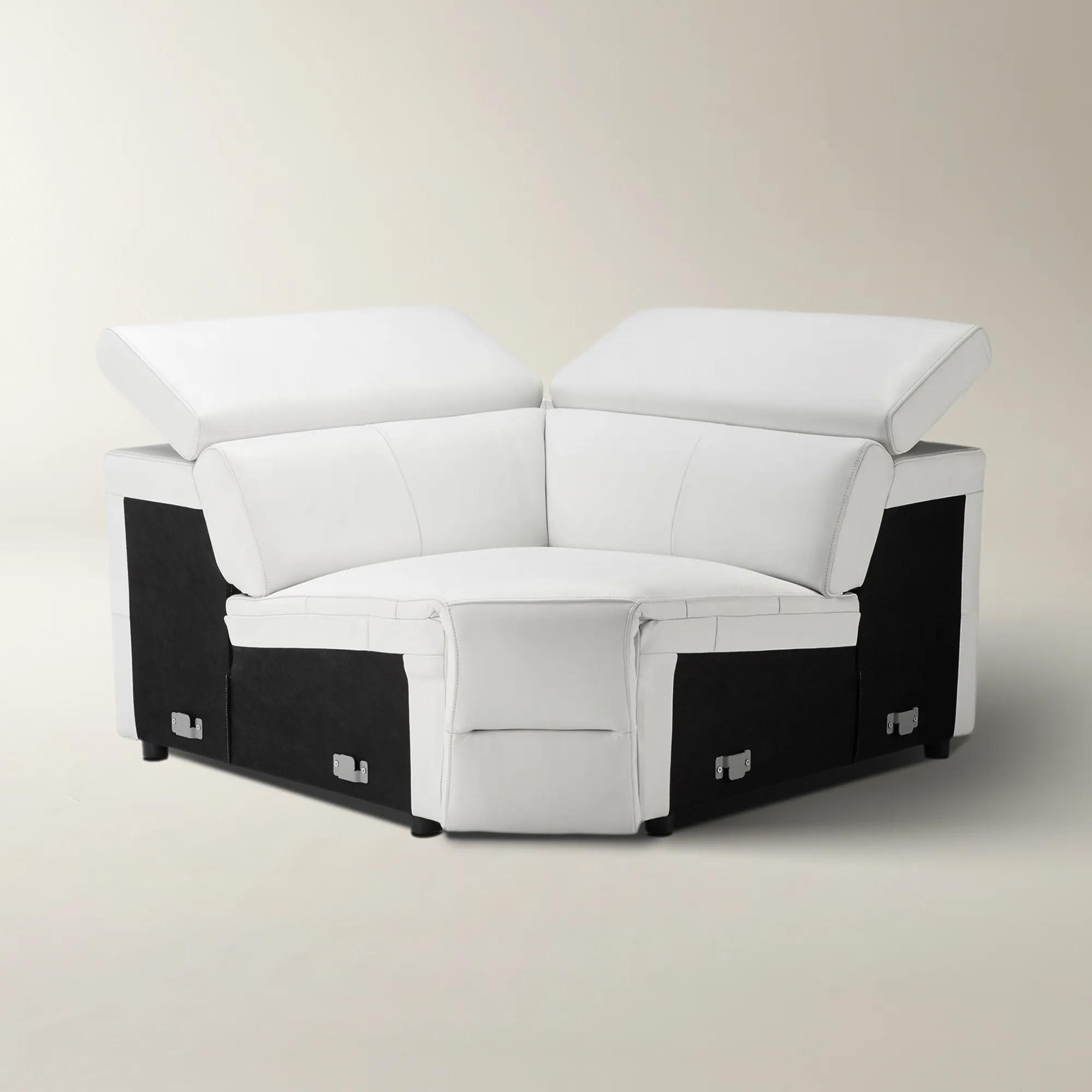
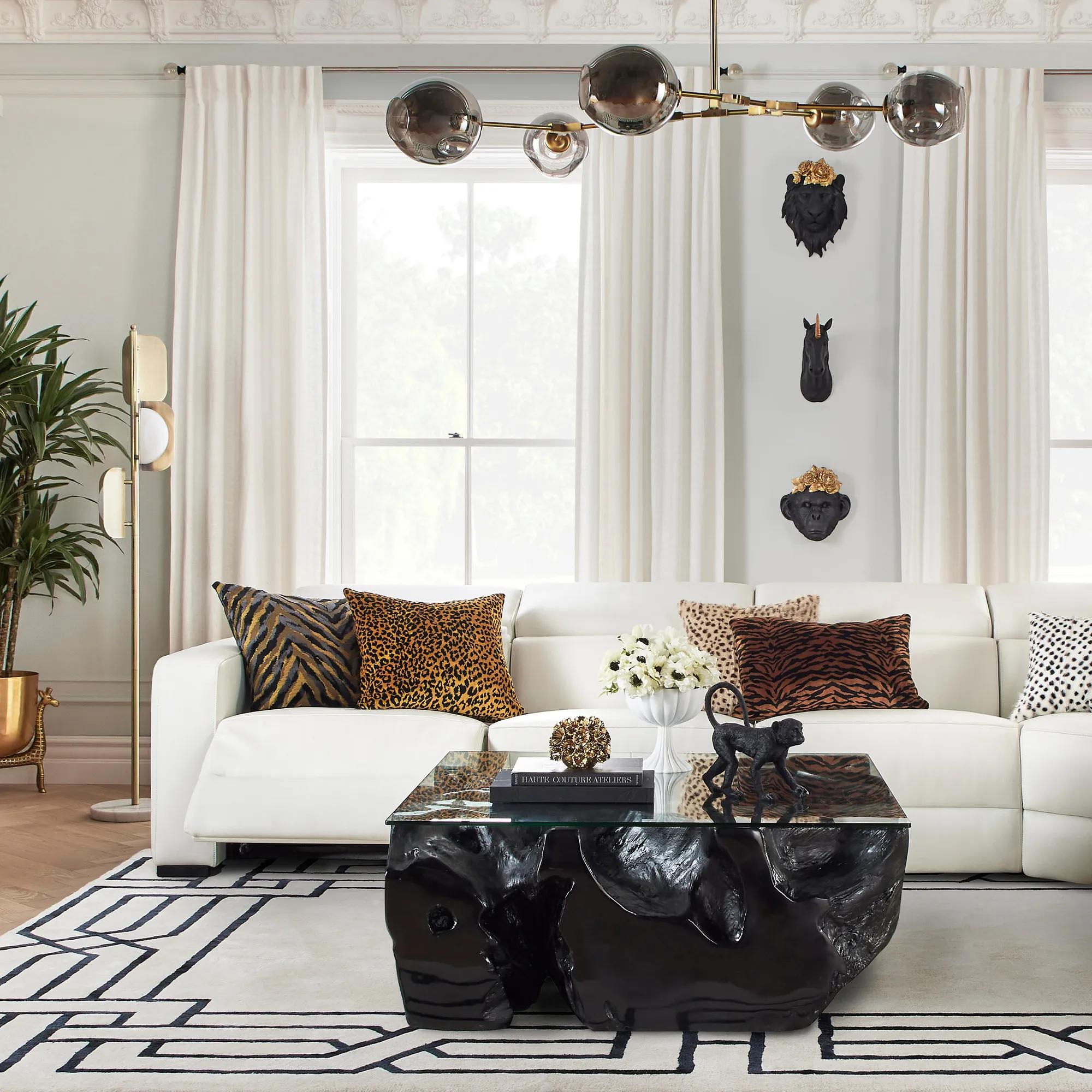 Verona White Leather Corner Chair With Power$1499
A modern sectional upholstered in supple white semi-aniline leather with adjustable headrests and power-reclining seats.
Add To Cart -
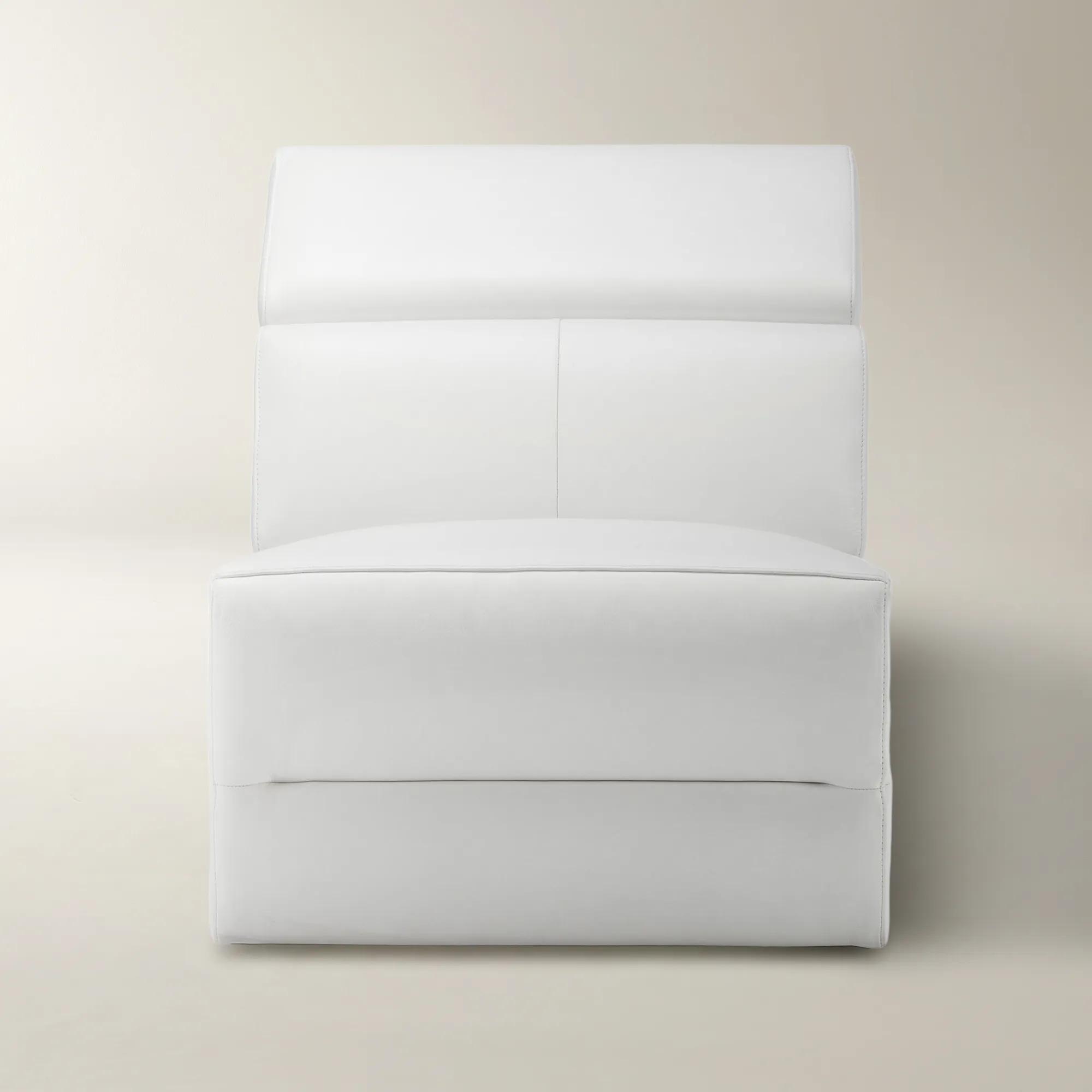 Verona White Leather Armless Chair$1099
A modern sectional upholstered in supple white semi-aniline leather with adjustable headrests and power-reclining options.
Add To Cart -
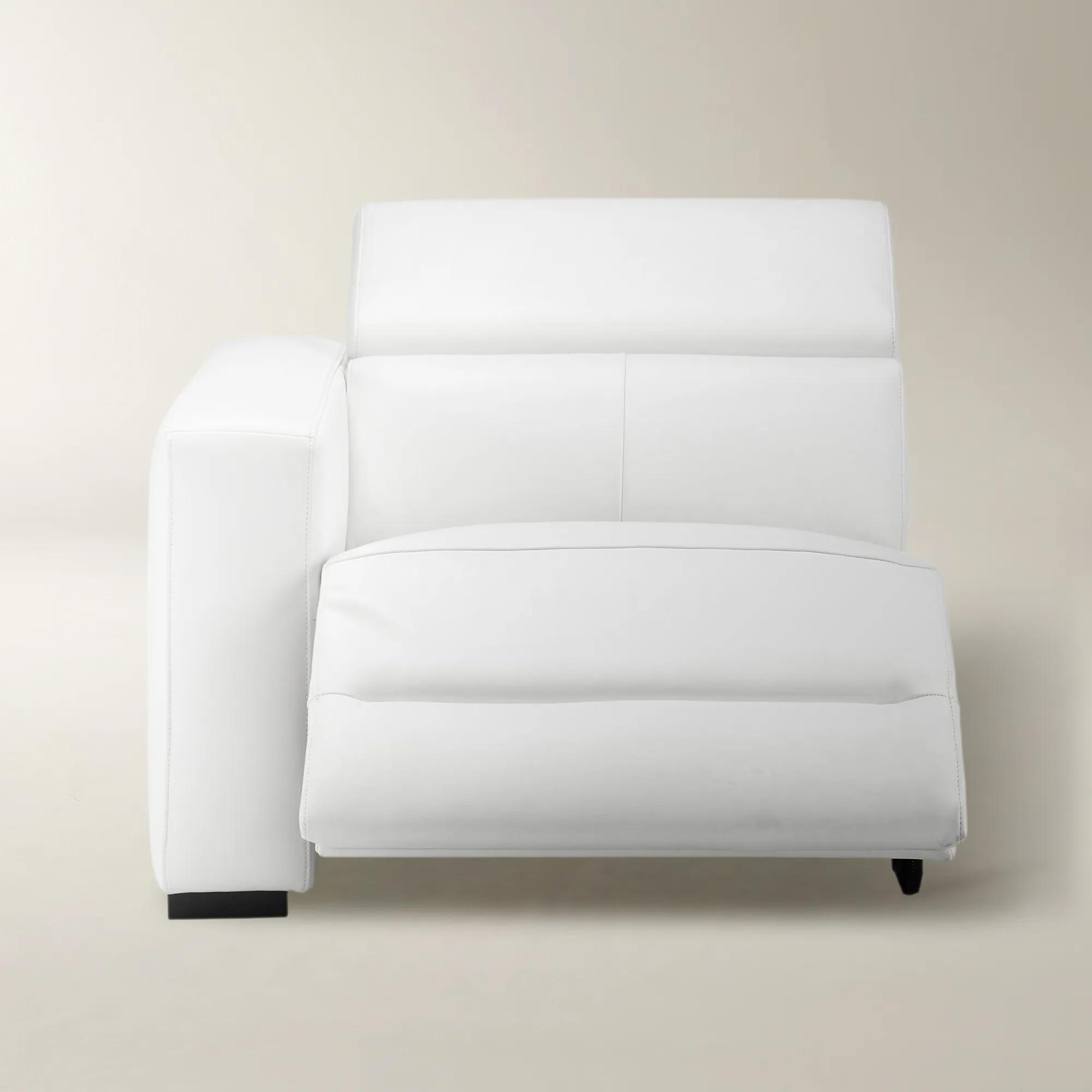 Verona Reclining White Leather Left Arm Chair With Power$1499
A modern white sectional upholstered in supple semi-aniline leather with adjustable headrests and power-reclining seats.
Add To Cart -
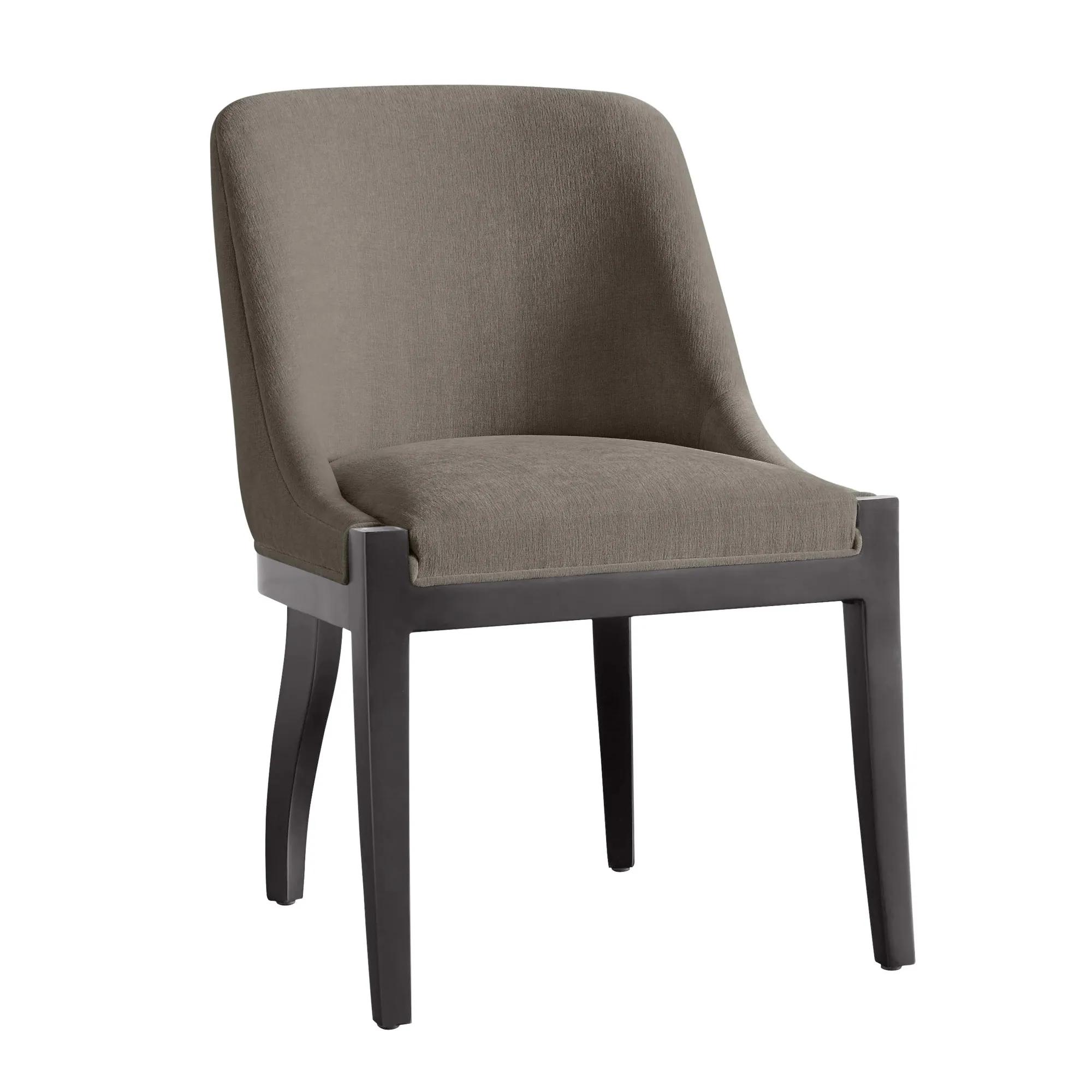
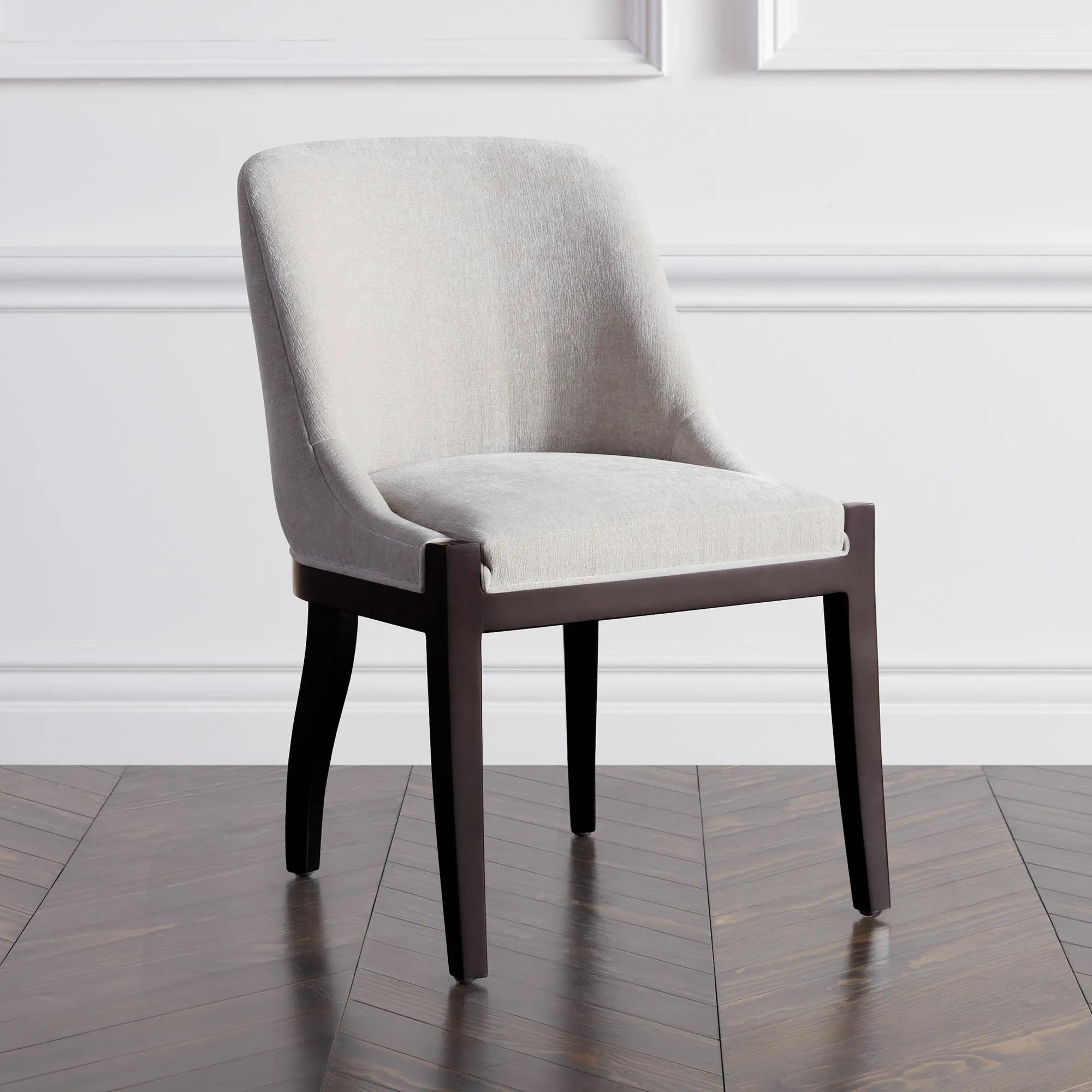 Lily Dining Chair - Espresso$649
A modern dining chair featuring espresso-finished hardwood, curvaceous silhouette, and plush tailored upholstery.
Add To Cart -
 Convo White Leather Corner Chair$1399
A modular sectional featuring kiln-dried hardwood frames and charcoal semi-aniline leather upholstery for modern versatility.
Add To Cart -
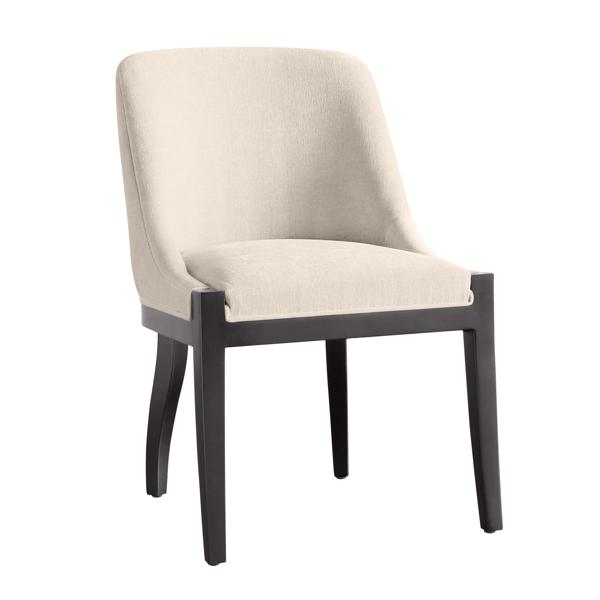 Lily Dining Chair - Espresso$749
A modern dining chair with espresso-finished hardwood frame and plush, tailored upholstery for lasting comfort.
Add To Cart -
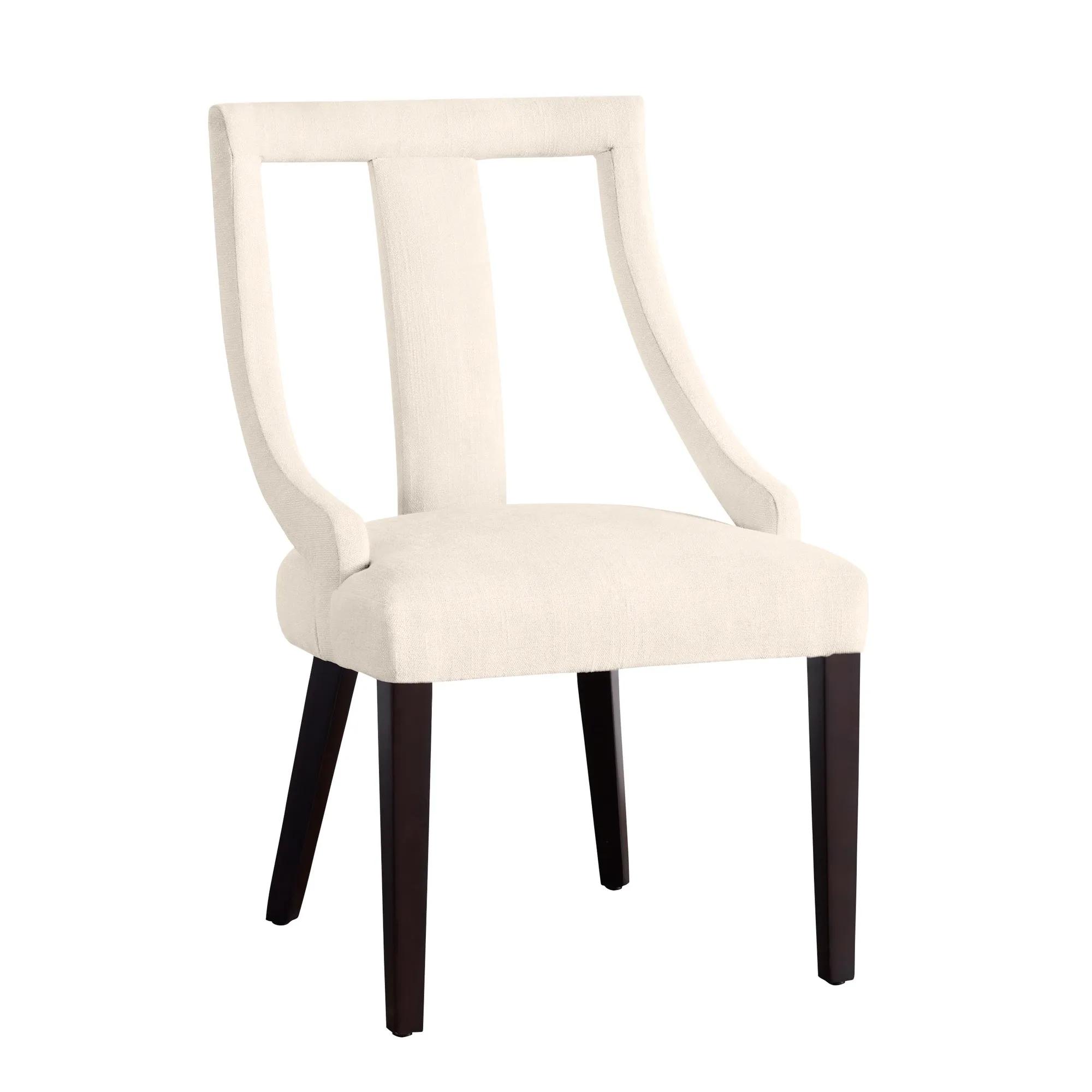
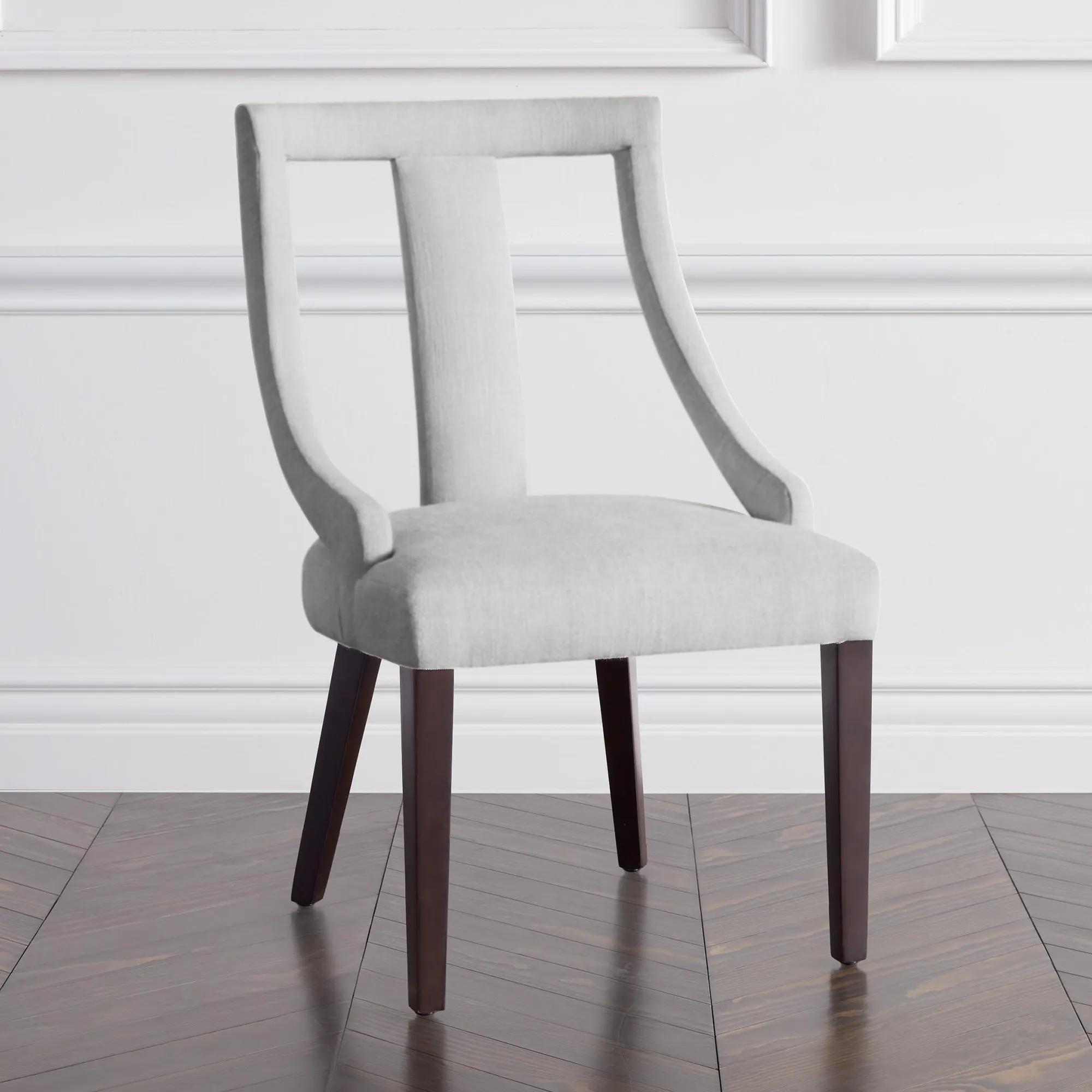 Jade Dining Chair - Espresso$649
A modern dining chair featuring a cutout back, espresso legs, and plush velvet upholstery for lasting comfort.
Add To Cart -
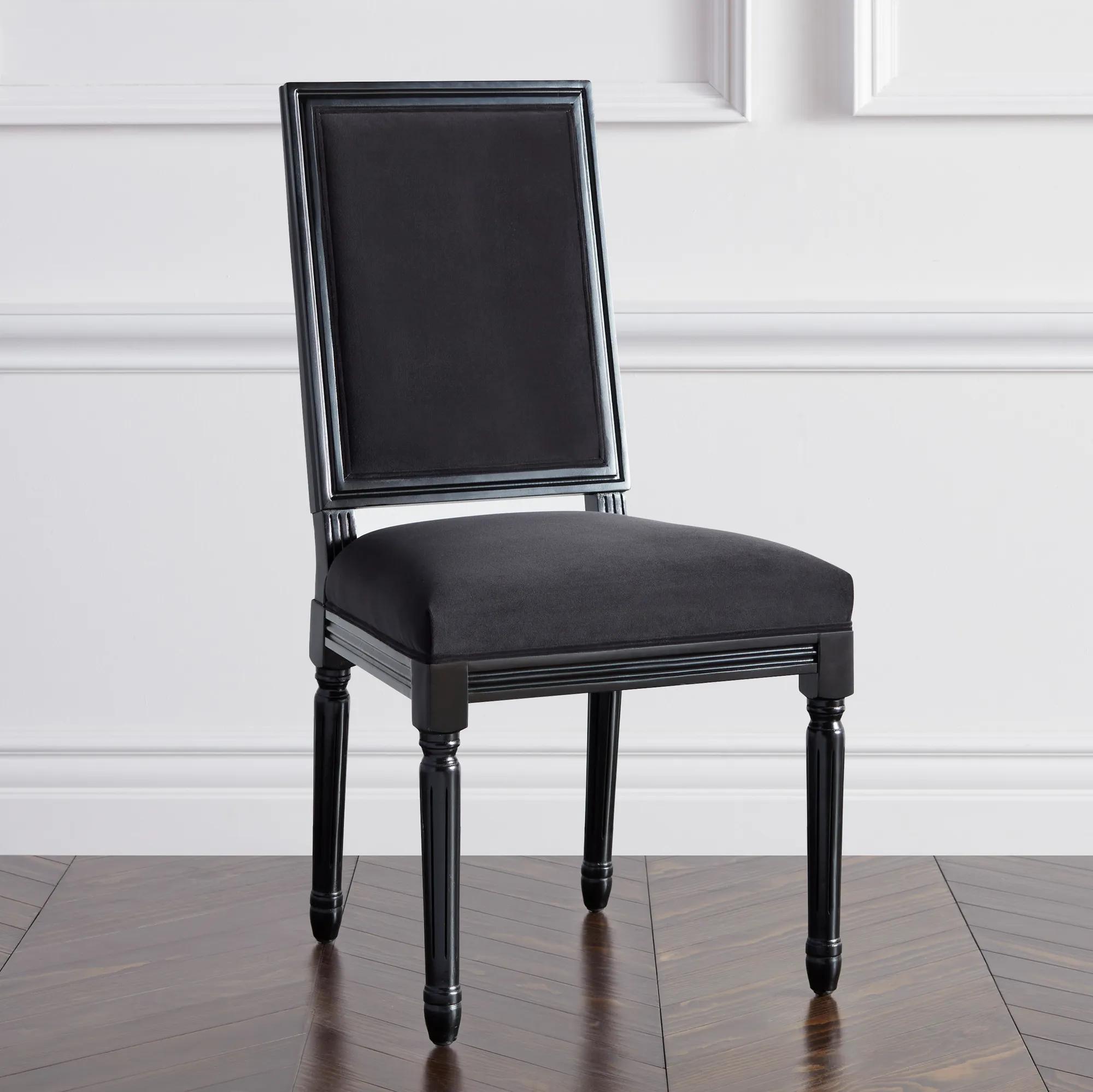
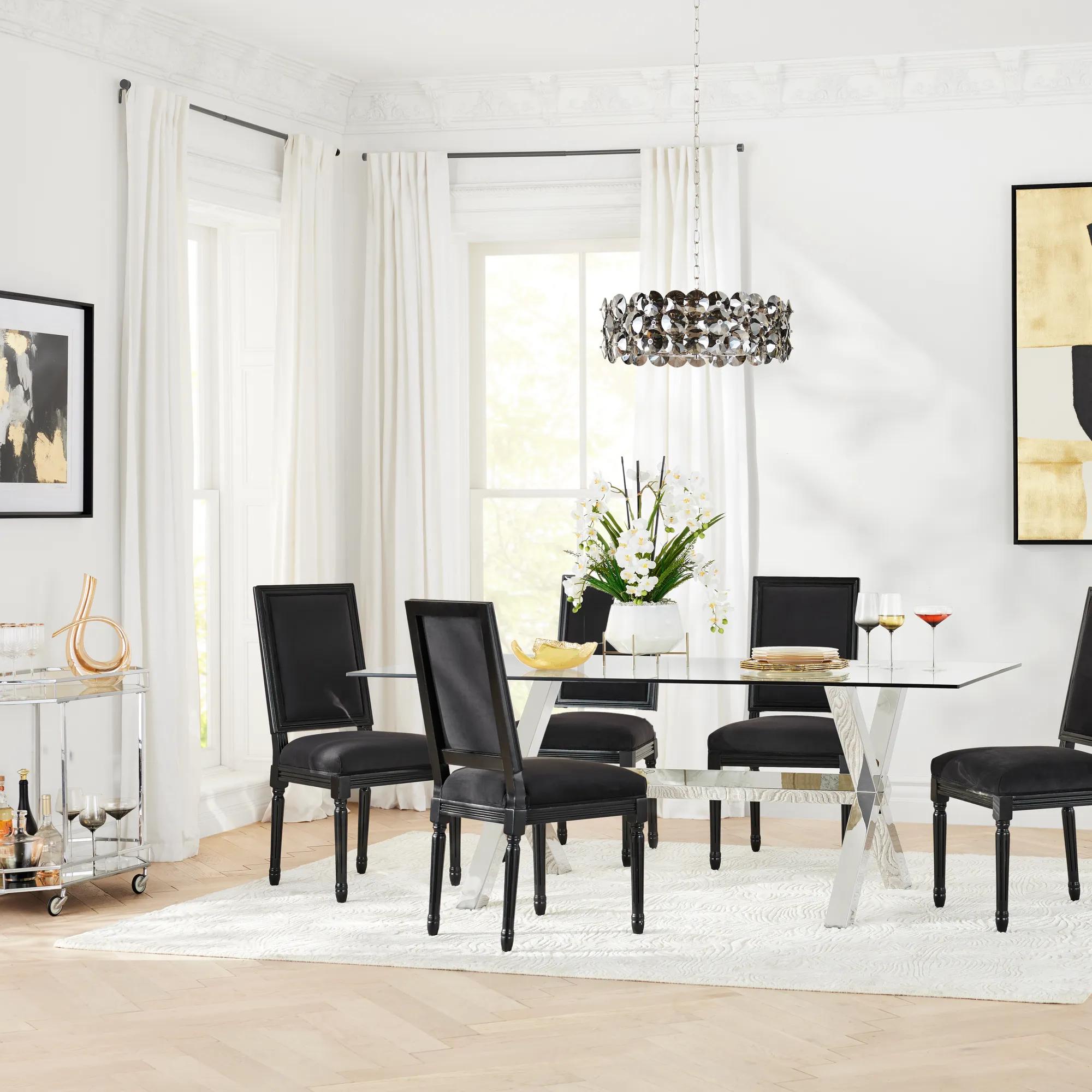 Callan Dining Chair - High Gloss Black$699
A handcrafted dining chair featuring high-gloss black Bella Velvet upholstery, fluted legs, and a squared back.
Add To Cart -
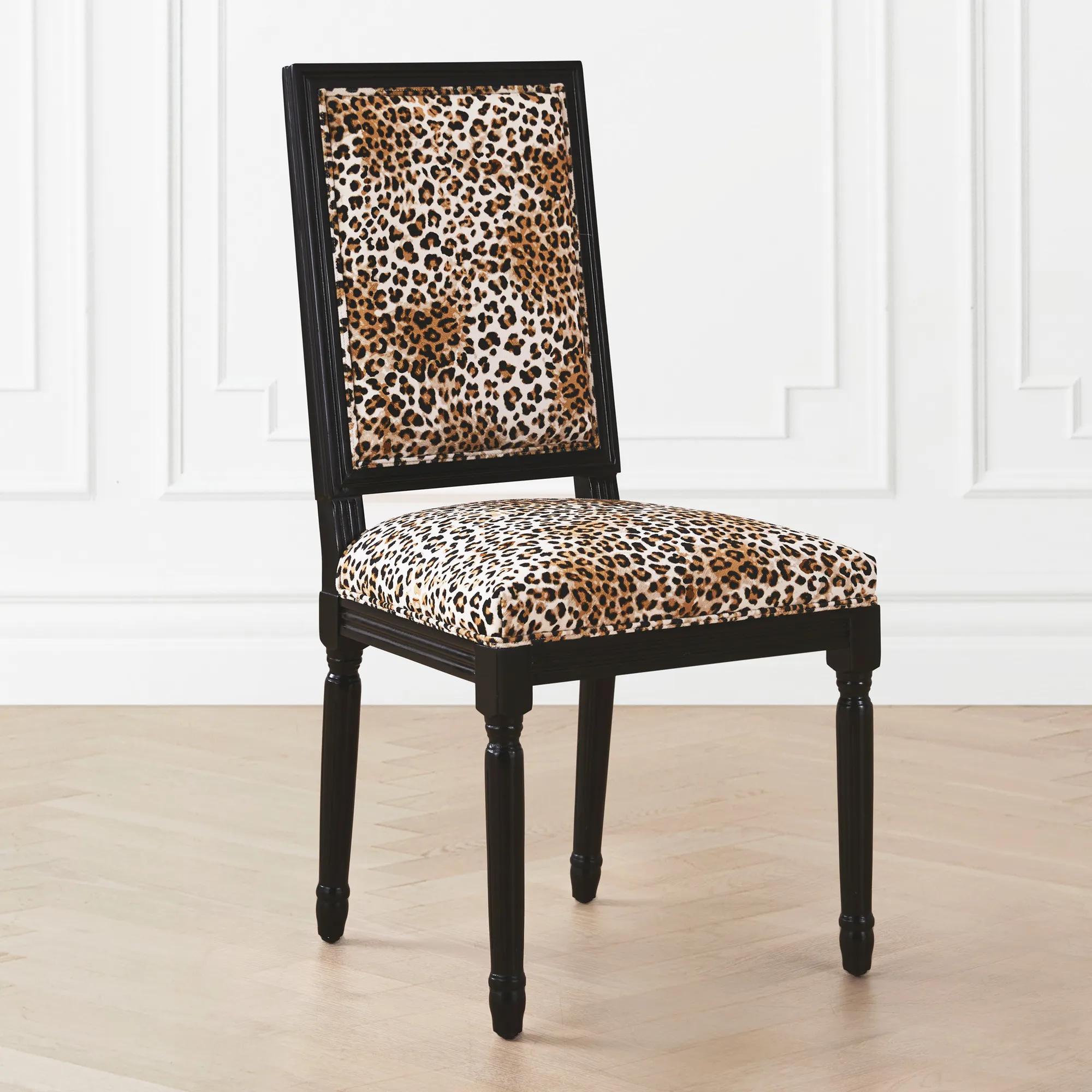
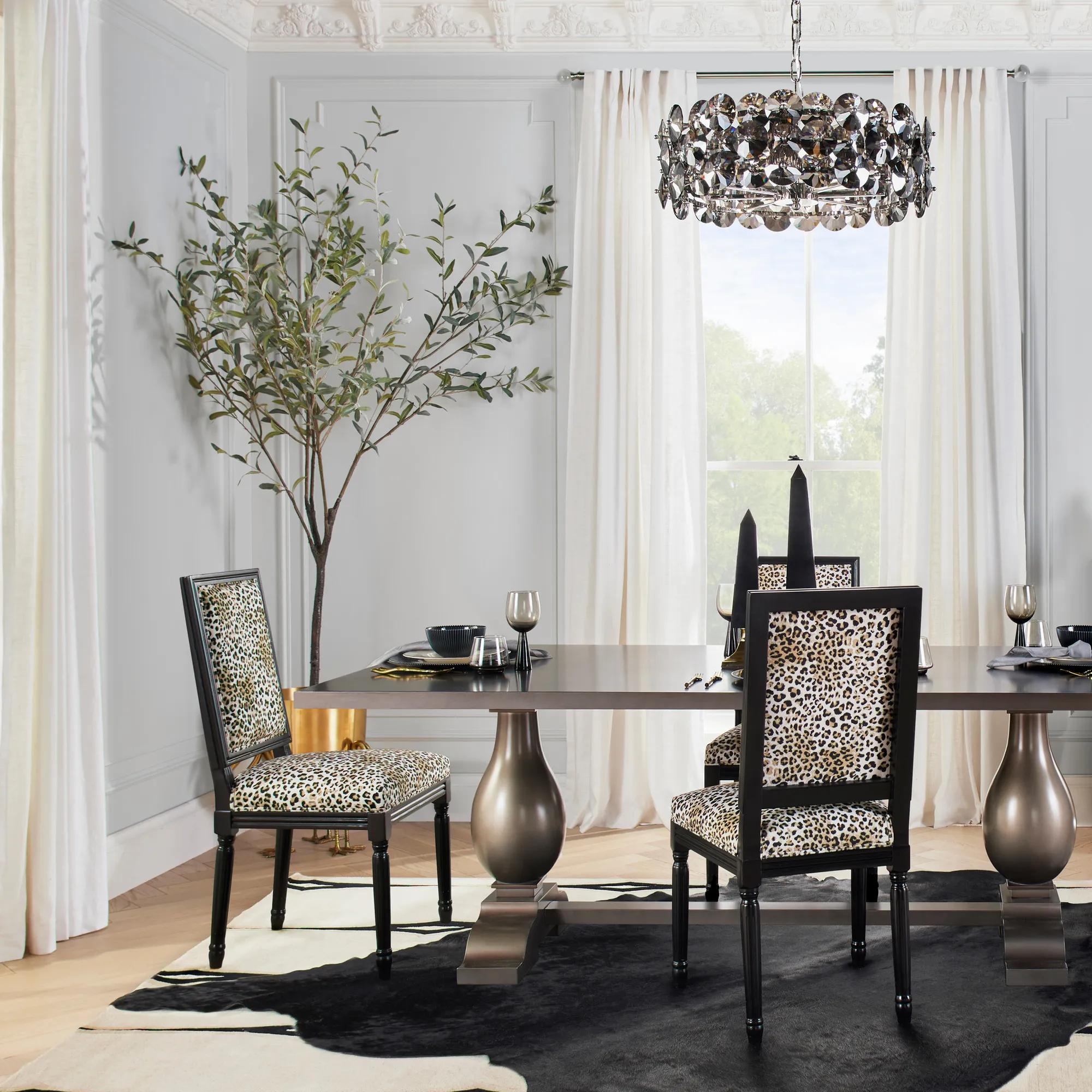 Callan Dining Chair$599
A handcrafted modern chair featuring classic upholstery, squared back, fluted legs, and high-gloss finish.
Add To Cart -
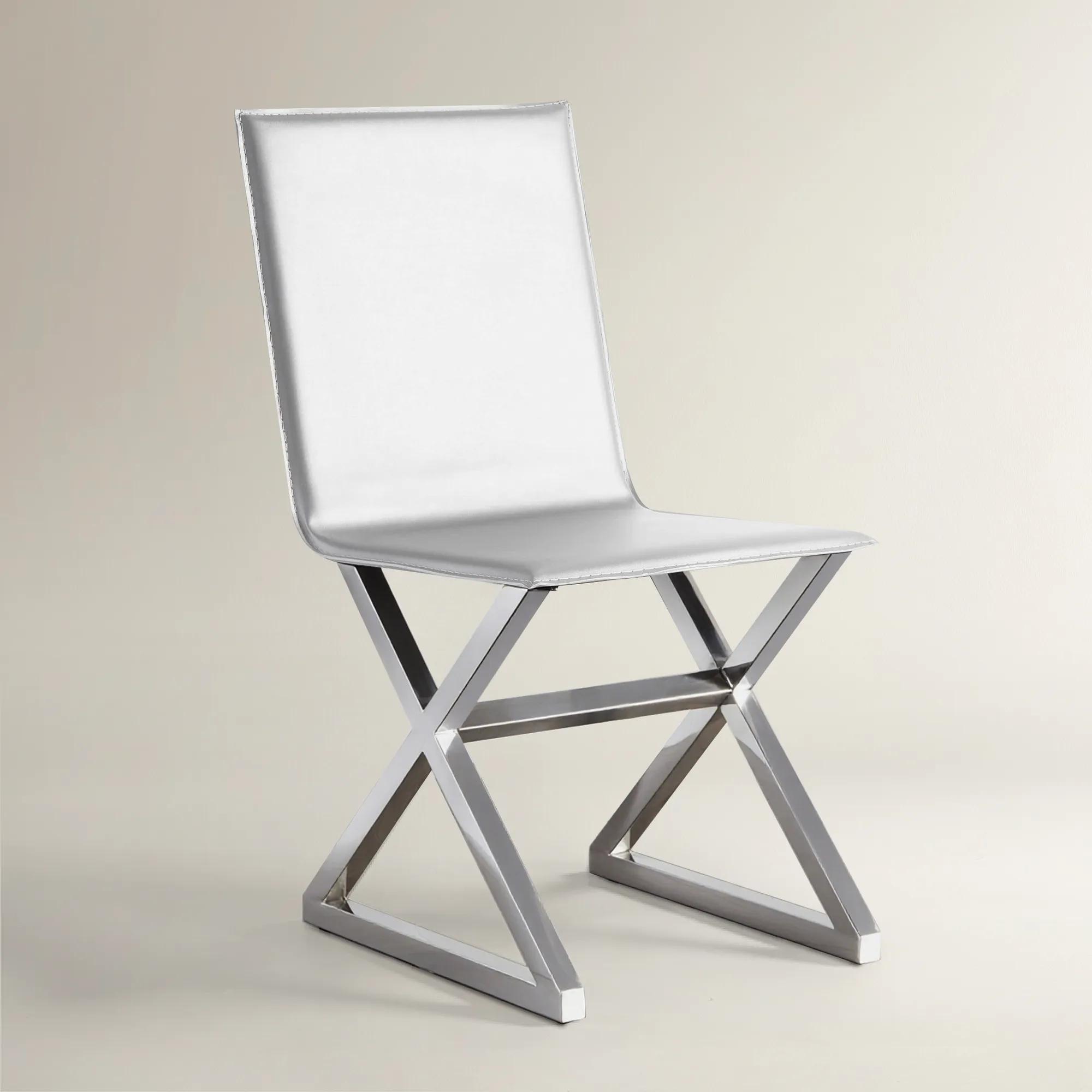
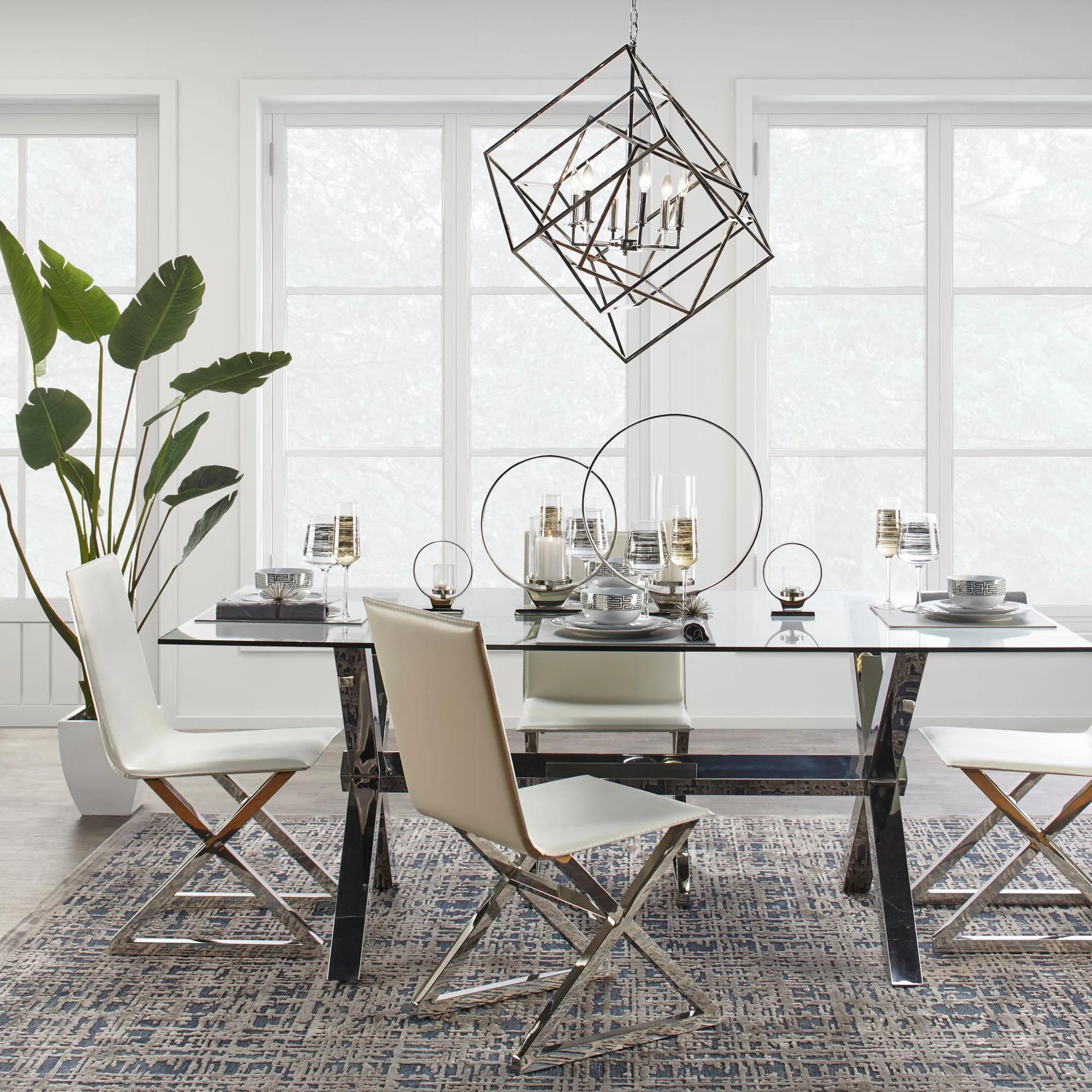 Axis Dining Chair - Set of 2$399
A contemporary chair set featuring white bonded leather upholstery and a polished stainless steel base.
Add To Cart -
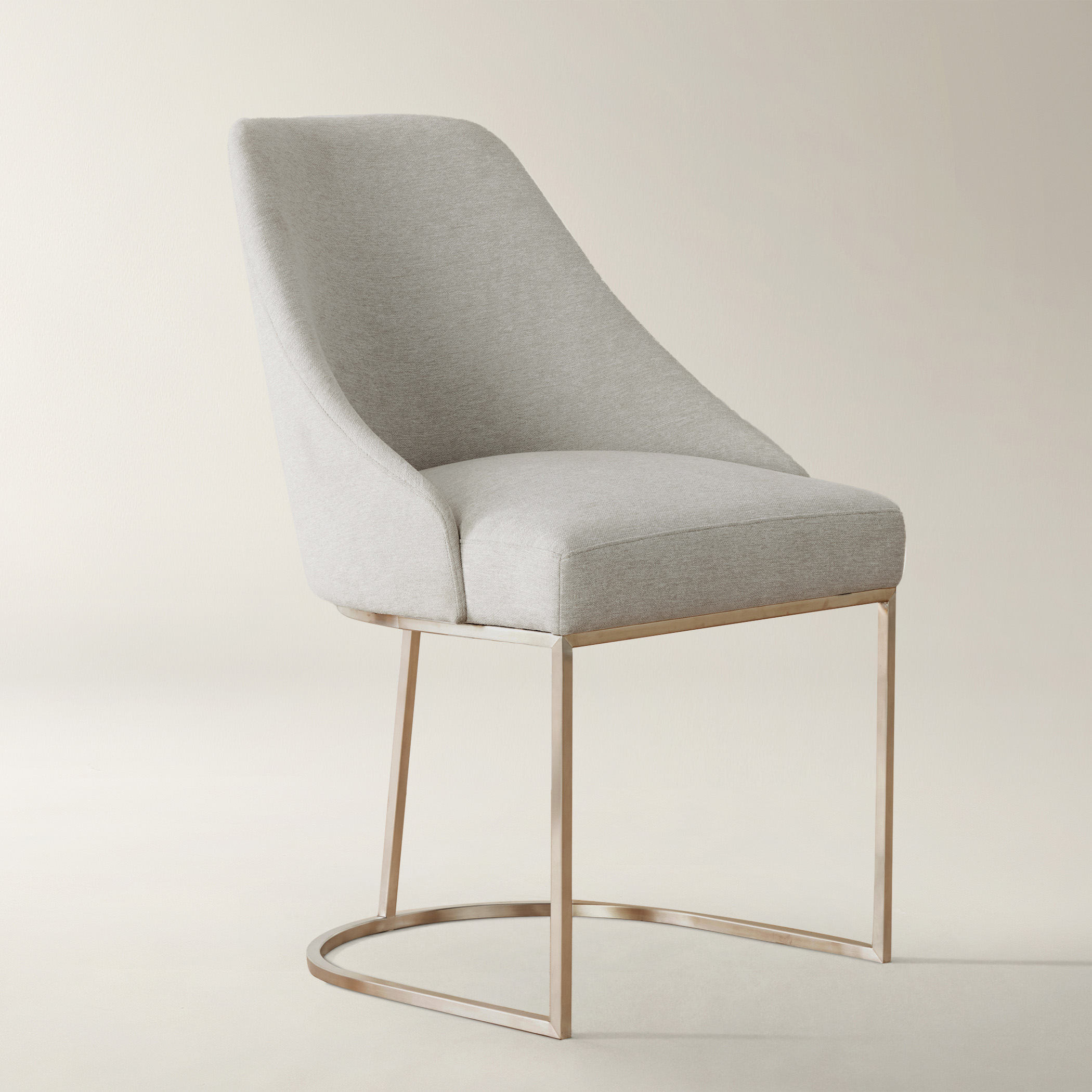
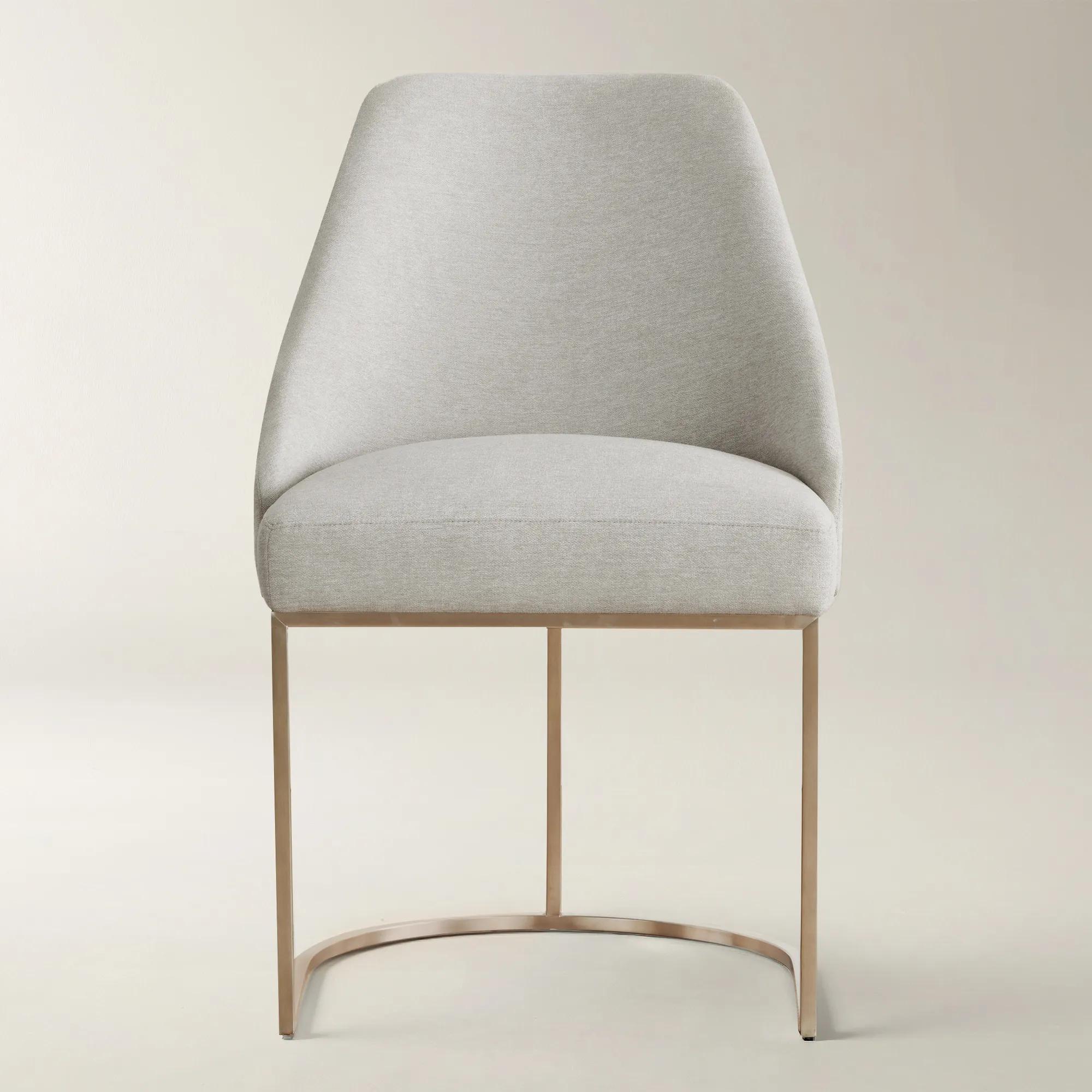 Rowan Ivory Fabric Dining Chair$599
A modern chair featuring brushed stainless steel legs and stain-resistant, water-repellent Roxboro Frost fabric.
Add To Cart -
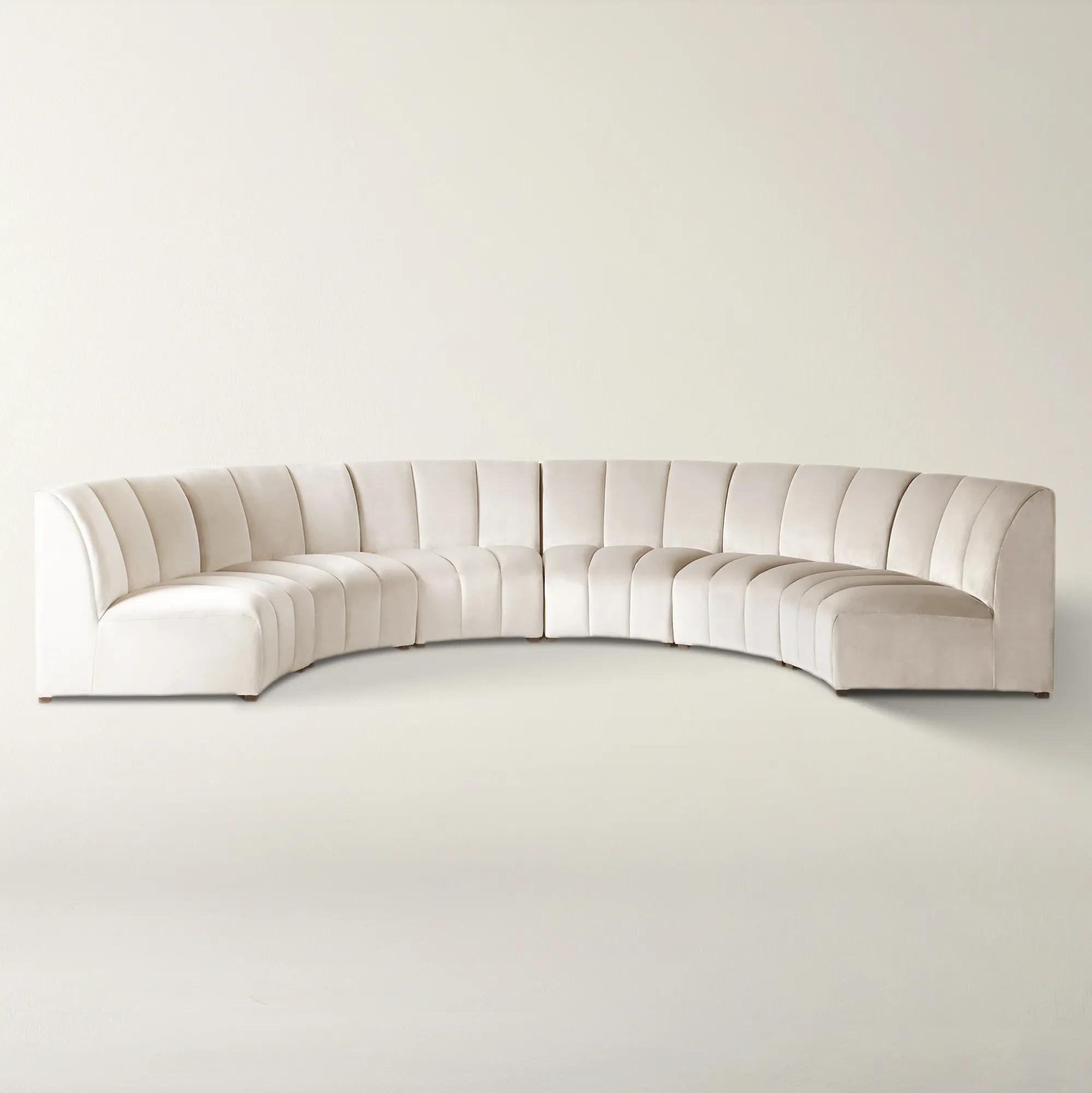 Jayce 6-Piece Channel-Tufted Ivory Velvet Sectional Sofa$5499
A modern curved sectional in stain-resistant Velvet Ivory with deep channel tufting and plush, structured cushions.
Add To Cart -
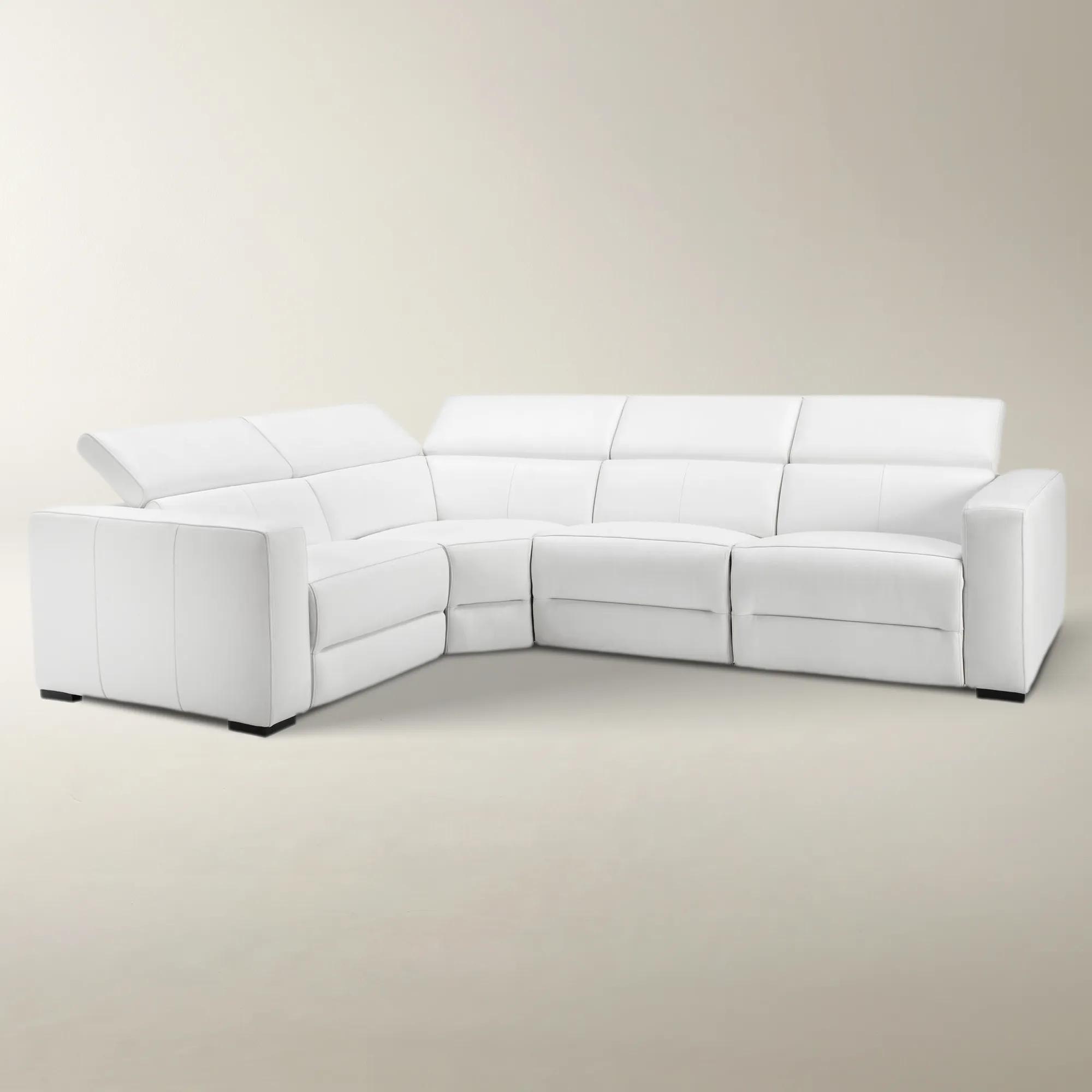 Verona 4-Piece L-Shaped Reclining White Leather Sectional Sofa With Left-Arm$5499
A modern sectional upholstered in supple white semi-aniline leather with adjustable headrests and power-reclining seats.
Add To Cart

Furniture For Modern Living
Step into a world where artistry meets innovation—where furniture for modern living transforms every room into a stage for your personal style. Here, sleek silhouettes and bold statement pieces invite you to reimagine the ordinary, infusing your space with drama, sophistication, and a touch of the unexpected. Whether you crave sculptural forms or sumptuous textures, discover furnishings designed not just to fill a home, but to ignite inspiration and celebrate the art of living beautifully.
Furniture for modern living brings clean lines, expressive materials, and everyday comfort into a cohesive interior. Its defining qualities include balanced proportions, purposeful storage, and silhouettes that make a room feel composed without stripping away personality. Modern furniture can be richly layered: a low-profile sofa against a dark wall, a sculptural table catching the light, or a generously upholstered chair that softens an architectural corner. Neutral shades and warm earth tones create a versatile foundation, while jewel-toned upholstery, gleaming metal, and dramatic wood grain give that foundation depth. The result is a home with a distinct point of view, designed for both quiet evenings and a room full of guests. In the living room, sofas and sectionals establish the scale and rhythm of the seating arrangement. A deep seat invites lounging, while a more upright profile may better suit conversation or a space shared by several generations. Modular designs can offer flexibility when their individual components and connection systems support different configurations; curved seating brings a softer outline to angular rooms. Accent chairs add another layer of comfort and expression, whether paired for conversation or placed beside a window with a reading light. Coffee tables and side tables give those seats a practical companion, keeping a drink or book within reach while introducing contrast through glass, wood, stone, or metal. A rounded table can ease circulation around a sectional, while a rectangular shape often complements a longer sofa. For households that entertain, movable occasional seating and nesting tables can accommodate company without permanently crowding the floor. Modern living room furniture feels most successful when its visual drama supports the way the space is actually used. A sumptuous sofa still needs an appropriate seat height, and a striking table should leave enough room to move comfortably. Those relationships turn a collection of beautiful forms into a setting that feels generous, assured, and entirely personal. Even in an open-plan home, a considered grouping can establish an intimate destination without interrupting the larger room.
Materials give contemporary furniture much of its character, shaping not only its appearance but also how it feels and ages. Velvet lends upholstery a luminous depth, with a pile that shifts subtly as it catches the light. Bouclé introduces a looped, dimensional texture, while tightly woven fabrics offer a more tailored surface. Leather has its own expressive range, from smoother finishes to surfaces that develop visible character with use; its maintenance requirements depend on the finish and treatment. In homes shared with children or pets, upholstery selection deserves particular attention. A textured fabric may disguise minor marks, but loose loops can be vulnerable to claws, and a pale surface may reveal spills sooner than a deeper tone. Performance fabrics vary, so stain resistance, cleaning instructions, and other protective qualities should be confirmed rather than assumed. Beneath the upholstery, frame construction, joinery, suspension, and cushion composition all influence long-term support. Firm cushions create a crisp, structured look, while softer fills may require more frequent fluffing to retain their shape. Wood furniture adds warmth through grain and tonal variation; solid wood and wood veneer over a stable substrate have different construction characteristics, and neither label alone establishes overall quality. Glass can lighten the visual presence of a substantial table, although fingerprints and exposed edges deserve consideration in busy rooms. Stone introduces distinctive veining and weight, with porosity, sealing needs, and sensitivity to acids varying by material. Polished metal brings a gleaming accent, while brushed finishes offer a quieter reflection. Care preserves these details: upholstery generally benefits from regular vacuuming with an appropriate attachment, and spills call for prompt attention according to the stated cleaning method. Coasters, protective pads, and gentle, material-appropriate cleaners help protect tabletops from moisture, scratches, and finish damage. Direct sunlight may fade fabrics or alter wood tones over time. For dining furniture, desks, and other frequently used surfaces, durable finishes and accessible care routines are especially valuable. Luxury feels more convincing when beautiful materials suit the household, rather than demanding that daily life tiptoe around them.
Proportion connects every room, making furniture fit about more than whether a piece clears a wall. Overall width and depth matter, but so do seat height, arm height, legroom, and the space needed to open doors or drawers. Delivery routes also deserve attention, particularly in buildings with elevators, tight stair turns, or narrow entryways. In a compact living area, raised legs and open bases can reveal more floor, giving an arrangement a lighter visual presence without sacrificing a bold silhouette. Larger rooms often benefit from more substantial seating and tables that hold their own within the architecture. For interiors where each footprint carries extra importance, Furniture For Modern Condo Living reflects the relationship between expressive design and space-conscious proportions. Across home sizes, storage furniture helps preserve the clarity associated with modern interiors. A media console can conceal everyday equipment, provided its dimensions, ventilation, and cable access suit the devices inside. A credenza brings a strong horizontal line to a dining or living space while accommodating serving pieces, linens, or household essentials. Tall storage can draw the eye upward, with appropriate wall anchoring essential wherever recommended by the manufacturer. Dining tables extend the same balance of presence and purpose: a pedestal base may allow more flexible chair placement, while an extending design can support larger gatherings when there is adequate clearance around it. Upholstered dining chairs introduce softness, but their seat heights and arms need to work with the tabletop and apron. In the bedroom, an upholstered headboard creates a richly textured focal point, complemented by nightstands scaled to the mattress height and storage that leaves drawers easy to access. A desk in a shared living space can echo surrounding finishes while offering sufficient depth for its intended work setup. Throughout the home, repeating one or two material notes creates continuity without requiring every piece to match. A dark wood finish might recur across rooms, or a metallic detail might connect otherwise contrasting shapes. These measured repetitions allow a daring silhouette or saturated fabric to command attention, giving modern living its most compelling quality: comfort with unmistakable character.
FAQs
Modern living room furniture is characterized by clean, architectural lines, a harmonious blend of luxurious materials such as polished metals, rich woods, and plush upholstery, and a focus on both comfort and visual impact. These pieces often feature innovative silhouettes and sophisticated finishes, creating a space that feels curated, expressive, and effortlessly stylish.
Blending modern furniture with traditional architecture or décor is all about balance and contrast. Introduce a sculptural accent chair or a streamlined coffee table to juxtapose ornate moldings or classic textiles. Layering textures—like pairing a velvet sofa with a vintage rug—creates visual intrigue and allows each piece to shine, resulting in a space that feels collected and uniquely yours.
Modern furniture often showcases a dynamic interplay of materials, including gleaming metals, glass, lacquer, marble, and richly grained woods. Upholstery in luxe fabrics such as velvet, leather, or high-performance textiles adds tactile appeal and depth. These materials are selected not only for their striking appearance but also for their ability to elevate the sensory experience of a room.
Absolutely. Modern furniture is designed to be both beautiful and functional, making it an inspired choice for family homes. Many pieces feature durable, easy-to-clean fabrics and thoughtful construction, ensuring they can withstand the rhythms of daily life while maintaining a sense of glamour and sophistication.
To infuse your modern living space with seasonal warmth, layer plush throws and tactile pillows in rich, jewel-toned hues atop streamlined sofas and chairs. Add sculptural lighting to cast a golden glow, and anchor your room with a bold area rug for both comfort and visual drama. These touches create a welcoming, luxurious atmosphere perfect for cozy gatherings and festive celebrations.