Furniture For Loft Living
Furniture For Loft Living
-
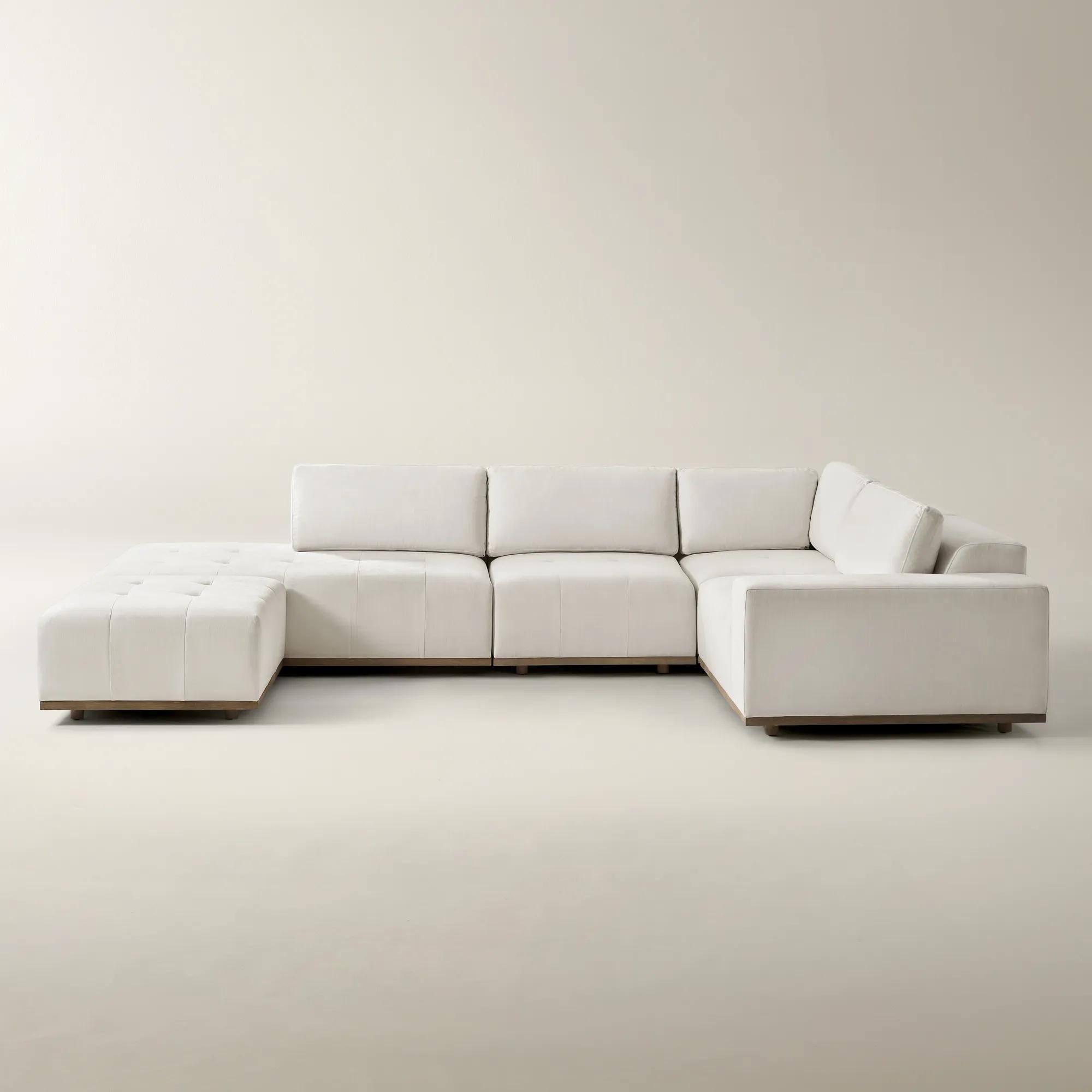
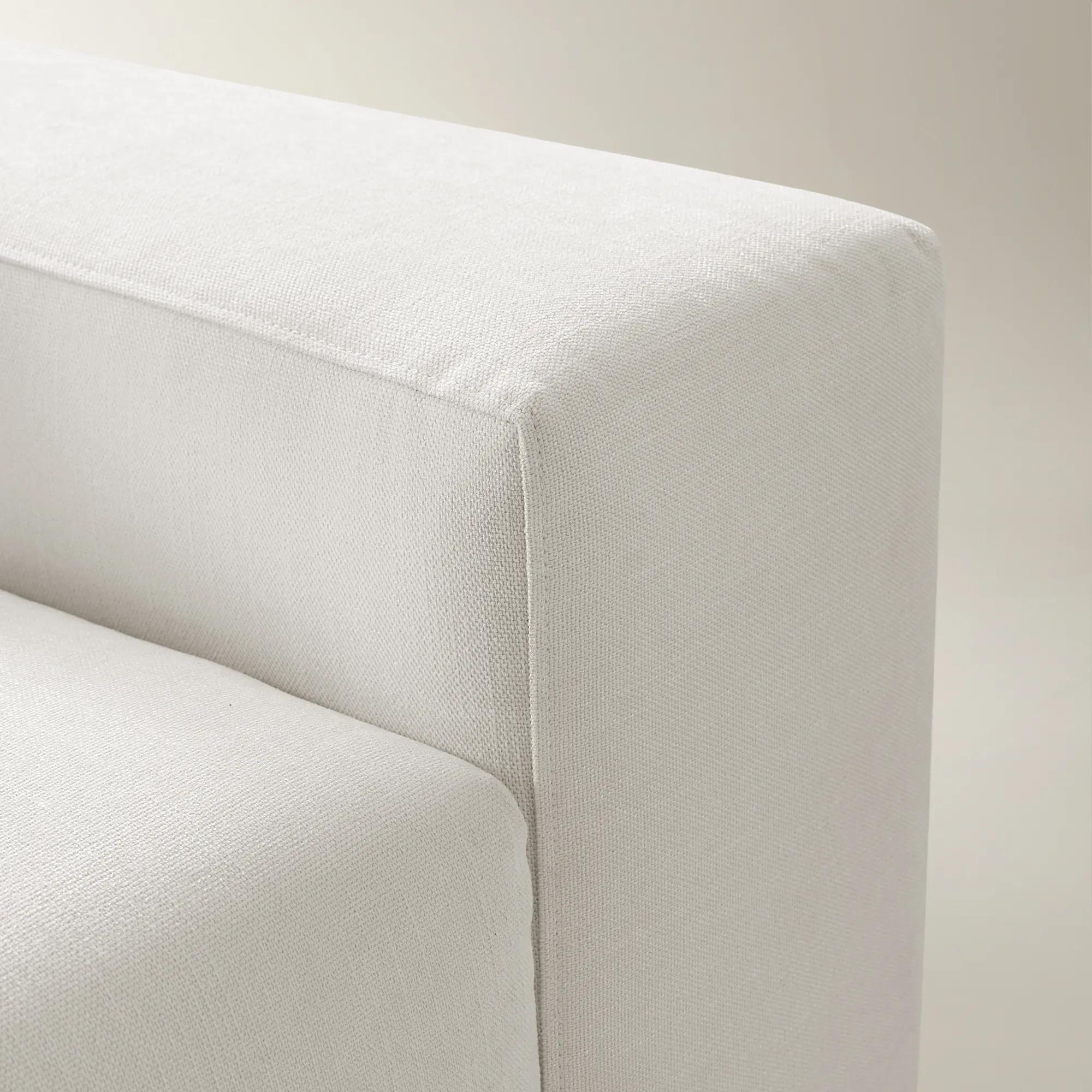 Carlos 5-Piece L-Shaped Oyster Linen Sectional Sofa$6849
A hand-tufted sectional with luxurious linen-blend upholstery and a kiln-dried rubberwood frame for refined comfort.
Add To Cart -
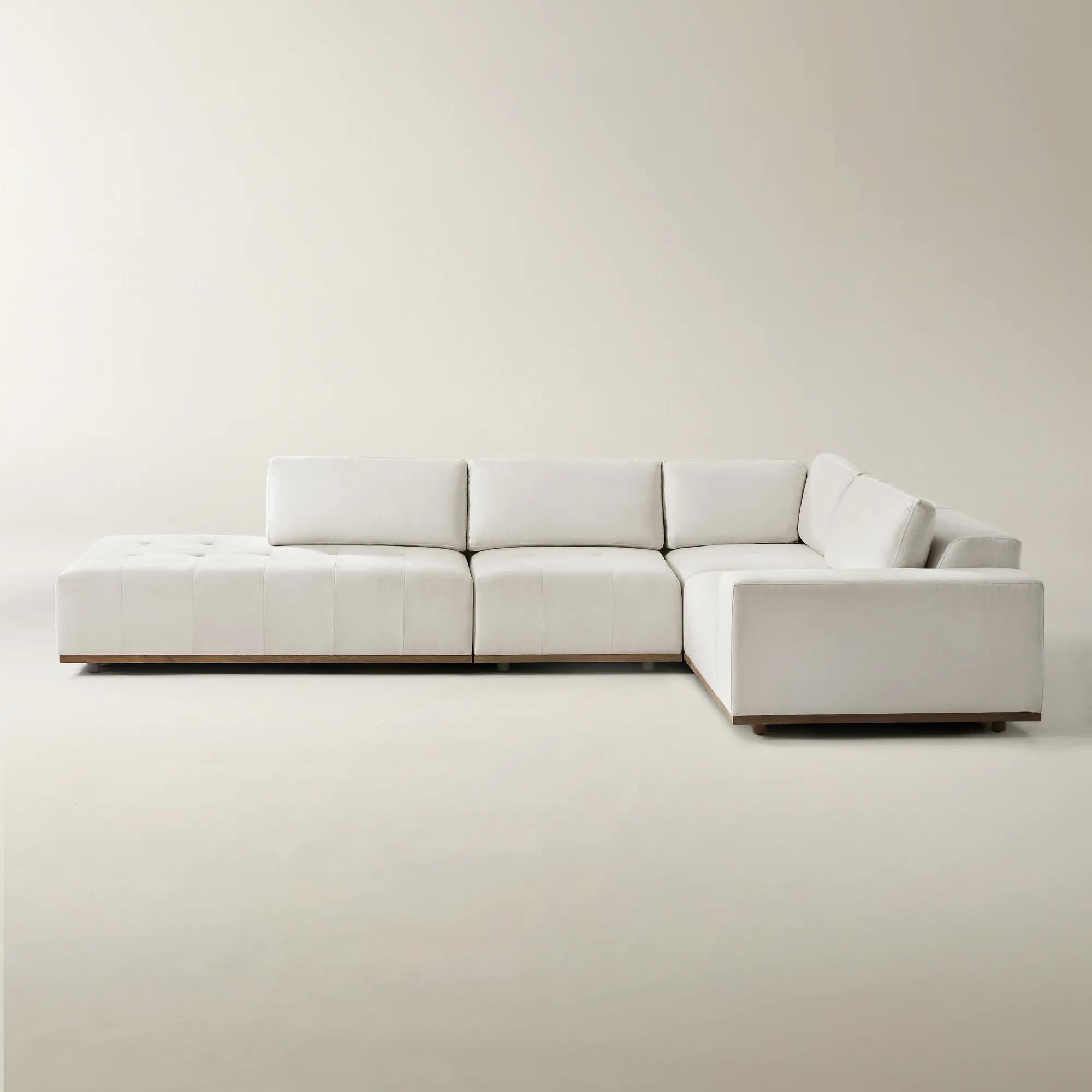 Carlos 4-Piece L-Shaped Oyster Linen Sectional Sofa$5899
A hand-tufted sectional with luxurious linen-blend upholstery, natural grey legs, and plush duck feather cushions.
Add To Cart -
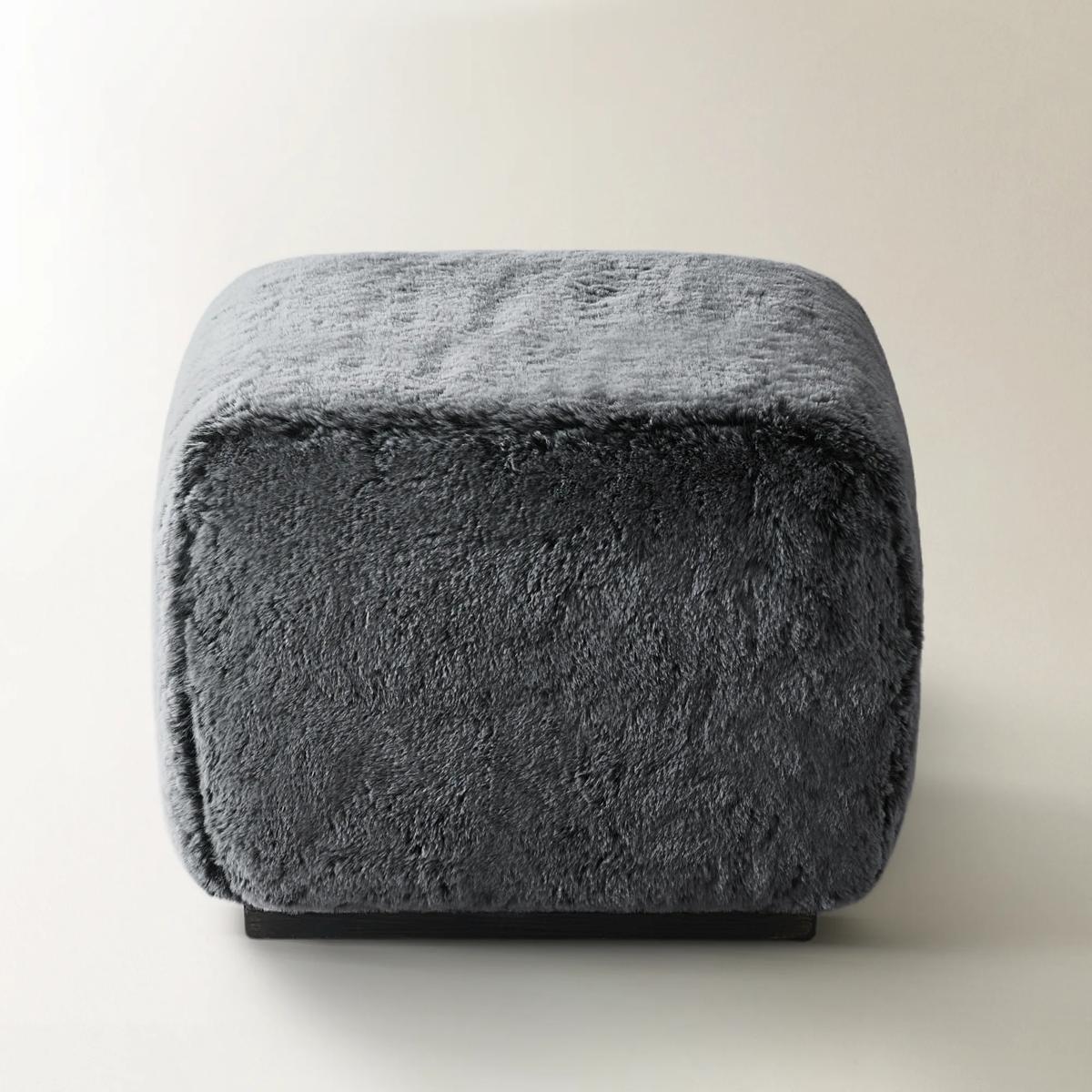
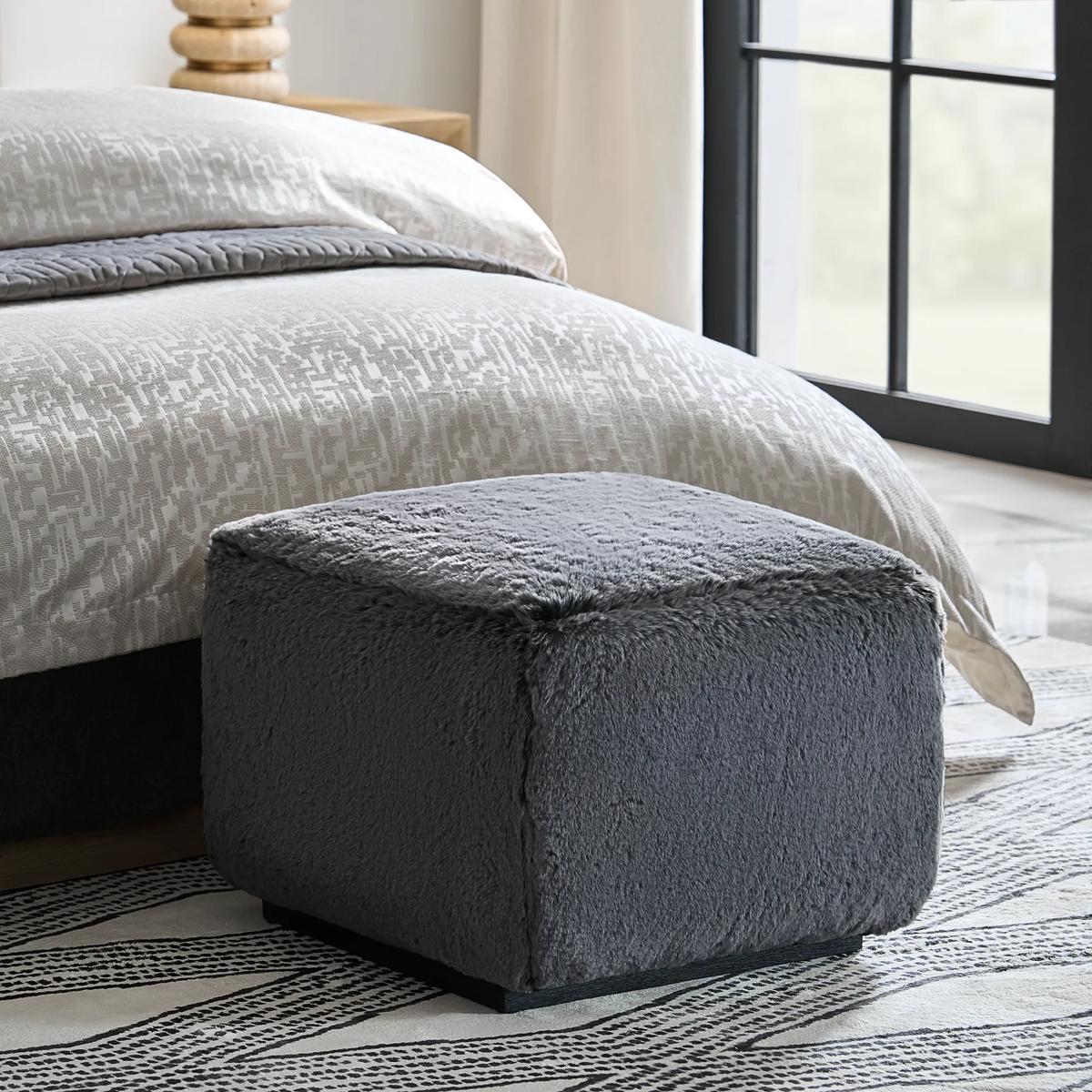 Lris Grey Faux Fur Stool (21")$299
A charcoal grey faux fur pouf with high-density foam and a sturdy rubberwood base for modern comfort.
Add To Cart -
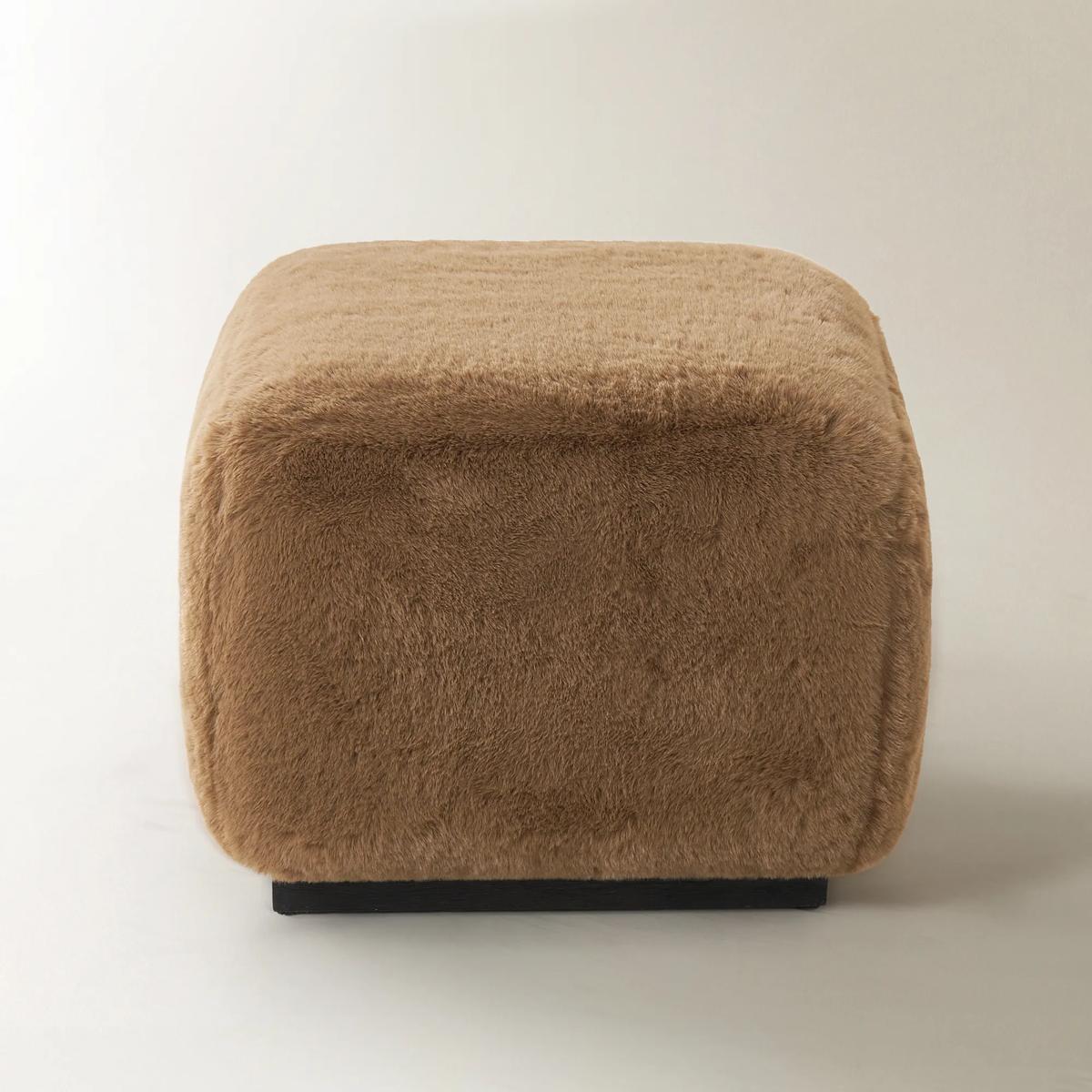
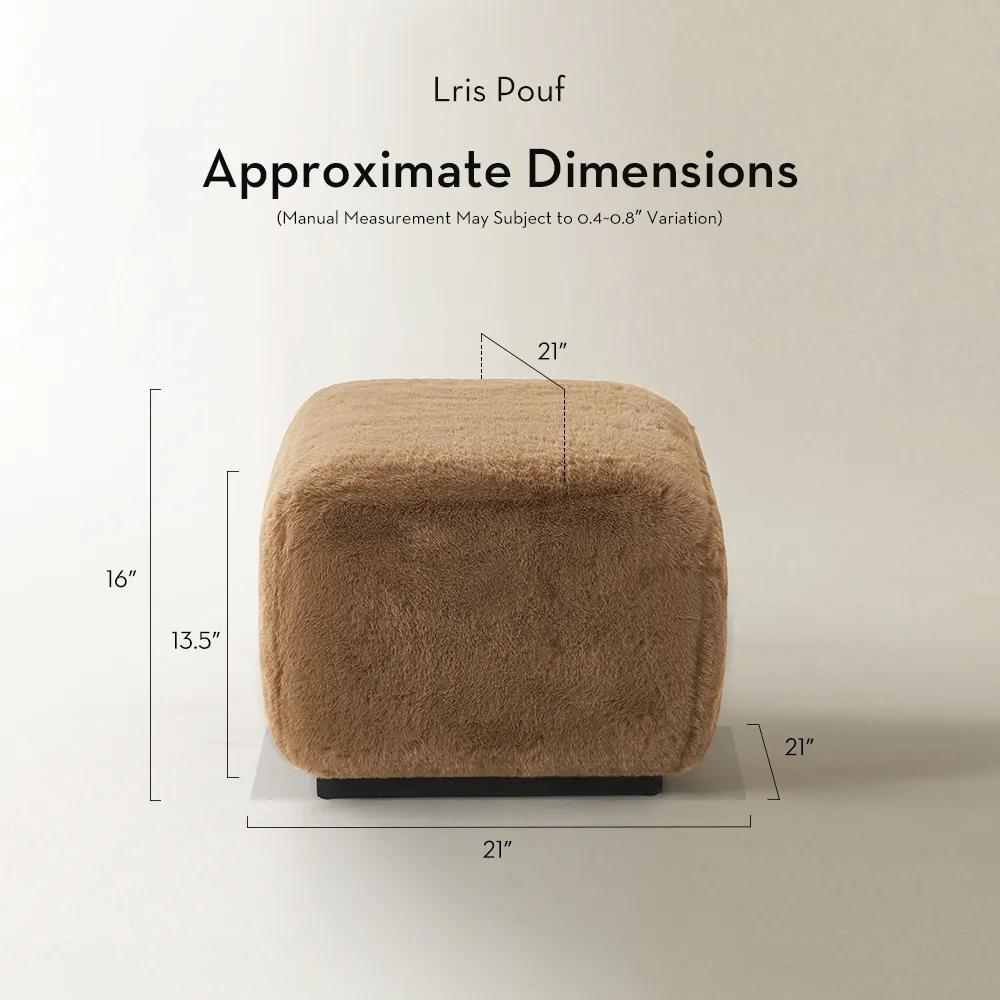 Lris Camel Faux Fur Stool (21")$299
A camel faux fur pouf with a solid rubberwood base, offering cozy warmth and modern sophistication.
Add To Cart -
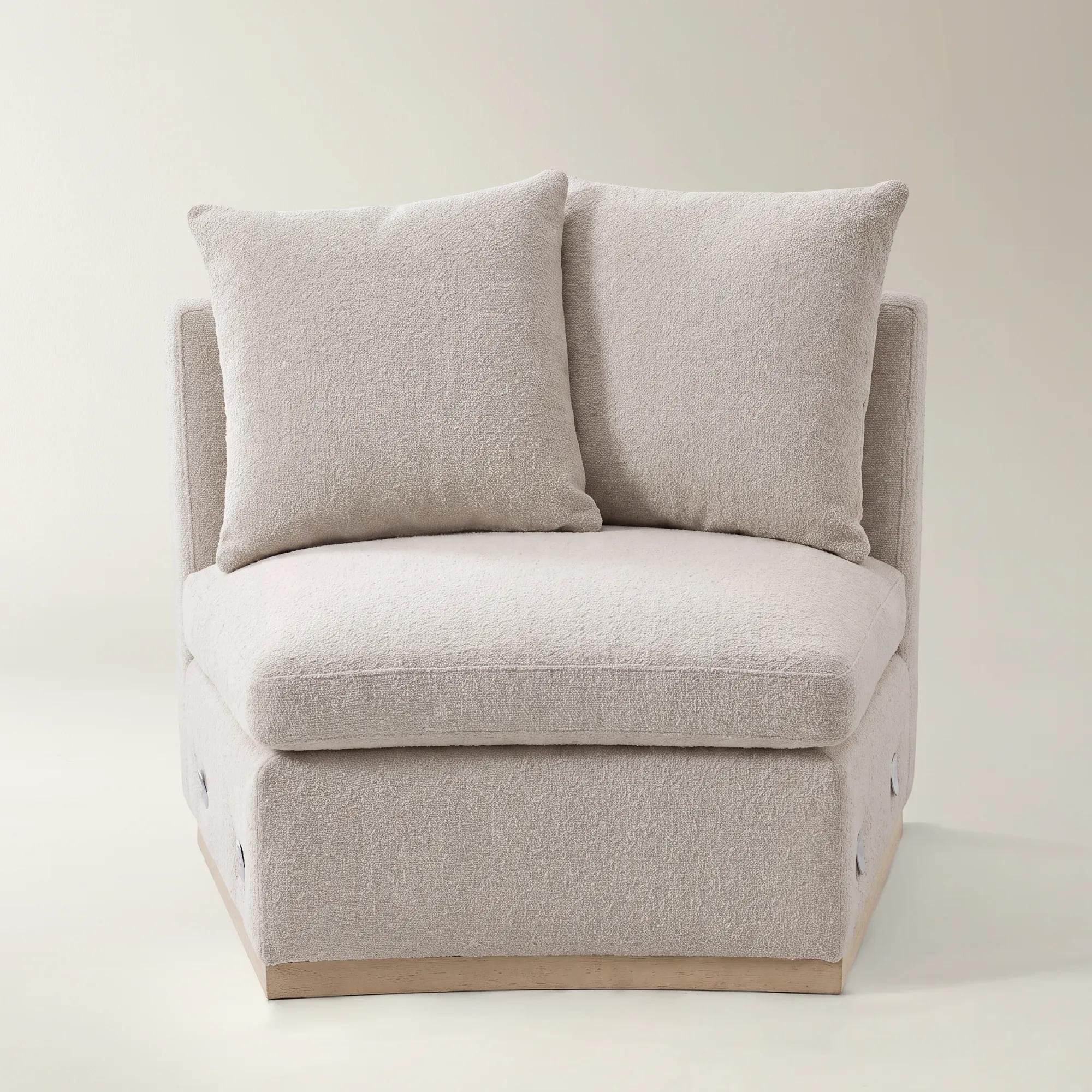
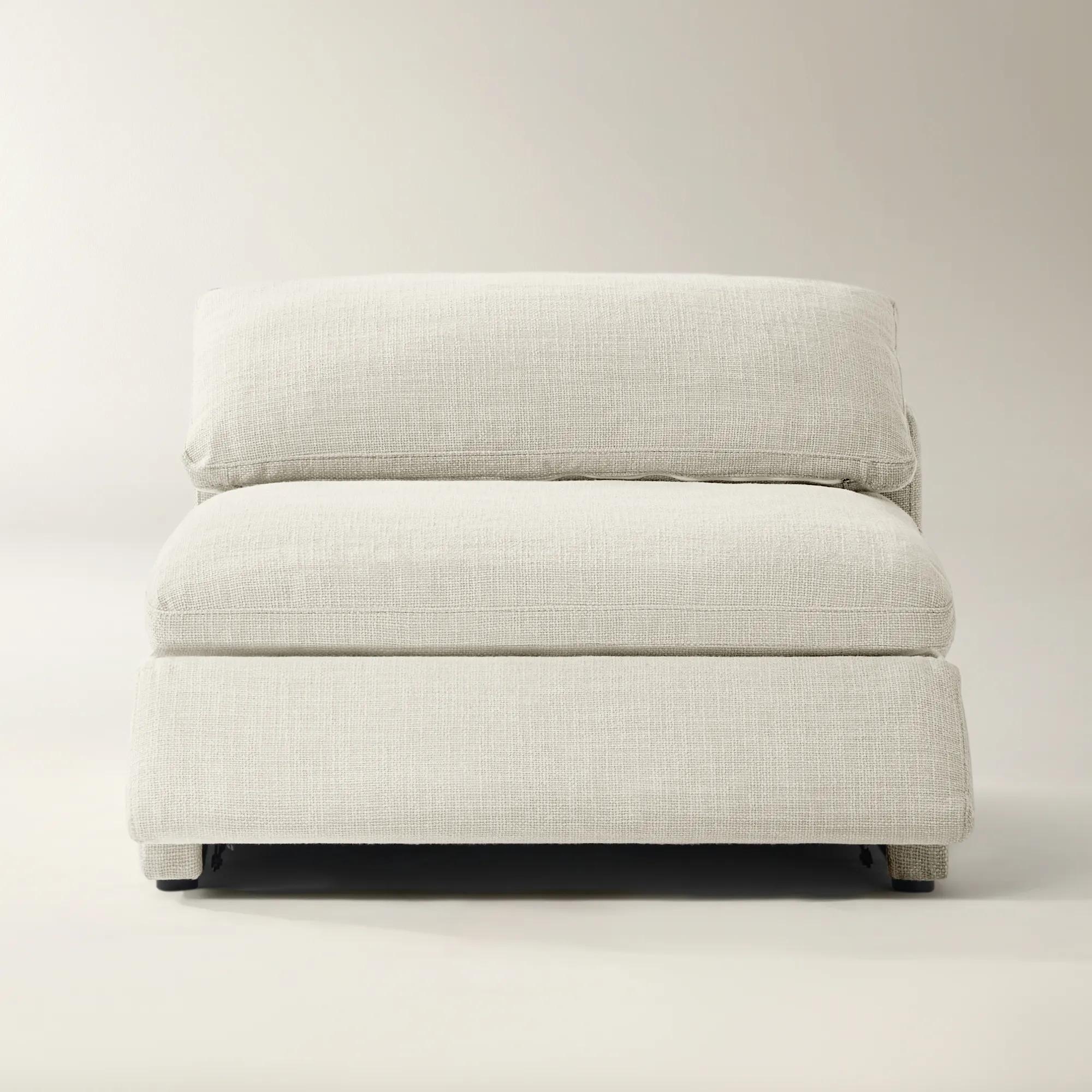
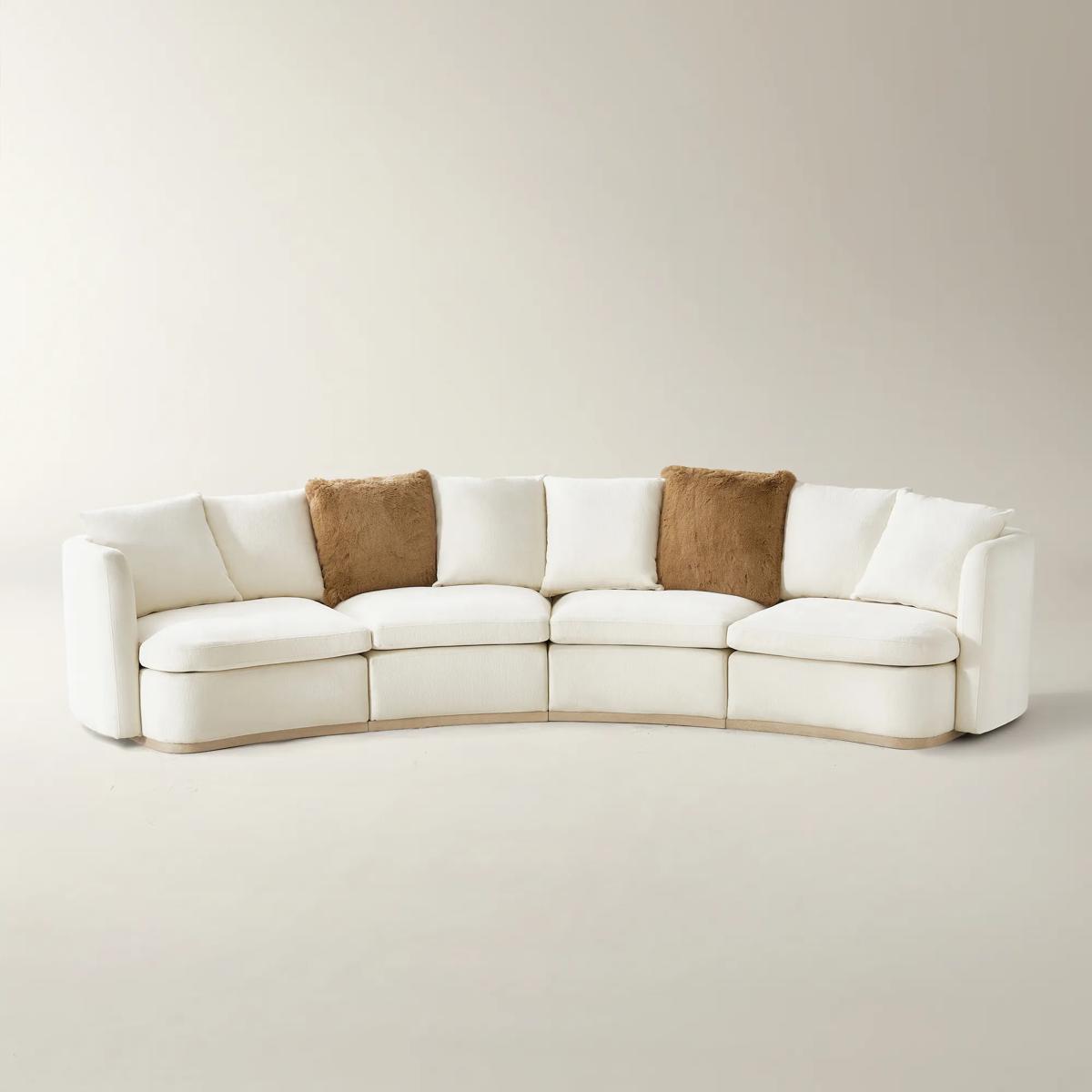 Stria Ivory Performance Boucle Armless Chair$1099
An ivory boucle chair with sculptural curves, layered foam-and-down cushioning, and a kiln-dried wood frame.
Add To Cart -
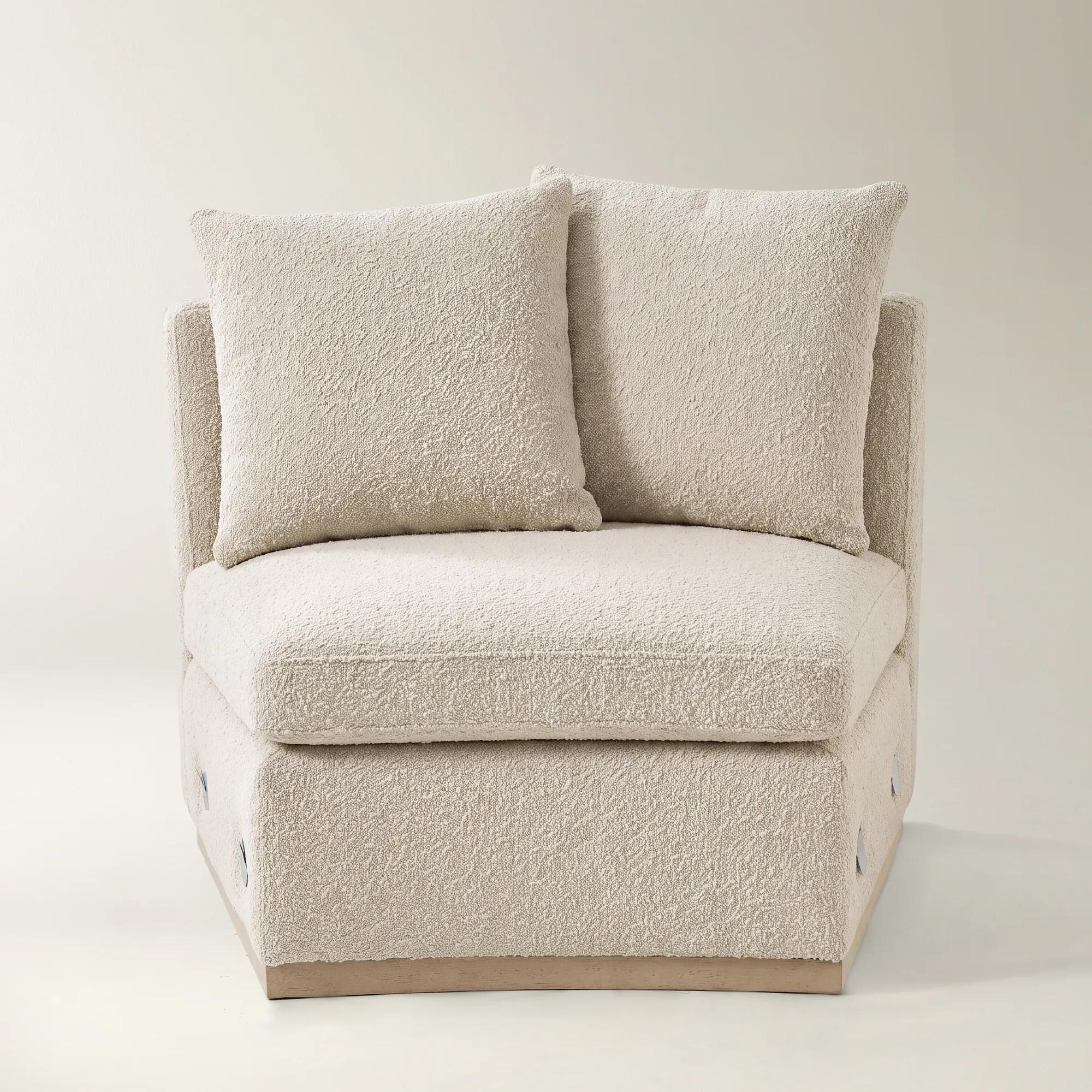 Stria Ivory Performance Boucle Armless Chair$1099
A sculptural ivory performance boucle chair with curved lines, layered cushioning, and a kiln-dried wood frame.
Add To Cart -
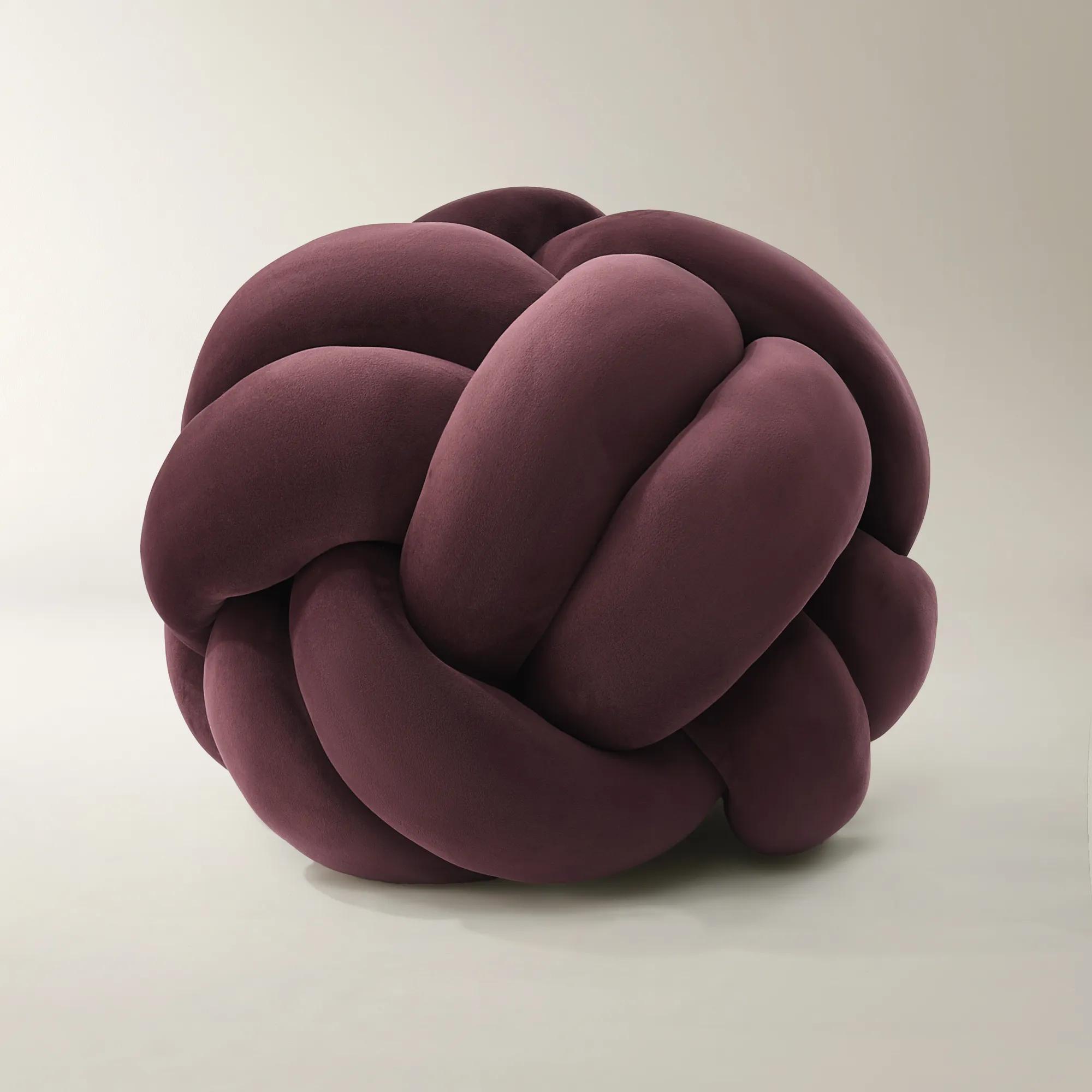
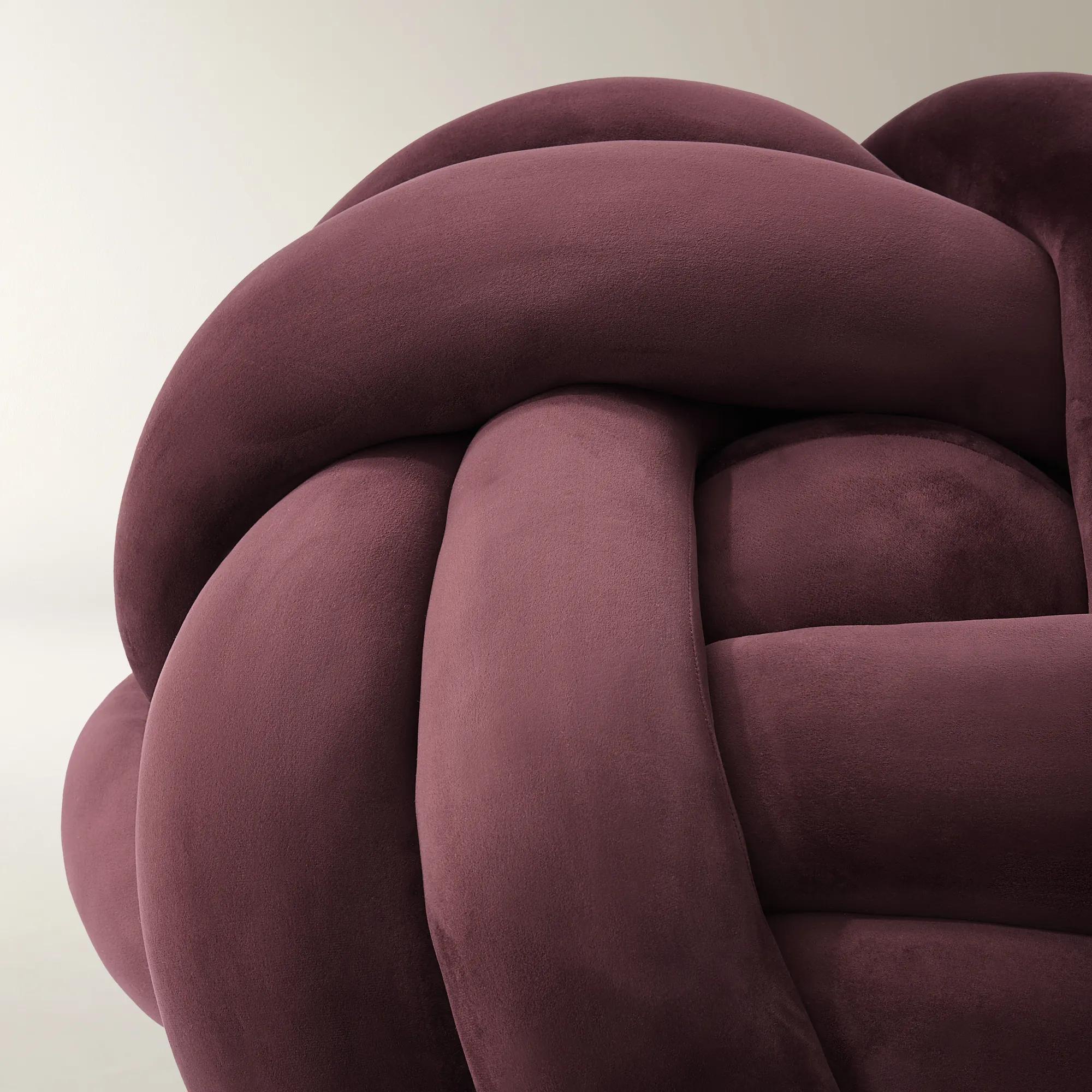 Loopie Fig Velvet Stool (34.5")$399
An oversized, knot-inspired stool hand-upholstered in plush fig velvet for bold sculptural appeal.
Add To Cart -
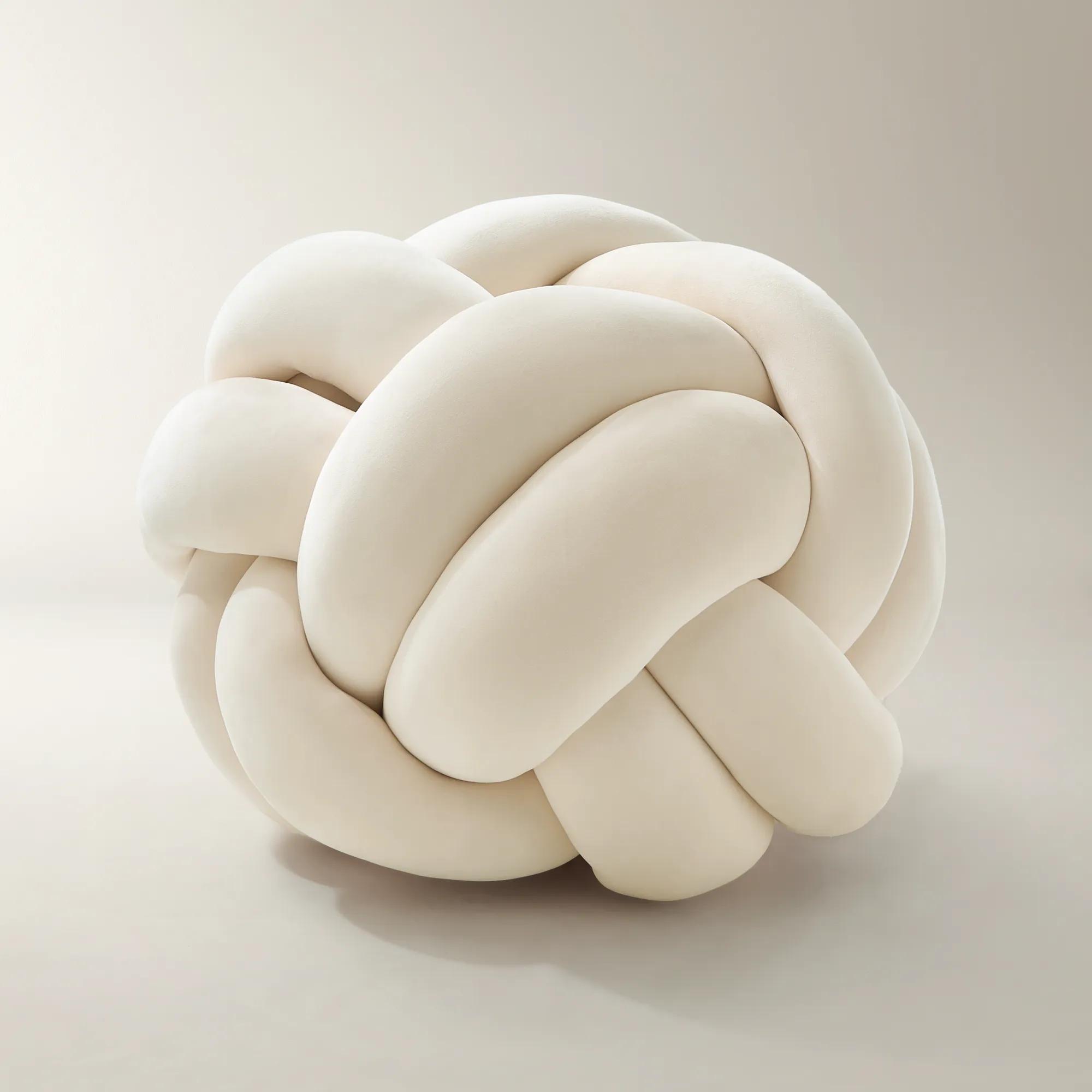 Loopie Oatmeal Velvet Stool (34.5")$399
An oversized oatmeal velvet stool featuring a sculptural knotted silhouette and plush, hand-upholstered finish.
Add To Cart -
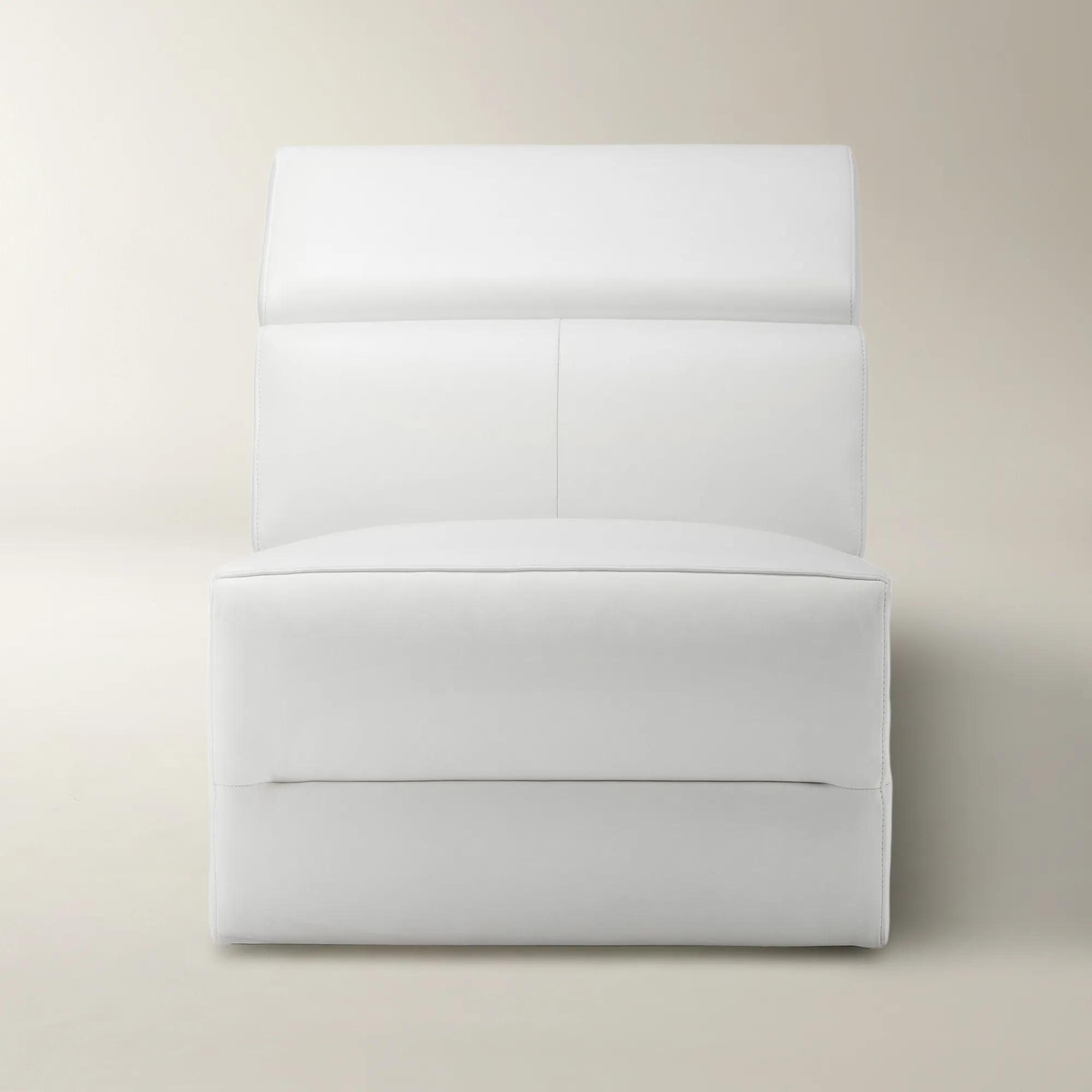
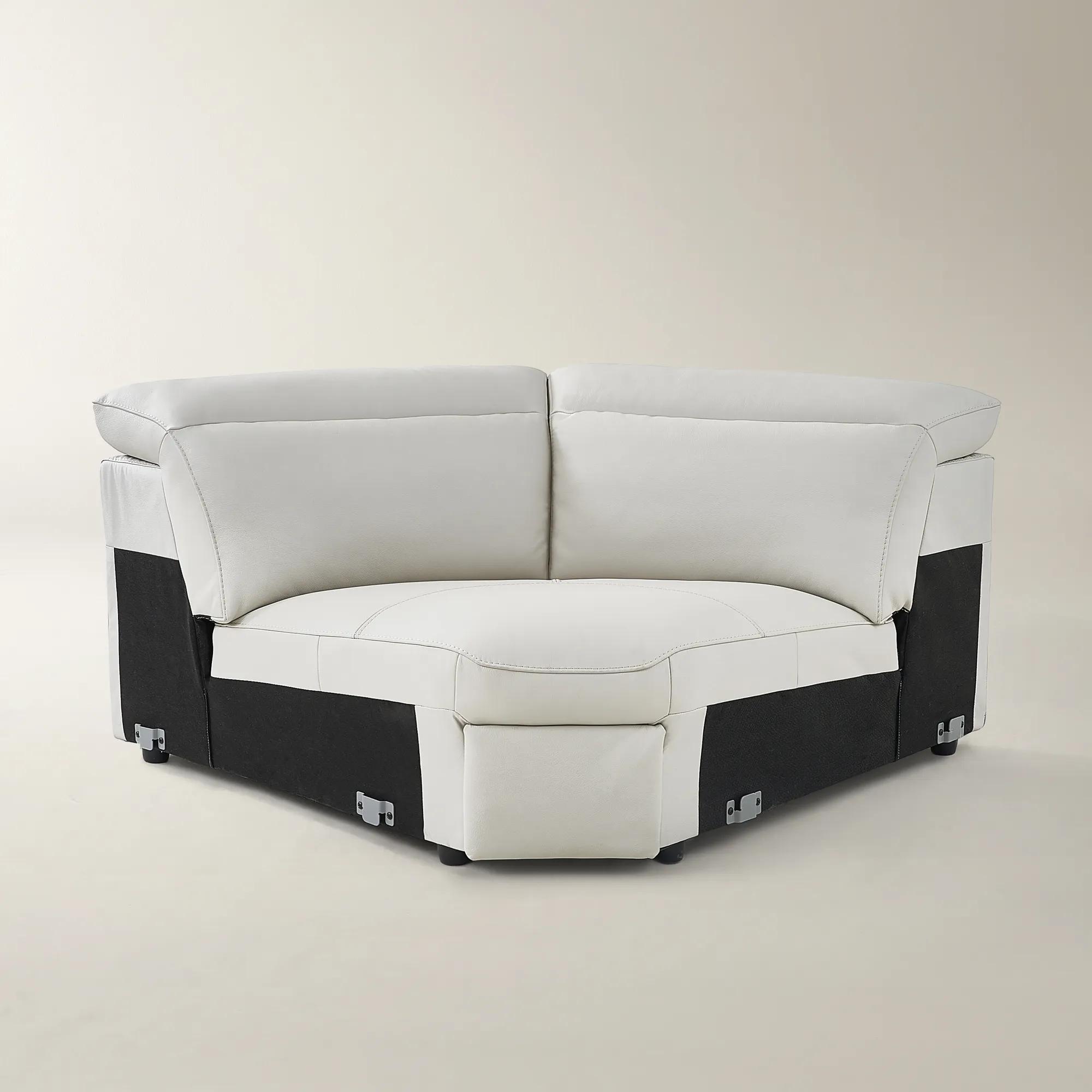
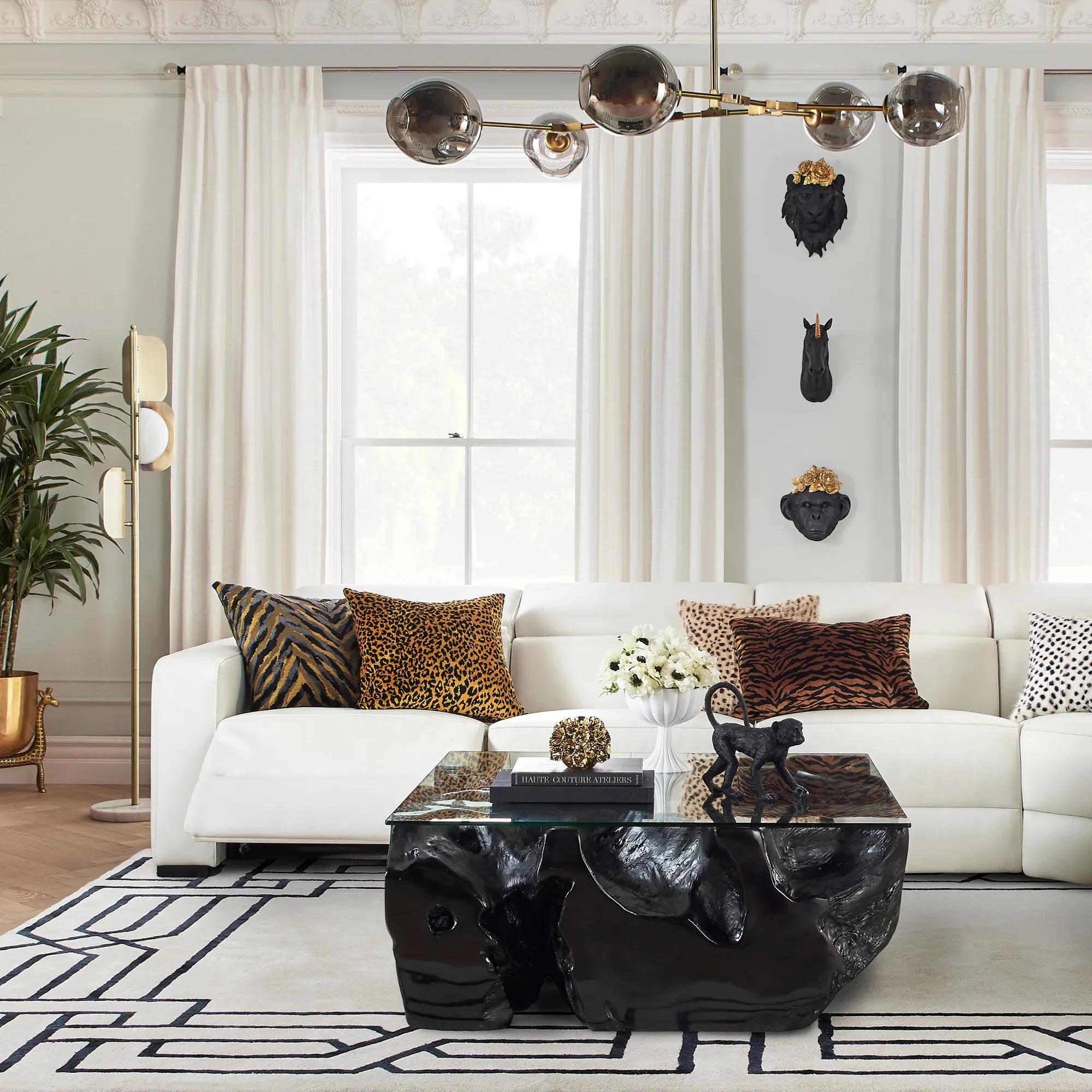 Verona White Leather Armless Chair$1099
A modern sectional upholstered in supple white semi-aniline leather with adjustable headrests and power-reclining options.
Add To Cart -
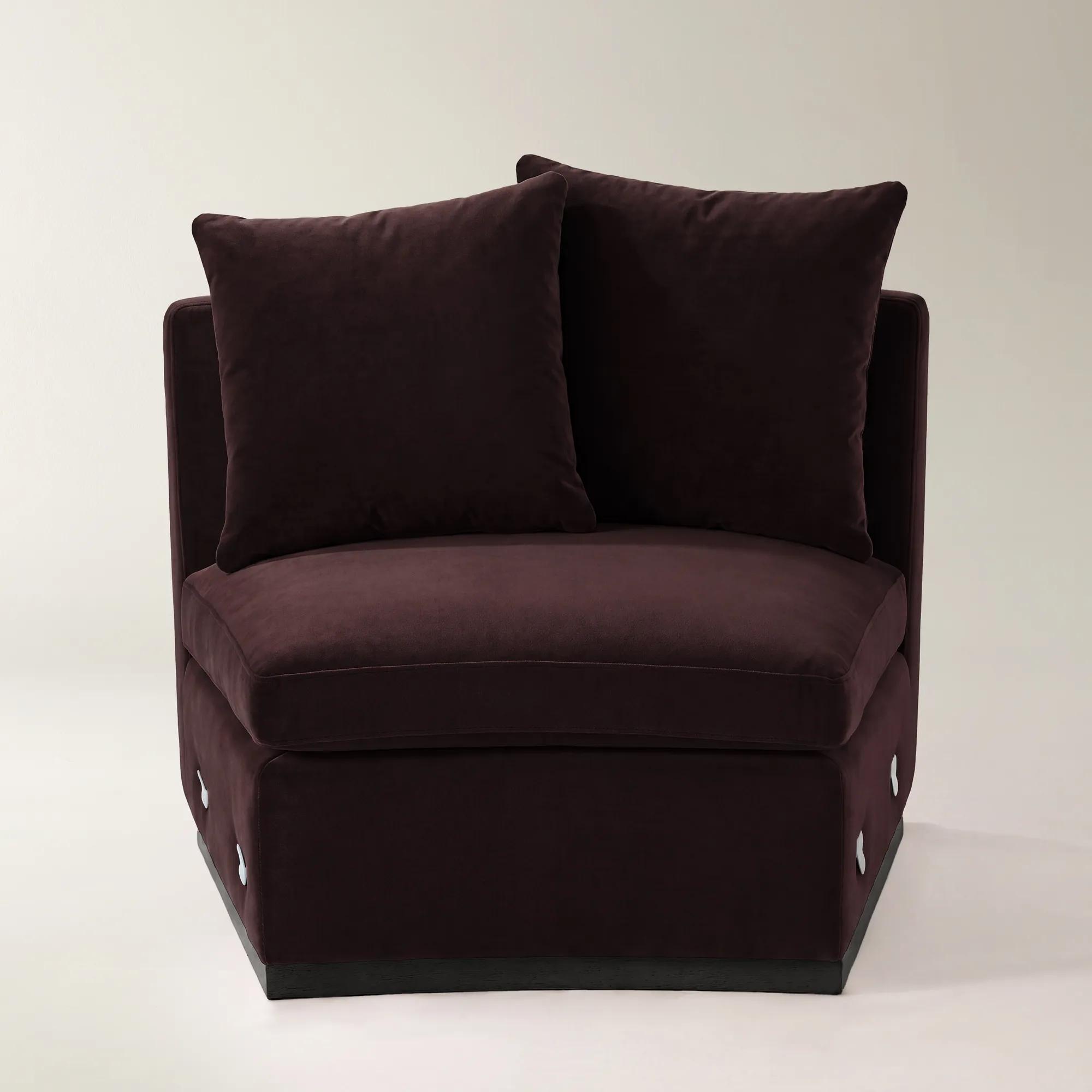 Stria Fig Velvet Armless Chair$1099
A sculptural fig velvet chair with layered cushioning, curved edges, and a kiln-dried wood frame.
Add To Cart -
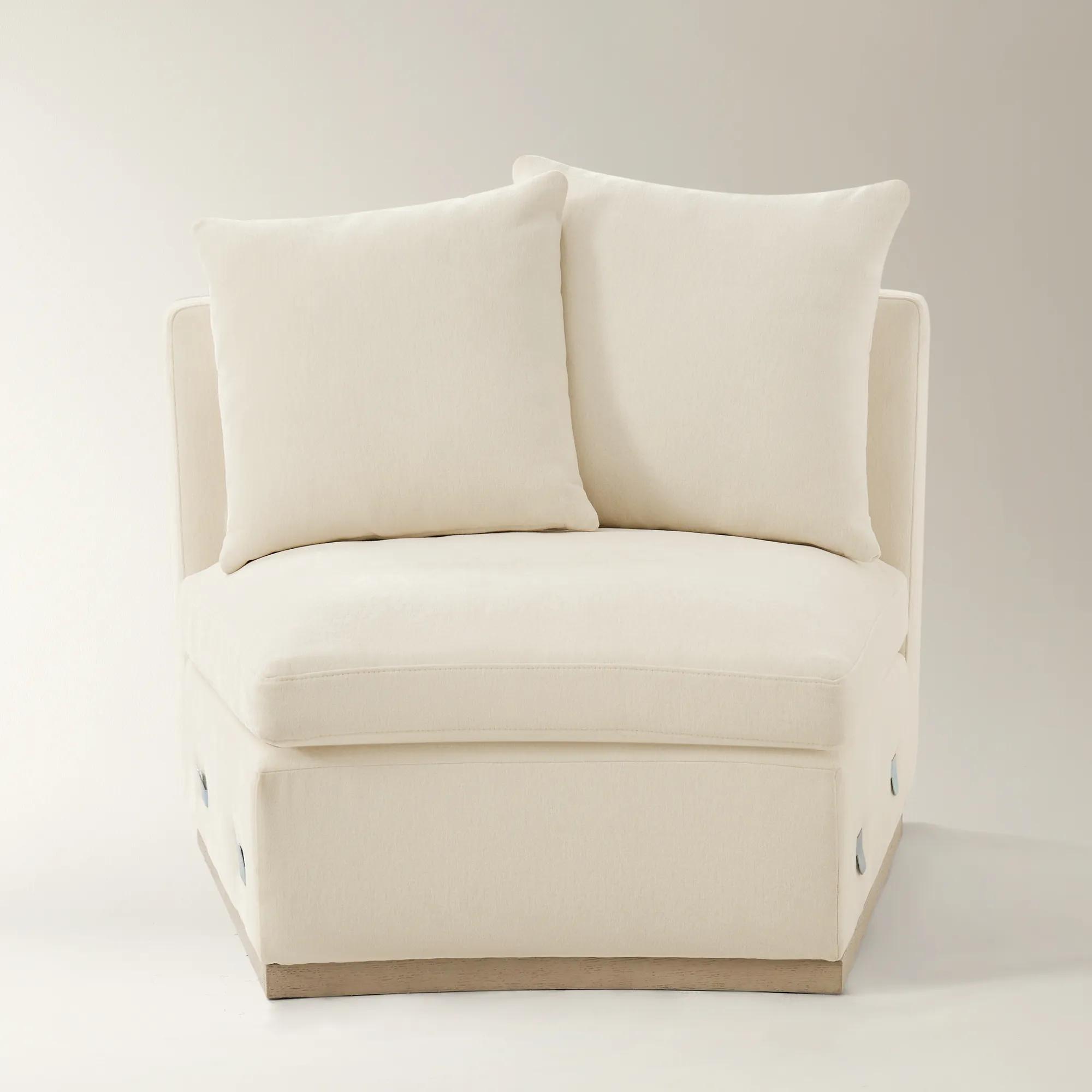 Stria Oatmeal Velvet Armless Chair$1099
A sculptural oatmeal velvet armless chair featuring layered cushioning, curved edges, and a kiln-dried wood frame.
Add To Cart -
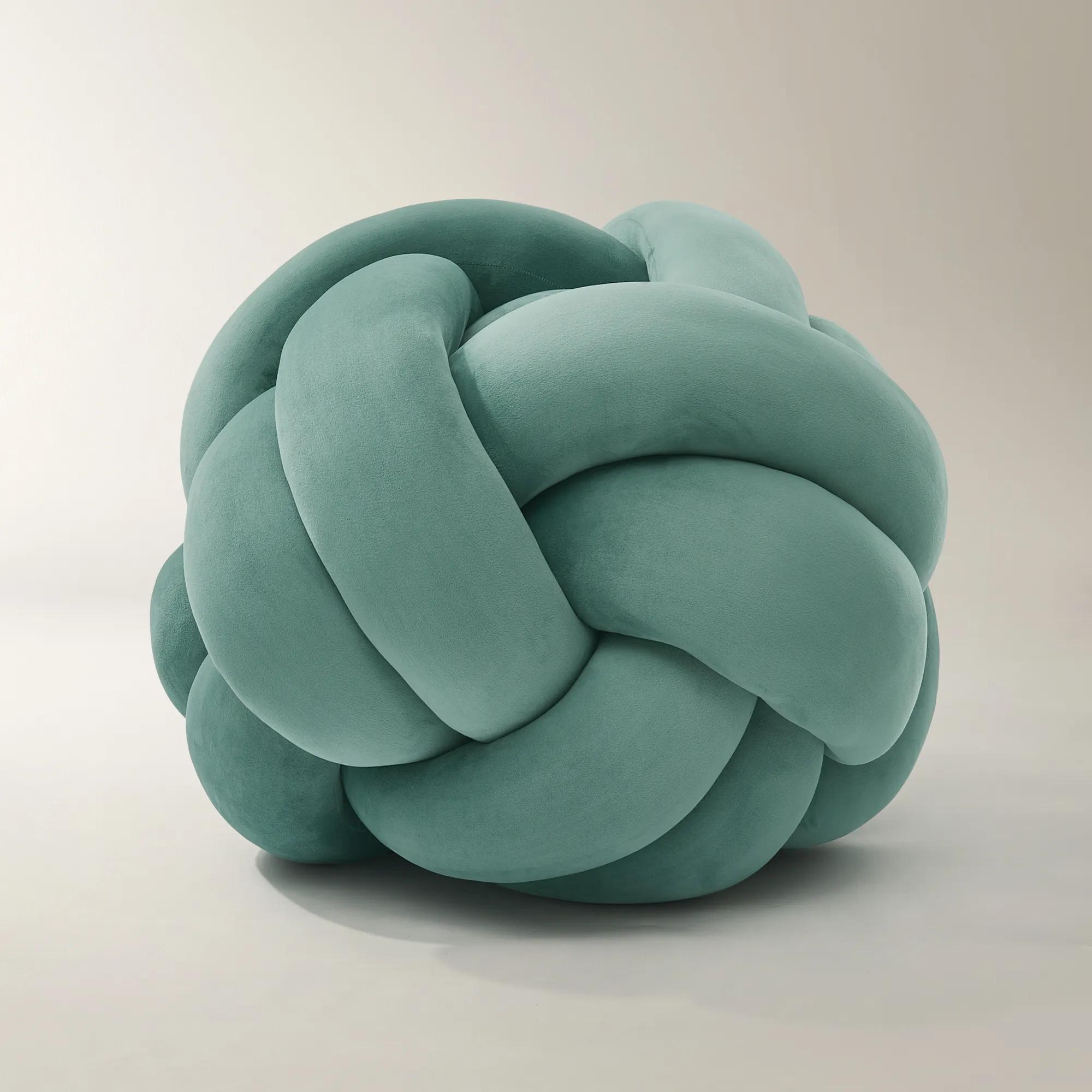 Loopie Ocean Teal Velvet Stool (34.5")$399
A bold sculptural stool featuring plush ocean teal velvet upholstery and an oversized knotted silhouette.
Add To Cart -
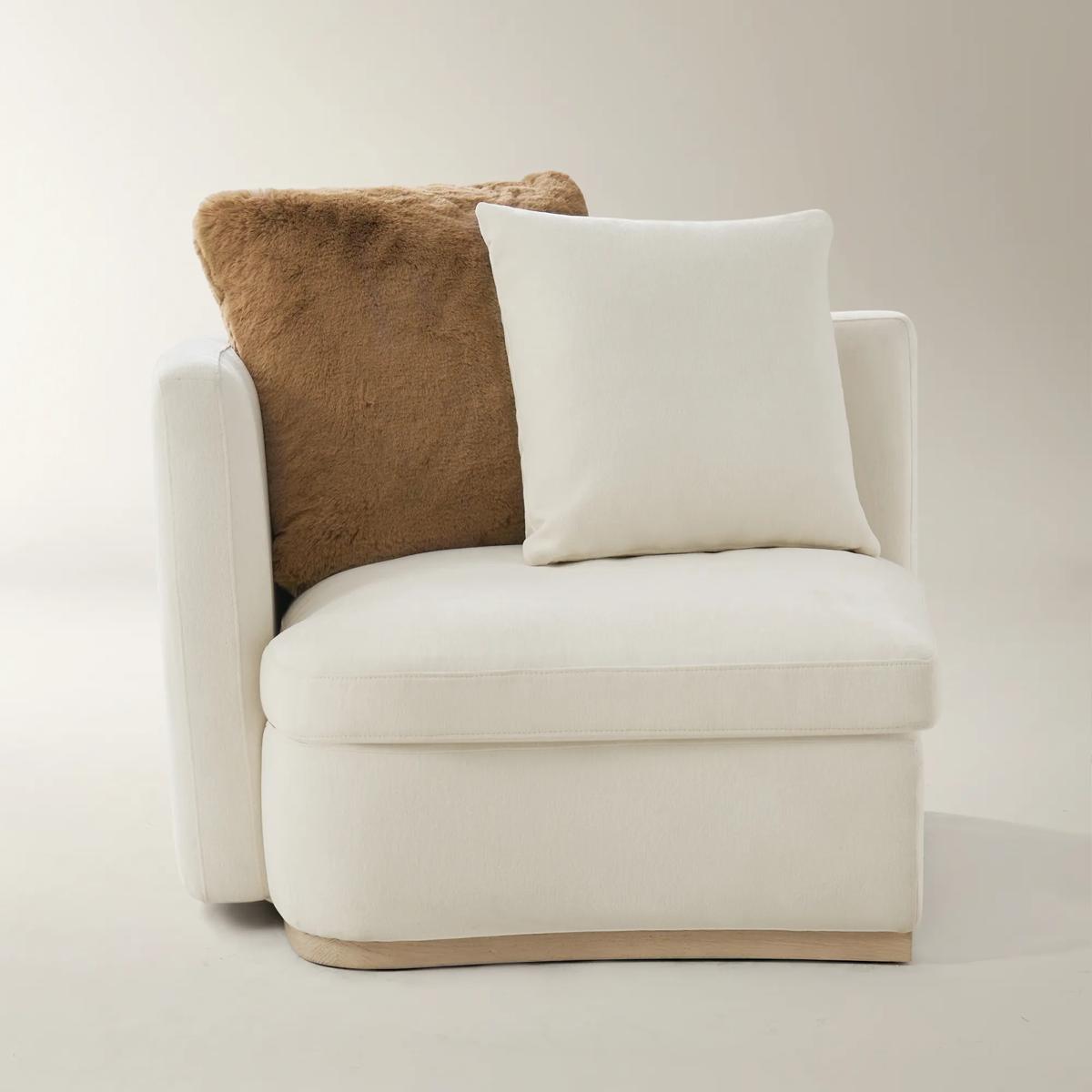
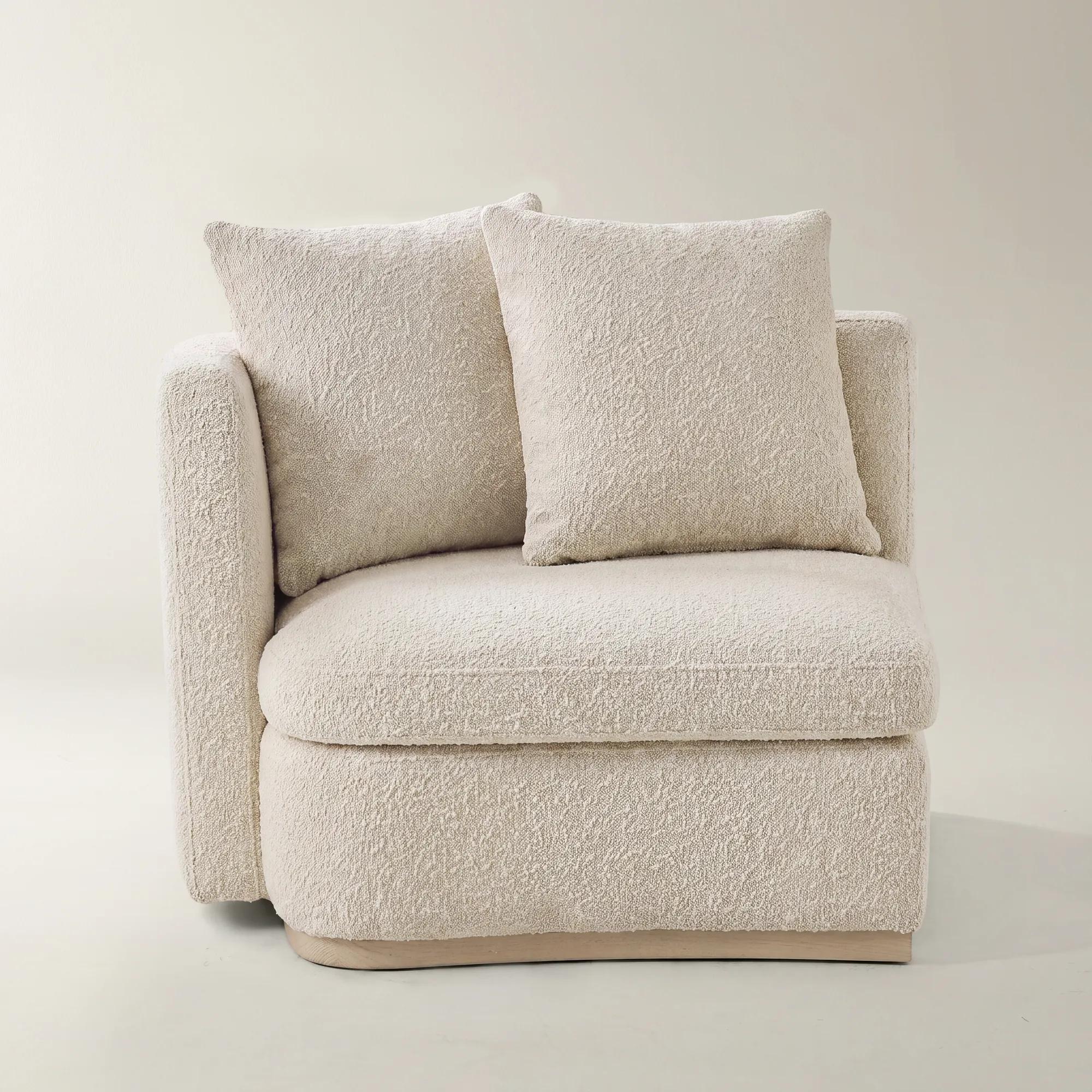
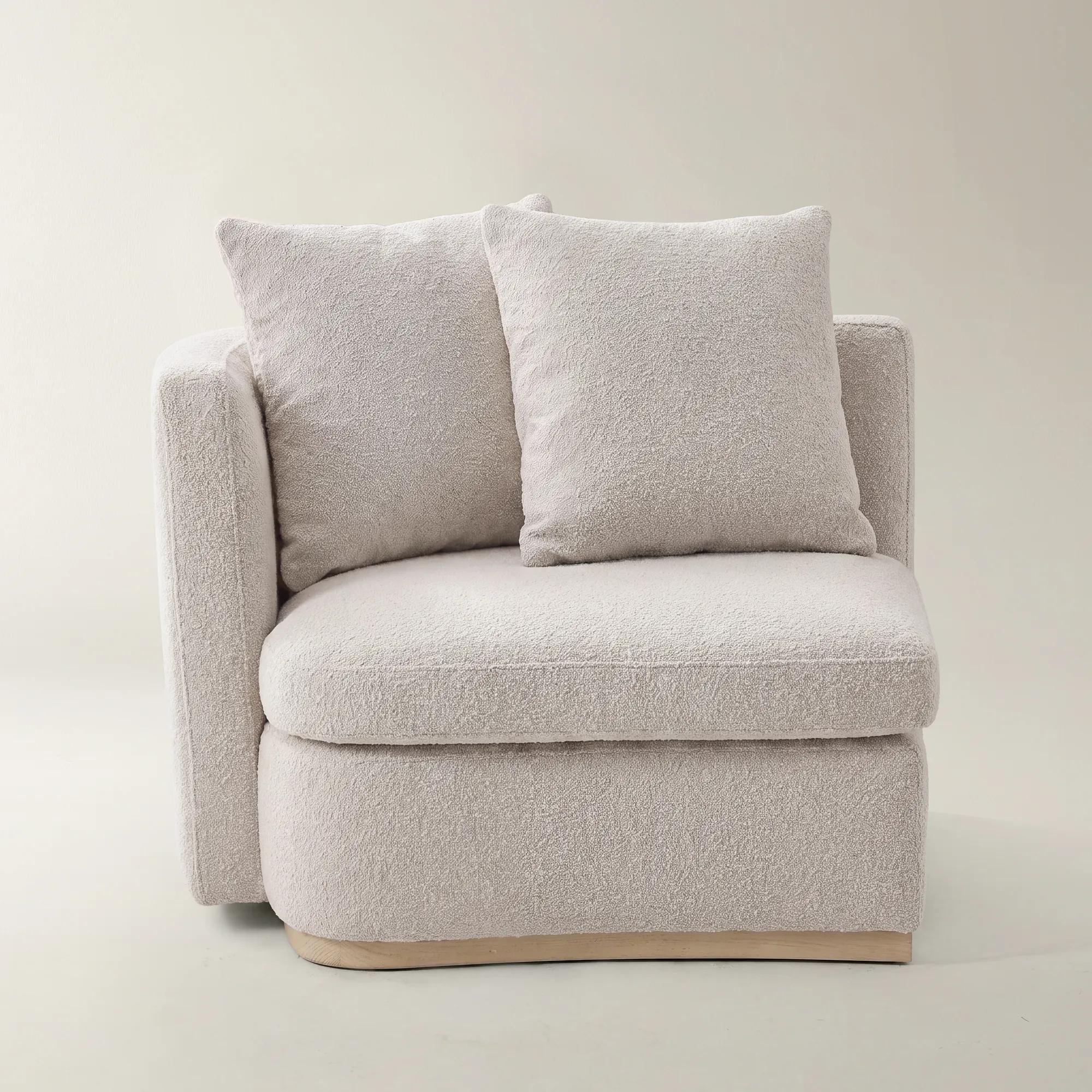 Stria Ivory Performance Boucle Left-Arm Chair$1199
A sculptural ivory performance bouclé chair featuring layered foam-and-down cushioning and a kiln-dried wood frame.
Add To Cart -
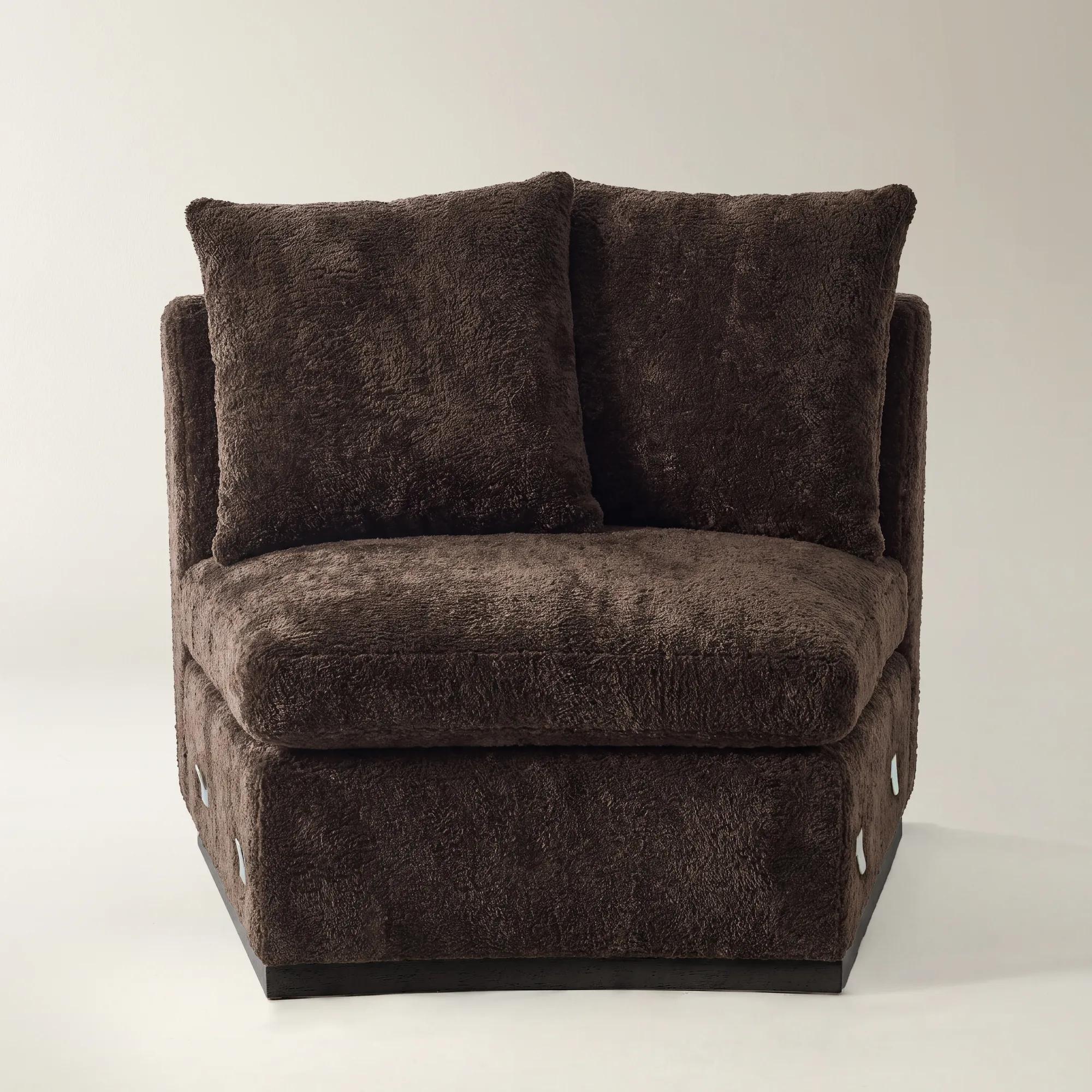 Stria Dark Chocolate Chenille Armless Chair$1099
A sculptural dark chocolate chenille armless chair with a kiln-dried wood frame and layered cushioning.
Add To Cart -
 Convo White Leather Armless Chair$1199
A modular sectional in charcoal semi-aniline leather with kiln-dried hardwood frames and gently curved seats.
Add To Cart -
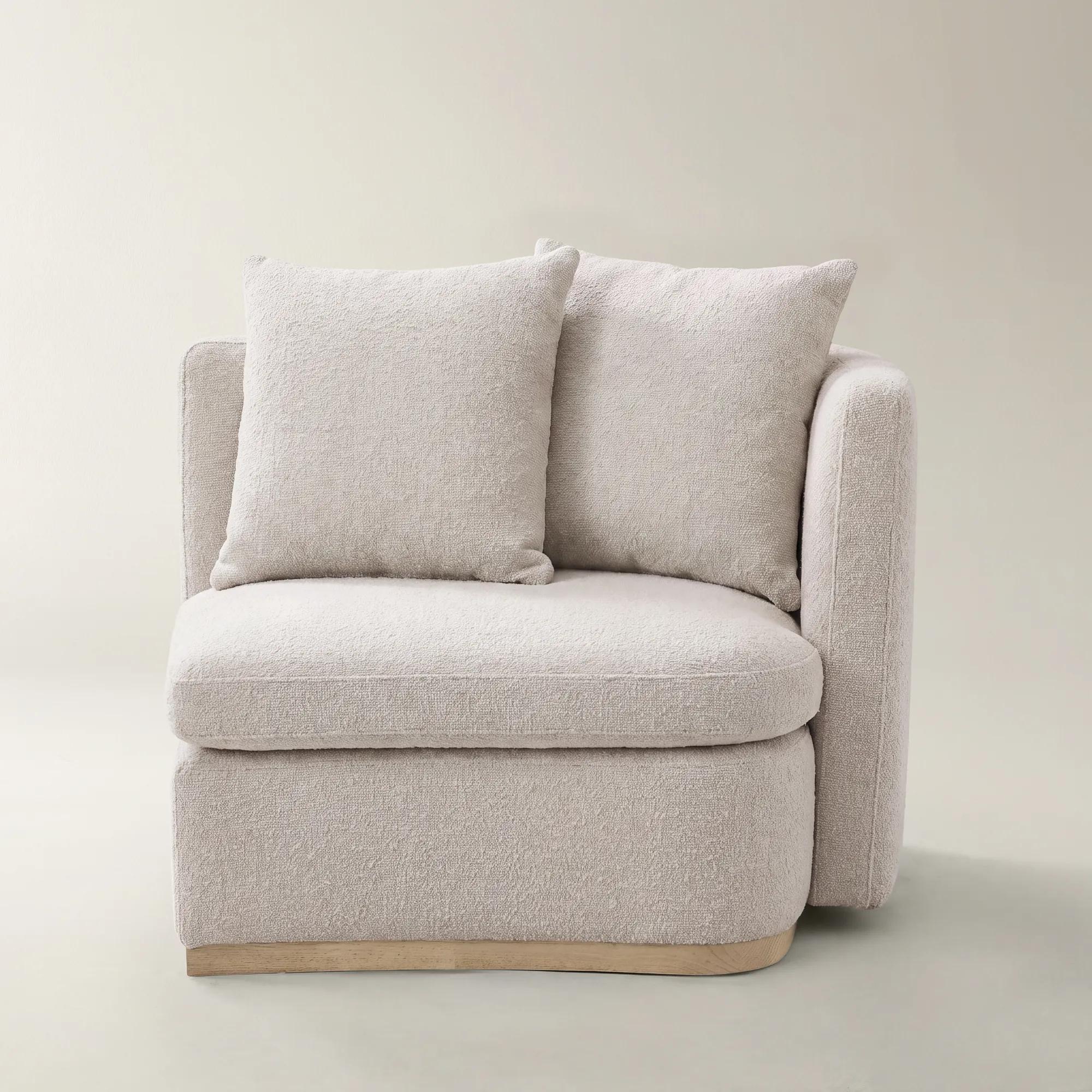
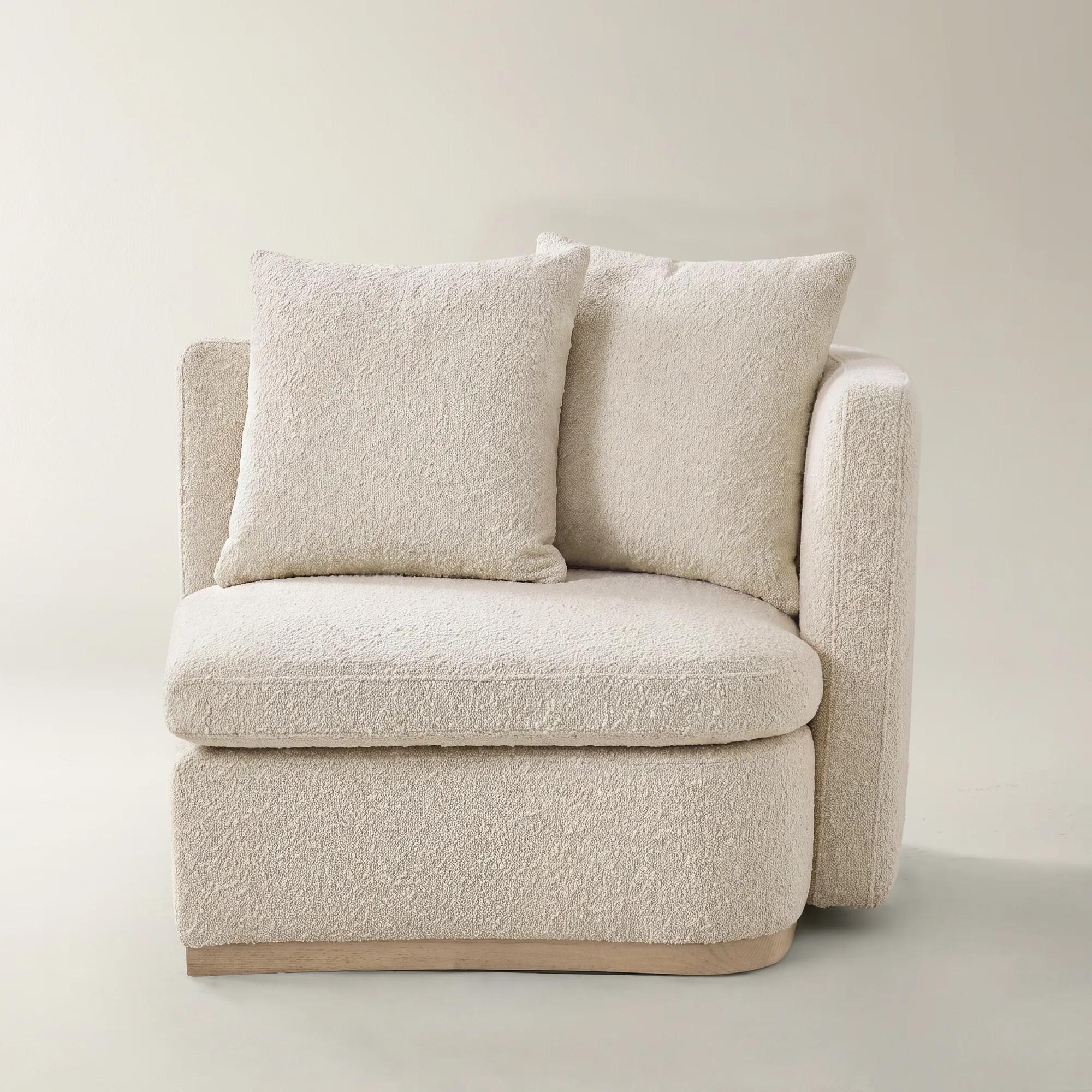 Stria Ivory Performance Boucle Right-Arm Chair$1199
An ivory performance boucle chair featuring sculptural curves, layered cushioning, and a solid oak base.
Add To Cart -
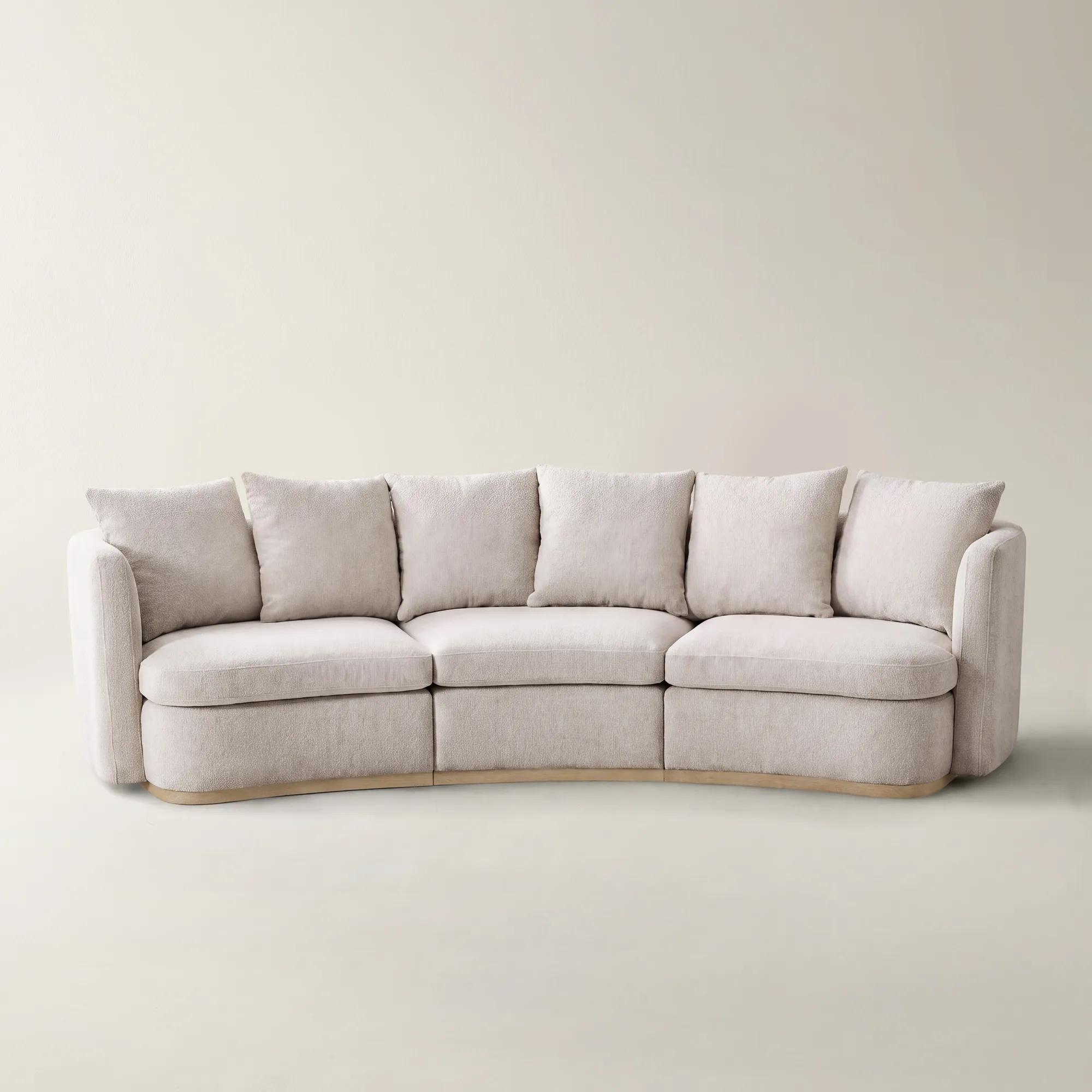 Stria 3-Piece Ivory Performance Boucle Sectional Sofa$3399
An ivory performance boucle sectional with sculptural curves, modular construction, and layered foam-down cushioning for comfort.
Add To Cart -
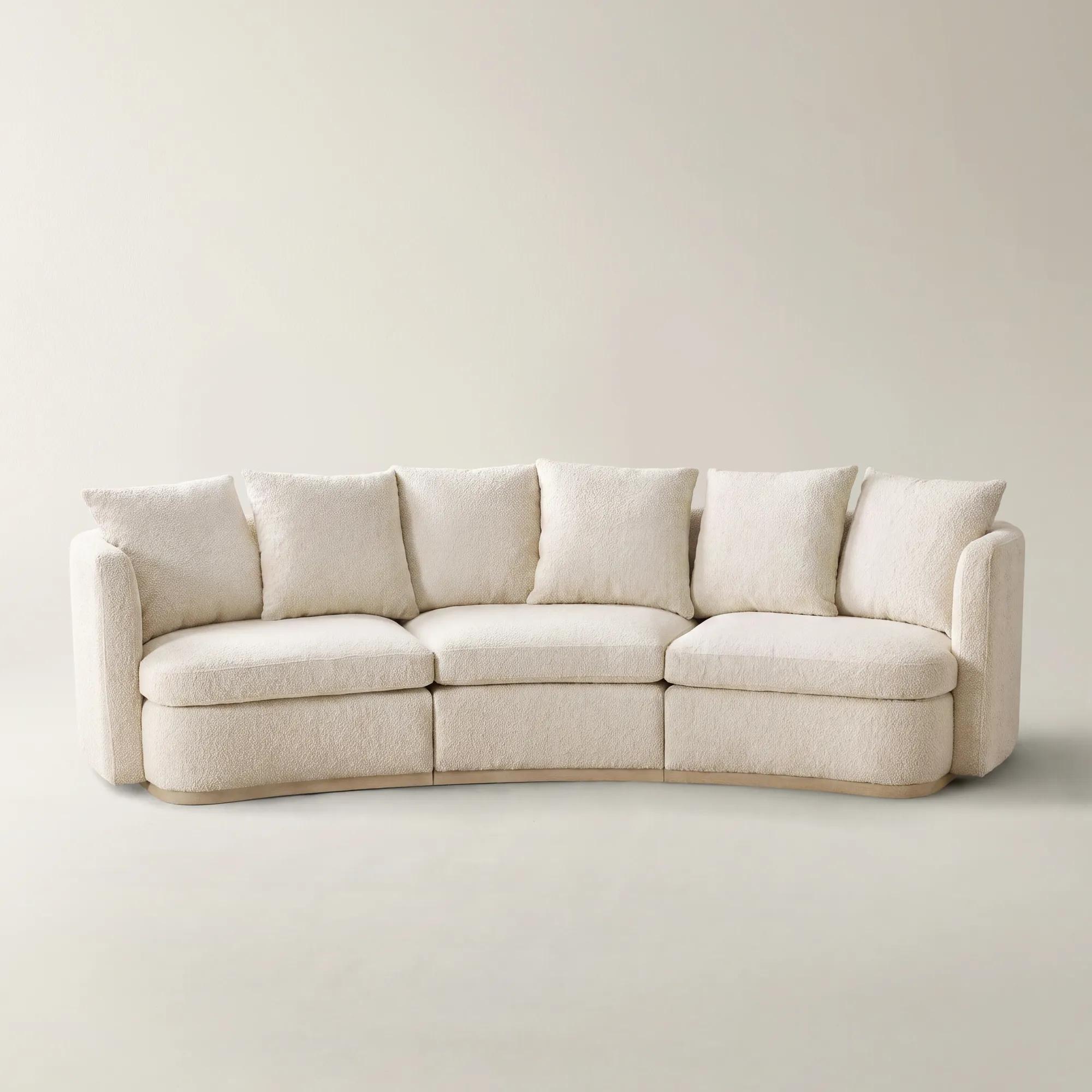 Stria 3-Piece Ivory Performance Boucle Sectional Sofa$3399
A sculptural ivory performance boucle sectional with kiln-dried wood, oak base, modular connectors, and down-blend cushioning.
Add To Cart -
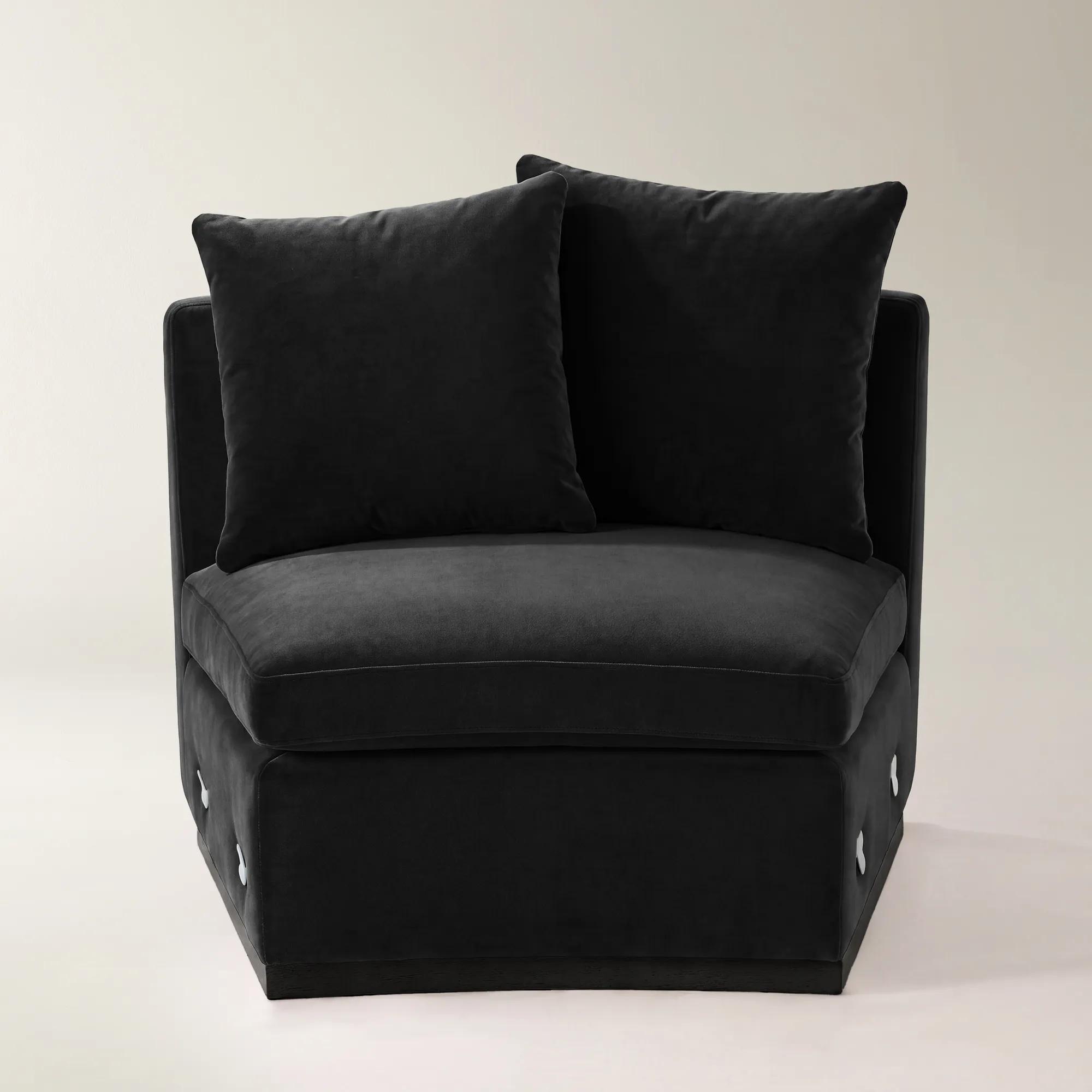 Stria Charcoal Velvet Armless Chair$1099
A sculptural charcoal velvet armless chair featuring layered foam-and-down cushioning and a kiln-dried wood frame.
Add To Cart -
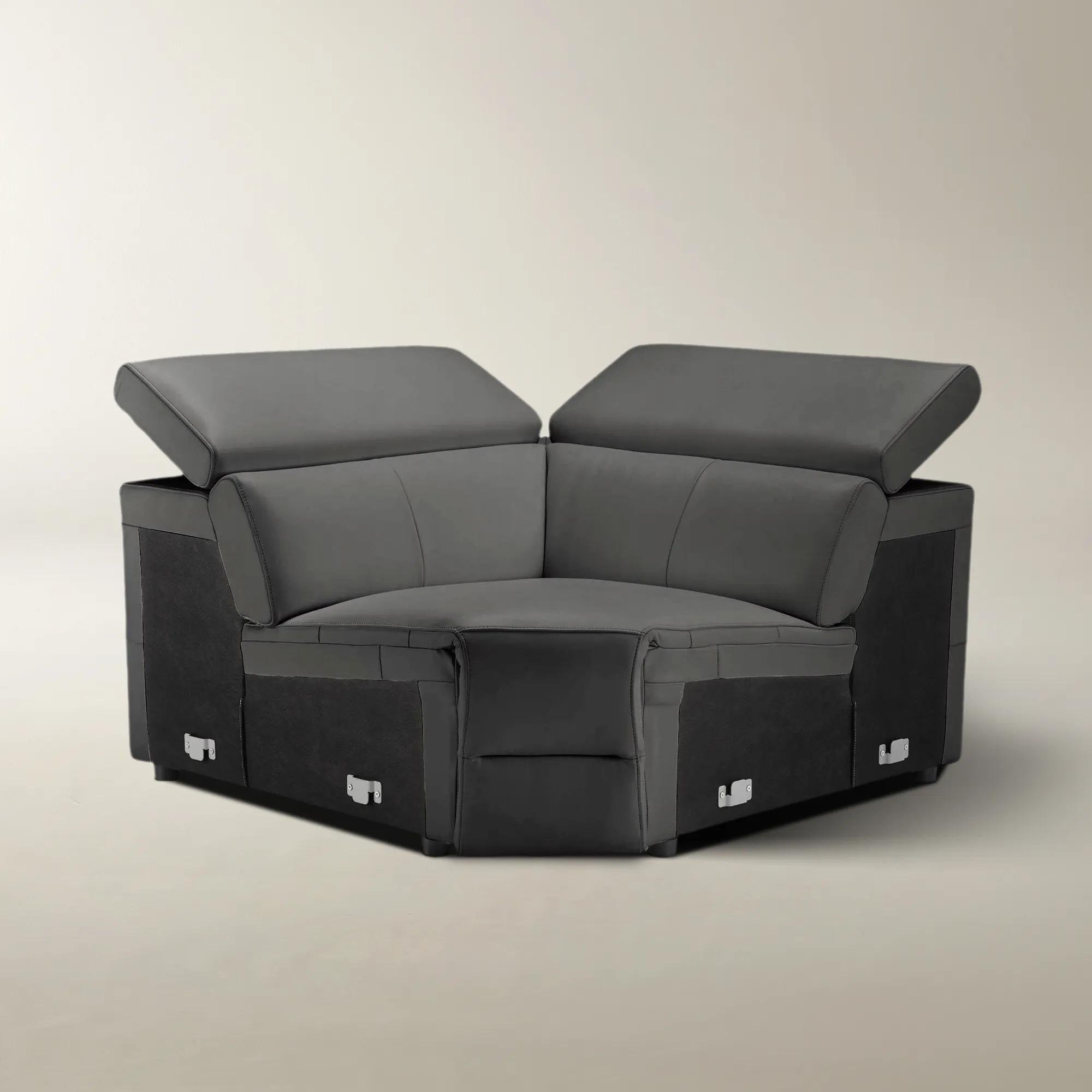
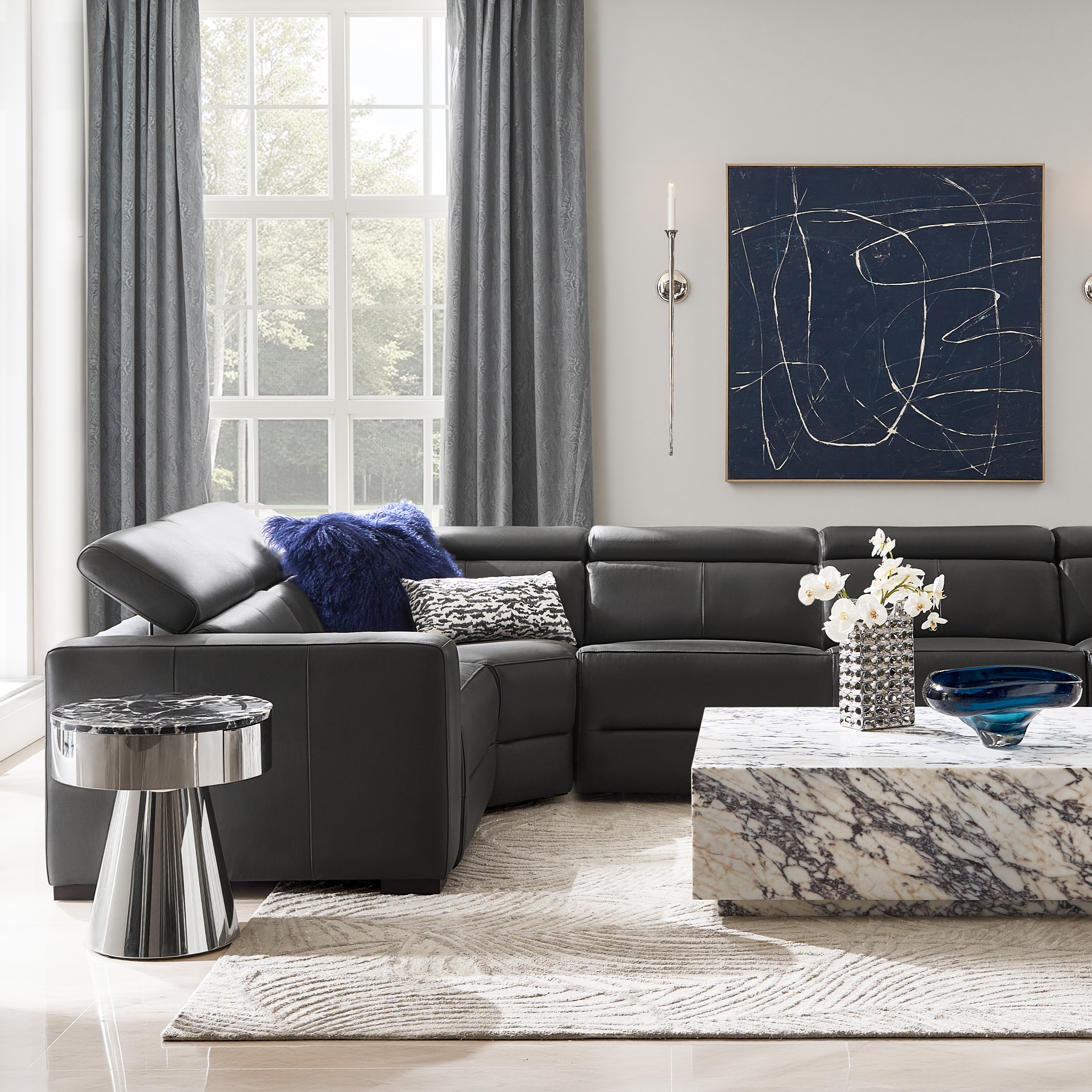 Verona Charcoal Leather Corner Chair With Power$1699
A modern charcoal sectional upholstered in supple semi-aniline leather with adjustable headrests and optional power recline.
Add To Cart -
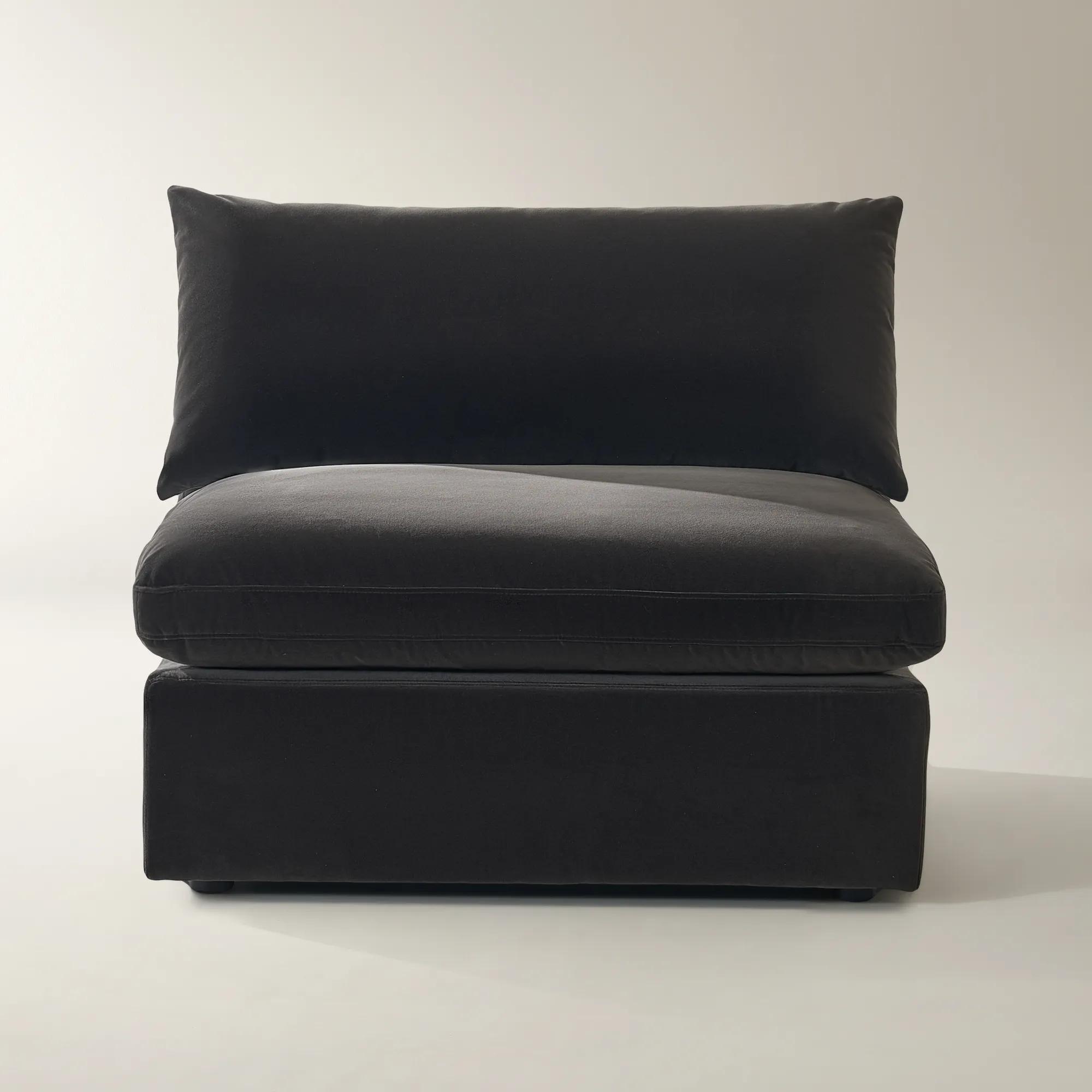
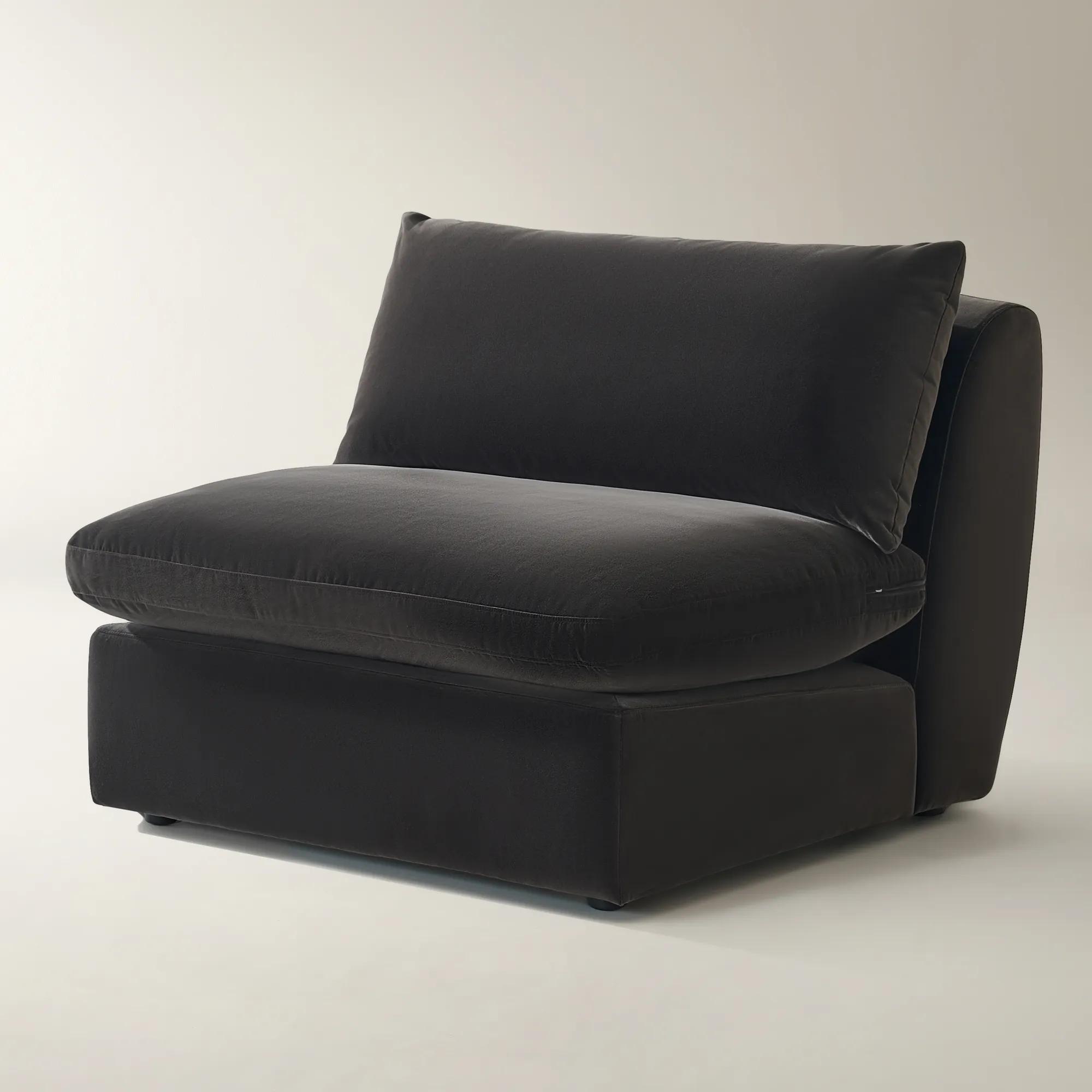 Sabrina Charcoal Velvet Armless Chair$999
A modular charcoal velvet sectional featuring curved lines, feather-blend cushions, and hand-crafted solid wood construction.
Add To Cart -
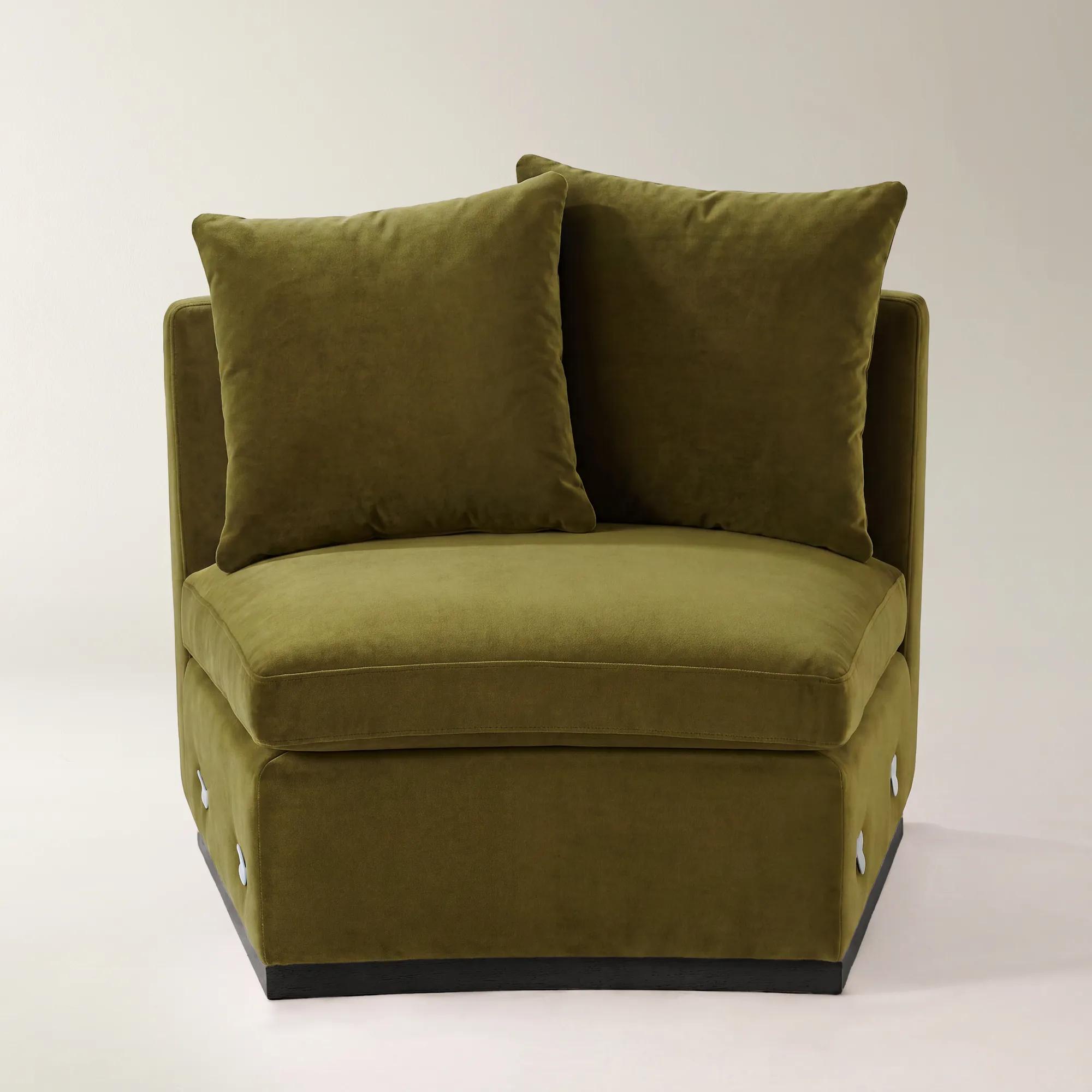 Stria Deep Olive Velvet Armless Chair$1099
A sculptural deep olive velvet armless chair with kiln-dried wood construction and layered foam-down cushioning.
Add To Cart -
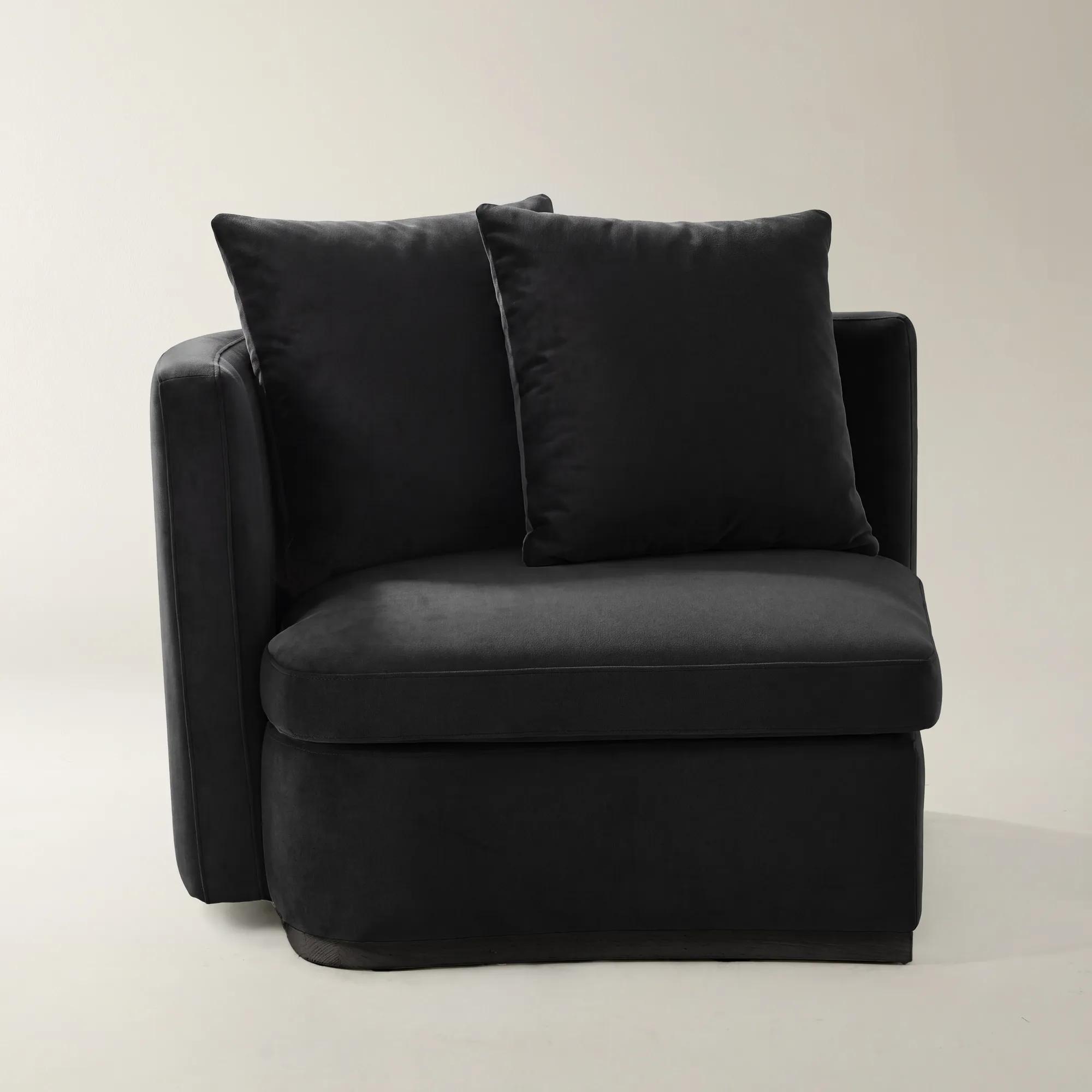 Stria Charcoal Velvet Left-Arm Chair$1199
A sculptural charcoal velvet armchair featuring layered foam-and-down cushioning, curved edges, and a kiln-dried wood frame.
Add To Cart -
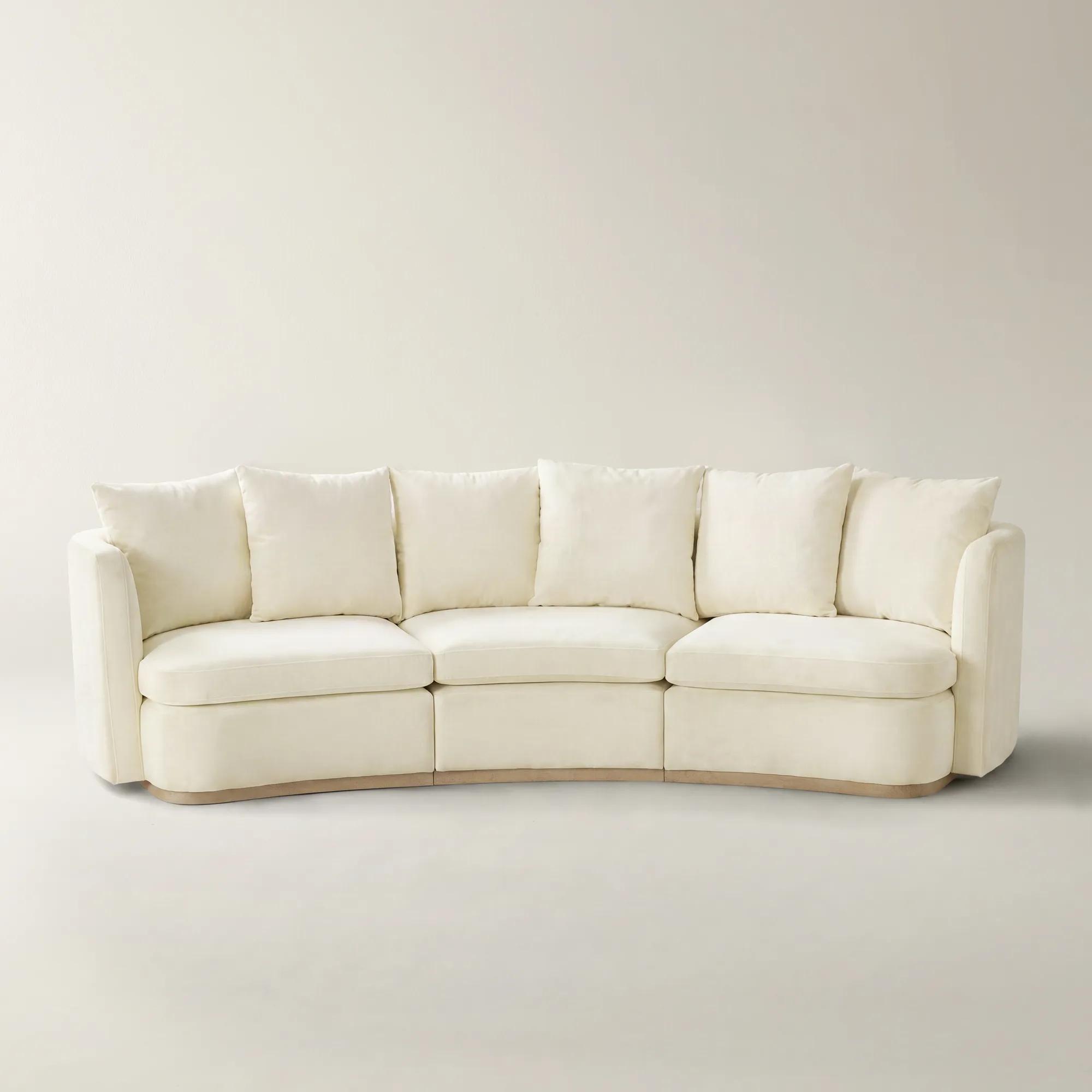 Stria 3-Piece Cloud Velvet Sectional Sofa$3399
A sculptural cloud velvet sectional with a curved silhouette, modular design, layered cushioning, and oak base.
Add To Cart

Furniture For Loft Living
Soaring ceilings, exposed beams, and sun-drenched windows—loft living is a celebration of space and possibility. Furniture for loft living transforms open expanses into curated sanctuaries, where every piece becomes a work of art and every arrangement tells a story of bold self-expression. Here, sculptural silhouettes command attention, textures invite touch, and dramatic lines elevate the everyday into something extraordinary. Embrace the allure of grand scale and unapologetic glamour—because in a loft, your home isn’t just lived in; it’s showcased.
Furniture for loft living balances open-plan proportions, high ceilings, and exposed architectural details with comfortable, clearly defined spaces for relaxing, dining, working, and entertaining. The most compelling arrangements give each activity a distinct setting without sacrificing the expansive feeling that makes a loft so expressive. Against brick, concrete, steel, or oversized windows, furniture introduces softness, structure, and a more personal sense of scale. A generously proportioned sofa can establish the living area, while a dining table and an illuminated cabinet create a separate destination beyond it. Rather than pushing every piece against the perimeter, floating seating allows the room to develop its own rhythm. A sofa with a finished back looks intentional from the dining area, and a console behind it provides a graceful transition between conversation and circulation. Curved silhouettes soften angular architecture; tailored forms bring definition to a room with irregular walls or exposed structural columns. Scale matters more than sheer size. Deep seating may feel beautifully grounded beneath a soaring ceiling, but an arrangement still needs enough breathing room for doors, drawers, and everyday movement. Low-profile furniture preserves views across the floor, while a taller cabinet or bookcase introduces vertical interest where the architecture needs a counterpoint. Repeating a few materials or finishes across adjoining areas creates continuity without making every piece match. A dark wood dining surface might echo a living room console, while a restrained thread of warm metal connects otherwise distinct silhouettes. Large rugs help seating groups read as complete compositions and add welcome texture beneath furniture with slender legs. The result can be richly layered without appearing crowded: an intimate conversation area within an expansive room, a dining setting with its own presence, and open pathways that keep the architecture visible. For residents drawn to dramatic spaces, loft furniture offers a way to make bold personal choices while preserving the volume, light, and freedom of the floor plan.
Choosing furniture for an open loft also means considering how each piece performs throughout the day. A dining table may host a dinner gathering, support an afternoon of laptop work, and display a sculptural arrangement between occasions. Its dimensions should accommodate both seated guests and the space needed to pull chairs back without interrupting a main walkway. Extendable designs can suit changing guest counts, provided there is room for the expanded footprint. A round tabletop can soften a compact dining zone, while a long rectangular form often complements an elongated floor plan. In the living area, seating depth, seat height, and cushion support deserve as much attention as the silhouette. Deep, relaxed upholstery invites lingering; a more upright seat may be preferable for conversation or frequent transitions between sitting and standing. Occasional chairs can angle inward for gatherings without enclosing the entire room, and a thoughtfully positioned ottoman can serve as a footrest or an additional perch when its construction supports seating. For a loft that doubles as a workspace, a desk with concealed cable management and nearby closed storage helps work materials remain contained after the day ends. Cabinets are especially valuable where there are few closets, giving serving pieces, electronics, and everyday necessities a place behind composed doors. In a combined living and sleeping space, a finished-back storage unit can suggest separation, provided its design permits freestanding placement and any required anchoring is addressed. Measuring matters before any arrangement takes shape: note elevator dimensions, stair turns, entry clearances, ceiling obstructions, and the full footprint of furniture in use. Painter’s tape on the floor can make a proposed layout tangible. For lofts that favor fewer, more deliberate forms, the proportions and uncluttered silhouettes associated with Furniture for Minimalist Living can complement an expressive interior, leaving room for a striking shape or richly textured surface to command attention.
Materials give loft living its tactile character, particularly where the surrounding architecture is visually strong. Velvet brings depth and a shifting play of light to seating, creating a sumptuous contrast against masonry or concrete. Textured woven upholstery offers a different kind of richness, with visible yarns that soften broad furniture profiles. Leather can introduce a smooth, tailored surface, though its finish determines how it responds to scratches, spills, and routine care. Households with children, pets, or frequent guests may benefit from upholstery selected for documented durability and cleanability rather than appearance alone. A performance designation should be considered alongside the manufacturer’s care instructions, since no fabric is immune to wear or staining. Swatches help reveal color, texture, and sheen under the loft’s actual lighting, especially near large windows where a material can look quite different across the room. Wood adds warmth and visual depth, whether expressed through solid construction or a carefully finished veneer; both deserve protection from standing moisture, excessive heat, and abrasive cleaning. Coasters and protective pads help preserve dining and occasional surfaces without diminishing their presence. Metal frames can introduce crisp outlines and gleaming accents, while glass tabletops maintain visual openness in smaller zones. Glass still requires regular cleaning and attention to edge placement, particularly along busy routes through the room. For everyday maintenance, vacuum upholstery with a suitable attachment, rotate cushions when recommended, and blot spills promptly according to the material’s care label. Avoid assuming that one cleaning method suits every finish. Durability also depends on construction: stable bases, well-supported seating, smoothly operating drawers, and hardware suited to repeated use contribute to furniture that remains satisfying beyond its first impression. In an open interior, where furnishings are visible from several directions, these practical details reinforce the overall sense of refinement. With considered proportions, tactile contrast, and care appropriate to each material, loft furniture brings a generous architectural space into focus—expressive enough to hold its own, comfortable enough to live with every day.
FAQs
To define distinct areas in an open loft, use furniture placement as your guide. Anchor conversation spaces with large area rugs, float seating arrangements away from walls, and incorporate open shelving or low-profile consoles to subtly divide living, dining, and working zones. Layering textures and varying heights—such as pairing a plush sofa with a tall sculptural plant—adds visual interest and helps delineate each functional area without sacrificing the loft’s signature openness.
Modern lofts thrive on a mix of materials that echo their industrial origins while introducing warmth and sophistication. Look for pieces that combine metal, glass, or concrete with softer elements like velvet, linen, or faux fur. Reclaimed wood, polished marble, and mirror finishes add dimension and luxury, creating a dynamic interplay that feels both curated and inviting.
Loft interiors are the perfect canvas for bold, expressive styles. Opt for furniture with clean lines and dramatic silhouettes—think modular sectionals, sculptural accent chairs, or statement dining tables. Industrial-modern, mid-century, and contemporary glam pieces all shine in loft settings, especially when layered with artistic accents and unexpected textures.
To infuse warmth into your loft during winter, focus on tactile comfort and ambient lighting. Add plush throws, textured cushions, and area rugs in rich hues to soften expansive floors and echo the season’s coziness. Incorporate floor lamps, pendant lights, and candles to bathe the space in a golden glow, transforming the open layout into a welcoming retreat from the chill outside.
Gifting for a loft dweller is all about elevating their unique space. Consider luxurious accent pieces—like a sculptural table lamp, a dramatic vase, or a bold piece of wall art—that add personality without overwhelming the room. Versatile furnishings such as nesting tables, decorative trays, or a chic ottoman with hidden storage make for both practical and memorable gifts.