Stylish Furniture For Open Floor Plans
Stylish Furniture For Open Floor Plans
-
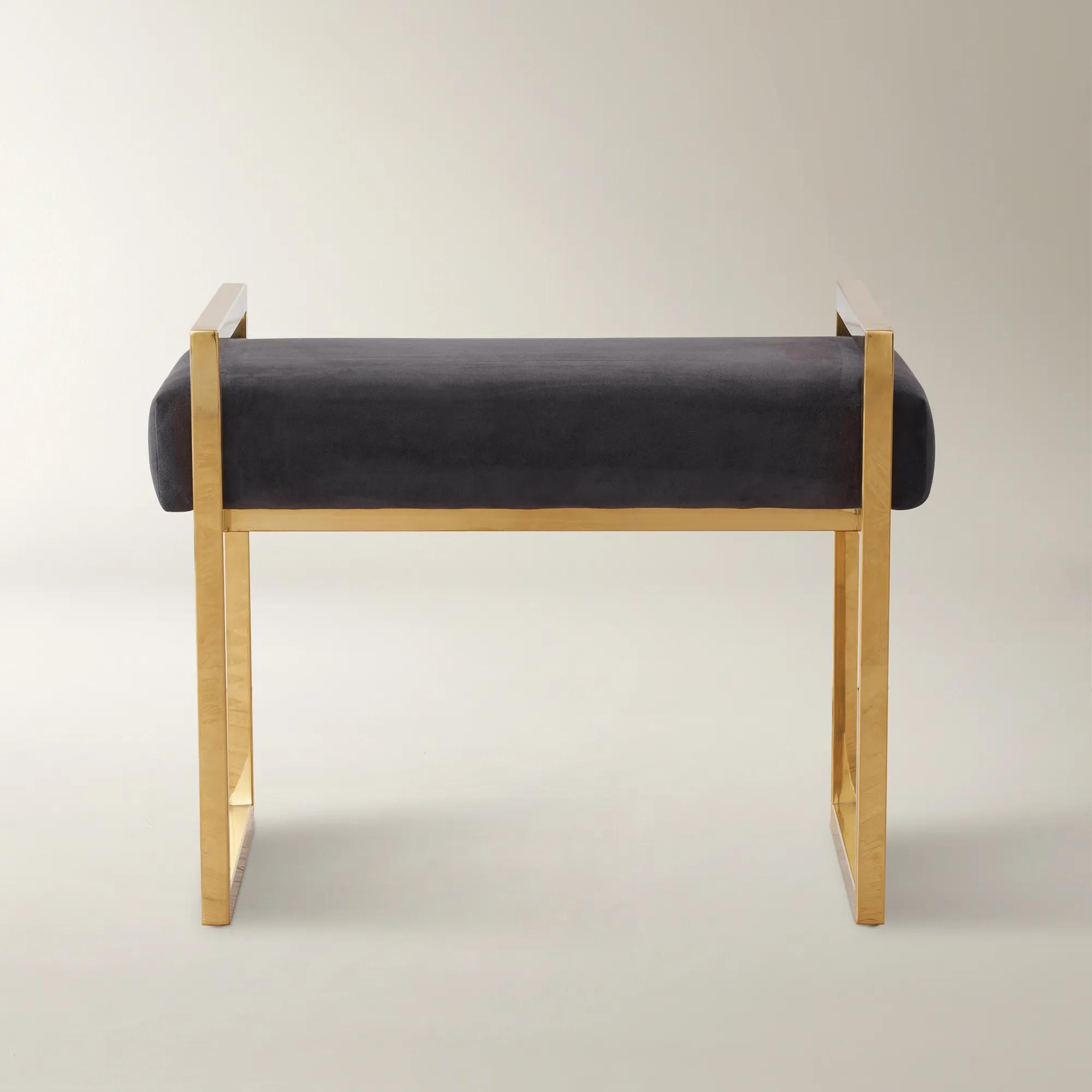
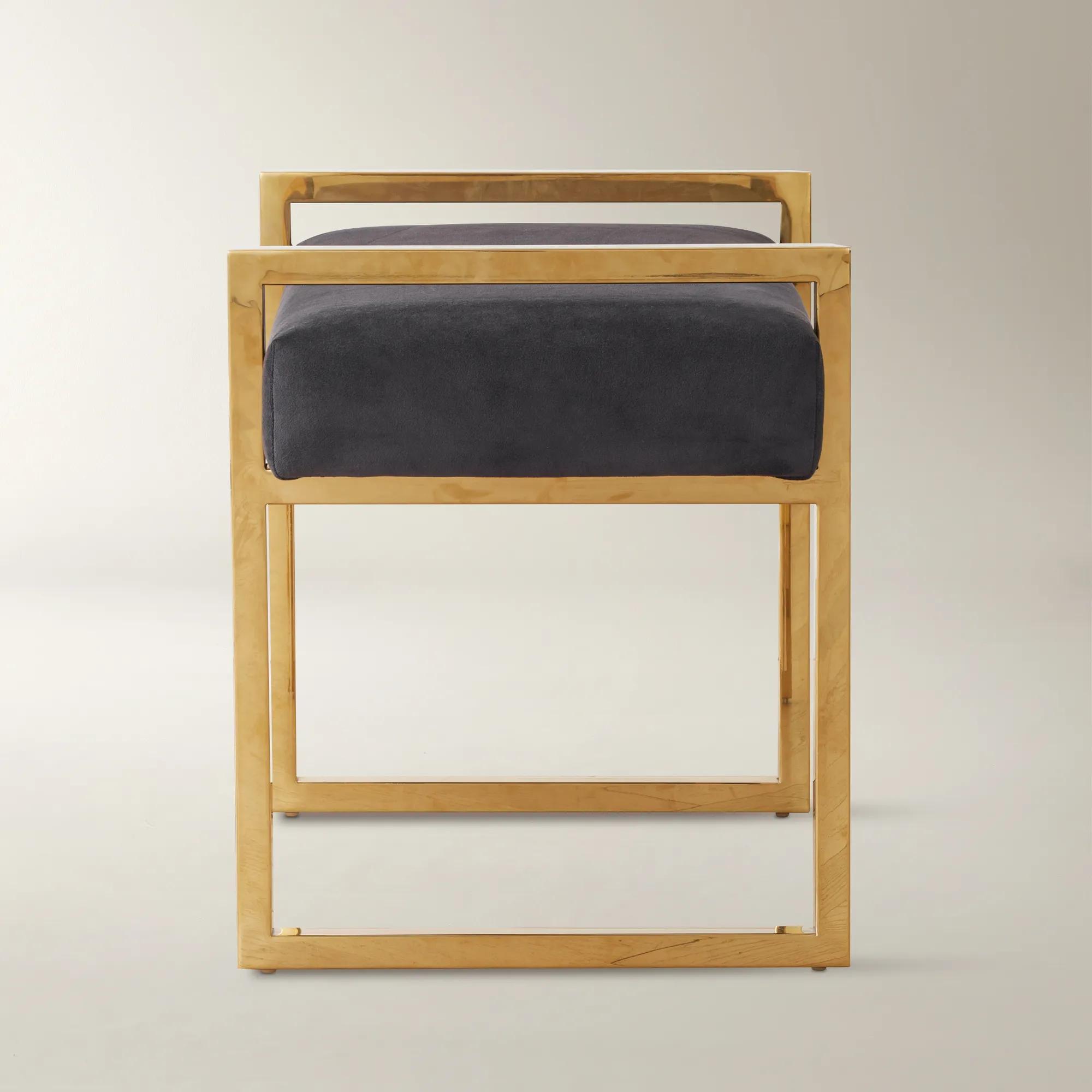 Clara Accent Stool$499
A plush black velvet stool with a high-density foam seat and polished gold metal legs.
Add To Cart -
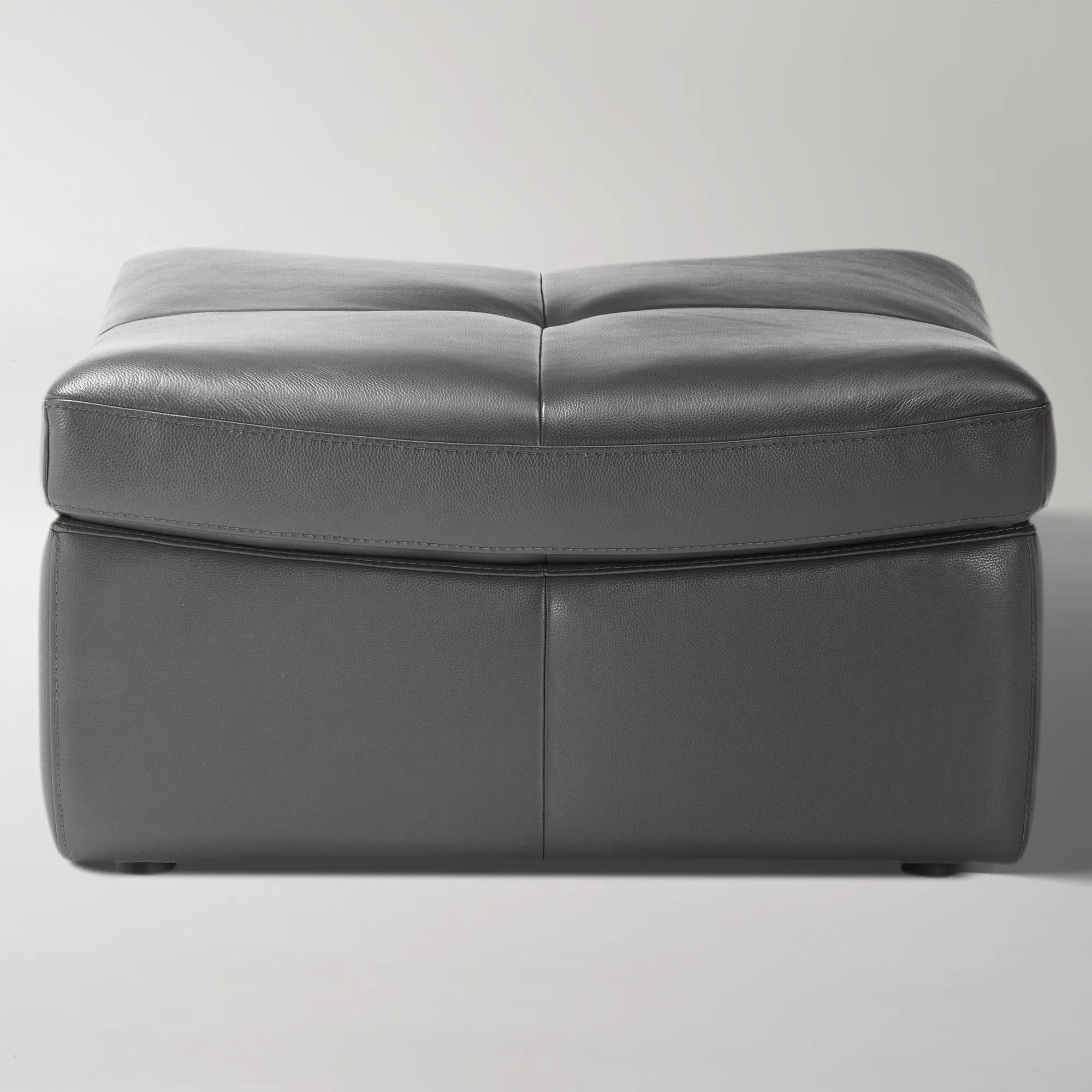 Convo Charcoal Leather Ottoman$849
A modular sectional in charcoal semi-aniline leather with kiln-dried hardwood frames and gently curved seats.
Add To Cart -
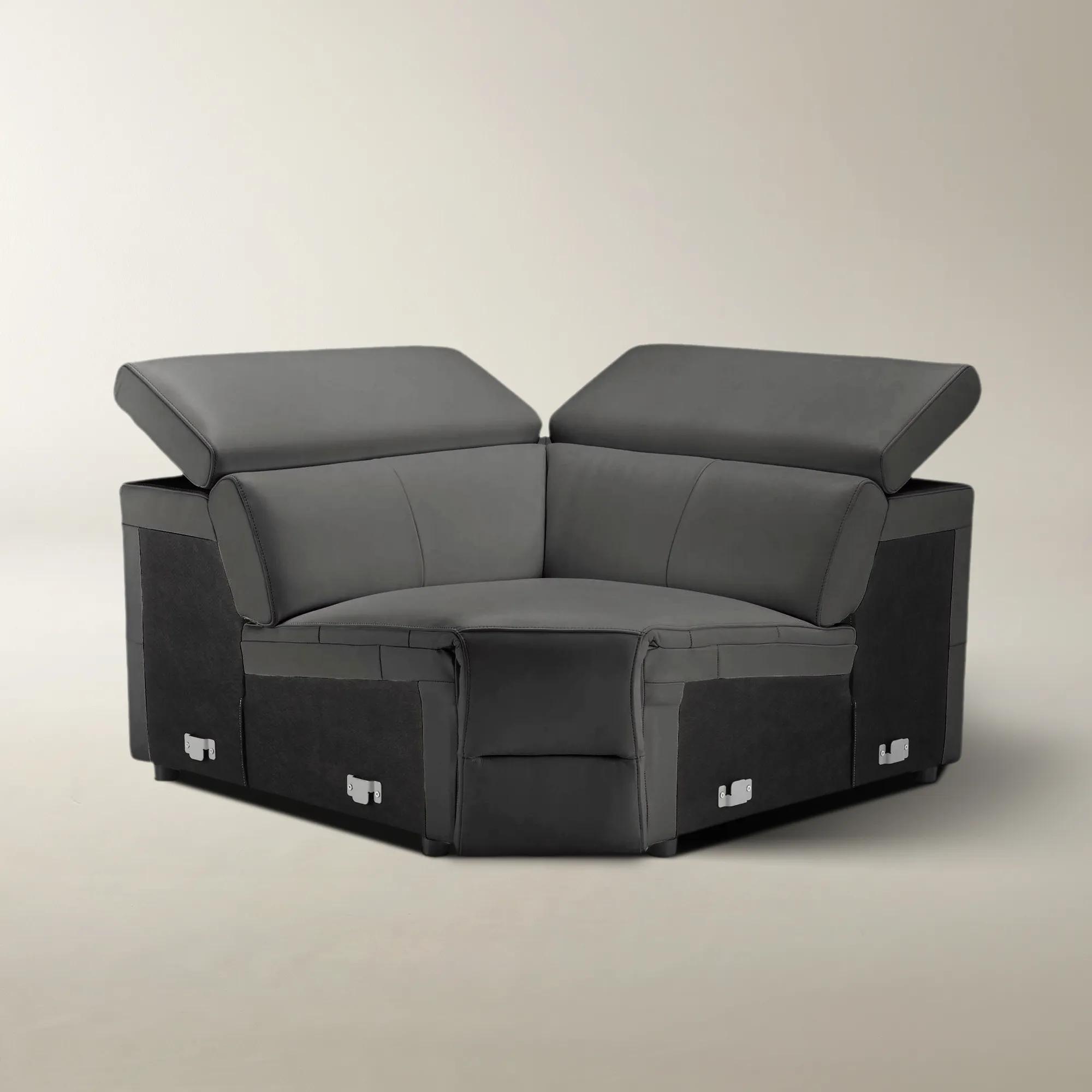
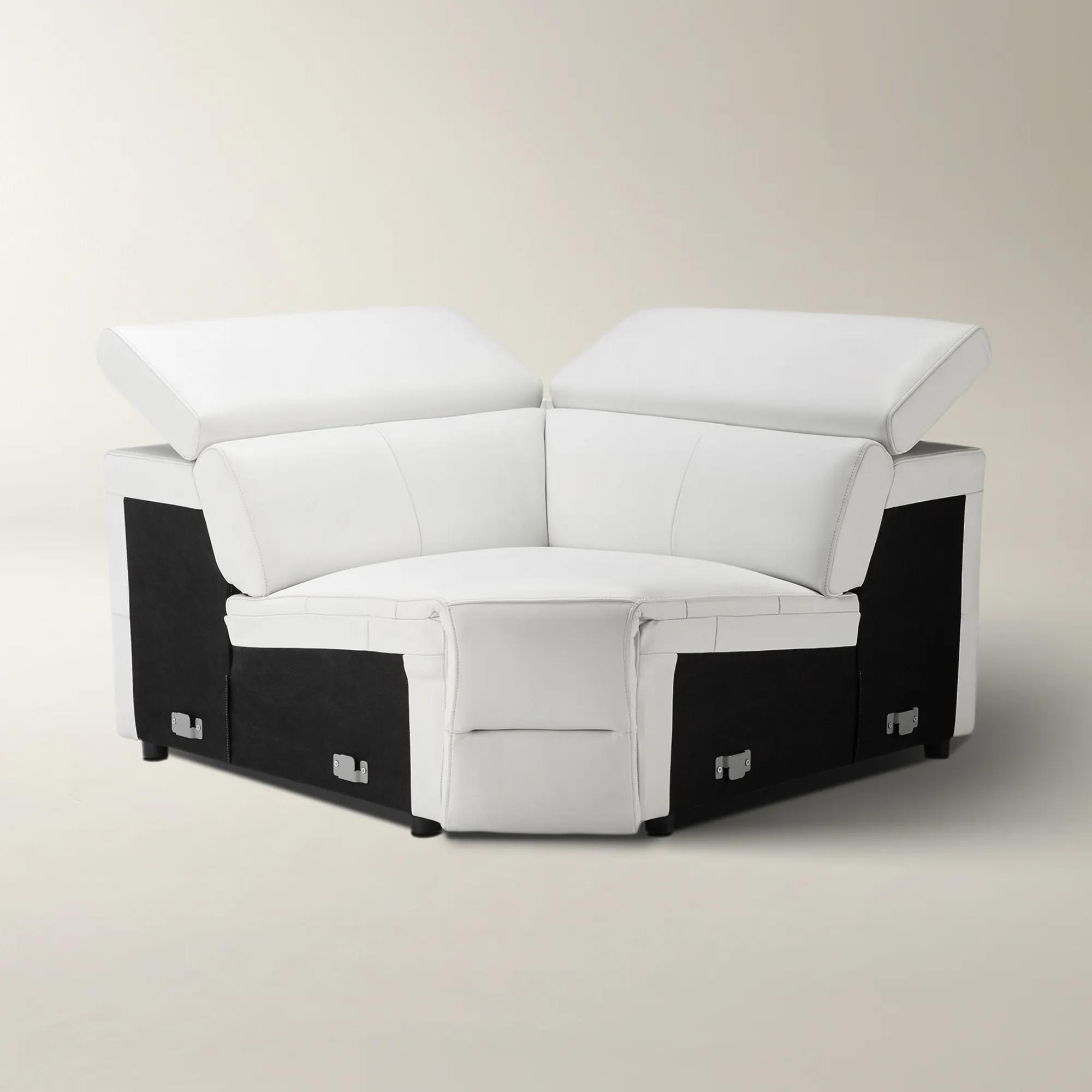
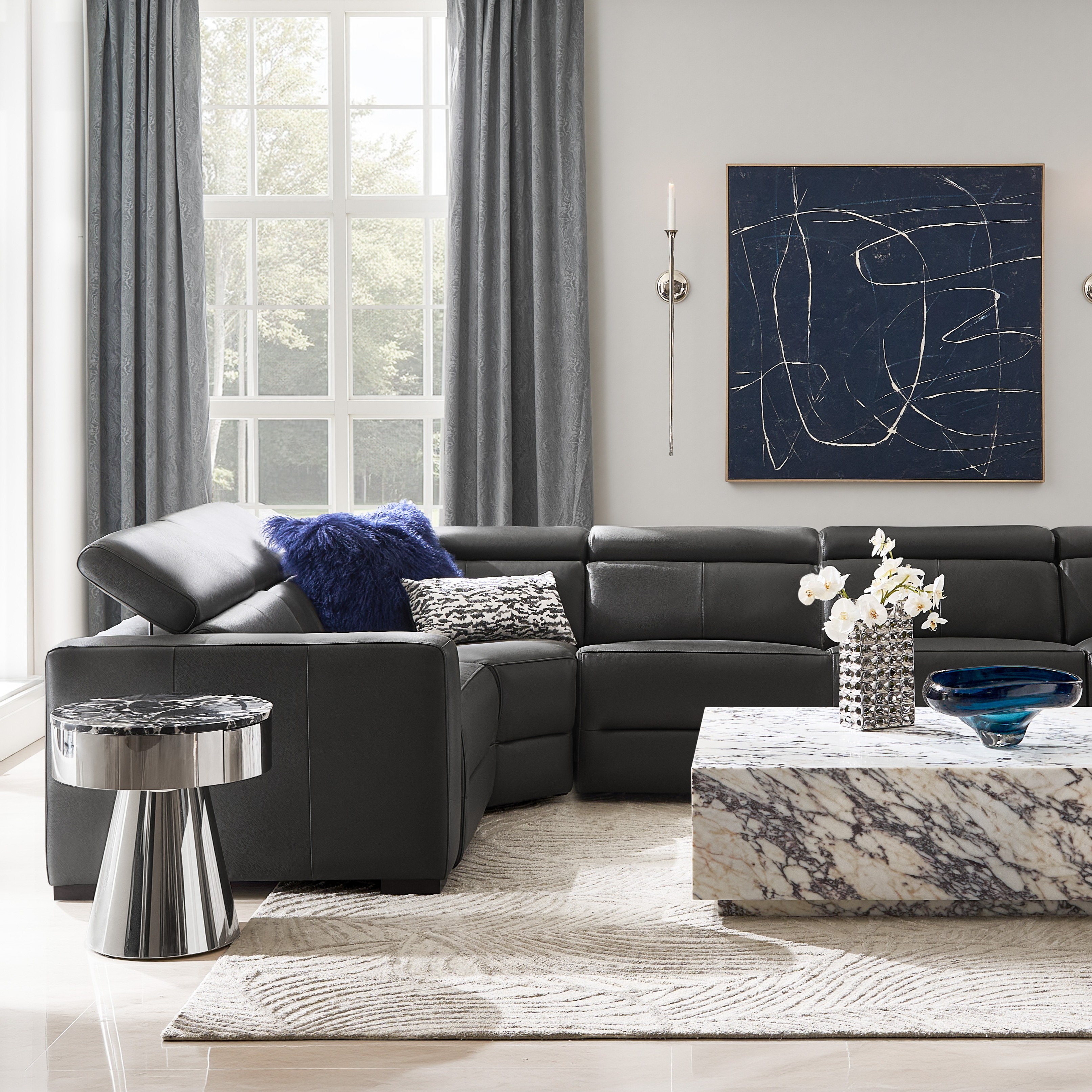 Verona Charcoal Leather Corner Chair With Power$1499
A modern charcoal sectional upholstered in supple semi-aniline leather with adjustable headrests and optional power recline.
Add To Cart -
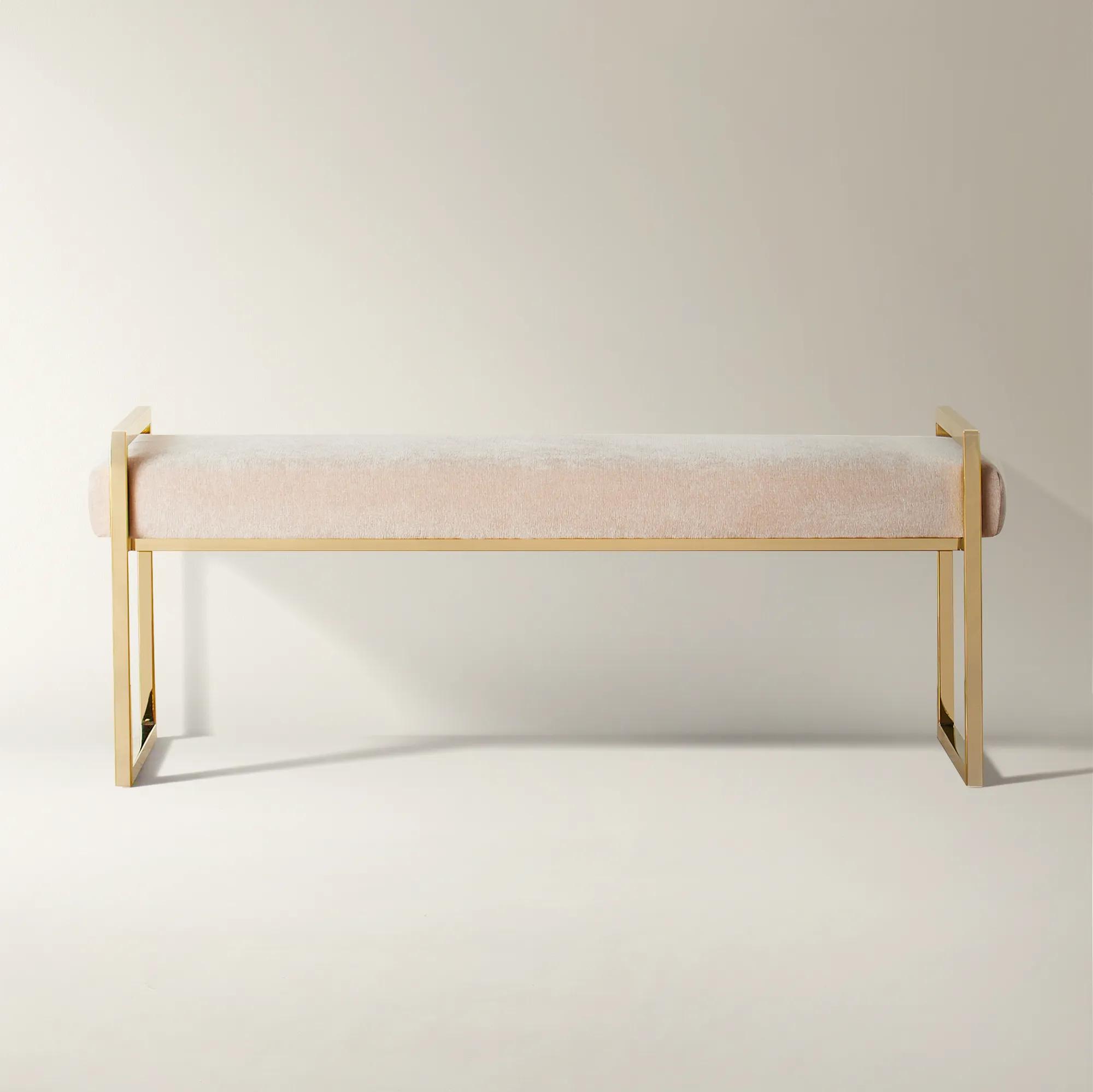 Clara Bench$699
A chic bench featuring a plush chenille seat and polished gold metal legs for modern elegance.
Add To Cart -
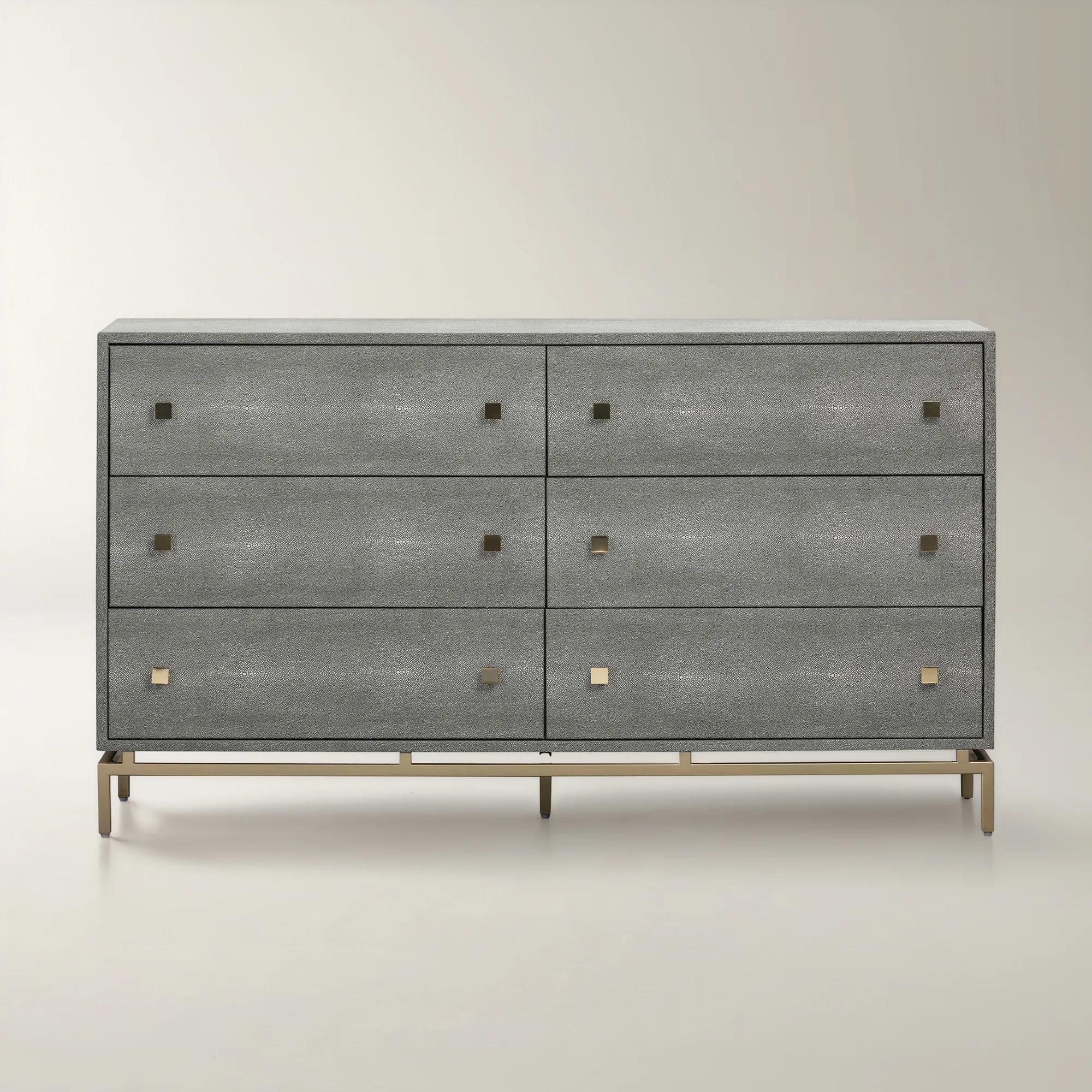
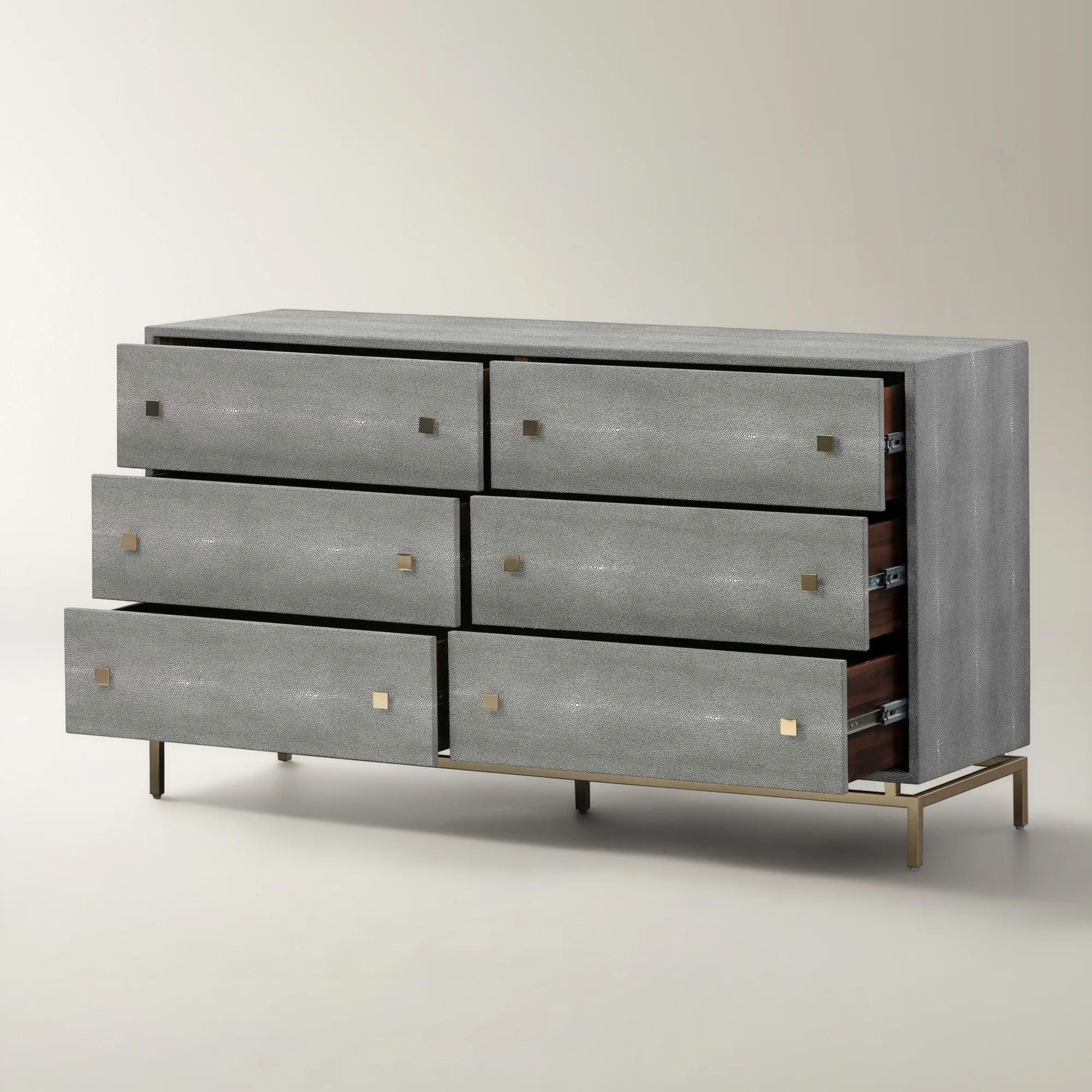 Misha Grey Shagreen 6-Drawer Dresser (57")$2249
A modern dresser featuring faux shagreen texture, brass-finished base, and six drawers with cherry wood interiors.
Add To Cart -
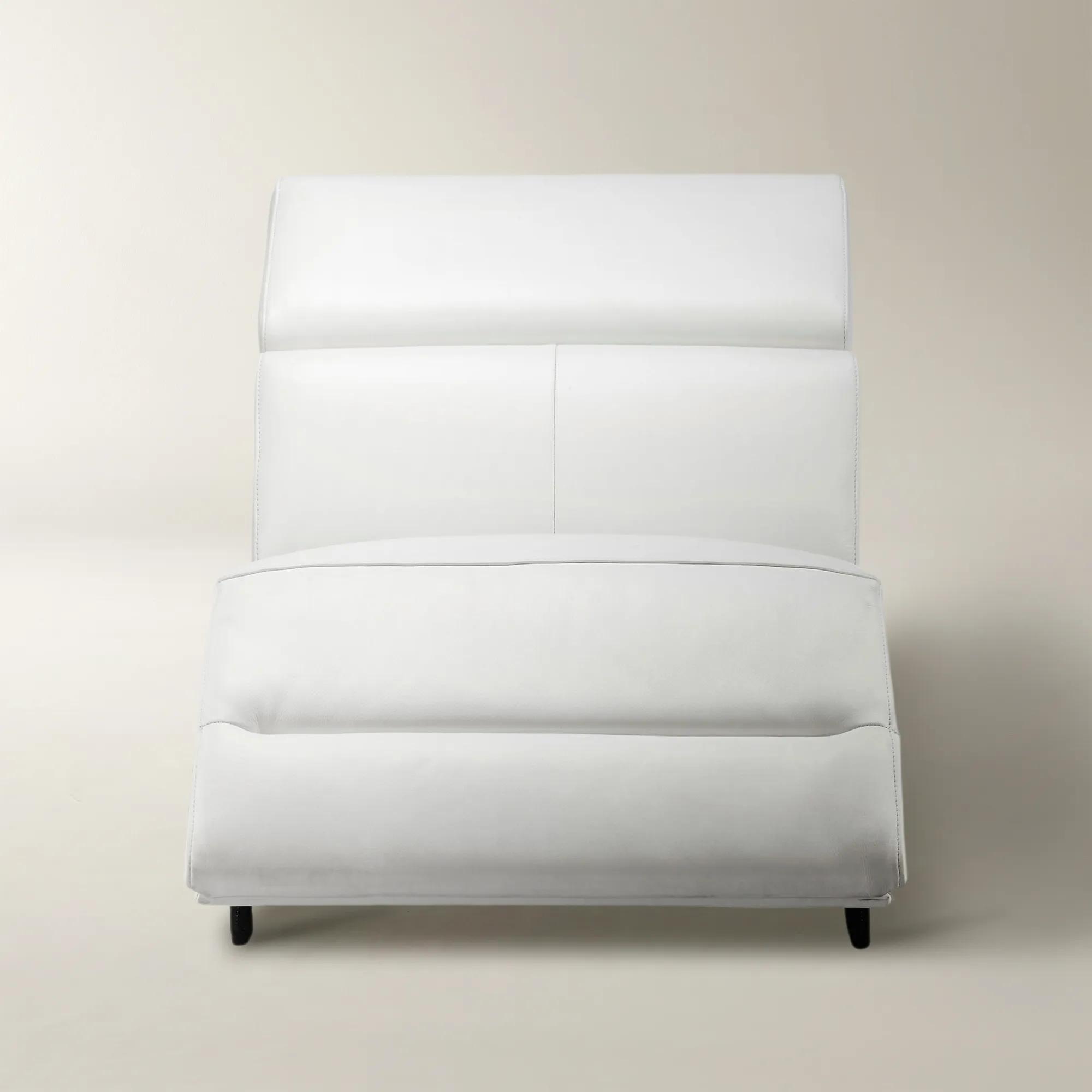
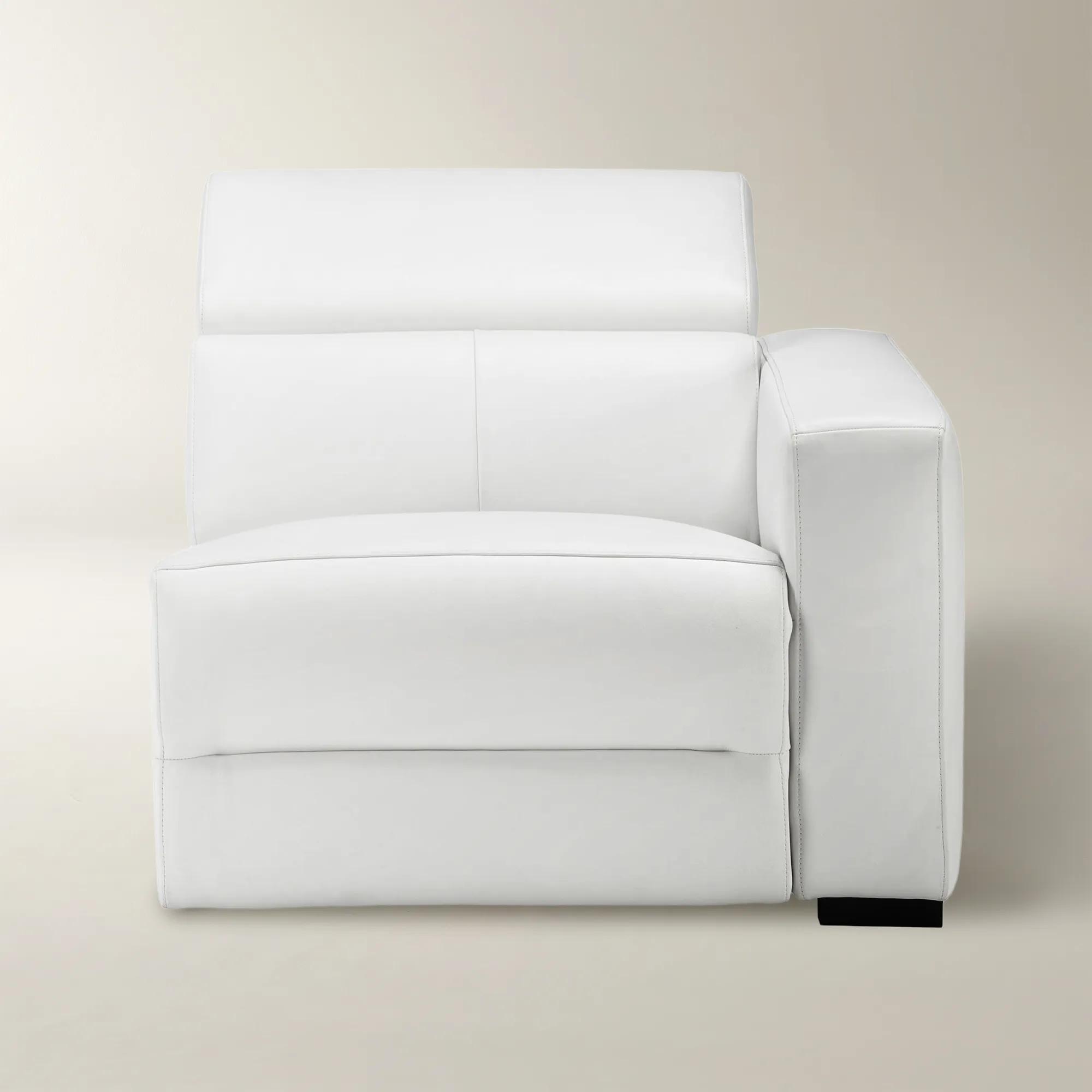
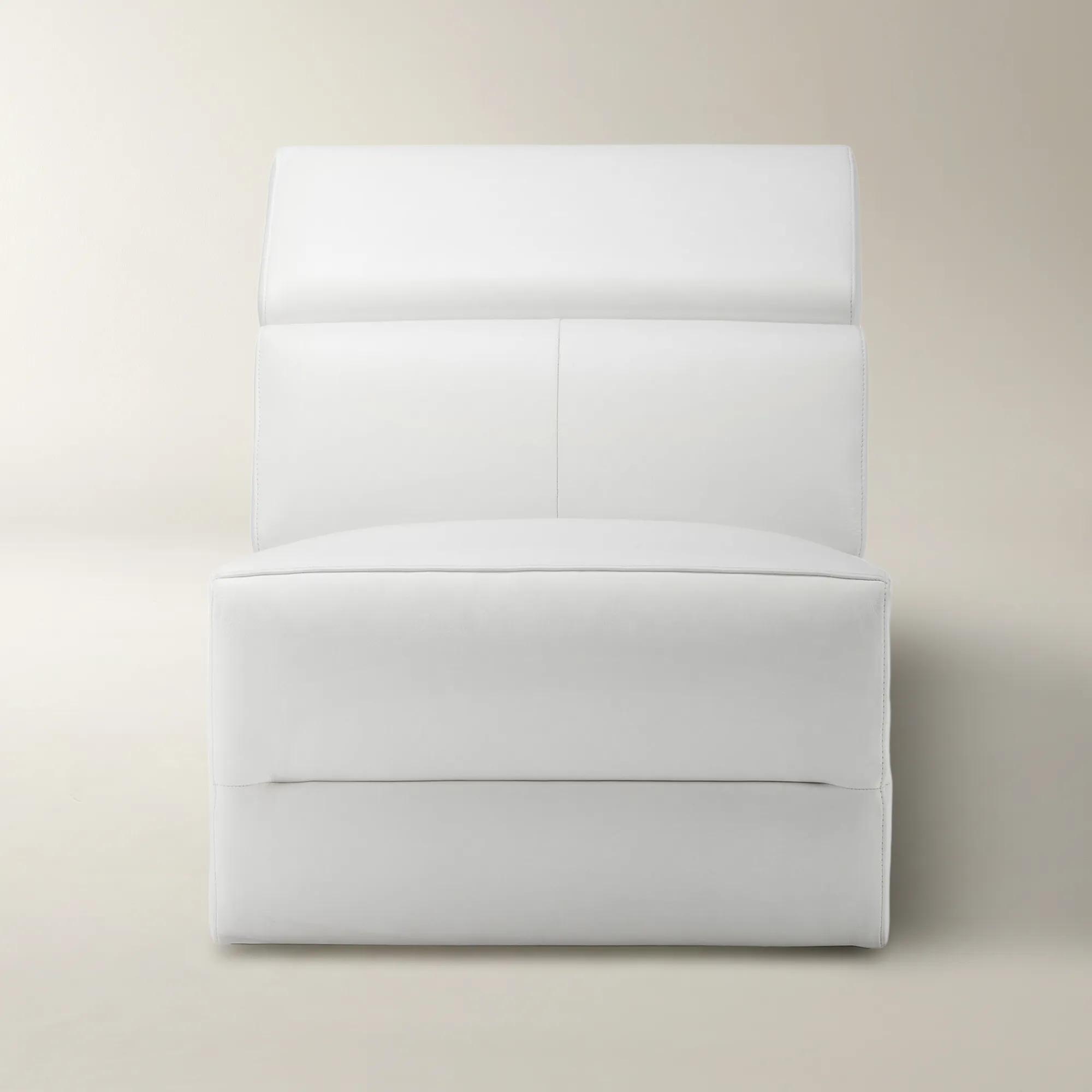
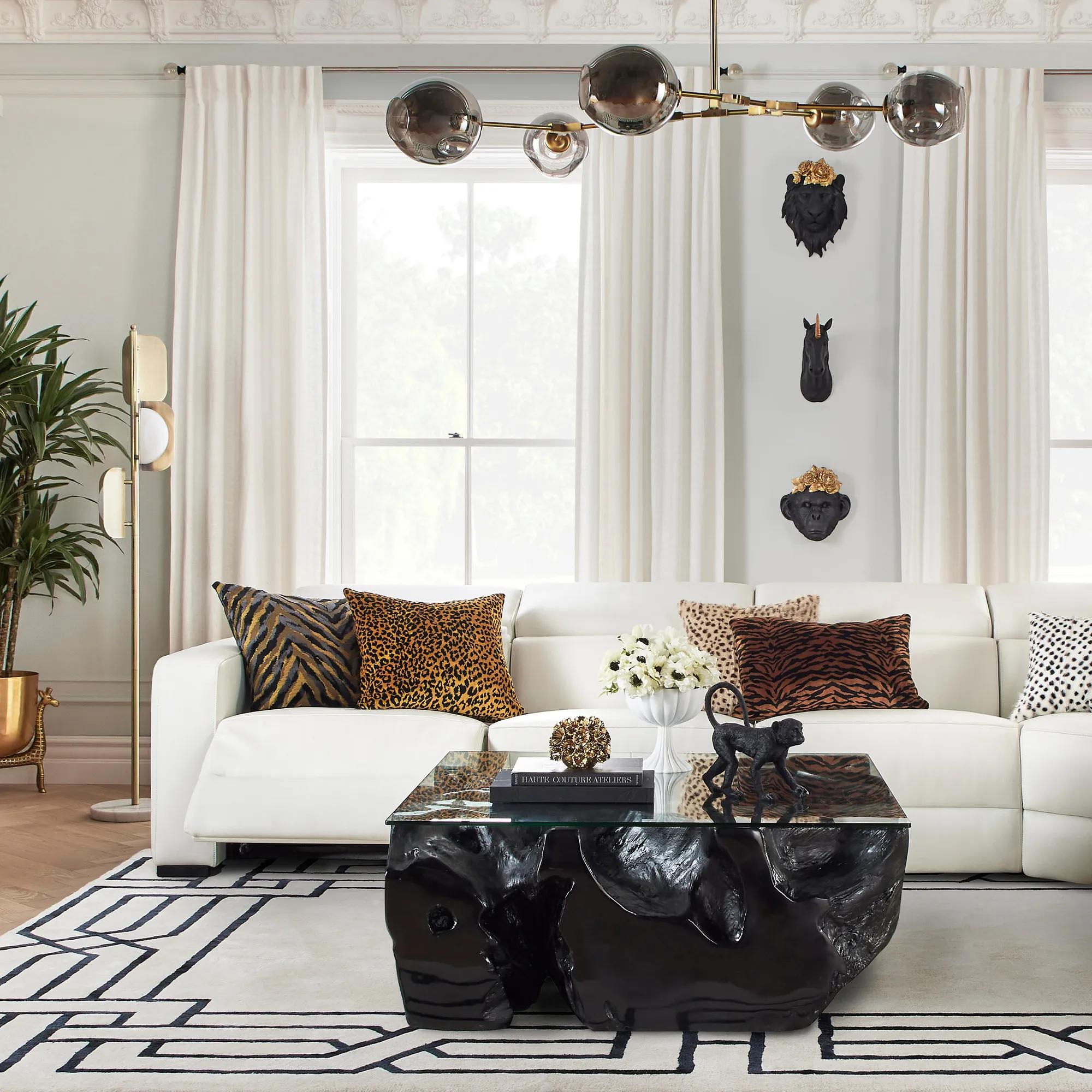 Verona Reclining White Leather Armless Chair With Power$1249
A modern white sectional upholstered in supple semi-aniline leather with adjustable headrests and power-reclining options.
Add To Cart -
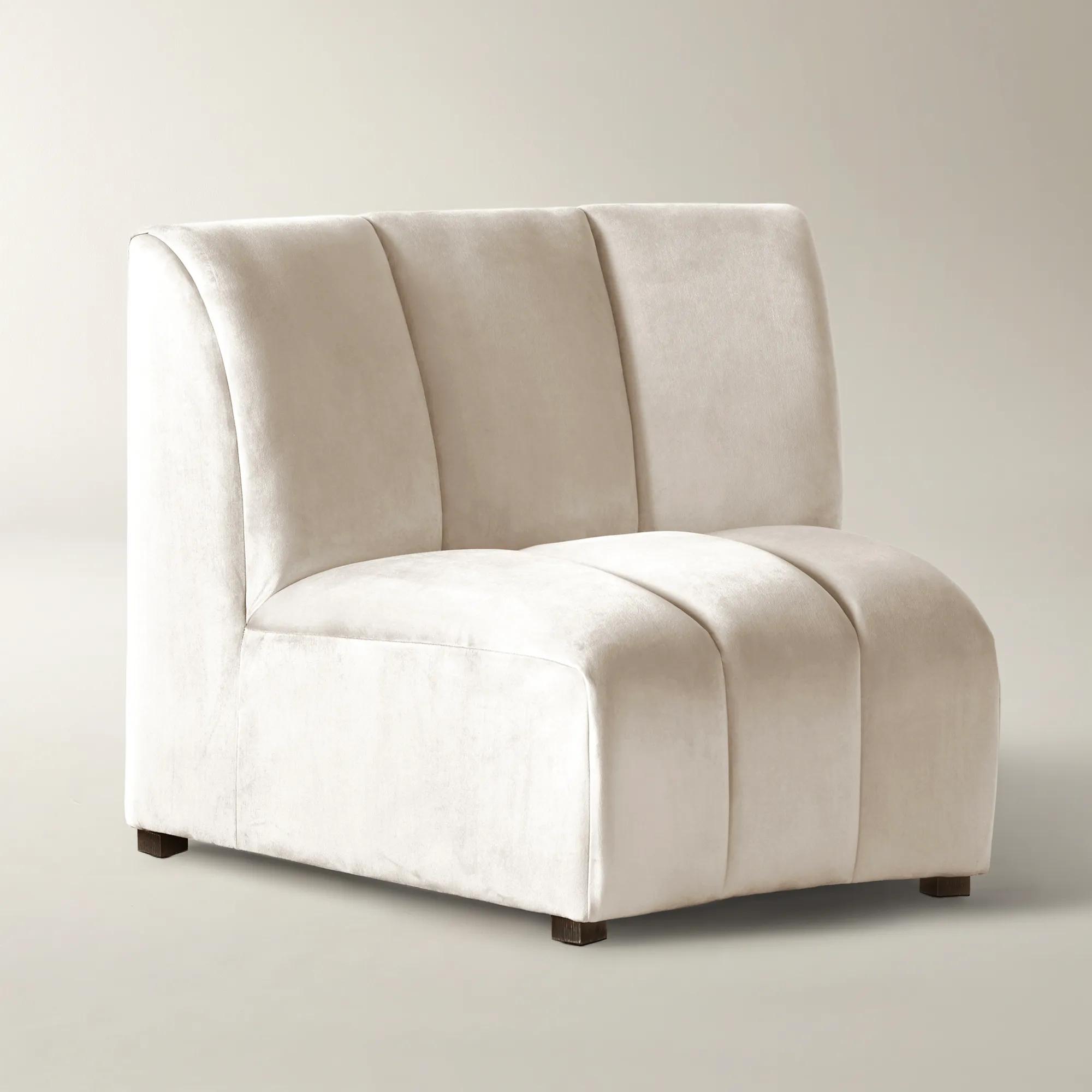 Jayce Channel-Tufted Ivory Velvet Armless Chair$949
A modern armless chair in water-repellent, stain-resistant Velvet Ivory with deep channel tufting and plush padding.
Add To Cart -
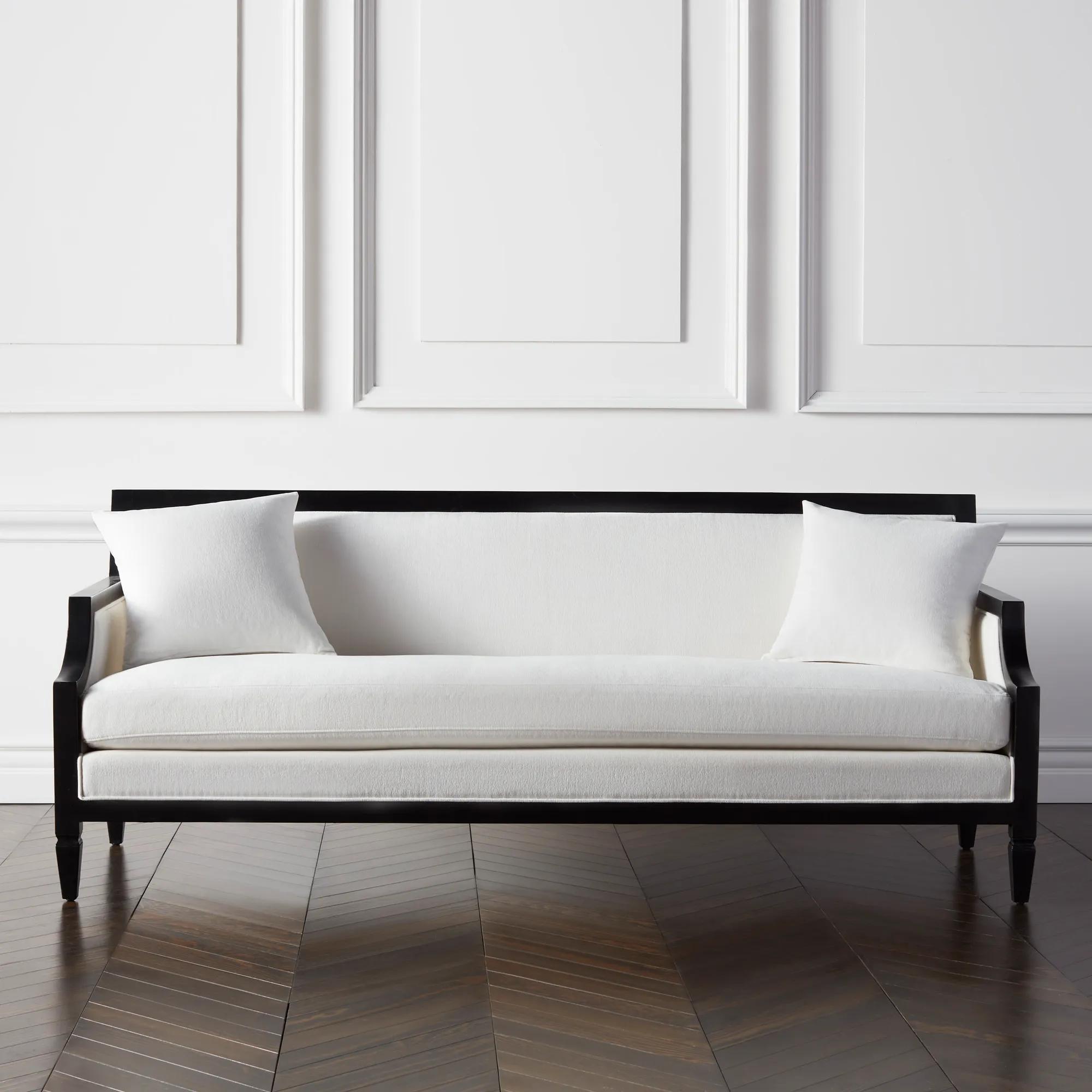
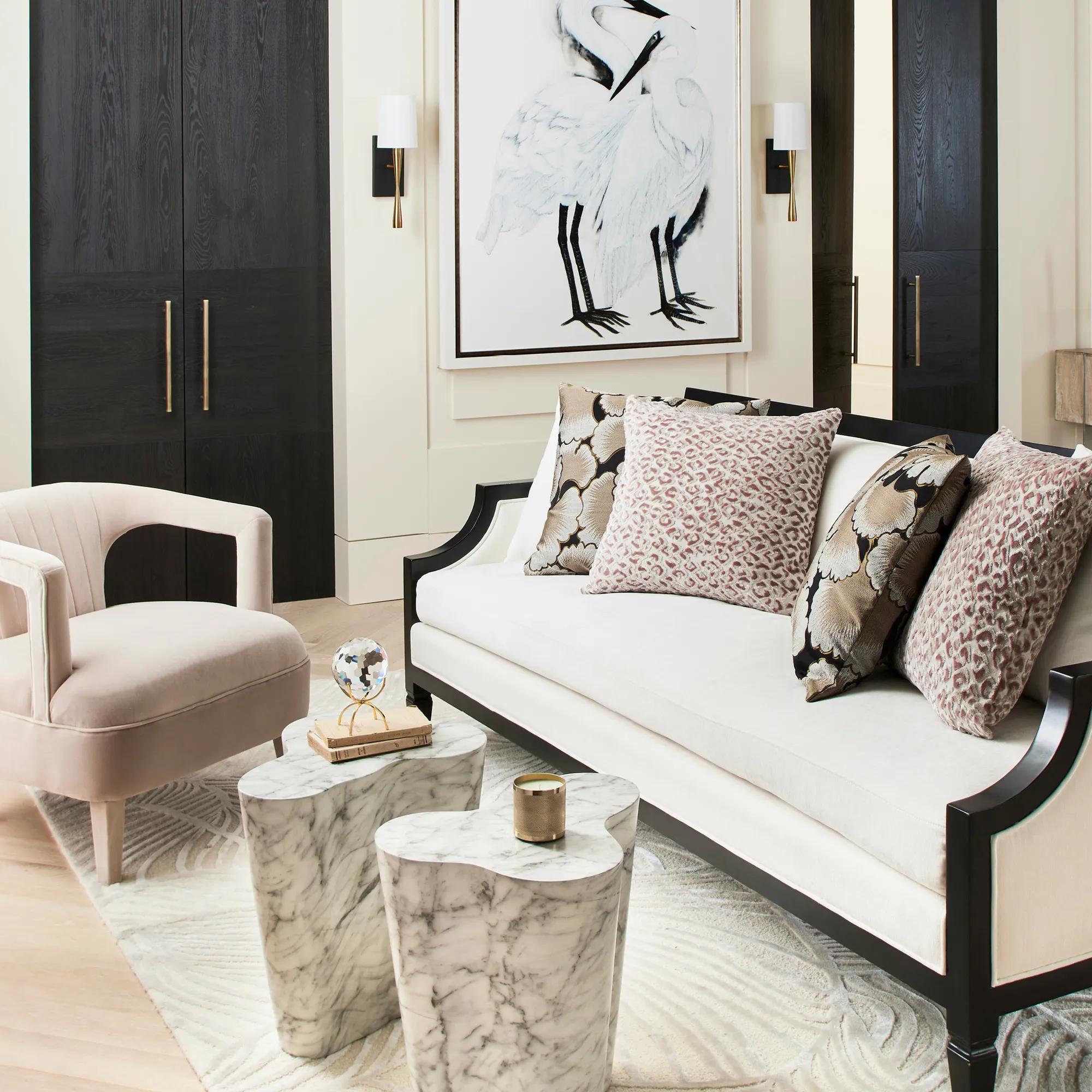 Kayla Sofa$3149
A plush, modern sofa featuring notched arms, matte black wood frame, and Kenley Chenille Snow upholstery.
Add To Cart -
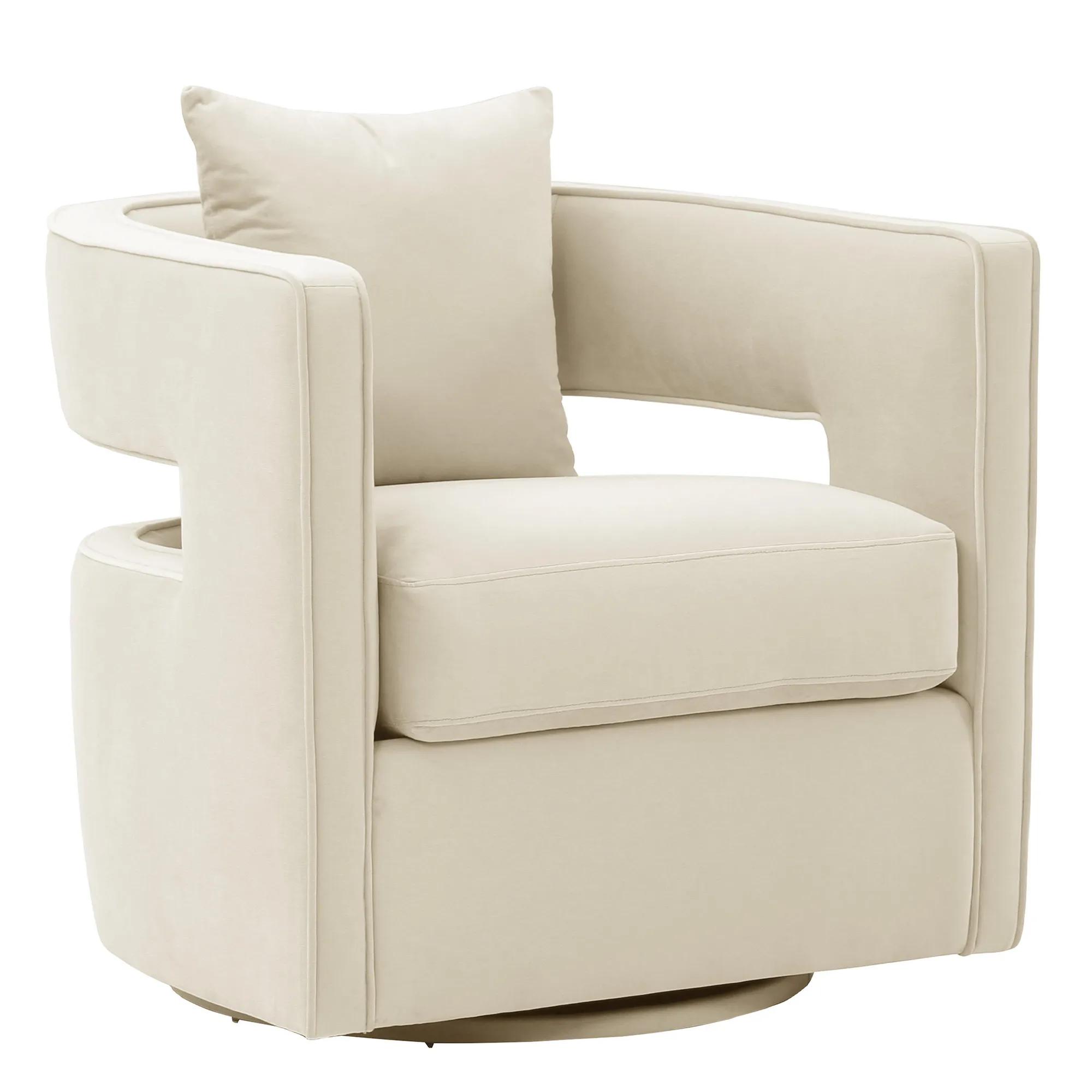
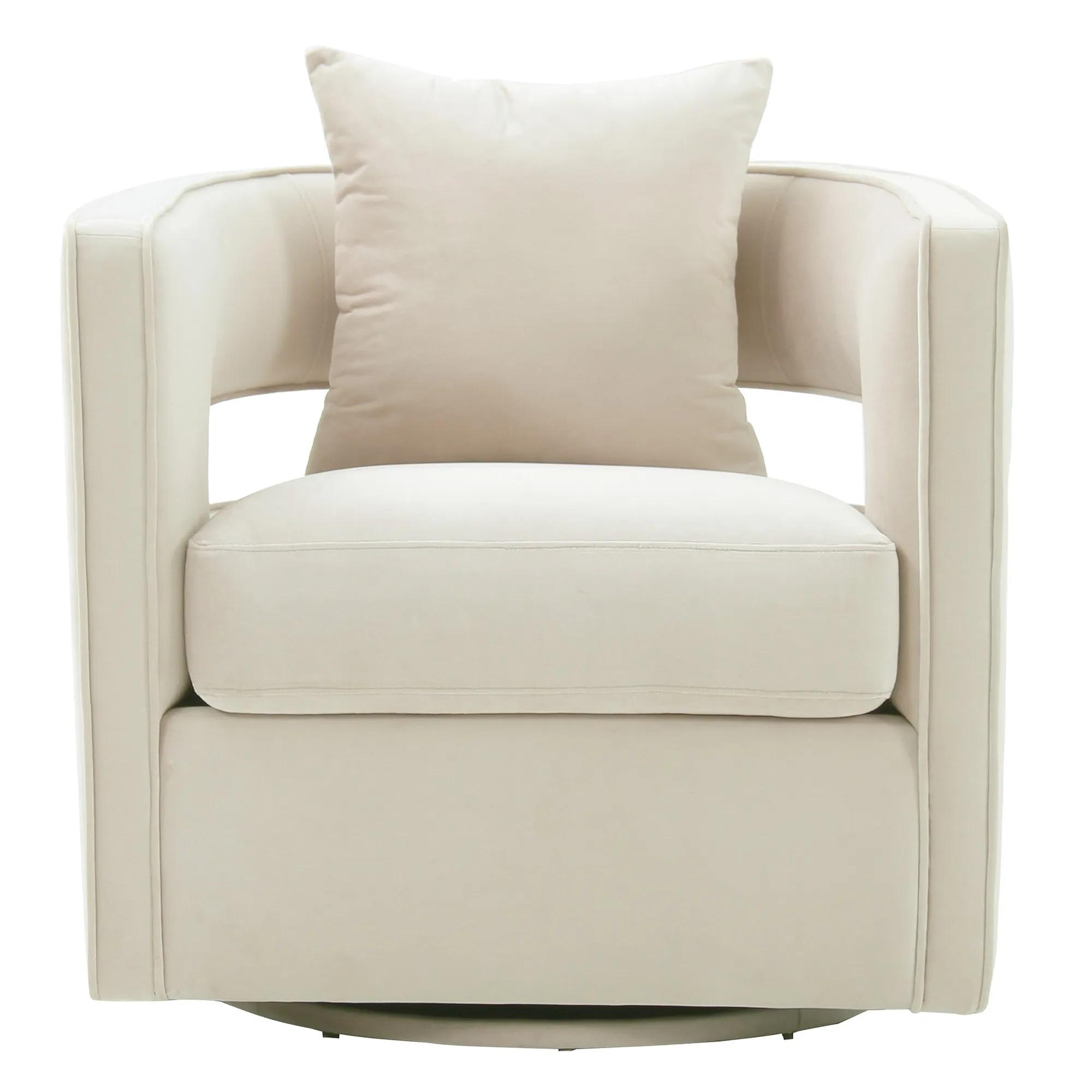 Lottie Cream Velvet Swivel Accent Chair$999
A glamorous cream velvet swivel chair featuring a barrel back, cutout arms, and plush foam cushioning.
Add To Cart -
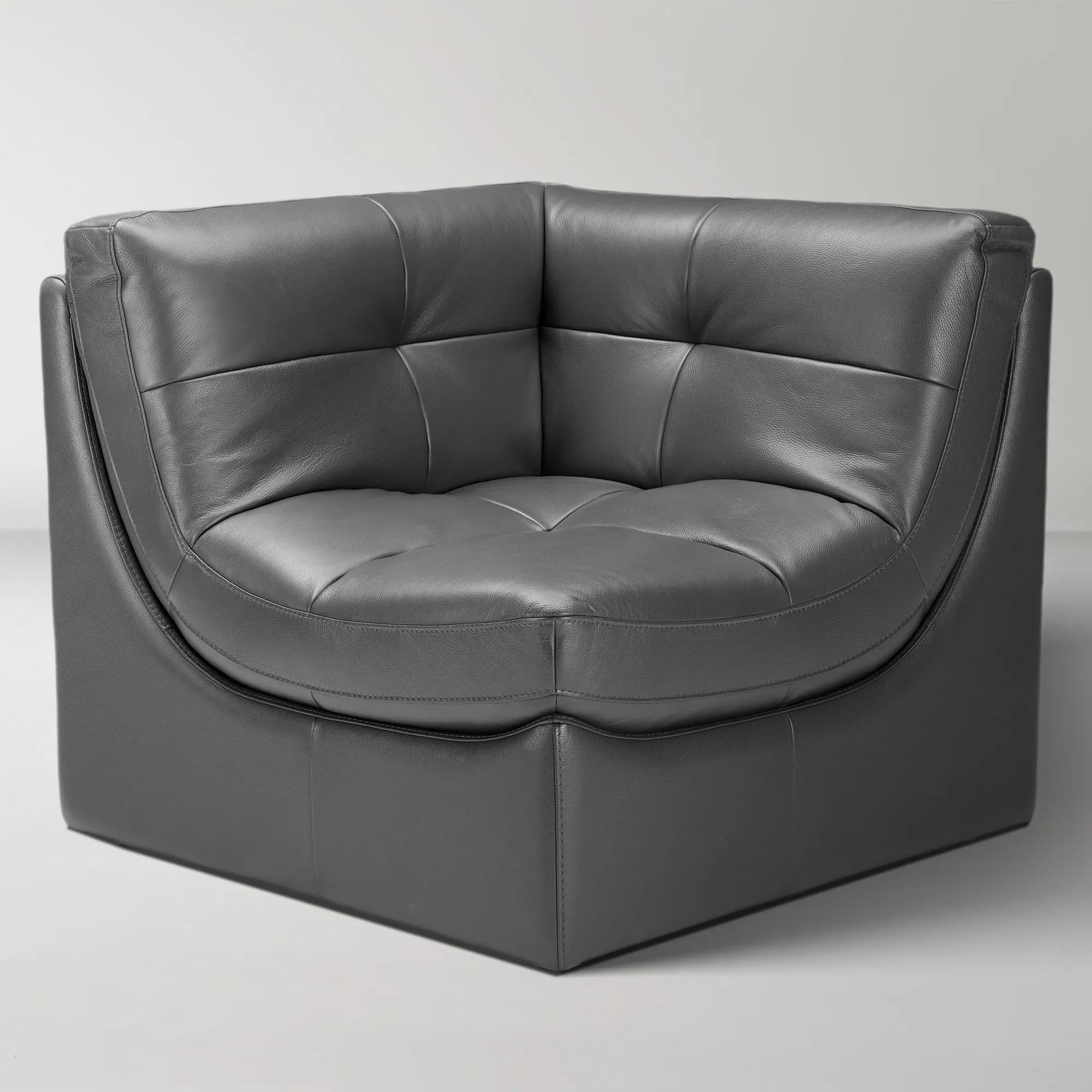
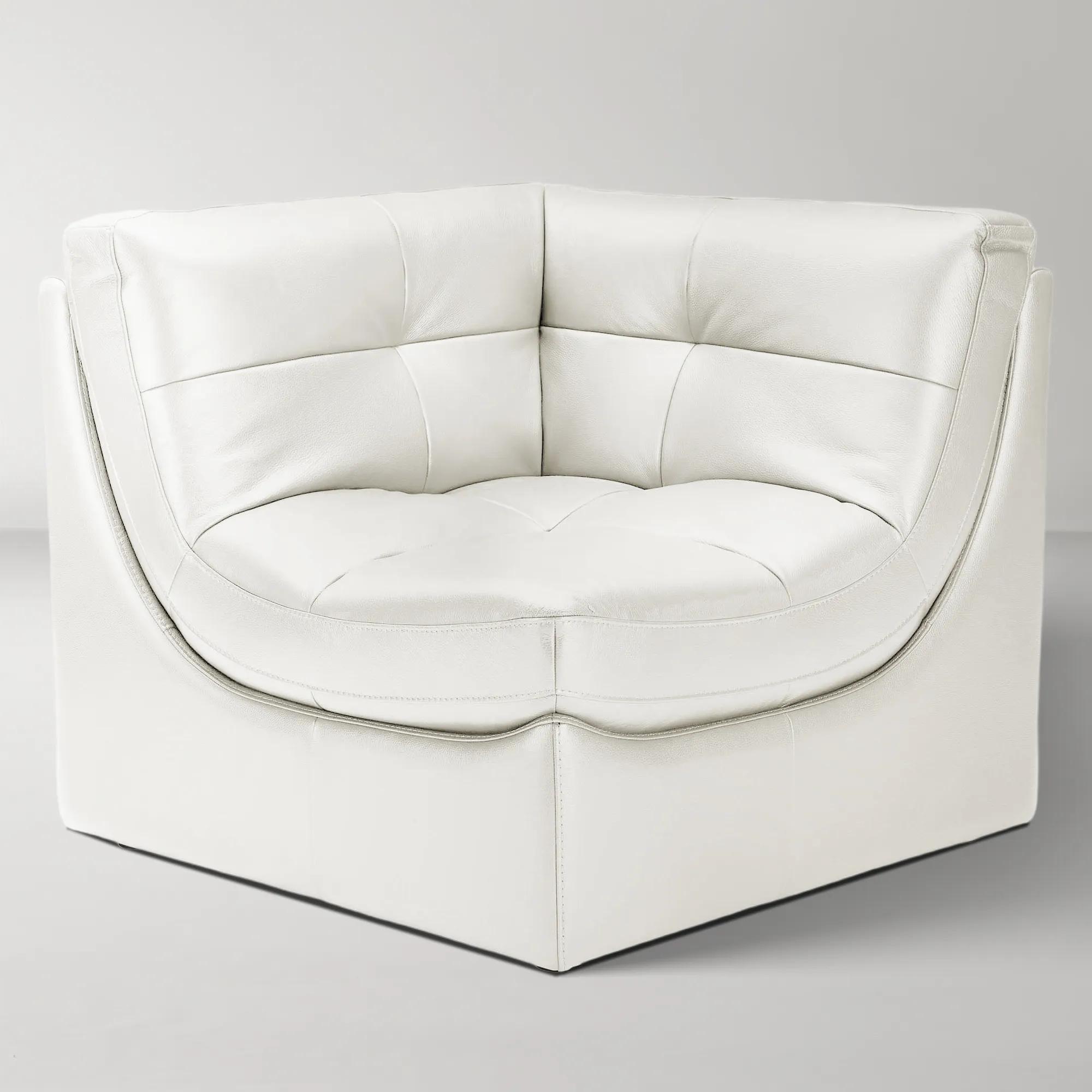
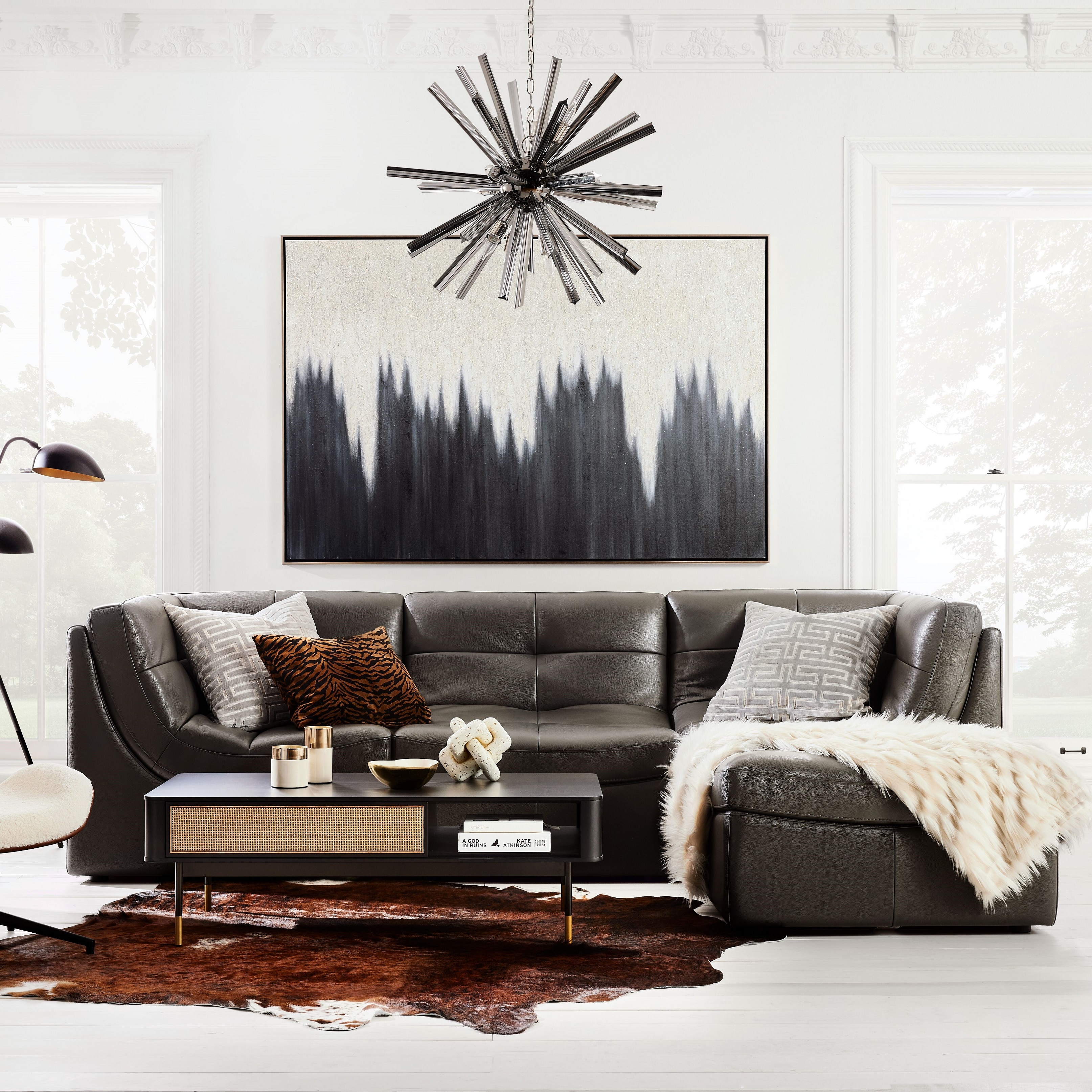 Convo Charcoal Leather Corner Chair$1399
A modular sectional featuring kiln-dried hardwood frames and charcoal semi-aniline leather upholstery for modern versatility.
Add To Cart -
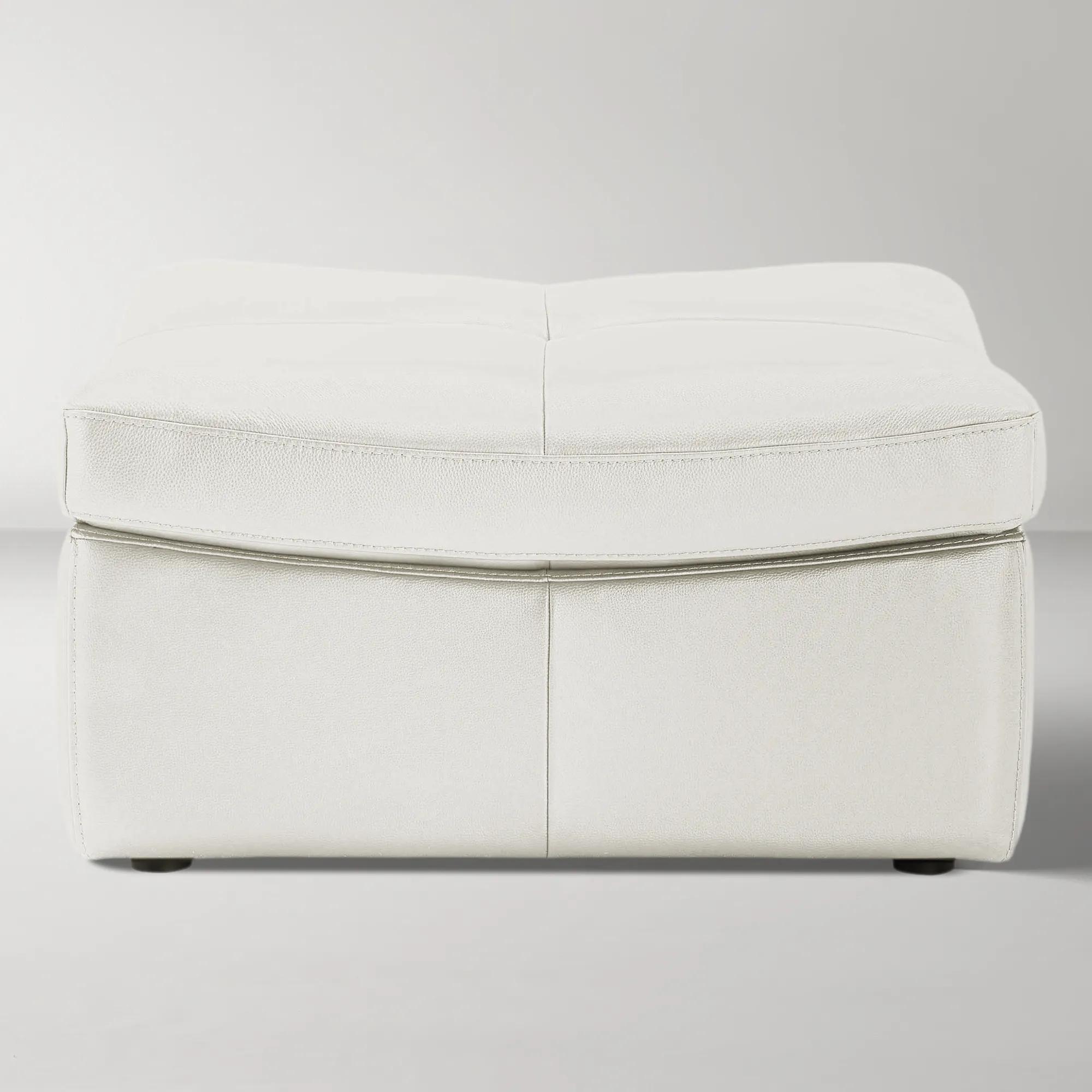 Convo White Leather Ottoman$849
A modular sectional with kiln-dried hardwood frame and charcoal semi-aniline leather upholstery for modern versatility.
Add To Cart -
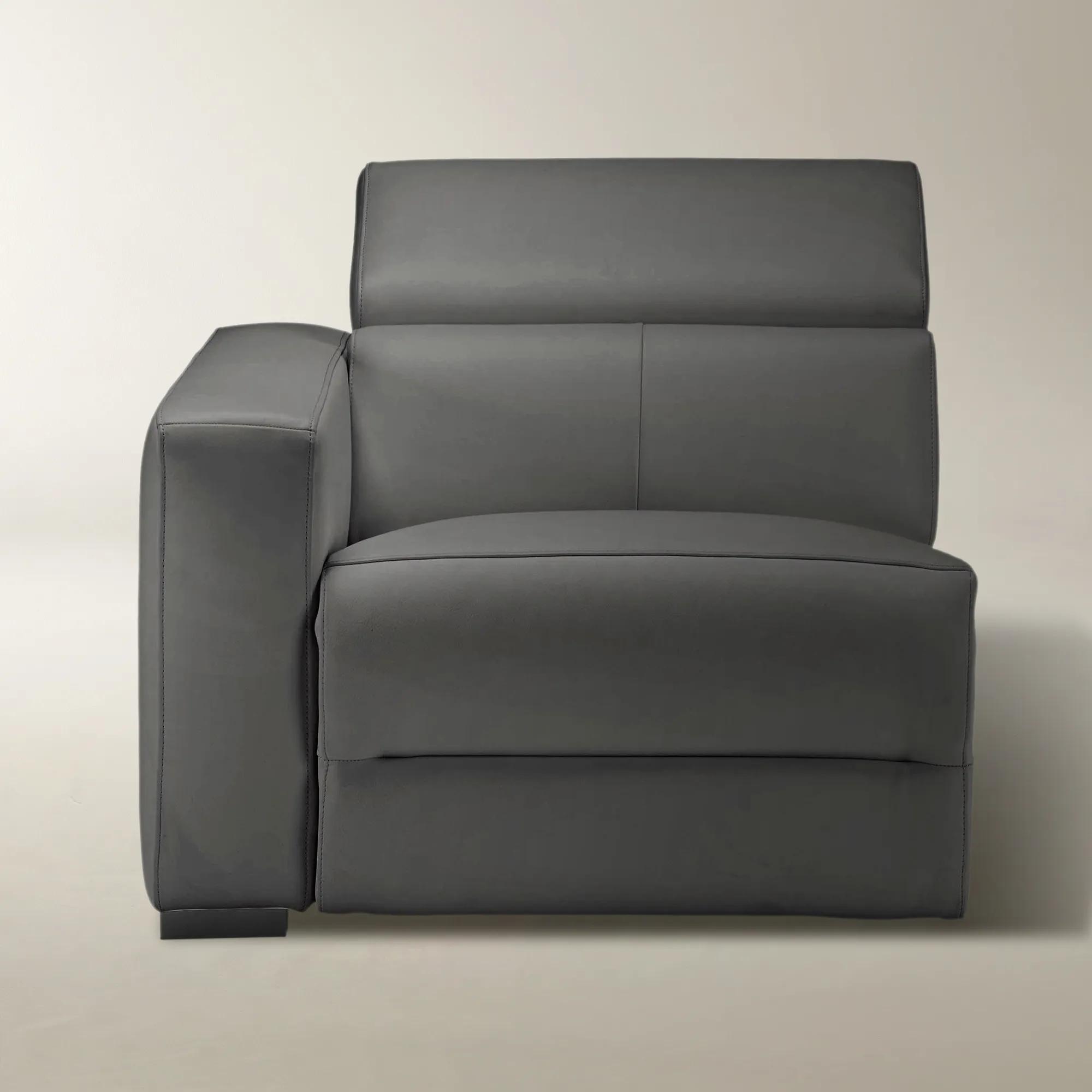
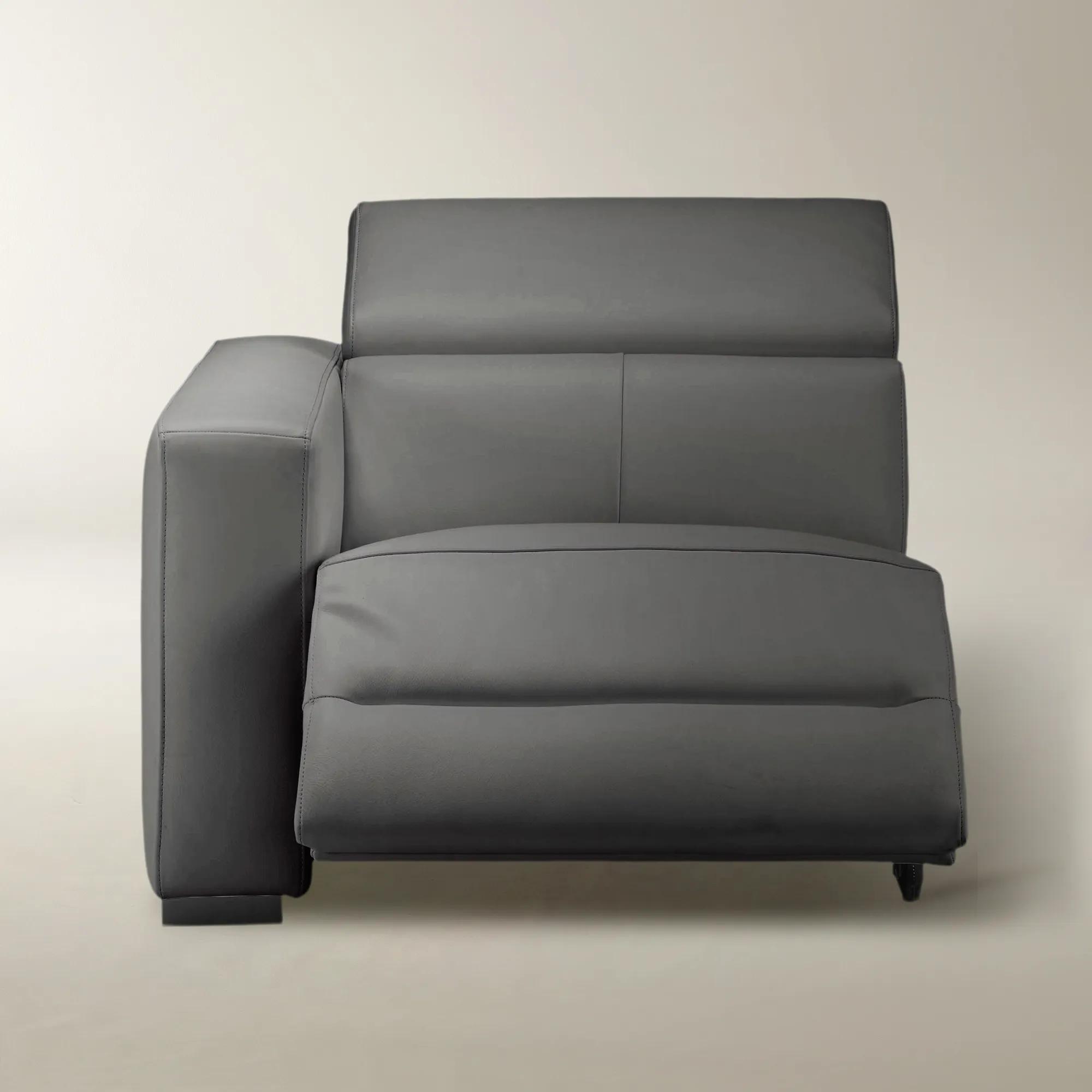 Verona Reclining Charcoal Leather Left Arm Chair With Power$1499
A charcoal semi-aniline leather sectional with adjustable headrests, power-reclining seats, and kiln-dried hardwood frame.
Add To Cart -
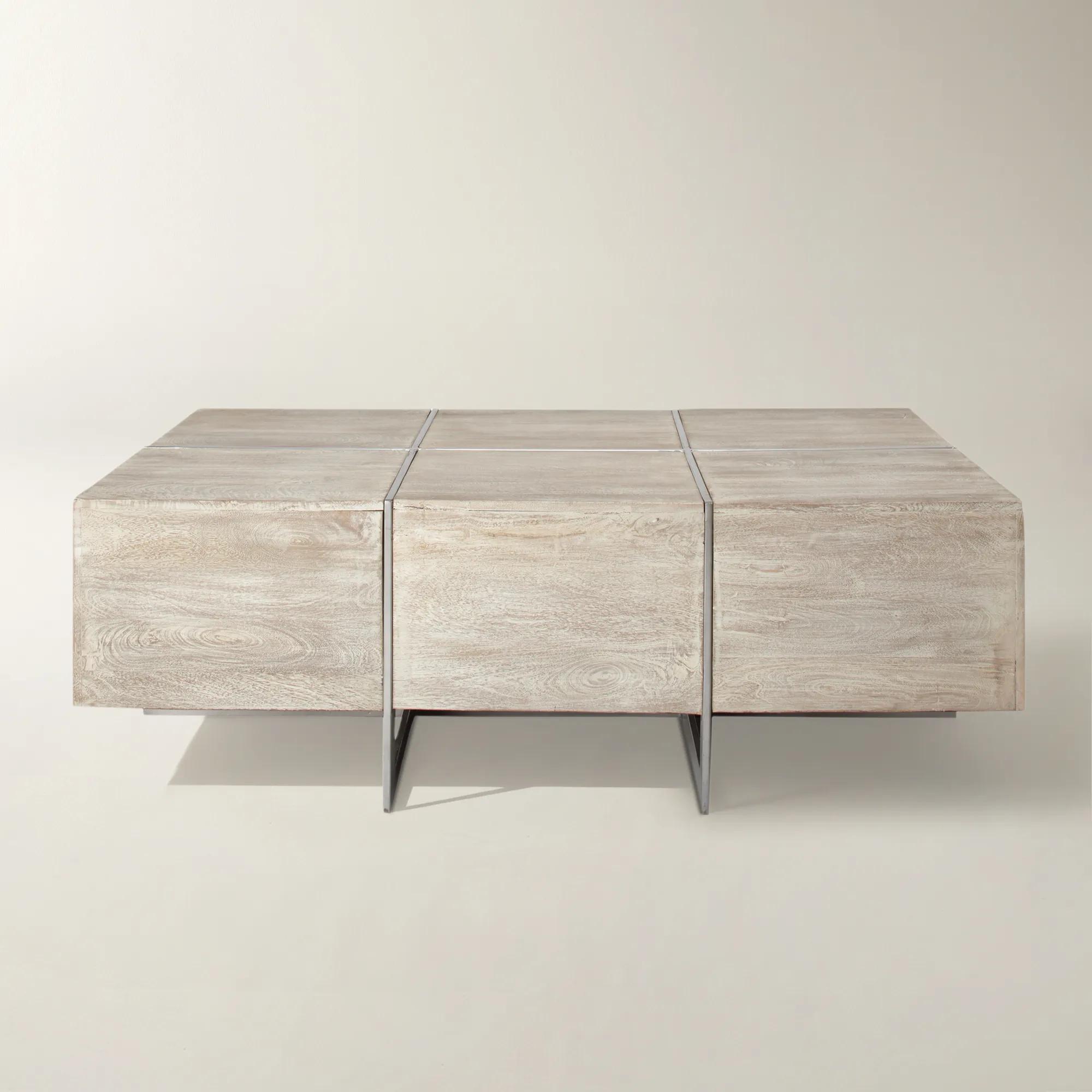
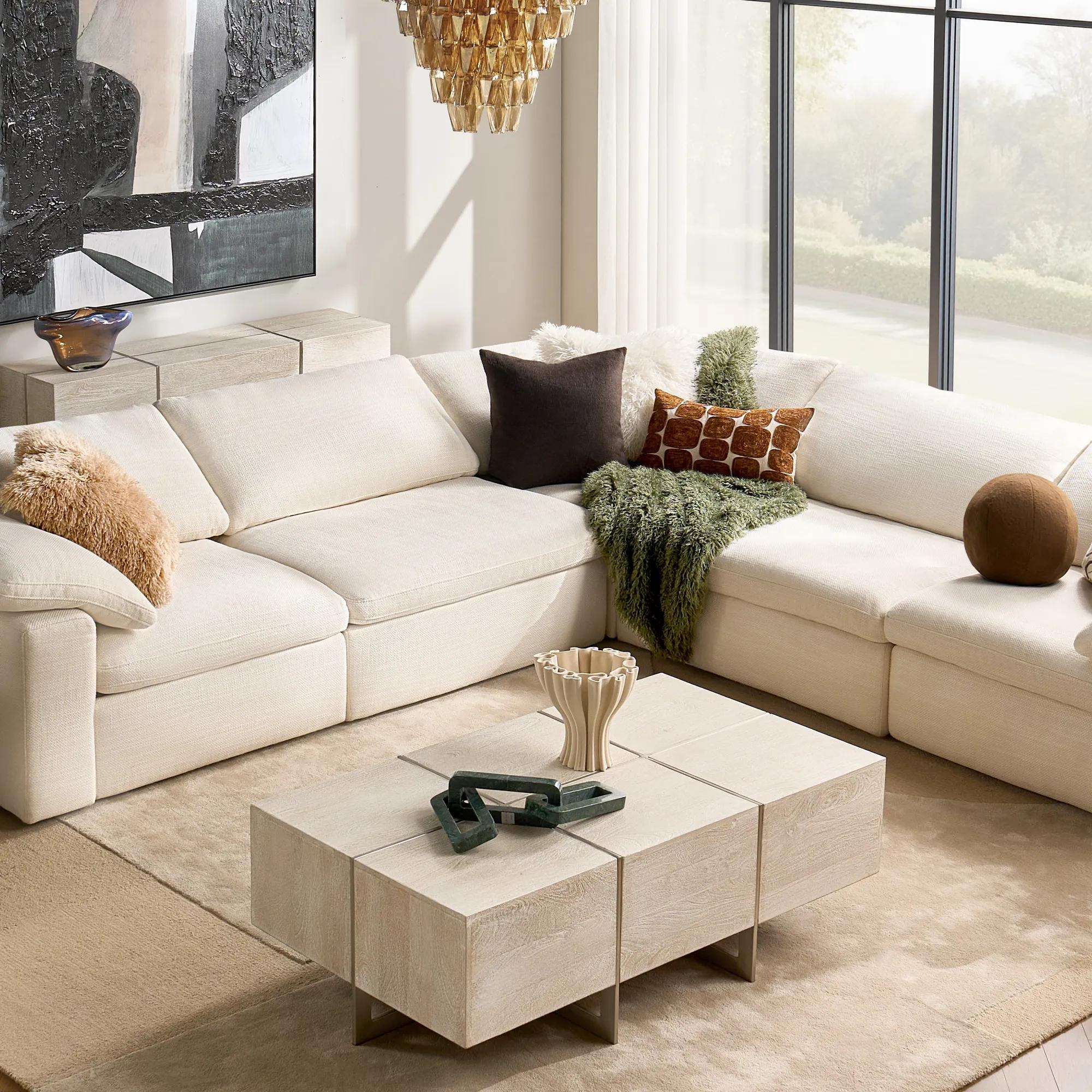 Clifton Rectangular Natural Mango Wood Coffee Table (54")$1299
A handcrafted mango wood table with a whitewashed finish and antiqued silver iron legs for organic appeal.
Add To Cart -
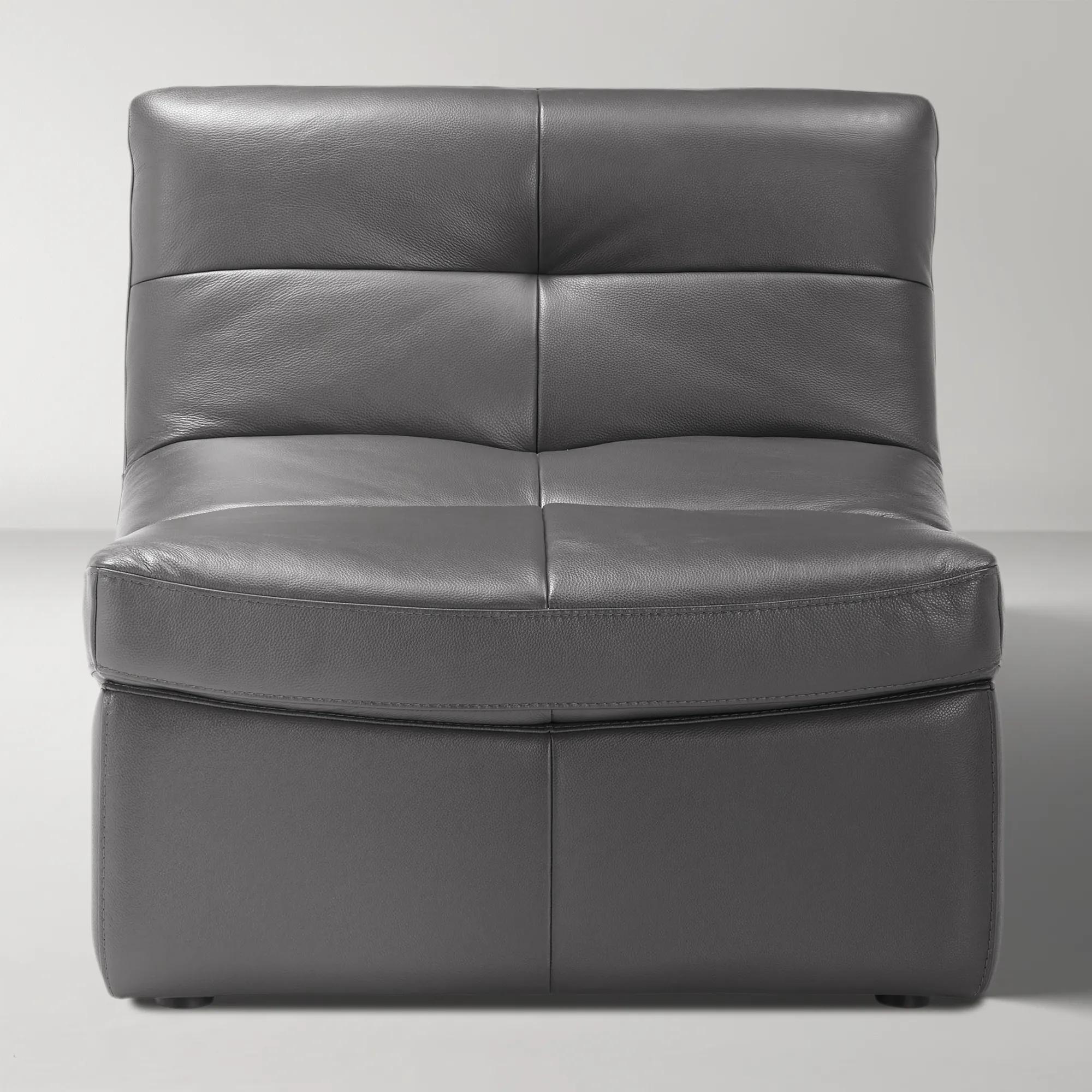
.jpg?w=1200&h=1200) Convo Charcoal Leather Armless Chair$1199
Convo Charcoal Leather Armless Chair$1199A modular sectional with kiln-dried hardwood frame and charcoal semi-aniline leather upholstery for modern versatility.
Add To Cart -
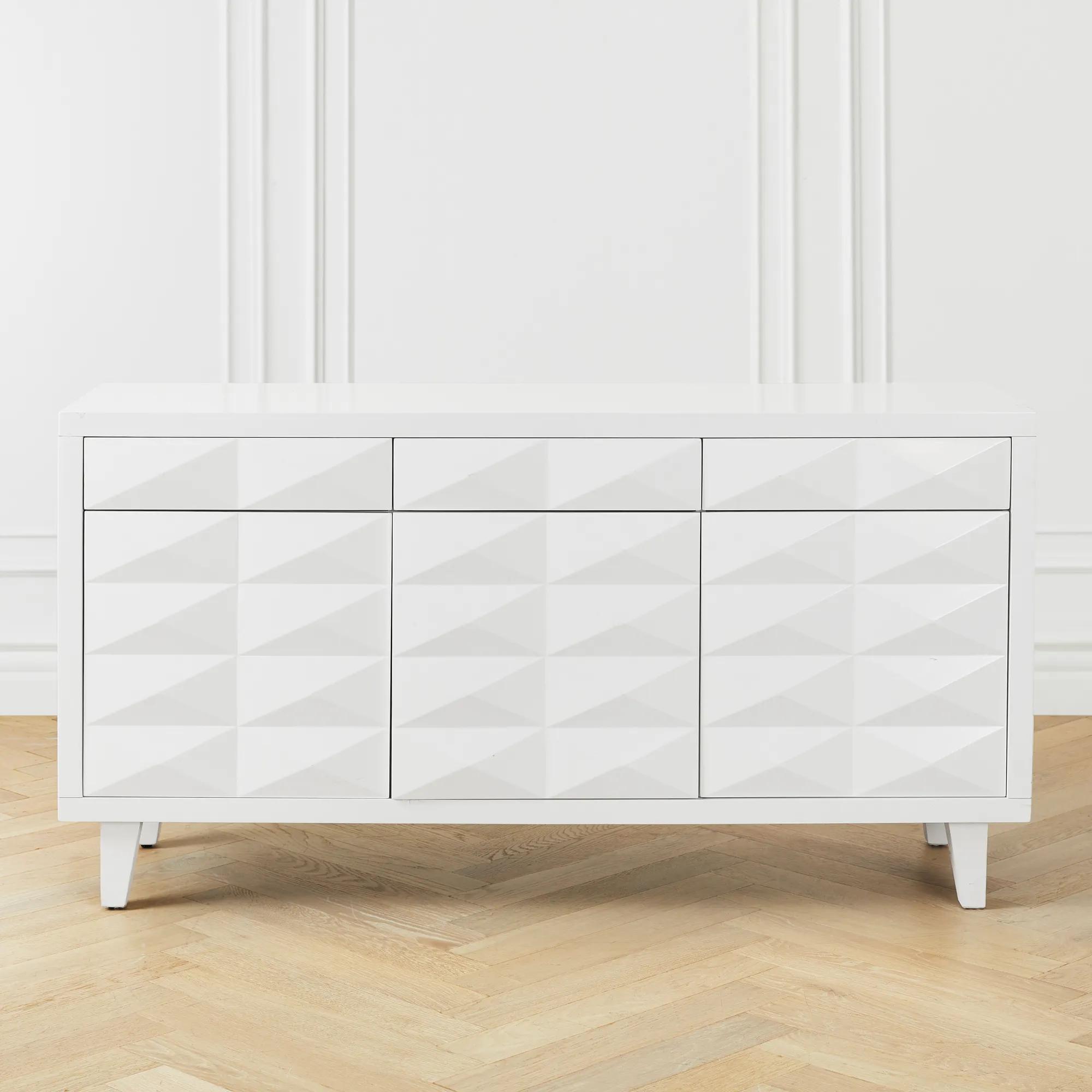 Palmer White Wood Cabinet (66.5")$1649
A sleek white hardwood cabinet with geometric detailing, three drawers, and push-latch doors for modern storage.
Add To Cart -
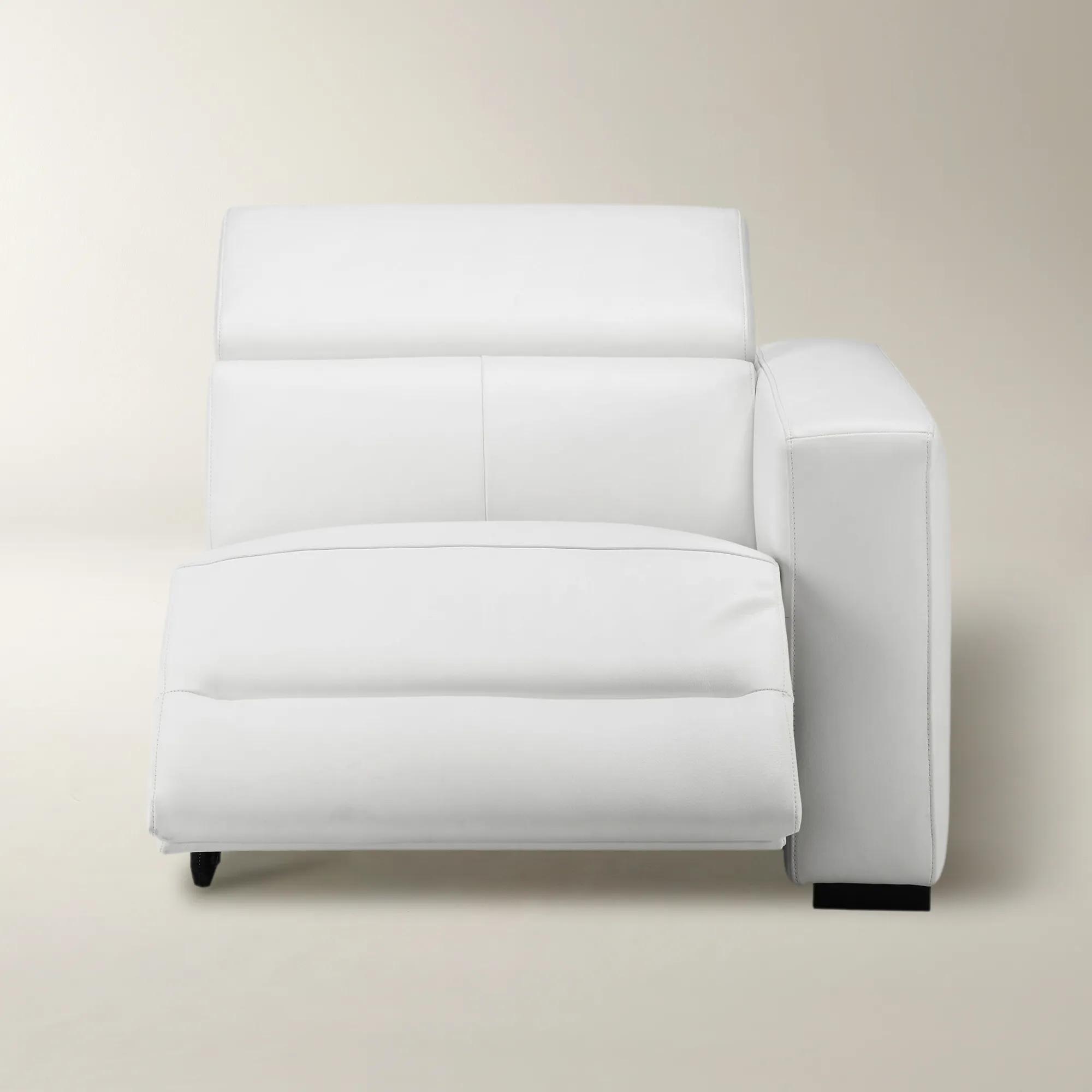
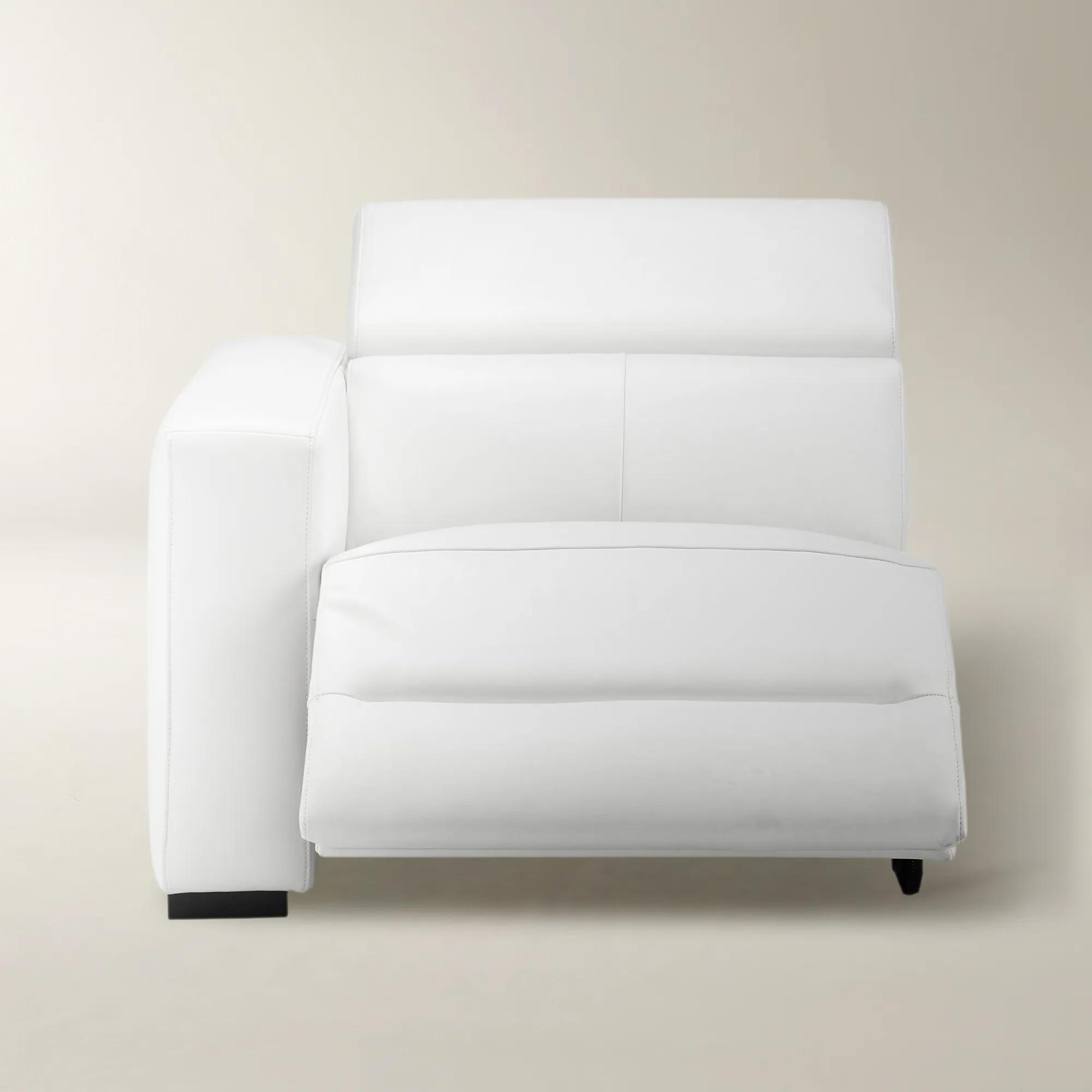 Verona Reclining White Leather Left Arm Chair With Power$1499
A modern white sectional upholstered in supple semi-aniline leather with adjustable headrests and power-reclining seats.
Add To Cart -
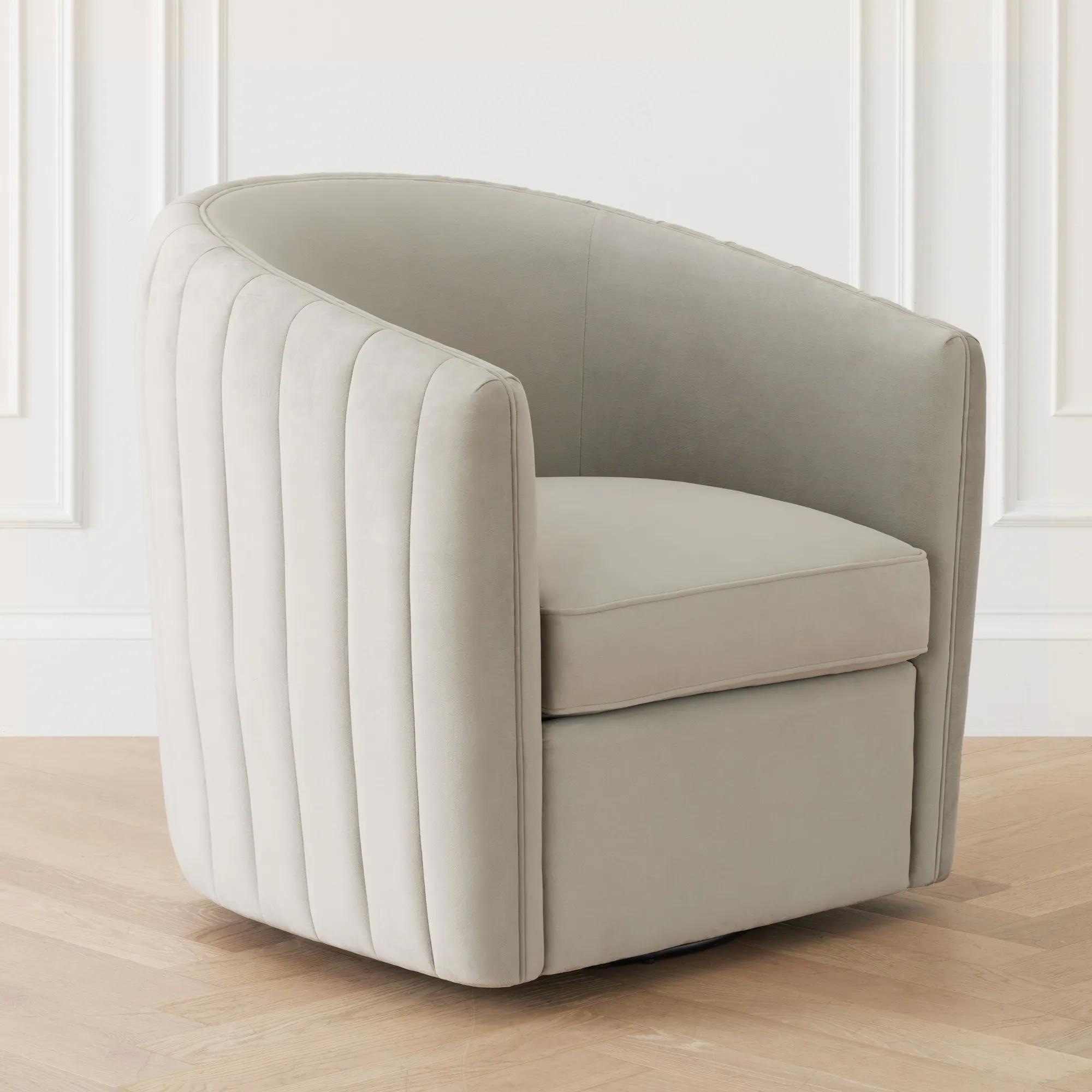
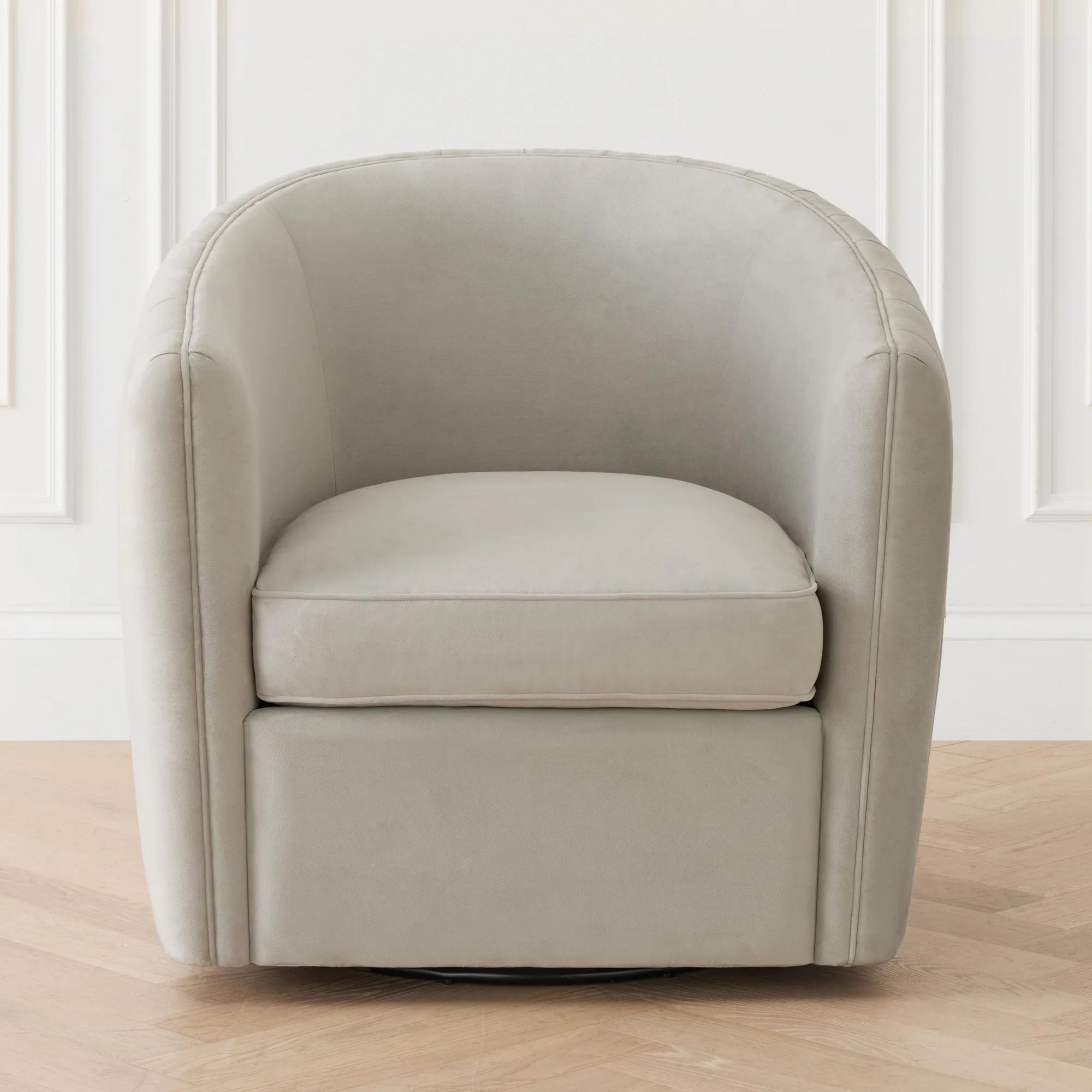 Aria Channeled Swivel Chair$1199
A modern barrel chair in kiln-dried hardwood with channeled velvet upholstery and a smooth swivel base.
Add To Cart -
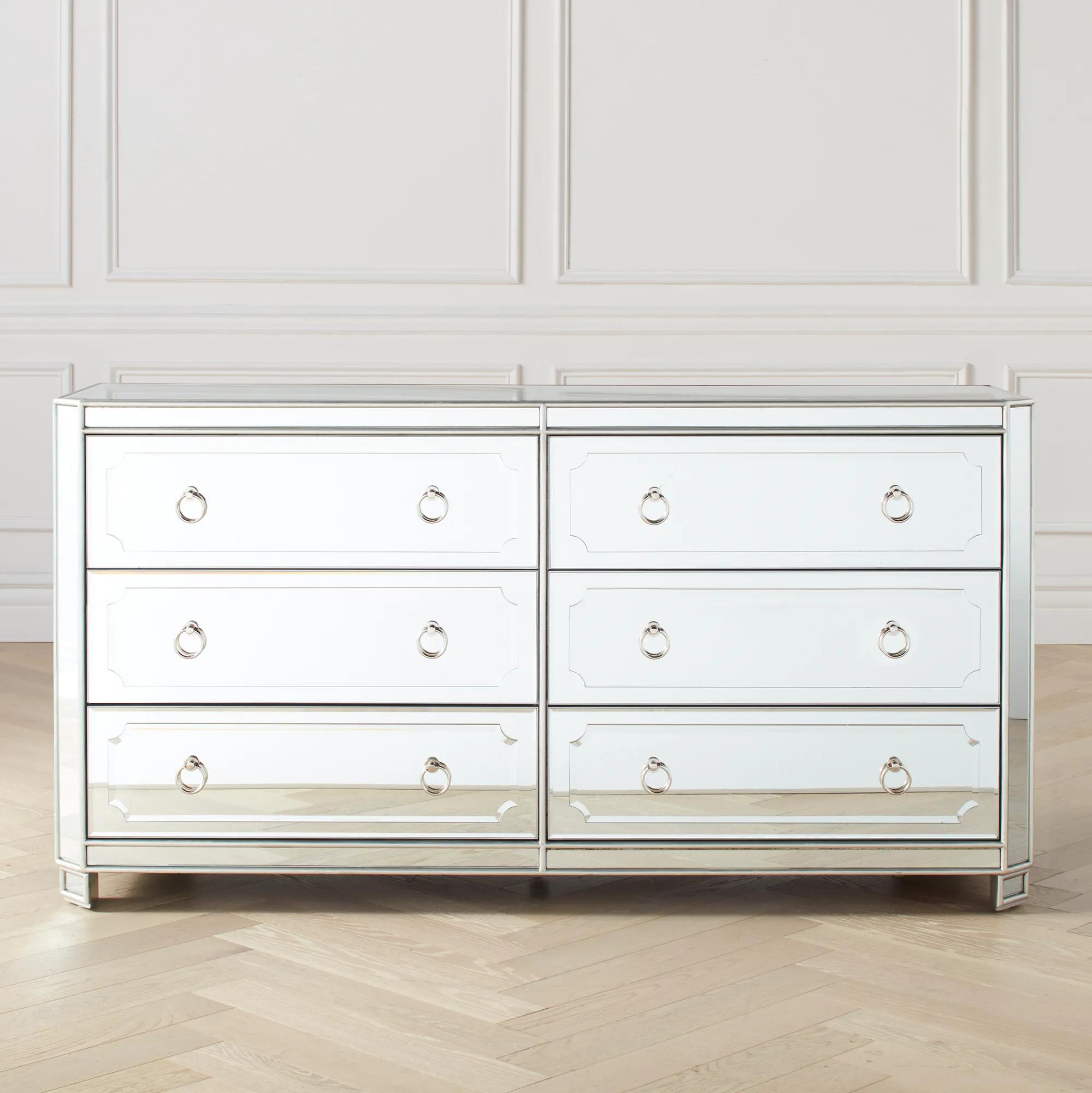
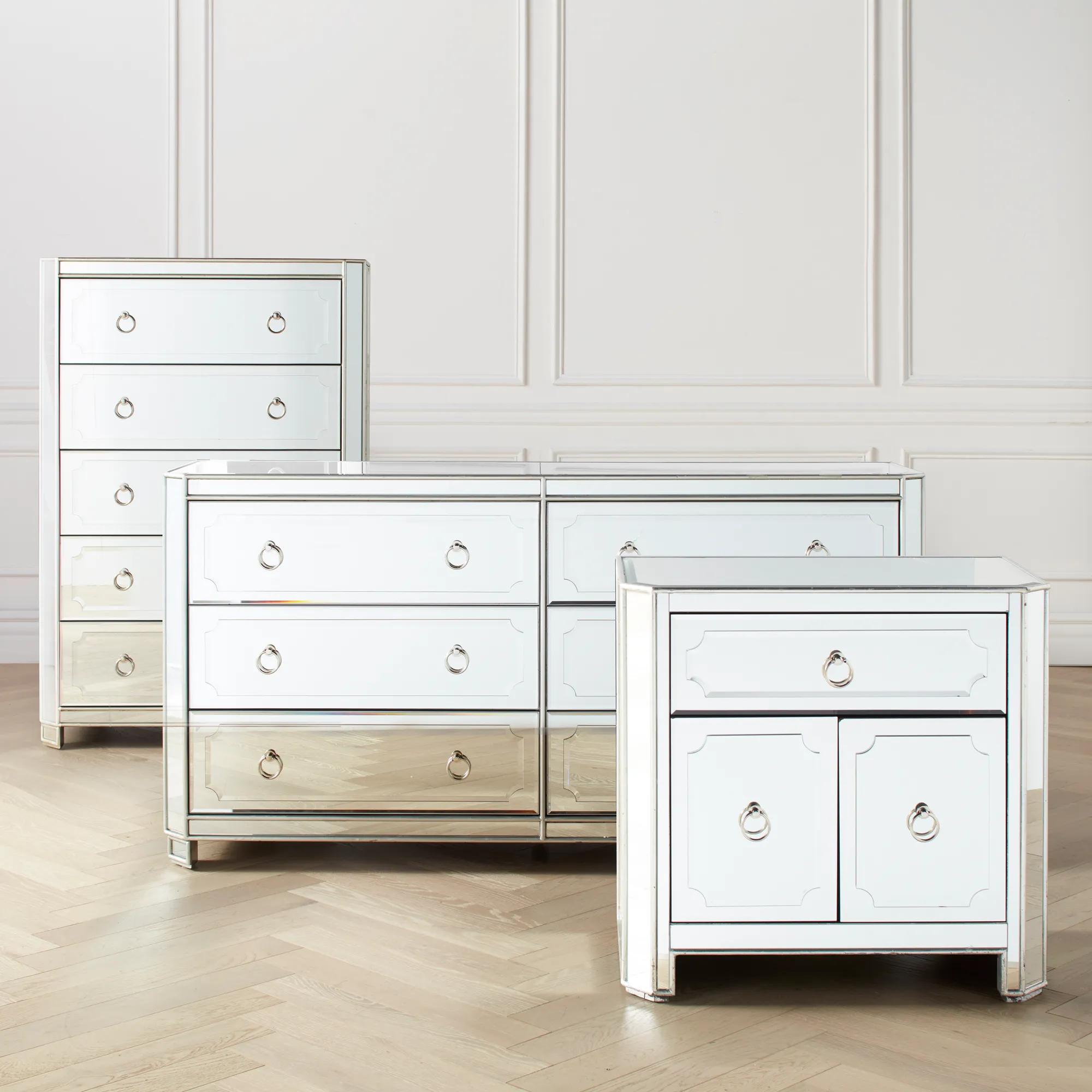 Simplicity Mirrored Silver 6-Drawer Dresser (66")$2299
A glamorous chest featuring beveled mirrored panels, hand-applied silver-leaf trim, and polished nickel hardware.
Add To Cart -
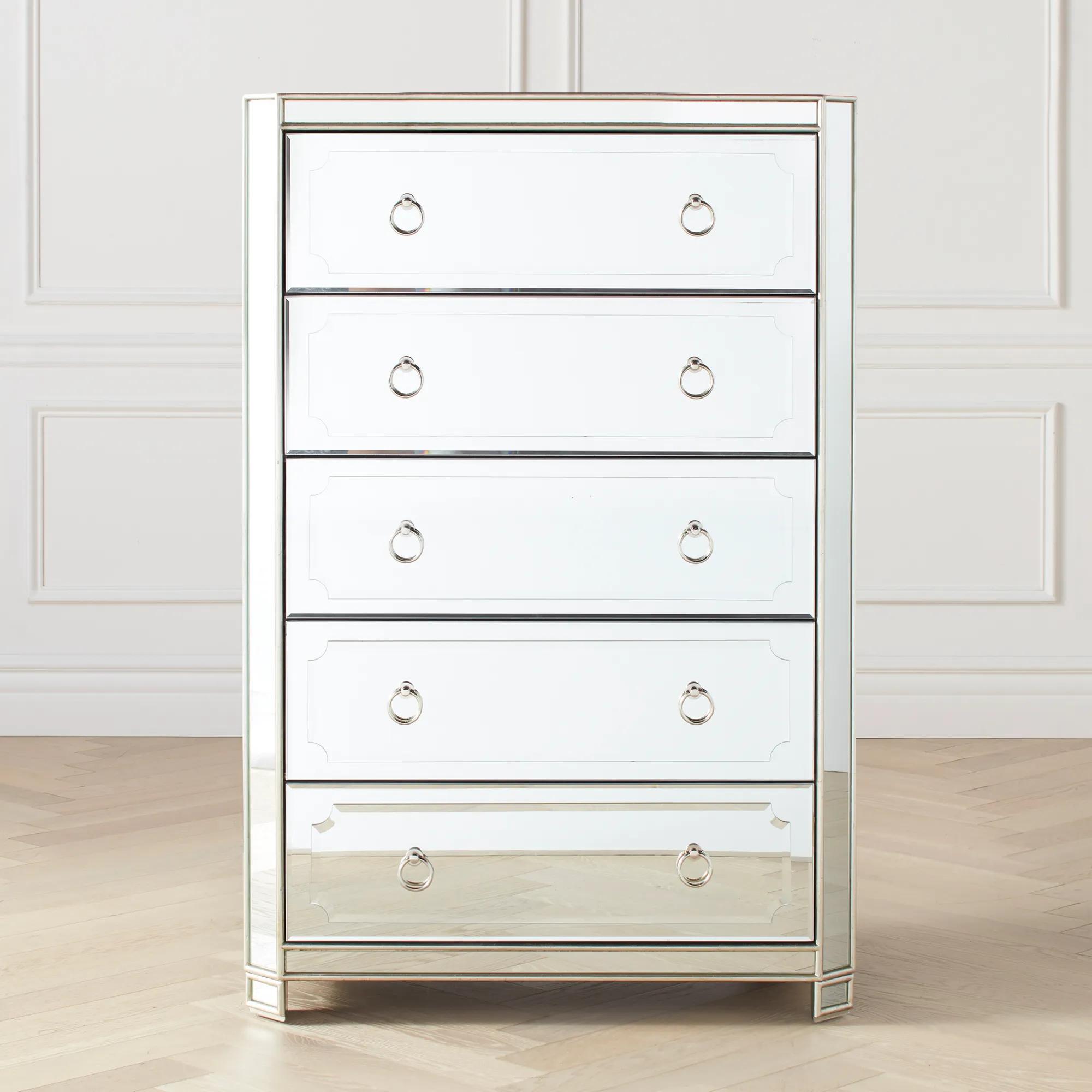
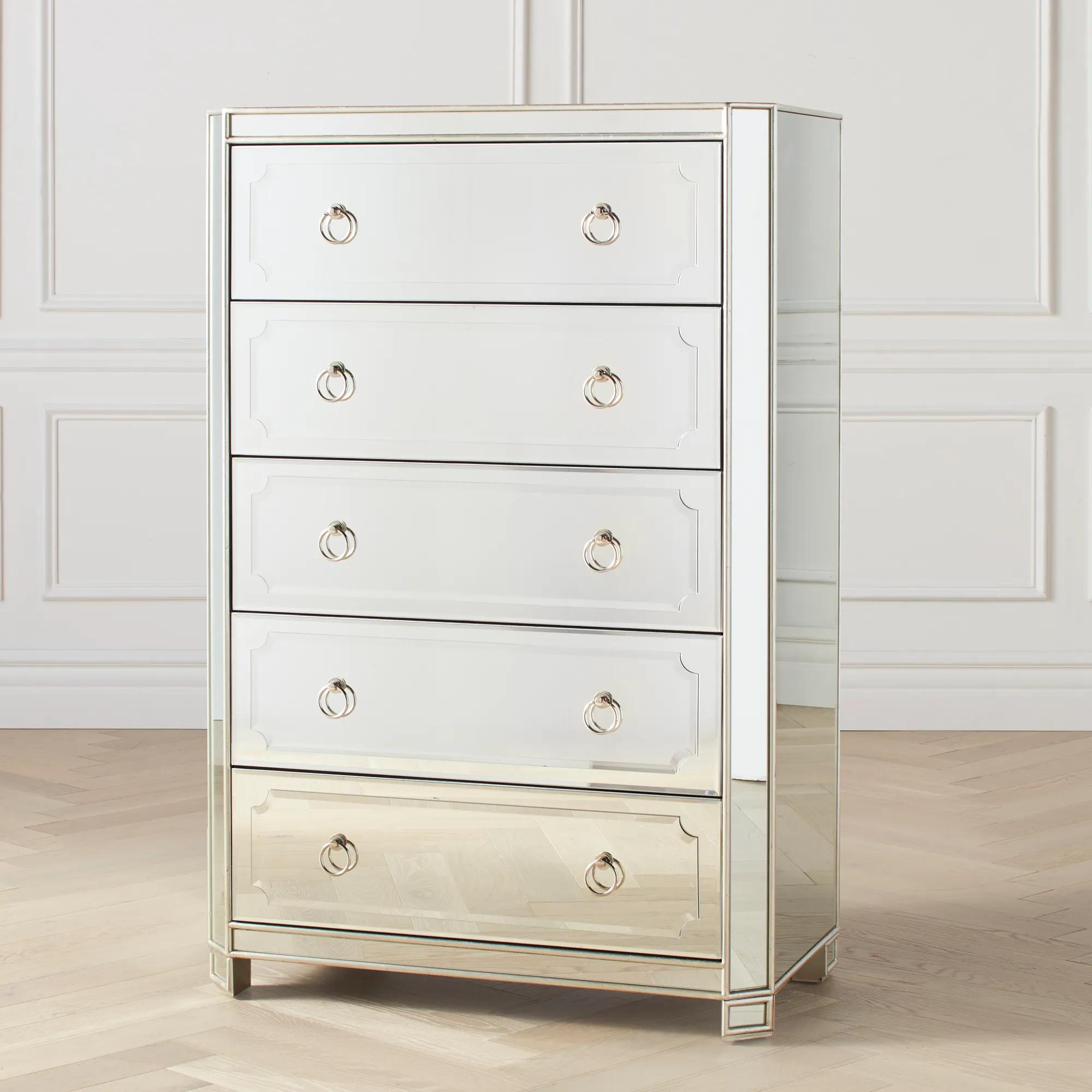 Simplicity Mirrored Silver 5-Drawer Tall Dresser (36")$1999
A glamorous tall chest featuring beveled mirrored panels, hand-applied silver-leaf trim, and polished nickel hardware.
Add To Cart -
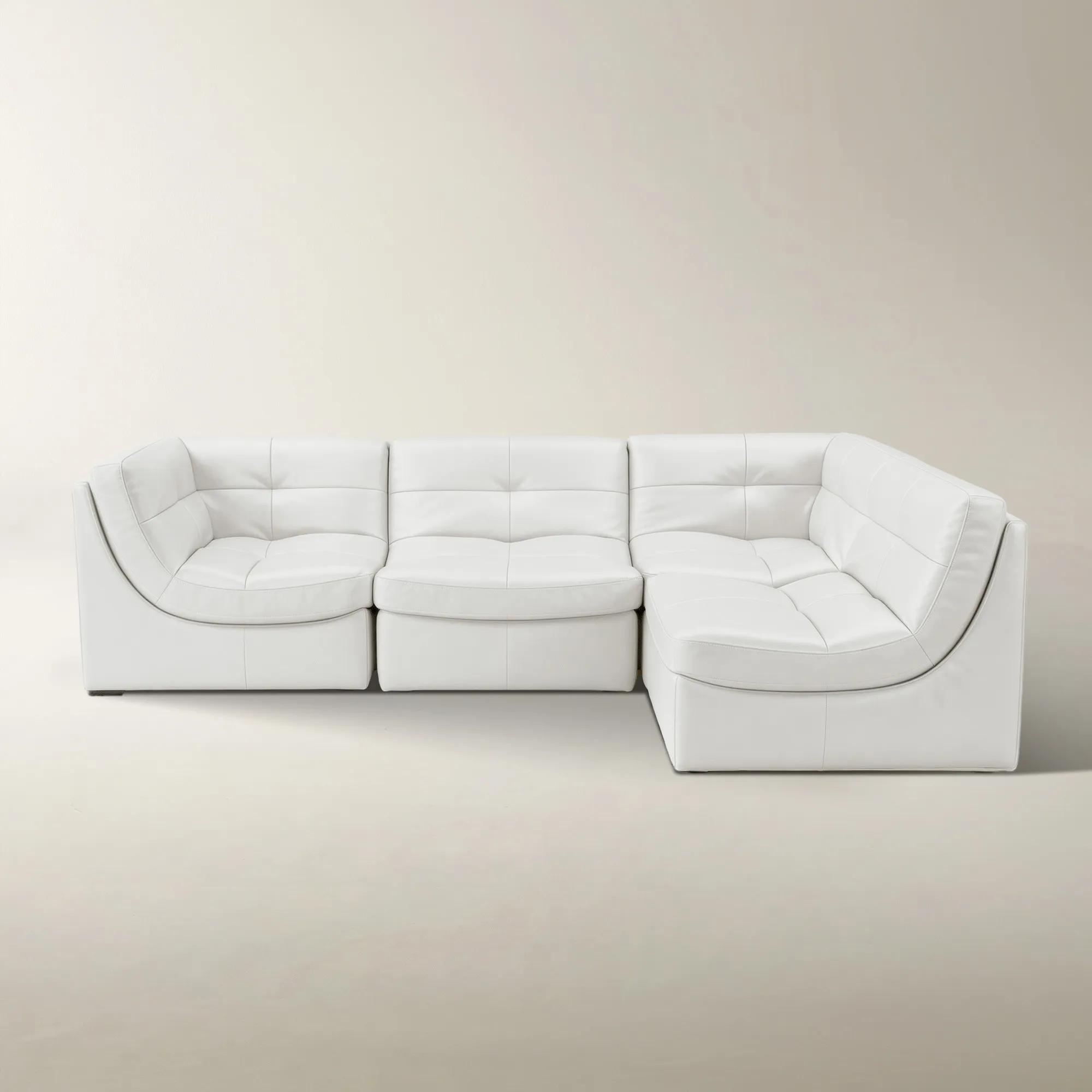
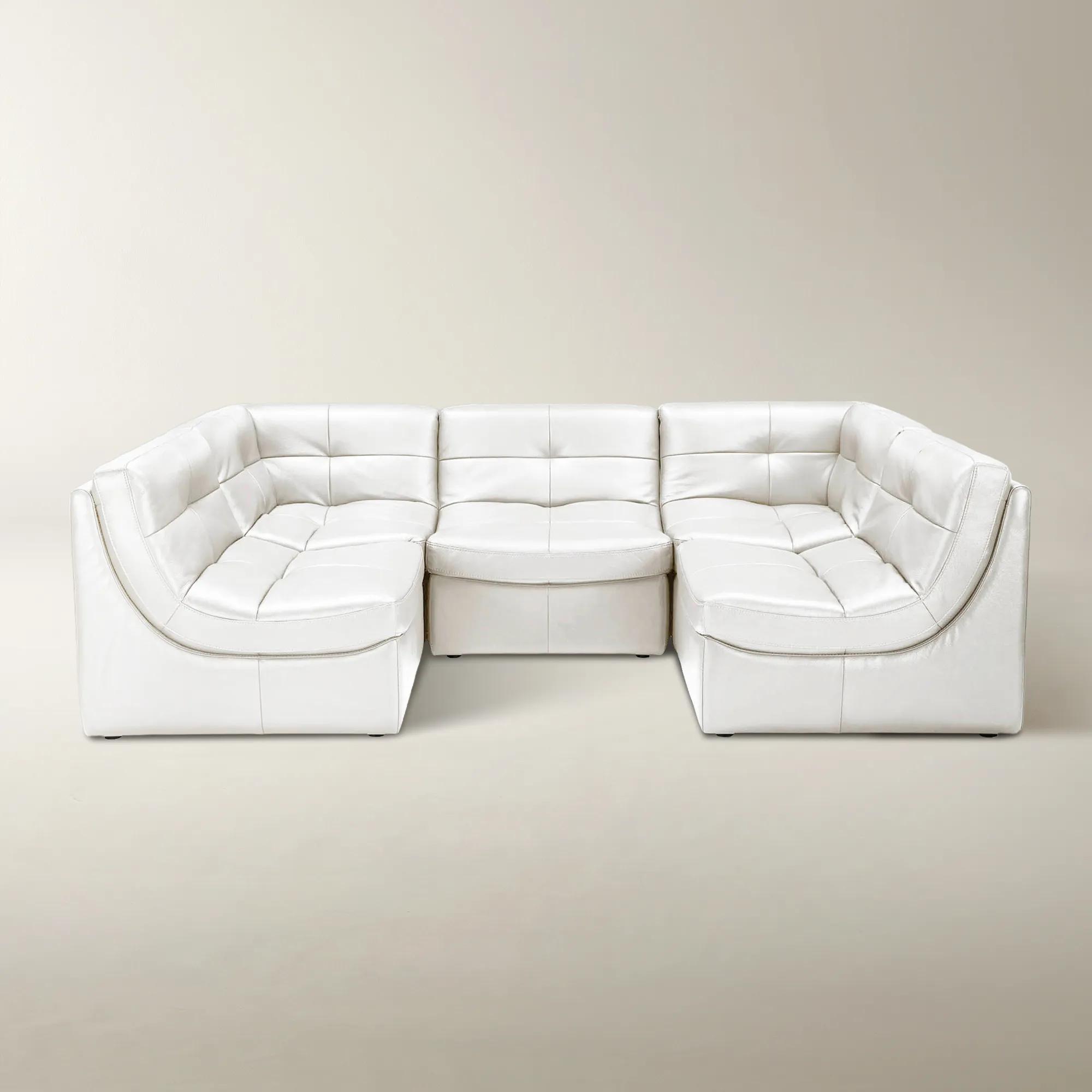 Convo 5-Piece U- Shaped White Leather Sectional Sofa$6399
A modular sectional featuring gently curved seats and charcoal semi-aniline leather upholstery for modern versatility.
Add To Cart -
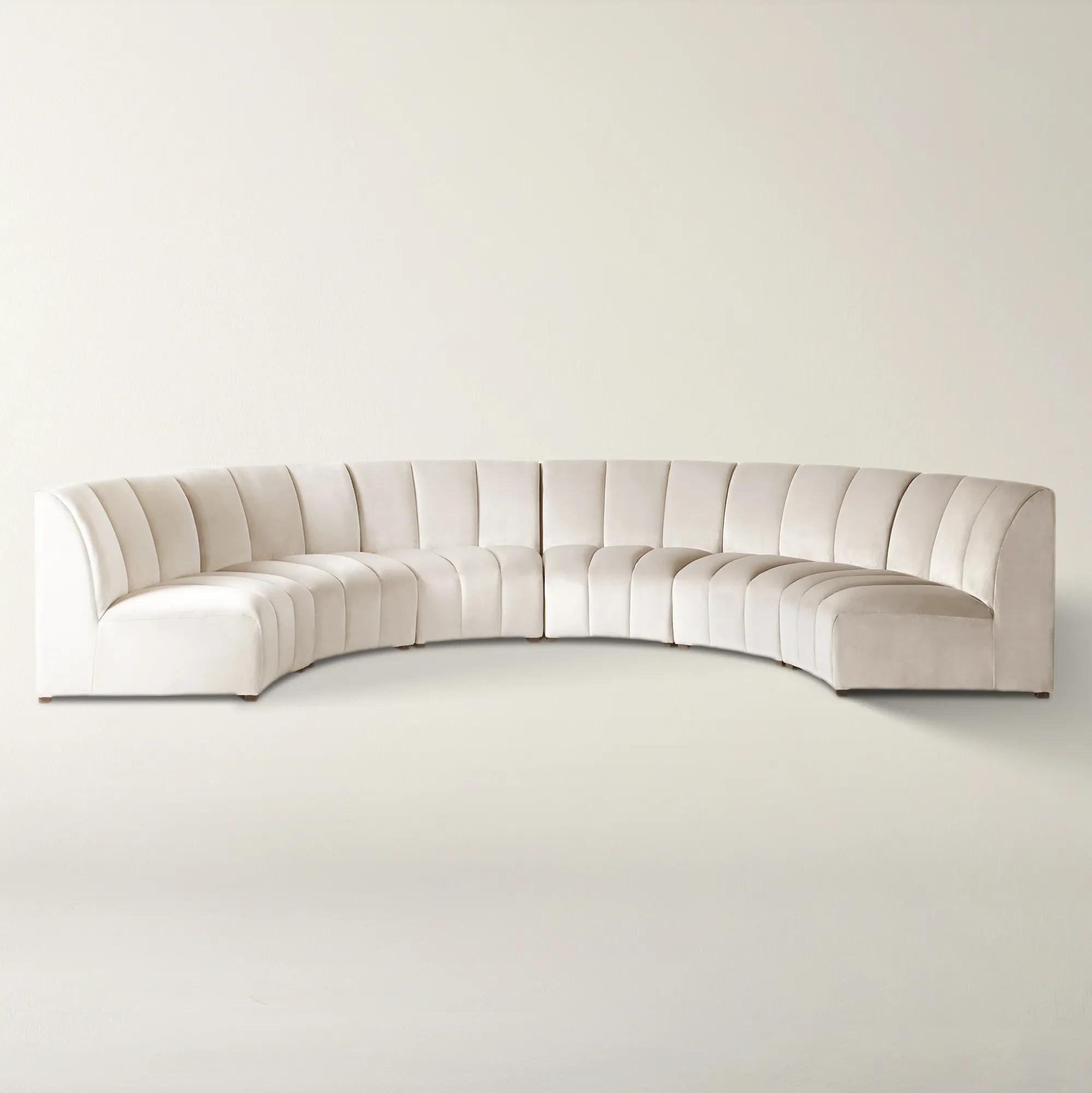 Jayce 6-Piece Channel-Tufted Ivory Velvet Sectional Sofa$5499
A modern curved sectional in stain-resistant Velvet Ivory with deep channel tufting and plush, structured cushions.
Add To Cart -
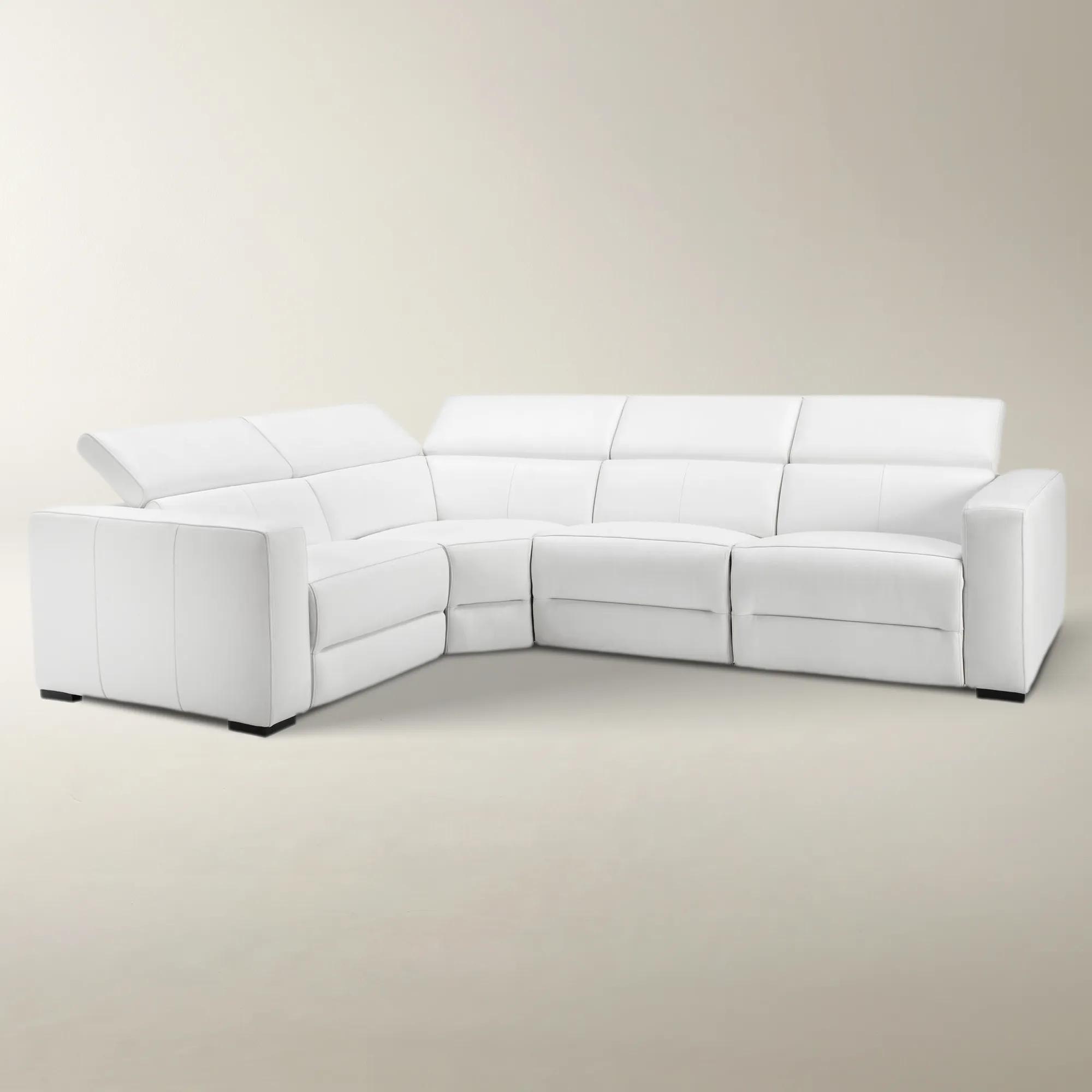 Verona 4-Piece L-Shaped Reclining White Leather Sectional Sofa With Left-Arm$5499
A modern sectional upholstered in supple white semi-aniline leather with adjustable headrests and power-reclining seats.
Add To Cart -
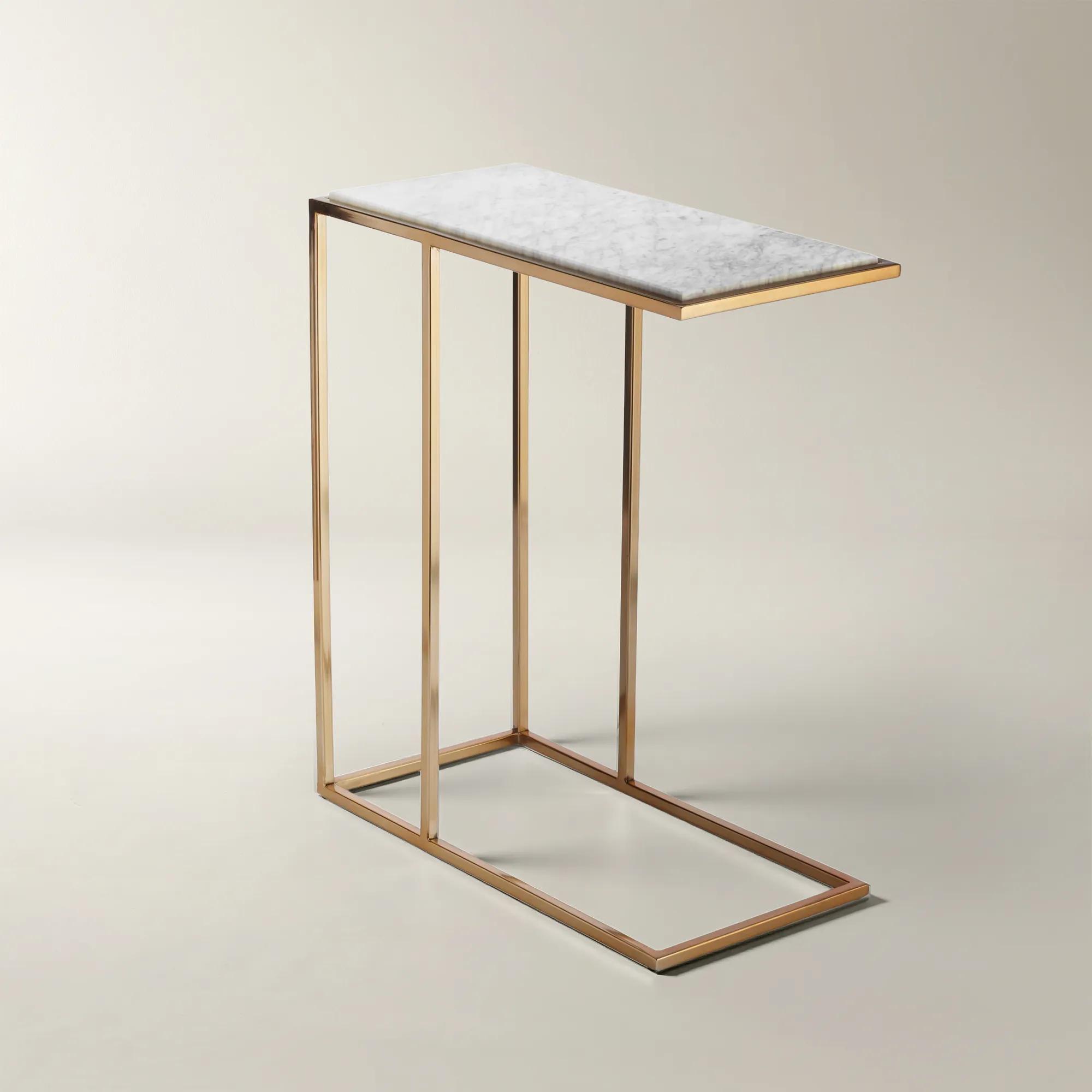
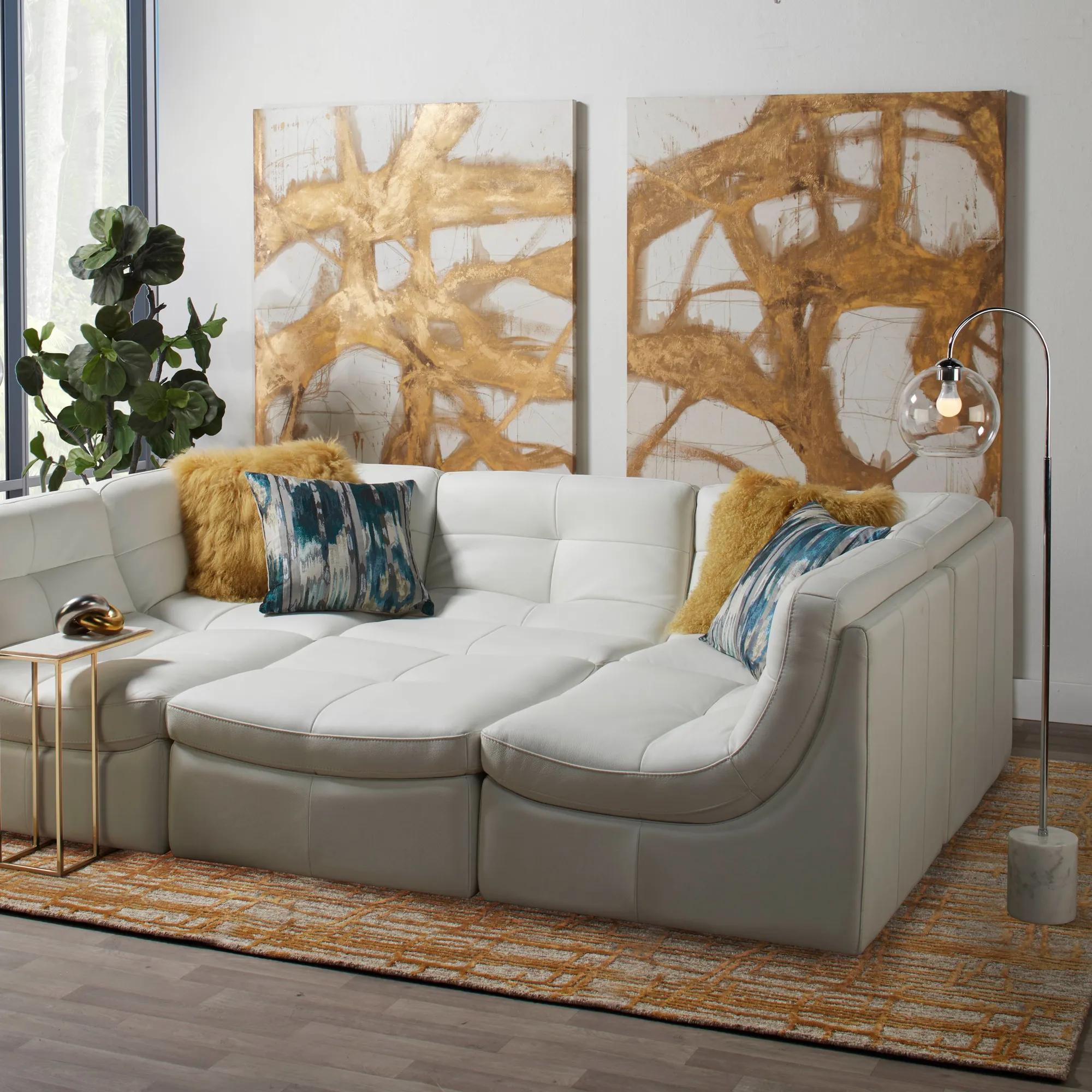 Lawton Rectangular Gold Stainless steel Accent Table With Marble Top (19.75")$259
A space-saving table featuring a white marble top and gold-finished stainless steel base.
Add To Cart -
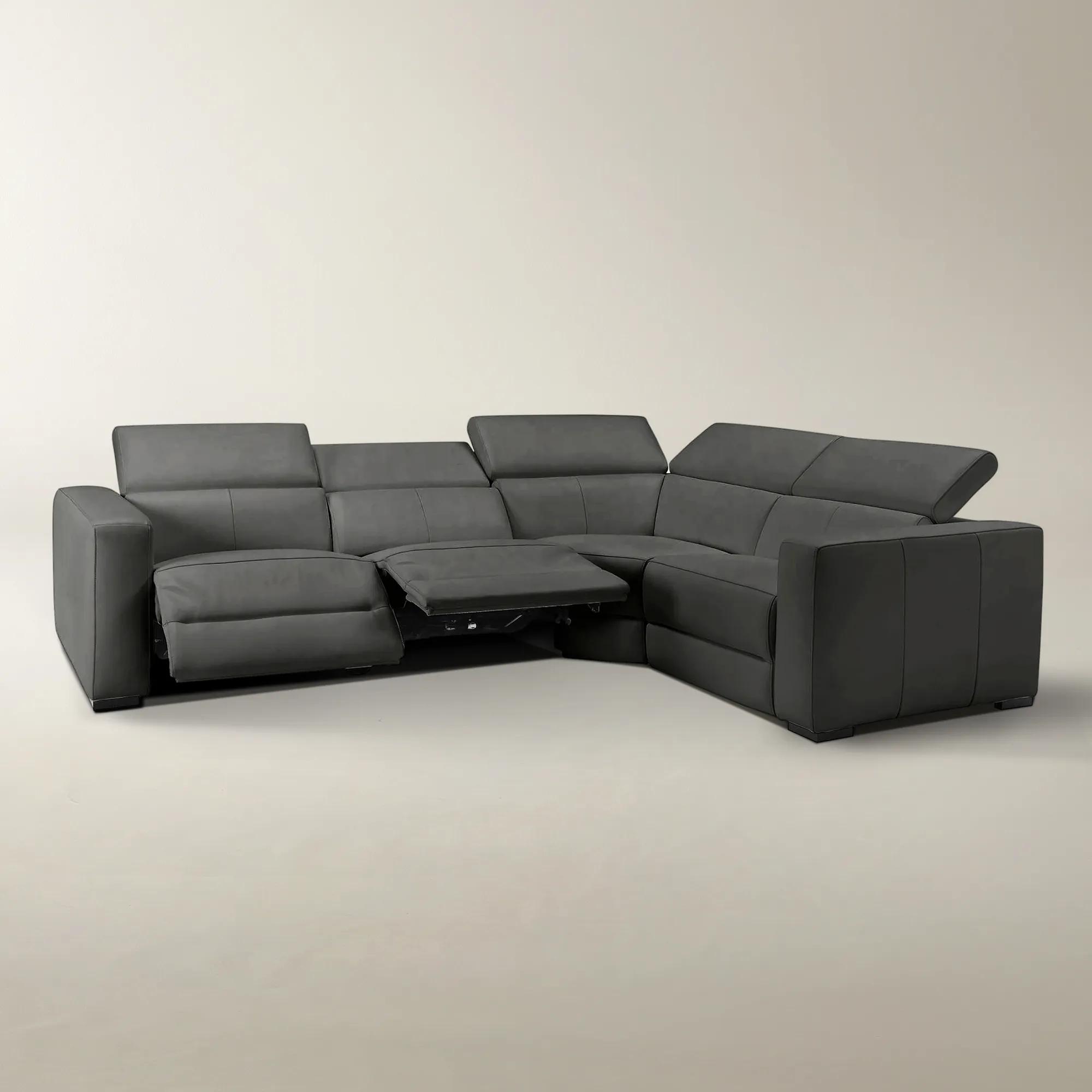
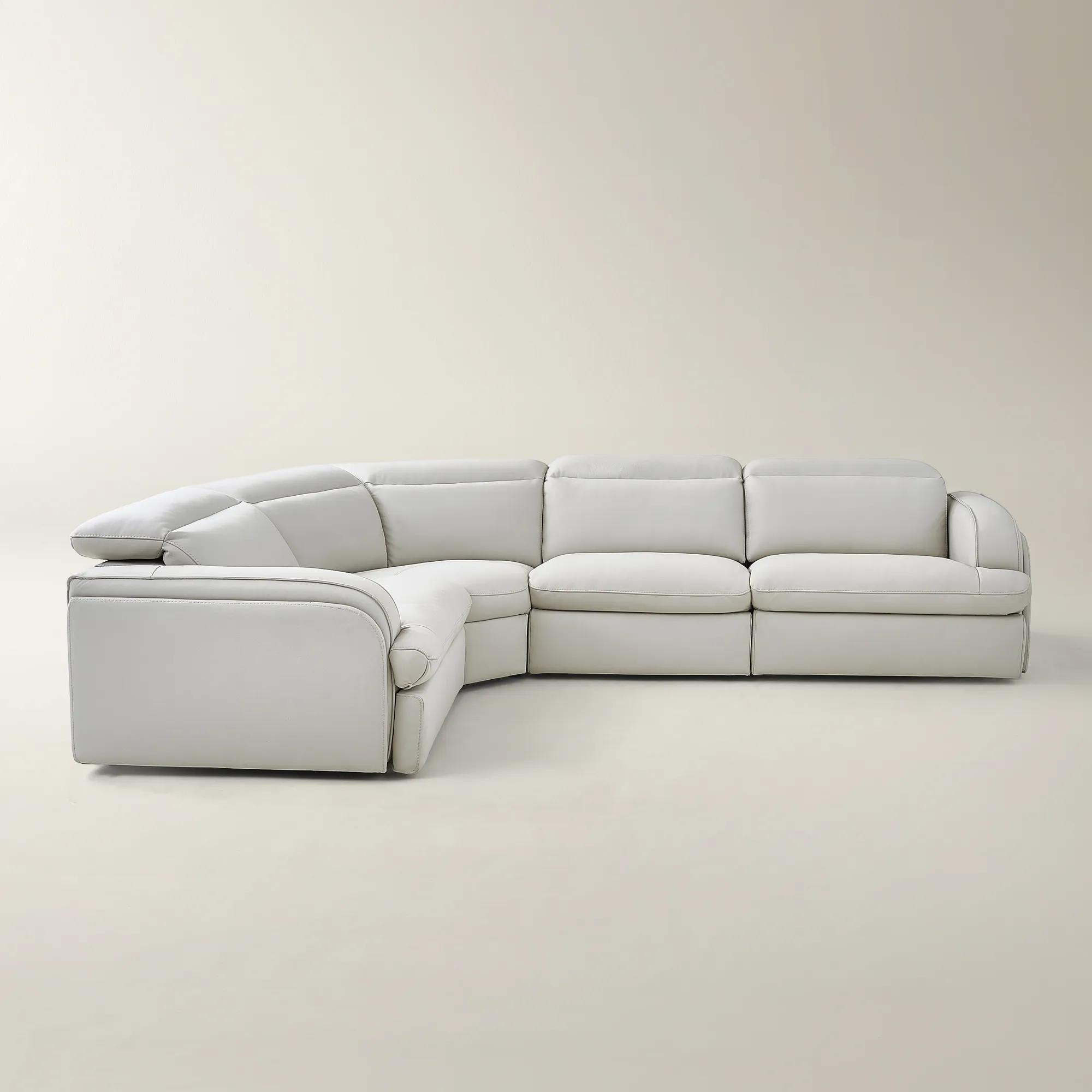
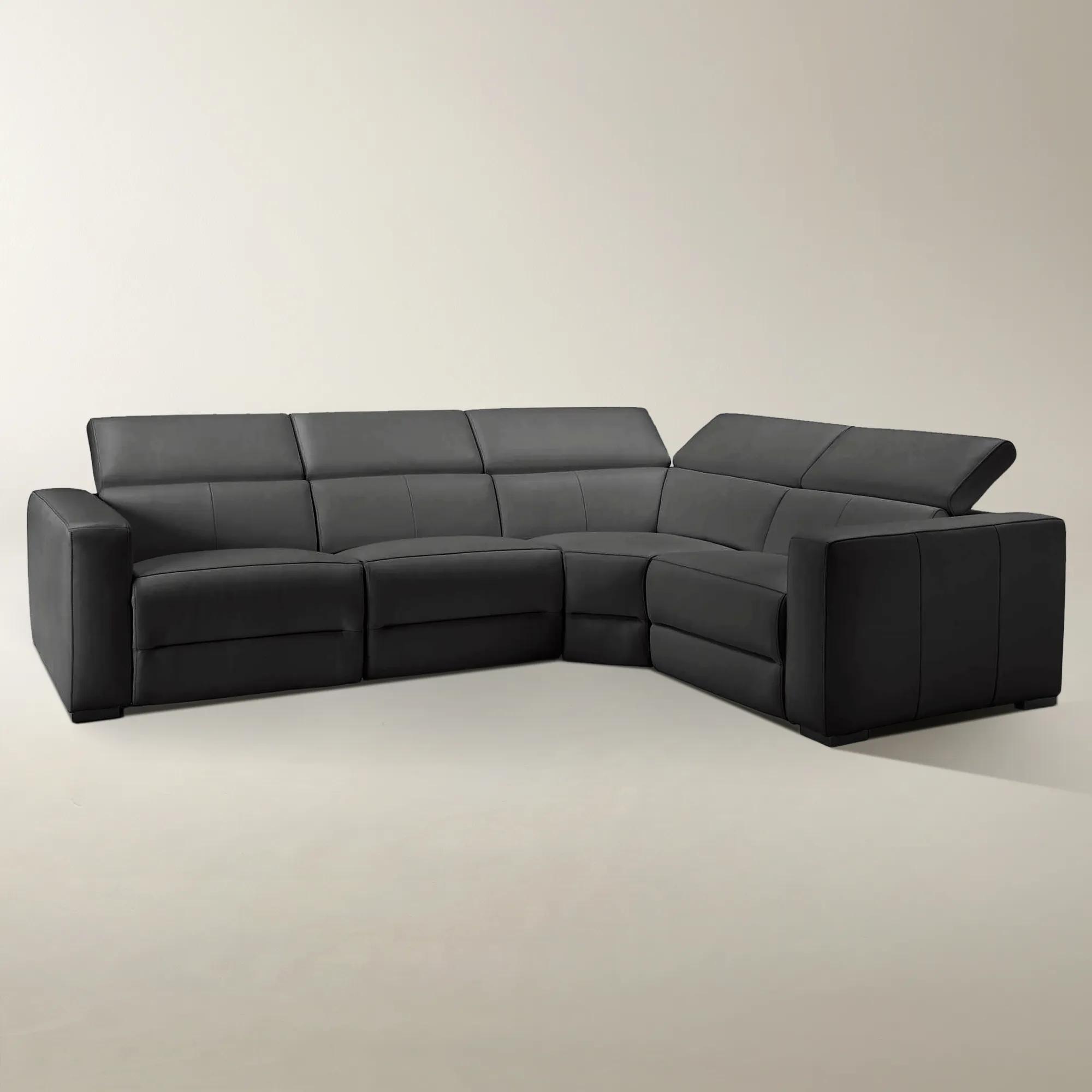 Verona 4-Piece L-Shaped Reclining Charcoal Leather Sectional Sofa With Right-Arm$5499
A charcoal semi-aniline leather sectional featuring adjustable headrests, power-reclining seats, and kiln-dried hardwood frame.
Add To Cart

Stylish Furniture For Open Floor Plans
Step into a world where boundaries blur and every space is an invitation to indulge your sense of style. Stylish Furniture for Open Floor Plans transforms the ordinary into the extraordinary, curating pieces that command attention and spark conversation from every angle. Here, sculptural silhouettes and sumptuous textures become the building blocks of your most ambitious visions—each design a celebration of artistry, scale, and effortless flow. Elevate your open concept with furnishings that don’t just fill a room—they orchestrate it, setting the stage for moments as grand as your imagination.
Stylish furniture for open floor plans gives a generous room its rhythm: distinct places to gather, dine, and unwind, connected by a shared sense of color, proportion, and texture. The most effective pieces define these spaces without closing them off. Low-profile seating, beautifully finished backs, adaptable configurations, and slender frames preserve light and sightlines while giving each area a clear purpose. In a room where the living space flows into dining and the kitchen beyond, furniture is visible from more than one direction; the curve of an arm or the tailoring across the back becomes part of the composition. A floating seating arrangement can feel as deliberate as furniture placed against a wall, especially when its proportions leave comfortable passages around it. There is a familiar pleasure in this kind of layout: someone settles in with a book while dinner takes shape nearby, and conversation continues without anyone having to leave their corner of the room. For people who entertain, open-concept furniture helps guests move naturally between a seat, a shared meal, and a standing conversation. For households balancing quieter evenings with lively weekends, it makes a single space feel capable of several moods. Scale matters more than simply choosing the smallest silhouette. Substantial seating can bring welcome presence to a lofty room, while a lower back keeps the view beyond it open. In a more compact apartment, raised legs and exposed frames reveal more floor and soften the visual weight of upholstered pieces. Sculptural shapes add drama without requiring every surface to compete for attention. The result feels collected rather than crowded: a room with generous comfort, purposeful pauses, and enough breathing space for distinctive design to register. Furniture for an open living and dining room works especially well when one area carries the strongest visual statement and the surrounding pieces respond through a related finish, a graceful line, or a quieter variation in tone.
Because open-plan rooms reveal so much at once, material choices have an unusually powerful effect. Sumptuous upholstery introduces softness beside kitchen cabinetry and hard flooring; warm wood lends depth to gleaming metal, glass, or stone. Repeating a finish in a few considered places creates continuity, but identical furniture throughout can flatten the room’s character. A dark frame echoed across two zones, or a subtle undertone shared by different woods, is often enough to establish a connection. Texture supplies the variation: a richly woven surface beside smooth lacquer, a brushed sheen against something matte, a softly rounded edge within a more architectural arrangement. For spaces where cooking and conversation overlap, Stylish Furniture for Open Kitchens brings the relationship between social seating, dining, and kitchen-adjacent proportions into focus. Before purchasing furniture for these connected areas, the most useful measurements include not only the room’s width and length but also the routes between entrances, seating, and storage. Around 36 inches of clear passage is a practical starting point for many main walkways, with more room often welcome along busy routes or where accessibility needs require it. Dining furniture needs clearance for chairs to pull out without colliding with the circulation path behind them. Upholstery depth deserves equal attention: deep seating invites lingering, while a shallower seat may better suit upright conversation or a narrower living zone. Seat height, cushion support, and the relationship between neighboring surfaces affect comfort in ways that photographs alone cannot convey. Modular furniture offers flexibility when configurations, guest lists, or addresses change, though each arrangement still needs to suit the room’s actual dimensions. Delivery access matters, too, particularly in apartments with elevators, tight landings, or narrow doorways. Measuring those transitions before ordering protects the excitement of a new piece from an avoidable complication. These practical considerations do not diminish the glamour; they allow a striking room to feel as effortless to inhabit as it is beautiful to enter.
The finest open-plan arrangements also acknowledge how people actually live. In a family home, upholstery care, frame construction, cushion resilience, and secure placement deserve as much consideration as silhouette. Performance fabrics can be appealing for frequently used seating, but the specific care instructions and stain-resistance details matter more than the label alone; no upholstery should be assumed immune to spills or wear. In bright rooms, material guidance on direct sunlight is worth checking, especially when a favorite seat will spend long afternoons beside expansive windows. Glass and polished finishes introduce luminosity, though fingerprints may be more noticeable on surfaces touched throughout the day. Concealed storage offers another kind of luxury: somewhere for the everyday accumulation to disappear, allowing the room’s expressive details to remain in view. Slim furniture positioned behind floating seating can establish a gentle boundary, provided its depth does not consume the walkway. Rugs can reinforce separate living and dining zones, with sizing that supports the furniture arrangement rather than leaving each piece visually adrift. These layers are particularly inviting during the cooler months, when evenings tend to draw people toward upholstered comfort, tactile surfaces, and longer conversations indoors. A flexible layout makes room for both the intimate evening and the fuller gathering, without requiring a complete rearrangement whenever company arrives. For a first shared home, a growing household, or a move into a larger space, furniture with adaptable proportions can remain useful as routines evolve. It can also make a meaningful housewarming or wedding gift when chosen collaboratively, with the recipient’s measurements, comfort preferences, and existing finishes in mind. What ultimately distinguishes stylish furniture for open floor plans is its ability to contribute from every angle: a graceful profile from the entry, an inviting seat from the kitchen, a considered arrangement seen across the dining space. With a confident balance of visual openness and substantial comfort, connected rooms become more than uninterrupted square footage. They become a richly layered setting for daily life, with each area expressing its own character while belonging unmistakably to the whole.
FAQs
To define different areas within an open floor plan, opt for modular sectionals, sculptural bookshelves, or floating consoles. These pieces naturally delineate spaces without interrupting sightlines, allowing each zone to feel purposeful while maintaining the room’s expansive, airy atmosphere.
Incorporate plush, rounded sofas, curved accent chairs, and circular coffee tables to soften the angular lines often found in open layouts. These shapes add a sense of comfort and luxury, while also creating inviting focal points that draw guests in.
Choose versatile pieces like swivel chairs, nesting tables, or convertible daybeds that can adapt to changing needs and occasions. This flexibility lets you effortlessly reconfigure your space for gatherings, quiet evenings, or seasonal refreshes.
A dramatic chandelier or bold pendant light can visually anchor a dining or living zone, establishing a sense of place and adding a layer of artistry. These fixtures not only illuminate but also create ambiance, casting a luxurious glow that elevates the entire space.
Consider gifting a striking accent chair, a sculptural mirror, or a large-scale piece of wall art. These selections bring both style and function to expansive spaces, making them memorable additions that reflect a sense of personal expression and refined taste.
.jpg?w=3853&h=3853)