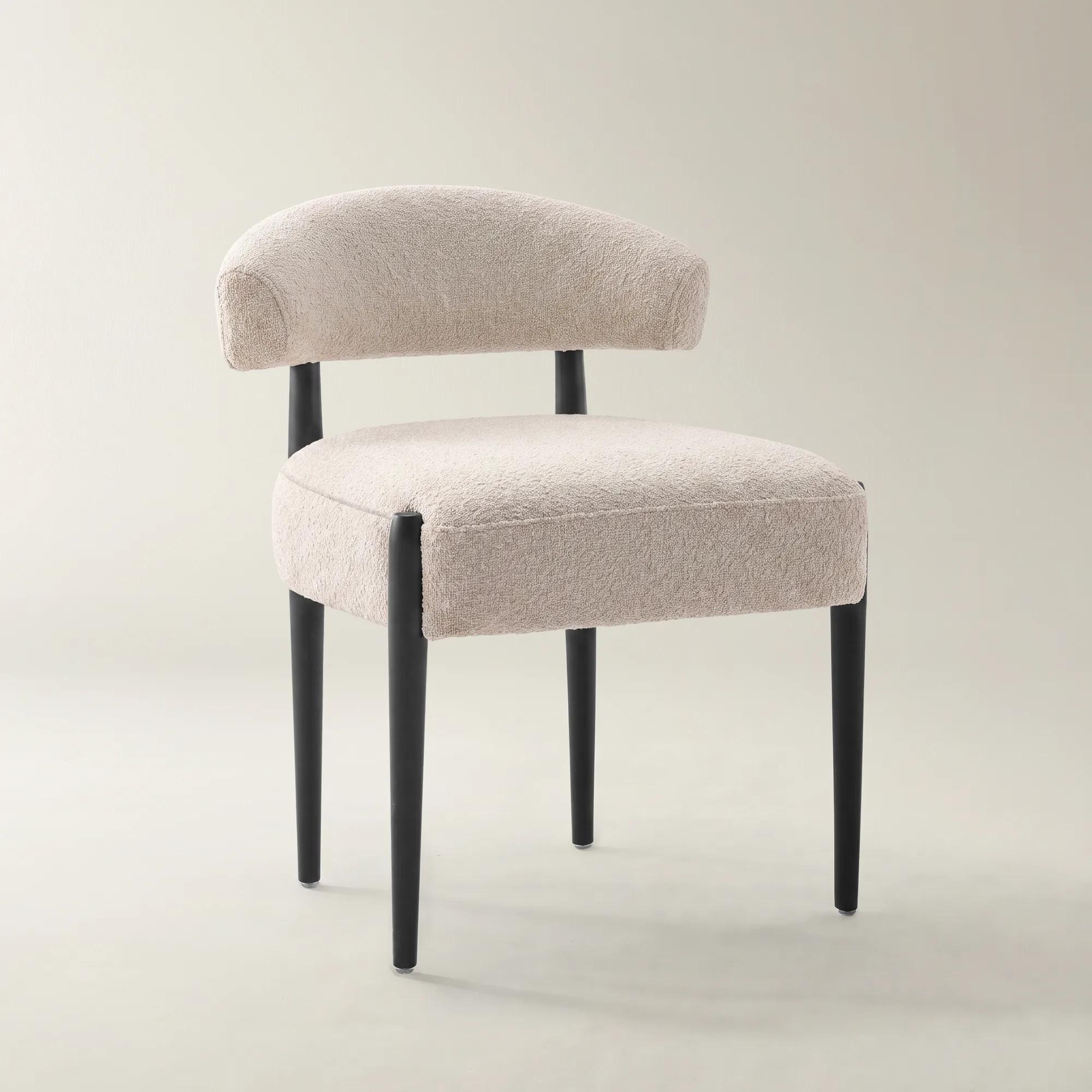
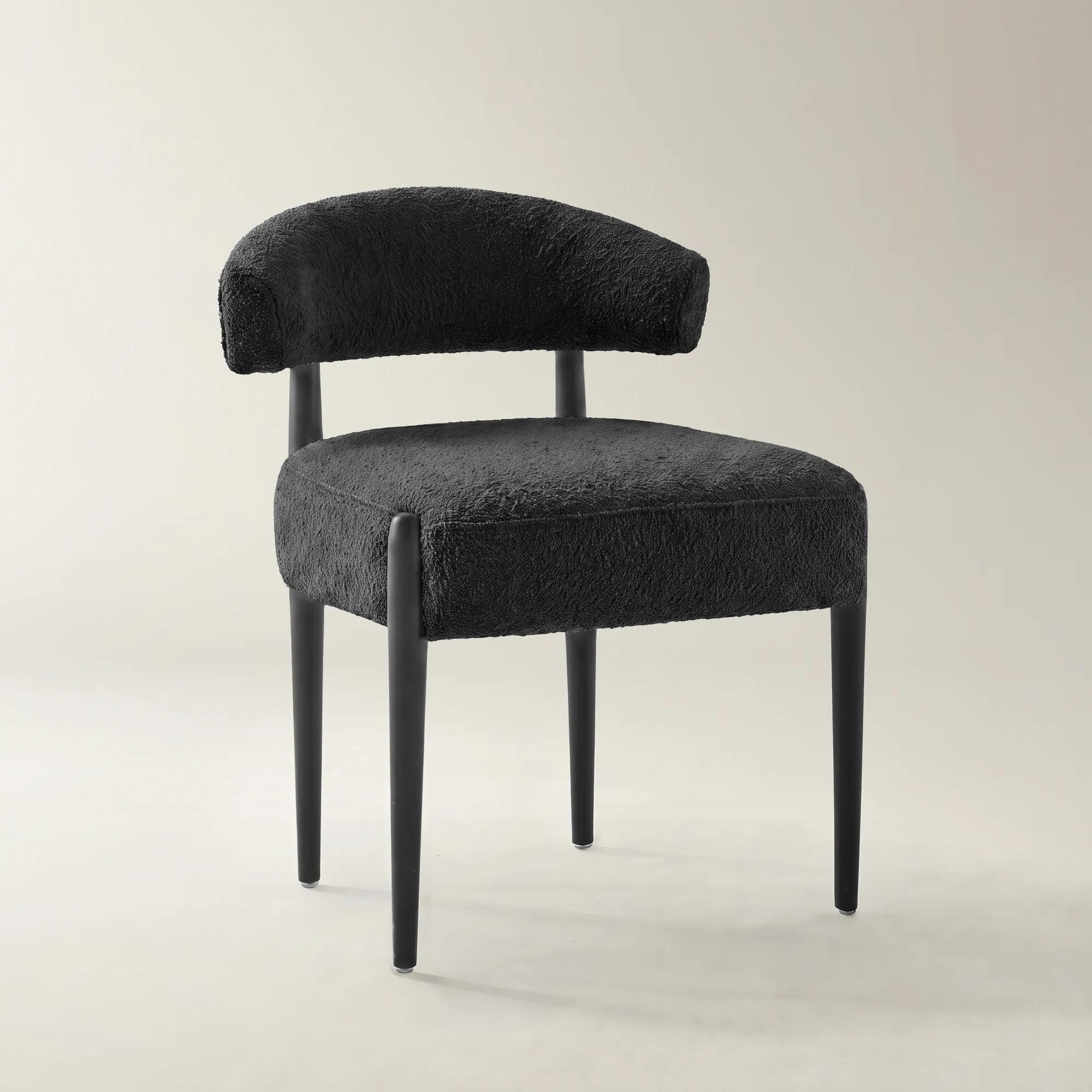
Black Dining Chairs For Open Floor Plans
Black Dining Chairs For Open Floor Plans
-
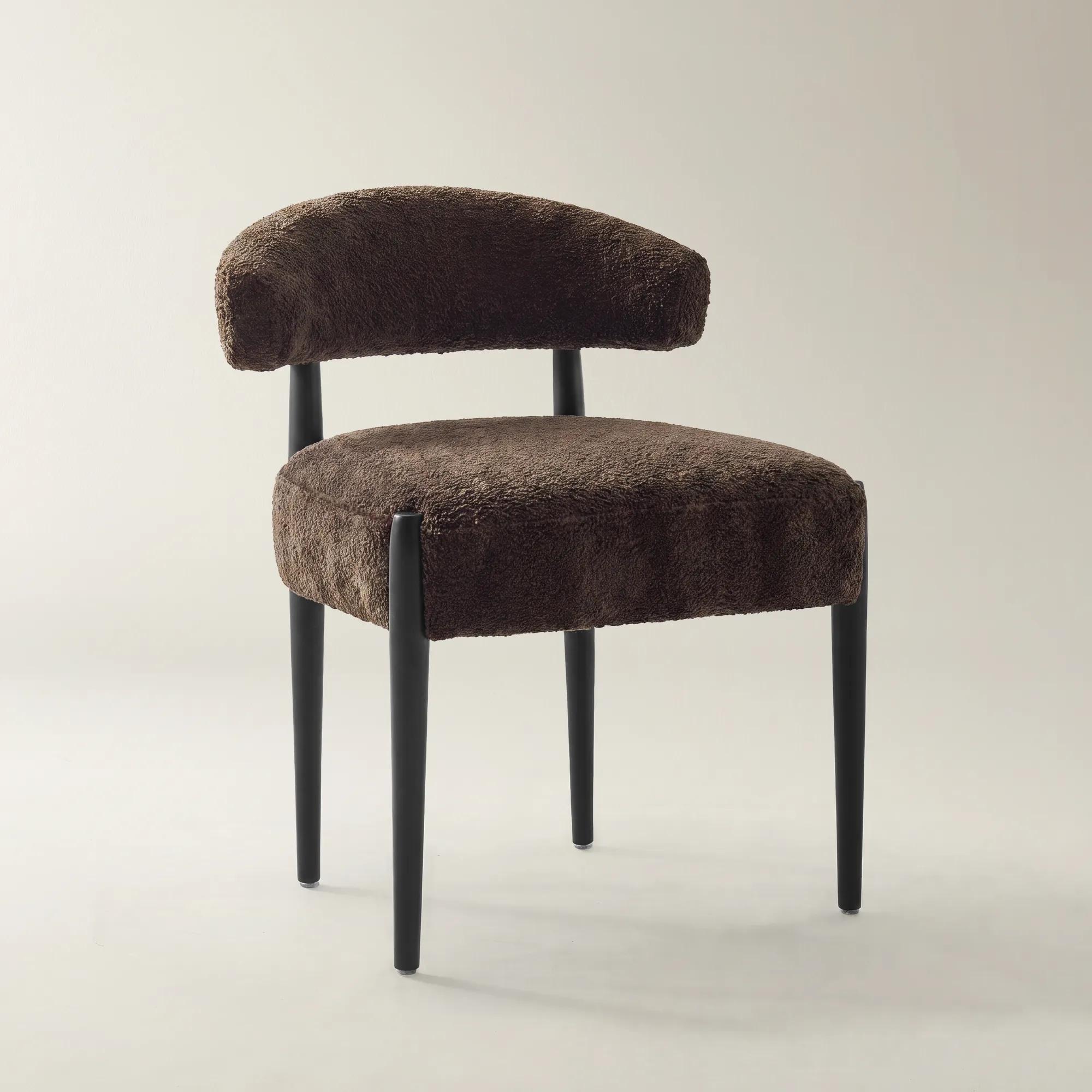
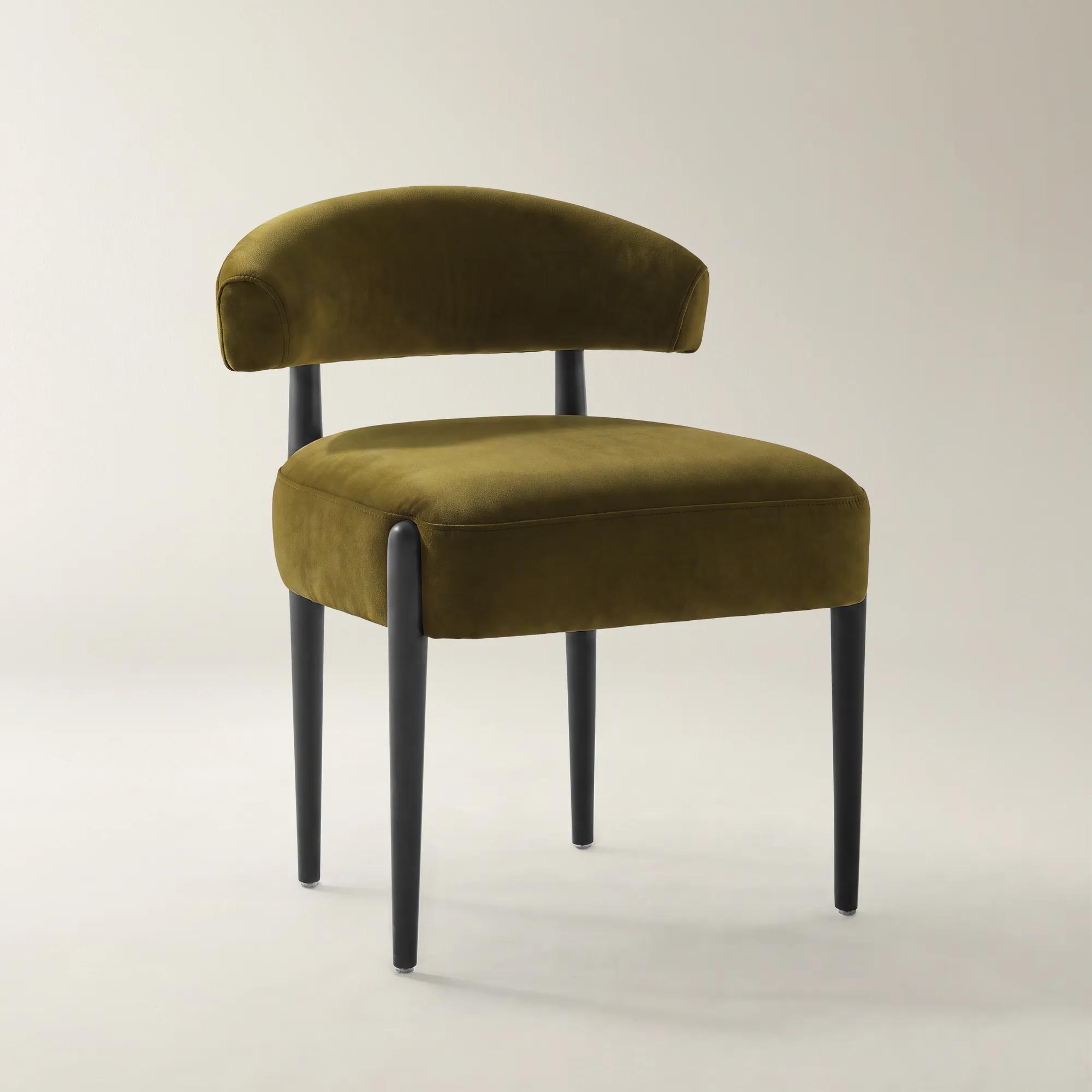
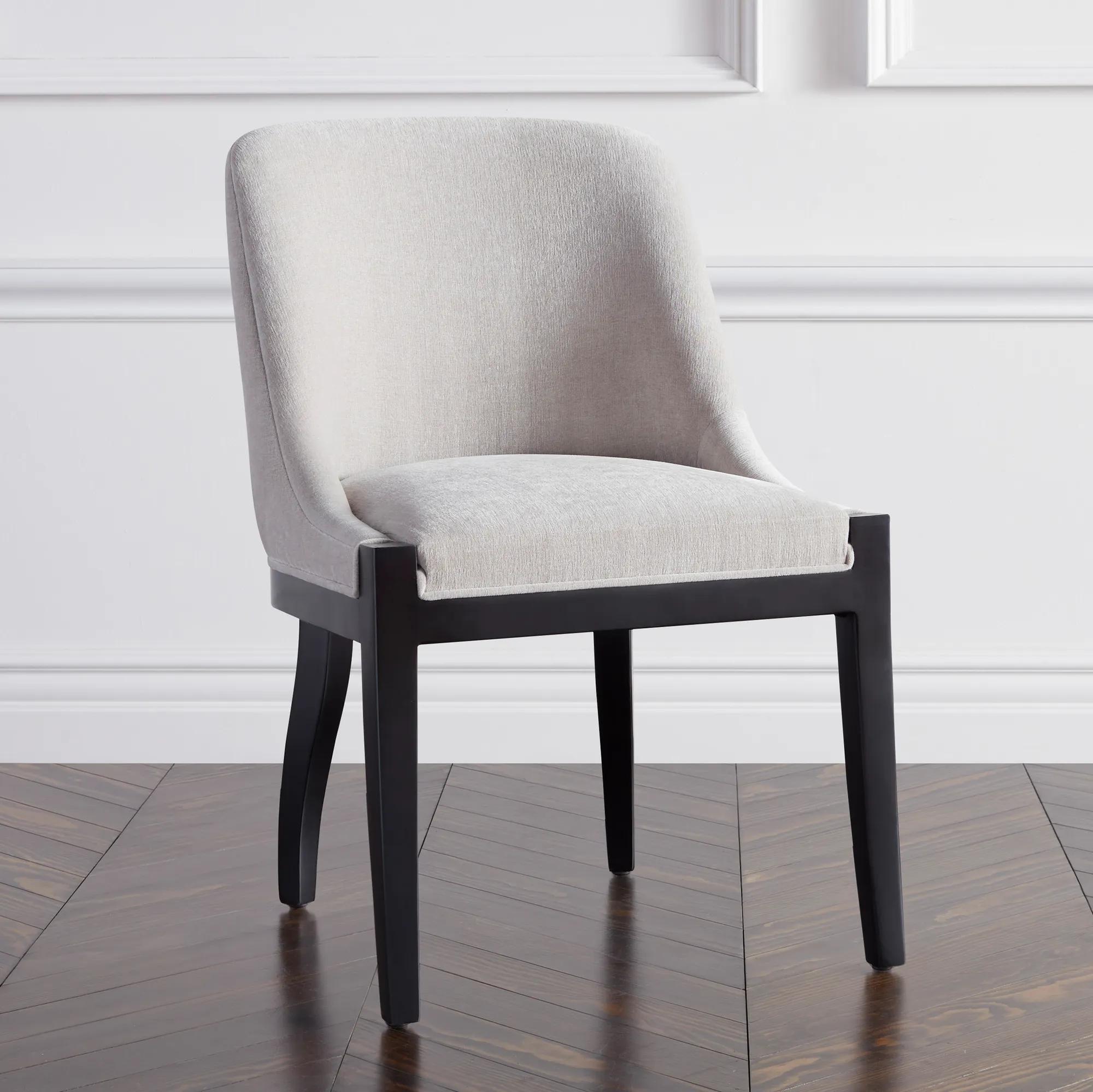 Lily Dining Chair - Matte Black$599
A modern dining chair featuring a kiln-dried hardwood frame and plush, tailored upholstery in matte black.
Add To Cart -
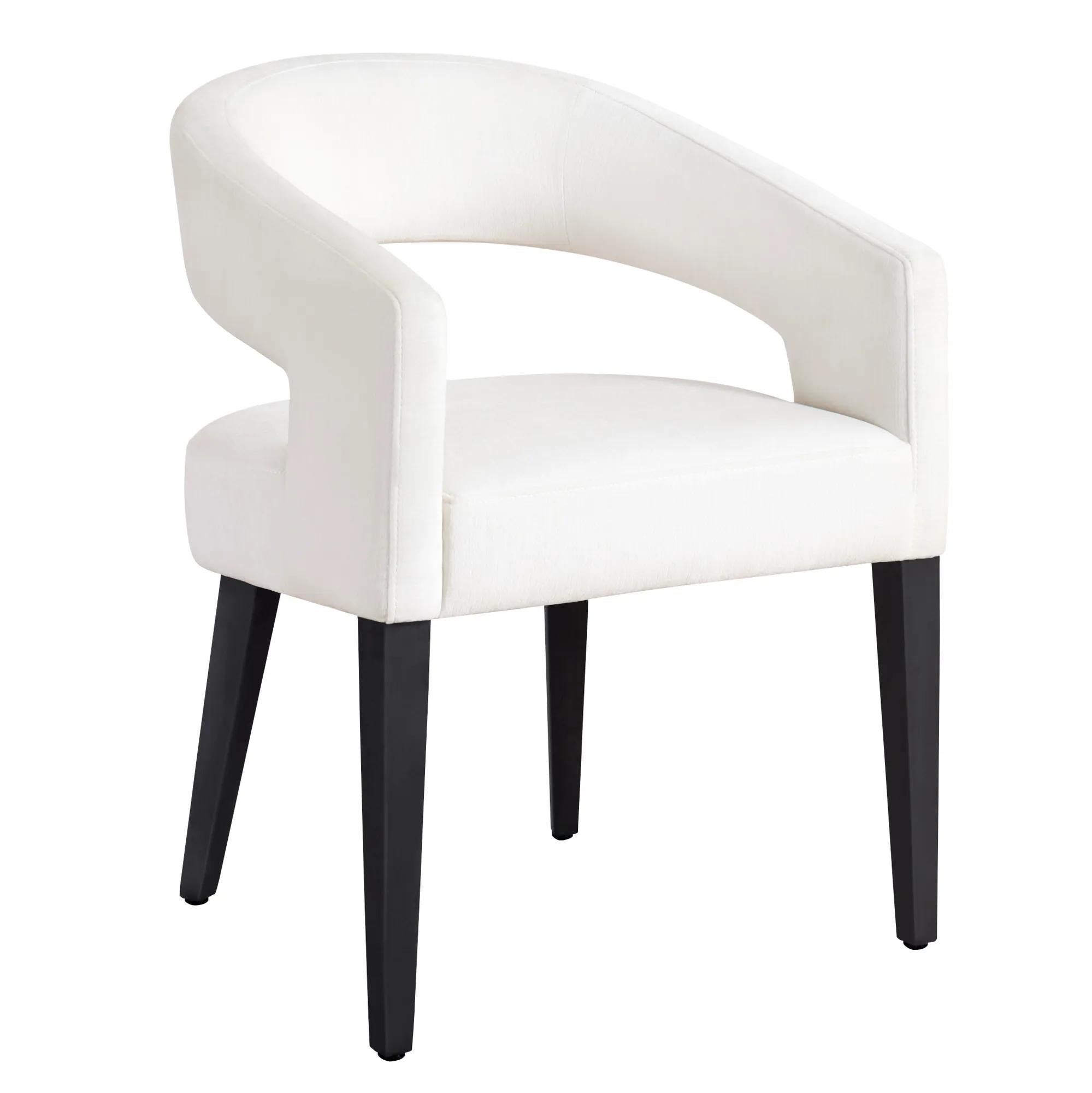
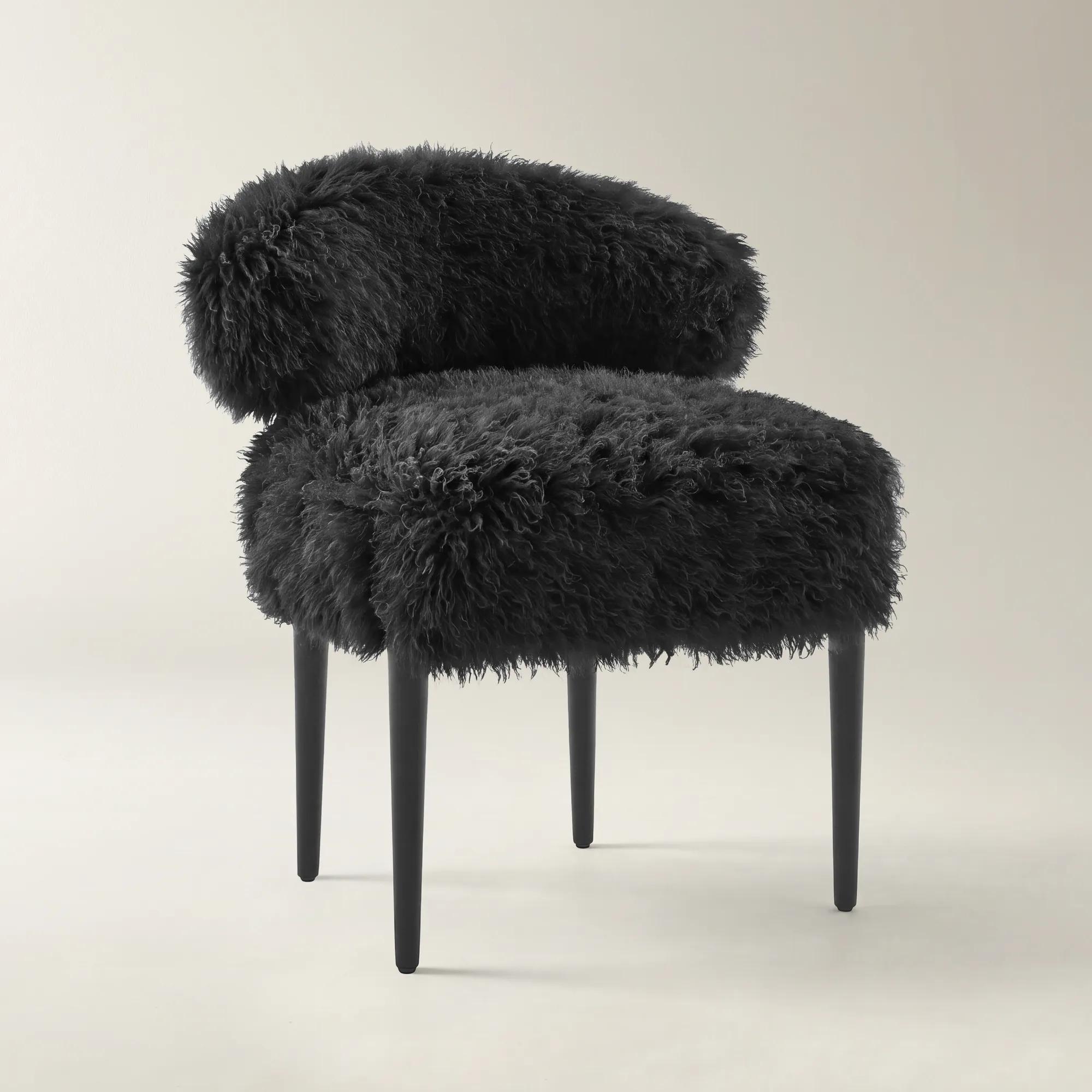
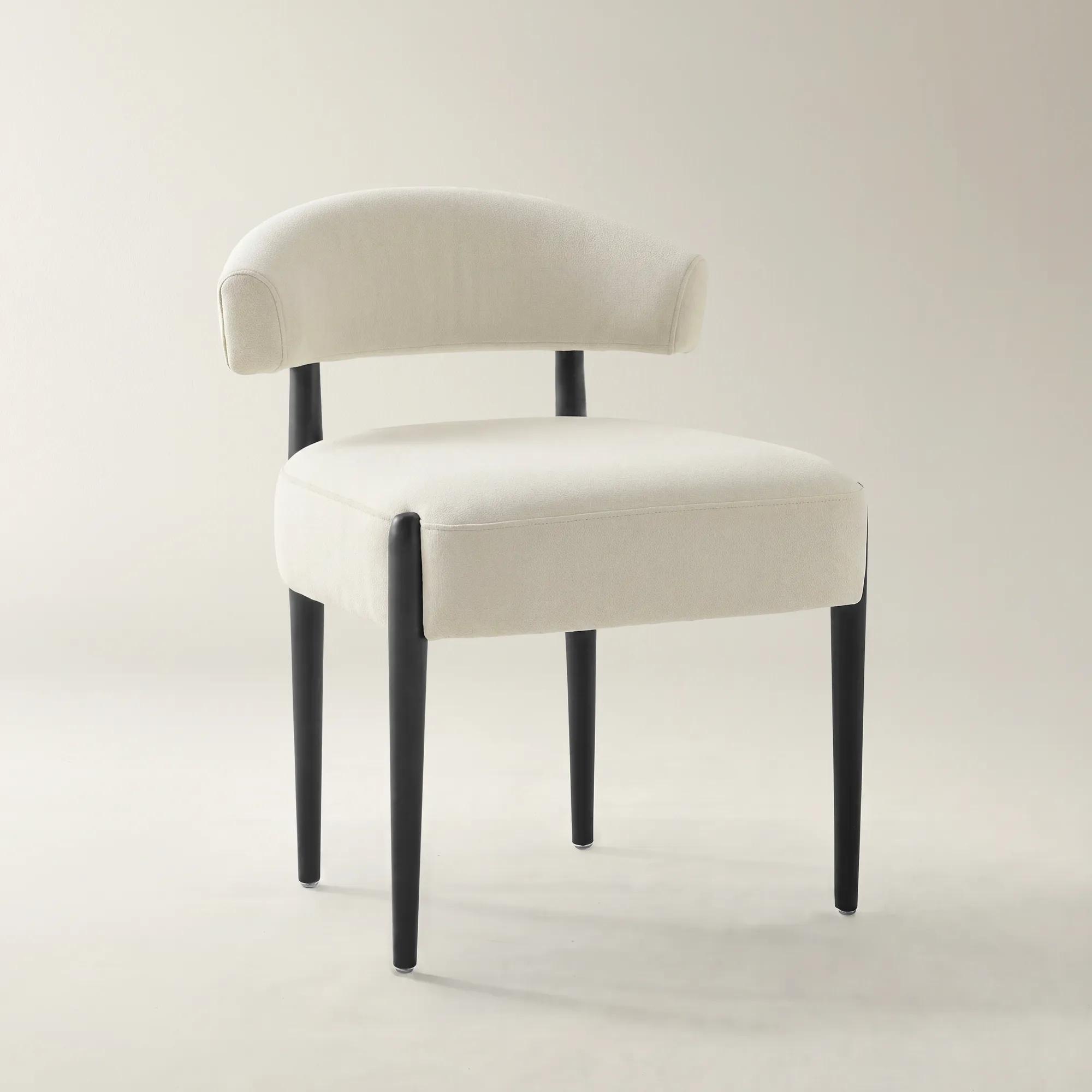
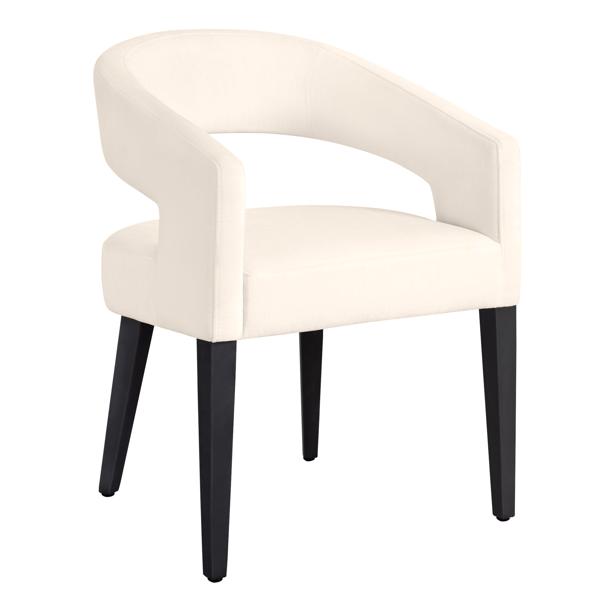 Philippa Dining Chair - Matte Black$599
A modern dining chair featuring a curved silhouette, matte black legs, and neatly tailored upholstery.
Add To Cart -
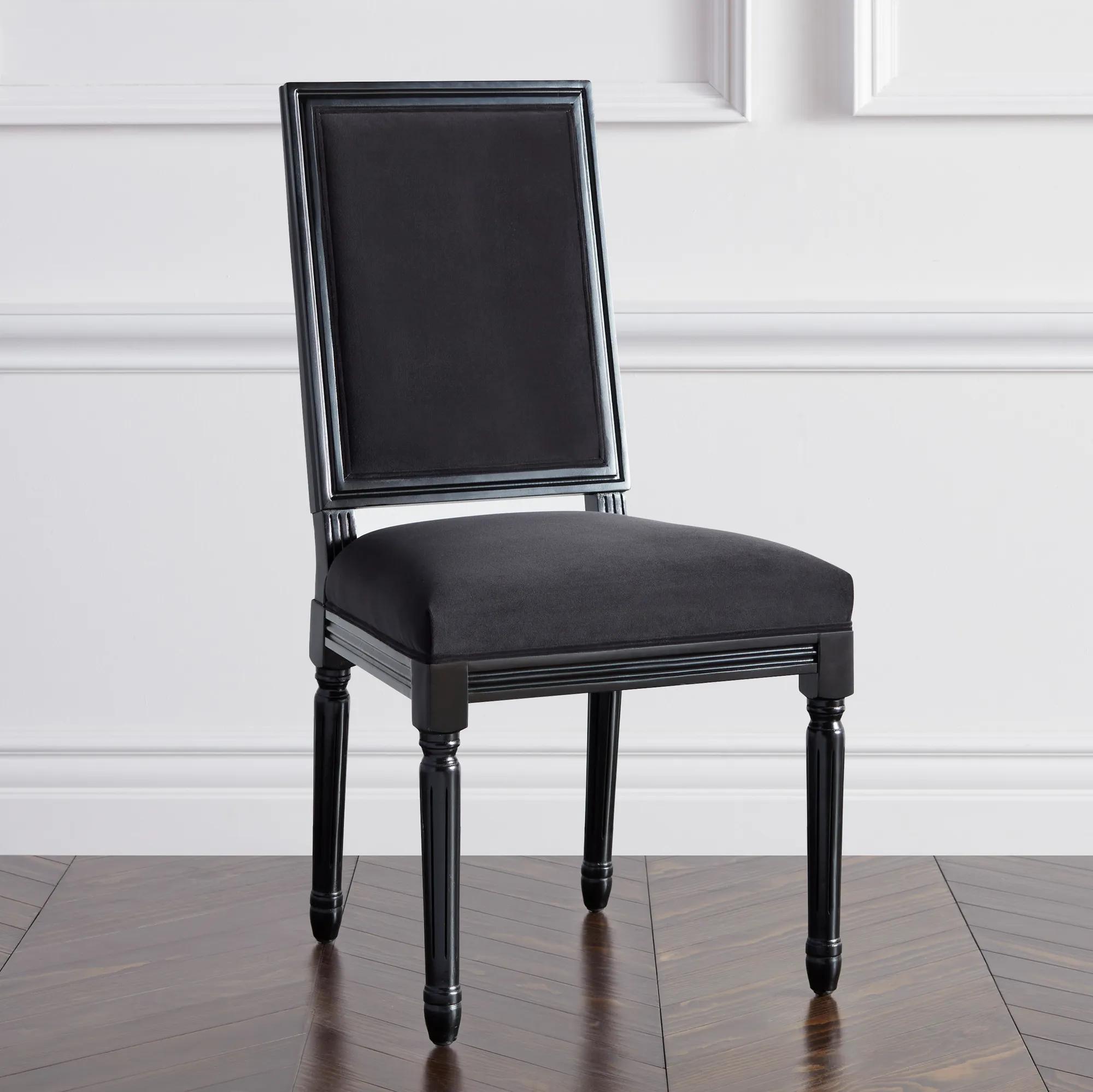
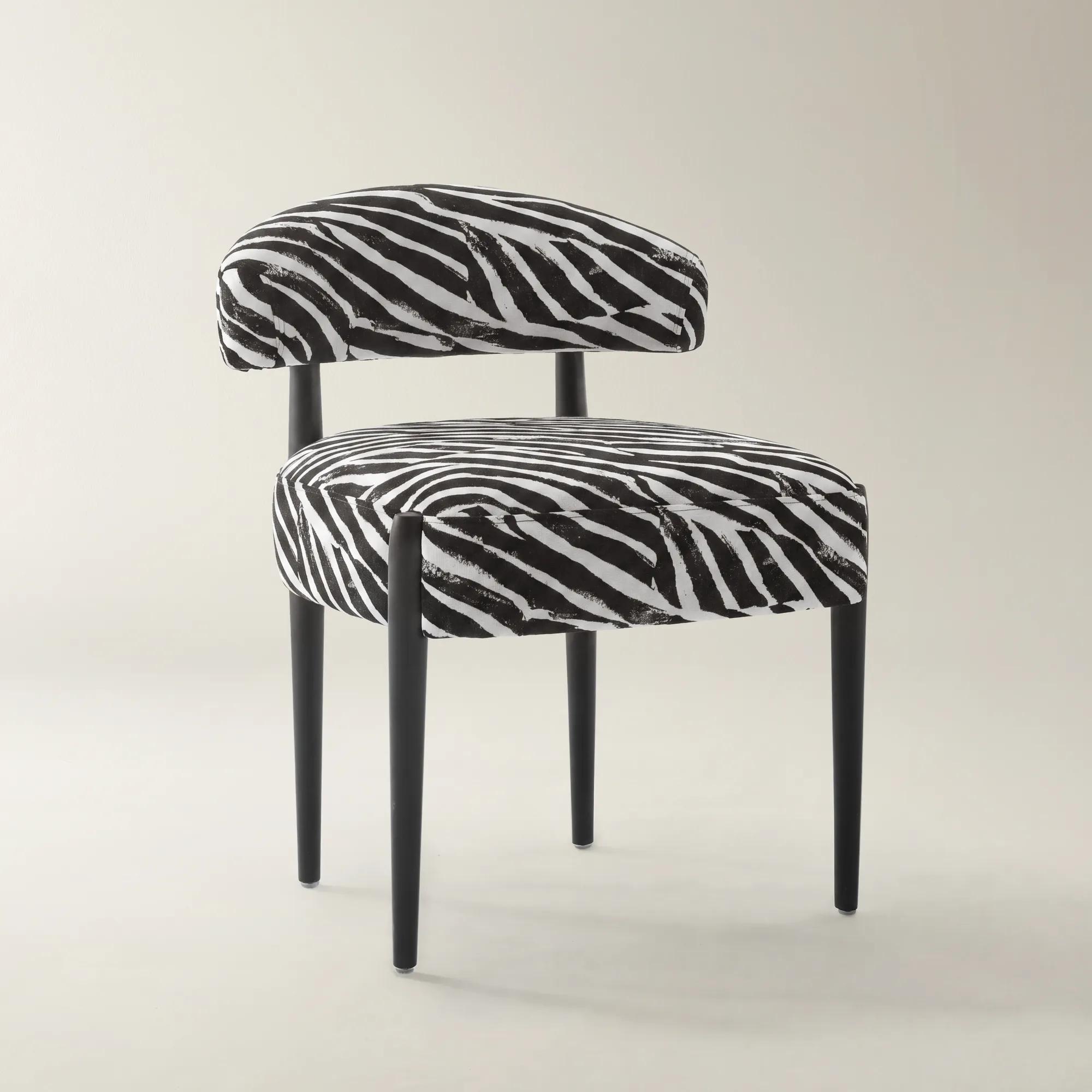
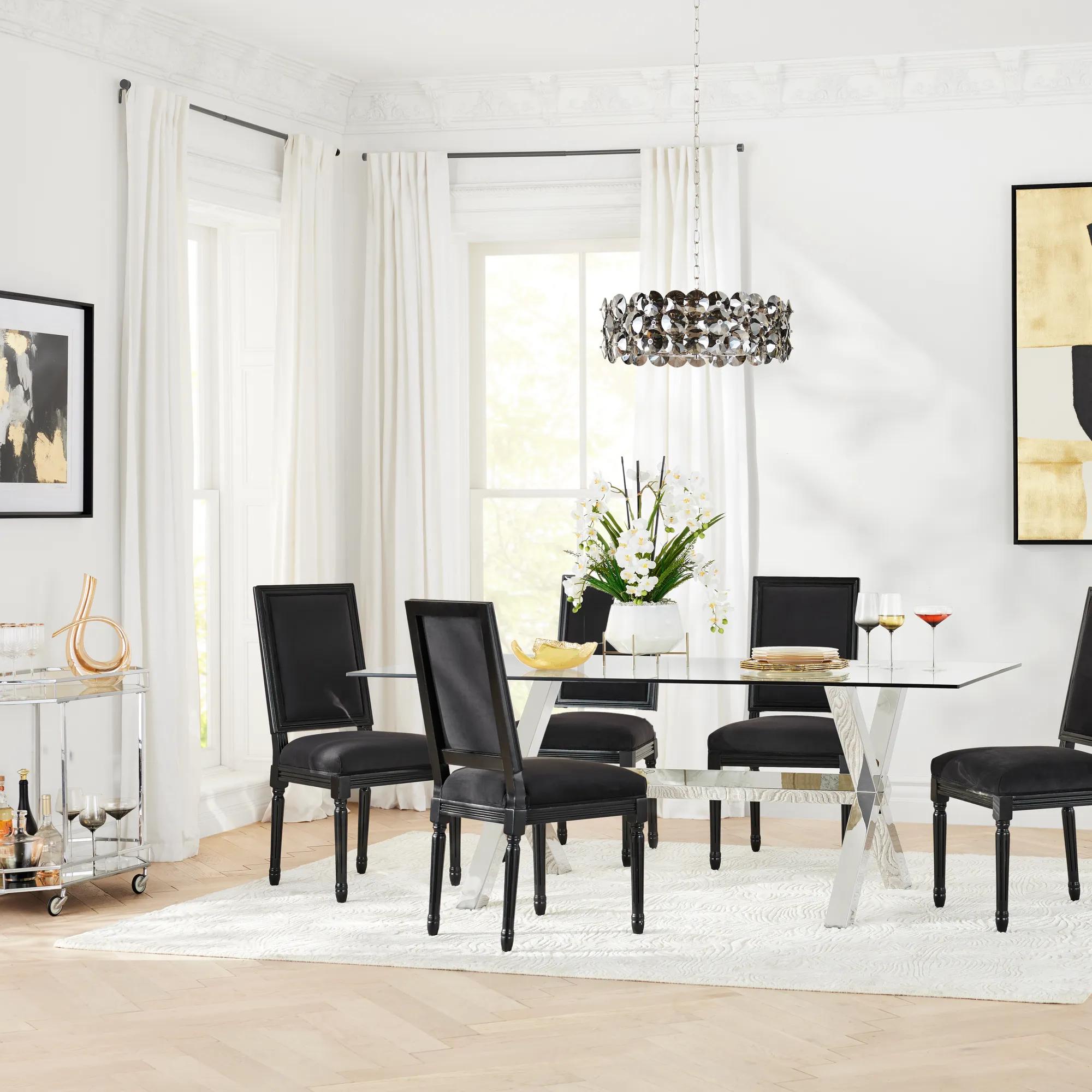 Callan Dining Chair - High Gloss Black$699
A handcrafted dining chair featuring high-gloss black Bella Velvet upholstery, fluted legs, and a squared back.
Add To Cart -
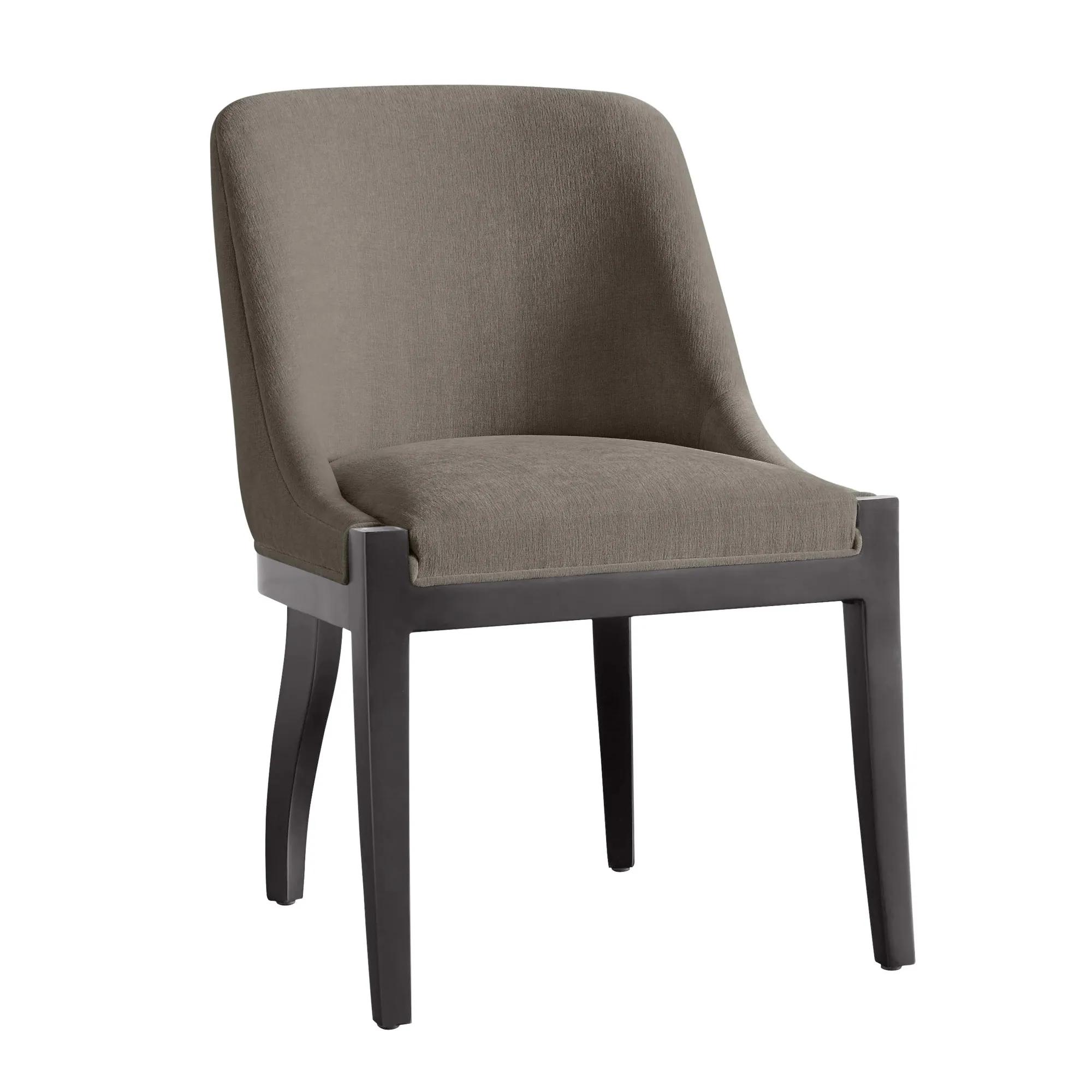
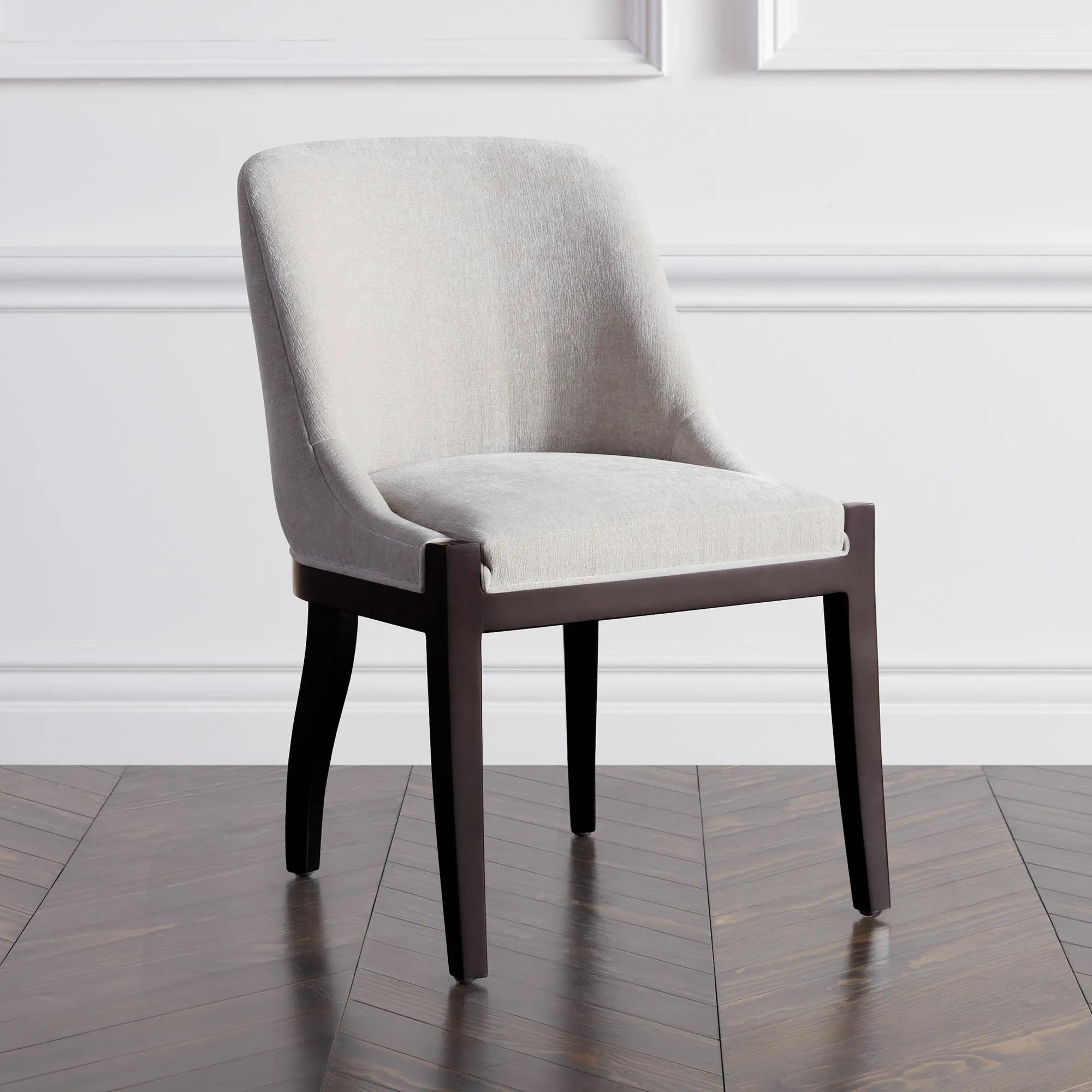 Lily Dining Chair - Espresso$649
A modern dining chair featuring espresso-finished hardwood, curvaceous silhouette, and plush tailored upholstery.
Add To Cart -
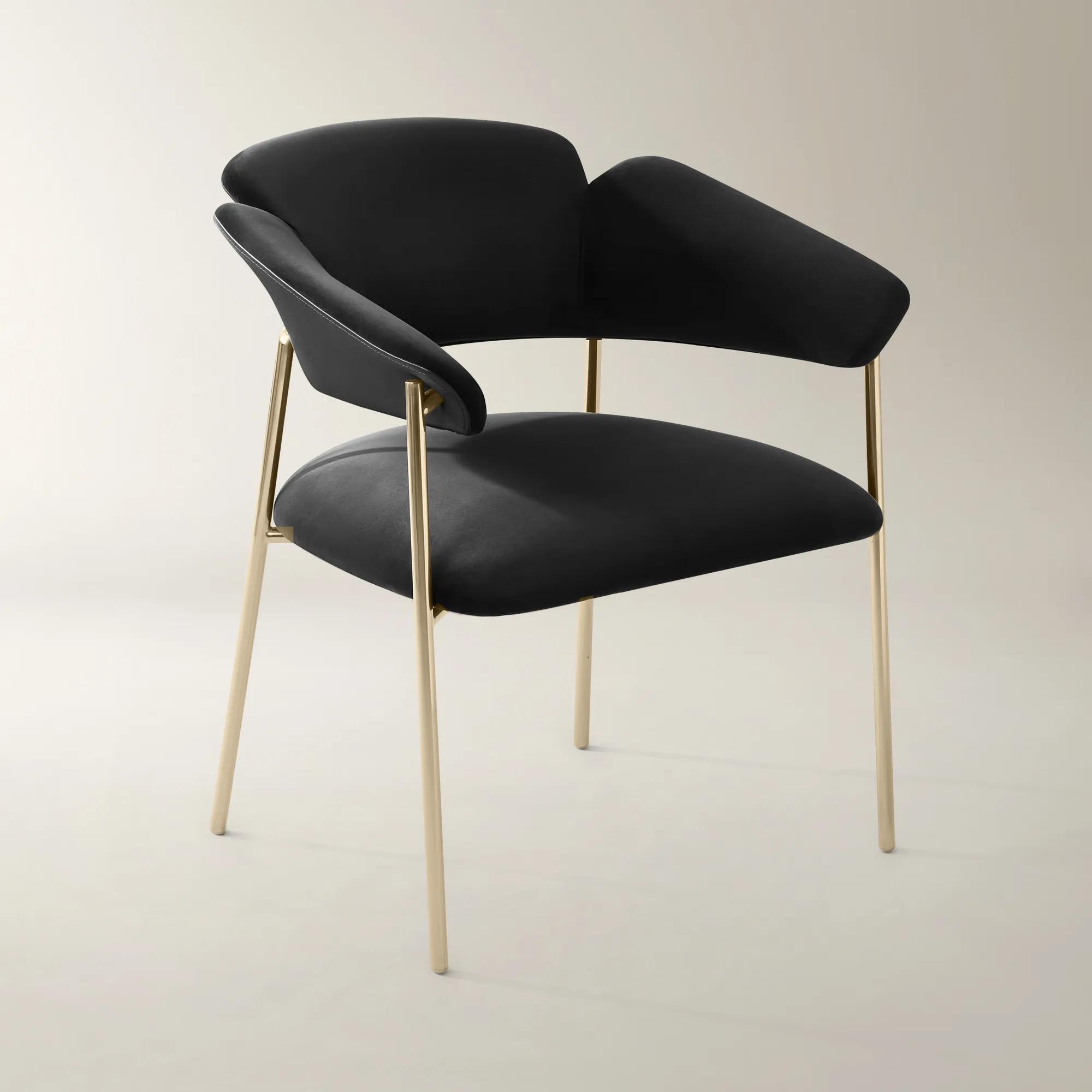 Odette Charcoal Velvet Dining Chair$499
A charcoal velvet chair featuring a wraparound open-back design, tonal faux leather accents, and gold metal legs.
Add To Cart -
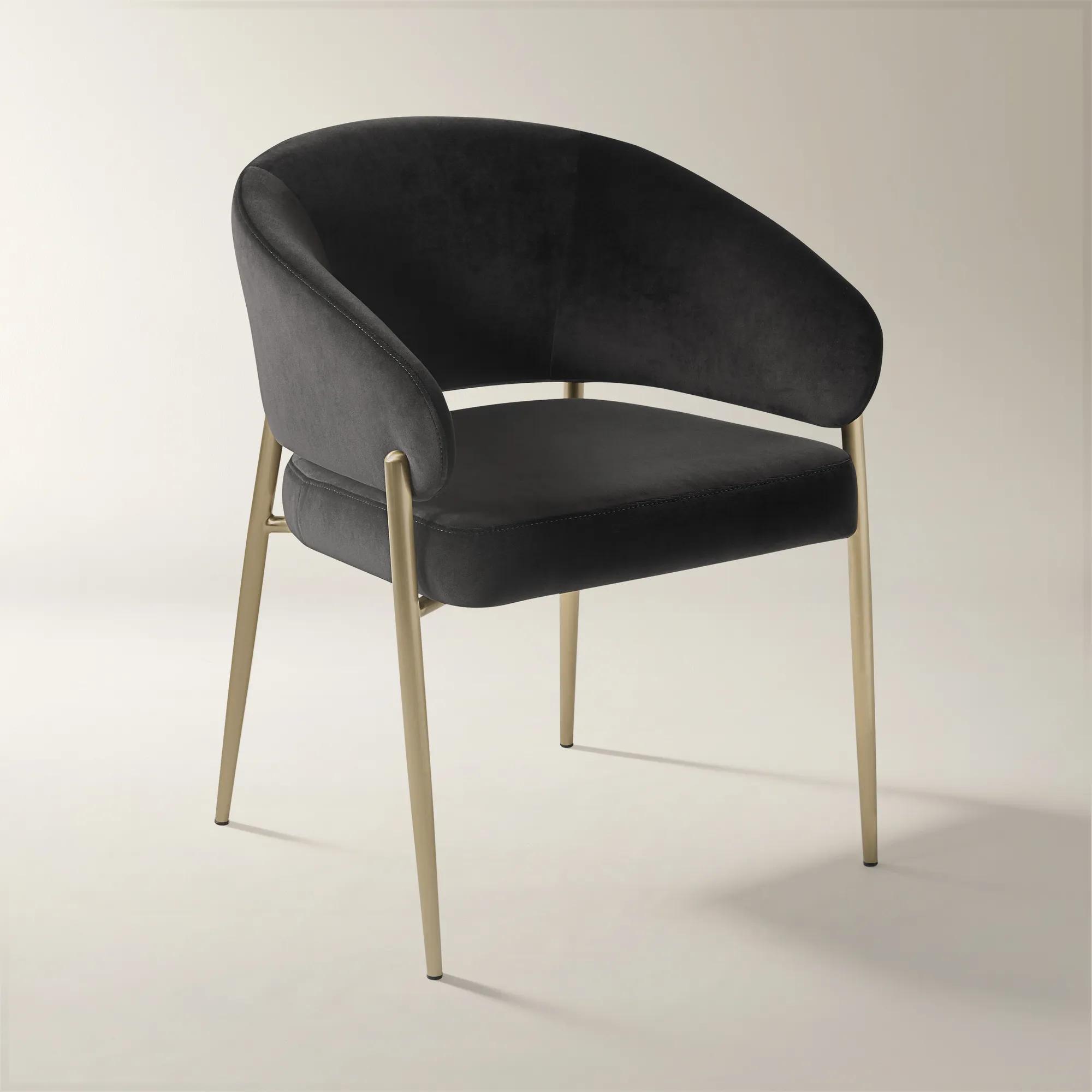 Nara Charcoal Velvet Dining Chair Set Of 2$599
A set of two charcoal velvet chairs featuring curved backs, plush upholstery, and brushed brass metal legs.
Add To Cart -
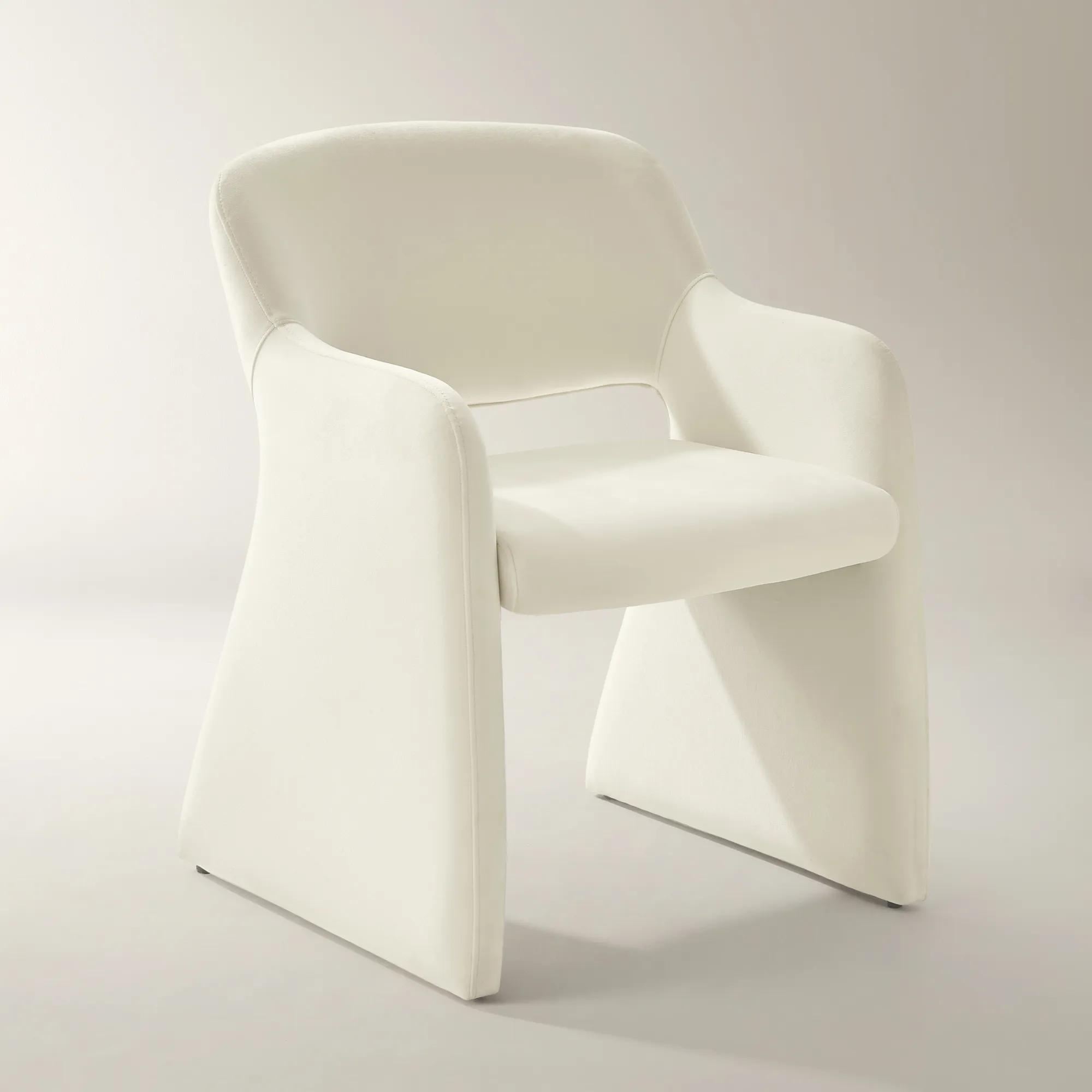 Elara Cloud Velvet Dining Chair$399
A plush velvet dining chair featuring a seamless wraparound silhouette and supportive carbon steel frame.
Add To Cart -
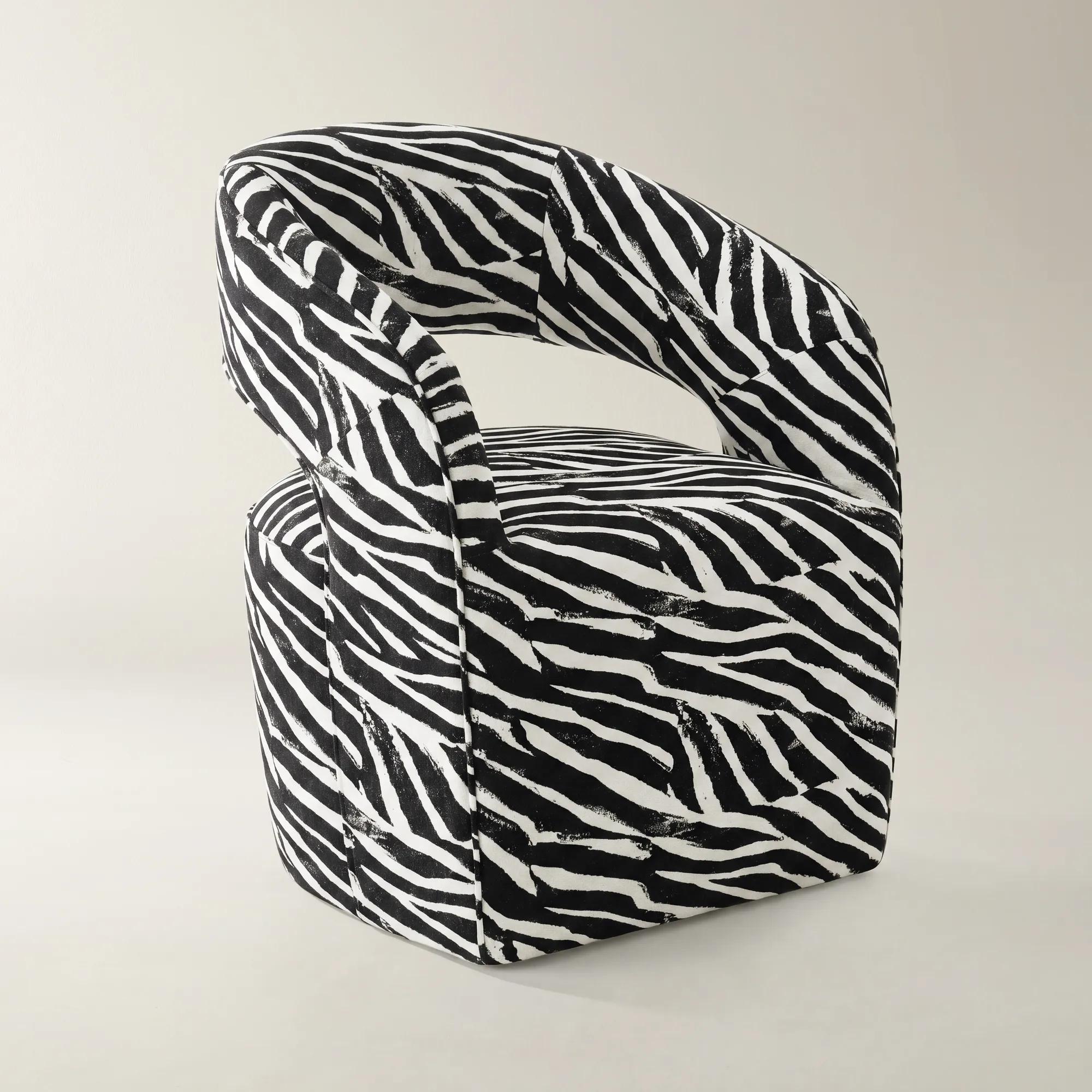
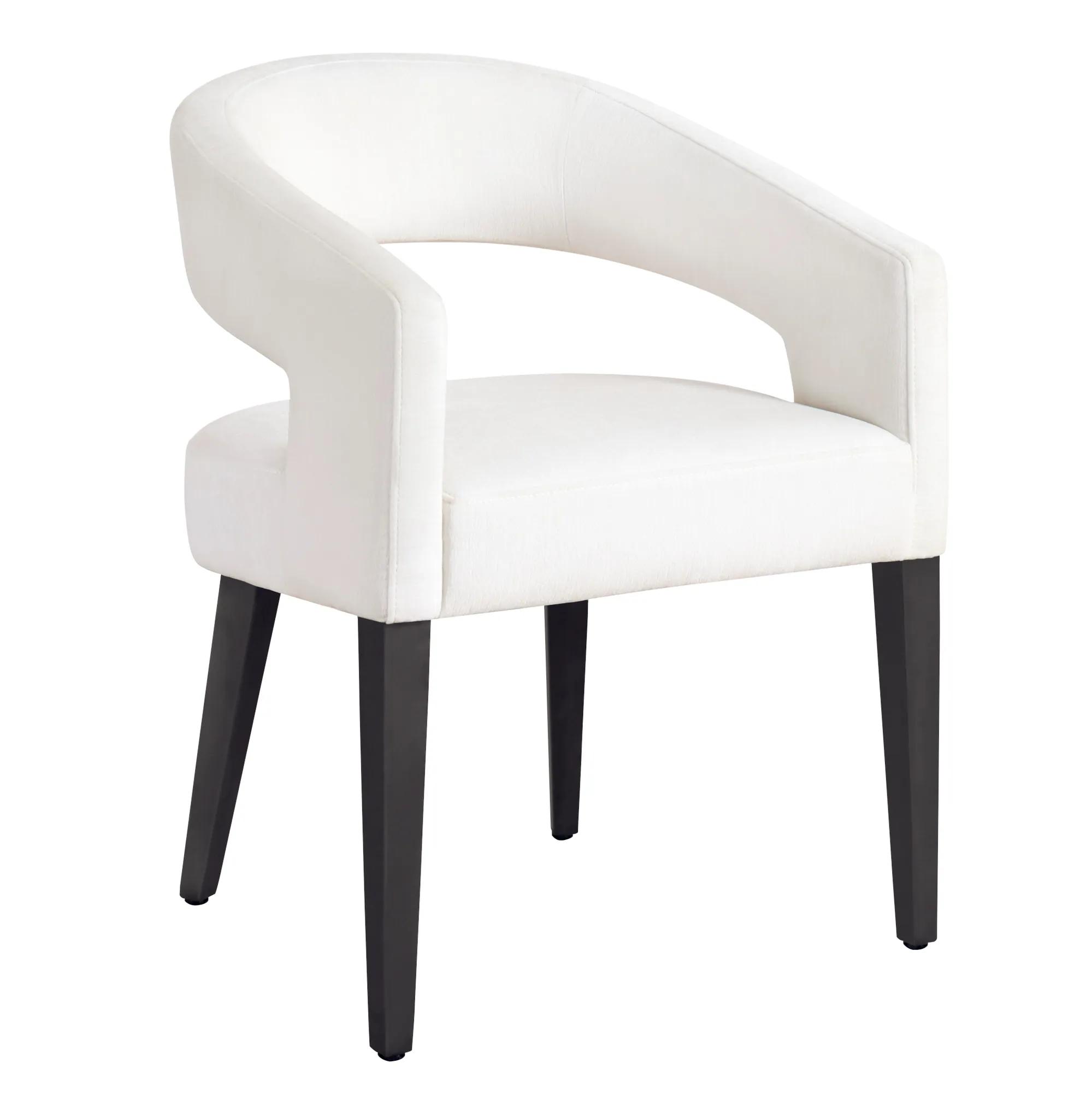
-2.jpg?w=1200&h=1200) Harrison White/Black Performance Chenille Dining Chair$449
Harrison White/Black Performance Chenille Dining Chair$449A sculptural dining chair in white and black performance chenille with plush feather-blend cushioning and curved arms.
Add To Cart -
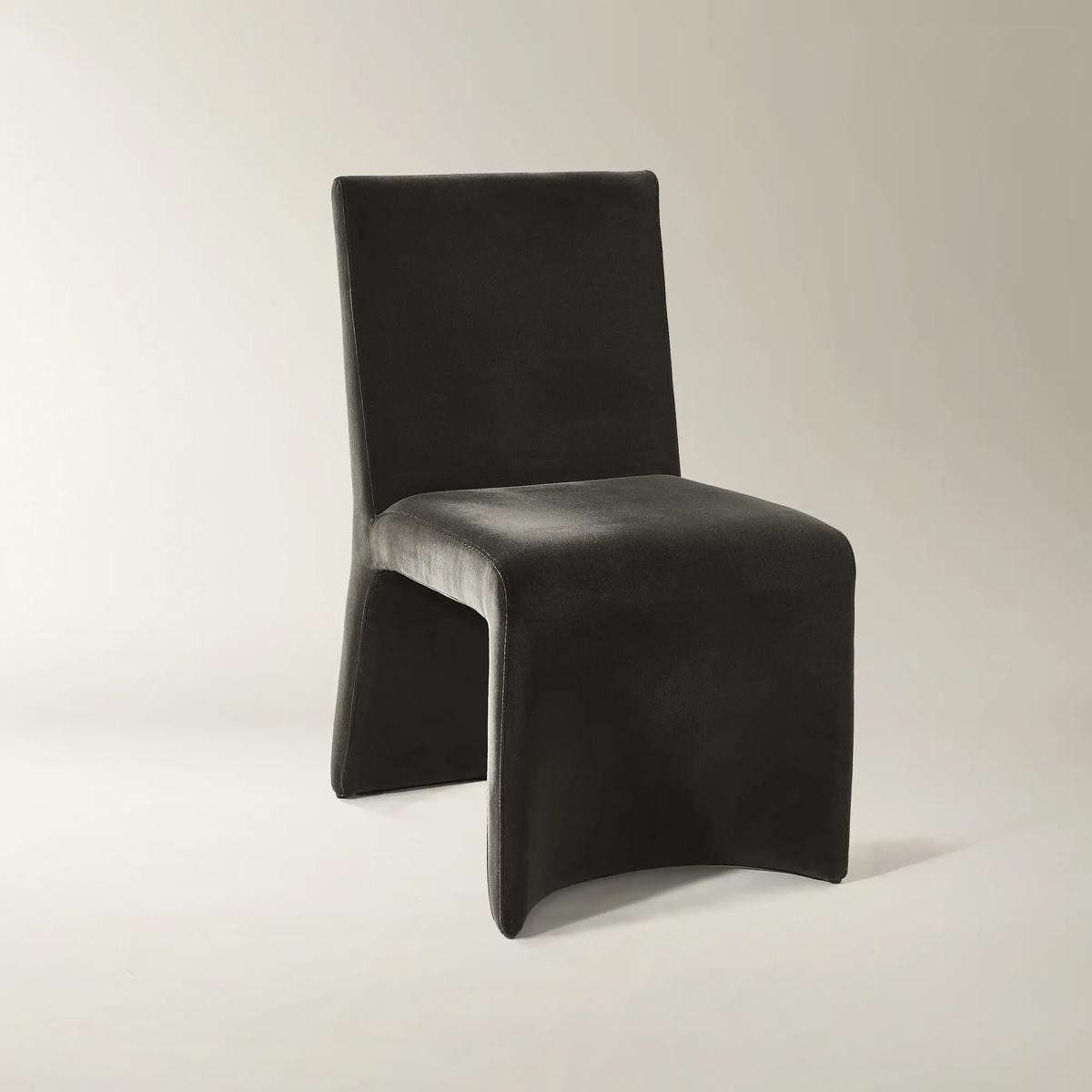
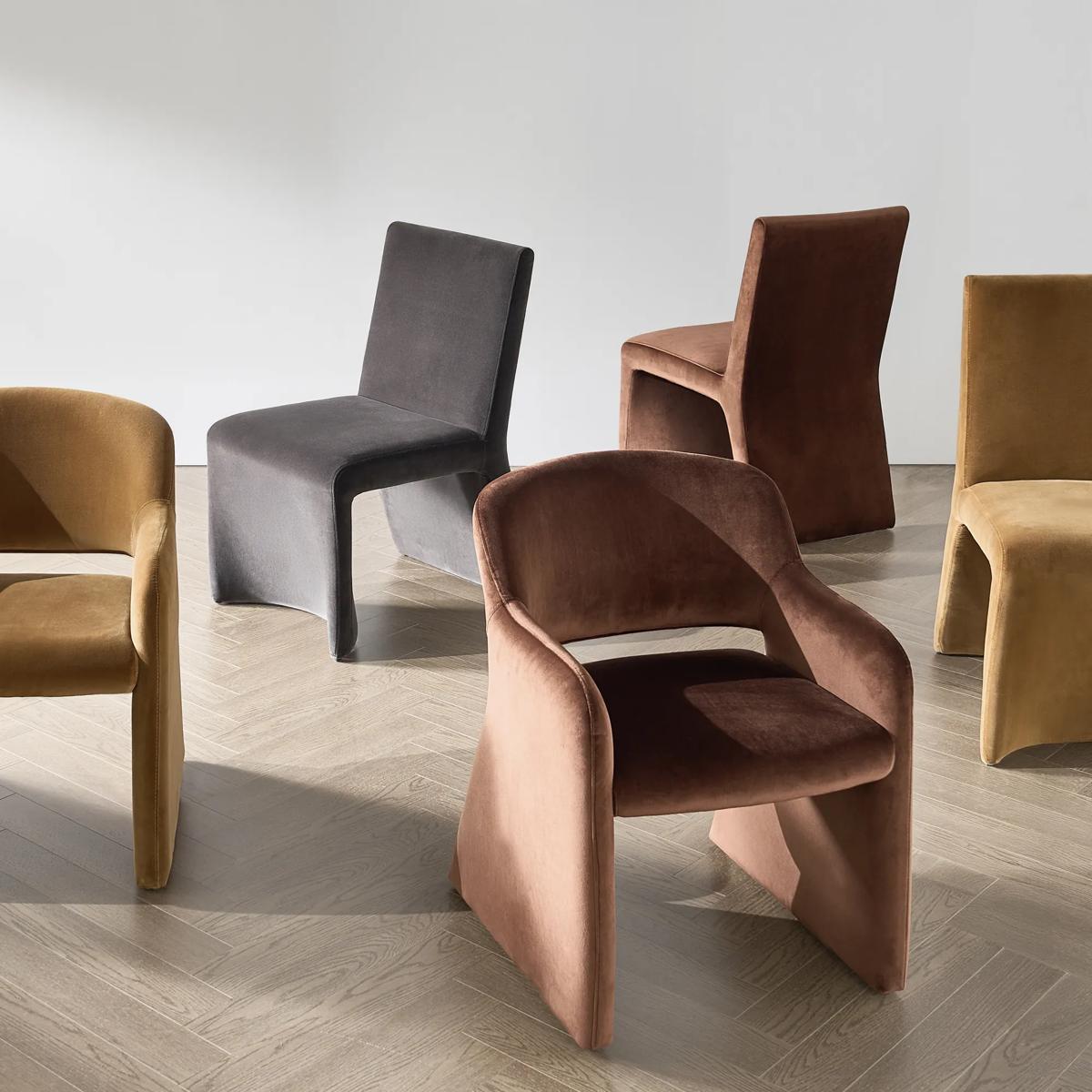 Elara Charcoal Velvet Dining Chair Set Of 2$699
A pair of charcoal velvet dining chairs featuring curved ergonomic silhouettes, plush upholstery, and hand-crafted details.
Add To Cart -
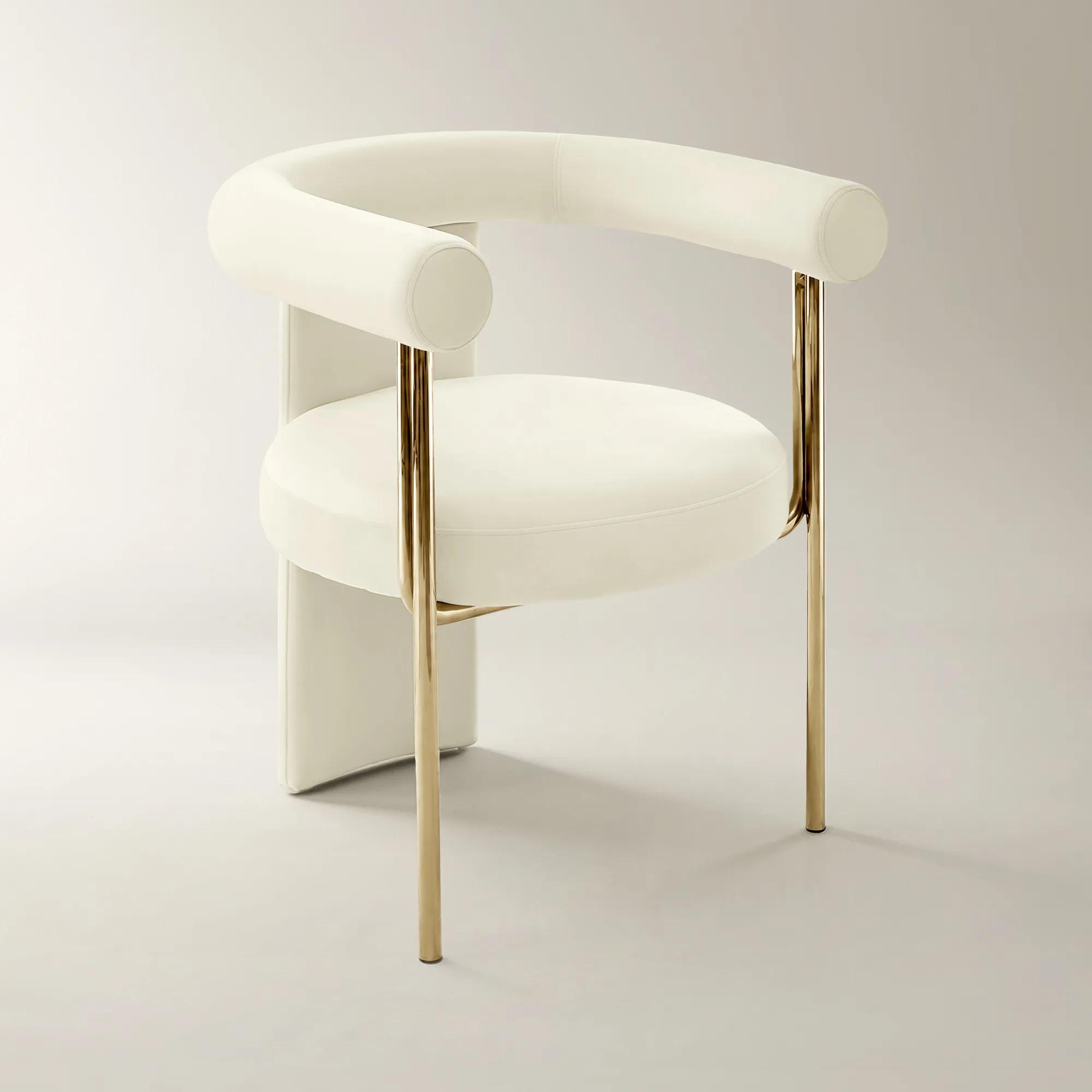 Davina Cloud Velvet Dining Chair Set Of 2$799
A set of two dining chairs featuring plush cloud velvet upholstery and a sculptural gold metal frame.
Add To Cart -
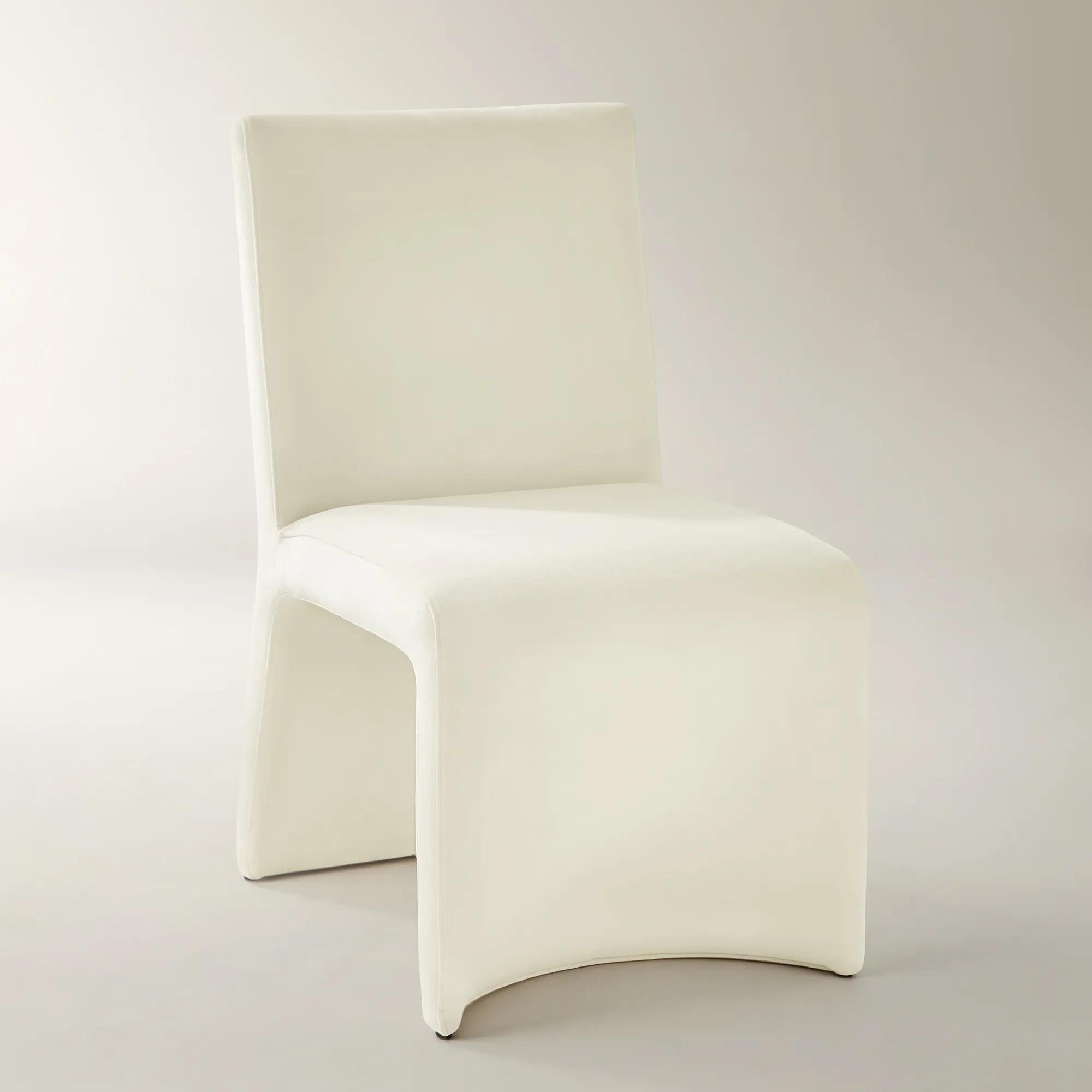 Elara Cloud Velvet Dining Chair Set Of 2$649
A set of two dining chairs featuring plush velvet upholstery, a seamless curved silhouette, and a sturdy steel frame.
Add To Cart

Black Dining Chairs For Open Floor Plans
Black dining chairs for open floor plans invite a sense of drama and cohesion into expansive, artfully designed living spaces. With their striking silhouettes and bold presence, these statement pieces anchor your dining area while seamlessly connecting it to the flow of the room. The allure of black—timeless, daring, and undeniably chic—sets the stage for gatherings that feel both intimate and grand. Whether paired with luminous metallics or set against sculptural tables, black dining chairs create a visual symphony, transforming open floor plans into galleries of modern elegance and expressive style.
Black dining chairs give open floor plans a distinct dining area without interrupting the connection between kitchen, living room, and gathering space. Their dark silhouettes create a visual anchor around the table, bringing definition to a room that has few architectural boundaries. Against pale oak flooring, a cream rug, or a luminous stone tabletop, black seating introduces contrast with an almost graphic precision. The effect can be dramatic without feeling heavy: slender legs, open backs, and softly curved frames allow light and views to pass through, while upholstered silhouettes lend the dining area a more enveloping presence. Because chairs in an open layout are visible from several directions, the back deserves as much attention as the seat. An elegant sweep of wood, a neatly tailored upholstered panel, or a sculptural metal frame becomes part of the view from the sofa, the kitchen island, and the entryway. Low-profile backs can preserve a sense of openness, particularly when the dining table sits between the kitchen and a bank of windows. Taller backs establish a stronger focal point and suit spacious layouts where the dining area needs additional presence. Black also creates continuity across adjoining spaces when echoed thoughtfully in a pendant light, cabinet hardware, or the frame of an artwork. Those repeated accents connect the room without requiring every finish to match. A glass table keeps the composition visually airy; light wood introduces warmth; marble or another pale stone brings veining and luminous contrast into the arrangement. A dark table with black dining chairs creates a richer, more immersive composition, especially when surrounding upholstery and flooring provide relief. For homes with an expansive sectional or a substantial kitchen island, the dining chairs can offer a graceful counterpoint rather than another large visual block. The strongest pairing balances the scale of the chairs with the table and nearby furnishings, allowing the dining area to feel intentional from every vantage point.
Materials shape both the mood and the everyday performance of black dining room chairs. Black-stained wood can reveal subtle grain beneath its color, introducing organic variation that feels especially expressive beside polished surfaces. Painted wood offers a more uniform appearance, although the character of the finish depends on its sheen and application. A matte surface absorbs light for a quieter silhouette, while a glossy finish catches highlights and emphasizes curves. Metal frames can deliver crisp definition with relatively slender proportions, making them appealing where uninterrupted sightlines matter. Upholstered black dining chairs soften the arrangement through texture: velvet brings a shifting play of light across its pile, woven fabric adds tactile depth, and leather offers a smooth surface that can develop character with use. Faux leather has its own care requirements and should not be treated as interchangeable with genuine leather. In a space used for lingering dinners, conversation, or occasional laptop work, supportive backs and comfortably padded seats can matter as much as visual impact. Armchairs bring a more generous, lounge-like feel to the ends of a rectangular table, while armless side chairs often allow easier access along its length. Households with children, pets, or frequent guests may favor upholstery with clearly stated cleaning instructions and documented performance characteristics. A performance designation does not make a fabric stain-proof, and black upholstery can still reveal crumbs, lint, and pale pet hair. Durable seating depends on the complete construction, including frame stability, secure joints, upholstery quality, and suitability for the intended use, rather than color or material alone. These are chairs for daily meals as well as beautifully composed dinner parties, so comfort should reflect how the room actually lives. A seat that feels inviting for a brief breakfast may feel different over a long evening; seat depth, back angle, and cushioning all influence that experience. Rounded edges and thoughtfully finished surfaces also contribute to a chair that feels considered, not merely decorative.
Fit is particularly important when the dining area shares circulation space with the rest of the home. Measure the table height, the clearance beneath its apron, and the footprint of each chair before deciding on an arrangement. A common starting point is roughly 10 to 12 inches between the top of the seat and the underside of the tabletop, with additional attention to any apron that reduces legroom. Allow approximately 24 to 26 inches of table edge per diner as an initial planning range, increasing that allowance for wider chairs or generous arms. Arm height matters when chairs need to tuck beneath the table, and pedestal bases or closely positioned table legs can affect where seats fit comfortably. Around the dining arrangement, about 36 inches from the table edge to a wall or furnishing is a useful starting allowance for pulling chairs out; busy walkways behind occupied seating often benefit from 42 to 48 inches or more. In an open floor plan, that distinction matters when someone needs to move from the kitchen to the living room while dinner is underway. A dining rug should extend far enough beyond the tabletop to keep chair legs on the rug when seats are pulled back, helping the setting feel composed while reducing awkward transitions underfoot. Protect continuous hardwood, tile, or luxury vinyl flooring with chair glides appropriate to the surface, and inspect them regularly for trapped grit or wear. Care should follow the manufacturer’s directions: dust frames with a soft cloth, blot upholstery spills promptly, and avoid harsh cleaners that can alter a black finish or leave visible residue. Keep velvet looking even with approved gentle brushing or vacuuming, and use only suitable leather-care products on genuine leather. For a contrasting palette, white dining chairs for open concept dining rooms offer a lighter visual presence. Black seating, by comparison, gives the dining zone a confident outline, creating a richly defined setting that remains connected to everything around it.
FAQs
Black dining chairs offer a striking visual anchor in open floor plans, helping to define the dining area within a larger, flowing space. Their deep, dramatic hue complements a wide range of styles and materials, creating a cohesive look that feels intentional and elevated.
Pairing black dining chairs with contrasting tables—such as natural wood, glass, or marble—creates a sophisticated interplay of textures and tones. Add plush cushions or drape a faux fur throw for a touch of glamour, and consider statement lighting overhead to bathe your dining area in a warm, inviting glow.
Absolutely. The timeless elegance of black dining chairs adapts beautifully to both formal dinner parties and relaxed family meals. Their versatility allows them to transition seamlessly from everyday use to special occasions, always maintaining a sense of chic refinement.
Mixing silhouettes, materials, or finishes within a black palette can create a curated, designer-inspired look. For example, combining upholstered and metal chairs adds depth and visual interest, while still maintaining a harmonious aesthetic throughout your open floor plan.
During winter, accentuate black dining chairs with metallic or jewel-toned tableware, lush greenery, and candlelight to evoke a sense of cozy opulence. Seasonal centerpieces and velvet runners can further enhance the dramatic presence of your dining area, making every meal feel like a celebration.