Custom Dining Chairs For Open Concept Spaces
Custom Dining Chairs For Open Concept Spaces
-
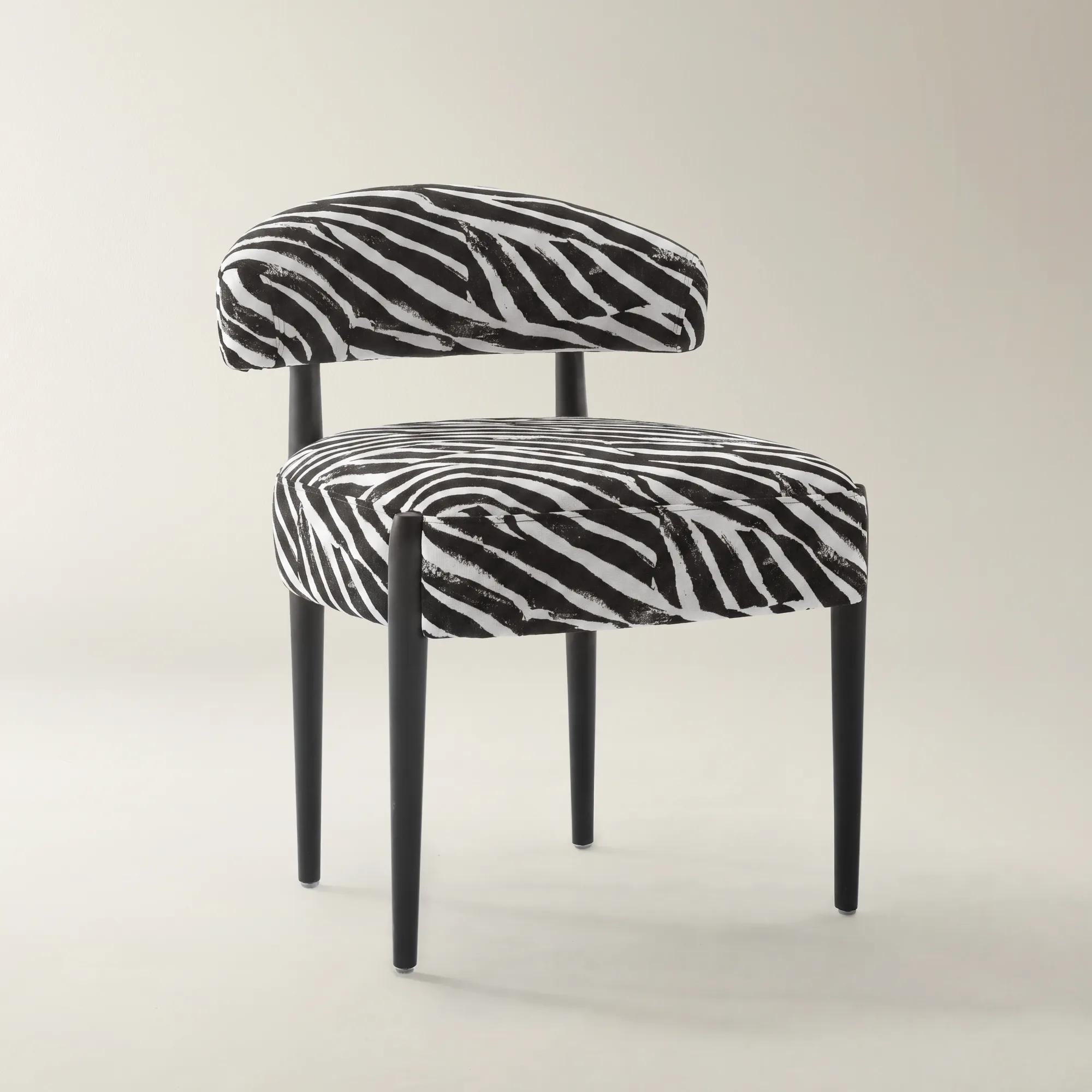
 Anna White/Black Performance Chenille Dining Chair Set of 2$699
A black-and-white performance chenille chair set with arched backs, high-density foam, and solid rubberwood legs.
Add To Cart -
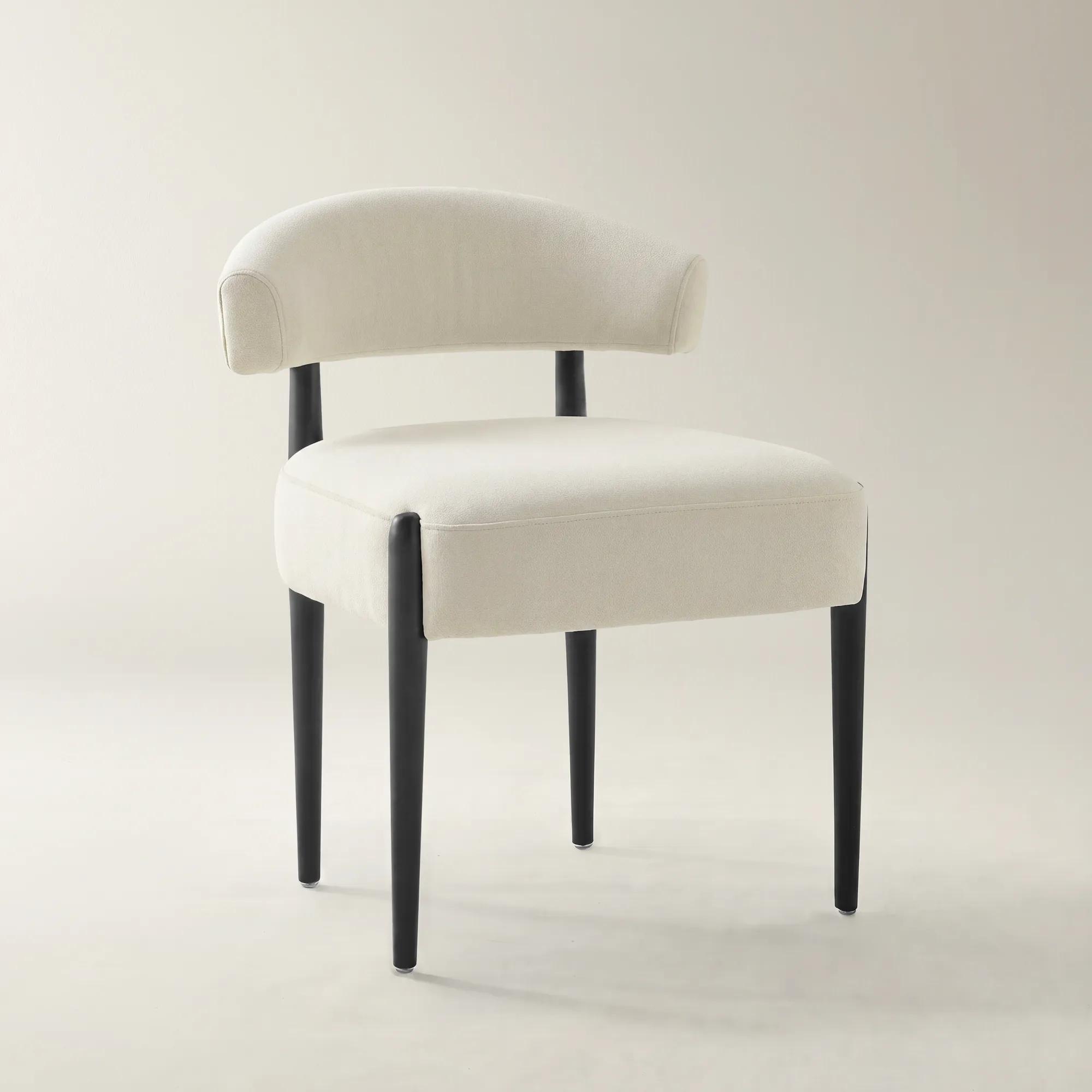 Anna Ivory Performance Chenille Dining Chair Set of 2$699
An ivory performance chenille chair pair featuring curved backs, high-density foam, and solid rubberwood legs.
Add To Cart -
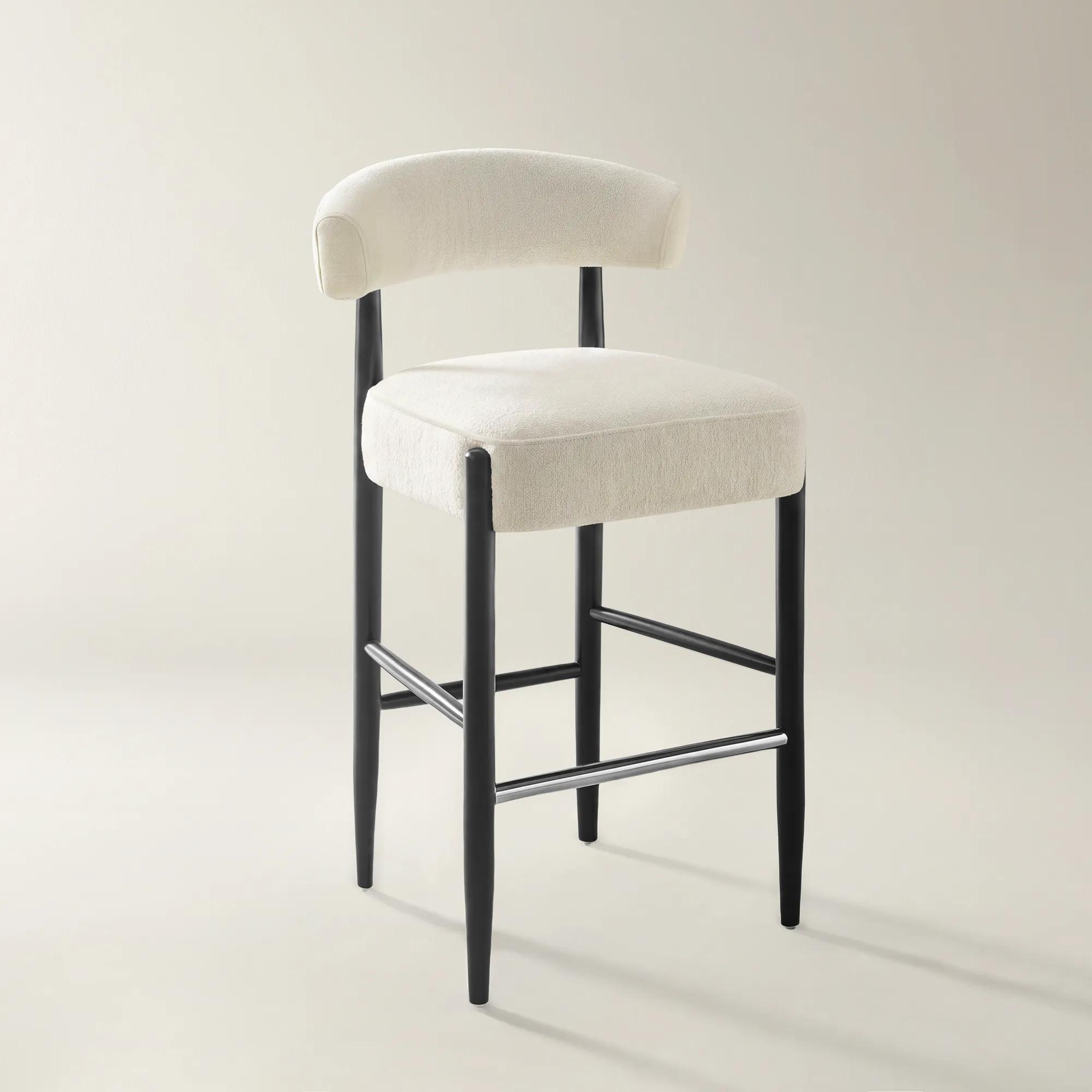
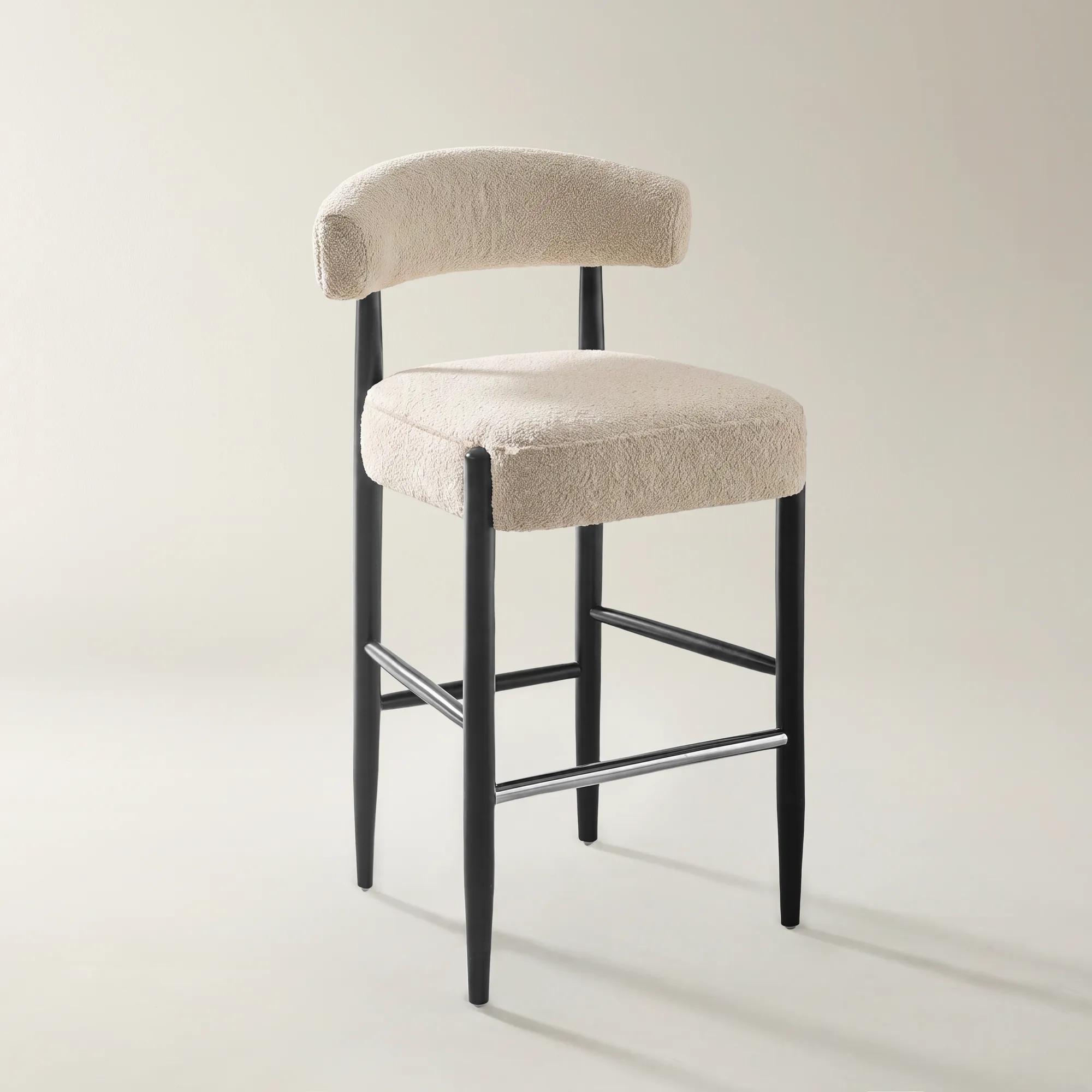
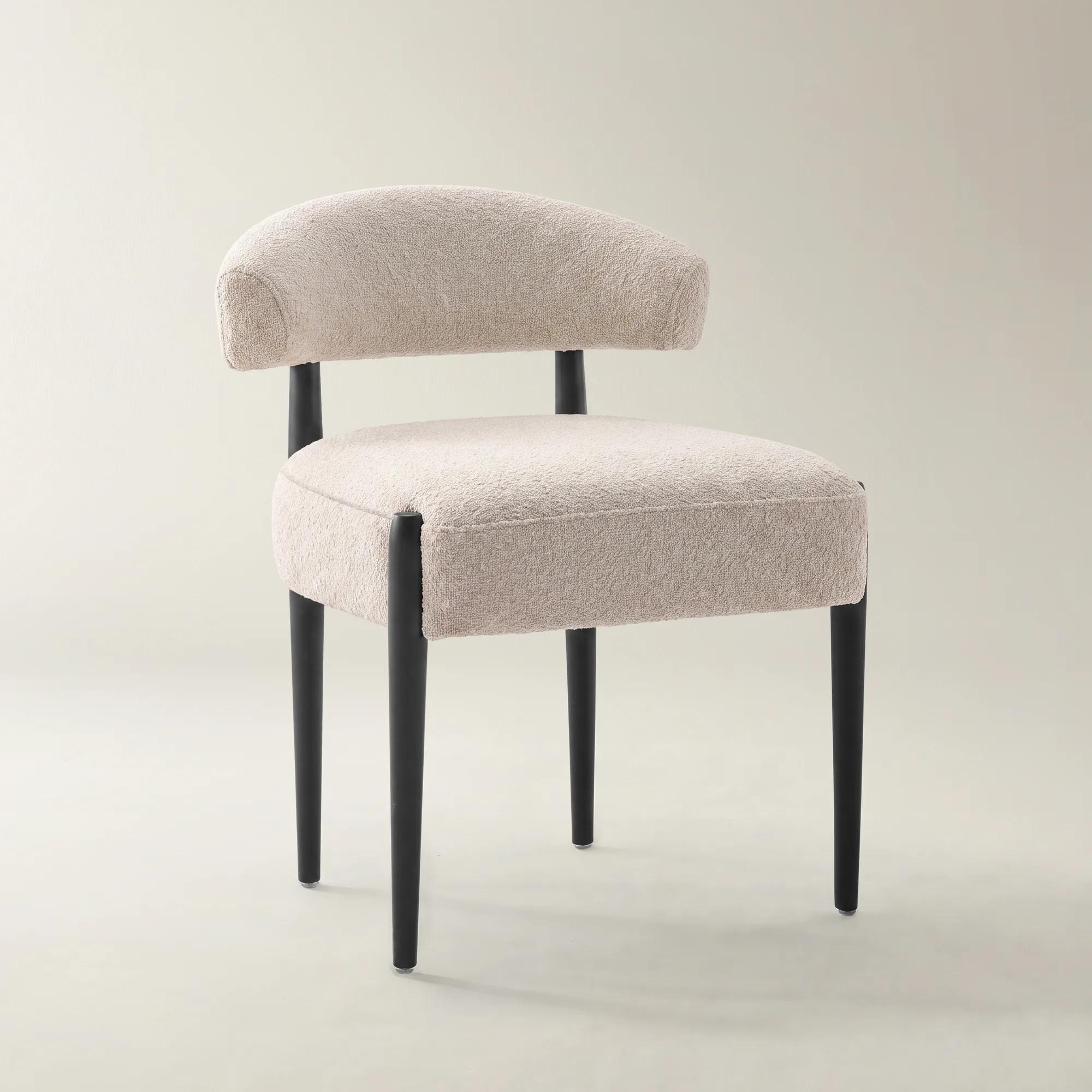 Anna Ivory Performance Boucle Dining Chair Set of 2$699
An ivory performance bouclé dining chair set with arched backs, high-density foam, and solid wood construction.
Add To Cart -
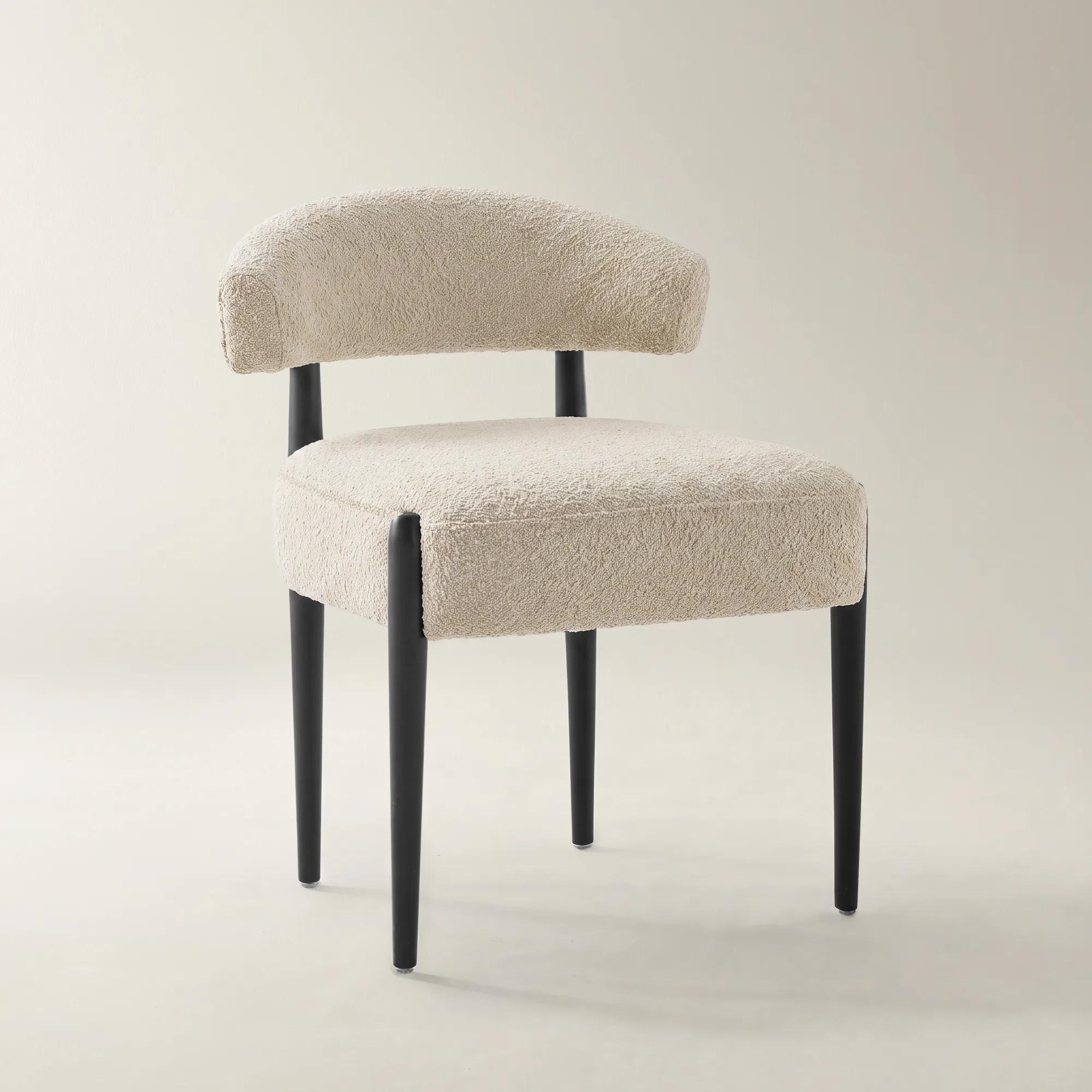 Anna Ivory Performance Boucle Dining Chair Set of 2$699
A pair of ivory performance boucle chairs with curved backs, cushioned comfort, and solid wood frames.
Add To Cart -
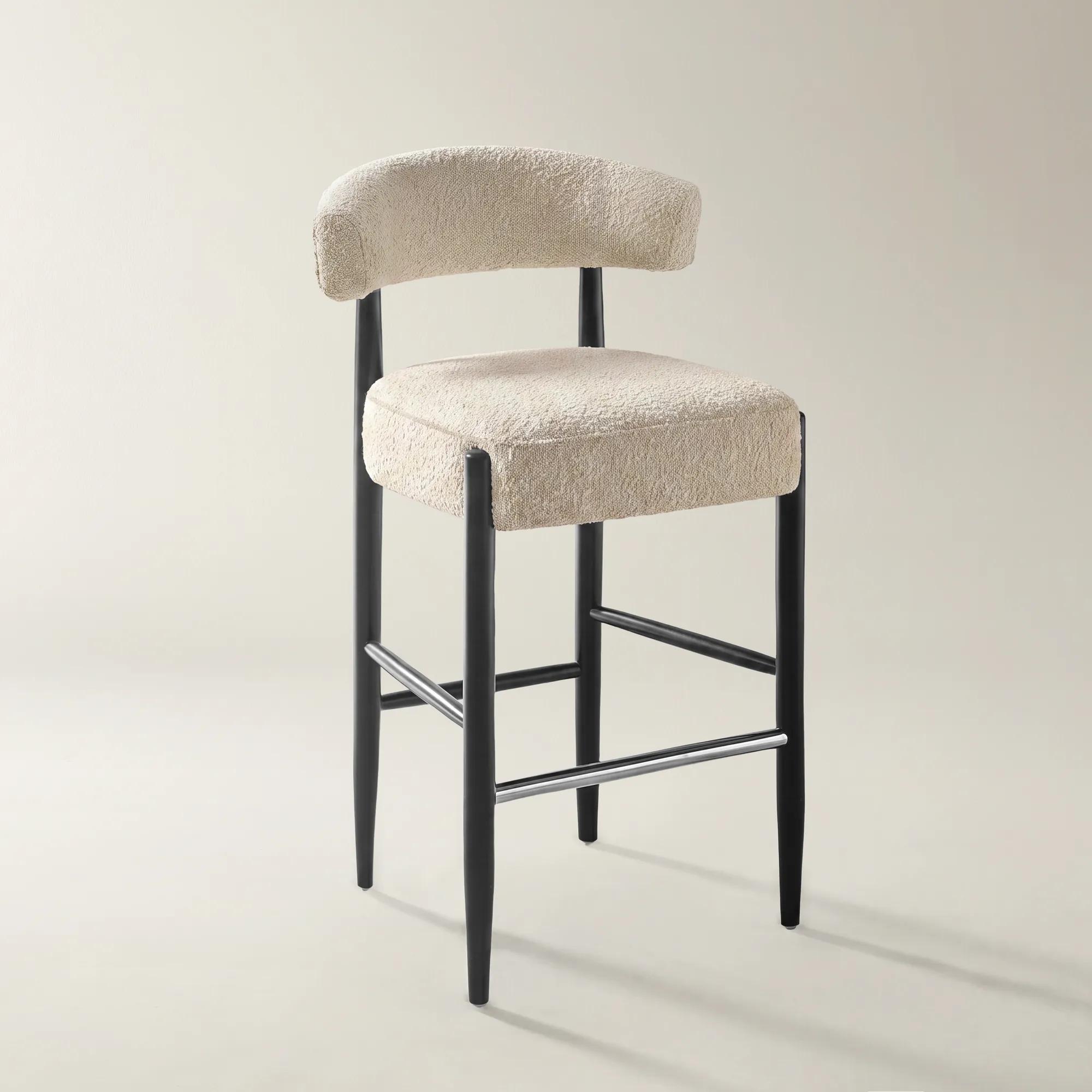
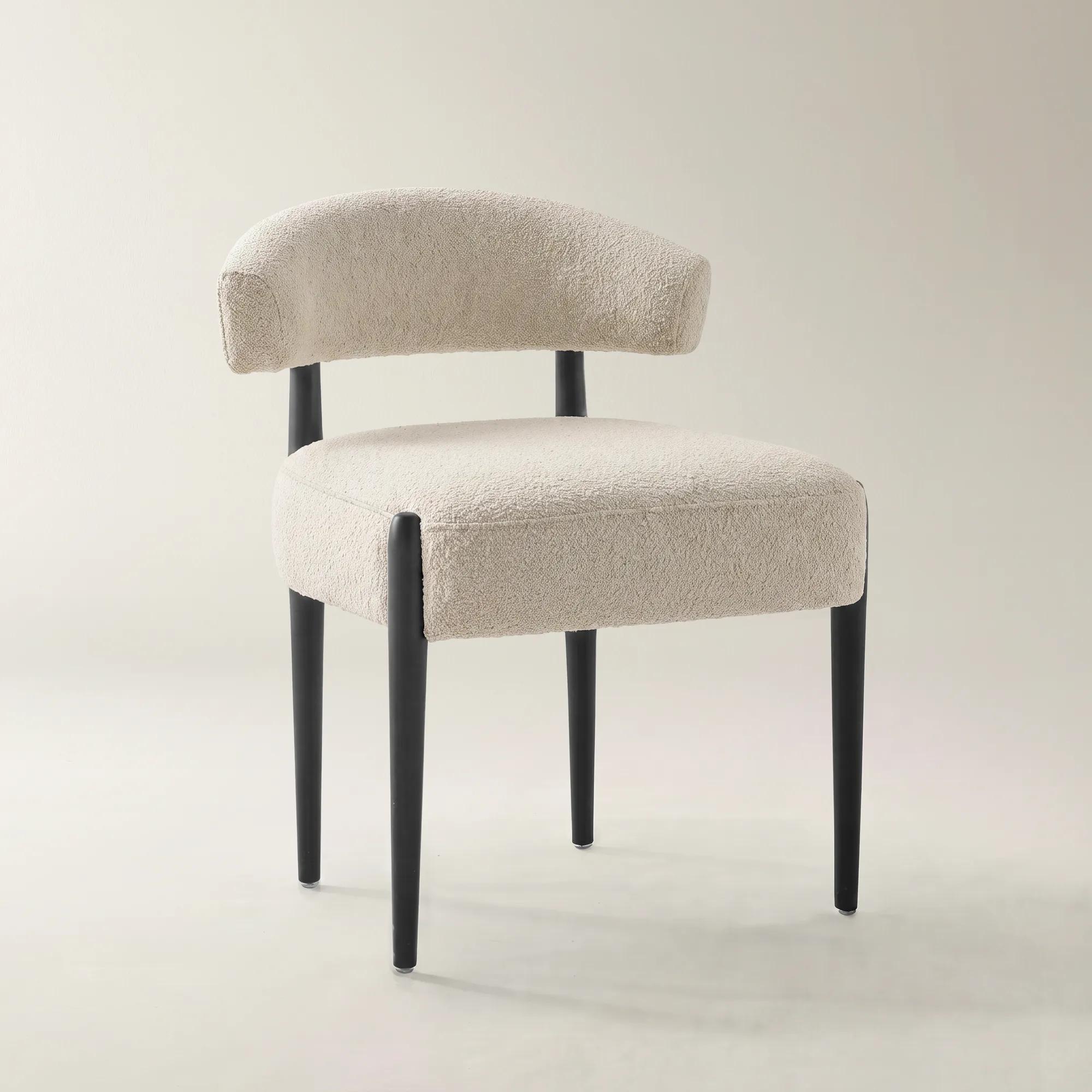 Anna Utopia Sand Chenille Dining Chair Set of 2$699
A sand chenille dining chair set featuring tailored armless curves, high-density cushioning, and solid rubberwood legs.
Add To Cart -
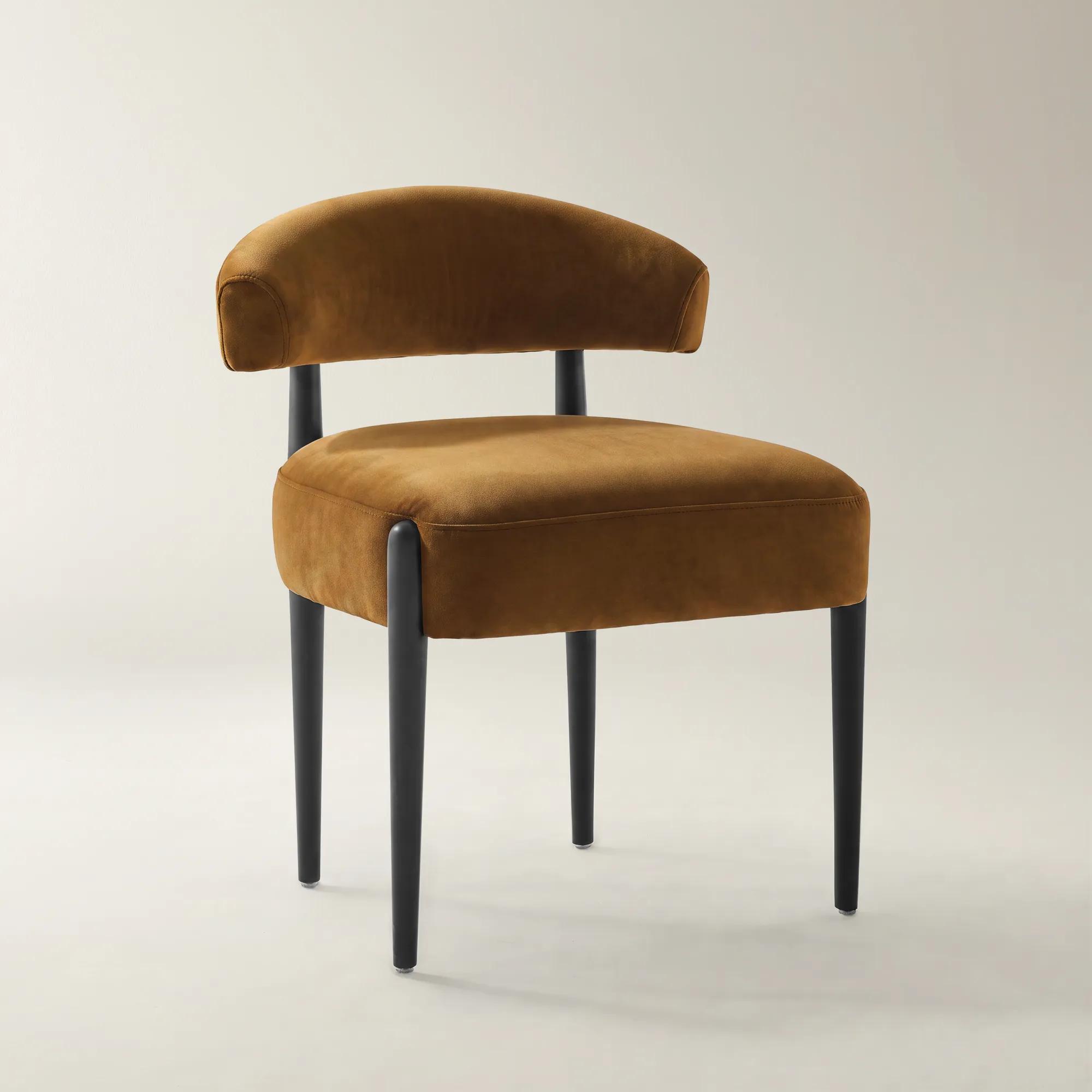 Anna Roasted Pecan Velvet Dining Chair Set of 2$699
A roasted pecan velvet dining chair set featuring a tailored curved back and high-density foam cushioning.
Add To Cart -
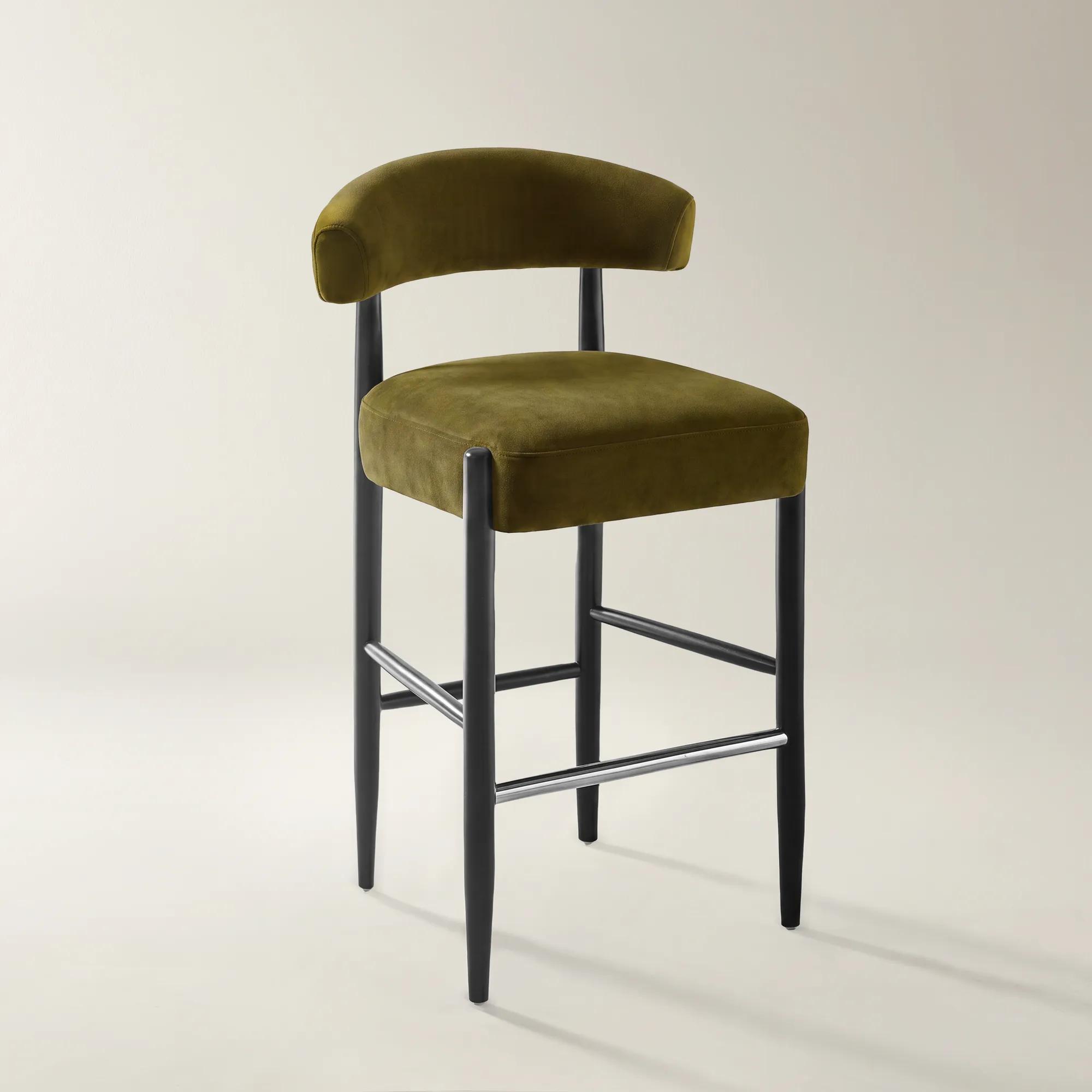
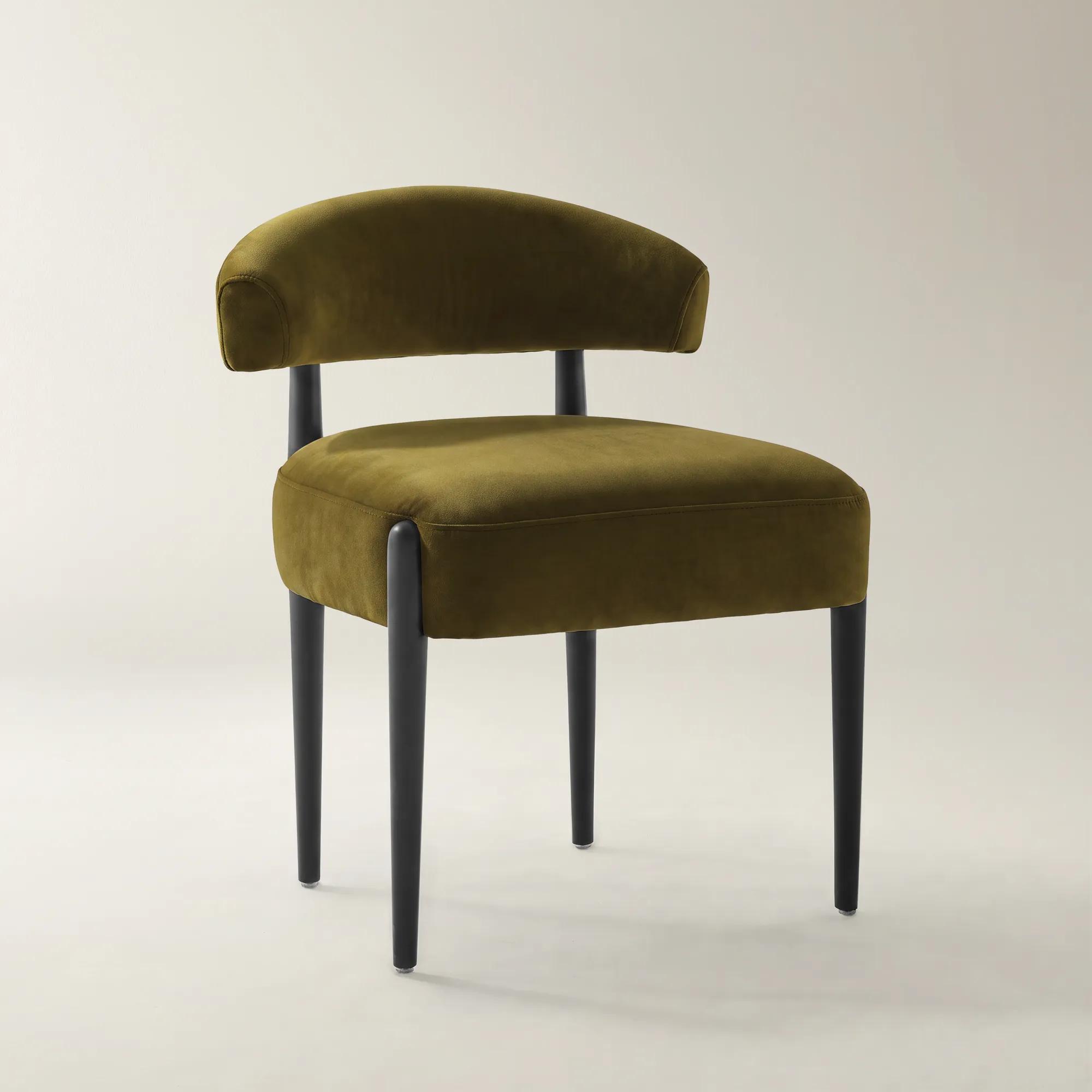 Anna Deep Olive Velvet Dining Chair Set of 2$699
A deep olive velvet dining chair with a tailored curved back, high-density cushioning, and solid rubberwood legs.
Add To Cart -
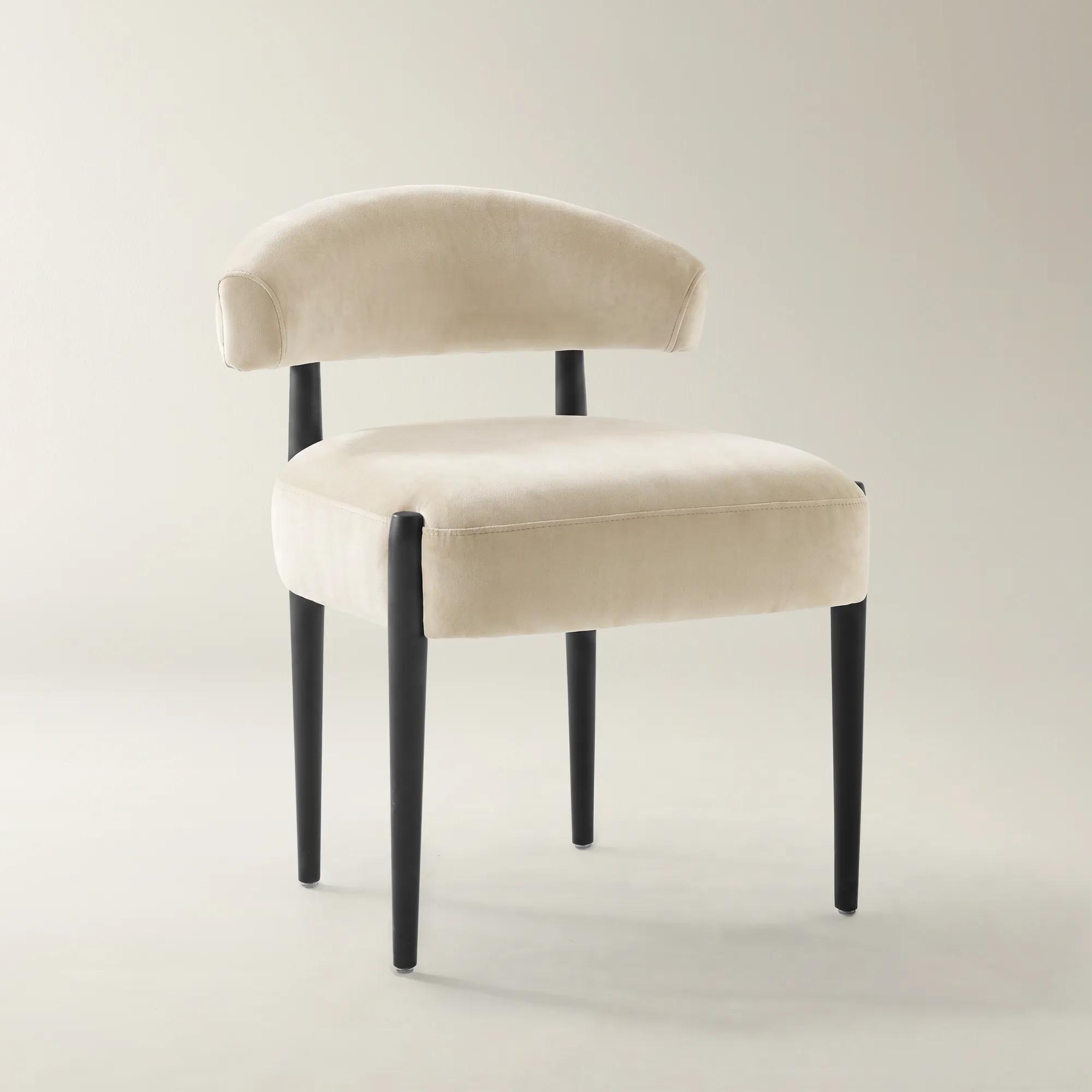 Anna Oatmeal Velvet Dining Chair Set of 2$699
A pair of oatmeal velvet dining chairs with arched backs, supportive foam cushioning, and rubberwood legs.
Add To Cart -
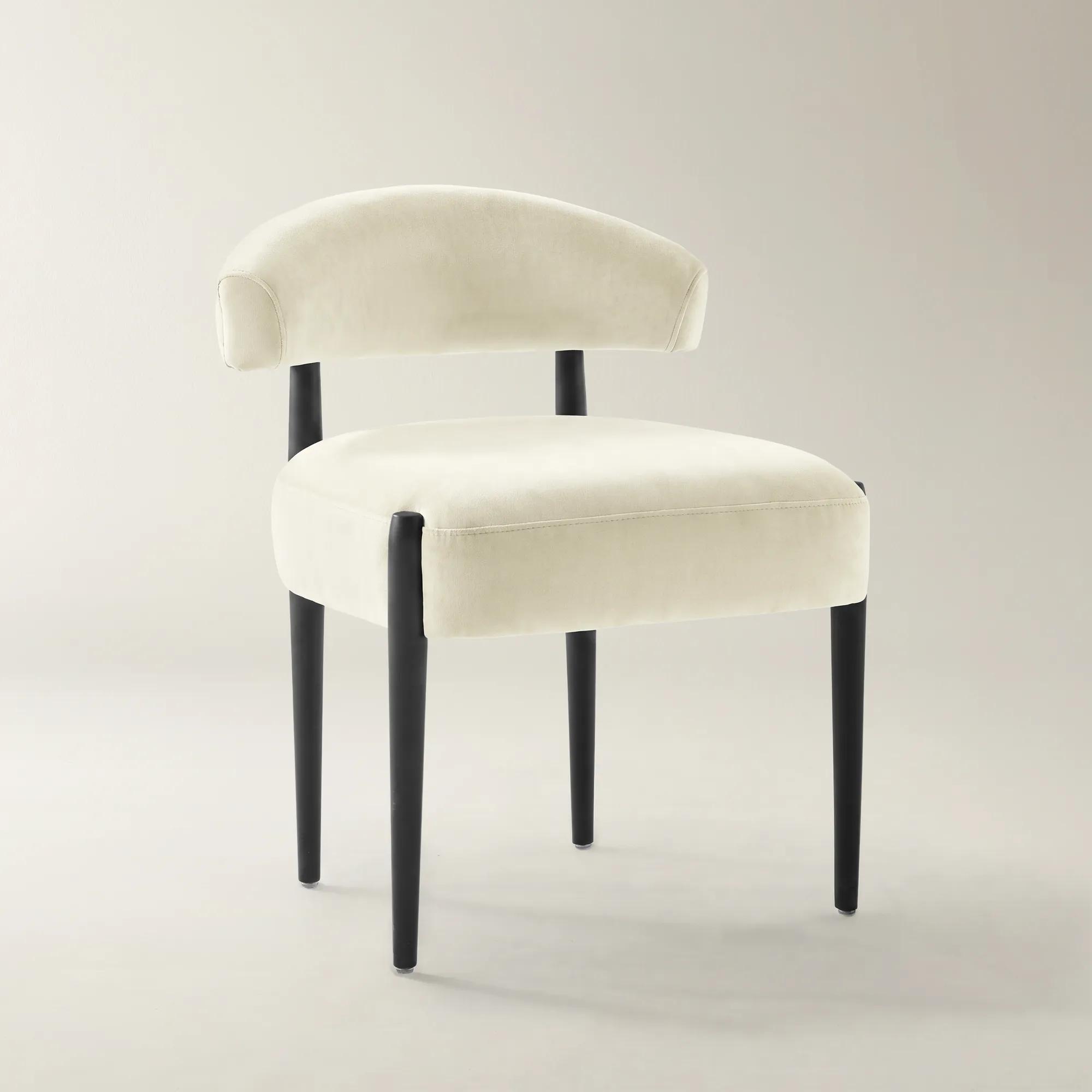 Anna Cloud Velvet Dining Chair Set of 2$699
A hand-upholstered Cloud velvet chair set featuring curved backs, high-density foam, and solid rubberwood legs.
Add To Cart -
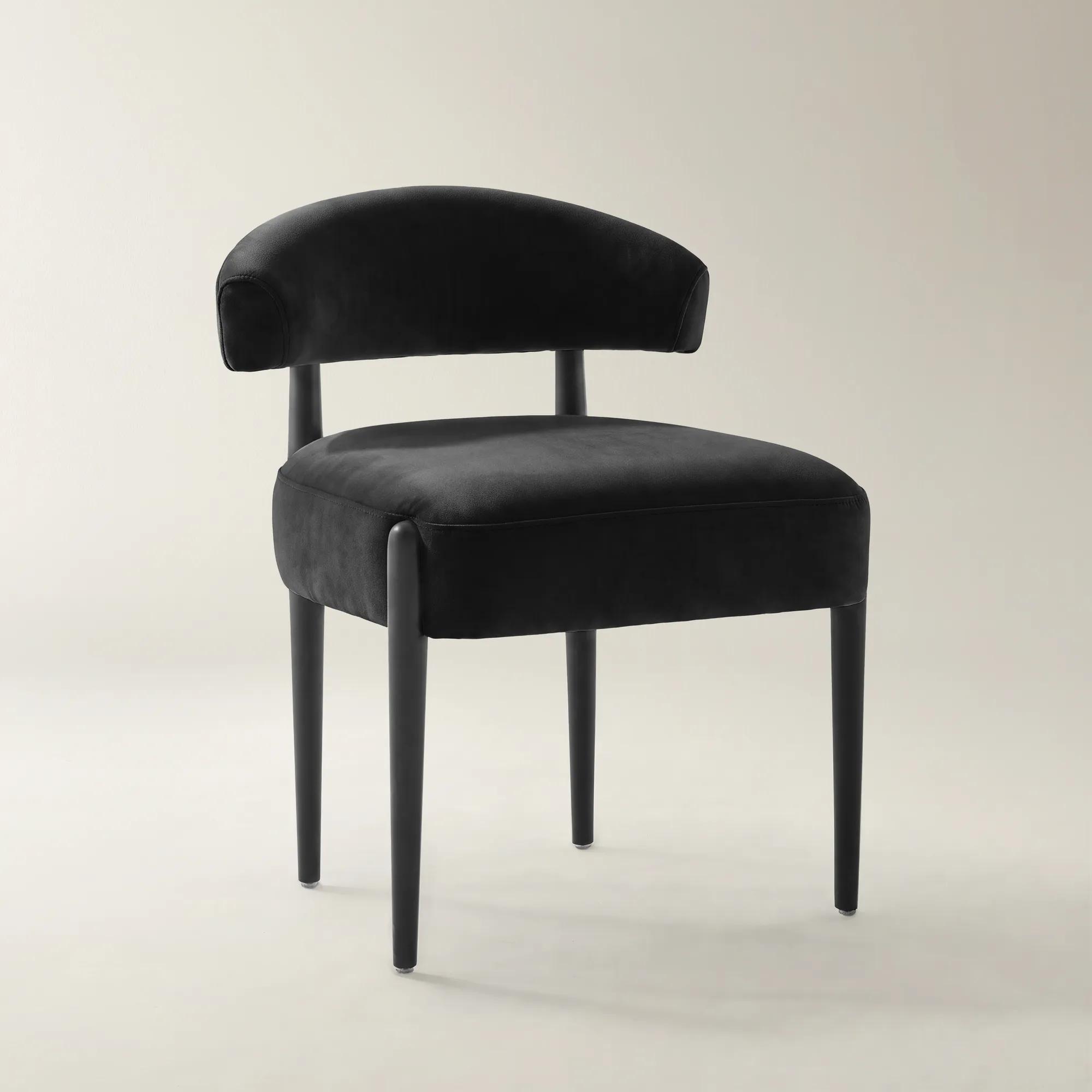 Anna Charcoal Velvet Dining Chair Set of 2$699
A charcoal velvet dining chair with an arched back, supportive foam cushioning, and solid rubberwood legs.
Add To Cart -
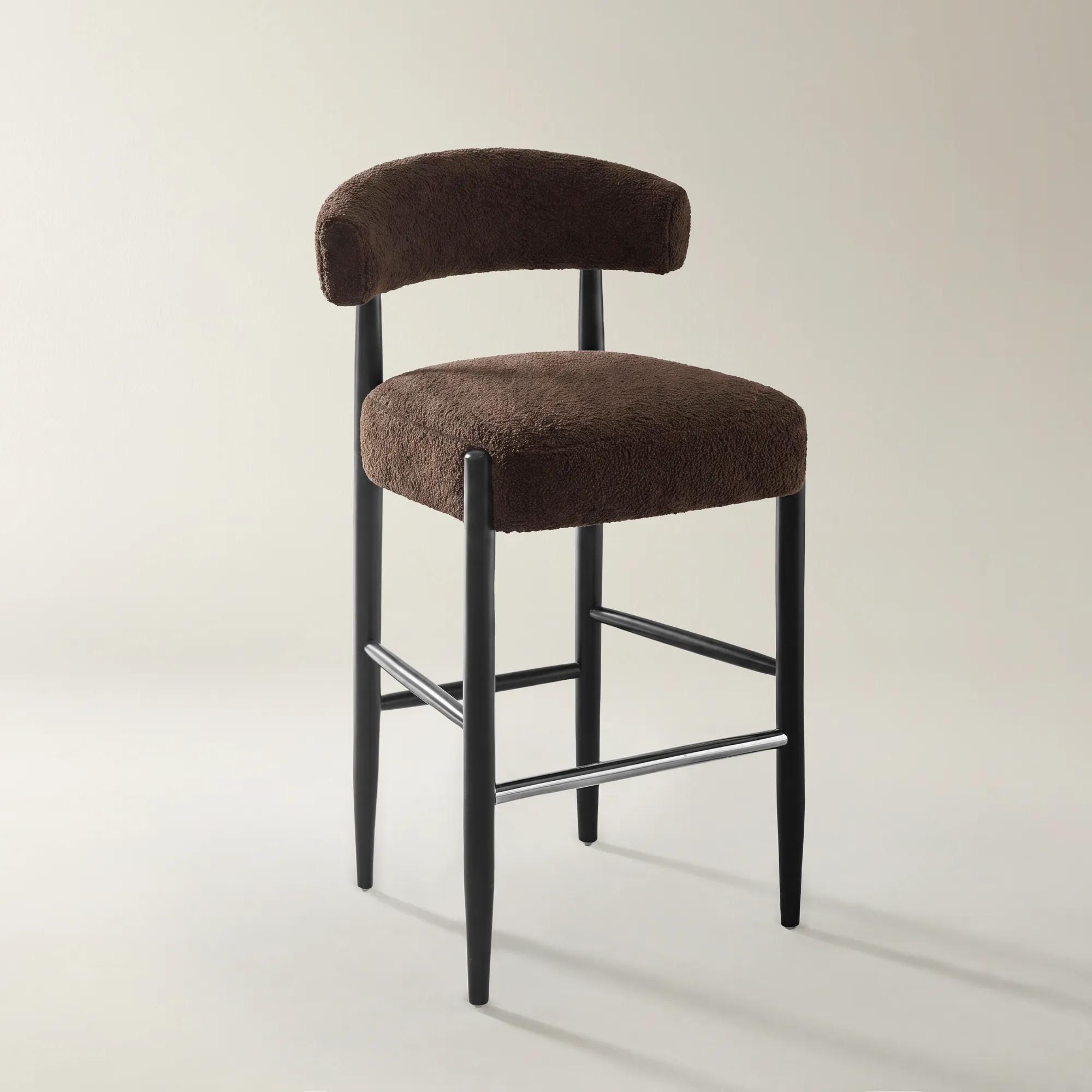
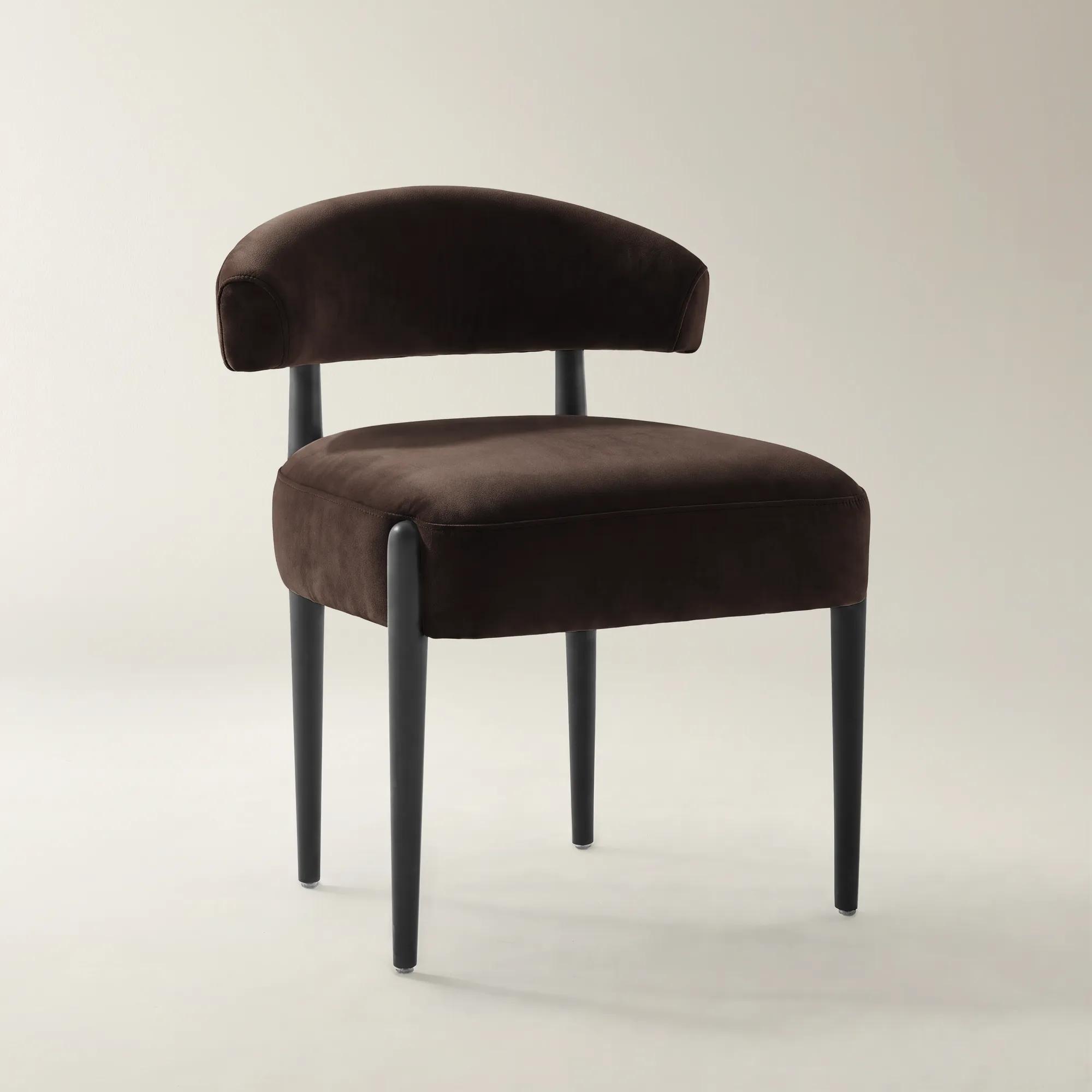 Anna Dark Chocolate Velvet Dining Chair Set of 2$699
A dark chocolate velvet dining chair set featuring an arched back, high-density foam, and solid wood construction.
Add To Cart -
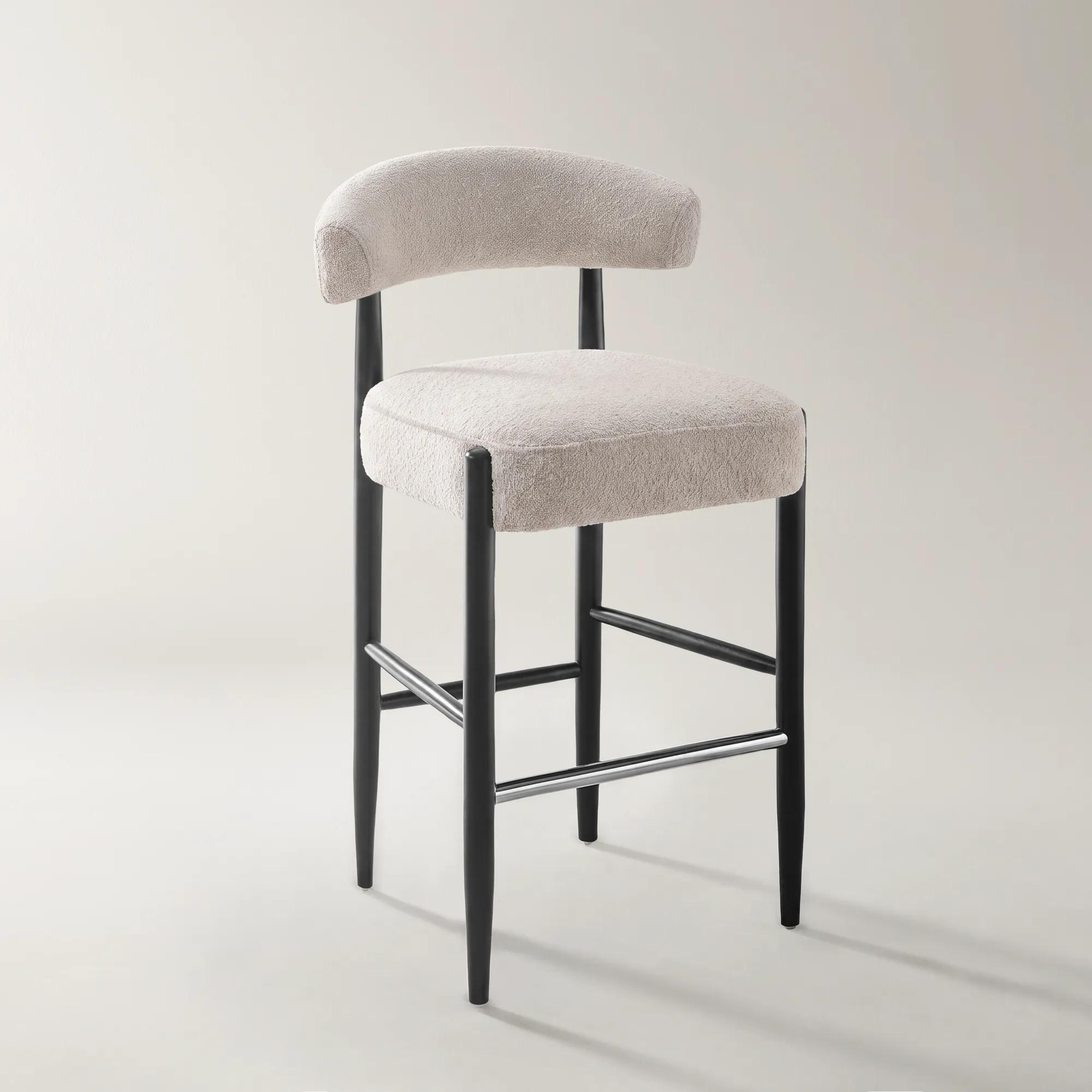
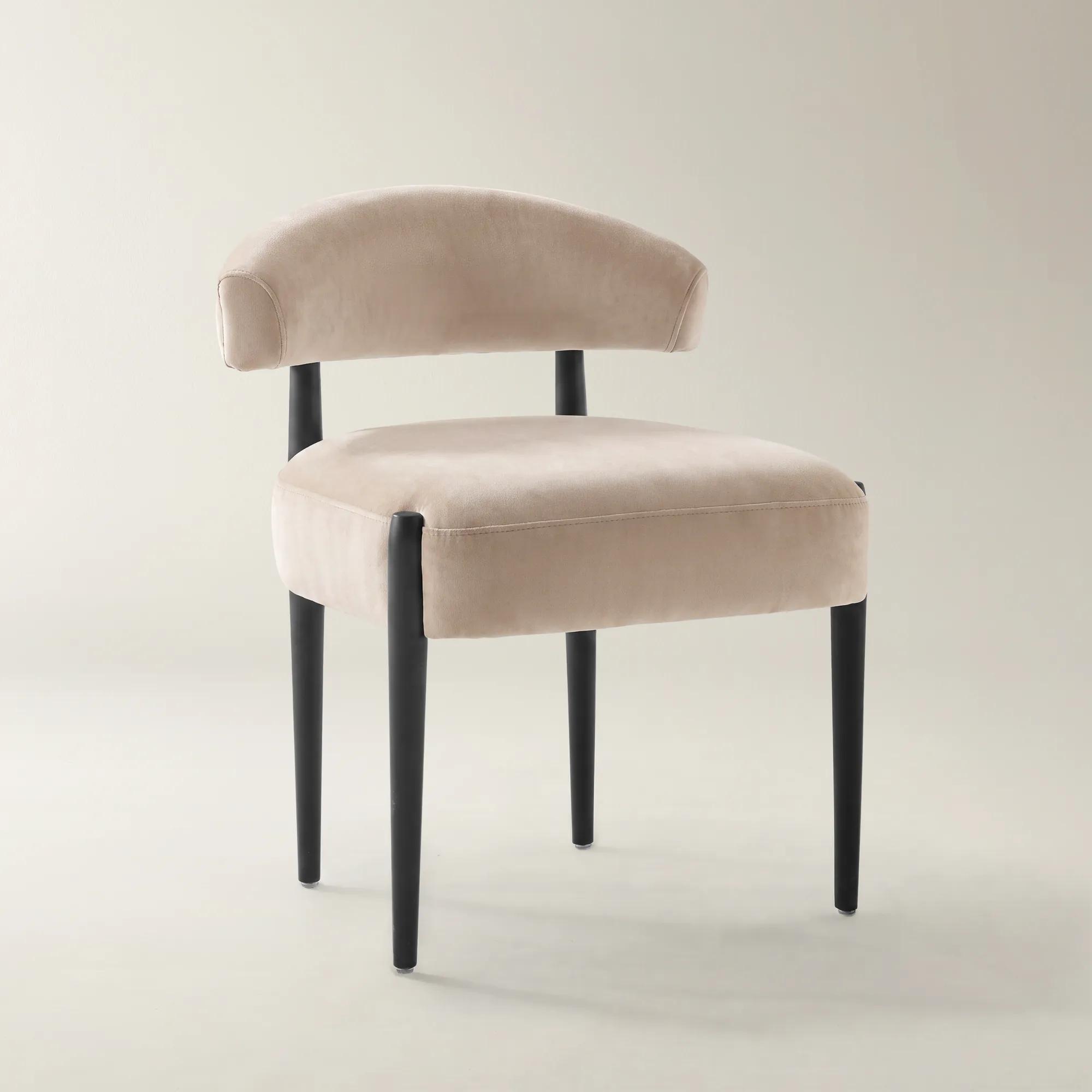 Anna Simply Taupe Velvet Dining Chair Set of 2$699
A taupe velvet dining chair featuring a tailored arched back, high-density foam cushioning, and rubberwood legs.
Add To Cart -
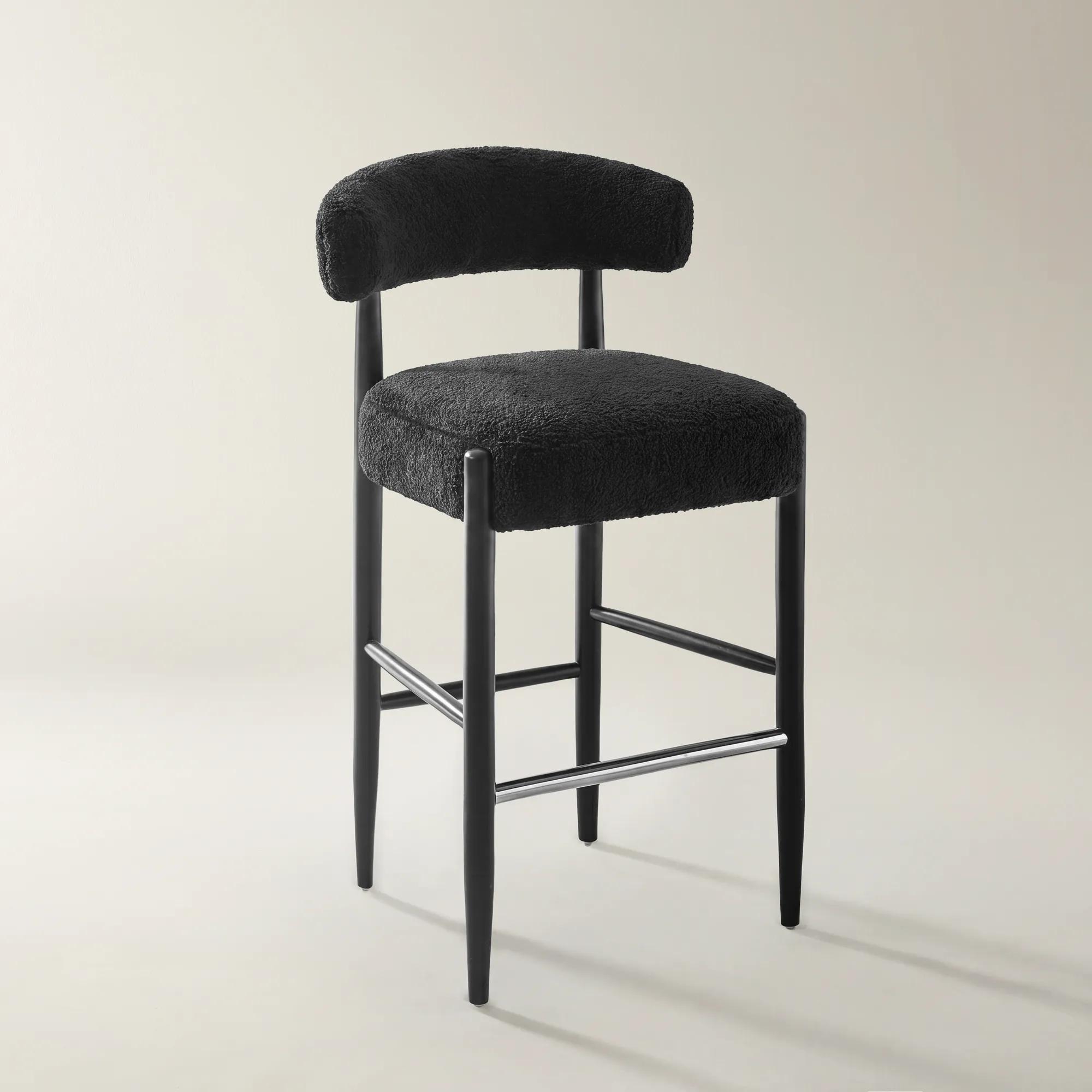
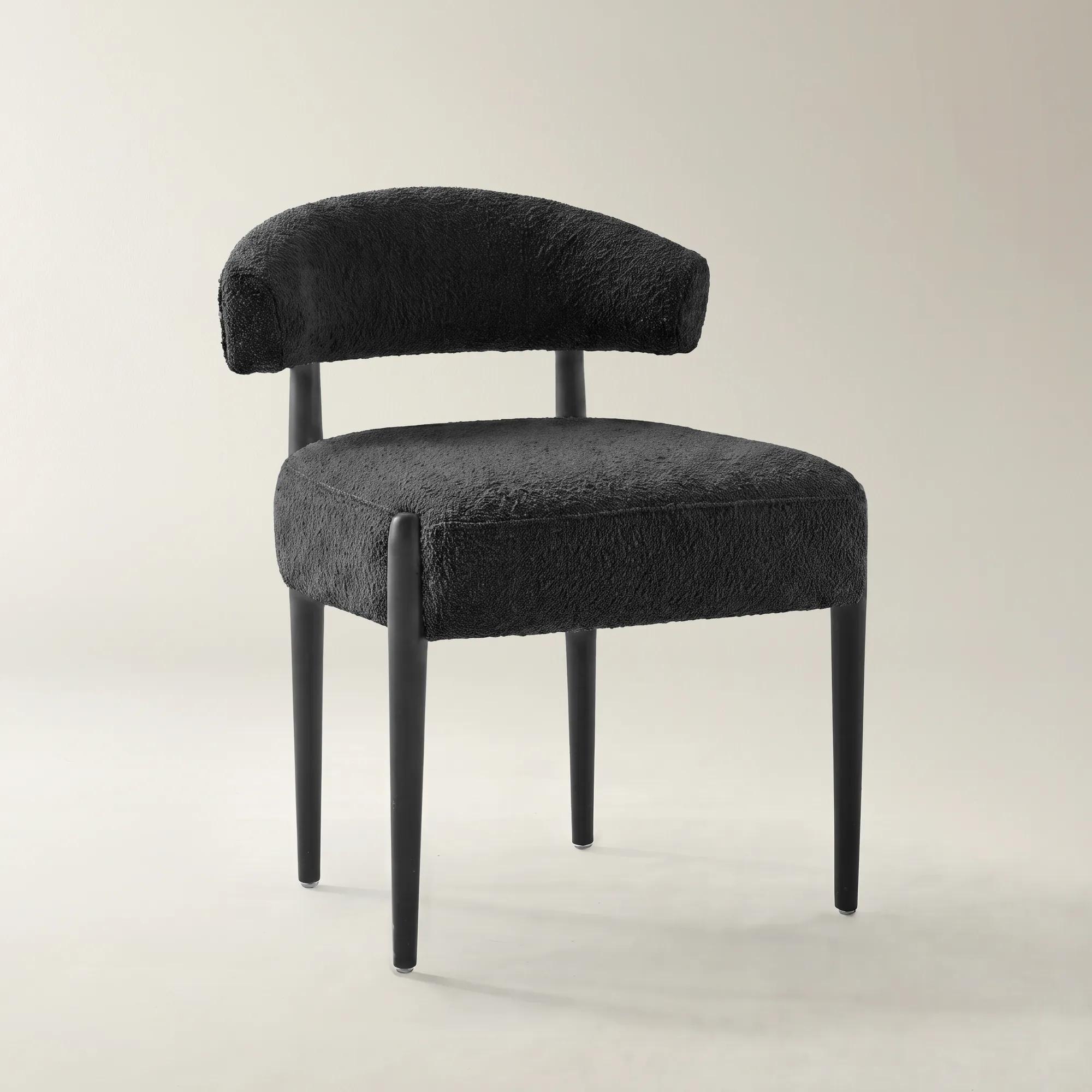 Anna Black Chenille Dining Chair Set of 2$699
A charcoal chenille dining chair set with curved backs, high-density foam cushioning, and rubberwood legs.
Add To Cart -
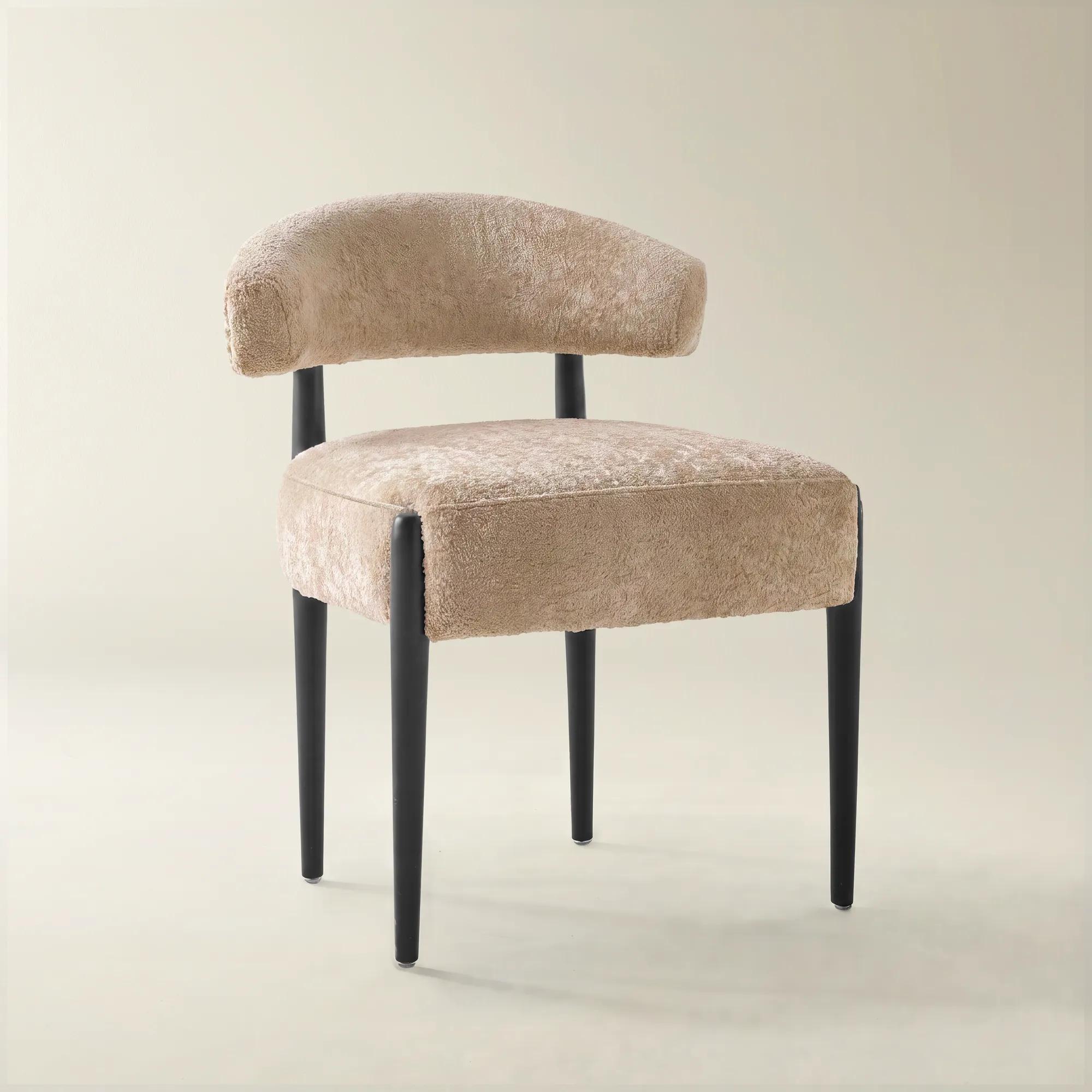 Anna Light Brown Chenille Dining Chair Set of 2$699
A light brown chenille chair set featuring arched backs, high-density foam cushioning, and solid rubberwood legs.
Add To Cart -
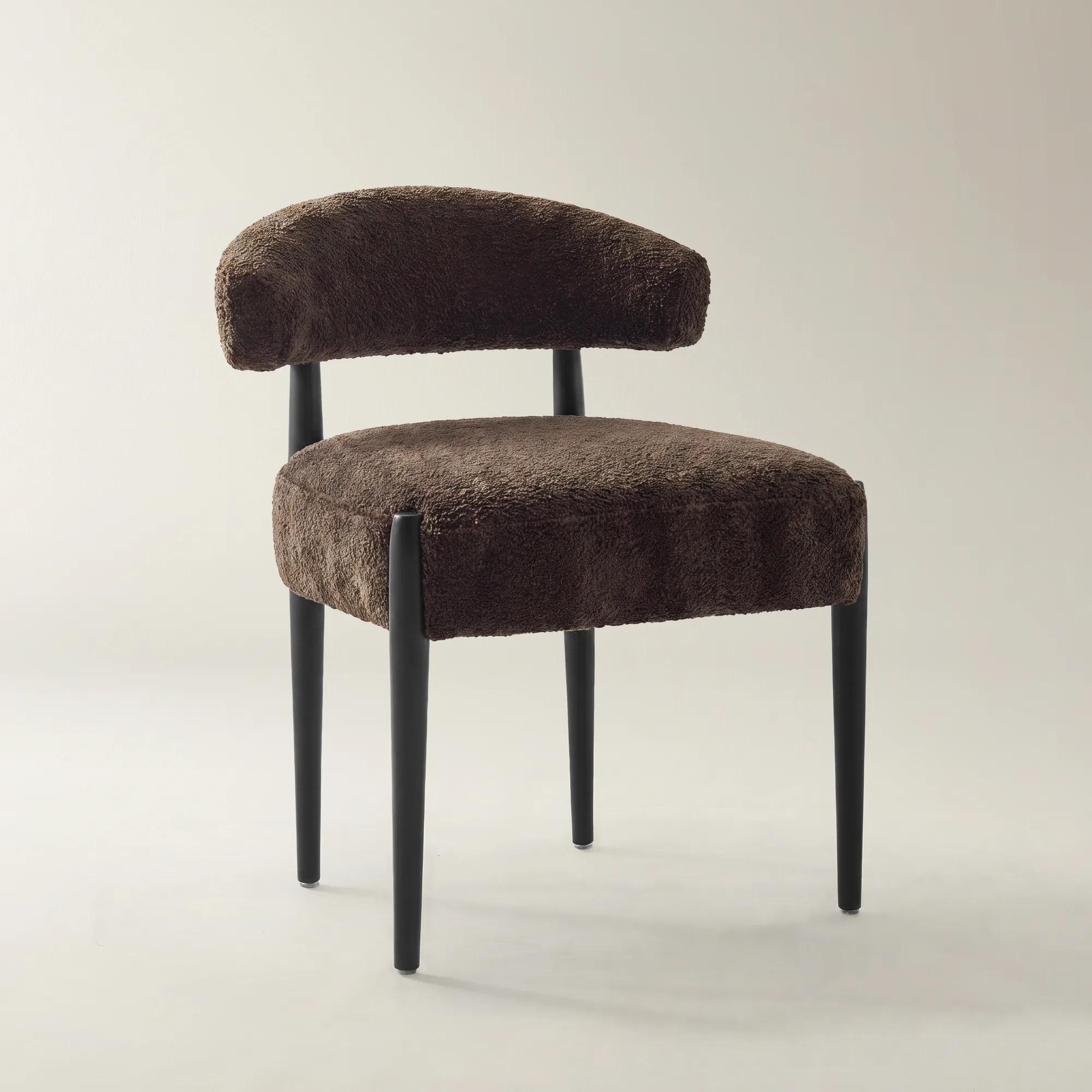 Anna Dark Chocolate Chenille Dining Chair Set of 2$699
A dark chocolate chenille chair pair featuring tailored curved backs, high-density foam, and solid rubberwood legs.
Add To Cart -
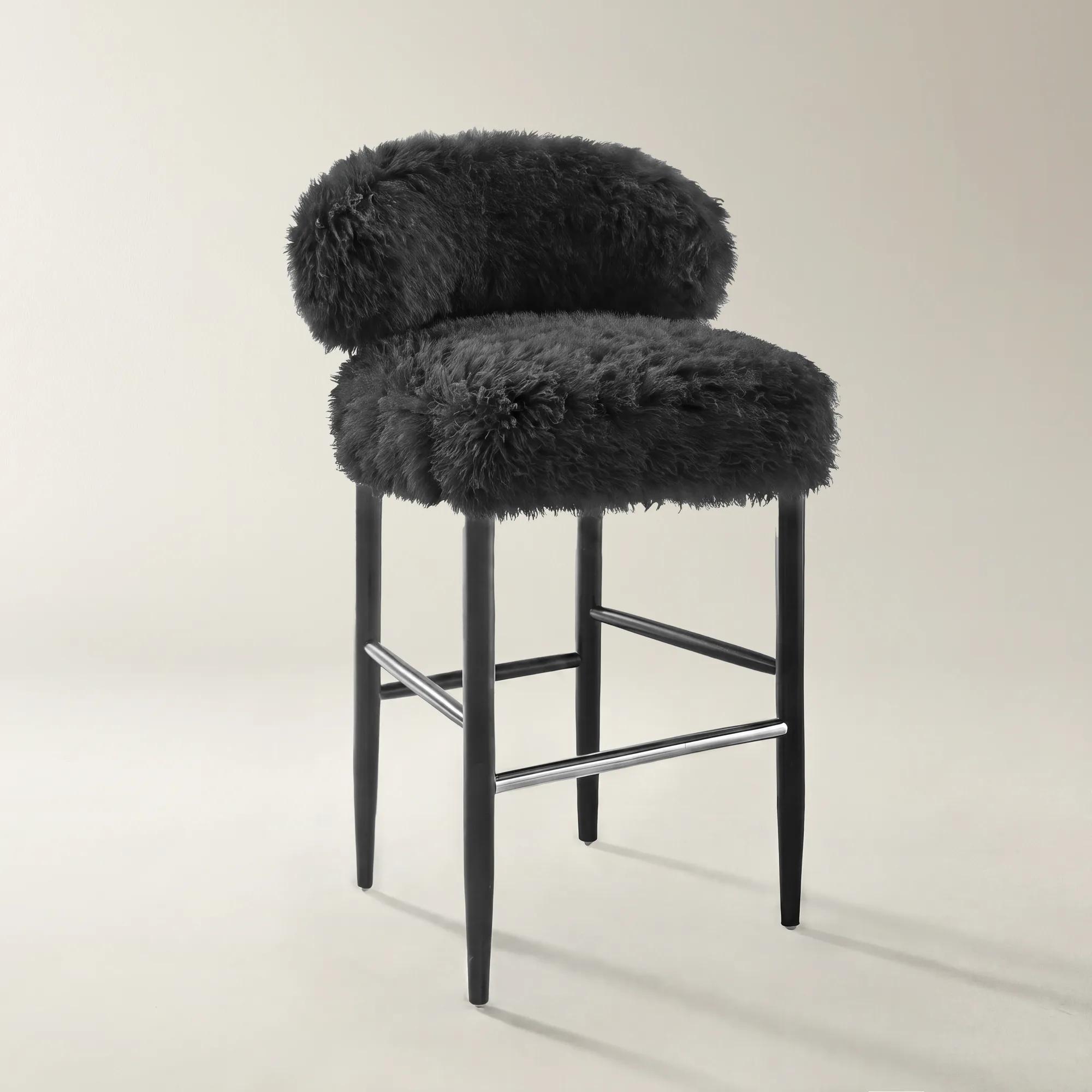
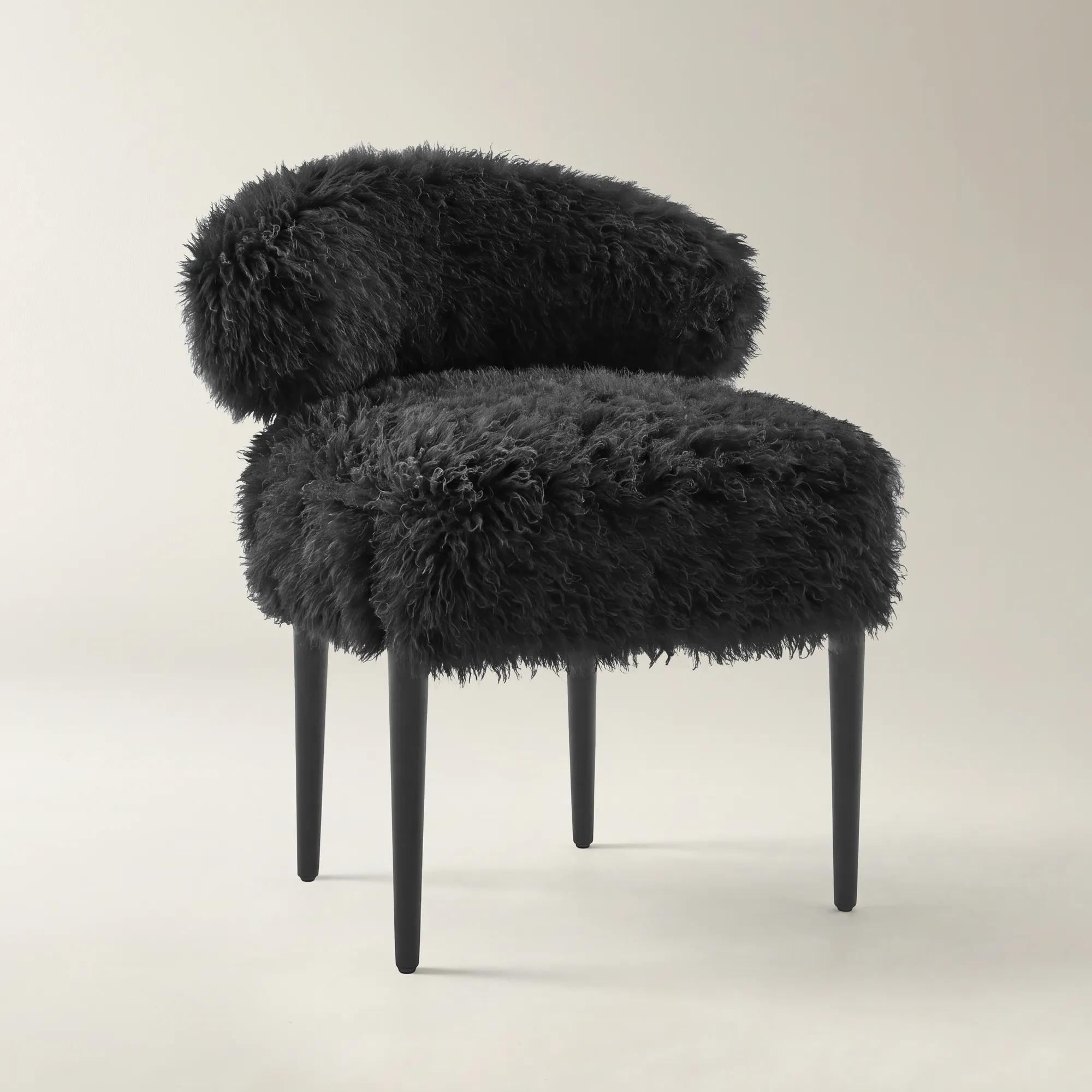 Anna Black Faux Fur Dining Chair Set of 2$799
A black faux fur chair set with arched backs, foam cushioning, and solid wood legs.
Add To Cart -
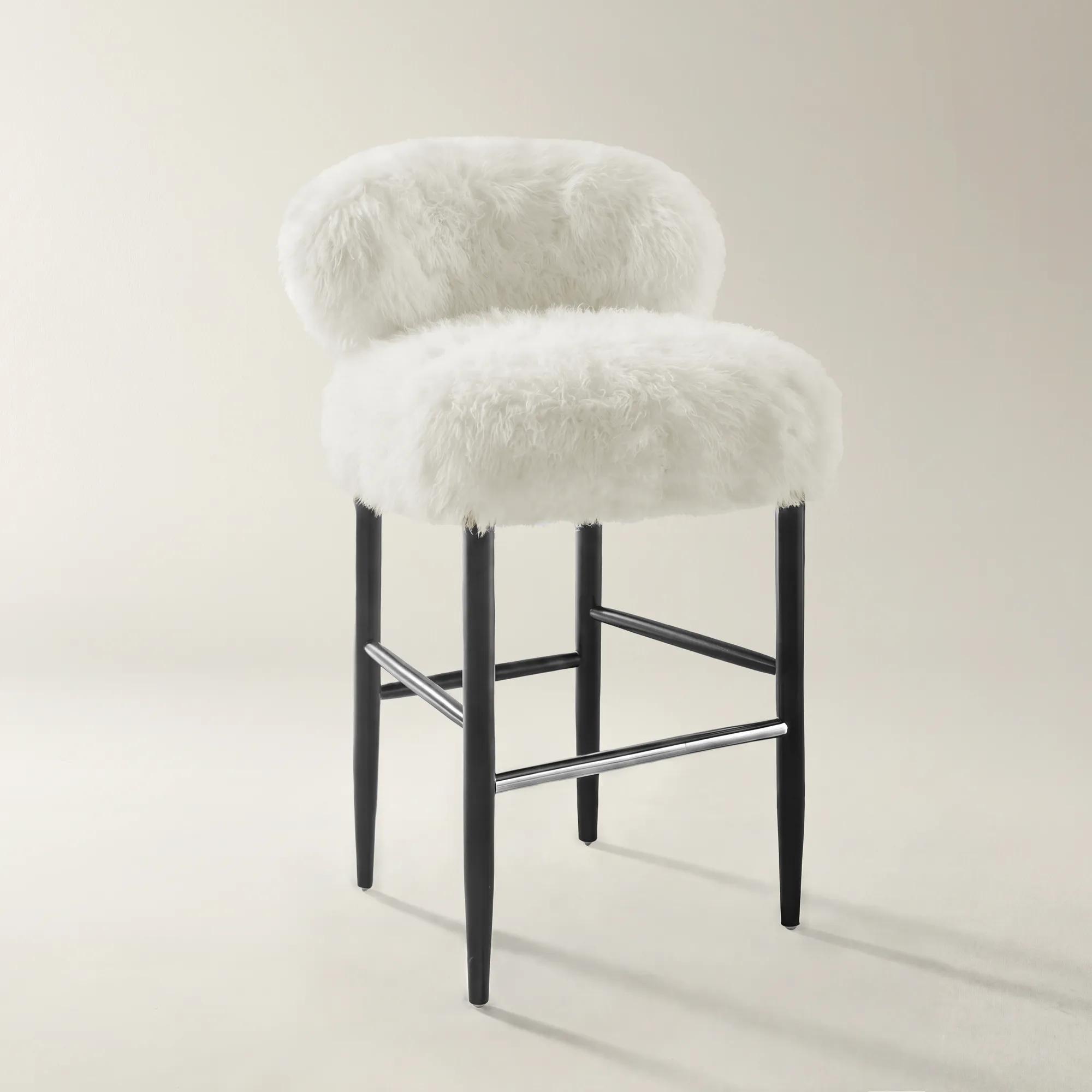
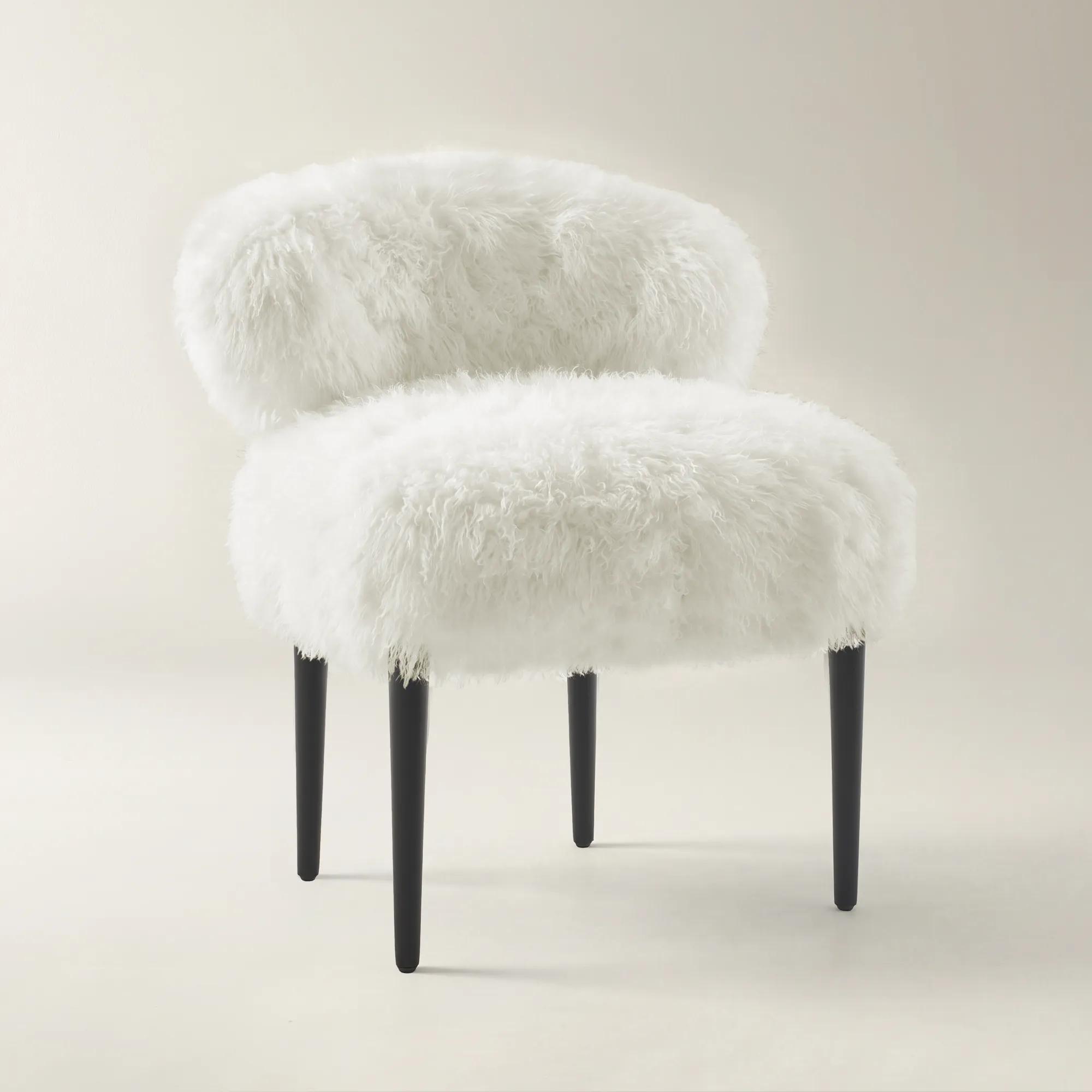 Anna Ivory Faux Fur Dining Chair Set of 2$799
A hand-upholstered ivory faux fur dining chair with a curved back, high-density foam cushioning, and rubberwood legs.
Add To Cart -
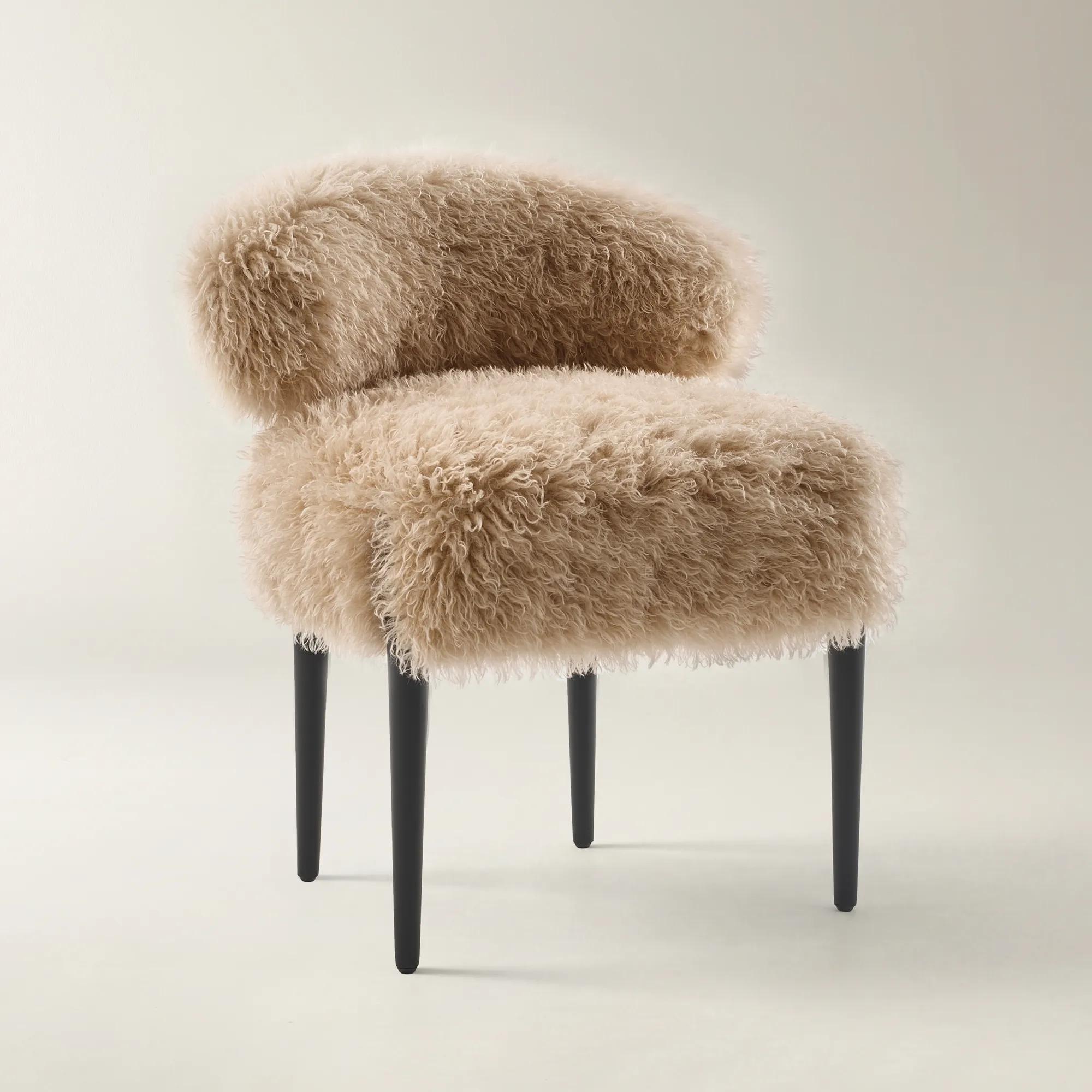 Anna Tan Faux Fur Dining Chair Set of 2$799
A tan faux fur dining chair set with curved backs, cushioned comfort, and solid rubberwood legs.
Add To Cart -
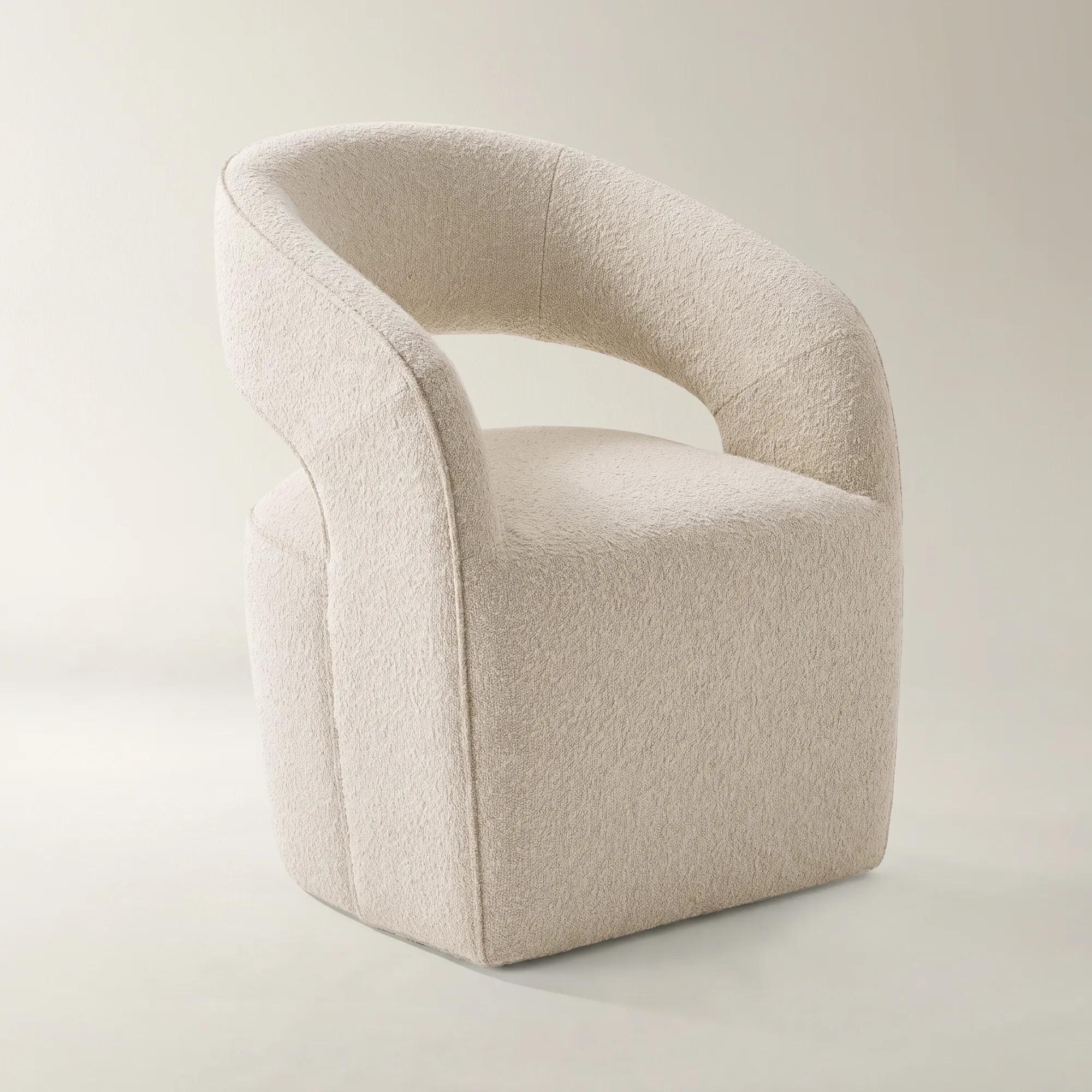
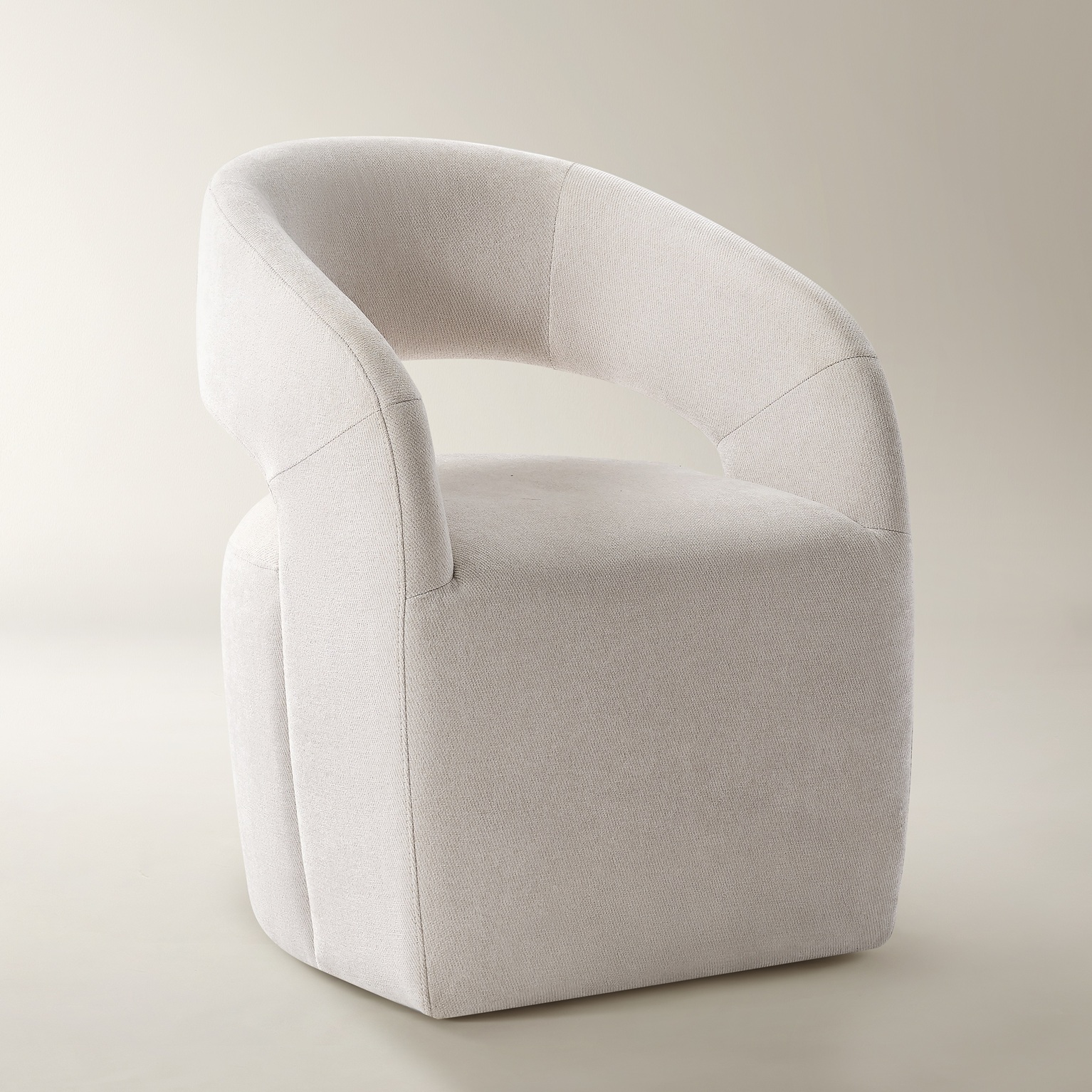 Harrison Ivory Performance Boucle Dining Chair$499
A sculptural dining chair in ivory performance boucle with a curved back, integrated arms, and feather-blend comfort.
Add To Cart -
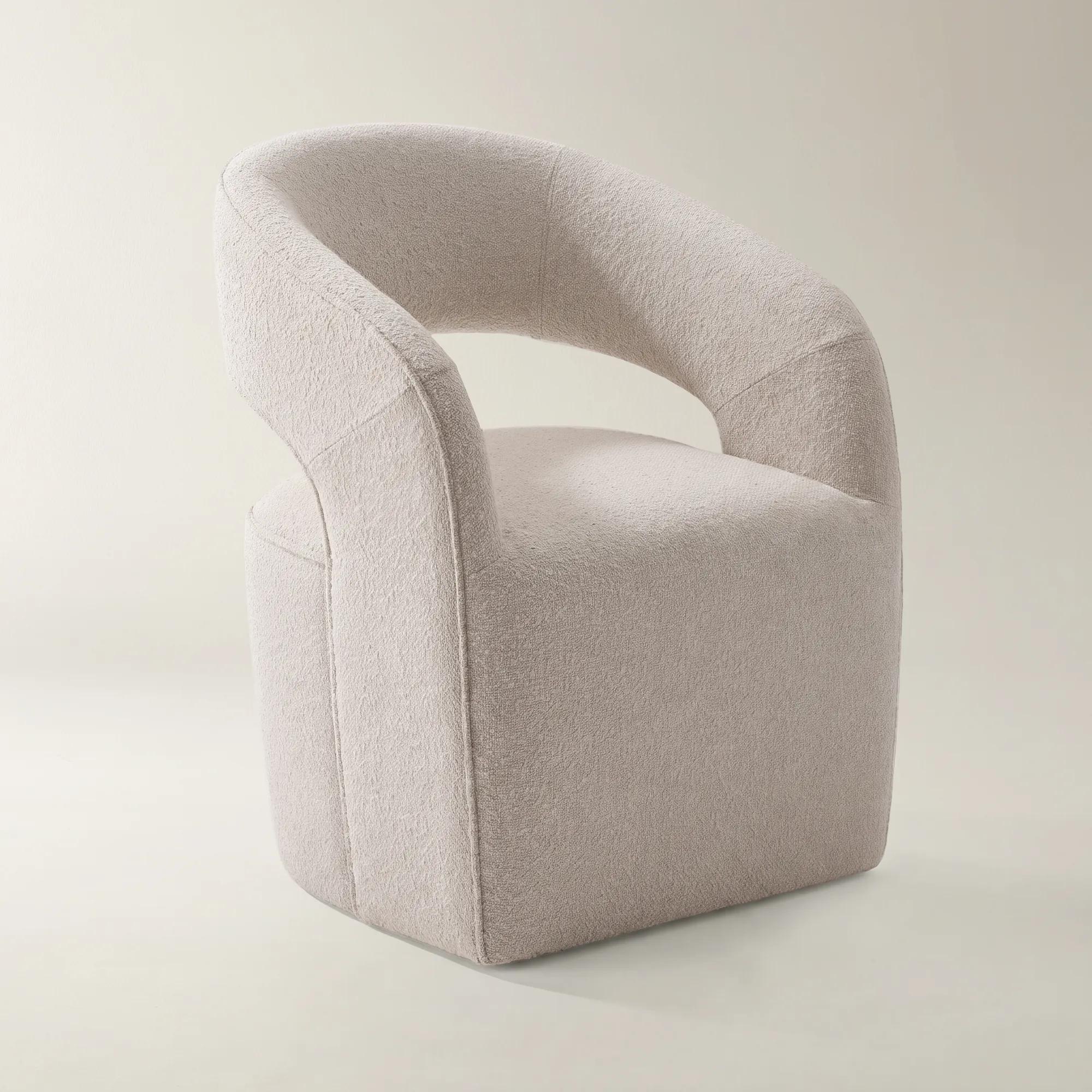 Harrison Ivory Performance Boucle Dining Chair$499
A sculptural dining chair in ivory performance boucle with a curved back, feather-blend seat, and modern elegance.
Add To Cart -
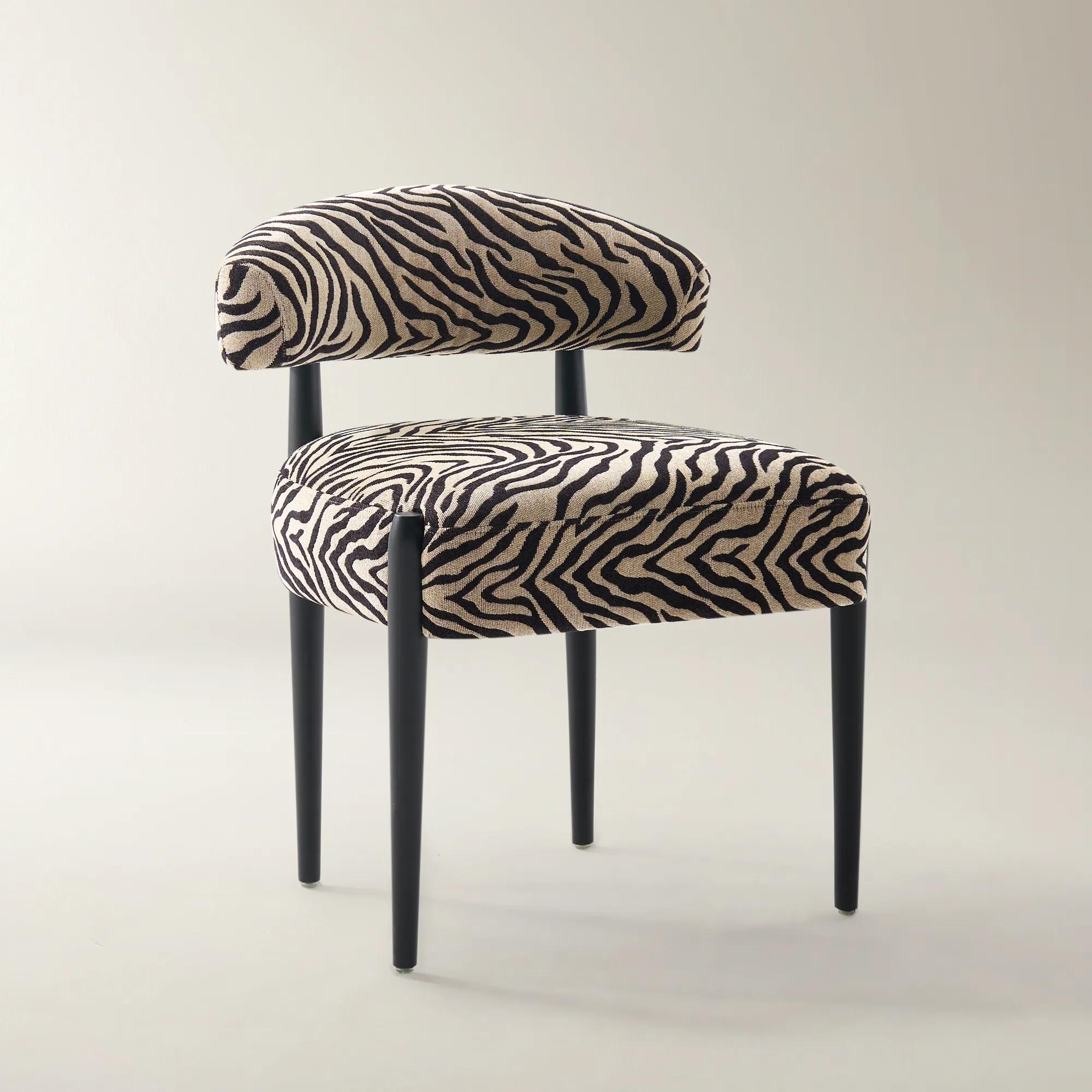
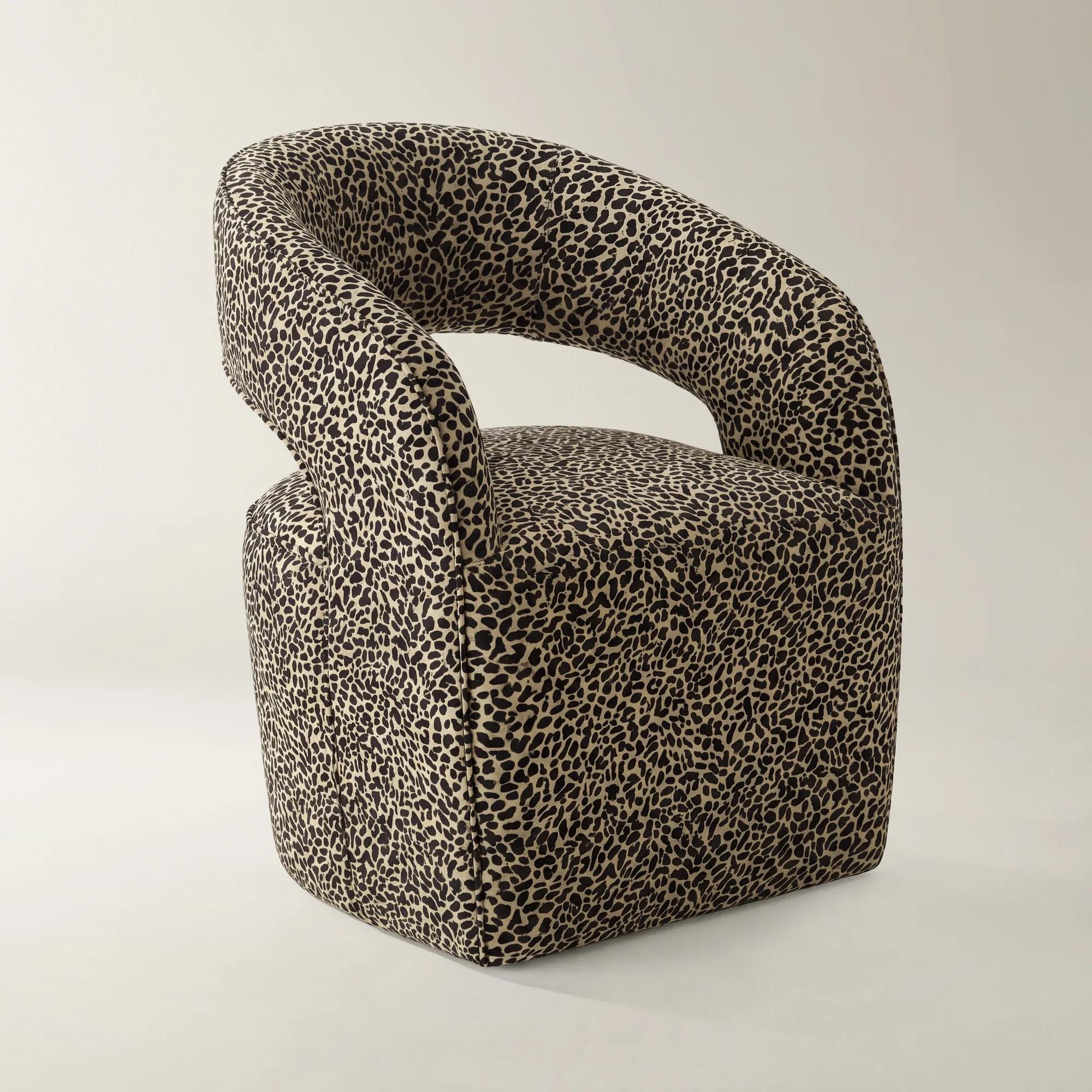 Harrison Leopard Performance Chenille Dining Chair$499
A sculptural dining chair featuring leopard performance chenille upholstery, feather-blend cushioning, and a curved silhouette.
Add To Cart -
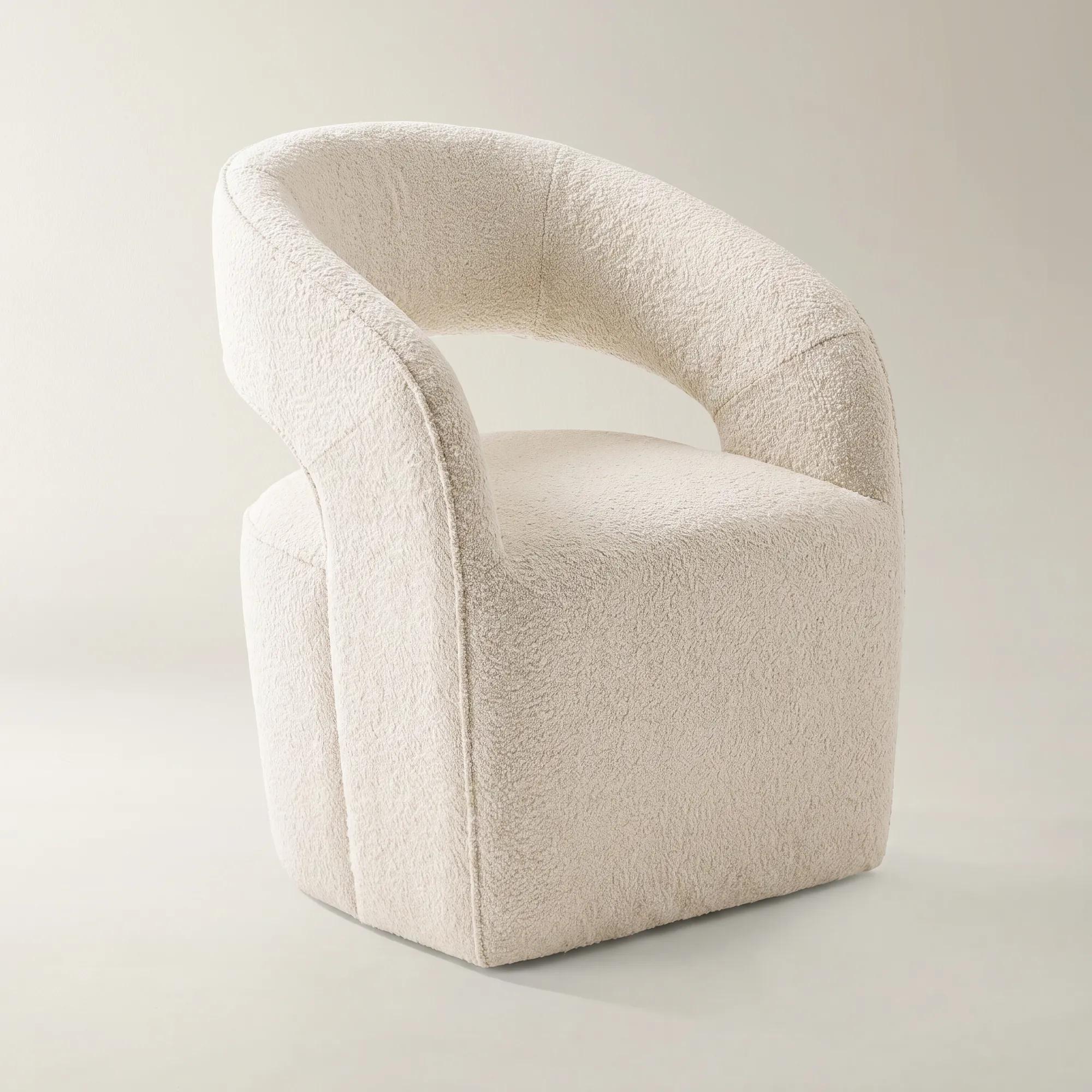 Harrison Utopia Sand Chenille Dining Chair$499
A sculptural dining chair upholstered in sand chenille with a curved back, feather-blend seat, and integrated arms.
Add To Cart -
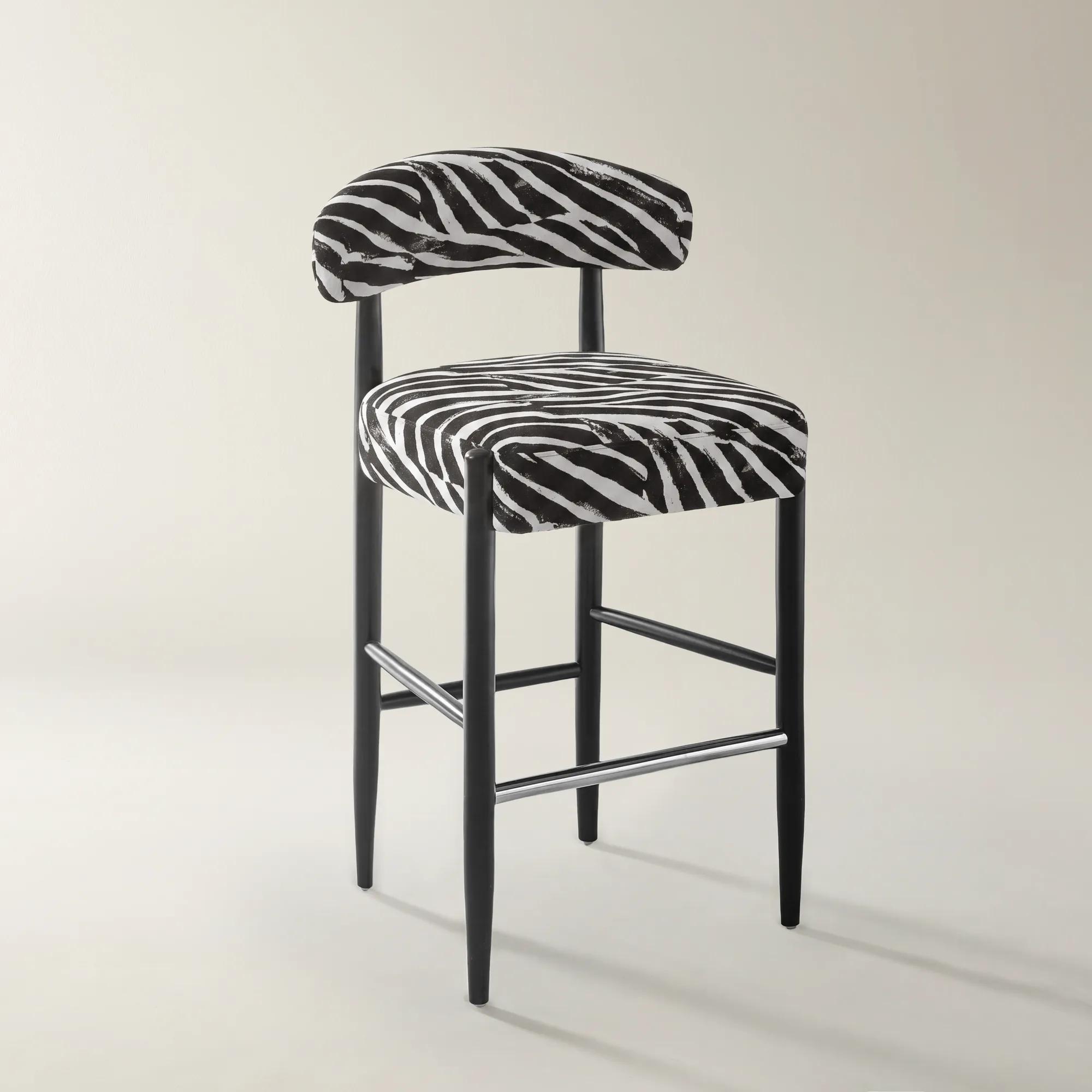
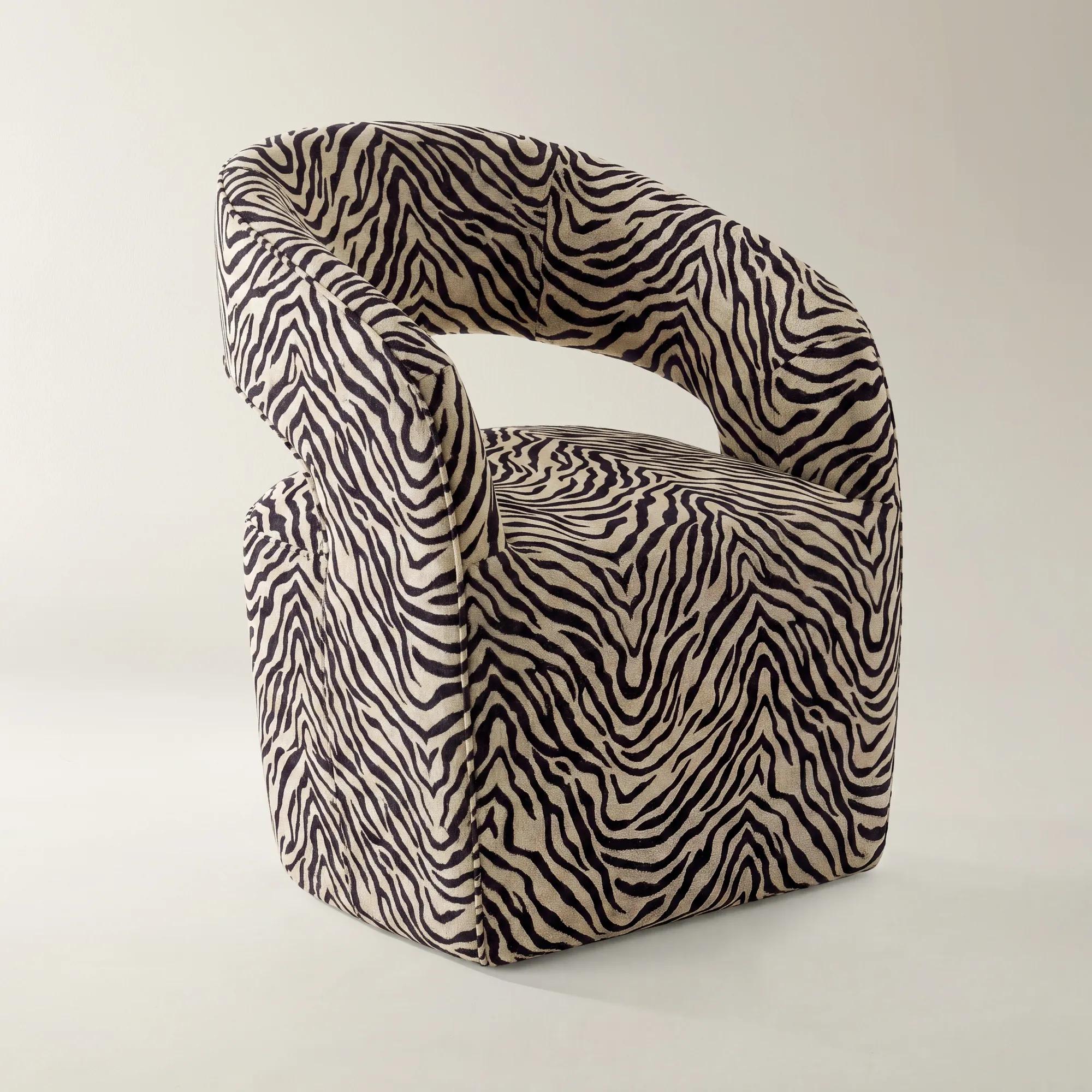 Harrison Zebra Performance Chenille Dining Chair$499
A sculptural dining chair upholstered in zebra performance chenille with a curved back and feather-blend comfort.
Add To Cart -
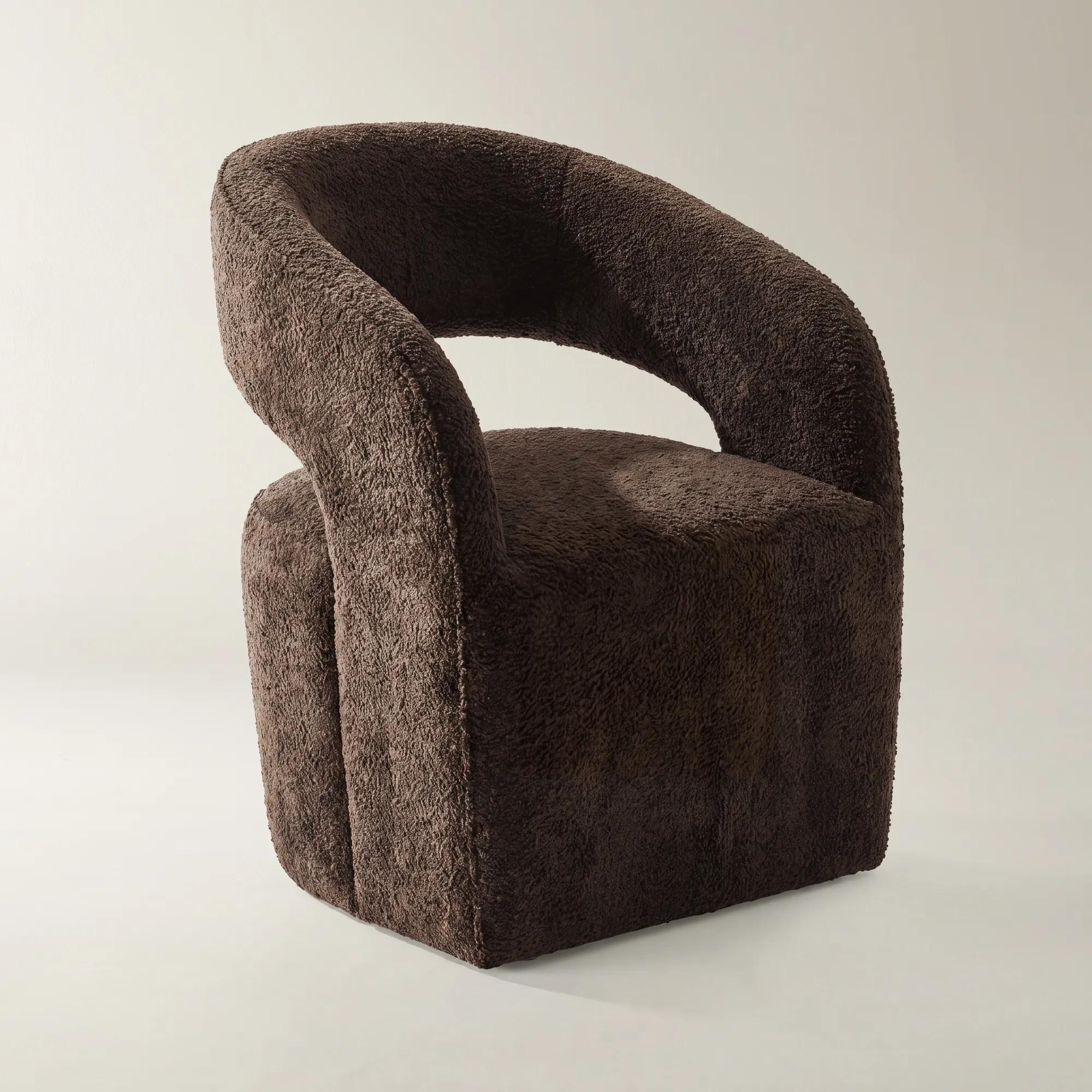 Harrison Dark Chocolate Chenille Dining Chair$499
A sculptural dining chair upholstered in dark chocolate chenille with feather-blend cushioning and curved arms.
Add To Cart

Custom Dining Chairs For Open Concept Spaces
Custom dining chairs for open concept spaces invite you to reimagine the art of gathering—where every seat is a statement and every silhouette shapes the room’s narrative. In these expansive, light-filled interiors, boundaries blur and possibilities unfold, making your choice of dining chair not just a matter of function, but a bold act of self-expression. Whether you crave sculptural drama or refined elegance, the right custom seating transforms your dining area into a curated gallery—seamlessly connecting kitchen, living, and entertaining zones with style that commands attention from every angle. Elevate your open concept vision with chairs designed to captivate, inspire, and set the stage for unforgettable moments.
Custom dining chairs for open concept spaces balance expressive design with visual lightness, comfortable proportions, and a cohesive relationship to the surrounding furniture. Because the dining area shares its backdrop with a living room or kitchen, each chair contributes to a composition seen from several directions. A sculpted back can be as important as a beautifully upholstered seat, particularly when the chairs face a sofa or line the view from an entryway. Slender legs, open frames, and gently curved silhouettes preserve sightlines without sacrificing presence; a more substantial upholstered chair can bring softness and drama when the room has enough space to carry it. Customization may involve upholstery, frame finishes, or other design details, depending on the chair, allowing the dining arrangement to feel considered rather than simply coordinated. A deep charcoal fabric might echo the veining in a nearby stone surface, while a warm wood finish can connect the dining table to cabinetry beyond it. These relationships do not require every finish to match. A shared undertone, repeated curve, or restrained metallic accent often creates a more layered effect than an identical set of materials throughout the room. For an interior with richly textured seating and large-scale artwork, dining chairs with tailored upholstery can offer a composed counterpoint. In a space defined by clean cabinetry and expansive walls, a sculptural chair profile introduces movement and personality. Even the balance between solid upholstery and exposed frame matters: an open back allows the architecture to remain visible, while a fully upholstered back creates a softer boundary around the dining area. Custom dining seating works best when it gives the table a distinct identity without making that identity feel disconnected from the rest of the home. The result is a dining setting with enough character to anchor the room and enough visual ease to belong within its larger story.
Materials give that story its depth, influencing how dining chairs look, feel, and respond to daily use. Velvet brings a lustrous surface that changes with the angle of the light, lending even a restrained silhouette a sense of richness. Its pile can also reveal pressure marks and shifts in shading, qualities worth considering in a chair used throughout the day. Woven upholstery offers another kind of dimension, from tightly tailored textures to more pronounced surfaces that invite a closer look. Where performance fabrics are specified, their stated stain-resistance and cleaning characteristics can be especially relevant to households with children, frequent dinner guests, or a dining table that doubles as a workspace. Performance labeling does not make every fabric spillproof or suitable for the same cleaning method; the individual fabric specifications remain important. Leather contributes a smooth, substantial presence, though its finish determines how readily it shows scratches, develops character, or requires conditioning. Wood frames introduce grain and warmth, while metal frames can create a crisp outline or a gleaming accent against upholstered seating. Durability depends on more than the visible material: sound joinery, secure connections, supportive seat construction, and upholstery suited to regular contact all contribute to lasting comfort. Cushion firmness and back shape deserve equal attention. A deeply padded seat may feel inviting at first, but dining comfort also depends on stable support and a seated height that works with the table. A gently pitched back can encourage lingering conversation without pushing the sitter too far from the place setting. For someone who hosts long dinners, upholstered arms may offer welcome support; for a household that moves between meals, homework, and conversation, an armless profile may make entering and leaving the table easier. Custom options are most meaningful when they serve these lived-in details, bringing personal expression to seating that feels as assured in use as it looks across the room.
Scale determines whether that expressive seating feels generous or crowded within a shared floor plan. Seat height, overall chair width, arm height, and back height each affect the relationship between the chair, the table, and nearby furnishings. Approximately 10 to 12 inches between the seat and the underside of the tabletop is a common starting point for comfortable legroom, although table aprons and seat compression can change the fit. Arms need clearance beneath the table if the chairs are intended to tuck in fully, and broad backs or splayed legs may require more room than the seat dimensions suggest. Around the dining area, roughly 36 inches from the table edge to a wall or furnishing is a common starting allowance, with more room desirable where people pass behind occupied chairs. In an open layout, that distinction matters: a route from the kitchen to the sofa should remain comfortable even when dinner guests are seated. A dining rug can define the arrangement, provided it extends far enough for chairs to remain on the rug when pulled out. For a broader view of silhouettes suited to connected interiors, Dining Chairs For Open Concept Dining Rooms offers another perspective on seating that gives the dining area its own presence within a shared room. Everyday care helps preserve that presence. Regular gentle vacuuming, prompt blotting of spills, and cleaning methods matched to the upholstery care label protect fabric without unnecessary abrasion. Wood and metal finishes benefit from soft cloths and appropriate cleaners, while floor protectors suited to the flooring help limit scratches as chairs move. Attention to these practical details supports the beauty of a custom dining arrangement: upholstery that complements the surrounding palette, proportions that welcome real movement, and distinctive forms that remain compelling from the living room, the kitchen, and every seat at the table.
FAQs
When selecting custom dining chairs for an open concept space, focus on silhouettes that enhance visual flow, such as armless or open-back designs. Consider materials like performance fabrics for durability and comfort, and choose finishes that either harmonize with or boldly contrast your existing décor. Sculptural shapes, mixed textures, and curated color palettes can help define the dining zone while preserving the seamless atmosphere of your space.
Custom dining chairs act as subtle architectural markers, visually distinguishing the dining area from adjacent living or kitchen spaces. Opt for statement-making designs, unique upholstery, or a mix of chair styles to create a focal point. The right chairs can anchor your dining zone while maintaining the airy, connected feel that open concept layouts are known for.
Performance fabrics such as velvet, boucle, and stain-resistant weaves are ideal for busy households, offering both luxury and practicality. Warm woods bring organic texture and grounding presence, while metal or acrylic frames introduce a modern, sculptural edge. Combining these materials can yield chairs that are as durable as they are visually striking.
Absolutely. Mixing and matching custom dining chairs adds visual interest and allows for greater personalization. Consider pairing upholstered head chairs with streamlined side chairs, or blending different colors, materials, and silhouettes. This curated approach creates a dynamic, layered look that celebrates individuality and artistic expression.
Custom dining chairs make an inspired and meaningful gift for occasions such as weddings, housewarmings, or milestone celebrations. Their personalized nature ensures the recipient receives a piece that reflects their unique style and elevates their home, turning everyday dining into a luxurious, memorable experience.