Chairs For Open Concept Spaces
Chairs For Open Concept Spaces
-
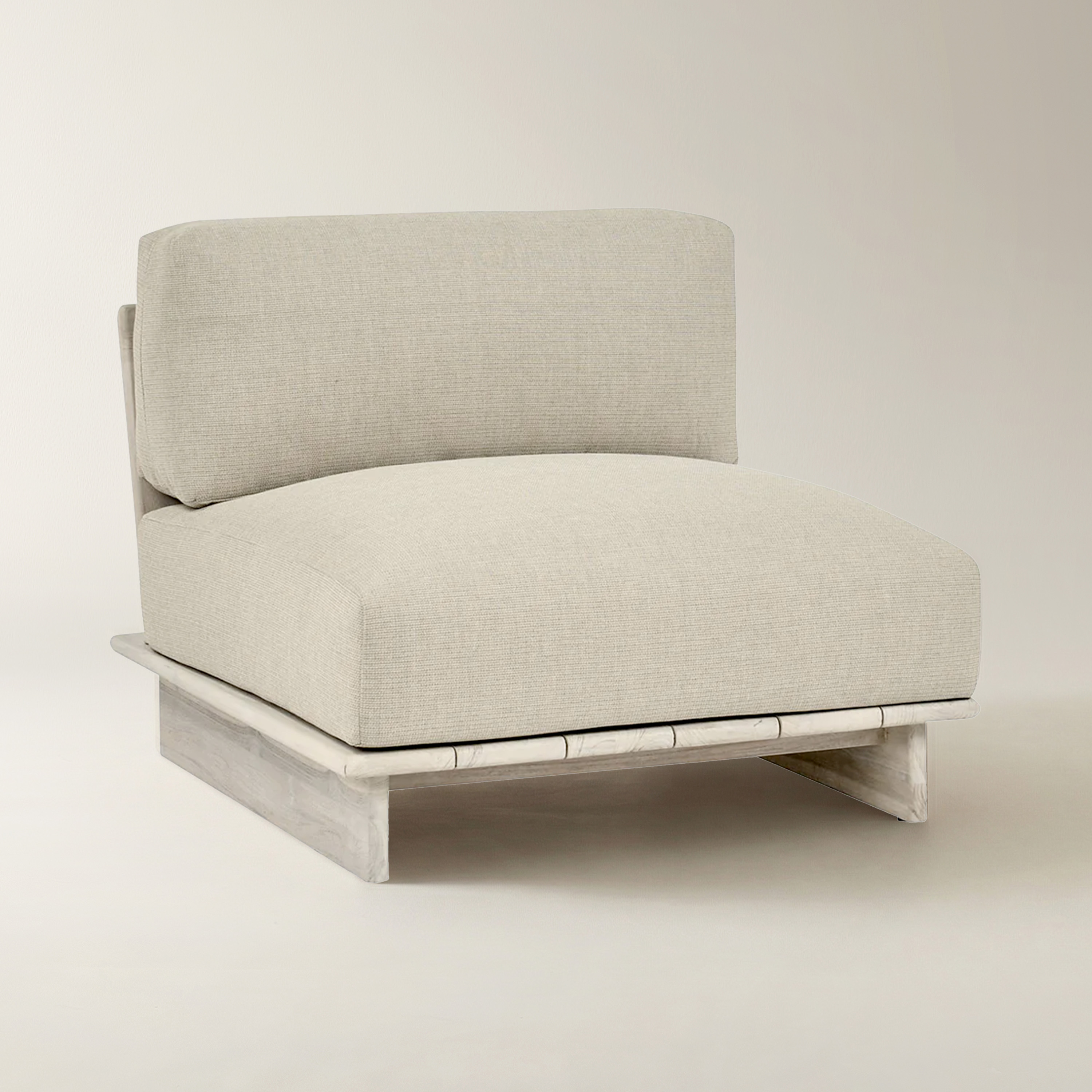 Livia Taupe Outdoor Armless Chair$2599
A taupe outdoor furniture component designed to complement modern exterior living spaces.
Add To Cart -
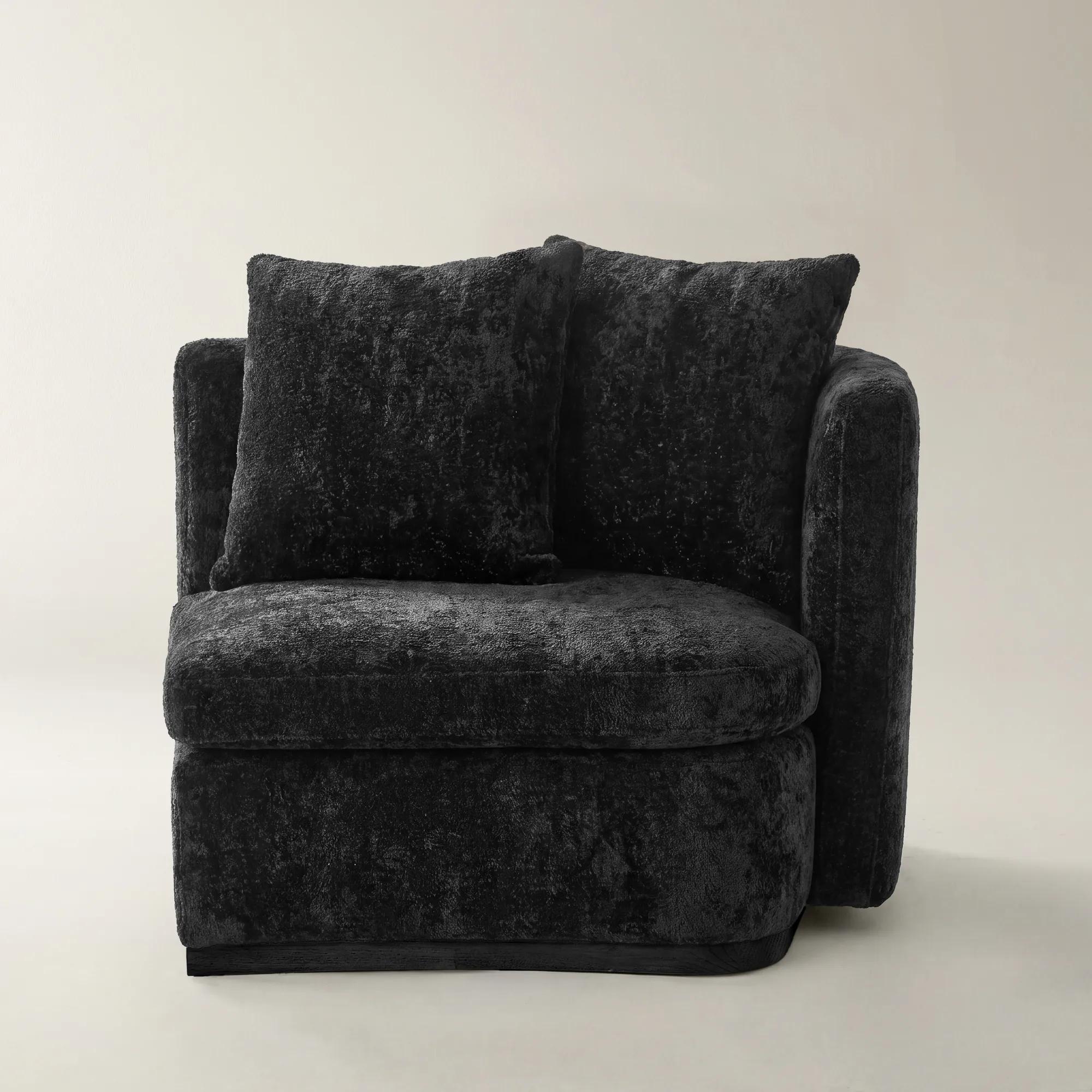 Stria Black Chenille Right-Arm Chair$1199
A sculptural black chenille chair featuring a flowing silhouette, layered foam-and-down cushioning, and modular connectors.
Add To Cart -

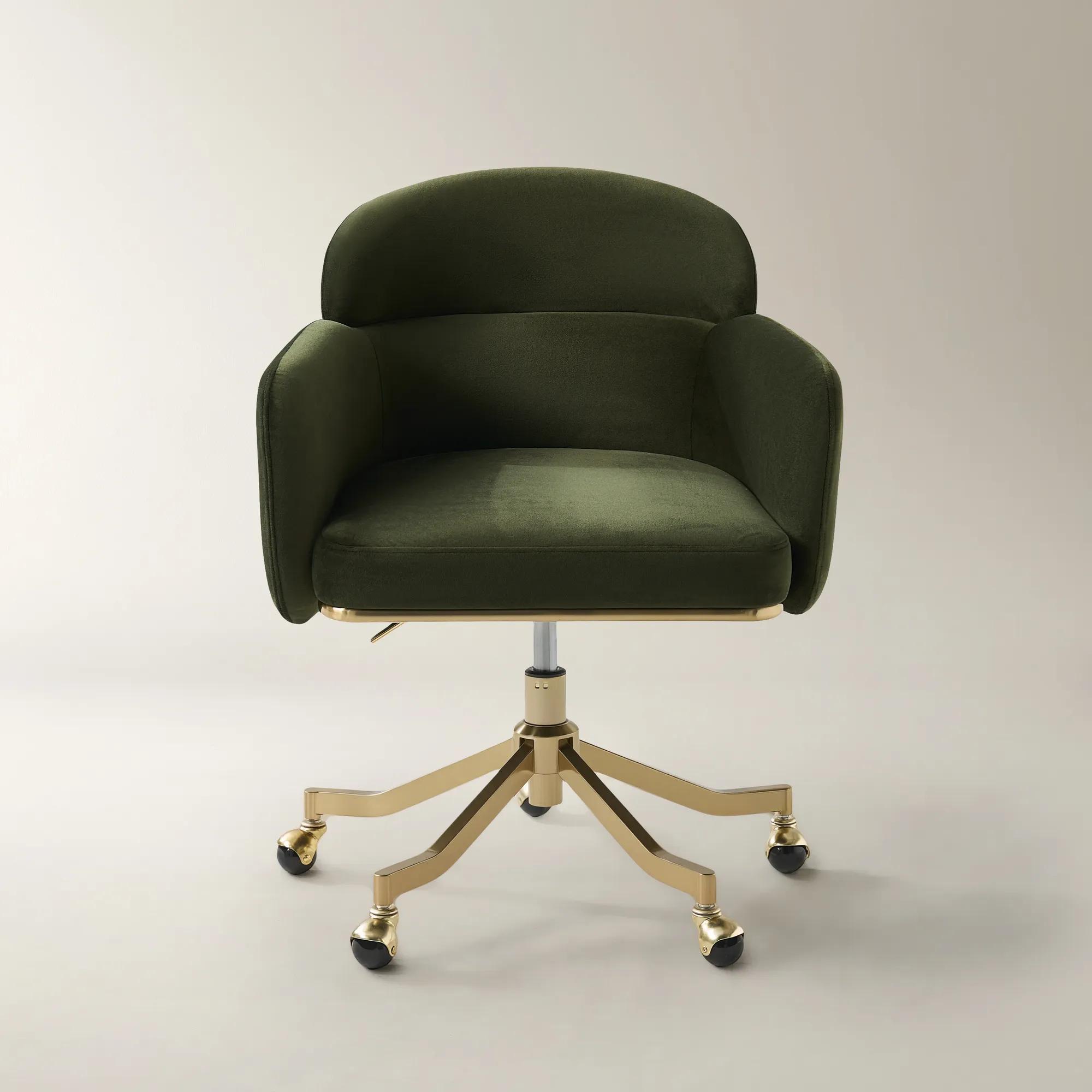 Paige Jade Green Velvet Swivel Desk Chair$399
A jade green velvet swivel chair featuring ergonomic design, adjustable height, and a glossy metal base with casters.
Add To Cart -
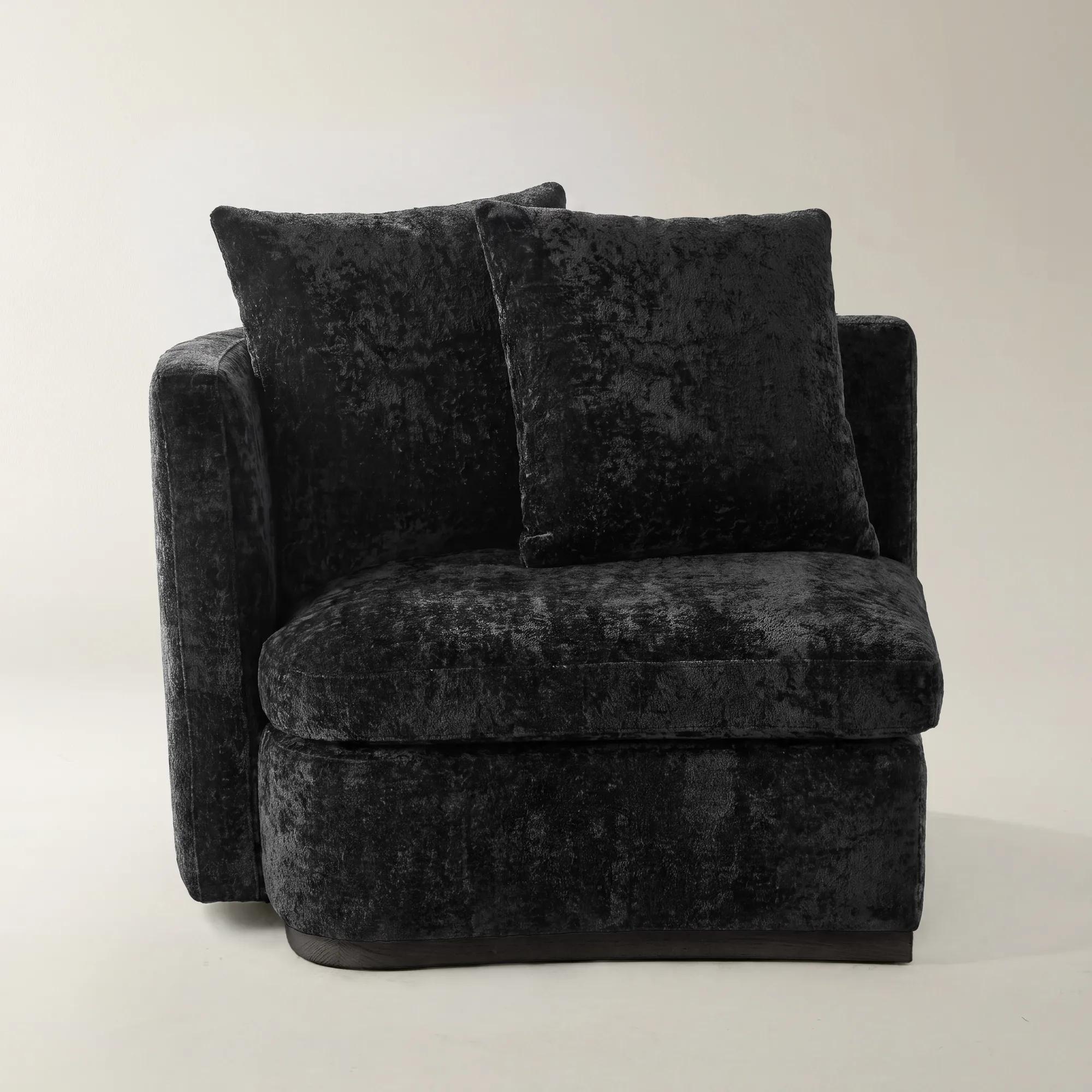 Stria Black Chenille Left-Arm Chair$1199
A sculptural black chenille chair featuring layered foam-and-down cushioning, curved edges, and a kiln-dried wood frame.
Add To Cart -
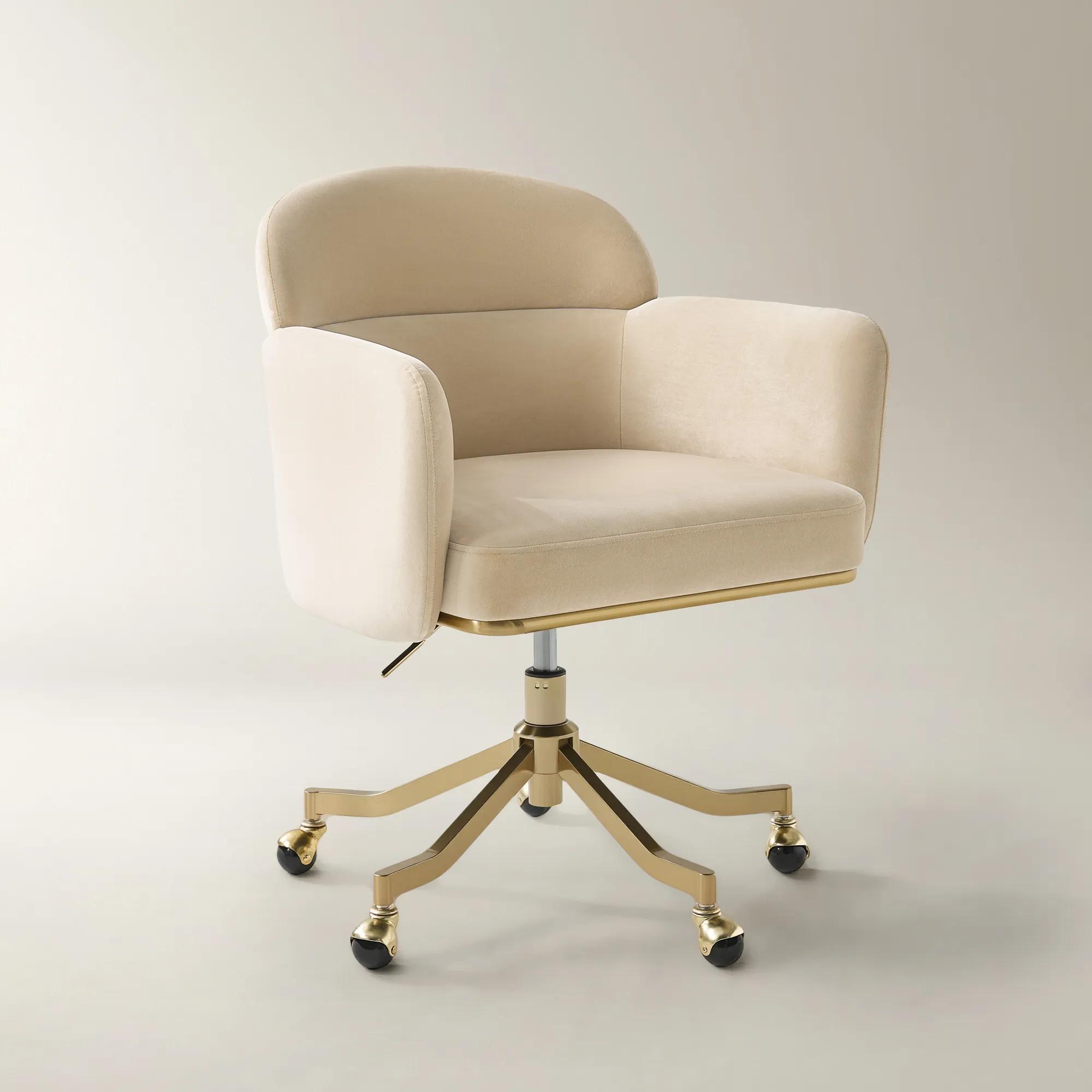 Paige Oatmeal Velvet Swivel Desk Chair$399
An oatmeal velvet swivel chair with adjustable height, ergonomic design, and a polished metal base with casters.
Add To Cart -
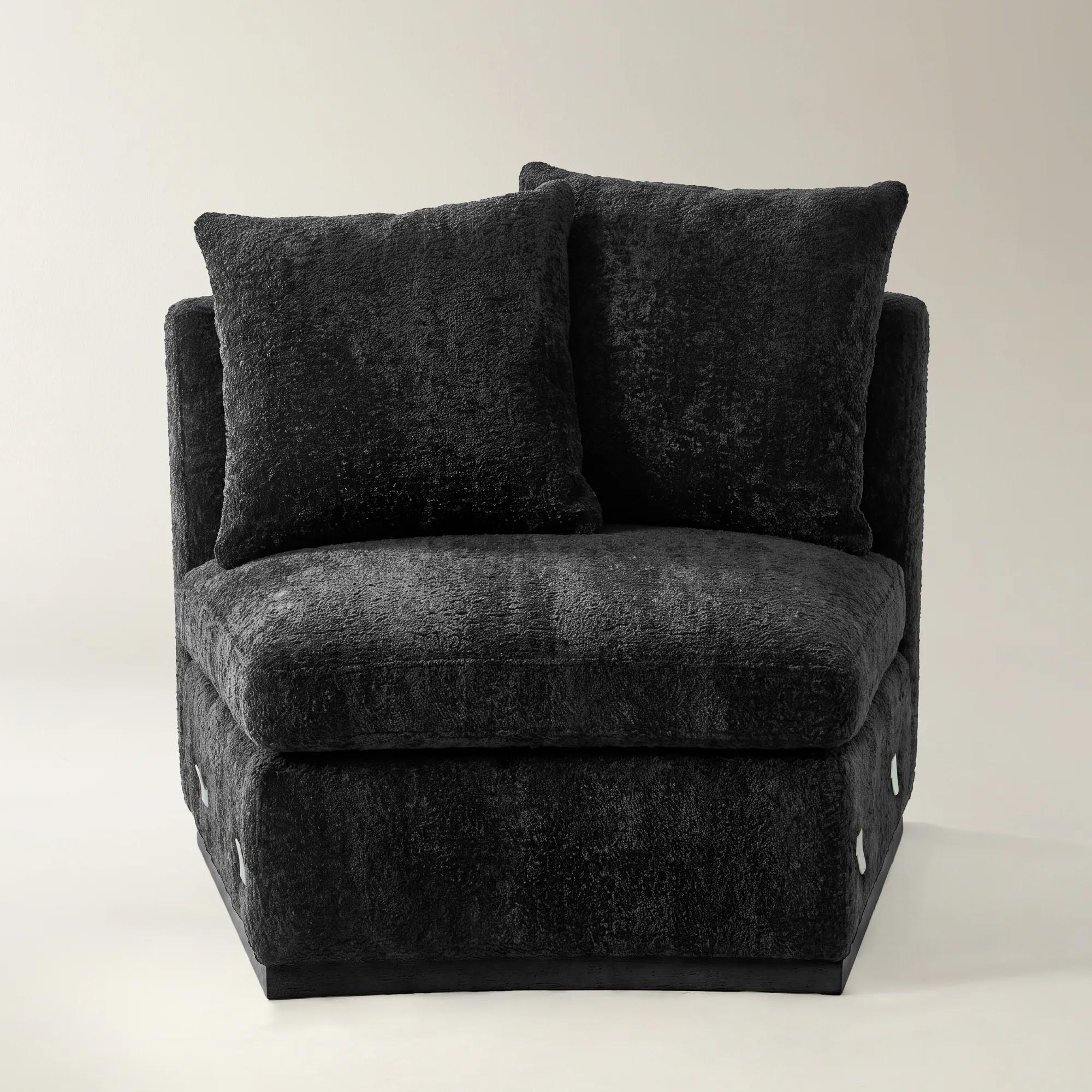
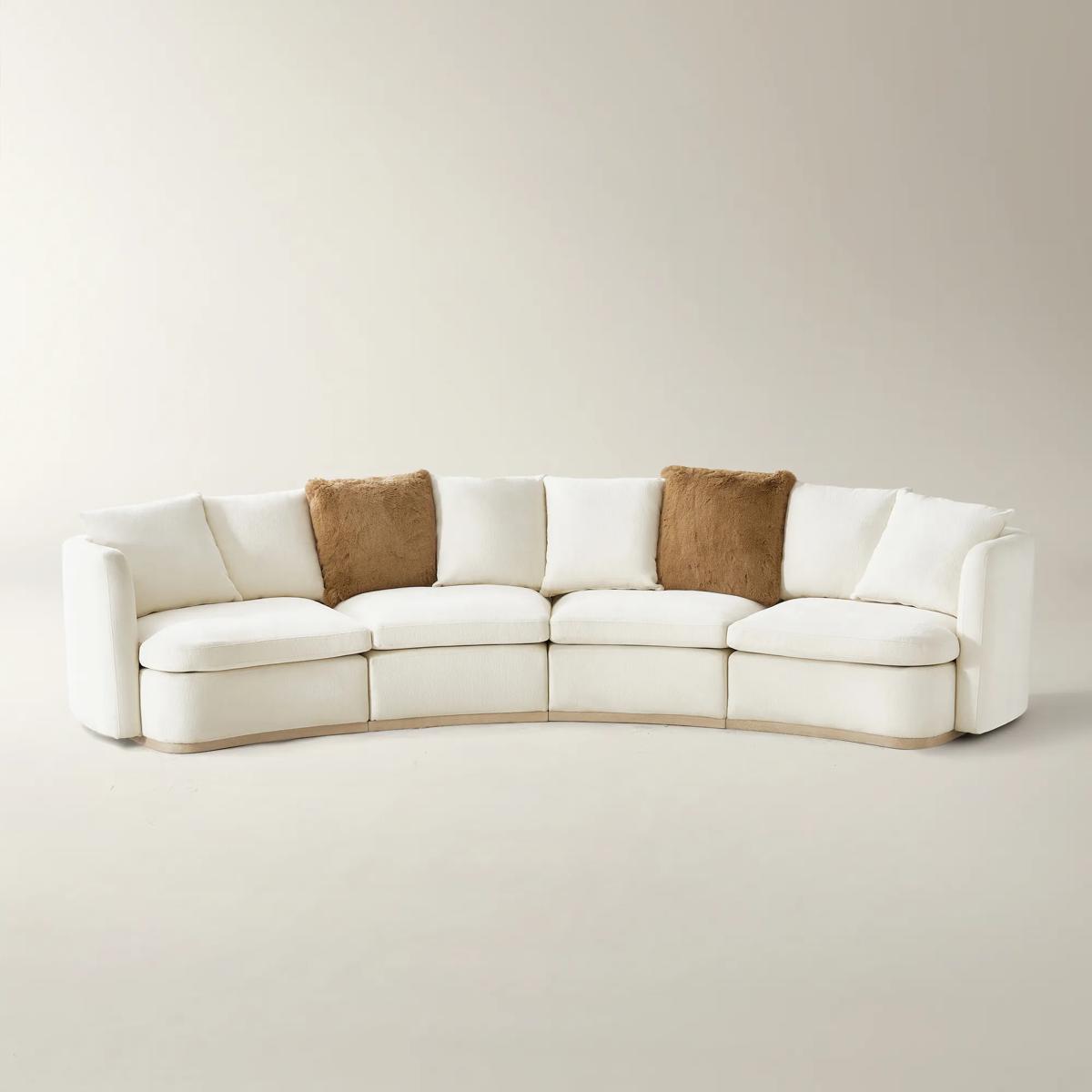 Stria Black Chenille Armless Chair$1099
A sculptural black chenille armless chair with kiln-dried wood construction, solid oak base, and layered cushioning.
Add To Cart -
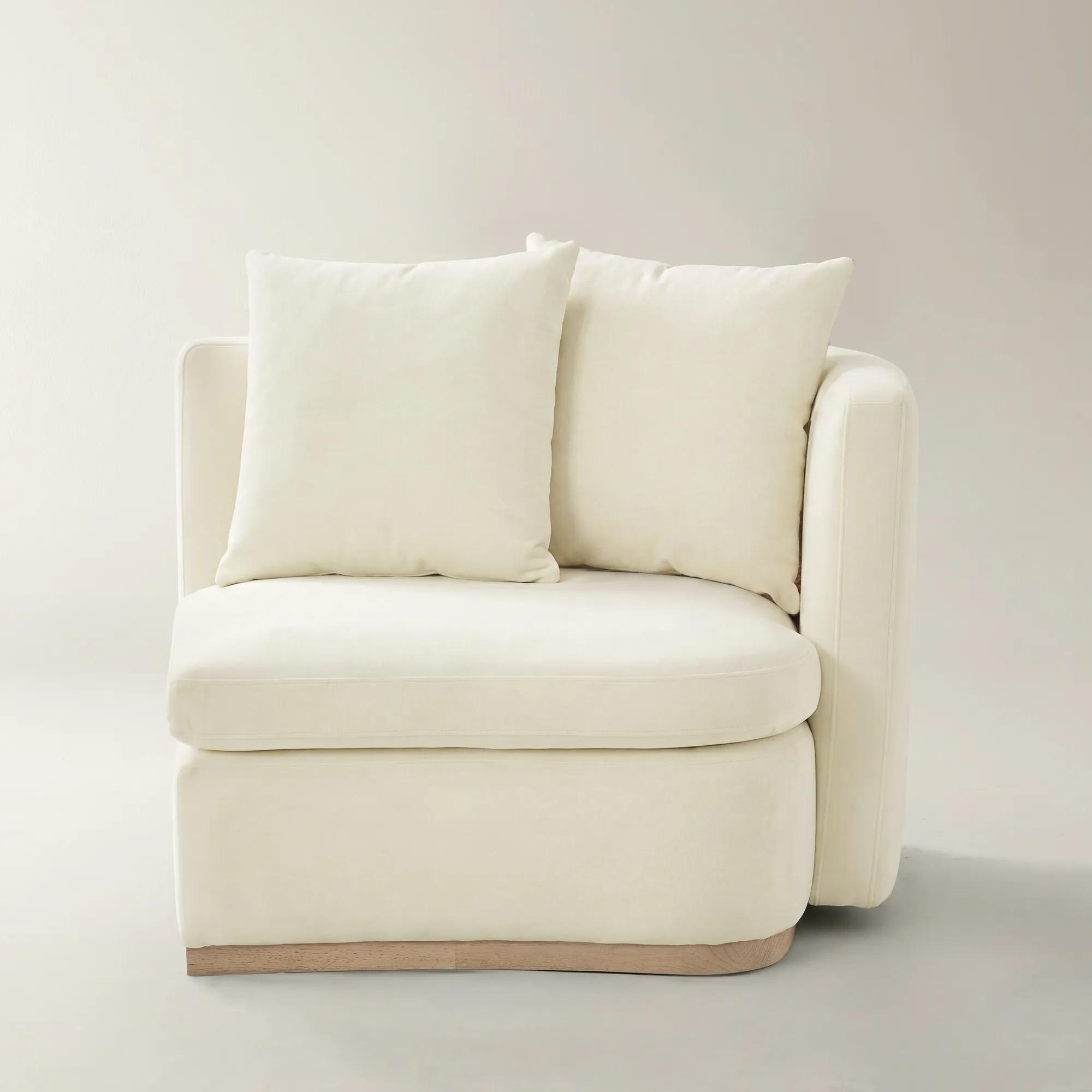 Stria Cloud Velvet Right-Arm Chair$1199
A sculptural chair upholstered in cloud velvet, featuring layered cushioning, softly curved edges, and a solid oak base.
Add To Cart -
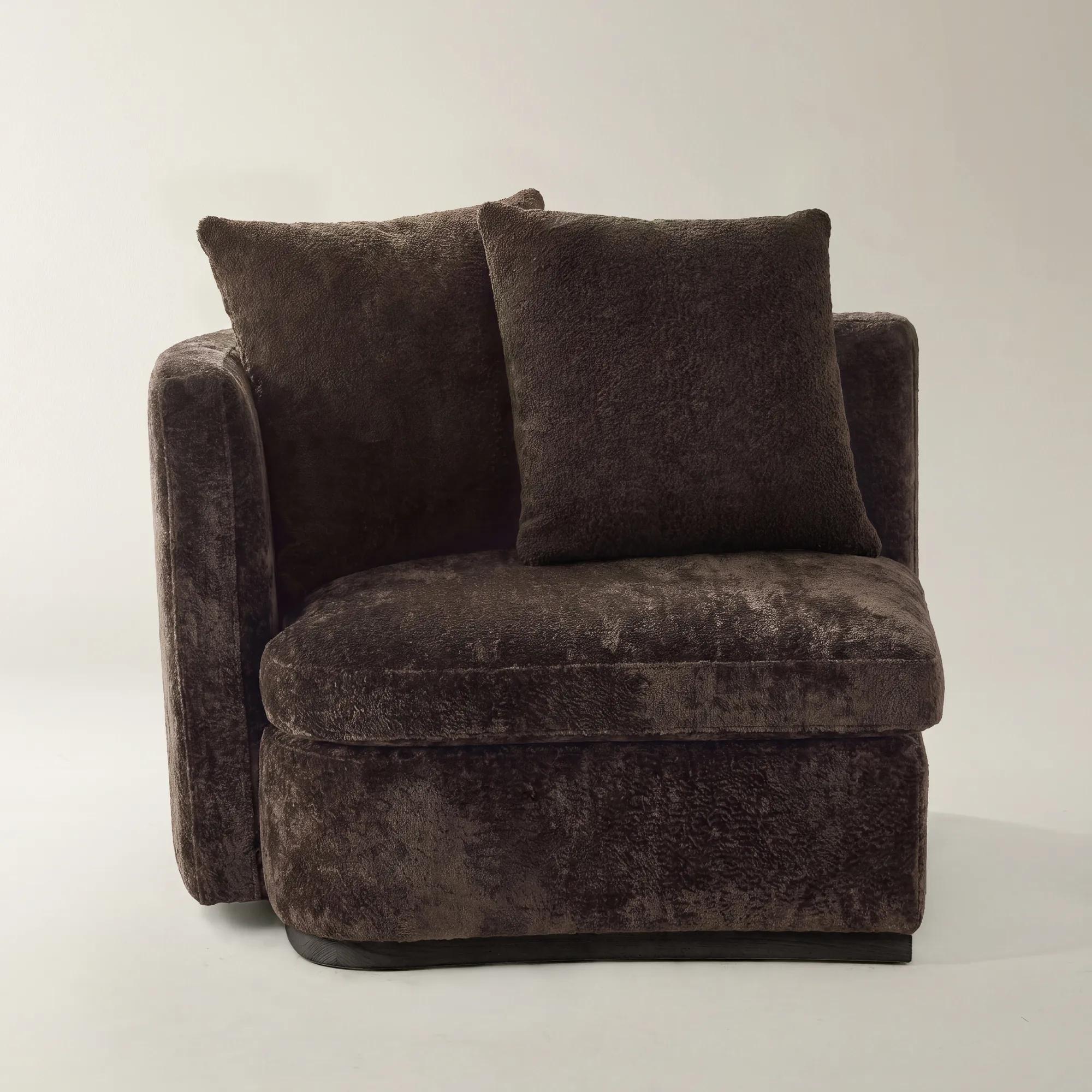 Stria Dark Chocolate Chenille Left-Arm Chair$1199
A sculptural dark chocolate chenille chair with curved edges, layered cushioning, and a kiln-dried wood frame.
Add To Cart -
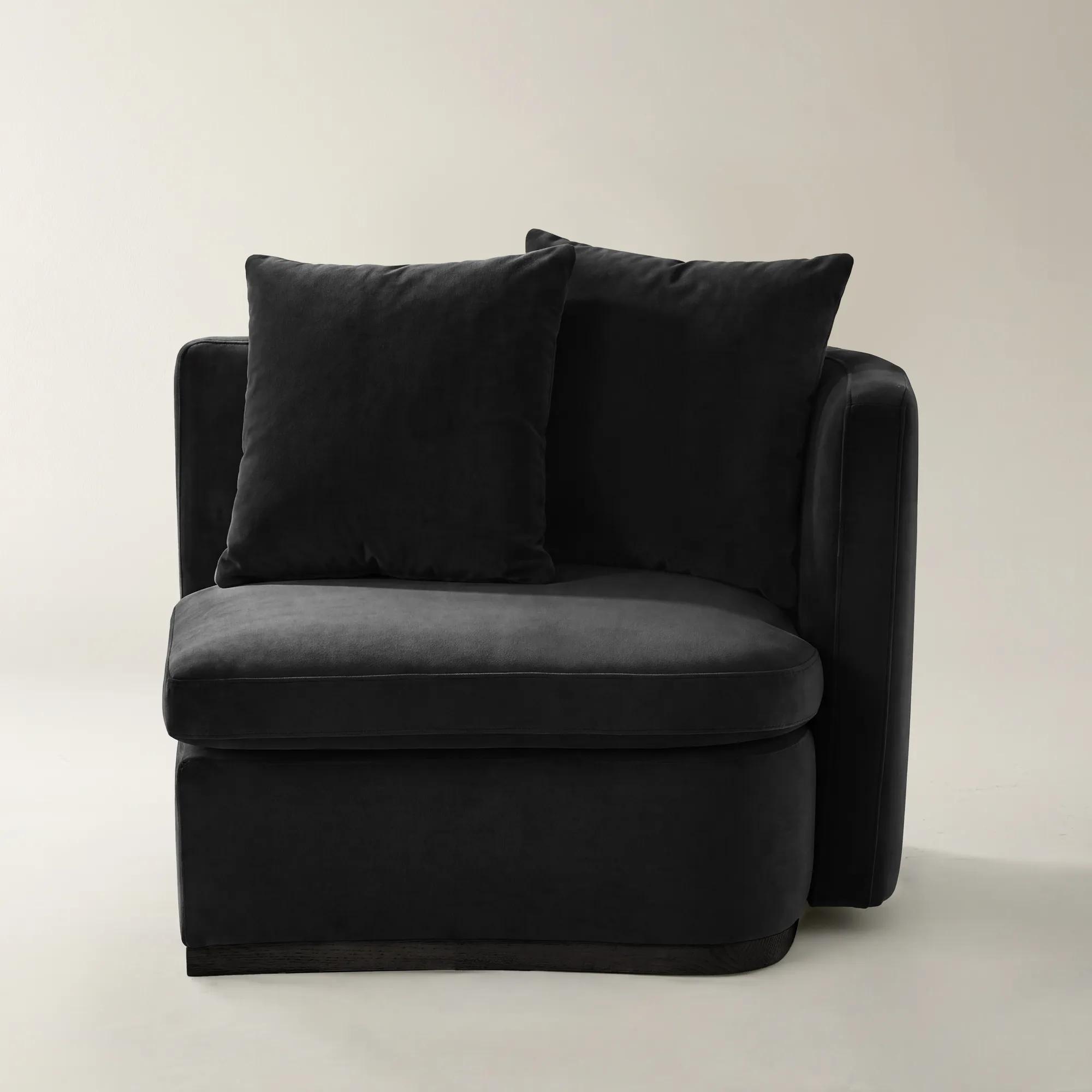 Stria Charcoal Velvet Right-Arm Chair$1199
A charcoal velvet chair featuring a kiln-dried wood frame, solid oak base, and layered down-blend cushioning.
Add To Cart -
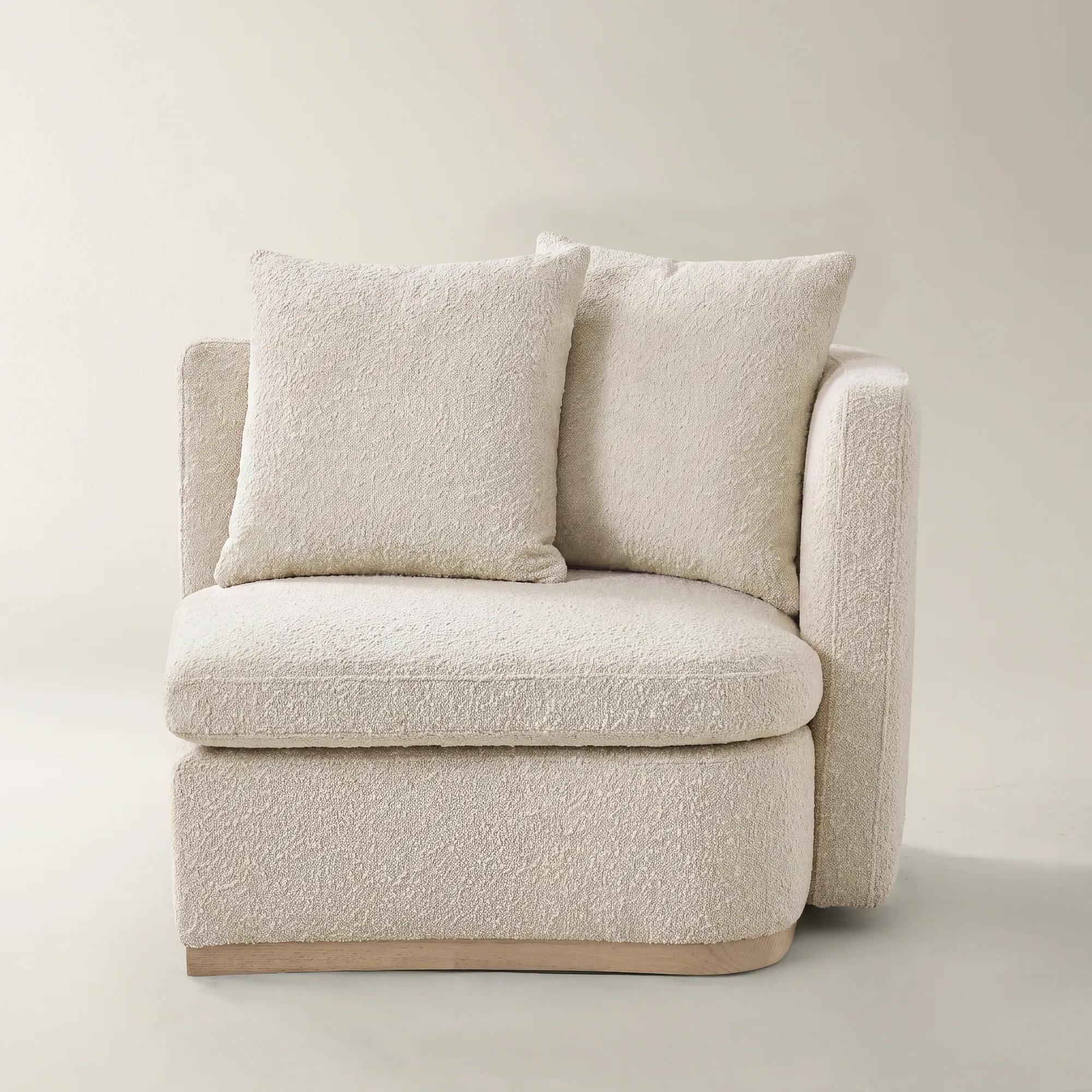
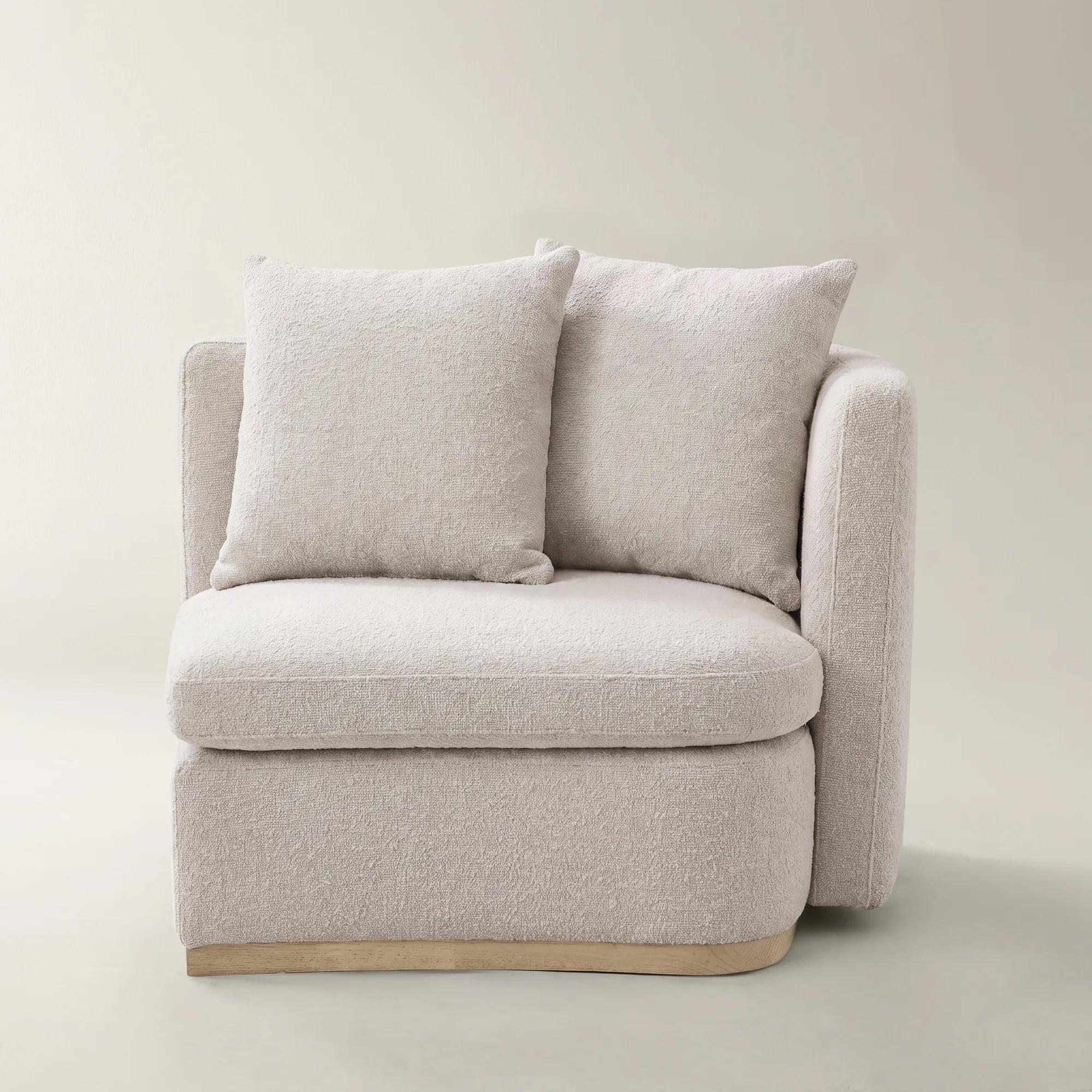 Stria Ivory Performance Boucle Right-Arm Chair$1199
A sculptural ivory performance boucle chair with layered foam-and-down cushioning and a kiln-dried wood frame.
Add To Cart -
 Jocelyn Channel-Tufted Oatmeal Velvet Armless Chair$1399
An armless chair upholstered in oatmeal velvet with deep channel tufting and a flowing, curved silhouette.
Add To Cart -
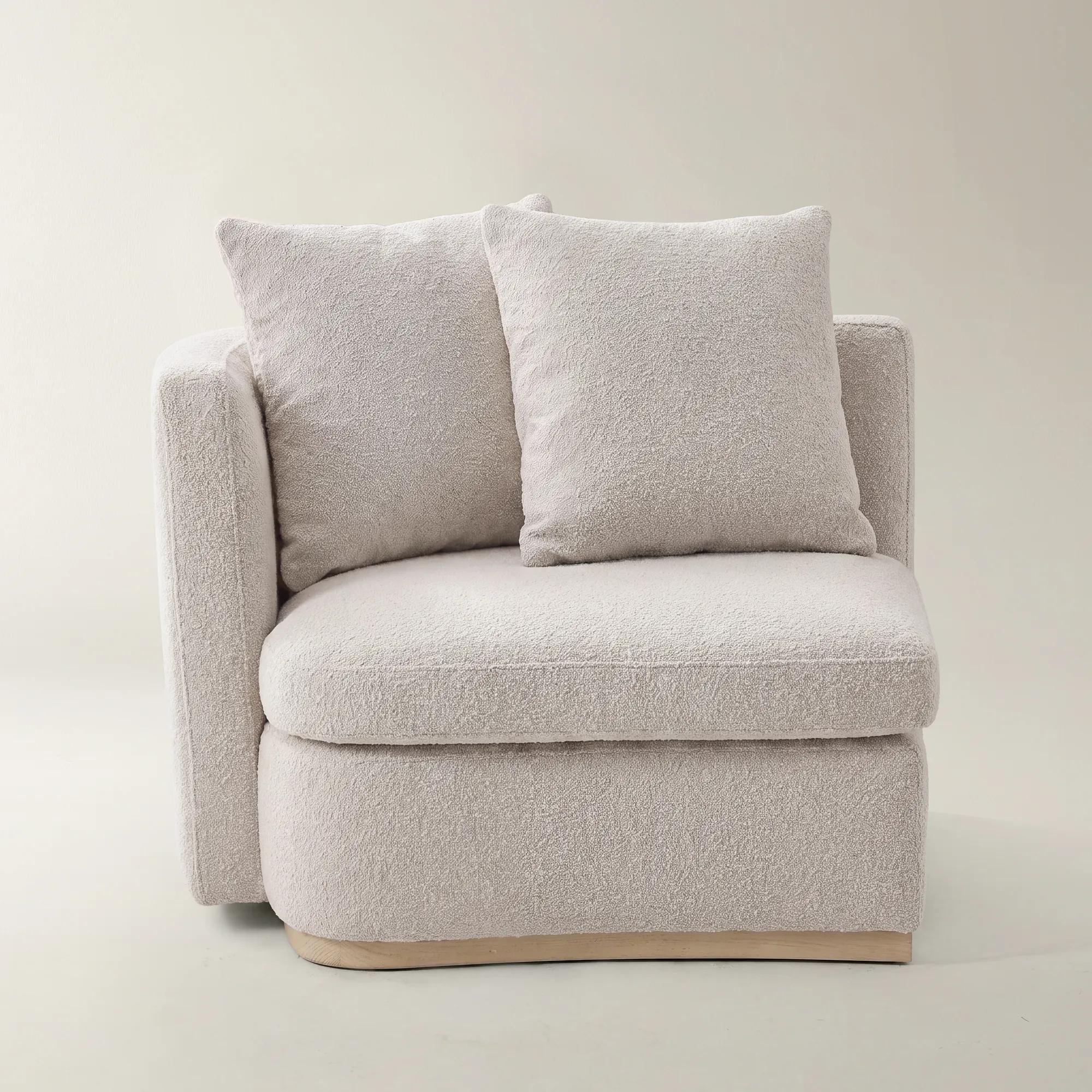 Stria Ivory Performance Boucle Left-Arm Chair$1199
A sculptural ivory performance bouclé chair featuring layered foam-and-down cushioning and a kiln-dried wood frame.
Add To Cart -
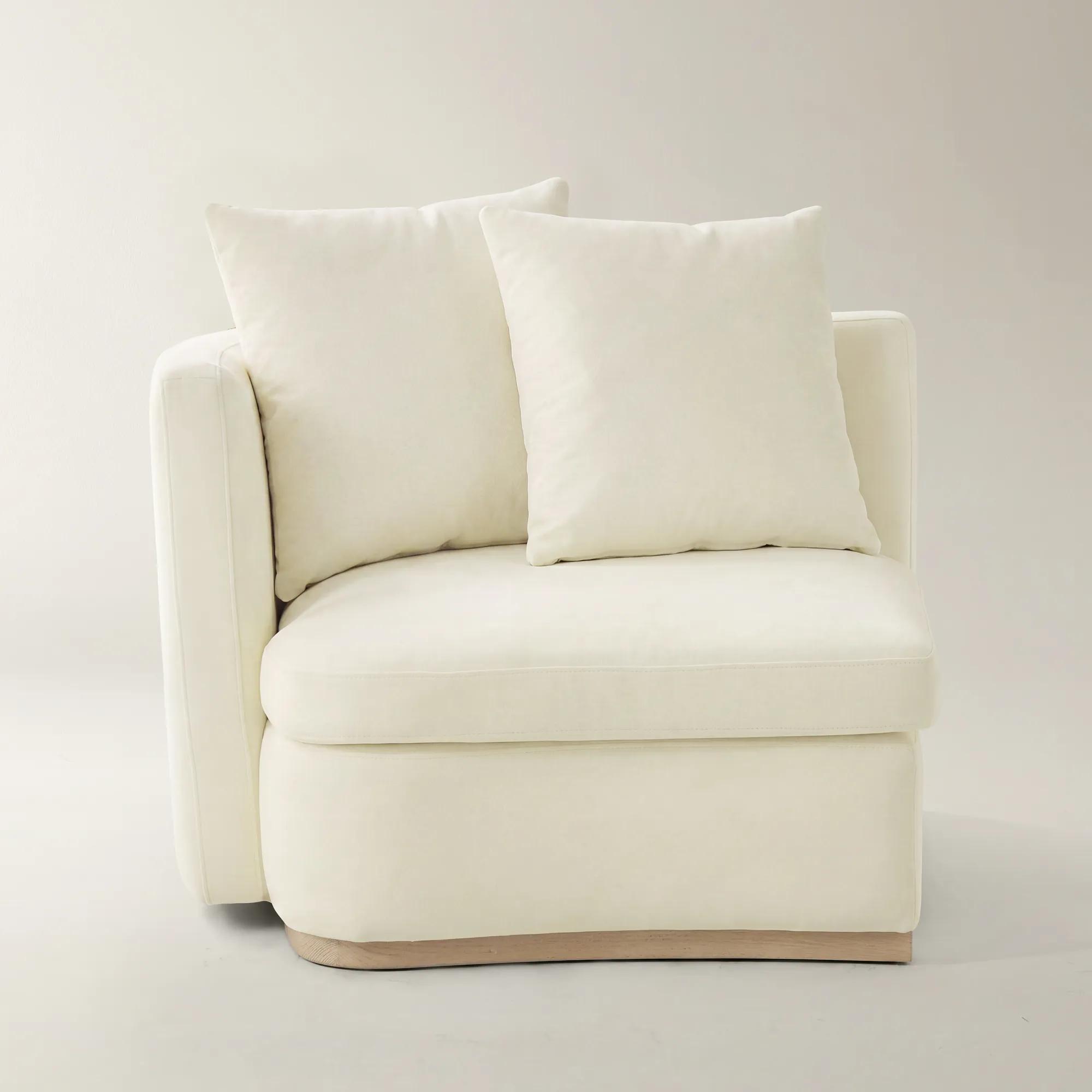 Stria Cloud Velvet Left-Arm Chair$1199
A sculptural cloud-velvet chair with curved edges, layered cushioning, and modular connectors for tailored comfort.
Add To Cart -
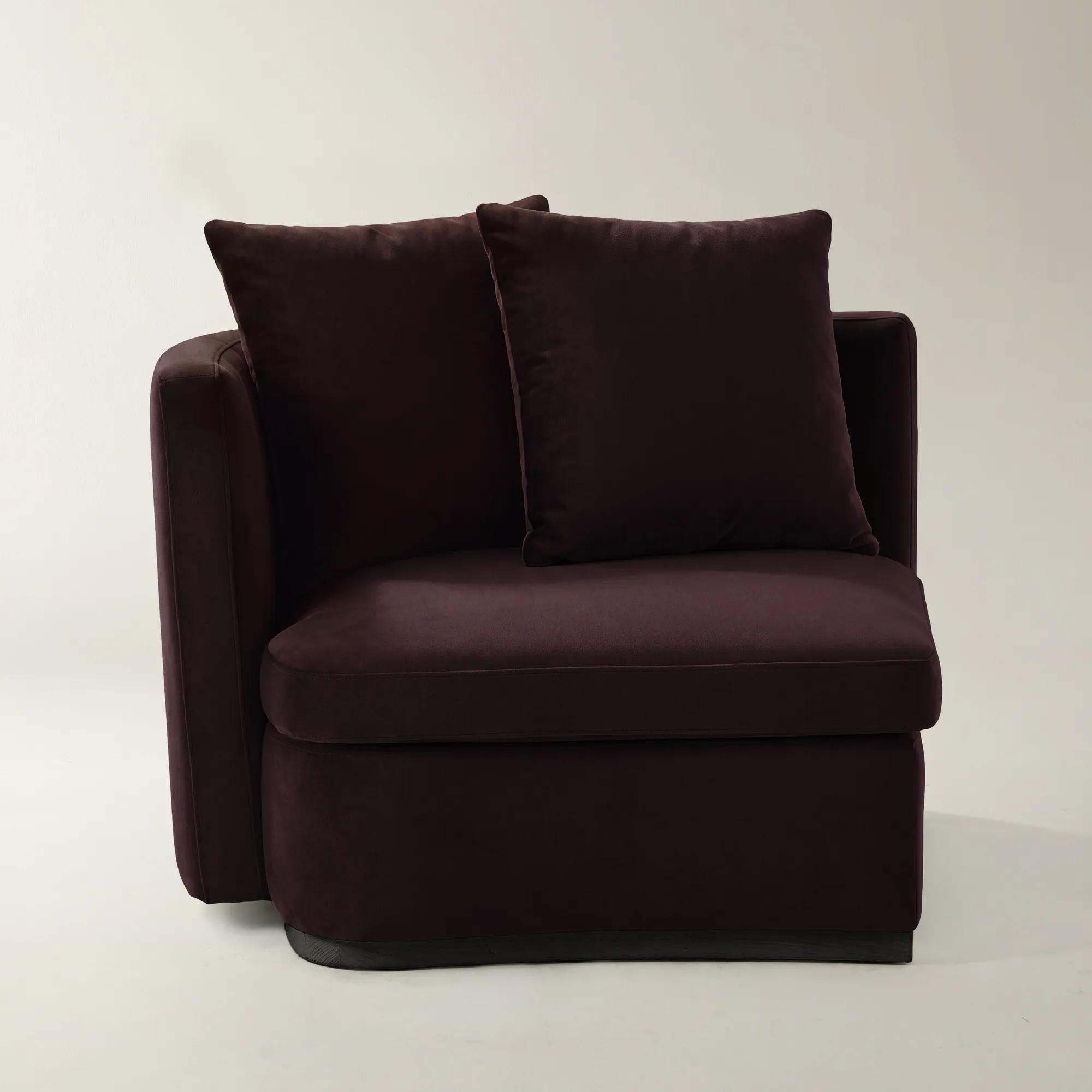 Stria Fig Velvet Left-Arm Chair$1199
A sculptural fig velvet chair featuring a low flowing silhouette, oak base, and layered down-blend cushioning.
Add To Cart -
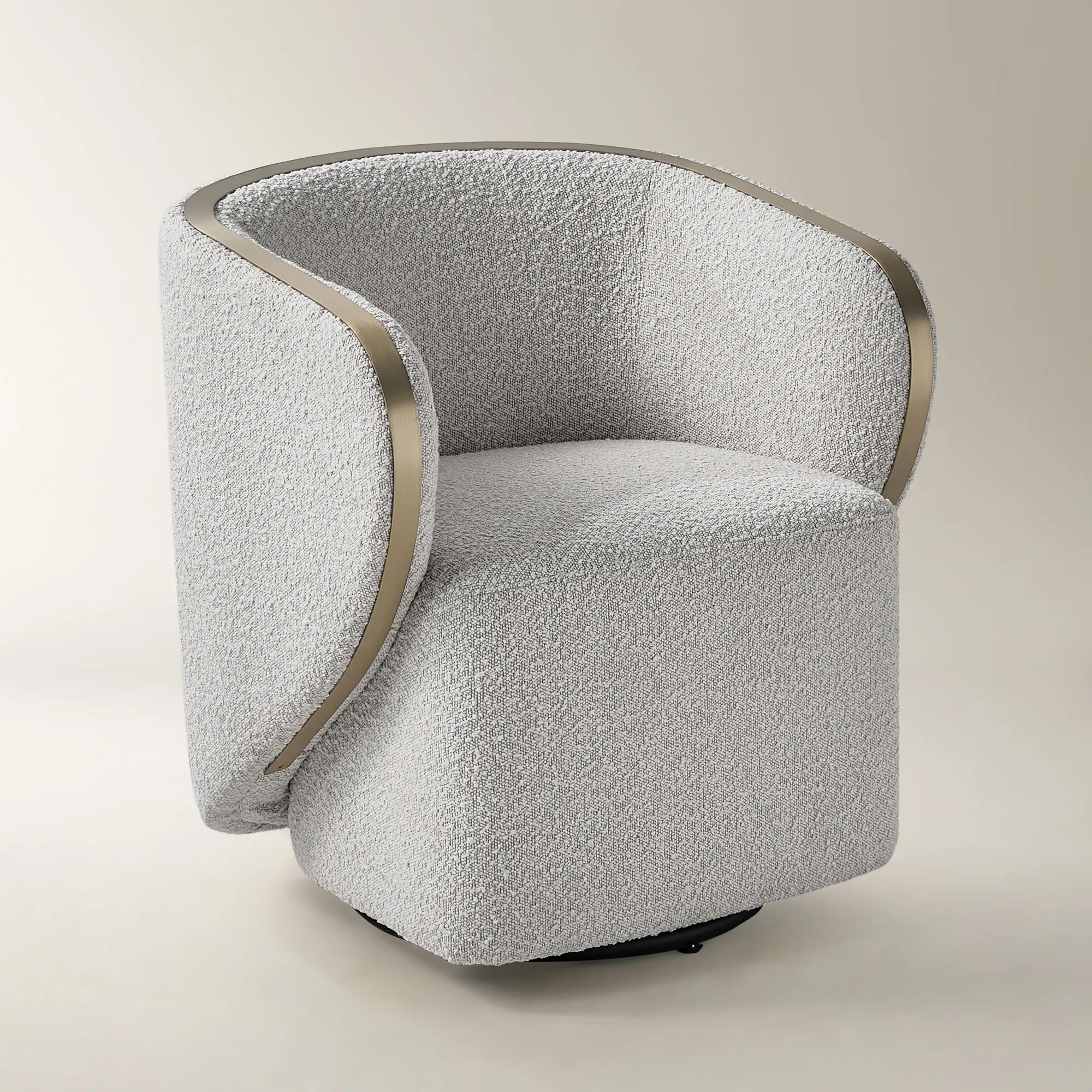 Nova Light Grey Performance Boucle Swivel Dining Chair$699
A sculptural light grey chair in water-repellent boucle with metallic trim and a smooth 360° swivel base.
Add To Cart -
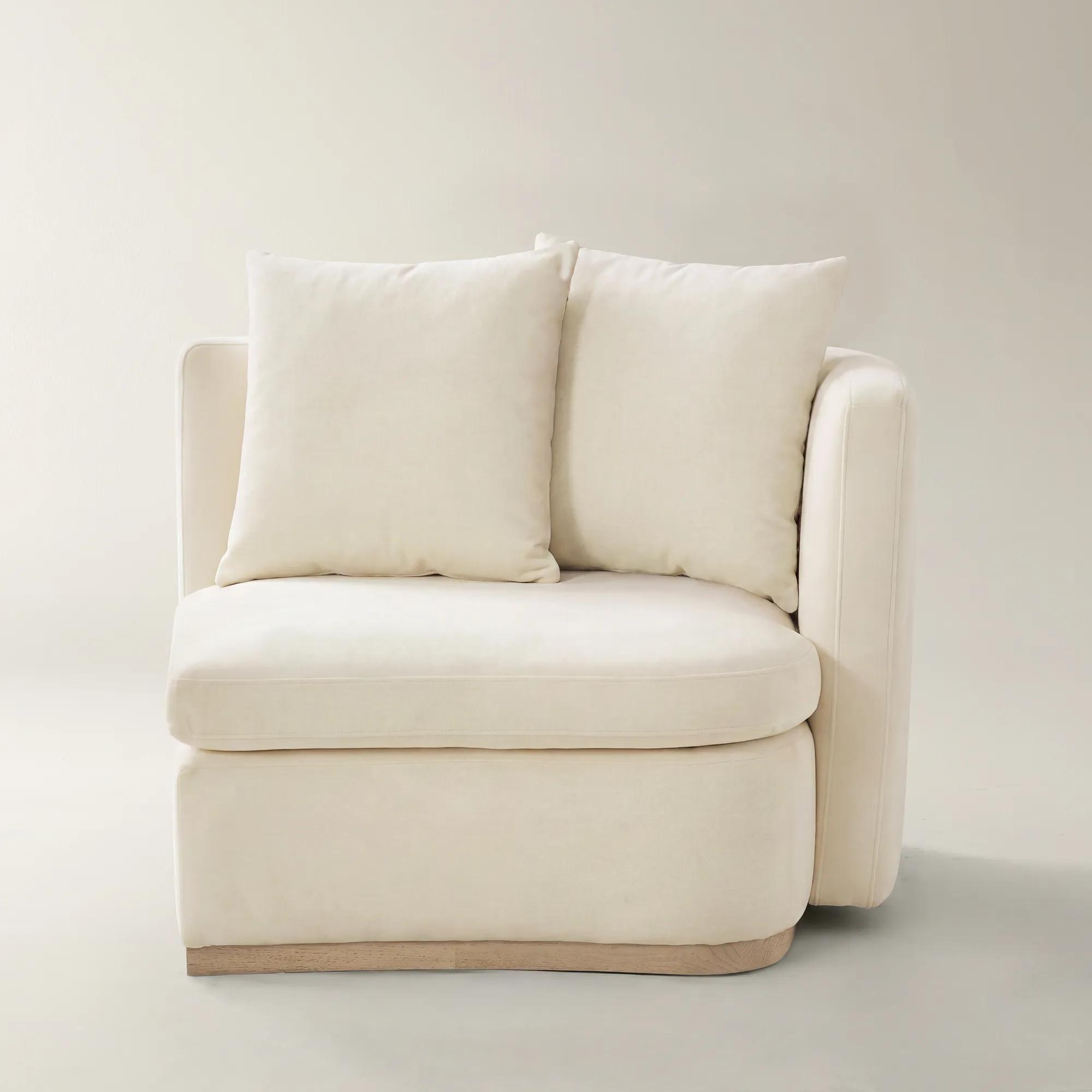 Stria Oatmeal Velvet Right-Arm Chair$1199
A sculptural oatmeal velvet chair with a curved silhouette, oak base, and layered foam-and-down cushioning.
Add To Cart -
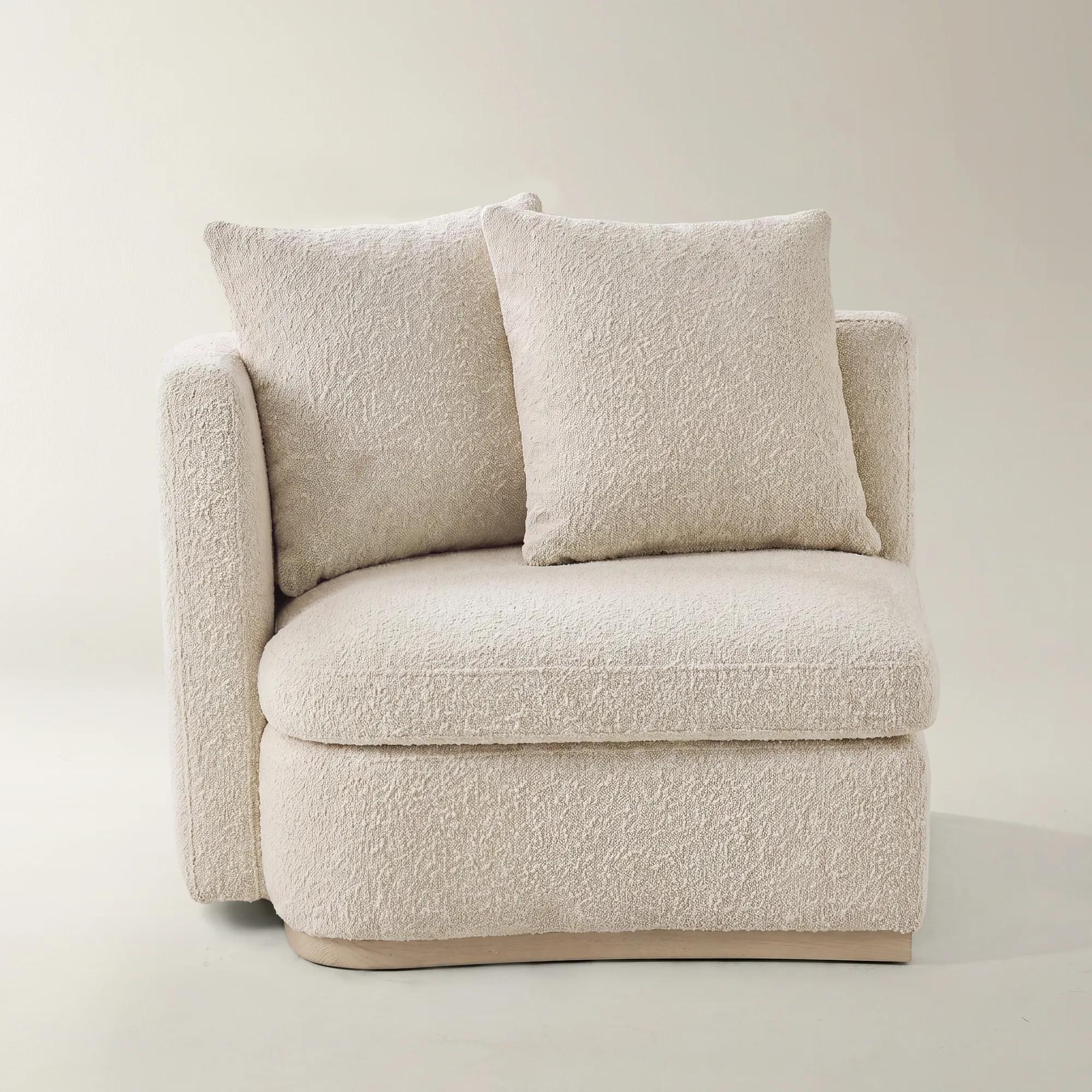 Stria Ivory Performance Boucle Left-Arm Chair$1199
A sculptural ivory performance boucle chair with a low curved silhouette, modular connectors, and foam-down cushioning.
Add To Cart -
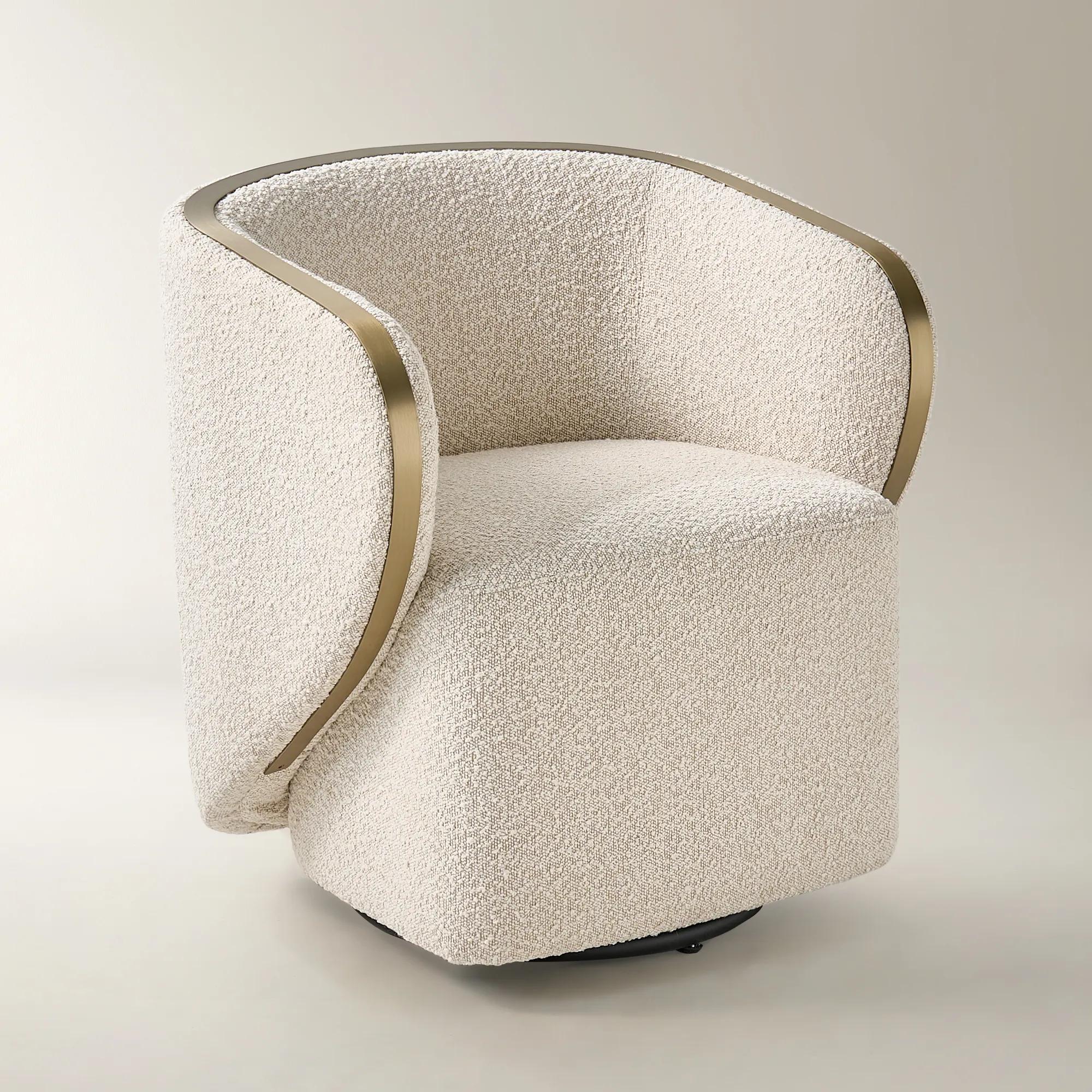 Nova Ivory Performance Boucle Swivel Dining Chair$699
An ivory boucle swivel chair featuring a sculptural wraparound silhouette and elegant metallic trim accents.
Add To Cart -
 Curvia Dusty Blue Velvet Right-Arm Chair$1399
A sculptural right-arm chair wrapped in plush dusty blue velvet with deep, lounge-worthy comfort.
Add To Cart -
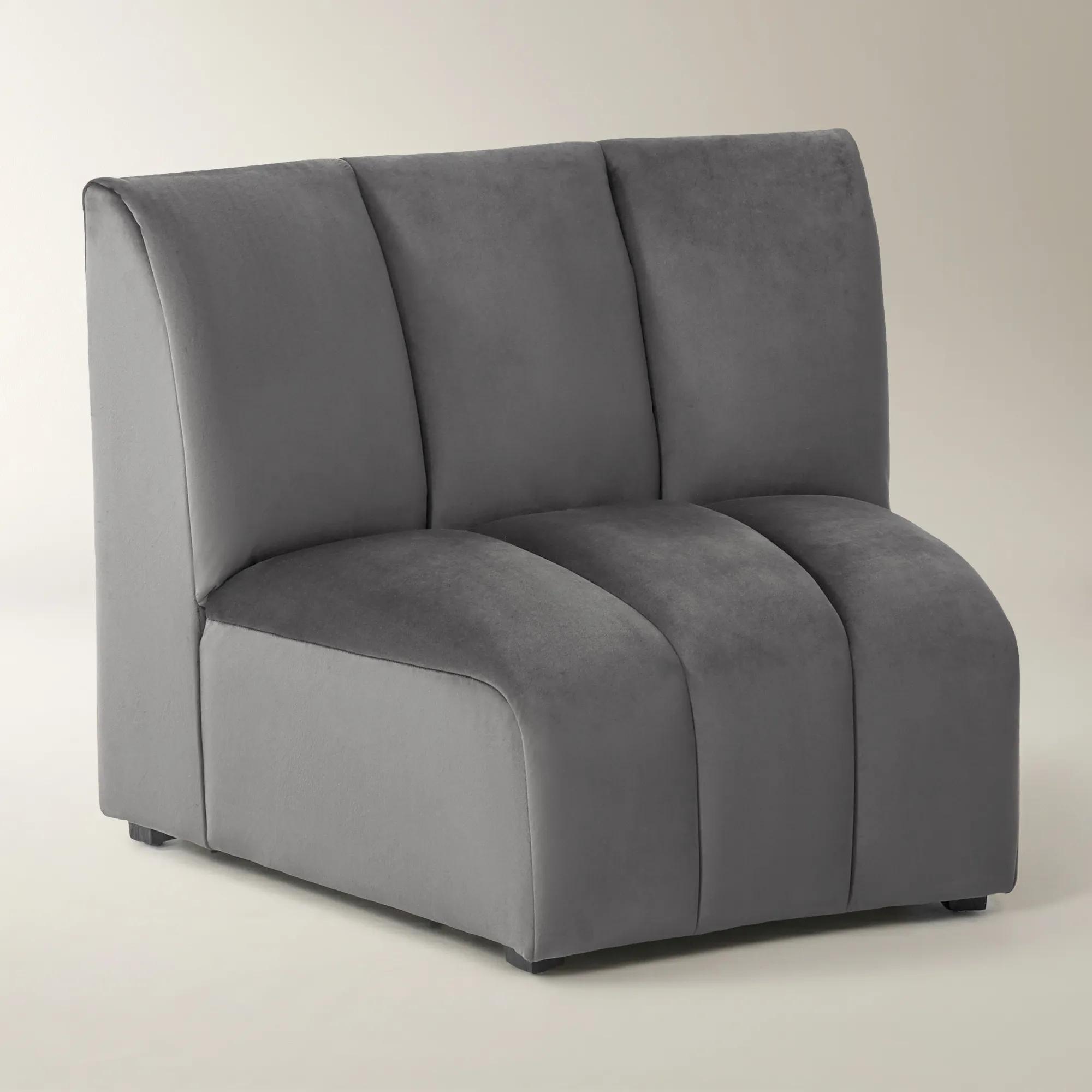
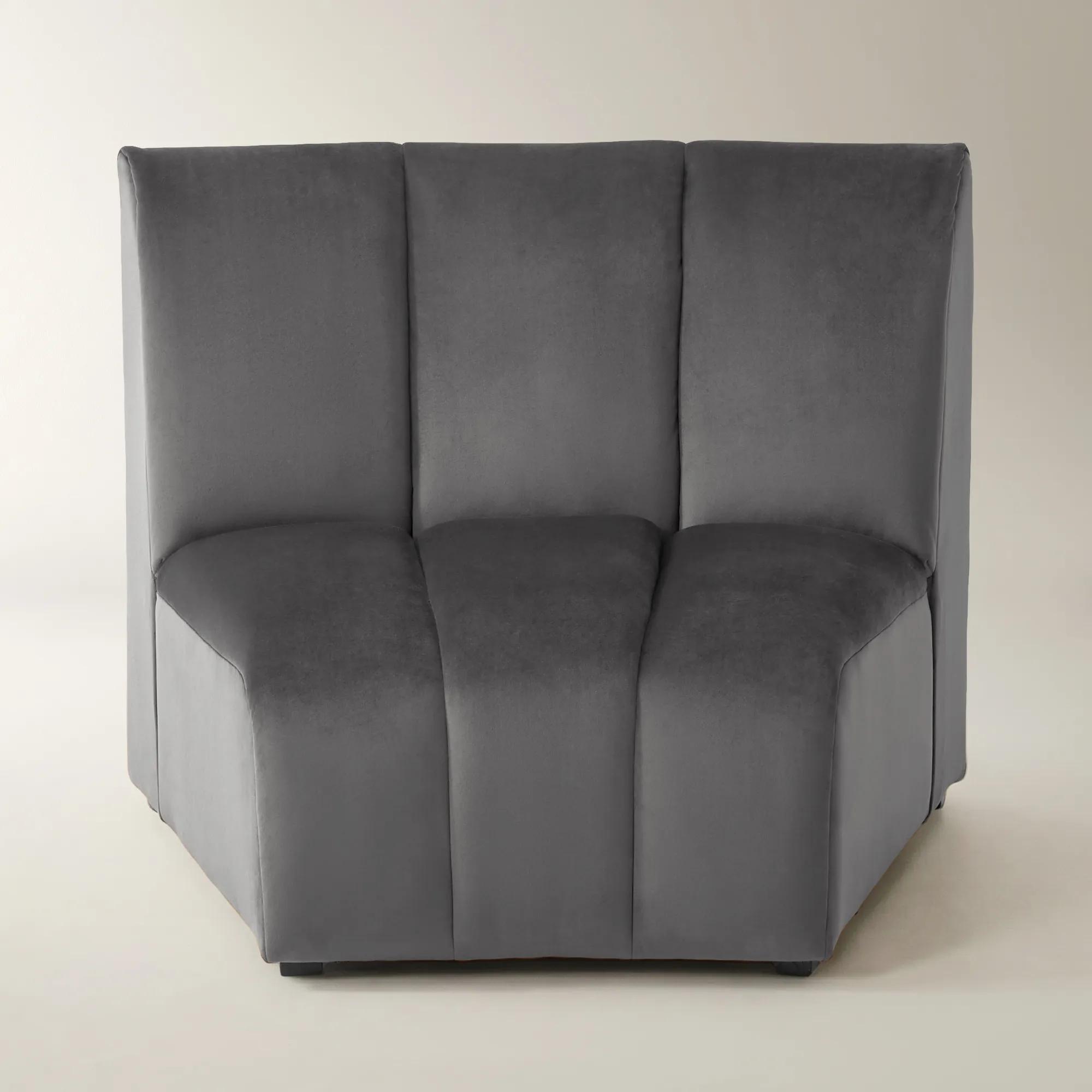 Jayce Channel-Tufted Smoked Pearl Velvet Armless Chair$949
A modern armless chair in silver grey velvet with deep channel tufting and plush, structured cushioning.
Add To Cart -
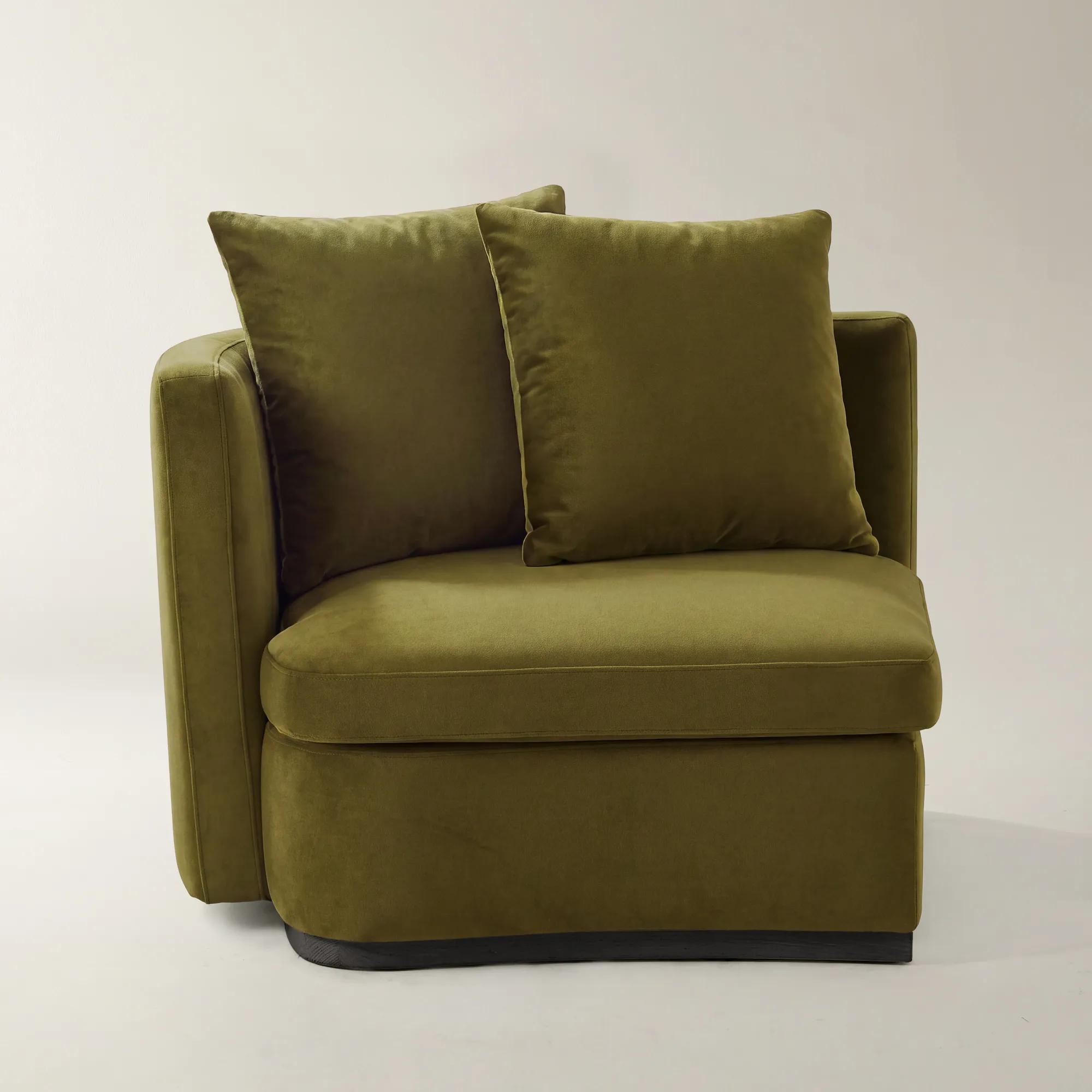 Stria Deep Olive Velvet Left-Arm Chair$1199
A sculptural deep olive velvet chair featuring kiln-dried wood construction and layered down-blend cushioning.
Add To Cart -
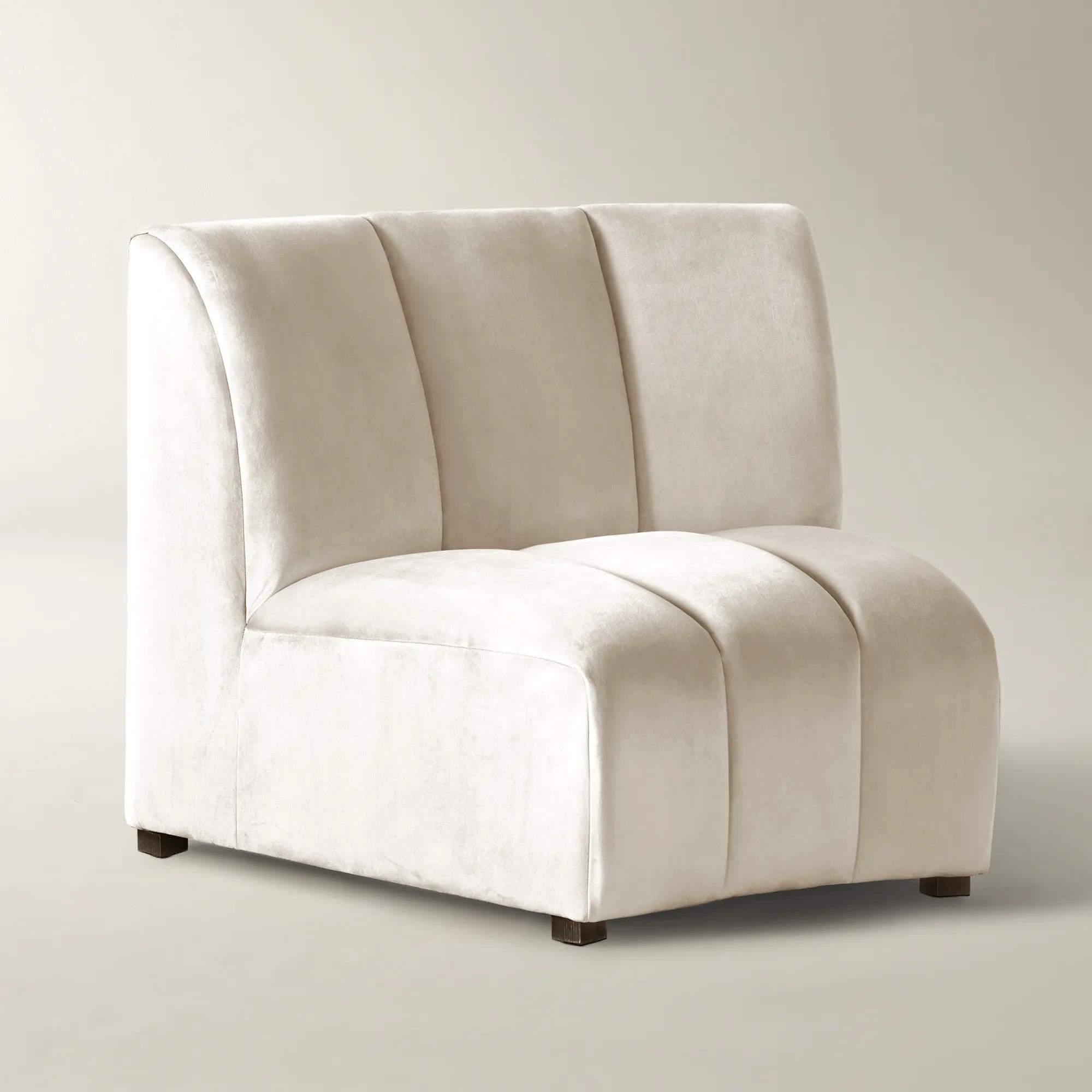 Jayce Channel-Tufted Ivory Velvet Armless Chair$949
A modern armless chair in water-repellent, stain-resistant Velvet Ivory with deep channel tufting and plush padding.
Add To Cart -
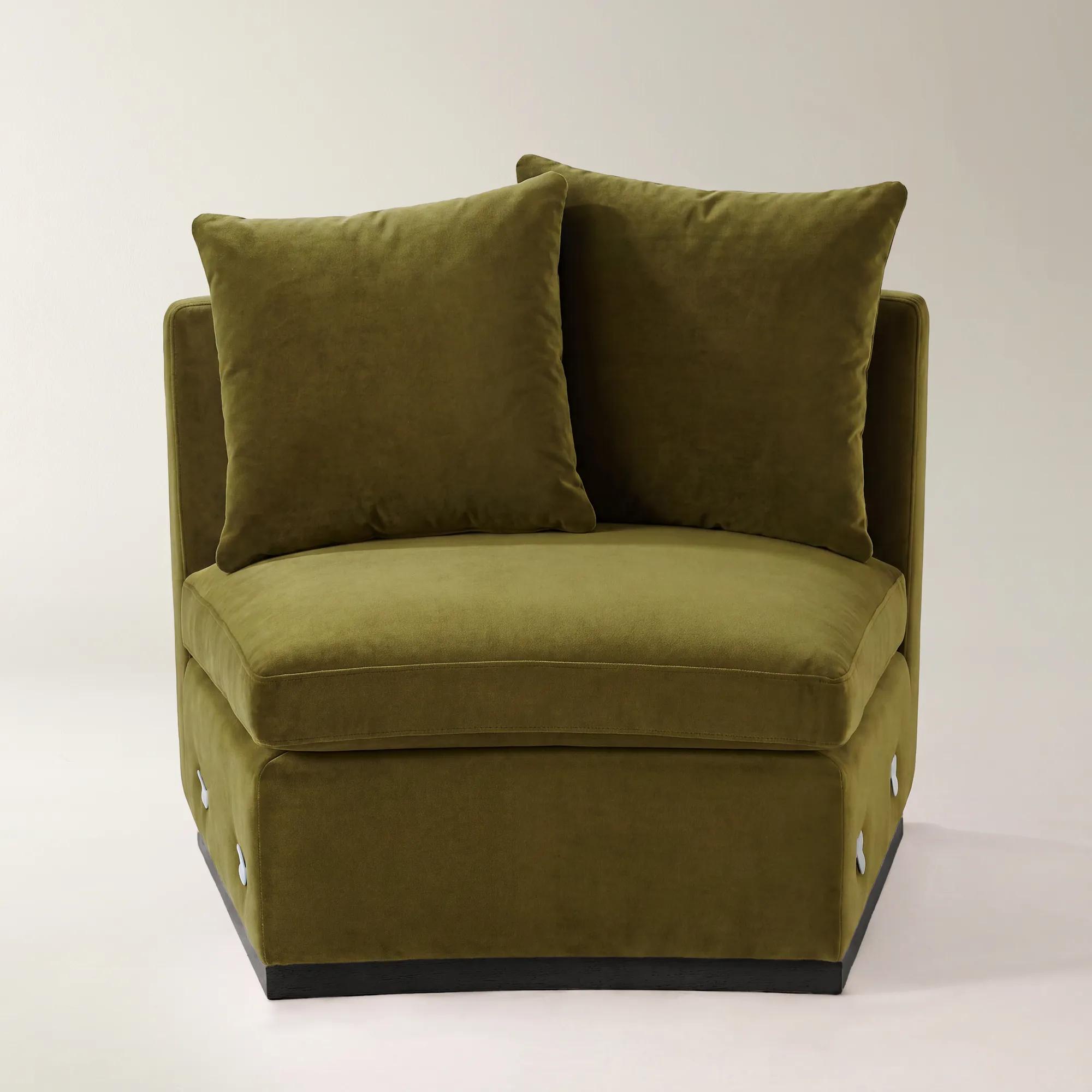 Stria Deep Olive Velvet Armless Chair$1099
A sculptural deep olive velvet armless chair with kiln-dried wood construction and layered foam-down cushioning.
Add To Cart -
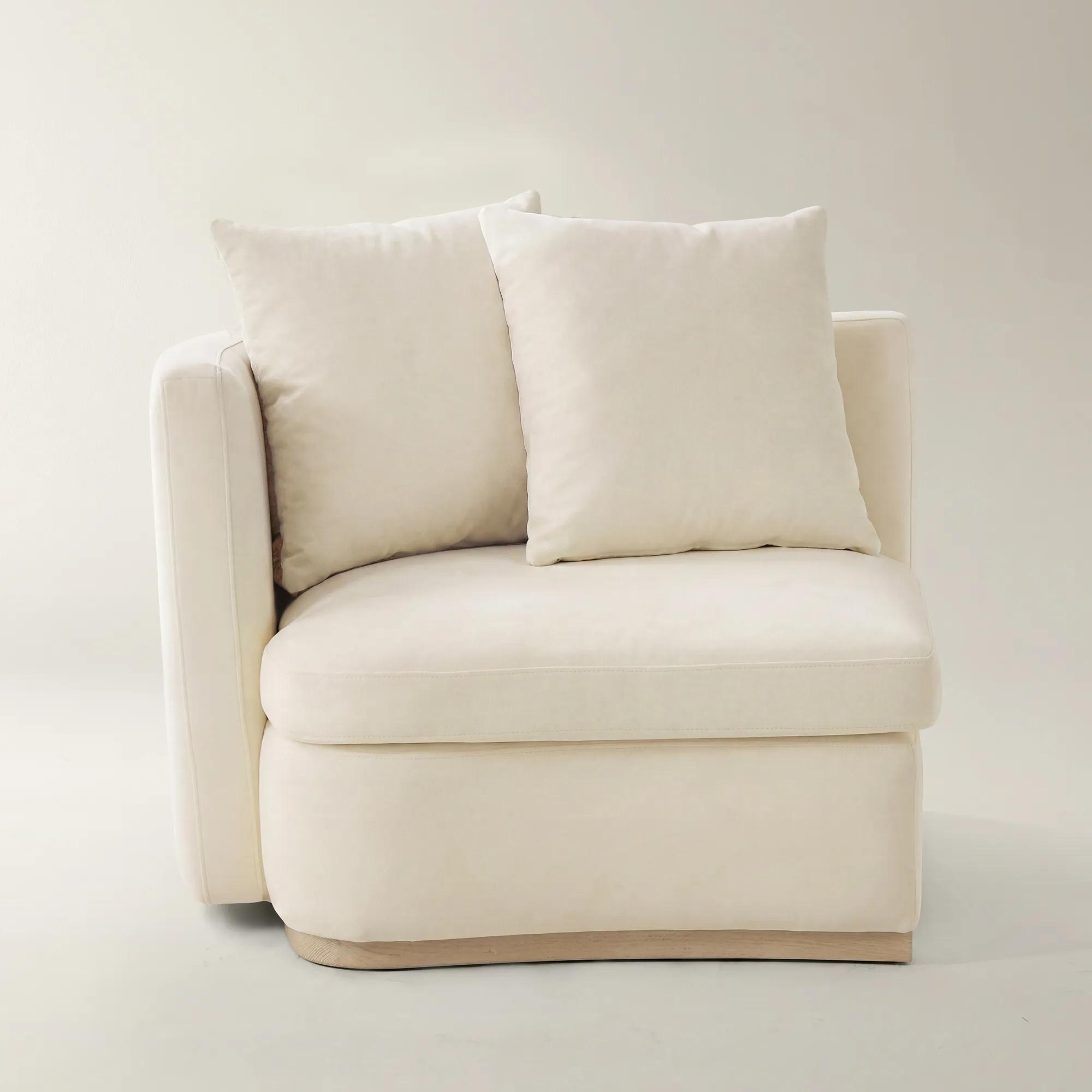 Stria Oatmeal Velvet Left-Arm Chair$1199
An oatmeal velvet chair with a kiln-dried wood frame, solid oak base, and layered down-blend cushioning.
Add To Cart

Chairs For Open Concept Spaces
Chairs for open concept spaces are more than mere seating—they are sculptural statements that define, divide, and dazzle. In a room where boundaries blur and possibilities expand, each chair becomes an invitation to linger, to converse, to create your own moment of luxury. Whether you’re curating an intimate reading nook or anchoring a grand entertaining area, the right chair transforms an open floor plan into a masterpiece of flow and function. Embrace silhouettes that spark conversation and finishes that catch the light—because in open concept living, every angle is an opportunity for artistry.
Chairs for open concept spaces work best when they balance comfortable seating, clear sightlines, and easy movement between living, dining, and kitchen areas. The right silhouette defines a place to gather without making the larger room feel divided. Low-profile backs allow the eye to travel across a space, while open frames and exposed legs lend even a generously upholstered chair a sense of lightness. A sculptural accent chair can mark the edge of a living area with far more personality than a visual barrier, especially when its curves contrast with the straight lines of a sofa or dining table. Consider how the chair looks from every direction: in an open floor plan, the back may face an entryway, kitchen island, or adjoining seating area, making a beautifully tailored rear profile just as important as the view from the front. Scale deserves equal attention. A deep lounge chair brings sumptuous comfort to an expansive room, but the same proportions can overwhelm the passage between a sectional and a dining area. Measure the full width and depth, including angled arms, and outline the footprint on the floor before deciding on placement. Allow enough clearance for someone to walk comfortably behind an occupied chair, and account for nearby doors, drawers, and dining seats that need room to move. About 36 inches is a useful starting point for frequently traveled pathways, though individual layouts and accessibility needs may require more space. In a room where conversations move from the kitchen to the sofa, swivel chairs offer welcome flexibility; their full turning clearance matters as much as their stationary dimensions. A pair angled toward a sofa creates an inviting conversation area, while a single statement chair beside a window gives a larger room a more intimate destination. Each arrangement should feel deliberate from the entrance, with seating that welcomes people into the room rather than interrupting their route through it.
Materials shape both the atmosphere and the everyday performance of open concept seating. Velvet lends color remarkable depth, catching light along a curved back or cushioned arm and giving a shared living space a richly layered finish. Its changing pile can create visible shading, so anyone drawn to a consistently uniform surface should consider that characteristic before choosing it. Textured woven upholstery introduces a different kind of dimension, softening the relationship between polished tables, smooth cabinetry, and expansive flooring. In a home where meals, homework, and conversation share the same footprint, upholstery selected for frequent use can be especially valuable. Review the stated cleaning method, fiber composition, and any documented performance features rather than assuming every fabric resists spills or wear. Leather offers a tailored presence and, depending on its finish, may develop patina with use; it still needs care suited to its specific treatment. Exposed wood frames bring warmth and definition, while metal details can echo a nearby light fixture or lend a gleaming counterpoint to plush upholstery. Transparent elements create visual openness, though fingerprints and surface scratches may be more noticeable. Construction matters beneath those finishes. Consider frame stability, cushion support, upholstery seams, and the intended use of the chair, particularly when it will serve as a daily reading seat rather than occasional seating for guests. A firm, supportive cushion and a seat depth suited to the user often matter more than an oversized silhouette alone. For households with children or pets, closely examine fabric texture, exposed edges, and care requirements; loose weaves may be vulnerable to snagging, and decorative details can demand extra attention. Follow manufacturer instructions for routine maintenance, blot spills promptly instead of rubbing, and test any approved cleaner in an inconspicuous area. Protect upholstery and finishes from prolonged direct sunlight where recommended, and use care methods appropriate to each material. Thoughtful maintenance preserves the chair’s character without treating a beautifully furnished room as a space too precious to enjoy.
A cohesive open floor plan does not require every chair to match. Sculptural accent chairs for open concept living can introduce a distinct shape, texture, or color while maintaining a visual connection to the surrounding furnishings. Repeat one or two details across the space—a warm metal finish, a softly rounded profile, or a particular upholstery undertone—and let other elements vary. For example, a curved lounge chair can soften a room dominated by a rectangular dining table and linear cabinetry, while a crisp, architectural frame brings definition beside a deeply cushioned sofa. A jewel-toned seat becomes especially compelling when its color appears more quietly in nearby artwork or a patterned rug. That repetition gives the room rhythm without turning each area into an identical arrangement. Rugs can help establish seating zones, but chair placement should still support conversation and comfortable use; a striking composition loses its appeal when guests must twist to face one another. Keep a usable surface within reach for a glass or book, with table height that feels comfortable beside the chair’s seat or arm. If the room doubles as a place to read, choose a position with appropriate lighting and support for longer periods of sitting. If entertaining is the priority, consider chairs that can join a larger conversation without blocking the route to the dining area. Dining chairs need their own fit assessment, including seat height, clearance beneath the tabletop, and whether arms pass under the apron. An accent chair should not be assumed to work at a dining table simply because the finishes coordinate. Seat depth, back angle, and arm height also influence how comfortably different people can sit down and rise. These details make expressive design feel effortless in daily life. With balanced proportions, inviting upholstery, and a profile worth admiring from every angle, chairs can give an open concept room its defining moments: a graceful boundary, a vivid focal point, and a genuinely comfortable place to linger.
FAQs
Chairs that are versatile, visually light, and easily movable are ideal for open concept spaces. Swivel chairs, armless slipper chairs, barrel chairs, and open-frame designs allow for flexible arrangements and maintain the airy, cohesive feel these layouts are known for. Look for pieces that can define a zone without blocking sightlines or disrupting the flow between different areas.
Chairs can act as subtle dividers, helping to delineate living, dining, and entertaining areas without the need for walls. Arrange pairs of accent chairs around a coffee table to establish a conversation nook, or use a statement chair to anchor a reading corner. Positioning chairs at angles or in small groupings can visually separate spaces while maintaining a sense of openness and connection.
Open concept interiors benefit from a mix of materials that add depth and interest. Consider chairs with polished metal frames, supple leather, or plush velvet upholstery for a luxe, curated look. Mixing wood with fabric or incorporating reflective finishes can enhance natural light and introduce variety, while still ensuring cohesion throughout the space.
Absolutely. Accent chairs make thoughtful and memorable gifts, especially for those who appreciate expressive design and entertaining. They offer the recipient a versatile piece that can be styled in multiple ways, bringing both comfort and personality to any open concept layout—perfect for housewarmings, weddings, or milestone celebrations.
To create a harmonious look, choose chairs that echo the color palette, materials, or design motifs already present in your space. For a bold, eclectic vibe, experiment with contrasting textures or unexpected shapes. For a more unified feel, select chairs that coordinate with existing furniture, such as dining or sectional seating, to weave a consistent narrative throughout your open concept home.