Seating Solutions For Open Concept Spaces
Seating Solutions For Open Concept Spaces
-
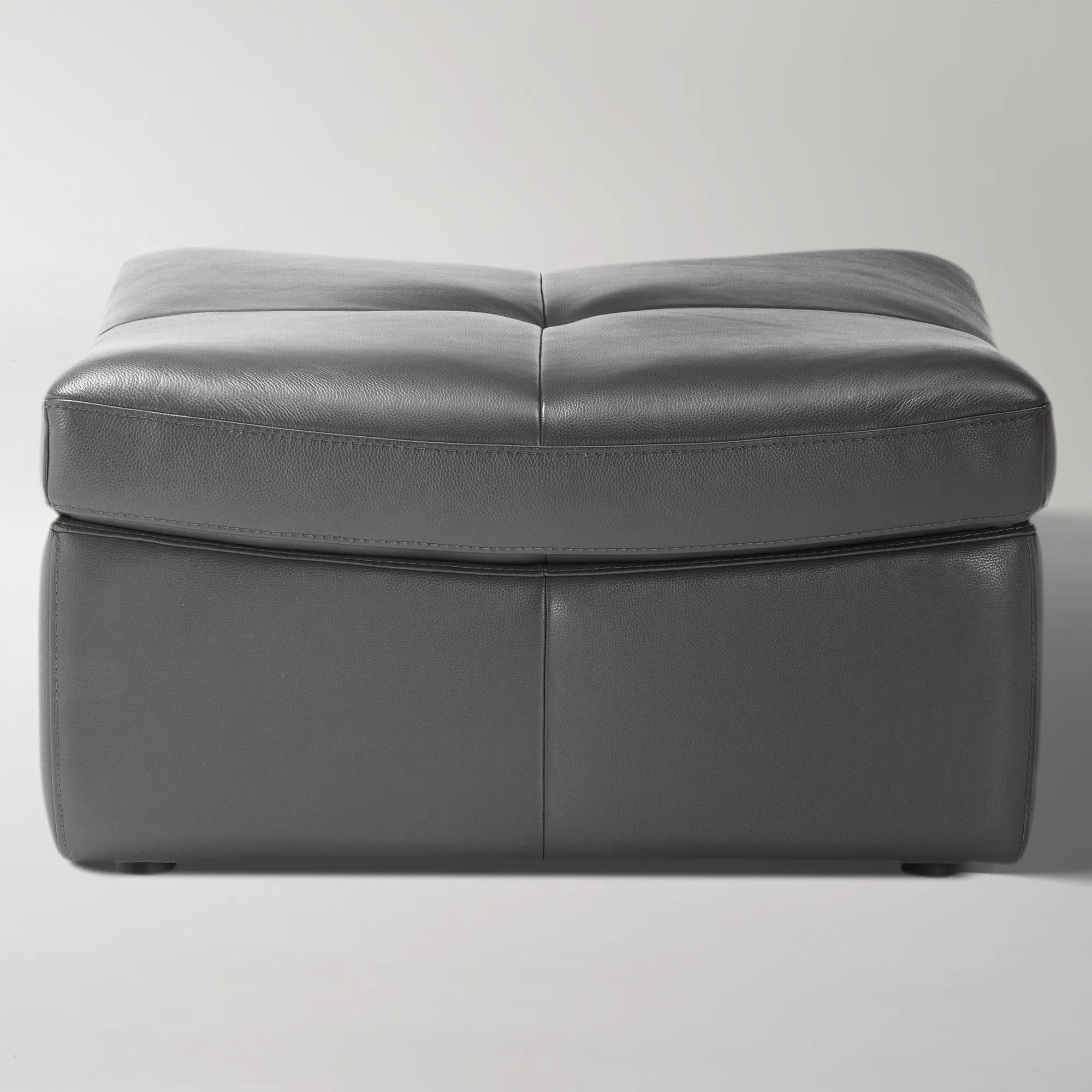 Convo Charcoal Leather Ottoman$849
A modular sectional in charcoal semi-aniline leather with kiln-dried hardwood frames and gently curved seats.
Add To Cart -
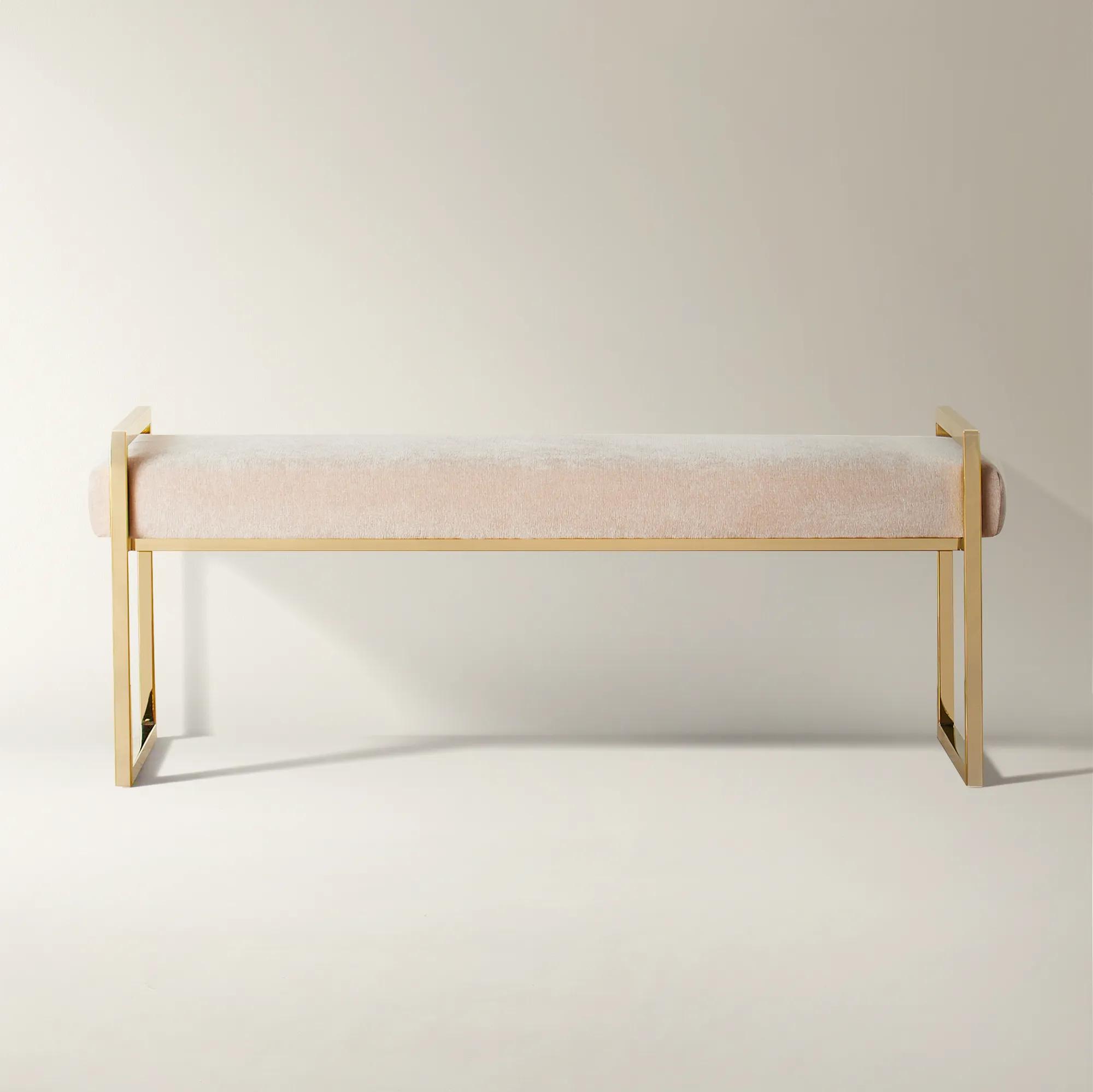 Clara Bench$799
A plush upholstered bench with a high-density foam seat and polished gold metal legs for modern elegance.
Add To Cart -

 Aria Pleated Swivel Chair$1349
A barrel-style swivel chair in kiln-dried hardwood, shown in Bella Velvet Pearl with pleated tailoring.
Add To Cart -
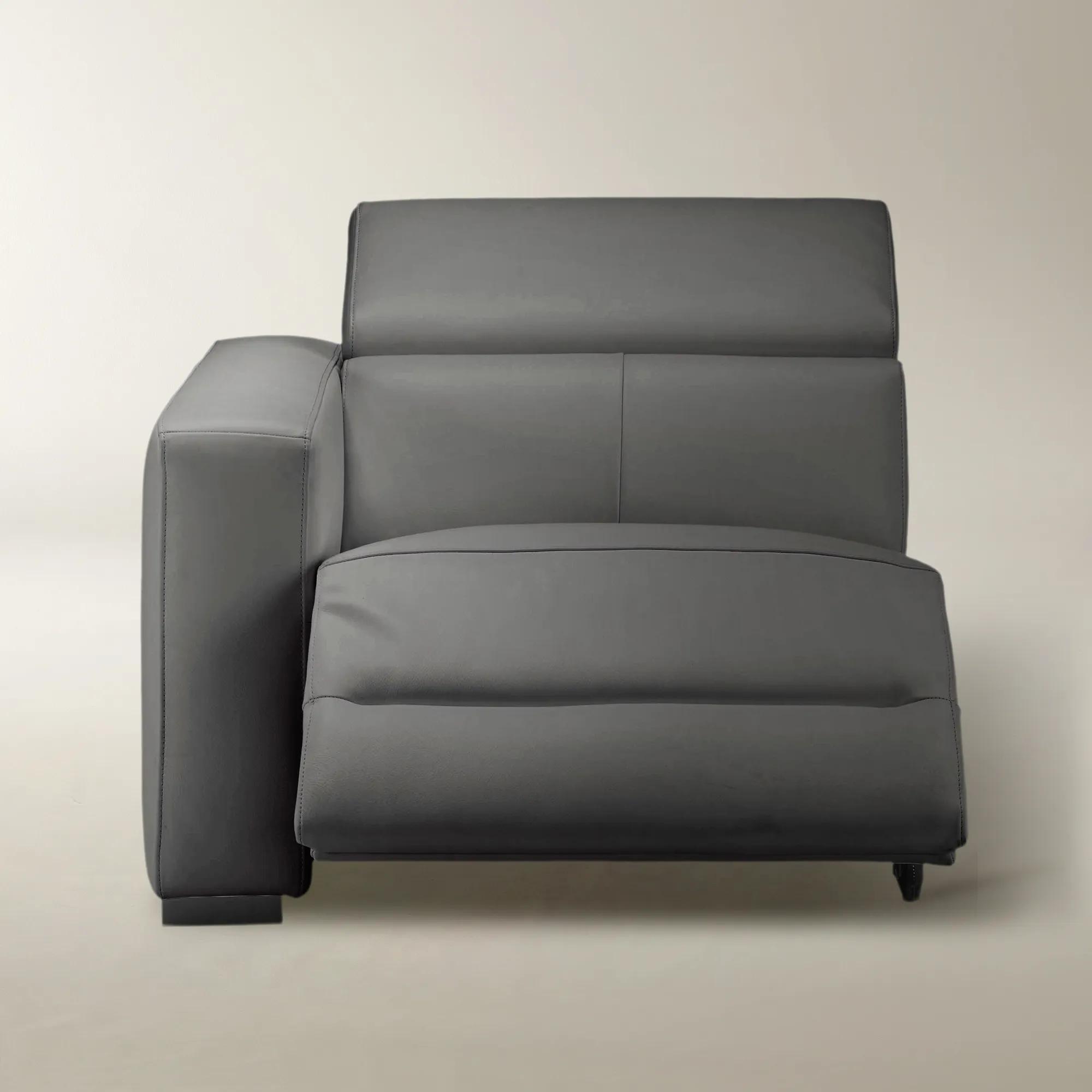
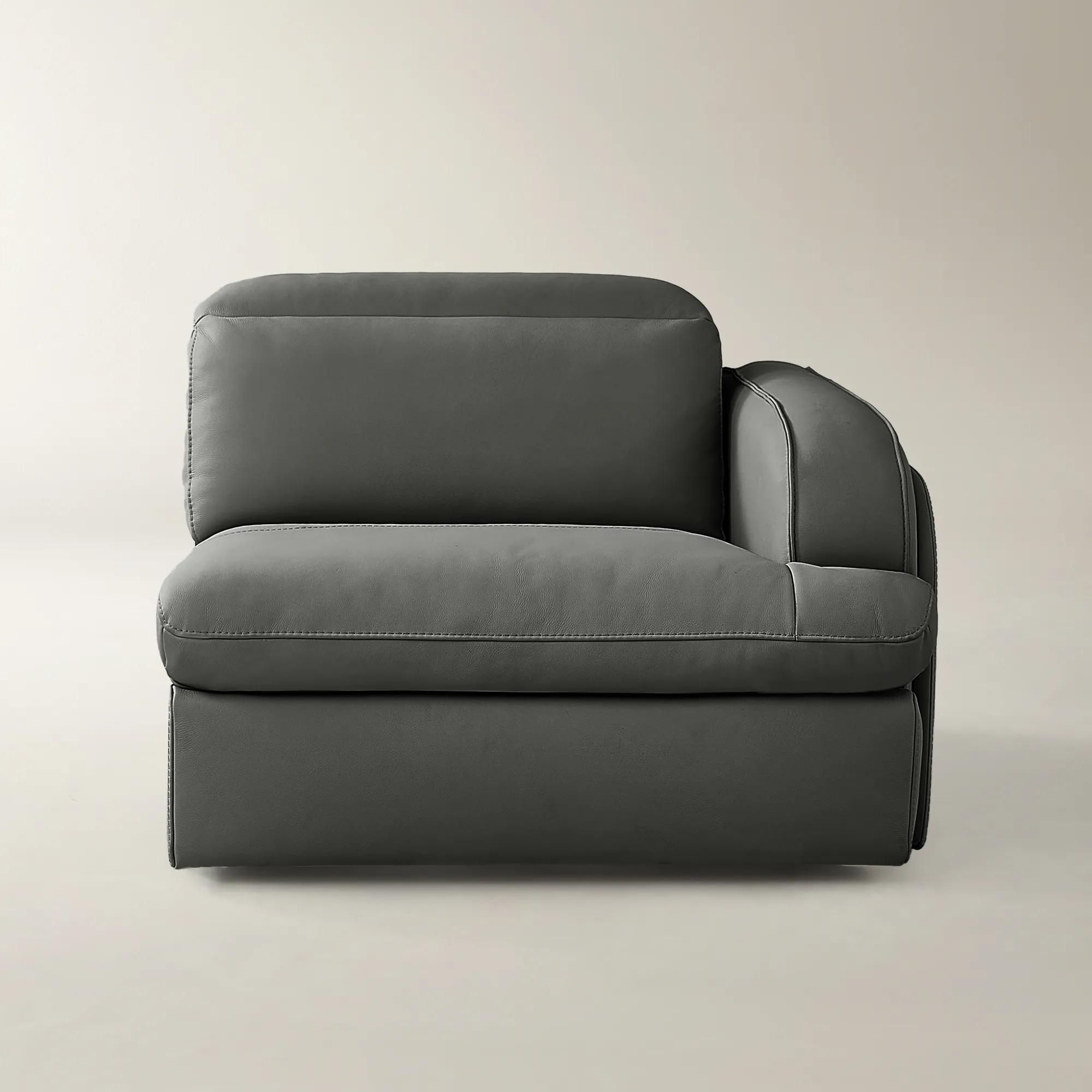
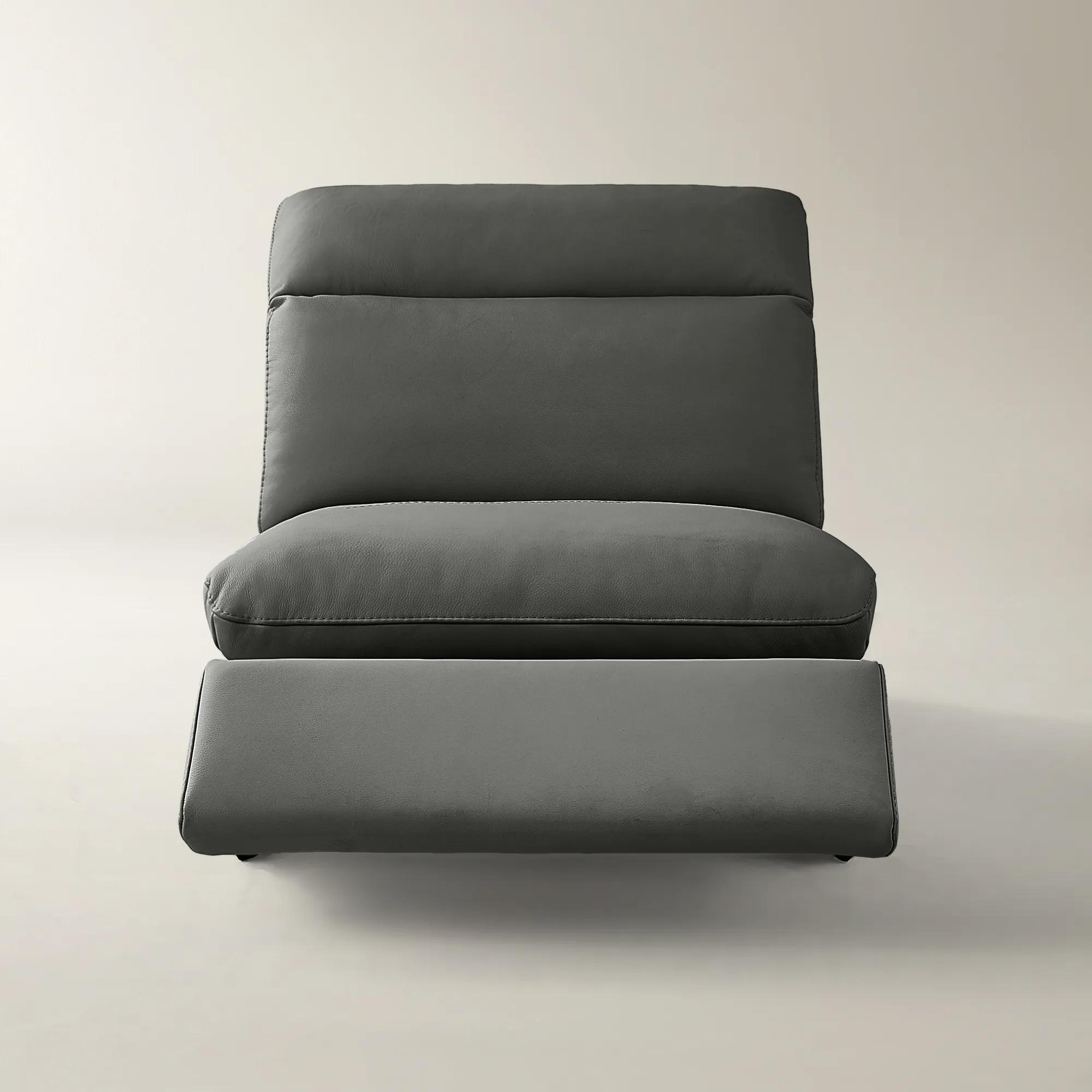
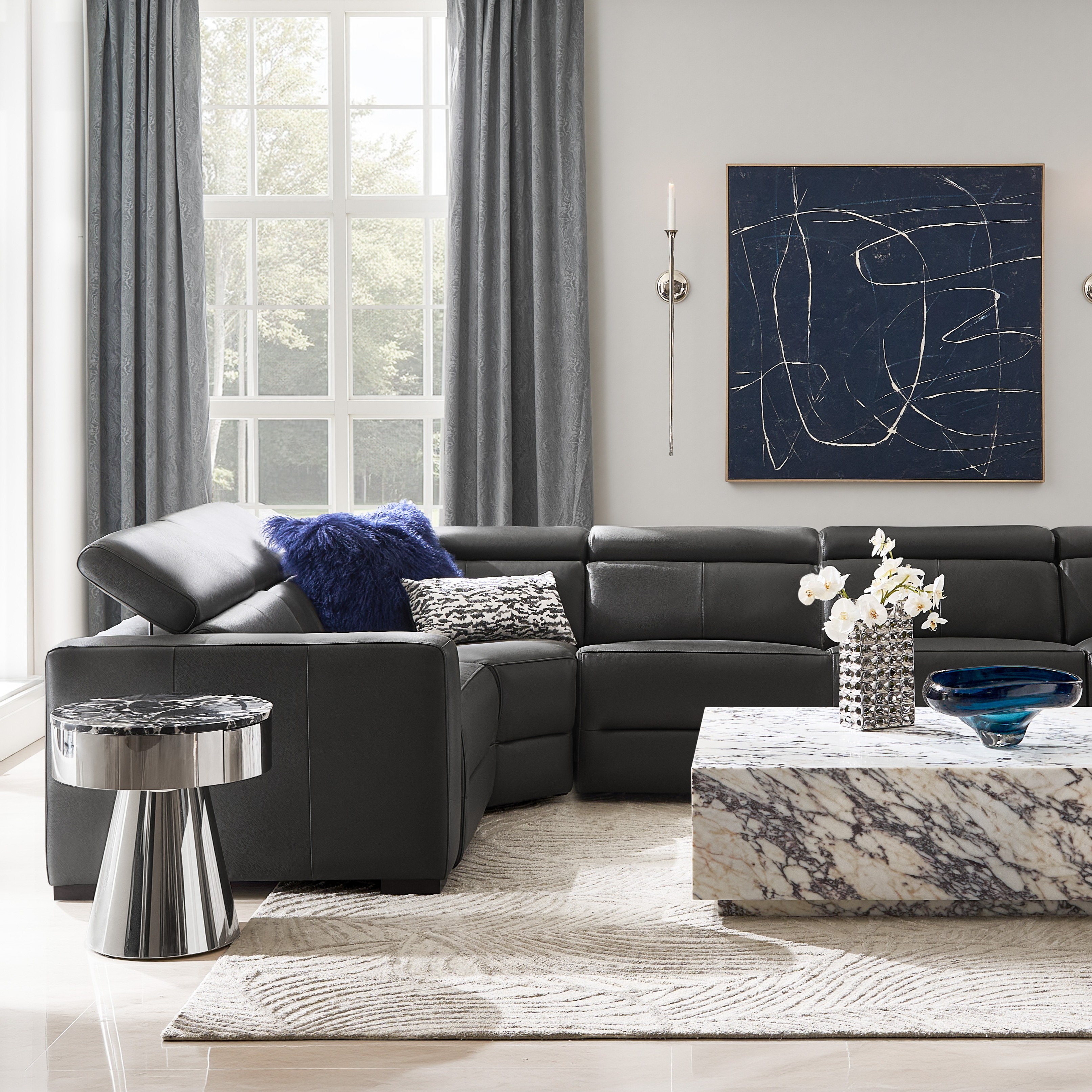 Verona Reclining Charcoal Leather Left Arm Chair With Power$1499
A charcoal semi-aniline leather sectional with adjustable headrests, power-reclining seats, and kiln-dried hardwood frame.
Add To Cart -
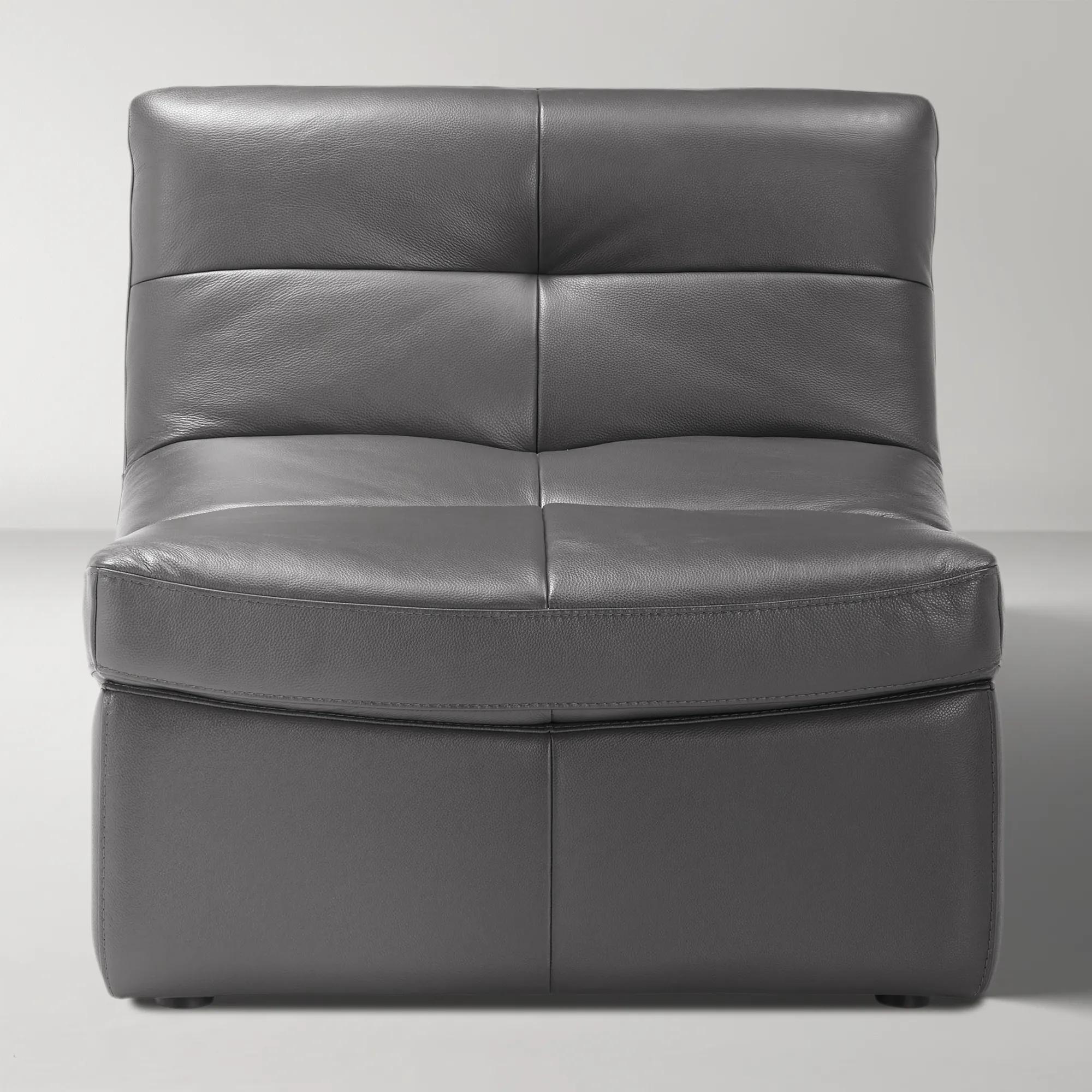
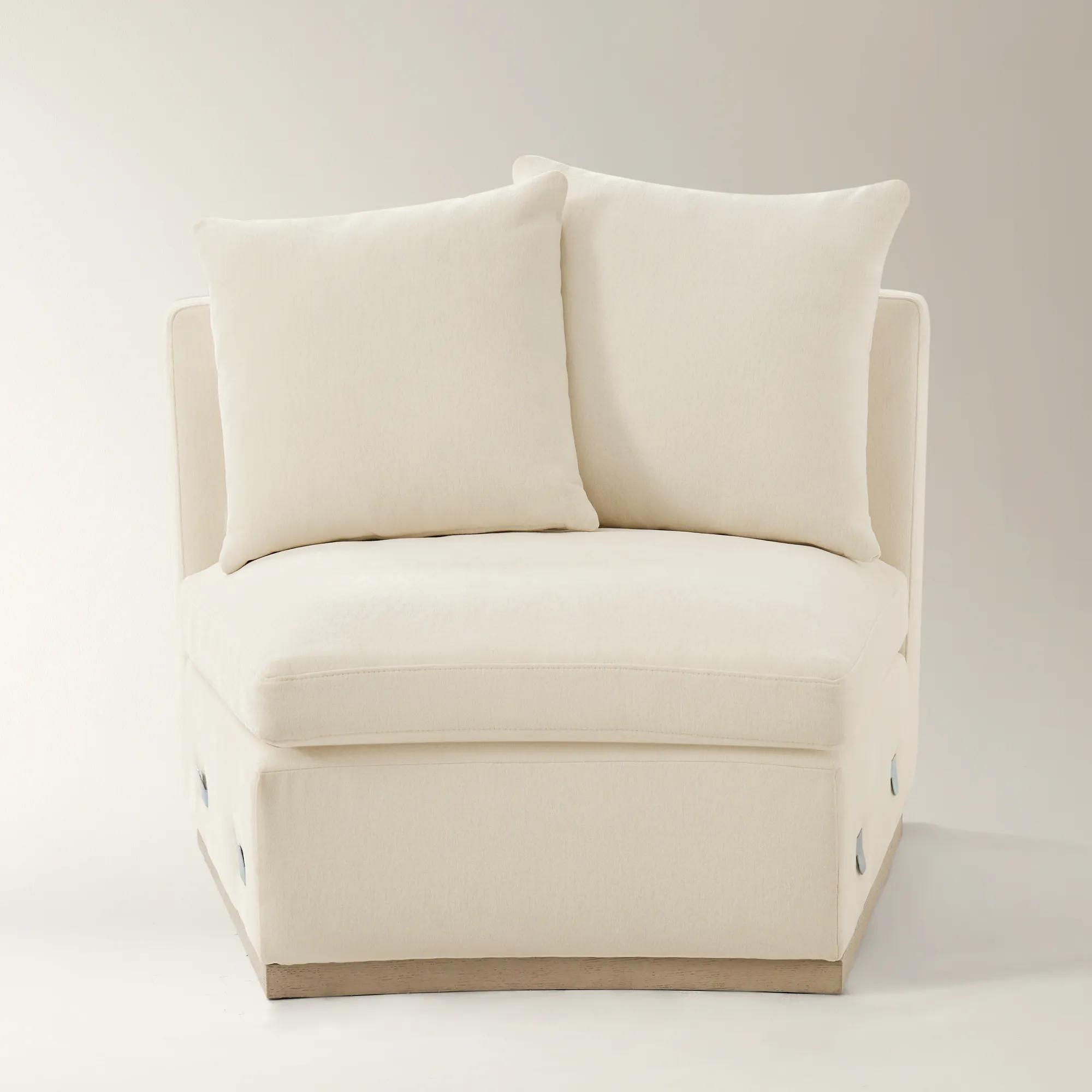
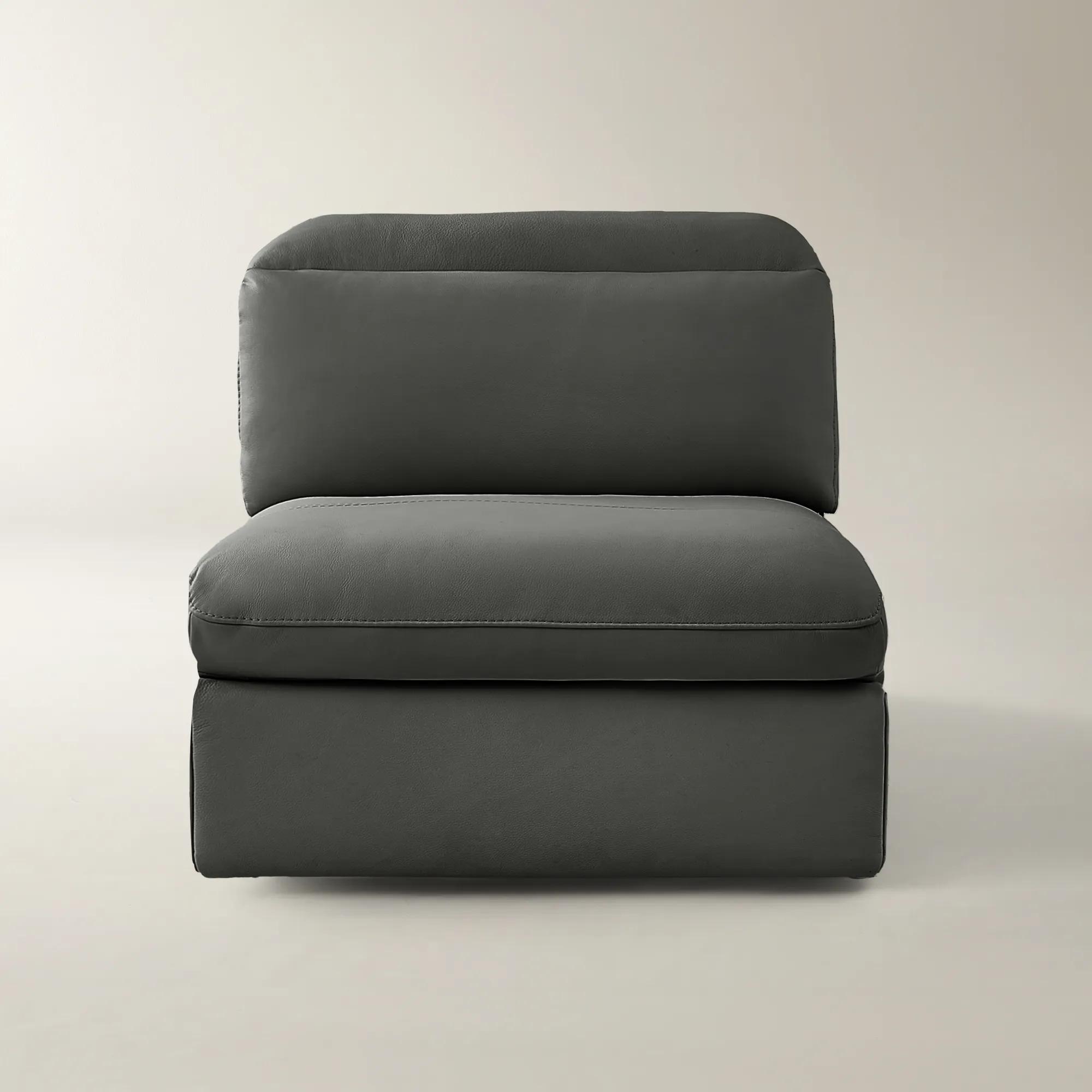
.jpg?w=1200&h=1200) Convo Charcoal Leather Armless Chair$1199
Convo Charcoal Leather Armless Chair$1199A modular sectional with kiln-dried hardwood frame and charcoal semi-aniline leather upholstery for modern versatility.
Add To Cart -
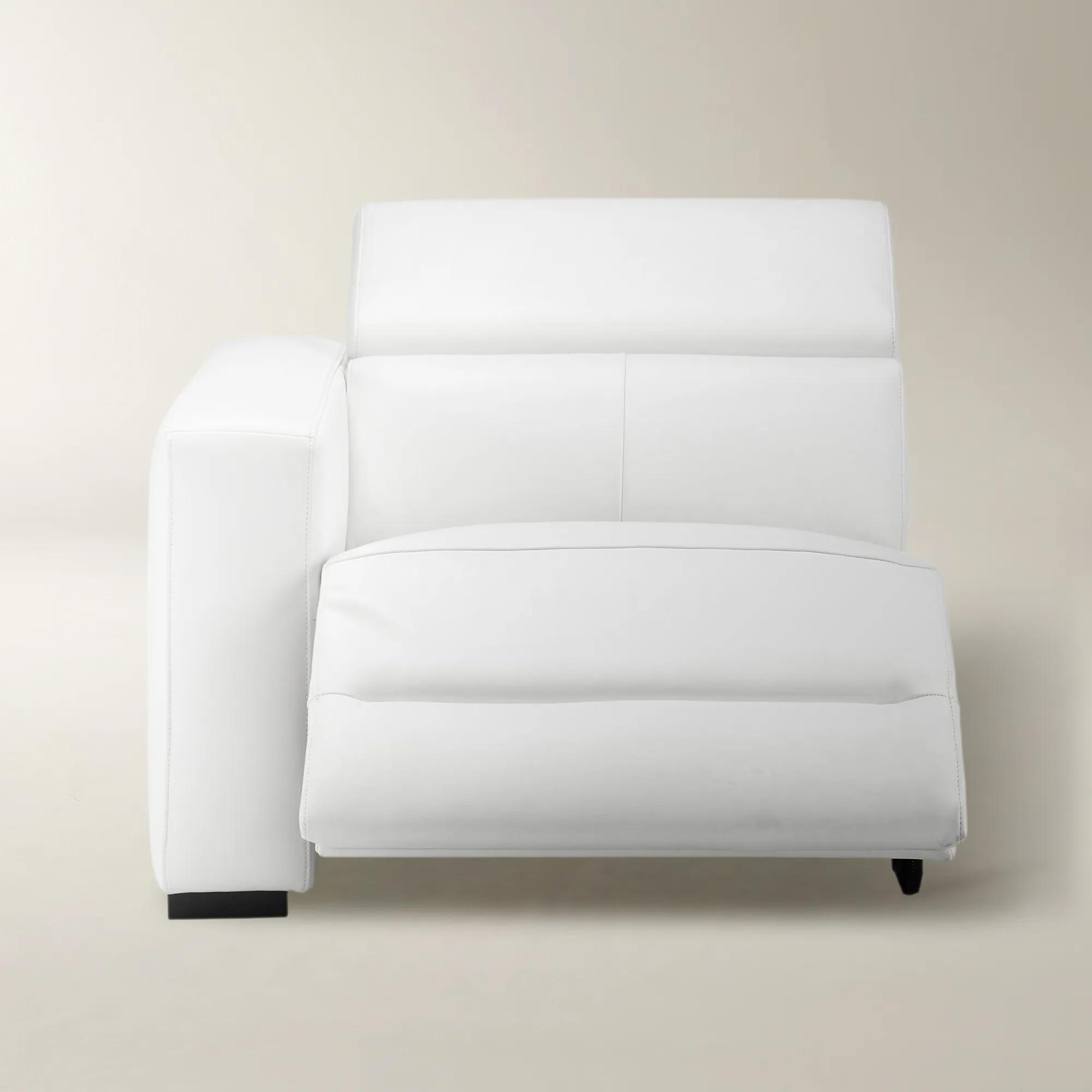
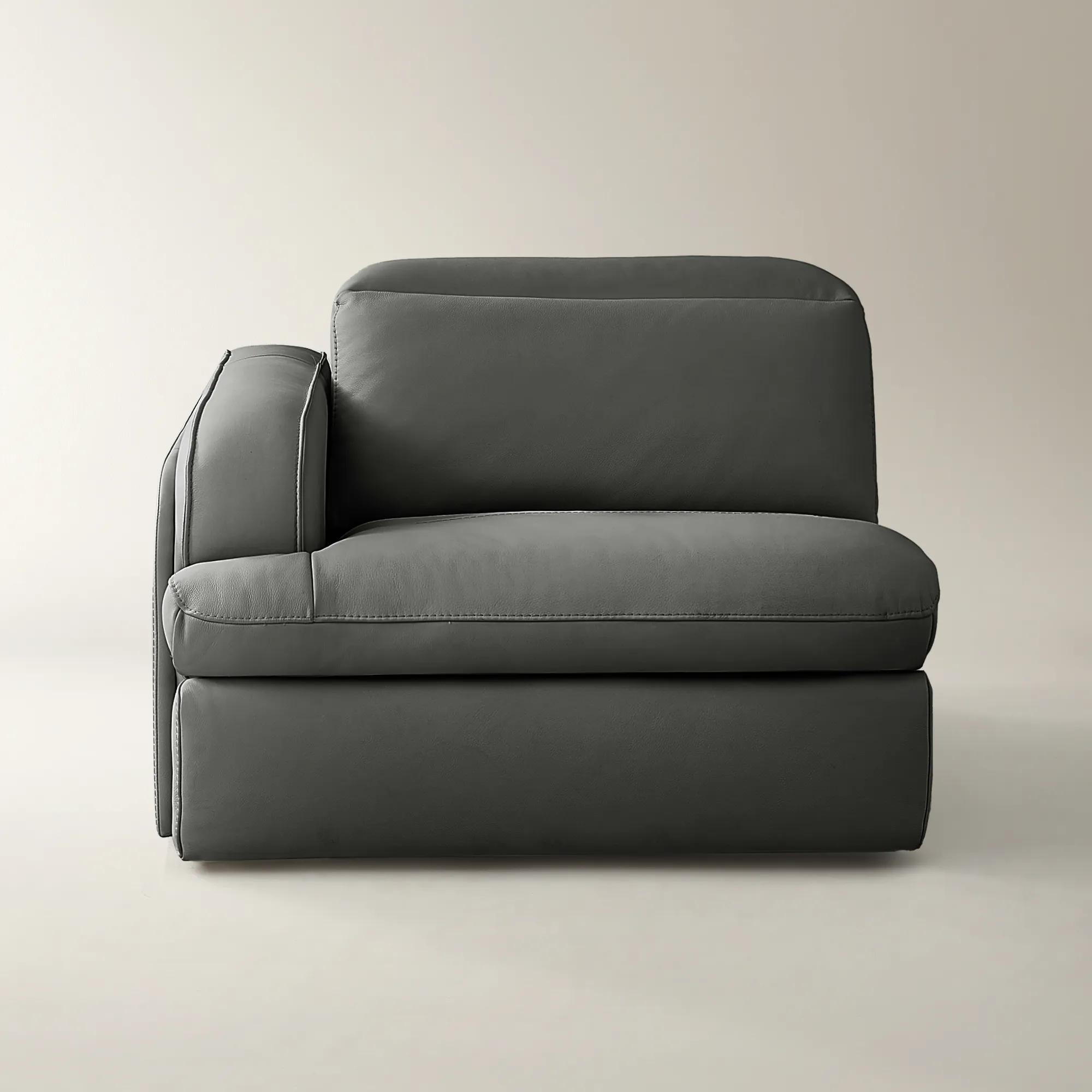
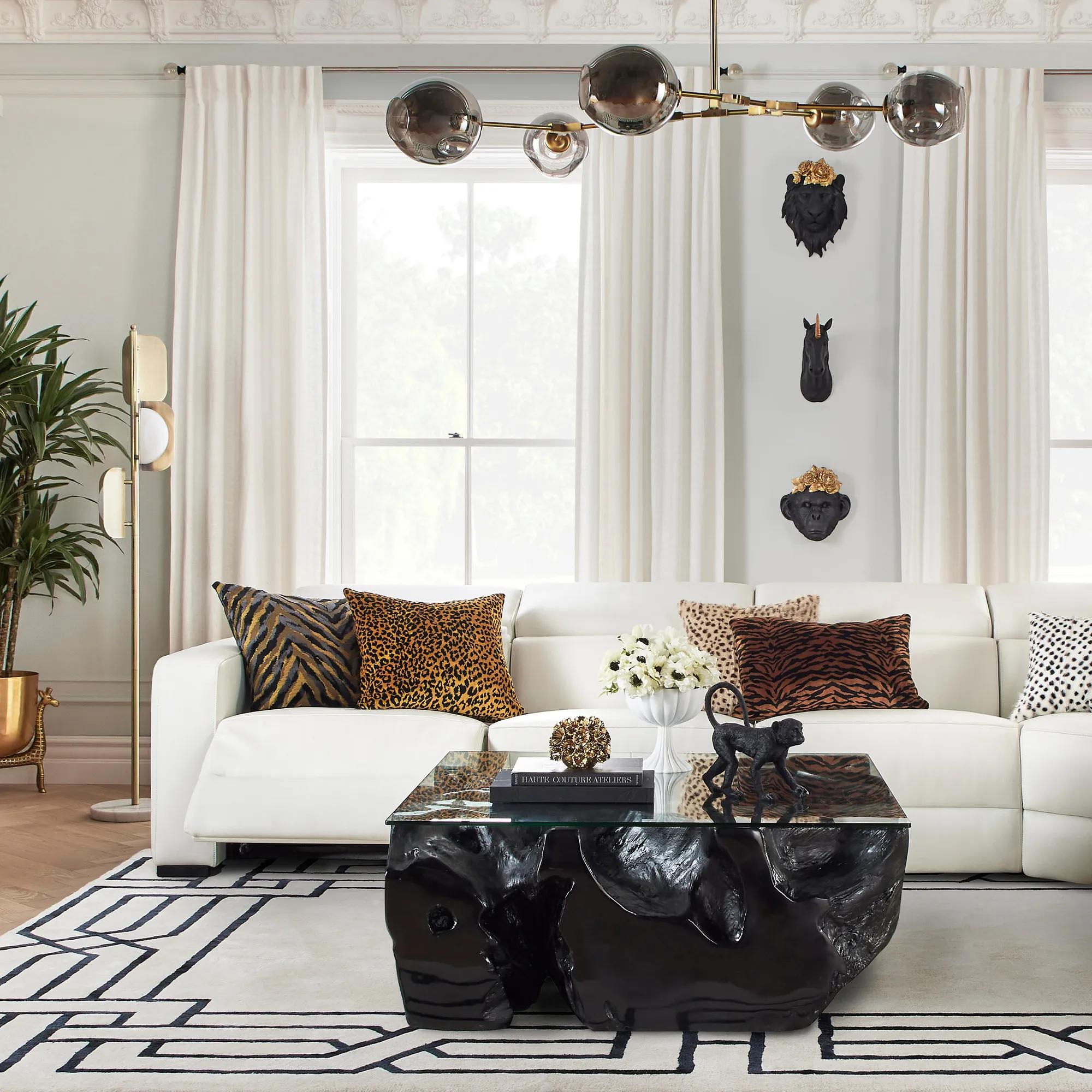 Verona Reclining White Leather Left Arm Chair With Power$1499
A modern white sectional upholstered in supple semi-aniline leather with adjustable headrests and power-reclining seats.
Add To Cart -
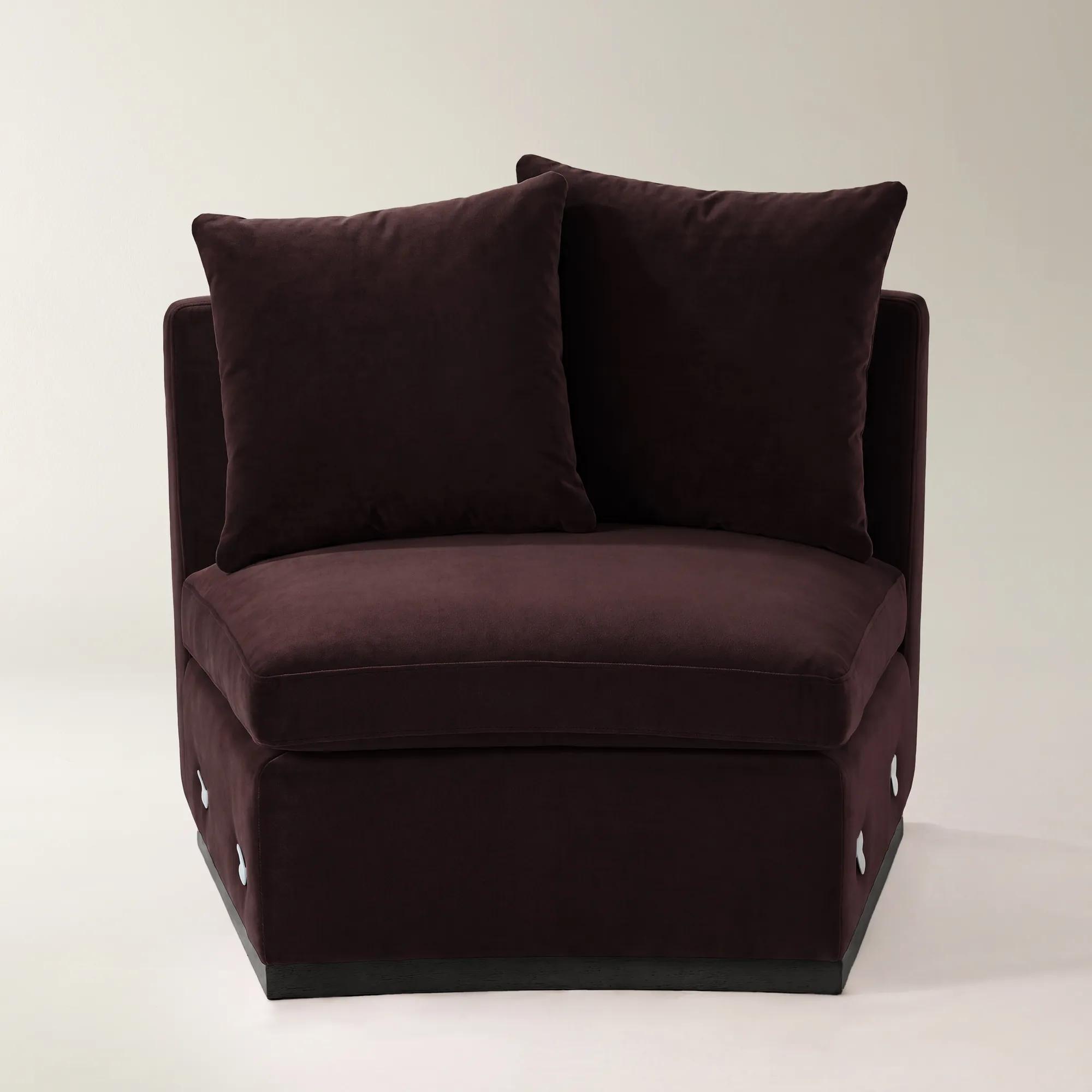
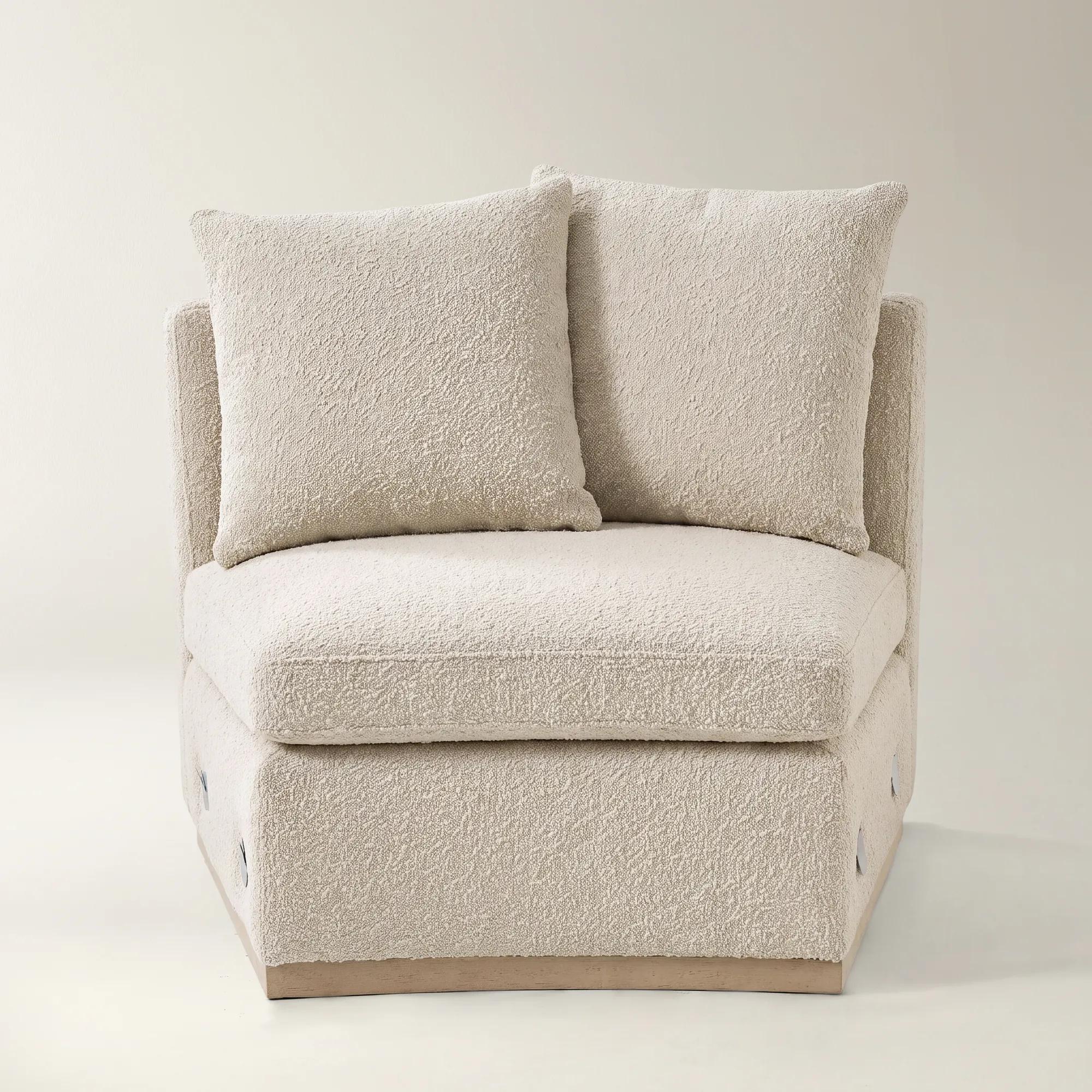
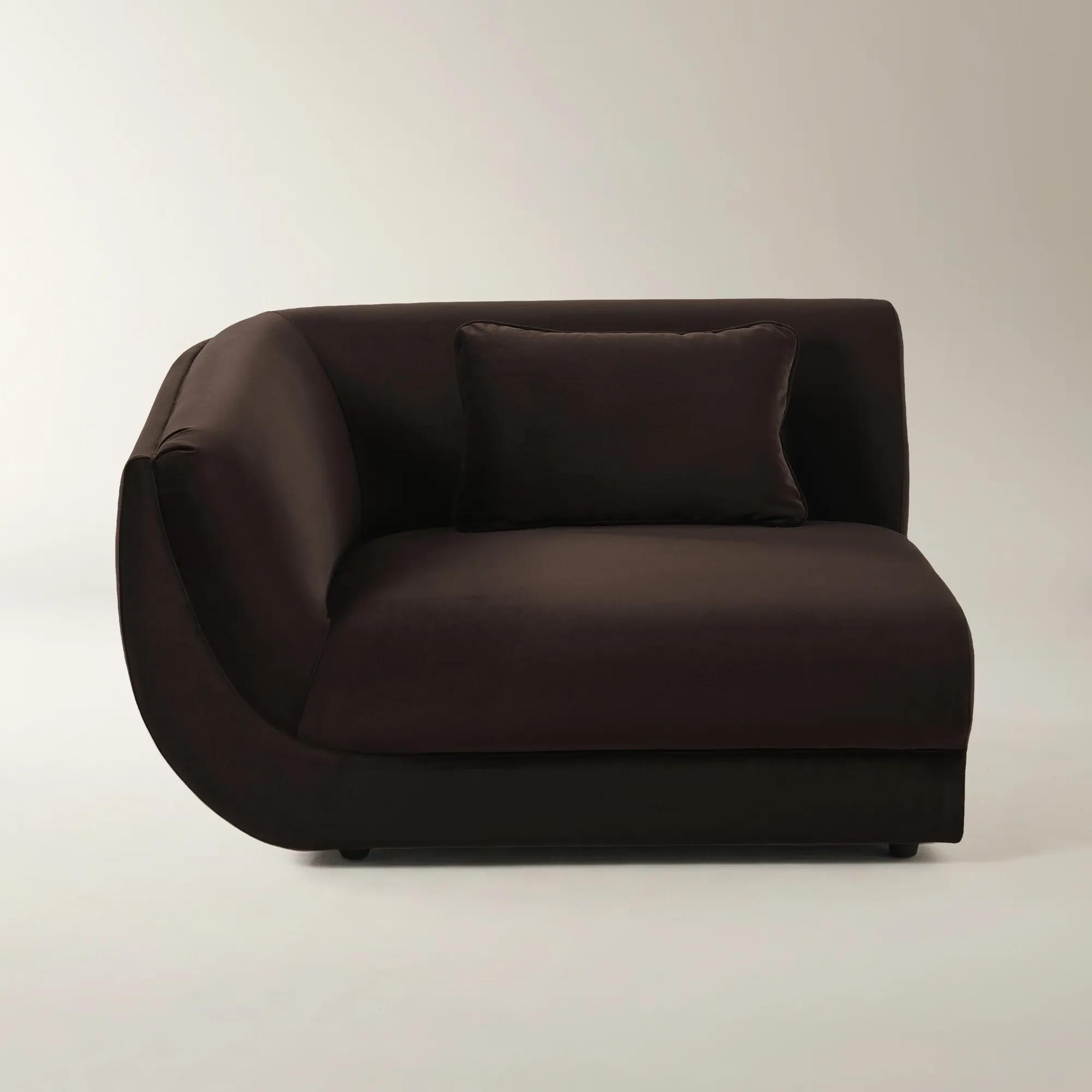
 Convo White Leather Corner Chair$1399
A modular sectional featuring kiln-dried hardwood frames and charcoal semi-aniline leather upholstery for modern versatility.
Add To Cart -
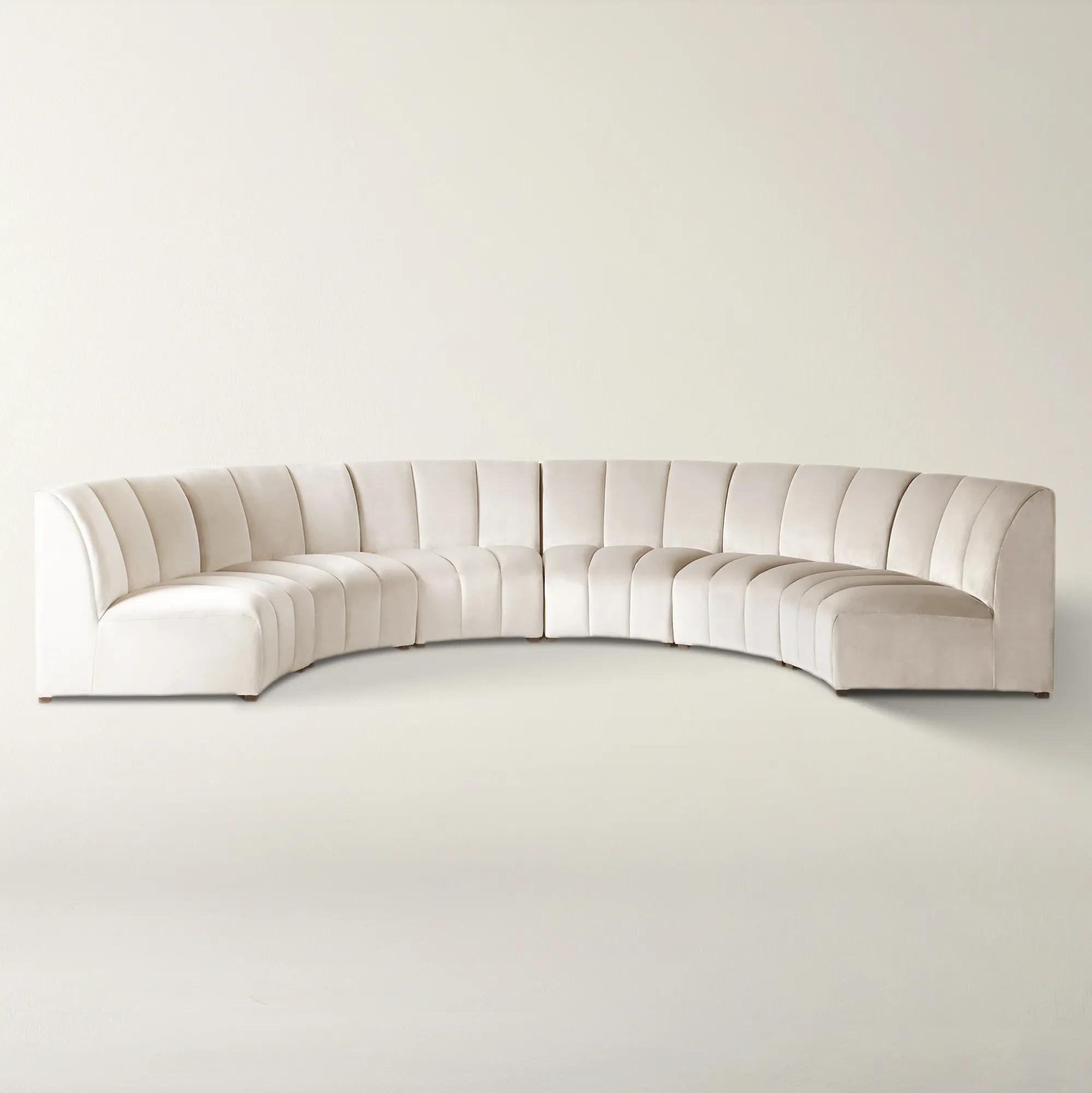 Jayce 6-Piece Channel-Tufted Ivory Velvet Sectional Sofa$5499
A modern curved sectional in stain-resistant Velvet Ivory with deep channel tufting and plush, structured cushions.
Add To Cart -
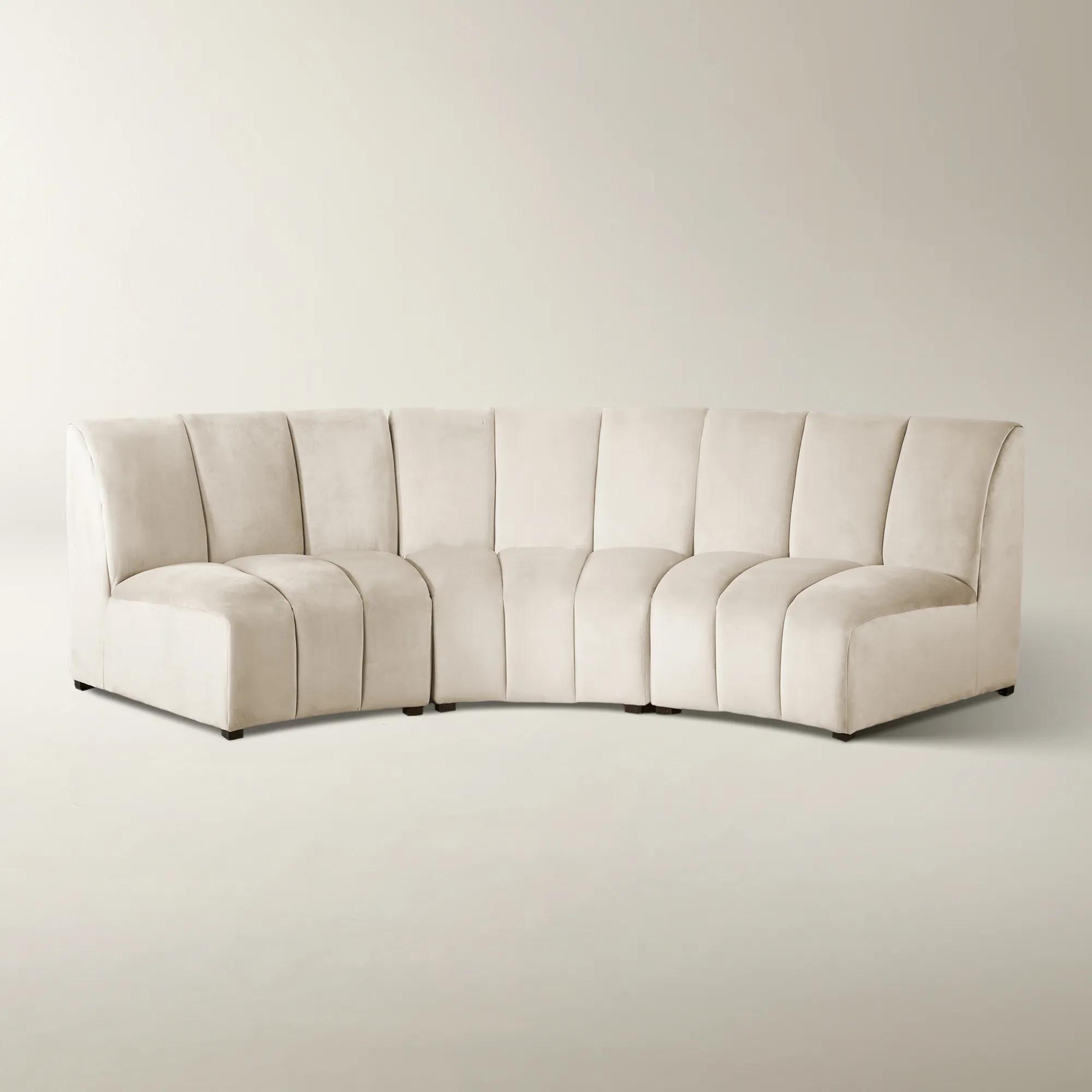
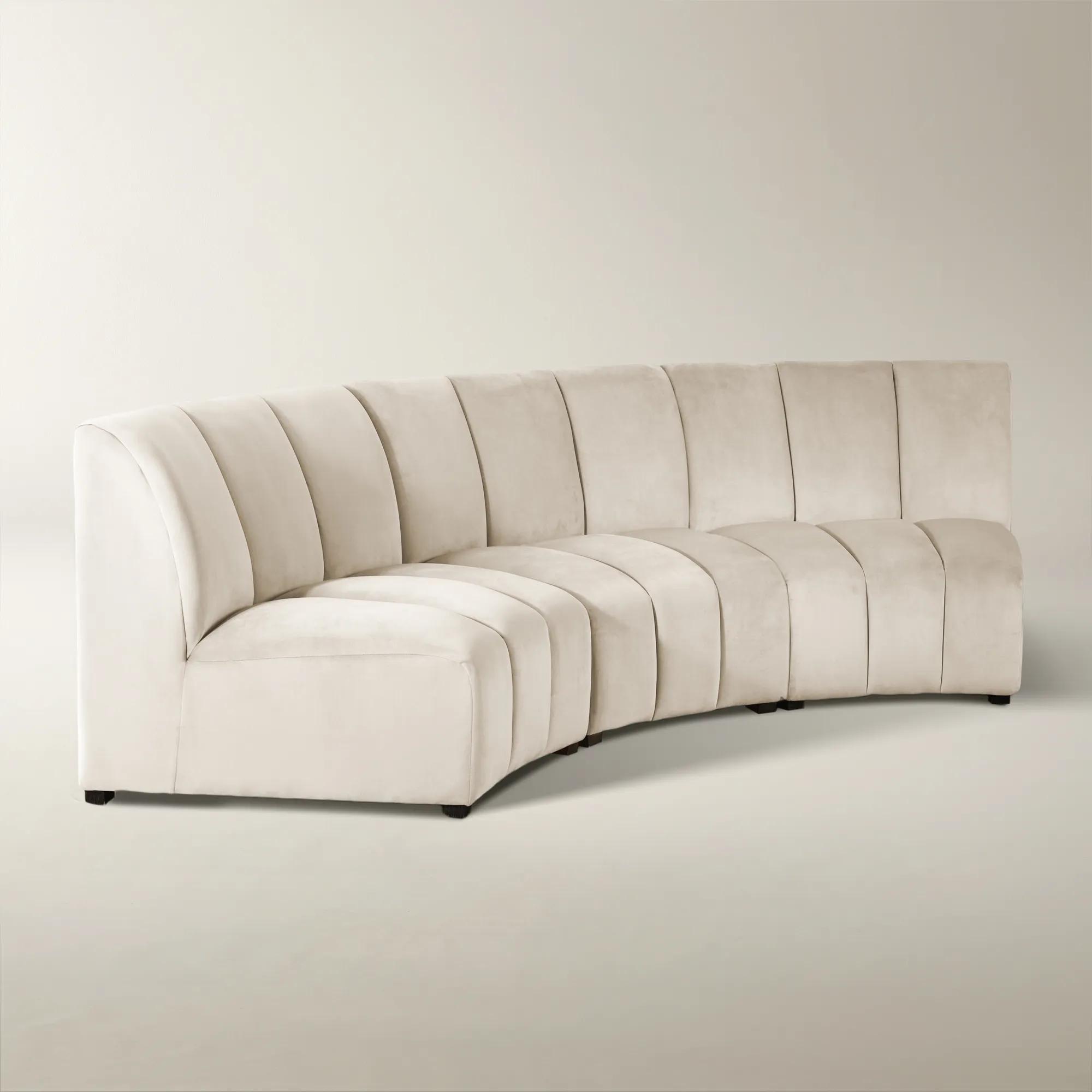 Jayce 3-Piece Channel-Tufted Ivory Velvet Sectional Sofa$2799
A modern curved sectional in stain-resistant Velvet Ivory with deep channel tufting and plush, structured cushions.
Add To Cart -
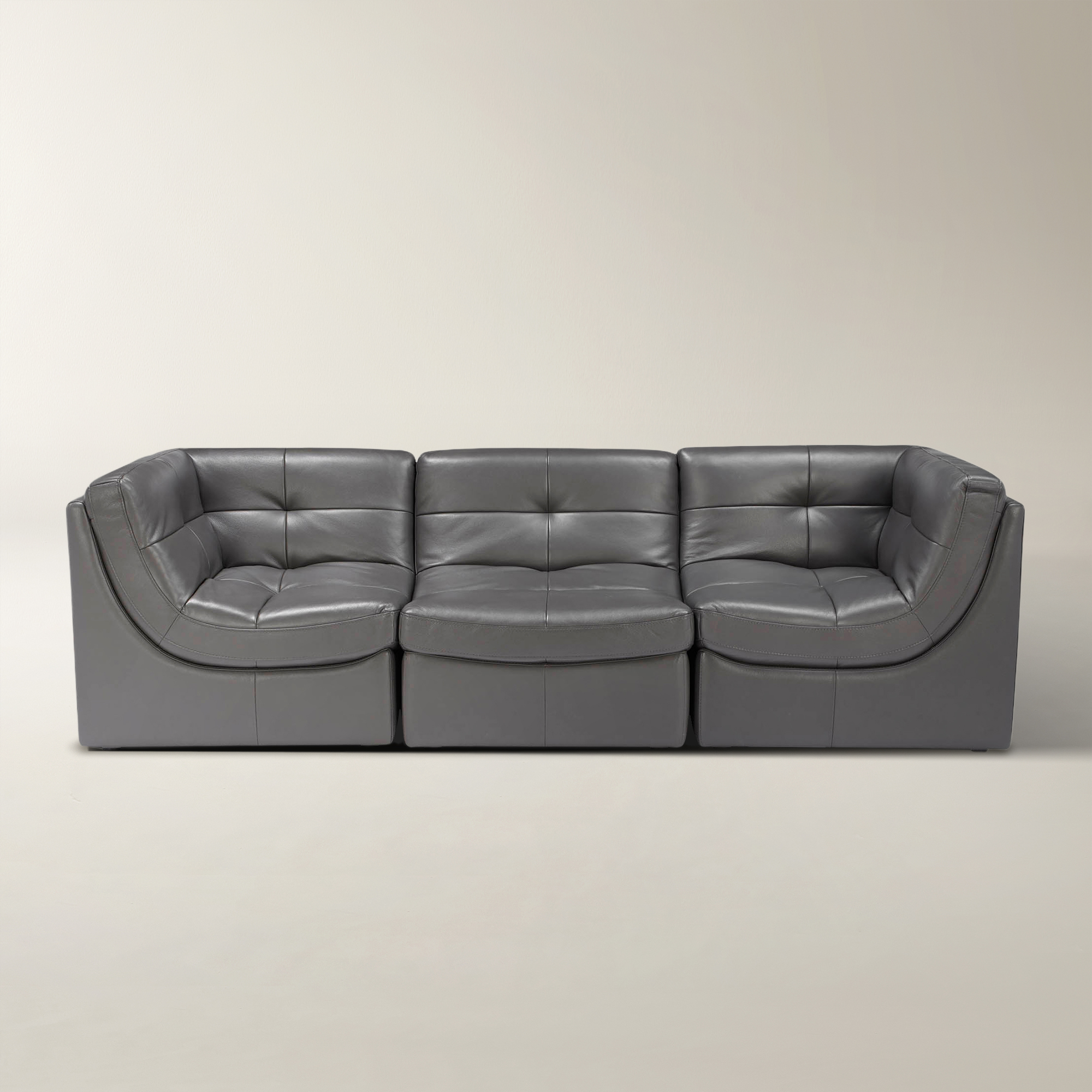 Convo 3-Piece Charcoal Leather Sectional Sofa$3999
A modular charcoal leather sofa with kiln-dried hardwood frame and gently curved, blind-tufted seats.
Add To Cart -
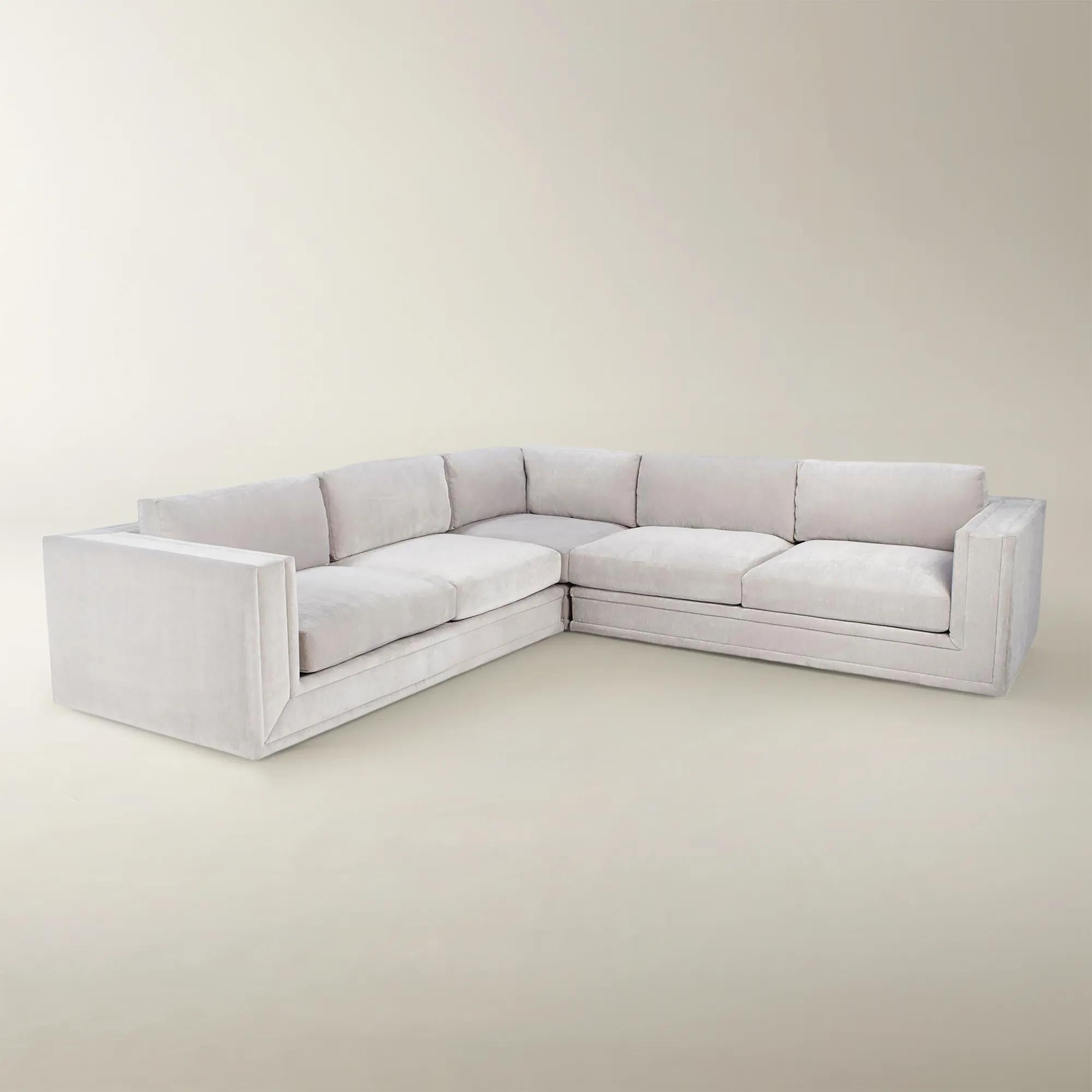 Luka 3-Piece Polar Chenille Sectional Sofa$4999
A modern corner sectional featuring deep seating, high-density foam cushions, and hand-upholstered opulent chenille fabric.
Add To Cart -
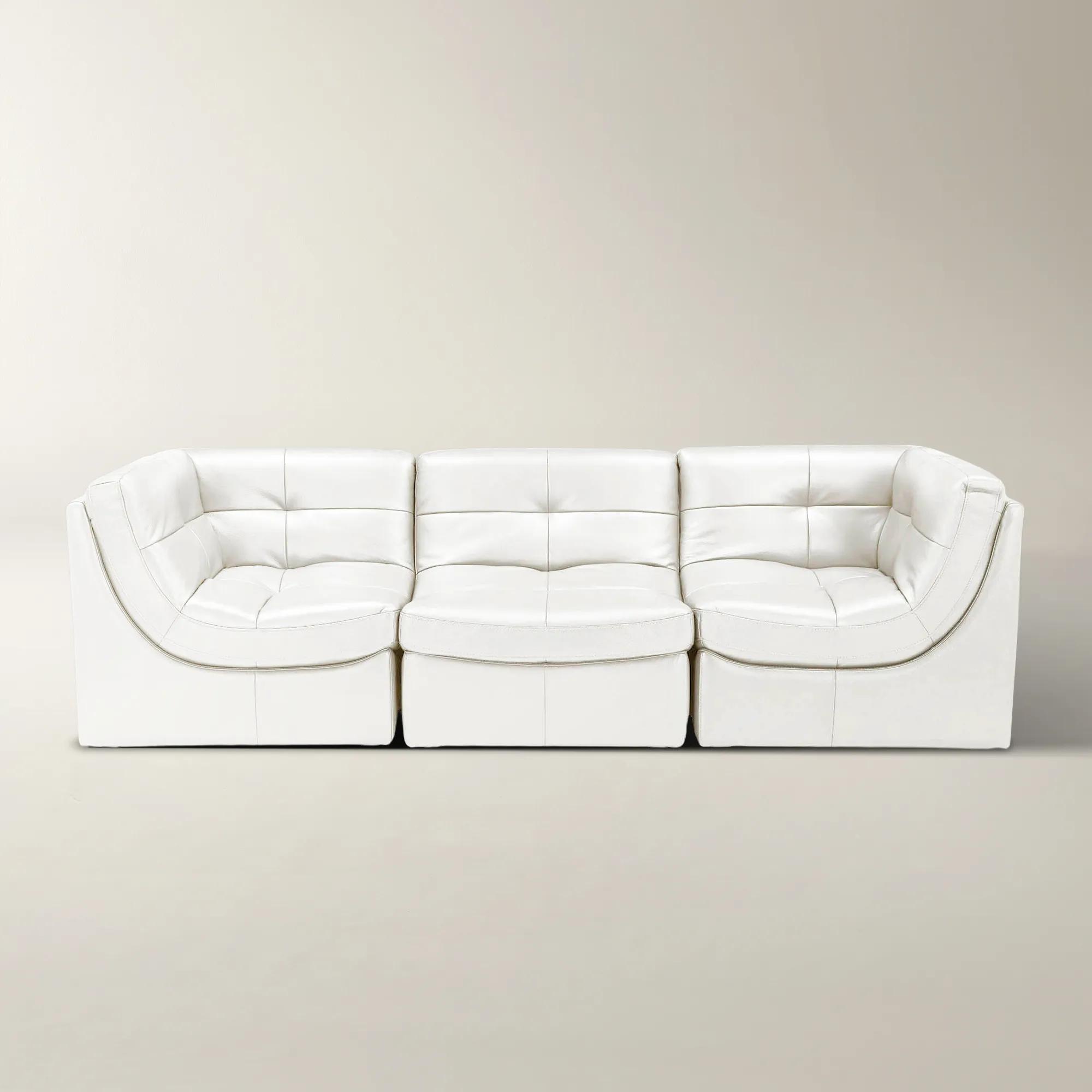 Convo 3-Piece White Leather Sectional Sofa$3999
A modular charcoal leather sofa with kiln-dried hardwood frame and blind-tufted, semi-aniline upholstery.
Add To Cart -
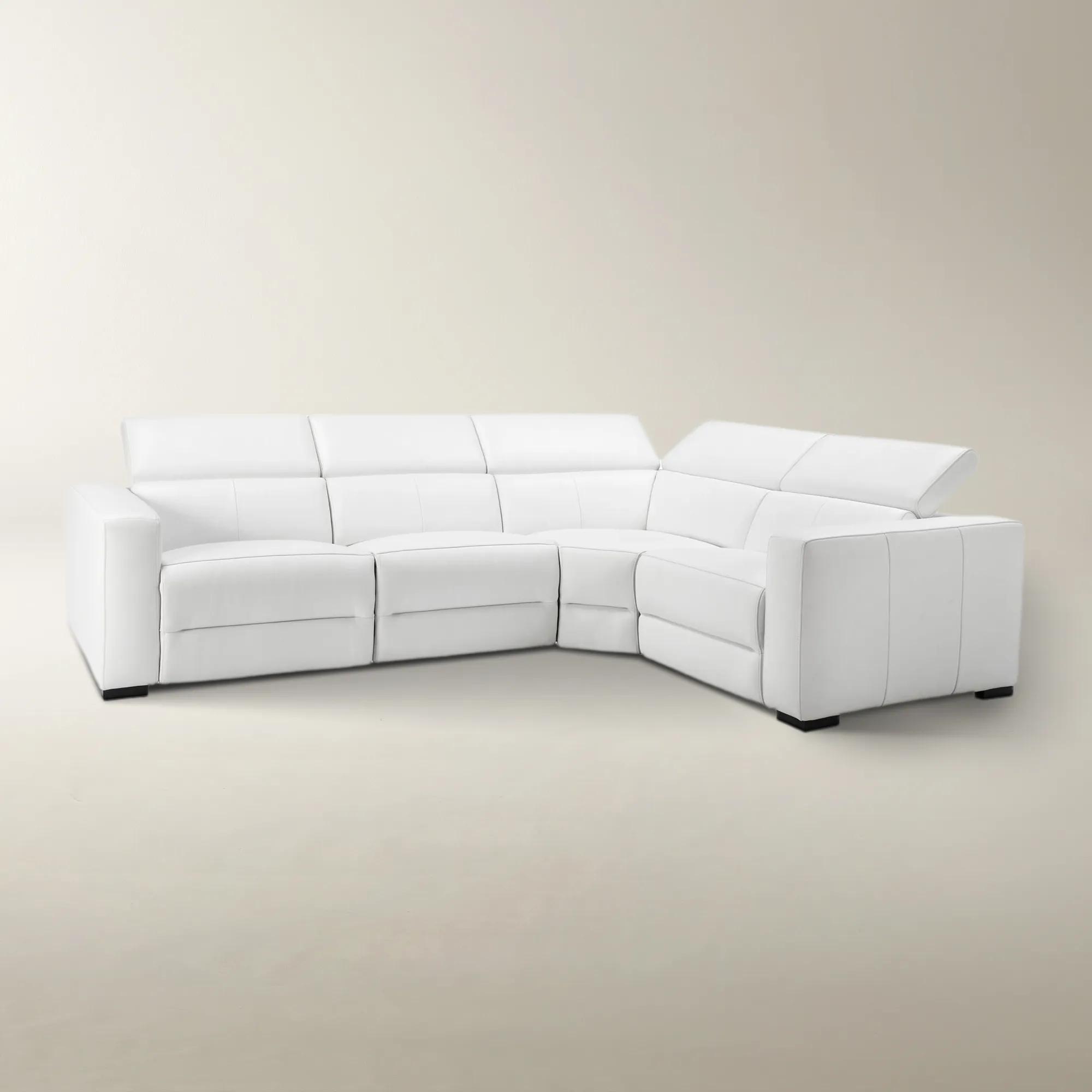
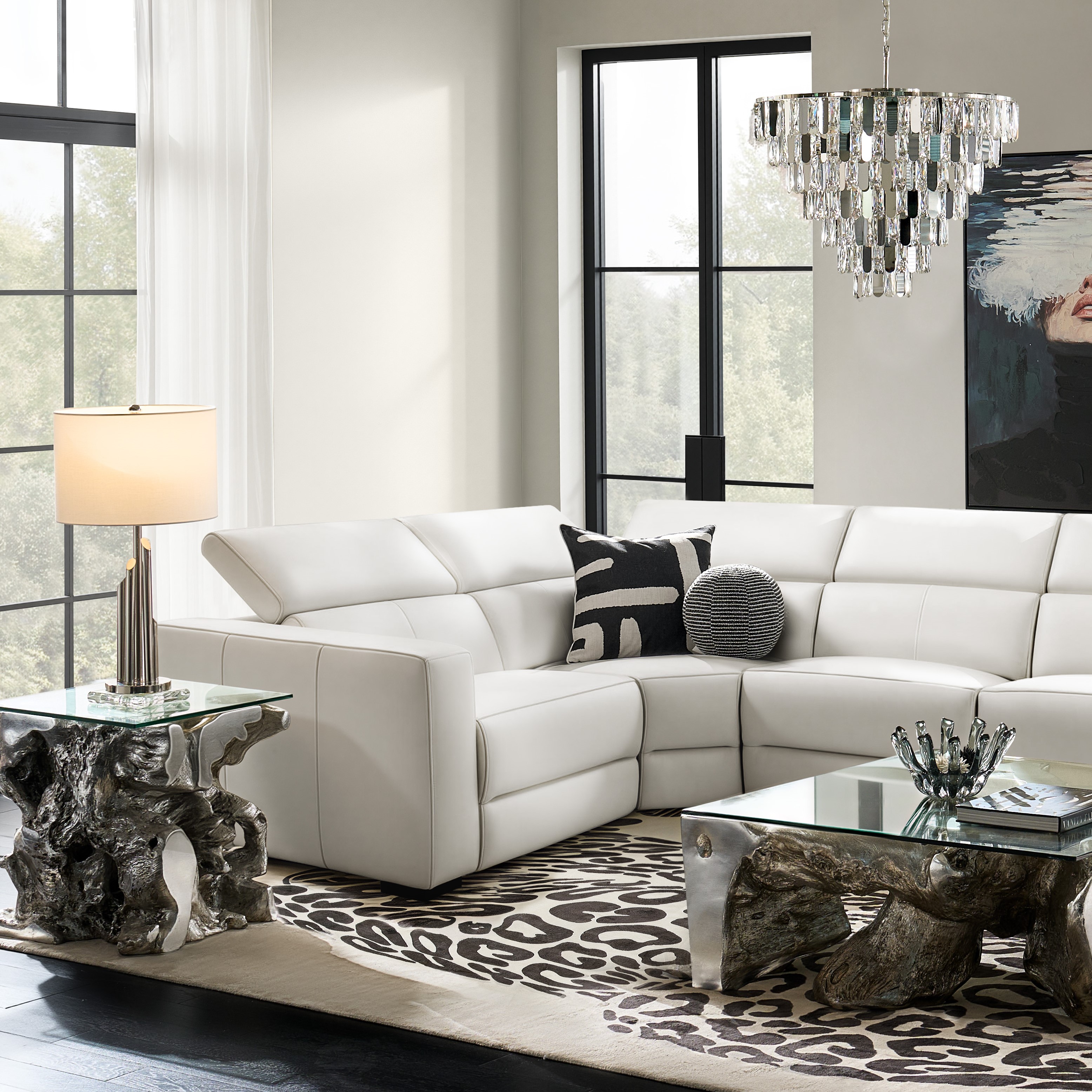 Verona 4-Piece L-Shaped Reclining White Leather Sectional Sofa With Right-Arm$5499
A modern sectional upholstered in supple white semi-aniline leather with adjustable headrests and power-reclining seats.
Add To Cart -
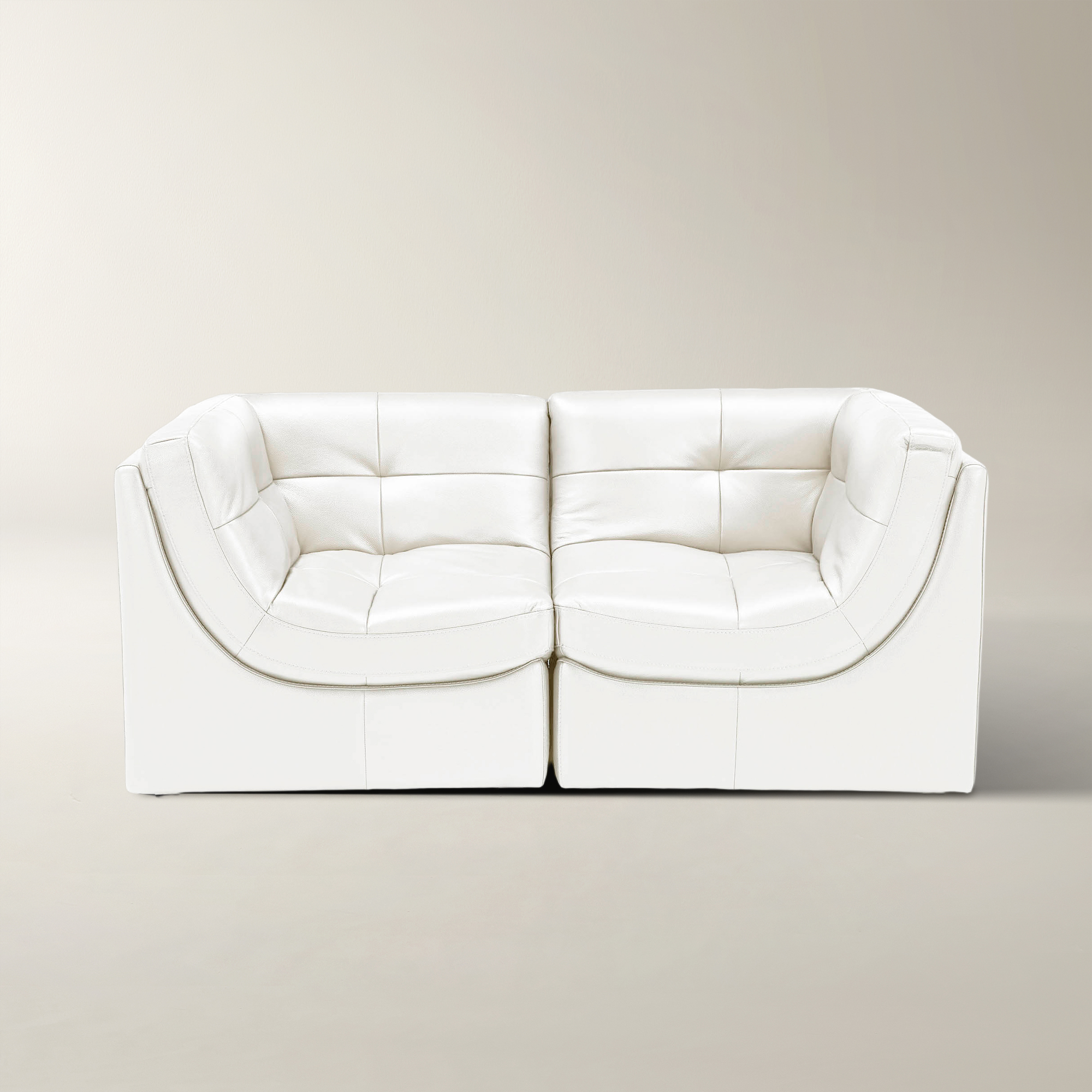 Convo 2-Piece White Leather Sectional Sofa$2799
A modular charcoal leather sofa with kiln-dried hardwood frame and blind-tufted, semi-aniline upholstery.
Add To Cart -
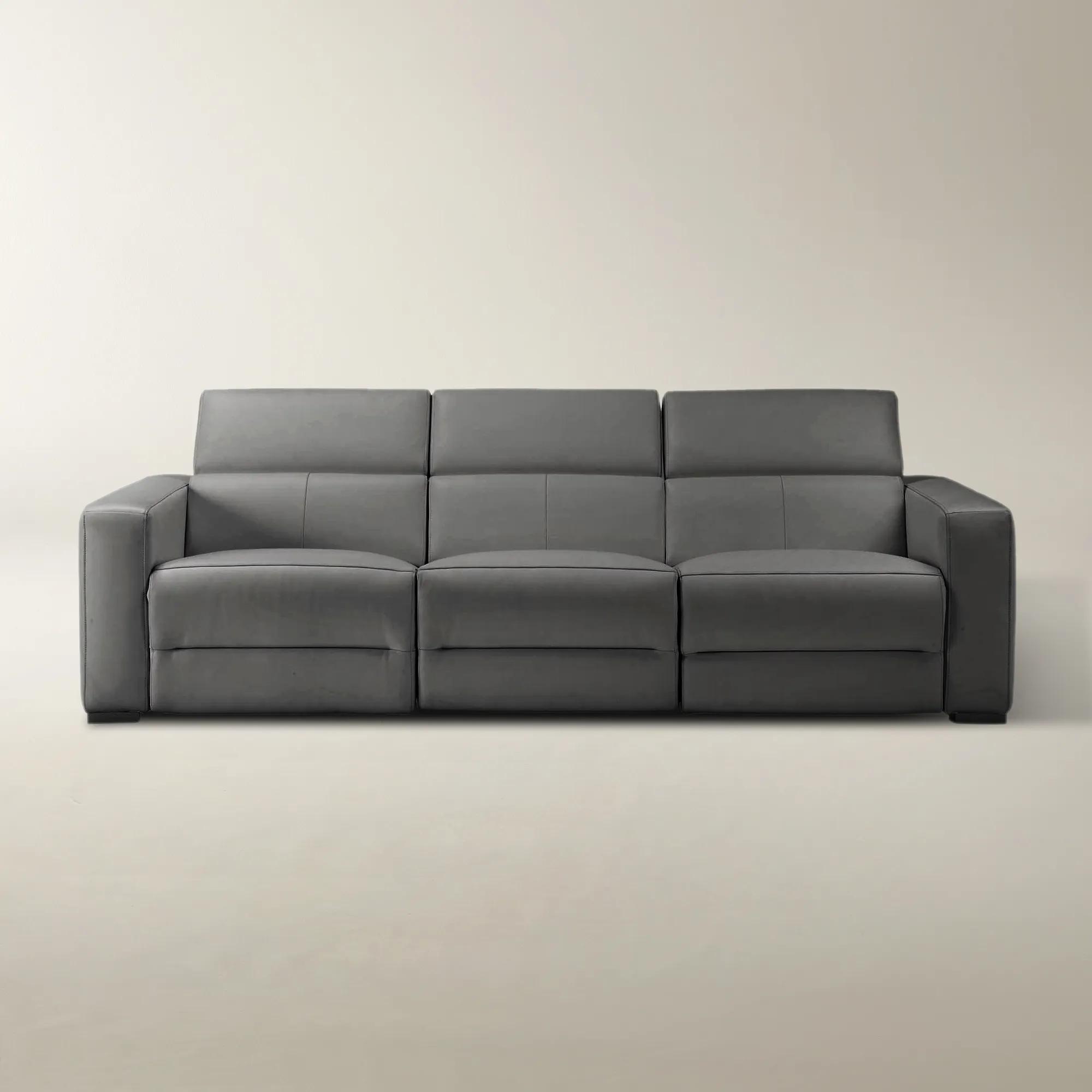 Verona 3-Piece Charcoal Leather Sectional Sofa$4199
A charcoal semi-aniline leather sectional featuring adjustable headrests, kiln-dried hardwood frame, and optional power recline.
Add To Cart -
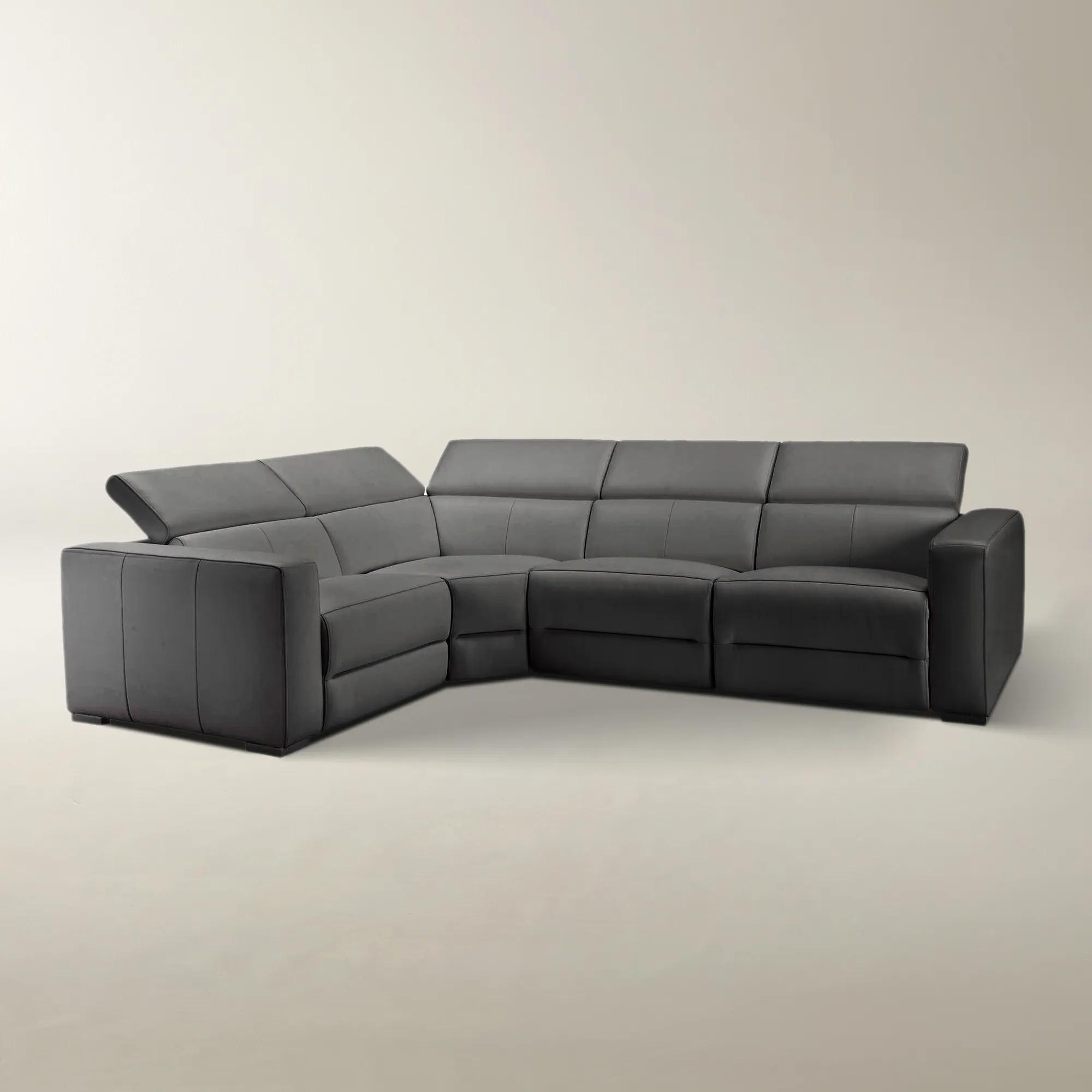 Verona 4-Piece L-Shaped Reclining Charcoal Leather Sectional Sofa With Left-Arm$5499
A charcoal semi-aniline leather sectional featuring adjustable headrests and optional power-reclining seats for comfort.
Add To Cart -
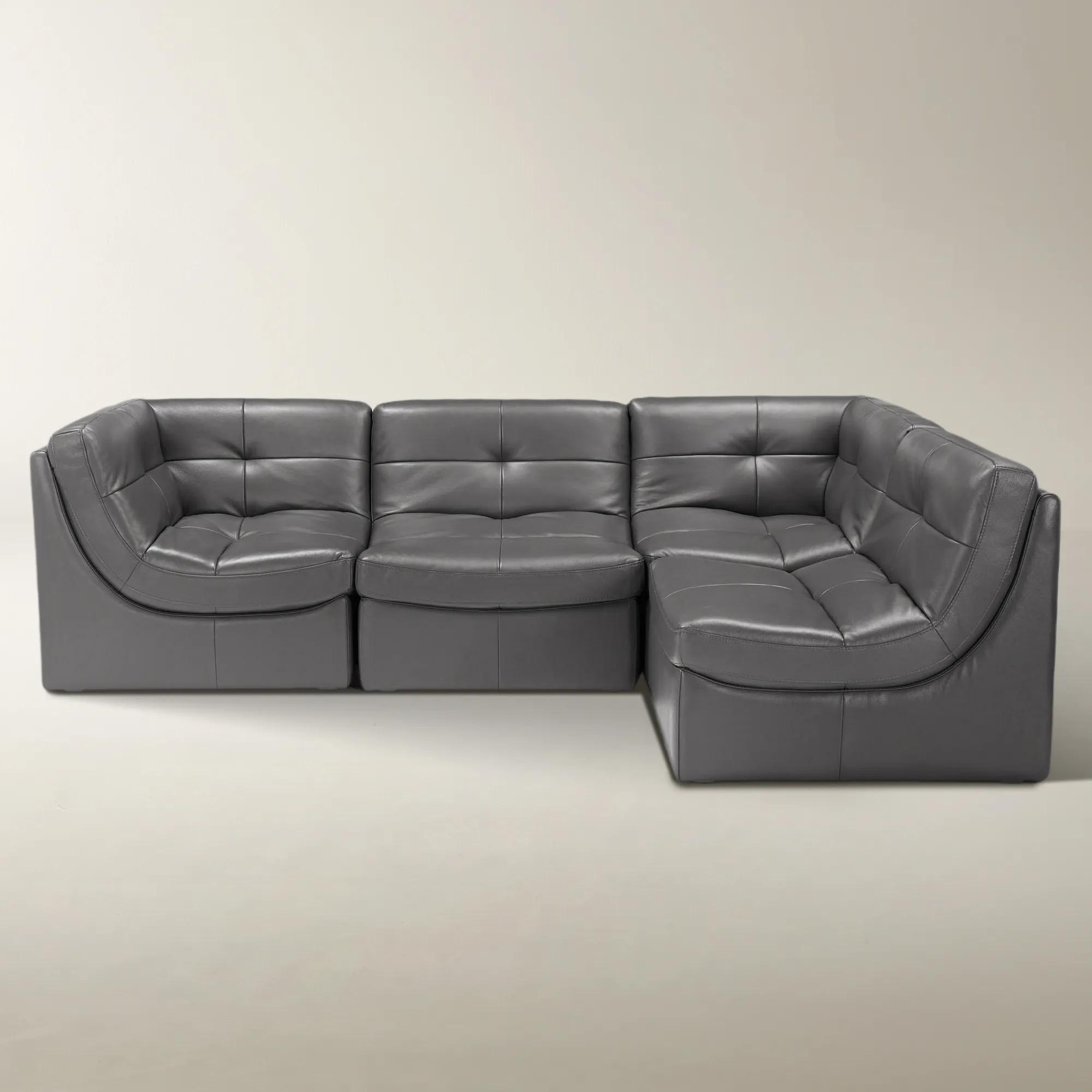 Convo 4-Piece L-Shaped Charcoal Leather Sectional Sofa With Armless Chair$5199
A modular charcoal leather sectional with kiln-dried hardwood frame and gently curved, blind-tufted seats.
Add To Cart -
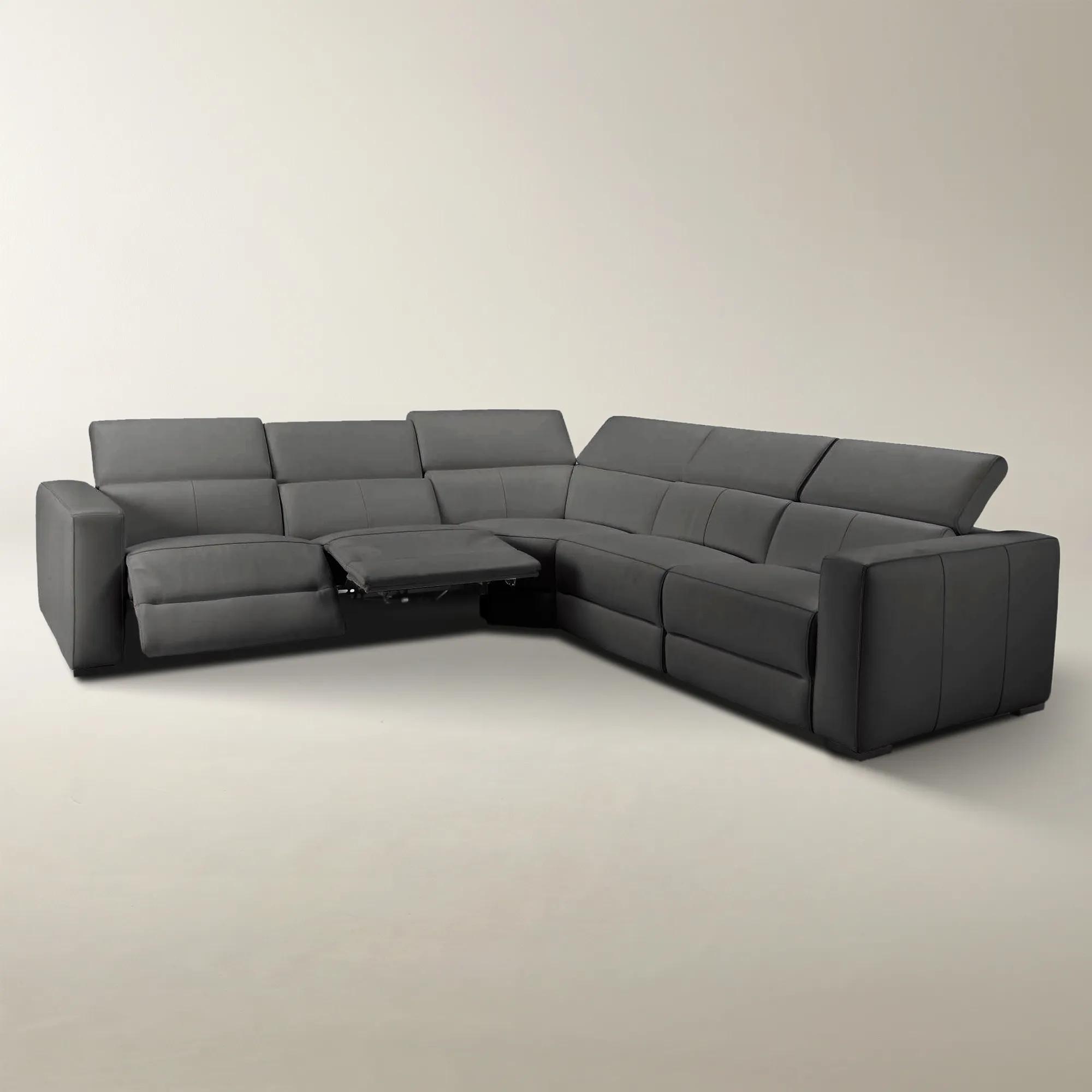 Verona 5-Piece Reclining Charcoal Leather Sectional Sofa$6799
A charcoal semi-aniline leather sectional featuring adjustable headrests, kiln-dried hardwood frame, and optional power recline.
Add To Cart -
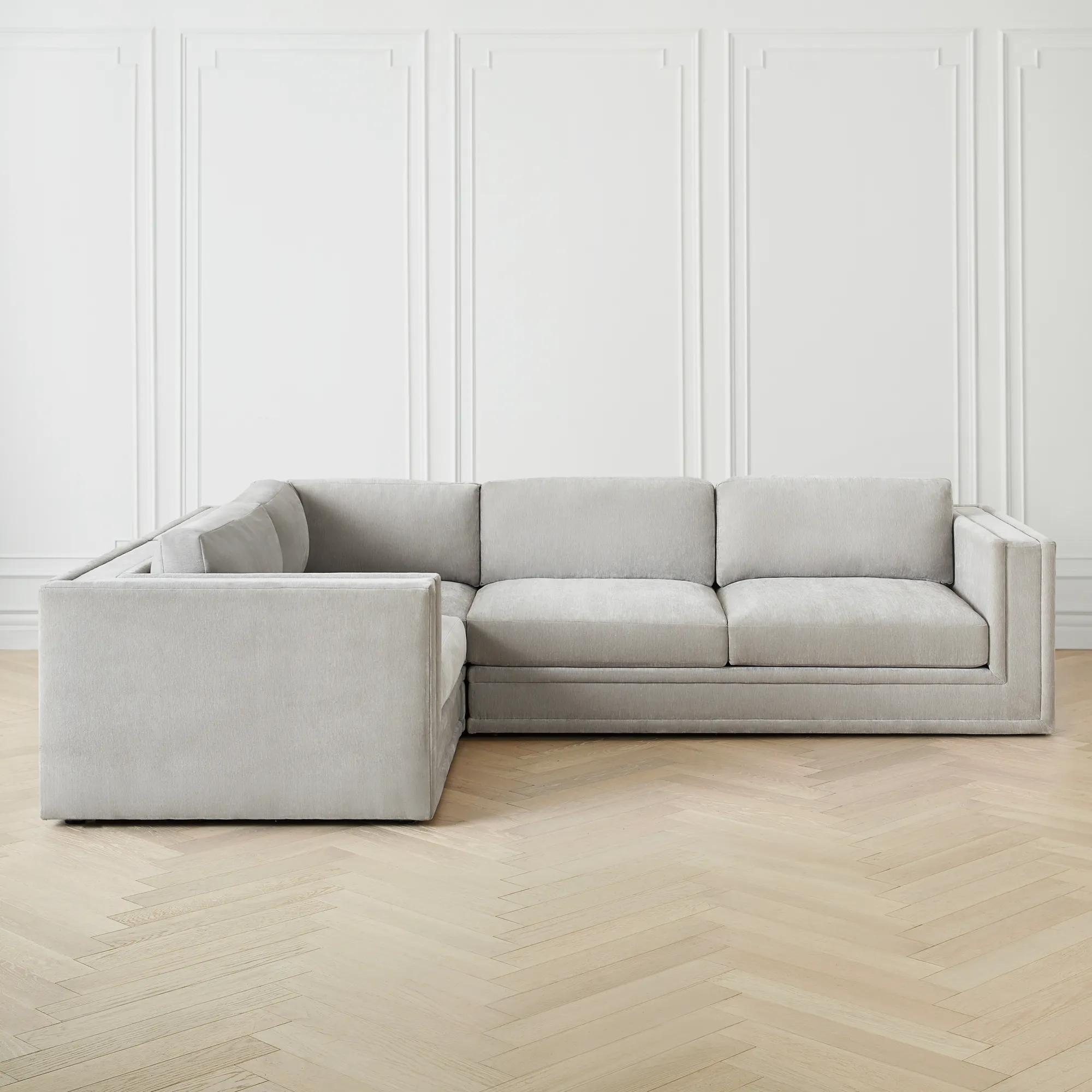 Luka Sectional - 3 PC$4599
A modern sectional featuring deep seating, high-density foam cushions, and hand-upholstered velvet in pearl.
Add To Cart -
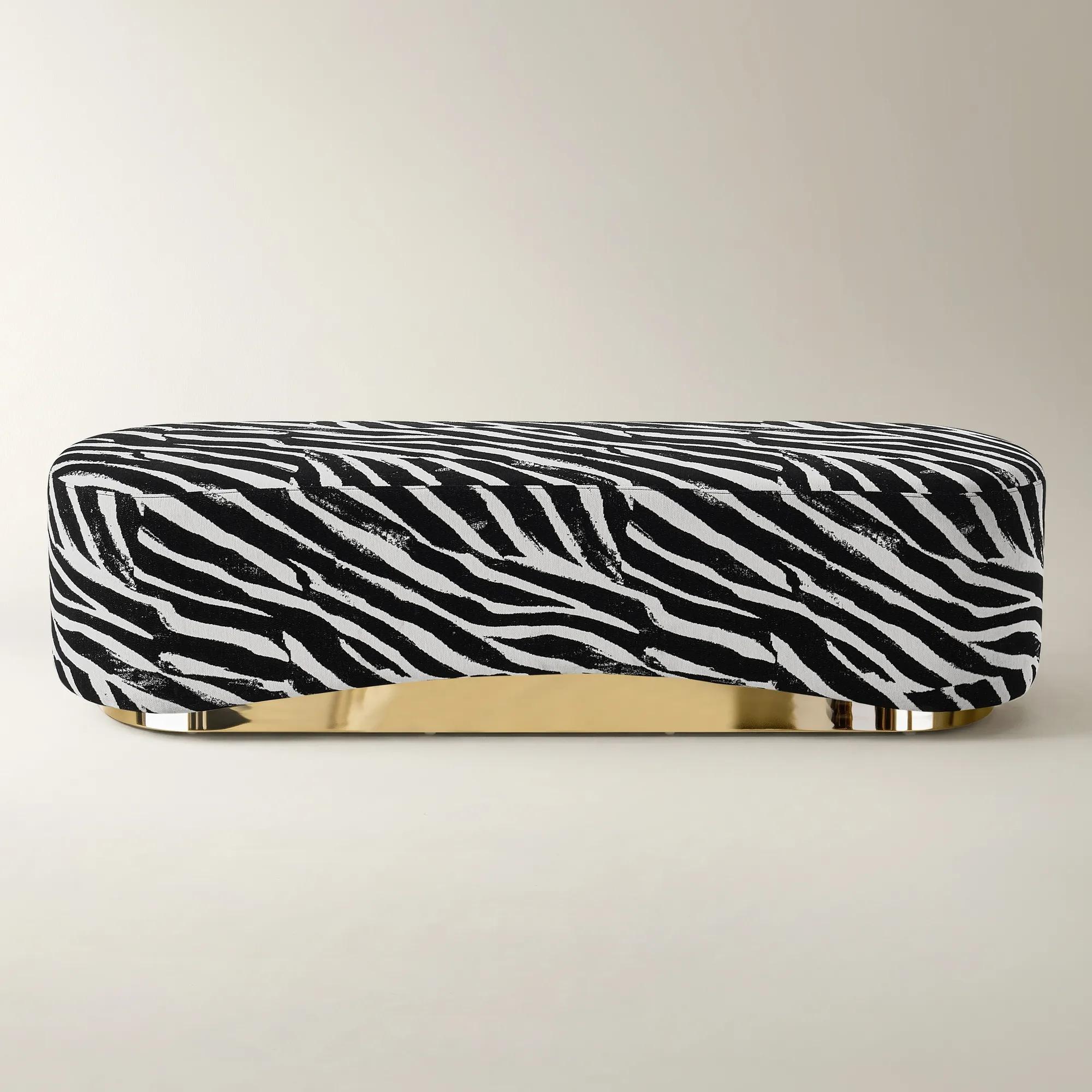
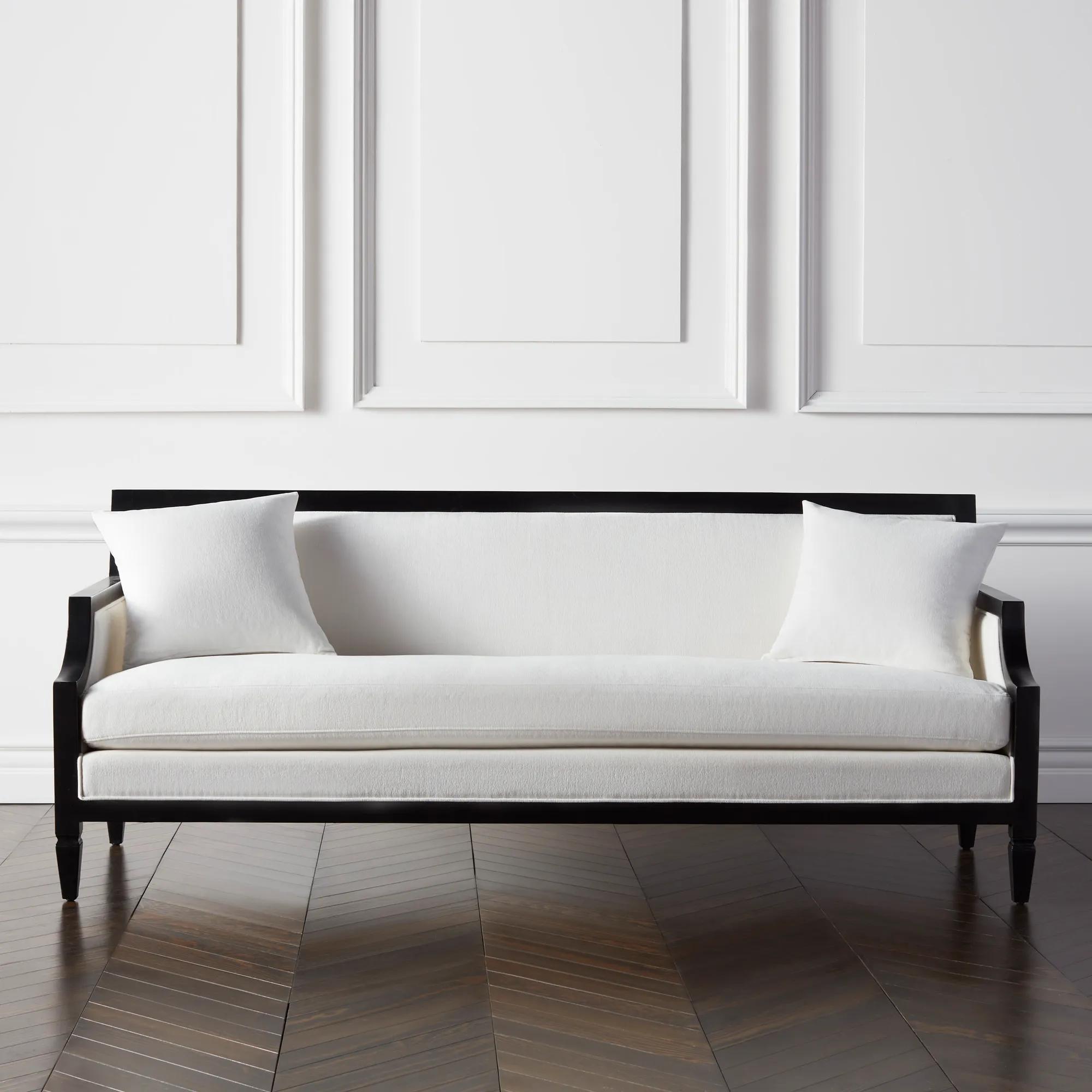
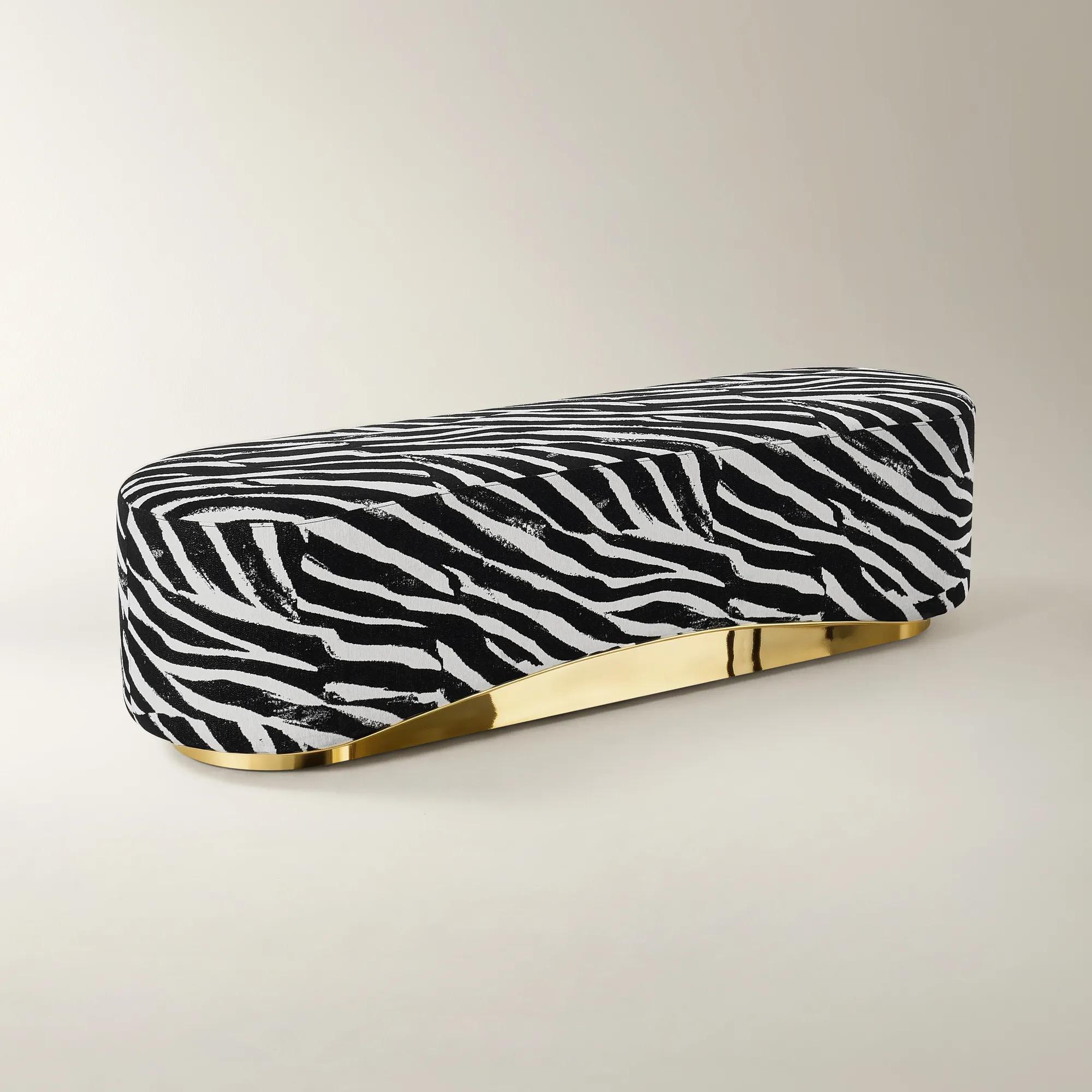 Kendra White/Black Performance Chenille Bench (70.47")$799
An elongated oval bench upholstered in white and black performance chenille with a polished gold stainless steel base.
Add To Cart -
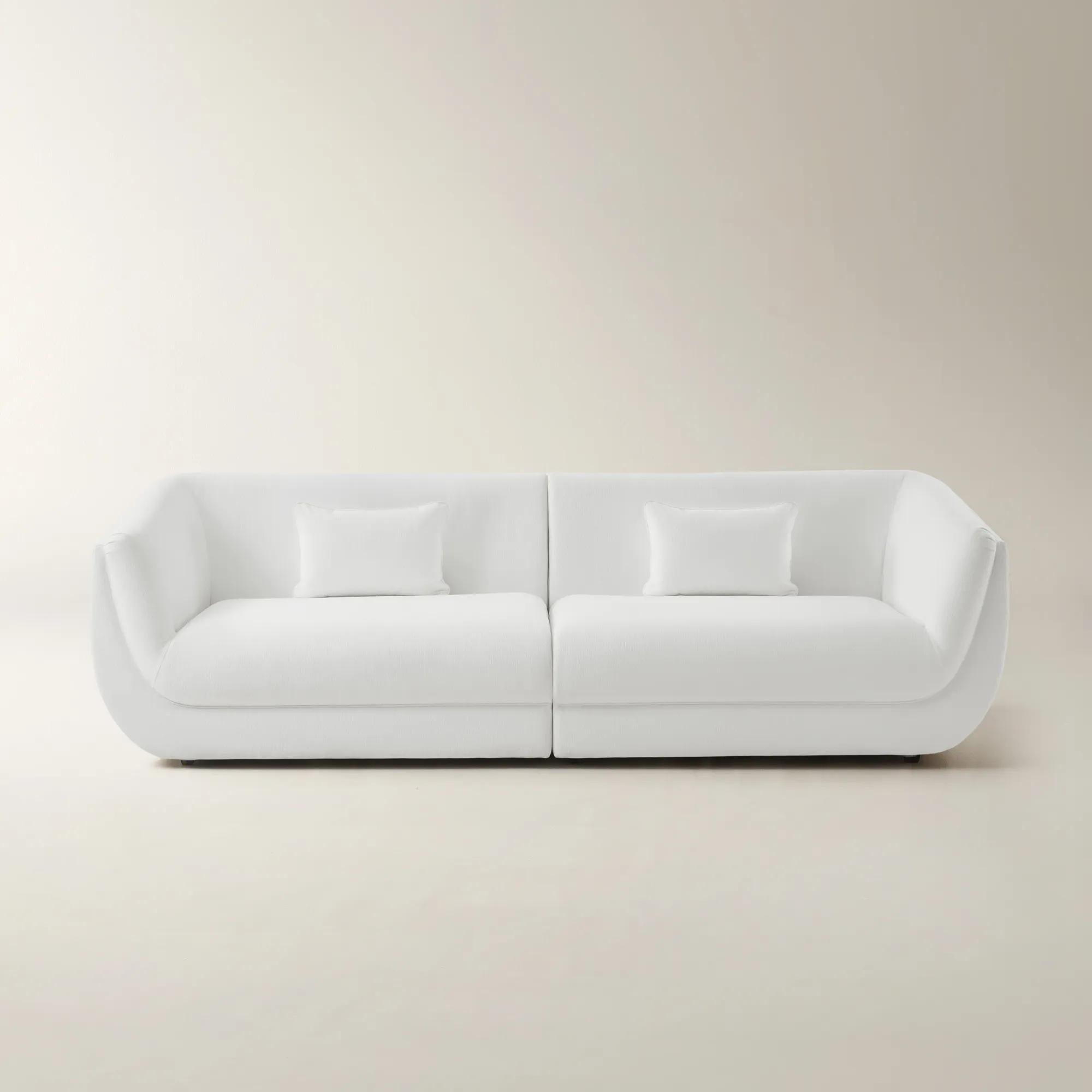
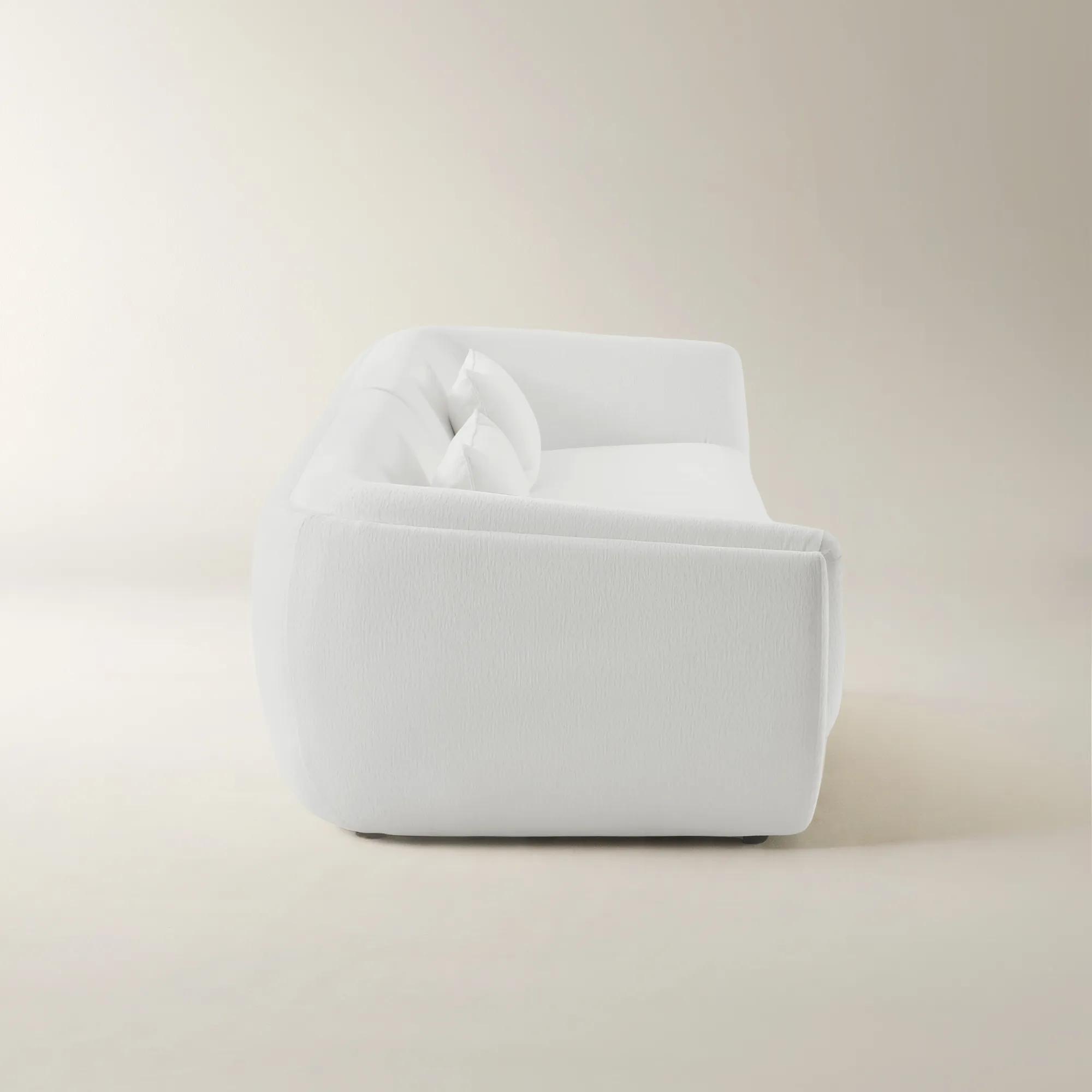 Curvia 2-Piece White Performance Chenille Indoor/Outdoor Sectional Sofa$2599
A sculptural white sectional sofa upholstered in performance chenille for luxurious indoor or outdoor lounging.
Add To Cart -
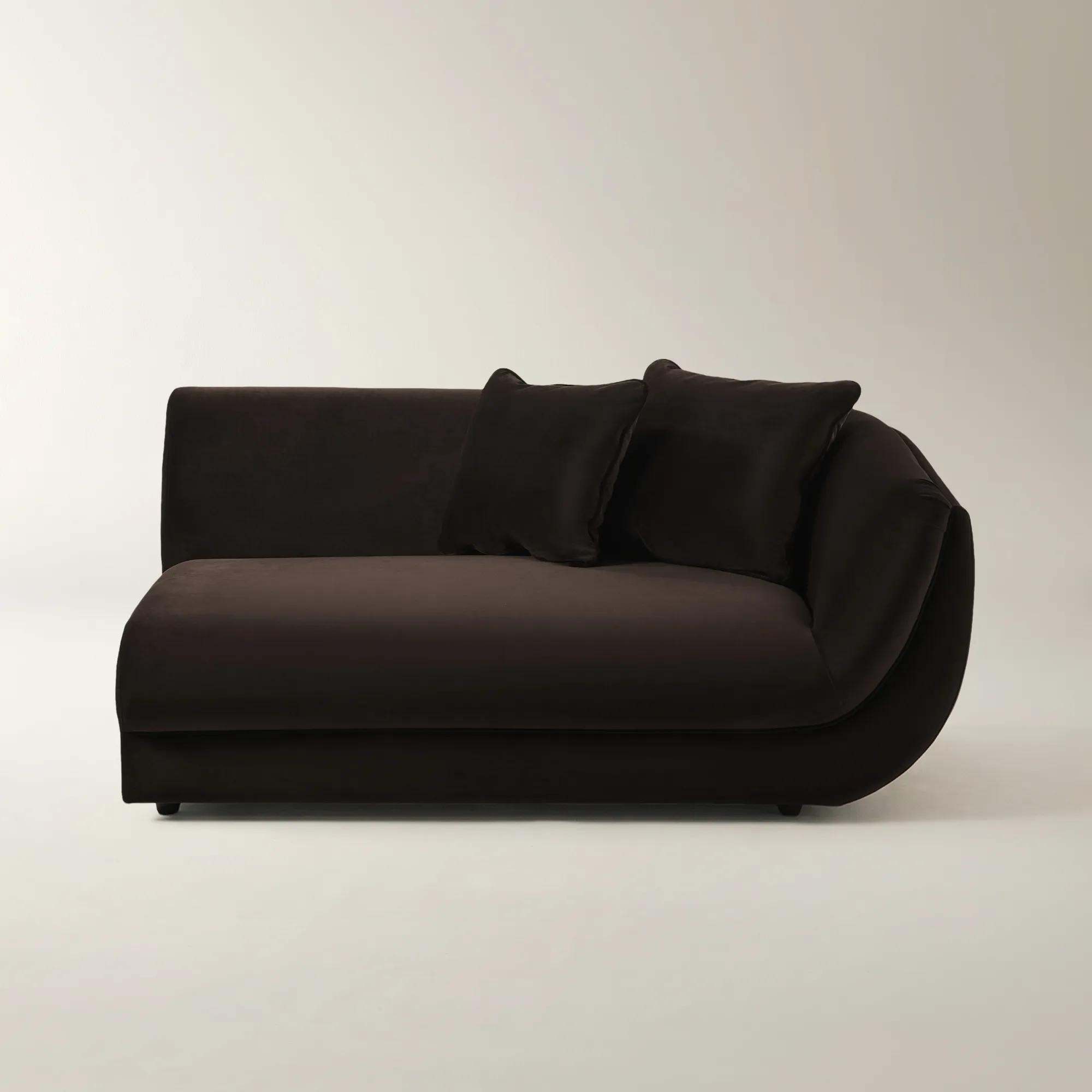
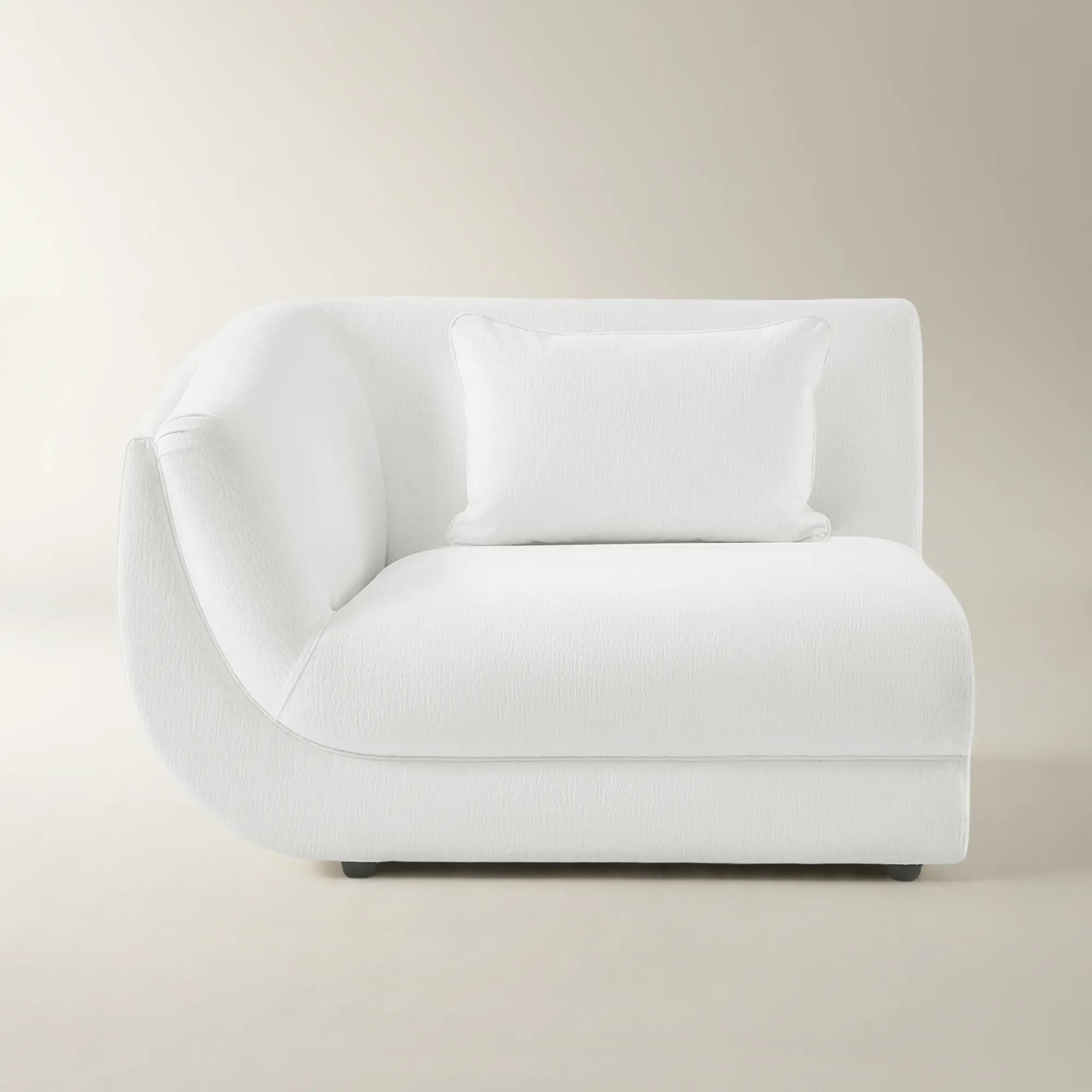 Curvia White Performance Chenille Indoor/Outdoor Left-Arm Chair$1349
A sculptural white chenille chair with plush cushioning, moisture-resistant backing, and indoor/outdoor versatility.
Add To Cart -
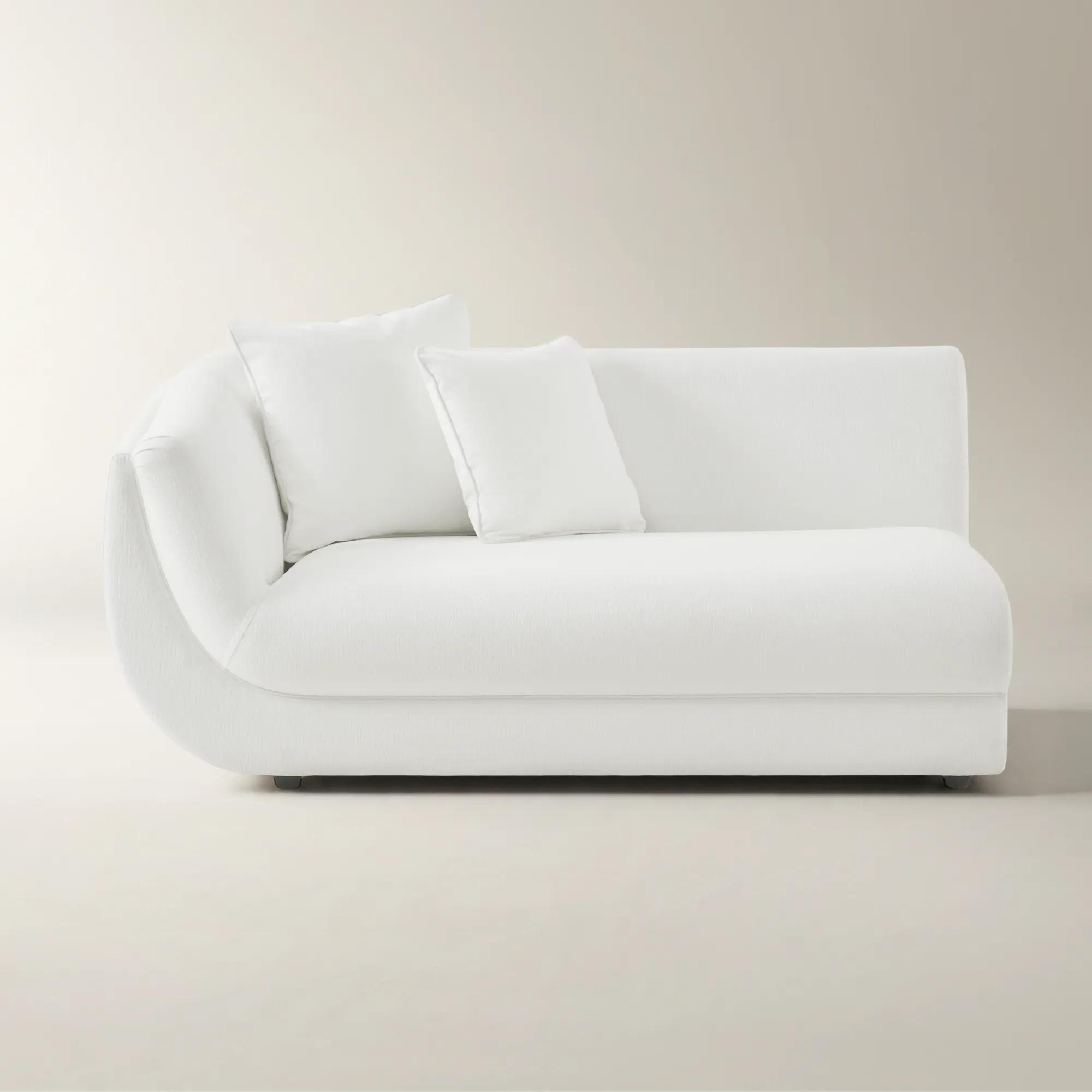
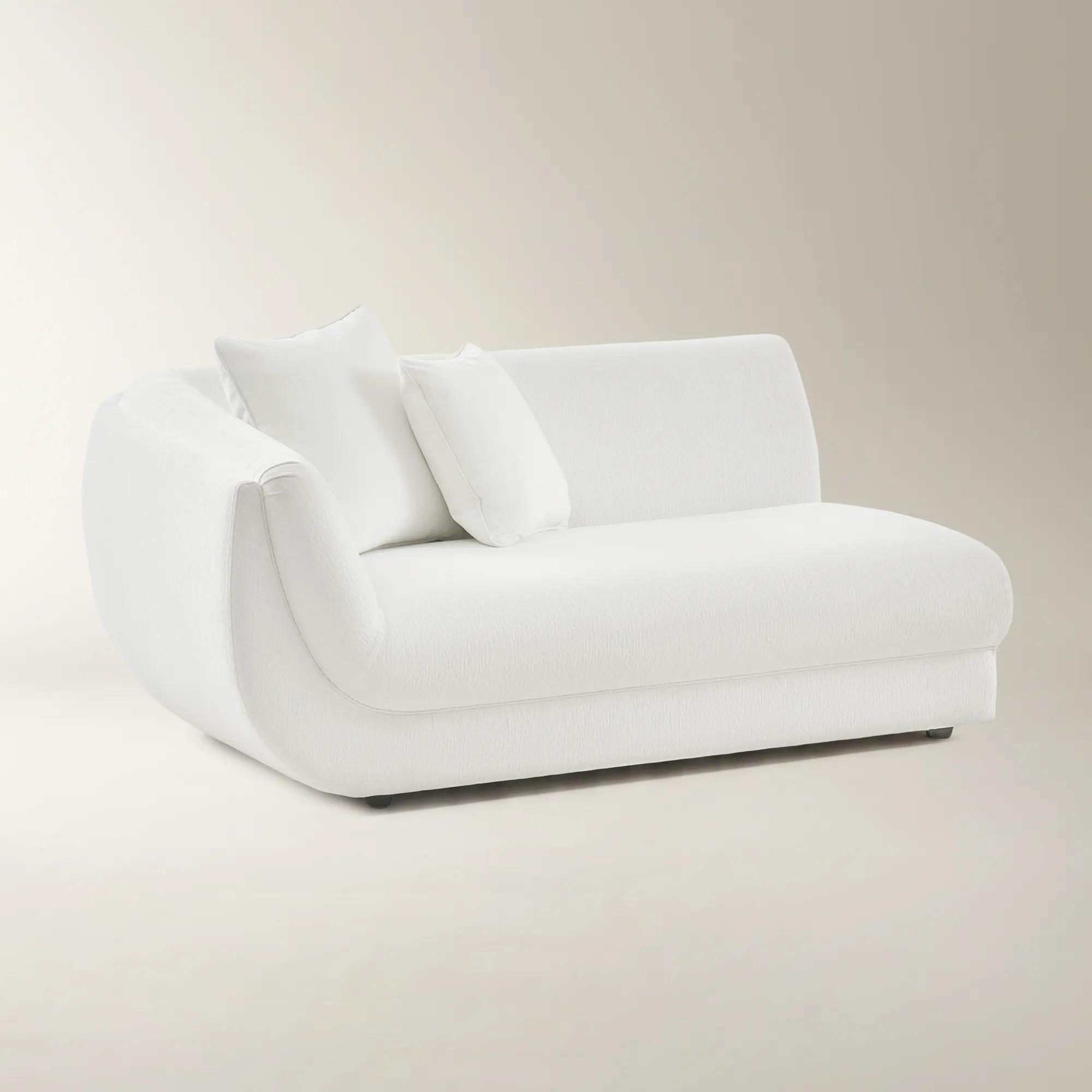 Curvia White Performance Chenille Indoor/Outdoor Grand Left-Arm Chair$1449
A sculptural left-arm chair in white performance chenille, designed for indoor or outdoor lounging comfort.
Add To Cart -
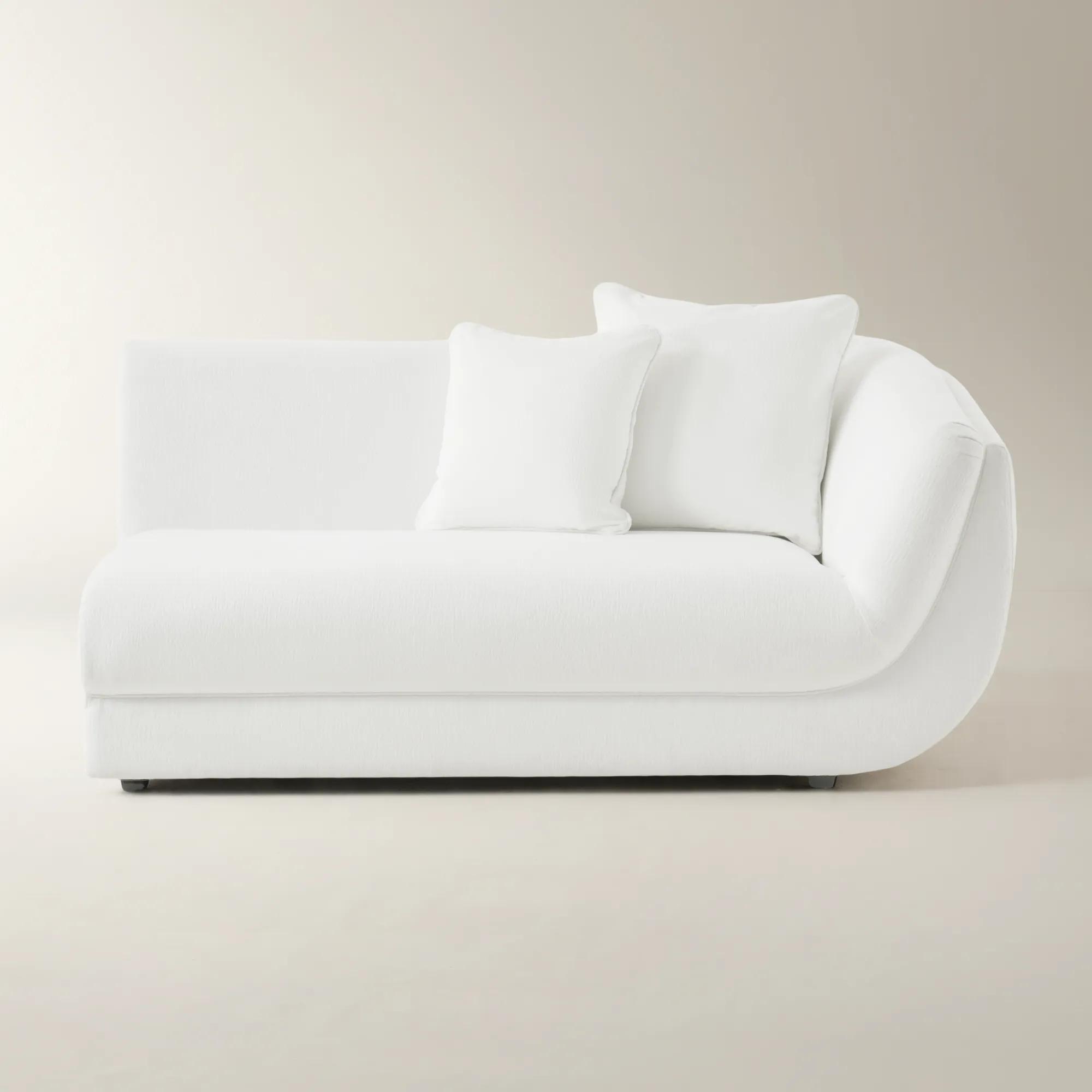 Curvia White Performance Chenille Indoor/Outdoor Grand Right-Arm Chair$1449
A sculptural white chenille chair featuring plush cushions, weather-resistant design, and indoor/outdoor versatility.
Add To Cart

Seating Solutions For Open Concept Spaces
Seating solutions for open concept spaces are more than mere furnishings—they are the curators of flow, conversation, and visual intrigue. In a world where walls disappear and boundaries blur, each piece must strike a balance between sculptural beauty and effortless versatility. Imagine plush silhouettes that invite lingering gatherings, or striking forms that define zones without confinement. With seating that delights from every angle, your open concept space transforms into a harmonious stage—each arrangement an invitation to connect, unwind, and express your boldest design vision.
Open-concept rooms offer a sense of grandeur, but their generous proportions call for seating that brings structure, warmth, and intention to the layout. Without walls to separate the living area from the kitchen, dining space, entryway, or home office, furniture becomes the architecture. A thoughtfully placed sofa, sectional, chair, bench, or ottoman can define a distinct destination while preserving the expansive flow that makes an open floor plan so captivating. Begin by considering how the room is used throughout the day: a household that moves easily between cooking and conversation may benefit from swivel seating that pivots toward the kitchen, while a media-focused arrangement may call for deeper lounge seating gathered around a central focal point. For entertaining, an L-shaped or modular sectional floating away from the walls can outline a living zone with sculptural confidence, creating a natural perimeter without closing off the room. In a particularly generous space, a sofa and low daybed or bench placed back-to-back can establish two separate micro-zones, such as a television lounge on one side and a reading or conversation nook on the other. The most successful arrangements feel composed from every angle, especially when furniture sits in the center of the room. Choose pieces with backs that are finished on all sides, elegant proportions, and upholstery or detailing that looks intentional from the kitchen, hallway, and dining area as well as from the primary seating position. Low-profile silhouettes are especially effective when maintaining sightlines matters; they provide comfort and presence without visually dividing the floor plan or interrupting the glow of natural light. For a more intimate atmosphere, arrange a sofa with complementary lounge chairs in a U-shaped formation, leaving enough room for movement while creating a gracious circle for conversation. This approach works beautifully when the room must host both lively gatherings and quieter rituals, from morning coffee near the kitchen island to relaxed evenings during the cooler months.
Scale and flexibility are equally important when choosing seating for an open concept space. A piece that appears balanced in a showroom can feel undersized beneath lofty ceilings or overwhelmed by a broad expanse of flooring, while an oversized arrangement may constrict pathways and make the room feel crowded. Measure the full footprint, not only the wall where a sofa might traditionally sit, and account for door swings, cabinet clearance, walkways, and the space required to pull out chairs comfortably. In a floating arrangement, preserve clear circulation around the seating zone so guests can move naturally from the entry to the kitchen and dining area without cutting through the center of a conversation. A useful rule is to let the seating define the room without becoming an obstacle within it. Modular designs offer a particularly polished answer for evolving households, allowing components to be shifted from a generous family configuration to a more open arrangement for entertaining. Swivel chairs add another layer of versatility, turning toward a host preparing dinner, a guest seated across the room, or a screen after the last plate has been cleared. Storage ottomans and benches bring practical elegance to the same setting, serving as footrests, occasional tables, hidden storage, or extra seating when friends gather. They are invaluable in rooms that need to transition gracefully from everyday living to a fuller guest list, and they can be a thoughtful housewarming gift for someone furnishing a new home or refining a multipurpose space. Upholstery should reflect both the mood and the rhythm of the household. Sumptuous textures can soften the scale of a modern room, while tailored profiles and luminous finishes introduce a more edited, gallery-like sensibility. Consider how color interacts with adjoining zones rather than selecting each piece in isolation; a rich neutral can connect dramatic accents across the floor plan, while a daring hue can mark the seating area as its own expressive moment. For households with children, pets, or frequent hosting, prioritize durable construction and easy-care materials without sacrificing artistry. The ideal seating solution feels inviting at the end of a long day, composed when the room is quiet, and ready to rise to the occasion when the guest list expands.
The surrounding layers complete the arrangement and help an open floor plan feel collected rather than scattered. An area rug large enough to sit beneath the primary seating group visually locks the zone into place, giving sofas and chairs a shared foundation while adding texture, tone, and a sense of arrival. Whenever possible, place at least the front legs of major seating pieces on the rug; this creates a cohesive vignette instead of a collection of disconnected objects. A slim console behind a floating sofa can provide another graceful transition, subtly separating the living area from a pathway while offering a surface for sculptural decor, lamps, or a curated stack of books. Keep the console proportionate to the sofa and maintain comfortable clearance behind it so the boundary feels refined rather than forced. In rooms that open toward a dining area, repeat a finish, material, or color from one zone to the next to create visual harmony without making every piece match. A gleaming metal detail might echo the lighting above the dining table, while a softly curved silhouette can temper the stronger geometry of cabinetry and architectural lines. Lighting also plays a defining role: layered illumination allows the seating area to shift from bright daytime activity to a more intimate evening glow, especially as natural light changes during the cooler months. Place reading lamps near lounge chairs, use ambient fixtures to bathe the larger room in warmth, and reserve brighter task lighting for work or food preparation areas. When arranging seating, picture the lived-in moments that will unfold there: someone turning in a swivel chair to join a kitchen conversation, a child stretching out on an ottoman with a book, or guests settling into a generous conversational circle while the rest of the home remains beautifully connected. For a more elevated point of view, explore Designer Seating For Open Floor Plans, where expressive silhouettes and considered proportions help transform expansive interiors into rooms with rhythm, intimacy, and unmistakable presence. With the right balance of scale, circulation, flexibility, and finish, seating does more than fill an open concept space—it gives the room its social center, defines its visual story, and makes every gathering feel effortlessly composed.
FAQs
Open concept spaces shine with versatile seating options such as modular sectionals, sculptural accent chairs, ottomans, and benches. These pieces help define zones without interrupting the visual flow, allowing you to create inviting vignettes that encourage conversation and relaxation.
Seating can subtly delineate different areas in an open concept space. Try using a statement sofa to anchor the living area, place a pair of accent chairs to frame a reading nook, or introduce benches to transition between dining and lounging zones. Layering textures and finishes, such as chenille stems or metallic details, adds further definition and visual interest.
Beaded seat covers can offer a surprisingly comfortable experience, especially in warmer months. Their unique texture provides gentle support and breathability, making them a playful and practical addition to open concept seating arrangements.
Materials like velvet, chenille stems, high-gloss lacquer, and mirrored finishes infuse open concept seating with a sense of luxury and drama. These tactile, light-catching surfaces elevate the atmosphere and transform everyday moments into extraordinary experiences.
Seating solutions make memorable gifts for anyone celebrating a new home, especially newlyweds, recent graduates, or friends embarking on a fresh start in a modern loft or condo. Thoughtfully chosen seating not only enhances their space but also reflects their unique sense of style and self-expression.