Seating For Small Spaces
Seating For Small Spaces
-
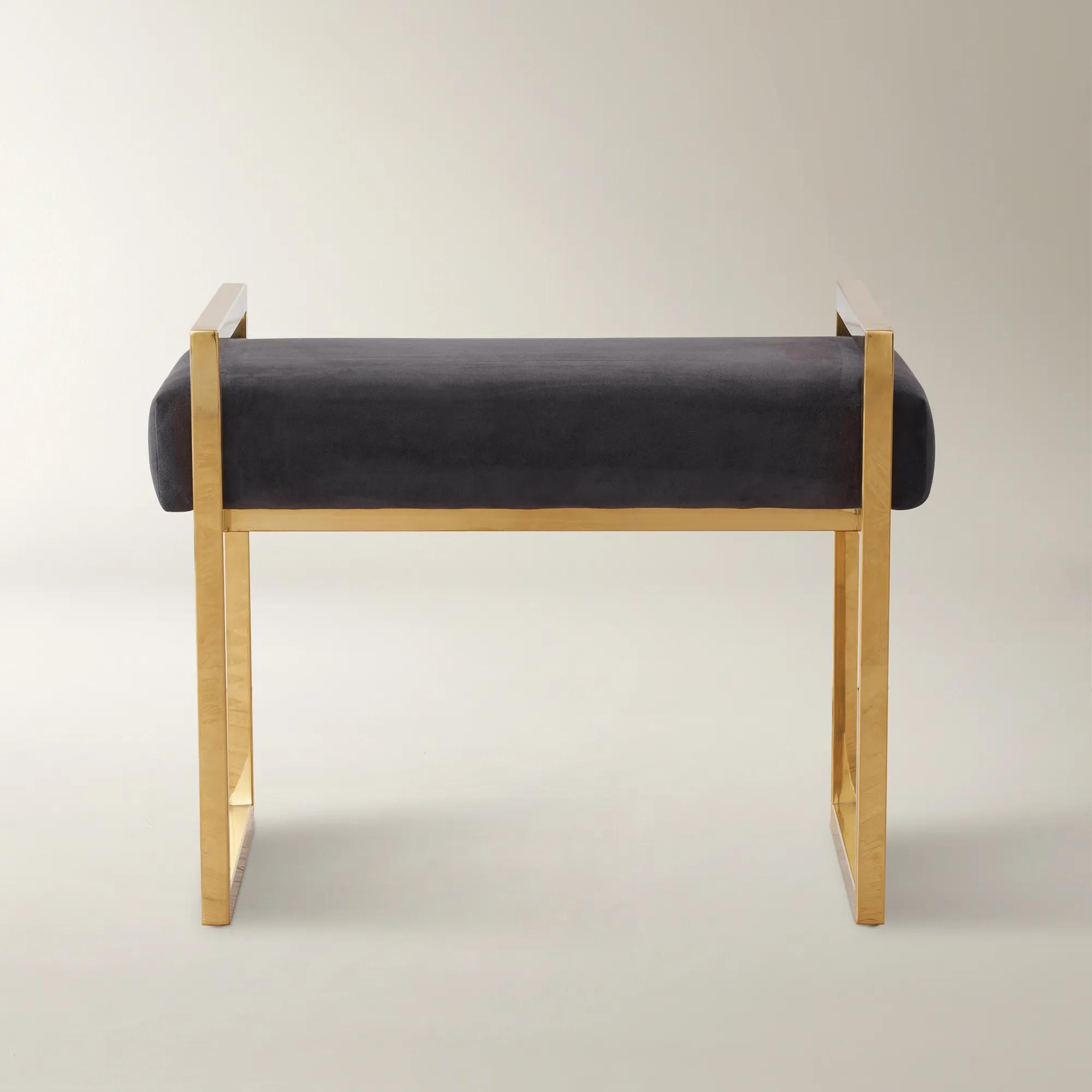
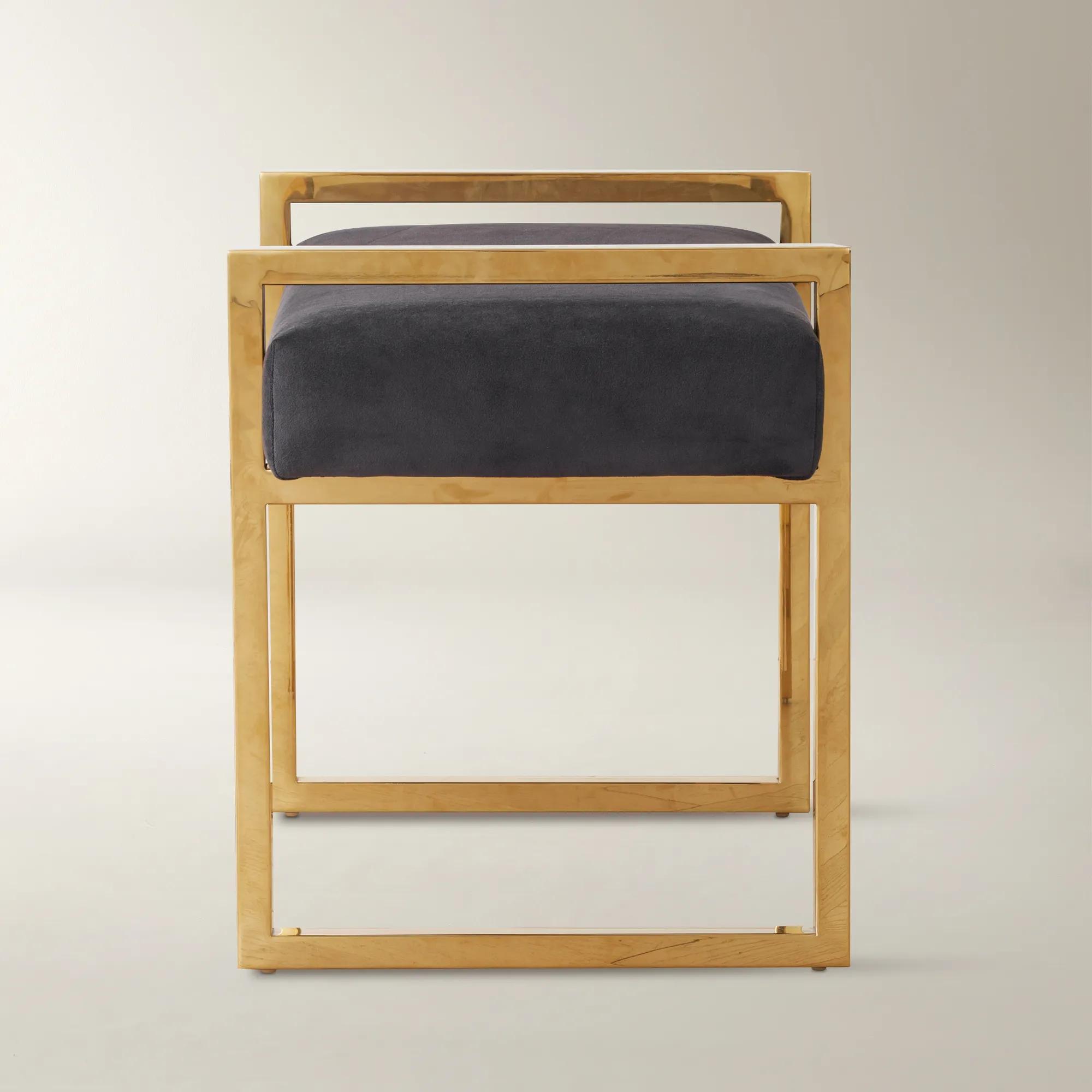 Clara Accent Stool$499
A plush black velvet stool with a high-density foam seat and polished gold metal legs.
Add To Cart -
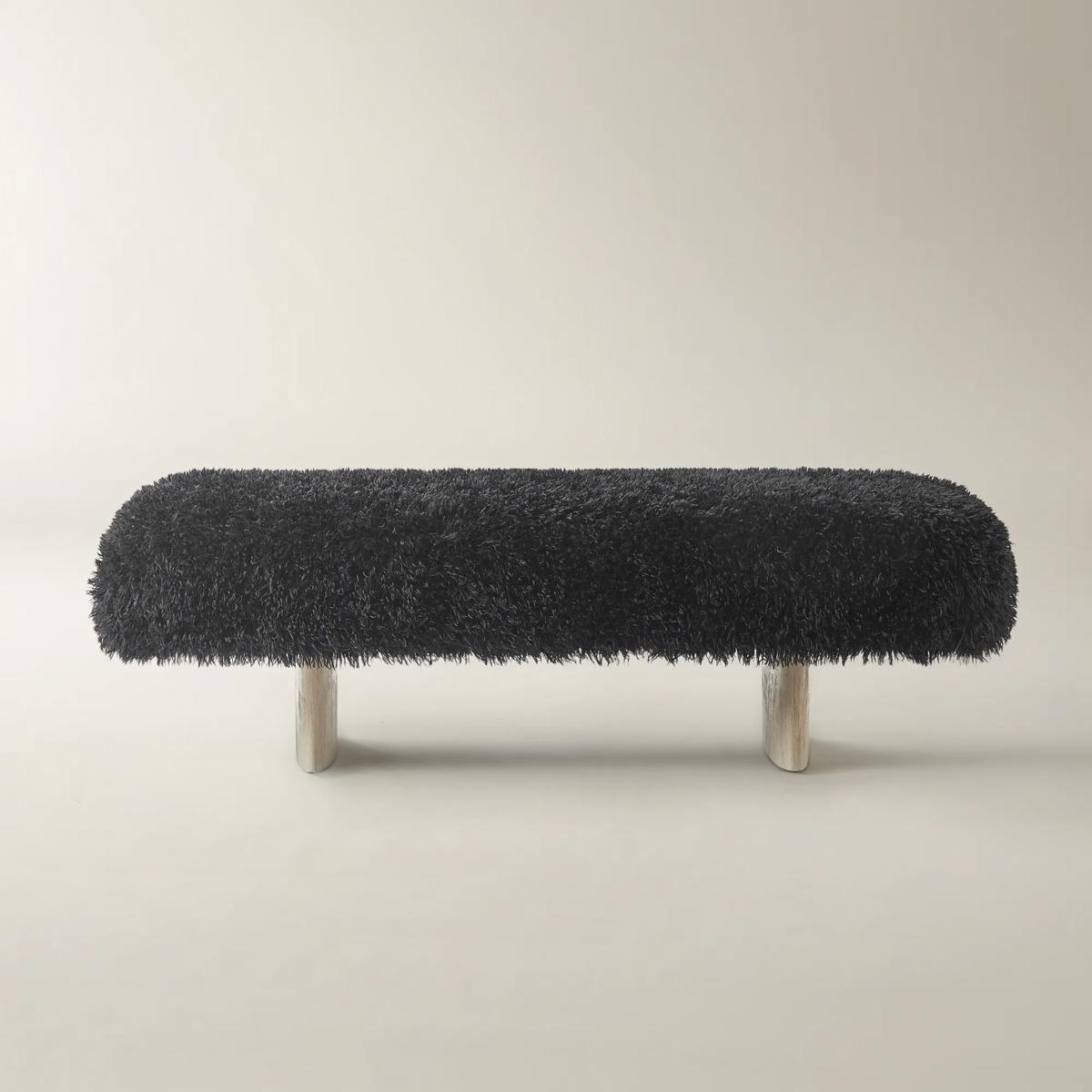
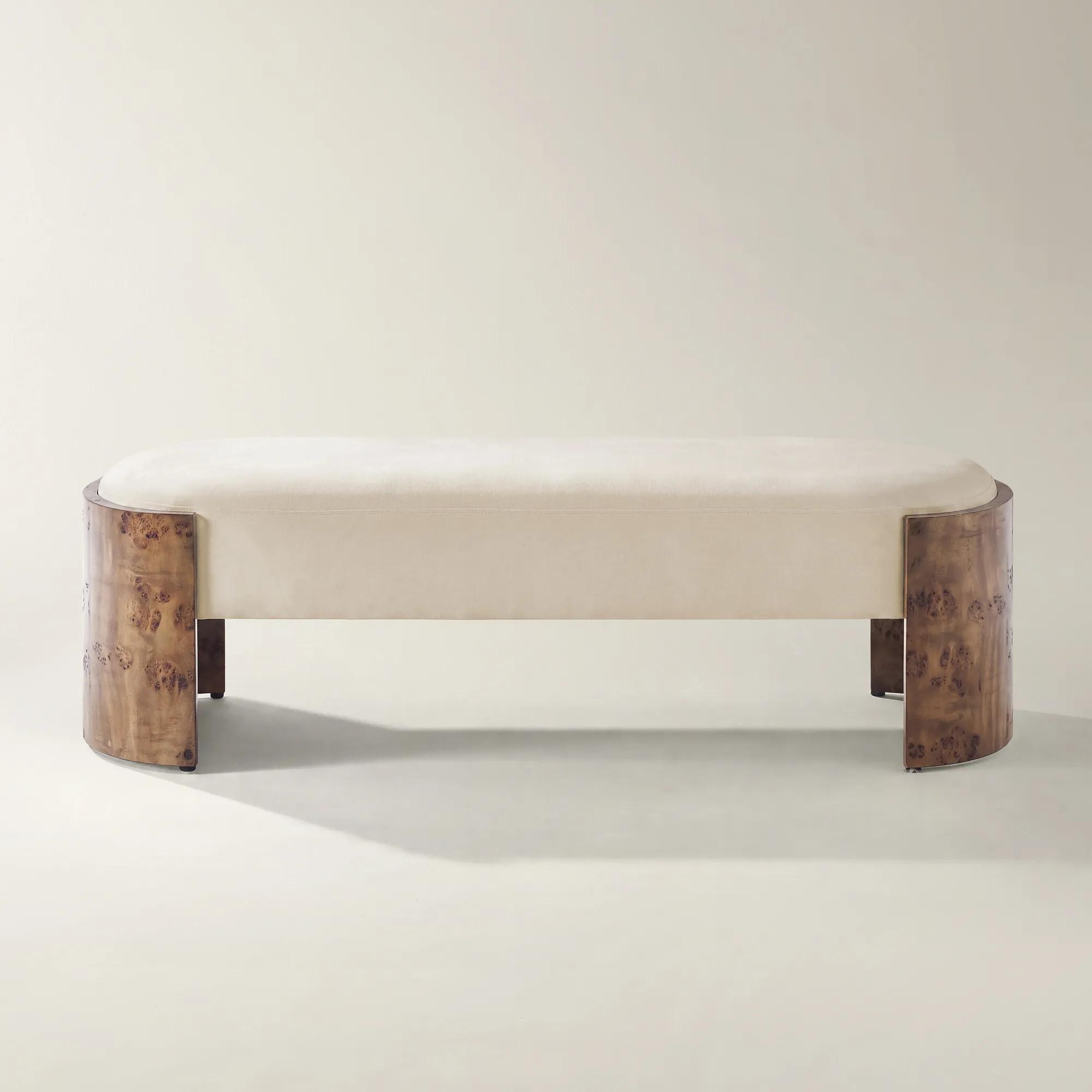
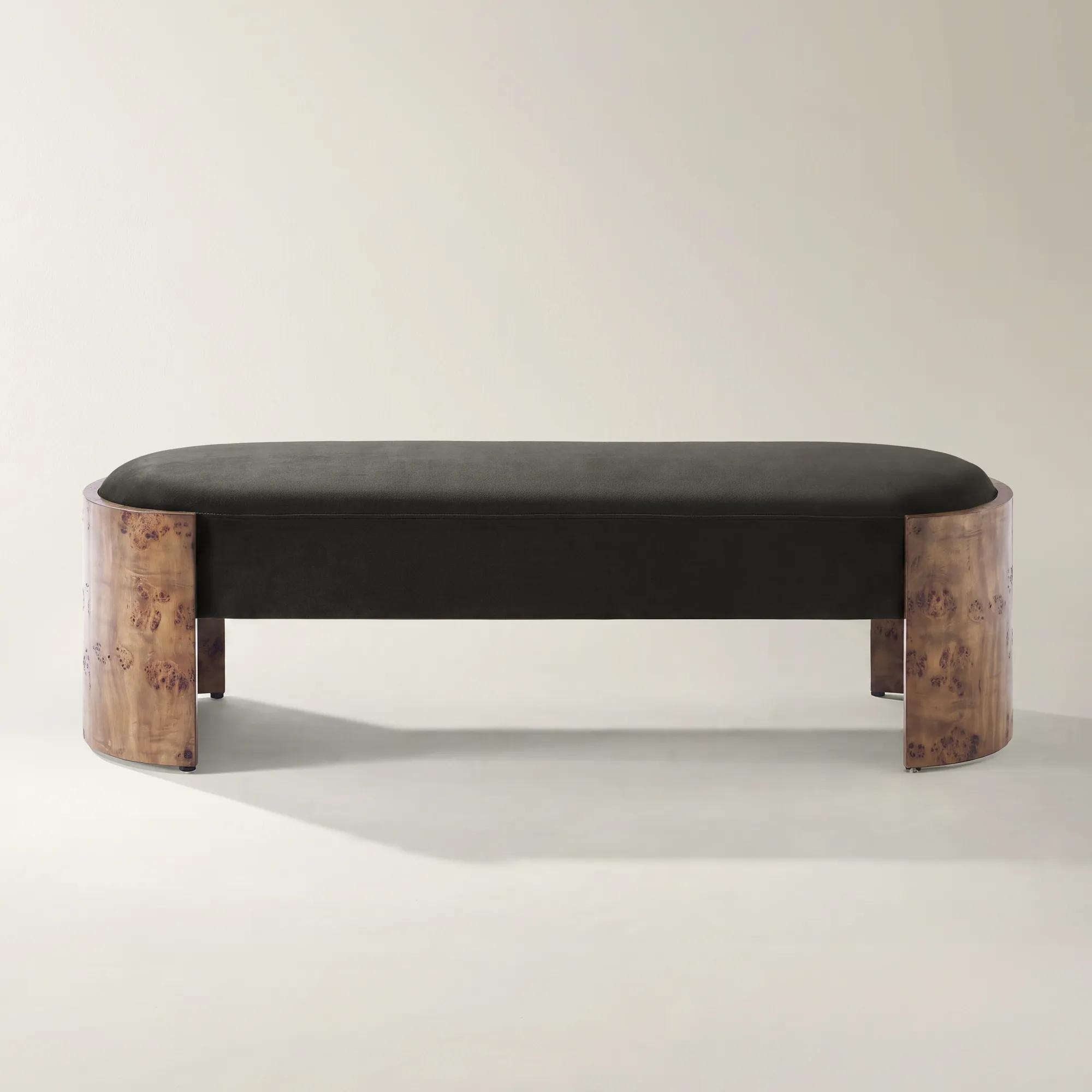
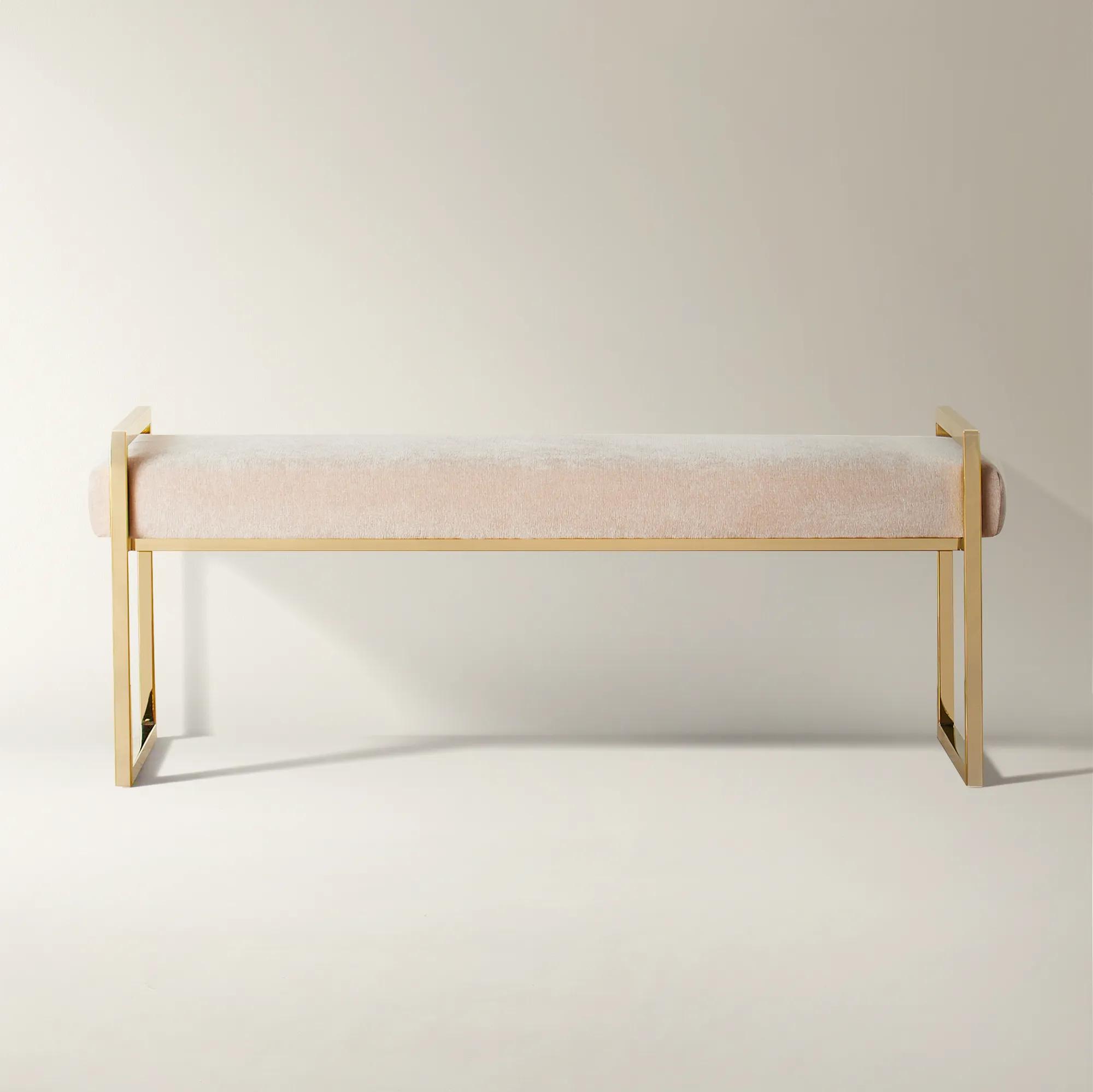 Clara Bench$799
A plush upholstered bench with a high-density foam seat and polished gold metal legs for modern elegance.
Add To Cart -
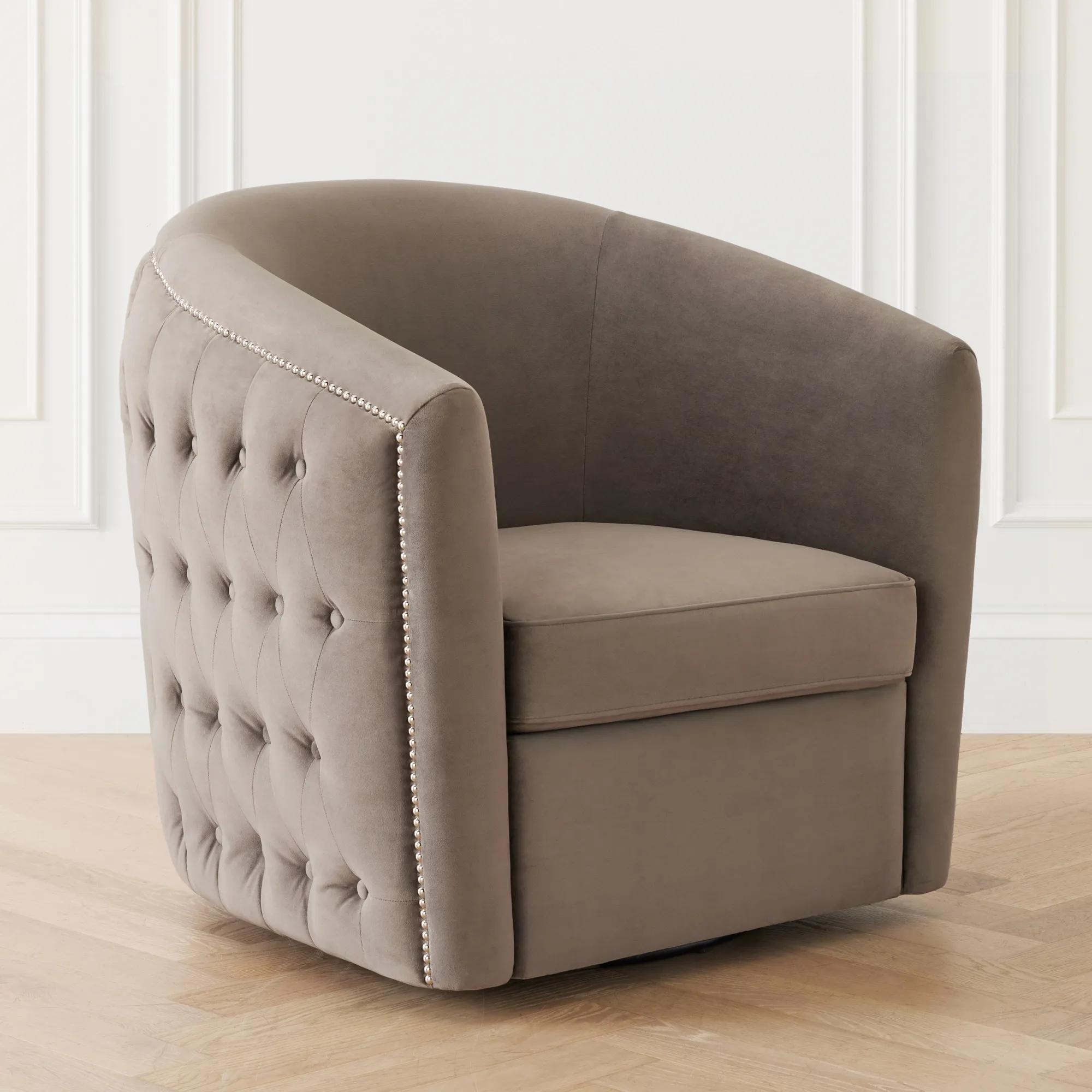
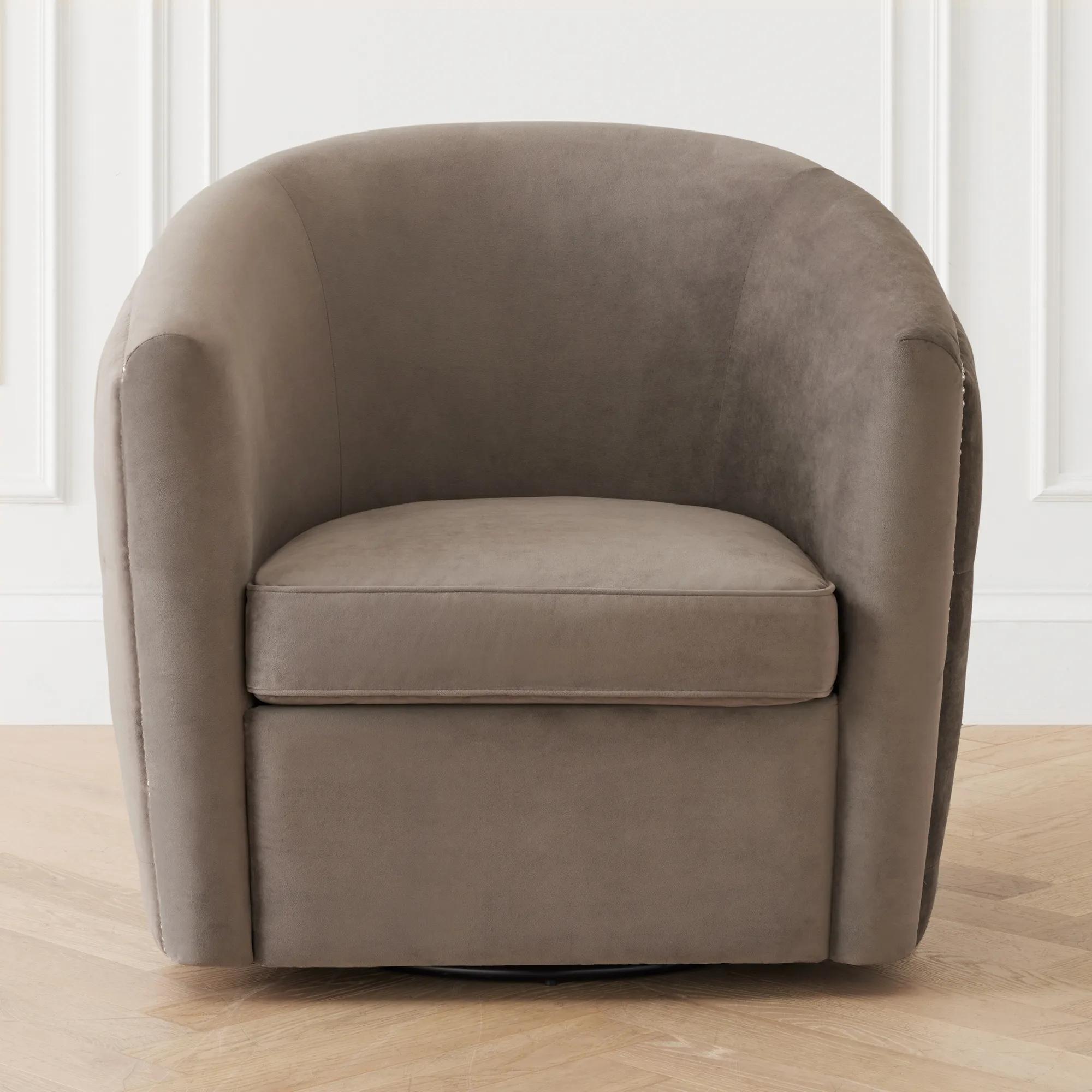 Aria Tufted Swivel Chair$1899
A barrel-silhouette swivel chair in kiln-dried hardwood, shown in Bella Velvet Otter with bright nickel nailheads.
Add To Cart -
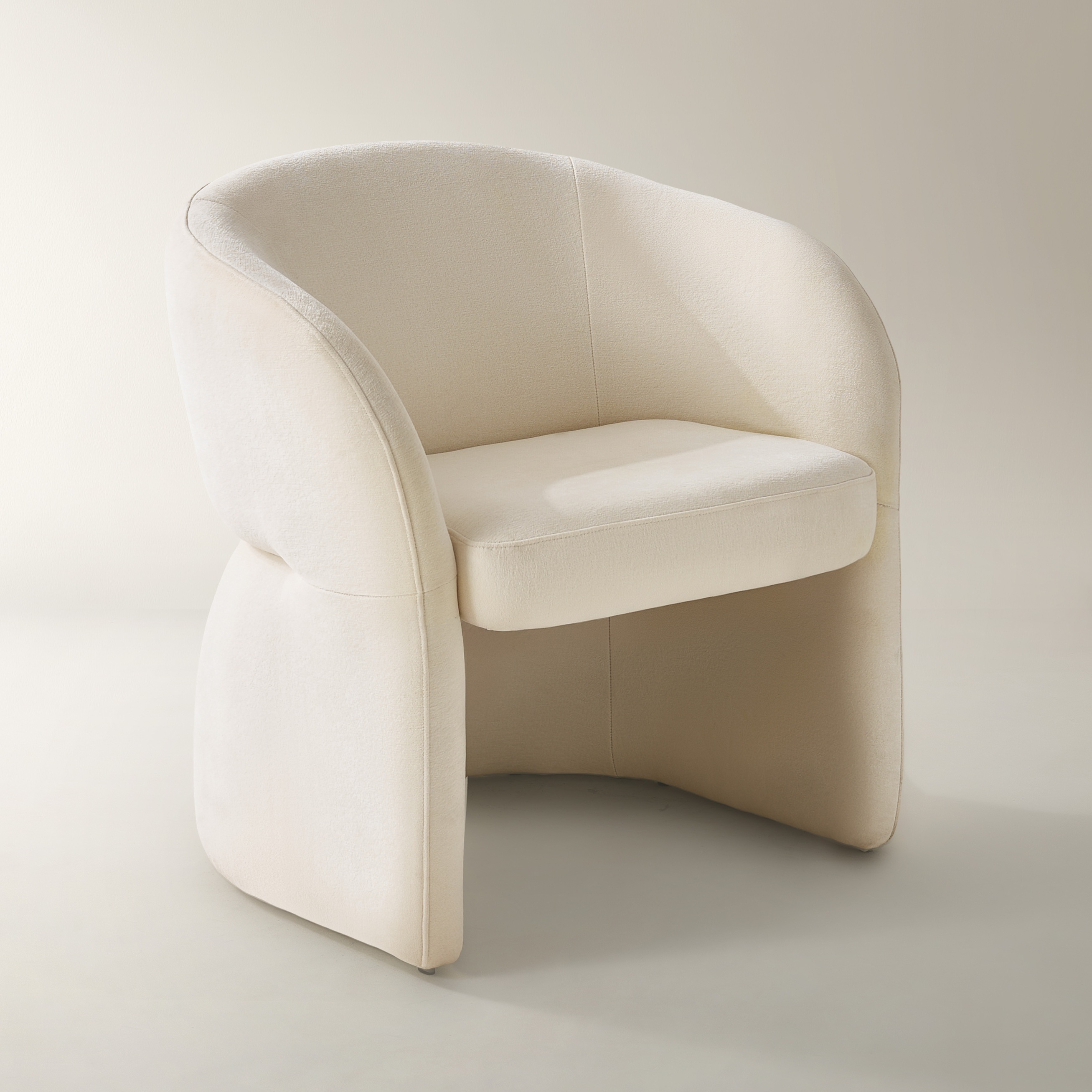
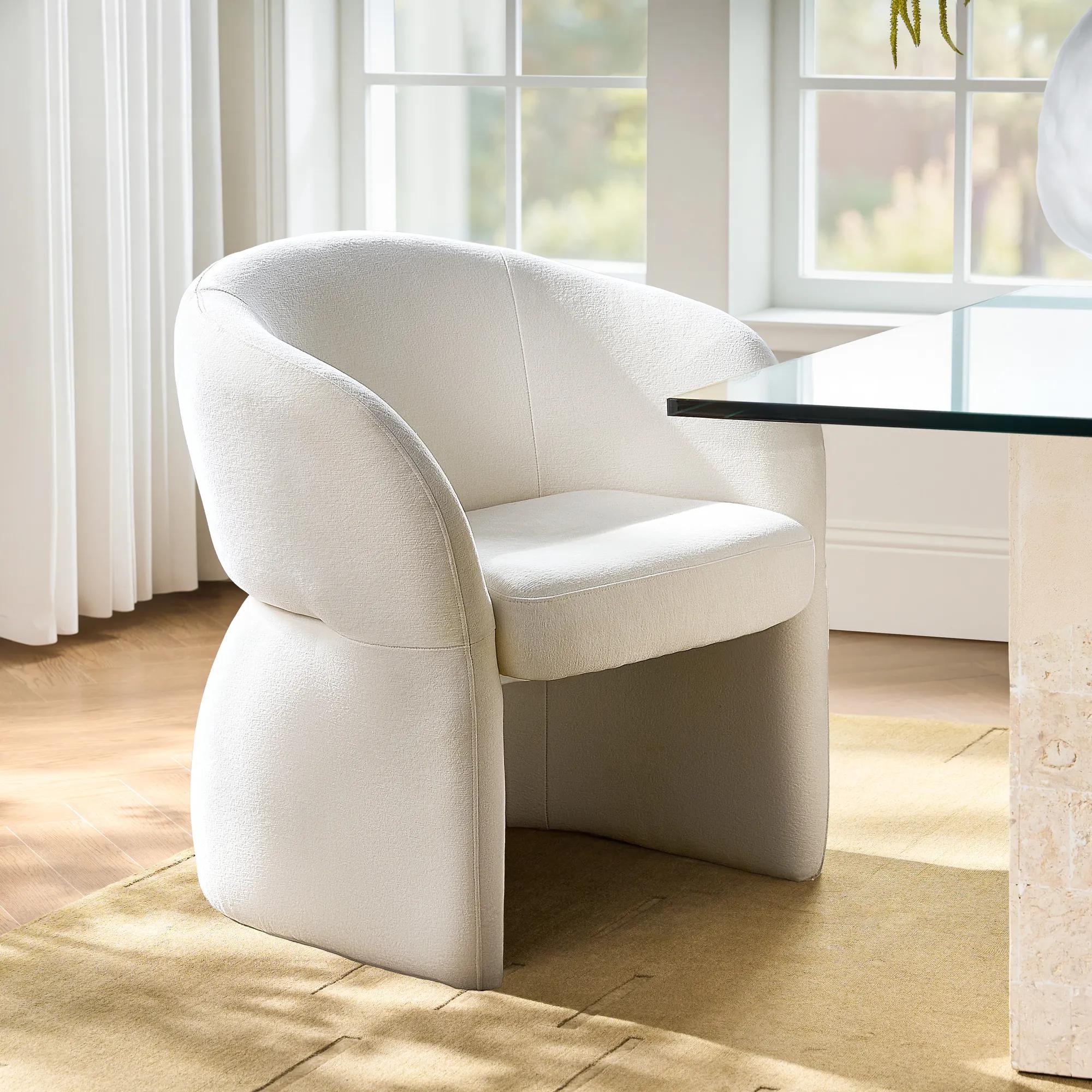 Sierra Oatmeal Velvet Dining Chair$499
An elegant accent chair in oatmeal velvet with gracefully arched arms, curved back, and plush cushioning.
Add To Cart -
.jpg?w=1200&h=1200)
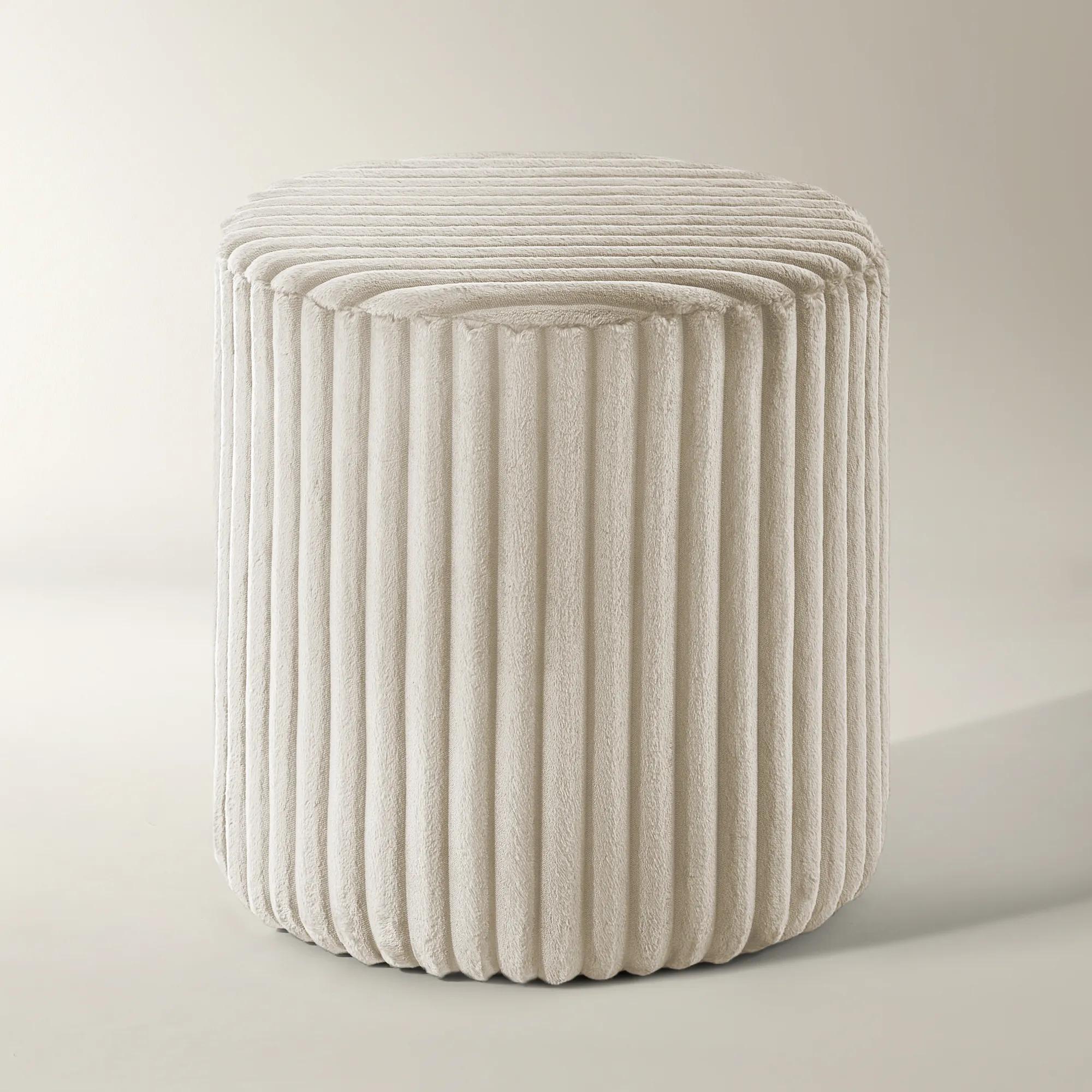 Fleece Fluted Ivory Velvet Stool (15.55'')$229
An ivory ribbed velvet stool offering cozy softness and versatile use as seating, footrest, or accent table.
Add To Cart -
.jpg?w=1200&h=1200) Fleece Fluted Gray Velvet Stool (15.55'')$229
Fleece Fluted Gray Velvet Stool (15.55'')$229A plush grey velvet stool with a unique ribbed texture, perfect for versatile, cozy seating or decor.
Add To Cart -
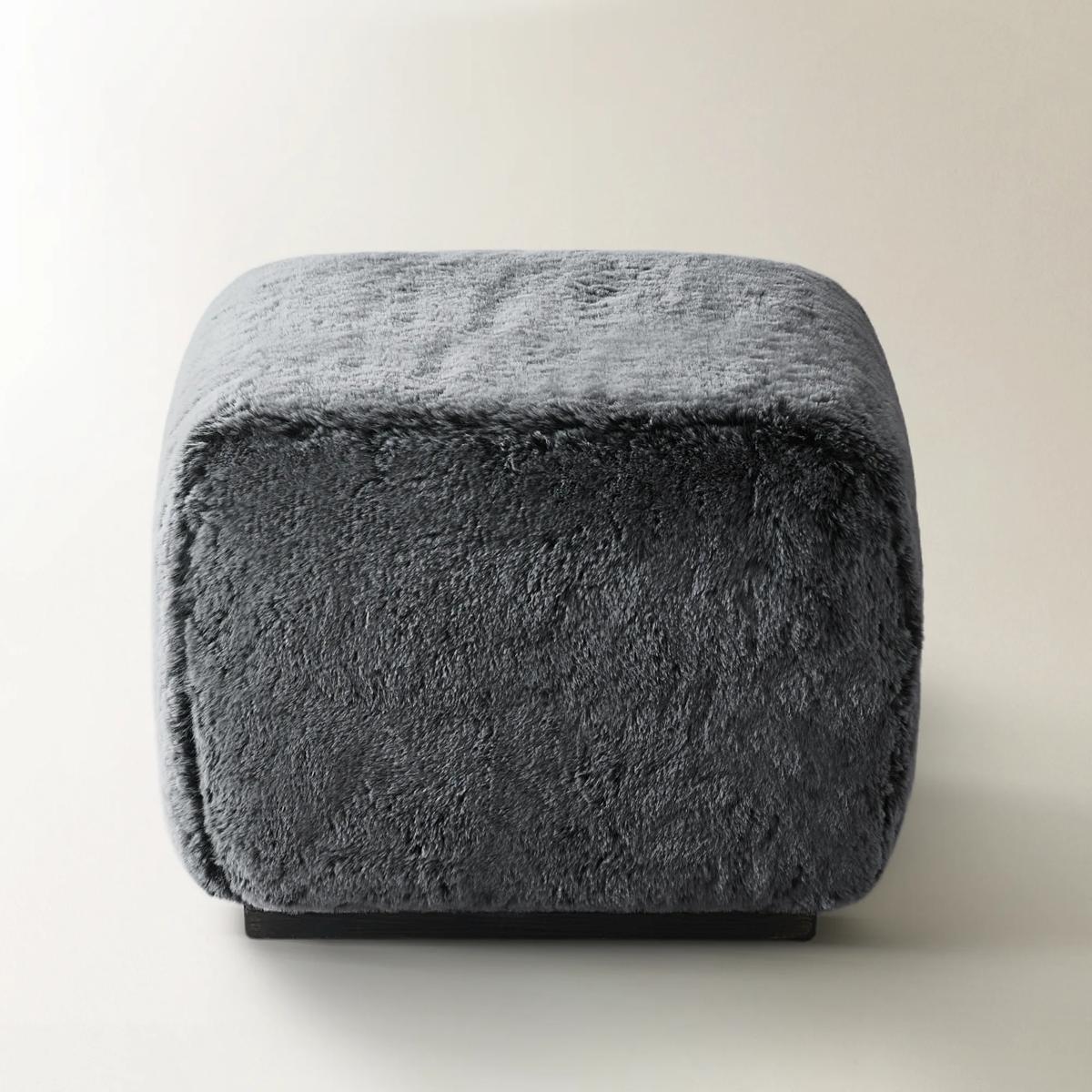
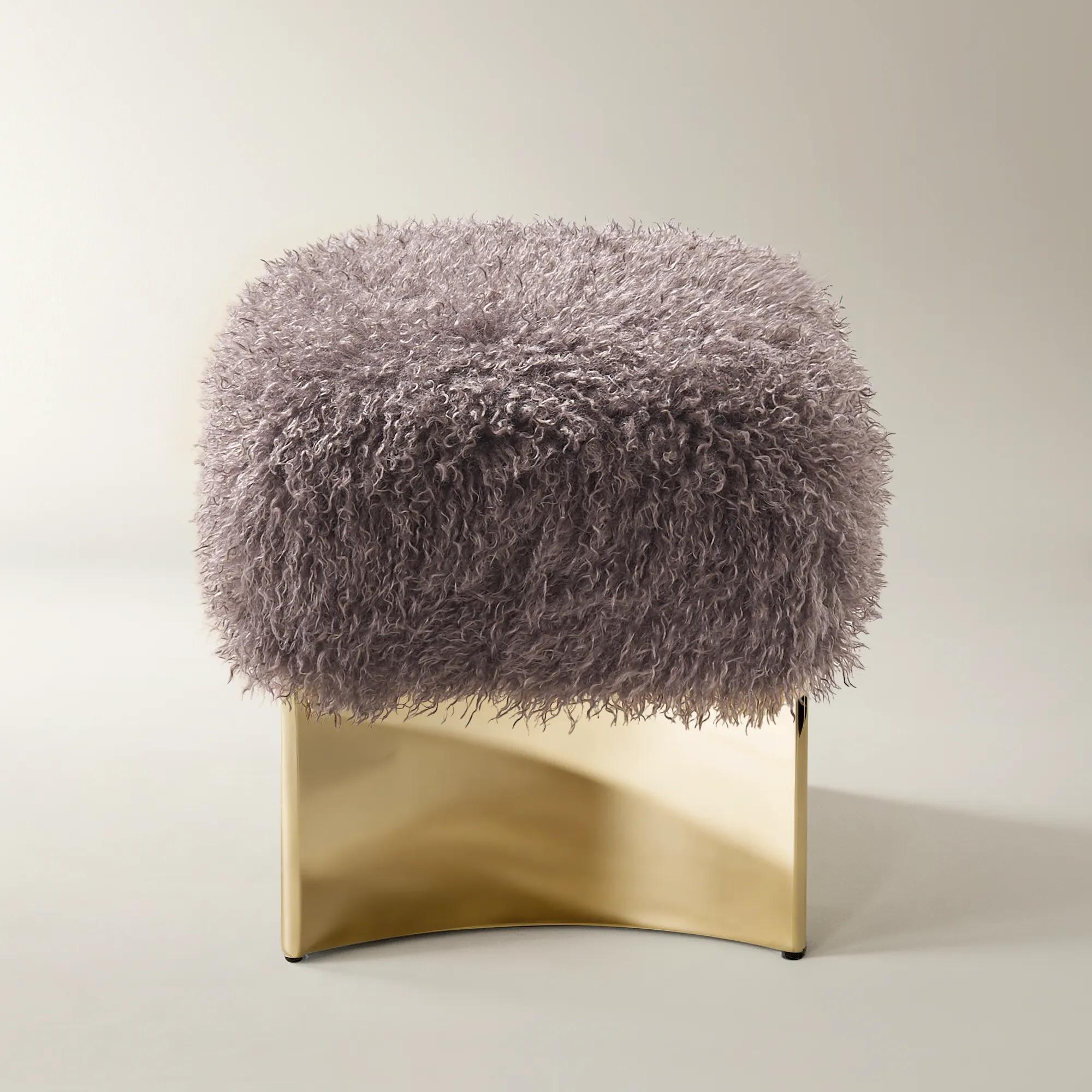
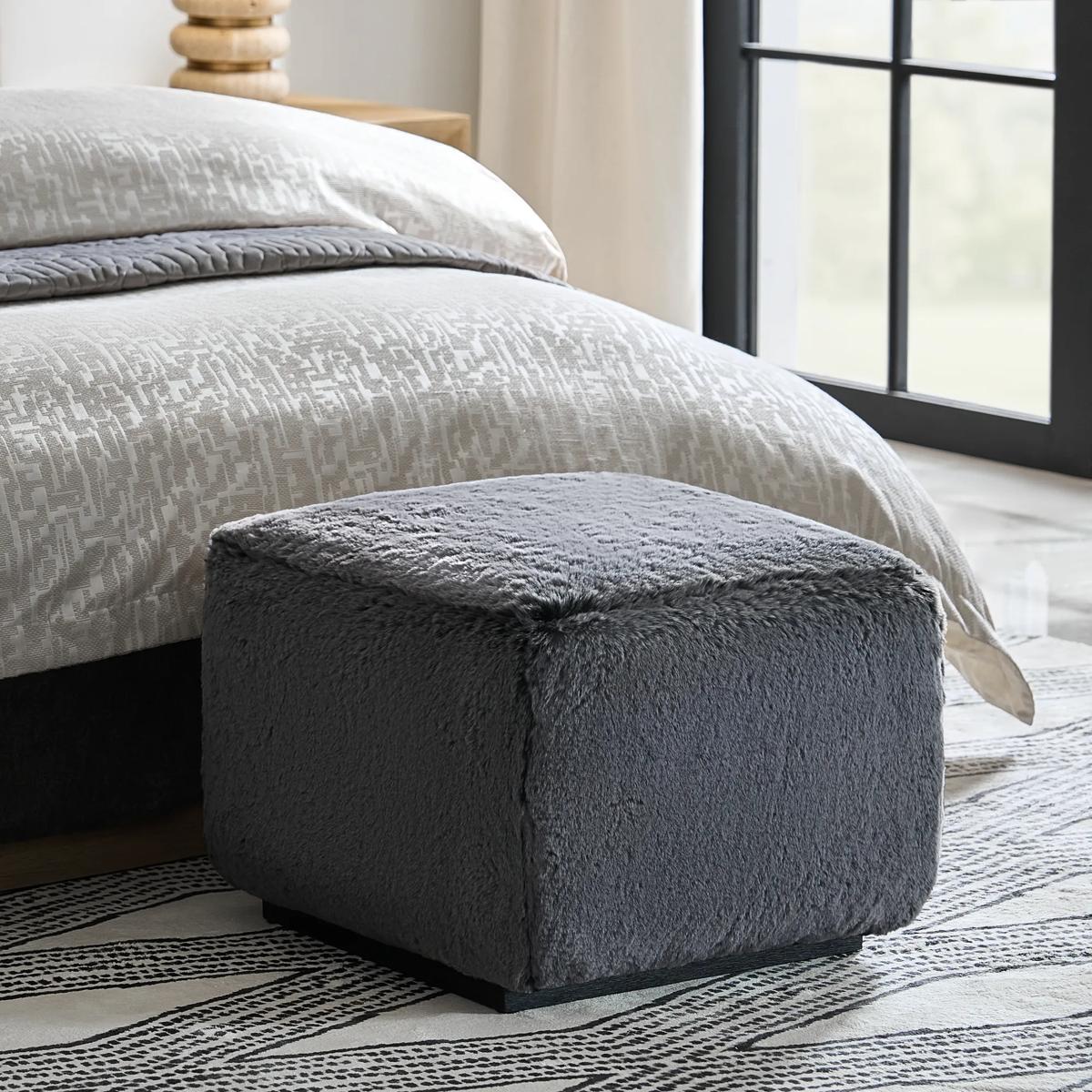 Lris Grey Faux Fur Stool (21")$299
A charcoal grey faux fur pouf with high-density foam and a sturdy rubberwood base for modern comfort.
Add To Cart -
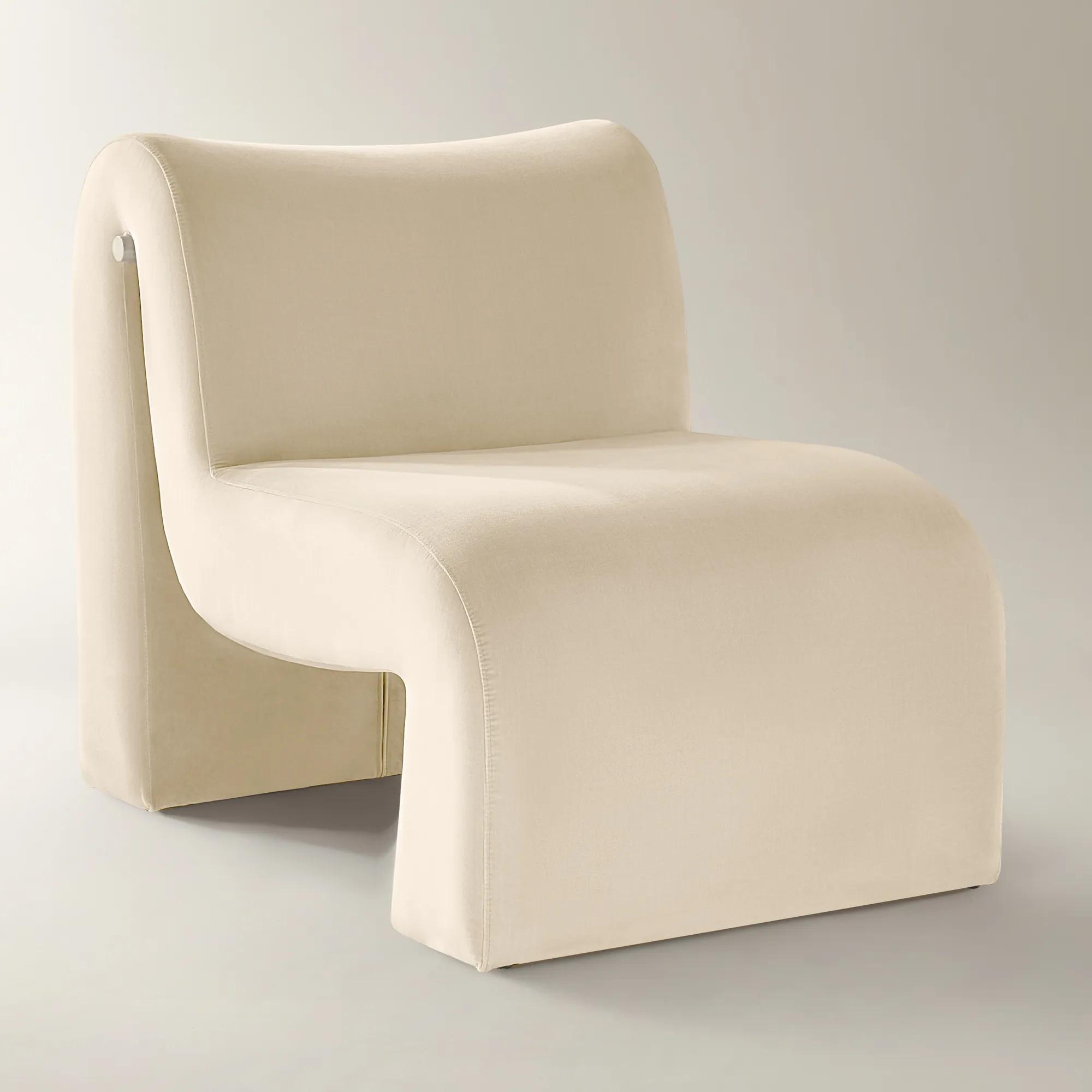 Cora Ivory Velvet Accent Chair$899
A sculpted ivory velvet chair featuring a continuous curved silhouette and a gold stainless-steel accent.
Add To Cart -
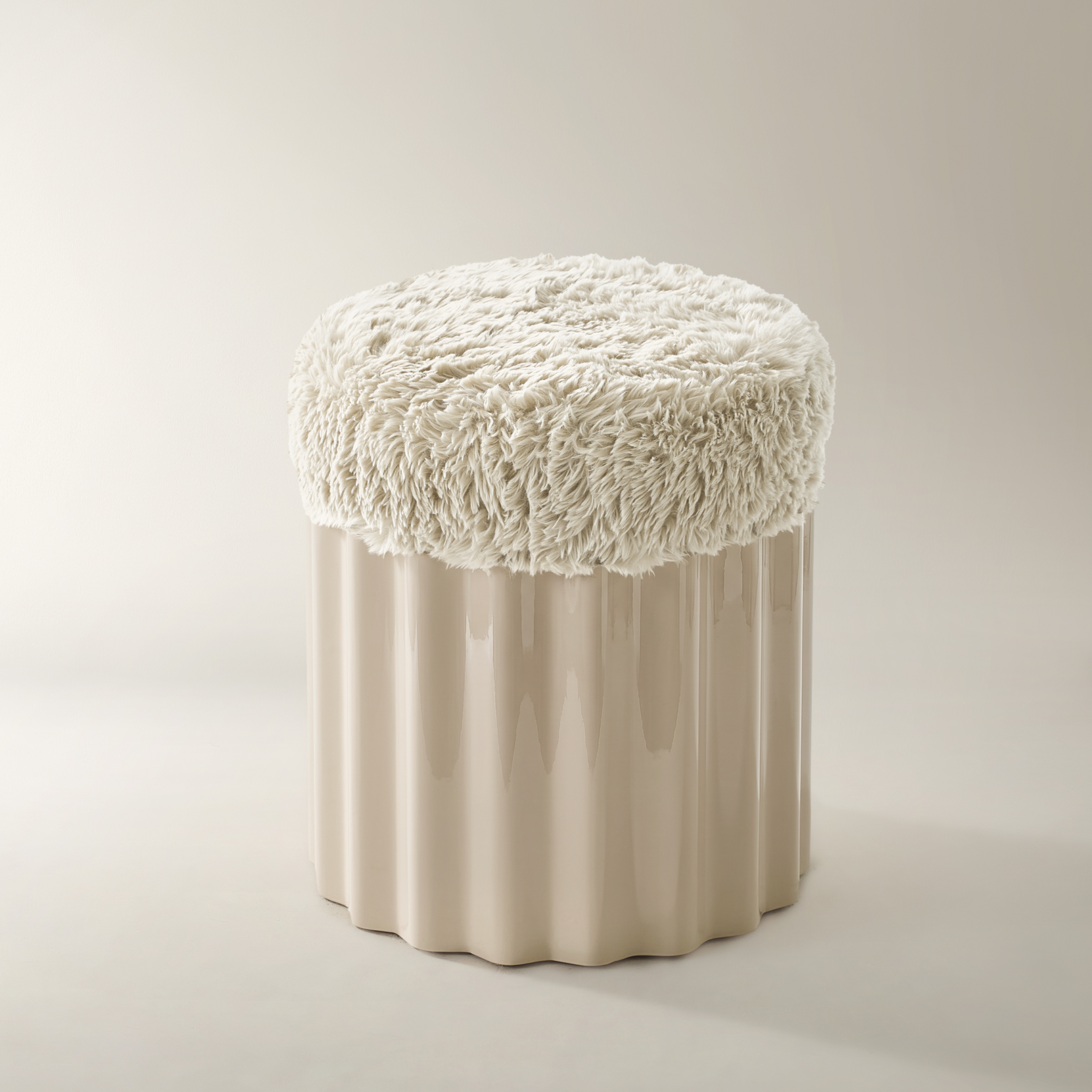
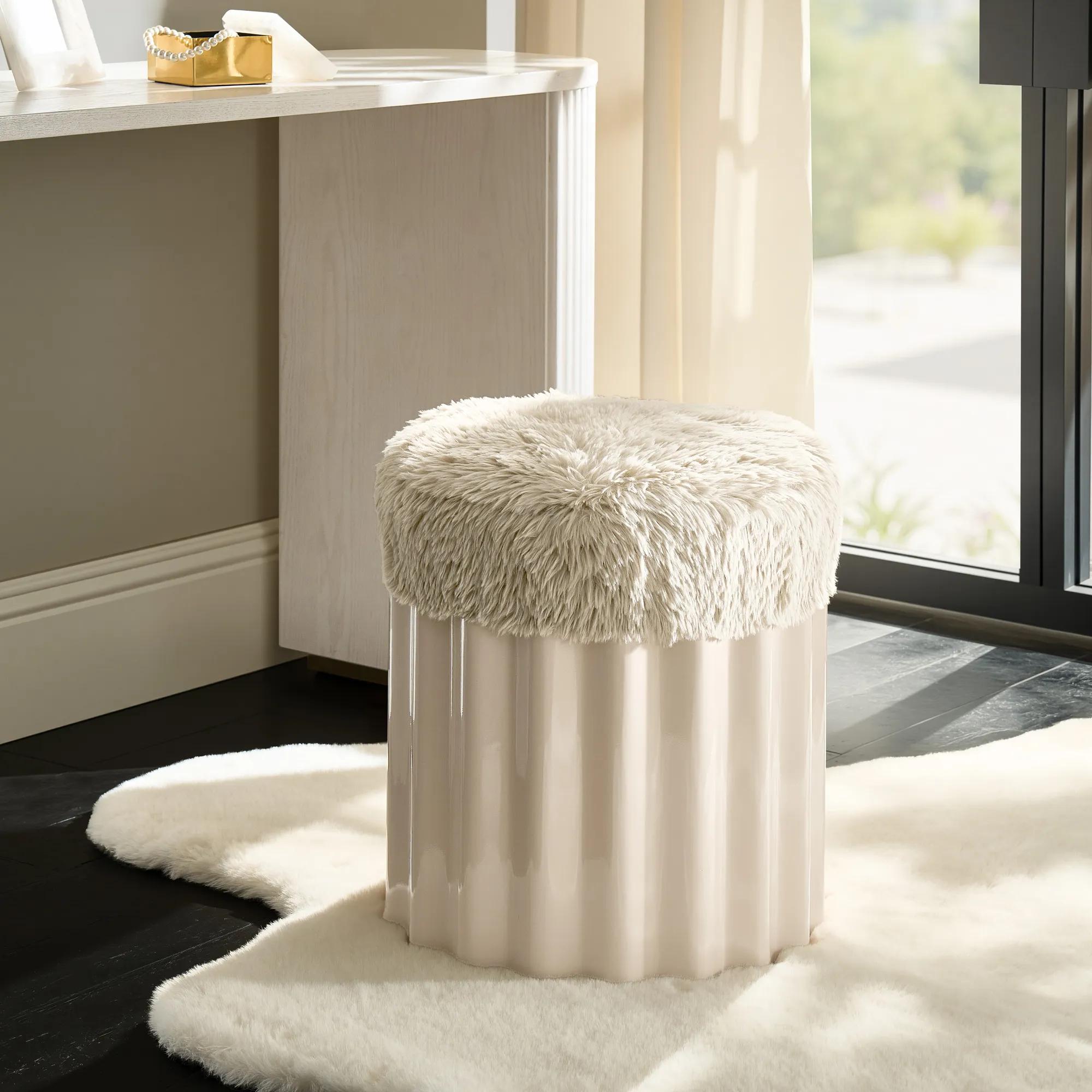 Nia Lacquered Turtle Dove Faux Fur Storage Stool$399
A sculptural fluted stool in warm turtle dove with plush faux fur seat and hidden storage compartment.
Add To Cart -
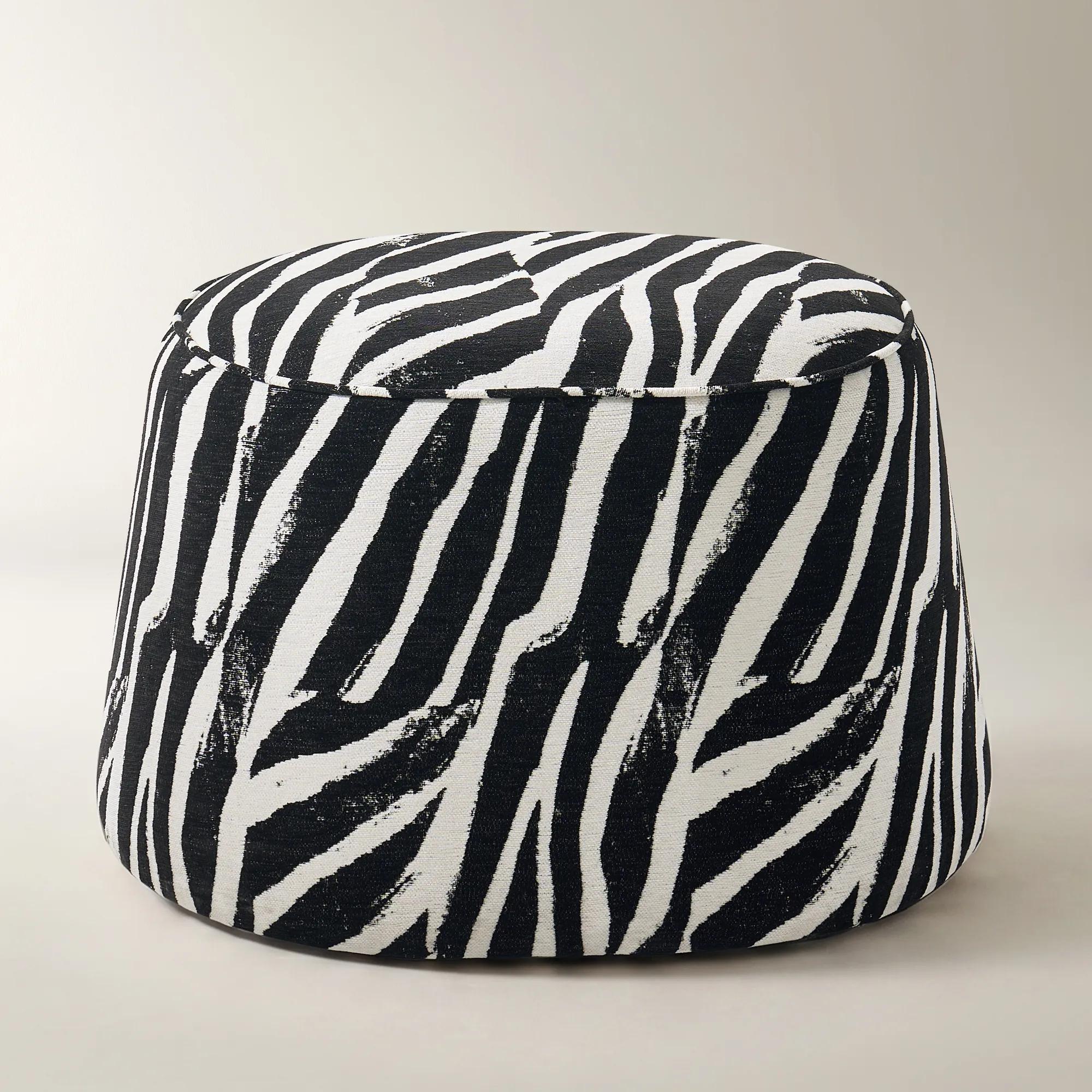 Avery White/Black Performance Chenille Stool$399
A sculpted drum accent stool in black and white performance chenille with an animal-inspired pattern.
Add To Cart -
.jpg?w=1200&h=1200)
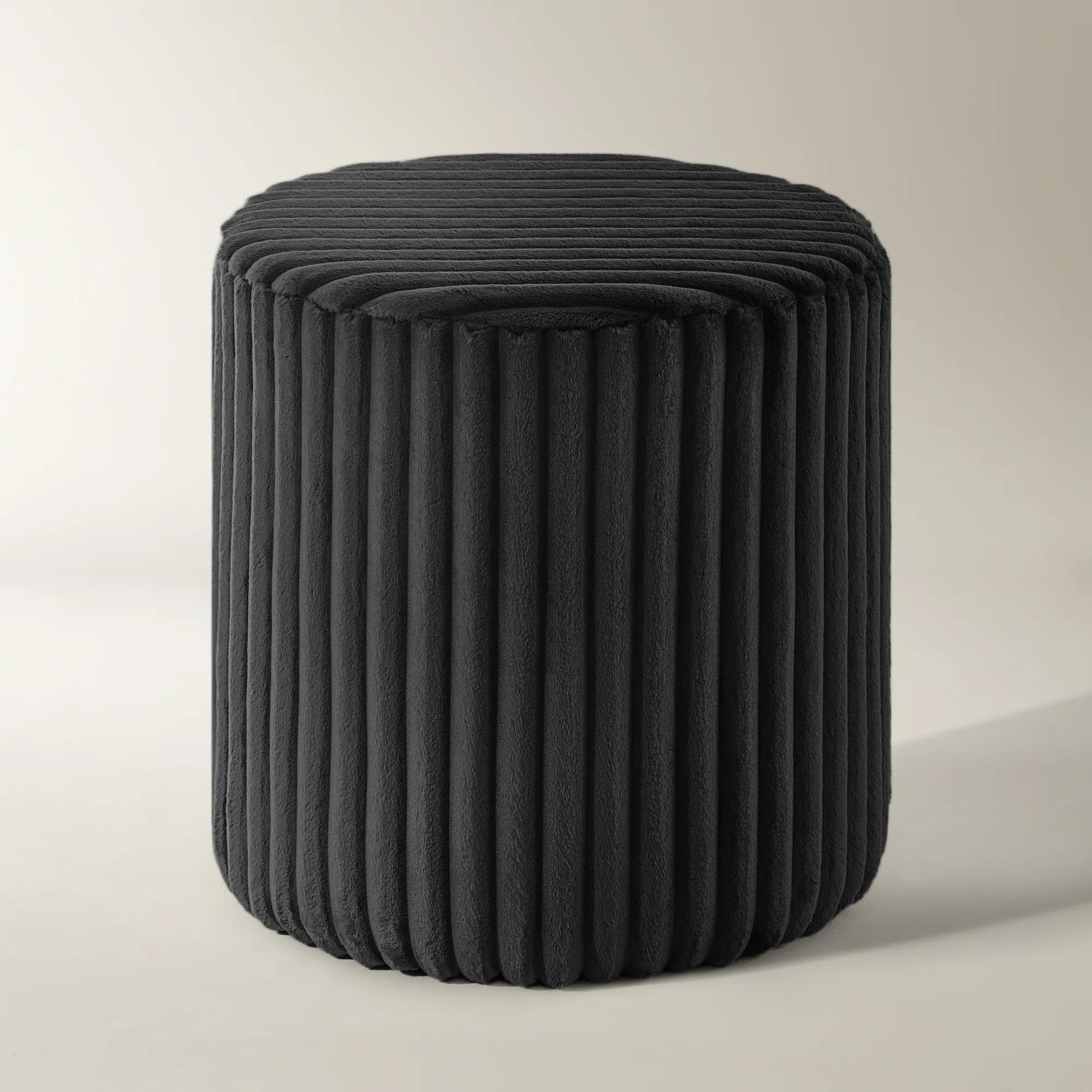 Fleece Fluted Black Velvet Stool (15.55'')$229
A plush black ribbed velvet stool offering versatile seating and cozy texture for any modern space.
Add To Cart -
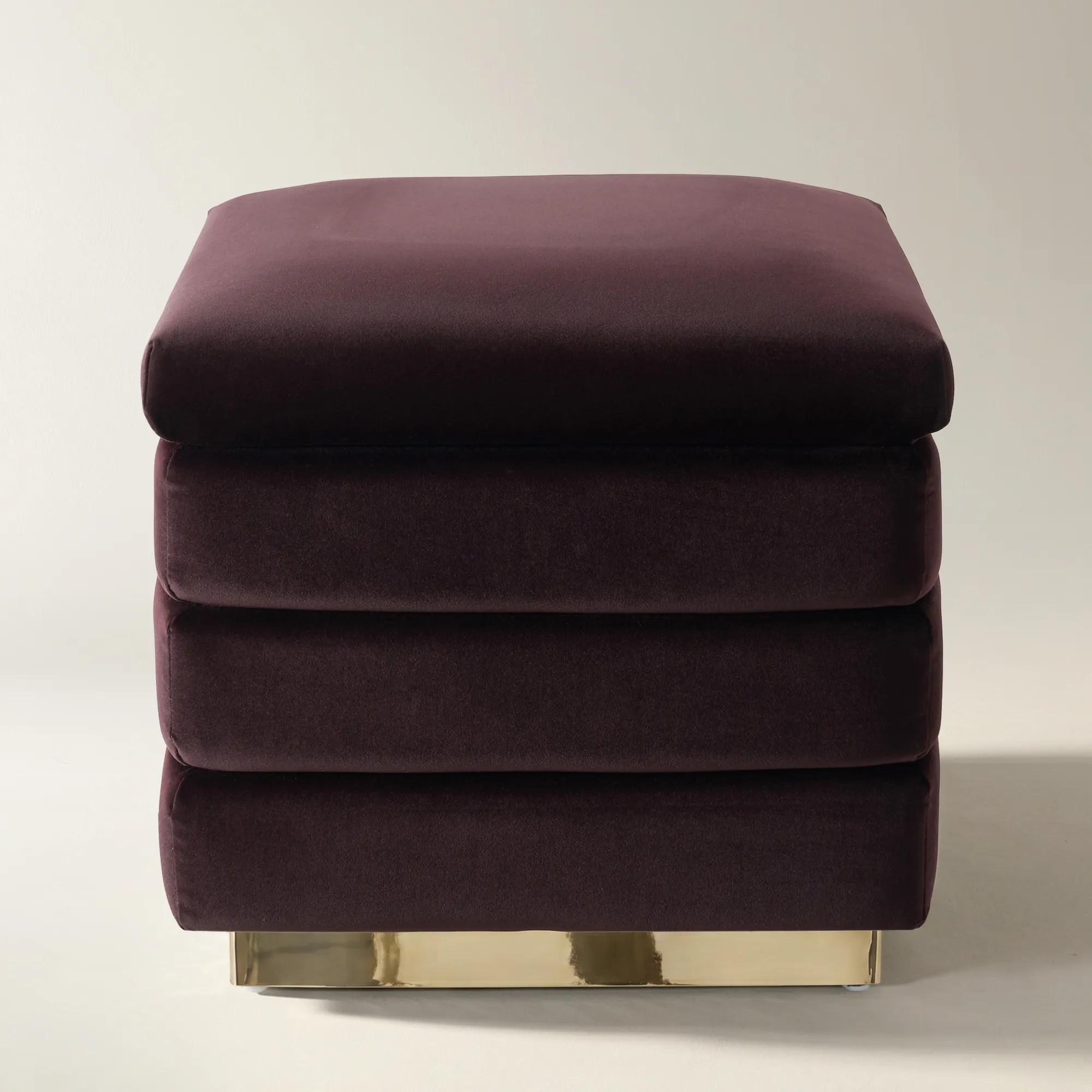
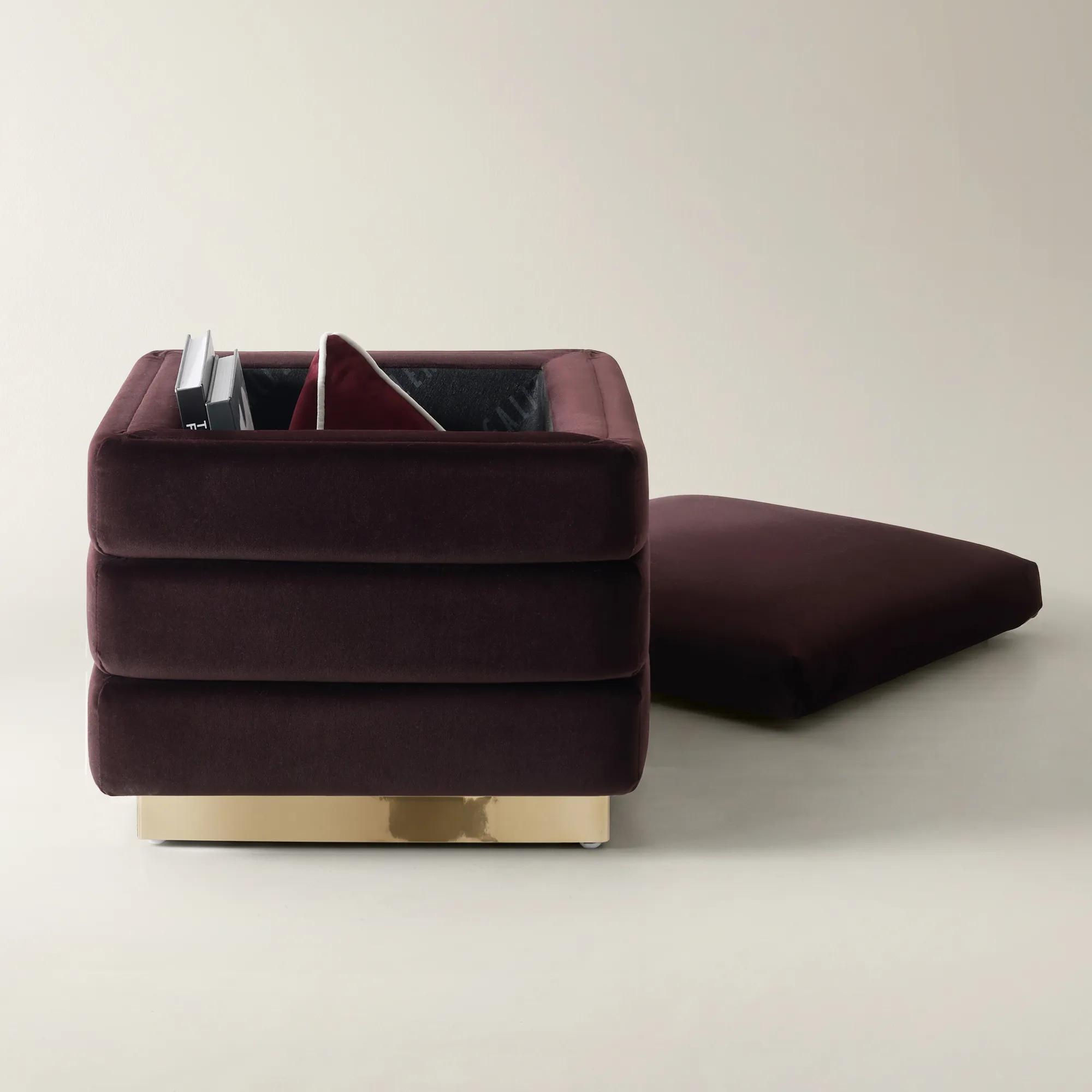 Gable Fig Chenille Storage Stool$399
A plush fig chenille stool with hidden storage, velvet upholstery, and a polished gold stainless steel base.
Add To Cart -
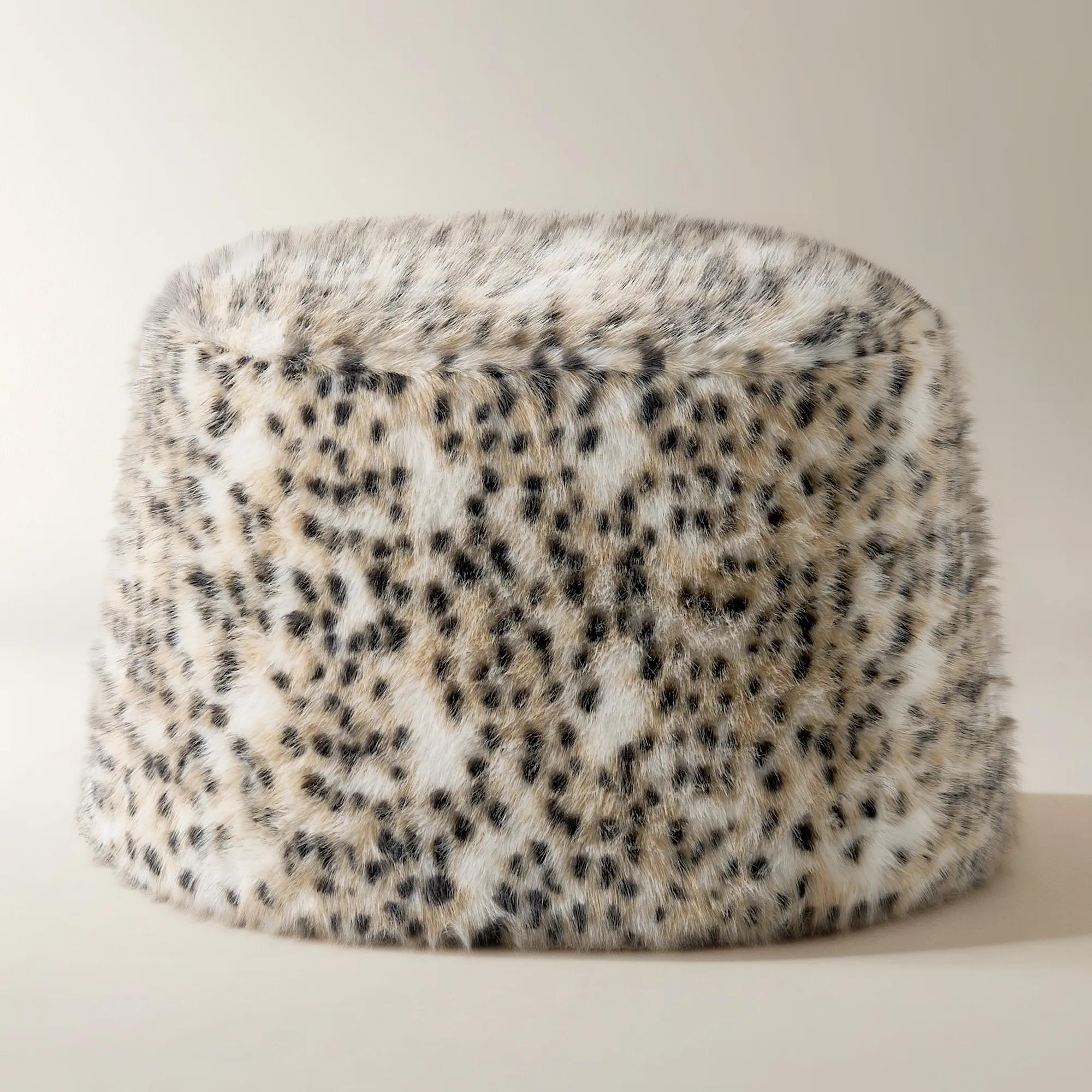
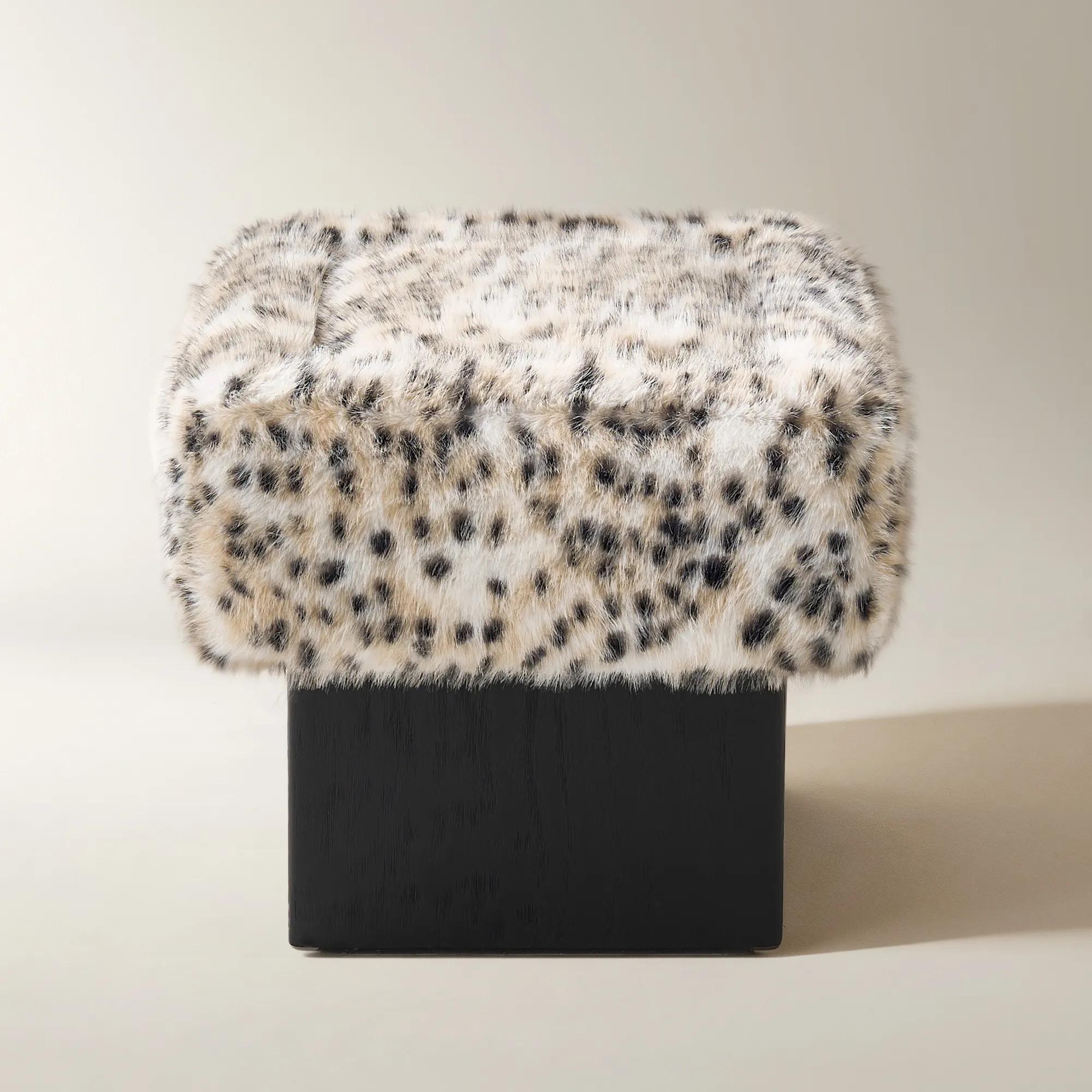
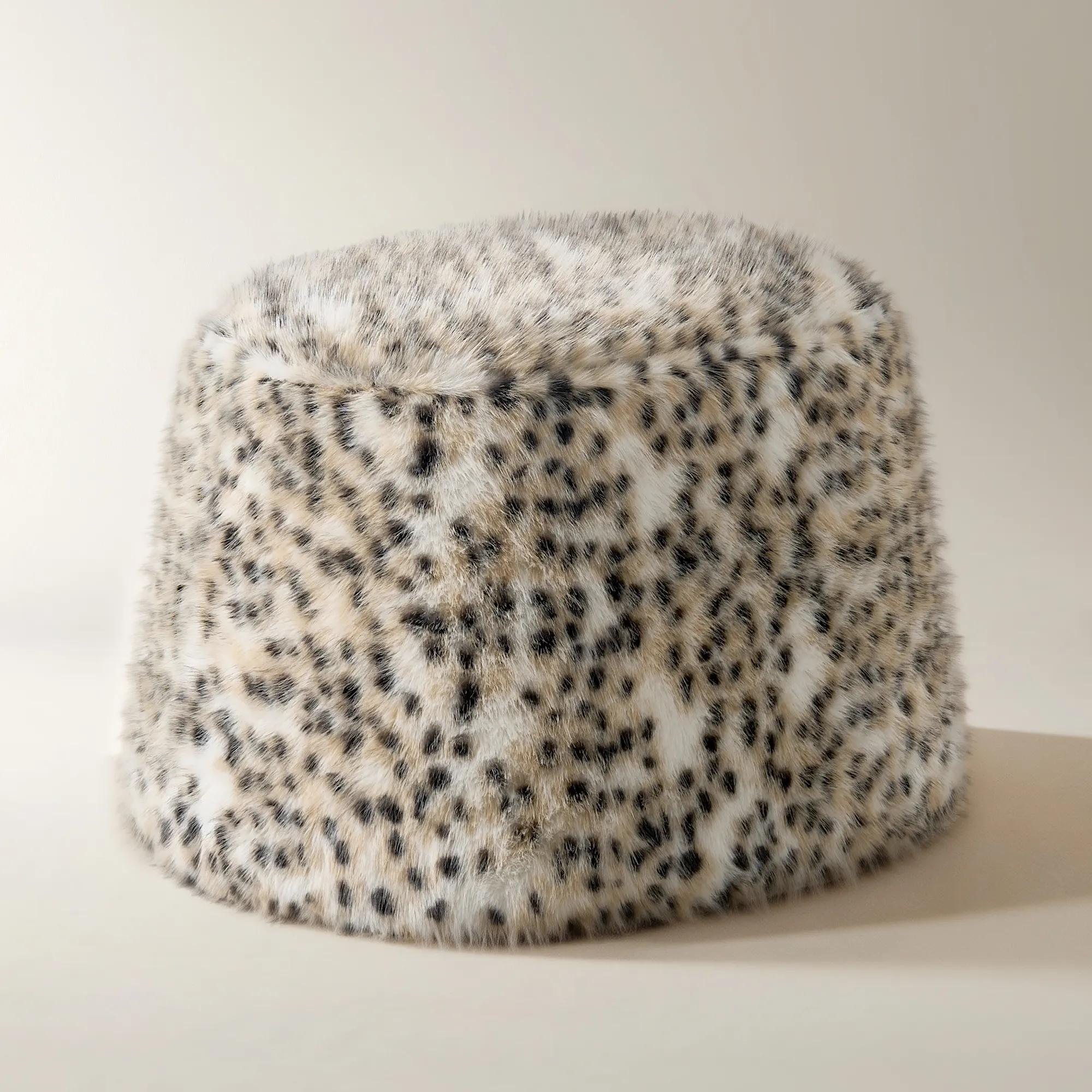 Avery Spotted Faux Fur Stool$399
A sculpted drum stool wrapped in plush spotted faux fur for bold, modern accent seating.
Add To Cart -
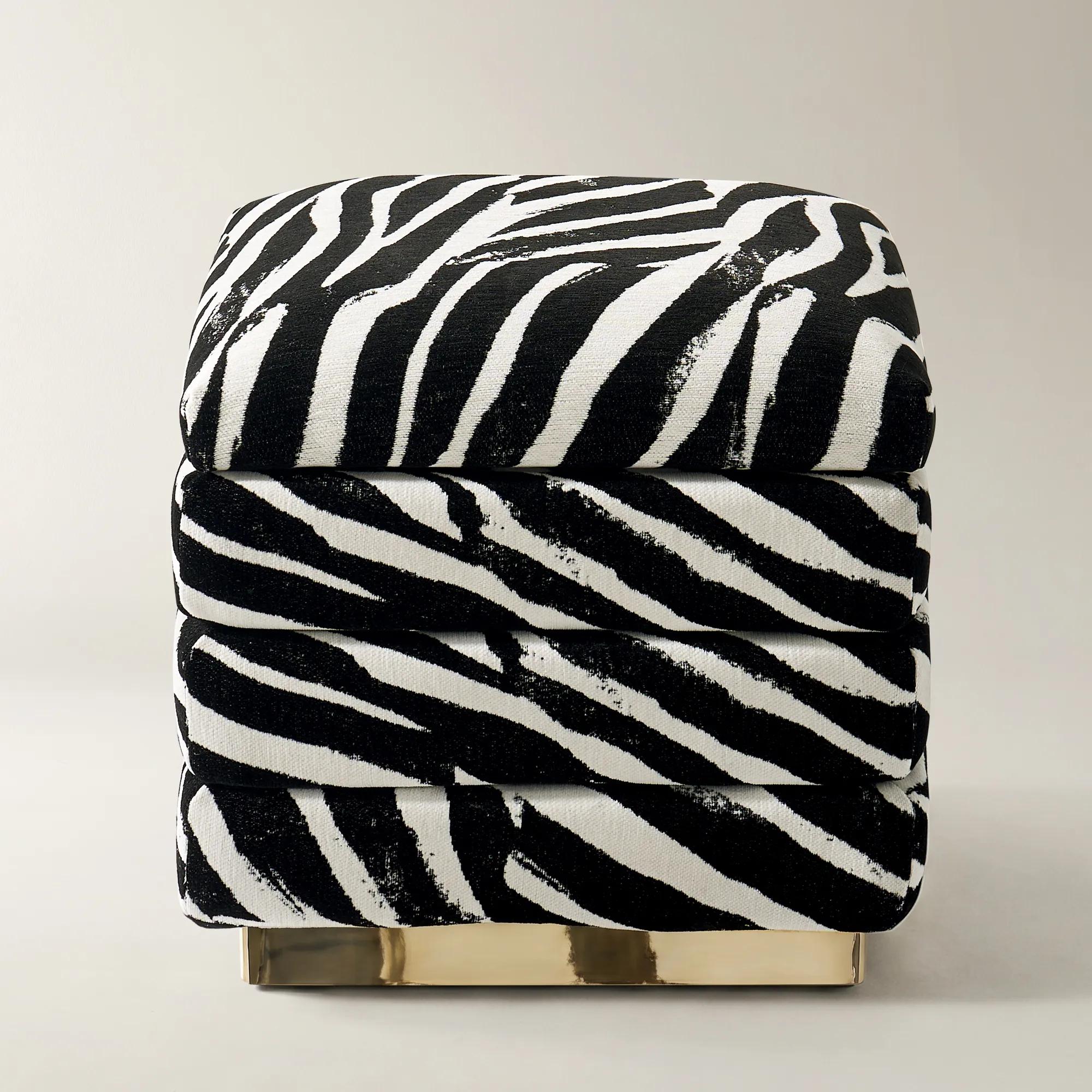
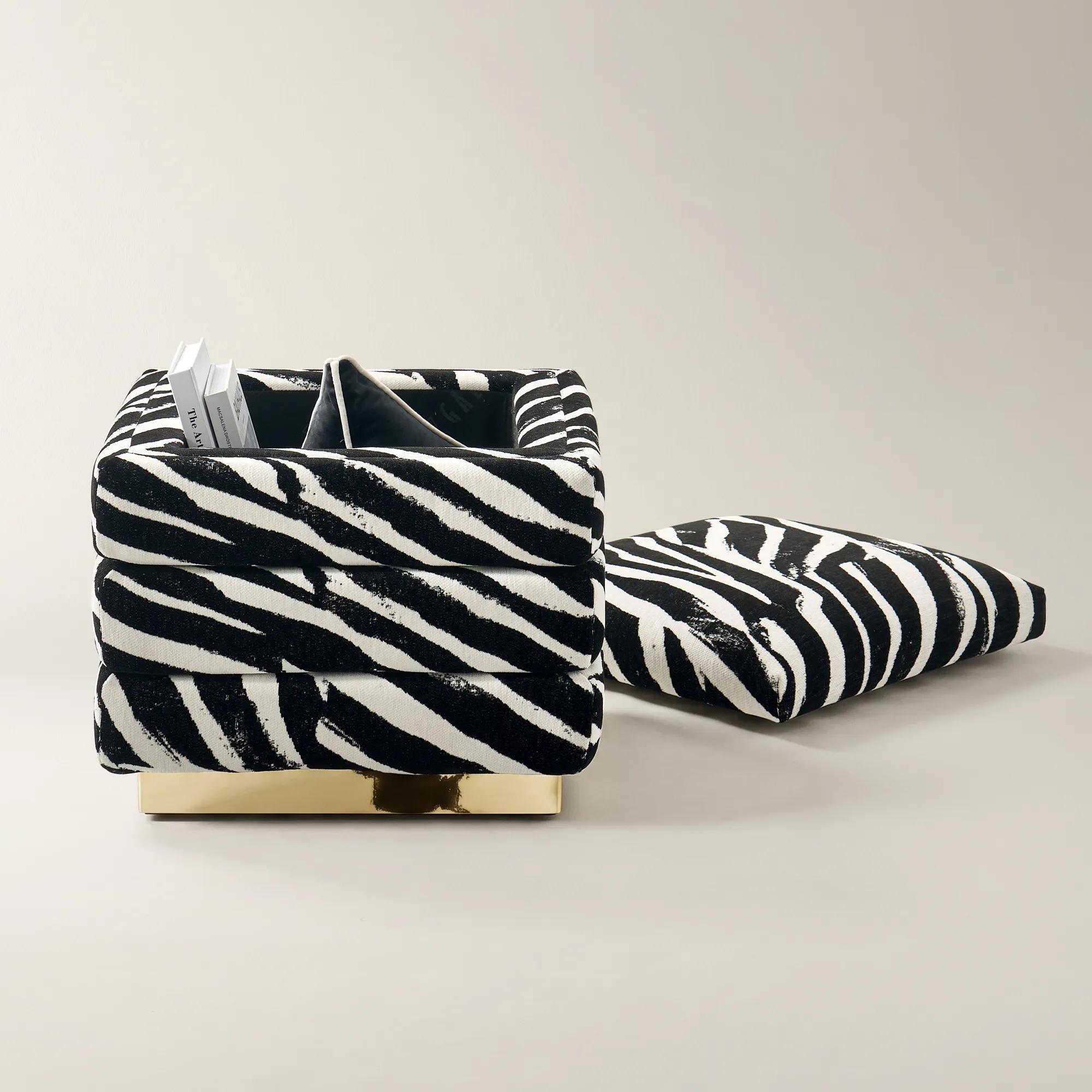 Gable White/Black Performance Chenille Stool$399
A plush white and black chenille stool with hidden storage and a polished gold stainless steel base.
Add To Cart -
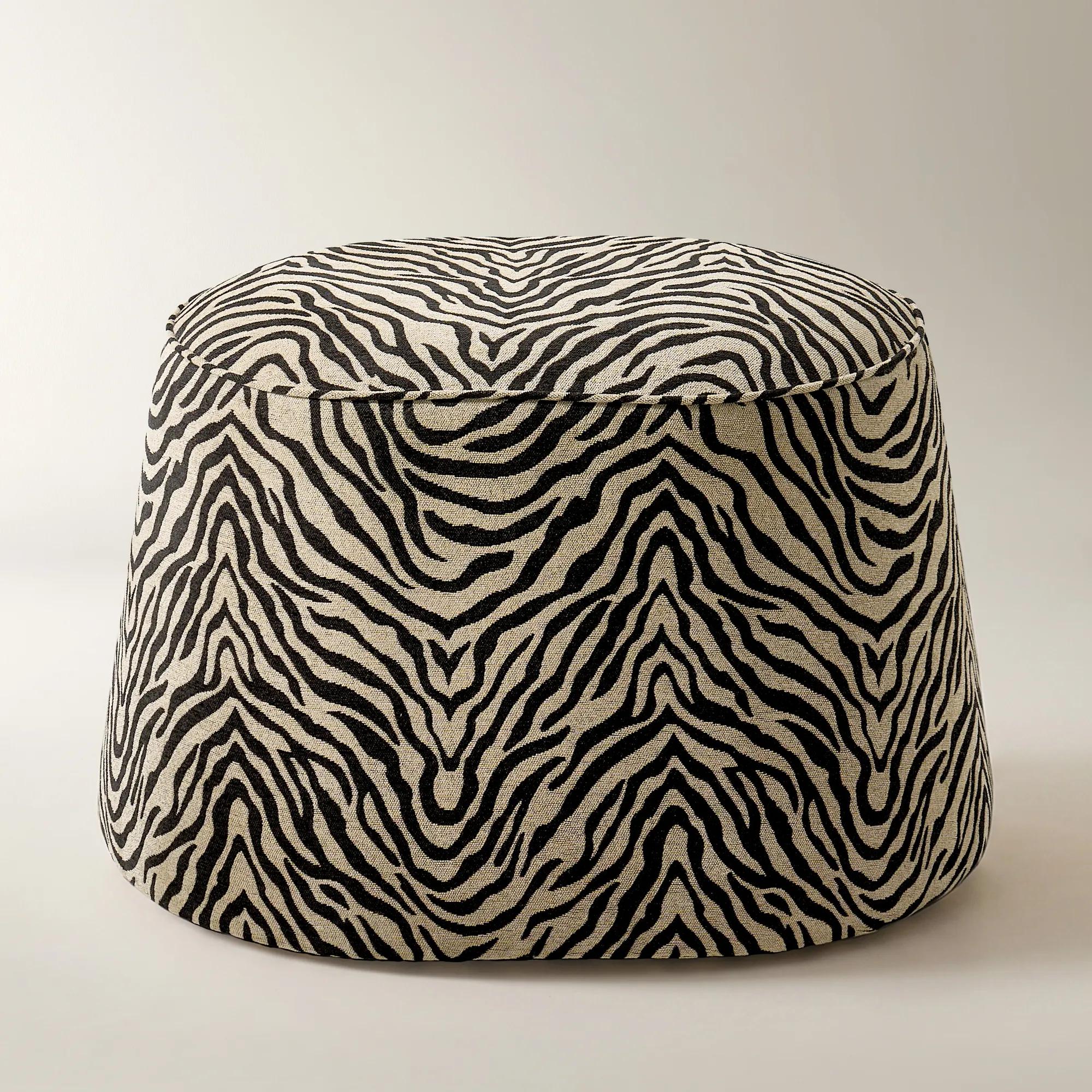 Avery Zebra Performance Chenille Stool$399
A sculpted drum-shaped accent stool upholstered in zebra-patterned performance chenille for bold, modern style.
Add To Cart -
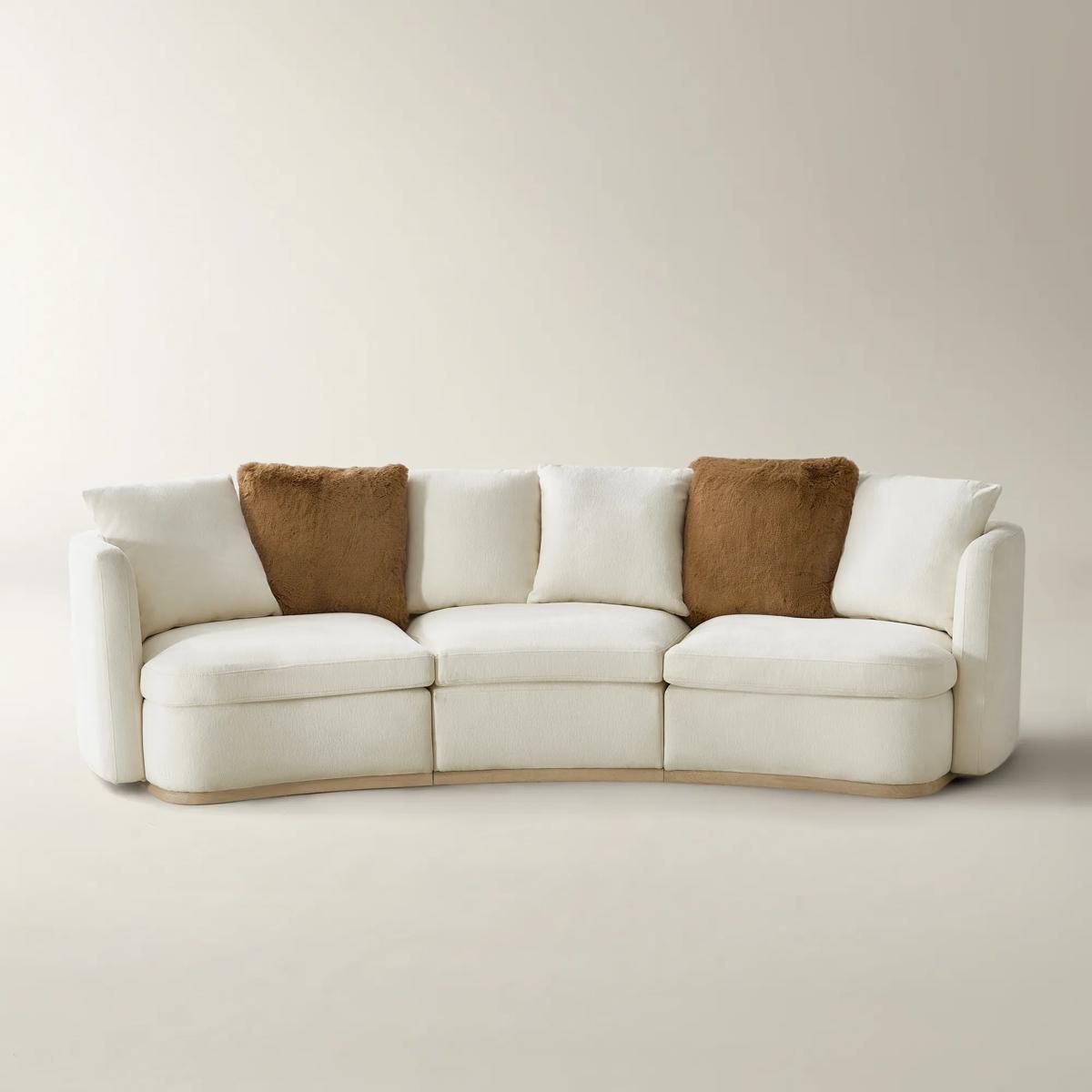 Stria 3-Piece Ivory Chenille Sectional Sofa$3099
An ivory chenille sofa featuring a sculptural curved design, triple-layer cushioning, and a kiln-dried oak frame.
Add To Cart -
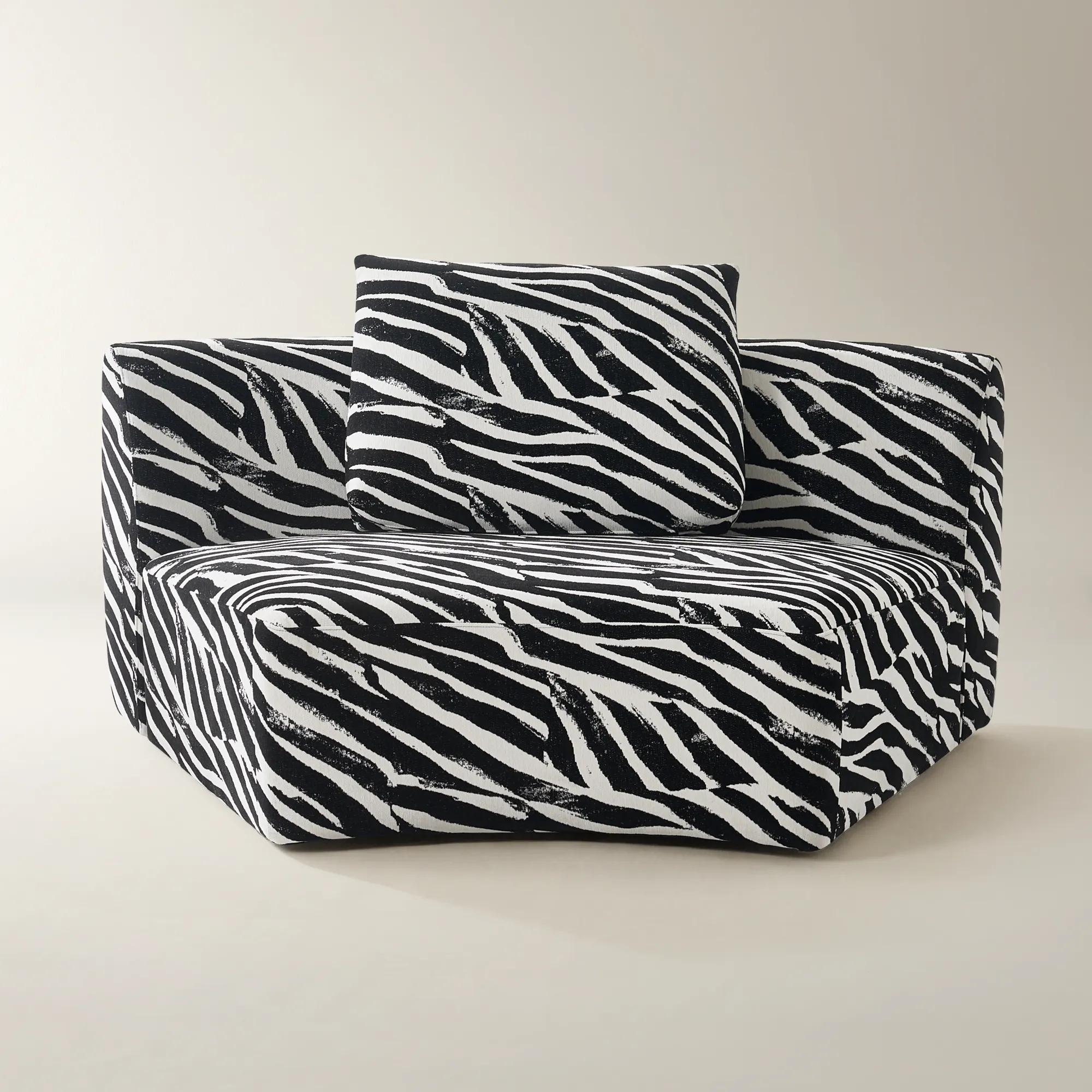
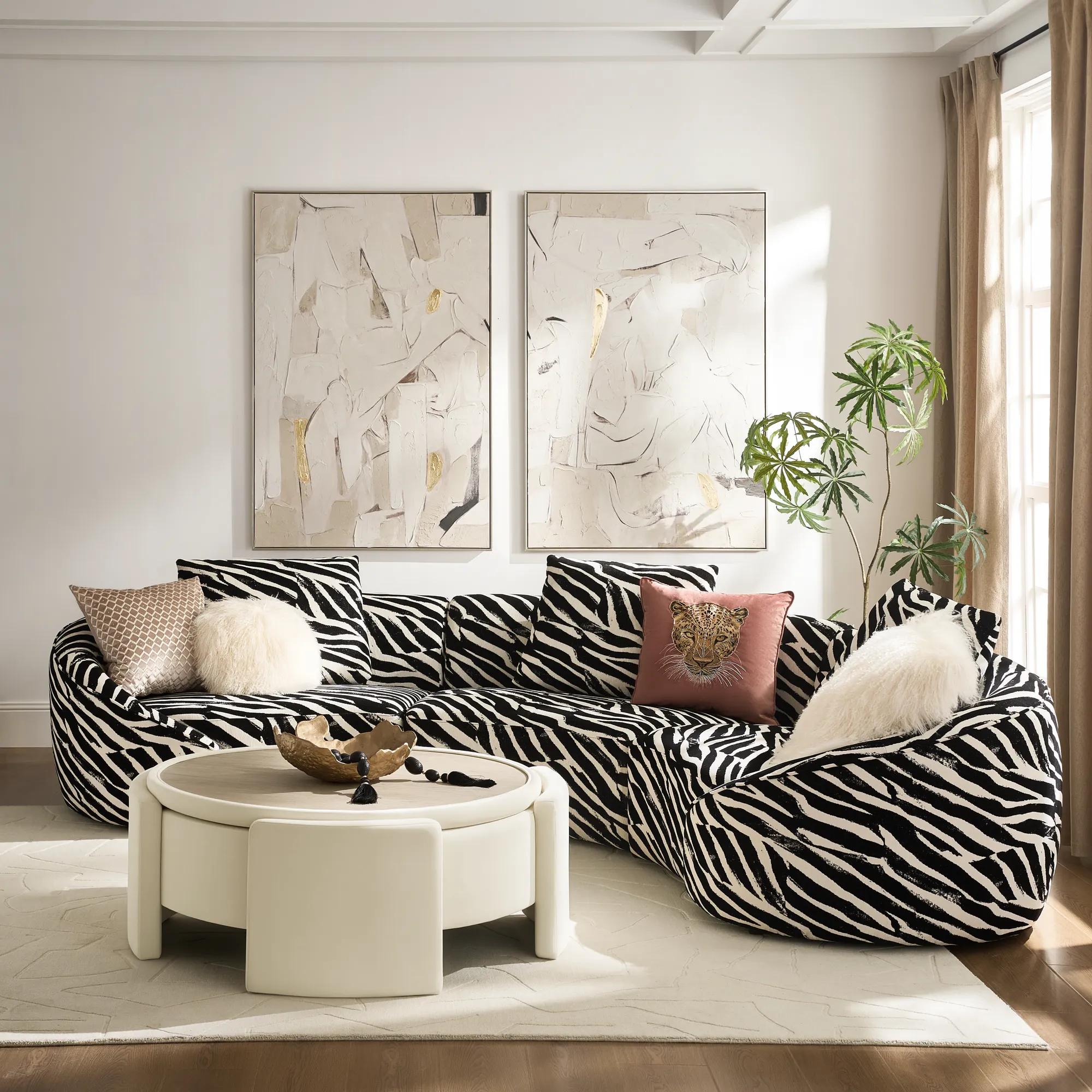 Irene White/Black Performance Chenille Armless Chair$1149
A sculptural armless chair in black and white performance chenille with high-resiliency foam cushions.
Add To Cart -
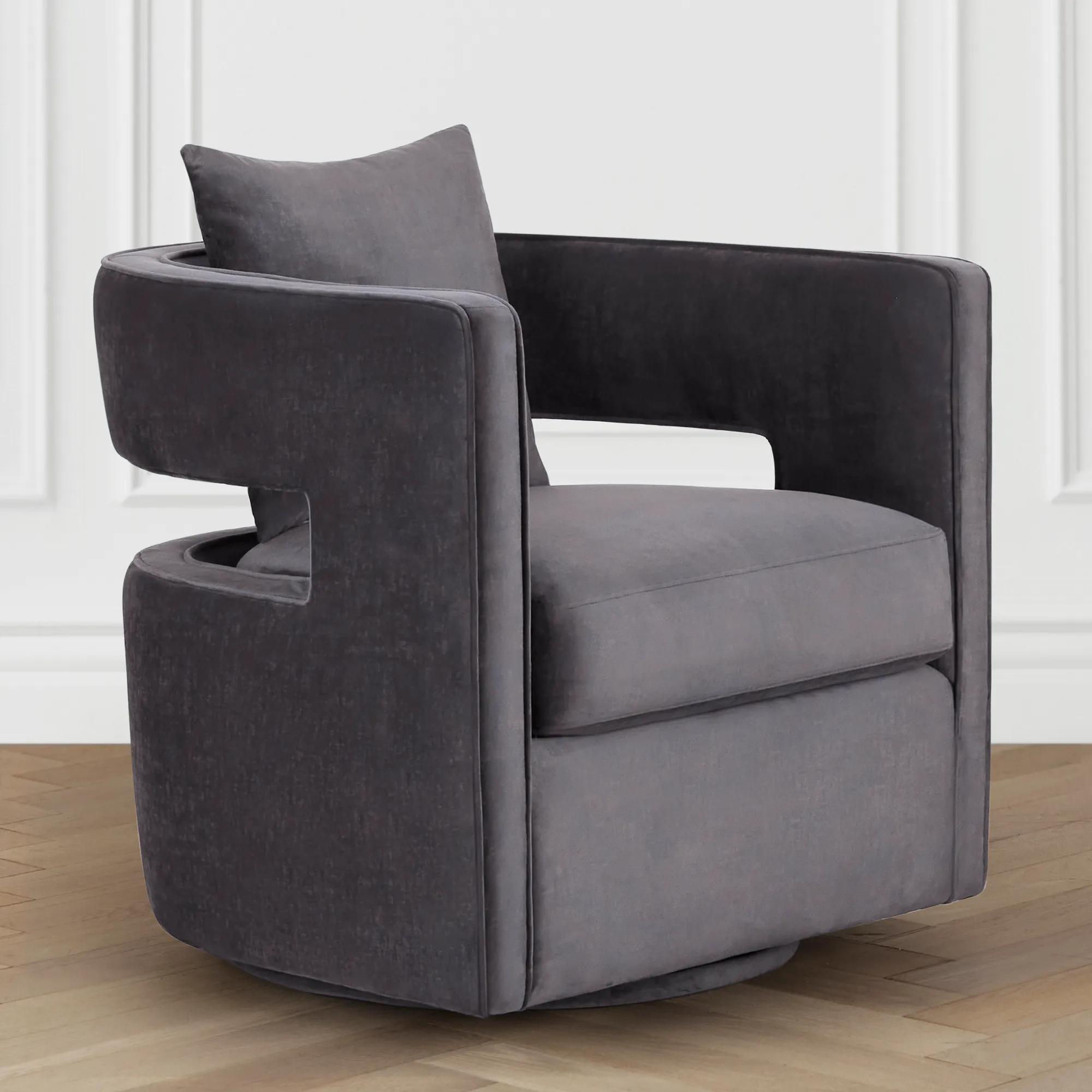 Lottie Grey Velvet Swivel Accent Chair$999
A glamorous grey velvet swivel chair featuring a barrel back, cutout arms, and plush foam cushioning.
Add To Cart -
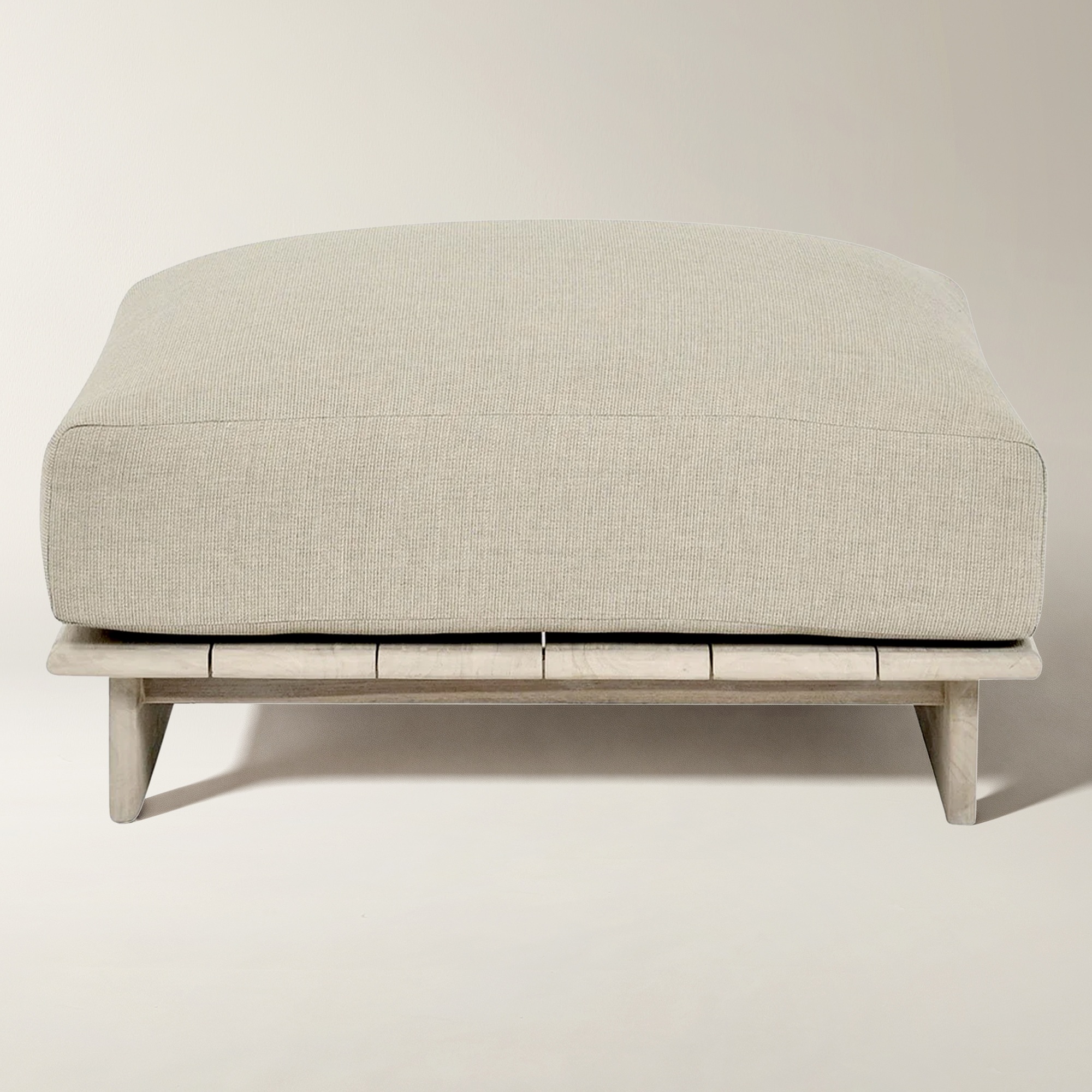
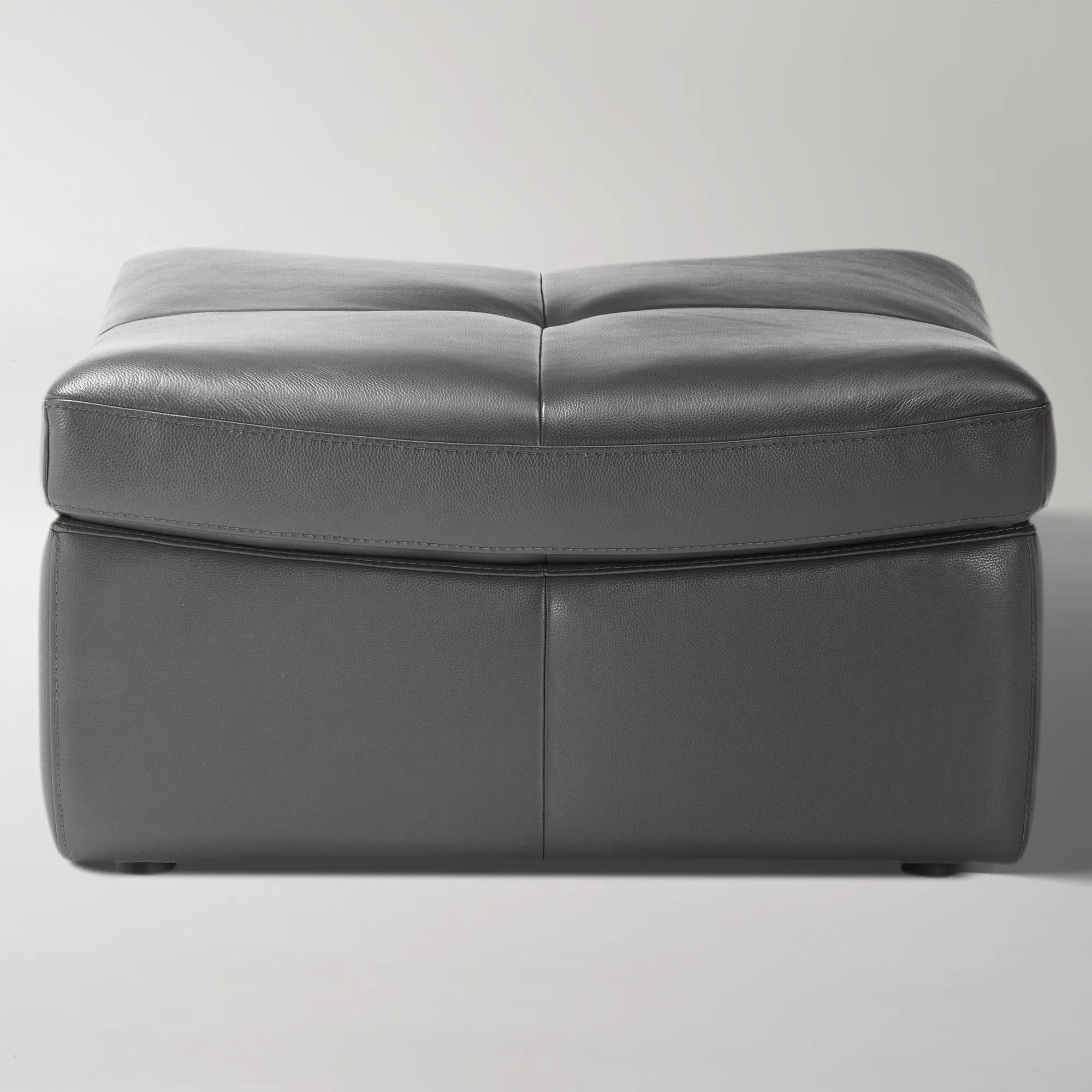 Convo Charcoal Leather Ottoman$849
A modular sectional in charcoal semi-aniline leather with kiln-dried hardwood frames and gently curved seats.
Add To Cart -
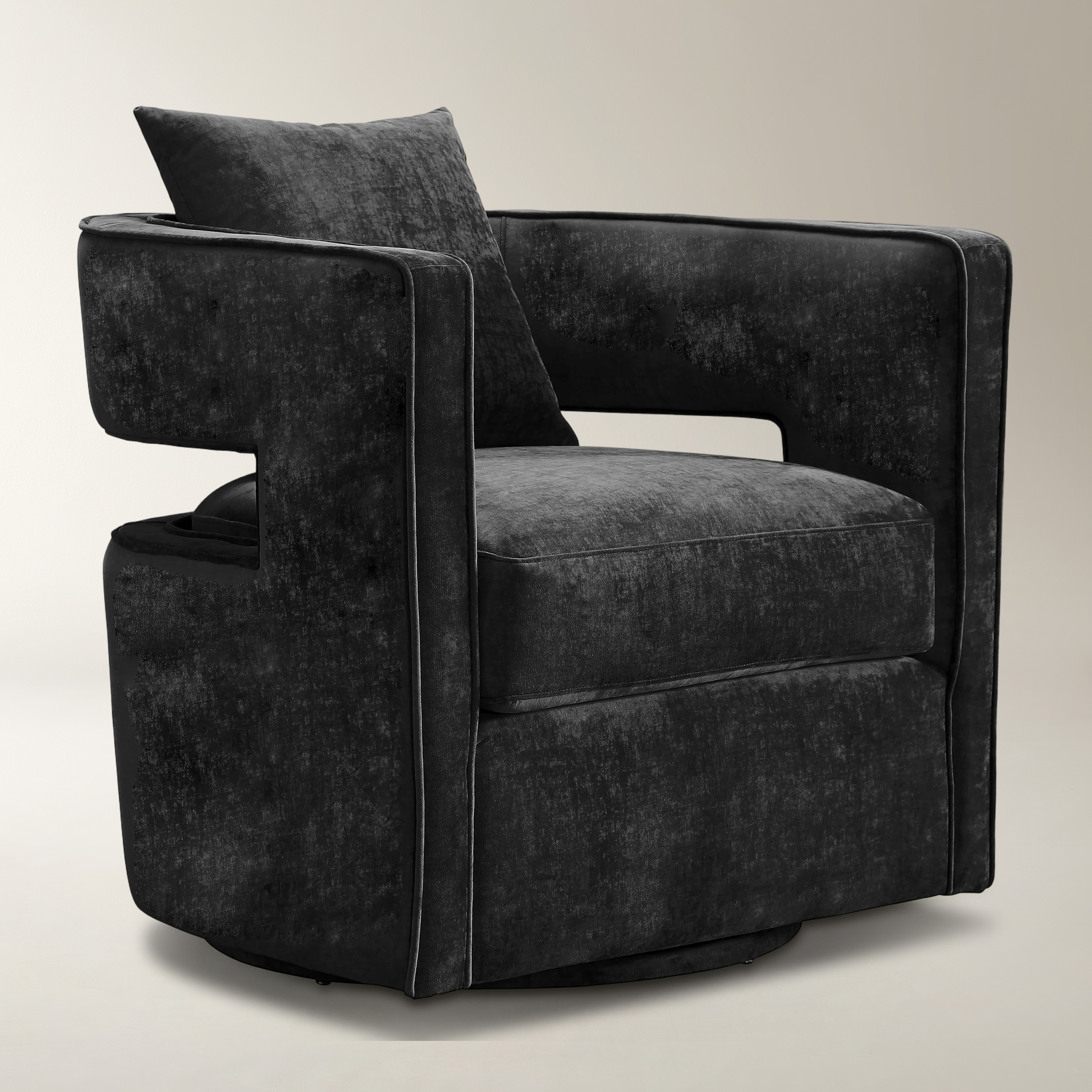 Lottie Black Velvet Swivel Accent Chair$999
A glamorous black velvet swivel chair featuring a barrel back, cutout arms, and plush foam cushioning.
Add To Cart -

 Aria Pleated Swivel Chair$1249
A modern barrel chair in pearl velvet with pleated detailing, kiln-dried hardwood frame, and smooth swivel base.
Add To Cart -
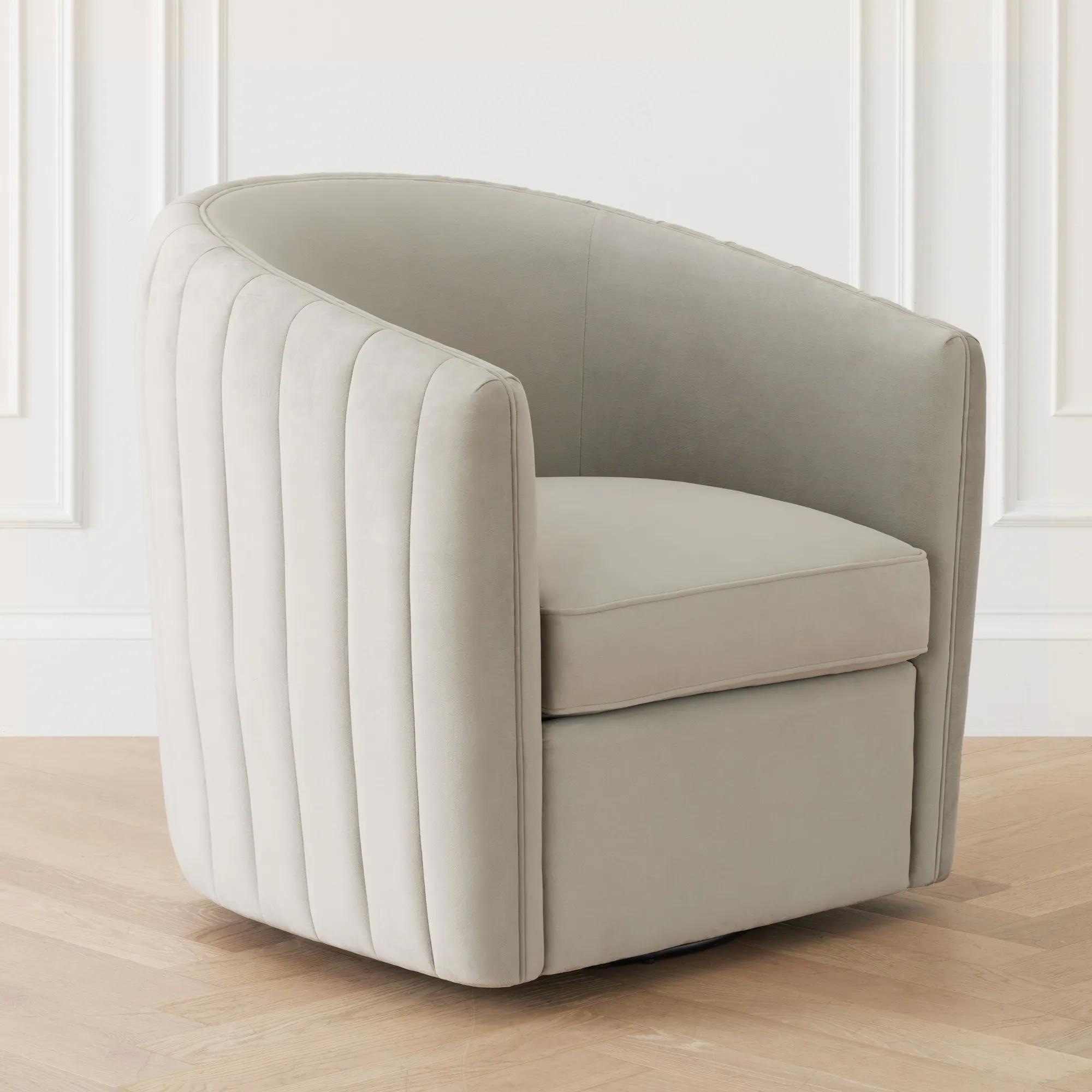
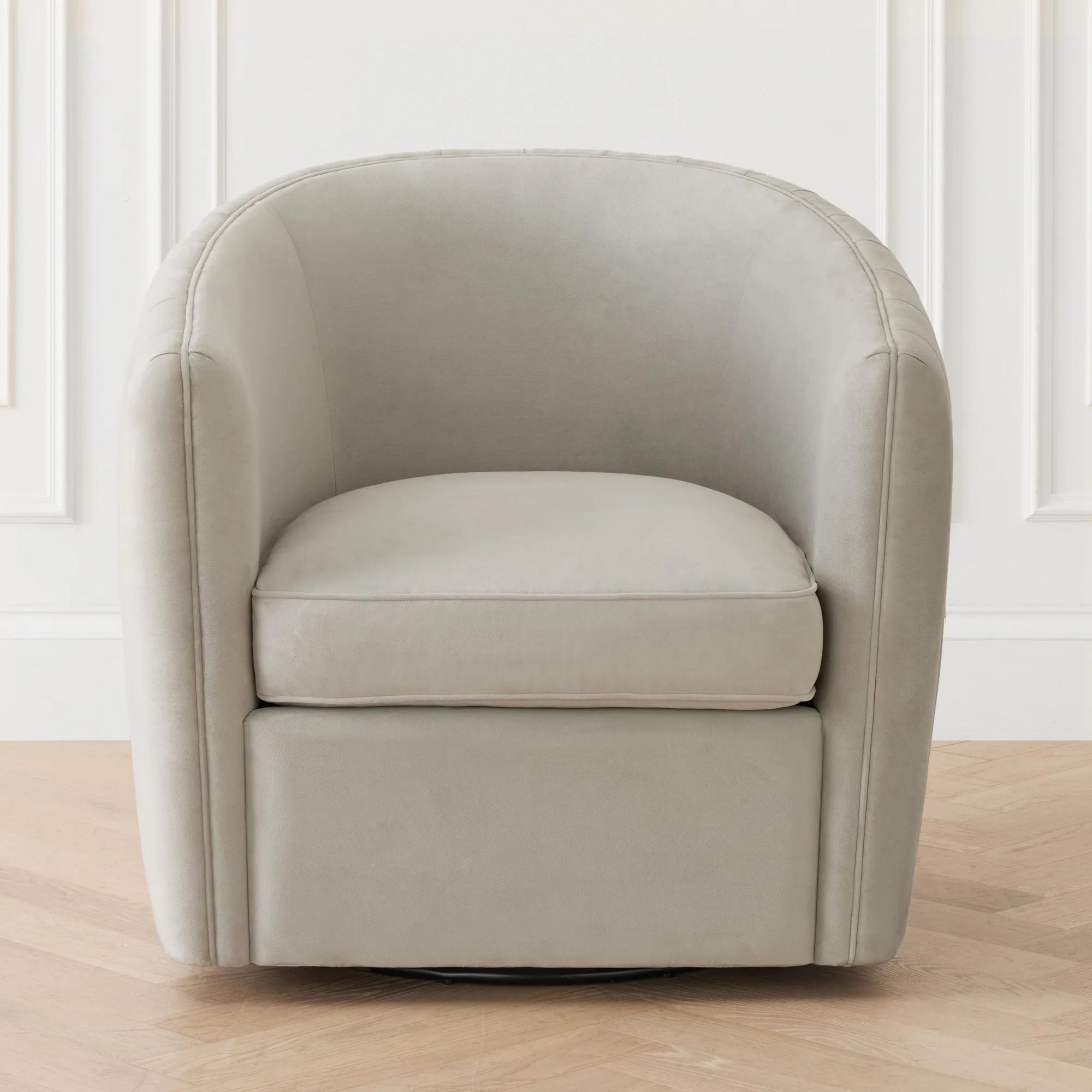 Aria Channeled Swivel Chair$1249
A modern barrel chair in kiln-dried hardwood with channeled velvet upholstery and a smooth swivel base.
Add To Cart -
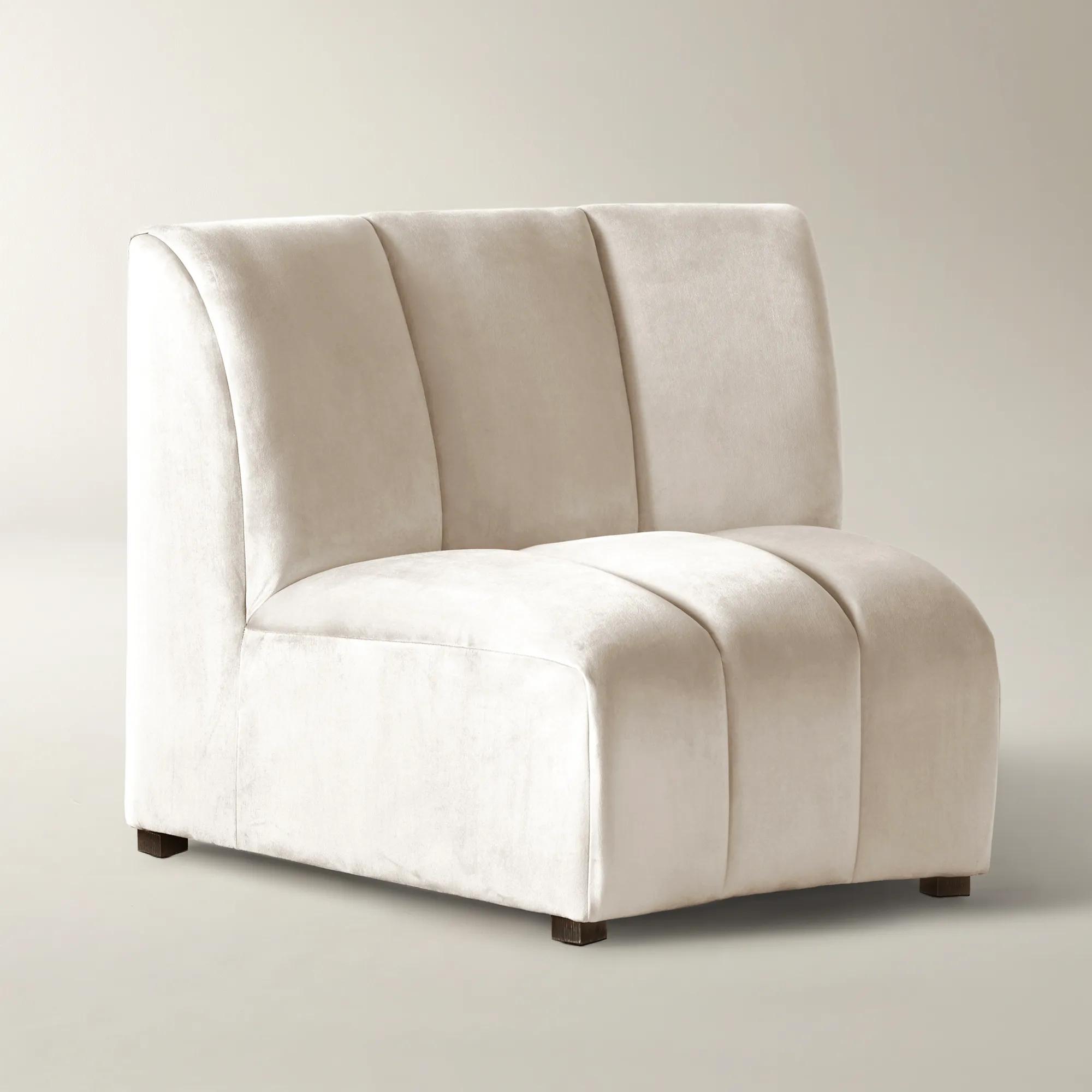 Jayce Channel-Tufted Ivory Velvet Armless Chair$949
A modern armless chair in water-repellent, stain-resistant Velvet Ivory with deep channel tufting and plush padding.
Add To Cart -
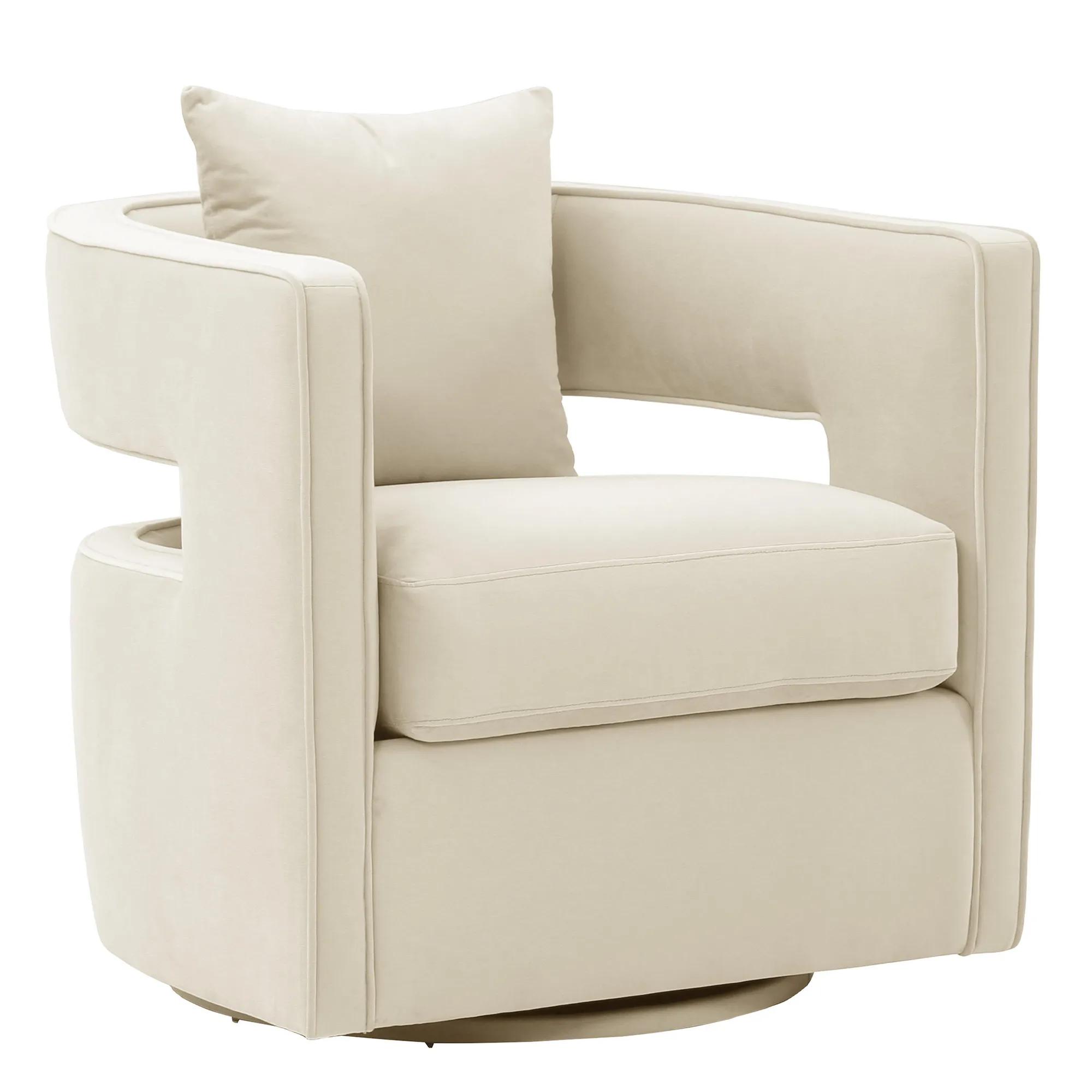
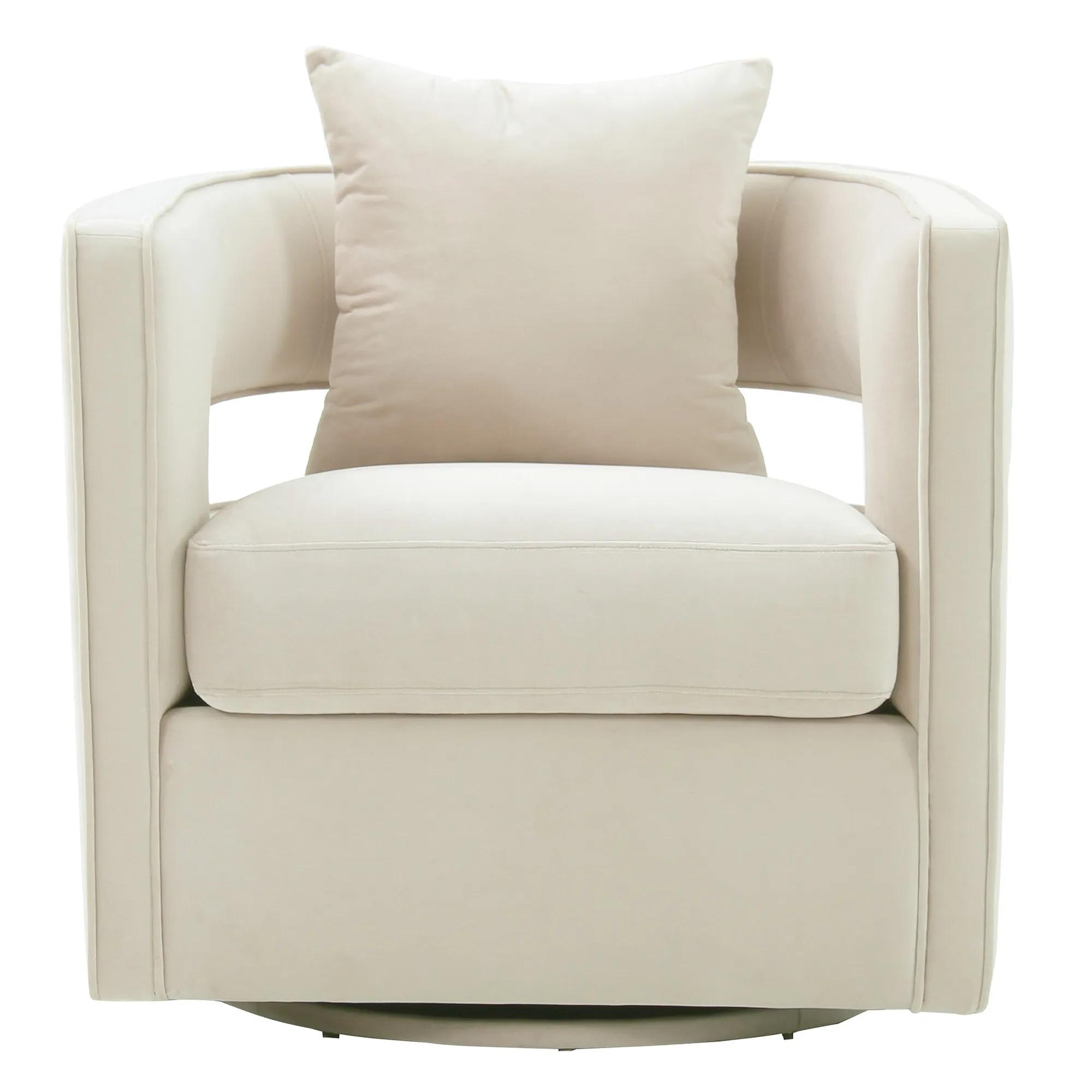 Lottie Cream Velvet Swivel Accent Chair$999
A glamorous cream velvet swivel chair featuring a barrel back, cutout arms, and plush foam cushioning.
Add To Cart

Seating For Small Spaces
Seating for small spaces is an invitation to reimagine what’s possible—where every square inch becomes a stage for style and sophistication. Discover pieces that command attention without overwhelming, each one curated to infuse your home with drama, comfort, and artistry. Whether you’re designing a jewel-box apartment or an intimate reading nook, embrace seating that turns compact footprints into grand gestures. Let your space speak volumes with silhouettes that are as daring as they are refined—because even the coziest corners deserve a touch of opulence.
Seating for small spaces brings comfort, proportion, and expressive design into rooms where every inch has a role. Compact loveseats, armless accent chairs, slender benches, and ottomans designed for sitting can create a generous sense of welcome without overwhelming the floor plan. The strongest choices balance usable seat space with a modest footprint: slim arms preserve room for cushions, tailored backs reduce bulk, and raised legs reveal more of the floor beneath. Apartment-size loveseats often measure approximately 48 to 70 inches wide, although overall depth, arm thickness, and cushion dimensions matter just as much as width. A narrower frame does not automatically mean a comfortable fit, especially for someone who prefers a deeper seat or needs substantial back support. In a studio apartment, a petite sofa can establish a distinct living area while leaving space for a dining table nearby. In a bedroom, an upholstered chair beside a window offers a place to read, dress, or savor a quiet pause before the day begins. Slipper chairs bring a graceful, armless silhouette to corners that cannot accommodate broad lounge chairs, while curved barrel chairs introduce sculptural softness against straight walls and angular casegoods. A swivel base can make one chair useful for both conversation and television viewing, provided there is enough clearance for its full rotation. These compact forms need not retreat into the background. A sumptuous fabric, a sweeping back, or a gleaming leg finish gives smaller seating the presence of a deliberate design statement. Light, solid upholstery can help a room feel visually open, but jewel tones and richly textured neutrals can be equally compelling when the silhouette remains controlled. A single saturated accent chair against a pale wall brings depth without requiring another layer of accessories. Small-scale seating is especially suited to apartment dwellers, anyone downsizing, and households making a guest room or shared living area work more beautifully. The goal is not simply less furniture, but furniture with enough character and comfort to earn its place.
Fit is where that character becomes livable. Overall furniture dimensions describe the space a frame occupies; seat width, seat depth, and seat height describe how it feels to sit there. Both deserve attention in a compact room. An accent chair less than about 32 inches deep may preserve valuable floor space, but a shallow profile should still offer the support and posture its occupant prefers. Upright seating often suits conversation, dressing, or a brief morning coffee, while a deeper cushion invites longer reading sessions and relaxed evenings. Slim track arms offer a defined edge without the width of oversized rolled arms, and tight-back upholstery keeps the outline crisp without loose cushions extending into the room. A low back can preserve sightlines across an open living area, although someone seeking shoulder support may prefer a taller silhouette. At home, those distinctions become tangible: a chair may fit neatly beside a coffee table yet leave too little room to stretch a leg, or a loveseat may suit its wall while interrupting the route to a balcony door. Measuring the footprint with painter’s tape helps reveal these conflicts before furniture enters the room. Doorways, hallway turns, stair landings, and elevator openings also influence whether a frame can reach its intended setting. Flexible seating adds another dimension to a small layout. An upholstered bench along a wall can move into a conversation grouping when company arrives, and a storage ottoman can conceal throws while serving as a footrest between gatherings. Only ottomans constructed and rated for seating should be used as extra seats; a decorative surface is not necessarily designed to support a person. Benches likewise need an appropriate seat height and weight capacity for their intended use. In rooms where lounging and dining share the same footprint, Furniture For Small Dining Spaces extends the same attention to proportion around the table. Keeping dining chairs free to pull out and leaving comfortable passage between zones helps the whole room feel composed rather than crowded.
Materials give compact seating its tactile richness, while construction and care determine how gracefully it lives day after day. Velvet lends depth to color and catches the light with a subtle shift in direction, making even a petite chair feel richly dimensional. Its pile may show pressure marks or shading, so the fabric’s care instructions matter as much as its appearance. Woven upholstery offers a different expression, from smooth, closely textured surfaces to dimensional bouclé that softens a sharply tailored frame. Looped fabrics can be more vulnerable to snagging from pet claws or jewelry; tightly woven options may be a more practical consideration for frequently used seating, depending on their fiber content and construction. Performance upholstery can offer useful stain resistance or easier maintenance, but the designation does not mean every spill, cleaning solution, or abrasion will be harmless. Leather brings its own depth and character, with wear and care varying by finish; direct sunlight and nearby heating vents can affect both leather and upholstered fabrics over time. For everyday lounging, a stable frame, sound joinery, supportive suspension, and cushions that retain their shape are more meaningful than upholstery alone. Firmer cushions can make a compact seat easier to rise from, while softer fills may require regular fluffing or rotation where the design allows. Routine care generally begins with gentle vacuuming using a suitable upholstery attachment and prompt blotting rather than rubbing after a spill. The manufacturer’s cleaning code should guide any treatment, and removable cushion covers should not be assumed machine washable. Intended use provides the final measure of a successful choice. A bedroom bench used briefly each morning has different demands from a living room loveseat occupied every evening, and occasional guest seating still needs reliable support. During the cooler months, a softly textured chair and a neatly folded throw can give a small corner remarkable warmth without adding visual clutter. With considered proportions, touchable materials, and thoughtful placement, seating makes a compact interior feel personal, polished, and fully inhabited—a room with presence, not excess.
FAQs
Opt for seating with sculptural silhouettes, slender arms, and elevated legs to maintain an open, sophisticated feel. Pieces upholstered in luxe fabrics like velvet or boucle add a layer of visual richness, while accent chairs and benches in bold finishes create a focal point without overwhelming the space.
Choose multifunctional pieces such as ottomans with hidden compartments or benches with lift-top lids. These designs provide a discreet place to stow blankets, magazines, or seasonal décor, allowing your living area to remain both elegant and uncluttered.
Modular sectionals, nesting stools, and armless loveseats are ideal for maximizing guest seating in a petite footprint. Lightweight poufs and accent chairs can be easily moved to create flexible arrangements, ensuring every gathering feels inviting and thoughtfully arranged.
Layer plush textiles such as faux fur throws, velvet cushions, or silk pillows to add tactile depth and comfort. Incorporate gleaming metallic accents or mirrored surfaces to reflect light and amplify the sense of space, transforming even the coziest nook into a glamorous retreat.
Absolutely. Thoughtfully designed seating—like a chic accent chair, a versatile bench, or a stylish pouf—makes a memorable and practical gift for those celebrating a new home or embracing a fresh chapter. These pieces offer both beauty and utility, perfectly suited to compact living environments.
.jpg?w=3000&h=3000)