Benches For Small Spaces
Benches For Small Spaces
-
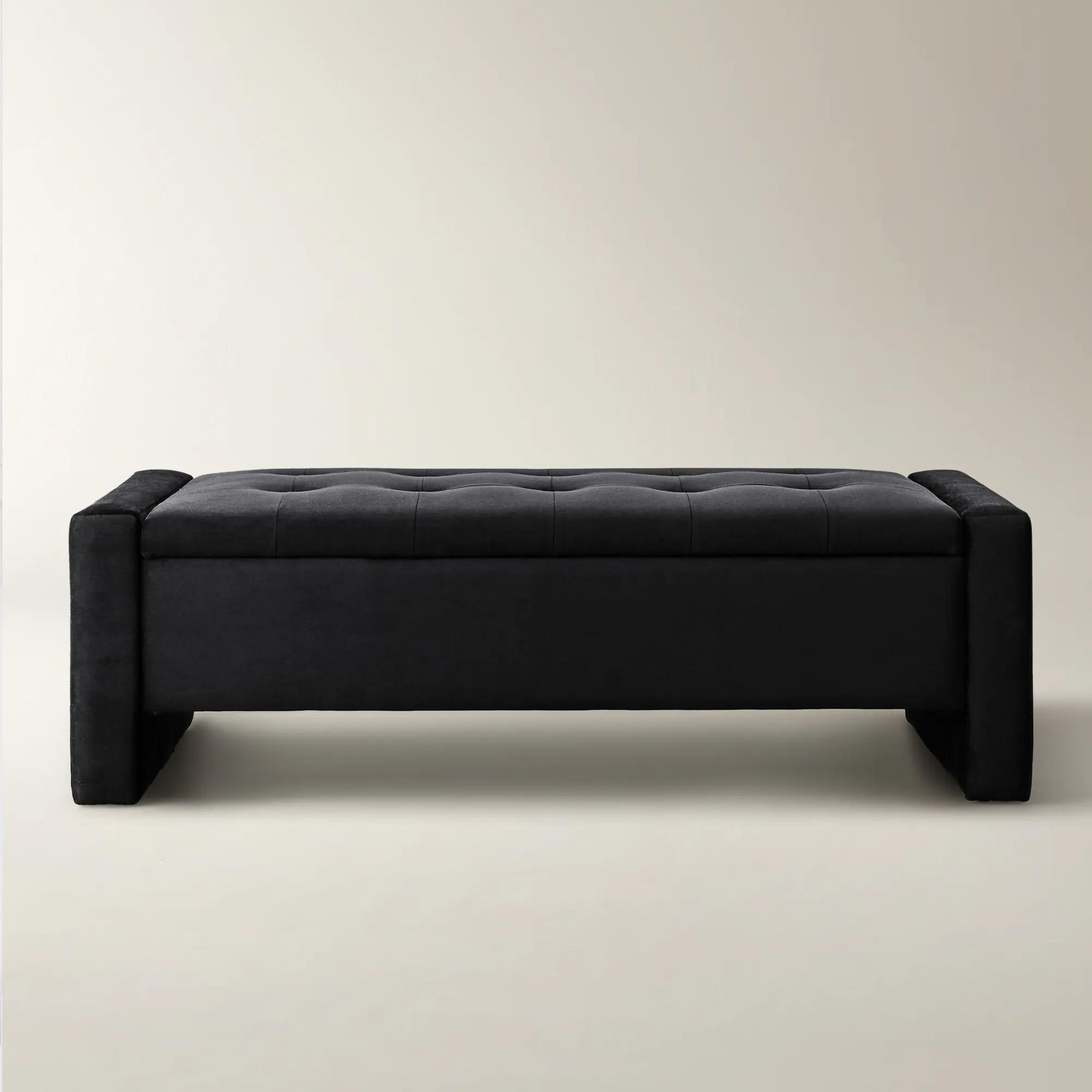
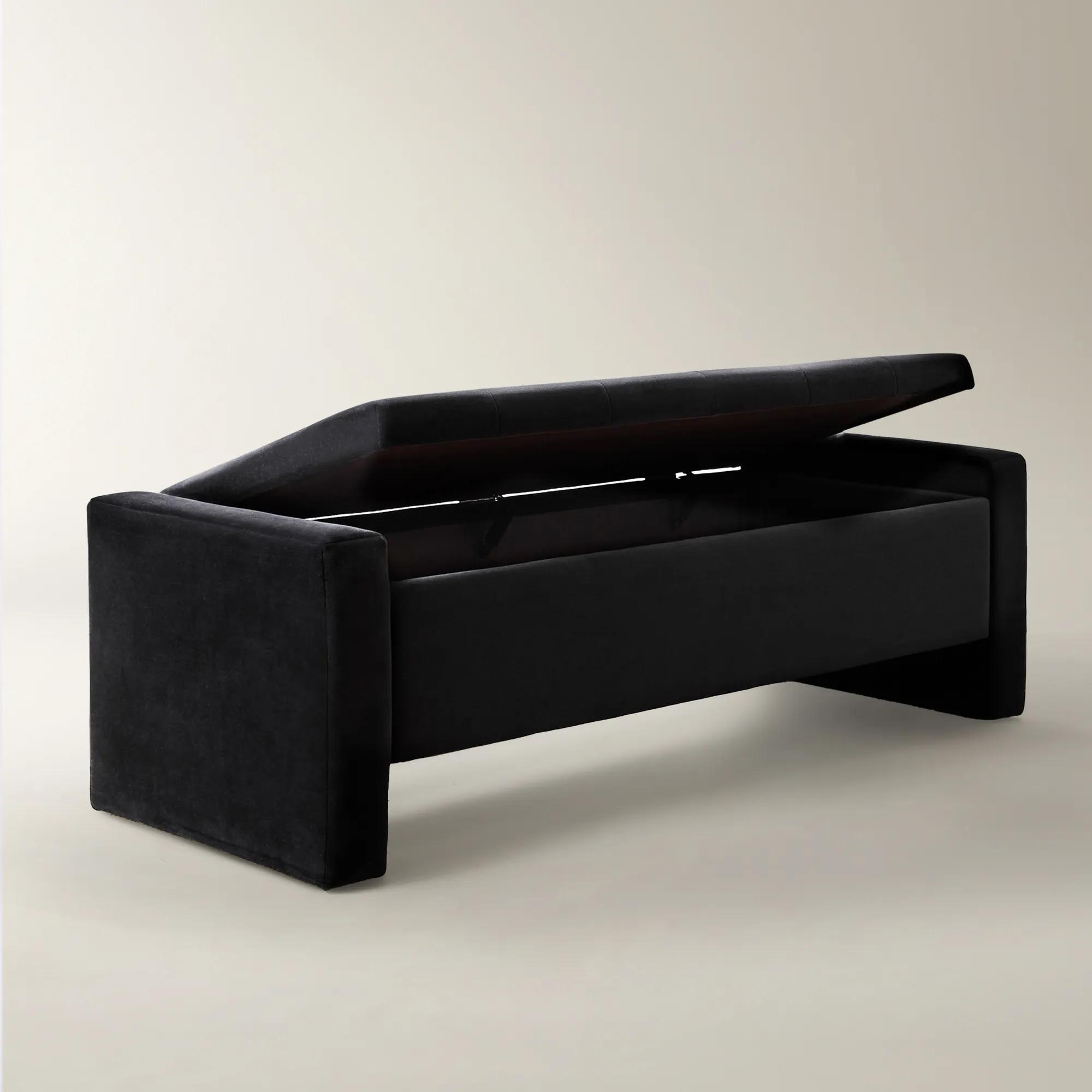 Maeve Storage Bench$849
A modern velvet-upholstered bench with hidden storage and a sturdy kiln-dried hardwood frame.
Add To Cart -
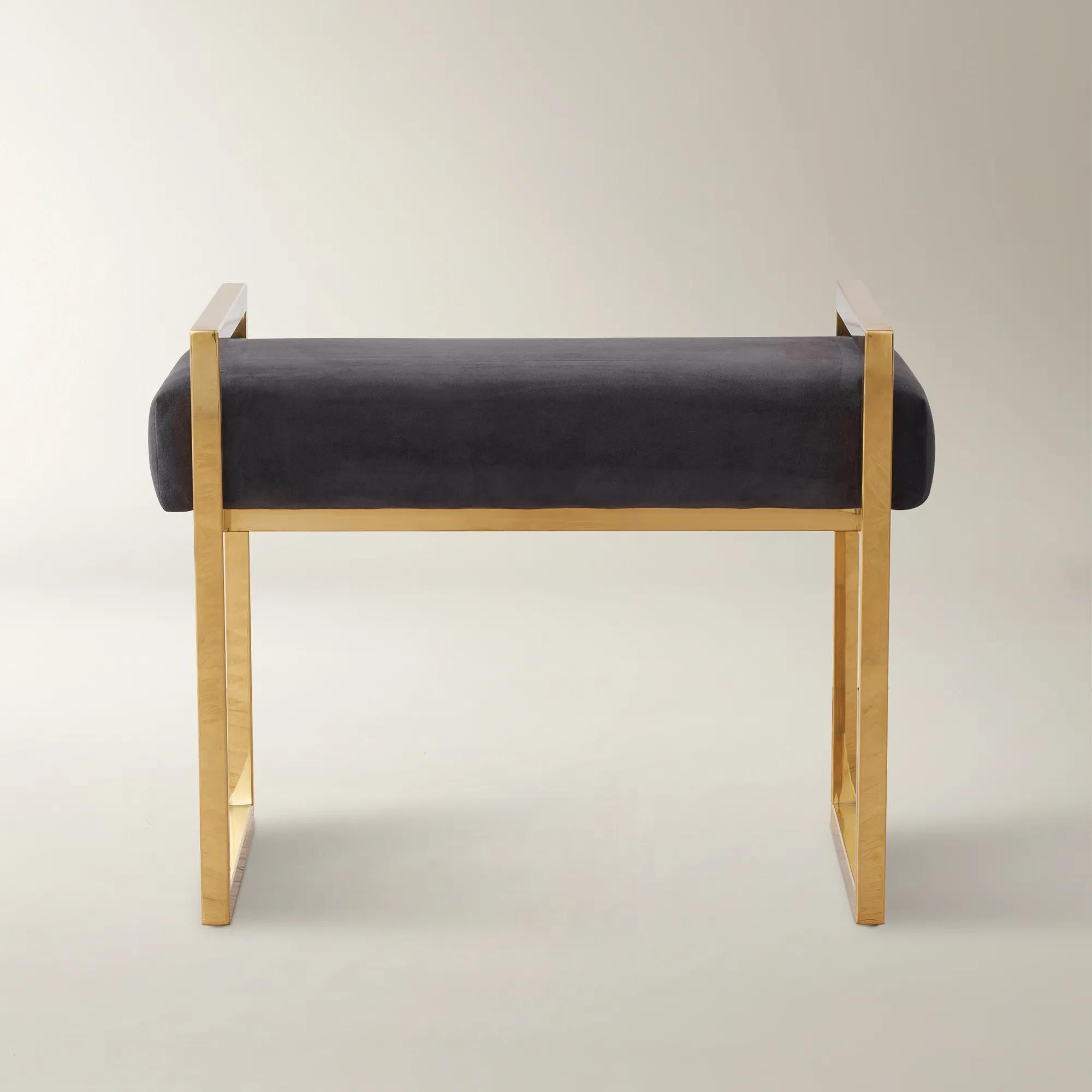
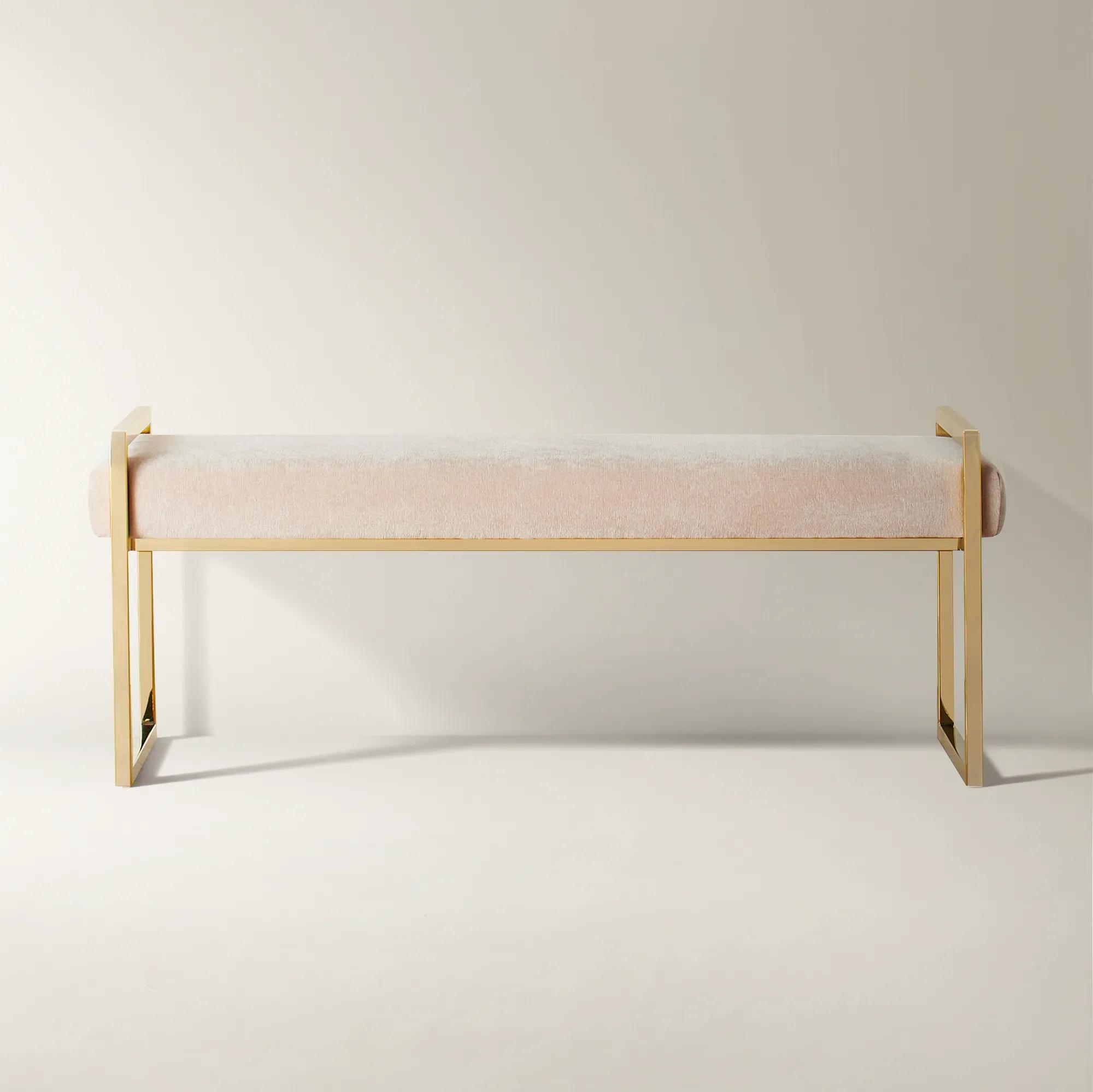 Clara Bench$699
A plush upholstered bench with a high-density foam cushion and polished gold metal legs for modern elegance.
Add To Cart -
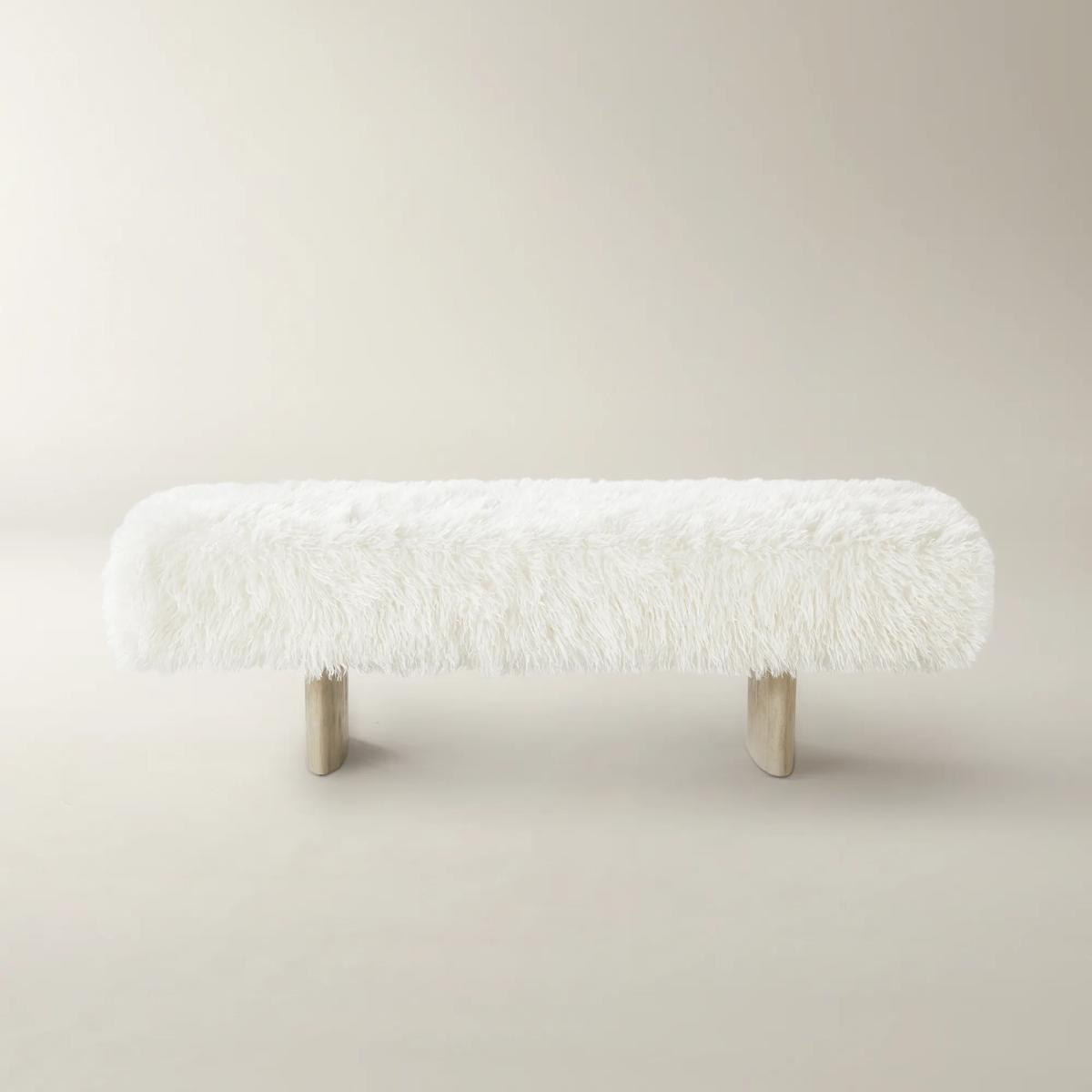 Micah Ivory Mongolian Faux Fur Bench With Rubberwood Legs (62.6")$699
An ivory faux Mongolian fur bench with high-density foam and sculptural solid rubberwood base for modern coziness.
Add To Cart -
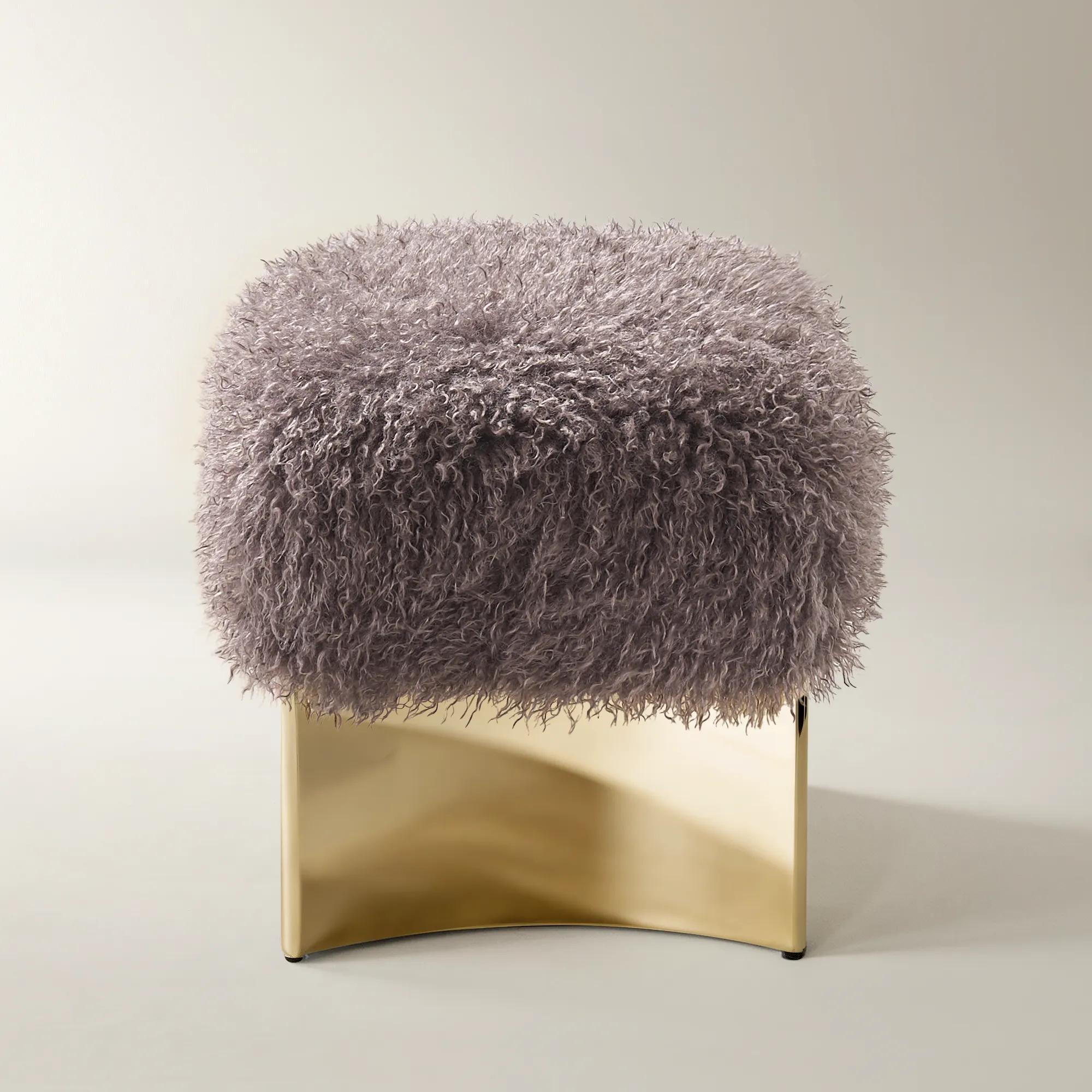
 Micah Tan Mongolian Faux Fur Bench With Rubberwood Legs (62.6")$699
A light brown faux fur bench with a curved rubberwood base and plush high-density foam cushion.
Add To Cart -
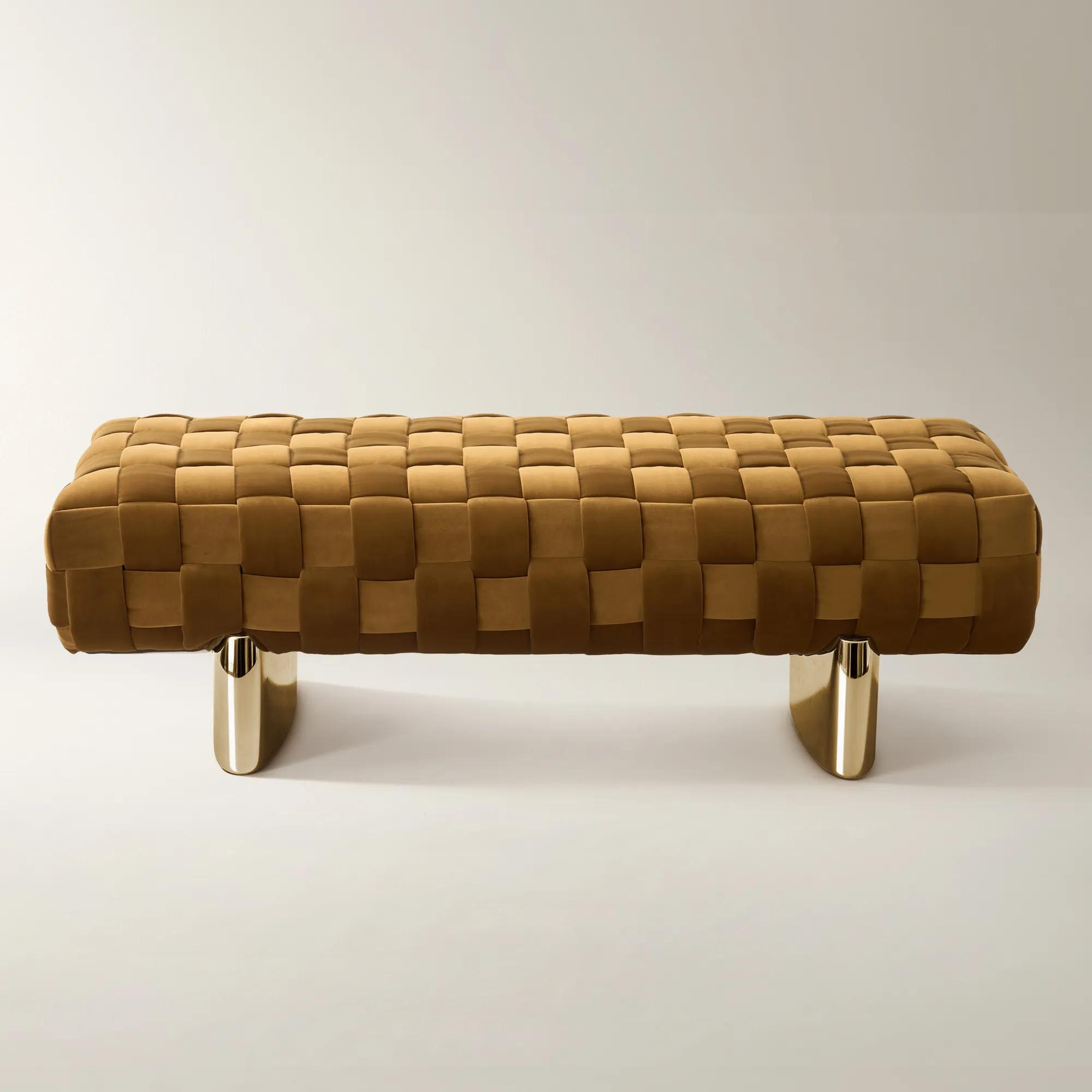
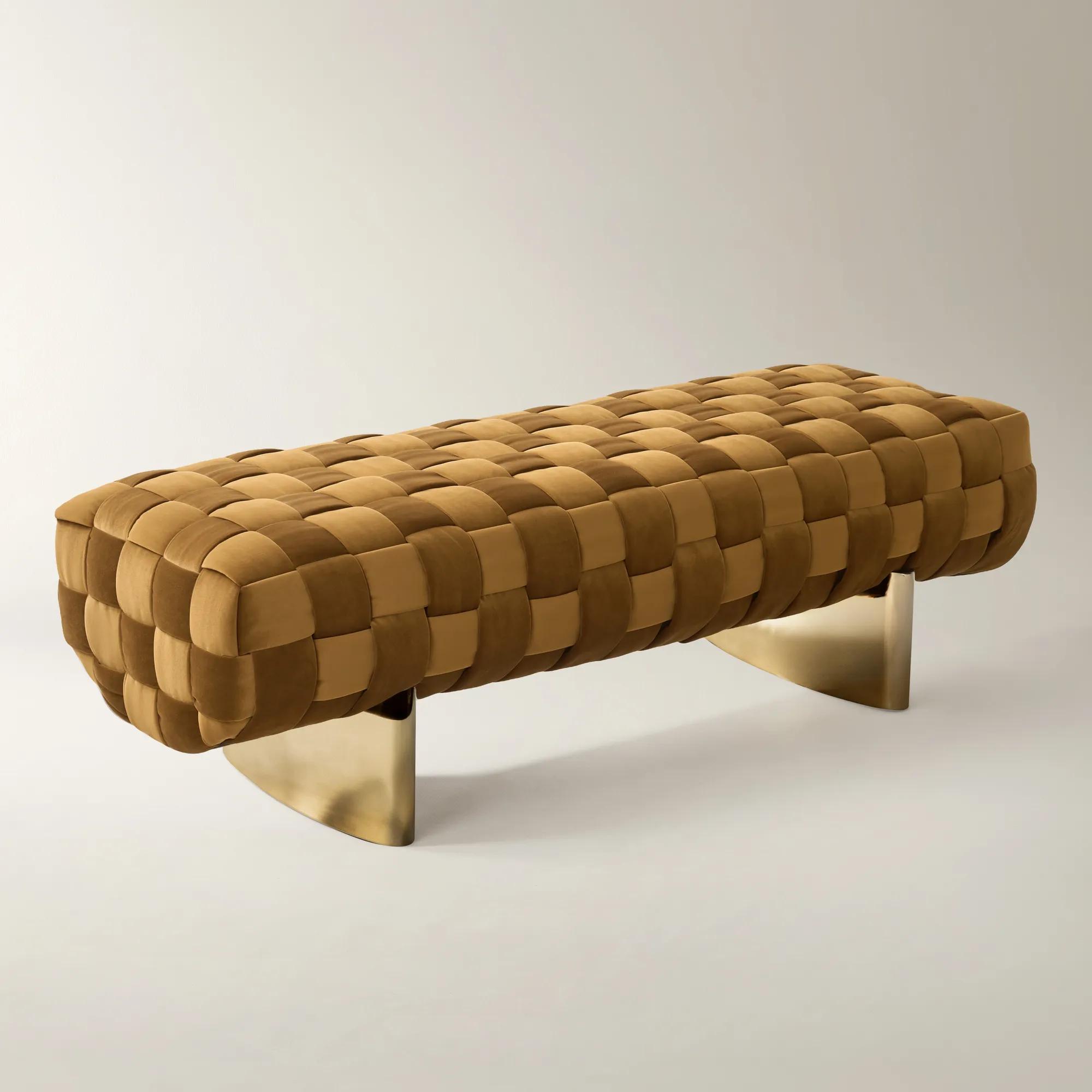 Dexter Woven Roasted Pecan Velvet Bench (64.2")$999
A woven roasted pecan velvet bench featuring plush upholstery and polished gold stainless steel legs for modern elegance.
Add To Cart -
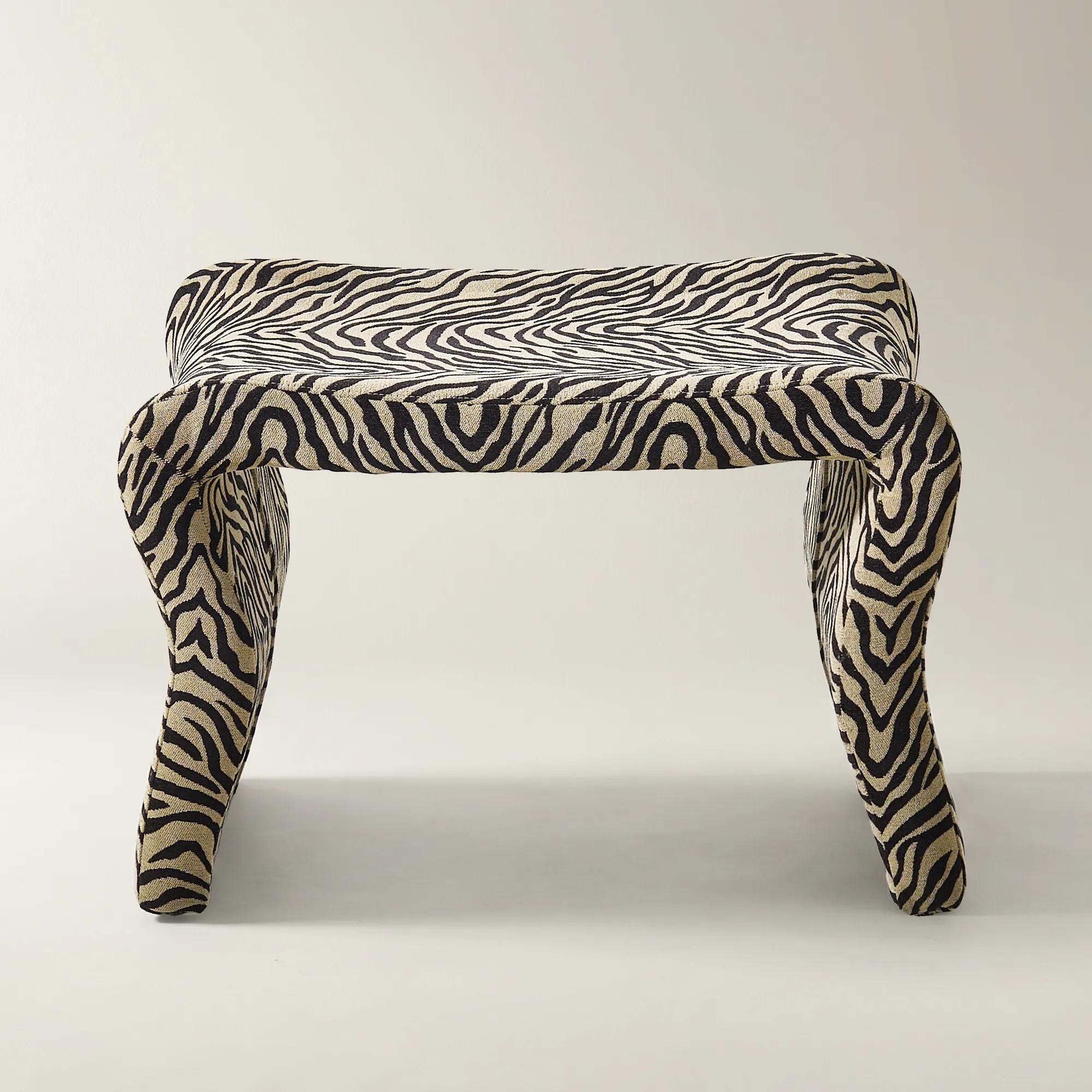
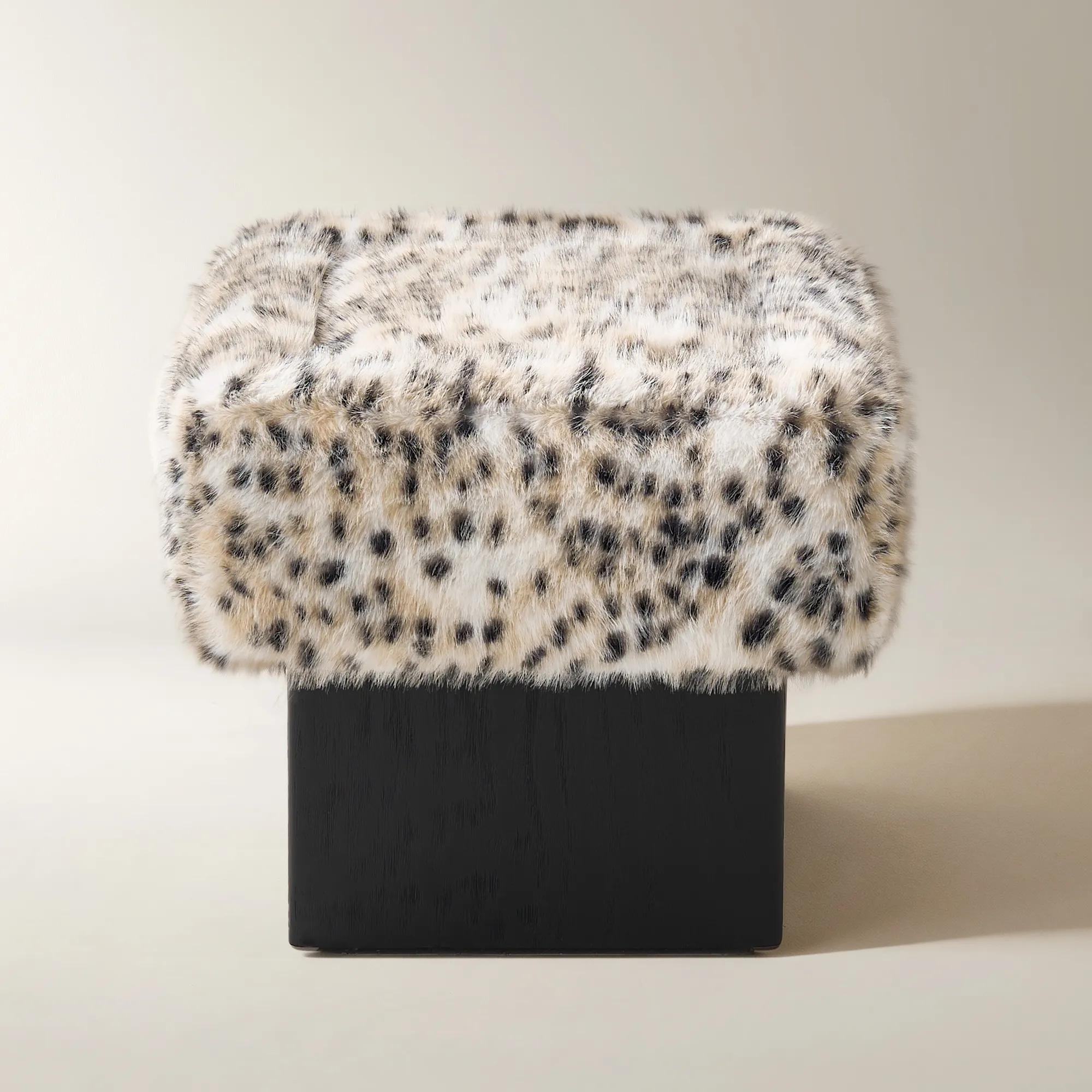
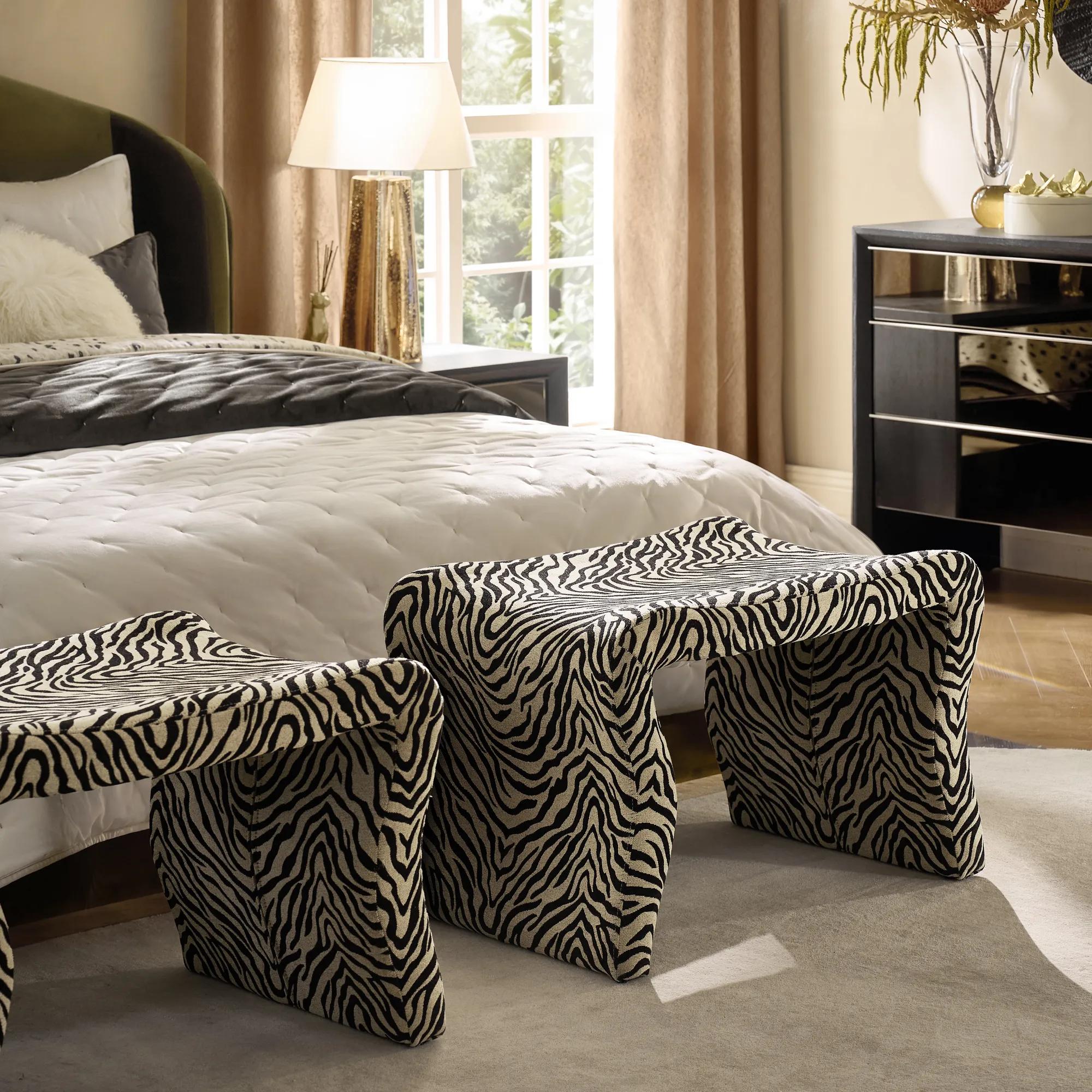 Romy Zebra Performance Chenille Bench (30.75")$499
A sculptural bench wrapped in zebra-patterned performance chenille with a wave-like silhouette and full foam construction.
Add To Cart -
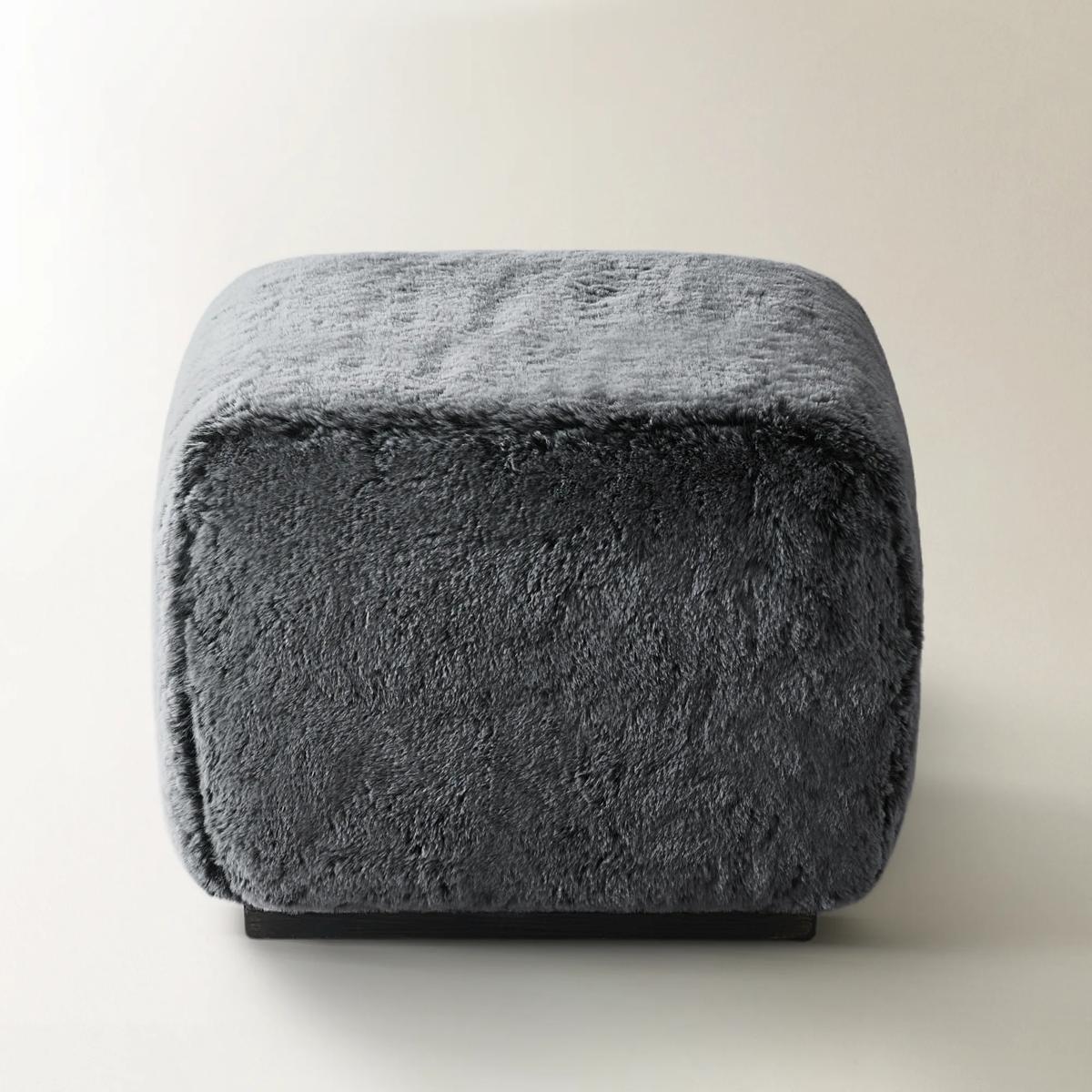
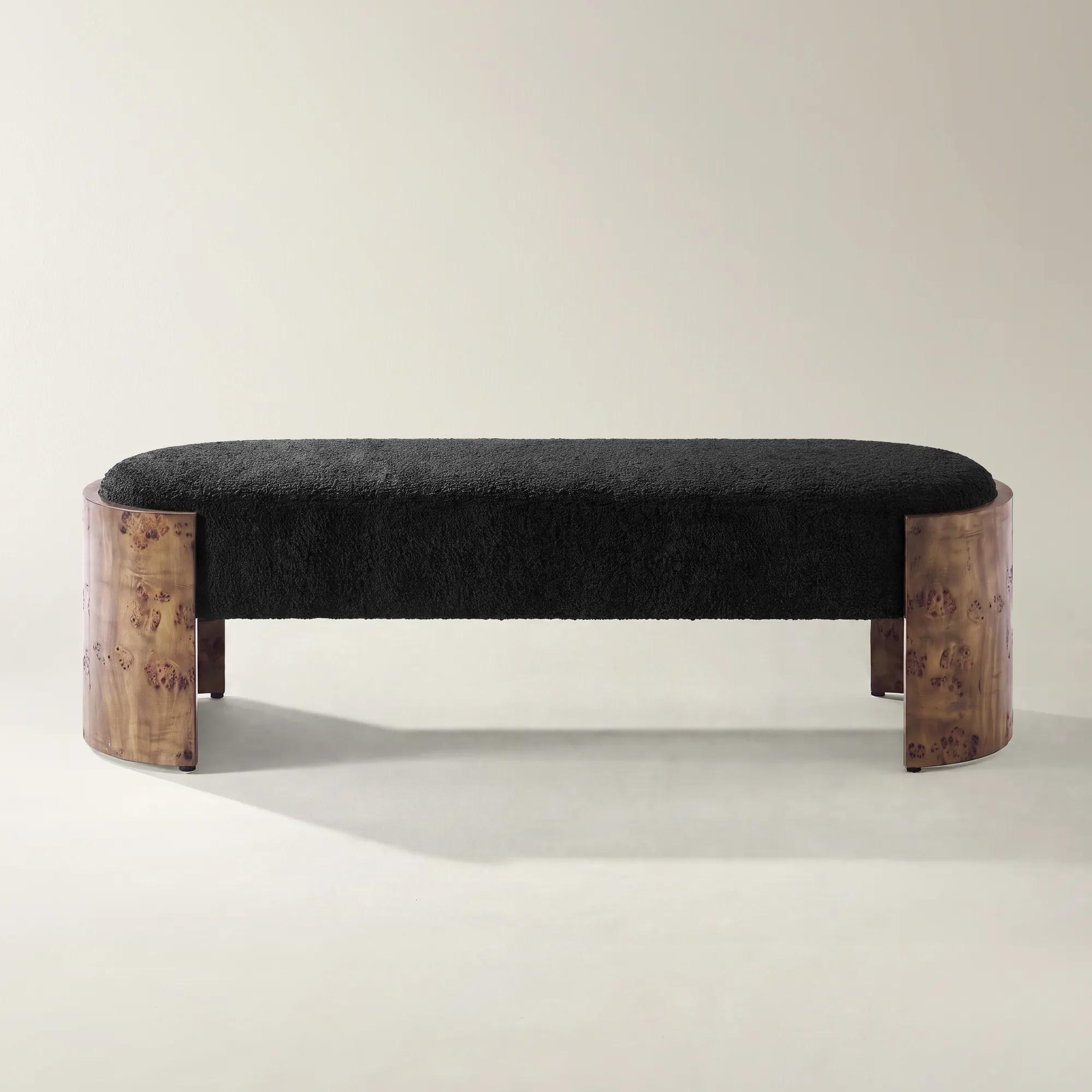 Cora Black Chenille With Ash Wood Bench (60.6")$999
A sculpted charcoal chenille bench featuring curved bookmatched ash burl panels and supportive foam cushioning.
Add To Cart

Benches For Small Spaces
In the artful world of interiors, even the most intimate spaces deserve a moment of grandeur. Benches for small spaces invite you to reimagine every nook with sculptural elegance and surprising versatility—transforming entryways, bedrooms, and petite parlors into showcases of style. Each piece is thoughtfully designed to deliver both form and function, proving that limited square footage is no barrier to bold self-expression. Discover how a perfectly placed bench can anchor your aesthetic, create visual intrigue, and turn the everyday into something extraordinary.
Benches for small spaces bring expressive design to the places where every inch has a purpose: the narrow entry that sets the tone for an apartment, the bedroom with just enough room for a tailored seat, or the living area that occasionally welcomes an extra guest. Their appeal is beautifully direct. A compact bench provides a place to sit without the depth or visual weight of a sofa, and some designs add storage beneath the seat. Yet a modest footprint need not mean a modest presence. Sculptural legs, sumptuous upholstery, and a gleaming metal frame can turn a small stretch of wall into a composed vignette. Compact benches often measure approximately 24 to 36 inches wide, though dimensions vary considerably by design. Depth deserves equal attention: a shallow profile around 10 to 12 inches may suit a tight hallway as a brief perch, while a deeper seat generally offers more support for longer sitting. Seat heights around 17 to 19 inches are common, but comfort depends on the person, the cushioning, and the intended use. The right fit accounts for more than the furniture itself. Door swings, nearby drawers, closet access, and the space needed to sit down all influence placement. A clear walking path of about 36 inches, where the layout allows, helps keep a narrow room comfortable to navigate; a bench should never interfere with an exit. In an entryway, a backless silhouette can sit neatly beneath a mirror, giving shoes a landing place below and a jacket a temporary resting spot above. At the foot of a bed, a bench slightly narrower than the mattress creates a balanced outline without crowding the corners. In especially compact bedrooms, positioning a short bench along an open wall may preserve more circulation than placing it across the bed. These small decisions allow the furniture to feel intentional rather than squeezed in, giving even a petite room a distinct sense of proportion and polish.
Material and construction shape both the mood of a small bench and the way it lives over time. Upholstered benches soften rooms filled with hard surfaces, offering a tactile counterpoint to glass, stone, and polished metal. Velvet brings depth through its changing pile, catching light differently as the viewer moves; a tightly woven fabric creates a more tailored impression, while textured upholstery adds dimension without requiring a busy pattern. Pale tones can keep a compact setting visually open, and saturated color gives a restrained footprint unmistakable presence. Leather offers another expression of luxury, with care requirements and aging characteristics that depend on its finish. For a bench used daily for putting on shoes, a supportive cushion and a firmly constructed frame matter more than decorative volume. A deeper, cushioned seat is generally better suited to lingering conversation than a very shallow accent perch. Solid wood, engineered wood, and metal each appear in bench construction, but material names alone do not establish durability. Secure joinery, stable legs, appropriate support beneath the seat, and the stated weight capacity are more useful indicators of suitability for regular sitting. Slender metal frames can create an airy outline, while wood introduces warmth and a more grounded architectural note. Exposed finishes also deserve consideration wherever shoe buckles, bags, or nearby furniture might brush against them. Care should follow the manufacturer's instructions for the particular fabric and finish. Regular vacuuming with a suitable upholstery attachment helps remove dust from cushions and seams; spills are best blotted promptly rather than rubbed into the fibers. Water, solvents, and household cleaners are not interchangeable across upholstery types, and removable cushions do not necessarily have washable covers. Wood and metal surfaces generally benefit from gentle dusting and approved cleaning methods rather than abrasive products. For rooms used by children, pets, or frequent visitors, cleanability and fabric performance can be as important as color. Thoughtful care preserves the bench's texture and finish, allowing its decorative character to remain part of everyday living.
Storage benches for small spaces offer a particularly compelling balance of elegance and purpose, provided their storage suits the room's actual routines. An open lower shelf keeps frequently worn shoes within reach, while baskets can gather slippers, scarves, or small accessories into a quieter arrangement. Shelf height and depth determine what fits, especially for taller footwear, and exposed storage looks most composed when its contents have a little breathing room. A lift-top bench conceals belongings more completely, making it useful for spare throws in a living area or extra linens in a bedroom. Interior measurements matter as much as exterior dimensions: thick upholstery, framing, and hinges can reduce usable capacity. Lid clearance also deserves attention beneath a windowsill or beside a bed, and the seat must remain free enough to open without rearranging the room. Where children may access storage, hinge design and the manufacturer's safety guidance warrant particular care. A bench without storage offers its own advantage, leaving the floor visible beneath it and giving a tight setting a lighter appearance. In a compact sitting room, a backless bench can provide occasional seating without dividing the view between neighboring areas. The proportions explored in Benches For Sitting Areas also suit arrangements where conversation, rather than storage, is the priority. Near a dining table, a bench intended for dining use can tuck beneath the tabletop when its width, height, and leg placement allow; sufficient knee room remains essential. Beside a bedroom window, a cushioned bench creates a place to dress or pause without occupying the footprint of an armchair. Styling can stay deliberate: one richly textured pillow, a nearby wall-mounted light, or an artwork above the seat gives the setting dimension without taking away usable space. The strongest choice is not simply the smallest bench. It is the piece whose scale, comfort, and character answer the room beautifully, transforming a few carefully considered feet into a place worth noticing.
FAQs
Benches designed for small spaces often feature a blend of luxurious and space-conscious materials. Velvet upholstery, gleaming metals, natural woods, and even acrylics are especially popular. These materials not only elevate the aesthetic but also help benches feel light and airy, adding personality without overwhelming the room.
A bench can serve as both a functional and decorative centerpiece in a compact room. With sculptural legs, tufted cushions, or metallic finishes, a bench introduces texture and visual interest, anchoring the space while also providing a spot to display throws, accent pillows, or curated décor.
Absolutely. A thoughtfully chosen bench is a versatile and sophisticated gift, perfect for housewarmings, weddings, or anyone celebrating a new chapter. It’s a piece that combines beauty with utility, offering the recipient a stylish foundation for their home’s evolving story.
In small living areas, benches can be placed under windows to create cozy reading nooks, used at the foot of the bed for extra seating or storage, or positioned in entryways as an elegant landing spot. They’re also ideal for layering with pillows and throws to add depth and drama to the décor.
Benches have the power to set the tone in any space. Whether draped in sumptuous fabric or finished with sleek metal, they introduce a sense of artistry and intention. In small rooms, a well-chosen bench can make the space feel curated and inviting, transforming everyday moments into extraordinary experiences.