Benches For Sitting Areas
Benches For Sitting Areas
-
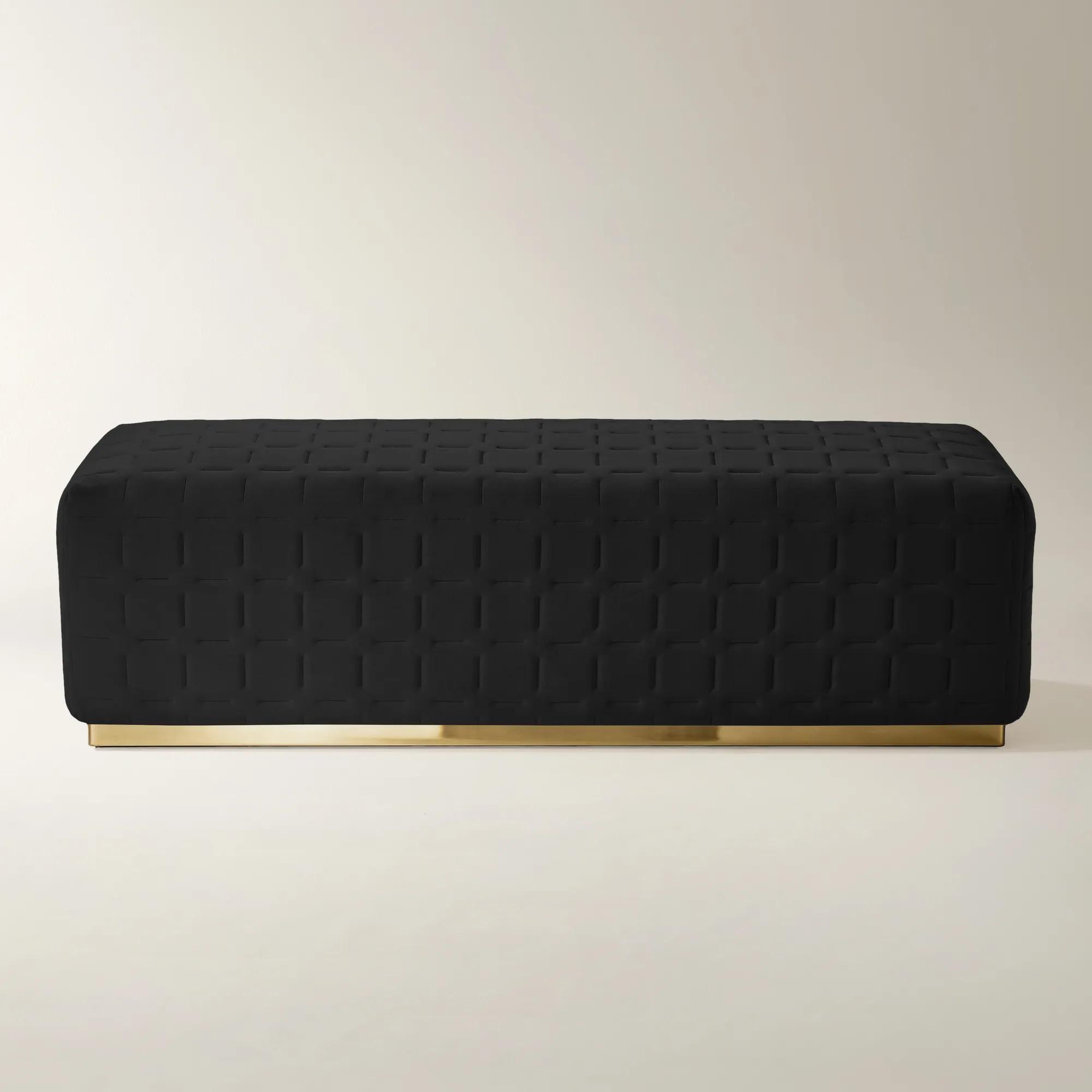 Vanta Quilted Charcoal Velvet Bench (64.6")$899
A charcoal velvet bench featuring checker quilted tufting and a gold stainless steel base for modern elegance.
Add To Cart -
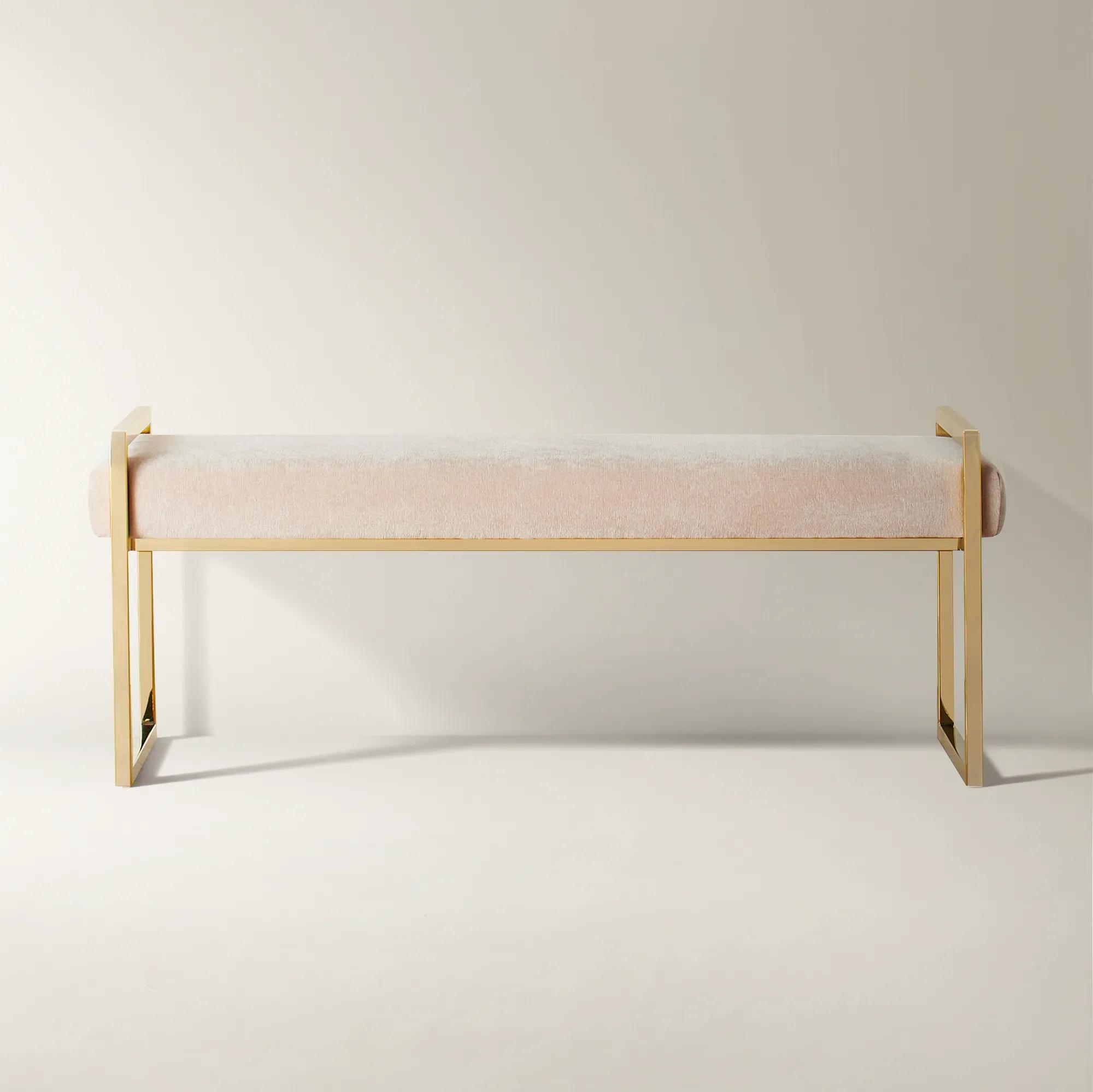 Clara Bench$699
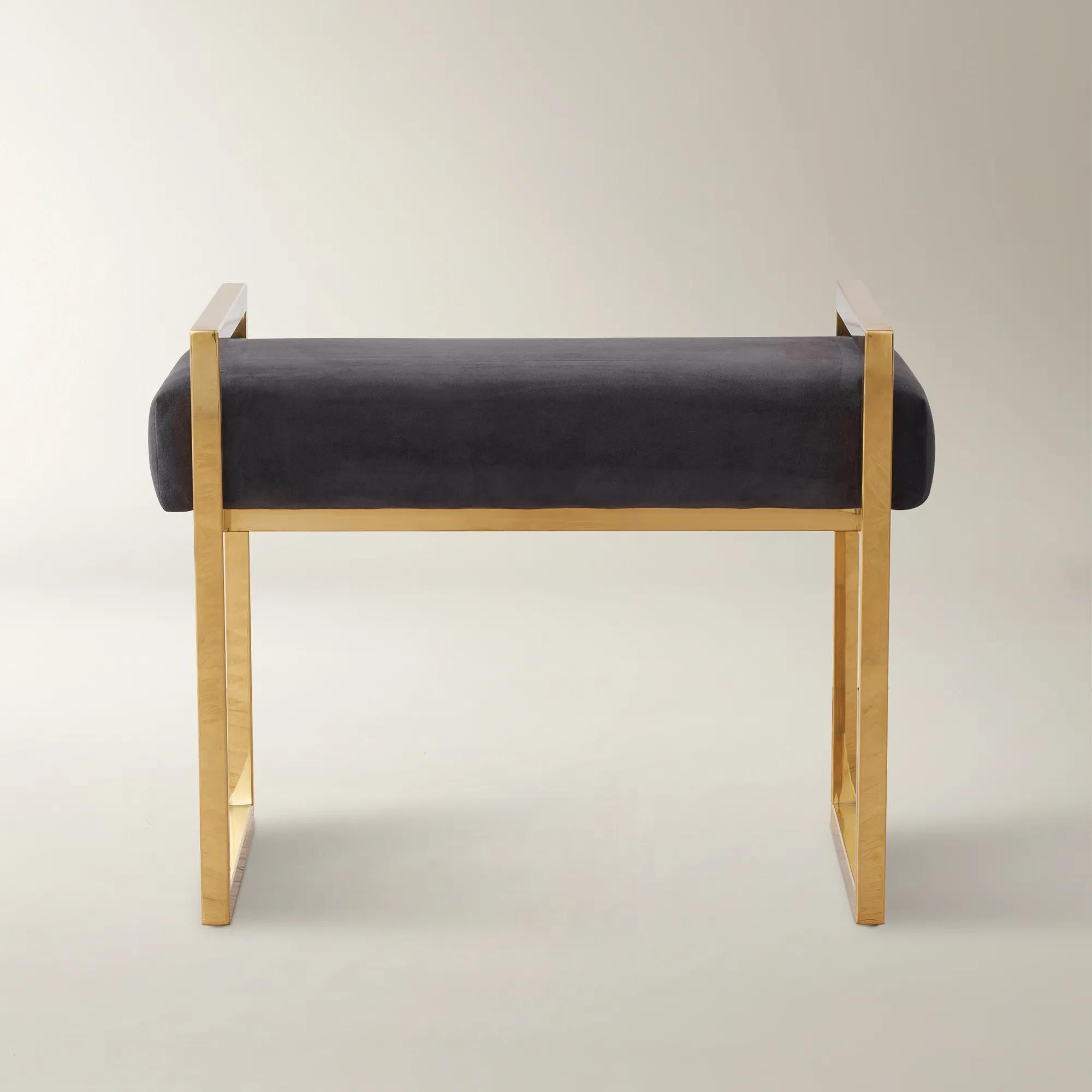
A plush upholstered bench with a high-density foam cushion and polished gold metal legs for modern elegance.
Add To Cart -
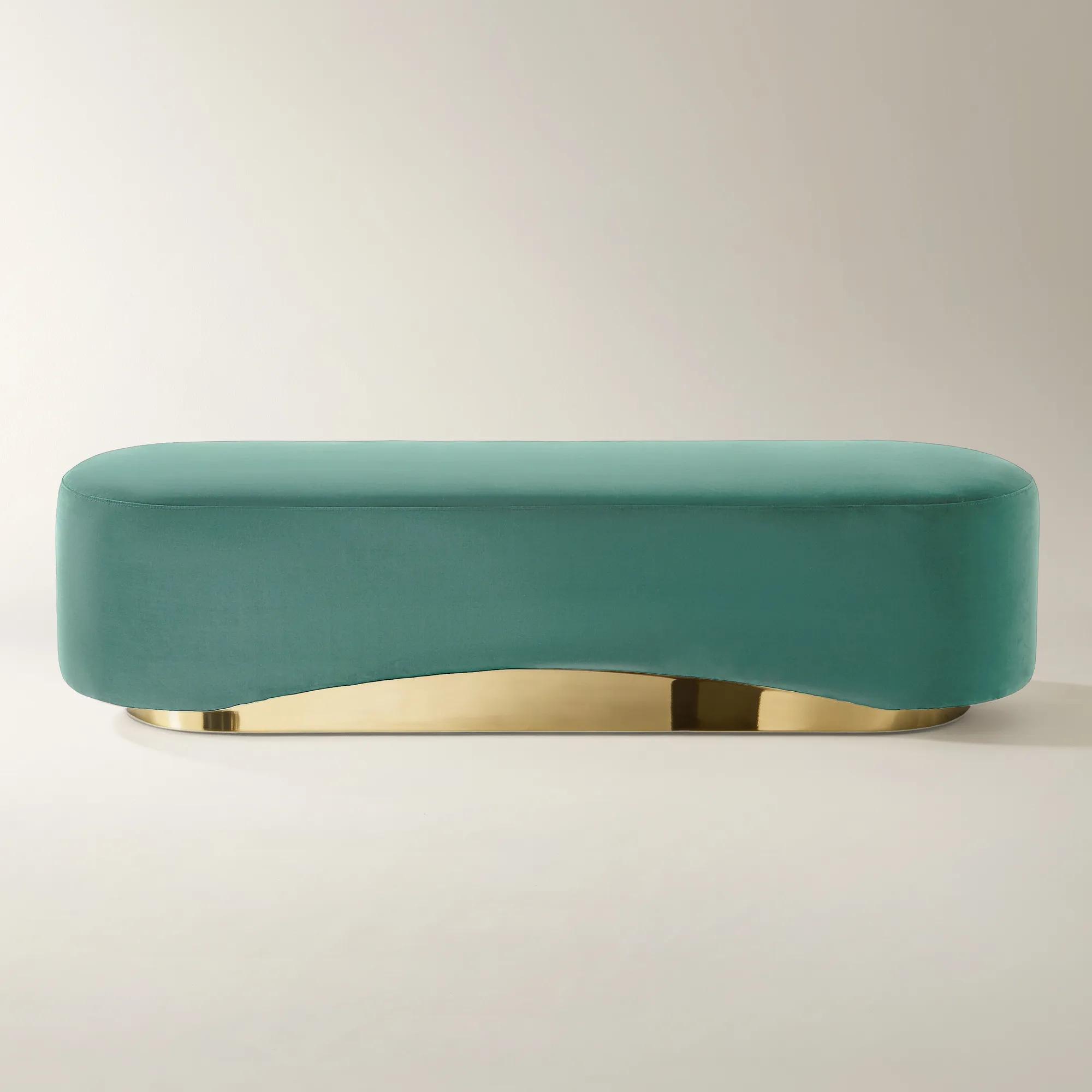 Kendra Ocean Teal Velvet Bench (70.47")$799
An elongated oval bench in ocean teal velvet with a plush seat and polished gold stainless steel base.
Add To Cart -
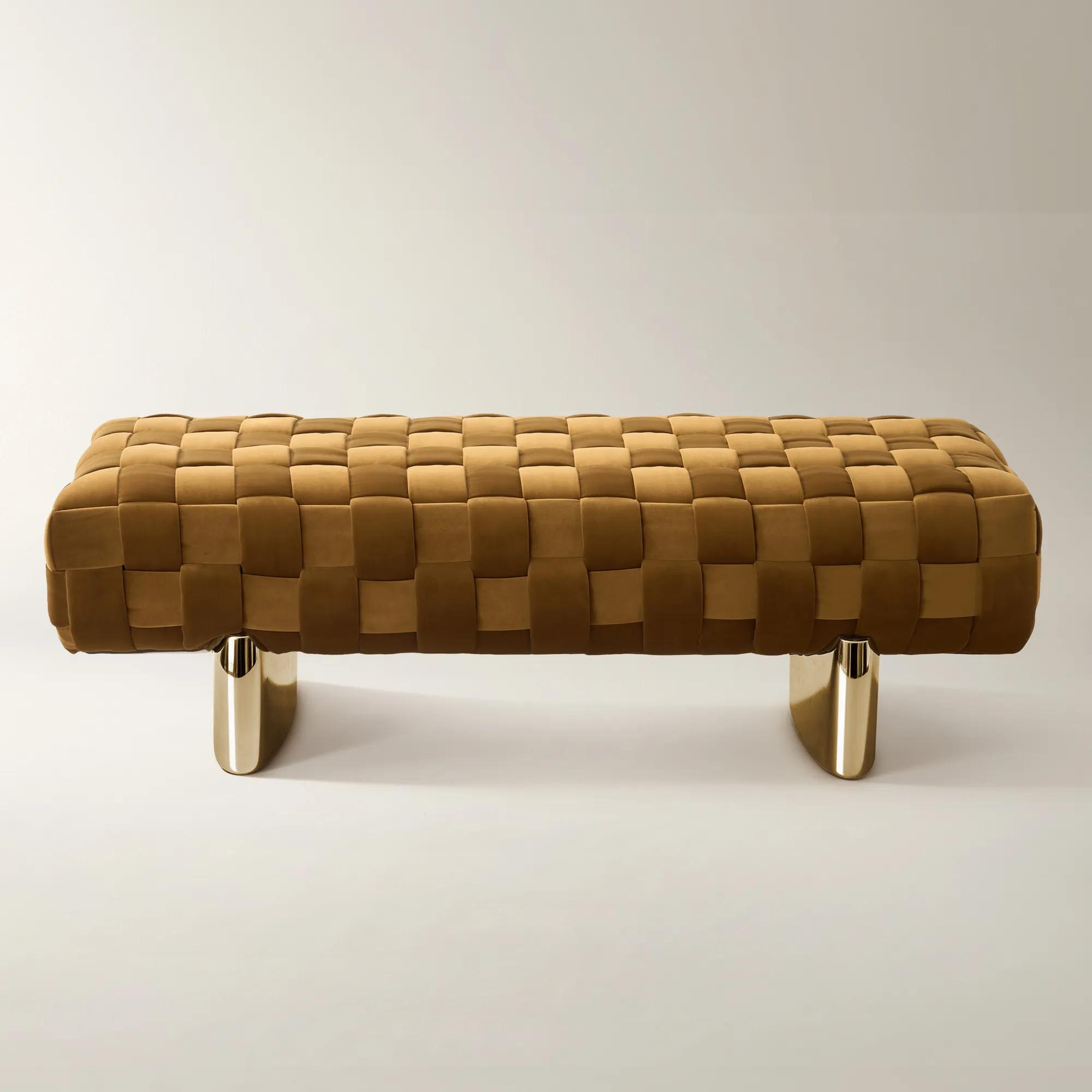
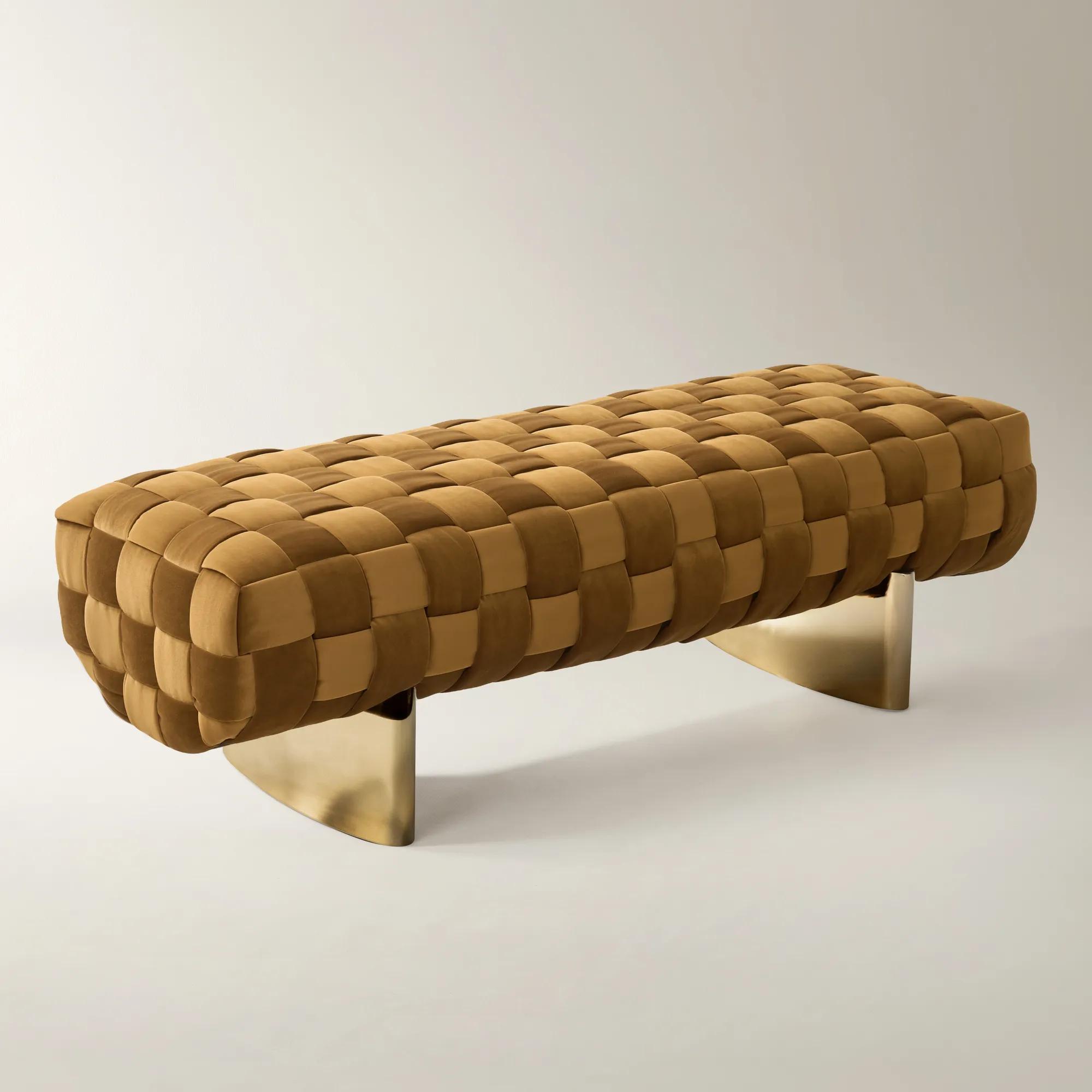 Dexter Woven Roasted Pecan Velvet Bench (64.2")$999
A woven roasted pecan velvet bench featuring plush upholstery and polished gold stainless steel legs for modern elegance.
Add To Cart -
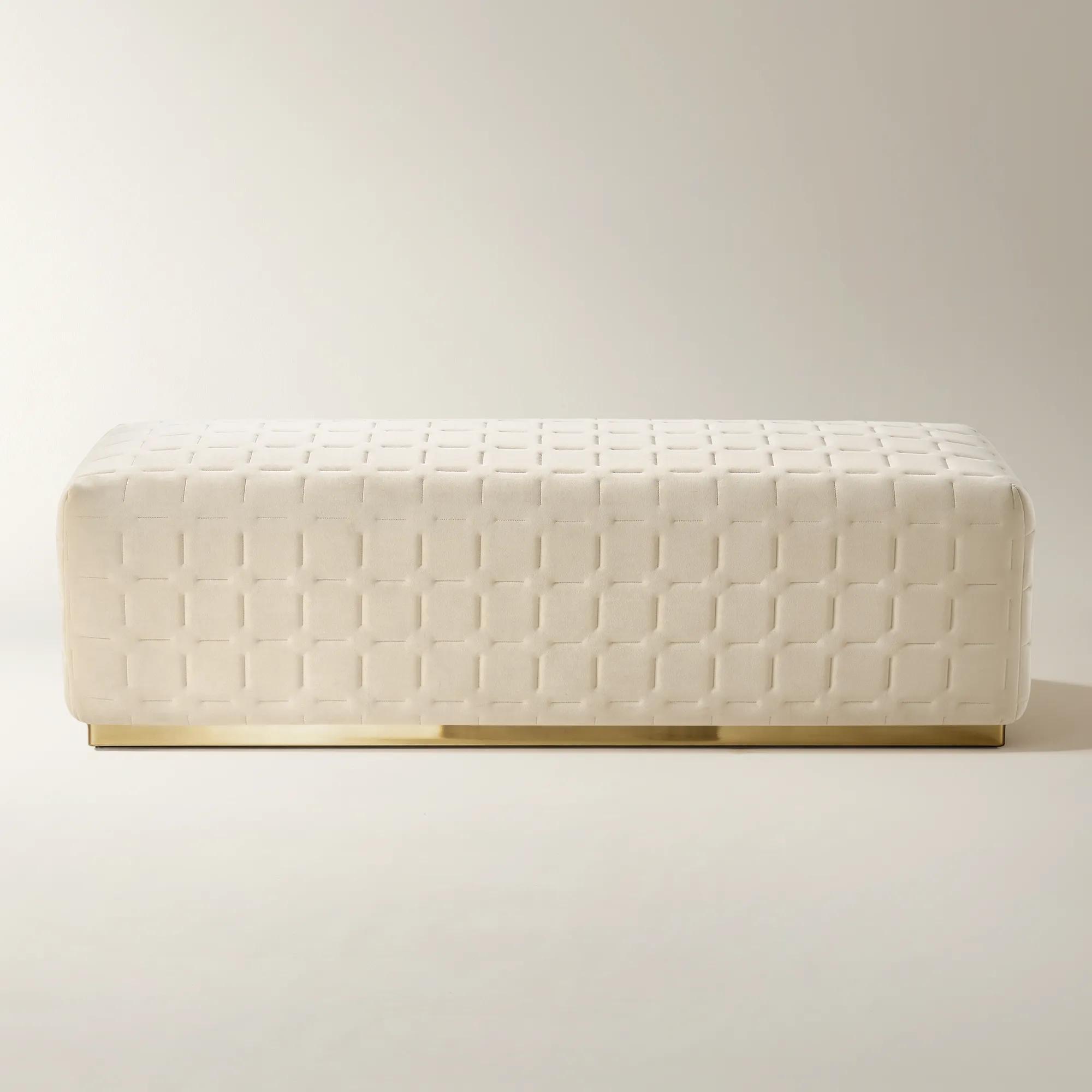
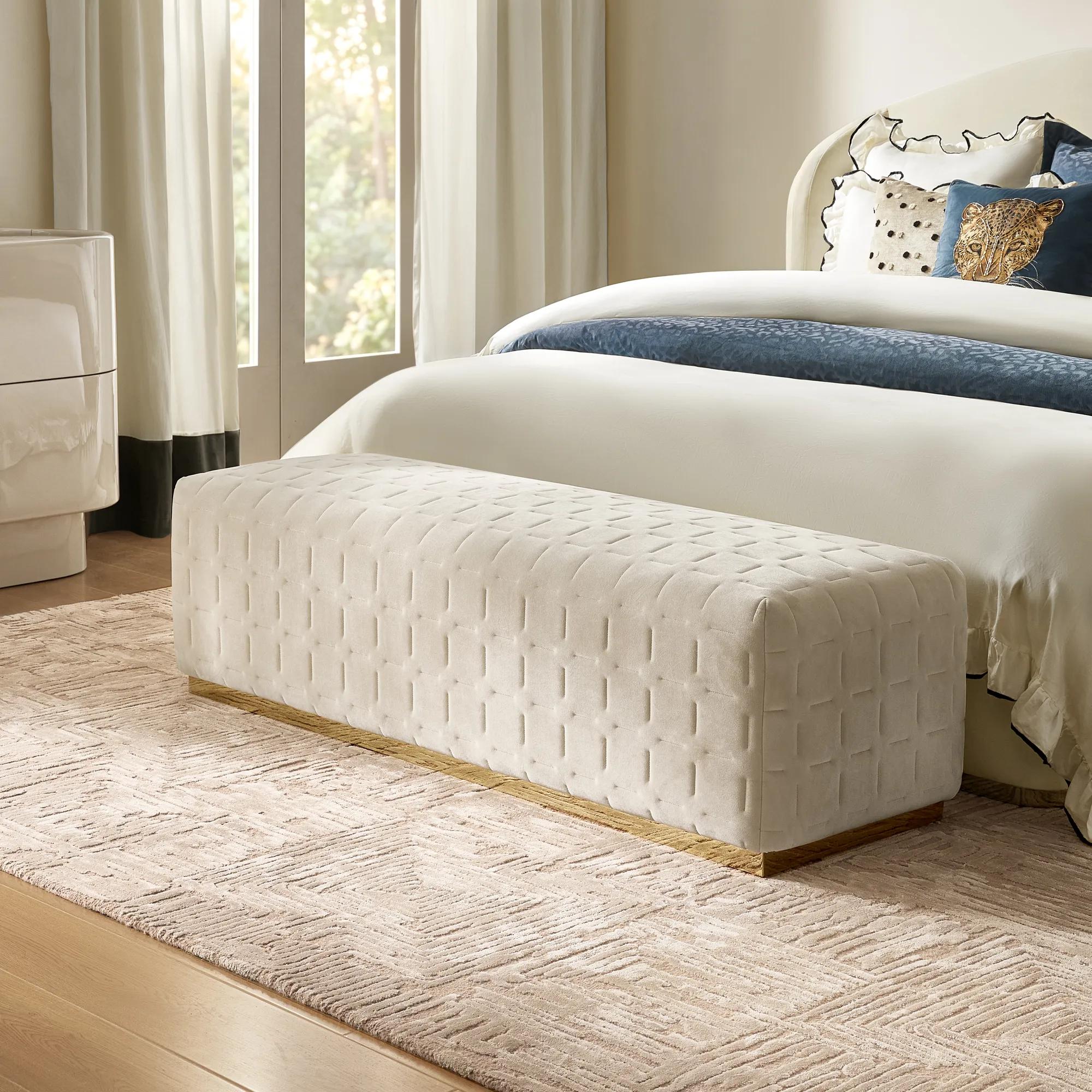 Vanta Quilted Oatmeal Velvet Bench (64.6")$899
A plush oatmeal velvet bench featuring checker quilted tufting and a sleek gold stainless steel base.
Add To Cart -
 Micah Tan Mongolian Faux Fur Bench With Rubberwood Legs (62.6")$699
A light brown faux fur bench with a curved rubberwood base and plush high-density foam cushion.
Add To Cart -
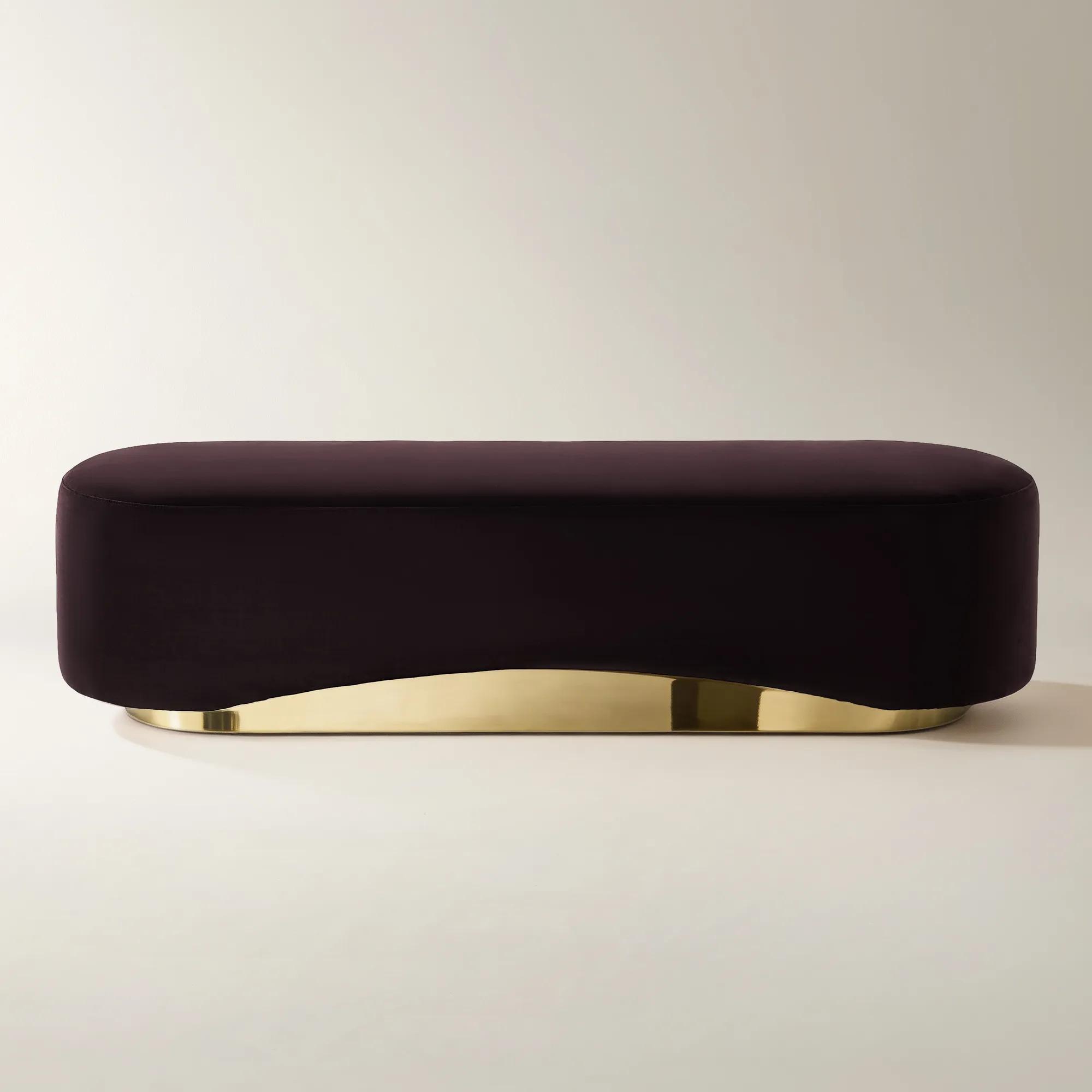 Kendra Fig Velvet Bench (70.47")$799
A plush fig velvet bench with an elongated oval silhouette and a polished gold stainless steel base.
Add To Cart -
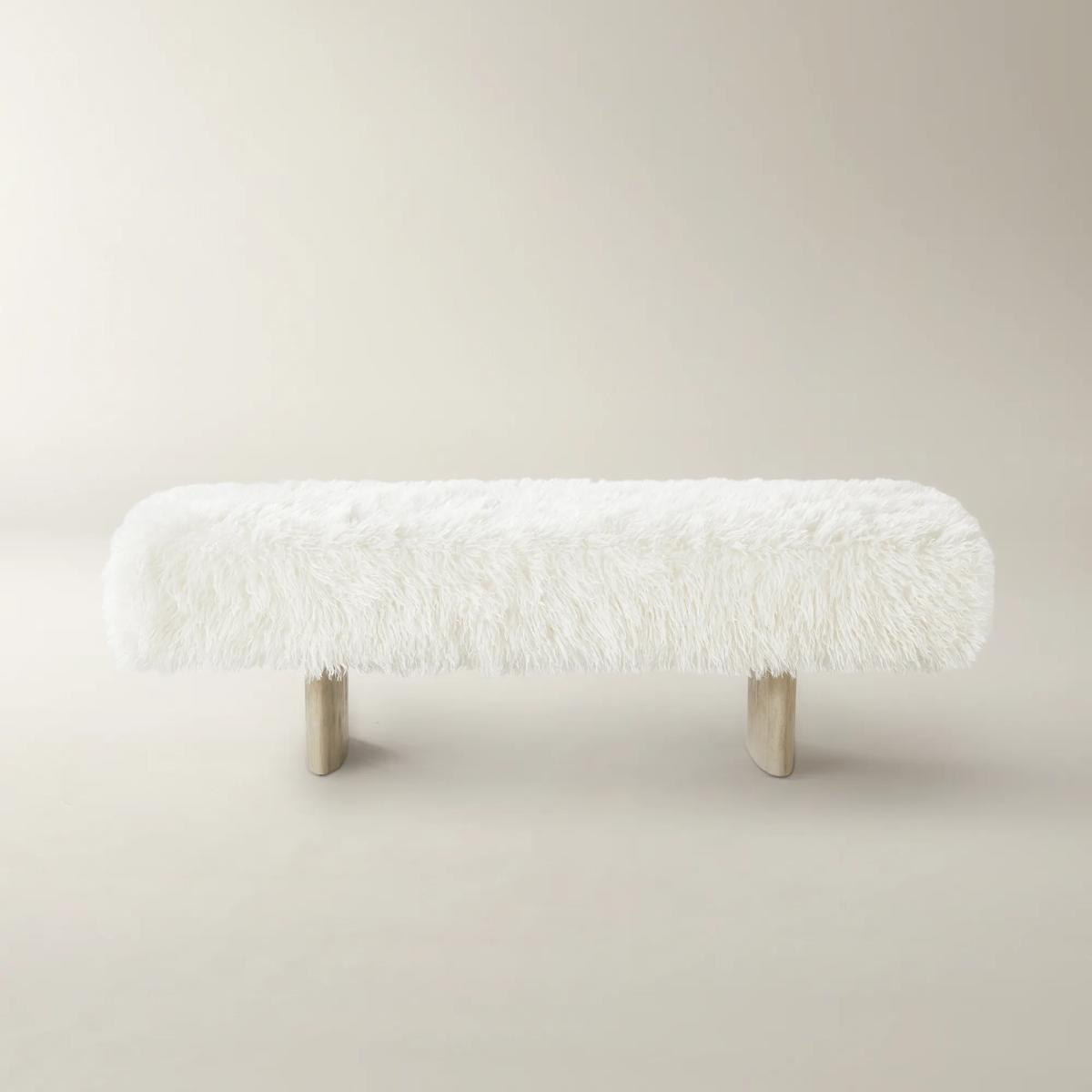 Micah Ivory Mongolian Faux Fur Bench With Rubberwood Legs (62.6")$699
An ivory faux Mongolian fur bench with high-density foam and sculptural solid rubberwood base for modern coziness.
Add To Cart -
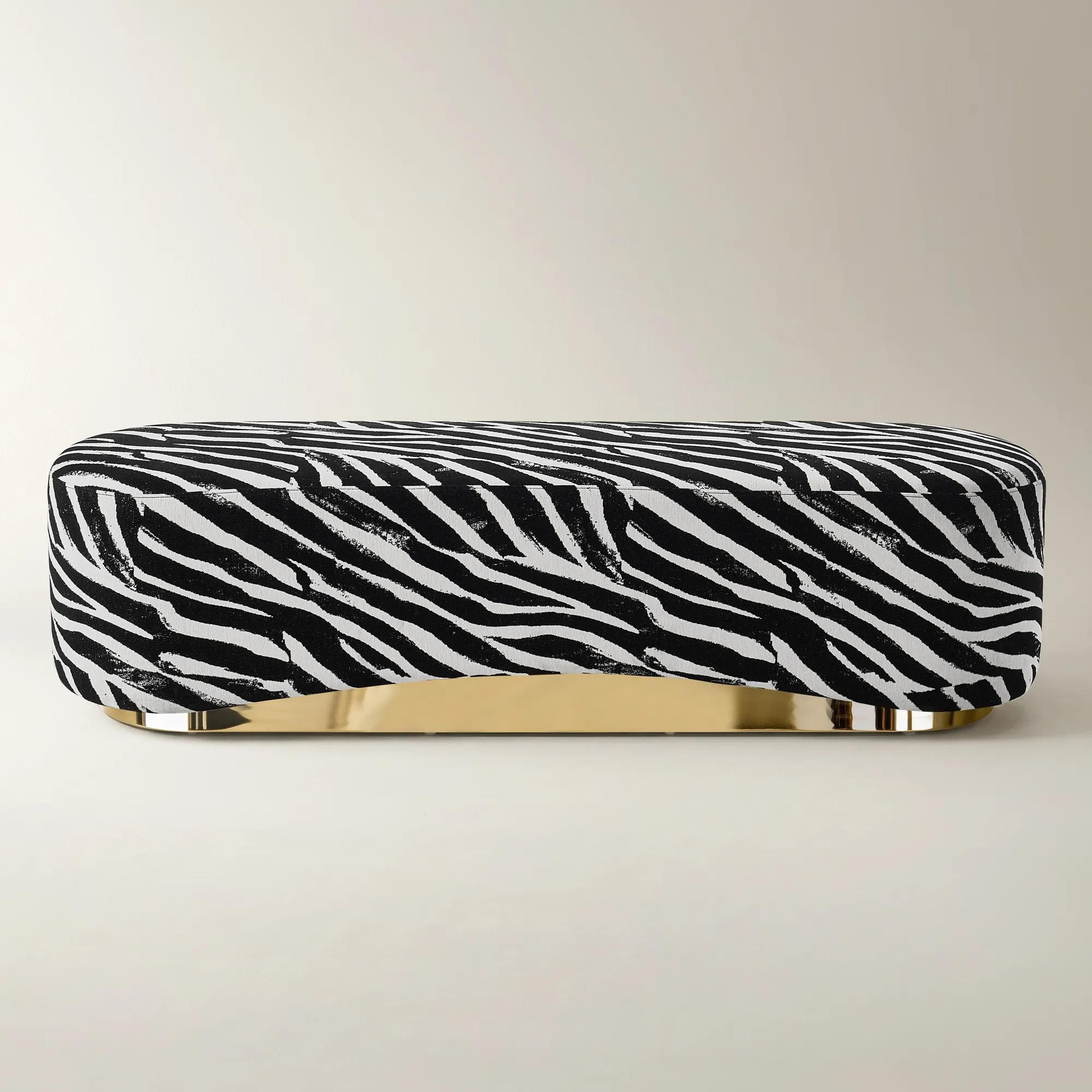
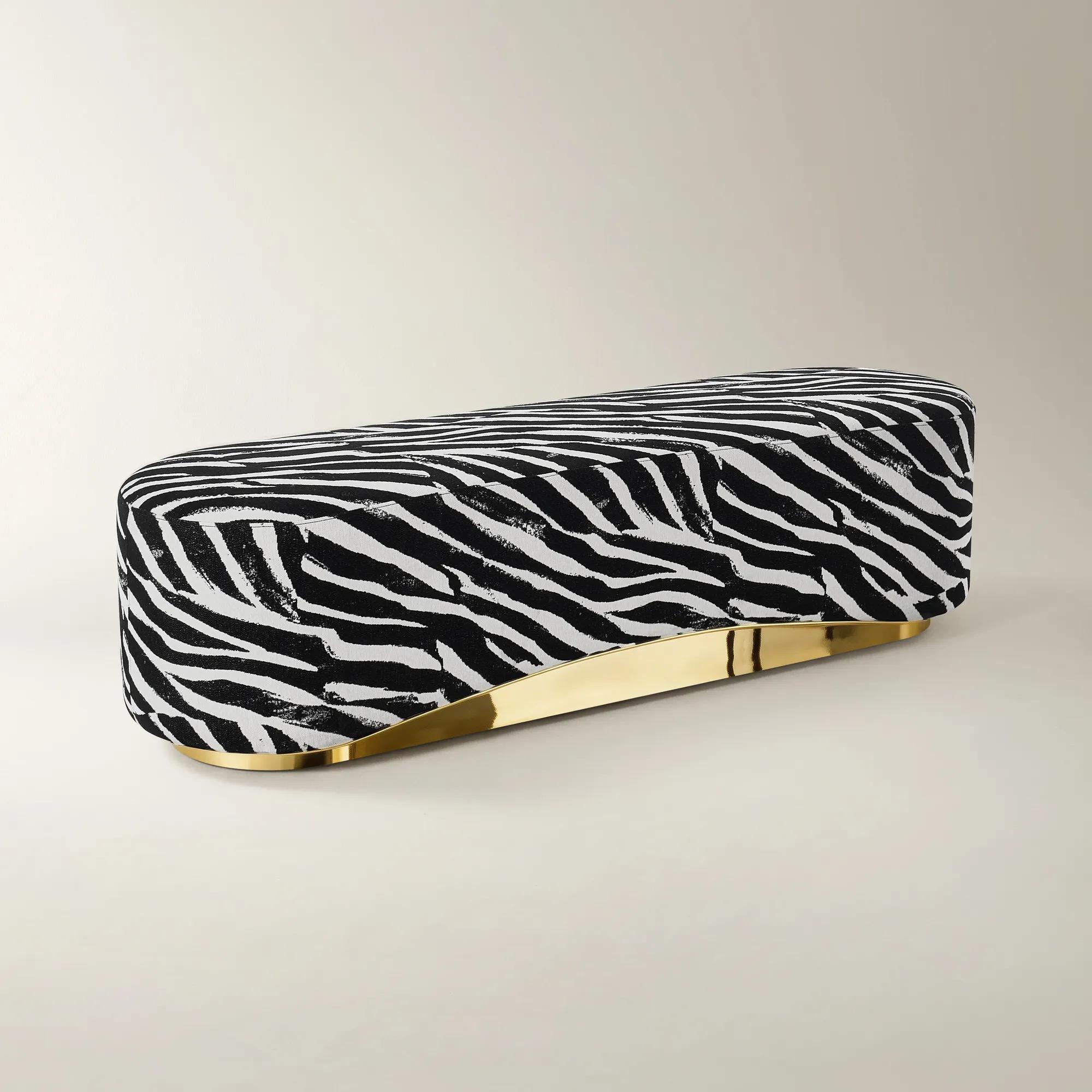 Kendra White/Black Performance Chenille Bench (70.47")$799
An elongated oval bench upholstered in white and black performance chenille with a polished gold stainless steel base.
Add To Cart -
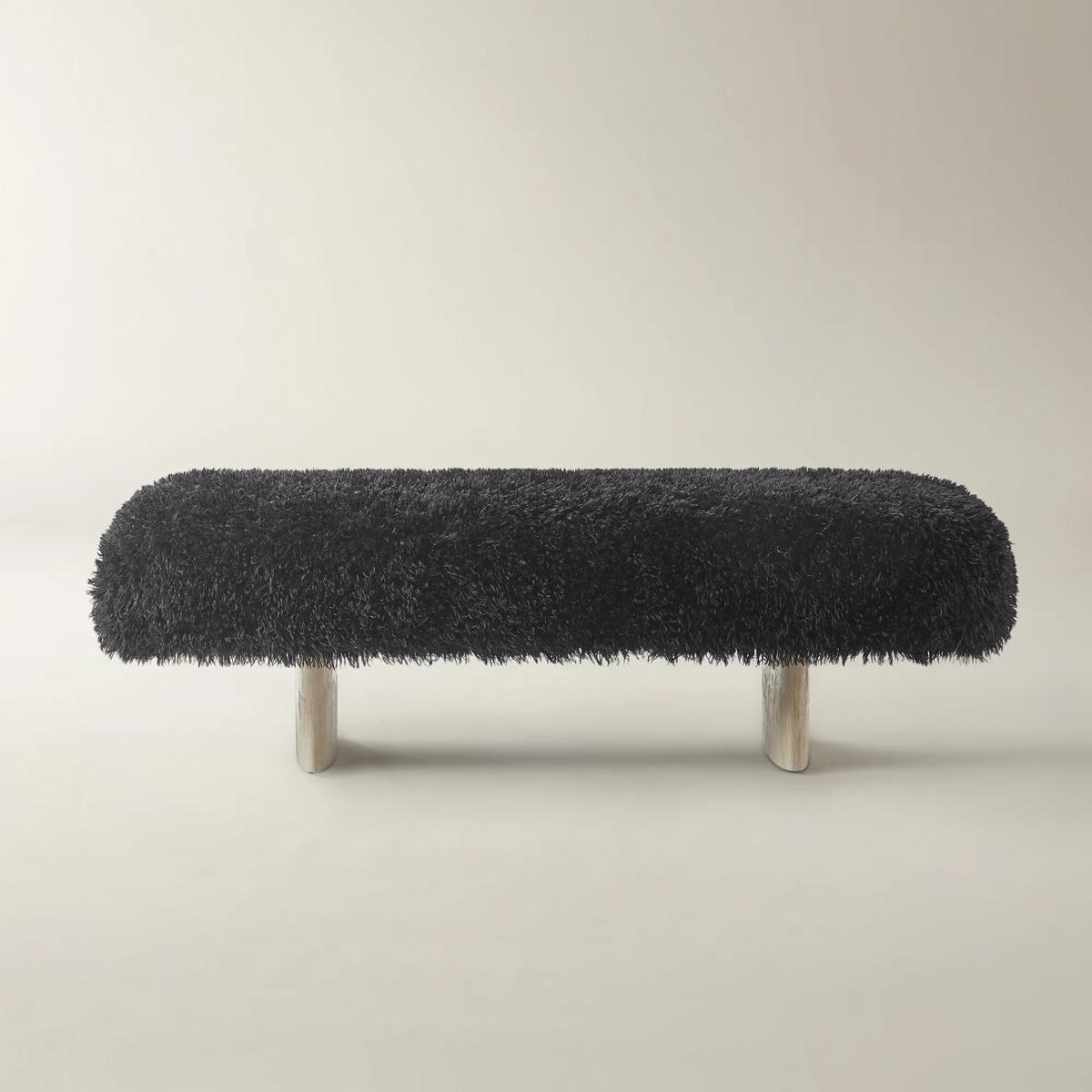 Micah Black Mongolian Fur Bench With Rubberwood Legs (62.6")$699
A striking black faux Mongolian fur bench with solid rubberwood legs for plush comfort and modern edge.
Add To Cart -
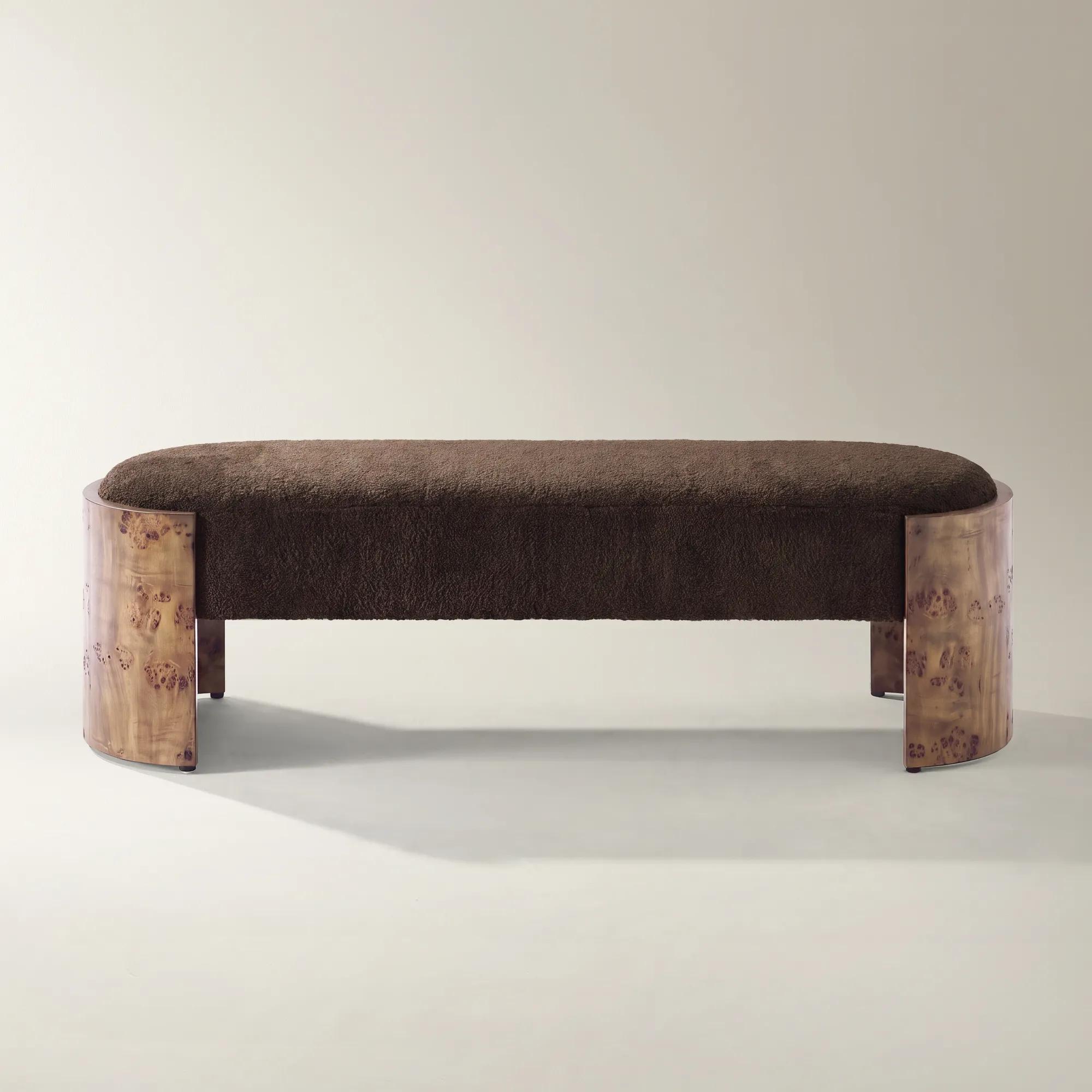
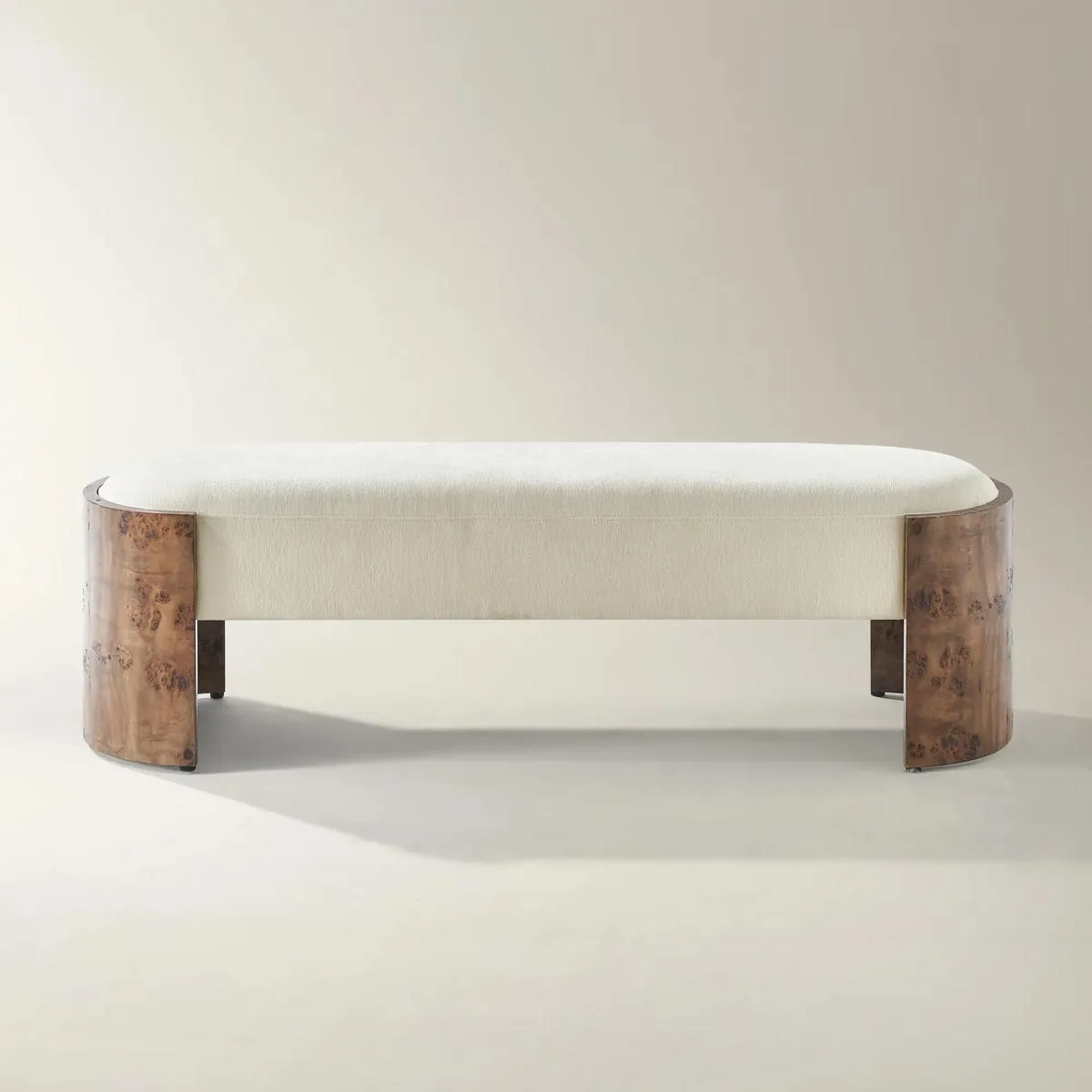 Cora Dark Chocolate Chenille With Ash Wood Bench (60.6")$999
A sculpted dark chocolate chenille bench with curved ash burl end panels and supportive foam cushioning.
Add To Cart -
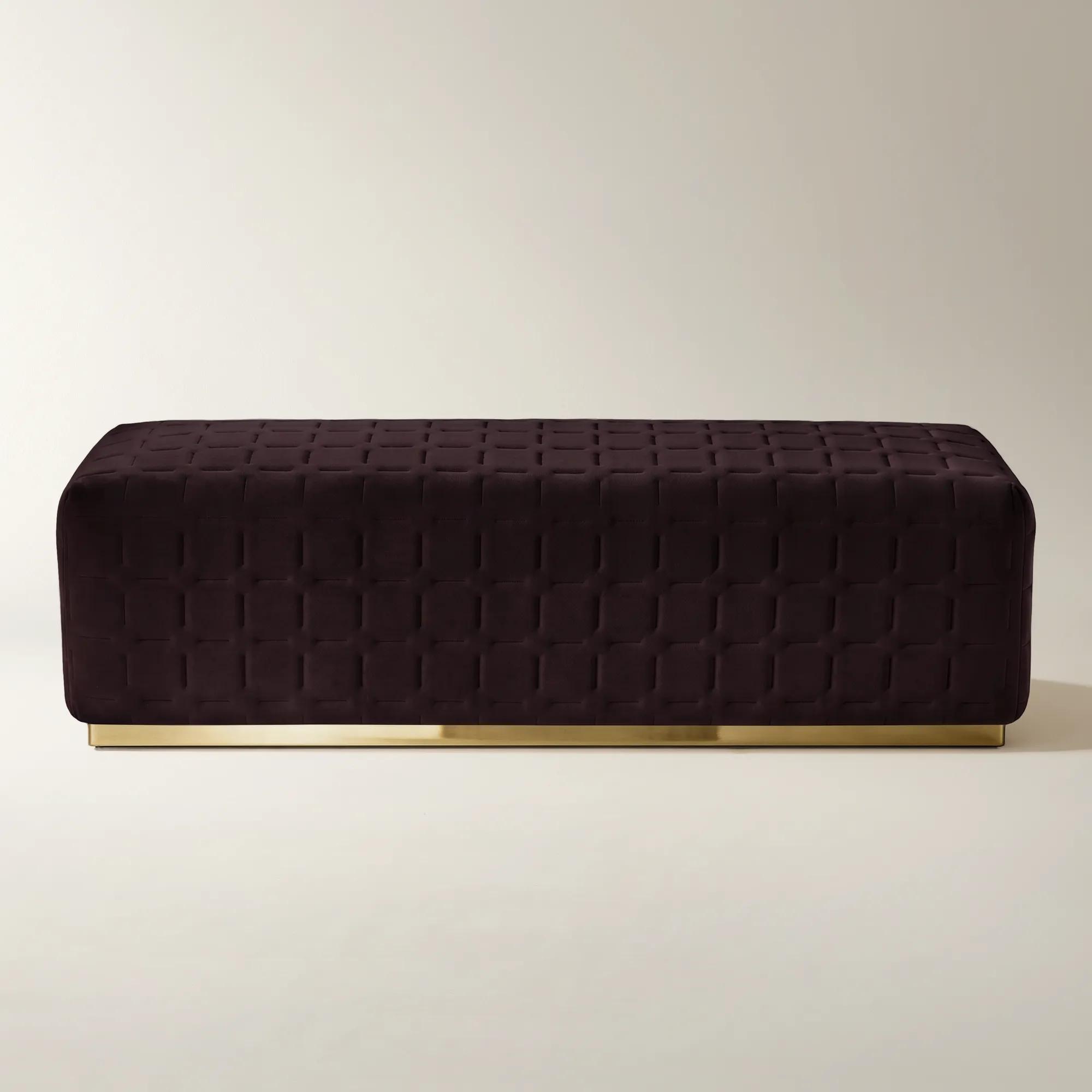
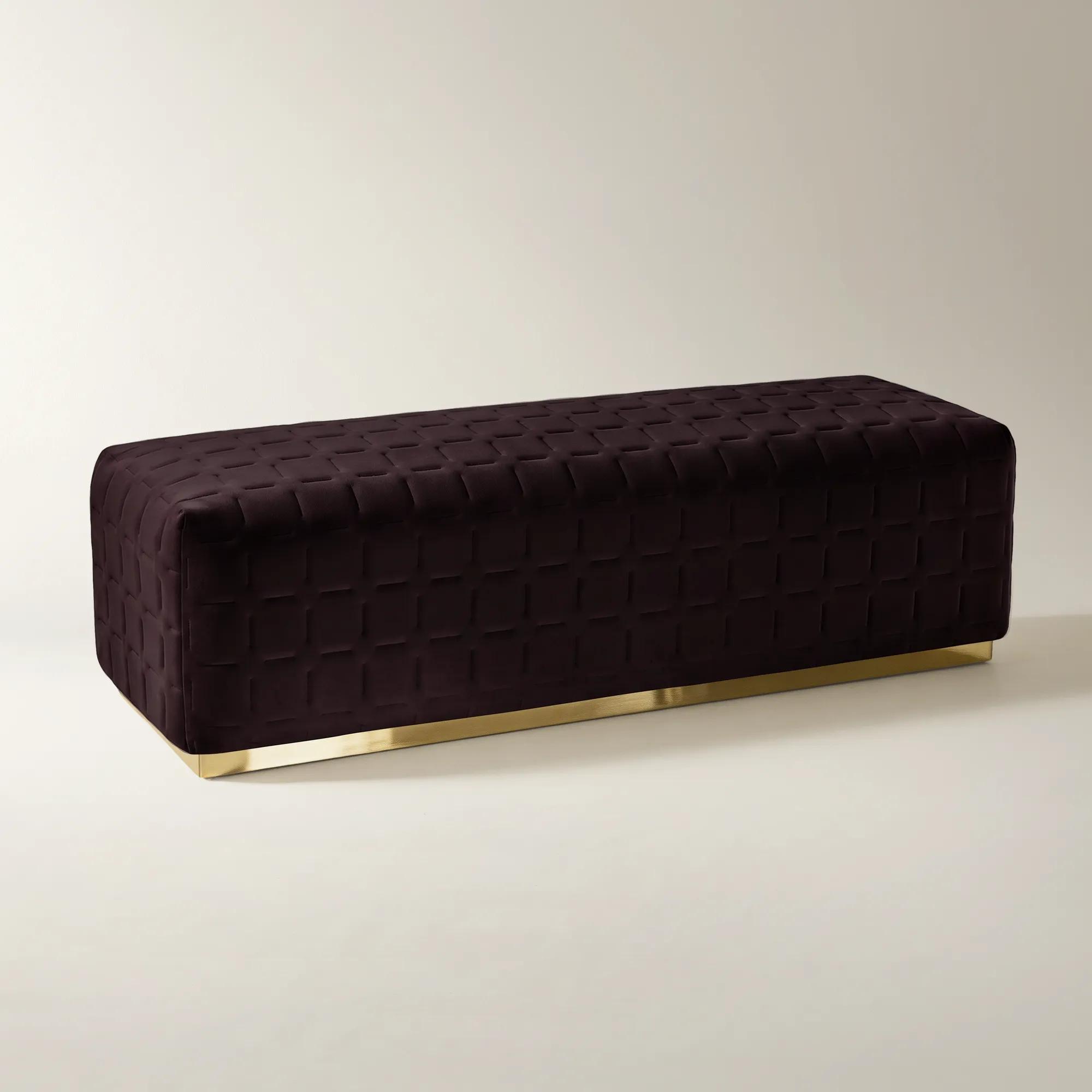 Vanta Quilted Fig Velvet Bench (64.6")$899
A plush fig velvet bench featuring checker quilted tufting and a sleek gold stainless steel base.
Add To Cart -
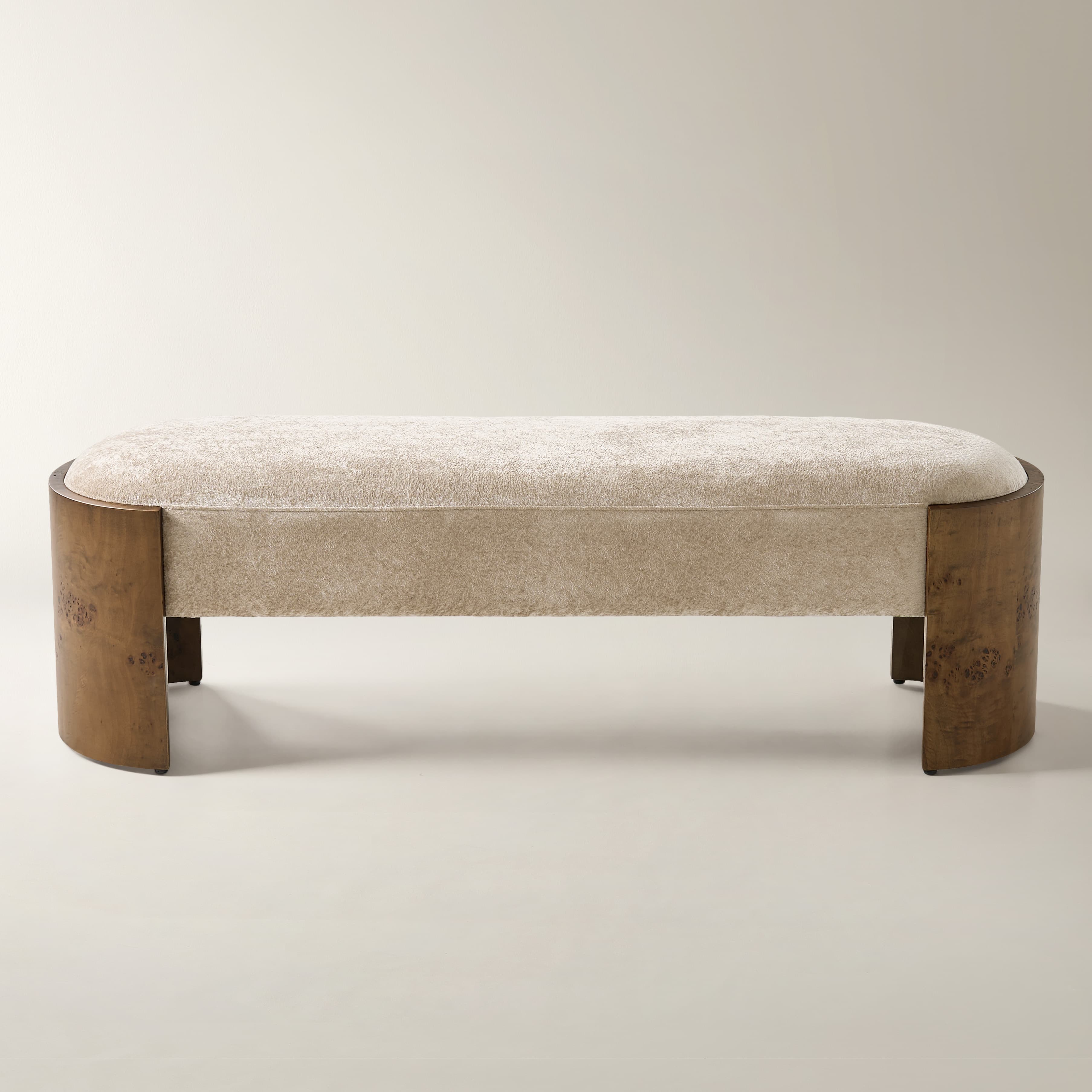 Cora Light Brown Chenille With Ash Wood Bench (60.6")$999
A light brown chenille bench with curved ash burl veneer panels, blending plush comfort and organic artistry.
Add To Cart -
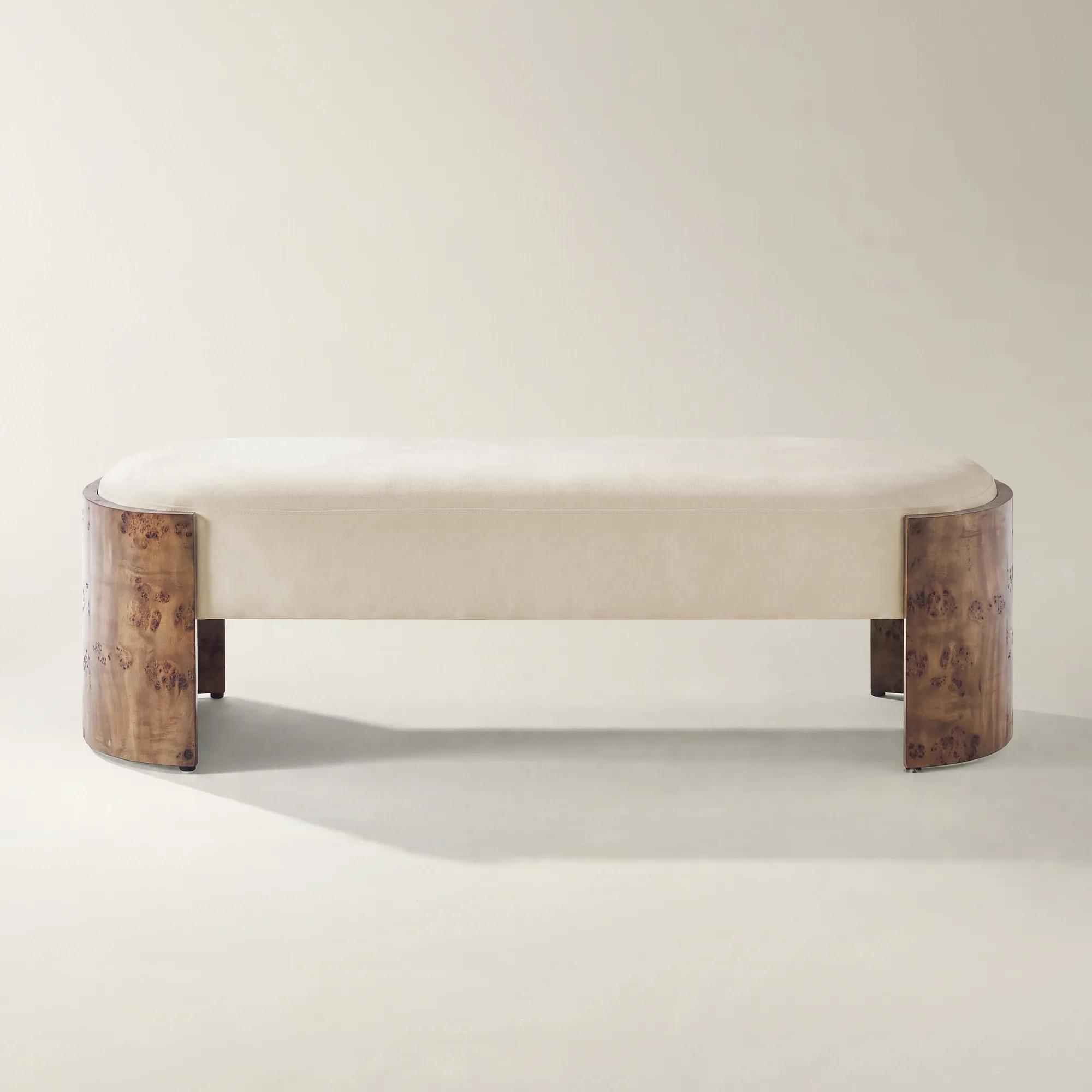 Cora Oatmeal Velvet With Ash Wood Bench (60.6")$999
A sculptural oatmeal velvet bench with curved ash burl wood panels and supportive foam cushioning.
Add To Cart -
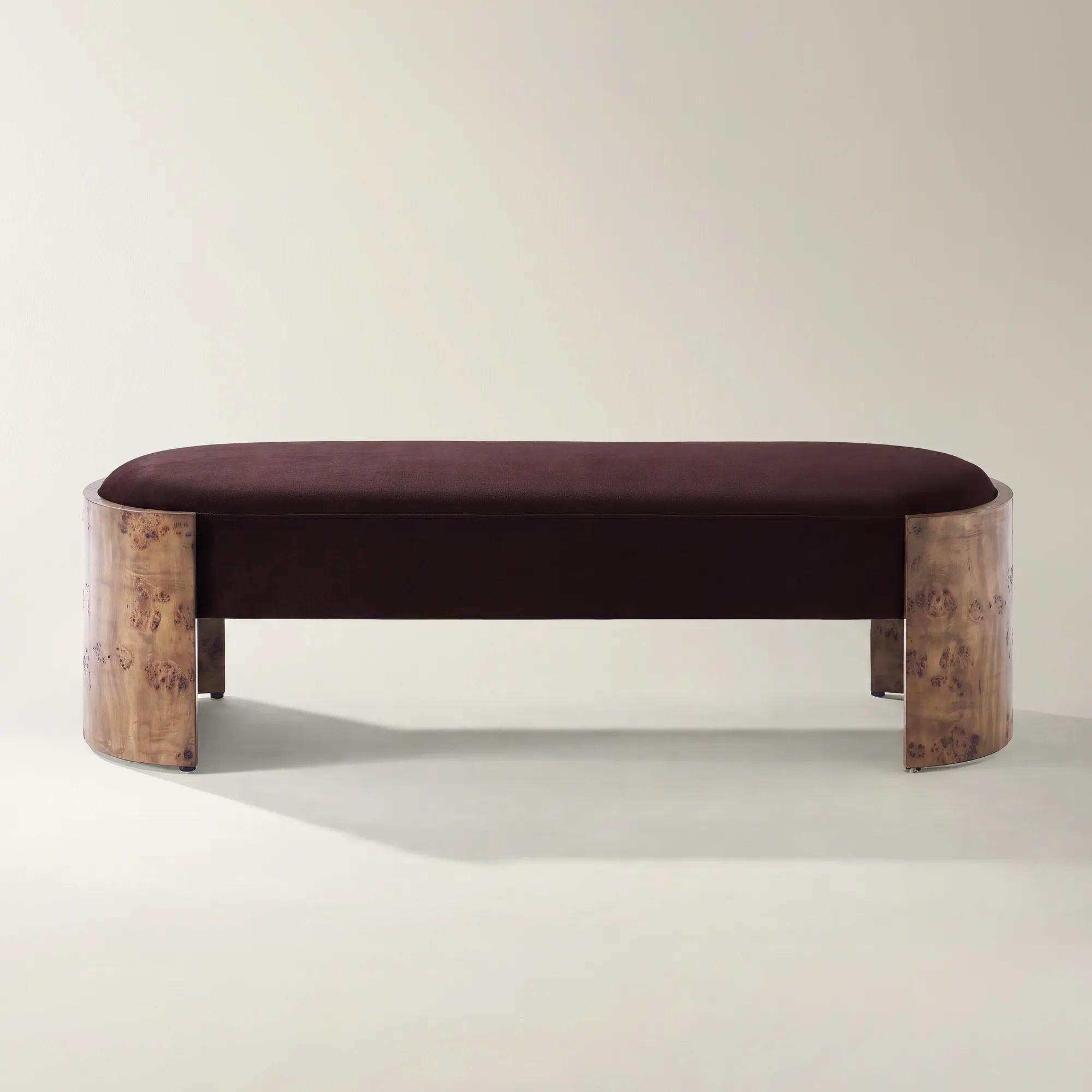 Cora Fig Velvet With Ash Wood Bench (60.6")$999
A sculptural bench with fig velvet upholstery, bookmatched ash burl panels, and supportive high-resiliency foam cushioning.
Add To Cart -
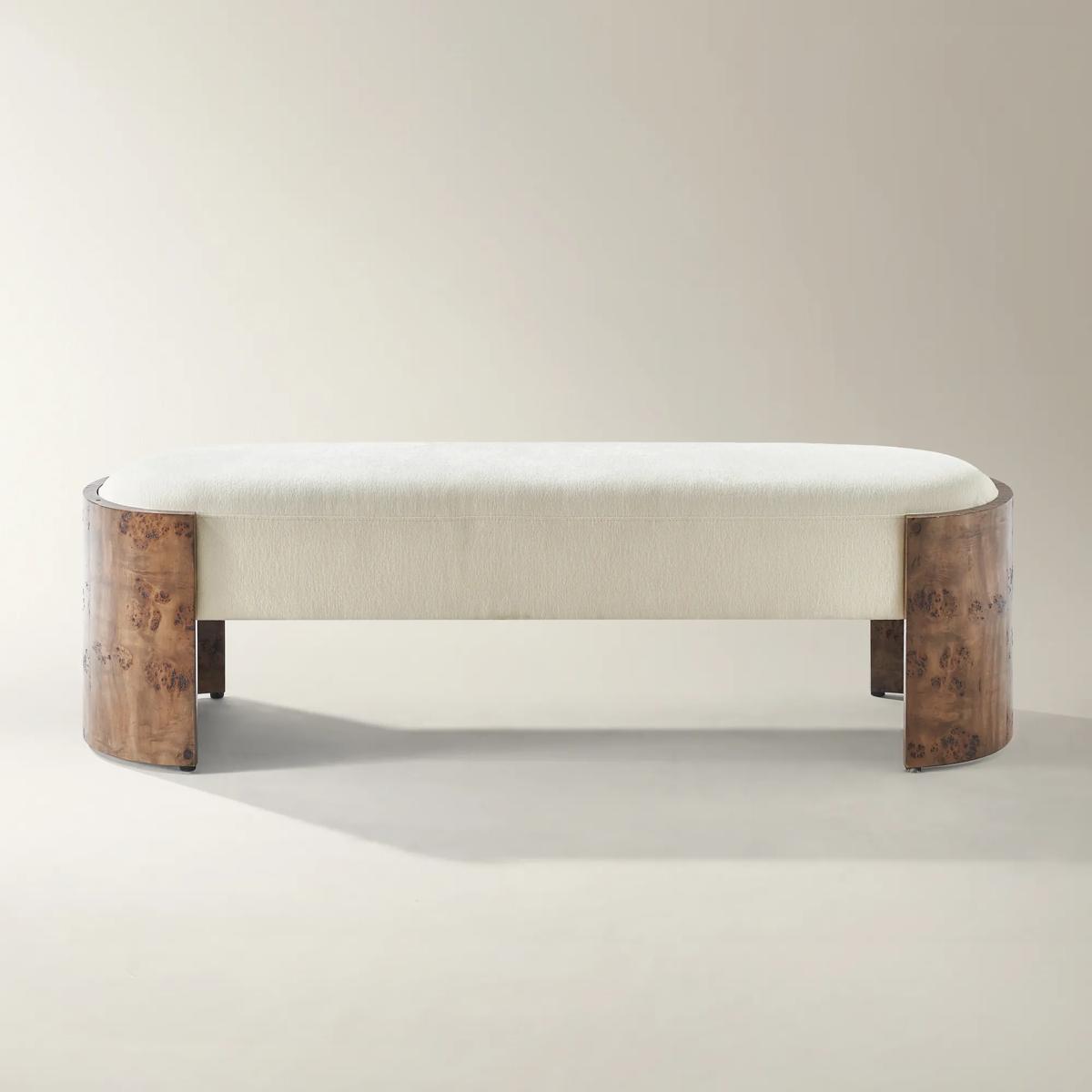 Cora Ivory Chenille With Ash Wood Bench (60.6")$999
An ivory chenille bench with curved ash burl veneer panels, blending plush comfort with striking wood artistry.
Add To Cart -
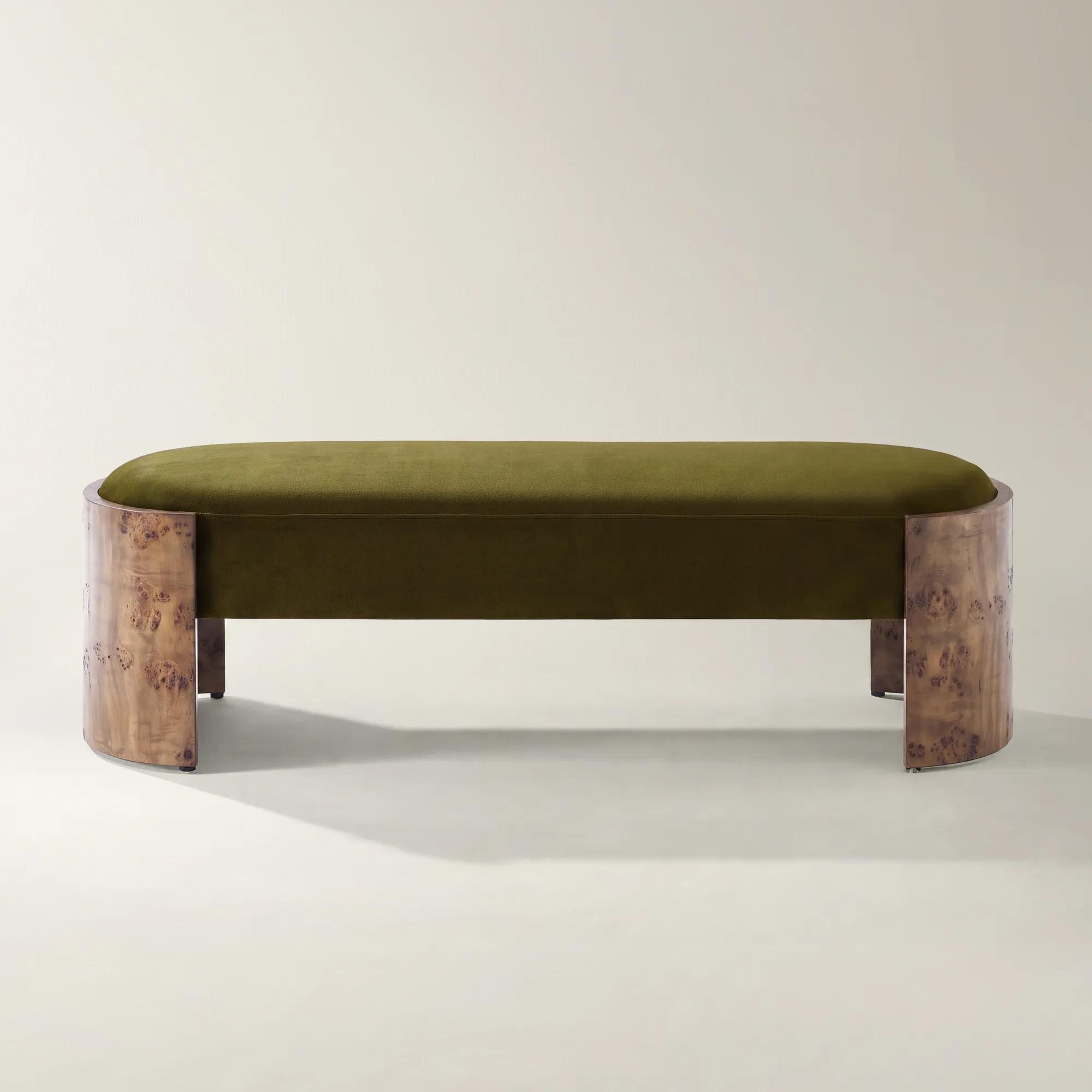 Cora Deep Olive Velvet With Ash Wood Bench (60.6")$999
A sculpted deep olive velvet bench featuring curved ash burl end panels and supportive foam cushioning.
Add To Cart -
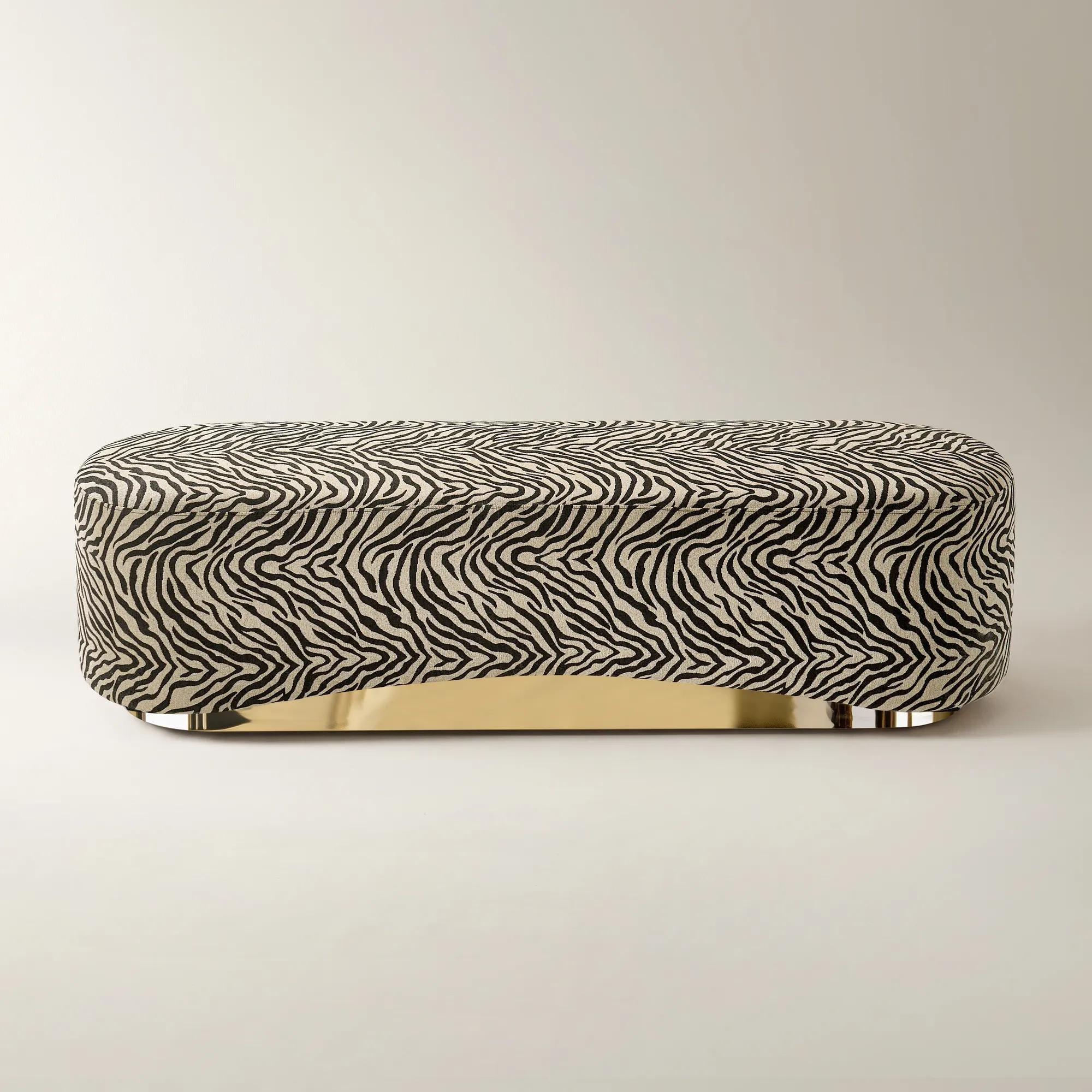
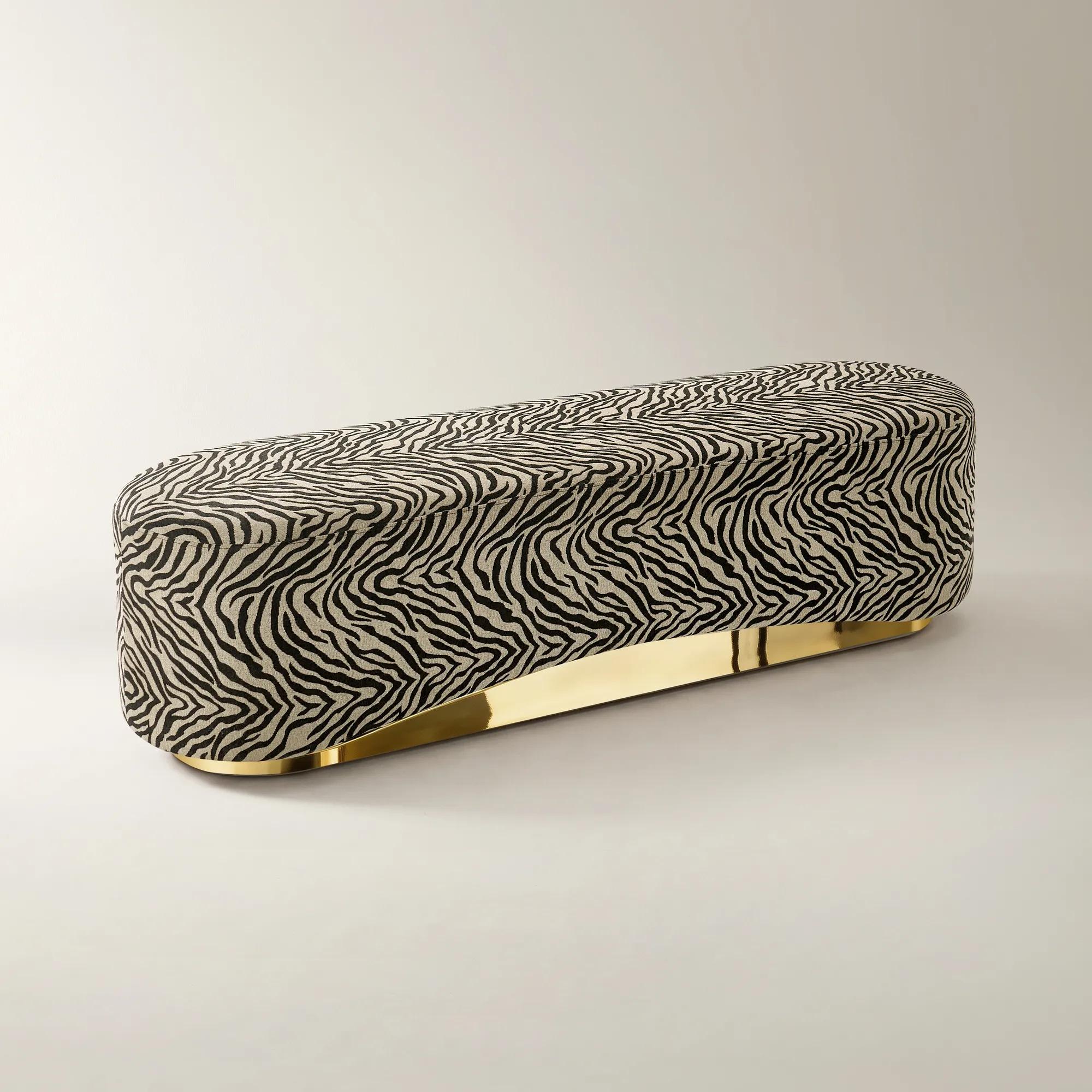 Kendra Zebra Performance Chenille Bench (70.47")$799
An elongated oval bench upholstered in textured zebra-pattern chenille with a polished gold stainless steel base.
Add To Cart -
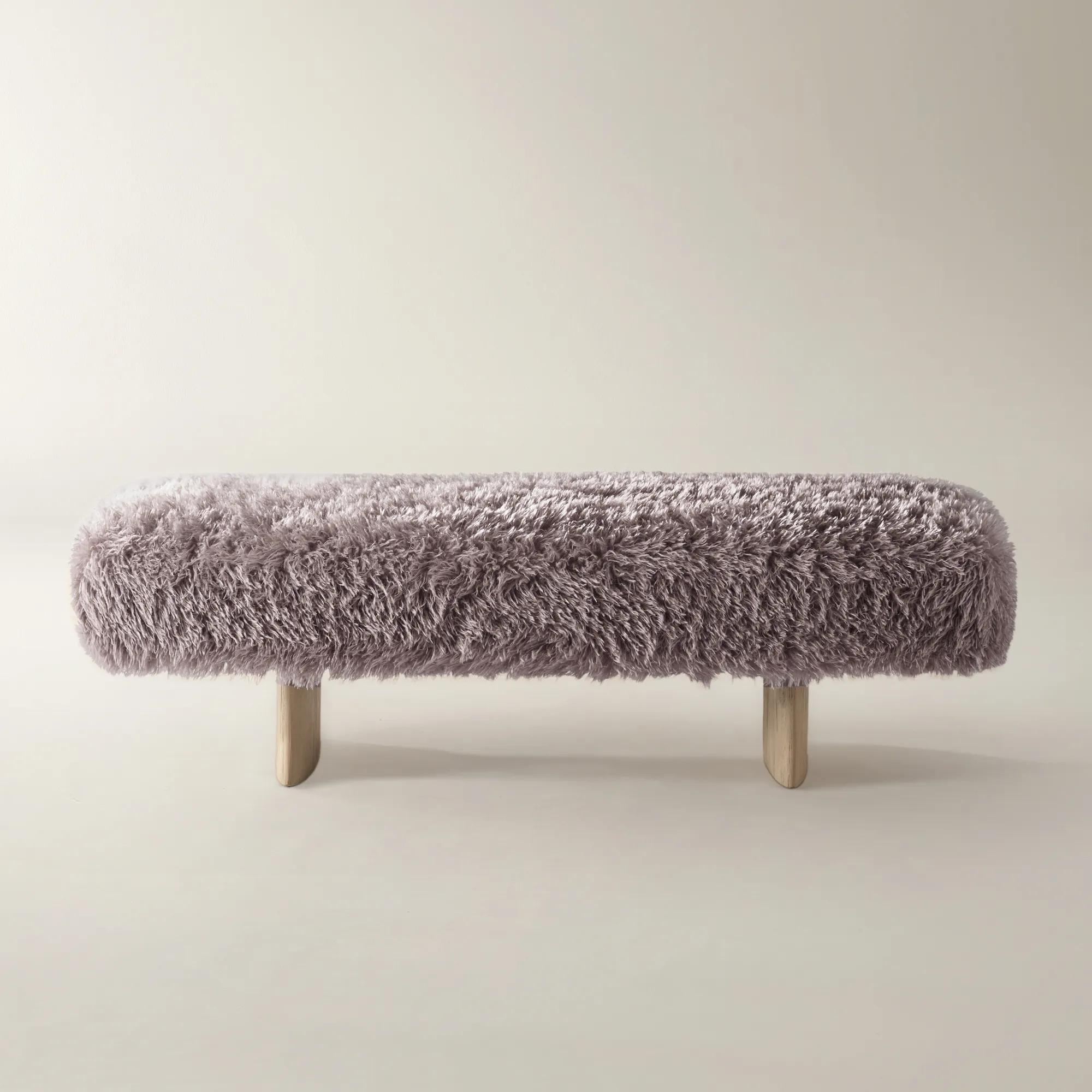
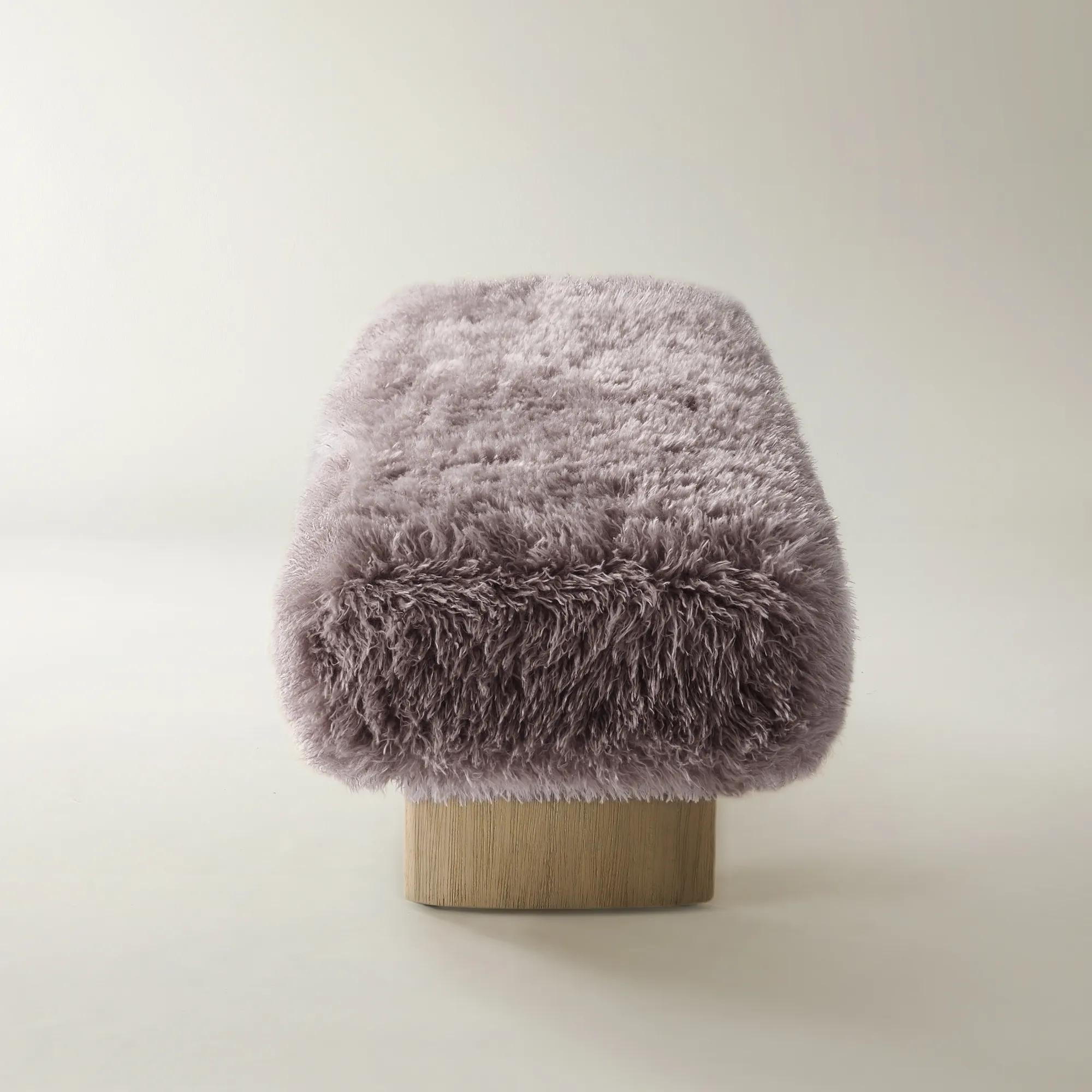 Micah Plum Truffle Mongolian Faux Fur Bench With Rubberwood Legs(62.6")$699
A sculptural bench featuring smoked plum Mongolian faux fur upholstery and warm solid rubberwood legs.
Add To Cart -
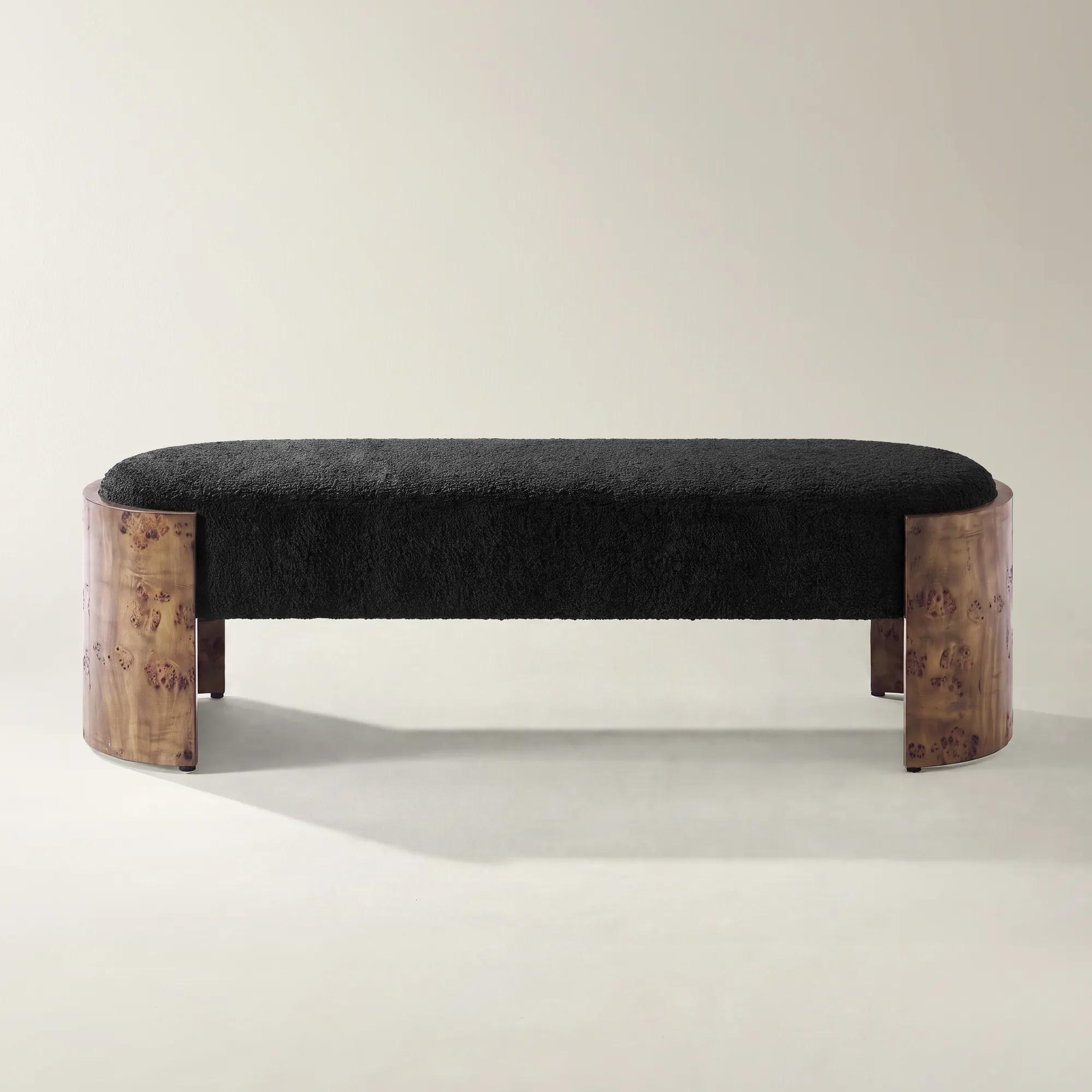 Cora Black Chenille With Ash Wood Bench (60.6")$999
A sculpted charcoal chenille bench featuring curved bookmatched ash burl panels and supportive foam cushioning.
Add To Cart -
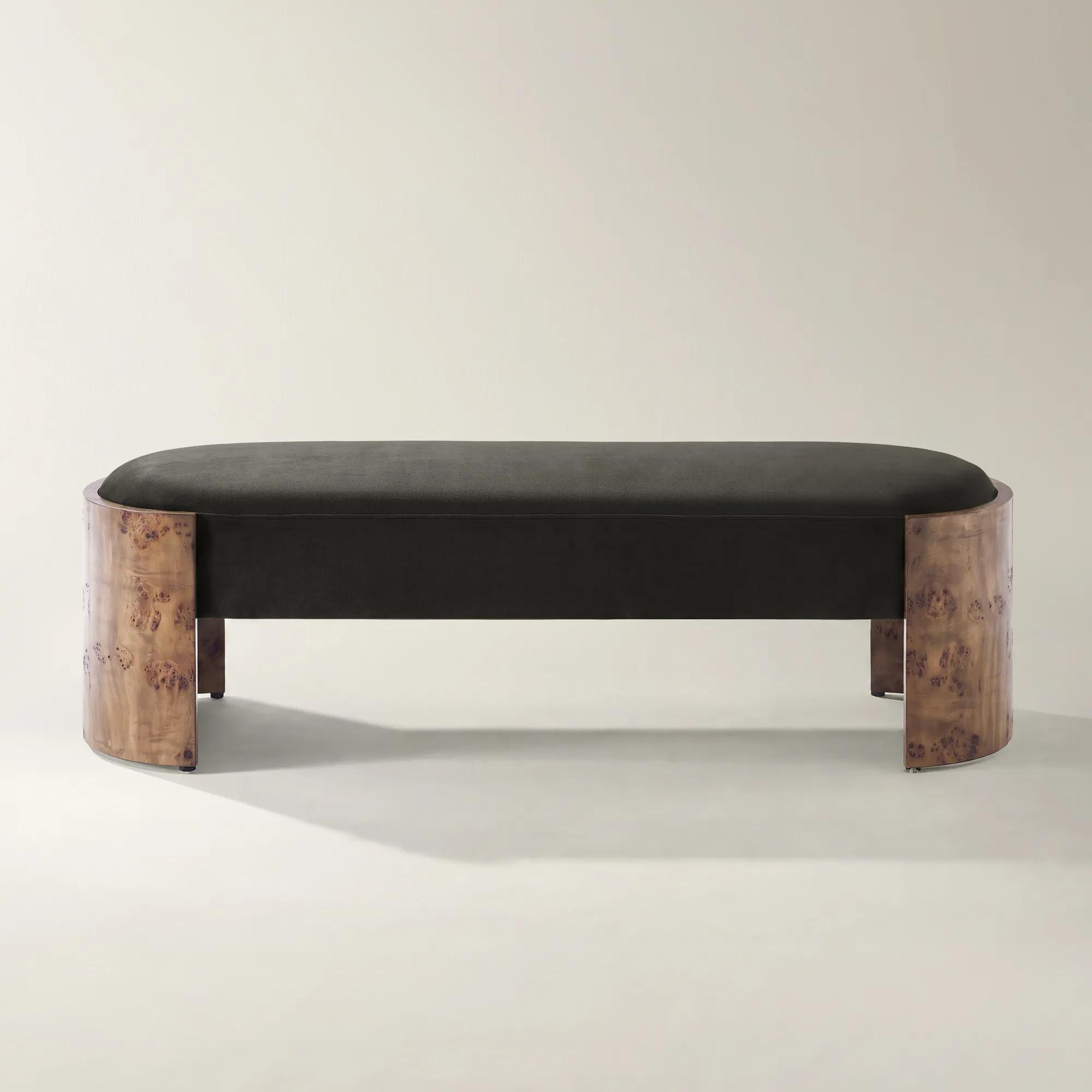 Cora Charcoal Velvet With Ash Wood Bench (60.6")$999
A sculpted charcoal velvet bench with curved bookmatched ash burl panels and supportive foam cushioning.
Add To Cart -
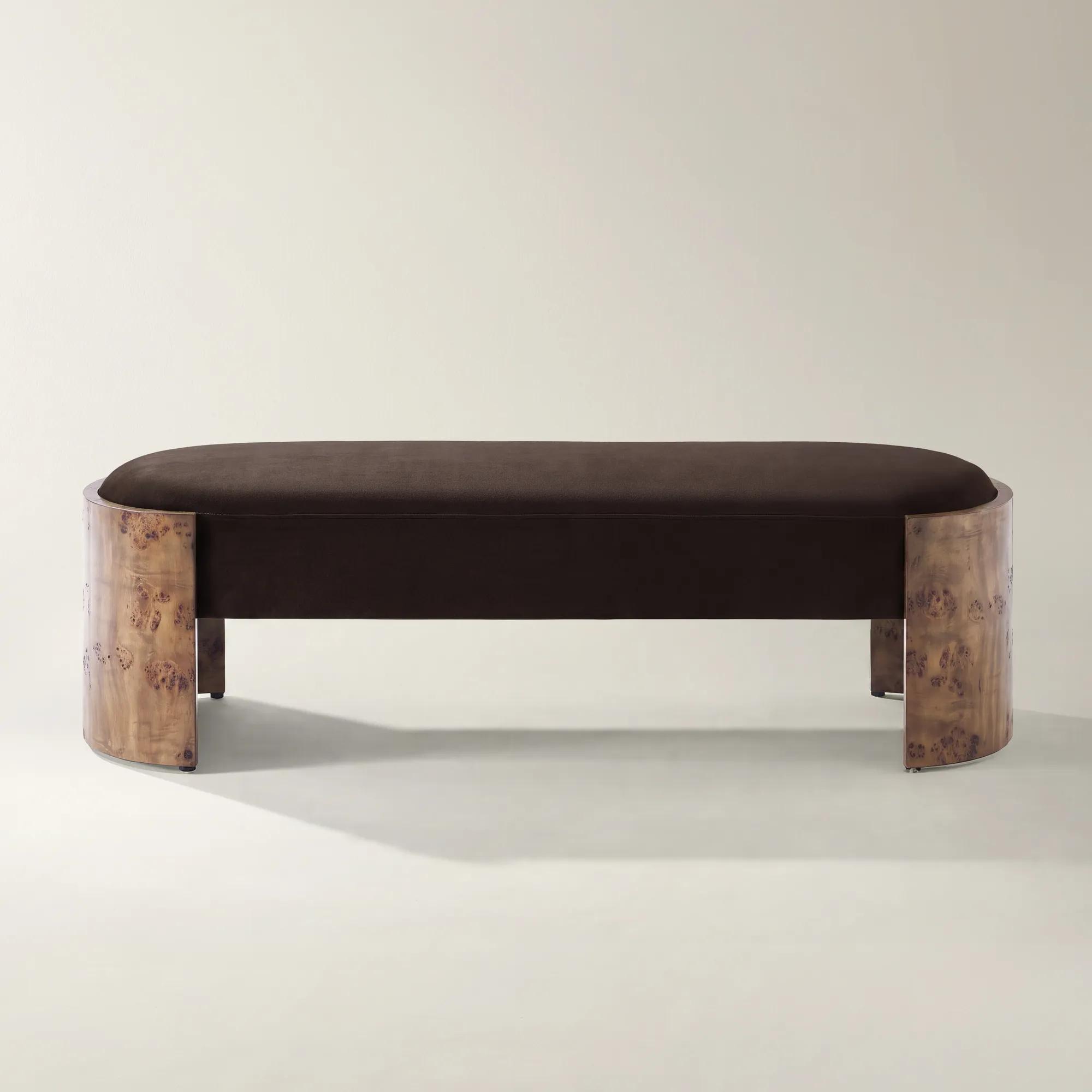 Cora Dark Chocolate Velvet With Ash Wood Bench (60.6")$999
A dark chocolate velvet bench with sculpted bookmatched ash burl end panels and high-resiliency foam cushioning.
Add To Cart -
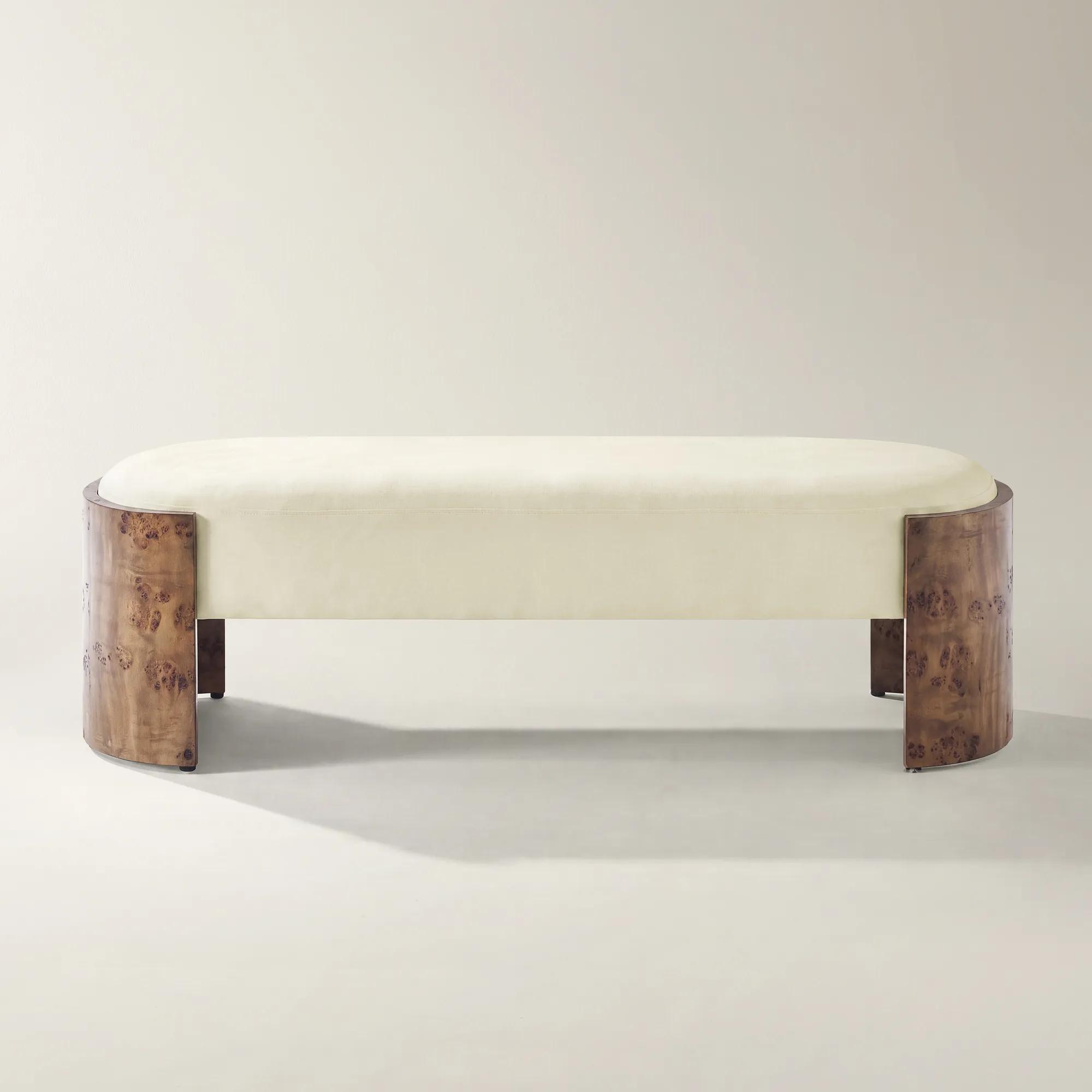 Cora Cloud Velvet With Ash Wood Bench (60.6")$999
A cloud velvet bench with bookmatched ash burl panels and supportive foam cushioning.
Add To Cart -
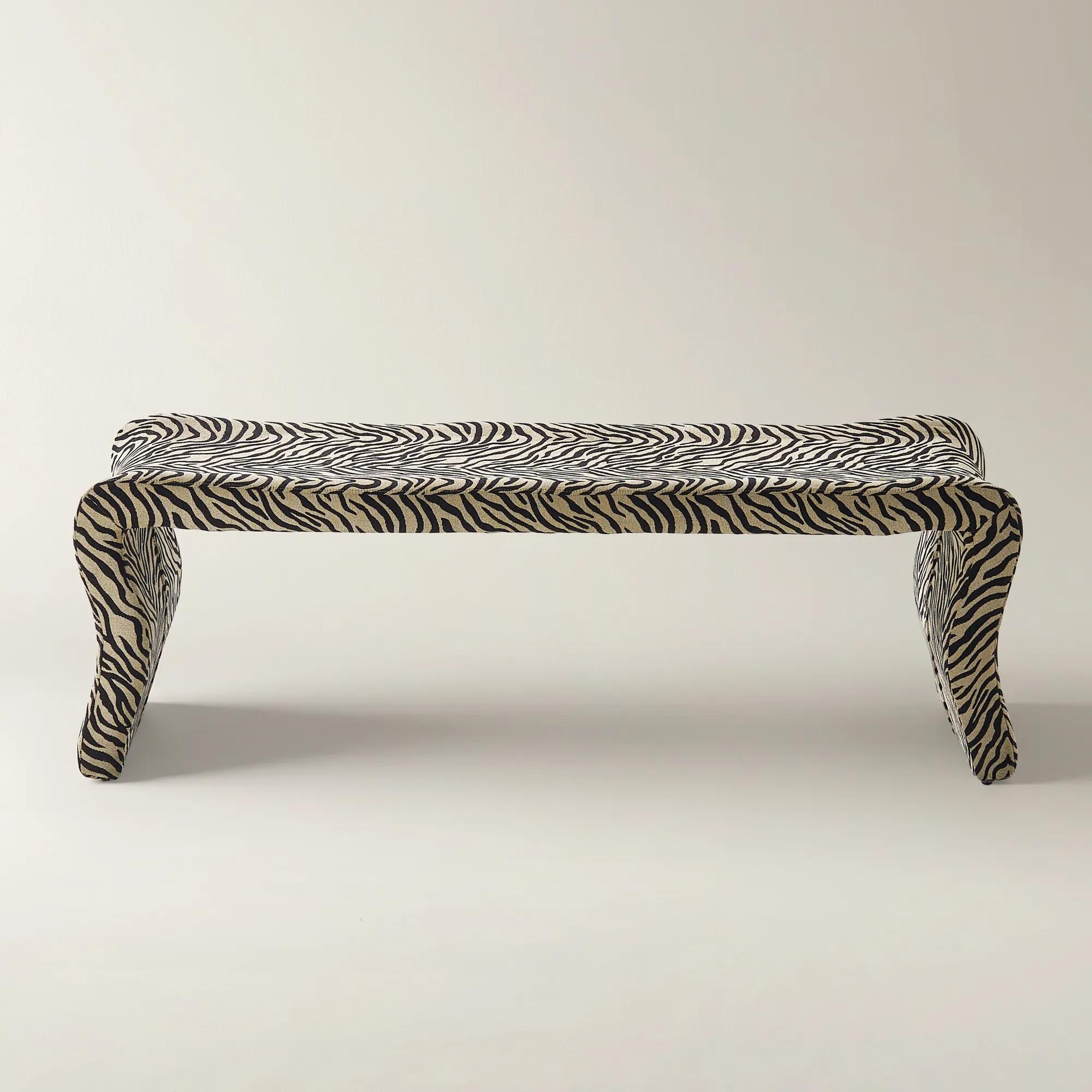 Romy Zebra Performance Chenille Bench (61.5")$899
A sculptural bench wrapped in zebra-patterned performance chenille with a wave-like silhouette and full foam construction.
Add To Cart

Benches For Sitting Areas
Benches for sitting areas are the unsung heroes of expressive interiors—inviting moments of pause, conversation, and artistry into every corner. Whether poised beneath a grand window or anchoring an entryway tableau, these sculptural silhouettes transform functional seating into a showcase of style. With each bench, your sitting area becomes more than a space to rest; it evolves into a curated scene where luxe textures, bold lines, and unexpected details set the stage for everyday elegance. Discover how benches for sitting areas can infuse your home with drama, comfort, and unmistakable flair.
Benches for sitting areas bring flexible seating and a distinct design presence to living rooms, entryways, bedrooms, and intimate gathering spaces. Their elongated silhouettes can anchor an arrangement without the visual weight of another sofa, creating a place to pause, converse, or settle beside a favorite view. An upholstered bench opposite a pair of accent chairs gives a conversation area a more open composition, while a sculptural bench along an entry wall turns an overlooked stretch of floor into a considered arrival moment. Backless designs preserve sightlines, making them especially effective in open layouts where furniture needs to define a space without dividing it. Benches with backs or arms create a more enclosed seat, often better suited to lingering over conversation than a brief stop to slip on shoes. Comfort depends on more than upholstery alone: seat depth, cushion firmness, back support, and height all influence how a bench feels in use. A generously cushioned seat can soften a formal arrangement, while a tailored, firmer surface offers a crisp silhouette and steady support. For a sitting area used primarily by adults, a bench can provide occasional seating during gatherings; in a bedroom, it can become a quiet spot for dressing or laying out an outfit. Alongside a window, a freestanding bench creates an inviting perch without the commitment of built-in seating, provided it does not obstruct access or necessary clearance. Indoor and outdoor benches serve similar purposes, but their materials are not interchangeable: outdoor sitting areas require furniture explicitly designed for exterior use. Within an interior, the most compelling choice balances the room’s architecture with the way people actually move and gather. A low profile lets dramatic artwork command attention above it, while a richly upholstered form can become the focal point itself. The effect is expressive rather than crowded, with a seat that contributes as much to the atmosphere as it does to the floor plan.
Materials give seating benches their character, from the depth of velvet upholstery to the gleam of a metal base or the natural variation of wood. Velvet catches light across its pile, lending even a streamlined silhouette a sumptuous dimension; its appearance may shift with touch and direction, which is part of its distinctive surface. Woven upholstery can introduce subtle texture, while leather offers a different kind of richness, with care requirements that vary by finish. No upholstery material is universally carefree, and durability depends on the specific fabric, construction, finish, and frequency of use. In a frequently used sitting area, tightly secured upholstery, supportive cushioning, stable joinery, and a frame designed for regular seating matter as much as the decorative details. Tufting adds depth and rhythm, although recessed buttons and seams may collect crumbs or lint more readily than a smooth seat. Exposed wood brings warmth to a polished interior, while metal details can sharpen the composition with a luminous edge. Neither material alone determines strength; the quality of connections, overall construction, and stated weight capacity deserve consideration. A bench used daily for putting on shoes encounters different wear from one reserved for occasional guests, and households with children or pets may favor surfaces with clearly documented cleaning instructions and performance characteristics. Routine care helps preserve the intended finish: upholstery generally benefits from gentle vacuuming with an appropriate attachment, while spills should be addressed promptly according to the manufacturer’s directions. Cleaning products should be tested only as directed, since excess moisture, harsh chemicals, or abrasive tools can damage fabrics and finishes. Direct sunlight may fade some upholstery and wood finishes, making placement part of long-term care. Felt pads or suitable floor protectors can help limit marks beneath the legs, particularly when a bench is moved for entertaining. These practical details protect the visual impact: lustrous fabric, an elegant base, and carefully finished edges remain more satisfying when the piece also suits the demands of everyday life.
Scale determines whether a bench feels beautifully integrated or simply placed in a room. Overall width, depth, and height all matter, but so do the less obvious dimensions: projecting arms, angled legs, and the space needed for someone to sit down comfortably. In a living room conversation area, a bench works best when guests can reach a nearby surface without feeling hemmed in by a coffee table. Along a hallway or at the edge of a bedroom, its footprint should preserve a clear route even while someone is seated. Seat height is especially important when the bench joins existing chairs; a dramatically lower seat can make conversation feel uneven, while a height suited to dressing may be easier for someone who prefers a less demanding rise. For two people to sit comfortably, usable seat width matters more than the overall measurement, since arms and bolsters can reduce the available space. Stated seating capacity and weight limits should always govern use rather than appearance alone. More compact rooms benefit from carefully edited proportions, and benches for small spaces can introduce a purposeful seat where a larger upholstered piece would overwhelm the arrangement. An open base reveals more flooring and can make the composition feel lighter, while a fully upholstered form creates a grounded, substantial presence. Storage benches offer another possibility for sitting areas that need a discreet place for throws or other household textiles, though hinged designs require room to open and appropriate care around fingers. Styling can remain deliberate: a single lumbar pillow may add support without consuming the seat, and a nearby lamp can give the corner a more intimate mood. Where the bench itself carries dramatic texture, sculptural curves, or a gleaming frame, surrounding accents can provide contrast rather than compete. The result is a sitting area with a clear point of view—welcoming enough for everyday rituals, polished enough for company, and expressive in every proportion.
FAQs
Benches for sitting areas are crafted in a range of luxurious materials to suit diverse aesthetics and needs. Upholstered benches often feature sumptuous fabrics such as velvet, linen, or boucle for a soft, inviting look, while leather adds a touch of tailored sophistication. Solid wood benches celebrate natural grain and warmth, bringing organic texture to your space. For those who seek modern glamour, metal or acrylic accents can add a reflective, sculptural quality. Each material offers its own unique character, allowing you to curate a bench that perfectly complements your home’s personality.
A bench is more than just a seat—it’s a design statement that can transform the mood of your sitting area. Depending on its style and placement, a bench can introduce a sense of drama, elegance, or cozy comfort. Placing a bench beneath a window creates an inviting reading nook, while positioning one in an entryway offers a gracious welcome to guests. The right bench can also serve as a stage for decorative pillows, throws, or art books, helping you express your unique sense of style and elevate the everyday experience of your home.
Absolutely. A beautifully designed bench makes a memorable and thoughtful gift for a variety of occasions, from housewarmings and weddings to milestone birthdays. It’s a versatile piece that adapts to a recipient’s evolving lifestyle and décor, offering both beauty and function. Gifting a bench is a way to celebrate new beginnings and inspire creative self-expression in a loved one’s home.
Selecting a bench that harmonizes with your décor begins with considering your room’s color palette, textures, and overall style. For a cohesive look, echo materials or finishes already present in your space—such as matching metal tones or wood stains. Alternatively, use a bench as an opportunity to introduce a bold accent color or unexpected texture that adds visual interest. The key is to let your personal style guide you, ensuring the bench feels like a natural extension of your home’s story.
Benches are remarkably versatile and can be styled in nearly every room of the home. In bedrooms, a bench at the foot of the bed adds both elegance and function. In dining areas, benches offer flexible seating that encourages conversation and togetherness. Entryways benefit from the practical beauty of a bench for putting on shoes or displaying decorative accents. Even bathrooms and dressing areas can be elevated with a petite bench, providing a chic spot for relaxation or storage.