Accent Benches For Living Room Seating
Accent Benches For Living Room Seating
-
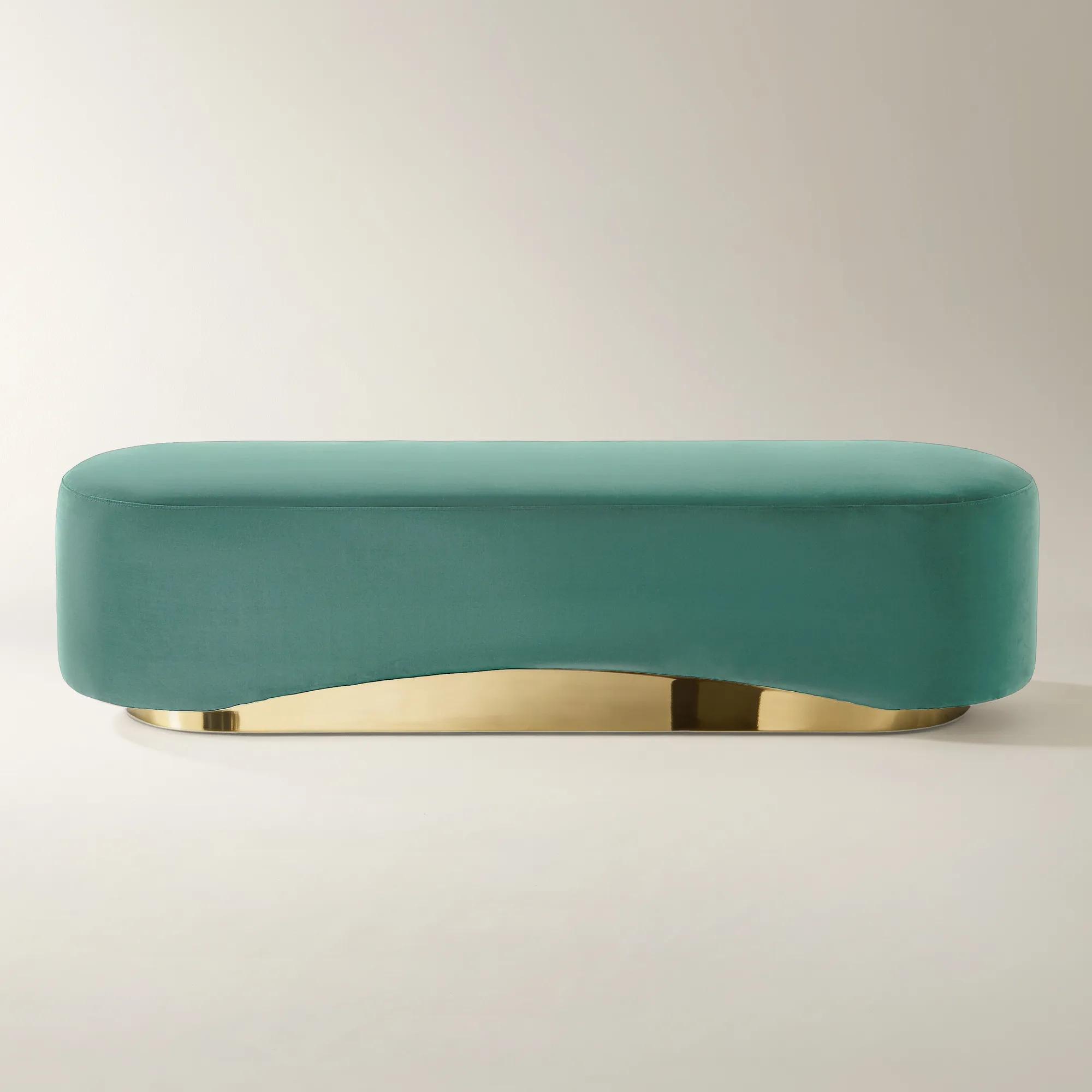 Kendra Ocean Teal Velvet Bench (70.47")$799
An elongated oval bench in ocean teal velvet with a plush seat and polished gold stainless steel base.
Add To Cart -
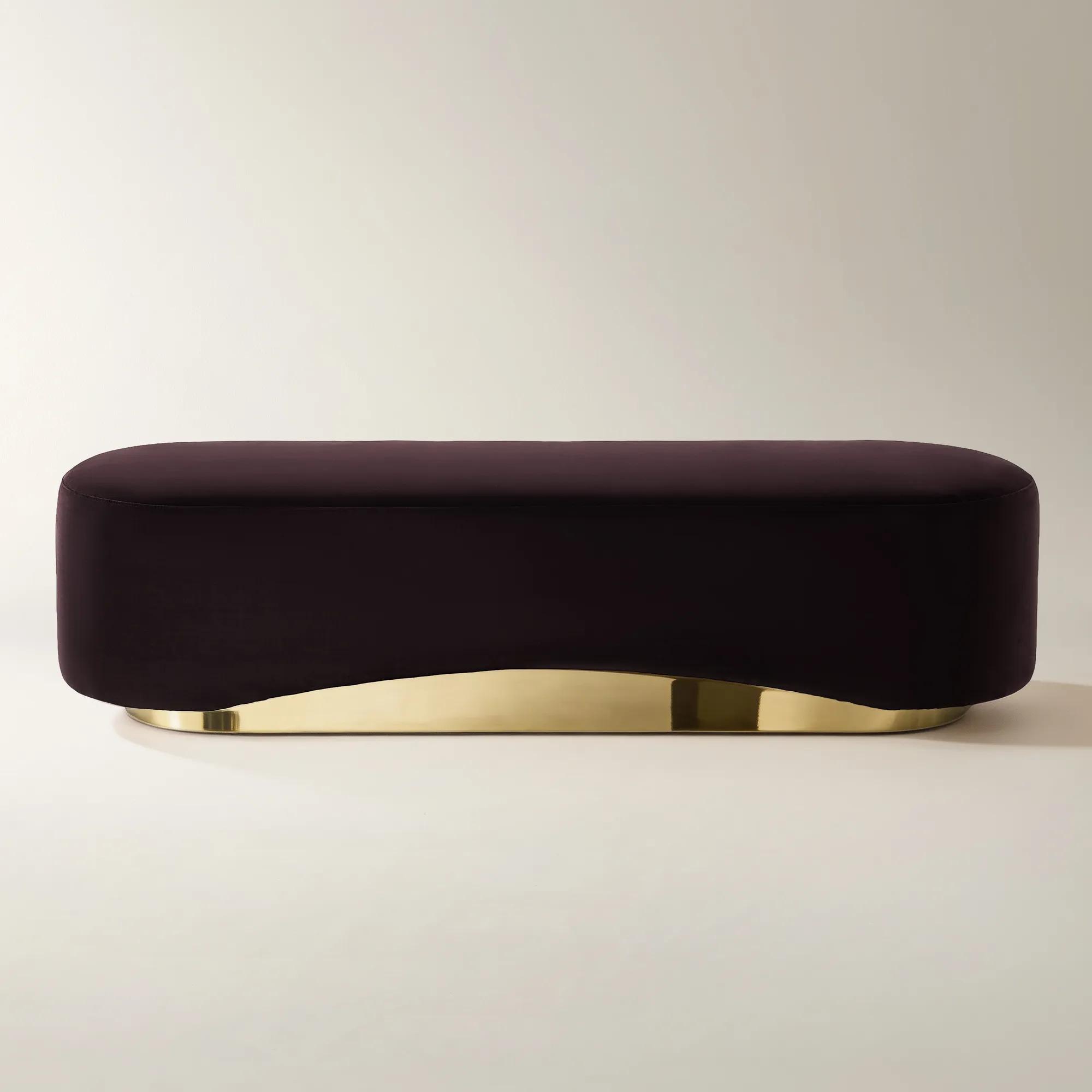 Kendra Fig Velvet Bench (70.47")$799
A plush fig velvet bench with an elongated oval silhouette and a polished gold stainless steel base.
Add To Cart -
 Micah Tan Mongolian Faux Fur Bench With Rubberwood Legs (62.6")$699
A light brown faux fur bench with a curved rubberwood base and plush high-density foam cushion.
Add To Cart -
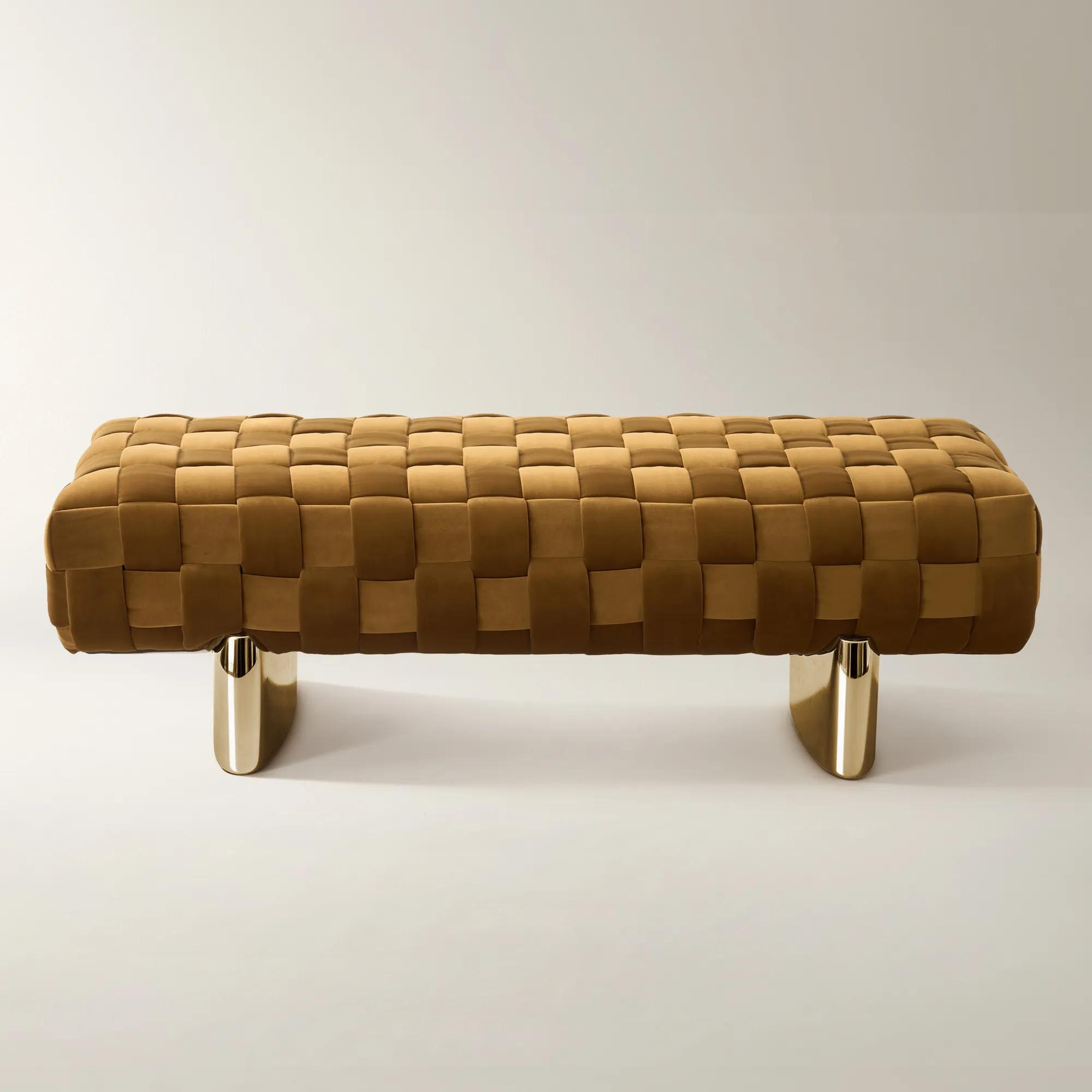
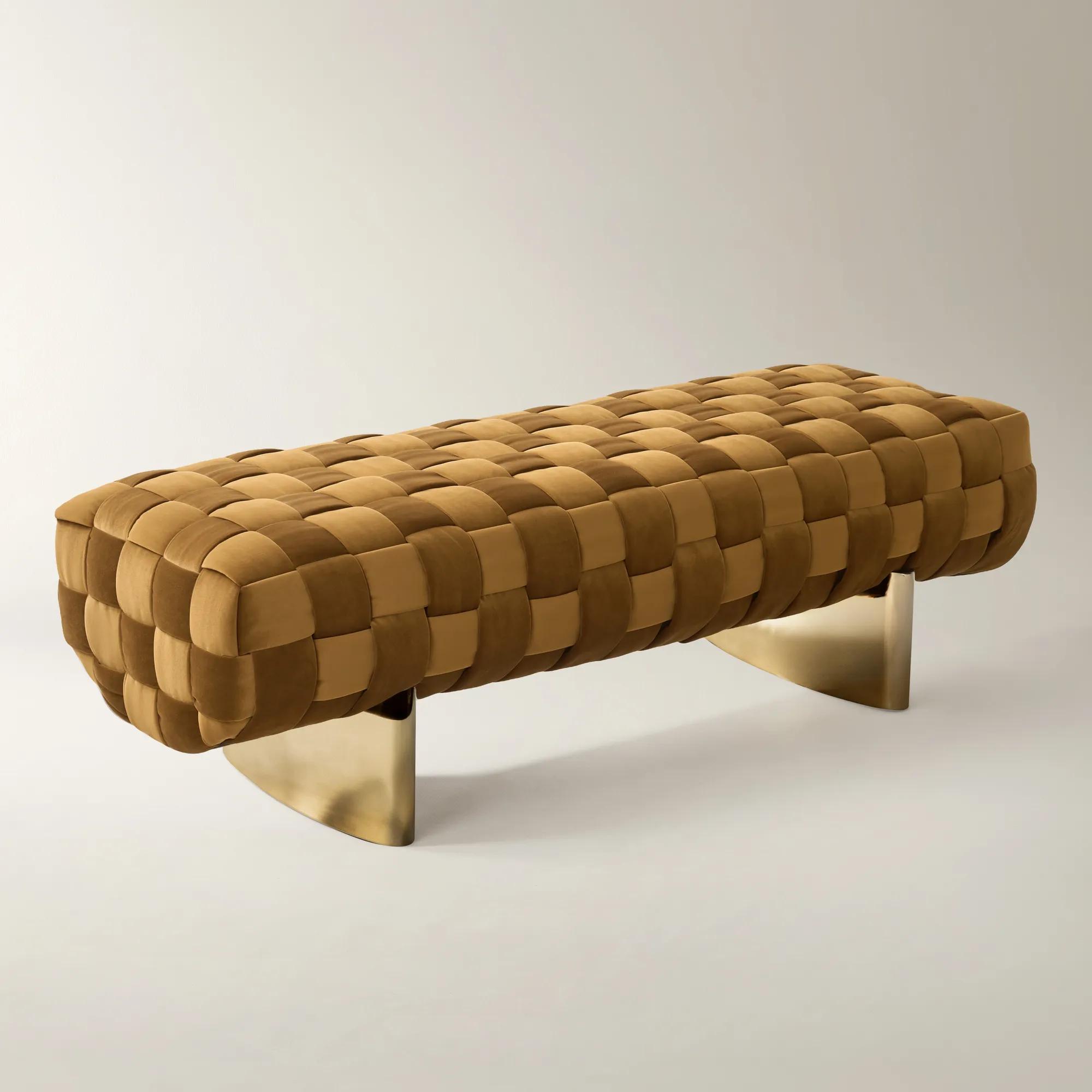 Dexter Woven Roasted Pecan Velvet Bench (64.2")$999
A woven roasted pecan velvet bench featuring plush upholstery and polished gold stainless steel legs for modern elegance.
Add To Cart -
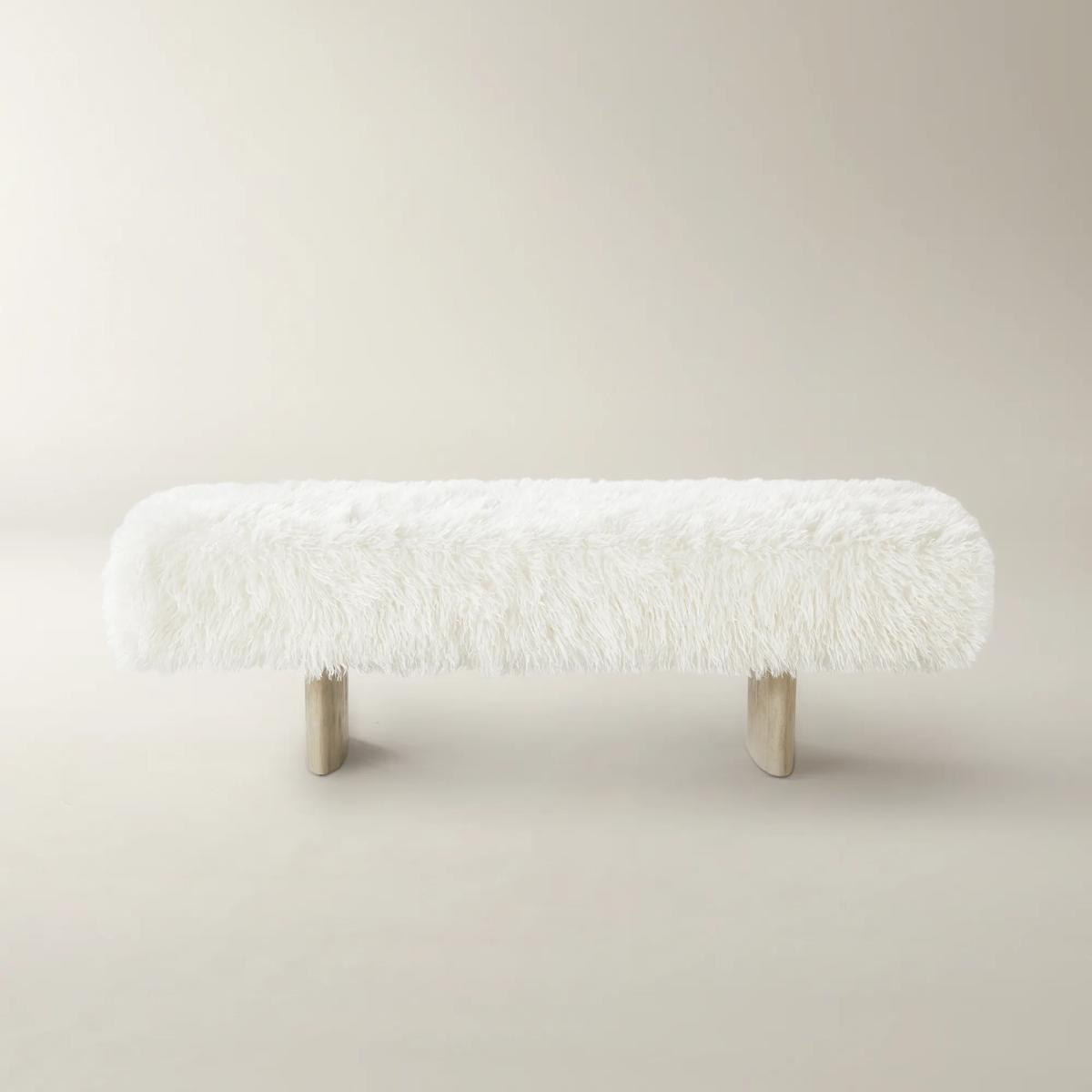 Micah Ivory Mongolian Faux Fur Bench With Rubberwood Legs (62.6")$699
An ivory faux Mongolian fur bench with high-density foam and sculptural solid rubberwood base for modern coziness.
Add To Cart -
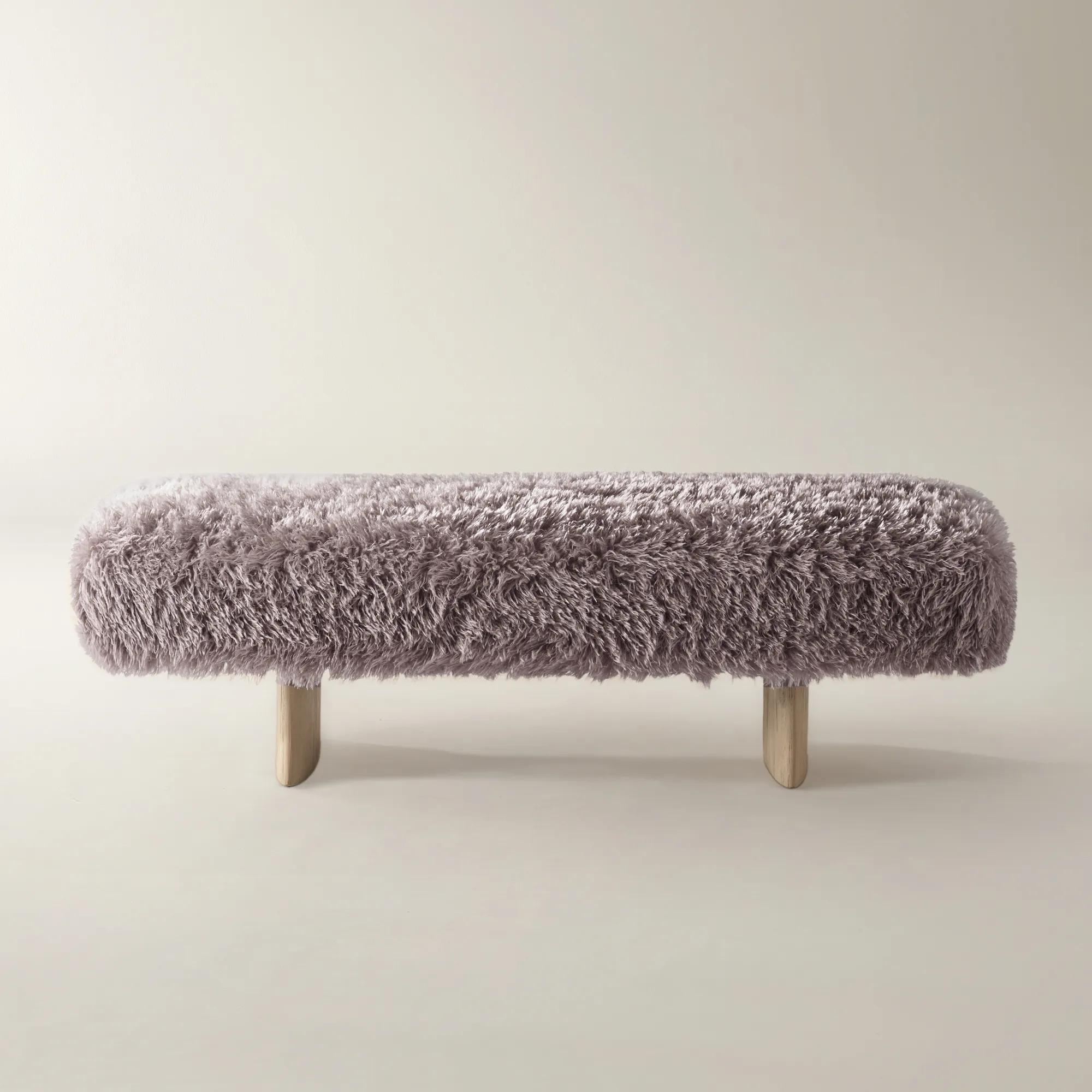
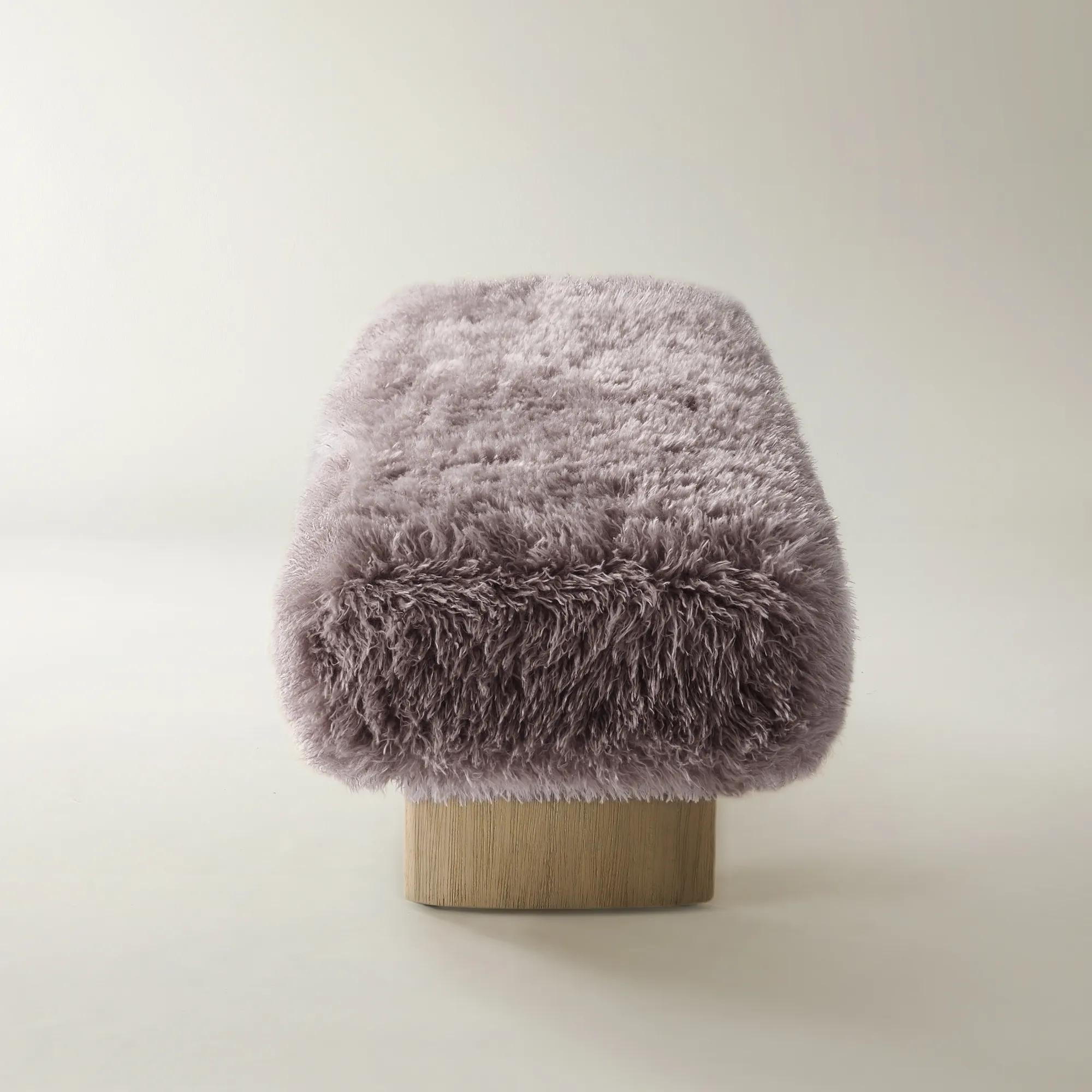 Micah Plum Truffle Mongolian Faux Fur Bench With Rubberwood Legs(62.6")$699
A sculptural bench featuring smoked plum Mongolian faux fur upholstery and warm solid rubberwood legs.
Add To Cart -
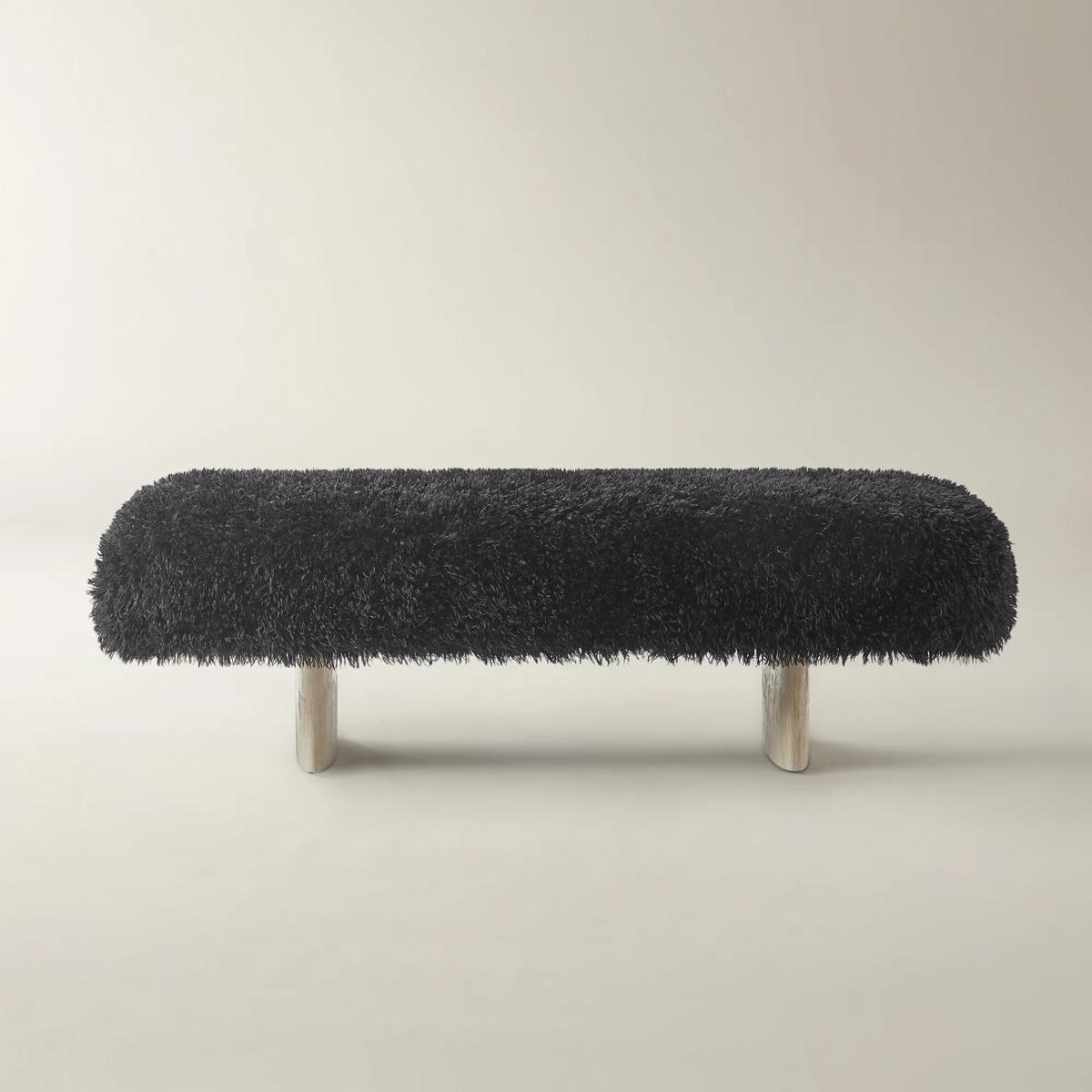 Micah Black Mongolian Fur Bench With Rubberwood Legs (62.6")$699
A striking black faux Mongolian fur bench with solid rubberwood legs for plush comfort and modern edge.
Add To Cart -
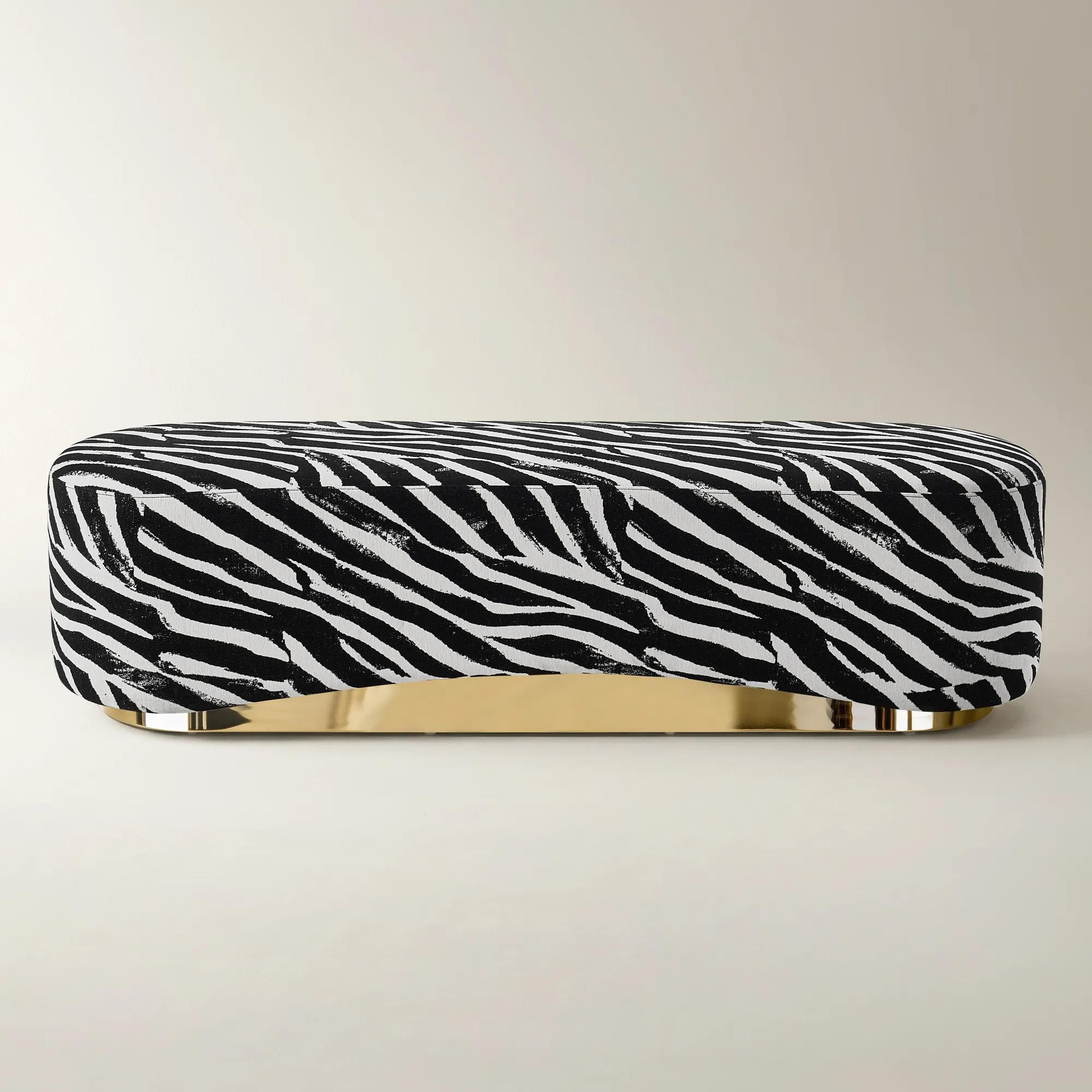
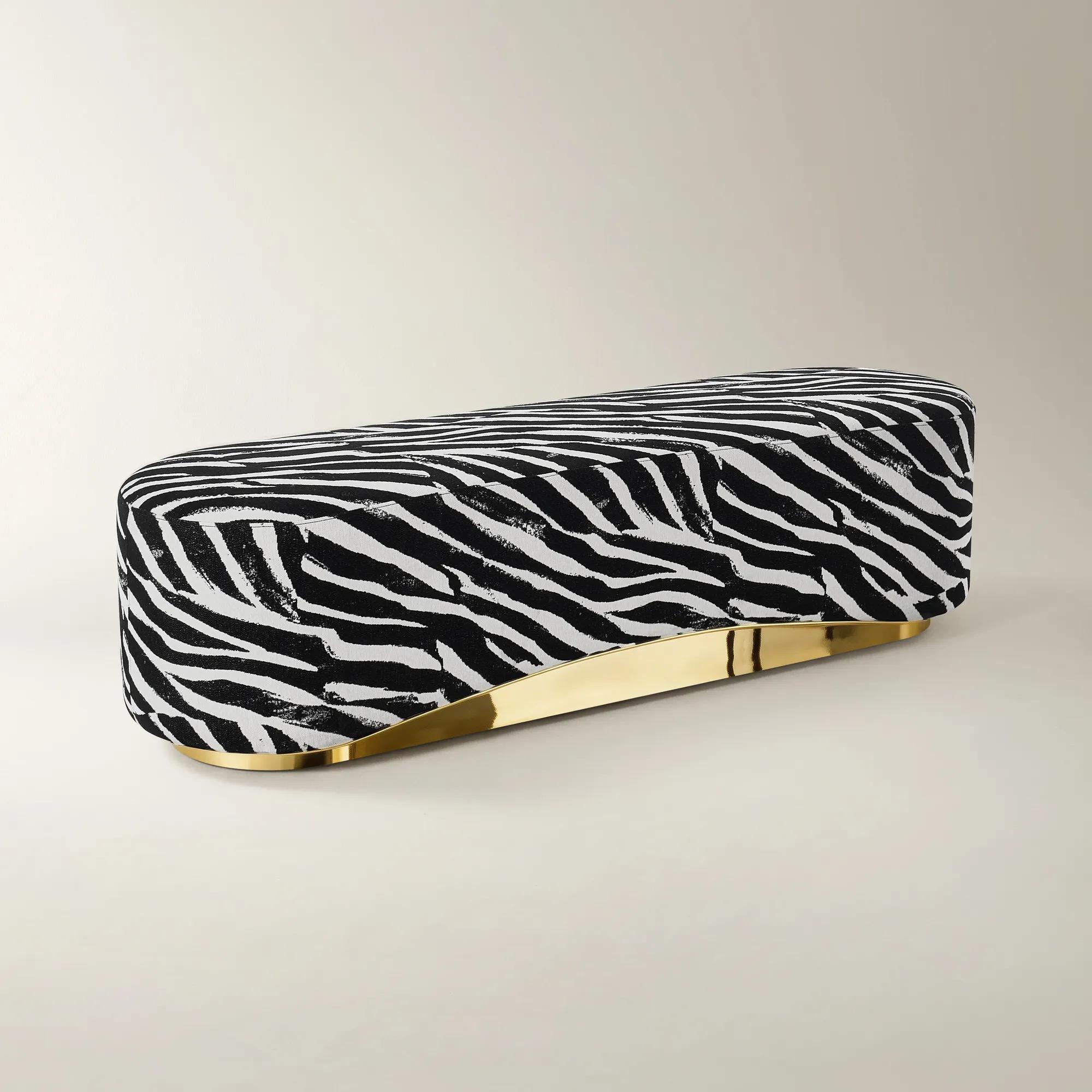 Kendra White/Black Performance Chenille Bench (70.47")$799
An elongated oval bench upholstered in white and black performance chenille with a polished gold stainless steel base.
Add To Cart -
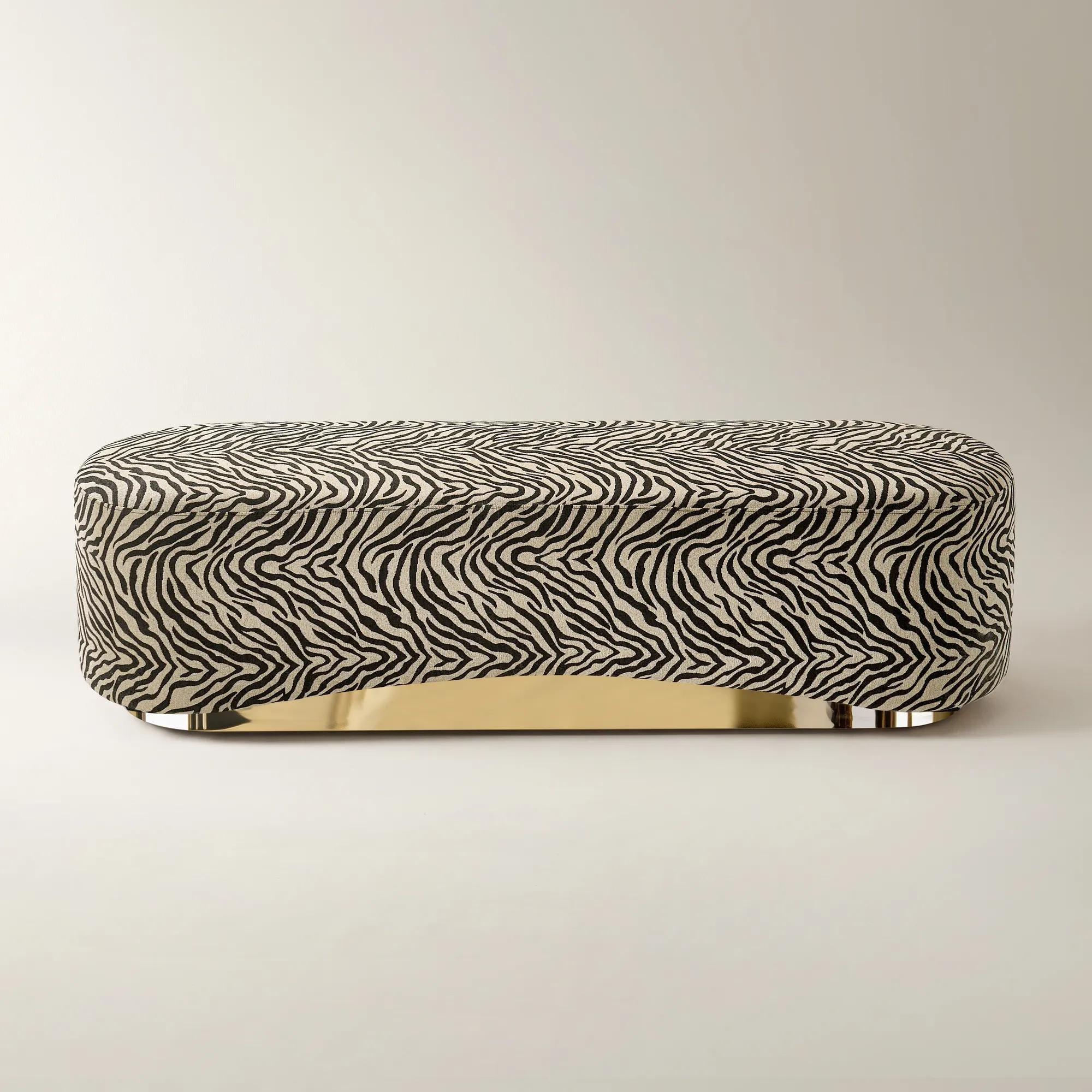
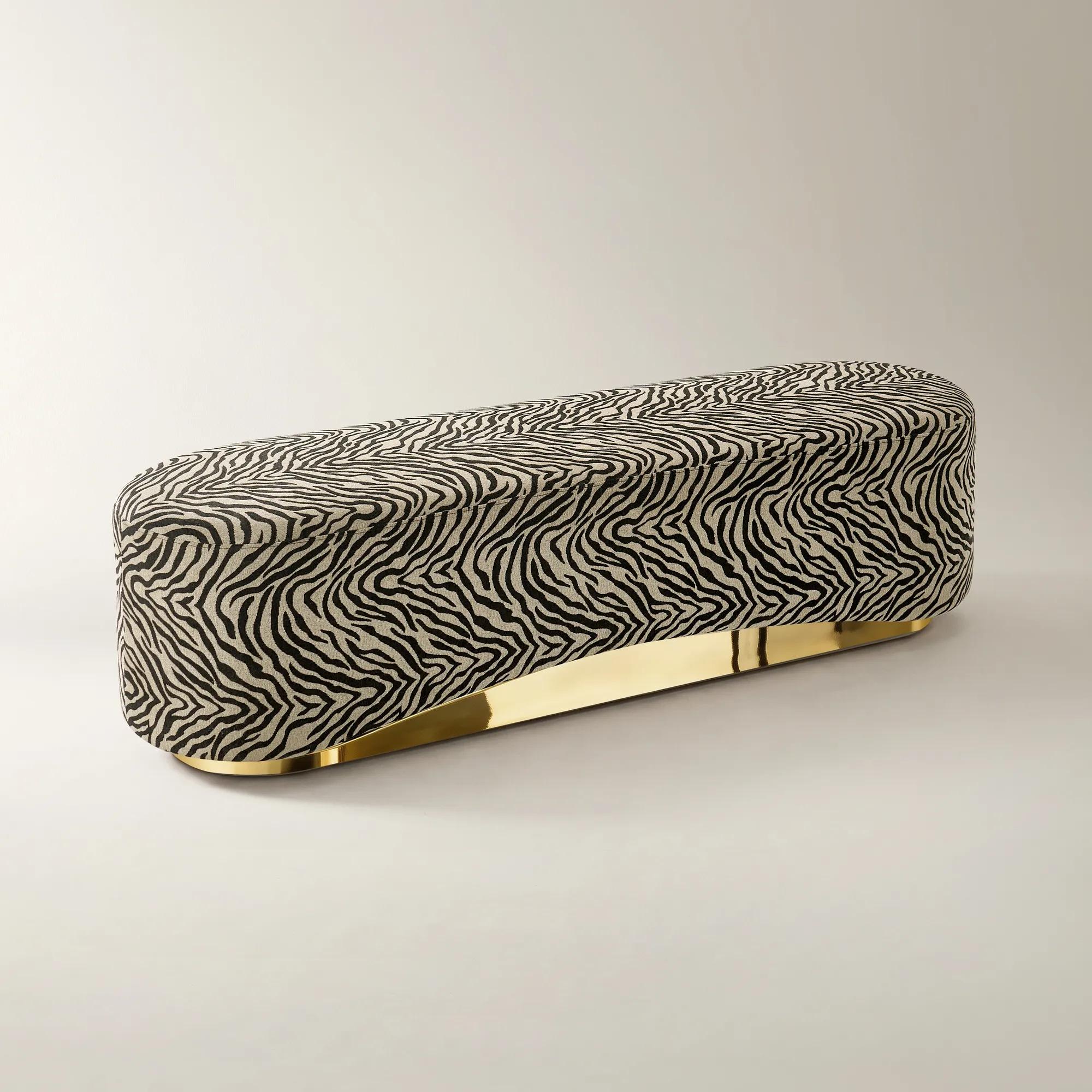 Kendra Zebra Performance Chenille Bench (70.47")$799
An elongated oval bench upholstered in textured zebra-pattern chenille with a polished gold stainless steel base.
Add To Cart -
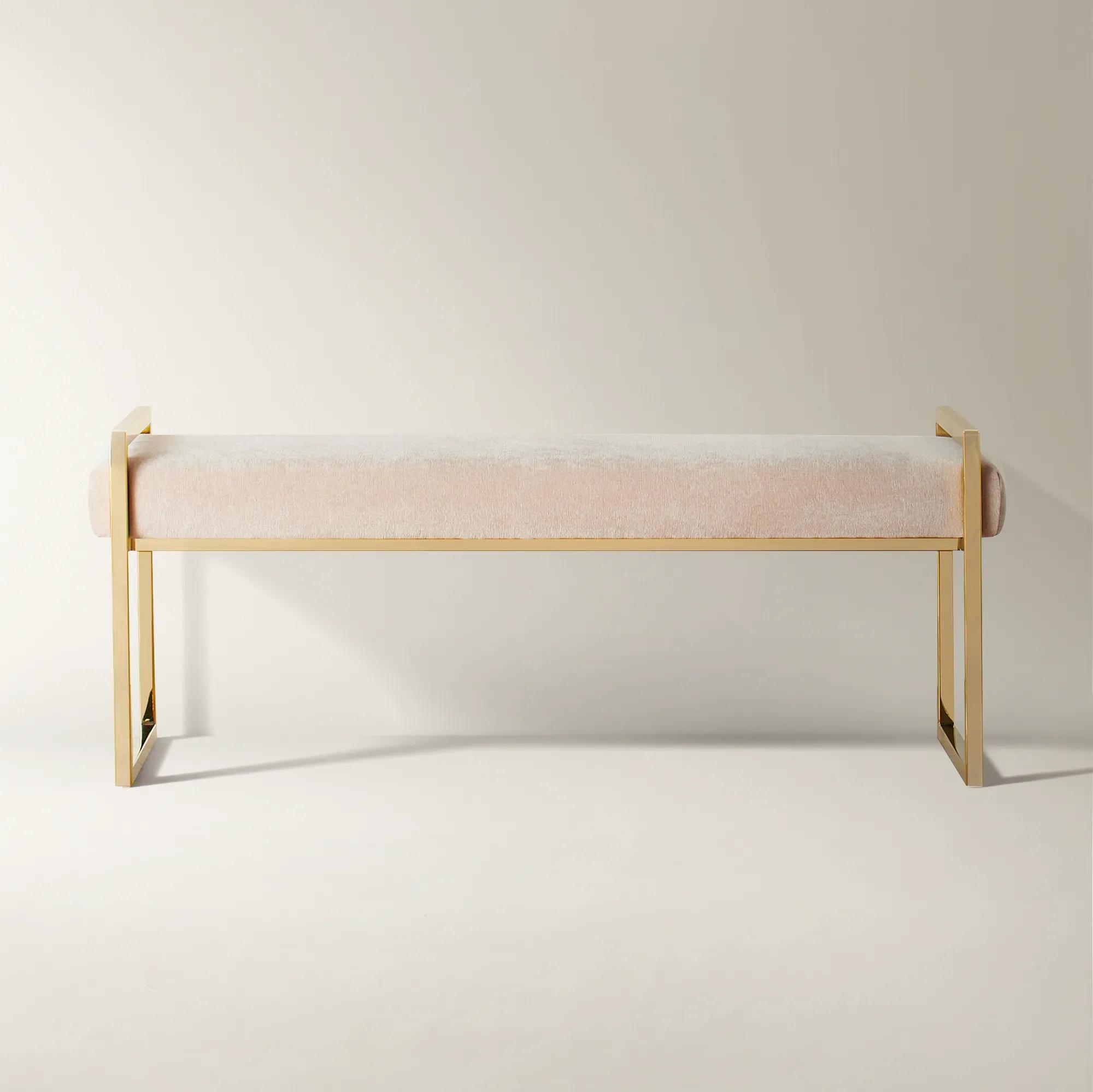 Clara Bench$699
A plush upholstered bench with a high-density foam seat and polished gold metal legs for modern elegance.
Add To Cart -
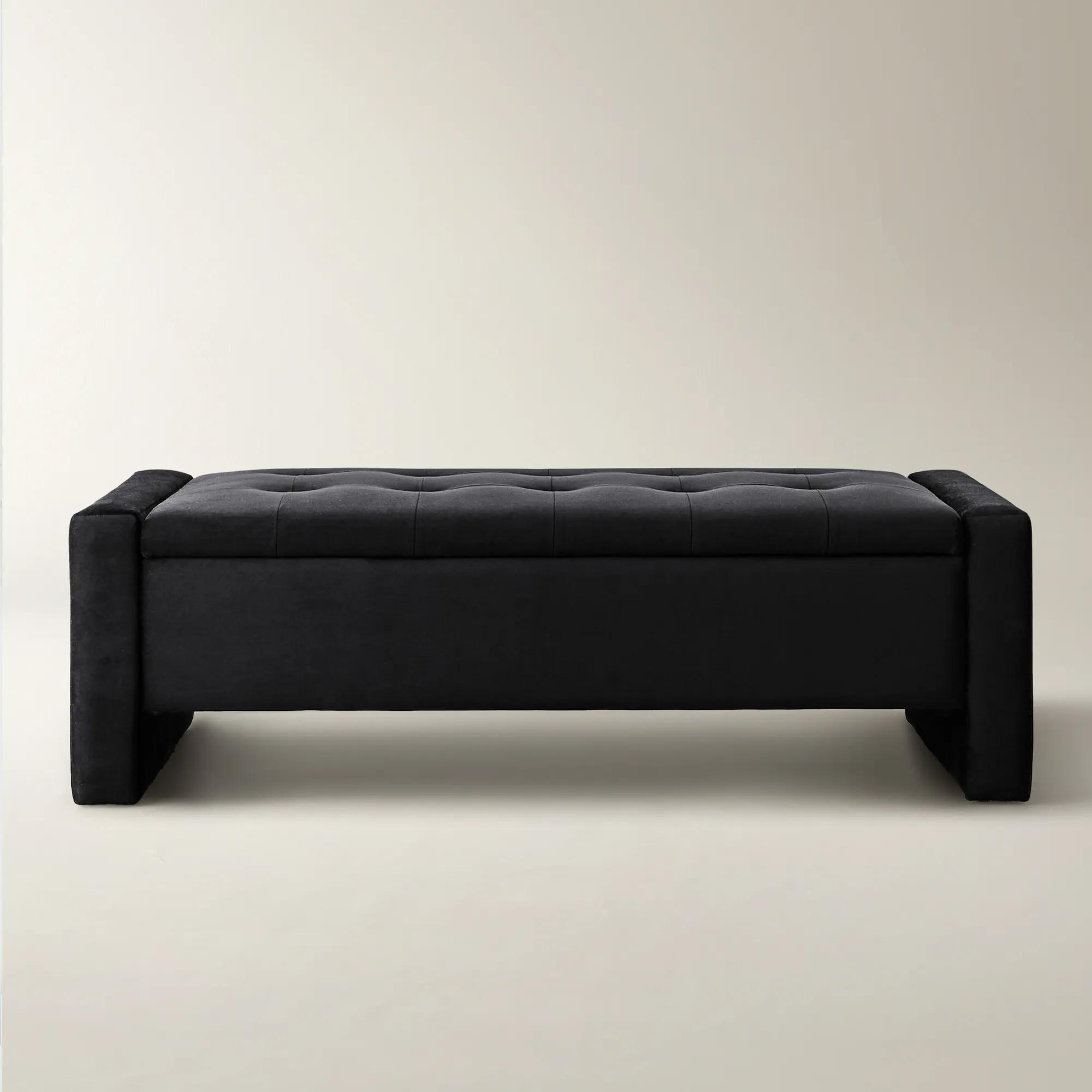
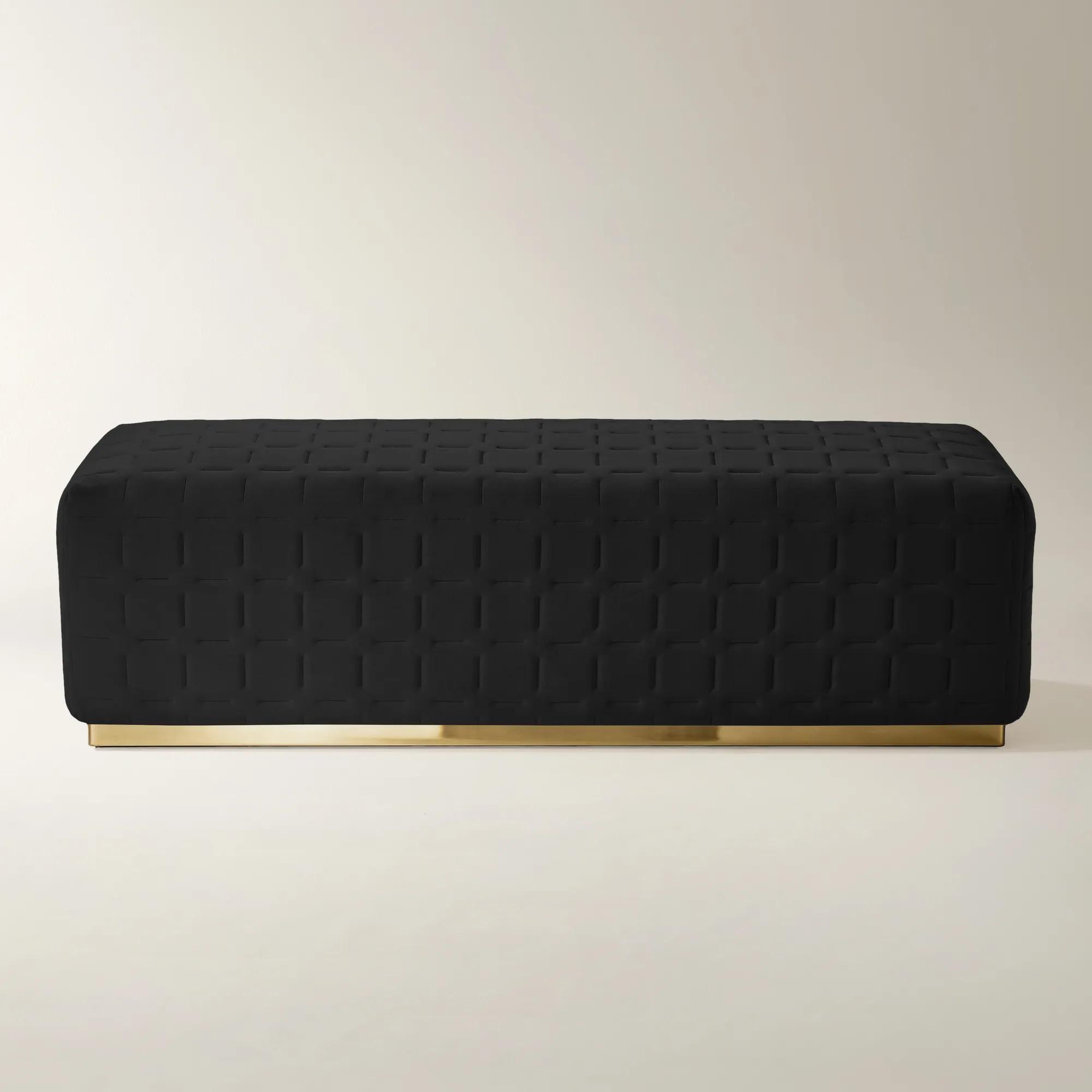 Vanta Quilted Charcoal Velvet Bench (64.6")$899
A charcoal velvet bench featuring checker quilted tufting and a gold stainless steel base for modern elegance.
Add To Cart -
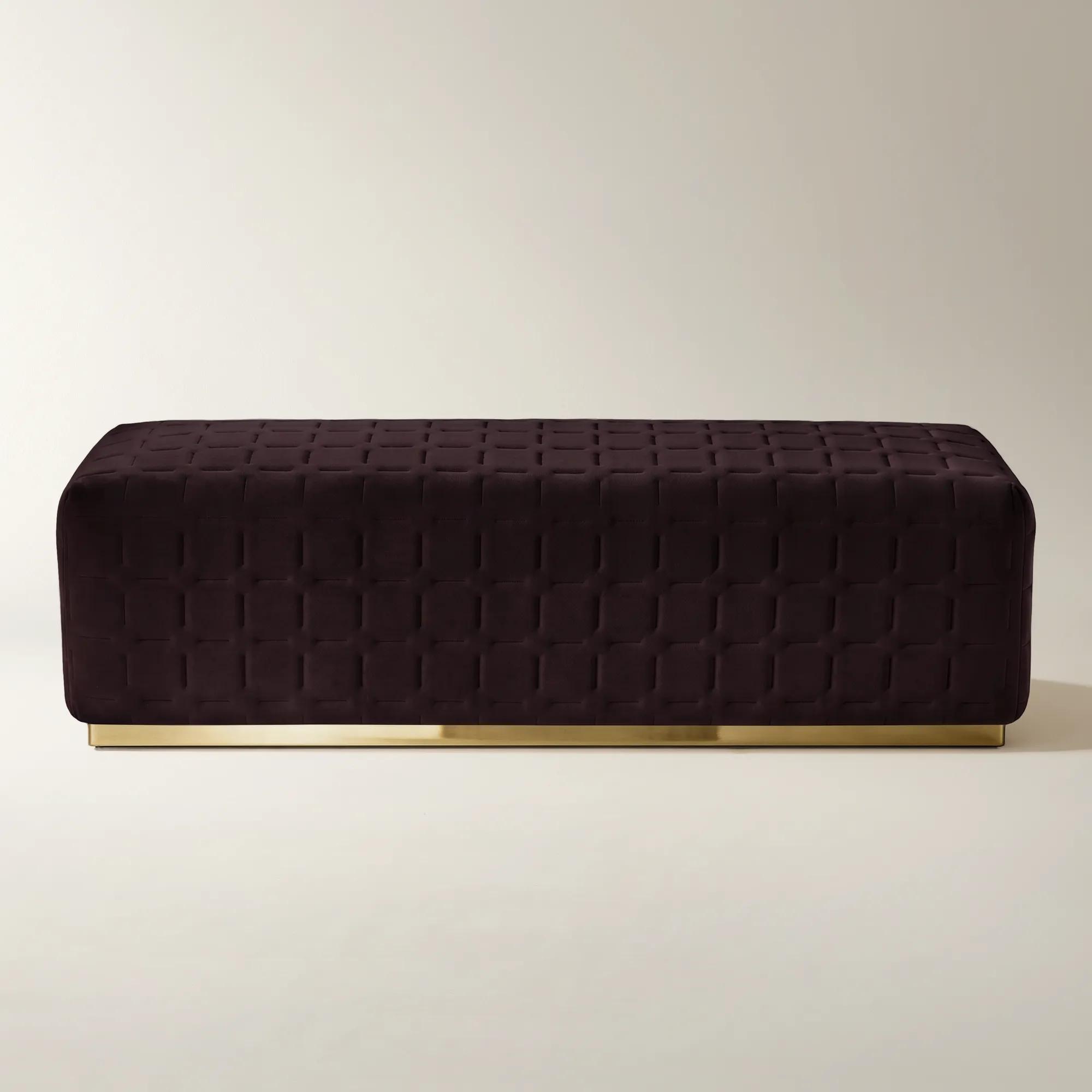
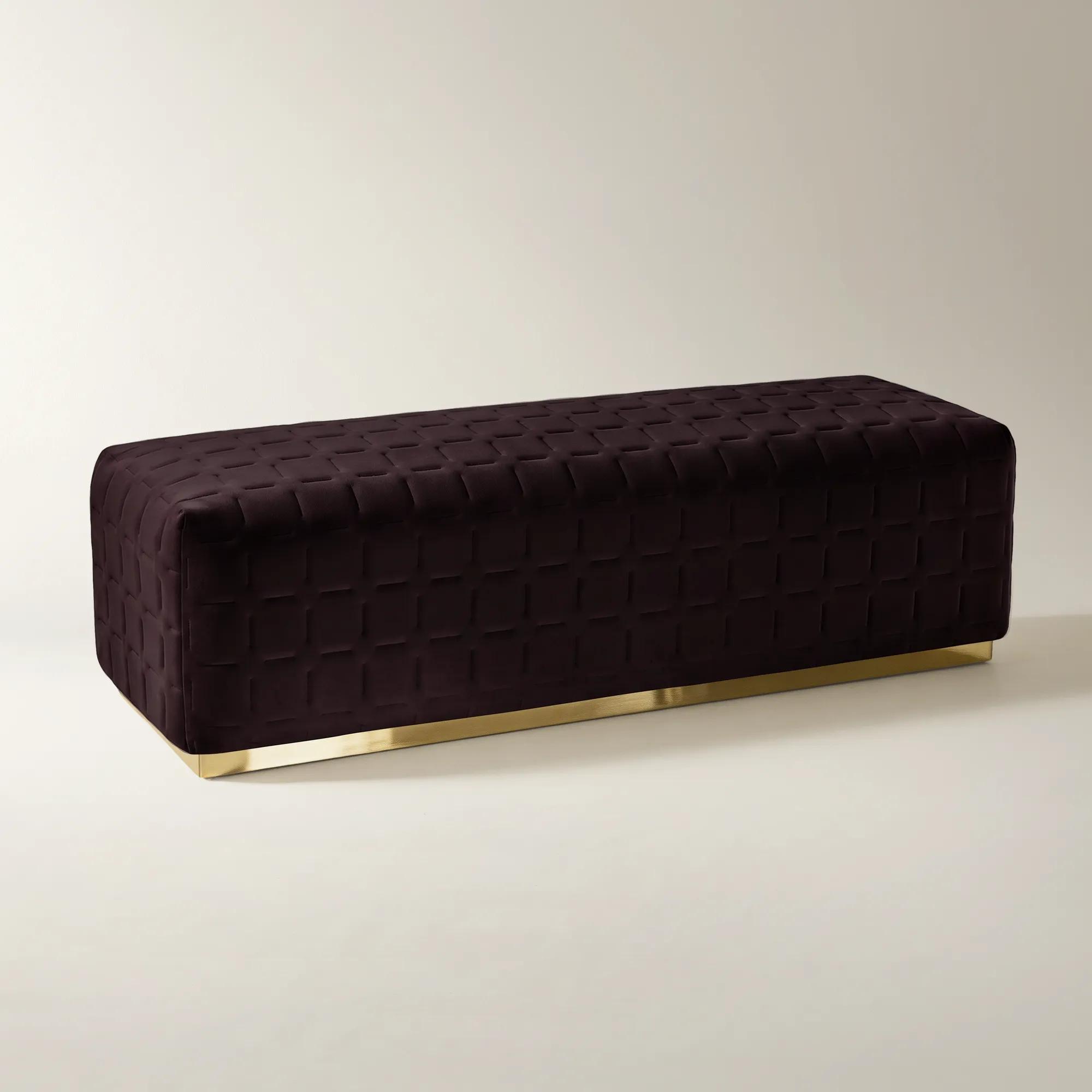 Vanta Quilted Fig Velvet Bench (64.6")$899
A plush fig velvet bench featuring checker quilted tufting and a sleek gold stainless steel base.
Add To Cart -
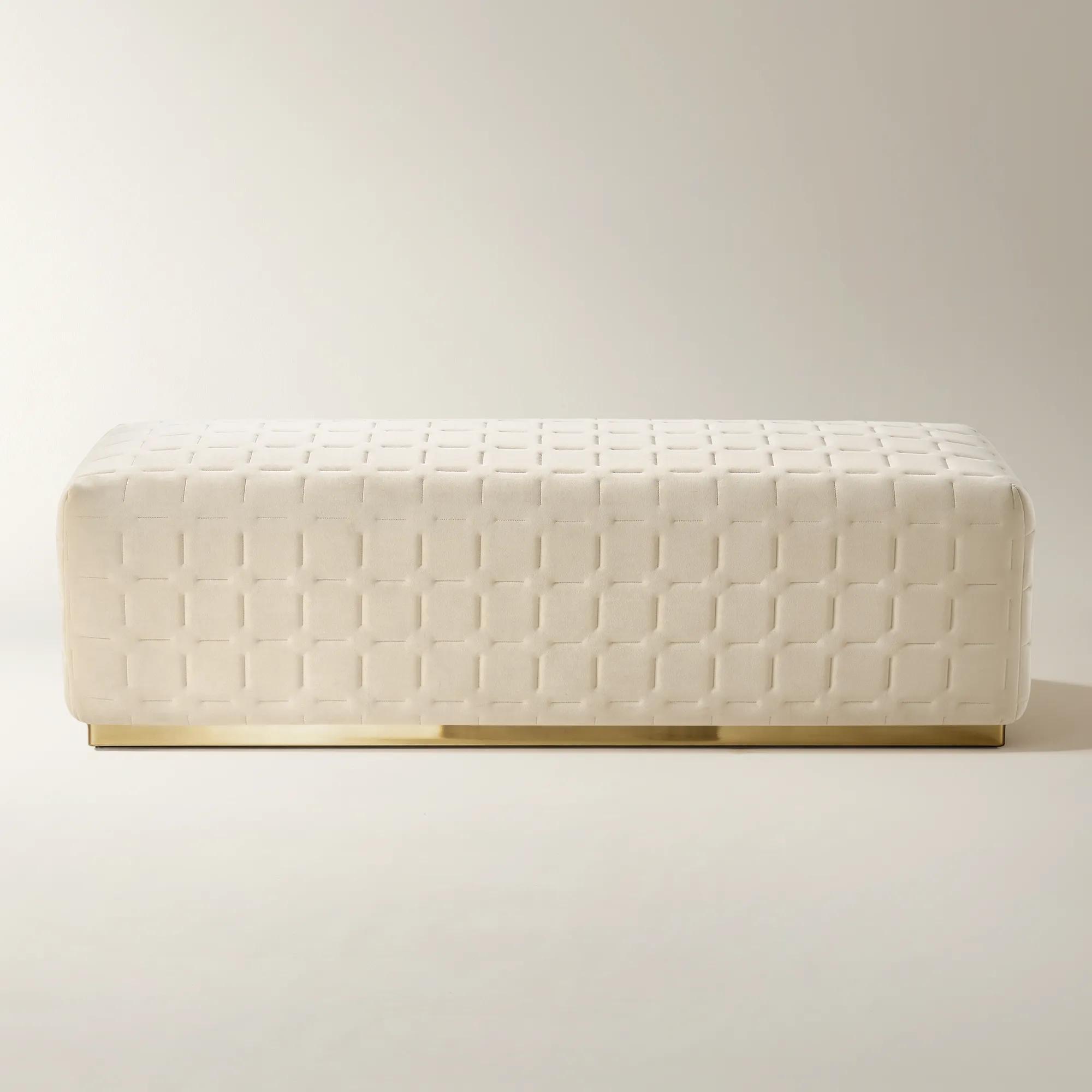
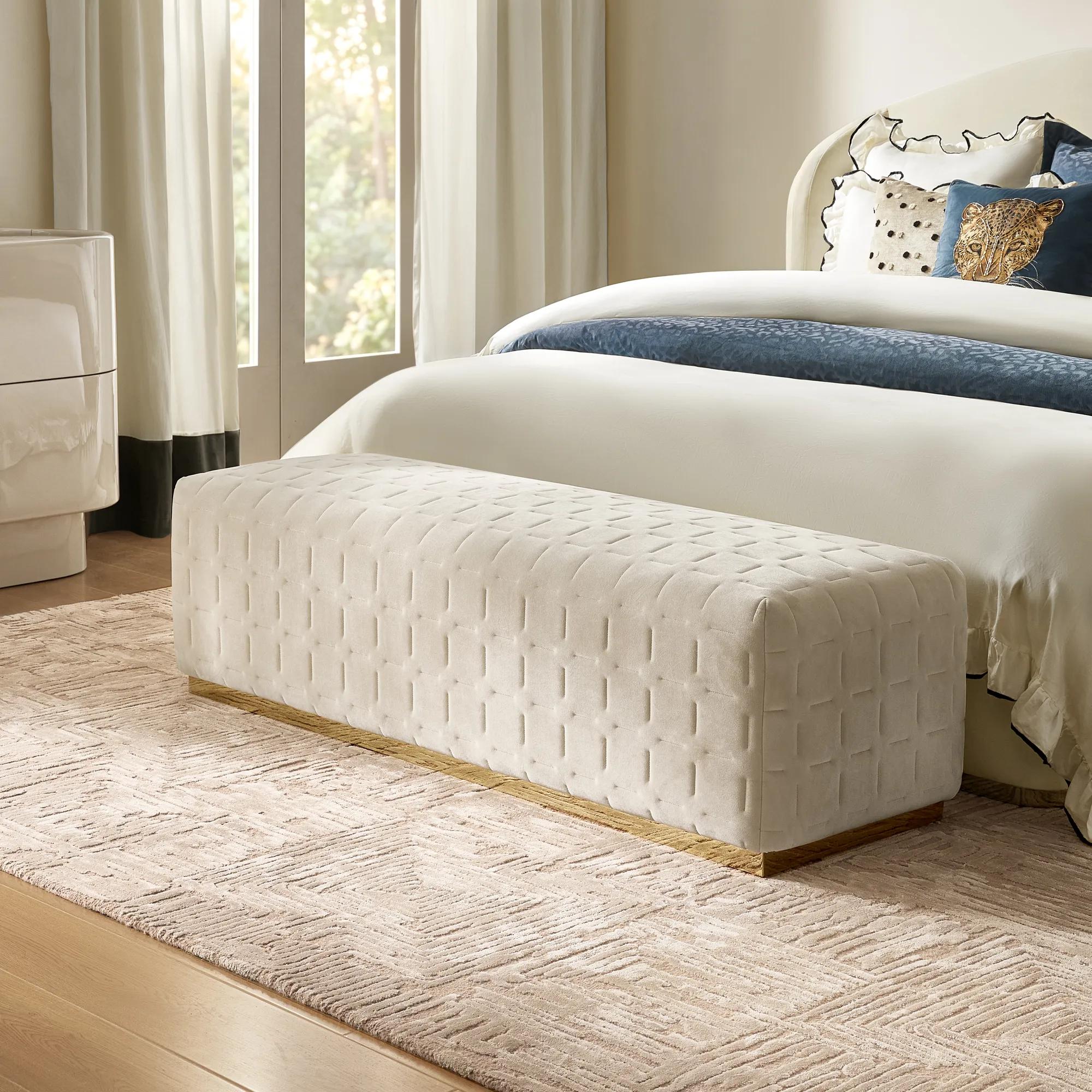 Vanta Quilted Oatmeal Velvet Bench (64.6")$899
A plush oatmeal velvet bench featuring checker quilted tufting and a sleek gold stainless steel base.
Add To Cart -
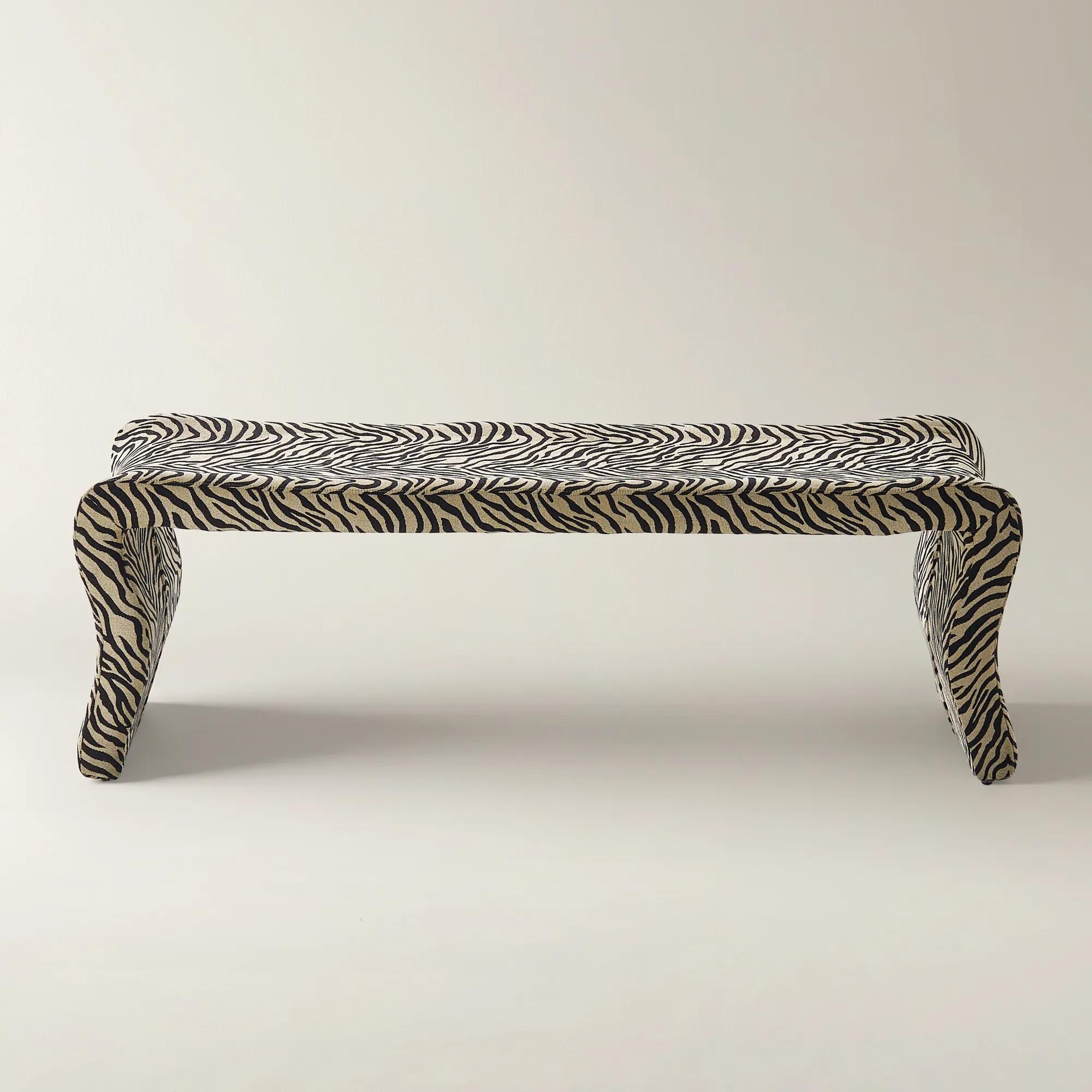 Romy Zebra Performance Chenille Bench (61.5")$899
A sculptural bench wrapped in zebra-patterned performance chenille with a wave-like silhouette and full foam construction.
Add To Cart -
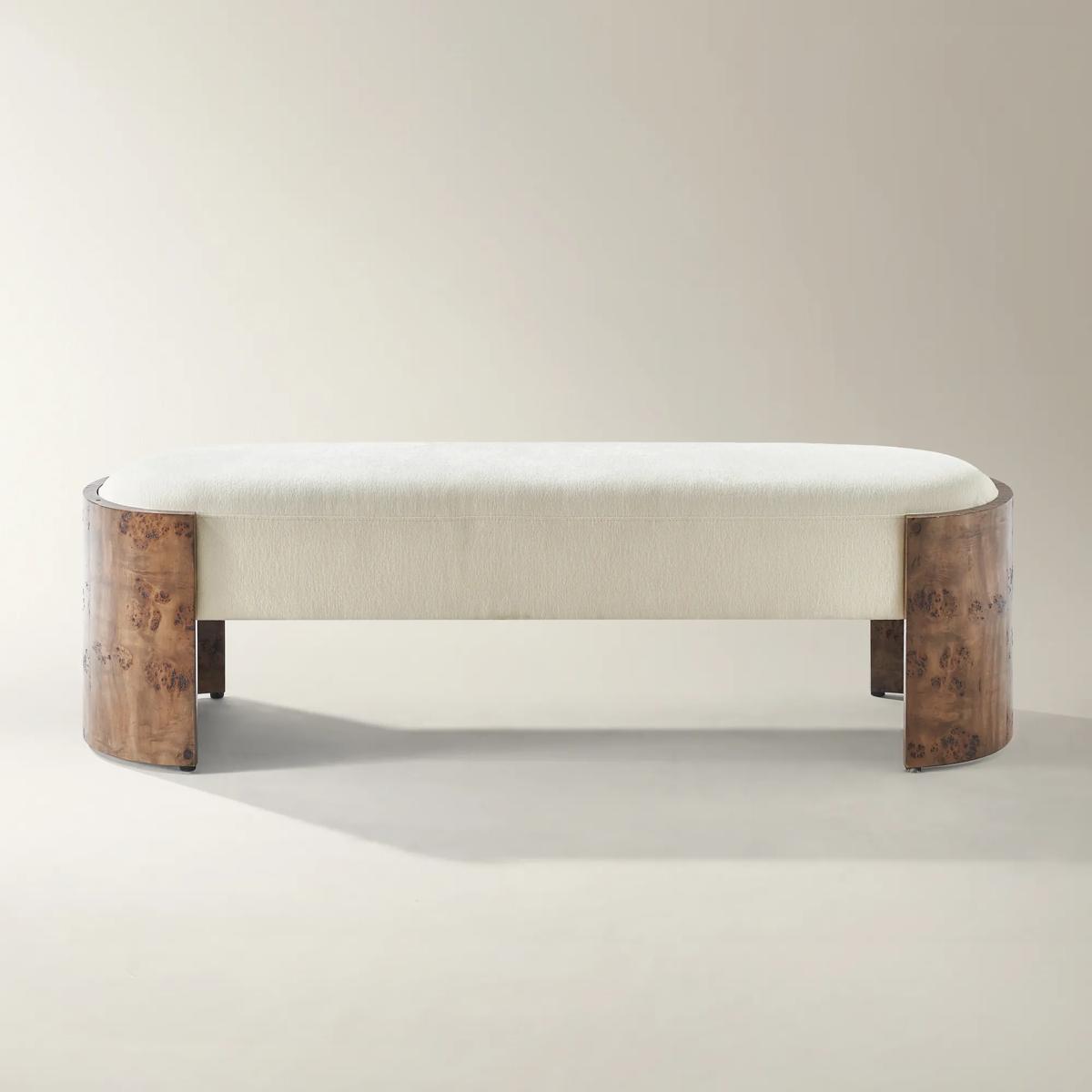 Cora Ivory Chenille With Ash Wood Bench (60.6")$999
An ivory chenille bench with curved ash burl veneer panels, blending plush comfort with striking wood artistry.
Add To Cart -
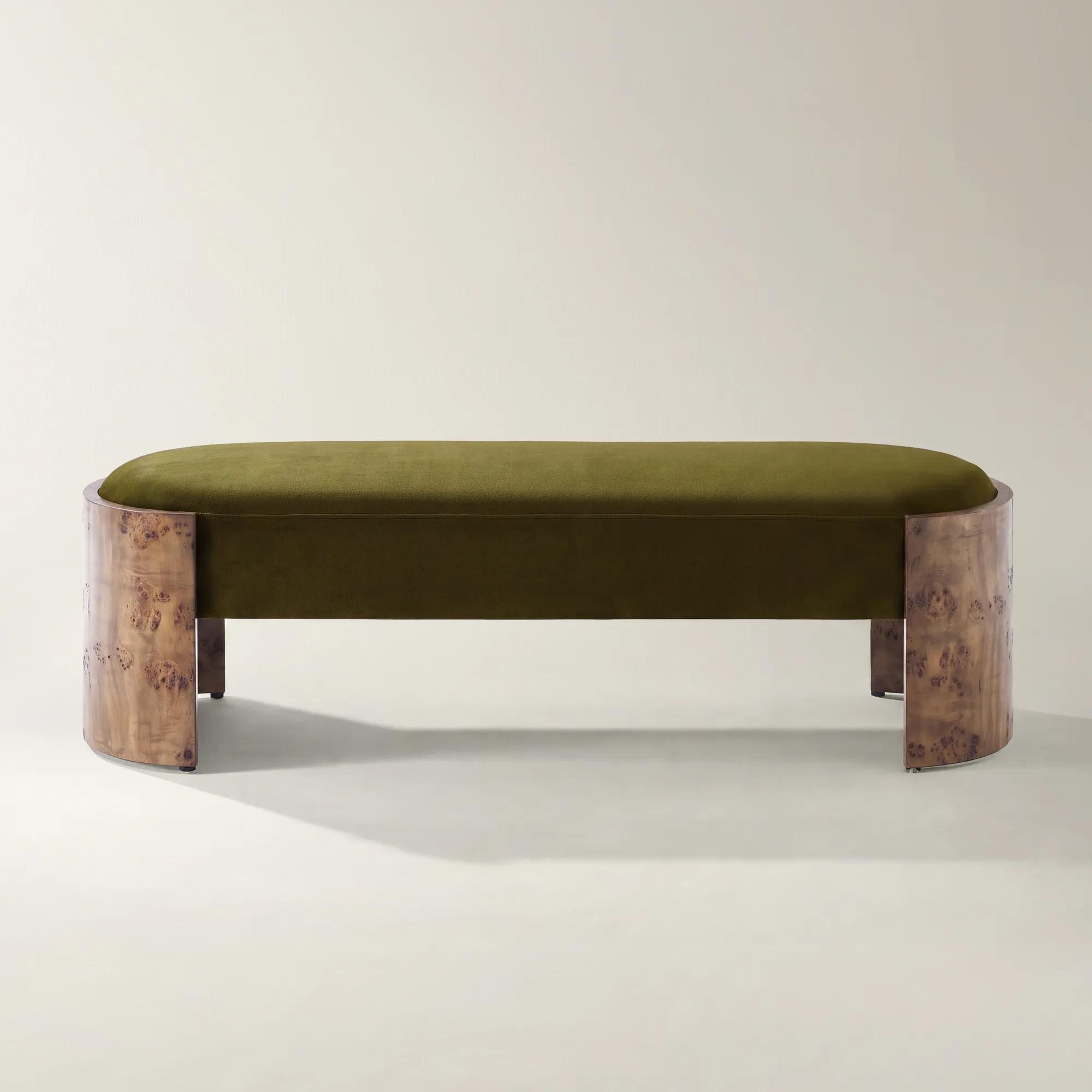
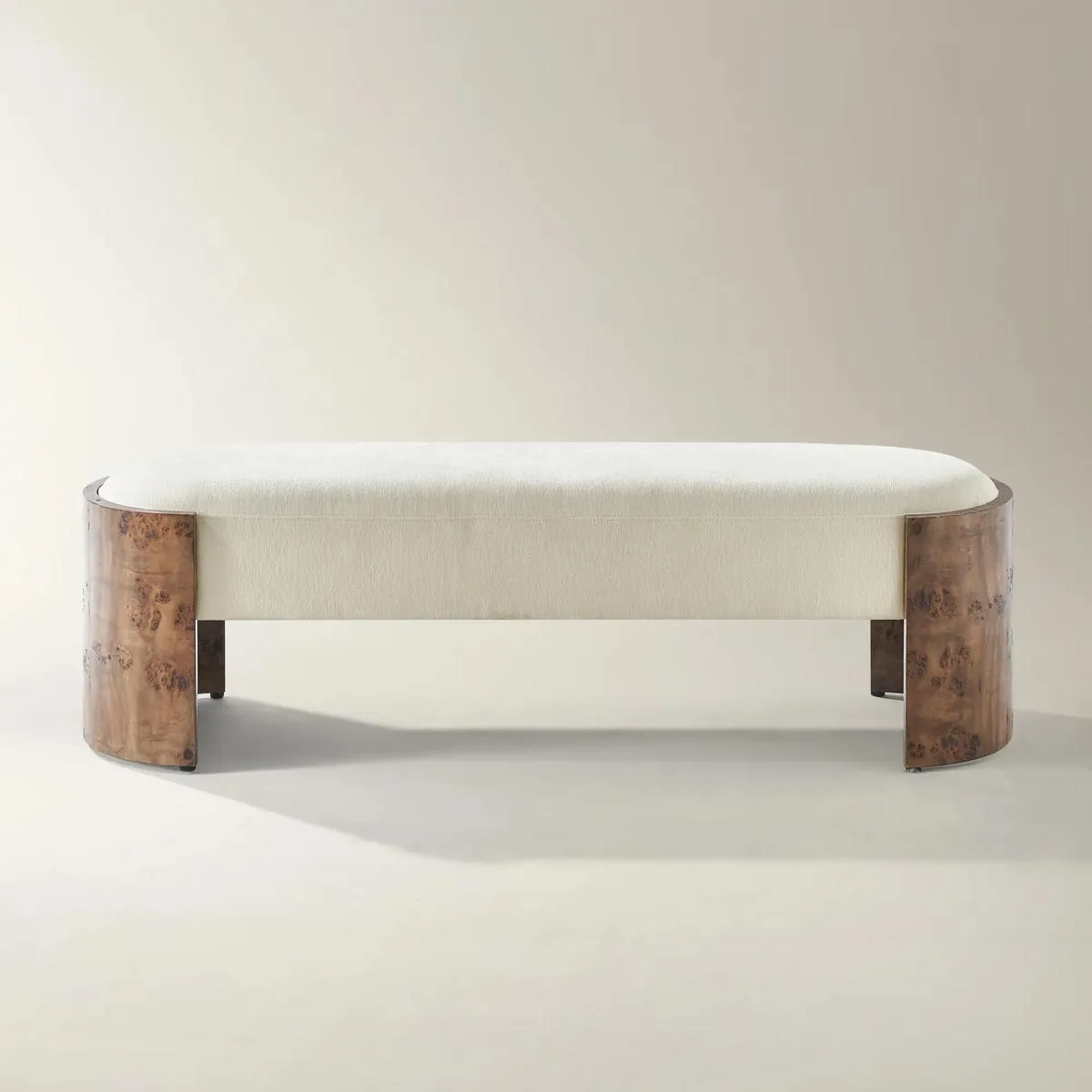 Cora Deep Olive Velvet With Ash Wood Bench (60.6")$999
A sculpted deep olive velvet bench featuring curved ash burl end panels and supportive foam cushioning.
Add To Cart -
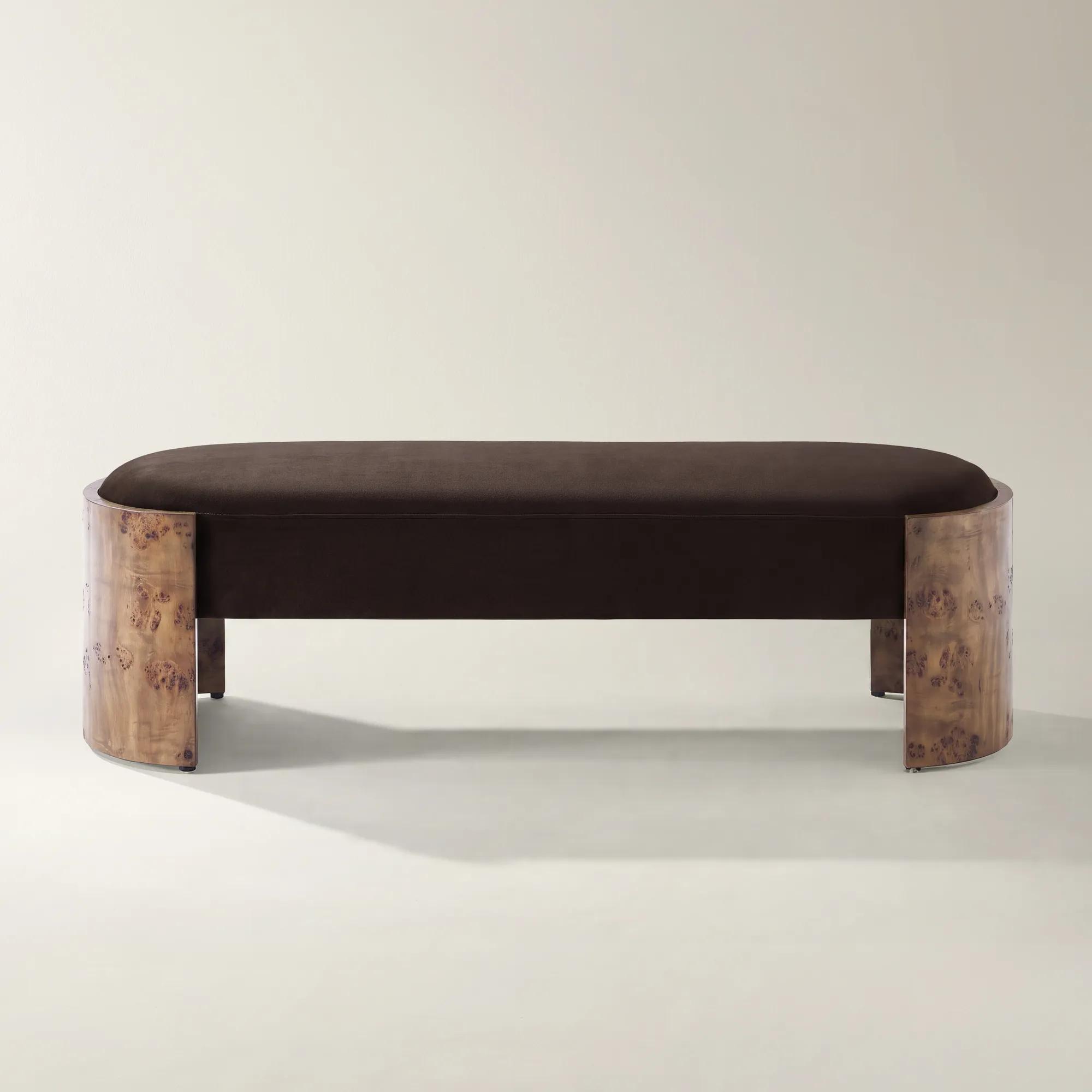 Cora Dark Chocolate Velvet With Ash Wood Bench (60.6")$999
A dark chocolate velvet bench with sculpted bookmatched ash burl end panels and high-resiliency foam cushioning.
Add To Cart -
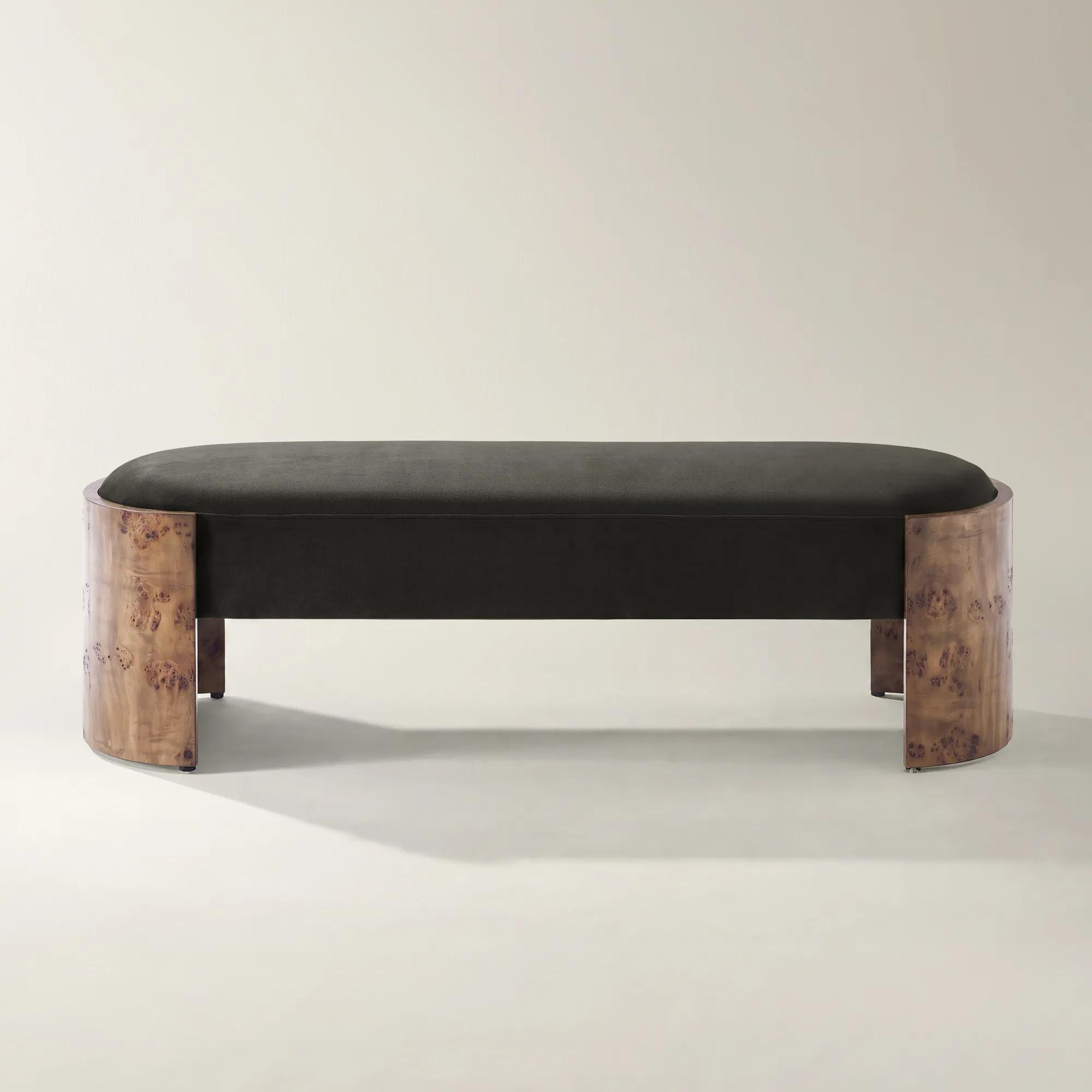 Cora Charcoal Velvet With Ash Wood Bench (60.6")$999
A sculpted charcoal velvet bench with curved bookmatched ash burl panels and supportive foam cushioning.
Add To Cart -
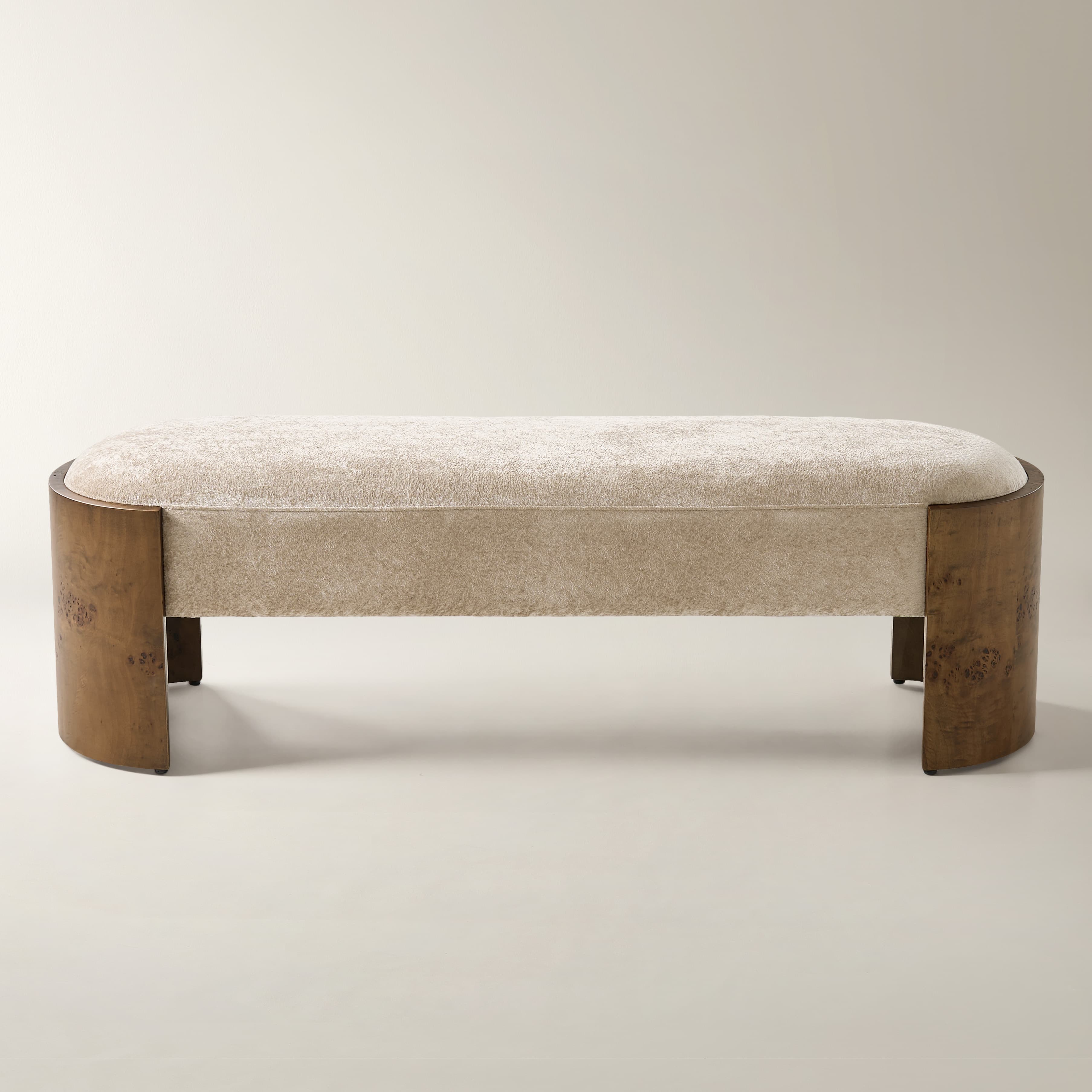 Cora Light Brown Chenille With Ash Wood Bench (60.6")$999
A light brown chenille bench with curved ash burl veneer panels, blending plush comfort and organic artistry.
Add To Cart -
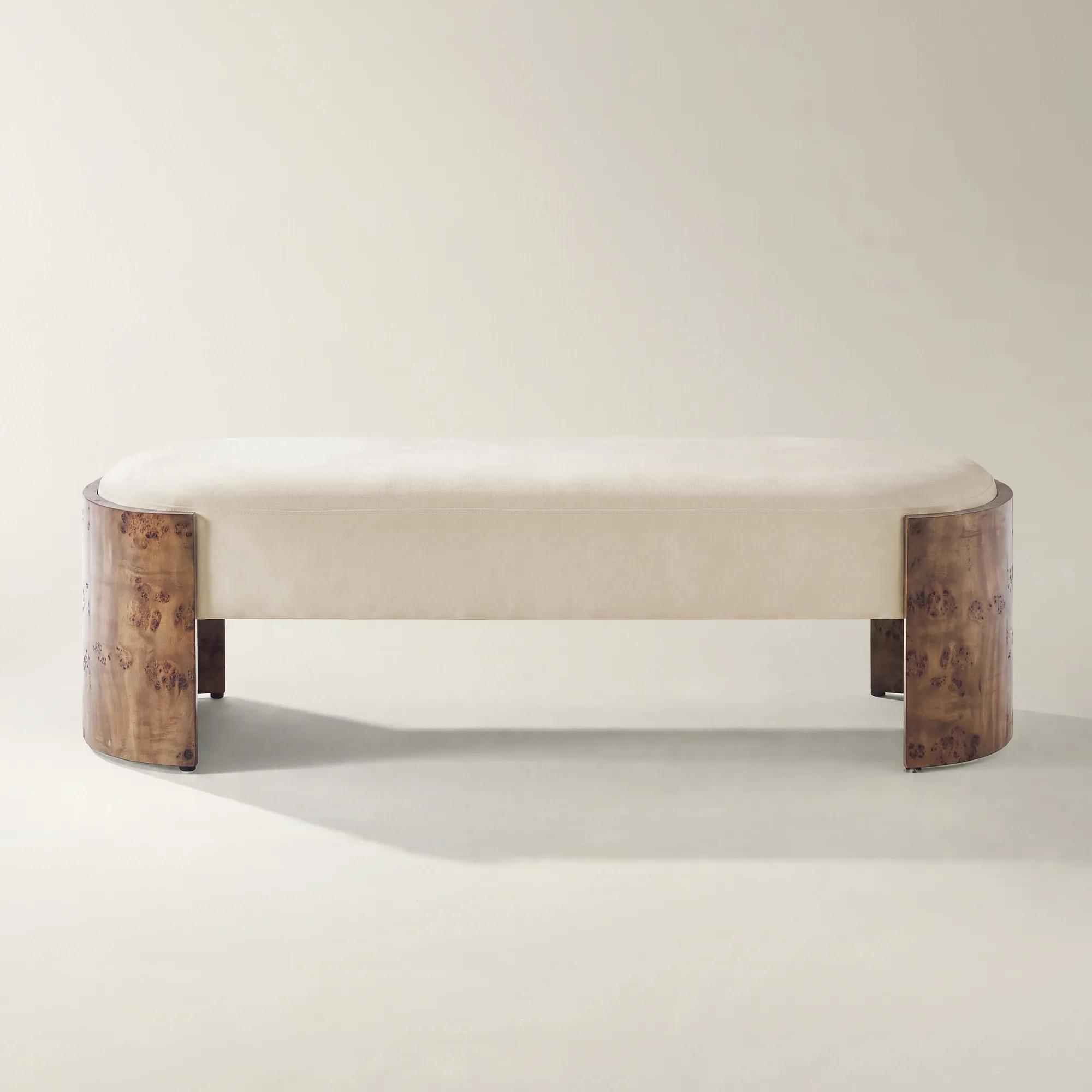 Cora Oatmeal Velvet With Ash Wood Bench (60.6")$999
A sculptural oatmeal velvet bench with curved ash burl wood panels and supportive foam cushioning.
Add To Cart -
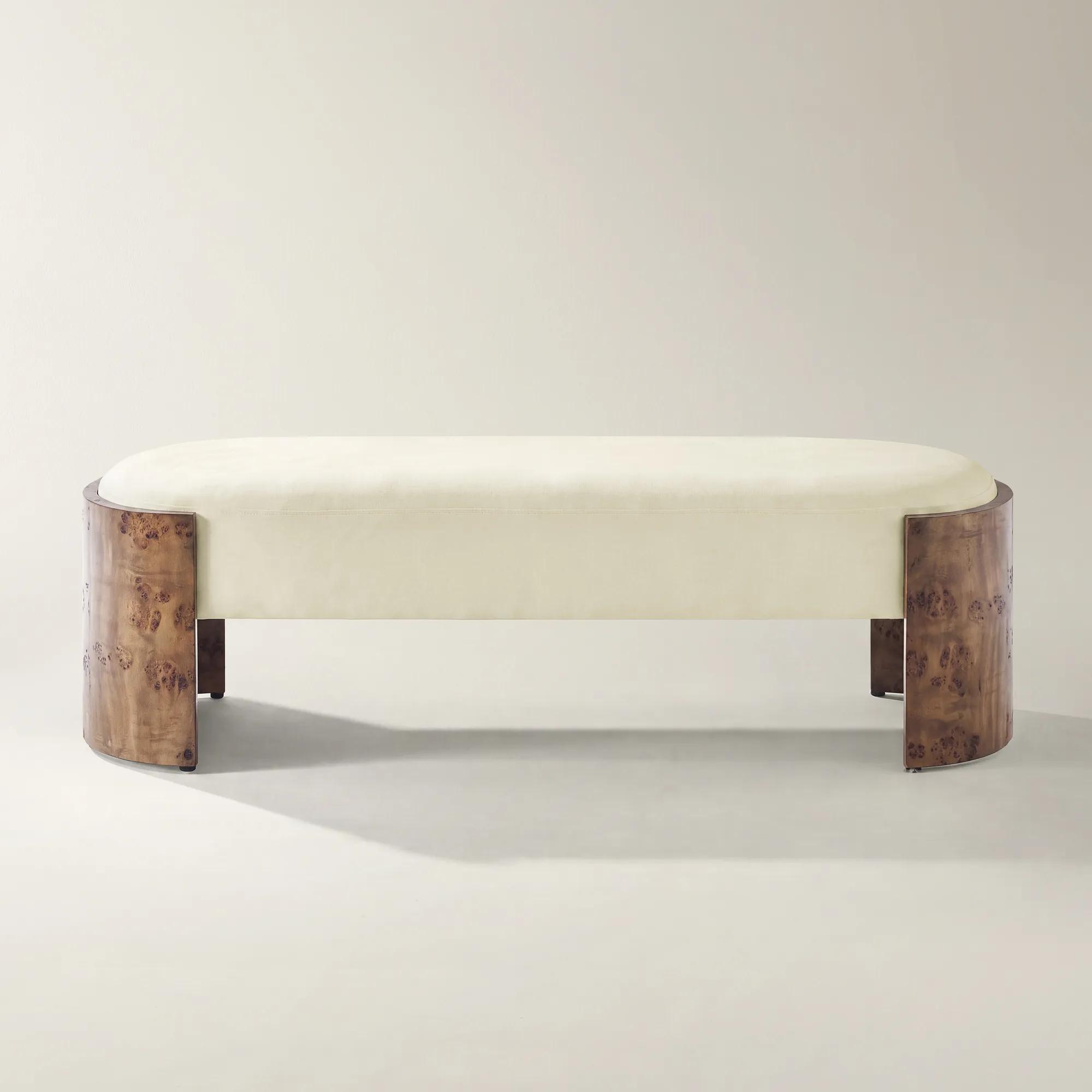 Cora Cloud Velvet With Ash Wood Bench (60.6")$999
A cloud velvet bench with bookmatched ash burl panels and supportive foam cushioning.
Add To Cart -
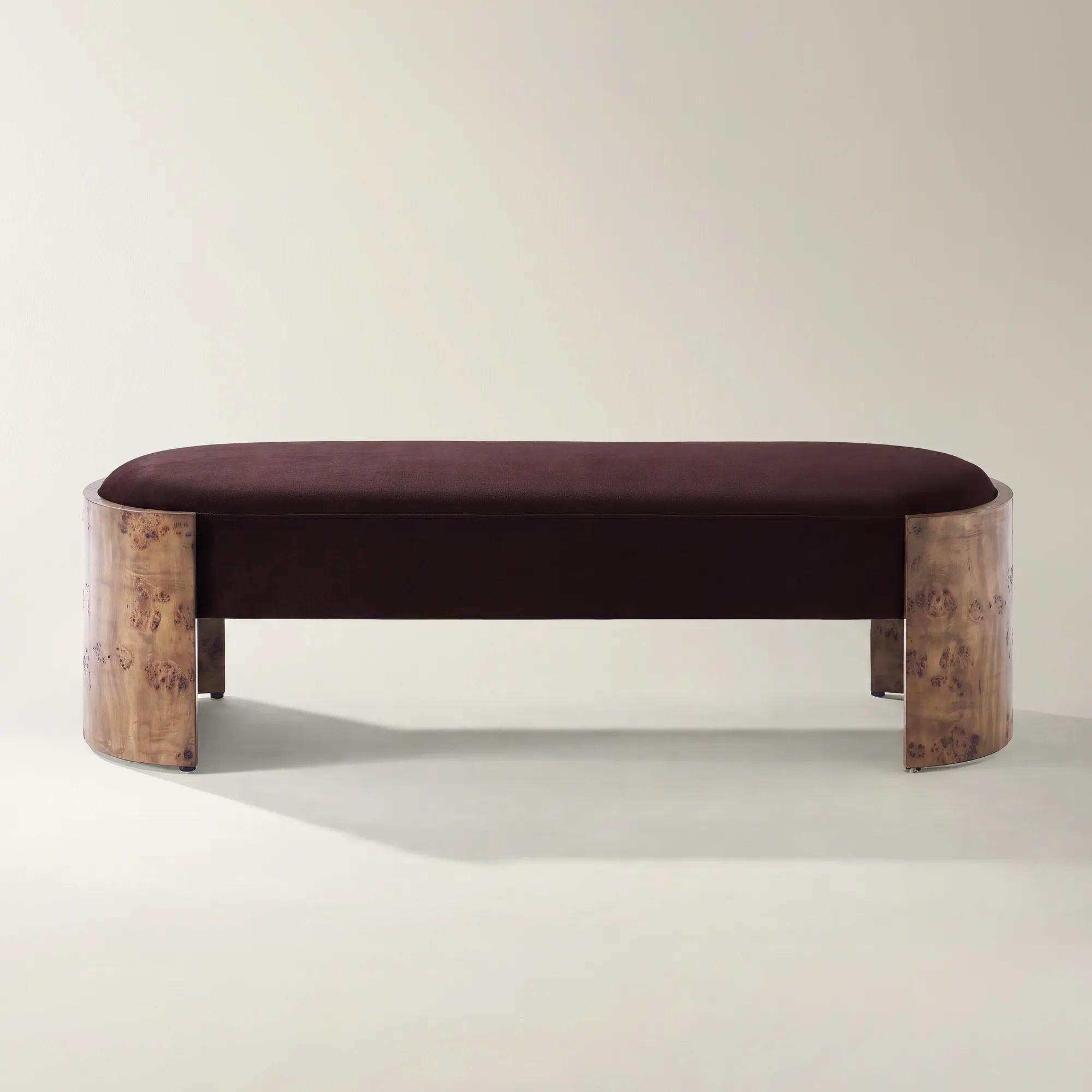 Cora Fig Velvet With Ash Wood Bench (60.6")$999
A sculptural bench with fig velvet upholstery, bookmatched ash burl panels, and supportive high-resiliency foam cushioning.
Add To Cart -
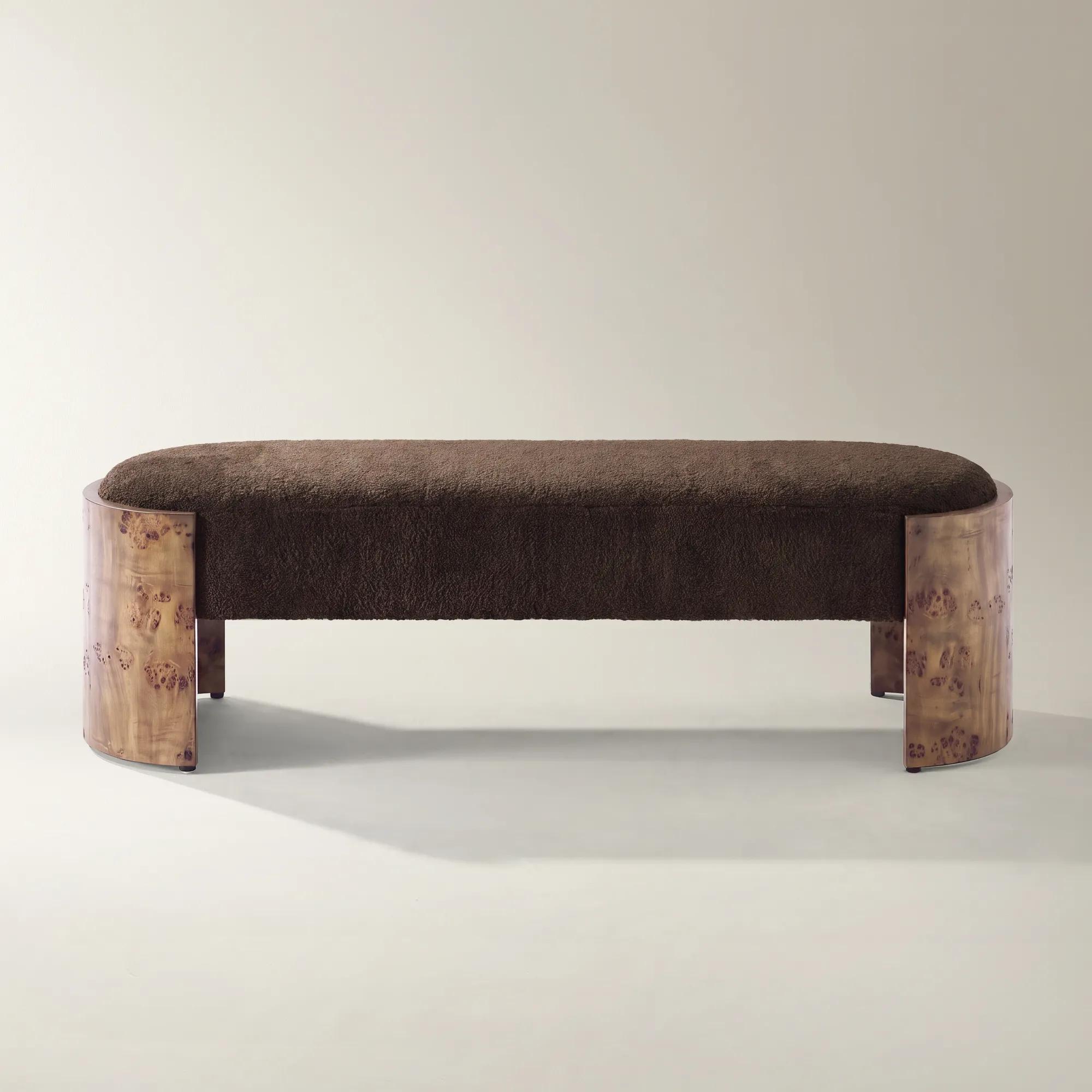 Cora Dark Chocolate Chenille With Ash Wood Bench (60.6")$999
A sculpted dark chocolate chenille bench with curved ash burl end panels and supportive foam cushioning.
Add To Cart -
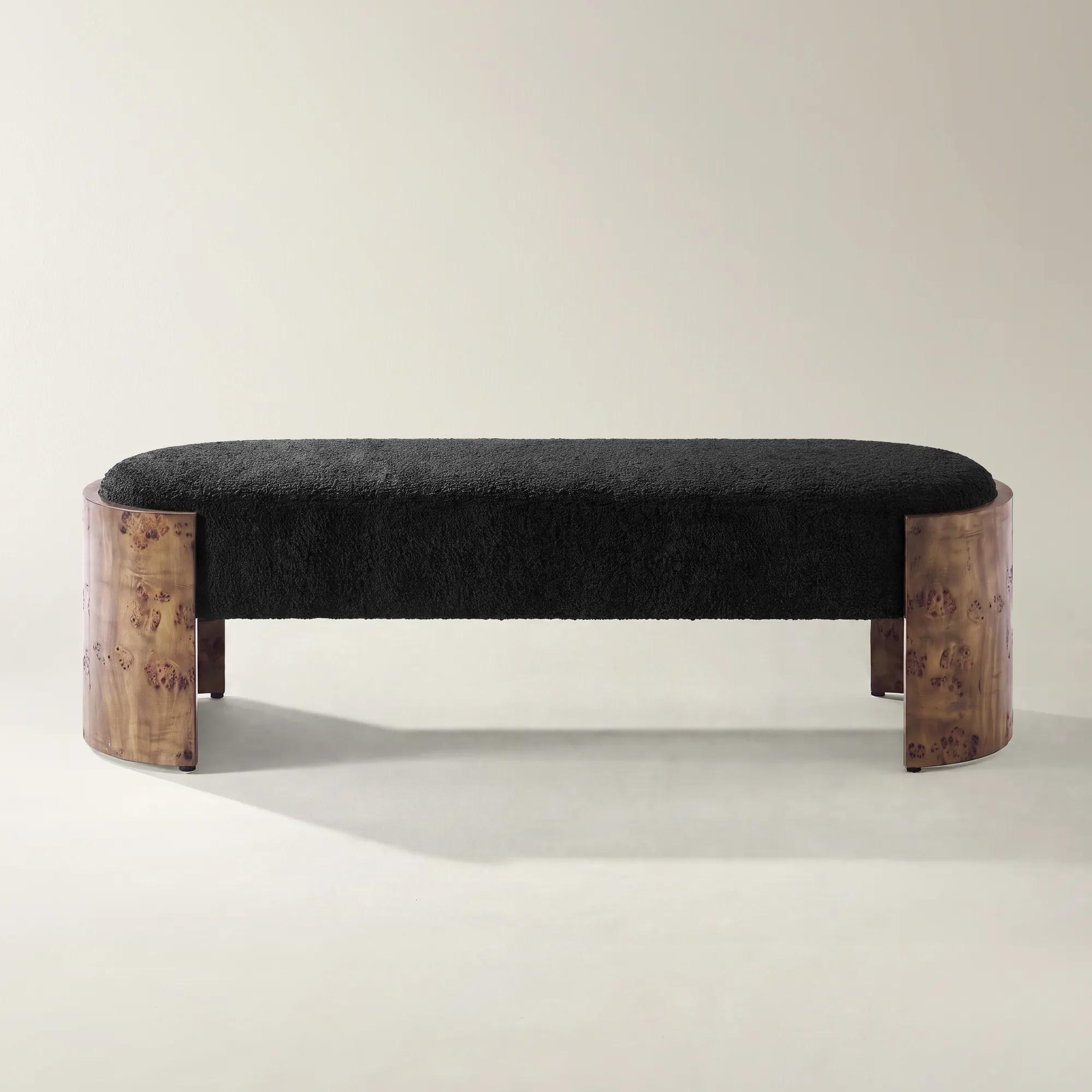 Cora Black Chenille With Ash Wood Bench (60.6")$999
A sculpted charcoal chenille bench featuring curved bookmatched ash burl panels and supportive foam cushioning.
Add To Cart

Accent Benches For Living Room Seating
Accent benches for living room seating invite a sense of curated drama and refined comfort into your space. Each piece is more than a seat—it’s an exclamation point, a sculptural flourish that transforms the ordinary into the extraordinary. Whether nestled beneath a window, anchoring a conversation area, or standing boldly at center stage, these benches offer both artistry and allure. Let your living room become a gallery of self-expression, where every detail is intentional and every moment feels designed. With accent benches for living room seating, you create not just a place to sit, but a statement to savor.
Accent benches for living room seating bring additional places to sit into a room without the visual weight of another sofa or pair of armchairs. Their appeal is both practical and expressive: an upholstered bench can welcome guests into a conversation, soften an angular furniture arrangement, and introduce a dramatic fabric or sculptural silhouette. Some designs also include concealed storage, giving throws and other living room essentials a discreet home. Unlike a conventional sofa, a backless bench often preserves sightlines across the room, making it especially compelling in an open layout where every profile matters. The range of living room accent benches spans tailored forms that bring quiet polish to richly layered spaces and statement silhouettes that command attention through sweeping curves, deep tufting, or gleaming metal details. A bench opposite a sofa can complete a conversation area while leaving the view beyond it open; one positioned along a wall can turn an overlooked stretch of space into inviting occasional seating. Behind a floating sofa, a carefully proportioned bench can create another place to pause without interrupting the room’s composition, provided there is enough clearance to use both pieces comfortably. These versatile seats suit hosts who regularly welcome extra company, households that appreciate adaptable furniture, and design lovers who want a practical piece with an artistic presence. A velvet seat against a crisp woven sofa creates a deliberate contrast, while a richly grained wood base can lend depth to a room filled with reflective finishes. For gatherings, the bench offers a place to join the conversation; between visits, its shape and texture remain part of the room’s visual story. Backless styles generally work best for occasional sitting rather than the extended lounging associated with a deep sofa, while benches with supportive backs or arms can offer a more defined seating experience.
Materials shape the character of an accent bench as much as its outline. Velvet introduces a sumptuous surface that catches light differently across its pile, creating tonal movement even in a single color. That depth can make a jewel-toned bench feel almost luminous or give a pale neutral a richer, more dimensional presence. Textured woven upholstery offers another expression of luxury, with visible yarns and tactile variation that complement smooth stone, glass, or polished metal nearby. Bouclé brings a softly sculptural effect, though its looped surface deserves consideration in homes where pet claws or sharp accessories may catch the fabric. Leather can create a sleek, tailored impression, with care needs and resistance to marking that depend on its finish; natural variations may be part of its character rather than imperfections. Wood frames and legs add warmth and grain, while metallic bases introduce a sharper glint that can echo lighting or decorative accents elsewhere in the room. A dark finish beneath pale upholstery gives the seat a crisp outline; a reflective base can make a substantial cushion appear to float. Beyond appearance, durability depends on the complete construction: frame strength, secure joints, upholstery quality, cushion support, and the way the bench is used. A generous cushion may look indulgent, but its firmness and ability to hold its shape matter when the piece becomes a regular seat. Tufting and channeling add depth and structure to the design, while seams, piping, and exposed trim reward closer inspection in a room where guests will see the piece from several angles. For active households, upholstery with documented cleaning guidance and performance characteristics can make everyday use easier to manage. Performance fabric is not a universal promise of stain resistance or effortless cleaning, so the stated properties of the particular material matter. A bench intended mainly for entertaining may prioritize a striking silhouette, while one used daily benefits from supportive cushioning and a finish suited to frequent contact.
Proportion determines whether an accent bench feels beautifully integrated or merely placed in the room. Length should relate to the surrounding furniture without crowding adjacent chairs, doorways, or walkways, and depth deserves equal attention: a slender-looking frame can still require considerable floor space once its cushion or curved arms are included. In a conversation arrangement, comparing the bench’s seat height with the sofa and nearby chairs helps create a more comfortable balance. Measuring the usable seating area, rather than relying only on the overall width, also gives a clearer sense of how many people can sit comfortably; arms, bolsters, and curved edges may reduce that space. Painter’s tape can outline the footprint on the floor before placement, making it easier to see whether someone can pass while another person is seated. Leave comfortable room between the bench and coffee table for knees and movement, and preserve access to drawers or cabinets nearby. Storage benches require additional clearance for the lid or drawers, and a hinged seat should be operated according to its instructions, particularly in households with children. Concealed compartments are useful for lightweight throws or games when the design permits, but their capacity should never be assumed. Likewise, seating capacity and weight limits should follow the manufacturer’s specifications; an accent bench is not a step stool or climbing surface. Thoughtful care helps preserve its distinctive finish. Regular gentle vacuuming with an appropriate upholstery attachment can lift dust from seams and tufting, while spills should be blotted promptly rather than rubbed into the fibers. Cleaning methods must suit the upholstery’s care code, and any approved treatment should first be tested in an inconspicuous area. Wood and metal finishes need their own recommended care, with abrasive cleaners avoided unless expressly permitted. Placement away from prolonged direct sunlight can help reduce uneven fading, and periodic checks of accessible fasteners can support continued stability. With scale, construction, and maintenance considered alongside color and texture, a living room bench becomes more than overflow seating: it gives everyday gatherings a graceful place to unfold and brings a deliberate finishing gesture to the room.
FAQs
An accent bench introduces a layer of visual interest and sophistication to your living room, serving as both a functional seat and a statement piece. Its unique silhouette, luxurious materials, and bold finishes can create a focal point, tie together disparate elements, or add a touch of drama that elevates the entire space.
Living room accent benches are available in a rich variety of materials, each contributing its own character. Velvet and bouclé offer plush, tactile comfort, while leather and performance fabrics provide durability and elegance. For a modern edge, acrylic or gleaming metals create a sense of lightness, while wood—whether polished or reclaimed—brings warmth and timeless appeal.
Absolutely. Beyond seating, accent benches can function as chic coffee table alternatives, display platforms for art books or decorative trays, or even as a stylish way to store essentials if they feature built-in compartments. Their versatility makes them ideal for adapting to your evolving needs and creative vision.
An accent bench makes a thoughtful and memorable gift for design enthusiasts, new homeowners, newlyweds, or anyone who delights in curating beautiful spaces. Its blend of utility and artistry ensures it will be a cherished addition, adaptable to any décor and personal style.
To harmonize with your living room, consider the bench’s color, texture, and silhouette in relation to your current furnishings. Select a bench that echoes or contrasts with your palette for visual cohesion or bold impact, and opt for details—such as tufting, metallic accents, or sculptural legs—that echo the mood and character of your space.