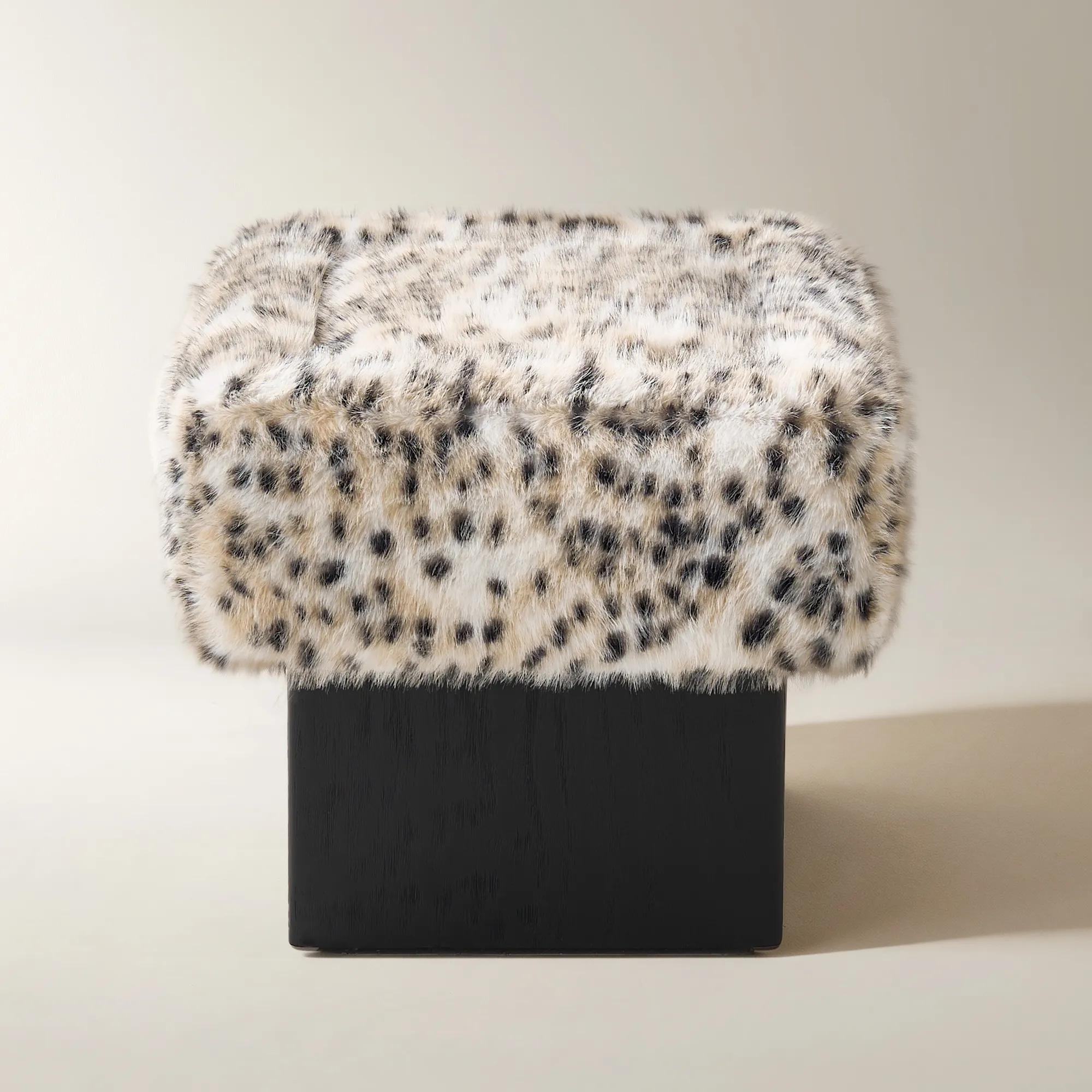
Living Room Accent Benches
Living Room Accent Benches
-
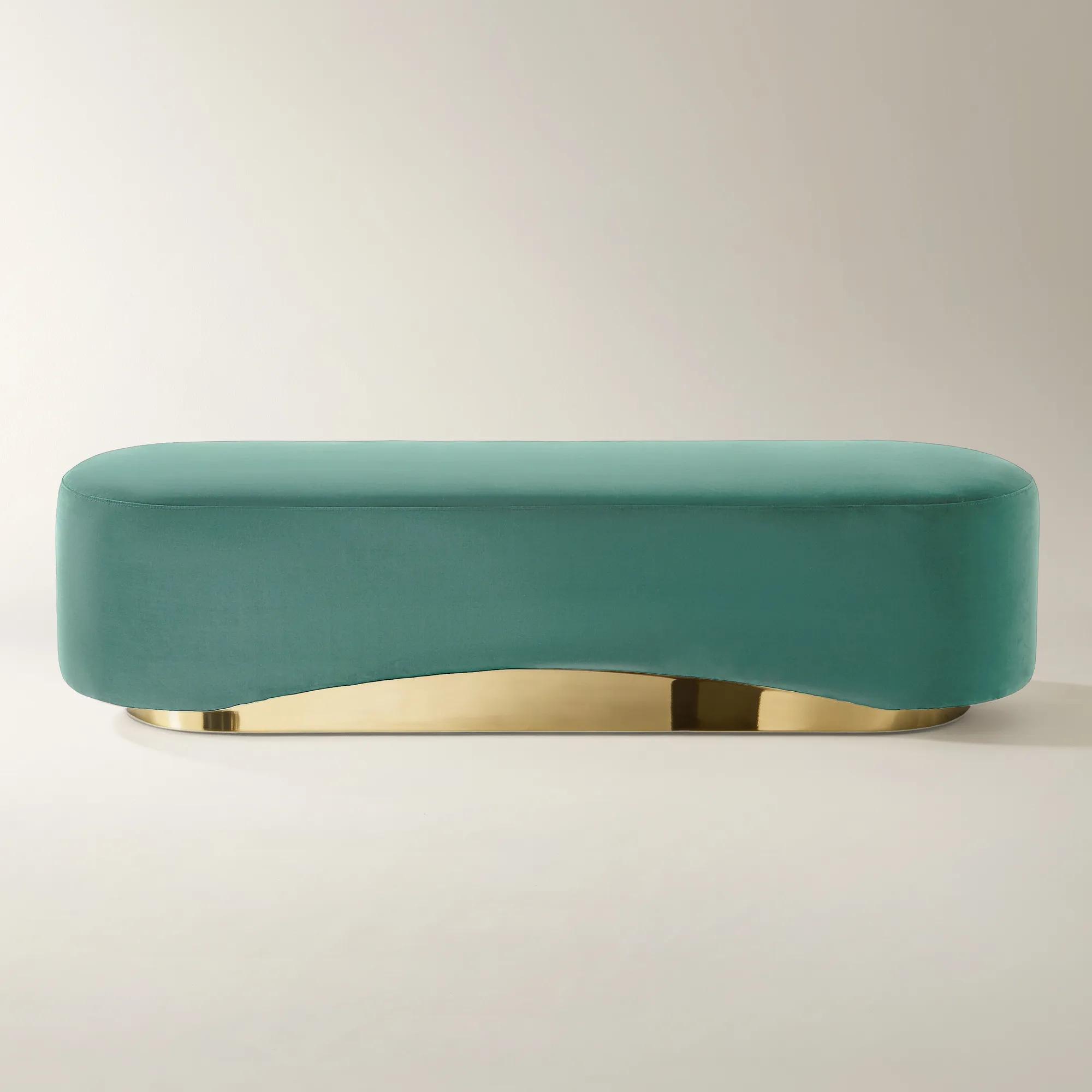 Kendra Ocean Teal Velvet Bench (70.47")$799
An elongated oval bench in ocean teal velvet with a plush seat and polished gold stainless steel base.
Add To Cart -
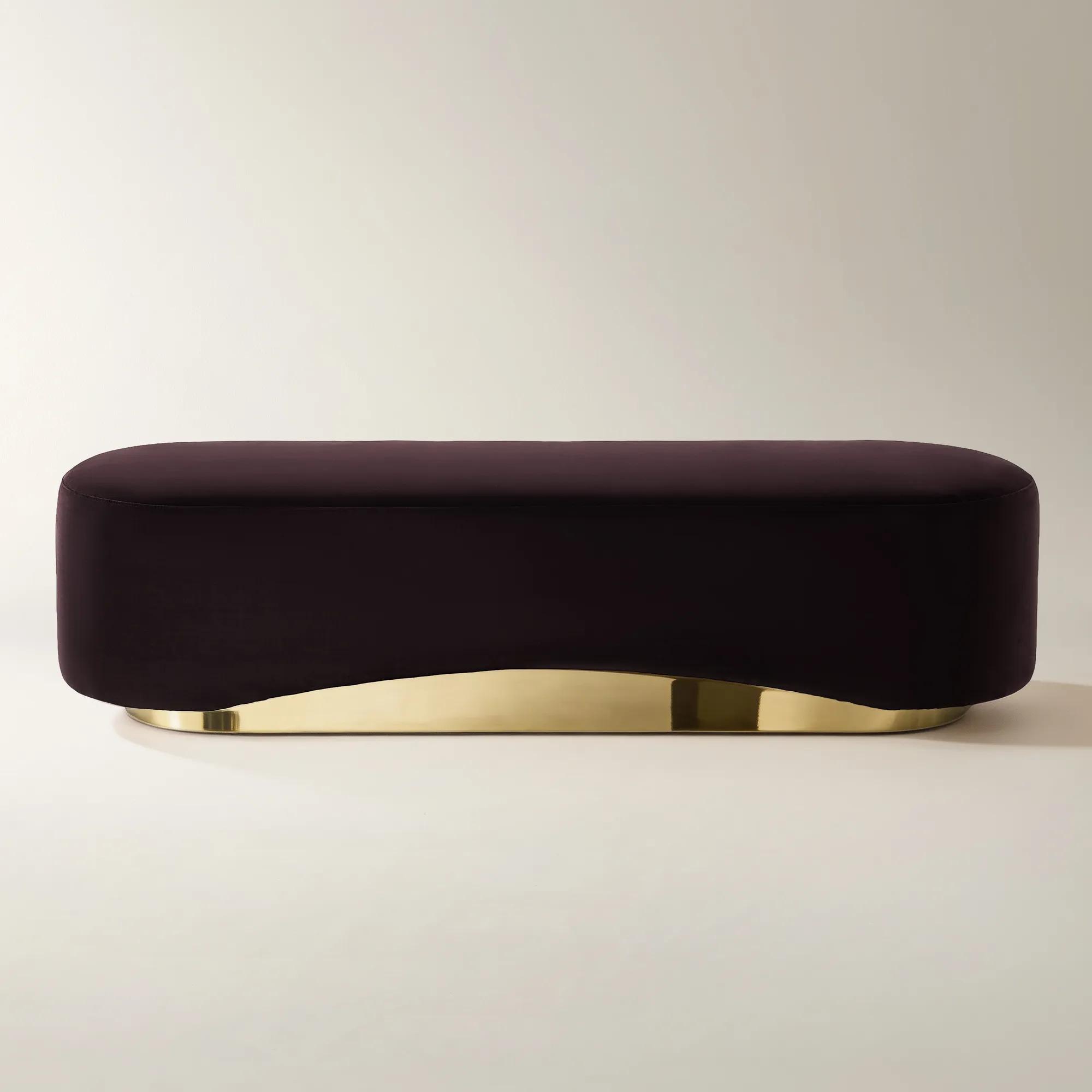 Kendra Fig Velvet Bench (70.47")$799
A plush fig velvet bench with an elongated oval silhouette and a polished gold stainless steel base.
Add To Cart -
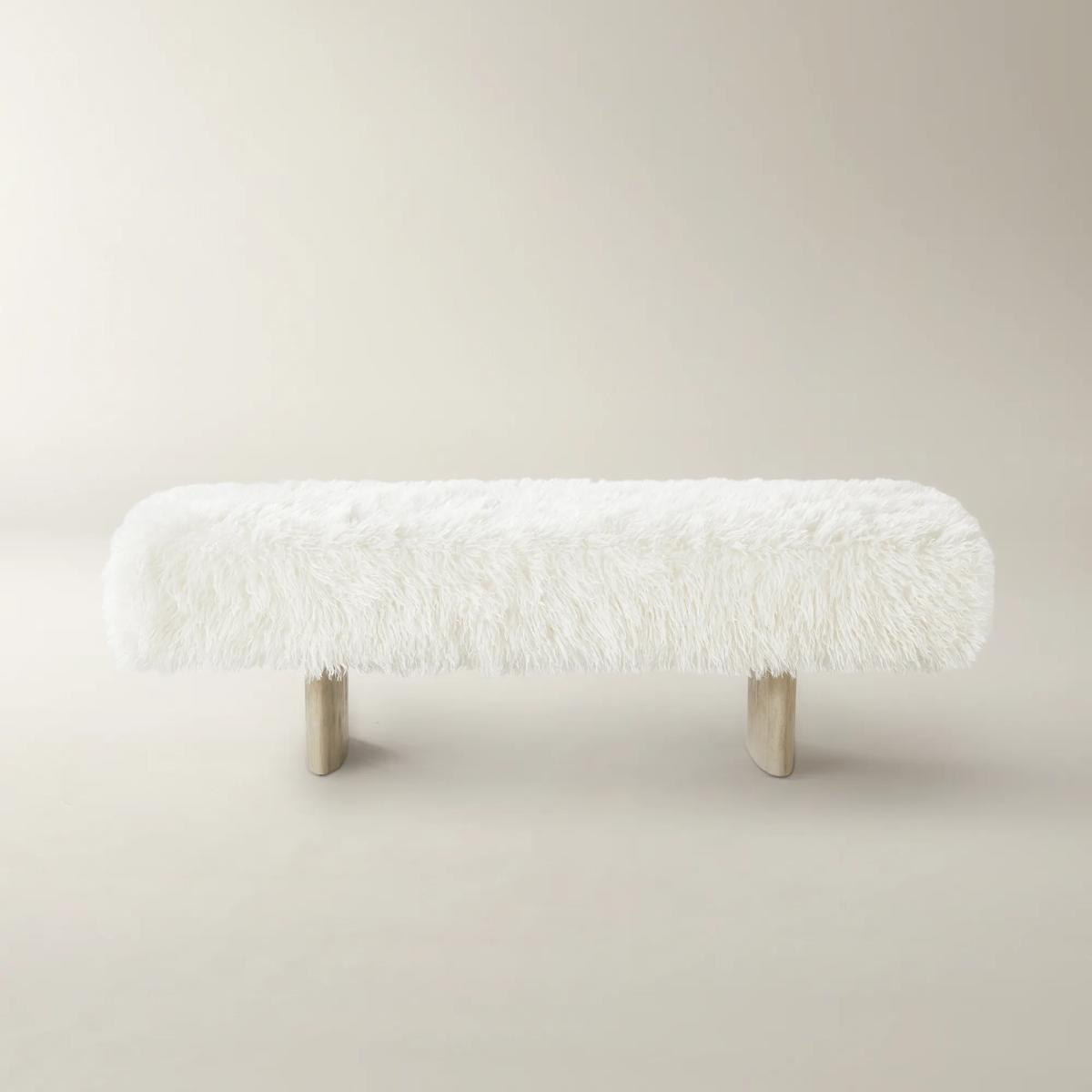 Micah Ivory Mongolian Faux Fur Bench With Rubberwood Legs (62.6")$699
An ivory faux Mongolian fur bench with high-density foam and sculptural solid rubberwood base for modern coziness.
Add To Cart -
 Micah Tan Mongolian Faux Fur Bench With Rubberwood Legs (62.6")$699
A light brown faux fur bench with a curved rubberwood base and plush high-density foam cushion.
Add To Cart -
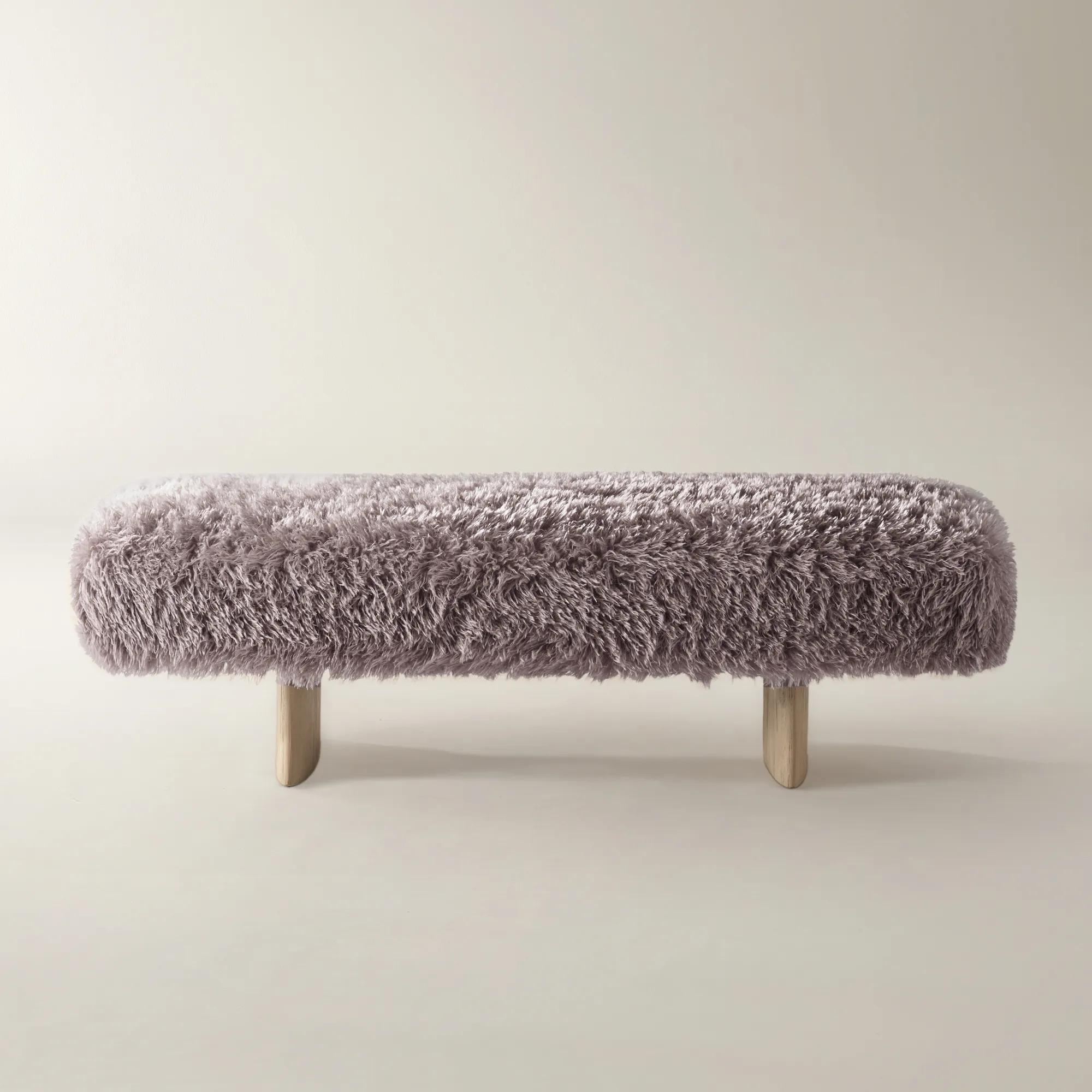
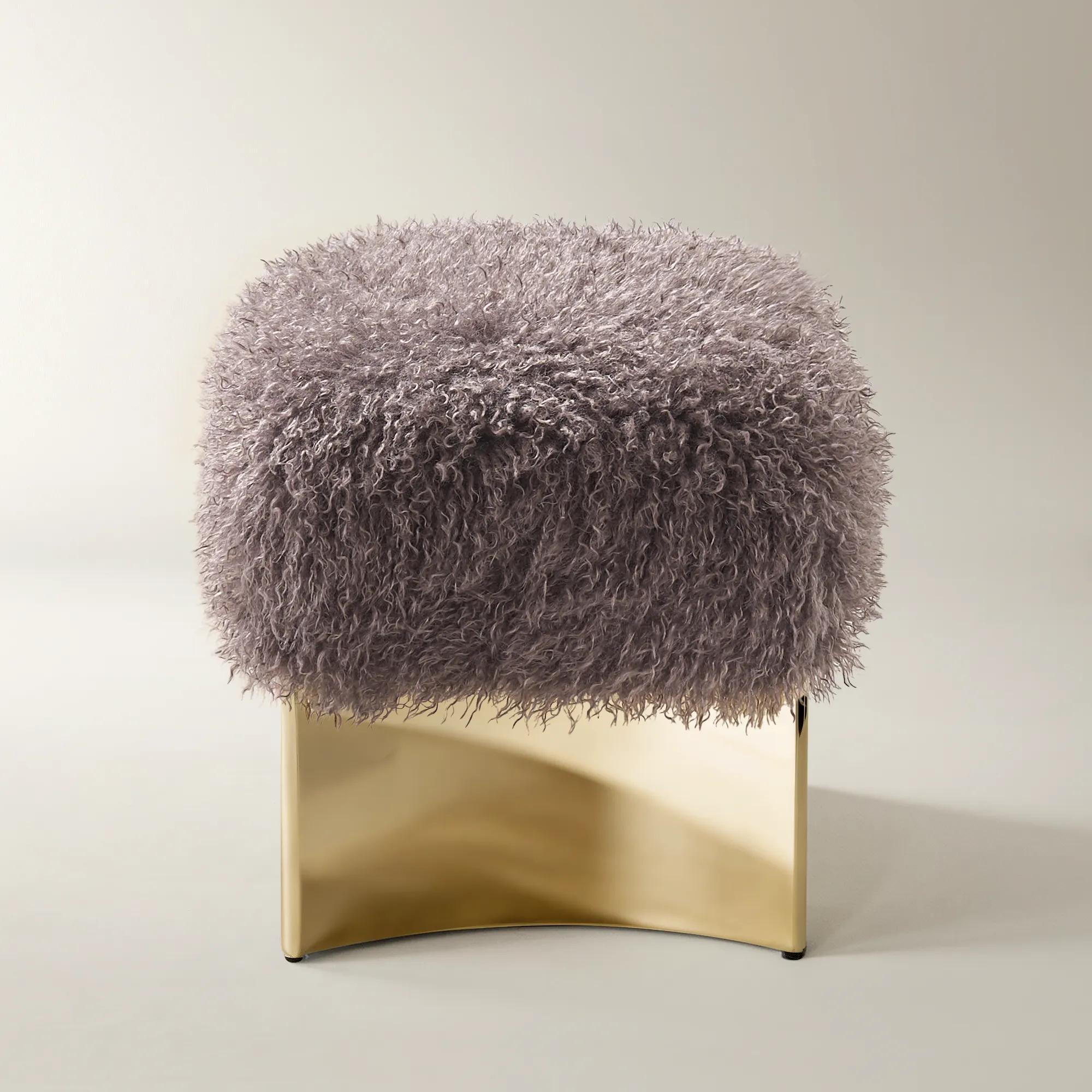
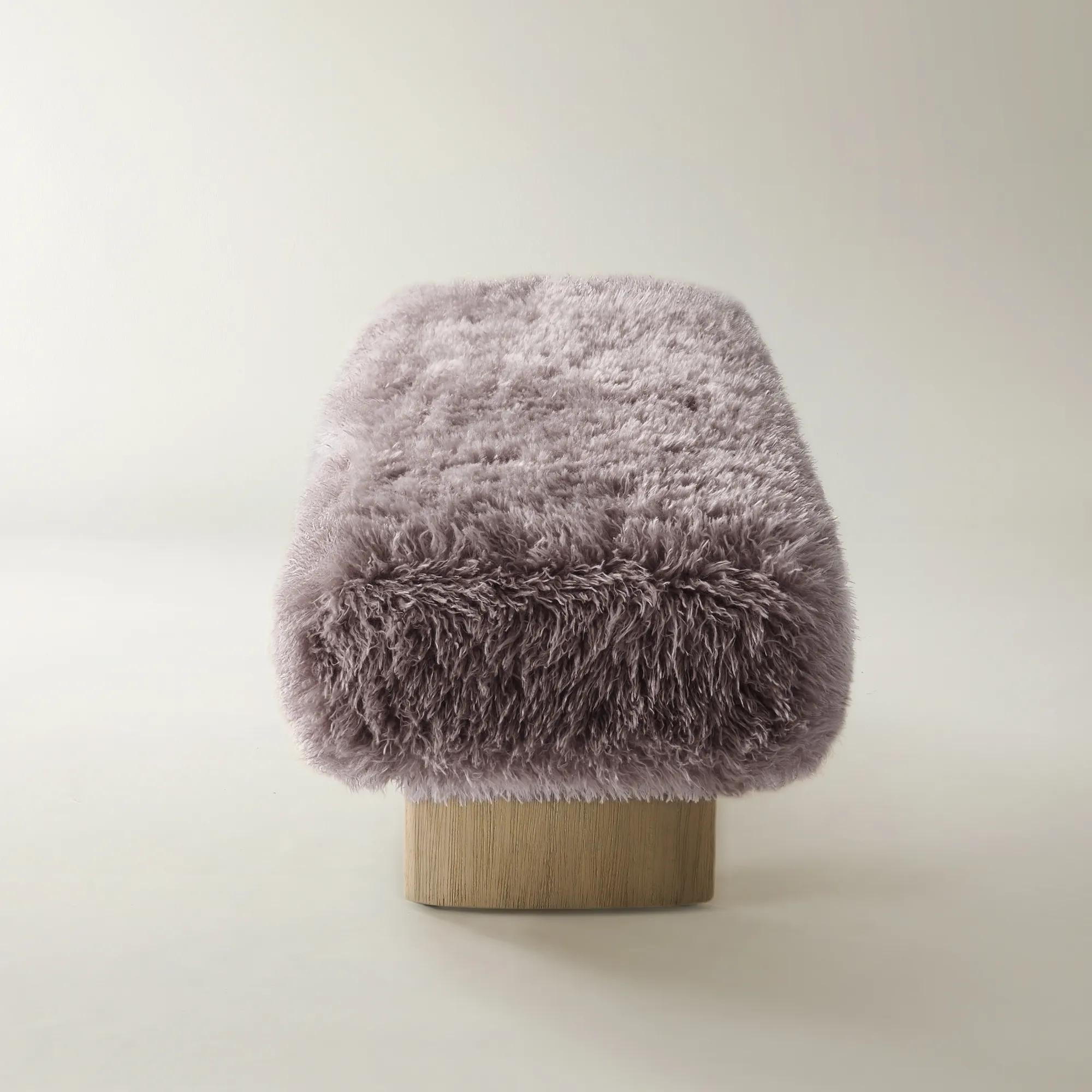 Micah Plum Truffle Mongolian Faux Fur Bench With Rubberwood Legs(62.6")$699
A sculptural bench featuring smoked plum Mongolian faux fur upholstery and warm solid rubberwood legs.
Add To Cart -
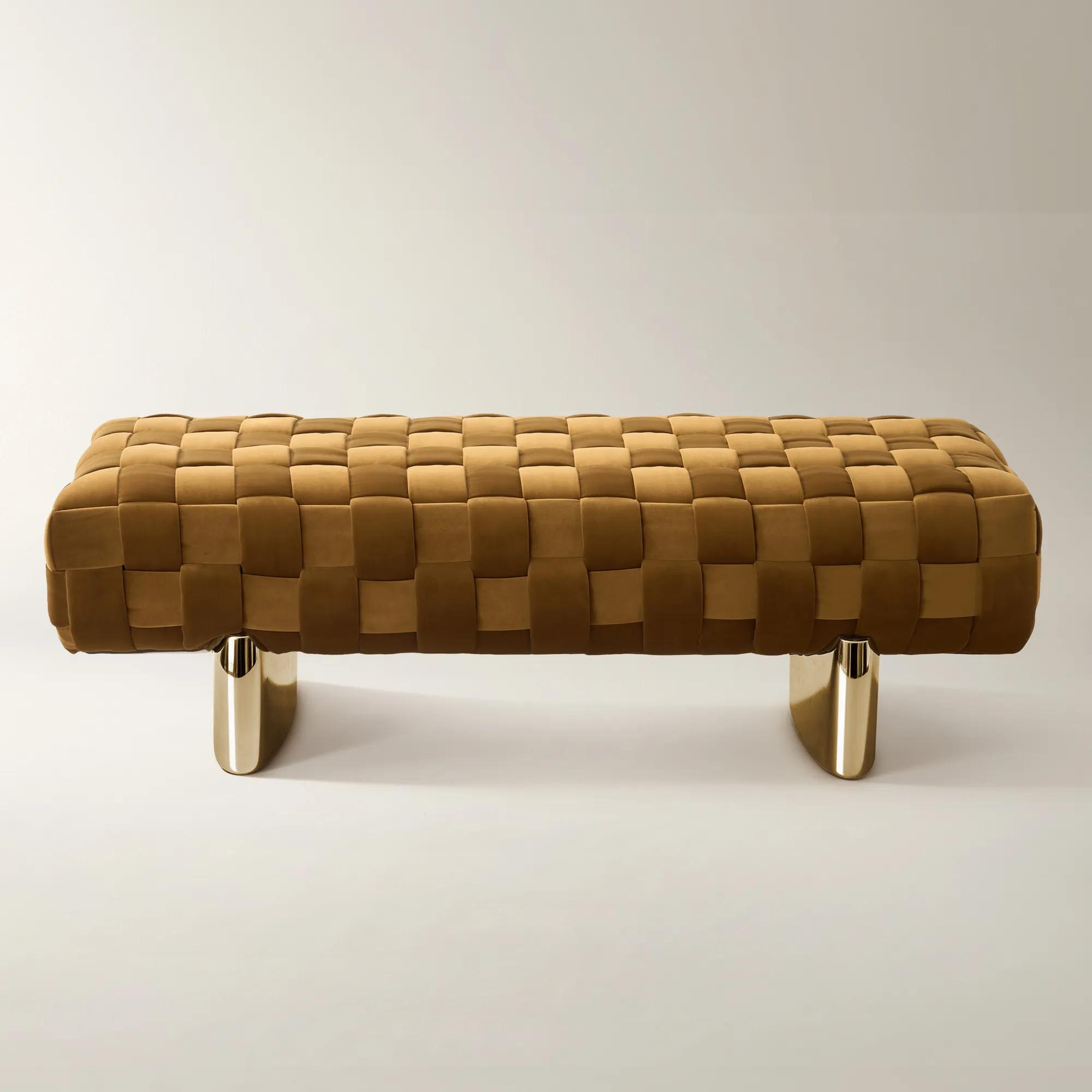
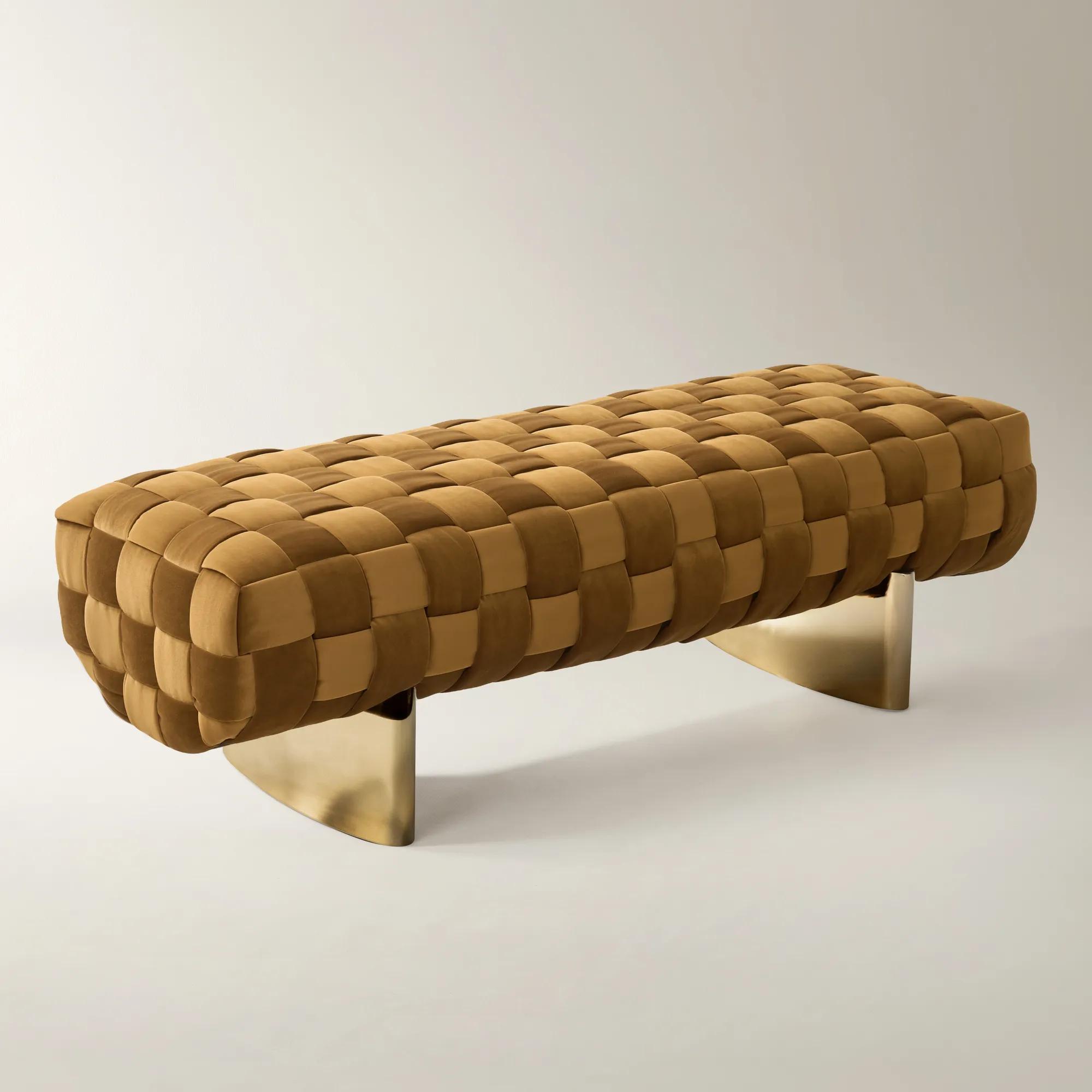 Dexter Woven Roasted Pecan Velvet Bench (64.2")$999
A woven roasted pecan velvet bench featuring plush upholstery and polished gold stainless steel legs for modern elegance.
Add To Cart -
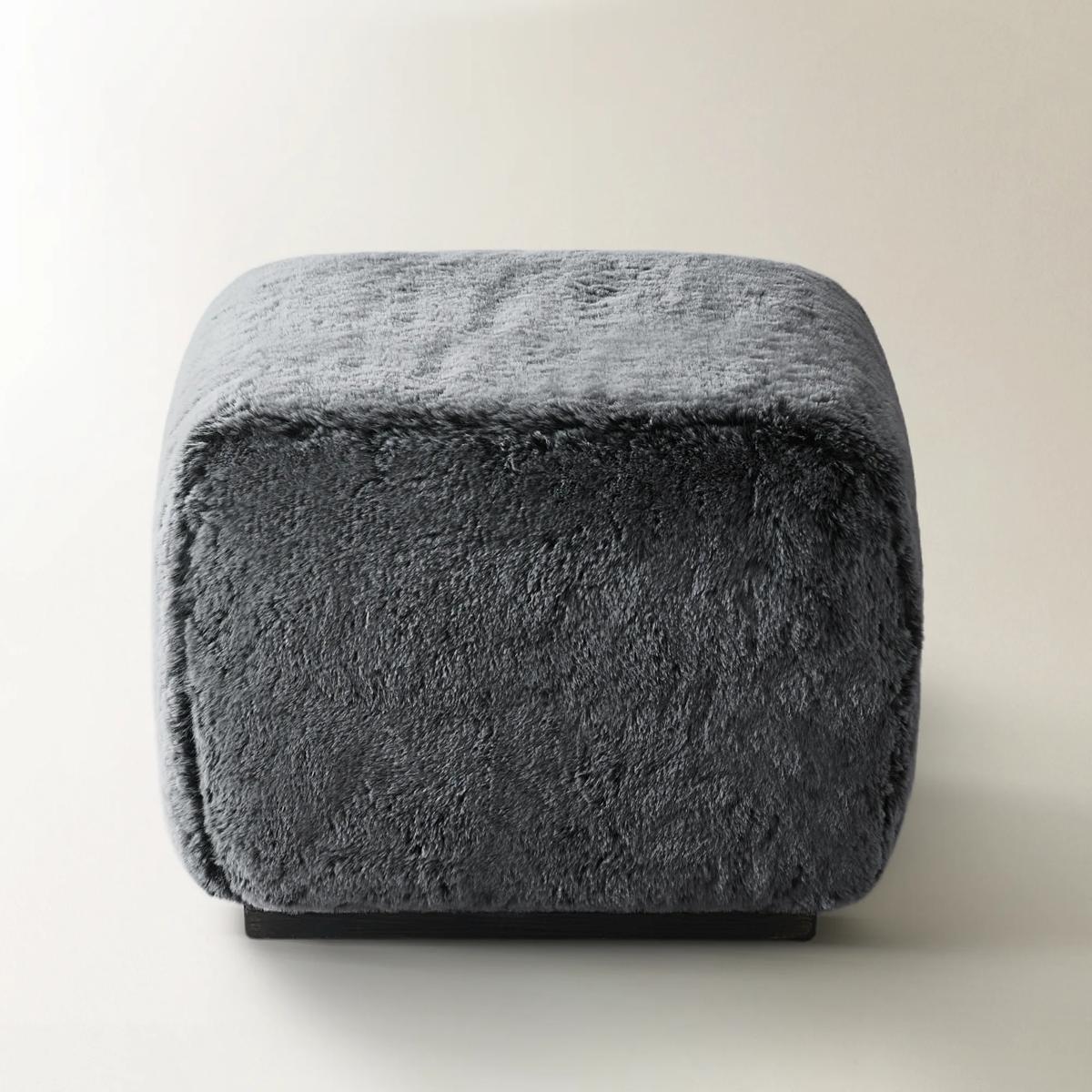
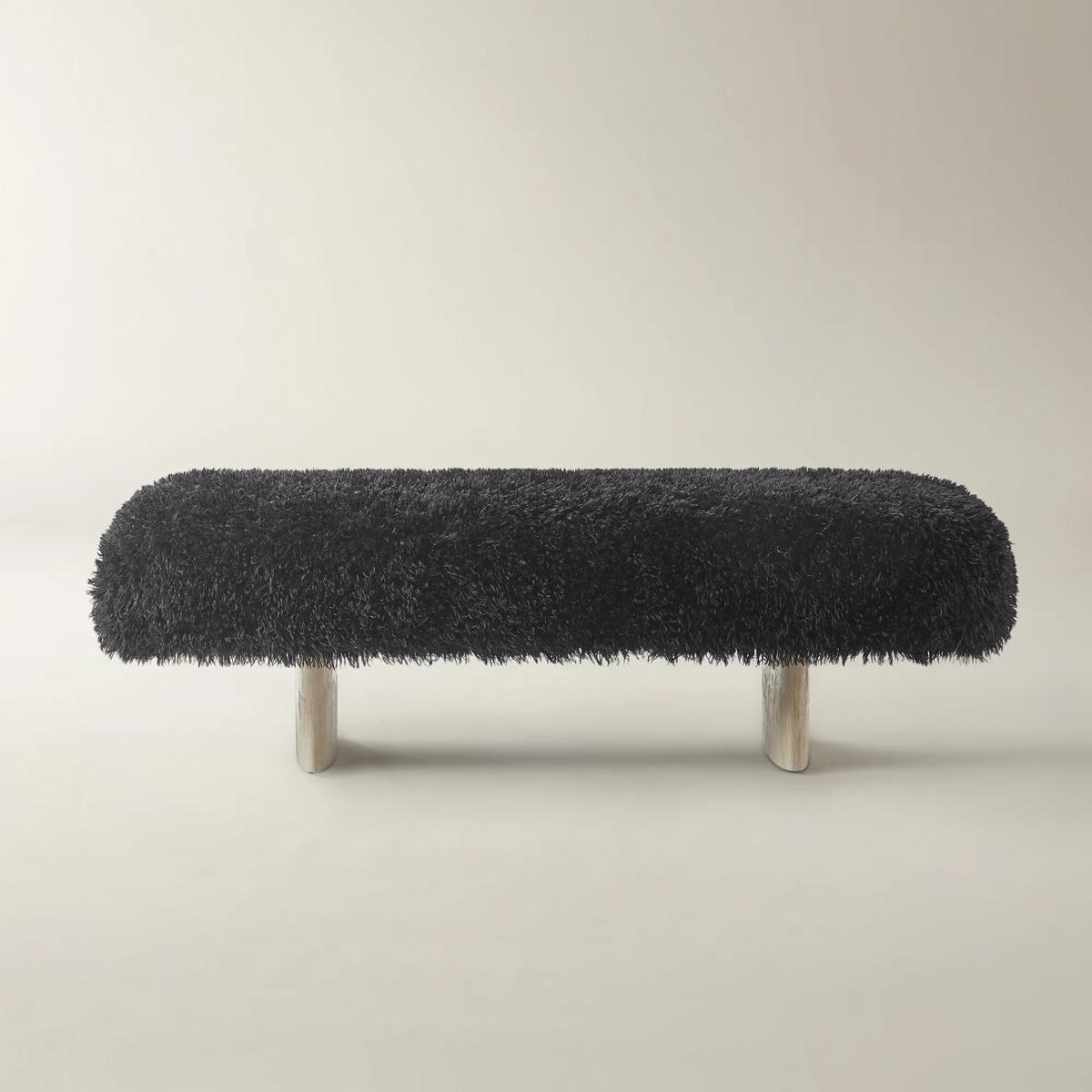 Micah Black Mongolian Fur Bench With Rubberwood Legs (62.6")$699
A striking black faux Mongolian fur bench with solid rubberwood legs for plush comfort and modern edge.
Add To Cart -
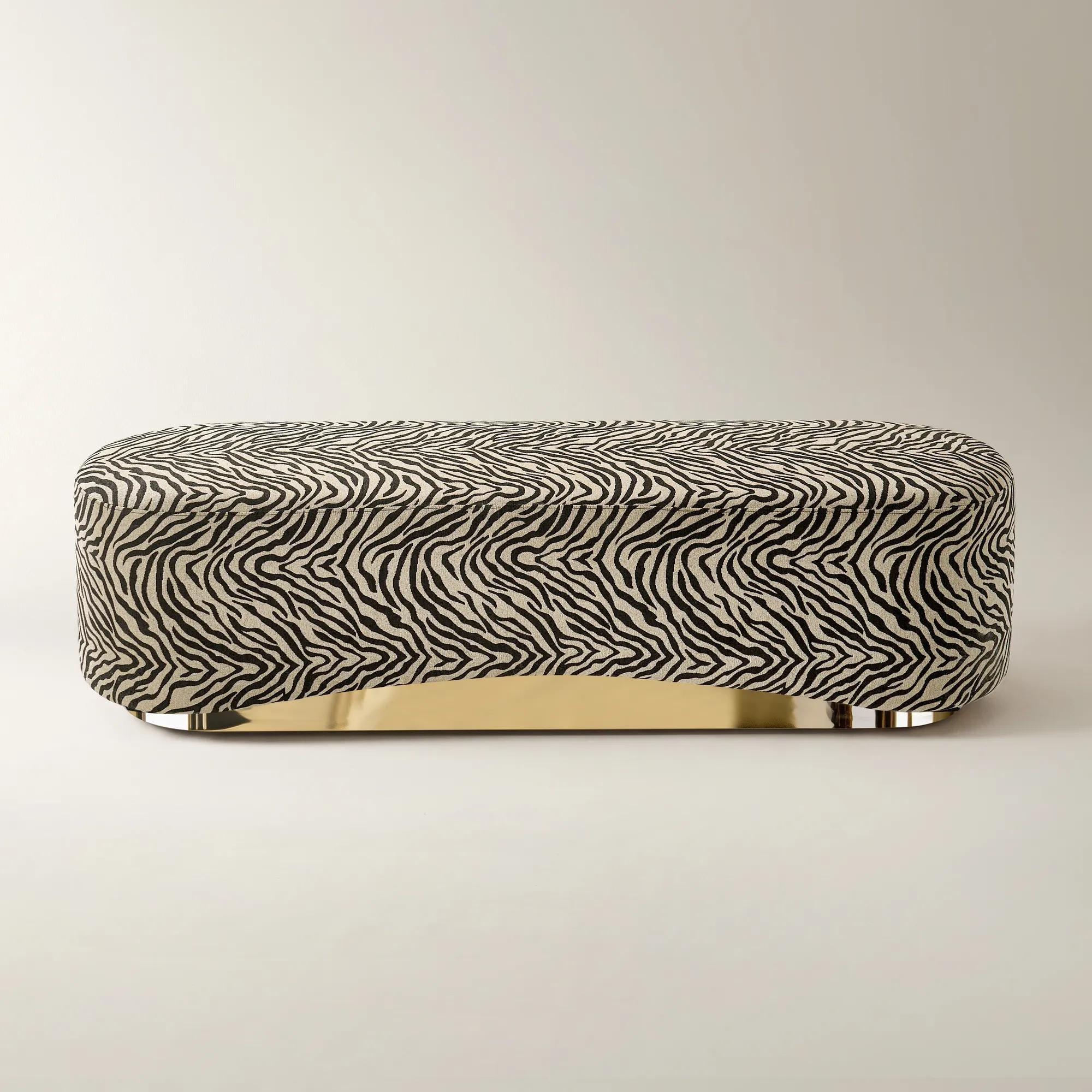
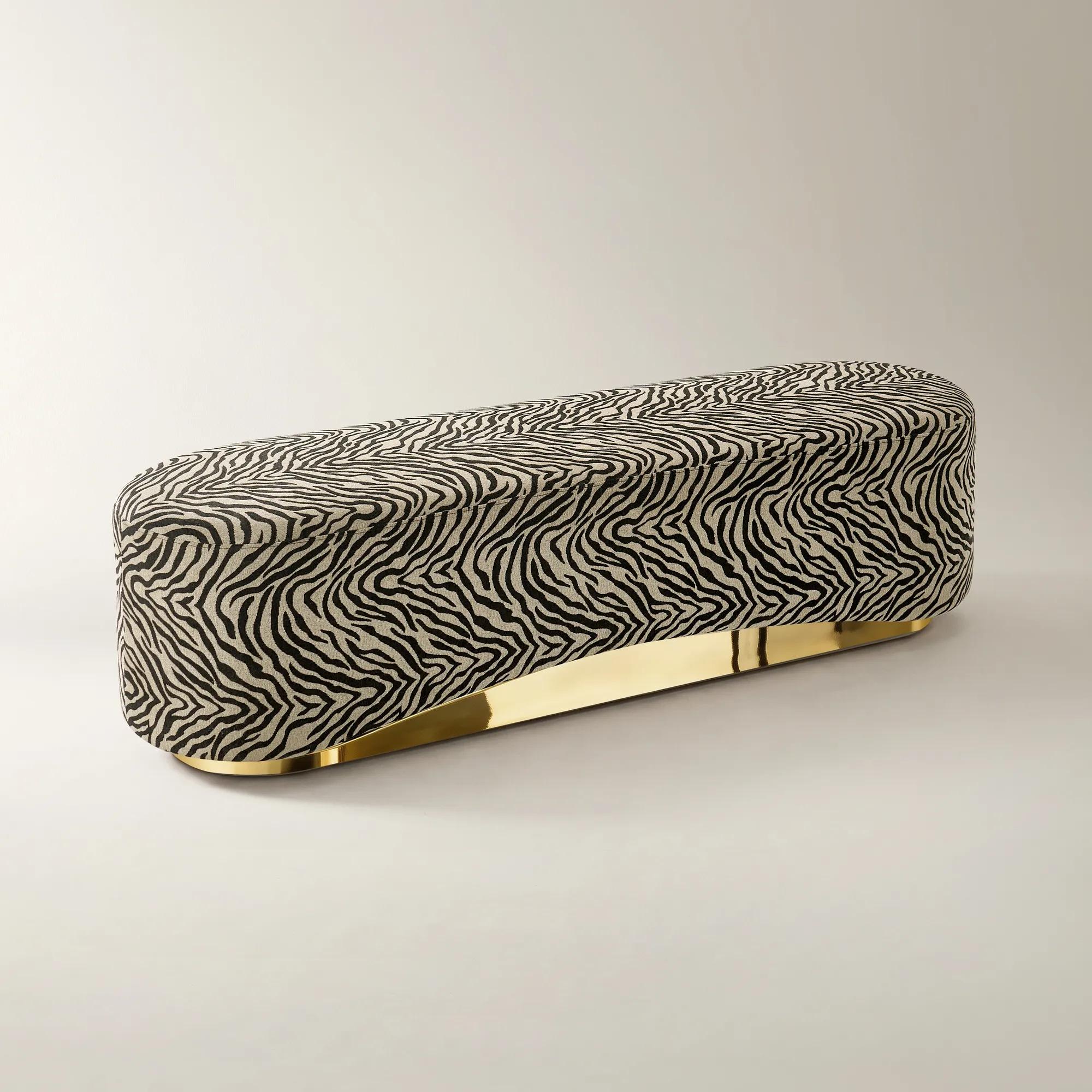 Kendra Zebra Performance Chenille Bench (70.47")$799
An elongated oval bench upholstered in textured zebra-pattern chenille with a polished gold stainless steel base.
Add To Cart -
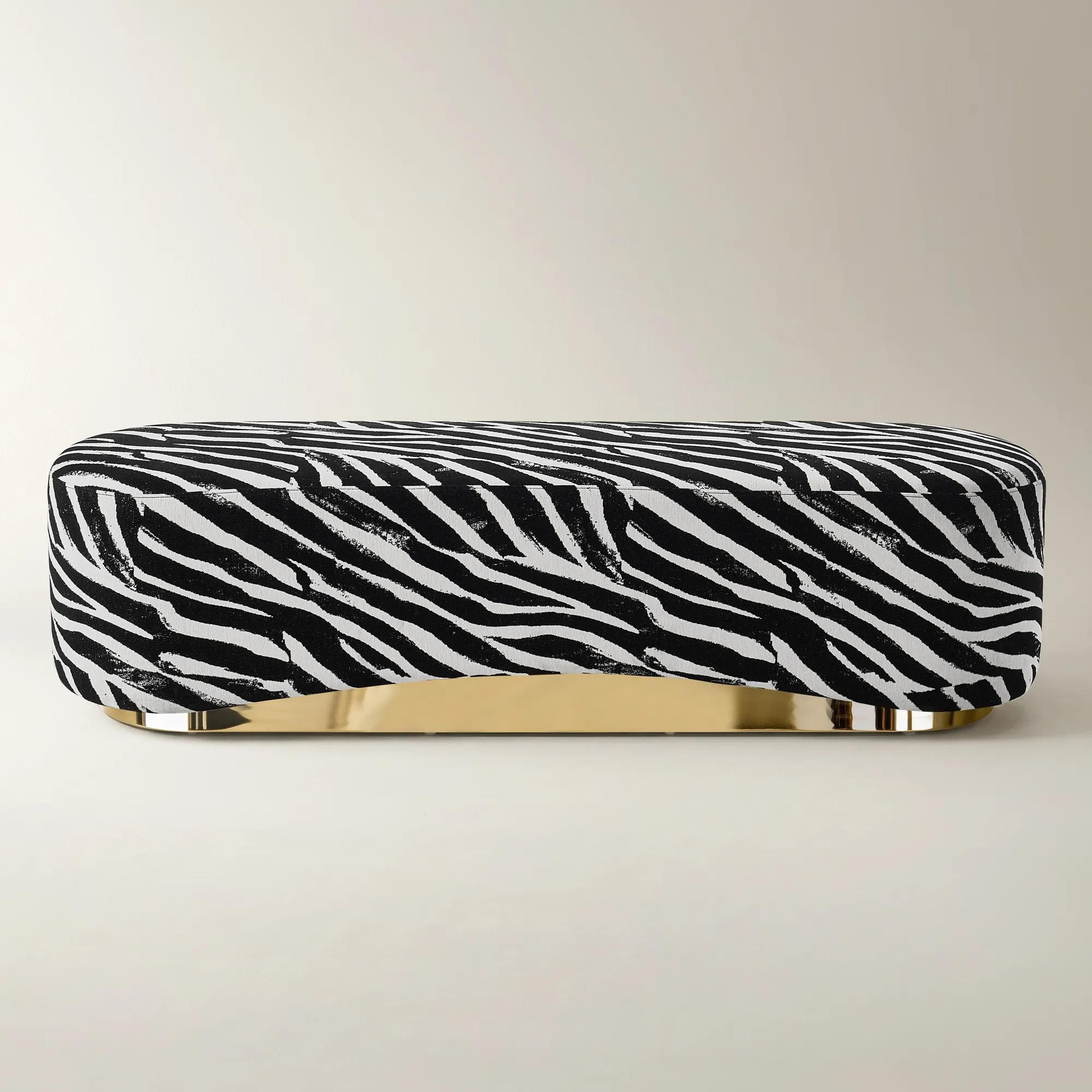
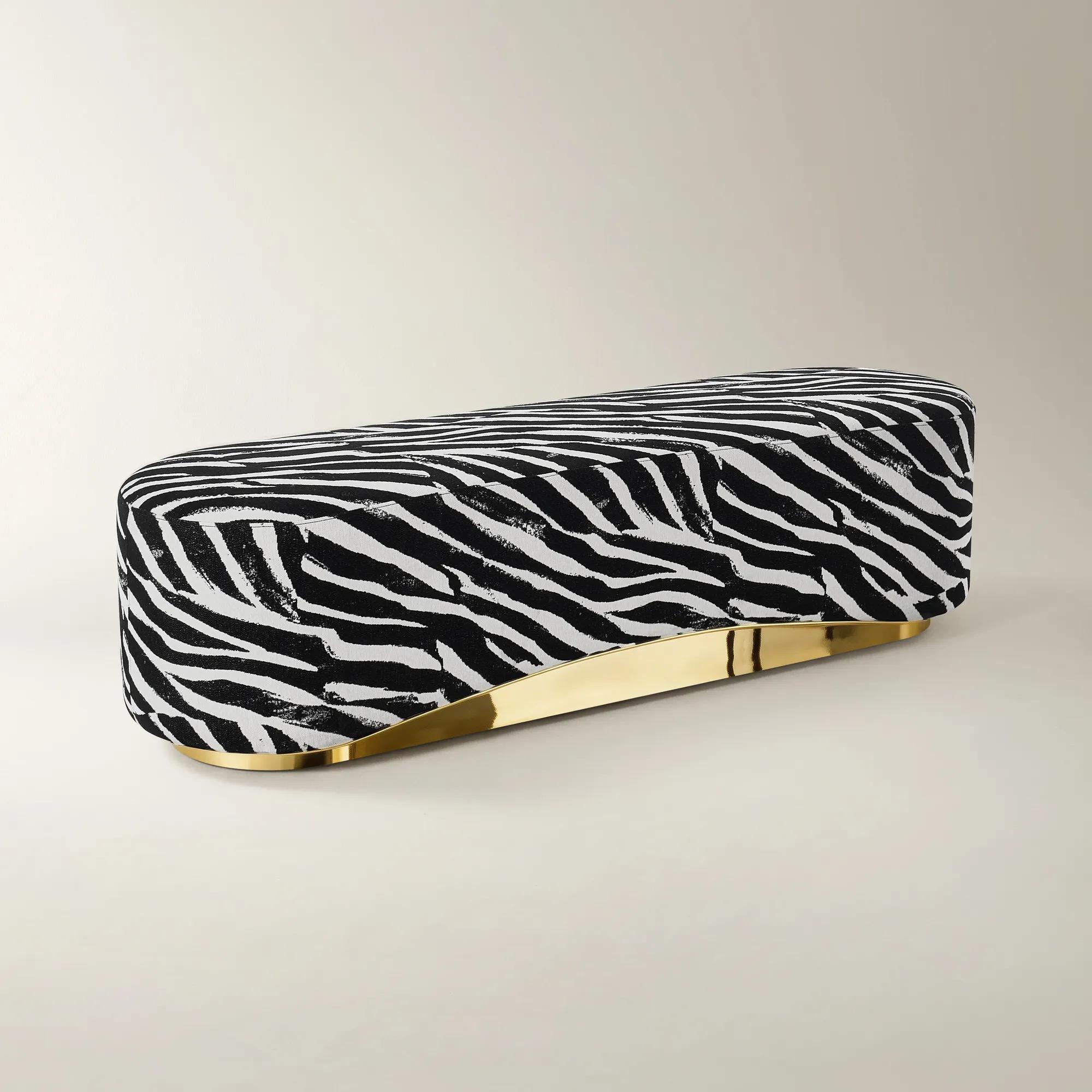 Kendra White/Black Performance Chenille Bench (70.47")$799
An elongated oval bench upholstered in white and black performance chenille with a polished gold stainless steel base.
Add To Cart -
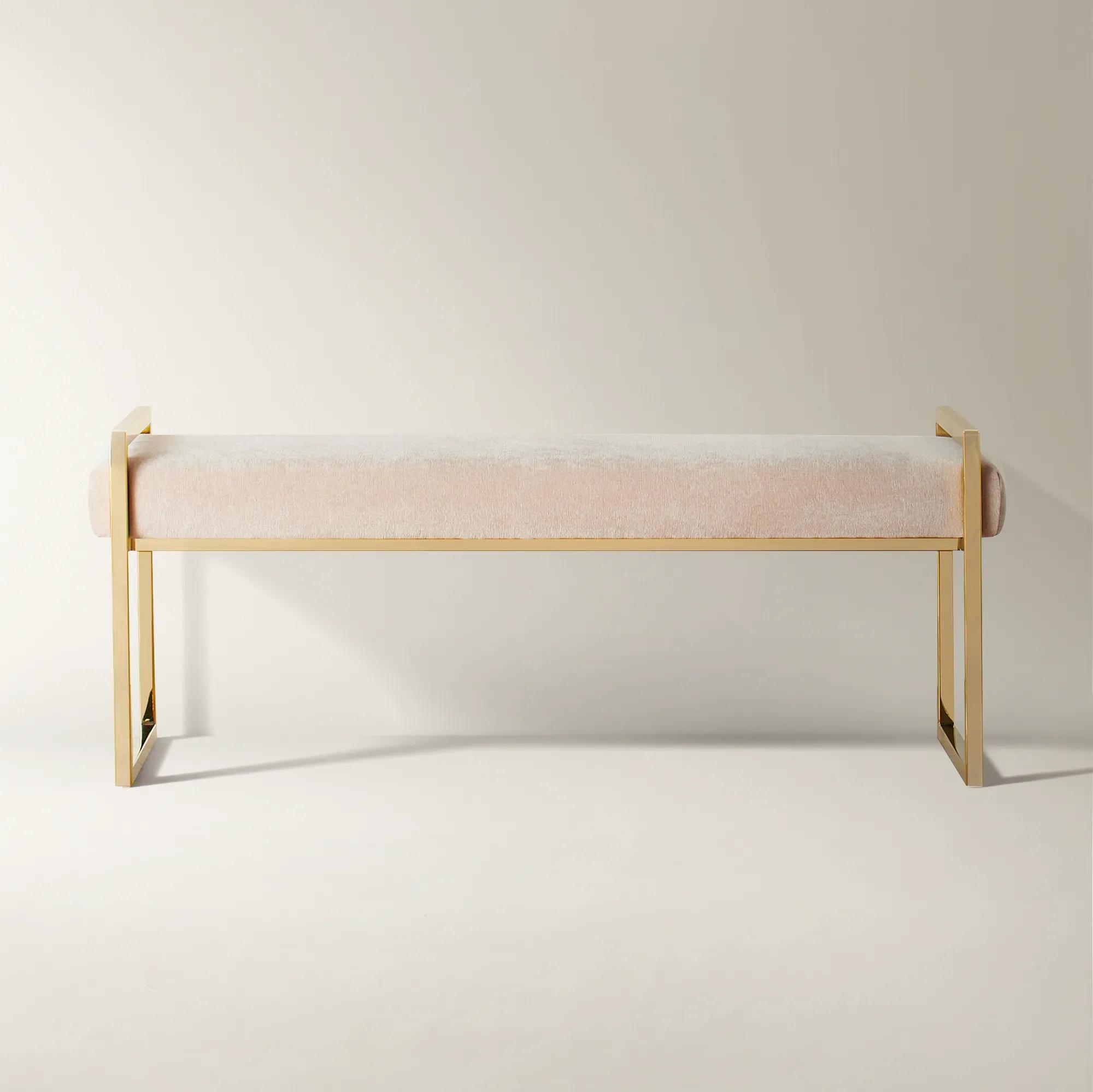 Clara Bench$699
A plush upholstered bench with a high-density foam cushion and polished gold metal legs for modern elegance.
Add To Cart -
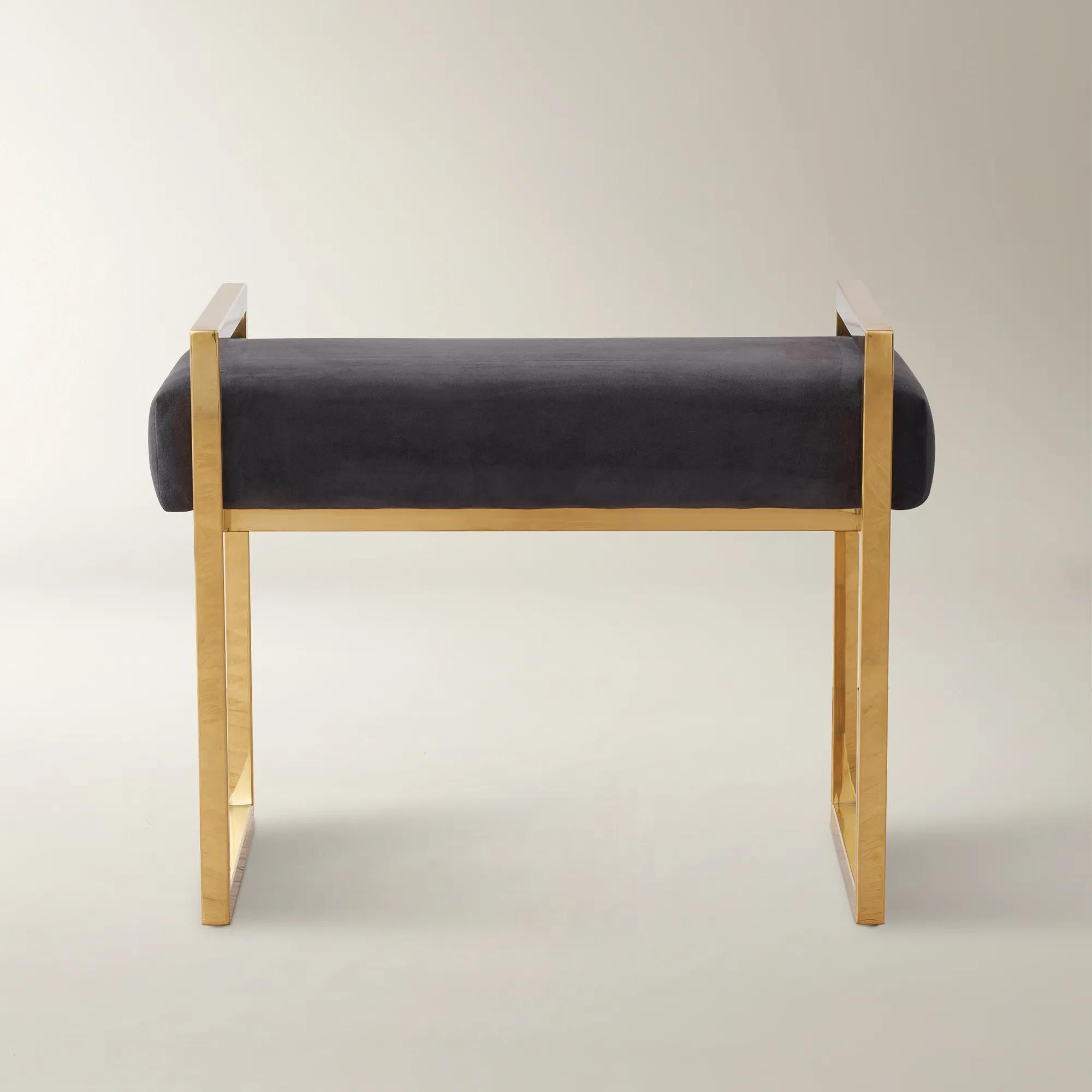
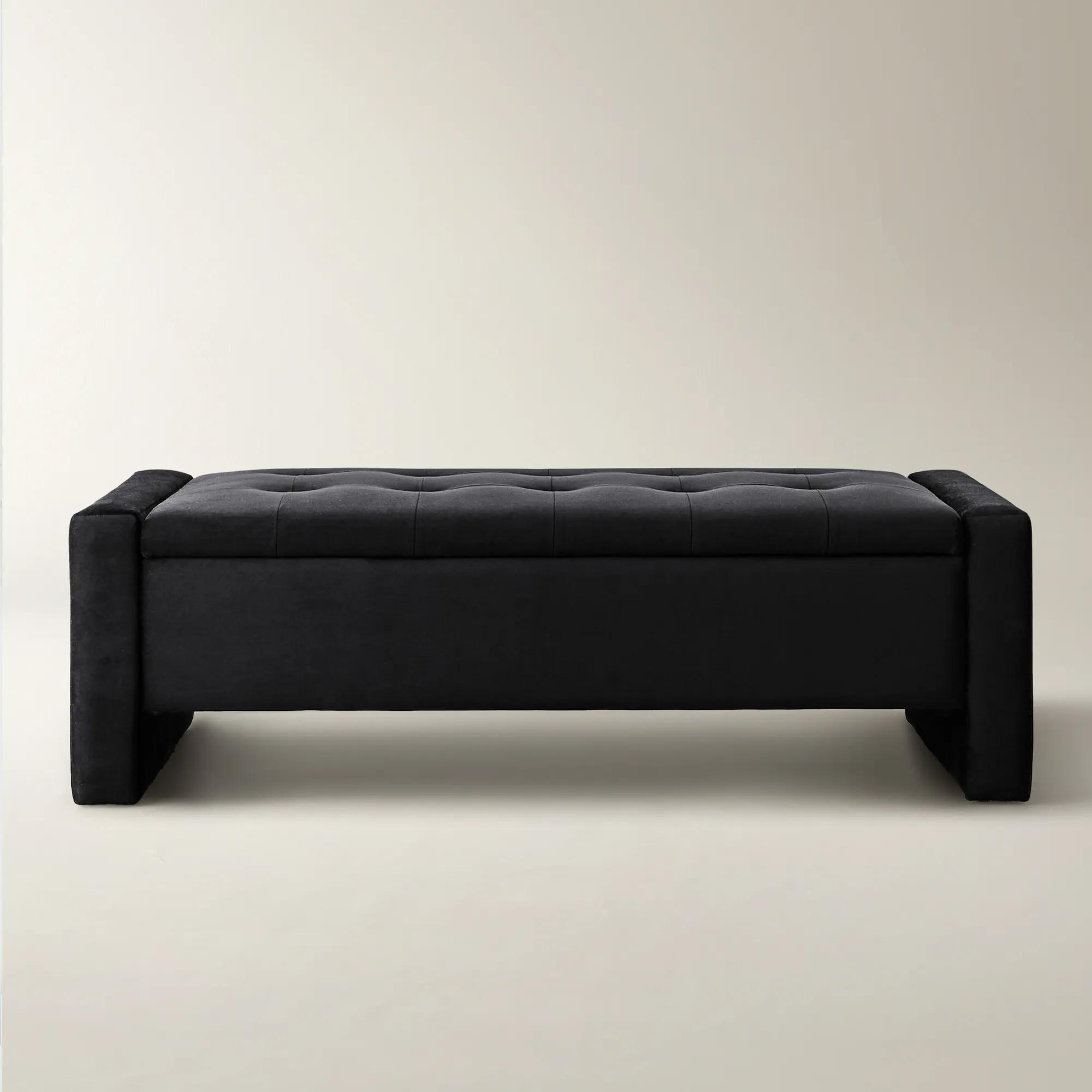
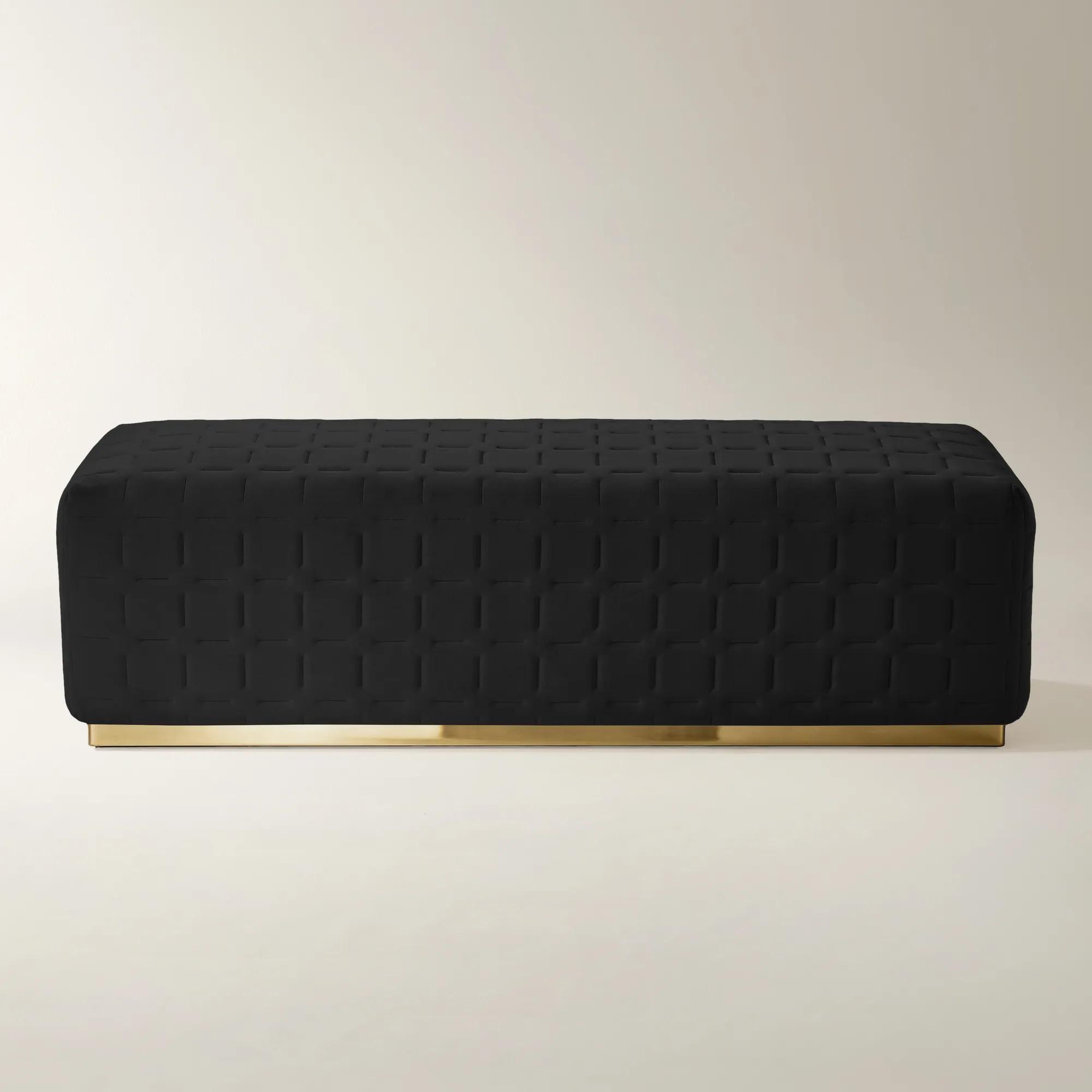 Vanta Quilted Charcoal Velvet Bench (64.6")$899
A charcoal velvet bench featuring checker quilted tufting and a gold stainless steel base for modern elegance.
Add To Cart -
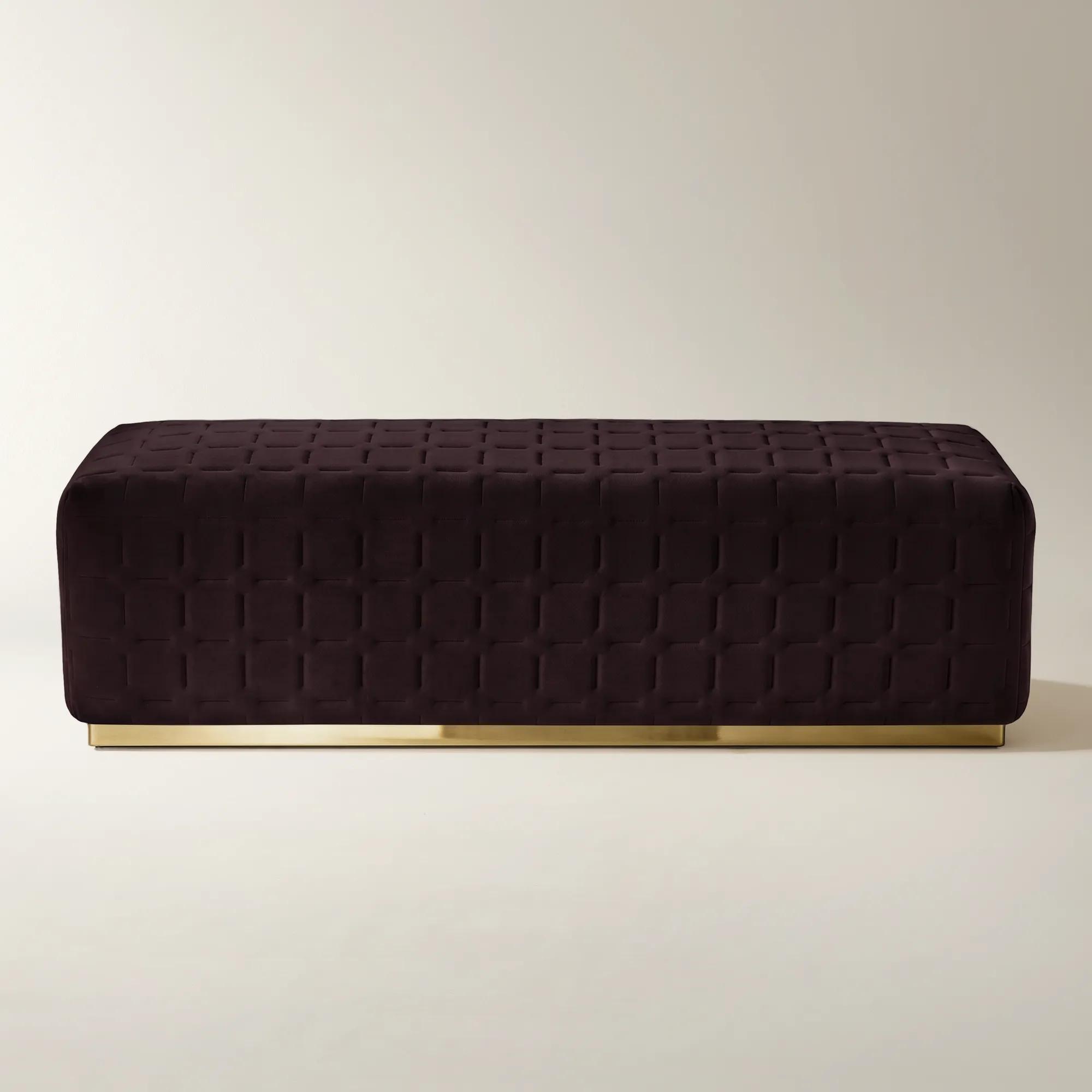
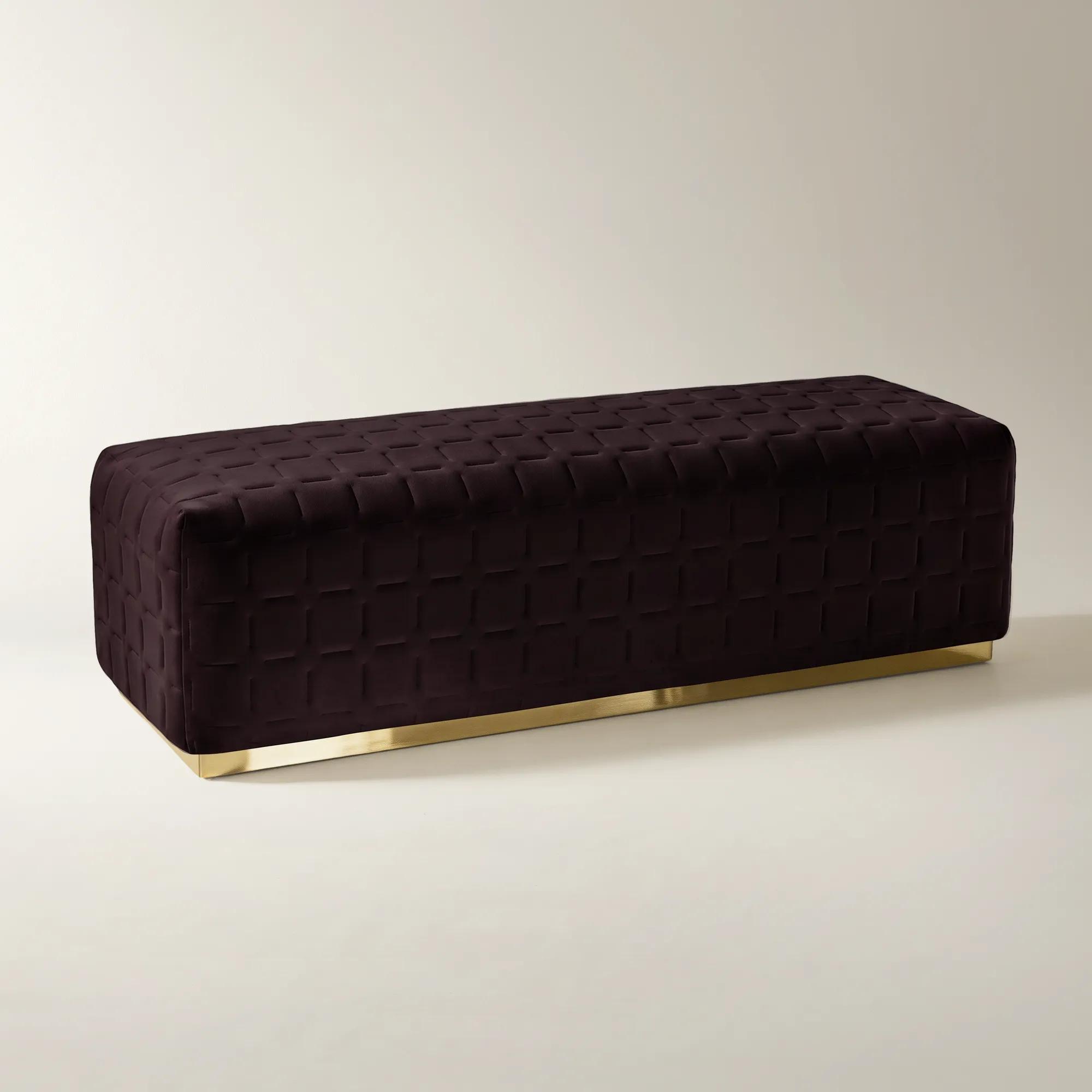 Vanta Quilted Fig Velvet Bench (64.6")$899
A plush fig velvet bench featuring checker quilted tufting and a sleek gold stainless steel base.
Add To Cart -
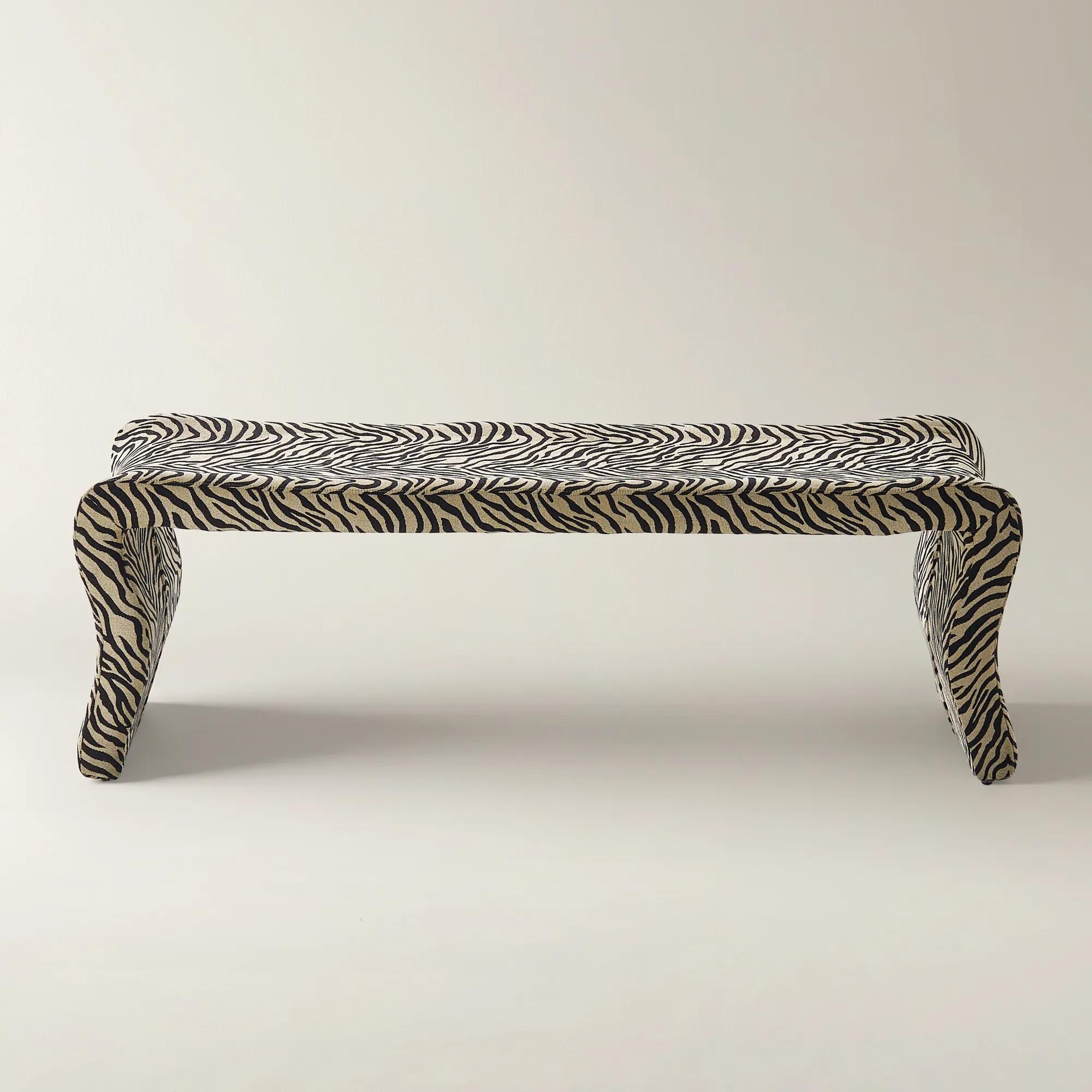 Romy Zebra Performance Chenille Bench (61.5")$899
A sculptural bench wrapped in zebra-patterned performance chenille with a wave-like silhouette and full foam construction.
Add To Cart -
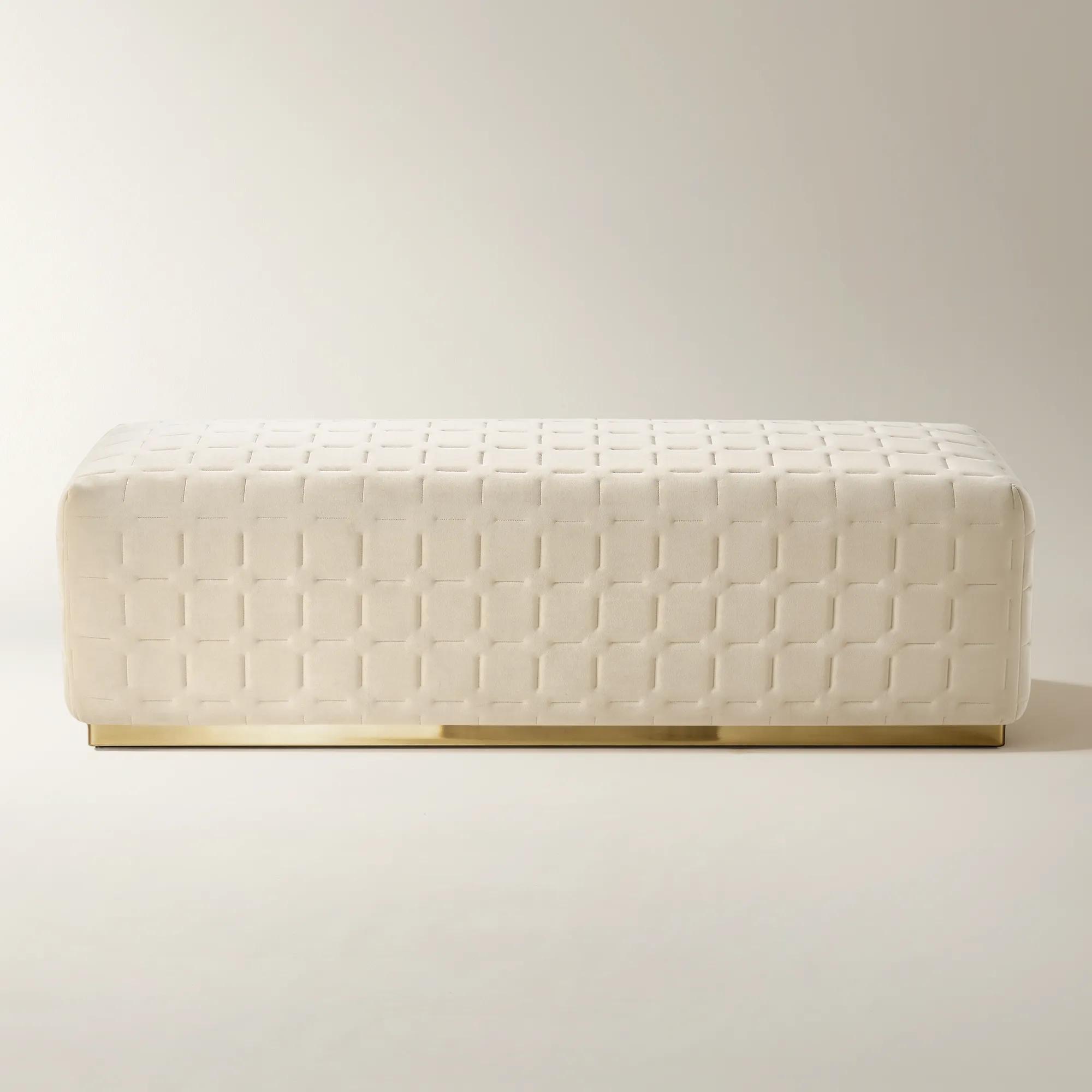
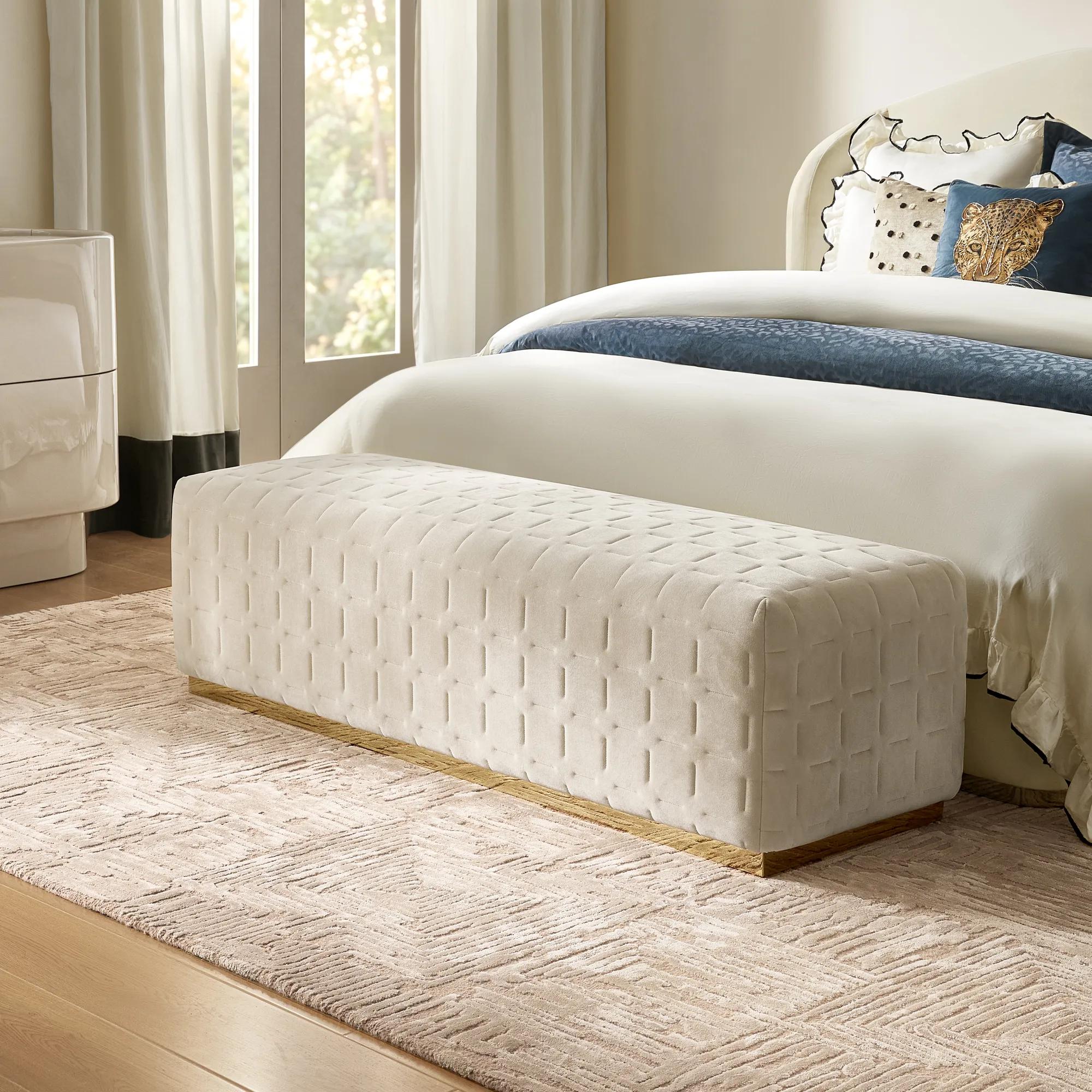 Vanta Quilted Oatmeal Velvet Bench (64.6")$899
A plush oatmeal velvet bench featuring checker quilted tufting and a sleek gold stainless steel base.
Add To Cart -
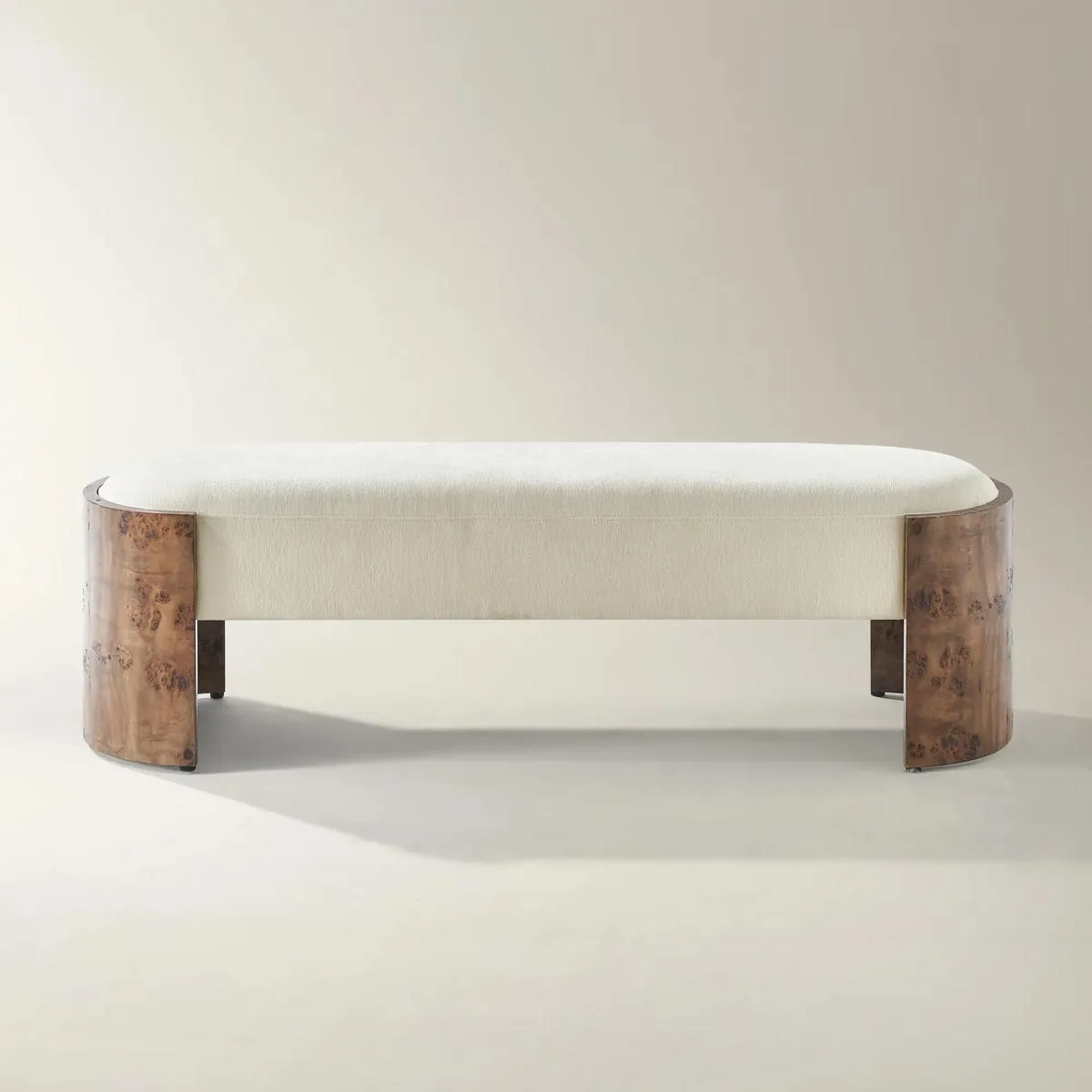
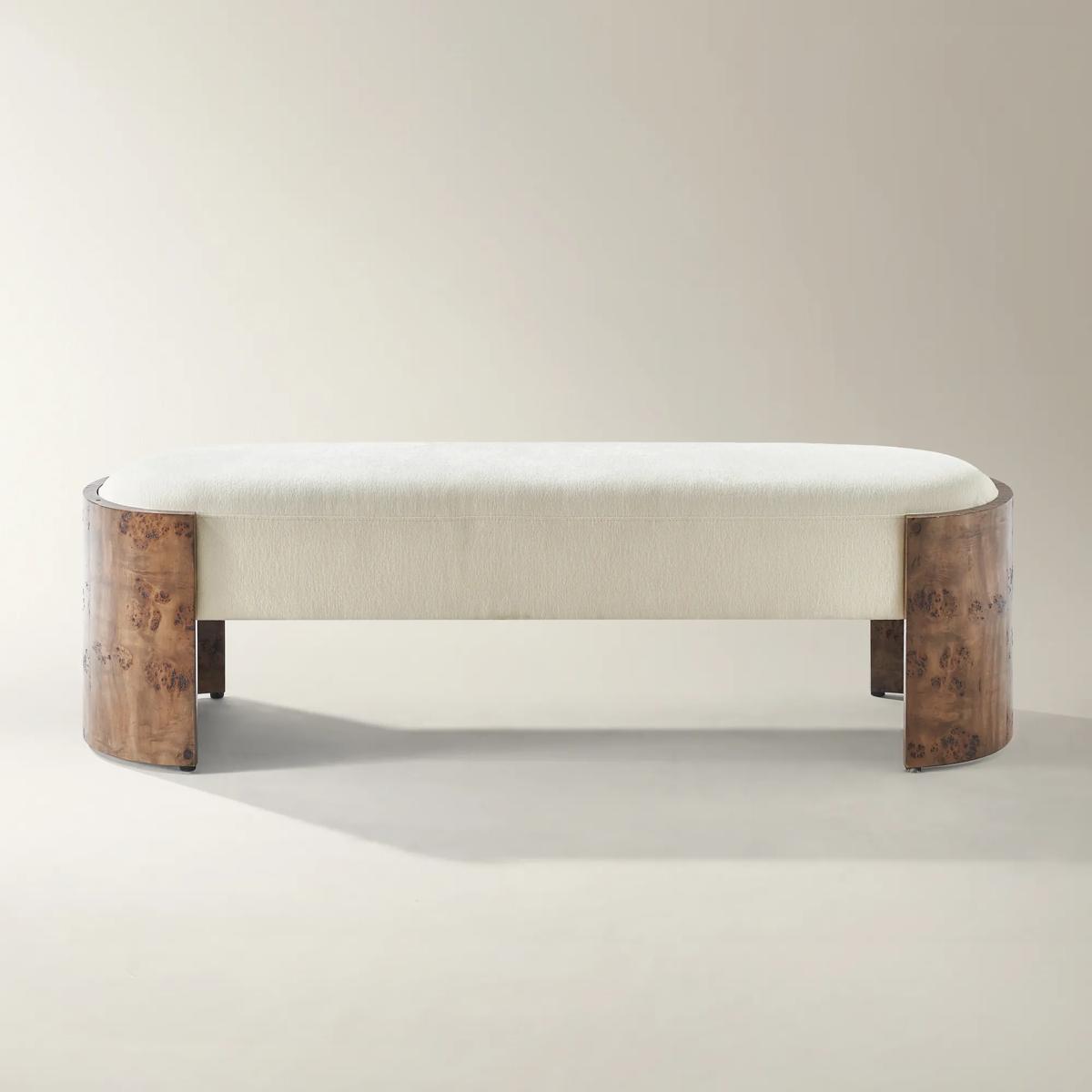 Cora Ivory Chenille With Ash Wood Bench (60.6")$999
An ivory chenille bench with curved ash burl veneer panels, blending plush comfort with striking wood artistry.
Add To Cart -
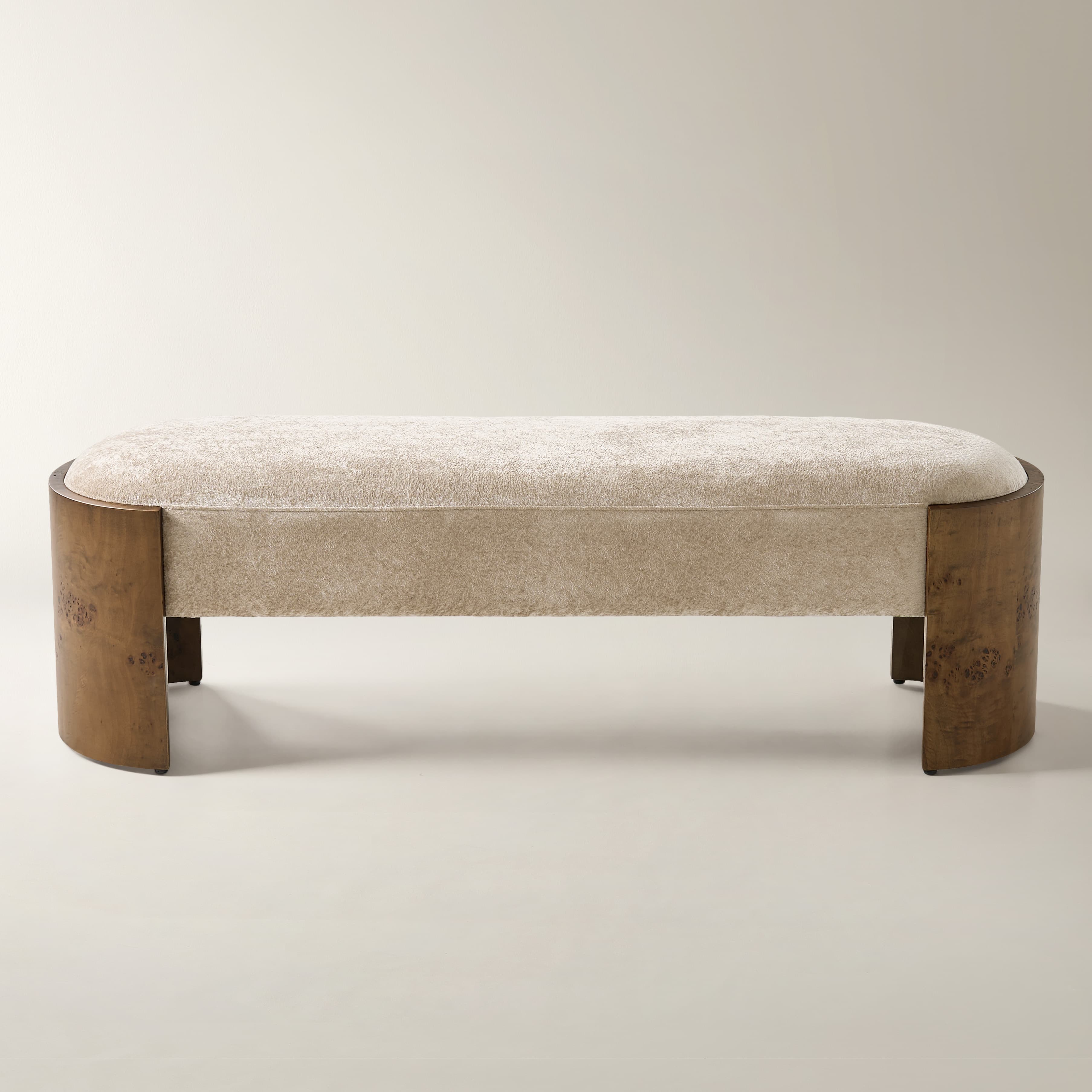 Cora Light Brown Chenille With Ash Wood Bench (60.6")$999
A light brown chenille bench with curved ash burl veneer panels, blending plush comfort and organic artistry.
Add To Cart -
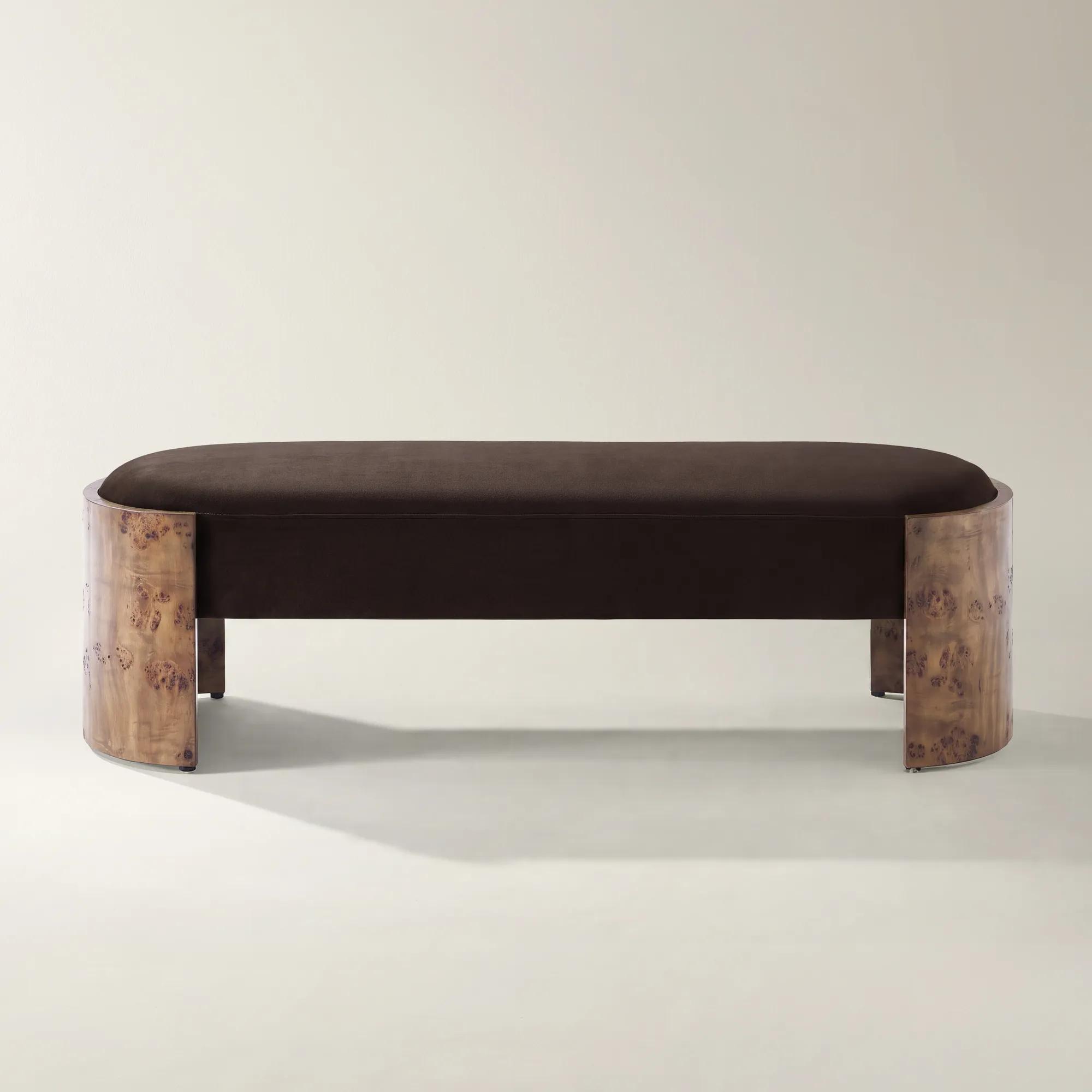
 Cora Dark Chocolate Velvet With Ash Wood Bench (60.6")$999
A dark chocolate velvet bench with sculpted bookmatched ash burl end panels and high-resiliency foam cushioning.
Add To Cart -
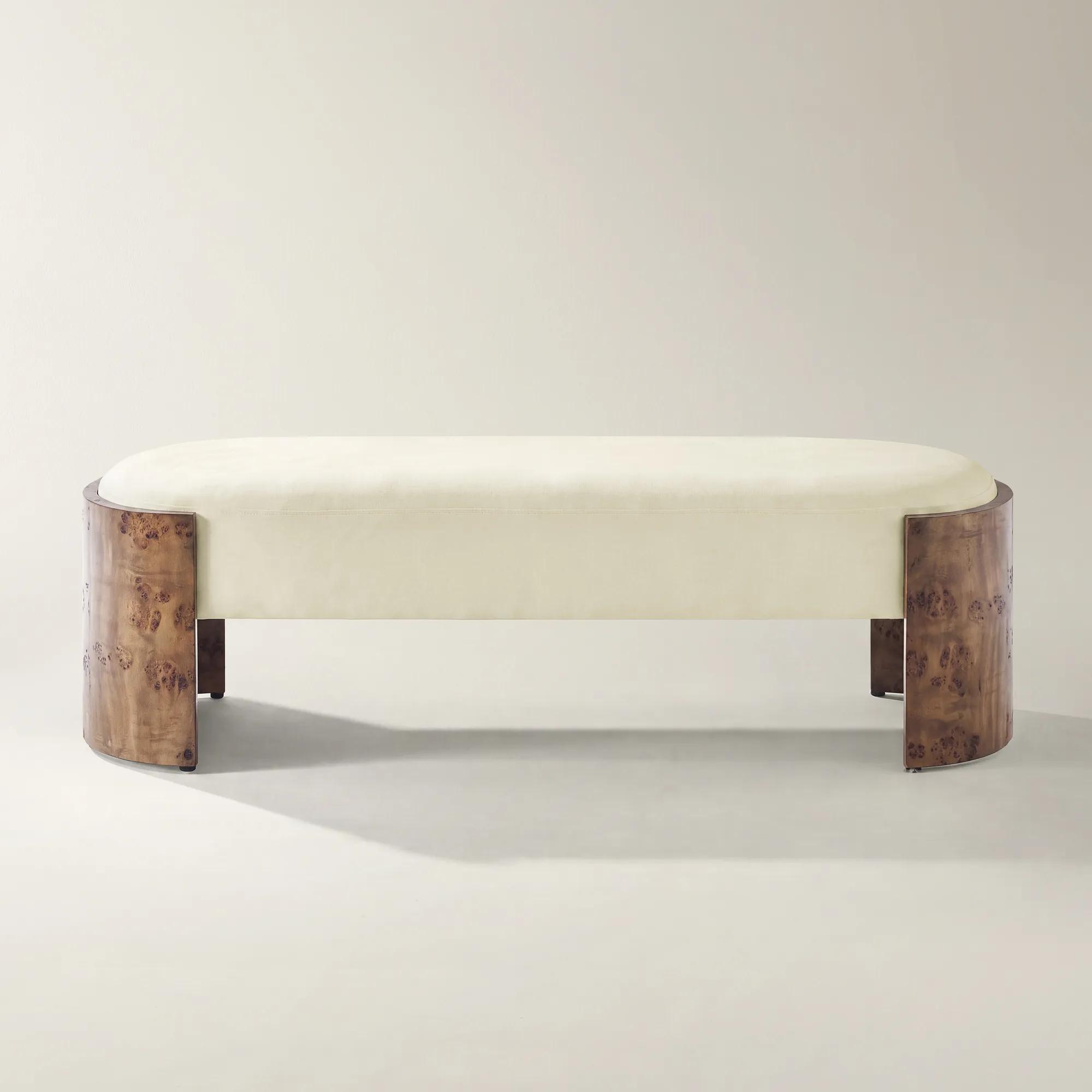 Cora Cloud Velvet With Ash Wood Bench (60.6")$999
A cloud velvet bench with bookmatched ash burl panels and supportive foam cushioning.
Add To Cart -
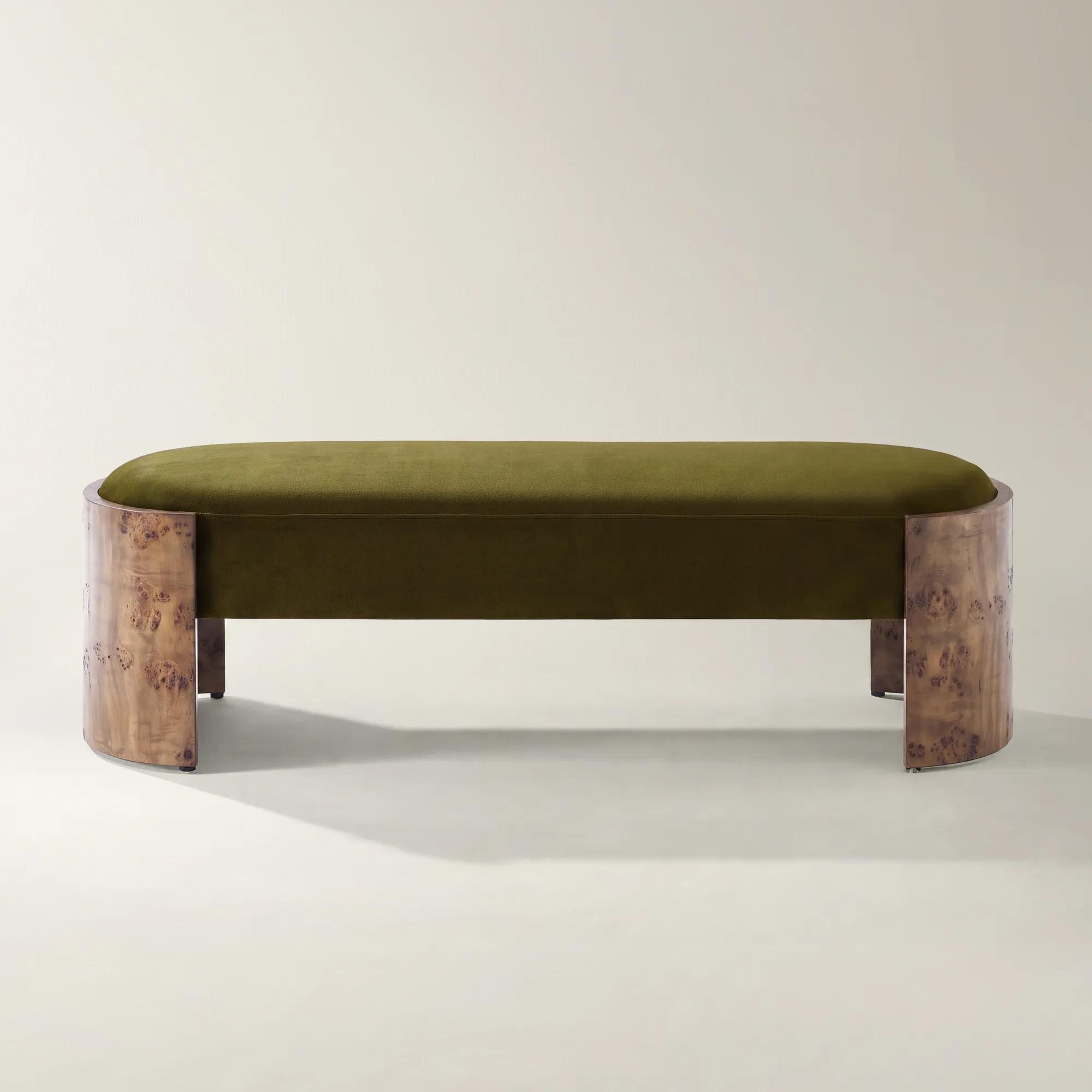 Cora Deep Olive Velvet With Ash Wood Bench (60.6")$999
A sculpted deep olive velvet bench featuring curved ash burl end panels and supportive foam cushioning.
Add To Cart -
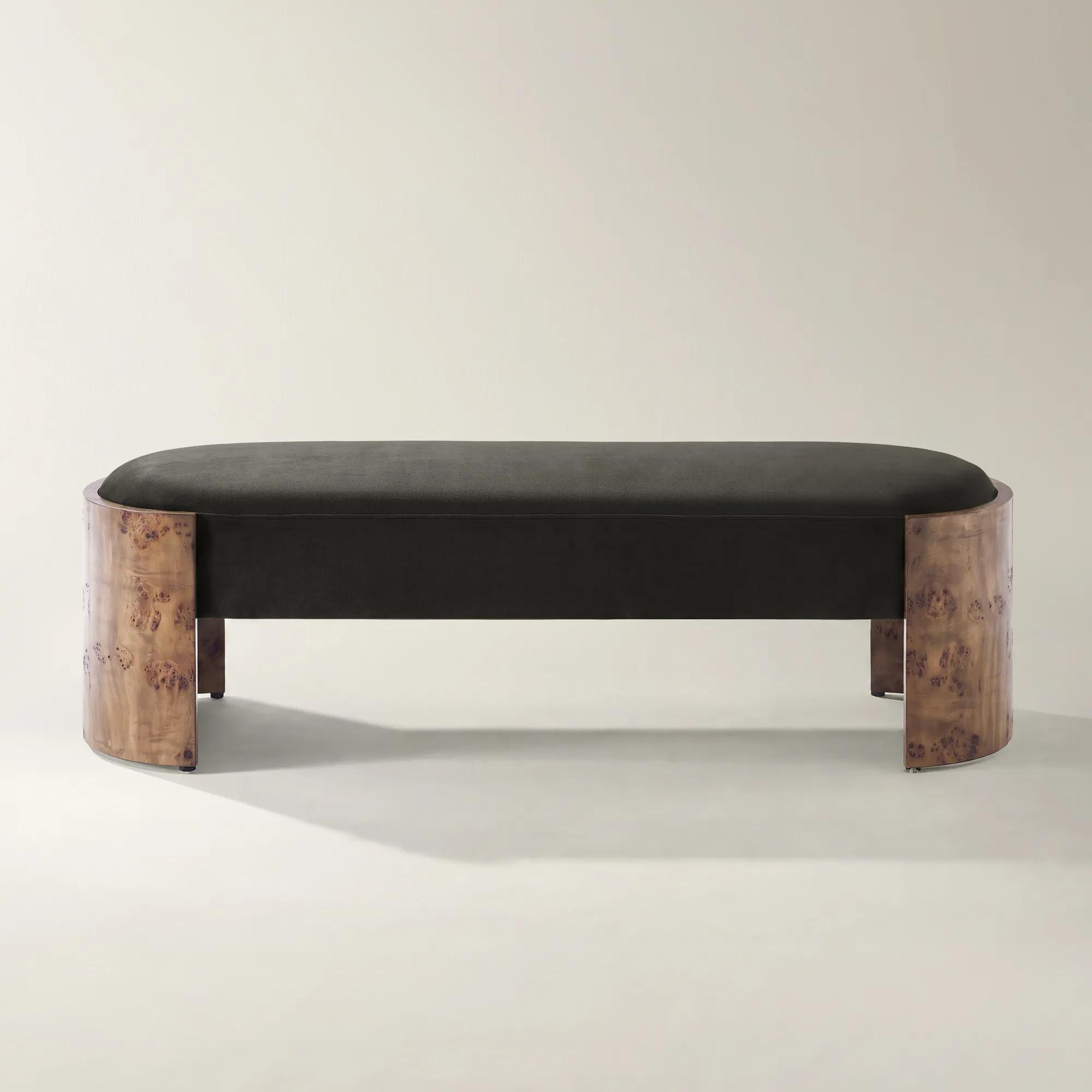 Cora Charcoal Velvet With Ash Wood Bench (60.6")$999
A sculpted charcoal velvet bench with curved bookmatched ash burl panels and supportive foam cushioning.
Add To Cart -
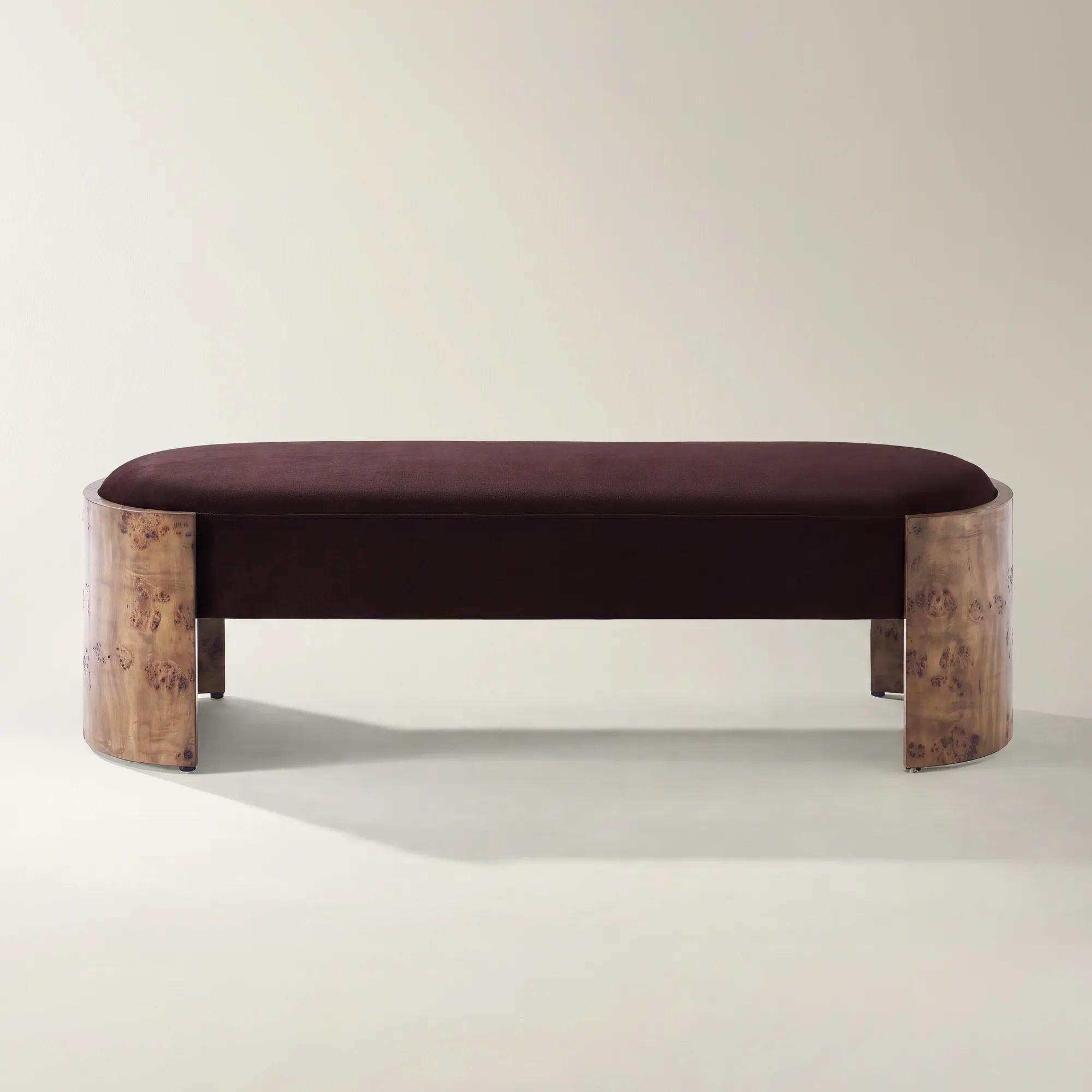 Cora Fig Velvet With Ash Wood Bench (60.6")$999
A sculptural bench with fig velvet upholstery, bookmatched ash burl panels, and supportive high-resiliency foam cushioning.
Add To Cart -
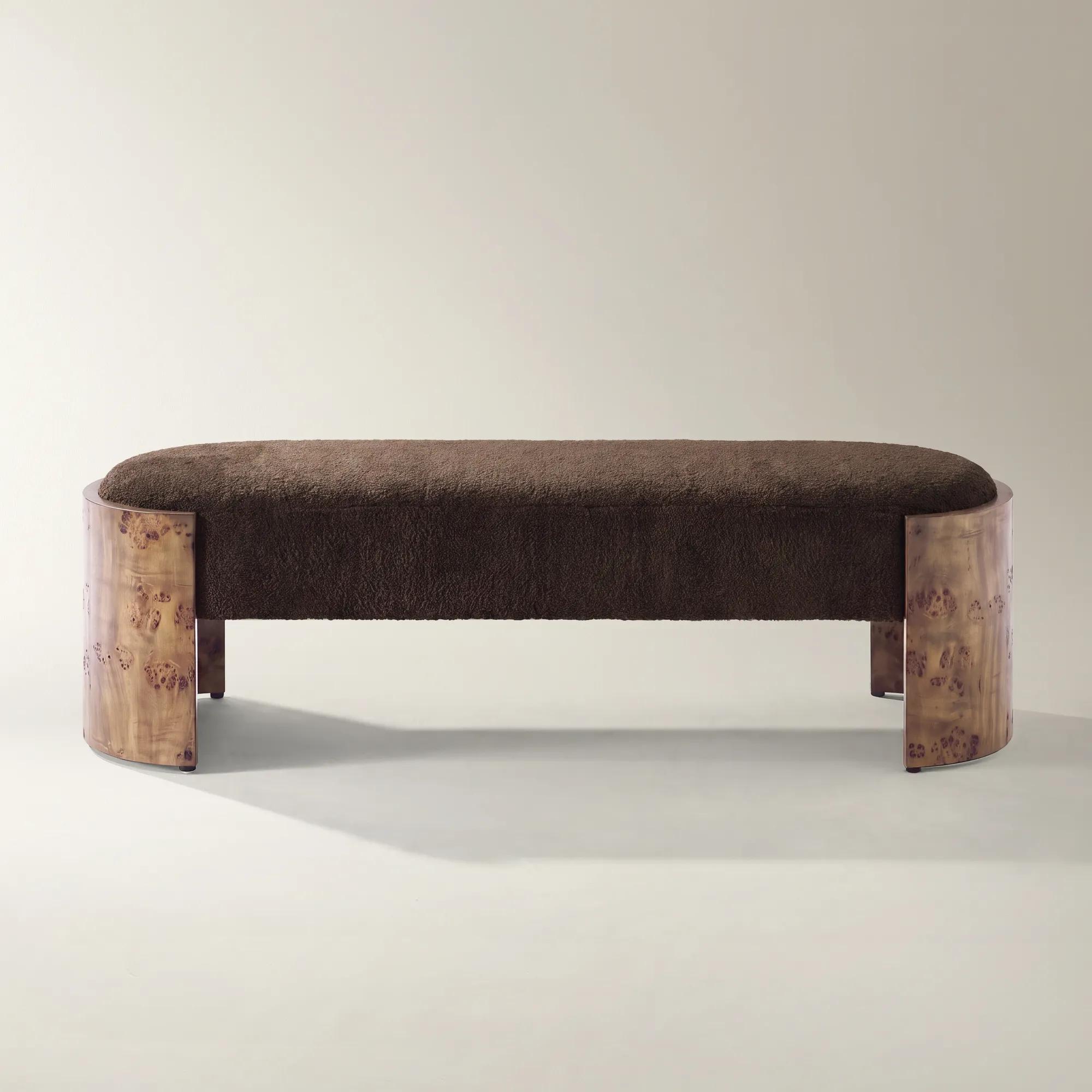 Cora Dark Chocolate Chenille With Ash Wood Bench (60.6")$999
A sculpted dark chocolate chenille bench with curved ash burl end panels and supportive foam cushioning.
Add To Cart -
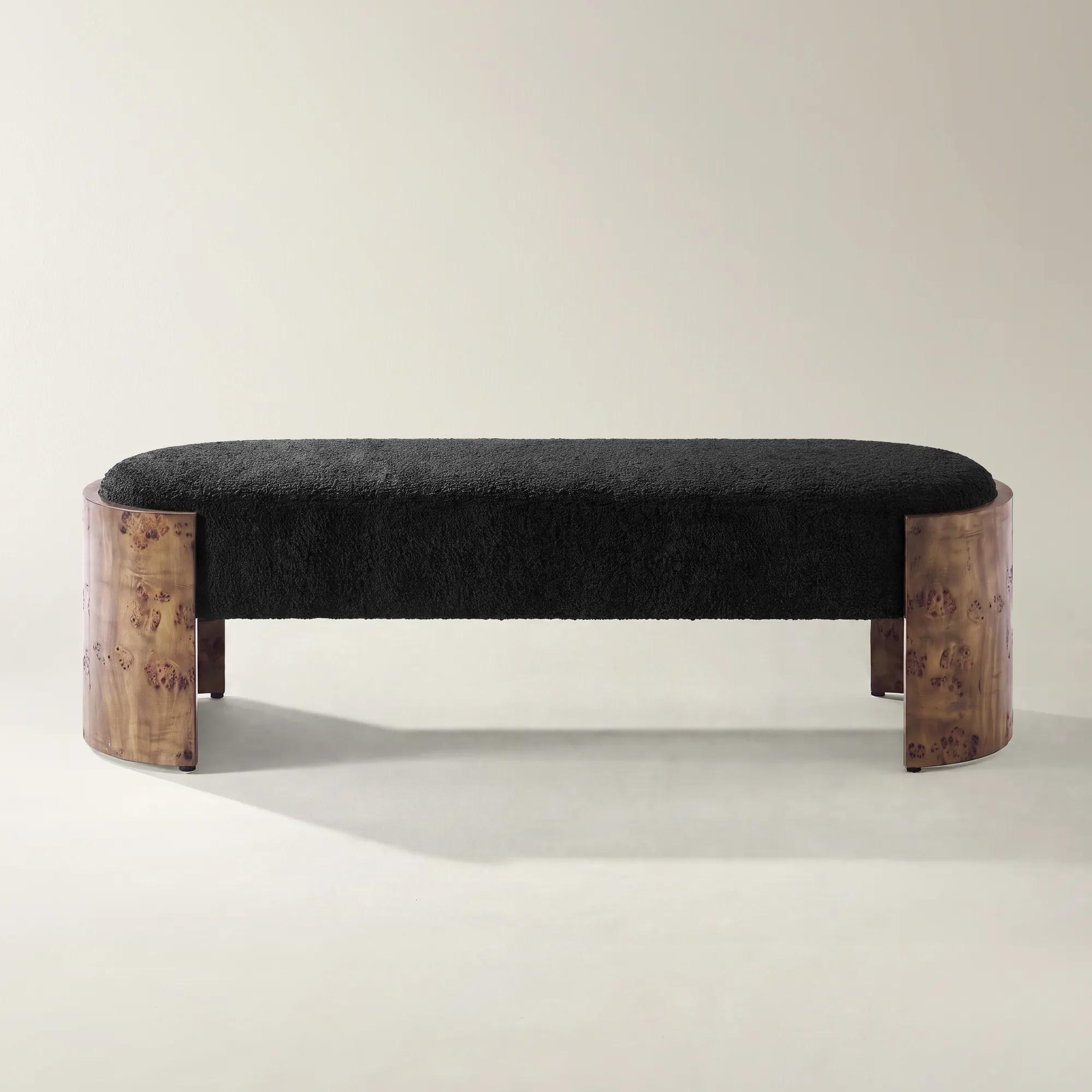 Cora Black Chenille With Ash Wood Bench (60.6")$999
A sculpted charcoal chenille bench featuring curved bookmatched ash burl panels and supportive foam cushioning.
Add To Cart -
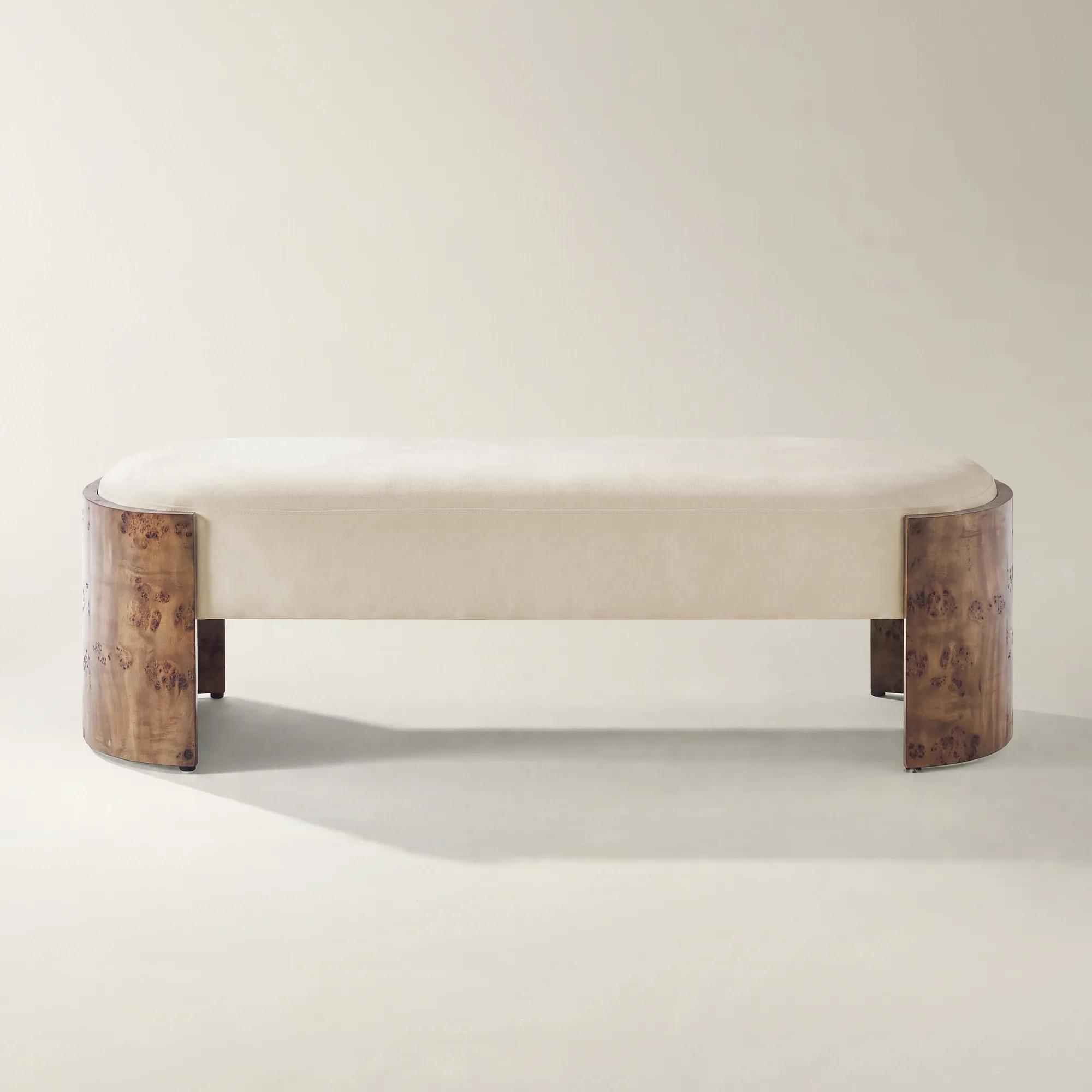 Cora Oatmeal Velvet With Ash Wood Bench (60.6")$999
A sculptural oatmeal velvet bench with curved ash burl wood panels and supportive foam cushioning.
Add To Cart

Living Room Accent Benches
Living room accent benches are the unsung heroes of sophisticated spaces—inviting artistry, versatility, and a whisper of drama into your home’s most celebrated gathering place. With every sumptuous curve and polished surface, these pieces do more than offer a seat; they set a mood, anchor a vignette, and spark conversation. Whether nestled beneath a grand window or commanding attention at the heart of your design, each bench transforms the ordinary into the extraordinary, encouraging you to paint your living room boldly with layers of texture, form, and flair.
Living room accent benches bring flexible seating, distinctive texture, and a sculptural finishing touch to a gathering space, often without the visual weight of a high-backed chair. Their elongated shape can anchor a furniture arrangement, while an open base preserves sightlines across the room. Designs with built-in storage add another layer of function, providing a discreet place for throws, games, or other everyday essentials. Yet the appeal extends well beyond practicality: a beautifully proportioned bench introduces a deliberate stroke of color, an unexpected material, or a gleaming detail that gives the room its own point of view. Set opposite a sofa, a backless upholstered bench creates a welcoming conversation area without placing a tall barrier between adjoining spaces. Positioned beneath a window, a lower-profile silhouette can frame the view rather than compete with it, provided its dimensions allow curtains and shades to move freely. A bench placed behind a floating sofa brings definition to the seating area and offers an occasional perch when guests gather. The right design also creates a compelling contrast with surrounding furniture. A tailored seat and slender metal legs lend crisp definition beside a deeply cushioned sectional; a generously upholstered silhouette softens a room filled with angular tables and polished surfaces. Channel detailing draws the eye along the seat, while tufting creates a more dimensional play of light and shadow. Curved ends can echo an arched mirror or rounded coffee table, giving separate pieces a shared visual rhythm. In a compact living room, an airy base keeps more of the floor visible. In a larger space, a substantial bench can hold its own beside expansive seating and oversized artwork. These proportions matter as much as ornament: an accent bench should feel connected to the room’s architecture and furniture, not stranded between them. Whether the mood is boldly graphic, softly glamorous, or richly layered, its combination of shape, surface, and scale makes a purposeful contribution.
Materials determine how a living room bench looks, feels, and responds to daily use. Velvet upholstery offers a plush surface with a luminous nap, making color appear deeper or lighter as the viewing angle changes. Woven fabrics introduce subtler variation, with texture that can balance reflective tables, glass accents, and metallic finishes. Leather brings a different richness, although its response to scratches, spills, and aging depends on the type and finish. A performance designation should be considered alongside the fabric’s specific care information rather than treated as a promise that every mark will disappear. For households with children, pets, or frequent visitors, tightly constructed upholstery, accessible cleaning instructions, and a stable frame deserve particular attention. A dramatic fabric can still be practical when its maintenance requirements suit the household. Beneath the upholstery, frame construction, joint quality, cushioning, and the way the legs attach all influence long-term comfort and durability. Solid wood, engineered wood, and metal each appear in bench construction; material names alone do not establish strength, so dimensions, construction details, and the stated weight capacity remain important. The intended use matters, too. A firm, tailored seat may be well suited to brief conversations or additional seating during a gathering, while a more cushioned design may feel inviting for longer pauses with a book. Neither should be assumed to perform like a full-depth lounge chair. Exposed wood adds warmth and visible grain, while polished or brushed metal introduces a sharper architectural note. Those finishes benefit from care appropriate to their surface: harsh cleaners and abrasive cloths can damage coatings or dull a sheen. Upholstery generally benefits from regular gentle vacuuming with an appropriate attachment, prompt attention to spills, and cleaning methods matched to the manufacturer’s instructions. Direct sunlight can alter some fabrics and finishes over time. With thoughtful placement and consistent care, the bench’s most expressive details remain part of its everyday pleasure rather than becoming difficult to maintain.
Fit is where an accent bench becomes truly integrated into a living room. Overall length and depth need to work with the sofa, rug, tables, and circulation routes, while seat height should feel comfortable for the people most likely to use it. A bench intended for conversation works best when guests can sit with their feet supported and engage easily with nearby seating. Measuring the entire footprint, including projecting legs, curved arms, or upholstered ends, gives a more accurate sense of its presence than seat dimensions alone. Painter’s tape on the floor can make that footprint tangible before a furniture arrangement changes. Main walking routes need generous clearance, and doors, drawers, and nearby cabinets should open without obstruction. A bench with storage requires additional consideration: a lift-top lid needs room to rise, and its contents should remain accessible without repeatedly moving a heavy table. Safety hinges and other closure details warrant attention in homes where children may reach inside. For entertaining, the appeal is immediate. A bench can accommodate a shifting conversation, offer guests another place to settle, or sit at the edge of the main arrangement until extra seating is needed. Lighter-looking designs can be especially useful in multipurpose living spaces, though appearance should never substitute for checking the actual weight before planning to move a piece frequently. For a more compact upholstered accent or a piece intended specifically for resting feet, Living Room Accent Ottomans offer a related approach with different proportions and functions. Benches remain especially compelling where a longer line helps complete the composition. A richly textured seat can balance a smooth leather sofa; a restrained neutral can let a dramatic painting command attention. A saturated hue can carry color from artwork into the center of the room without requiring every furnishing to match. The result is an accent with substance: seating that supports daily life while giving the entire room a more considered, expressive presence.
FAQs
A living room accent bench brings an extra layer of artistry and intention to your décor. Its sculptural form can anchor a seating arrangement, create a focal point beneath artwork, or serve as a dramatic statement piece. By introducing new textures, colors, and silhouettes, an accent bench infuses your space with personality and elevates the everyday atmosphere.
A modern accent bench shines when styled with luxurious throws, decorative pillows, or a curated stack of art books. Place it beneath a window to create a cozy reading nook, or use it as a chic perch for trays, candles, and fresh florals during gatherings. The bench’s versatility allows you to shift its look seasonally, adapting to your evolving aesthetic.
Accent benches make thoughtful gifts for design enthusiasts, new homeowners, newlyweds, or anyone who loves to entertain. Their versatility ensures they can suit a variety of tastes and spaces, offering both function and a dash of everyday luxury that recipients will enjoy for years to come.
Accent benches serve as elegant bridges between sofas, chairs, and tables. Their low profile and tailored lines allow them to blend seamlessly or stand out as a statement piece, depending on your styling. They can introduce new materials or finishes that create visual interest and balance within your living room ensemble.
Popular materials for living room accent benches include sumptuous velvets, textured linens, gleaming metals, and rich woods. Upholstered benches offer tactile comfort and a sense of opulence, while metallic or mirrored finishes add a glamorous edge. The choice of material can set the mood for your space, whether you prefer timeless elegance or bold, modern drama.