Living Room Accent Ottomans
Living Room Accent Ottomans
-
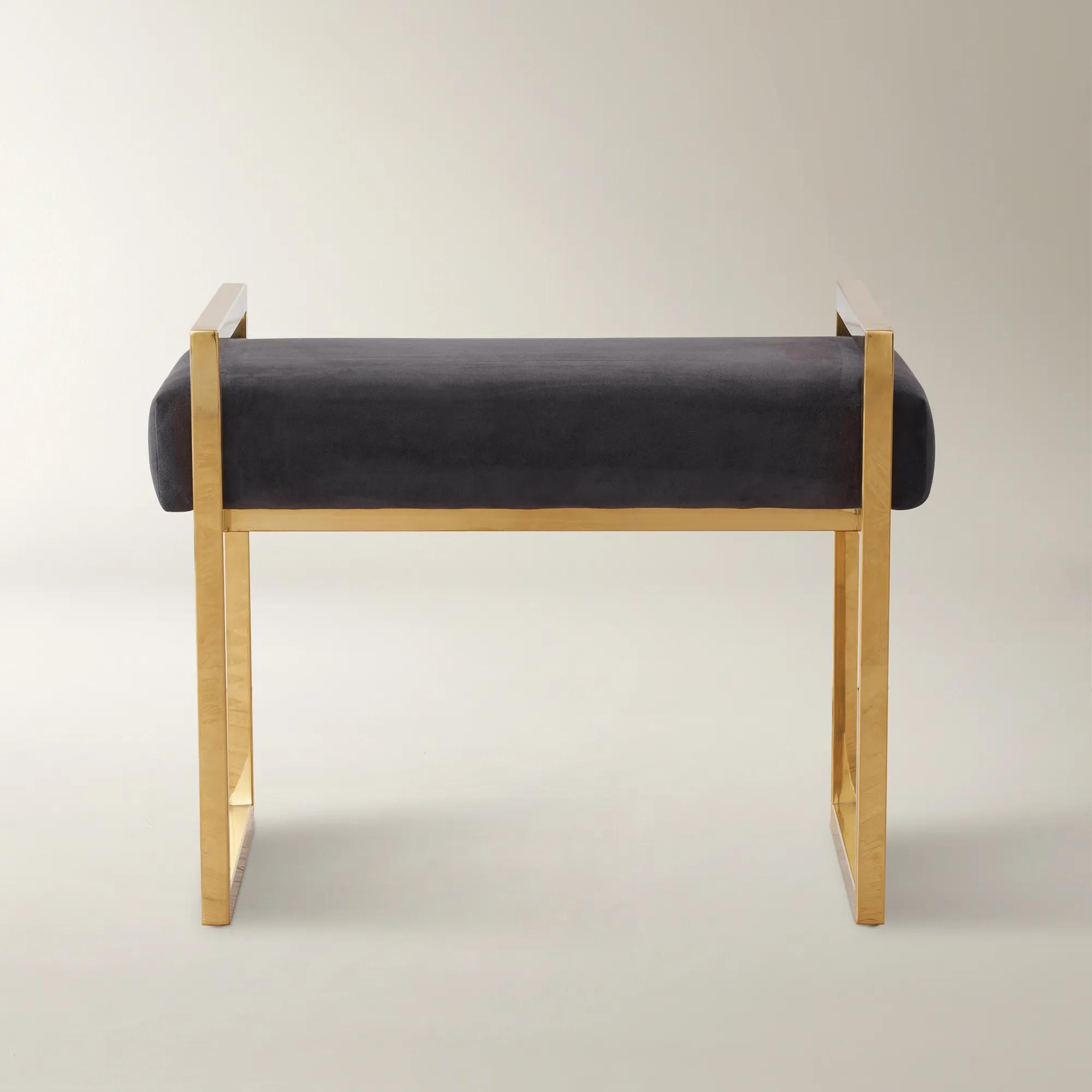
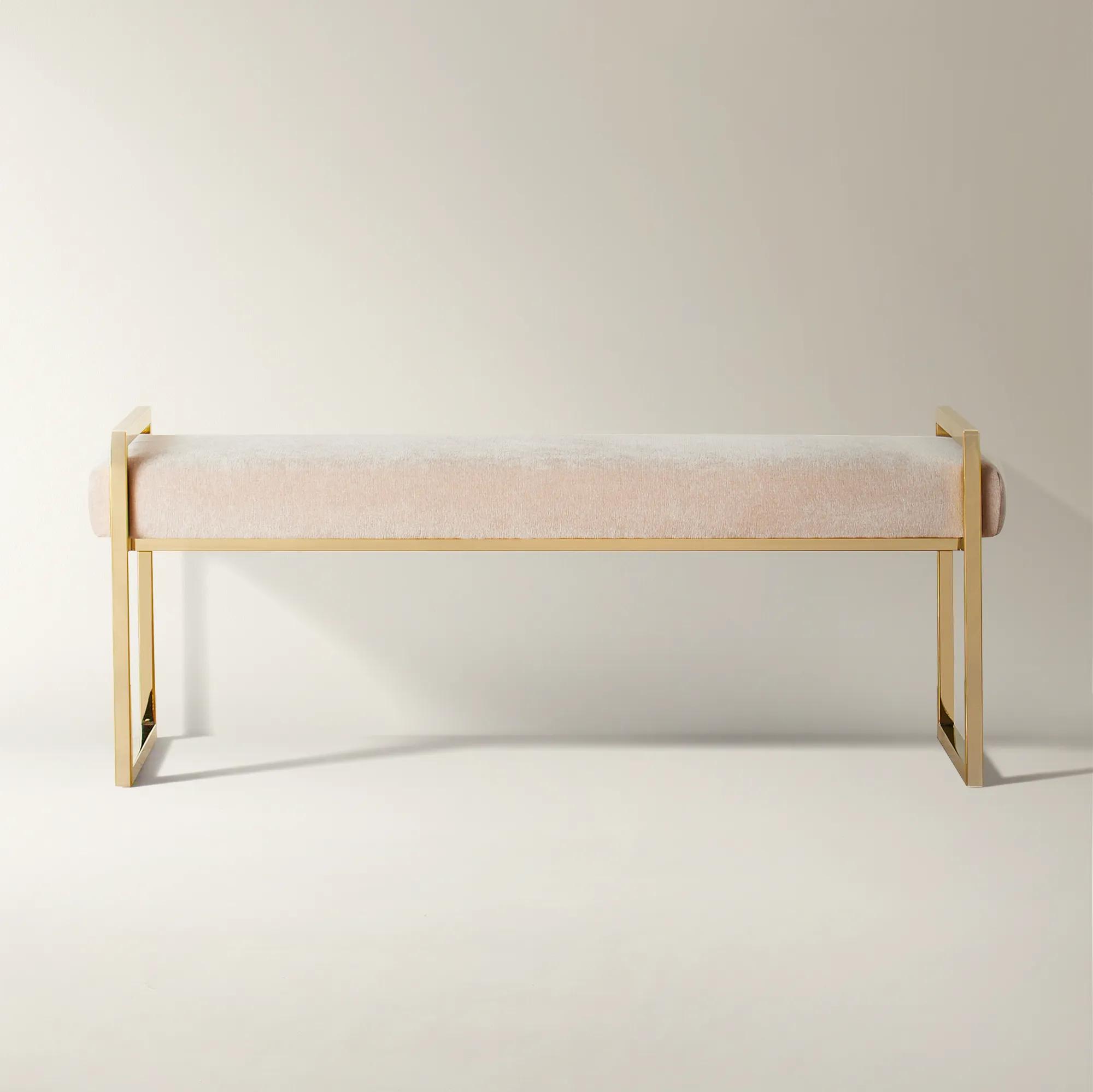
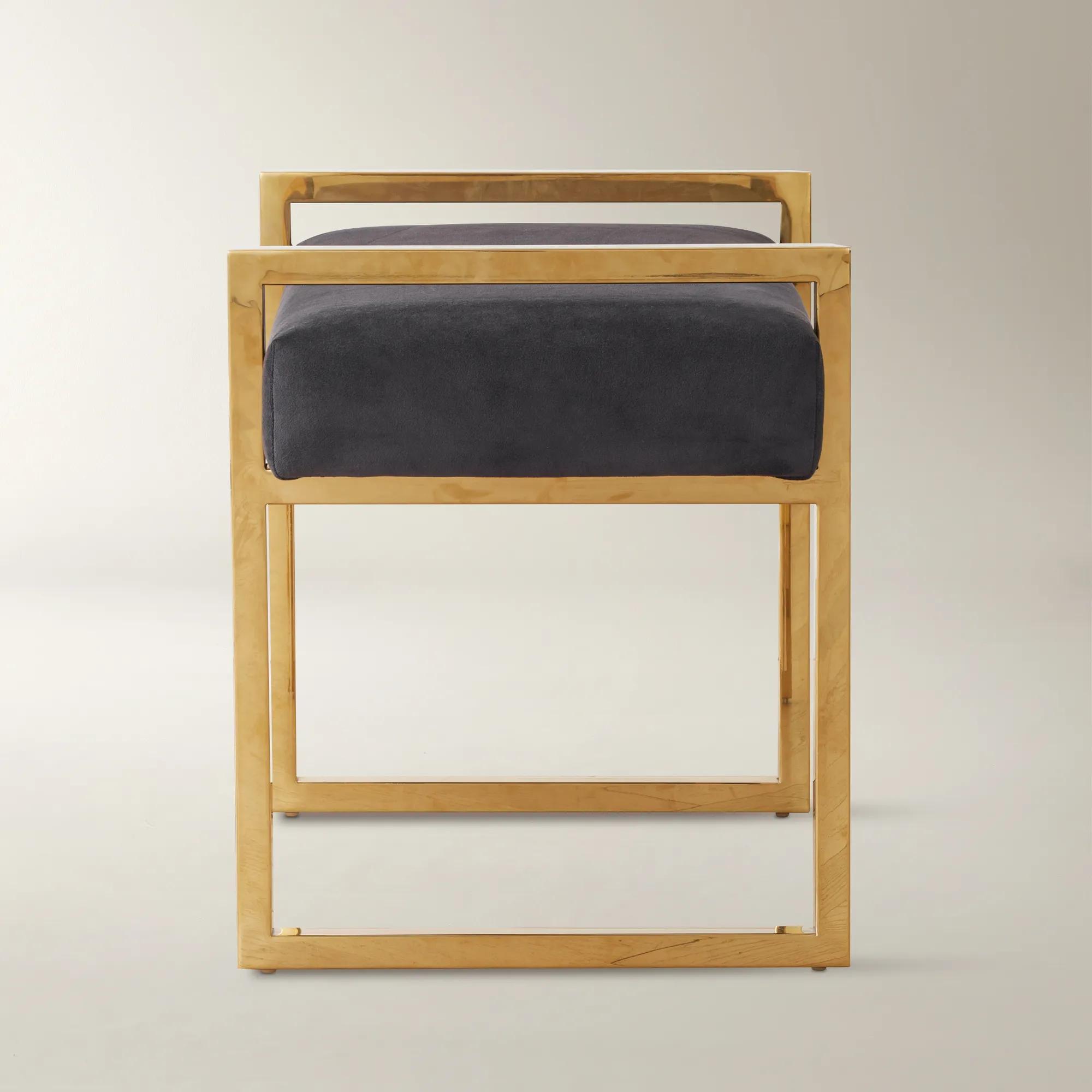 Clara Accent Stool$399
A plush black velvet seat rests on polished gold metal legs for a chic, modern accent piece.
Add To Cart -
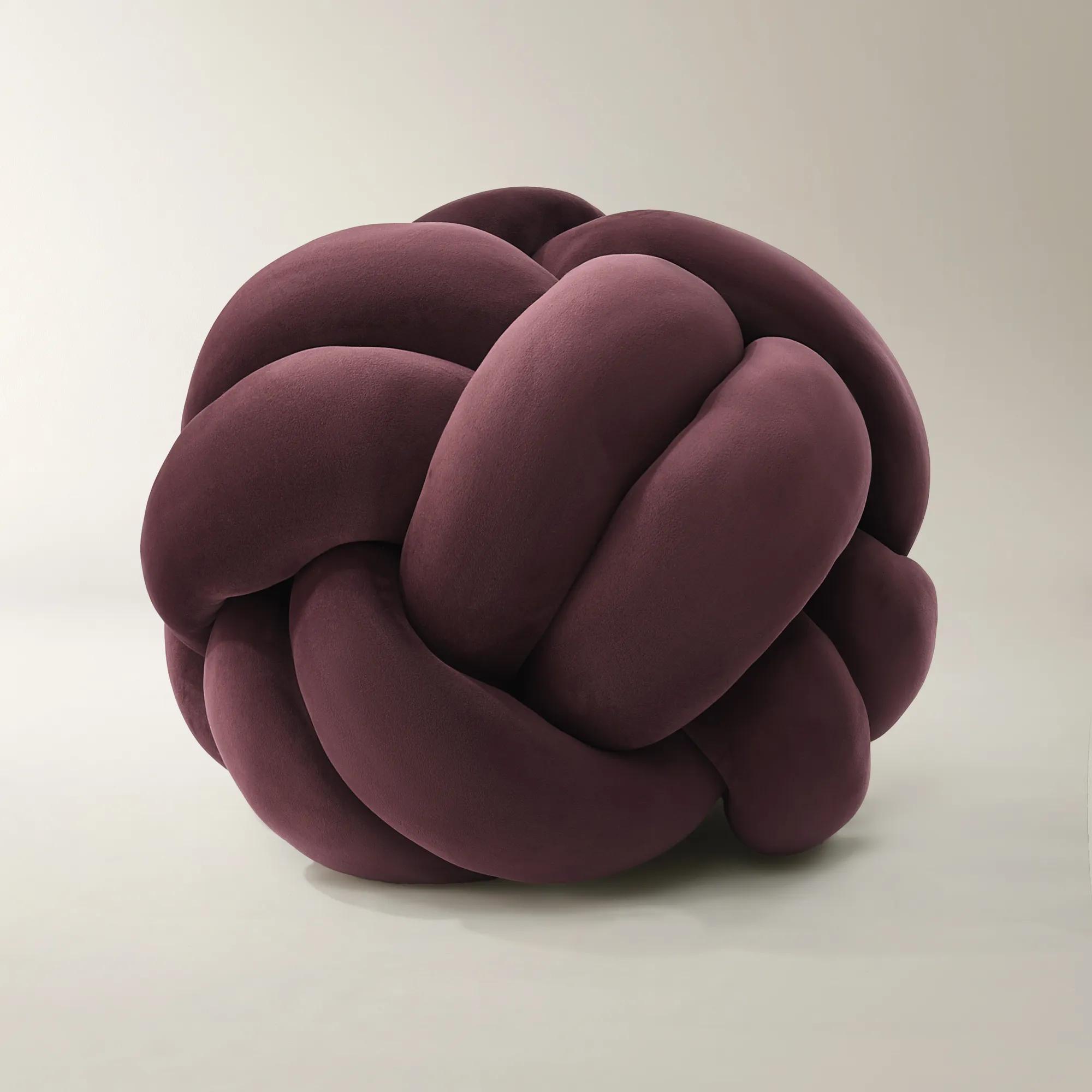
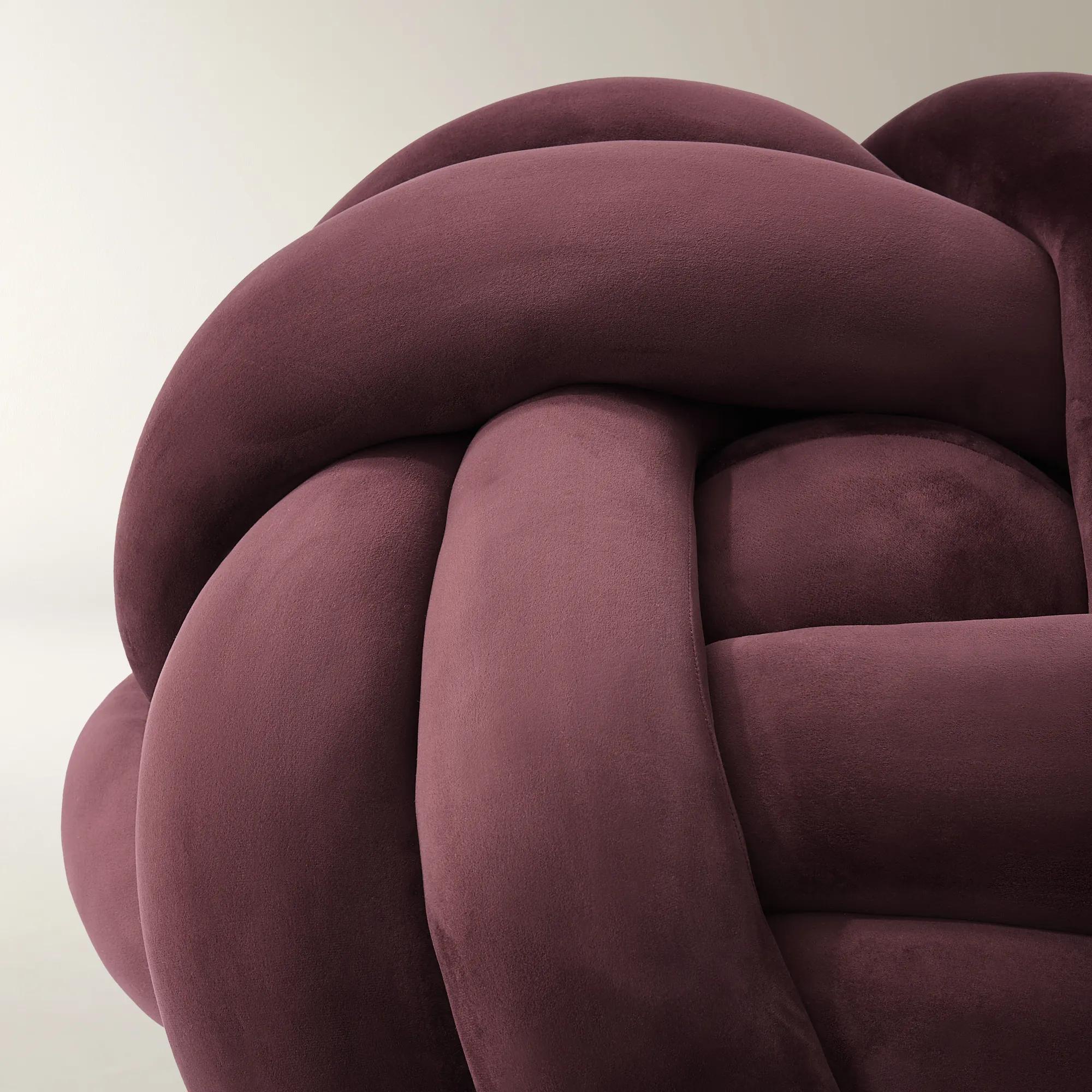 Loopie Fig Velvet Stool (34.5")$349
An oversized, knot-inspired stool hand-upholstered in plush fig velvet for bold sculptural appeal.
Add To Cart -
.jpg?w=1200&h=1200)
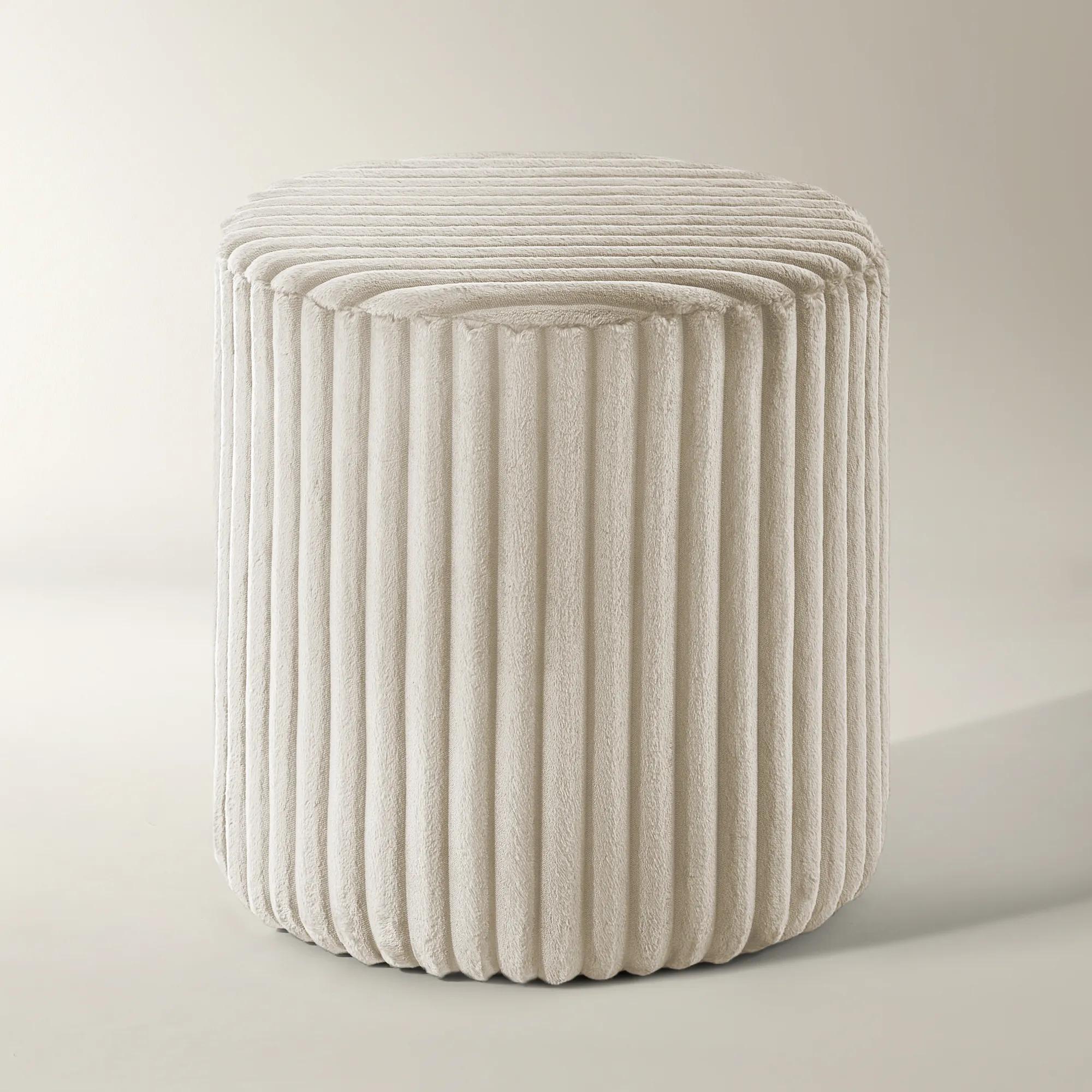 Fleece Fluted Ivory Velvet Stool (15.55'')$229
An ivory ribbed velvet stool offering cozy softness and versatile use as seating, footrest, or accent table.
Add To Cart -
.jpg?w=1200&h=1200) Fleece Fluted Gray Velvet Stool (15.55'')$229
Fleece Fluted Gray Velvet Stool (15.55'')$229A plush grey velvet stool with a unique ribbed texture, perfect for versatile, cozy seating or decor.
Add To Cart -
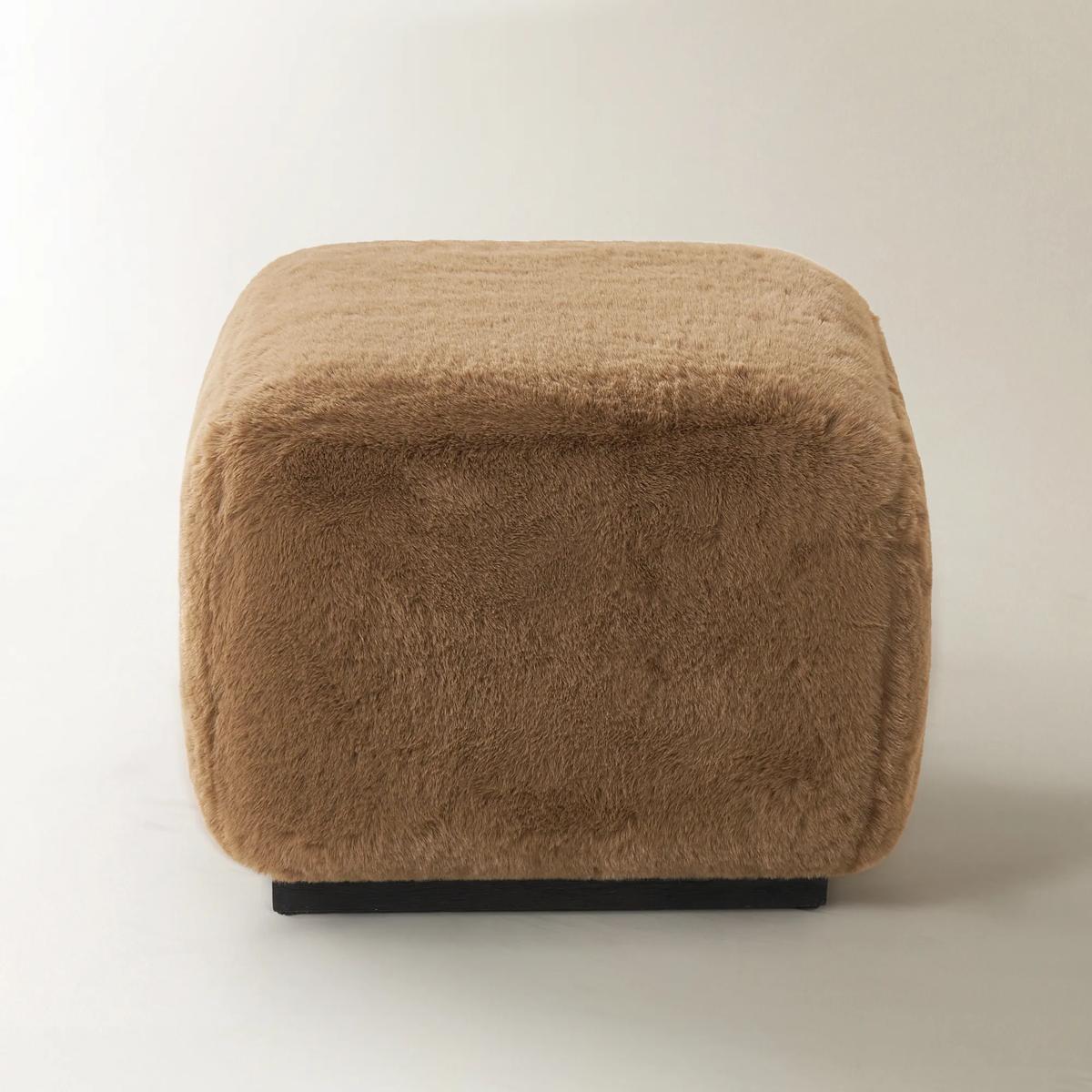
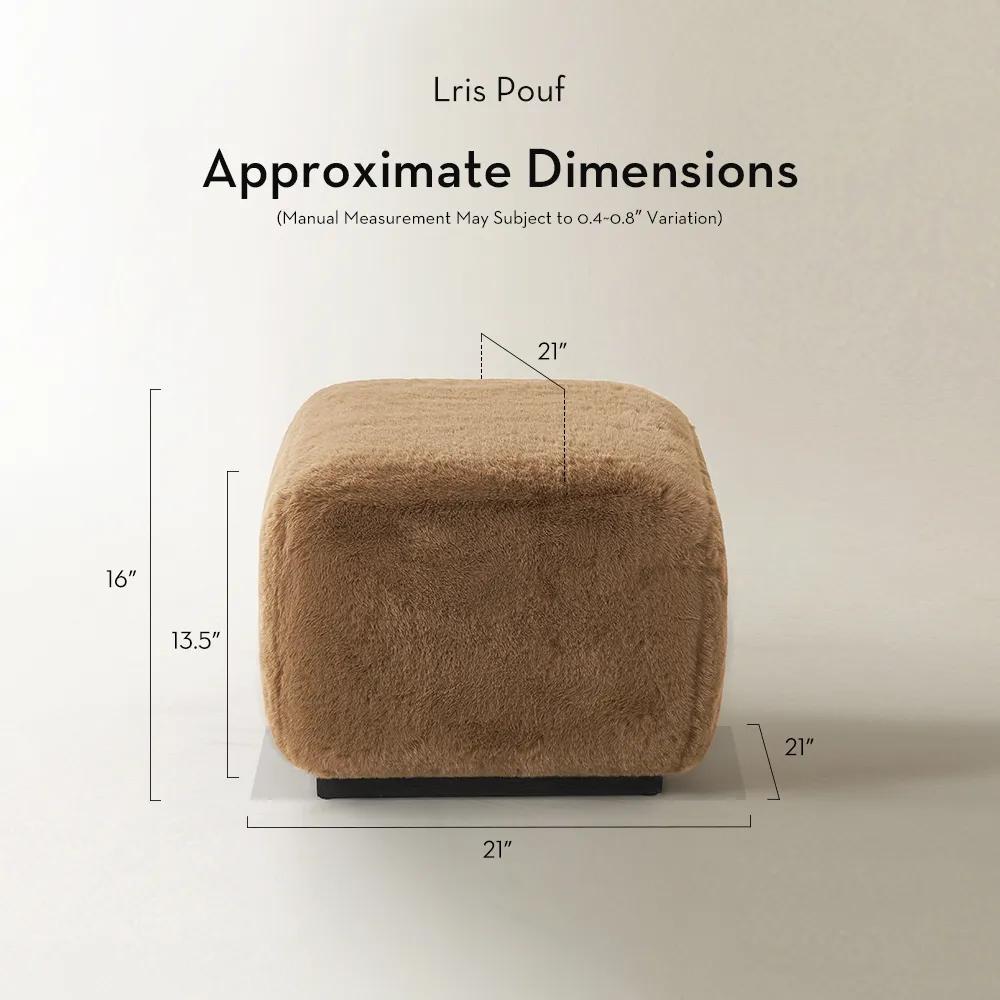 Lris Camel Faux Fur Stool (21")$299
A camel faux fur pouf with a solid rubberwood base, offering cozy warmth and modern sophistication.
Add To Cart -
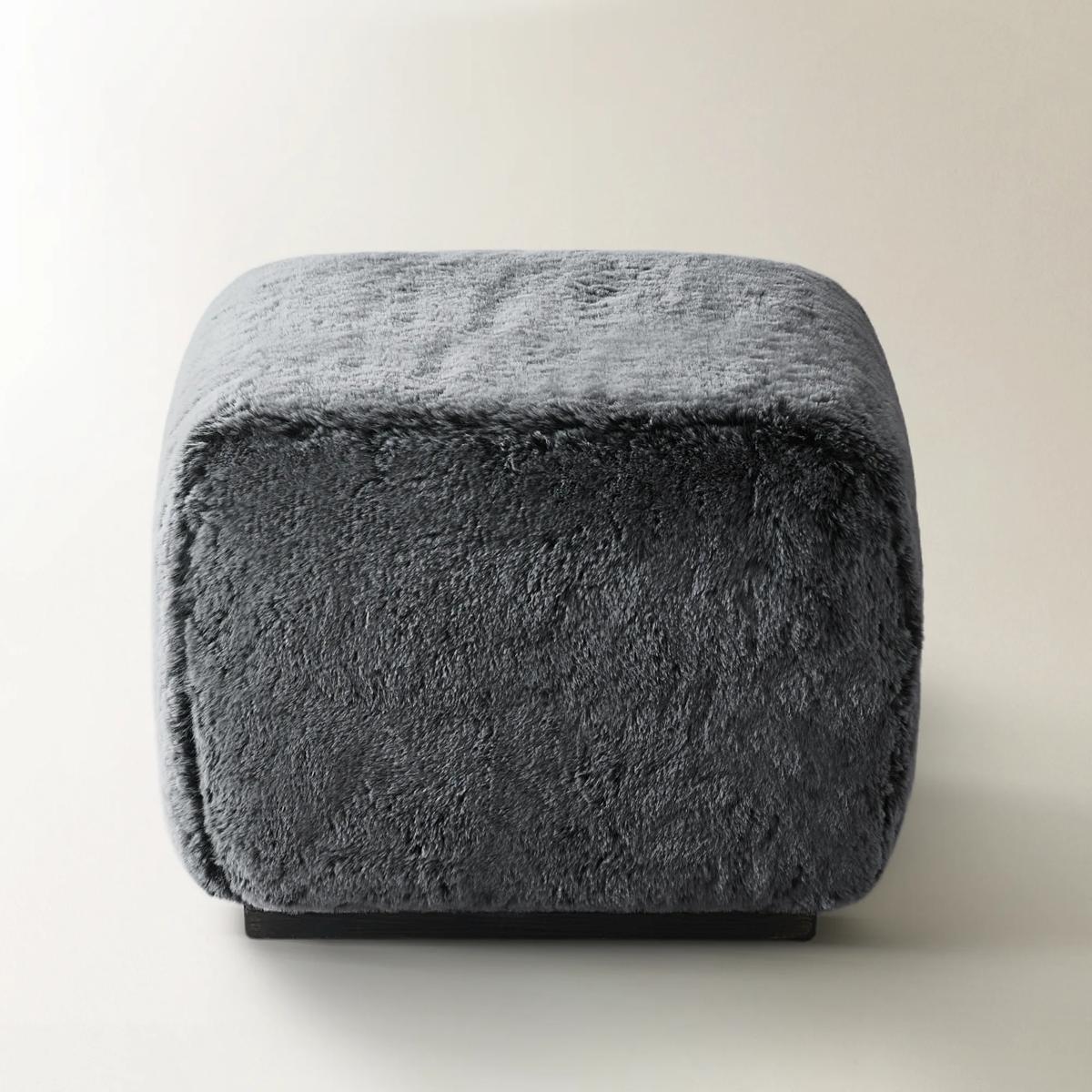
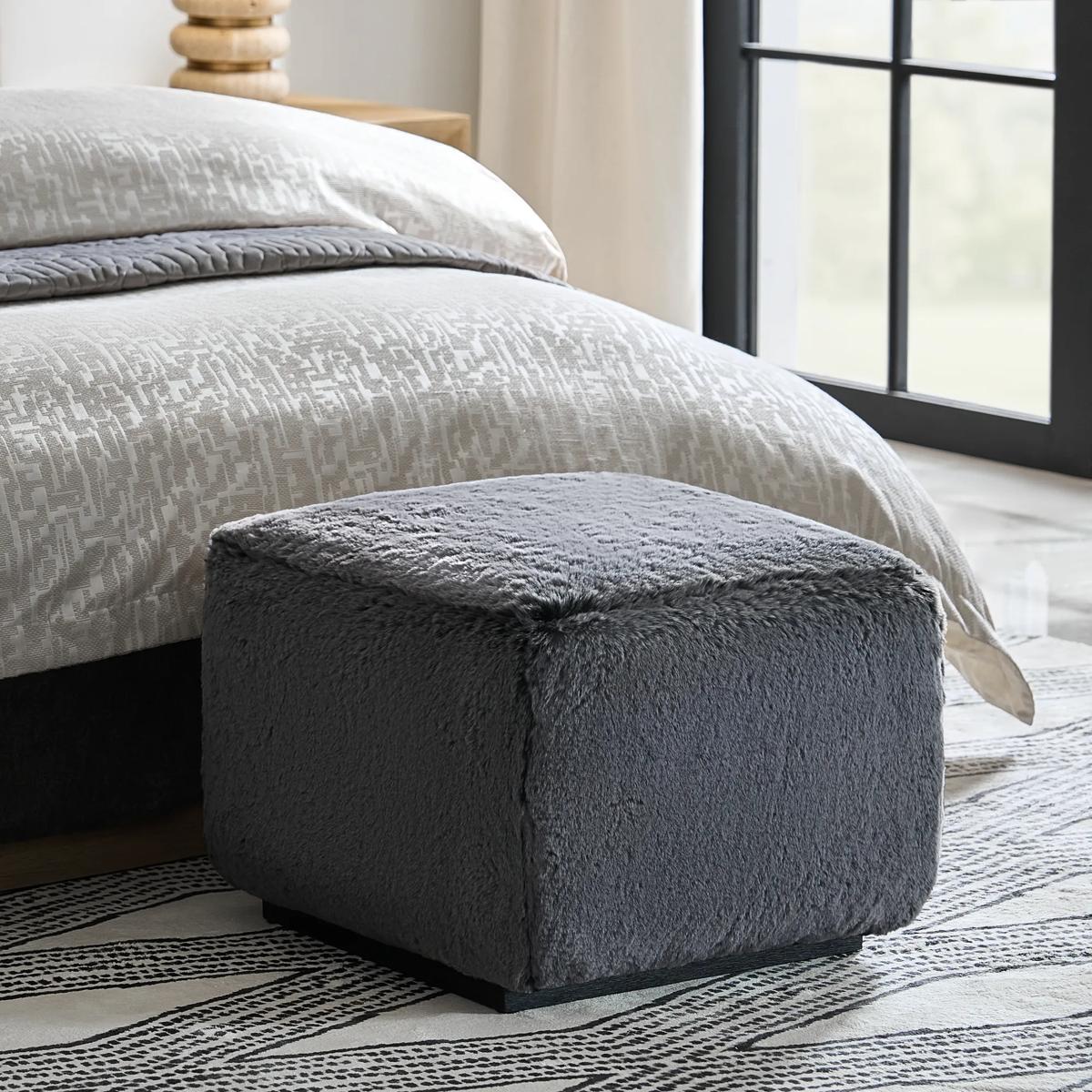 Lris Grey Faux Fur Stool (21")$299
A charcoal grey faux fur pouf with high-density foam and a sturdy rubberwood base for modern comfort.
Add To Cart -
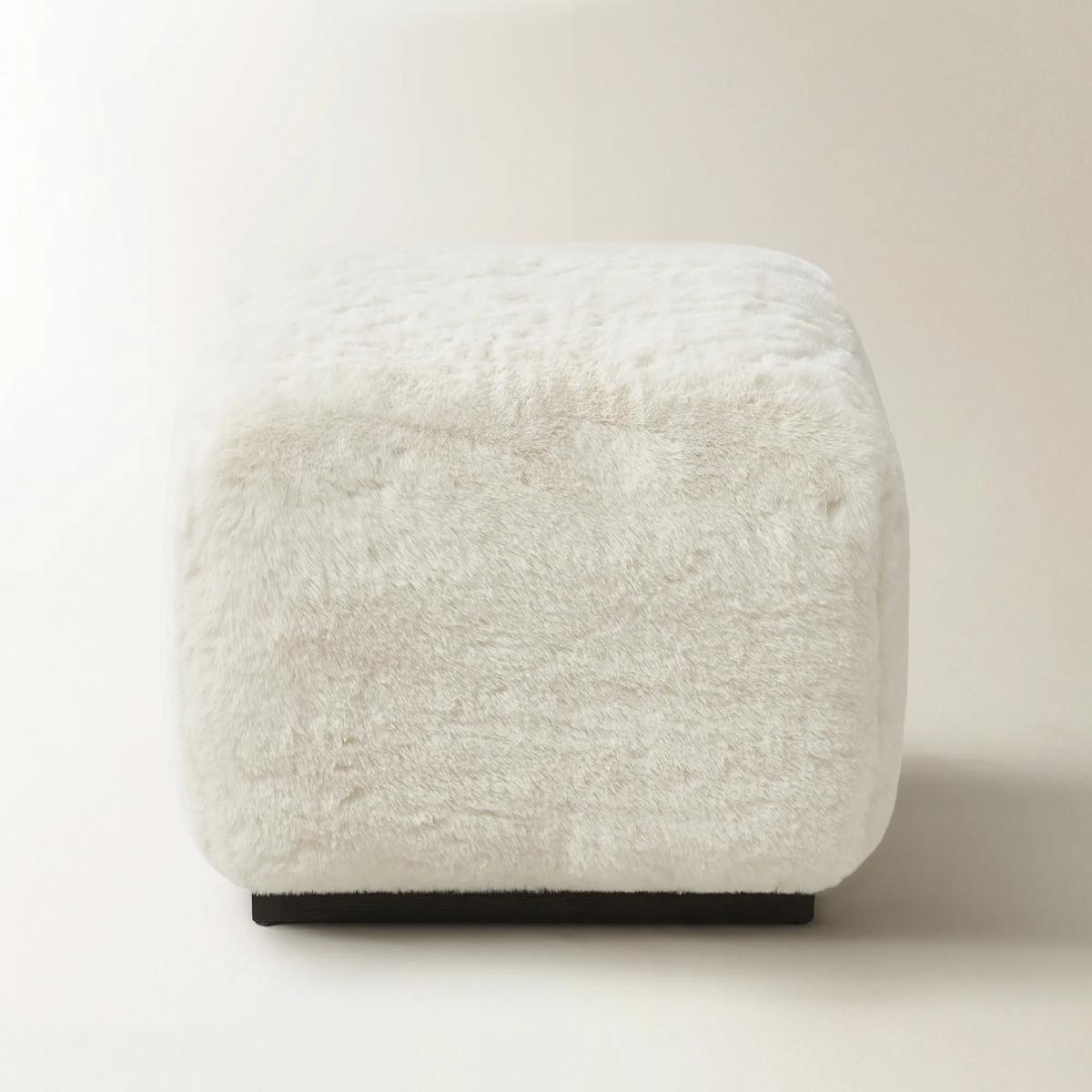
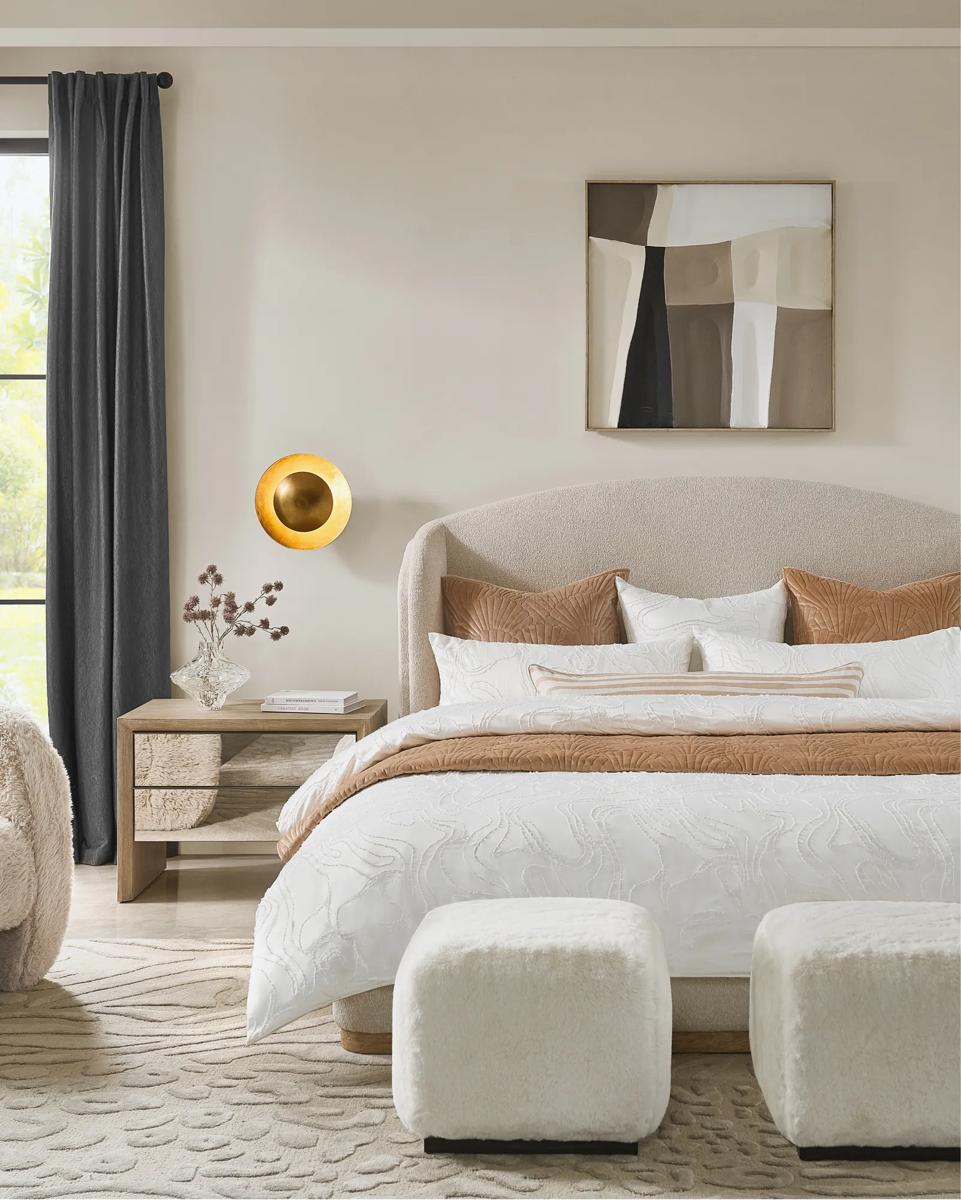 Lris Ivory Faux Fur Stool (21")$299
An ivory faux fur pouf with plush high-density foam and a sturdy, eco-friendly rubberwood base.
Add To Cart -
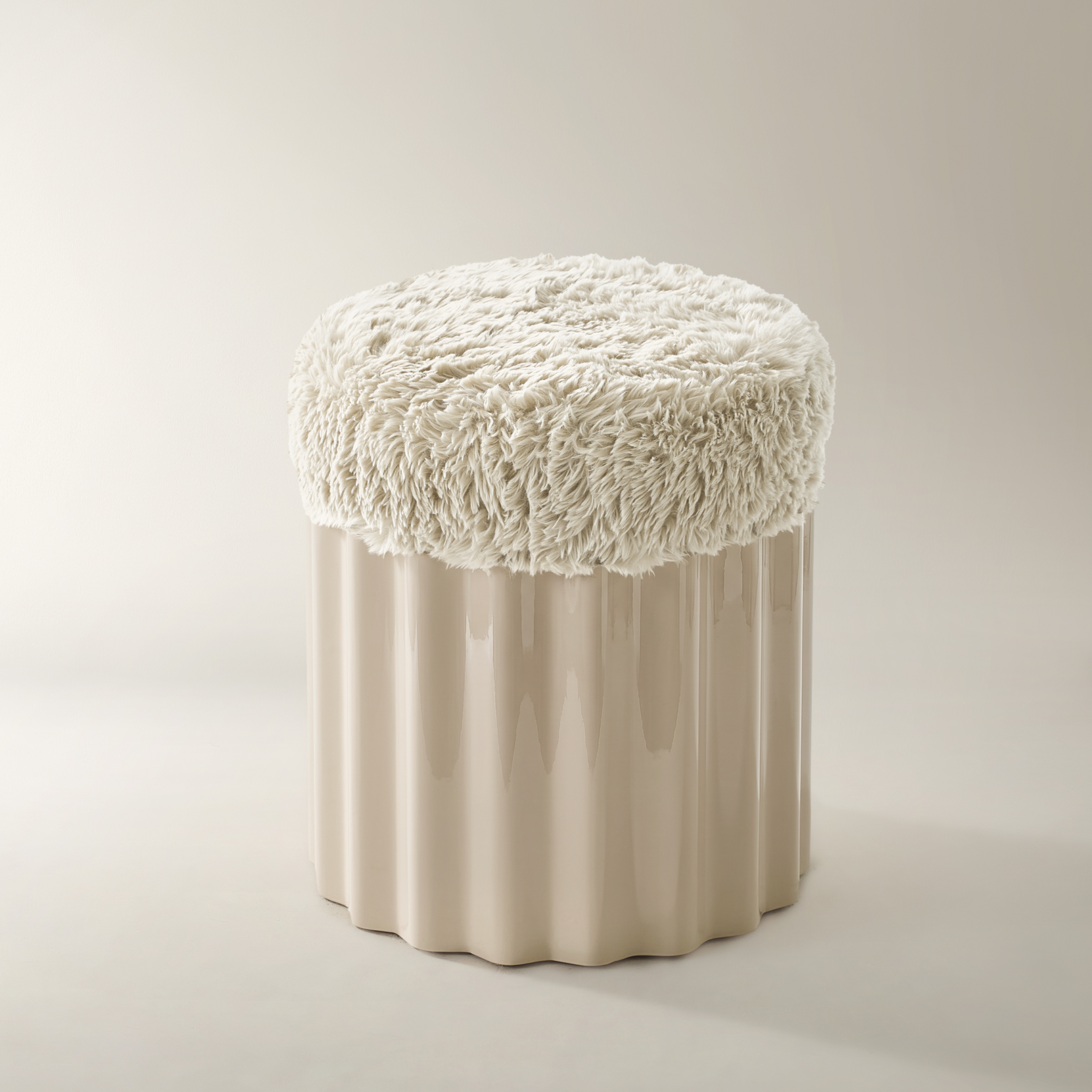
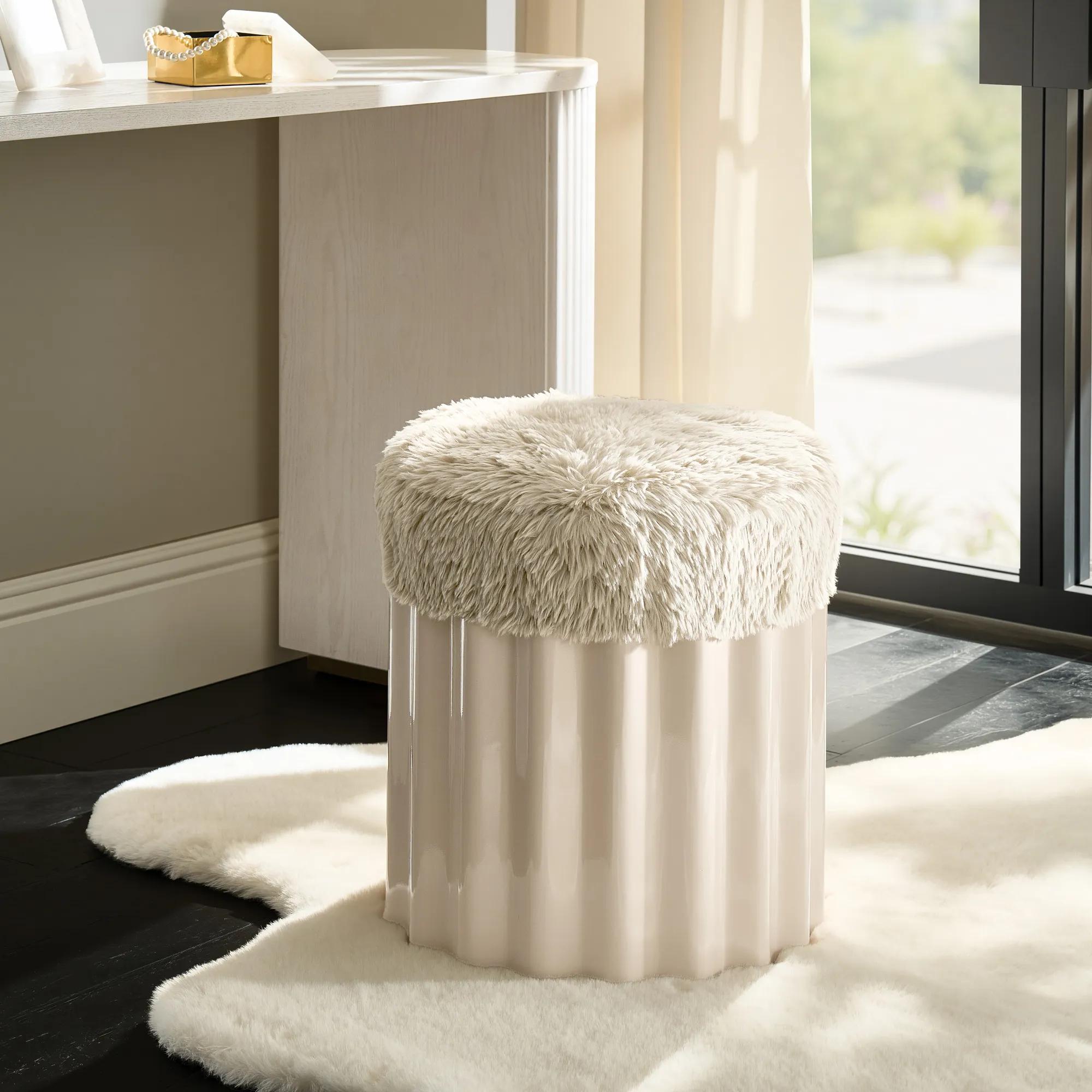 Nia Lacquered Turtle Dove Faux Fur Storage Stool$399
A sculptural fluted stool in warm turtle dove with plush faux fur seat and hidden storage compartment.
Add To Cart -
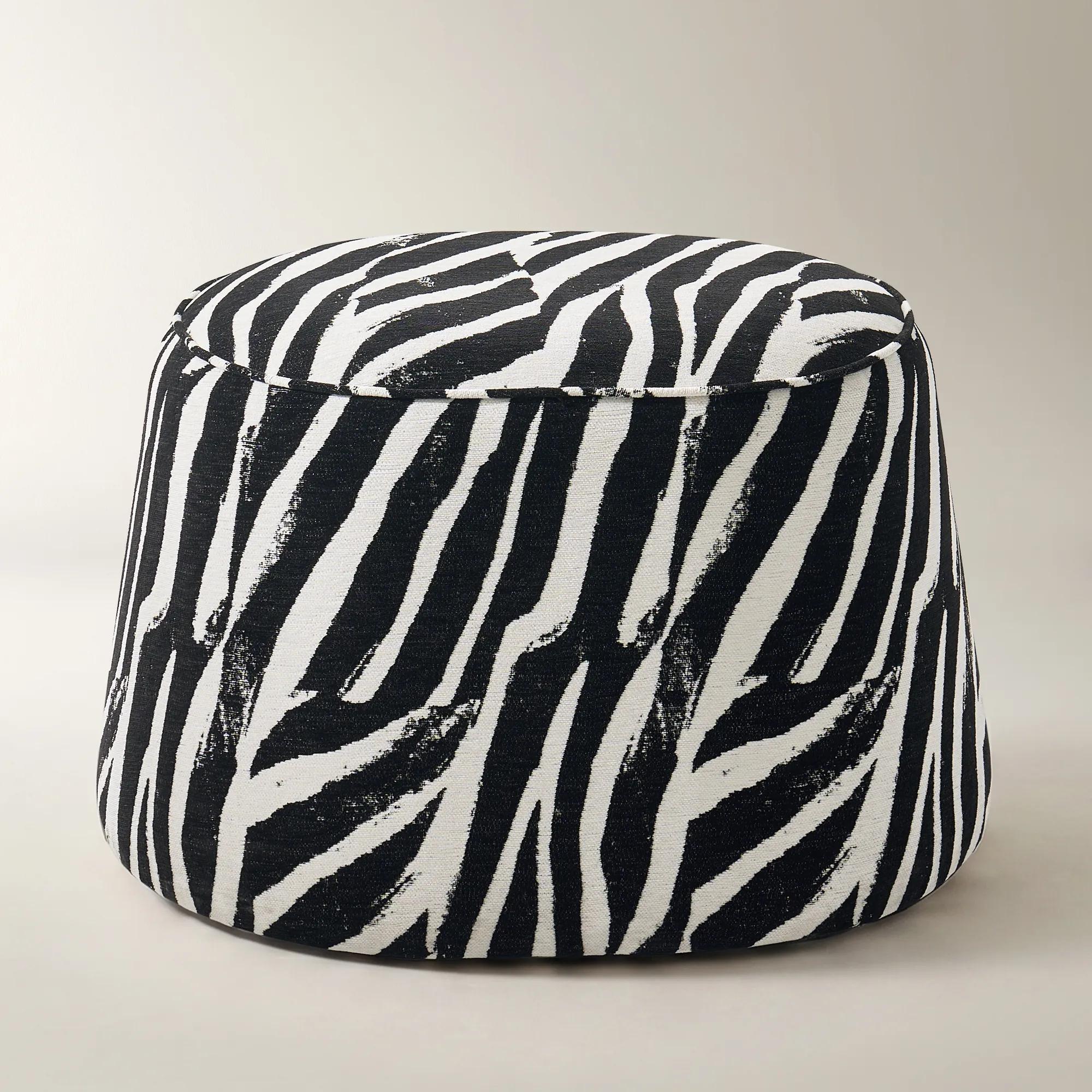 Avery White/Black Performance Chenille Stool$399
A sculpted drum accent stool in black and white performance chenille with an animal-inspired pattern.
Add To Cart -
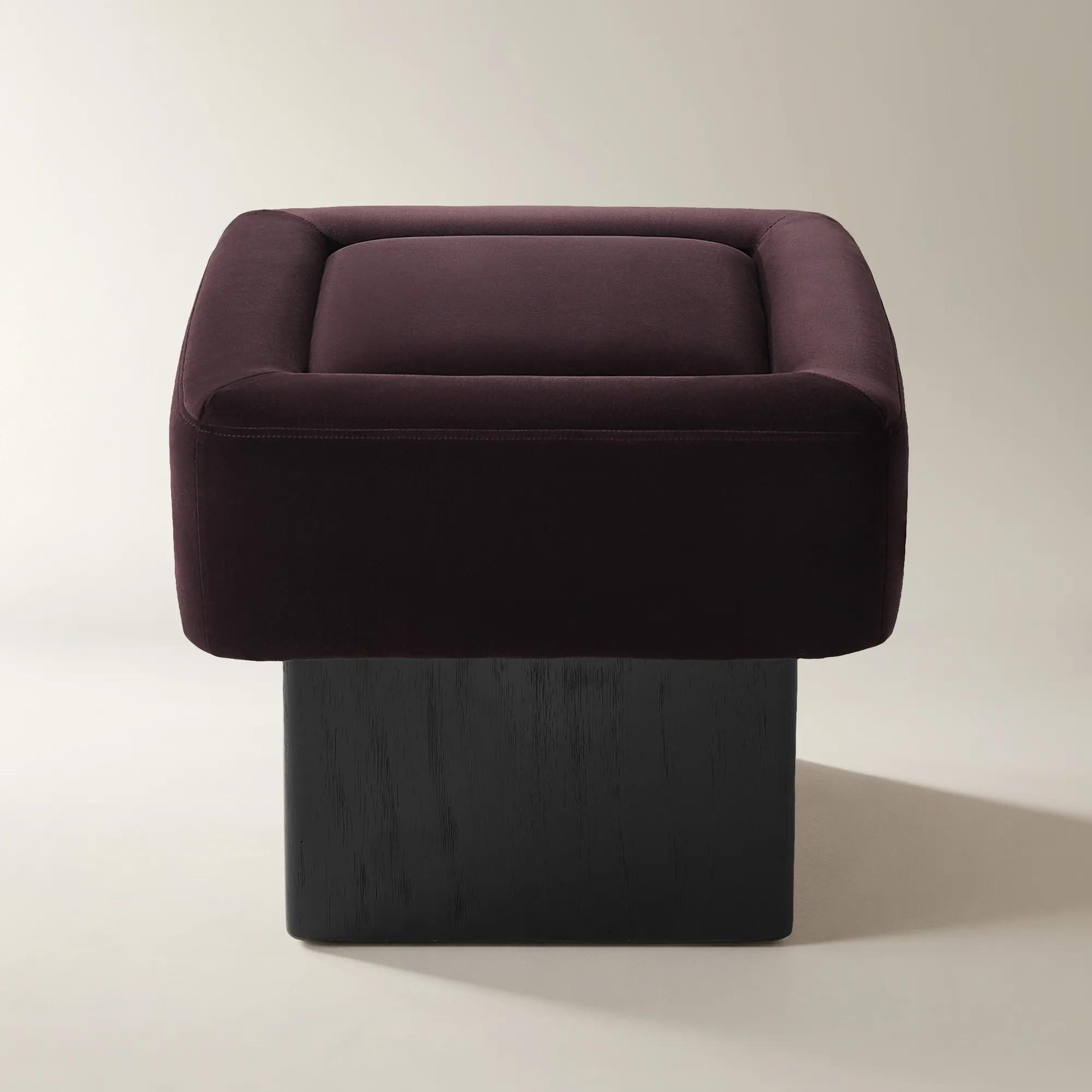 Reims Fig Velvet Stool$349
A plush fig-colored velvet stool featuring a sculpted cushion and a solid rubberwood base for modern contrast.
Add To Cart -
.jpg?w=1200&h=1200)
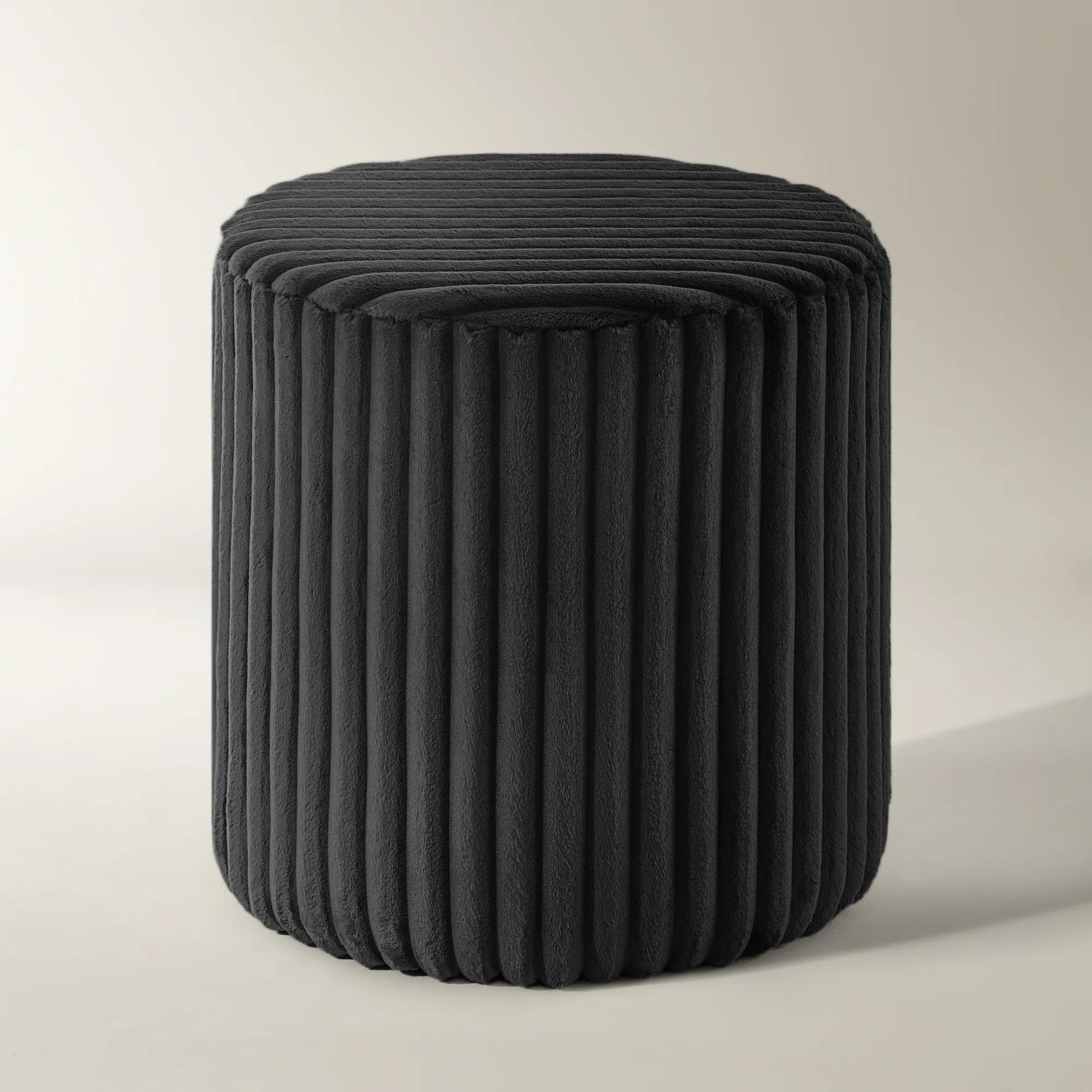 Fleece Fluted Black Velvet Stool (15.55'')$229
A plush black ribbed velvet stool offering versatile seating and cozy texture for any modern space.
Add To Cart -
.jpg?w=1200&h=1200) Leopard Camel/Black Cow Hide Ottoman (18'')$799
Leopard Camel/Black Cow Hide Ottoman (18'')$799A genuine cowhide pouf in camel and black leopard print with a removable cover and hidden zipper.
Add To Cart -
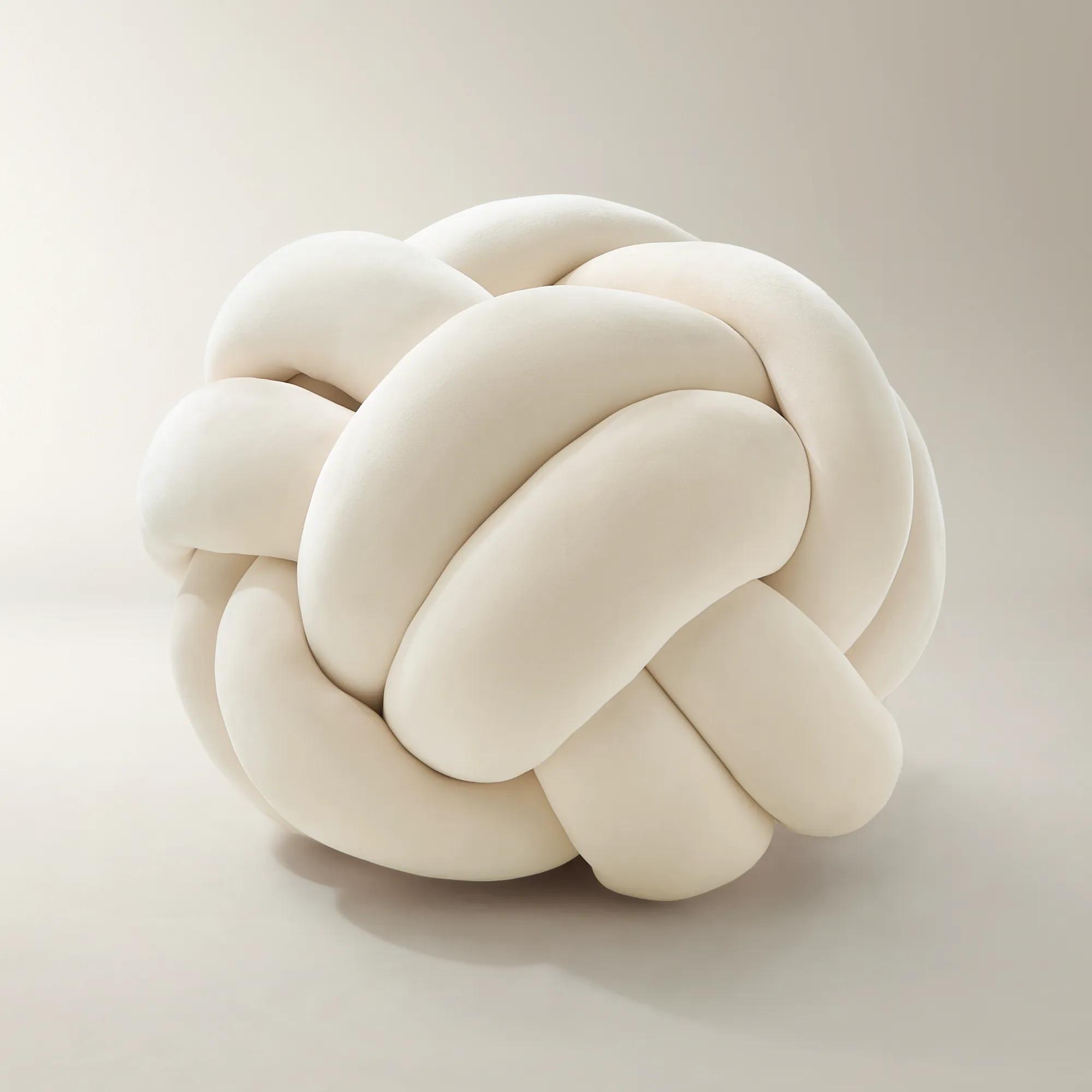 Loopie Oatmeal Velvet Stool (34.5")$349
An oversized oatmeal velvet stool featuring a sculptural knotted silhouette and plush, hand-upholstered finish.
Add To Cart -
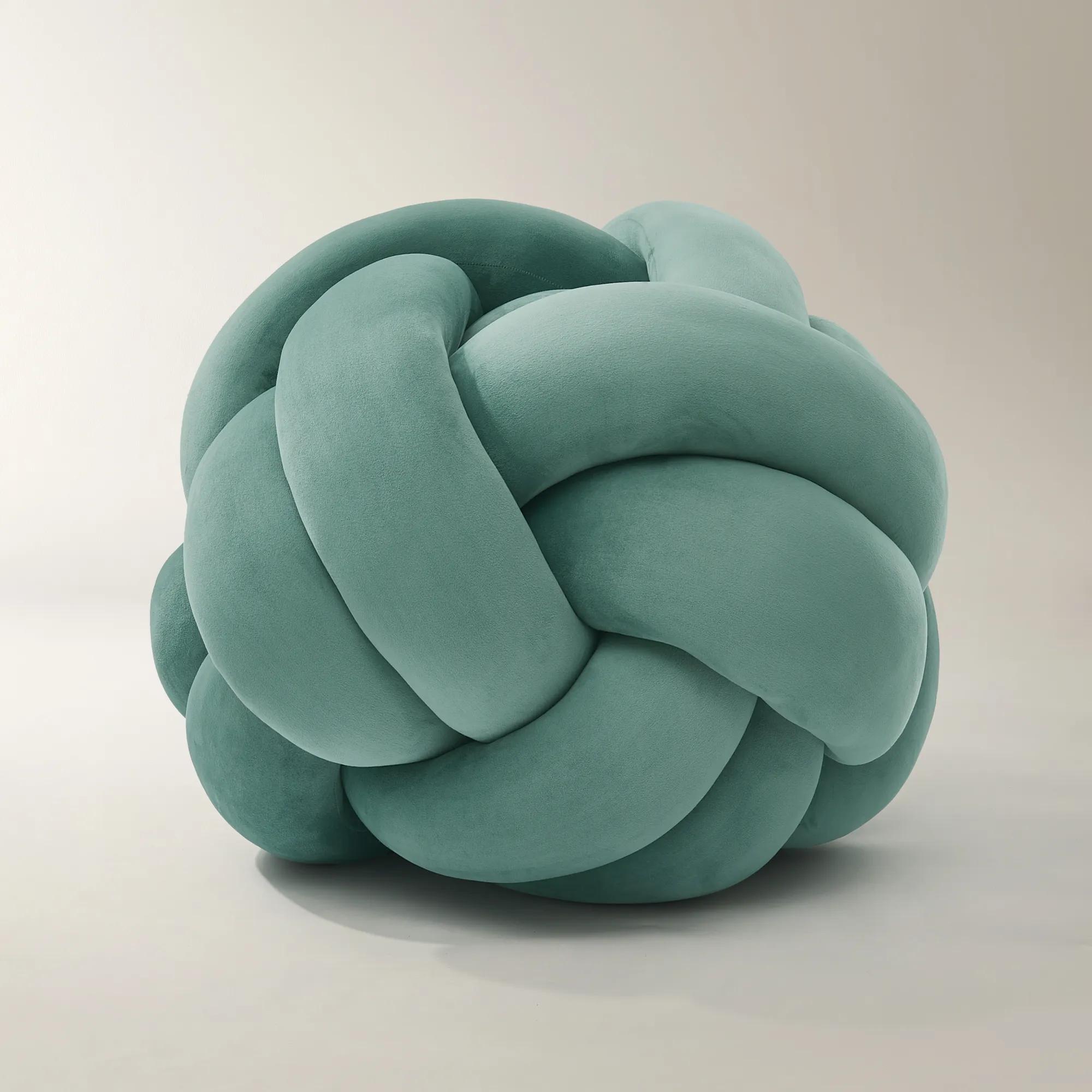 Loopie Ocean Teal Velvet Stool (34.5")$349
A bold sculptural stool featuring plush ocean teal velvet upholstery and an oversized knotted silhouette.
Add To Cart -
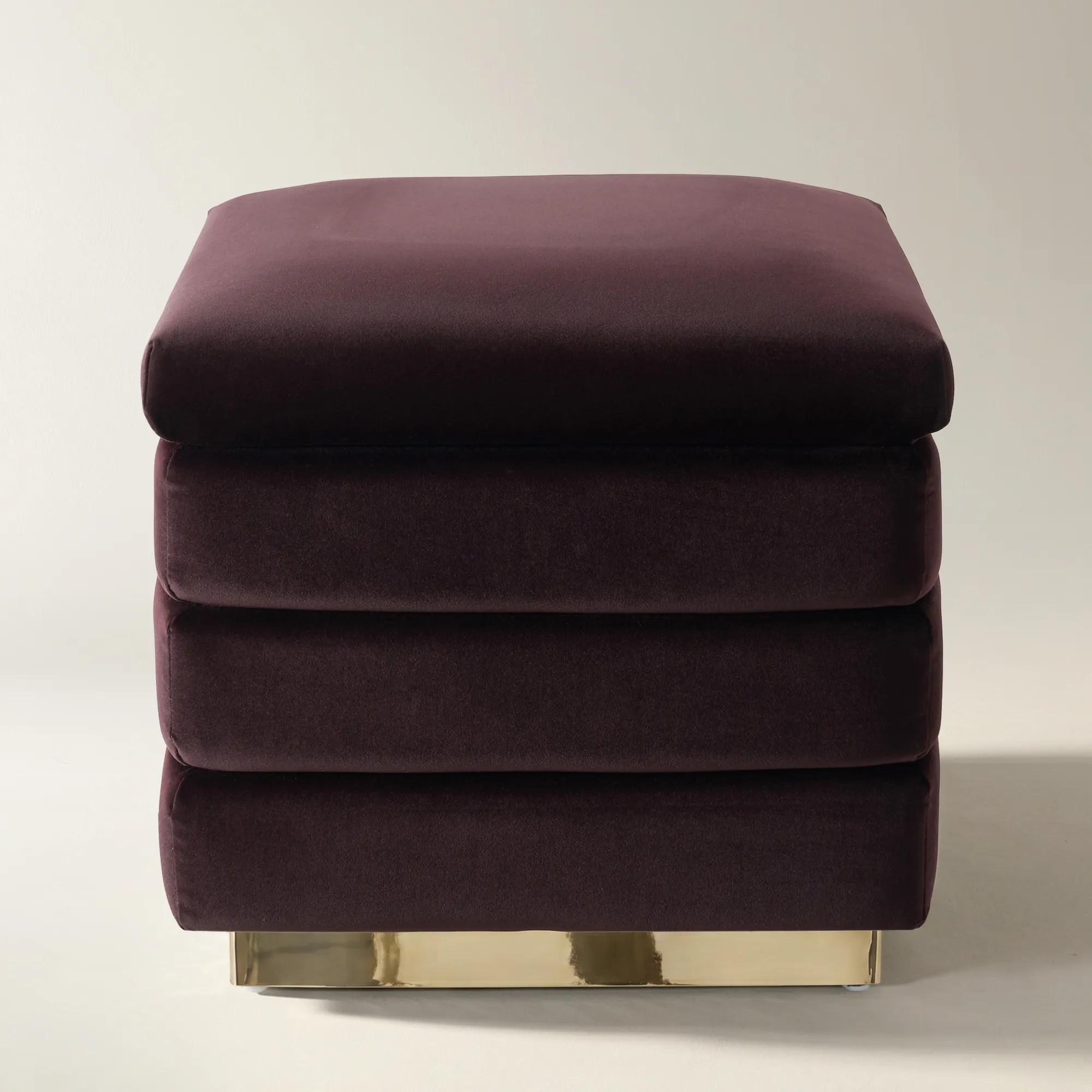
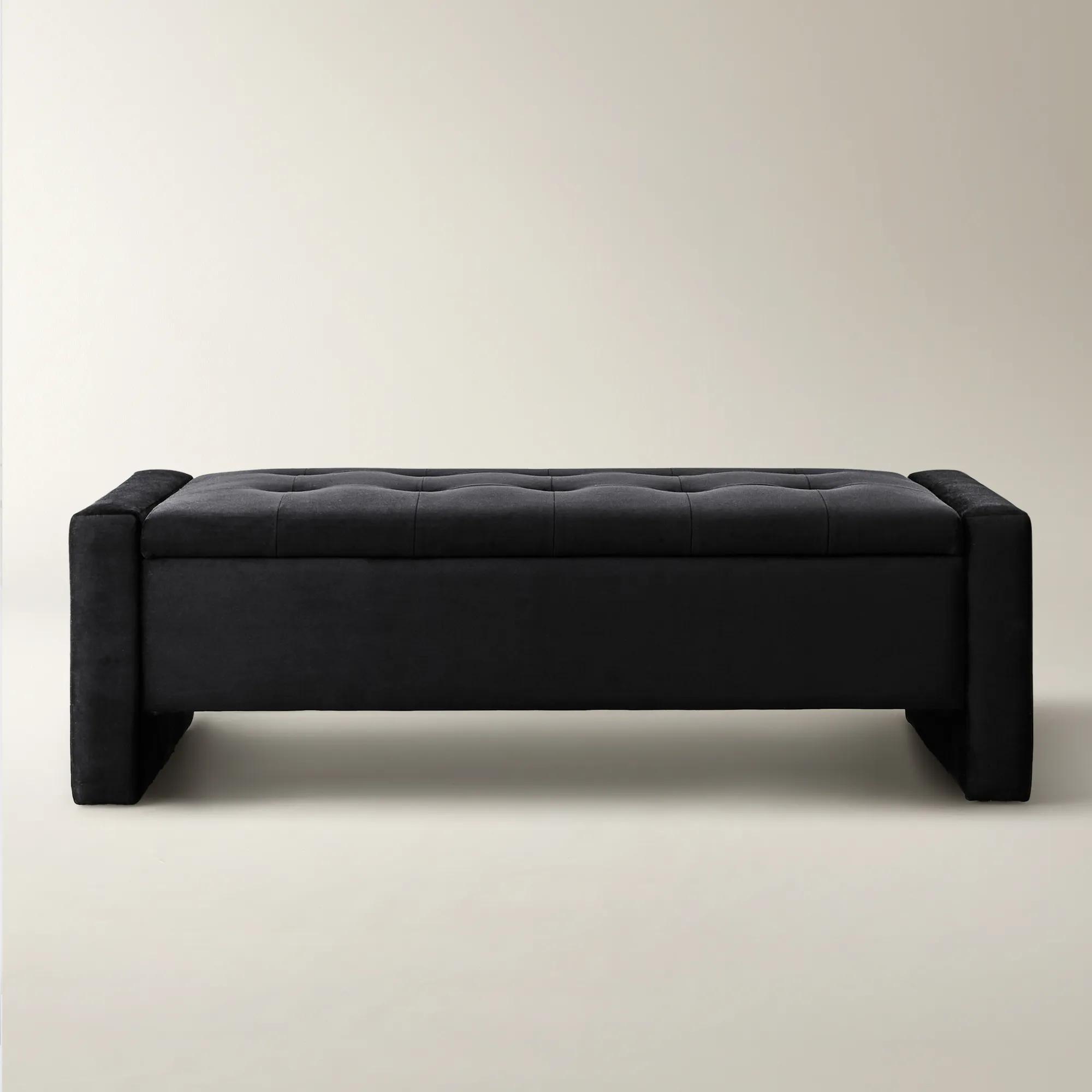
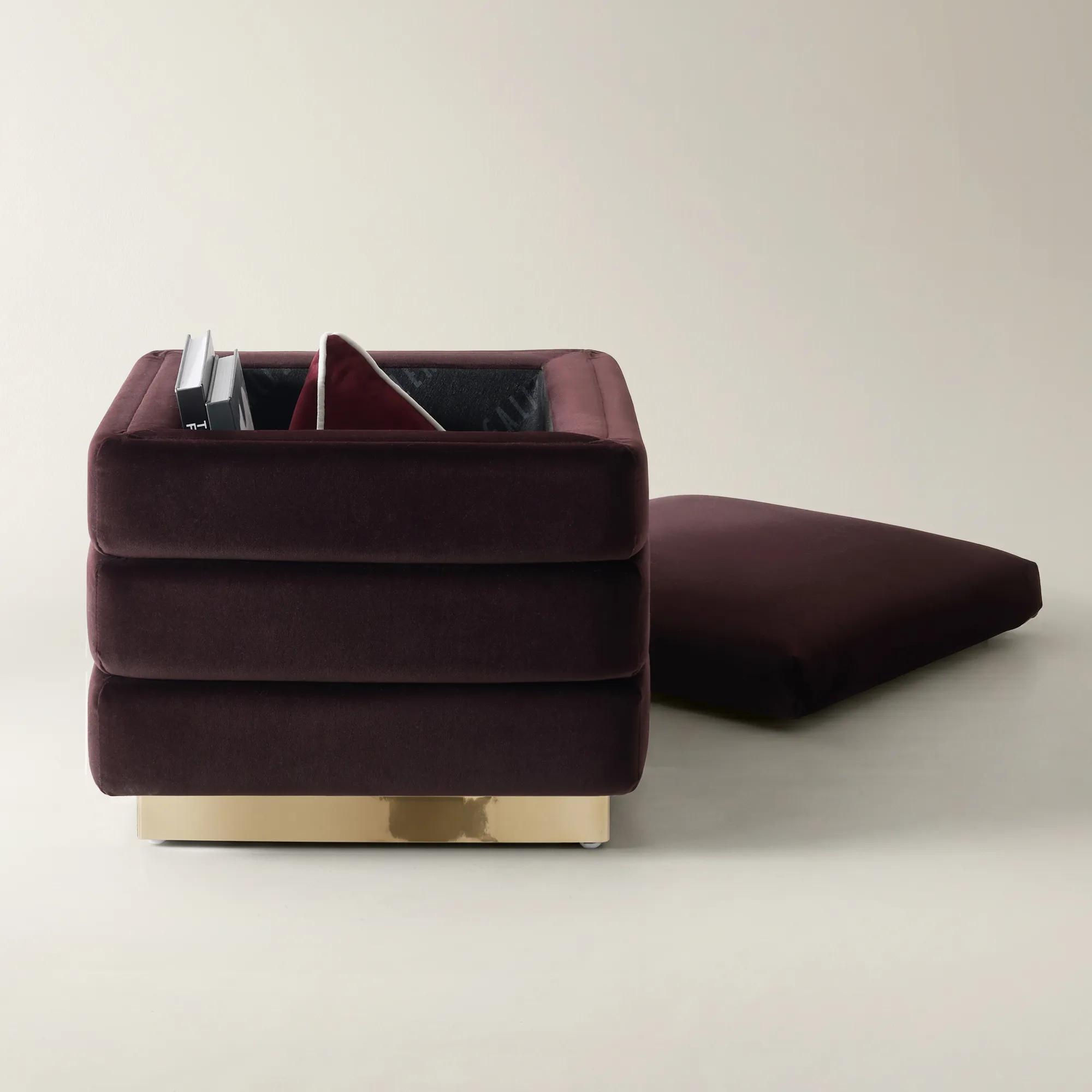 Gable Fig Chenille Storage Stool$399
A plush fig chenille stool with hidden storage, velvet upholstery, and a polished gold stainless steel base.
Add To Cart -
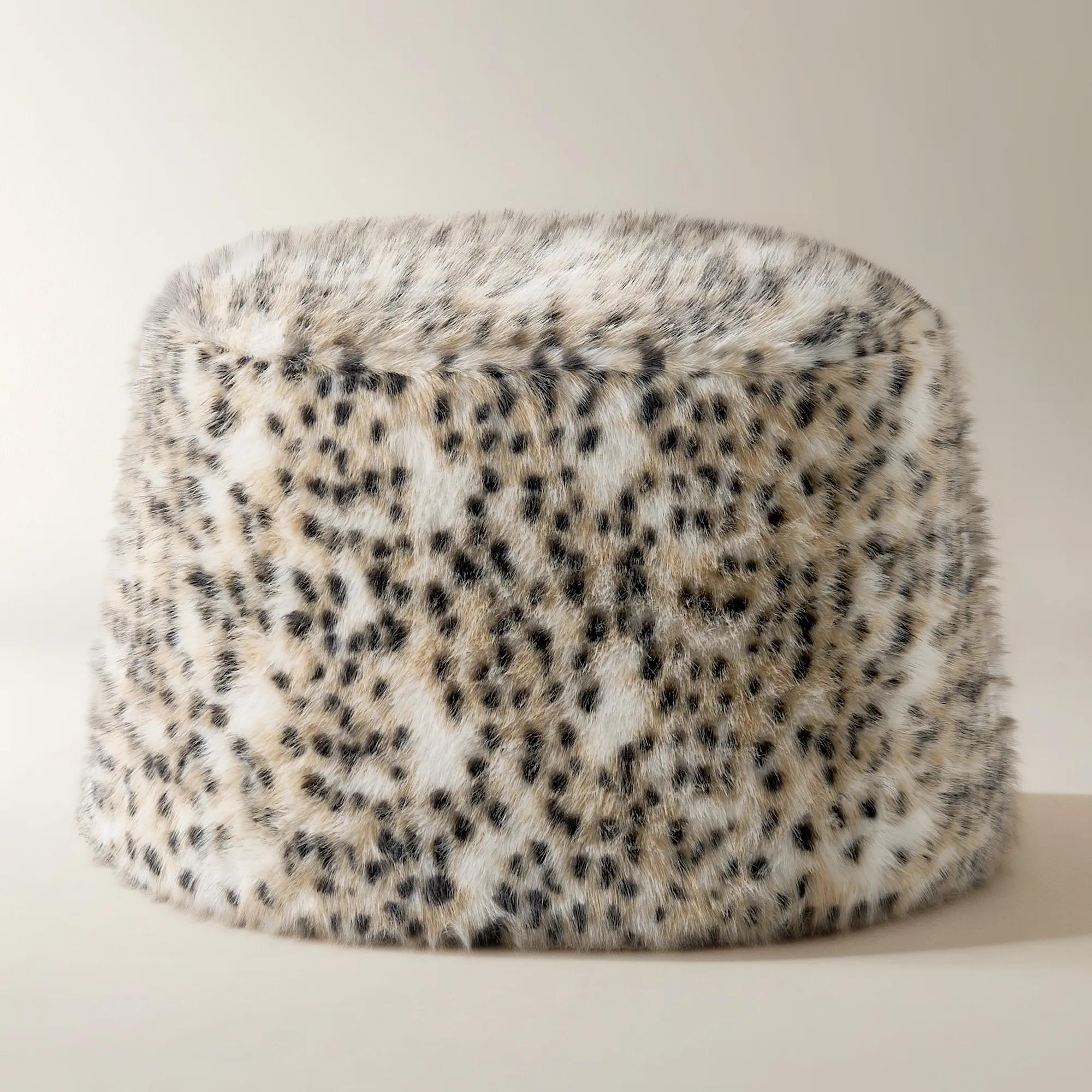
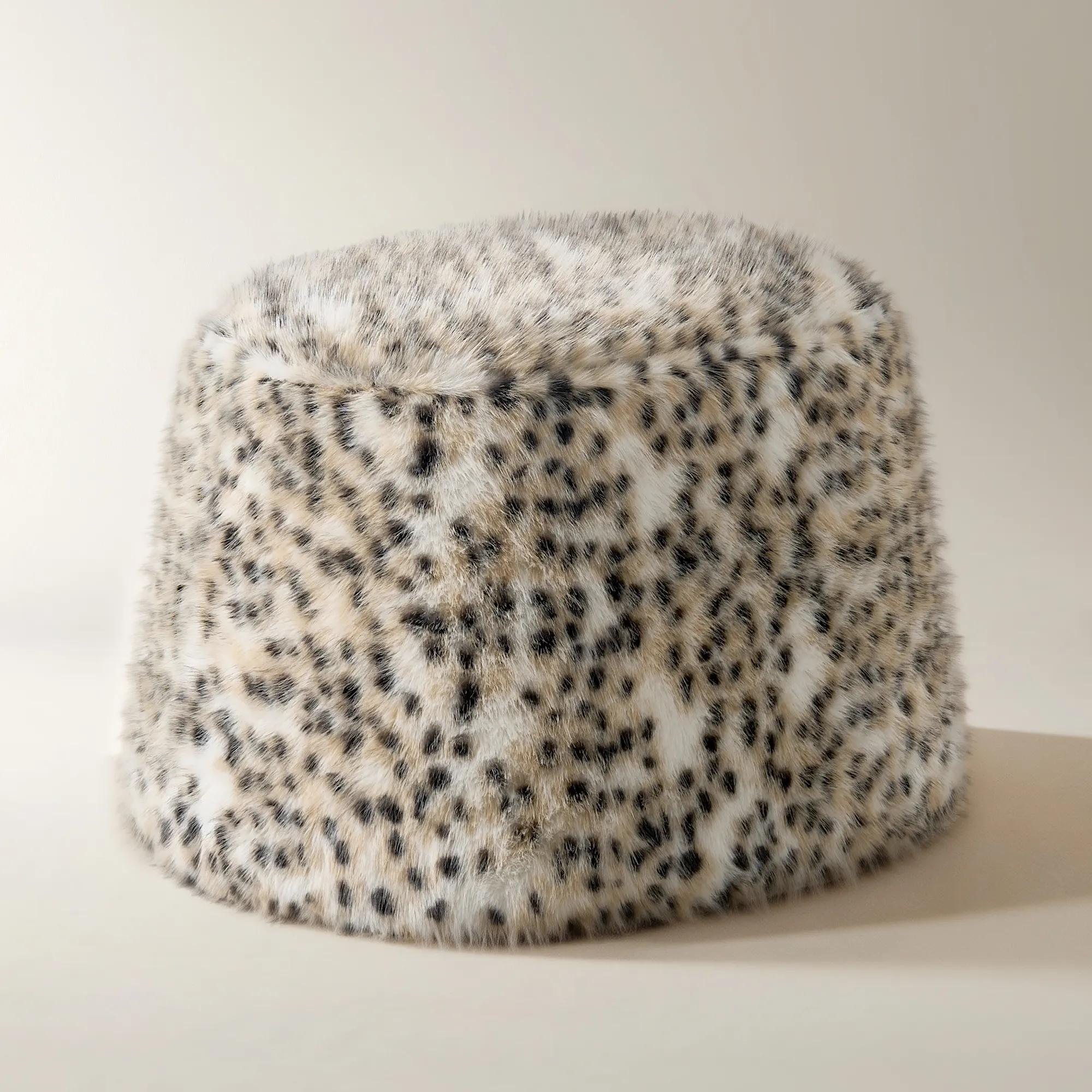 Avery Spotted Faux Fur Stool$399
A sculpted drum stool wrapped in plush spotted faux fur for bold, modern accent seating.
Add To Cart -
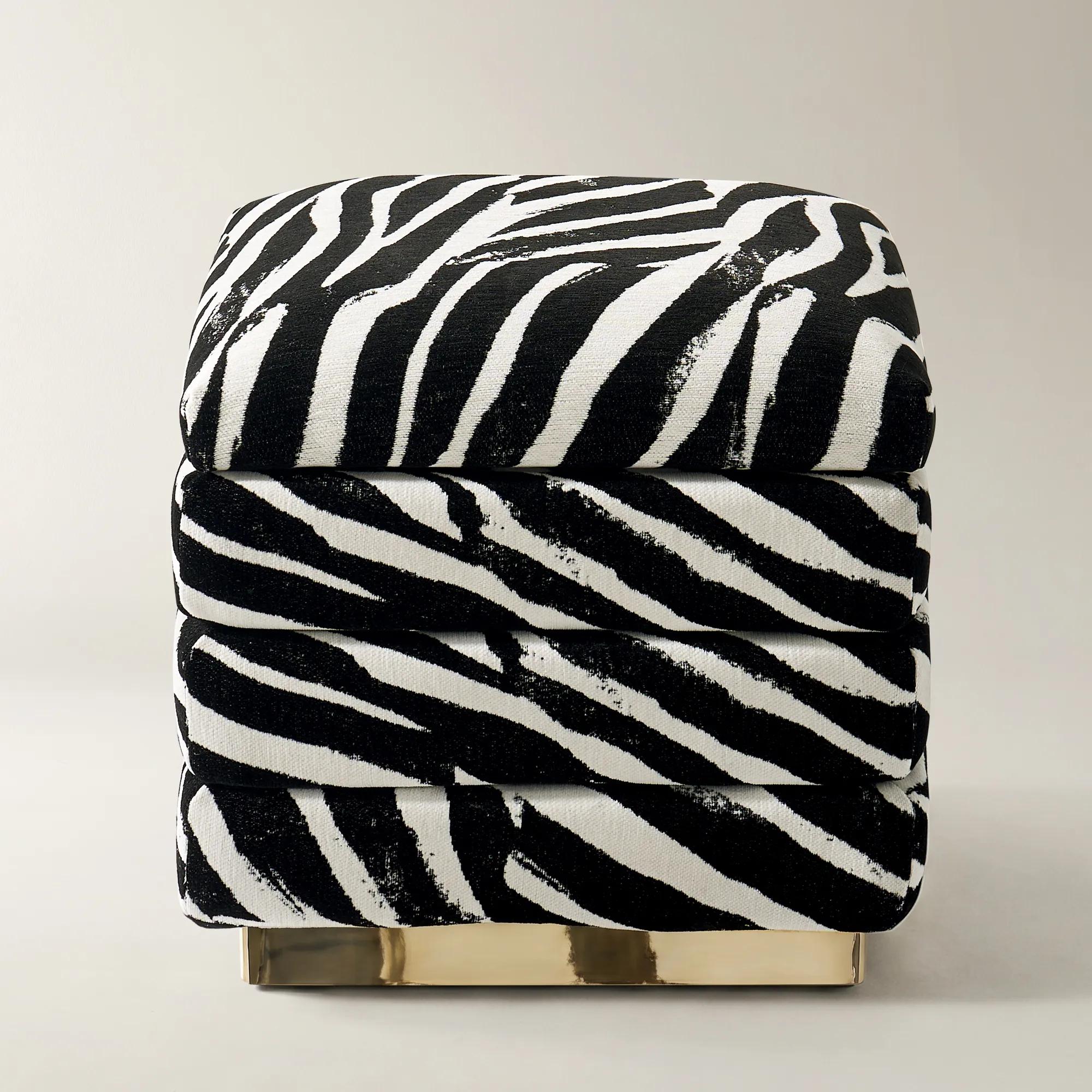
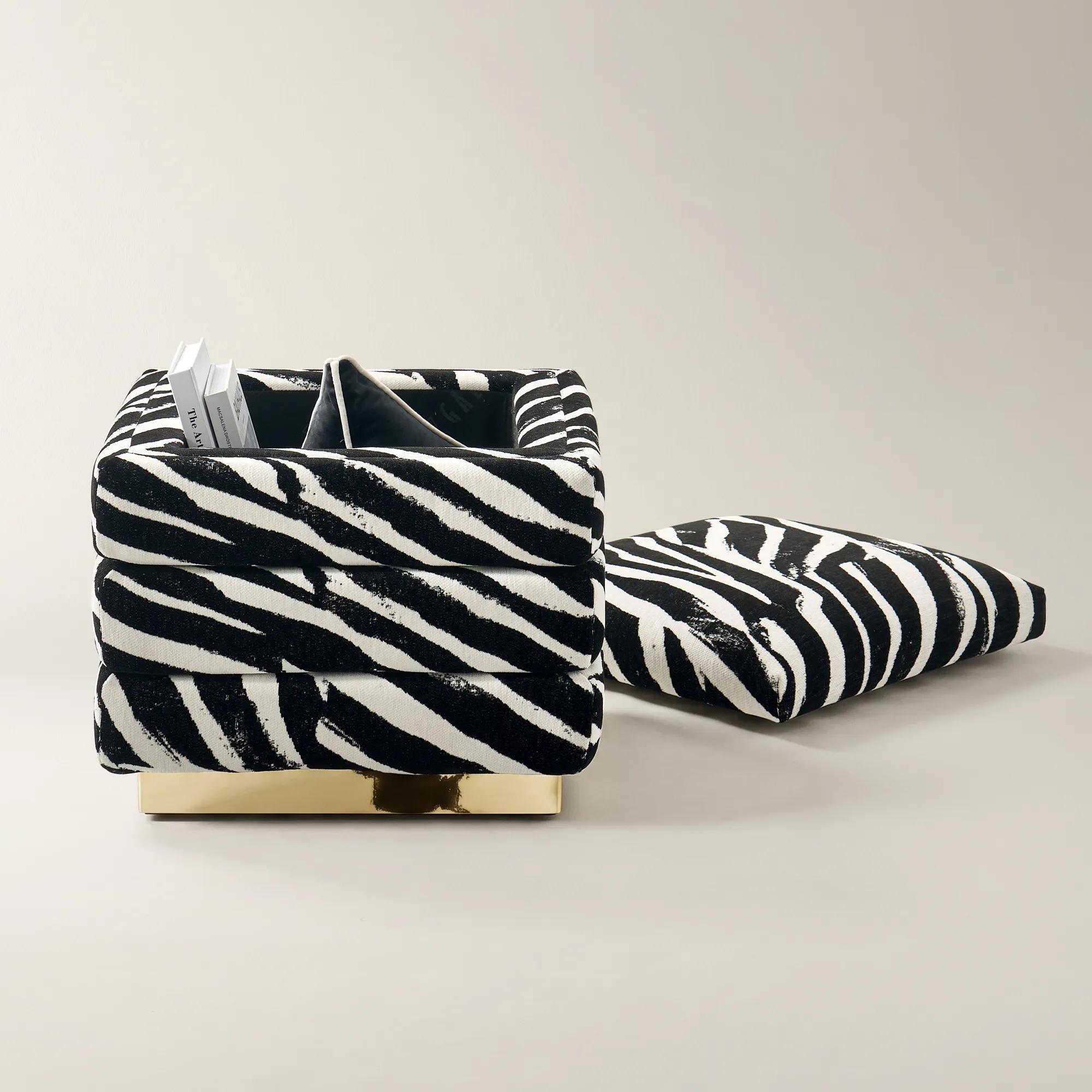 Gable White/Black Performance Chenille Stool$399
A plush white and black chenille stool with hidden storage and a polished gold stainless steel base.
Add To Cart -
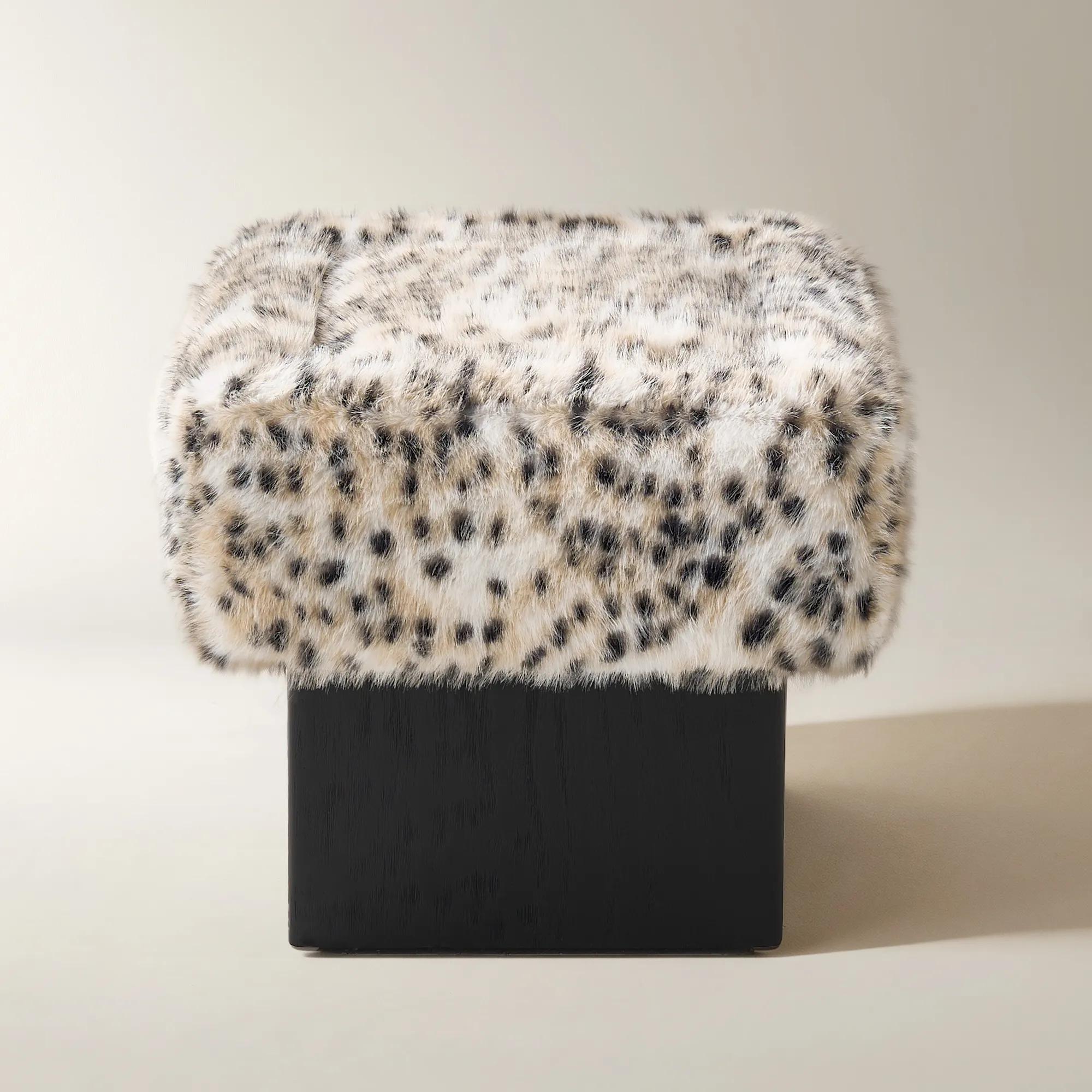 Reims Spotted Faux Fur Stool$349
A plush spotted faux fur stool with a sculpted cushion and solid rubberwood base for modern contrast.
Add To Cart -
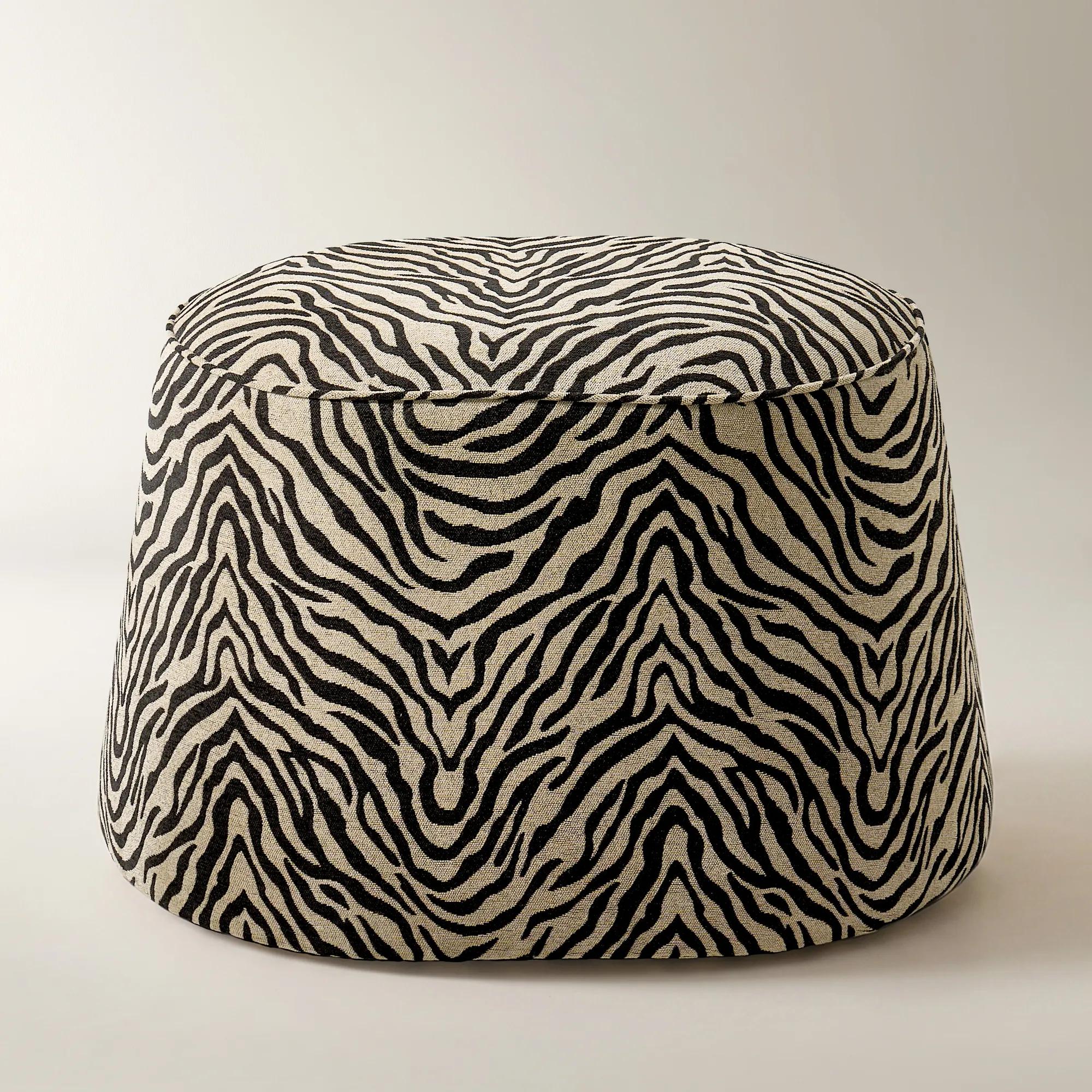 Avery Zebra Performance Chenille Stool$399
A sculpted drum-shaped accent stool upholstered in zebra-patterned performance chenille for bold, modern style.
Add To Cart -
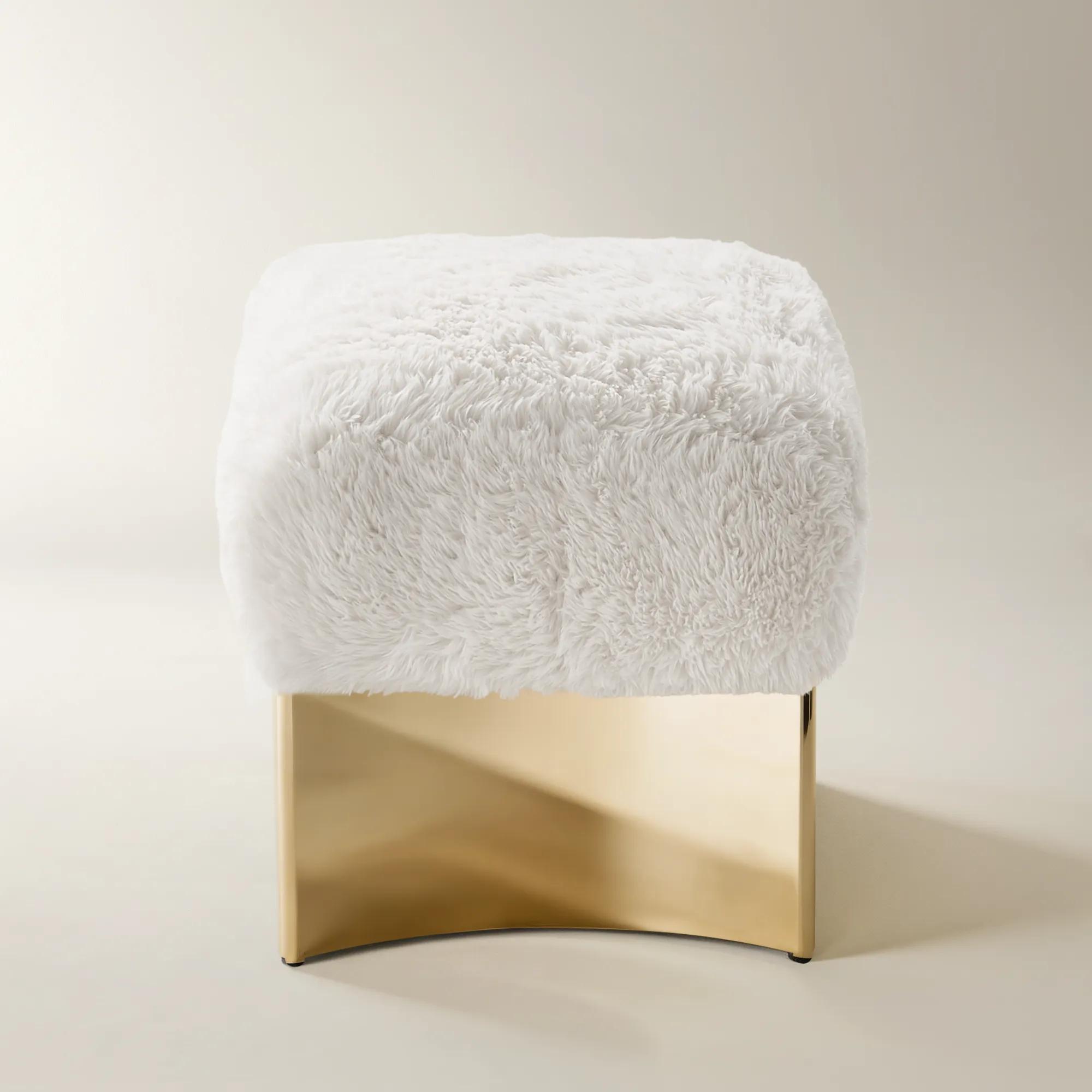 Lush White Faux Fur Stool$499
A sculptural white faux fur stool with a plush seat and polished gold stainless steel base.
Add To Cart -
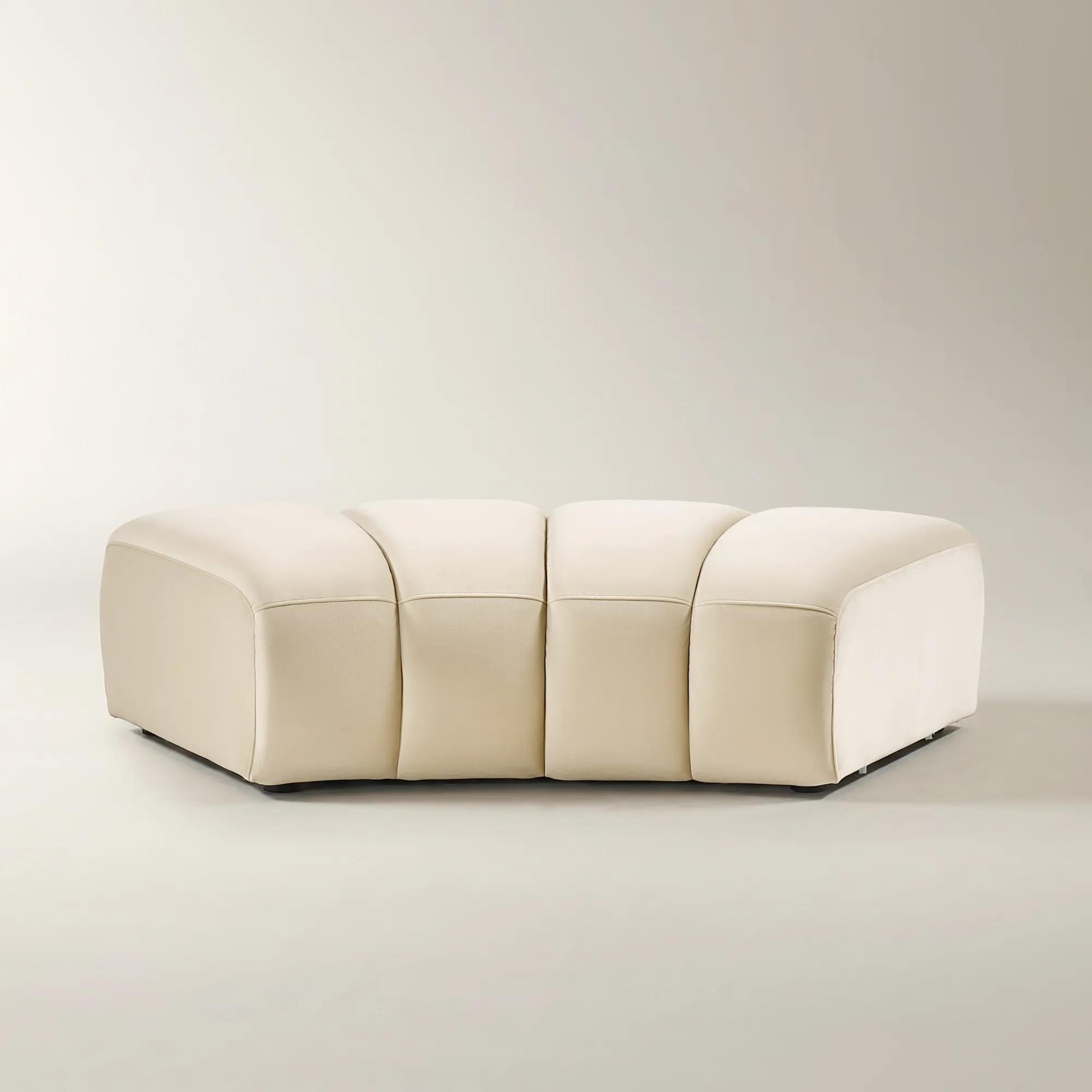 Jocelyn Channel-Tufted Oatmeal Velvet Ottoman$899
An oatmeal velvet ottoman featuring deep channel tufting, curved silhouette, and kiln-dried wood construction.
Add To Cart -
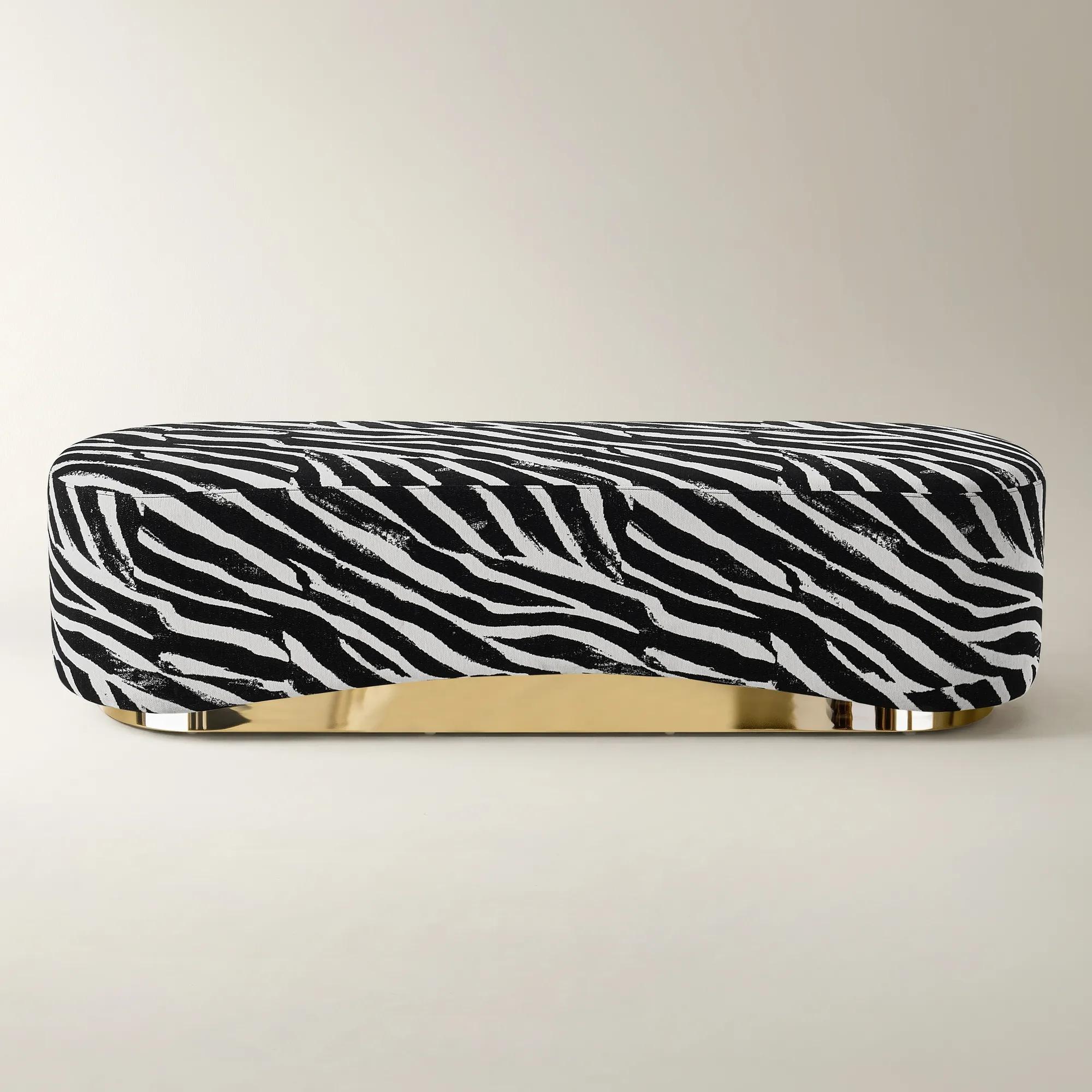
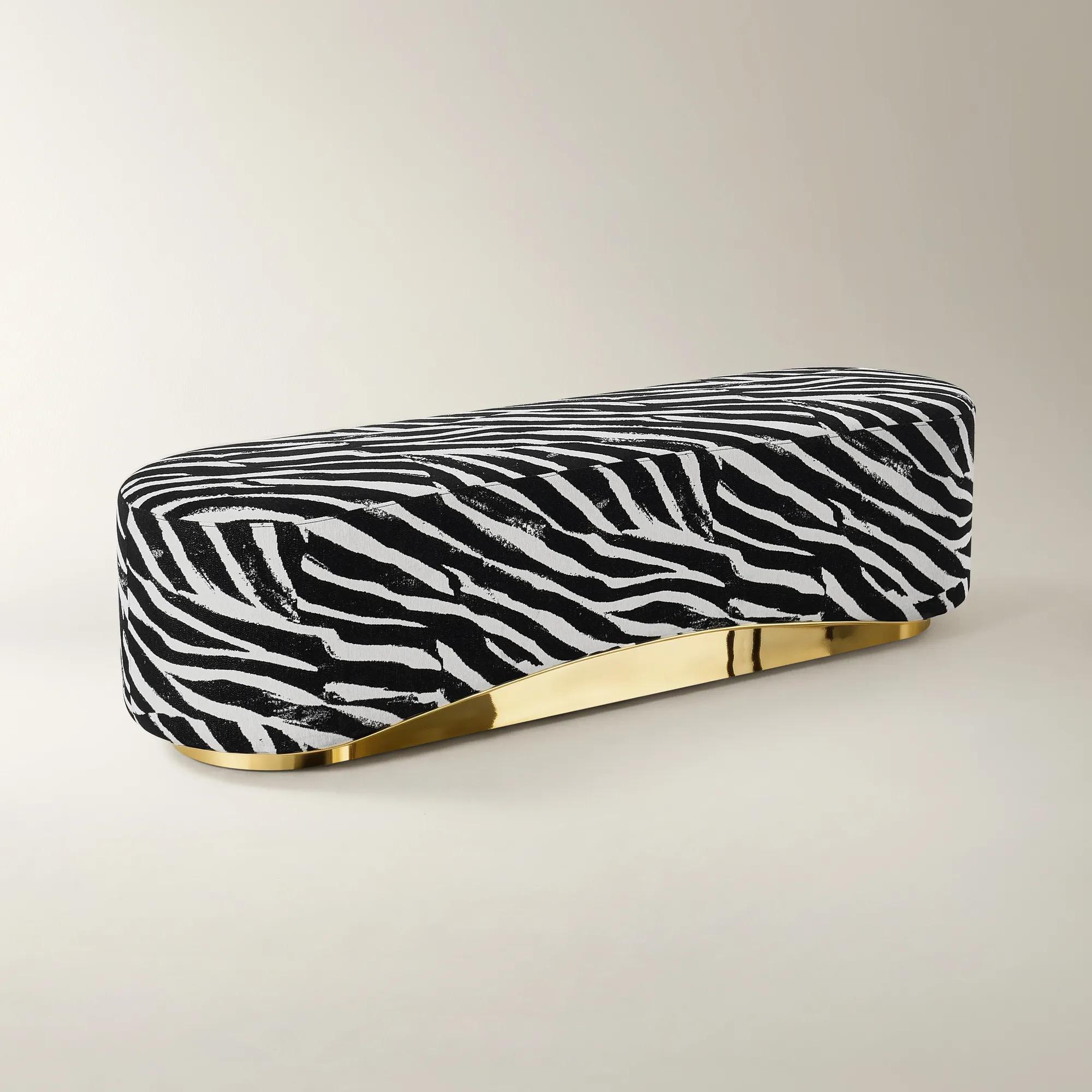 Kendra White/Black Performance Chenille Bench (70.47")$799
An elongated oval bench upholstered in white and black performance chenille with a polished gold stainless steel base.
Add To Cart -
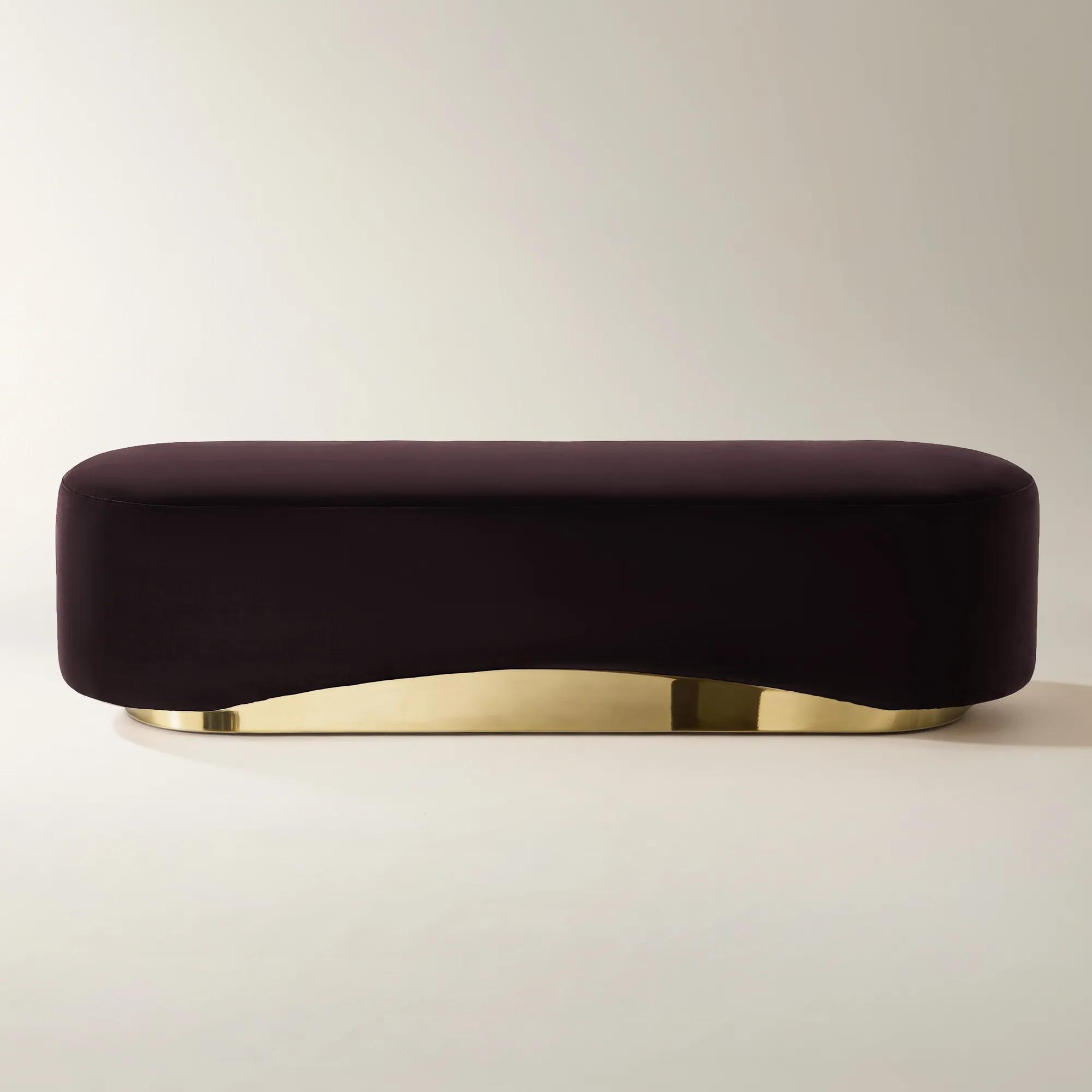 Kendra Fig Velvet Bench (70.47")$799
A plush fig velvet bench with an elongated oval silhouette and a polished gold stainless steel base.
Add To Cart -
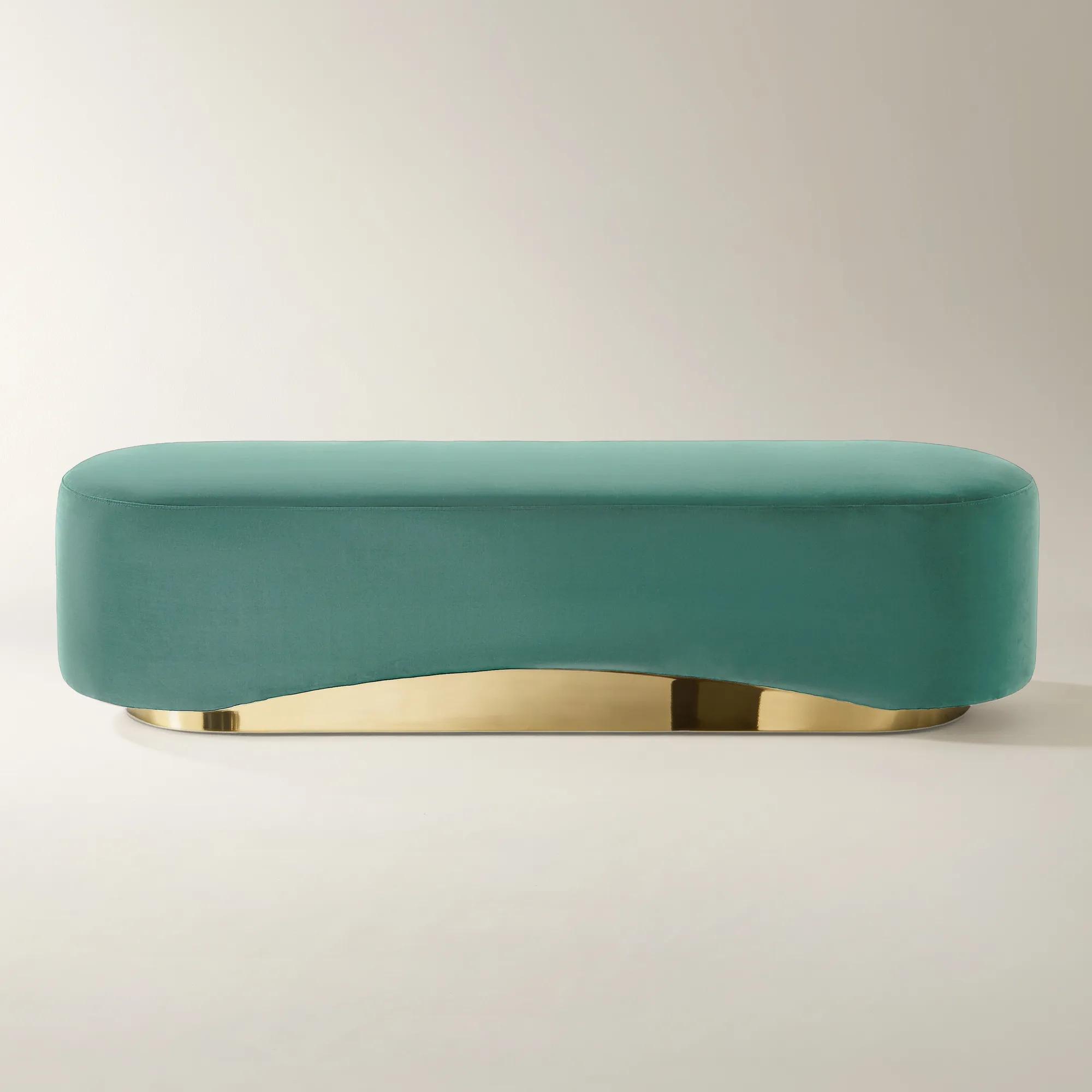 Kendra Ocean Teal Velvet Bench (70.47")$799
An elongated oval bench in ocean teal velvet with a plush seat and polished gold stainless steel base.
Add To Cart

Living Room Accent Ottomans
Living room accent ottomans are the unsung heroes of expressive interiors—inviting you to reimagine comfort as a statement of style. With every curve, tuft, and flourish, these sculptural pieces transform ordinary lounging into an artful experience, offering a touch of indulgence and a dash of drama. Whether anchoring a bold seating arrangement or punctuating a chic corner with unexpected flair, living room accent ottomans infuse your space with both sophistication and surprise. Elevate your sanctuary with pieces that celebrate individuality and turn every moment into a masterpiece.
Living room accent ottomans bring sculptural presence and everyday comfort to a seating arrangement, serving as footrests, occasional seating when designed for that purpose, or upholstered alternatives to a coffee table. Their appeal lies in the contrast: a compact silhouette can introduce sumptuous texture, a gleaming base, or a saturated sweep of color without overwhelming the room. Beside a tailored sofa, a round velvet ottoman softens crisp lines; across from a curved sectional, a generous rectangular shape adds definition to the conversation area. A pair of smaller ottomans creates a deliberate rhythm beneath a console, ready to move into the room when guests arrive. These pieces suit spaces where furniture needs to do more than one thing, from an apartment living room that doubles as an entertaining space to a larger lounge with distinct areas for conversation and reading. Shape influences both the visual composition and the way people move through it. Round and oval ottomans offer curved profiles beside angular furniture, while square and rectangular designs echo the geometry of sofas, rugs, and architectural details. Rounded edges may make a compact arrangement feel less crowded, but every shape still needs enough clearance for comfortable passage. Upholstery and detailing establish the mood: deep tufting creates shadow and dimension, channel stitching lends an architectural cadence, and a smooth upholstered top lets an expressive fabric command attention. A metal base can repeat the finish of nearby lighting, while exposed wood adds warmth beside glass or stone. For another view of this expressive furniture category, Decorative Accent Ottomans offer inspiration for making a smaller furnishing feel integral to the room. The most compelling choice does not have to match every surrounding surface. Repeating one element, such as a chair’s curved outline or a pillow’s jewel tone, creates cohesion while leaving room for contrast. Against a pale sofa, an ottoman in a rich, inky hue can anchor the seating group; in a room already layered with pattern, a single solid fabric gives the eye a beautifully defined place to rest.
Proportion determines whether an accent ottoman feels inviting or interrupts the arrangement. For use as a footrest, a top that sits approximately level with, or about an inch below, the seat cushion is a useful starting point; cushion compression and personal comfort also matter. Measure the sofa or chair’s seat height rather than its arms, and consider how far forward the ottoman must sit to support relaxed legs without stretching. For an ottoman used in place of a coffee table, roughly 14 to 18 inches between the sofa and ottoman can provide a practical starting clearance, adjusted for reclining mechanisms, legroom, and the people using the space. Main walking routes generally need more room, often around 30 to 36 inches where the layout allows. Marking the footprint on the floor helps reveal whether a broad square will crowd a doorway or whether two smaller rounds will give the arrangement more flexibility. The intended use deserves equal attention. A softly crowned top makes an inviting footrest, but it is not an inherently stable surface for glassware. A firm, level top paired with a suitably sized rigid tray can accommodate books or refreshments, provided the tray rests securely; an upholstered surface should never be treated as heatproof or spillproof. Occasional seating requires a design explicitly intended to support a seated person, so check the stated use and weight capacity rather than judging strength by appearance. Storage ottomans add concealed space for throws, reading material, or other living room essentials, though the interior dimensions matter more than the exterior footprint when determining what will fit. Lift-top styles need room for the lid to open, and hinge design is especially important in homes with children. Removable tops require somewhere to set them down. For frequent entertaining, a pair of manageable ottomans can be easier to reposition than one oversized piece, while a larger upholstered ottoman can lend a sectional the generous, gathered feeling of a lounge. Neither approach is universally better; the room’s daily routines should shape the choice.
Materials give living room accent ottomans their tactile character, but they also influence care, appearance over time, and suitability for daily use. Velvet brings luminous depth because its pile catches light differently across the surface, creating tonal variation that can make even a restrained color feel lavish. Pressure marks and changes in pile direction may be visible, so its beauty is best understood as dimensional rather than perfectly uniform. Bouclé offers a richly looped texture that contrasts elegantly with polished tables and smooth upholstery, although some looped fabrics can catch on pet claws or sharp accessories. Tightly woven upholstery may be a more practical consideration for a frequently used footrest, depending on its fiber content and construction. Leather introduces a supple surface and may develop patina with use, while faux leather provides a different material option with its own cleaning requirements and wear characteristics; neither should be assumed to tolerate every cleaner. Performance fabric designations also vary, making the manufacturer’s specific stain-resistance and care information more useful than the label alone. Durability depends on the whole piece: frame construction, secure joints, supportive cushioning, upholstery quality, and a stable base all contribute to how an ottoman handles repeated use. A heavily used family living room calls for different priorities than a formal sitting area where the ottoman primarily provides a decorative accent. Routine care begins with the product’s instructions. Gentle vacuuming with an appropriate upholstery attachment can help remove dust and debris, while prompt blotting with a clean, absorbent cloth is generally preferable to rubbing a fresh spill. Cleaning products, water, steam, and brushes should be used only when approved for the material, with any recommended treatment tested in an inconspicuous area first. Protect upholstery from prolonged direct sunlight when fading is a concern, and use suitable floor protection beneath the base. With thoughtful proportions, expressive texture, and care matched to its construction, an accent ottoman becomes more than a finishing detail: it gives the living room a place to pause, gather, and settle into comfort without surrendering an ounce of drama.
FAQs
Accent ottomans bring an instant sense of luxury, artistry, and comfort to your living room. Their rich textures, sculptural forms, and bold colors can anchor a seating arrangement, introduce a layer of visual intrigue, or create a focal point that expresses your personal style. Whether used as a statement piece or a subtle complement, they help set the mood and elevate the overall ambiance of your space.
Accent ottomans are remarkably versatile. Use them as a chic alternative to a coffee table, topped with a decorative tray for drinks or books. They can serve as a plush footstool for lounging, a stage for displaying artful objects, or even as a statement piece in an entryway. In larger rooms, pair two together for a dramatic, symmetrical look or to easily shift the layout for entertaining.
An accent ottoman makes a thoughtful and stylish gift for anyone who loves interior design or enjoys entertaining at home. They’re perfect for new homeowners, newlyweds, or those celebrating a milestone. With their blend of beauty and function, ottomans suit a variety of tastes and living spaces, making them a memorable and practical gesture.
Consider the mood you want to create and the lifestyle of your household. Velvet and chenille lend a sense of opulence and softness, ideal for a glamorous or cozy setting. Leather and faux leather offer durability and a sleek, modern edge. Textured fabrics or metallic finishes can add a layer of drama and artistry. Select a material that complements your existing décor while reflecting your sense of style.
Absolutely. Accent ottomans transition beautifully into bedrooms, home offices, dressing areas, or even entryways. They provide a perch for putting on shoes, a landing spot for bags, or a decorative touch that ties a room together. Their portability and versatility make them a stylish addition to virtually any space in your home.
.jpg?w=4025&h=4025)