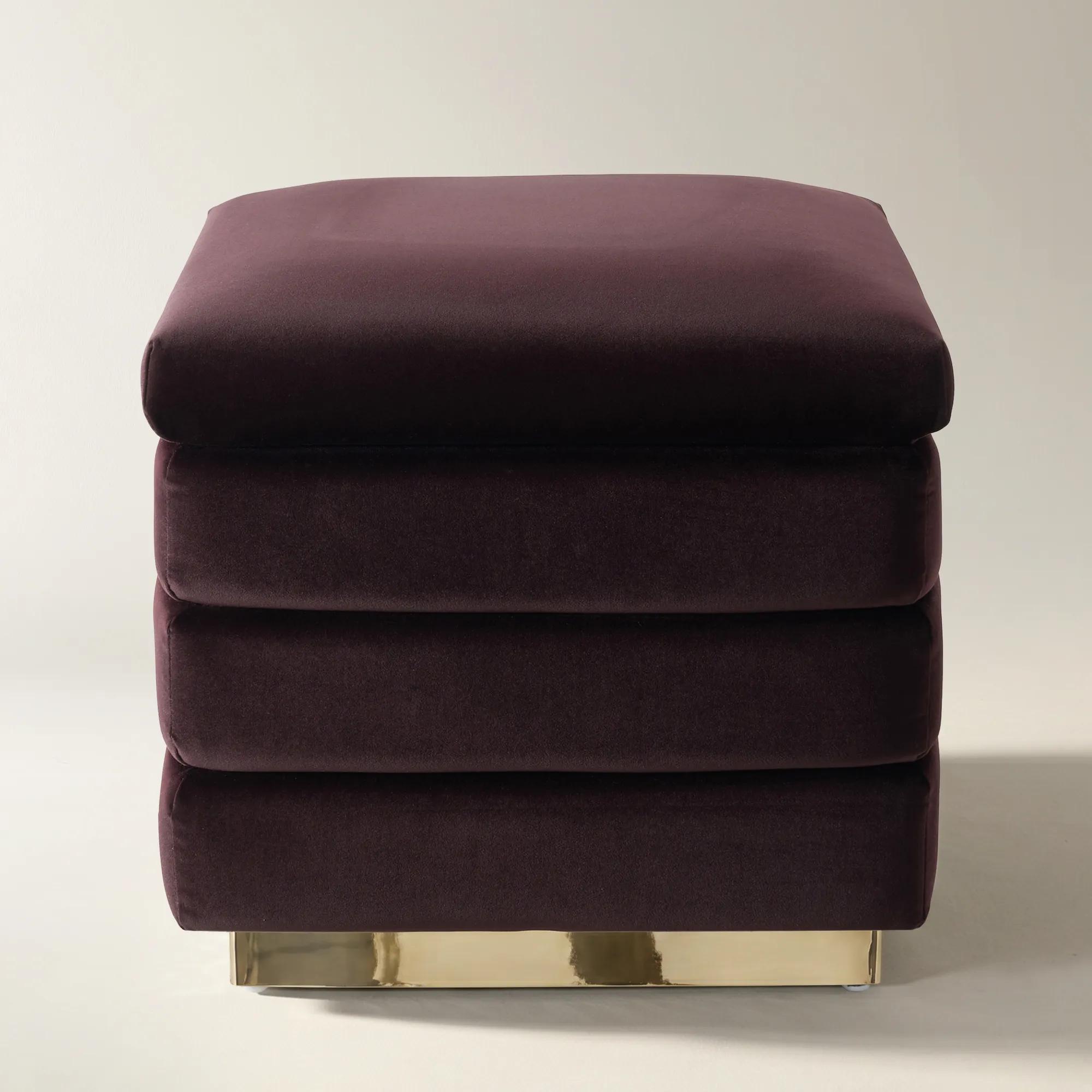
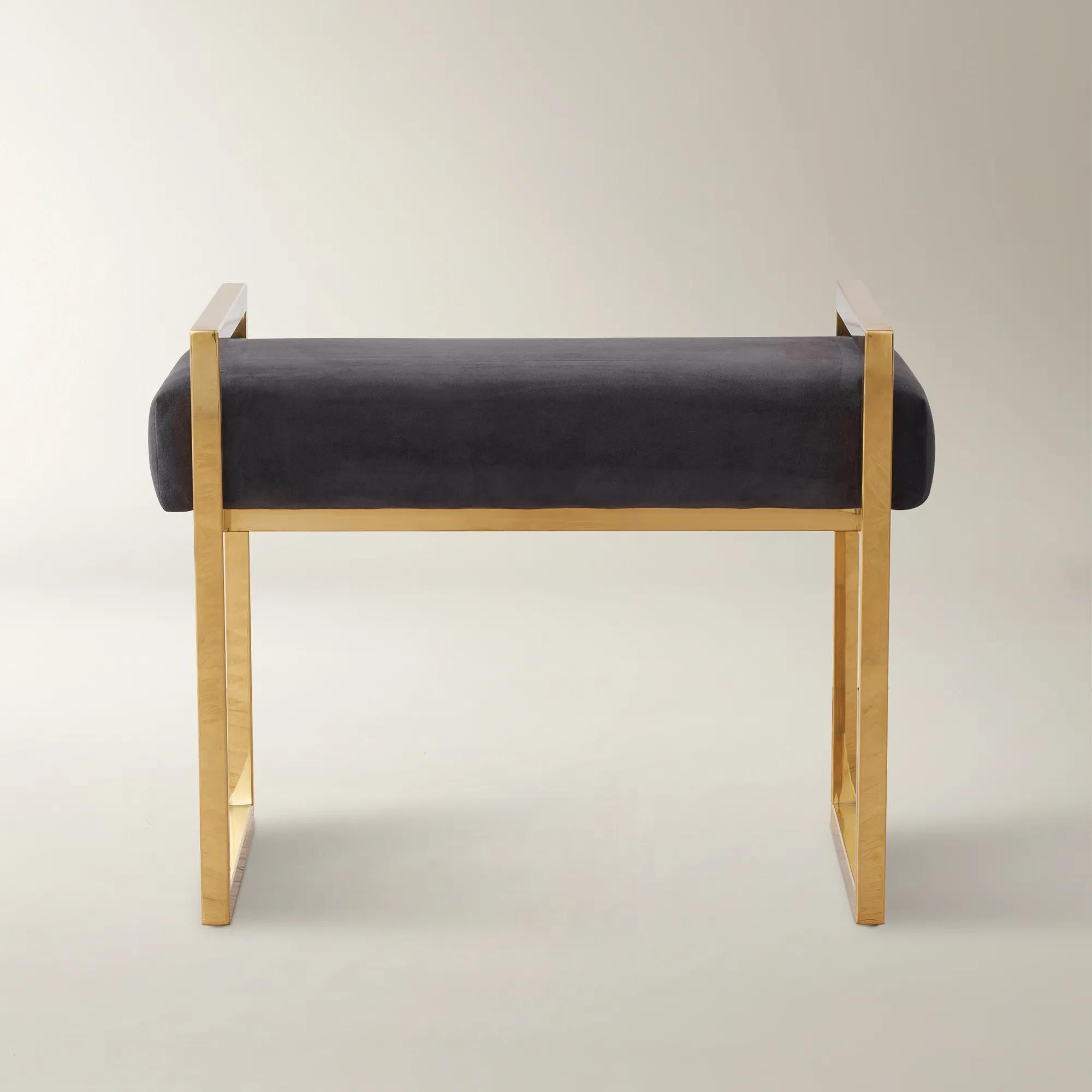
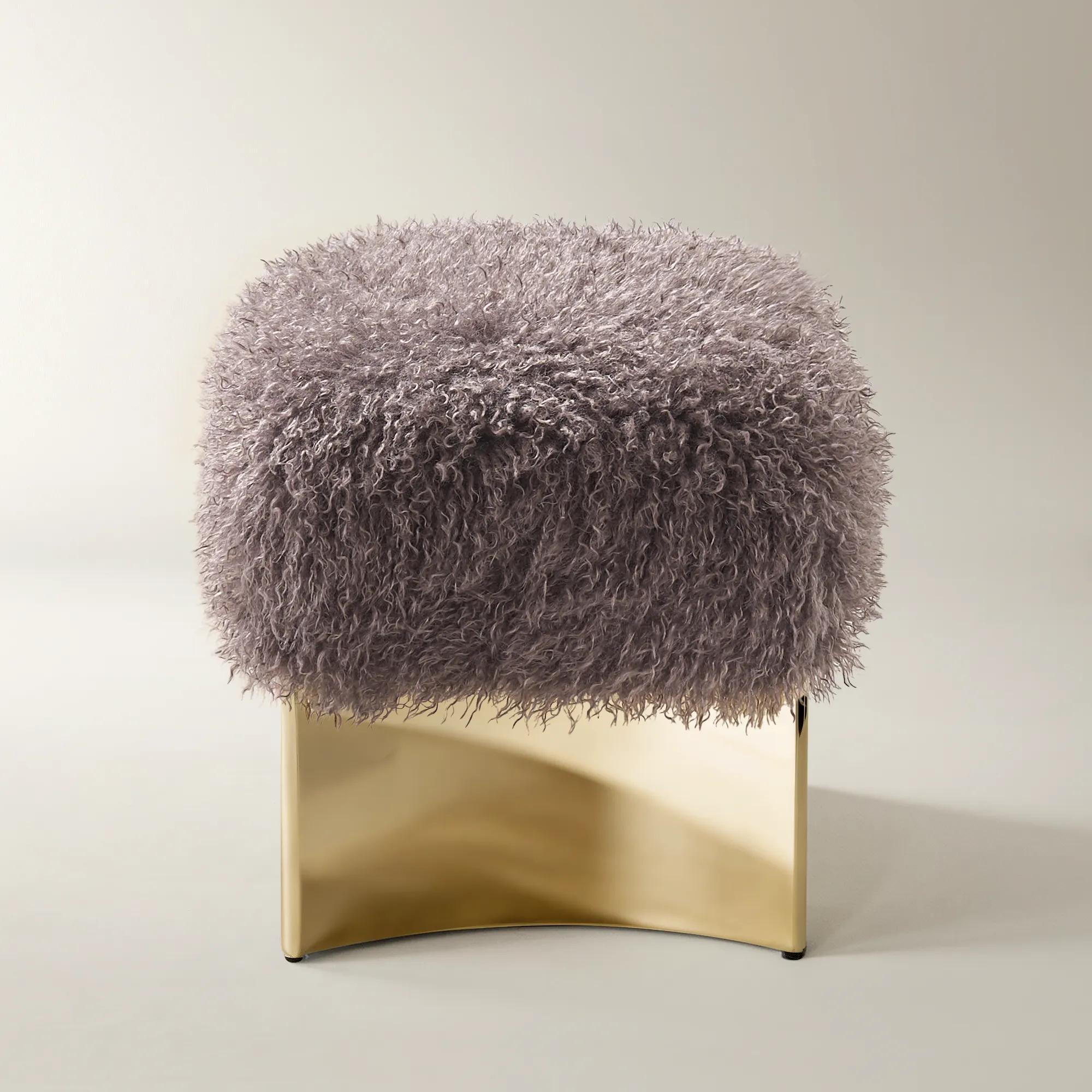
Decorative Accent Ottomans
Decorative Accent Ottomans
-
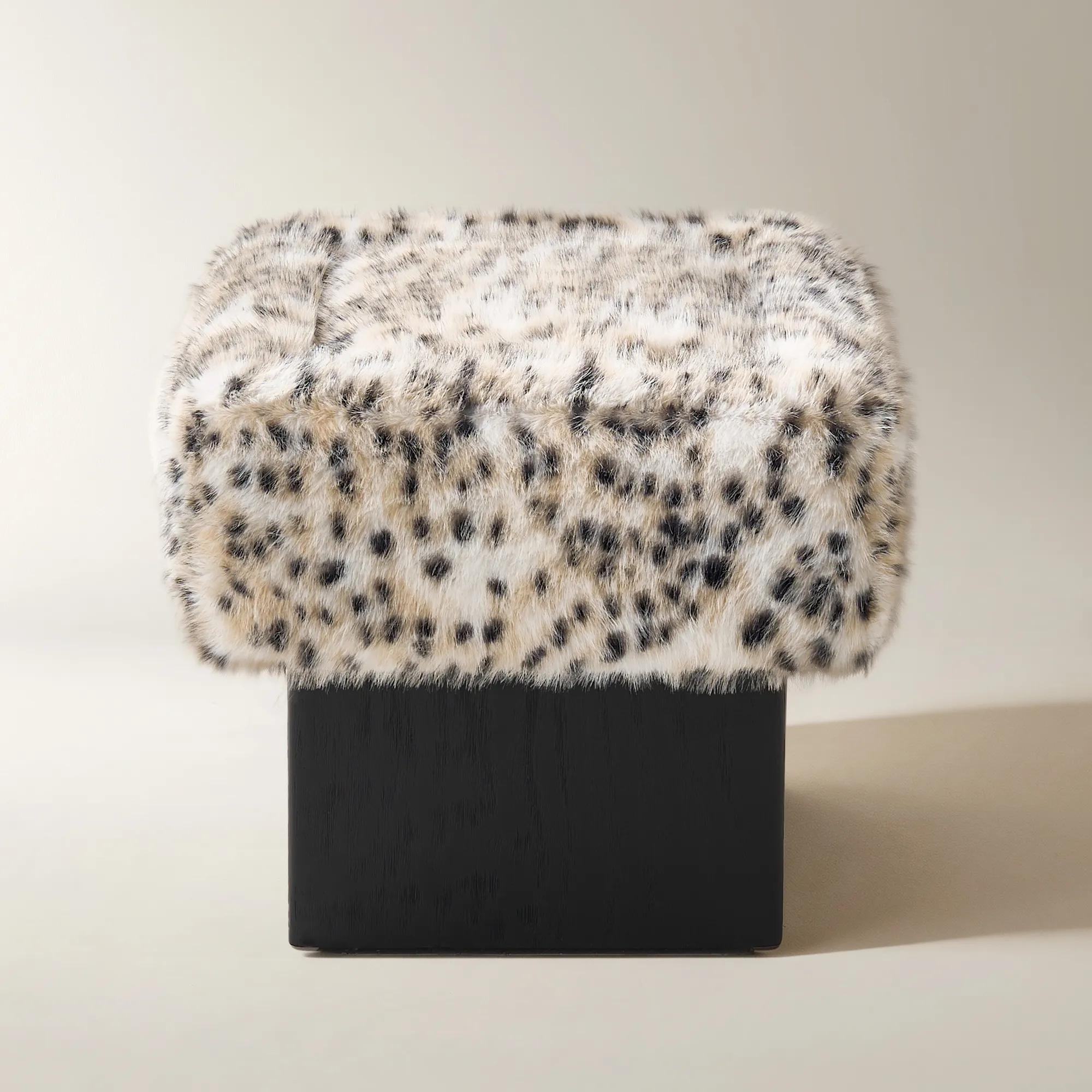
 Leopard Camel/Black Cow Hide Ottoman (18'')$799
A genuine cowhide pouf in camel and black leopard print with a removable cover and hidden zipper.
Add To Cart -
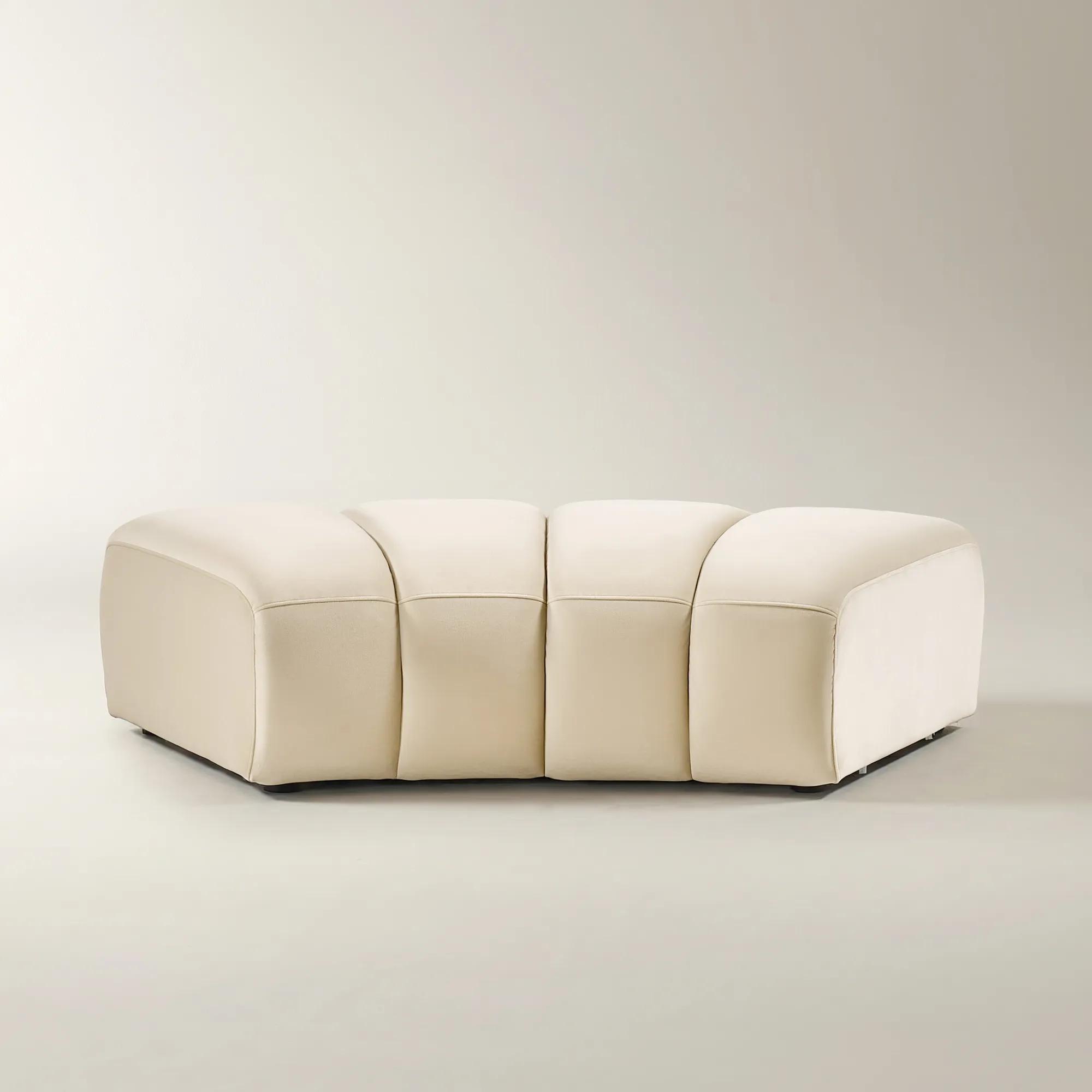 Jocelyn Channel-Tufted Oatmeal Velvet Ottoman$999
An oatmeal velvet ottoman featuring deep channel tufting, curved silhouette, and kiln-dried wood construction.
Add To Cart -

 Livia Taupe Outdoor Ottoman$1999
A taupe outdoor ottoman offering versatile comfort and contemporary style for relaxed lounging.
Add To Cart -
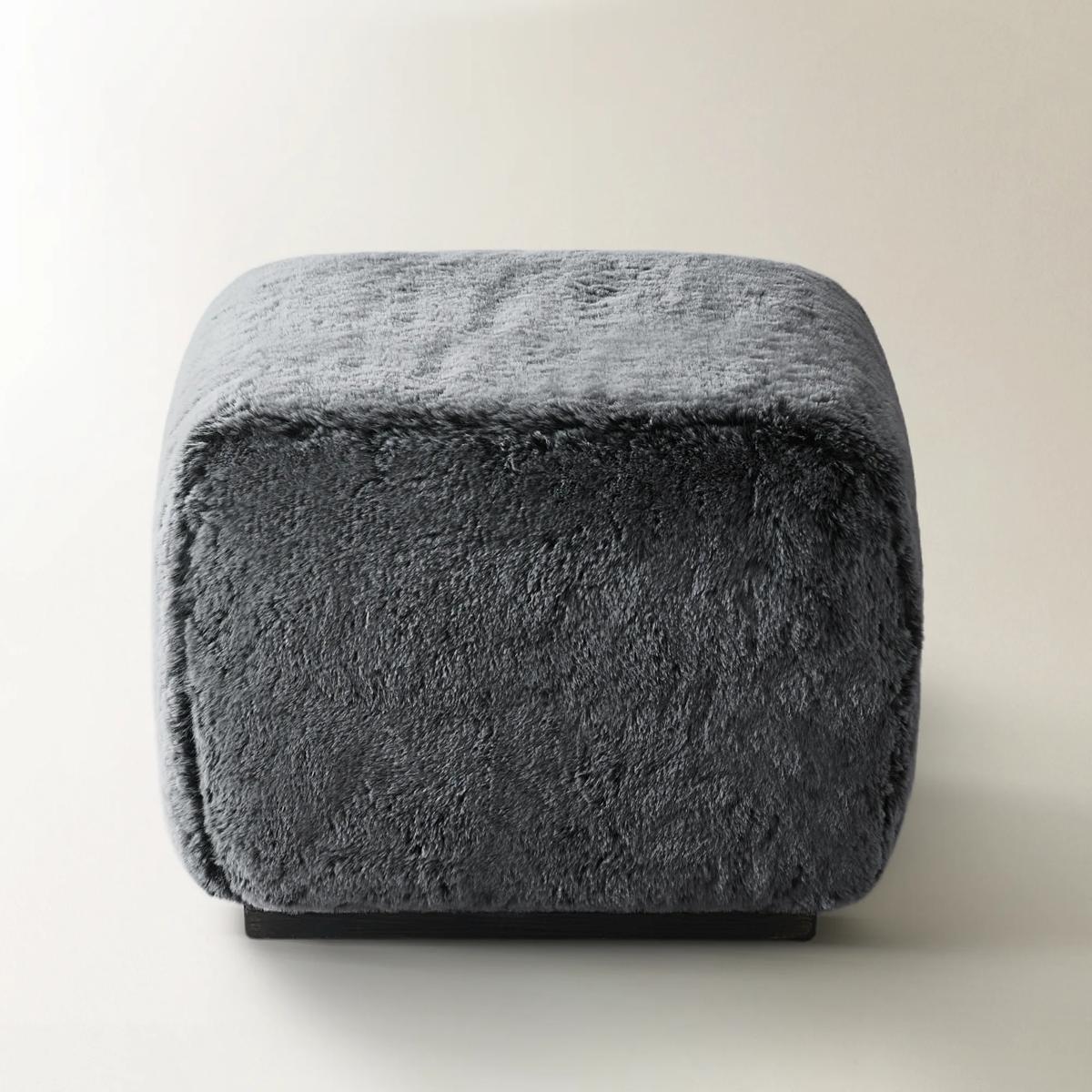
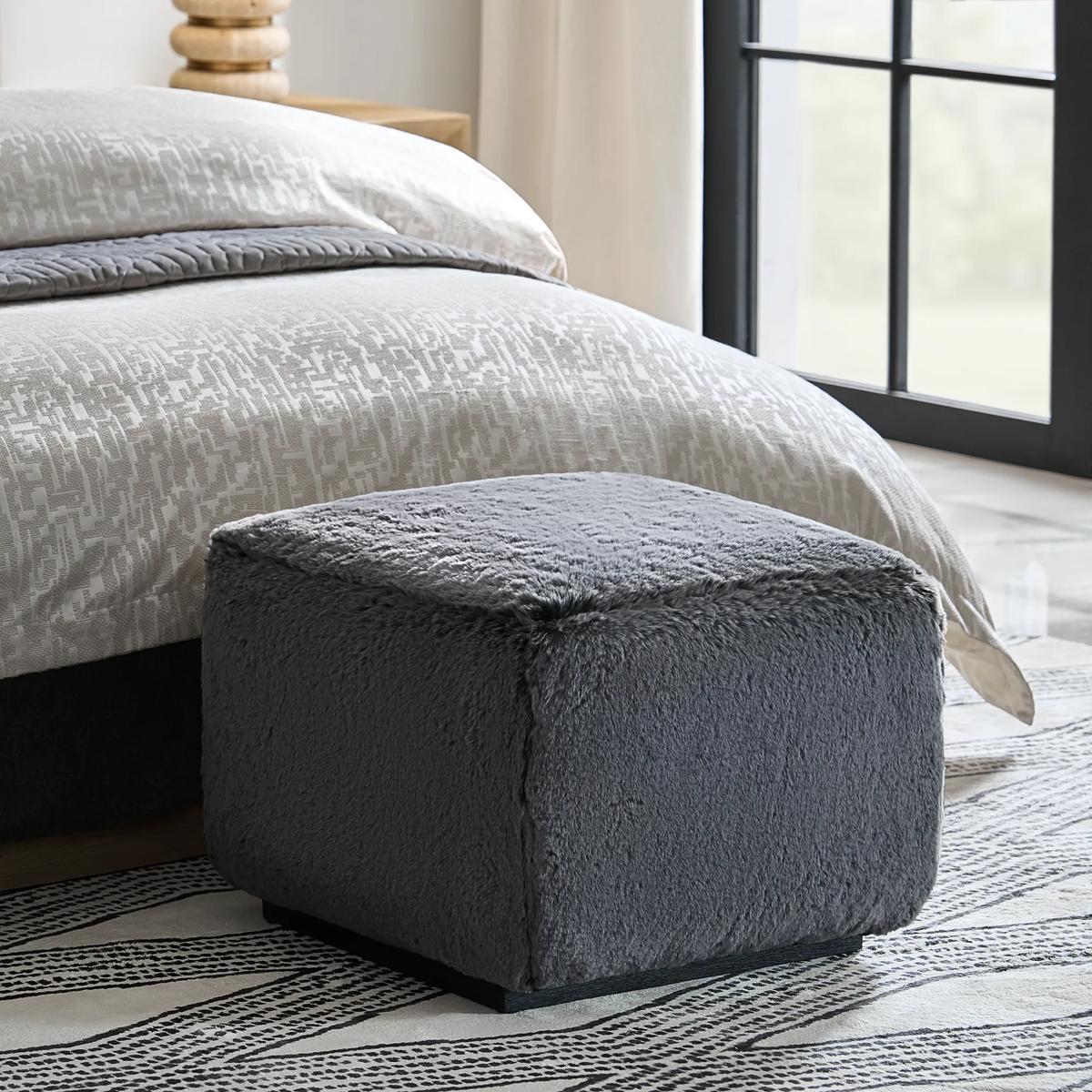 Lris Grey Faux Fur Stool (21")$299
A charcoal grey faux fur pouf with high-density foam and a sturdy rubberwood base for modern comfort.
Add To Cart -
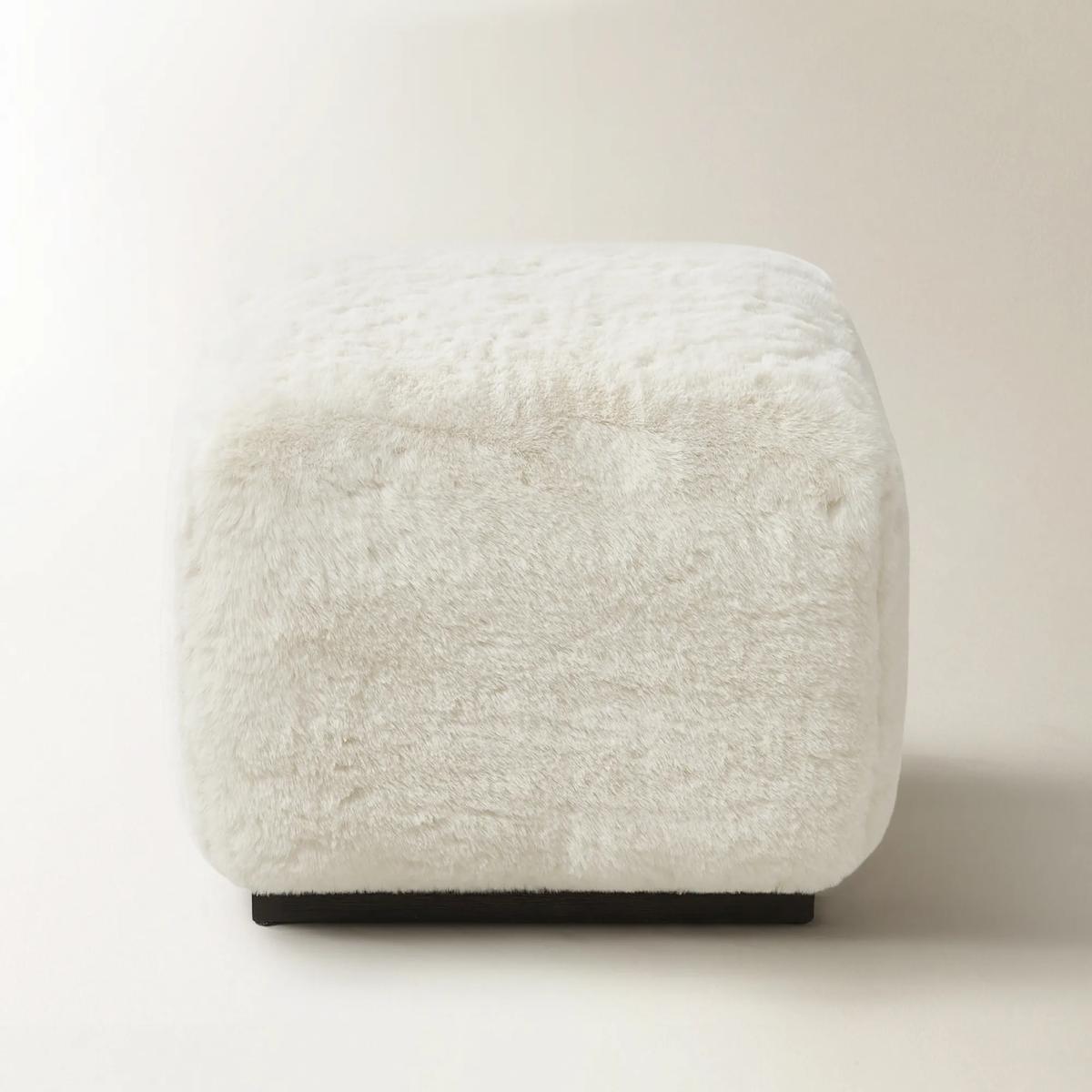
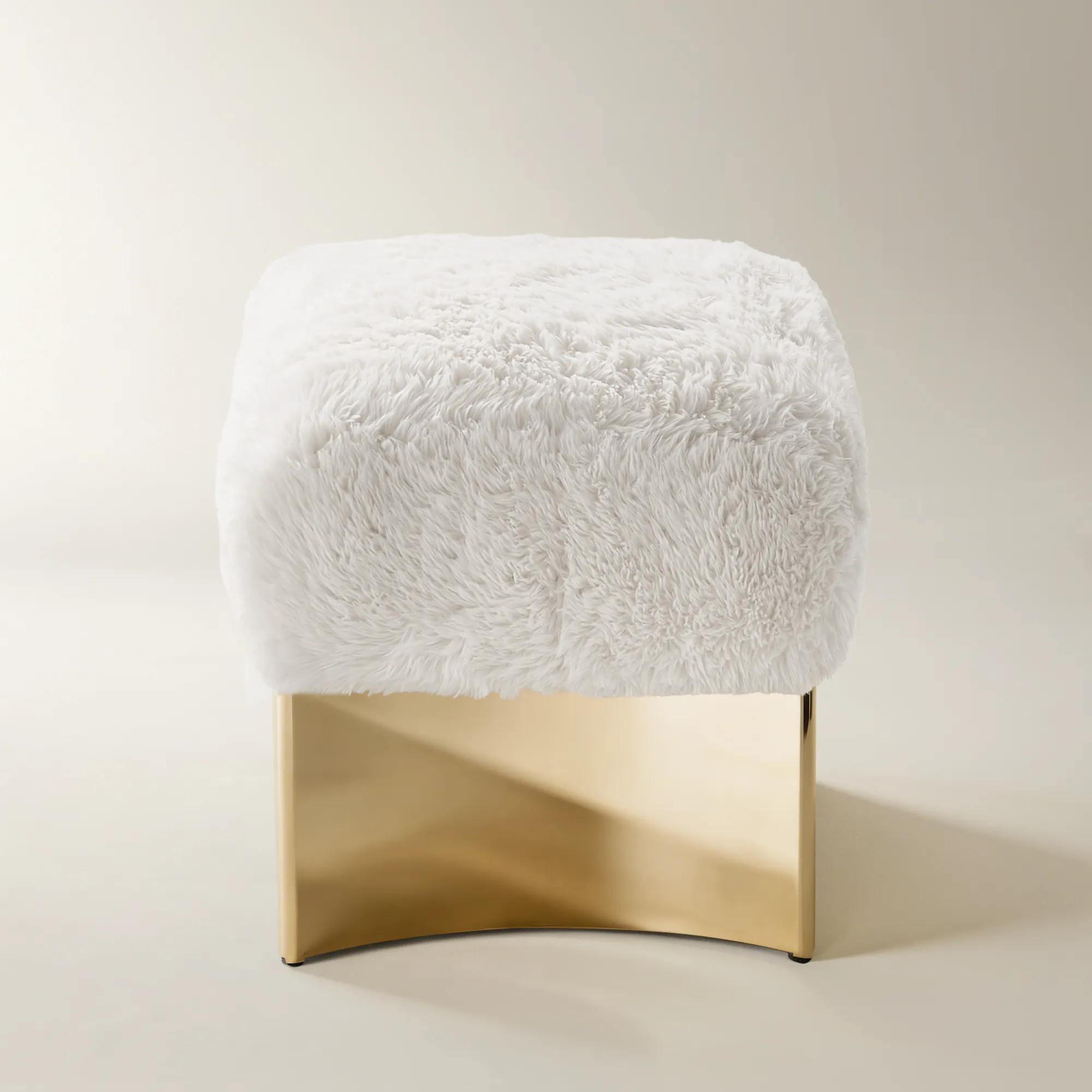
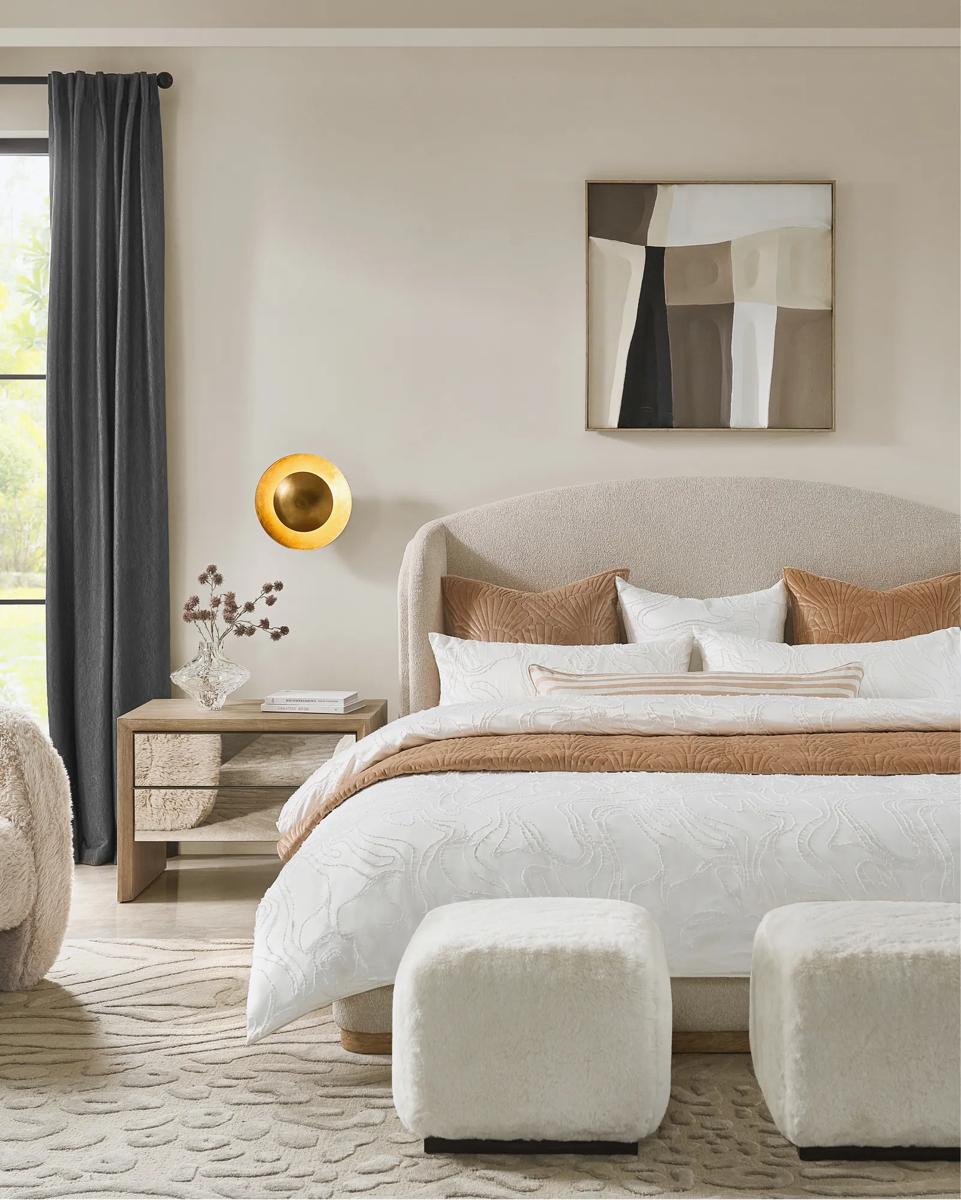 Lris Ivory Faux Fur Stool (21")$299
An ivory faux fur pouf with plush high-density foam and a sturdy, eco-friendly rubberwood base.
Add To Cart -
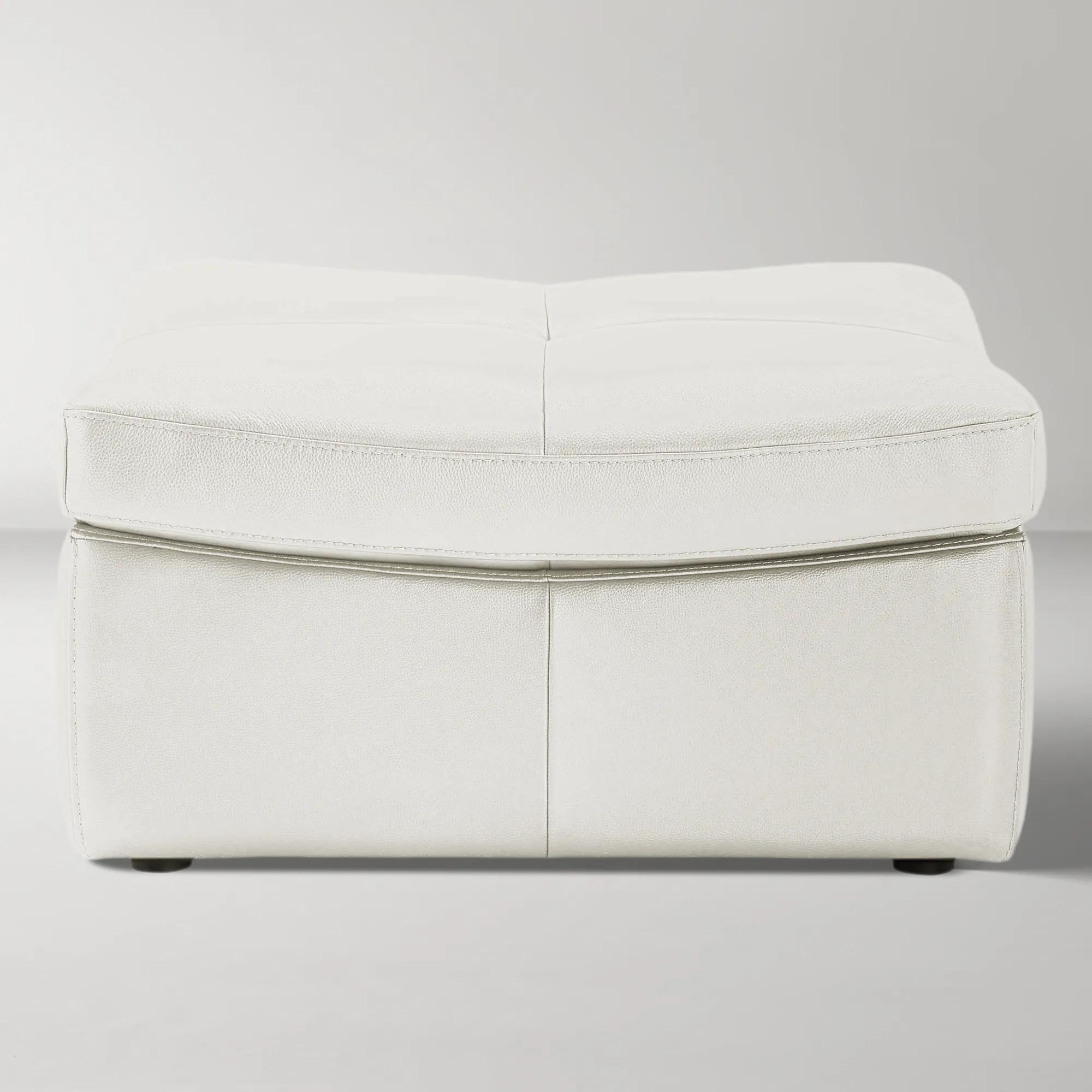 Convo White Leather Ottoman$849
A modular sectional with kiln-dried hardwood frame and charcoal semi-aniline leather upholstery for modern versatility.
Add To Cart -
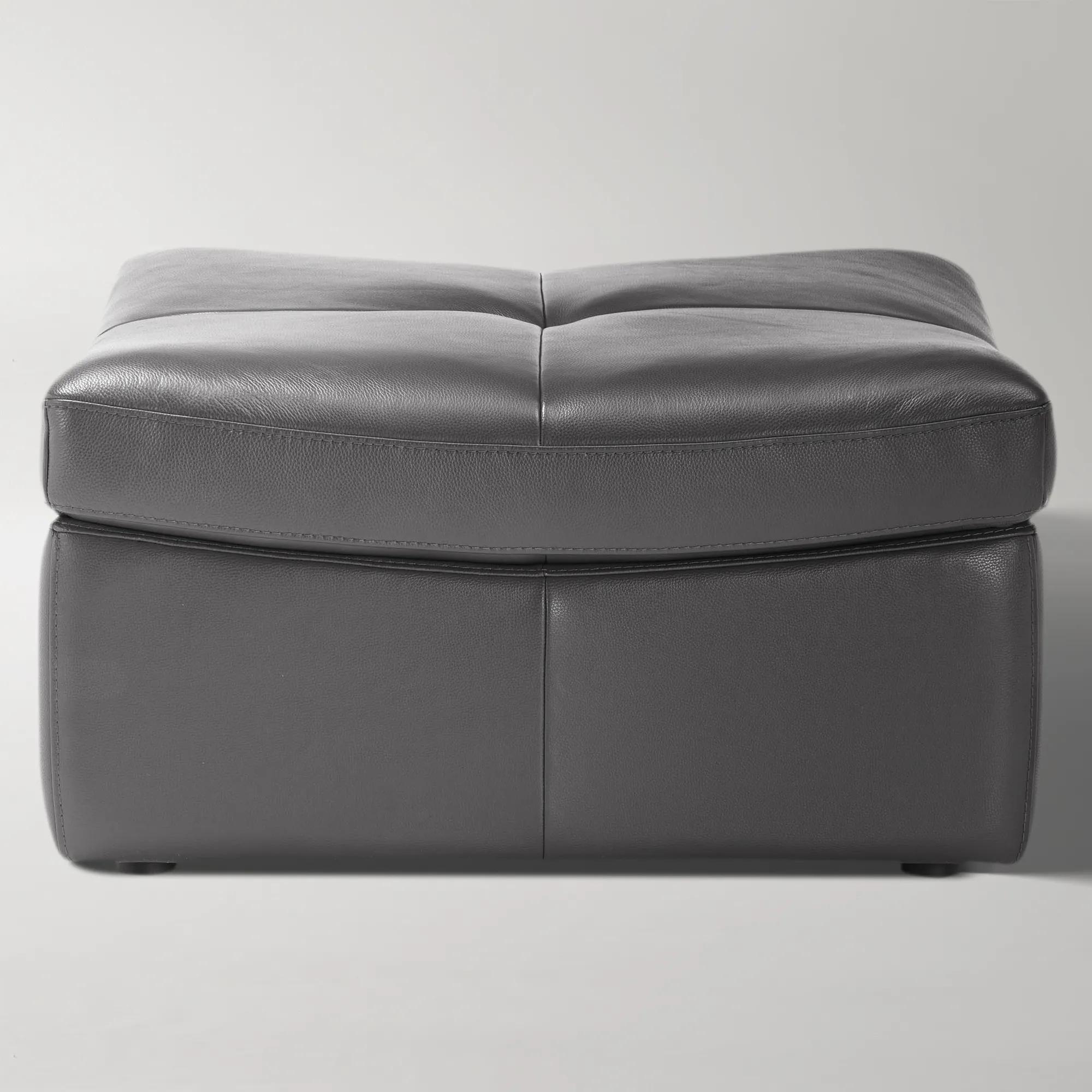 Convo Charcoal Leather Ottoman$849
A modular sectional in charcoal semi-aniline leather with kiln-dried hardwood frames and gently curved seats.
Add To Cart -
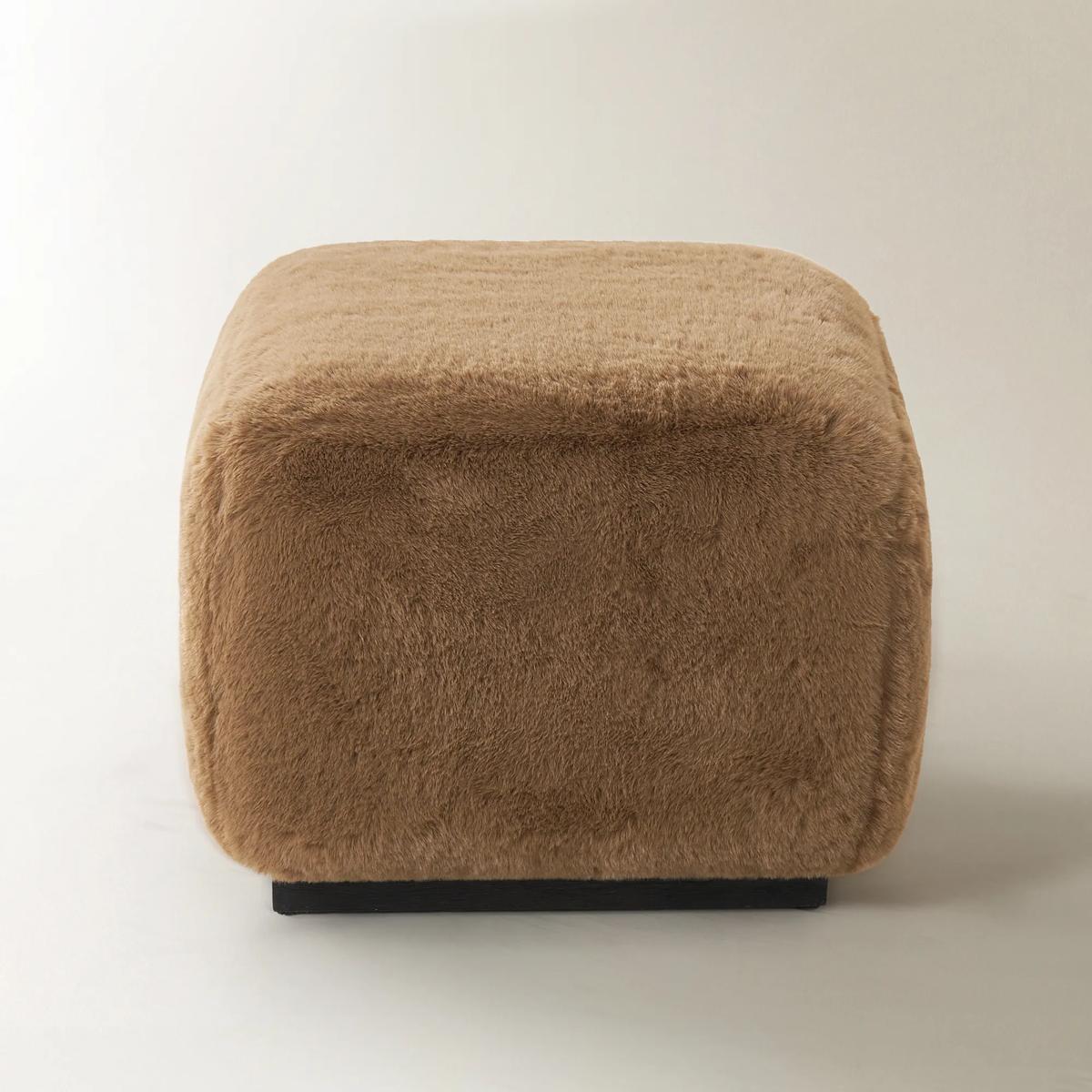
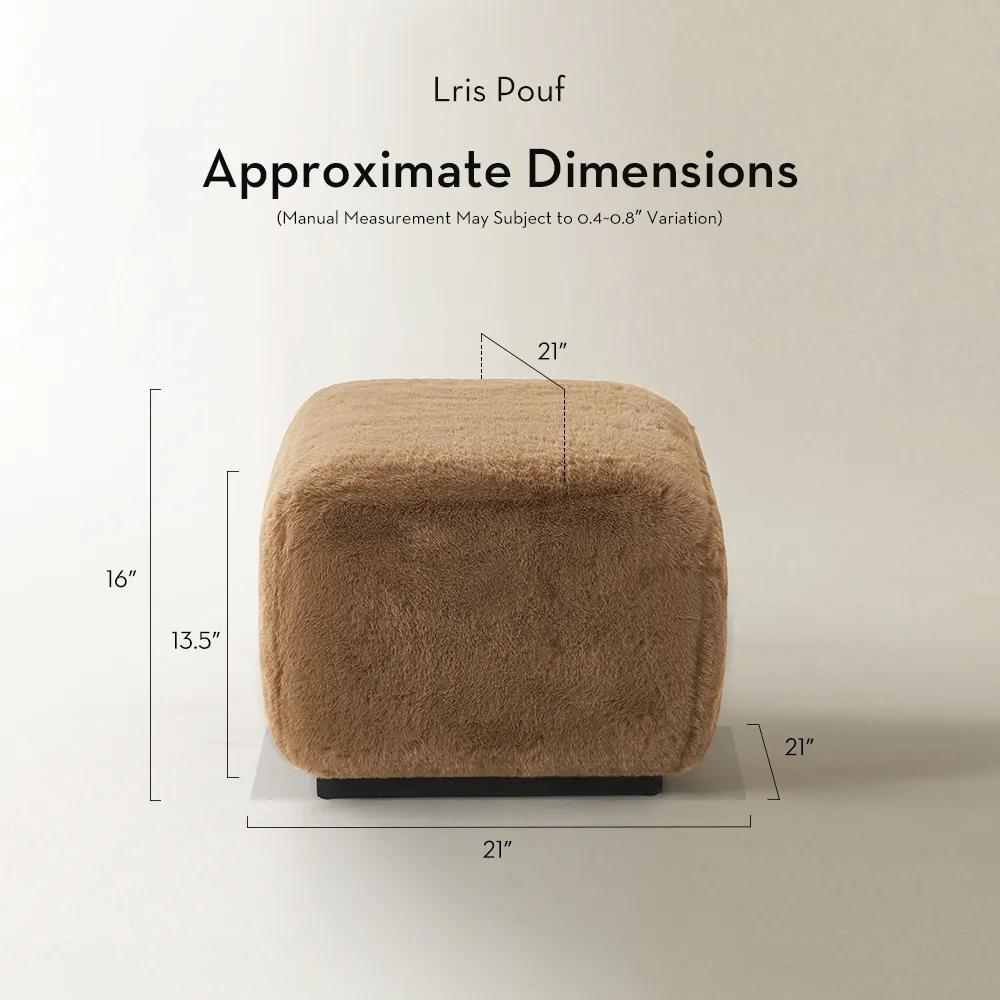 Lris Camel Faux Fur Stool (21")$299
A camel faux fur pouf with a solid rubberwood base, offering cozy warmth and modern sophistication.
Add To Cart

Decorative Accent Ottomans
Decorative Accent Ottomans are the secret to transforming any room into a stage for style and self-expression. More than mere seating, these artful pieces invite drama and intrigue, punctuating your space with sculptural silhouettes, sumptuous textures, and a whisper of luxury underfoot. Whether poised as a glamorous centerpiece or tucked beneath a gleaming console, each ottoman is an invitation to layer your décor with personality and panache. With Decorative Accent Ottomans, every corner becomes an opportunity to indulge in bold design and elevate the everyday into the extraordinary.
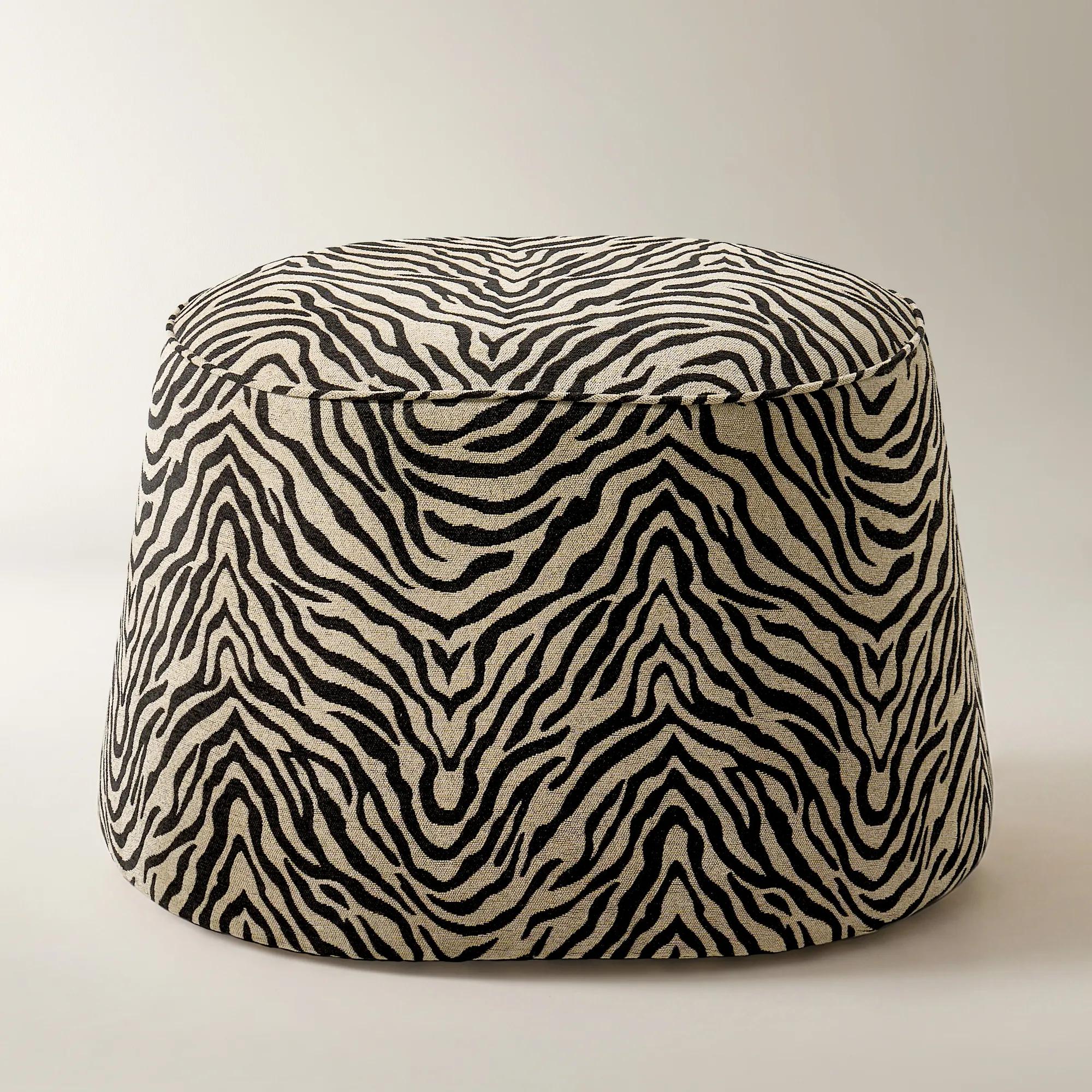
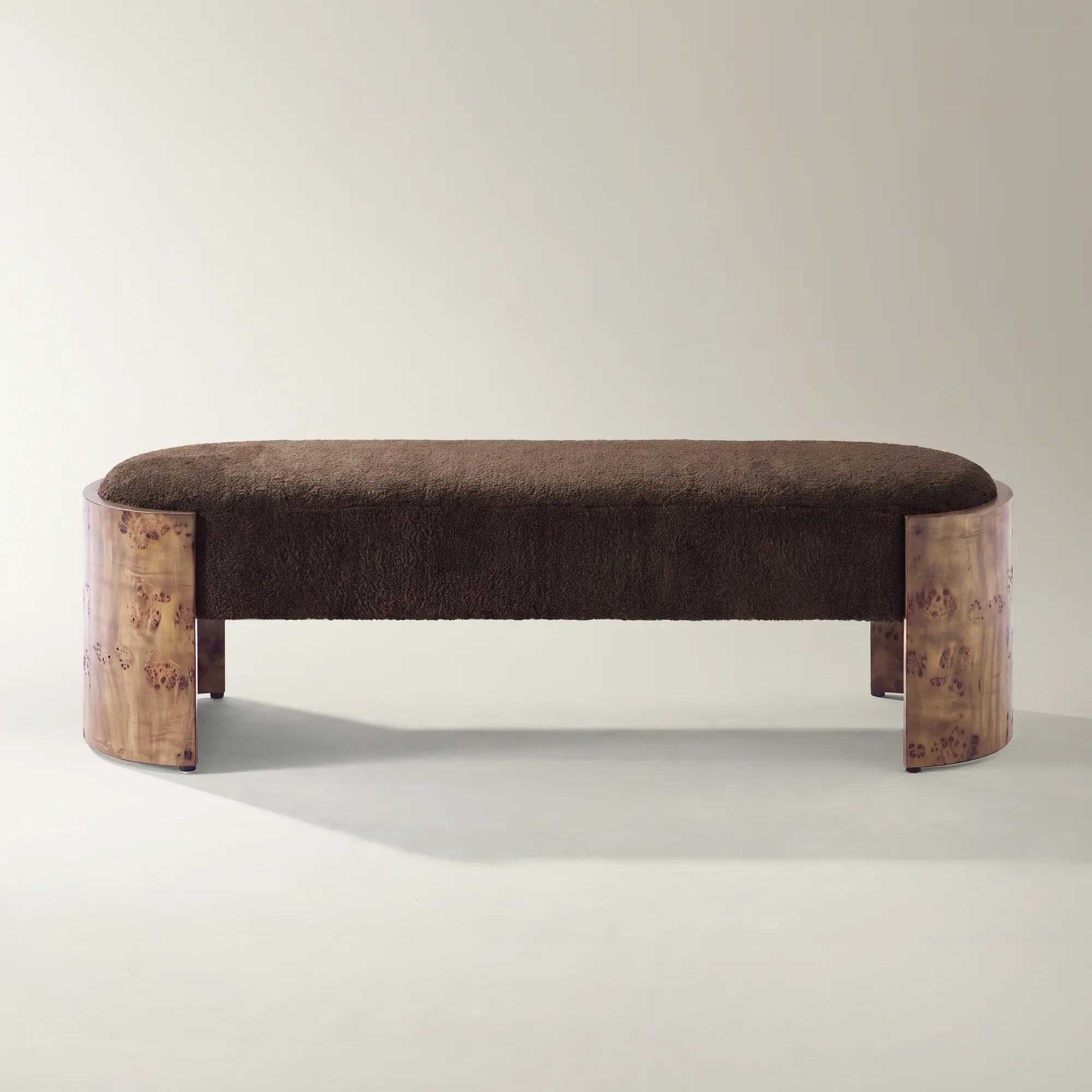
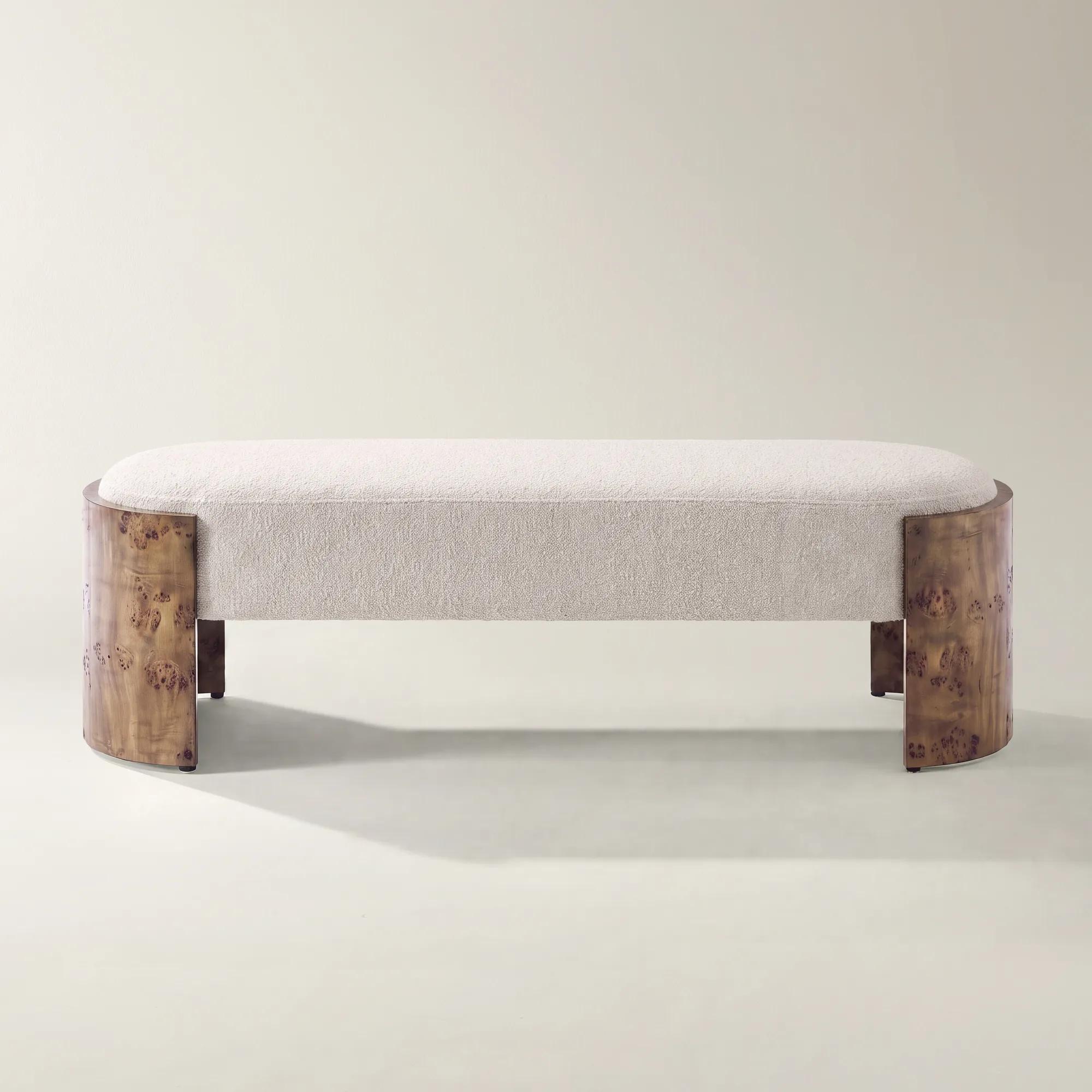
Decorative accent ottomans are upholstered furnishings that bring texture, color, and sculptural presence to a room while serving as footrests, occasional seating, or surfaces for a tray, depending on their construction. Their appeal lies in that balance: a compact silhouette can introduce a sumptuous fabric, a gleaming base, or an unexpected curve without requiring a room to revolve around it. A round ottoman softens the angles of a tailored sofa and rectangular rug, while a square design lends definition to a seating arrangement. An elongated silhouette can establish an elegant pause at the foot of a bed or create a generous place to stretch out beside a lounge chair. Upholstery gives each form its particular character. Velvet catches light across its pile, creating subtle shifts in color that make even a single shade feel dimensional. Bouclé introduces a nubby, tactile surface; woven fabrics bring quieter depth through visible threads and tonal variation. Leather offers a smoother, more structured expression, with aging characteristics that depend on its finish and care. Tufting creates shadow and rhythm across an upholstered top, while channeling, welting, and carefully placed seams emphasize the shape beneath the fabric. Fringe or a sculptural metal base can turn a small furnishing into the room’s most expressive detail. Color has a similarly powerful effect. An ivory ottoman can illuminate a composition of darker furnishings, while sapphire, plum, or emerald creates a concentrated jewel-tone accent. A patterned design can connect colors already present in artwork, pillows, and rugs without repeating every element literally. For a room with richly detailed furniture, a solid upholstery fabric allows the silhouette to take focus. Against a more restrained backdrop, a decorative ottoman with pronounced texture or an architectural base becomes an intentional focal point. The most compelling arrangements give this smaller furnishing a clear visual role rather than treating it as an afterthought.
Proportion determines how beautifully an accent ottoman lives within a space. For use as a footrest, a top near or slightly below the height of the accompanying seat generally creates a comfortable relationship, although cushion compression and personal preference also matter. A deep lounge chair may welcome a broader ottoman, while a slender occasional chair often feels more balanced beside a compact form. Measure the full footprint, including projecting legs or decorative trim, and leave room for people to move through the seating area without turning sideways. In a small apartment, a single rounded ottoman can provide a flexible accent that shifts between a reading corner and a conversation area. In a larger room, two smaller ottomans can create a composed pairing and move independently when the arrangement needs to change. Within these layouts, living room accent ottomans can establish a visual connection between the sofa, accent chairs, and rug while introducing a contrasting texture. Intended use should guide the details. An ottoman used primarily for resting feet benefits from comfortable cushioning and upholstery suited to frequent contact. One intended for extra seating should be explicitly designed to support a seated person; a decorative appearance alone does not establish weight capacity or stability. For a coffee-table alternative, a broad, relatively level top accommodates a rigid tray more reliably than a deeply tufted or highly rounded surface. Drinks and delicate objects still need a stable resting place, and soft upholstery should not be treated like a hard tabletop. Storage ottomans add another layer of usefulness by concealing throws, games, or other lightweight essentials, but their lids need sufficient opening clearance. In a bedroom, leave room for bedding to fall naturally and for drawers or doors to open. These practical relationships allow an ottoman to feel integrated into daily life while preserving the generous, unhurried atmosphere of a thoughtfully furnished room.
The lasting beauty of a decorative accent ottoman depends as much on its construction and care as on its upholstery. A stable frame, secure legs, neatly finished seams, and cushioning that recovers after pressure are useful qualities to assess, particularly when the piece will receive daily use. Upholstery durability varies by fiber, weave, backing, and finish, so appearance alone cannot reveal how a fabric will perform. A tightly woven textile may suit frequent activity, while a more delicate surface may be better placed in a quieter bedroom or formal sitting area. Performance treatments can help with specific maintenance concerns, but they do not make fabric immune to staining, snagging, or wear. Households with pets should consider how claws may interact with looped textures and how readily hair can be removed from the surface. For homes with children, secure construction, appropriate placement, and manufacturer guidance matter more than decorative softness alone. Routine care begins with the upholstery label: vacuum gently with a suitable attachment when recommended, blot spills promptly rather than rubbing, and use only cleaning methods approved for the material. Velvet may show directional shading as its pile moves, a characteristic that should not automatically be mistaken for damage. Leather requires care appropriate to its particular finish, and prolonged direct sunlight can affect the color of many fabrics and hides. Metal and wood bases deserve equally considered attention, using compatible cleaning products and suitable floor protectors beneath the feet. An ottoman should be lifted rather than dragged when repositioning, especially across delicate flooring. For someone furnishing a new home, refreshing a reading retreat, or creating a more expressive bedroom, a decorative ottoman can also make a thoughtful housewarming gift when the recipient’s dimensions, preferred palette, and maintenance expectations are known. Whether chosen for a quiet corner or a richly layered gathering space, its value extends beyond an additional surface. It brings comfort within reach and gives color, texture, and form a distinct place in the room’s composition.
FAQs
Styling a decorative accent ottoman is all about layering textures, colors, and shapes to create visual intrigue. Pair a bold, patterned ottoman with neutral furnishings to let it shine as a statement piece, or select a luxe velvet or leather finish to add depth to a monochromatic palette. For added artistry, top your ottoman with a decorative tray, curated books, or a sculptural vase. Mixing materials—such as pairing a woven pouf with a glass coffee table—can also bring a dynamic, designer-inspired touch to your space.
Decorative accent ottomans are marvels of versatility. Beyond serving as extra seating, they can double as coffee tables when topped with a tray, provide a plush footrest for lounging in style, or act as a platform for displaying favorite decor items. In bedrooms or dressing areas, they add a touch of glamour at the foot of the bed or in front of a vanity. Some ottomans even offer hidden storage, making them ideal for tucking away throws or magazines while maintaining a polished look.
Absolutely. Decorative accent ottomans are a designer’s secret weapon for maximizing both style and function in compact spaces. Opt for a petite pouf or a sleek, low-profile ottoman to add extra seating or a landing spot without overwhelming the room. Storage ottomans are especially useful in small apartments or studios, offering a chic solution for keeping clutter at bay while enhancing the room’s aesthetic.
Yes, grouping multiple accent ottomans creates a layered, curated effect that adds dimension and flexibility to your space. Cluster two or three poufs in a conversational area for a relaxed, inviting vibe, or place matching ottomans on either side of a coffee table for a symmetrical, polished look. Mixing shapes, fabrics, or finishes can also introduce an eclectic, collected feel that reflects your personal style.
For a space that exudes warmth and comfort, choose accent ottomans in plush materials like velvet, bouclé, or faux fur. These textures invite touch and create a sense of indulgence, especially during the colder months. Natural fibers such as woven seagrass or soft knits add an organic, relaxed charm, while tufted details and rich colors can heighten the sense of coziness and sophistication in any room.