Indoor Accent Ottomans
Indoor Accent Ottomans
-
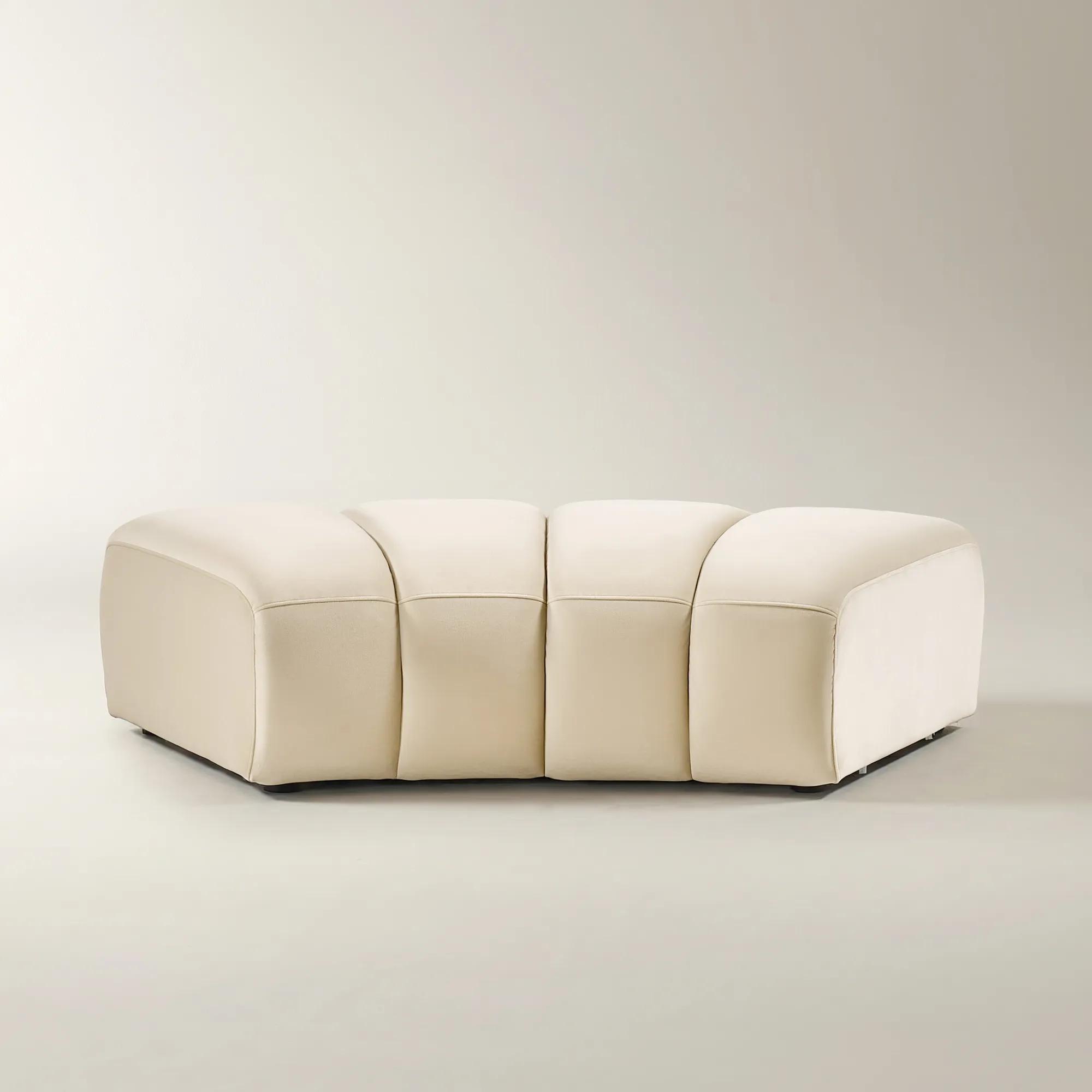 Jocelyn Channel-Tufted Oatmeal Velvet Ottoman$999
An oatmeal velvet ottoman featuring deep channel tufting, curved silhouette, and kiln-dried wood construction.
Add To Cart -
 Leopard Camel/Black Cow Hide Ottoman (18'')$799
A genuine cowhide pouf in camel and black leopard print with a removable cover and hidden zipper.
Add To Cart -
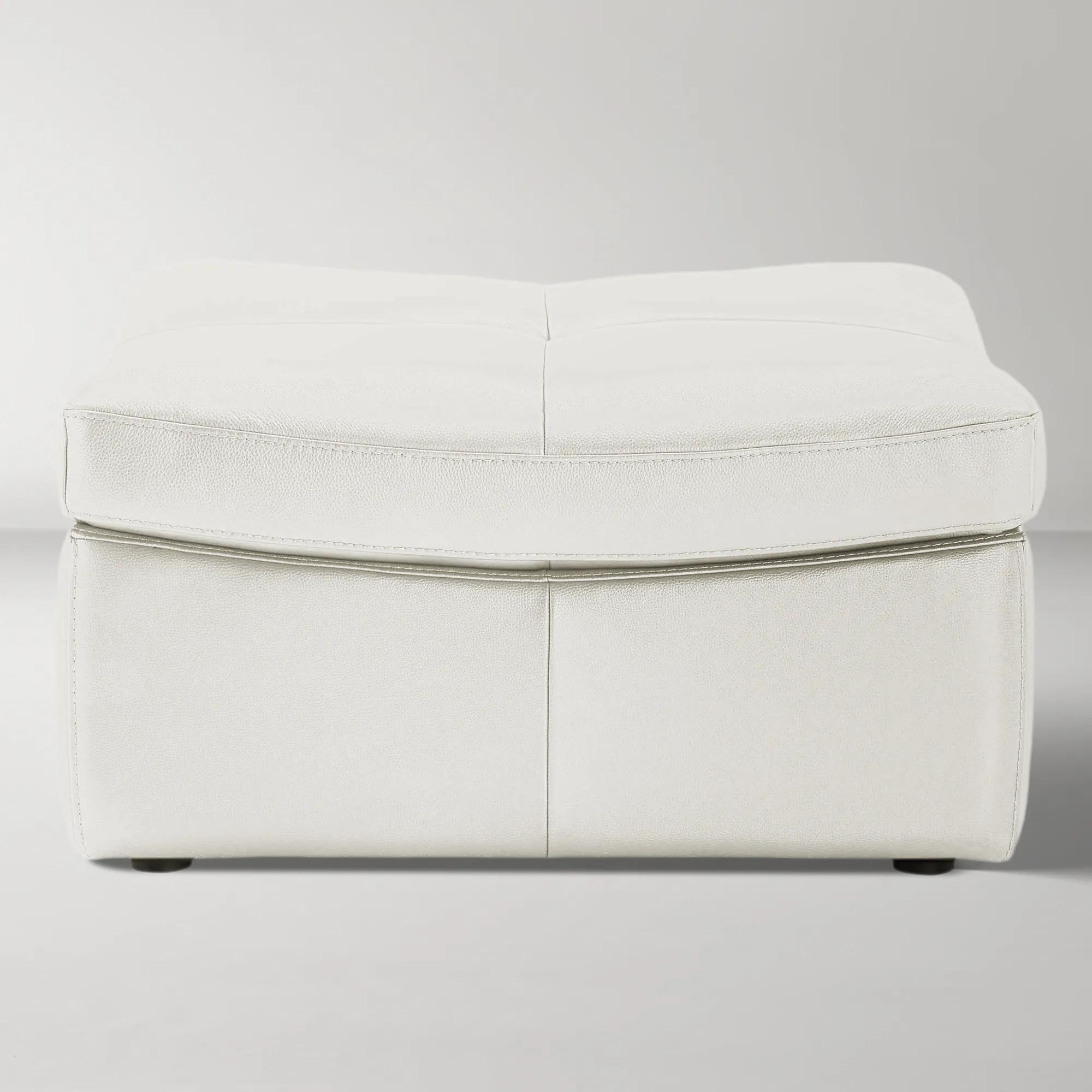 Convo White Leather Ottoman$849
A modular sectional with kiln-dried hardwood frame and charcoal semi-aniline leather upholstery for modern versatility.
Add To Cart -
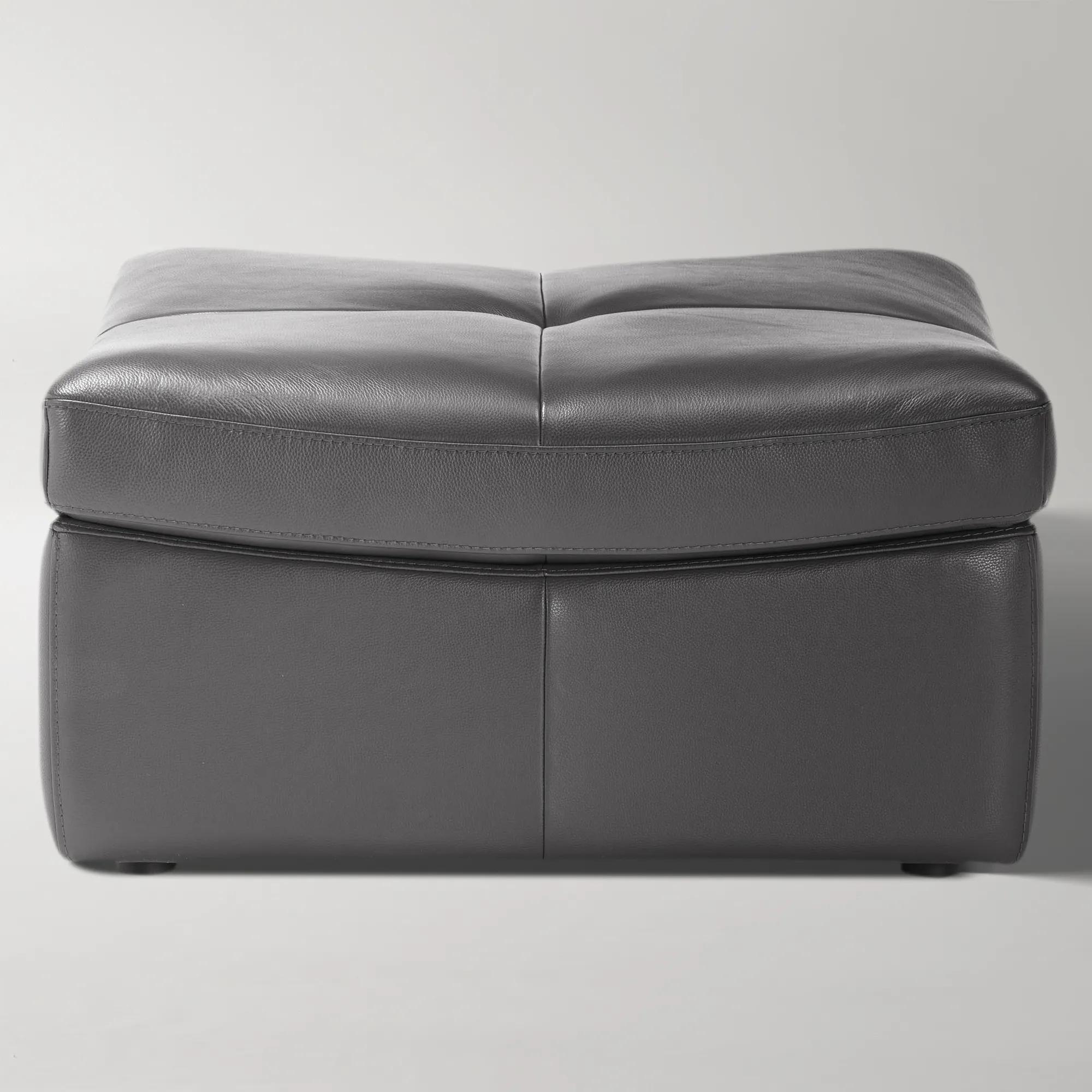 Convo Charcoal Leather Ottoman$849
A modular sectional in charcoal semi-aniline leather with kiln-dried hardwood frames and gently curved seats.
Add To Cart -
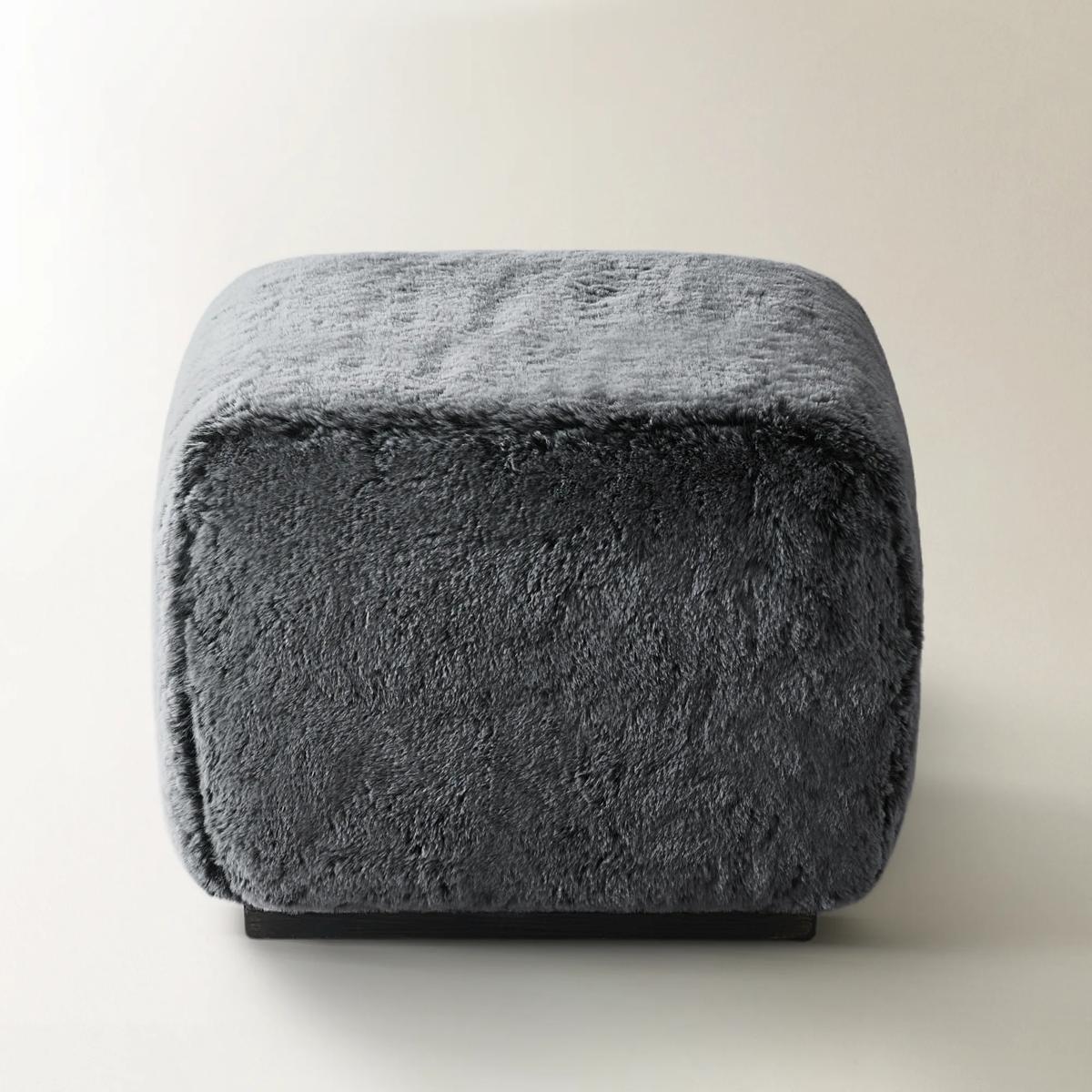
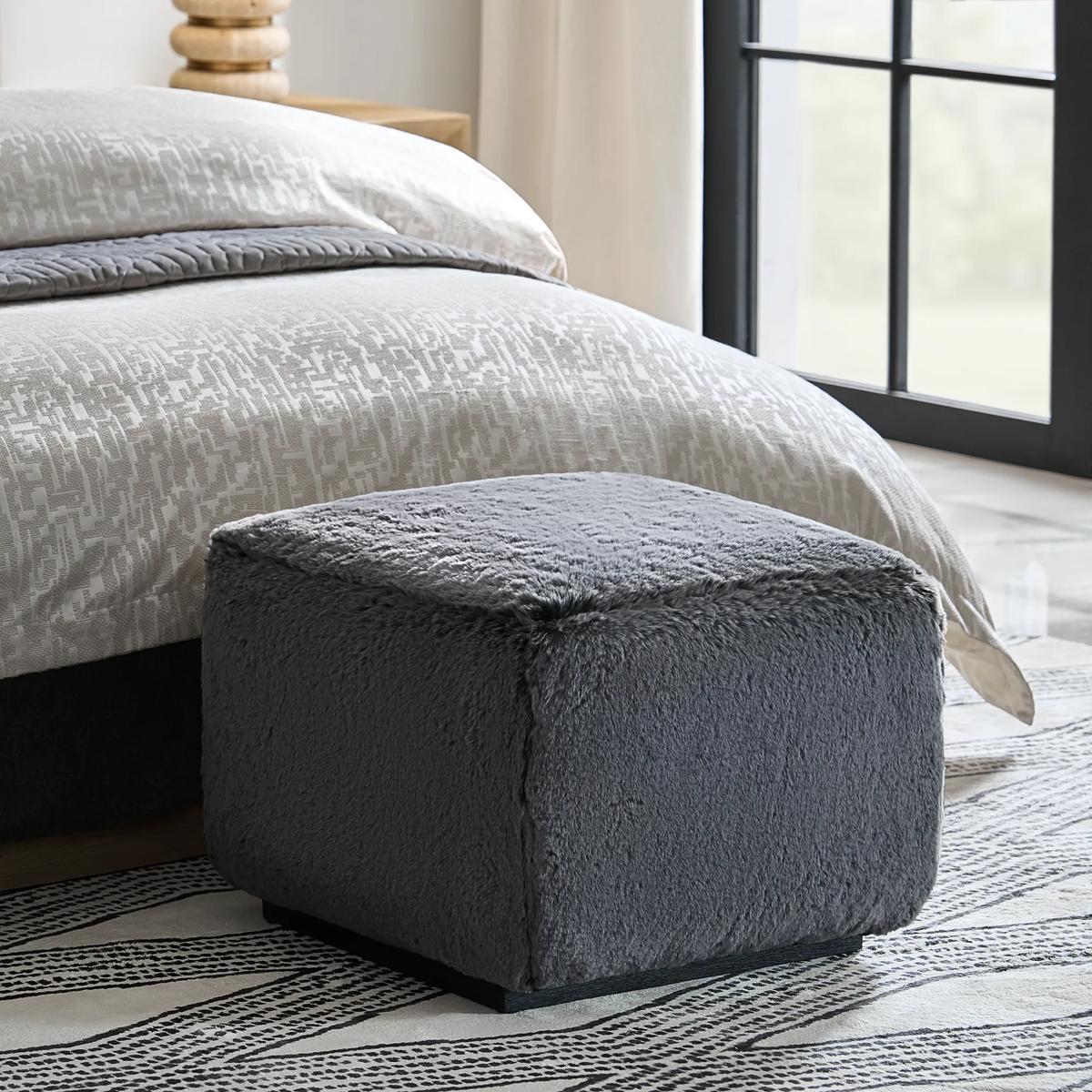 Lris Grey Faux Fur Stool (21")$299
A charcoal grey faux fur pouf with high-density foam and a sturdy rubberwood base for modern comfort.
Add To Cart -
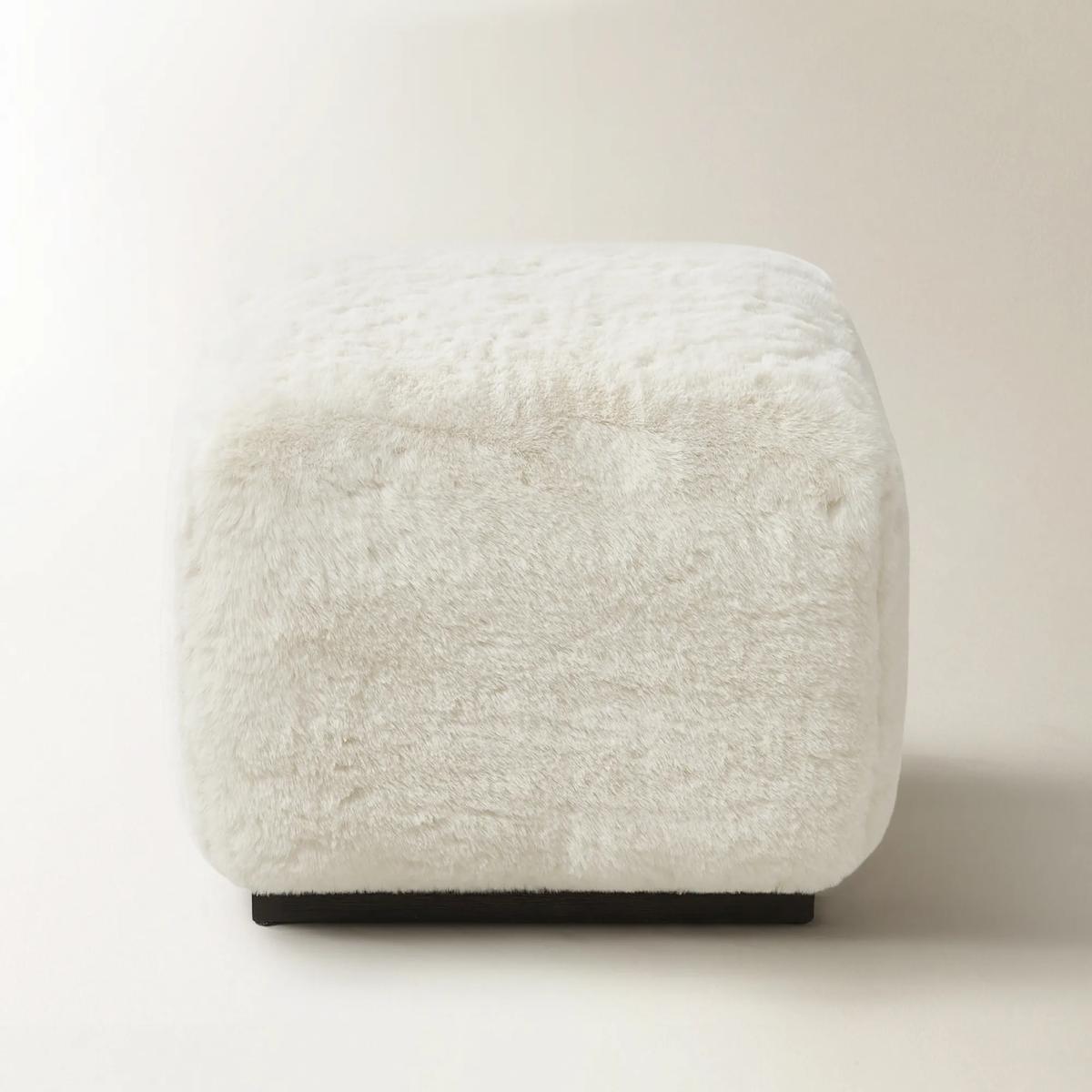
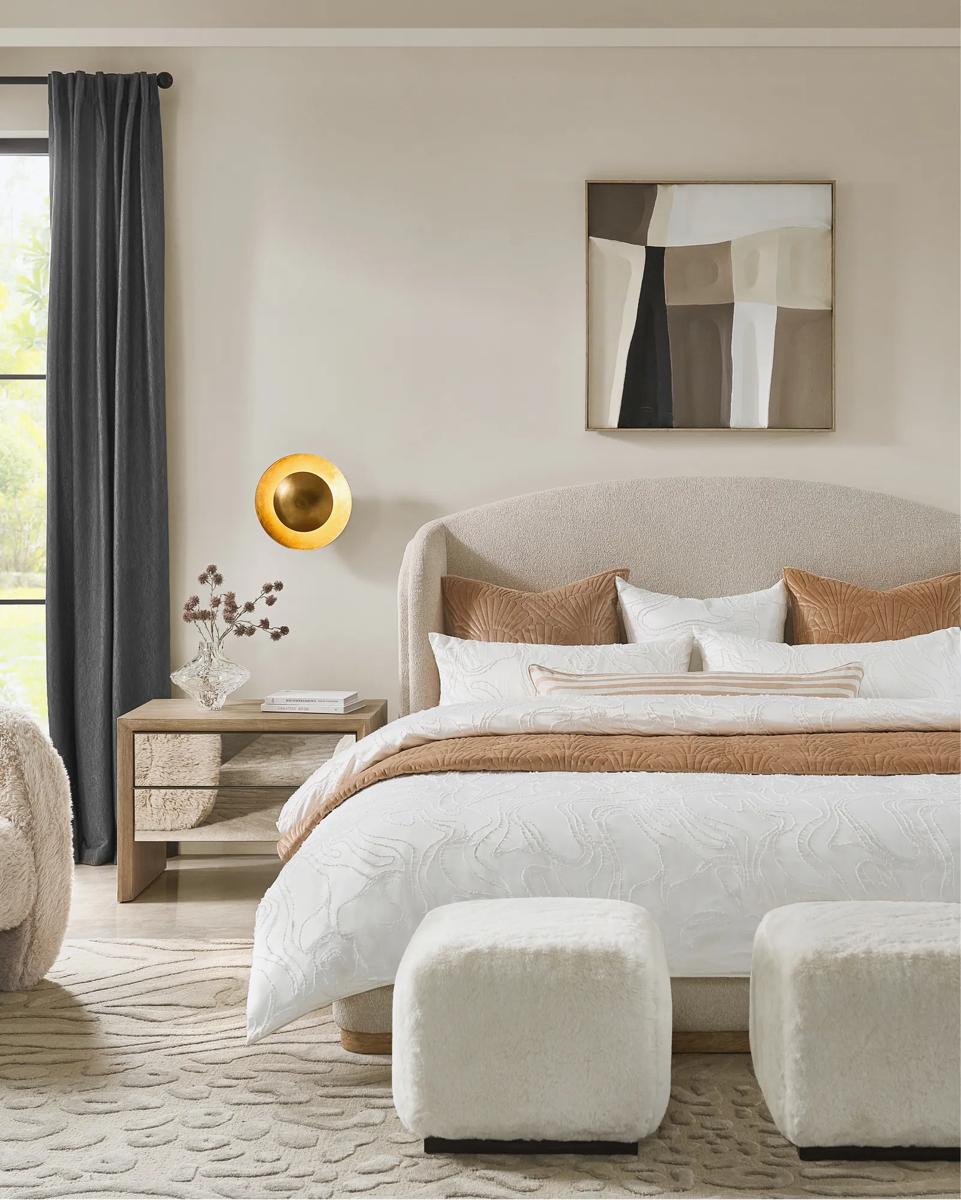 Lris Ivory Faux Fur Stool (21")$299
An ivory faux fur pouf with plush high-density foam and a sturdy, eco-friendly rubberwood base.
Add To Cart

Indoor Accent Ottomans
Indoor accent ottomans are the unsung heroes of expressive interiors—a symphony of style, comfort, and artistry that transforms any room into a stage for your personal vision. More than mere seating, these sculptural pieces invite you to indulge in the unexpected: a dash of color here, a whisper of texture there, all culminating in a moment of pure design drama. Whether poised beneath a gleaming chandelier or anchoring a bold vignette, indoor accent ottomans infuse every space with undeniable allure, beckoning you to reimagine your home as a gallery of self-expression.
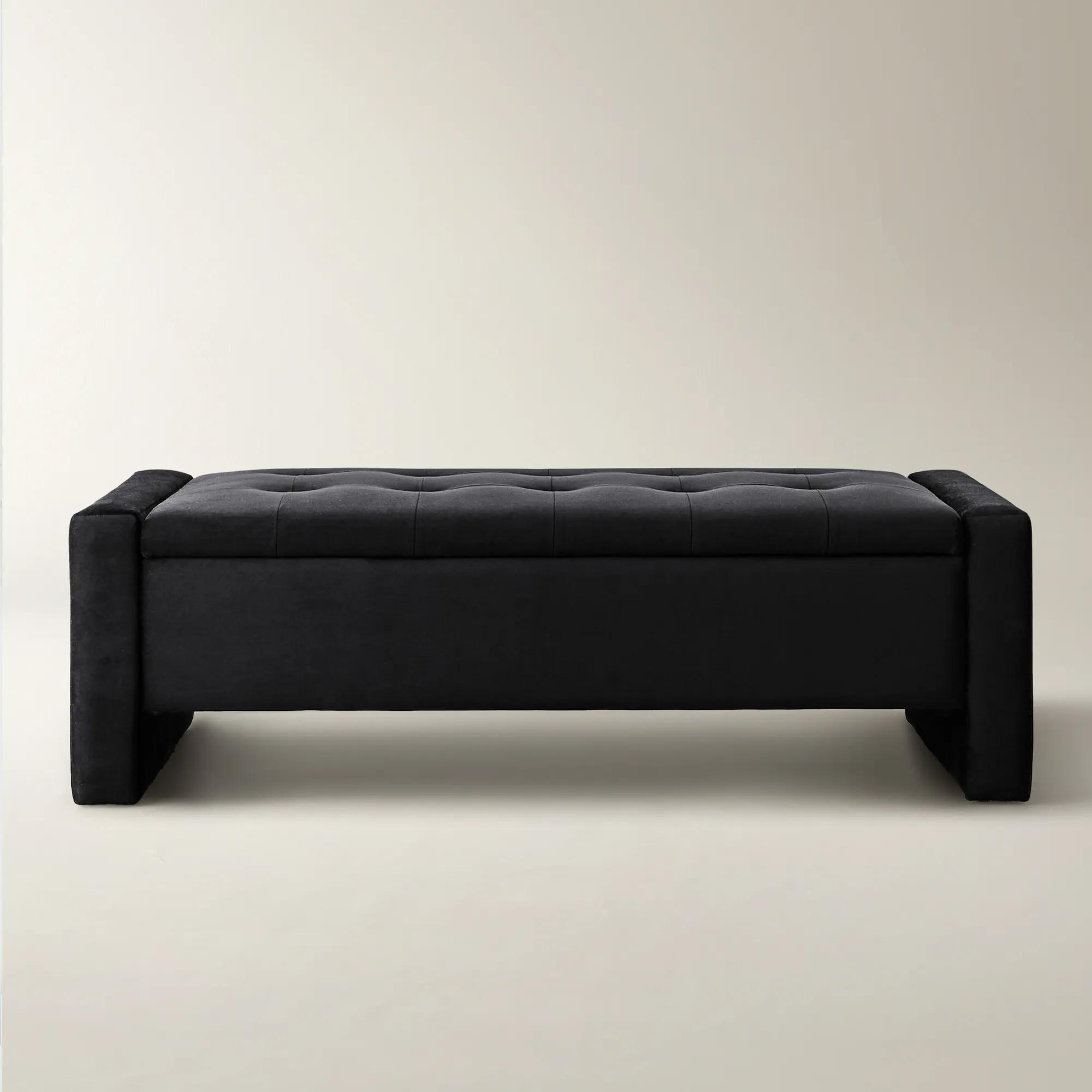
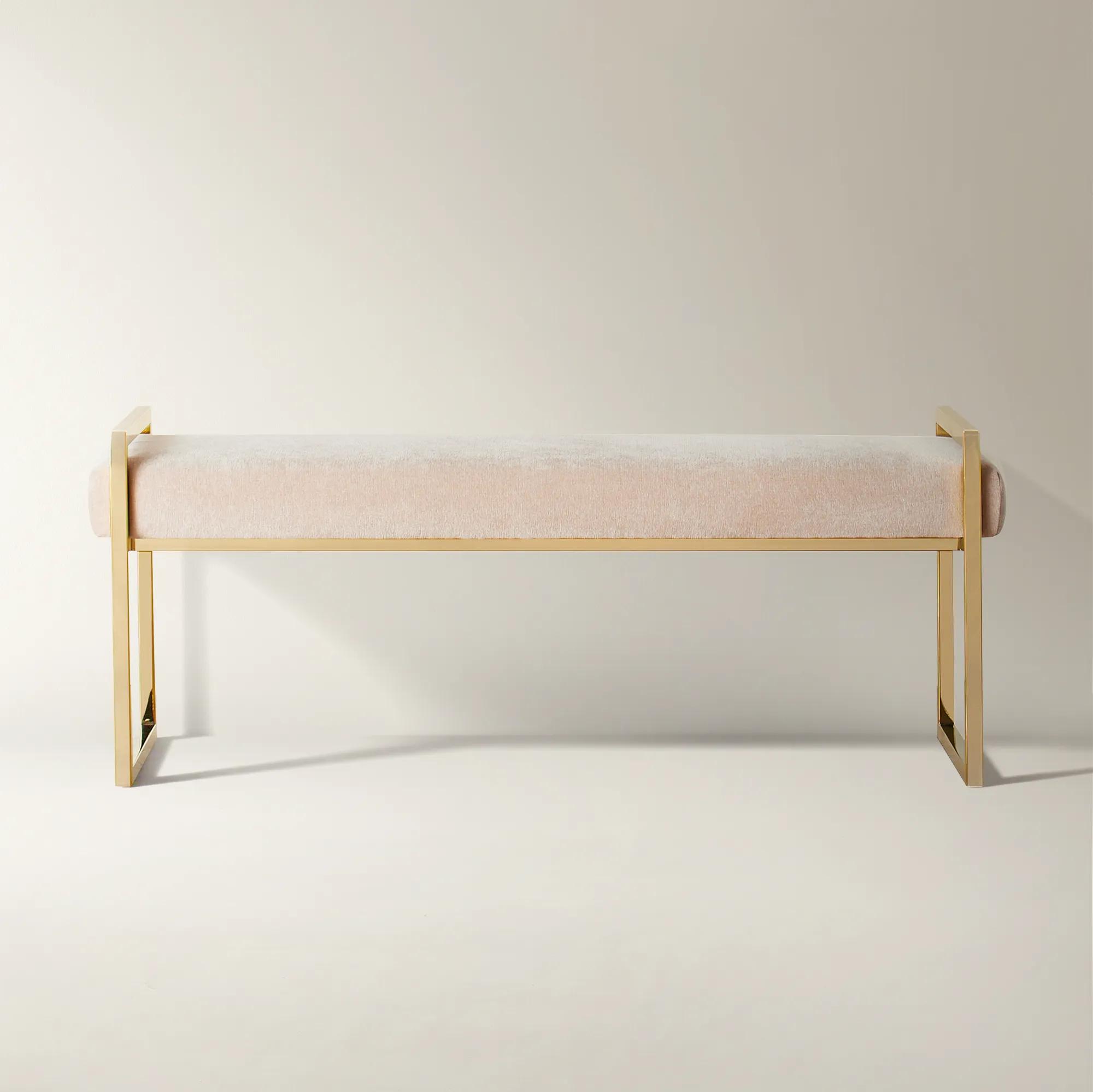
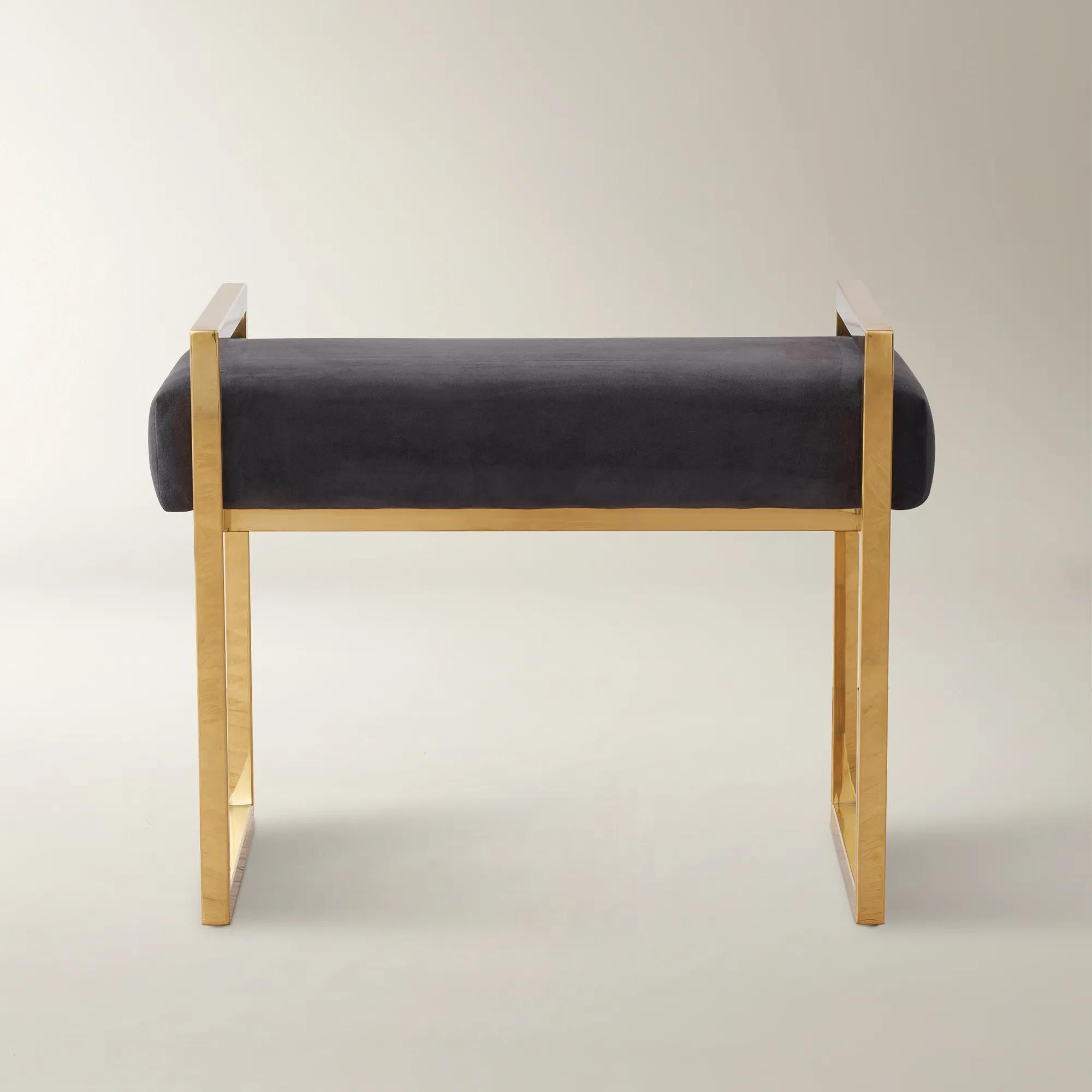
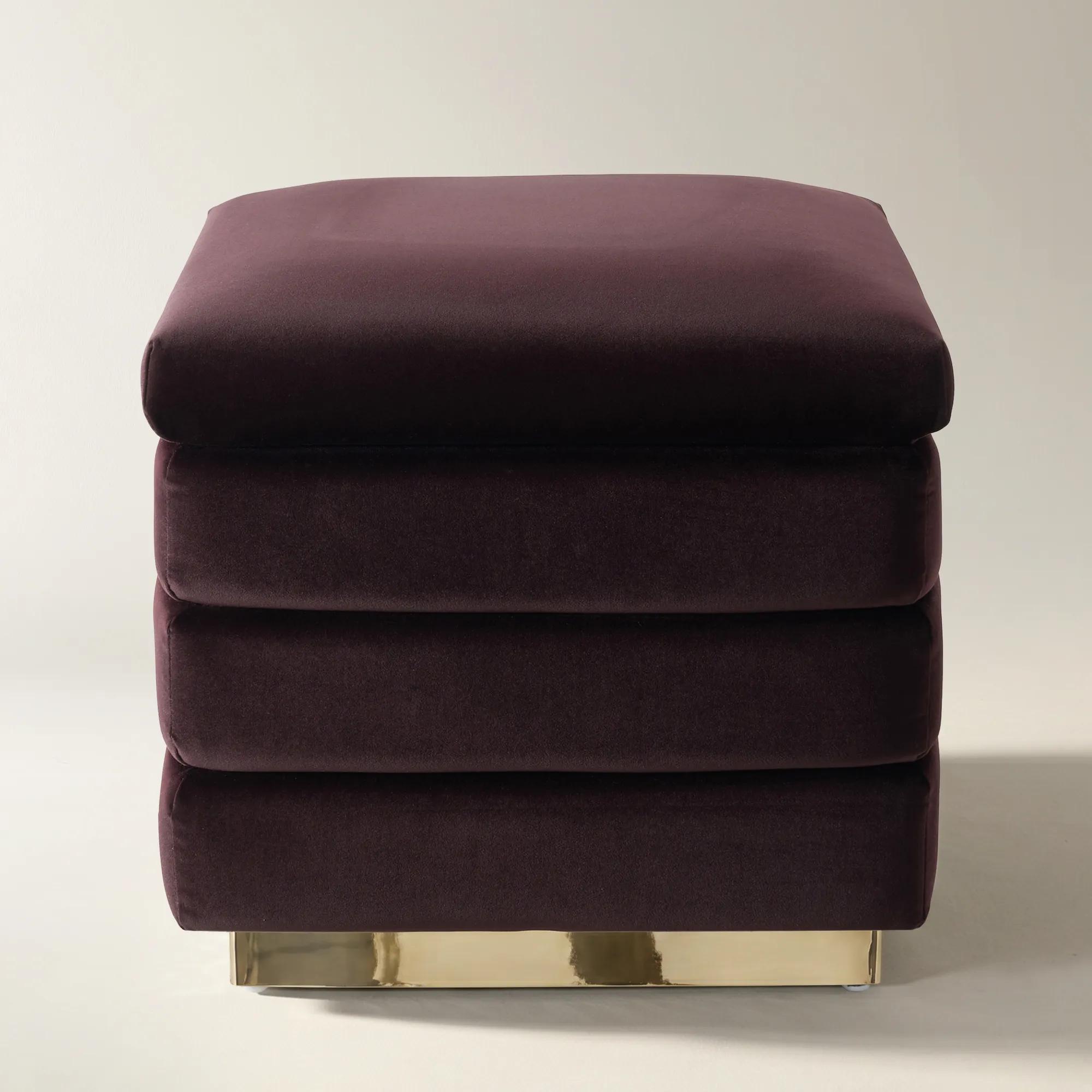
Indoor accent ottomans bring sculptural presence and everyday comfort to a room, serving as footrests, occasional seats when designed for sitting, or upholstered alternatives to a coffee table. Their appeal lies in that balance: a compact silhouette can introduce sumptuous texture, a confident color, or an unexpected shape without competing with the larger furnishings around it. A round ottoman softens the geometry of a squared-off sectional, while a rectangular design echoes the generous proportions of a long sofa. Square silhouettes bring structure to paired seating, and smaller drum-shaped forms lend themselves to arrangements beside an accent chair or beneath an open console, provided there is enough clearance. Tufted upholstery creates depth through shadow and detail; smooth, tightly tailored surfaces make the outline itself the focal point. Channeling, welting, and a sculptural base each give an ottoman a distinct visual rhythm. The most compelling choice does not need to match every surrounding piece. An ivory ottoman against dark upholstery creates a luminous contrast, while a saturated jewel tone can draw a color out of artwork and carry it into the center of the room. In a largely neutral interior, a dimensional weave supplies richness without introducing another strong hue. In a more expressive space, a restrained shape gives patterned pillows, gleaming accessories, and dramatic art room to command attention. Function also influences the look: a broad, level upholstered top can support a suitably sized rigid tray for books and decorative objects, while a deeply tufted or rounded cushion is better suited to resting feet than balancing a tabletop arrangement. A tray adds structure but does not make a soft surface spillproof or appropriate for every use. Storage ottomans offer another layer of purpose, concealing throws or other lightweight household essentials beneath a lid. Whether placed at the heart of a seating arrangement or used as a smaller accent, the ottoman contributes comfort with a deliberate sense of composition.
Upholstery determines much of an accent ottoman’s character, from the way it catches light to how it feels at the end of a long day. Velvet offers a lustrous surface whose color can appear deeper or lighter as the pile changes direction, giving even a simple silhouette remarkable dimension. That movement is part of its appeal, although pressure marks and changes in the nap may be visible with regular use. Bouclé brings a looped, tactile surface that contrasts beautifully with smooth stone, polished metal, and lacquered finishes; its textured construction also deserves consideration in homes where pet claws or jewelry could catch the yarns. Chenille and other woven upholstery fabrics offer their own variations in softness, pattern, and visual depth. Leather introduces a different kind of richness, with care needs and aging characteristics that depend on its finish, while faux leather requires its own manufacturer-recommended cleaning approach. Performance upholstery may be worth considering for frequently used rooms, but the designation alone does not establish resistance to every spill, stain, or scratch. Fabric specifications and care instructions provide a clearer picture of what a particular material can handle. Beneath the surface, frame construction, joinery, cushion support, and secure feet influence how an ottoman holds up to repeated use. A generously padded top may feel inviting as a footrest, while a firmer, supportive cushion can be more suitable for a design intended as occasional seating. Weight limits and intended-use details matter more than appearance when deciding whether an ottoman can accommodate a guest. Regular care helps preserve the finish that made the piece appealing in the first place: vacuum fabric gently with an appropriate upholstery attachment, blot spills promptly rather than rubbing, and follow the stated cleaning code before applying any product. Removable covers are not necessarily machine washable. Protect upholstery from prolonged direct sunlight, avoid dragging the base across delicate floors, and check that feet and hardware remain secure. These small habits help maintain both the tailored outline and the tactile pleasure of the piece.
Proportion makes an indoor ottoman feel integrated rather than placed as an afterthought. For use as a footrest, a top approximately level with the chair or sofa seat, or about an inch lower, is a useful starting point; seat compression and personal comfort can affect the ideal relationship. Width and depth should suit both the surrounding furniture and the way people move through the room. Around 16 to 18 inches between a sofa and a central ottoman often provides comfortable reach and legroom, although reclining seats and tighter layouts may require a different arrangement. Main walkways need additional clearance so guests can move without navigating around corners or stepping over feet. In a compact sitting area, a smaller round form can soften the layout, while two separate ottomans allow the arrangement to change when conversation moves from the sofa to nearby chairs. A larger rectangular piece can visually anchor a spacious sectional, especially when its upholstery provides a distinct contrast in texture or tone. For arrangements centered on conversation and lounging, living room accent ottomans connect these practical considerations with the proportions and personality of the seating area. Elsewhere, a cushioned accent beside a bedroom chair creates a composed place to read, and an elongated design at the foot of a bed adds a finished line without the visual weight of another substantial case piece. Storage deserves equally careful planning: allow room to lift the lid, consider how easily the contents can be reached, and check hinge and closure details, particularly in households with children. Anyone expecting to move an ottoman frequently should consider its weight and whether its base is suitable for the flooring beneath it. The strongest choice brings these details together without losing its expressive character: the right height for relaxed feet, the right scale for effortless movement, and a surface whose texture holds its own beside the room’s most striking furnishings.
FAQs
Accent ottomans are designed to be both functional and visually captivating, bringing texture, color, and artistry to any room. Whether you choose a sculptural silhouette or a lush, tactile fabric, these pieces add a sense of curated drama, making your living space feel more inviting, expressive, and complete.
Accent poufs and ottomans can be styled as statement pieces in a reading nook, paired with a tray for serving in the living room, or layered alongside other seating for a playful, eclectic look. Use them to introduce bold color, contrast materials, or anchor a vignette with a dash of glamour and personality.
Absolutely—an accent ottoman is a luxurious and thoughtful gift, perfect for celebrating new beginnings or milestones. Its versatility and artistry make it a memorable addition to any home, offering both beauty and utility for years to come.
Accent stool ottomans are remarkably adaptable, enhancing everything from modern glam and contemporary chic to classic or eclectic interiors. Their diverse range of materials, colors, and shapes allows you to find the perfect piece to complement your unique aesthetic and elevate your décor.
Certainly—indoor ottomans are as at home in bedrooms, dressing rooms, and entryways as they are in living spaces. Use them to create a cozy reading corner, add a touch of luxury at the foot of the bed, or provide a stylish spot for putting on shoes in the foyer.