Decorative Accent Pieces
Decorative Accent Pieces
-

 Oversized Cherries Black And Gold Resin Aluminum Decorative Object 17"$150
A striking gold and black aluminum accent piece that adds glamour and sophistication to any décor.
Add To Cart -
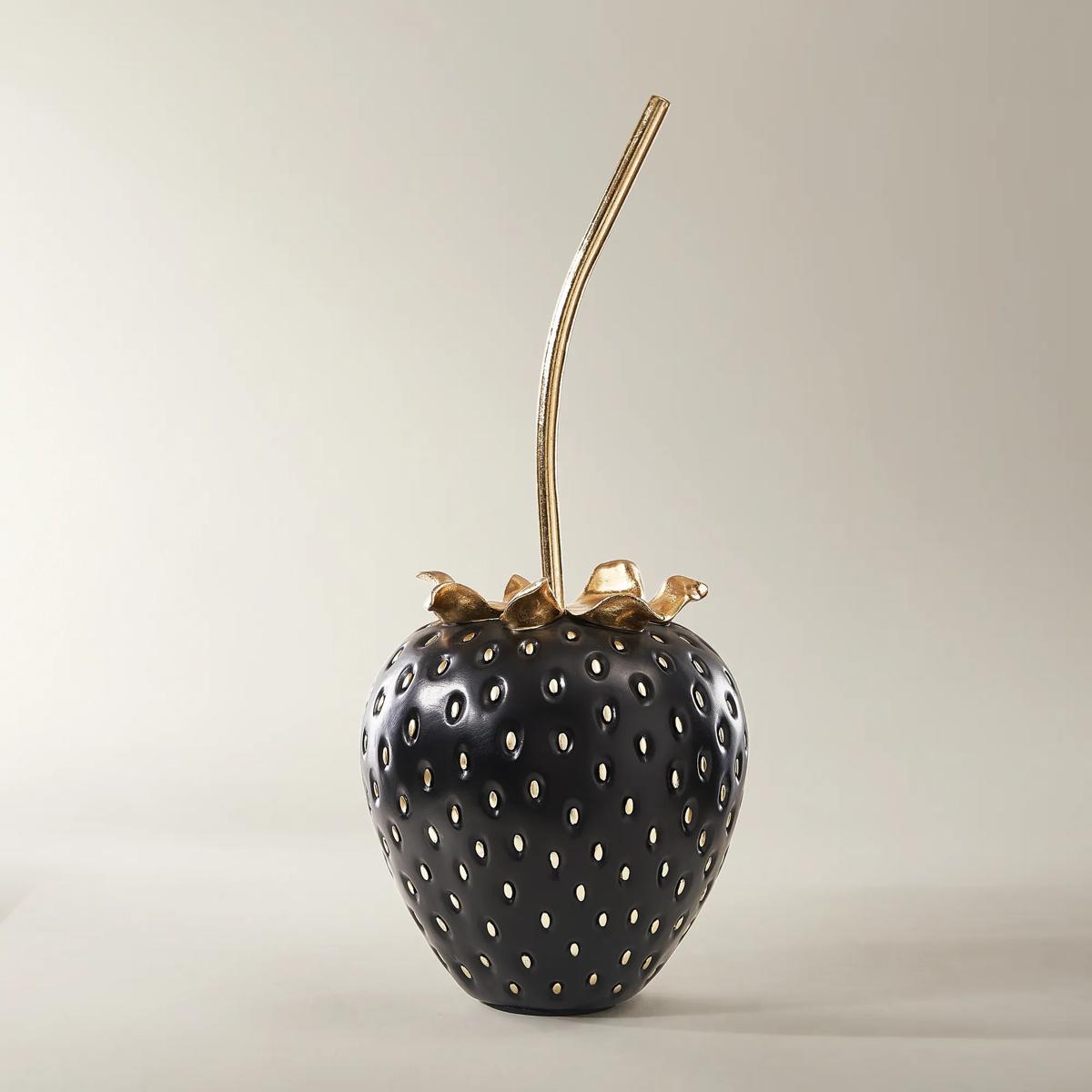 Grand Strawberry Gold And Black Resin Decorative Object 20.25"$129
A bold resin decorative accent in black and gold, adding whimsical elegance to any modern space.
Add To Cart -
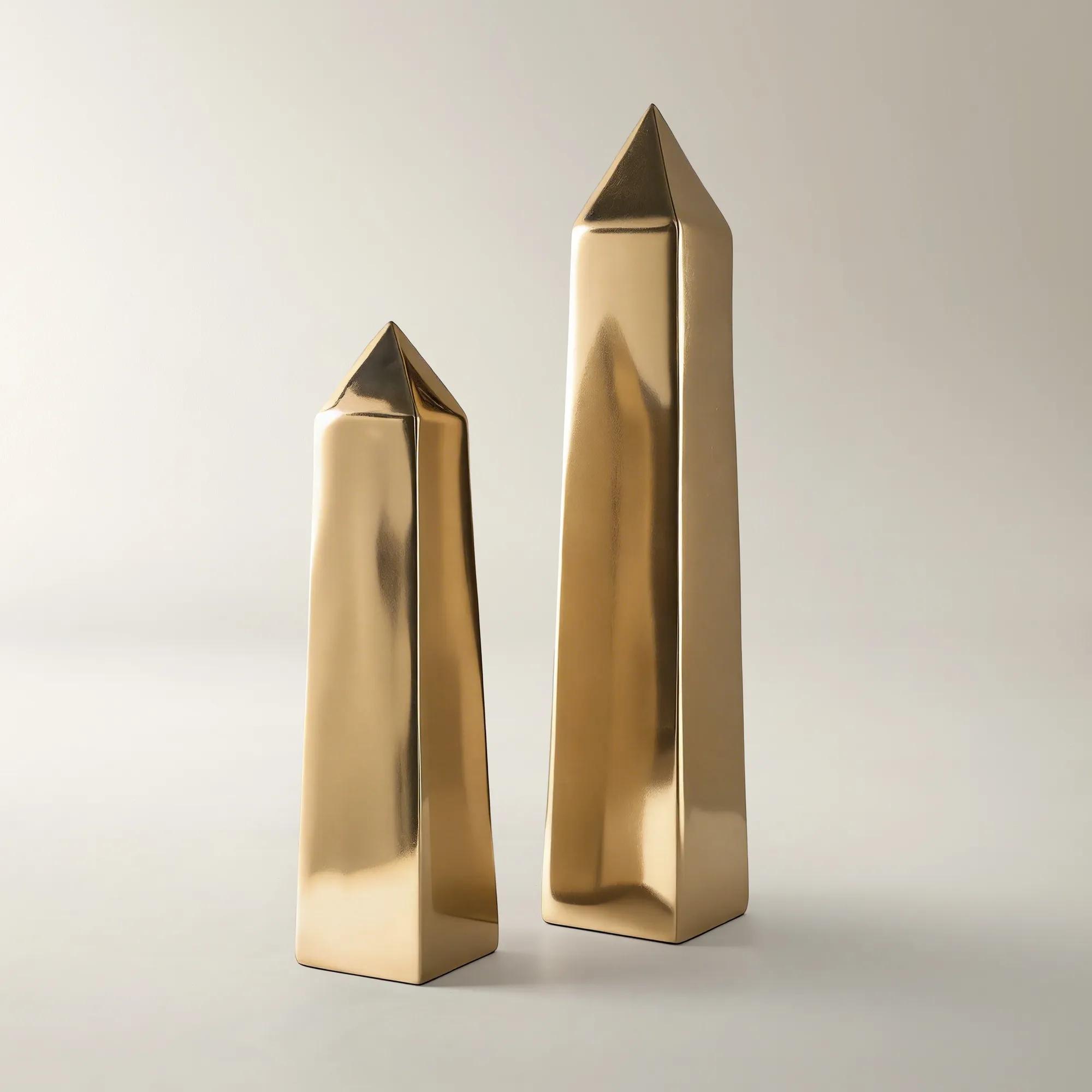
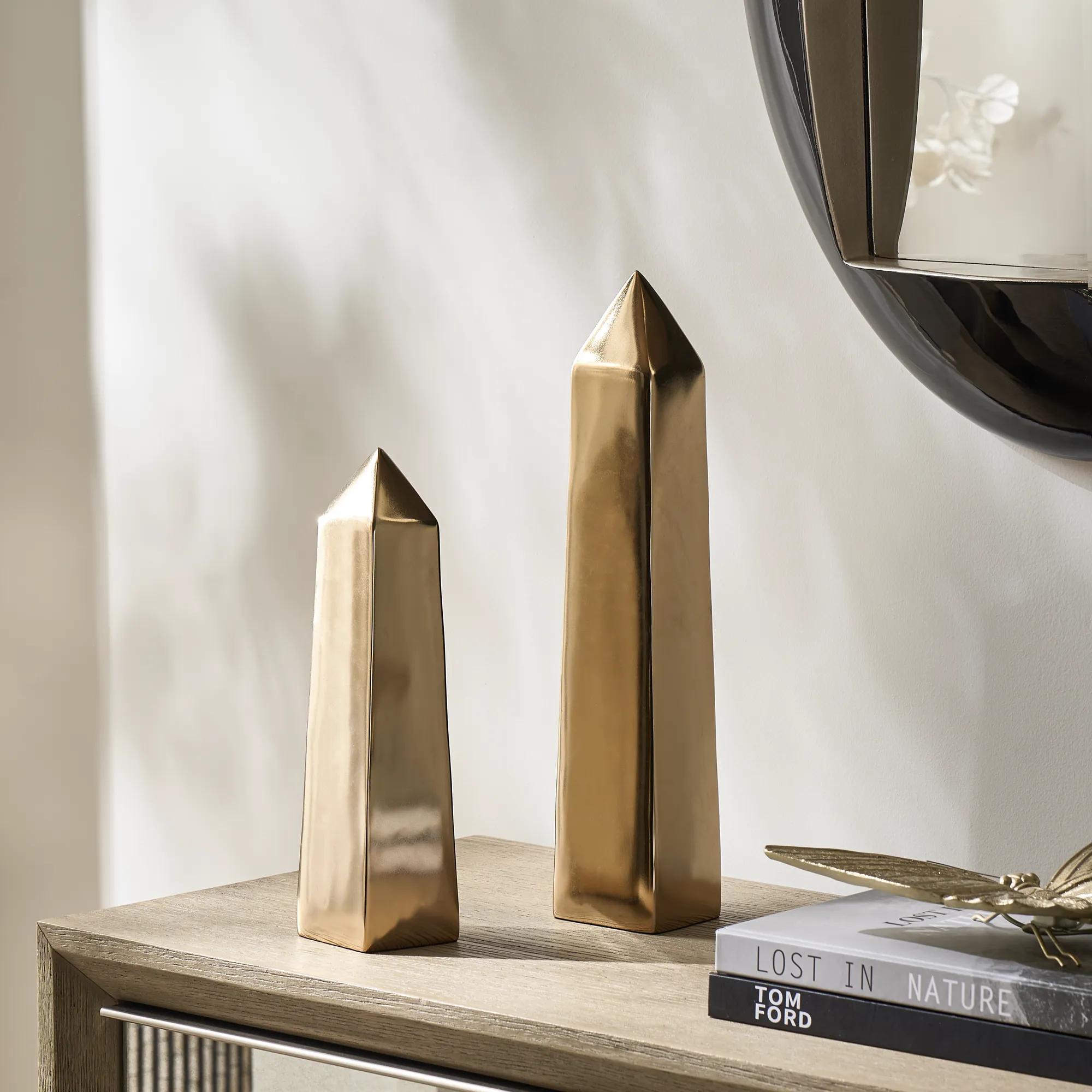 Golden Aluminum Obelisks$69
A sculptural aluminum accent in a soft gold finish, adding modern glamour and architectural interest to any space.
Add To Cart -
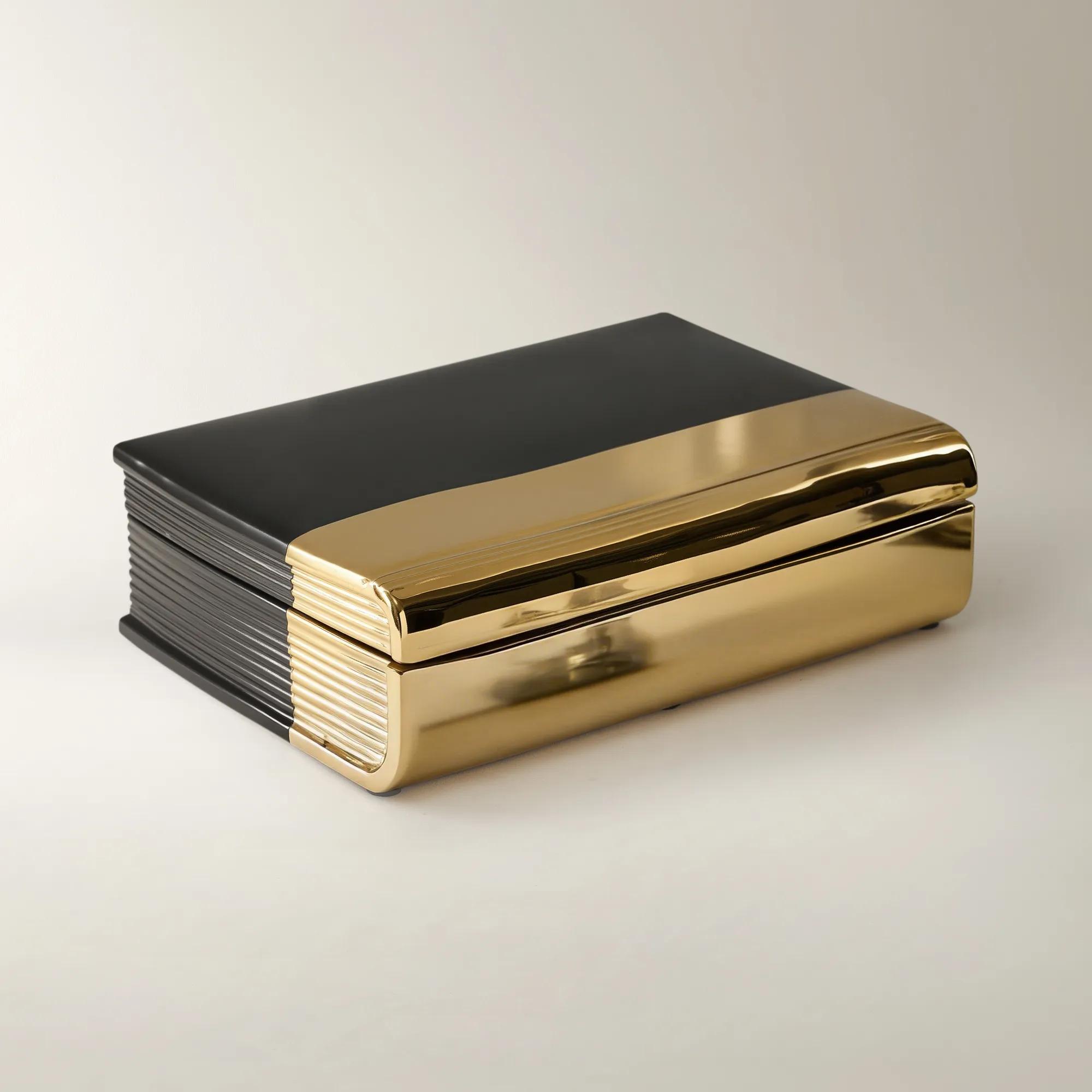
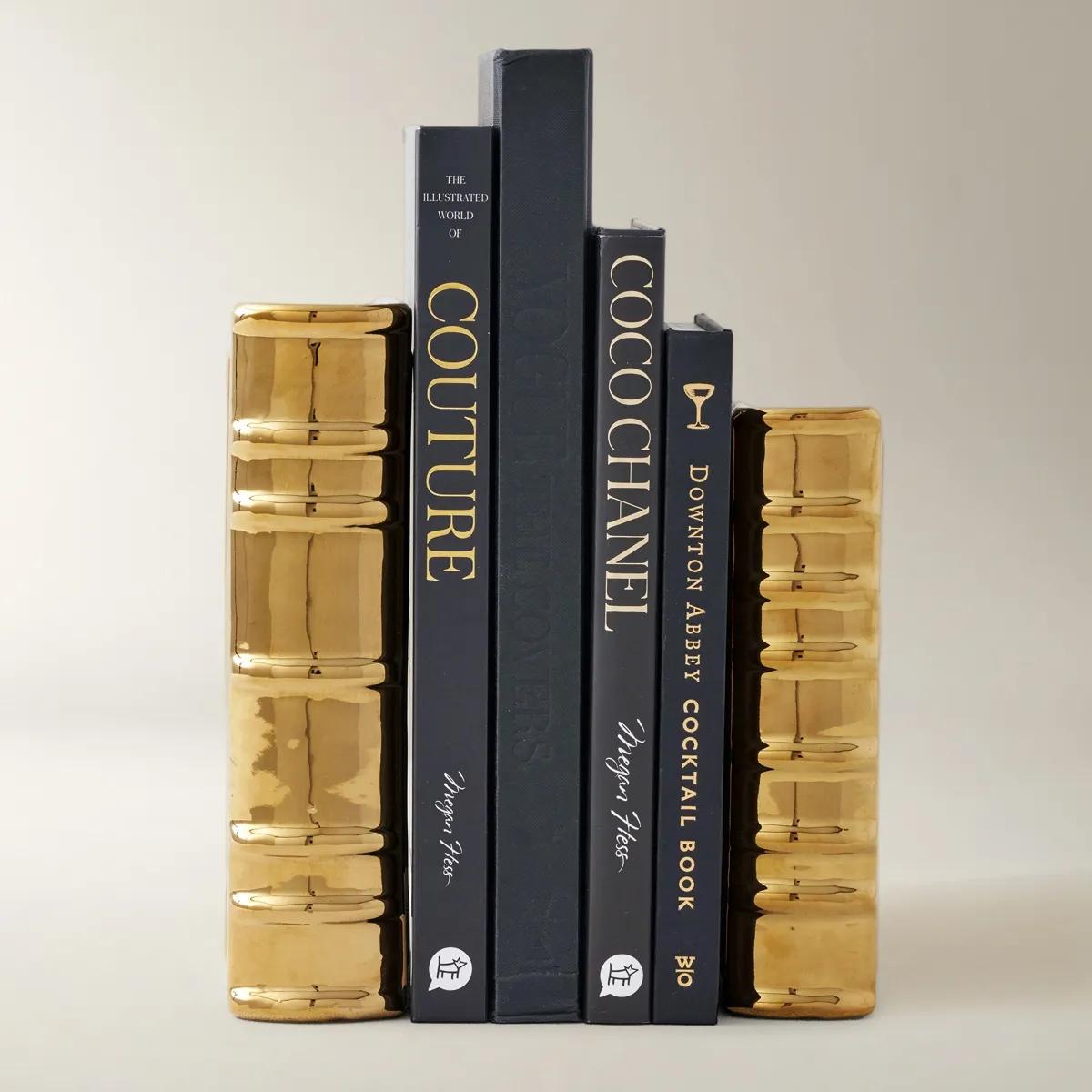 Gold Ceramic Bookends$49
A pair of gold ceramic book accents that double as sleek, modern bookends for any space.
Add To Cart -
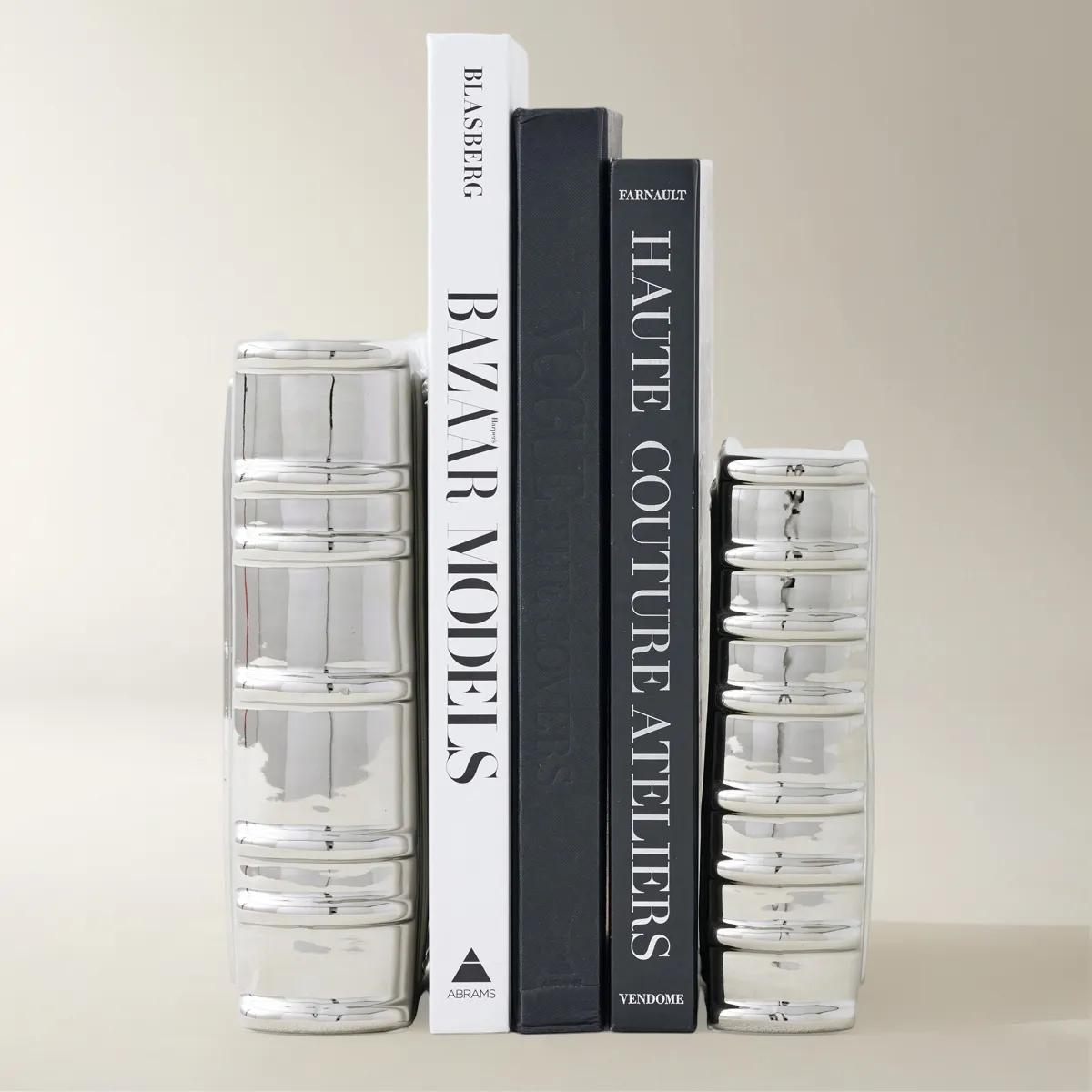
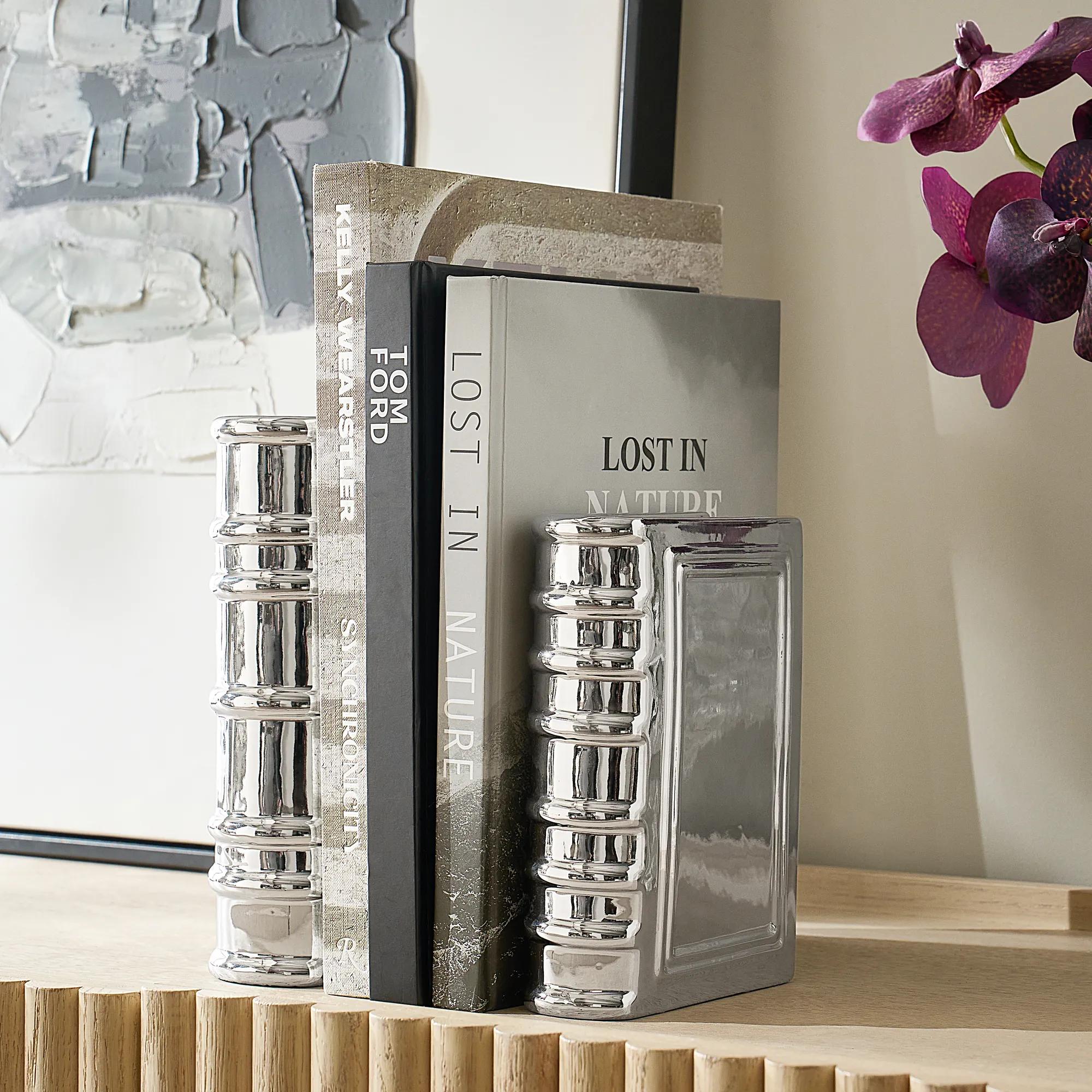 Silver Ceramic Bookends$49
A sleek silver ceramic accent that doubles as stylish bookends for modern decorative displays.
Add To Cart -
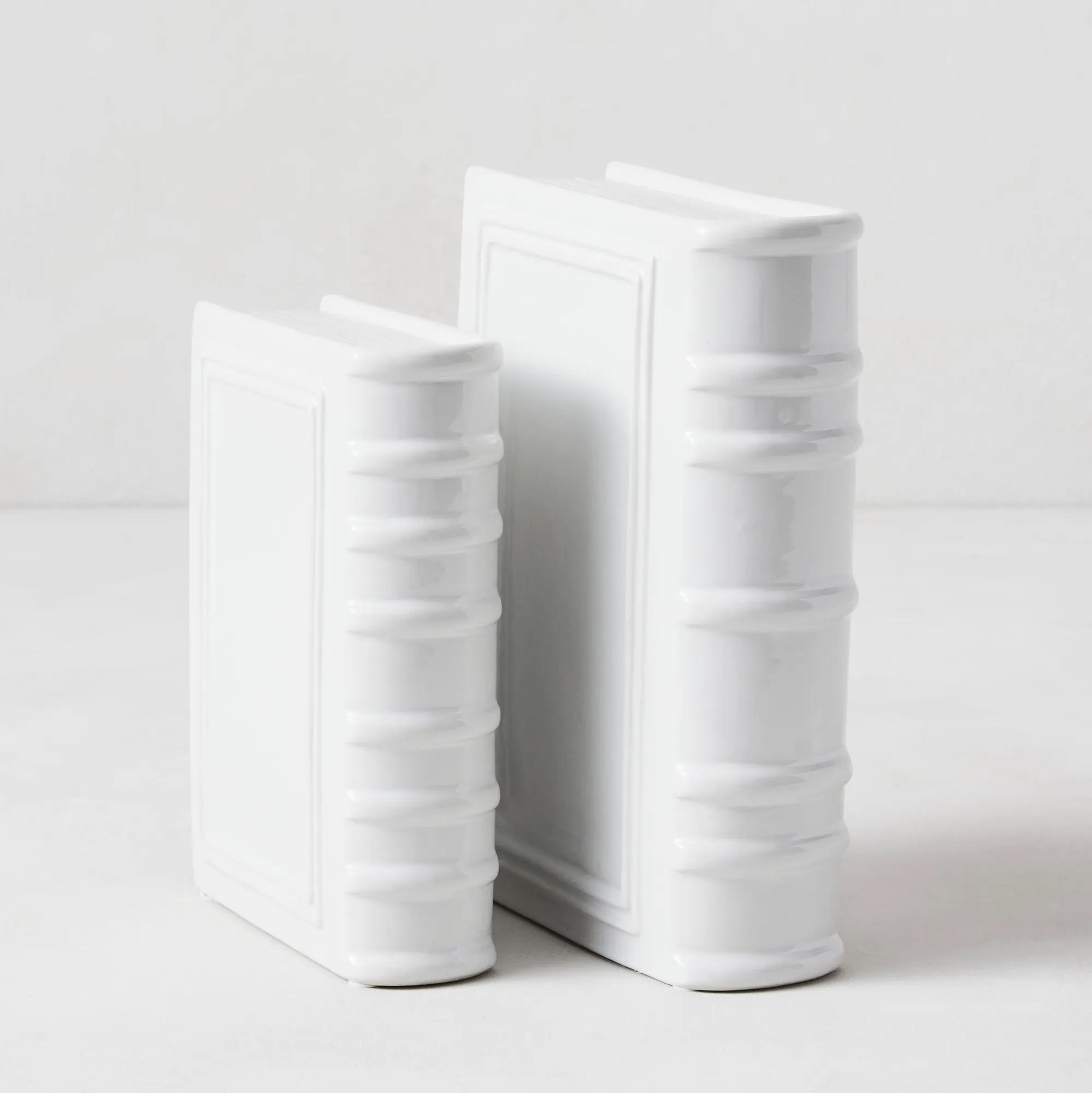
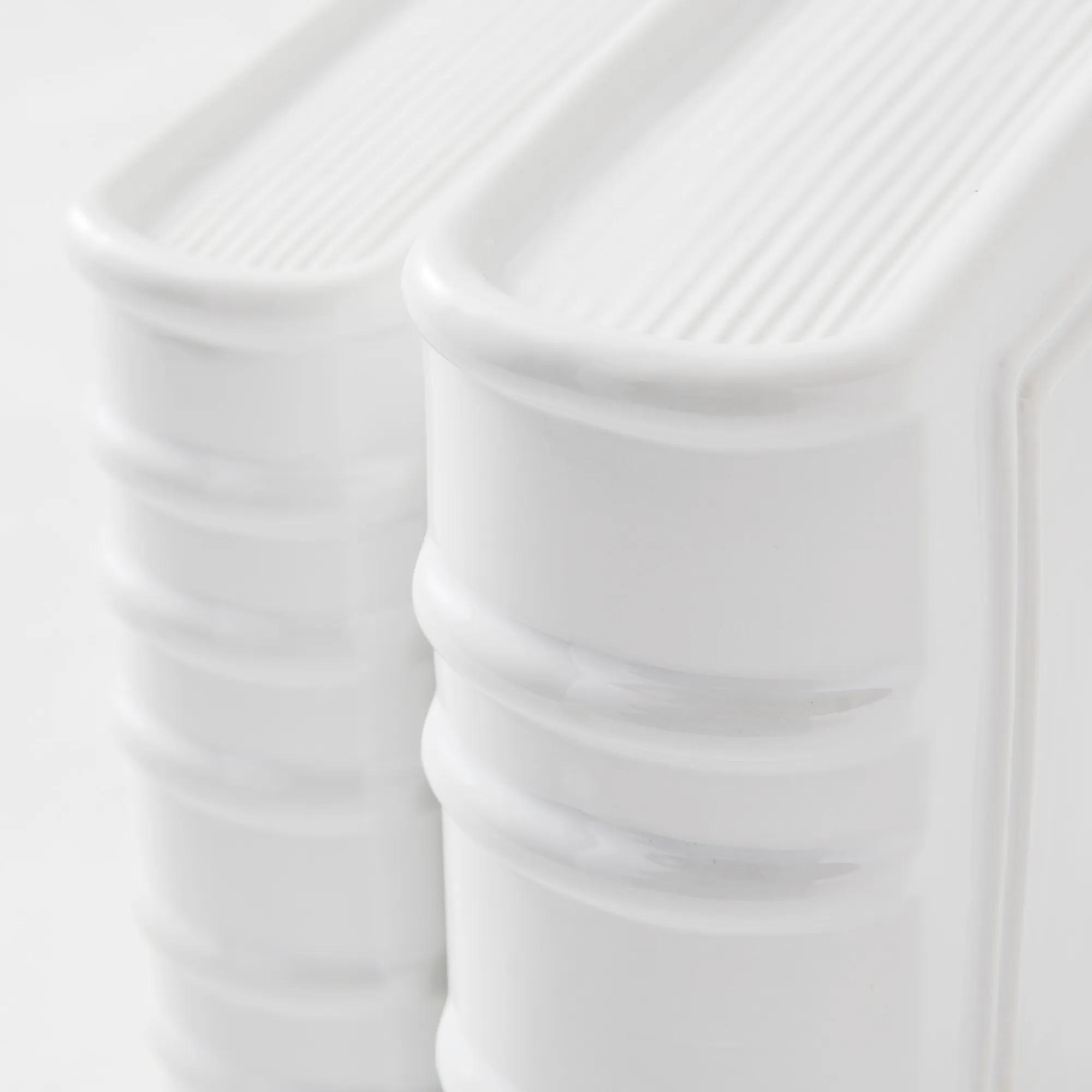 Ceramic Bookends - White$49
A pair of cream ceramic book accents that double as minimalist bookends or decorative console pieces.
Add To Cart -
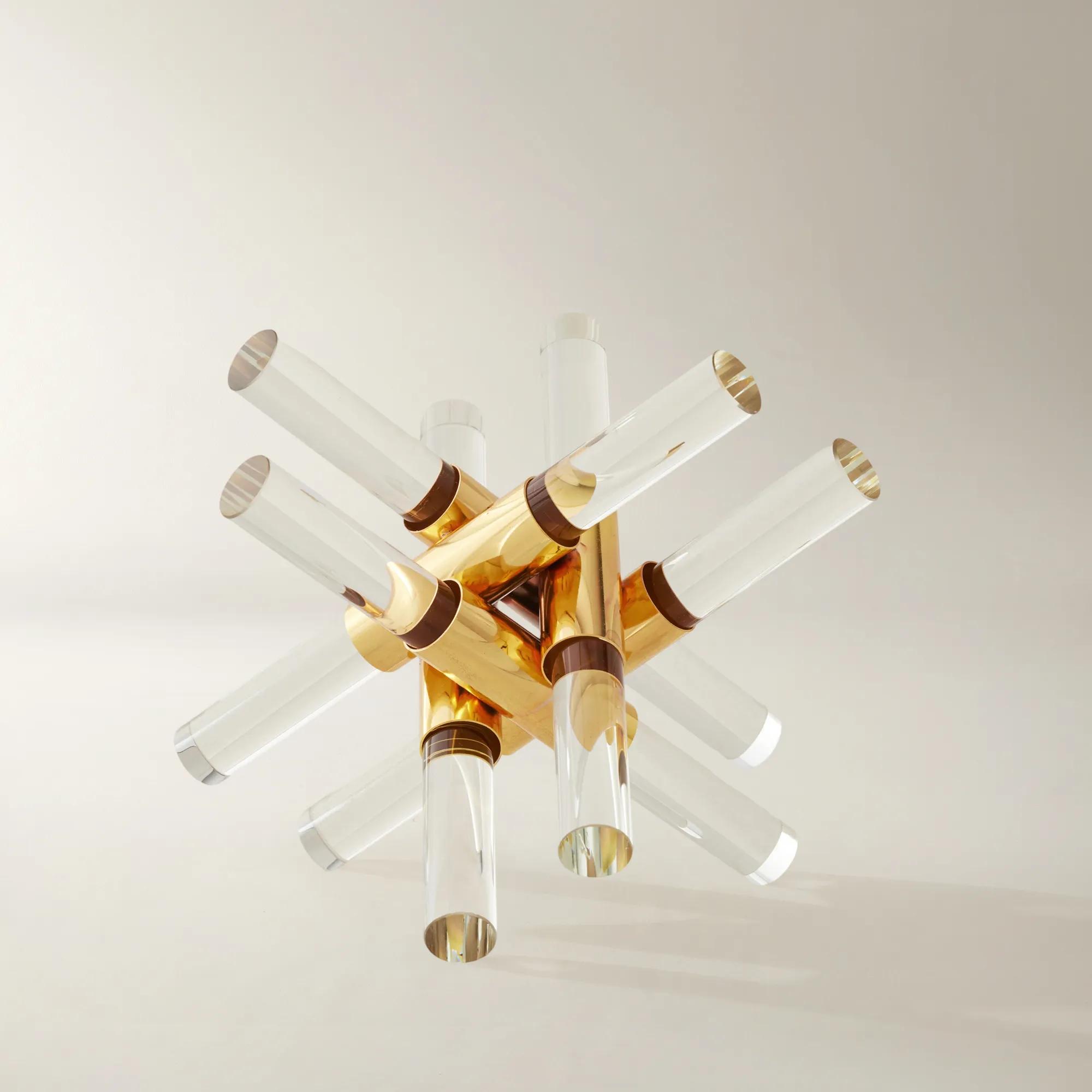
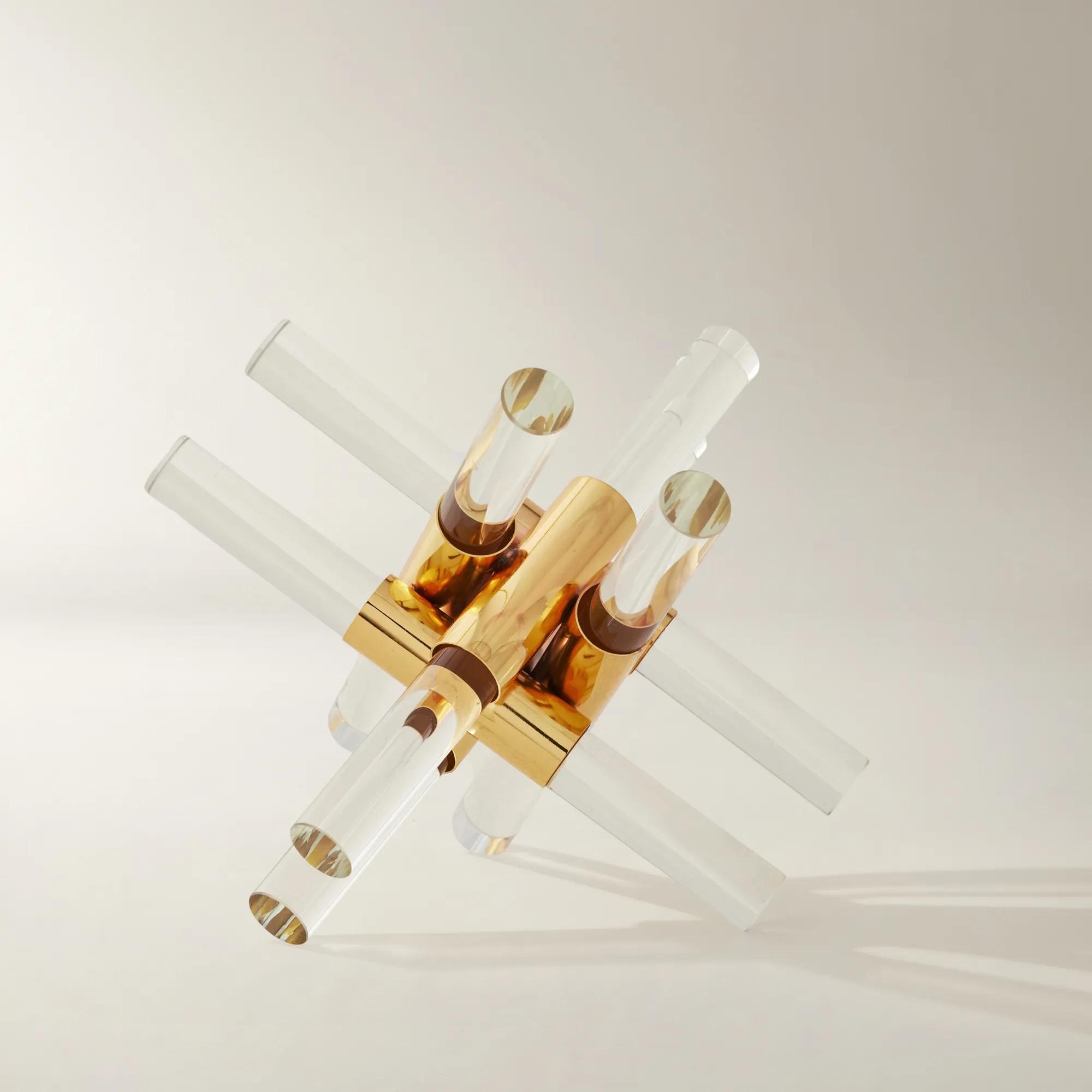 Crystal Glass And Gold Metal Decorative Object 8"$59
A striking decorative accent featuring clear glass rods and gold metal detailing for modern elegance.
Add To Cart -

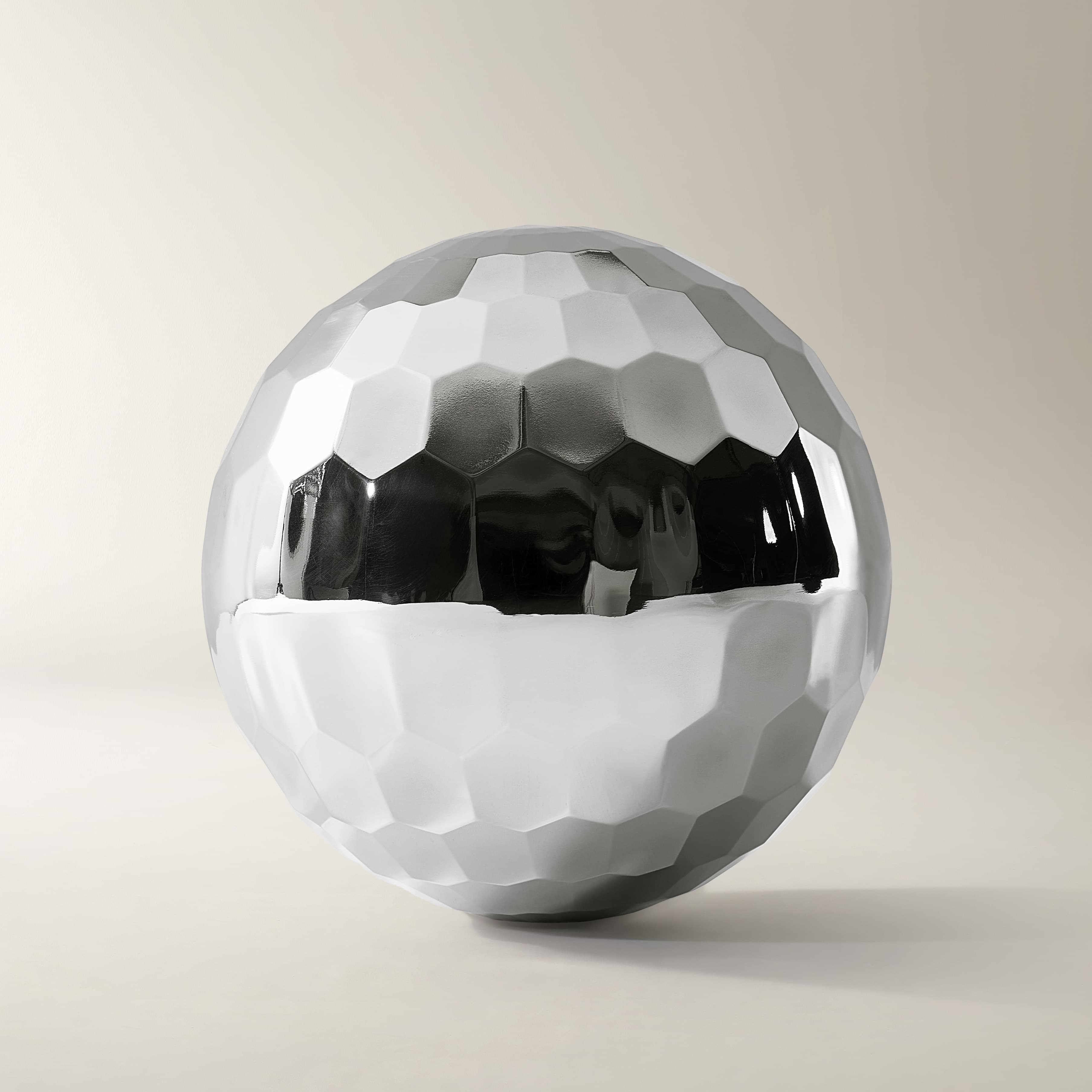
 Odessey Collection$99
A shiny silver porcelain accent piece perfect for adding modern elegance to any decorative display.
Add To Cart -
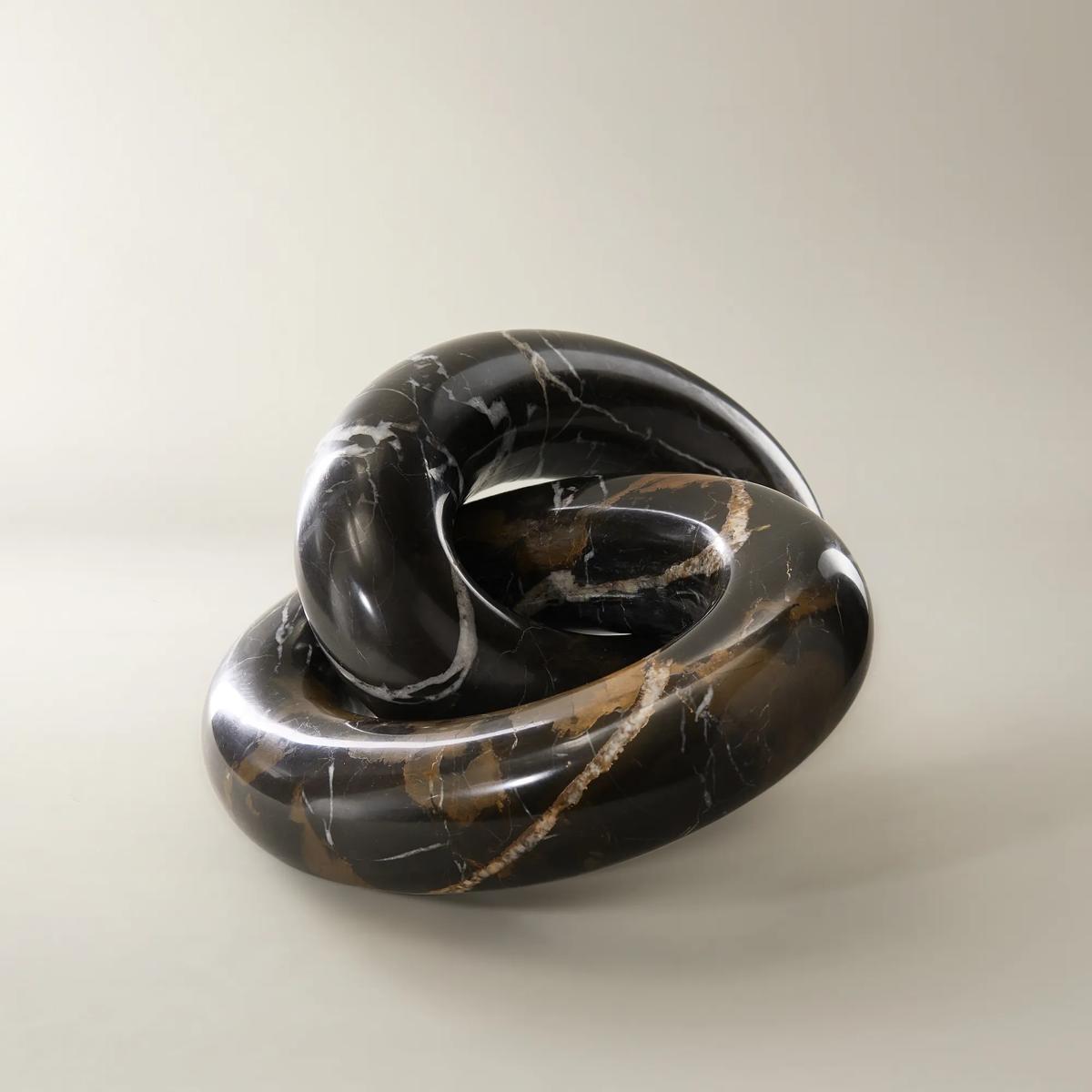 Marble Links Object - Brown$179
A sculptural accent featuring interlocking ovals carved from richly veined, one-of-a-kind brown marble.
Add To Cart -

 Hourglass Marble Object - Brown$139
A sculptural hourglass accent hand-carved from deep espresso brown marble with unique natural veining.
Add To Cart -
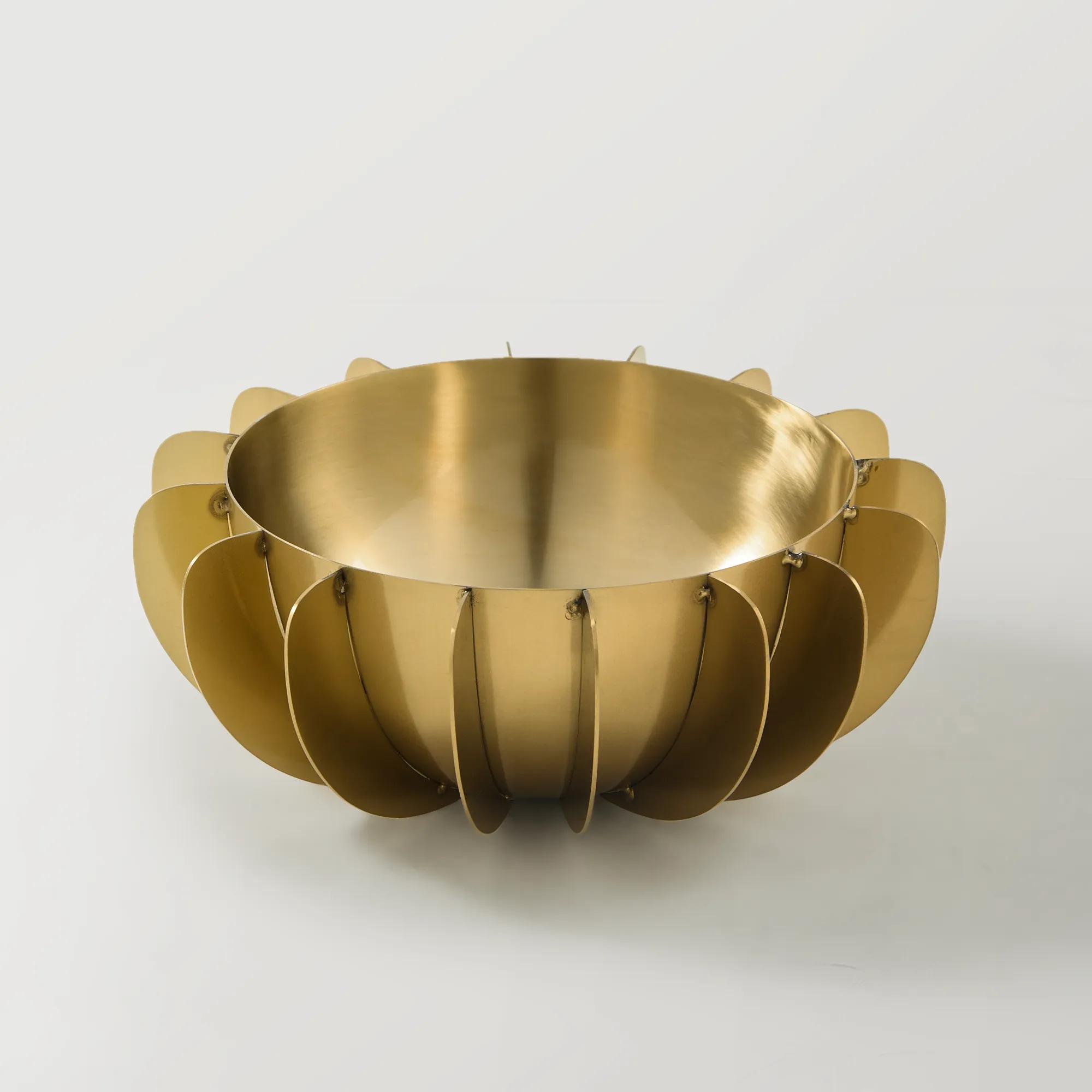
 Mezza Collection$99
A gold-plated stainless steel decorative accent that brings timeless glamour and shine to any room.
Add To Cart -
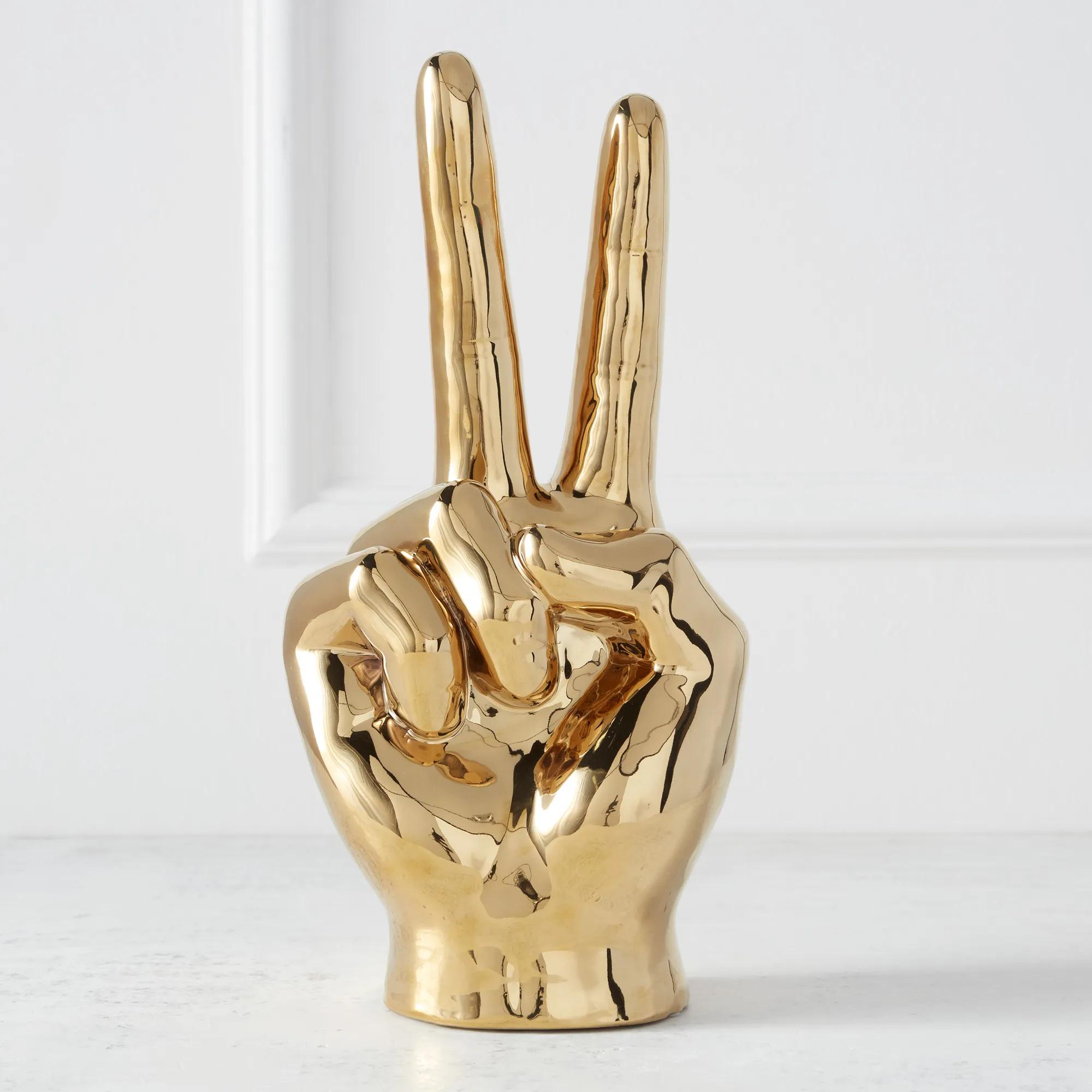 Peace Sign Gold Hand Ceramic Decorative Object 14"$49
A metallic gold ceramic hand sculpture perfect for displaying jewelry or as a decorative accent.
Add To Cart -
 Dipped Berry Burgundy Soft Gold Resin Decorative Object$129
A whimsical resin accent featuring a bold strawberry silhouette in rich burgundy and soft gold tones.
Add To Cart -
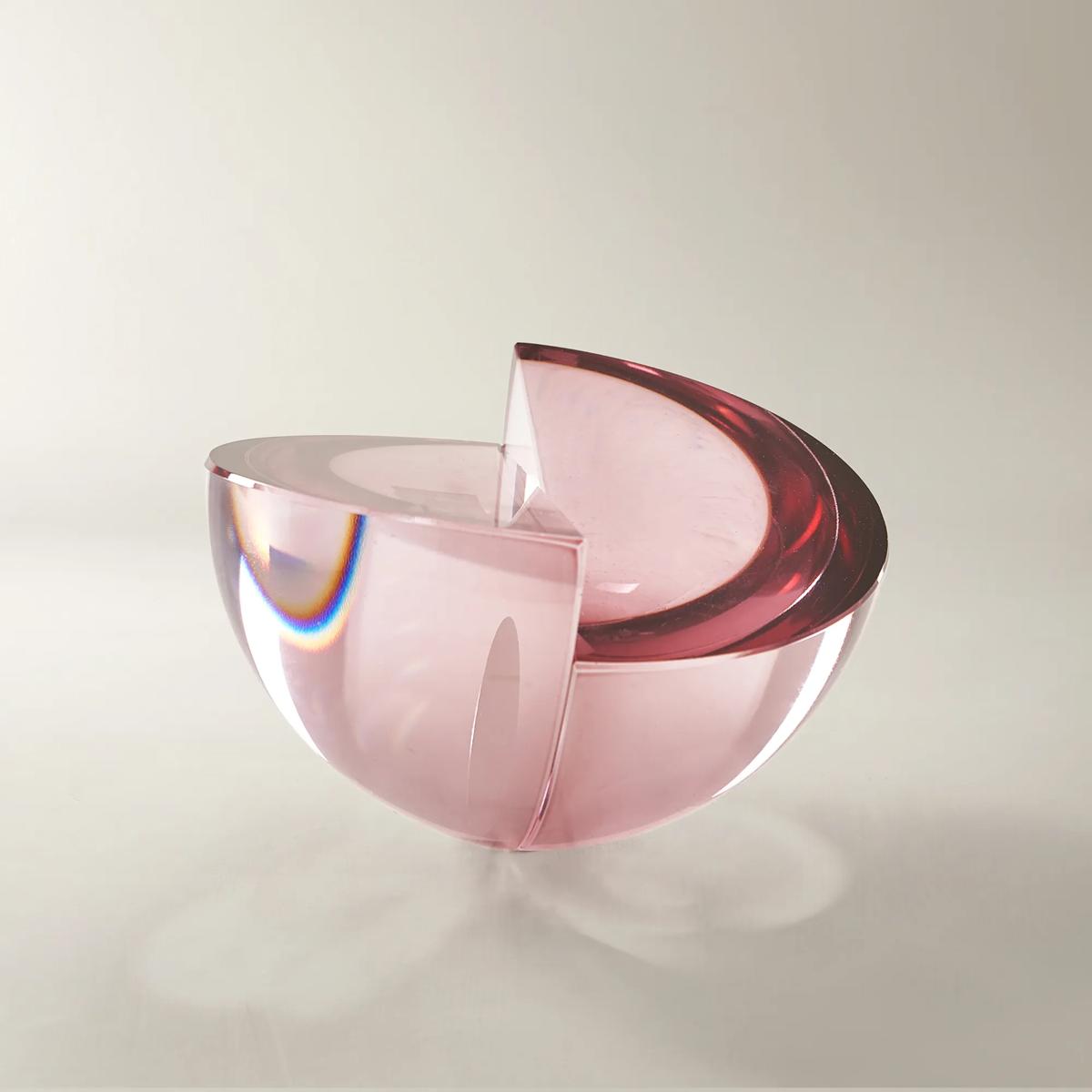 Rose' Crystal Glass Decorative Object 3.25"$79
A sculptural accent crafted from rich purple crystal glass, reflecting light with modern elegance and intrigue.
Add To Cart -
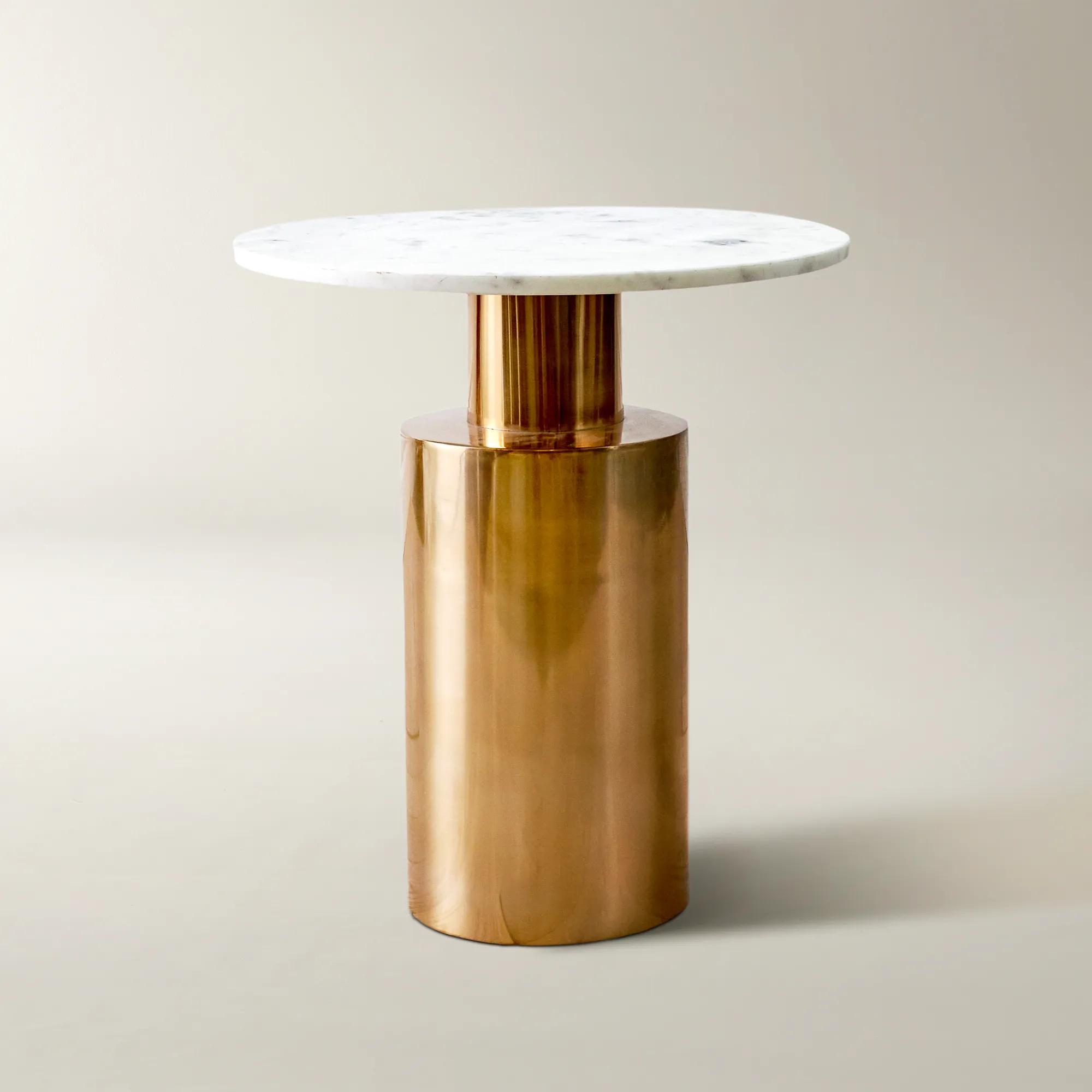 Capri Round White Marble Accent Table (16")$299
A striking accent table featuring a white marble top and gold-finished stainless steel base.
Add To Cart -
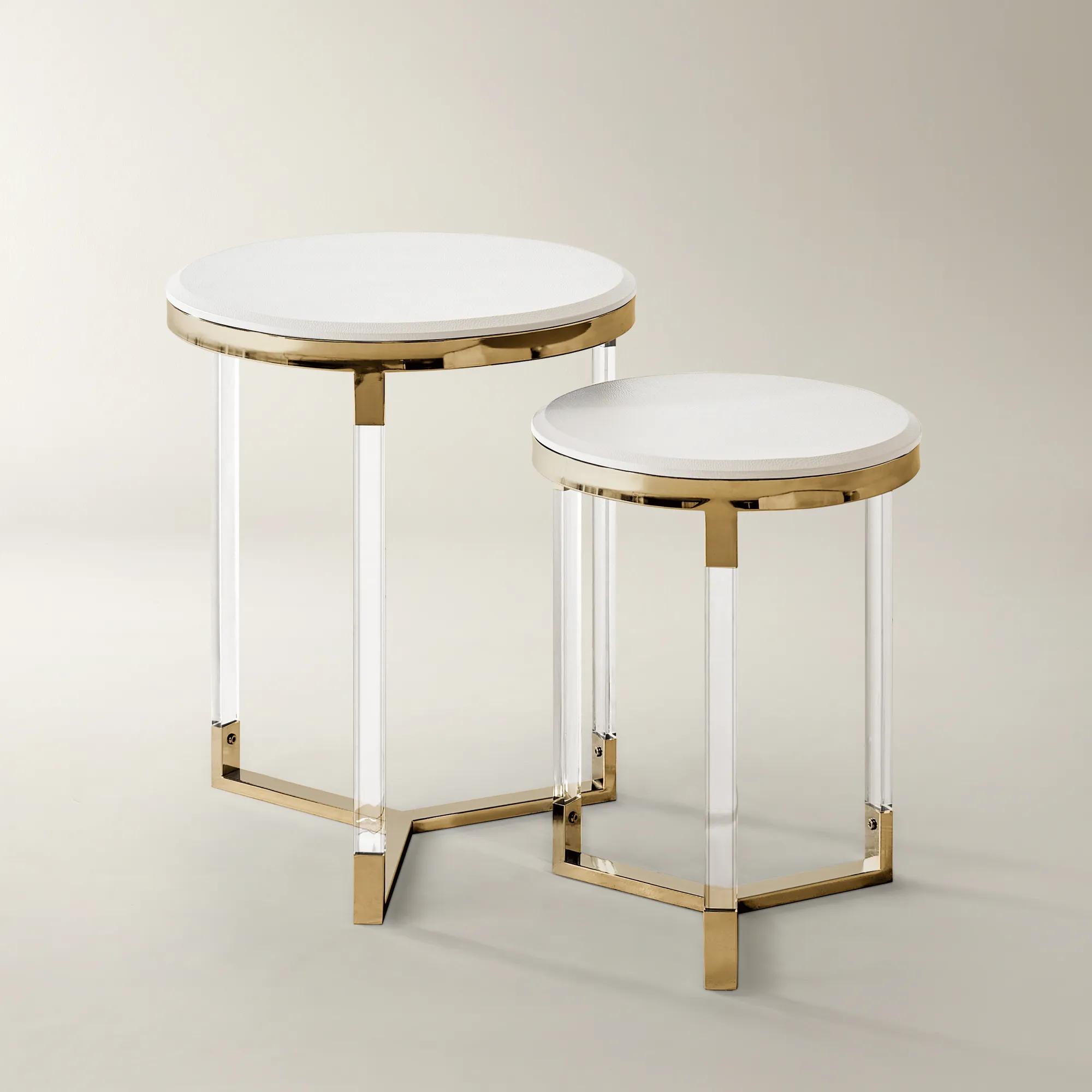
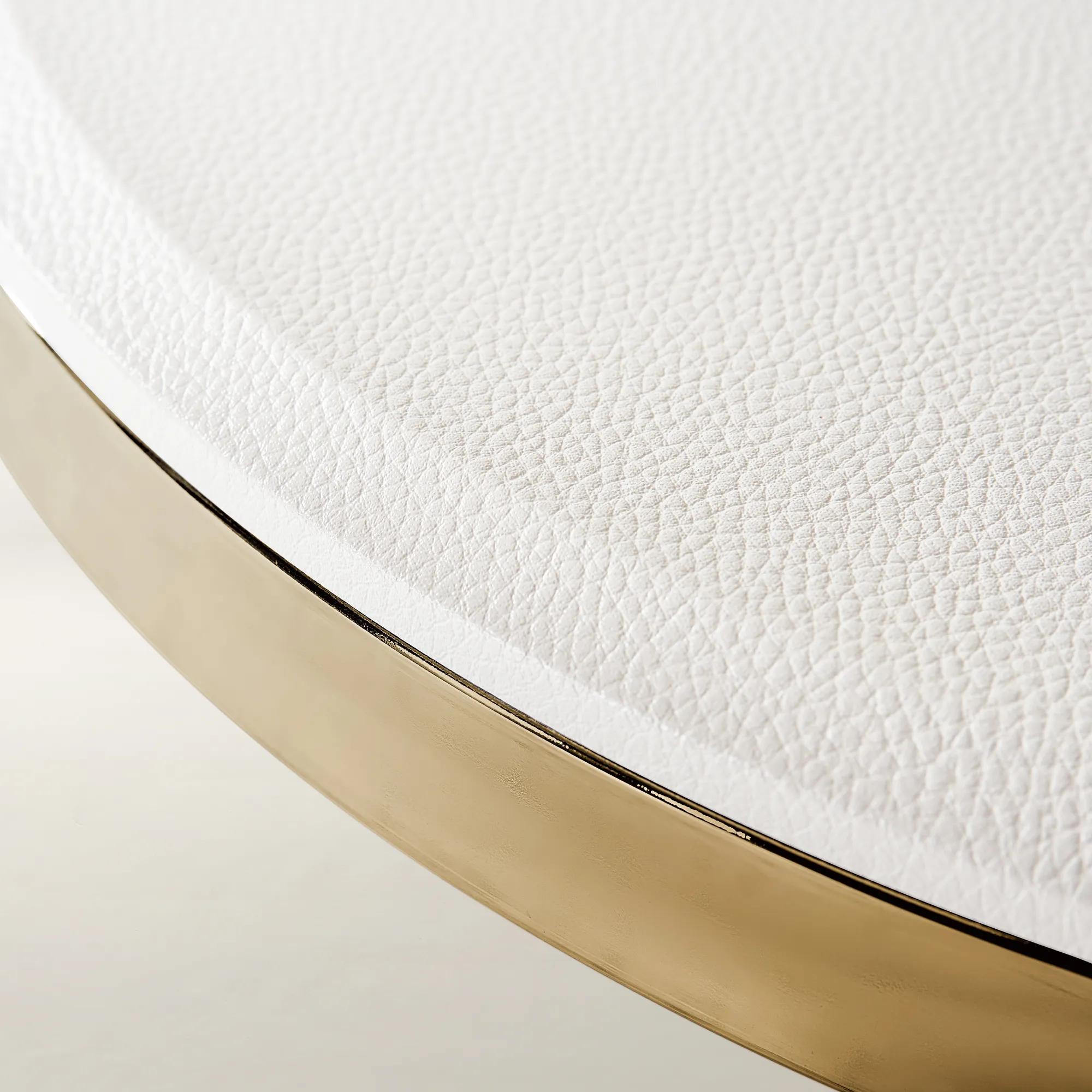 Murano Round White Accent Table With Faux Leather Top Set Of 2 (14.5"-18.5")$399
A set of two accent tables featuring mixed woods, faux leather tops, and acrylic legs with metallic finishes.
Add To Cart -

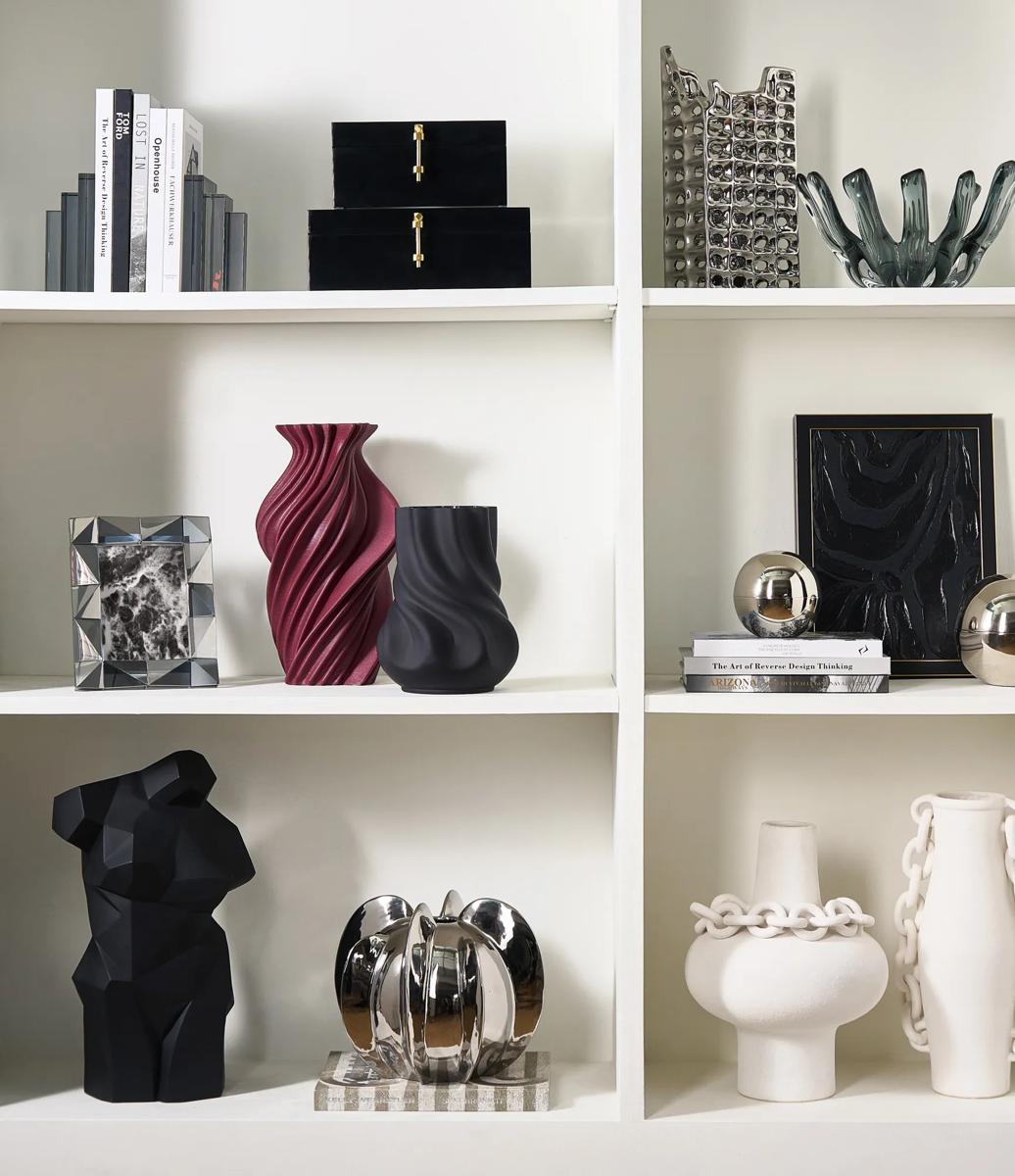 Pose Black Resin Decorative Object 19.75"$99
A sculptural matte black resin accent featuring a faceted geometric design and modern artistic appeal.
Add To Cart -
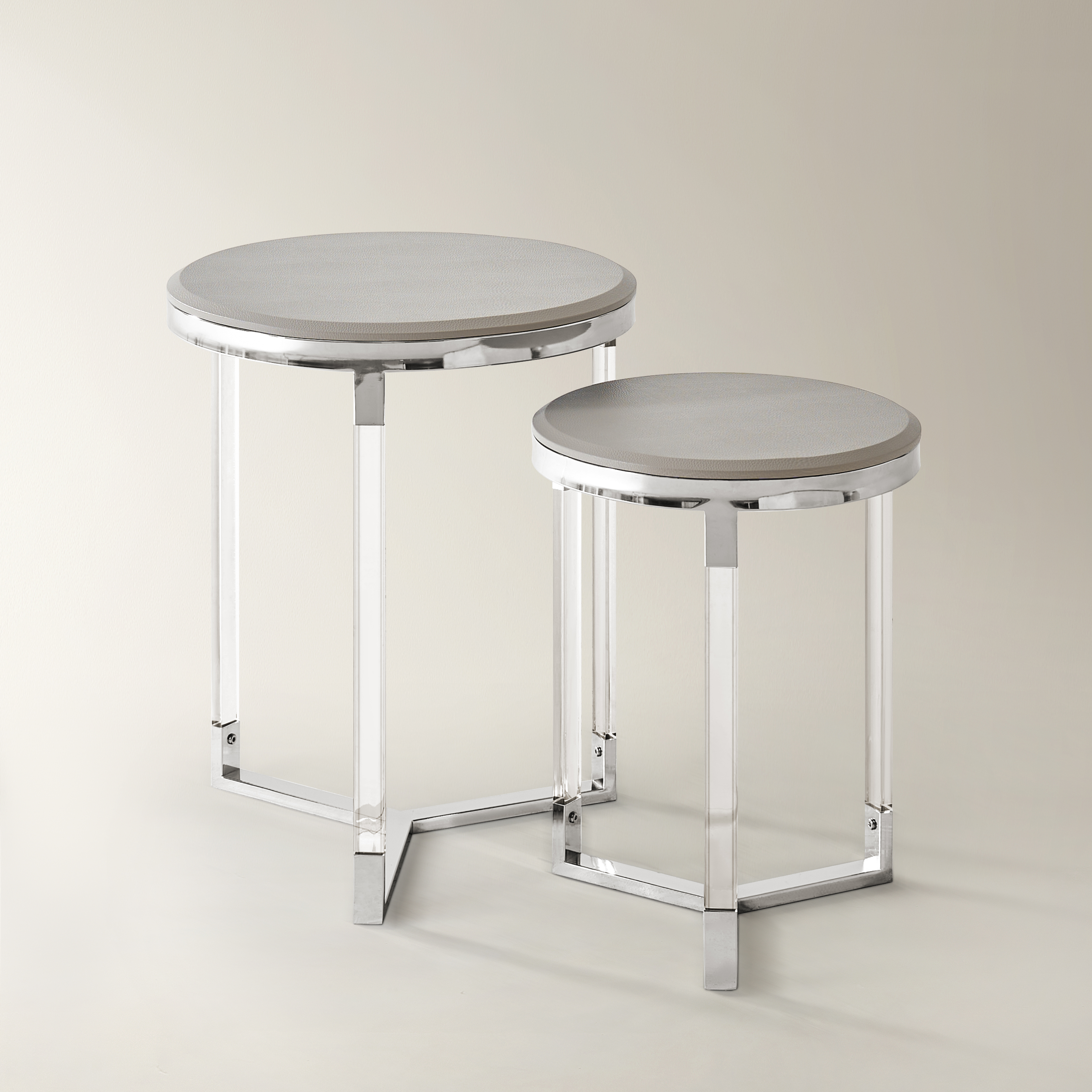
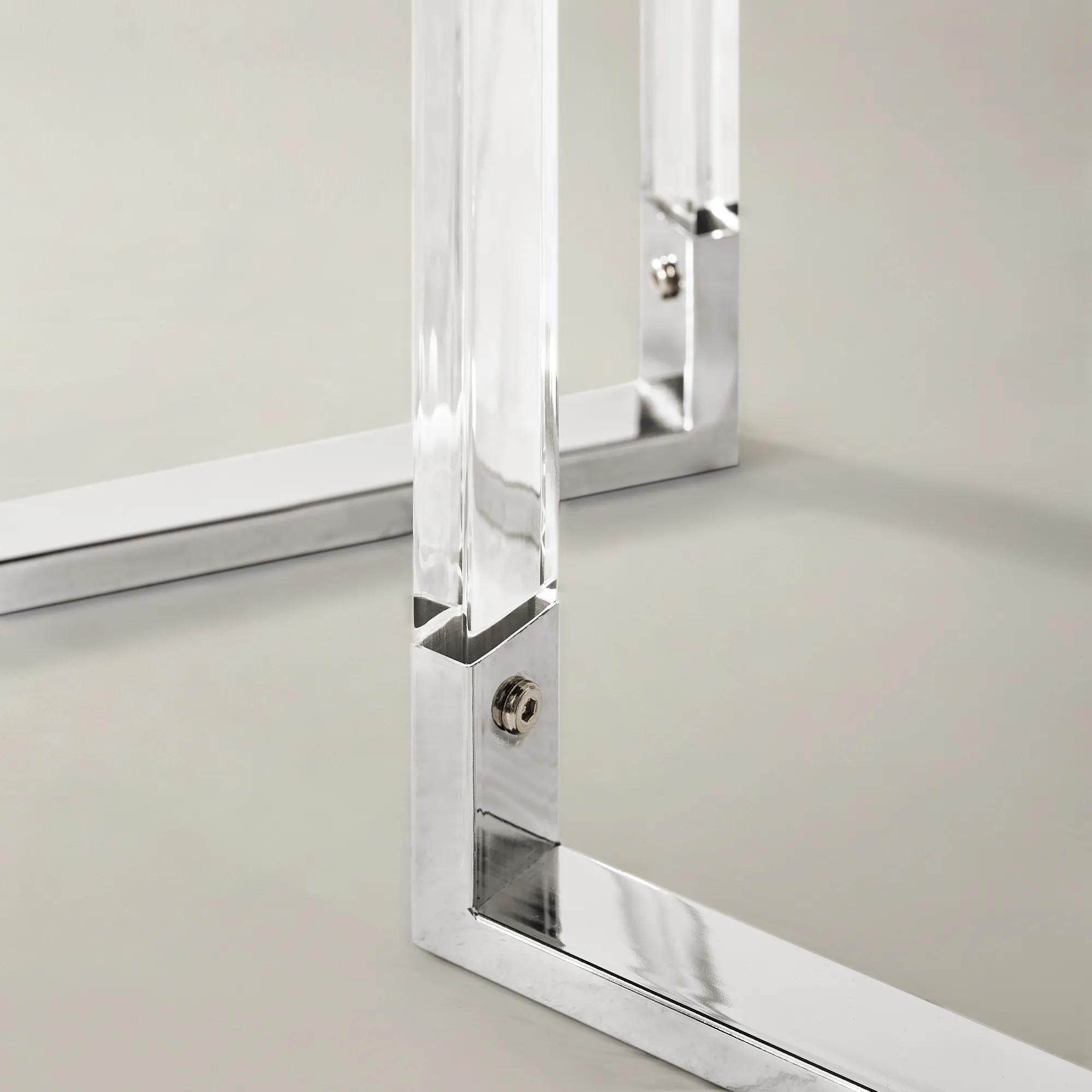 Murano Round Grey Accent Table With Faux Leather Top Set Of 2 (14.5"-18.5")$399
A bold set of two accent tables featuring mixed woods, acrylic legs, and faux leather tops.
Add To Cart -
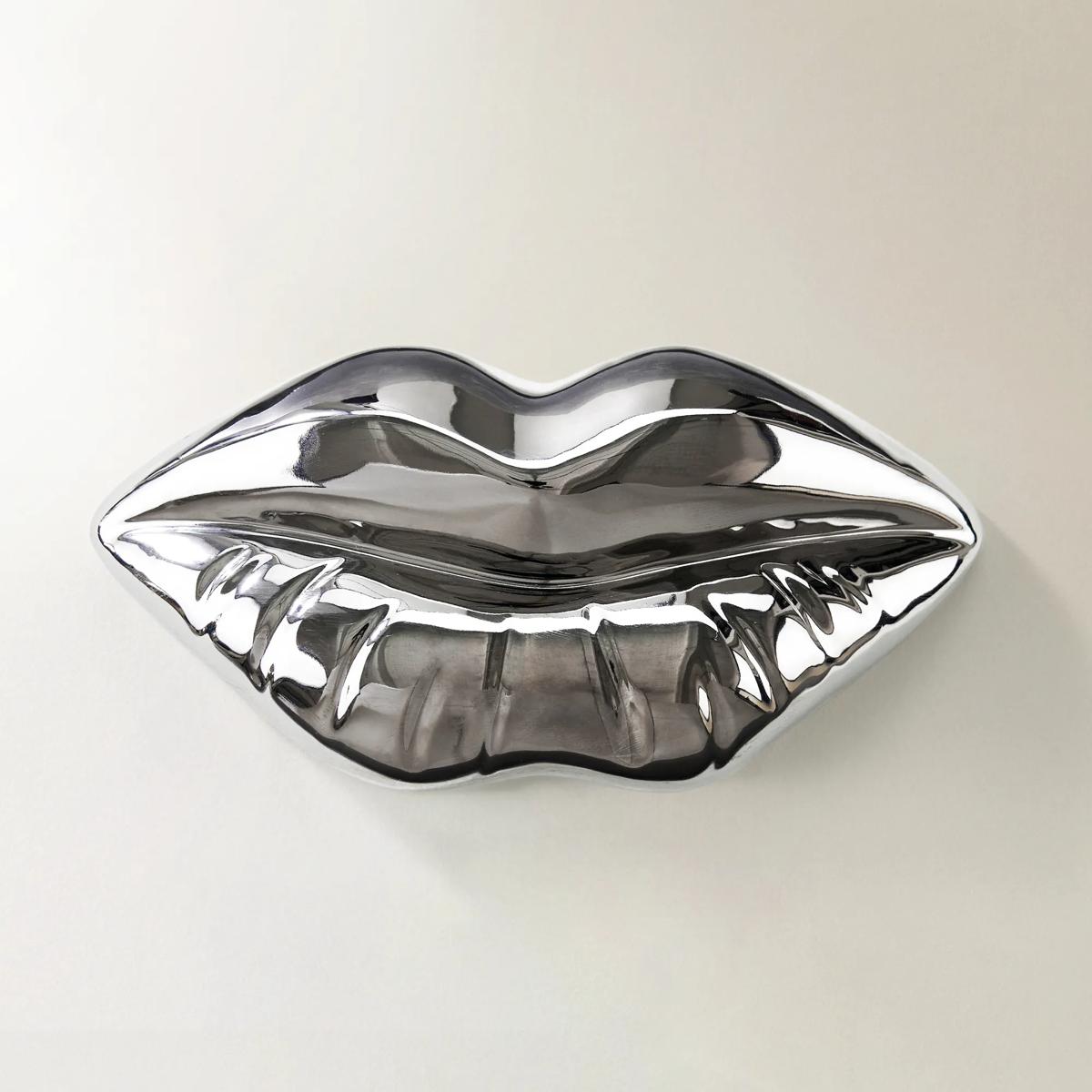 Chrome Lips Ceramic Decorative Object 5.25"$29
A high-shine silver ceramic sculpture that adds modern pop art flair and playful sophistication to any space.
Add To Cart -
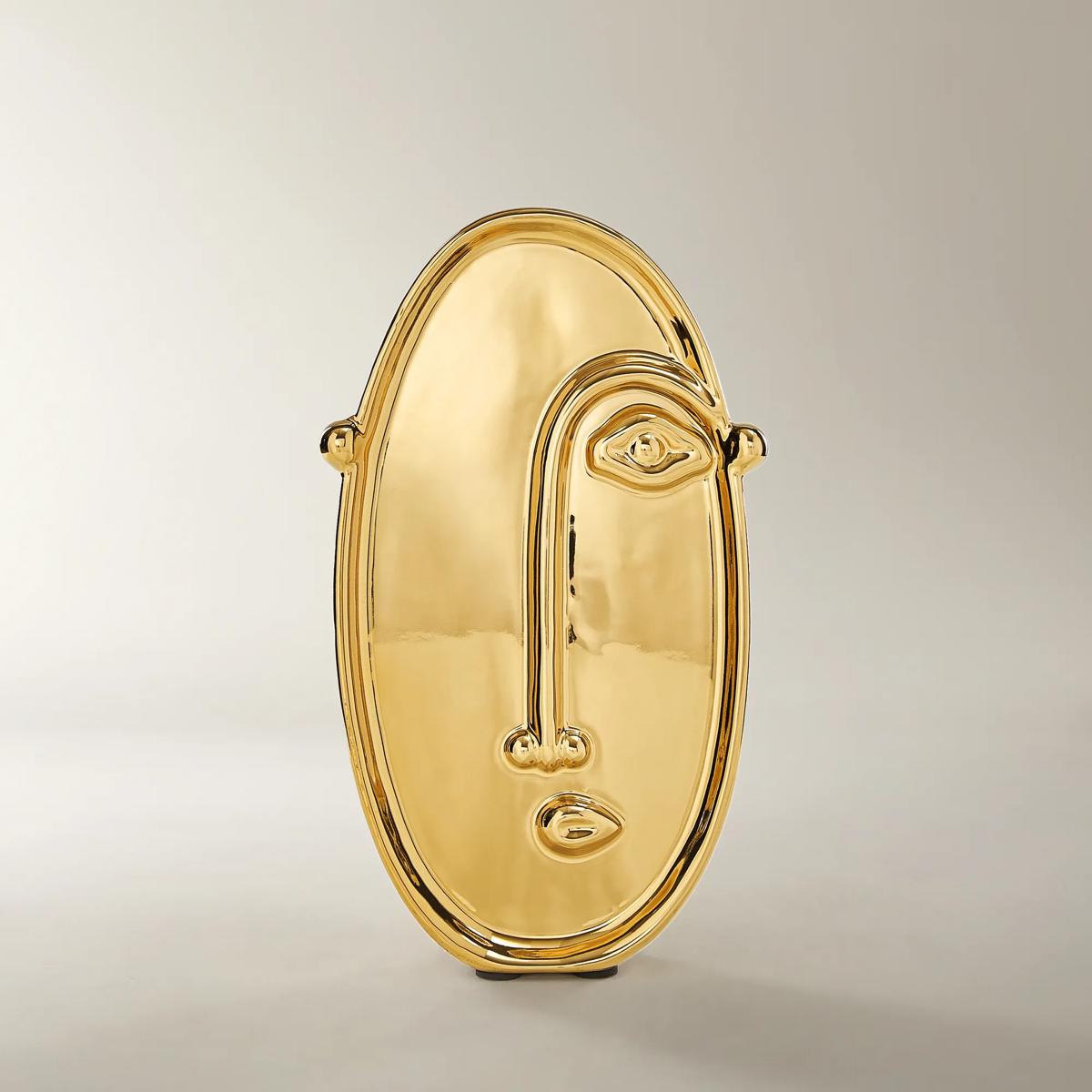
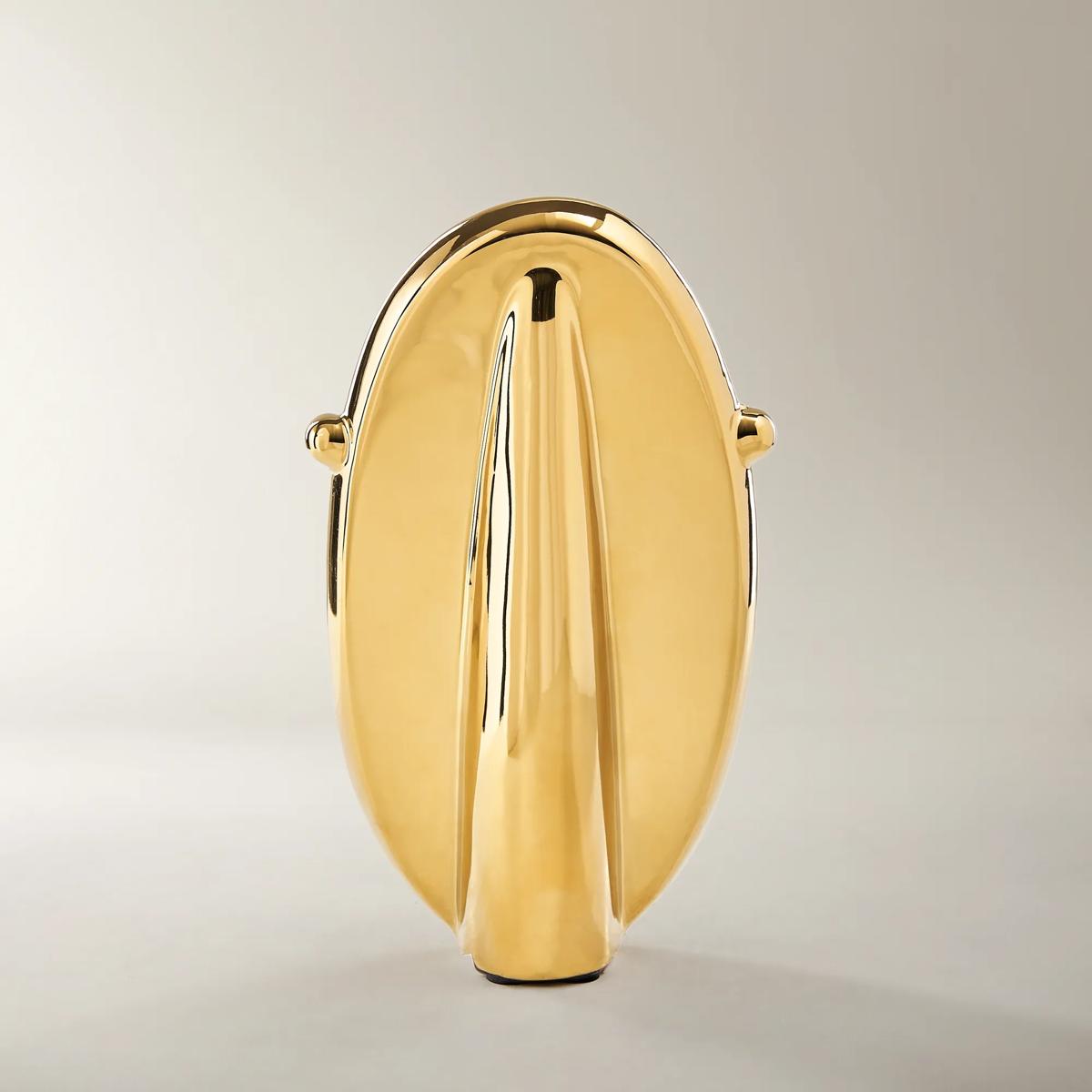 Golden Eye Ceramic Decorative Object 8"$39
A radiant gold ceramic sculpture featuring abstract, elongated facial details for a bold, modern accent.
Add To Cart -

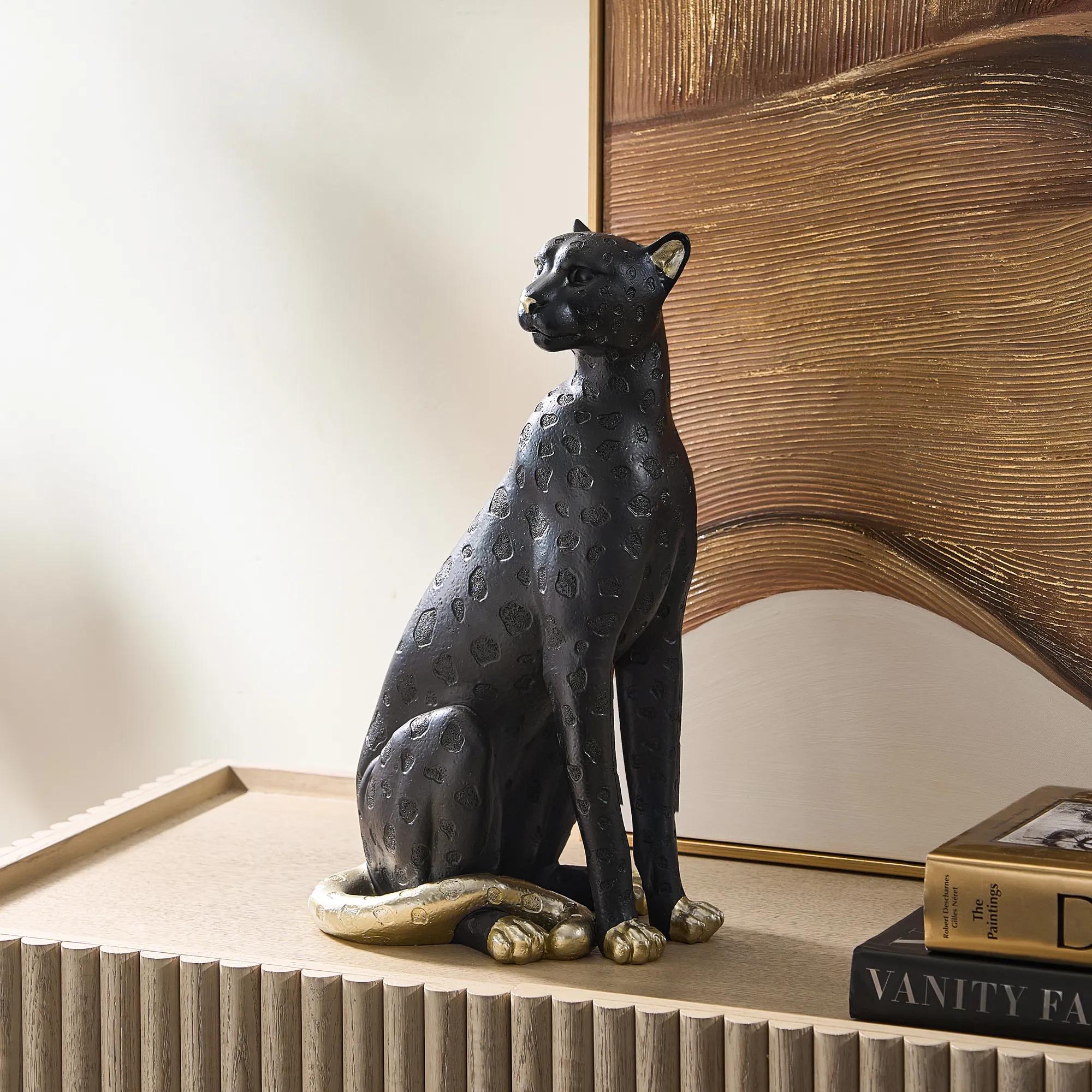 Midnight Leo Black And Gold Resin Object 17.75"$149
A sculpted black resin leopard with gilded gold accents adds bold, artistic glamour to any space.
Add To Cart -
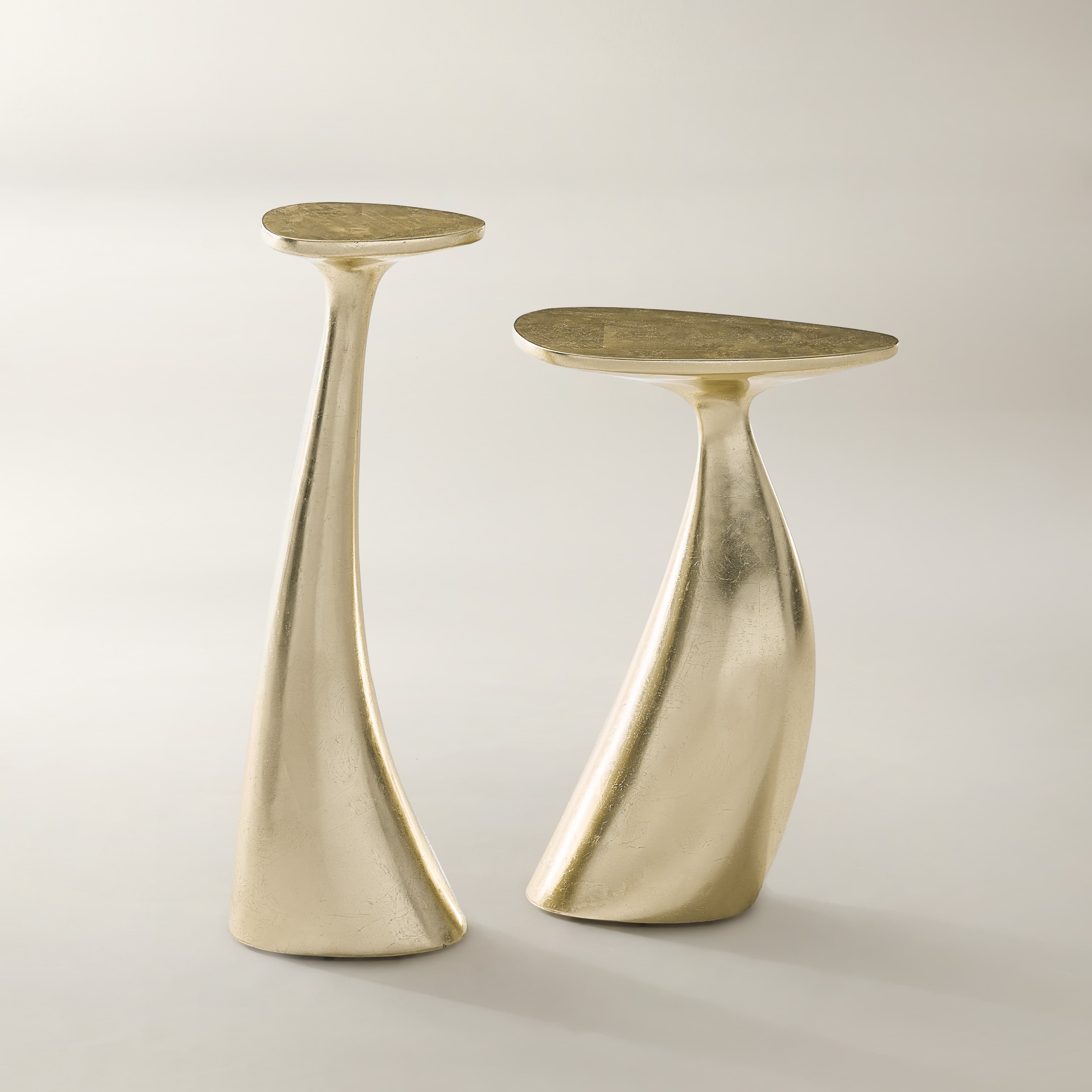 Thalia Soft Gold Side Table Set Of 2 (8"-12.5")$699
A sculptural duo of gold leaf fiberglass tables with fluid lines and a warm, luminous finish.
Add To Cart -
 Odessey Collection$99
A decorative porcelain accent finished in shiny gold, perfect for adding modern elegance to any space.
Add To Cart -
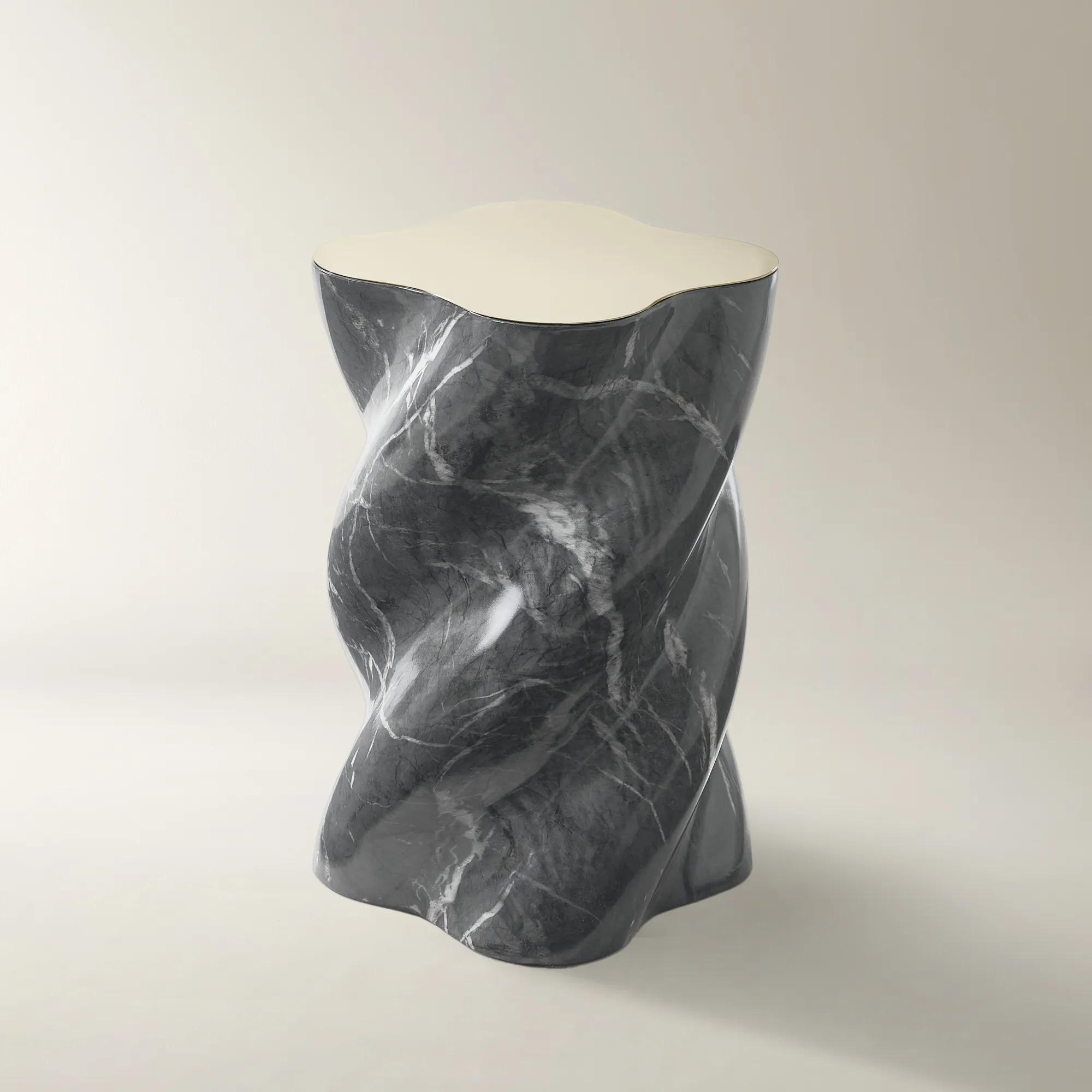 Vega Bvlgary Black Concrete Indoor/Outdoor Side Table With Stainless Steel Top (13.8")$459
A black concrete side table with a sculptural pedestal, removable stainless-steel top, and marble-inspired finish.
Add To Cart

Decorative Accent Pieces
Decorative Accent Pieces are the secret to transforming a simple room into an extraordinary showcase of personal style. Each object is a curated flourish, inviting intrigue and artistry into every corner of your home. Whether you crave a touch of drama, a whisper of glamour, or an unexpected pop of texture, these accents capture the eye and spark conversation. Let your space radiate individuality and sophistication as you layer in Decorative Accent Pieces that turn everyday moments into unforgettable statements.
Decorative accent pieces are the finishing elements—vases, sculptural objects, trays, bowls, decorative boxes, and bookends—that bring color, texture, and personality to a room. Smaller in scale than furniture, they can still command attention: a sweeping silhouette on an entry console, a glimmer of metallic detail against dark shelving, or a richly textured vessel beside a tailored sofa. Their appeal lies in that interplay between individual expression and the larger room. A polished surface catches light differently from a matte ceramic finish; transparent glass adds visual lightness, while stone introduces weight and distinctive natural pattern. Together, these contrasts give interiors depth without requiring a change to the furniture that anchors them. Decorative home accents can carry a single finish throughout an open living area, introduce an unexpected color into a neutral palette, or lend sculptural presence to an overlooked corner. Glass and crystal accents often emphasize reflection and clarity, making them especially expressive near a lamp or against a saturated wall. Ceramic and porcelain pieces offer another kind of presence, from fluid glazed surfaces to tactile finishes that reveal the character of their forms. Metal accents contribute crisp definition or a softer gleam, depending on their finish, while wood brings grain and warmth to arrangements that might otherwise feel too polished. Natural stone offers distinctive veining and tonal variation, so its character is as much about the material as the silhouette. The effect can be composed and restrained or unapologetically dramatic. A broad decorative bowl on a dining table creates a confident focal point with little else around it. On a bookcase, a sculptural accent breaks up rows of books and gives the eye somewhere to pause. In an entryway, a tray provides an elegant landing place for everyday essentials, allowing even a practical gesture to contribute to the room’s atmosphere. These are details that make a space feel considered, personal, and fully expressed.
Scale and intended use give decorative accents their strongest relationship to a room. An expansive coffee table can support a generous tray or low sculptural arrangement, while a narrow console benefits from forms that leave room for movement and do not extend beyond its edges. Height matters as much as width: an accent beneath artwork should complement the composition rather than obscure it, and tabletop decor belongs comfortably below the sightline when conversation is part of the setting. On shelving, a tall vessel beside a low box creates a pleasing shift in proportion; several objects of nearly identical height can appear static even when their finishes are striking. Groupings of three or five often introduce an easy, varied rhythm, though one substantial object can be more compelling than a crowded collection. Space around a silhouette allows its curves, edges, and surface details to register. Color can create continuity without making every accent match. A pale ceramic form, a smoky glass vessel, and a dark metal object may feel connected through their sculptural shapes, while repeated touches of gold can draw together pieces with very different textures. Decorative trays and boxes also offer a polished way to contain small belongings, particularly on a desk, bedside table, or living room console. Bookends combine visual presence with support for books, provided their weight and construction suit the volumes they hold. Vases may frame a floral arrangement or stand alone as objects, depending on their proportions and whether they are intended to hold water. Decorative bowls are expressive centerpieces, but food contact is appropriate only when the piece is specifically identified as food-safe. In homes with children, pets, or busy walkways, broad bases, suitable placement, and the weight of each accent deserve attention. A dramatic arrangement feels more effortless when it also respects how the room is used, from an evening of entertaining to the daily reach for a remote, a book, or a set of keys.
Materials, surface treatments, and care requirements help determine how decorative accent pieces will live in a home over time. Glass and glazed ceramics can retain their luminous appearance with gentle handling, but edges and raised details remain vulnerable to knocks. Stone and substantial metal objects may feel reassuringly solid, yet their weight calls for a stable surface and careful lifting rather than sliding. Wood, porous stone, and certain finishes can be sensitive to moisture, making a protective liner or watertight insert useful when the design and care instructions permit one. Felt pads can help protect furniture beneath hard decorative bases, especially on lacquered, glass, or finely finished surfaces. Routine dusting with a soft cloth is often sufficient; abrasive cleaners, rough sponges, and prolonged soaking can compromise delicate coatings or decorative details. Mirrored and metallic finishes benefit from care that preserves their clarity without scratching the surface, while intricately textured pieces may need a soft brush to lift dust from recessed areas. The care directions for each piece remain the best reference, particularly for hand-applied finishes, mixed materials, and objects not intended for outdoor use. That attention preserves the qualities that made the accent compelling in the first place: the clarity of a reflection, the richness of a glaze, or the quiet variation within natural material. In more private spaces, decorative details can make everyday rituals feel considered. Explore Bedroom Accent Pieces for accents that lend personality to dressers, nightstands, and intimate seating areas without overwhelming their purpose. A decorative box can offer a place for keepsakes, while a single sculptural form gives a dresser presence without covering its surface. For a housewarming, wedding, or meaningful host gift, decorative accents offer an expressive choice when the recipient’s taste, room proportions, and preferred materials are known. The most enduring selections feel connected to the person who lives with them—distinctive enough to be noticed, thoughtful enough to belong.
FAQs
Decorative accent pieces serve as the finishing touches that bring depth, personality, and drama to any space. By introducing bold textures, reflective surfaces, or sculptural forms, these pieces can transform the mood of a room—whether you wish to create a sense of opulence, warmth, or artistic intrigue. Thoughtfully chosen accents invite conversation, capture the light, and express your unique style, elevating the everyday into something truly memorable.
There are endless ways to showcase accent decor. Try clustering objects of varying heights and materials on a coffee table to create a dynamic vignette, or place a statement piece on a mantel to draw the eye upward. Layer accent pieces on bookshelves among your favorite reads, or use trays and bowls to corral smaller treasures on entryway consoles. Mixing finishes and textures adds visual interest, while thoughtful placement ensures each piece feels intentional and artful.
Absolutely—decorative accents make exceptional gifts for housewarmings, weddings, birthdays, or any occasion worth celebrating. Because they come in a range of styles and materials, you can select something that feels personal and meaningful, whether it’s a hand-crafted sculpture for a collector or a luxe decorative box for someone who appreciates organization with flair. These pieces offer a lasting reminder of your thoughtfulness and the recipient’s unique taste.
Many design enthusiasts enjoy refreshing their accent decor seasonally, using the changing light and mood of each time of year as inspiration. For example, in winter, you might introduce more reflective or cozy textures, while spring invites lighter, nature-inspired pieces. Rotating accents keeps your home feeling current and allows you to experiment with new styles, colors, and arrangements without a major redesign.
Yes, decorative accents are a sophisticated way to bridge diverse design elements within a space. By choosing pieces that echo certain colors, finishes, or motifs, you can create a sense of cohesion even when mixing modern, classic, or eclectic furnishings. For example, a metallic sculpture can link contemporary and traditional pieces, while a bold art object can unify a room’s palette. The key is to let your accents reflect your personal vision and bring harmony to your curated space.