
Decorative Accent Trays
Decorative Accent Trays
-
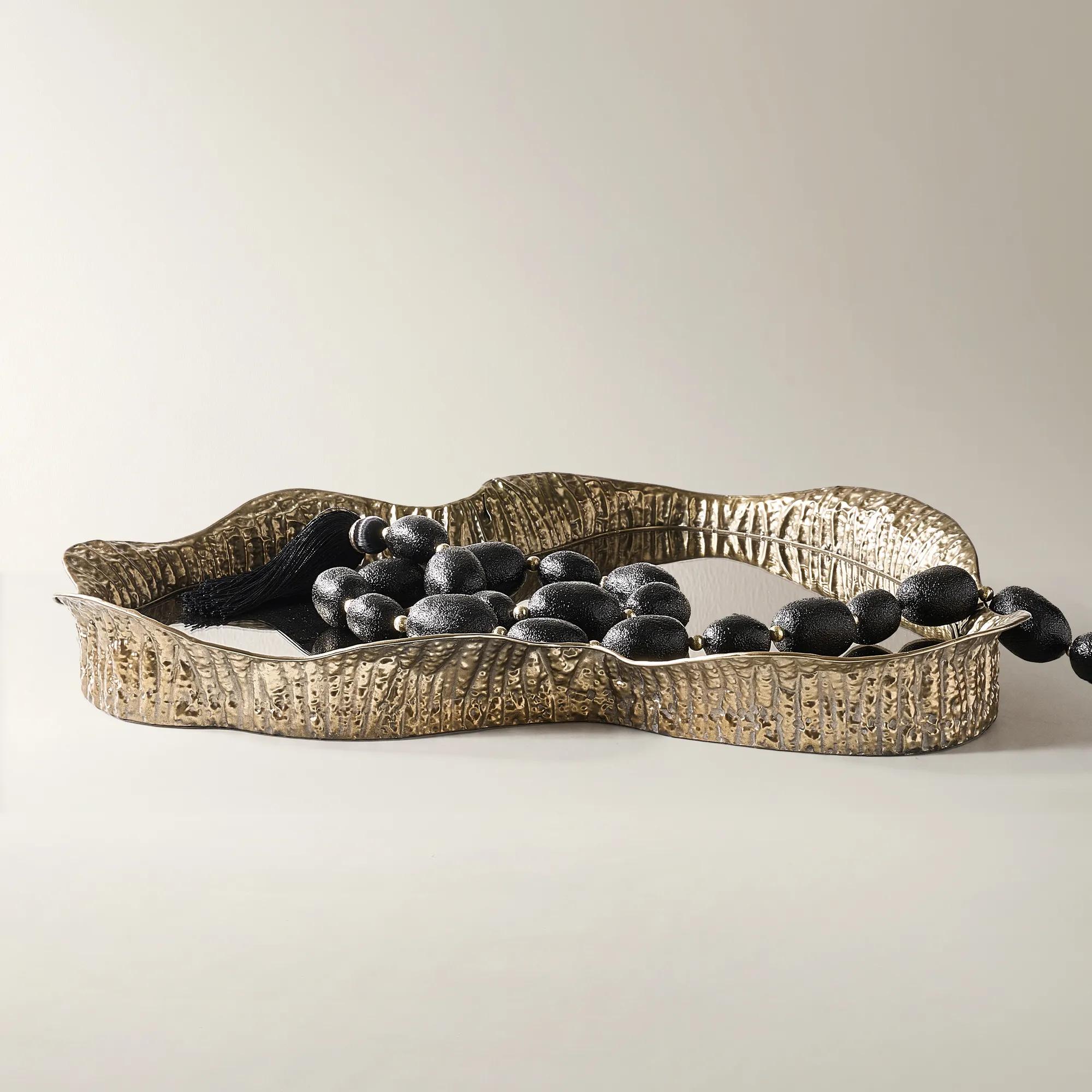 Cara Antique Gold Hand-Forged Iron Organic Shaped Amber Mirror Decorative Tray 21" x 23.5"$319
An antiqued gold iron tray with a bronze-tinted mirror surface for elegant, decorative display.
Add To Cart -
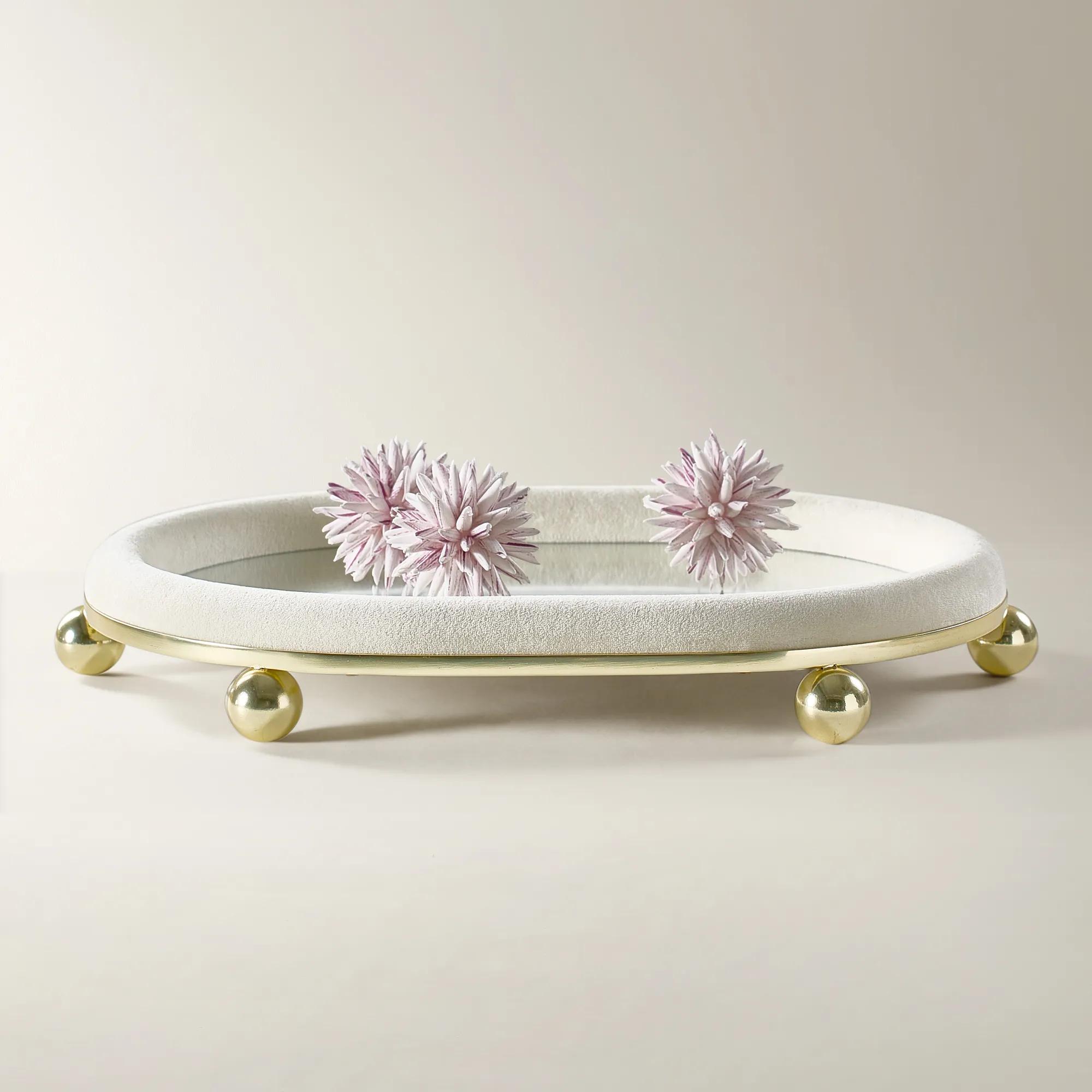
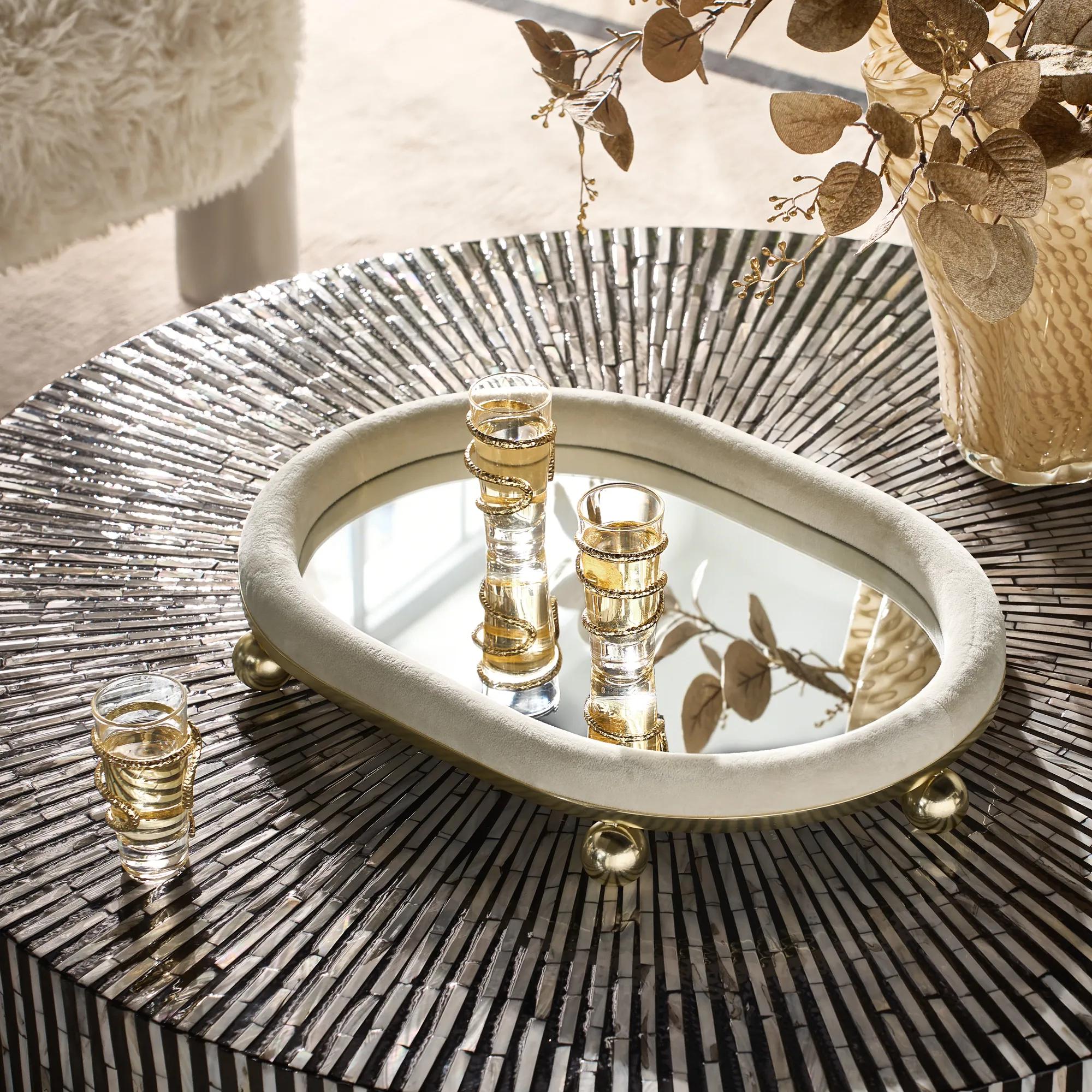 Capri Vanity Ivory Soft Gold Velvet Mirror Tray 17.75" x 2.25"$99
A soft gold iron tray with a mirrored base, velvet accents, and playful bauble details for chic display.
Add To Cart -
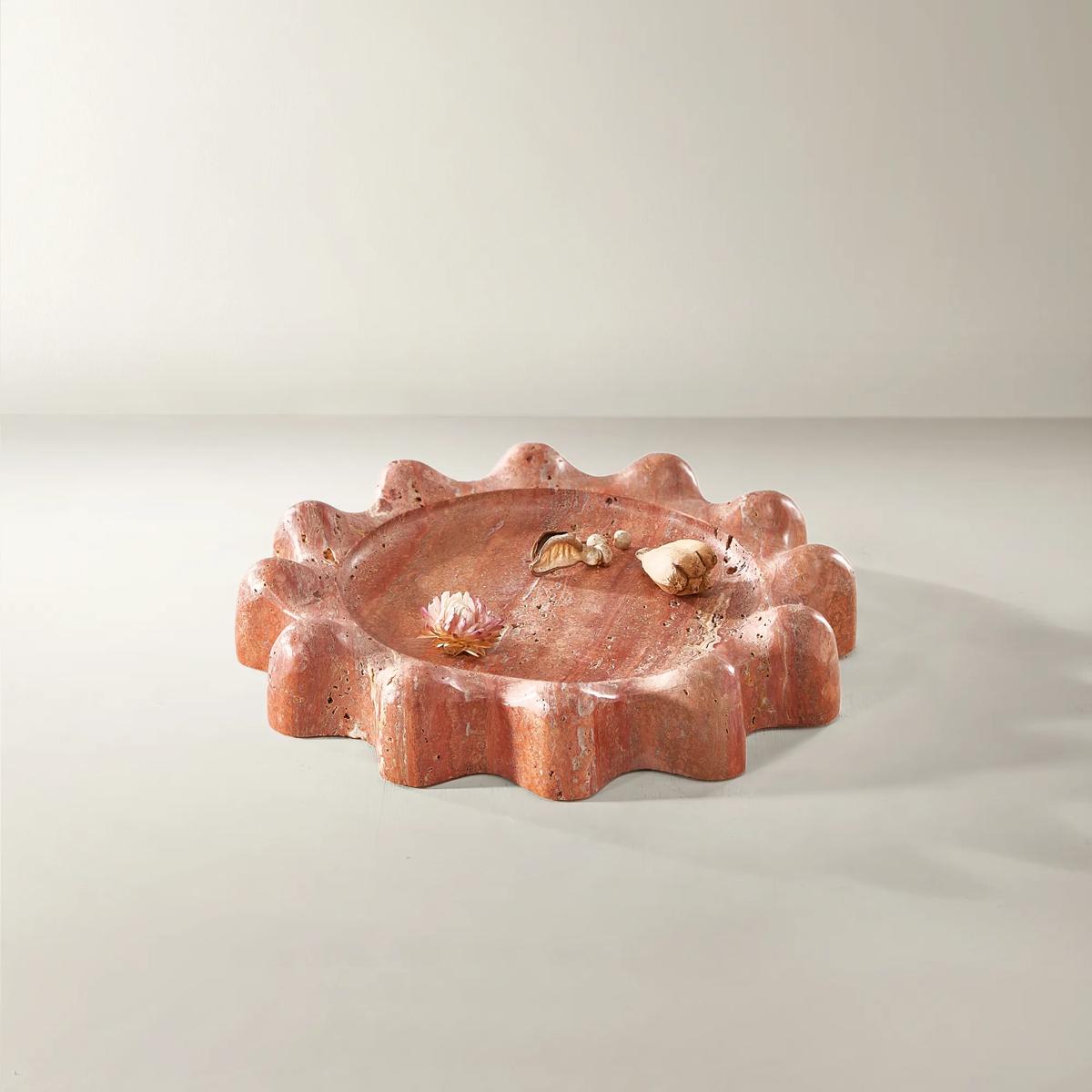 Flora Marble Catchall - Large$159
A hand-carved red travertine catchall with unique veining and undulating, flower-inspired edges.
Add To Cart -
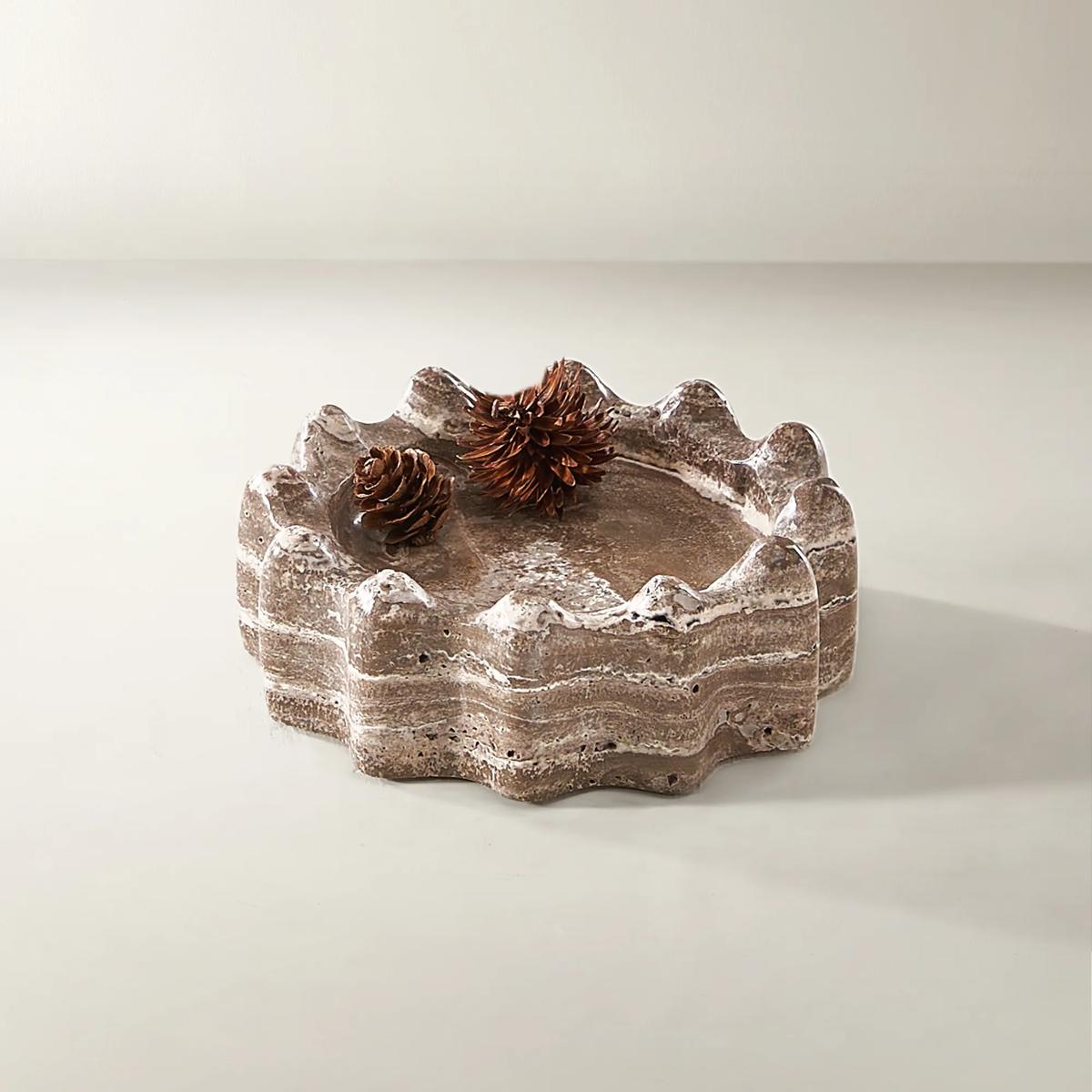 Flora Marble Catchall - Small$89
A hand-carved sand travertine catchall featuring unique veining and undulating, flower-inspired edges.
Add To Cart -
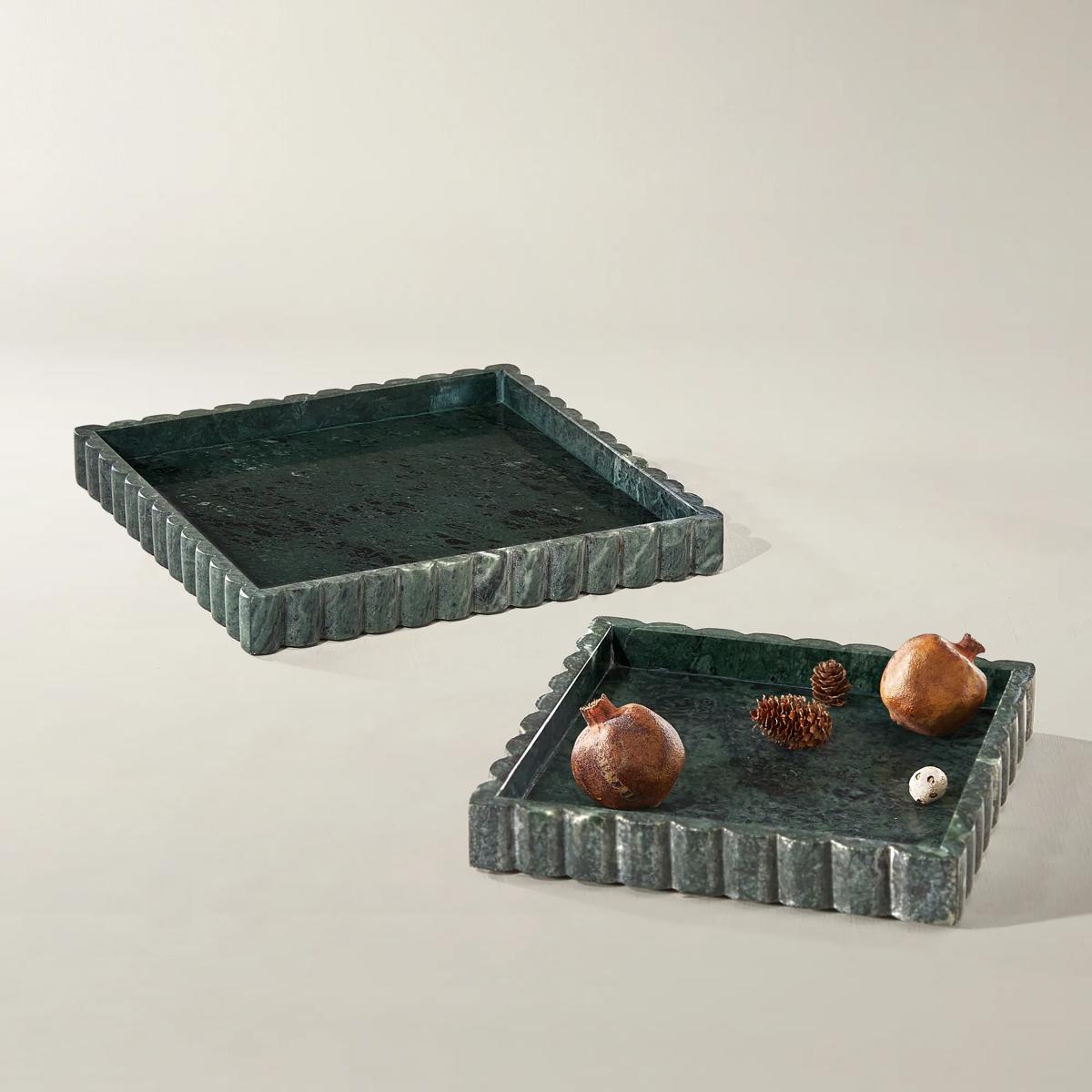
 Scallop Tray - Emerald Marble$69
A handcrafted Baroda green marble tray featuring unique veining and elegant scalloped edges for decorative display.
Add To Cart -
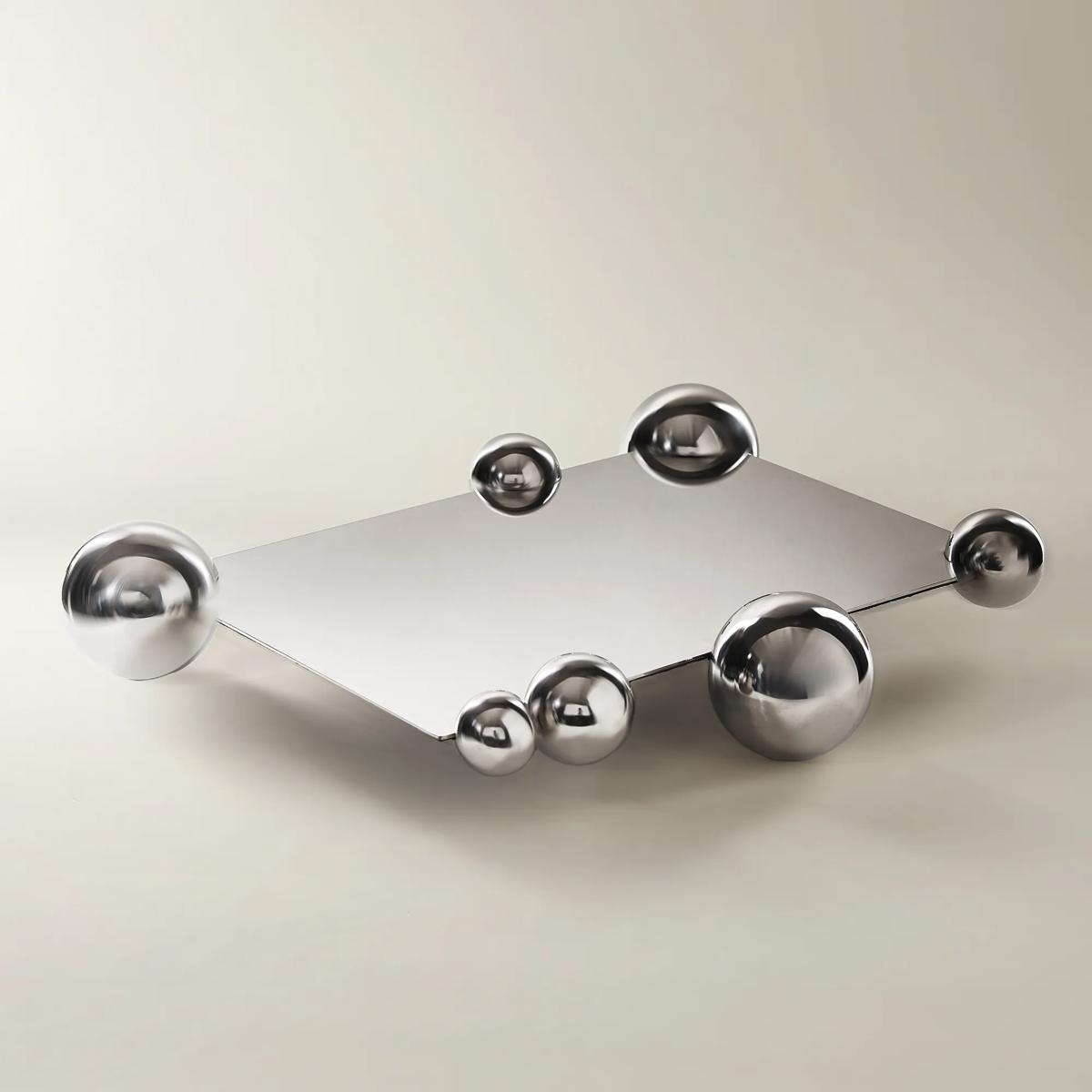 Chrome Bubble Silver Stainless Steel Serving Tray 13.25" x 3.25"$139
A polished stainless steel tray with sculptural bubble accents for a playful, modern entertaining statement.
Add To Cart -
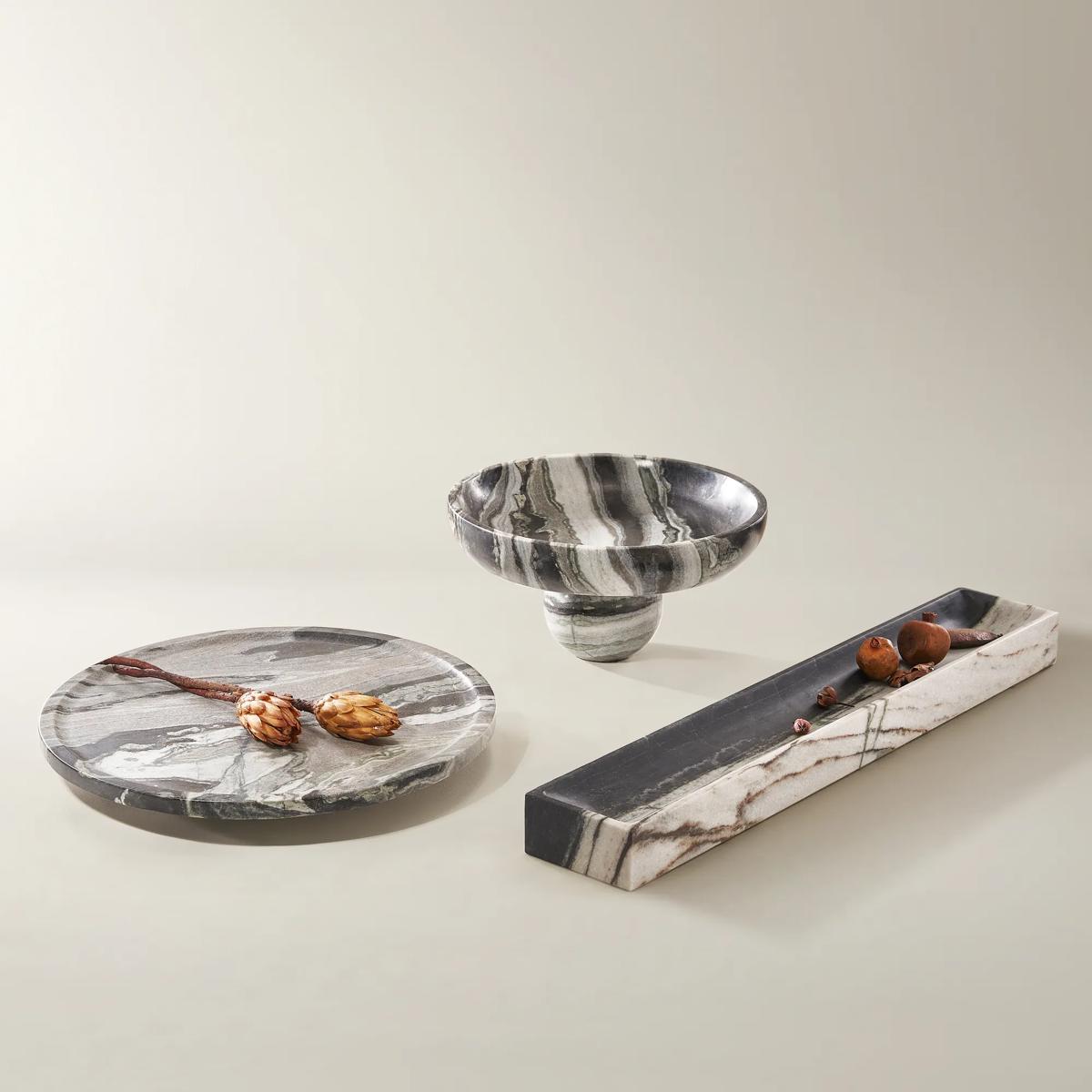
 Luxe Marble Collection$169
A striking black marble décor collection featuring unique veining and elegant footed bowl, tray, and riser.
Add To Cart

Decorative Accent Trays
Decorative Accent Trays are the ultimate expression of curated style, transforming everyday surfaces into captivating showcases of artistry. Whether gracing a coffee table, vanity, or console, these trays invite you to layer texture, color, and shine with effortless sophistication. Each piece is designed to elevate your décor story, offering a canvas for sculptural objects, sparkling glassware, or treasured keepsakes. Let your space come alive with trays that reflect your boldest visions and infuse every corner with a touch of glamour.
Decorative accent trays bring shape, texture, and intention to the surfaces that define a room. Designed to corral smaller objects and frame a display, they give candles, fragrance bottles, jewelry, and everyday essentials a composed place to belong. A tray’s border creates a visual boundary, making a collection feel deliberate rather than scattered; its finish can introduce a flash of metallic brilliance, the depth of polished stone, or the warmth of richly grained wood. On a coffee table, a generous rectangular tray can gather remote controls alongside a short stack of books and a sculptural vase, leaving the surrounding surface open. On an entryway console, a shallow accent tray provides a landing place for keys and sunglasses without sacrificing the drama of the vignette. A mirrored tray on a dresser reflects the silhouettes of perfume bottles, while a compact bedside tray keeps jewelry and hand cream together. These are functional details with a distinctly decorative presence, especially for anyone who enjoys expressive interiors but wants frequently used belongings within easy reach. Scale determines how gracefully a tray works in each setting. Its outer dimensions should suit the tabletop, while its usable interior needs enough room for the objects it will hold; broad rims and substantial handles can reduce that interior space. A coffee table still needs room for a glass or an open book, and a narrow console benefits from a tray that sits comfortably behind the front edge. Round and oval trays soften angular furniture, while square and rectangular silhouettes echo clean architectural lines. A long, slender shape can follow the proportions of a dresser or credenza without dominating it. On an upholstered ottoman, a tray can create a firmer surface, although the upholstery must be level and supportive enough to keep it steady. The most compelling arrangement leaves some of the tray visible: a glimmer of mirror beneath a bottle, a sweep of veining around a bowl, or a richly finished rim that gives the entire grouping definition.
Material gives decorative accent trays much of their character, influencing both the mood of a display and the demands of daily use. Wood offers natural variation in grain and tone, grounding gleaming accessories with warmth; a sealed finish generally makes it easier to wipe away incidental marks, though standing moisture can still damage the surface. Marble and other stone lend visual weight and distinctive pattern, creating a substantial foundation for a restrained arrangement of glass, metal, or ceramic objects. Stone trays can be heavy, and porous materials may absorb oils or stain when exposed to cosmetics, colored liquids, or acidic substances. Metal trays introduce crisp outlines and luminous finishes, from softly brushed surfaces to reflective polish. Their durability depends on the metal, construction, and coating, so a metallic appearance alone does not indicate how well a tray will resist scratches or moisture. Glass and mirrored trays amplify light and reveal the contours of the objects above them, making them particularly expressive on vanities and dressing tables. They also show fingerprints readily and need thoughtful handling to protect edges from chips. Resin and acrylic can offer sculptural forms or translucent effects with less weight than some stone designs, although their surfaces may scratch and should be protected from excessive heat. Woven fibers add tactile contrast beside lacquered furniture or polished accessories, but an uneven weave may be less suitable for slender bottles or small objects that need a flat base. Across materials, a stable underside, securely attached handles, smooth edges, and a well-finished surface contribute to lasting usefulness. A raised rim helps contain loose belongings, but it does not make a tray spillproof or guarantee that fragile pieces will remain secure while being carried. Felt pads or another appropriate protective backing can help prevent scratches on furniture, provided they are compatible with the surface beneath. The relationship between materials matters visually, too: brushed metal against dark wood feels tailored, clear glass against a saturated tabletop feels luminous, and pale stone beside velvet creates a contrast of cool polish and sumptuous texture.
Intended use is just as important as appearance. Decorative accent trays are primarily display and organization pieces, and they should not be assumed safe for direct food contact simply because they resemble serving ware. For carrying refreshments or arranging food, decorative serving trays should be evaluated for food-contact suitability, weight capacity, secure handles, and the stability needed for the task. A decorative tray can still make an elegant foundation for a gathering of drinkware when its surface and construction are appropriate, but hot vessels, condensation, and spills require protection. On a bathroom vanity, a tray holding lotion and fragrance should sit away from regular splashing, with bottle bases wiped dry before being returned. Beneath a candle, the tray must tolerate the intended conditions, and the candle needs a suitable holder and placement consistent with its safety instructions; a reflective finish is not evidence of heat resistance. Everyday care begins with the manufacturer’s directions, since finishes that look similar may require different treatment. Gentle dusting helps preserve intricate rims and textured details. When permitted, a soft, lightly dampened cloth can remove marks, followed by prompt drying; soaking, abrasive cleaners, and harsh polishing compounds can damage many decorative finishes. Glass cleaner should not be allowed to seep into mirrored edges or onto surrounding materials unless the care instructions allow it. Heavy objects are best lifted rather than dragged across the tray, and stone or glass deserves particular care when moved. These habits protect the surface that makes the display so expressive. As a housewarming, wedding, or host gift, an accent tray offers a personal design gesture without requiring an exact furniture match. Someone with a carefully arranged vanity may appreciate a luminous surface for fragrance bottles, while a collector of sculptural objects may favor a generous shape that gives each piece breathing room. Whether holding daily essentials or framing a few treasured accents, a well-proportioned tray lends polish without obscuring personality, making even a modest surface feel considered and distinctly individual.
FAQs
Decorative accent trays serve as both functional organizers and artistic focal points, instantly elevating the atmosphere of any room. Whether placed on a coffee table, vanity, or entryway console, they gather and display your favorite objects—candles, florals, or collectibles—creating curated vignettes that reflect your personal style and add a layer of sophistication to your décor.
Luxury accent trays are crafted from a variety of sumptuous materials, including mirrored glass, lacquered wood, polished metals like gold or silver, marble, and hand-painted ceramics. Each material brings its own unique character—mirrored and metallic trays add glamour and light, while wood and marble introduce warmth and texture to your space.
Accent trays make exceptional gifts for housewarmings, weddings, anniversaries, or any celebration where thoughtful elegance is appreciated. Their versatility and timeless appeal ensure they suit a wide range of tastes, making them a cherished addition to anyone’s home—perfect for those who love to entertain or delight in artful details.
Accent trays are endlessly adaptable—refresh their contents to suit the season or occasion. In winter, layer with candles, metallic accents, and rich textures; in spring, display fresh florals and delicate ceramics. For gatherings, arrange glassware and hors d’oeuvres, or use them to showcase festive décor. The tray becomes your canvas for creative expression.
Absolutely—accent trays shine in every room. In the bedroom, they organize jewelry or perfumes atop a dresser; in the bathroom, they corral toiletries with spa-like flair. Even in a home office, a tray can keep stationery and essentials beautifully arranged, blending practicality with decorative impact throughout your home.


