
Decorative Serving Trays
Decorative Serving Trays
-
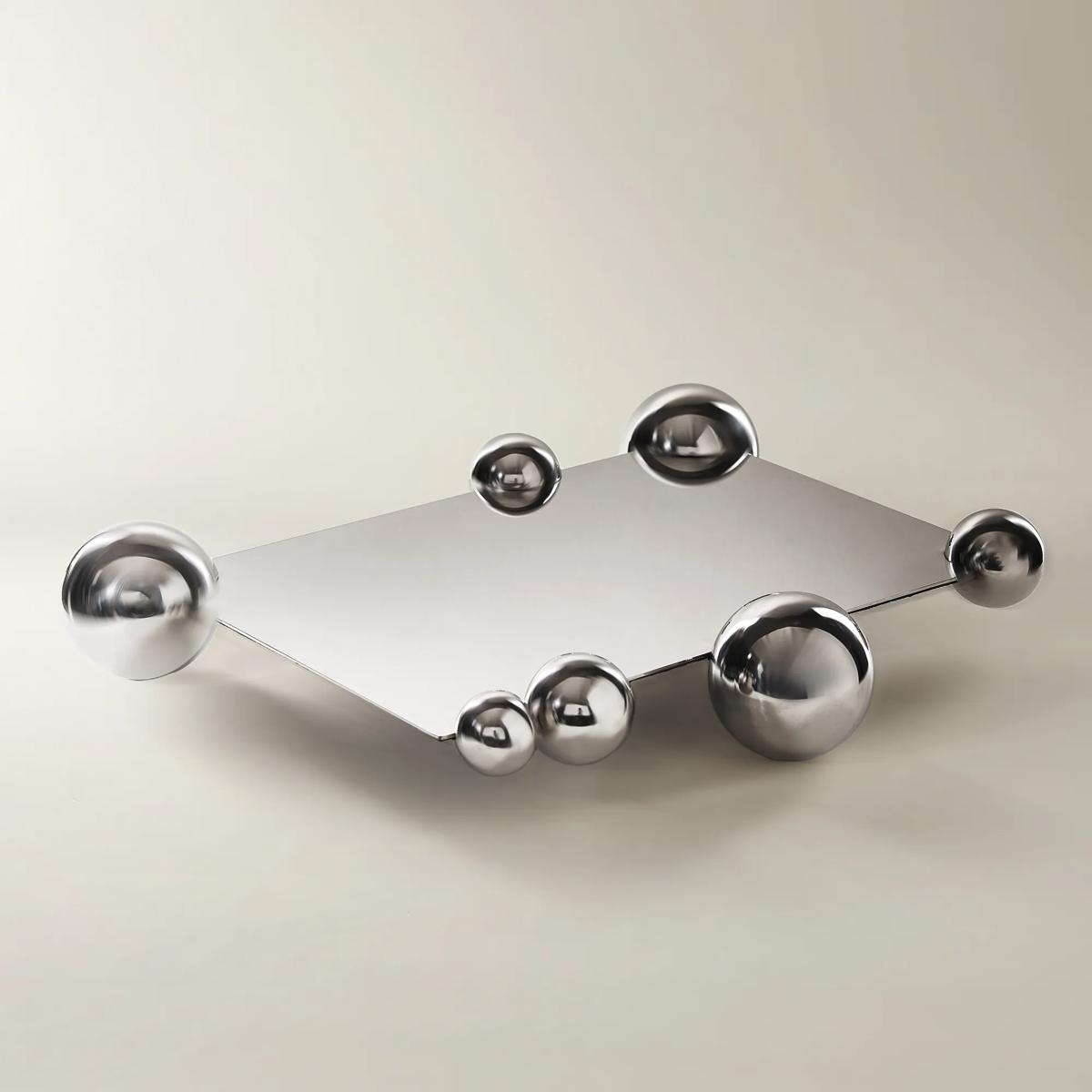 Chrome Bubble Silver Stainless Steel Serving Tray 13.25" x 3.25"$139
A polished stainless steel tray with sculptural bubble accents for a playful, modern entertaining statement.
Add To Cart -
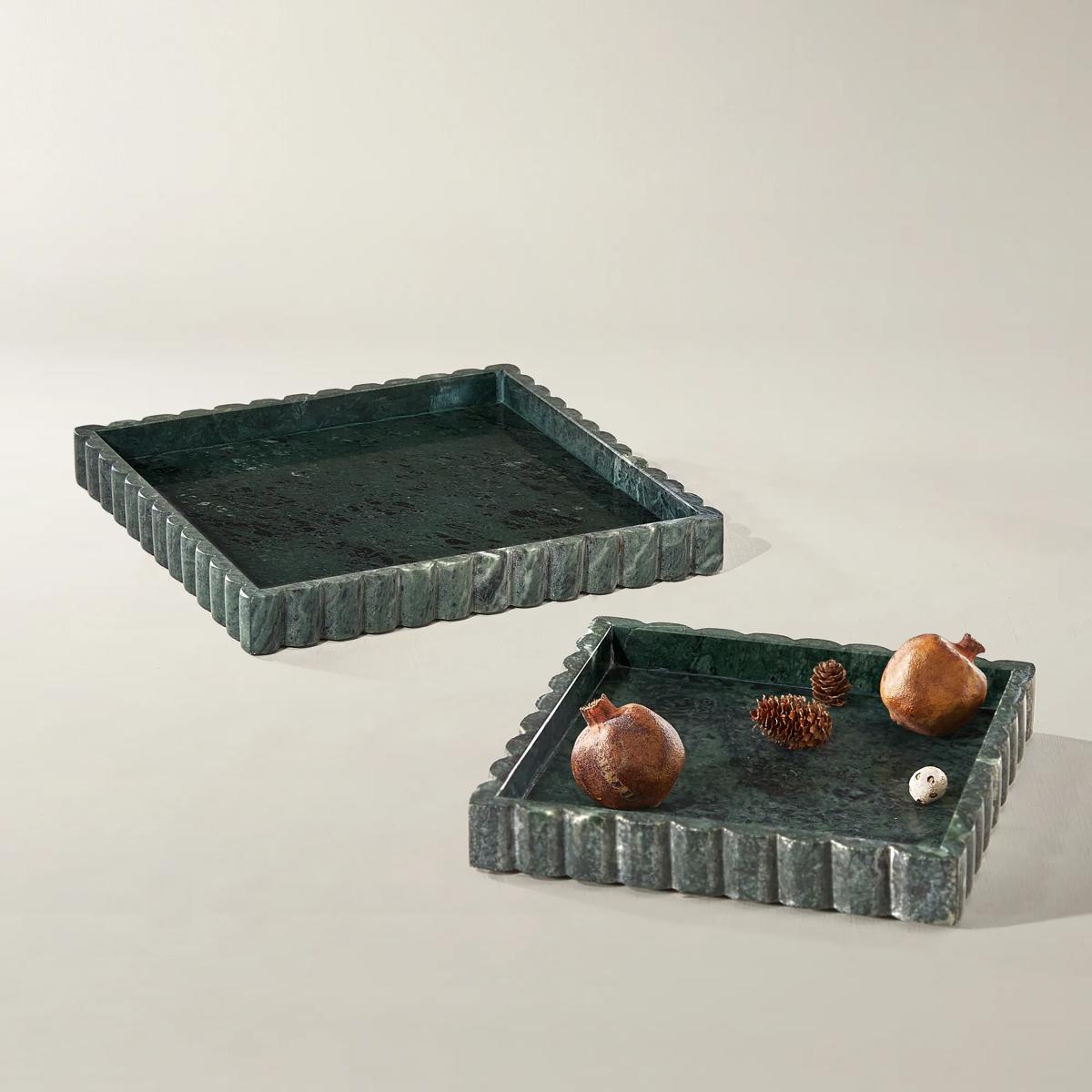
 Scallop Tray - Emerald Marble$69
A handcrafted Baroda green marble tray featuring unique veining and elegant scalloped edges for decorative display.
Add To Cart -
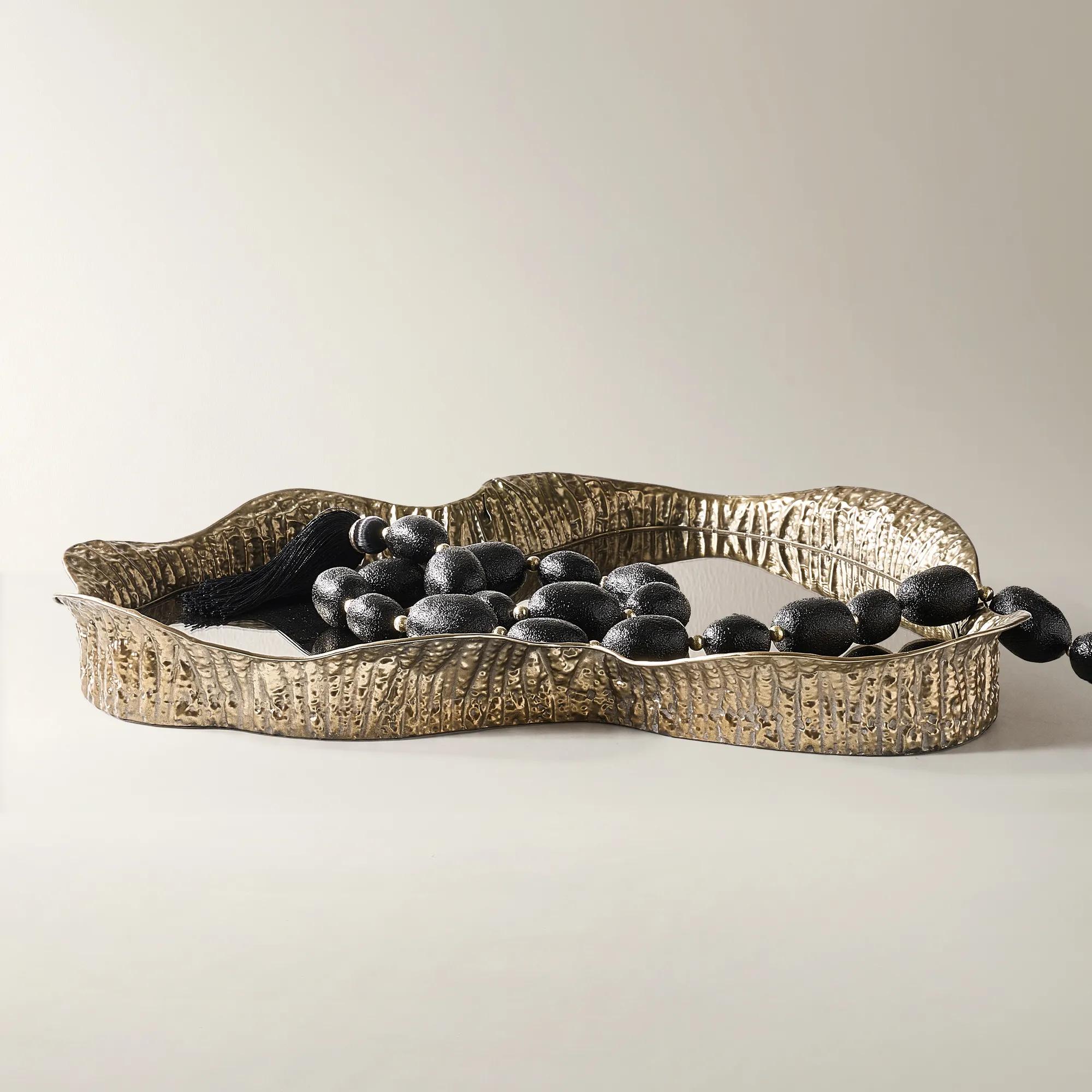 Cara Antique Gold Hand-Forged Iron Organic Shaped Amber Mirror Decorative Tray 21" x 23.5"$319
An antiqued gold iron tray with a bronze-tinted mirror surface for elegant, decorative display.
Add To Cart -
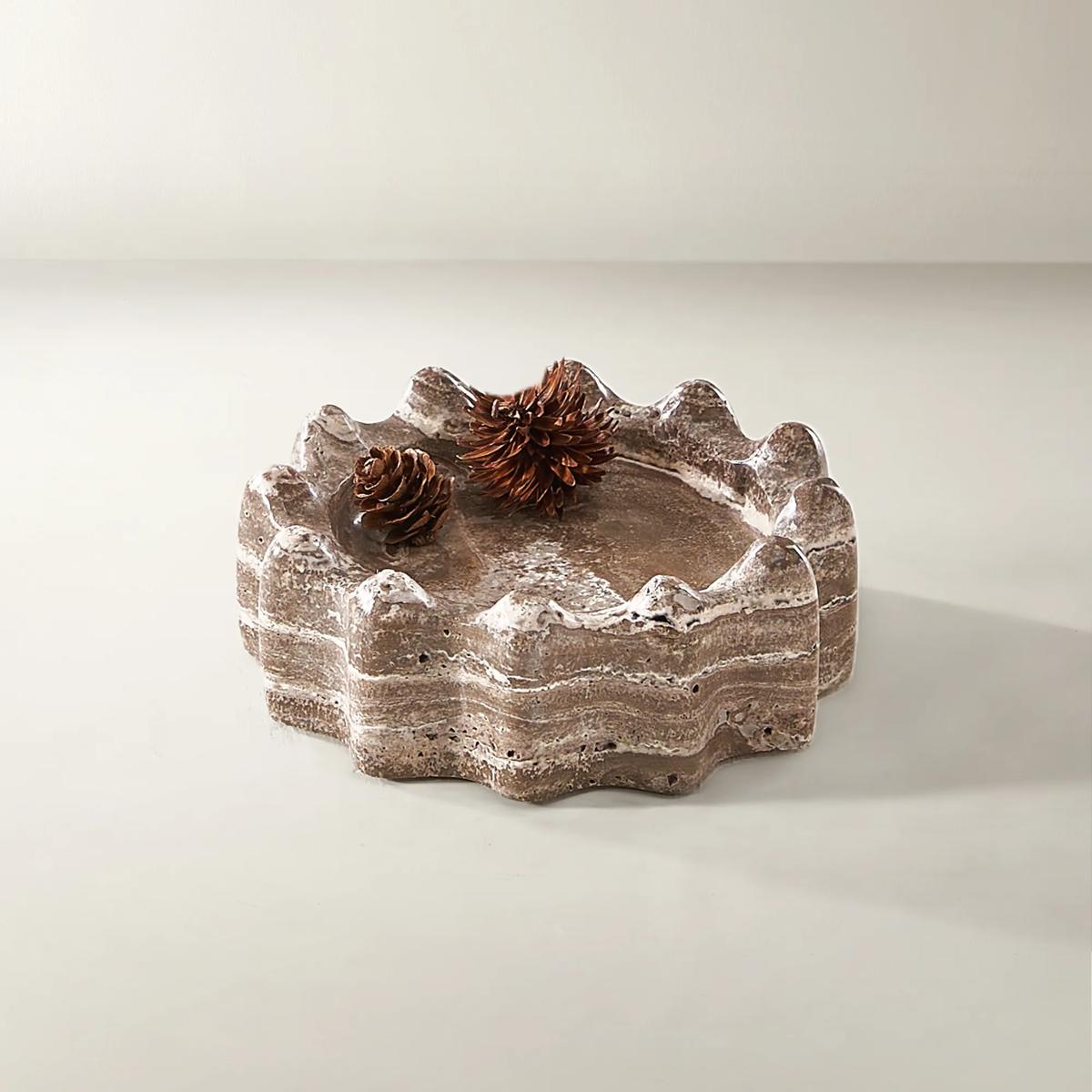 Flora Marble Catchall - Small$89
A hand-carved sand travertine catchall featuring unique veining and undulating, flower-inspired edges.
Add To Cart -
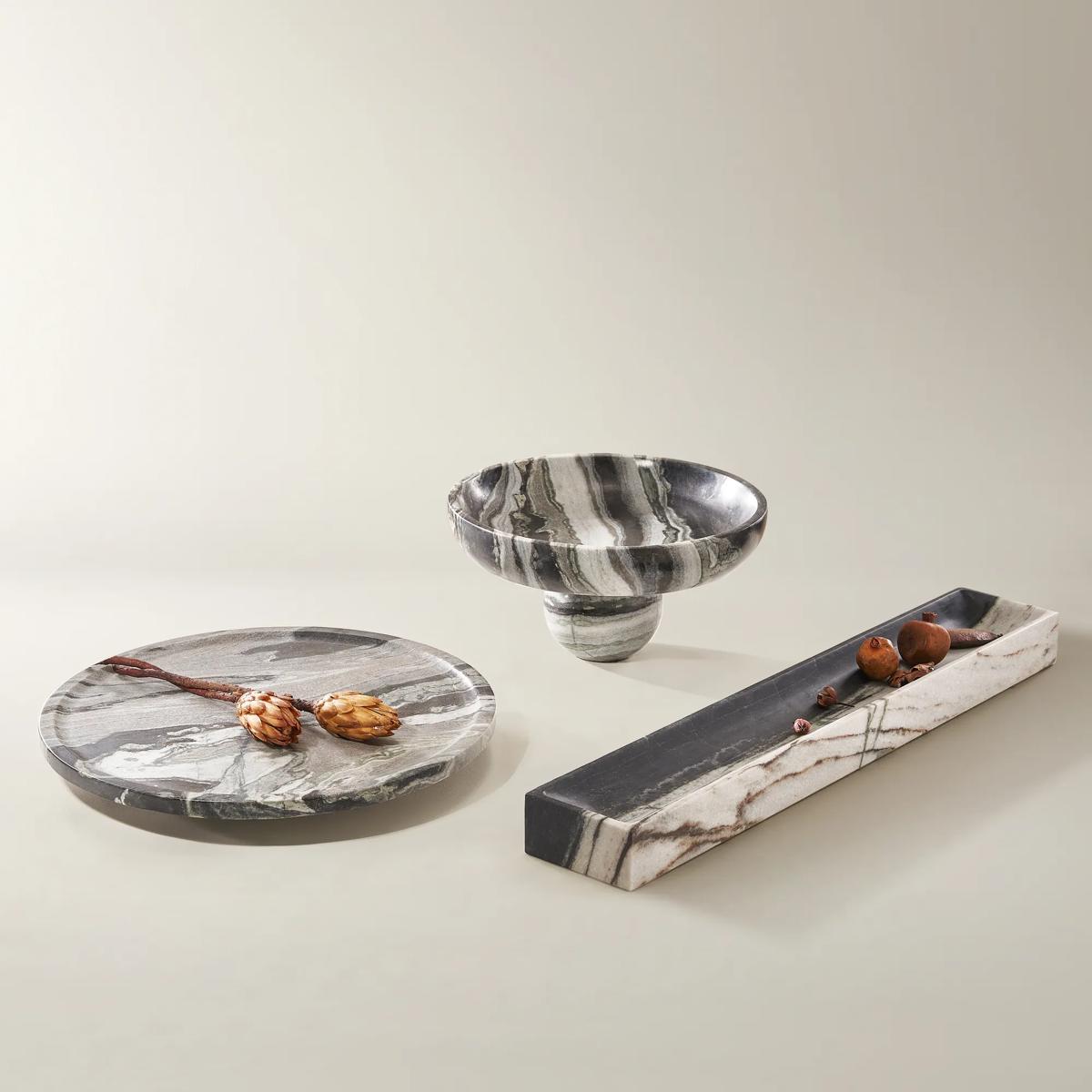
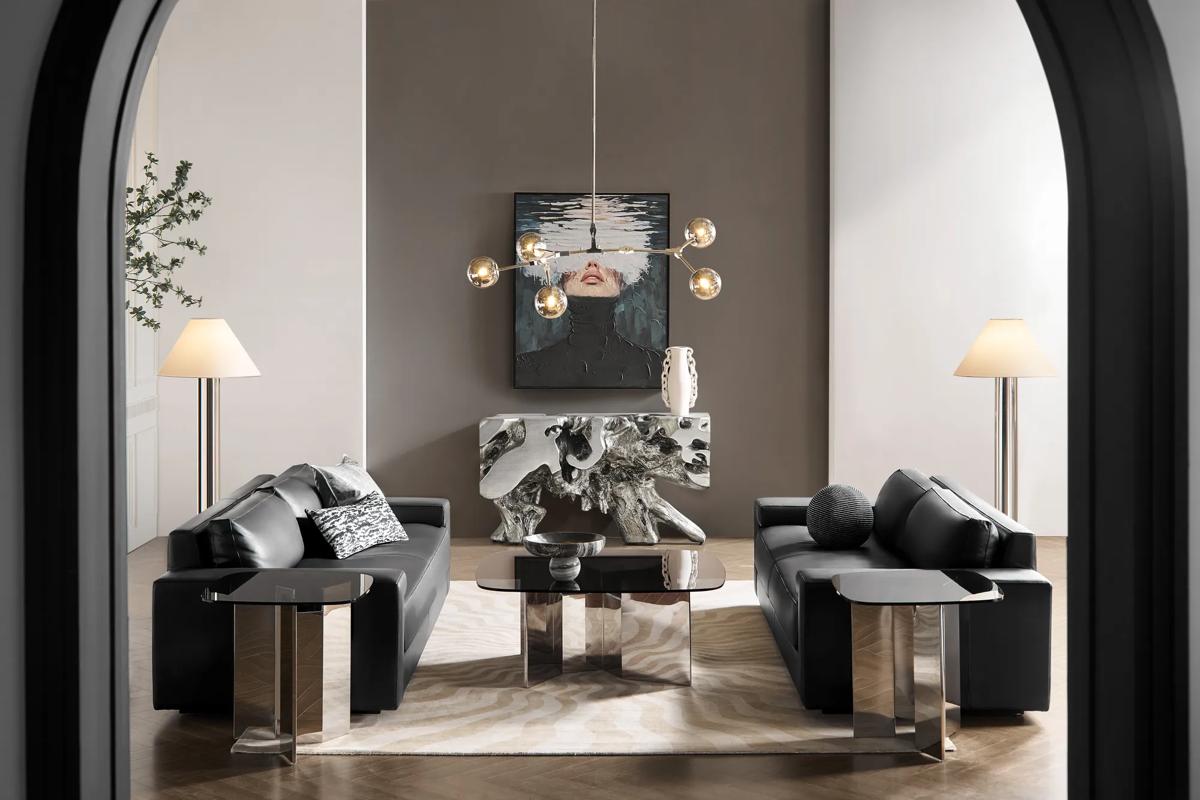 Luxe Marble Collection$149
A striking black marble decor collection featuring unique veining and elegant footed bowl, tray, and riser.
Add To Cart -
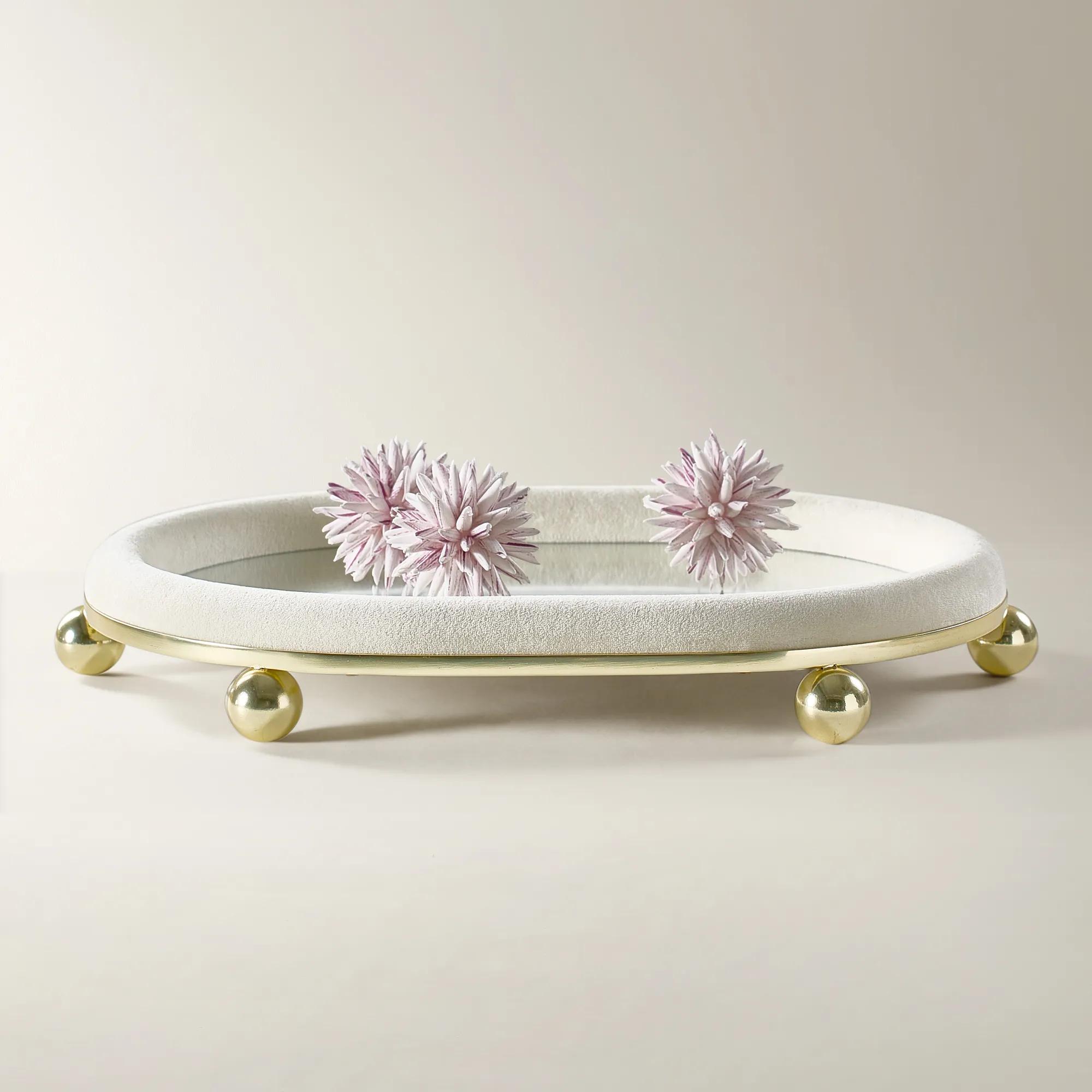
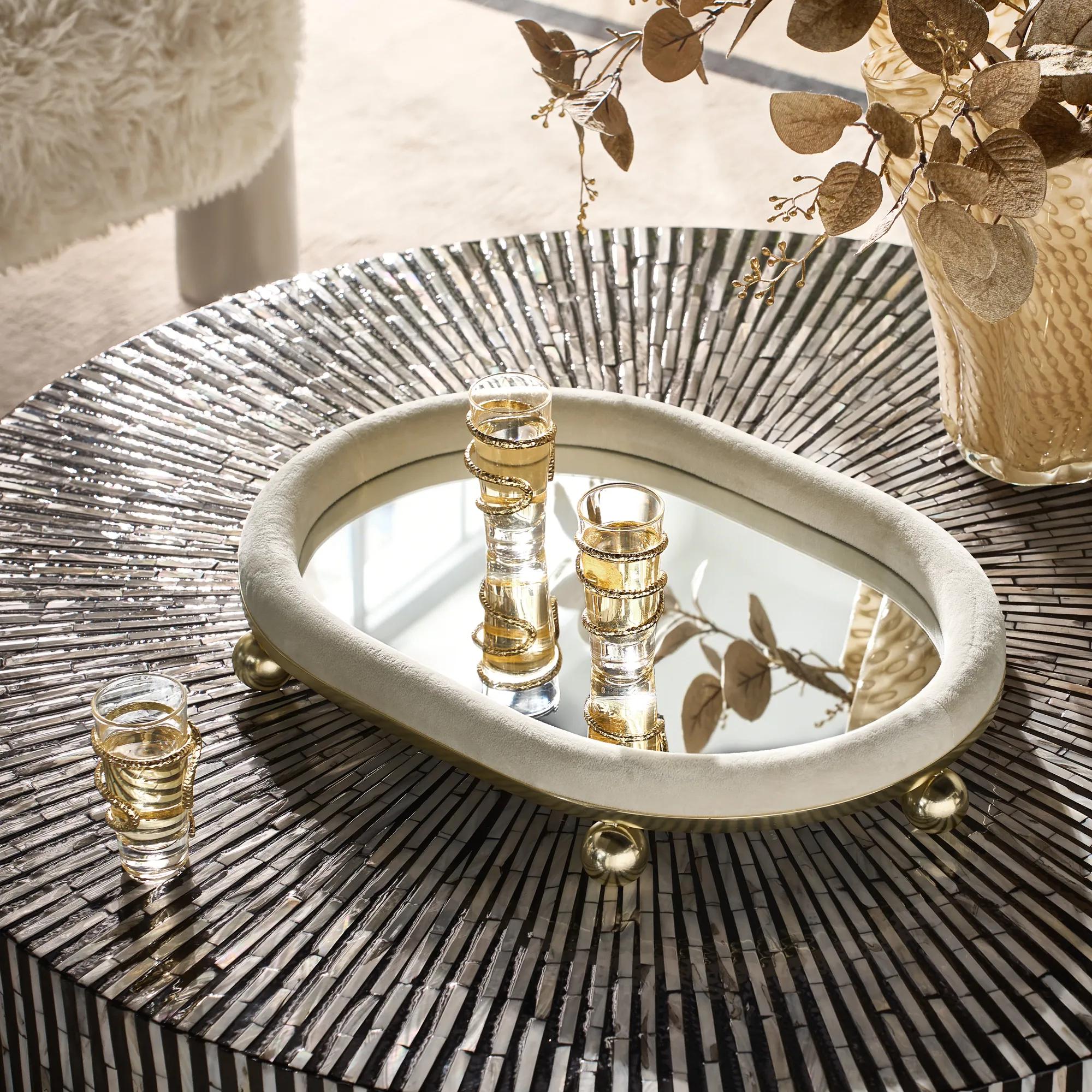 Capri Vanity Ivory Soft Gold Velvet Mirror Tray 17.75" x 2.25"$99
A soft gold iron tray with a mirrored base, velvet accents, and playful bauble details for chic display.
Add To Cart -
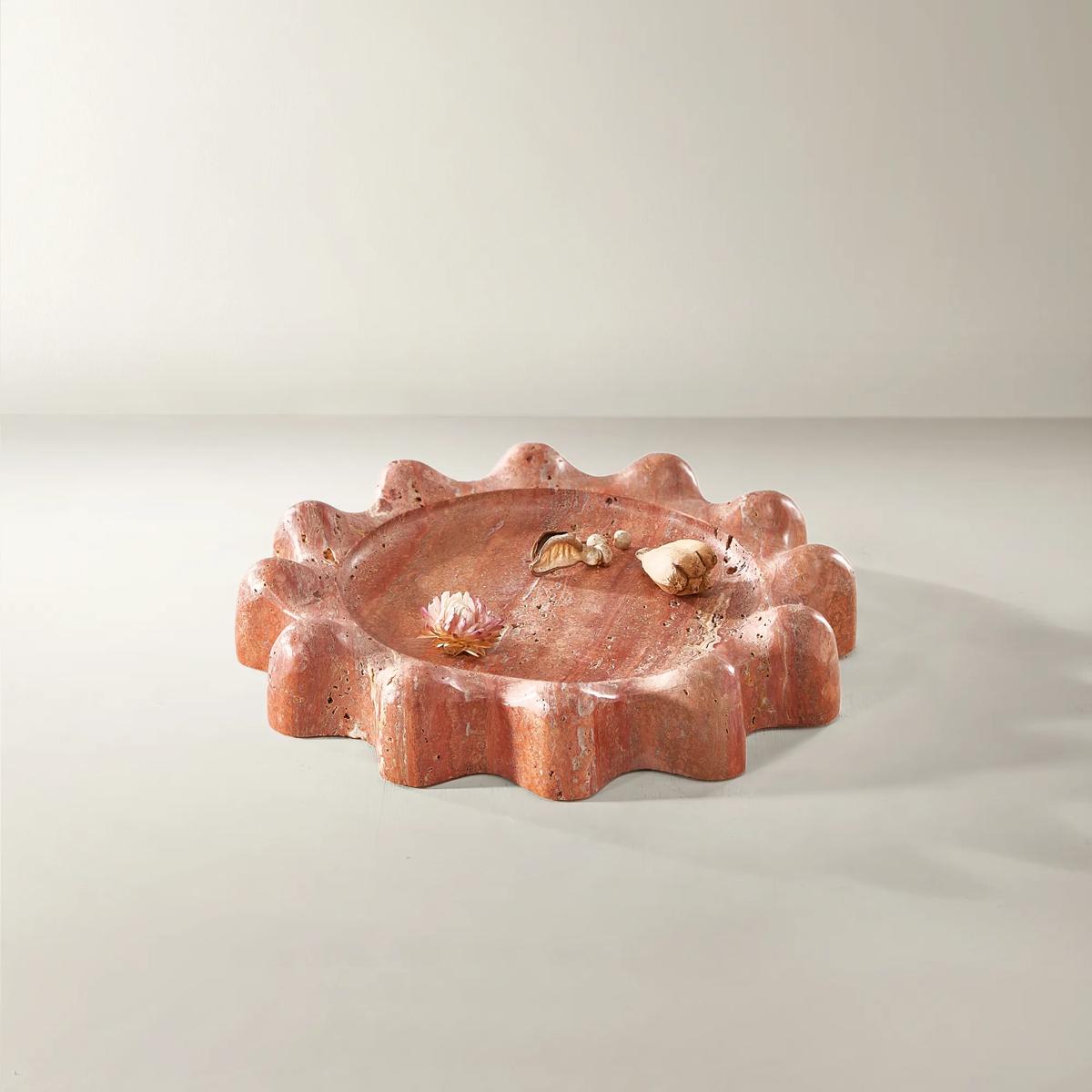 Flora Marble Catchall - Large$159
A hand-carved red travertine catchall with unique veining and undulating, flower-inspired edges.
Add To Cart

Decorative Serving Trays
Elevate every occasion with decorative serving trays that blur the line between function and artistry. Each tray is a stage—inviting you to showcase your culinary creations, curate captivating vignettes, or simply indulge in a moment of everyday glamour. Whether draped across a luxe ottoman or gracing your dining table, these trays transform surfaces into statements, infusing your space with a sense of drama and intention. Discover how decorative serving trays become the finishing touch that turns entertaining into an art form and every gathering into a scene worth celebrating.
Decorative serving trays bring a sense of occasion to the simplest gestures: carrying cocktails into a living room, presenting a pot of tea, or arranging sparkling glassware before guests arrive. Their appeal lies in that balance of beauty and purpose. A tray gives individual objects a shared stage, turning a few glasses and linen napkins into a composed presentation rather than a scattering of essentials. On a coffee table, it creates a defined space for refreshments while leaving the surrounding surface open; on a dining sideboard, it gathers the elements of an inviting drinks service. Materials establish the mood. Polished metal lends a gleaming, architectural edge, mirrored surfaces reflect the silhouettes of glassware, and lacquered finishes introduce rich color with a smooth, luminous presence. Wood offers grain and depth, especially striking alongside clear glass or metallic accents, while stone brings natural variation and a substantial visual foundation. Each finish contributes something different to the room without requiring every detail to match. A dark tray against pale upholstery creates crisp definition; a reflective tray on a richly grained table adds light and contrast. Shape has its own expressive role. Rectangular serving trays suit orderly arrangements of glasses and small dishes, while round trays encourage a more fluid composition at the center of a table. An oval silhouette can soften a setting filled with angular furniture. Scale matters as much as finish: a tray should feel generous enough for its intended contents without overwhelming the surface beneath it. On an ottoman, a firm, level base is especially important, since soft upholstery can make even a beautiful arrangement less stable. The most compelling decorative serving trays feel considered from every angle, with proportions that complement the furniture, edges that frame their contents, and details that make an everyday ritual feel worthy of attention.
For entertaining, decorative serving trays work best when their construction supports the way they will be used. Carrying a pair of drinks from a kitchen to a sitting area calls for a different balance of weight, grip, and usable space than creating a stationary display on a console. Handles can make lifting more comfortable, but their shape, attachment, and clearance deserve attention; a sculptural opening may feel quite different in the hand once a tray holds several filled glasses. Raised rims help contain smaller objects, though they cannot prevent an unsecured glass from sliding. A broad, flat interior gives cups and dishes a steadier resting place, and enough room between them makes serving feel graceful rather than crowded. The weight of the empty tray is also part of the experience, particularly with stone, thick glass, or substantial metal. These materials can lend impressive presence to a table, yet their heft becomes more noticeable when refreshments are added. Intended use is equally important when food enters the arrangement. A decorative finish is not necessarily suitable for direct food contact, so bread, fruit, cheese, and other refreshments belong on appropriate dishes unless the tray is specifically designated for that purpose. Hot teapots and serving vessels may also require a protective layer, depending on the surface and the manufacturer's instructions. Durability comes from matching the material to the setting rather than assuming every finish behaves alike. Mirrored and glass surfaces can show fingerprints and may chip at exposed edges; lacquer can be vulnerable to scratches; wood may respond to prolonged moisture; and some metals can develop marks or changes in patina. Care should follow the finish-specific directions, with spills addressed promptly and abrasive cleaners avoided unless expressly permitted. A soft cloth is often preferable for routine dusting, while soaking and dishwasher cleaning should be reserved for trays specifically labeled to tolerate them. Thoughtful handling preserves the qualities that make these pieces so distinctive: clear reflections, lustrous surfaces, expressive grain, and beautifully defined edges.
Beyond entertaining, a decorative serving tray can become the visual anchor that makes a room feel finished. On a living room table, it can gather a candle, a small vessel, and a favorite decorative object into a vignette with deliberate rhythm. Leaving a little open space between those elements lets the tray's finish remain part of the composition rather than disappearing beneath it. On a bedroom dresser, a tray offers a polished setting for perfume bottles or a jewelry dish; in an entryway, it gives everyday essentials a defined landing place. Placement should respect both the tray and the furniture underneath, particularly where a heavy base, rough underside, or trapped moisture could mark a delicate surface. Protective feet or a suitable barrier may help when recommended for the materials involved. In bathrooms and other moisture-prone spaces, suitability matters more than appearance alone, since repeated splashes can affect finishes not designed for damp conditions. The Decorative Accent Trays collection offers another avenue for compositions where display is the central purpose, while serving-focused trays retain the added consideration of carrying and presenting refreshments. Either role allows for personal expression through contrast: gleaming metal beside matte ceramics, dark wood beneath clear glass, or a restrained arrangement against an ornate rim. For someone who enjoys hosting, a decorative serving tray can make a thoughtful housewarming or wedding gift, especially when its dimensions suit the recipient's home and its care requirements fit their routine. A compact silhouette may feel at ease in an apartment with intimate seating, while a more expansive tray can complement a generous coffee table or dining buffet. The strongest choice reflects how someone lives, not simply how a room photographs. Whether it moves between gathering spaces or holds a lasting place in a carefully composed interior, a decorative serving tray brings practical intention and expressive detail together, giving ordinary objects a more distinguished setting.
FAQs
A decorative serving tray is a versatile canvas for creative expression. For casual gatherings, layer it with artisanal snacks, glassware, and a vase of fresh blooms. When entertaining formally, arrange elegant decanters, crystal glasses, and sculptural candleholders for a dramatic centerpiece. Even when not in use for serving, trays can anchor a coffee table vignette or organize vanity essentials, adapting effortlessly to every mood and season.
Decorative serving trays often feature luxurious materials such as glass, mirrored finishes, polished metals, and lacquered wood. Glass decorative trays are especially prized for their luminous quality and ability to reflect light, while metallic trays offer modern sophistication and a hint of glamour. Mixed-material trays, combining metal with marble or acrylic, create striking visual interest and elevate any space.
Absolutely. Decorative trays are a thoughtful and stylish gift choice for hosts, newlyweds, or anyone who appreciates the art of entertaining. Their versatility ensures they will be cherished, whether used to serve cocktails, display treasured objects, or organize vanity accessories. A beautifully crafted tray can mark a special occasion or simply add a touch of luxury to everyday life.
Incorporate a decorative tray by using it as a foundation for curated displays. Place one on a coffee table to corral books, candles, and florals, or use it on a console to organize keys and mail with style. On a bar cart, a tray can group glassware and spirits, while in the bedroom, it elegantly organizes jewelry and fragrances. The key is to layer textures, heights, and colors for a collected, intentional look.
A Z Gallerie tray stands out for its bold design, luxurious materials, and attention to detail. Each piece is crafted to be both functional and visually captivating, serving as a statement accent that elevates any room. Whether adorned with mirror-finish glass, gleaming metal, or intricate patterns, these trays embody the brand’s commitment to artistic expression and dramatic, expressive living.


