
Versatile Decorative Trays
Versatile Decorative Trays
-
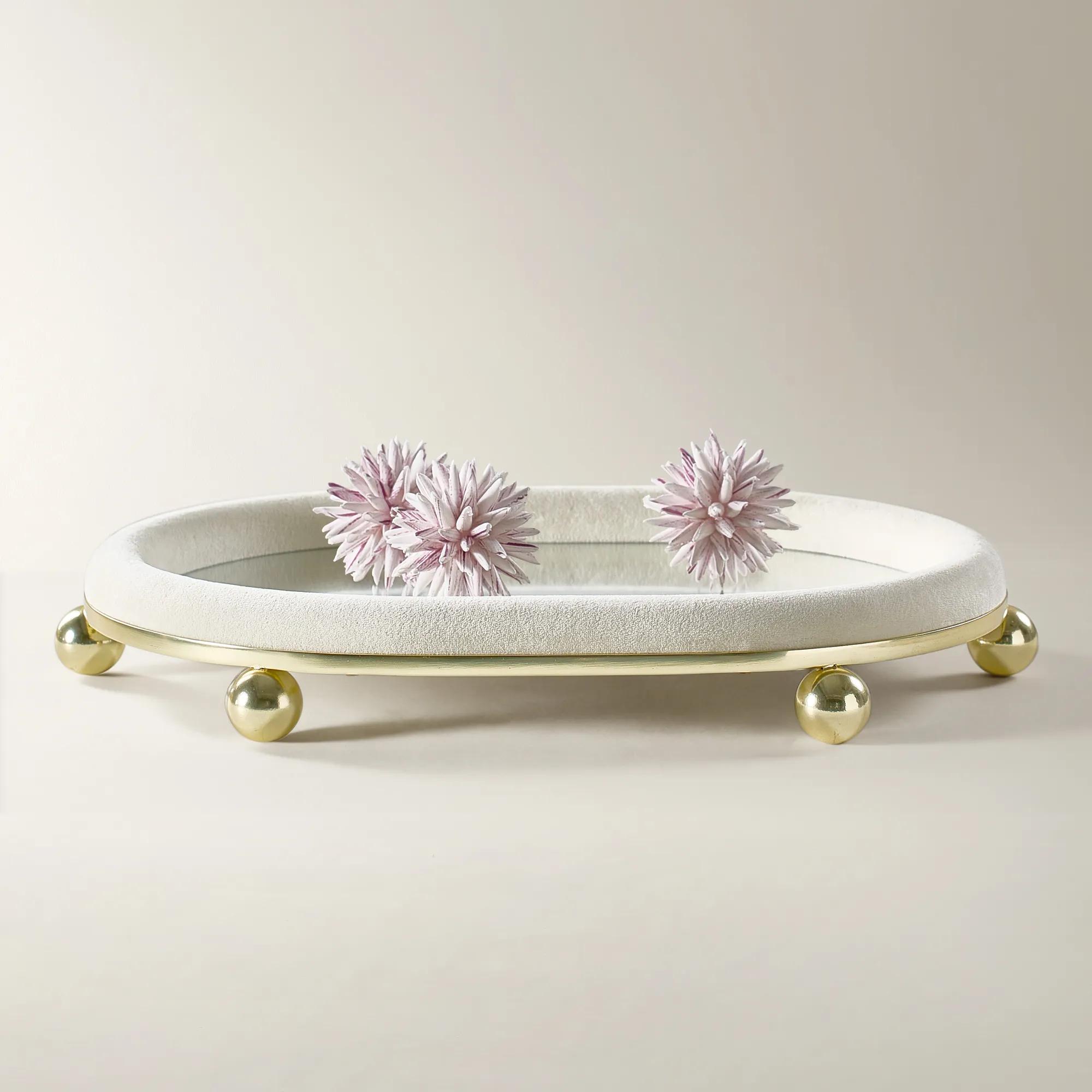
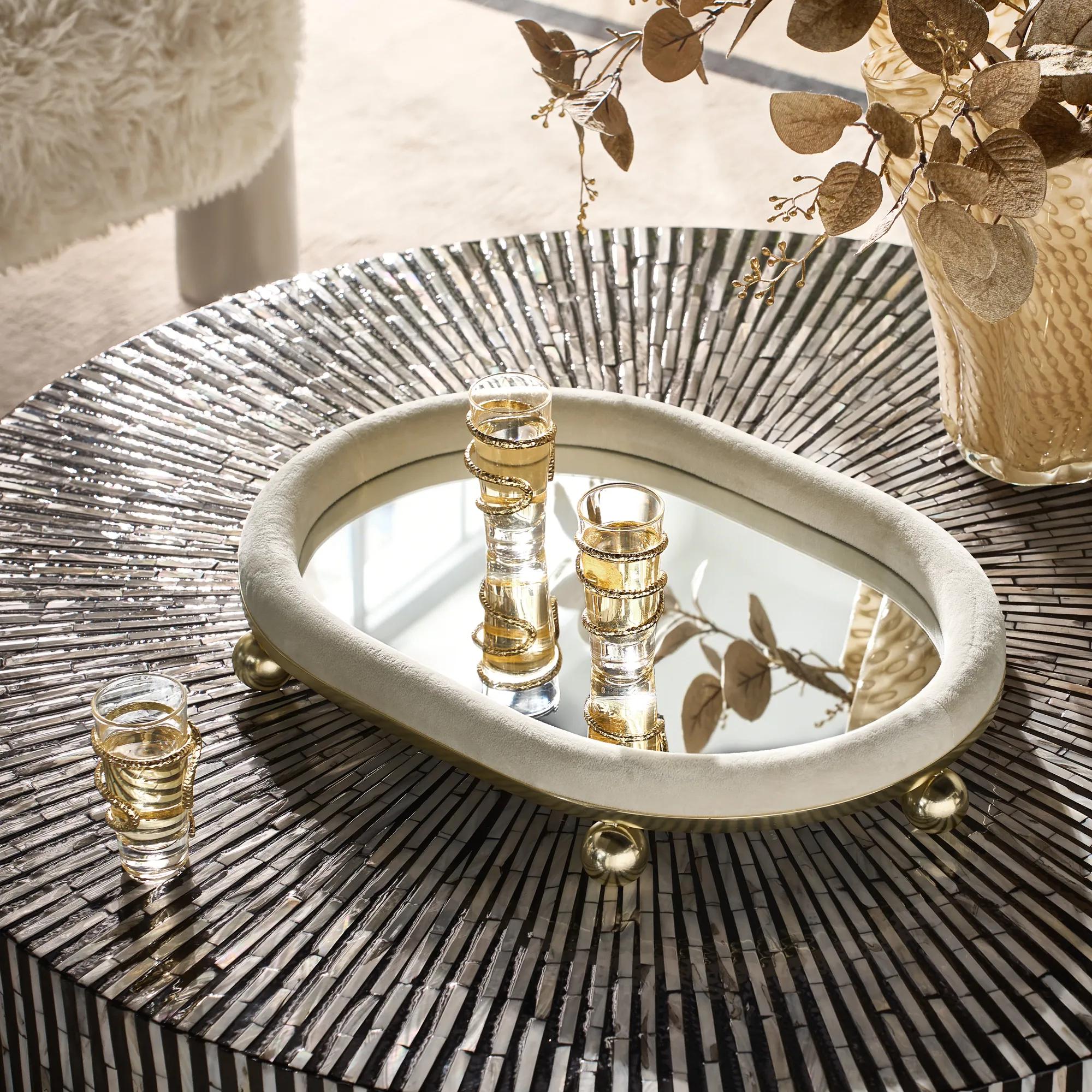 Capri Vanity Ivory Soft Gold Velvet Mirror Tray 17.75" x 2.25"$99
A soft gold iron tray with a mirrored base, velvet accents, and playful bauble details for chic display.
Add To Cart -
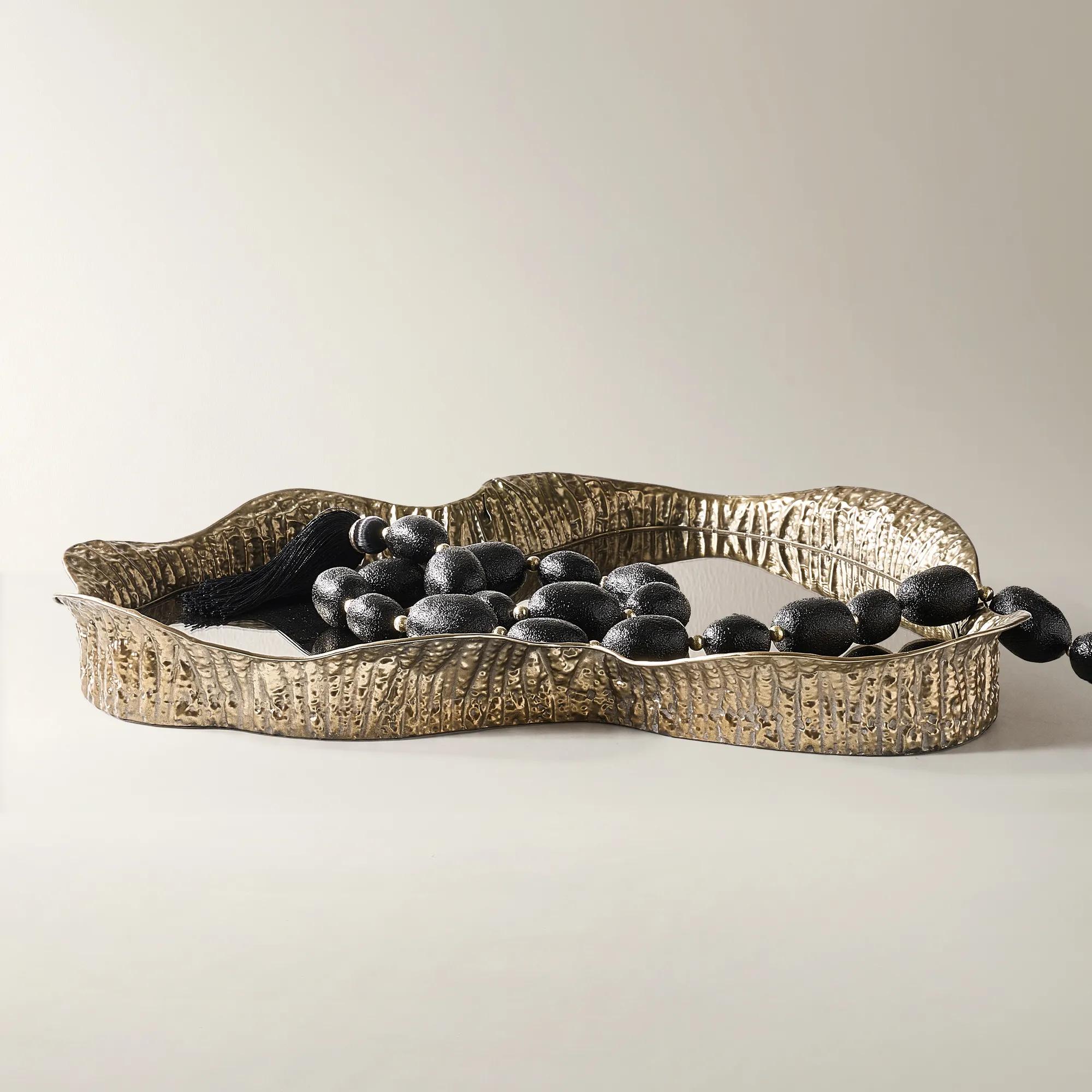 Cara Antique Gold Hand-Forged Iron Organic Shaped Amber Mirror Decorative Tray 21" x 23.5"$319
An antiqued gold iron tray with a bronze-tinted mirror surface for elegant, decorative display.
Add To Cart -
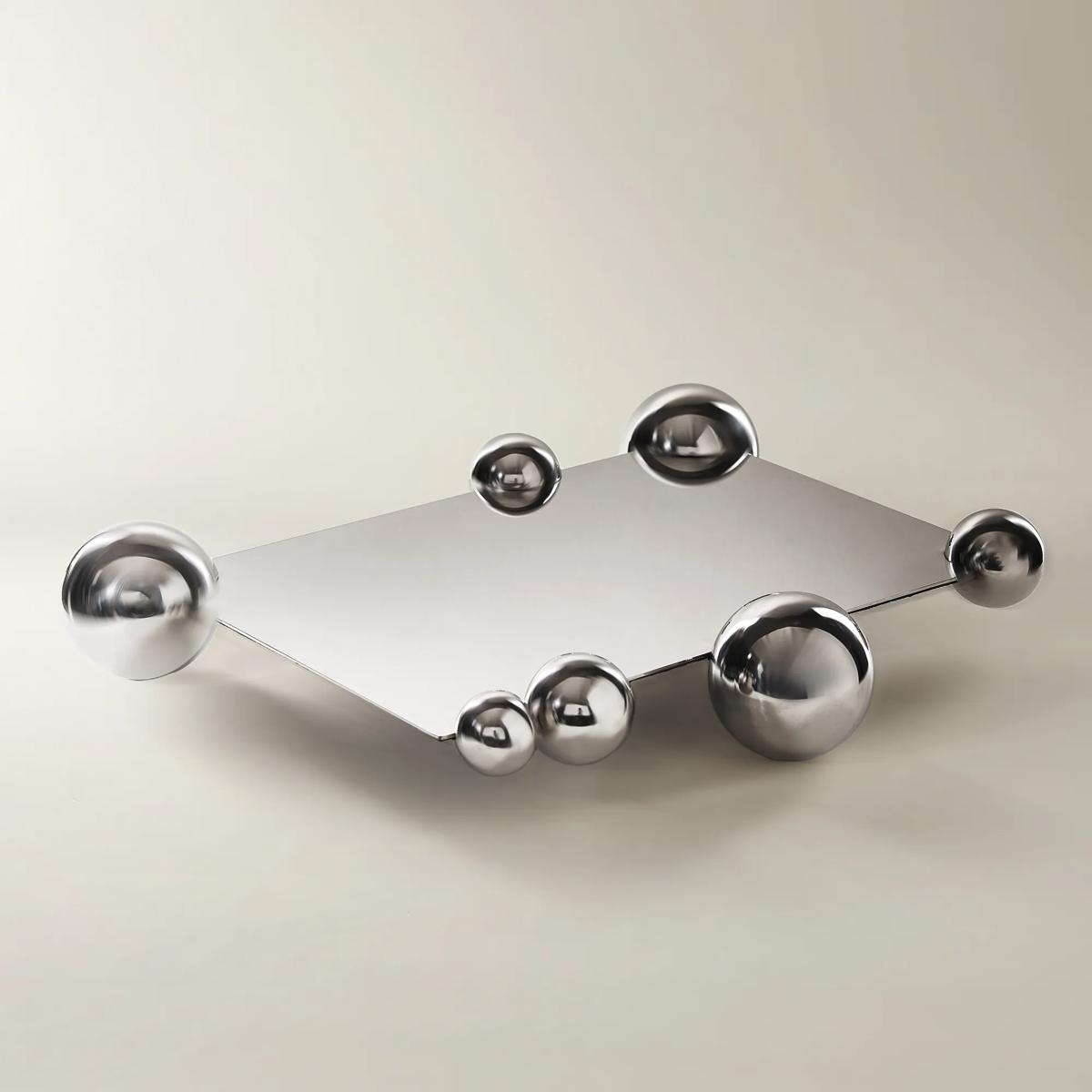 Chrome Bubble Silver Stainless Steel Serving Tray 13.25" x 3.25"$139
A polished stainless steel tray with sculptural bubble accents for a playful, modern entertaining statement.
Add To Cart -
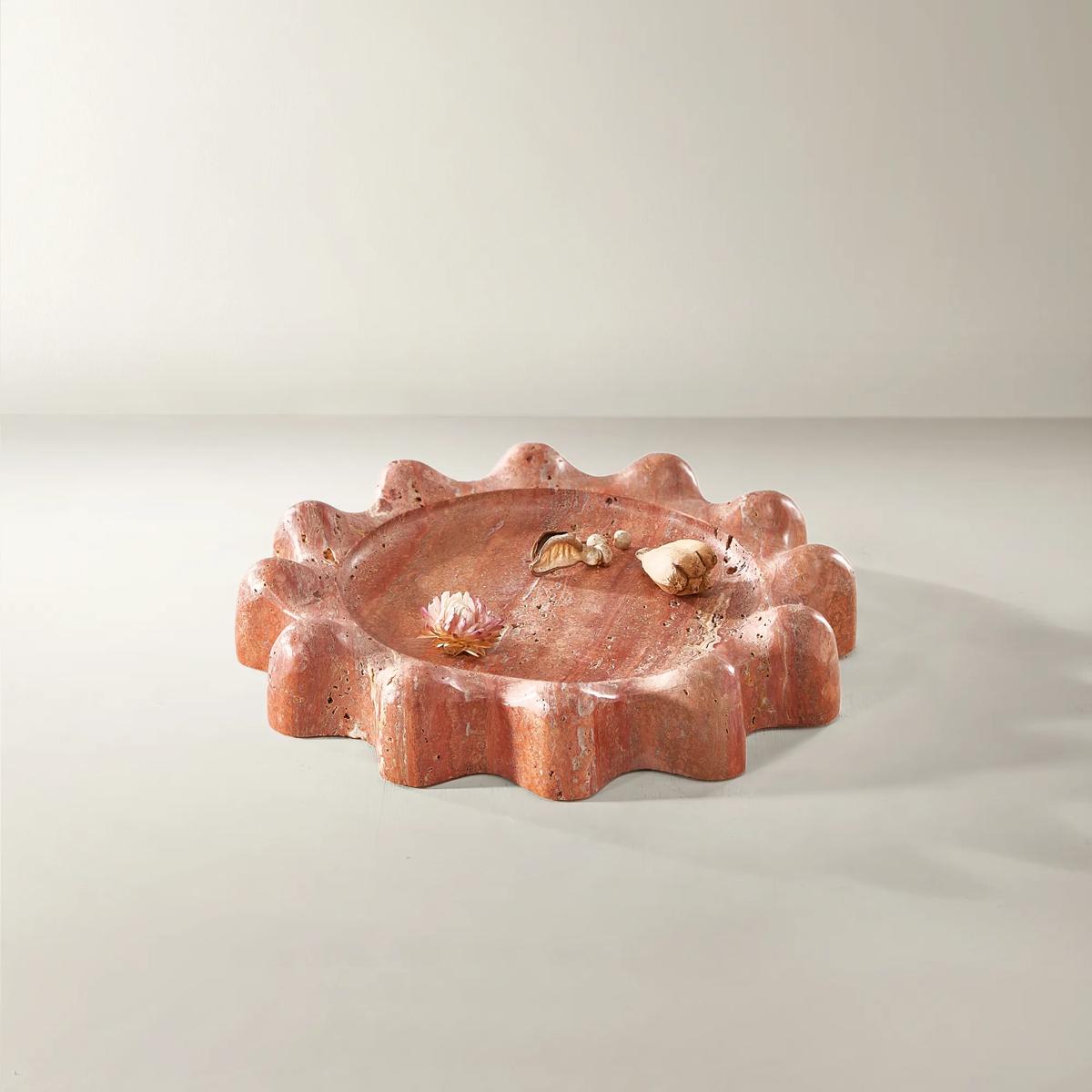 Flora Marble Catchall - Large$159
A hand-carved red travertine catchall with unique veining and undulating, flower-inspired edges.
Add To Cart -
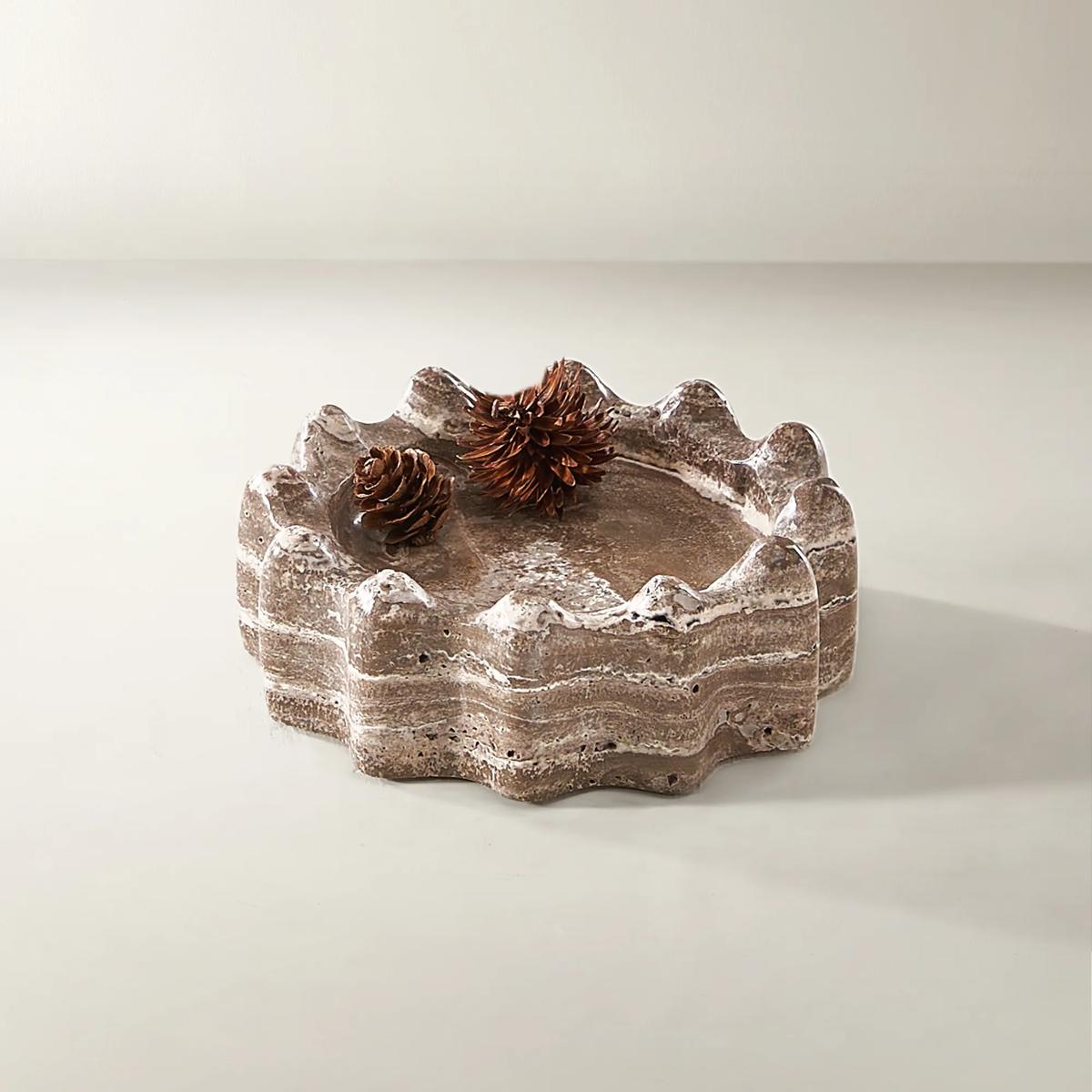 Flora Marble Catchall - Small$89
A hand-carved sand travertine catchall featuring unique veining and undulating, flower-inspired edges.
Add To Cart -
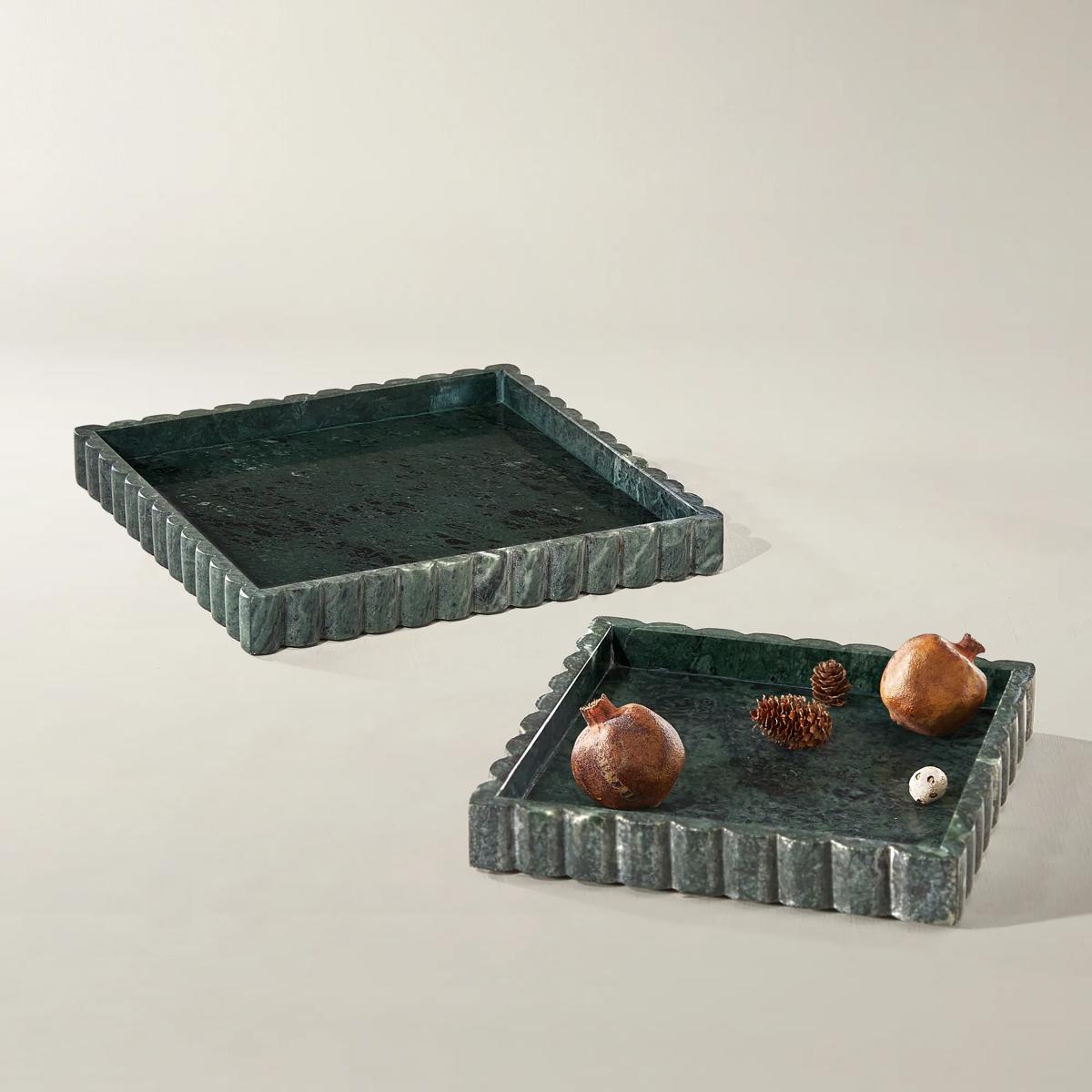
 Scallop Tray - Emerald Marble$69
A handcrafted Baroda green marble tray featuring unique veining and elegant scalloped edges for decorative display.
Add To Cart -
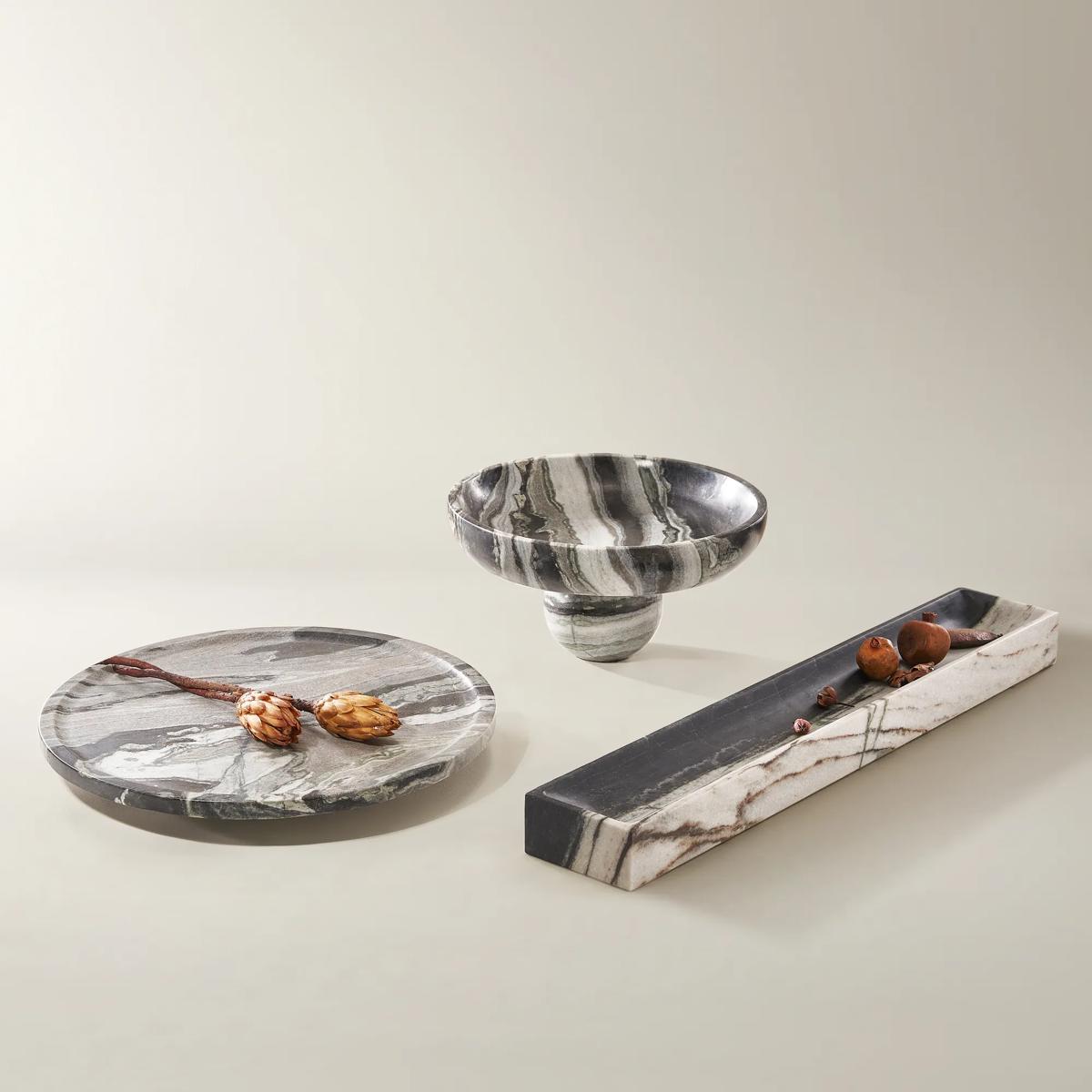
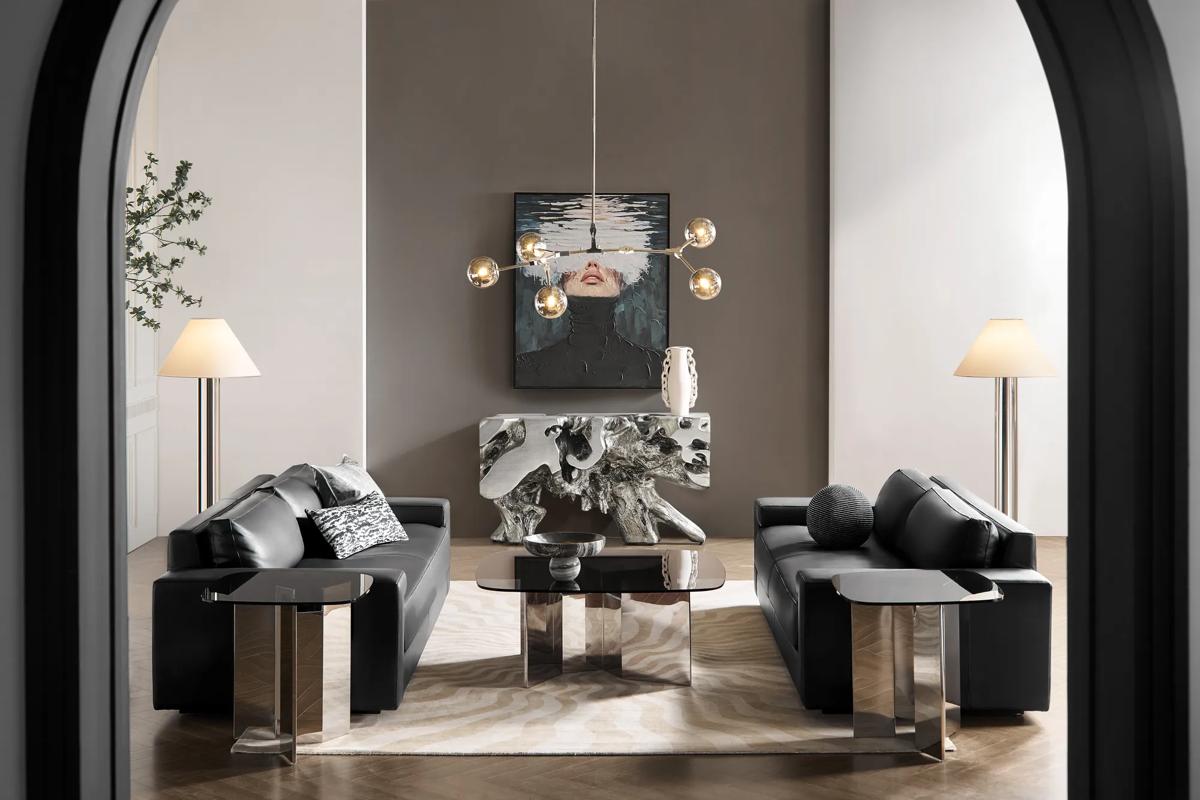 Luxe Marble Collection$169
A striking black marble décor collection featuring unique veining and elegant footed bowl, tray, and riser.
Add To Cart

Versatile Decorative Trays
Versatile decorative trays are the secret ingredient for curating a home that dazzles at every glance. Each tray is an invitation to layer, display, and indulge in your signature style—whether casting a glimmer on a coffee table or orchestrating order atop a vanity. Effortlessly bridging form and function, these artful accents transform everyday moments into scenes worthy of admiration. Discover how versatile decorative trays become the bold punctuation in your design story, elevating surfaces with sculptural presence and undeniable allure.
Versatile decorative trays bring structure, polish, and a sense of intention to the surfaces that shape daily life. They gather small essentials, anchor tabletop displays, and create a defined stage for objects worth noticing, from a sculptural vase to a collection of perfume bottles. Their appeal lies in that balance of beauty and purpose: a gleaming frame can make a handful of everyday accessories feel like a considered composition. On a coffee table, a decorative tray draws separate elements together without letting them disappear across a broad surface. On an entryway console, it gives keys and sunglasses a deliberate landing place beside a dramatic arrangement of branches. On a dresser, it turns jewelry and fragrance into a personal still life. These are pieces for expressive interiors, whether the room is layered with velvet and metallic accents or composed around clean-lined furniture and one daring focal point. Shape helps establish the mood. A round tray introduces a graceful curve among angular furnishings, while a rectangular design echoes the architecture of a console or long dining table. An oval silhouette offers elongated proportions with softer edges, and a sculpted rim adds movement even when the contents are restrained. Color and finish deepen the effect: a dark lacquered surface creates a crisp backdrop for pale ceramics, a mirrored base catches the facets of glass, and a warm metallic border lends definition to richly textured upholstery. Scale matters as much as ornament. A tray should feel substantial enough to hold its intended arrangement while leaving room around it for the table to remain useful. A generous coffee table can support a broad display; a narrow bedside surface calls for a smaller footprint that leaves the lamp and nighttime essentials accessible. The result is not simply less clutter, but a room with clearer visual rhythm, where even the smallest belongings have a place in the composition.
Materials give decorative trays their character while shaping how they perform over time. Wood brings visible grain, warmth, and a grounded counterpoint to polished furnishings; painted or lacquered wood can offer a more graphic, tailored presence. Metal lends crisp edges and sculptural appeal, with finishes ranging from softly brushed to highly reflective. Glass and mirrored trays amplify light and showcase objects from unexpected angles, though fingerprints and water spots may be more noticeable on their surfaces. Marble and other natural stone introduce distinctive veining and a satisfying sense of weight, making them especially compelling for stationary displays. That weight is worth considering if the tray will move frequently between rooms, and natural stone may need protection from acidic liquids, oils, and prolonged moisture according to its care instructions. Resin and acrylic can create expressive shapes or a luminous, airy effect, but their resistance to scratching and cleaning products varies. For any material, construction deserves a close look: a stable base, neatly finished edges, and securely attached handles matter more than ornament alone. Raised sides help contain loose accessories, but a decorative rim is not necessarily designed to support carrying a heavy load. Handles should feel comfortable for the intended use, and the tray should rest evenly on its chosen surface. When placed on an upholstered ottoman, a broad, rigid tray can provide a more defined platform, although a soft or uneven cushion still calls for caution with drinks and fragile objects. On wood, glass, or stone furniture, suitable non-marking pads can help protect against scratches; their compatibility with the furniture finish should be checked. Care should follow the material and finish rather than a single routine for every tray. A soft cloth is often appropriate for dusting, while spills are best addressed promptly using the recommended method. Abrasive cleaners, soaking, and dishwasher cleaning can damage many decorative finishes unless expressly permitted. For a bathroom vanity, moisture tolerance is particularly important: perfume residue, damp bottles, and soap can affect surfaces intended primarily for dry display.
Intended use is the final distinction between a striking accent and a piece that works beautifully in everyday life. Decorative trays are often designed for arranging objects rather than direct food contact, so a food-safe designation should be confirmed before placing unwrapped food on the surface. For entertaining, Decorative Serving Trays bring the same visual presence to hospitality, with food-contact suitability, weight capacity, balance, and grip remaining important considerations for each design. Plates, bowls, and coasters can separate refreshments from a decorative surface, but they do not make an unsuitable tray safe for carrying or exposure to heat. A heat-resistant designation is necessary before setting down hot cookware; a luminous finish alone says nothing about temperature tolerance. Beyond entertaining, the most versatile trays accommodate several roles without demanding a complete room rearrangement. A rectangular tray might gather correspondence on a desk, then become the foundation for a dining-table arrangement when the paperwork is put away. A smaller design can hold rings and a watch on a dresser or keep a guest room’s essentials neatly presented. Nesting trays offer separate footprints for different surfaces and may tuck together when not in use. For display, a few objects with contrasting heights and textures usually create more depth than a dense assortment of similarly sized pieces. A low bowl beside a taller vessel gives the eye somewhere to travel, while an open stretch of tray keeps the material visible and makes individual objects easier to reach. Coffee-table arrangements should remain low enough to preserve conversation and sightlines; entryway displays benefit from an uncluttered section reserved for belongings carried through the door. These practical distinctions also make decorative trays thoughtful housewarming, wedding, or host gifts. A recipient who enjoys arranging flowers may appreciate a generous base for a vase and complementary objects, while someone with a carefully edited vanity may prefer a compact design with a distinctive border. Proportions, palette, and daily habits offer better direction than ornament alone. Chosen with those details in mind, a tray becomes an enduring accent: expressive enough to command attention, adaptable enough to move through the home, and useful enough to remain part of its daily rituals.
FAQs
Decorative trays can create a stunning focal point on a coffee table or ottoman by anchoring collections of candles, books, floral arrangements, or sculptural objects. Layering textures—such as pairing a mirrored gallery tray with velvet accents or metallic accessories—adds depth and visual interest, transforming the space into a curated vignette that reflects your personal style.
Artistic trays are crafted from a variety of luxurious materials, including glass, metal, lacquered wood, and mirrored finishes. Decorative glass trays introduce a sense of lightness and glamour, while metallic or lacquered trays bring boldness and drama. The material you choose can set the tone for the room, whether you desire a modern, reflective surface or a more tactile, artisanal feel.
Absolutely. Accent trays make thoughtful and sophisticated gifts for hosts, newlyweds, or anyone who cherishes expressive home décor. Presented with a bottle of wine, a cluster of candles, or a set of artisanal coasters, a z gallerie tray becomes a memorable and enduring gesture that elevates the recipient’s living space.
Trays are exceptionally versatile and can be used throughout the home to organize and display cherished items. In the entryway, a tray can corral keys and mail; in the bedroom, it can showcase jewelry and perfume; in the bathroom, it elegantly holds toiletries. Their ability to contain and highlight objects makes them indispensable for both function and style.
During festive gatherings, a decorative tray can become the centerpiece for serving signature cocktails, displaying desserts, or presenting hors d’oeuvres. In winter, a mirrored or metallic tray reflects candlelight beautifully, creating a warm, inviting ambiance. For a personal touch, incorporate seasonal décor—like evergreen sprigs, ornaments, or twinkling lights—onto the tray to celebrate the spirit of the season.


