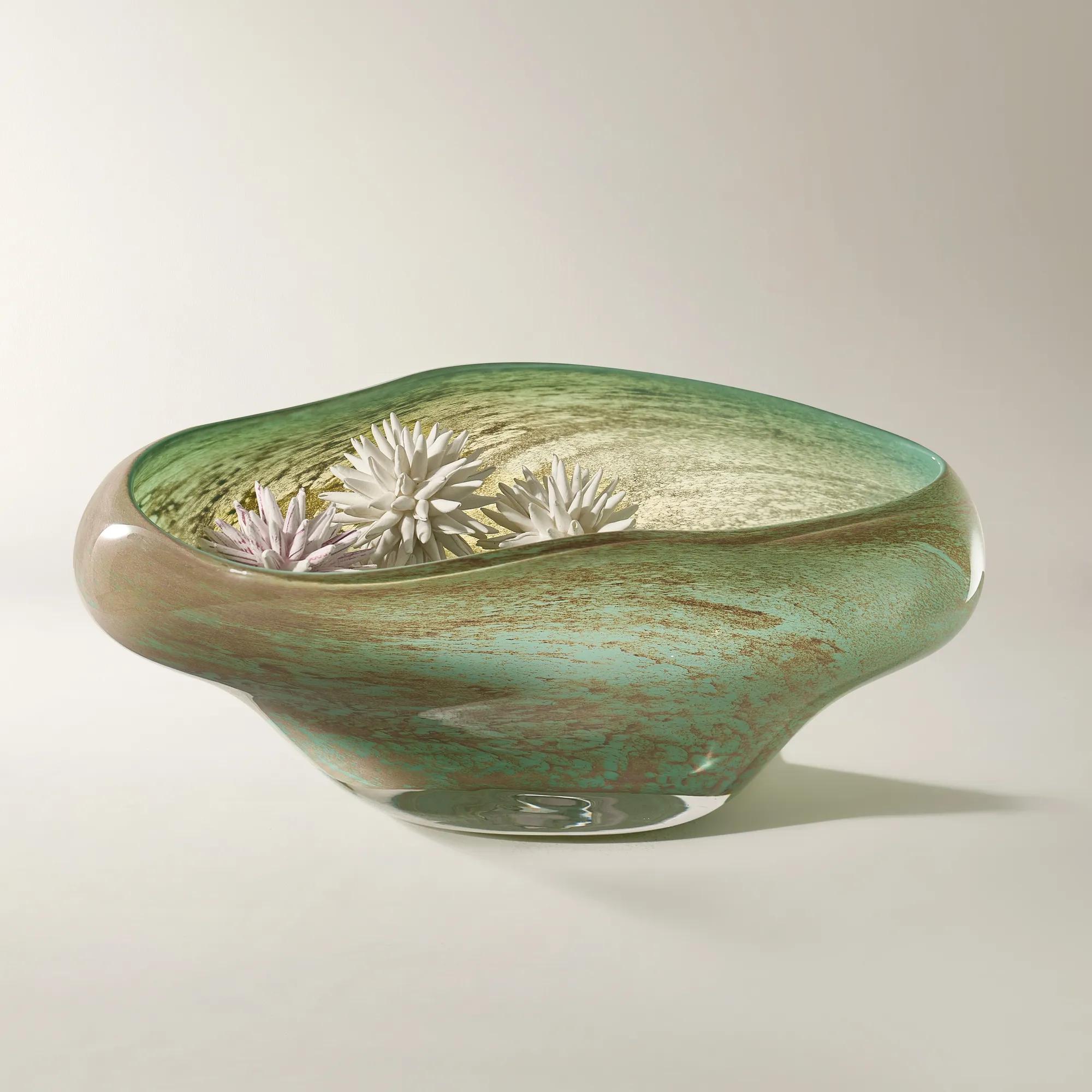
Large Decorative Trays
Large Decorative Trays
-
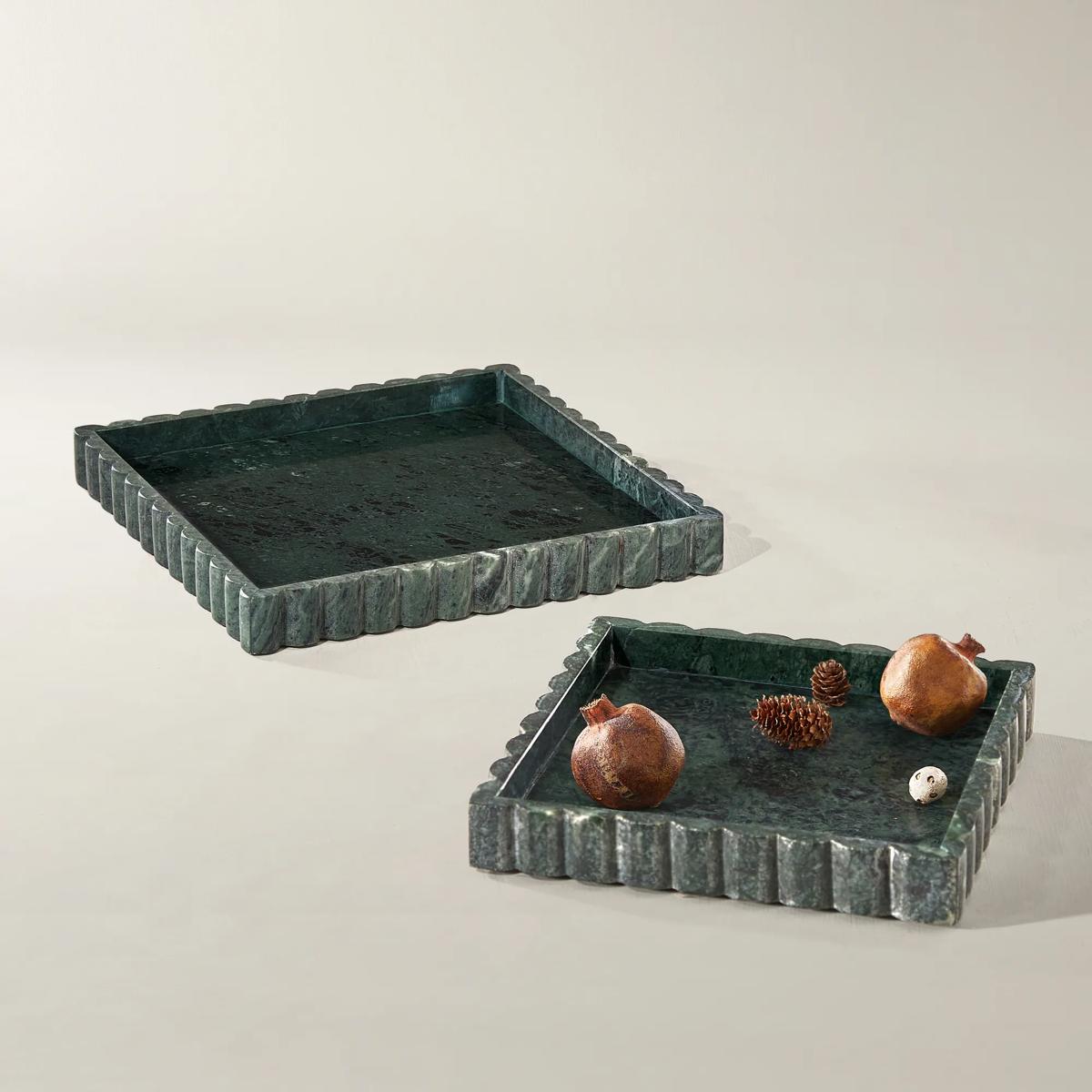
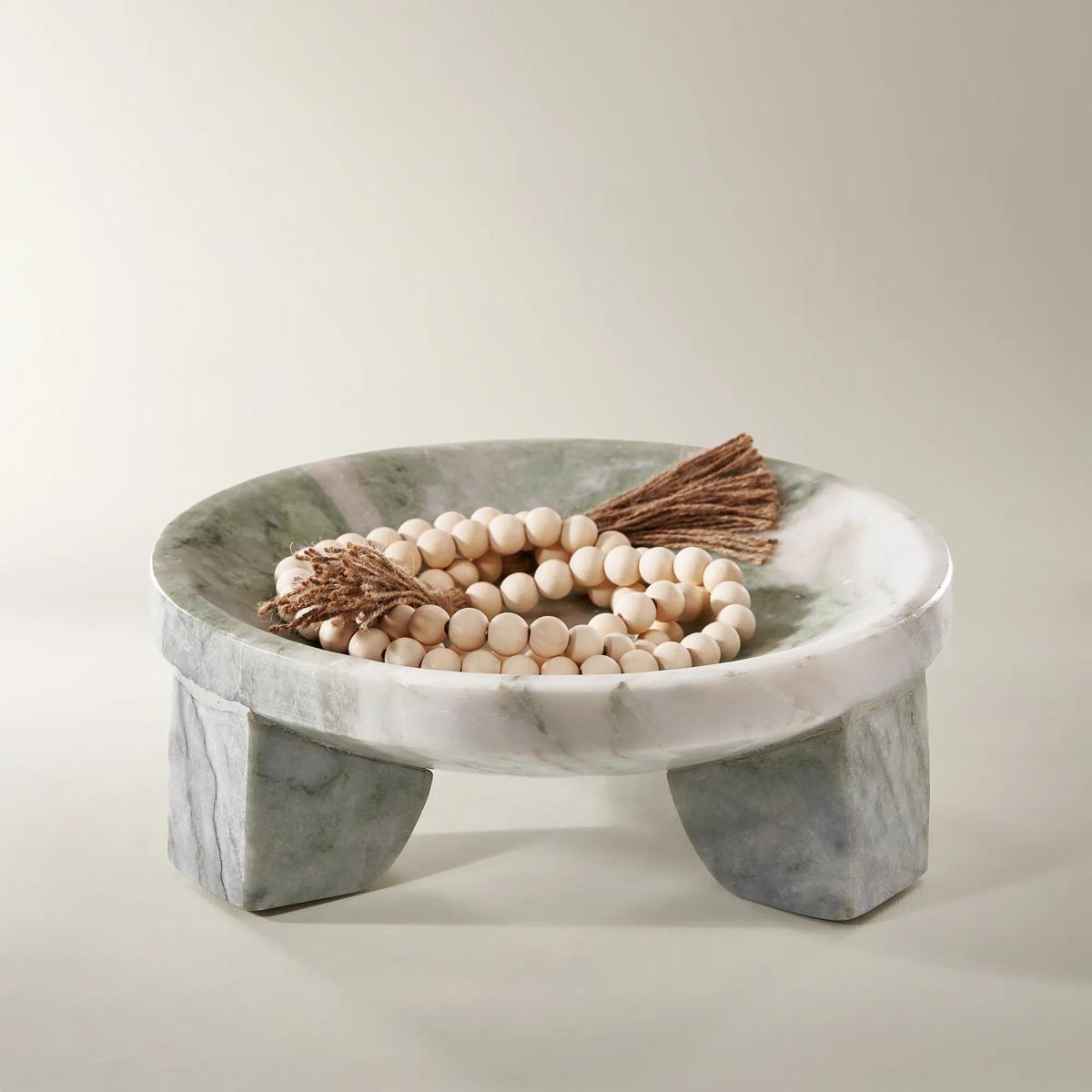
 Scallop Tray - Emerald Marble$59
A handcrafted emerald green marble tray featuring unique veining for elegant decorative display.
Add To Cart -
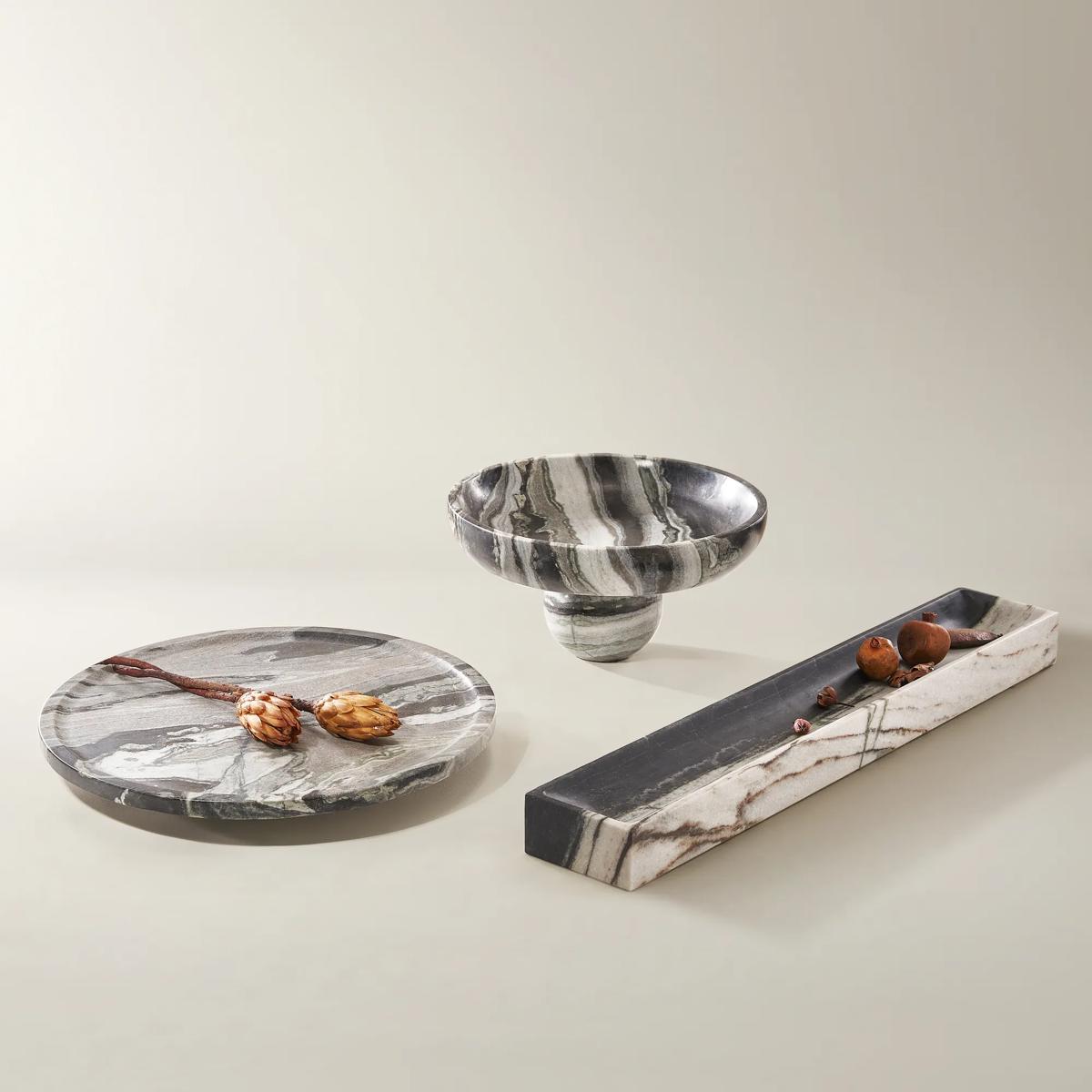
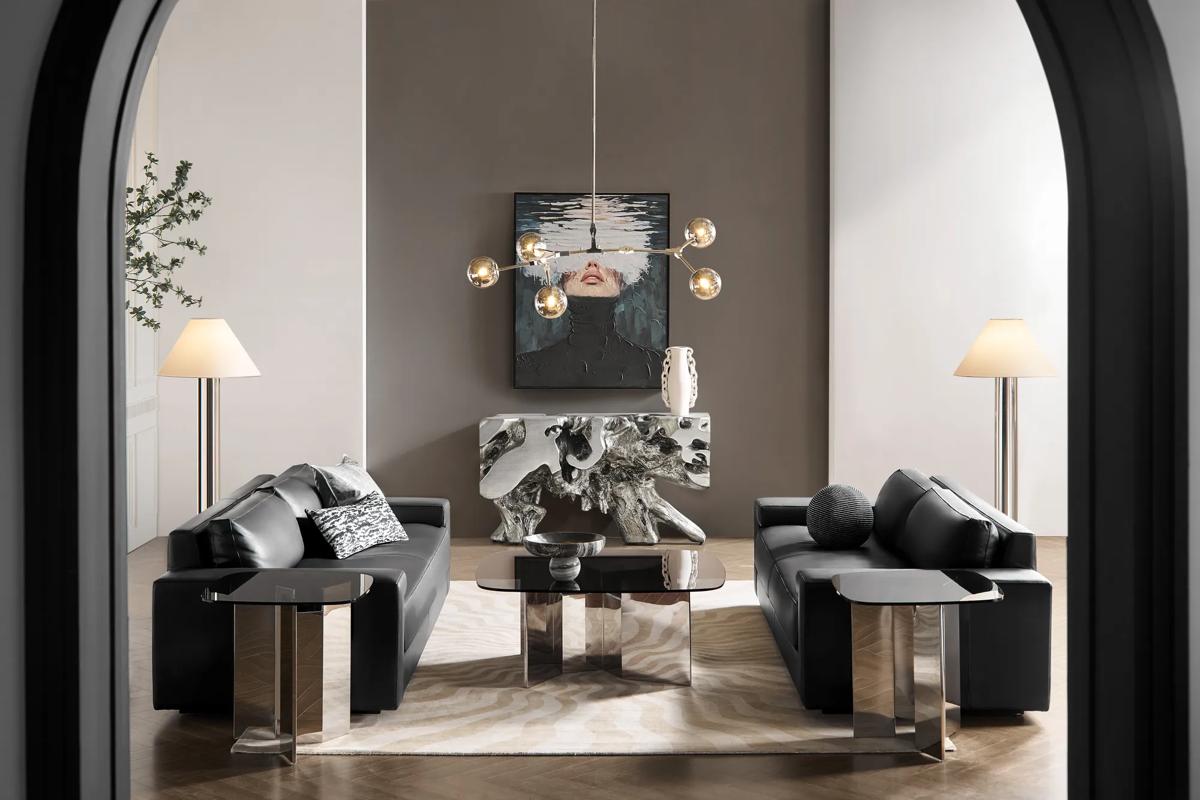 Luxe Marble Collection$149
A striking black marble decor collection featuring unique veining and elegant footed bowl, tray, and riser.
Add To Cart -
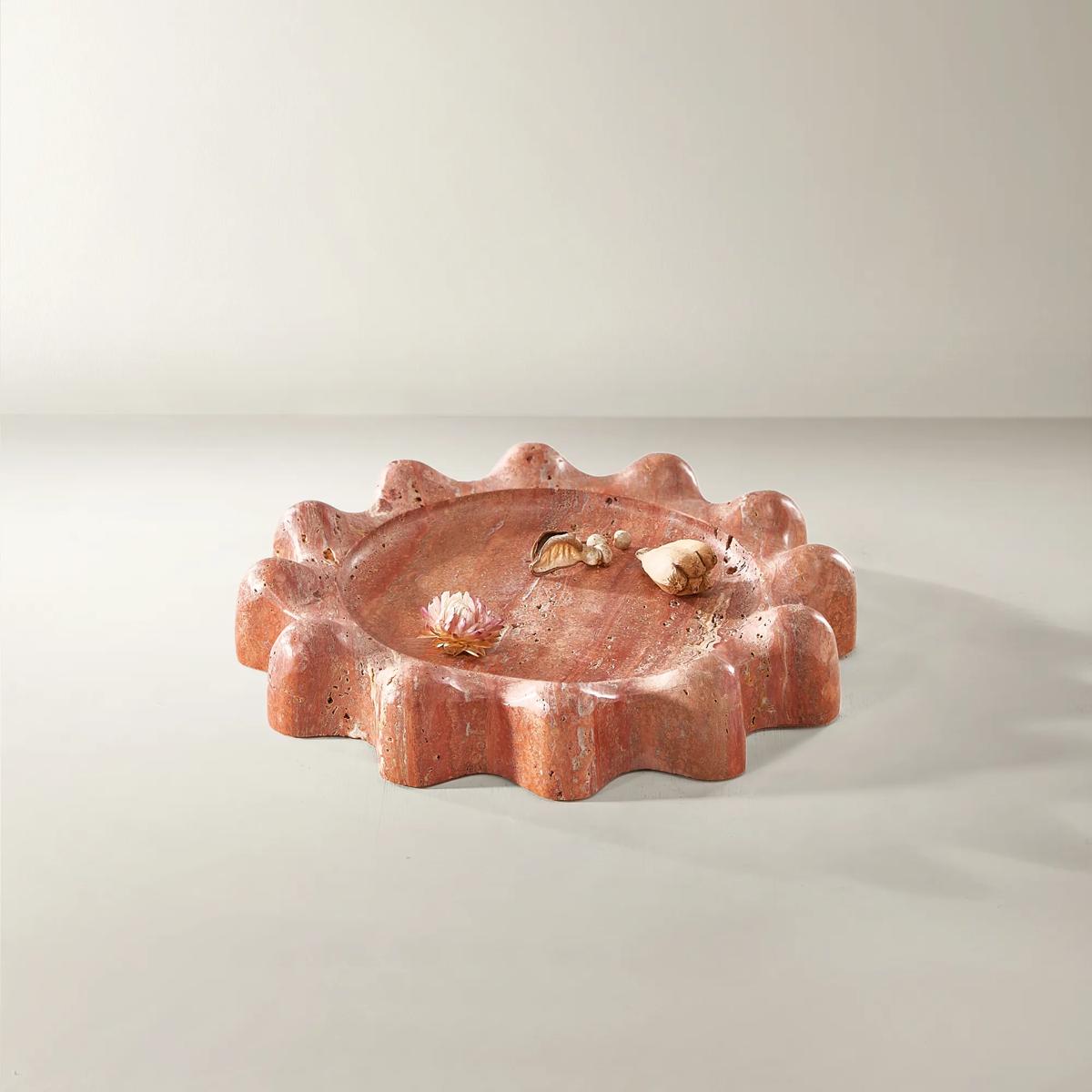 Flora Marble Catchall - Large$159
A hand-carved red travertine catchall with unique veining and undulating, flower-inspired edges.
Add To Cart -
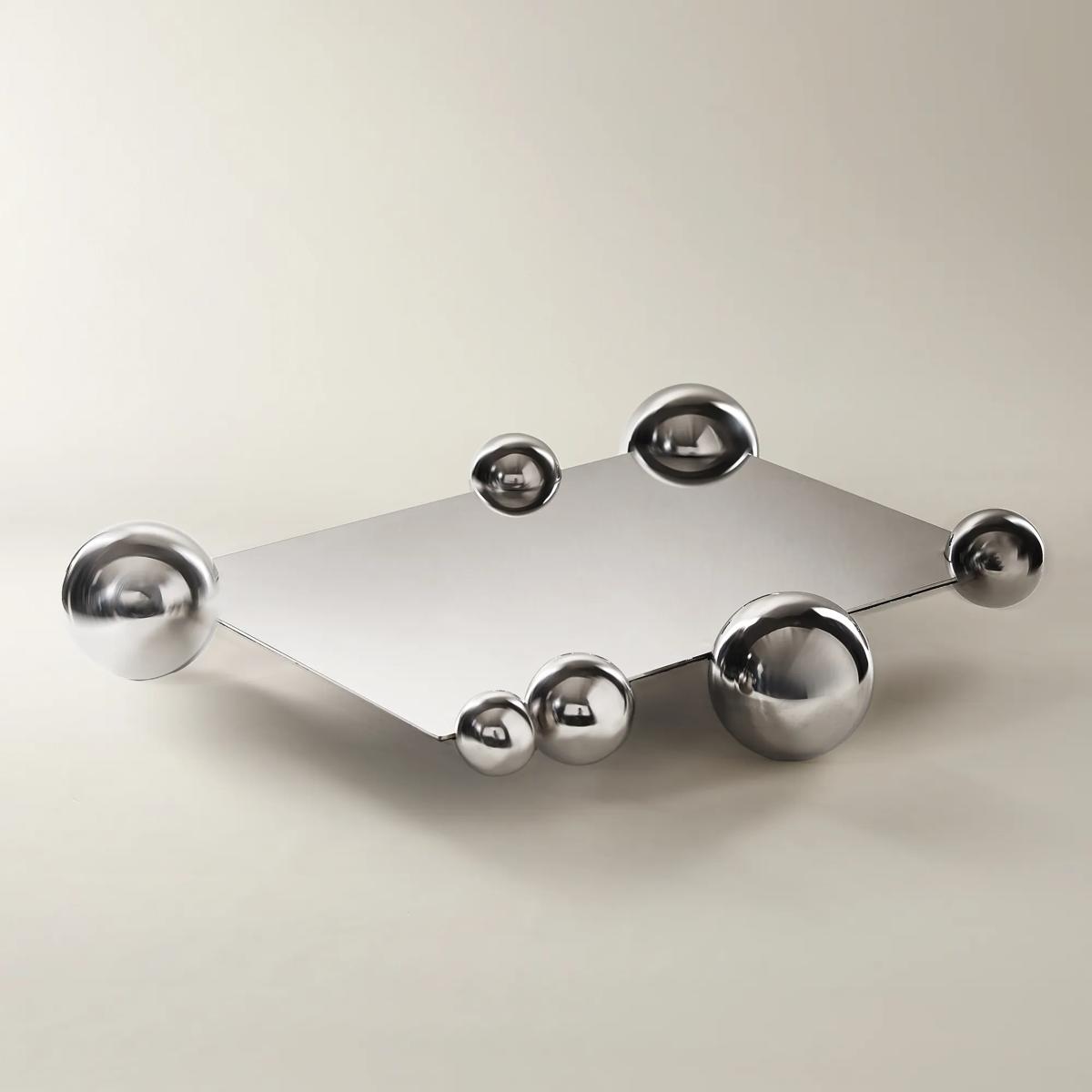 Chrome Bubble Silver Stainless Steel Serving Tray 13.25" x 3.25"$139
A polished stainless steel tray with sculptural bubble accents for a playful, modern entertaining statement.
Add To Cart -
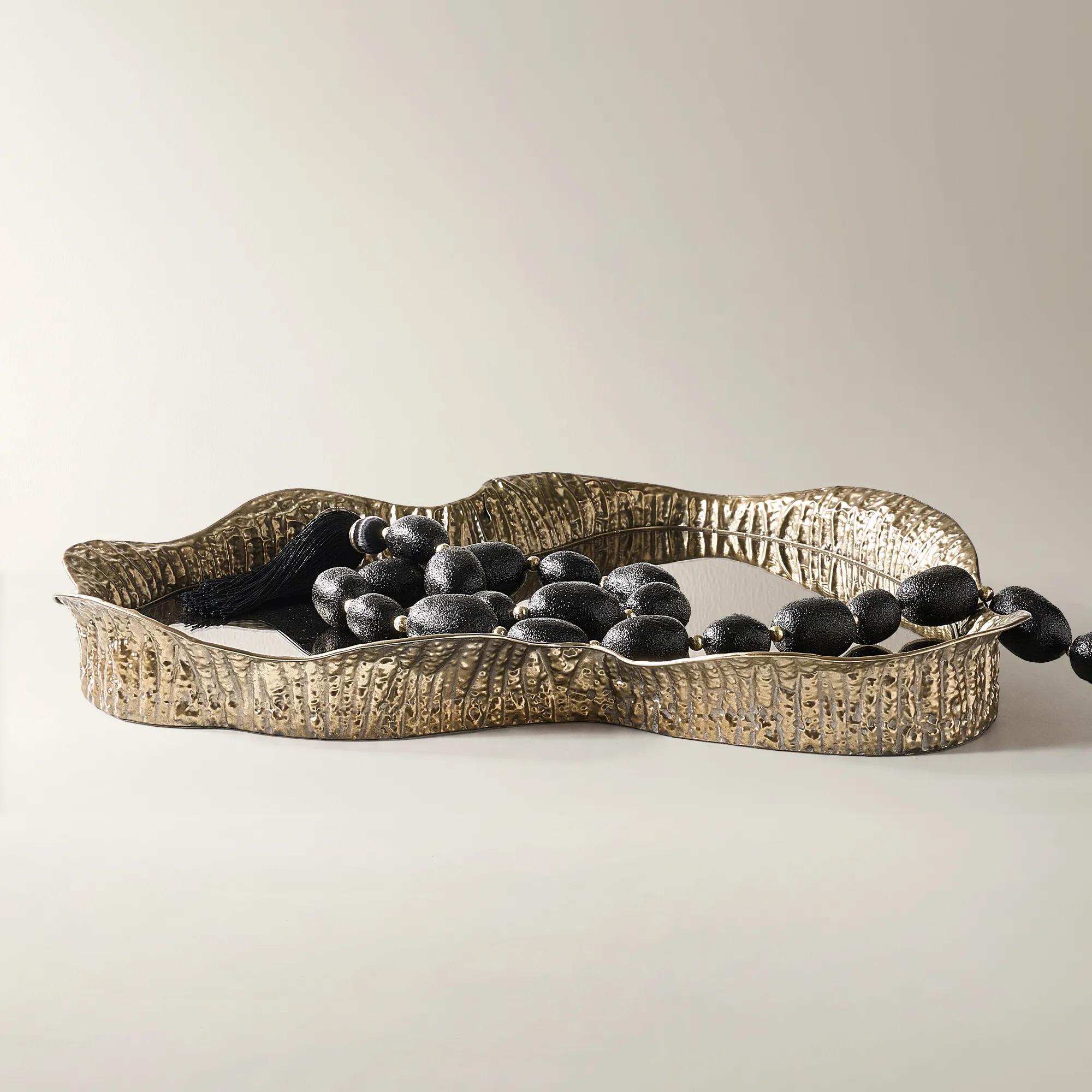 Cara Antique Gold Hand-Forged Iron Organic Shaped Amber Mirror Decorative Tray 21" x 23.5"$319
An antiqued gold iron tray with a bronze-tinted mirror surface for elegant, decorative display.
Add To Cart -
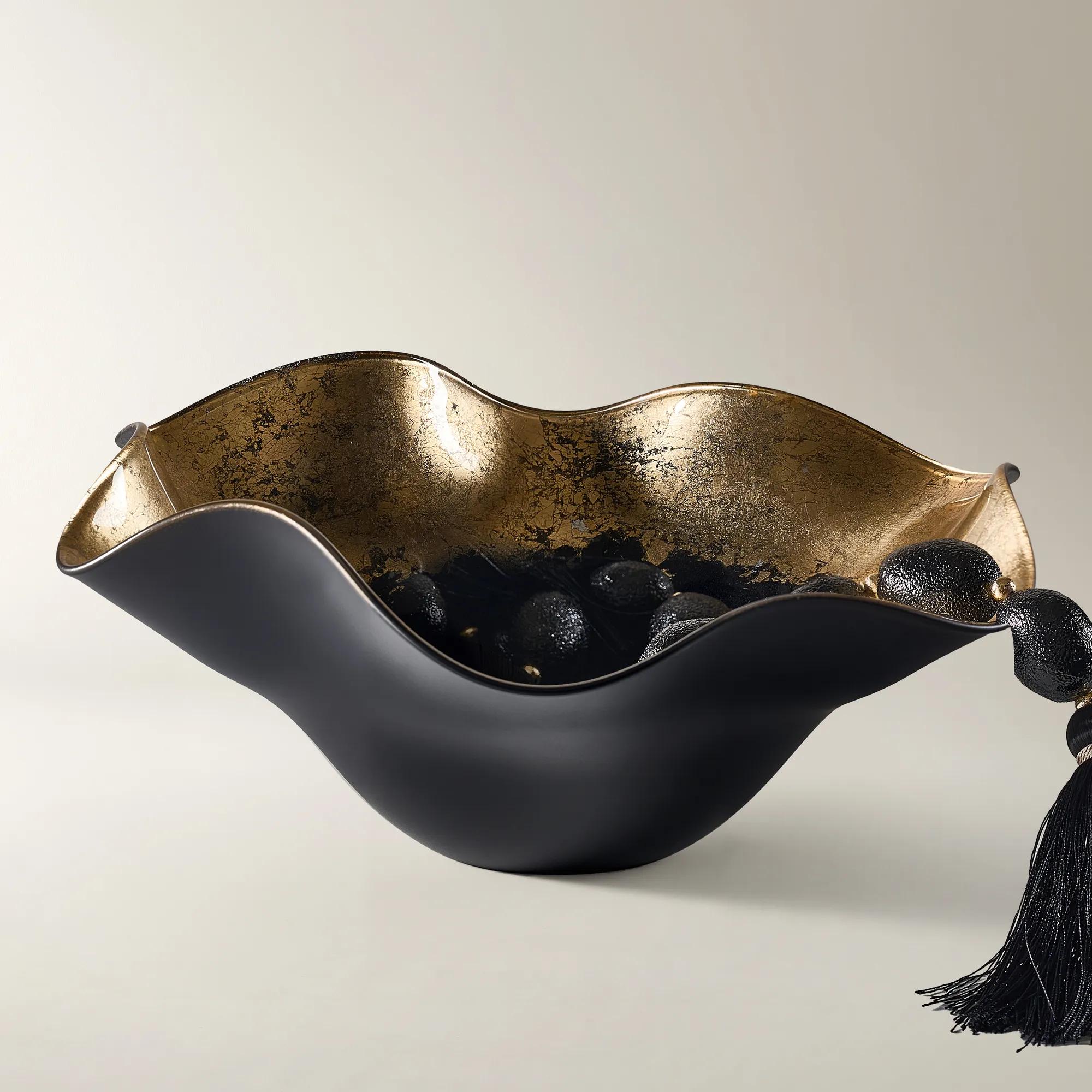
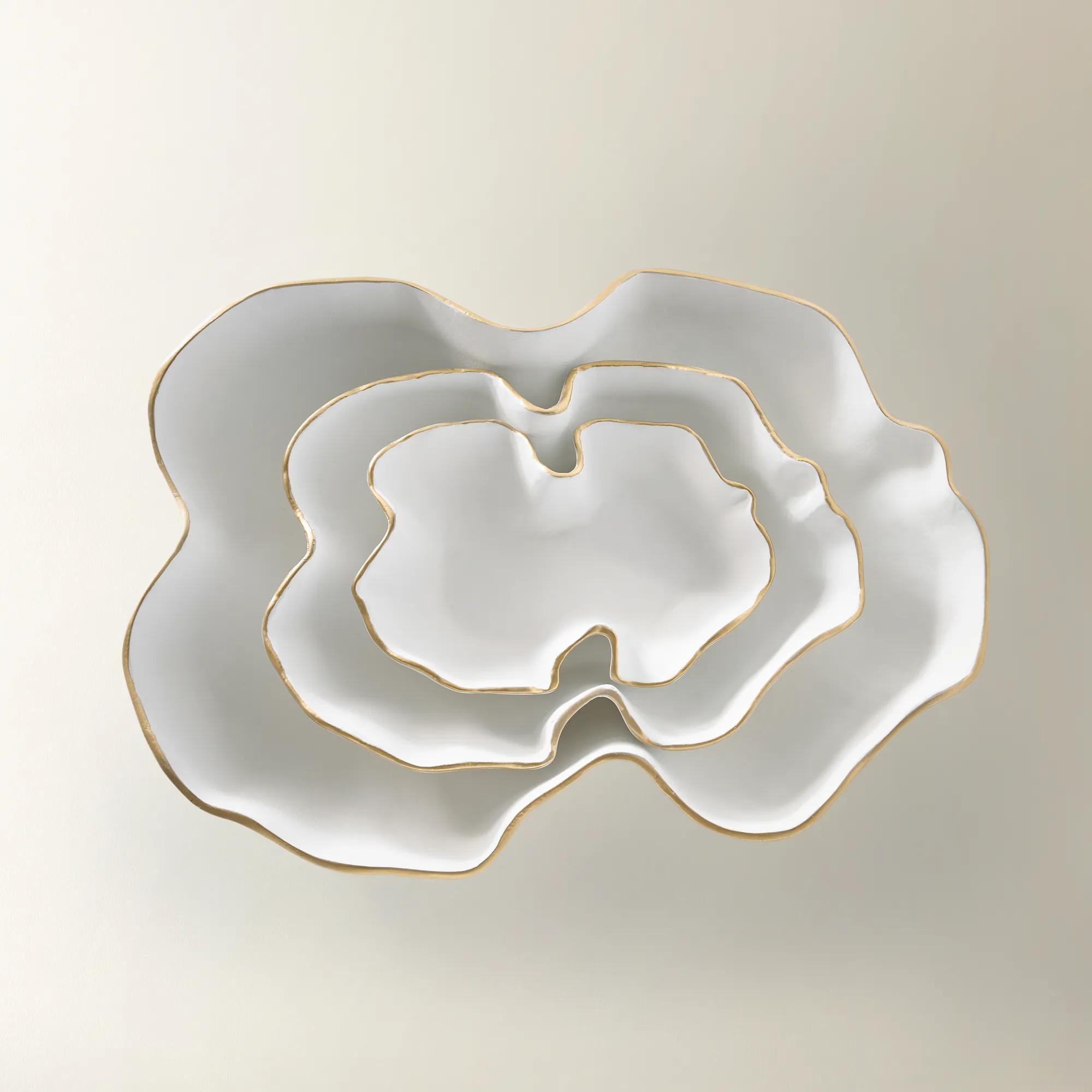
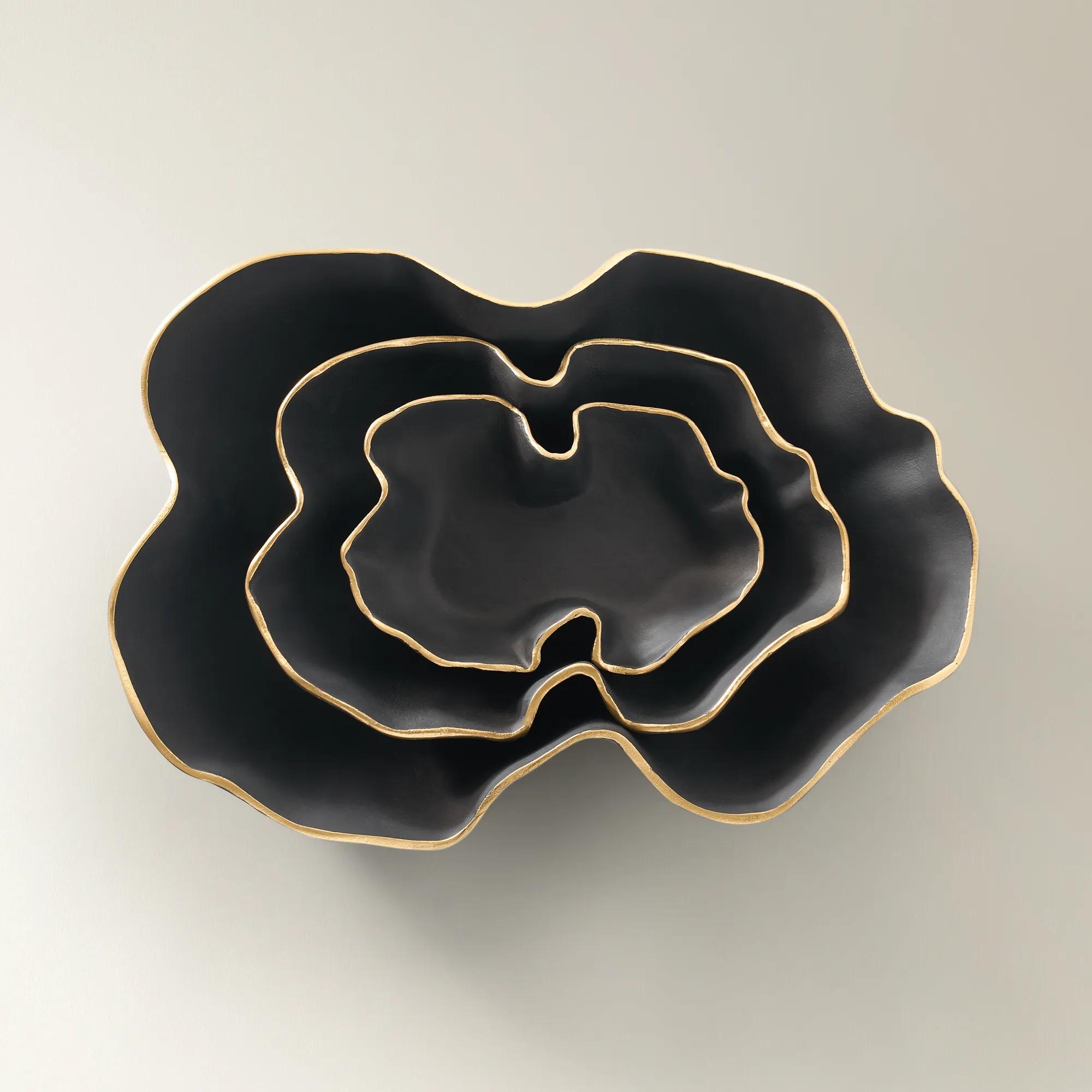 Lava Black Gold Aluminum Decorative Nesting Bowls$39
A deep black aluminum bowl with golden edges, featuring an organic, volcanic-inspired design for decorative display.
Add To Cart -
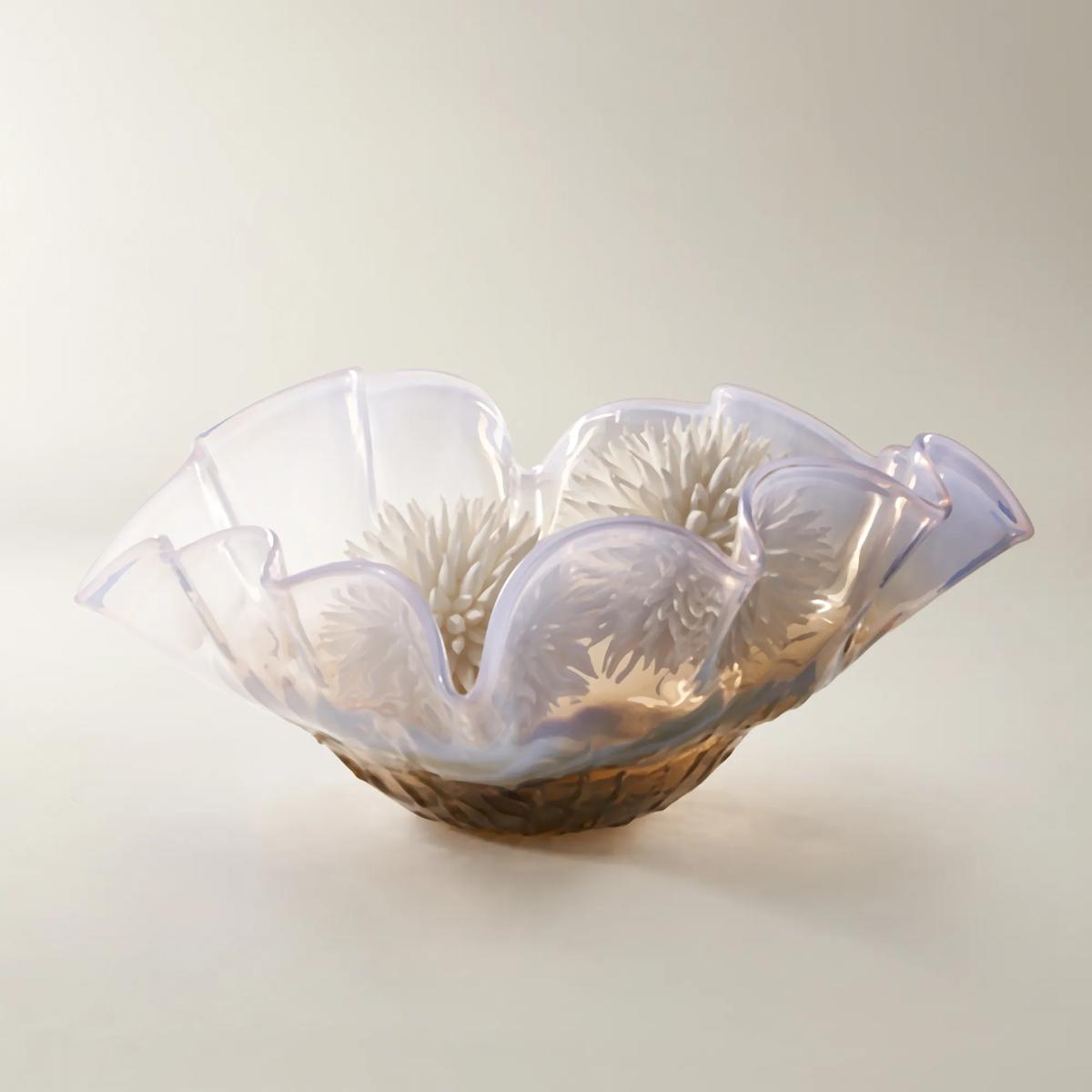
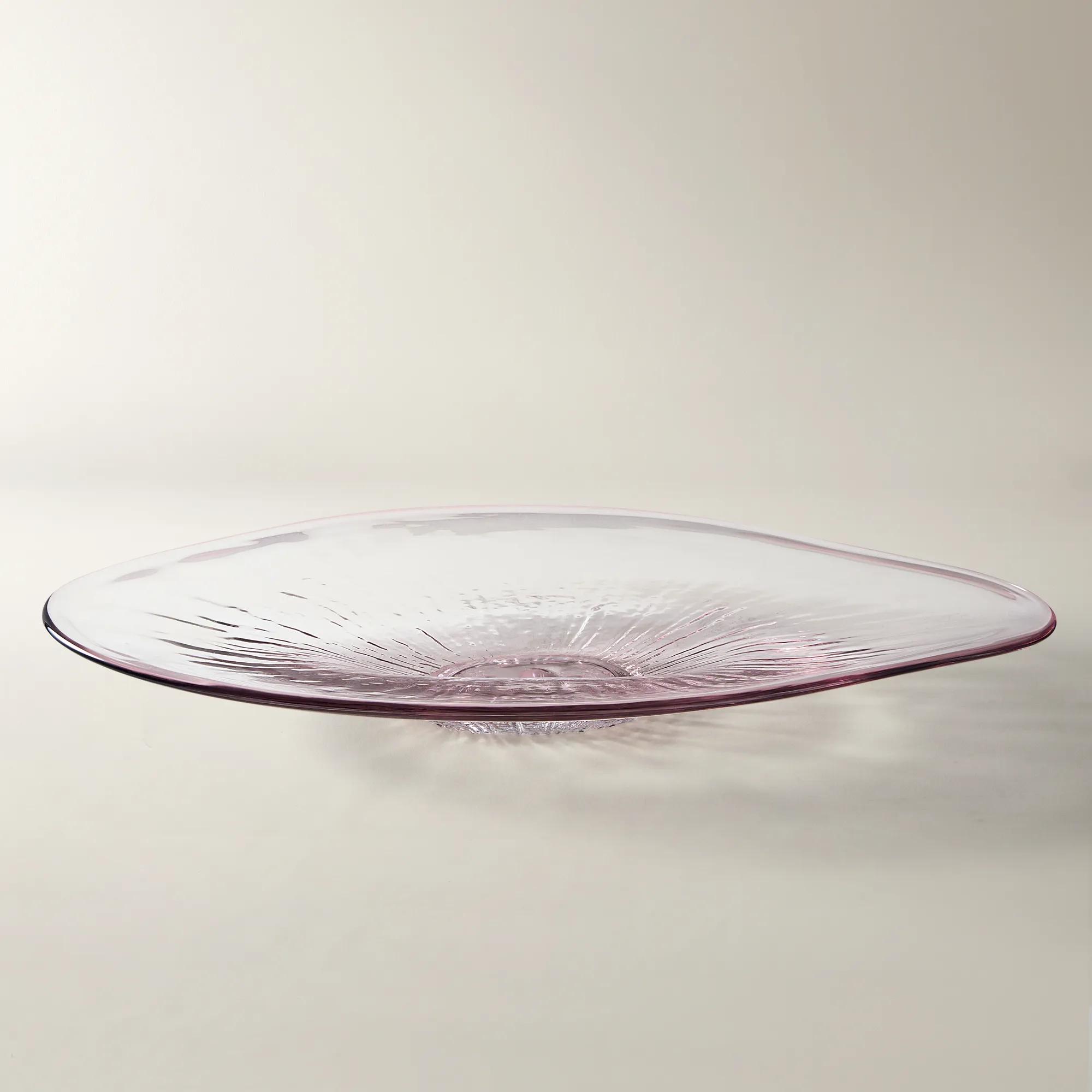 Cortina Decorative Bowl$129
A handblown glass bowl in an ethereal pink hue that brings artistic flair to modern interiors.
Add To Cart -
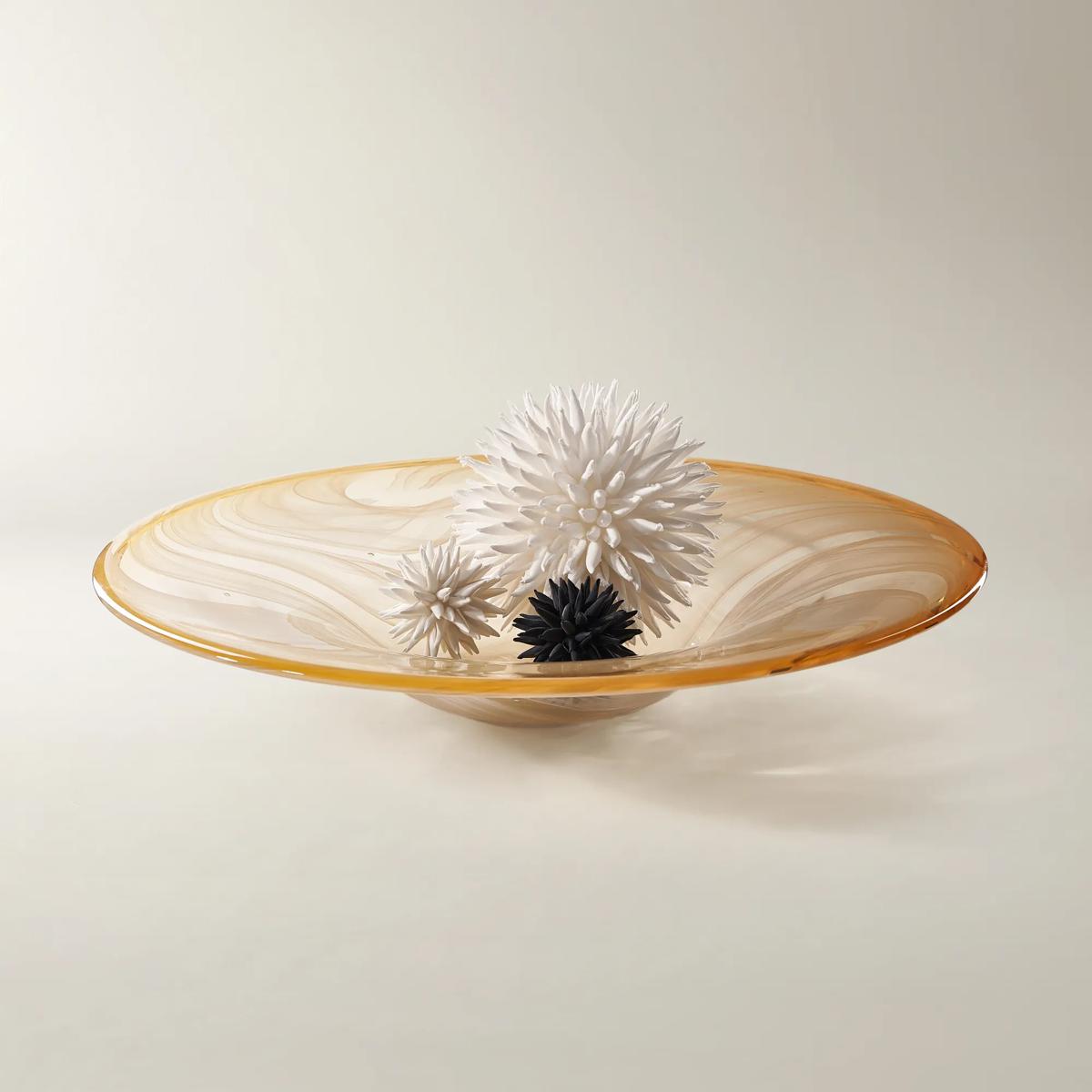
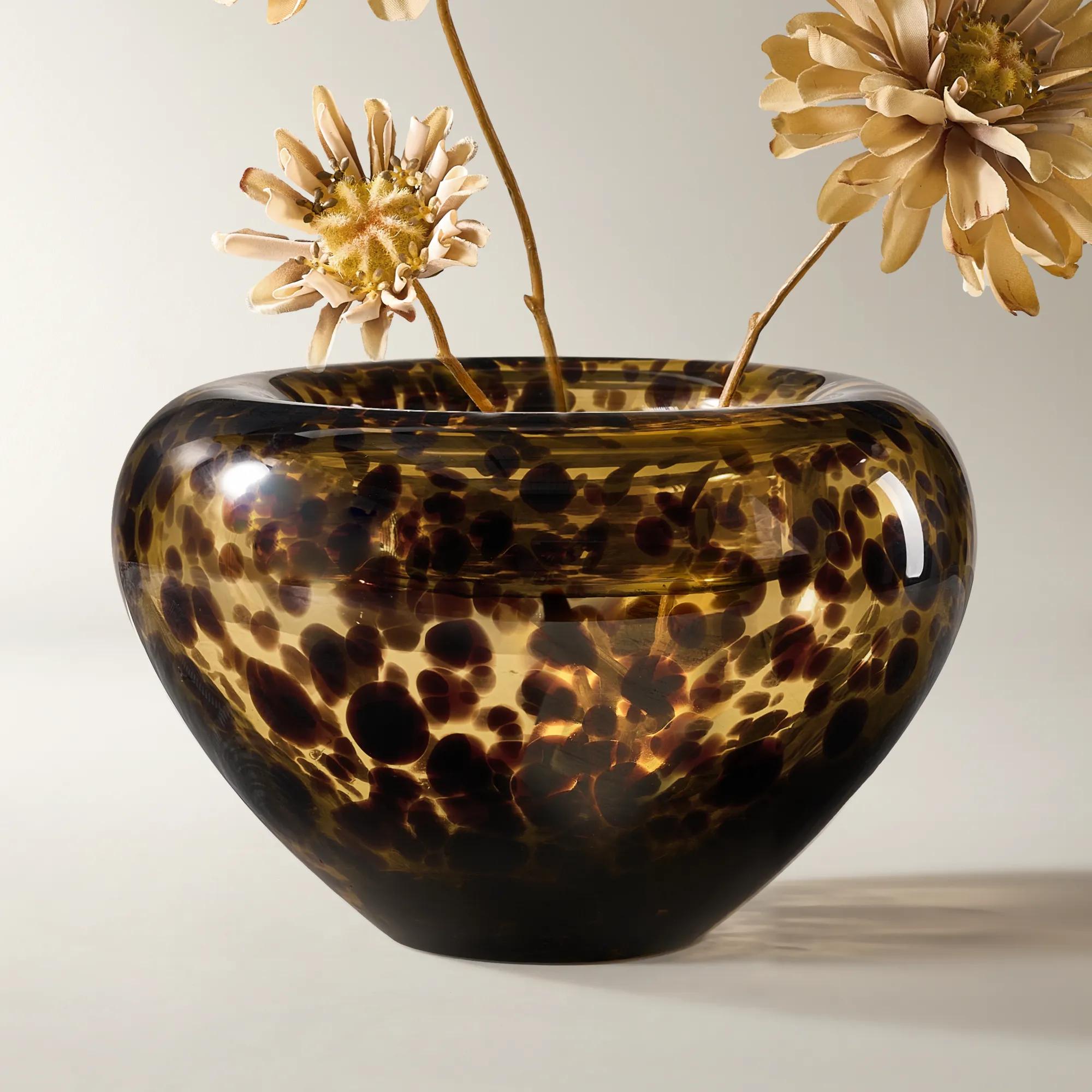
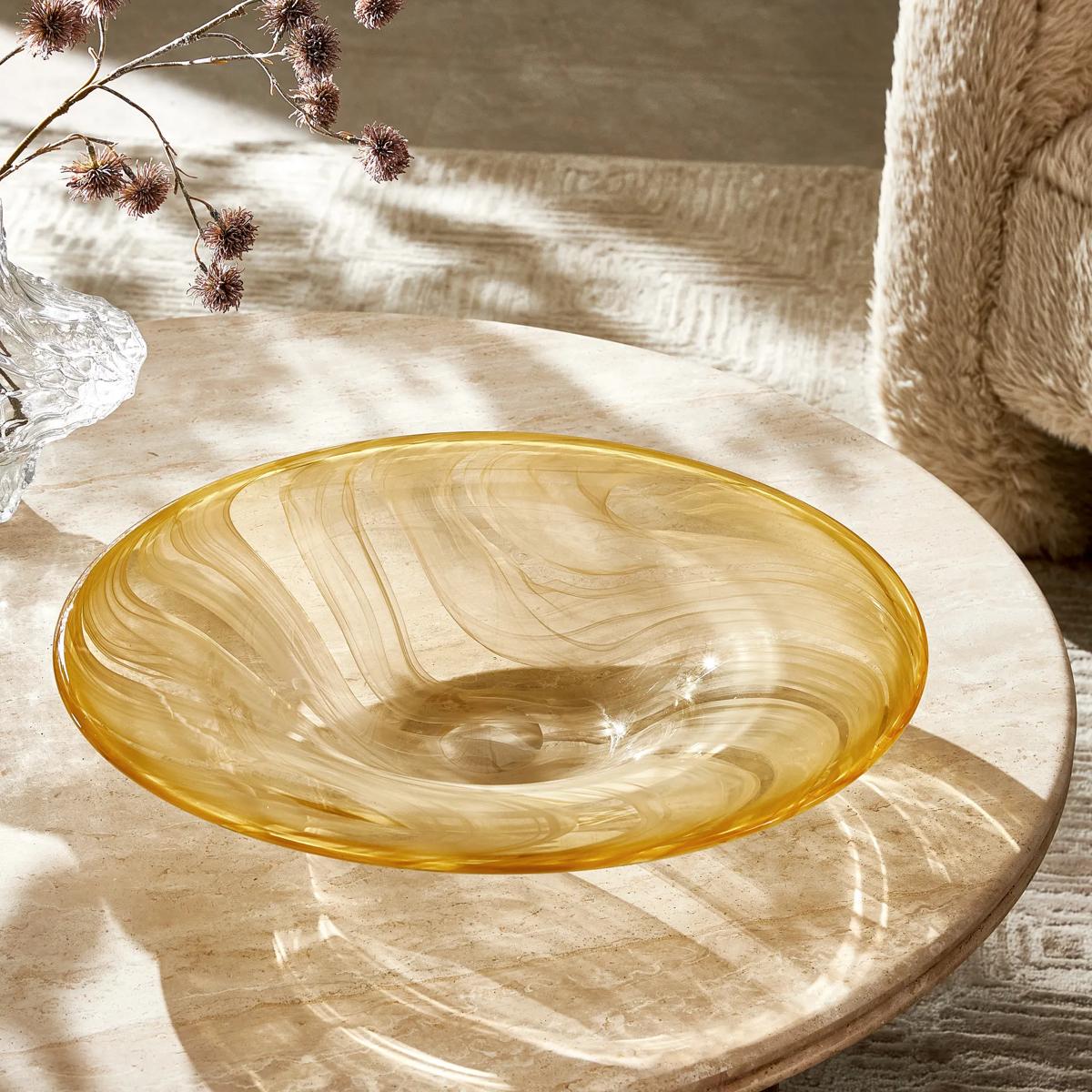 Paradis Glass Plate$239
A hand-blown amber glass plate featuring a swirling, organic design for a radiant decorative accent.
Add To Cart -
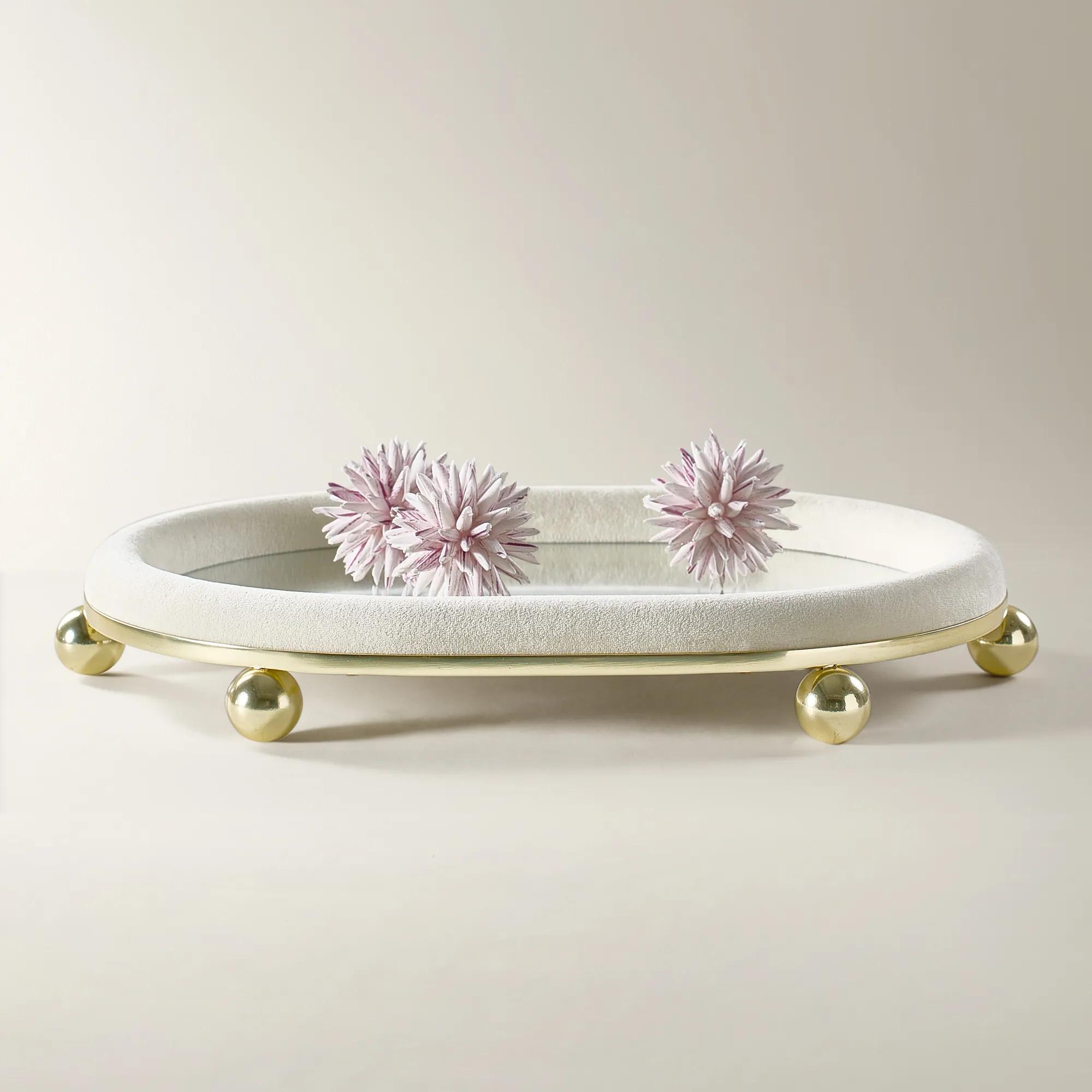
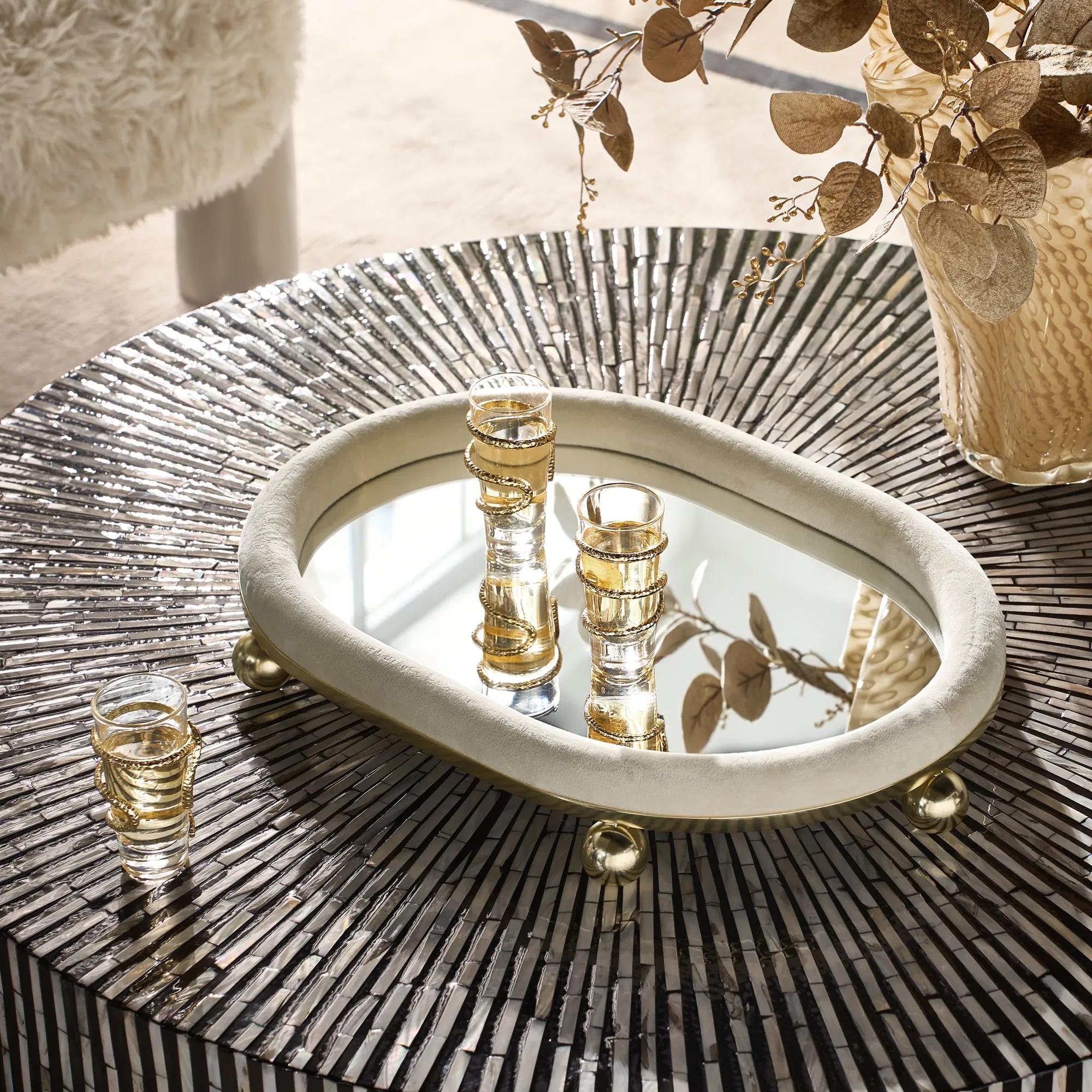 Capri Vanity Ivory Soft Gold Velvet Mirror Tray 17.75" x 2.25"$99
A soft gold iron tray with a mirrored base, velvet accents, and playful bauble details for chic display.
Add To Cart -
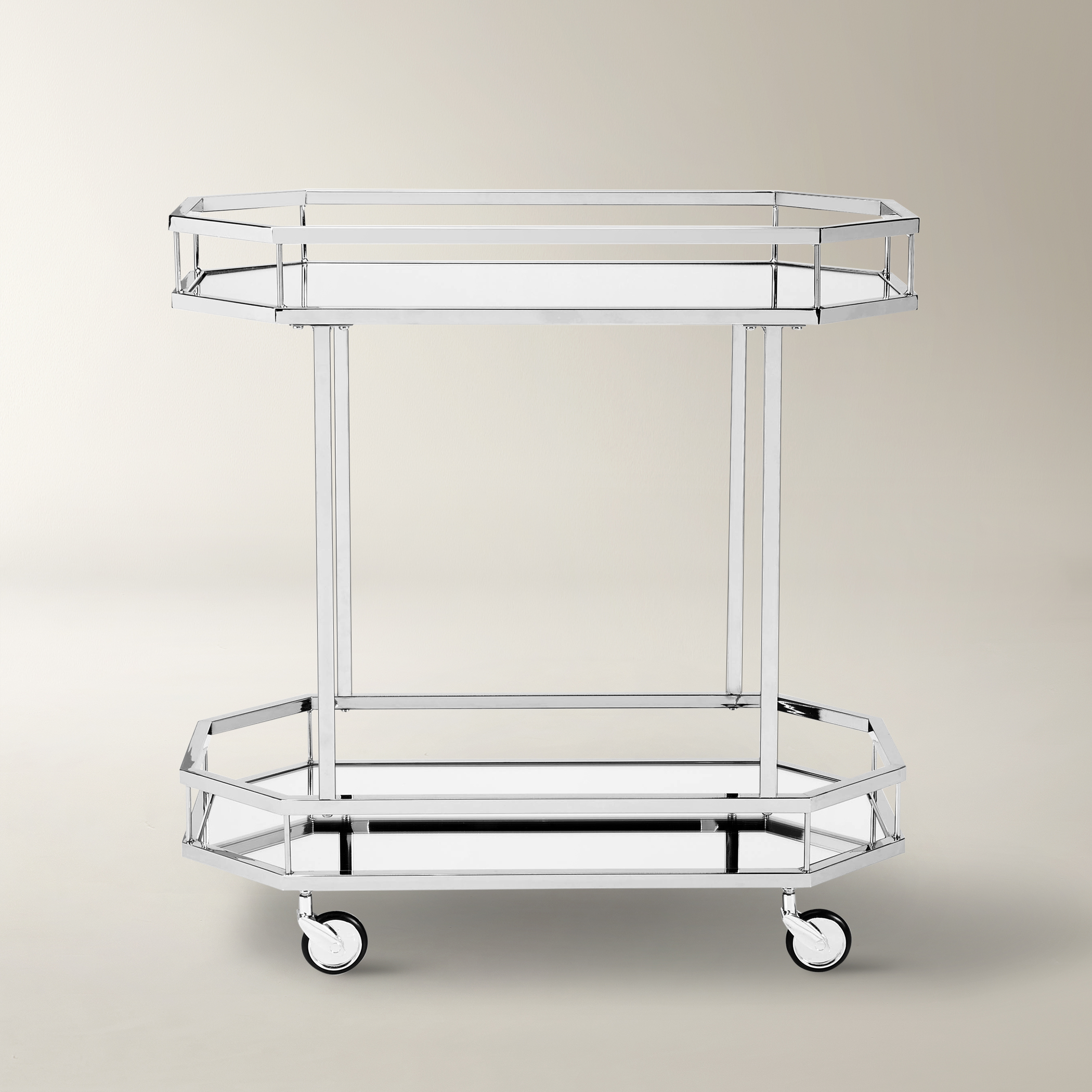
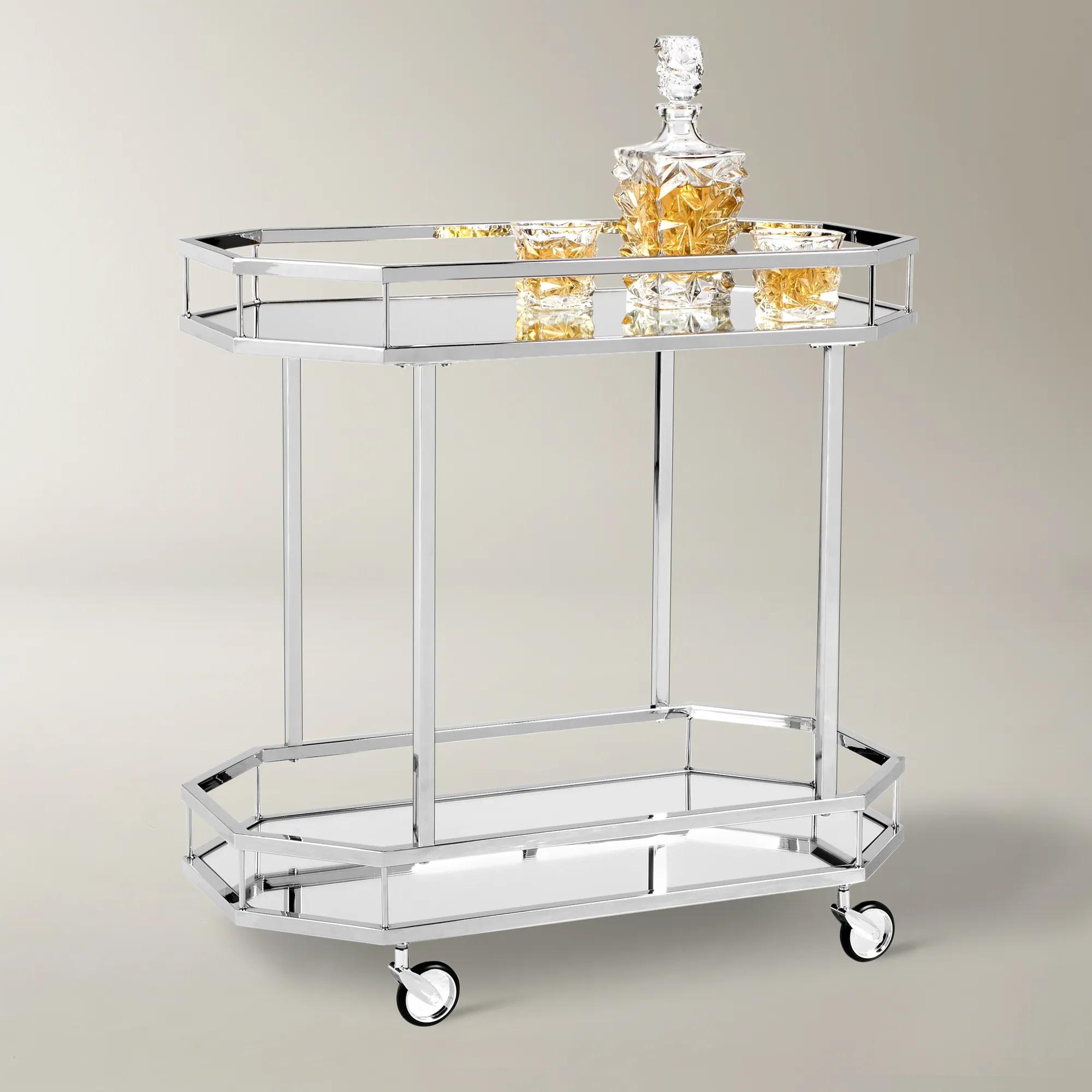 Metropolitan Silver Chrome Plated Steel 2-Tier Bar Carts With Mirror Tray (29.5")$449
A sleek chrome-plated bar cart with mirrored trays and casters for stylish, mobile entertaining.
Add To Cart -
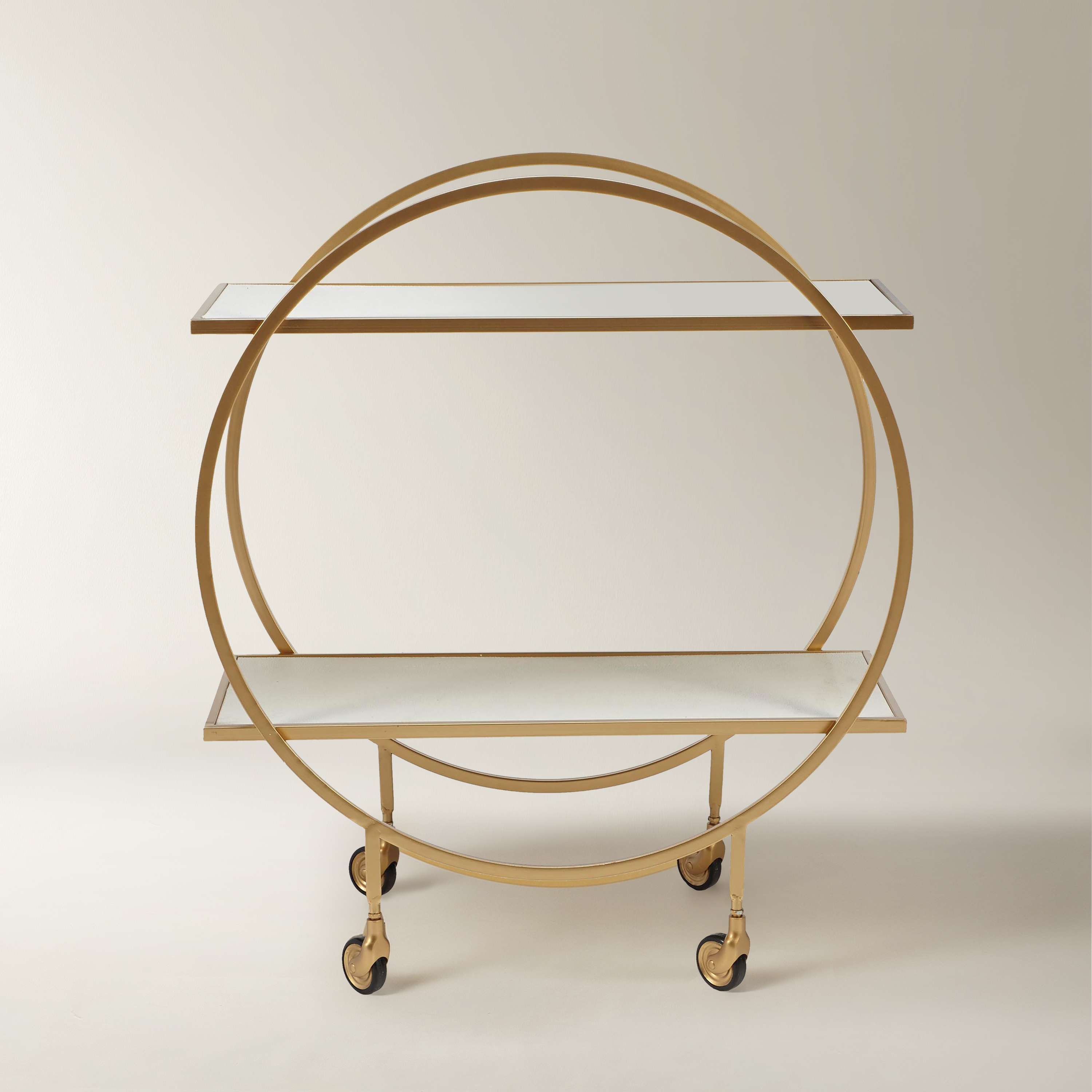
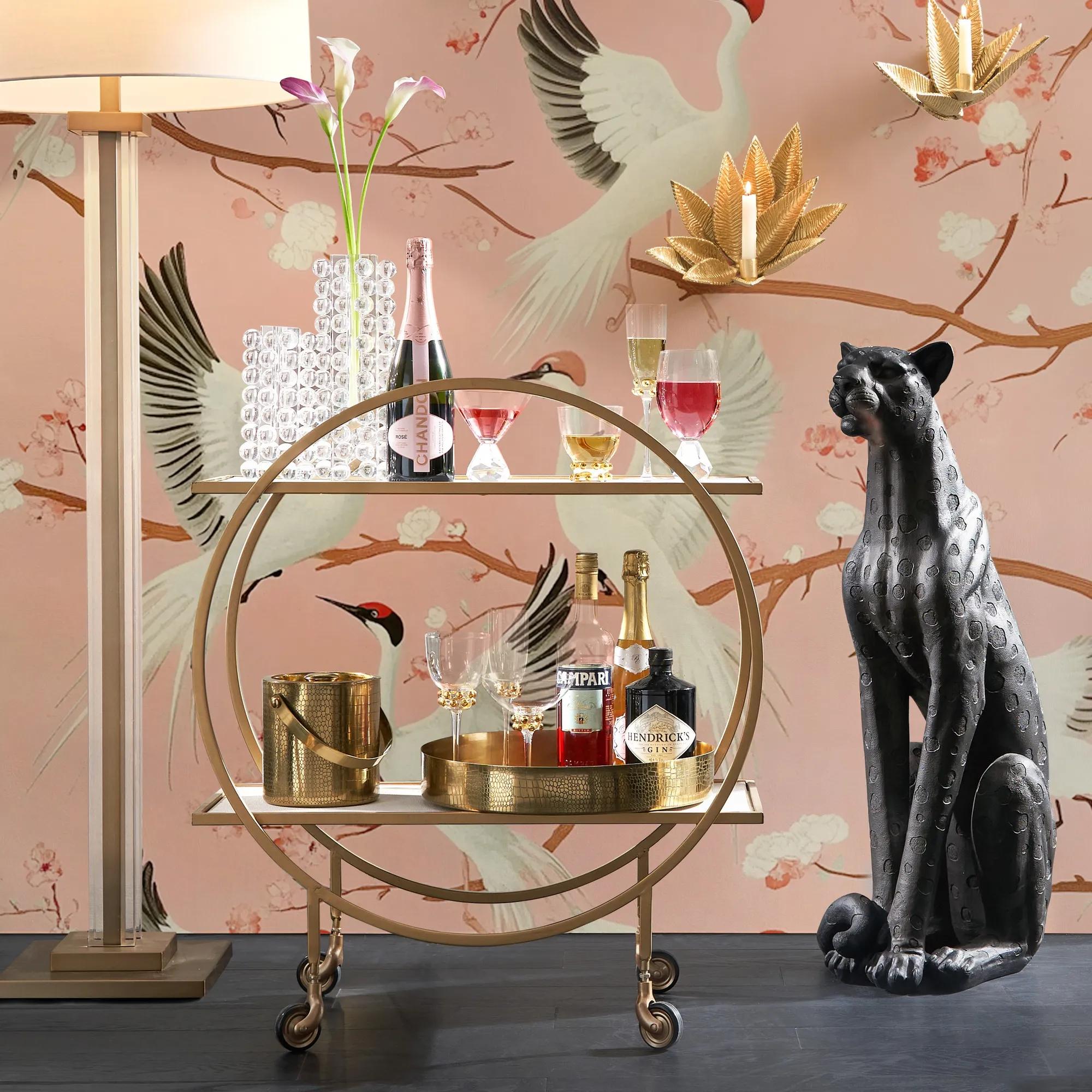 Russo Gold Metal 2-Tier Bar Carts (28")$349
A Deco-inspired bar cart featuring a metallic gold metal frame and white faux leather trays on casters.
Add To Cart -
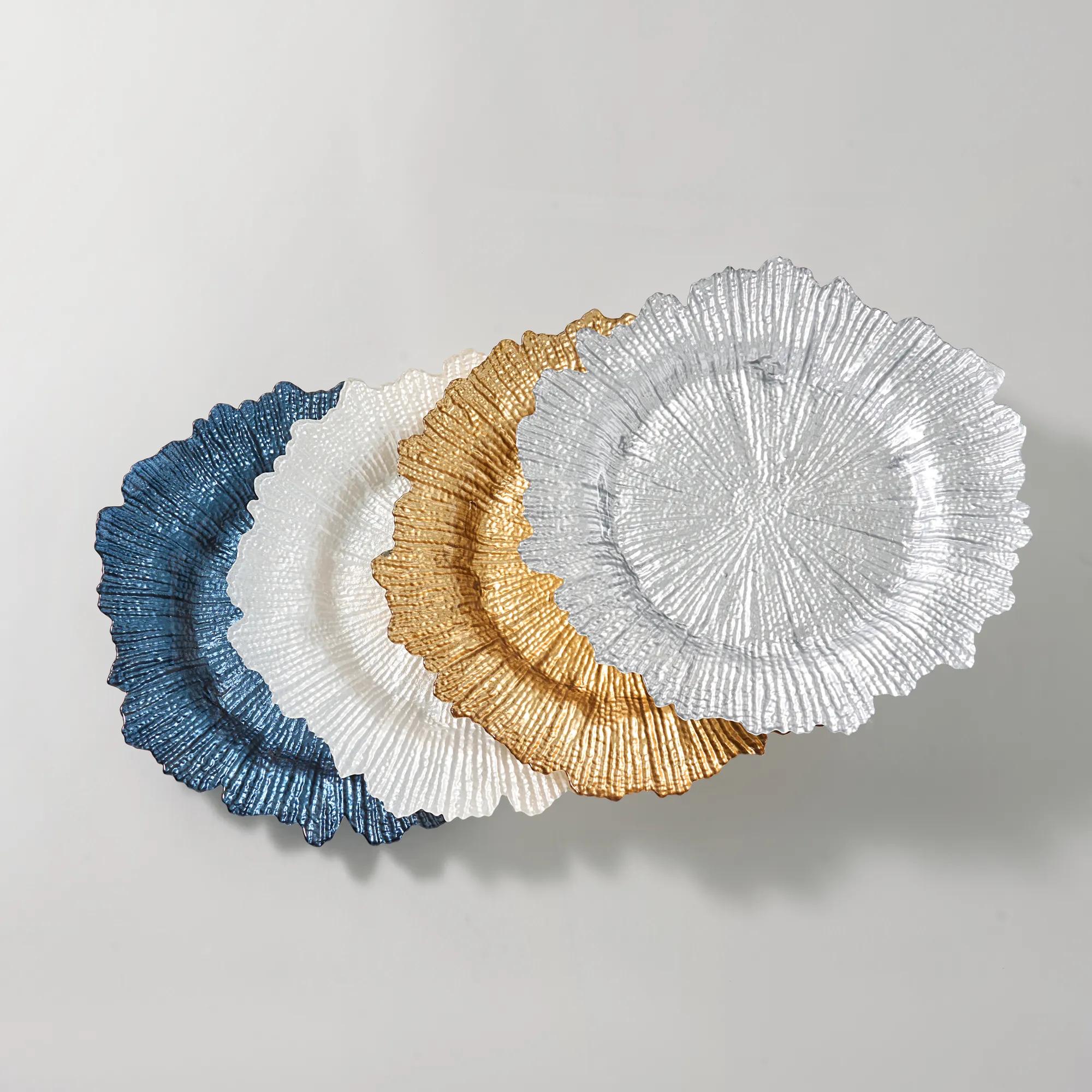
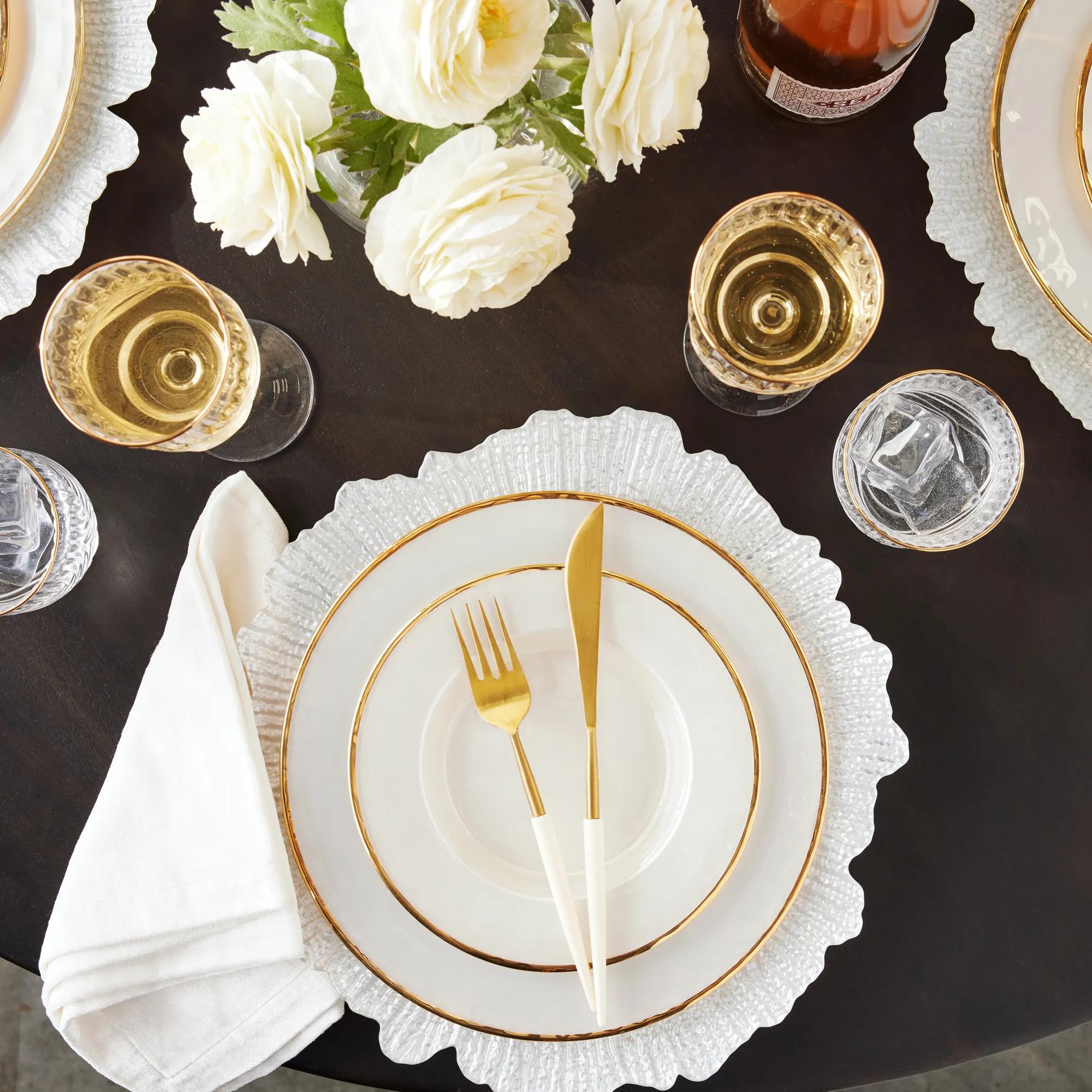 Spruzzo Glass Charger Sets 13"$109
A clear glass charger with an irregular leaf edge and metallic backing for a sparkling table accent.
Add To Cart

Large Decorative Trays
Large Decorative Trays are the unsung heroes of expressive interiors—effortlessly elevating any surface with a flourish of artistry and intent. Whether poised atop a dramatic ottoman, anchoring a cocktail vignette, or catching the light on a grand console, these statement pieces invite both order and opulence into your home. Each tray is an invitation to curate—a canvas for your favorite objets d’art, glassware, or floral displays—transforming everyday moments into striking visual stories. With Large Decorative Trays, every arrangement becomes an opportunity to showcase your boldest vision and impeccable taste.
Large decorative trays give a room a focal point without asking it to stand still. On a generous coffee table, a broad tray gathers books, a sculptural object, and a vase into a composition that feels deliberate rather than scattered. Across an upholstered ottoman, it introduces a defined surface and a striking contrast: gleaming metal against sumptuous fabric, dark wood against pale linen, or reflective glass against richly textured upholstery. The effect is both visual and practical. Everyday essentials have a place to settle, while the room gains another layer of color, shape, and finish. Scale is central to that appeal. An oversized decorative tray can hold its own on substantial furniture, where a smaller accent might seem lost, yet its outline should leave enough of the underlying surface visible to preserve proportion. A rectangular silhouette echoes the length of a console or dining table; a round tray softens angular furniture and draws individual objects into a more intimate arrangement. Oval forms bring a similar fluidity with extra length, while sculptural edges create interest even when the tray holds very little. For a coffee table used throughout the day, leaving room outside the tray for a book or a resting hand keeps the arrangement gracious and livable. On a dining table, a low-profile composition maintains conversation across the surface, while a tray on a sideboard can accommodate a taller, more theatrical display. The objects within it need not match precisely. A matte vessel beside a luminous finish, or a stack of art books beneath a small decorative accent, creates depth through contrast. Repeating one color or material elsewhere in the room makes the composition feel connected without making it predictable. Large trays are especially compelling for people who enjoy expressive interiors but want individual details to feel composed, with enough presence to anchor a room and enough flexibility to change the arrangement whenever inspiration arrives.
Material and finish determine how a large decorative tray interacts with light, furniture, and the objects it holds. Metal can introduce a crisp architectural note, with polished surfaces catching bright highlights and brushed or textured finishes offering a more diffused luster. Wood contributes grain, warmth, and natural variation, giving even a highly styled display a grounded quality. Mirrored bases multiply the shapes placed above them, turning a modest grouping of glass vessels into a more expansive visual gesture, though reflections also make dust and fingerprints more noticeable. Glass offers clarity and visual lightness; ceramic and stone can lend a more substantial, sculptural presence. Lacquered finishes emphasize color and smoothness, while woven materials bring a tactile counterpoint to sleek furnishings. These differences matter beyond appearance. A heavier tray may feel substantial on a fixed console but become cumbersome when filled and carried, while a delicate edge or reflective base calls for more considered handling. Actual measurements are more useful than the word “large” alone: the outside dimensions determine the footprint, and the interior dimensions reveal how much display space remains within the rim. Handles, raised borders, and ornamental corners may extend beyond the usable base, so their proportions deserve attention when fitting a tray to a narrow console or dresser. The underside matters as well, particularly on glass, lacquer, or finely finished wood furniture; a smooth base and suitable nonabrasive protection can help reduce scratches. For an ottoman, the tray should sit level and securely without overhanging the upholstery, and a soft or deeply tufted surface may not provide dependable support for drinks or fragile objects. Those drawn to streamlined silhouettes and expressive finishes may also find inspiration in Contemporary Decorative Trays, where the emphasis on form offers another way to connect a decorative accent with the lines of a room. Whether the desired effect is luminous, richly textured, or quietly architectural, the strongest choice balances visual drama with the demands of its setting.
Intended use gives a beautiful tray its lasting relevance. In an entryway, a generous design can establish an elegant landing place for keys and correspondence, provided the surface can tolerate regular contact with small, hard objects. On a bedroom dresser, it can bring perfume bottles and treasured accessories into a single, jewel-like display; protective dishes beneath products that might leak help preserve vulnerable finishes. A bathroom vanity benefits from the same sense of order, although exposure to splashes and humidity makes material suitability especially important. A tray meant primarily for display should not automatically be treated as a serving tray. Direct food contact, heat resistance, moisture resistance, and carrying capacity depend on the individual design and its care specifications, not simply its size or the presence of handles. For entertaining, food belongs on appropriate dishes unless the tray is expressly identified as food-safe, and hot vessels require protection suited to both the vessel and the tray’s finish. Handles should be designed for carrying before a filled tray is lifted; ornamental grips may serve a visual purpose rather than a structural one. With thoughtful use, a large tray can move between roles, holding a composed arrangement on a sideboard for a gathering and returning to a coffee table afterward. Care is most effective when it respects the material: a soft cloth is often appropriate for routine dusting, while cleaning solutions should follow the manufacturer’s directions. Abrasive pads, prolonged moisture, and harsh chemicals can damage many decorative finishes, and mirrored or glass surfaces need particular care around edges and joins. Lifting objects rather than dragging them helps protect the base, especially beneath stoneware, ceramics, or rough-bottomed vessels. As a housewarming or wedding gift, a large decorative tray suits someone who loves hosting, arranging flowers, collecting beautiful objects, or giving everyday rituals a more considered setting. Its generous scale offers room for personal expression without dictating every detail. The result is an accent that feels purposeful even when left nearly bare, allowing its shape, finish, and craftsmanship to carry the composition.
FAQs
A large decorative tray instantly elevates your living room by providing a sophisticated foundation for curated vignettes. Place it on a coffee table to gather candles, art books, and a sculptural vase, or use it to organize remotes and coasters with flair. Its generous scale allows you to layer textures and colors, creating a striking focal point that reflects your unique aesthetic.
Modern interiors often feature trays crafted from mirrored glass, polished metals, lacquered wood, and marble. Each material brings its own mood—mirrored and metallic trays add a sense of glamour and reflect ambient light, while marble or lacquered finishes provide a bold, contemporary edge. The choice of material can define the atmosphere, from opulent to minimalist-chic.
Absolutely. Large decorative trays are a host’s best friend, seamlessly transitioning from display to function. Use them to serve cocktails, present hors d’oeuvres, or transport glassware with style. When not in use for serving, they double as a dramatic centerpiece, anchoring your table with elegance and intention.
A large decorative tray makes a memorable and versatile gift, perfect for housewarmings, weddings, or holidays. Its blend of beauty and utility ensures it will be cherished, whether used to organize an entryway, create a chic bar setup, or display treasured objects. Choose a style that reflects the recipient’s personality for an unforgettable gesture.
A large decorative tray is the ideal canvas for seasonal displays. In winter, layer it with candles, metallic ornaments, and evergreen sprigs for a cozy, festive tableau. As the seasons change, swap in fresh florals, colorful ceramics, or coastal accents. Its versatility allows you to refresh your space with each new mood or occasion.
.jpeg?w=3401&h=3401)
.jpeg?w=3613&h=3613)